42
Târgu Jiu
and its Surroundings
Guarded by the Carpathian ridges and surrounded by enchanting landscapes, “Brâncuși’s city” is the place where the sculptor who marked modern art managed to link heaven and earth for eternity, leaving behind a priceless treasure for his birthplace!
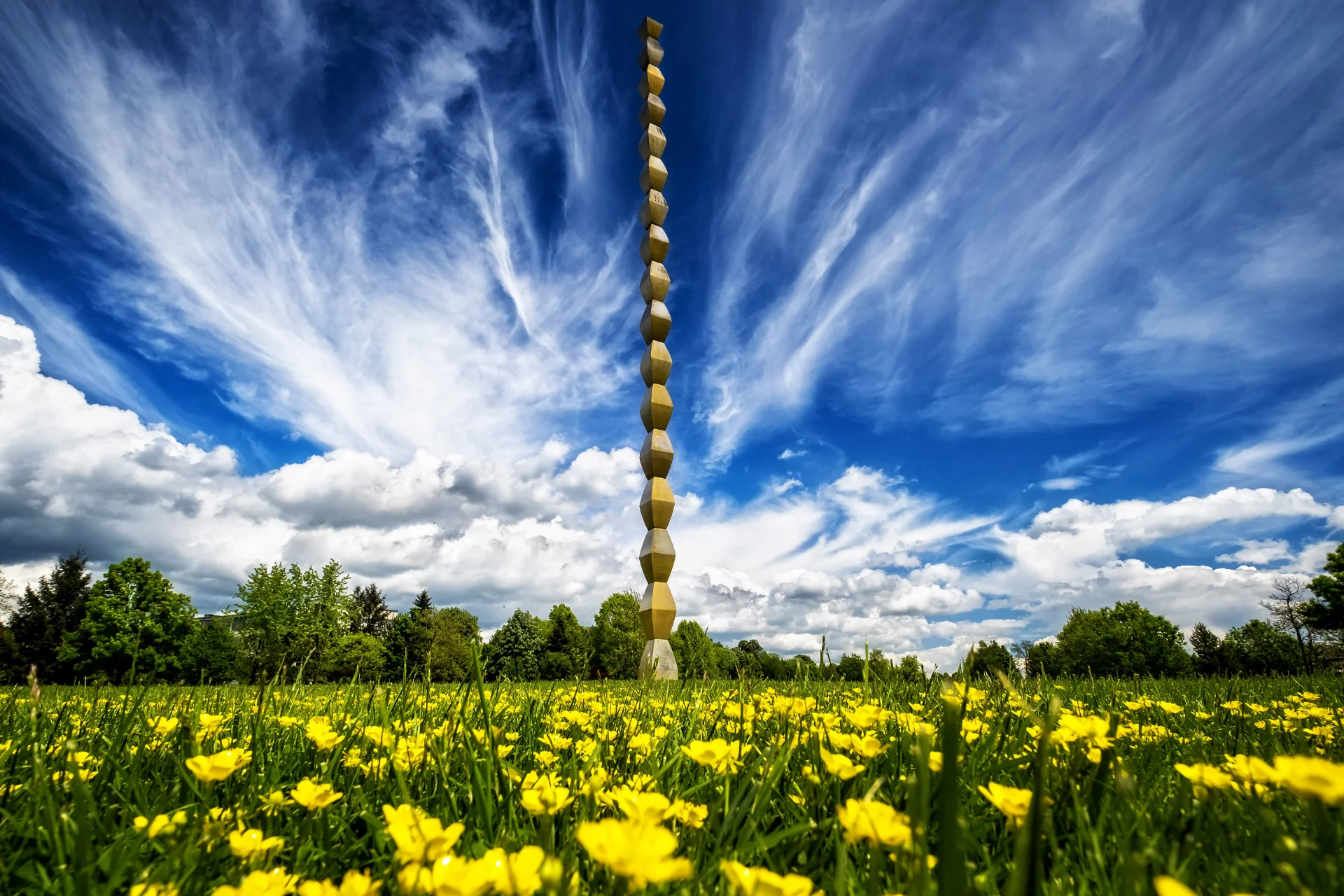
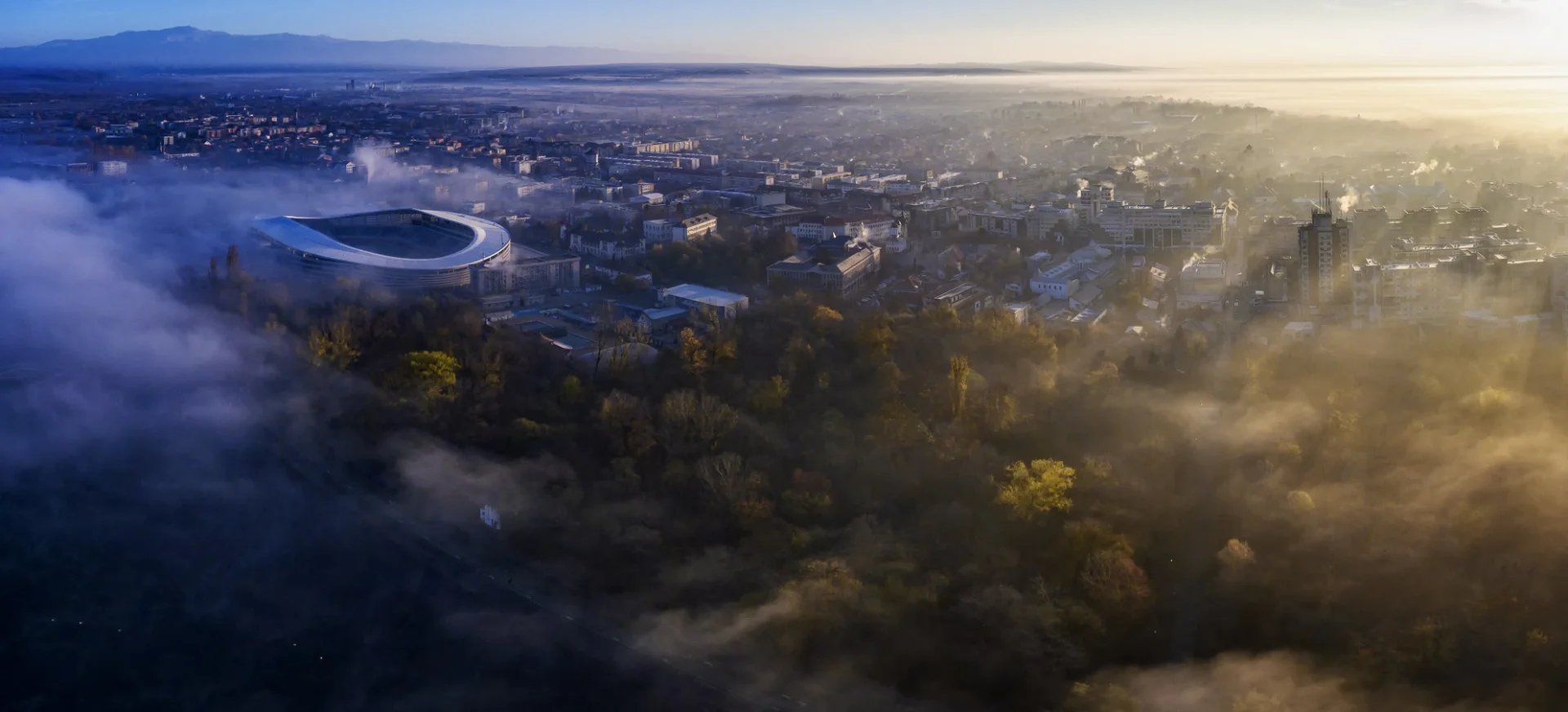
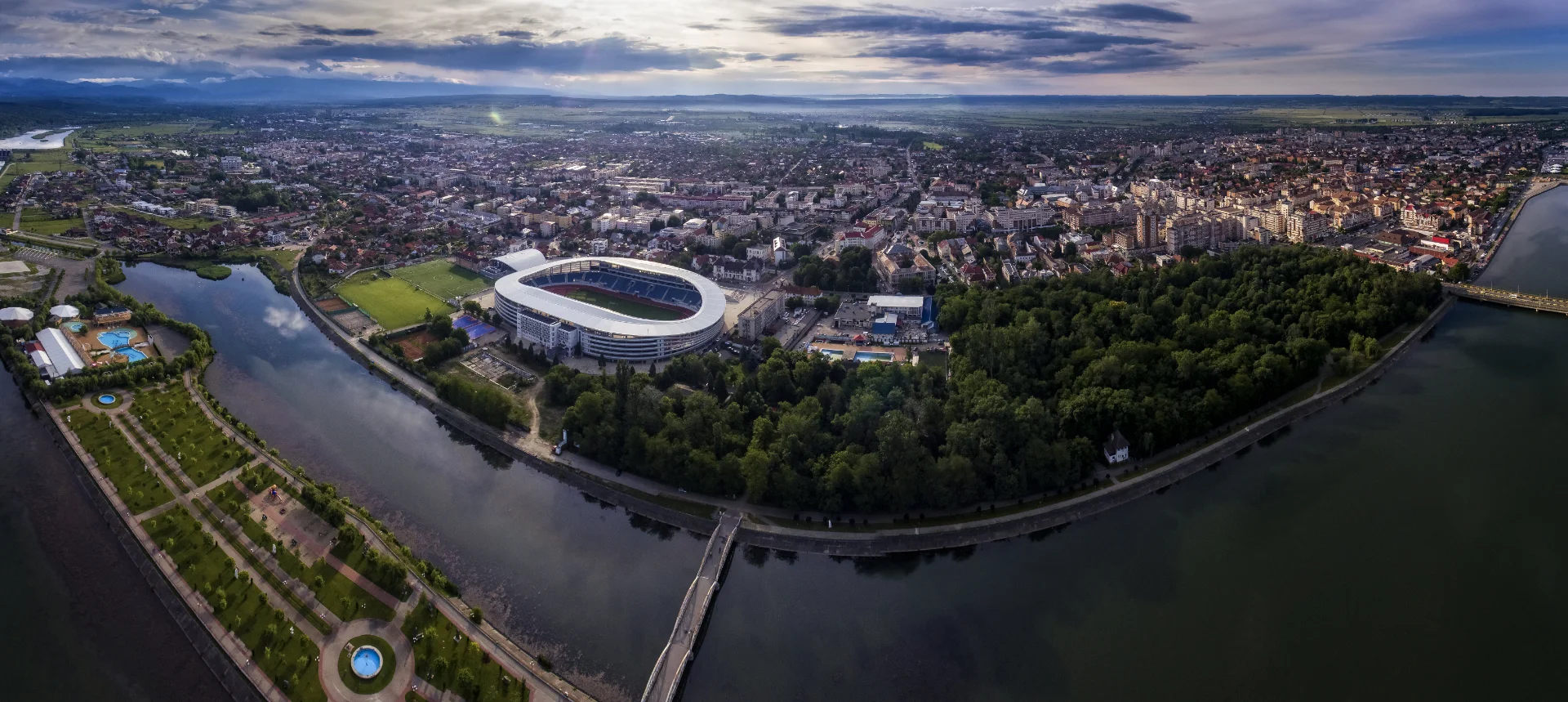
Descending along the Jiu River to the south, we will definitely stop in the city of Târgu Jiu, a fascinating place with its simplicity and discreet charm, and a walk along its wide streets and intimate alleys has the gift of revealing the soul of an amazing place. Native lands always have the gift of taking us back in time, awakening memories and deep feelings from the distant times of childhood. A fairly quiet provincial town, Târgu Jiu is caught between the universal fame of the most beloved personality in these places and the modern character marked by industrial influences. Even though it has become almost assimilated with the work and memory of Constantin Brâncuși in the universal consciousness, the city is reflected beyond the emotional experience called the Path of Heroes. Exploring the city center, but also the land beneath the towering mountains of Gorj, we discover a complex and fascinating destination, with stunning monuments, ancient monasteries and authentic traditions, all in a delightful natural setting.
We can get here quite easily, the city of Târgu Jiu being at the intersection of the European road 79 (DN66) that connects Craiova to Transylvania, with the national road 67, which connects Râmnicu Vâlcea and Drobeta Turnu Severin. Târgu-Jiului, as it was called until recently, has ancient historical roots, being assimilated by many researchers with the ancient settlement Arcina, described by the ancient geographer Ptolemy. The town is first mentioned in a document from 1406 by Prince Mircea the Elder, and as the name suggests, the town was a commercial center located at the intersection of important roads. Centuries later, Târgu Jiu became known throughout the world thanks to the works that Constantin Brâncuși created and placed in the city. Although he created hundreds of masterpieces that have profoundly influenced the history of modern art, now spread through museums and private collections all over the world, the sculptor born in a small village in Gorj created truly grandiose wonders in stone and metal here.
Search for Flights to Romania with Booking.com!
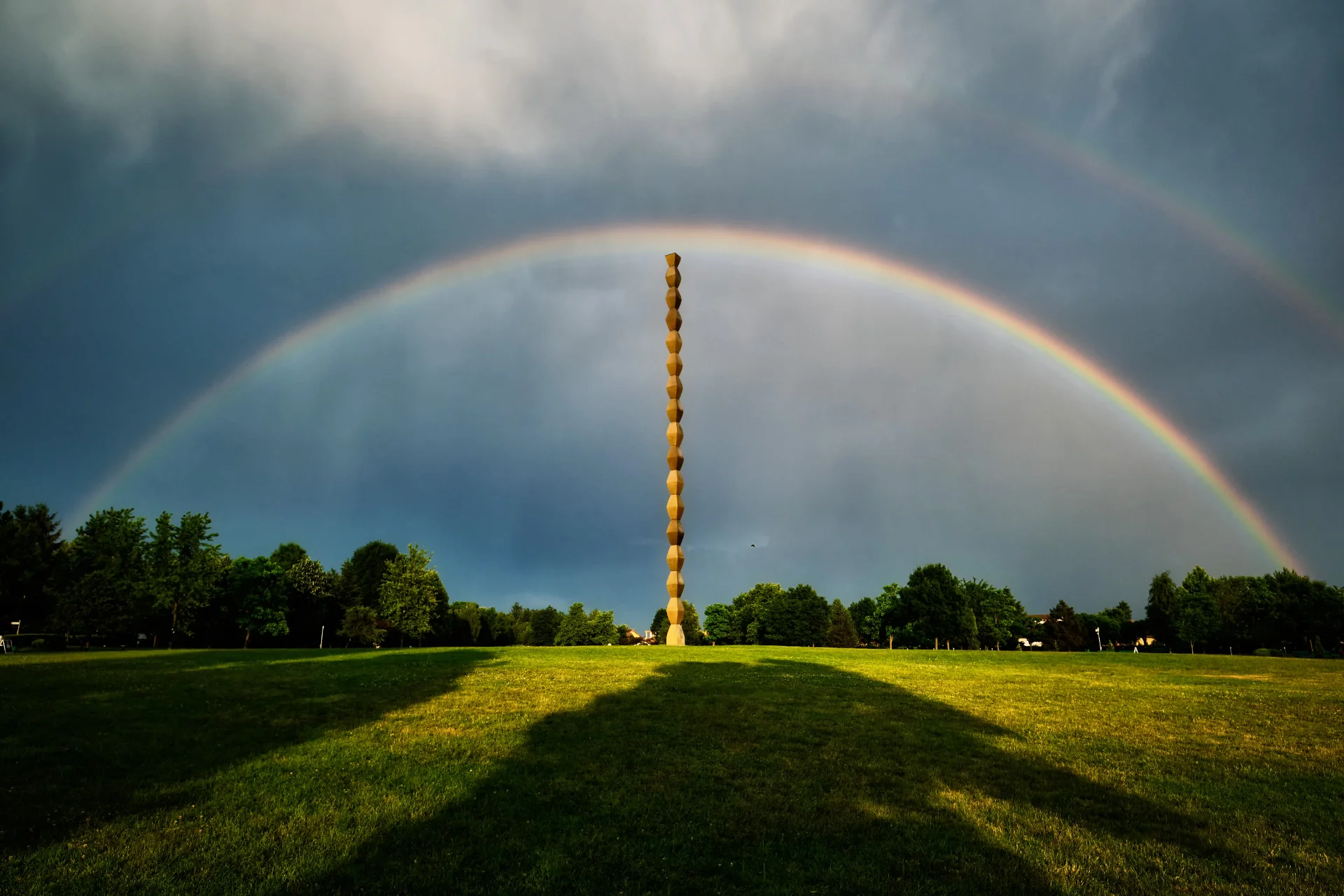
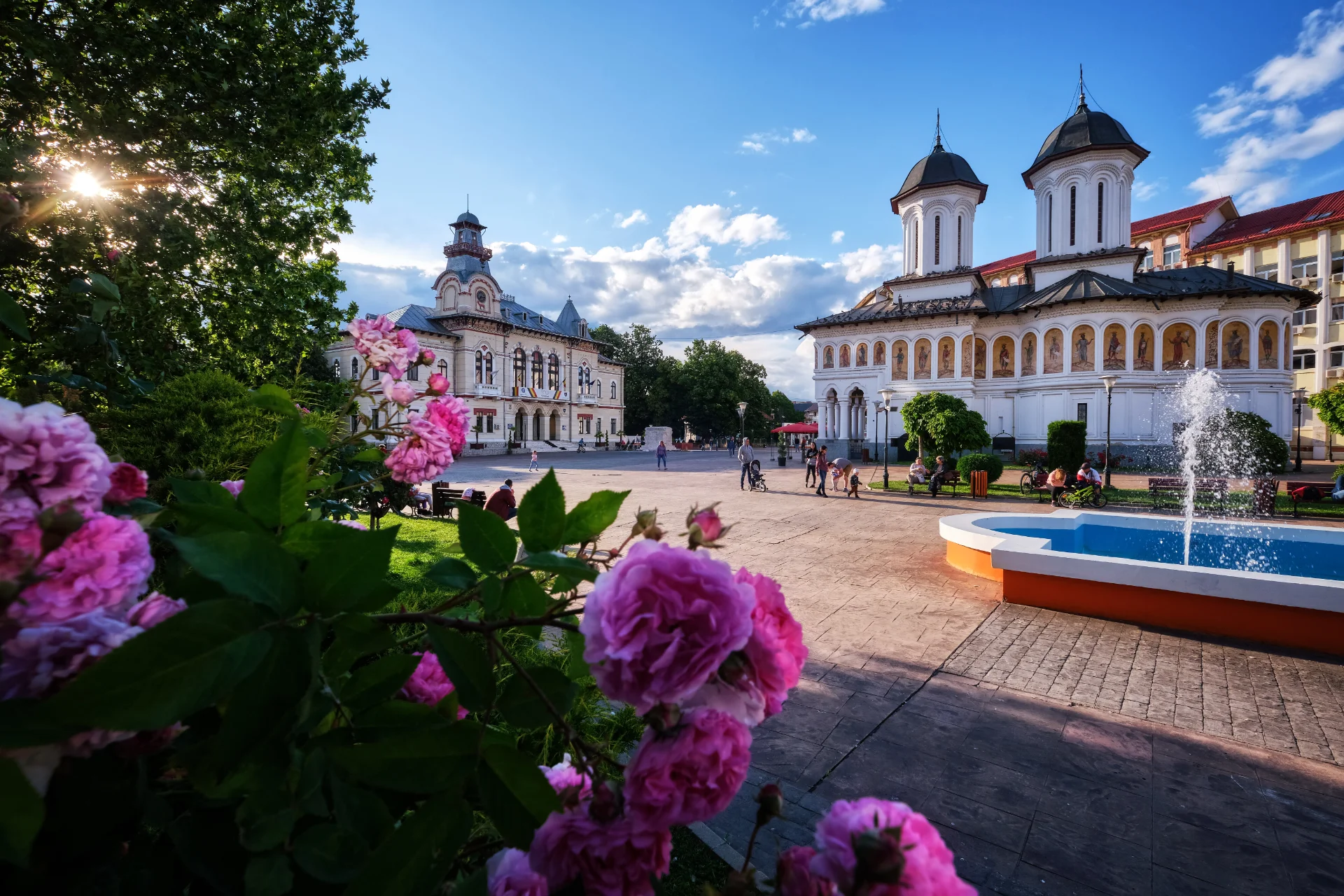
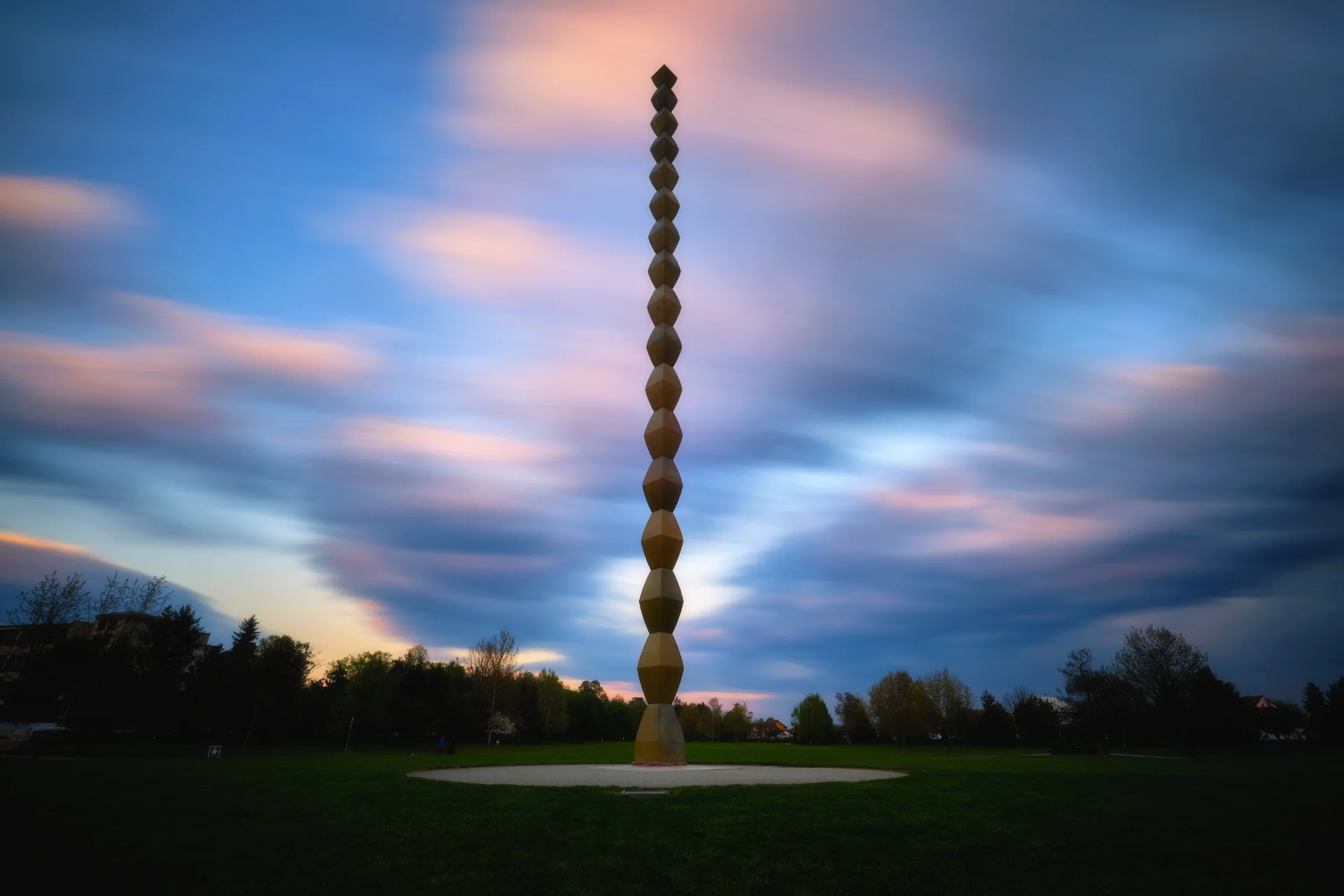
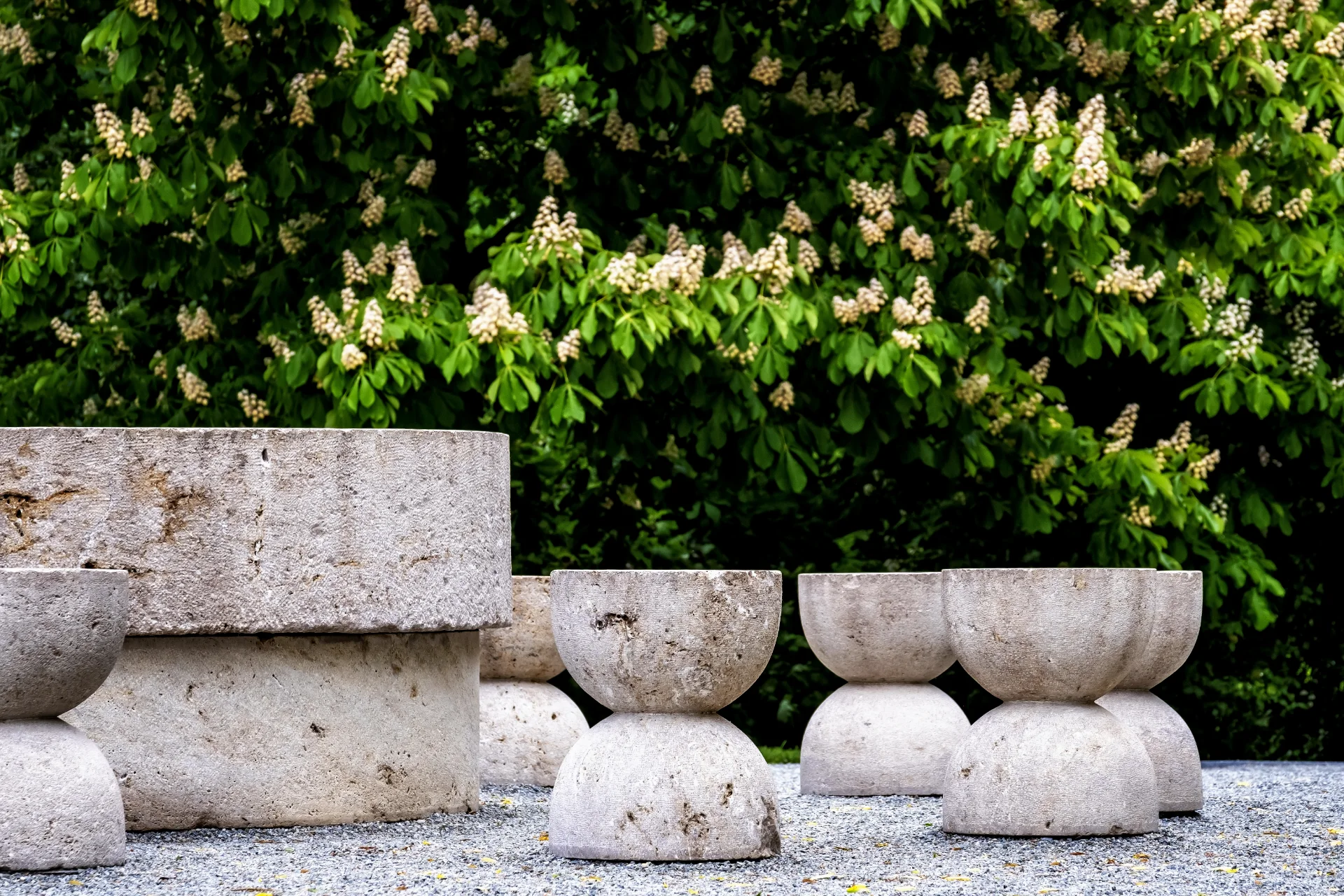
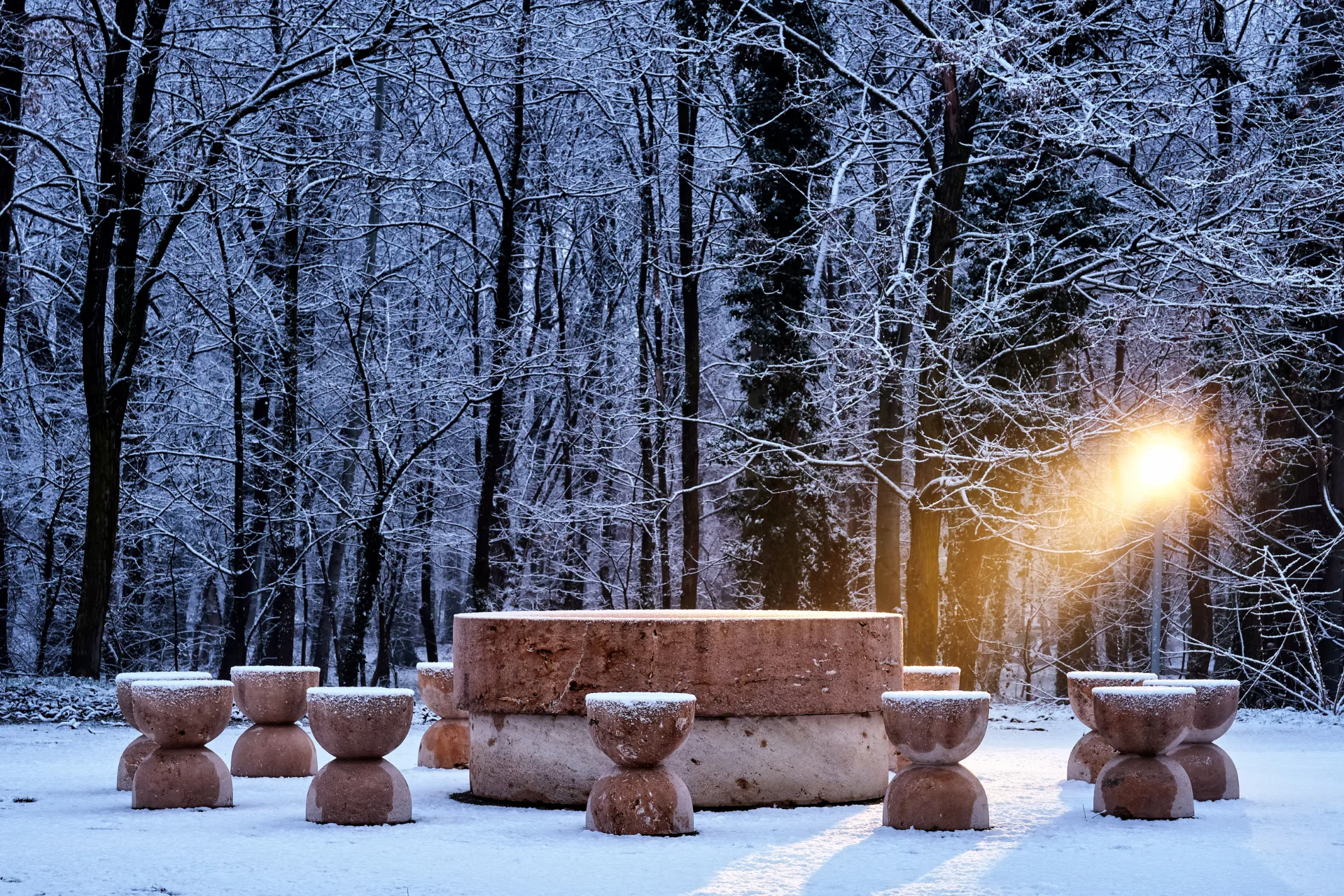
The Heroes Path Monumental Ensemble was created in the interwar years as a tribute to the heroes of World War I, comprising several exceptional monuments, namely the Table of Silence, the Alley of Chairs, the Gate of the Kiss and the Endless Column. This was Brâncuși’s last masterful work, created between 1937 and 1938, representing the sculptor’s genius creation and can easily be joined to the great masterpieces of universal sculpture and art. Starting with 2024, the site “Brâncuși Monumental Ensemble in Târgu Jiu” has been included on the UNESCO World Heritage List. The unique masterpieces are located along an axis that cuts the city from west to east, with a length of just over 1 kilometer, the first being located in the central park next to the Jiu River, while the Endless Column can be admired in a superb park to the west. We first discover the minimalist style and perfect symmetry of the Table of Silence, which symbolizes the quiet of deep thoughts before battle, but also has religious connotations, with the table surrounded by twelve identical chairs. This creates a space of perfect round shapes, without any angles to destroy continuity.
“I would like my works to stand in parks and public gardens, for children to play on them, as they would play on stones and monuments born from the earth, for no one to know what they are and who made them, but for everyone to feel their necessity and friendship, as something that is part of the soul of Nature…” Constantin Brâncuși
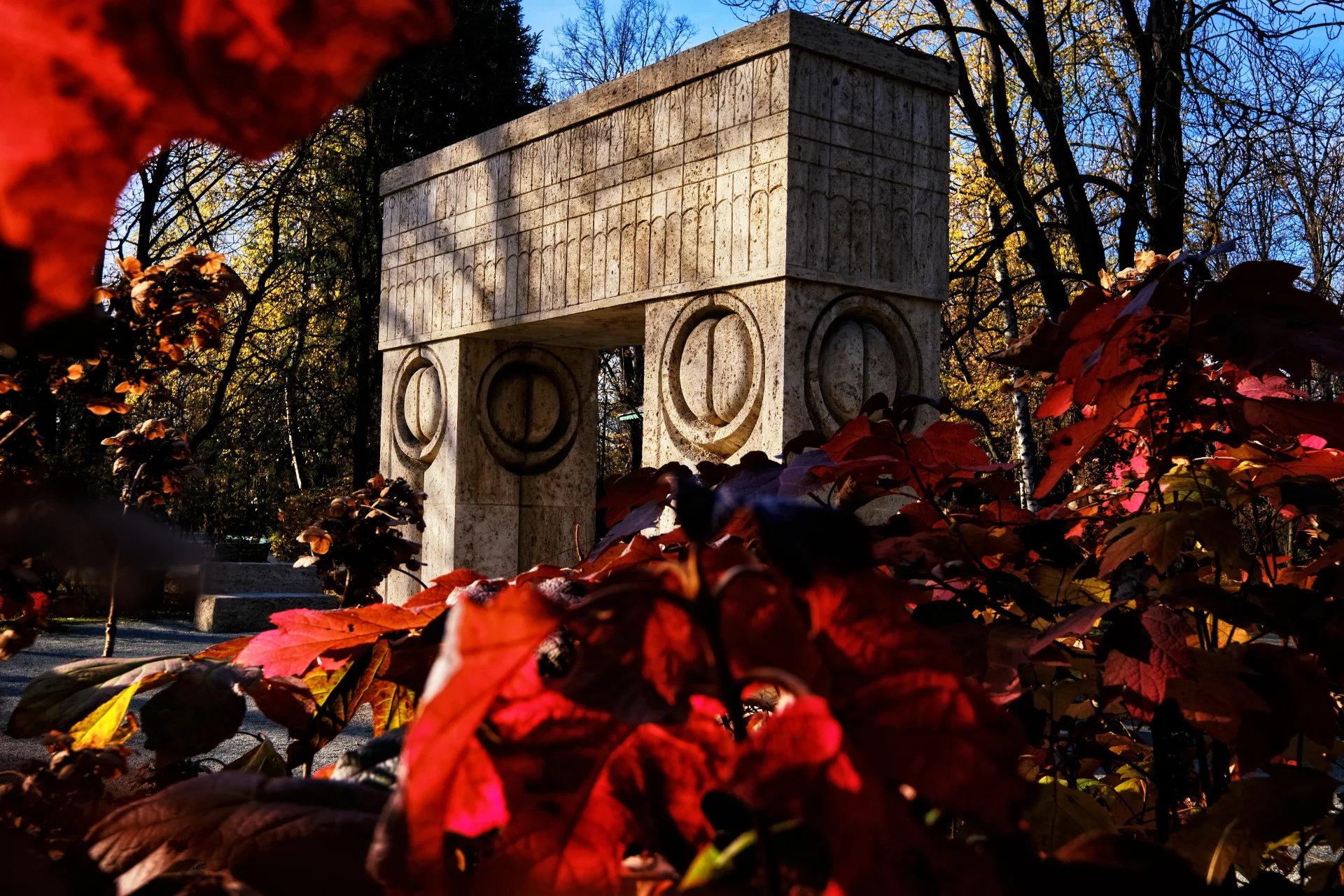
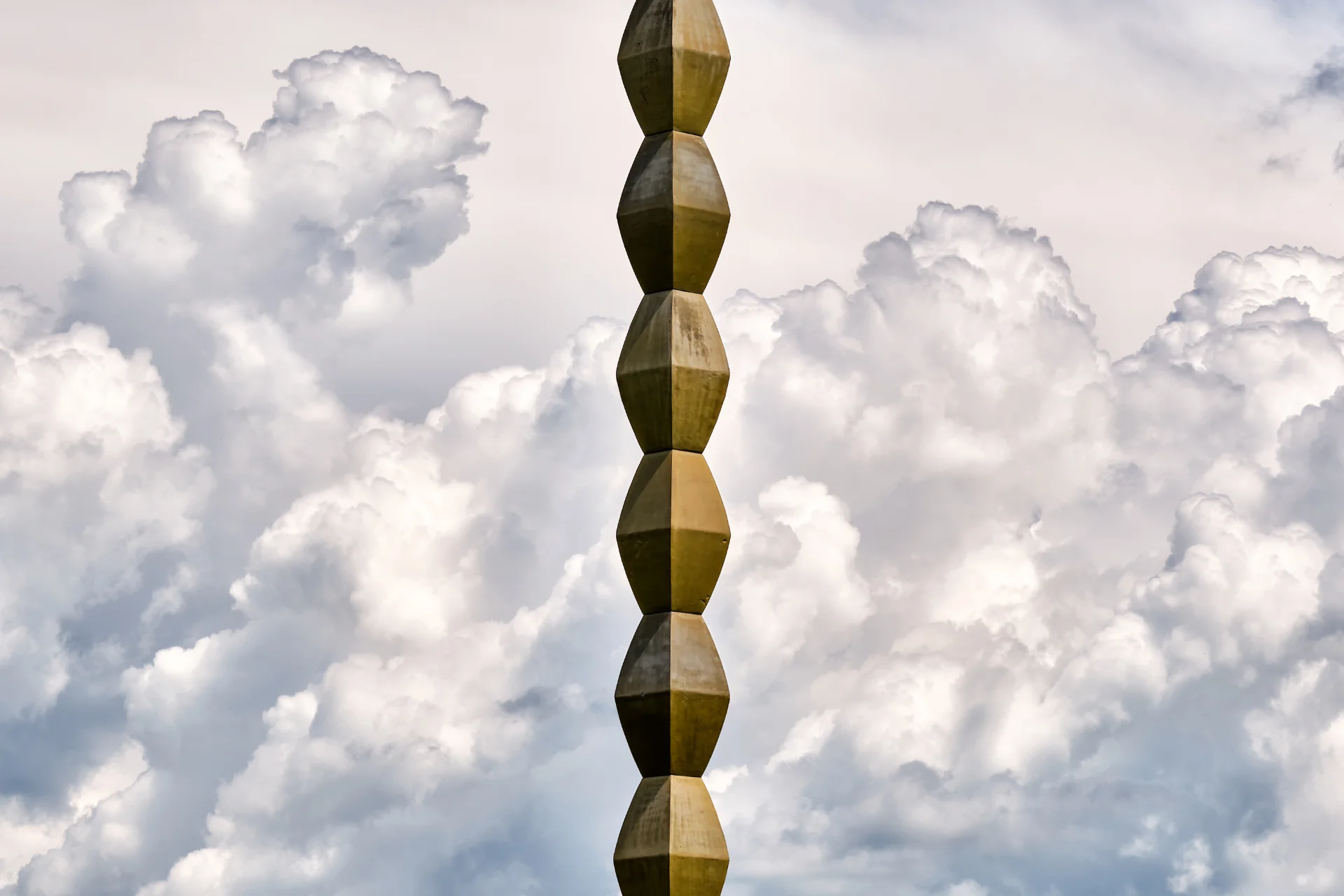
The path to the next masterpiece is opened by the Alley of Chairs, flanked by other symmetrical groups of hourglass chairs, which signify the passage of time. At the exit from the park, the Gate of the Kiss symbolizes union and love, encompassing the ultimate stylization of the kiss, a permanent goal of Brâncuși. He thus manages to create an immortal testament of love in stone, but for many, the empty space of the gate itself represents the central element of the work. The Endless Column, also known by locals as the Column of Infinity, is over 1 kilometer away from the other works, but forms a unified ensemble thanks to Brancusi’s artistic genius. As for the construction itself, it impresses with its proportionality and simplicity. According to many critics, the shape of the column is inspired by Romanian folk architectural motifs and we can find carved pillars similar to the old houses in the villages of Gorj County. Mircea Eliade gives it an even deeper meaning, likening it to an axis mundi, a support of the celestial vault, a symbol present in many cultures around the world. Its simplicity and perfect proportions make it continue towards infinity, creating a permanent connection between earth and sky, between the living and the departed.
Search for Lodging in Târgu Jiu and its Surroundings on Booking.com!
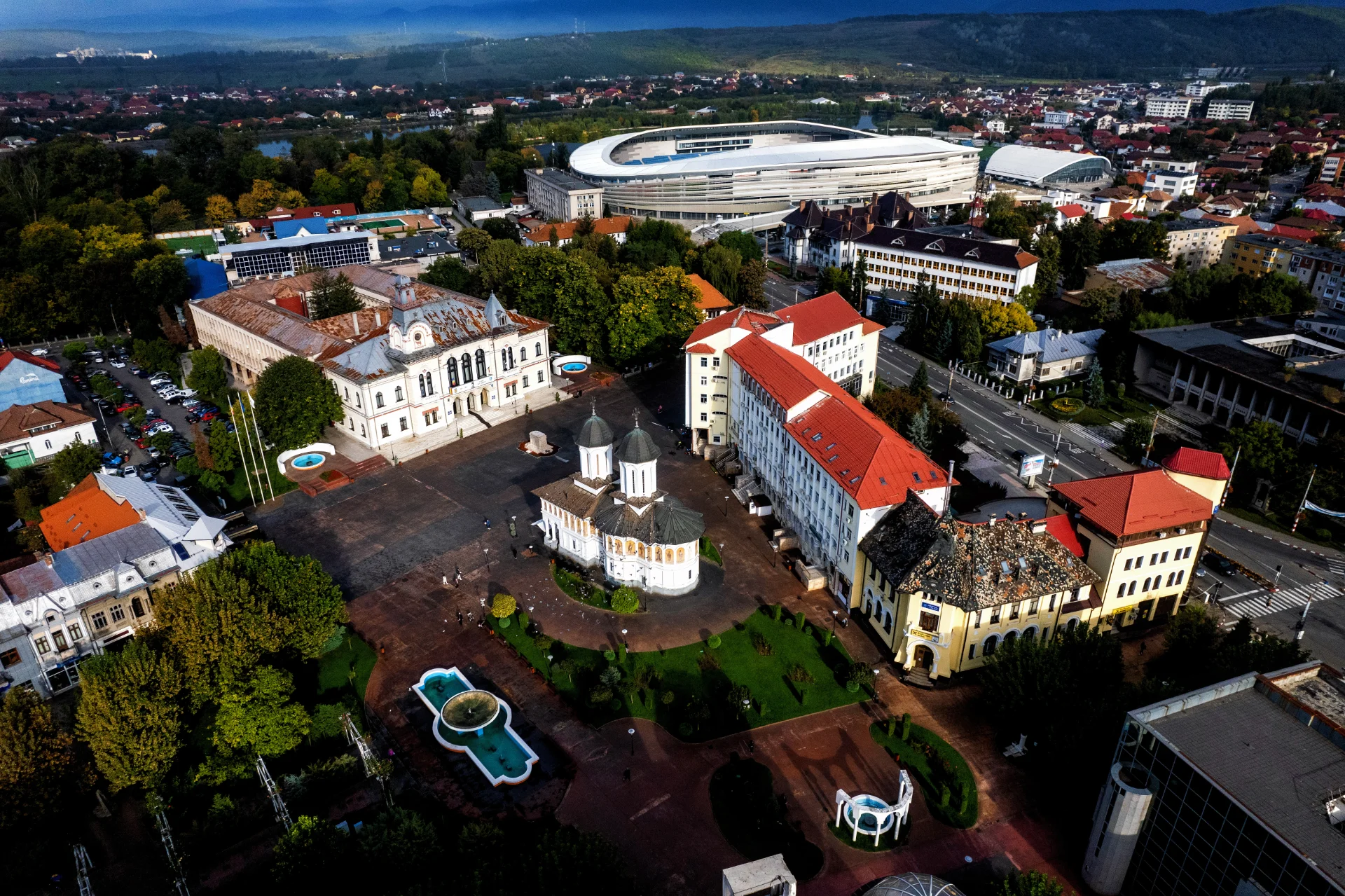
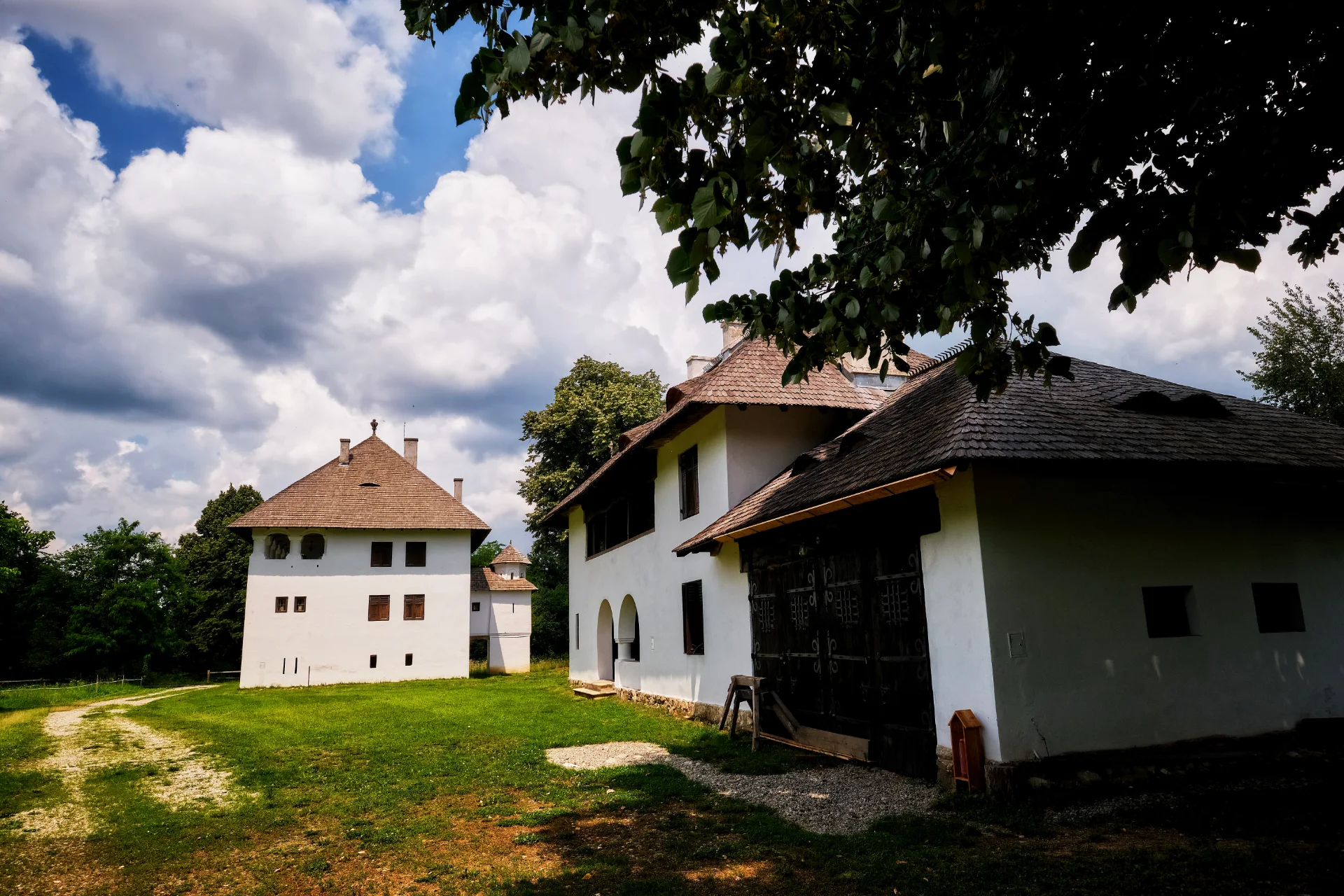
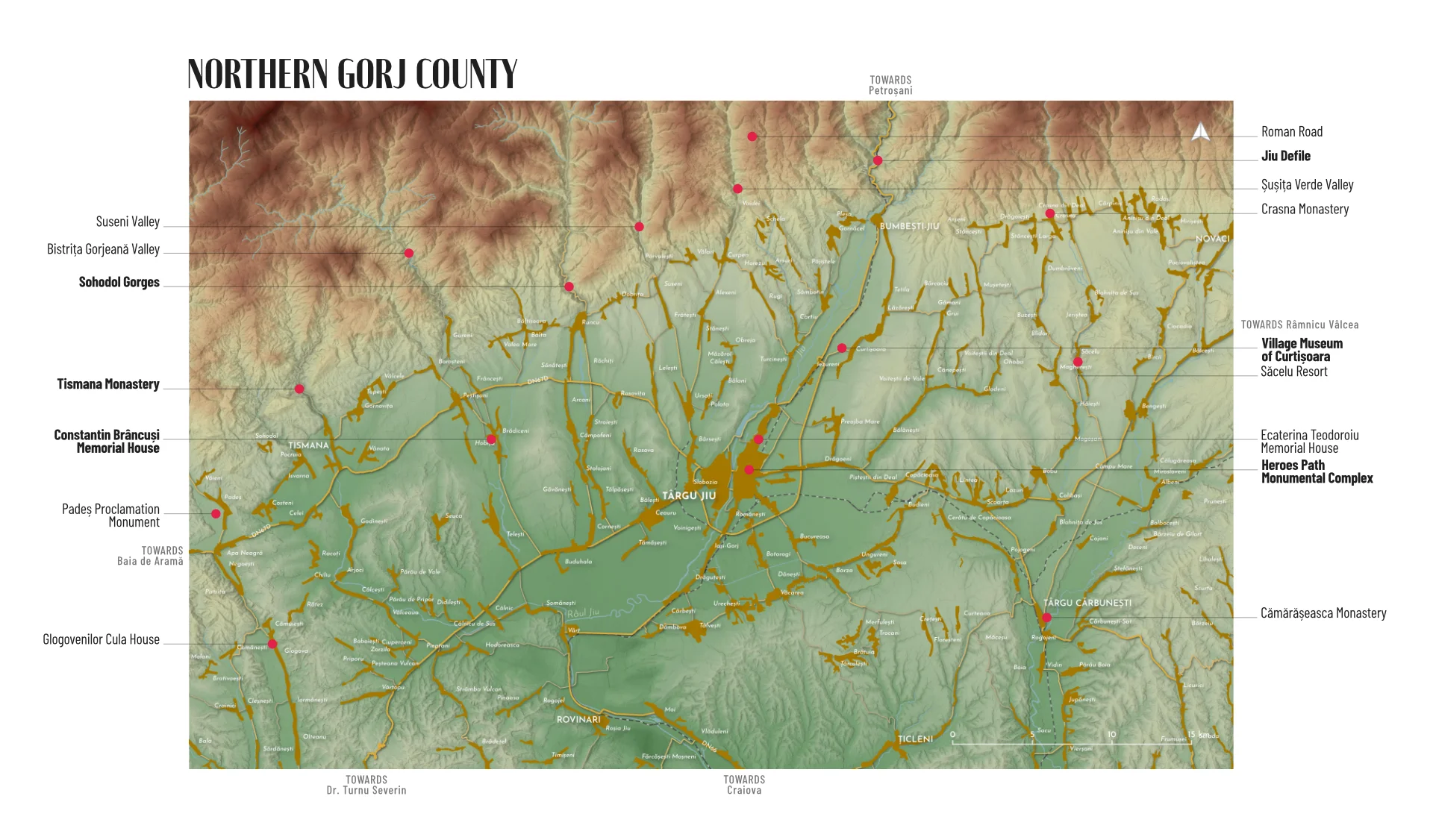
In addition to the works of Constantin Brâncuși, the city of Târgu Jiu also offers other important attractions that we can easily discover, including the “Sfinții Voievozi” church in the city center, the “Sfinții Apostoli Petru și Pavel” church on Heroes Path, the architectural ensemble of Bănia, the Central Park, the History Museum, the Art Museum, the Ecaterina Teodoroiu memorial house, the old buildings or the sculptures spread throughout the city. Beyond its streets, the village streets and the valleys at the foot of the mountains with other surprising places await us. Just 12 kilometers to the north, we stop for a few delightful hours at the Museum of Rural Architecture of Gorj in the village of Curtișoara. Over time, this small village museum has come to hold an impressive treasure trove of rural culture and civilization, comprising a large number of authentic peasant buildings (cule, houses, churches, mansions, cellars, mills and other structures). The museum was organized around the Cula Cornoiu complex, and although it was ceded to the heirs, we can still enter to admire the impressive monuments.
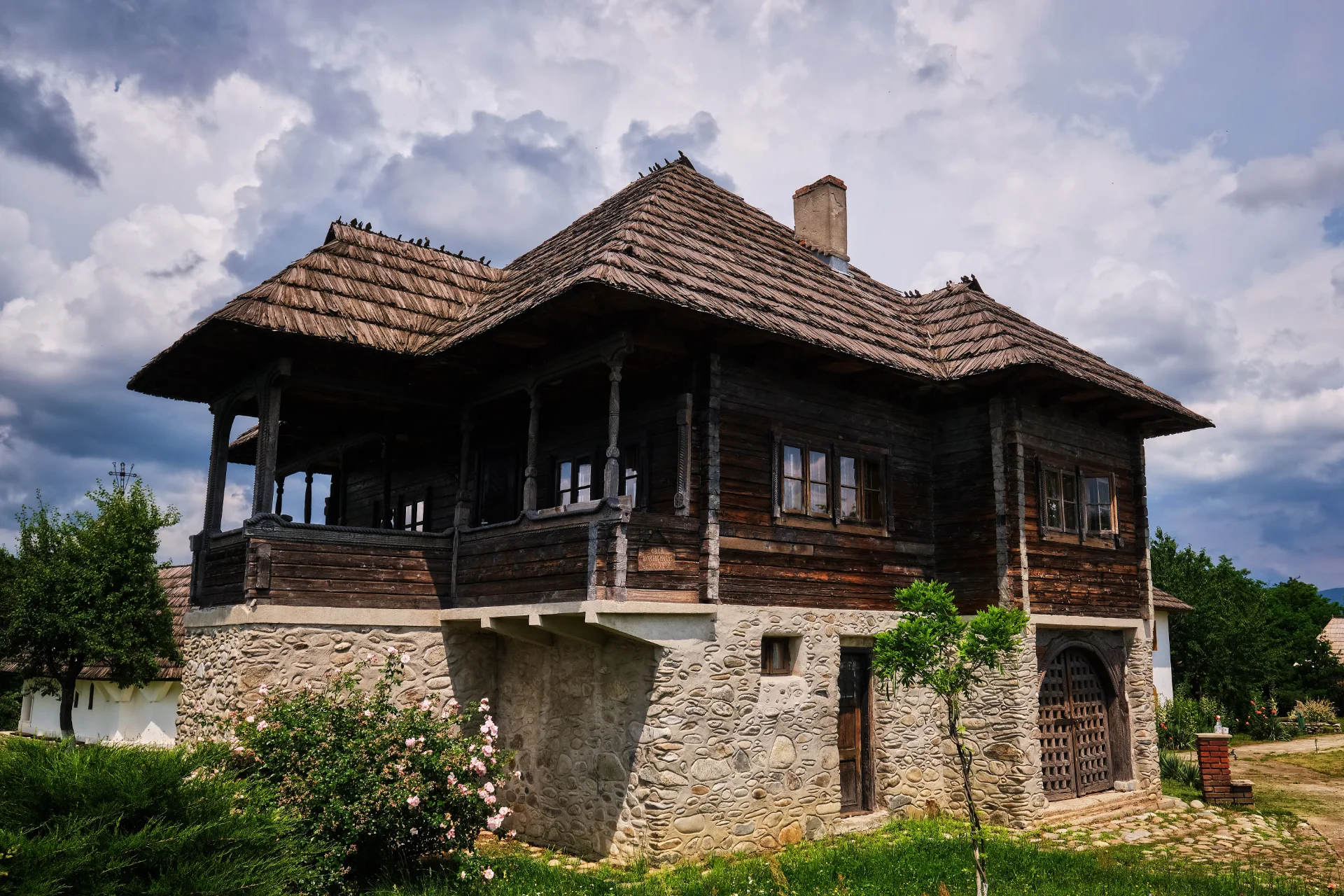
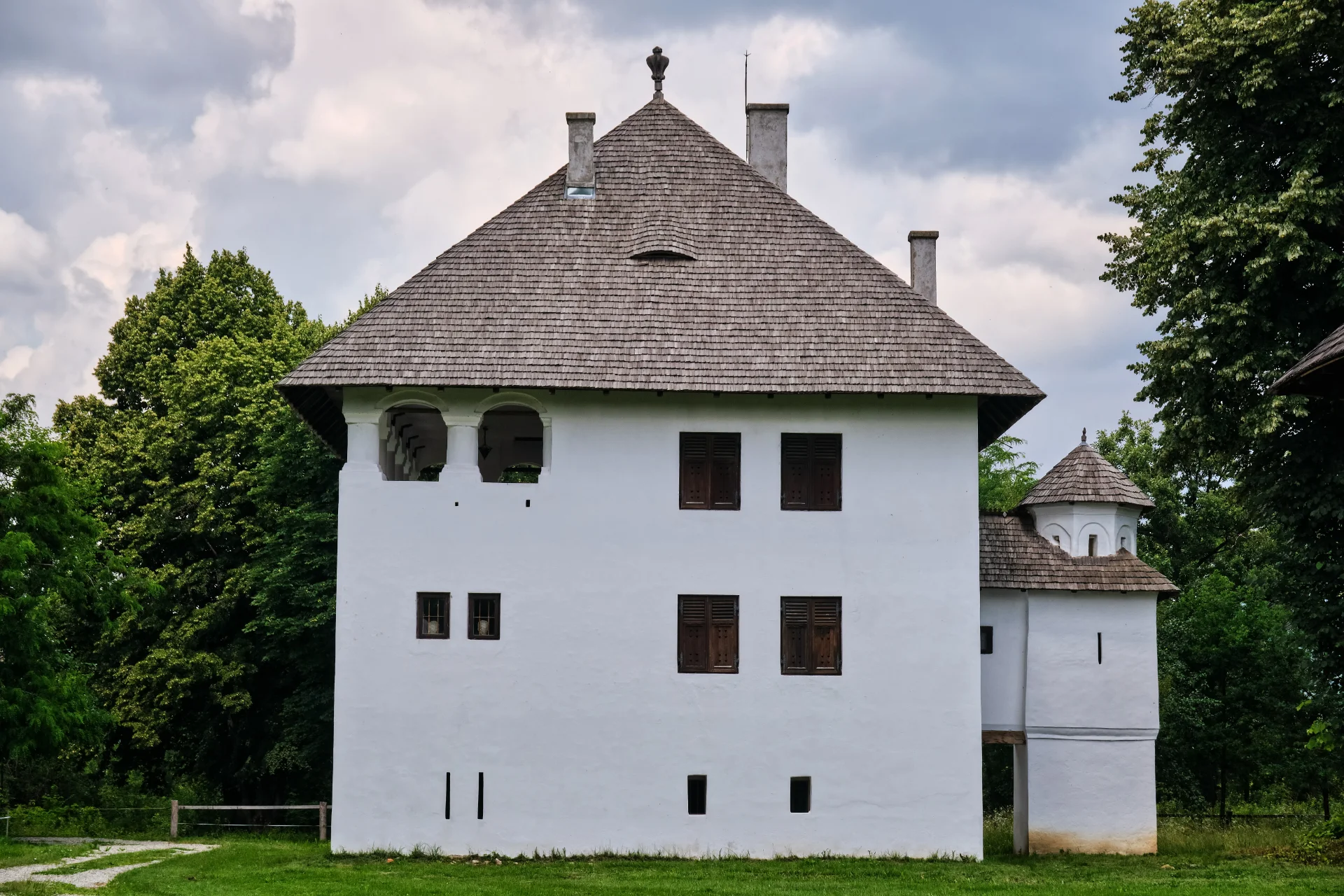
One of the most beautiful cula in the region, it was built in the first half of the 18th century by a local boyar and after a period of abandonment, it was renovated during the organization of the museum in the 1970s. The Cornoiu Cula House is a massive structure, with thick walls and three levels containing several rooms, all equipped with modern facilities. In the vicinity, there is also an old church with interesting paintings, some annexes and several old wooden houses belonging to the museum, thus creating an authentic rural atmosphere. The Poenaru-Tătărescu Cula House can be visited within the same museum in Curtișoara, having been moved here from the disappeared village of Poiana, near Rovinari. It was built in the mid-19th century and was purchased by the Tătărescu family in 1919. Future Prime Minister and important politician of interwar Romania, Gheorghe Tătărescu and his family renovated and modernized the building. Today it houses a small museum containing furniture, documents and photographs that belonged to the family, as well as some objects related to the craft of weaving. In addition to these, we can admire dozens of other traditional buildings and structures, discovering a fascinating page of the past of this authentic destination.
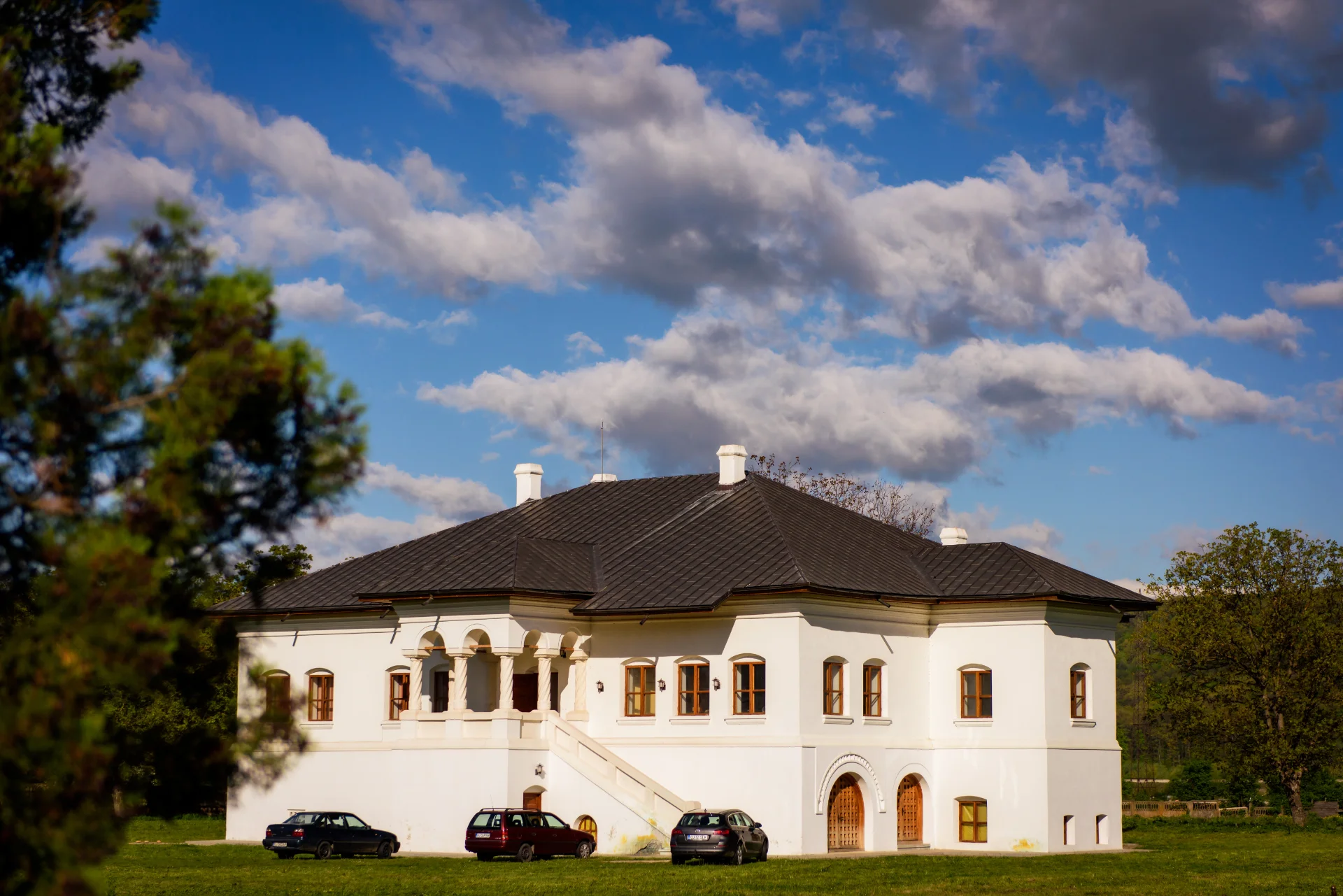
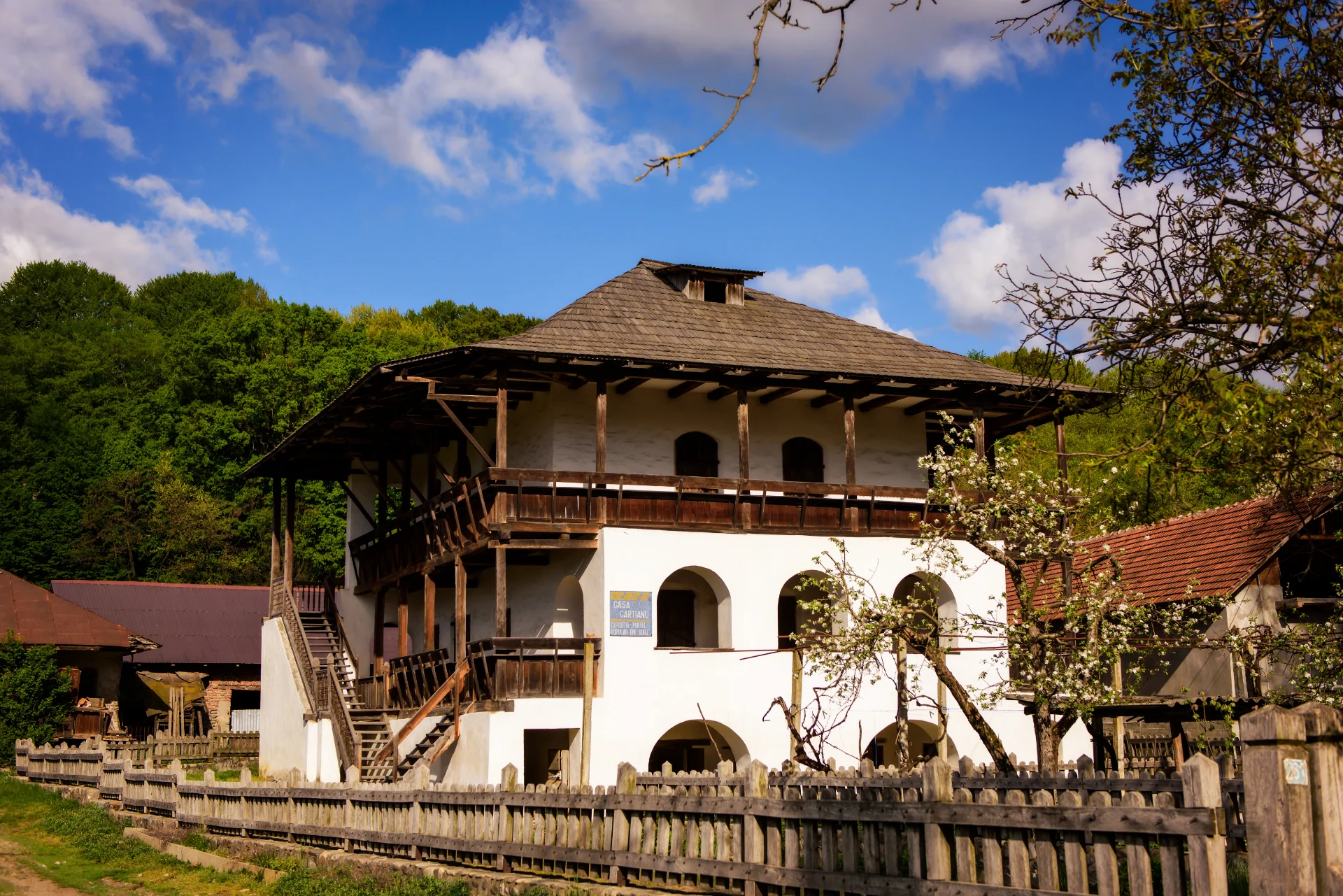
Crossing the other side of the Jiu River, another building with a mansion-like appearance is located in the village of Cartiu. Known as the Cartianu House, it impresses us with its spectacular architecture, decorated with carved wooden stairs and porches. The monument was built at the end of the 18th century by the Cartianu family and today houses an interesting ethnographic collection. Over the years, it has been visited by numerous personalities, including King Carol II. Approximately 25 kilometers west of Târgu Jiu, we can also visit the Constantin Brâncuși Memorial House, located in his native village of Hobița. This is very old, being a monument of peasant architecture, with two rooms and several annexes. It presents both traditional objects used in the area’s households in the 19th century, as well as testimonies about the artist’s life, mainly photographs and letters. For several years, the village has also been organizing an exciting traditional festival called Authentic Romania, in which folk craftsmen from all over the country participate.
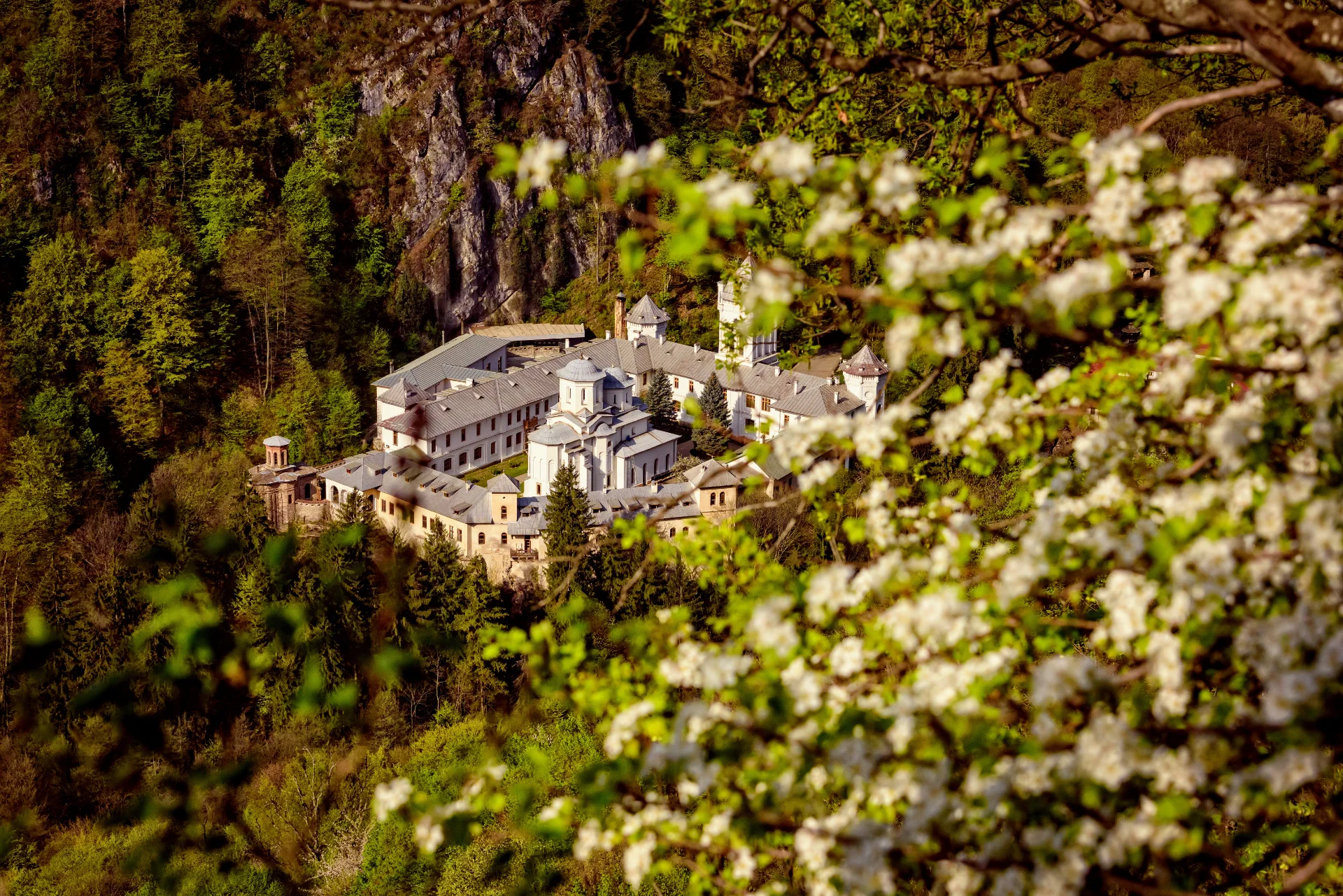
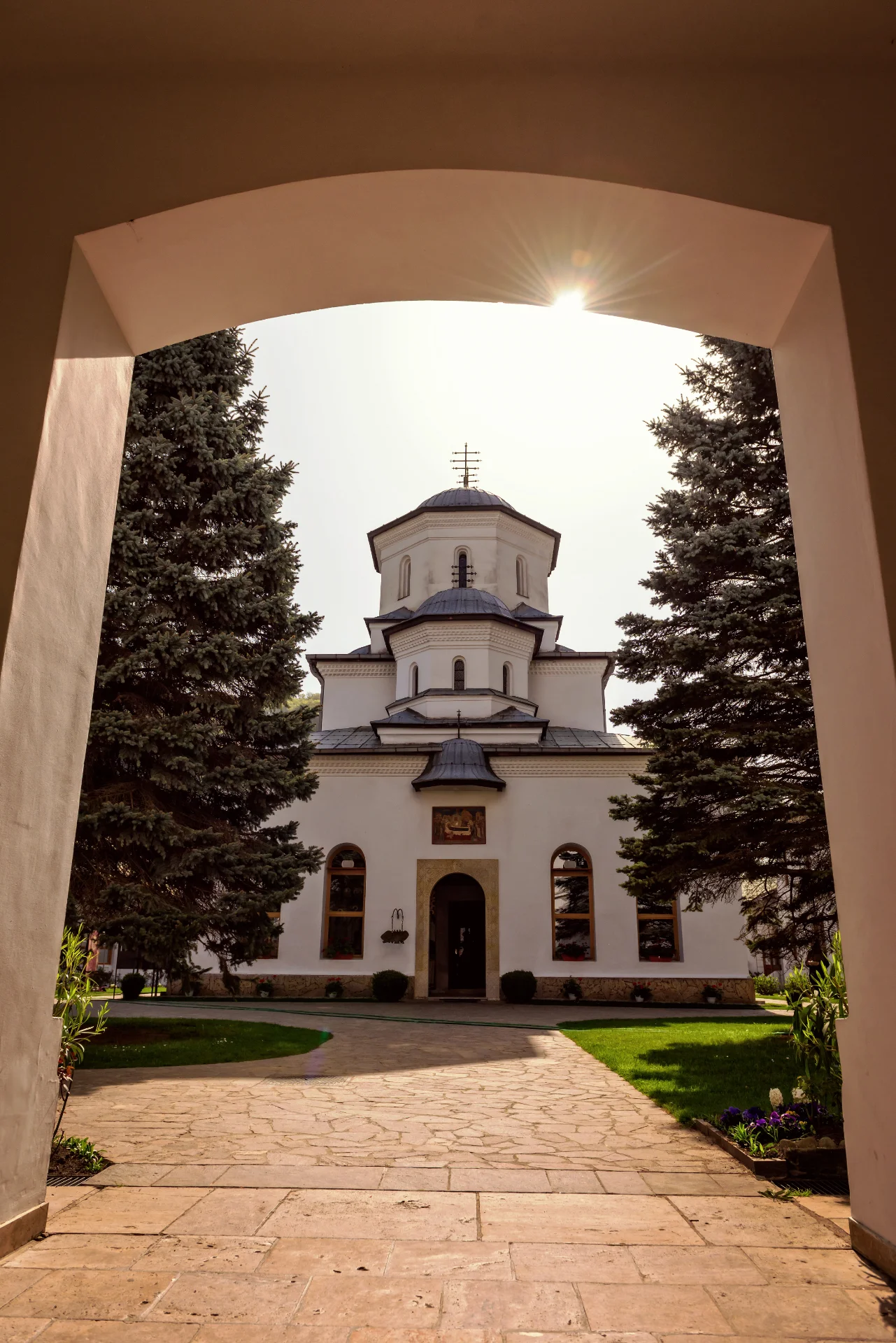
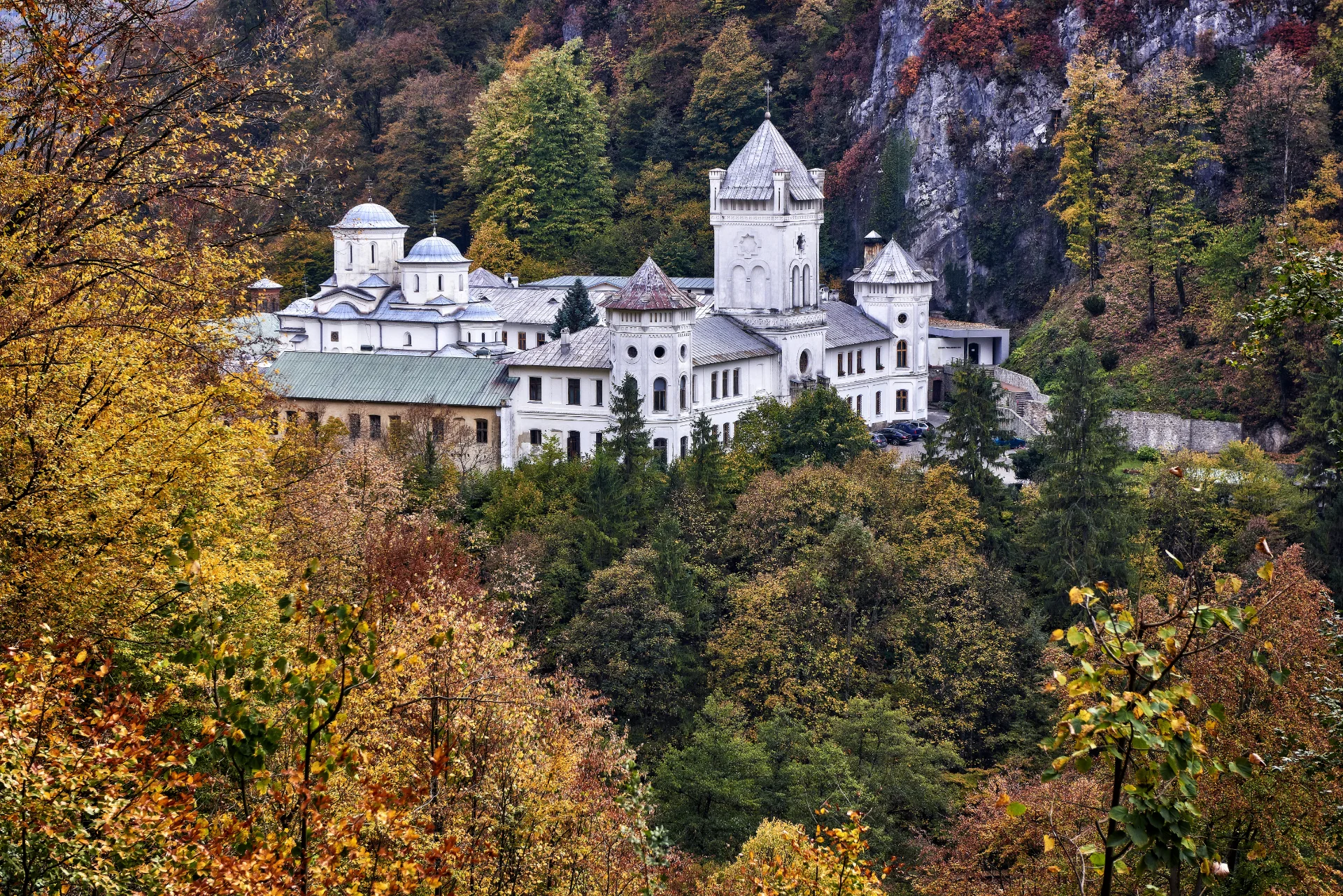
About 40 kilometers west of Târgu Jiu, perched on a cliff above the river and surrounded by forests, we discover the legendary Tismana Monastery. There is little historical evidence about the origin of this fascinating settlement, most of which dates its foundation to the late 14th century, being the most famous foundation of Saint Nicodemus. Over the centuries, the monastery has gone through many tragic periods, from Ottoman attacks to Austrian occupation, and the structure of the complex has been modified and developed periodically, often affecting the original architectural value. Entering the large gates into the inner courtyard, we are amazed by the graceful silhouette of the church built in the 16th century, in a superb Byzantine style with Romanian influences. During World War II, the Treasury of Romania was brought to the Tismana Monastery and kept in a nearby cave, and today there is a small interesting museum dedicated to that event.
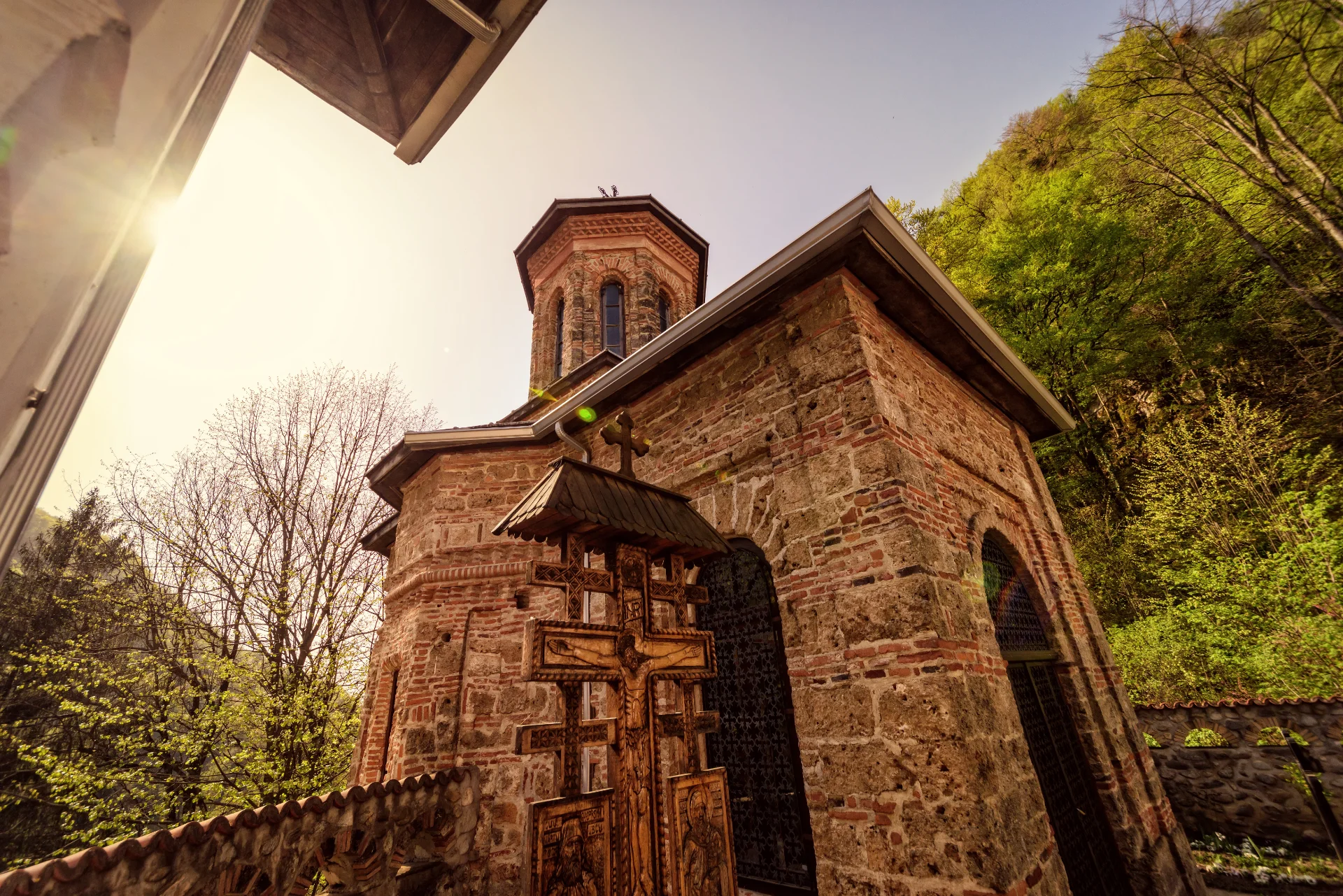
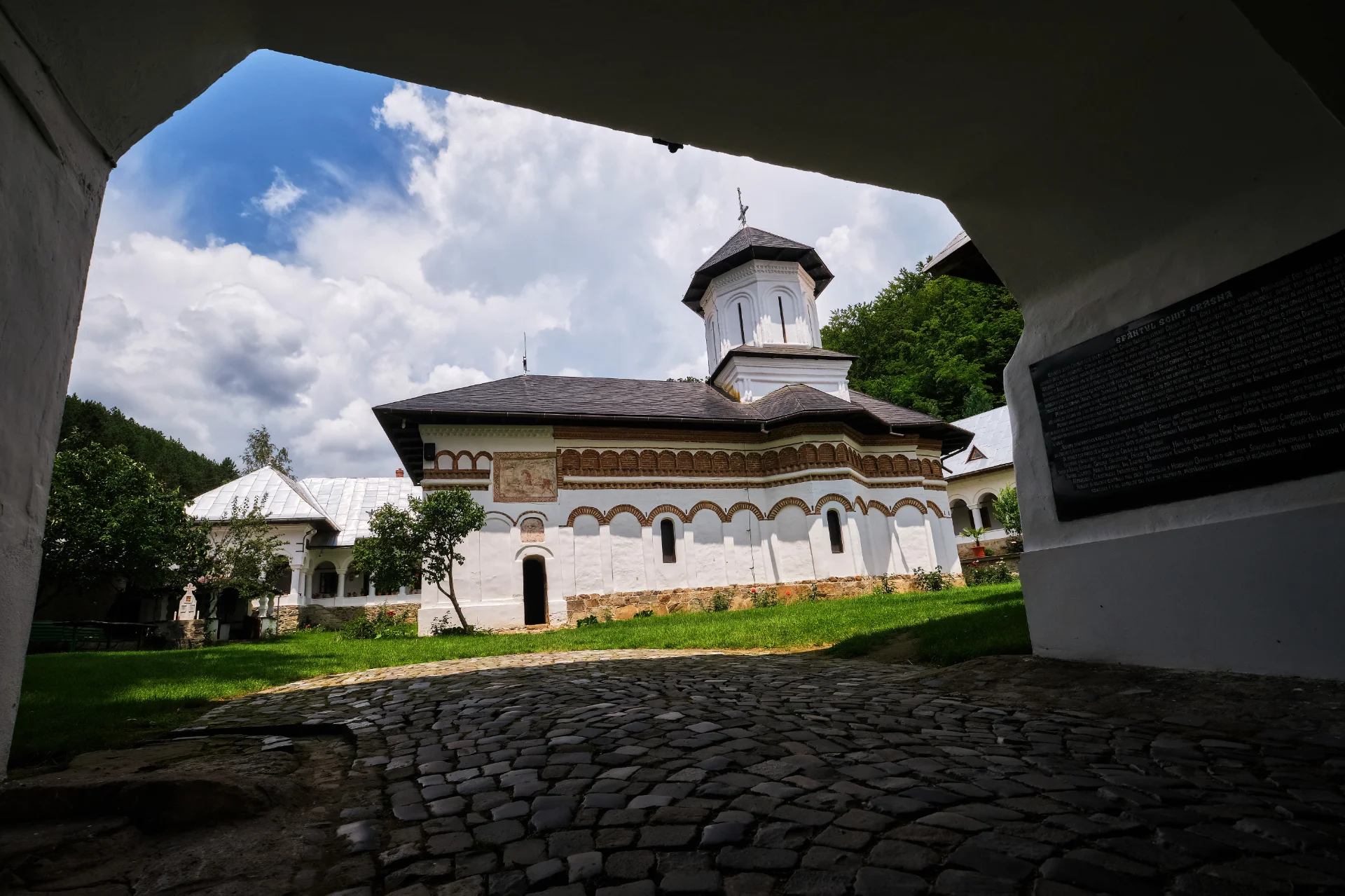
Another spiritual destination in the region is Crasna Monastery, hidden in a valley at the foot of the Parâng Mountains. It is one of the oldest in southwestern Romania, first mentioned in 1486 and founded by a local boyar. According to an inscription, the current church was completed in 1637, and the paintings date back to the mid-18th century. Built in the Byzantine style, it holds one of the most impressive old iconostasis in the country, while the paintings are considered masterpieces of ancient religious art. Hidden and often forgotten in the valleys and hills, in northern Oltenia hundreds of old wooden churches are preserved, silent reminders of a distant past. The culture of wood has deep roots here, and these churches often represent the only tangible link of the villages to the past. With diverse architectural features, varying sizes and shapes, wooden churches represent a historical, architectural, ethnographic and religious treasure almost unseen by travelers arriving in these lands.
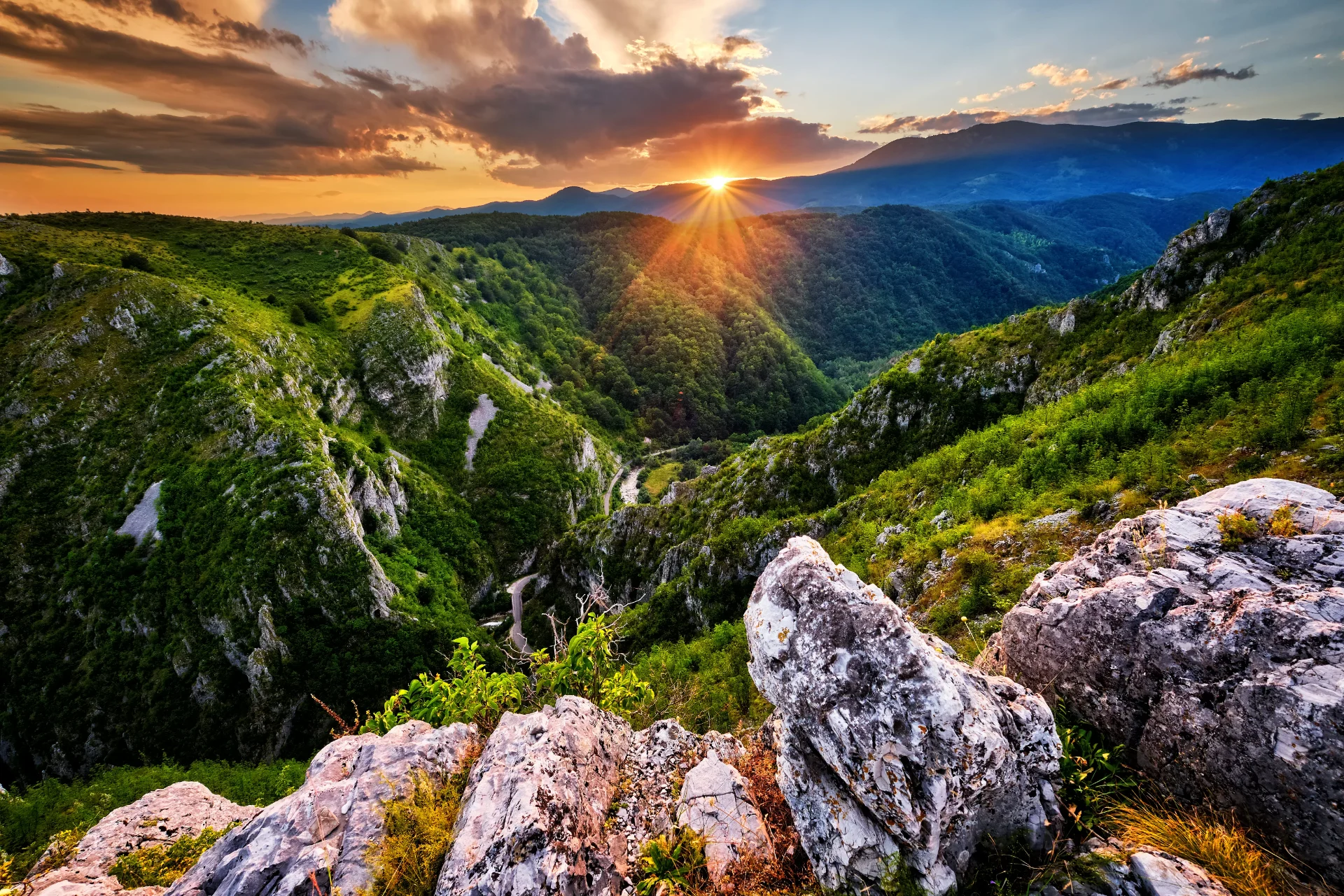
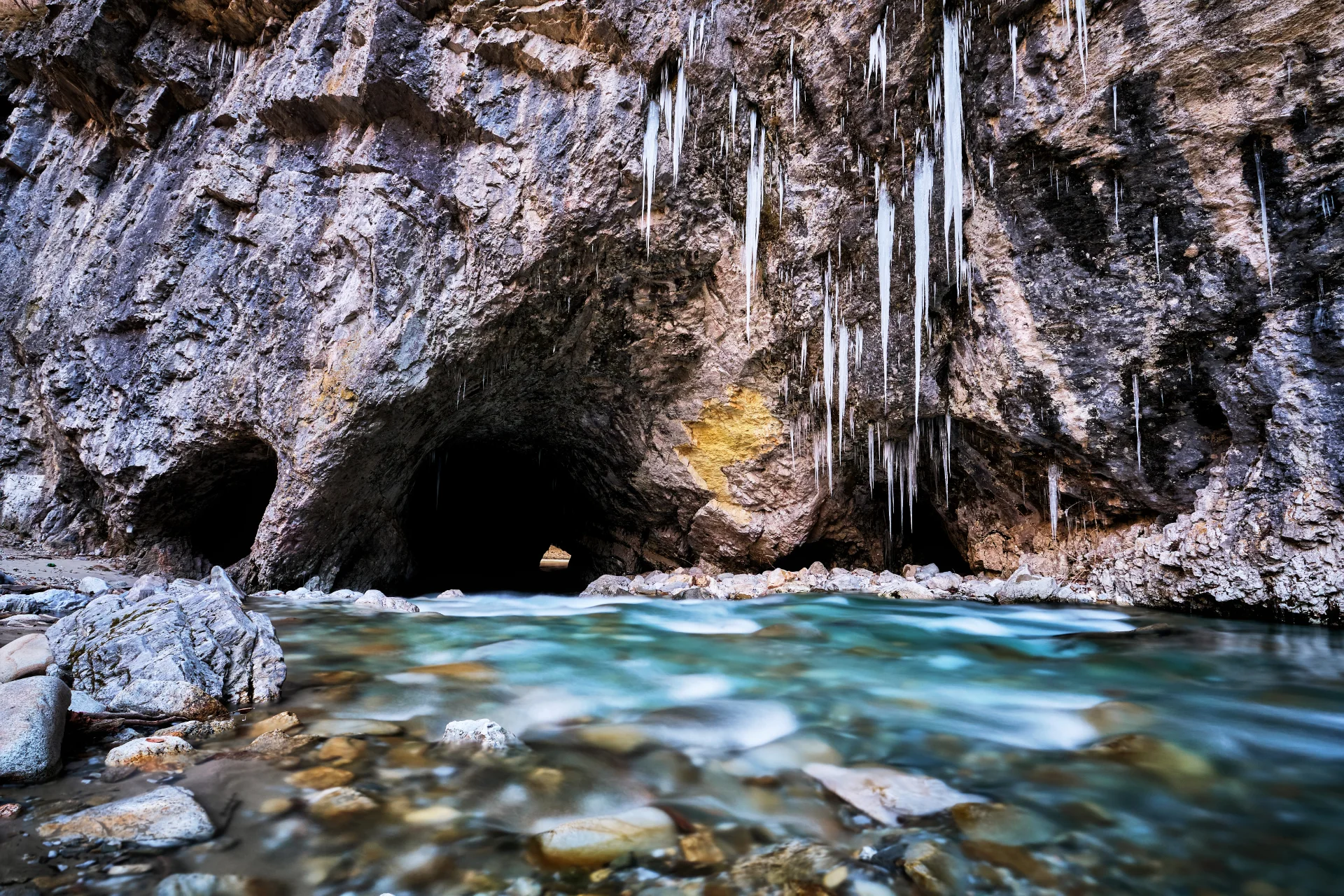
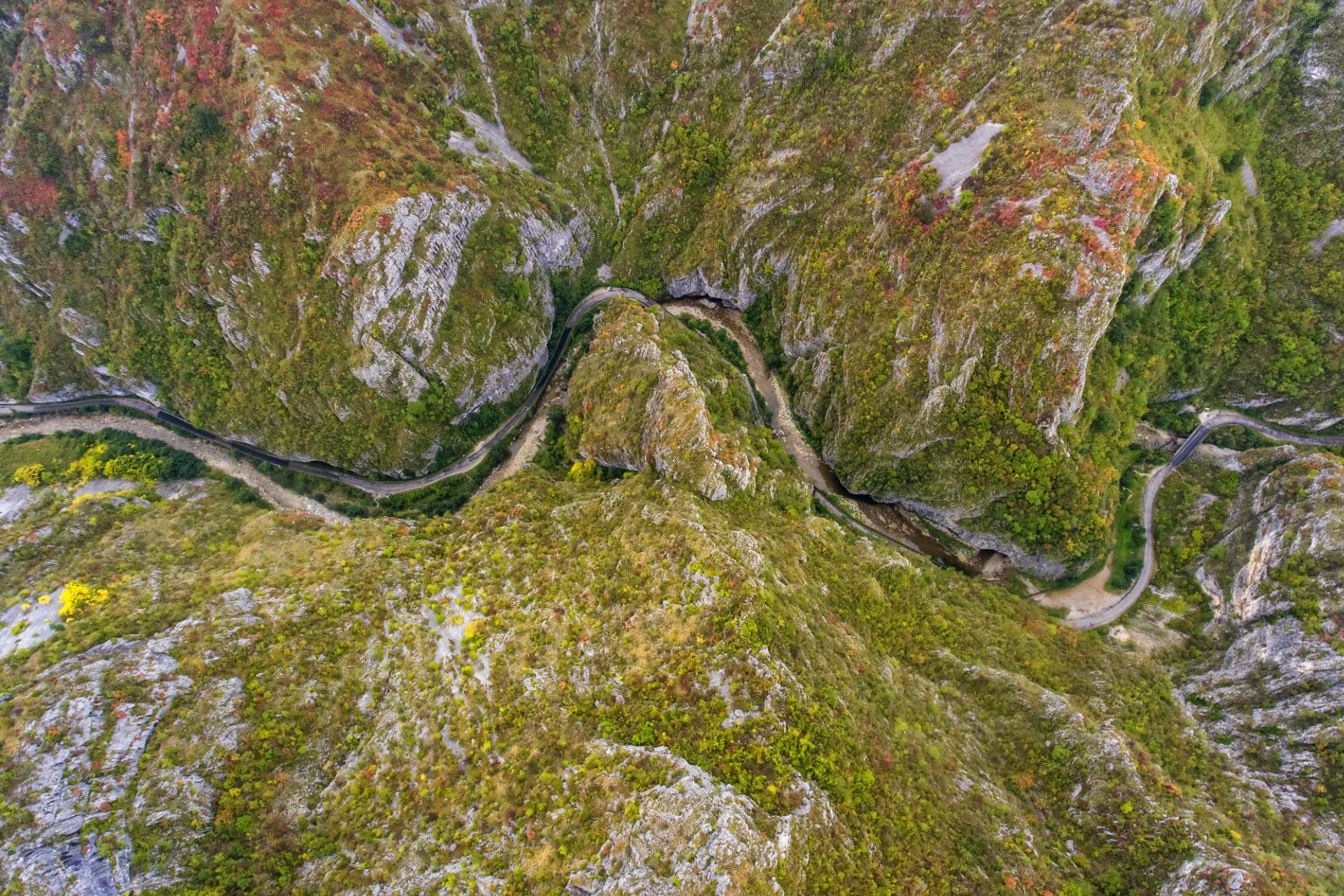
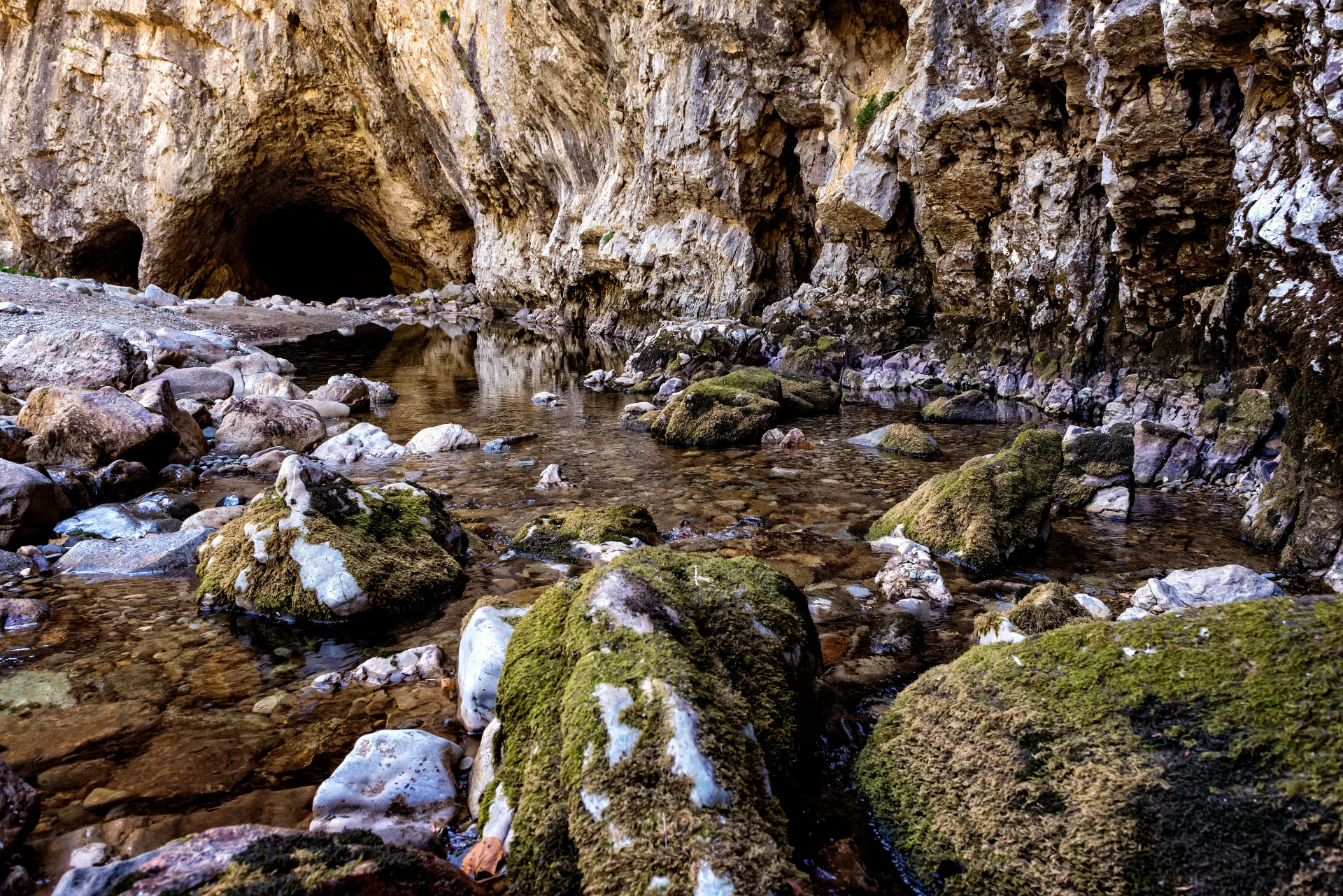
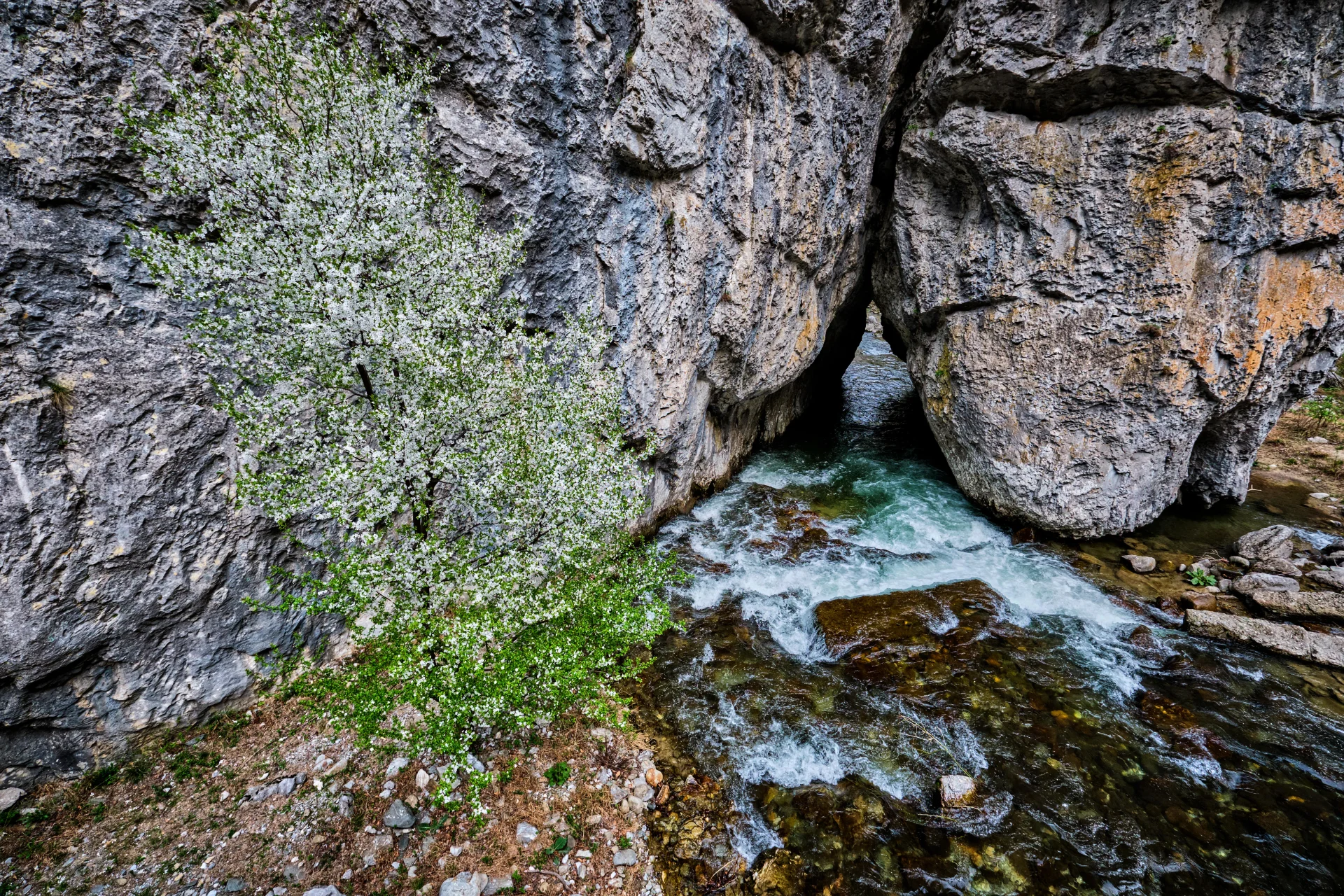
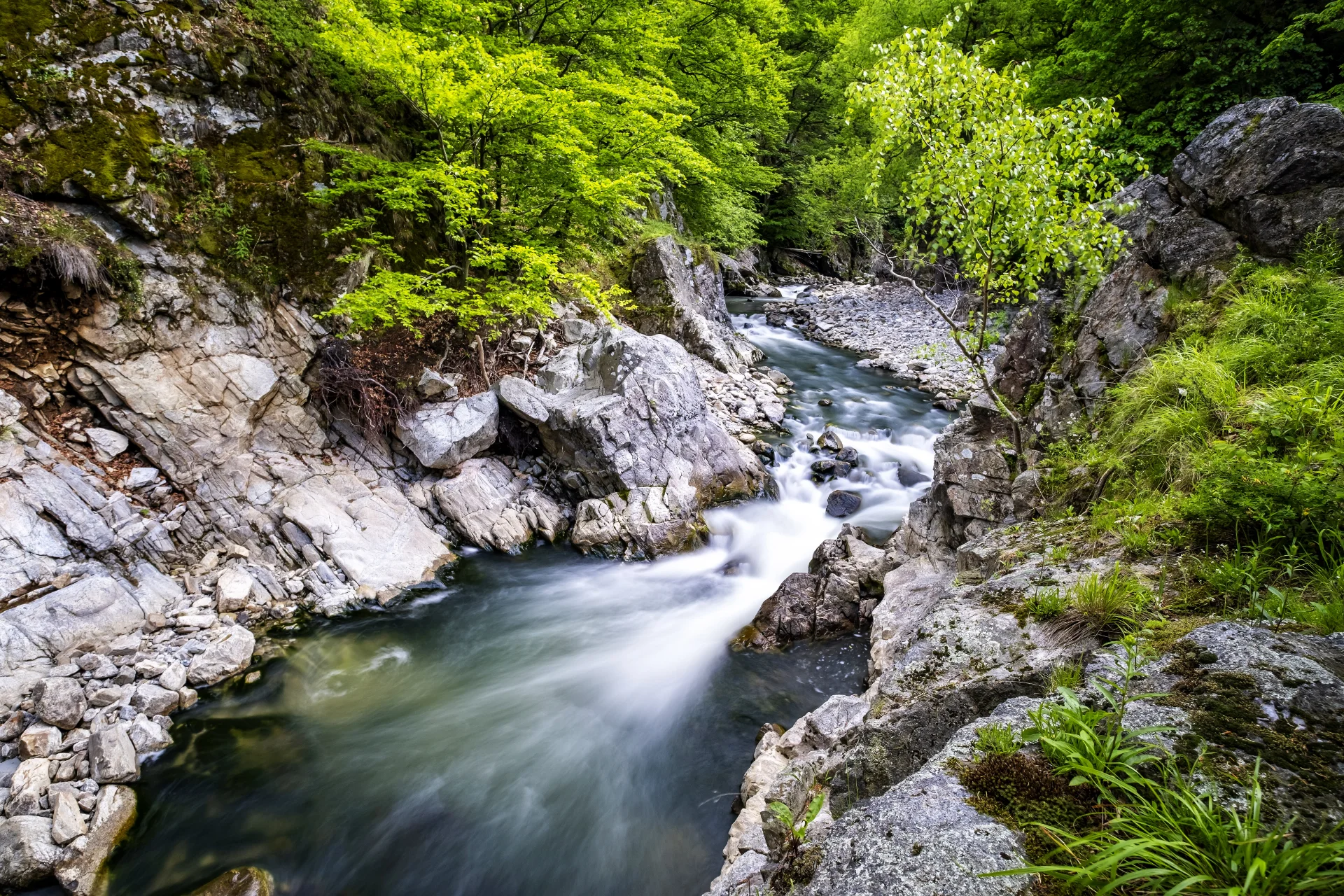
Among the most spectacular in the country, the Sohodol Gorges are a special land, a space frozen in time and that charms and amazes every time, no matter how many incursions we make into its unique universe. Just 20 kilometers northwest of Târgu Jiu, part of the Vâlcan Mountains, the Sohodol Valley reveals its treasures from its first meters, with vertical walls that close the sky and multiply the echo of the crystalline waves of the river. Digging for thousands of years through the limestone of the Vâlcan Mountains, the river has created a unique landscape, entering and exiting from under the rocks, passing through unknown tunnels and galleries. At the first signs of drought, Sohodol disappears, and at the first significant rains, it reappears stormily with streams of water flowing from the slopes. Although the spectacular gorge sectors are usually the ones that impress, the entire valley is an extraordinary natural space, a true open-air geological laboratory, with a unique biodiversity. There are other charming valleys that we can explore through the Vâlcan mountains, the most interesting being those of Bistrița Gorjena, Șușița and Susenilor. Further on, we follow the course of the Jiu River south to the capital of Oltenia, the old fair of Bănia which now breathes an air of modernity…
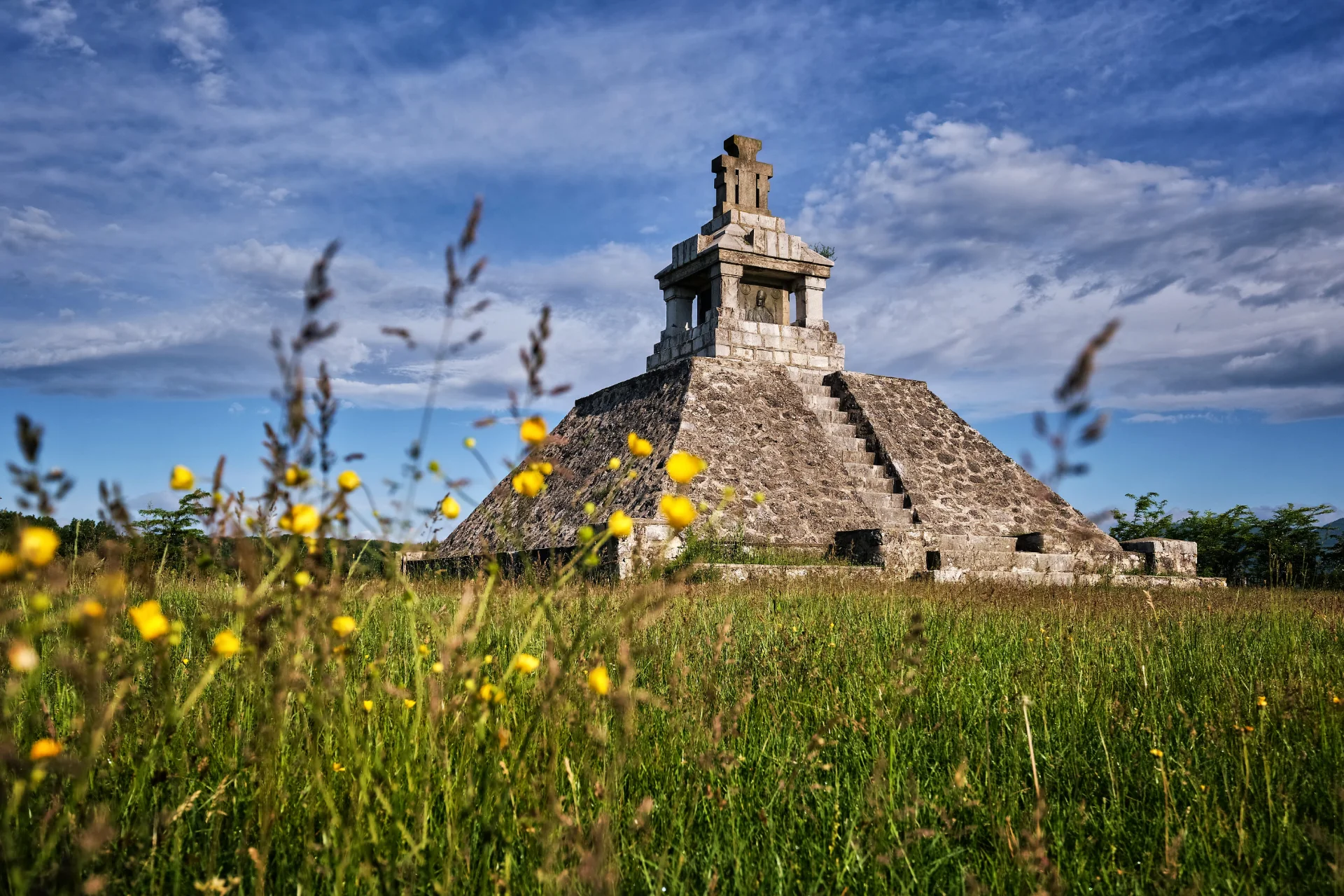
Sights and Experiences
Places to See and Things to Do in Târgu Jiu and its Surroundings
Heroes Path Monumental Complex
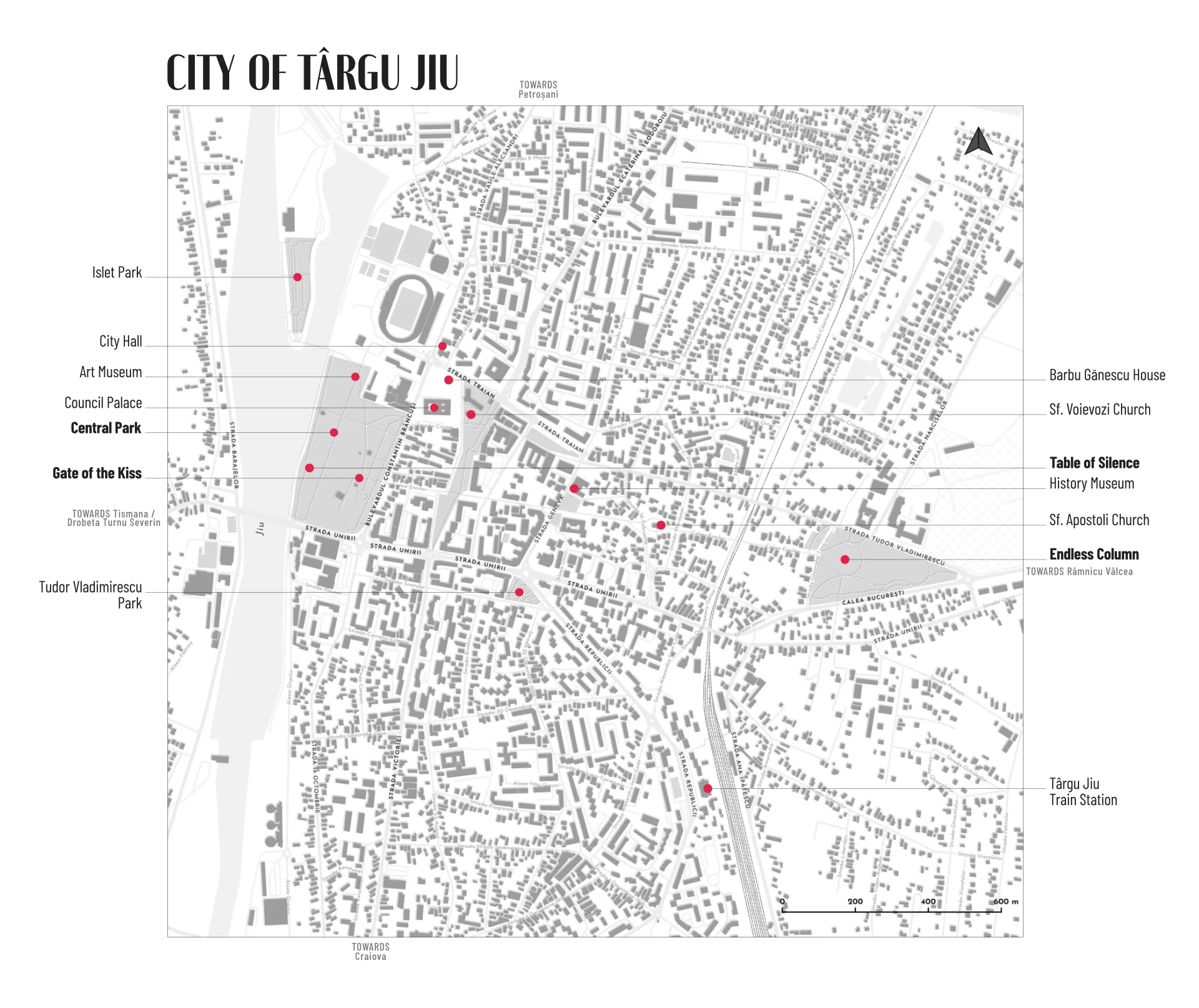
The monumental ensemble bequeathed to the city of Târgu Jiu by the sculptor Constantin Brâncuși is the most important heritage site of these places, otherwise full of memories of the great artist. The sculptural complex was created by Brâncuși as a tribute to the heroes who fell in the First World War, but most art critics now agree that it far exceeds its original purpose, being full of philosophical meanings discovered over time. It was Constantin Brâncuși’s last masterful work, created between 1937 and 1938, and can be joined to the great masterpieces of universal sculpture and art. Starting from the Jiu River and up to the Column Park, there is the Table of Silence, the Gate of the Kiss and the Endless Column (Column of Infinity), all united by the Path of Heroes, thus forming the most important monument dedicated to the heroes of the First World War. Brâncuși had the idea of creating this monumental space since 1935, and the artistic symbols, brought to perfection here, were part of the master’s artistic creation. Brâncuși came to Romania and stayed in Târgu Jiu for almost the entire year of 1937, when he worked on his works, establishing his studio and residence in the Barbu Gănescu House in the city center.
Although his creations have general meanings and are deeply universal, Brâncuși uses forms directly related to Romanian folk art (Epstein, 1940), especially symbols from the fascinating rural world of Gorj. The Endless Column itself could be found on many of the wooden houses of the Gorj people, and Brâncuși stylized them and brought them to the stage of universal art. Ignored for more than a quarter of a century, the monumental ensemble in Târgu Jiu was arranged starting in 1964, taking into account the sculptor’s original plan, and in a short time it became an artistic center and a place of pilgrimage for art lovers, critics and historians. It is considered by many to be the most important monument of contemporary art and compared by some to the great sculptural works of the ancient world or the Renaissance. Many have tried over the years to penetrate the symbols and spiritual meanings of the ensemble in Târgu Jiu; many will try again in the coming decades. What is certain is that Brâncuși’s work, whether analyzed as a whole or separately, is universally valid and has an indisputable timeless quality. Starting with 2024, Constantin Brâncuși’s Monumental Ensemble in Târgu Jiu has been included on the UNESCO World Cultural Heritage List, a final undisputed certification of the immense value that this artistic complex holds.
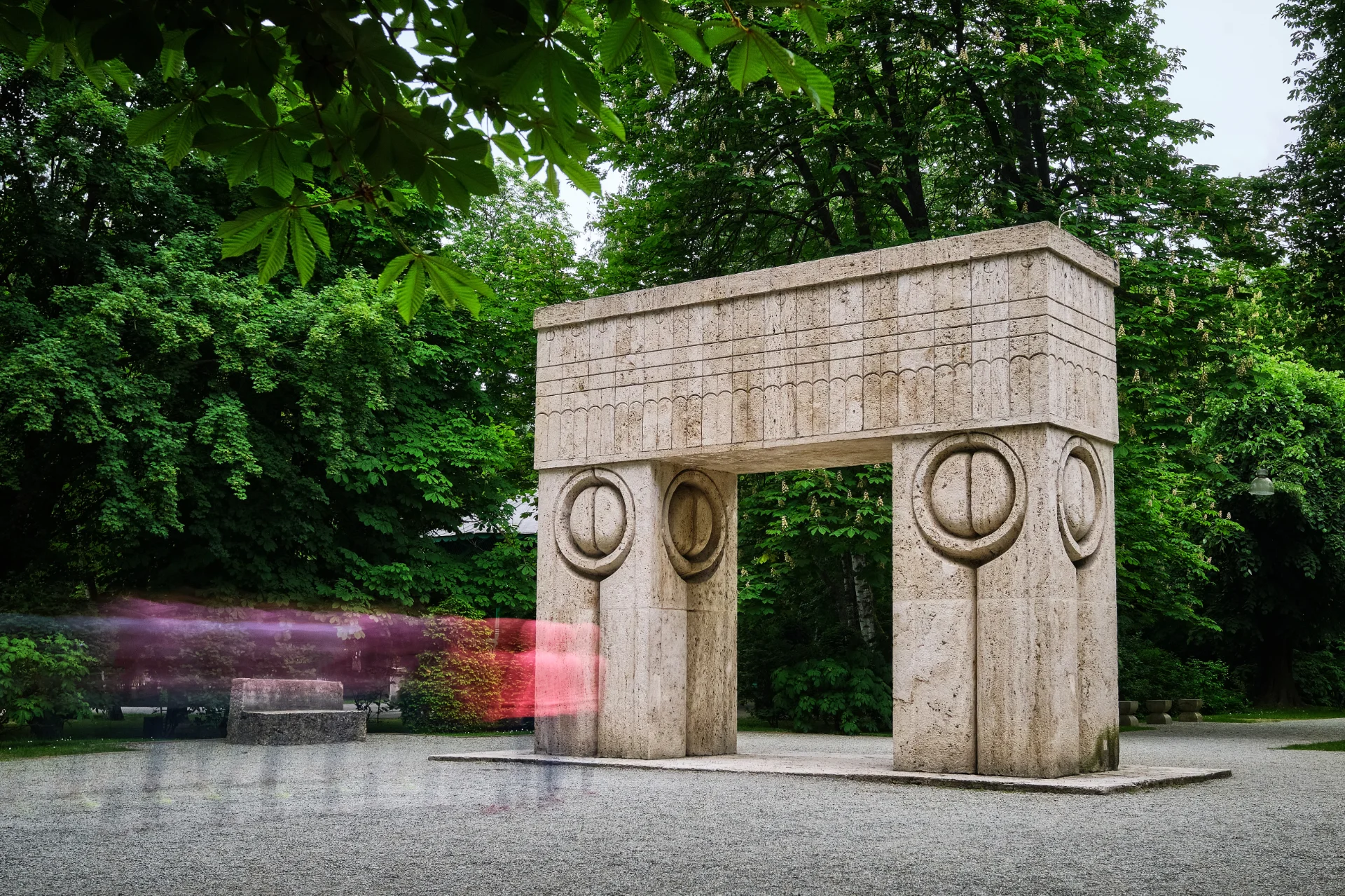
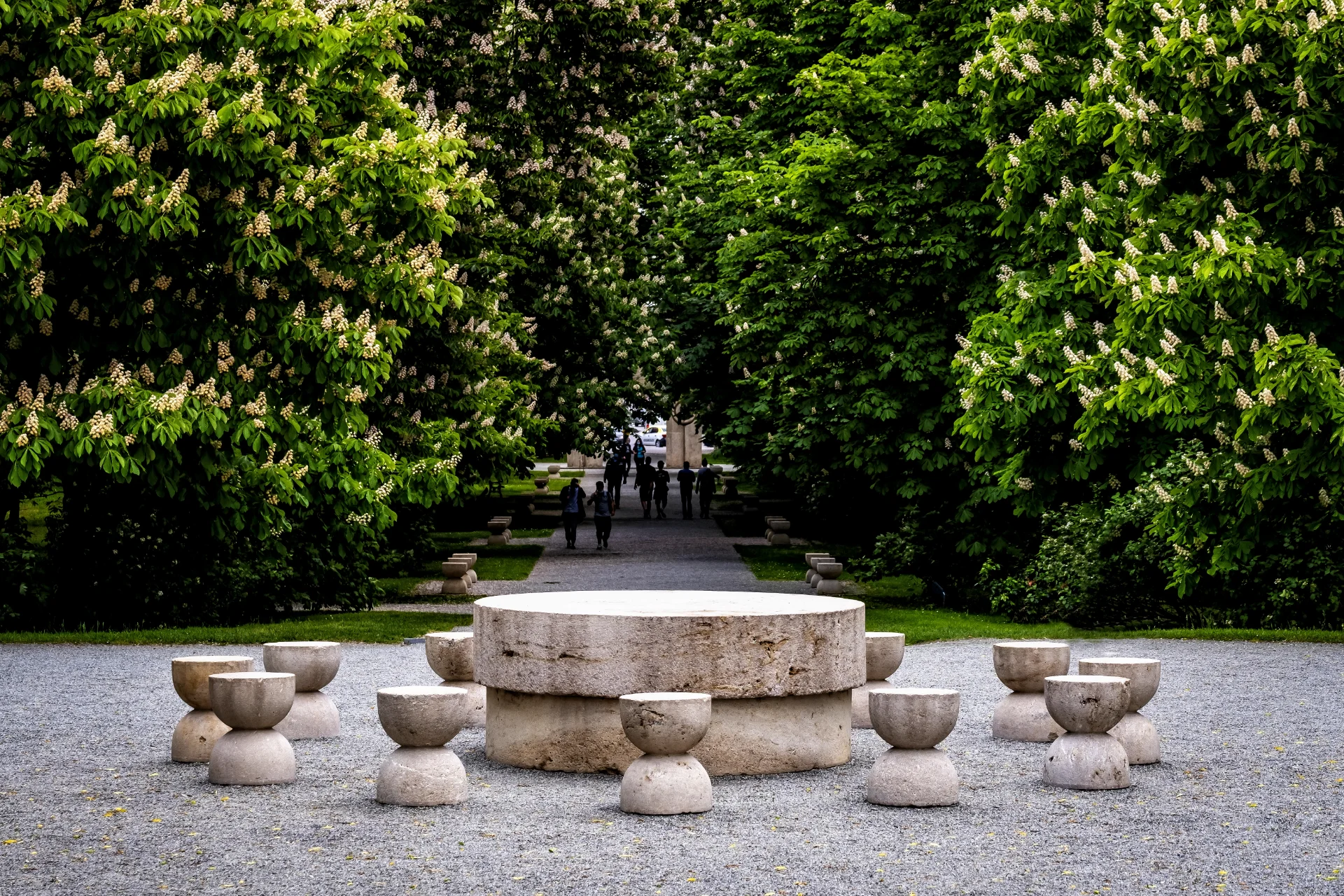
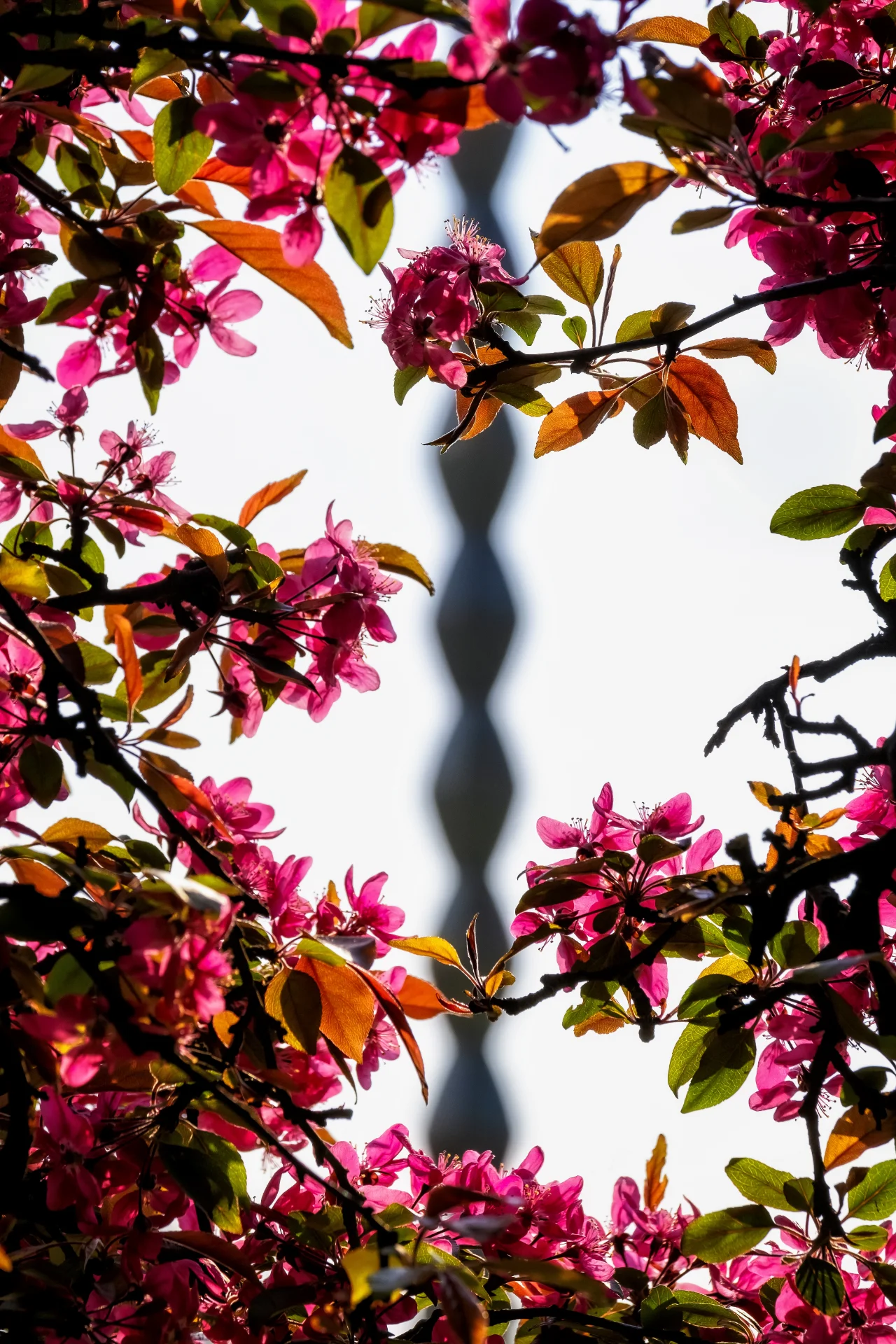
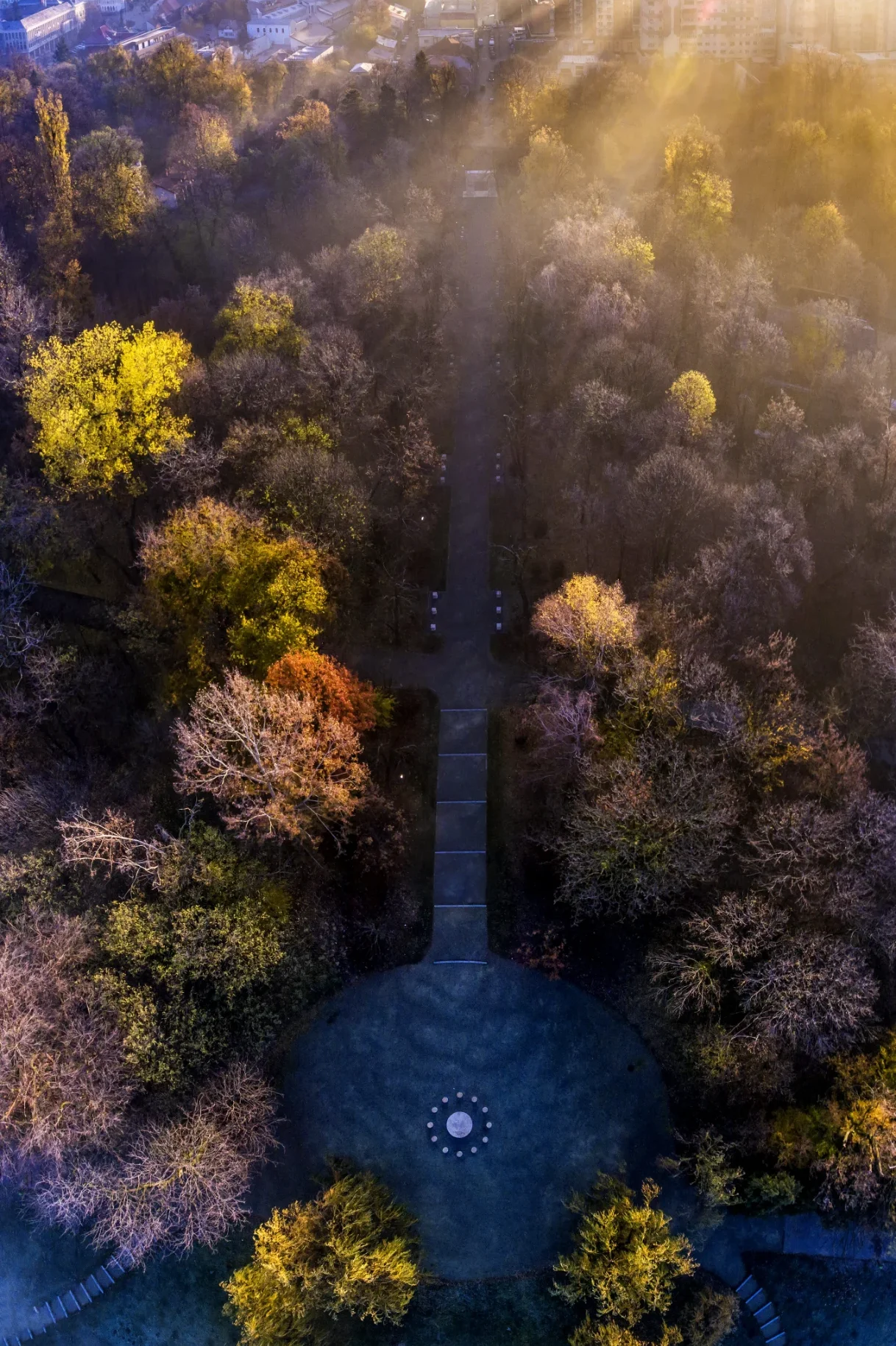
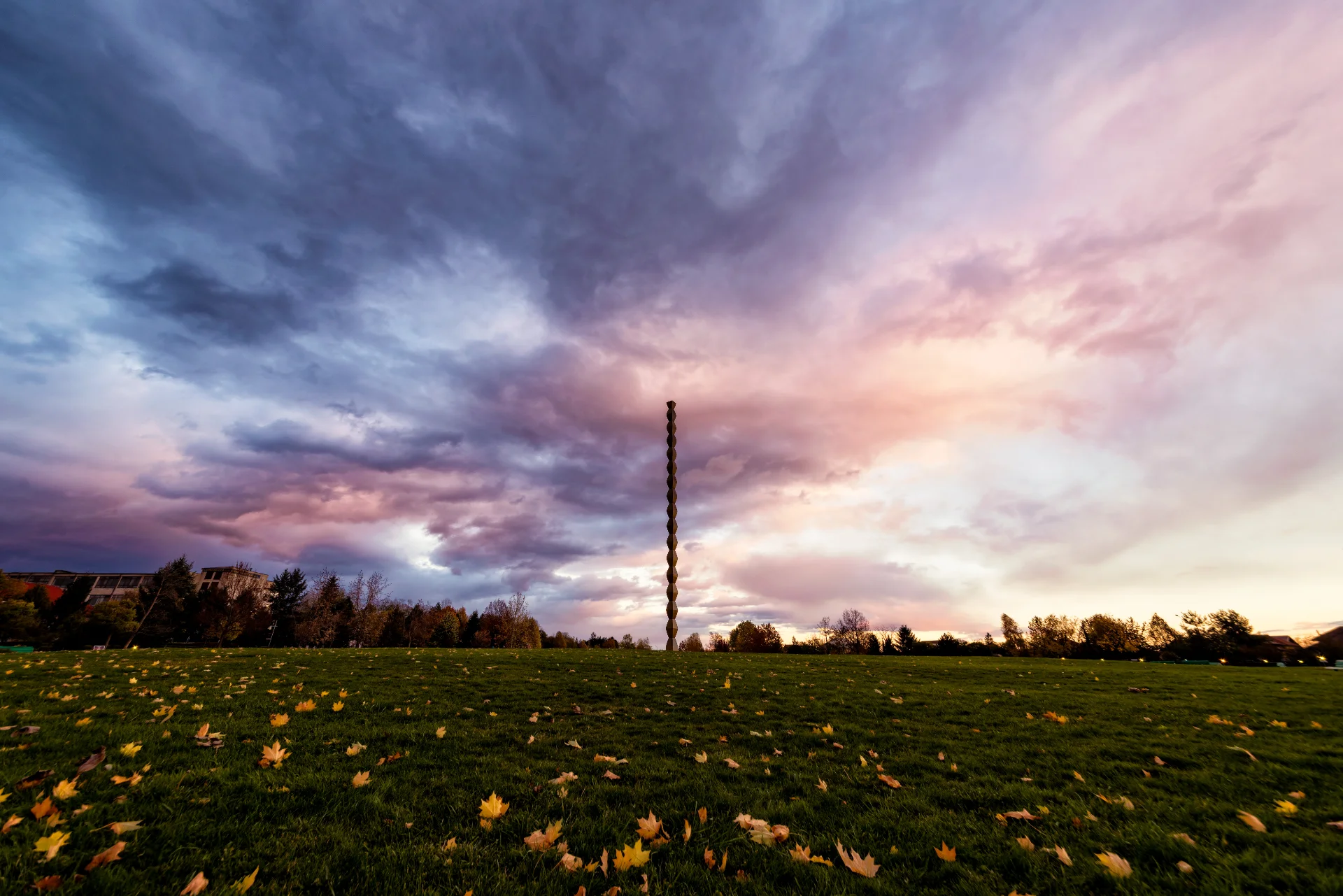
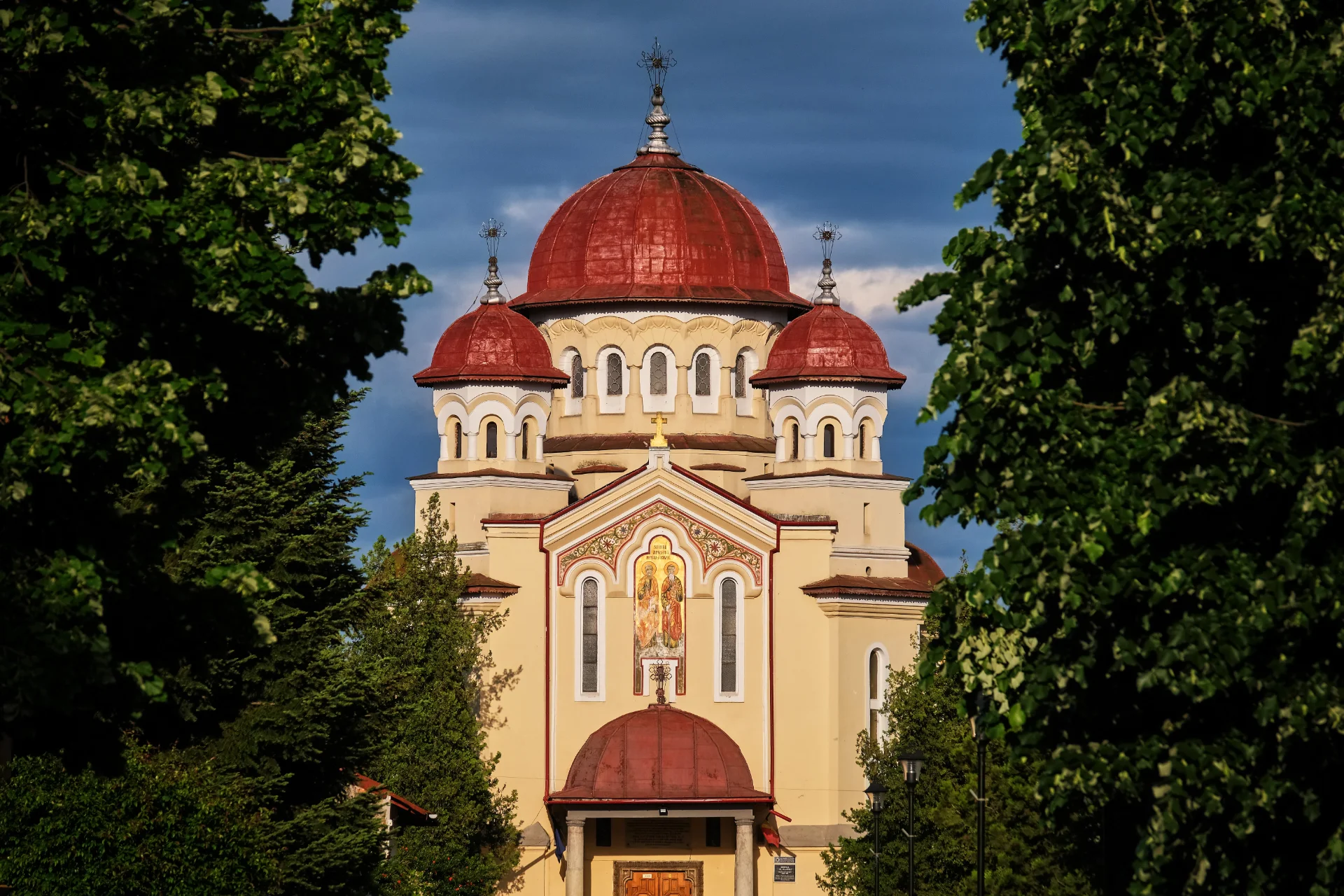
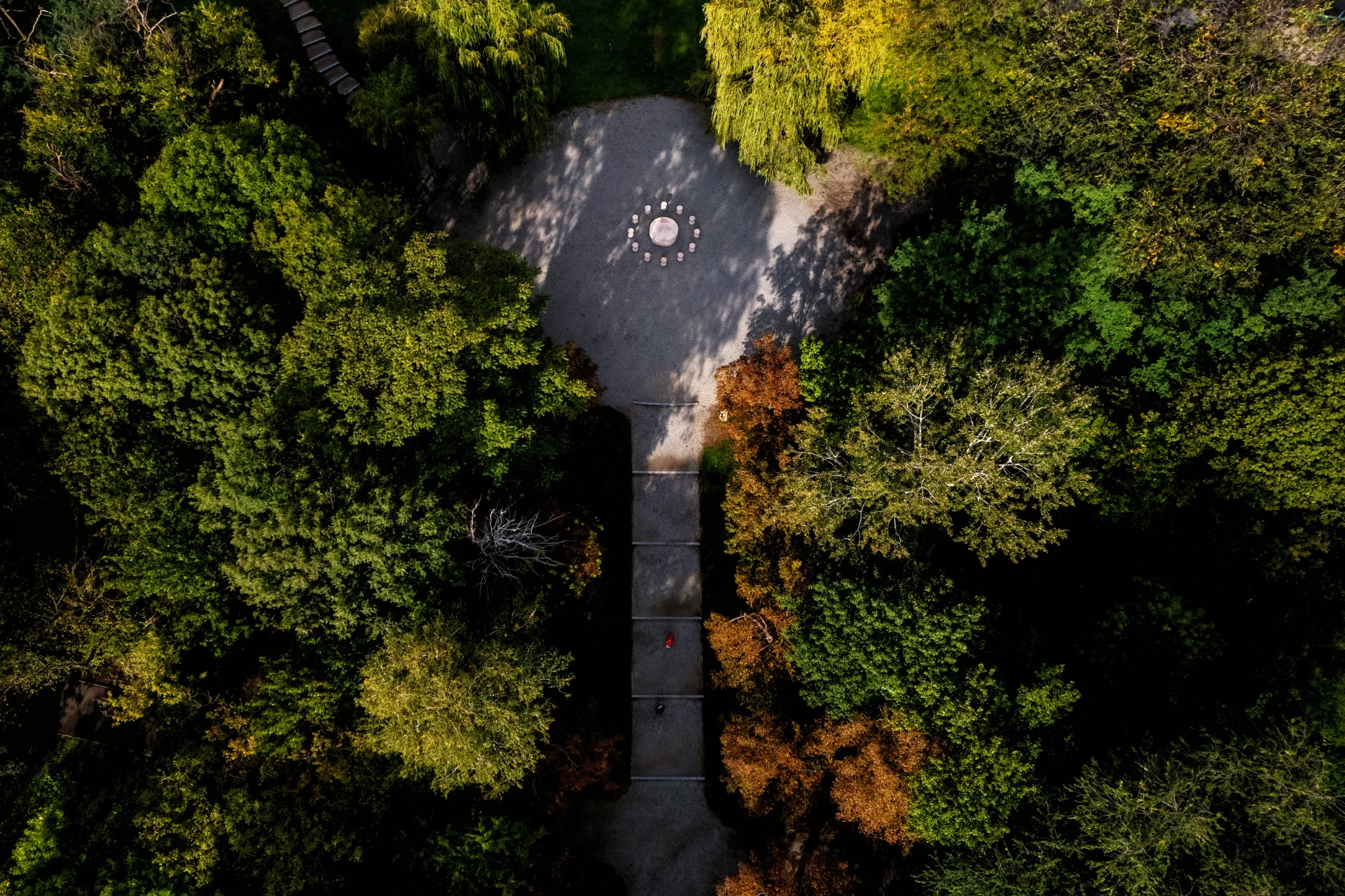
Table of Silence
The first monument of the ensemble in Târgu Jiu, starting the journey from the Jiu River, is the Table of Silence. According to many experts, the memorial procession begins and includes the Jiu River itself, the river signifying in the artistic conception the fluidity of life, which passes impassively. The Table of Silence is a monument of contemplation and deep thought, and the perfect symmetry and circularity that characterize the table and chairs offer a perfect balance that is extremely pleasing to the eye. The table is a perfect cylinder, superimposed on another smaller cylinder that forms the base. The 12 chairs are arranged circularly and symmetrically around the table. This forms a space of perfect round shapes, without any angle that would destroy the continuity. The Table of Silence went through several variations, until the artist was fully satisfied with the creation. A first version was finished in the fall of 1937. Not satisfied with its dimensions, Brâncuși ordered a new version, along with an order for the chairs that would surround the table, all made of Banpotoc stone at a workshop in Deva. The second version was not placed either and Brâncuși chose a combinatorial version, using the top of the first version as a leg for the second version. At his instructions, the hourglass-shaped chairs were placed around the table at equal distances from the table and from each other. Thus was born a monument unique in its absolute simplicity. Brâncuși managed to sculpt silence in a unique way. The Heroes’ Path from Târgu-Jiu continues with the Alley of Chairs, shaded by tall trees and adorned with chairs arranged along it. There are 30 hourglass-shaped chairs with a square base, arranged on either side of the alley, in five niches of three chairs on each side.
“Now in my old age, I see that, in essence, the Table of Silence is another new Last Supper. The line of the Table of Silence suggests to you the closed curvature of the circle, which gathers, unites and brings together.” Constantin Brâncuși
Gate of the Kiss
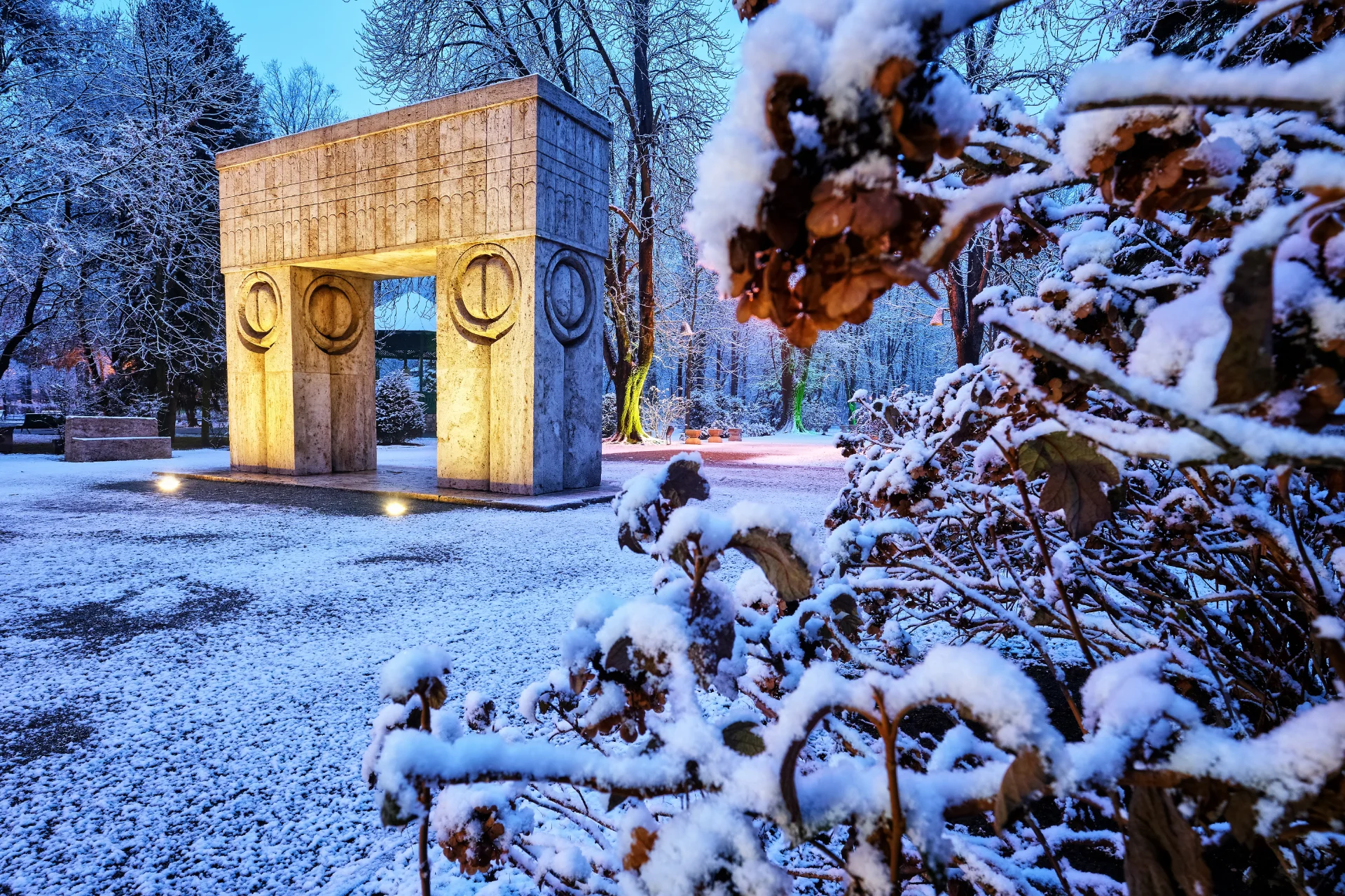
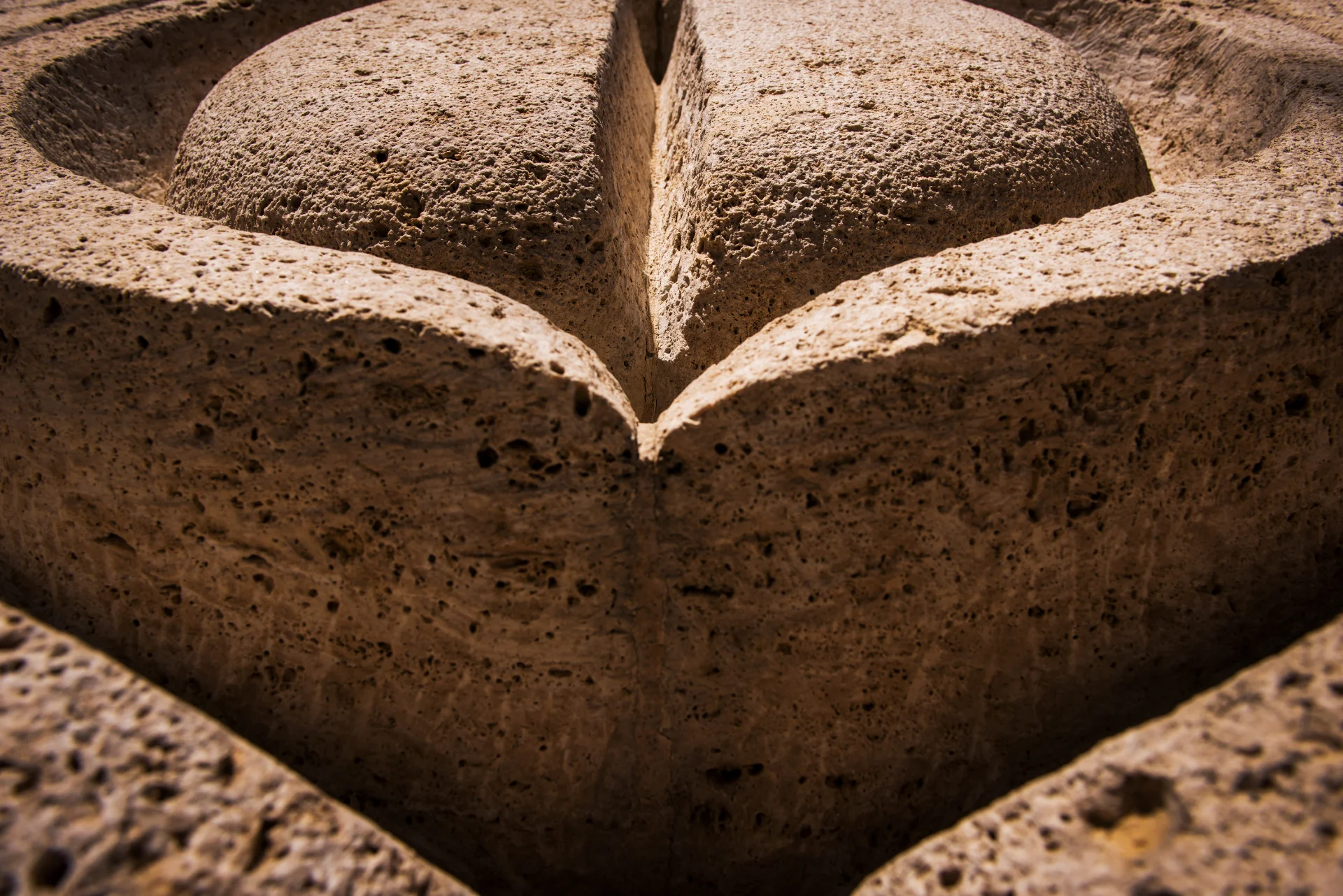
Near the entrance to the municipal park is the Gate of the Kiss, the second monumental element of the ensemble. The symbol of the stylized kiss preoccupied Brâncuși throughout his career, and the Gate of Târgu Jiu represents the crowning of this artistic cycle. For I. Jianu, the gate is “a hymn dedicated to the life and eternity of love…it fits perfectly into the logic of this ensemble that proclaims the artist’s deep faith in life and in the destiny of man”. The extreme stylization of the kiss, a symbol of love, is what makes this gate a masterpiece of universal sculpture. There are hundreds of triumphal arches in cities around the world, but Brâncuși managed to bring the Gate of the Kiss to spiritual, human proportions. He thus manages to create an immortal testament of love in stone. From a compositional point of view, the Gate is made up of 2 parts, the two “Columns of the Kiss” united by the architrave likened by many to a “Dowry Chest”. The columns are made up of two superimposed cubes, and the architrave that forms the gate by uniting the columns has the dimensions of four cubes horizontally, with a protective plate on top. Thus, the pillars include the symbol of twinned eyes, and the architrave reproduces the Kiss of Montparnasse. According to William Tucker, the main element of this monument is the volume of empty space, surrounded by the sculpture itself. Thus, the stone embraces the air, giving the gate an impressive vitality, like a work in progress. Those who look at the gate seem irremediably drawn to the passage space between the columns, as if wanting to take part in a ritual of love initiated by Constantin Brâncuși. The sculptor also added two stone benches to the ensemble, placed on either side. Once through the Gate of the Kiss, the panorama of the city opens up and the final masterpiece is anticipated in the distance.
“Don’t you see these eyes?… The profile of these two eyes?… These hemispheres represent Love. What remains in the memory of others after death?… Only the memory of the eyes and the looks with which we revealed our love, for people and for the world…” Constantin Brâncusi
Endless Column
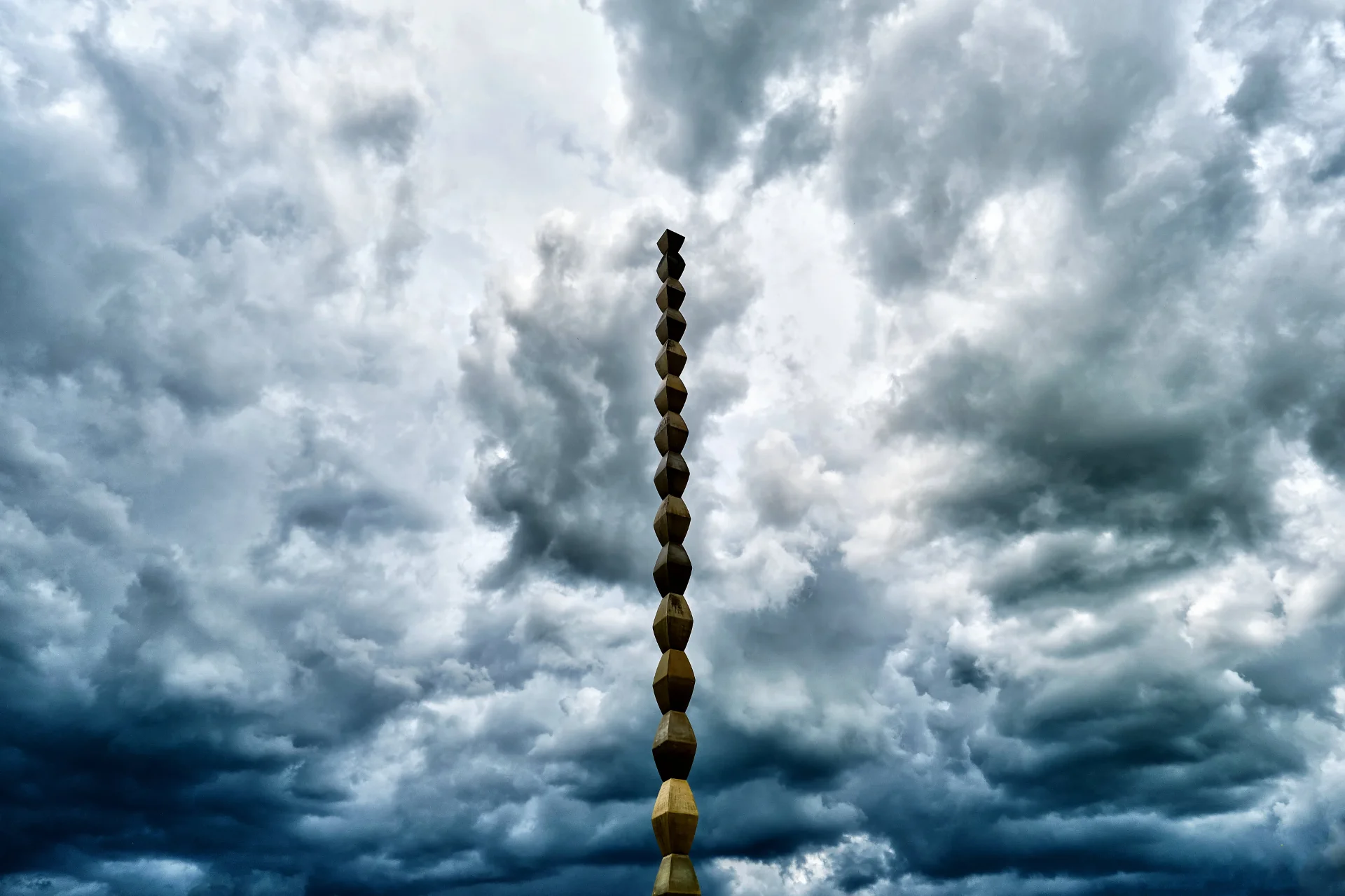
Known by locals as the Column of Infinity, it is located over 1 kilometer away from the other works located in the central park, but it forms a unified ensemble thanks to the artistic genius of Constantin Brâncuși. The column was the only initial order to honor the memory of the heroes, but the sculptor saw everything on a much larger scale, in the form of an ensemble that embraces the entire city, as an integral part of it. The monument is one of the most important of contemporary art, concluding a cycle of columns that Brâncuși had been working on for many years. As for the construction itself, it impresses with its proportionality and simplicity. The Endless Column is made up of 16 hourglass elements, with dimensions of 45:90:180 cm. The height of the Column rises to 29.33 meters, and the weight is approximately 29 tons, being cast in metallic cast iron. The hourglass-shaped elements follow each other on an inner metal frame, consisting of 15 whole elements and two halves at the extremities. Thus, a profound connection is created between earth and sky, between the living and the departed, a staircase to heaven for the prayers of those left behind, in memory of the heroes. According to many critics, the shape of the Endless Column is inspired by Romanian folk architectural motifs, with columns carved in this way being found in the homes of the inhabitants of Northern Oltenia. Mircea Eliade gives it a profound meaning, likening it to an axis mundi, a support for the celestial vault, a symbol present in many cultures around the world. Many others have found hidden meanings and symbols in Constantin Brâncuși’s work. The column, viewed from different angles, offers new perspectives each time. What is certain is that the sculptor offered the city of Târgu Jiu a unique and profound monument.
“This is the message of my Pillar, guarded by the Table and the Gate… To burn like a flame… To transform yourself into lightning, connecting heaven and earth.” Constantin Brâncuși
Rural ArChitecture of Gorj Museum
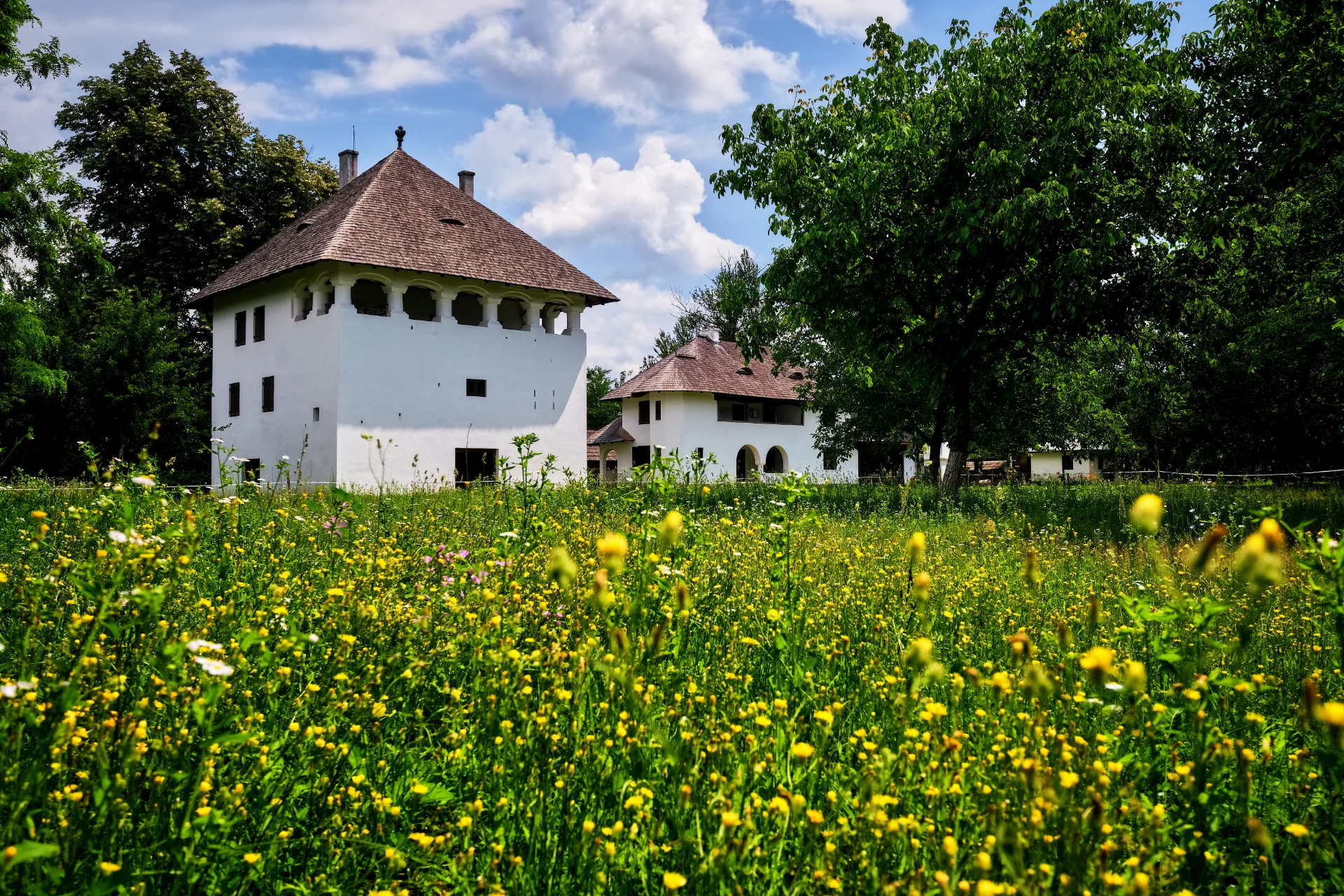
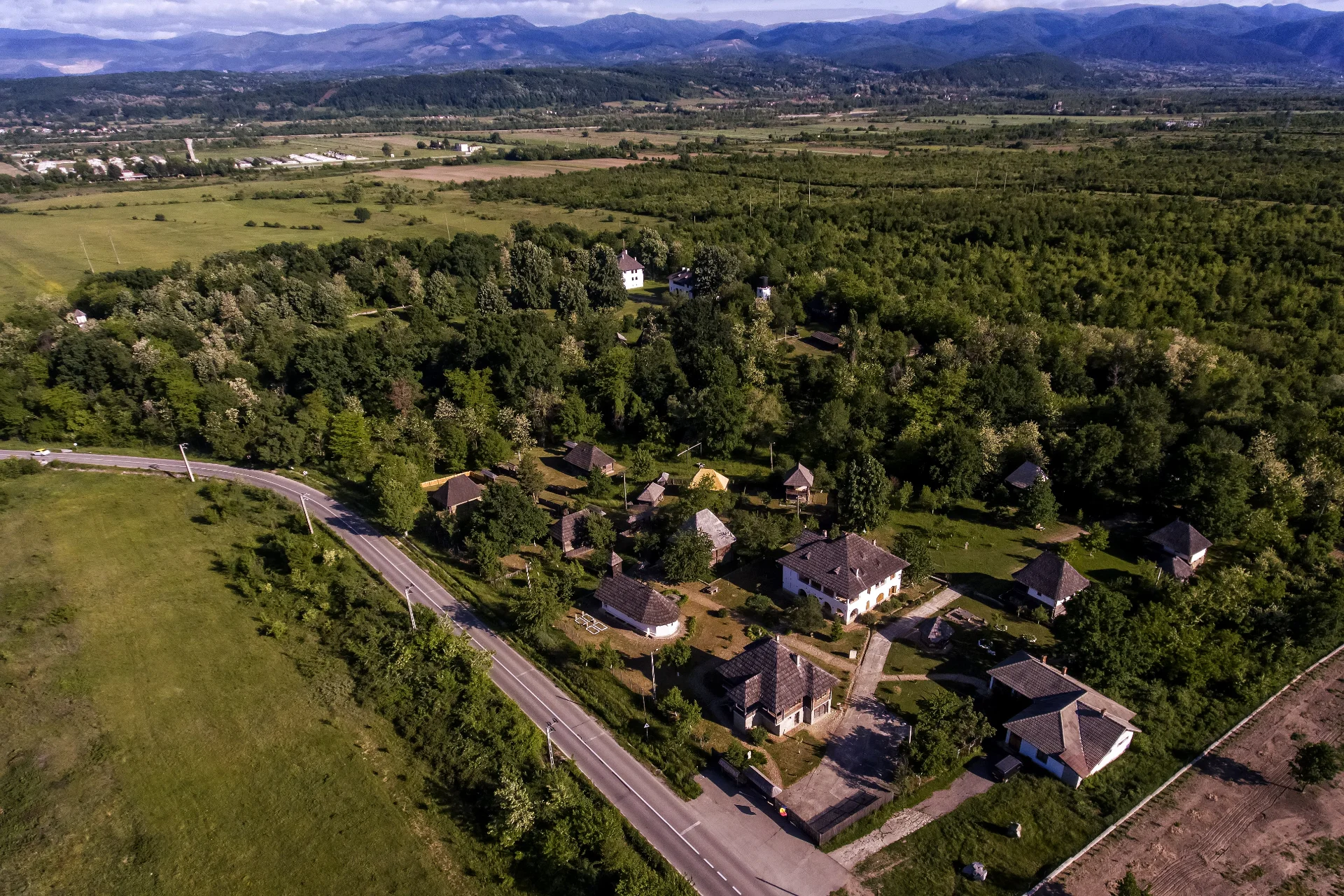
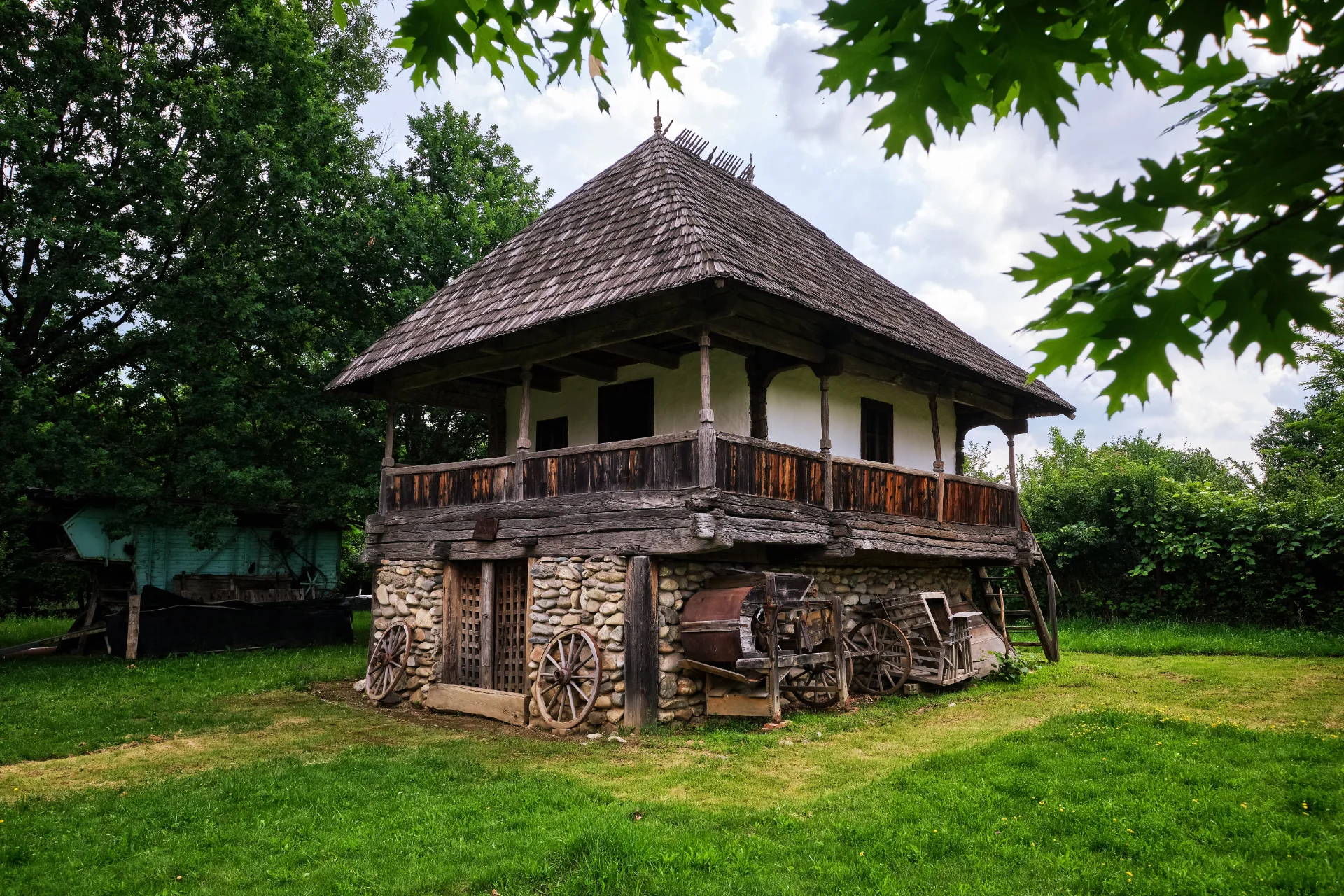
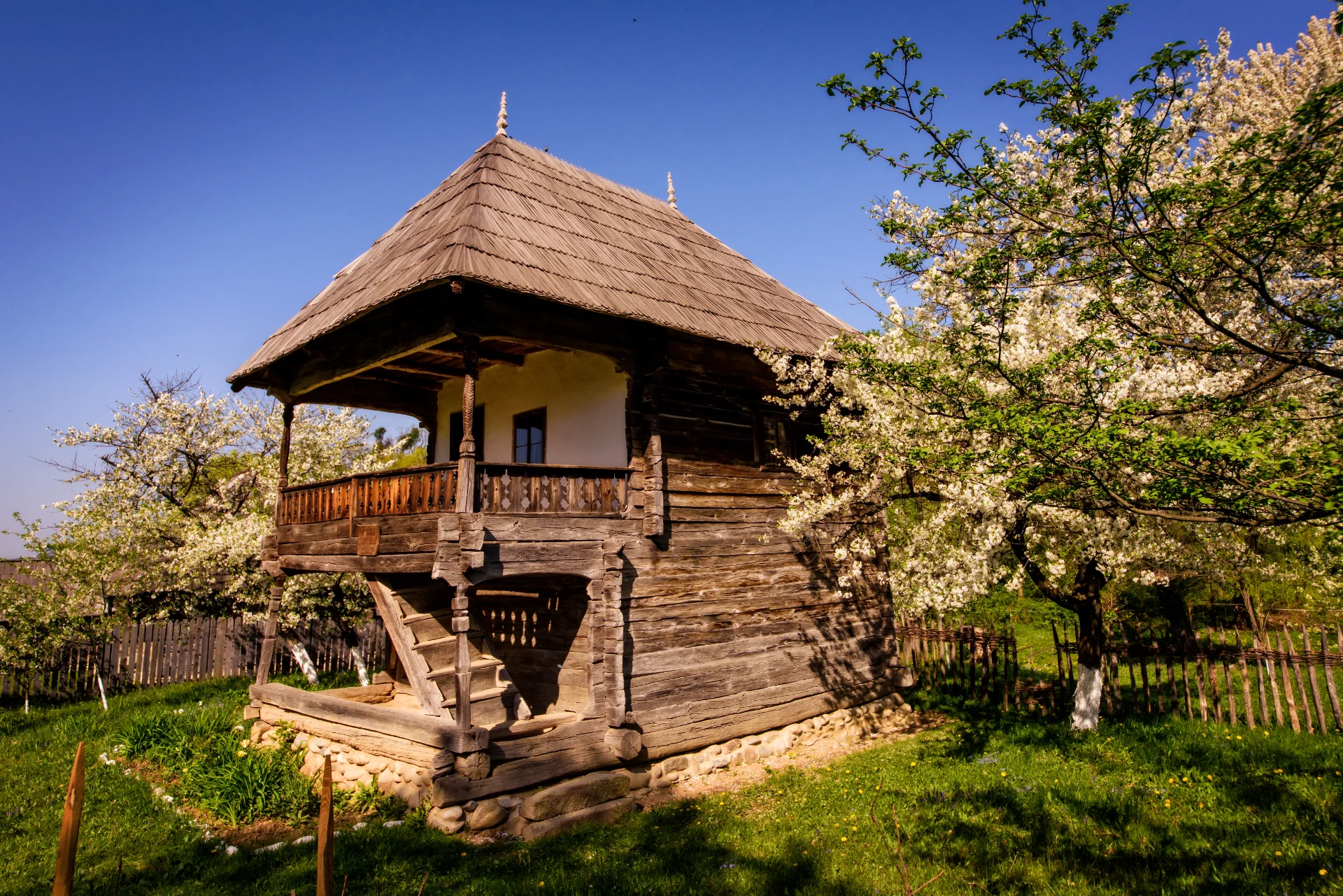
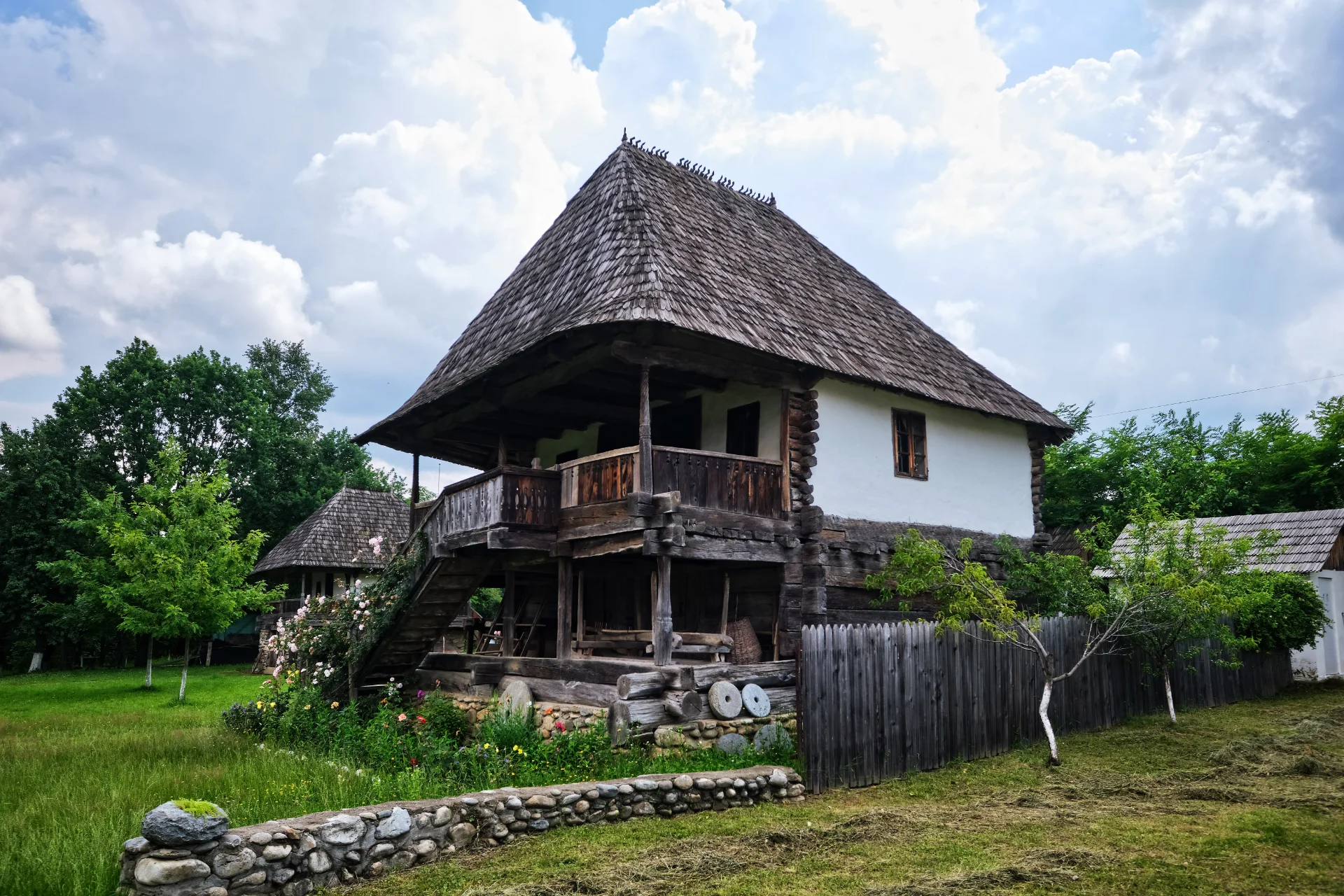
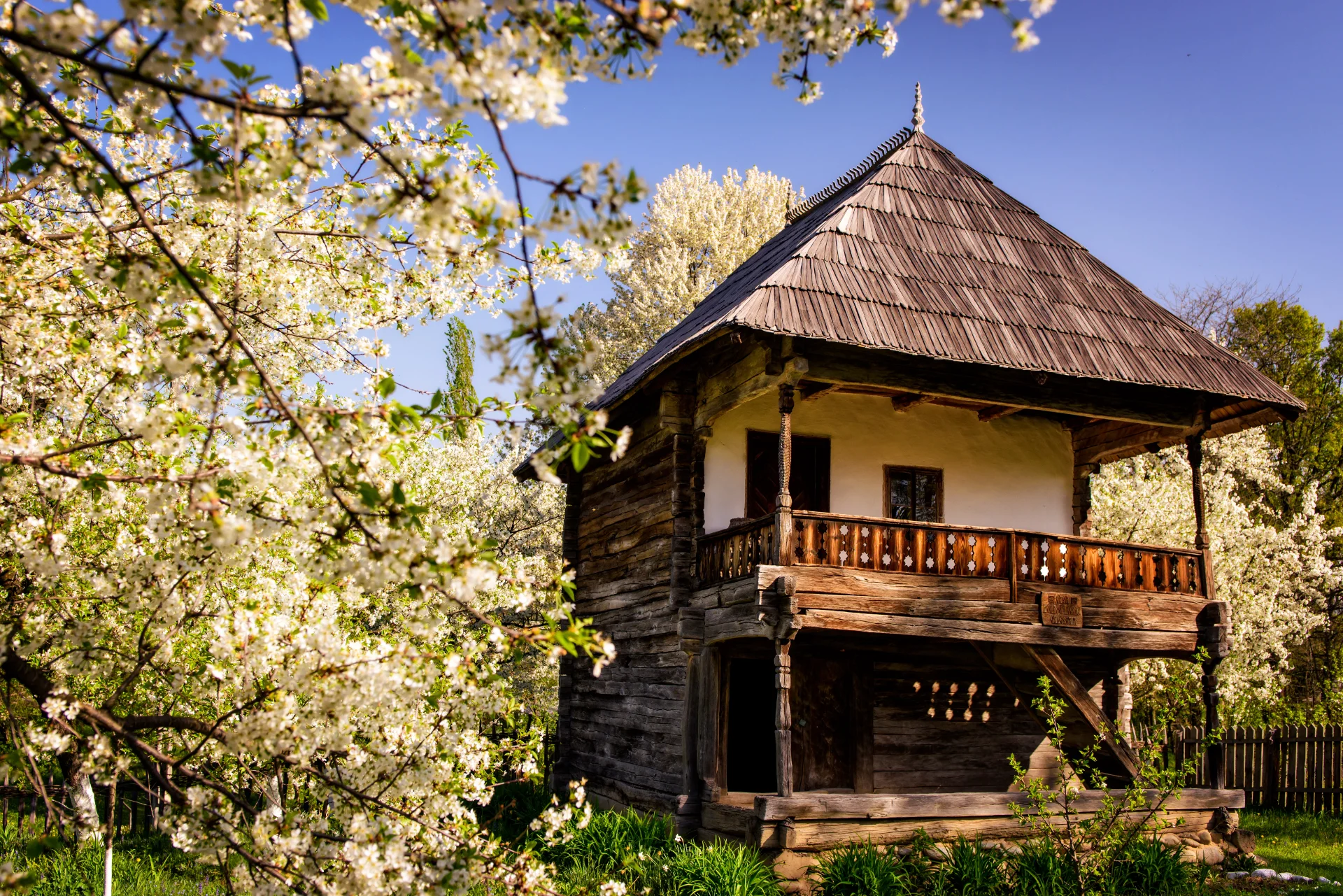
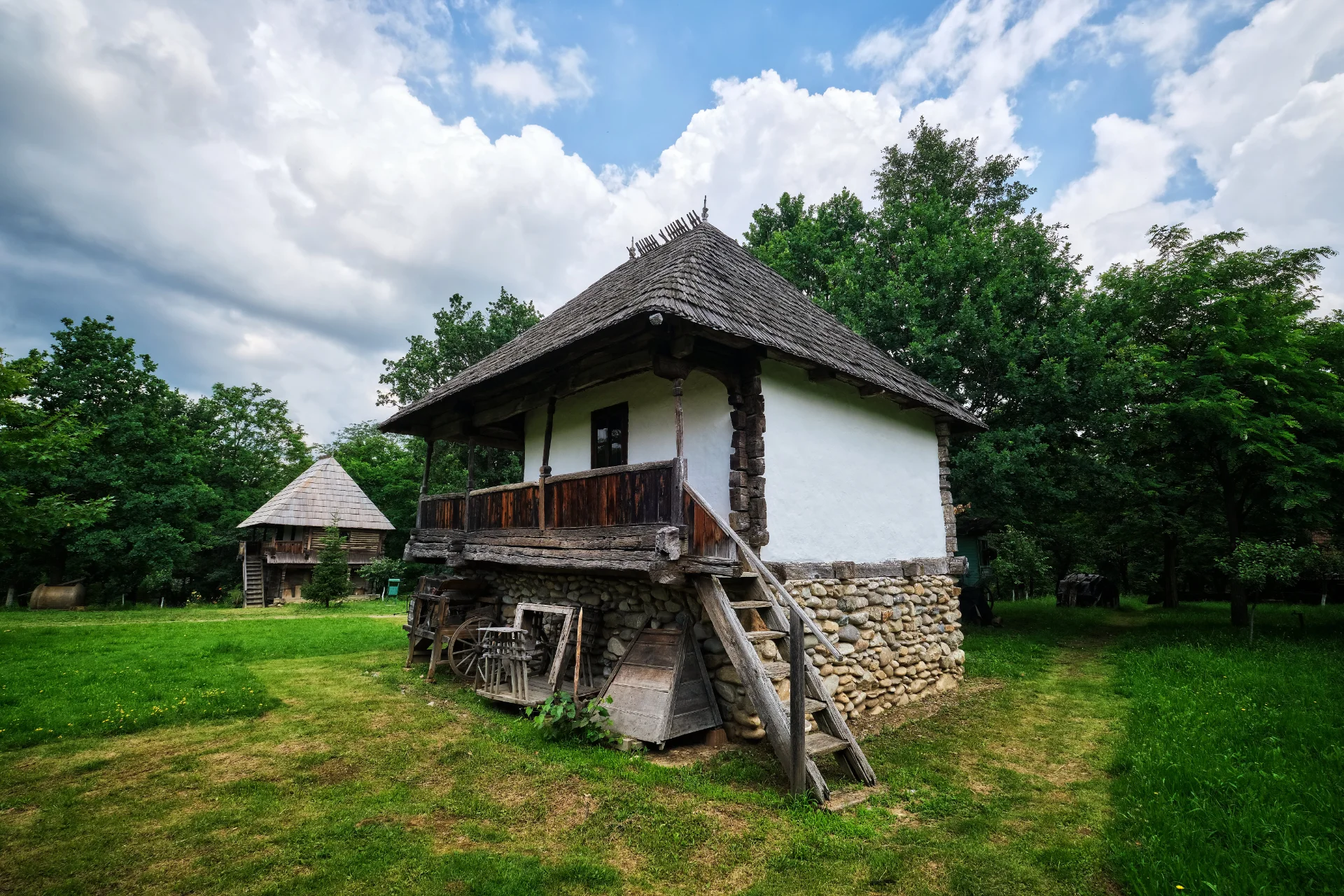
Located in the town of Curtișoara, which belongs to the city of Bumbești-Jiu, 12 kilometers north of Târgu Jiu, the open-air museum was founded in the 1960s, being officially inaugurated in 1975. Thus, the entire complex of the Cula de la Curtișoara passed into its heritage and the necessary funds were allocated for restoration. All the monuments of peasant architecture exhibited in this ethnographic museum (cule, houses, church, house shed, country mansion, hill cellar, well with scale, mill, etc.) are authentic and come from various rural localities of Gorj county. Most of the houses are built of beams, some older ones being simple, and others having one floor and several rooms, sometimes with a cellar. Inside some houses there are also pieces of furniture, carpets, fabrics and other traditional household items. The Cornoiu Cula in Curtișoara was the original nucleus of the museum, having been built in the first half of the 18th century and returned in 2006, together with part of the museum land. However, the monument can still be admired and impresses with its massiveness, having two floors, walls almost one meter thick, equipped with ramparts and a strong oak door. Near the Cornoiu Cula is the old church dedicated to “Saint John the Baptist”, built in 1820 and containing interesting fresco paintings.
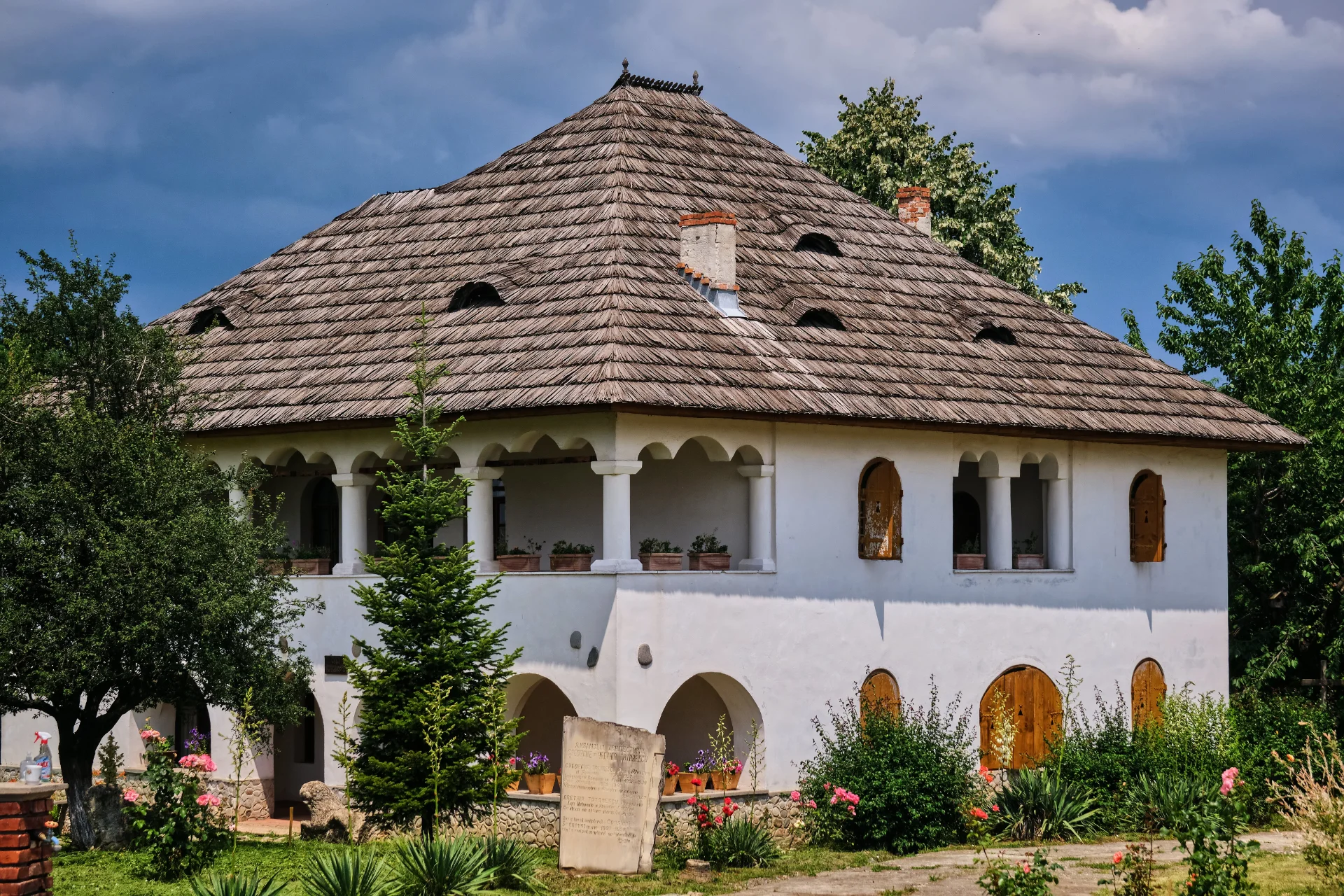
The most important element of the museum, along with the Cornoiu Cula, is the “Gheorghe Tătărescu” architectural ensemble, brought here from the disappeared village of Poiana, near Rovinari. Gheorghe Tătărescu, twice Prime Minister of Romania, and his wife, Arethia, bought the Poenaru cula and the related land in 1919, receiving prominent guests from the Romanian political environment of the time. The architectural ensemble was donated to the museum in 2000 and includes the Poenaru Tătărescu cula, the Antonie Mogoș cula, the chapel church, the wooden bell tower, the wooden gates, the tombs of some of the family’s ancestors and ancient objects brought from the ancient ruins of Sarmizegetusa. The Poenaru – Tătărescu cula is an old boyar’s house built in the mid-18th century by the Poenaru family and radically transformed by the Tătărescu family. Currently, the cula houses a small thematic museum on the ground floor around the craft of weaving, with various old instruments used in Gorj County. The floor is dedicated to the Tătărescu family, with paintings, documents and family mementos. The Antonie Mogoș House was bought by Arethia Tătărescu in 1934 and moved to become a guest house, modeled after the house of the same name, exhibited at the Romanian Peasant Museum. The nearby church was originally an old wooden church from the early 19th century, renovated in 1923-1924 as a chapel for the Tătărescu family.
Visiting hours: 9-17 (Tuesday-Sunday) | Tickets: 10 lei / Adult
Constantin Brâncuși Memorial House
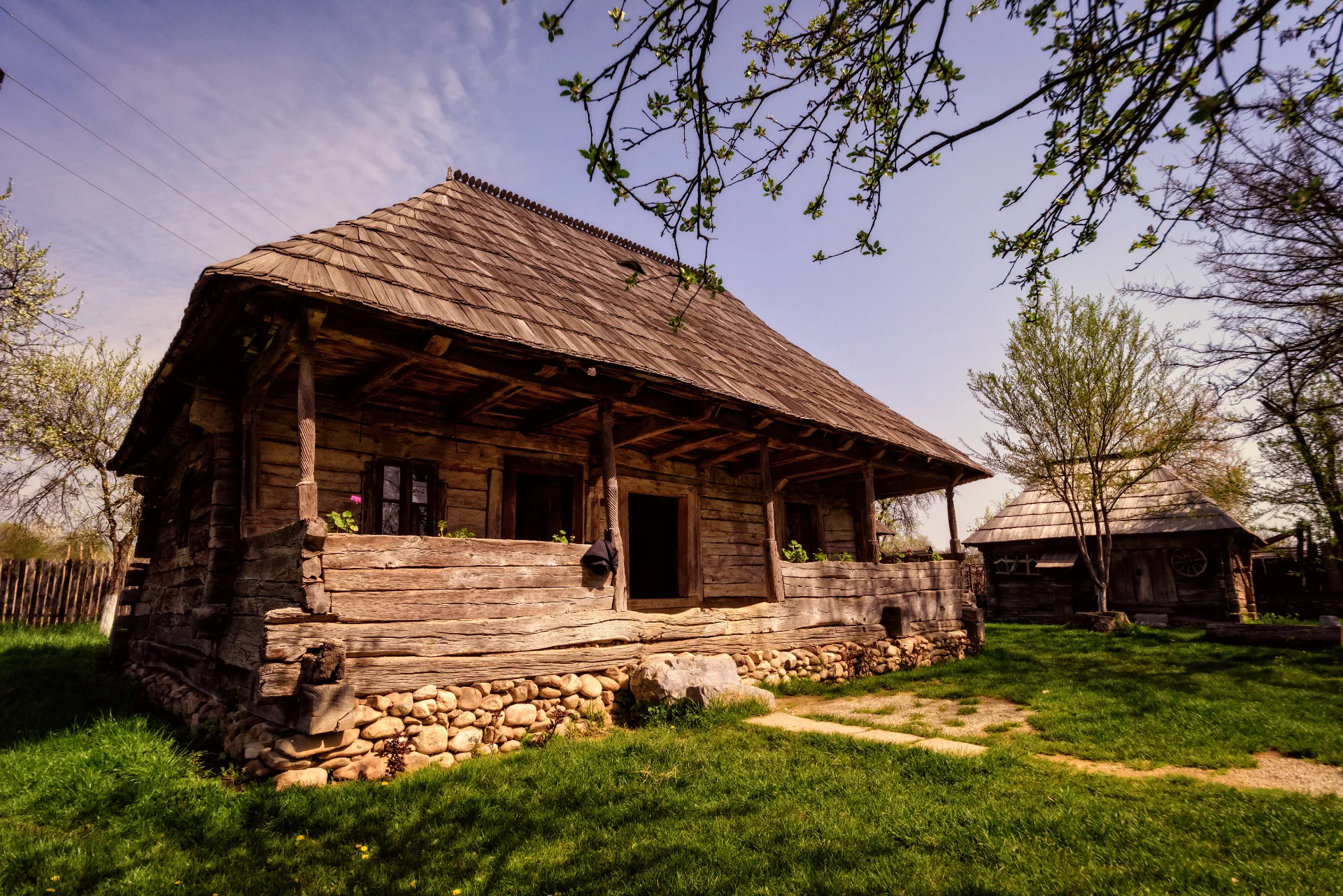
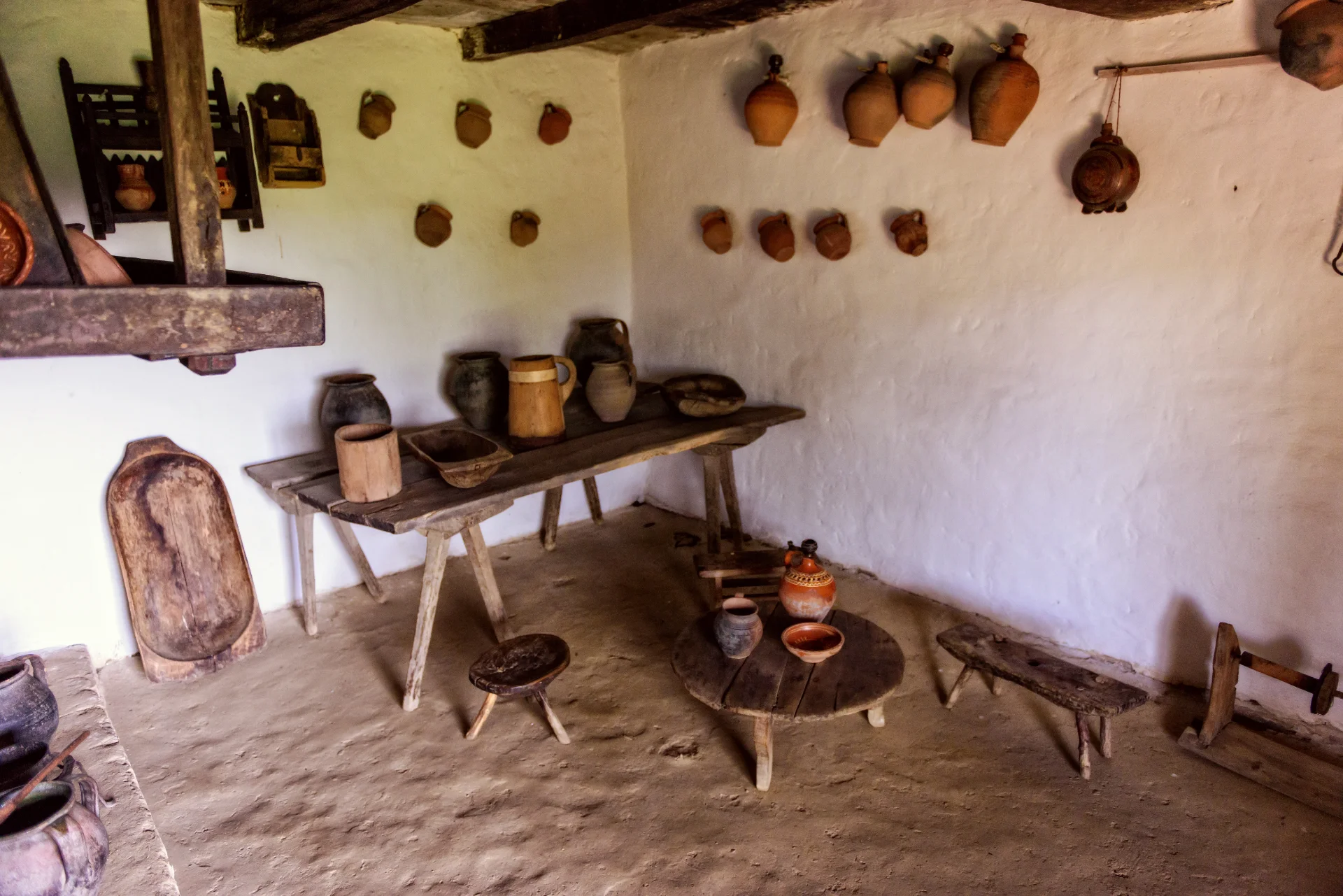
Located in Hobița, the sculptor’s native village belonging to the Peștișani commune, approximately 25 kilometers west of Târgu Jiu, the memorial house was built near his parental home. The building is very old, being a monument of peasant architecture, with two rooms, as well as the related annexes, the barn, cellar, well with a scale and carved wooden gates. Both traditional objects used in 19th-century Gorje households are presented, as well as testimonies about the artist’s life, mainly photographs and letters. Unfortunately, the house where Constantin Brâncuși was born, located nearby, lay in ruins for many years, and is now in an irreparable state. A sculpture camp has been taking place near the memorial house since 1980 in a clearing near the Bistrița Gorjeană River, and the works created over time are exhibited outdoors.
Visit schedule: 9-17 (Tuesday-Sunday) | Tickets: 10 lei / Adult
Tismana Monastery
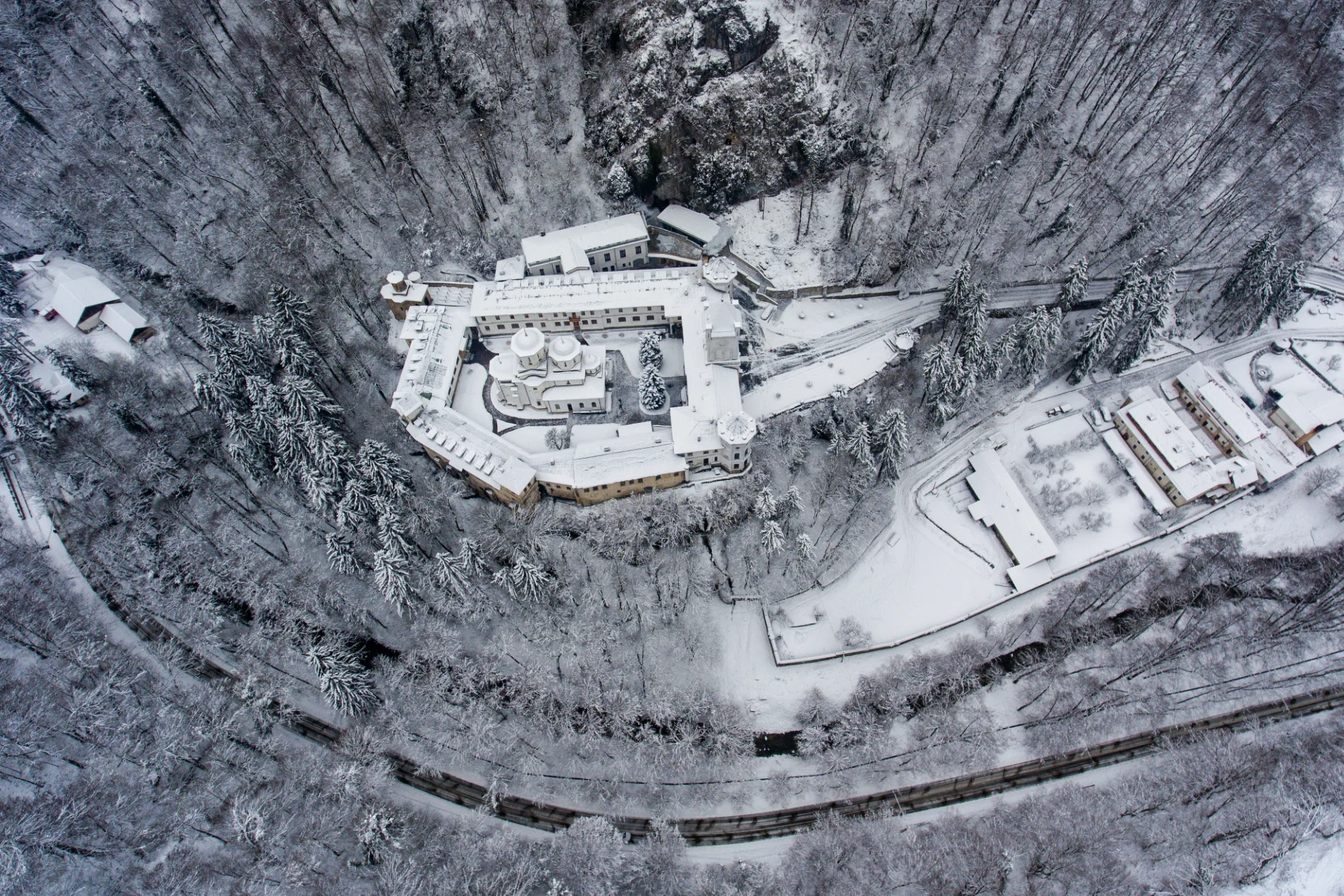
It is located on the territory of the small town of Tismana, approximately 5 kilometers north of the center of the town, on the valley of the river of the same name. There is no inscription inscribed in stone, as was usual in Romanian churches, nor the first charters from the rulers, so the exact date of the establishment of the settlement is unknown. The location of the place where it was to be built, as well as all the architectural details, were chosen by the founder, the Venerable Nicodim of Tismana (1310-1406). Deacon Paul of Aleppo, who was on a journey through these lands, gives the monastery an extremely favorable description, calling it one of the most beautiful visited, due to the special landscape setting. The monastery church is built following the Byzantine style in a triconch plan, with very thick stone and brick walls, a narthex and a porch. The monastery was plundered by the Turks in 1716, then came under Austrian occupation between 1718 and 1739, along with the entire Oltenia. On this occasion, significant changes and destructions were made to the appearance of the monastery, and many valuable objects were stolen or lost. During the revolutionary movements of Tudor Vladimirescu’s panduri, Tismana Monastery was one of their most important strategic points. Prince Gheorghe Bibescu ordered the restoration of several historical monuments, including the Tismana settlement. The negative side was that this restoration did not follow traditional architectural rules, pursuing more the neo-Gothic style, foreign to Romanian lands. In the mid-19th century, the Historical Monuments Commission conducted research to restore the monastery to its original form. Thus, the facades were stripped and the old paintings of Dobromir of Târgoviște were brought to the surface, some of which are exhibited in the monastery museum.
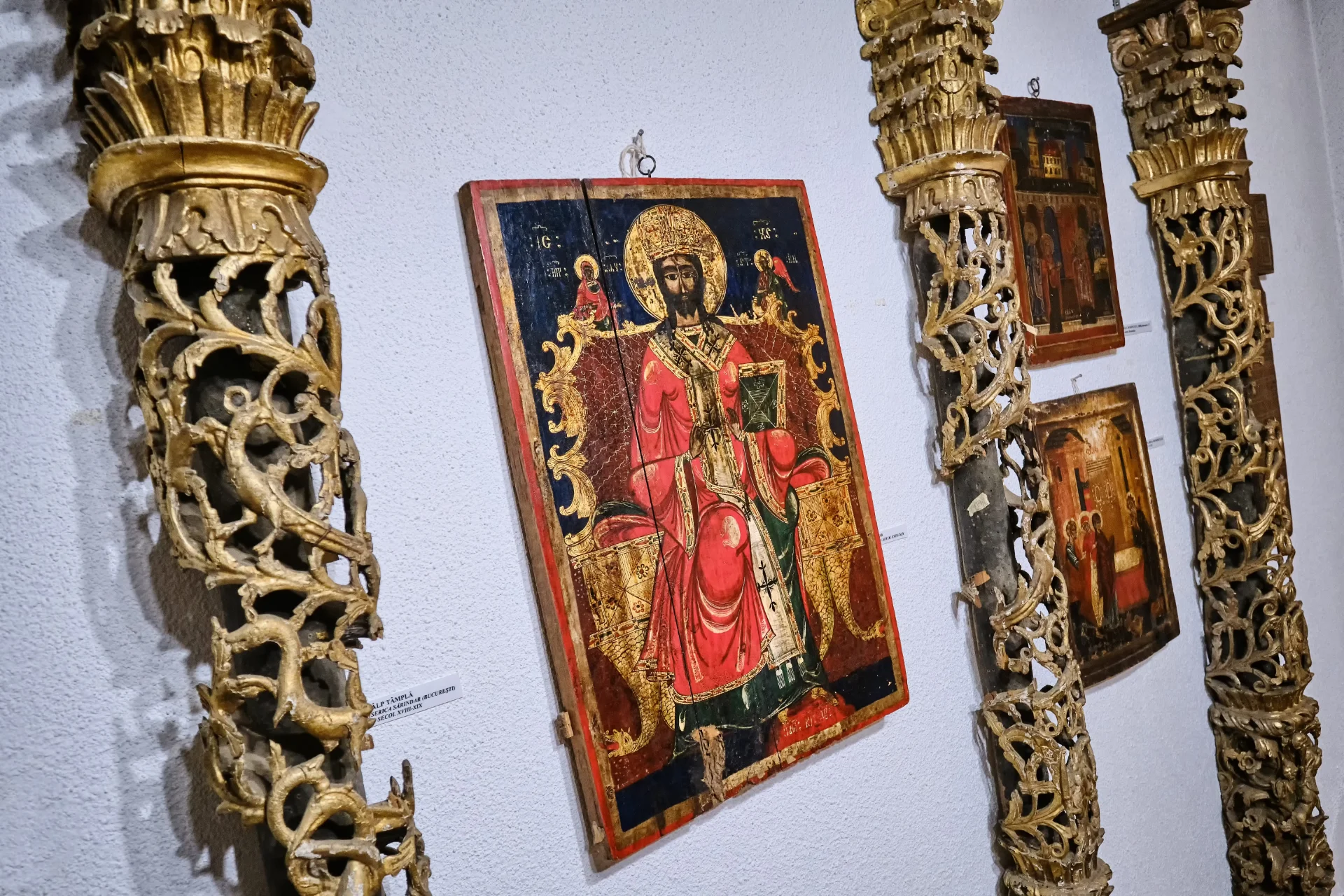
When it was built, the church of the Tismana monastery was painted in monocolor, with geometric and floral figures. The first iconographic painting was made by Dobromir of Târgoviște in 1564. This superb painting is still found in the narthex of the church, representing the oldest Byzantine painting in the Romanian country. In the following centuries, the nave and the altar were also painted, as well as the old painting in the narthex was covered, which was however extracted in 1955, a unique case in Europe. The iconostasis is made of oak wood, in 1766, blown in gold and with imperial icons from 1844. There are also two stained glass windows donated by the poet George Coșbuc in 1916, in memory of his son Alexandru. Built by Matei Basarab at the same time as the restoration of the surrounding walls, the harmonious chapel church was uniquely placed outside the enclosure, at the southeastern edge of the plateau. In 1944, the Treasury of the National Bank of Romania was hidden in Tismana, so as not to fall into the possession of the Russian army. After being stored in one of the cellars, the treasury was moved, for safety, to the Monastery Cave, where a small interesting museum has now been set up. Over the centuries, the Tismana monastery has accumulated a wealth of invaluable religious objects, some of which are currently housed at the Romanian Museum of Art. The rest of the objects can be admired in the monastery’s museum collection.
Sohodol Gorges
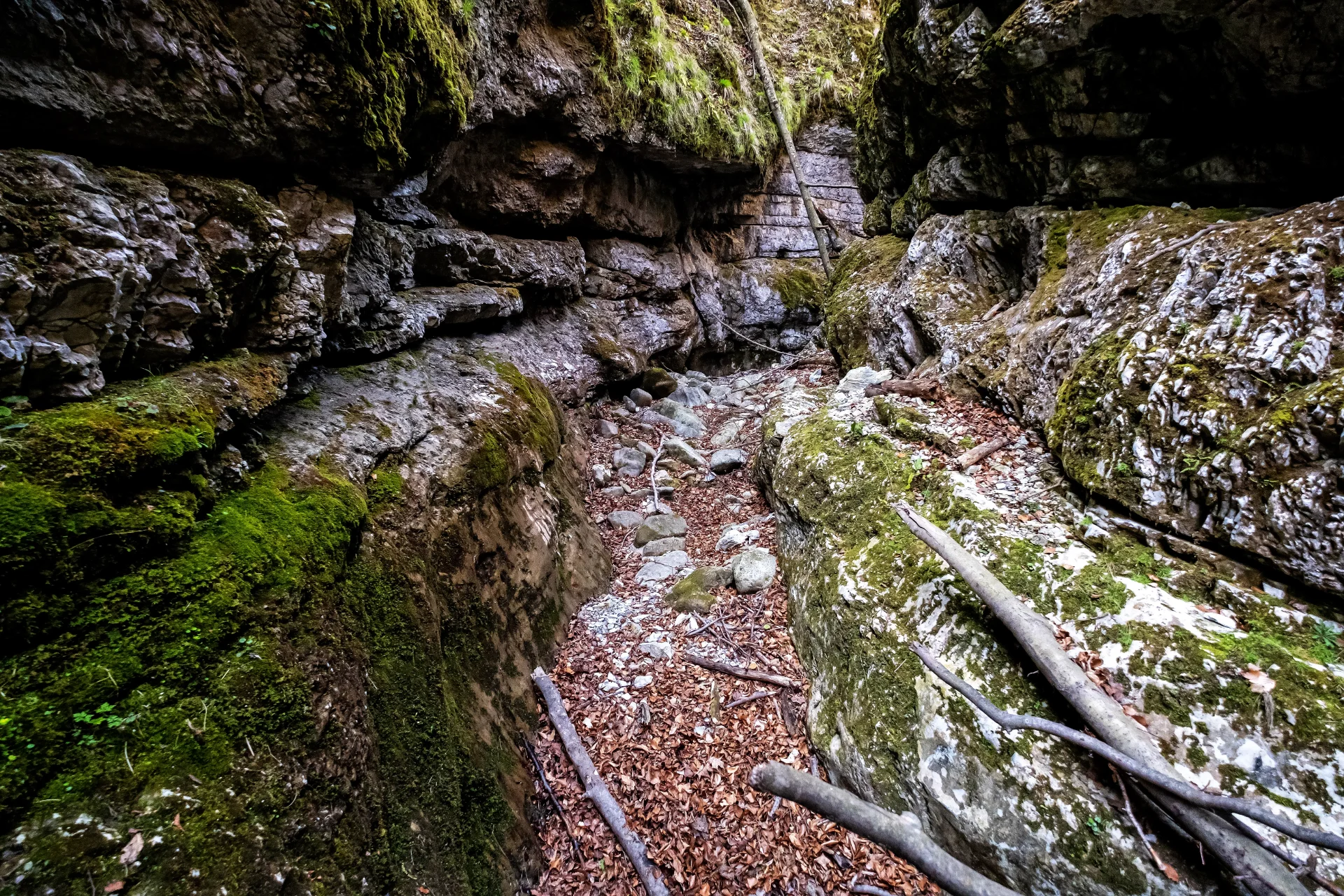
A true open-air geological and biological museum, this magical valley is located in the north of Gorj County, in the village of Runcu, less than 20 kilometers northwest of Târgu Jiu. The first sector of the gorge begins abruptly right where the village ends, and the entire valley is a series of spectacular landforms. The actual gorges of Sohohol are divided into three successive sectors: Cheile Runcului, Cheile Vidrei and Cheile Pătrunsa. The road that accompanies the gorges upstream is accessible almost all year round, being paved in the first sections of the gorges, for approximately 5 kilometers. Further on, the road becomes forest, but is still relatively accessible up into the mountains, the valley becoming much wilder. The Sohohol gorges are among the most spectacular in the country, both in terms of the beauty and wildness of the landscape, and in terms of the number and diversity of karst phenomena or points of tourist interest. The area is protected within a complex natural reserve, with an area of 350 hectares.
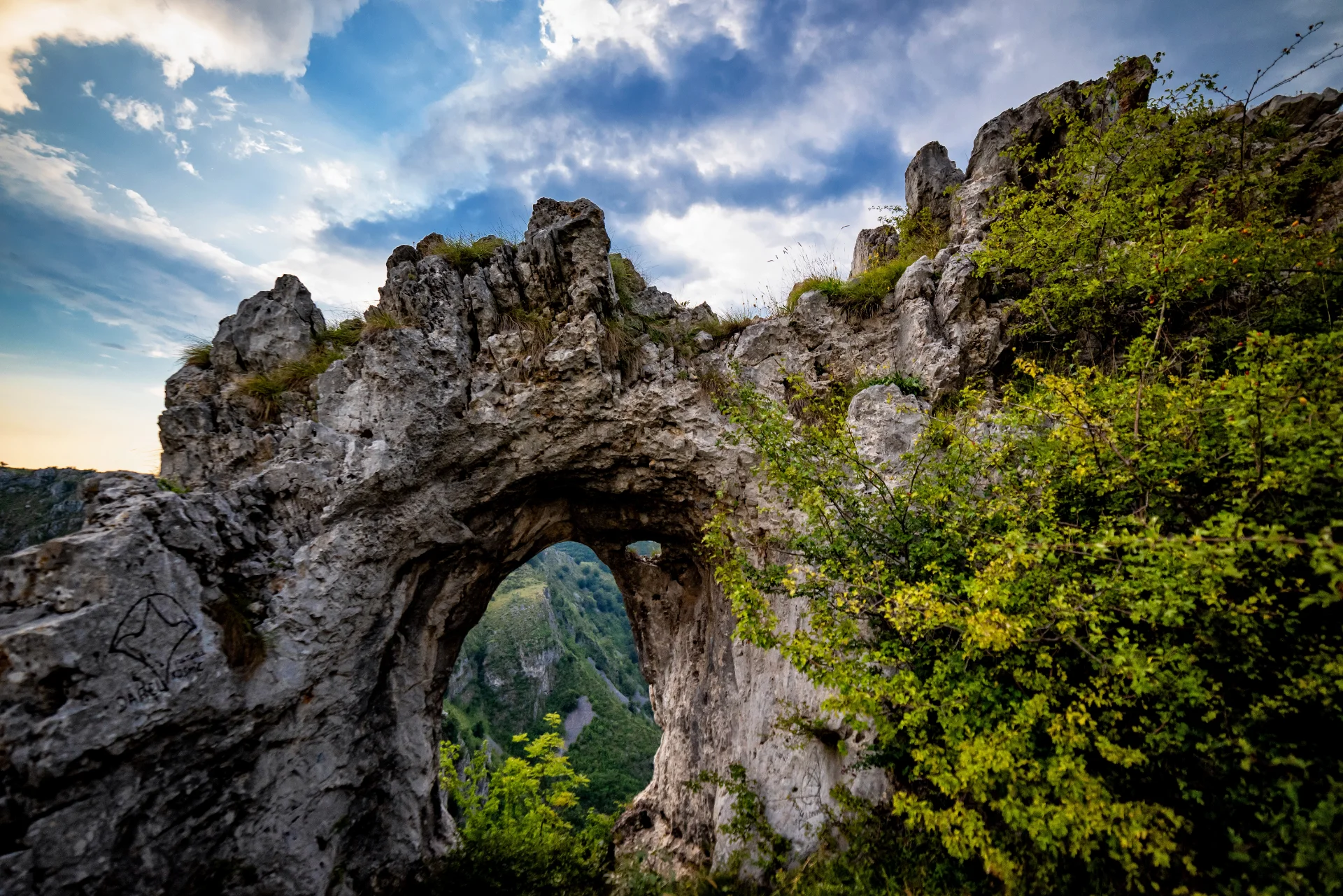
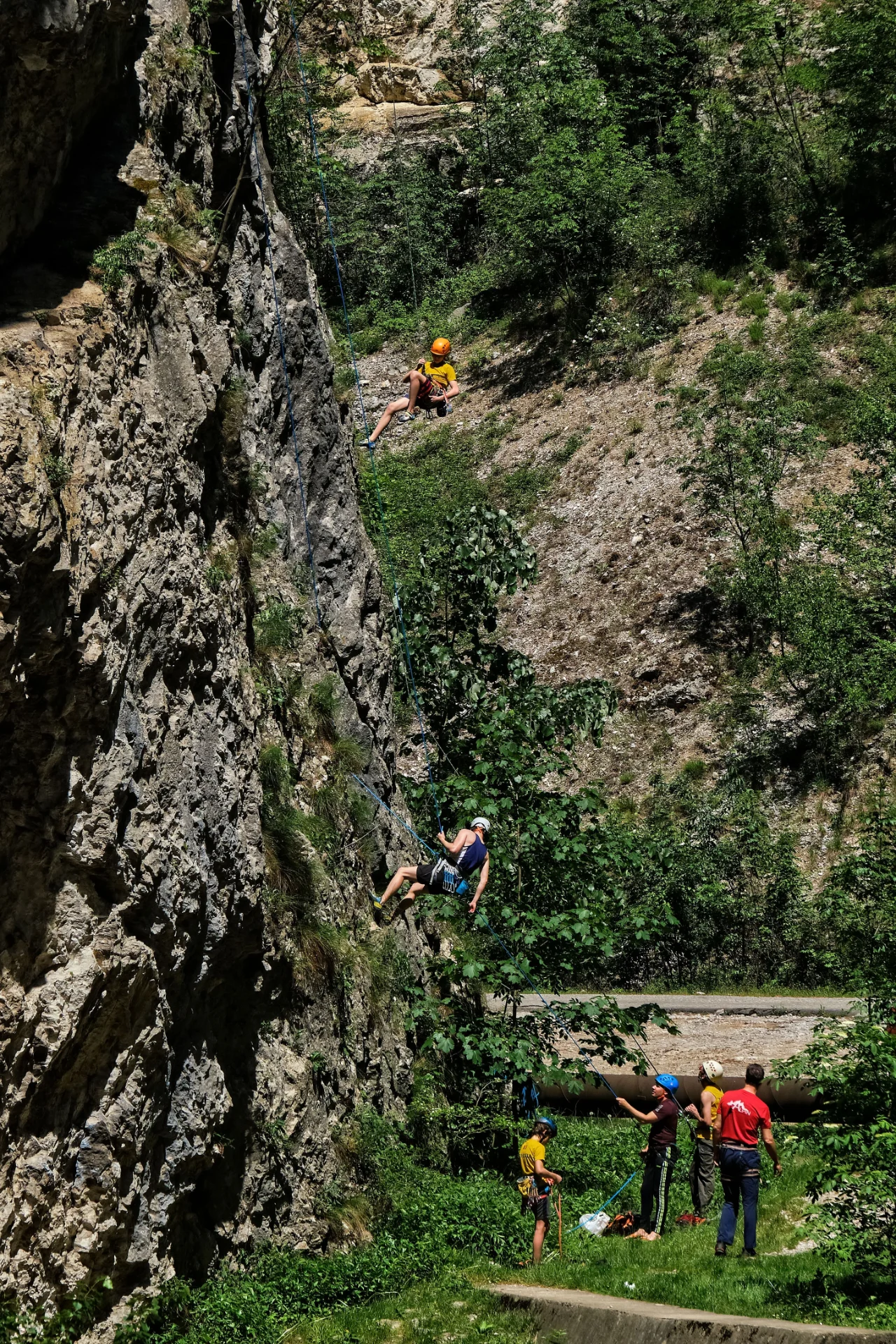
Digging for thousands of years through the limestone of the Vâlcan mountains, it has created a unique landscape, entering and exiting from under the rocks, passing through unknown tunnels and galleries. At the first signs of drought, Sohodol disappears, and at the first significant rains, it reappears stormily with streams of water flowing from the slopes. From the entrance, the landscape is impressive, with the gorges revealing their full grandeur between the steep limestone walls. Cave mouths and chimneys are spread in the limestone walls that rise like fortress towers. Starting from here, unique natural phenomena follow one another at dizzying intervals, with places where water has dug natural tunnels through the rock or caves where traces of prehistoric human habitation have been discovered. From the entrance to the gorge, you can also start a hiking trail to the eastern peak of the gorge, where you can admire an impressive natural portal, known as the “Lady’s Ring”. The large number of caves, chasms, tunnels, springs and other karst phenomena makes the Sohodolului Gorges area one of the most important karst areas in the country. In addition to hiking through the gorges, there are numerous other activities that can be carried out in the Sohodolului Gorges and nearby. Enthusiasts can try mountain climbing trails, here being some of the most beautiful and varied in the country, as well as canyoning or off-road trails.
Other Interesting Discoveries
Lesser known places and activities in Târgu Jiu and its Surroundings
History Museum
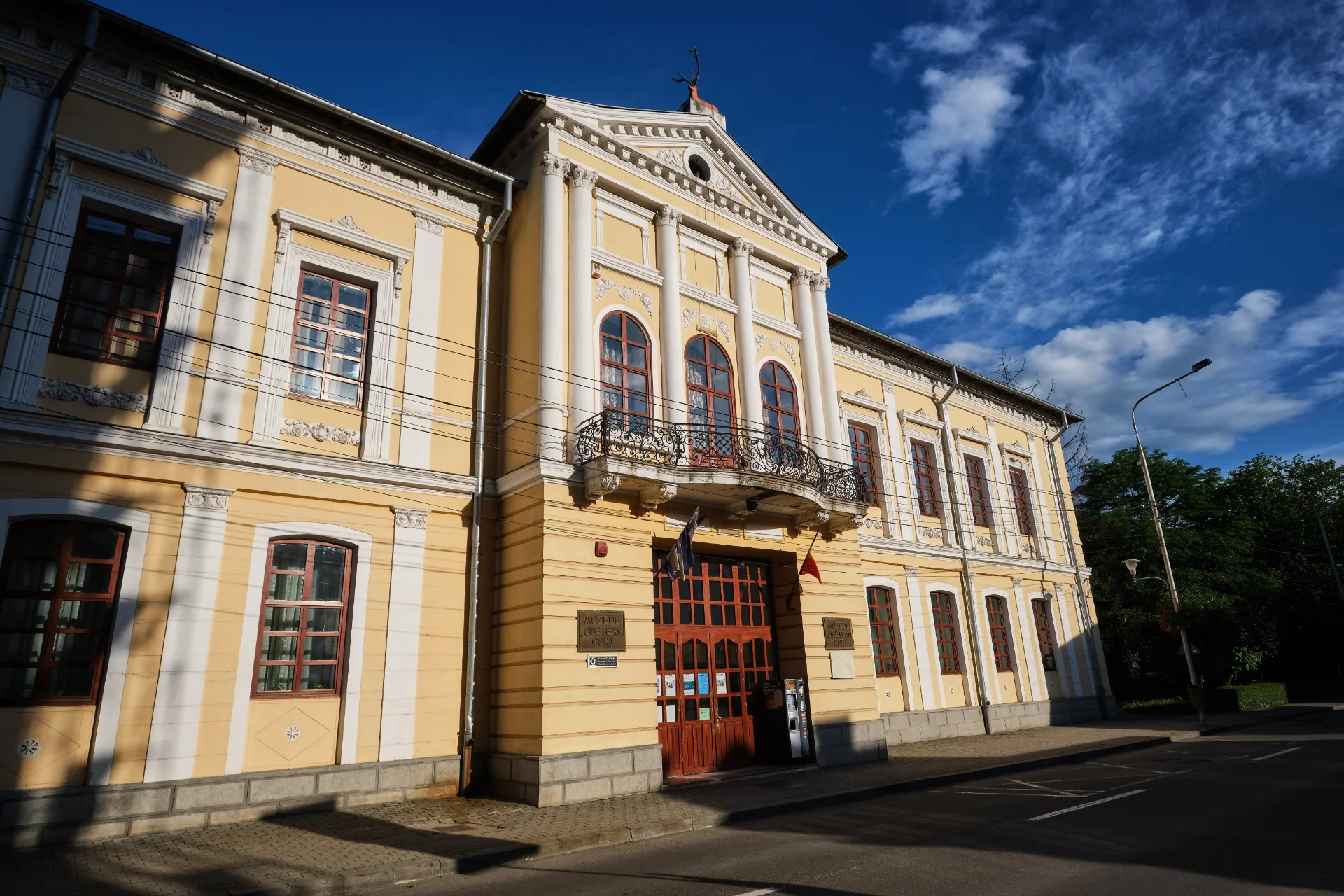
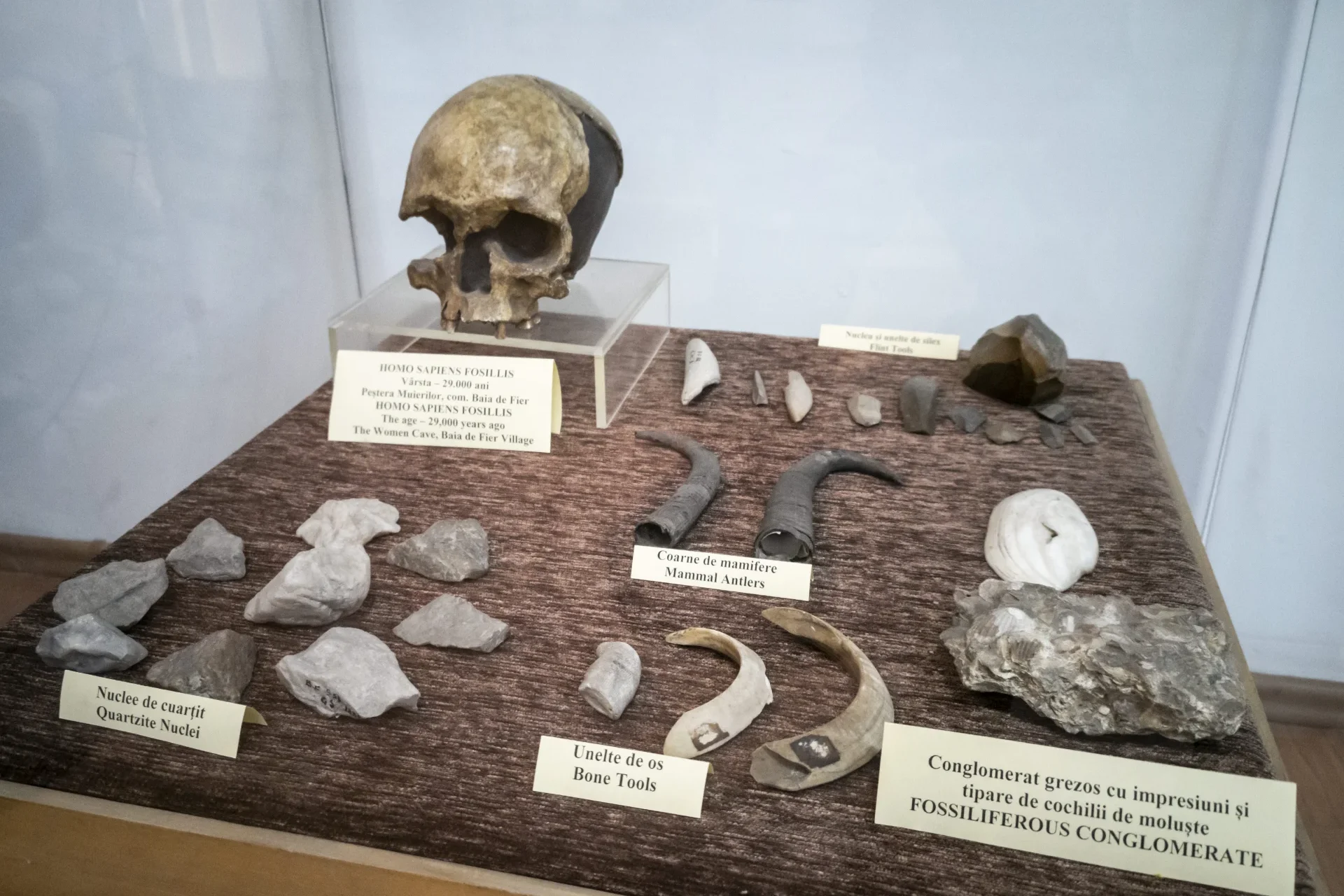
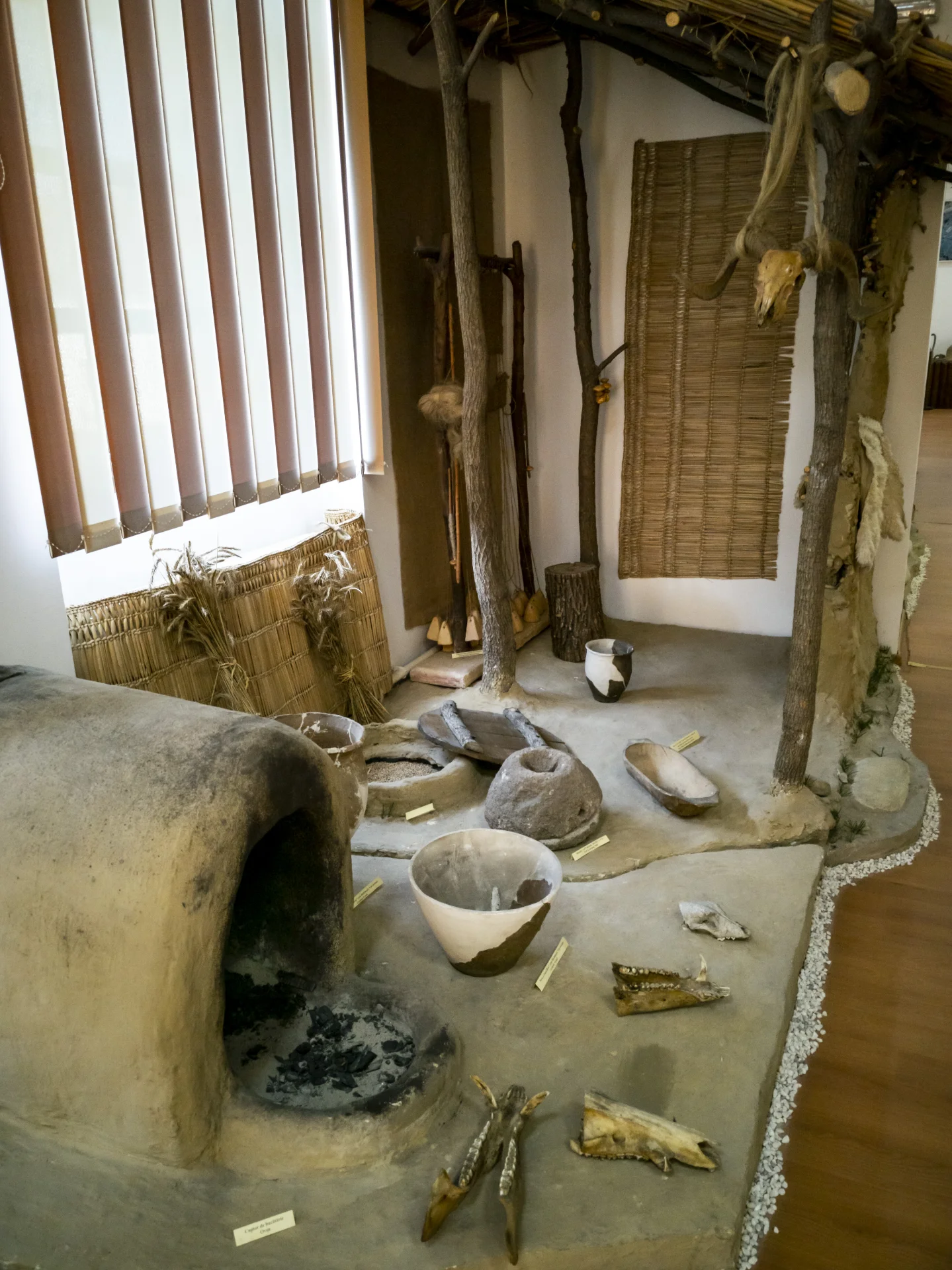
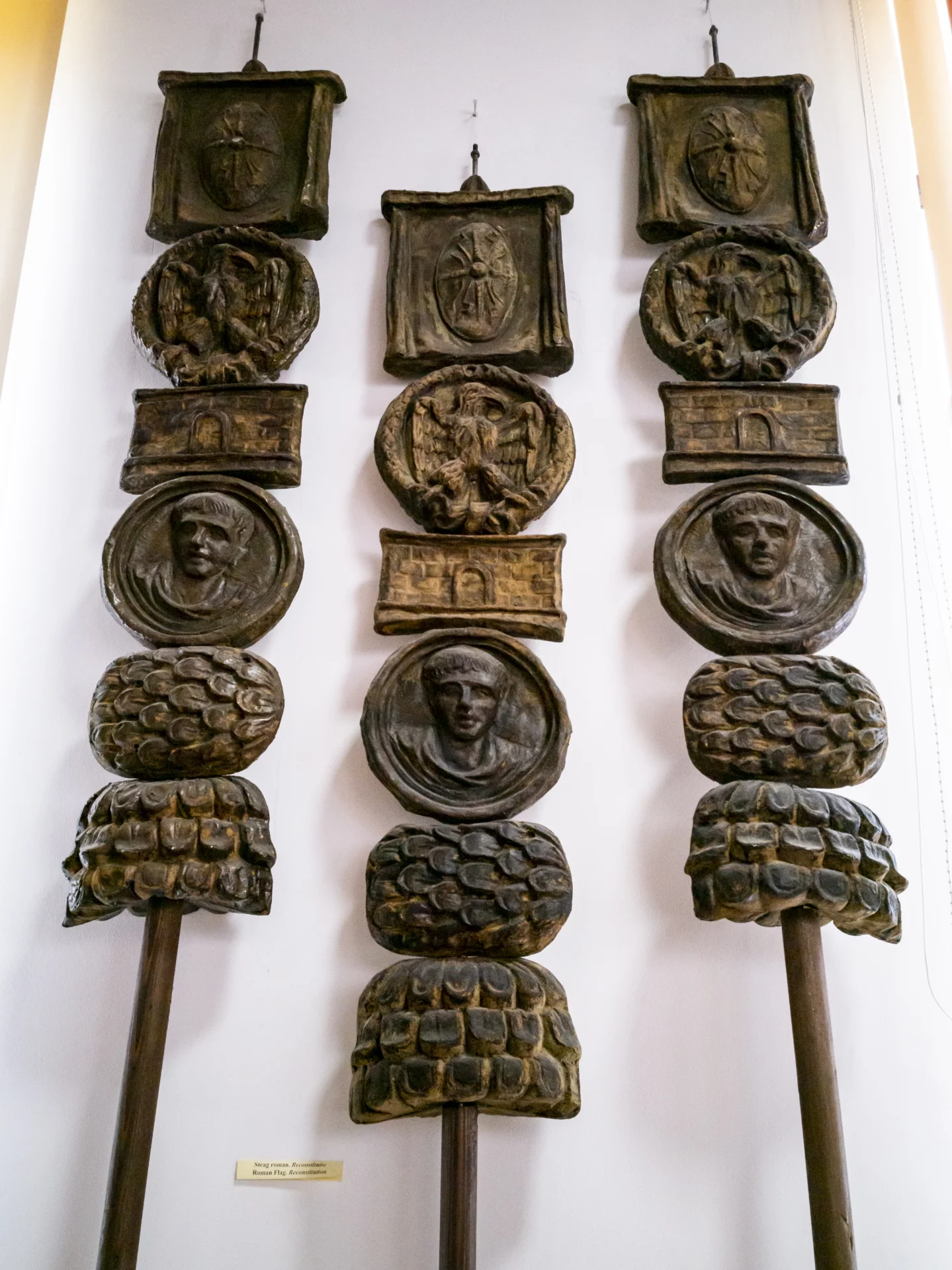
Located near the center of Târgu Jiu, the museum was founded at the end of the 19th century, even though the initial exhibition was quite small, and over time it has changed its location. After many uncertain decades, with temporary headquarters, the museum received the building of the former administrative palace on Geneva Street, where it has been operating since 1981. The “Alexandru Ștefulescu” County History Museum has a permanent exhibition of history and archaeology, temporary exhibitions, a library, meeting rooms, a conservation and restoration laboratory, and warehouses. Visitors are taken along the history of the county on a route that transcends time. Each new room presents an interactive exhibition of a historical period or an important event from the past of Gorj County.
Visiting hours: 9-17 (Tuesday-Sunday) | Tickets: 10 lei / Adult
Art Museum
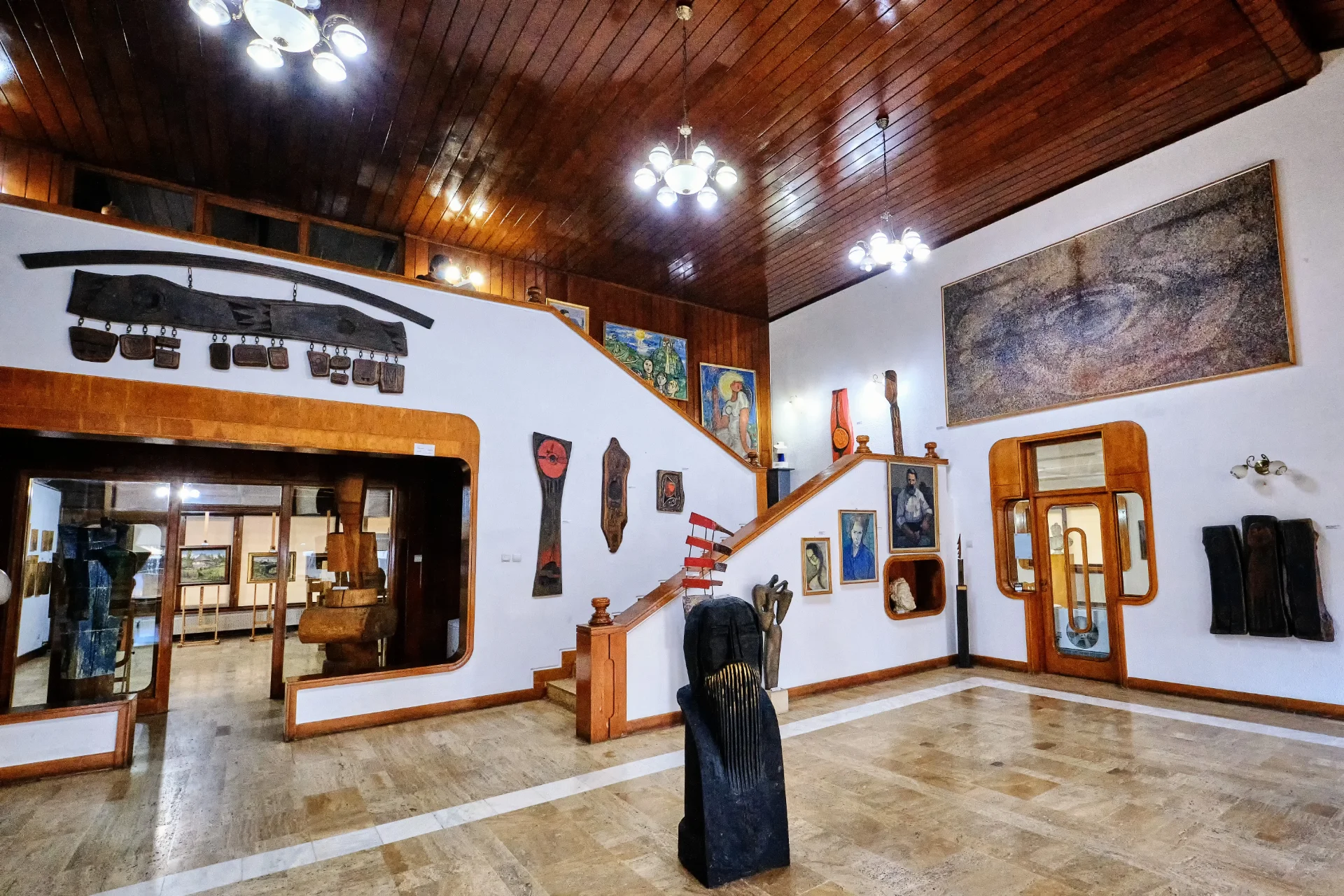
It was founded in 1984, but was moved to its new headquarters in the Central Park in 1993, located a few minutes from the works of Constantin Brâncuși. The exhibition halls contain works of art of undeniable value, offering an overview of the values of national and local art. One of the most appreciated halls presents the oldest works of the museum, belonging to artists from the Flemish and Italian schools (17th century). Among the renowned Romanian artists whose works are exhibited in the museum halls are Gheorghe Petrașcu, Nicolae Vermont, Henri Catargi, Aurel Jiquidi, Margareta Sterian, Alexandru Ciucurencu. Some of the most admired are the invaluable works of Corneliu Baba, and the artistic creation of Gorje is represented by works by Vasile Blendea, Iosif Keber and others.
Visiting hours: 9-17 (Tuesday-Sunday) | Tickets: 10 lei / Adult
Churches of Târgu Jiu
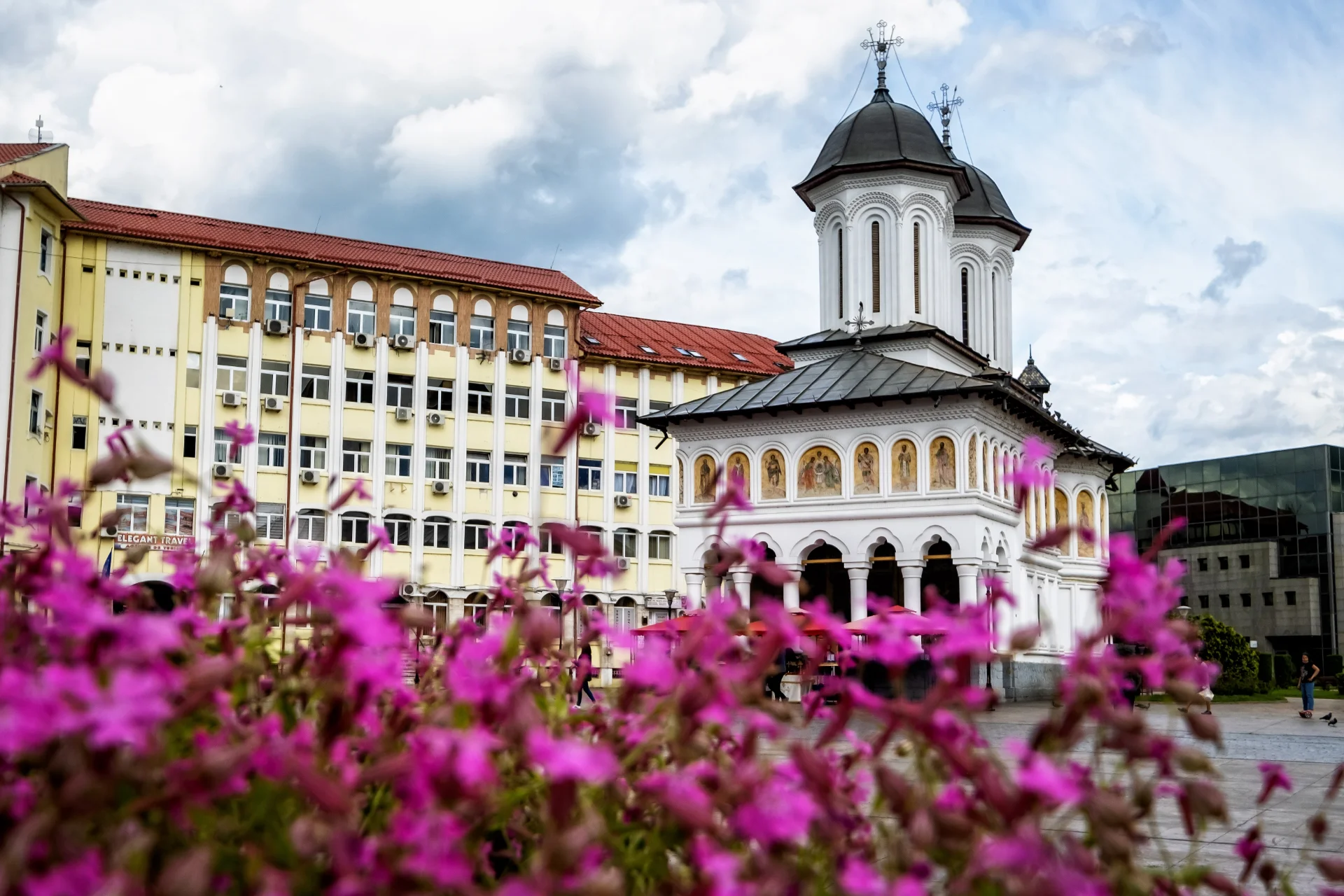
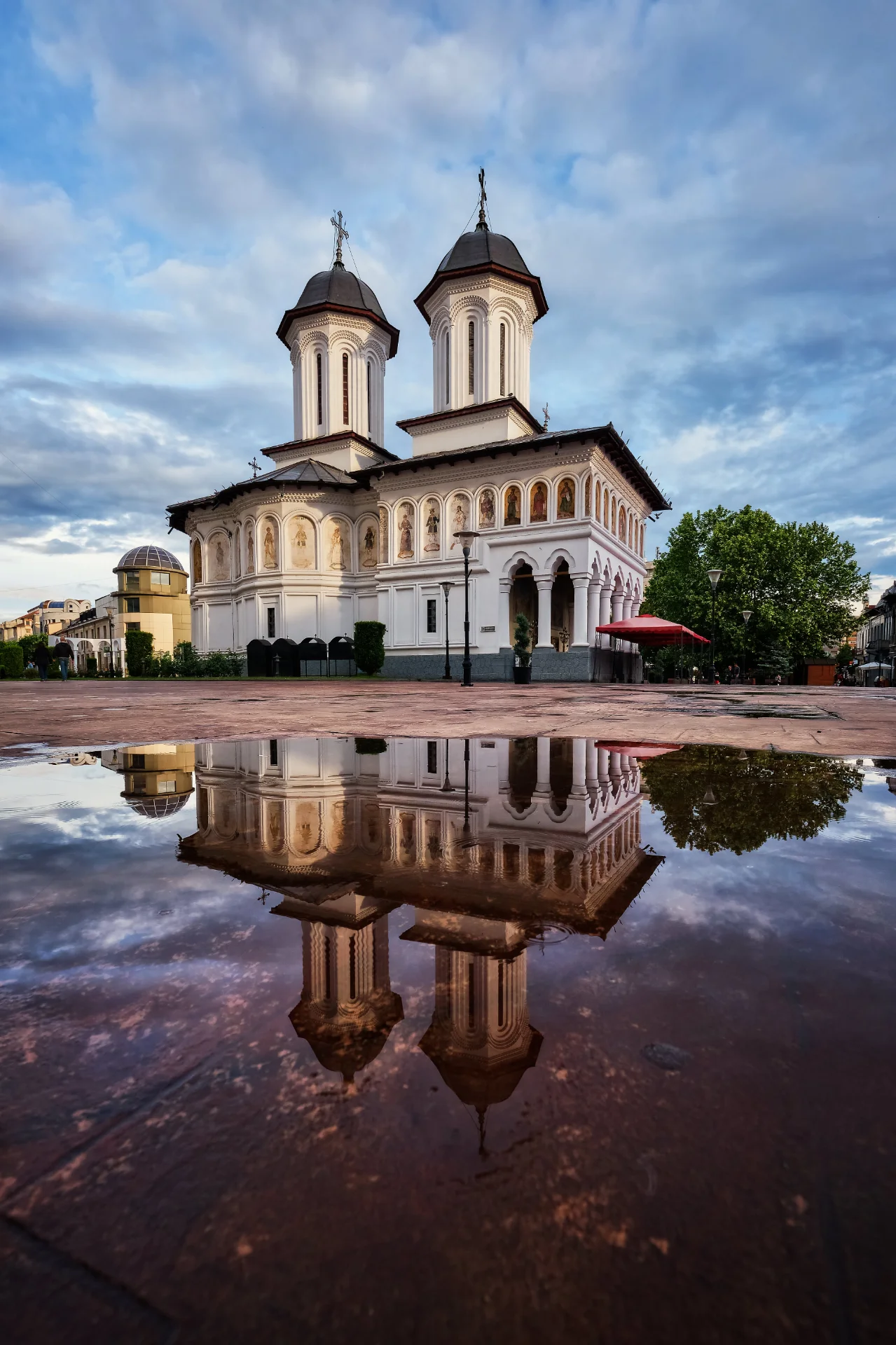
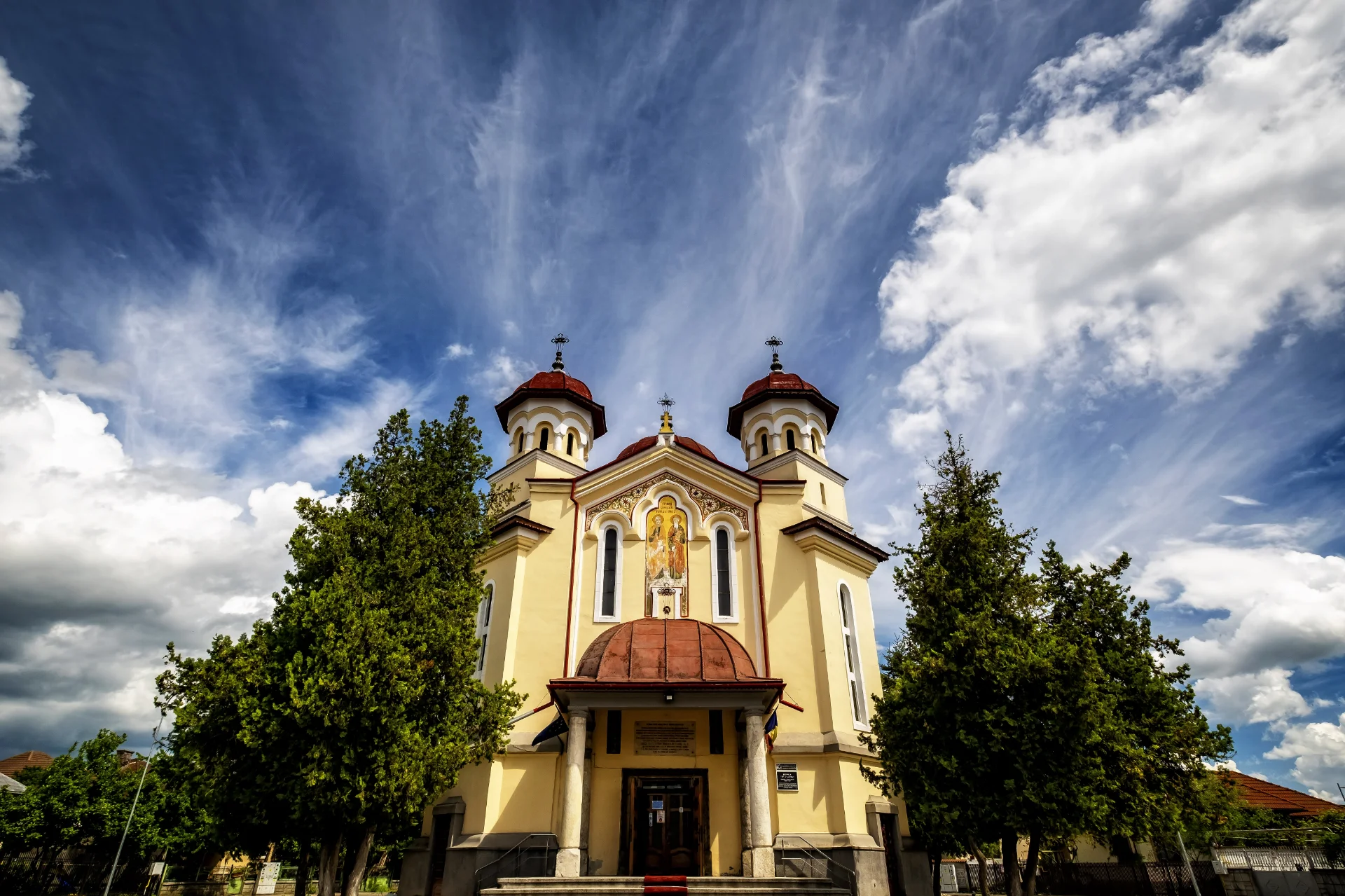
Also known as the Royal Church, the “Sfinții Voievozi” church is located right in the center of Târgu Jiu, in Victoriei Square. In the past, it was also nicknamed the Merchants’ Church, because the weekly fair that gathered merchants from all over the county took place around it. It was built during the time of Bishop Grigorie Socoteanu (1748-1764), probably on the site or near an older church from 1717. One of its most important features is the interior and exterior painting, made by the painter Mișu Popp from Brașov. It was restored later, between 1933-1940 and in 1980 by the painter from Gorj Iosif Keber. The portrait of the Virgin Mary inside and the series of exterior paintings are particularly impressive, where, in addition to the saints, portraits of philosophers from antiquity are also painted, a very rare thing in church art. The Church of the “Holy Apostles” is located on the Heroes’ Path, between the Kiss Gate and the Endless Column. When placing the other works, Constantin Brâncuși took into account the location of this church, being included in the monumental ensemble. The current church is located on the site of an older one, made of wood, dating from 1747. The construction of the current church began in September 1927 and lasted, with interruptions, until 1938. It is built in the shape of a cross, and the painting was done by the painter from Gorj Iosif Keber. The Church of “St.Nicholas and St. Andrew” is one of the oldest churches in Târgu-Jiu, being built in the Byzantine style and having old and valuable interior paintings. It was built in 1810, on the site of another church from 1795. Another important place of worship in Târgu Jiu is the church of “Saints Emperors Constantine and Elena” which was built between 1864 and 1874 on the site of an older wooden one.
Other Monumentas of Târgu Jiu
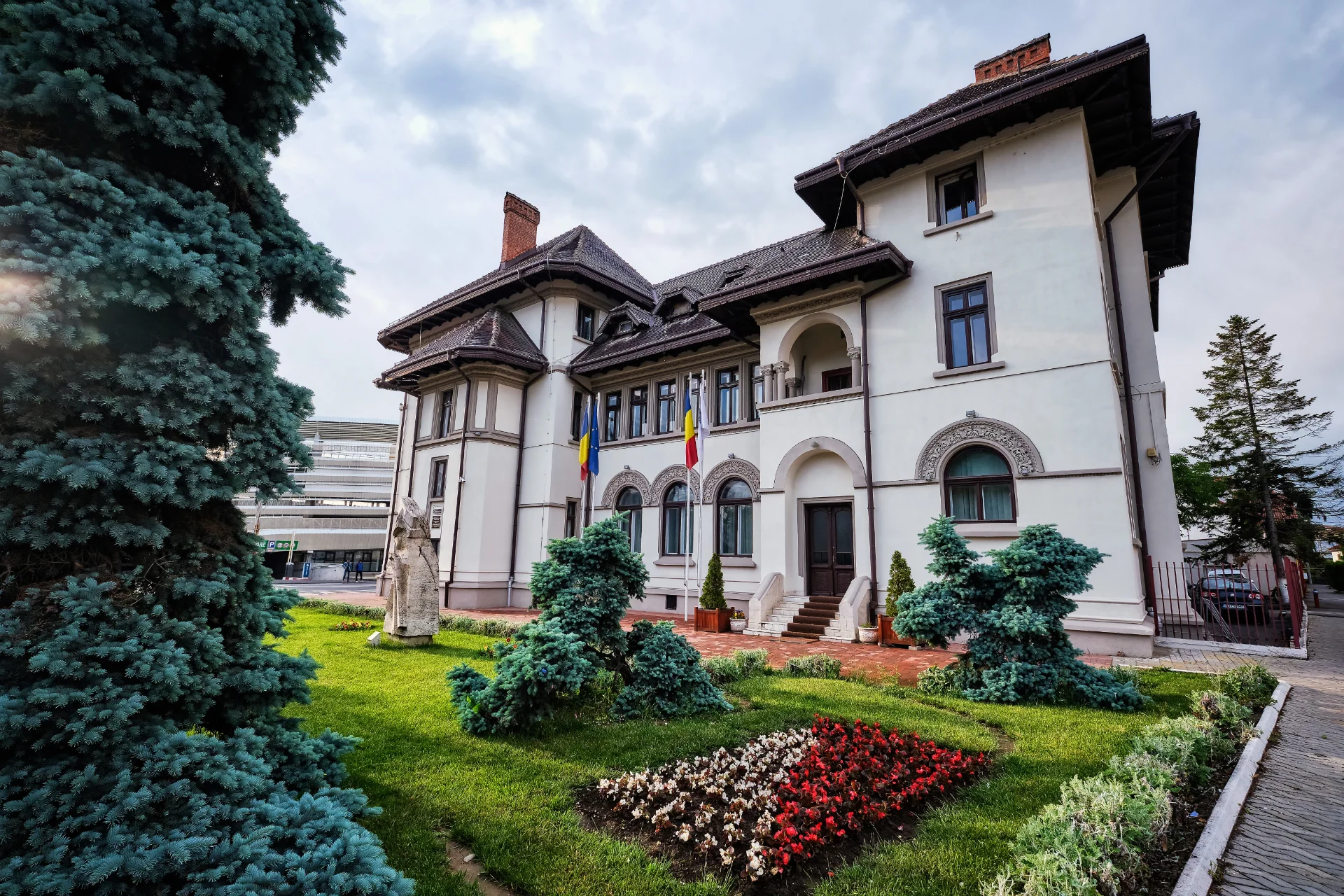
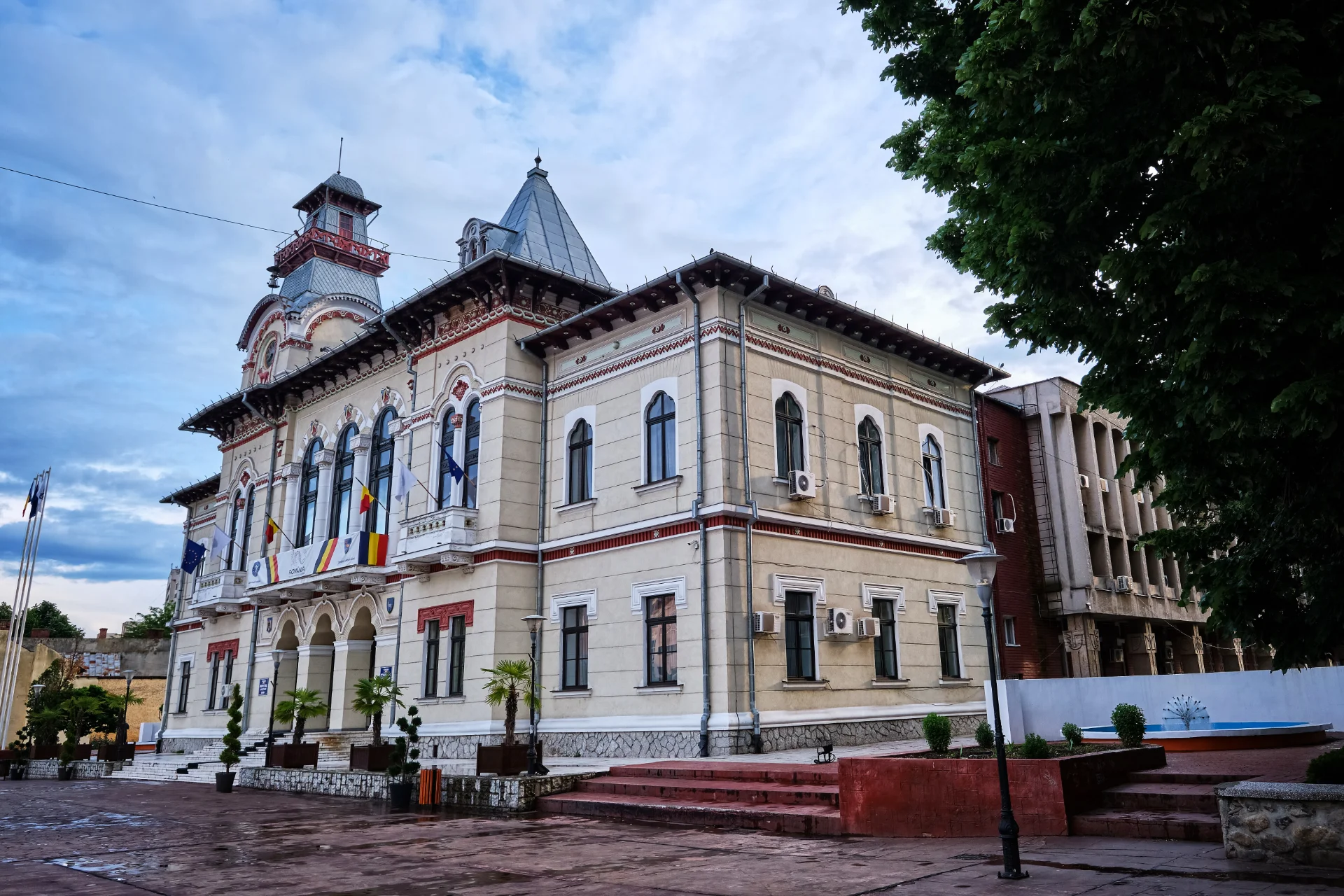
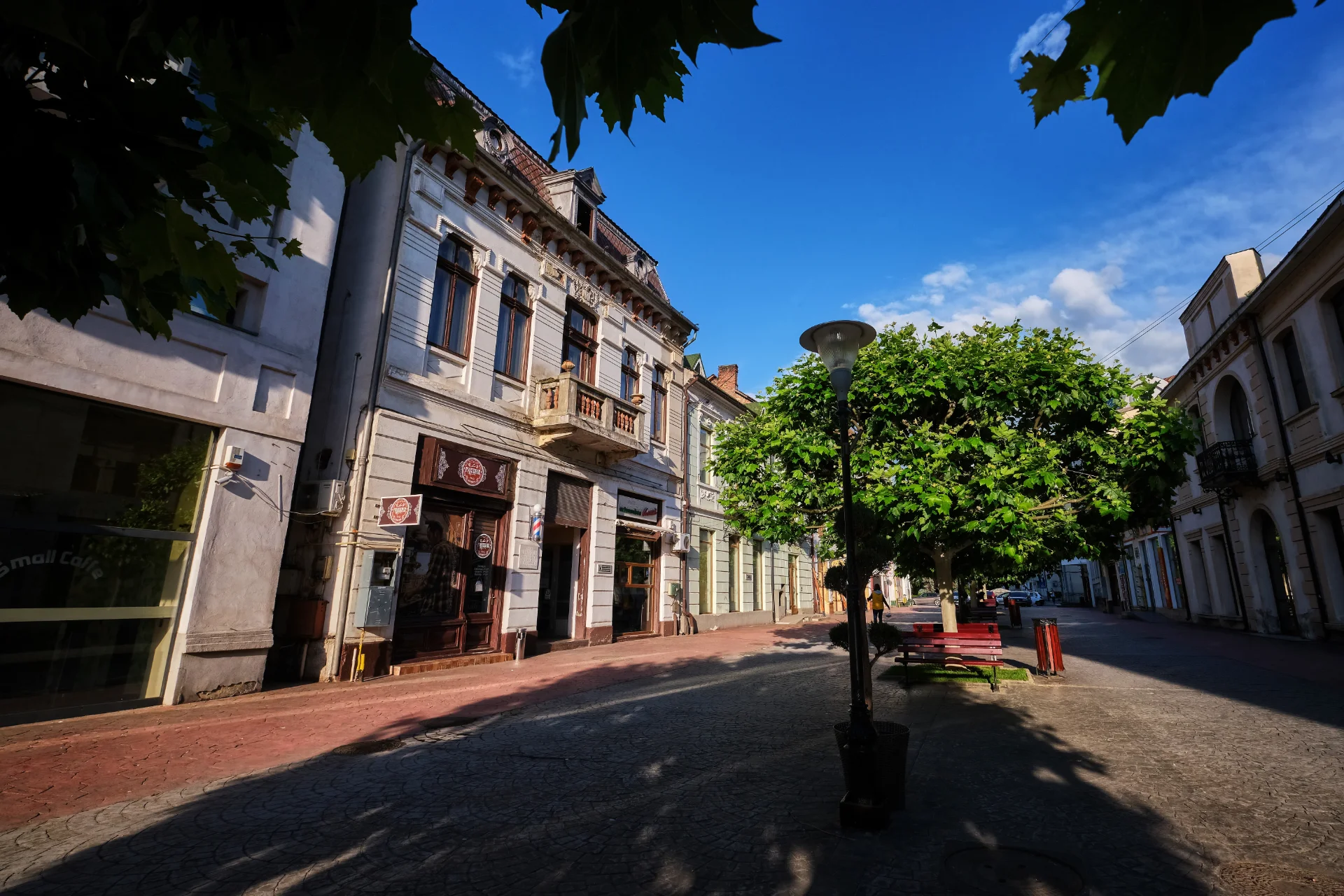
Although often overlooked in comparison to the monumental ensemble created by Constantin Brâncuși, the city of Târgu Jiu also includes several interesting sites, historical monuments and other attractions spread around the center. Although it was originally intended to be the city hall, the Administrative Palace of Gorj County was built between 1898 and 1904. The Moorish-style council chamber inside is particularly impressive. In the square in front of the palace is the Mausoleum of Ecaterina Teodoroiu, the Heroine of Jiu, which was erected over her mortal remains, brought from Moldova and reburied in 1921. The monument itself was created by Milița Pătrașcu, a student of Constantin Brâncuși, and presents scenes from the heroine’s military life on its four sides. The Târgu Jiu City Hall is located nearby, housed in a building that impresses with its architectural style, built starting in 1932 with the original purpose of being a dormitory for apprentices. The Public Garden or the Central Park of the city is located on the left bank of the Jiu River, on the site where a centuries-old mansion once stood. The park’s layout was started in 1856, but the appearance has changed several times, with new spaces being designed and new species of trees and plants being brought in. The park gained particular importance after 1937-1938, with the placement here of the works of Constantin Brâncuși, part of the “Path of Heroes” ensemble.
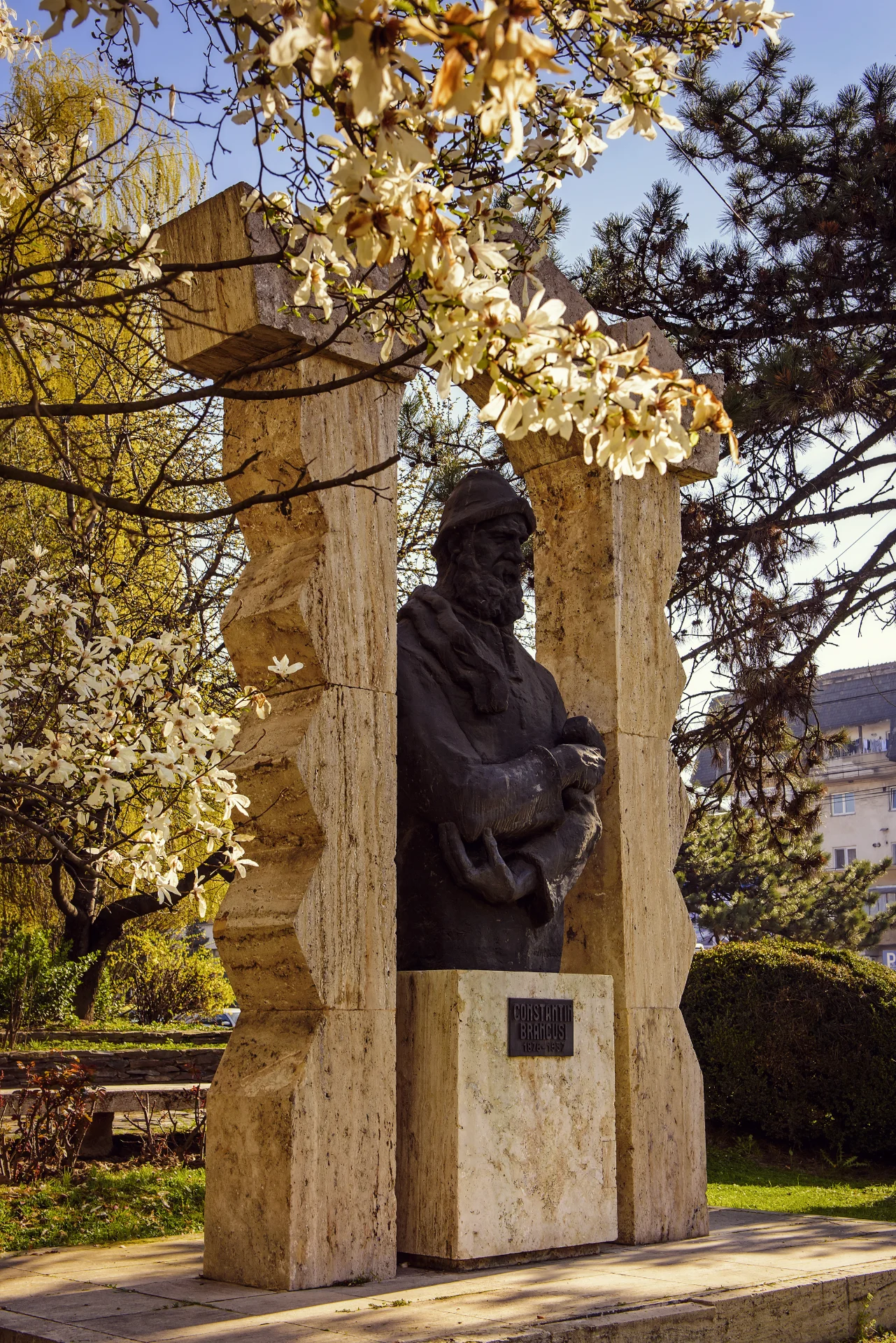
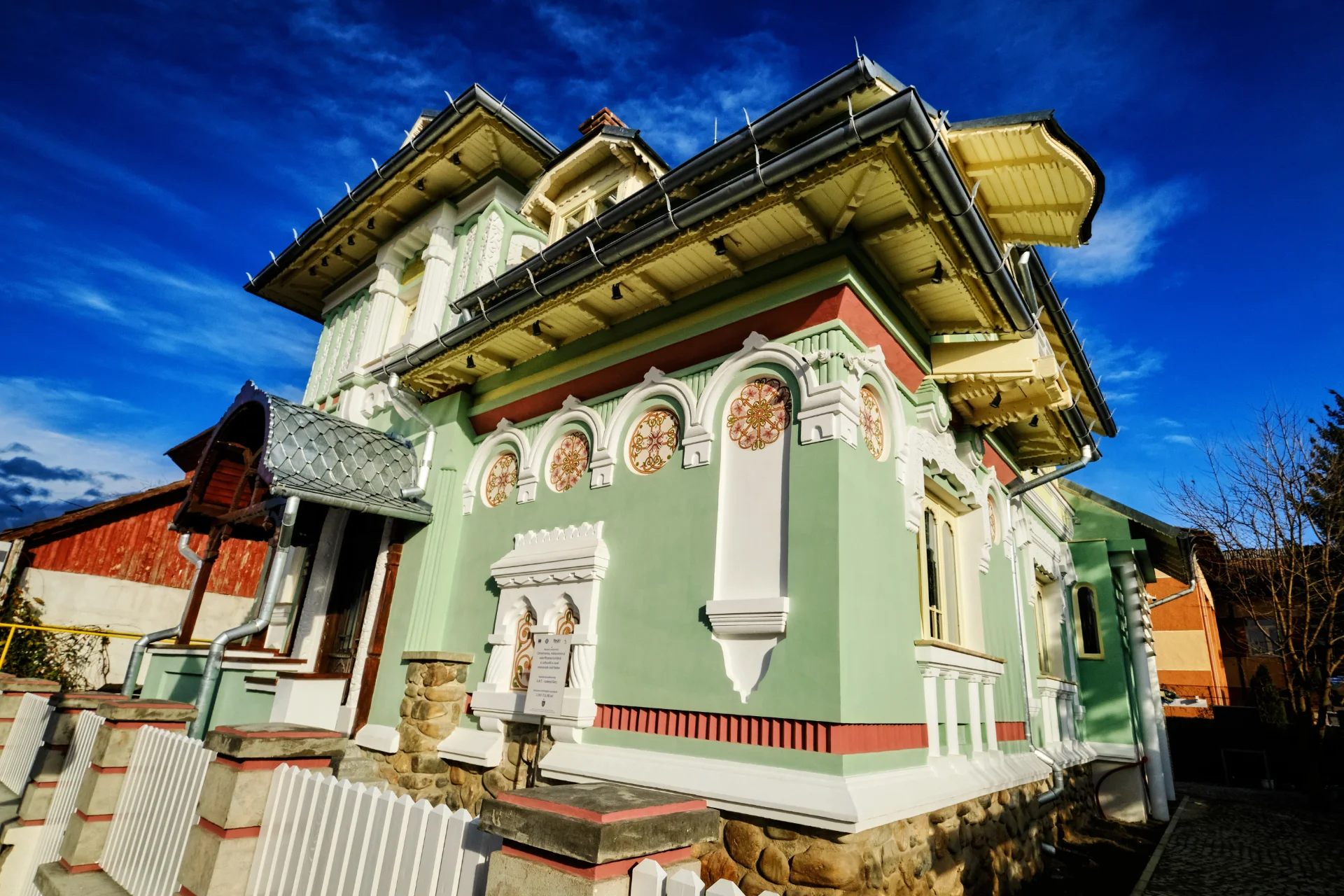
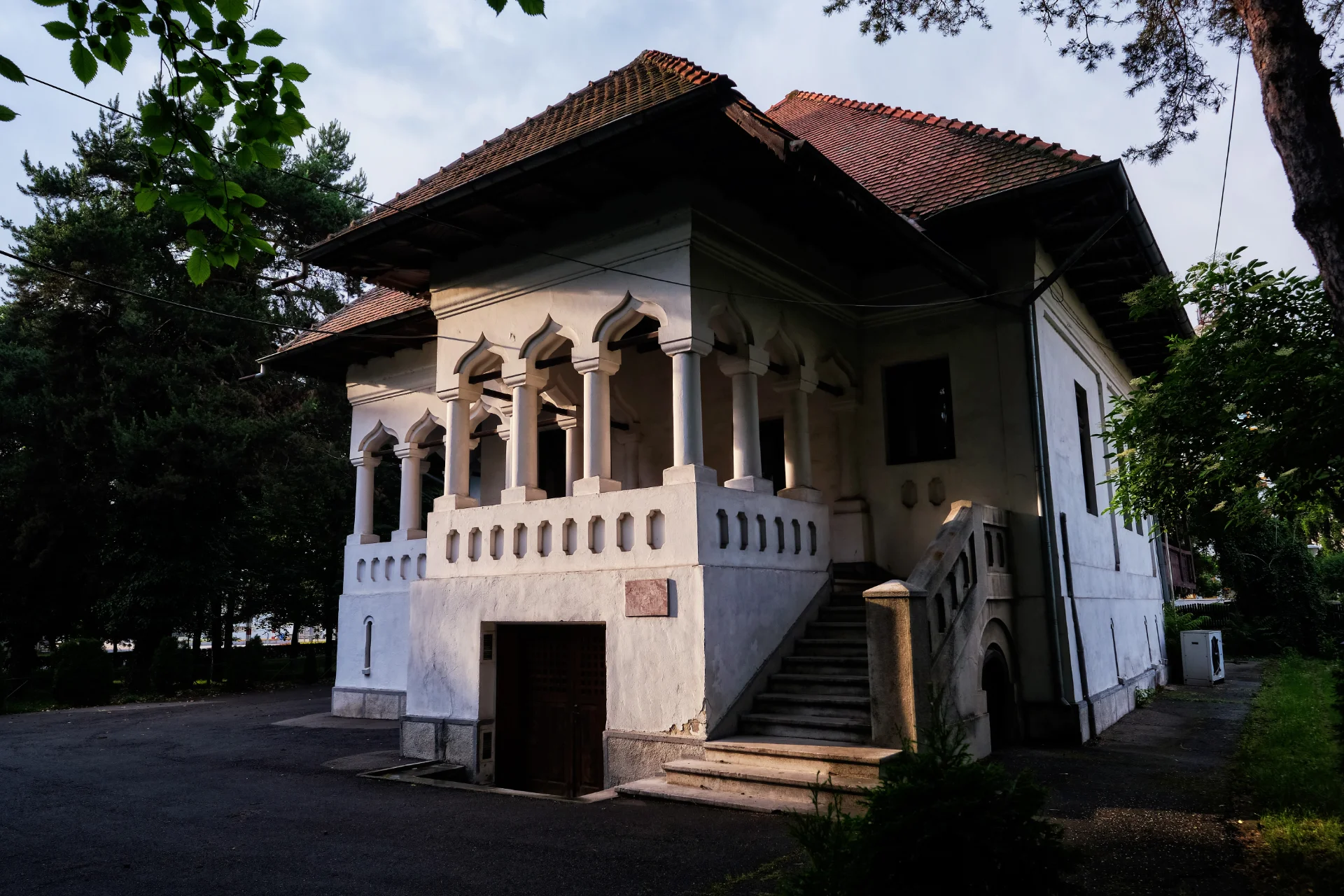
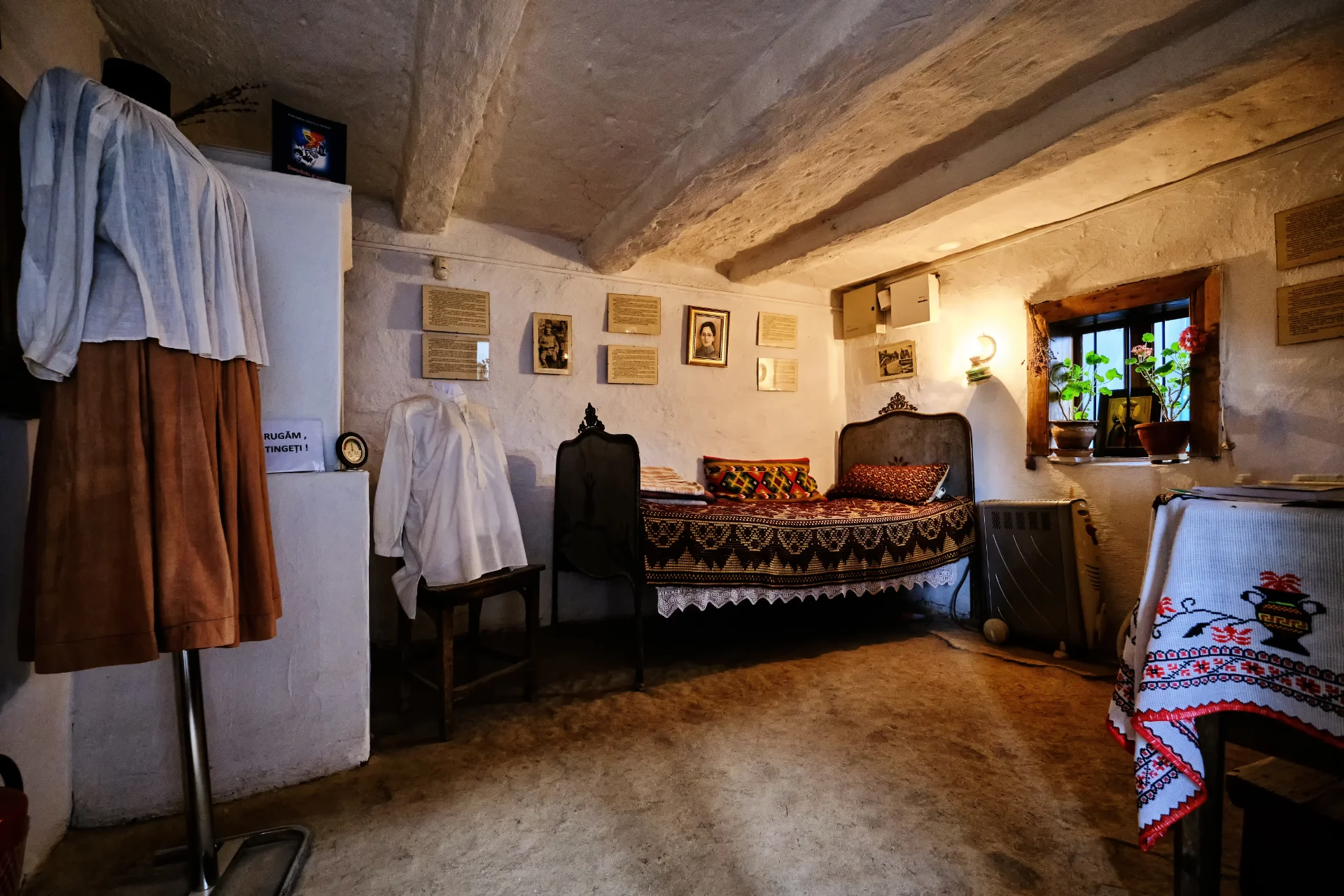
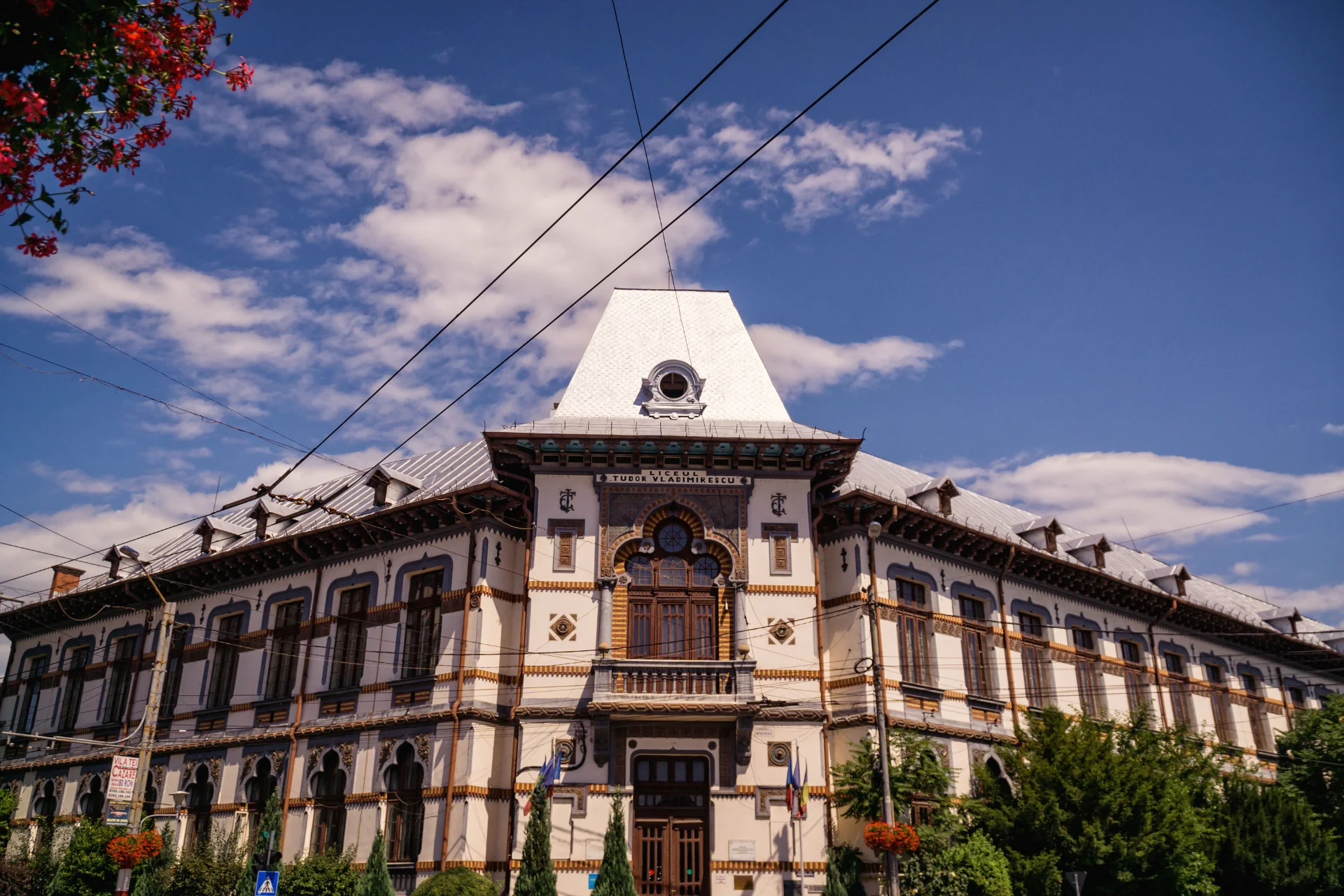
The Constantin Brâncuși Photodocumentary Exhibition was opened in a splendid building in the Central Park, built in 1925-1926, modeled after the Groșerea culvert. The exhibition presents photographs of the great sculptor, as well as some taken by the master himself, who was passionate about this art. Several documents related to the life and work of Constantin Brâncuși are also on display. Every year, since 2001, the “Constantin Brâncuși” International Sculpture Symposium has been held in Târgu Jiu. Many of the works created on this occasion are placed outdoors and can be admired in the green areas of the city. The Ecaterina Teodoroiu Memorial House is located in the Vădeni neighborhood, on the boulevard that bears his name. The building itself is a small traditional-style house, covered with wooden shingles and consisting of two rooms, dating from 1884. The memorial house presents photographs, documents, as well as objects that belonged to one of the prominent personalities of Gorj County. The medieval architectural ensemble of Bănia is located in the Vădeni neighborhood, approximately 2 kilometers from the city center, being built in the Brancovenesque style, around 1700. This ensemble includes the house of the great ban of Oltenia Cornea Brăiloiu, the “Assumption of the Virgin Mary” church, the enclosure walls, the stables and the chapel of the Pleniceanu couple. In addition to all of these, the city also has many other historical monuments and cultural sites, the most interesting and valuable being the House of the Slugger Barbu Gănescu, the House of the Sameş Vasile Moangă, the House of the Baker Dimitrie Măldărescu, the Tudor Vladimirescu College building, the Iosif Keber Memorial House, the buildings on Tudor Vladimirescu Street or the statues of Constantin Brâncuși, Tudor Vladimirescu and Ecaterina Teodoroiu.
Roman Road
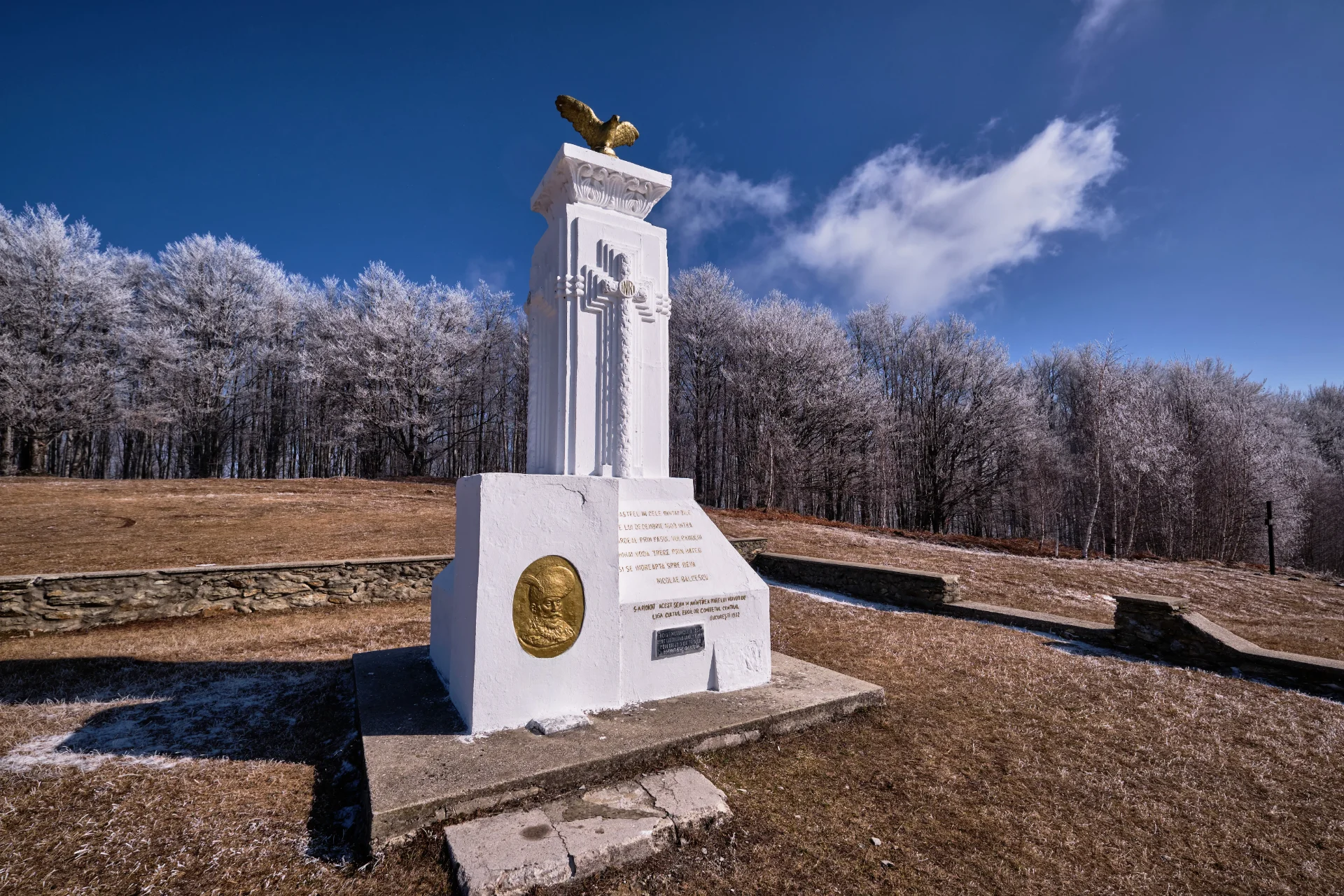
Officially county road 664, but known mainly under the historical name of “Roman Road”, it connects the town of Schela in Gorj County to the town of Vulcan in Hunedoara County, passing over the peak of the Vâlcan Mountains. It is over 2000 years old, being used by Roman troops when invading Dacia. In 1600, the same road was used by Michael the Brave when he crossed into Transylvania, an event commemorated by a monument. The highest point of the road is in the Vâlcan Pass, at an altitude of approximately 1700 meters. The portion in Hunedoara County, up to the Vâlcan Pass, is asphalted, and there are projects to modernize the road on its entire surface. The Roman or Transvâlcan Road, as it is also known, passes through splendid places, with fascinating landscapes and panoramas. The monument to Michael the Brave is located approximately 7 kilometers north of the town of Schela, in a place known as Poiana lui Mihai.
Valleys of Vâlcan Mountains
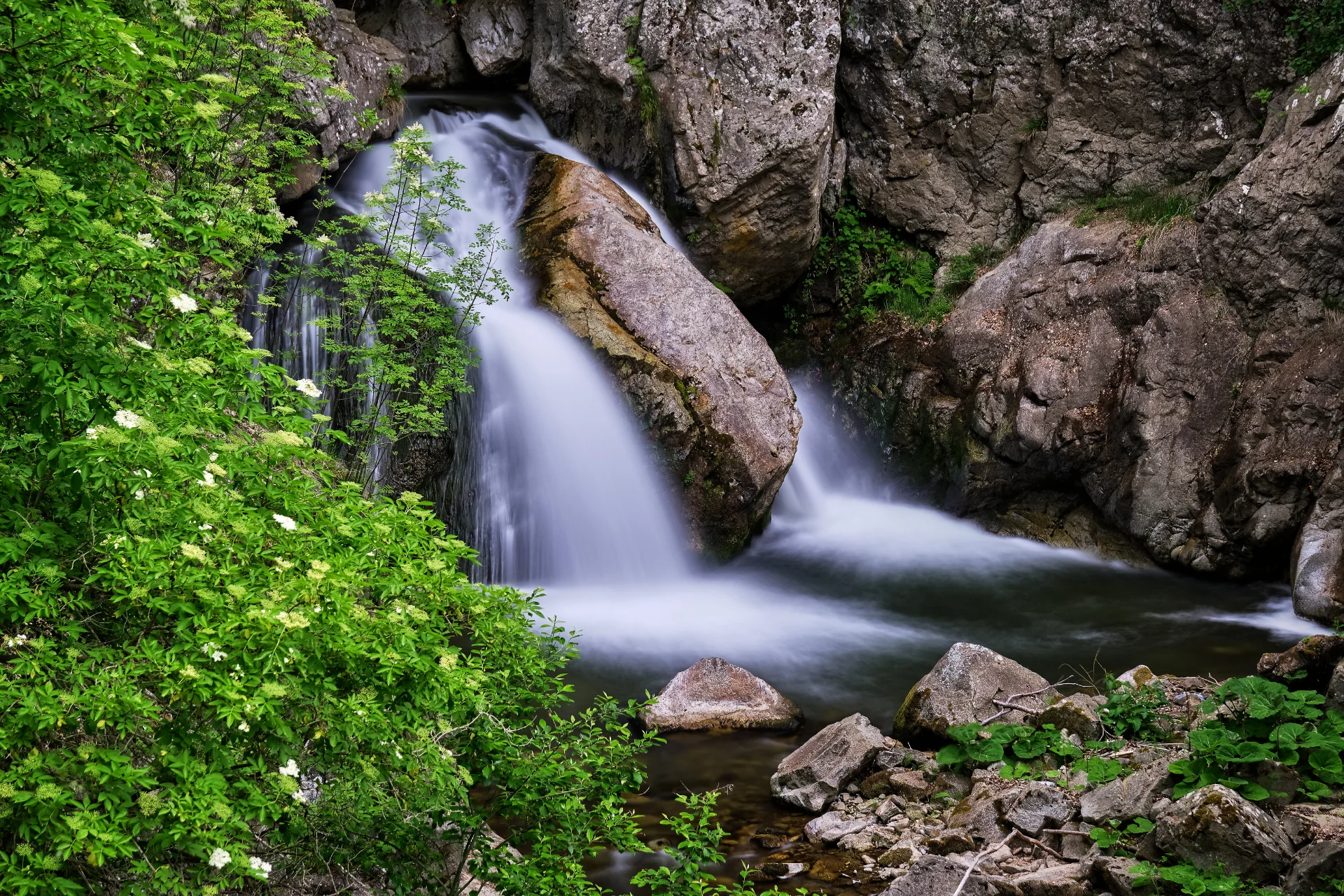
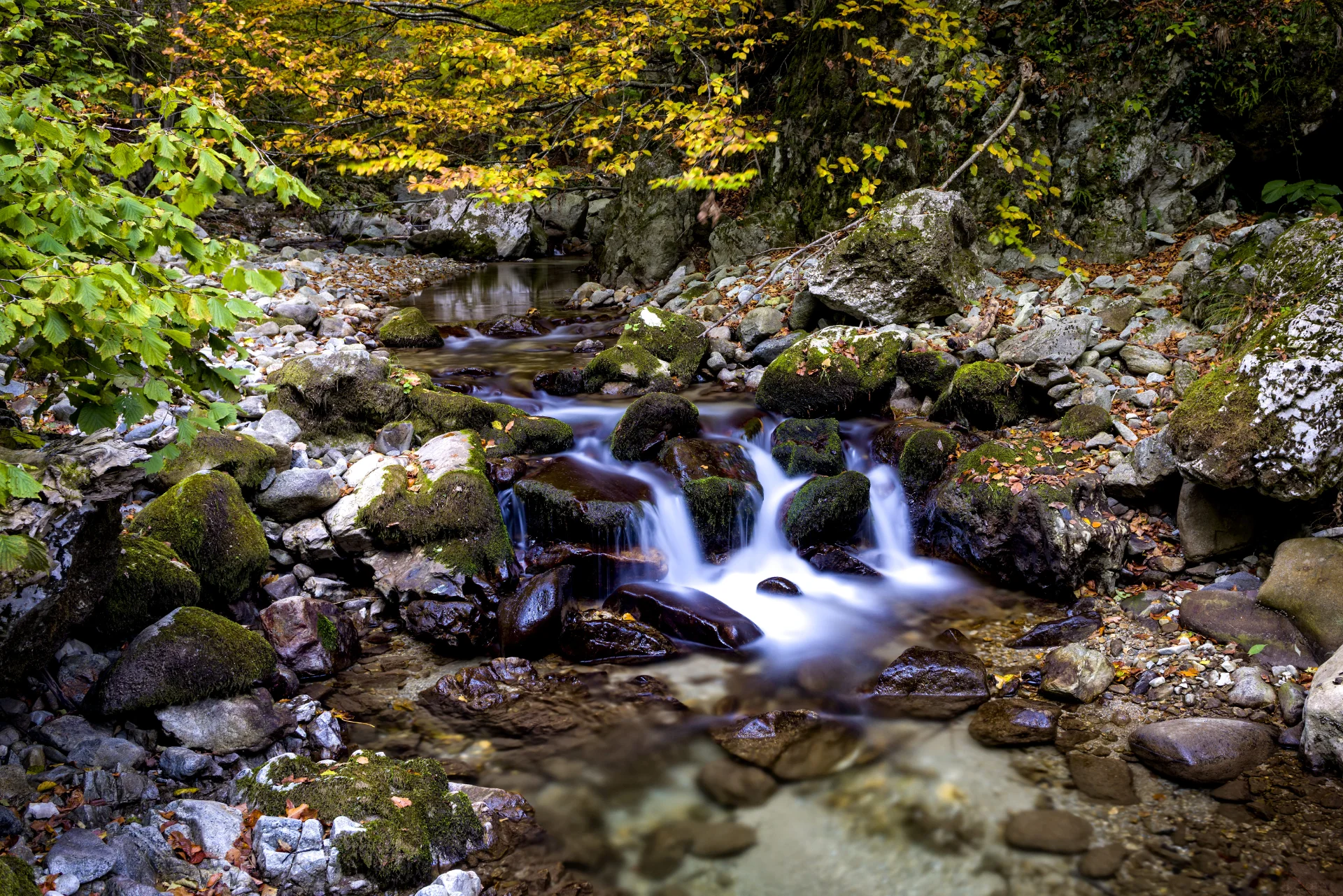
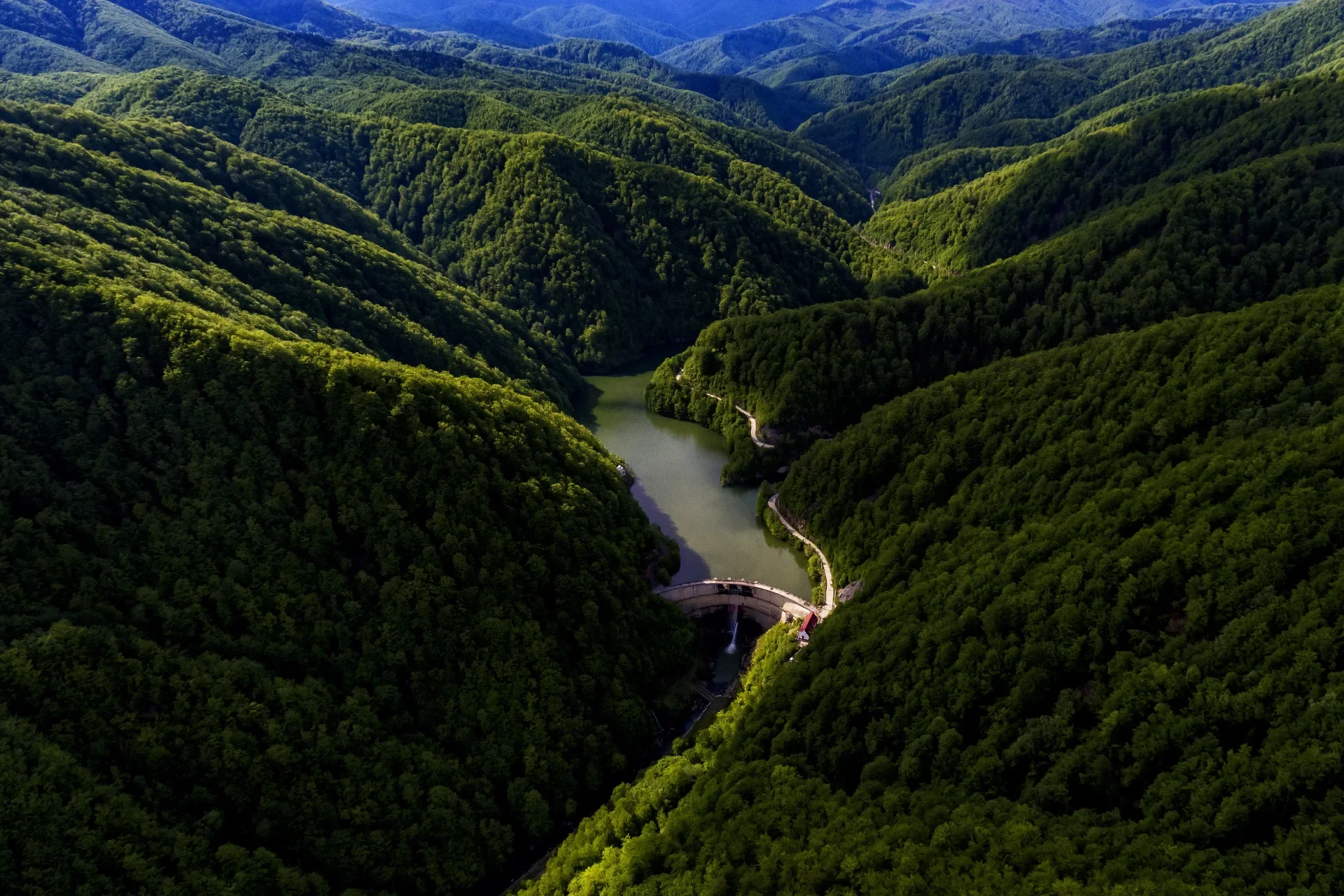
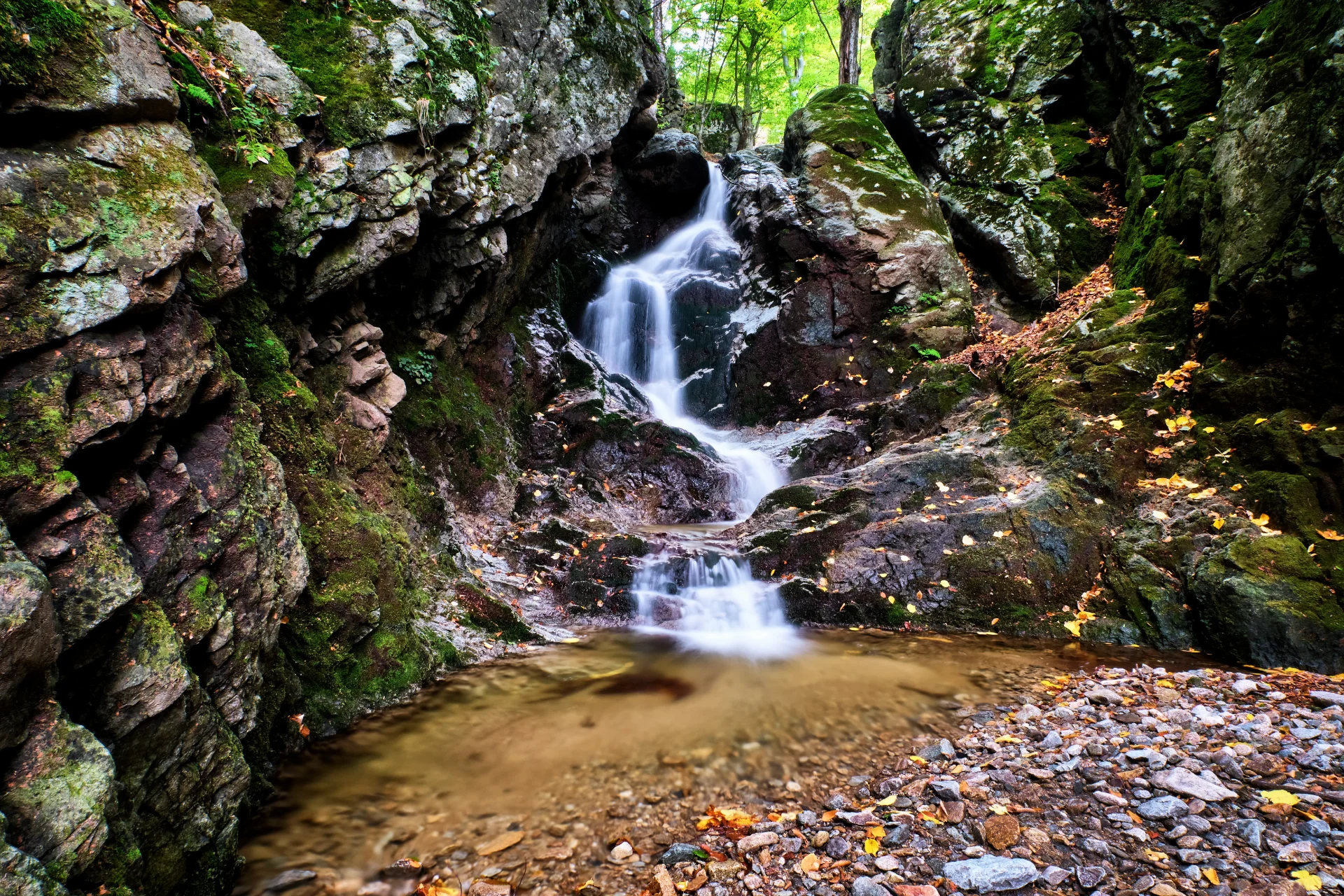
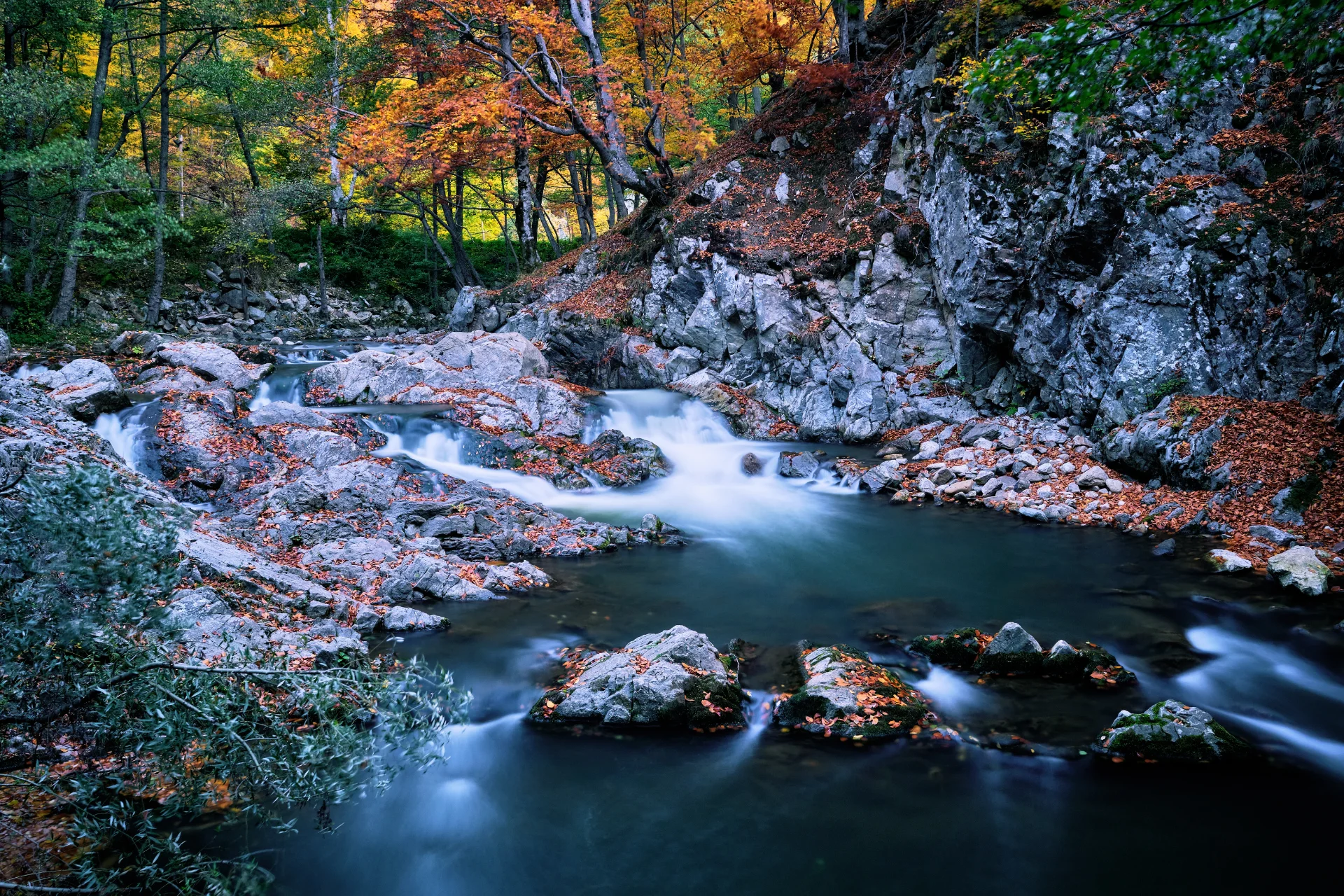
These gentle-looking mountains are less well-known as a hiking destination, but the valleys that descend to the south hide places of particular beauty. The Șușița Verde Valley is located north of the small village of Vaidei and includes a small but spectacular section of gorges. With an opening between 30 and 200 meters, the gorges also hide the splendid Vaidei waterfall. The Suseni Valley is located north of the village of the same name, accompanied by an asphalt road that passes through charming places, allowing exploration for about 10 kilometers. Usually calm, the river also has sections where it becomes turbulent, passing over small jumps and waterfalls that increase the attractiveness of the landscape. Access to the Bistrița valley is through the village of Gureni in the commune of Peștișani, about 25 km northwest of Târgu Jiu. Along its length, travelers can discover some superb places, starting with the short but spectacular gorge sections. A little higher up, a few kilometers from each other, the Clocotiș and Vâja lakes are an integral part of the Cerna-Motru-Tismana hydropower system, being located in a wild natural area, surrounded by the forested peaks of the Vâlcan mountains.
Crasna Monastery
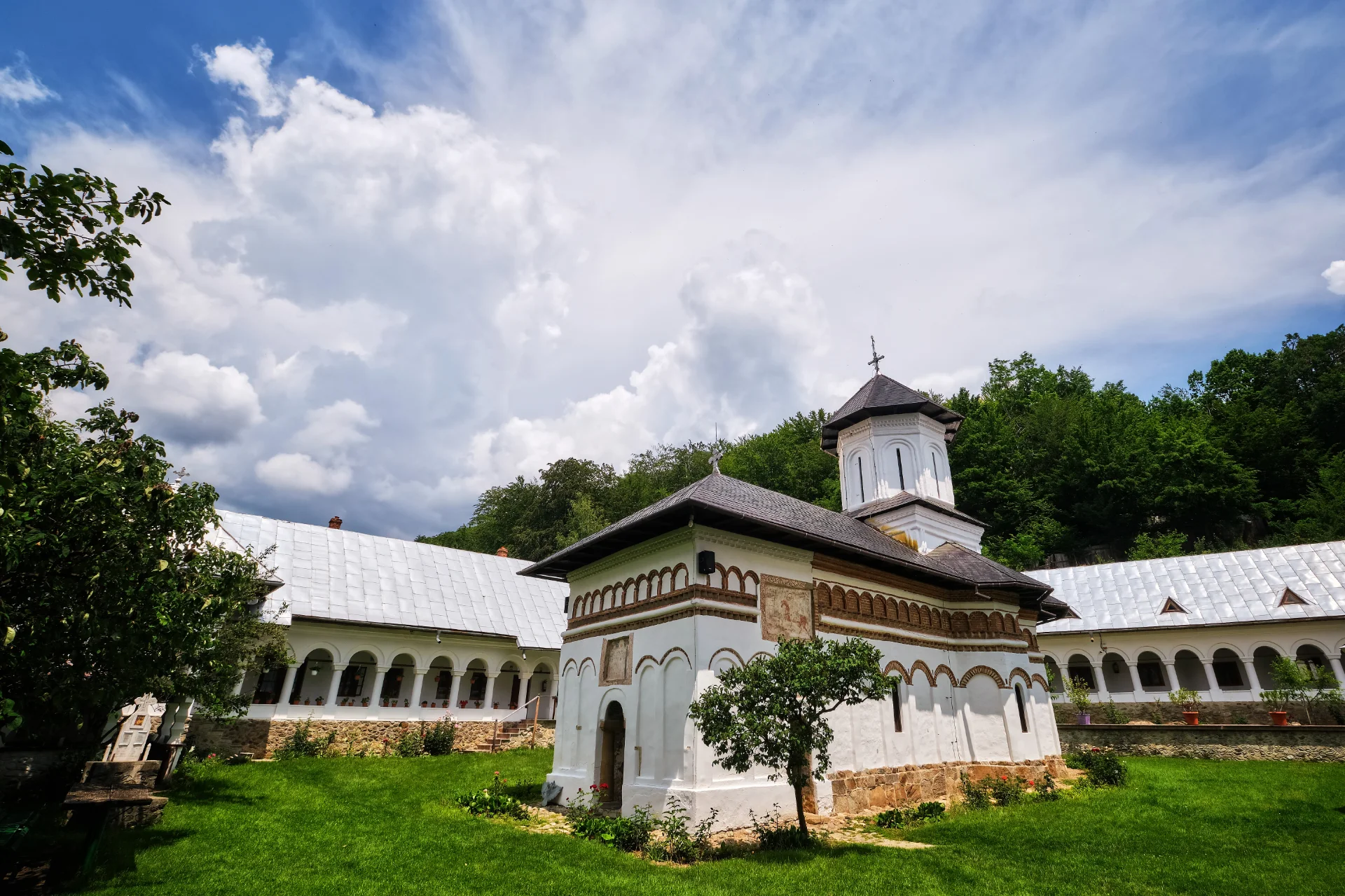
Crasna is one of the oldest and most beautiful localities in Gorj County, located at the foot of the Parâng massif, with rich traditions related to the activity of shepherding. In its center, right at the exit of a small mountain stream, there is one of the oldest religious settlements in these lands. Crasna Monastery is first mentioned in 1486, being the founder of the vel-pitar Dumitru Filișanu, nephew of the Ban of Craiova and distant relative of Mihai Viteazul. According to an inscription, the current church was completed in 1637, the interior painting being done in 1756-1757. Built in Byzantine style, the church impresses with the iconostasis from the time of ruler Neagoe Basarab, one of the most beautiful in the country, but also with the original painting which is considered a masterpiece of ancient religious art. The monastery was completely rebuilt between 1936 and 1938, being re-founded by Gheorghe Tătărescu, and after 1990, it was renovated again.
Cioclovina Hermitages
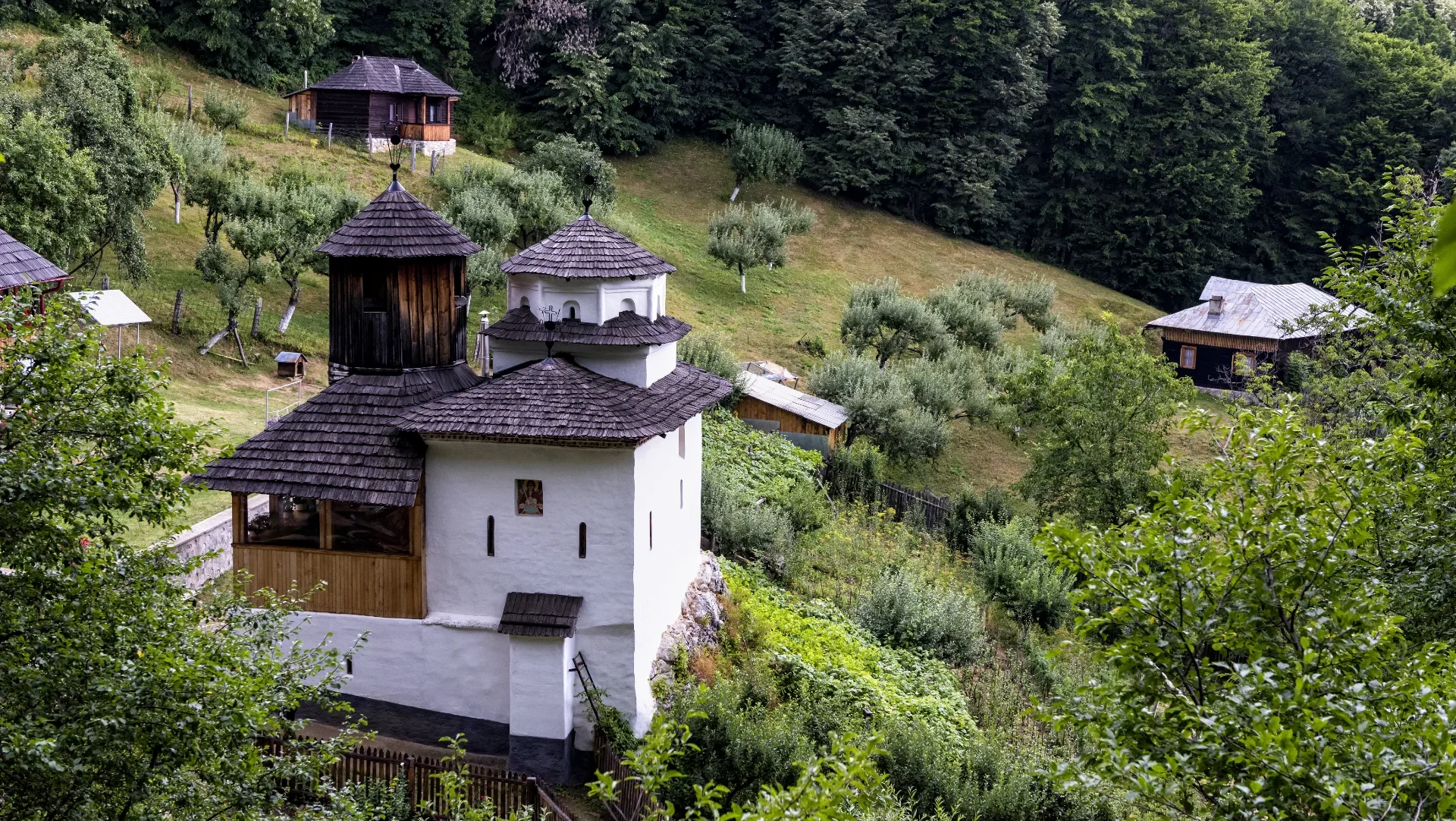
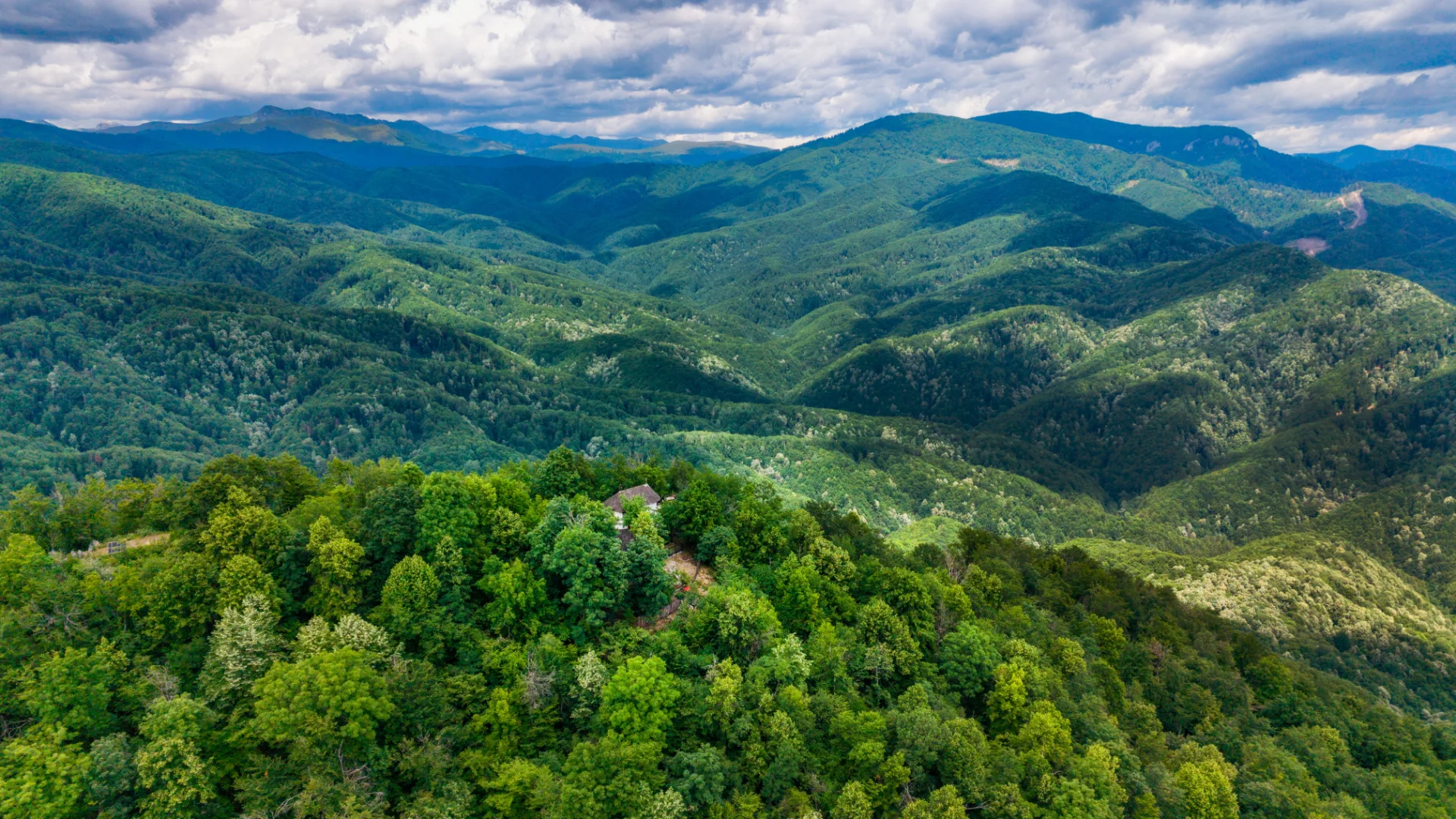
The Cioclovina de Jos Hermitage (Saints Archangels Michael and Gabriel) is located near the Tismana Monastery, belonging to it. From the monastery, follow the road north until you see the tourist markings for the Cioclovina hermitages. From there, it takes about 1 hour to reach the first hermitage, while the Cioclovina de Sus hermitage is about 3 kilometers from the first, at the top of the mountain. The Cioclovina de Jos Hermitage was built around 1660 by monks from the Tismana Monastery, while the Cioclovina de Sus hermitage was built as early as 1714, but for many years it was abandoned, mainly due to the difficulty of living in such conditions. It is located at an altitude of almost 1,000 meters, in a difficult to access place. The hermit life was resumed only in 1998, by Mother Vartolomeea, who took care of this small isolated place of worship on the top of the mountain for many years. The route that connects the Tismana Valley to this place is also charming, Cioclovina Mountain being a protected natural area.
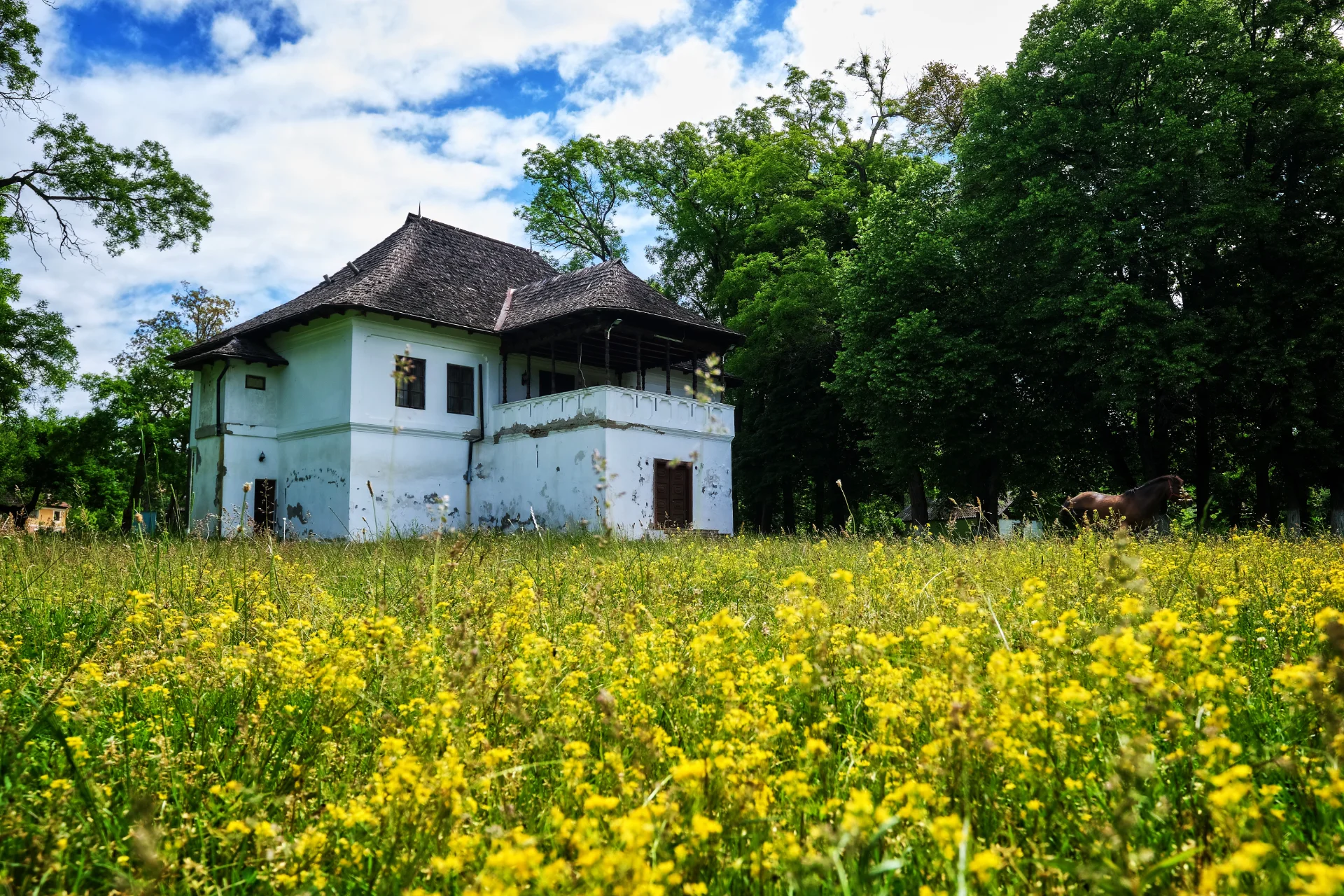
Cartianu House
One of the most interesting architectural monuments in Gorj County, it is a superb example of a boyar’s house from Oltenia. It is located in the village of Cartiu in the commune of Turcinești, approximately 12 kilometers north of Târgu Jiu. The Cartianu family house now houses a small but interesting ethnographic and documentary museum collection relating to the family’s history. Initially, it was built in the form of an Oltenia kula in 1760, but it has undergone numerous changes over time. Over time, this house has received distinguished guests, including King Carol II, Gheorghe Tătărescu or Barbu Ștefănescu Delavrancea.
Visiting hours: 9-17 (Wednesday-Sunday) | Tickets: 10 lei / Adult
Cămărășeasca Monastery
It is located near the city of Târgu Cărbunești, on the right bank of the Gilort River. The Cămărășeasca Monastery is dedicated to the “Beheading of St. John the Baptist” and dates back to 1780. The monastery church was declared a historical monument in 1920, after a visit by Nicolae Iorga. Over time, the monastery also served as a place of defense and refuge for the inhabitants of this area, especially for the boyars. The monastery church gives the impression of a small fortress, with battlements for shooting and special rooms for survival. It is shaped like a ship, with very thick walls, and the porch is supported by stone pillars in the Brancova style, while the interior paintings are remarkable.
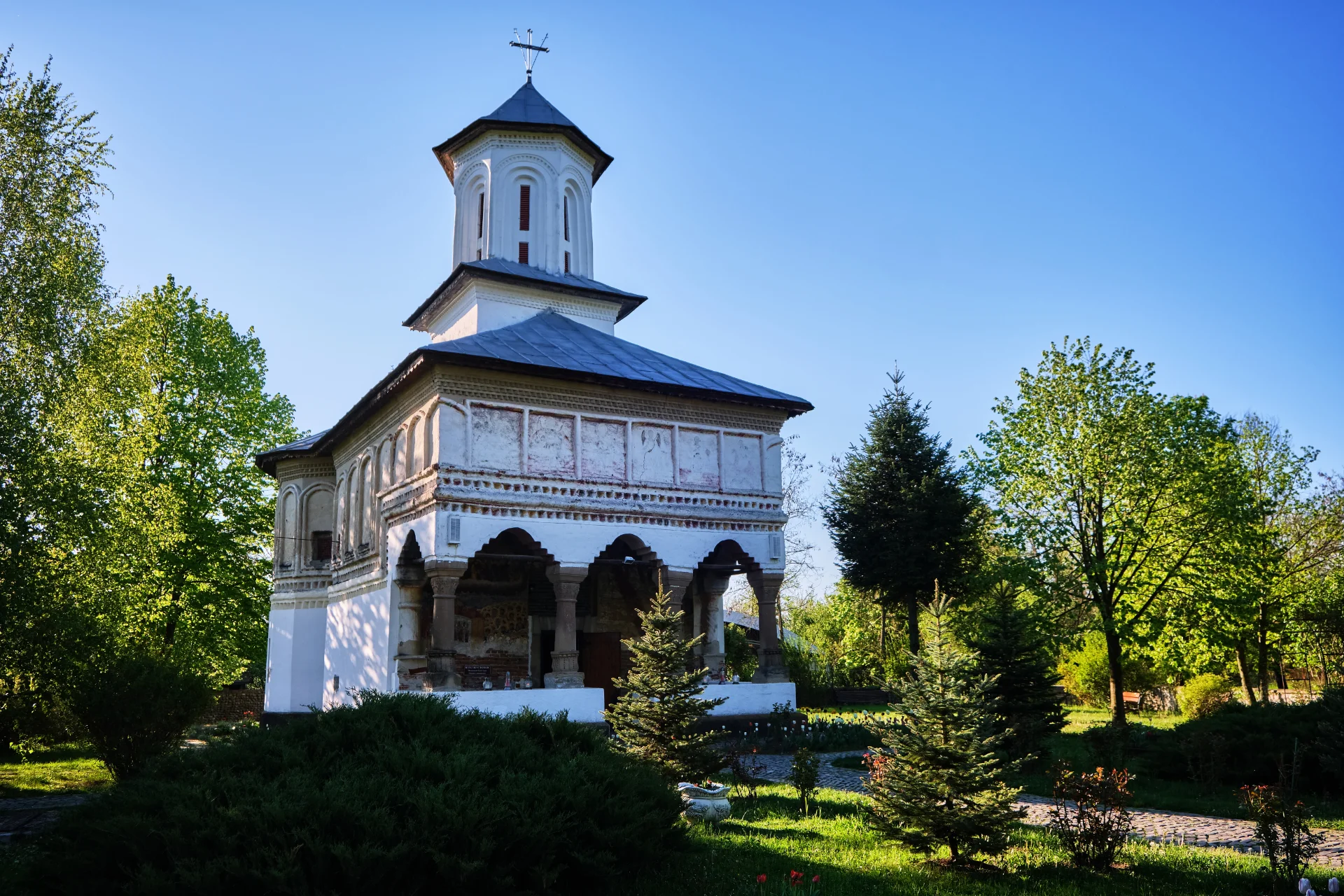
Săcelu Resort
The mineral springs of Săcelu have been known since ancient times, being used by the Romans, as demonstrated by the archaeological discoveries nearby. The springs are located in the town of Săcelu, approximately 30 kilometers east of Târgu-Jiu, on the Blahnița River valley. The springs are partially captured in the mineral pools of Săcelu, used for therapeutic purposes. There are over 40 springs with mineral water and sapropelic mud, but only six are better known and used in balneal treatment. The town became a spa resort in 1888, but the treatment facility was inaugurated only in 1986. Currently, the springs are used in balneal treatment within the outdoor pools, but unfortunately the tourist industry is not developed in the town. In Săcelu there are other interesting tourist attractions, Roman vestiges and protected natural areas (Casa Moangă-Pleșoianu, Villa Rustica, Piatra Buha geological reserve, Piatra Biserica Dracilor geological reserve, Eocene Formations geological reserve from Săcelu, Valea Sodomului fossiliferous point).
Other Sights around Târgu Jiu
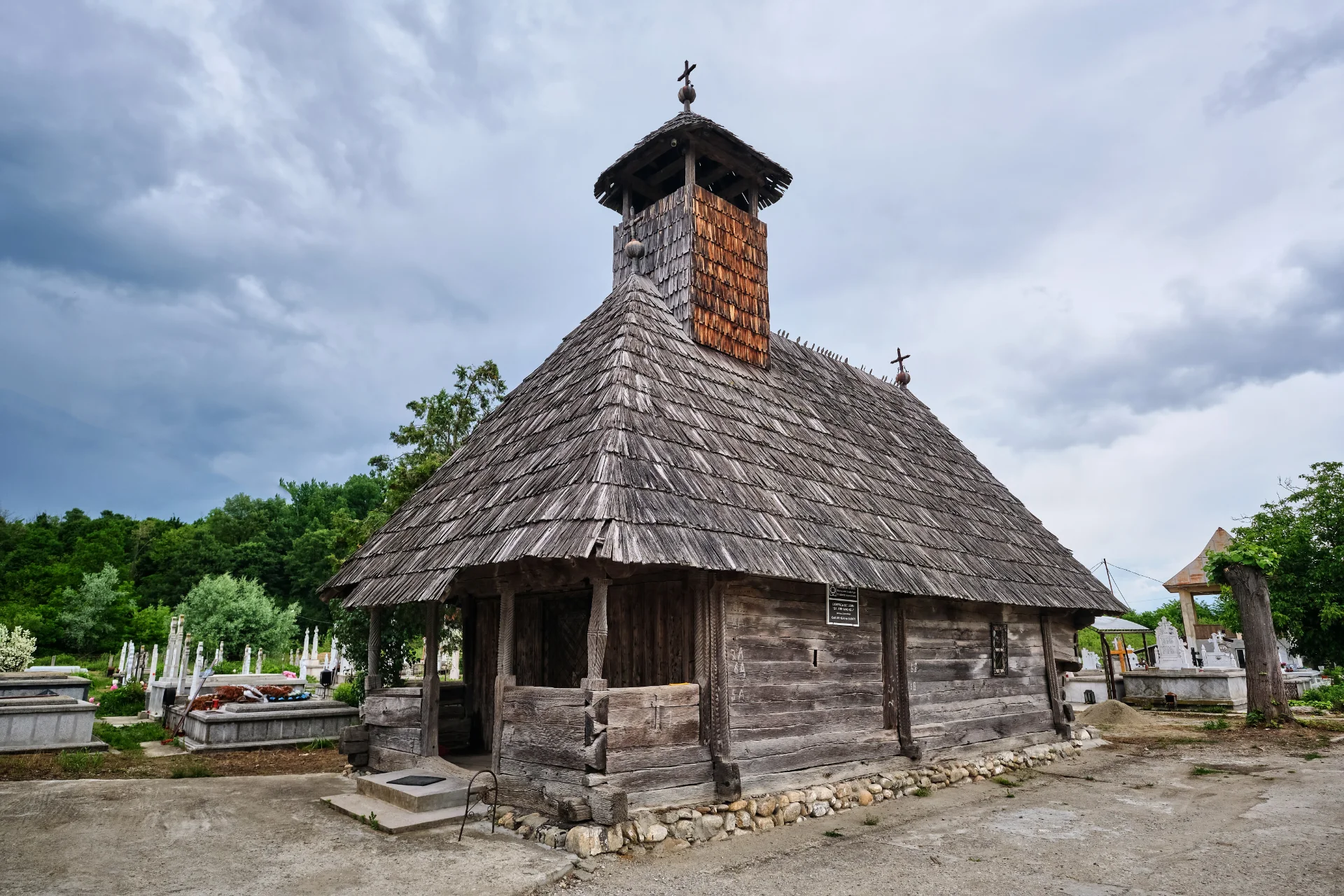
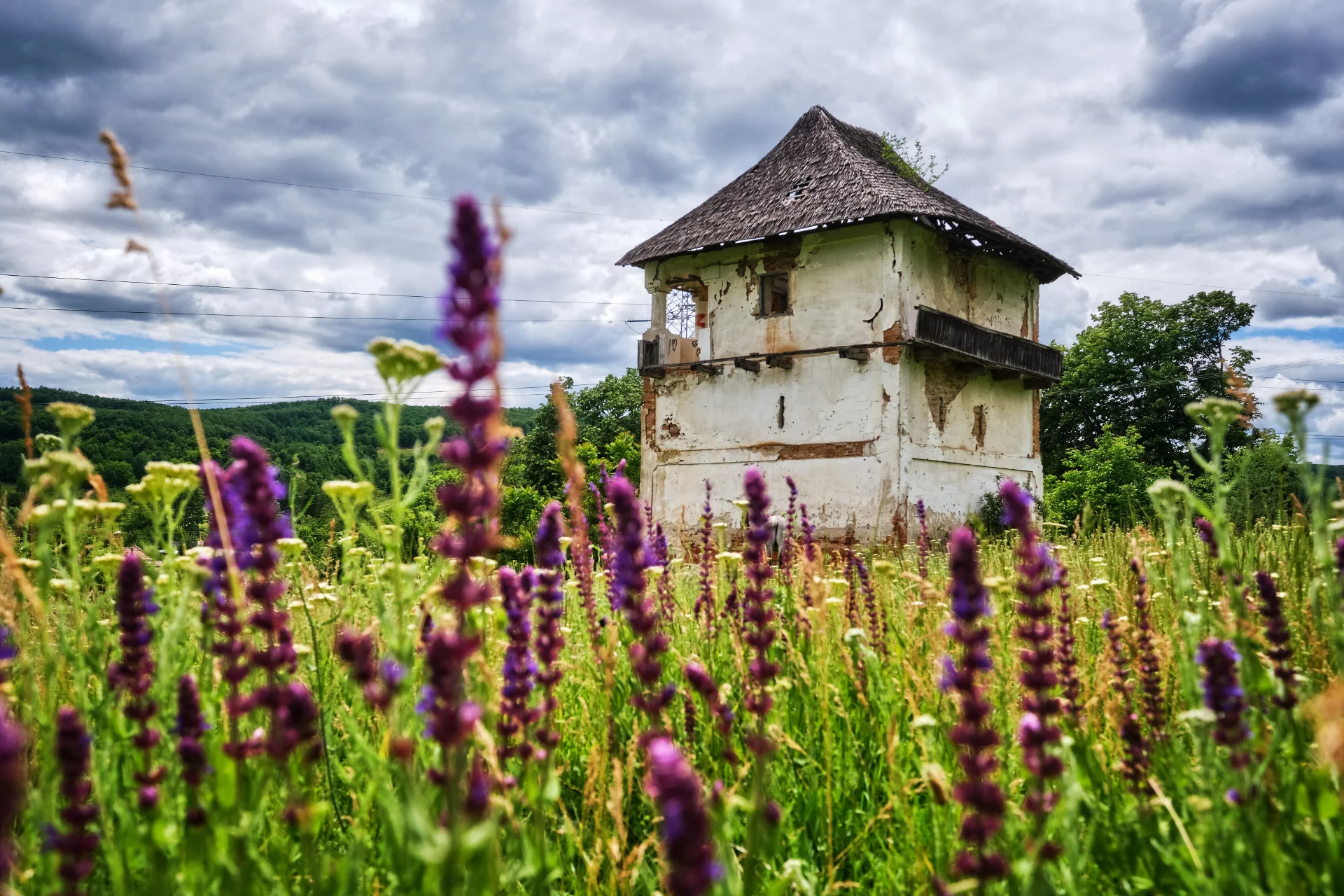
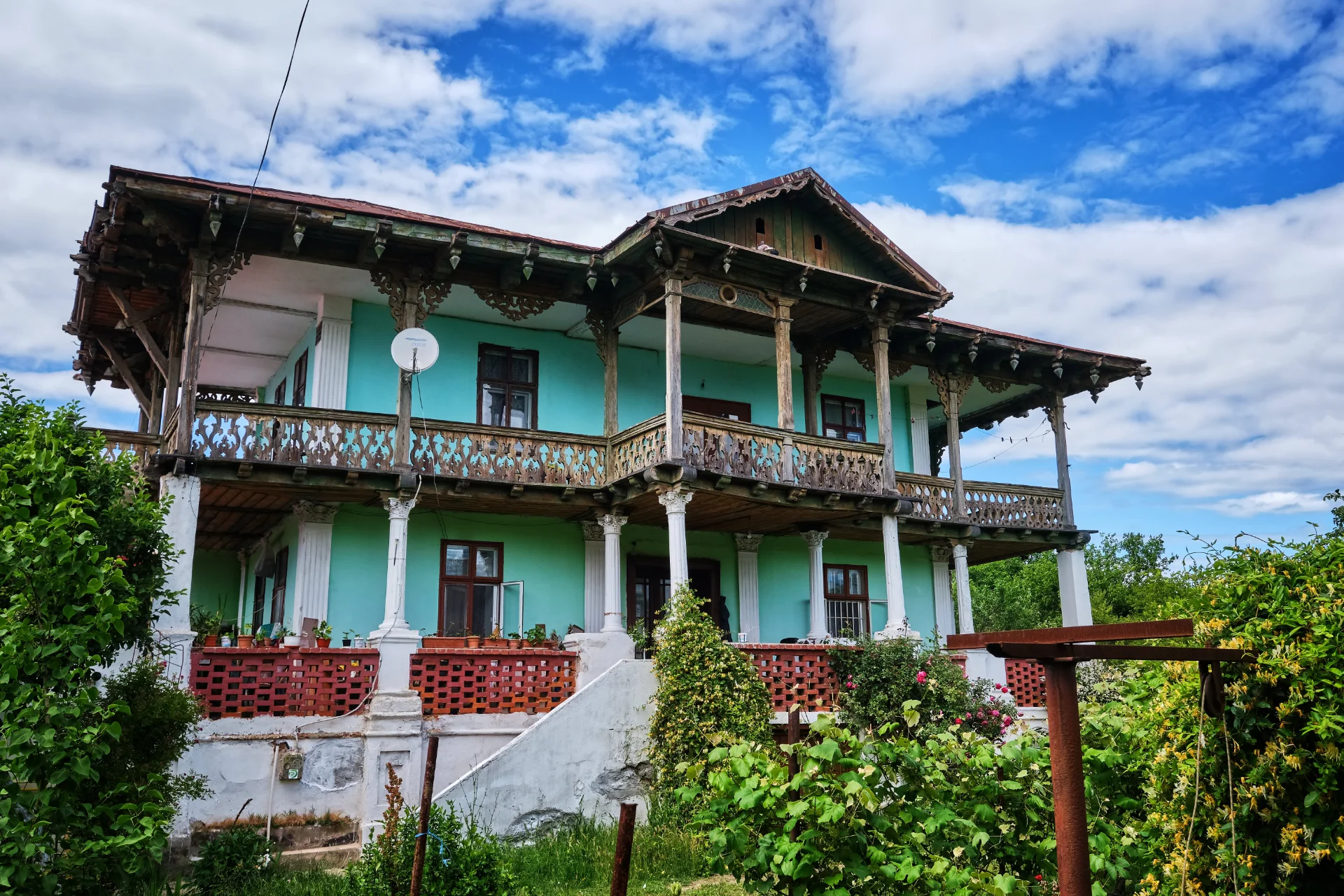
In the area around the city of Târgu Jiu there are many other smaller or lesser-known tourist attractions, interesting historical, cultural and natural monuments that are worth discovering. Northern Oltenia represented the geographical area of the cules, impressive buildings that once stood in many villages of Gorj county. Bringing more with a more imposing boyar’s house, the Glogoveanu cula and the chapel church built in the same enclosure by the Glogoveanu boyars are located in the village of Glogova in the commune of the same name, near the city of Motru. Other cula that have been preserved to this day, even if most are in a state of advanced degradation, include the Cioabă-Chintescu Cula in the village of Şiacu, the Cula I.C. Davani in the village of Larga or the Cula Crăsnaru in the village of Groșerea. The complex consisting of the house and school built by Dincă Schileru, a church and a castle-like building, is located in the village of Bâlteni, approximately 35 kilometers south of Târgu Jiu. Having great architectural and historical value, the attraction being the originality of the constructions, the house resembles a small Italian-style castle, demonstrating the Schileru family’s interest in art.
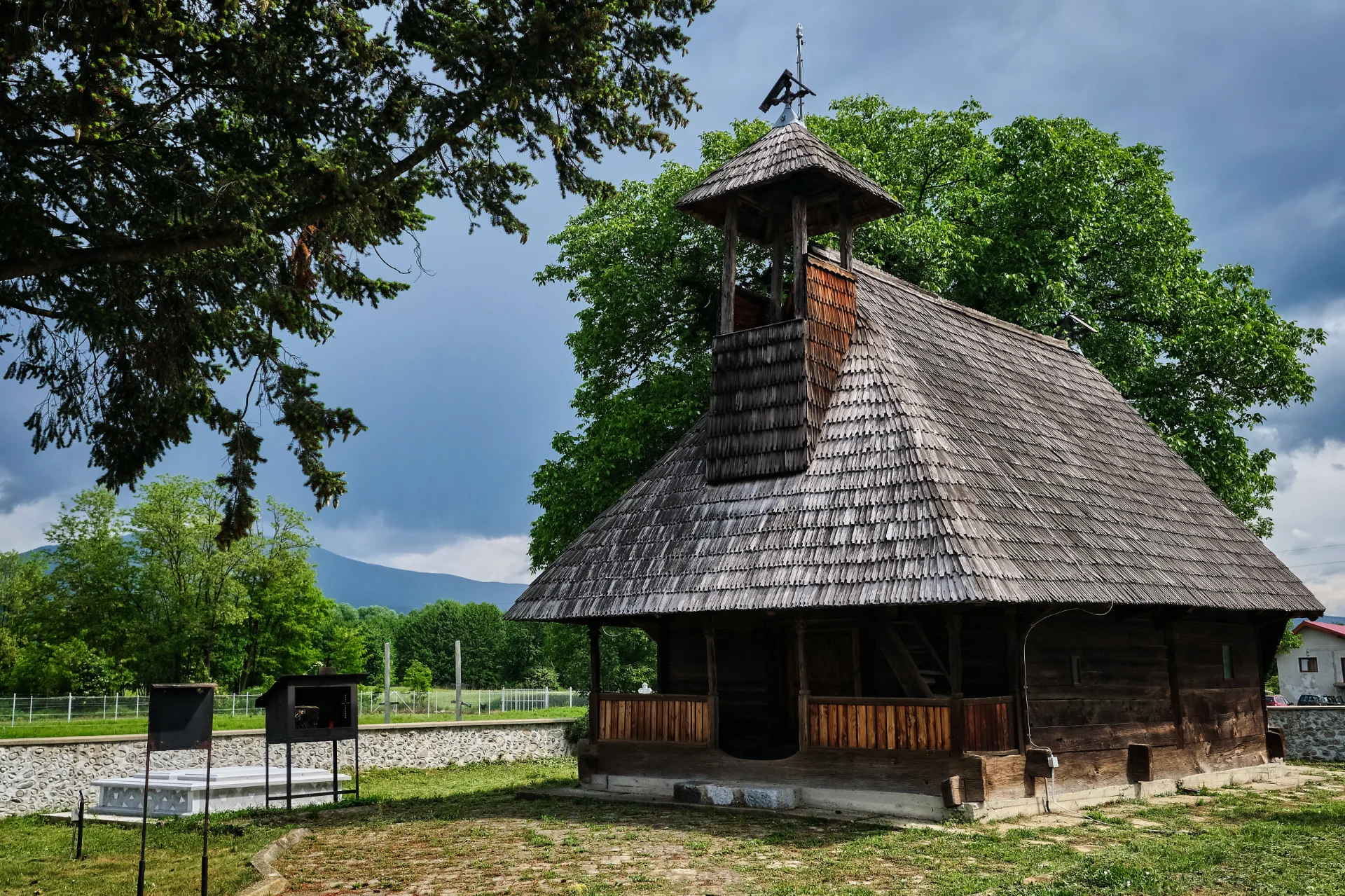
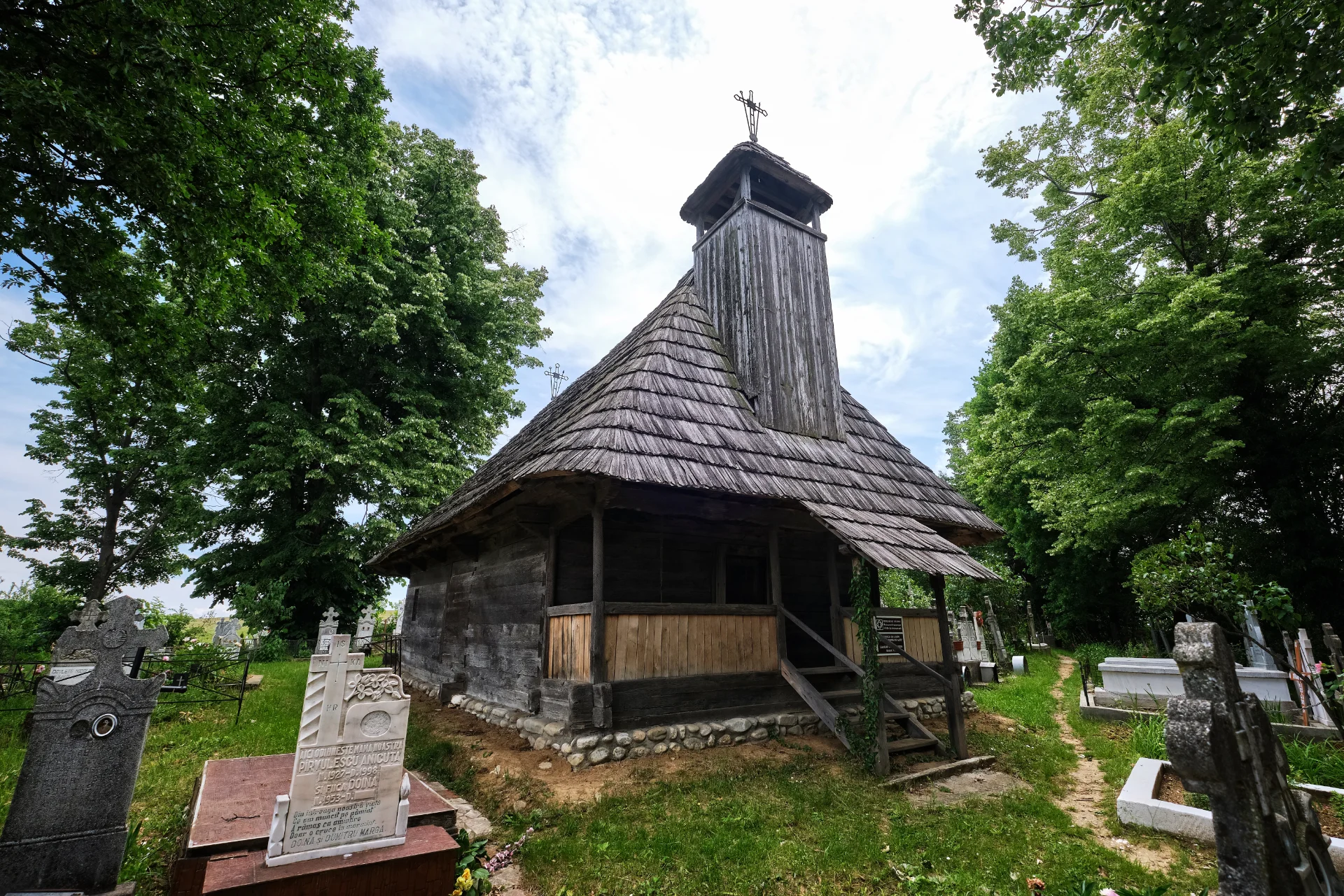
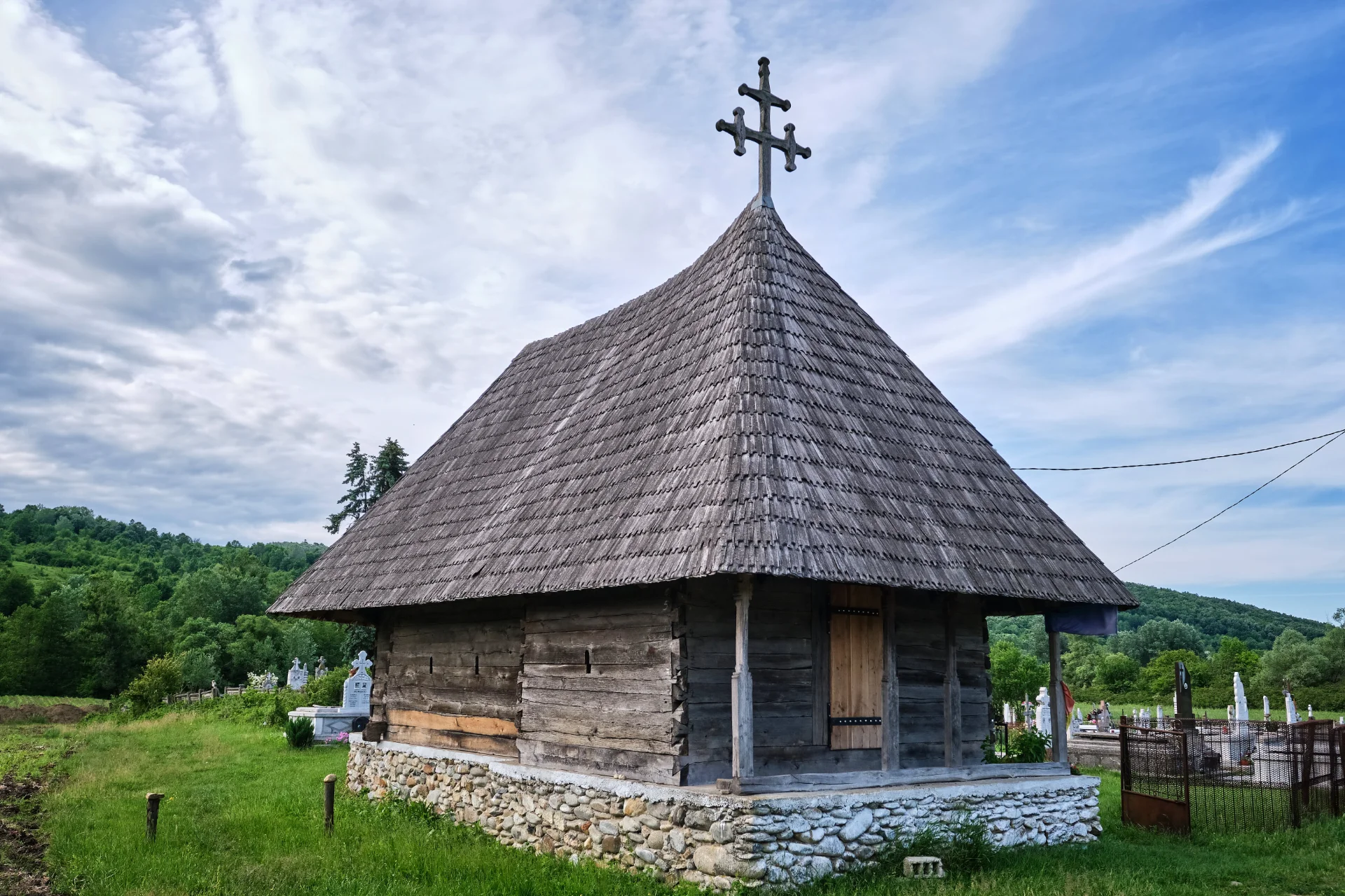
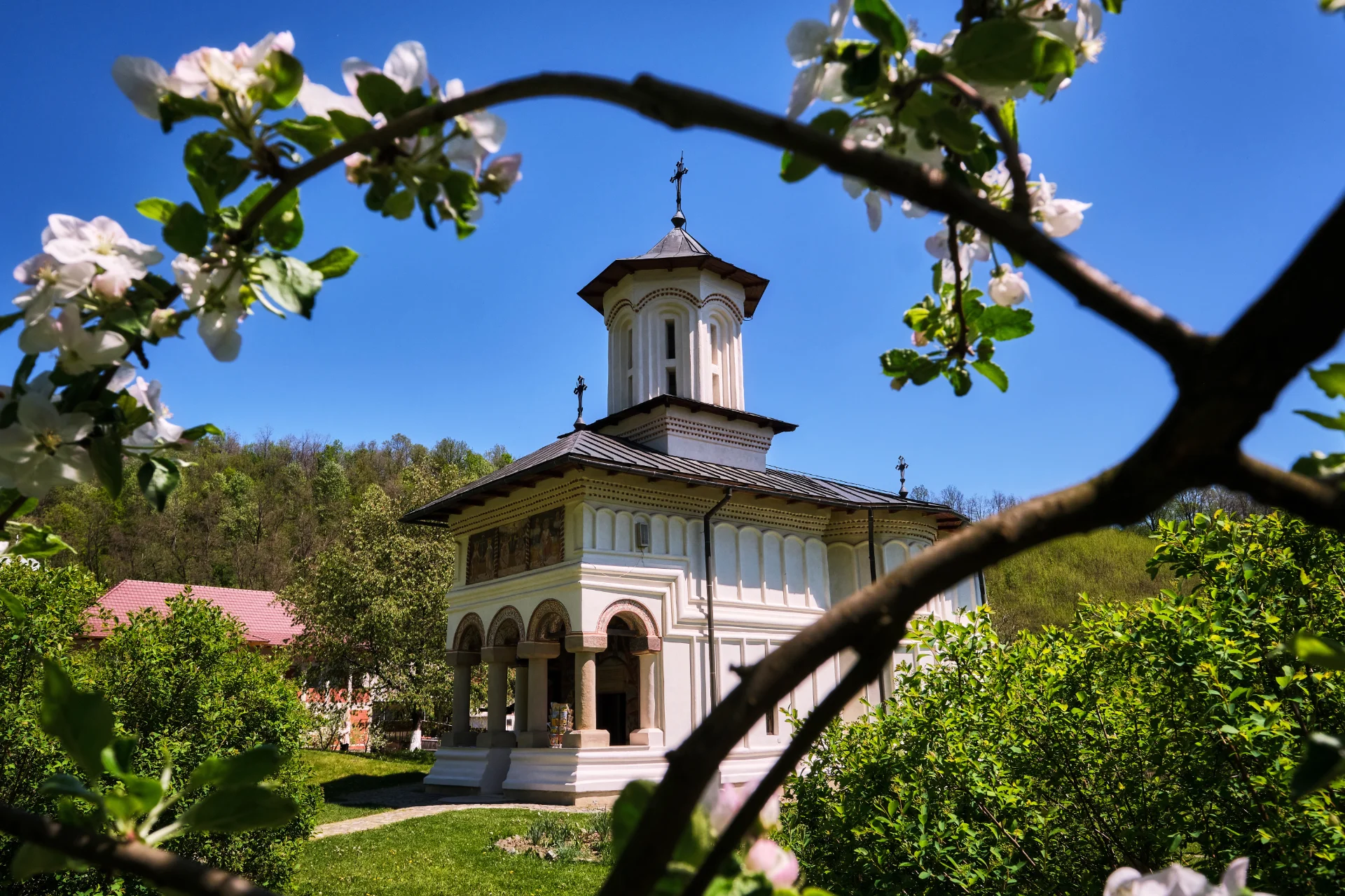
The Tudor Vladimirescu Memorial House is located in the village of Vladimir, approximately 55 km from Târgu Jiu. The peasant wooden house has two rooms, furnished according to the era, presenting documents and objects related to the life of Tudor Vladimirescu. The Ion Popescu Voitești Memorial House is located in the village of Voiteștii din Vale, approximately 23 km from Târgu-Jiu. Inside the remarkable building there are a series of photographs and documents about the life and work of the Romanian geologist, as well as an interesting collection of paleontology and mineralogy. The Maria Lătărețu Memorial House contains an important collection of objects that belonged to the famous folk music performer. In addition to the legendary monasteries in northern Oltenia, some of them located near Târgu Jiu, there are also others that are less known, but which are worth visiting for their spiritual or historical importance. Among these, the Strâmba Jiu monastery, the Logrești monastery or the Icoana monastery in Cărpiniș stand out. Hidden in the valleys and on the hills, often forgotten and neglected, in Gorj there are over 100 old wooden churches, silent witnesses of a distant past.
Accommodation Recommendations
The best lodging options in Târgu Jiu and its Surroundings
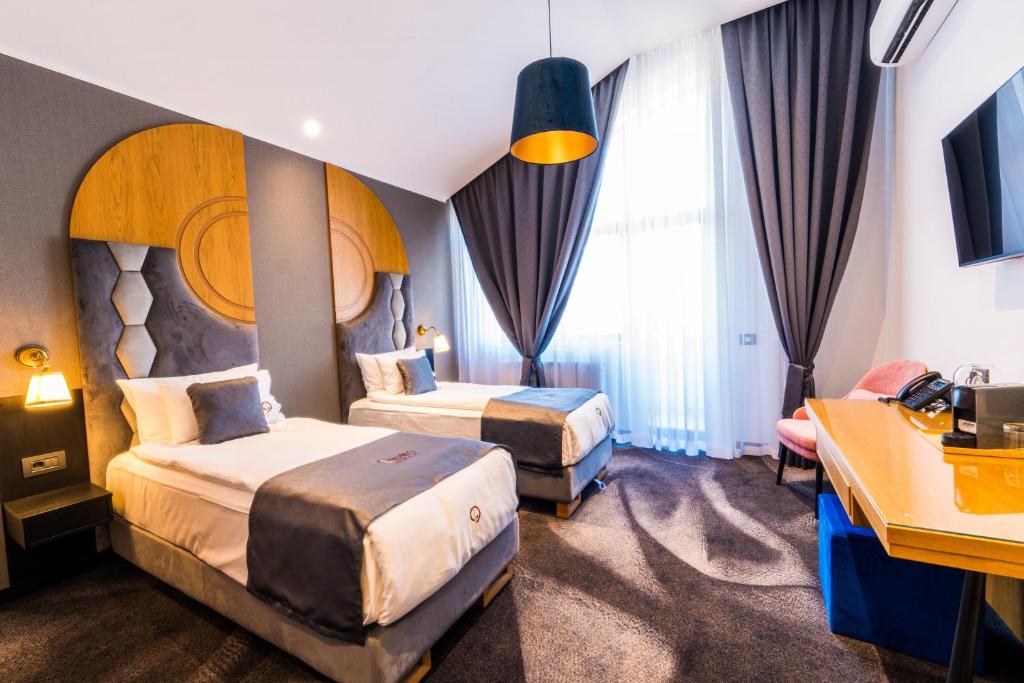
Rating 9.8 from 245 reviews!
One of the most appreciated accommodation units in Târgu Jiu, the superior guesthouse is located a few minutes from the center and offers superb rooms, a restaurant, an indoor pool, a garden and more!
Aleea Bicaz, 23A, Târgu Jiu
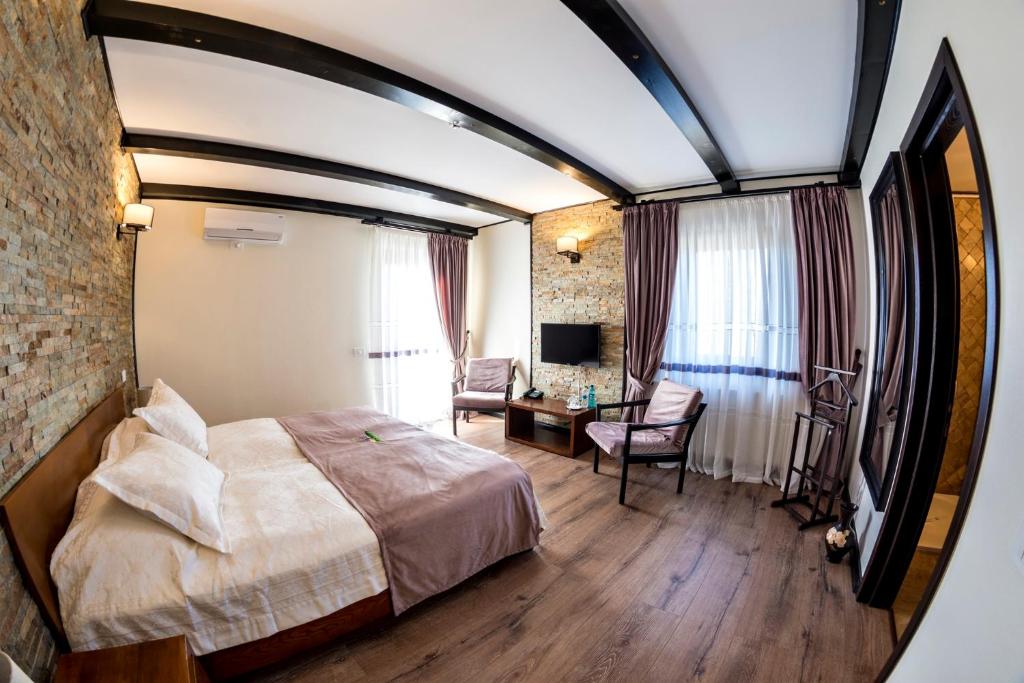
Rating 9.6 from 112 reviews!
Located in the western extremity of Gorj County, this excellent guesthouse offers spacious and comfortable rooms, an acclaimed restaurant, garden, parking and other activities!
DN67D, 25, Apa Neagră
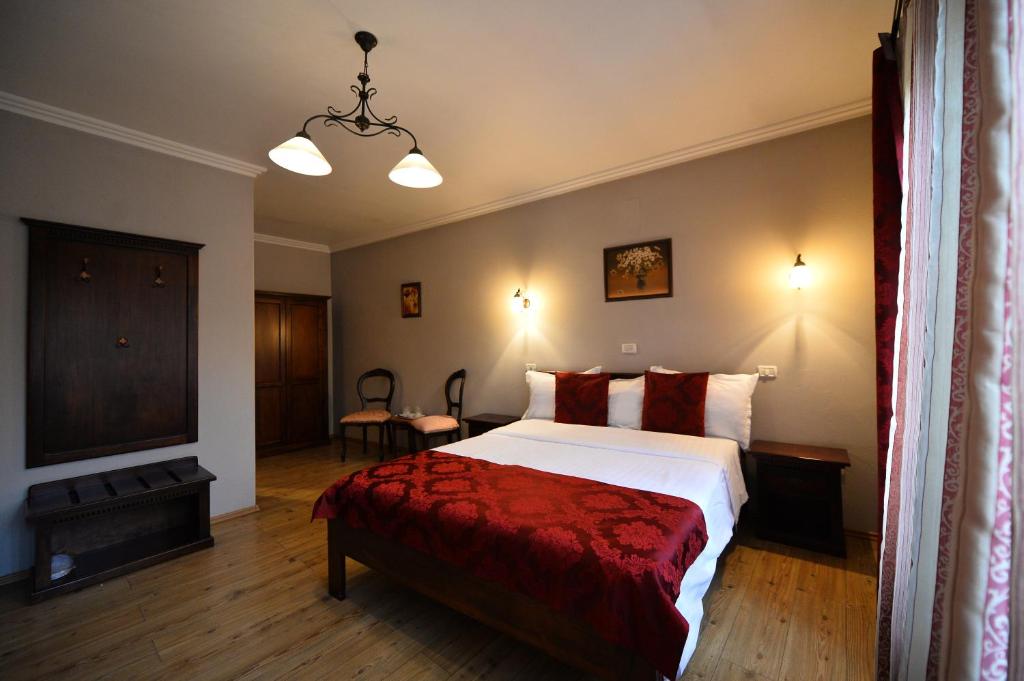
Rating 9.3 from 467 reviews!
Located right in the center of the new resort, next to the main road, this hotel offers welcoming rooms with all the necessary amenities, buffet breakfast, outdoor pool and private parking!
Bvd. C.Brâncuși, 33, Târgu Jiu
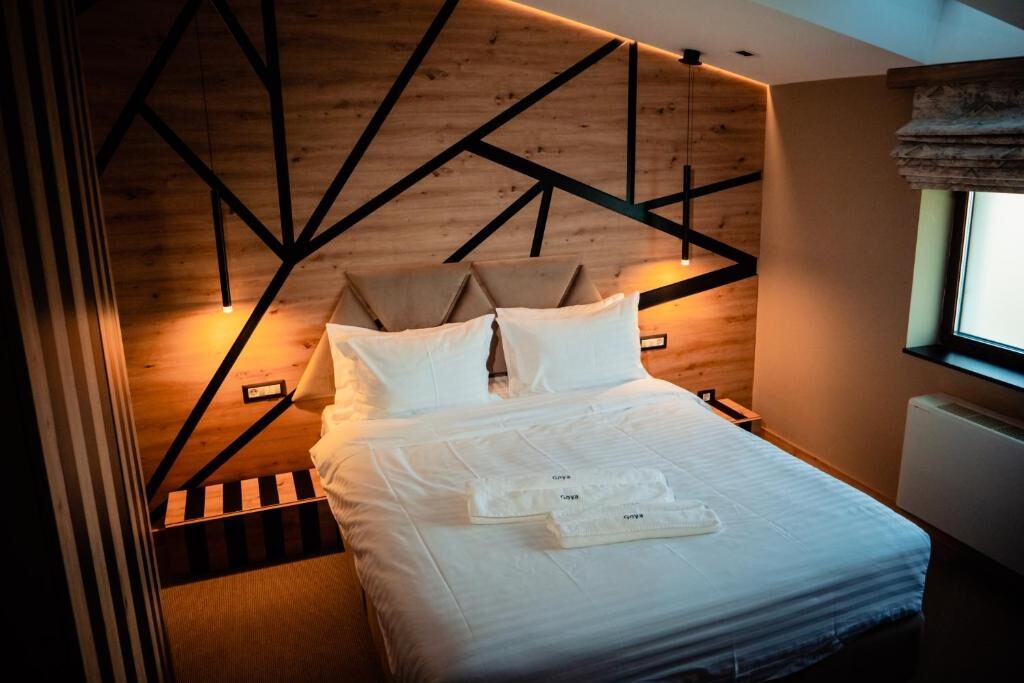
Rating 9.6 from 885 reviews!
Located a few kilometers from the center of Târgu Jiu and right next to national road 67, the hotel appreciated by guests offers excellent rooms with all amenities, a refined restaurant, swimming pool, lounge and more!
Calea București, Târgu Jiu
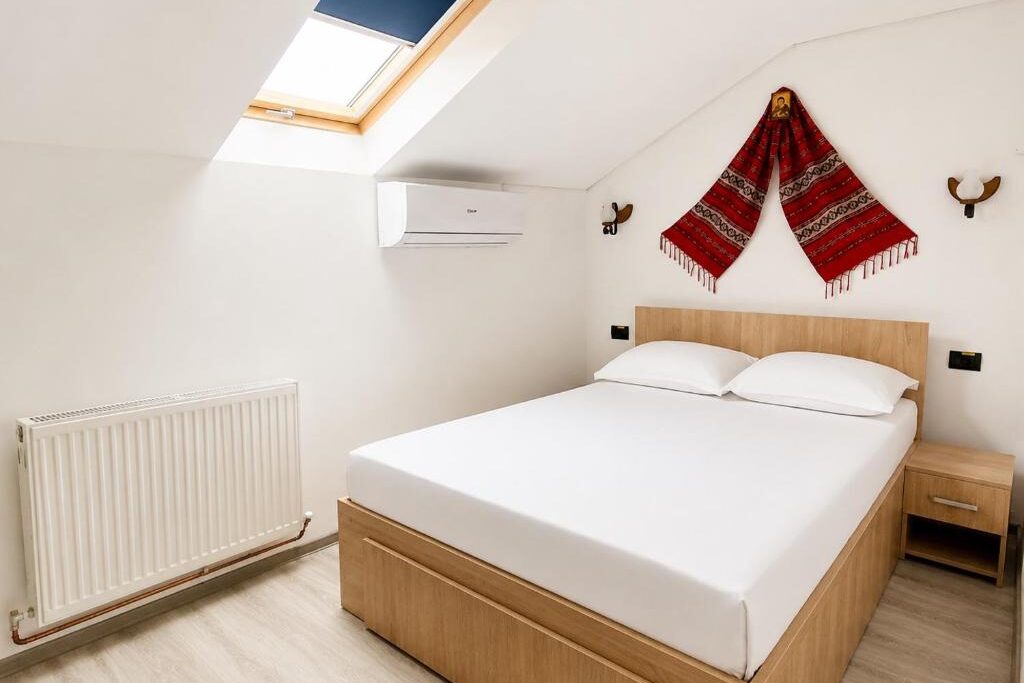
Rating 9.9 from 52 reviews!
Located in Arcani commune, near the Sohodolului Gorges, this highly rated guesthouse offers comfortable rooms, a shared lounge, a terrace, a garden and parking!
Village of Sănătești, 41, Arcani
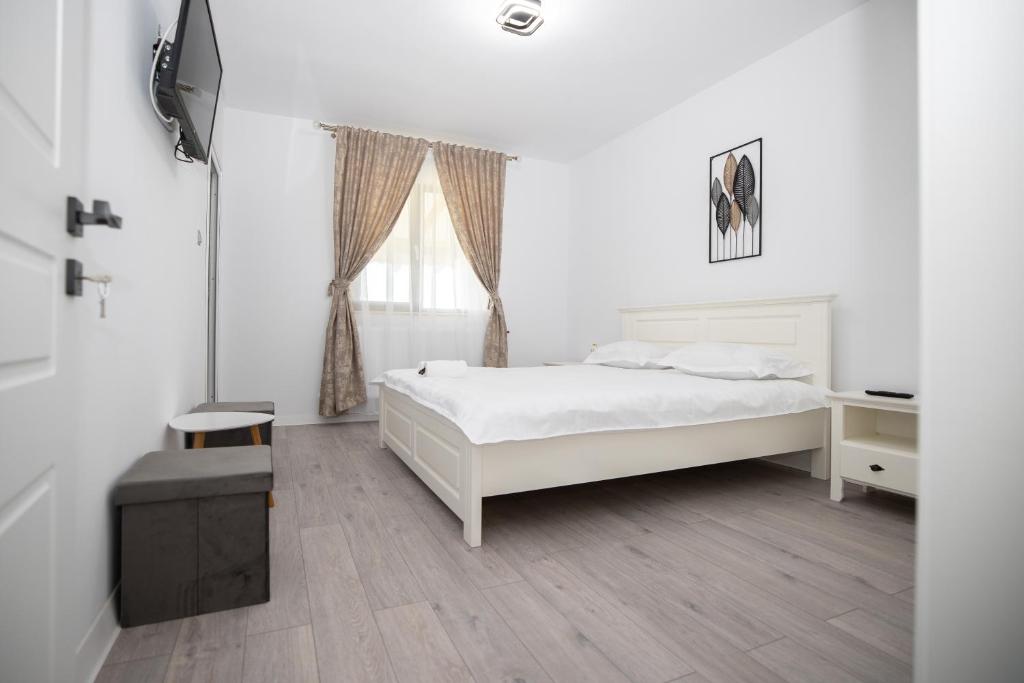
Rating 9.0 from 288 reviews!
Located near the town of Novaci and the entrance to the Transalpina highway, this guesthouse offers accommodation in welcoming rooms, an outdoor pool, a bar, a terrace and a garden!
Ocolului St, Novaci-Străini