Beyond the legends surrounding Count Dracula and its role as a gateway through the Carpathians, the old castle that seems to be born from the rocks is almost always stormed by travelers, but it still carries memories of the glorious times, including the image of Queen Maria, who loved these places so much!
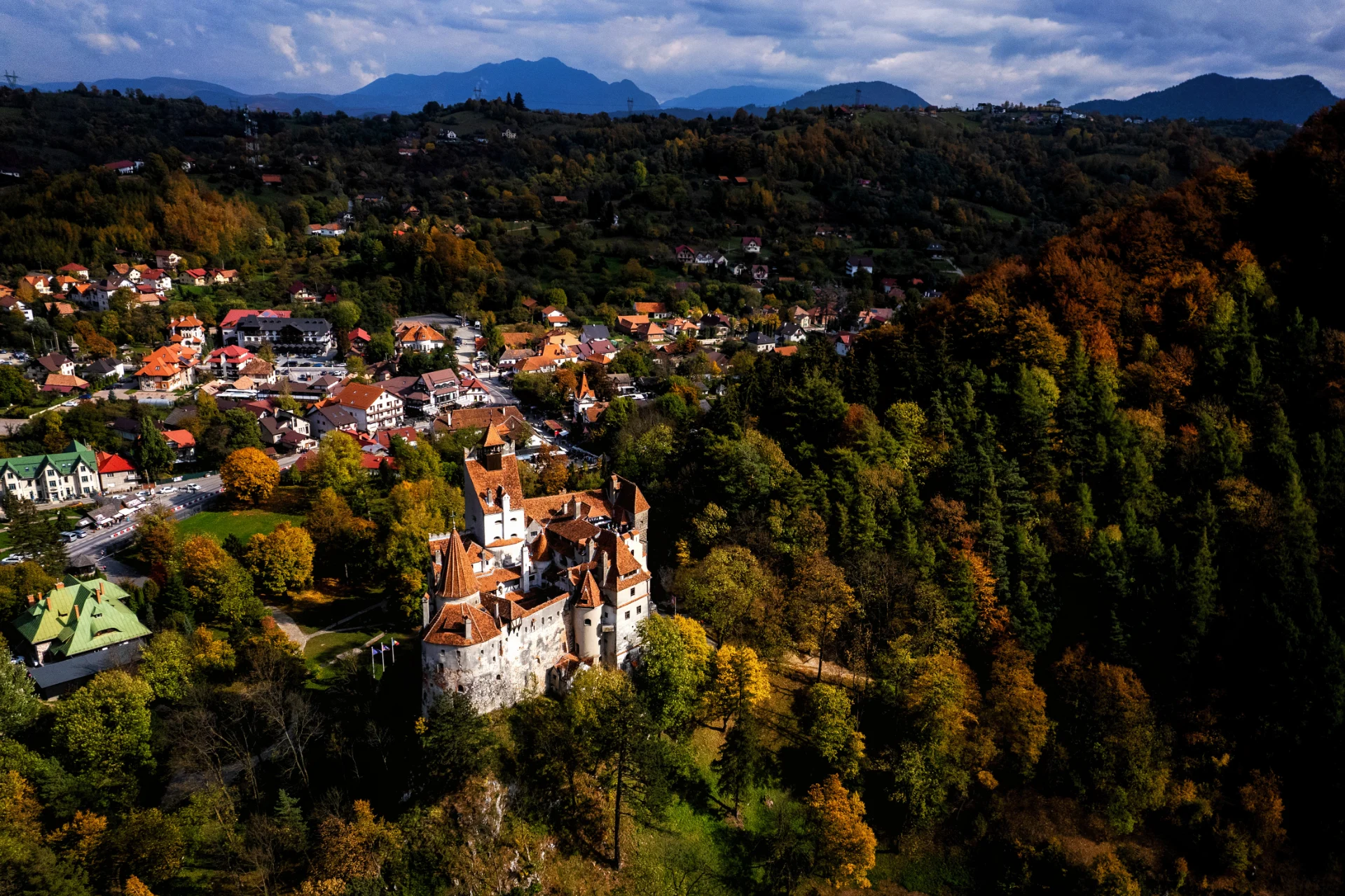
Bran Castle Ⓒ Silviu-Florin Salomia
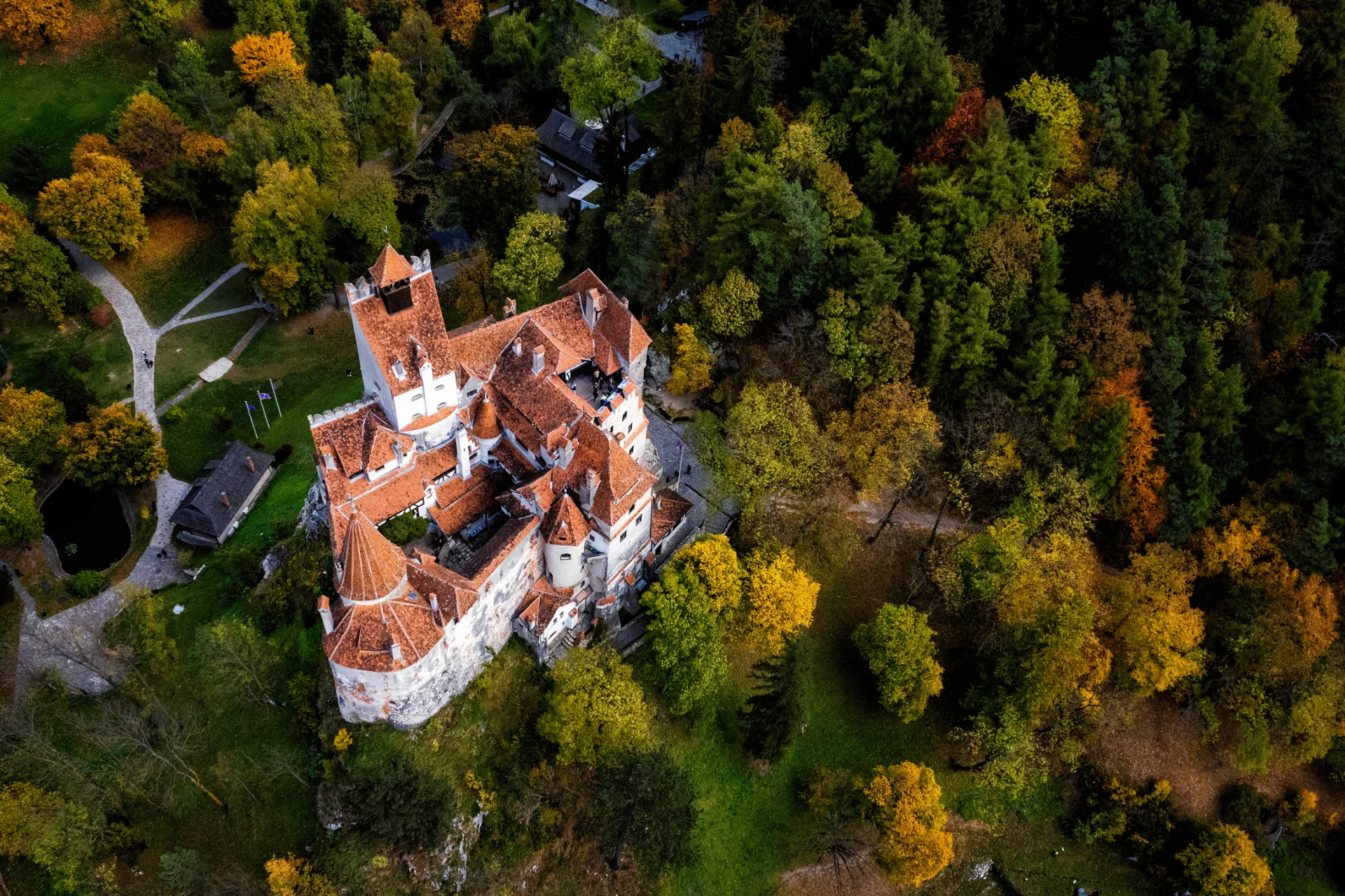
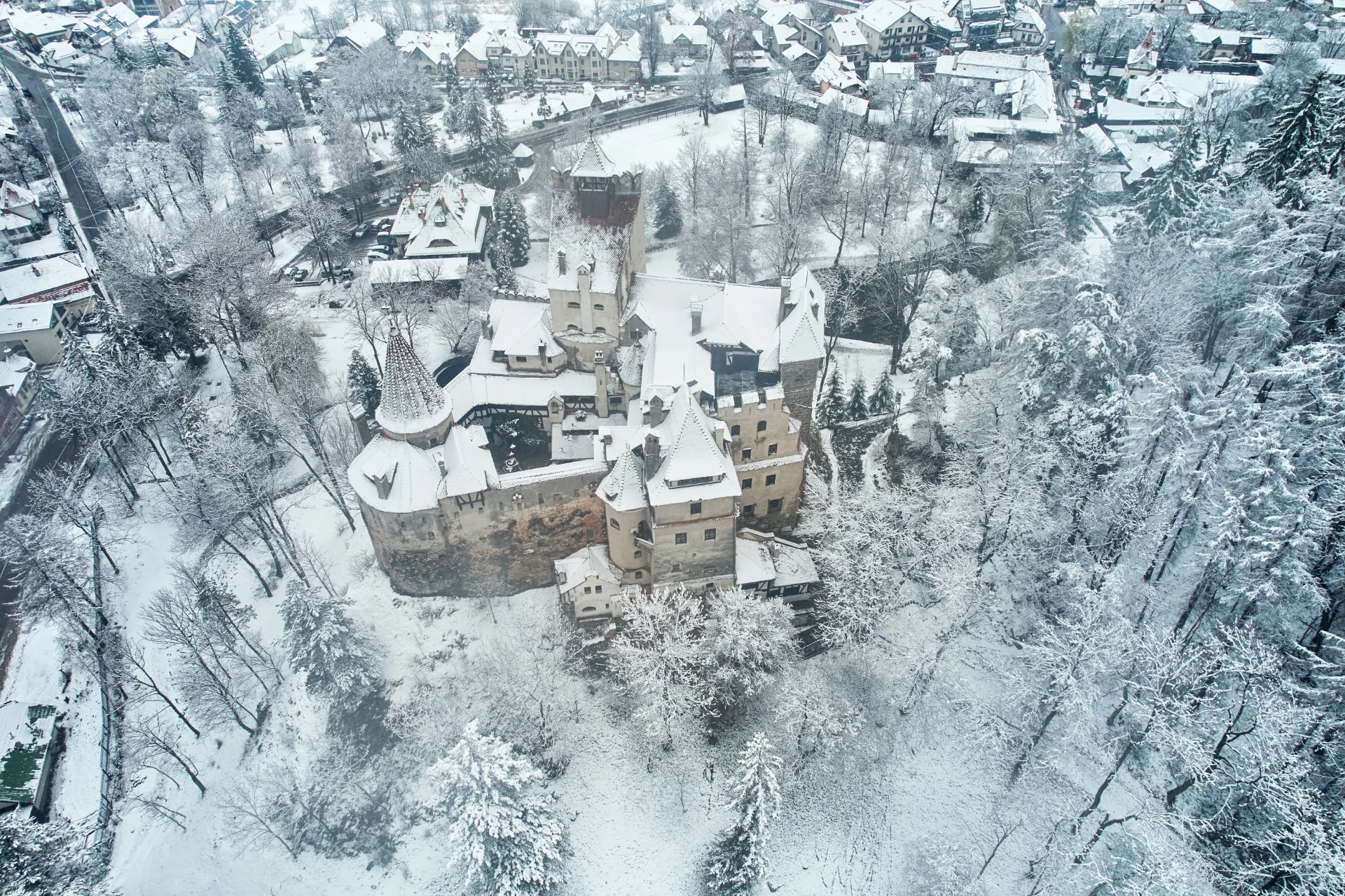
Hidden from afar, the imposing silhouette of the castle is revealed in all its splendor once we reach its massive walls that rise from a solitary rock, at the foot of the corridor between the Bucegi and Piatra Craiului mountains. Looking at this legendary place for the first time, in addition to the strong impression created by the picturesque landscape, we are overcome by a feeling of nostalgia for past times. We can almost imagine the incredible stories and secrets that can be discovered by exploring the mysterious rooms and passages inside. Once a border fortress disputed by the powers of the time, Bran Castle has become one of the most famous destinations in Romania, often with not exactly desired effects on its authentic charm. A large part of this celebrity is due to the legends related to the name of Dracula, the character created by the writer Bram Stoker, inspired by the ruler of Wallachia, Vlad the Impaler.
The beginnings of its history are lost in the mists of time, with the famous Teutonic Knights who built a first fortification here at the beginning of the 13th century. The castle we admire now was built between 1377 and 1388 by Saxon colonists from Brașov, following a decree of the King of Hungary. It had the role of both defending the kingdom’s border, but also functioning as a customs point, being defended by mercenary soldiers. Since then, Bran has always been at the center of historical events in the Middle Ages, including a brief connection with the ruler Vlad Țepeș, who passed through here several times, including on his way to a ruthless attack on the Saxon population of Brașov. Bran Castle was bought by the people of Brașov in 1489, and was sold a century and a half later to the prince of Transylvania. With the border moving a little further south, the castle lost its military and commercial role at the beginning of the 19th century.
After lying almost ruined for many years, the monument was offered to Queen Maria after the Great Union of 1918. It was repaired and transformed into a royal summer residence, with some modifications to accommodate the Romanian royal family, including the construction of adjacent buildings and a beautiful park at the foot of the cliff. While in the possession of Princess Ileana, the castle was confiscated by the new communist regime in 1948, and the royal family was forced into exile. It continued to function as a museum until 2006, when it was returned to Princess Ileana’s heirs. They reorganized the castle into a museum starting in 2009, being furnished with personal objects, after the collections belonging to the state were moved to a nearby building, which today houses the Bran National Museum.
We can reach the castle quite easily, as it is located in the center of the town of the same name, in southeastern Transylvania and just 30 kilometers southwest of Brașov. National road 73 passes right under its walls, and the monument is open for visits almost every day, but the waiting lines can become very long during the summer. Entering the gates of the estate, we are taken on a fascinating journey, which begins in front of the rock on which the castle’s silhouette rises imposingly. Its architecture has transformed over time, but has always been influenced by its location on a narrow cliff. The slender towers were added later, and the interior largely comes from the modifications made after the castle became a royal residence.
Search for Lodging around Bran Castle with Booking.com!
Bran Castle Ⓒ Silviu-Florin Salomia
Bran Castle Ⓒ Silviu-Florin Salomia
Bran Castle Interior Ⓒ Silviu-Florin Salomia
Bran Castle Interior Ⓒ Silviu-Florin Salomia
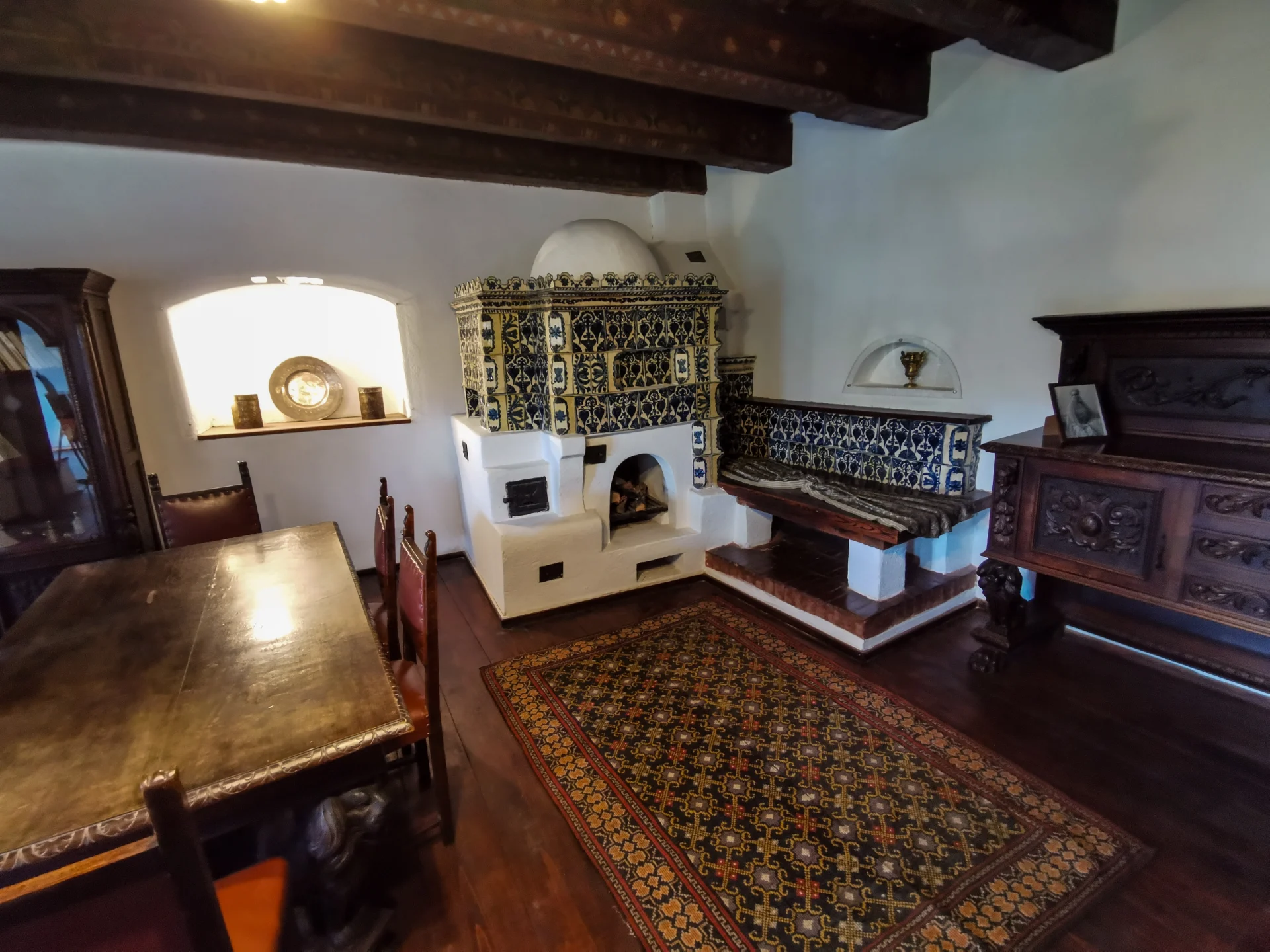
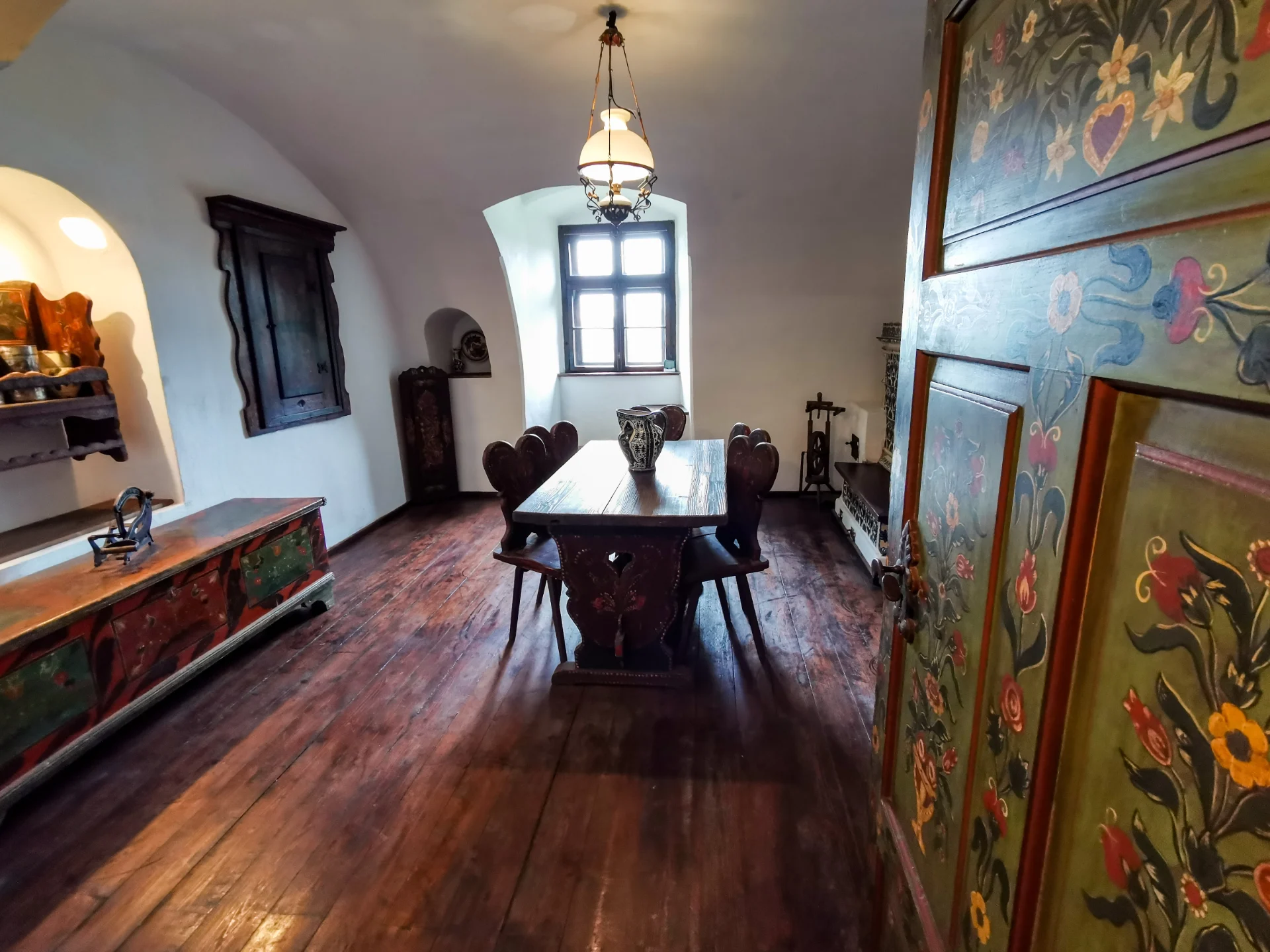
The tourist route inside is quite short but very intense, giving us the impression of discovering some of the secrets of the great fortress. Even though it has lost some of its charm and authentic elegance after the original furniture was moved, we can still imagine the details of the life of the castellans of long ago by admiring the most interesting spaces. Among the spectacular rooms we discover the Bedroom of Queen Mary, the Gothic Hall, the Great Hall, the Chapel, the Bedroom of King Ferdinand, the Queen’s Library, the Armory Hall or the Terrace. Every corner and stone here has a story to tell to those who are eager and patient to find out. If the exterior seems massive and intimidating, once we enter the inner courtyard we are conquered by the welcoming and almost magical atmosphere, with wooden balconies and windows that offer unforgettable views.
“Bran entered my life. Bran, the small forgotten fortress, beyond the locks of the mountains. Many years ago, on a trip across the border, I had seen it standing in crazy solitude on the rock on which it stands, and it had crossed my mind what a delight it would be to own such a fortress and turn it into a home. What a fairy tale it would be to bring a small medieval castle to life, a true fairy tale. And the unbelievable happened: two years after the war, the authorities of the city of Brașov came to me in a solemn delegation and offered me the Bran castle, as a complete gift, so that it would be entirely mine…” (Queen Maria of Romania)
Descending from the heights of the towers, the courtyard and the castle surroundings reserve us a few more interesting discoveries, starting with the small rural museum that includes several old traditional houses from the area. Across the road, we also visit the building that houses the Bran National Museum, where the treasures that once decorated the castle rooms are exhibited, including furniture, paintings, weapons, documents and other fascinating objects. Nearby, next to the historic building of the medieval Bran customs house, there is the rock where the silver box with the heart of Queen Maria rested for several decades, after it was brought from Balchik. A small stone chapel was also built here, a faithful copy of the one built by the queen at her residence in Balchik. Leaving behind the walls of the legendary castle, we direct our aspirations towards conquering the huge wall that rises towards the west, Piatra Craiului sheltering breathtaking landscapes and intense sensations…
Situated at the northern end of the corridor between the Bucegi Mountains and the Piatra Craiului massif, Bran Castle has been defending the historic border between Wallachia and Transylvania for centuries. The impressive monument was erected by the inhabitants of Brașov in the late 14th century, on the site of an older fortification, most likely built by the Teutonic Knights in the early 13th century. Over the following centuries, the castle played a central role in the historical events of this border region. In turn, Emperor Sigismund of Luxembourg, the rulers Mircea the Elder, Iancu of Hunedoara, Vlad the Impaler, the princes of Transylvania and the royal family of Romania linked their names to the fate of Bran Castle. Starting in 1920, the estate was donated by the city of Brașov to Queen Maria of Romania, in gratitude for her role in the Great Union of 1918. Declaring her love for Bran Castle many times, the queen made changes that transformed it into a royal residence.
Architect Carol Liman transformed the Gothic fortress into a castle with neo-Gothic, neo-classical and eclectic elements, to which romantic details were added. In 1948, the castle was nationalized by the new political regime, being transformed into a museum in 1956. Officially claimed by the heirs of Princess Ileana in 2000, it was officially returned in 2006 and reopened to visitors a few years later. The furniture and objects inside, which still belong to the Romanian state, were moved and can now be admired at the Bran National Museum, in a building near the estate. The interior was decorated with objects belonging to the Habsburg family. Tourists can now discover much of the exterior and interior spaces on guided tours that follow a route that runs through the inner courtyard and the four floors with various spaces. Perhaps the most impressive aspect of Bran Castle is its stunning architecture, with its massive but rather slender silhouette, rising as if from the rock on which it is built, above the valley below. The towers of different shapes and heights, the narrow windows or the idyllic inner courtyard only add to the unsurpassed charm of this unique monument.
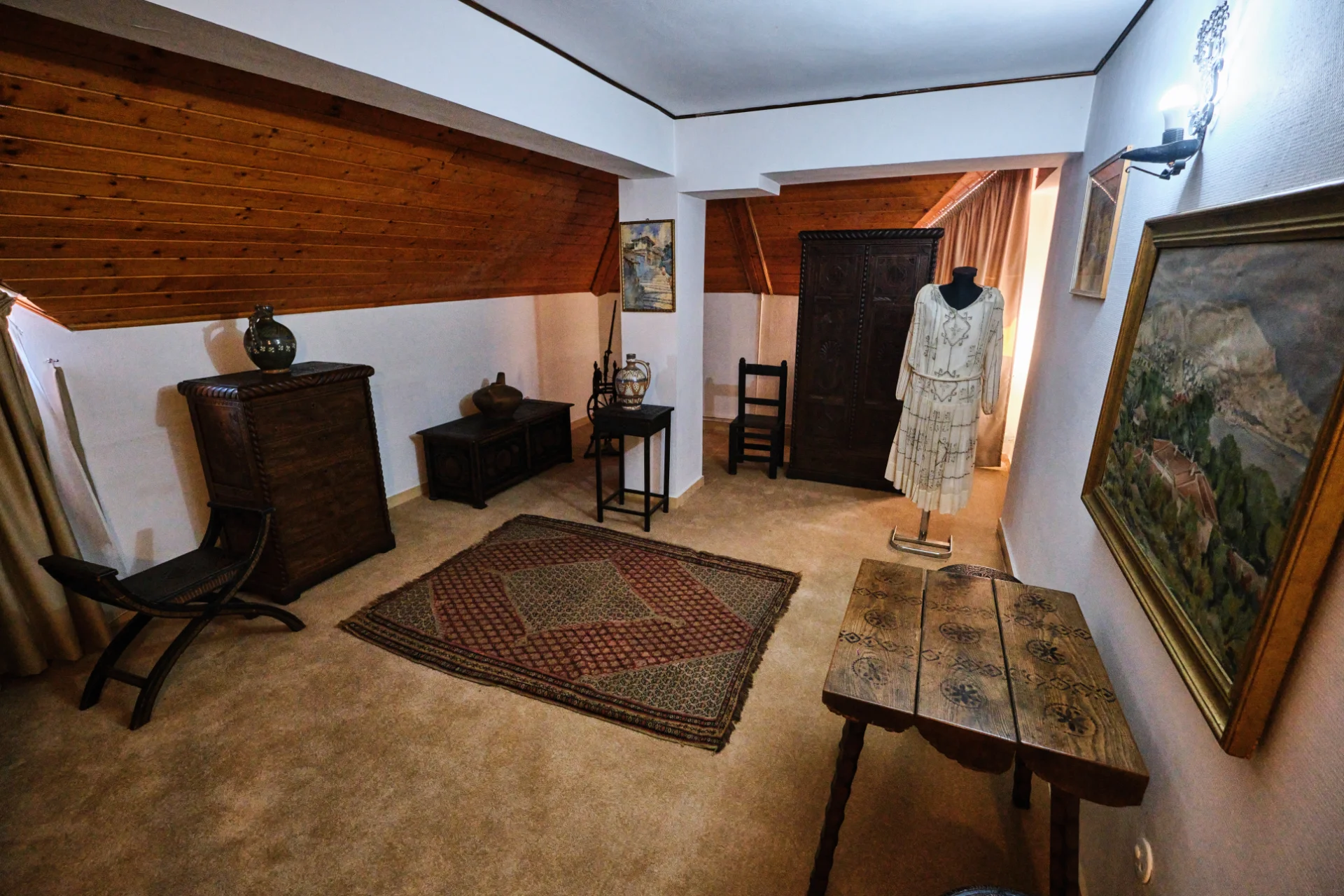
After the restitution of Bran Castle to the heirs of Princess Ileana, who are part of the Habsburg family, the objects inside, many belonging to Queen Maria herself, continued to be the property of the Romanian state. These were initially moved to the old Bran customs building, after which they were brought to the building where the Bran National Museum now operates, to which the ethnographic museum next to the castle also belongs. Here, several representative rooms of the royal residence have been reconstructed, including the royal bedroom, the music room or the library. In addition to the priceless furniture, many other valuable objects, works of art, weapons, rare books and others can be admired here.
Legend of Count Dracula
Although it has come to be nicknamed Dracula’s Castle in recent decades, Bran Castle has no direct connection to either the legendary character or the ruler who inspired this legend. In reality, Vlad the Impaler passed through here several times, including during bloody campaigns to punish the inhabitants of Brasov, but he never owned or lived in Bran. The association is due to its appearance and its similarity to the stories in the novel “Dracula”, written by Bram Stoker in 1897. He never arrived in Transylvania, and most likely created his characters and locations based on historical accounts of the times. Known as one of the most cruel rulers in history, Vlad the Impaler did indeed punish his enemies in the bloodiest possible ways, including by impaling them on sharp stakes.
Bran National Museum Ⓒ Silviu-Florin Salomia
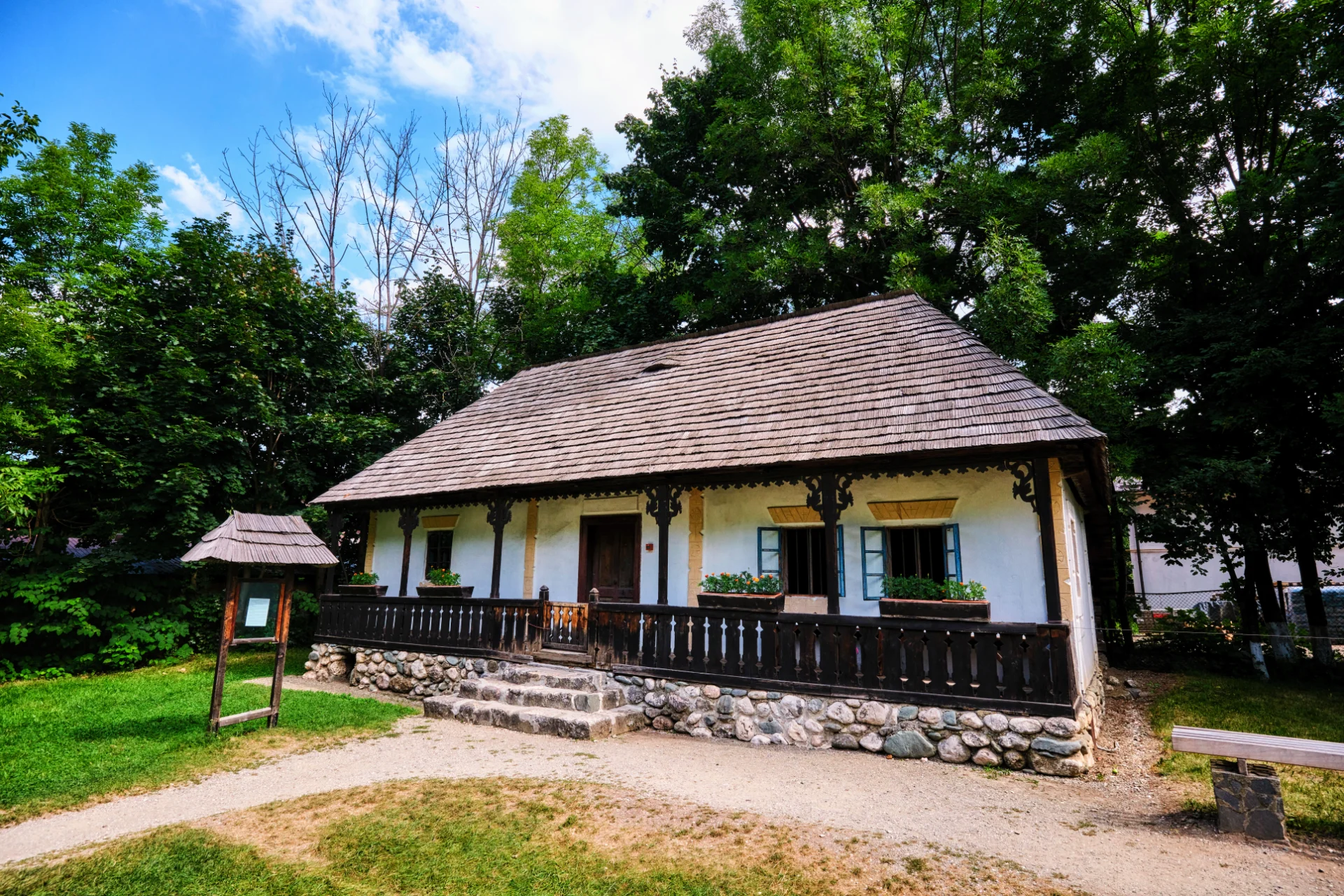
Bran Village Museum Ⓒ Silviu-Florin Salomia
Bran National Museum Ⓒ Silviu-Florin Salomia
Other Interesting Discoveries
Lesser known places and activities around Bran Castle
Bran Village Museum
Established in 1962, this delightful museum is located in the small park next to Bran Castle, belonging to the Bran National Museum. Here you can admire 18 traditional rural houses and buildings from the area, and admission is free. In addition to the houses, the open-air museum also includes other authentic technical installations, as well as objects that illustrate the customs and occupations of the area’s inhabitants.
Horror Castle
A rather commercial place and more aimed at the younger crowd, this exciting experience can be discovered right at the gates of the Bran domain. Inside, several rooms have been recreated around some scary legends, starting with the vampires so present in Transylvania. A complete sensory experience (actors, sounds, lights), this attraction is only recommended for visitors who can handle strong emotions.
Visiting hours: 9-18 | Prices: 50 lei/adult
Zănoaga-Bran Ski Slopes
Although not many tourists know this and most of them look for winter destinations in the Prahova Valley, the town of Bran has a few small ski slopes. These are located in Valea Portii, about 4 kilometers from the castle and are called the Zănoaga-Bran slopes. Although quite short and without large differences in level, the two slopes in Bran are of intermediate level, are served by a ski lift and have artificial snow. At the base of the slopes there is also a center for renting sports equipment.
Hiking from Bran
There are two more popular hiking trails that start from Bran in opposite directions. A fairly difficult and very long trail (red band) follows the Porții Valley towards the Bucegi Mountains, passing through Poiana Clincea, then continues towards Țigănești Mountain, the Scara Peak and reaches Omu Peak. A variant of this climbs to the Scara Peak via the Ciubota Valley. Only recommended for experienced hikers, it is a full-day trail with a very high elevation gain (+1,600 meters). A much shorter and easier trail climbs from Bran to Măgura Mare (red band), offering superb views of the villages in the Rucăr-Bran corridor and towards Țara Bârsei. The trail is approximately 9 kilometers long and has a total elevation gain of almost 700 meters.
Located just 500 meters from Bran Castle, this guesthouse with a specific style highly appreciated by guests offers gorgeous and welcoming rooms, a lounge with a fireplace and private parking!
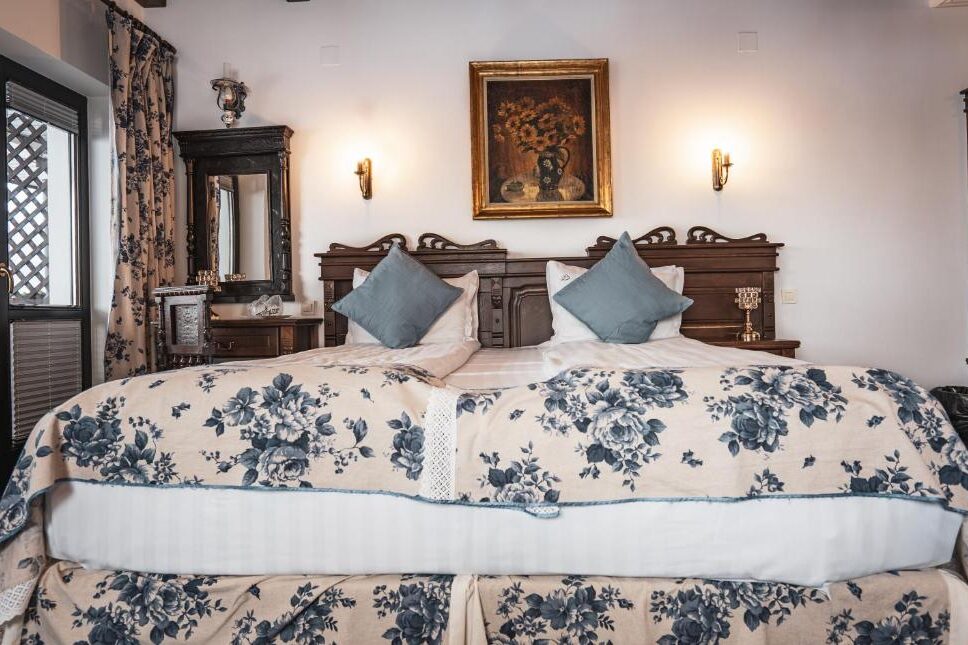
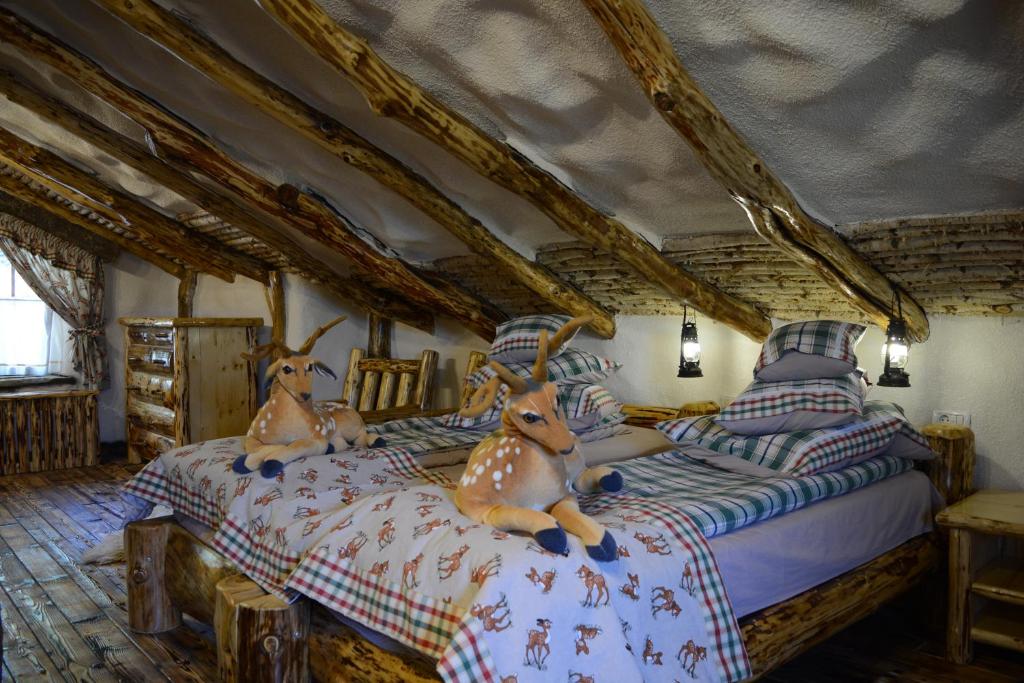
Located 1 km from the center of Bran, this complex offers rustic rooms, a traditional restaurant, sauna, two heated swimming pools and numerous leisure activities for families!
Located a 13-minute walk from Bran Castle, this highly rated traditional guesthouse offers accommodation in welcoming rooms with all amenities, a large garden and a terrace!