13

The Mountains of

Piatra Craiului

The sharp peak that rises above the hills and pierces the sky like a giant blade seems created to stop the aspirations of reckless travelers. However, a narrow and dizzying path is perched among the rocks and junipers, carrying the emotions and steps of adventurers to unimaginable heights!

Piatra Craiului Mountains - 100 Destinations of Romania
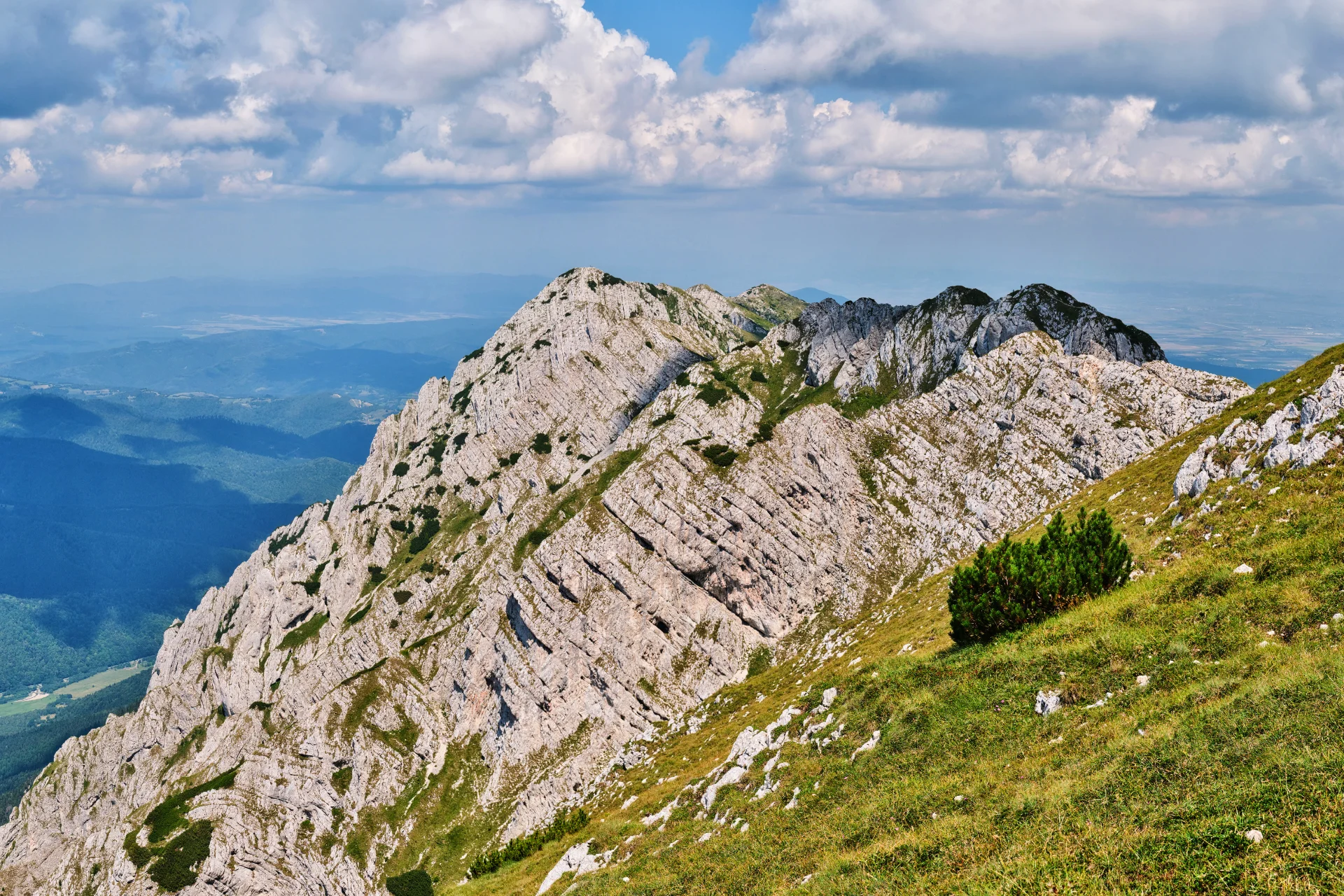
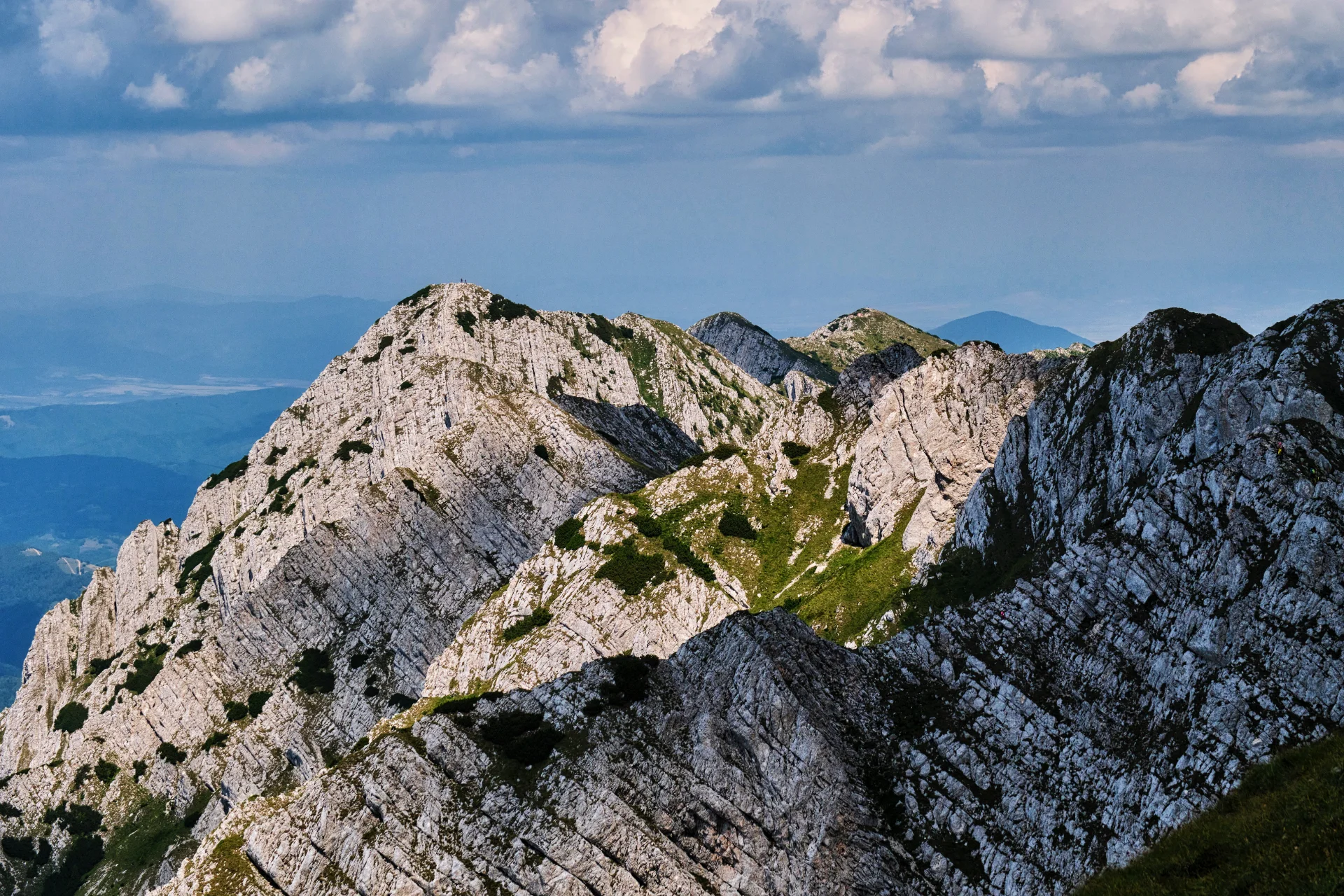
Piatra Craiului Ridge Ⓒ Silviu-Florin Salomia

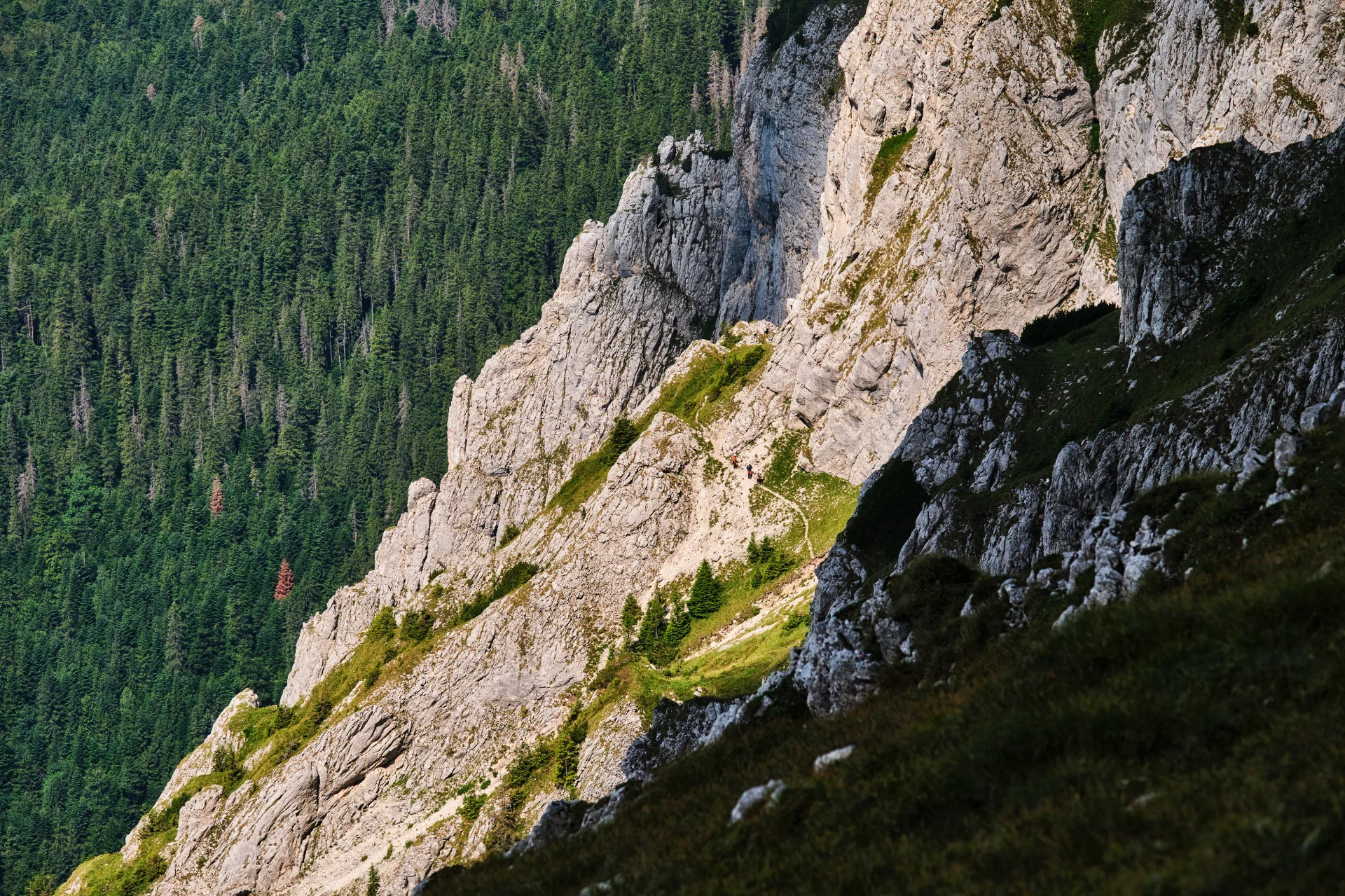
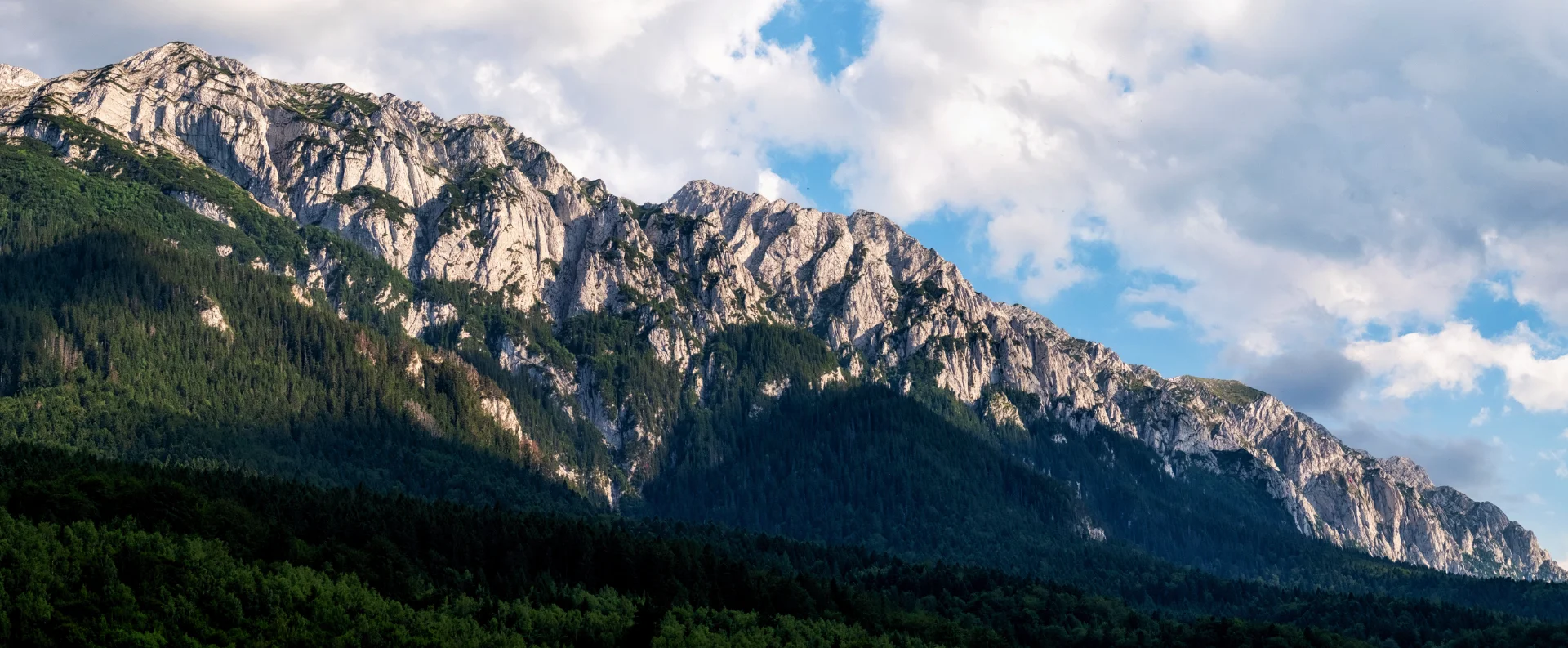
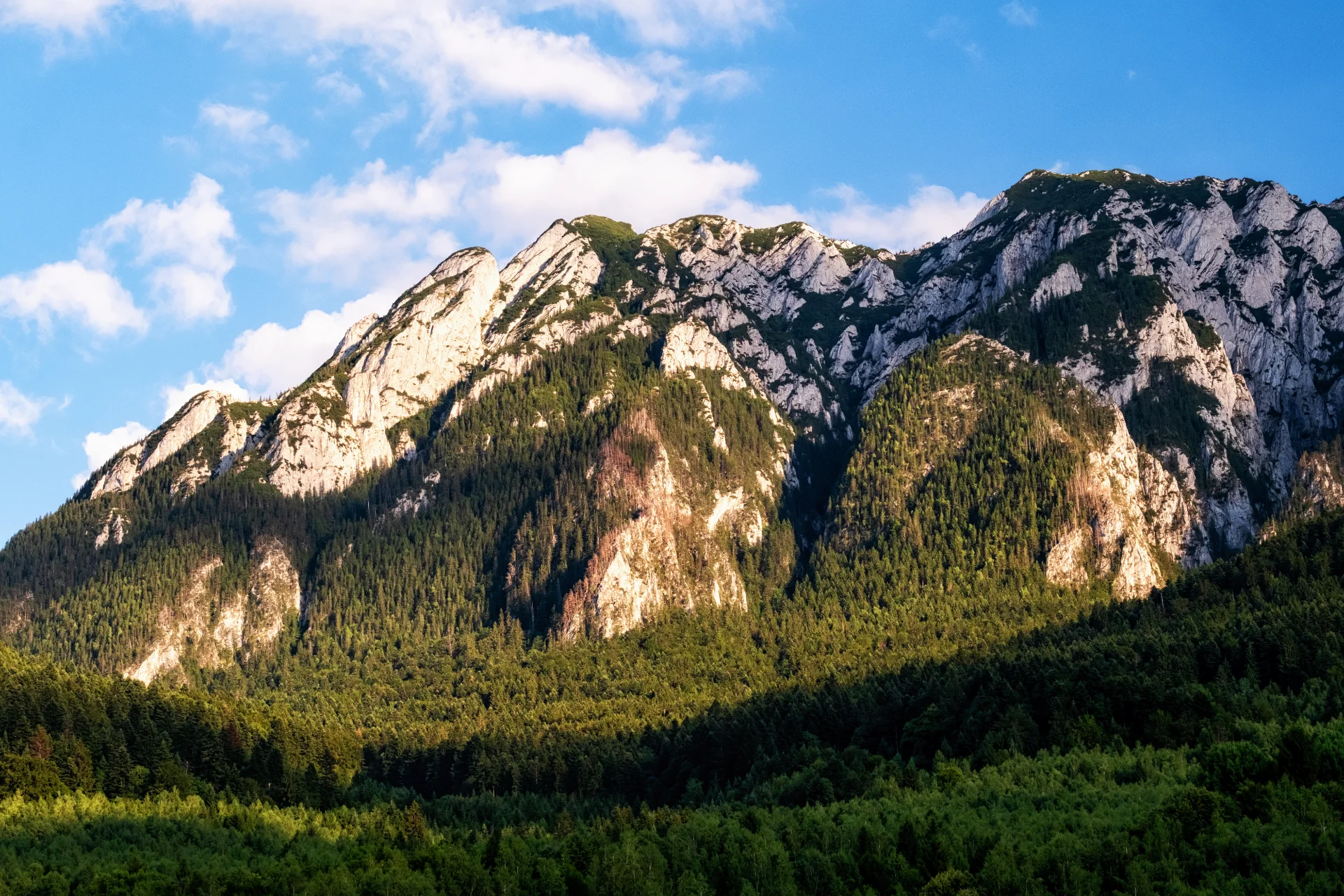
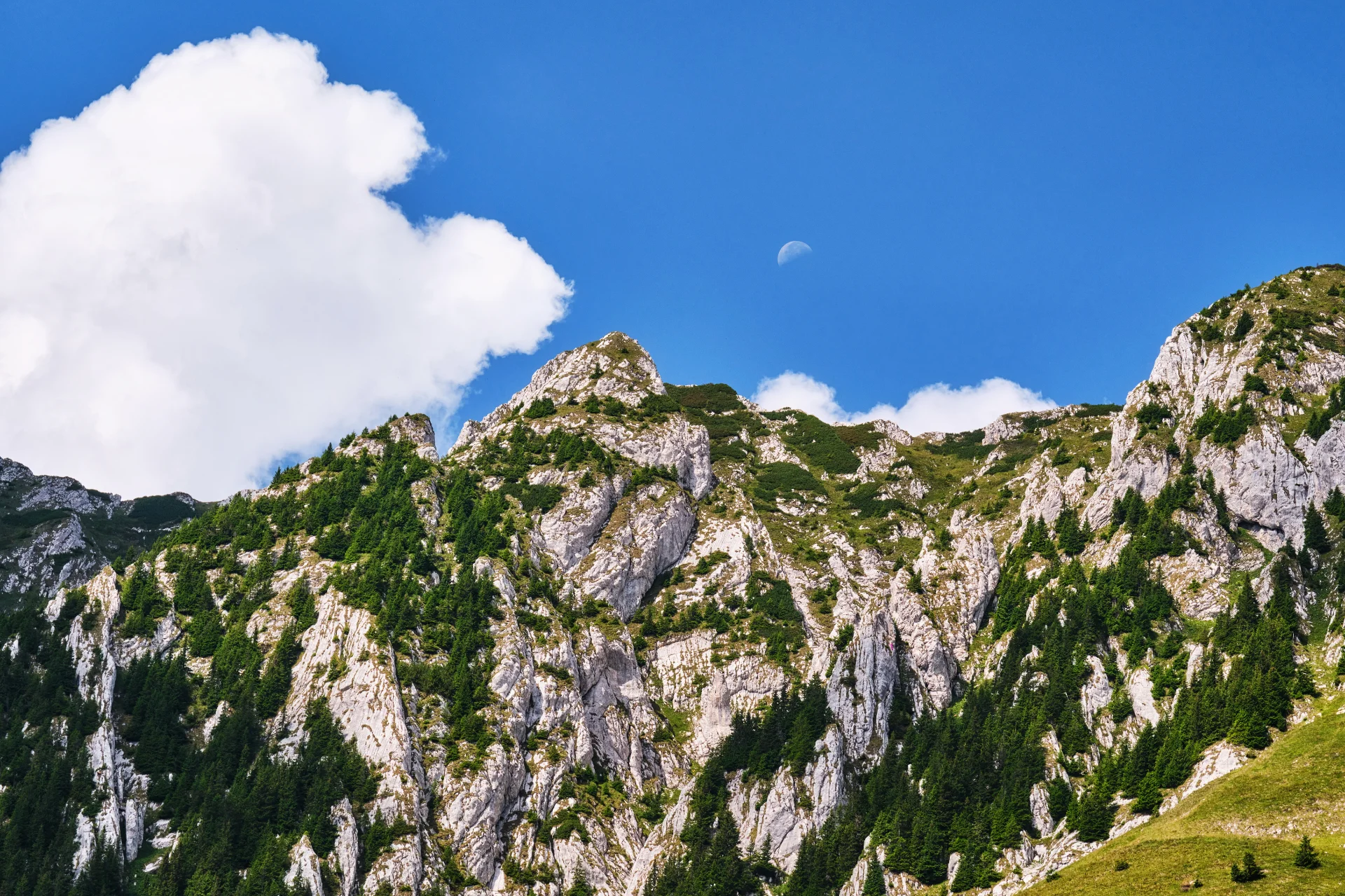
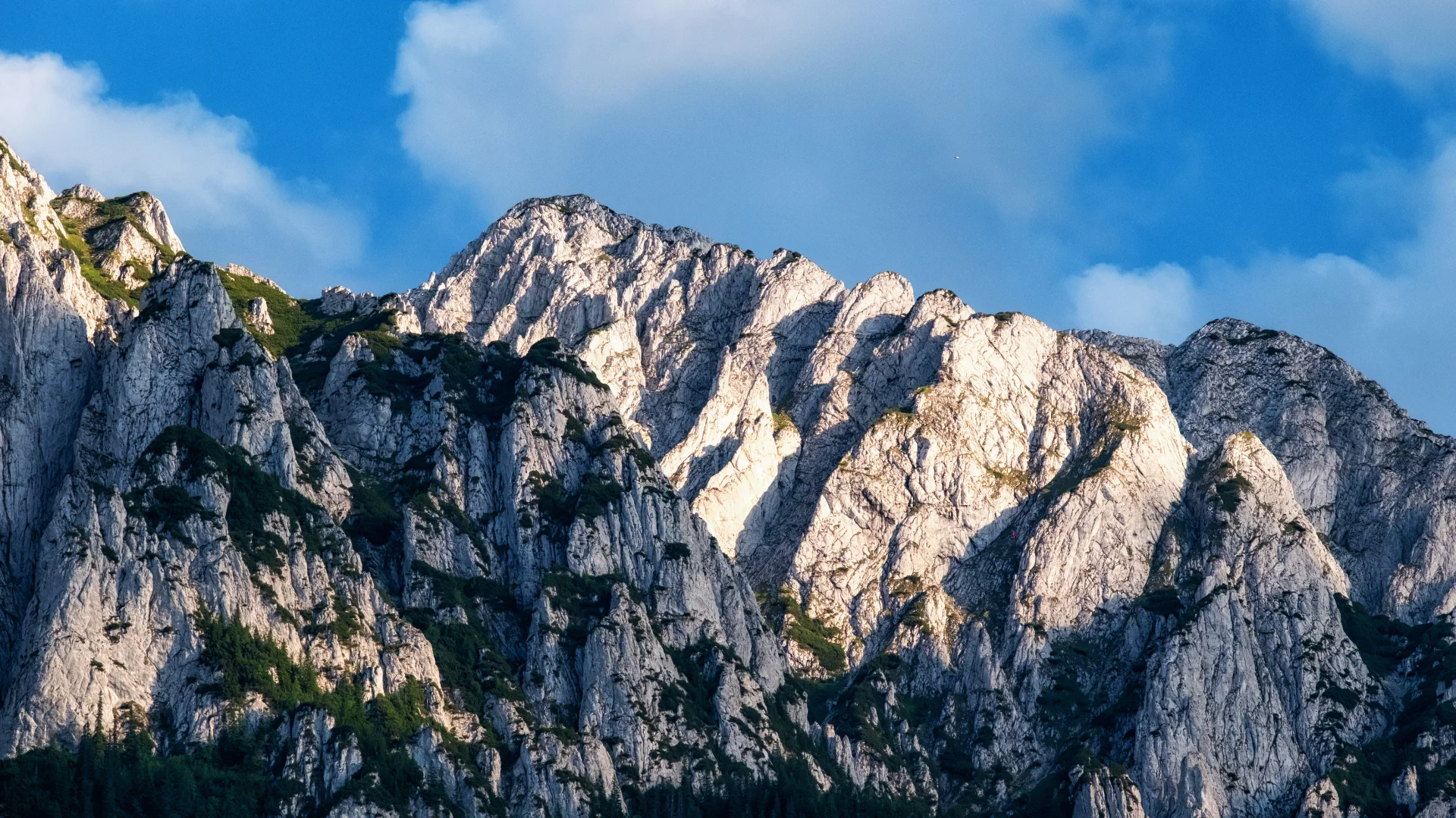
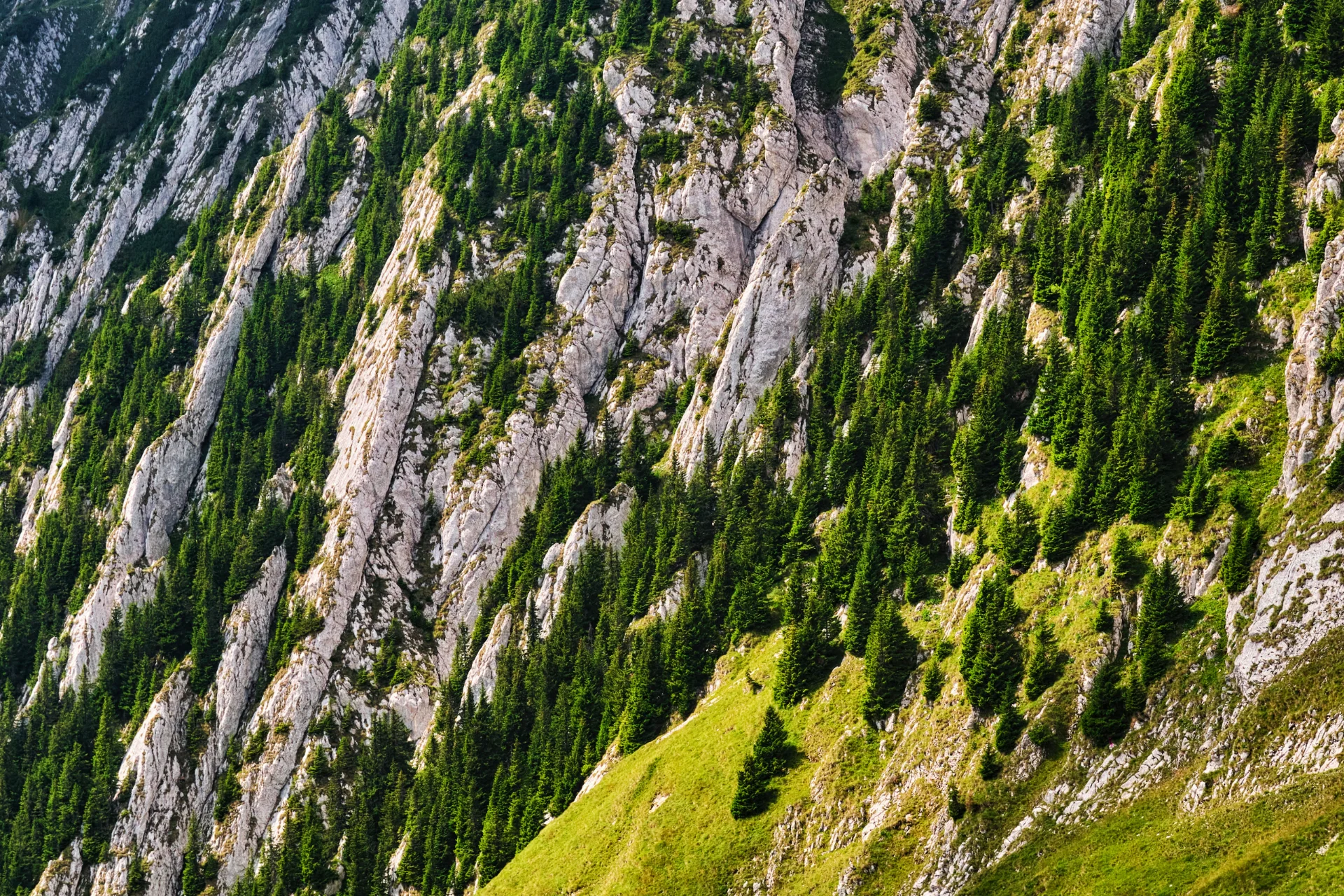
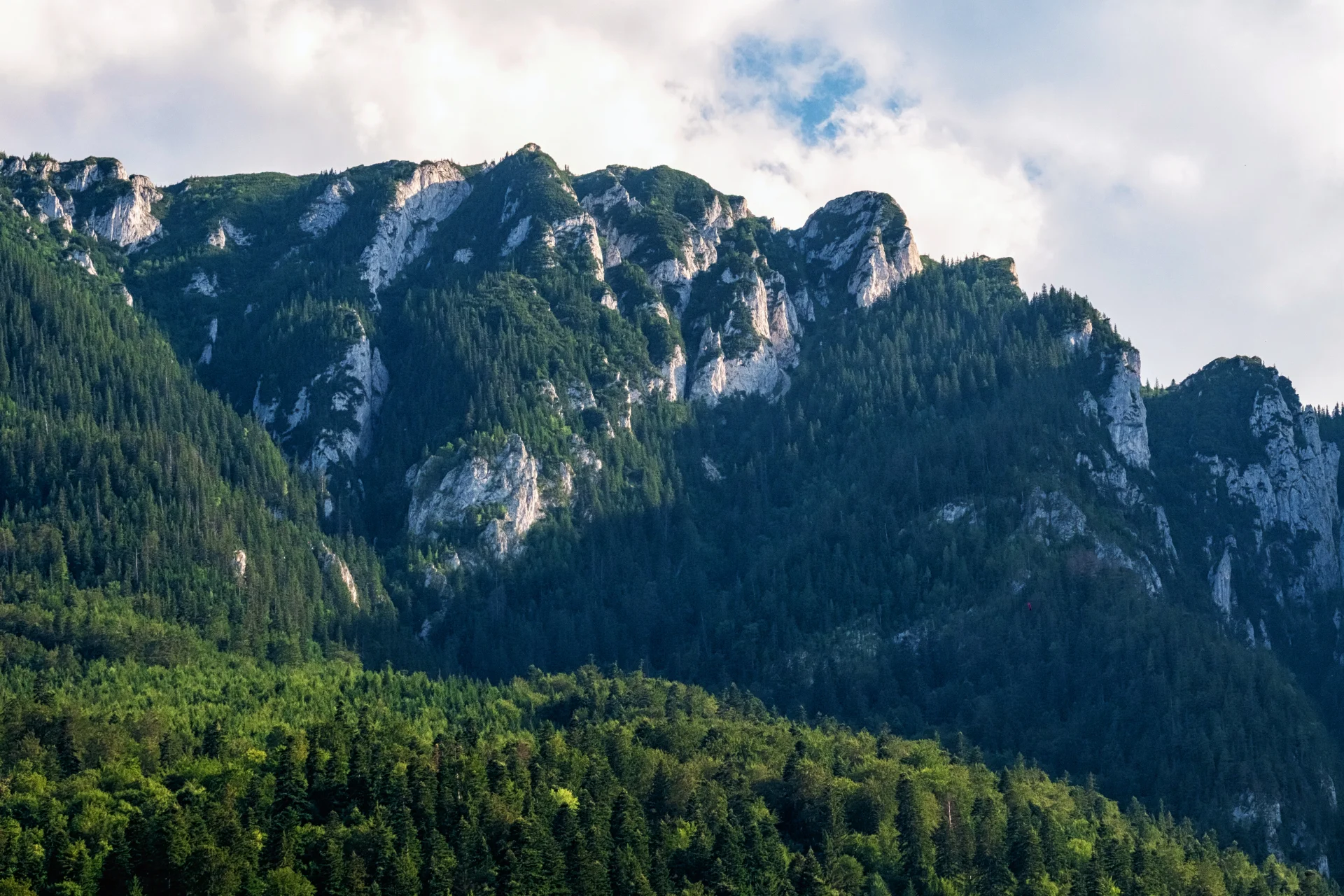
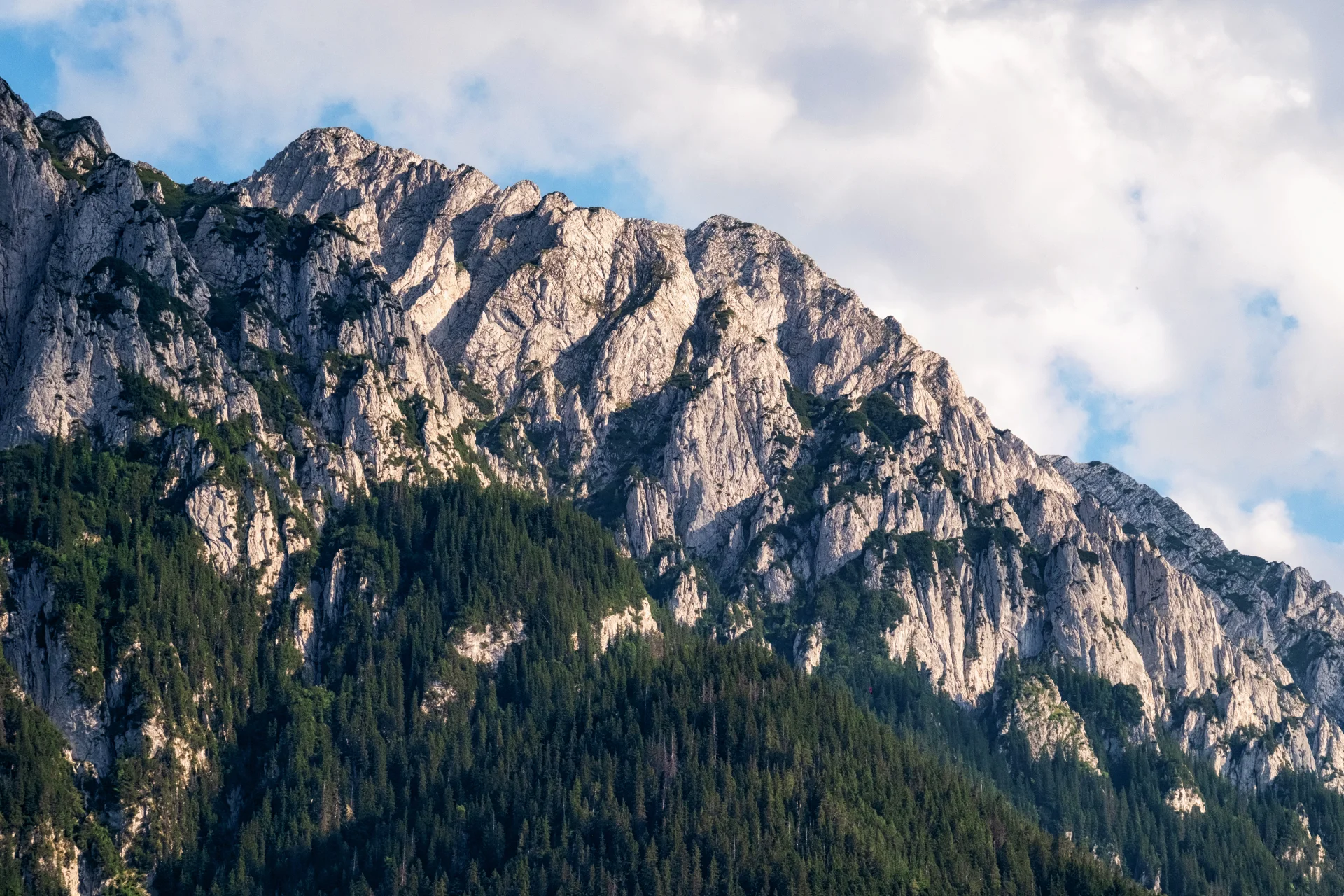
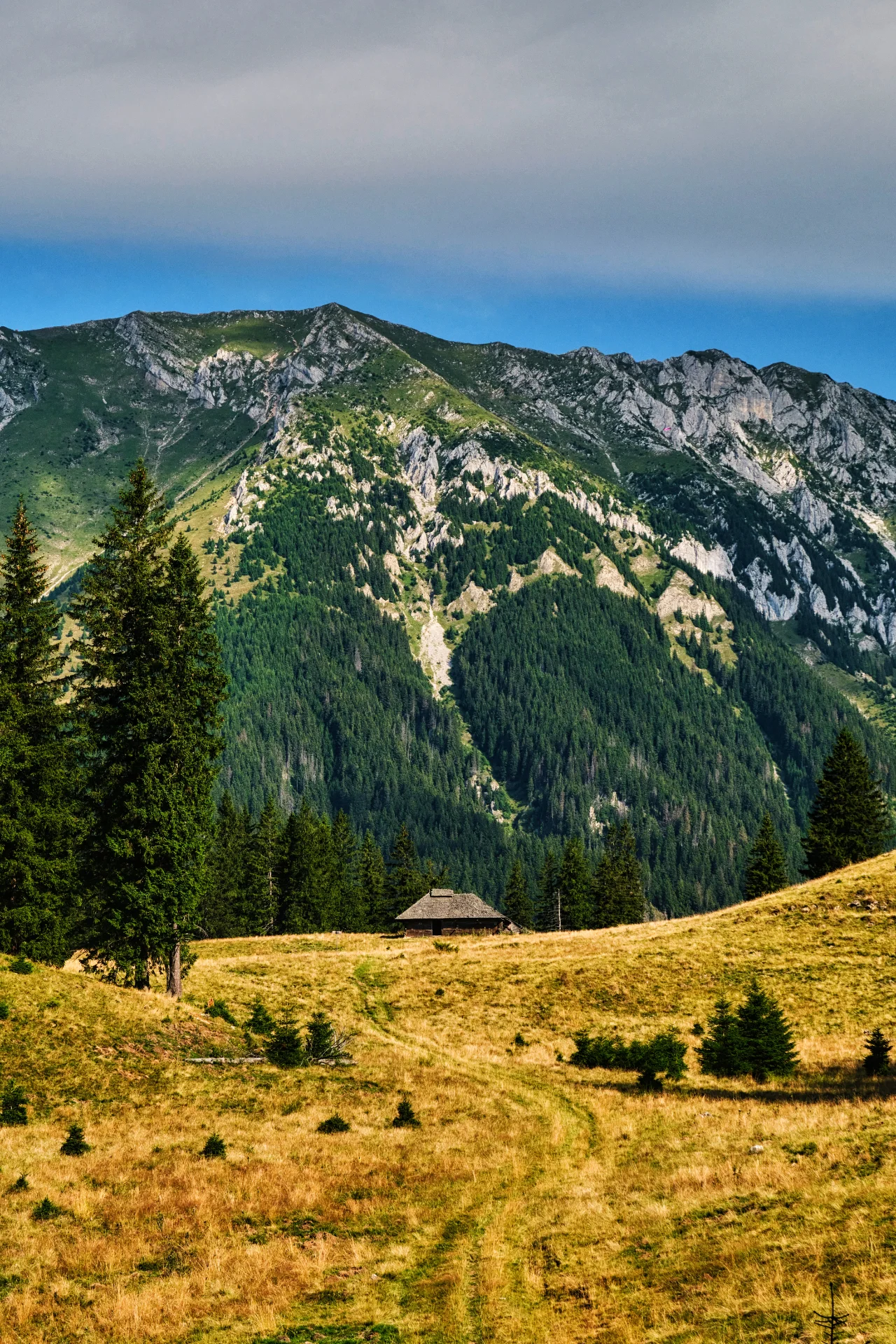
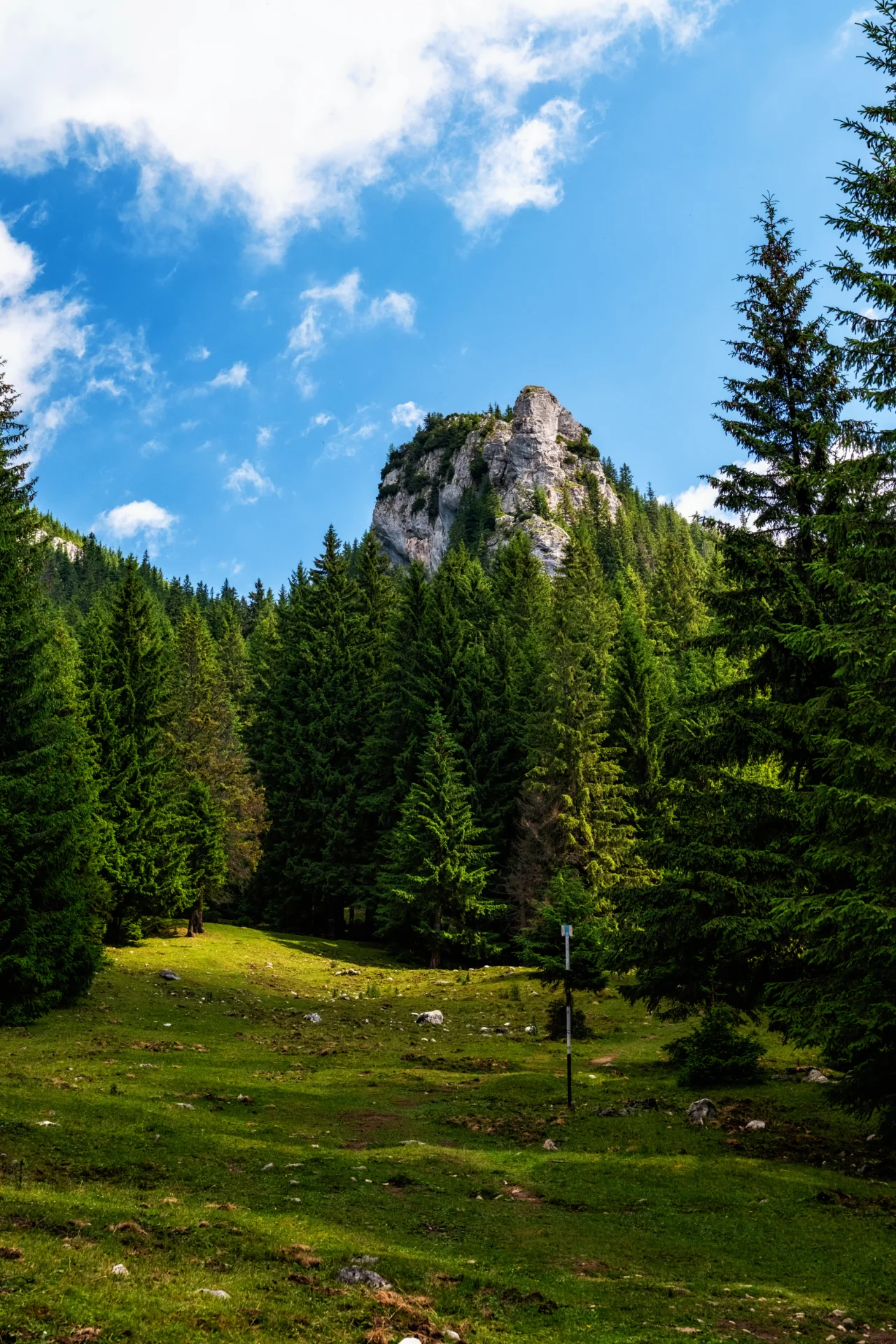
There are few places where the profound attraction of the mountain is felt more strongly than when looking at the stone wall of Piatra Craiului, seemingly floating above the vast forests. Wandering through the land of Bârsa or passing through the Rucăr-Bran corridor, we often feel the thrill of the precipitous heights of this solitary massif. If other steep peaks of the Carpathians are brought closer to us by roads that climb to the heights, all the paths that now lie before require a long struggle. Conquering Piatra Craiului Ridge, however, also brings countless memorable moments, in which the wild beauty of the landscapes becomes almost overwhelming. Famous and sought after especially for the almost vertical walls that rise 400-700 meters above the surrounding hills, the massif has several peaks over 2,000 meters.

The wildness of the landscape here is also determined by the numerous spectacular geological formations, including isolated cliffs, natural bridges, caves, ravines or gorges. All these unique characteristics, as well as the extraordinary biodiversity, determined the declaration of the Piatra Craiului massif as a national park in 1990, with a total area of ​​almost 150 square kilometers, which also includes areas of the Rucăr-Bran Corridor. Within the park, we find a multitude of types of natural habitats on a relatively small area, from beech, pine or spruce forests, to mountain meadows, alpine meadows, rocky slopes and limestone screes, among others

Search for Flights to Romania with Booking.com!

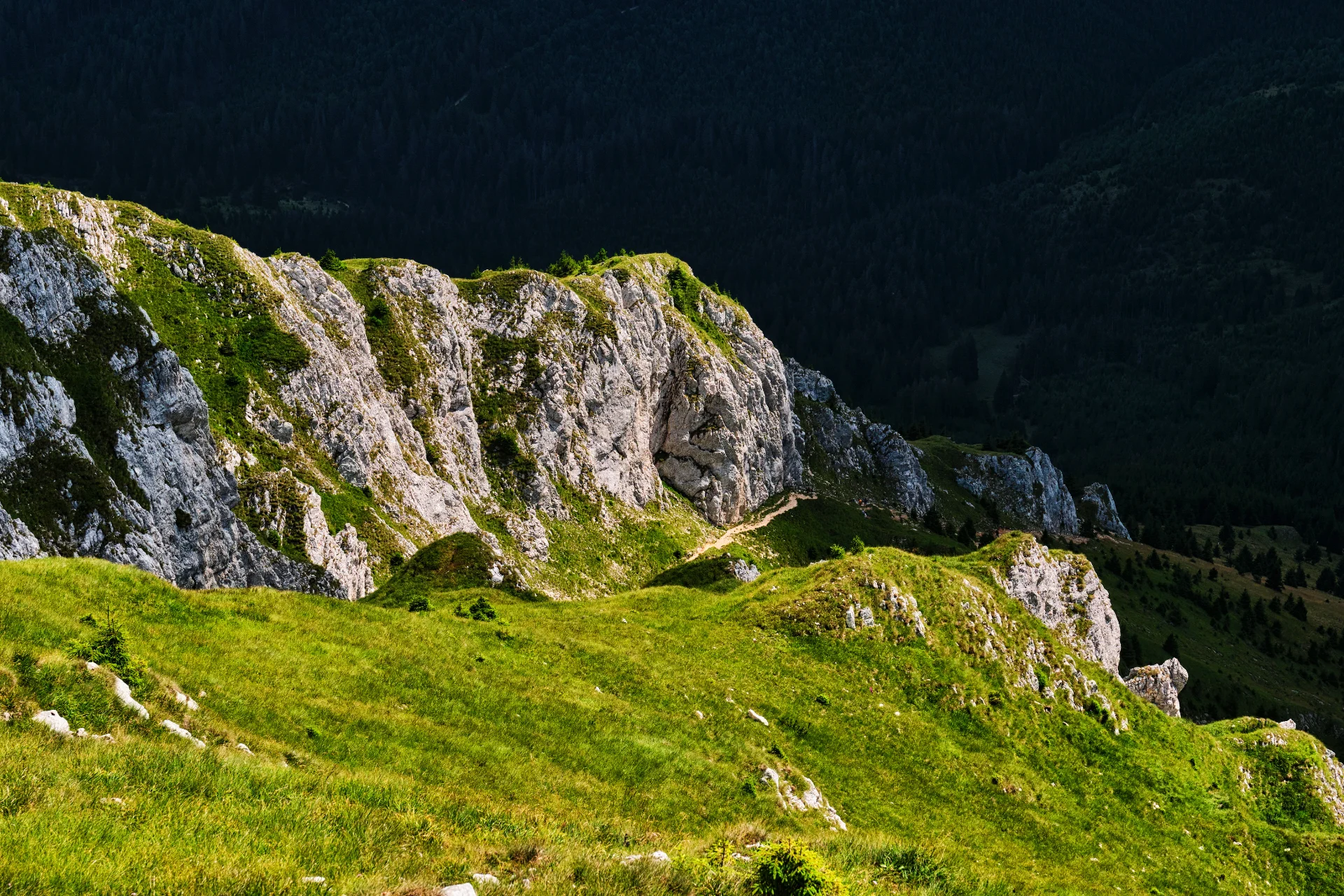
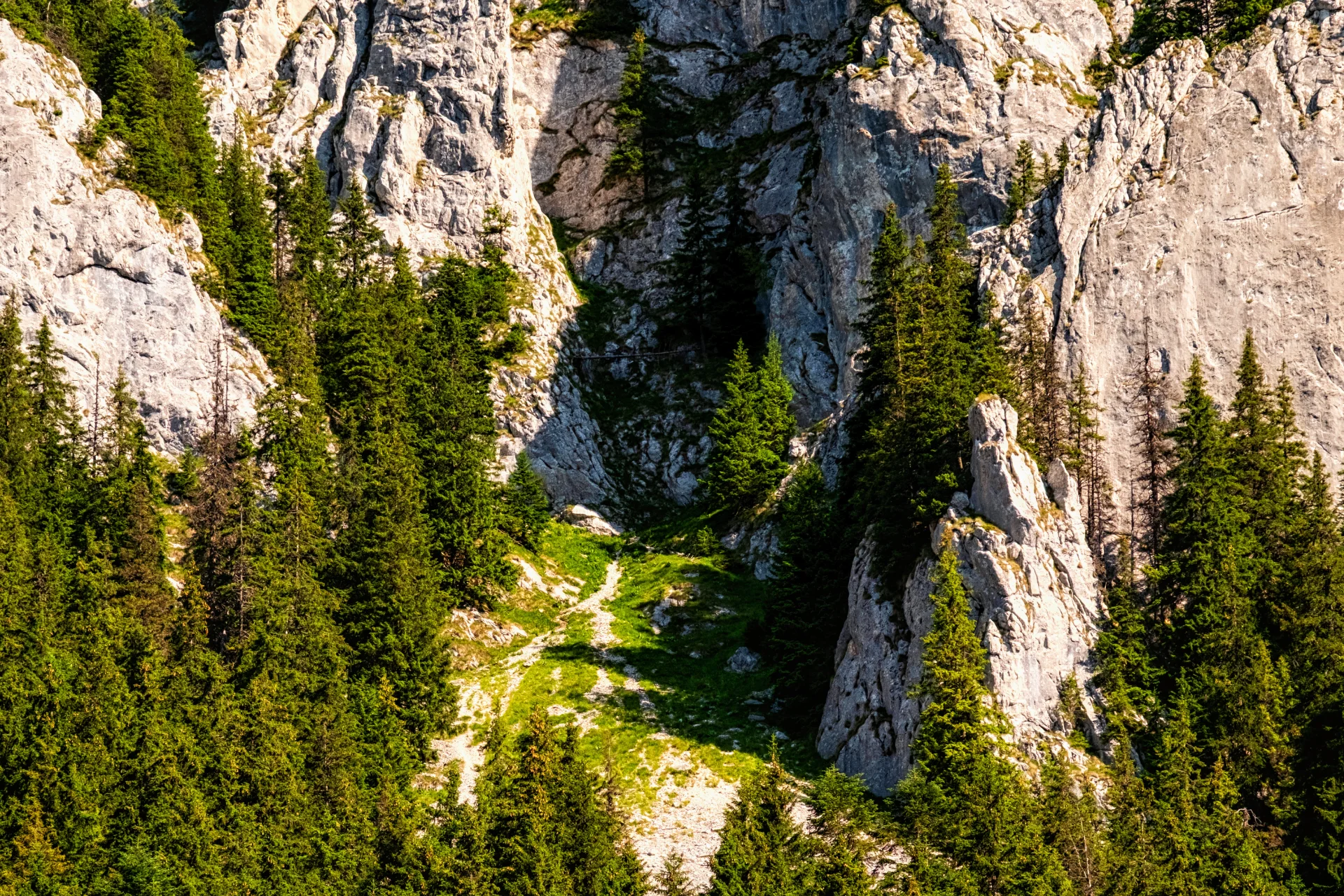
Piatra Craiului Mountains - 100 Destinations of Romania - Crăpăturii Valley
Crăpăturii Valley Ⓒ Silviu-Florin Salomia
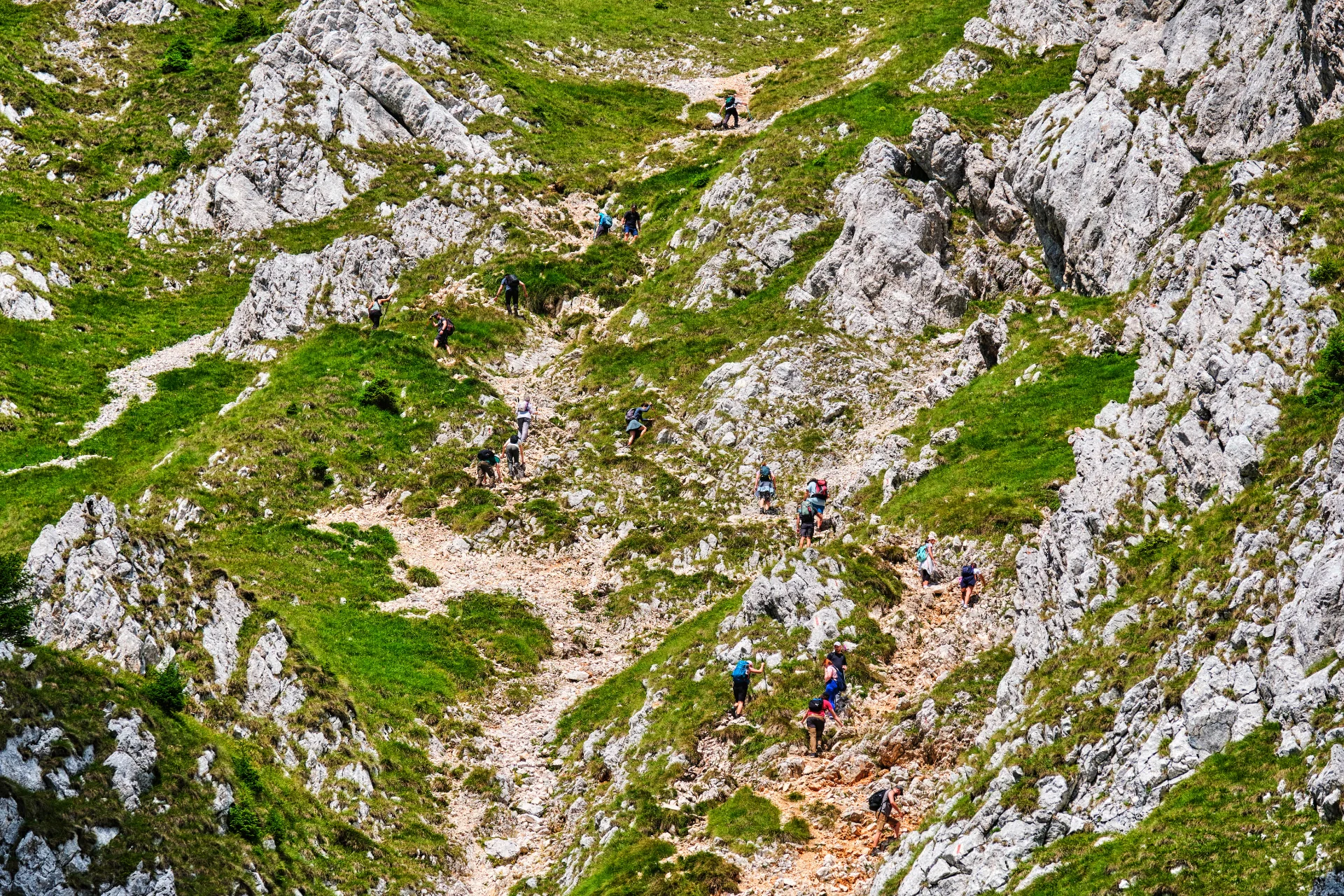
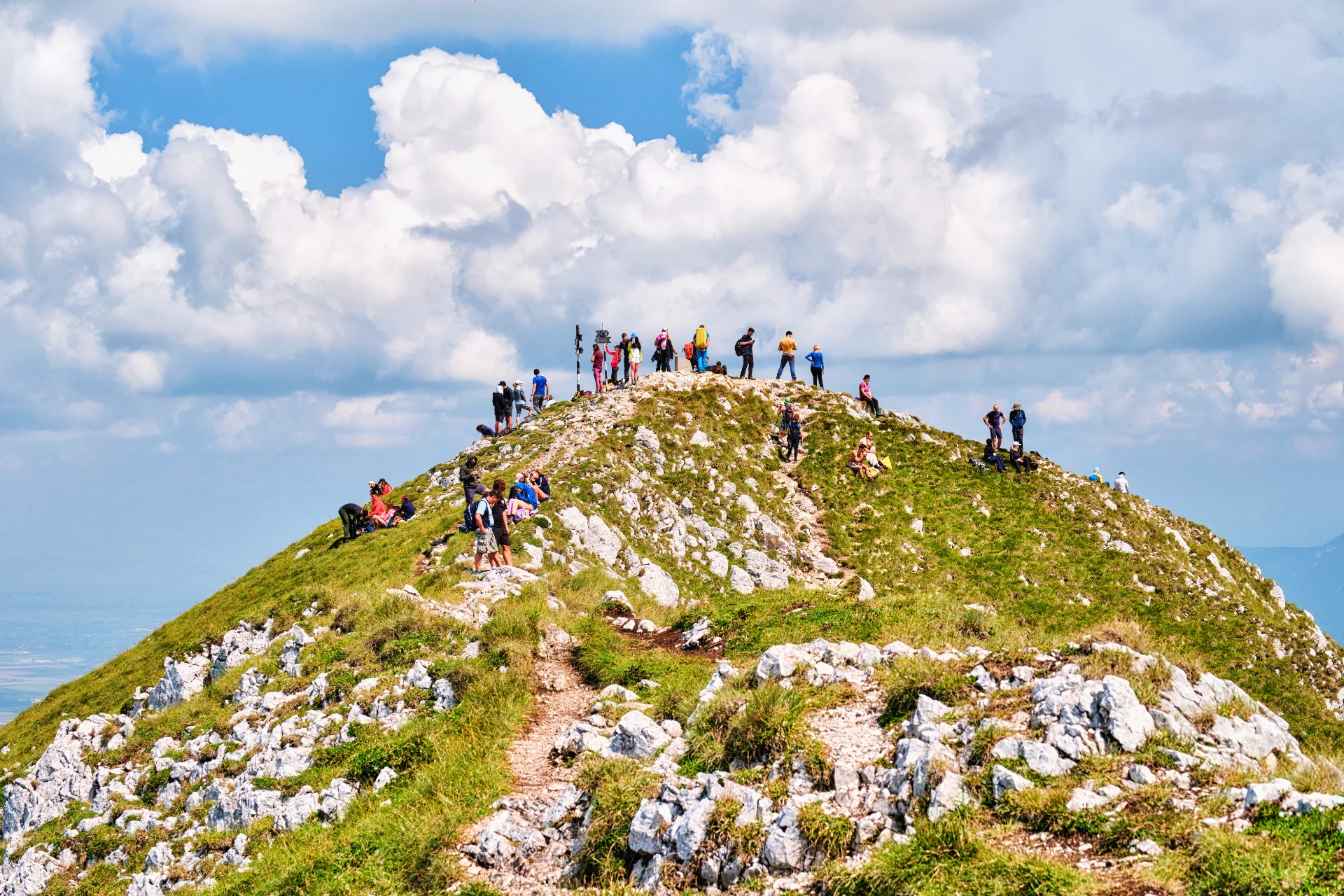
Piatra Craiului Mountains - 100 Destinations of Romania - Hiking Trails
Hiking Trails Ⓒ Silviu-Florin Salomia
Piatra Craiului Mountains - 100 Destinations of Romania
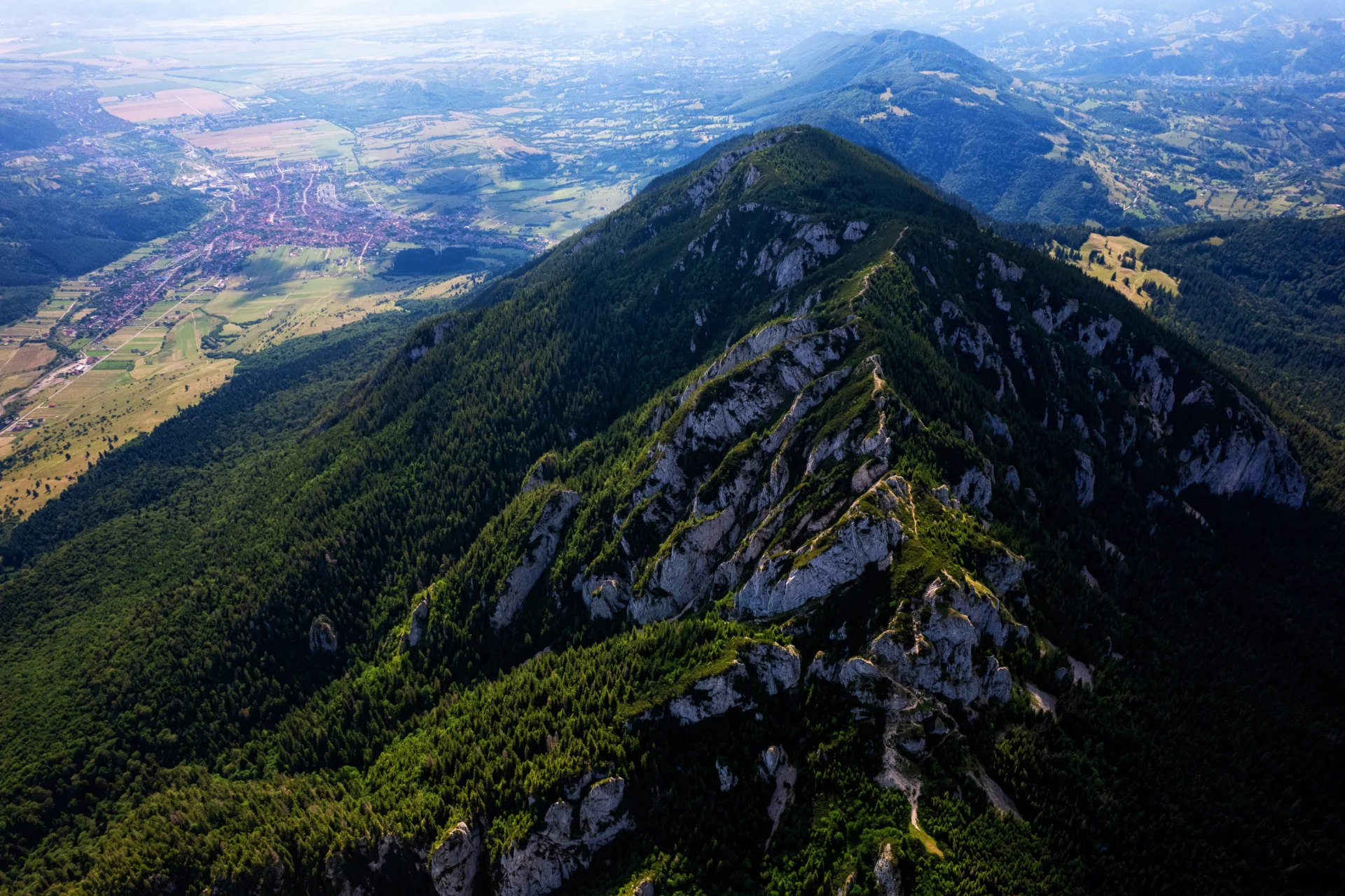
Piatra Craiului Ridge Ⓒ Silviu-Florin Salomia

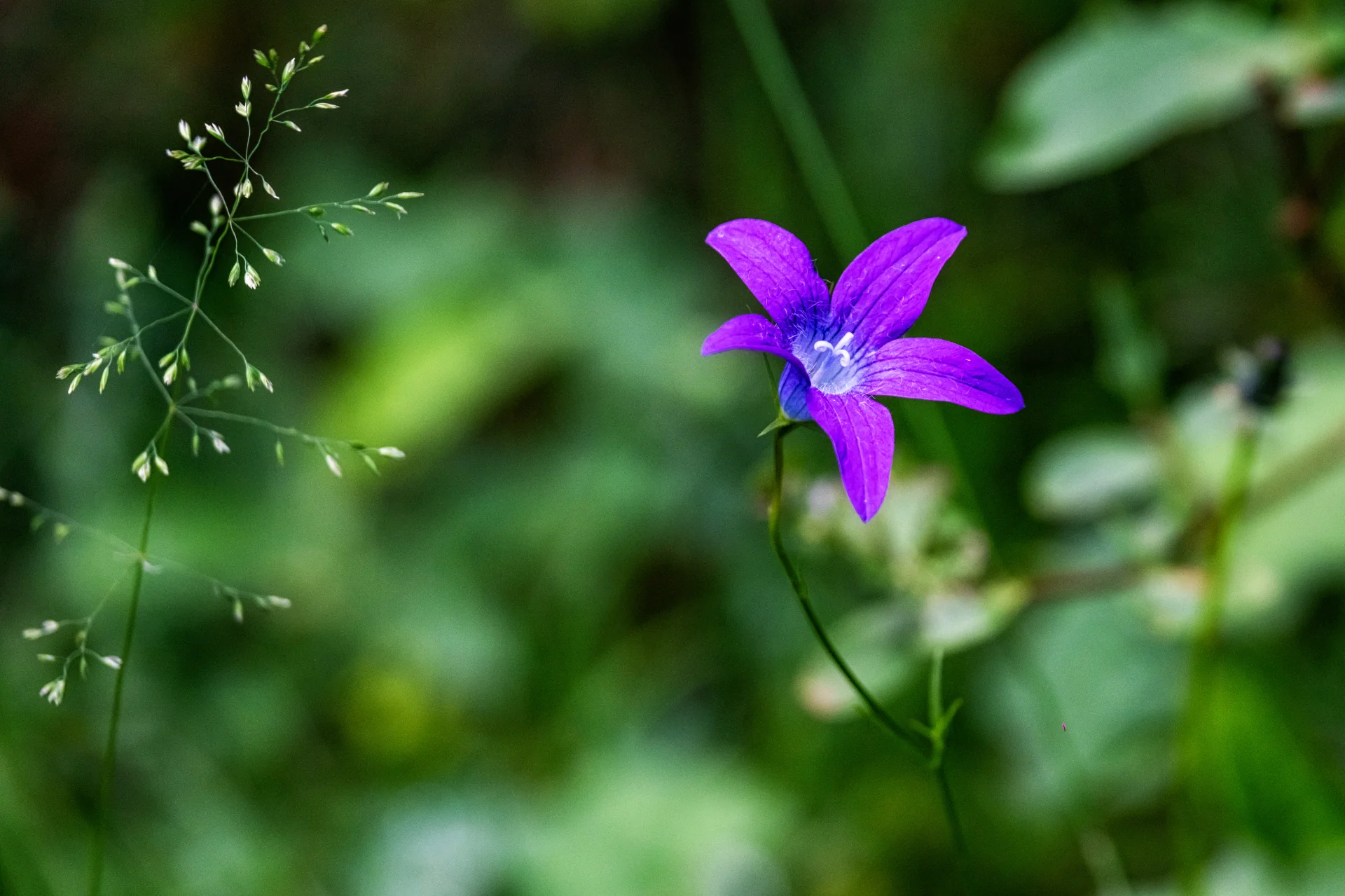
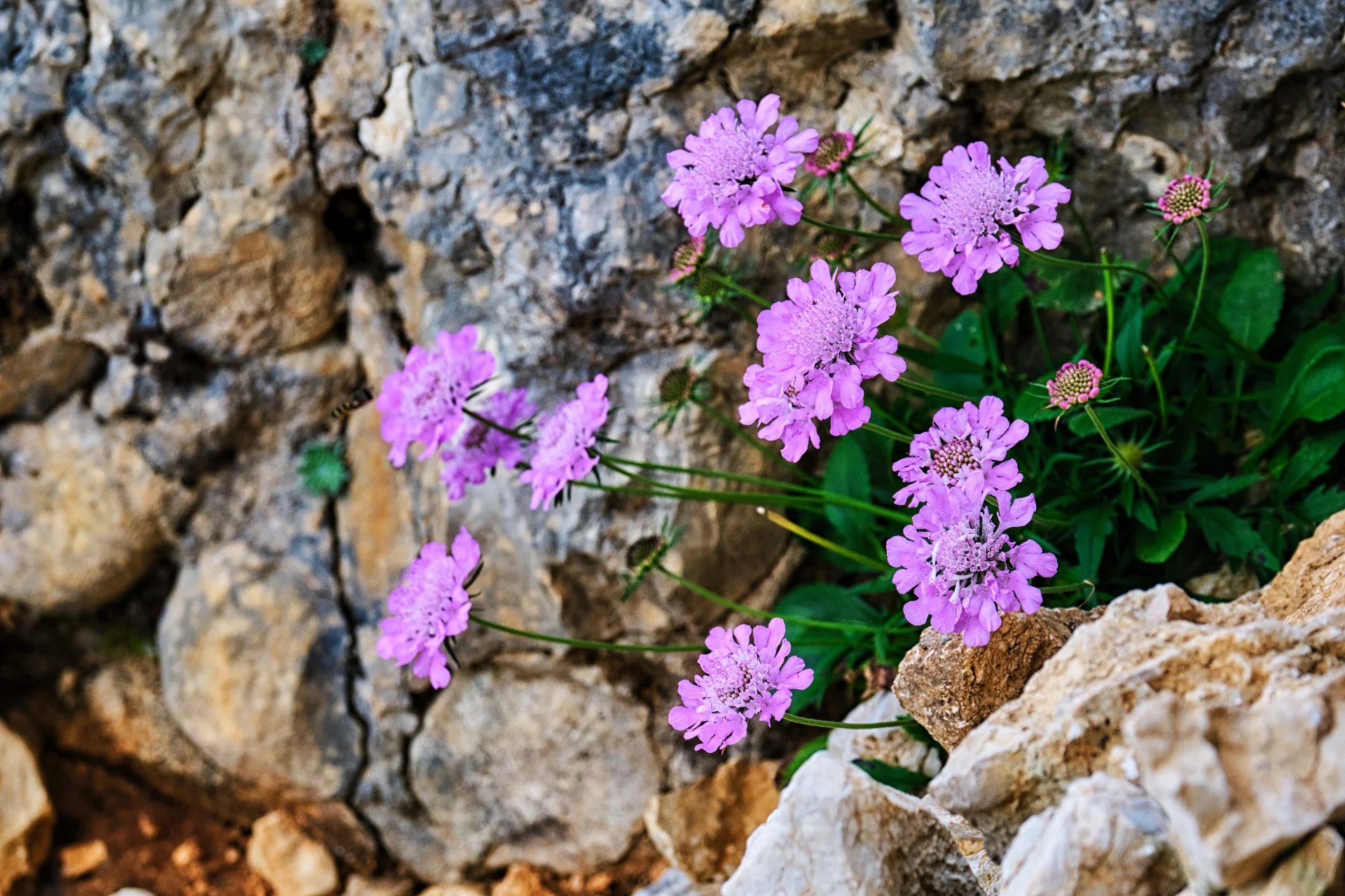
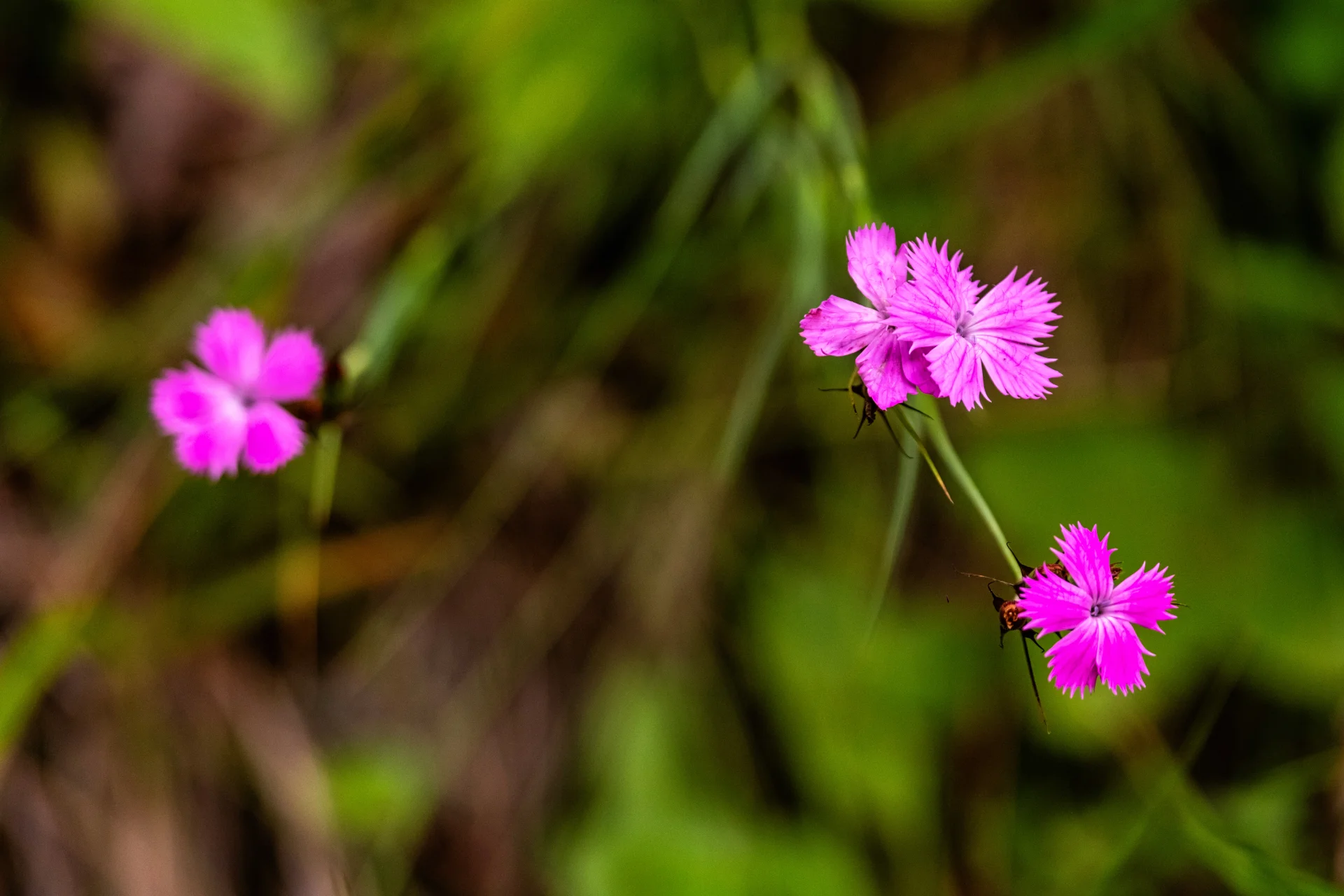
The impressive diversity of the flora is demonstrated by the almost 1,200 identified species (over 30% of Romania’s total), with approximately 180 endemic, rare or vulnerable species. Among the most special, only here can we admire the Piatra Craiului carnation, the symbol of the national park, but also the cornflower, yew, mountain peony, angelica, the blood of the mighty, the yellow poppy or the multitude of mountain orchid species. The fauna is equally vibrant, with an amazing variety of species, some being rare or endemic. Most large mammals are also present in Piatra Craiului, including bears, wolves, lynxes, roe deer, red deer or black goats, which can often be admired on the steep cliffs of the massif.

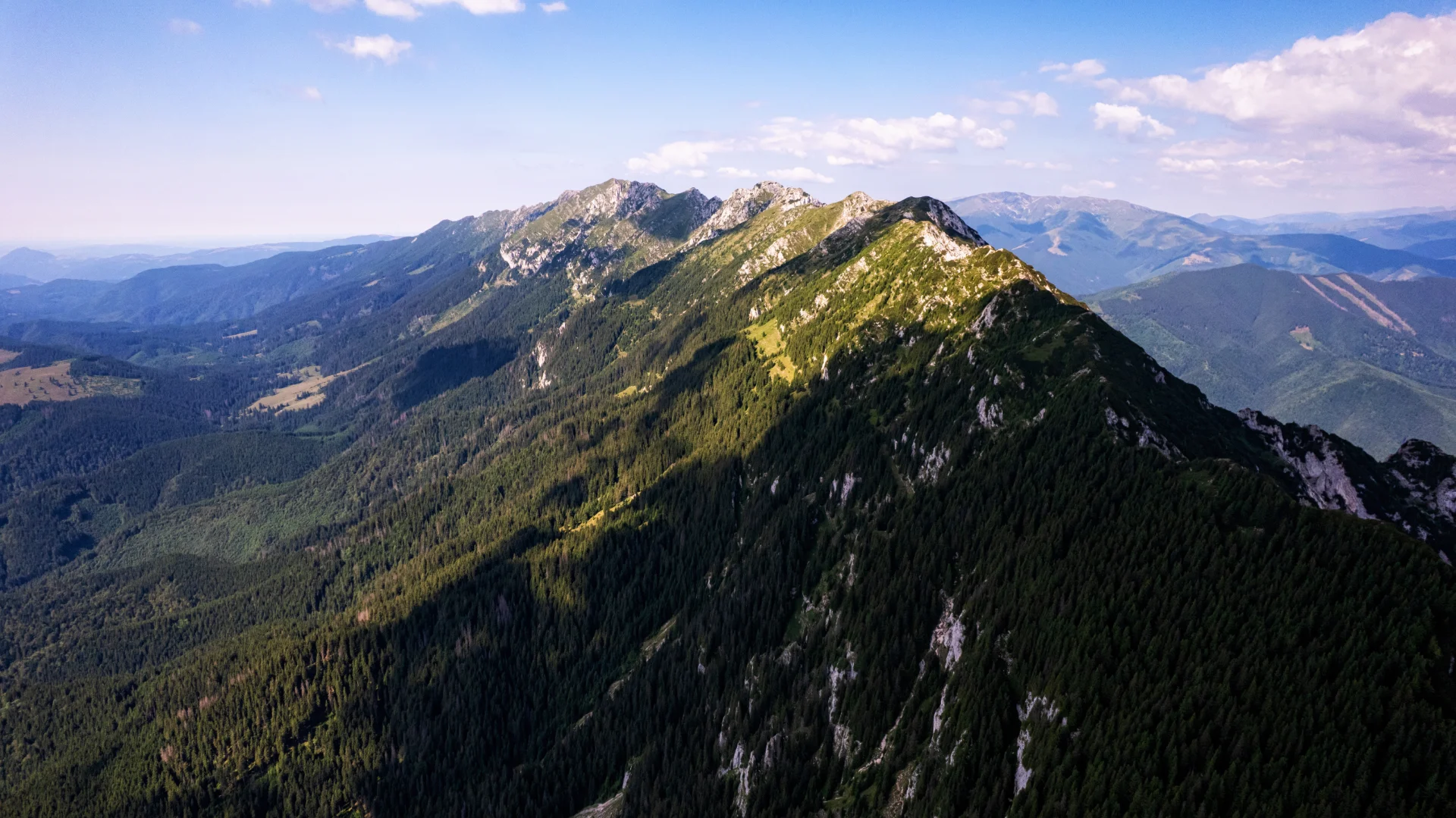
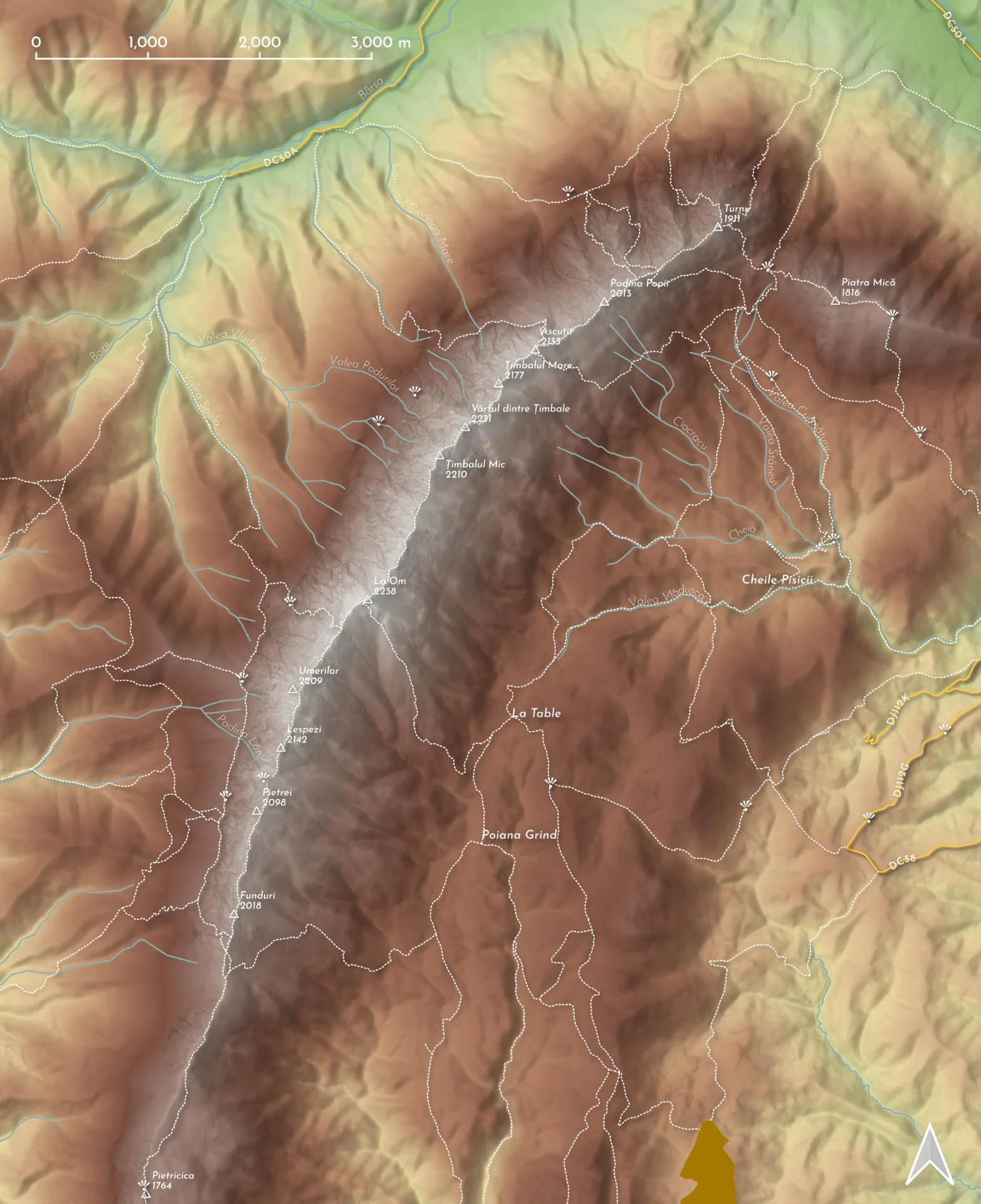
The Piatra Craiului ridge stands out for two exceptional features, being the longest limestone ridge in Romania, with a total length of 25 kilometers, of which 15 kilometers have heights of over 1,800 meters and 8 kilometers extend over 2,000 meters. It is also the highest limestone ridge in the country, reaching 2,238 meters in the Piscul Baciului Peak (La Om Peak)!

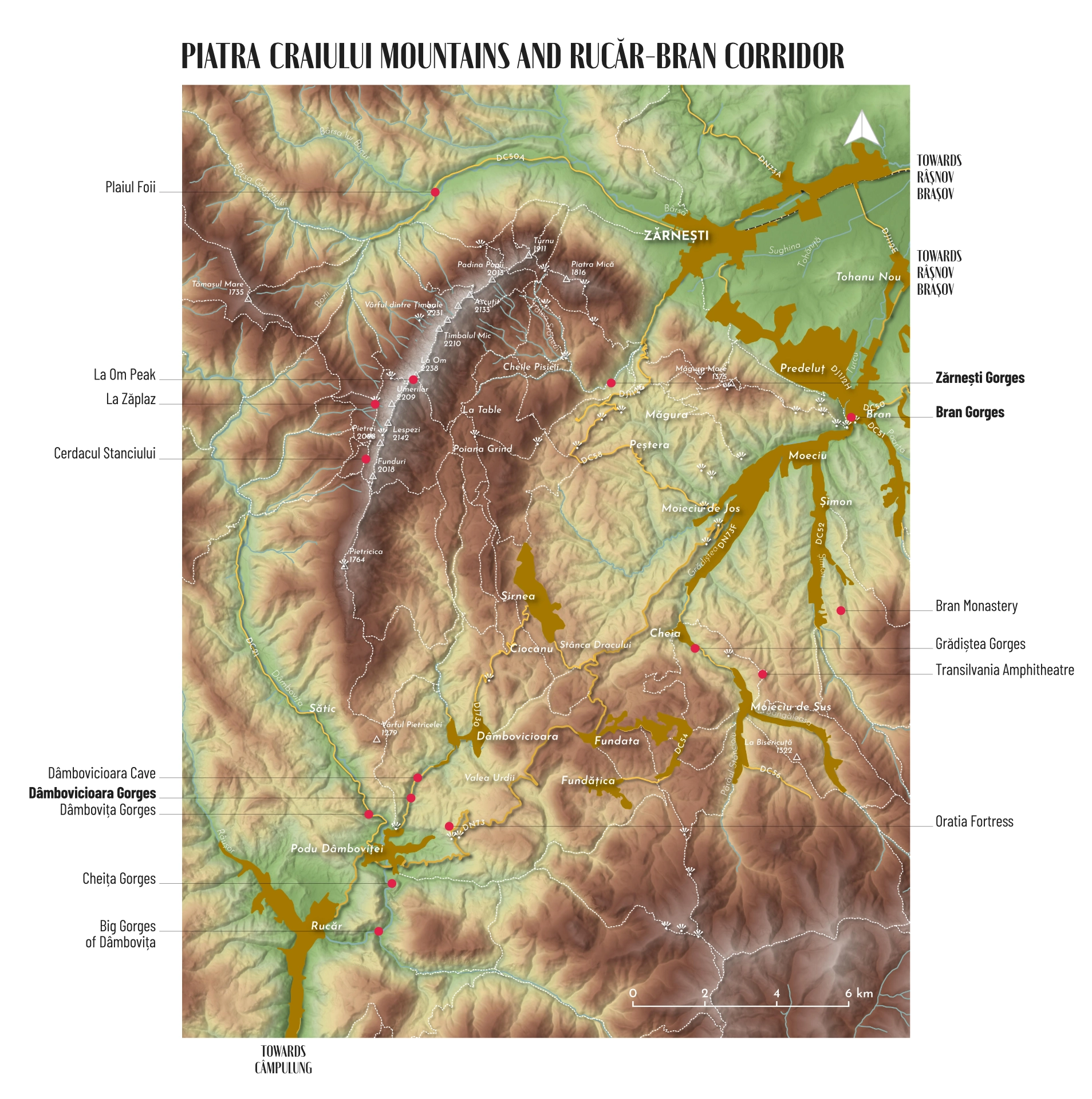
The Piatra Craiului massif runs as an almost uninterrupted ridge in the northwest – southeast direction, between the Rucăr-Bran corridor and the Dâmbovița, Tămaș and Bârsa valleys. It differs from the surrounding mountains, being composed mainly of Jurassic limestones that have determined a special variety of the landscape. We can reach this mountain massif on the national road 73, which connects Brașov to Câmpulung. Several local roads branch off from it that reach the city of Zărnești and the villages of Peștera, Măgura or Șimon. Other roads follow the Bârsa and Dâmbovița valleys through the western part of the massif, opening several other hiking trails to the summit, the vast majority of which are still quite long and difficult.

Search for Lodging around Piatra Craiului Mountains with Booking.com!

Piatra Craiului Mountains - 100 Destinations of Romania - Hiking Trails
La Lanțuri Trail Ⓒ Silviu-Florin Salomia
Piatra Craiului Mountains - 100 Destinations of Romania - Hiking
Trail to La Om Peak Ⓒ Silviu-Florin Salomia
Piatra Craiului Mountains - 100 Destinations of Romania - Northern Ridge
Northern Ridge Ⓒ Silviu-Florin Salomia
Piatra Craiului Mountains - 100 Destinations of Romania - Piatra Mică
Piatra Mică Ⓒ Silviu-Florin Salomia

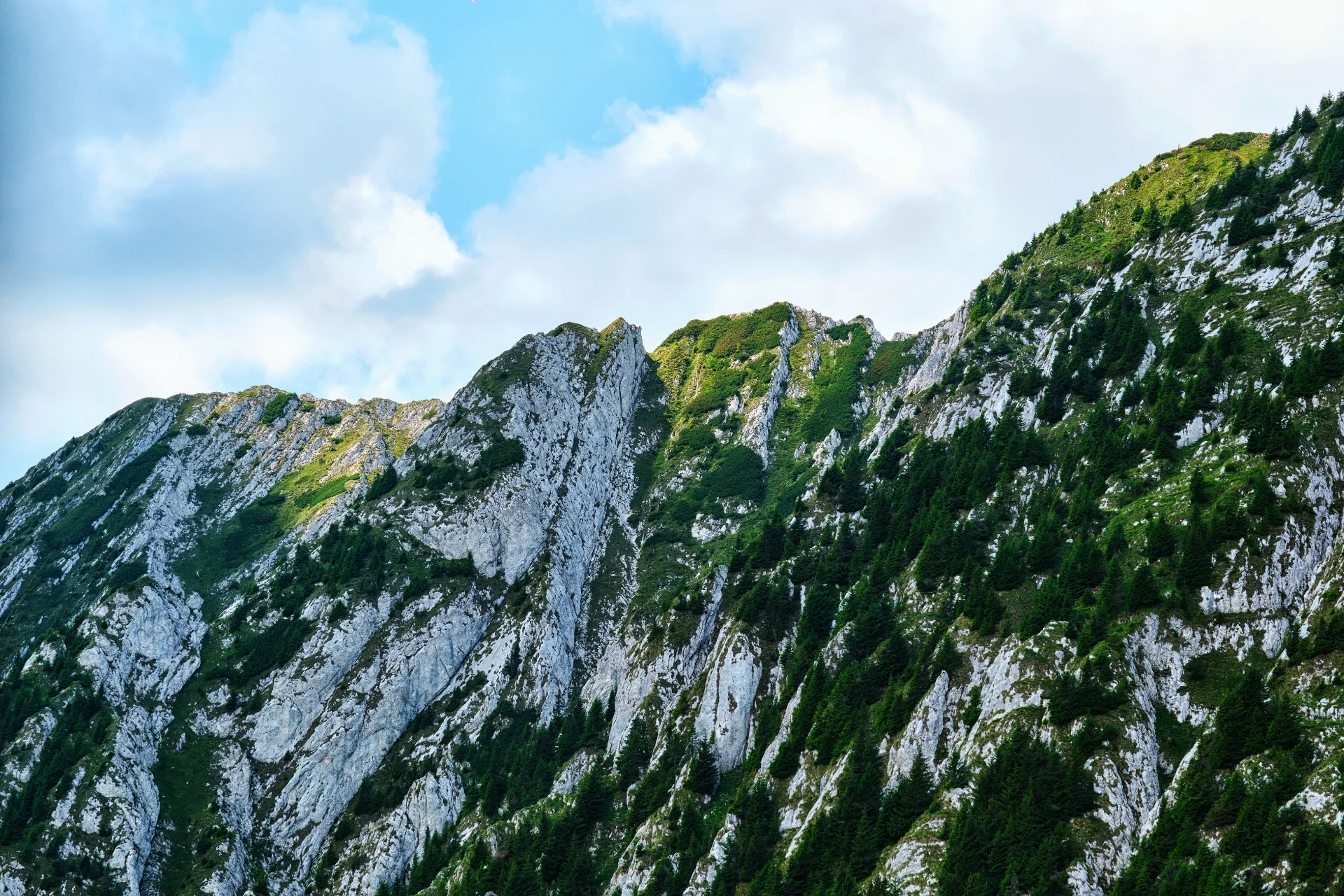
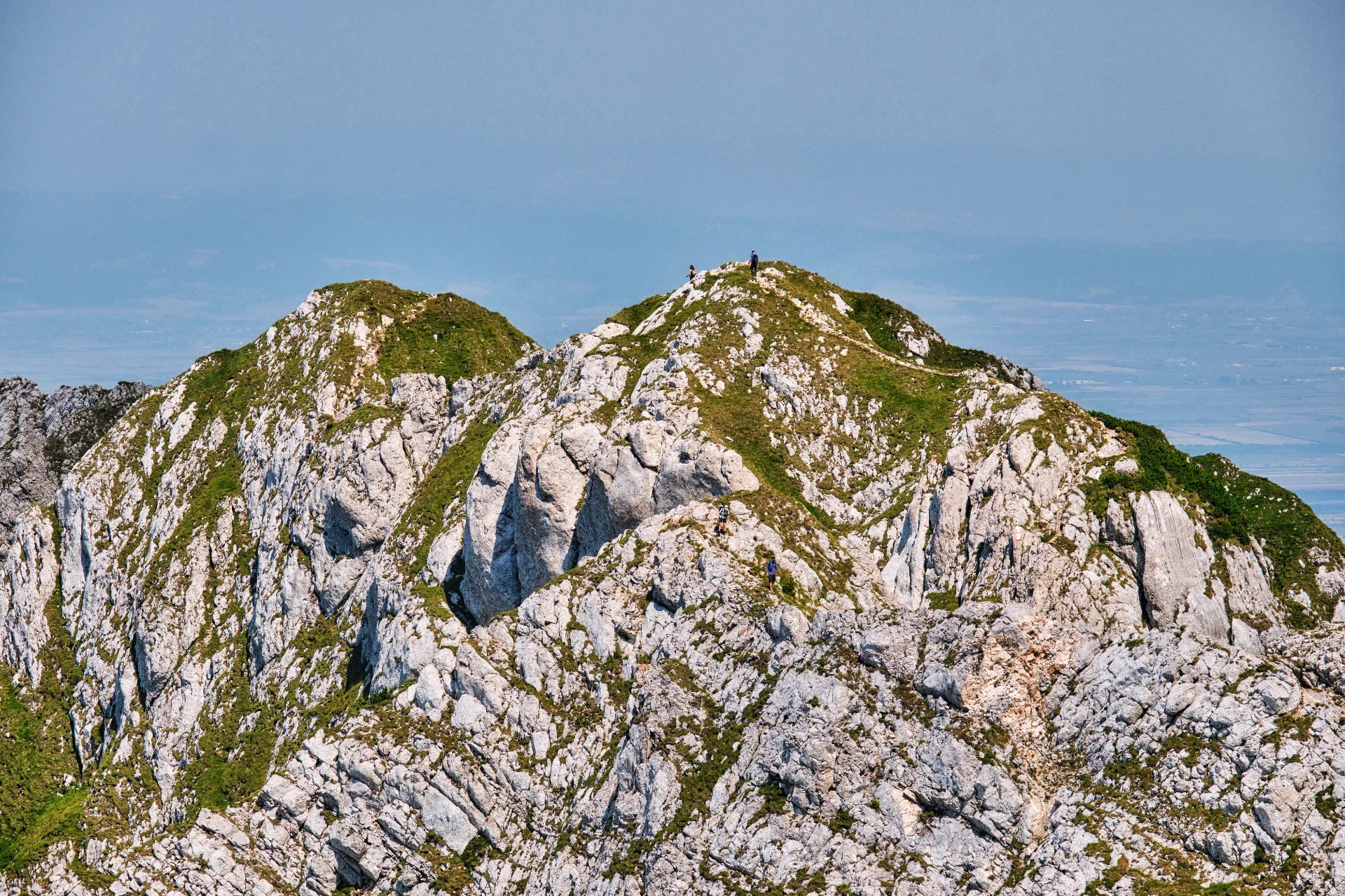
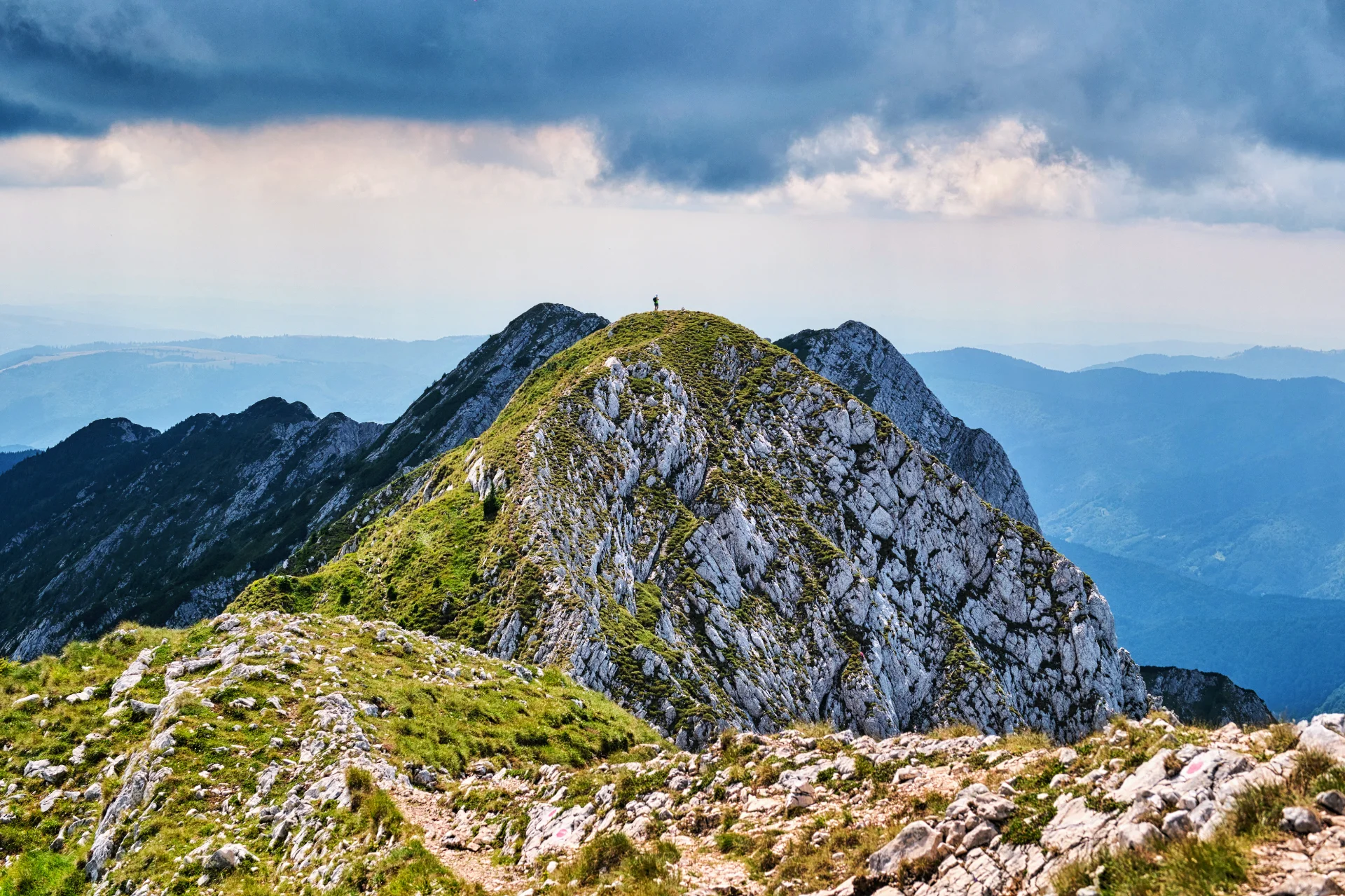
The best known, and probably one of the most spectacular hiking trails in the Romanian Carpathians, is the Piatra Craiului Ridge Trail, with a length of approximately 9 kilometers (between Funduri saddle and Turnu peak), which runs mostly at heights of over 2,000 meters. Along it, there are many demanding and exposed sections, with endless precipices often opening up on both sides of the narrow path, offering both strong sensations and imminent dangers. Therefore, the trail is recommended only for experienced travelers and in favorable weather conditions. Starting from the north, there are several options to reach Turnu Peak (1,923 meters), where we begin the incredible hike through the clouds, alongside the black goats that often get in our way. From here, we continue through the Padina Închisă saddle to the Padina Popii peak and Ascuțit Peak (2,150 meters).

The trail becomes increasingly exposed and requires constant attention, passing over the peaks of Țimbalul Mare and Țimbalul Mic, finally reaching La Om Peak (2,238 meters), the highest point in Piatra Craiului, also known as Piscul Baciului. Here ends the portion known as the Northern Ridge, and we continue to approach the Southern Ridge, descending to Grindului Saddle and climbing over the peaks of Lespezi (2,142 meters), Pietrei and Funduri. The ridge route officially ends in Funduri saddle, from where there are several options to descend, but there is also the option to continue south on Creasta Pietricica, less explored by travelers. In addition to this unique and memorable adventure, there are other trails that climb to the ridge or close to it, giving us the chance to discover other fascinating places.

Piatra Craiului Mountains - 100 Destinations of Romania
Piatra Craiului Mountains Ⓒ Silviu-Florin Salomia
Piatra Craiului Mountains - 100 Destinations of Romania
Piatra Craiului Ridge Ⓒ Silviu-Florin Salomia
Piatra Craiului Mountains - 100 Destinations of Romania
Piatra Craiului Ridge Ⓒ Silviu-Florin Salomia
Piatra Craiului Mountains - 100 Destinations of Romania - Ridge Trail
Piatra Craiului Ridge Trail Ⓒ Silviu-Florin Salomia

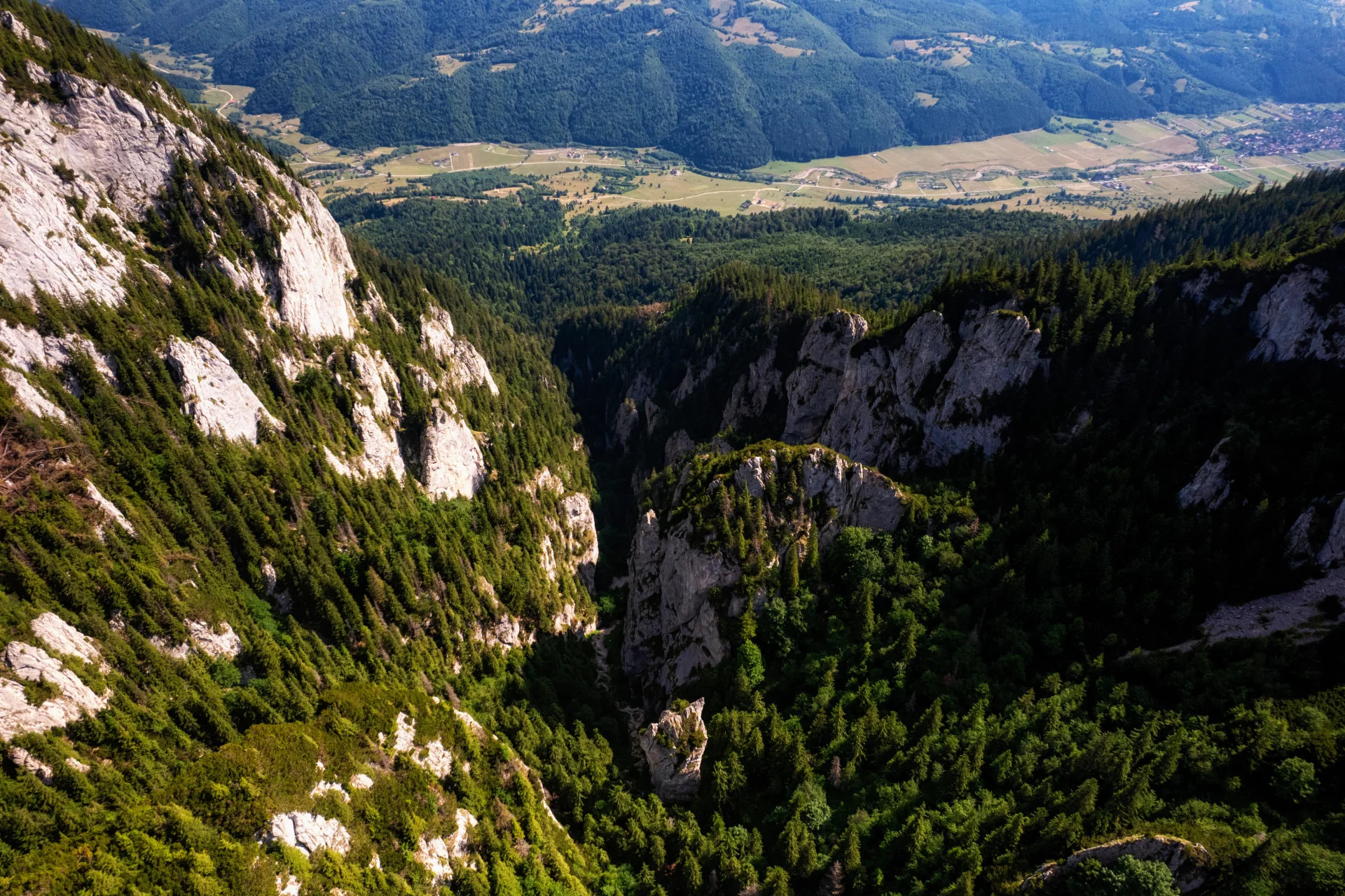
One of the most popular routes starts from Zărnești towards Fântâna lui Botorog, and from here we have the option of climbing through Zănoaga Meadow to Curmătura Chalet and then to Turnu Peak or to Piatra Mică through the Crăpăturii saddle, as well as to other areas of the ridge. Another option is to continue down the valley to the Zărnești Ravines, a narrow and deep canyon, declared a natural reserve. With a length of approximately 4 kilometers, the gorges include an impressive relief, with caves, waterfalls, unique rock formations, but also vertical walls of 100-200 meters, on which there are mountain climbing routes. From here, we can continue on a path that leads us to the foot of the massif, with several options to climb to the ridge, the best known starting from the villages of Peștera or Șirnea and continuing to La Om Peak, probably the most accessible itinerary to the summit.

From the northern part of the national park, we can climb to the Turnu Peak from the Bârsei Valley in several ways, while most of the routes from the western part start from Plaiul Foii, a splendid recreational area that also offers unforgettable panoramas towards the ridge, or from Săticu de Sus (Dâmbovița Valley), near the Clăbucet hydroelectric power station. These charming paths allow us to discover lesser-known attractions, hidden in the shadow of the imposing massif. One such example is Cerdacul Stanciului, an amazing karst arch with an impressive diameter, resulting from the collapse of the ceiling of an old cave. Zăplazul was formed in the same way, a splendid succession of four smaller natural arches. Equally interesting are the scree slopes of Piatra Craiului, which form a specific landscape in many areas of this massif, the most dramatic being Marele Grohotiș (the Great Scree) on the western side of the Piatra peak.

There are several cabins on the ascent routes (Curmătura, Garofița Pietrei Craiului), and on the ridge several mountain refuges that can be used in case of need. Whatever path we choose to explore this amazing destination, we are rewarded with unique emotions and memories, from the silent embrace of dark forests to the unexpected encounter of black goats on bare rocks. All these are just the surface aspects of Pietrei Craiului, the longest and highest limestone ridge in the country, also preserving many hidden secrets, such as the deepest chasm in Romania, which descends to a depth of almost 800 meters. From the rocky and precipitous peak we descend towards the green sea of ​​gentle hills from the east, wandering the villages scattered through the Rucăr-Bran corridor, a bucolic paradise caught in the grip of the mountains…
Piatra Craiului Mountains - 100 Destinations of Romania - Southern Ridge
Southern Ridge Ⓒ Silviu-Florin Salomia
Piatra Craiului Mountains - 100 Destinations of Romania
Piatra Craiului Ridge Ⓒ Silviu-Florin Salomia
Piatra Craiului Mountains - 100 Destinations of Romania
Piatra Craiului Mountains Ⓒ Silviu-Florin Salomia
Piatra Craiului Mountains - 100 Destinations of Romania
Piatra Craiului Ⓒ Silviu-Florin Salomia

Sights and Experiences

Places to See and Things to Do in Piatra Craiului Mountain
The Ridge Trail

Considered one of the most difficult and dangerous, but also spectacular ridge routes in the Romanian Carpathians, it runs almost entirely along the narrow and steep summit of the Piatra Craiului massif, passing over the highest peaks. The route is marked with a red dot, has a total length of approximately 10 kilometers and a positive difference in level of over 900 meters. In addition to its considerable length, the route is considered dangerous in winter and in bad weather, with exposed and slippery sections. To complete the entire route, even experienced hikers need 10 hours, and there are no water sources along it. The vast majority of the route follows the rocky ridge, between the Crăpăturii saddle in the north and the Funduri saddle in the south, passing over all the important peaks. To reach the ridge, in Piatra Craiului there are another 30 routes, the vast majority of which are long and difficult.

Piatra Craiului Mountains - 100 Destinations of Romania - La Om Peak
La Om Peak Ⓒ Silviu-Florin Salomia
Piatra Craiului Mountains - 100 Destinations of Romania - Northern Ridge
Northern Ridge Ⓒ Silviu-Florin Salomia
Hiking from Măgura and Peștera

Some of the routes that climb to the Piatra Craiului ridge start from the villages located on the eastern side of the peak, namely Măgura, Peștera and Șirnea. The most accessible route is considered to be the route from the Joaca saddle and the Vlădușca saddle (La Table), where most of the routes starting from Măgura and Peștera join (yellow triangle, red cross, red stripe, red triangle, blue cross, blue stripe). Most of these require approximately 2-3 fairly easy hours to the La Table point. From here, the red stripe route begins to climb sharply to the Grind 2 refuge, located a few hundred meters below the La Om peak (2238 meters). However, the rest of the hike up is much steeper and more difficult, with difficult sections over scree or slope breaks. In total, from the village and up this one it takes 4-6 hours, and the difference in level is over 1,000 meters. Other less frequented and more difficult options climb to Pietricica peak in the Dâmbovicioara Gorges, to the Funduri saddle from the Grind sheepfold or to Ascuțit peak from the Curmătura chalet.

Hiking from Zărnești and Plaiul Foii

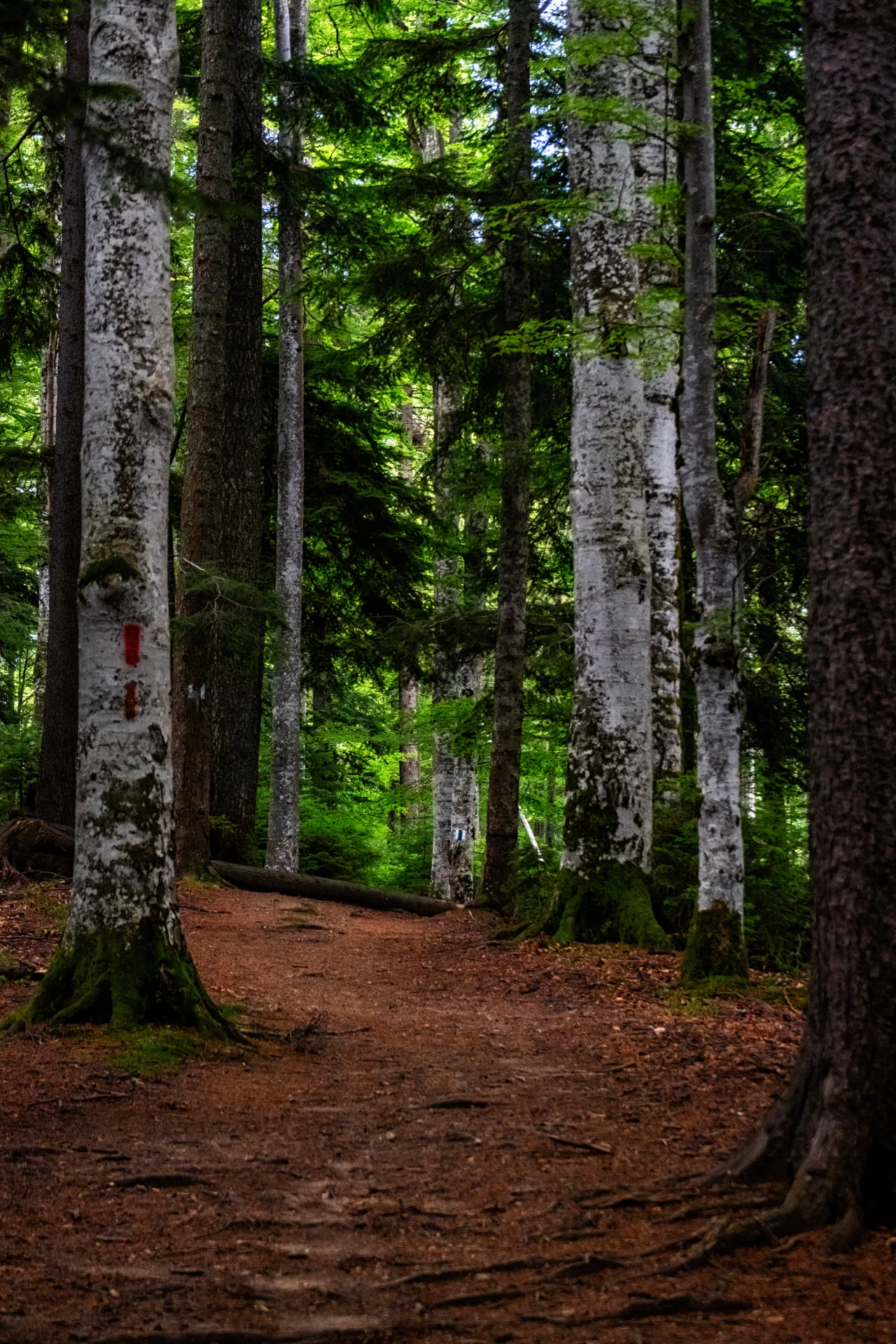
Some of the most popular trails in Piatra Craiului start from Zărnești, first following the road to the Zărnești Ravines. From the Fântâna lui Botorog point, an accessible trail (yellow band) starts to the Curmătura chalet, passing through the Zănoaga meadow and having the option to climb to the Piatra Mică peak. Other trails that start a few kilometers higher through the Zărnești Ravines also ascend to the chalet. From the Curmătura chalet, several trails continue to the Crăpătura saddle and Turnu peak (red dot) or to the Padina Închise saddle (blue band – Lehmann trail), both trails being difficult and dangerous. From Zărnești, there are several more trails that climb the Crăpătura valley to the Crăpătura saddle (yellow band), one through Padina Hotarului to Turnu peak (blue cross) or through the Chiliilor saddle to Turnu peak. Following the Bârsa valley westwards you can reach Plaiul Foii, a superb recreational area from where several routes to the western ridge can be started. Two routes (yellow triangle and red triangle) climb to the peaks of Padina Popii and Ascuțit. Another popular route (red band) climbs to the Grindului saddle via the Șpirlea refuge and through the very steep area known as “La Lanțuri” or “Drumul lui Deubel”.

Piatra Craiului Mountains - 100 Destinations of Romania - Hiking
Trail in Piatra Craiului Ⓒ Silviu-Florin Salomia
Piatra Craiului Mountains - 100 Destinations of Romania - Hiking
Piatra Craiului Trail Ⓒ Silviu-Florin Salomia
Hiking from Dâmbovița Valley

Following the road that climbs the Dâmbovița valley from the village of Podu Dâmbovița, you can reach the Clăbucet hydroelectric power plant, from where several trails begin to the Piatra Craiului ridge. The most famous ones pass by the Garofița Piatra Craiului chalets (yellow cross) and Dragoș Bejan (red triangle), both of which reach a path that follows a belt located a few hundred meters from the ridge. Along it, you can admire several spectacular attractions (Cerdacul Stanciului, La Zăplaz, Marele Grohotiș) and you can climb higher on several difficult trails or continue to Plaiul Foii.

Zărnești Ravines

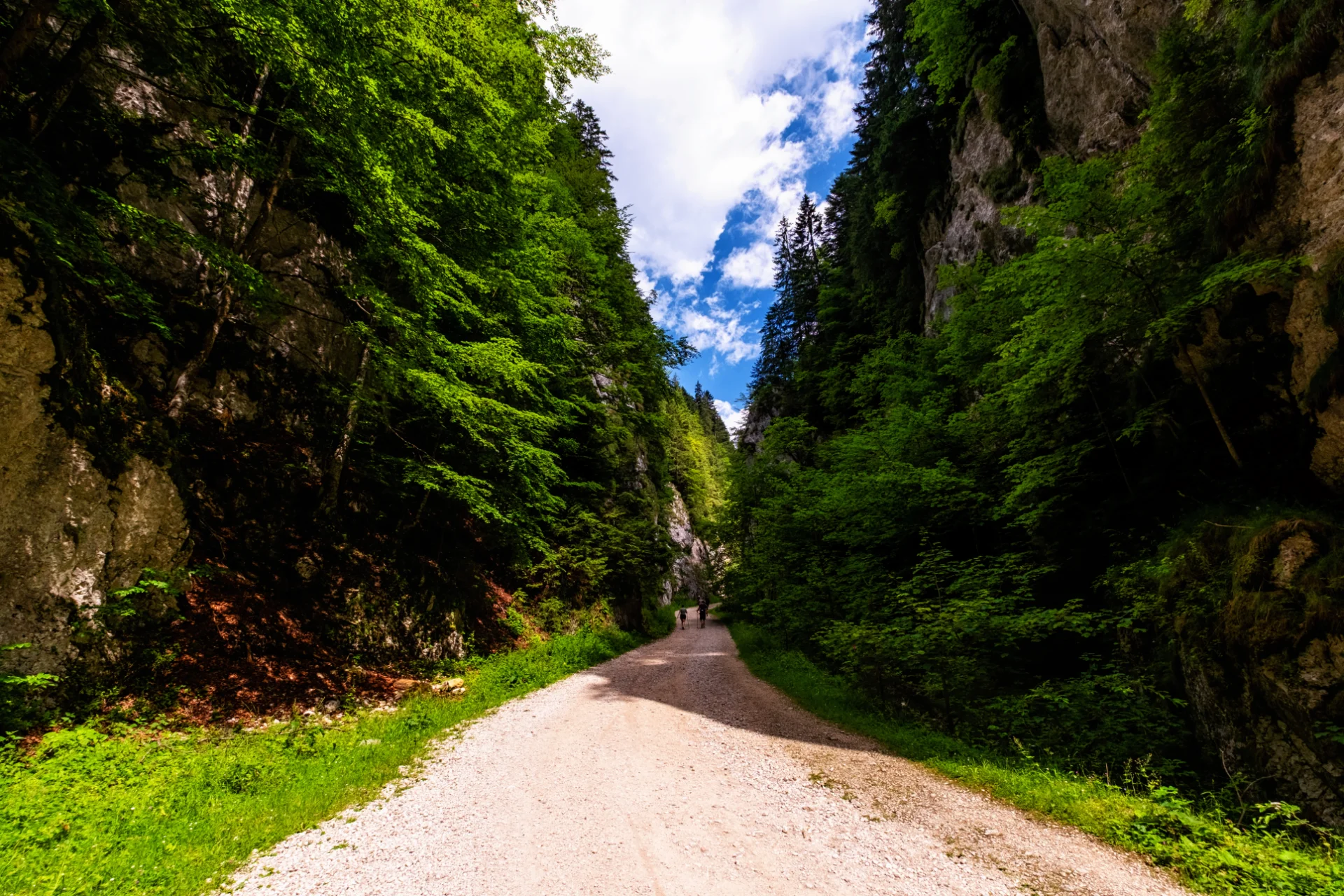
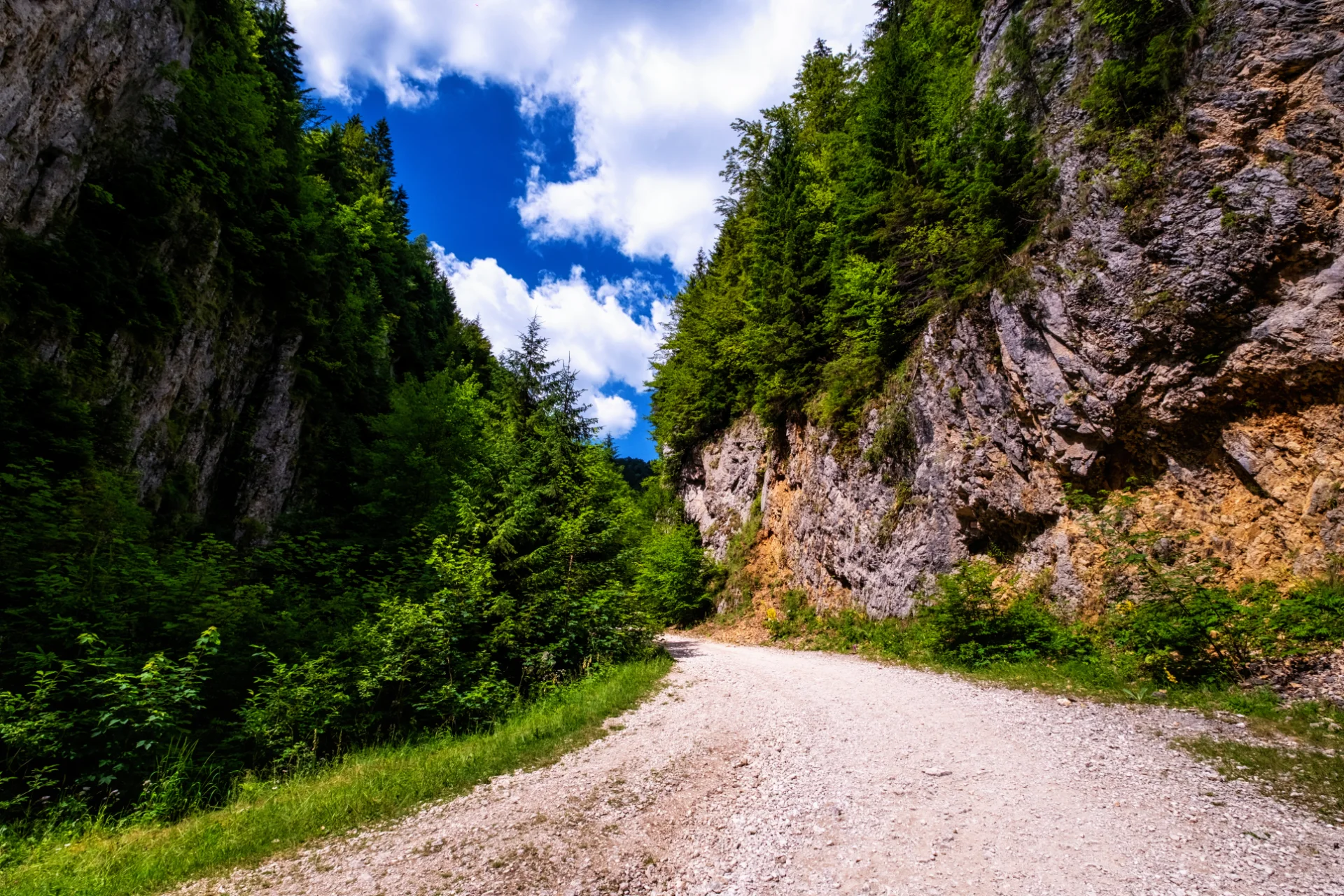
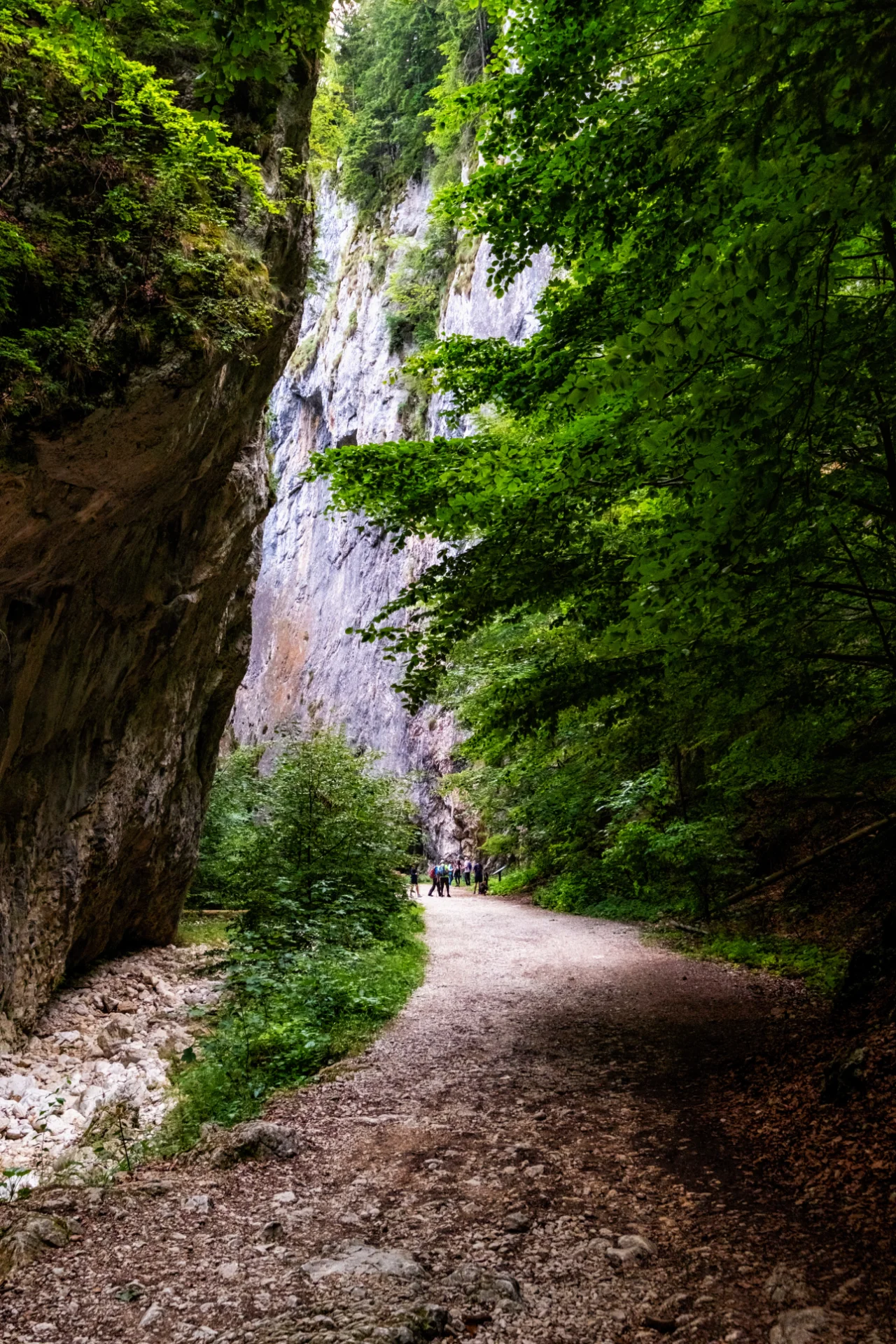
One of the most spectacular and wild destinations in Piatra Craiului is located at their foot, in the eastern part. Accessible from both Zărnești and the village of Măgura, the Zărnești Ravines represent an impressive chain of gorges that were formed in the limestones prevalent in these mountains. Although the official length is approximately 4 kilometers, the narrow valley extends outside the protected natural area. The gorges were formed over millions of years by erosion by an underground river, the ceiling of which collapsed. With numerous impressive features, including vertical walls 100-200 meters high and with a unique composition of layered limestones, but also a special biodiversity with rare or endemic species, the Zărnești Ravines represent an impressive natural area. Along the gorges you can admire numerous caves, sharp cliffs, places where the river disappears under the rocks and other amazing phenomena. There is an accessible trail that explores the narrow valley to the villages of Măgura and Peștera, from here also start some of the hikes that climb to the Piatra Craiului ridge.

Piatra Craiului Mountains - 100 Destinations of Romania - Zărnești Ravines
Zărnești Ravines Ⓒ Silviu-Florin Salomia
Piatra Craiului Mountains - 100 Destinations of Romania - Zărnești Ravines
Zărnești Ravines Ⓒ Silviu-Florin Salomia
Piatra Craiului National Park

Comprising both the limestone massif of Piatra Craiului and large areas of the neighboring corridors of Rucăr-Bran and Rucăr-Zărnești, the national park has a total area of ​​almost 150 square kilometers, divided almost equally between Brașov and Argeș counties. The actual ridge of Piatra Craiului is divided into three main units, namely Piatra Mică, Piatra Mare and Pietricica from north to south. It has a total length of approximately 25 kilometers, and in its highest portion it exceeds 2,000 meters of altitude over a distance of 8 kilometers. The maximum height of the massif is 2,238 meters at the peak of La Om (Piscul Baciului), making it the largest and longest limestone ridge in Romania.

To the east and west, it is bordered by leveling surfaces with level differences of 1,0o0-1,300 meters, as well as several smaller landforms. The national park includes a strict protection area with an area of ​​almost 6,300 hectares, as well as a full protection area of ​​104 hectares. A multitude of spectacular landscapes and specific habitats are protected within the national park, to which is added the extraordinary biodiversity. In addition to the amazing ridge route and the other approximately 40 hiking trails in the national park, a lot of fascinating places can be admired here, the most important being the Zărnești Ravines, Cerdacul Stanciului, Zăplazul, Mare Grohotiș, Dâmbovicioara Gorges and Cave, the Dâmbovița Gorges, Avenul de sub Colții Grindului and others.

Biodiversity

The special characteristics of this mountain range also determine the special diversity of plant and animal species, almost all mountain species specific to the Carpathians finding optimal conditions for existence in the national park. Approximately 1,200 plant species have been identified here, more than 30% of the total existing in Romania. Of these, around 180 species are endemic, rare or vulnerable, the best known being the Piatra Craiului carnation (endemic plant), yew, giant’s blood, yellow poppy, angelica, elecampane, wild gladiolus, white ivy, silverweed and others. Another interesting aspect is the large number of orchid species (41) discovered inside the national park. The fauna here is equally rich and diverse, starting with the countless species of invertebrates, 91 of which have been discovered here and 35 of which are endemic. Also, in the Piatra Craiului National Park there are over 200 species of butterflies, some of which are only present here or are very rare. In addition to these, there are 112 species of birds, 21 species of bats, and numerous species of mammals. Among these, the rich population of large carnivores (brown bear, wolf, lynx) stands out, as well as the roe deer, the red deer or the black goat, with over 200 specimens living in the rocky areas on the summit.

Piatra Craiului Mountains - 100 Destinations of Romania - 49
Biodiversity Ⓒ Silviu-Florin Salomia
Piatra Craiului Mountains - 100 Destinations of Romania
Biodiversity Ⓒ Silviu-Florin Salomia
Piatra Craiului Mountains - 100 Destinations of Romania
Biodiversity Ⓒ Silviu-Florin Salomia
Piatra Craiului Mountains - 100 Destinations of Romania
Piatra Craiului Ridge Ⓒ Silviu-Florin Salomia
Piatra Craiului Mountains - 100 Destinations of Romania
Piatra Craiului Ridge Ⓒ Silviu-Florin Salomia

Other Interesting Discoveries

Lesser known places and activities in Piatra Craiului Mountain
Colțul Chiliilor

According to legend, the history of this place begins in the medieval period, when numerous attacks and invasions led the inhabitants of the Zărnești area to take refuge in the mountains, where they created a place of prayer in a cave. Located in the northern part of the massif, a few kilometers from the city, the current Colțul Chillilor hermitage now includes a small wooden church, several cells and other buildings, and access is facilitated by a local road. A little higher up, the old cave with the altar dedicated to Saint Parascheva can also be discovered.

Cerdacul Stanciului

One of the most interesting geological formations in Piatra Craiului, it is located on the western side of the limestone ridge, a few hundred meters from the summit (1720 meters altitude). Created after the collapse of the ceiling of an old cave, Cerdacul Stanciului represents the largest natural arch in this massif, with an opening of 9 by 12 meters. It can be admired by following a hiking trail that starts from the Dâmbovița valley (Clăbucet hydroelectric power station).

La Zăplaz

Another magnificent rock formation on the western slope of Piatra Craiului, this one can be admired along the trails that start from the Dâmbovița valley or Plaiul Foii and climb to the ridge, located below La Om peak. Like Cerdacul Stanciului, Zăplazul was formed following the collapse of an old cave, resulting in an amazing ensemble of four natural arches, the largest having a diameter of 4 meters.

Grind Sinkhole

Also known as the Sinkhole under Colții Grindului, this is the deepest known cave in Romania. It has a depth of -769 meters and is located in the Piatra Craiului massif, at an altitude of 1922 meters. Not yet fully explored, it is presented in the form of a series of vertical shafts, connected by passages.

Chalets and Huts

In the area of ​​the Piatra Craiului massif, there are several cabins for hikers who want to spend several days in the wilderness of these magical mountains, as well as several tourist refuges located in more isolated places that can be used in case of need. The most famous destination is probably the Curmătura Cabin, located in the northern part of the massif, at the end of some trails that start from Zărnești and the Zărnești Ravines. It is located at an altitude of almost 1,500 meters and has 55 places in rooms, as well as several camping sites. In the southwest part of the ridge is the Garofița Pietrei Craiului Cabin, with 25 places and located at an altitude of 1,100 meters. Nearby is another cabin, known as Valea lui Ivan or Dragoș Băjan, but it has a boarding house and reservations are required. In addition to these, there are numerous accommodation units in all the surrounding localities, as well as several guesthouses or cabins near the tourist routes (Brusturet, Pietricica, Casa Folea, Gura Râului, Plaiul Foii). In Piatra Craiului there are several tourist refuges, most of which are in acceptable condition. These include the refuges on the ridge, Vârful Ascuțit, Şaua Grind and Funduri, but also those located along some routes, namely the Diana, Speranțelor, Grind and Șpirlea refuges.

Piatra Craiului Rock Climbing

Some of the best and most popular climbing routes in the country are located in Piatra Craiului, and enthusiasts of this activity have several areas and hundreds of well-known routes at their disposal. Among the most exciting climbing destinations in Piatra Craiului are Prăpăstiile Zărneștilor, Valea Dâmbovicioaraei, Colțul Chiilior, Padina lui Călineț, Valea Ciorânga, Padina Popii or Poiana Închisă.

Plaiul Foii

Located a few kilometers west of the city of Zărnești, this tourist and recreational area offers numerous accommodation units and options for various activities, including starting on several hiking trails that climb to the Piatra Craiului ridge. In addition, it also offers a unique and spectacular panorama of the imposing massif rising to the east.

Piatra Craiului Mountains - 100 Destinations of Romania - Joaca Saddle
Joaca Saddle Ⓒ Silviu-Florin Salomia
Piatra Craiului Mountains - 100 Destinations of Romania - Zărnești Ravines
Zărnești Ravines Ⓒ Silviu-Florin Salomia
Piatra Craiului Mountains - 100 Destinations of Romania - Crăpăturii Saddle
Crăpăturii Saddle Ⓒ Silviu-Florin Salomia

Accommodation Recommendations

The best lodging options around Piatra Craiului Mountain
Accommodation near Piatra Craiului Mountains - Avalanche Plaiul Foii

Rating 9.6 from 97 reviews!

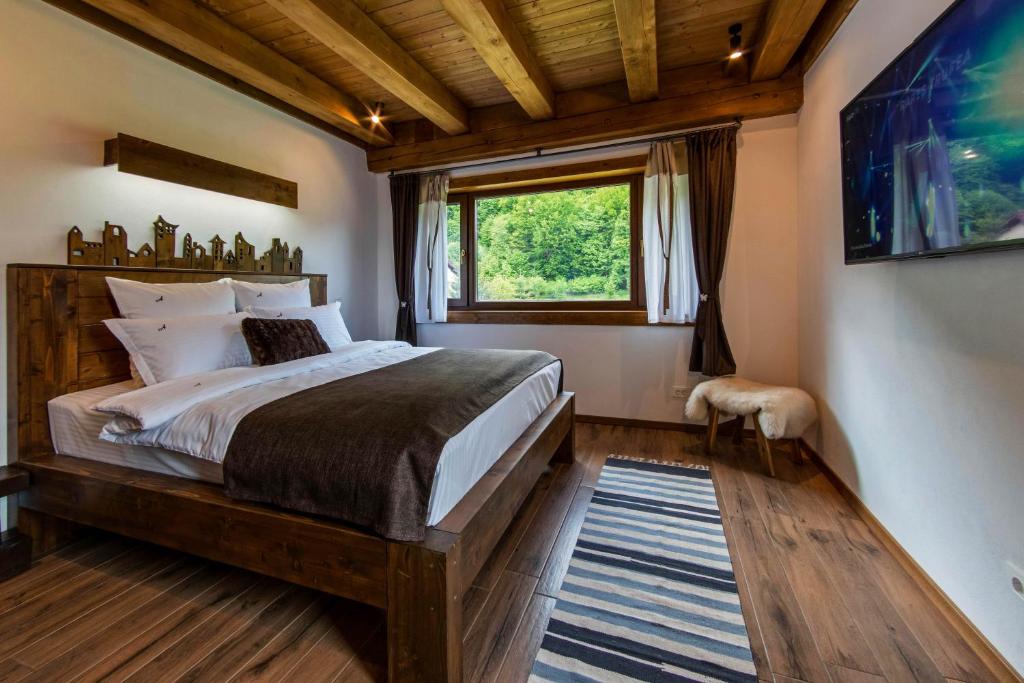
A superb guesthouse located on the road from Zărnești to Plaiul Foii, offers rooms with a rustic ambiance, lounge, terrace with extensive garden and mountain views!

Pleasa St., no. 104, Plaiul Foii

Accommodation near Piatra Craiului Mountains - Hotel Nobilis Peștera

Rating 9.2 from 161 reviews!

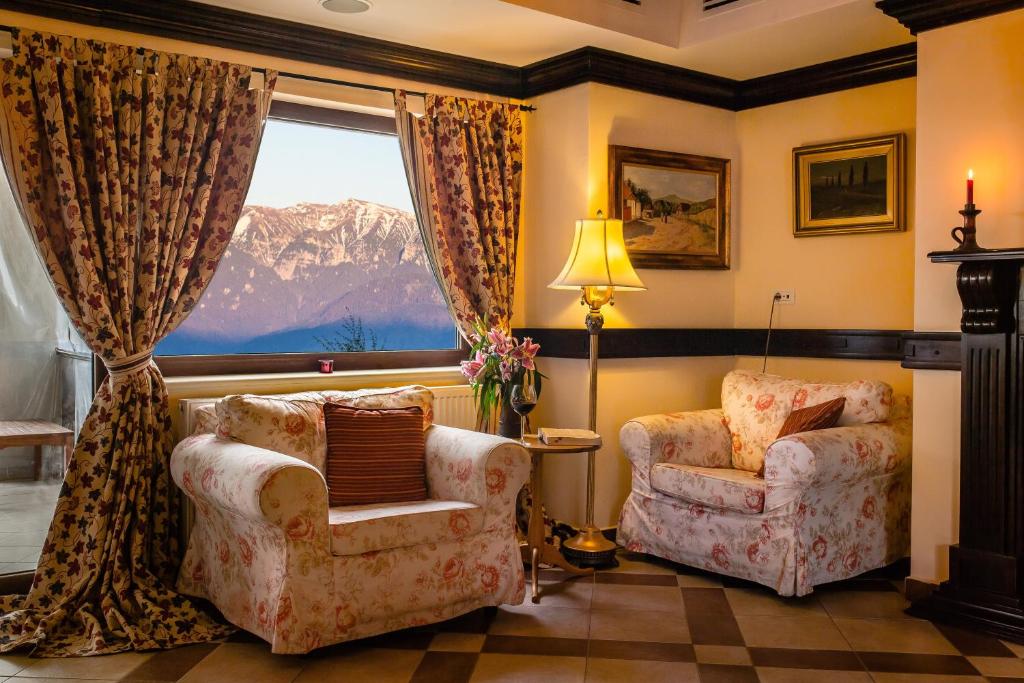
Set in a superb location in the village of Peștera, with mountain views and access to hiking trails, the acclaimed guesthouse offers a restaurant, sauna and parking!

Village of Peștera, 125C

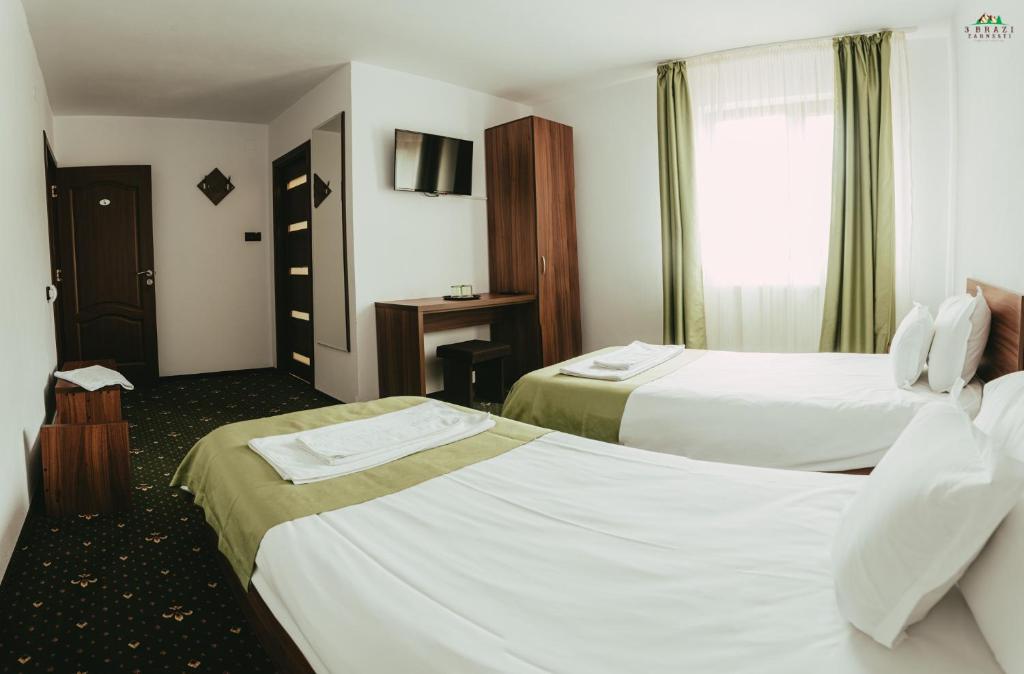
Accommodation near Piatra Craiului Mountains - Pensiunea 3 Brazi Zarnesti

Rating 9.6 from 106 reviews!

Located right at the entrance to the Zărnești National Park, this guesthouse offers accommodation in standard rooms with all amenities and a restaurant!

Râului St., no. 93, Zărnești

Previous Destination

Next Destination

Scroll to Top