18

Făgăraș

Mountains

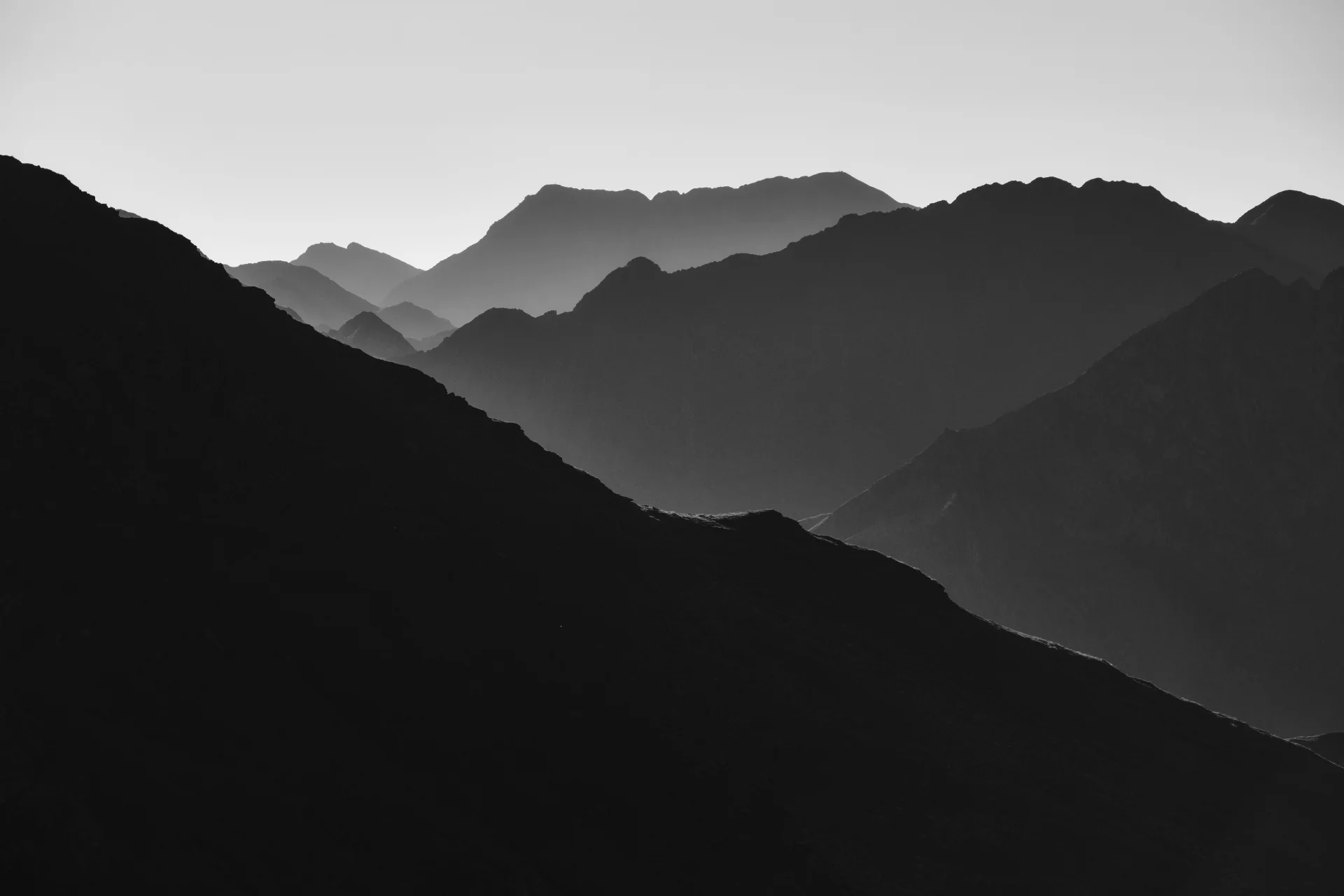
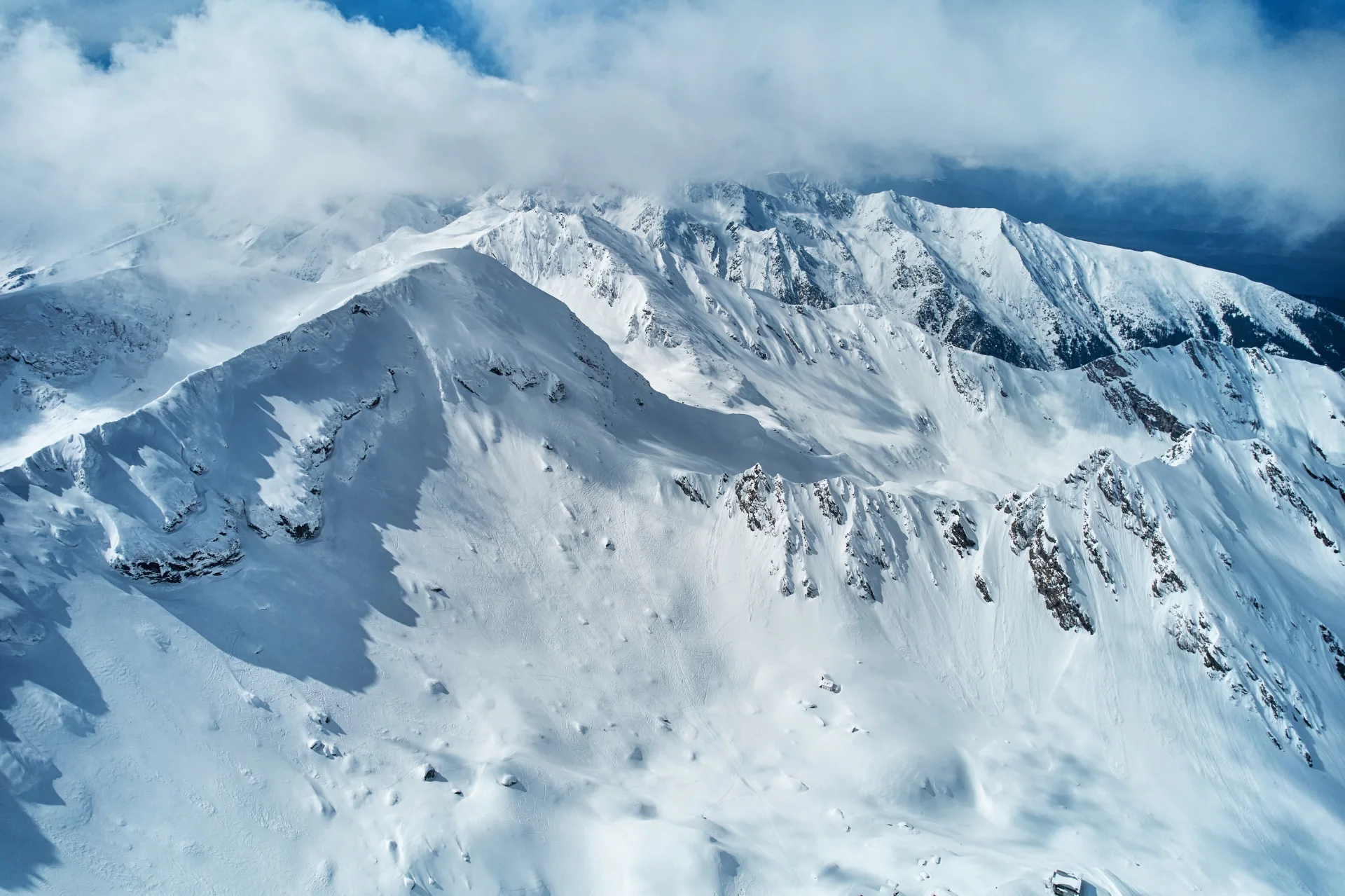
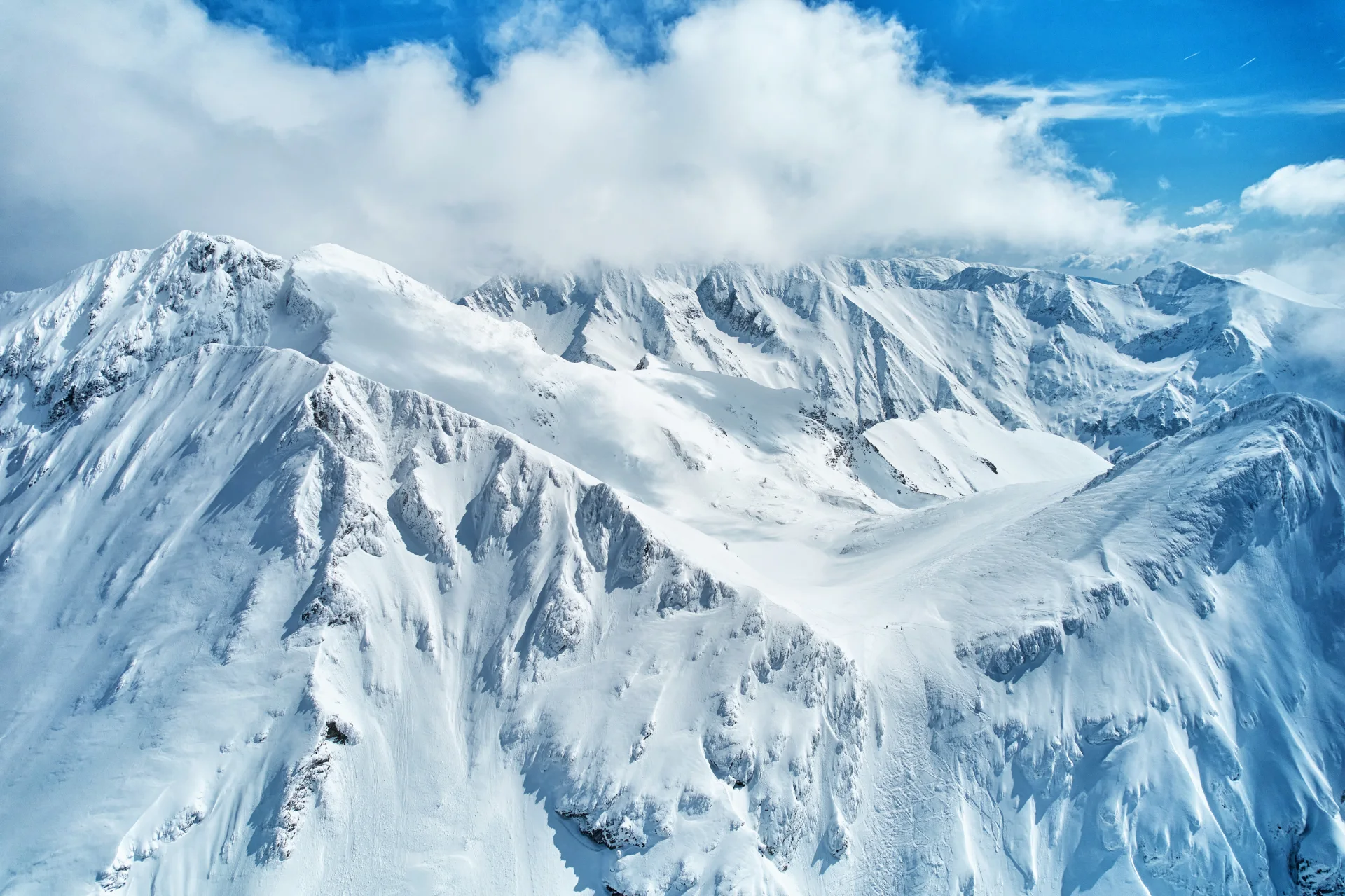
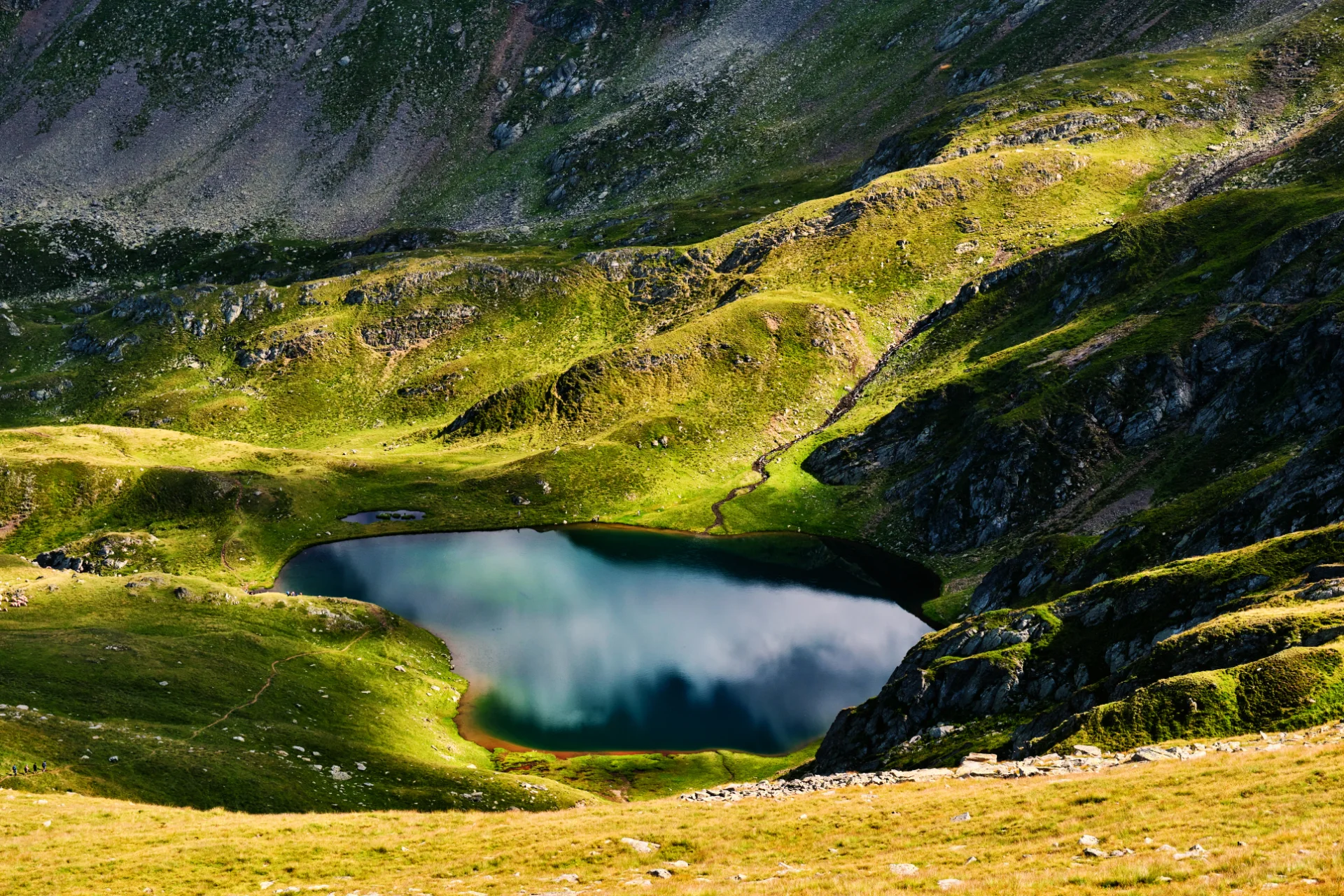
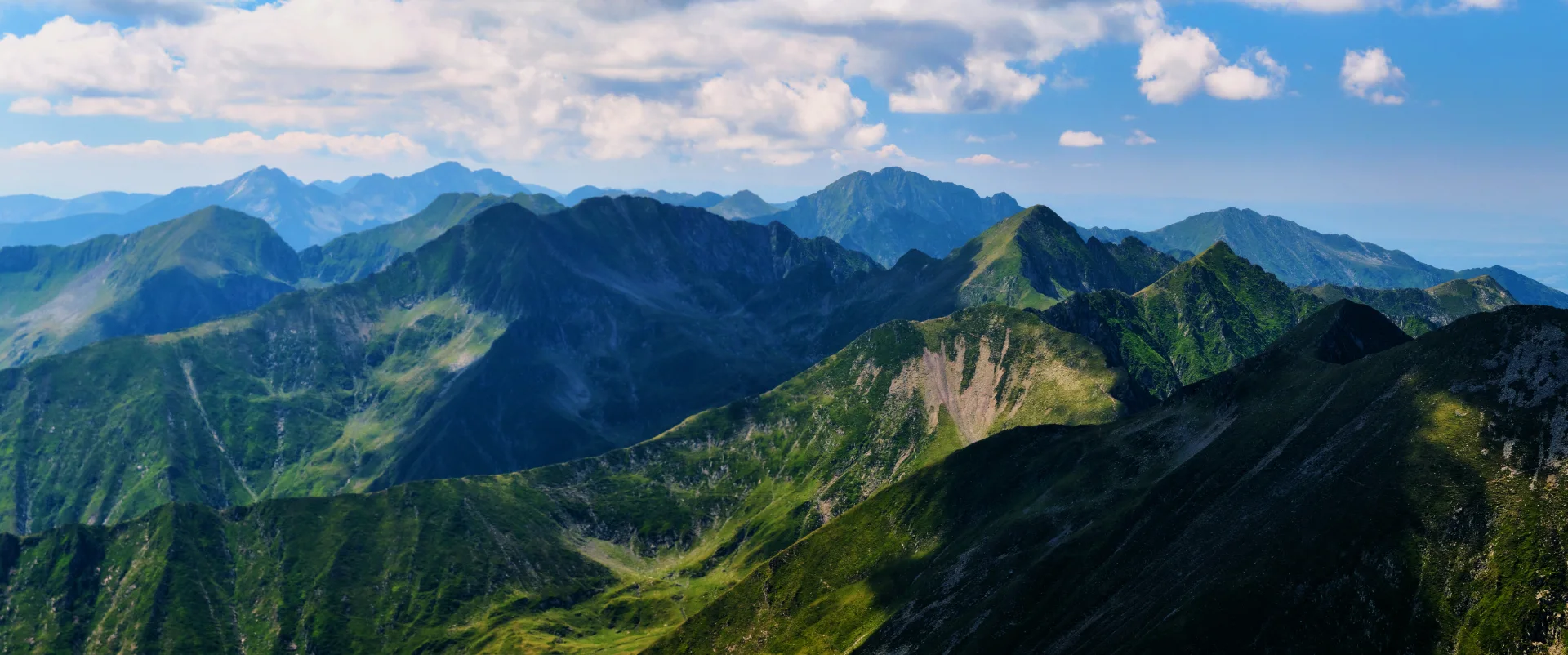
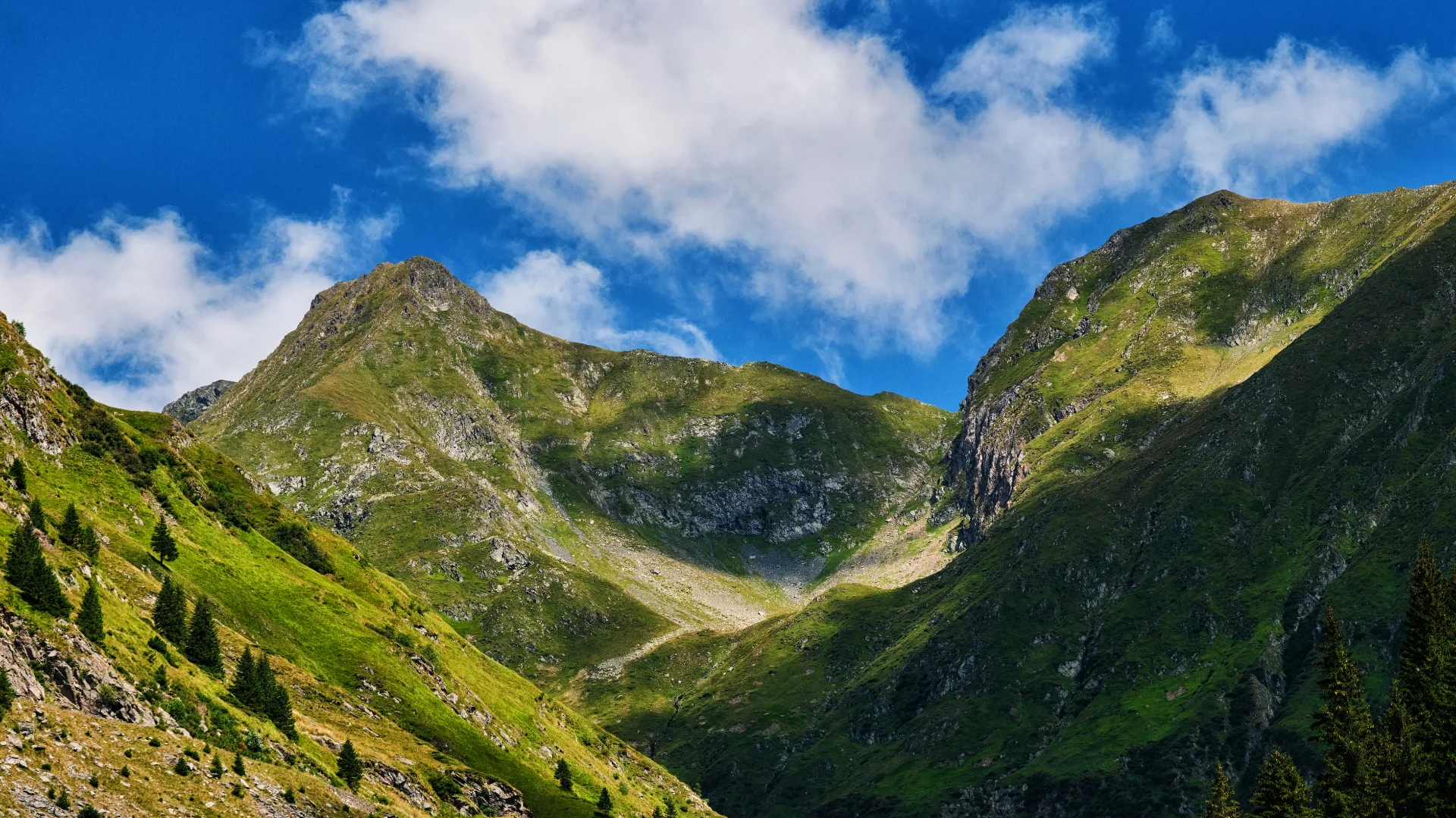
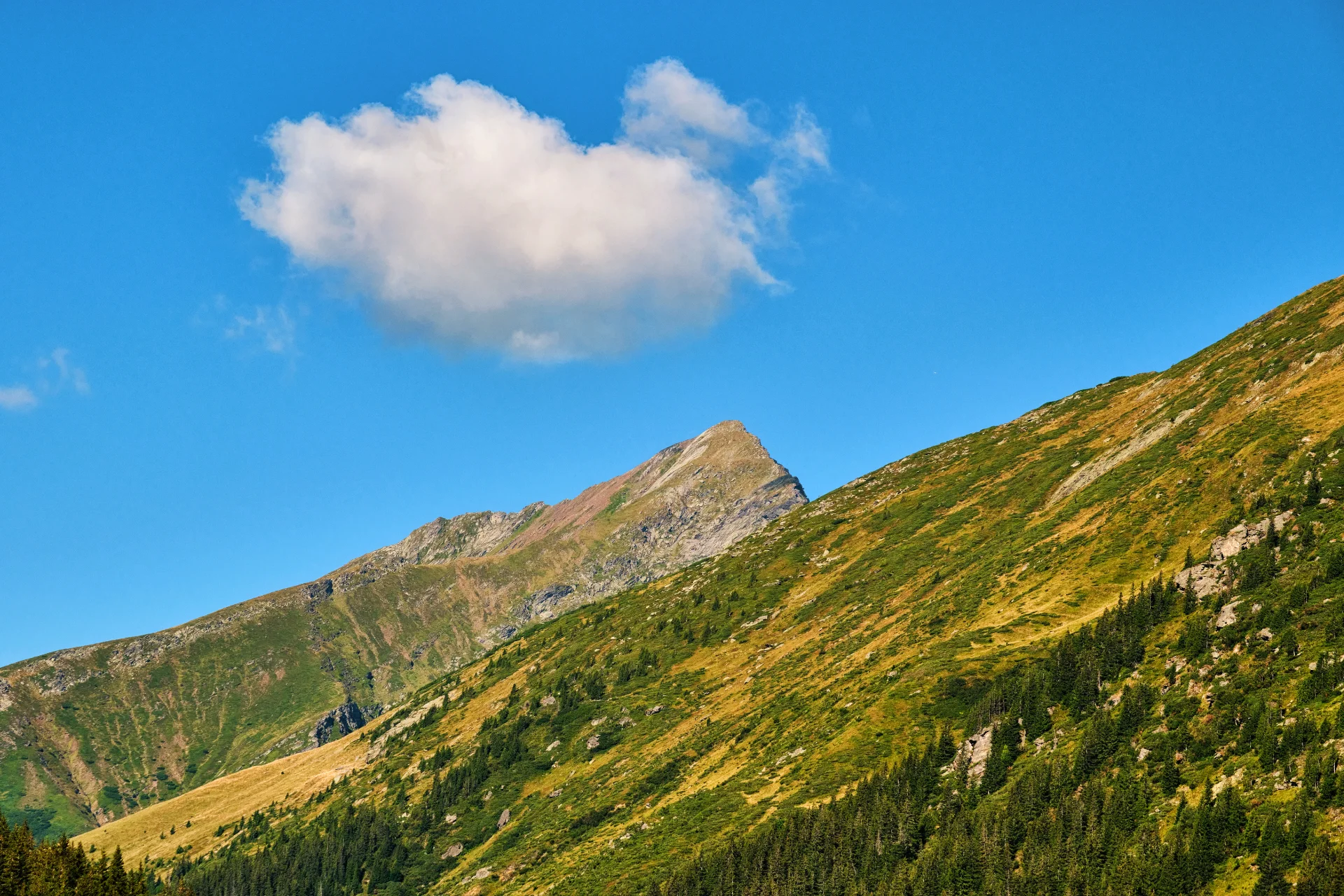
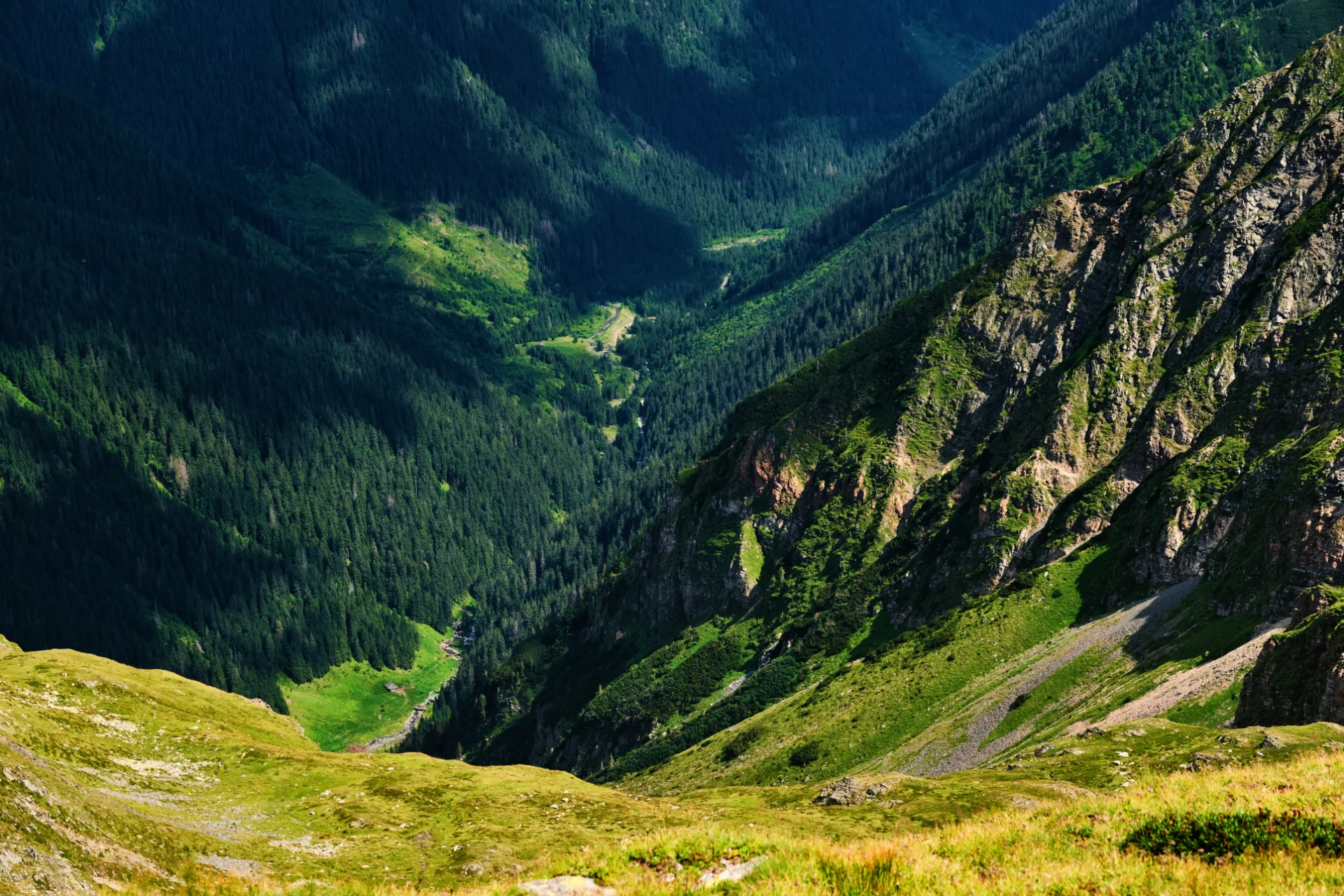
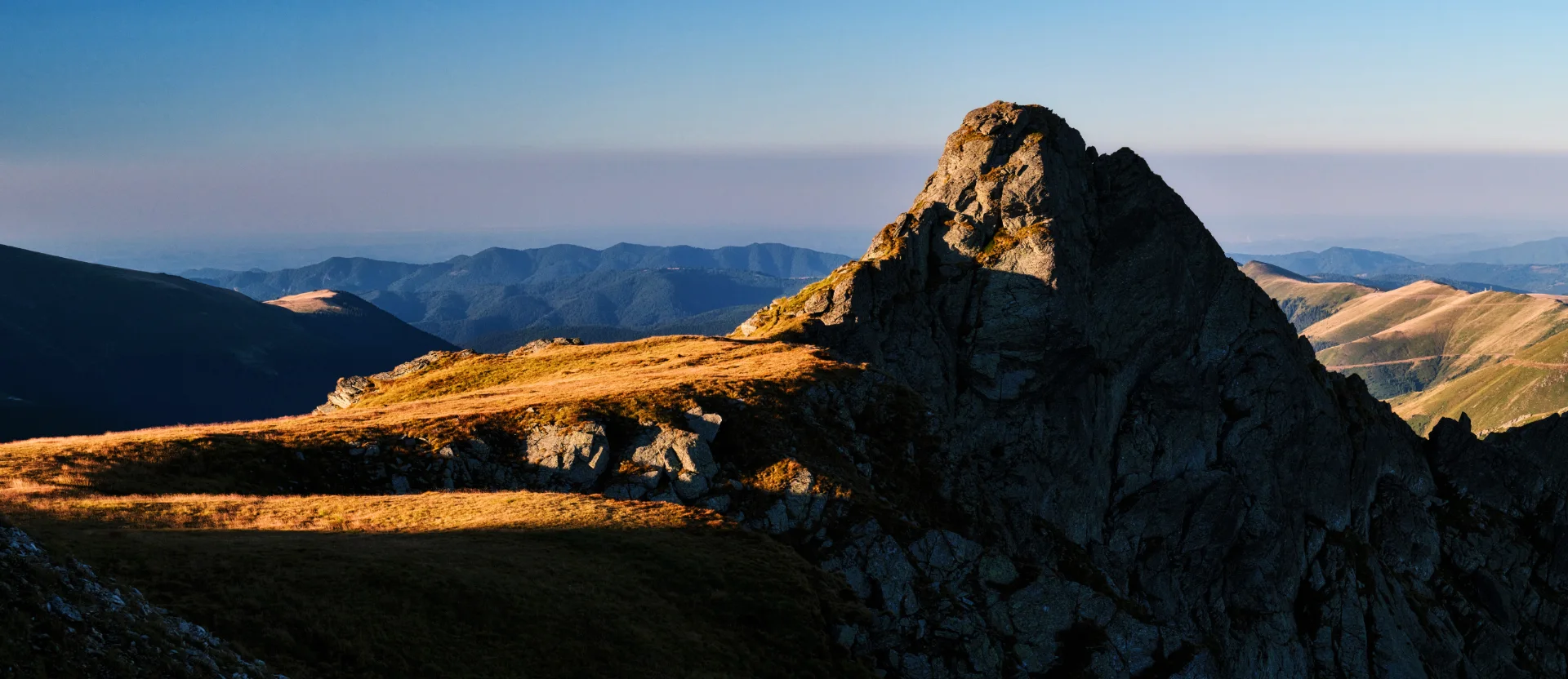
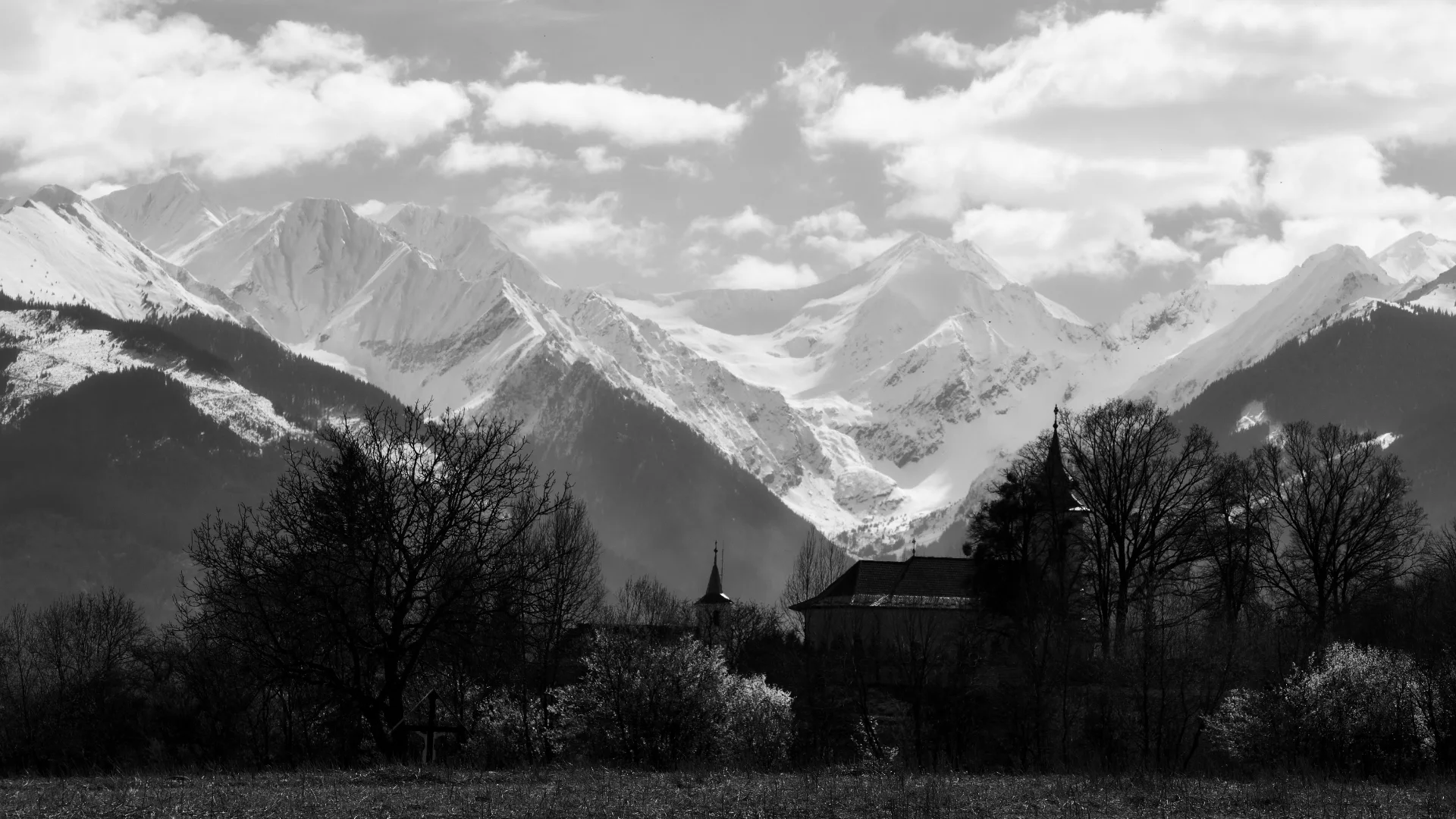
Lofty peaks rise above the clouds and disappear into the diffuse distances, concealing the incredible treasures of a wild land, where bears and bison roam freely through forests and precipitous valleys, while emerald lakes sparkle from the endless ridge in the heart of the Carpathians!

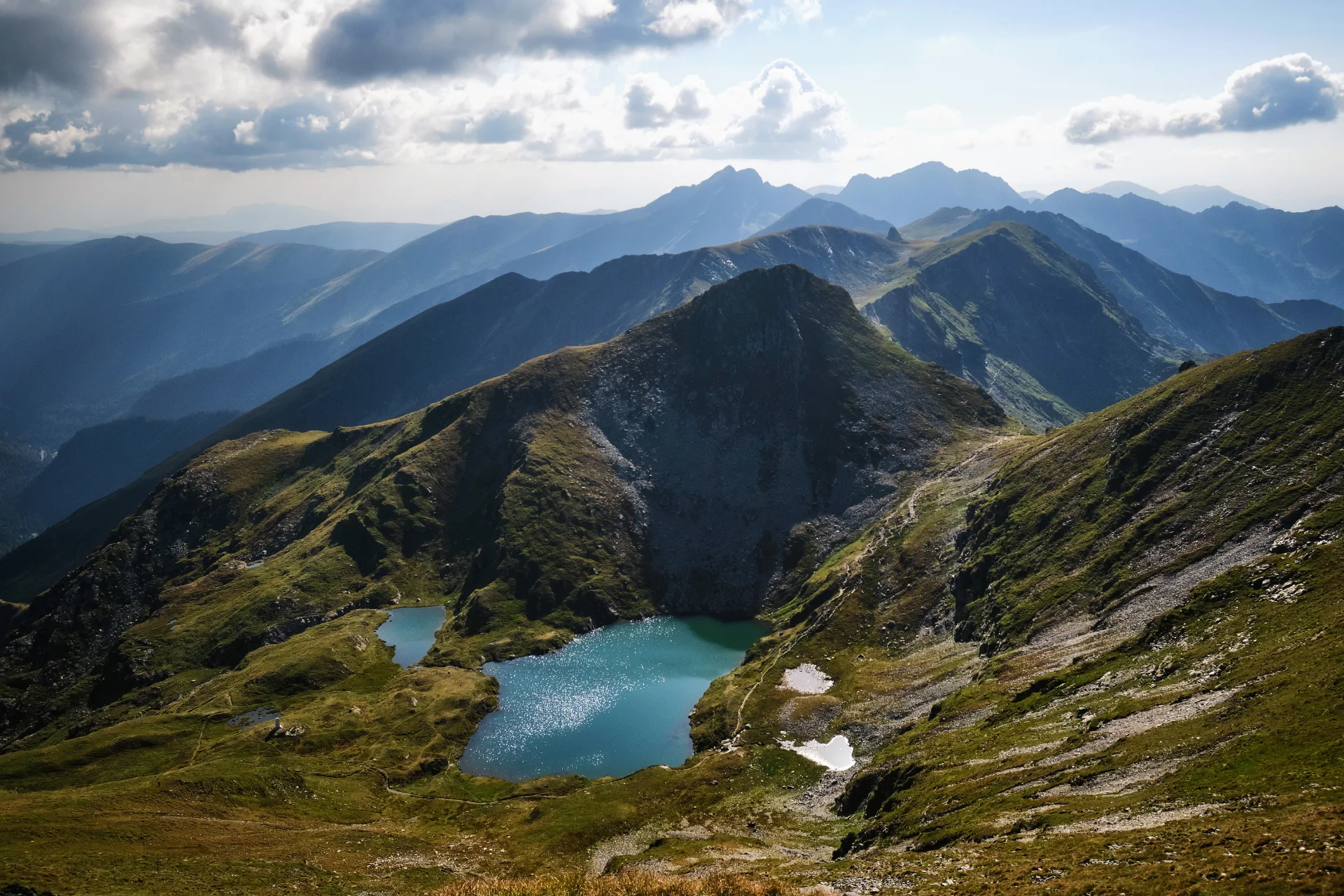
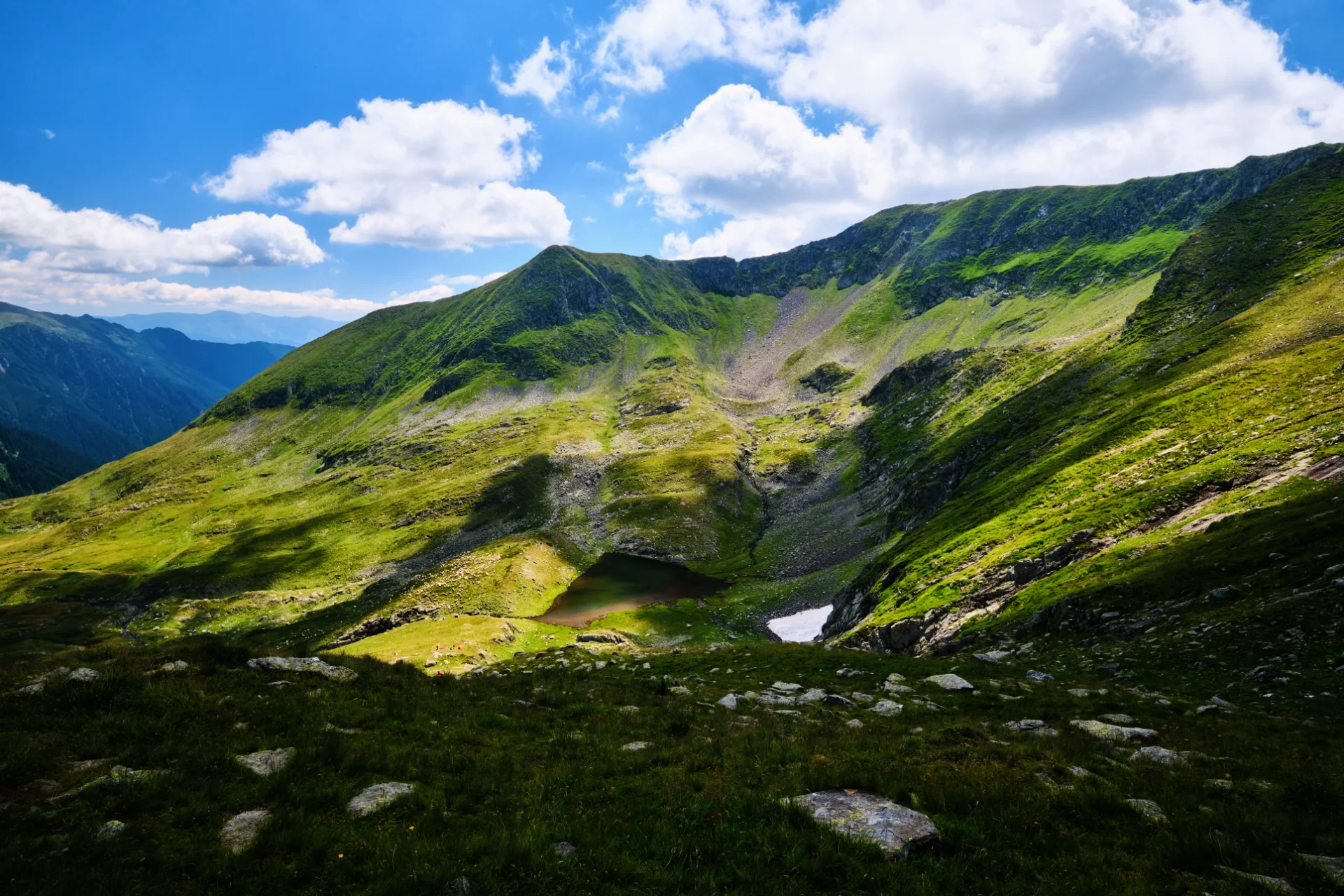
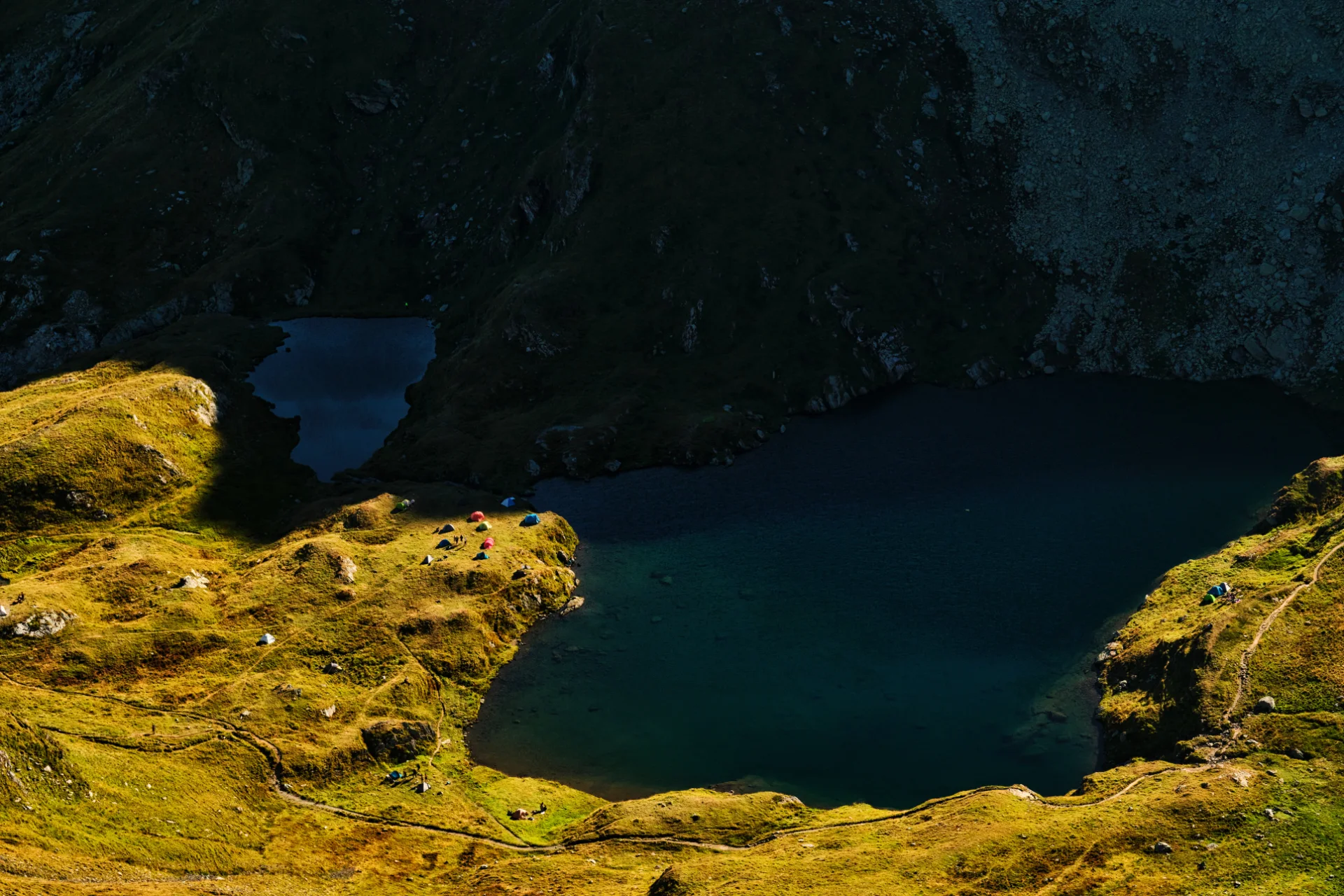
Făgăraș Mountains - 100 Destinations in Romania - Capra Lake
Capra Lake Ⓒ Silviu-Florin Salomia

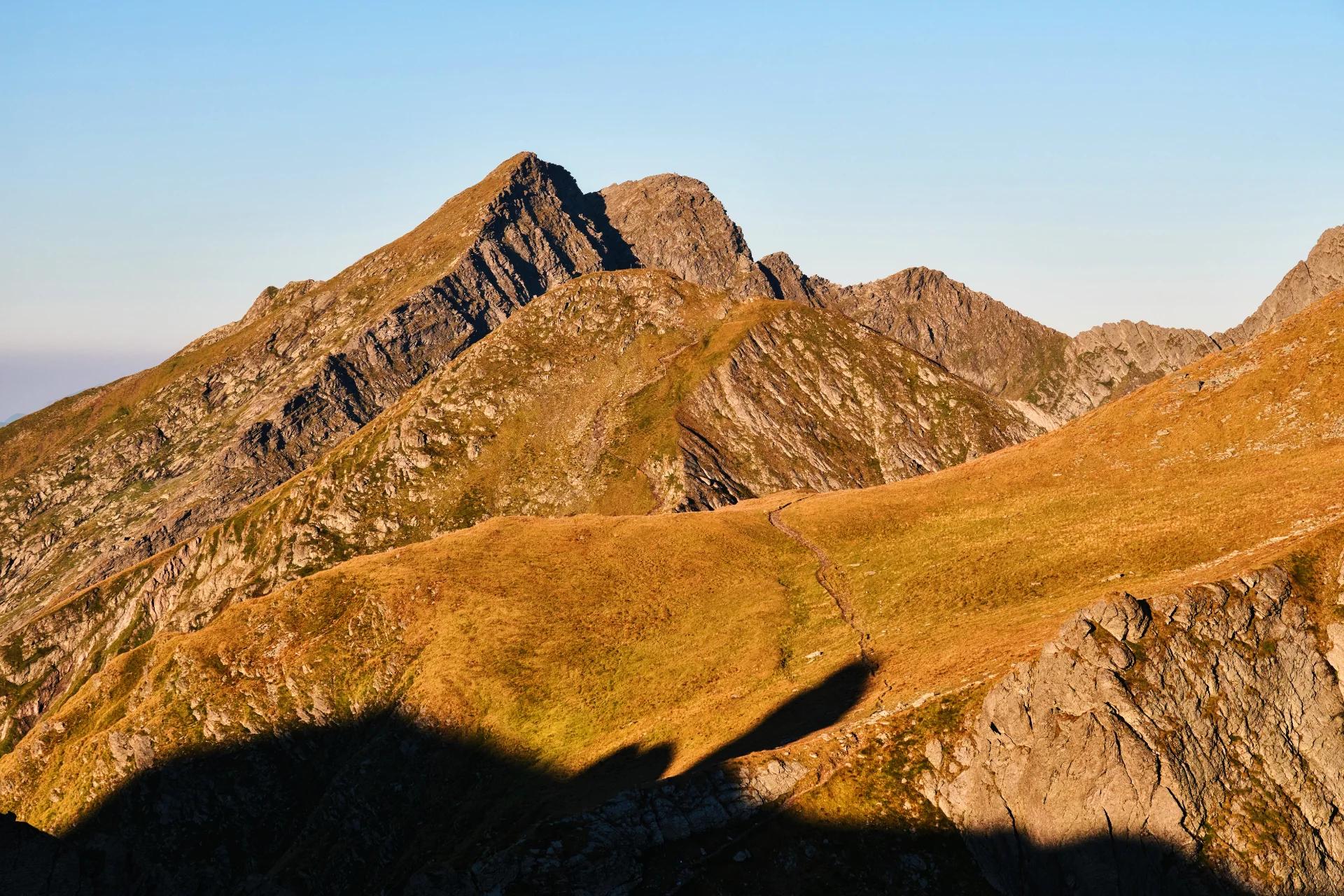
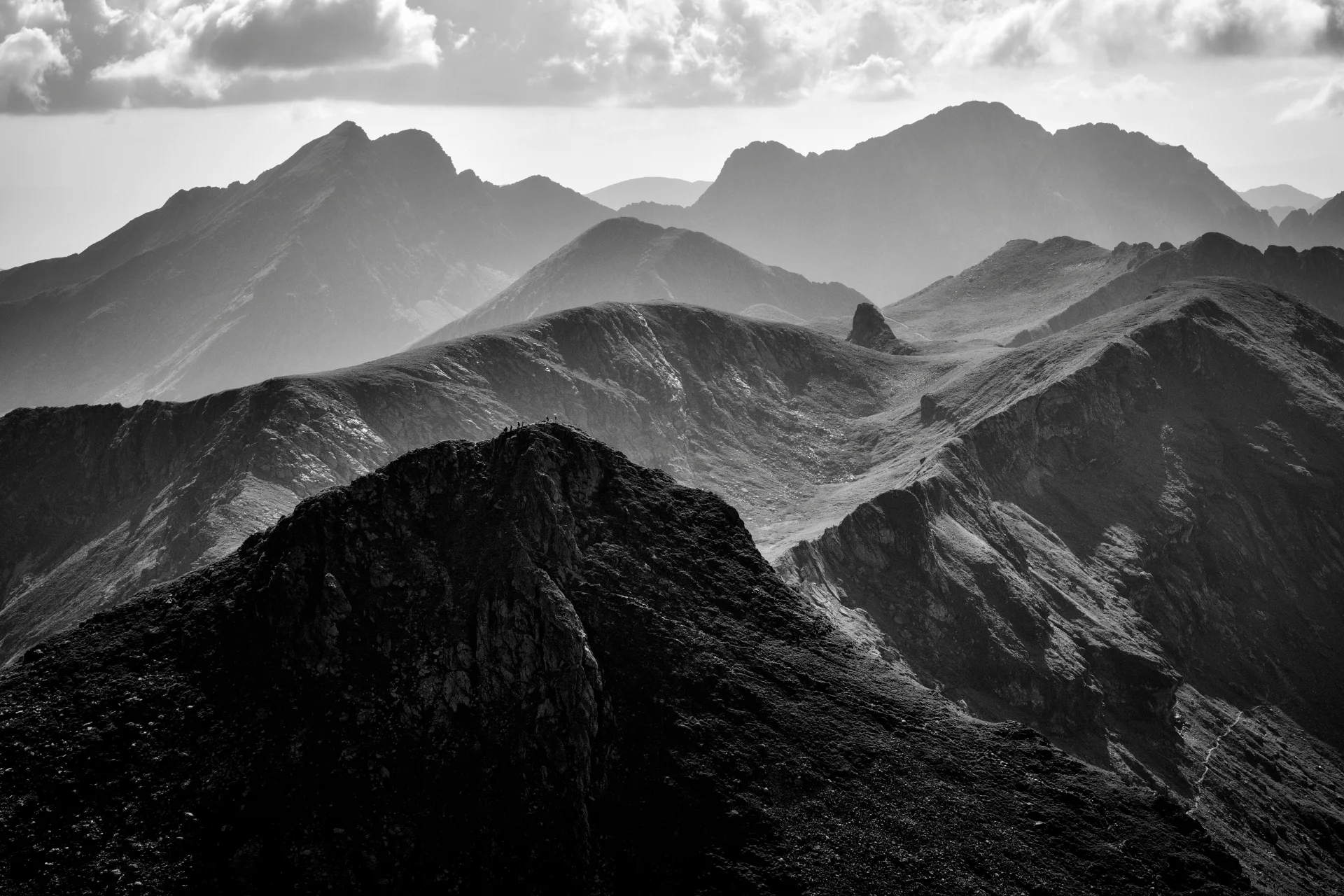
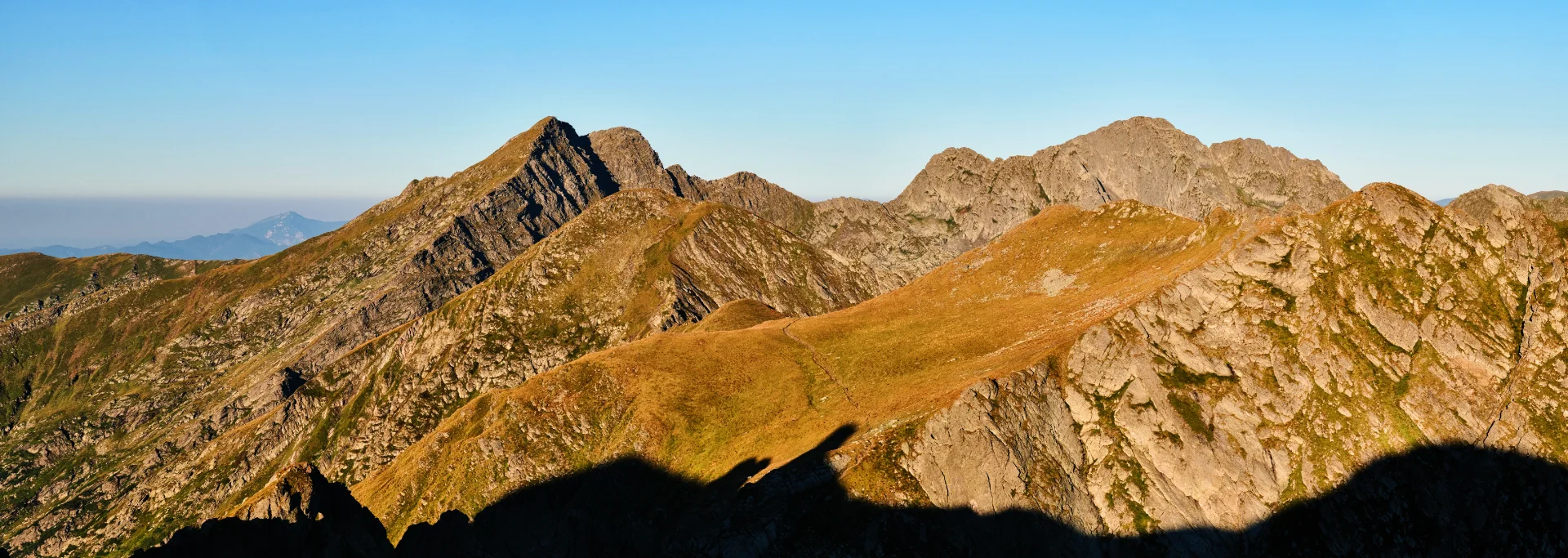
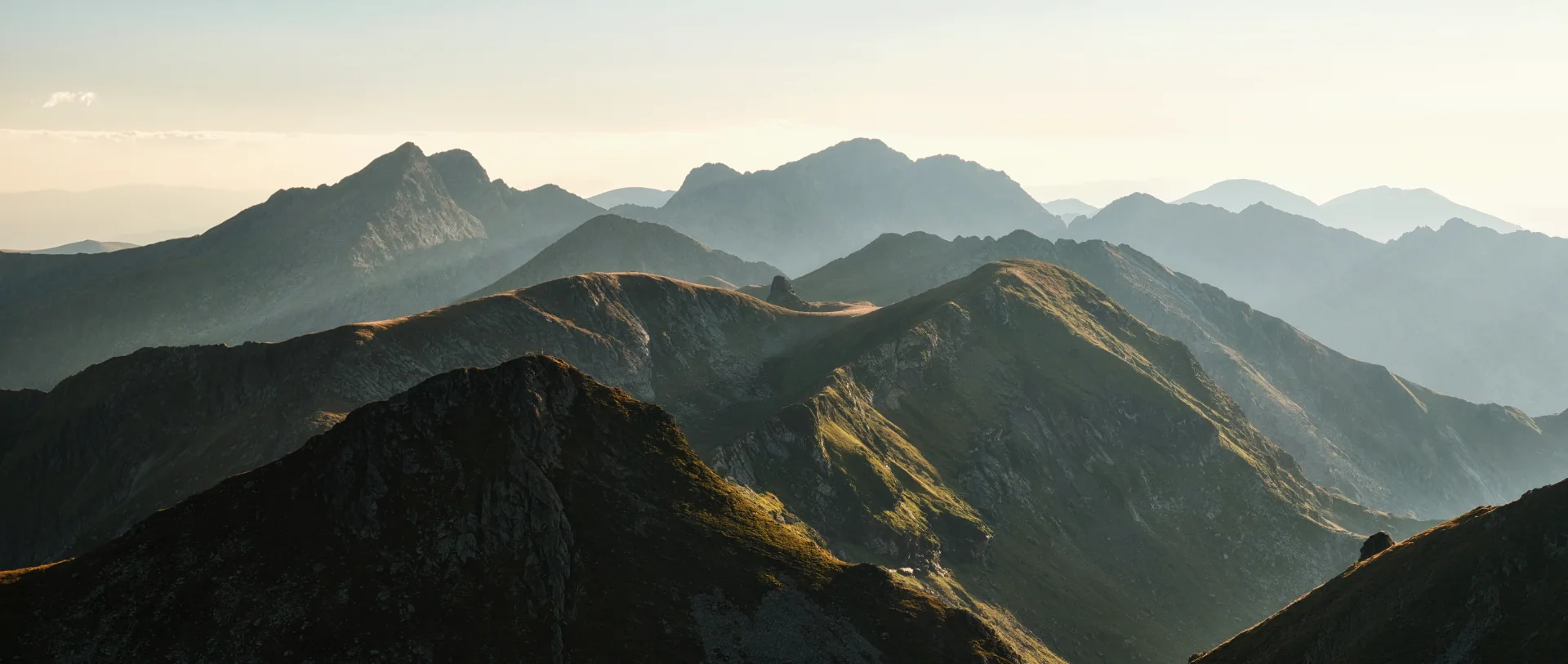
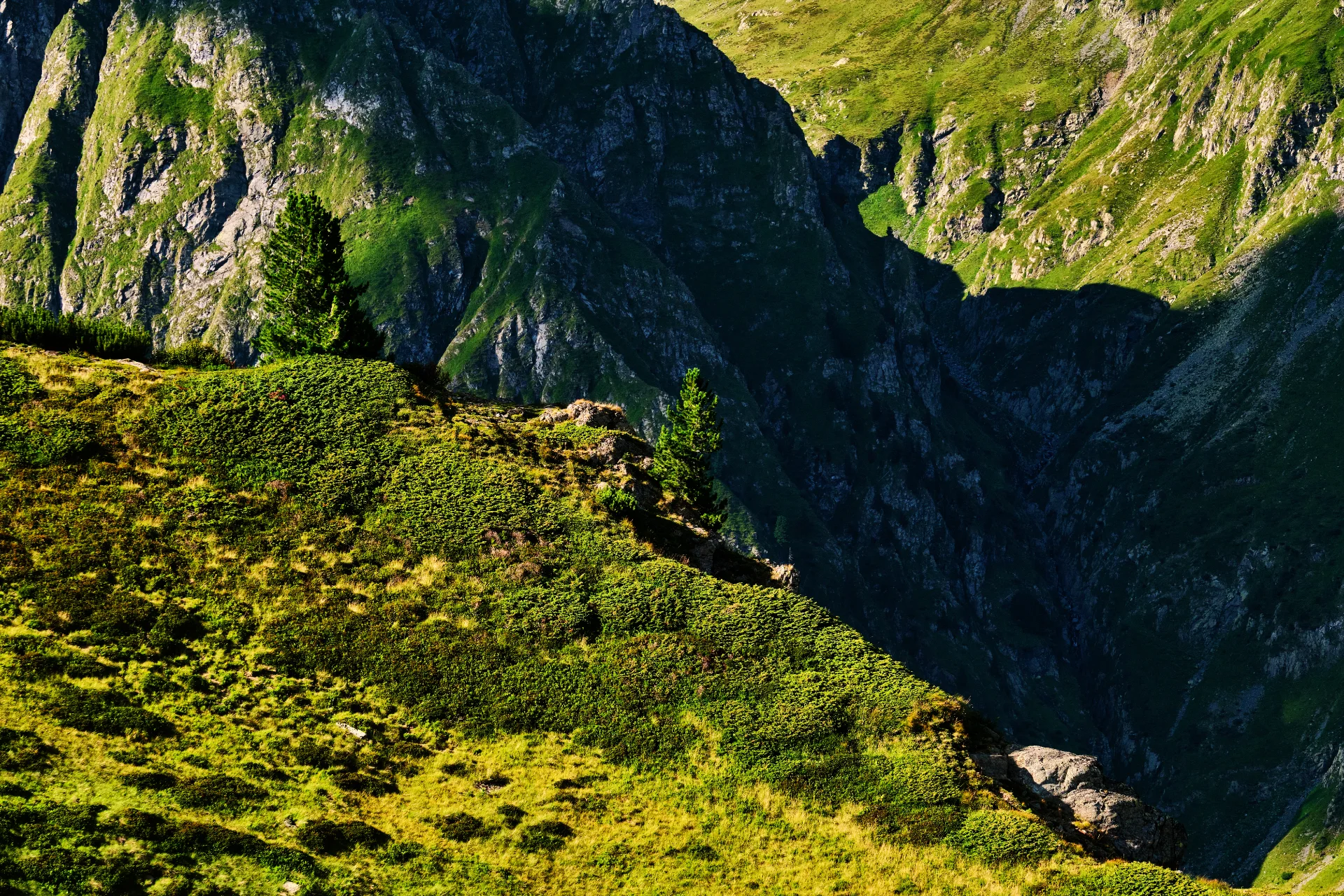
Whether we encounter the immense wall that encloses the Transylvanian plateau to the south or climb to the heights along the Transfăgărășan or the amazing trails, we always gaze enchanted at the alluring heights of the jagged ridge that rises towards the clouds. Experienced hikers or simple lovers of mountains and nature are equally fascinated by this magnificent vision every time they step into the lands of Făgăraș. Whether we climb the deep valleys along the tumultuous streams or conquer the steep cliffs among the dizzying precipices, these mountains have a special attraction that always calls us back. In their wild immensity and in the shadow of the lofty peaks we encounter places of primordial beauty and we have unique and intense experiences. Often referred to as the “Transylvanian Alps” or the “Roof of Romania”, these spectacular mountains represent a true backbone of the Carpathians.

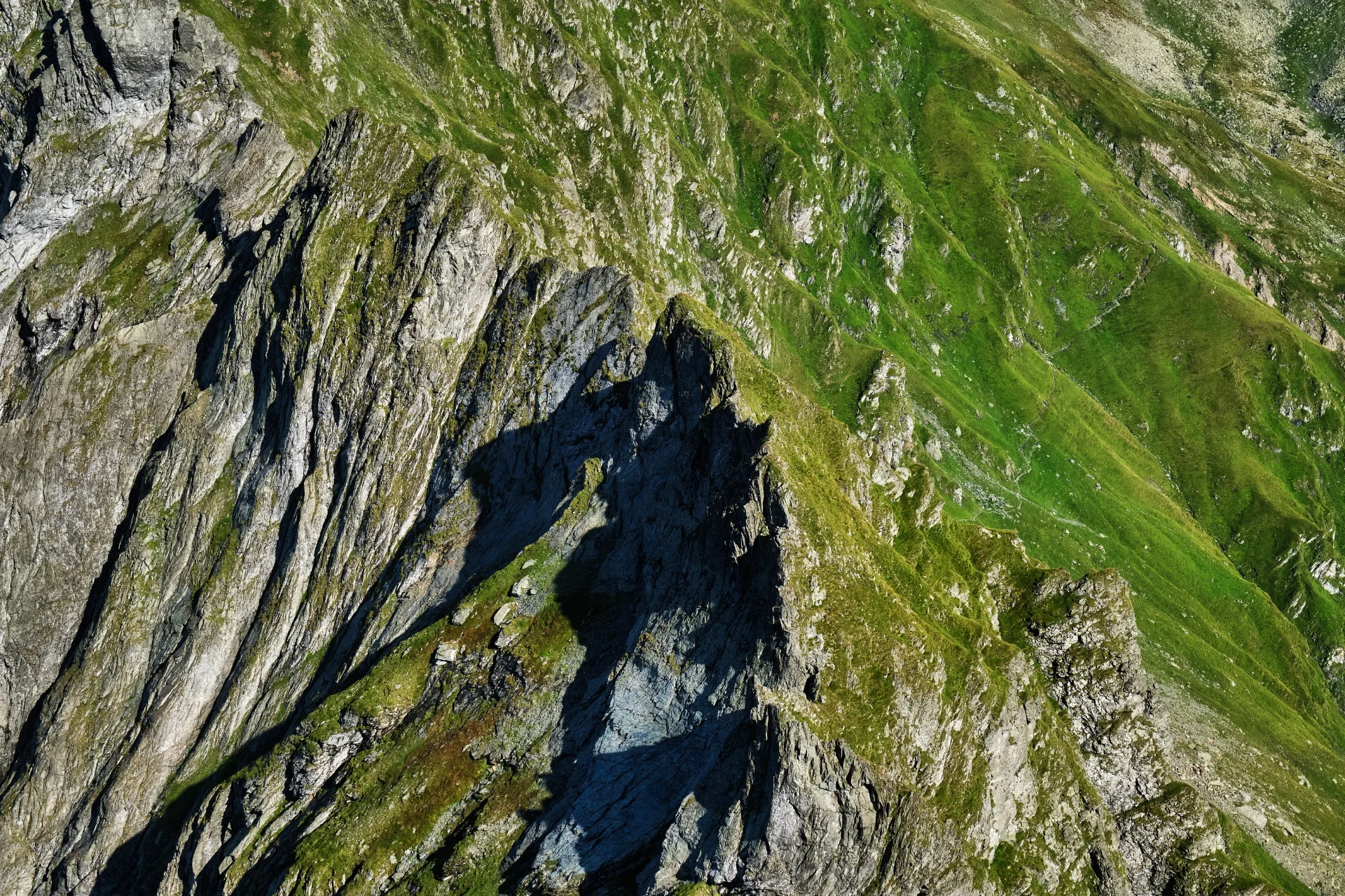
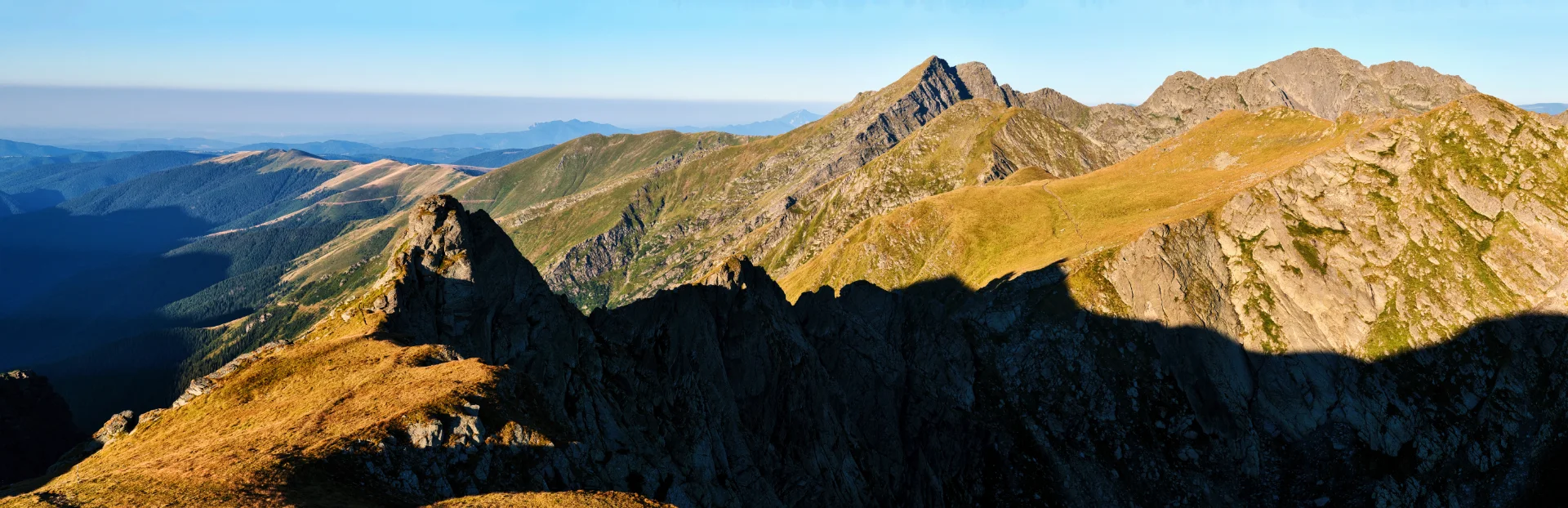
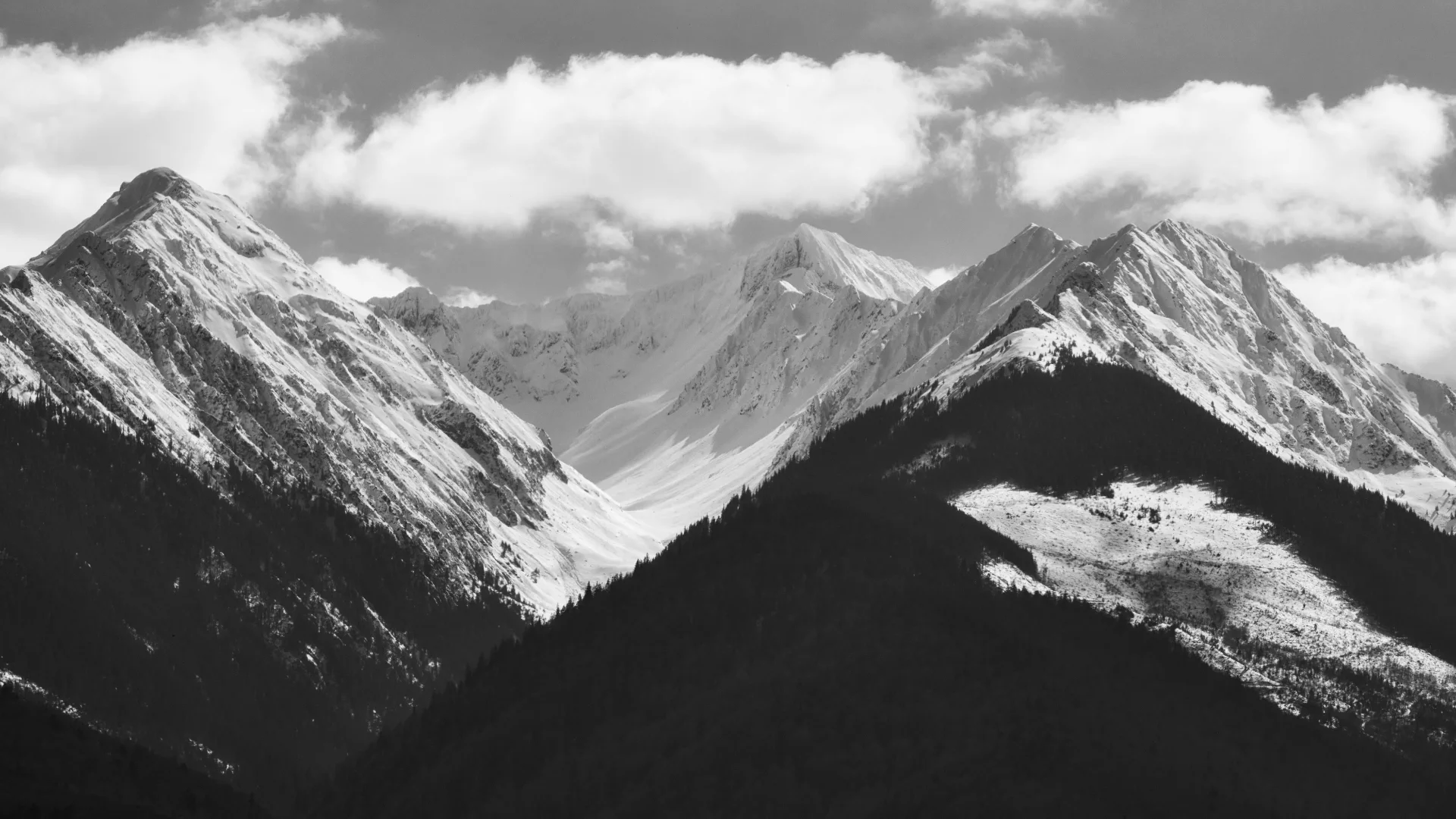
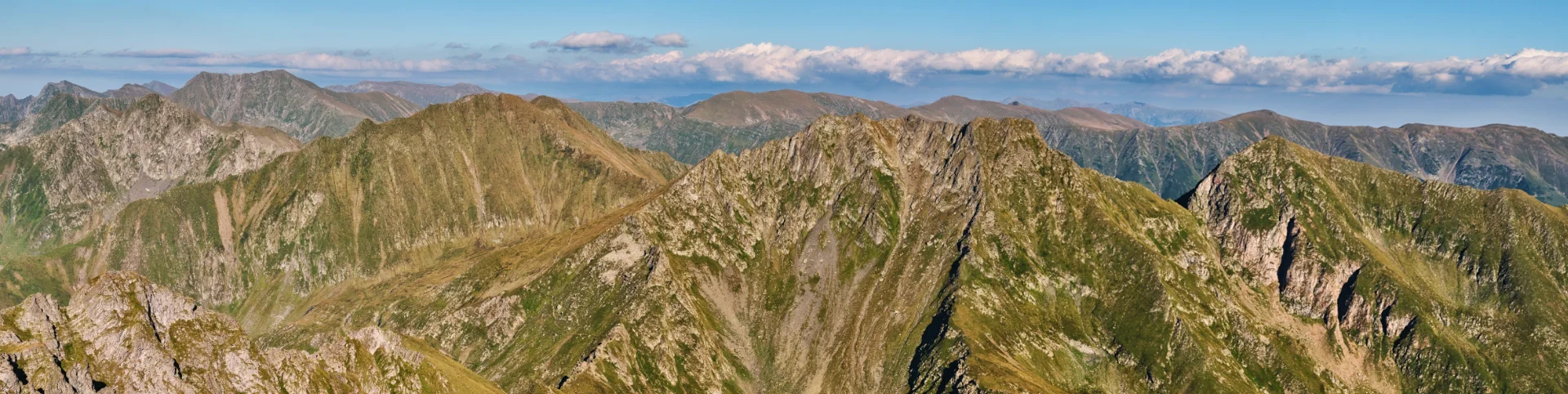
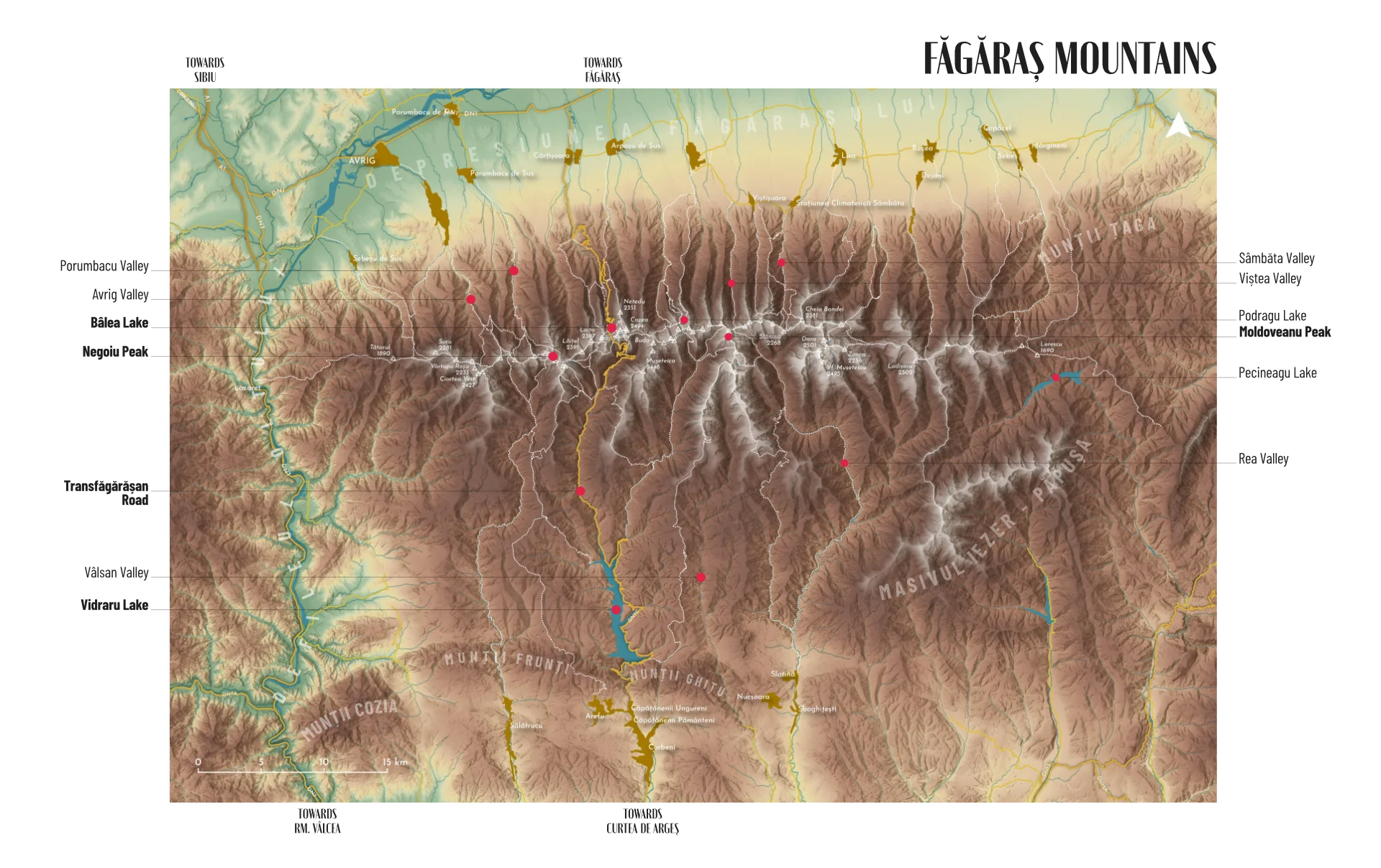
The Făgăraș Mountains are the highest in Romania, being located in the center of the country, between the Transylvanian Plateau to the north (Țara Făgărașului), a series of small depressions of the Getic Subcarpathians to the south, the Olt Valley to the west and the Dâmbovița Valley to the east. With no less than 8 peaks exceeding 2,500 meters and approximately 200 peaks over 2,300 meters, they are the highest and most imposing in Romania, being characterized by a steep main ridge that runs for approximately 70 kilometers from east to west. From this, other secondary ridges start, shorter and steeper to the north, longer and gentler to the south. Along its considerable surface, Făgăraș includes the first three highest peaks in the country, rocky ridges and steeps, glacial lakes, wild valleys, virgin forests, rare animals and plants, isolated sheepfolds and a multitude of spectacular hiking trails.

Search for Flights to Romania with Booking.com!

Făgăraș Mountains - 100 Destinations in Romania - Moldoveanu Peak
Moldoveanu Peak Ⓒ Silviu-Florin Salomia
Făgăraș Mountains - 100 Destinations in Romania - Negoiu Peak
Negoiu Peak Ⓒ Silviu-Florin Salomia
Făgăraș Mountains - 100 Destinations in Romania - Bâlea Ridge
Bâlea Ridge Ⓒ Silviu-Florin Salomia
Făgăraș Mountains - 100 Destinations in Romania - Arpășel-Vârtopel Ridge
Arpășel-Vârtopel Ridge Ⓒ Silviu-Florin Salomia

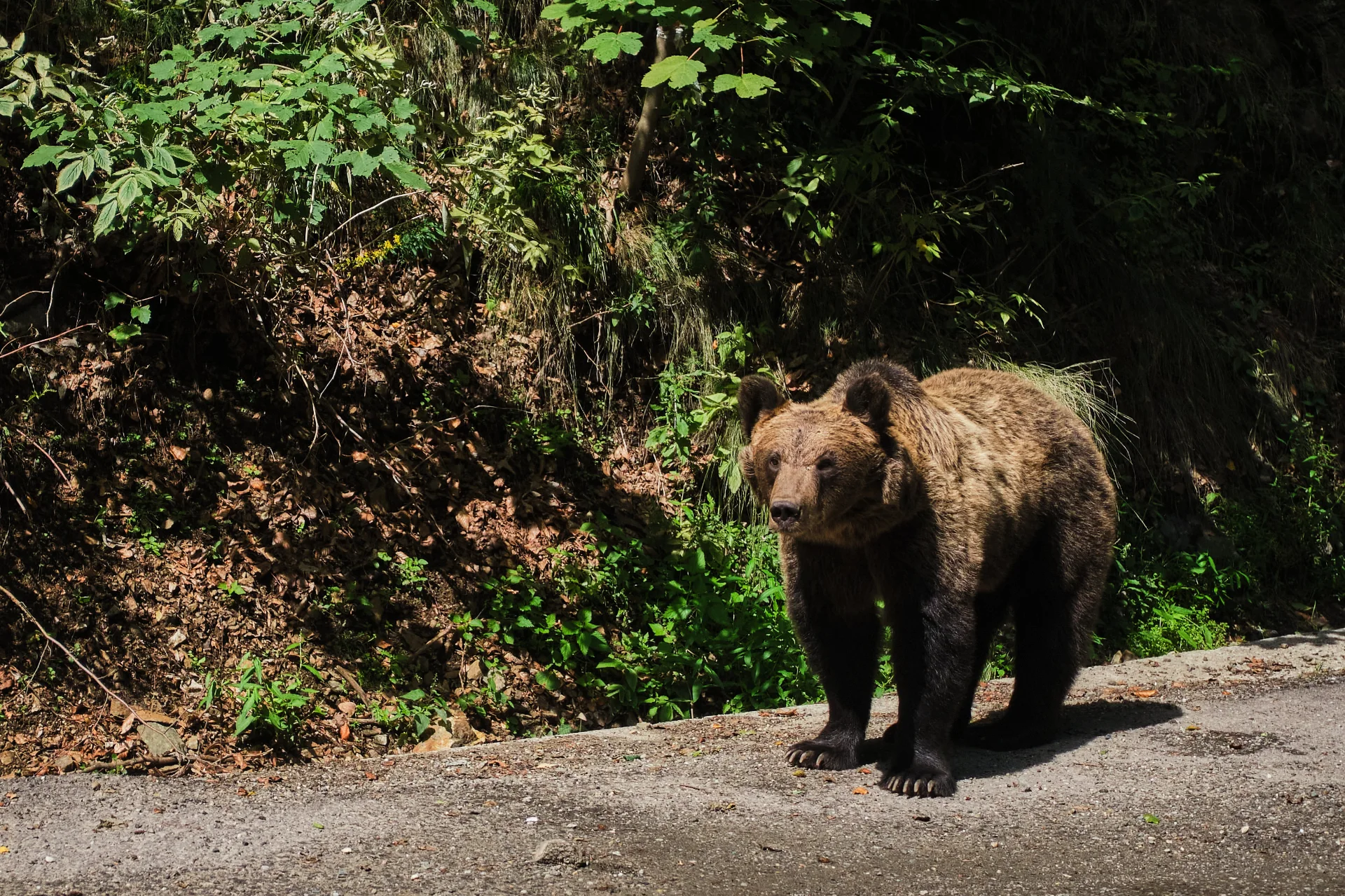
Considered by researchers to be the most important mountain ecosystem in Europe, the Făgăraș Mountains are characterized by an amazing biodiversity, with a large number of plant and animal species, including many rare and valuable ones. The Făgăraș Mountains comprise the largest continuous area of ​​alpine habitat in Romania, as well as extensive areas of forests (over 70%), including the largest area of ​​virgin and quasi-virgin forests in Europe. The biodiversity of the destination is truly incredible, with no less than 27 different habitats, with a large number of mammals, including bears, wolves, foxes, lynxes, black goats, deer and even bison, as well as an extreme plant variety, with 66 endemic plant species. However, only small portions of these mountains constitute protected natural areas, and there are projects to create a national park here that could become the largest and wildest in all of Europe.

The beauty and uniqueness of virgin forests comes from their wild character, with nature creating close interactions between the variety of plant and animal species over the centuries. One such example is the Şinca Secular Forests, covering an area of ​​300 hectares in the eastern Făgăraș Mountains and included in the UNESCO site “Secular and Virgin Beech Forests of the Carpathians and Other Regions of Europe”.

Over 2,400 square kilometers of these mountains are included in two Natura 2000 sites (Făgăraș Mountains and Făgăraș Piedmont). Also, the most impressive region is included in the Făgăraș Alpine Nature Reserve, which stretches mainly along the western side of the northern ridge, between the Podragu and Suru peaks, with an area of ​​approximately 70 square kilometers. Here we find the most important and spectacular glacial landforms of these mountains, including splendid glacial lakes. The Moldoveanu – Capra Alpine Nature Reserve protects the spectacular landscapes on the southern side of the main eastern ridge. In addition to these, there are several smaller protected natural areas in the Făgăraș Mountains, such as the Valea Rea – Zârna Alpine Valley, the Turnu Roșu Limestones, Arpășel Ridge or the Șinca Secular Forest (UNESCO heritage).

Search for Lodging around Făgăraș Mountains with Booking.com!

Făgăraș Mountains - 100 Destinations in Romania - Western Ridge
Western Ridge Ⓒ Silviu-Florin Salomia
Făgăraș Mountains - 100 Destinations in Romania - Eastern Ridge
Eastern Ridge Ⓒ Silviu-Florin Salomia
Făgăraș Mountains - 100 Destinations in Romania - Western Ridge
Western Ridge Ⓒ Silviu-Florin Salomia
Făgăraș Mountains - 100 Destinations in Romania - Eastern Ridge
Eastern Ridge Ⓒ Silviu-Florin Salomia

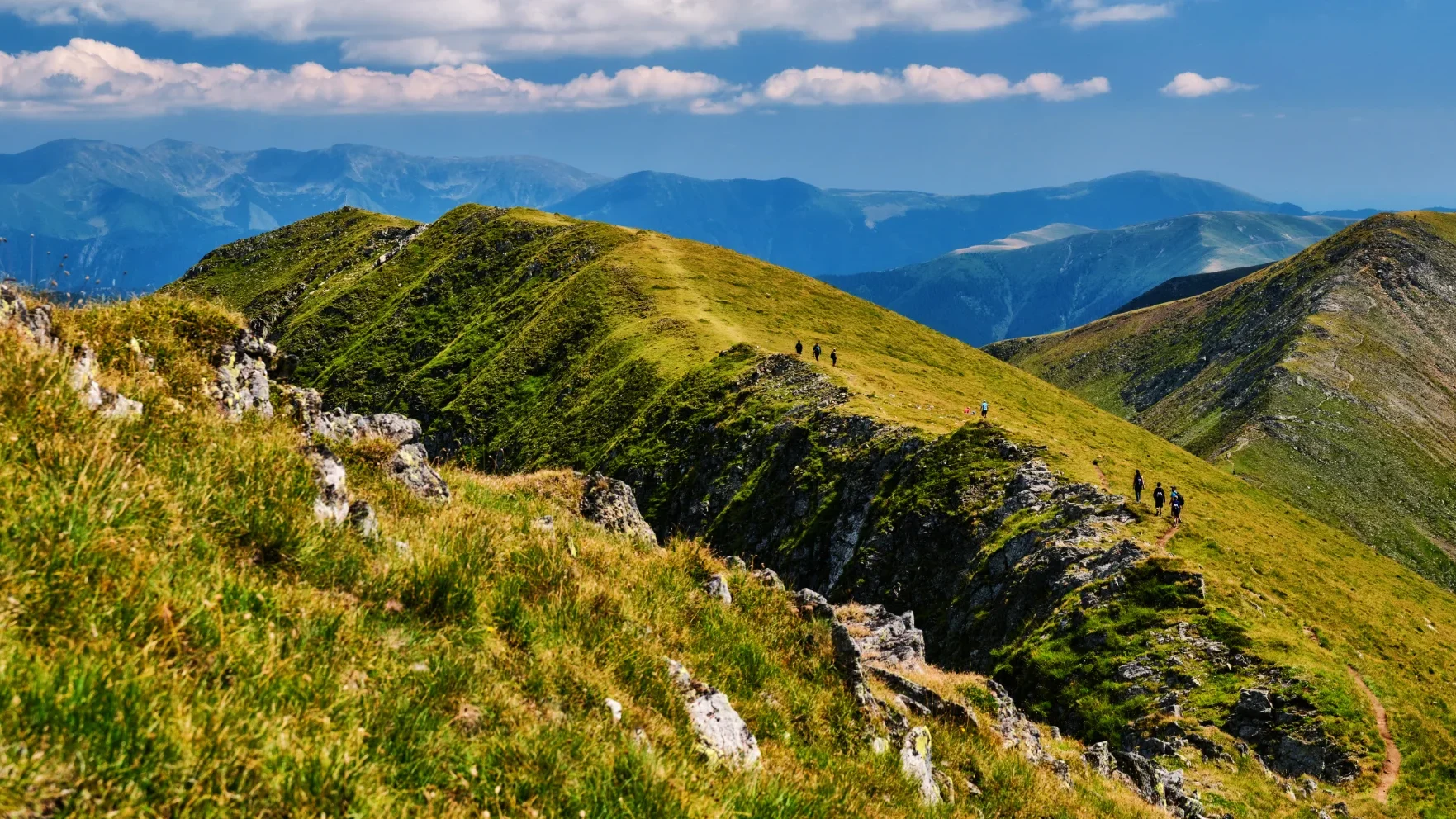
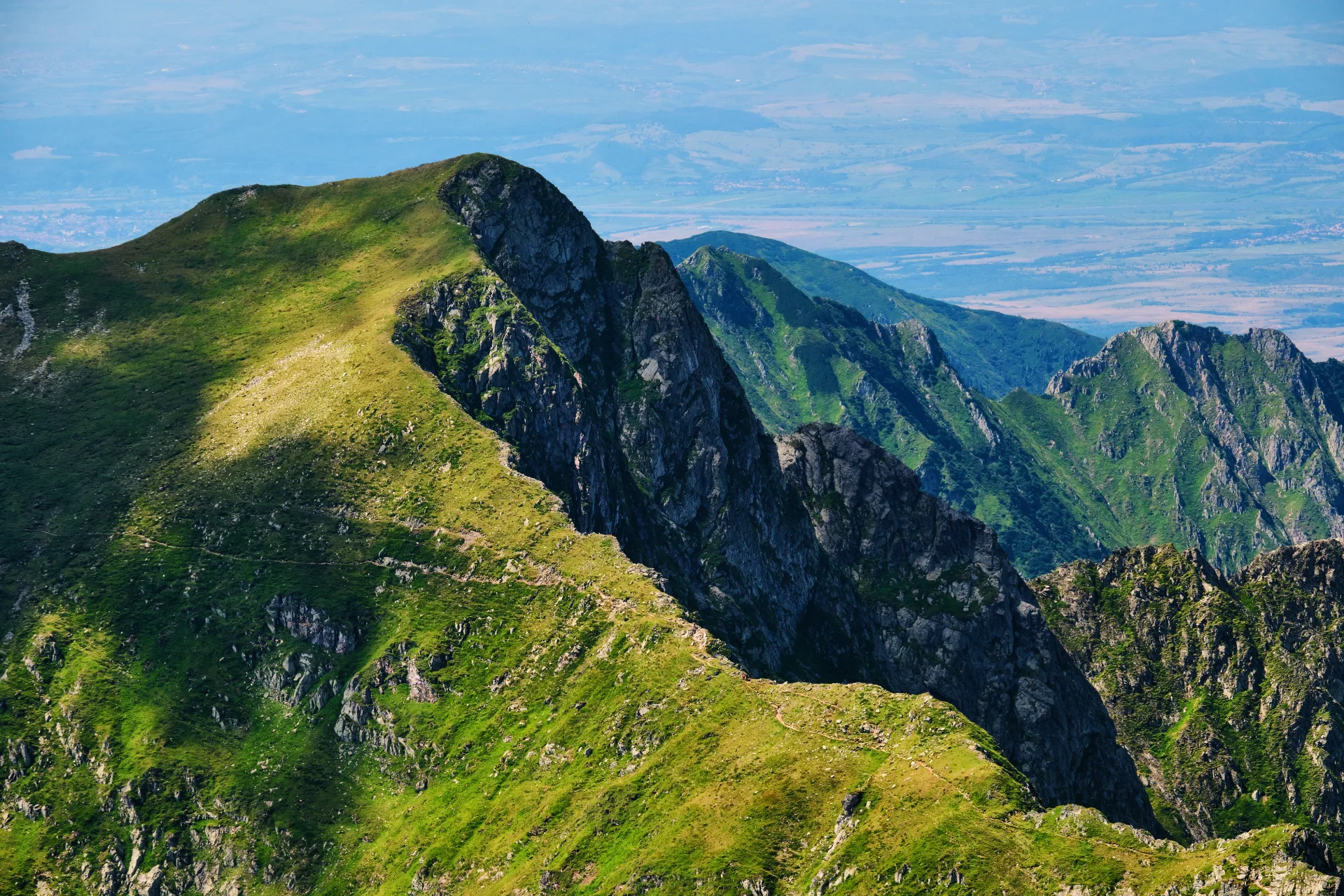
The easiest way to reach Făgăraș is the Transfăgărășan mountain road (DN7C), which crosses the high ridge in the central part of this massif, making it possible to conquer the ridge much easier. We can also follow the local roads that climb some of the more accessible valleys, especially from the north. However, for an authentic experience, we must wander Făgăraș along the dozens of hiking trails that furrow the valleys and peaks. One of the most spectacular and exciting hiking trails in the Carpathians is the Făgăraș Ridge Trail, which crosses the highest peaks in this massif, over a total length of approximately 70 kilometers. Along it, we have the opportunity to admire impressive landscapes and experience strong emotions, including challenging sections that cross narrow and exposed ridges.

Starting from the west, we start the hike from the settlement of Turnu Roșu, climbing to the Suru Peak and further to the Scara Peak (2,306 meters), passing by Lake Avrig, one of the dozens of superb glacial lakes of the Făgăraș. Further, after the Șerbota Peak (2,336 meters), the Custura Sărății portion begins, with a length of 1 kilometer and having the reputation of being the most difficult aerial ridge in the country. After conquering the dizzying heights or bypassing this sector on an alternative path, we pass the Acul Cleopatrei rock and climb the Negoiu Peak (2,535 meters), the second highest in Romania. The route continues west through Strunga Doamnei and Portița Călțunului, passing by Călțun Lake, one of the most beautiful in Făgăraș, then we pass through âLaița saddle, Lăițel saddle and Custura Paltinului, reaching Fereastra Bâlei, above the tunnel through which the Transfăgărășan passes.

From here and from Capra Saddle we have the opportunity to admire the impressive view of the road to the north, as well as of Lake Capra to the south, the route passing beyond it further. Optionally, we can climb to the peak of Vânătarea lui Buteanu (2,507 meters) for a stunning panorama of the surrounding valleys and peaks, including the superb Arpășel – Vârtopel ridge. Back on the main route, we arrive after a long hike at Fereastra Zmeilor, an interesting natural arch, followed by the area called “La Trei Pași de Moarte” (3 Steps from Death), which although difficult, is not as dangerous as the name would suggest. After the peaks of Arpașu Mic and Arpașu Mare (2,468 meters), we pass by Lake Podu Giurgiului and continue towards Podragu Saddle, from where we can descend to Lake Podragu and the other smaller lakes nearby, located in a superb glacial valley.

Făgăraș Mountains - 100 Destinations in Romania - Capra Lake and Western Ridge
Capra Lake and Western Ridge Ⓒ Silviu-Florin Salomia
Făgăraș Mountains - 100 Destinations in Romania - Galbena Lake
Galbena Lake Ⓒ Silviu-Florin Salomia
Făgăraș Mountains - 100 Destinations in Romania - Panorama from the land of Făgăraș
Panorama from the land of Făgăraș Ⓒ Silviu-Florin Salomia

A long ridge section follows, along which we pass through several saddles with captivating views, finally reaching the foot of Viștea Mare peak (2,527 meters) from where we can also reach the roof of Romania, Moldoveanu Peak (2,544 meters), the highest in the country. The two are connected by a fairly exposed aerial ridge section, known as the Viștei Cleft. However, hundreds of travelers of all ages reach Moldoveanu every day of the warm season, most climbing from the south on Valea Rea, on the route that starts at Stâna lui Burnei and passes by  Moldoveanu Lake (Triunghiular). On the way back, many choose to make a circuit, passing over Roșu peak and past the splendid lakes of the Galbena caldera.

Leaving behind the memorable impressions from these legendary peaks, we begin the eastern part of the route, somewhat devoid of dangerous sections, admiring the Iezerul Moldoveanului glacial lake from Portița Viștei on the way. We continue through the Ursului, Viștișoarei and Răcorelelor windows to the Slănina Peak and the Fereastra Mare a Sâmbetei (2,188 meters), where one of the most popular routes that climbs from the north up the Sâmbăta Valley ends. The ridge route continues east past the Mogoș Peak and the Urlea Peak (2,473 meters), then south through Portița Lacului to the peaks of Iezerului and La Fundu Bândei, from where we can admire Urlea Lake, Bândea Lake, as well as the numerous splendid lakes in the Hârtoapele Leaotei caldera. After passing the Leaota Peak, we admire Zârna Lake, a charming protected natural monument.

From here, the trail begins to descend gently, passing Berevoescu Mare Peak and exiting the alpine valley of the Făgăraș after Comisu Peak, north of the Pecineagu Reservoir, located on the Dâmbovița River. Along this demanding route, which requires a minimum of 4-7 days, there are several mountain refuges, as well as several cabins located near the ridge. The high ridges of the Făgăraș are sometimes covered with snow for nine months of the year, many of the trails here being closed or not recommended in this case. In addition to the main ridge route, the Făgăraș Mountains offer over 50 other hiking trails and tourist trails, most of which climb to the ridge, while others are variants of these, allowing you to visit other amazing places.

Făgăraș Mountains - 100 Destinations in Romania - Western Ridge from Moldoveanu
Western Ridge from Moldoveanu Ⓒ Silviu-Florin Salomia
Făgăraș Mountains - 100 Destinations in Romania - Western Ridge and Negoiu Peak
Western Ridge and Negoiu Peak Ⓒ Silviu-Florin Salomia
Făgăraș Mountains - 100 Destinations in Romania - Western Ridge Panorama
Western Ridge Panorama Ⓒ Silviu-Florin Salomia

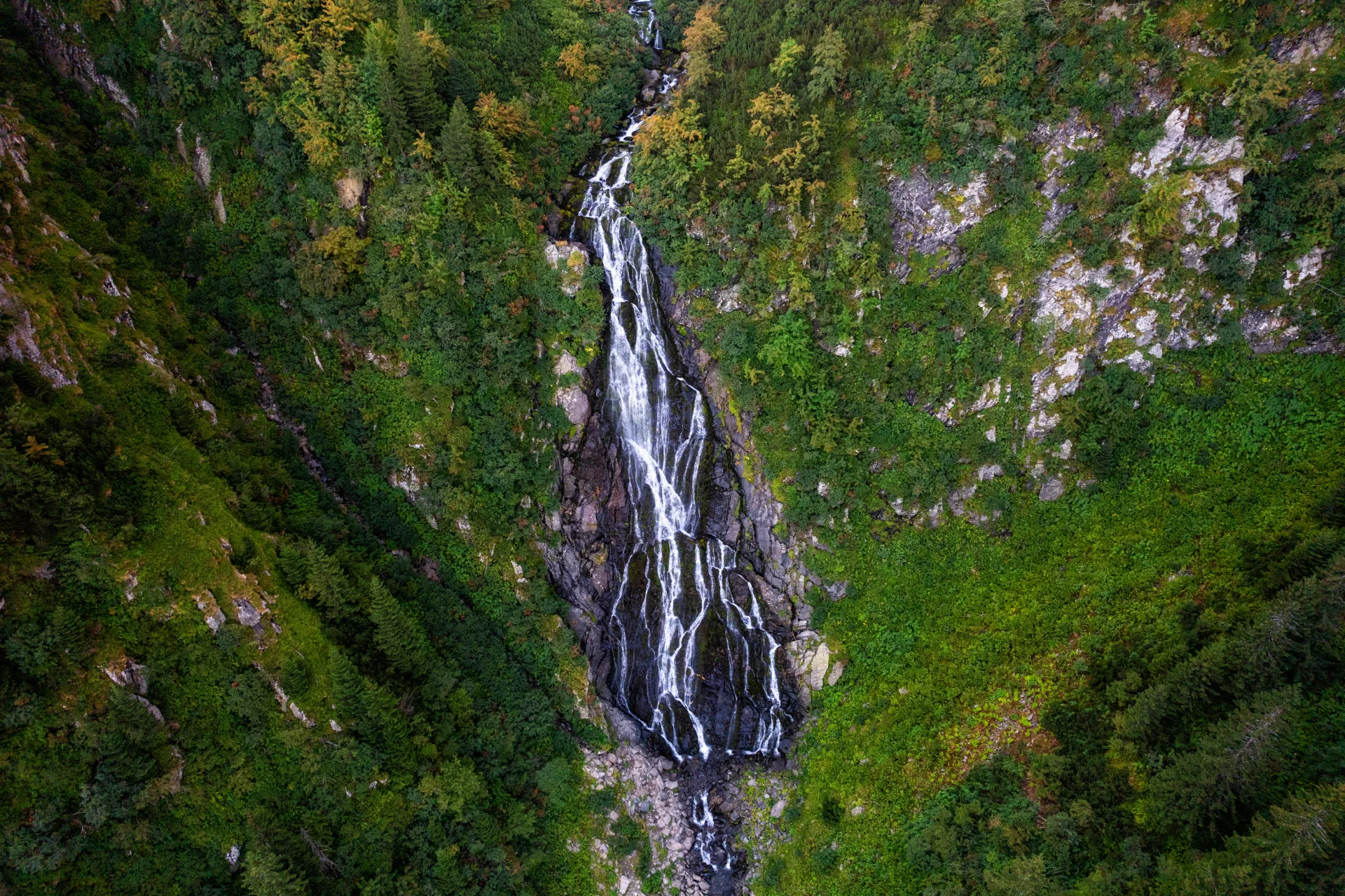
In the northern part, the difference in level is impressive (up to 2,000 meters in just 8-10 kilometers), and the valleys are particularly spectacular. Along them, hiking trails usually climb to the high ridge of Făgăraș, the most interesting being on the Sâmbăta, Viștea Mare, Bâlea or Porumbacu valleys. Along these journeys to the peaks and peaks we have the chance to discover countless impressive places, such as Șerbota Waterfall, Sărății Waterfall, Doamnei Lake, Podragu Lake, Viștișoara Lake, Regina Sâmbetei Waterfall and others. From the south, there are fewer trails, mainly due to the great length of the ridges and valleys. Several trails start from the Piscu Negru area on the Transfăgărășan, climbing to Călțun Lake, Șaua Paltinu or Fereastra Zmeilor. Others follow the enchanting valleys of Vâlsan, Râul Târgului or Valea Rea.

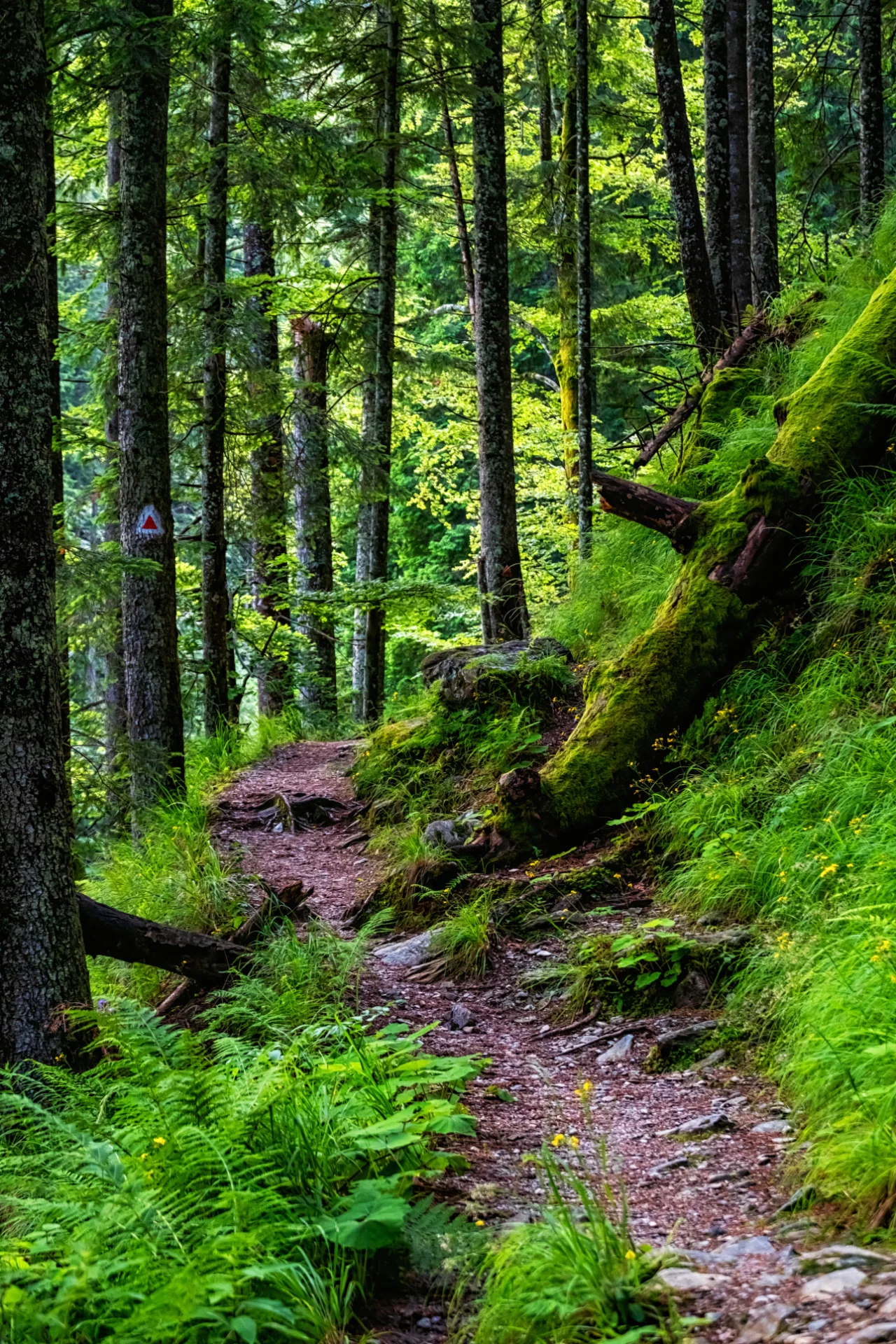
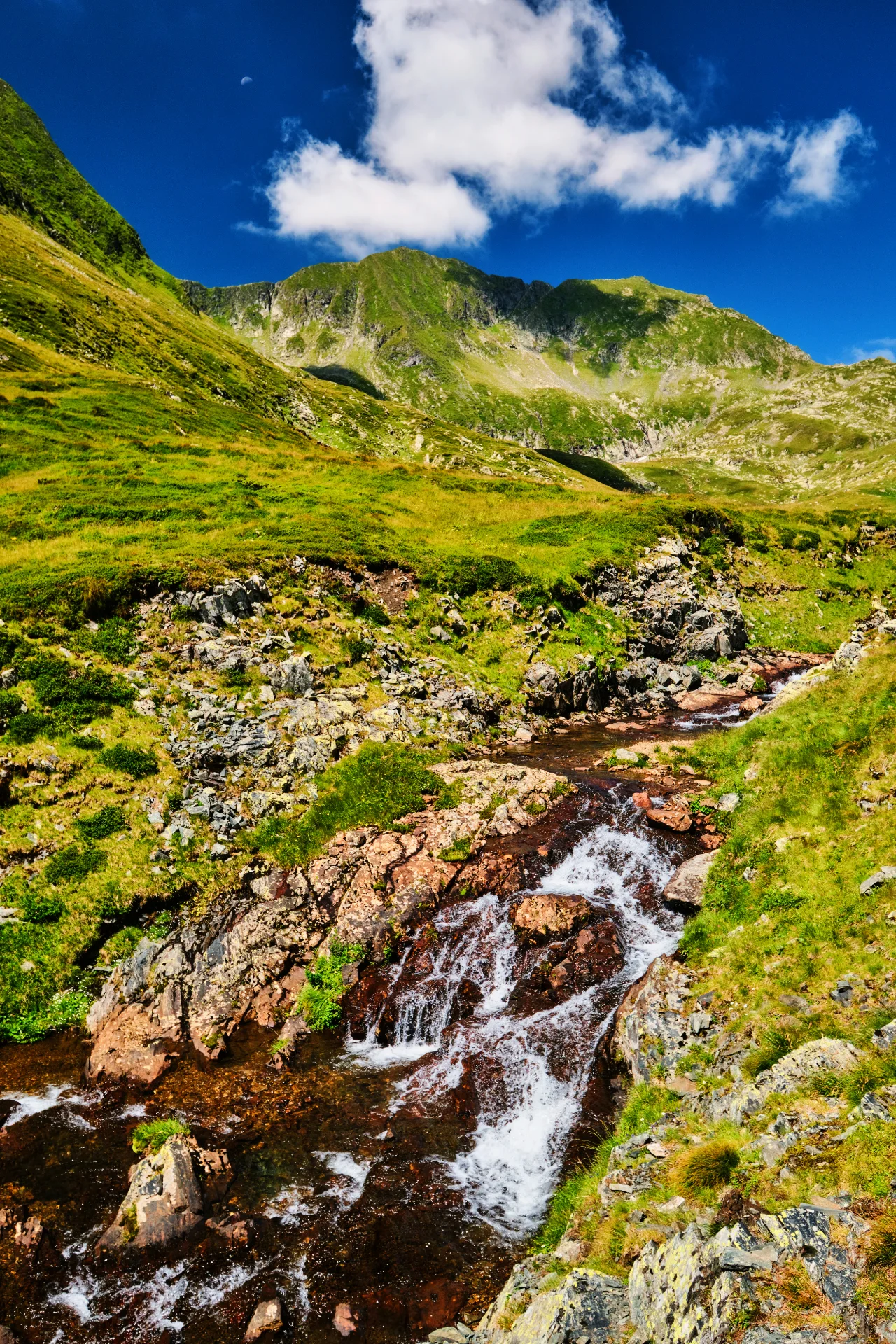
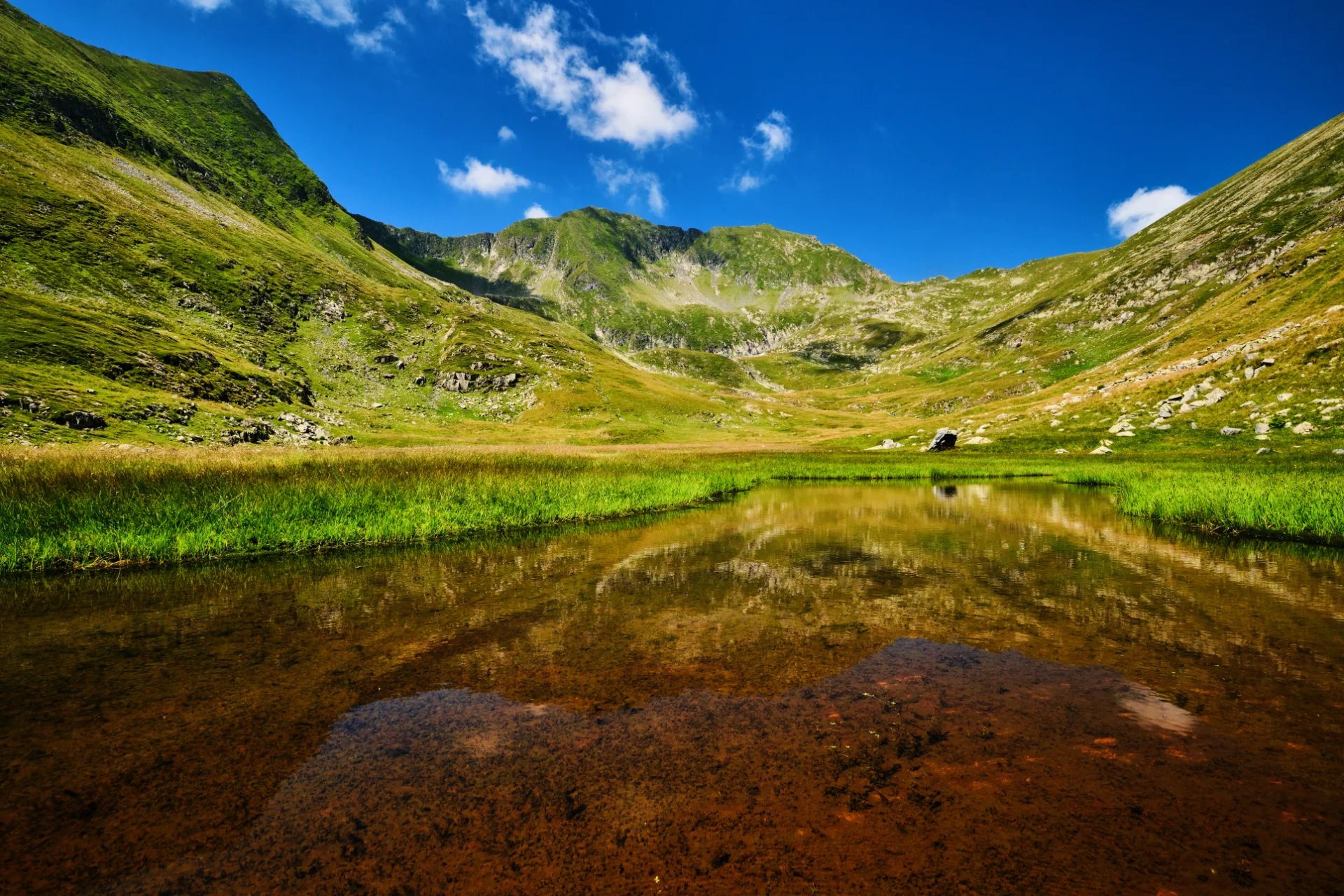
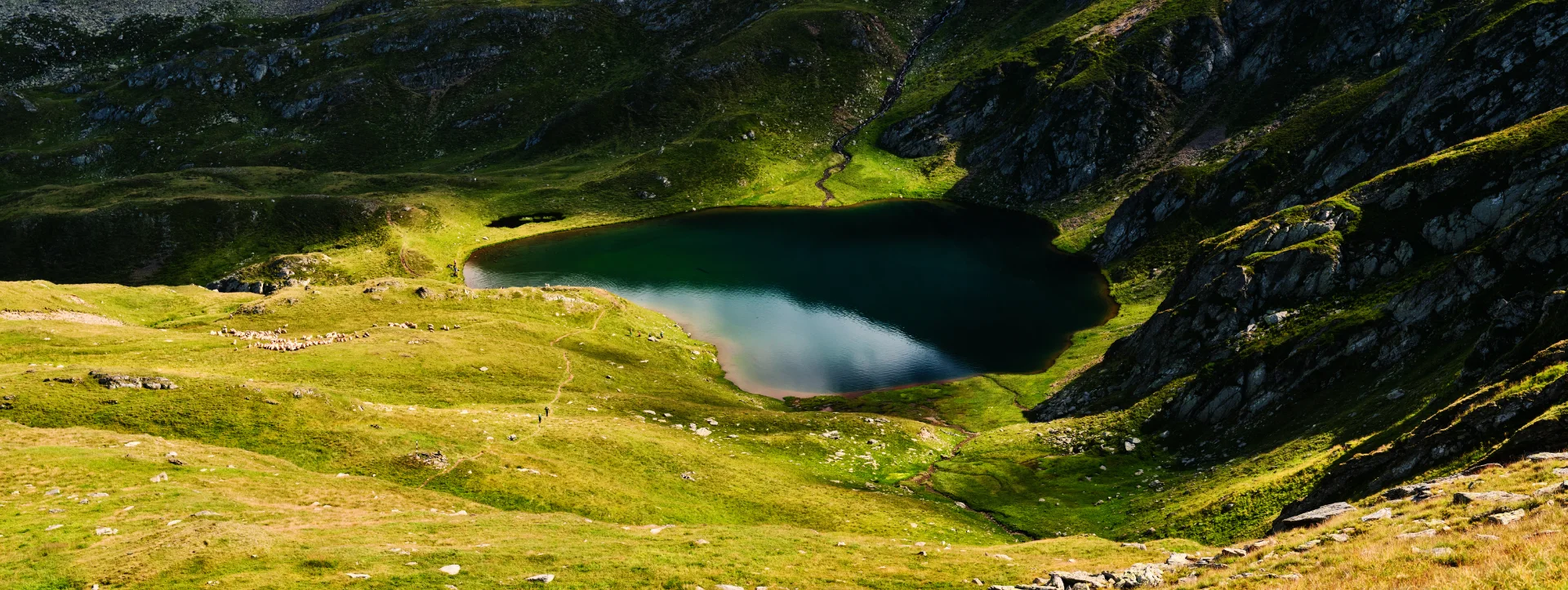
Throughout all these adventures through the Făgăraș Mountains, we have the unique chance to admire memorable and wild landscapes, passing through several types of natural ecosystems, from deciduous forests to coniferous forests and further through alpine meadows and the heights of the alpine valley, where we encounter steep rocky ridges and glacial lakes specific to Făgăraș . Depending on the season, in these mountains we can admire between 30 and 70 glacial lakes, some of which are temporary. Besides Lake Bâlea, the most important and interesting are the lakes Capra (2,230 meters above sea level), Urlea (surface area over 2 hectares), Podragu Mare (depth 15 meters), Călțun (depth 12 meters), Avrig (almost 1.5 hectares) Galbena (the largest on the southern slope), Buda, Doamnei, Podu Giurgiului, Iezerul Moldoveanu, Gălășescu, Roșu, Jgheburoasa or Zârna. Exhausted after so many enchanting hikes through valleys and over peaks, we descend to the smoother land at the foot of the mountains, where the Land of Făgăraș (Țara Făgărașului) awaits us with its priceless treasure trove of monuments, landscapes and stories…

Făgăraș Mountains - 100 Destinations in Romania - Trail on Sâmbăta Valley
Trail on Sâmbăta Valley Ⓒ Silviu-Florin Salomia
Făgăraș Mountains - 100 Destinations in Romania - Moldoveanu and Viștea Mare Peaks
Moldoveanu and Viștea Mare Peaks Ⓒ Silviu-Florin Salomia
Făgăraș Mountains - 100 Destinations in Romania - Bâlea Ridge
Bâlea Ridge Ⓒ Silviu-Florin Salomia
Făgăraș Mountains - 100 Destinations in Romania - Moldoveanu Ridge
Moldoveanu Ridge Ⓒ Silviu-Florin Salomia

Sights and Experiences

Places to See and Things to Do in Făgăraș Mountains
Făgăraș Mountains

Contained between the Olt Gorge to the west, the Făgăraș Depression to the north, several valleys separating them from Piatra Craiului to the east, and a series of submontane depressions to the south, the Făgăraș Mountains are the most massive and impressive of the Romanian Carpathians, bringing together 4 of the top 5 mountain peaks in Romania. There are also over 150 peaks exceeding 2,300 meters in altitude, mostly located along the main ridge, which stretches for approximately 70 kilometers from east to west. Along it, the most important peaks include Moldoveanu (2544 meters), Negoiu (2535 meters), Viștea Mare (2527 meters), Lespezi (2522 meters), Cornul Călțunului (2510 meters), Vânătarea lui Buteanu (2507 meters), Hârtopul Darei (2506 meters), Dara (2501 meters), Scărișoara Mare, Mușetescu, Capra, Podragu, Mircii, Arpașul Mare, Mușeteica, Ucea Mare, Ciortea and others.

From the main ridge, secondary ones start, short and very steep to the north, longer and gentler to the south, the average width of the Făgăraș Mountains being 40-45 kilometers. In the northern part, the difference in level is impressive (up to 2000 meters in just 8-10 kilometers), and the valleys are particularly spectacular. Along these, hiking trails usually ascend to the high peak of Făgăraș, the most interesting being on the Sâmbăta, Viștea Mare, Bâlea or Porumbacu valleys. Făgăraș includes the highest peaks in the country, rocky ridges and steeps, glacial lakes, wild valleys, spectacular waterfalls, virgin forests, rare animals and plants, isolated sheepfolds and a multitude of spectacular hiking trails.

Transfăgărășan Road

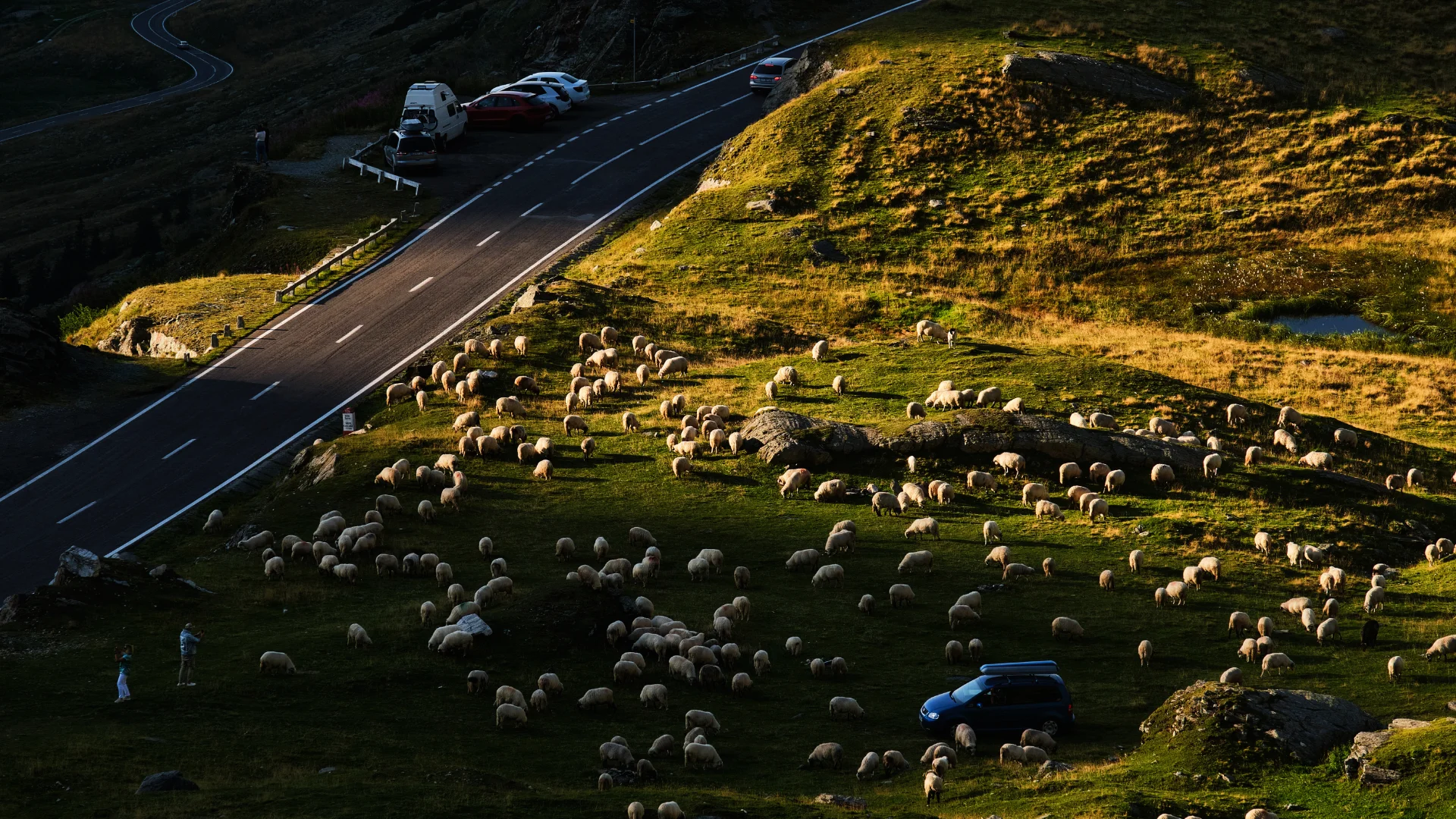
The Transfăgărășan mountain road is part of the national road 7C, which connects the localities of Bascov in Argeș County (A1) and Cârțișoara in Sibiu County (DN1), passing through the city of Curtea de Argeș. Its most spectacular part crosses the peaks of the Carpathians for a length of approximately 70 kilometers, connecting the historical regions of Muntenia and Transylvania. The road was built between 1970 and 1974 at the initiative of Nicolae Ceaușescu, being a strategic project that required a huge budget and many lives lost. Initially, the idea of ​​​​creating a tunnel with a length of approximately 7 kilometers, which would pierce the entire high ridge of the Făgărăș, was even floated.

In the end, the more practical solution was the high-altitude Capra-Bâlea tunnel (887 meters long – the longest tunnel in the country in 2024), which passes under the ridge between the peaks of Iezerul Caprei and Paltinu. During the works, the project was changed several times, finally reaching the national road of today. It is the second highest road in Romania, reaching 2,042 meters near the tunnel that pierces the main peak of the Făgăraș Mountains. Along its route, this road crosses spectacular landscapes and passes by several impressive attractions such as the Poenari fortress, Vidraru lake and dam, the Capra-Bâlea tunnel, Bâlea lake, Bâlea waterfall and others. The road is usually open between July 1 and November 1 (sometimes the period is extended depending on conditions – snow melting, avalanches, rock falls), and during the night, traffic is closed on the highest section of the road (Capra hut – Bâlea waterfall).

Transfăgărășan Road - 100 Destinations of Romania
Transfăgărășan Road Ⓒ Silviu-Florin Salomia
Făgăraș Mountains - 100 Destinations in Romania - Iezerul Caprei Peak
Iezerul Caprei Peak Ⓒ Silviu-Florin Salomia
Făgăraș Ridge Trail

One of the most spectacular and exciting hiking trails in the Carpathians is the Făgăraș Ridge Trail, which passes over the highest peaks of this massif, over a total length of approximately 70 kilometers. Along it, travelers have the opportunity to admire impressive landscapes and experience strong emotions, with challenging sections that pass over narrow and exposed ridges. Starting from the west, the trail starts from the town of Turnu Rosu, climbing to Suru Peak and further to Scara Peak (2,306 meters), passing by Lake Avrig. Further, after Serbota Peak (2,336 meters), the Custura Saratai section begins, with a length of 1 kilometer and having the reputation of being the most difficult aerial section in the country. This sector can be bypassed on an alternative path, and the route then passes the Acul Cleopatrei rock and quickly climbs Negoiu Peak (2,535 meters), the second highest in Romania.

The ridge route continues west through Strunga Doamnei and Portița Călțunului, passing by Lake Călțun, one of the most beautiful in Făgăraș, then passes through Șaua Laița, Șaua Lăițel and Custura Paltinului, reaching Fereastra Bâlei, above the tunnel through which the Transfăgărășan passes. From Lake Capra, there is a long section to Fereastra Zmeilor, an interesting natural arch, followed by the area called “La Trei Pași de Moarte”, which although difficult, is not as dangerous as the name would suggest. After the peaks of Arpașu Mic and Arpașu Mare (2,468 meters), the route passes by Lake Podu Giurgiului and continues towards Şaua Podragului, from where you can descend to Lake Podragu and the other smaller lakes nearby, located in a superb glacial valley.

A long ridge section follows, along which you pass through several saddles with impressive views, finally reaching the foot of Viștea Mare peak (2,527 meters) from where you can also climb the roof of Romania, Moldoveanu peak (2,544 meters). The two are connected by a fairly exposed aerial ridge section, known as the Spintecătura Viștei. From here begins the eastern portion of the route, somewhat devoid of dangerous sections. It continues through Portița Viștei, Fereastra Ursului, Fereastra Viștișoarei and Fereastra Răcorelelor to the Slănina Peak and the Great Sâmbeta Window (2,188 meters).

The ridge route continues eastwards past the Mogoș Peak and the Urlea Peak (2,473 meters), then southwards through Portița Lacului to the Iezerului and La Fundu Bândei peaks, from where one can admire the Urlea, Bândea and other lakes. Beyond the Leaota peak, one can also see the charming Zârna Lake, a natural monument and protected area. From here, the route begins to descend gently, passing by the Berevoescu Mare Peak and exiting the alpine valley of the Făgăraș after the Comisu Peak, north of the Pecineagu Reservoir Lake, located on the Dâmbovița River. Along this demanding route, which requires a minimum of 4-7 days, there are several mountain refuges, as well as several cabins located near the ridge. The high ridges of the Fagaras are sometimes covered with snow for nine months of the year, many routes here being closed or not recommended in this case.

Făgăraș Mountains - 100 Destinations in Romania - Făgăraș Ridge Trail
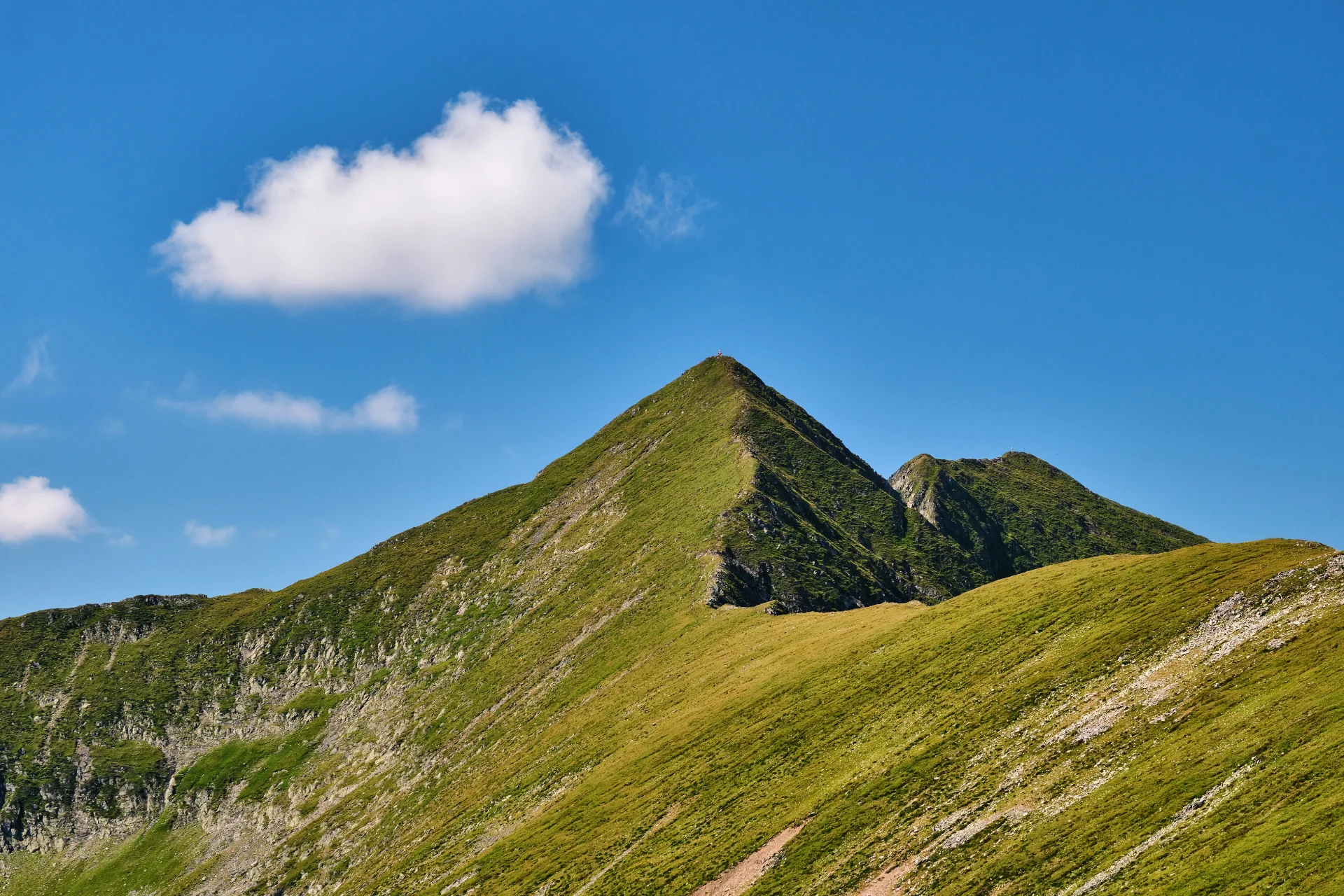
Făgăraș Ridge Trail Ⓒ Silviu-Florin Salomia
Făgăraș Mountains - 100 Destinations in Romania - Făgăraș Ridge Trail
Făgăraș Ridge Trail Ⓒ Silviu-Florin Salomia
Trails to Moldoveanu Peak

The highest peak in Romania rises to 2544 meters and is nicknamed the Roof of Romania. It is located in the central-eastern part of the Făgăraș Mountains, surrounded by other high peaks, the most imposing being Viștea Mare – 2527 meri, to which it is connected by a short and steep saddle. Until 1918, Negoiu peak was considered the highest in the country, but measurements later dethroned it in favor of the Moldavian. There are several hiking trails that allow its conquest, the most accessible being the one that climbs through Valea Rea to Portița Viștei. Other more difficult trails follow the main ridge from Lake Bâlea, the Viștea Mare valley in the city of Victoria or the Vâlsanului valley in the south. Equally adored by passionate adventurers and casual tourists, Romania’s highest peak is not so easy to conquer, throwing a few obstacles along the way.
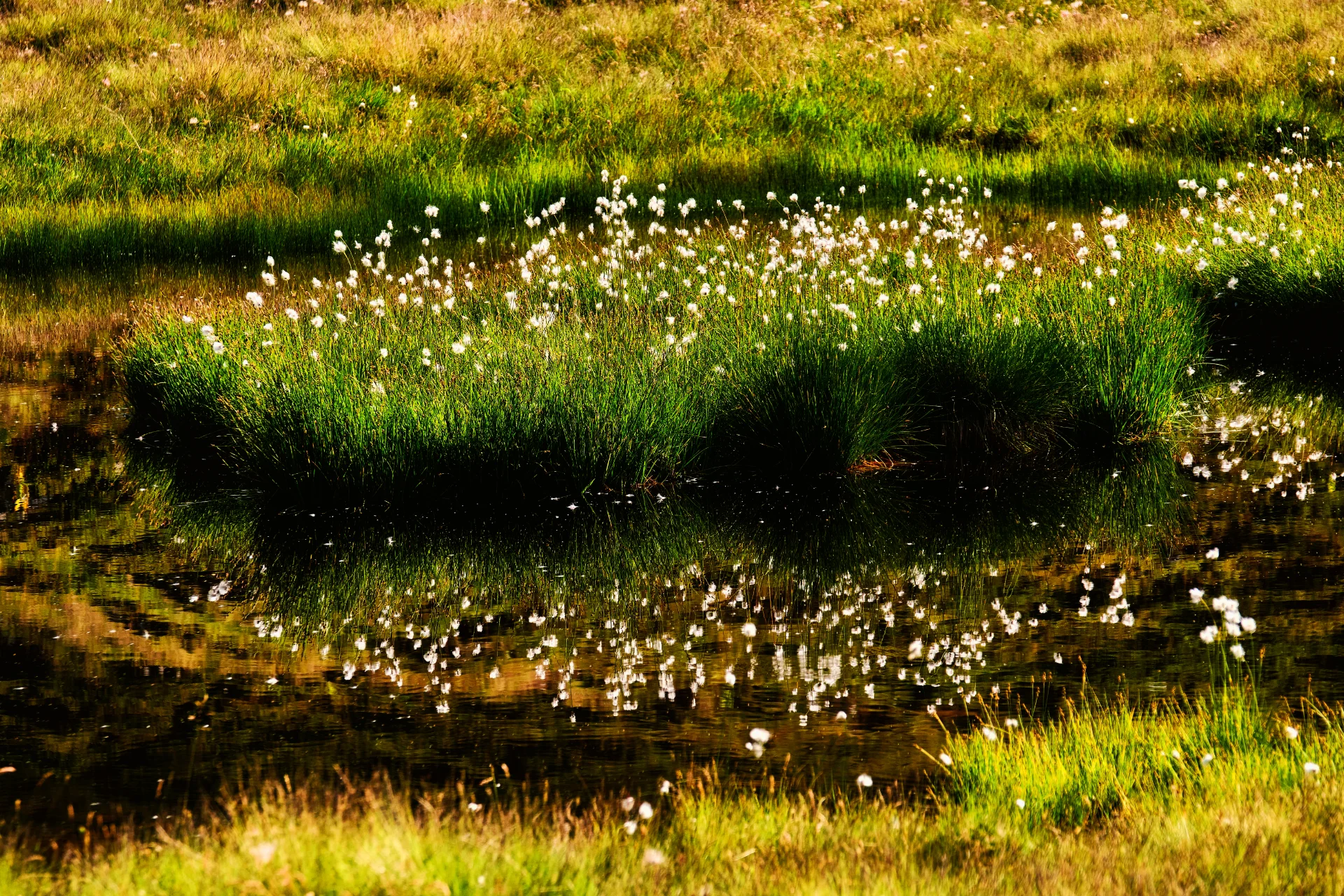
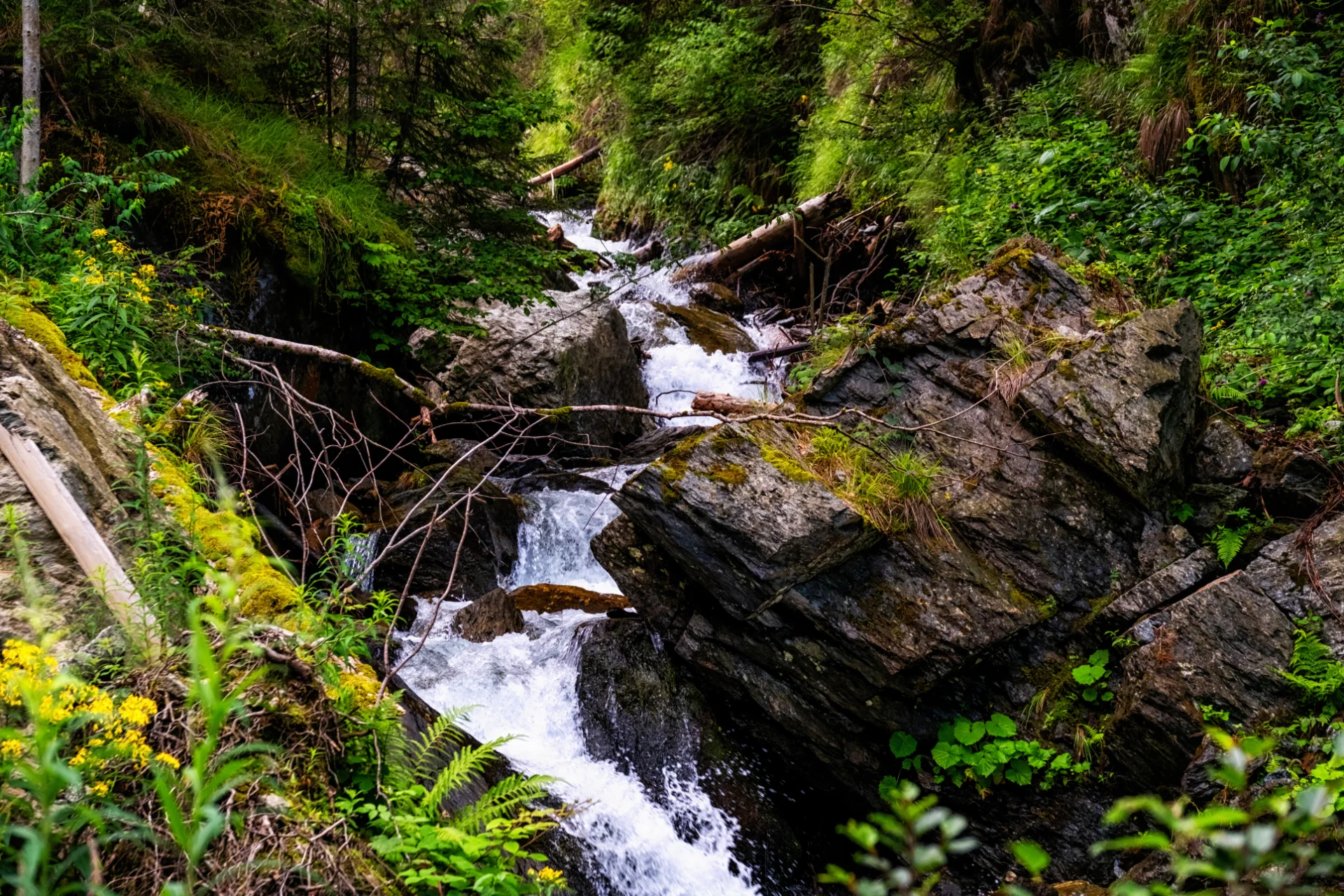
The journey to Moldoveanu Peak (2544 meters) begins long before the actual hike begins, right from the first spark that ignites in our minds and hearts, dreaming of conquering the legendary symbol of the Romanian Carpathians. Many aim to get here at least once in their lives, and more and more of them actually succeed. It follows Valea Rea on a forest road to the place known as Stâna lui Burnei, after which it climbs steadily towards the heights. It is by no means an easy route, requiring at least 4 hours of continuous climbing and an altitude difference of over 1000 meters, followed by an equally arduous descent. The “easy and fast” part is more about the forest road that allows access by car to the heart of the mountains, but even this sector is an adventure in itself. The road that follows Valea Rea is neither too bad nor too demanding for most cars, but it is agonizingly long. Starting from the village of Slatina (Nucșoara commune), it is about 35 kilometers and requires about two hours of arduous walking.

Făgăraș Mountains - 100 Destinations in Romania - Moldoveanu Peak
Moldoveanu Peak Ⓒ Silviu-Florin Salomia
Făgăraș Mountains - 100 Destinations in Romania - Valea Rea Valley
Valea Rea Valley Ⓒ Silviu-Florin Salomia
Făgăraș Mountains - 100 Destinations in Romania - Moldoveanu Caldera
Moldoveanu Caldera Ⓒ Silviu-Florin Salomia
Făgăraș Mountains - 100 Destinations in Romania - Moldoveanu Lake
Moldoveanu Lake Ⓒ Silviu-Florin Salomia
Trails to Negoiu peak

For a long time, Negoiu was known by another name and considered the highest peak in Romania. Although later surpassed by Moldoveanu, it retains its defining features, being from some points of view, more difficult to conquer. Visible from afar but in turn surrounded by other high and imposing peaks, it offers those who reach it a spectacular panorama of the surrounding ridges and valleys. It is also recognized for the atmospheric instability that characterizes this area of ​​​​Făgăraș, being often hidden in clouds. There are several hiking trails that allow travelers to climb this rocky pyramid, all of which are quite demanding and sometimes dangerous. The most accessible of these starts from Cabana Negoiu on Cărarea Zmeilor, passes through Căldarea Sărății, past Piatra Prânzului and climbs to Şaua Cleopatrai (blue triangle), then continues along the ridge to Negoiu peak (red band). The most difficult route climbs from Cabana Negoiu to Șerbota peak (blue band) and then along the ridge to Negoiu (red band), passing through Custura Sărății, a narrow and exposed ridge area, considered the hardest section in the Făgăraș Mountains. The third variant is longer, starting from Lake Bâlea and continuing along the ridge route over Laița and Lăițel peaks, past Lespezi peak and Lake Călțun, but this one also has more demanding sections towards the end. Near Negoiu peak, the charming glacial lake Călțun and several tumultuous waterfalls (Șerbota, Negoiu) can be admired.

Făgăraș Mountains - 100 Destinations in Romania - Paltinu Tower and Negoiu Peak
Paltinu Tower and Negoiu Peak Ⓒ Silviu-Florin Salomia
Făgăraș Mountains - 100 Destinations in Romania - Paltinu Tower
Paltinu Tower Ⓒ Silviu-Florin Salomia
Other Hiking Trails

In addition to the main ridge route, the Fagaras Mountains offer over 50 other hiking trails and tourist paths, most of which climb to the ridge, while others are variants of it, allowing you to visit other amazing places. Many popular itineraries climb from the north up the Porumbacu, Podragu, Viștea Mare or Sâmbăta valleys, offering the chance to discover some interesting attractions, such as the Șerbota Waterfall, the Sărății Waterfall, Doamnei Lake, Podragu Lake, Viștișoara Lake, Regina Sâmbetei Waterfall and others. Other trails, usually longer and less traveled, climb the valleys on the southern side of the massif. Among the most popular and interesting hiking trails are the route from Slatine through Valea Rea to Moldoveanu peak, the route from Brâncoveanu Monastery to Fereastra Mare a Sâmbetei, the route from Cabana Negoiu to Negoiu peak, the route from Victoria through Viștea Mare valley to Moldoveanu peak, the route from Victoria to Podragu lake, the route from Avrig to Avrig lake, the route from Piscul Negru to Lespezi peak and others. The vast majority of trails in Făgăraș are long and of medium or difficult difficulty, many being closed during the winter.

Făgăraș Glacial Lake

After the amazing rocky ridges, the main natural attractions of the Făgăraș Mountains are the glacial lakes that form fascinating landscapes. Depending on the season, there are between 30 and 70 glacial lakes in these mountains, some of which are temporary. In addition to Lake Bâlea, the most important and interesting are the Capra (2230 meters altitude), Urlea (surface area over 2 hectares), Podragu Mare (depth 15 meters), Călțun (depth 12 meters), Avrig (almost 1.5 hectares) Galbena (the largest on the southern slope), Buda, Doamnei, Podu Giurgiului, Iezerul Moldoveanu, Gălășescu, Roșu, Jgheburoasa and Zârna lakes.

Făgăraș Mountains - 100 Destinations in Romania - Capra Lake
Capra Lake Ⓒ Silviu-Florin Salomia
Făgăraș Mountains - 100 Destinations in Romania - Moldoveanu and Viștea Mare Peaks
Moldoveanu and Viștea Mare Peaks Ⓒ Silviu-Florin Salomia
Făgăraș Mountains - 100 Destinations in Romania - Galbena Lake
Galbena Lake Ⓒ Silviu-Florin Salomia
Făgăraș Mountains Biodiversity

Considered by researchers as the most important mountain ecosystem in Europe and recently nicknamed the Yellowstone of Europe, the Fagaras Mountains are characterized by an amazing biodiversity, with a large number of plant and animal species, including many rare and valuable. The Fagaras Mountains comprise the largest continuous area of ​​alpine habitat in Romania, as well as extensive areas of forests (over 70%), including areas of virgin and quasi-virgin forests. Over 2400 square kilometers of these mountains are included in two Natura 2000 sites (the Fagaras Mountains and the Fagaras Piedmont). Also, the most impressive part of these mountains is included in the Fagaras Alpine Valley Nature Reserve, which extends mainly along the western side of the northern ridge, between the Podragu and Suru peaks, with an area of ​​approximately 70 square kilometers. Here are found the most important and spectacular glacial landforms of these mountains, including splendid glacial lakes.

The Golul Alpin Moldoveanu – Capra Nature Reserve protects the spectacular landscapes on the southern side of the main eastern ridge. In addition to these, there are several smaller protected natural areas in the Făgăraș Mountains, such as the Valea Rea – Zârna Alpine Valley, the Turnu Roșu Limestones, Arpășel or the Șinca Secular Forest (UNESCO heritage). There are also projects to protect the entire surface of the Făgăraș Mountains within a national park that could become the largest and wildest in all of Europe. Among the animal species, the 57 species of mammals (including the brown bear, lynx, wolf, fox, deer, roe deer, wild boar, chamois and others) or the approximately 130 species of birds, many of which are protected by law. Around 900 plant species have also been identified in the area of ​​these mountains, some of which are endemic to these mountains or rare in the Carpathian chain. Notable are the cornflower, the blood of the mighty, the white ivy, the mountain peony, the larch, the larch, the yew or the samara.

Făgăraș Mountains Bison

Part of a large, successful project aimed at reintroducing bison to Romania’s wildlife, there are now several dozen specimens roaming the Făgăraș Mountains in freedom. Once a symbol of the Carpathians, these impressive animals disappeared two centuries ago due to hunting and the expansion of human activity. After many decades in which they could only be admired within fenced reserves, bison began to be released in a controlled and gradual manner in certain isolated mountain areas. After the release of a large number of bison in the Țarcu Mountains proved successful, in recent years several groups have been released into several wild natural areas in the Făgăraș Mountains and surroundings, namely Lerești, Rucăr and Nucșoara. A fairly peaceful animal that avoids human contact, but also very beneficial for the health of ecosystems, the bison can also contribute to the development of ecological tourism in the Făgăraș Mountains. Visitors could thus have the unique opportunity to observe these amazing animals in the wild.

Chalet and Camping

In addition to the multitude of guesthouses located at the foot of the Făgăraș Mountains, some right at the beginning of tourist routes to the peaks, there are also many chalets that allow tourists to stay at higher altitudes. The most famous and crowded are those around Lake Bâlea and along the Transfăgărășan, including the Bâlea Lac, Paltinu, Bâlea Cascada, Capra, Piscul Negru, Valea cu Pești, Cumpăna and others. Other chalets are located along the more important routes in these mountains, such as the Negoiu, Podragu, Arpaș, Bărcaciu, Turnuri, Suru, Poiana Neamțului or Plaiul Foii chalets. In addition to these, in the high alpine area there are also several refuges where hikers can spend the night if necessary (Viștea Mare, Berevoescu, Călțun, Fereastra Zmeilor, Curmătura Zârnei, Fereastra Mică, Lacul Urlea, Șaua Scării and others), but these have quite a few places. In the Făgăraș Mountains, camping can be done for a single night anywhere in the alpine area, but the most popular destinations are the areas of the lakes Bâlea, Capra, Călțun, Podragu, Avrig, or near the tourist refuges, where springs are usually found.

Făgăraș Mountains - 100 Destinations in Romania - Sâmbăta Valley Biodiversity
Făgăraș Biodiversity Ⓒ Silviu-Florin Salomia
Făgăraș Mountains - 100 Destinations in Romania - Sâmbăta Valley Biodiversity
Făgăraș Biodiversity Ⓒ Silviu-Florin Salomia
Făgăraș Mountains - 100 Destinations in Romania - Sâmbăta Valley Biodiversity
Făgăraș Biodiversity Ⓒ Silviu-Florin Salomia
Făgăraș Mountains - 100 Destinations in Romania - Sâmbăta Valley Biodiversity
Făgăraș Biodiversity Ⓒ Silviu-Florin Salomia
Făgăraș Mountains - 100 Destinations in Romania - Brown Bear in Făgăraș
Brown Bear in Făgăraș Ⓒ Silviu-Florin Salomia
Făgăraș Mountains - 100 Destinations in Romania - Făgăraș Biodiversity
Făgăraș Biodiversity Ⓒ Silviu-Florin Salomia

Other Interesting Discoveries

Lesser known places and activities of Făgăraș Mountains
Bâlea Lake

Located at an altitude of 2034 meters, the glacial lake Bâlea has an area of ​​almost 5 hectares and a maximum depth of over 11 meters. The lake is located just a few steps from Transfăgărășan, and over time, several chalets and the upper cable car station have appeared on its shores. Considered one of the most beautiful mountain lakes in the country, Bâlea is surrounded on three sides by the steep rocky ridges of the Făgăraș, and to the north lies the splendid glacial valley and the road that runs through it. Declared a natural monument and a protected natural area, the lake is surrounded by numerous legends. Among its attractions is the ice hotel that is built almost every winter (starting in 2006), using blocks of ice from the lake.

Bâlea Waterfall

Also known as Urlătoarea Bâlei, the Bâlea waterfall is considered one of the most beautiful in the country, being also the highest stepped waterfall, with a total drop of approximately 60 meters. Access is made along a route that starts from the Bâlea Cascada chalet, from where the cable car to Lake Bâlea also departs. Follow the river upstream for approximately 30-60 minutes, the route being quite easy, but it also has a steeper section.

Bâlea Cable Car

Open since 1975, the cable car connects the Bâlea Cascada area with Bâlea Lac, over a total length of 3700 meters and a difference in altitude of over 800 meters. It operates all year round, except during periods when the weather conditions are unfavorable (strong winds, storms, very low temperatures).

Opening hours: 9-17 | Prices: 80 lei (16€)/adult/way

Sâmbăta Valley

One of the most accessible and enchanting valleys in the Fagaras Mountains is located in the northeastern part of the massif and can be explored starting from the Sâmbăta de Sus resort, right near the Brâncoveanu Monastery. The forest road accompanies the valley and can be traveled by equipped vehicles right up to the Valea Sâmbetei chalet. However, the route that follows the valley is very pleasant on foot, offering numerous charming views even if you follow the road for many kilometers. From the chalet, there are several trails that climb to the side peaks, including one that passes by Chilia lui Arsenie Boca, where most tourists go. The main hiking trail, however, continues north, at the base of the main peak it forks and begins to climb sharply towards Fereastra Mare a Sâmbetei (2188 meters) or towards the La Cheia Bândei peak (2383 meters).

Winter in Făgăraș Mountains

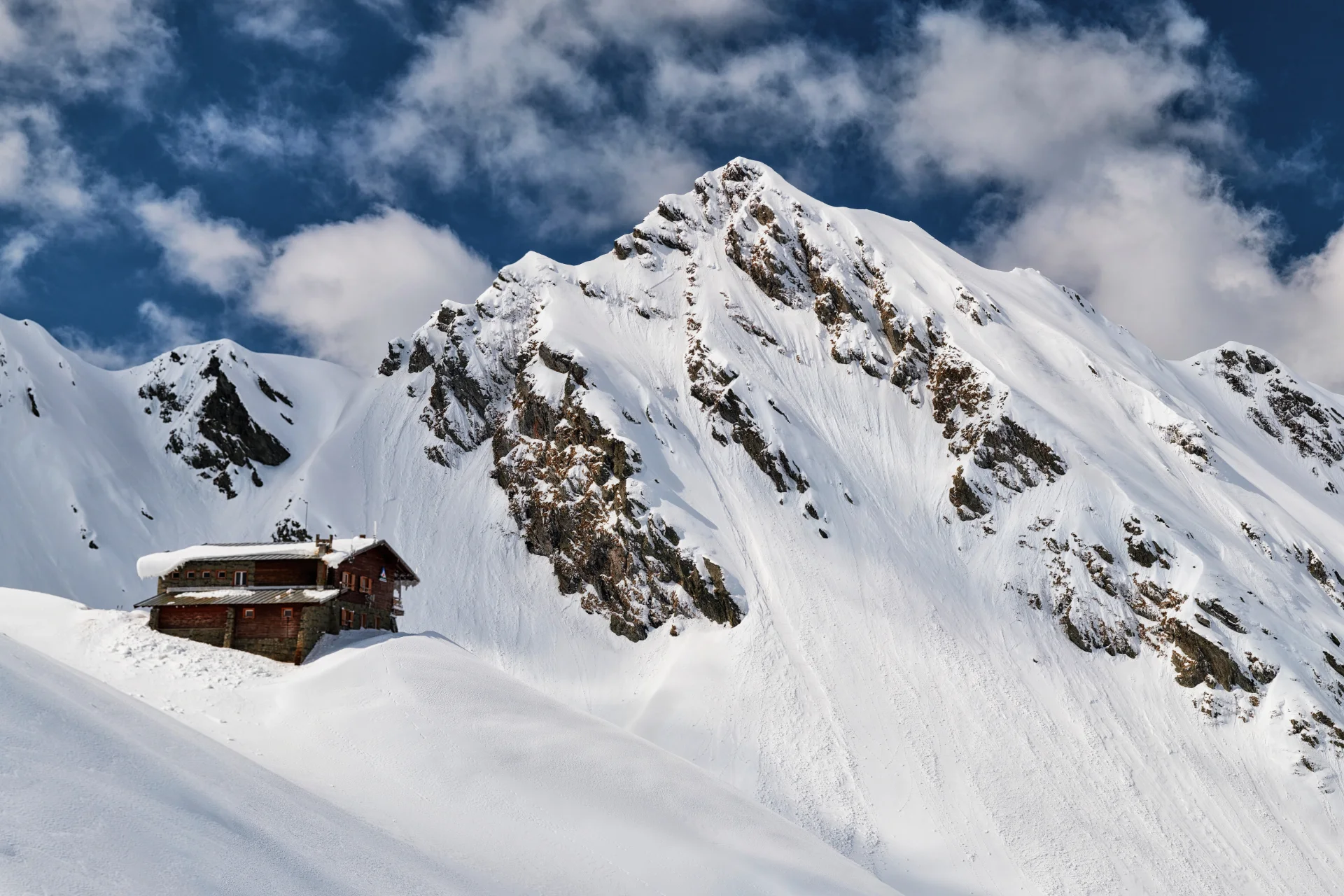
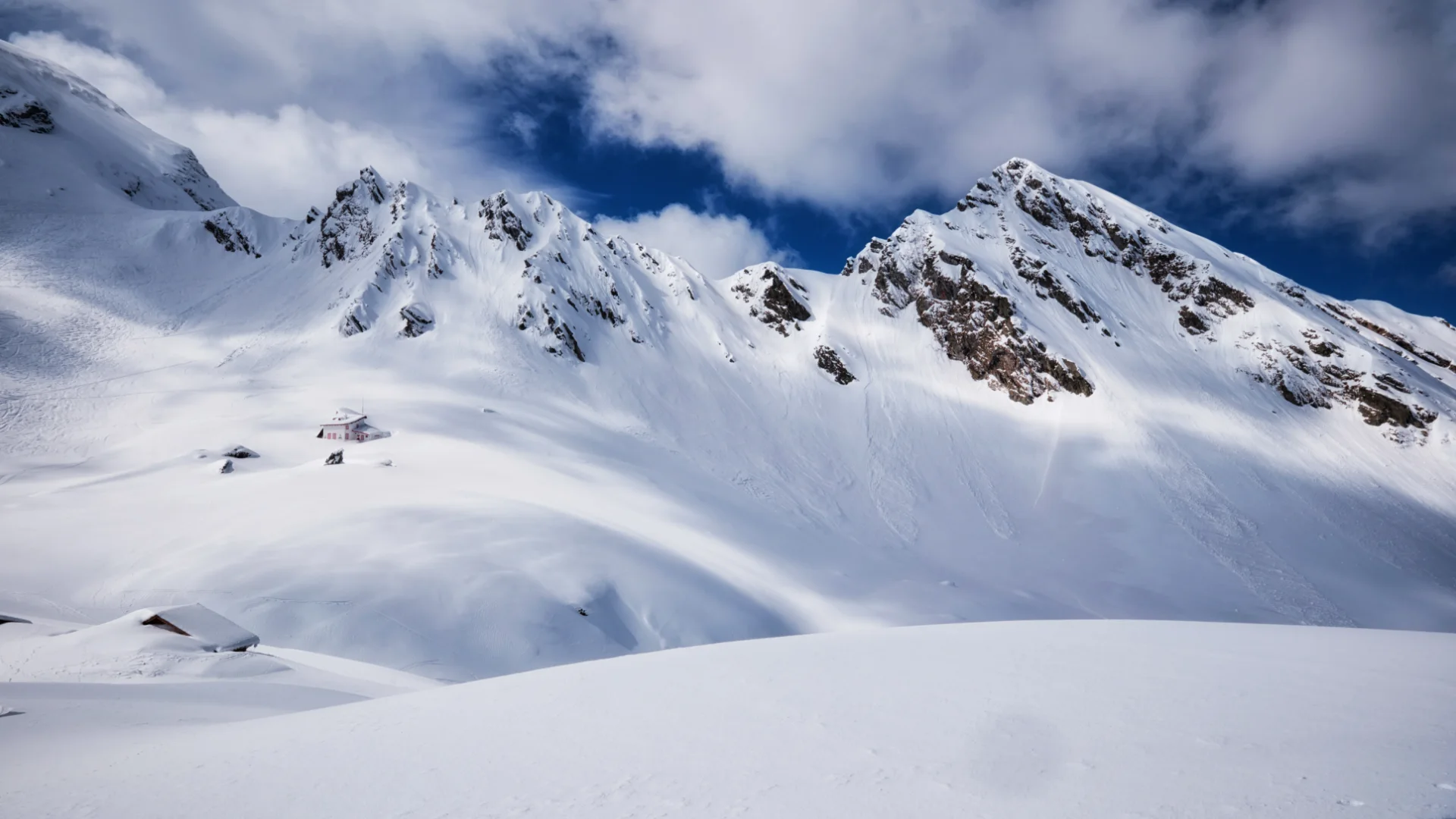
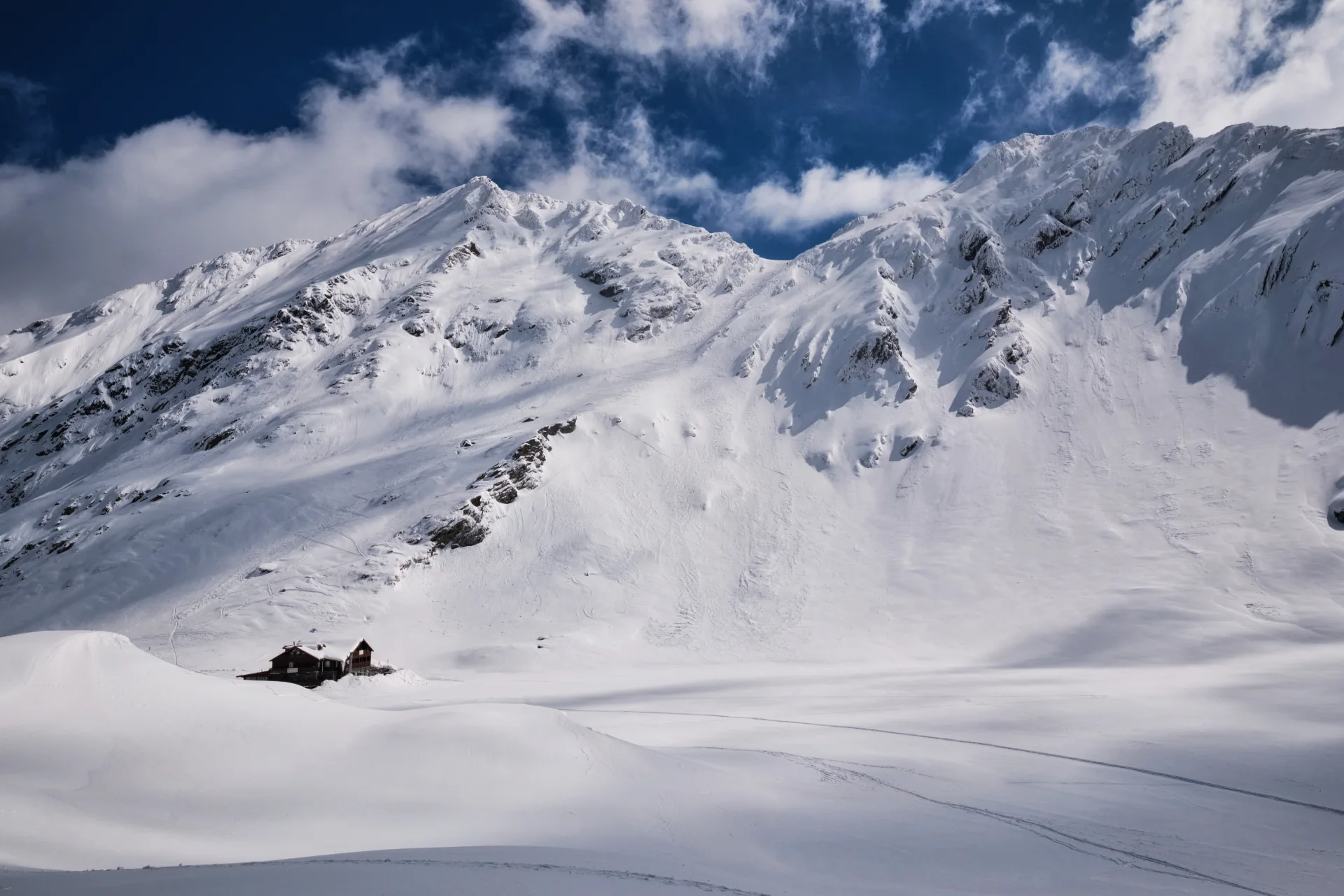
The dramatic ridges of the Făgăraș Mountains have a special charm when covered in snow, but most hiking trails are closed in winter, and those that are accessible are only for travelers with mountain experience and appropriate equipment. The easiest way to get as close as possible to the main peak is by cable car from Bâlea Cascada to near Lake Bâlea. There are also tourists who venture to ski in some valleys of the Făgăraș Mountains, but the lack of transportation facilities, organized slopes and, above all, the constant danger of avalanches make this activity very dangerous. The Făgăraș Mountains have seen the most, most important and most tragic avalanches in the Romanian Carpathians, including the one in the spring of 1977, when 23 tourists lost their lives, many of them students from a high school in Sibiu. Under certain conditions, however, you can ski in the valleys of Bâle, Sâmbeta, Doamna, Podragului and others.

Făgăraș Mountains - 100 Destinations in Romania - Sâmbăta Valley
Sâmbăta Valley Ⓒ Silviu-Florin Salomia
Transfăgărășan Road - 100 Destinations of Romania - Bâlea Waterfall
Bâlea Waterfall Ⓒ Silviu-Florin Salomia
Făgăraș Mountains - 100 Destinations in Romania - Bâlea Caldera in Winter
Bâlea Caldera in Winter Ⓒ Silviu-Florin Salomia
Făgăraș Mountains - 100 Destinations in Romania - Winter in Făgăraș
Winter in Făgăraș Ⓒ Silviu-Florin Salomia
Făgăraș Mountains - 100 Destinations in Romania - Winter in Făgăraș
Winter in Făgăraș Ⓒ Silviu-Florin Salomia
Făgăraș Mountains - 100 Destinations in Romania - Eastern Ridge Panorama
Eastern Ridge Panorama Ⓒ Silviu-Florin Salomia

Accommodation Recommendations

The best lodging options near Făgăraș Mountains
Accommodation on the Transfăgărășan Road - Hotel Bâlea Teleferic

Rating 9.3 from 211 reviews!

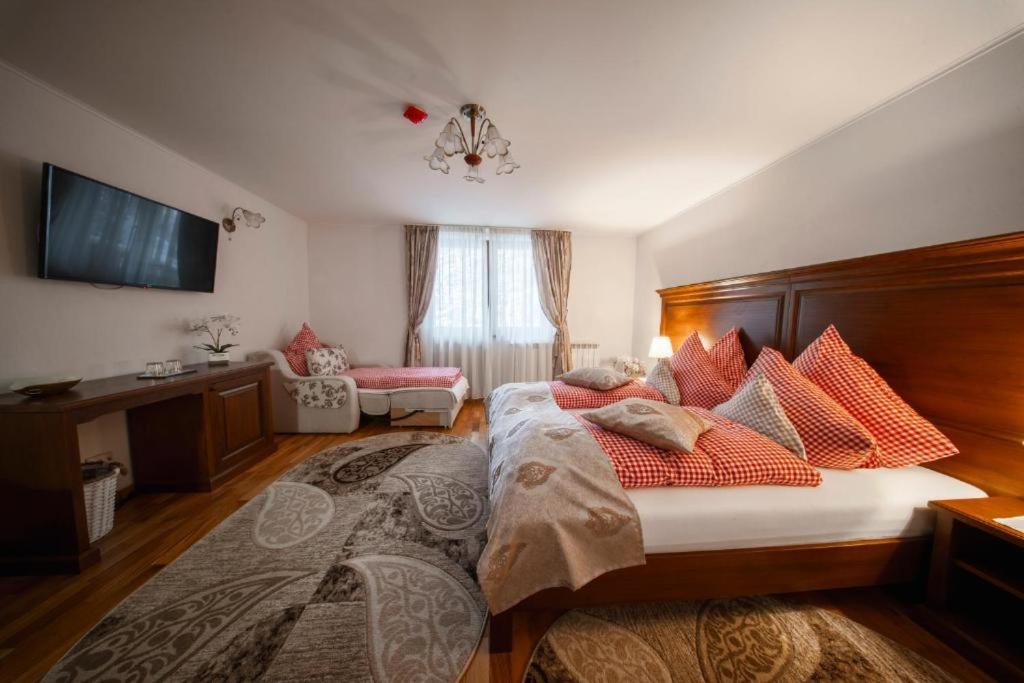
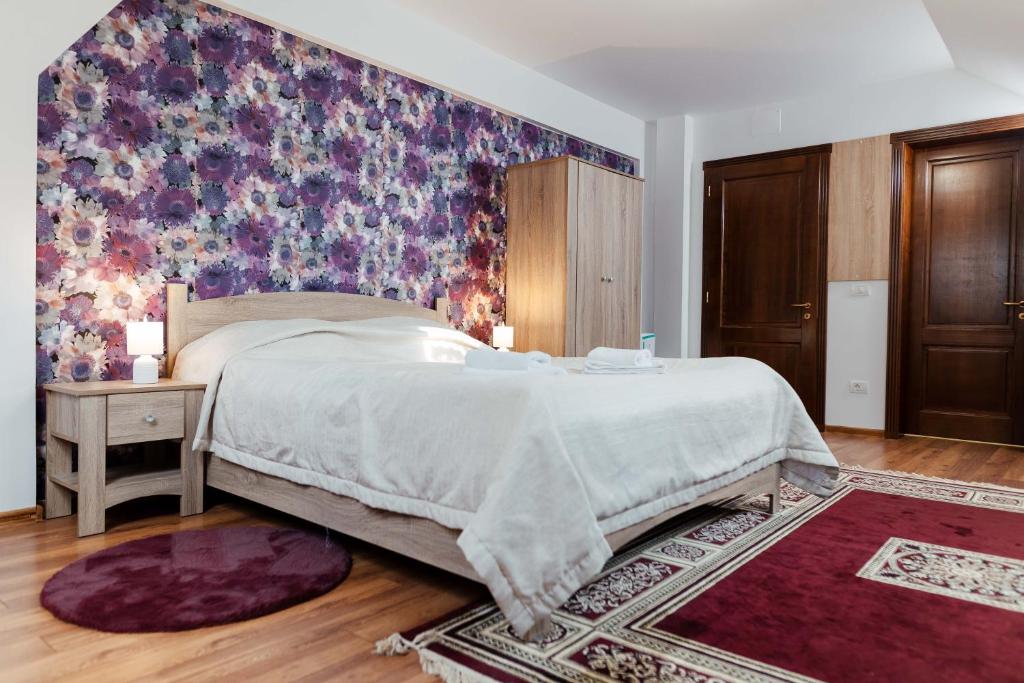
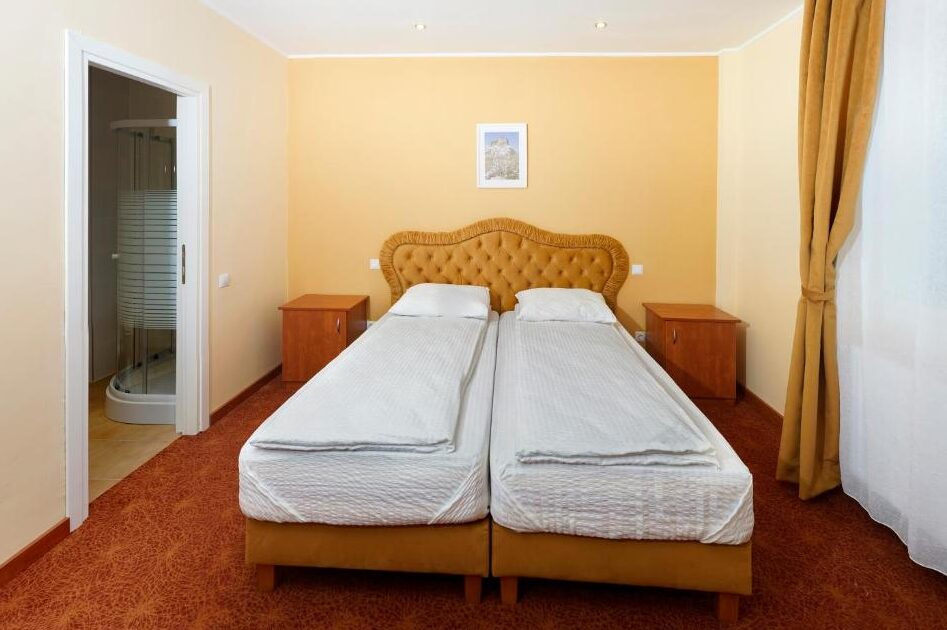
Located near the starting point of the Bâlea cable car, in the northern part of the Transfăgărășan, this popular hotel offers accommodation in welcoming rooms!

Transfăgărășan

Accommodation near Făgăraș Mountains - Casa Marta Sâmbăta de Sus

Rating 9.6 from 352 reviews!

Located in the Sâmbăta de Sus resort, at the foot of the Făgăraș Mountains, this highly rated guesthouse offers superb family rooms, a garden and a terrace!

Sâmbăta de Sus

Accommodation near Făgăraș Mountains - Pensiunea Floare de Colț Nucșoara

Rating 8.7 from 187 reviews!

Located right at the entrance to Valea Rea, towards Vârful Moldoveanu, this guesthouse offers quality at decent prices, and also has a traditional restaurant!

Nucșoara

Previous Destination

URMĂTOAREA DESTINAȚIE

19. Țara Făgărașului
Scroll to Top