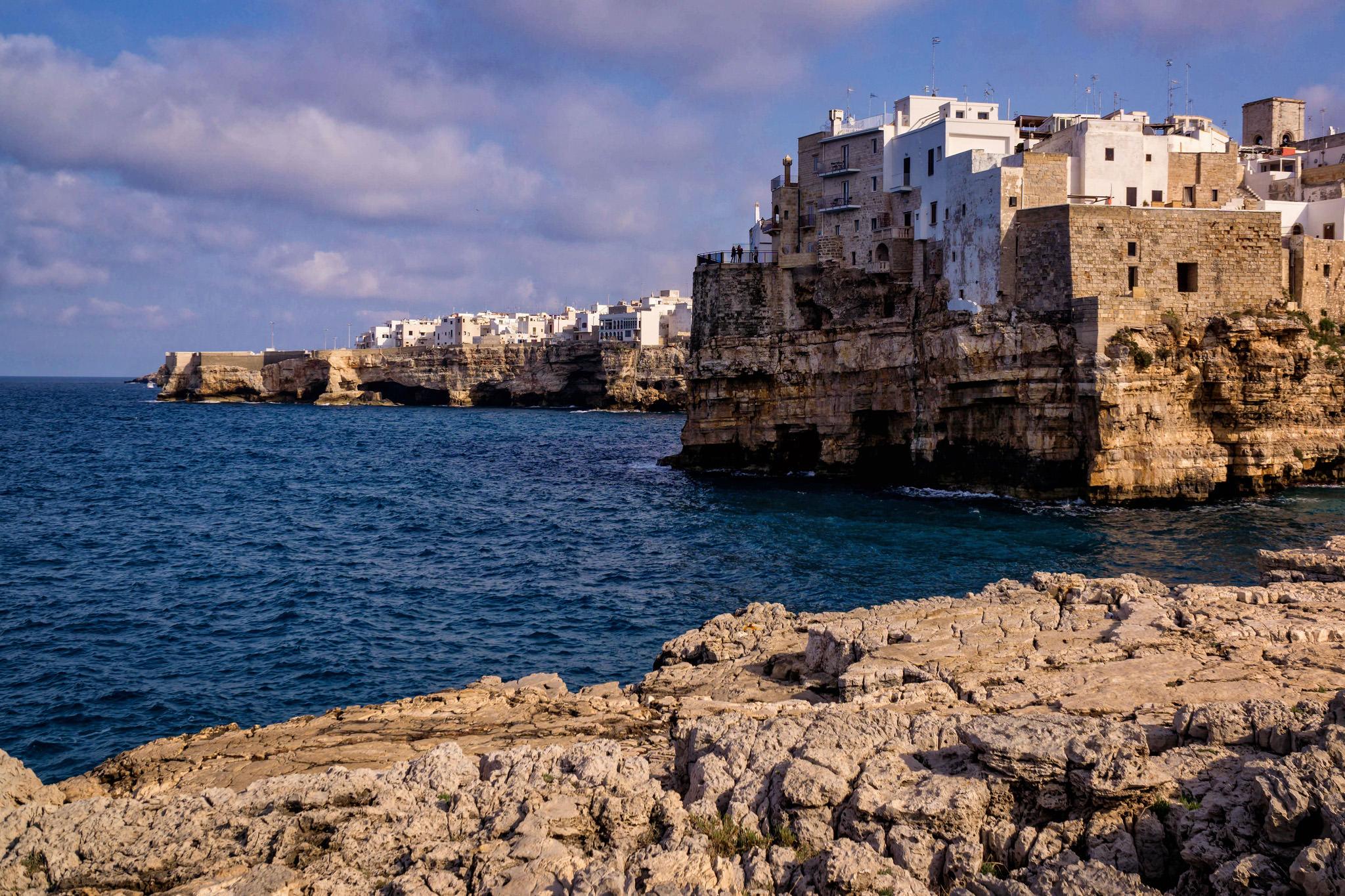
Unlike other famous cities, in Naples people still live their lives without any artificially created facades for tourists. The old center is as alive and vibrant as ever, and the nearby neighborhoods seem to have not changed for decades. Here you feel the history under every stone and in every wall you touch, this city has a unique and enigmatic atmosphere, like the volcano that has been watching over it for millennia. Beyond the immense heritage, perhaps the most precious treasure in Naples are the Neapolitans themselves, with their exuberant and expansive way, full of life and noise, driving their scooters or tiny cars.
Naples is a unique tourist destination, unlike anything else you’ve ever seen. It’s a state of mind, an amalgam of sensations and impressions, a city as big as a whole world. It takes patience and dedication to love Naples, you have to go beyond the first impression and all the prejudices that have arisen over time about this complex place. Naples is not just the city of the mafia and mountains of garbage, of immigrants and the constant threat of Vesuvius. One of the oldest and most important cities in all of Europe has over two millennia of history, passing through all the great civilizations of the Mediterranean.

Traces of a rich past are laid out in layers, many buried deep beneath the city today, although just as much has been brought to light for us to admire. Naples has a problem with its historical and cultural heritage…it is too much and too important to be organized and showcased. However, the city has made huge strides since the negative reputation it had a decade or more ago, when Naples was for many synonymous with crime and poverty in southern Italy. Today, a trip to Naples is an extreme sensory experience, a destination more authentic and real than any other in Italy, an incursion into a passionate and fascinating world.
Search for Flights to Naples on Booking.com!
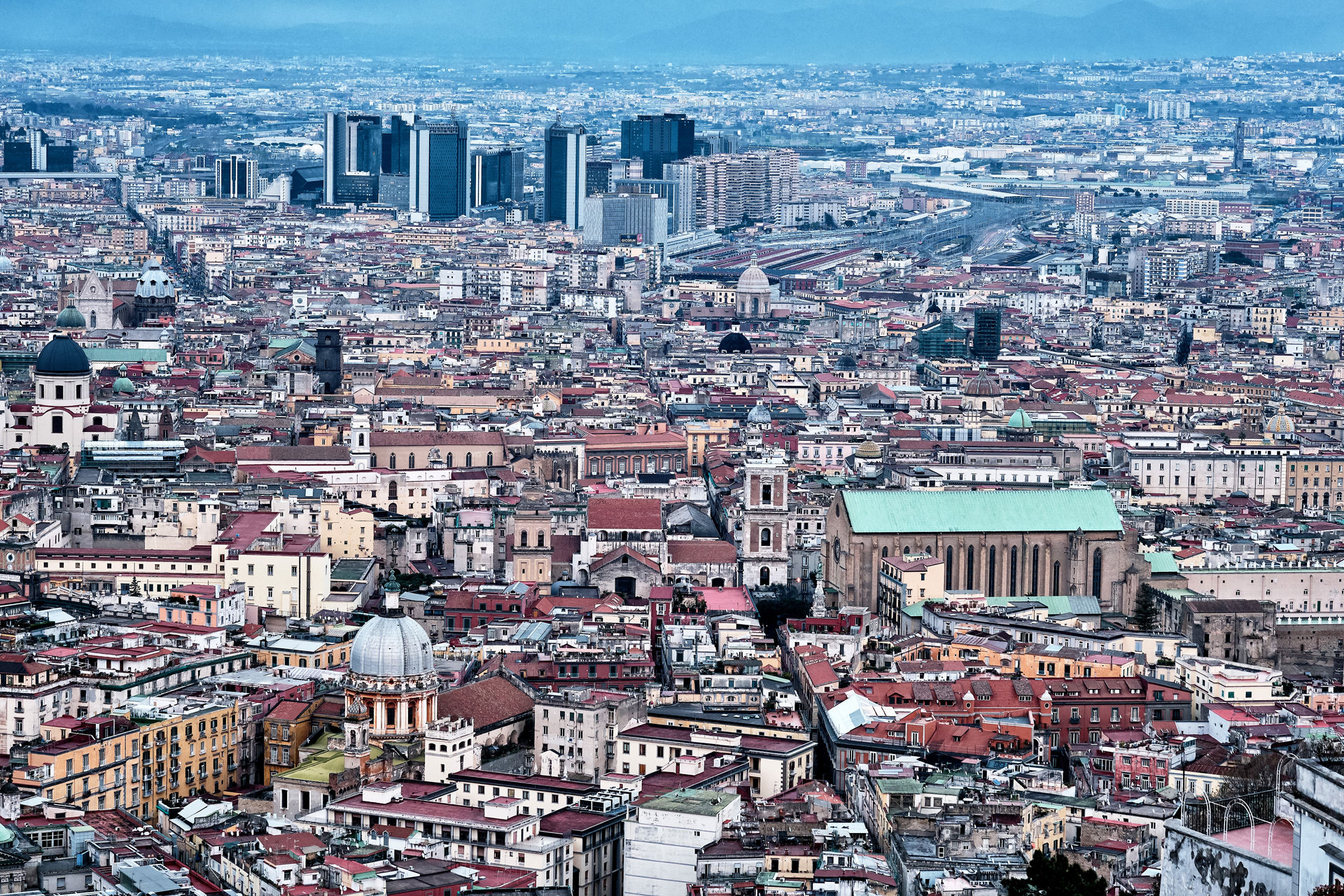
Transportation in Naples!
Naples is a large city, being the third largest city in Italy, with approximately 1 million inhabitants in the administrative area. However, the central area where most of the tourist attractions are concentrated is very well organized in terms of public transport. The traffic, on the other hand, is chaotic and often does not follow any rules, so I do not recommend renting a car or a scooter in Naples. To get around the city, you have the choice between the metro (which often has the same lines as the surface trains), buses, trams, trolleybuses or, if you absolutely have to, taxis. Most transport companies are owned by the ANM company, but there are exceptions. Although the metro is not extremely developed, it is the fastest way to get to the city center, if you have accommodation near a station.
Rent a Car in Naples with Booking.com!
There are two main lines useful for tourists, Line 1 connecting the Central Station with the historic center and the port, while Line 2 has a station near the Archaeological Museum. If you are not near a metro station or your destination is further away, you can look for bus or trolleybus connections. For destinations outside the city, there are local trains that make your trip easier, the most important being Circumvesuviana, a company that operates routes to Herculaneum, Pompeii, Sorrento and other towns around the volcano. There are frequent ferry services to the islands of Capri and Ischia. In terms of tickets, these are quite cheap, but the simplest and most convenient option remains cards and subscriptions. The Unico Campania tourist card offers you various options that include free transport on all transport lines in the city or region, in addition to other freebies and discounts.
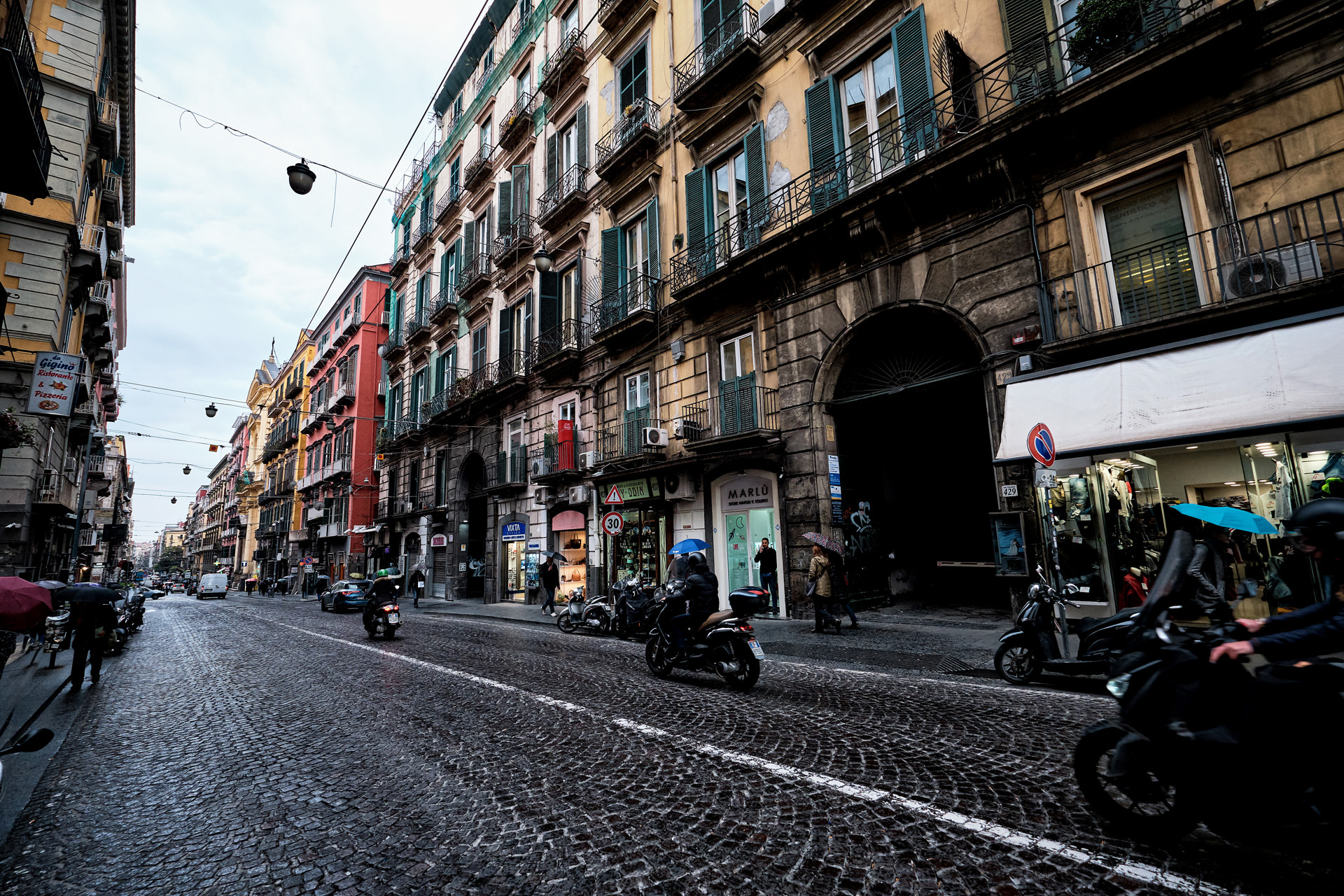
3 Days in Naples
Naples has hundreds of exceptional monuments and interesting places to visit, far too many for just three days, but you can see and feel the essence of this destination even in this short period. In addition to the spectacular palaces and imposing castles, the fascinating churches and monasteries, the museums full of treasures and the enigmas of the underground, Naples has something else… a unique and charming atmosphere, a wild beauty that has inspired many over the centuries!
DAY 1
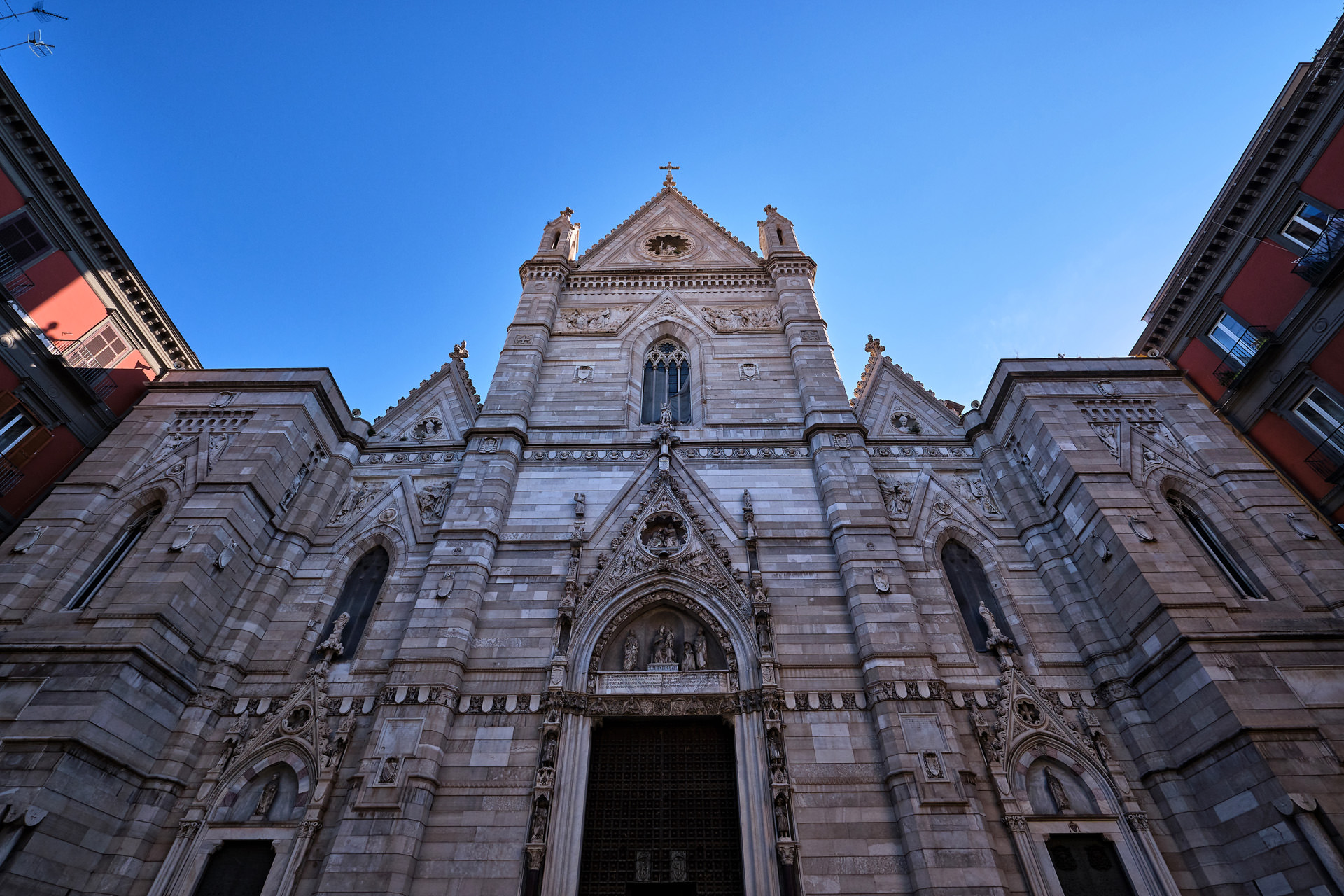
Morning – Start your first day in Naples with a stroll through the old city center, discovering the charm of this incredible destination. Via Tribunali and the network of roads in this area have maintained their layout for millennia, dating back to the Greco-Roman period of Neapolis. The first destination of the day, after admiring the magnificent palaces that guard every alley, is the Cathedral of San Gennaro, also known as the Duomo of Naples. You will find it a short distance from Via Tribunali, which overlaps one of the most important Roman roads.
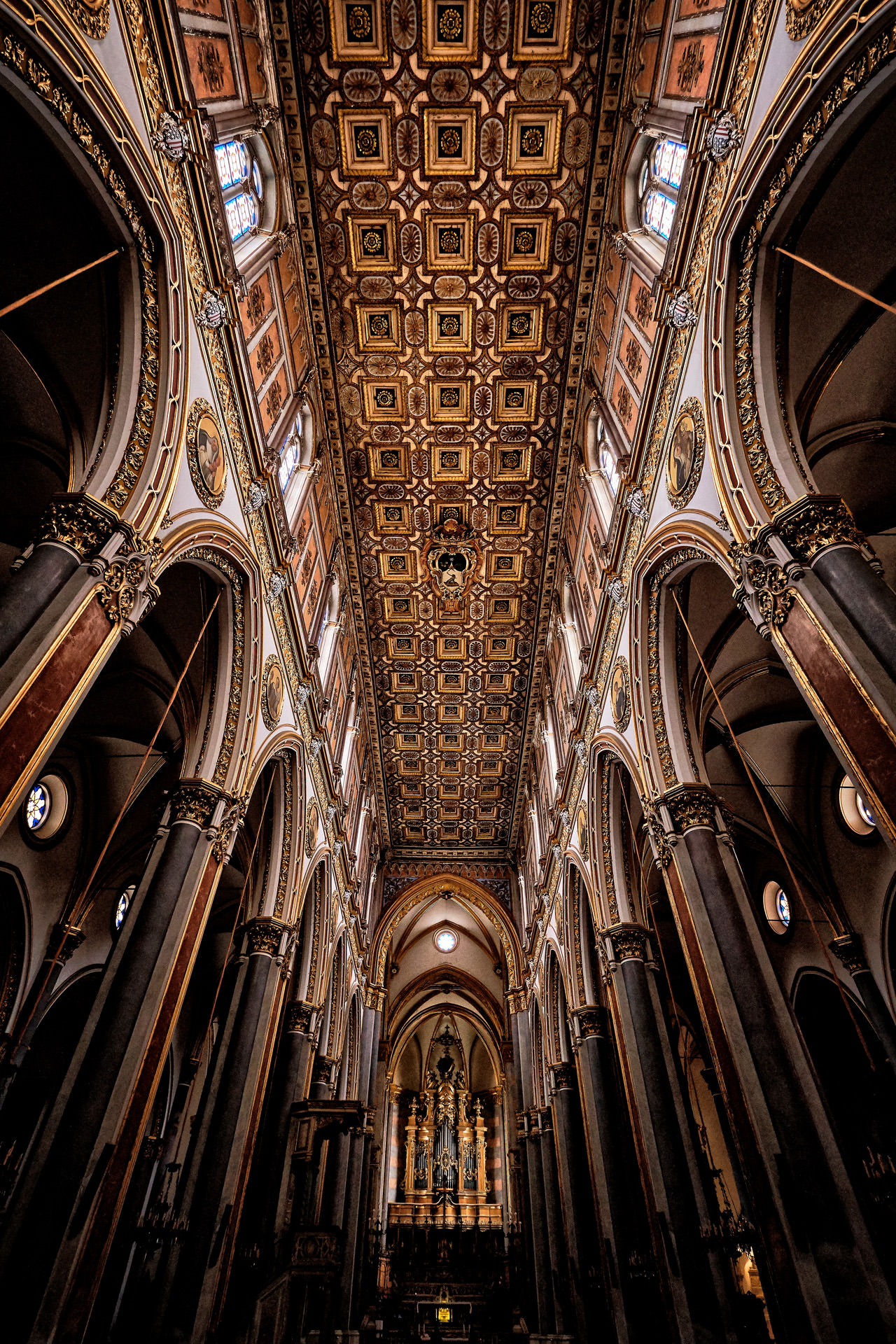
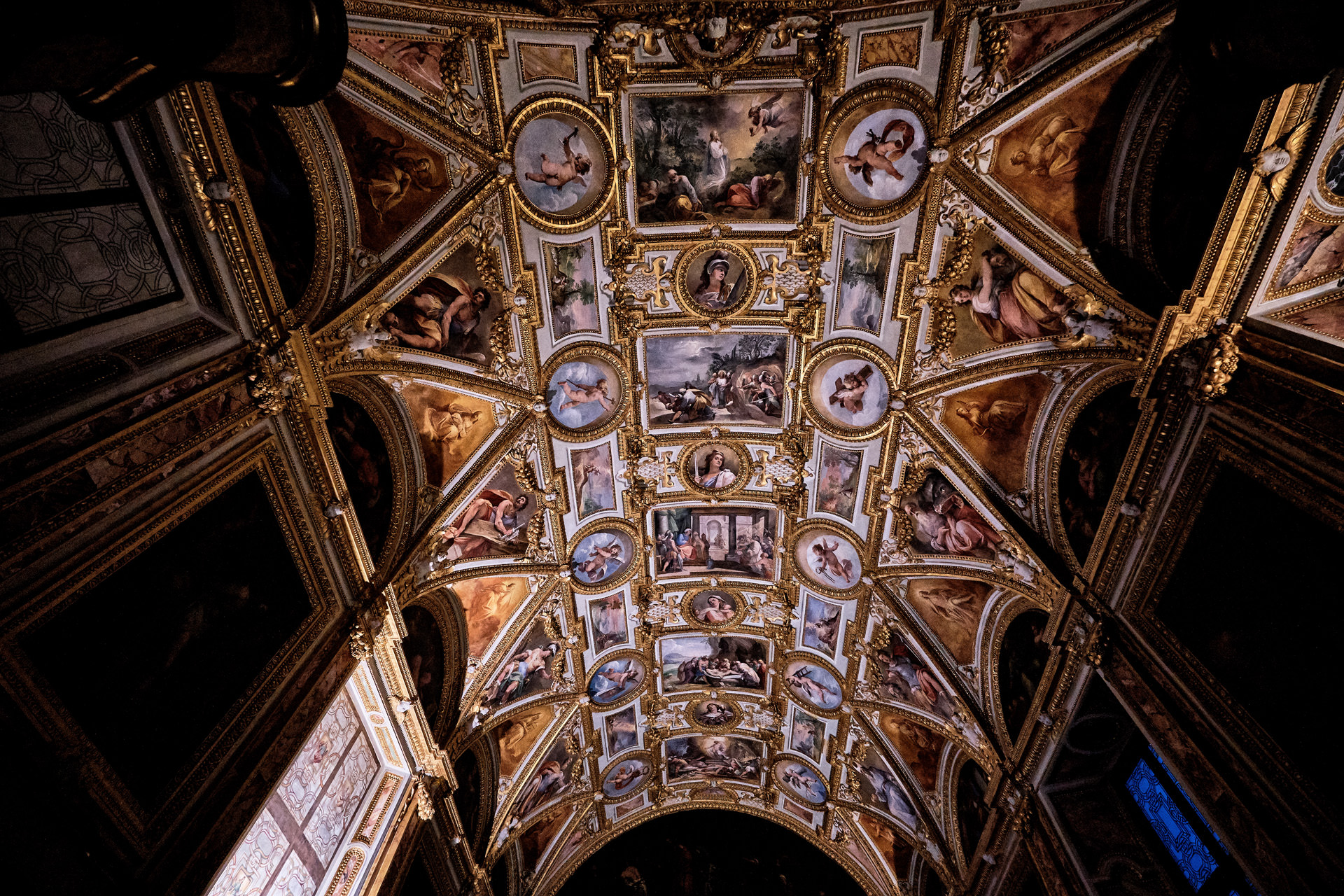
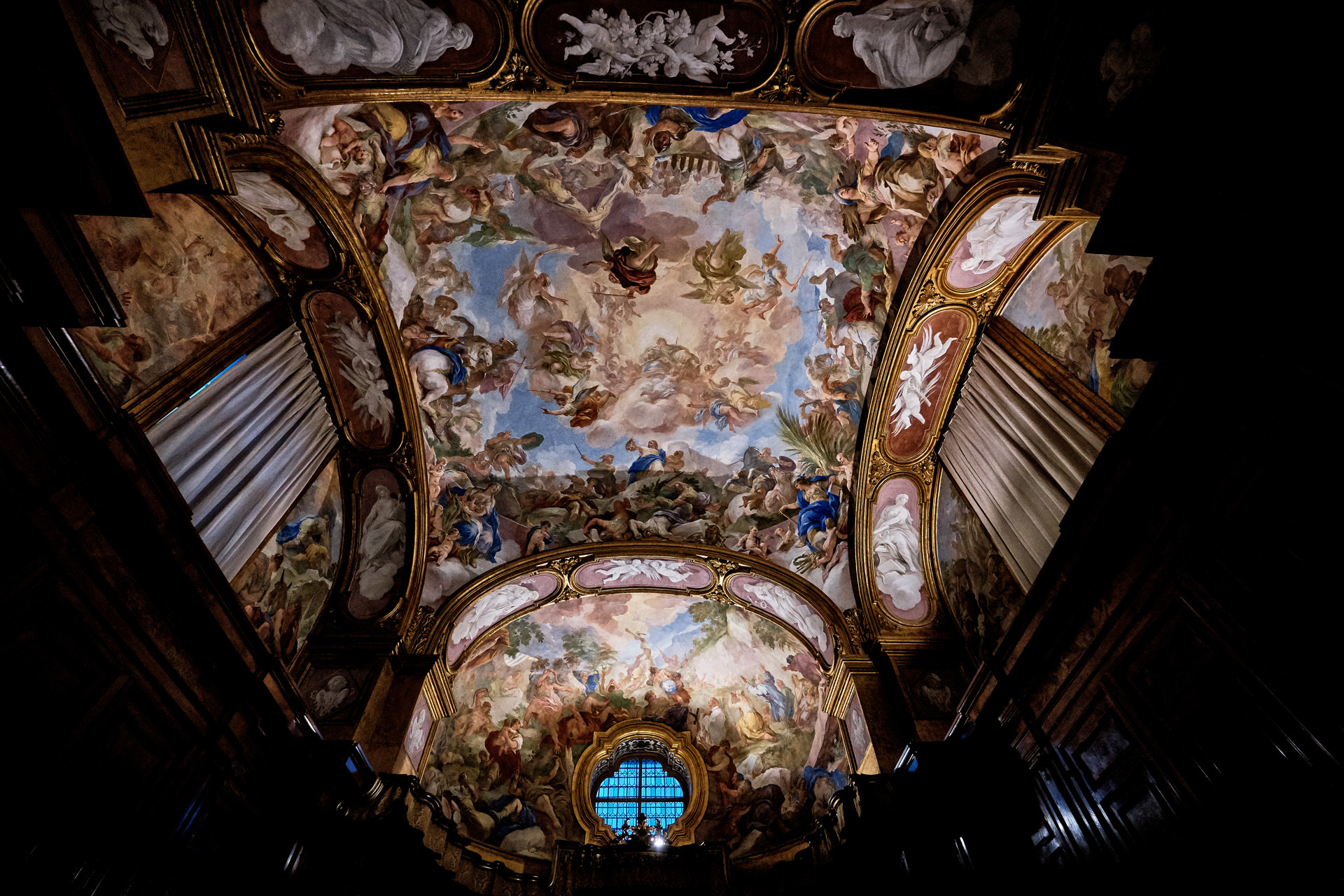
The cathedral is a combination of architectural styles from different eras, starting with the Gothic core that dates back to the 13th century, although it is located on the site of much older religious settlements. The exterior has neo-Gothic features today, while the interior is truly magnificent, with a series of tall columns separating the ten chapels. In the Chapel of San Gennaro is kept a container of the blood of the city’s patron saint. The liquefaction of the blood is considered a miracle and a good sign for the city, and is celebrated every year. In the crypts in the basement, other treasures from the city’s Greek and Roman past are also preserved.
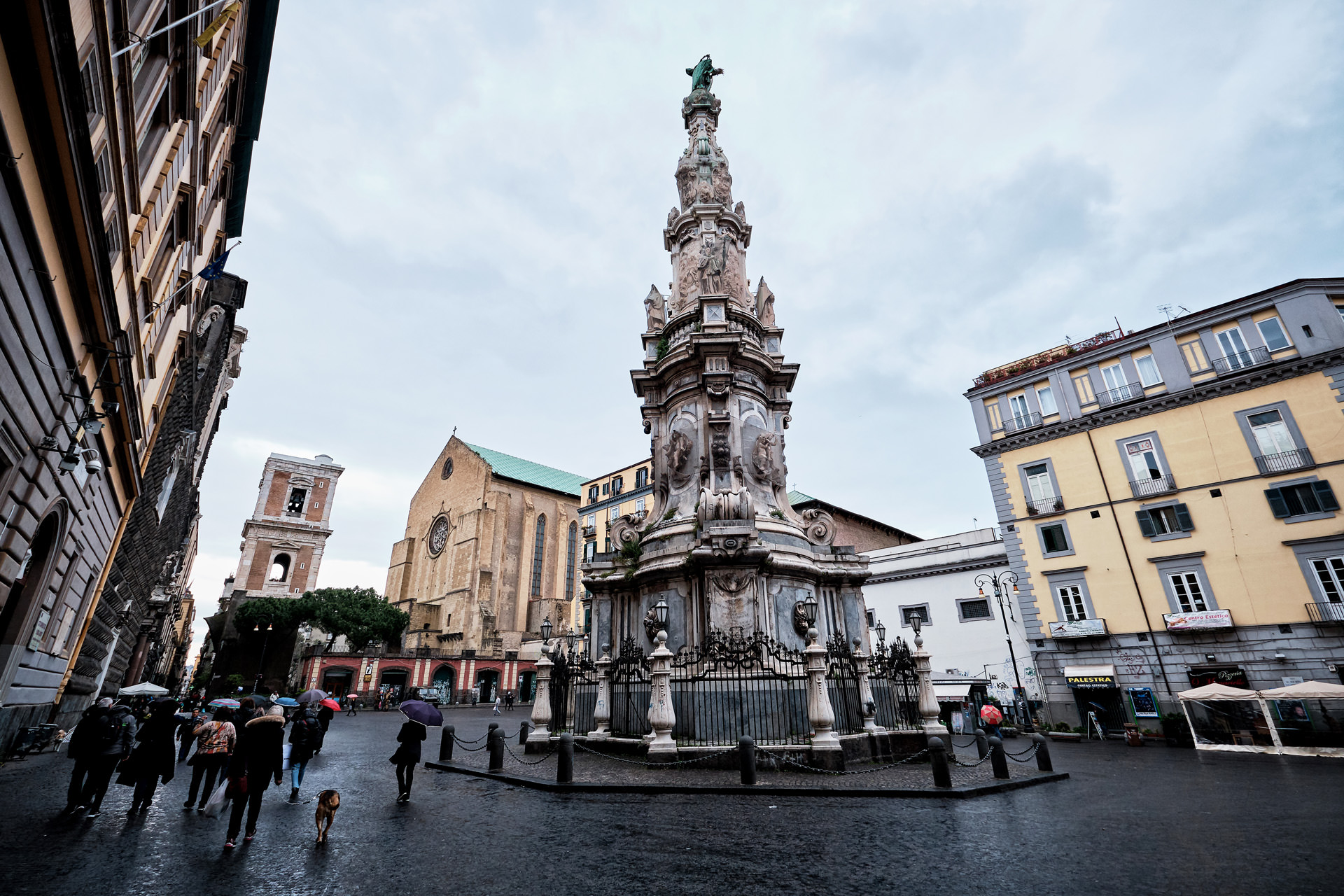
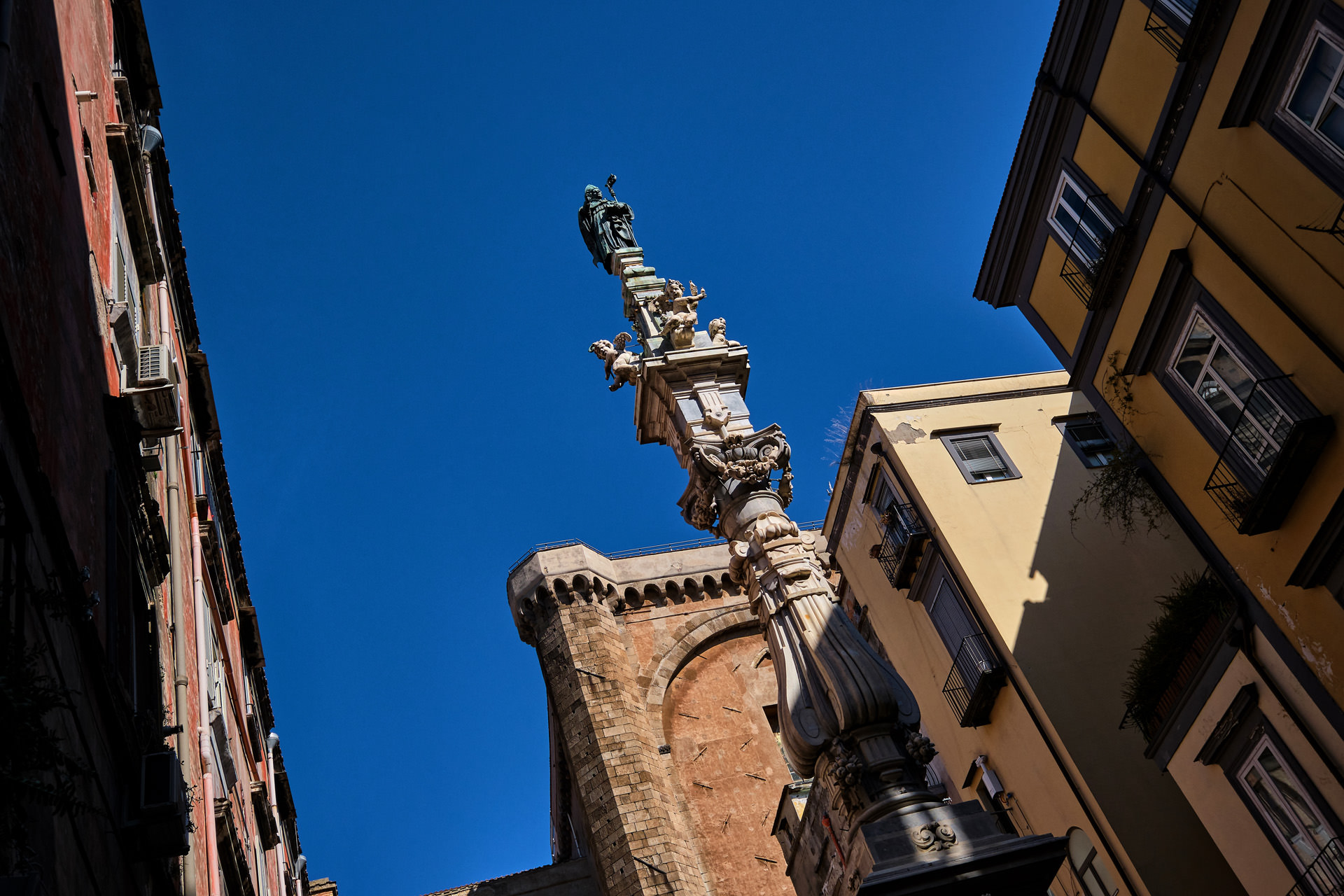
Continuing the walk along Via Tribunali and the side streets, you can admire or visit other magnificent palaces and churches, among which the Girolamini Monastery, the Church of San Lorenzo Maggiore, the Church of San Paolo Maggiore, the Pietrasanta Tower, the church and conservatory of San Pietro a Majella or Piazza Bellini stand out. From here, continue a little south until you reach the charming Piazza del Gesu, where you must visit the Church of Gesu Nuovo, with its unique facade and interior full of works of art. Across the road, visit for a few minutes the Church and Monastery of Santa Chiara, built in the 14th century and a Gothic monument of prime importance, where you should not miss the gardens and interior chapels.
The next destination is the famous Sansevero Chapel, and on the way you can admire the Filomarino, Venezia or Corigliano palaces. The Sansevero Chapel is the keeper of one of the artistic treasures of humanity. The sculpture Cristo Velato by Giuseppe Sammartino is considered a masterpiece of universal art, this being the centerpiece of this incredible object. You will almost always have to wait in line to enter the chapel, as the space is quite limited and the number of visitors is quite large. The Sansevero Chapel is the creation of Raimondo di Sangro, Prince of Sansevero, an eccentric scholar from the 18th century. Inside you will discover a superb collection of sculptures, but also a unique scientific experiment.
Afternoon – After trying the famous Neapolitan pizza at one of the historic pizzerias in the center, head to the National Archaeological Museum, perhaps the most visited tourist attraction in Naples, preserving the millennia of history of the city and the region. The museum is housed in an imposing building near the old center, offering visitors the chance to admire some priceless collections. You will need at least 3-4 hours to explore all the rooms of the museum, an incursion into the millennial past of the city and the region. The Farnese Collection mainly includes sculptures, many of them famous, collected over the centuries by the Farnese family. Among the most famous works of art that you must admire are the Farnese Bull group, the largest statuary complex in ancient art, the Farnese Hercules or the Aphrodite of Capua. Hundreds and hundreds of other ancient sculptures are arranged throughout the rooms of this collection, one of the richest and most representative in the world.
A second collection of universal importance is the Pompeian Collection, with works of art excavated from the cities buried by the eruption of Vesuvius in 79: Pompeii, Herculaneum and Stabiae. Some of the best-preserved ancient works are now kept at the Naples museum, a stunning and disturbing image of a Roman city two millennia ago. Among the frescoes, mosaics, sculptures and other interesting exhibits, you will experience the unique emotion of reliving the distant past. Part of this collection is also the Secret Cabinet or Secret Museum, which contains exhibits related to sexuality in antiquity. The last branch of the Naples Archaeological Museum is the Egyptian Collection, one of the richest in Europe, comprising sarcophagi, mummies, statues and objects from about 3 millennia of ancient Egyptian history.
Evening – Once you leave the museum, it’s time for an evening stroll along one of the most important and atmospheric boulevards in Naples. Via Toledo was created in the 16th century by Viceroy Pedro de Toledo to connect the old town with the Royal Palace, located near the sea. Along it, you will admire a lot of imposing palaces, elegant squares, superb churches, but also the fascinating Spanish Quarters, located on the right, with their narrow and dark streets. After an hour of walking along the street, where you can also stop for dinner, you will inevitably arrive near the magnificent building of the Galleria Umberto I.
Once you enter this fascinating space, you will get an idea of the pomp and opulence of past centuries, in contrast to the poverty of the city’s marginal neighborhoods. Now, under the high glass dome are elegant shops and cafes. At the exit to Via San Carlo, you can also admire the facade of the San Carlo Theater, the oldest theater in Europe and one of the most beautiful in the world. In the same premises of the Galleria Umberto I you can also visit the fascinating Coral Museum. Nearby, you can choose one of the restaurants in the area for dinner.
DAY 2
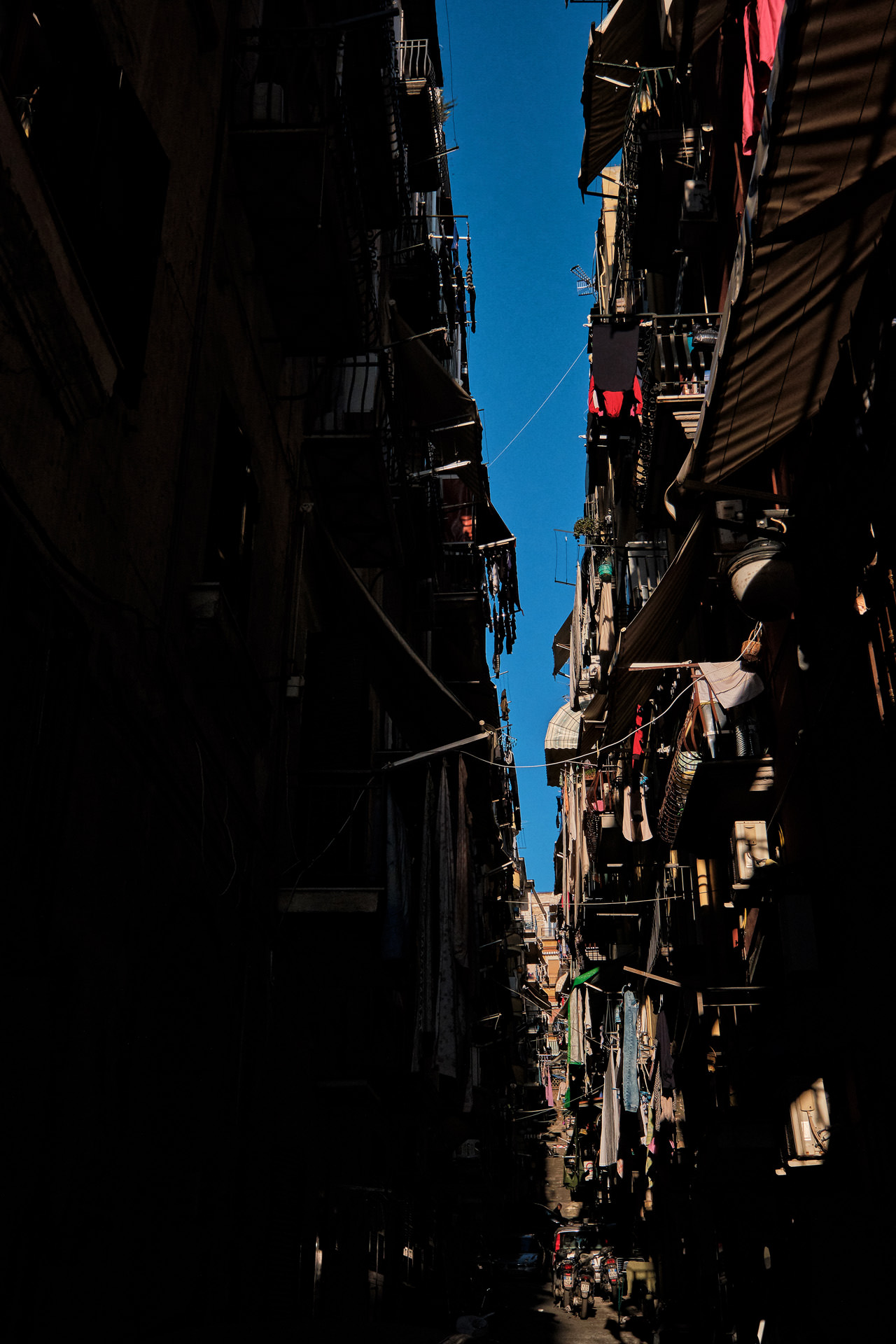
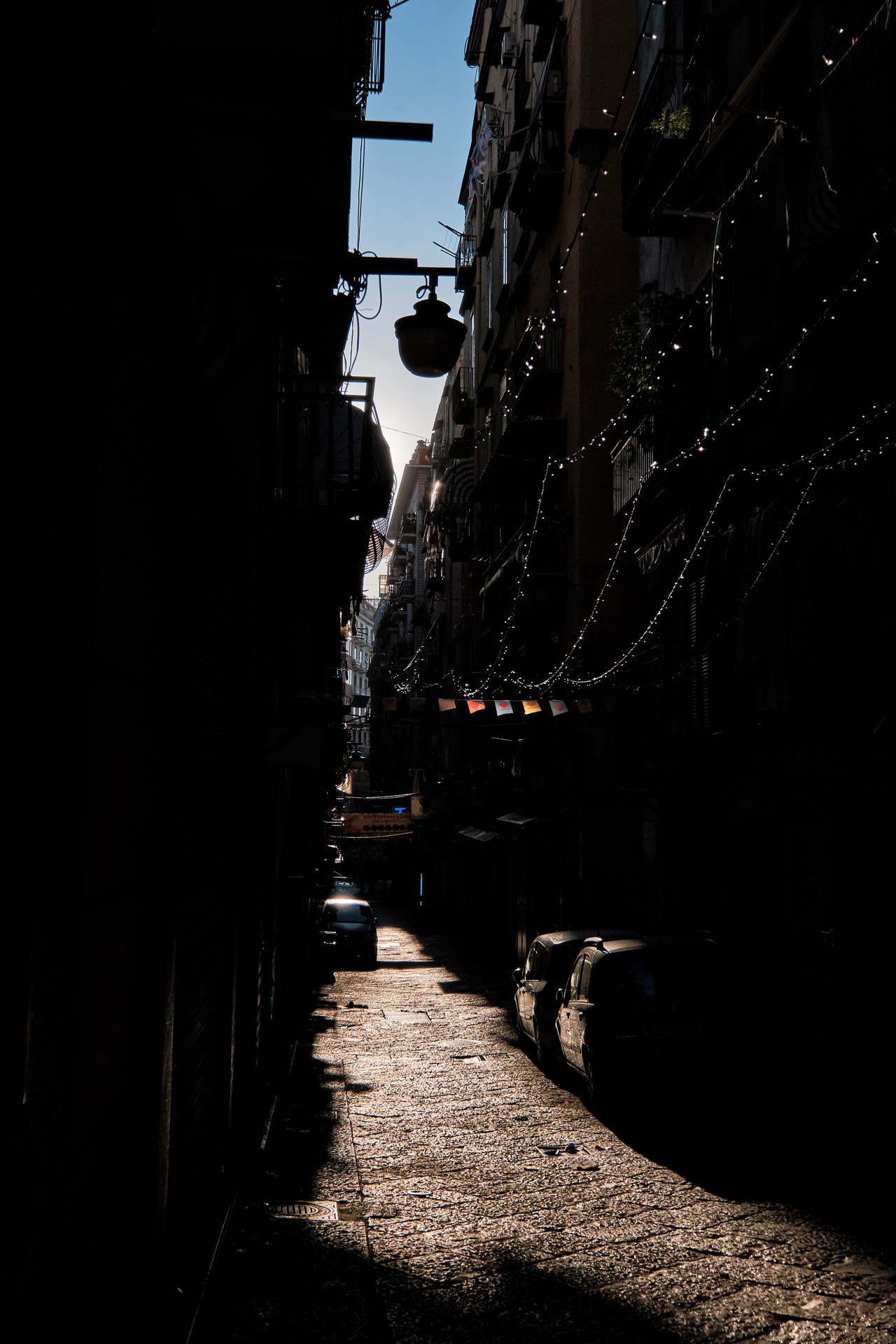
Morning – Start your second day in Naples by taking the metro to Toledo station, a work of art in itself, and from here begin your exploration of one of the most authentic and interesting areas of the city, the Quartieri Spagnoli or Spanish Quarters. You can spend the early hours of the morning on the narrow cobblestone streets, flanked by tall buildings with the inevitable laundry hanging out to dry. It’s a special feeling of going back in time, wandering past small businesses starting to open their doors and Neapolitans going about their daily lives. Once having an infamous reputation, today they are very safe during the day and represent the best opportunity to connect with the specific atmosphere of the city of Naples. From here, you can easily climb the hill of San Martino behind the quarters, on a series of stairs that after 30 minutes will lead you to the top, where you can visit two interesting sights, but also admire perhaps the most beautiful panorama of the city, with the silhouette of Vesuvius in the background.
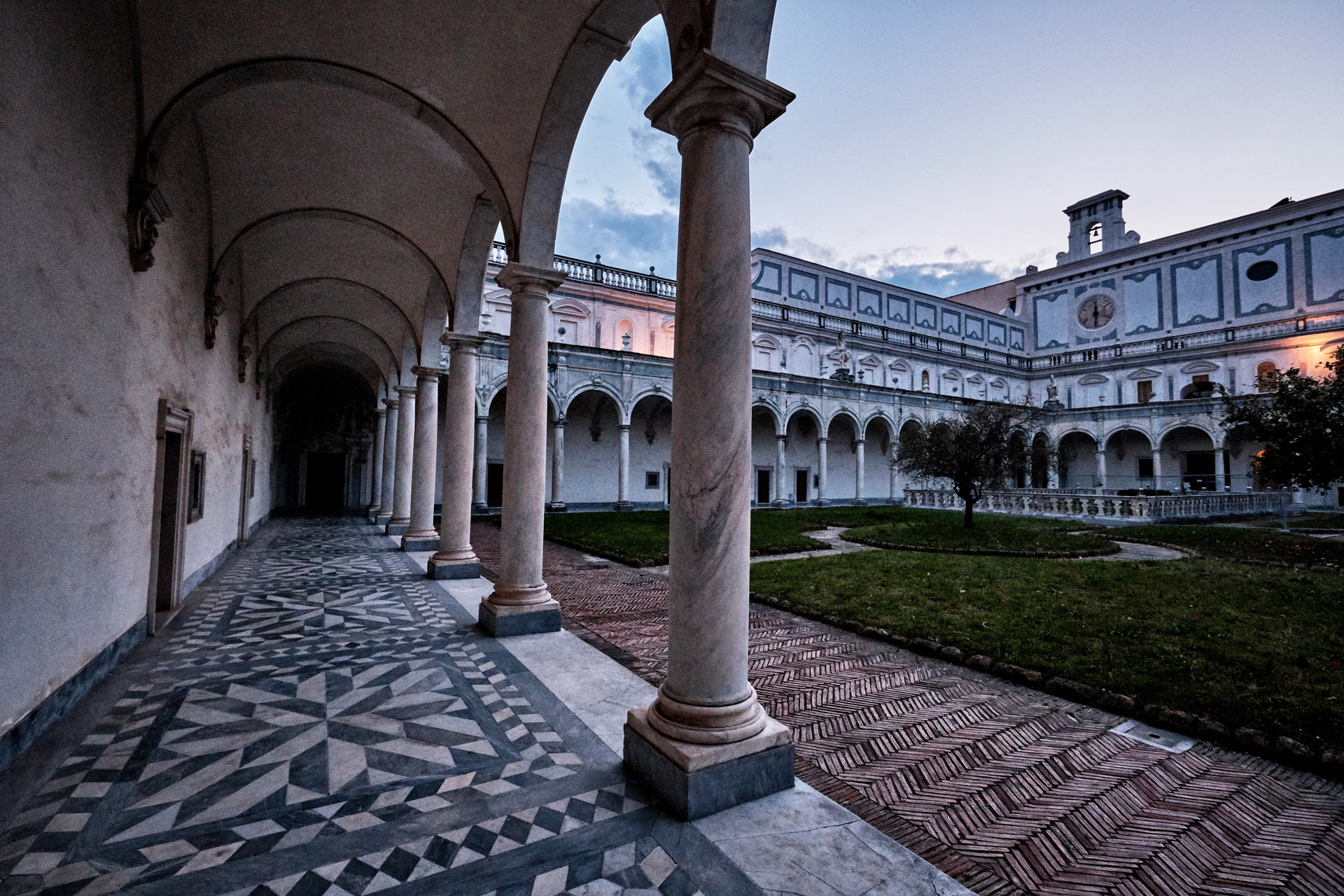
The Carthusian Monastery and Museum of San Martino is one of the most interesting monuments in Naples, the main destination for Baroque art and architecture, but also a place full of history. You can visit a fairly long list of attractions inside, including the two superb courtyards, the Chiostro dei Procuratori and the Chiostro Grande, the monks’ rooms, the carriage room, the nautical room, but also the superb halls containing an impressive collection of paintings and priceless works of art. The monastery was built starting in 1325 under the reign of King Charles of Anjou, but its current appearance dates back to later centuries. Right next to the Monastery of San Martino, stands the imposing fortress Castel Sant’Elmo, which has dominated the city for centuries. In addition to the interior full of history, it is worth climbing to the highest point from where you can admire the entire city from below, along with the Bay of Naples and Vesuvius in the distance. Numerous cultural events are held inside the castle.
Afternoon – Continue your visit to this ancient city by descending again to the old center, in search of the best pizza in the world. Naples is considered the birthplace of this dish that is now widespread and loved all over the world. The city is full of pizzerias, some of which are considered real tourist destinations, part of Neapolitan culinary history. If the most famous pizzeria in Naples is Antica Pizzeria da Michele, the place where Julia Roberts tries pizza margherita in the movie Eat Pray Love, there are dozens of other pizzerias where you can also try a pizza margherita in Naples.
Continuing to explore the old center, there are many more monuments and sights worth visiting. One of these is Santissima Annunziata Maggiore, a religious complex dating back to the 14th century and which in the past included a monastery, a hospital, an orphanage and a school for orphaned girls. Nearby is the basilica of San Pietro ad Aram, which although it has a 17th century facade, dates back many centuries. Inside is also the Ara Petri, the altar on which Saint Peter held mass when he stopped in Naples on the way between Rome and Antioch. Also worth visiting is the crypt, where there is an ancient church, as well as the catacombs where the cult of the “souls in Purgatory” (anime pezzentelle) is practiced.
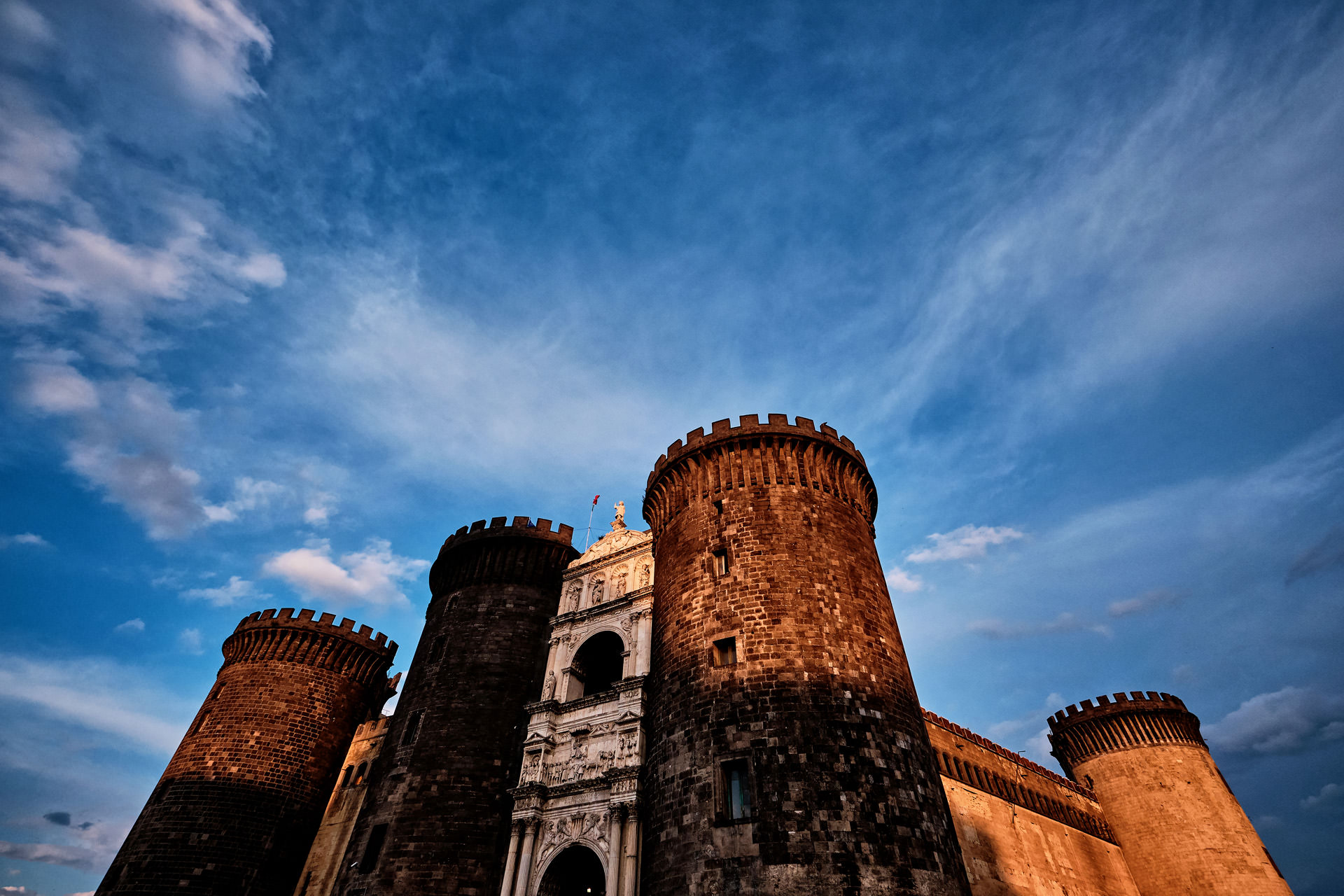
You can continue your journey west, stopping for a moment at the Civic Museum Gaetano Filangieri, a private institution that holds an impressive collection of interesting objects, including mosaics, paintings, statuettes, ancient armor and more, as well as a library with 30 thousand volumes. Reaching the sea, you can head to the imposing Castel Nuovo, or Maschio Angioino as it is also known in Naples. Begun in 1279 by Charles I of Anjou, the castle was nicknamed the New Castle to distinguish it from the others in the city. It was used as a royal residence under the various dominions that succeeded each other, but also as a space to receive famous artists. The massive fortress appearance is in contradiction with the white marble gate with bas-reliefs. Inside, you can visit some extremely interesting spaces, such as the Palatine Chapel with its superb Gothic architecture, the Barons’ Hall where the local council meetings are held, the Purgatory Chapel, the Armory Hall, as well as the Civic Museum with paintings, sculptures and frescoes.
Right next to Castel Nuovo, you can also find the next objective of the day, the Royal Palace of Naples (Palazzo Reale), a majestic monument that can be visited for a glimpse into the private and official life of the royal courts that succeeded each other here. You will need about an hour to go through all the halls and museum spaces. Designed around 1600 by the architect Domenico Fontana, the palace has undergone numerous changes and improvements over time. At the end of the 19th century, statues of all the kings of Naples were added. In addition to the gardens and exterior courtyards, inside you can visit the royal apartments, the Throne Room, the Ambassadors’ Hall, the Hercules Hall, the Palatine Chapel and others, all full of interesting works of art.
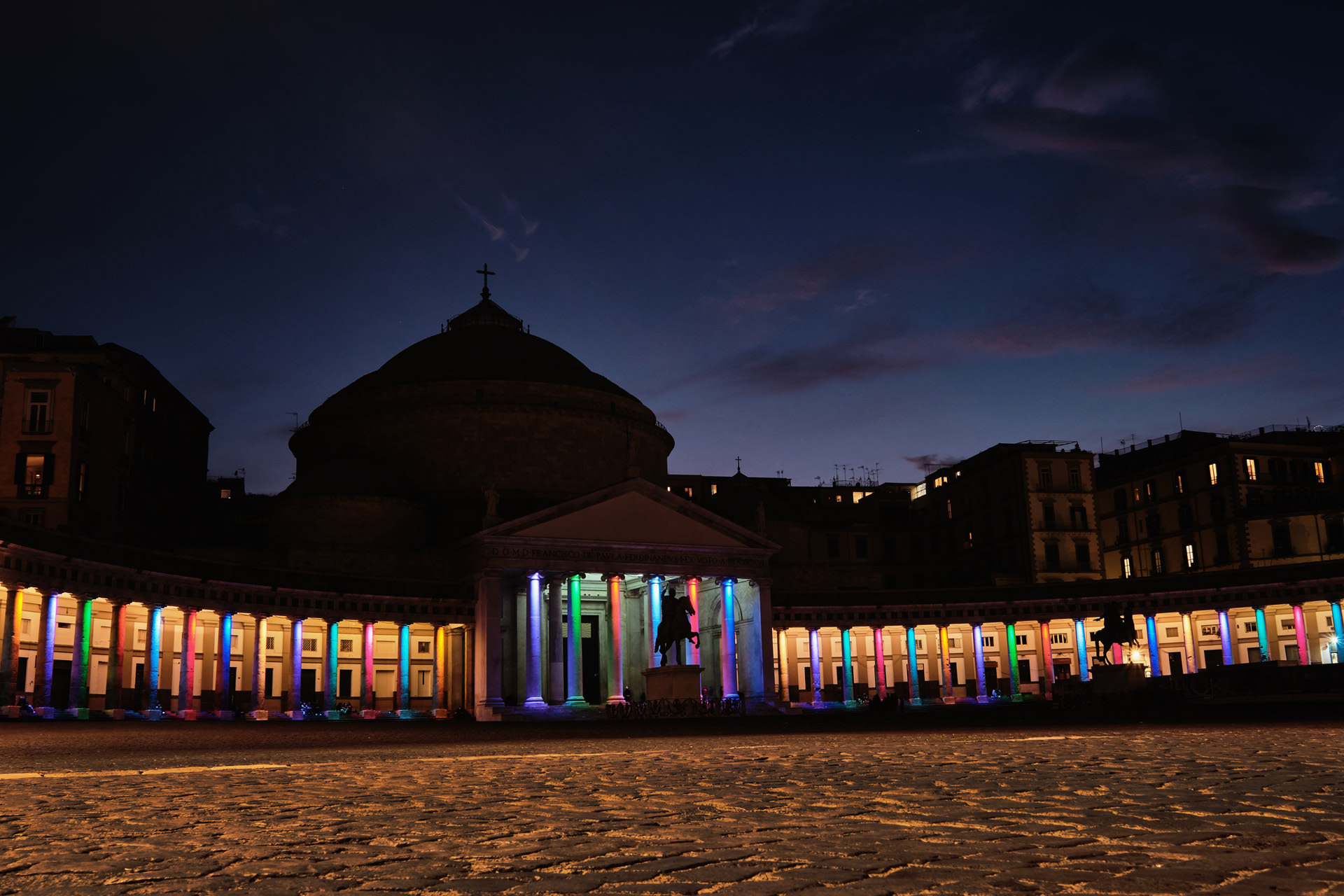
Evening – After dinner in one of the nearby restaurants, you can return to the Royal Palace area, which borders one of the sides of the most famous square in Naples. Piazza del Plebiscito is considered one of the monumental squares of Europe, offering a fascinating view. On one side, the majestic facade of the Royal Palace, while on the opposite side the superb colonnade of the church of San Francesco di Paola unfolds, and all around there are only elegant palaces. This large space is one of the largest historical squares in Italy and although its current appearance dates only from the 19th century, it has been a symbol of the city for centuries. After sunset and the artificial lighting is turned on, the square turns into a show of colors. One of the most beautiful places in Naples to admire the sunset or the first moments of the evening is found a little further away, on the seafront. The magnificent Castel dell’Ovo stands on the site of the oldest human settlement in this geographical area, the small island where the Greeks who founded ancient Neapolis landed. After centuries of defending the city, the castle has now been transformed into a museum, but after dark it is the perfect place to end another wonderful day in Naples.
DAY 3
Morning – If you’ve only focused on the beauties of Naples city center in the first two days, it’s time for a short trip to one of the most fascinating destinations nearby. While Pompeii requires almost a full day to visit, Herculaneum can easily be explored in a few hours, being just a 15-20 minute train ride from Naples Central Station. Look for the lines where the local Circumvesuviana trains depart from and almost all of them will also stop at Ercolano Scavi station, the ticket being quite cheap, or even free if you have the Campania ArteCard with transport included. From the train station, you need to walk another 10 minutes, following the signs to the Herculaneum archaeological site.
Unlike Pompeii, which stretches over acres, everything here is smaller and much better preserved, offering a fascinating insight into the tragedy that struck the area with the eruption of Vesuvius in 79 AD. The entire ancient city was excavated from under 16 meters of ash and mud, a layer that has preserved the buildings and tall structures, with interior decorations and other incredible elements much better. You will need 2-3 hours to explore the ancient streets and important sights inside. Among them, you should not miss the Central Baths, Sede degli Augustali, Fornici, Casa Sannitica, Area Sacra, Palestra, Villa dei Papiri and many others.
Afternoon – Once back in the city, you need to find a bus that goes to the nearby Capodimonte Park, a huge green area located in the north of the city. The park was created in the 18th century, around the Royal Palace here, which was the residence of the Bourbon dynasty of Naples, of Murat, but also of the Savoy family. Today, this palace represents the Capodimonte Museum, an exceptional cultural destination. A complex museum, here you have the opportunity to discover priceless cultural and historical treasures. Perhaps the most impressive is the painting collection, with works by European and Neapolitan masters. Among the collections in the Capodimonte Museum are the Farnese Gallery, the Royal Apartments, the Weapons Collection, the Neapolitan Gallery, the 19th Century Gallery, the Contemporary Art Collection and others.
The huge surrounding park is known as the Real Bosco di Capodimonte, being a real forest in places, but often embellished with historical monuments, superb gardens, fountains, churches and many other interesting places. Right next to the park, a new adventure awaits you to discover the underground city of Naples. Throughout the city there are crypts and catacombs, ruins and labyrinths, many still undiscovered, proof of the millennial habitation of this destination. Full of myths and legends, Naples Underground offers the possibility of visiting these mysterious but fascinating sights in numerous places in the city. Right next to the Capodimonte park, you can visit the Catacombs of San Gennaro extra moenia, a real underground city developed on two levels. To continue the unique experience, you must return to the old center, in Piazza San Gaetano, where you can start the Naples Underground tour, where you can explore the ruins of the Greek city located 40 meters below the city today. Among the aqueducts, water basins and catacombs, you will also have the chance to admire the ruins of the Greco-Roman theater and other fascinating historical monuments.
Evening – For your last evening in Naples, you can try one of the recommended activities for an excursion into Neapolitan culture and gastronomy. The first option would be to learn how to make authentic pizza from an expert chef, learning both about the history of this dish and the close connection between Naples and pizza, as well as the process of producing a delicious pizza. An alternative would be a two and a half hour guided tour through the street gastronomy of Naples, where you will have the chance to taste traditional dishes in places known only to locals. From pizza to spaghetti and from ragu to sfogliatelle, this cultural and gastronomic experience is the perfect end to a 3-day trip to Naples.
Accommodation Options in Naples
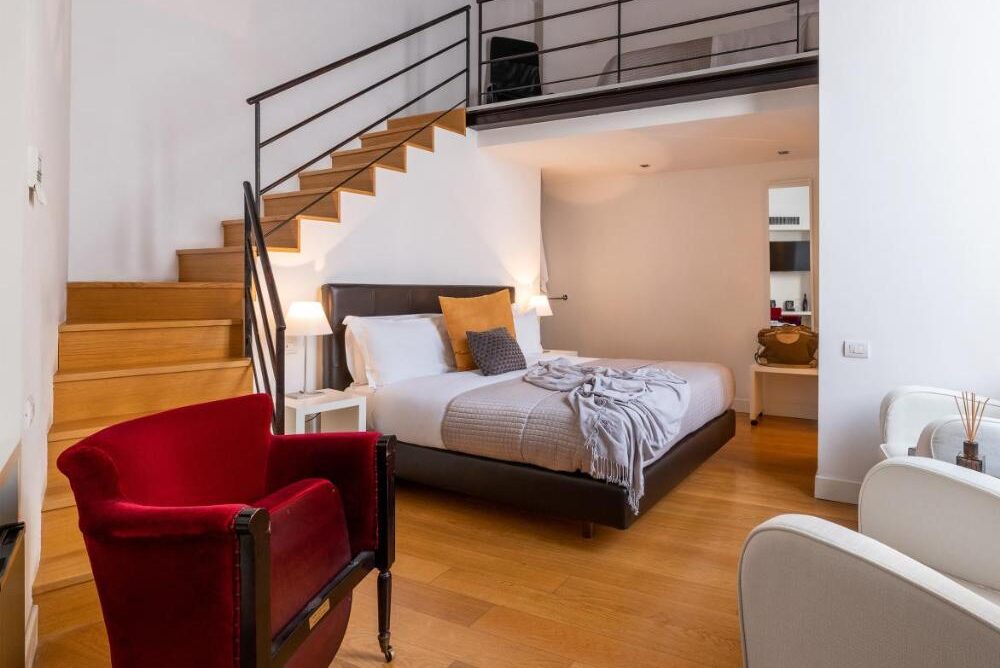
rating 9.0 from 708 reviews!
One of the most appreciated hotels in Naples, it is located in the historic center, just off Via Toledo. It offers rooms with different designs and excellent service.
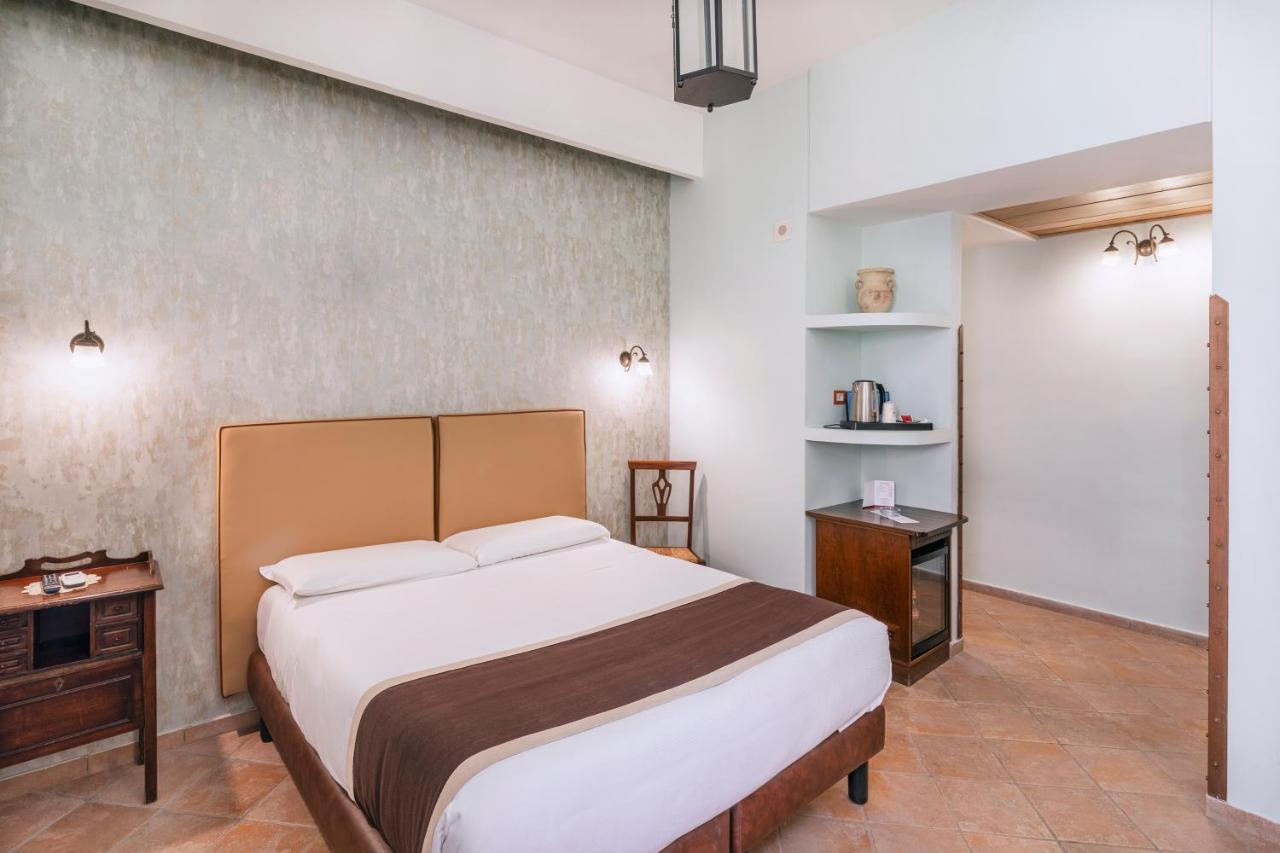
rating 9.0 from 464 reviews!
The hotel is located right in the heart of the historic center, from where you can visit any destination with ease. It offers impeccable quality facilities and services.
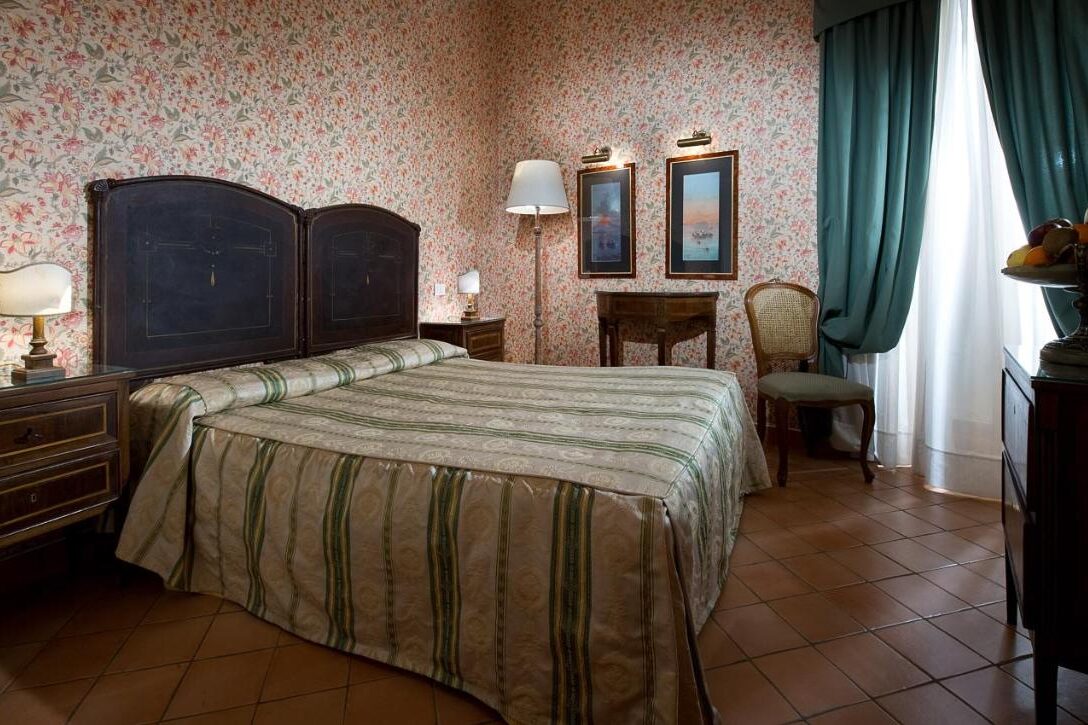
rating 9.1 from 988 reviews!
Located near the center and Via Toledo, the hotel has a traditional atmosphere, offering services highly appreciated by guests.
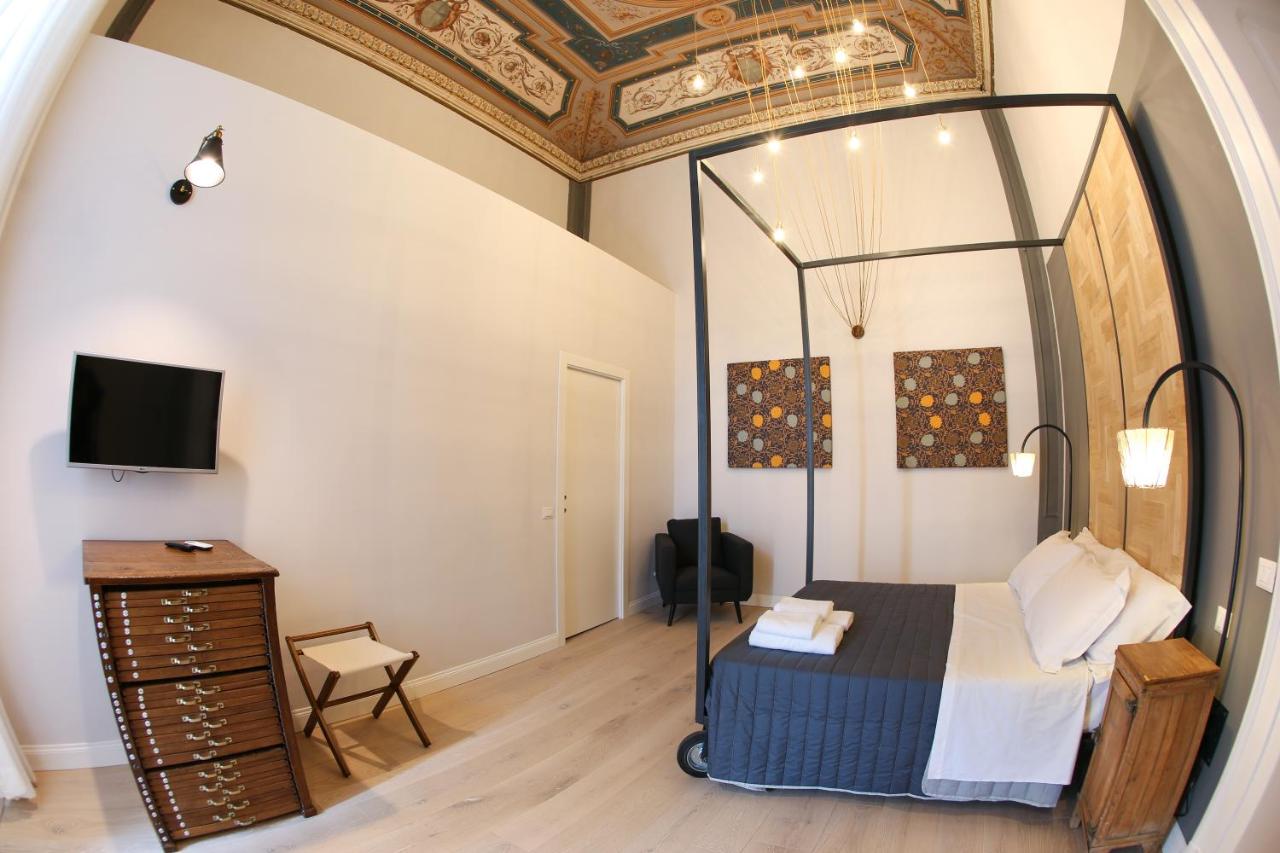
rating 8.2 from 919 reviews!
The hotel is located on one of Naples’ most popular shopping streets, Via Chiaia. Nearby you will find Piazza Plebiscito and other tourist attractions.
rating 9.5 from 706 reviews!
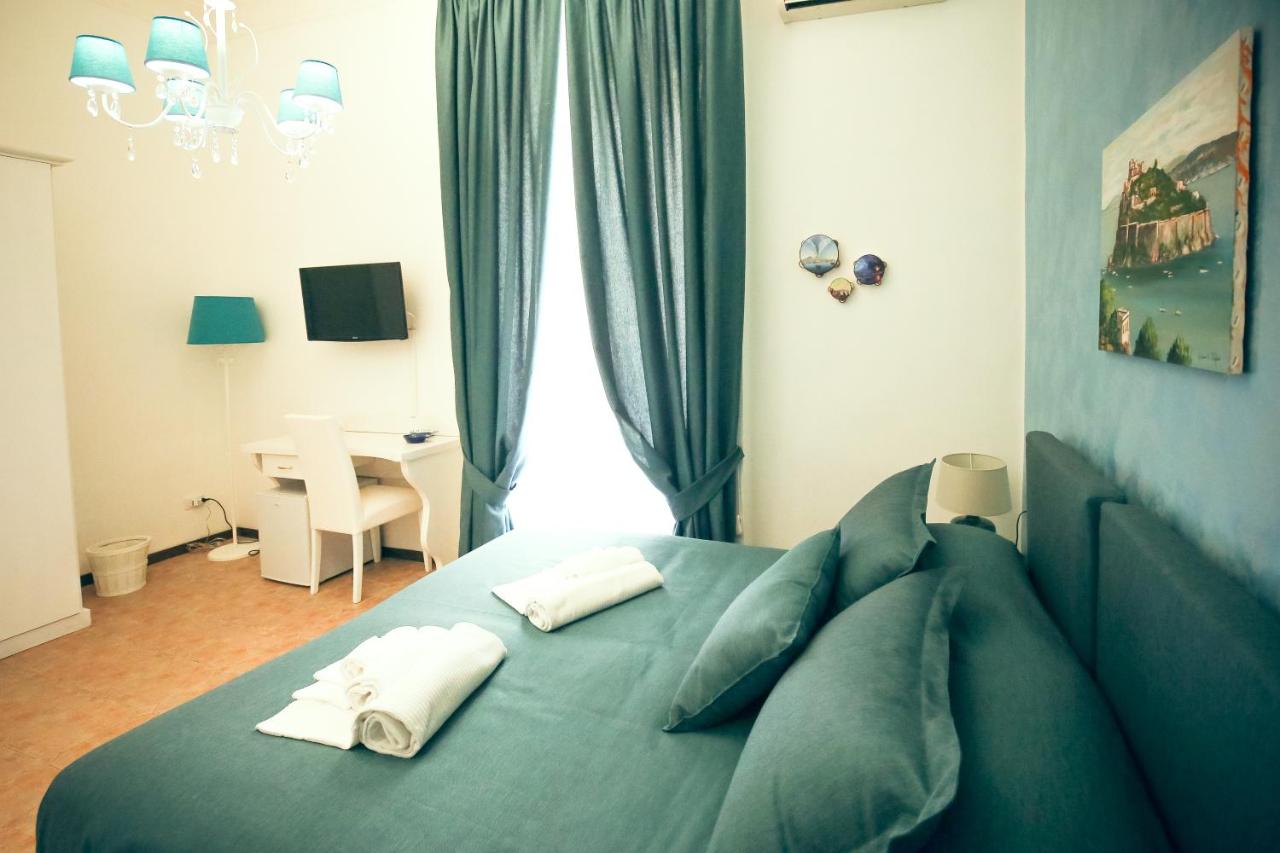
The Bed & Breakfast is located near Via Toledo and the old town, offering superb rooms and impeccable quality services, according to reviews.
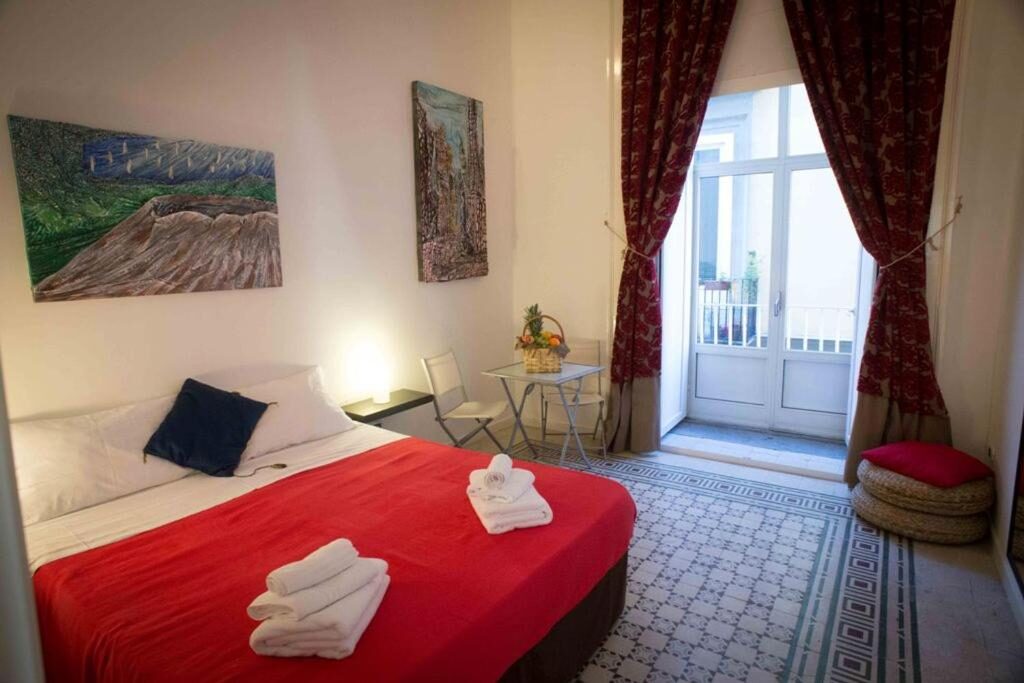
rating 9.1 from 444 reviews!
Located right in the historic center of Naples, this chic and comfortable Bed & Breakfast offers spacious rooms and breakfast!
Restaurant Recommendations in Naples
- Sea Front Pasta Bar – Piazza Municipio 1 – Luxury restaurant in the center of Naples, offering a wide range of pasta dishes, prepared right in front of the customers by master chefs.
- Ristorante Palazzo Petrucci – Via Posillipo 16C – Luxury restaurant located quite far from the historic center, but worth the trip for the incredible seafood dishes, served right on the seafront.
- Da Donato dal 1956 Antica Trattoria e Pizzeria – Via Silvio Spaventa 42 – Located near the Central Station, it is one of the most appreciated restaurants, offering excellent pizza, pasta and seafood.
- Antichi Sapori Partenopei – Via Chiaia 124 – With excellent pasta dishes, fish, seafood, but also pizza, the restaurant offers a welcoming and authentic atmosphere, being highly appreciated by customers.
- Taverna dell’Arte – Rampe San Giovanni Maggiore 1A – A small welcoming restaurant, with traditional Italian and Mediterranean dishes, offers a romantic atmosphere and excellent service.
- Januarius – Via Duomo 146/148 – Near the cathedral of Naples, you can find this excellent restaurant, with traditional but also innovative dishes. It is one of the most appreciated restaurants in the city.
- 1906 Imperatore – Via Duomo 218 – One of the best places in Naples to try different types of pizza, but also other dishes.
- Pizzeria da Gaetano – Via Casanova 109 – Traditional Neapolitan pizzeria with low prices, offering various types of pizza, being extremely appreciated by customers.
- Pizzeria Napoli in Bocca – Via San Carlo 15 – A small authentic Neapolitan pizzeria. It offers pizza according to traditional recipes in an extremely pleasant atmosphere.
- Sorbillo – Via dei Tribunali 32 – One of the most popular pizzerias in Naples, right in the historic center. It offers traditional pizza, but you have to wait in line to enjoy it.
Other Activities in Naples
Shopping – Naples is a true paradise for shopping enthusiasts, with prices quite reasonable compared to cities in northern Italy. There are numerous streets where you can find brand name stores or antique and craft shops. The best areas for shopping in Naples include Via Toledo, Via San Gregorio Armeno, the Historic Center, the Vomero hill with Via Scarlatti, Via Chiaia and others. Among the most interesting and authentic things you can buy in Naples are nativity scenes (wooden or traditional ceramics), limoncello lemon liqueur, music boxes, jewelry, traditional food products and others.
Gastronomy – For Neapolitans, cooking is certainly an art, and the city offers endless opportunities to encounter traditional gastronomy. Naples is considered the birthplace of pizza, and here you will discover historic pizzerias where traditional recipes are respected. However, the gastronomy of Naples offers countless other unsuspected pleasures, starting with the ubiquitous pastries, the most typical being sfogliatella. In the restaurants of the city you will also find other delicious dishes made from fish, vegetables, meat, but also the indispensable pasta.
Entertainment – A city so vibrant and exciting that Naples must have its own entertainment, and depending on your preferences, you will definitely find whatever you imagine here. Opera is synonymous with Italy, and the San Carlo Theater is considered among the best in the world for opera or ballet performances. Another superb theater can be found at the Teatro Bellini. For nighttime entertainment, Naples has a club or bar for every musical preference, and during the summer, most Neapolitans have fun at locations located on the beaches.
Beach – Although there are no beaches near the historic center of Naples, the city is still a port and you can relax on one of the beaches on the outskirts, among the most popular being Gaiola, Miseno, Miliscola, Lo Scoglione. Alternatively, you can spend a whole day on the beaches of the Sorrento Peninsula, Ischia or Capri.
Football – In the city where Maradona is still regarded as a hero, over 30 years after playing for local team FC Napoli, football is definitely the king sport and almost a religion for the passionate fans. If you have the chance to attend a Serie A match of the team, do not hesitate to do so because the atmosphere is certainly among the most incendiary in Italy and the world.
Tourist Information on Naples
First of all, you should know that Naples is a safe enough city for any type of trip or excursion. Although it didn’t have a very good reputation in the past, being considered one of the most dangerous cities in Italy, beset by problems with poverty, the mafia and garbage management, Naples has transformed enormously in the last 20 years. Although it still has its problems, it is a destination worth visiting for its fascinating beauty and authentic atmosphere. However, there are still areas where it would not be advisable to venture, especially after dark. Once in Naples, the first piece of advice would be to buy a tourist card valid for 3 days, which also includes free transport by any means.
If you want to spend some time outside the city, it would be advisable to get the card for the entire Campania region ArteCard (Tutta la Regione 3 Giorni). In addition to free transport on most bus, metro, tram and train lines, it offers free entry to the first two tourist attractions and discounts on all other included tourist attractions. There is also a card just for the city of Naples and it has free entry to the first 3 tourist attractions, plus various discounts and rebates. You will save not only money but also time, because you do not have to buy tickets for each trip.
Another tip would be to start exploring the city as early as possible and visit the most famous attractions at the first opening hour, because they are very crowded especially during the tourist season. Also, if possible, try to plan a longer trip to Naples, because there are a lot of fascinating tourist destinations nearby that you can easily visit (Pompeii, Vesuvius, Caserta, Capri, Ischia, Amalfi Coast, etc.)
Day Trips from Naples
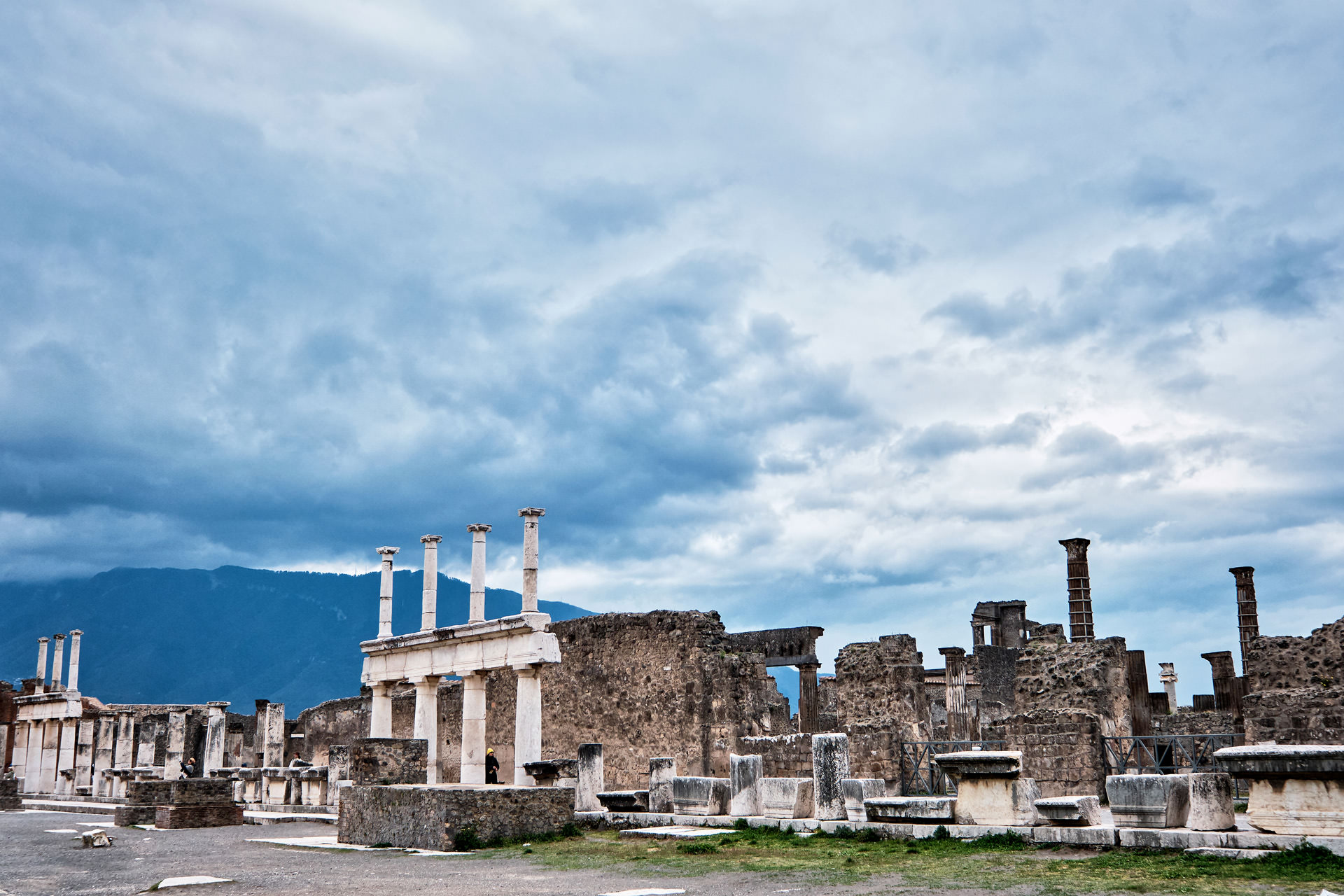
Pompeii and Vesuvius – To visit the fascinating archaeological park of Pompeii, you will need at least half a day. You can reach Pompeii by train on the local Circumvesuviana line, which departs from a special section of Naples Central Station. Look for line 3 and trains going in the direction of Sorrento, and the destination is the Pompeii Scavi station. The journey takes about 40 minutes, and the entrance is located a short distance from the station. I recommend arriving as early as possible, preferably between 9 and 10, because this is one of the busiest tourist destinations in Italy. You can continue the day with a trip to Mount Vesuvius, a permanent and threatening shadow over the city of Naples and the entire Neapolitan coast. It is considered one of the most dangerous volcanoes in the world, because over 3 million people live in the permanent danger area. The eruption in 79 AD, when it buried Pompeii, Herculaneum and other settlements in the area, shows its destructive power. However, Vesuvius today is a tourist attraction, the area around it being declared a national park. If you want to visit the volcanic crater, there are special buses that leave from near the train stations in Ercolano and Pompeii to the parking lot located 1000 meters above sea level. From there, you can join a guided tour of the crater or explore one of the nine tourist routes. Beyond the educational and recreational part of this tour, you will not regret the opportunity to admire the superb panoramas of the Bay of Naples. More details HERE!
Caserta – The city of Caserta in Campania is home to one of the most fabulous and impressive palaces in Europe, a fascinating royal complex that has been included in the UNESCO World Heritage List. The Royal Palace of Caserta and its grounds are considered among the most representative examples of Baroque art, as well as one of the largest royal residences in the world. It was built by the House of Bourbon for the Kings of Naples during the Kingdom of the Two Sicilies, in the 18th century. Imagined and built as an ideal residence, following the original design of the famous architect Luigi Venvitelli, the palace also served other purposes in the last century. Among many other superlatives, the Royal Palace of Caserta has 1200 rooms on 5 levels, of which over 20 are royal rooms, a huge library and a theater built after the model of the San Carlo theater in Naples. From the point of view of the effective volume, it is the largest in the world, but there are also other annexes that facilitated life at the royal court. A huge 120-hectare garden surrounds the palace, also inspired by the one at the Palace of Versailles, where numerous fountains, waterfalls and superb sculptures can be admired. To get to the Royal Palace of Caserta in Naples, you can take the train from the central station, and the journey takes about 40 minutes and costs. Alternatively, you can also find buses to Caserta. More details HERE!
Ischia – The largest of the islands near Naples, Ischia is the perfect destination for a day away from the hustle and bustle of the city, but also from the very crowded island of Capri. The main industry in Ischia is tourism, especially that oriented around the hot springs and spas of the island. To reach Ischia from Naples, the best option is the ferry from the ports of Beverello or Porta di Massa. The journey takes between 1 and 2 hours, depending on the type of ferry or fast shuttle you are on, and the ticket depends on the same, being between 20 and 30 euros one way. In addition to the gorgeous beaches and wellness centers, in Ischia you will find culture and history, wild nature and an authentic atmosphere. There are many places to visit in Ischia, and a day will certainly be full of unique experiences. First of all, you should not miss the Aragonese Castle, built on a rock near the island over two millennia ago, but it has been consolidated and developed over time. On the other hand, you should also visit the La Mortello Gardens, considered the most beautiful park in Italy. Other extremely interesting sights in Ischia include Villa La Colombaia, the Ravino Gardens, the Guevara Tower, the Pithecusae Museum, the Il Torrione Tower in Forio, the Soccorso Church, the Fungo Formations in Lacco Ameno and some superb caves that can be visited on boat tours. Private Half-Day Guided Tour in Ischia!