07
Peleș Castle
and Pelișor Castle
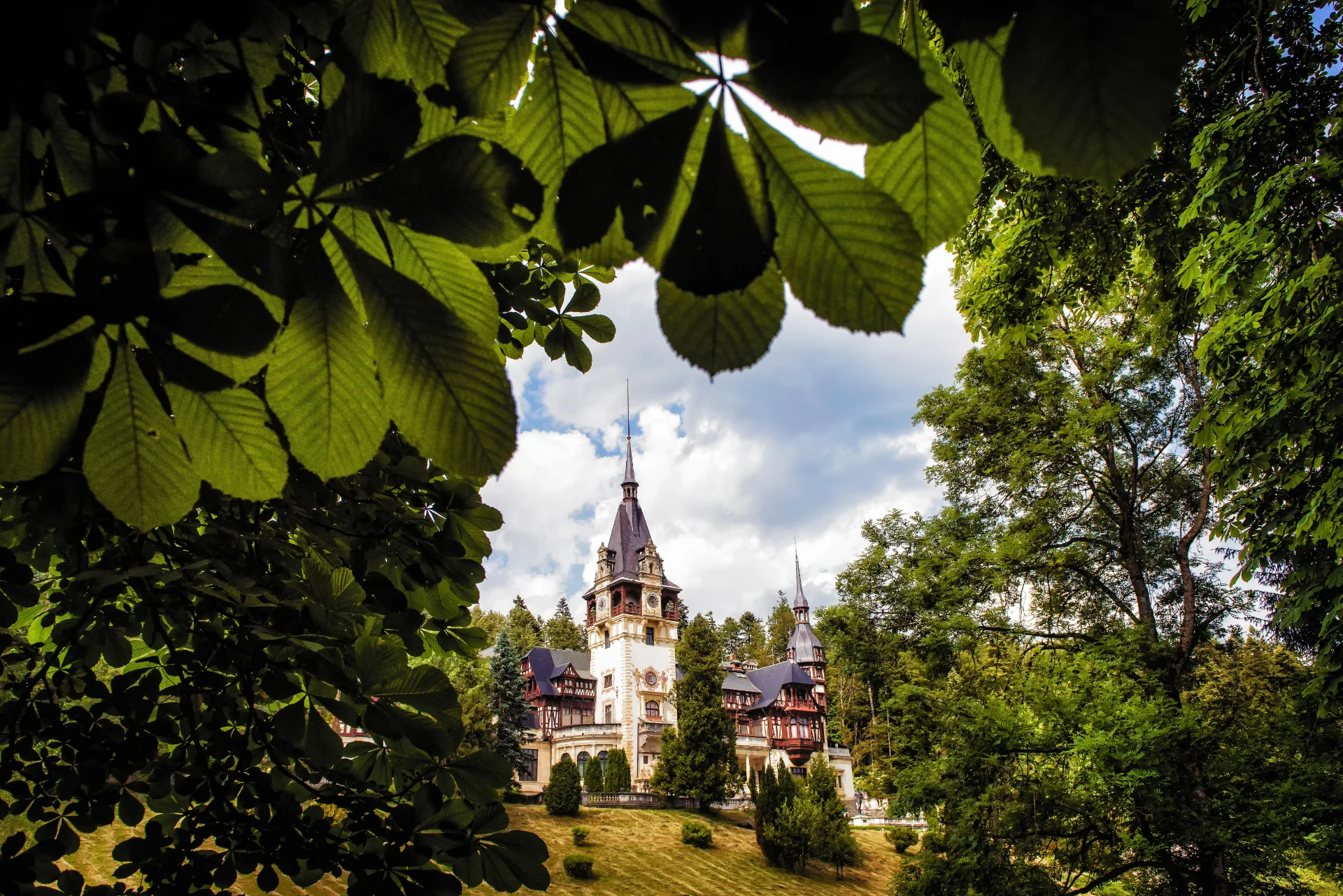
A symbol of Romanian royalty and one of the most beautiful castles in the world, Peleș Castle appears like a magical illusion, surrounded by the peaks and forests of the Carpathians. Beyond stories and myths, it evokes an almost perfect symphony of incredible architectural ornaments and the ultimate refinement of interior decor, creating an experience that overwhelms the senses!
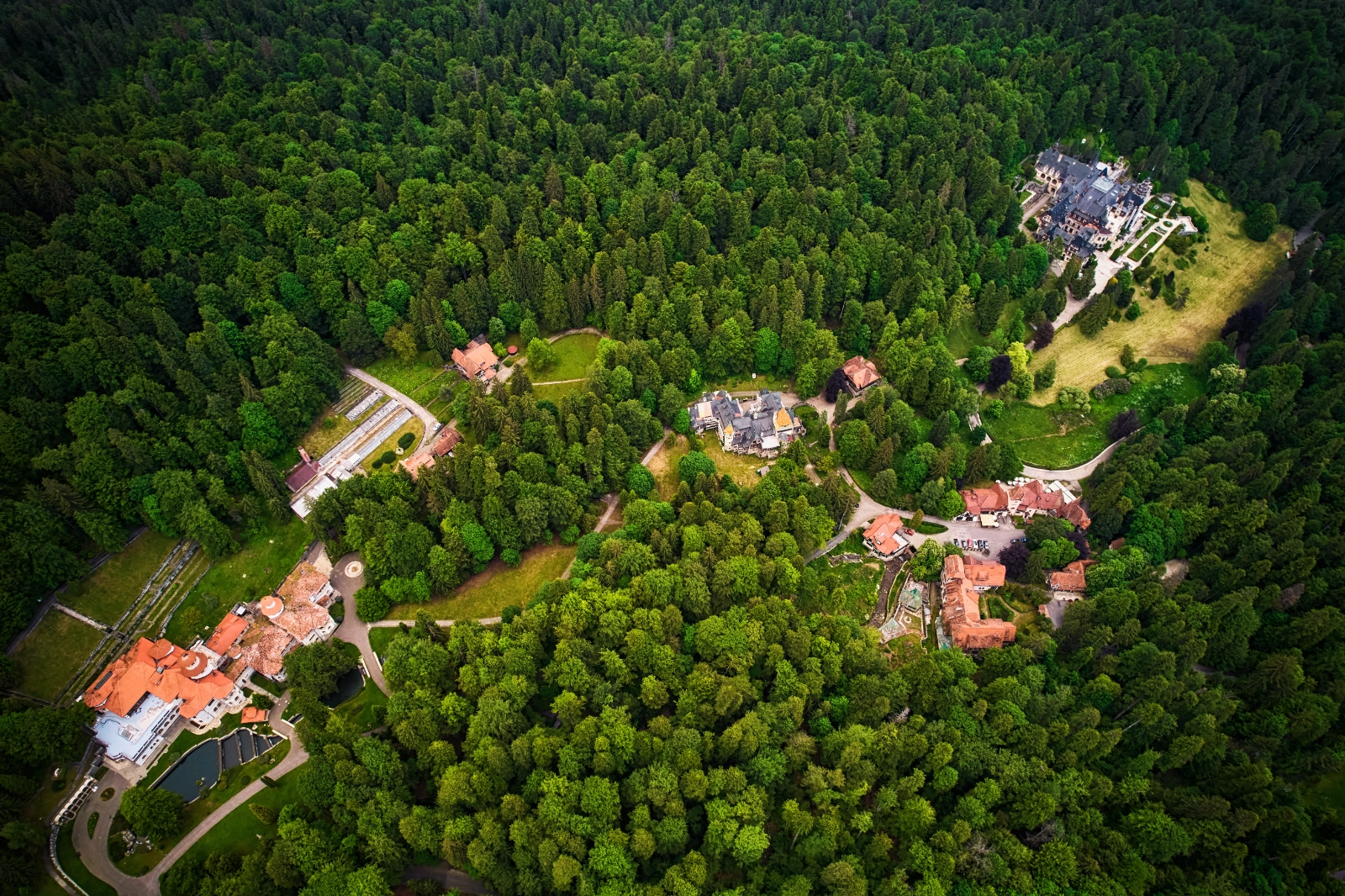
For many years, Peleș Castle, which is actually a palace, not having military functions, was the favorite summer residence of the Romanian royal family, with numerous historical events and important personalities passing through here. Its history begins with the visit of the new King Carol I to the area that later became the city of Sinaia, who was enchanted by the beauty of the wild nature here. Later, he bought the extensive estate, and the construction of the palace began in 1873, taking many years to complete. Although officially opened in 1883, it only reached its current appearance in 1914, after numerous expansions. The estate is located in a clearing surrounded by forests, in the northern part of the city, and we can easily reach it by climbing the charming alleys or by car to one of the nearby parking lots.
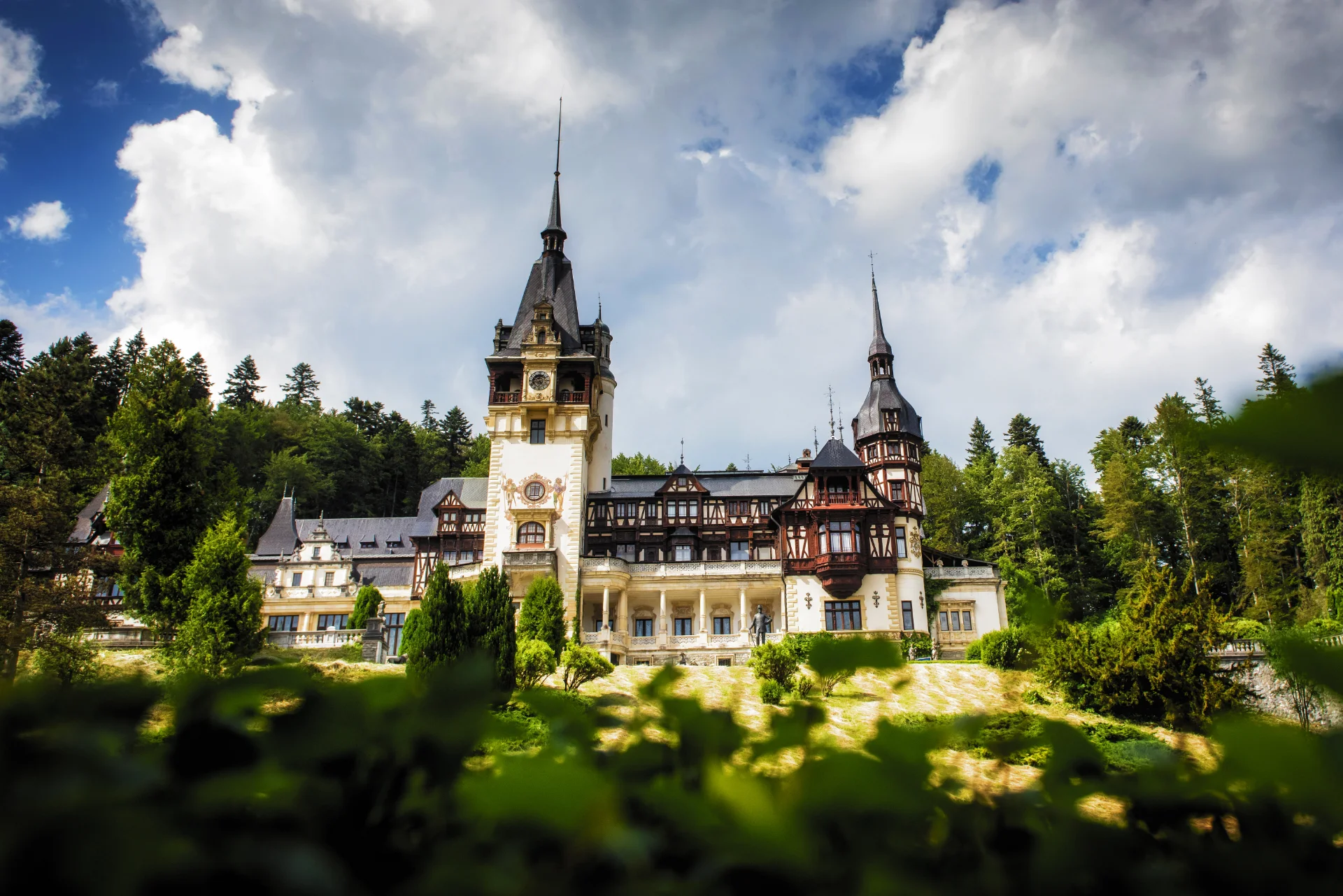
It is difficult to describe in words the emotions and thoughts that overwhelm us once the enchanting image of Peleș is revealed, a place as if taken from childhood stories, a perfect fusion of elegance and refinement. The slender towers piercing the clouds, the wooden corsage and the iron decorations that wrap the intricate lacework of the facade are surrounded by the terraces of the romantic garden and the changing shades of the forest, under the petrified gaze of the dizzying rocks. Nothing in this fantastic setting seems awkward or strange, and this miracle born from the desire of a king, the imagination of famous architects and the skill of hundreds of craftsmen from all over Europe arouses deep feelings in the soul of any viewer. We have the strong sensation of a remarkable encounter and discovery, entering a place that seems to have always existed on this blessed mountain, and people have done nothing but bring to light treasure hidden under rocks and woodland.
Search for Flights to Romania with Booking.com!
Considered a superb combination of neo-Renaissance and neo-Gothic styles, with a touch of romanticism, Peleș Castle was imagined and created by a team of architects, decorators and workers from all over Europe, including the famous Czech architect Karel Liman. In 1896, it was visited by Emperor Franz Josef, who was impressed by its beauty and the treasures it was beginning to house. Many other personalities also visited the estate over time, and future kings and queens of Romania and Europe were born here. A few hundred meters from the main castle, the king built a smaller castle called Pelișor, which also served as a royal summer residence. Over time, a series of adjacent structures also appeared, such as the Foișor hunting lodge, the Șipot villa, the guard rooms, the stables or a small power plant, making Peleș Castle the first in Europe to be fully electrified.
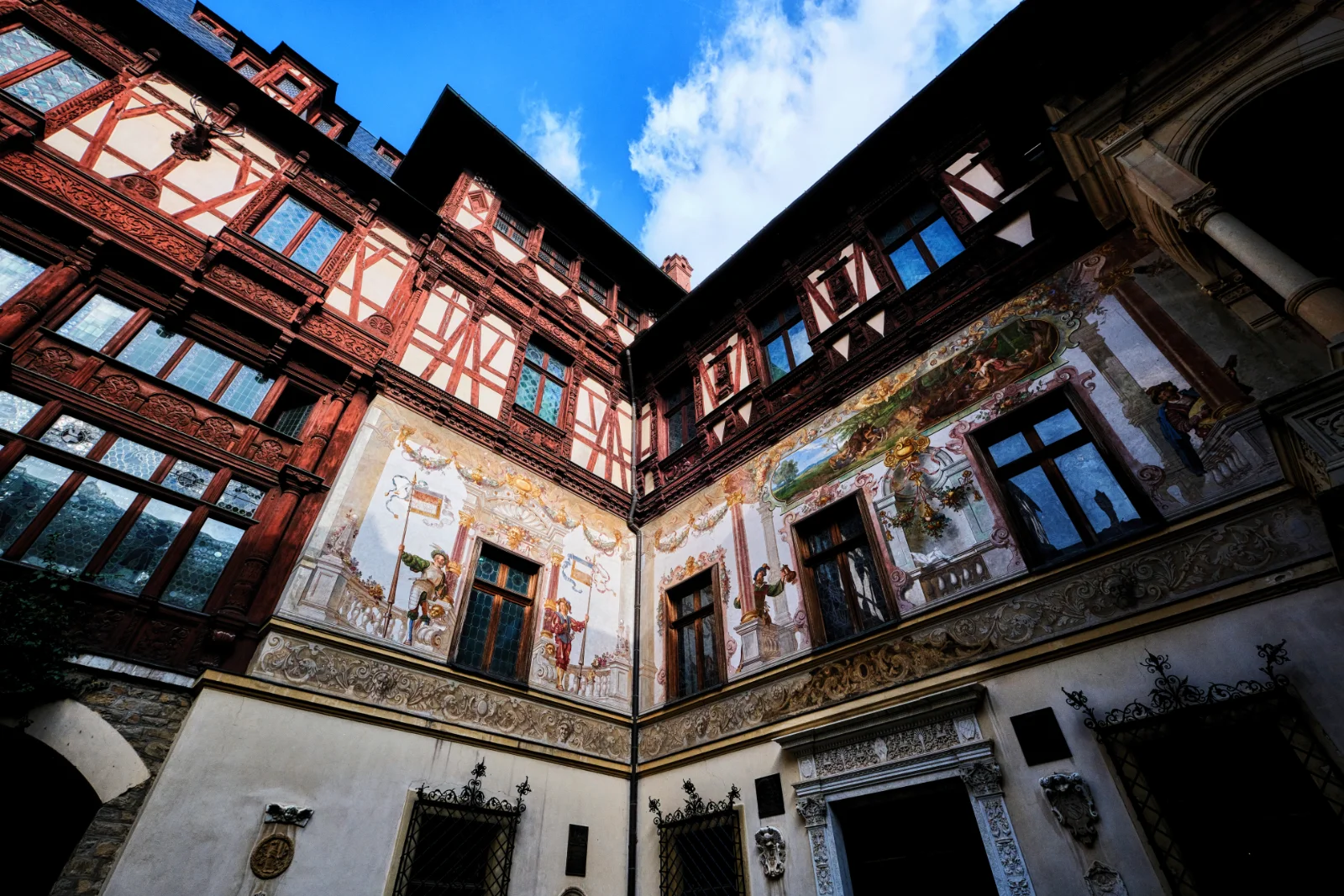
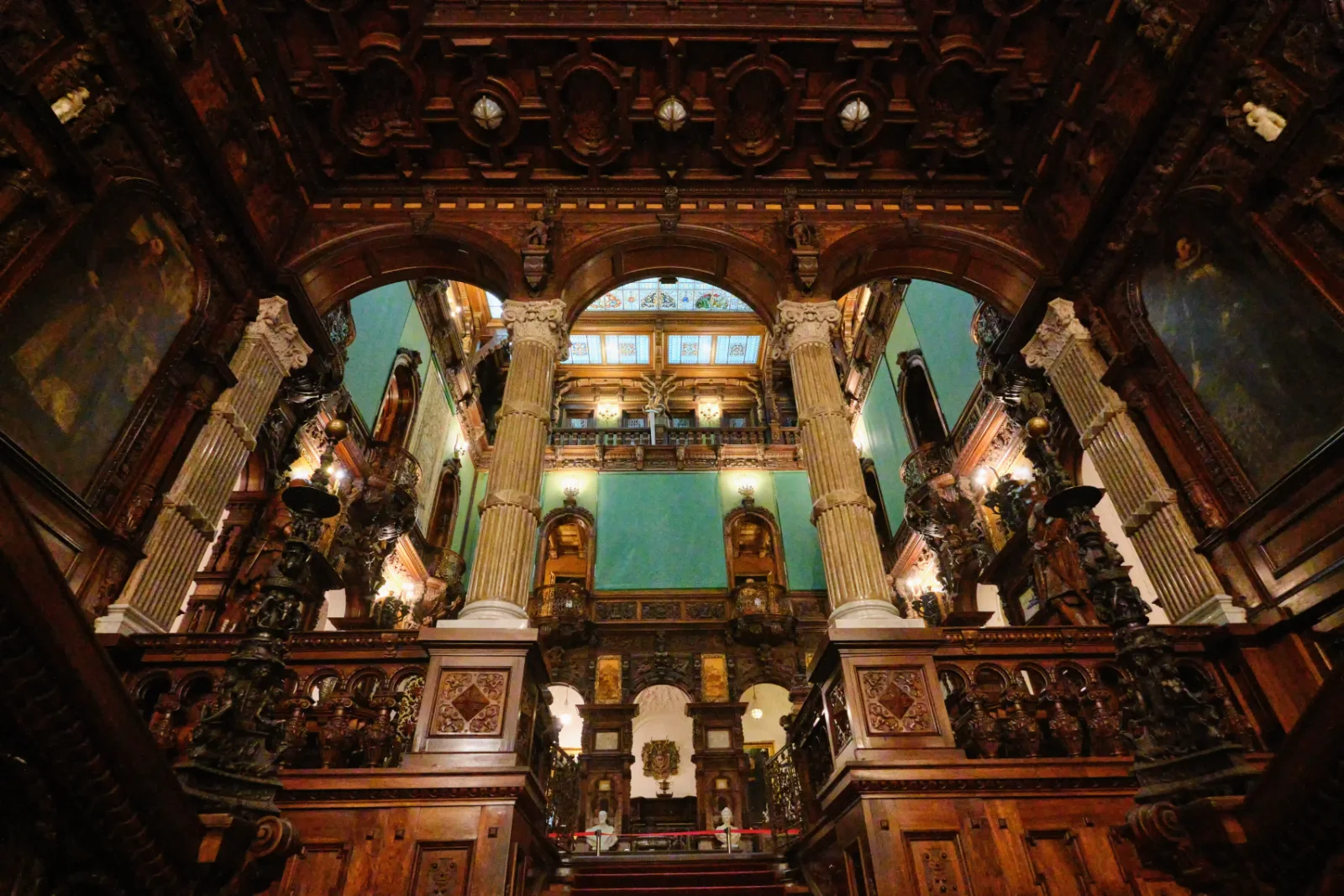
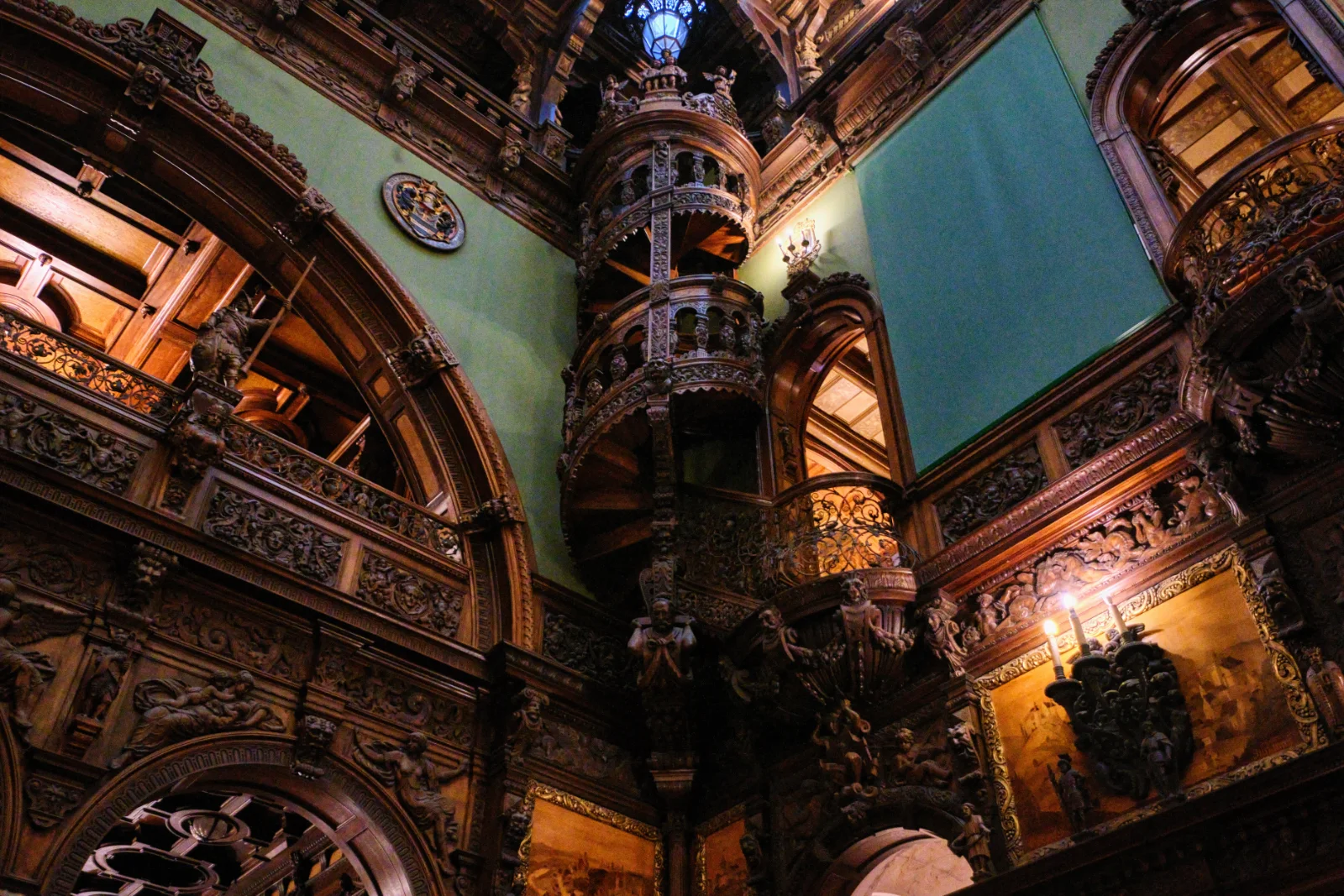
After 1947, the castle was nationalized, and the royal family was forced into exile for the next 50 years. Peleș was reopened to visitors after 1990 and officially returned to the royal family in 2007. On the outside, it is a true architectural gem, decorated with wooden elements, while the inner courtyard is embellished with superb hand-painted frescoes. Among the most impressive features are the slender towers, the tallest rising to 66 meters. Overwhelmed by the surrounding refinement, we step into the mysterious interior for the first time, but no dream or desire can compare to the fascinating world discovered here. We are enchanted from the first glance, being greeted by the exquisite wooden lacework of the majestic staircase, followed by the extravagant glass ceiling that filters the sunlight in a diffuse symphony.
Search for Lodging near the Peleș Castle with Booking.com!
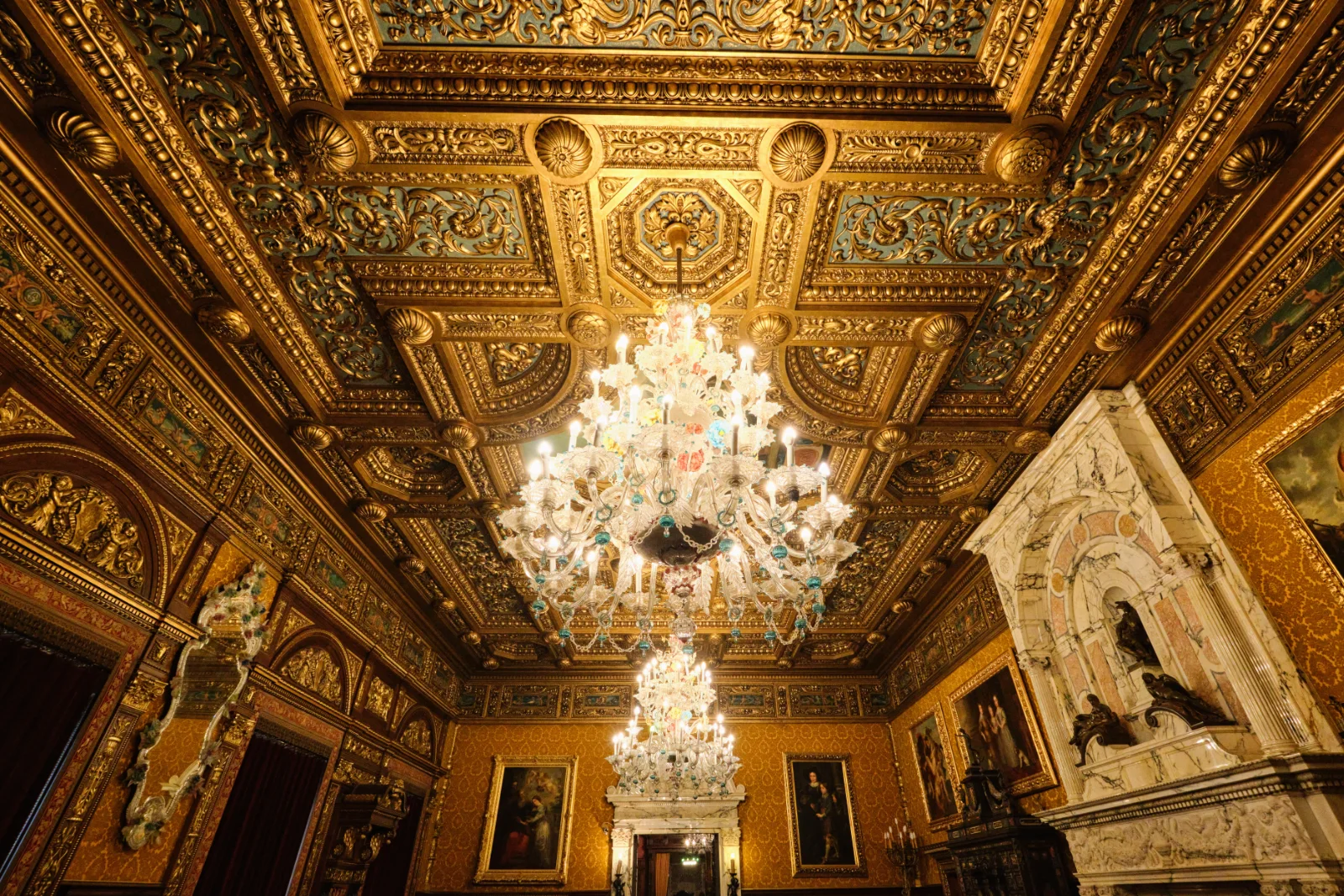
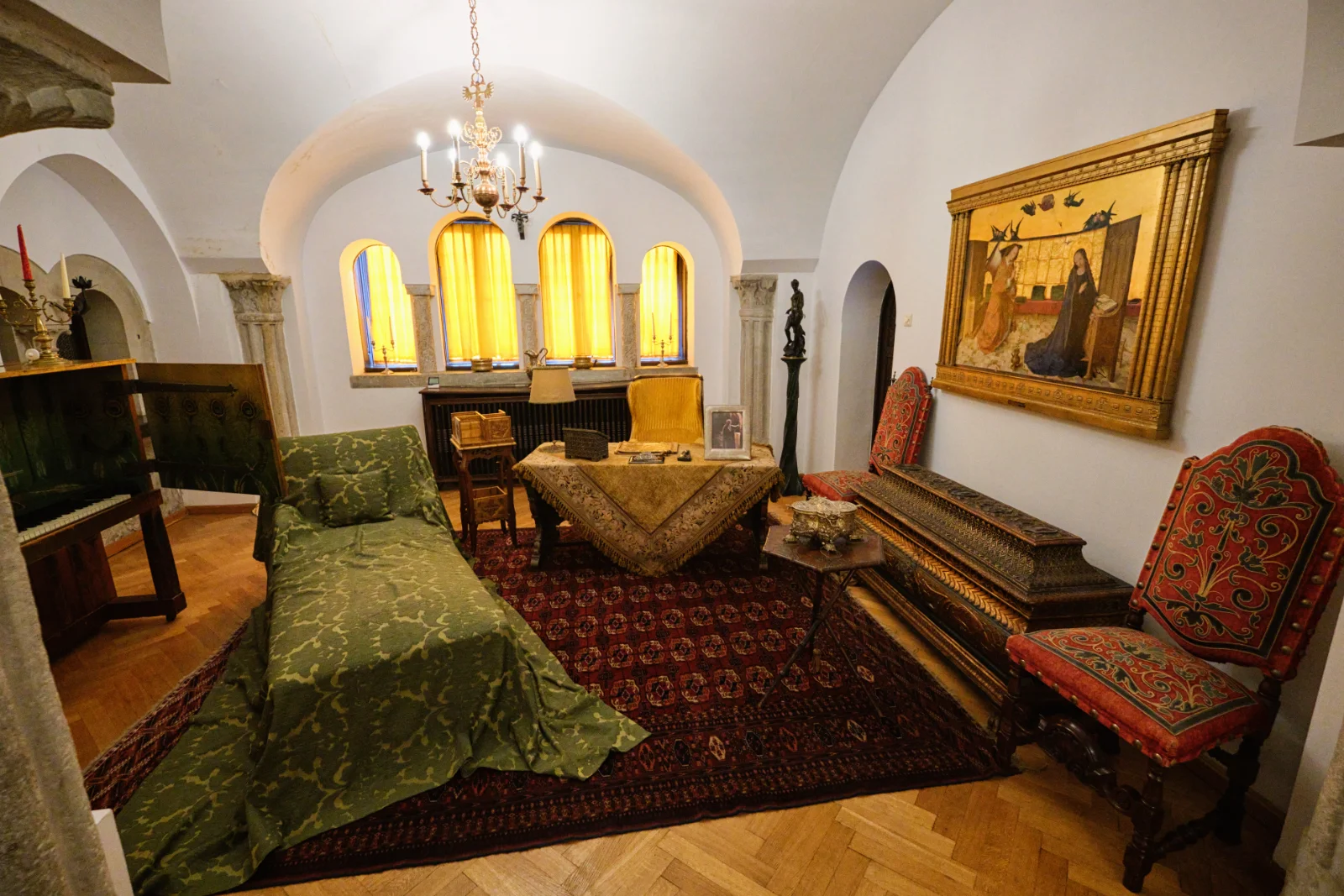
Every little detail seems meticulously calculated and every hidden corner is in harmony with the rest of the ensemble, creating a complex sensory experience. Beyond the priceless value of the surrounding things and beyond the royal pride that transcends time, the genius of the architects and craftsmen who created all these treasures is felt everywhere. If we ignore the hundreds and thousands of travelers who wander through the castle every day, the place seems frozen in time and with a little imagination, we can almost discern the silhouette of King Ferdinand in his study or we can actually hear the voice of Queen Elisabeth reciting poetry. Inside there are over 160 rooms and spaces, each with its own function and decorative style.
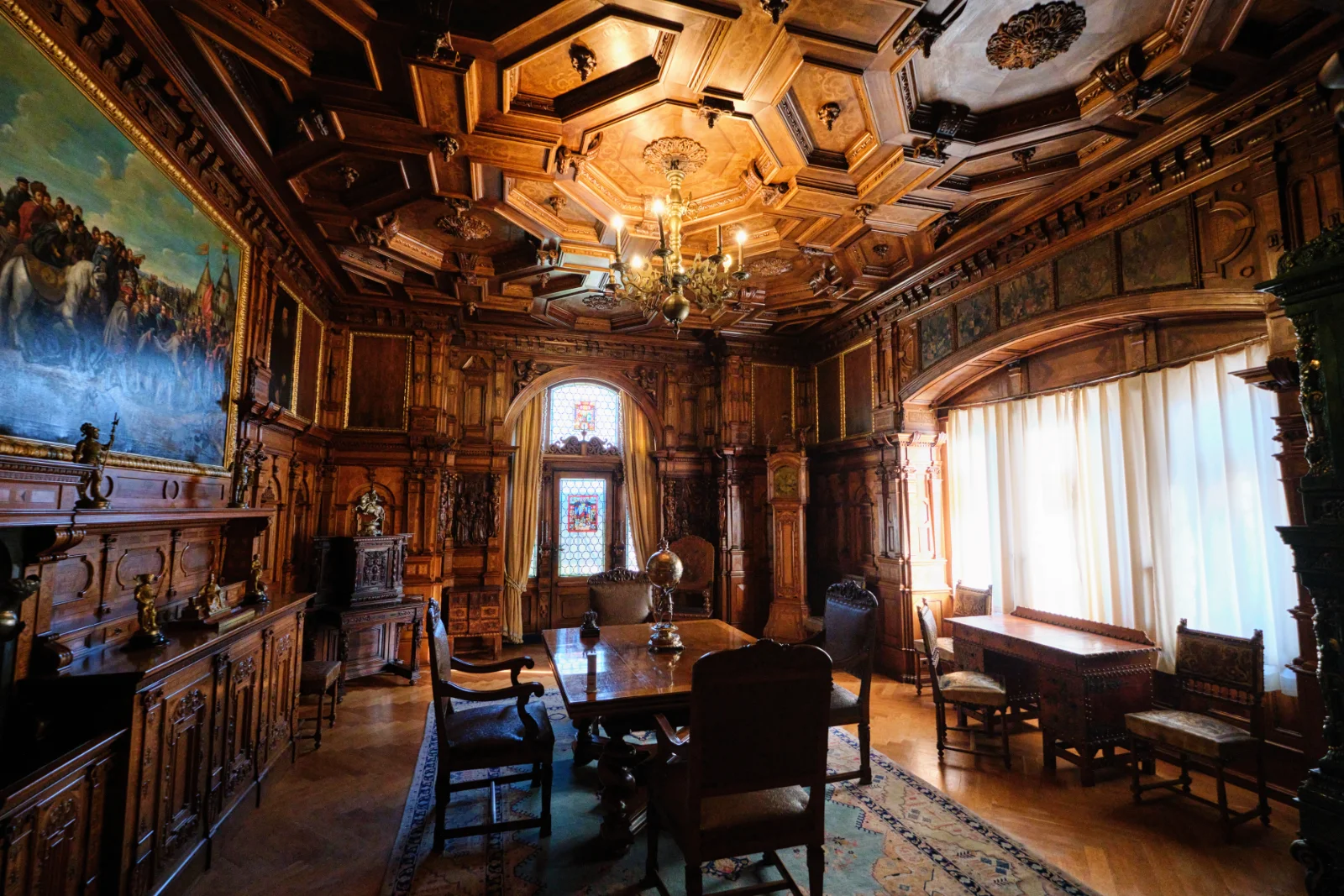
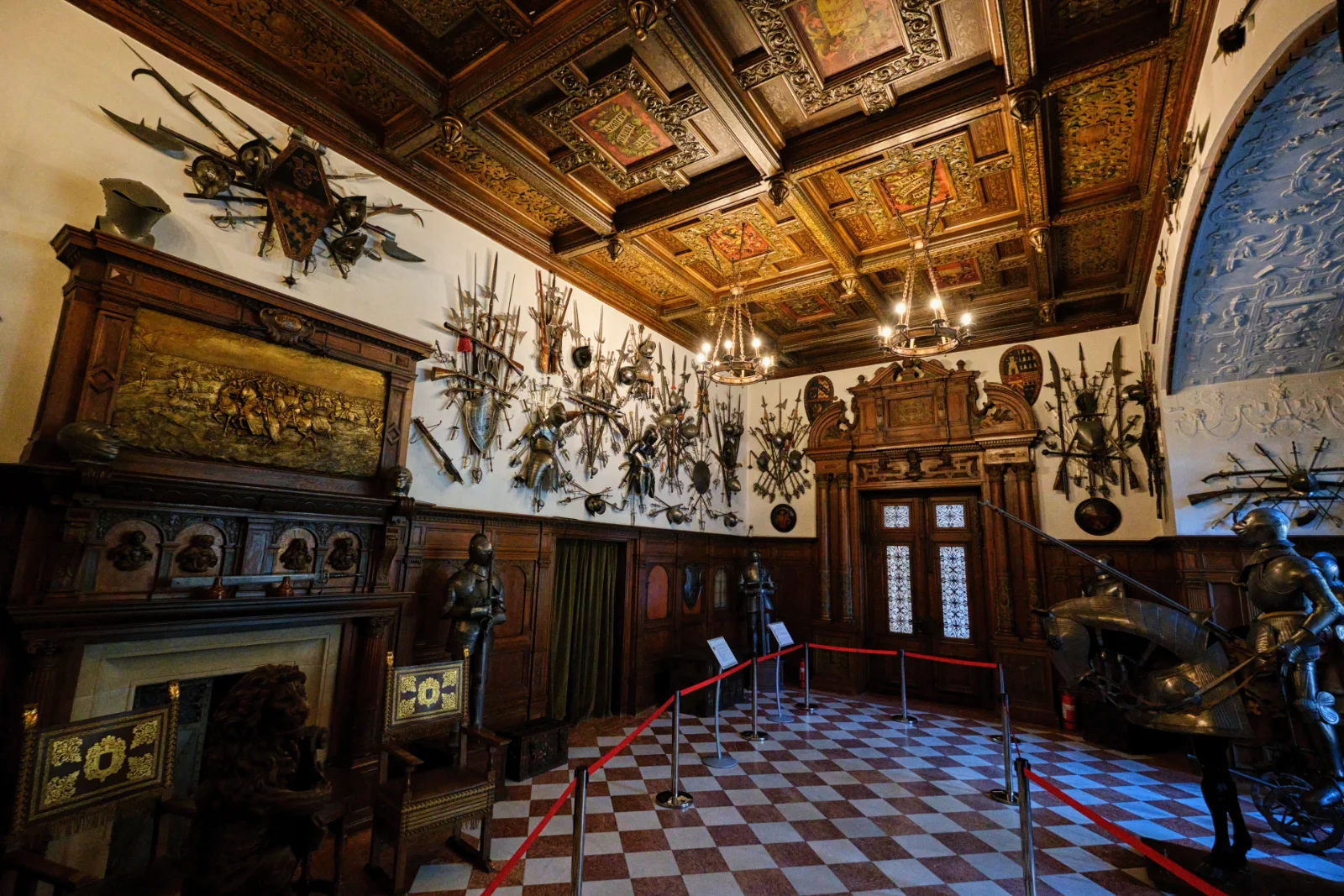
Some of these can be discovered during guided tours that include the most important and interesting rooms of the castle, the complete experience including the ground floor and the next two floors. We start the visit with the Hall of Honor, a spectacular space that includes impressive wooden decorations, bas-reliefs and superb statuettes. An exceptional element here is the movable glass ceiling, which can be opened electrically or manually. Another space that fascinates us is the Great Armory, where approximately 1,600 pieces are exhibited (from a heritage of over 4,000), with rare weapons and armor from all over the world, including a complete suit of armor for horse and knight, unique in Romania.
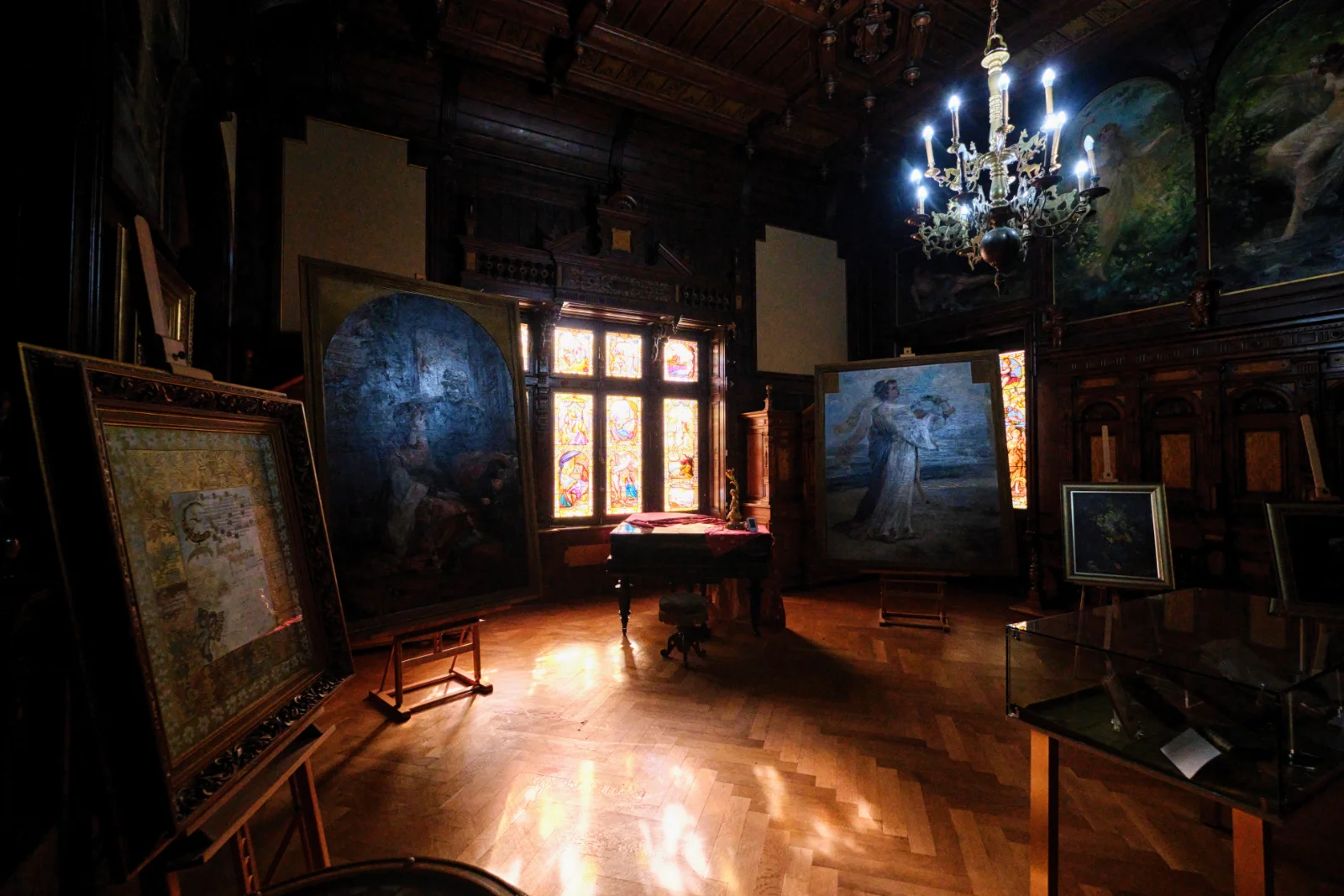
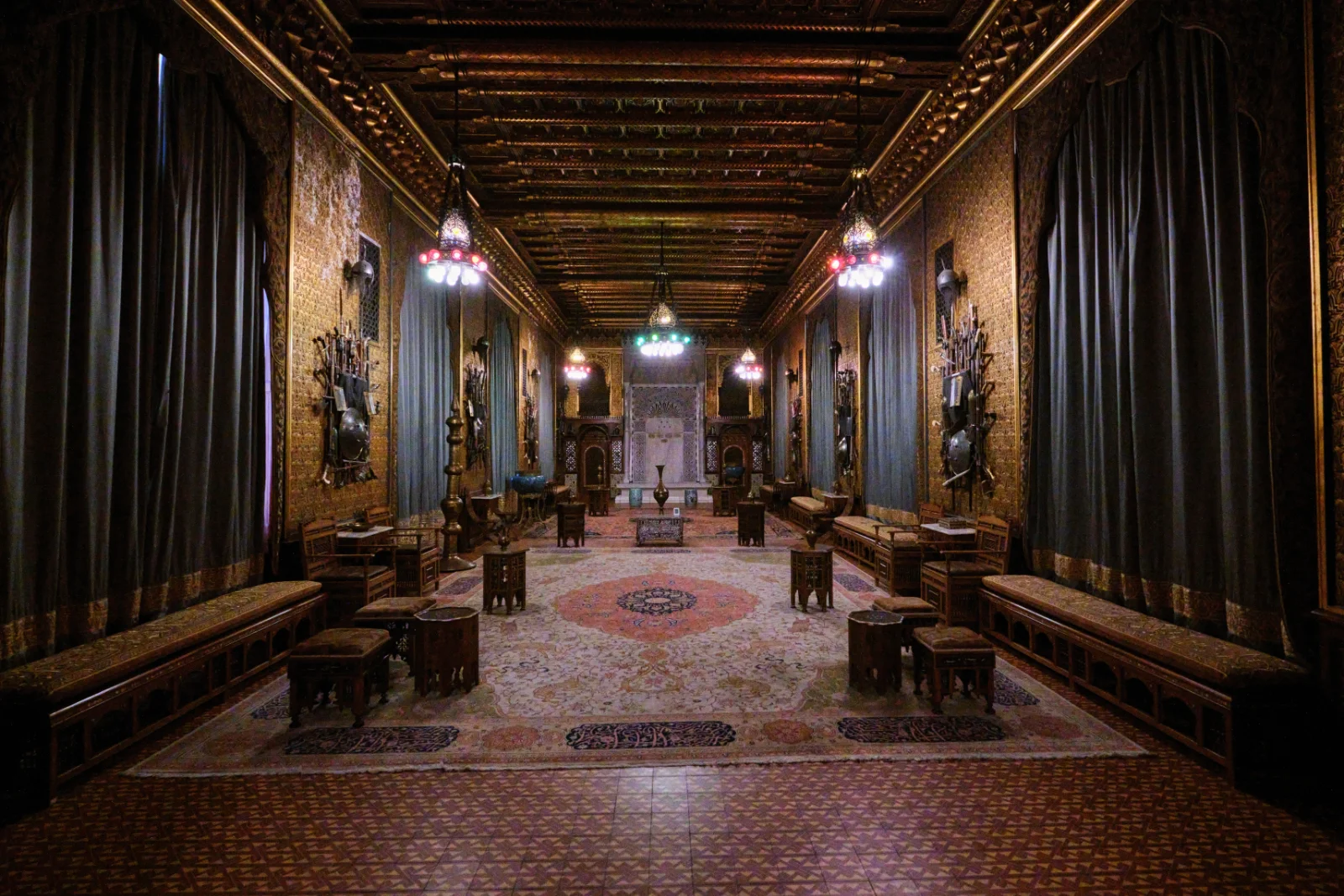
The Imperial Apartment was created as a tribute to Emperor Franz Josef of Austria-Hungary, who did not arrive for the scheduled visit in 1906. The Royal Library once gathered thousands of rare and valuable volumes, as well as a secret door that provided direct access to the royal apartments. In a dizzying succession, we discover other spectacular spaces of the castle, such as the Florentine Room, the Moorish Room, the Turkish Salon, the Music Room, the Dining Room, the Study Room or the Theater Room. All these amazing places contain priceless collections of silverware, ceramics, stained glass, clocks, musical instruments, chandeliers, works of art and especially furniture. Among their suppliers are the most prestigious workshops in Germany, France or Austria.
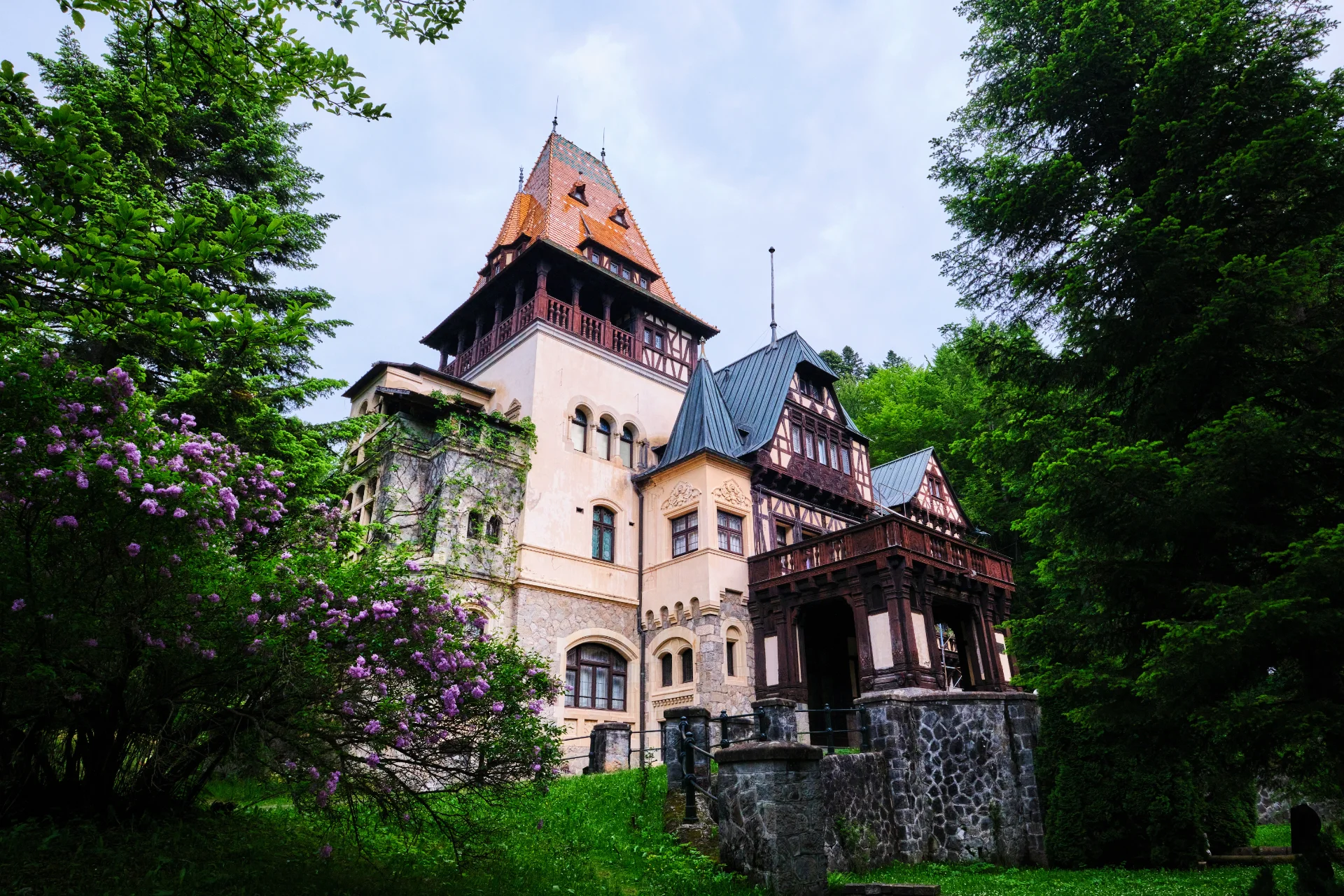
To complete the sumptuous royal experience we are rewarded with, we extend our visit to the estate with the castle’s younger brother, located just a few steps away on the enchanting alleys. Pelișor Castle once became the soul project of Queen Maria, certainly the most respected and beloved figure of royalty in Romania. The queen’s character and temperament were imprinted on the structure of the castle and warmed the atmosphere of the cold rooms, bringing a touch of color and exuberance to its sobriety. Built by the same architect Karel Liman in the art nouveau style and decorated by the Viennese artist Bernhard Ludwig, the castle also contains elements personally chosen by Queen Maria of Romania. We can discover most of the interesting spaces inside, starting with the Hall of Honor, where we are impressed by the oak wood decorations and the stained glass skylight.
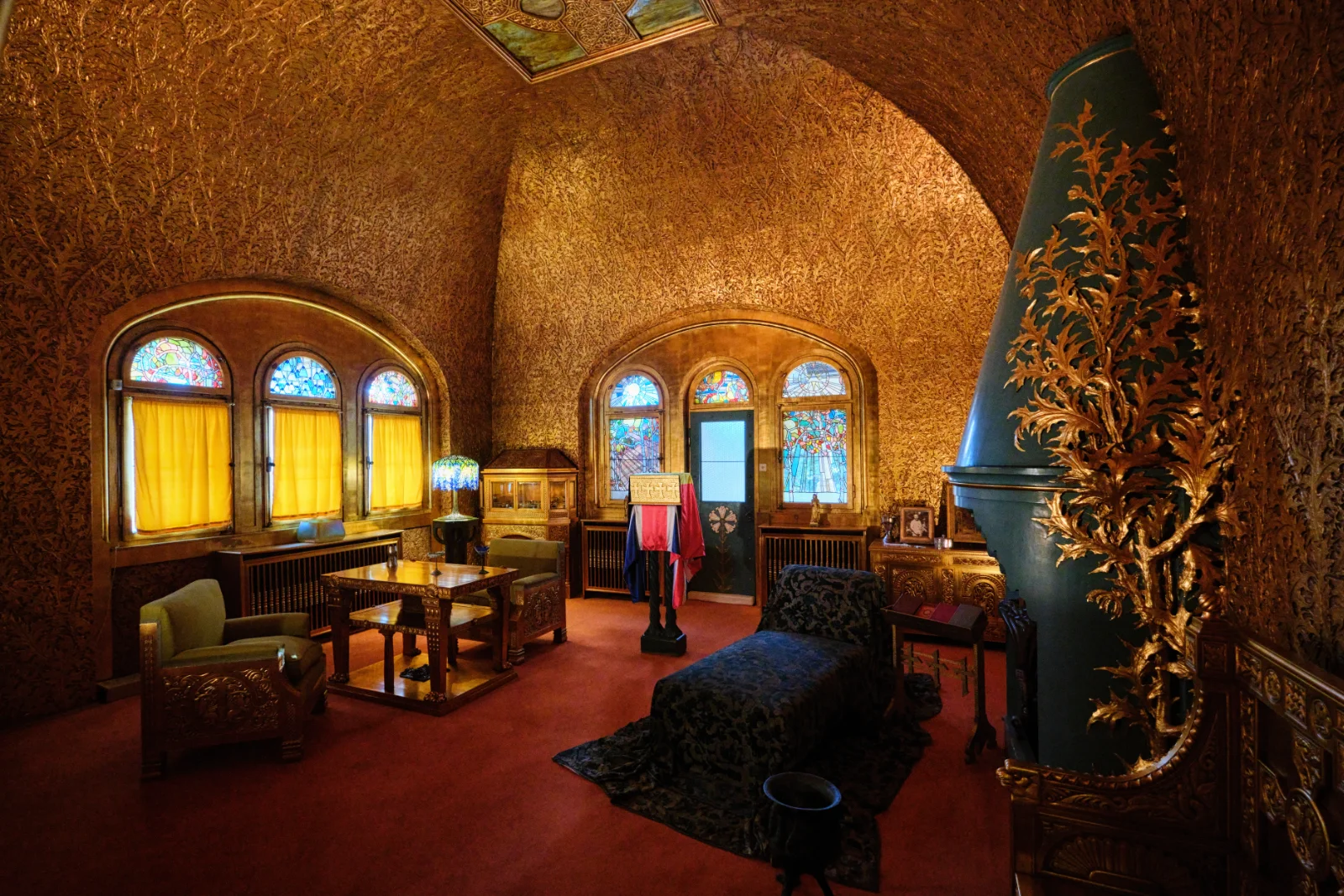
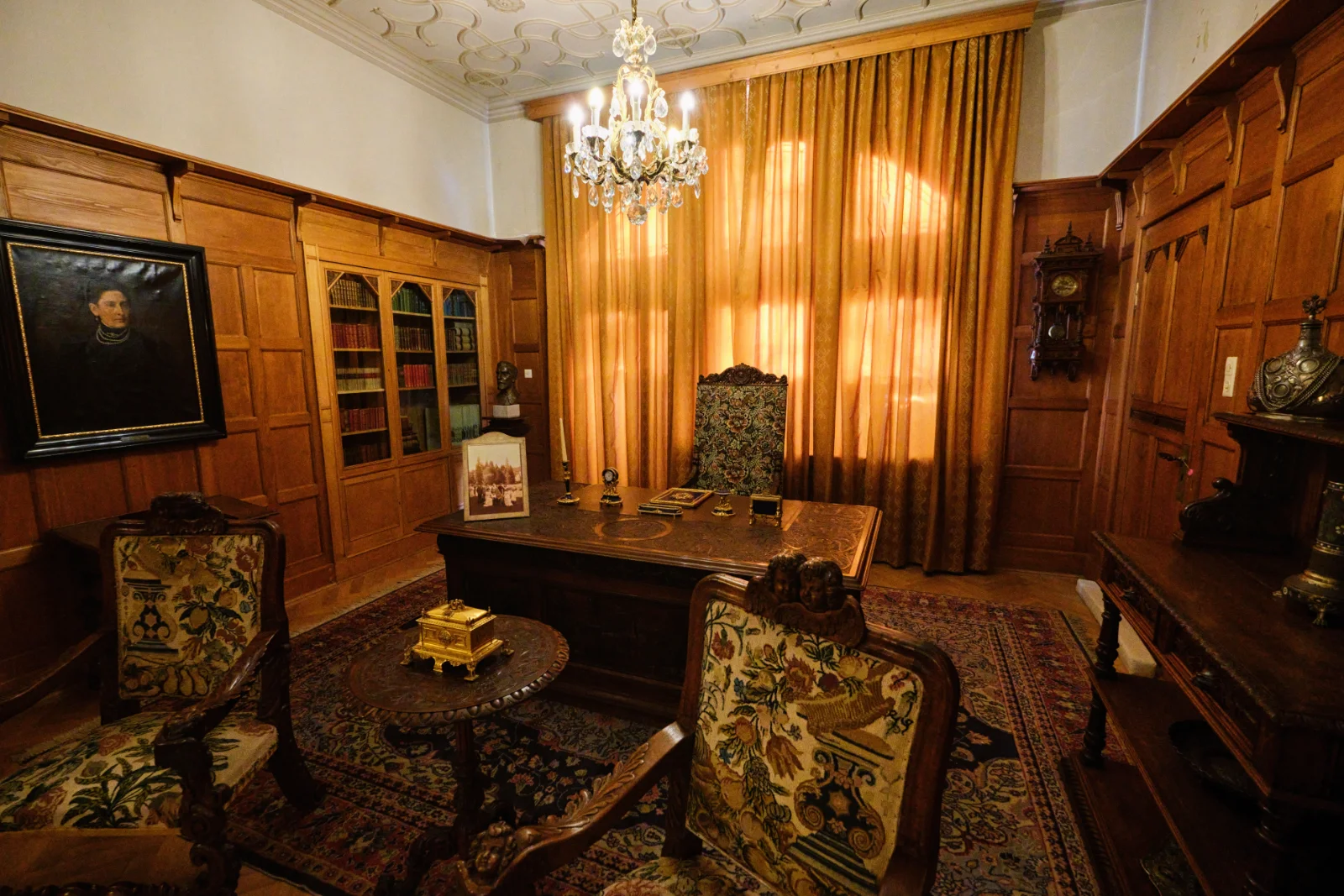
Perhaps the most fascinating and unique space in Pelișor is the Golden Room, illustratively named because of its gilded walls decorated with thistle leaves, the symbol of Queen Mary’s native Scotland, but also of the art nouveau movement. Other rooms that delight our eyes include King Ferdinand’s office, Queen Mary’s apartment, the golden bedroom or the queen’s office, all containing furniture, decorations and works of art, including those created by Queen Maria of Romania. Around the two wonderful castles, other impressive buildings spring up from place to place, and if we follow the royal paths through the forests and along the Bucegi cliffs, we discover new amazing places that still bear the memory of distinguished guests. The perfect beauty of the castle inspires us to embark on the next incredible adventure, which leads us to the peaks and valleys full of charm of the Bucegi Natural Park…
Sights and Experiences
Places to See and Things to Do near the Peleș Castle
Peleș Castle
Opening hours: Wednesday-Sunday / 9.15-17 | Tickets: from 100 lei (20€)/adult (ground floor+1st floor)
No expense was spared in decorating and furnishing the castle, with the most exceptional pieces of furniture, expensive porcelain and crystal, old and rare stained glass, oriental tapestries and carpets, grand chandeliers, masterpieces of art, old books, weapons and armor. Inside, there are over 160 rooms and spaces, each with its own function and decorative style. Some of these can be discovered on guided tours that include the most important and interesting rooms of the castle, the full experience including the ground floor and the next two floors. Visits always begin with the spectacular Hall of Honor, which features impressive wooden decorations, bas-reliefs and superb statuettes. An exceptional element here is the movable glass ceiling, which can be opened electrically or manually. Another fascinating space is the Great Armory, where approximately 1,600 pieces (from a heritage of over 4,000) are exhibited, with rare weapons and armor from all over the world, including a complete suit of armor for a horse and knight, unique in Romania. The Imperial Apartment was created as a tribute to Emperor Franz Josef of Austria-Hungary, who did not arrive for the scheduled visit in 1906. The Royal Library once gathered thousands of rare and valuable volumes, as well as a secret door that provided direct access to the royal apartments. Other fascinating and spectacular rooms of the castle include the Florentine Room, the Moorish Room, the Turkish Salon, the Music Room, the Dining Room, the Work Cabinet or the Theater Room. All these amazing spaces contain priceless collections of silverware, ceramics, stained glass, clocks, musical instruments, chandeliers, works of art and especially furniture. Among their suppliers are the most prestigious workshops in Germany, France or Austria.
Pelișor Castle
Opening hours: Wednesday-Sunday / 9.15-17 | Tickets: 30 lei (6€)/adult
Built by the same architect Karel Liman in the Art Nouveau style and decorated by the Viennese artist Bernhard Ludwig, the castle also contains elements personally chosen by Queen Maria of Romania. The most important and interesting spaces inside can be visited during a tour, starting with the Hall of Honor, where the oak wood decorations and the stained glass skylight are impressive. Perhaps the most impressive and unique space in Pelișor is the Golden Room, illustratively named so because of the gilded walls decorated with thistle leaves, the symbol of Queen Maria’s native Scotland, but also of the Art Nouveau movement. Other rooms that can be admired during the visit include King Ferdinand’s office, Queen Maria’s apartment, the golden bedroom or the Queen’s office, all containing furniture, decorations and works of art, including those created by Queen Maria of Romania.
Sinaia Monastery
Opening hours: Daily 8-20
Also nicknamed the “Cathedral of the Carpathians”, the monastery was the nucleus of the city of Sinaia, being built in a wild place at the time, at the entrance to the spectacular Prahova Valley. It is a foundation of the great backwater Mihai Cantacuzino, who also gave it its name, inspired by a visit to Mount Sinai. The monastery dates back to the 17th century, initially only the old church and a few cells that housed 12 monks were built. In the mid-19th century, the new church and the large courtyard of the monastery were built, and over time there were also destructions due to foreign incursions. The old church is an exceptional monument, built in the Brancoveanu style specific to those times, with the porch supported by beautifully carved columns and original paintings of great value, still well preserved. In the old courtyard there is also the monastery chapel where other masterpieces of ancient religious art are preserved, especially the scenes in the narthex. Originally built between 1842 and 1846, the large church was later rebuilt and renovated, resulting in a combination of architectural styles specific to Moldova and the Romanian Country at that time. However, the treasures of this settlement are kept inside, among which the neo-Byzantine painting made by a Danish painter, the unique epitaph created with gold and silk thread by Ana Roth or the chairs reserved for the royal family, who lived for a period at the monastery, is noteworthy. In the former royal chambers, the first religious museum in the country was set up, operating to this day and containing religious objects, old books and superb icons.
Sinaia Town Museum
Opening hours: Daily – 10-17.30 | Tickets: 30 lei (6€)/adult
A former residence with superb architecture from the second half of the 19th century, it is the oldest historical villa in the city. It once included an extensive domain, of which the Știrbey family chapel, with paintings by Gheorghe Tattarescu, remains. Today, the building houses the city’s new museum, the several rooms presenting the history and natural setting around Sinaia, with documents, photographs and other extremely interesting objects.
Sinaia Gondola Lift
Schedule: Daily / 9 (9.30) – 17 (16.30) / Tuesday short program | Tickets: 120 lei (24€)/adult/round-trip Cota1000-Cota2000
For tourists who want to conquer the crest of the Bucegi Mountains to admire the overwhelming panoramas that open from 2,000 meters altitude, the Sinaia gondola is a very fast option, climbing first from the city (elevation 1,000) to elevation 1,400 (where you can also reach by car), then continuing with another section to elevation 2,000. During the ski season and especially on weekends, the gondola is very crowded, but the rest of the time it can be a memorable activity in the Prahova Valley.
Other Interesting Discoveries
Lesser known places and activities near the Peleș Castle
The Royal Trail
One of the most enjoyable experiences after visiting Peleș Castle and Sinaia, the Royal Path is a walking trail that climbs through the forest to the Royal Sheepfold glade, having been laid out together with the Peleș estate. The royal family often used to wander along this later paved path, along the route there are also several interesting places (Sfânta Ana rock, Franz Josef rocks, Clopoței rock, including superb panoramas towards the Prahova valley. The entrance to this trail can be found on Cota 1400 street, near the Schiori chalet.
Toy Train Museum
A unique and captivating little museum, this is a pleasant experience especially for families, featuring a lot of dioramas and miniatures related to the world of trains. Located right next to the Royal Railway Station in Sinaia, the museum transports visitors to the atmosphere of small, idyllic mountain towns or villages, crossed by small, colorful trains.
Opening hours: Daily / 9 -19 | Tickets: 25 lei (5€)/adult
Carol Restaurant
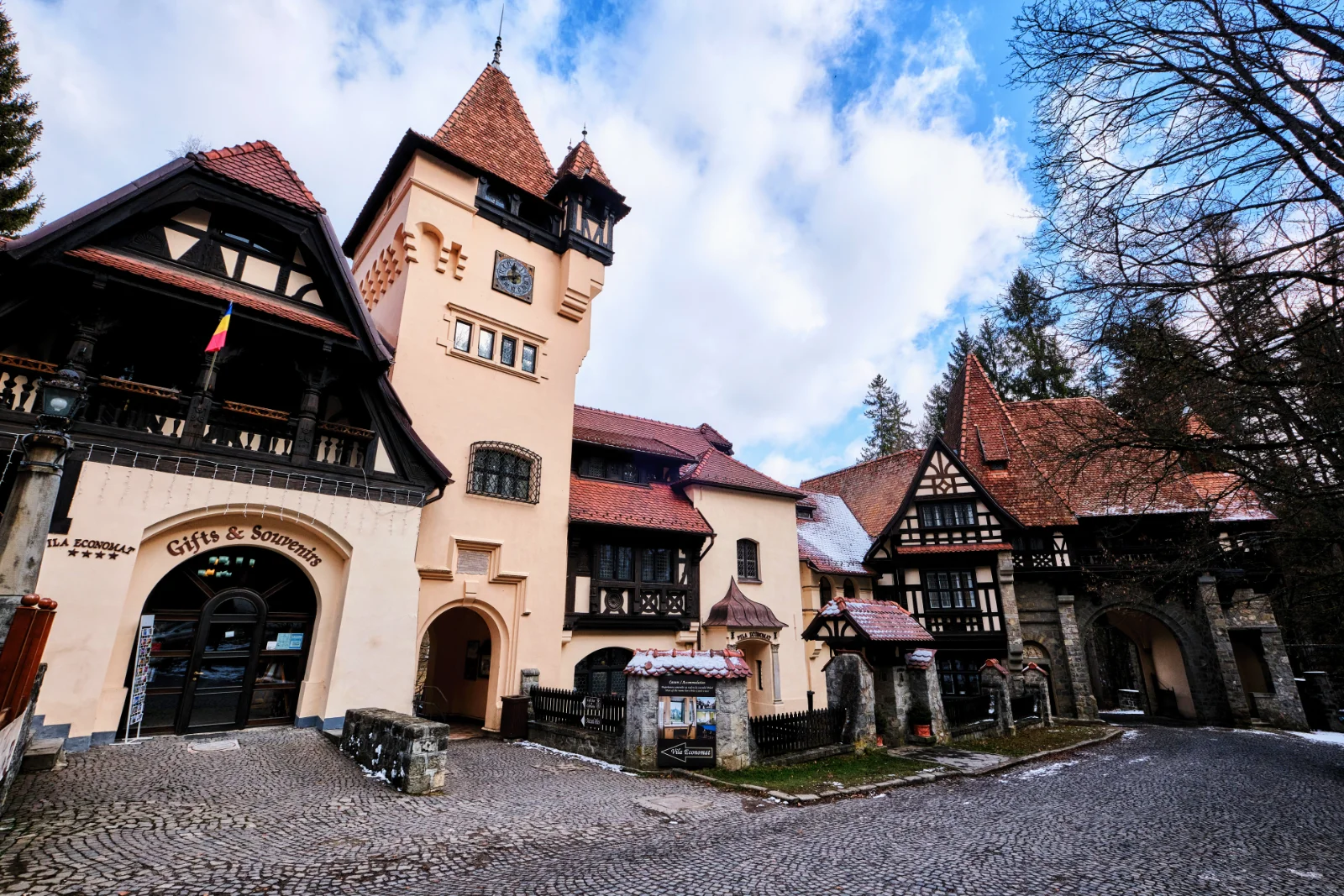
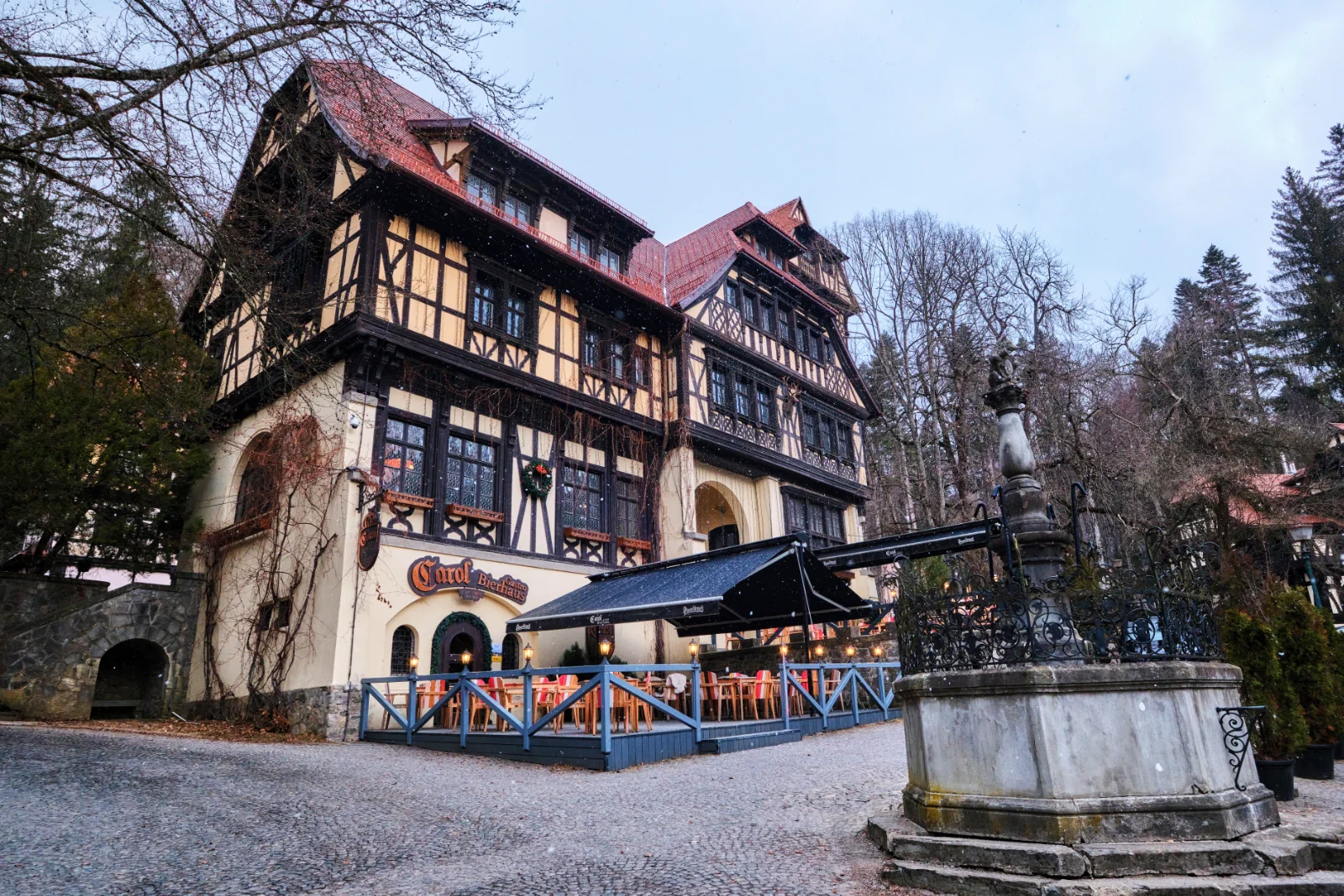
Housed in the former Economat villa, part of the Peleș royal estate and just a few minutes from the castle, the Carol Gastro Bierhaus restaurant awaits its guests with an engaging and welcoming atmosphere, but also with an excellent menu that combines Romanian and German cuisine and international dishes.
Opening hours: Tuesday – Sunday / 10-22
Accommodation Recommendations
The best lodging options in Sinaia
Rating 9.1 from 659 reviews!
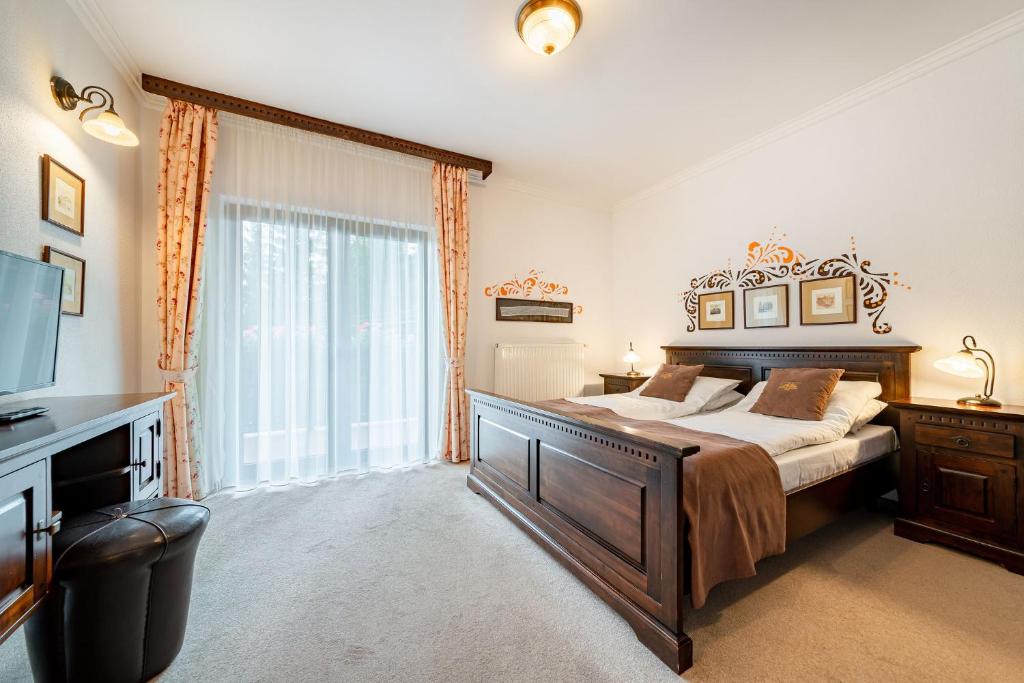
Located in a quiet area of Sinaia, just a few minutes from Peleș Castle, this hotel with superb views offers accommodation in spacious and welcoming superior rooms, as well as an outdoor terrace!
Șoimului St., no. 4A, Sinaia
Rating 9.1 from 4.542 reviews!
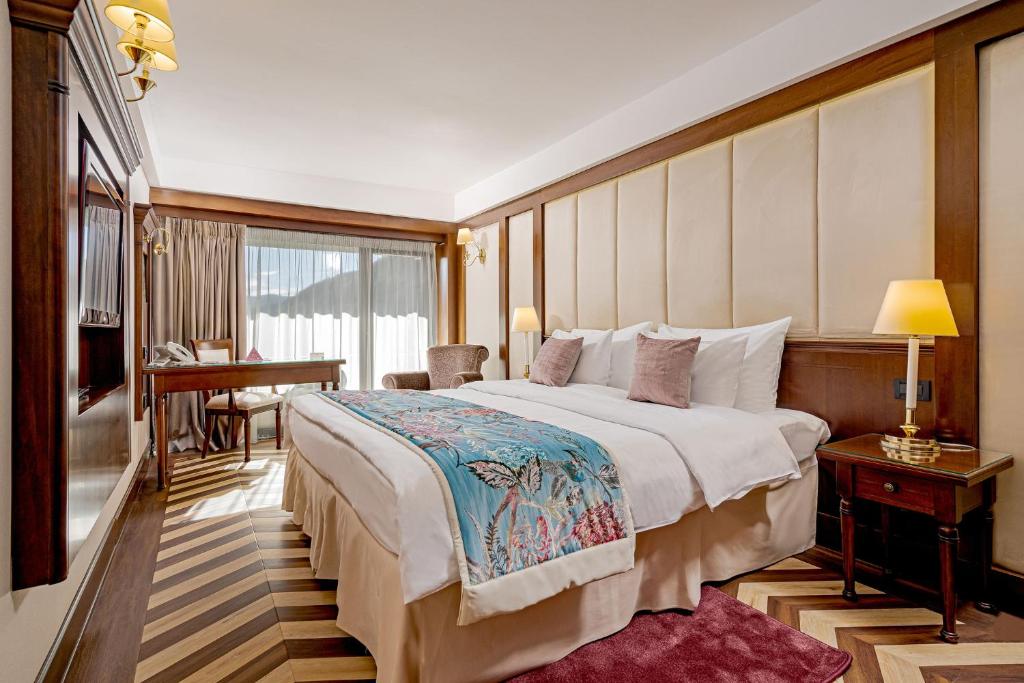
Probably the most recognized hotel in Sinaia, highly appreciated by guests, it offers high-level accommodation and quality services, with 3 restaurants, 2 indoor pools and other impressive facilities!
Avram Iancu St., no.1, Sinaia
Rating 9.5 from 1.268 reviews!
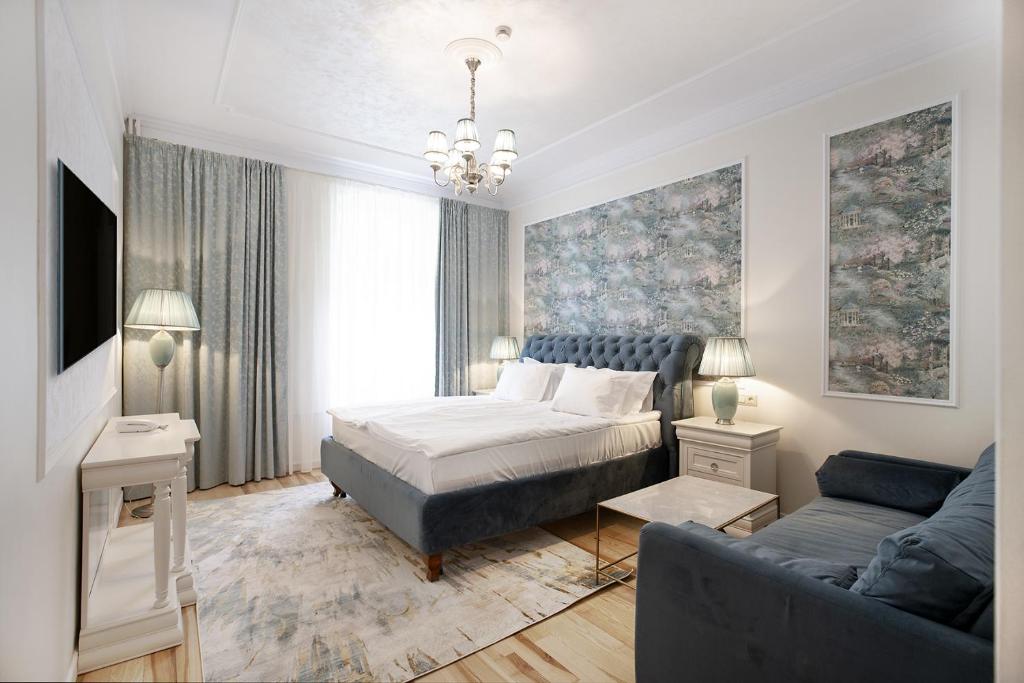
Located right in the center of Sinaia, next to the park and casino, the renowned hotel is highly appreciated by guests, offering spacious rooms with all amenities, a restaurant and private parking!
Carol I Bd., no. 4, Sinaia