20

Fortress of

Rupea

& Geological Complex of

Racoș

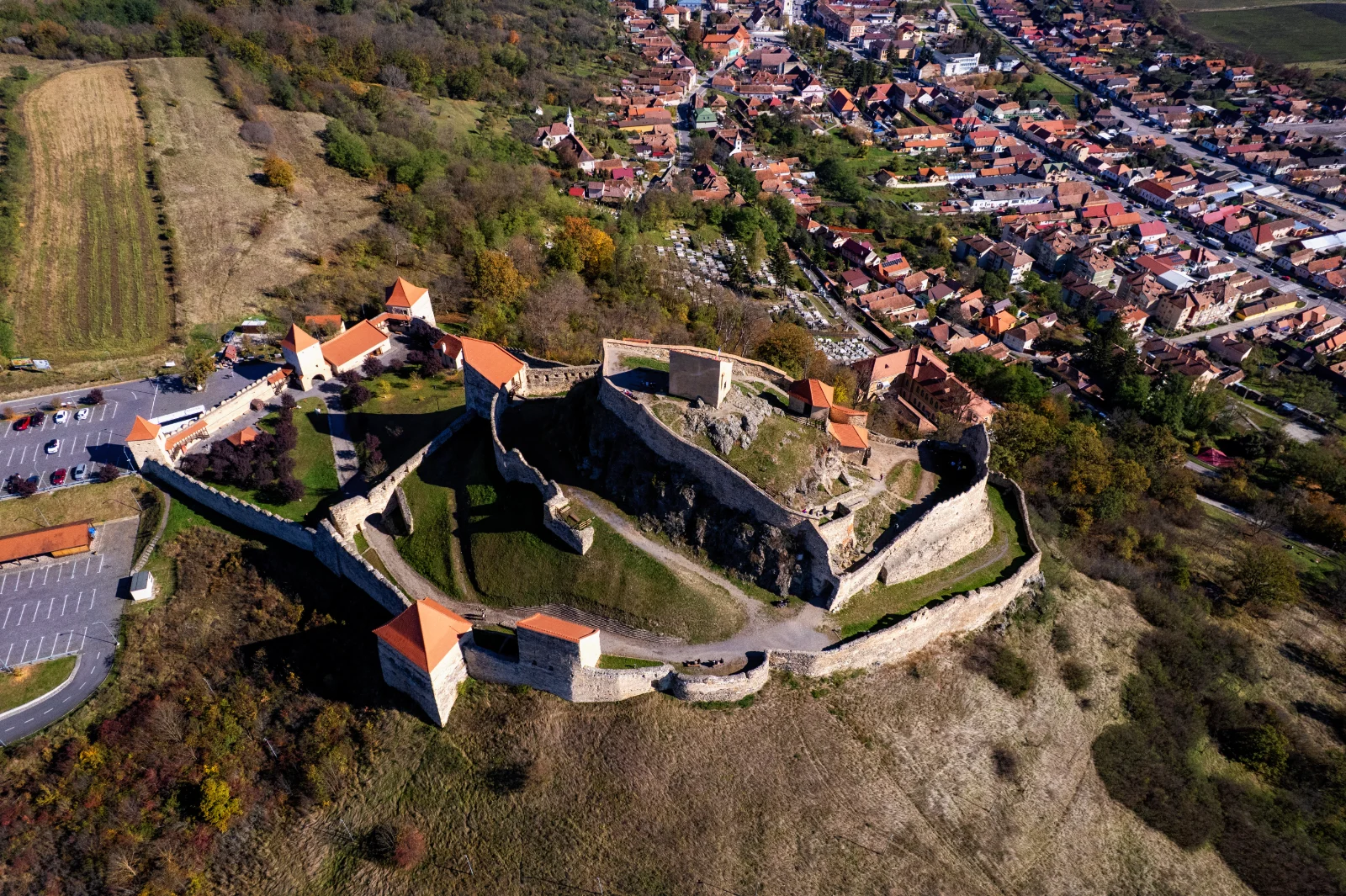
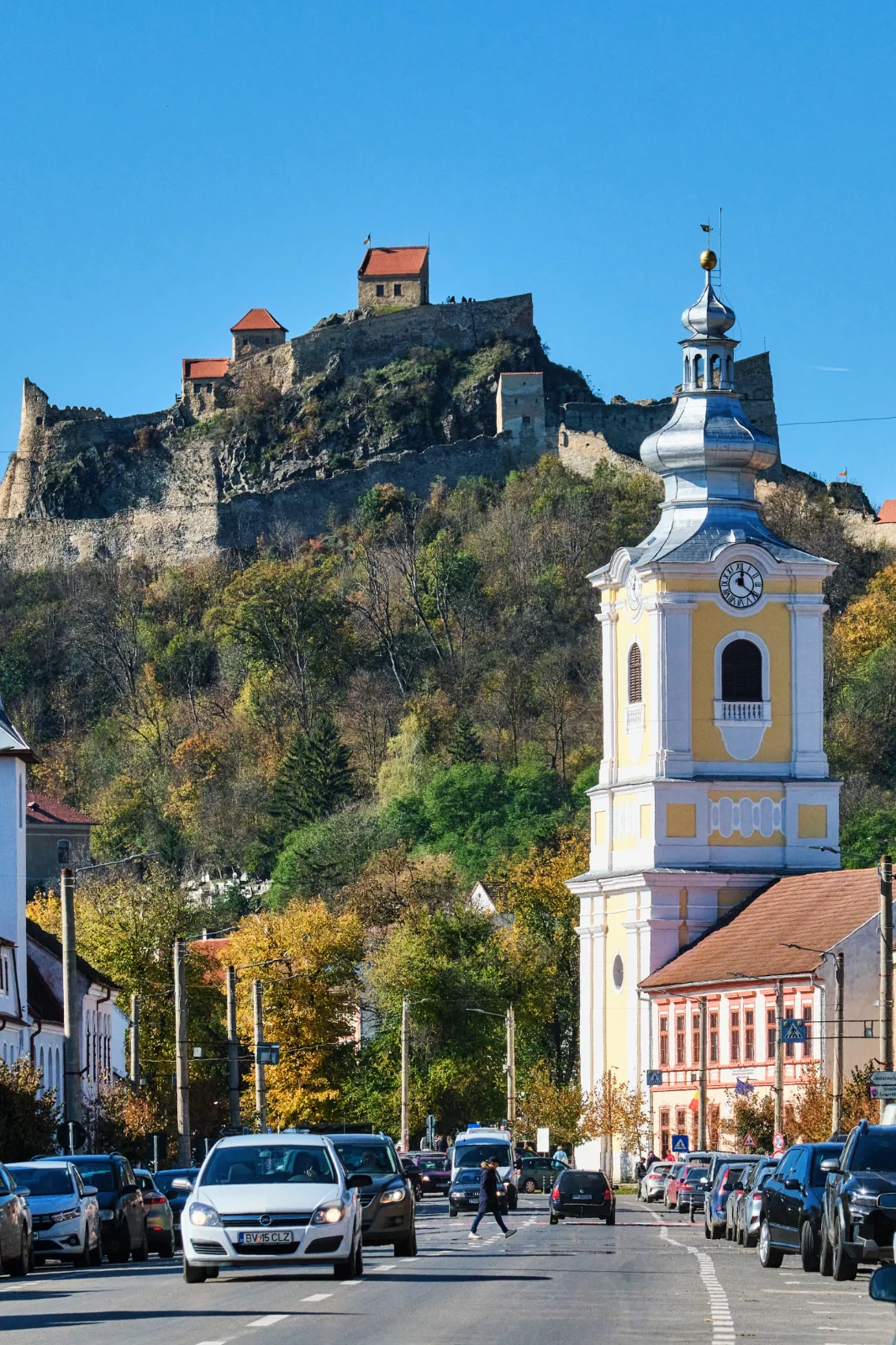
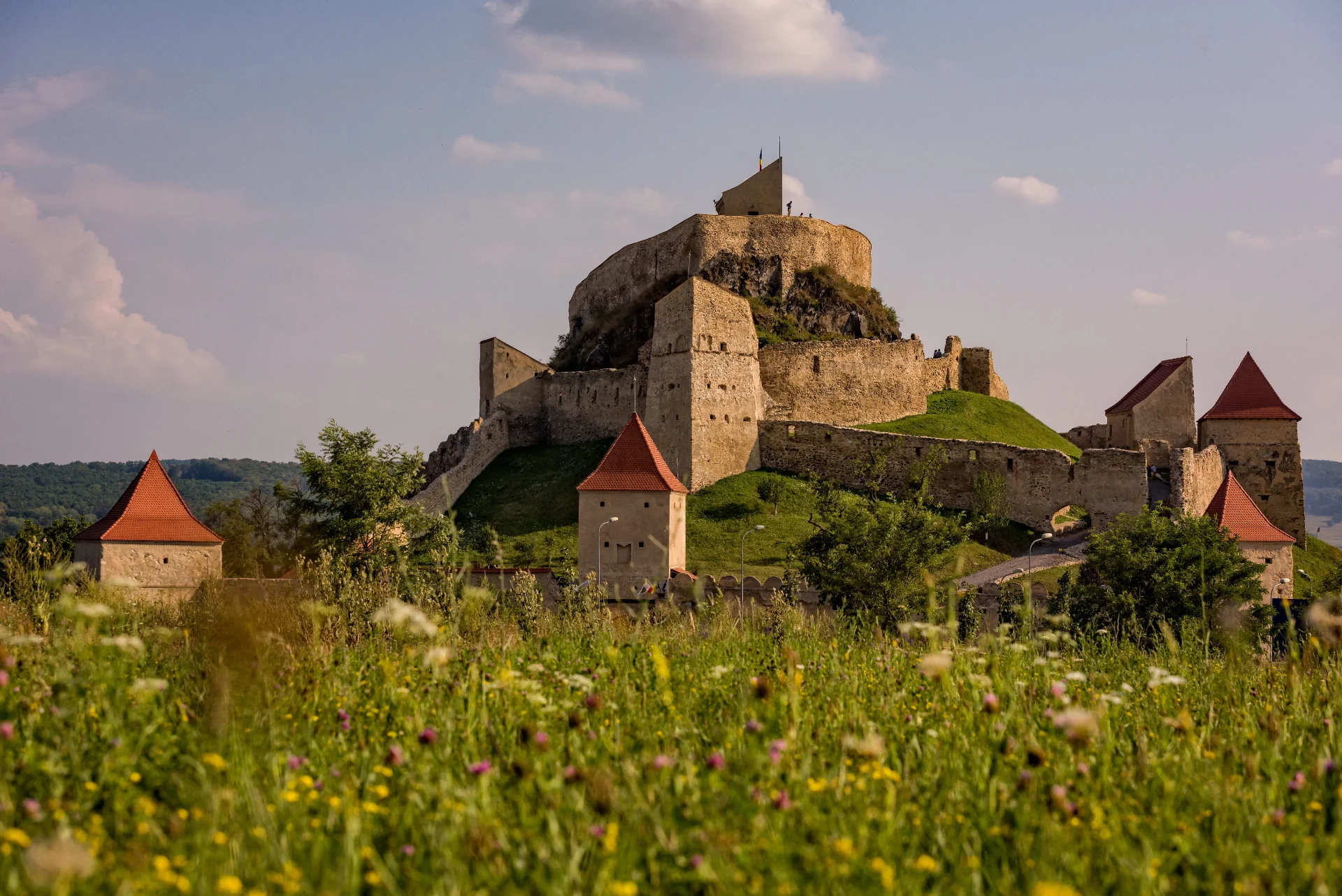
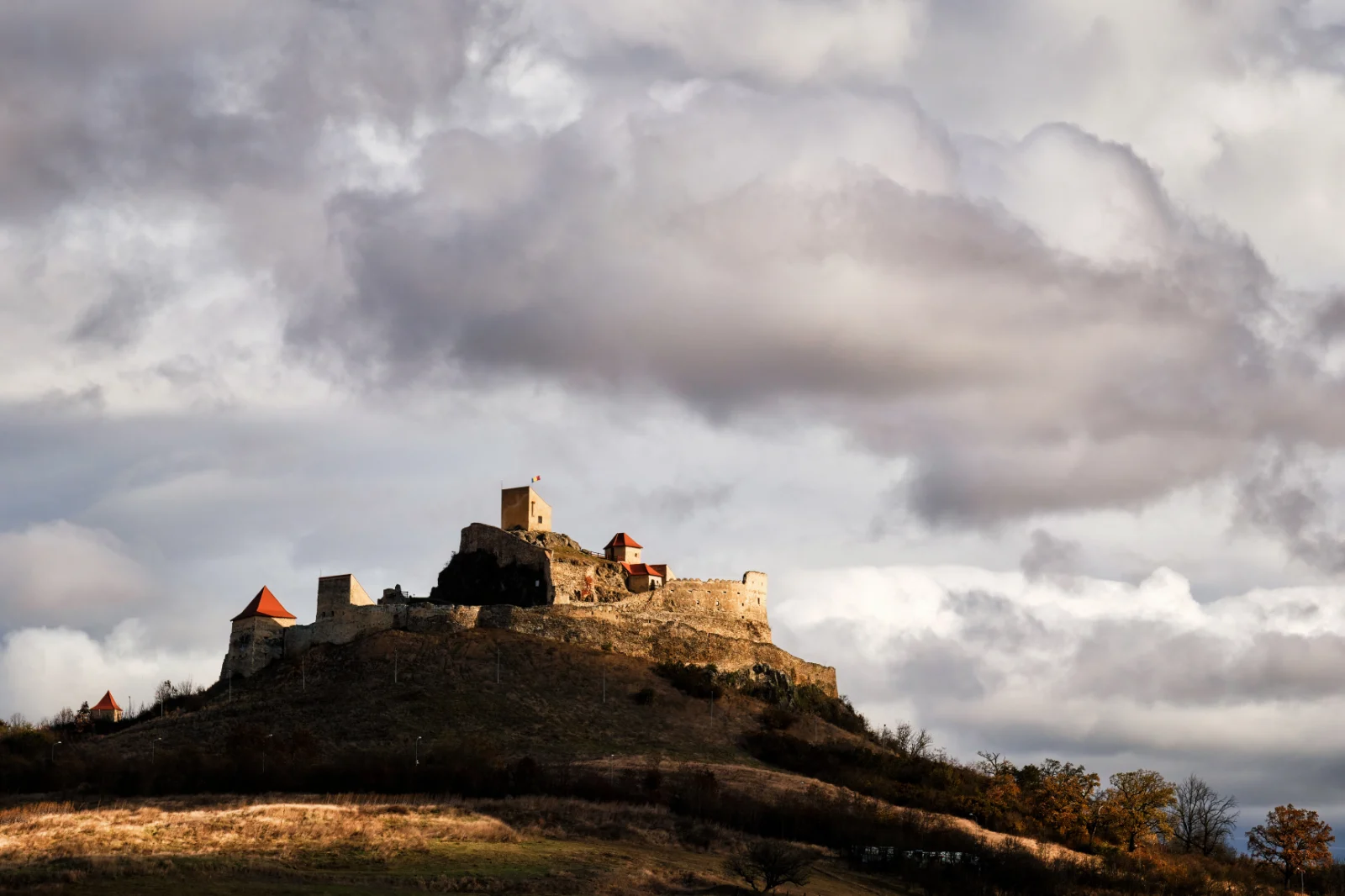
The walls and towers of a magnificent fortress envelop the high hill like the shell of a giant snail, closing off to the west a mysterious land, once shaped by the eruption of the last Romanian volcano, which created a true open-air geological museum!

Rupea Fortress and Racoș Complex - 100 Destinations Romania
Rupea Fortress Ⓒ Silviu-Florin Salomia

Climbing from the land of Făgăraș along the Olt Valley to the northeast, we pass through several small depressions, located at the eastern limit of the Transylvanian hills. Between the rolling carpet of hills and the gentle peaks of the Perșani Mountains stretching to the west, we enter a fascinating land, but less known to travelers. Located at the crossroads of cultural and historical influences of Transylvania, the Hoghiz and Homoroad depressions hide many amazing places, but also some unique discoveries. Long ago, this region was the epicenter of volcanic activity in the country, which left deep marks on the sometimes dramatic landscape. We can reach this region along the European road E60 (DN13) that connects Brașov to Sighișoara or from Făgăraș on DN1S and further by following local roads.

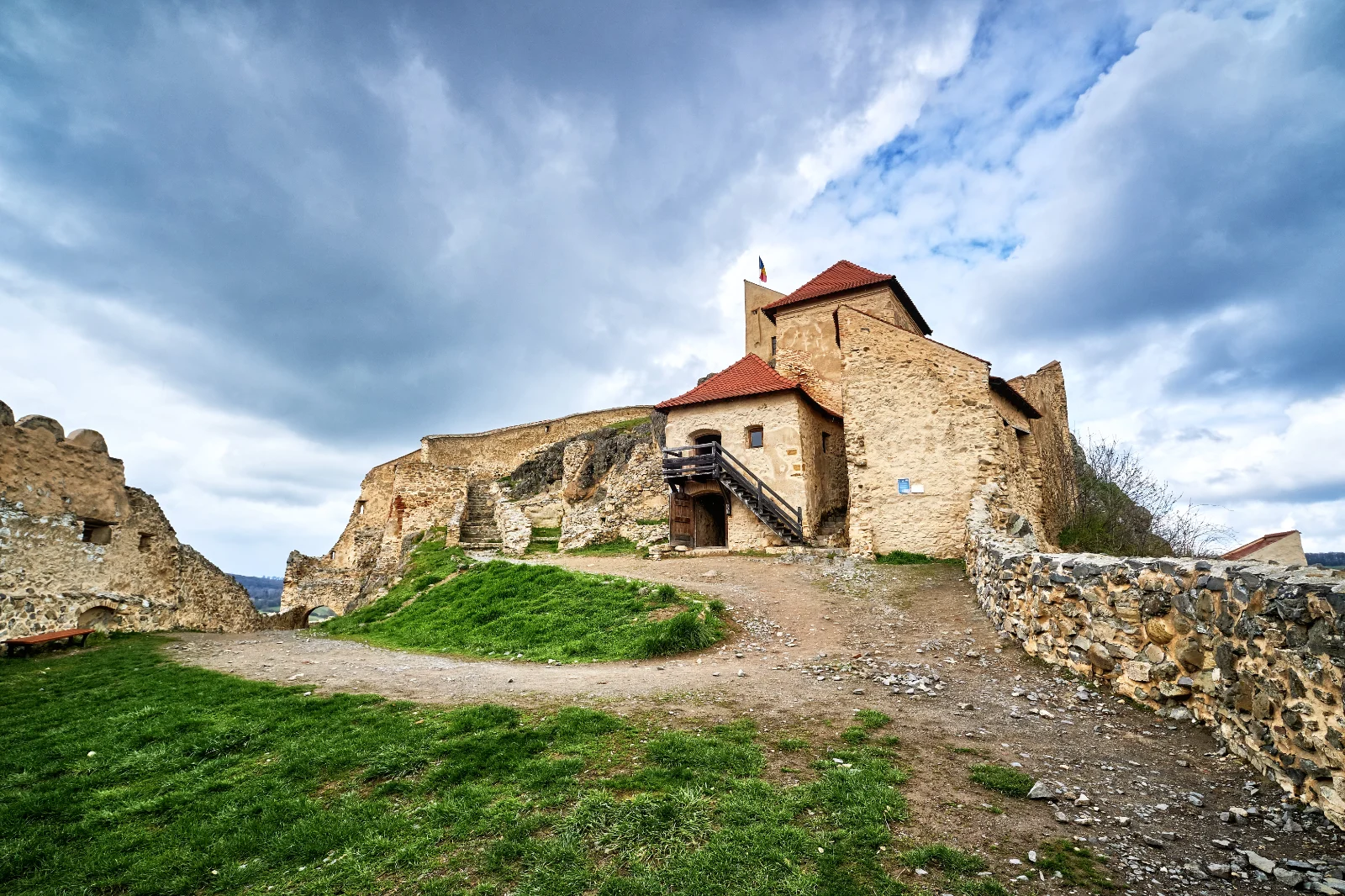
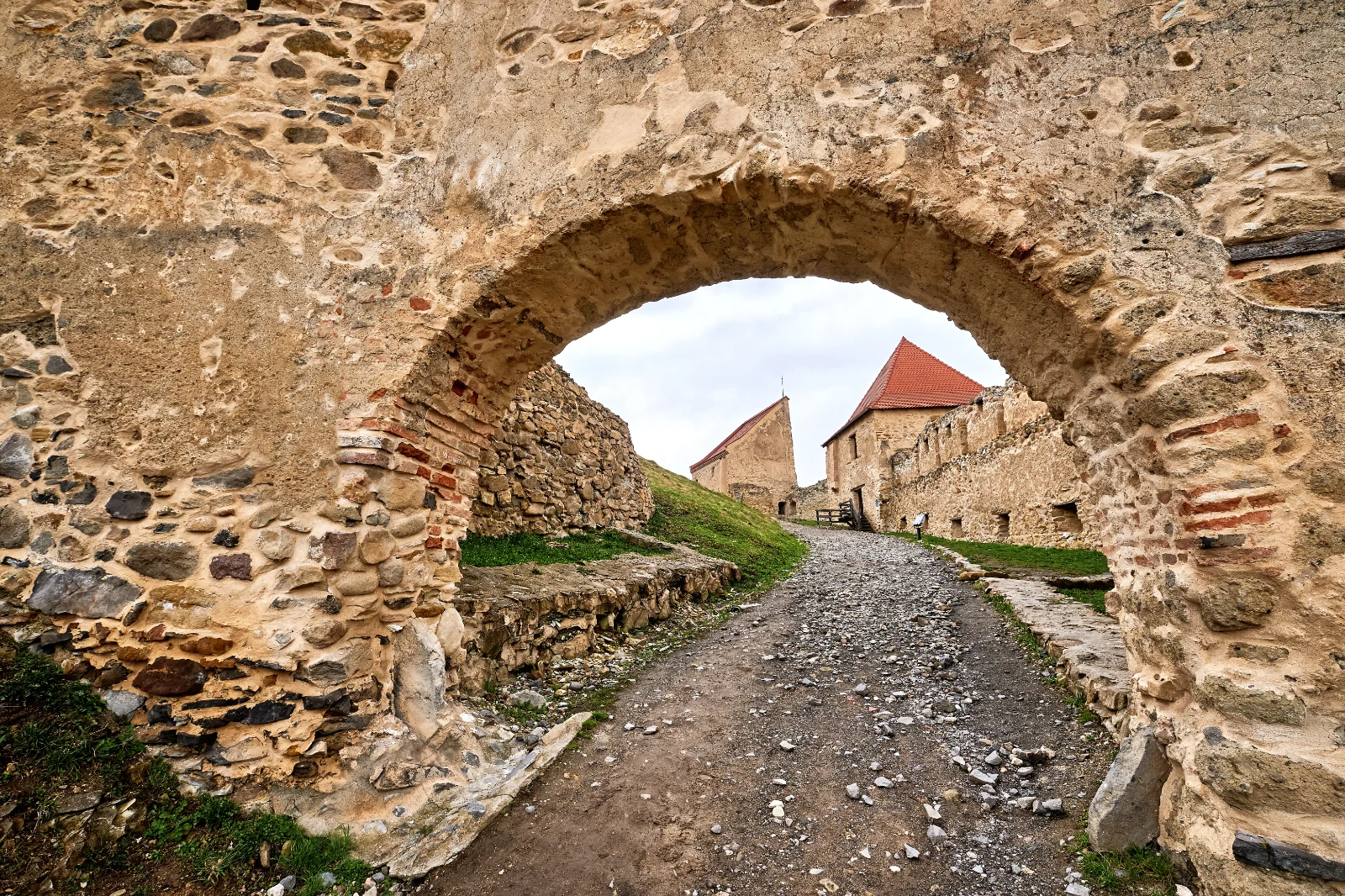
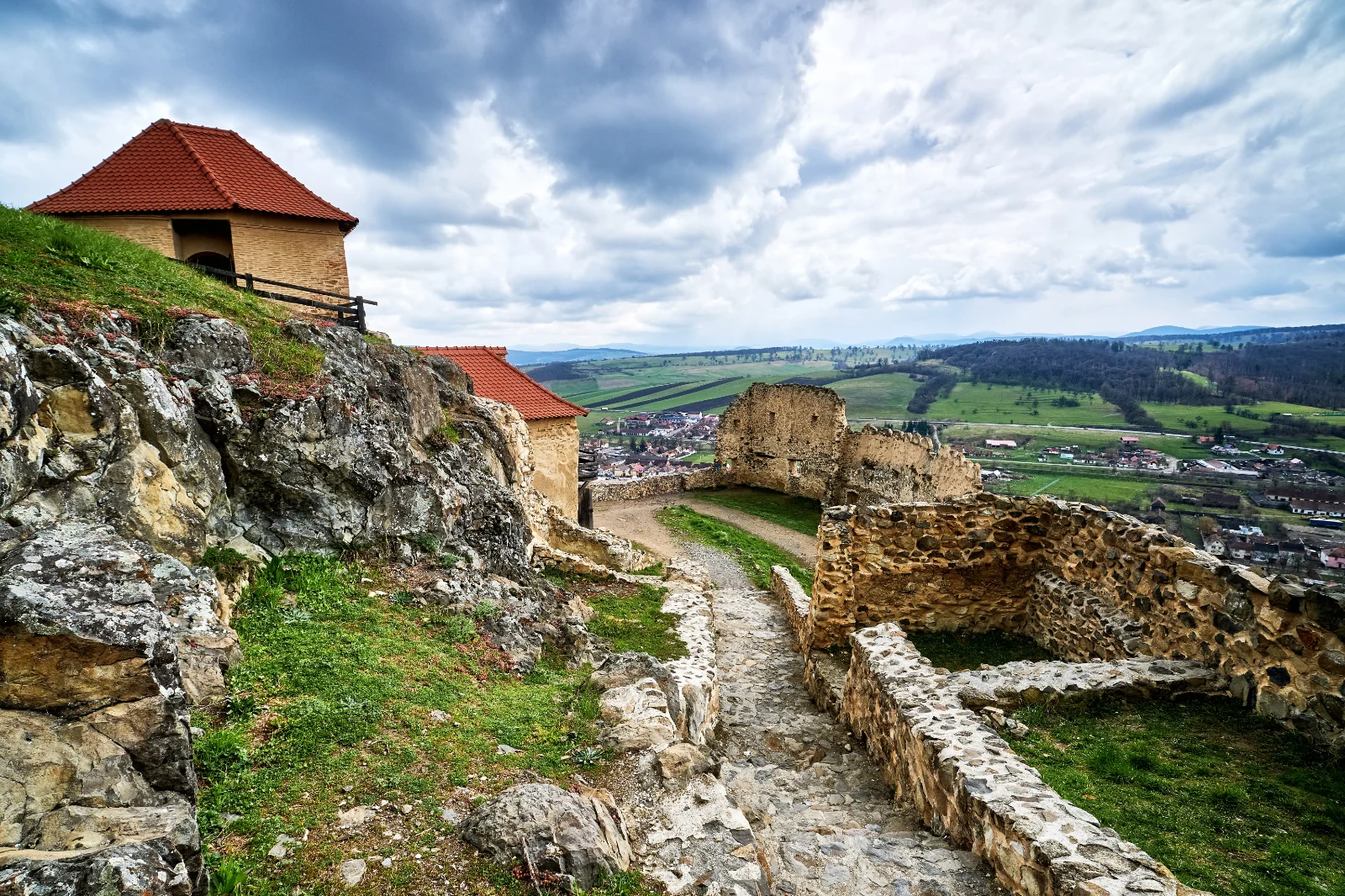
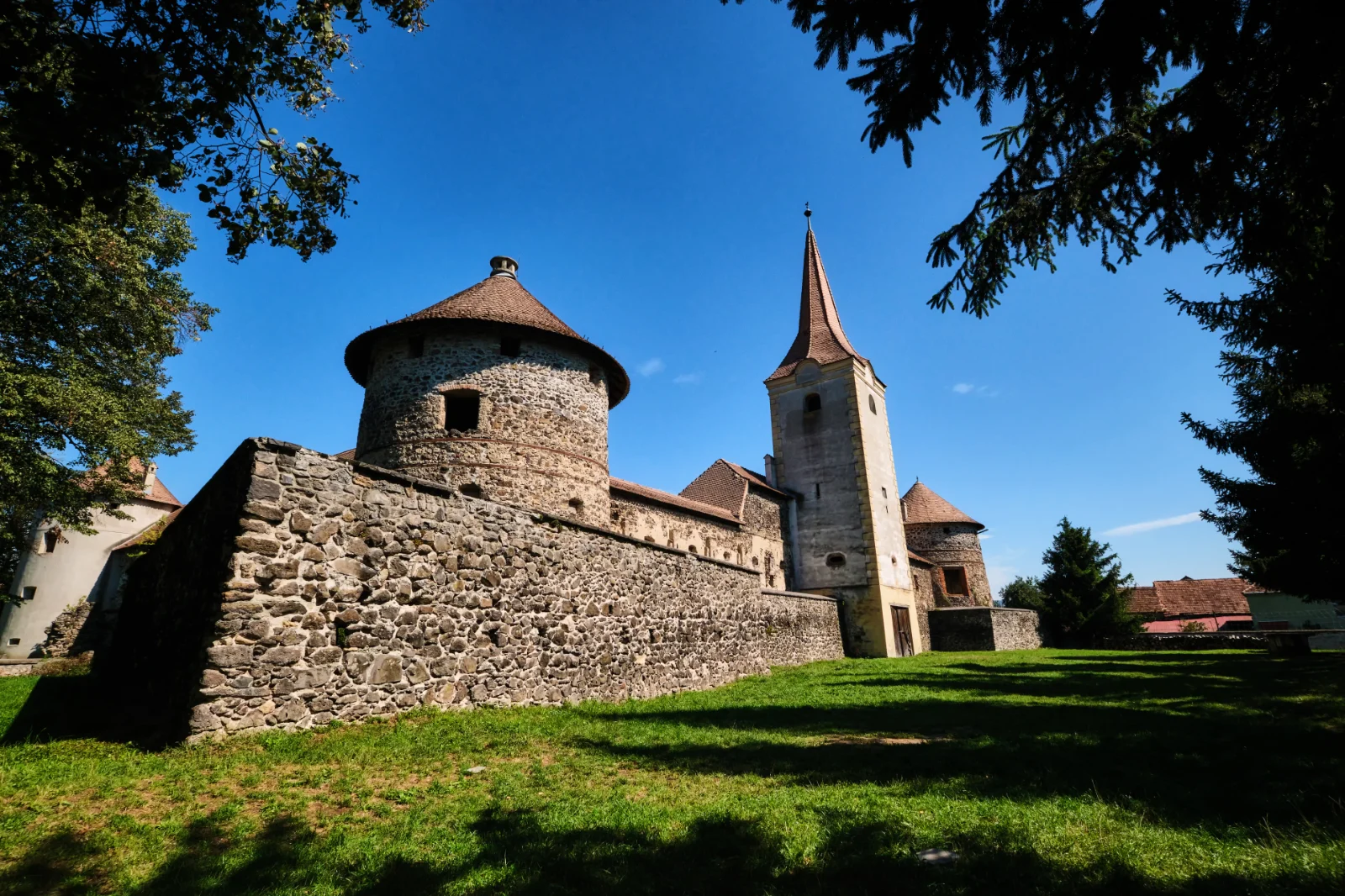
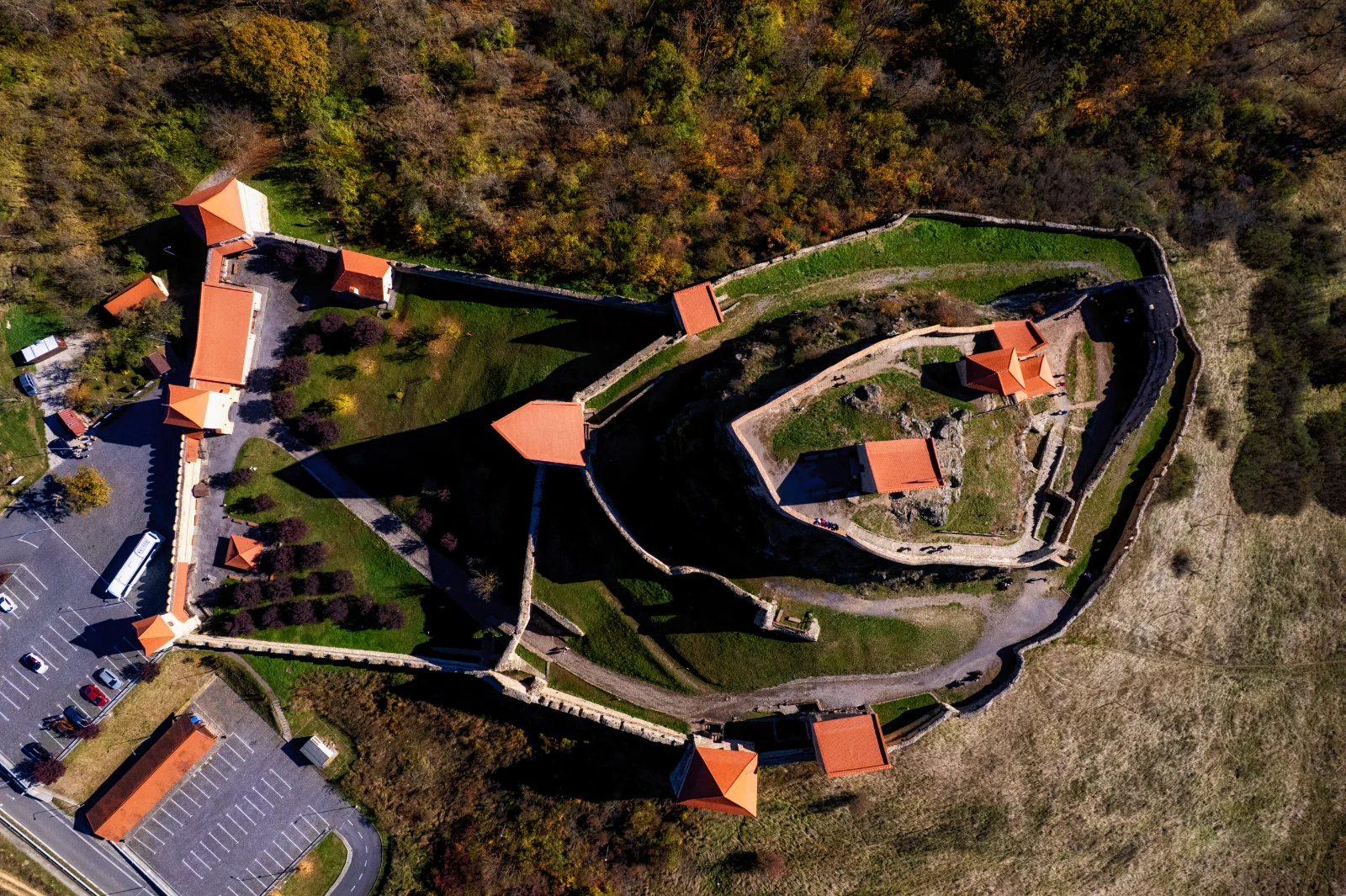
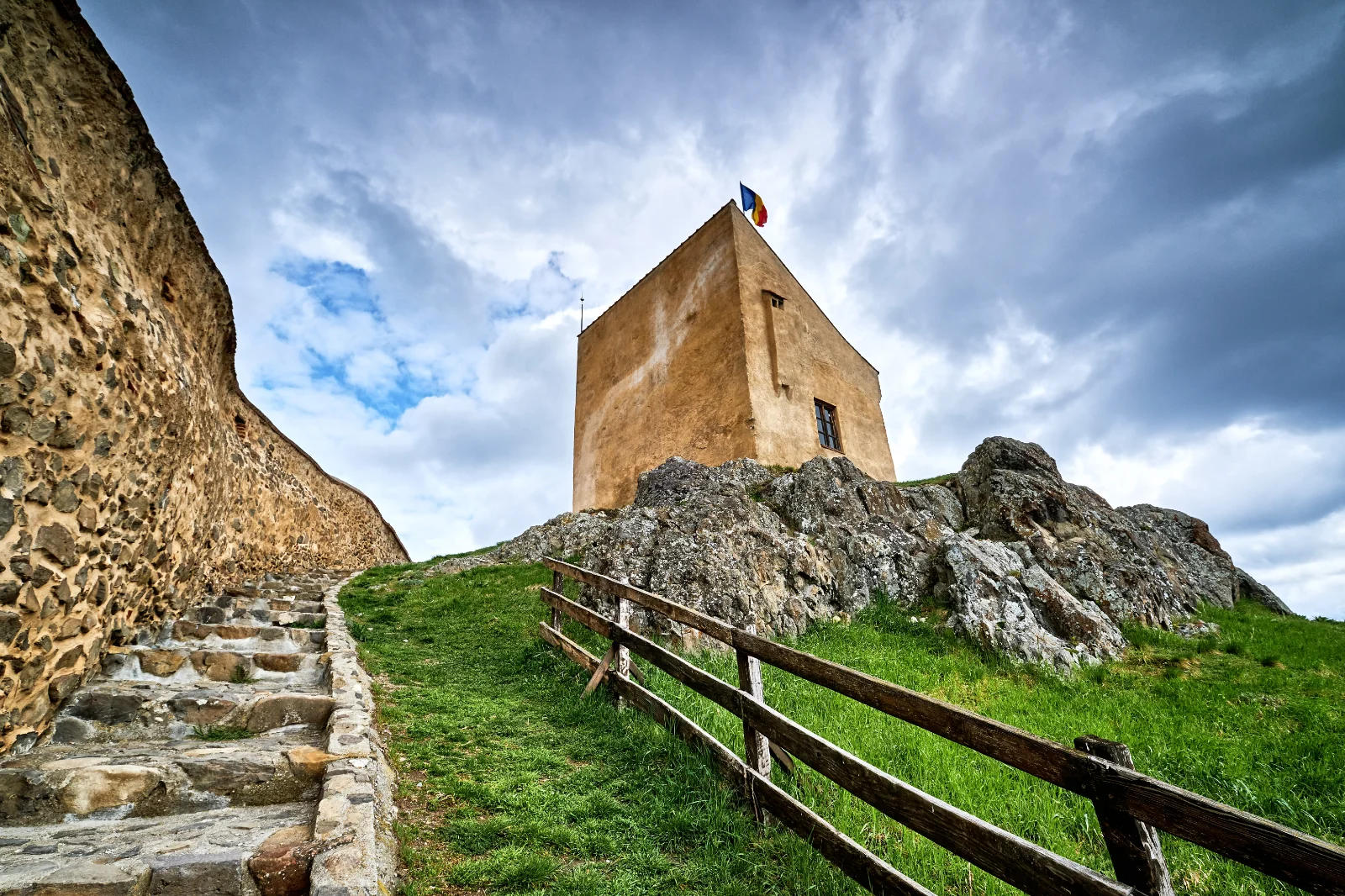
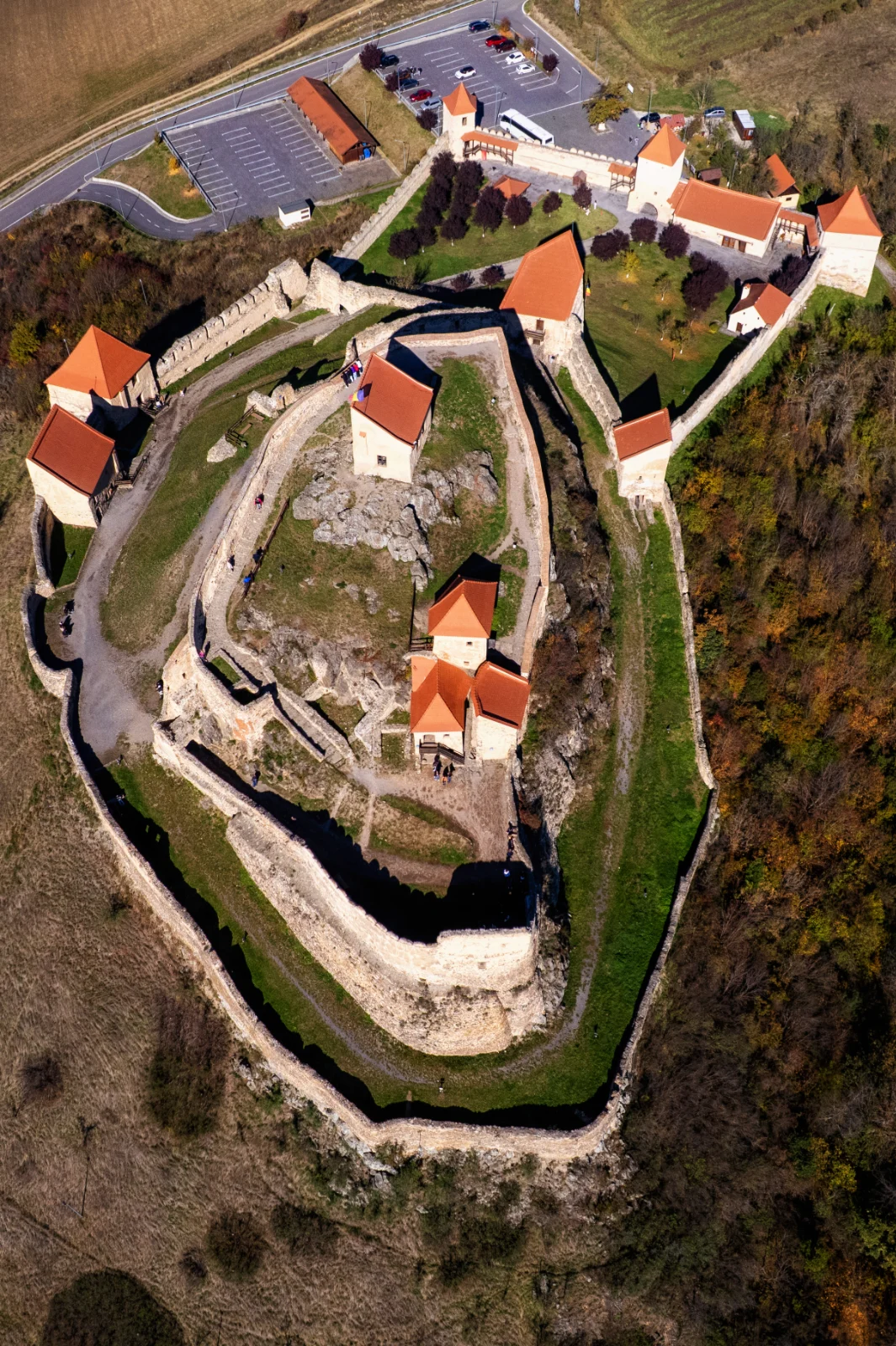
Among the many extraordinary places that we can discover here, the magnificent Rupea fortress and the geological complex at Racoș stand out, to which are added other small attractions spread throughout the nearby villages. The view of the fortress as we approach it from any direction, but also the panoramas from its ramparts are truly impressive, rewarding the effort of climbing the old road that passes under the gates and through its courtyards. Rupea Fortress has four inner enclosures, each defended by high walls and strong towers, these being built over the centuries, the oldest being located at the top of the hill.

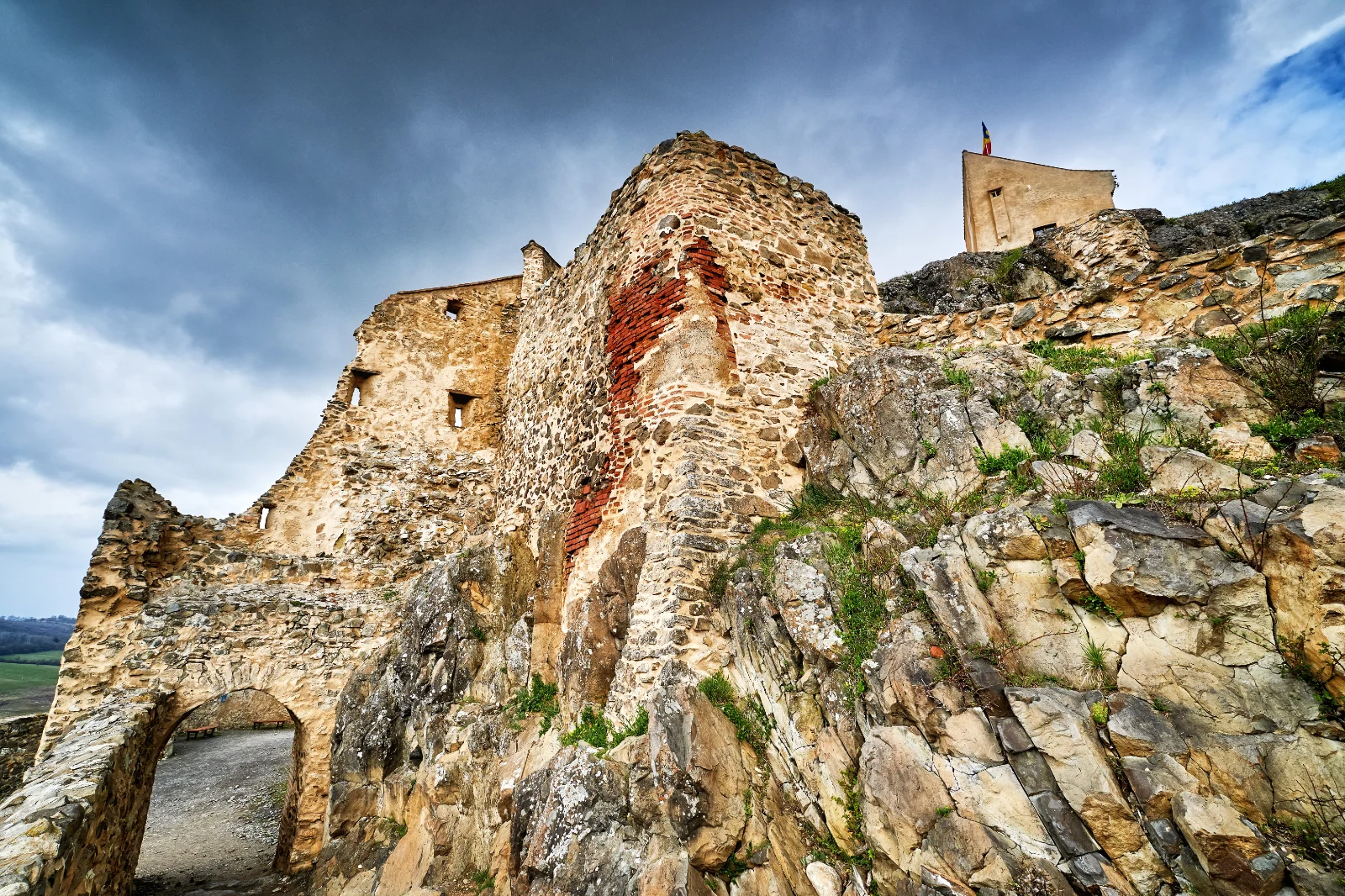
The imposing fortifications were built sometime between the 10th and 13th centuries, the first attestation of the fortress being from 1324, when the Saxon inhabitants took refuge inland after the rebellion against the King of Hungary. Some believe that there were Dacian and Roman fortifications here, on top of which the medieval fortress was built. The middle level of the fortress includes the second and third courtyards, being built in the 15th century, while the lower level was developed in the 18th century. Over time, the Rupea fortress was plundered by the Ottomans, abandoned after a major fire, occupied and abandoned again after a great storm in 1790. Once, Rupea was also an important commercial center, with up to 12 attested guilds and many houses for people who could take shelter here in case of need.

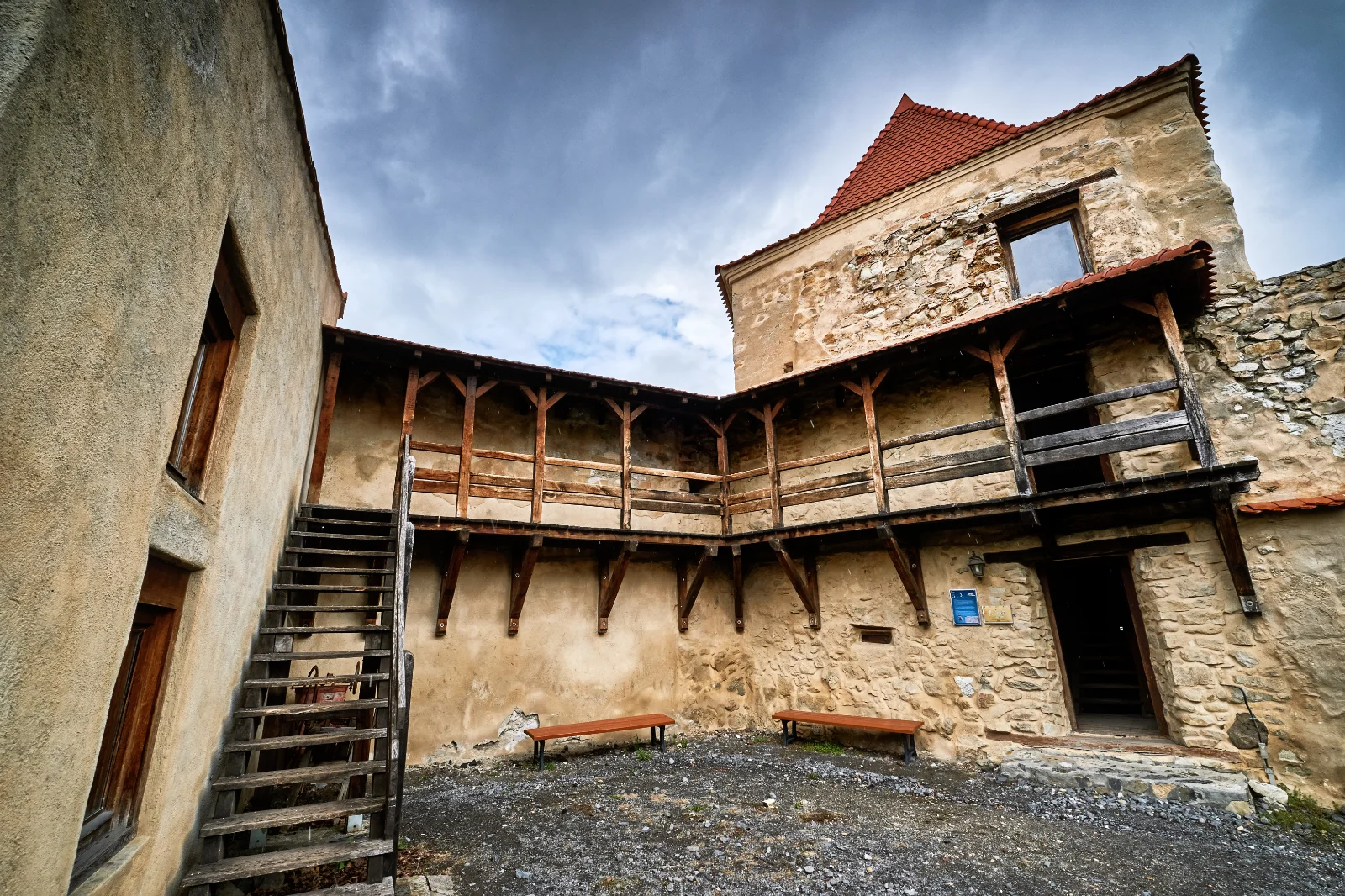
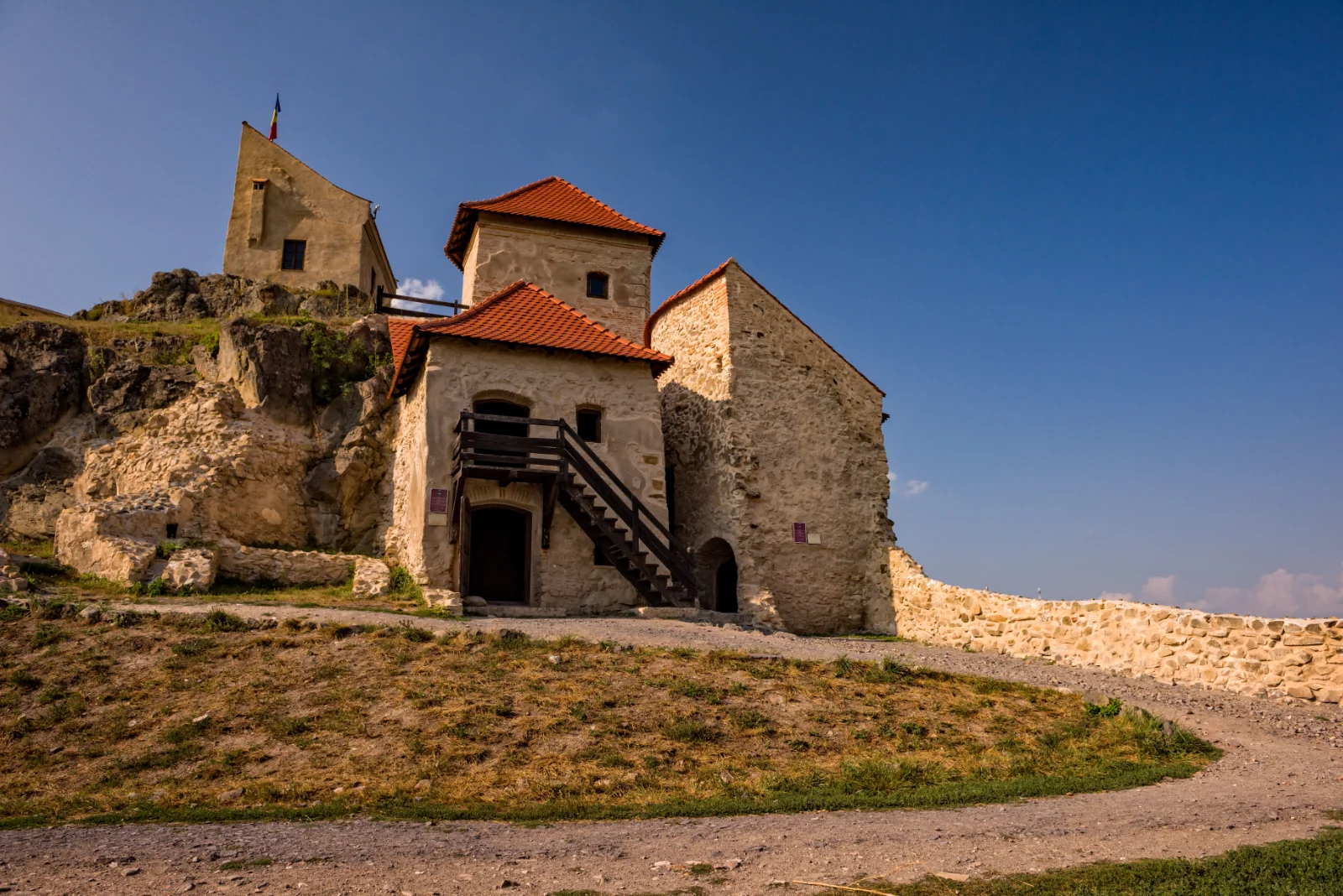
Nowadays, after extensive renovations, the peasant fortress of Rupea welcomes us on a fascinating visit, along a route that gradually climbs through the four fortified courtyards and reveals its stories to us. Thus, we can admire the walls and towers of the fortress (Pentagonal Tower, Slăninii Tower, Cu Gratii Tower, Scouts Tower), the former Lutheran chapel, the 50-meter deep well, the fortress guard’s house, the military warehouse, the ruins of some former dwellings and more. The last and oldest enclosure of the fortress hangs on the rocky top of the hill, offering us memorable views of the surrounding lands. In the newer town at the foot of the hill we can admire the Evangelical Lutheran church, an ethnographic museum, the Franciscan monastery, the Roman Catholic church “Saint Anne” and other interesting buildings.
Search for Flights to Romania with Booking.com!

Rupea Fortress - 100 Travel Destinations of Romania
Rupea Fortress Ⓒ Silviu-Florin Salomia
Rupea Fortress - 100 Travel Destinations of Romania
Rupea Fortress Ⓒ Silviu-Florin Salomia
Rupea Fortress - 100 Travel Destinations of Romania
Rupea Fortress Ⓒ Silviu-Florin Salomia
Rupea Fortress - 100 Travel Destinations of Romania
Rupea Fortress Ⓒ Silviu-Florin Salomia
Rupea Fortress - 100 Travel Destinations of Romania
Rupea Fortress Ⓒ Silviu-Florin Salomia
Rupea Fortress - 100 Travel Destinations of Romania
Rupea Fortress Ⓒ Silviu-Florin Salomia

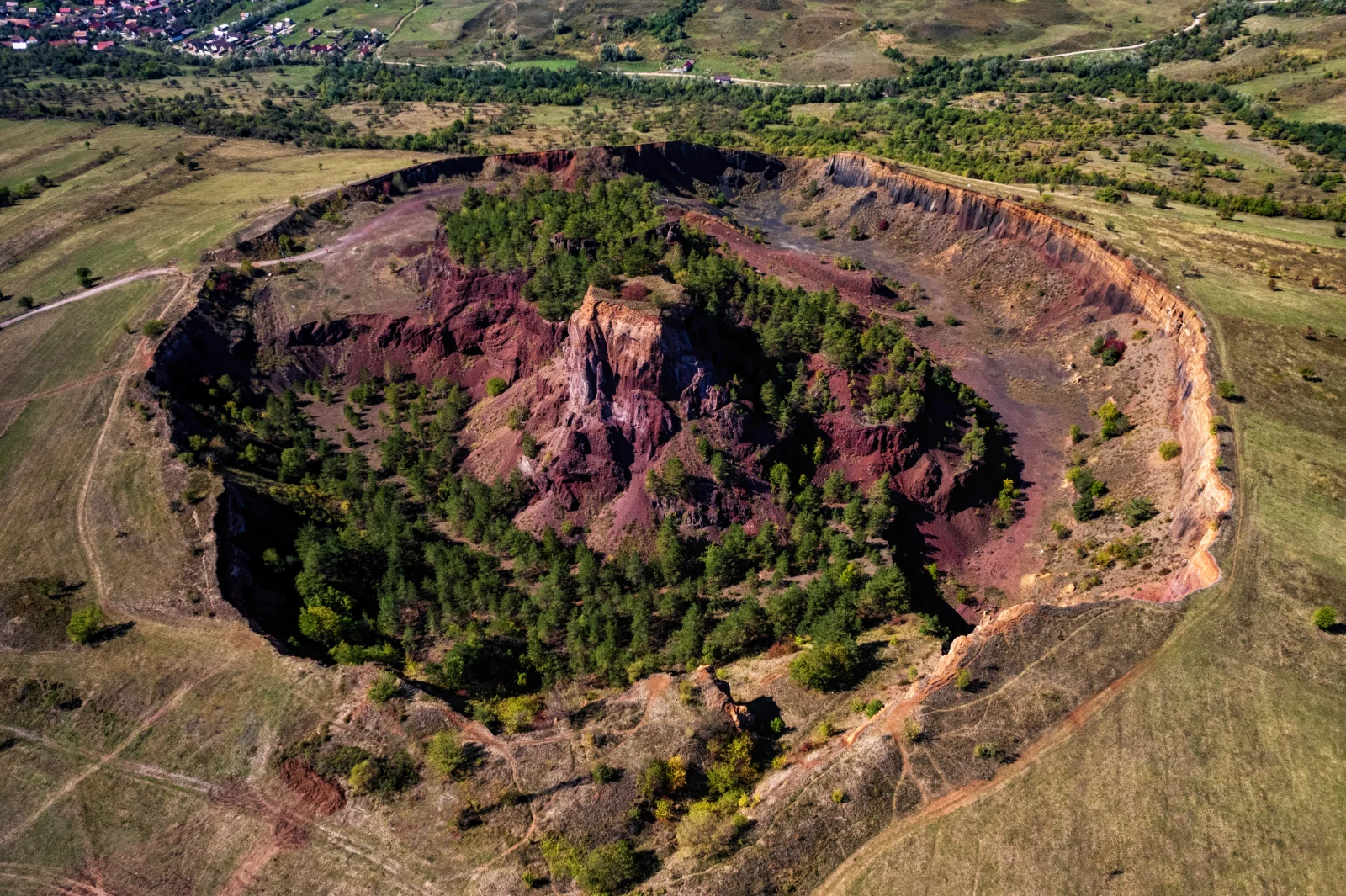
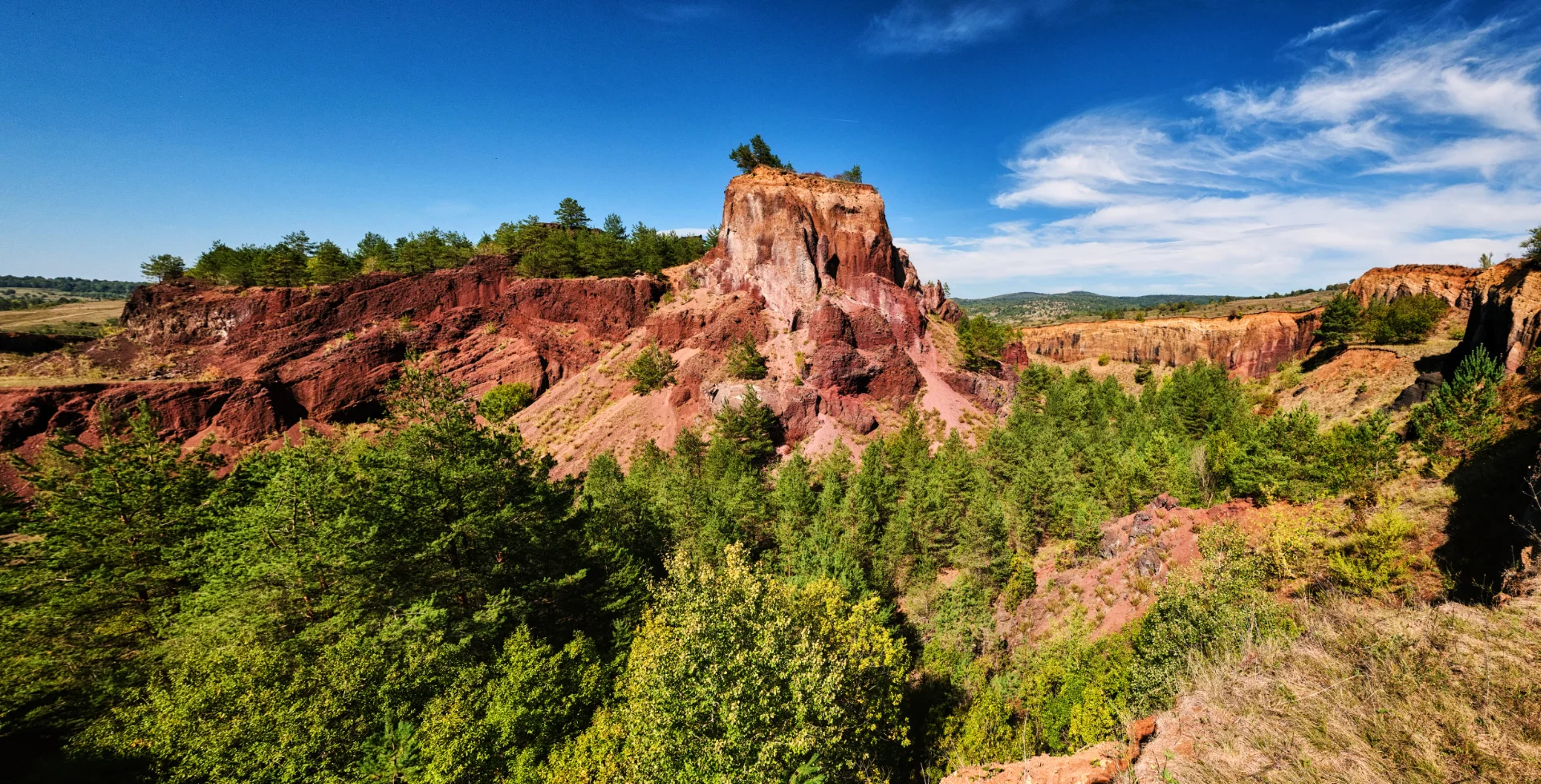
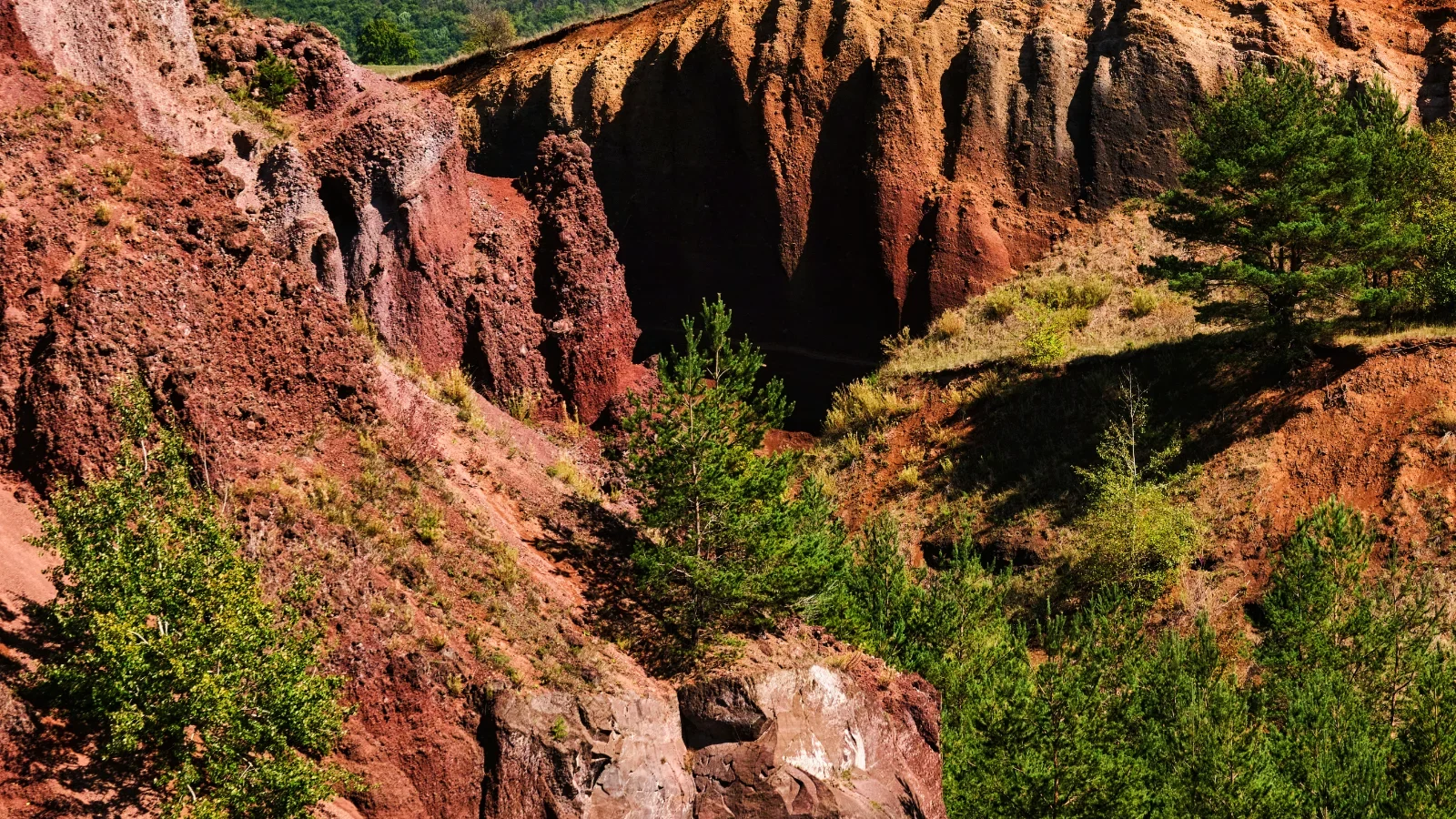
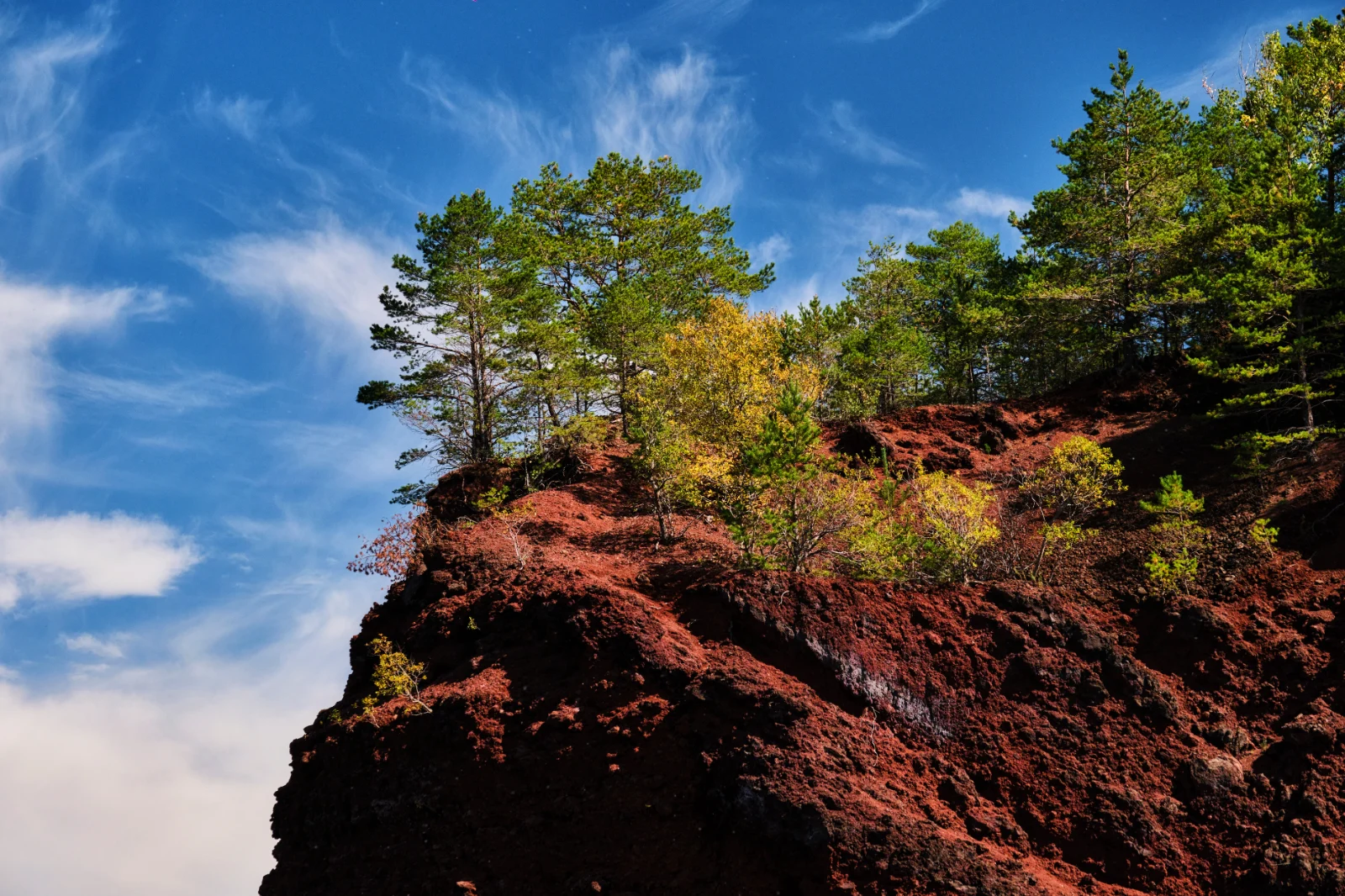
Descending from the fortress ramparts, we head east, where the settlement of Racoș welcomes us with its unique and spectacular landscape. Resulting from volcanic activity thousands of years ago, the geological complex of Racoș is a fascinating reserve that includes three impressive places. The Extinct Volcano, the Emerald Lake and the Basalt Columns are located a short distance from each other, giving us the chance to admire them and discover the secrets of their formation. We begin our exploration from the Extinct Volcano, a true monument of nature, most likely the crater of the last volcano to erupt on Romanian territory, sometime more than 10,000 years ago. We are fascinated by the almost lunar landscape created around the volcanic cone after the lava cooled. The reddish and brown volcanic rocks create a strong contrast with the specific vegetation and surrounding meadows.

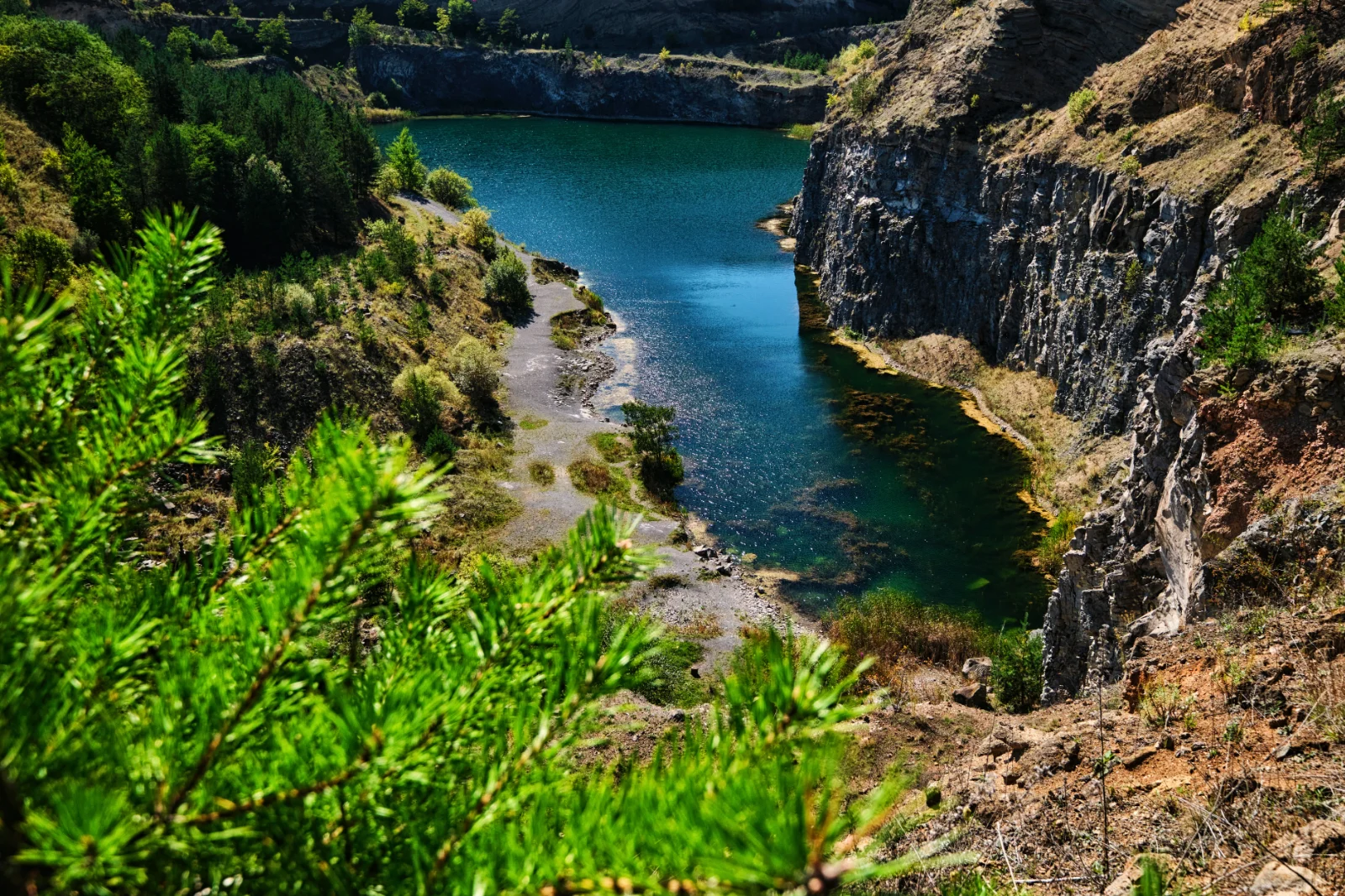
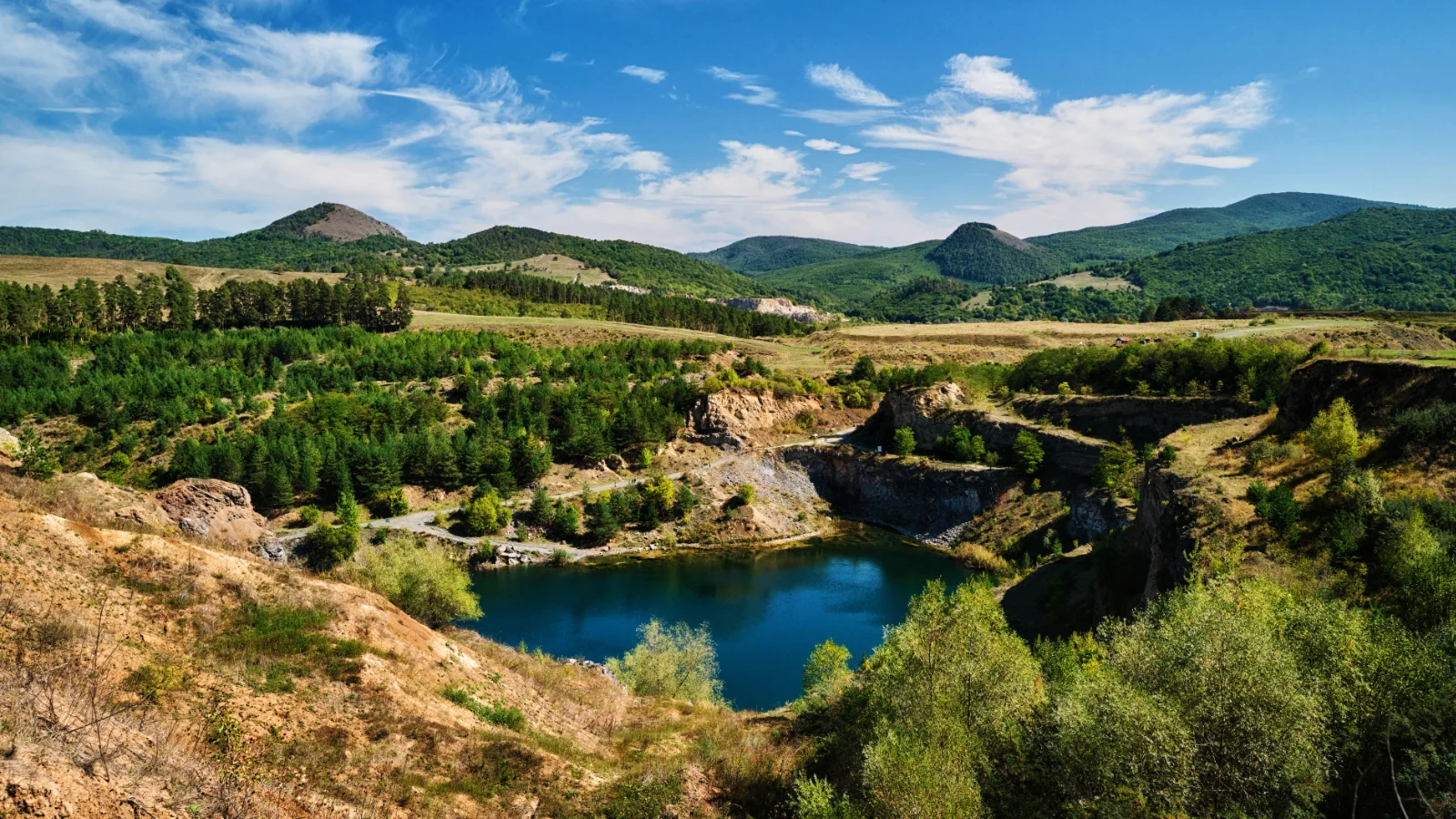
We can admire the former volcano on the summit of the crater with a diameter of approximately 400 meters and we can explore the area inside, around the neck that rises to almost 100 meters. A popular television series was recently filmed here, the crater being then occupied by a real town from the American West, recreated as a film set. A few hundred meters below we discover the Emerald Lake, whose name comes from its color determined by the specific aquatic vegetation and sunlight. The lake is almost 20 meters deep and continues to grow, being formed in an old basalt quarry from precipitation, snowmelt and local springs. The trail follows the high northern ridge above the lake and descends to its shore, from where we can also observe the interesting geological formations.

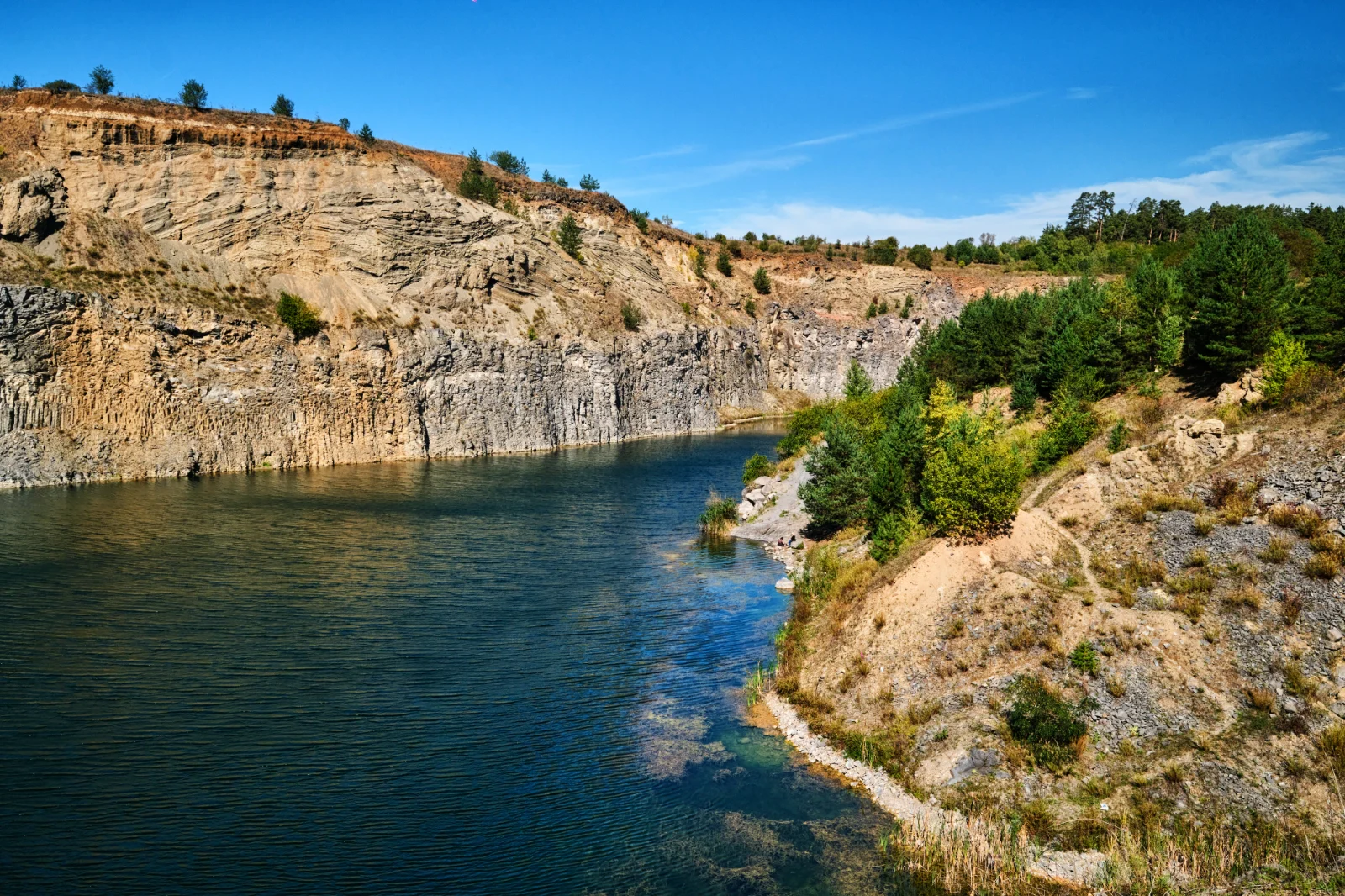
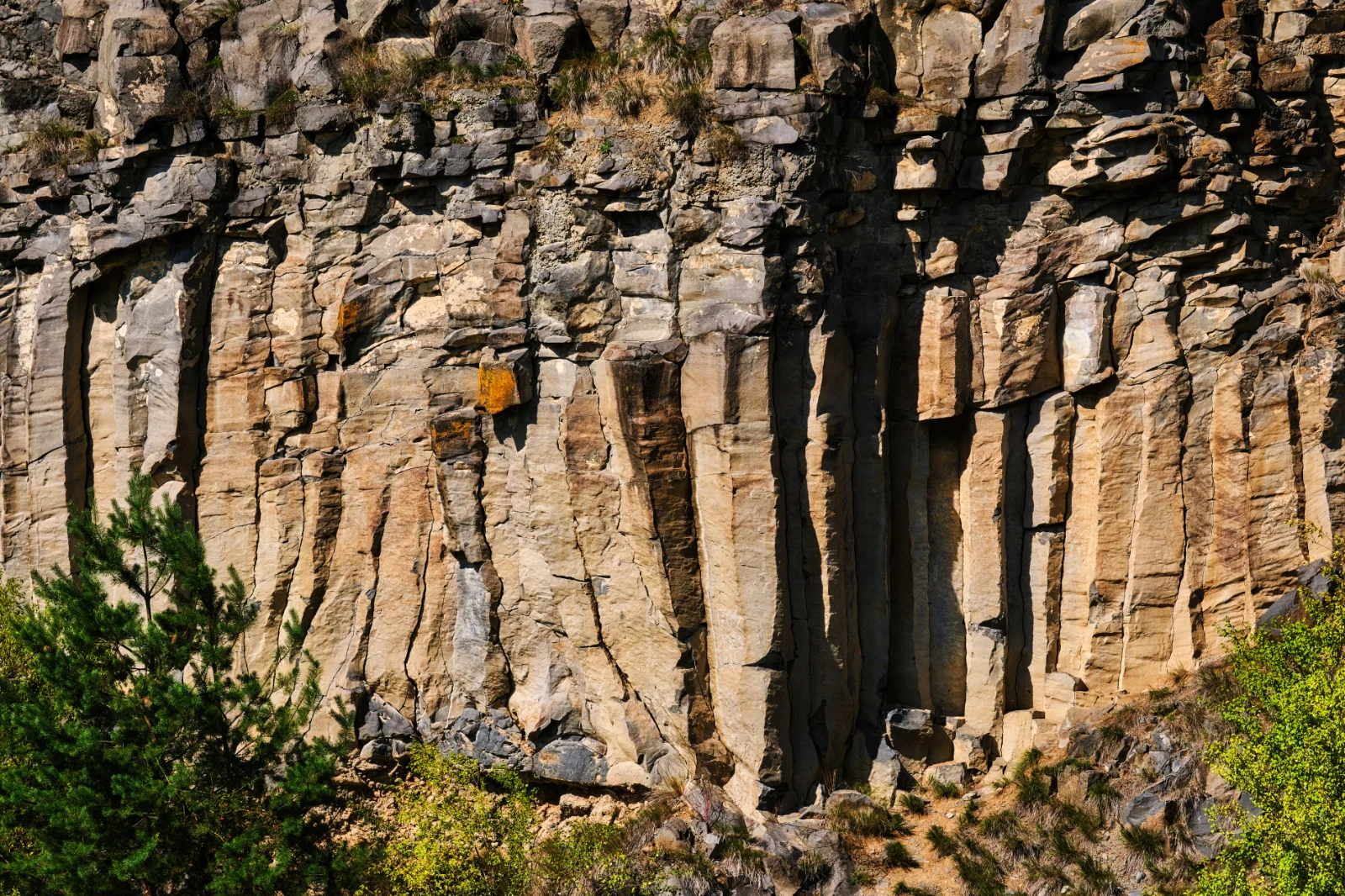
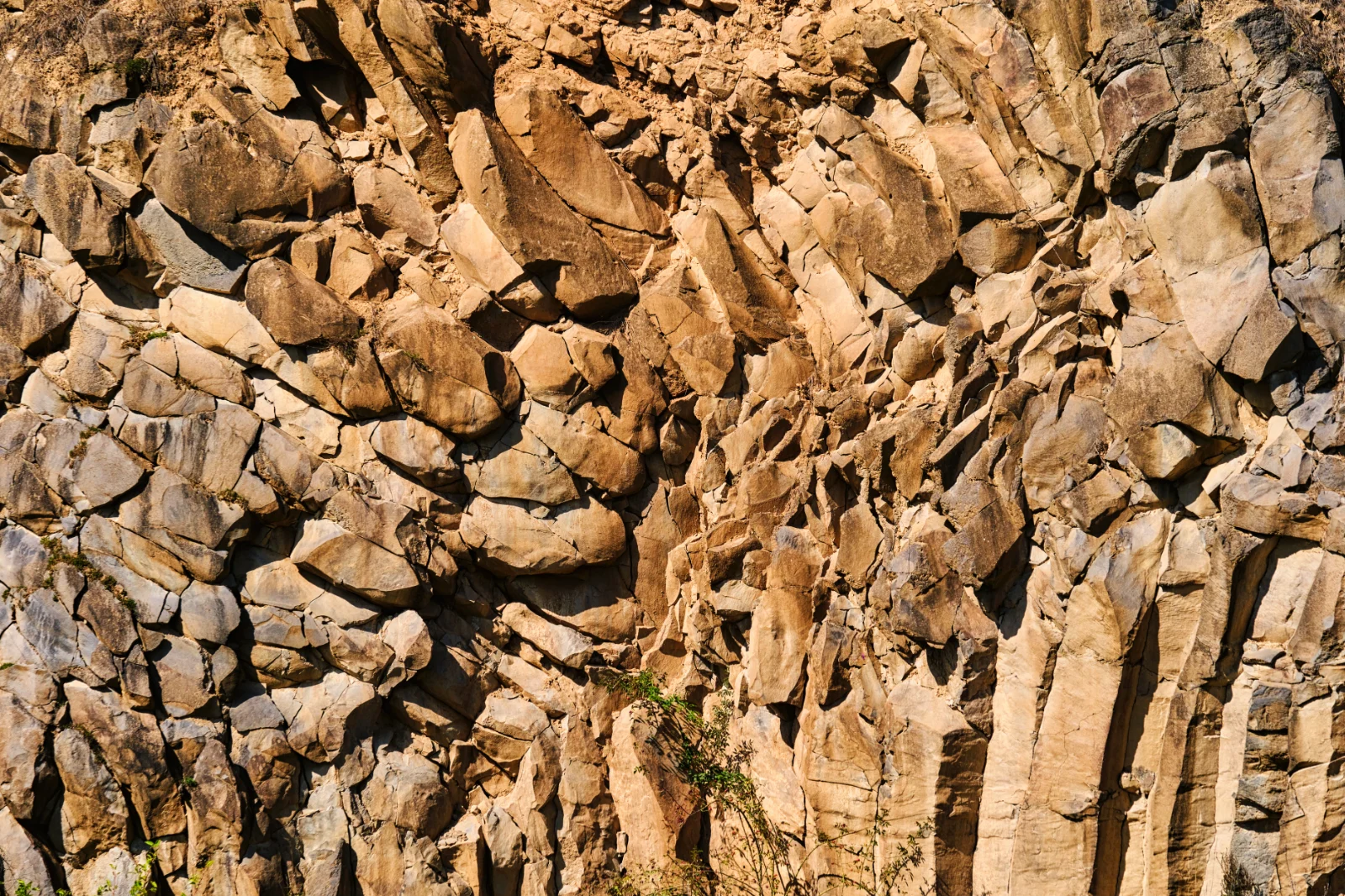
From here we can easily reach the Basalt Columns, an exceptional natural site, with heights of 5-15 meters and almost geometric shapes. The basalt columns were formed almost 1.5 million years ago, by the sudden flow and cooling of the lava from the nearby volcano. They were exposed as a result of the exploitation of the basalt quarry, which only ceased in the 1960s, when the place became a protected area. In addition to the geological complex, in the village of Racoș we can also discover an impressive monument, the Sukosd – Bethlen Castle, built with volcanic rocks extracted from nearby and attested from the early 17th century. Almost a ruin during the communist period, it was recently almost saved through renovation, when the massive walls and towers were rebuilt, although its interior is still damaged. In the village we can also admire a beautiful Evangelical church that is almost 200 years old, and nearby the ruins of an old Dacian fortress were discovered.

Search for Lodging around Rupea Fortress with Booking.com!

Racoș Complex - Extinct Volcano - 100 Destinations Romania
Racoș Complex - Extinct Volcano - 100 Destinations Romania Ⓒ Silviu-Florin Salomia
Racoș Complex - Emerald Lake - 100 Destinations Romania
Emerald Lake Ⓒ Silviu-Florin Salomia
Racoș Complex - Emerald Lake - 100 Destinations Romania
Emerald Lake Ⓒ Silviu-Florin Salomia
Racoș Complex - Basalt Columns - 100 Destinations Romania
Basalt Columns Ⓒ Silviu-Florin Salomia
Sukosd-Bethlen Castle of Racoș Racoș - Romania Destinations
Sukosd-Bethlen Castle of Racoș Ⓒ Silviu-Florin Salomia
Racoș Complex - Extinct Volcano - Destinations Romania
Extinct Volcano Ⓒ Silviu-Florin Salomia

In the area of ​​these two fascinating destinations we can discover several particularly attractive places, some almost unknown to travelers. South of Racoș there are two charming protected natural areas, Cotul Turzunului being a small wetland in the Olt meadow, while Pădurea Bogății is one of the most important beech forests in the country, occupying an appreciable area on the gentle peaks of the Perșani mountains. Nearby, the village of Bogata Olteană welcomes us with the impressive “Sfânta Paraschiva” church, with its unique monumental architecture, while the village of Hoghiz preserves several interesting historical monuments. Among these, the superb Reformed church dating from 1749 and owning a valuable organ, the Unitarian church that was probably fortified by the Saxons in the past, the Haller Castle from 1553 and others stand out.

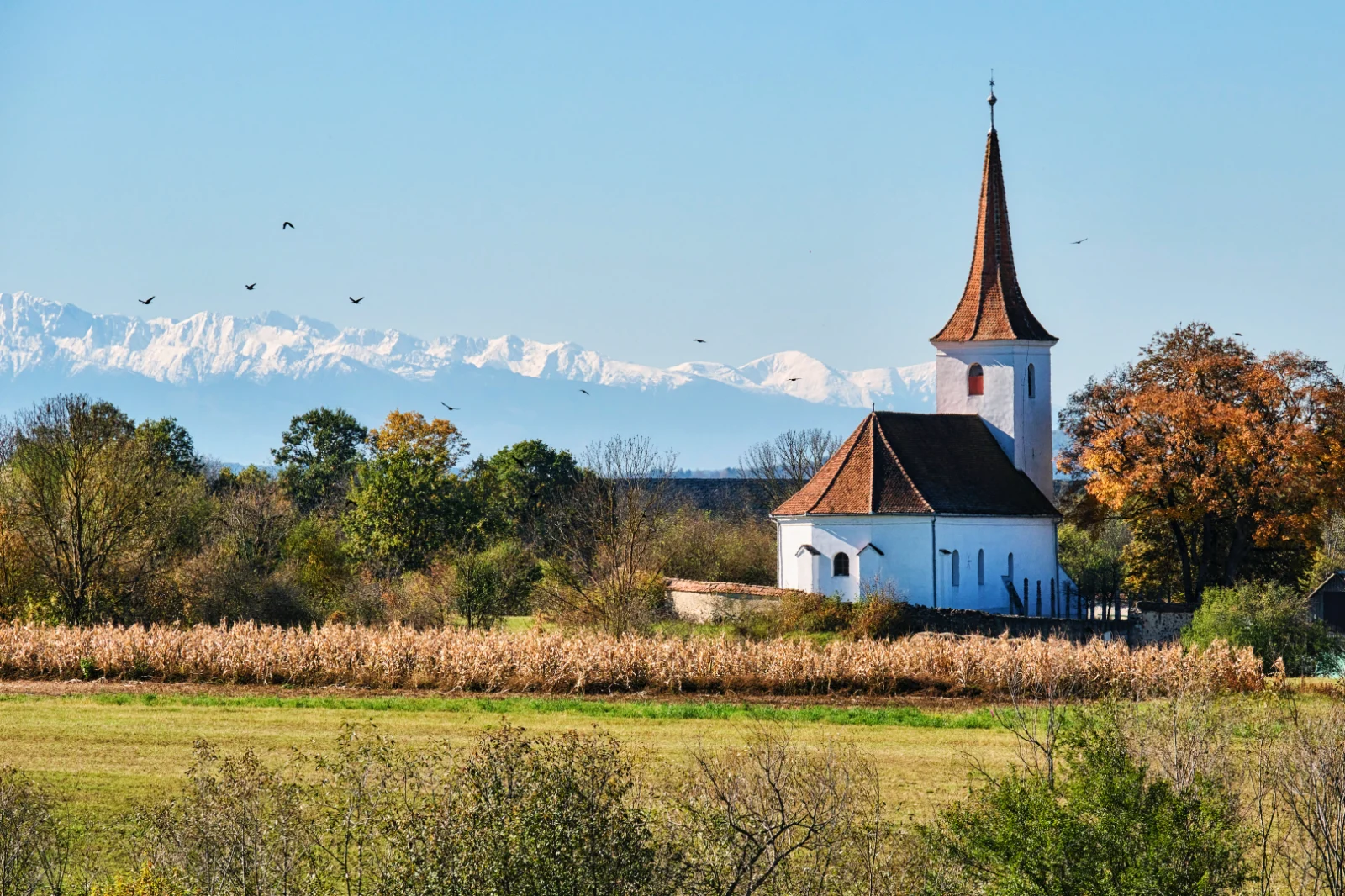
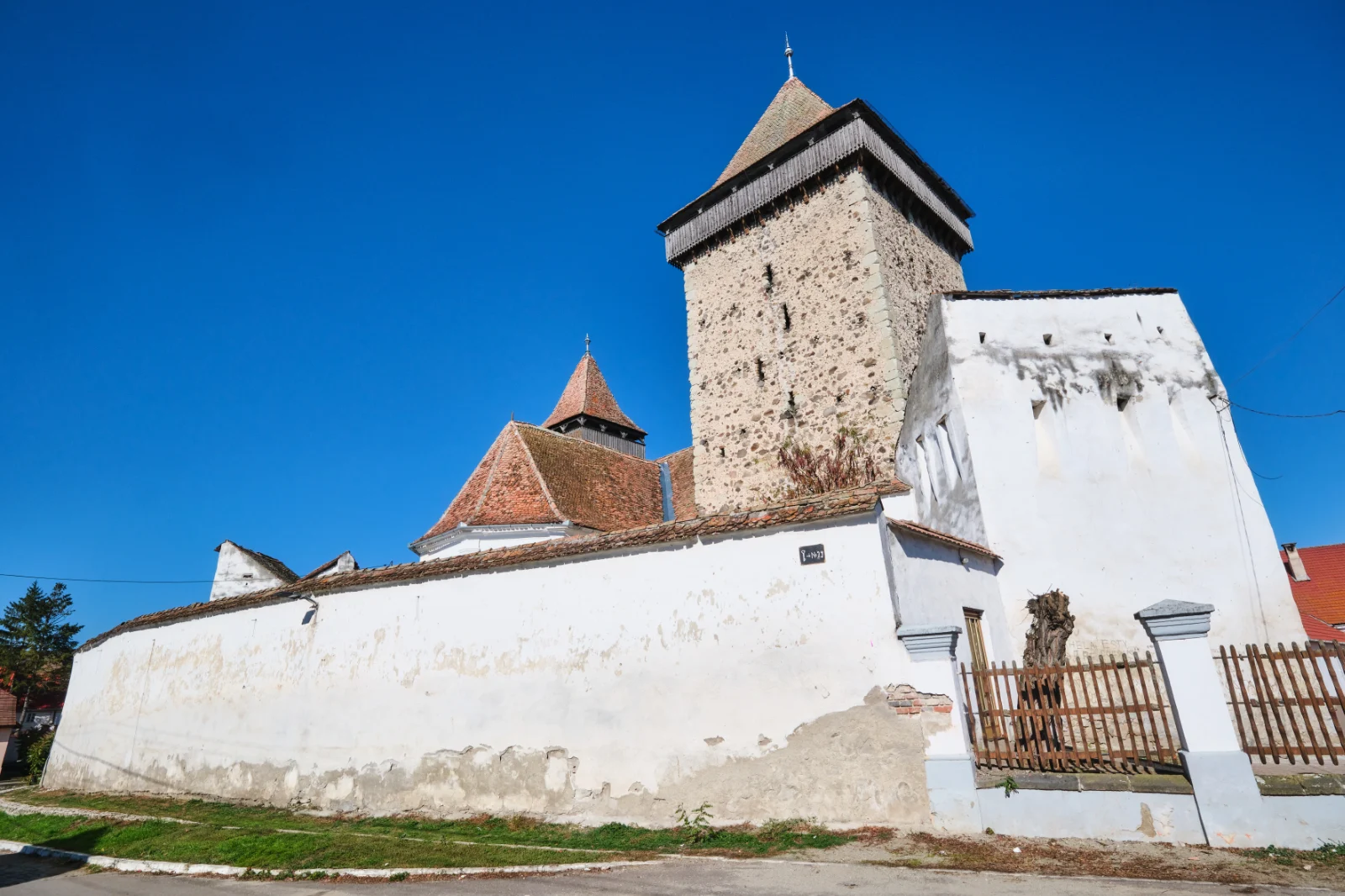
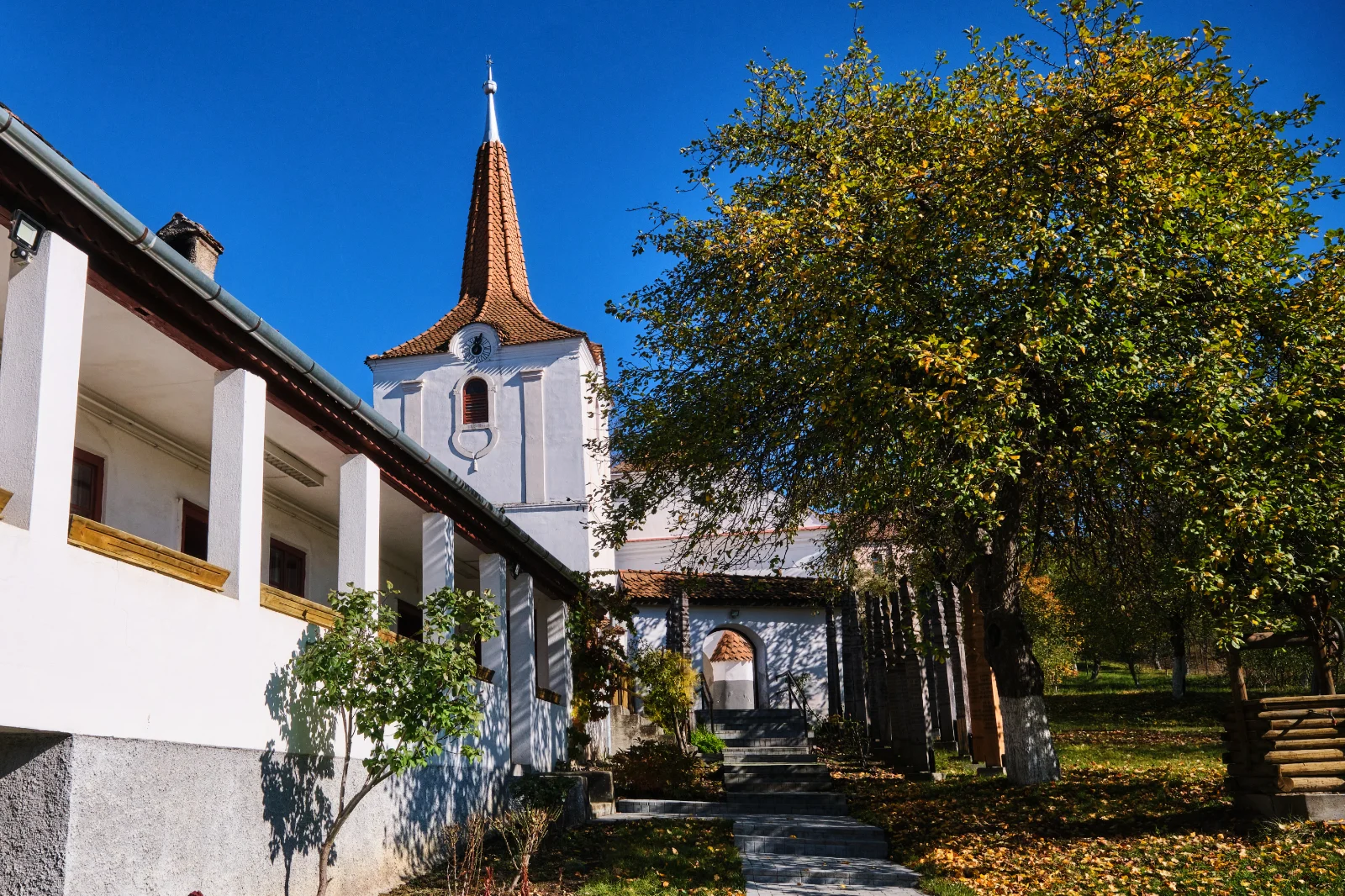
Just a few kilometers east of Rupea, the fortified church of Homorod dates back to the 13th century, having been built on the site of an even older Romanesque basilica. With a double enclosure with towers and bastions, the monumental church preserves Baroque architectural and decorative elements inside. Other interesting places nearby include the Evangelical Lutheran church and medieval fortress in the village of Jimbor, the fortified church and secular oak tree in Mercheașa, or the fortified churches of Cața and Drăușeni. Leaving this amazing land, we head west, where we explore the streets and paths that furrow the villages and hills of the Transylvanian Highlands, with their fascinating fortified churches…

Unitarian Church of Hoghiz - Romania Destinations
Unitarian Church of Hoghiz Ⓒ Silviu-Florin Salomia
Fortified Church of Homorod - Romania Destinations
Fortified Church of Homorod Ⓒ Silviu-Florin Salomia

Sights and Experiences

Places to See and Things to Do
Rupea Fortress

Visiting hours: 9-20 (summer) / 9-17 (winter) | Prices: 15 lei/adult

Although the first historical mentions of a fortification in this place date back to the early 14th century, there is archaeological evidence of human settlements on this site since the Paleolithic, followed by a Dacian fortress and a Roman fort. In the 15th century, the fortress was already an important commercial and craft center in eastern Transylvania, with 12 attested guilds and a strategic location. Over time, the fortification above the settlement expanded and developed, also representing a temporary refuge when needed for the inhabitants of Rupea. The first medieval nucleus developed on the highest part of the rocky hill between the 10th and 13th centuries, followed by the construction of the middle and lower outer fortifications starting in the 14th century. Attacked, looted, burned and finally abandoned after 1790, the fortress nevertheless survived long decades of neglect and the communist regime that planned its complete destruction.

After a complete renovation that was completed in 2014, the fortress once again stands tall on the road between Brașov, Făgăraș and Sighișoara, and is also reopened to visitors. Built on a basalt rock just above the new town, it has four main areas, arranged in three enclosures defended by walls and towers. The older upper fortress was built on the site of the Dacian dava and includes several specific structures, including the Slăninii tower and several rooms that were used by the inhabitants when they took refuge in the fortress. The middle fortress includes the chapel and several towers, two of which connect with the other enclosures. The lower fortress is the most recent and, in addition to the defense towers, also includes the guard’s residence and military warehouses. With a total area of ​​approximately 11 hectares and a specific shell shape, the fortress represents a memorable experience for any visitor, also offering extraordinary panoramas of the surrounding lands.

Town of Rupea

Also known in the past as Cohalm, the town developed at the foot of the hill on which the strategic fortress stood starting from the 12th-13th centuries. In the following centuries, the settlement developed permanently, becoming an important regional center, being included among the Saxons’ court seats in Transylvania. In addition to the fortress, the town also preserves several interesting monuments, starting with the Evangelical Church ensemble in the historic center. Most likely built at the beginning of the 14th century, the church preserves Gothic elements, the Baroque altar from 1709, but also other furniture items or works of old religious art. The bell tower was built on the side enclosure at the end of the 18th century, having a Baroque architecture. At the base of the fortress hill, visitors can also admire the Roman Catholic Church “Saint Ana” dating from 1808, while the city also includes several monuments worth visiting, such as the old Orthodox church “Saint Nicholas”, the small ethnographic museum or the few streets that still preserve old buildings in the Transylvanian Baroque style.

Rupea Fortress - 100 Travel Destinations of Romania
Rupea Fortress Ⓒ Silviu-Florin Salomia
Rupea Fortress - 100 Travel Destinations of Romania
Rupea Fortress Ⓒ Silviu-Florin Salomia
Rupea Fortress - 100 Travel Destinations of Romania
Rupea Fortress Ⓒ Silviu-Florin Salomia
Town of Rupea - 100 Destinations Romania
Town of Rupea Ⓒ Silviu-Florin Salomia
Rupea Fortress - 100 Travel Destinations of Romania
Rupea Fortress Ⓒ Silviu-Florin Salomia
Racoș Complex

Visiting hours: 9-20 | Prices: 20 lei/adult

A spectacular geological reserve, the Racoș complex includes several places of special beauty. Located very close to each other, the extinct volcano, basalt columns and emerald lake can be easily visited right near the village of Racoș, at the exit of the Olt River from the gorge created through the Perșani Mountains. Considered the last volcano to go extinct on Romanian territory more than 10 thousand years ago, the Extinct Volcano of Racoș is particularly notable for the unique landscape it left behind. The crater with a diameter of several hundred meters contains a true open-air geological laboratory, the volcanic rocks in various shades of reddish and brown creating a spectacular setting. The middle cone of the volcano has remained standing and is covered with specific vegetation. Both the crater and the area around it can be explored, and nearby visitors can also reach above the Emerald Lake.

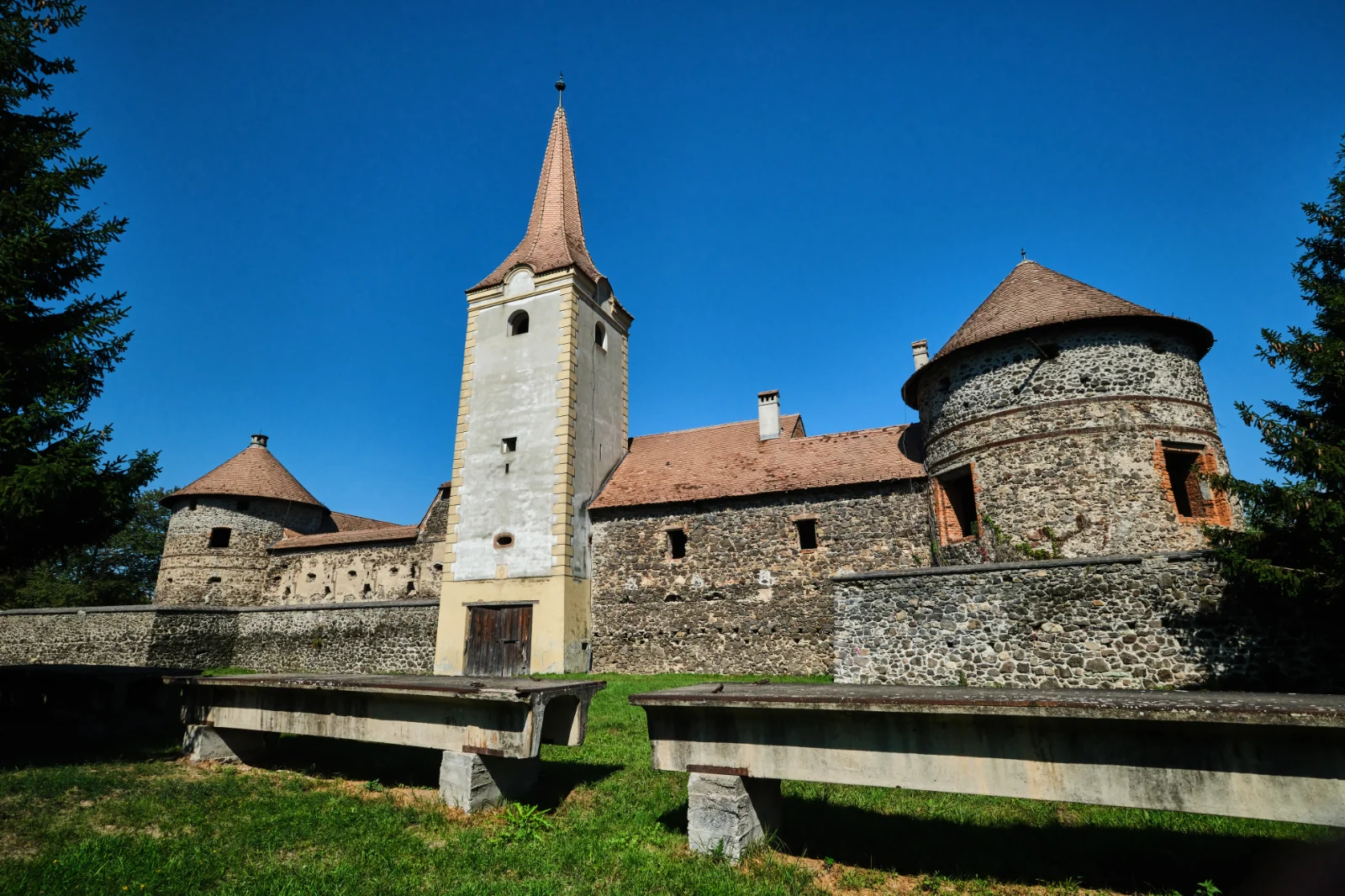
Named for its specific color in the sunlight, it is approximately 10 meters deep, over 100 meters long and was formed in a former basalt quarry. Surrounding the lake on the arranged route, you can also see some specific basalt rocks, but the Basalt Columns are a few minutes away and are much more impressive. They were formed as a result of volcanic activity in this area more than 1 million years ago and are now exposed in the form of columns several meters high, with amazing geometric shapes. In the center of the village, just a few kilometers from the geological complex, visitors can also admire the Sukosd-Bethlen Castle, a monument attested from 1636, but in a rather precarious condition. It has a rectangular shape, with four circular towers in the corners and a rectangular gate tower. The interior can currently be visited only at the risk of tourists, the structures being almost ruined.

Racoș Complex - Emerald Lake - 100 Destinations Romania
Emerald Lake Ⓒ Silviu-Florin Salomia
Racoș Complex - Extinct Volcano - Destinations Romania
Extinct Volcano Ⓒ Silviu-Florin Salomia
Racoș Complex - Basalt Columns - 100 Destinations Romania
Basalt Columns Ⓒ Silviu-Florin Salomia
Sukosd-Bethlen Castle of Racoș Racoș - Romania Destinations
Sukosd-Bethlen Castle of Racoș Ⓒ Silviu-Florin Salomia
Racoș Complex - Extinct Volcano - Destinations Romania
Extinct VolcanoⒸ Silviu-Florin Salomia
Monuments of Hoghiz Village

Often overlooked by travelers, the village of Hoghiz on the left bank of the Olt River, just a few kilometers south of Rupea, boasts an impressive cultural heritage, with a surprising number of interesting historical monuments. Haller Castle was most likely built in the 16th century from stone and brick, and some original elements are still preserved, even though it is used as the village’s elementary school. In the same park filled with old oak trees is Kalnoky Castle, also dating from the 15th century and featuring distinctive architectural features, including Renaissance elements. Just a few hundred meters to the south, Guthman-Valenta Castle was built in the 16th century by an important noble family, and was restored in the 18th century. In the same village, visitors can also admire two interesting old churches. The Reformed Church dates back to the 18th century, with Baroque features, while the Unitarian Church was most likely built on the site of the old fortified medieval church, possibly even with stone from the Roman fort that existed within the perimeter of the locality. Several small surrounding villages also belong to the commune of Hoghiz, where several interesting places can be found, such as the Church of St. Paraschiva in Bogata Olteană or the wooden church in Cuciulata.

Homorod Fortified Church

Just a few kilometers from Rupea, the town of Homorod preserves an impressive monument of considerable antiquity. Built starting in the 13th century on the foundations of an even older Romanesque structure, the fortified evangelical church of Homorod includes the building itself, but also the surrounding fortification consisting of walls, two bastions, two defense towers and the gate tower. The hall-type church has several interesting features, including frescoes from three periods, the painted pulpit and altar, the organ and old furniture or the modifications made to increase the space.

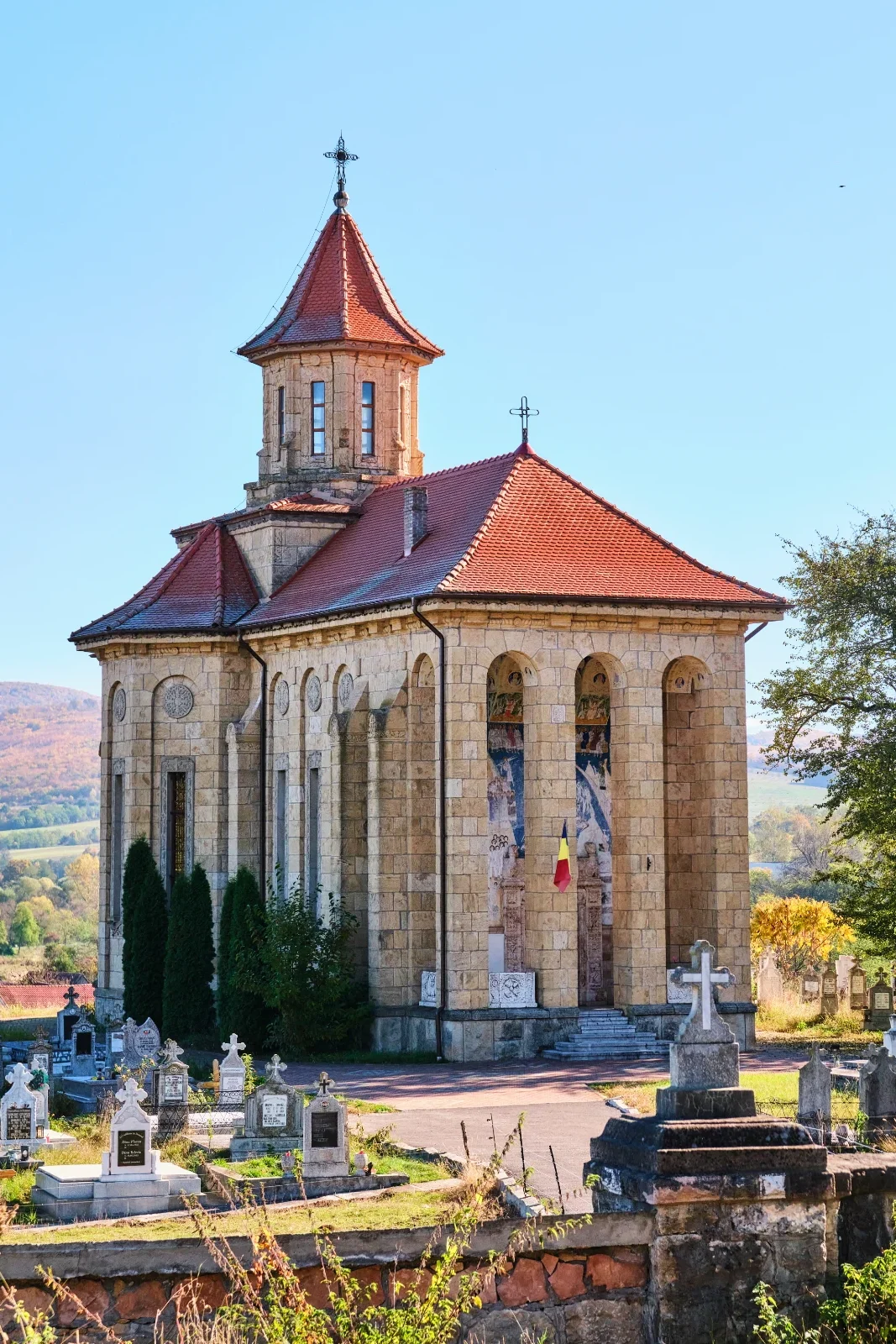
Church of Bogata Olteană Romania Destinations
Church of Bogata Olteană Ⓒ Silviu-Florin Salomia
Reformed Church of Hoghiz - Romania Destinations
Reformed Church of Hoghiz Ⓒ Silviu-Florin Salomia
Rupea Fortress - 100 Travel Destinations of Romania
Rupea Fortress Ⓒ Silviu-Florin Salomia

Other Interesting Discoveries

Lesser known places and activities
Jimbor Church and FOrtress

Part of the Homorod commune, the village of Jimbor preserves two interesting historical monuments, even if less known to travelers. Right in the center of the village is the fortified Evangelical church, now belonging to the Hungarian Lutheran community. Built of stone and brick in the 14th century, the church has been repaired and renovated many times over time, including due to landslides that still affect the structure. The old altar of this church, painted in 1520, can now be admired in the art museum in Cluj Napoca. Nearby is the bell tower with neo-Gothic elements, under which the entrance is made, while the rest of the fortifications have disappeared over time. On the hill above the village, the Jimbor peasant fortress has also been preserved, even if its state of preservation is not very good. Built in the 13th or 14th century, it had the purpose of defending against Tatar attacks from Moldova. The outer walls were destroyed in 1818, and the remaining structures need consolidation work. Near the Evangelical church in the village, there is also an old Roman Catholic church (1783), but this too is in an advanced state of decay.

Mercheașa Church and Ancient Oak

Just a few kilometers from Rupea, in the village of Mercheașa, there is a fortified evangelical church dating back to the 13th century, built on the site of an older Romanesque basilica. The current hall-type church once had three naves, separated with the construction of the surrounding fortification. The complex of monuments is in a state of decay, having not been used for many years. On the field to the east of the village, several secular oak trees can be discovered, one of which is venerable, known as the Gorunul de la Mercheașa and is estimated to be about 900 years old.

Cața Fortified Church

Right in the center of the small village of Cața, travelers can discover a fascinating monument from another time. The fortified Evangelical Church of Cața is dedicated to “Saint Nicholas” and was built in the 13th century on the site of an older Romanesque basilica. Once having two fortified enclosures with high walls and towers, the historic complex still retains most of its medieval structures, with the inner enclosure and four defensive towers surviving to this day. The current church dates largely from the late 15th century, and in the following centuries was expanded in a more unusual way, by attaching new elements to the already built body.

Racoș Defile

Carved by the Olt River in the hard rocks of the Perșani Mountains, the approximately 10-kilometer-long gorge is accompanied by a road connecting the towns of Racoș and Augustin. Along it, travelers can admire superb landscapes, which, although they cannot compete with other more spectacular gorges, still offer a memorable experience. At the exit of the gorge is the Tipia Racoșului peak (820 meters), which offers impressive panoramas of the surrounding land, but where the ruins of an old Dacian fortress can also be discovered.

Dopca Gorges

An almost unknown place is hidden in the forest south of the village of Dopca, where several small streams have formed picturesque gorge sectors. The protected natural area is known as the Dopca Gorges and occupies an area of ​​4 hectares, comprising several sectors with interesting geomorphological formations, as well as specific vegetation.

Coming soon
Coming soon
Coming soon
Coming soon
Coming soon

Accommodation Recommendations

The best lodging options
Accommodation near Rupea Fortress - Pensiunea Michaels House Rupea

Rating 9.6 from 483 reviews!

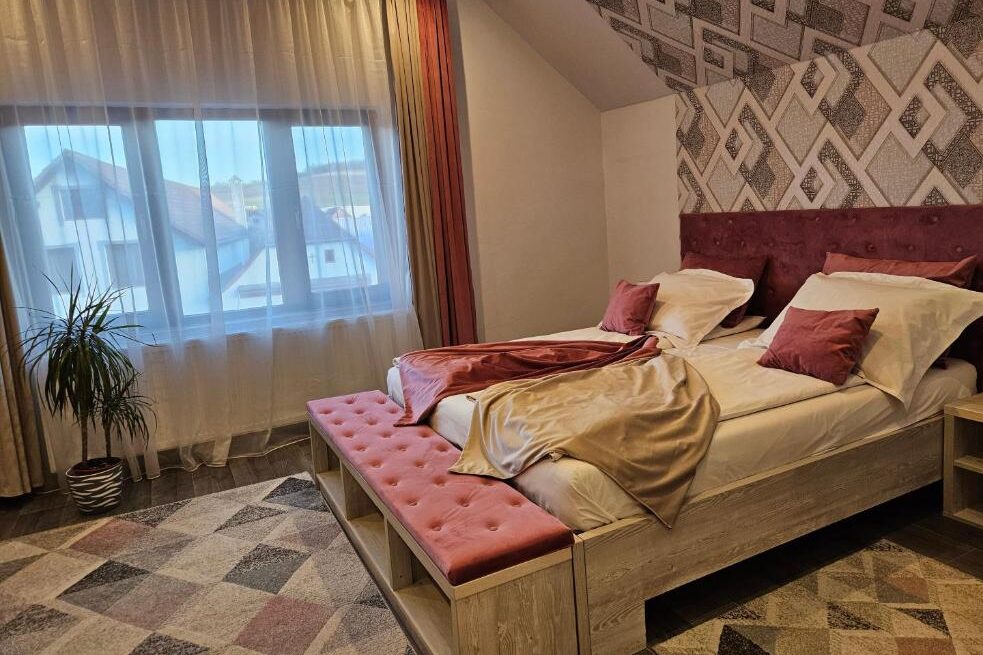
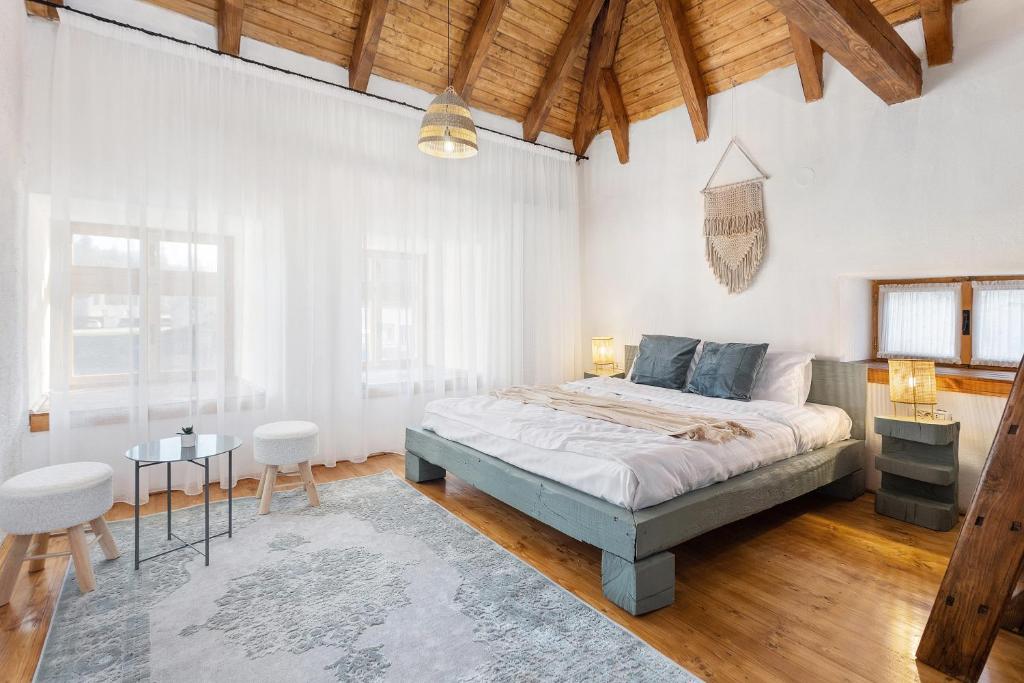
Located right in the center of Rupea, this guesthouse offers high-quality accommodation at decent prices, with spacious rooms, a shared lounge and a terrace!

Republicii St. 251, town of Rupea

Accommodation near Racoș Complex - The Dream House Racoș

Rating 9.8 from 30 reviews!

Located in the village of Racoș, a few minutes from the geological complex, this traditional holiday home offers a bedroom, living room, fully equipped kitchen and breakfast option!

Strâmtă St. 6, village of Racoșu de Jos

Accommodation in the village of Mercheasa - Casa Meburger 279

Rating 9.7 from 73 reviews!

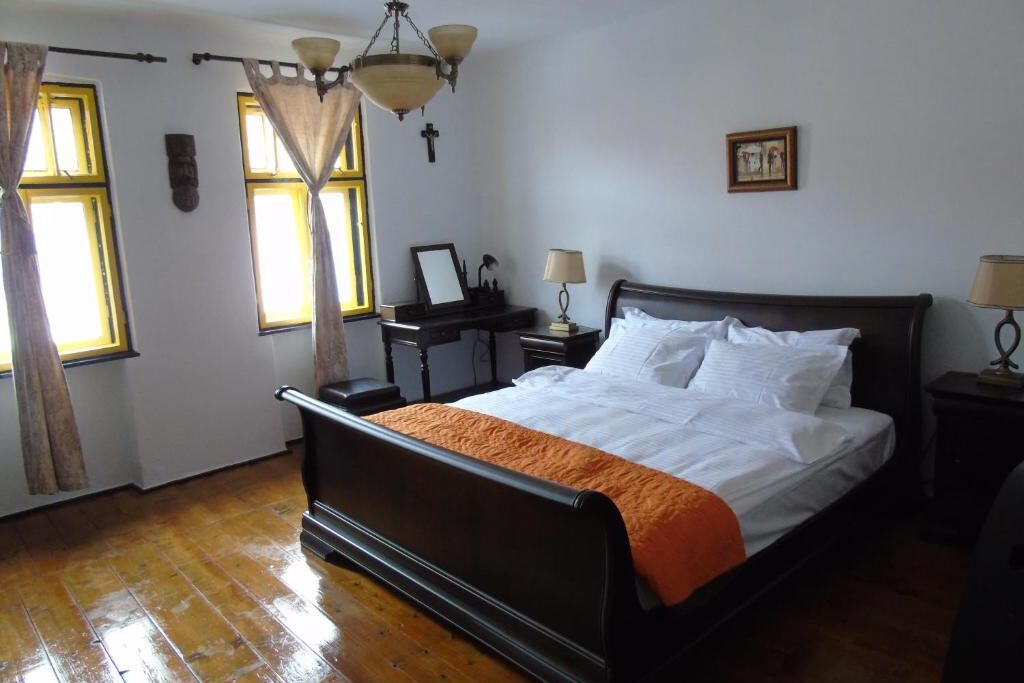
A superb traditional guesthouse in the village of Mercheașa, highly appreciated by guests, it offers rustically decorated rooms with all amenities, a shared lounge, a shared kitchen and a garden!

Principală St. 279, village of Mercheașa

Previous Destination

Next Destination

21. Transylvanian Highlands
Scroll to Top