21

Transylvanian Highlands

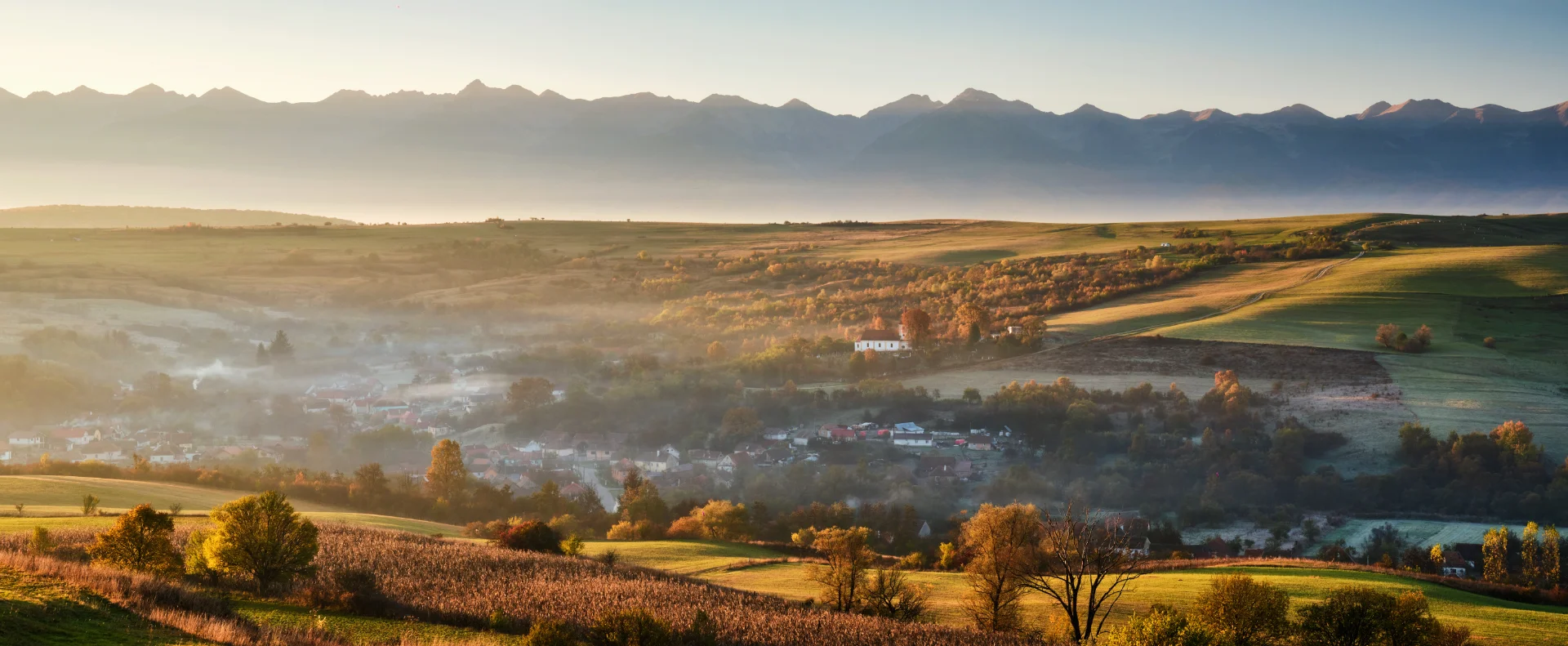
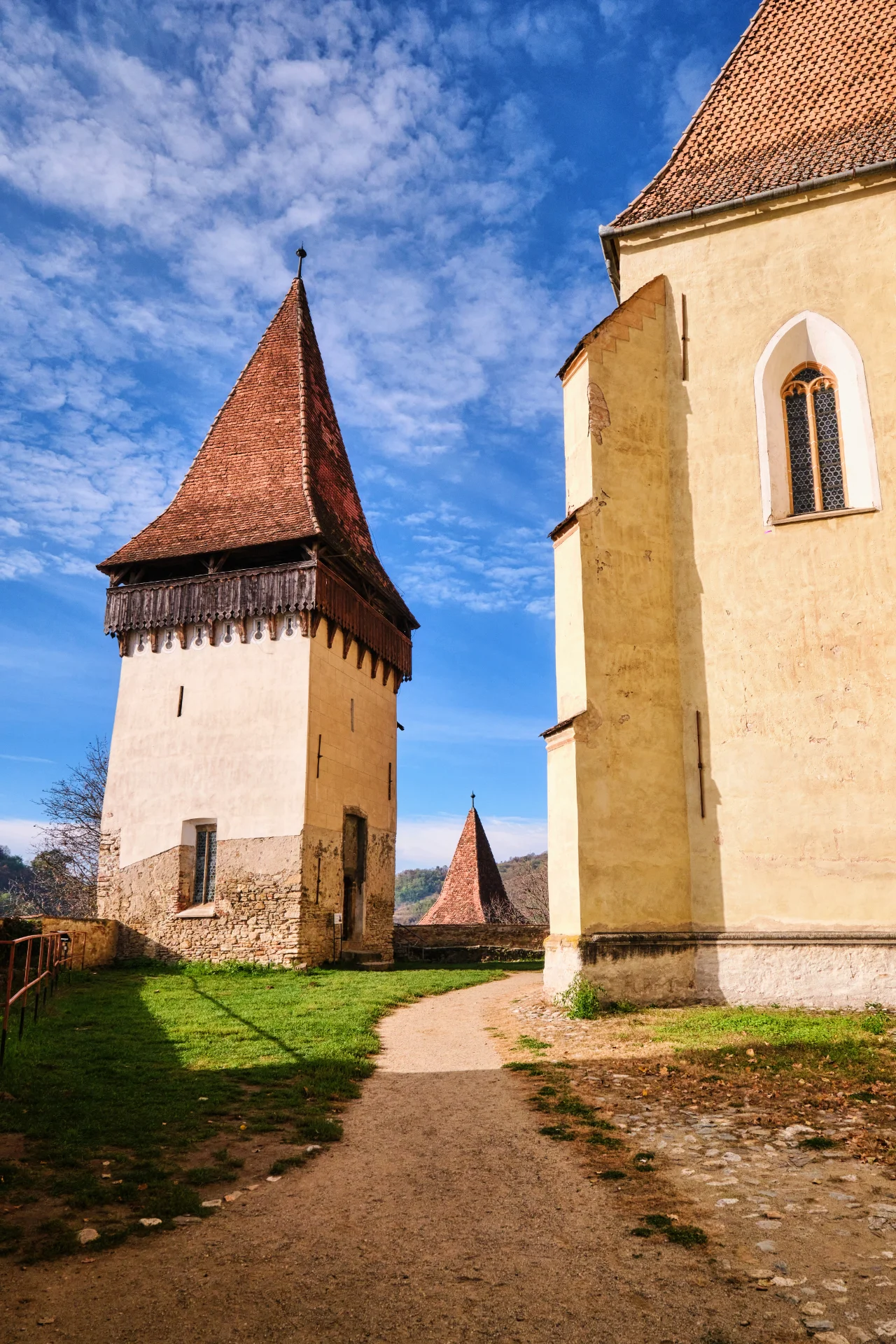
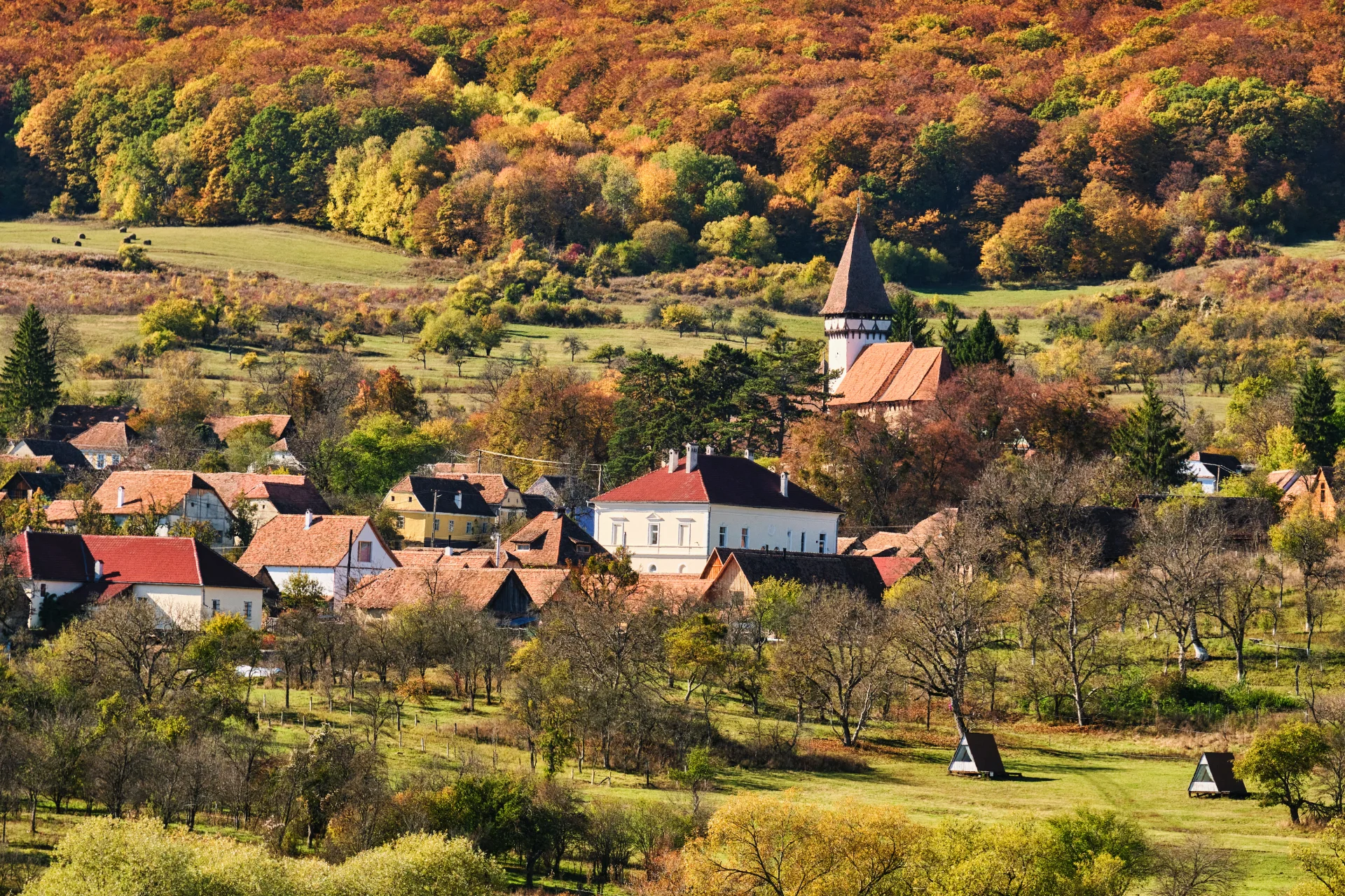
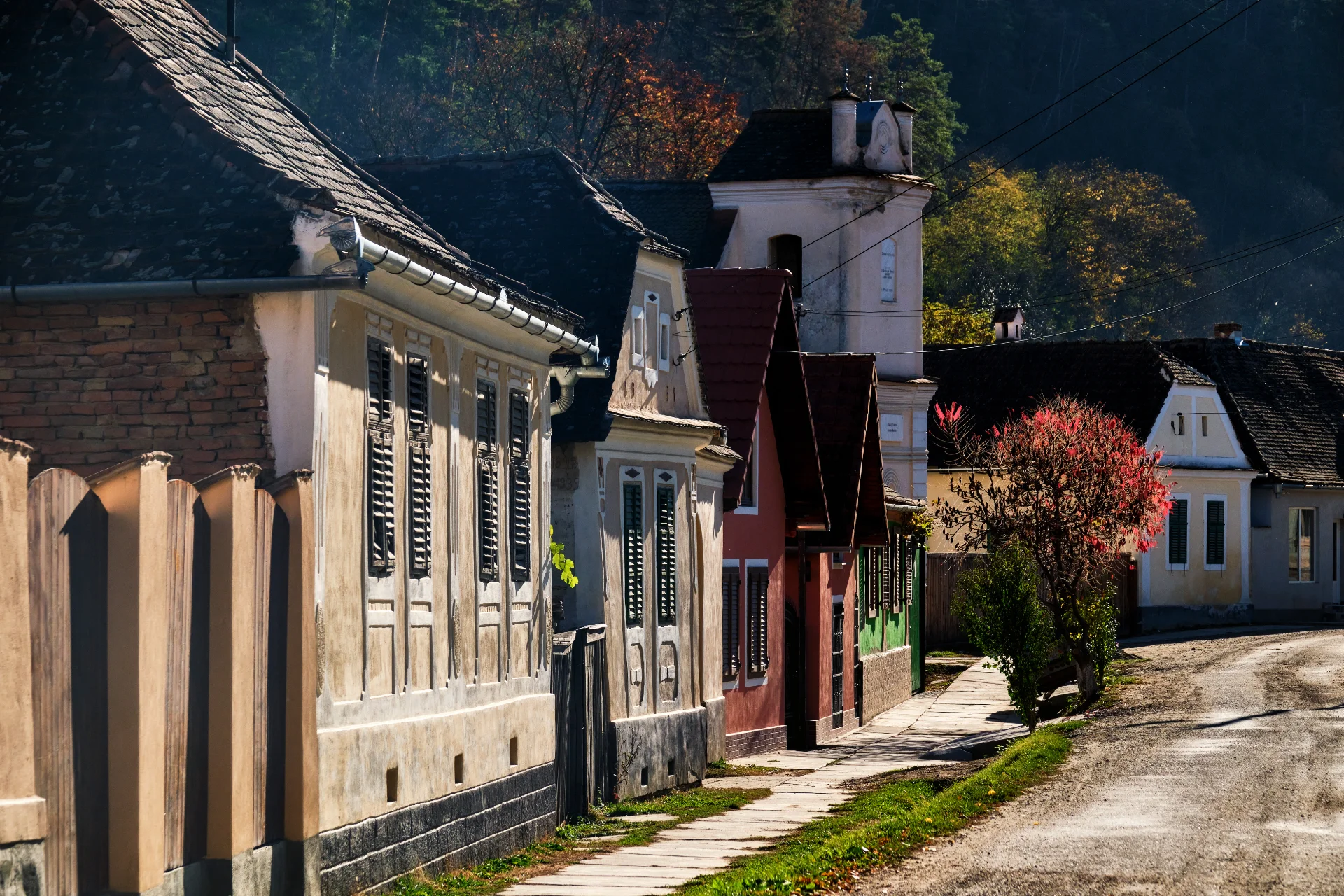
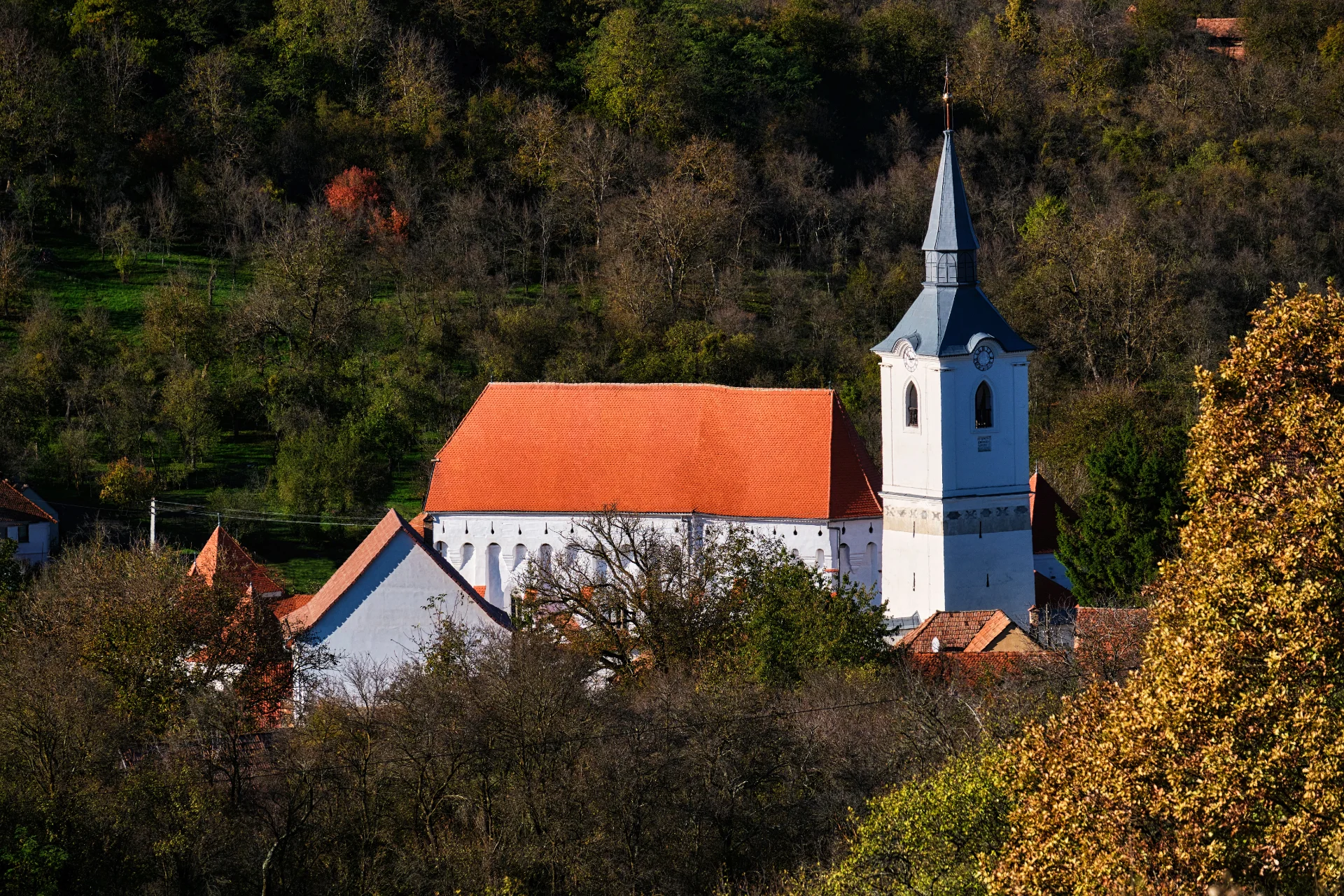
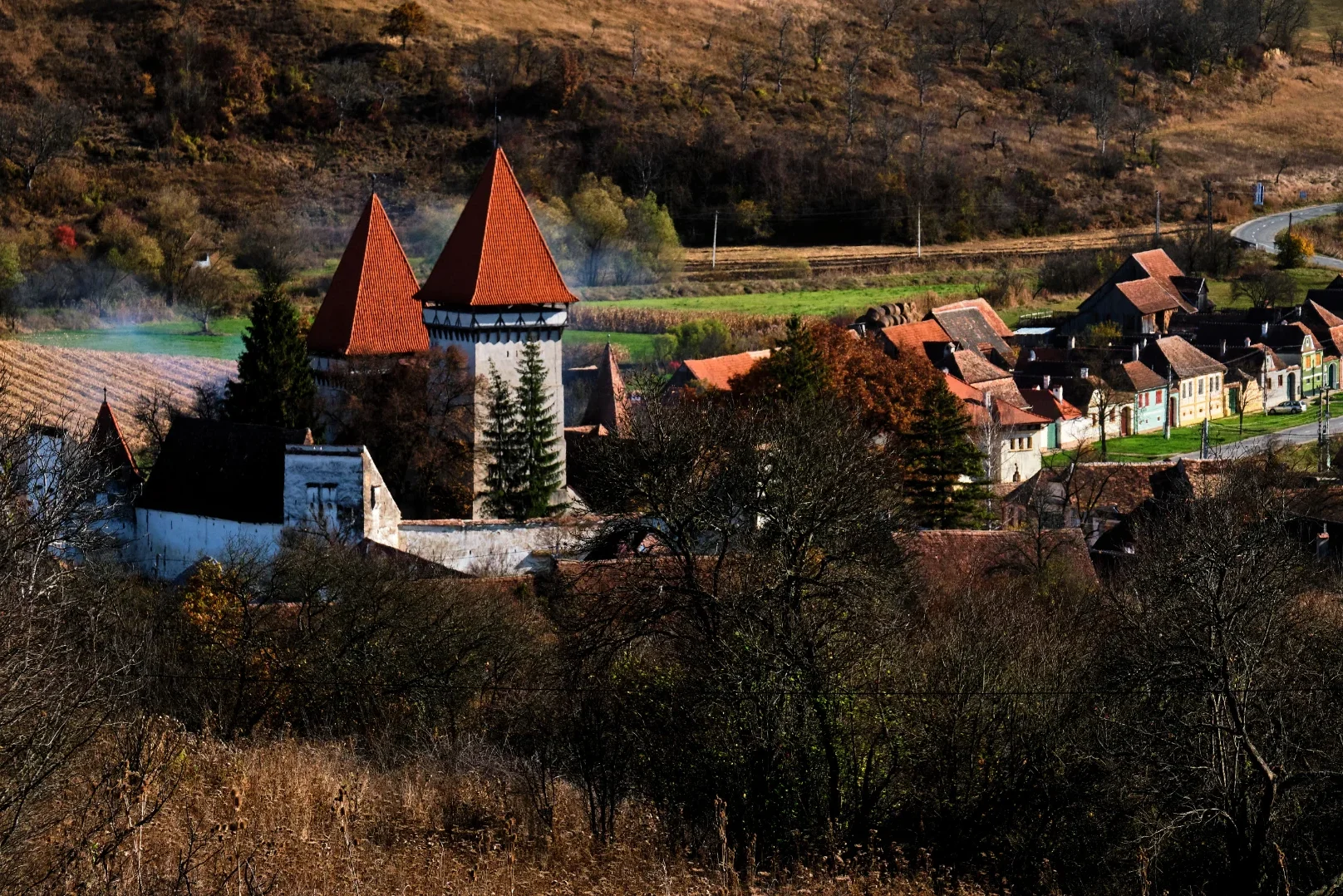
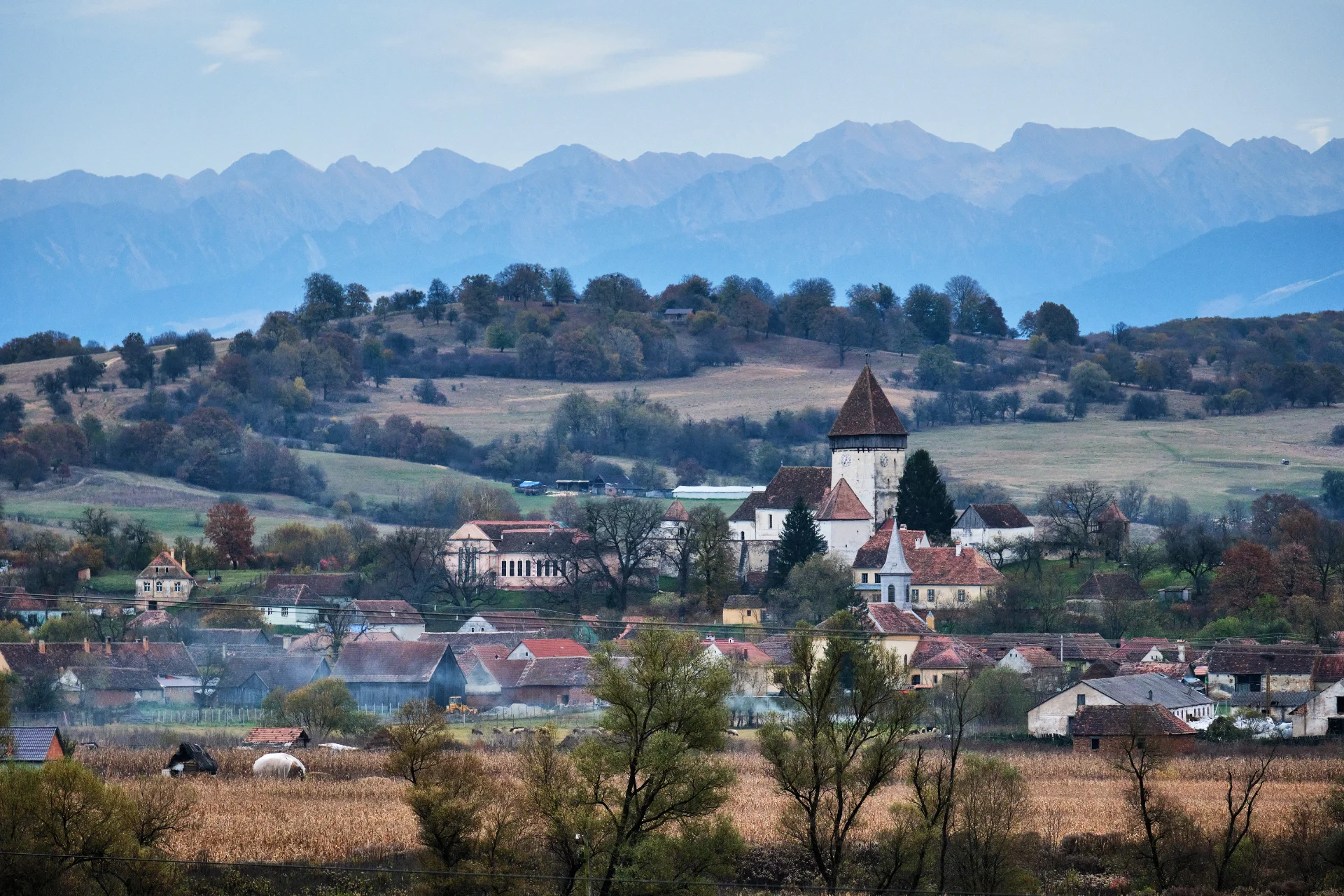
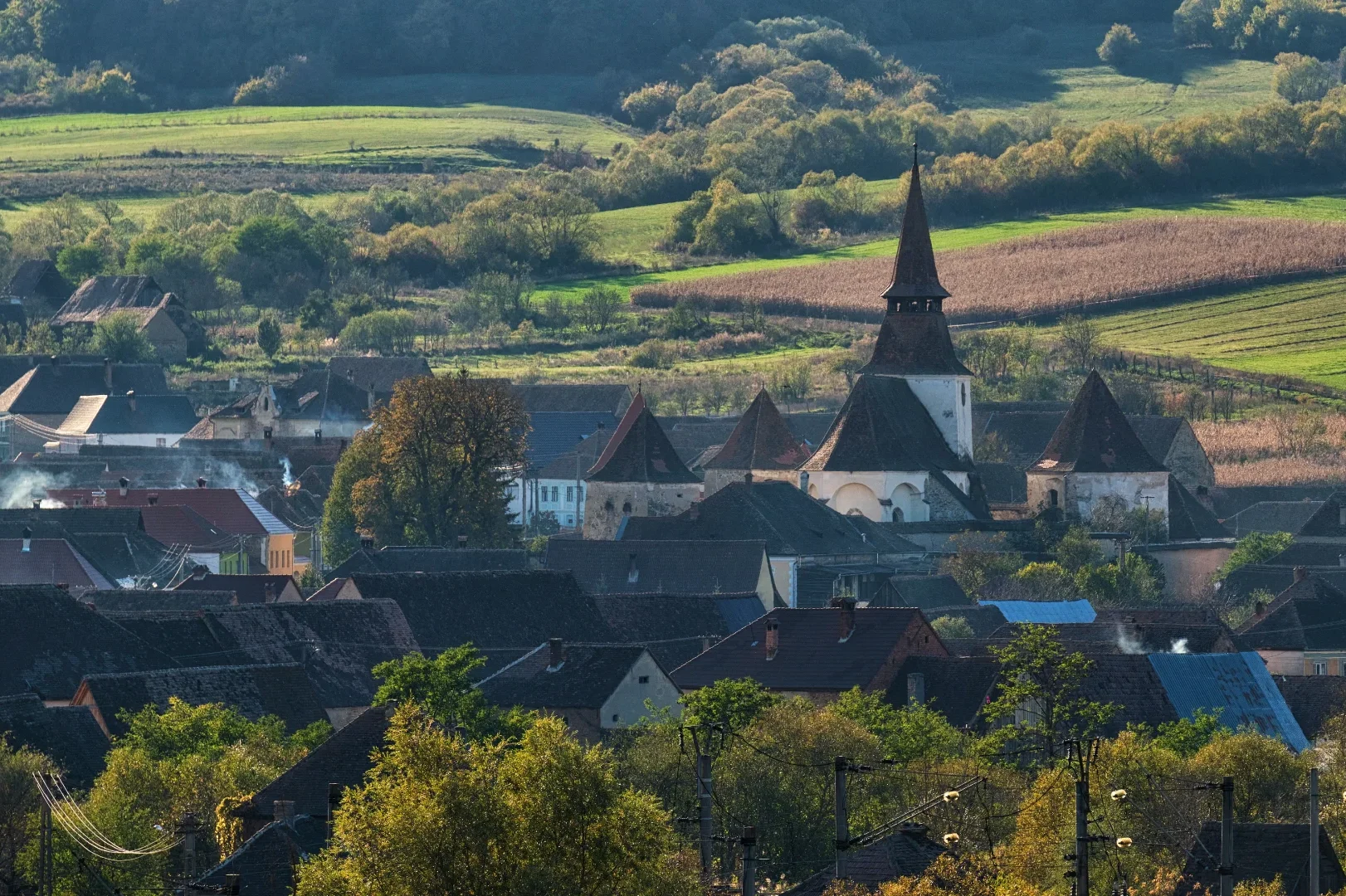
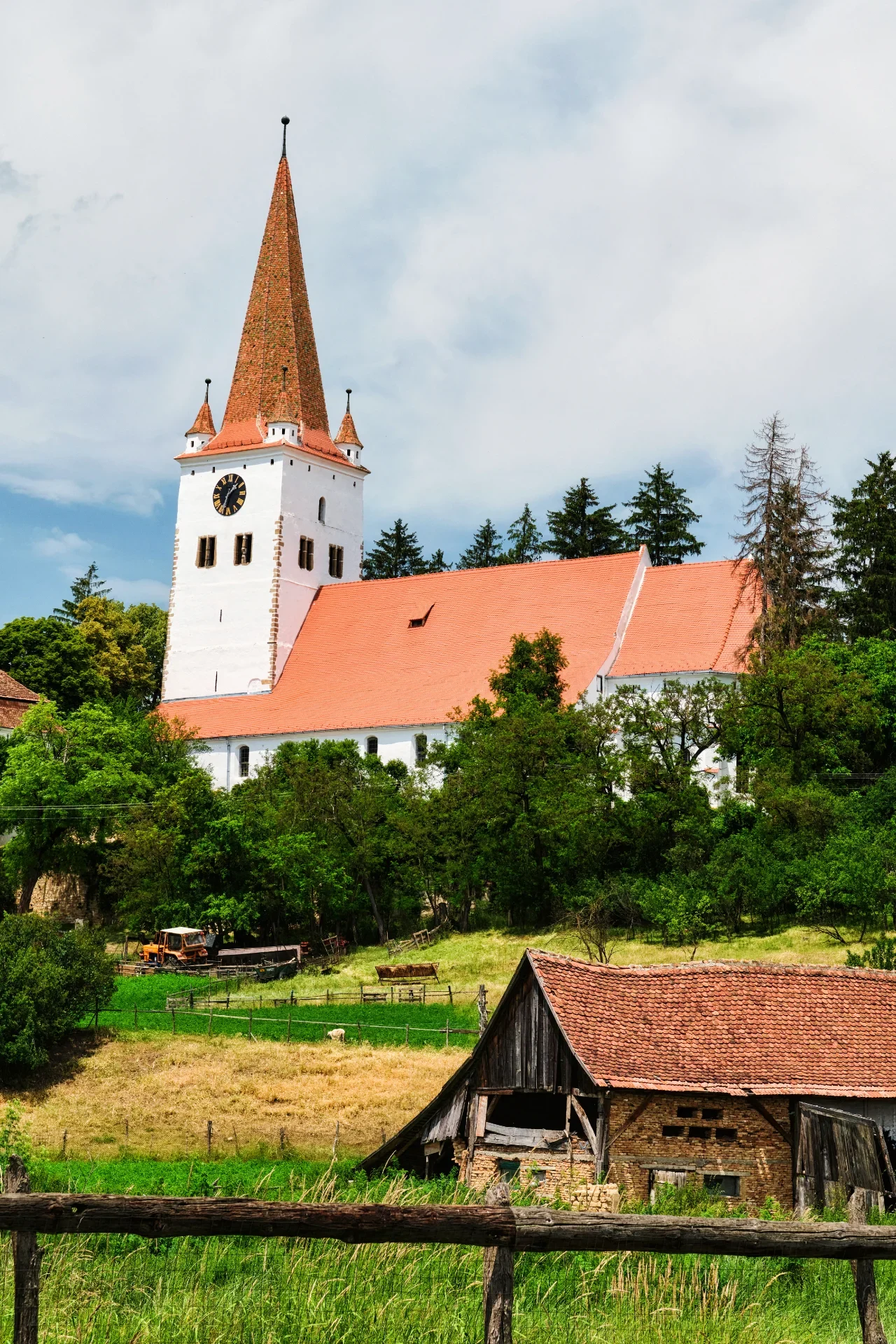
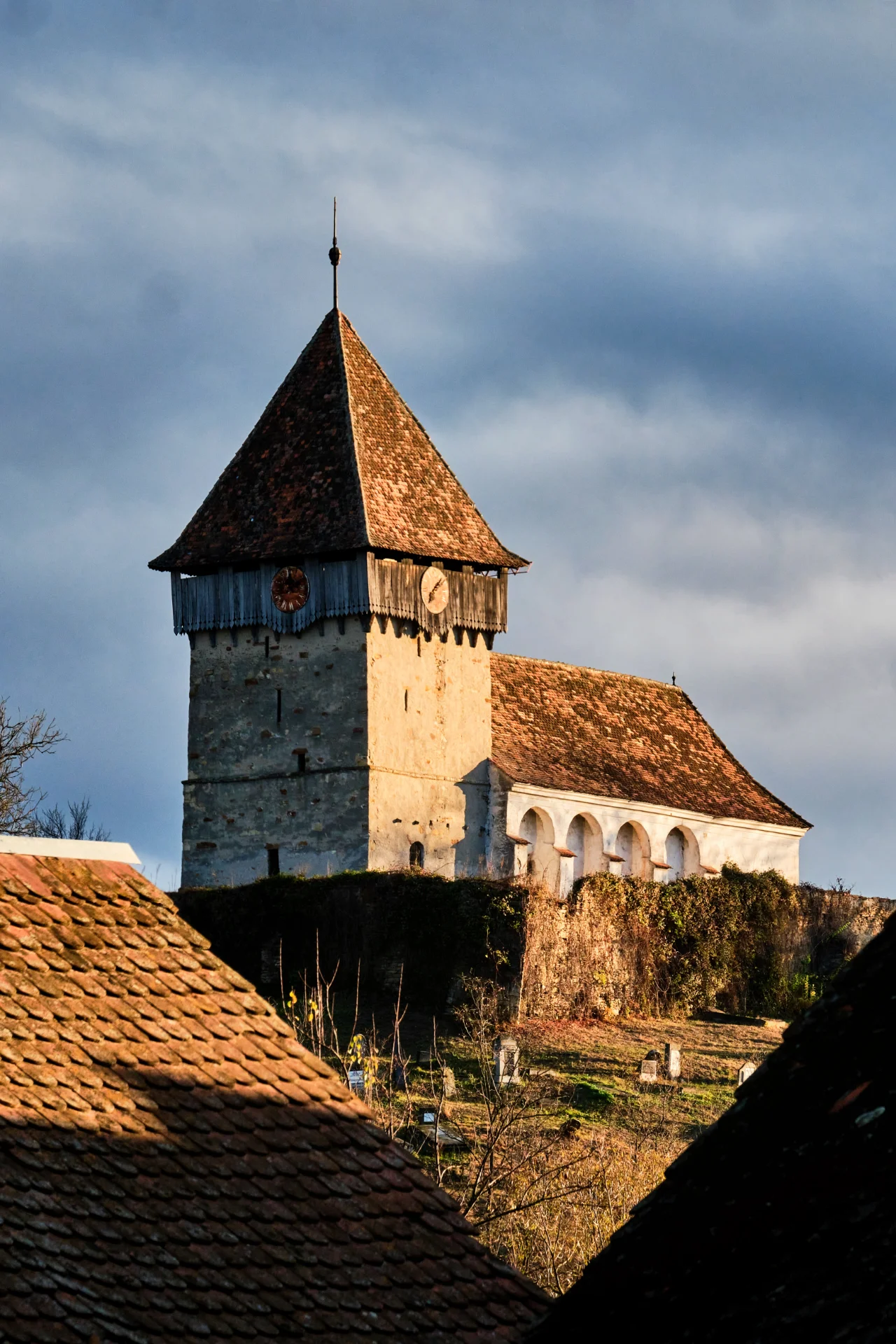
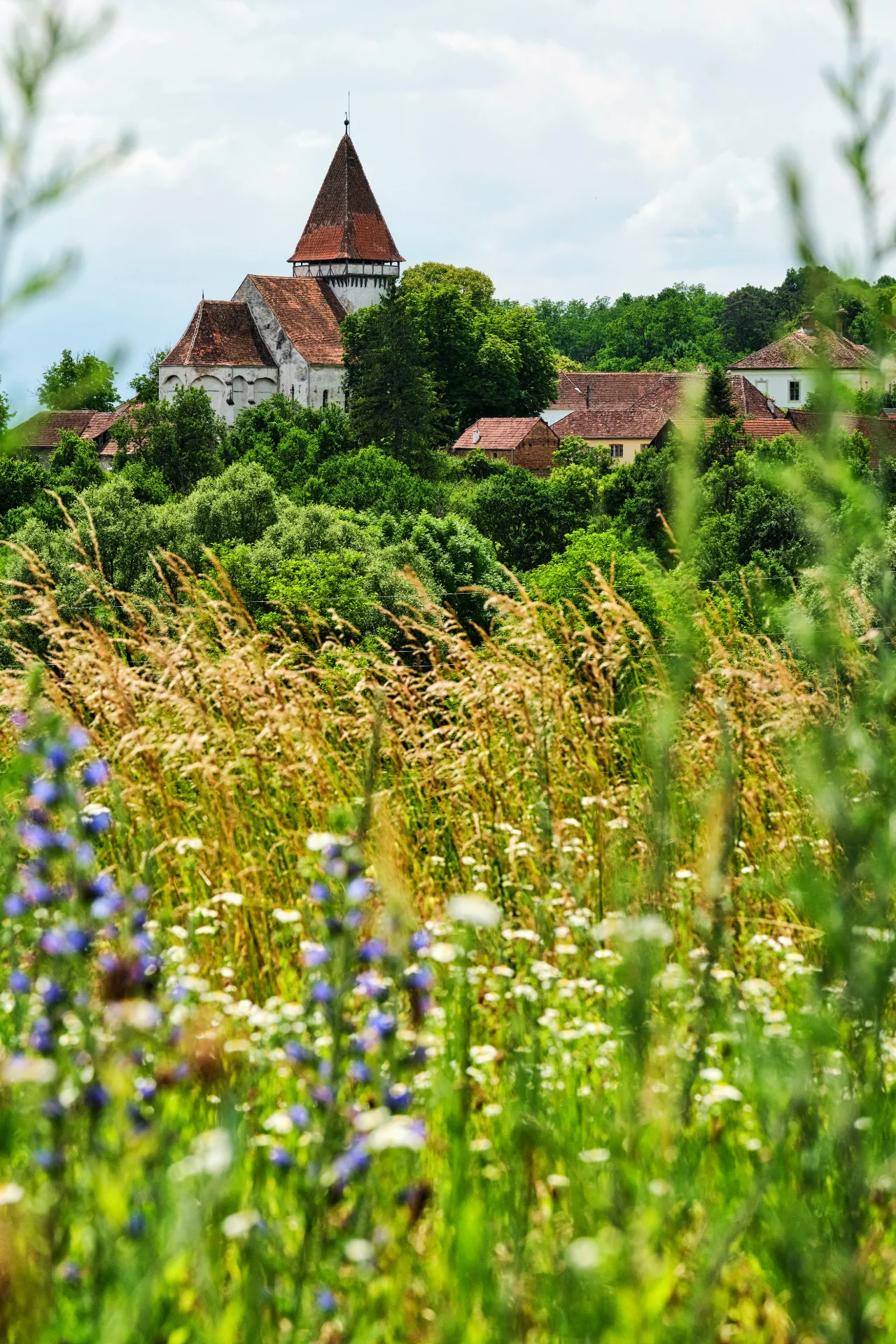
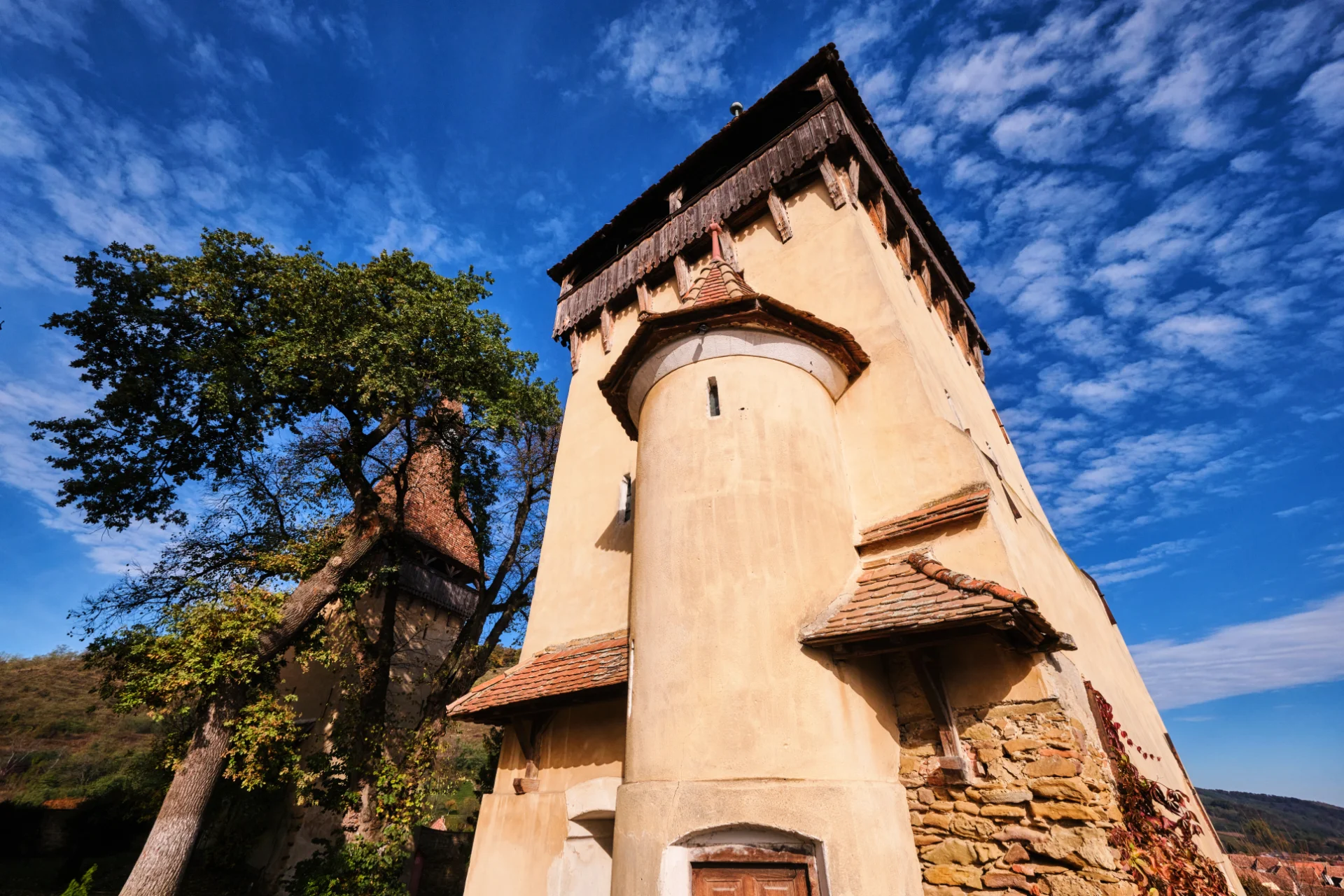
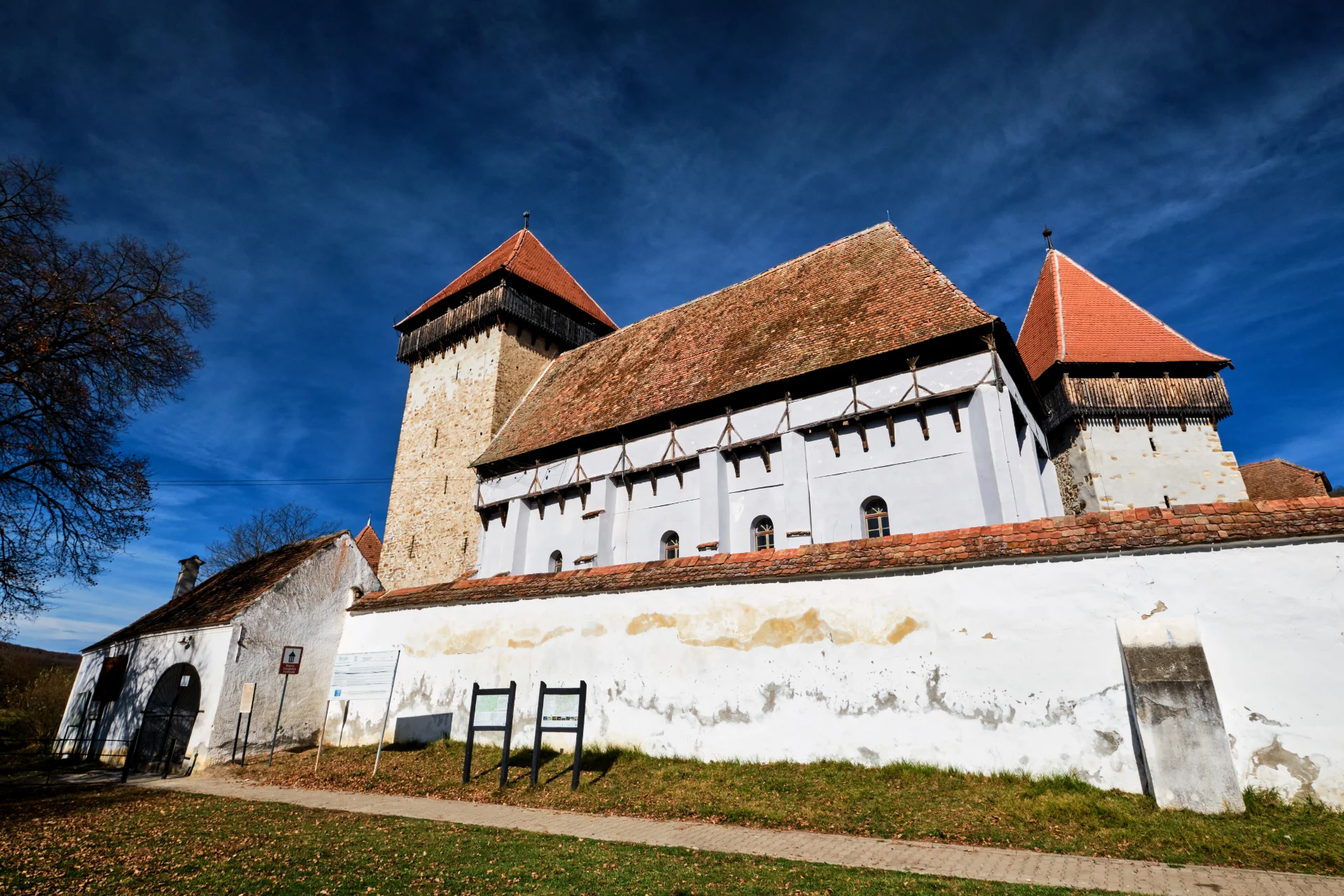
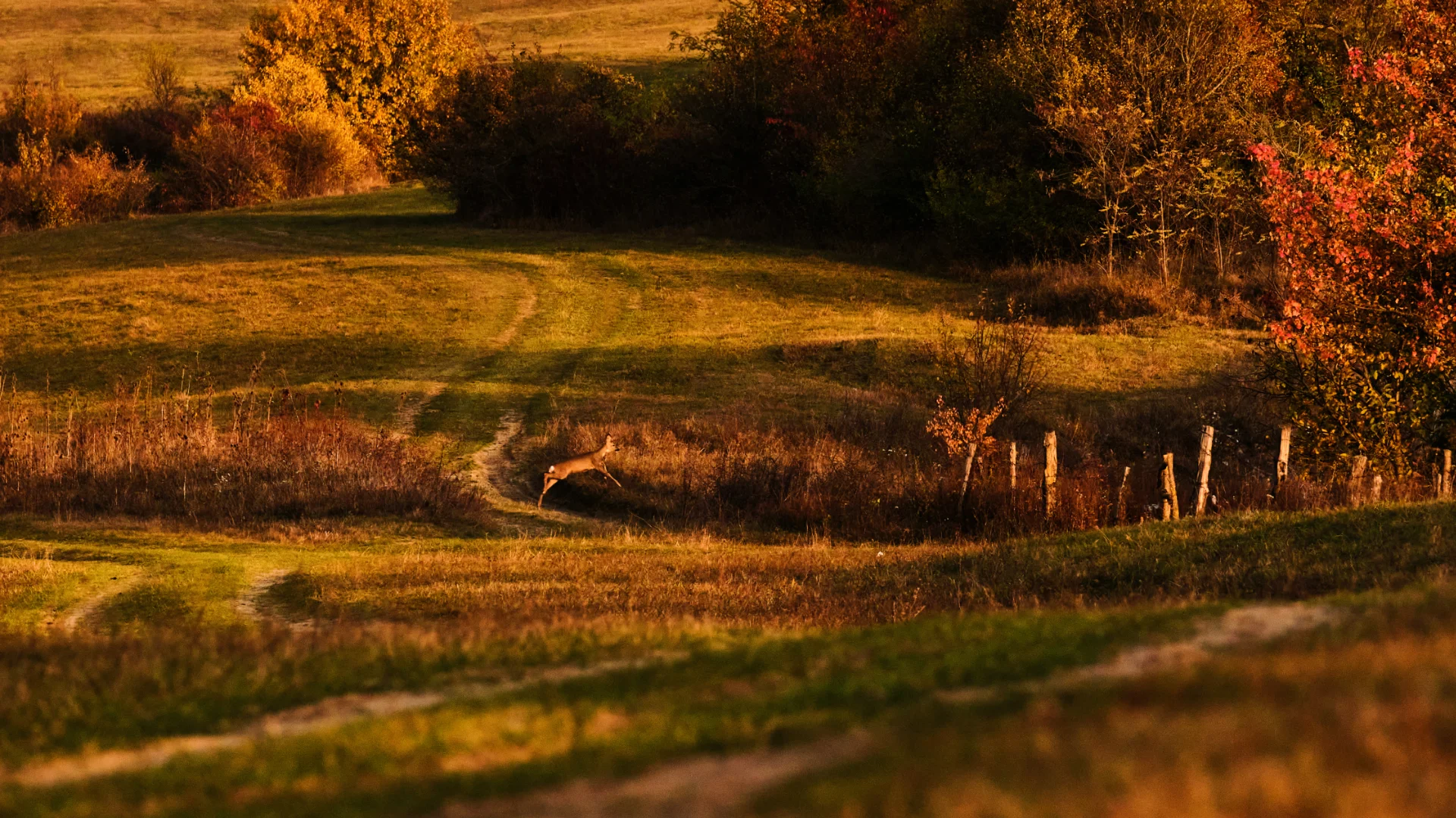
The gentle peaks of the hills stretch endlessly into the horizon, like the waves of an ocean that changes its shades with each season, while the spires of the amazing fortified churches, a unique symbol of southern Transylvania, rise towards the skies for hundreds and hundreds of years, through villages where time sometimes seems frozen!

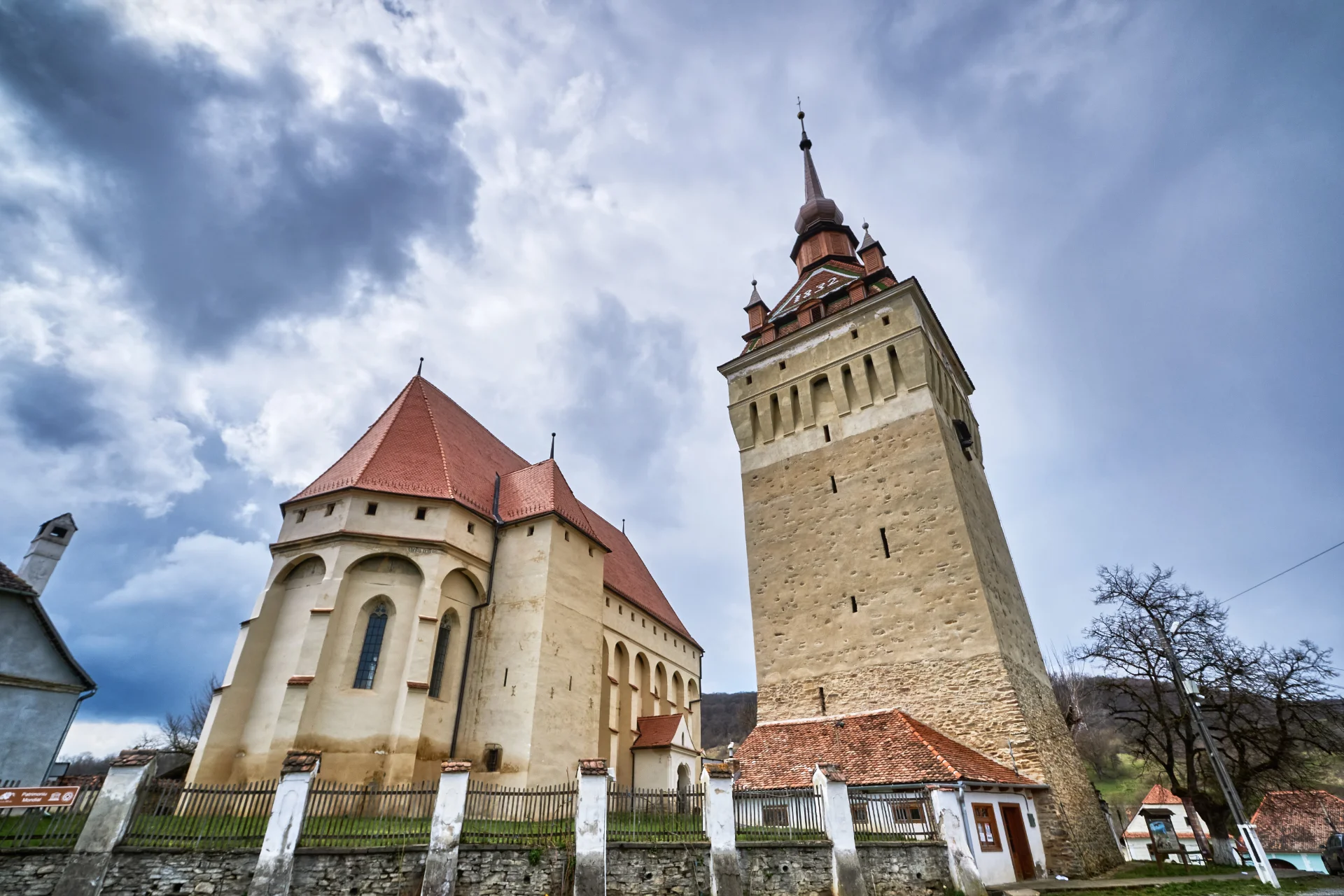
Fortified Church of Saschiz - Transylvanian Highlands of Romania
Fortified Church and Village of Saschiz Ⓒ Silviu-Florin Salomia

Beyond the waters of the Olt River to the north and up to the Târnava Mare valley, a seemingly uninterrupted series of hills stretches and often covers the horizon, calling travelers to discover its hidden treasures at the end of wonderful roads. One of the most surprising and fascinating tourist destinations in Romania, the Transylvanian Highlands contain the core of the traditional Saxon culture in Romania, all in a charming natural setting, with gentle hills covered in forests and vast meadows. Among the old oaks, witnesses to many centuries of history in these lands, and over the mysterious mounds surrounded by local legends, we cross an enchanting natural area, appreciated for its exceptional biodiversity.

Among the hills, we discover authentic villages, many of them still preserving the old and formidable fortified churches, symbol of a region rightly considered among the last authentic medieval landscapes preserved in Europe. These monuments were built between the 13th and 16th centuries by rural communities (mostly Saxons) to defend themselves from frequent attacks. It is estimated that at one time there were over 300 such monuments spread across southern Transylvania, almost every village having its own fortified church, which represented both a cultural center and a shelter in case of danger. Unfortunately, less than half of these have withstood the passage of time and neglect, with many of the villages once inhabited by Saxons now almost abandoned, and the old churches becoming ruins. In addition to these exceptional architectural treasures, the surprising destination also hides several old mansions or fortresses of local nobles, sites with authentic rural architecture, as well as enchanting natural areas.

Search for Flights to Romania with Booking.com!

Fortified Church of Cincșor - Transylvanian Highlands of Romania
Fortified Church of Cincșor Ⓒ Silviu-Florin Salomia
Village of Viscri - Transylvanian Highlands of Romania
Village of Viscri Ⓒ Silviu-Florin Salomia
Village of Fofeldea - Transylvanian Highlands of Romania
Village of Fofeldea Ⓒ Silviu-Florin Salomia

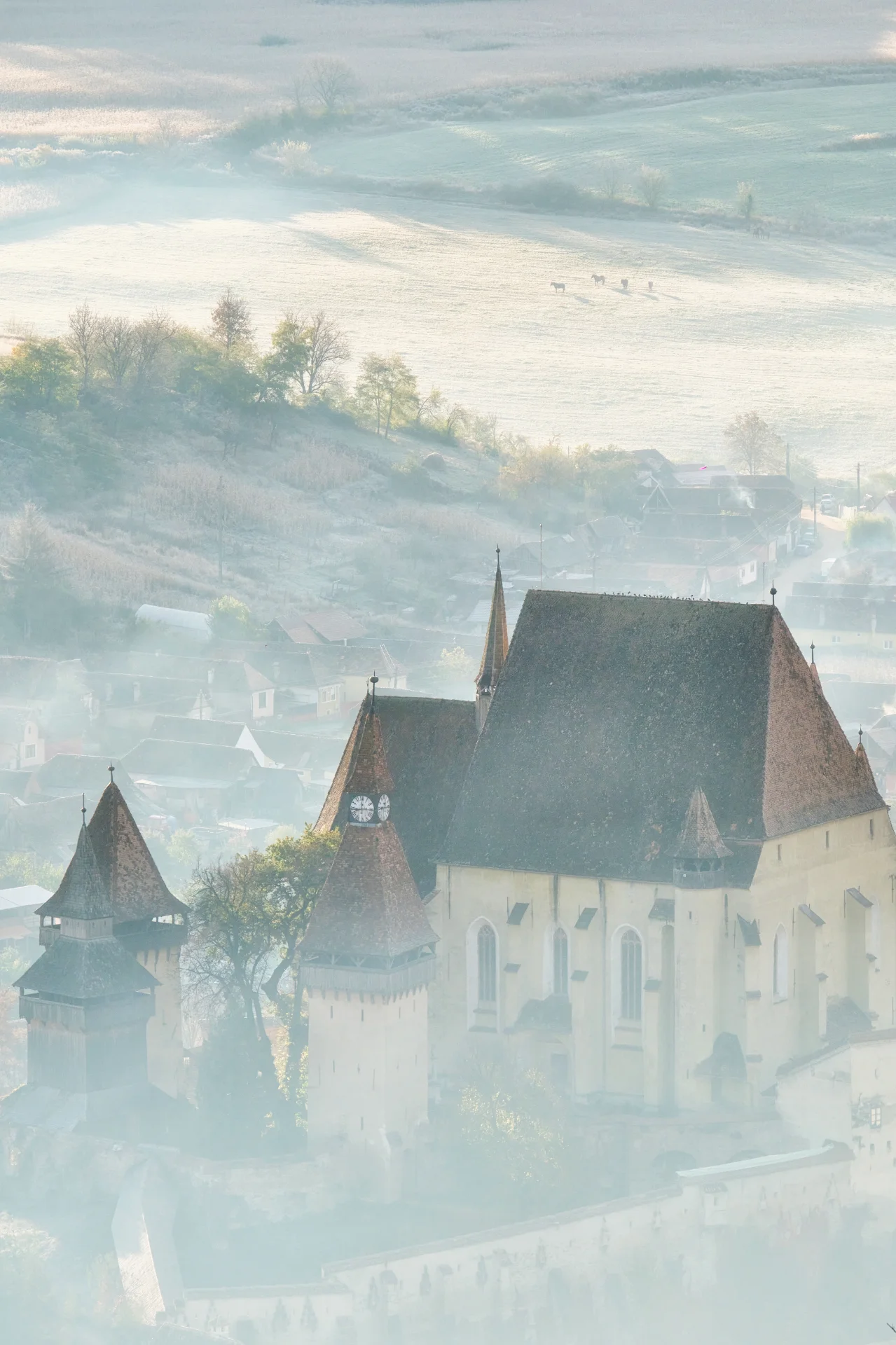
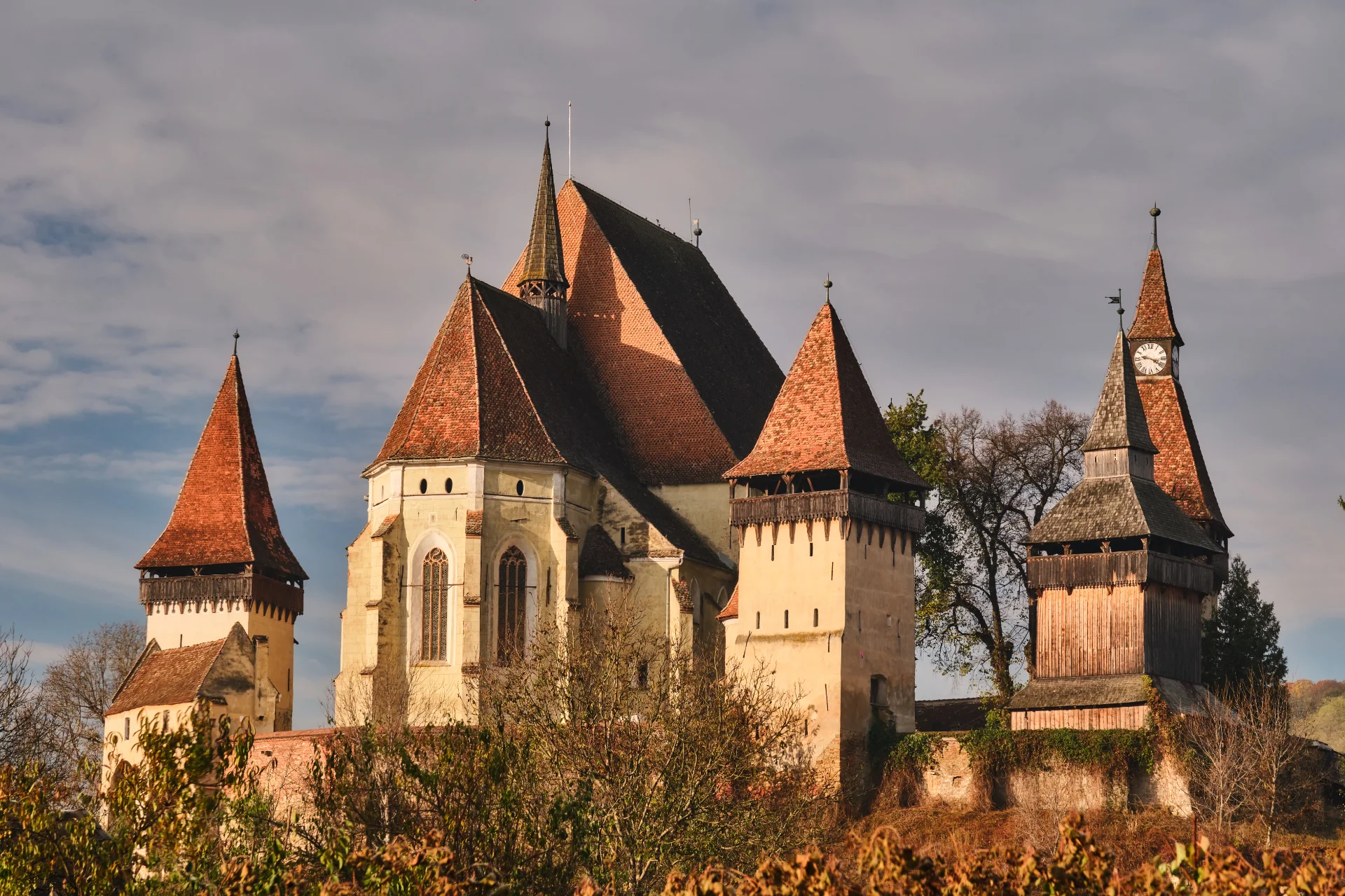
The Transylvanian Highlands cover an area of ​​approximately 2,600 square kilometers, where over 40 communities are found, the vast majority rural. We can get here quite easily from several directions, starting from the national roads that connect Brașov to Sibiu (DN1), Brașov to Sighișoara via Rupea (DN13) or Sibiu to Sighișoara via Mediaș (DN14). We can start exploring from any corner of this fascinating land, but the fortified church of Biertan is probably the most impressive and famous in Transylvania, dominating the surroundings for hundreds of years, perched on the small hill located right in the center of the picturesque village. We reach it by leaving the road between Mediaș and Sighișoara towards the south, thus discovering one of the oldest and most beautiful villages in the region. During the the Middle Ages it was the center of the Saxon community in Transylvania.

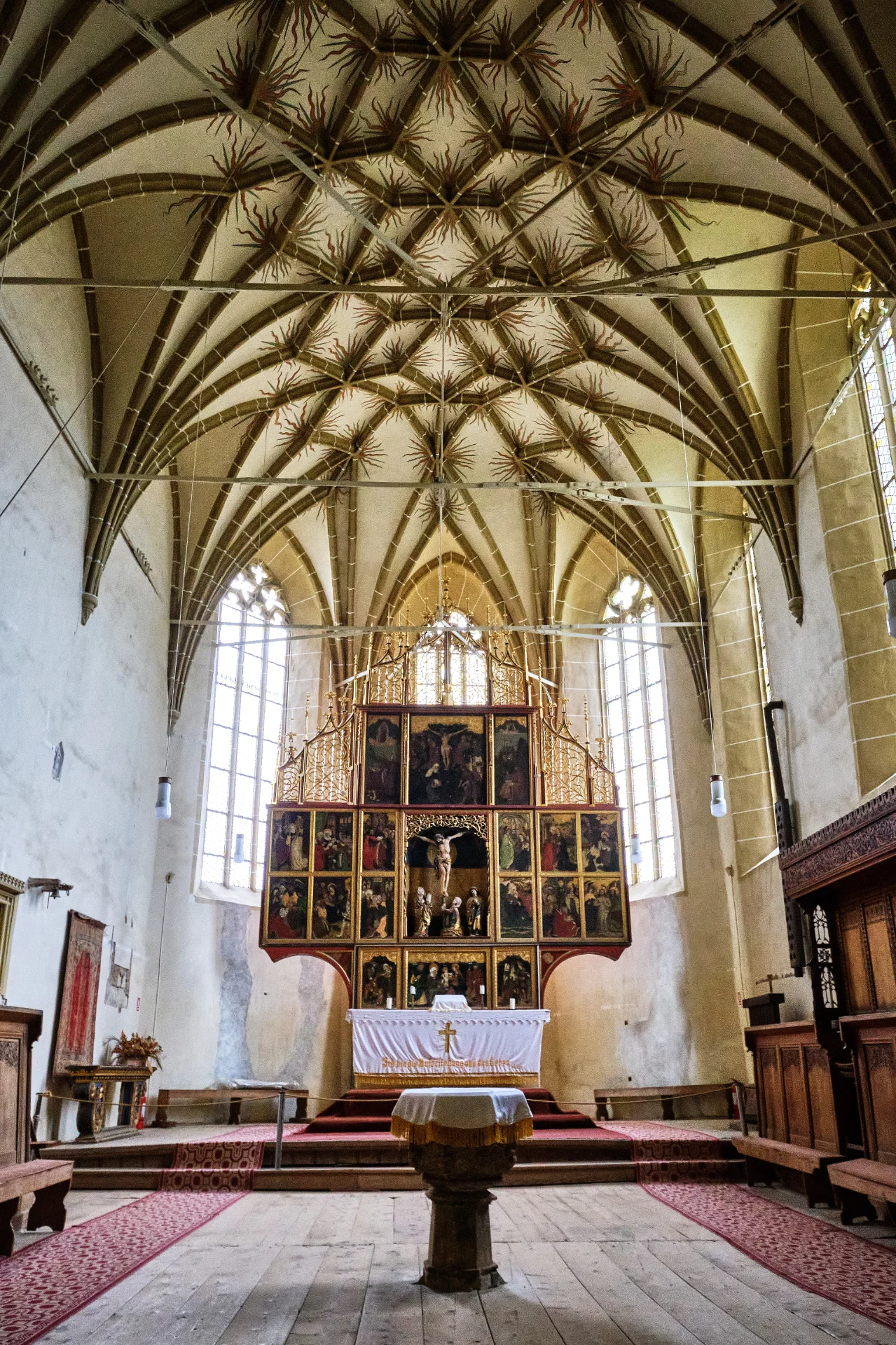
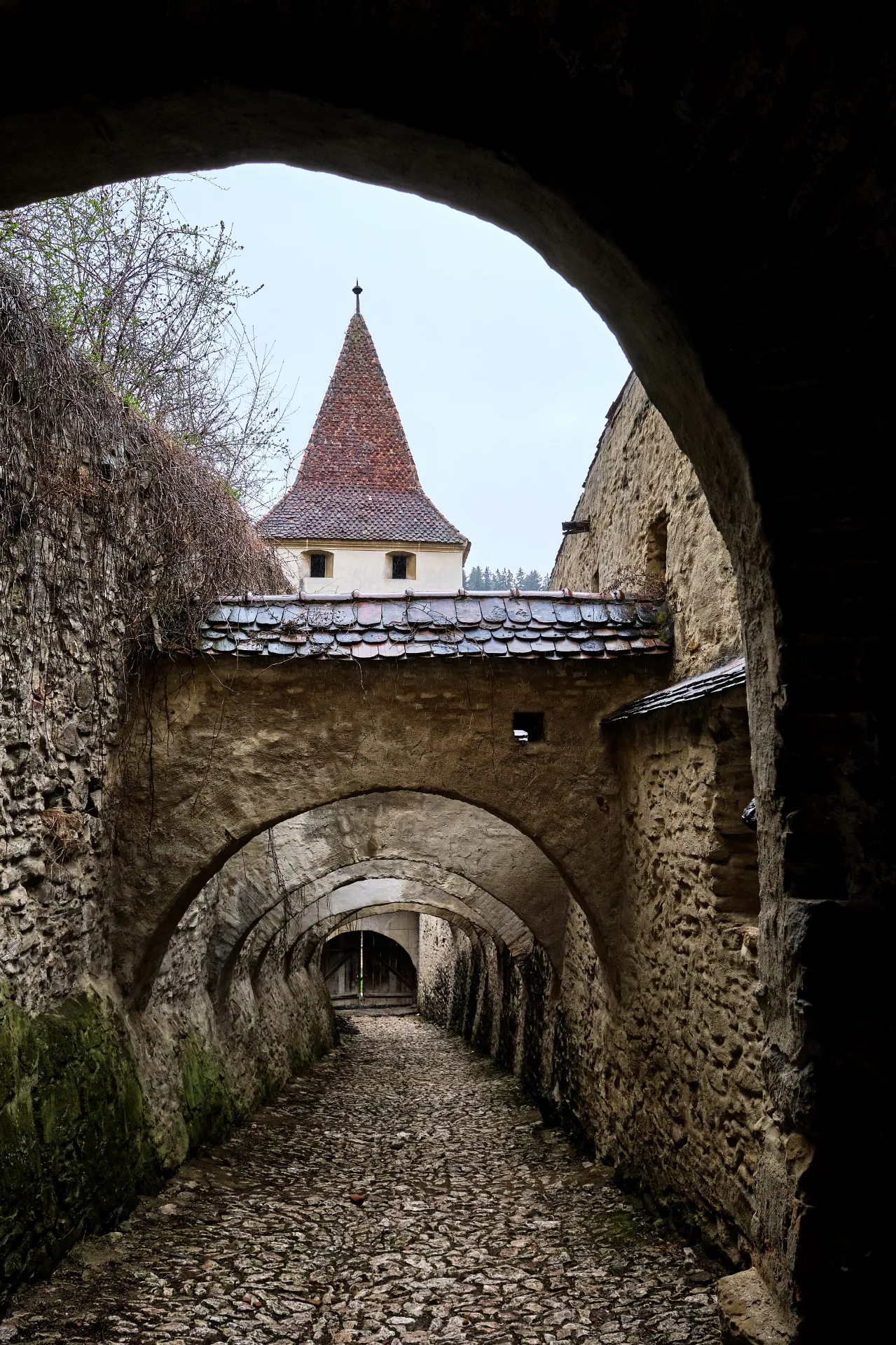
The architectural complex includes the majestic church built in the early 15th century, as well as three defensive structures built around it over the following centuries. The late Gothic church is monumental, being built by craftsmen from Nuremberg and Vienna, and among the defining features are the 28 superb religious paintings or the sacristy door with a locking mechanism developed in 1515, comprising 19 locks opened by a single key. We enter the fortifications along a covered staircase that leads us to the inner courtyard, where we admire the church, the walls and the seven defensive towers. Biertan still retains some of its authentic medieval atmosphere, and a walk through its streets reveals numerous examples of rural architecture, with a lot of old multi-colored houses, in the Transylvanian Baroque style. We can also explore the hills around the village, following a panoramic path that offers us the chance for unique views.

Search for Lodging in the Transylvanian Highlands with Booking.com!

Fortified Church and Village of Biertan - Transylvanian Highlands of Romania
Fortified Church and Village of Biertan Ⓒ Silviu-Florin Salomia
Fortified Church of Biertan - Transylvanian Highlands of Romania 088
Fortified Church of Biertan Ⓒ Silviu-Florin Salomia
Fortified Church of Biertan - Transylvanian Highlands of Romania
Fortified Church of Biertan Ⓒ Silviu-Florin Salomia
Fortified Church of Biertan - Transylvanian Highlands of Romania
Fortified Church of Biertan Ⓒ Silviu-Florin Salomia
Fortified Church of Biertan - Transylvanian Highlands of Romania
Fortified Church of Biertan Ⓒ Silviu-Florin Salomia

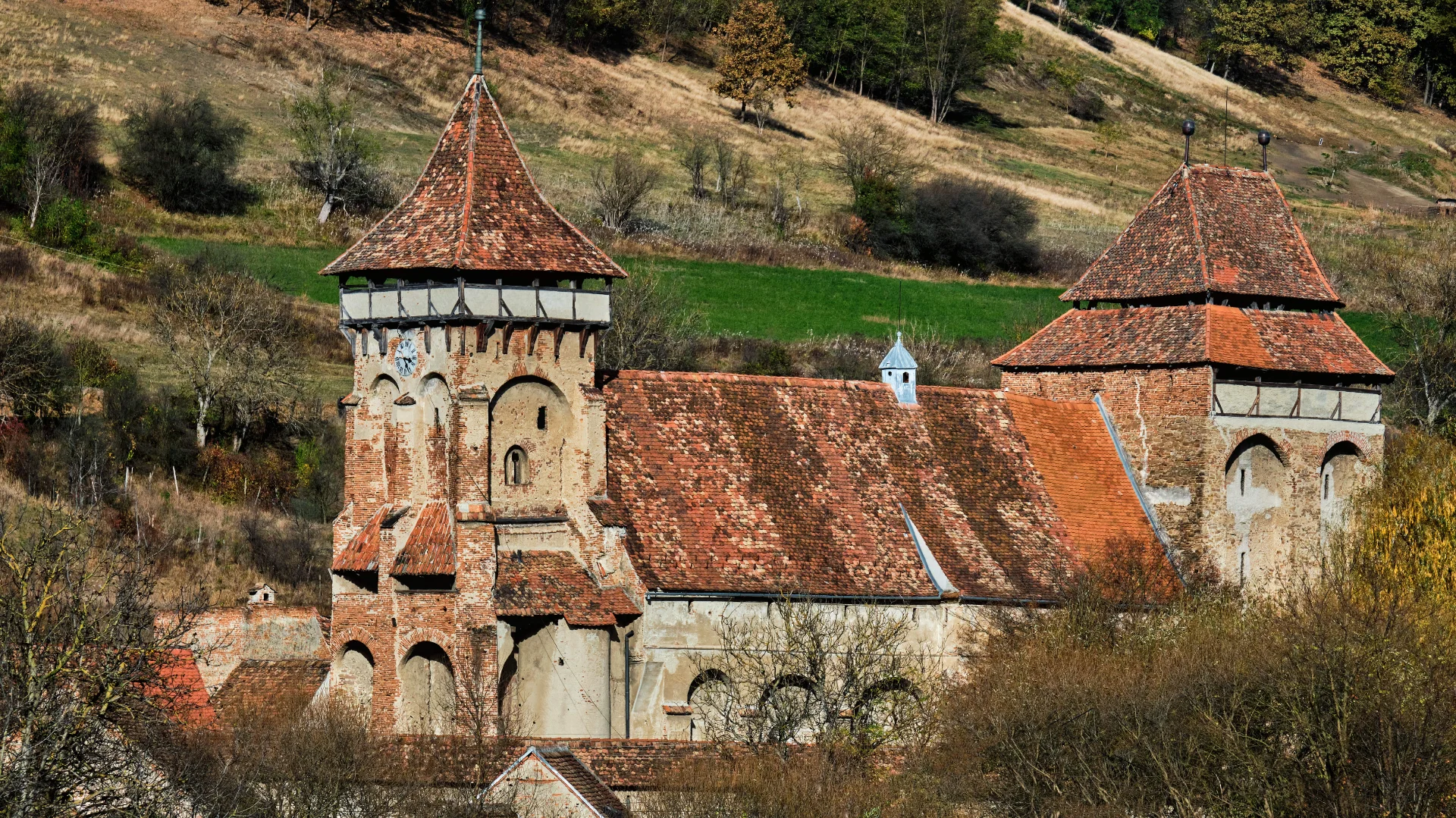
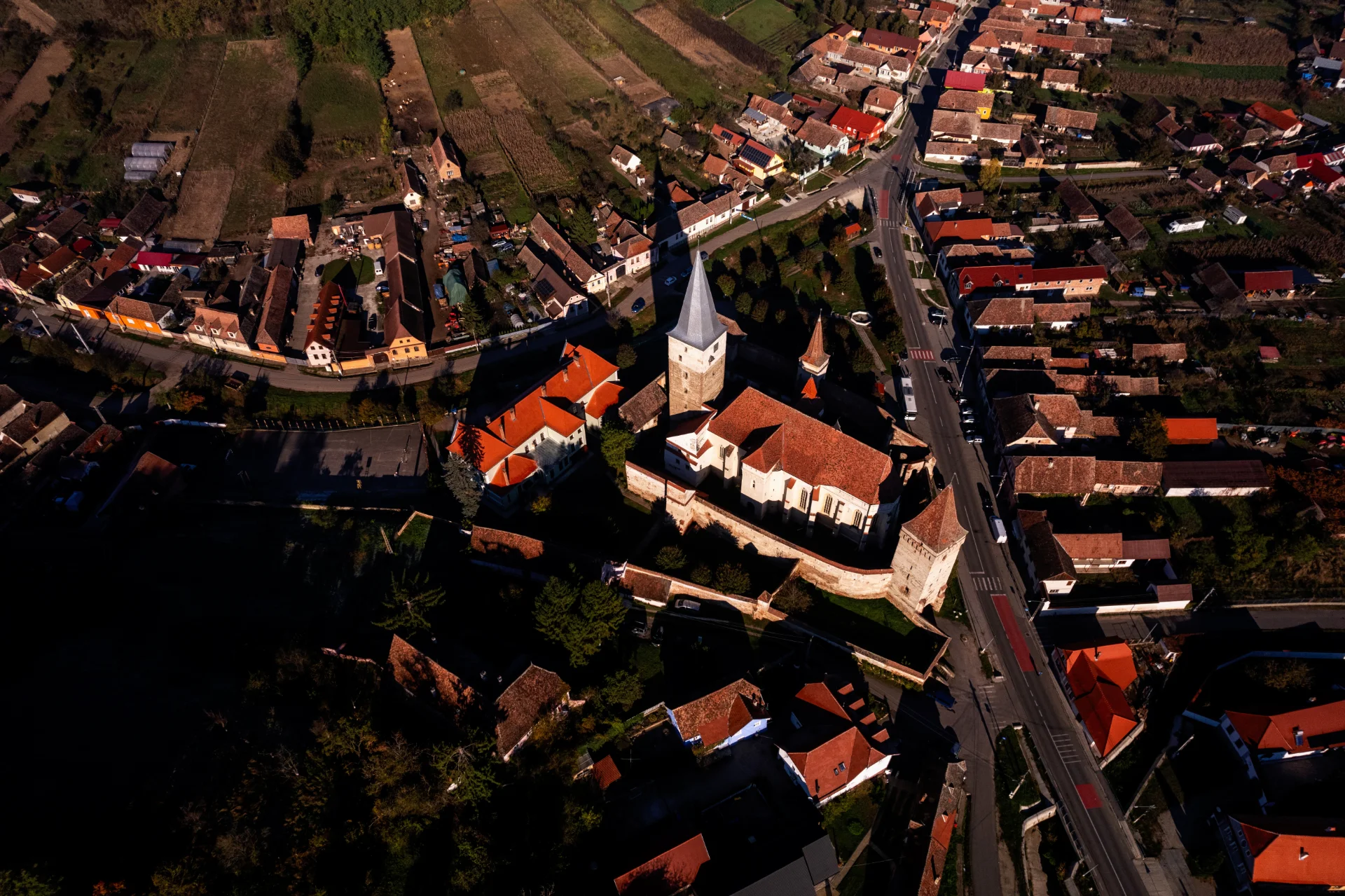
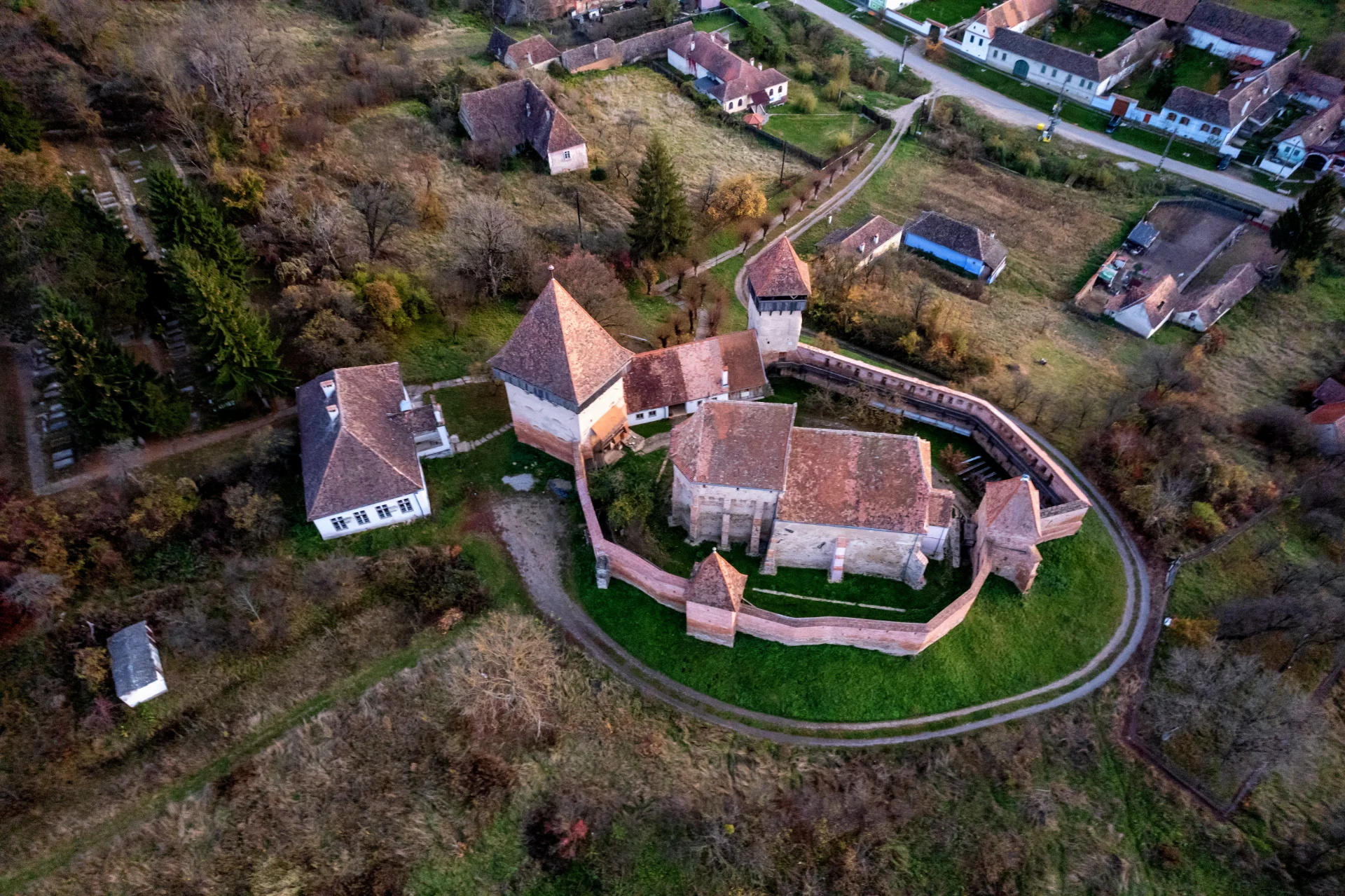
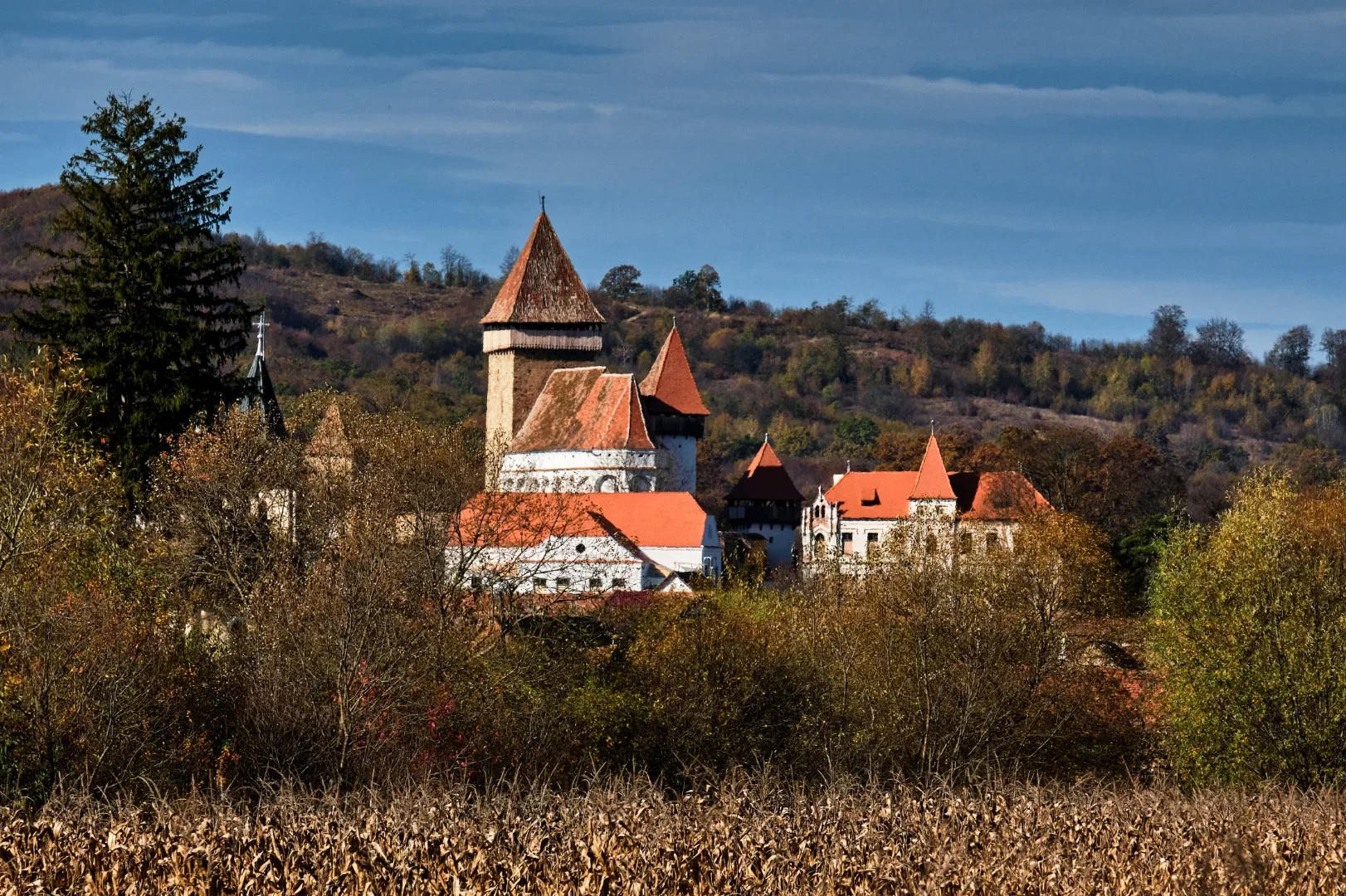
Just a few minutes from Biertan, we discover several other villages that preserve impressive churches, starting with the fortified church of Moșna, considered one of the most beautiful in Transylvania. The current monument was built after the 15th century, together with the fortifications and over two older structures. The sumptuous church holds several treasures inside, being also modified with defensive elements, including a level above the choir. We are particularly impressed by the massive bell tower, the old Gothic chapel, the imposing tabernacle or the organ made by a craftsman from Vienna. The splendid fortified church of Alma Vii is located close to the center of the isolated village, approximately 20 kilometers south of Mediaș. It was built in the 14th century, and the fortifications appeared two centuries later, comprising a defensive wall with loopholes and four towers. The village itself is an idyllic traditional destination, where many houses with authentic architecture have been preserved and is surrounded by hills covered with forests and orchards. Other interesting churches nearby can be found in the villages of Copșa Mare, Richiș, Ațel, Ighișu Nou, Axente Sever or Agârbiciu.

Between the valleys of Olt and Târnava Mare we find over a hundred fortified churches, five of which are listed as UNESCO heritage sites, but also no less than seven Natura 2000 sites, demonstrating the incredible biodiversity of this region, which we can admire along over 500 kilometers of tourist trails!

Just a few kilometers southwest of Mediaș, another UNESCO-listed monument is the fortified church of Valea Viilor. The ensemble includes the massive Gothic church, built in the 15th century on the site of an older one, as well as the surrounding walls and defensive towers, which were erected starting in 1500. The choir of the church was surrounded by a four-story tower, which included a guard road, while the bell tower and all the entrances were equipped with defensive elements. Inside the very large church, we are impressed by the old paintings from 1779 and the pew dating from 1528. The surrounding fortifications include thick walls, three bastions, ramparts and a covered guard road. There is also a beautiful chapel next to the church, as well as a small museum near the entrance, which presents a collection of traditional Saxon objects. Like many of the churches scattered throughout the villages here, this one is only open sometimes, but travelers can look for the people in the village who take care of these monuments and they can open the gates at any time.

Fortified Church of Valea Viilor - Transylvanian Highlands of Romania
Fortified Church of Valea Viilor Ⓒ Silviu-Florin Salomia
Fortified Church of Valea Viilor - Transylvanian Highlands of Romania
Fortified Church of Valea Viilor Ⓒ Silviu-Florin Salomia
Fortified Church of Moșna - Transylvanian Highlands of Romania
Fortified Church of Moșna Ⓒ Silviu-Florin Salomia
Fortified Church of Alma Vii - Transylvanian Highlands of Romania
Fortified Church of Alma Vii Ⓒ Silviu-Florin Salomia

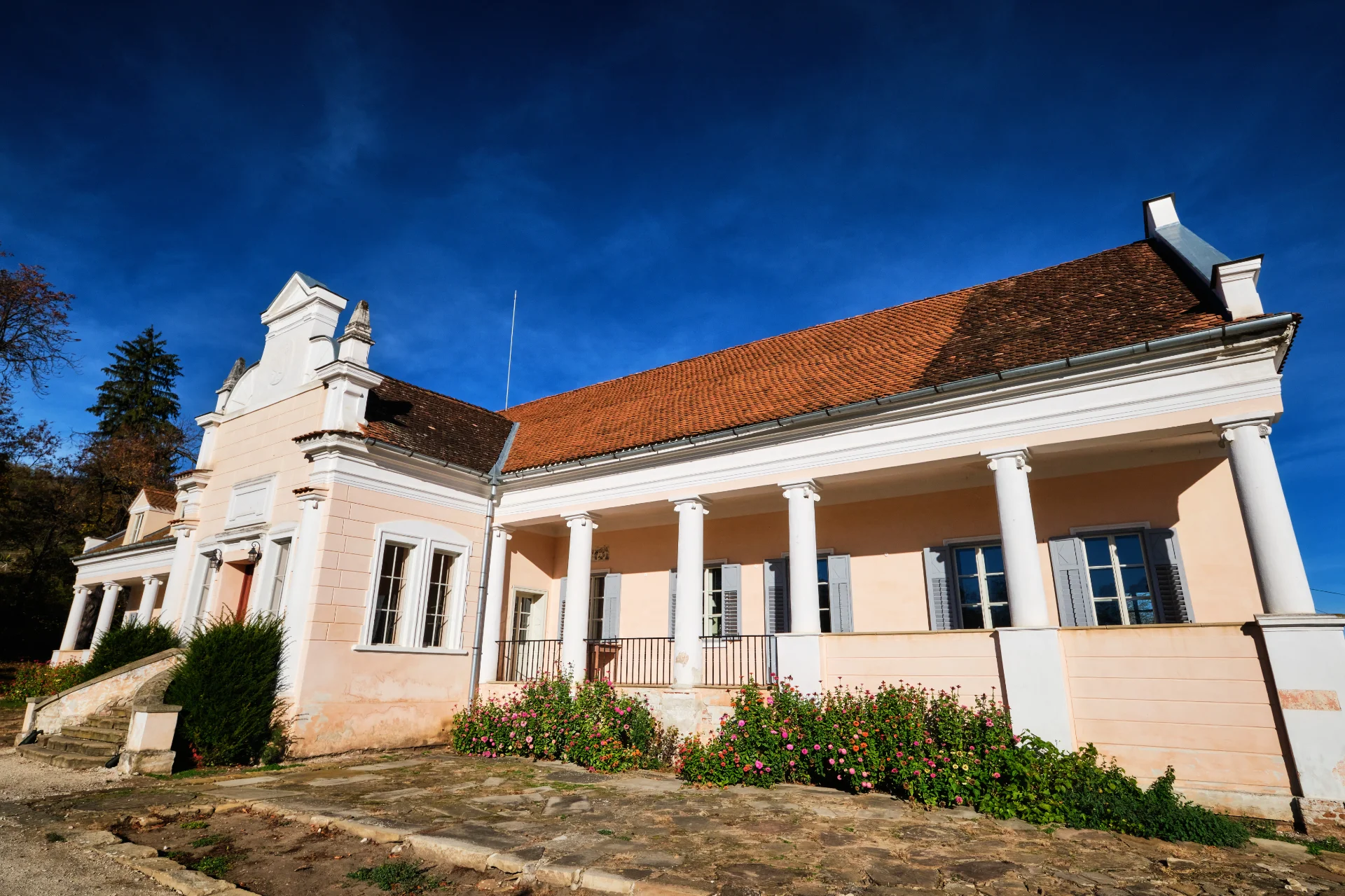
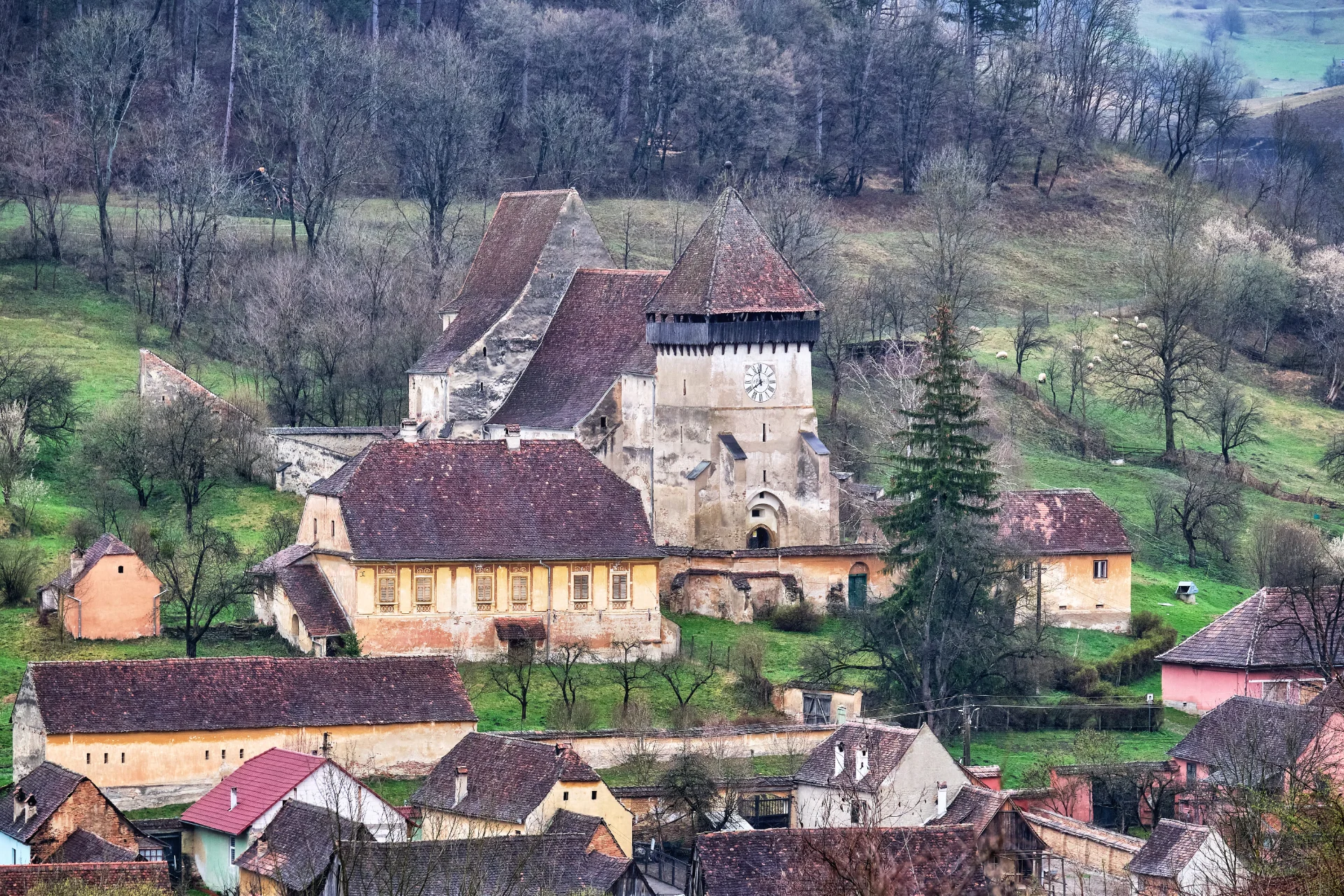
Heading towards Sighișoara through the northern part of the Transylvanian Hills, it is worth stopping in the picturesque village of Mălâncrav, which preserves several impressive monuments and is renowned for its authentic traditions. The fortified church of Mălâncrav is renowned for the most extensive interior frescoes in Transylvania, with 53 fascinating paintings known as the “Bible of the Poor”. Other special elements include the impressive sculptures and the old Gothic altar with the image of the Virgin Mary. In the past, this was the court church of the noble Apafi family, whose splendid old mansion can be found nearby. The Apafi Mansion has been restored in recent years and transformed into one of the most unique guesthouses in the area, while a walk through the surrounding orchards offers us a memorable experience.

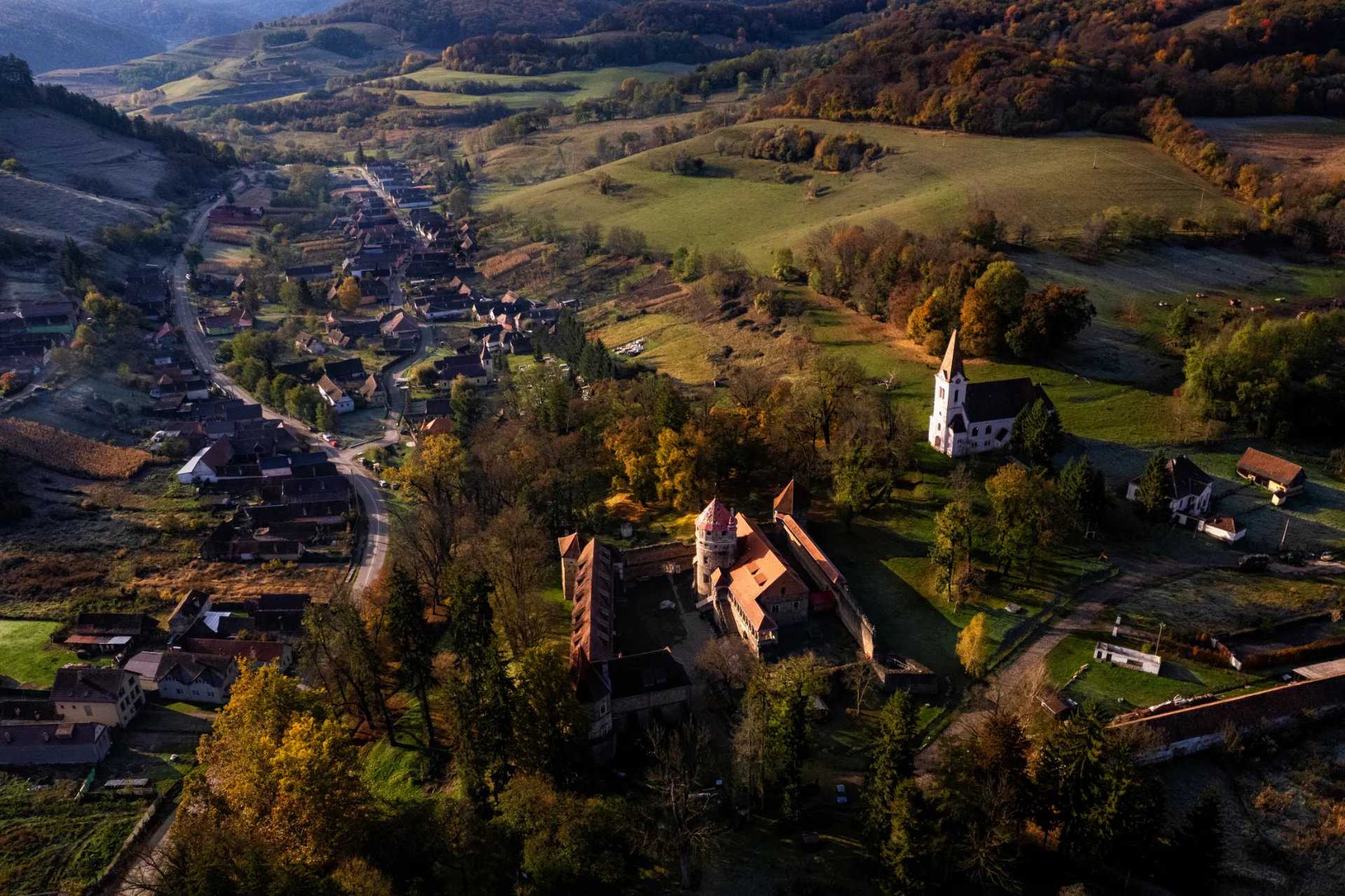
A short distance over the hills to the east we discover the village of Criș, where we are greeted by Bethlen Castle, considered among the most interesting Renaissance monuments in Transylvania. The setting for many cinematic creations, the old, elegant castle dates back to around 1400 and is currently undergoing restoration works to bring back its former charm. The fortifications surround an inner courtyard and include the keep with small circular bastions, the Archers’ Tower, a loggia with arcades, the chapel and numerous other rooms and spaces, some still retaining original architectural elements. Continuing east over the hills and just 15 kilometers south of Sighișoara, we reach the village of Apold, an old settlement in the Transylvanian Hills, attested since before the arrival of the Saxons in the region.

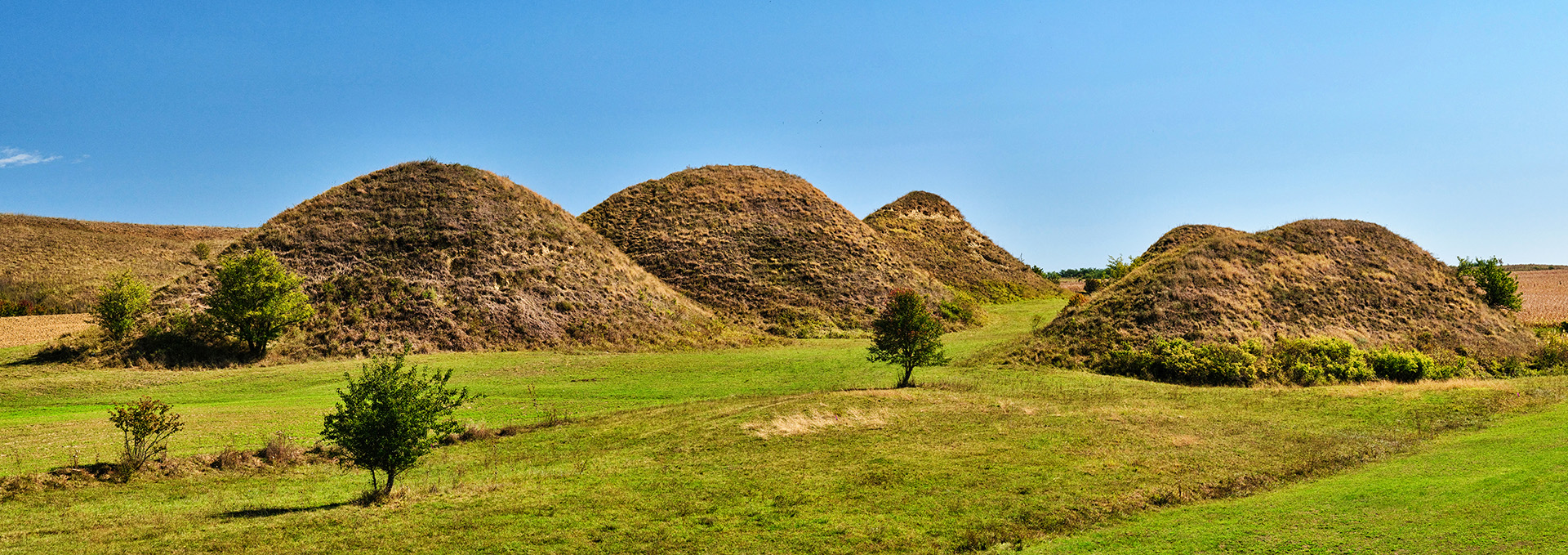
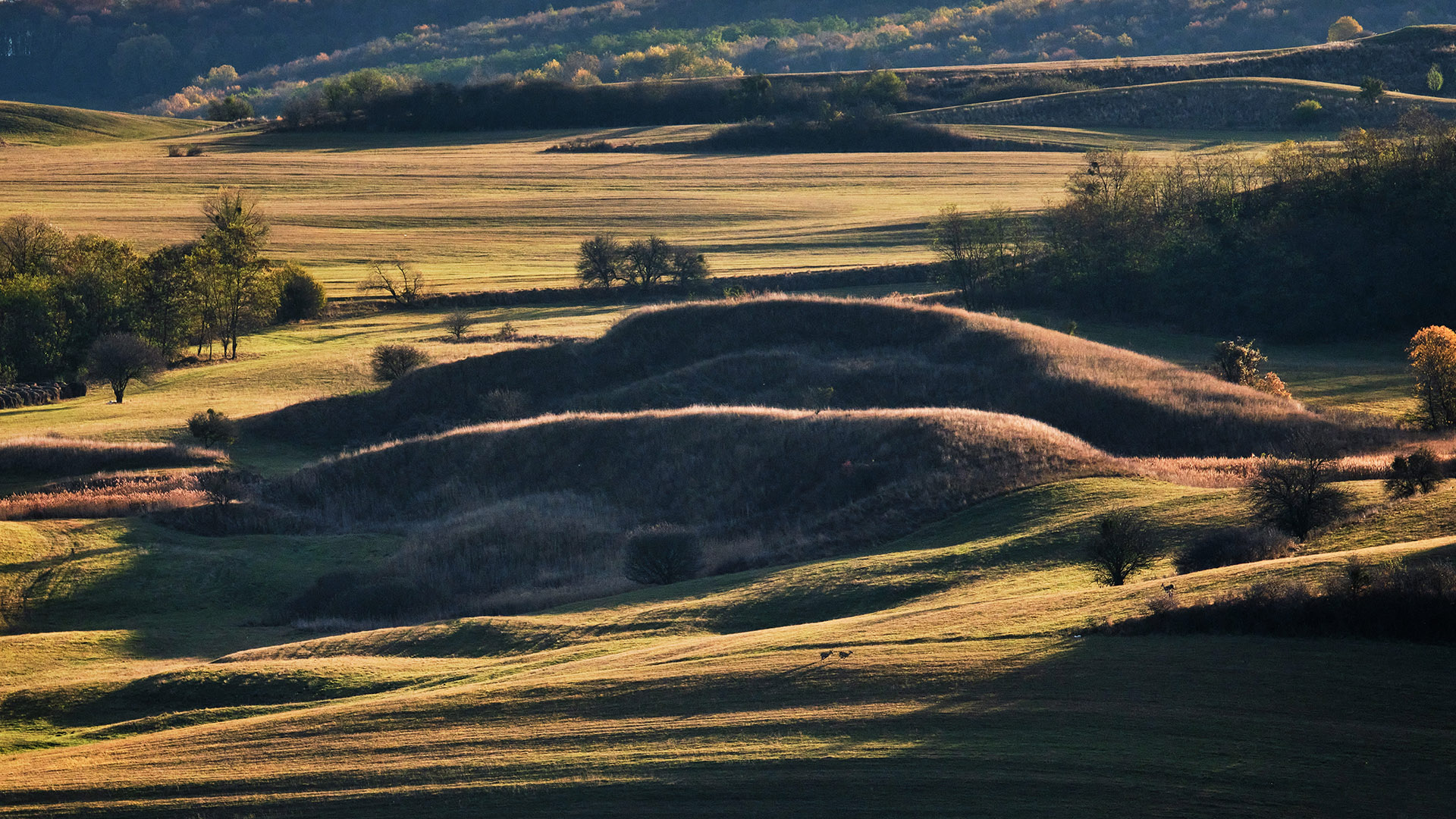
The fortified church of Apold dates back to the 14th century, having been originally built as a Romanesque basilica and rebuilt in the late Gothic style during the 16th century. The defensive wall with the three towers, as well as the defensive structures of the church, all well preserved, also date from the same period. Inside, we can admire the altar and organ in neoclassical style, the pulpit and the galleries dating back to 1760. A little further south, we pass by some strange and spectacular earth mounds, known scientifically as glimee. We can also find such miniature hills near the village of Movile and in other places, but the most remarkable ones await us in the southern part of the hills, not far from the Olt river bank. Just a few kilometers north of the city of Făgăraș, the mounds of Șona are called guruieți by the locals and lie on the border between the scientific explanations of geologists and subjective local legends, but whatever their origin, they create a unique landscape. Near Apold we pass through several splendid villages that preserve interesting fortified churches, such as Brădeni, Noiștat, Iacobeni or Stejărișu.

Fortified Church of Mălâncrav - Transylvanian Highlands of Romania
Fortified Church of Mălâncrav Ⓒ Silviu-Florin Salomia
Fortified Church of Apold - Transylvanian Highlands of Romania
Fortified Church and Village of Apold Ⓒ Silviu-Florin Salomia
Apafi Mansion in Mălâncrav - Transylvanian Highlands of Romania
Apafi Mansion in Mălâncrav Ⓒ Silviu-Florin Salomia
Bethlen Castle and Village of Criș - Transylvanian Highlands of Romania
Bethlen Castle and Village of Criș Ⓒ Silviu-Florin Salomia
Mounds of Cornățel - Transylvanian Highlands of Romania
Mounds of Cornățel Ⓒ Silviu-Florin Salomia

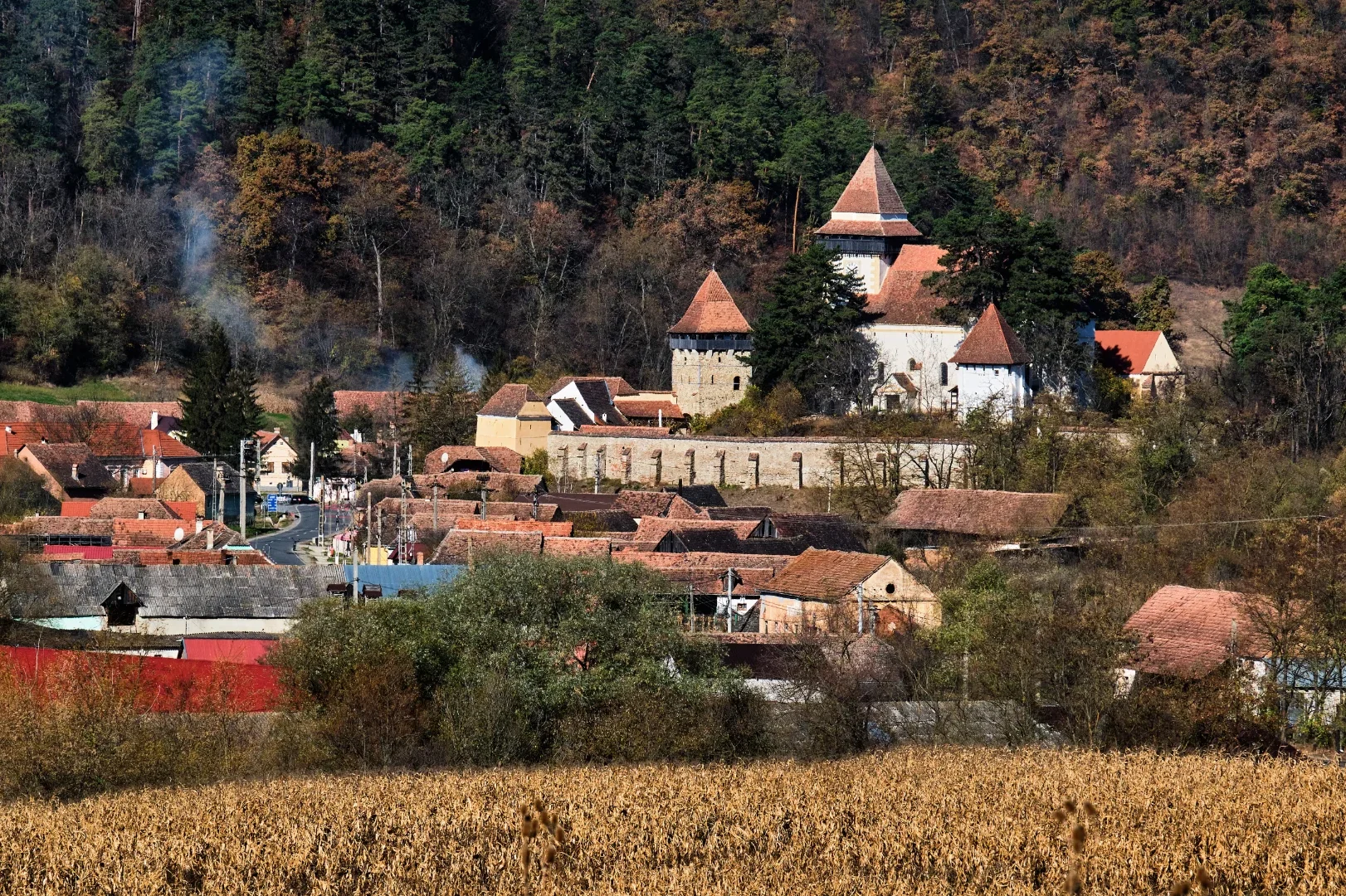
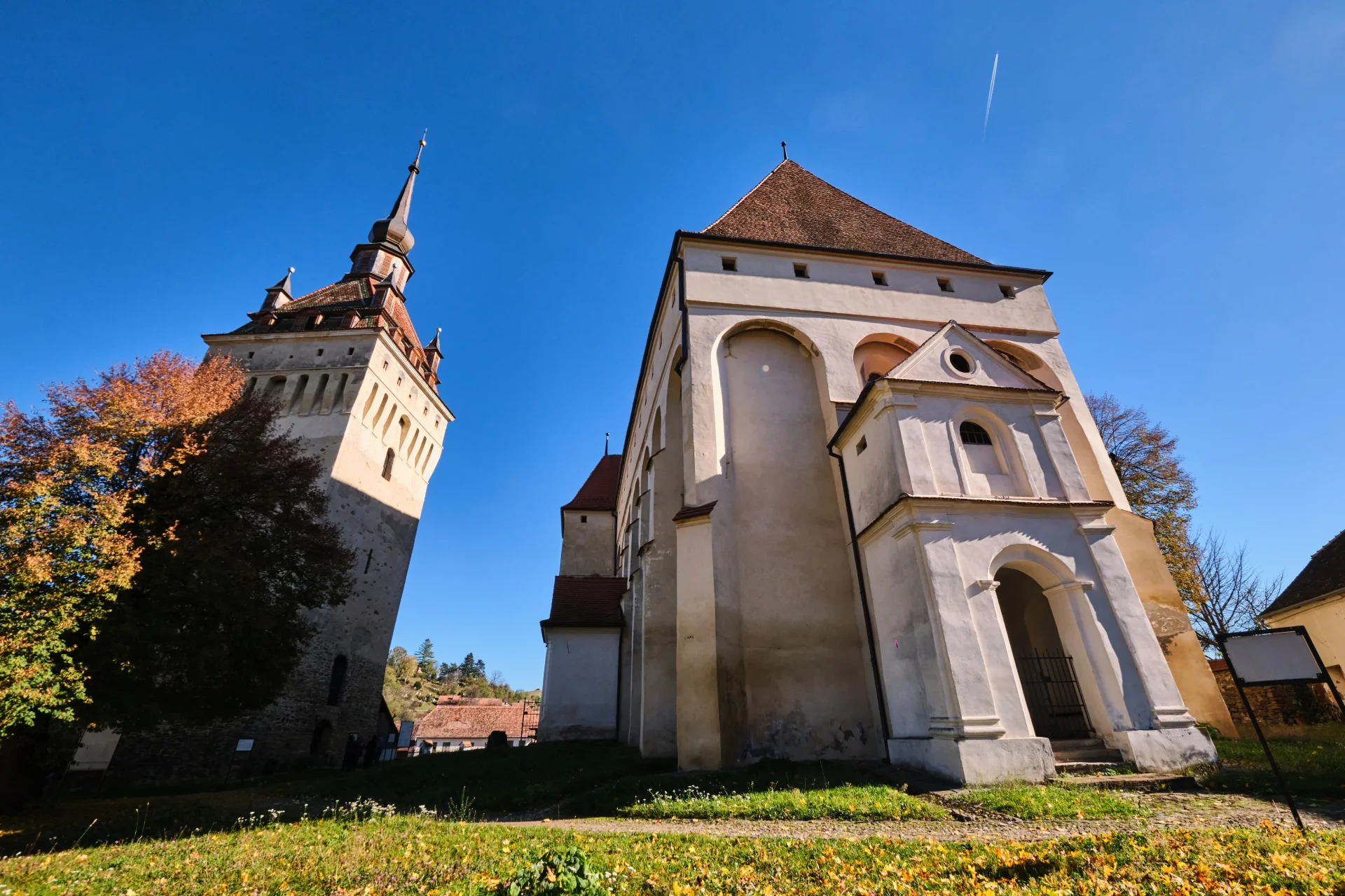
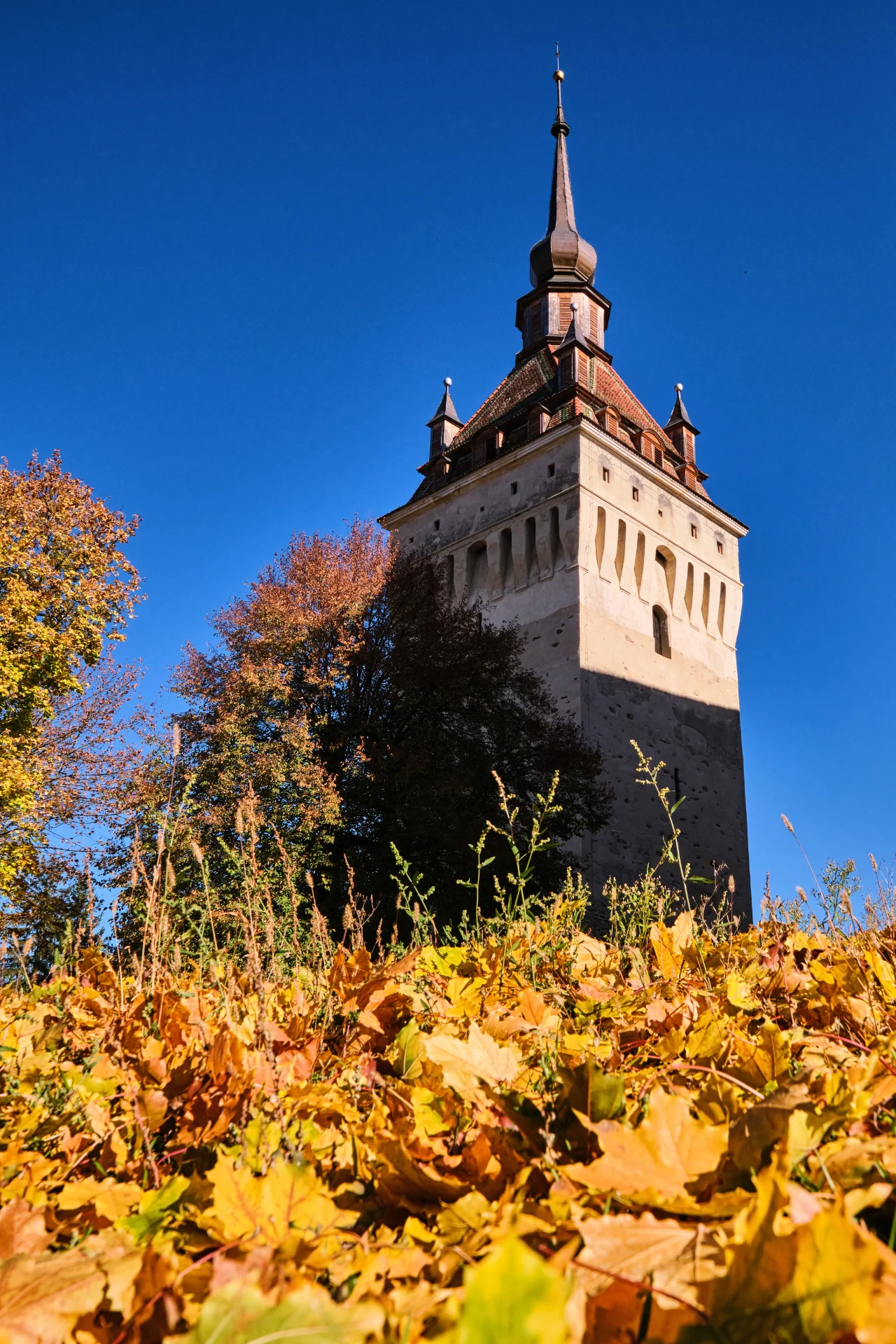
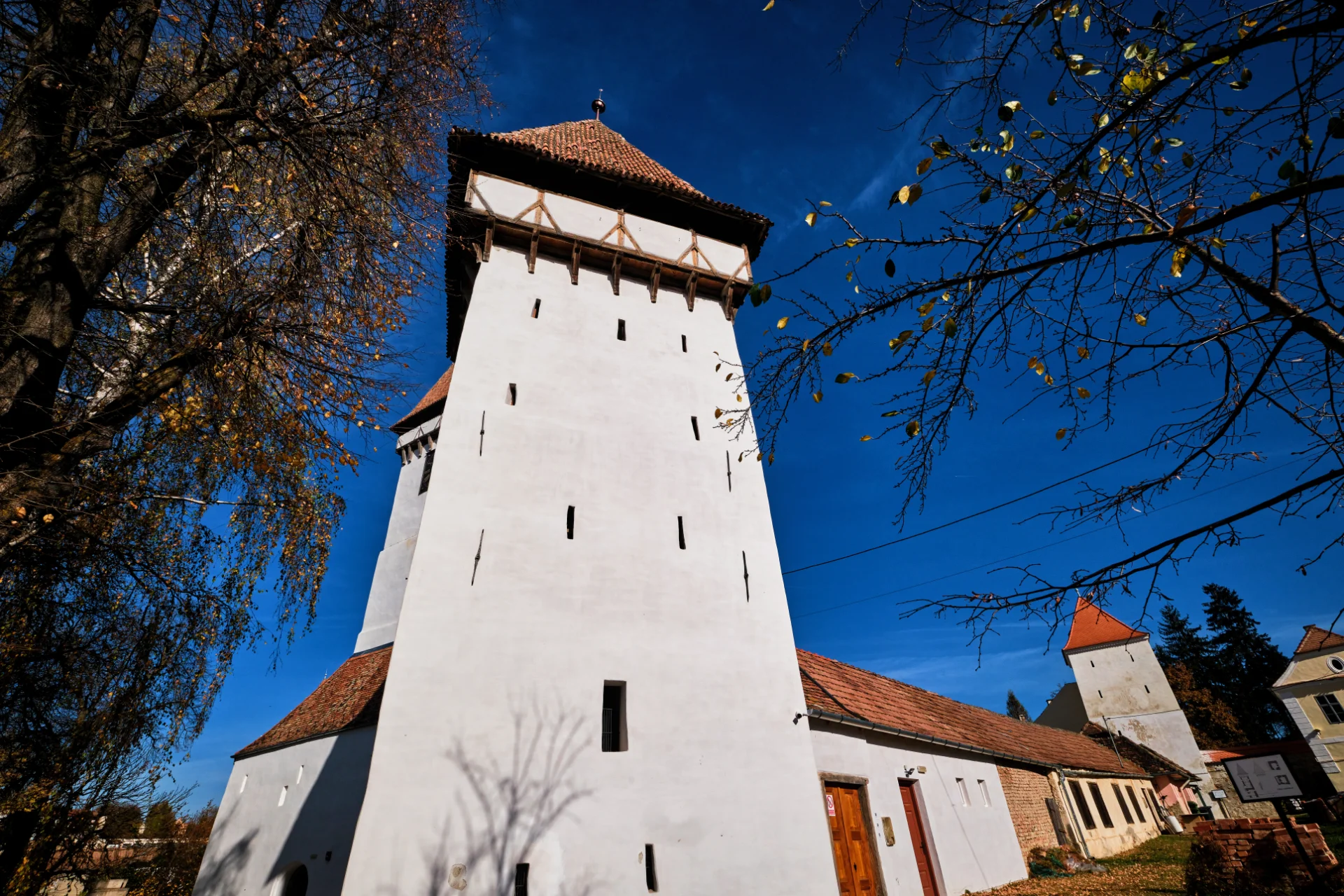
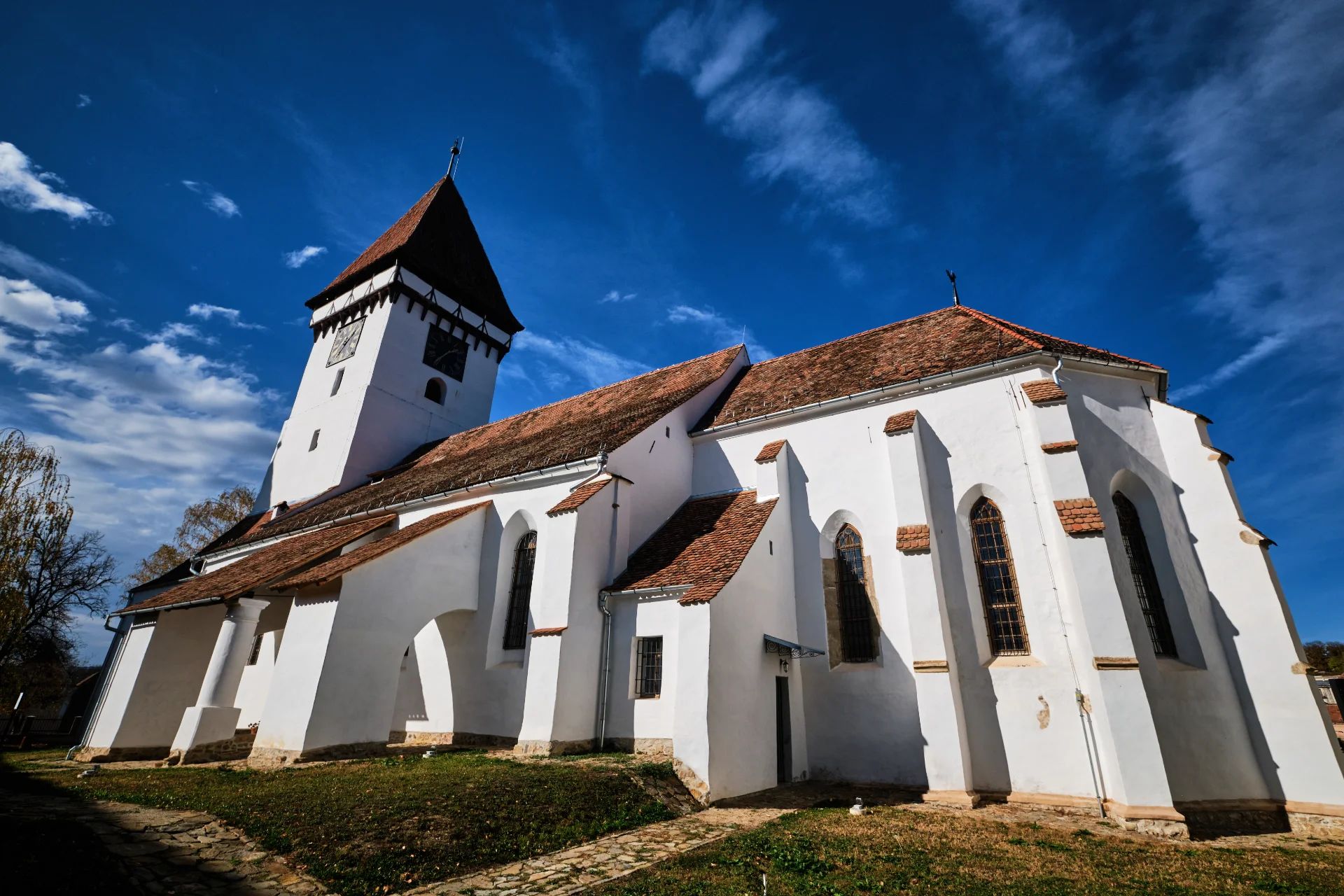
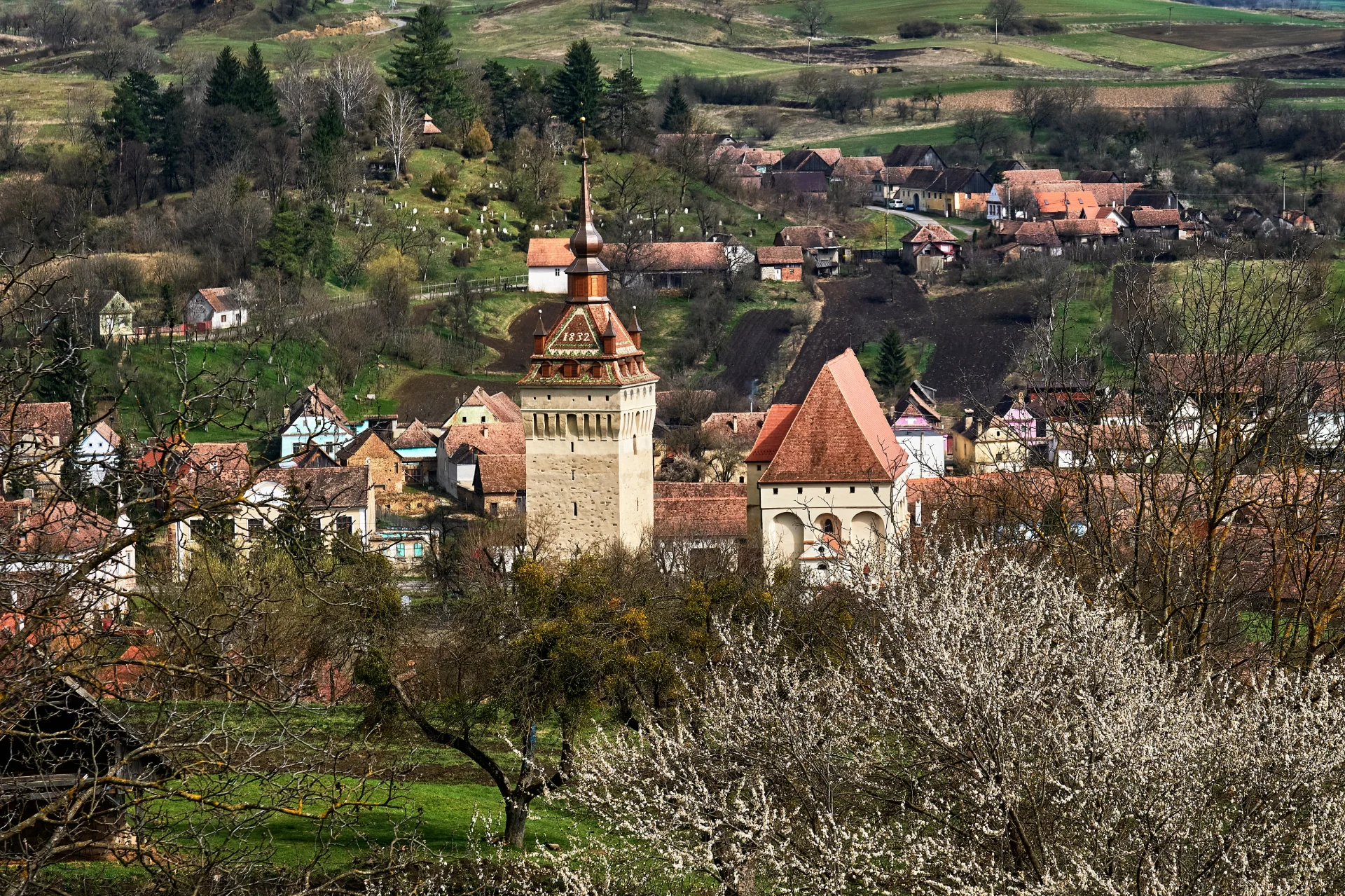
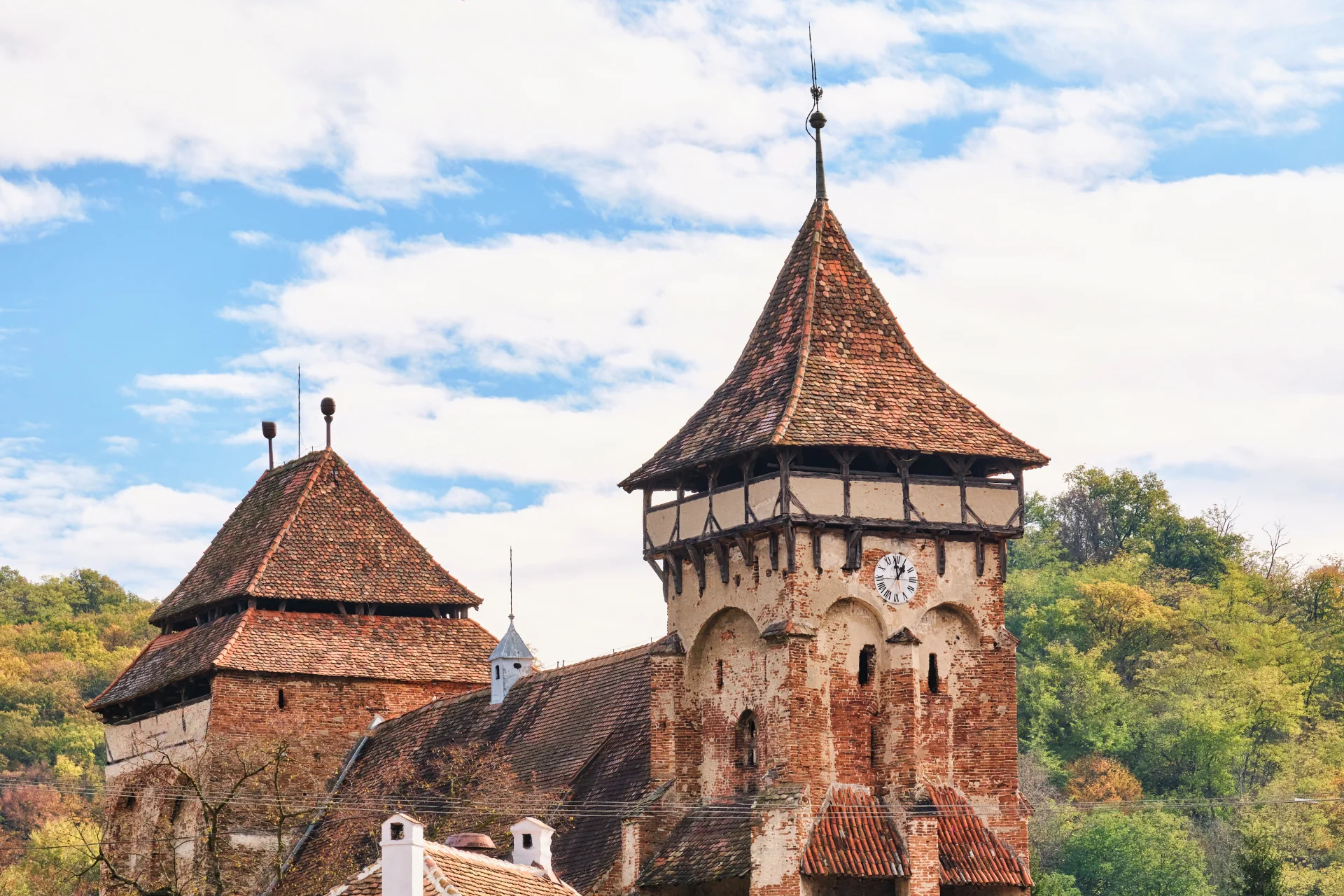
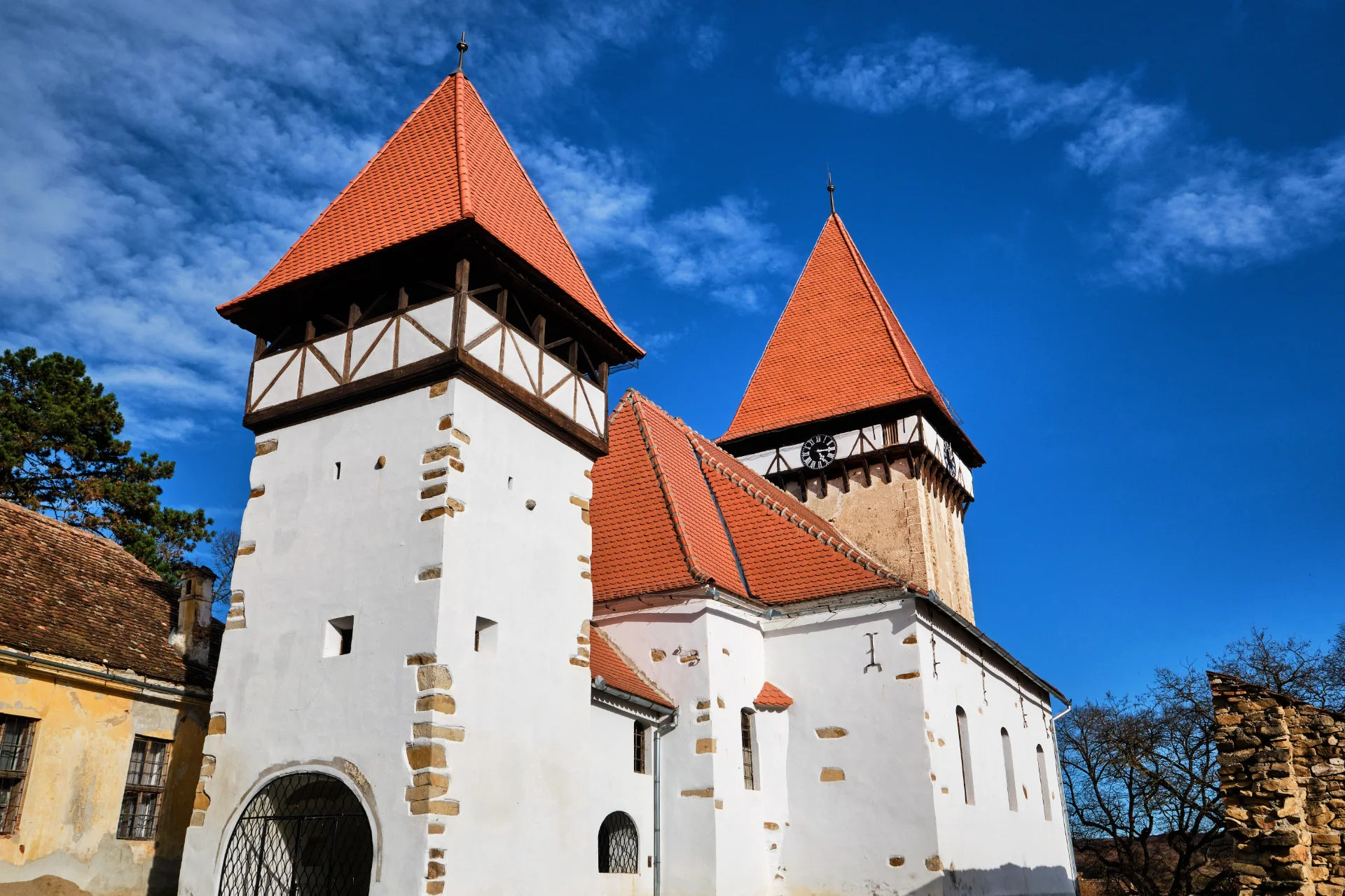
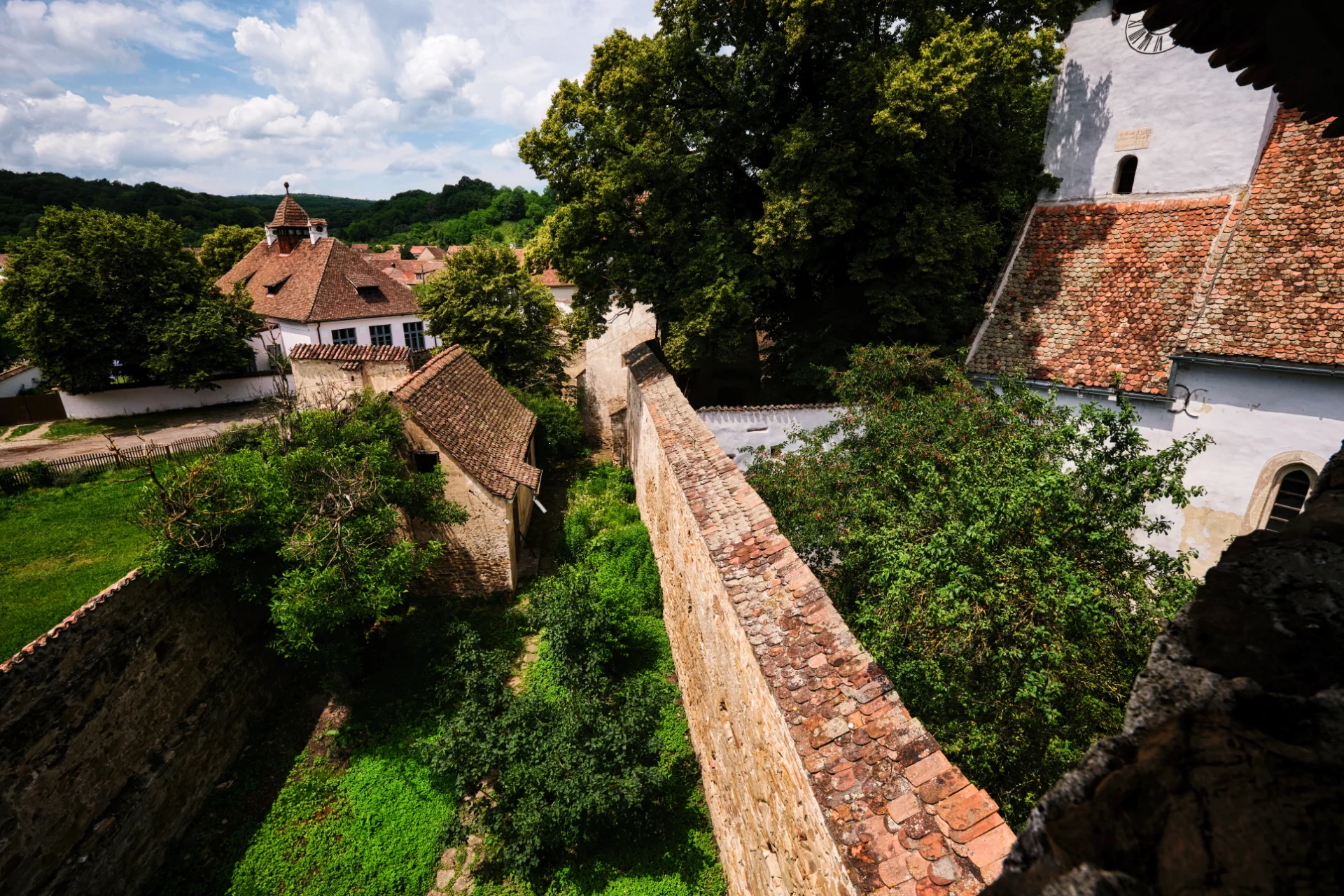
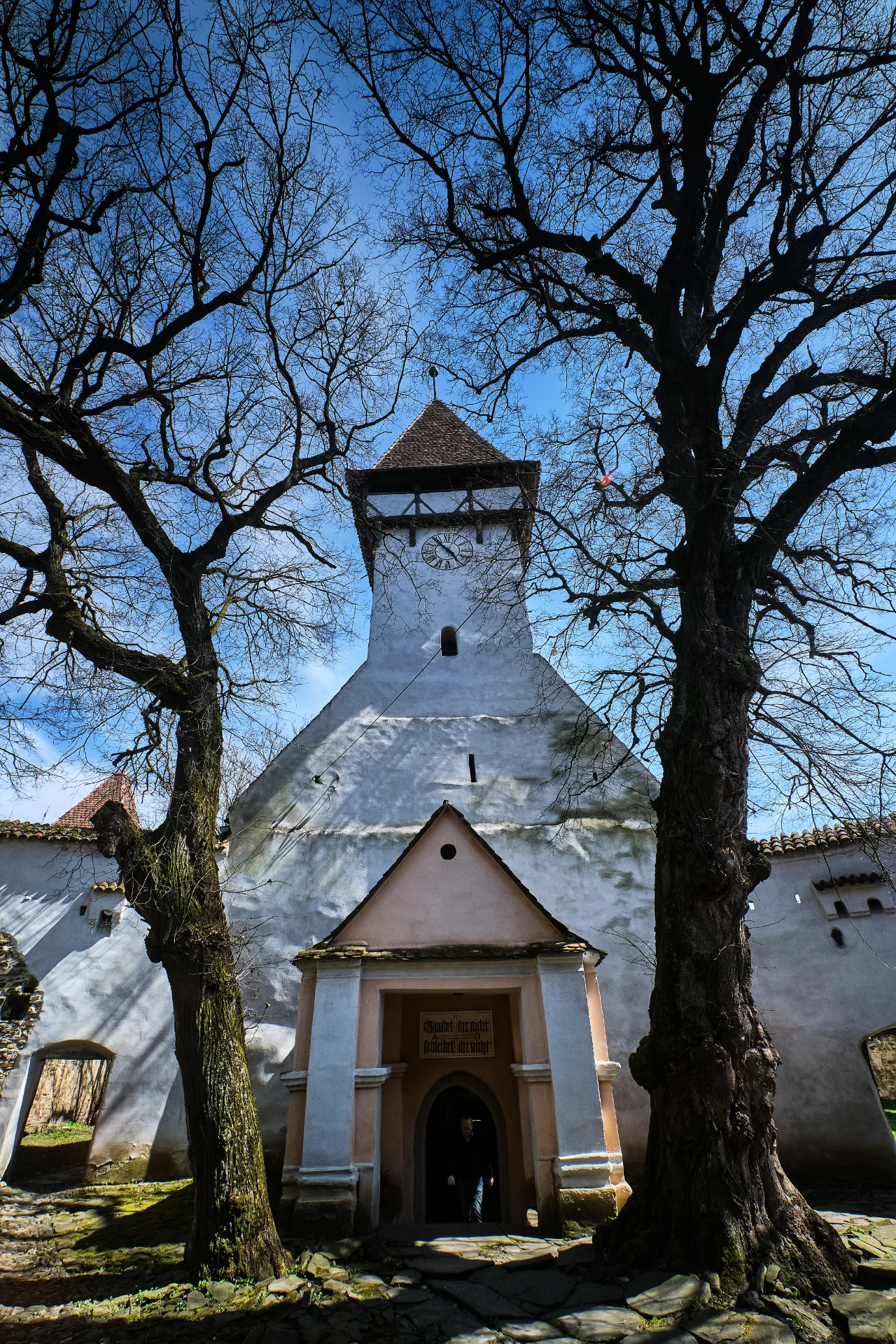
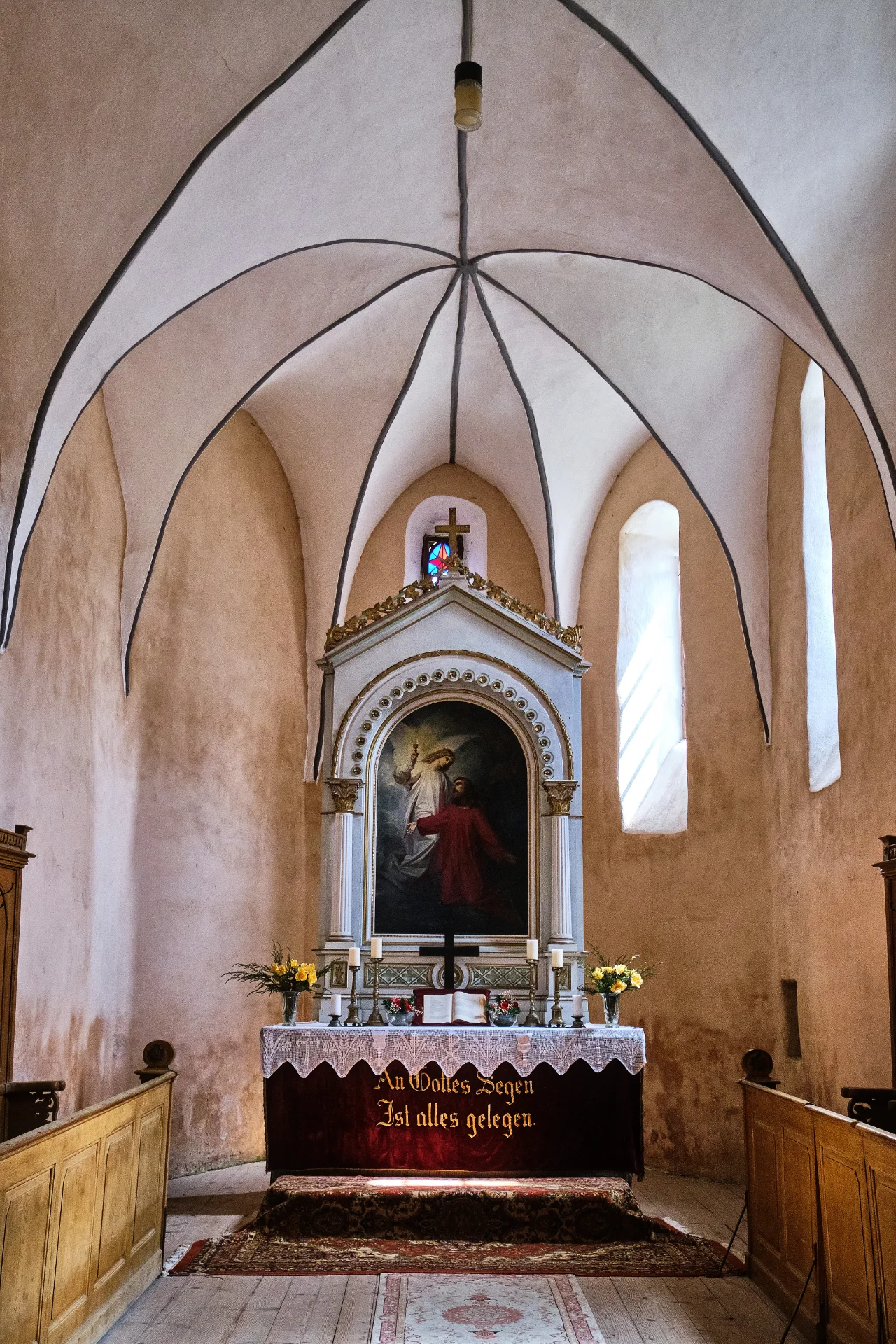
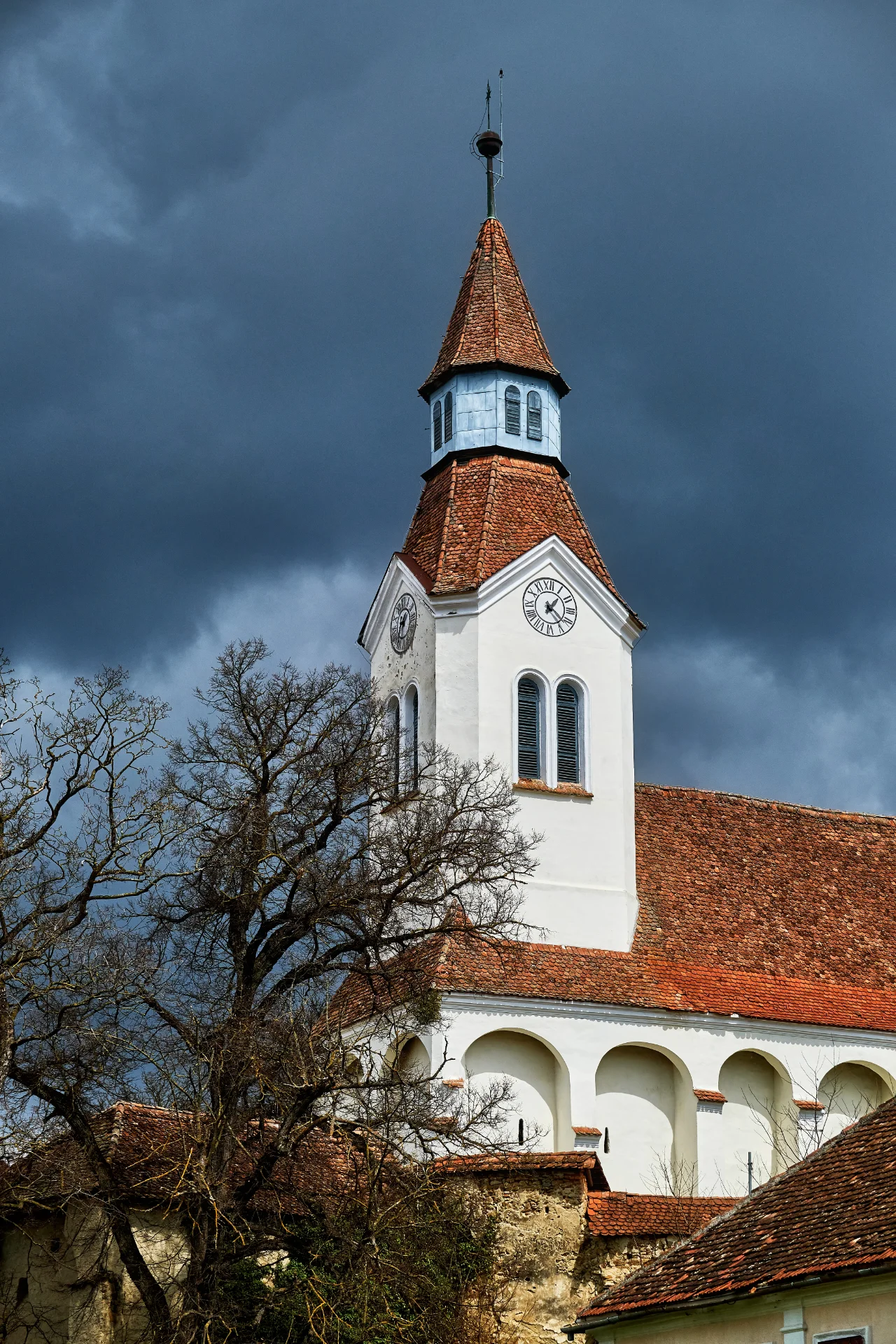
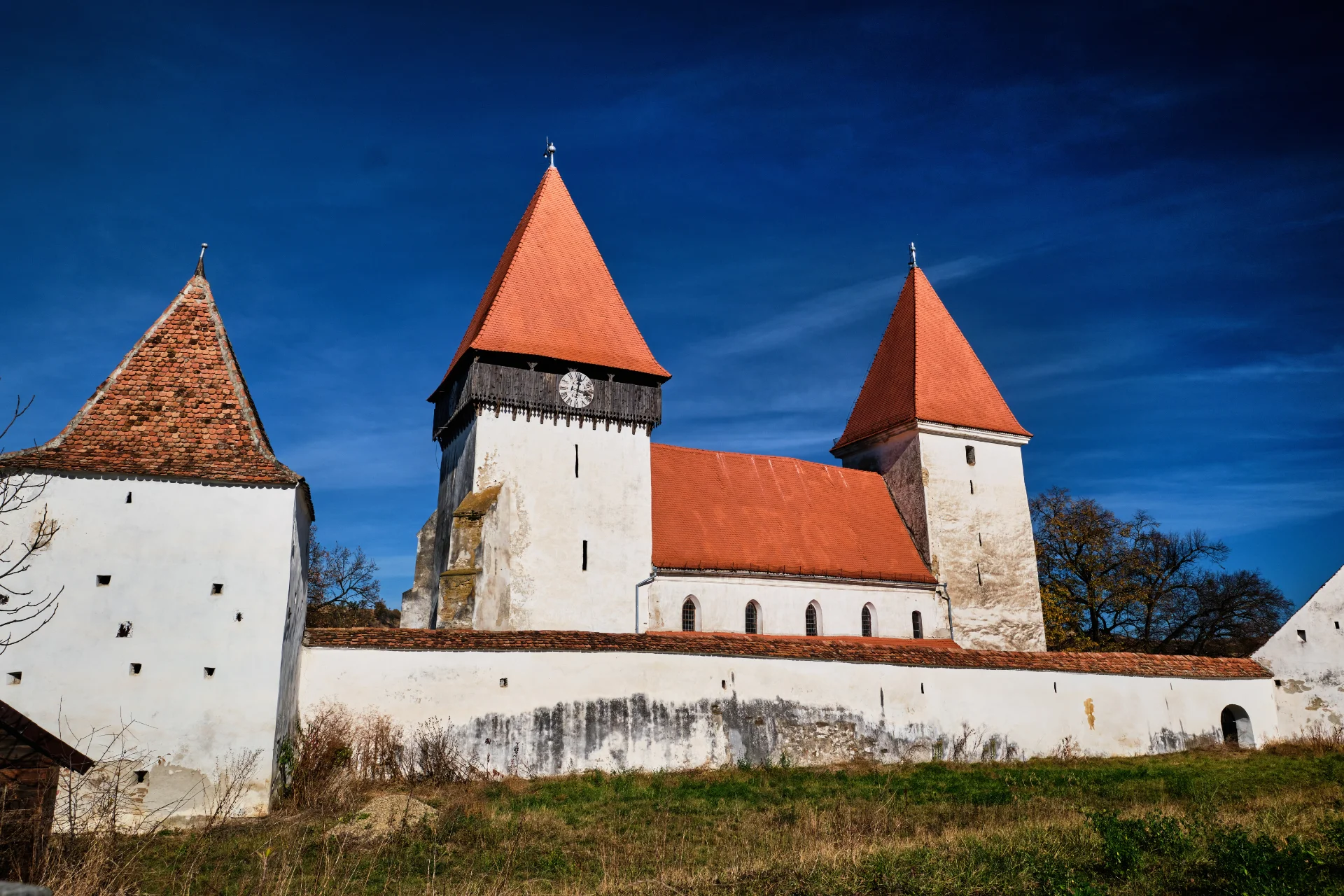
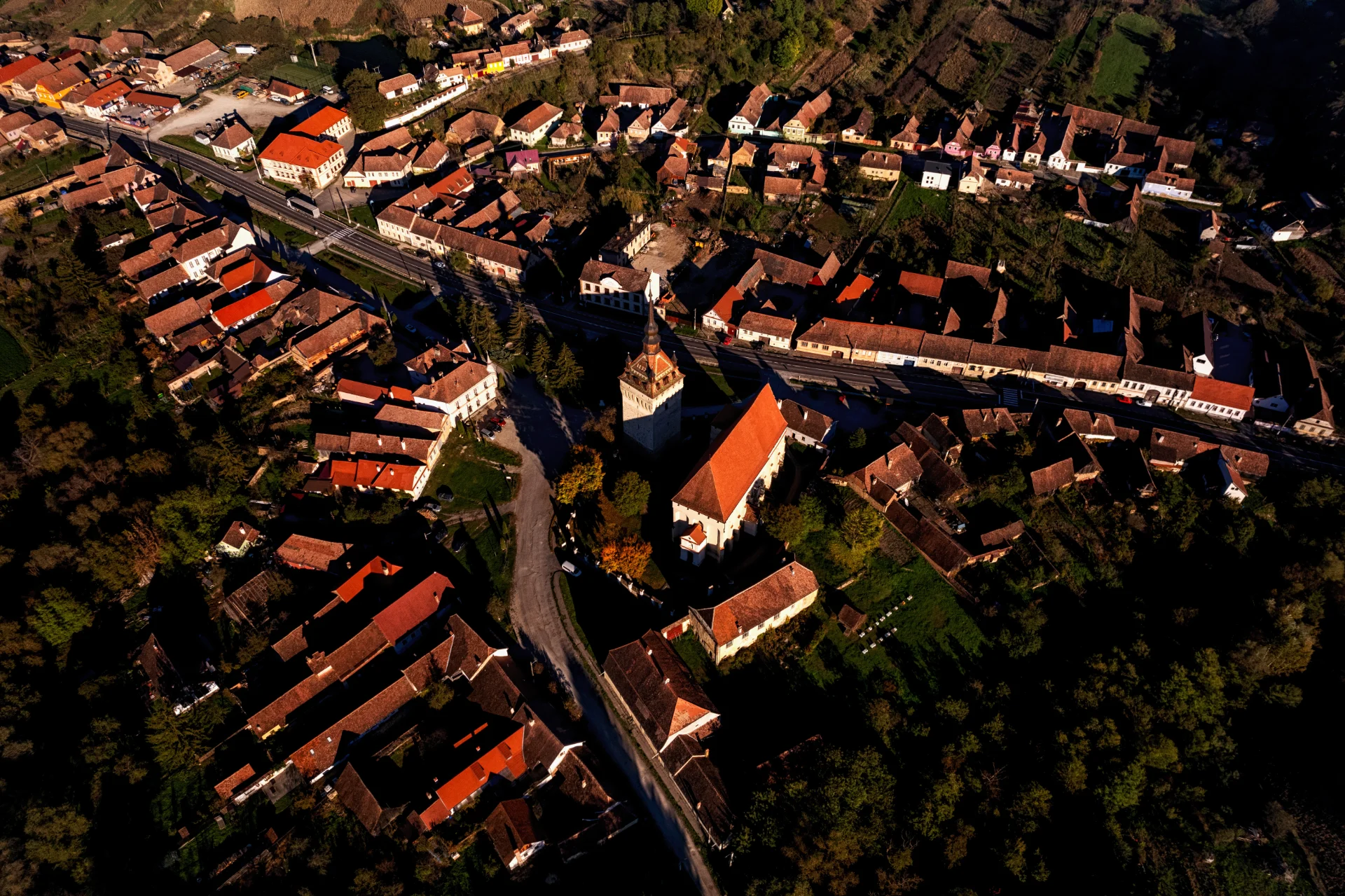
About 20 kilometers east of Sighișoara, right on the national road, we come across the village of Saschiz, which preserves two extraordinary medieval monuments, surrounded by a delightful landscape. We visit the fortified church of Saschiz right in the center of the village, first admiring its massive and solitary tower, as if detached from the body of the church. Today, completely renovated and open to visitors, it was once surrounded by defensive walls, having been built at the end of the 15th century, on the site of an older Romanesque basilica. The Gothic structure is majestic, being built with river stone and surrounded by 22 buttresses. Although the interior is quite austere and without ornaments, we can admire the altar and the organ dating from the 18th century. The upper level was arranged for defensive purposes with ramparts and shooting windows. The massive tower nearby was built in the same time and style as the one in Sighișoara, dating from 1617, but its current appearance is more recent, having been damaged by two fires. Inside, we can climb the narrow stairs to observe the clock mechanism on the upper level, with a figurine that the locals call Bogdan.

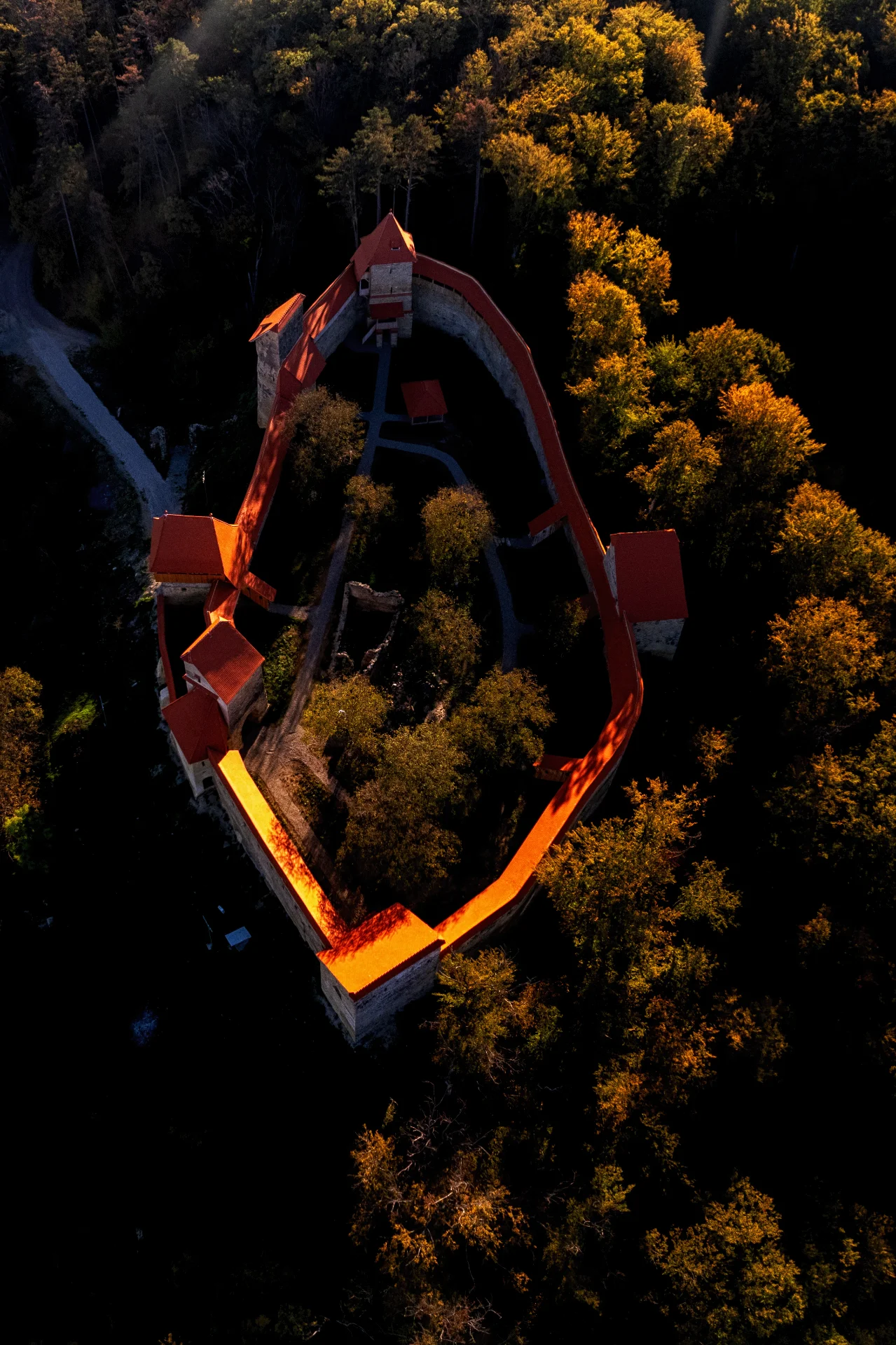
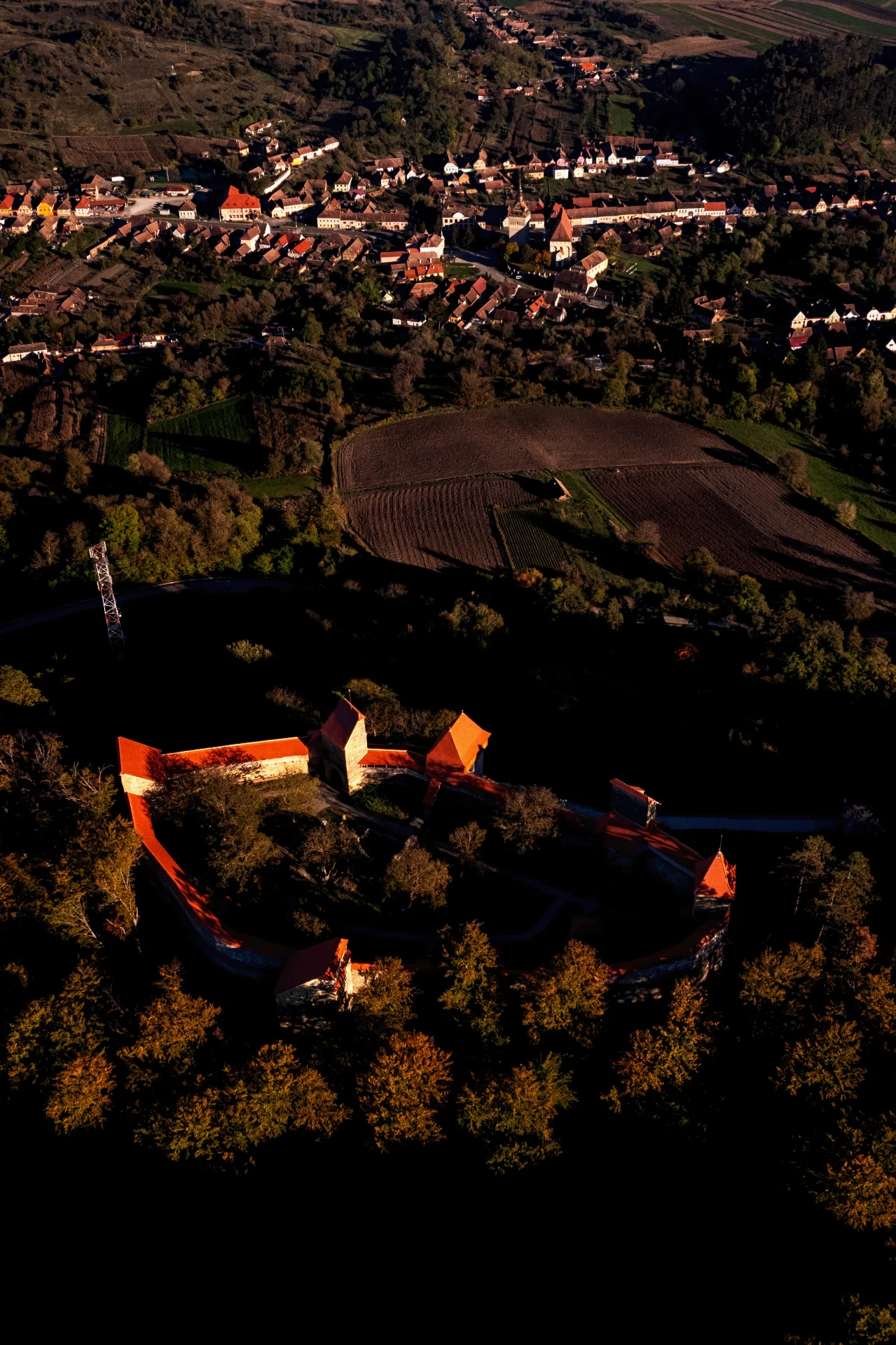
On the hill above the village we can see from a distance the massive walls of the rural fortress of Saschiz, which dates back to the 14th century and served as a refuge for the locals. Over time, it was fortified with six strong towers, and inside it was equipped with a well over 50 meters deep, which according to legends was connected to the center of the village by a tunnel. The fortress has been completely renovated in recent years and can be easily visited, as there is a road that climbs the steep hill. Even though it is not geographically or culturally included in the Transylvanian Hills destination, it is worth taking the approximately 25 kilometers eastward road to the village of Dârjiu, where there is another impressive monument included on the UNESCO heritage list. The fortified church of Dârjiu is the most important and interesting of those built by the Szekler community in Transylvania. Famous especially for its extraordinary ancient murals, strong fortifications, and unique traditions, it is a truly remarkable place.

We visit this superb monument right in the centre of the village surrounded by gentle hills that seem to go on forever. The church was built between the 14th and 15th centuries over a Romanesque basilica dating from the 13th century. The frescoes and wall paintings are of inestimable value, having been covered up in the past, then partially brought back to light starting in the 19th century. Many interesting scenes have been discovered both inside and outside the church, the most impressive being the story of Saint Ladislau, which dates back to 1419. The defensive walls were built in the 16th century, with towers and bastions, as well as interior rooms. The fortified church is also known as the Bacon Fortress, because the villagers still use these storage spaces, and according to old customs, the villagers can only visit their bacon warehouses on Wednesdays. On the way to Dârjiu, we can also stop at the old fortified church of Archita, which still preserves 7 of the 9 original towers.

Fortified Church of Saschiz - Transylvanian Highlands of Romania
Fortified Church of Saschiz Ⓒ Silviu-Florin Salomia
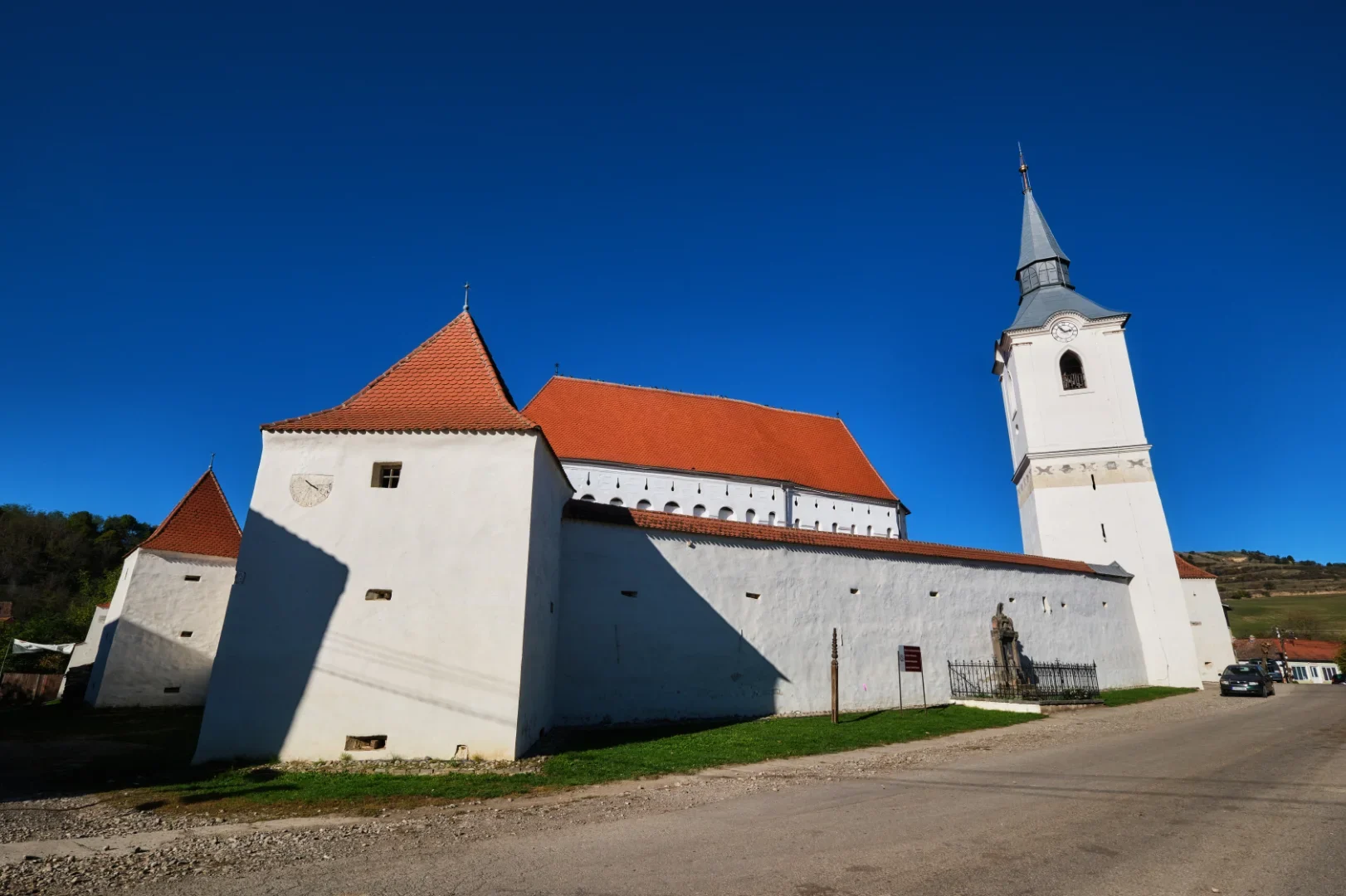
Fortified Church of Dârjiu - Transylvanian Highlands of Romania
Fortified Church of Dârjiu Ⓒ Silviu-Florin Salomia
Saschiz Rural Fortress - Transylvanian Highlands of Romania
Saschiz Rural Fortress Ⓒ Silviu-Florin Salomia
Fortified Church of Saschiz - Transylvanian Highlands of Romania
Fortified Church of Saschiz Ⓒ Silviu-Florin Salomia
Fortified Church of Saschiz - Transylvanian Highlands of Romania
Fortified Church of Saschiz Ⓒ Silviu-Florin Salomia

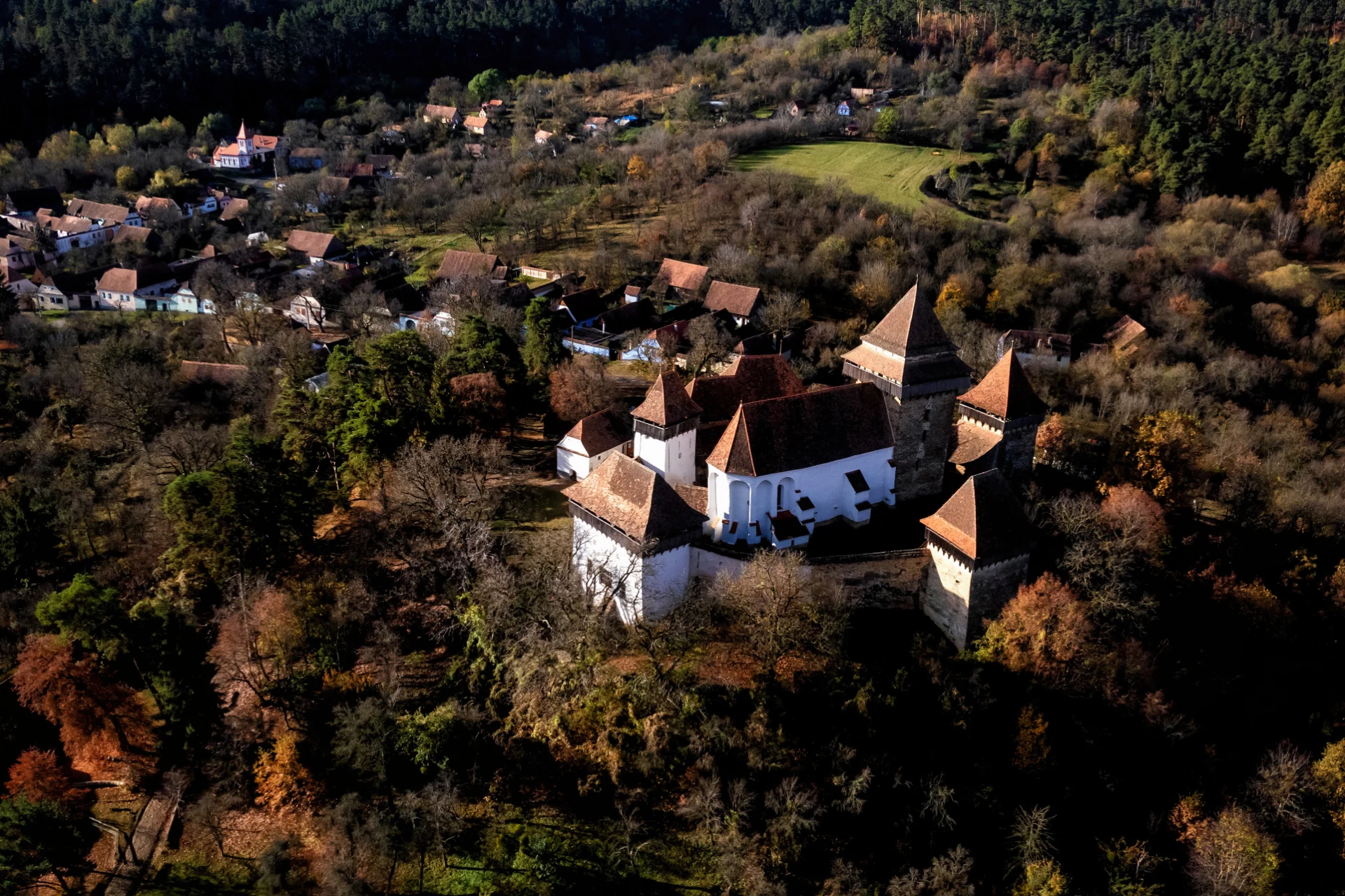
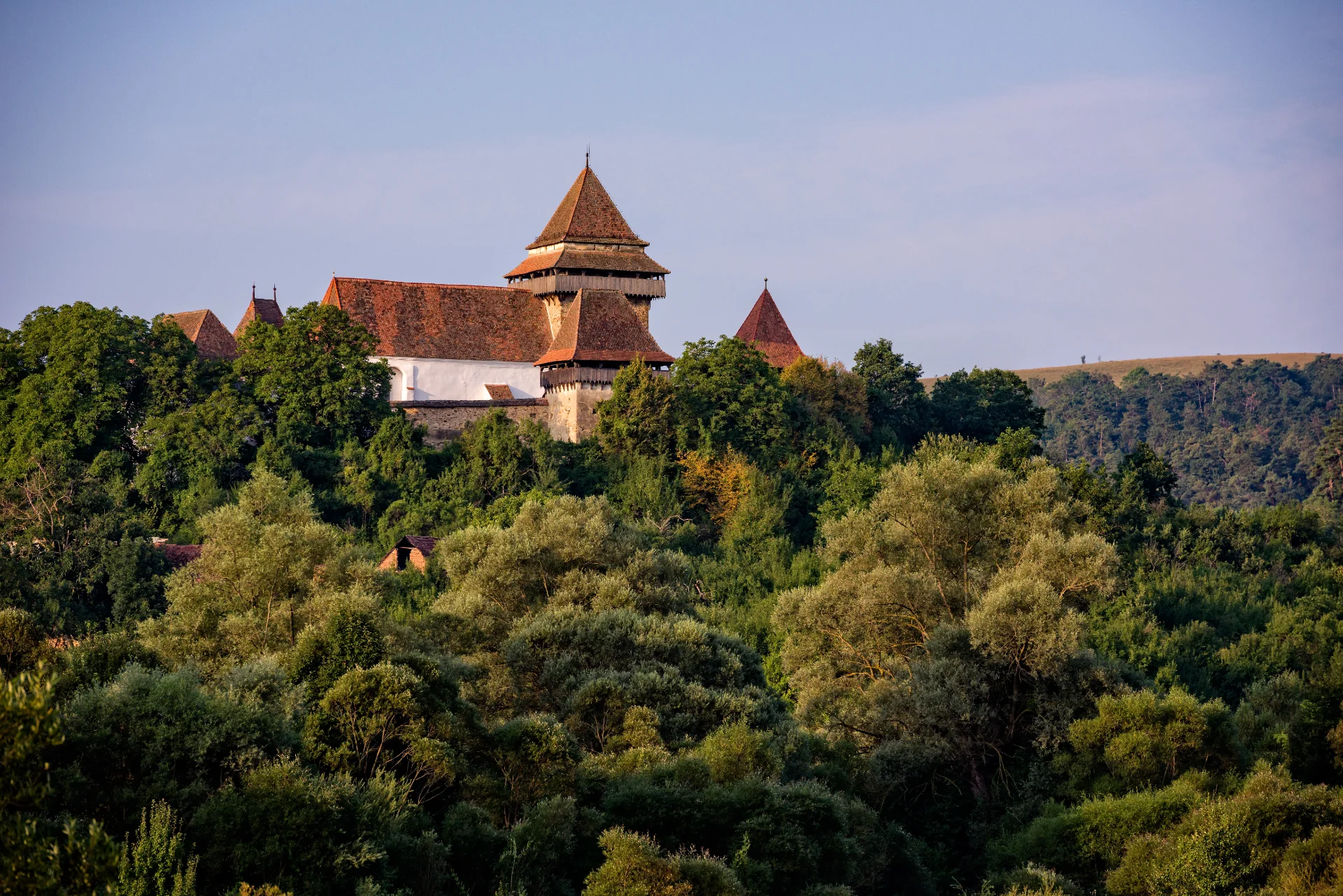
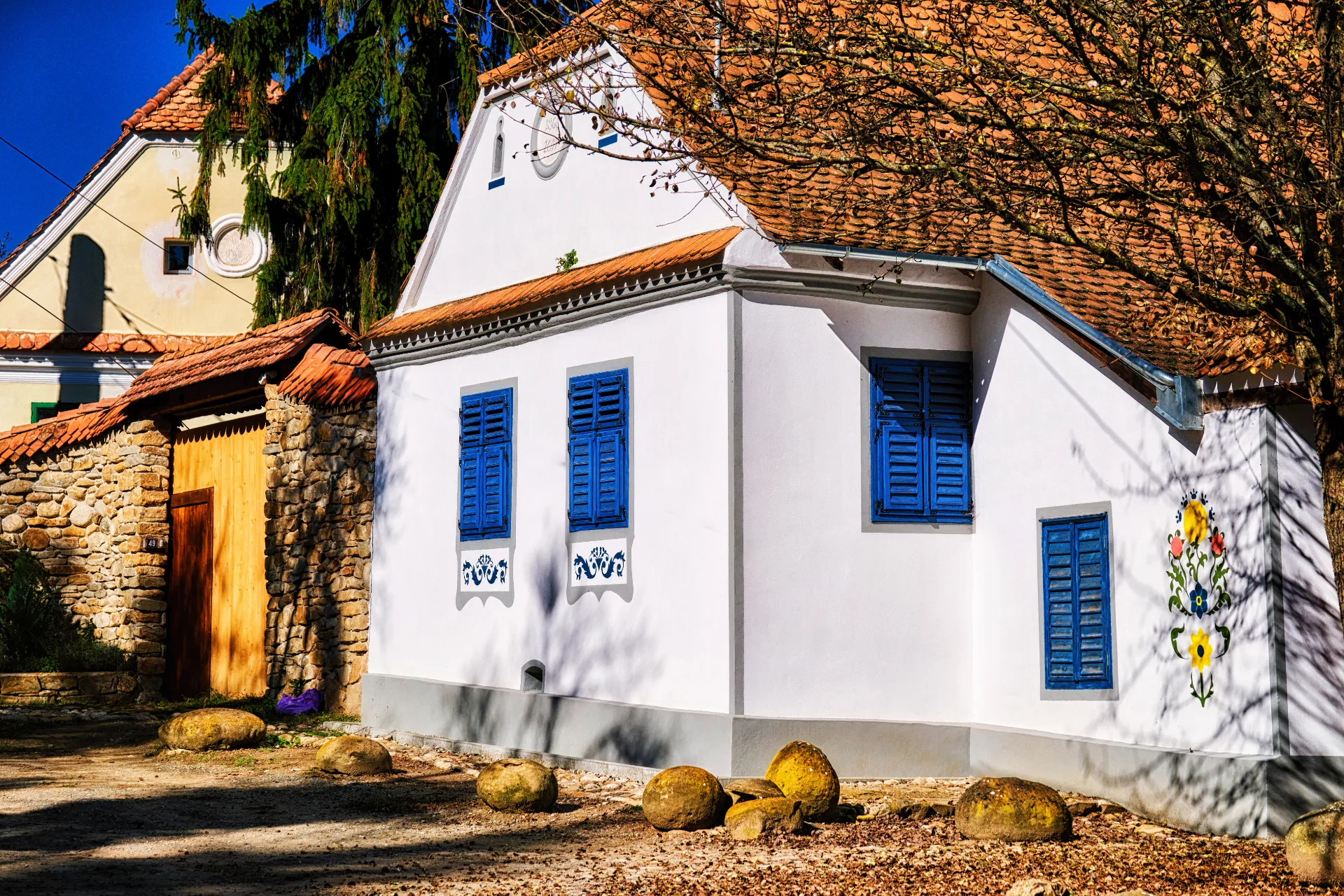
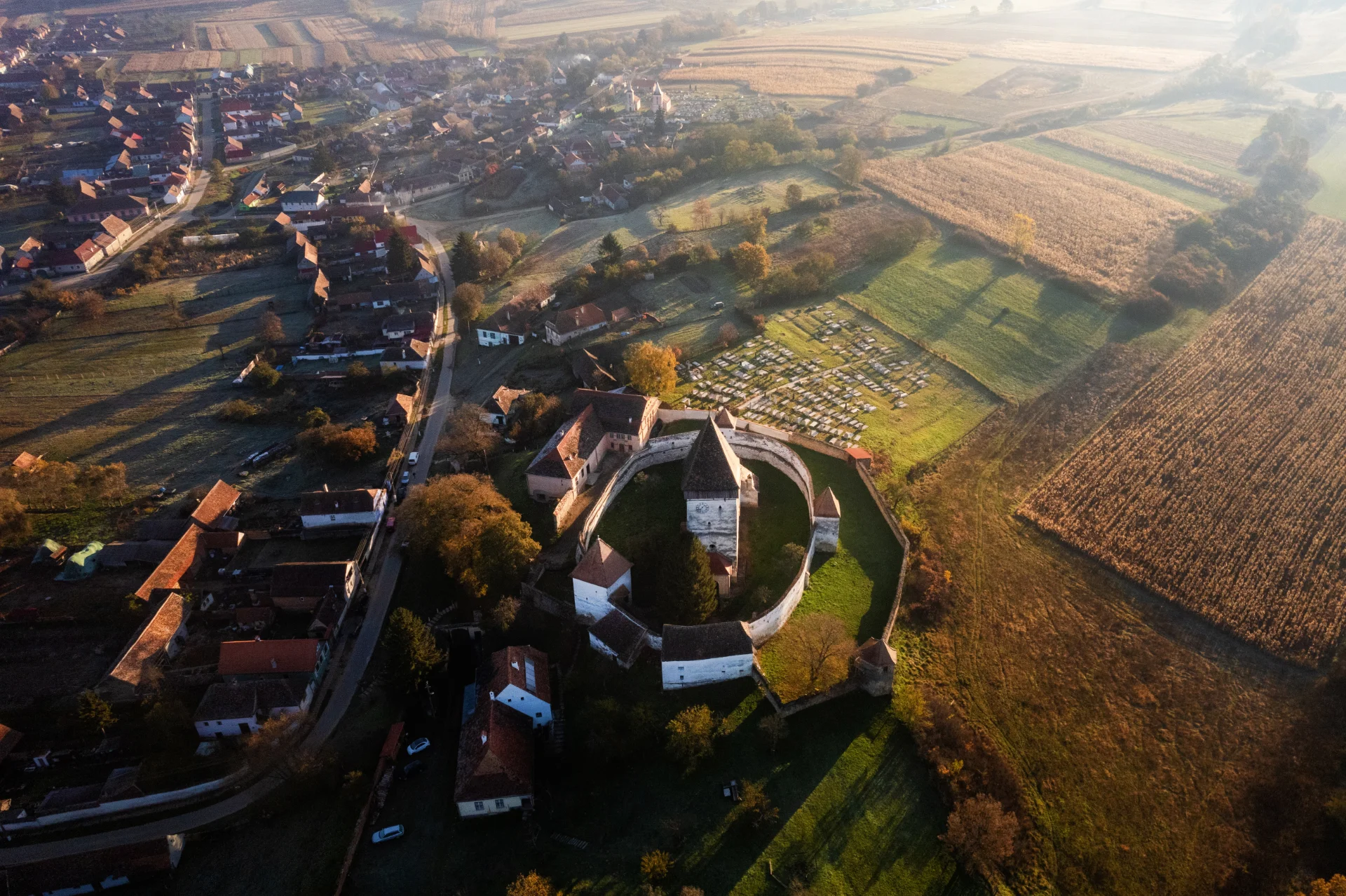
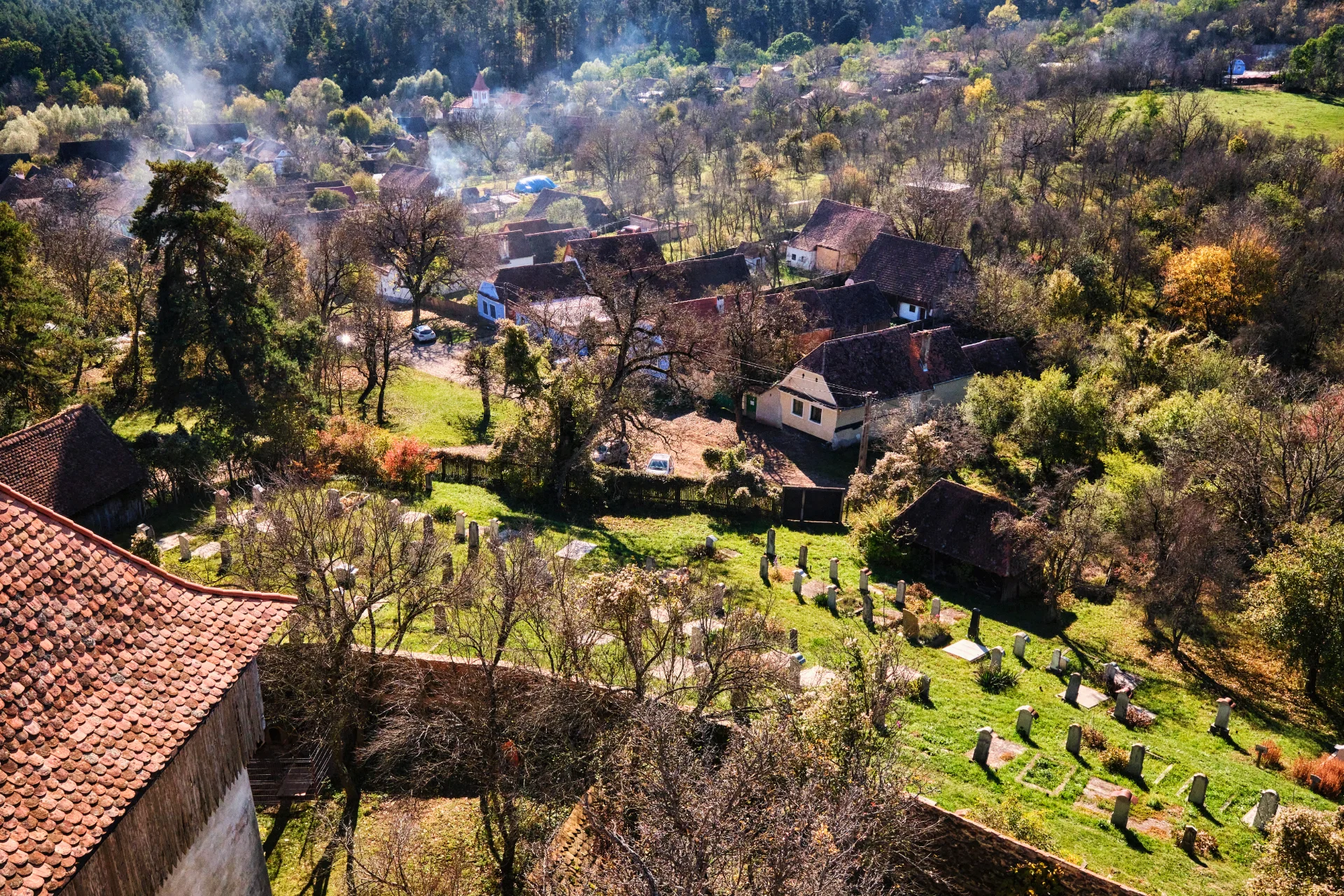
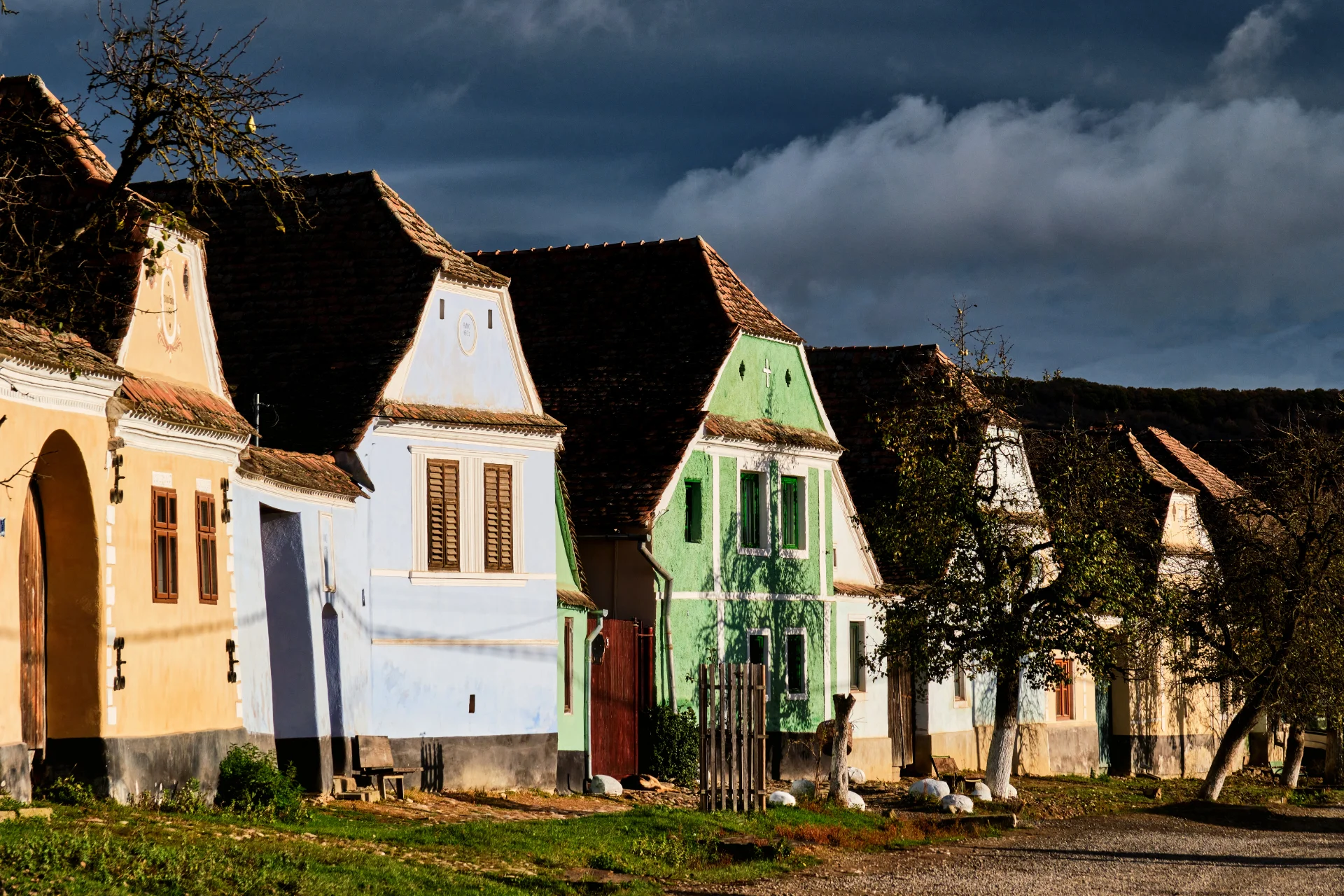
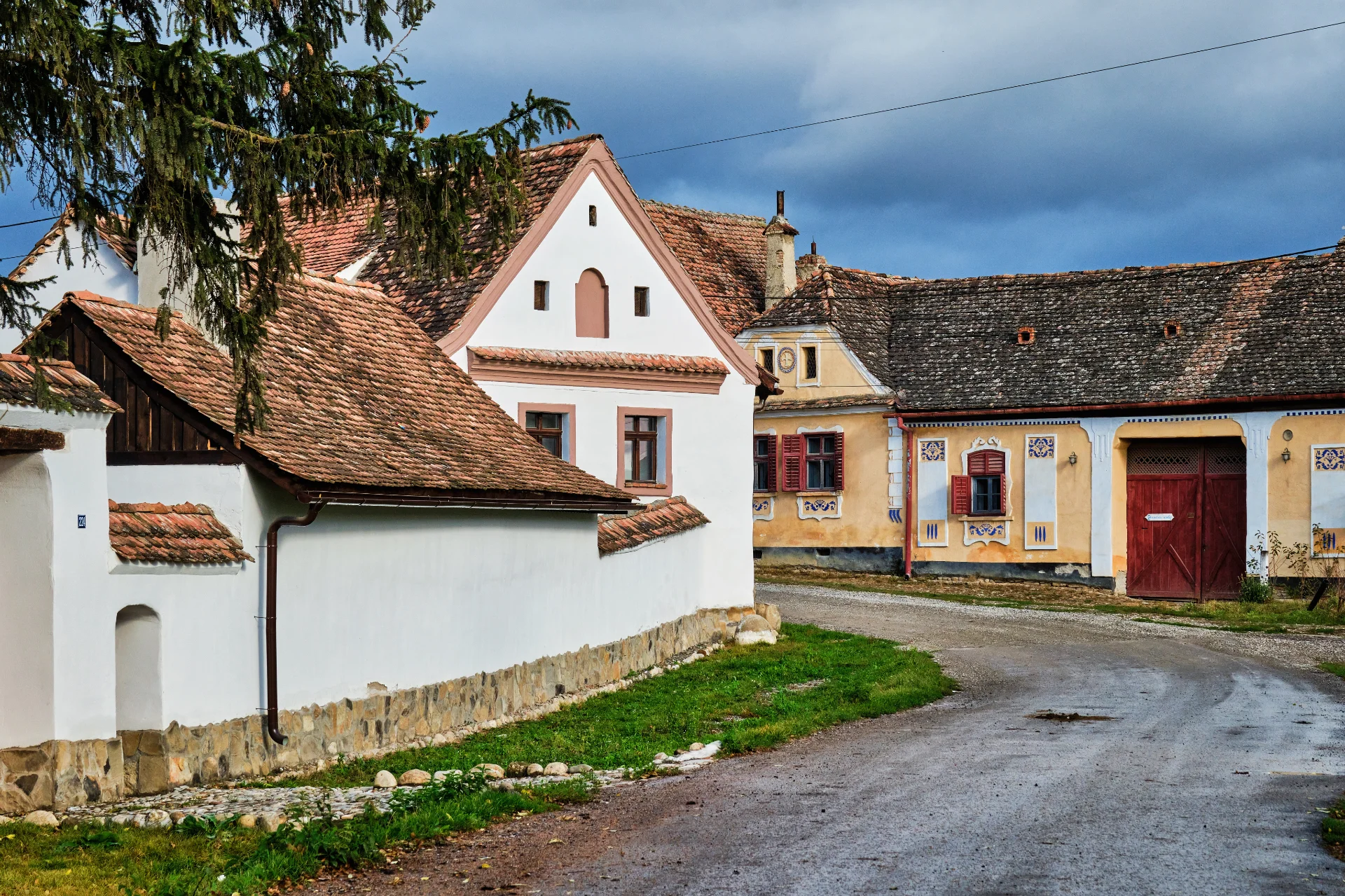
Continuing from Saschiz south, we leave the European road to admire several other interesting churches, such as those at Cloașterf, Criț, or Bunești, as well as the charming village of Viscri. It became famous all over the world for the frequent visits of the current King Charles of Great Britain, who promoted the destination for a long time and bought a house here. Isolated between the hills of eastern Transylvania, Viscri is considered one of the most authentic villages of Transylvania, and thousands of tourists have begun to visit it every year. The fortified church of Viscri is seen by many as the most beautiful on the UNESCO list, being located on a small hill and having some unique features. Built in Romanesque style by Saxon colonists in the 13th century, it is surrounded by partially preserved walls, equipped with two bastions and two towers. In addition to the superb church, a lot of old houses in traditional Saxon style have also been preserved in Viscri, some with several centuries of history. We can walk the cobblestone streets along a thematic route, admiring the authentic architecture and idyllic atmosphere that can rarely be found in Romanian villages.

Another impressive monument is the fortified church of Meșendorf, a village lost between the hills, northwest of Viscri. It was built in the 14th century and later modified in a late Gothic style. The vaults of the church had to be removed during the 19th century renovation, being in danger of collapse. The strong defensive walls once had three towers, only two of which survive to this day, while parts of the wall were removed to make way for the school. Inside the church we can see the beautiful panels of the tribune with Baroque paintings and the altar from 1693. Heading south, we pass through other authentic villages, but less known as tourist destinations. Some still preserve their old churches, even if most are in various stages of degradation, such as the villages of Dacia, Jibert, Felmer, Șoarș or Rodbav.

Settled mainly in the south, south-east and north-east of Transylvania since the 12th century, the Saxons are a fairly homogeneous ethnic group that has influenced the history of these places for eight centuries. Coming from western Europe (mainly Germany and Luxembourg), they speak the Saxon dialect and standard German, having been brought to these places to defend the eastern borders against the incursions of migratory peoples, but also to influence economic development. Although they were privileged in relation to the Romanian inhabitants of Transylvania, they lived in communion and tolerance for most of the time, even contributing to the unification of the Romanian principalities!

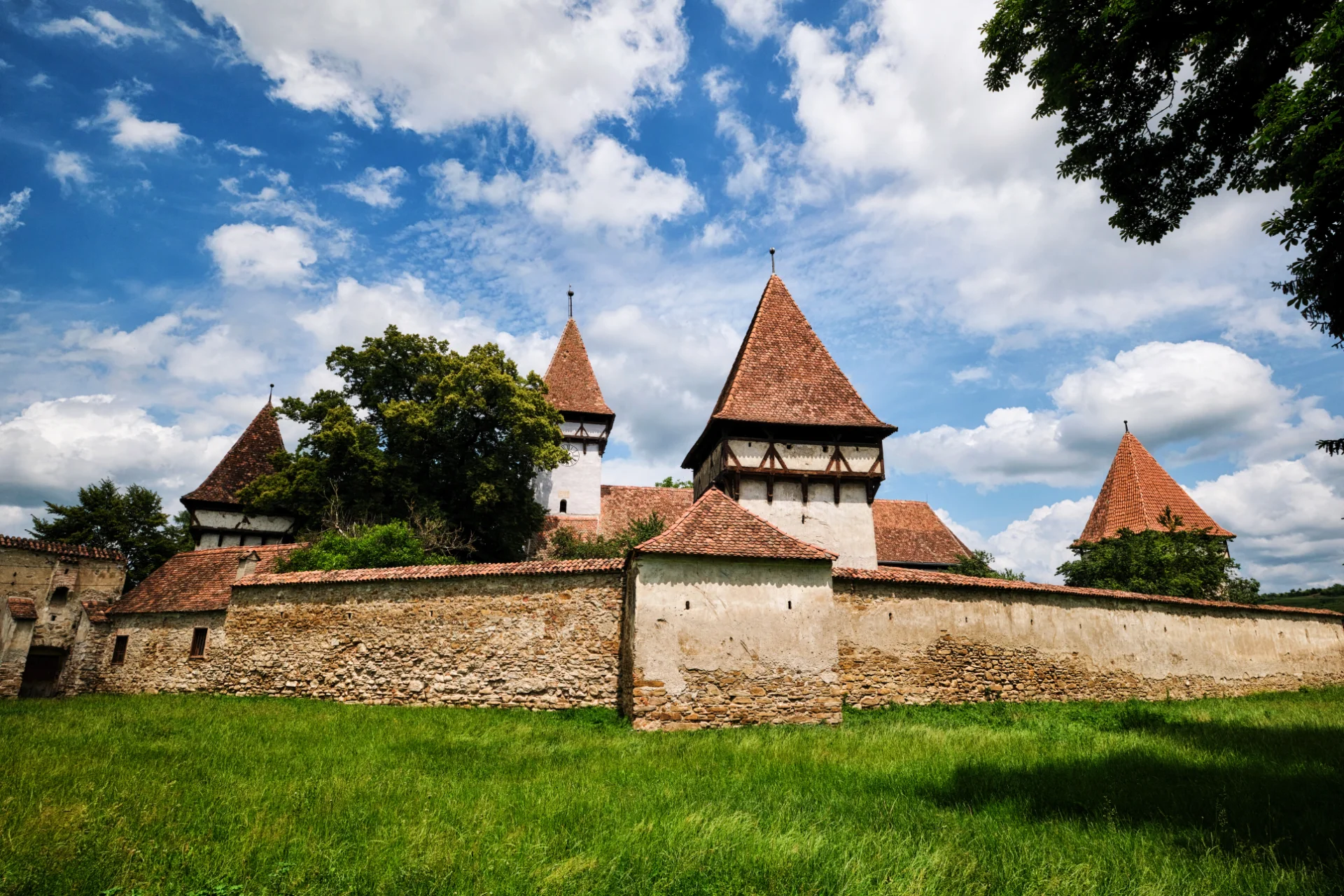
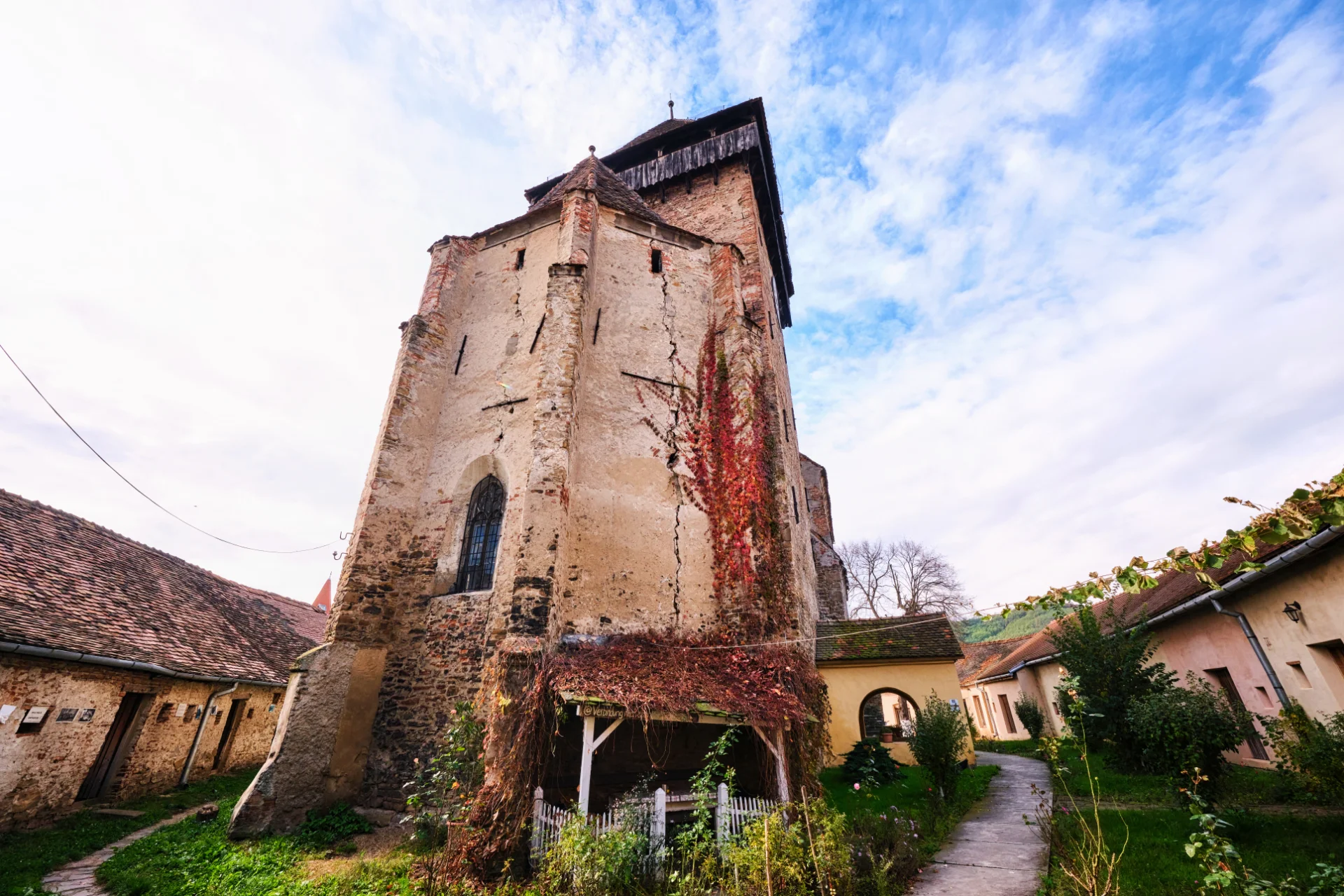
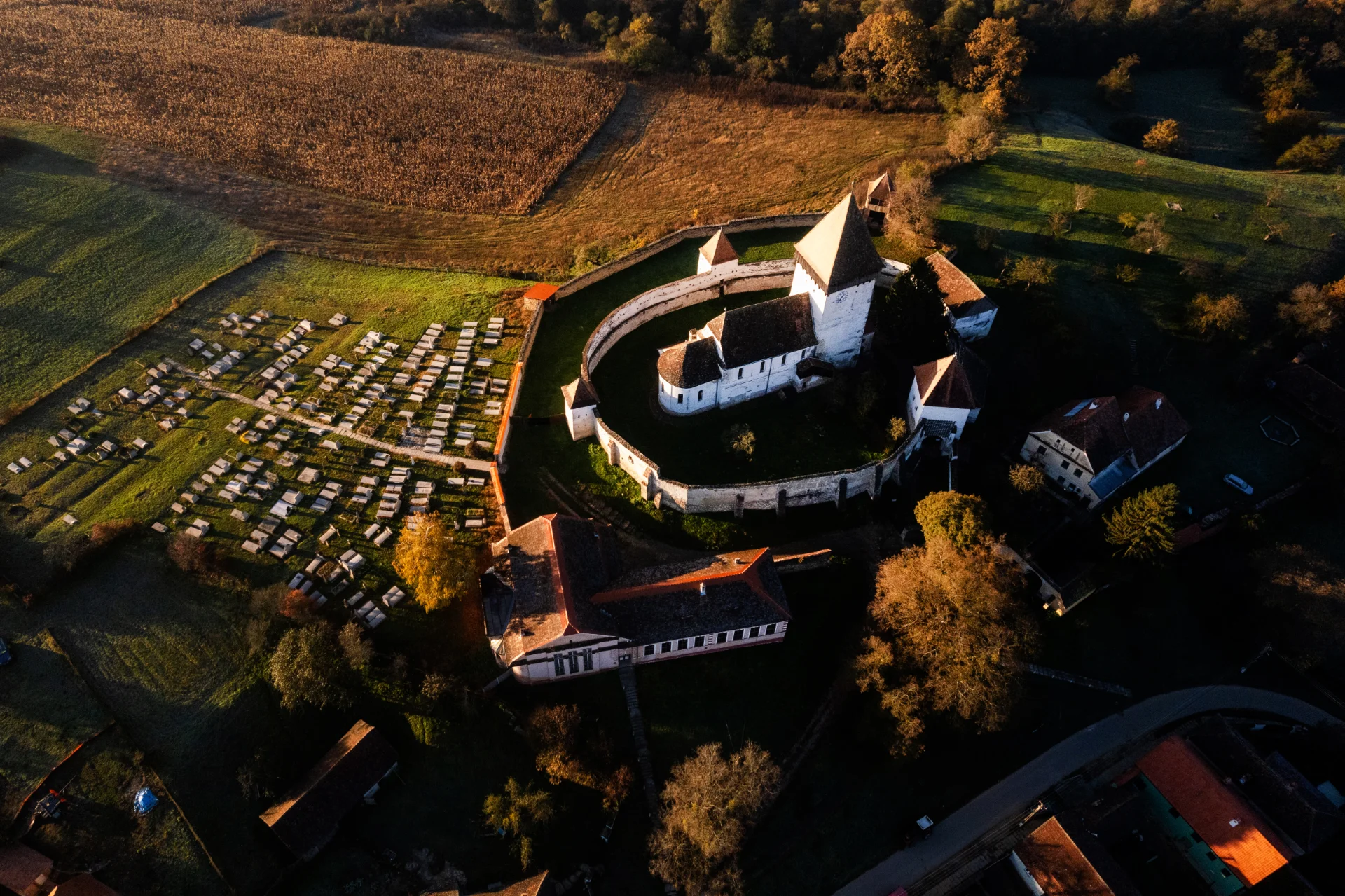
We stop on the banks of the Olt River to admire the fortified church of Cincșor, built starting in 1421, on the site of an older chapel. The fortifications were developed in the following centuries, with stone from a former Roman fort, comprising a high wall with towers and a moat with water. In the church, we admire the organ famous throughout Transylvania and the altar paintings by Carl Dorschlag. Around the church, several old buildings have been transformed into rural guesthouses and offer us the chance to experience the authentic atmosphere of this superb village. From Cincșor, we have the opportunity to explore several other fascinating villages that still preserve old churches and traditional Saxon architecture, such as Cincu, Merghindeal, Veseud or Chirpăr. A special place is the village of Săsăuș, where time seems to have stopped many years ago. Having many old buildings that delight our eyes with their superb authentic architecture, the village struggles to survive after most of the inhabitants have left it. There is a thematic circuit on its streets that offers us the discovery of the heritage and unique stories that make Săsăuș a special destination.

Fortified Church of Viscri - Transylvanian Highlands of Romania
Fortified Church and Village of Viscri Ⓒ Silviu-Florin Salomia
Fortified Church of Viscri - Transylvanian Highlands of Romania
Fortified Church of Viscri Ⓒ Silviu-Florin Salomia
Fortified Church of Cincșor - Transylvanian Highlands of Romania
Fortified Church of Cincșor Ⓒ Silviu-Florin Salomia
Village of Viscri - Transylvanian Highlands of Romania
Village of Viscri Ⓒ Silviu-Florin Salomia
Fortified Church of Meșendorf- Transylvanian Highlands of Romania
Fortified Church of Meșendorf Ⓒ Silviu-Florin Salomia
Village of Săsăuș - Transylvanian Highlands of Romania 133
Village of Săsăuș Ⓒ Silviu-Florin Salomia

In the heart of the Transylvanian Hills, in the charming valley of Hârtibaciu, lies the small town of Agnita, an old craft center first mentioned in 1280. Here we visit one of the oldest Saxon fortifications in Transylvania, begun in the 13th century and later developed, reaching three enclosures defended by towers. In the center of this fortress stood the fortified evangelical church “Saint Agatha”, with four defense towers, all completely renovated today. Inside we admire the superb triptych altar from 1650, while in the town we can also visit the Hârtibaciu Valley History Museum. Between Agnita and Sibiu, an attempt is being made to reorganize the old route of the “Mocănița” train that once crossed the valley to Sighișoara.

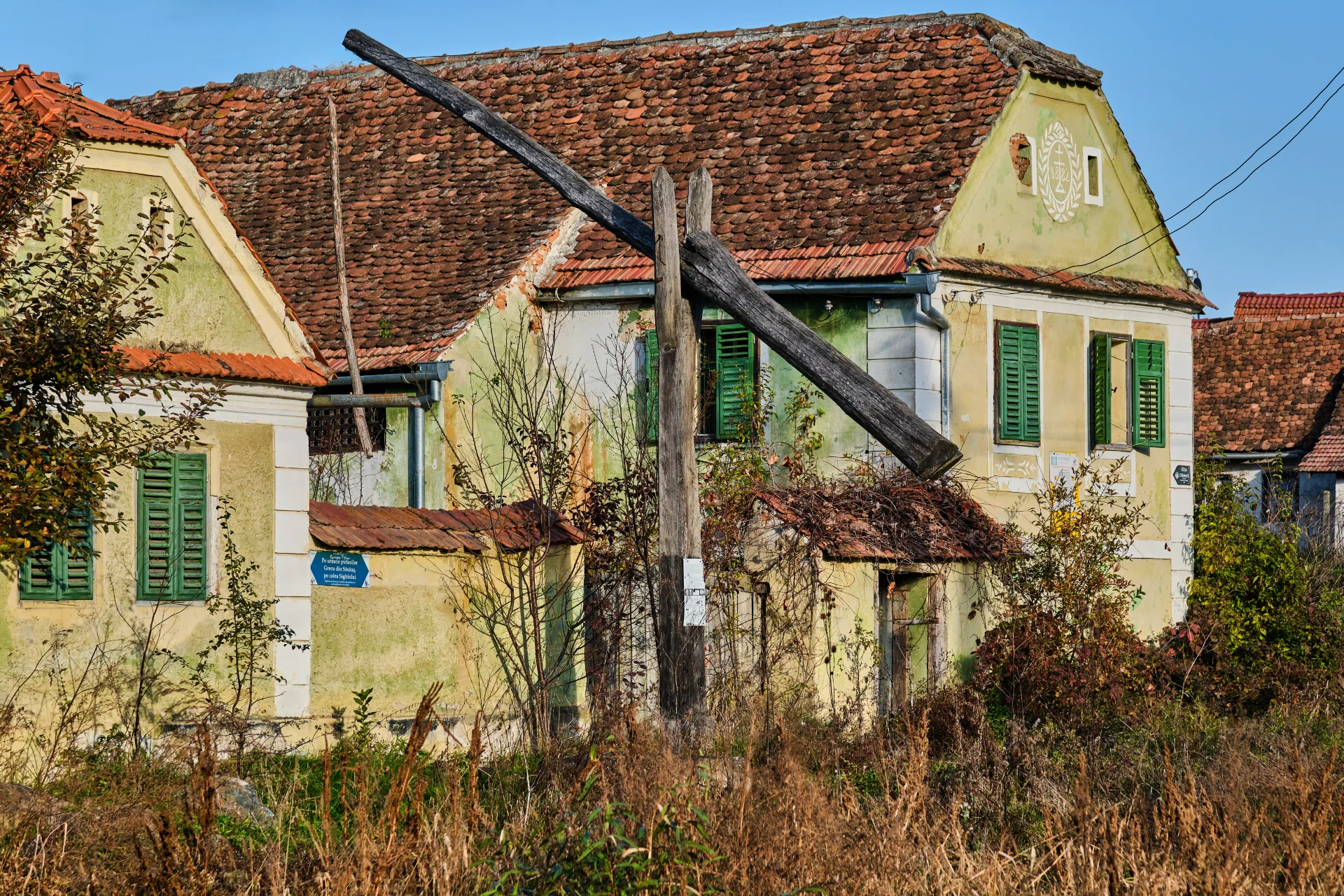
A few kilometers to the southeast, the fortified church of Hosman dates back to the 13th century and has two fortified enclosures with towers and bastions. Standing out against the backdrop of the often snowy peaks of the Făgăraș Mountains, the church impresses us with the unique architectural and decorative details inside, including the imposing portal and the paintings with fantastic scenes. Following the valley lost among the hills for a few kilometers, we reach the village of Fofeldea, set in an idyllic setting. Here we can visit the superb “Sfântul Vasile” church, a historical monument built at the beginning of the 19th century and painted in Byzantine style by the Grecu brothers from Săsăuș. Considered true masterpieces of rural religious art, their paintings also adorn several churches in the hills of Transylvania and the land of Făgăraș.

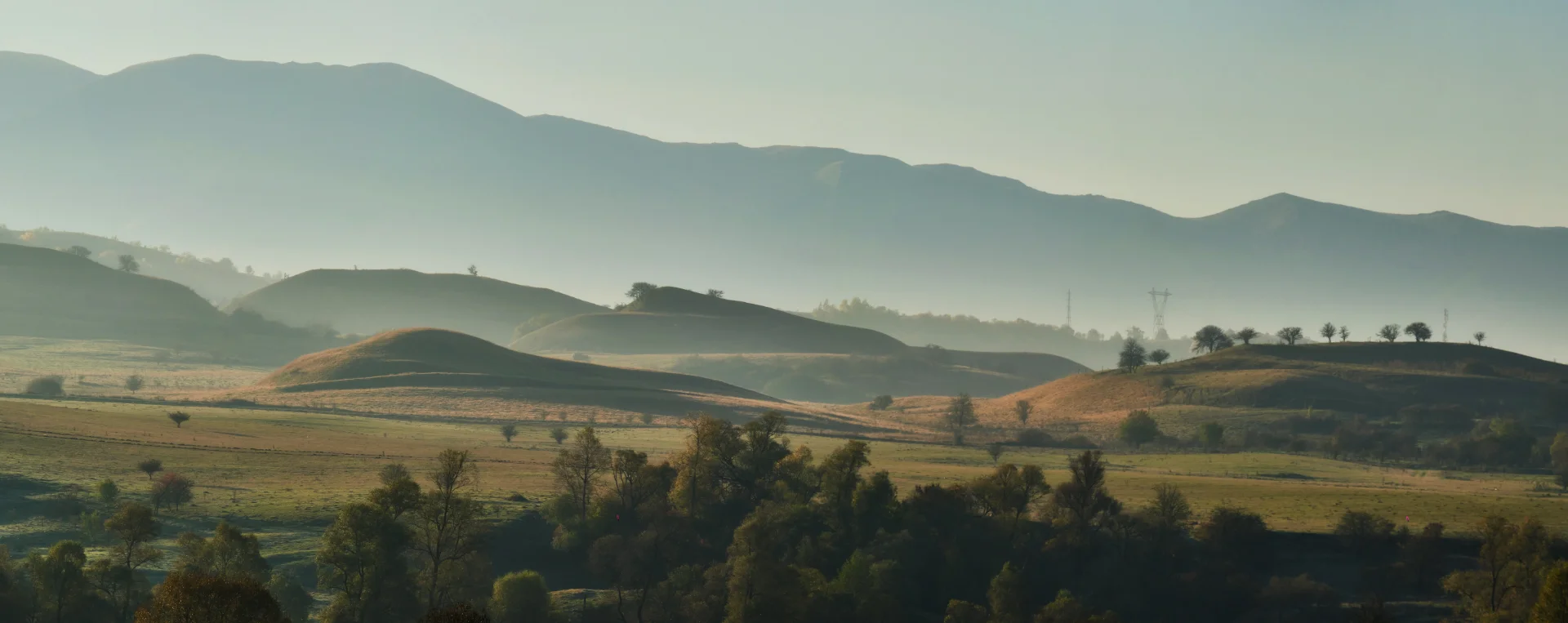
A little further north, the fortified church of Alțâna dates back to the 16th century, having been built on the site of a much older Romanesque basilica. One of the older villages of the region, Alțâna was for many centuries in competition with the settlement of Nocrich for the rank of Seat of the Saxons. The current church comes from the gradual transformation of the old basilica, being surrounded by a large enclosure defended by walls and towers, of which only part has been preserved. Nearby, we can also visit the fortified churches of Nocrich, Marpod or Vurpăr. A few kilometers further on, we deviate for a few minutes to admire the mounds of Cornățel. At the eastern limit of the Transylvanian Hills, on the road between Sibiu and Mediaș, we can discover several more fortified churches and interesting monuments, such as the church and leaning tower in Ruși, the fortified church in Agârbiciu, the fortified church in Axente Sever or the church in Şeica Mică, but also the small canyon in Mihăileni.

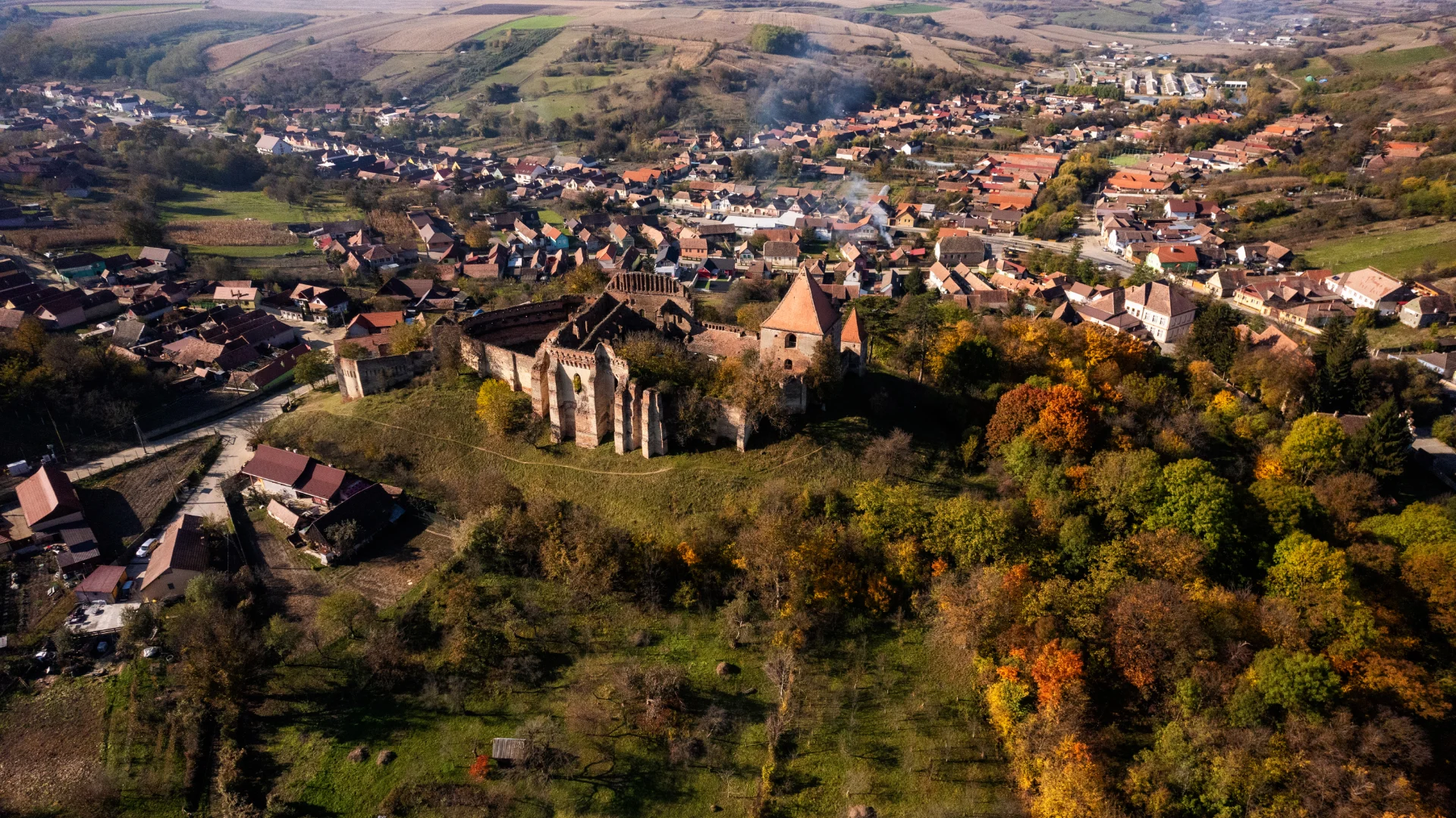
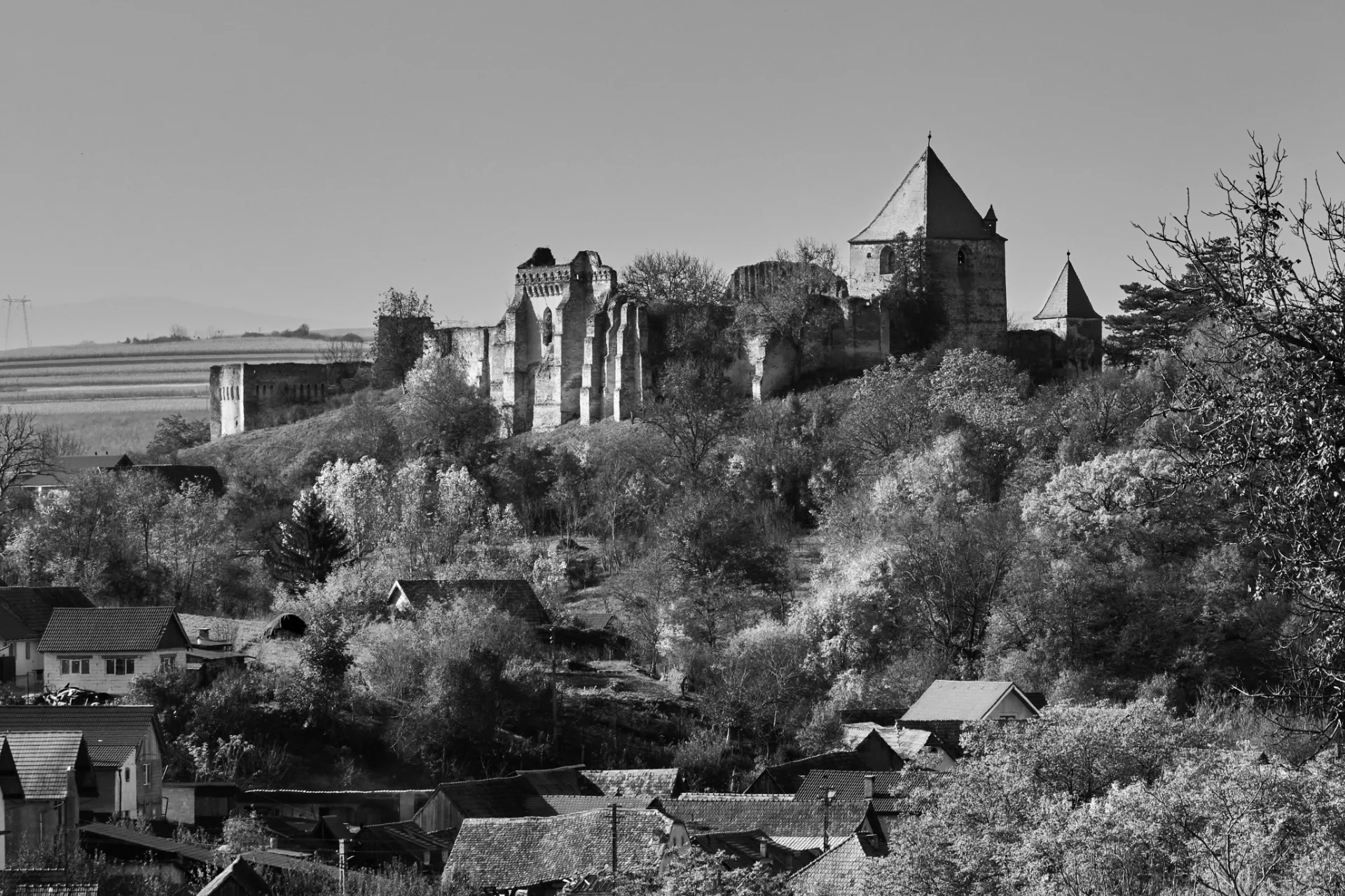
A special destination is the Slimnic Fortress (Stolzenburg), which rises on a small hill in the center of the village and once defended the strategic road. It was built gradually starting in the 13th century and had two fortified enclosures, surrounded by strong walls and several defense towers. Inside are the ruins of a Gothic-style hall church that was never finished, but also a smaller chapel of the same design. Over time, some portions of the fortifications collapsed, and others are still quite degraded today. In the village of Slimnic we can admire several old churches declared historical monuments. After such a long journey over the charming hills, dotted with true architectural and natural treasures, we continue our journey through the fascinating medieval citadel of Sighișoara, with its unmistakable bohemian atmosphere…

Fortified Church of Agnita - Transylvanian Highlands of Romania 126
Fortified Church of Agnita Ⓒ Silviu-Florin Salomia
Fortified Church of Agnita - Transylvanian Highlands of Romania
Fortified Church of Agnita Ⓒ Silviu-Florin Salomia
Fortified Church of Criț - Transylvanian Highlands of Romania
Fortified Church of Criț Ⓒ Silviu-Florin Salomia
Fortified Church of Hosman - Transylvanian Highlands of Romania
Fortified Church of Hosman Ⓒ Silviu-Florin Salomia
Fortified Church of Mălâncrav - Transylvanian Highlands of Romania 112
Fortified Church of Mălâncrav Ⓒ Silviu-Florin Salomia
Slimnic Fortress - Transylvanian Highlands of Romania
Slimnic Fortress Ⓒ Silviu-Florin Salomia
Fortified Church of Cincu - Transylvanian Highlands of Romania
Fortified Church of Cincu Ⓒ Silviu-Florin Salomia

Sights and Experiences

Places to See and Things to Do in the Transylvanian Highlands
Fortified Church of Biertan

Visiting hours: 10-17/19 (summer) / 11-15 (winter/closed Mondays) / Lunch Break | Prices: 20 lei/adult

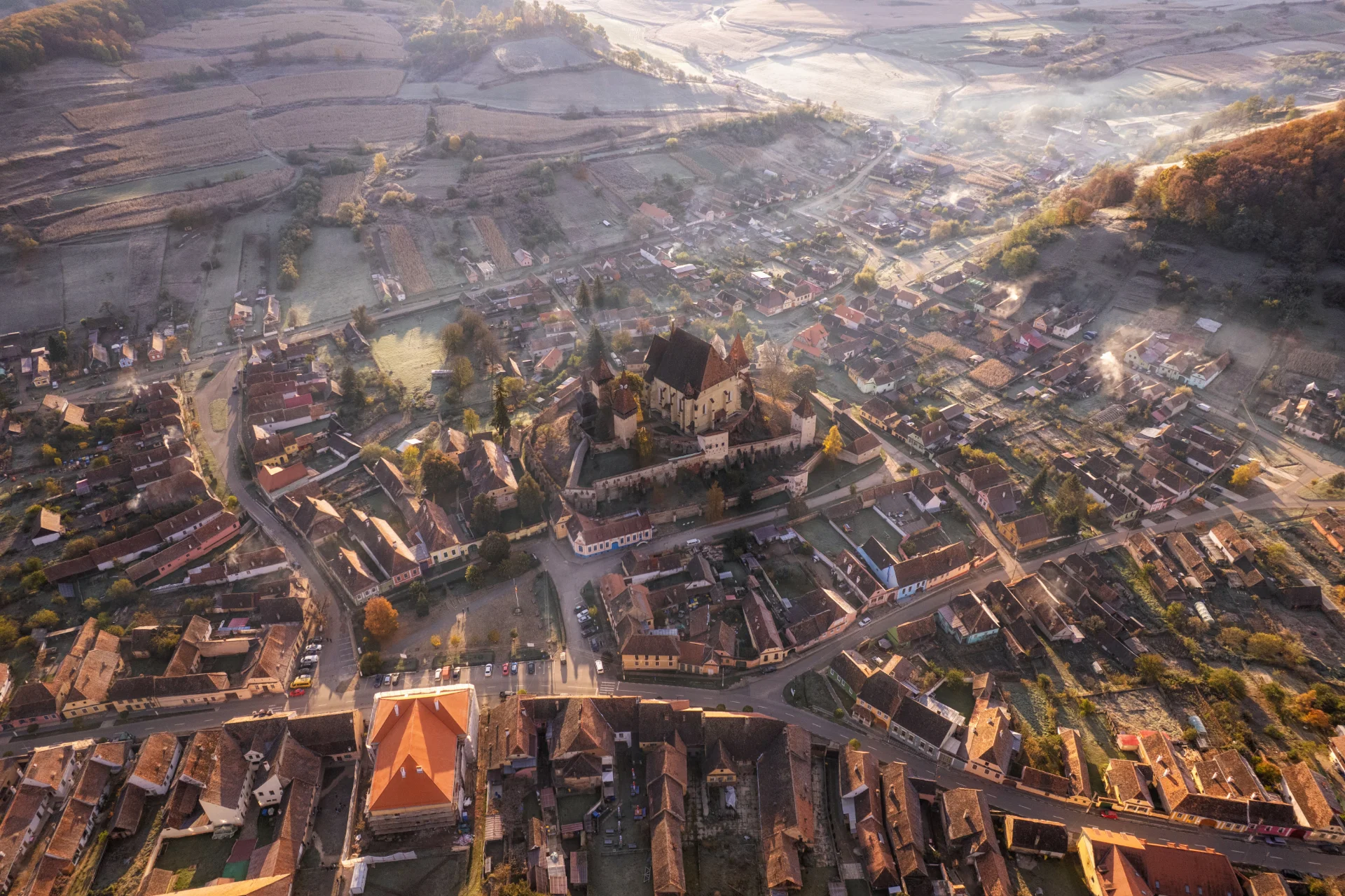
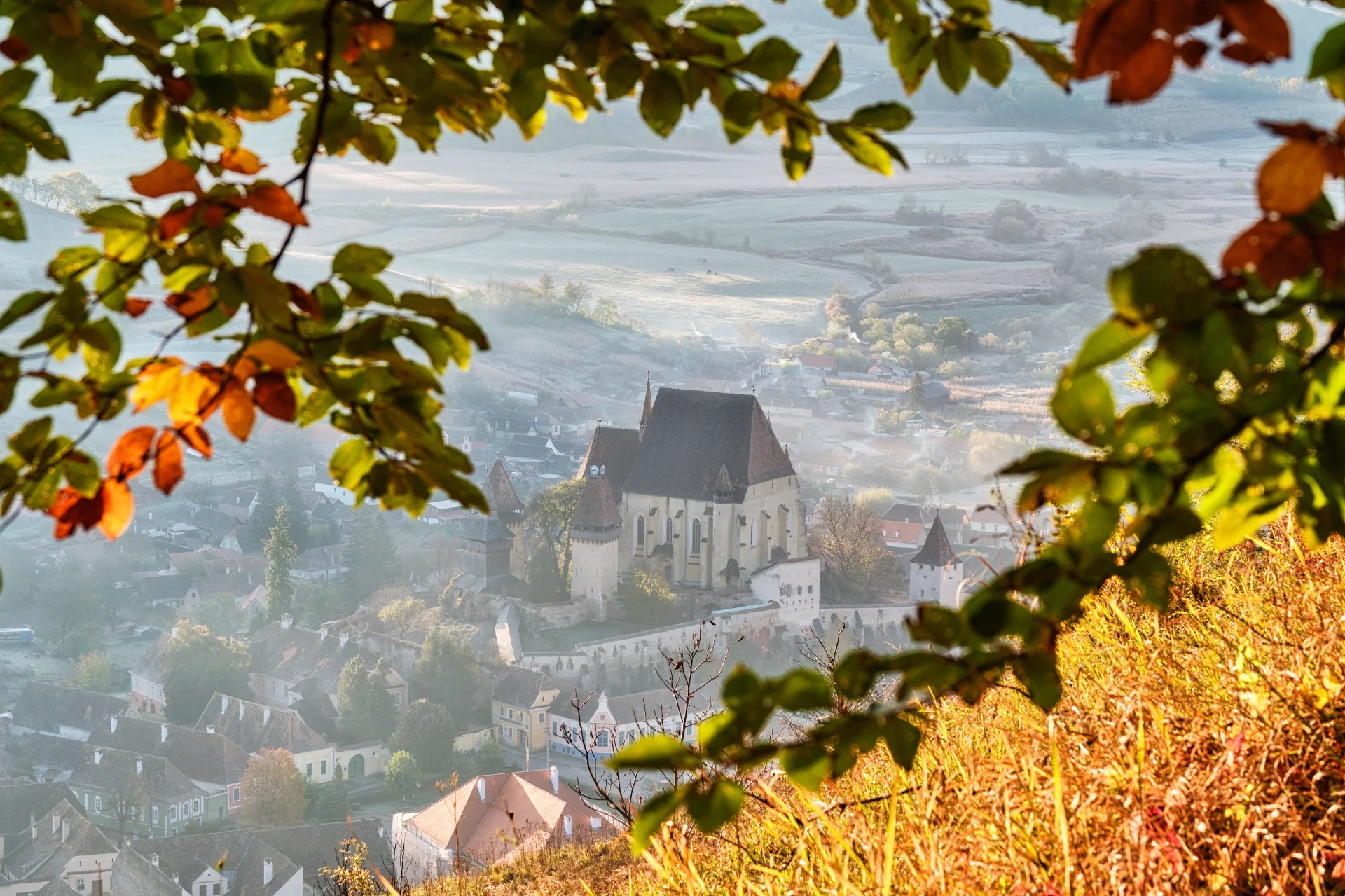
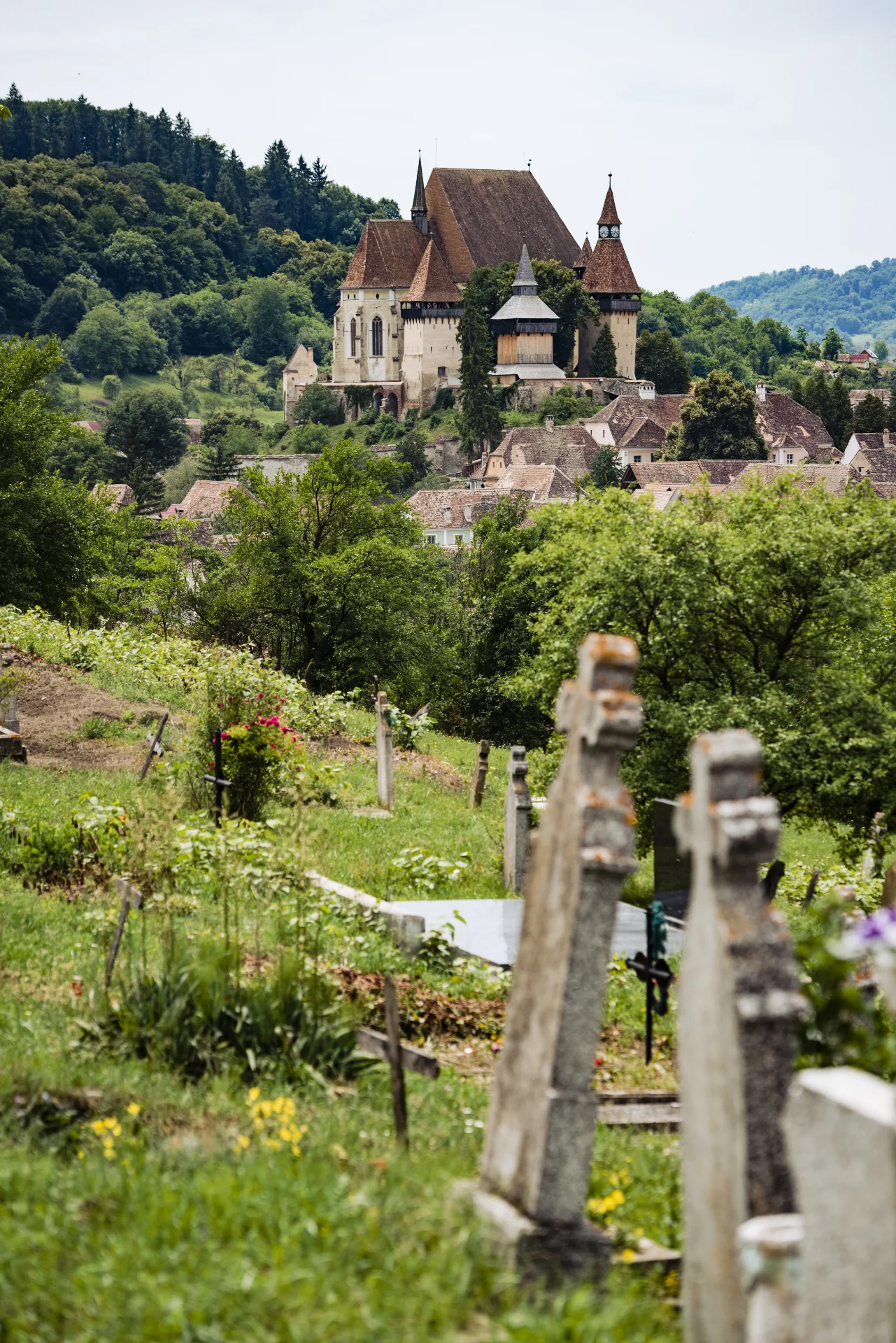
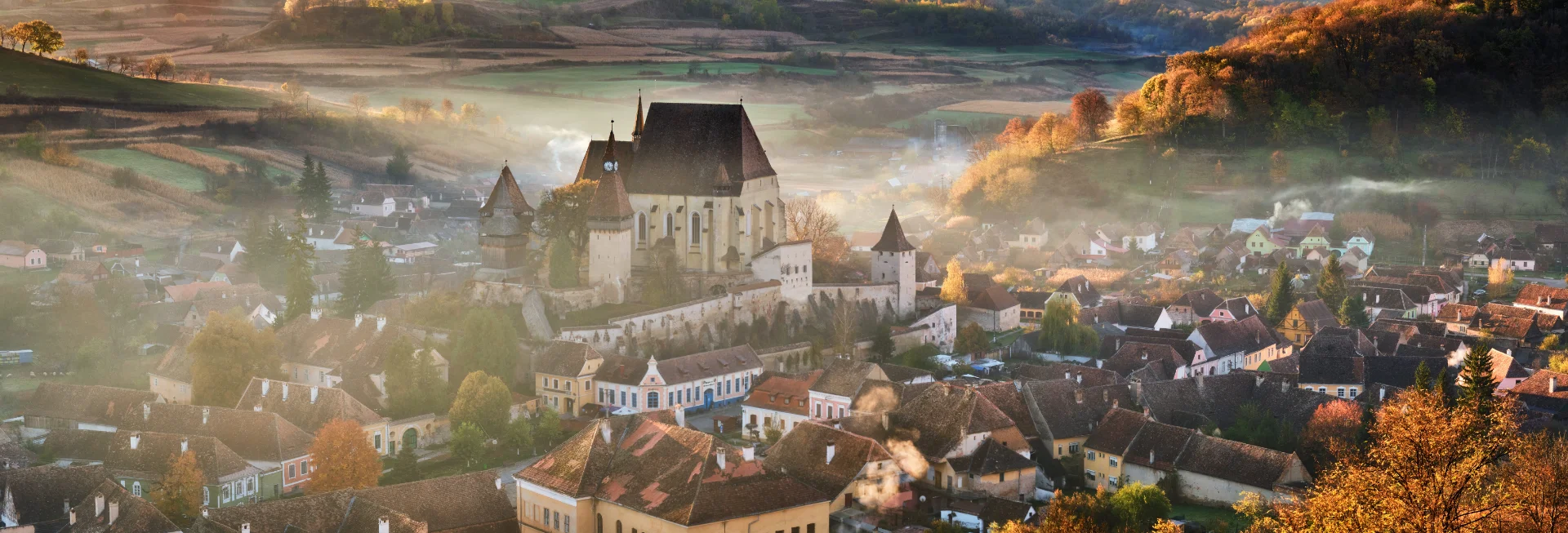
Considered the most impressive of Transylvania’s fortified churches, the one at Biertan was built around 1500, while the surrounding fortifications were built in the following centuries. This true fortress occupies the hill in the center of the village of Biertan, at the foot of which is the market square and from where all the streets to the north and south start. Surrounded by other higher hills, Biertan was one of the largest and most important Saxon settlements in Transylvania, the seat of the Evangelical episcopate for about 300 years. Surrounded by three rows of fortifications with high walls, bastions and towers, the massive hall church dominates the surrounding landscape. It was the last construction in the late Gothic style in Transylvania, also having some Renaissance elements. The church dedicated to “Saint Mary” consists of three naves and has undergone few changes from its original appearance.

Inside, an impressive number of extremely valuable elements are preserved, starting with the unique triptych altar, with 28 superb paintings executed five centuries ago by craftsmen from Vienna and Nuremberg. It is the largest of its kind in the country, and in addition to it, visitors can also admire the pulpit carved in stone, the sacristy door with its unique mechanism consisting of 19 locks, the very old original furniture or the impressive organ. Over time, the church was surrounded by three rows of almost concentric fortifications. In addition to the strong walls and defense towers, the covered staircase leading to the top of the hill, the tower where the “marital prison” functioned in the past, the Bacon Tower or the Mausoleum Tower are noteworthy. The village of Biertan still preserves numerous historical monument buildings in the Transylvanian Baroque style, even though most of the Saxon community left the town a long time ago. The surrounding hills also offer memorable panoramas of the village and the fortified church.

Fortified Church of Biertan - Transylvanian Highlands of Romania
Fortified Church of Biertan Ⓒ Silviu-Florin Salomia
Fortified Church of Biertan - Transylvanian Highlands of Romania
Fortified Church of Biertan Ⓒ Silviu-Florin Salomia
Fortified Church of Biertan - Transylvanian Highlands of Romania
Fortified Church of Biertan Ⓒ Silviu-Florin Salomia
Fortified Church and Village of Biertan - Transylvanian Highlands of Romania
Fortified Church and Village of Biertan Ⓒ Silviu-Florin Salomia
Fortified Church of Viscri

Visiting hours: 10-18 (during the season, with lunch break) | Prices: 15 lei/adult

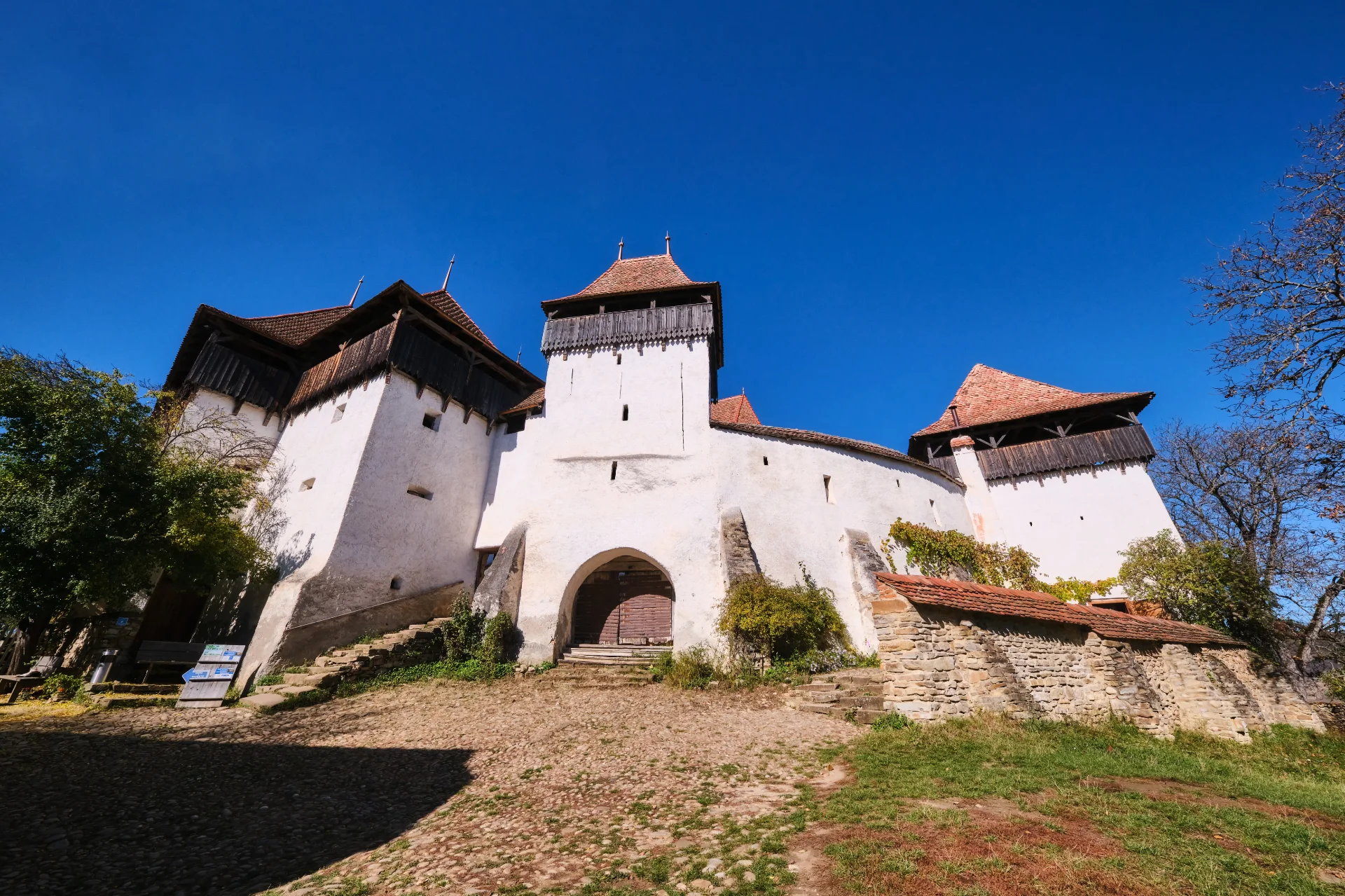
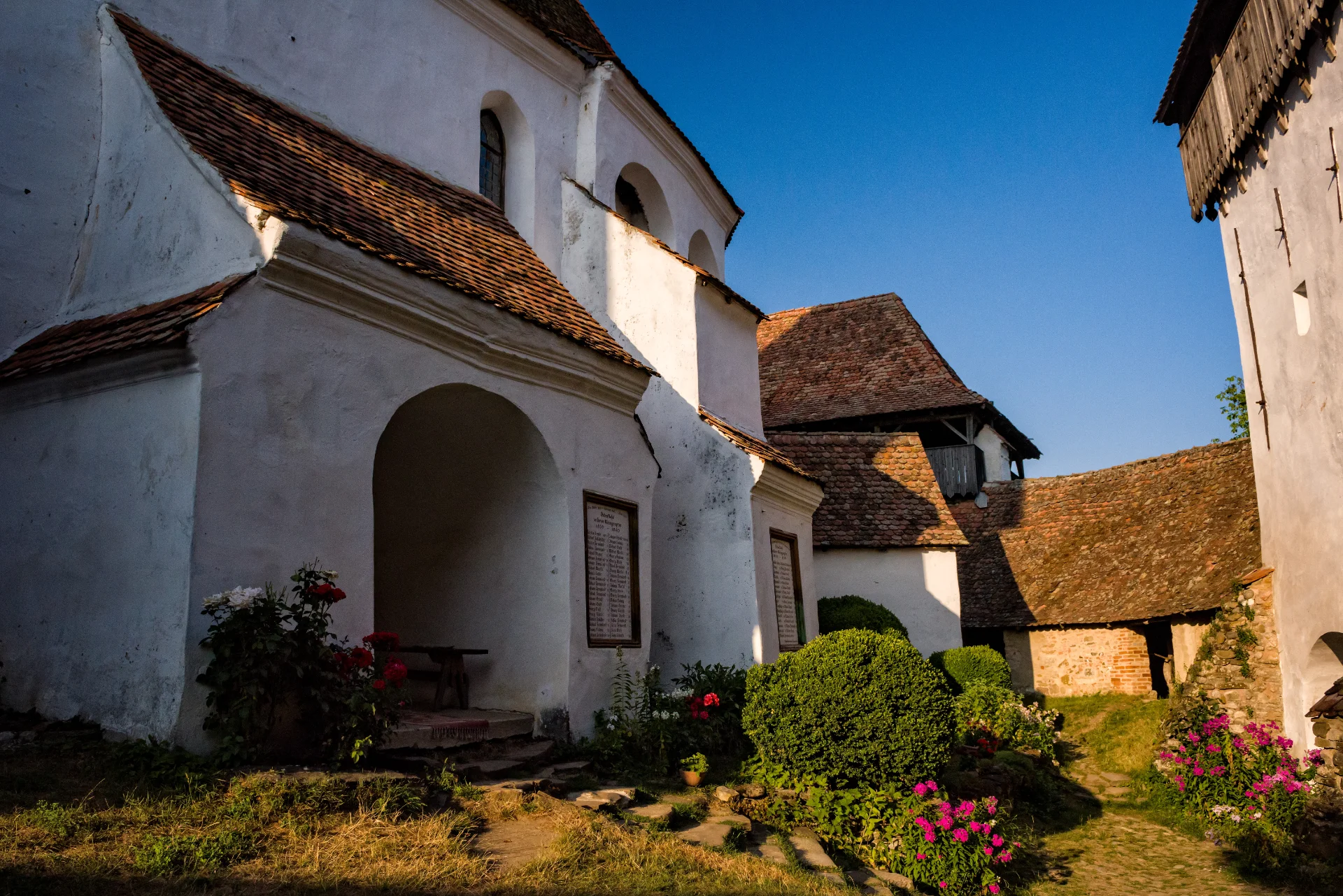
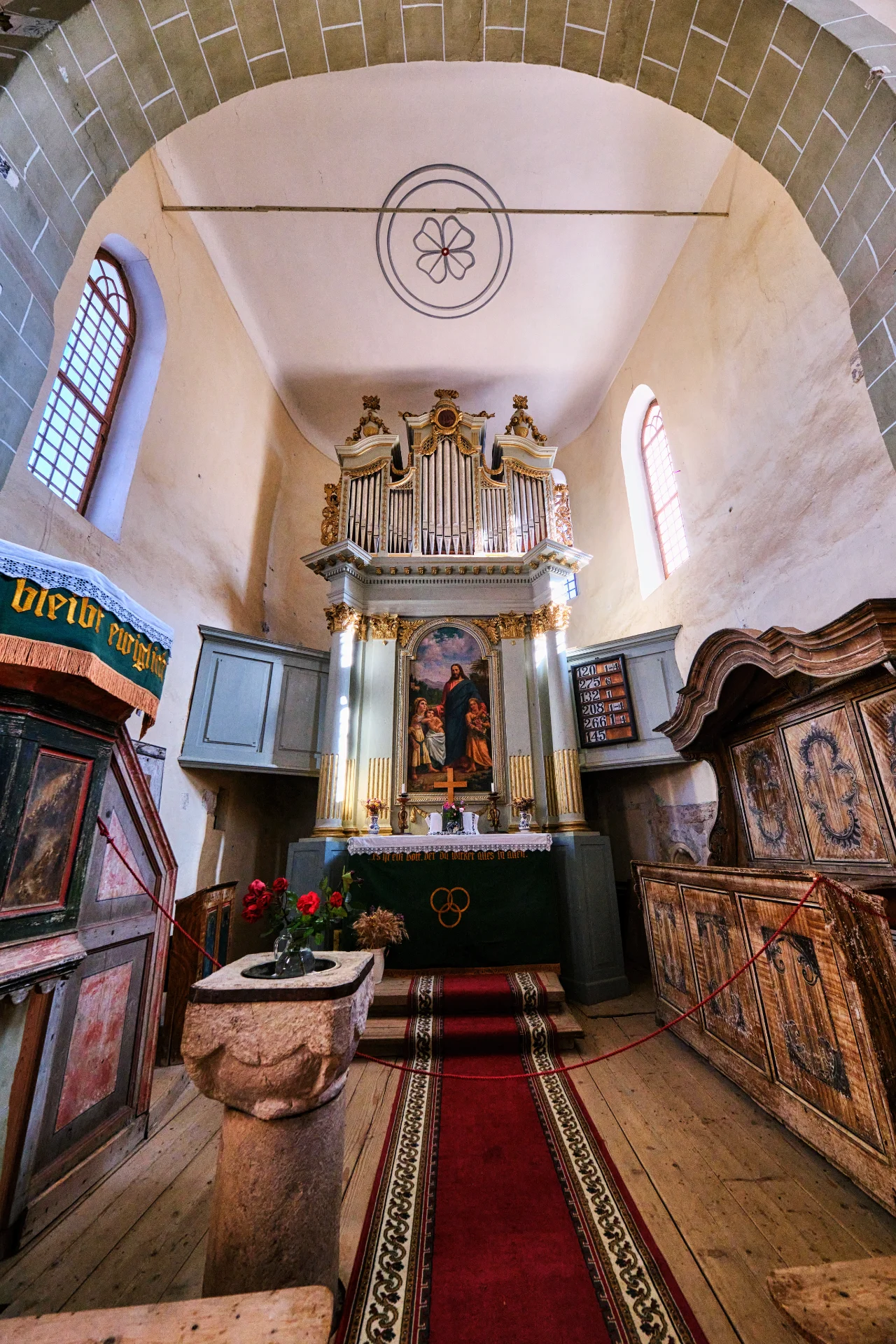
Another fortified church in Transylvania included in the UNESCO World Heritage Site, the one in Viscri was built by the Saxons in the 13th century on the foundations of a Romanesque chapel from the previous century. Initially Roman Catholic, it became Lutheran and was fortified in the 15th century by the local Saxon community. Located on a small hill in the north-west of the village lost among the hills of eastern Transylvania, the church is surrounded by a fortified enclosure with strong walls, two bastions, two defense towers, a gate tower and a guard road. Among the best preserved monuments of this kind, although not as large as others, the church in Viscri is certainly among the most picturesque, with some very interesting elements. Of these, the old painted furniture and the Baroque organ from 1817, which also includes the altar on which Jesus with children is painted, stand out. In the various structures around the church, visitors can now admire small exhibitions about the history and traditions of the local Saxons.

Village of Viscri

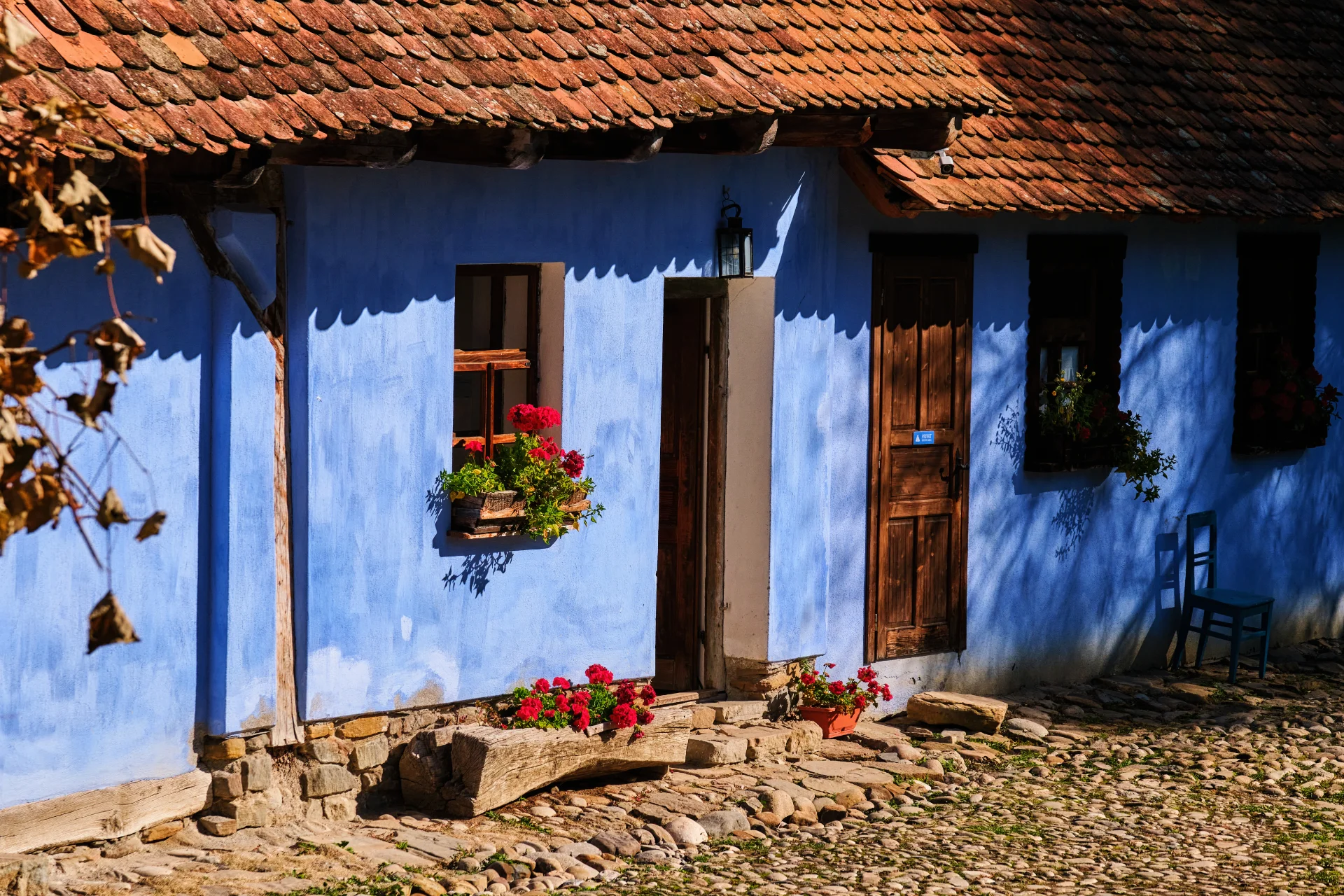
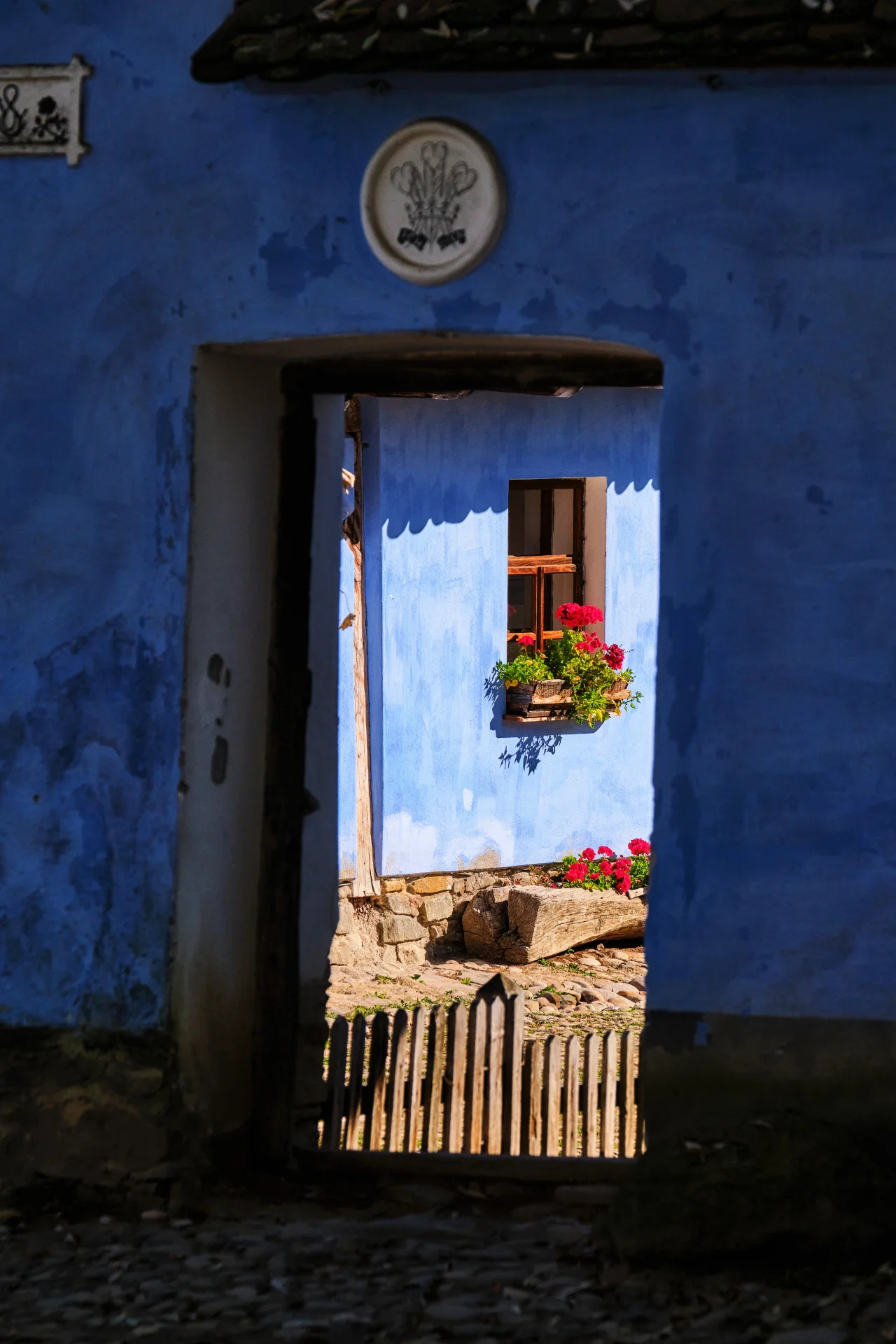
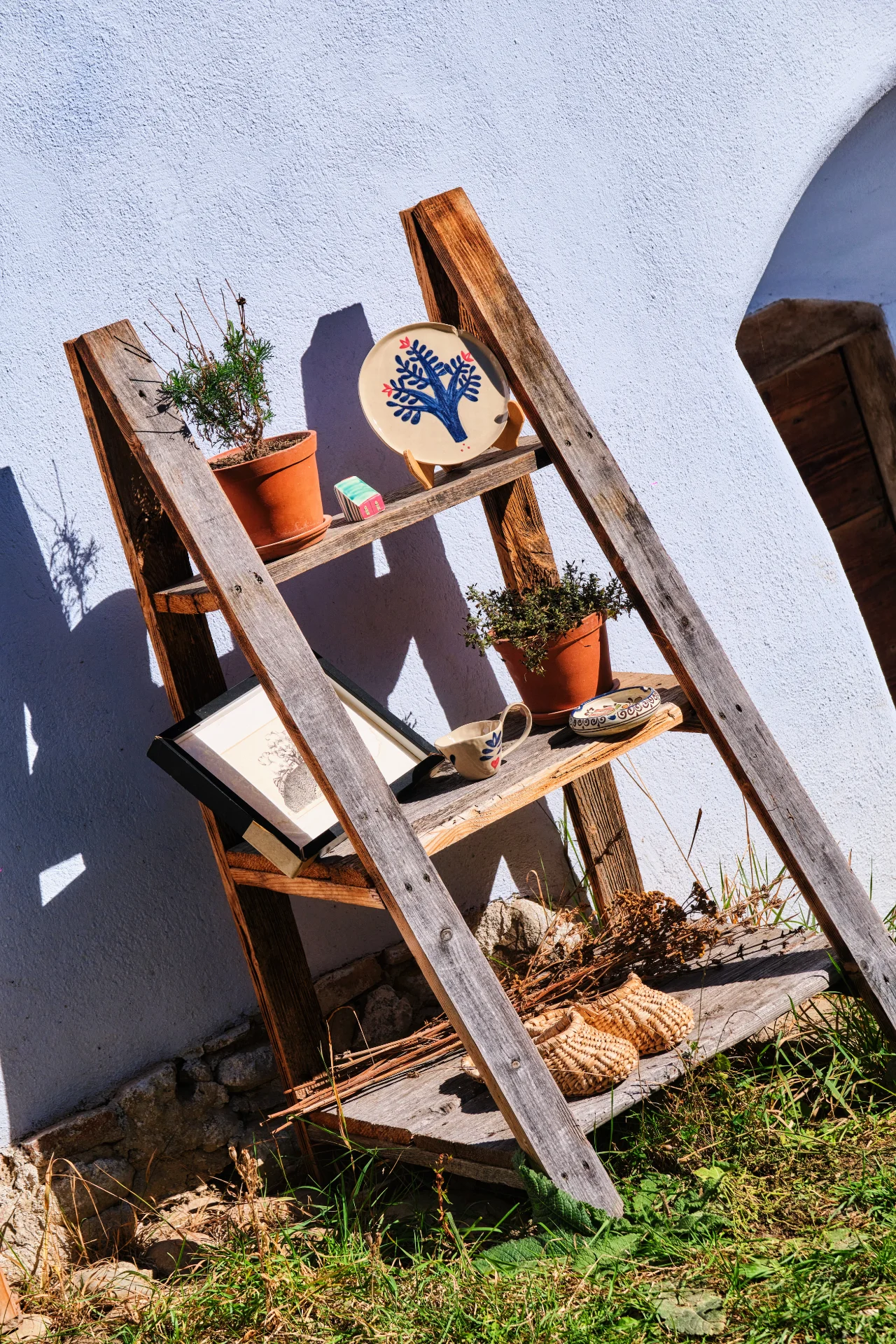
Considered the most beautiful and authentic traditional village in the Transylvanian Highlands, Viscri has become an exceptional rural destination in recent decades, whose fame has gone beyond the borders of Romania. Preserving an impressive number of monuments of rural architecture two centuries old and even more, the village is a true open-air museum, permanently inhabited. Many of the streets in Viscri retain the authentic atmosphere of hundreds of years ago, offering tourists the opportunity to go back in time. The community, now made up mostly of Romanians and Roma people, has preserved the old Saxon houses and most of them have been renovated, and some have been transformed into traditional guesthouses, craft workshops or local gastronomy points. There is a parking lot at the entrance to the village and a themed trail that explores the picturesque streets of Viscri. The most famous household in the village is the House of King Charles III, purchased by the British monarch some time ago, now transformed into a museum space.

Fortified Church of Viscri - Transylvanian Highlands of Romania 067
Fortified Church of Viscri Ⓒ Silviu-Florin Salomia
Fortified Church of Viscri - Transylvanian Highlands of Romania
Fortified Church of Viscri Ⓒ Silviu-Florin Salomia
Village of Viscri - Transylvanian Highlands of Romania 074
Village of Viscri Ⓒ Silviu-Florin Salomia
Fortified Church of Viscri - Transylvanian Highlands of Romania 069
Fortified Church of Viscri Ⓒ Silviu-Florin Salomia
Village of Viscri - Transylvanian Highlands of Romania 065
Village of Viscri Ⓒ Silviu-Florin Salomia
Village of Viscri - Transylvanian Highlands of Romania 068
Village of Viscri Ⓒ Silviu-Florin Salomia
Village of Viscri - Transylvanian Highlands of Romania
Village of Viscri Ⓒ Silviu-Florin Salomia
Fortified Church of Saschiz

Visiting hours: 10-18 (Monday, Thursday-Sunday) | Prices: 10 lei/adult

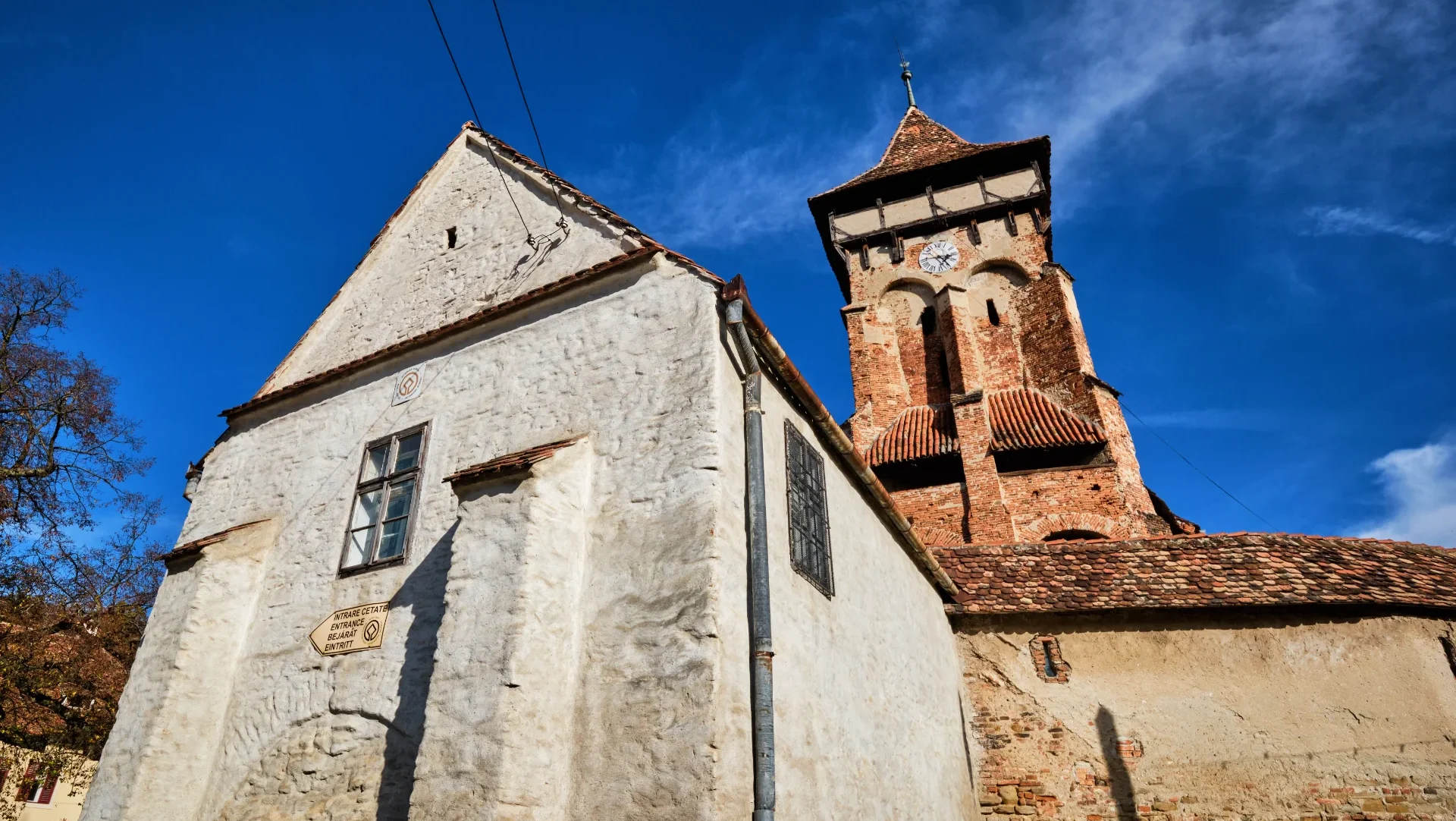
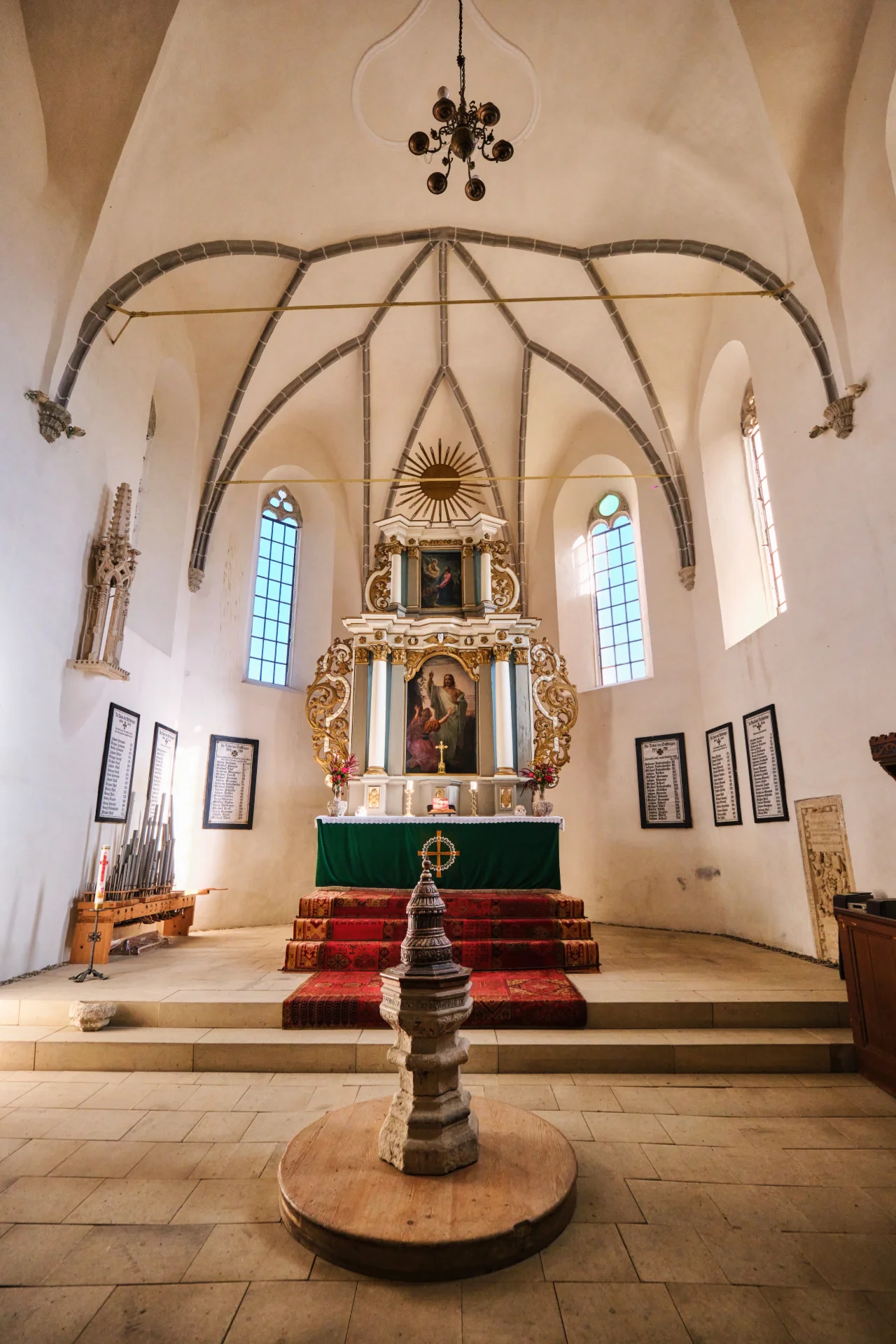
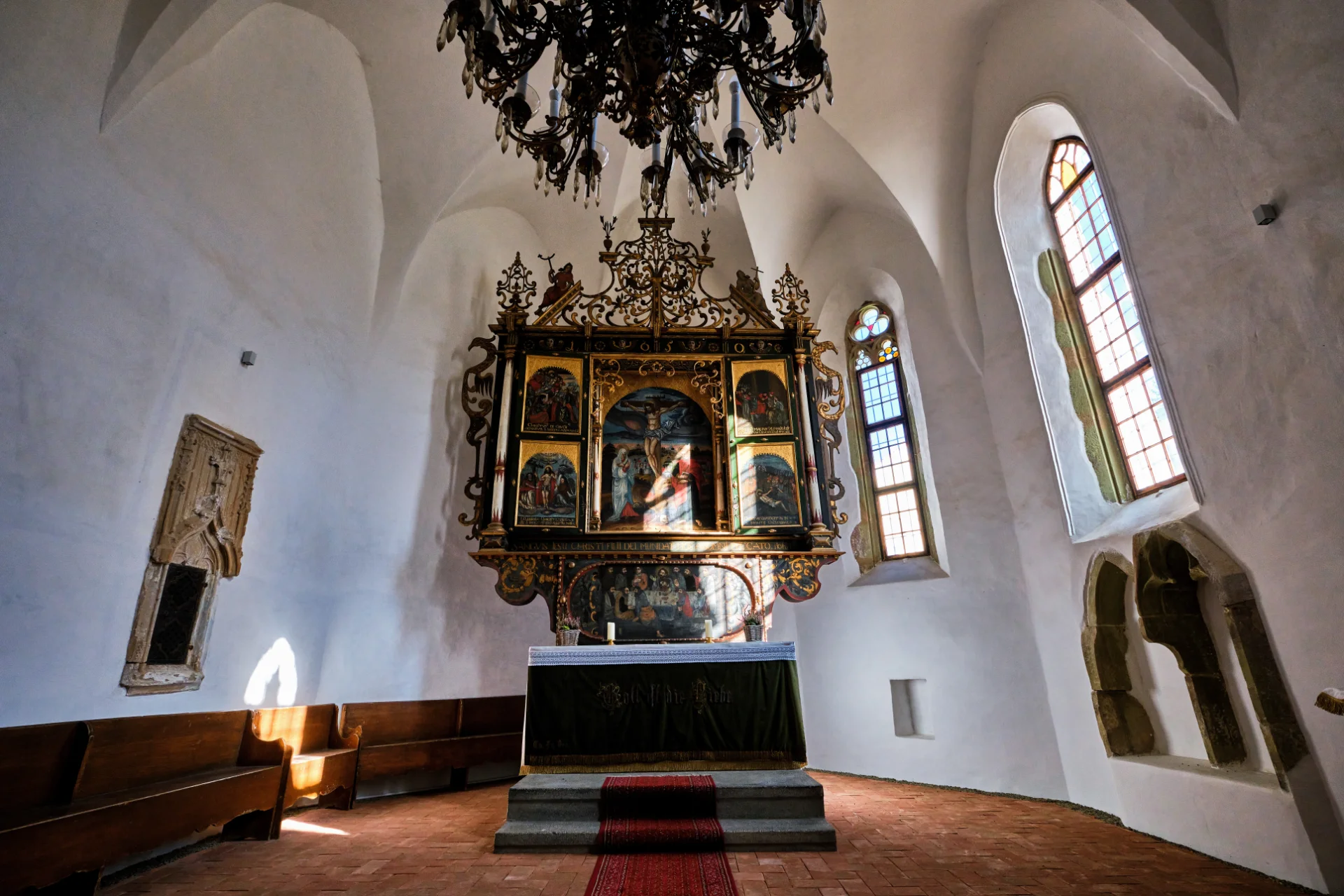
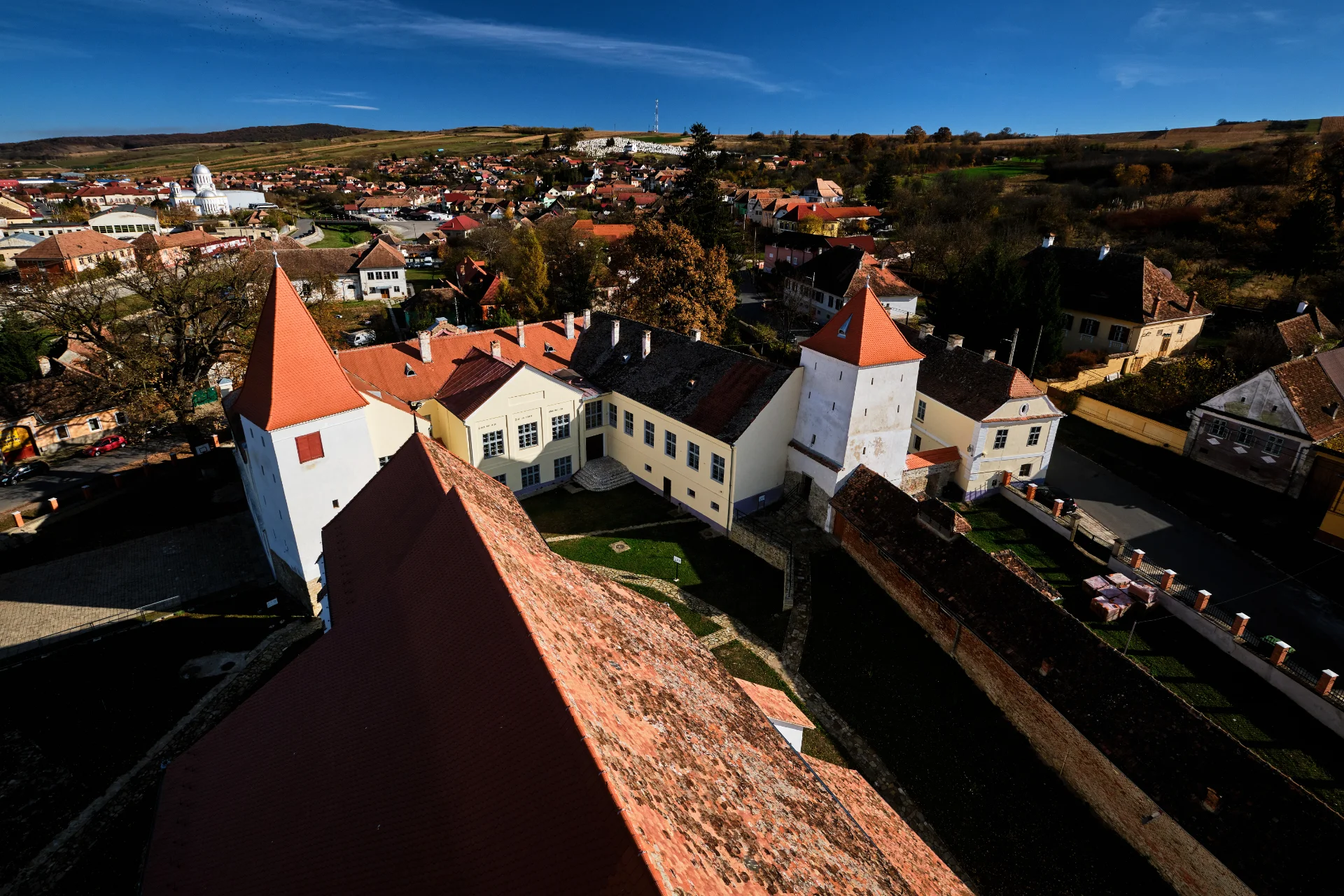
Included in the UNESCO World Heritage List, the fortified church of Saschiz has several unique features among the monuments of this kind in Transylvania. It was built between 1493 and 1525 on the site of two previous constructions, a Romanesque chapel and a Gothic Cistercian church. With a single massive nave, surrounded by numerous strong buttresses, it is dedicated to “Saint Stephen”, the king of Hungary at that time. Among the interesting elements of the Evangelical church of Saschiz, the defensive modifications of the structure, the approximately 250-year-old organ, the ornate choir stall and the Baroque furniture are noteworthy. Less decorated than other Saxon churches in the area, it is also notable for the solitary defense tower that has been preserved, built ten meters from the church. In the 19th century, it was converted into a bell tower and equipped with a clock and an accompanying figurine, known locally as Bogdan. In the past, it was also surrounded by a defensive wall up to 9 meters high.

Rural Fortress of Saschiz

Located on a hill in the western part of the village of Saschiz, the peasant fortress dates back to the 14th century, being built for defense and refuge for the inhabitants of the surrounding villages. Historical documents demonstrate its importance, even the nobles of the area storing precious objects here at uncertain times. The fortress had the shape of an irregular polygon with six defensive towers. Inside there was also a well with a depth of 50 meters, which according to legends included a tunnel that went to the center of the village. After the construction of the fortified church in the village, the fortress on the hill began to gradually lose its importance, being completely ruined after the departure of the Saxon inhabitants of Saschiz. Recently, after a complete renovation project, the fortress regained part of its original appearance and can be admired again above the village.

Fortified Church of Saschiz - Transylvanian Highlands of Romania
Fortified Church of Saschiz Ⓒ Silviu-Florin Salomia
Fortified Church of Saschiz - Transylvanian Highlands of Romania
Fortified Church of Saschiz Ⓒ Silviu-Florin Salomia
Fortress and village of Saschiz - Transylvanian Highlands of Romania 043
Fortress and village of Saschiz Ⓒ Silviu-Florin Salomia
Fortified Church of Agnita

Fortified church visiting hours: 9am-5pm (Monday – Friday) | Prices: 15 lei/adult

Museum visiting hours: 8.30am-4.30pm (Monday – Friday) | Prices: 10 lei/adult

The only town within the Transylvanian Hills, Agnita is located in the Hârtibaciu Valley, approximately 40 kilometers southwest of Sighișoara and 60 kilometers northeast of Sibiu. The city’s most important attraction is the stunning fortified church of “Saint Agatha”, built in the 15th century in Gothic style, but also with Renaissance and Baroque elements. Both the church and the impressive system of fortifications have been extraordinarily preserved and have recently been renovated, welcoming visitors today. Thus, a fragment of the southern wall has been preserved, as well as the defensive towers of the Blacksmiths, the Tailors, the Shoemakers and the Potters, which also served as a gate tower. The Evangelical Church also contains numerous treasures inside, the most important work of art being the triptych altar dating from 1650. In the city, you can also visit the “Hârtibaci Valley” History Museum, which includes an interesting exhibition about the archaeology, history, traditions, and art of this multicultural region.

Fortified Church of Valea Viilor

Visiting hours: 10-18 (April-October / Monday-Saturday) | Prices: 10 lei/adult

A settlement with deep historical roots, Valea Viilor boasts one of the most impressive fortified churches in Transylvania, especially for its size. It was built in the 15th century as a Roman Catholic church, on the site of an older Romanesque basilica. The surrounding fortified enclosure dates back to the 15th and 16th centuries, comprising three defensive towers and a gate tower. The 6-7 meter high walls are equipped with a defensive road, ramparts and loopholes. The church underwent some changes with the fortifications built, the choir being surrounded by the four-story tower wall. Inside it, several very valuable elements can be admired, such as the altar from 1779, the pews from 1528, the north portal’s lintel, the organ and the pulpit. Over time, the ensemble has been repaired and renovated several times, and in 1999 it was included in the UNESCO World Heritage List.

Fortified Church of Valea Viilor - Transylvanian Highlands of Romania
Fortified Church of Valea Viilor Ⓒ Silviu-Florin Salomia
Fortified Church of Agnita - Transylvanian Highlands of Romania
Fortified Church of Agnita Ⓒ Silviu-Florin Salomia
Fortified Church of Agnita - Transylvanian Highlands of Romania
Fortified Church of Agnita Ⓒ Silviu-Florin Salomia
Village of Mălâncrav - Transylvanian Highlands of Romania
Village of Mălâncrav Ⓒ Silviu-Florin Salomia
Fortified Church of Veseud - Transylvanian Highlands of Romania
Fortified Church of Veseud Ⓒ Silviu-Florin Salomia
Village of Criț - Transylvanian Highlands of Romania
Village of Criț Ⓒ Silviu-Florin Salomia
Fortified Church of Dârjiu

Visiting hours: 10-18 (April-October / Tuesday-Sunday) | Prices: 10 lei/adult

It is the only fortified church in the Szeklerland to be included in the UNESCO World Heritage Site, being located approximately 35 kilometers east of Sighișoara, in Harghita County. The fortified Unitarian church of Dârjiu was built starting in the 14th century, on the foundation of an older Romanesque basilica. The impressive fortifications were added in the 16th century, consisting of high walls and five bastions, and there were also storage spaces inside. The bell tower is located south of the body of the church and also serves as one of the gates of the fortification. The church has some exceptional features, notably the particularly valuable Gothic-style frescoes depicting the legend of Saint Ladislau. These were rediscovered in the 19th century and represent only a part of the original paintings of the church. Another interesting element is that the locals continue the tradition of preserving bacon in the bastions of the fortress.

Fortified CHurch of Cincșor

Visiting Hours: 10-18

Among the most beautiful and well-preserved fortified churches in southern Transylvania, the one at Cincșor was built in the first half of the 15th century and fortified in the following period. At the same time, the choir of the church was also adapted, together with the superb bell tower, being provided with buttresses and a guard road. The fortified enclosure with four towers and a water moat was doubled by a second enclosure built inside. The late Gothic-style church also contains several treasures, notably the impressive organ and the altar painted in 1868 by the painter Carl Dorschlag, the old one being restored and exhibited at the Făgăraș County Museum. Other old Saxon buildings or houses are also preserved in the village of Cincșor, and right next to the fortress, tourists can admire the former school and parish house, today transformed into spaces where guests can experience accommodation in an authentic atmosphere and the traditional cuisine of the region.

Fortified Church of Dârjiu - Transylvanian Highlands of Romania
Fortified Church of Dârjiu Ⓒ Silviu-Florin Salomia
Fortified Church of Cincșor - Transylvanian Highlands of Romania
Fortified Church of Cincșor Ⓒ Silviu-Florin Salomia
Fortified Church of Cincșor - Transylvanian Highlands of Romania
Fortified Church of Cincșor Ⓒ Silviu-Florin Salomia
Fortified Church of Cincșor - Transylvanian Highlands of Romania
Fortified Church of Cincșor Ⓒ Silviu-Florin Salomia
Fortified Church of Bunești - Transylvanian Highlands of Romania
Fortified Church of Bunești Ⓒ Silviu-Florin Salomia

Other Interesting Discoveries

Lesser known places and activities in the Transylvanian Highlands
Other Fortified Churches

There are dozens of such exceptional historical and architectural monuments scattered throughout the villages of the Transylvanian Hills. Unfortunately, very few are open to visitors, and many are in various stages of decay. However, traveling through the region, tourists can admire the distinctive rural landscape, with each new settlement revealing another unique fortified church.

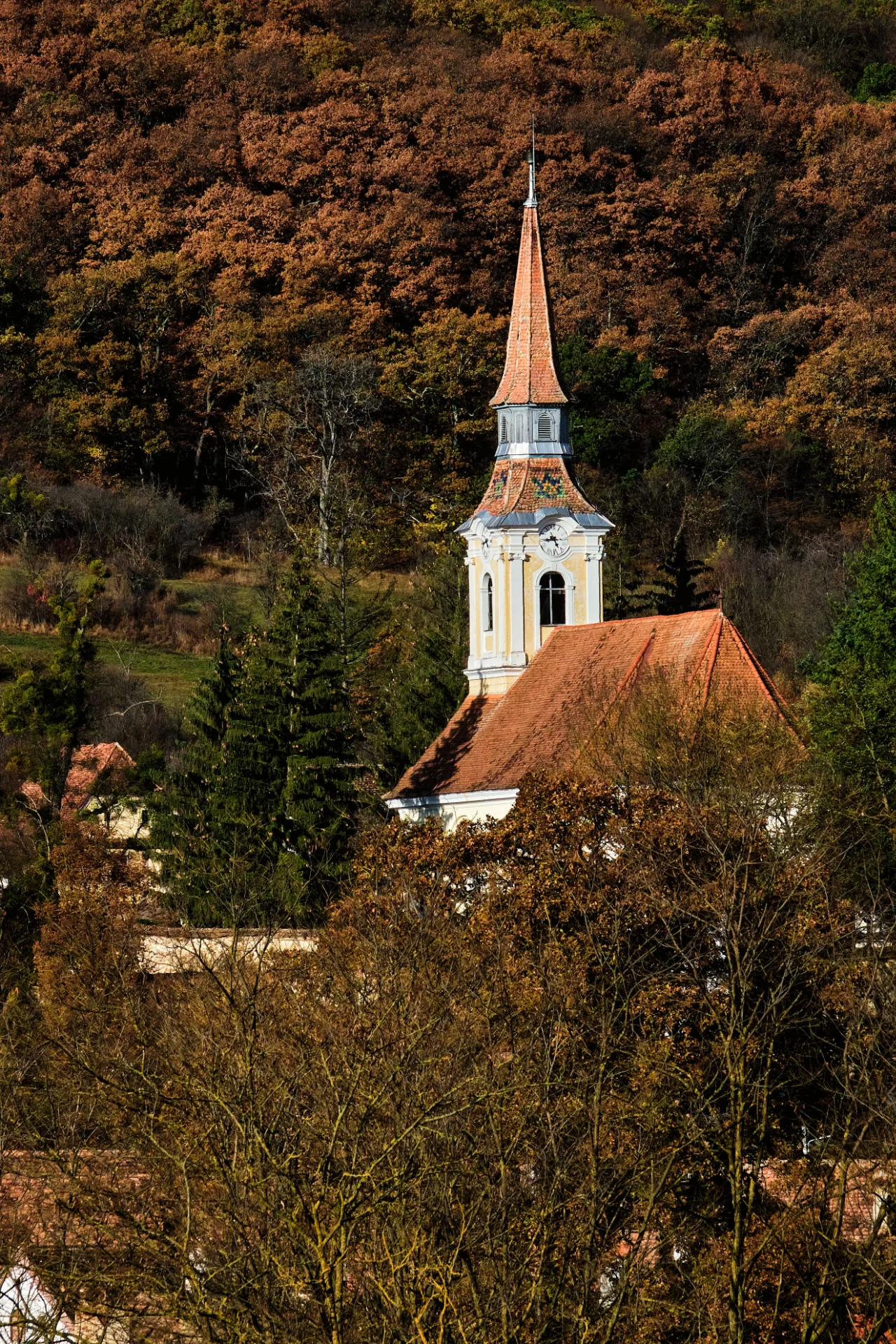
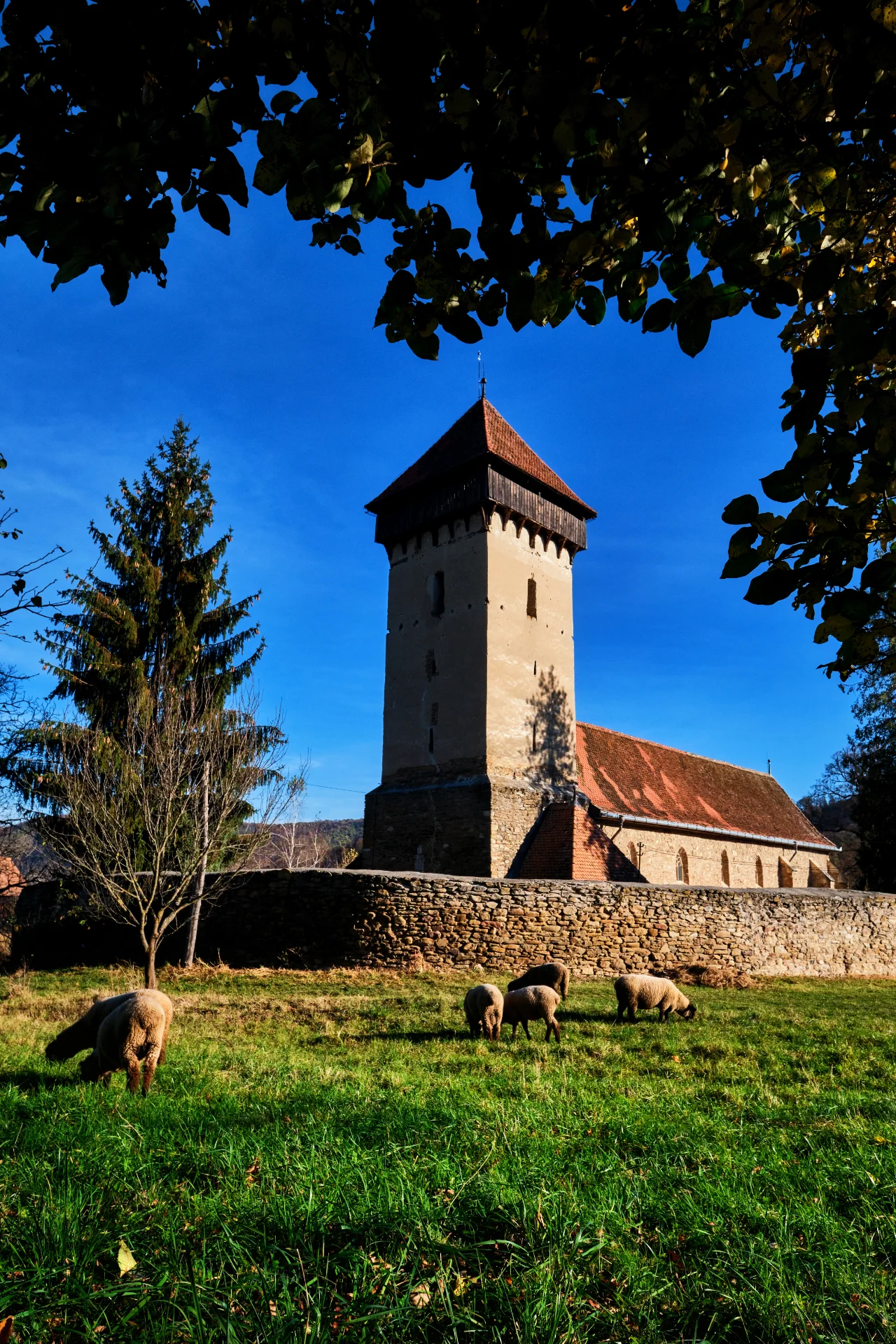
Situated on a small hill in the center of the village, the fortified church of Criț was built in the early 19th century, replacing the original collapsed structure and surrounded by a fortified enclosure with four 15th-century towers. It contains an impressive Baroque organ and sometimes hosts concerts. Nearby, the fortified church of Cloașterf dates from the early 16th century and features superb interior details, including paintings on the tribune panels depicting other fortified churches. The fortified church of Meșendorf was built in the 14th century in early Gothic style and impresses with its harmonious medieval tower, but also with the superb Baroque decorations on the wooden stands. In the neighboring village, the fortified church of Bunești is among the most beautiful in the area, with a long, narrow and high nave, while the surrounding fortifications include four towers and storehouses for supplies.

The fortified church in Archita was rebuilt after the destruction caused by a fire that took place in 1748, and the particularly valuable interior elements also date from the same period. It is surrounded by two impressive fortification systems, with massive towers at the corners. Partially ruined over time, the fortified church in Roadeș is an imposing monument that still preserves part of the strong fortifications and several architectural treasures inside. Another representative monument is the fortified church of Apold, built on the top of a small hill starting with the 15th century and fortified in the later period. Quite well preserved, it once had two fortified enclosures, of which the outer wall and three defense towers are preserved. The fortified church in Brădeni has several unique features, including a rare historical treasure consisting of approximately 300 traditional Saxon chests, several centuries old and beautifully ornamented.

The fortified churches of Iacobeni and Stejărișu date from the 14th century and preserve some valuable original elements. A little further south, the fortified church of Dealu Frumos dates from the 13th century, being modified two centuries later with the construction of fortification systems that also include several adjacent buildings. Nearby, the fortified church of Merghindeal also has two towers and preserves many elements of the Romanesque basilica from the 13th century. Even though the external structures of the fortifications have disappeared over time, the fortified church of Cincu still dominates the settlement and preserves some interesting authentic elements inside. The tower of the fortified church of Chirpăr is among the highest in the Transylvanian Hills, and inside is preserved the altar made by a craftsman from Sighișoara. Other interesting fortified churches in the surrounding area can be discovered in the villages of Rodbav, Veseud, Vărd, Seliștat and others. Situated on a small hill in the center of the settlement, the fortified church of Şomartin still preserves the west facade of the original basilica, modified with the fortification of the complex in the 15th century. Inside, you can admire the Baroque altar from 1780 painted by Johann Martin Stock.

One of the most interesting and original monuments of this kind, the fortified church of Richiș was once a monastery. It still preserves several valuable architectural treasures, such as the west portal, the columns with capitals, the ornate keystones and interesting sculptures. Impressive in size and the beauty of the altar from 1794, the fortified church of Șaroș dates back to the 14th century and was modified in the following centuries. The fortified church of Valchid still preserves much of the medieval fortification system, and inside there are valuable elements from the early 19th century. Considered among the most impressive in central Transylvania, the fortified church of Ațel was built in Gothic style over several periods starting from the end of the 14th century. Among the old and interesting elements, the west portal with superb ornaments, the sacristy portal or the carved pew stand out. The fortified church in Copșa Mare still preserves structures of the original Gothic basilica, but also other later elements of great artistic value, including a Renaissance portal or the Classicist altar.

The fortified church in Moșna is considered one of the largest and most beautiful in Transylvania, impressive in size and interior decoration. The fortified church in Agârbiciu was built at the beginning of the 14th century and fortified in the following century, while the fortified church in Axente Sever impresses with its considerable size, with a massive bell tower built between the hall and the choir. A little further south, the fortified church in Şeica Mare has completely lost its fortifications over time, but it still retains the authentic altar from 1776 and the Baroque pulpit. Nearby, the fortified church in Şeica Mică is even more impressive, once defended by two rows of fortifications, of which only portions and two small towers remain.

Situated on a small hill in the center of the picturesque village, lost among the hills of central Transylvania, the fortified church of Alma Vii was built at the beginning of the 14th century. Fortified two centuries later, it includes an enclosure with four defensive towers and has never been conquered. Containing some particularly valuable elements, the fortified church of Nemșa was built in Gothic style at the end of the 14th century, while the tall bell tower dates back to 1869. Inside the church, six impressive frescoes from the 15th century were discovered, while the exceptional altar is now found at the “Sf. Margareta” church in Mediaș. Of the former Romanesque church built in the 13th century and fortified in the 15th century in Nocrich, only a few small defensive towers remain. The current Evangelical church in Nocrich was built in its place at the beginning of the 19th century, being unusual in its north-south layout. This village was the birthplace of the late 18th-century governor of Transylvania, Samuel von Brukenthal. Nearby, the fortified church of Alțâna now includes a 19th-century neo-Gothic tower and preserves part of the fortifications, while a very interesting small multicultural museum has been organized in the village.

Visiting hours: Some churches can be visited by calling the numbers displayed to find the person responsible for the church in the village.
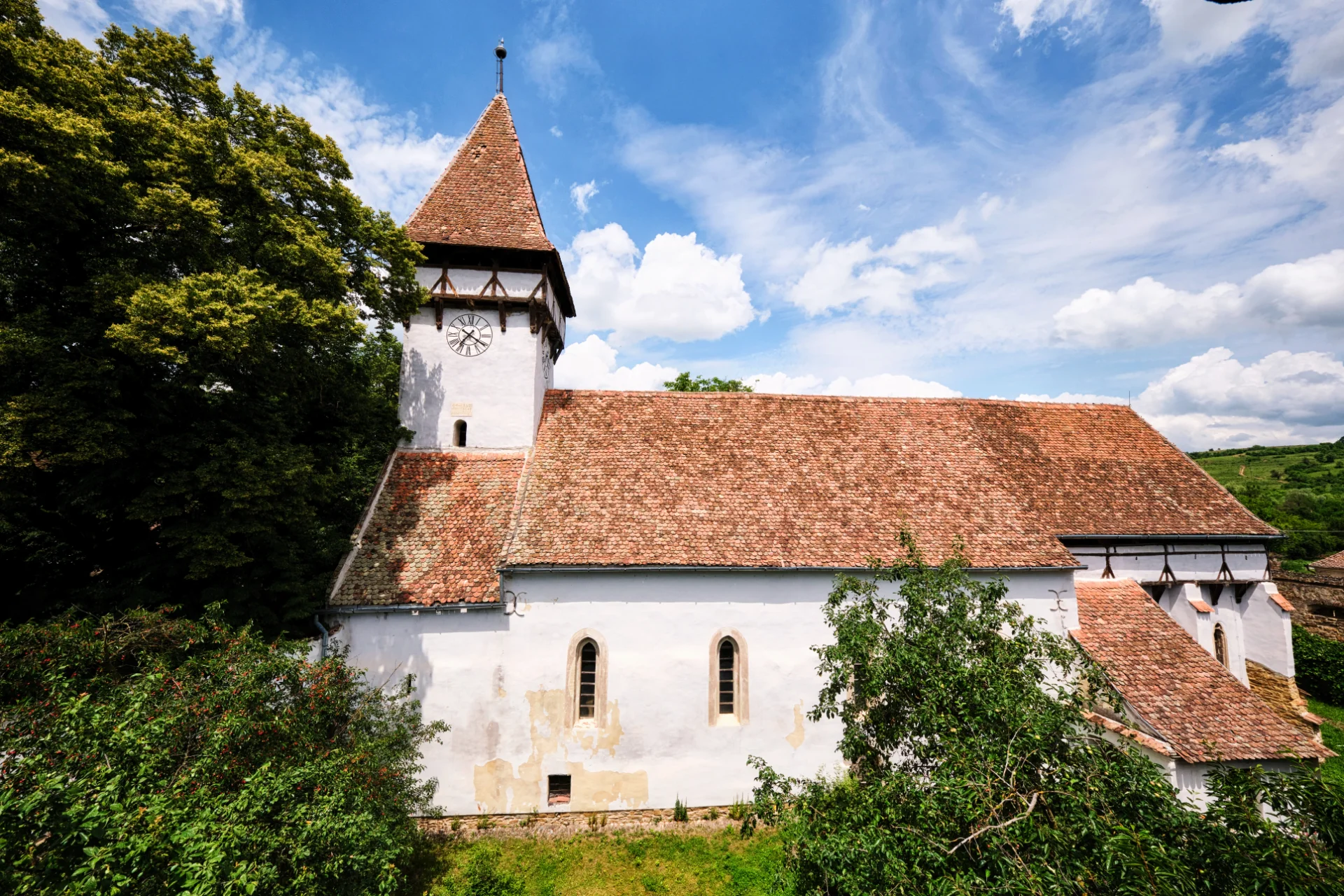
Fortified Church of Dealu Frumos - Transylvanian Highlands of Romania
Fortified Church of Dealu Frumos Ⓒ Silviu-Florin Salomia
Fortified Church of Hosman - Transylvanian Highlands of Romania
Fortified Church of Hosman Ⓒ Silviu-Florin Salomia
Fortified Church of Archita - Transylvanian Highlands of Romania
Fortified Church of Archita Ⓒ Silviu-Florin Salomia
Fortified Church of Cincu - Transylvanian Highlands of Romania
Fortified Church of Cincu Ⓒ Silviu-Florin Salomia
Fortified Church of Rodbav - Transylvanian Highlands of Romania
Fortified Church of Rodbav Ⓒ Silviu-Florin Salomia
Fortified Church of Șomartin - Transylvanian Highlands of Romania
Fortified Church of Șomartin Ⓒ Silviu-Florin Salomia
Fortified Church of Biertan - Transylvanian Highlands of Romania
Fortified Church of Biertan Ⓒ Silviu-Florin Salomia
Fortified Church of Stejărișu - Transylvanian Highlands of Romania
Fortified Church of Stejărișu Ⓒ Silviu-Florin Salomia
Fortified Church of Merghindeal - Transylvanian Highlands of Romania
Fortified Church of Merghindea Ⓒ Silviu-Florin Salomia
Bethlen Castle of Criș

Located a few kilometers southwest of Sighișoara, the village of Criș was for a long time part of the estate of the Bethlen noble family, one of the most influential in medieval Transylvania. Not much is known about the beginnings of the fortified residence here, most likely being built somewhere around the 14th century. The transformation of the castle into a Renaissance style began in the second half of the 16th century and continued for a long time after that. The ensemble was permanently expanded and fortified, consisting of a square enclosure with Italian-style bastions and a square entrance tower. Inside, a circular tower known as the Archers’ Tower and a superb vaulted loggia were built. Unfortunately, during the communist period the monument suffered a lot, being converted into a warehouse, then damaged by a fire and finally subjected to works that affected its artistic and historical value. It is considered one of the most beautiful Renaissance castles in Transylvania and has been in the process of restoration for several years. Nearby, you can admire the Evangelical church built at the beginning of the 20th century on the site of a former medieval church.

Town of Dumbrăveni

Located on the northern bank of the Târnava Mare River, halfway between Sighișoara and Mediaș, the town of Dumbrăveni (formerly Ibașfalău) has several interesting attractions, among which the monumental church and the feudal Apaffy castle certainly stand out. Located in a rather precarious state, the Armenian Catholic Church “Saint Elizabeth” impresses with its ample dimensions and Baroque architectural style, with two asymmetrical towers and other interesting ornaments. Construction began in 1766 and is due to the Armenian community that arrived in the area in the 17th century. Next to the church is the Apafi castle complex, originally built in the mid-16th century on the estate that belonged to the most important noble families. It was renovated and completed by Prince Mihai Apafi I and over time has hosted important events and personalities. Currently, it also hosts a museum dedicated to Transylvanian Armenians. Other interesting monuments in Dumbrăveni include the Roman Catholic church “Holy Apostles Peter and Paul” (18th century), the ethnographic exhibition “The Girl’s Dowry”, the City Hall building and others.

Village of Mălâncrav

Situated between the high hills in the northern part of the Transylvanian Highlands, a few kilometers from the national road between Sighișoara and Mediaș, the village of Mălâncrav contains two very interesting monuments, as well as an authentic rural atmosphere. The fortified church of Mălâncrav was originally built as a Romanesque basilica in the 14th century, being fortified in the following period. Not many elements of the defense system have been preserved to this day, but the church houses a series of historical and artistic treasures, with superb frescoes, interesting sculptures, an old Gothic altar and authentic furniture. Unlike the other evangelical churches in Transylvania, the interior frescoes, now known as the “bible of the poor” and illustrating biblical scenes, have been miraculously preserved here. Next to the church, you can also admire the Apafi Mansion, which belonged to important noble families in the region, and has now been transformed into a unique accommodation space.

Fortified Church of Axente Sever - Transylvanian Highlands of Romania
Fortified Church of Axente Sever Ⓒ Silviu-Florin Salomia
Fortified Church of Copșa Mare - Transylvanian Highlands of Romania 025
Fortified Church of Copșa Mare Ⓒ Silviu-Florin Salomia
Fortified Church of Iacobeni - Transylvanian Highlands of Romania
Fortified Church of Iacobeni Ⓒ Silviu-Florin Salomia
Mounds of Șona - Transylvanian Highlands of Romania
Mounds of Șona Ⓒ Silviu-Florin Salomia
Fortified Church of Hosman

One of the most picturesque villages in the Transylvanian Hills, Hosman is dominated by the massive silhouette of its fortified church, often outlined against the backdrop of the high ridges of the Fagaras Mountains. The monument was begun in the 13th century as a Romanesque basilica from which some elements were preserved in the body of the church, which was later restructured with the construction of the fortifications. These are composed of two walls surrounding the church, equipped with defense towers and a guard road.

Slimnic Fortress

Representing a complex of structures built over time, the peasant fortress of Slimnic had the role of defending the road between Sibiu and Mediaș. Built on a hill in the center of the settlement starting in the 14th century, the fortress includes a bell tower with a chapel on the ground floor, the structure of an unfinished Gothic church, as well as the ruins of the walls and some defense towers. Unfortunately, the destruction after the attacks of 1529 and 1706, but also those caused by the locals who used the stone for other constructions, brought this historical monument to its current state. Most likely, the fortress complex also included the church of St. Bartholomew, located on the northern side of the hill and built in the 14th century.

Village of Săsăuș

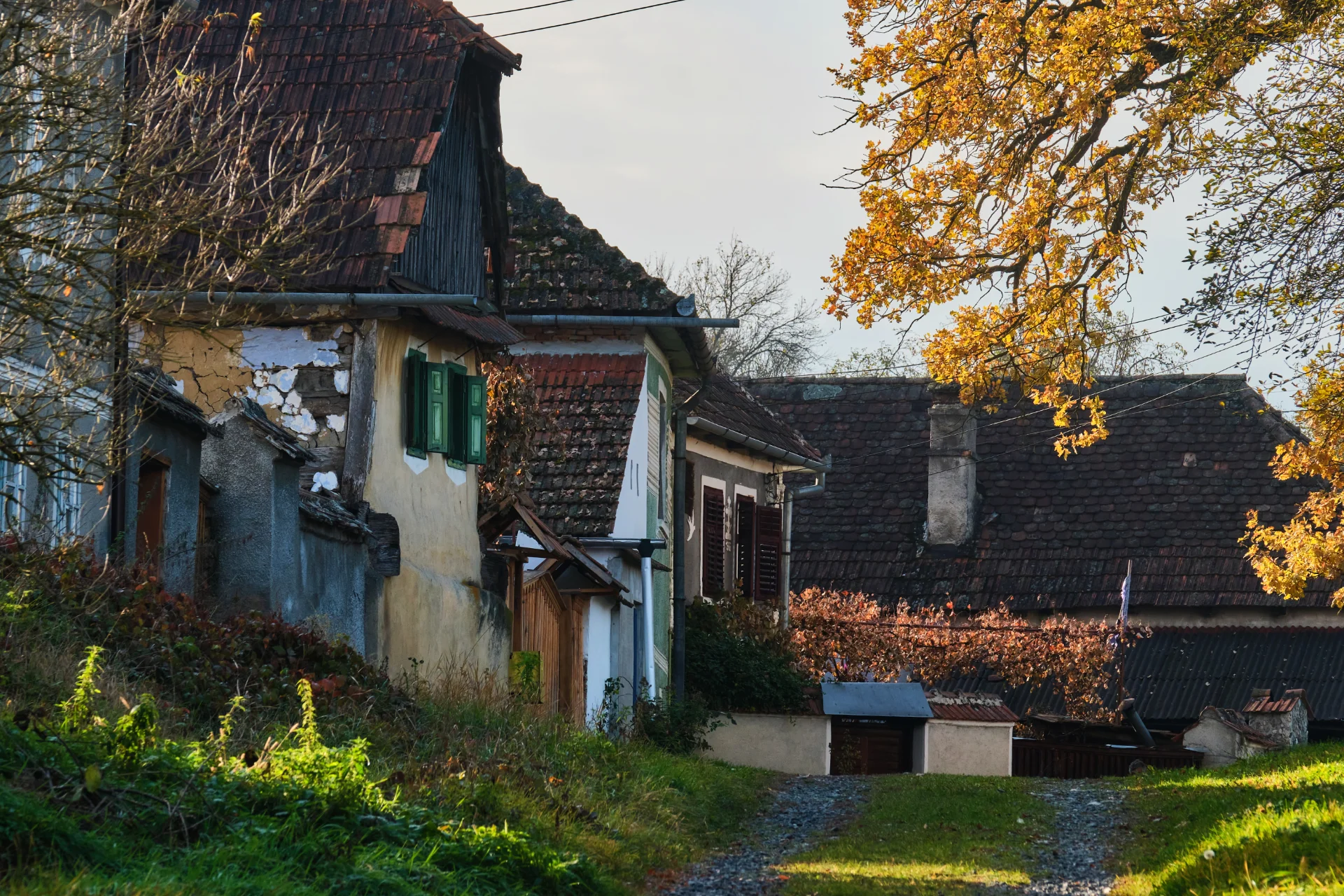
It is one of the most picturesque and atmospheric villages in the Transylvanian Hills, but also a rather sad image of the future that many traditional villages in the region try to avoid. The village of Săsăuș has been mentioned since the late 15th century, having been founded by Saxon colonists, who gradually left it in the modern era. Many of the old houses of the village have been abandoned for a long time, some being almost ruined, even if they could represent true elements of historical heritage. In order to save the village from extinction, a thematic route has been set up that explores its most interesting places and features. These include the church of the “Assumption of the Virgin Mary”, which dates back to the late 18th century and contains superb paintings attributed to the Grecu brothers, but also testimonies of the authentic traditions of the Săsăuș of yesteryear.
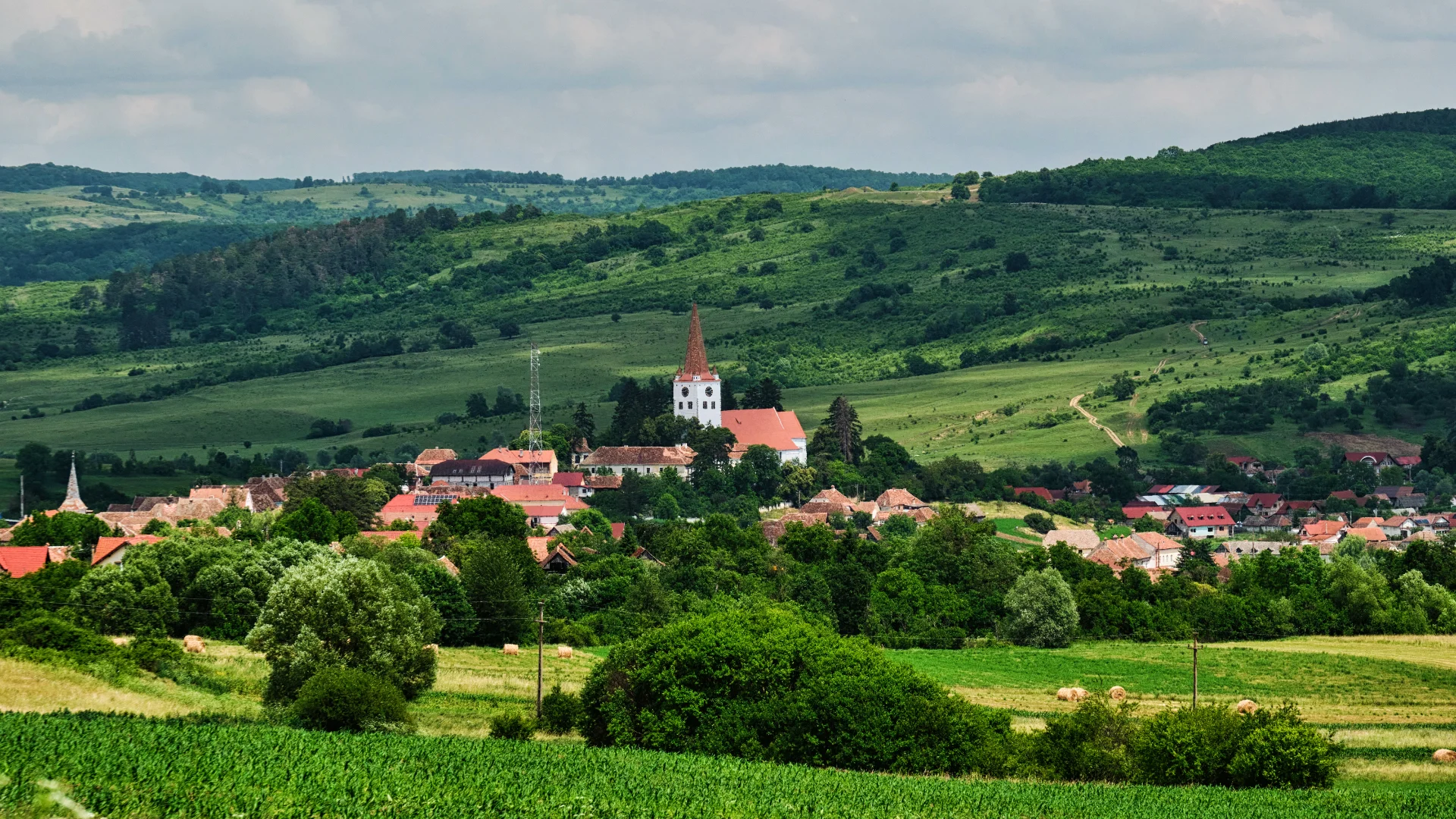
Fortified Church of Hosman - Transylvanian Highlands of Romania
Fortified Church of Hosman Ⓒ Silviu-Florin Salomia
Slimnic Fortress - Transylvanian Highlands of Romania
Slimnic Fortress Ⓒ Silviu-Florin Salomia
Village of Săsăuș - Transylvanian Highlands of Romania 130
Village of Săsăuș Ⓒ Silviu-Florin Salomia
Calbor Hill - Transylvanian Highlands of Romania
Calbor Hill Ⓒ Silviu-Florin Salomia
Rural Landscape - Transylvanian Highlands of Romania
Transylvanian Highlands Ⓒ Silviu-Florin Salomia
Hârtibaciu Valley Narrow Gauge Train

In the past, the cities of Sibiu and Sighișoara were connected by a narrow-gauge railway that followed the Hârtibaciu Valley. The Mocănița operated on this until 1965, when it reduced its route to only between Sibiu and Agnita. Closed in 2001, it returned to the spotlight due to its tourist potential a few years later, with plans to reopen this fascinating route, at least as far as Agnita. Currently, the Mocănița operates occasionally for tourists only between the villages of Hosman and Cornățel, but efforts are being made to extend this experience. Currently, trips are only organized on Sundays, during the tourist season.
Bazna Resort

Although geographically it is not located in the Transylvanian Hills, but a few kilometers north of Mediaș and the Târnava Mari valley, the town of Bazna can be noted for its special tourist attractions. Declared a balneoclimatic resort for its mineral waters, sapropelic mud and other characteristics, Bazna includes several tourist complexes that offer both accommodation and curative services. The fortified church in Bazna is impressive in size and characteristics, having been built in the mid-14th century, on the site of an older Romanesque basilica. Of the former fortification system, only the southern tower is preserved, which also serves as a gate tower and bell tower, while the church includes a painted portal from the Romanesque period, as well as other interesting elements. Near the town, you can also admire the fortified evangelical churches in the villages of Boian and Velț.

The Mounds

One of the extraordinary features of the Transylvanian Hills are the glimee, locally known as mounds, pyramids or guruieți. These are actually interesting geological phenomena, but their appearance and rarity have given rise to many charming legends. Considered by some to be Dacian remains where treasures are hidden and by others to be the work of fantastic beings, glimee create spectacular landscapes in several places in the region. The most famous are probably the Movilele de la Șona, a group of 8 such small hills arranged in two almost parallel rows. Other interesting phenomena of this kind can be admired near the villages of Movile (40 glimee), Apold, Rucăr or Saschiz.

Mihăileni Canyon

A lesser-known tourist attraction in the Transylvanian Hills, the Mihăileni Canyon, also known locally as “Râpa lui Brod” is located between the villages of Mihăileni and Şalcău. It has been designated a protected natural area and is a narrow and steep valley of geological and landscape interest. It was formed by the erosion of Pliocene sedimentary rocks by the Calva stream, resulting in a canyon with a length of 500-600 meters and slopes reaching heights of over 20 meters.

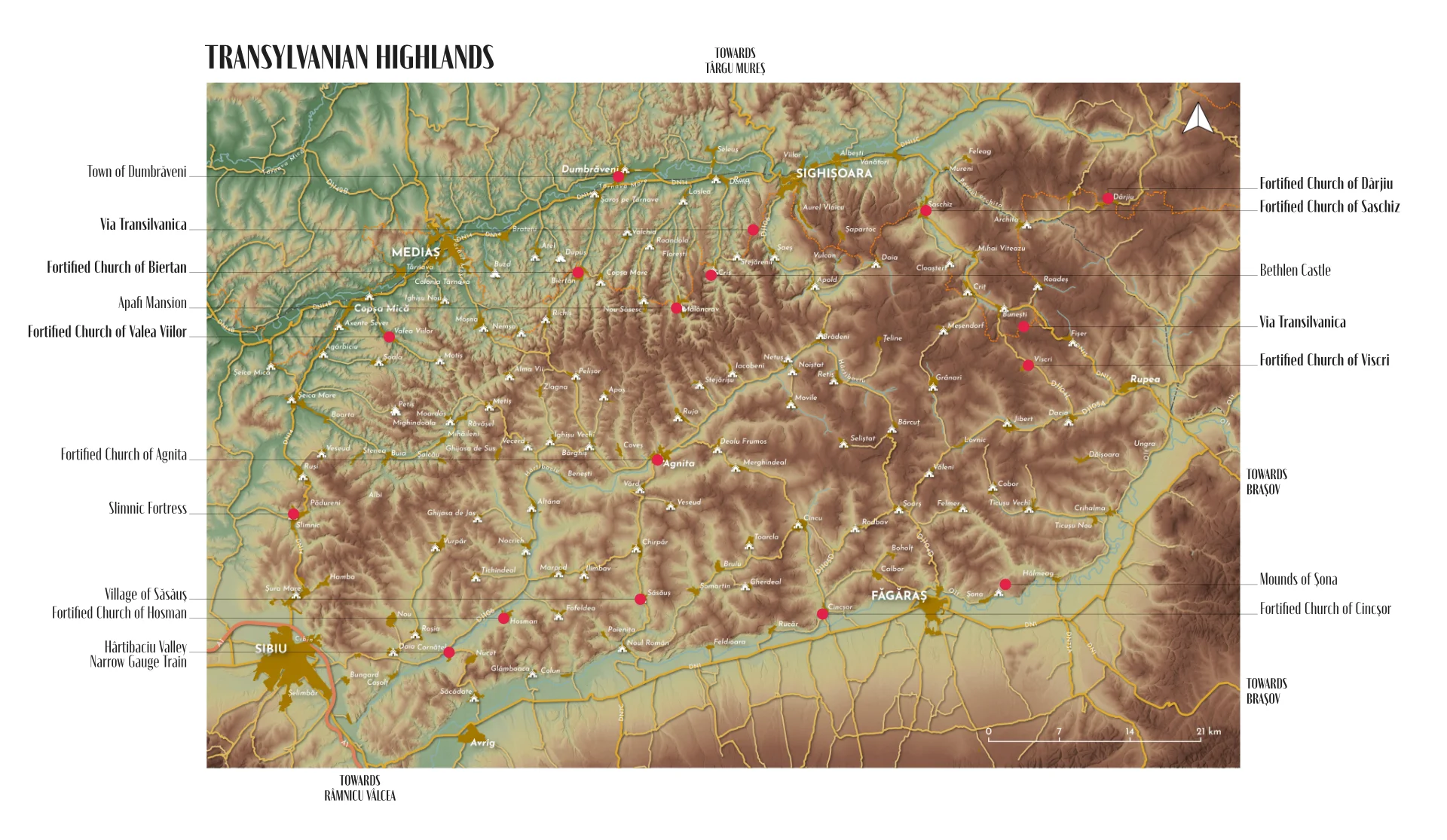
Transylvanian Highlands Tourist Map

Accommodation Recommendations

The best lodging options in the Transylvanian Highlands
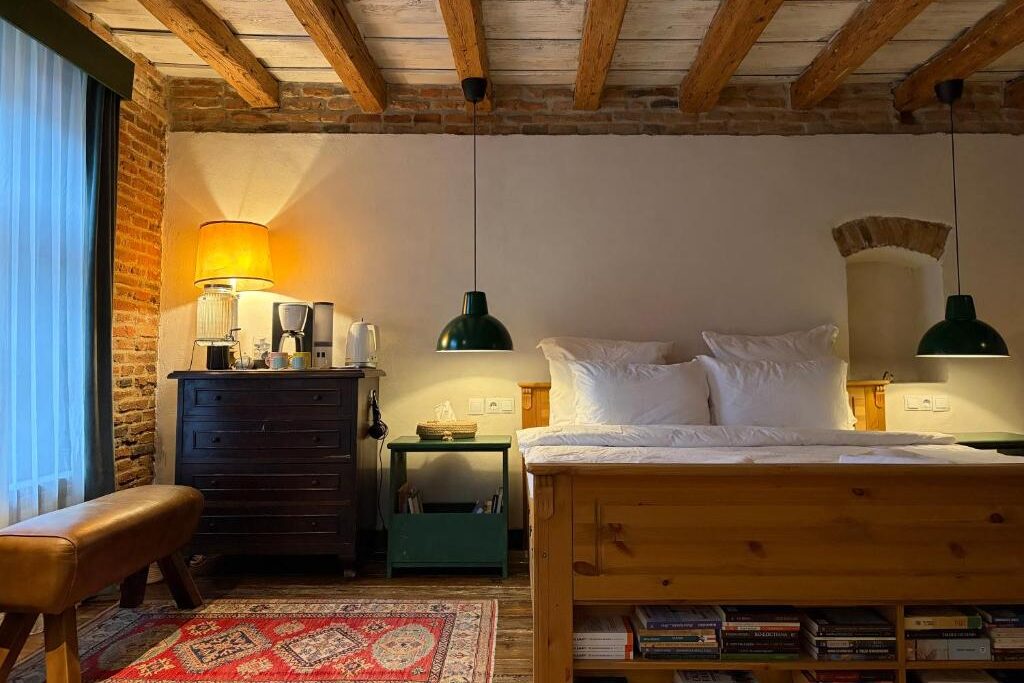
Recomandari Cazare in Colinele Transilvaniei - Casa Eva Wagner Biertan

Rating 9.2 from 199 reviews!

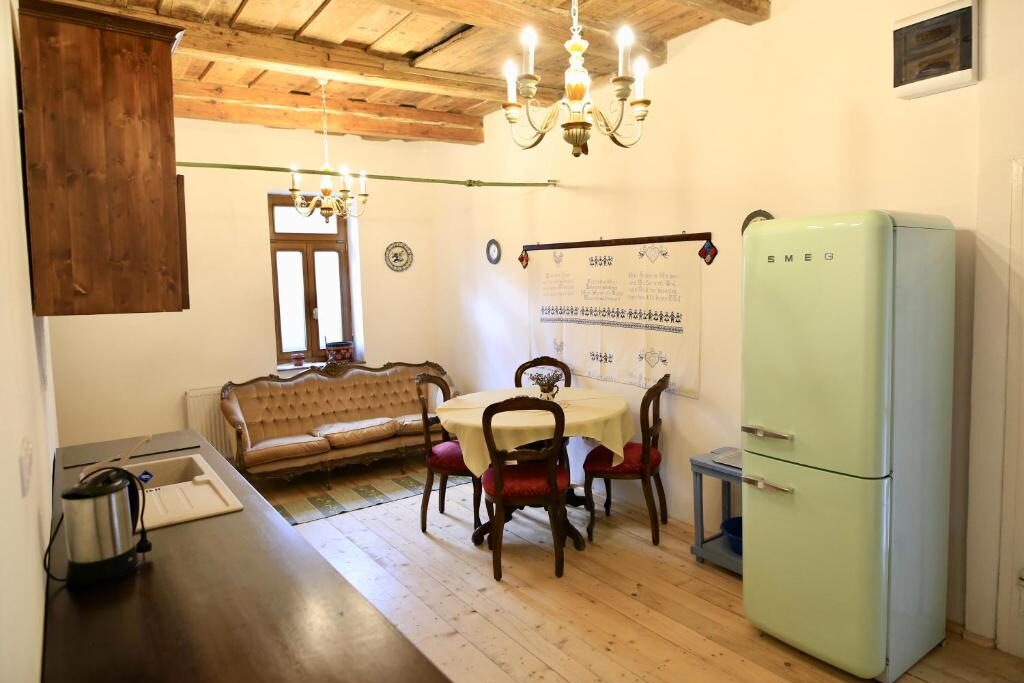
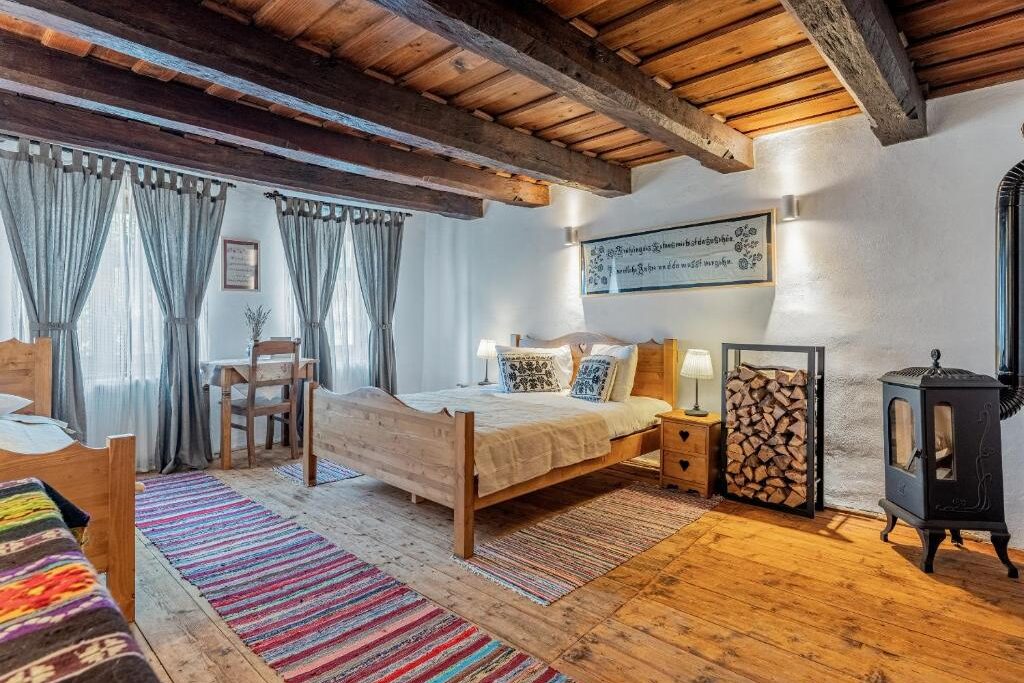
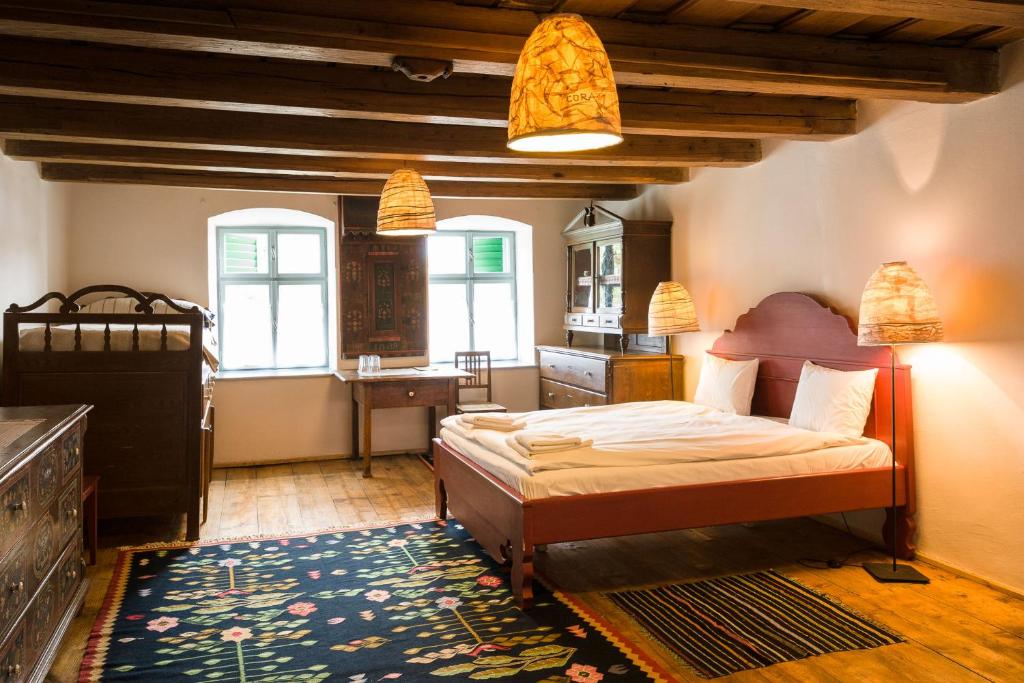
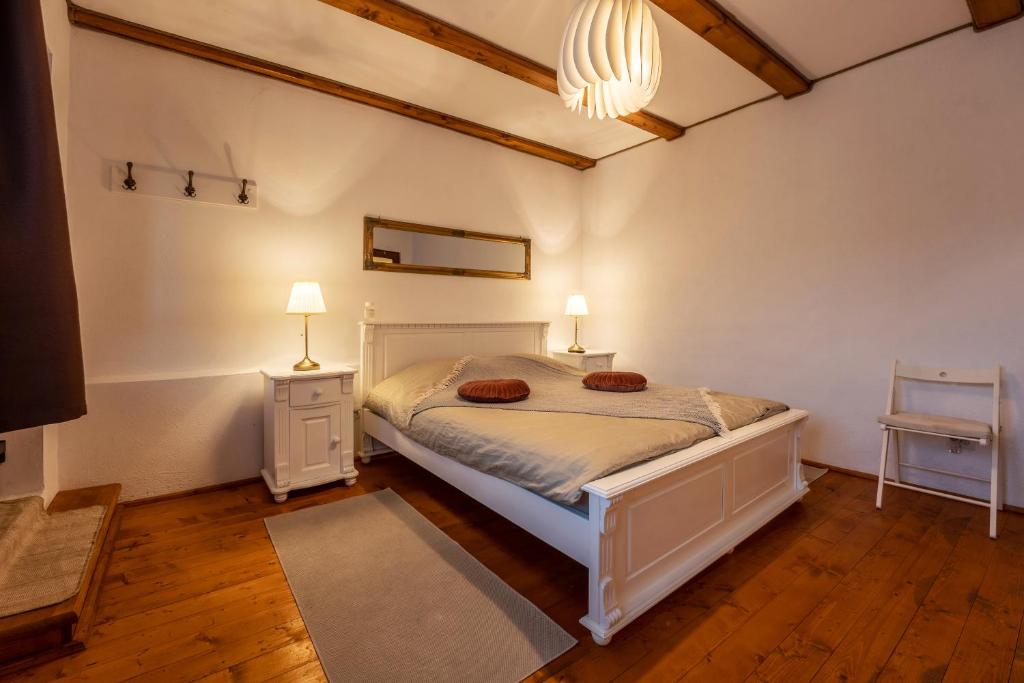
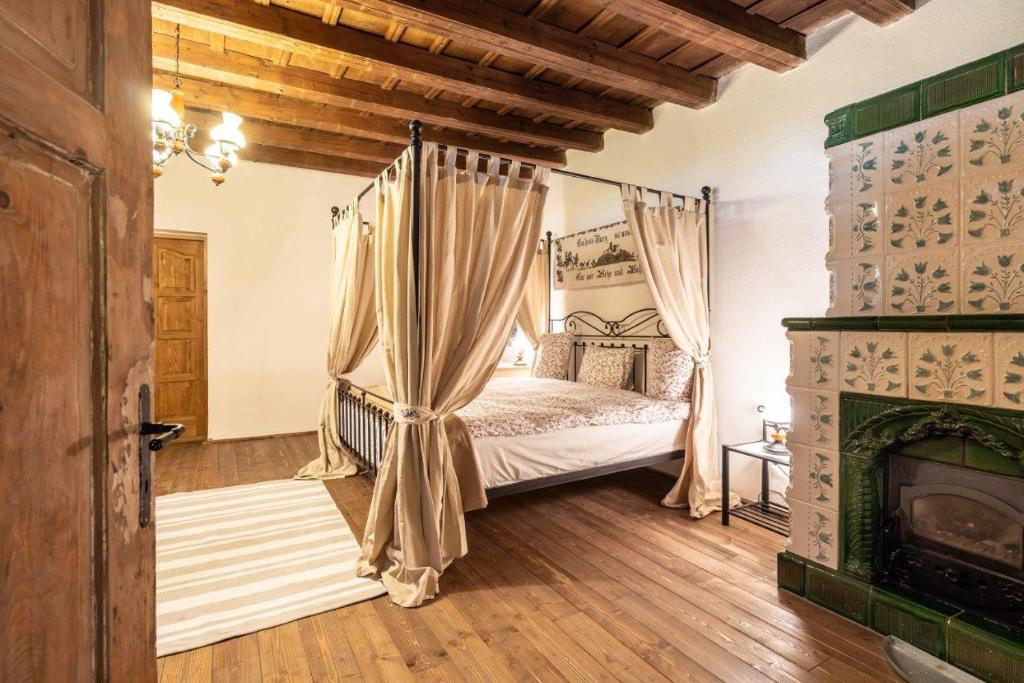
Located in the village of Biertan very close to the fortified church, the accommodation offers several traditional spaces for couples of families, with private bathroom, common kitchen and garden!

Tudor Vladimirescu St. 69, village of Biertan

Recomandari Cazare in Colinele Transilvaniei - Meșendorf Gasthaus

Rating 9.5 from 221 reviews!

Located in the village of Mesendorf, this highly rated guesthouse offers traditional accommodation in superb Saxon houses that are fully equipped, with private bathrooms, common dining area and large garden!

Village of Meșendorf 48-49

Recomandari Cazare in Colinele Transilvaniei - Viscri 125

Rating 9.7 from 106 reviews!

Located in the charming and authentic village of Viscri, this traditional guesthouse features superb rustic rooms, family friendly restaurant with loval produce, wellness center, terrace and garden!

Village of Viscri 125

Recomandari Cazare in Colinele Transilvaniei - Flori Haus Saschiz

Rating 9.7 from 177 reviews!

Located in the village of Saschiz just 300 meters from the fortified church, this amazing accommodation features in superb houses that are equipped with traditional new facilities, private bathrooms and garden!

La Cetate 225, village of Saschiz

Recomandari Cazare in Colinele Transilvaniei - Casa Schmidt Criț

Rating 9.2 from 125 reviews!

Located in the marvelous village of Criț, not far from Sighișoara, this authentic guesthouse features lovely rooms with rustic decor and all amenities, shared kitchen, outdoor areas and local breakfast!

Principală St. 113, village of Criț

Recomandari Cazare in Colinele Transilvaniei - Bed and Wine Transylvania Nemșa

Rating 9.7 from 27 reviews!

Located in a remote and autehntic village close to Mediaș, this lovely farmstay offers unique accommodation in welcoming rooms, a shared kitchen area, picnic area, garden, terrace and more!

Principală St. 91, village of Nemșa

Next Destination

22. Sighișoara Medieval Citadel
Scroll to Top