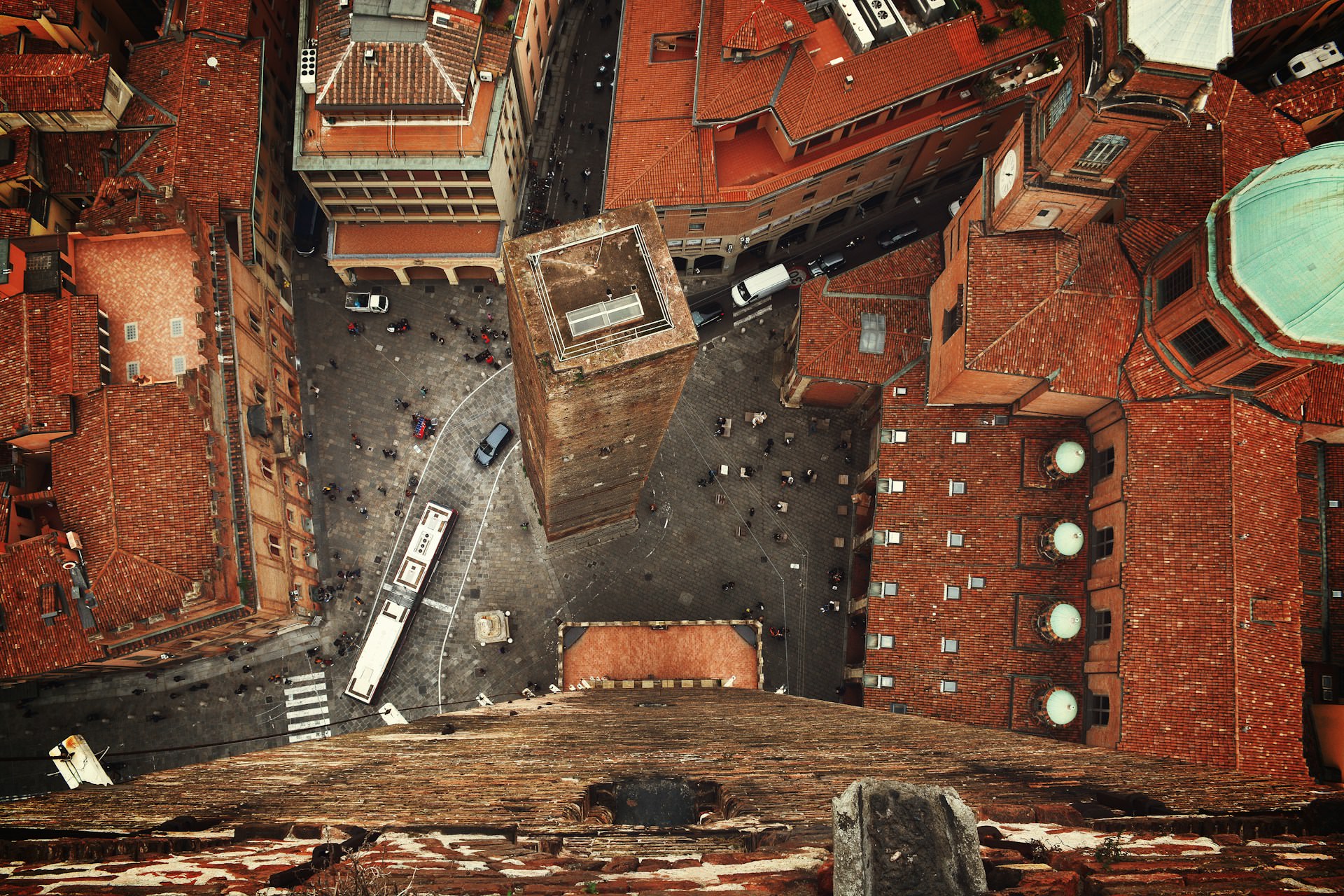
Bologna is Italy’s seventh most populous city, with an extensive metropolitan area totaling 1 million inhabitants. It is the capital of the Emilia-Romagna province and one of the most beautiful destinations in Italy, although little known by foreign tourists. Bologna has a history of millennia, extremely rich in events and legends, which can also be seen in the impressive number of monuments and museums. Over the centuries, Bologna has developed through various periods and dominions, including as a papal city. It was the first city with a municipal council in Italy and among the first cities in the world to abolish slavery. The first university in continental Europe was established here in 1088 and is still known as one of the most prestigious in the world. A city of culture in every way, Bologna offers a unique travel experience.
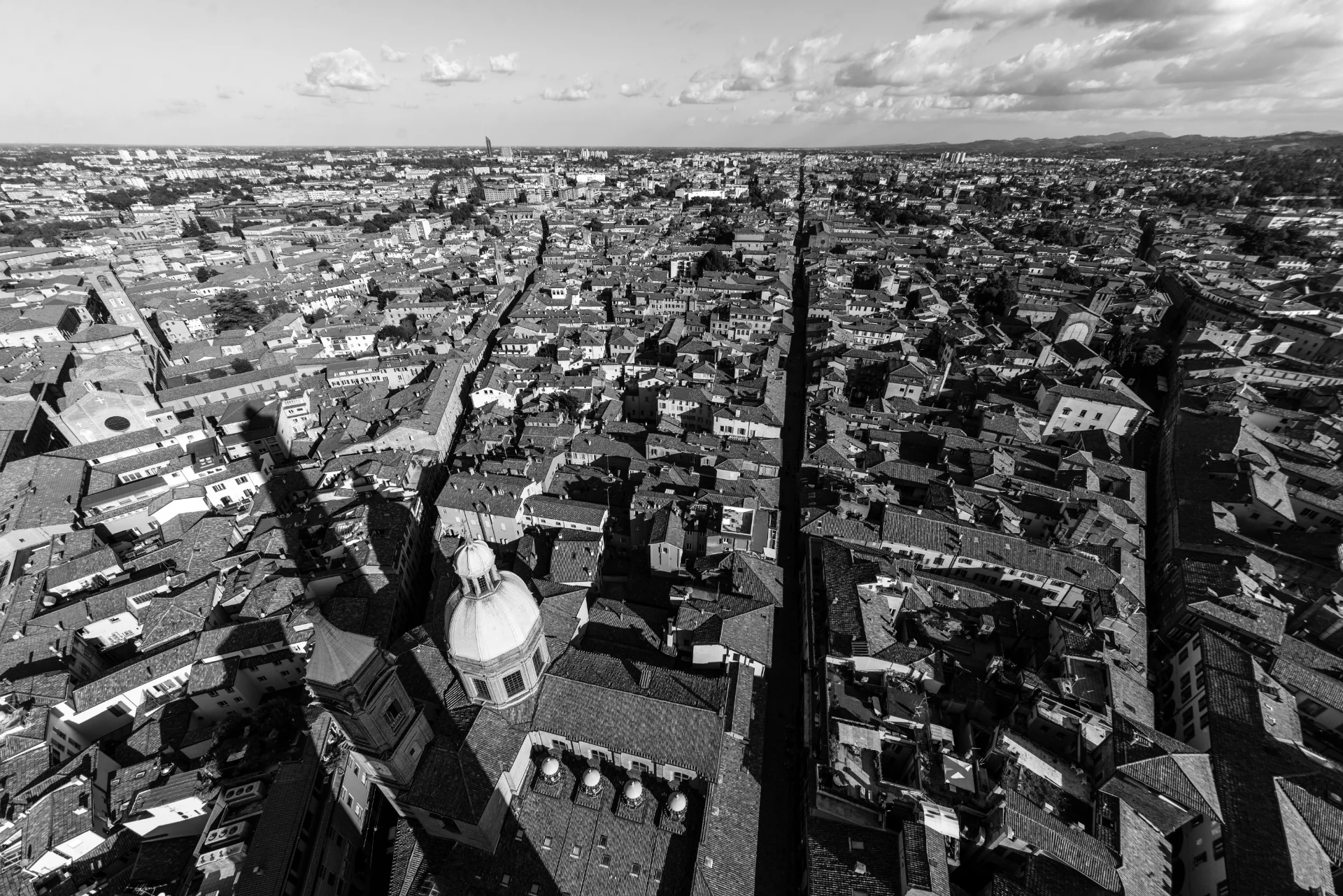
The city of towers and porticoes, of the communion between science and religion, but also of gourmet life, Bologna delights and incites at the same time. It is known as “la grassa” for its famous cuisine, but also “la rossa” for the color of the monuments in the historic center. Put on the same place as Rome, Venice or Florence from the point of view of cultural heritage, Bologna deserves to be understood and discovered. From the shadow of the covered alleys or from the height of the Torre Asinelli, Bologna is charming, especially in the sunset light that dresses the city in a mantle of vibrant red. It is a contrasting destination, with the old squares and streets brought to life by the exuberance of thousands of students arriving from all over the world.
Look for Flight Tickets to Bologna on Booking.com or eSKY.com!
Transportation in Bologna!
BY BUS – The easiest way to travel longer distances in Bologna is by bus, the public transport network known as TPER. Once you arrive at Guglielmo Marconi Airport, the Aerobus – BLQ line takes you in a few minutes to the central train station, near the historic center. The bus network has stops at the most important points in the city, also connecting the center with the suburbs over longer distances. You can buy tickets from machines or kiosks, the price is 2.30 euros (*2026) for one journey, but if you need more than one journey, there is a one-day ticket for 9 euros.
BY TAXI OR CAR – There are taxis near the main points of interest and hotels in the city centre. If you arrive by car, the traffic is quite light, except on the main holidays. Certain areas of the historic center designated with limited access between 7am and 8pm should be avoided. There is also the possibility to rent a car to explore other destinations in Emilia-Romagna. For car rental in Bologna, you can search on Booking.com!
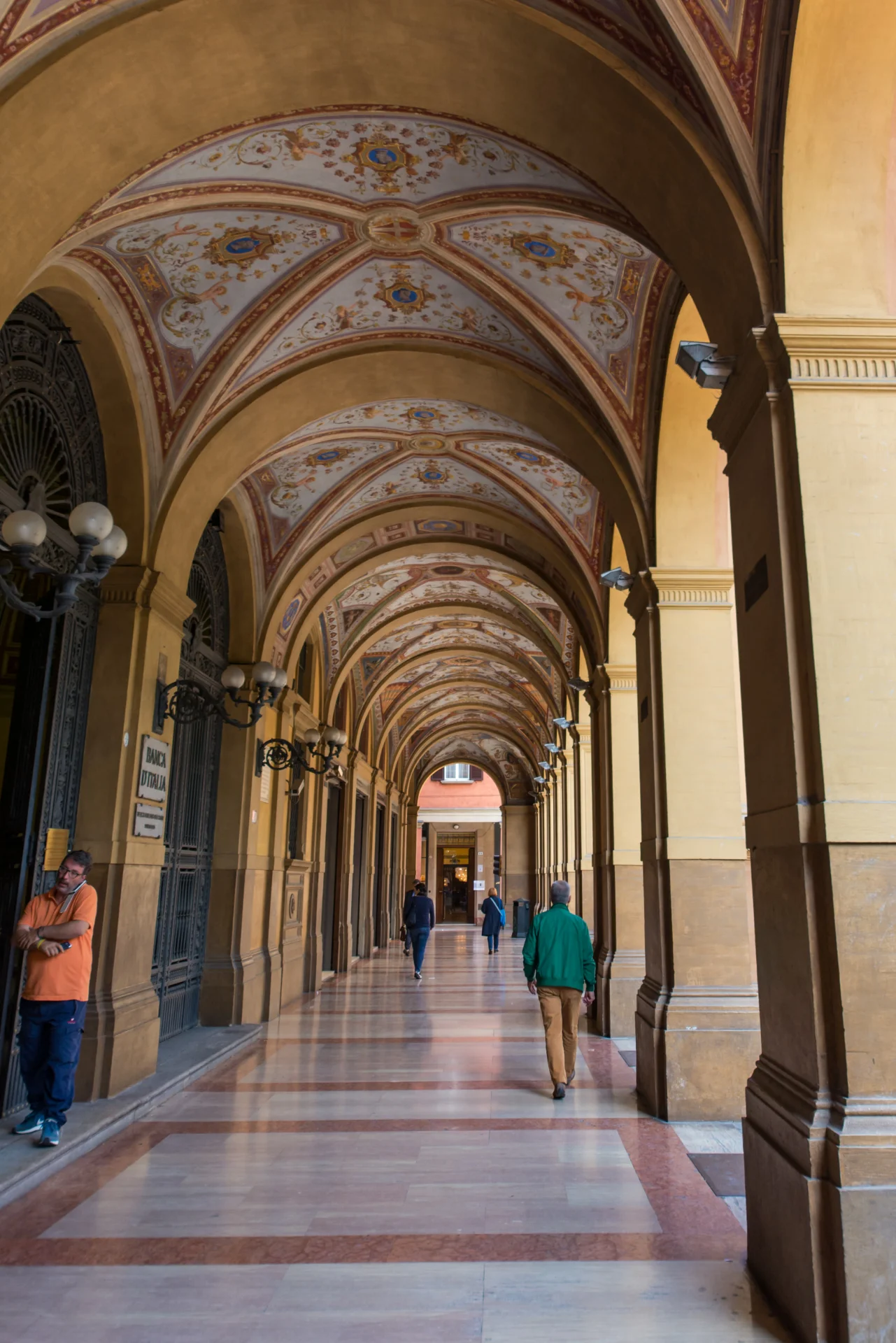
ON FOOT – The easiest way to visit Bologna and its attractions is on foot, as most of the sights are located in a relatively small space. Walking through the city is all the more pleasant considering the alleys covered by long porticoes, a symbol of the destination.
2 Days in Bologna
Although the most interesting attractions of Bologna can be visited in one day, to really discover the treasures of a special destination, you need at least 2 days. If you have more, don’t hesitate to explore the Emilia-Romagna region!
DAY 1
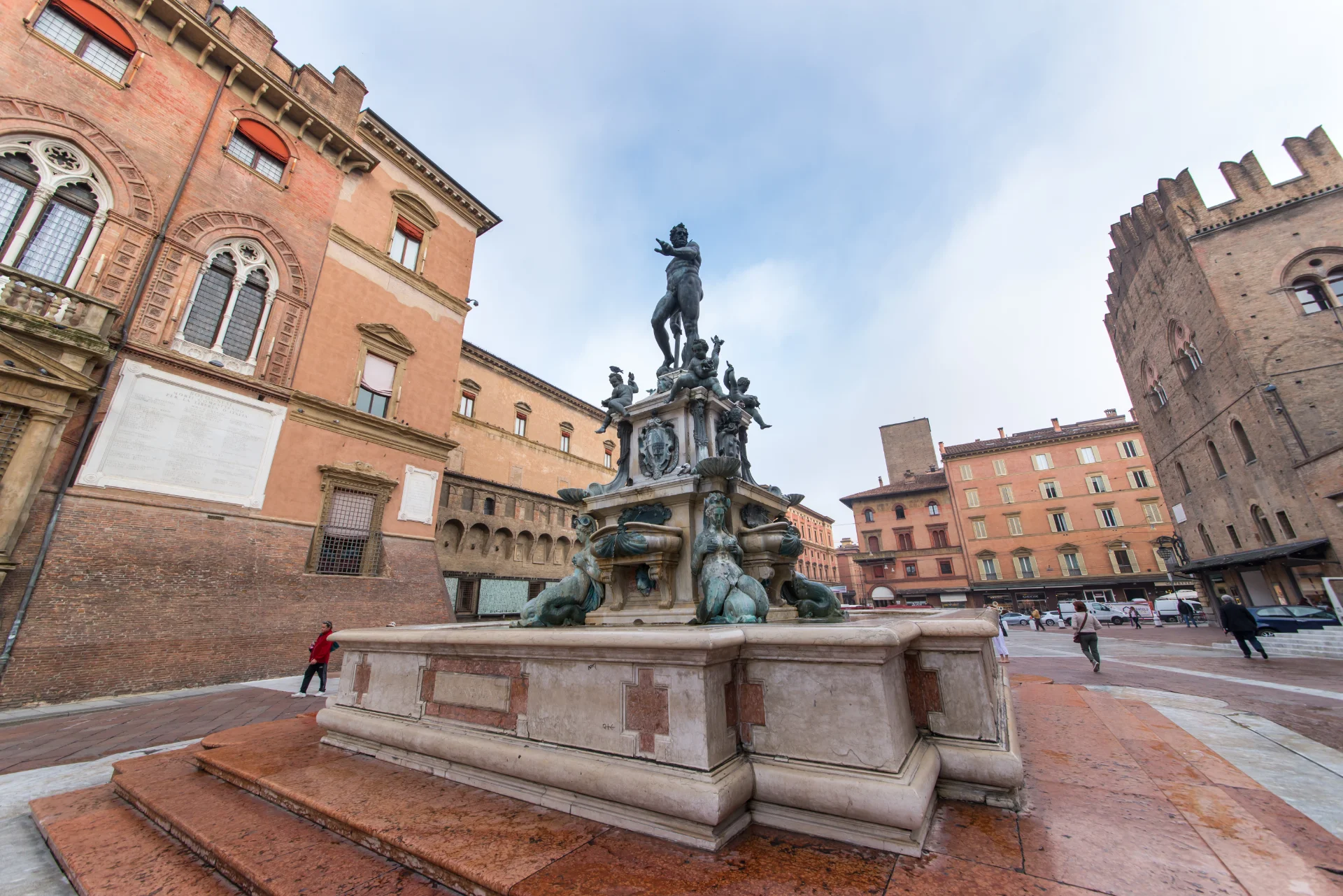
Morning – Start by visiting the city’s focal point, the gorgeous Piazza Maggiore, surrounded by impressive palaces and monuments. You will need a good few hours to admire and visit all the sights that guard this great square. In the center rises the magnificent Palazzo Re Enzo, next to the older Palazzo del Podesta. The latter was the seat of the first city government, since 1200. It was originally built in Romanesque style, with Renaissance elements added later. Just like today, in the past numerous merchants and artisans sold their wares under the vaulted arches of the palace. Also known as the “New Palace” and adjacent to the old one, the imposing Palazzo Re Enzo was built between 1244-1246. It got its name after King Enzo of Sardinia, a prisoner after a battle. He stayed here for 23 years, until his death in 1272. Built in the Gothic style, the palace and its halls can only be visited during exhibitions.
Next to these palaces rises the charming Fontana del Nettuno. It is the work of the sculptor Giambologna from 1567 and as a different fact, the Maserati logo is based on Neptune’s trident here. The western side of the square is occupied by the Palazzo d’Accursio o Comunale, or the Town Hall of Bologna. Consisting of a complex of buildings of various ages, it is now the seat of the city council, housing other institutions as well. Among the interesting elements we can include the clock tower, the municipal art collection, the Rossa Hall, the Ercole Hall, the Farnese Hall and the Palatine Chapel. Nearby, you can also admire two magnificent palaces bordering Bologna’s Piazza Maggiore. The Palazzo dei Notai is the old seat of the notary guild, and the Palazzo dei Banchi with its 15 arches was originally built to hide the shopping streets behind it.
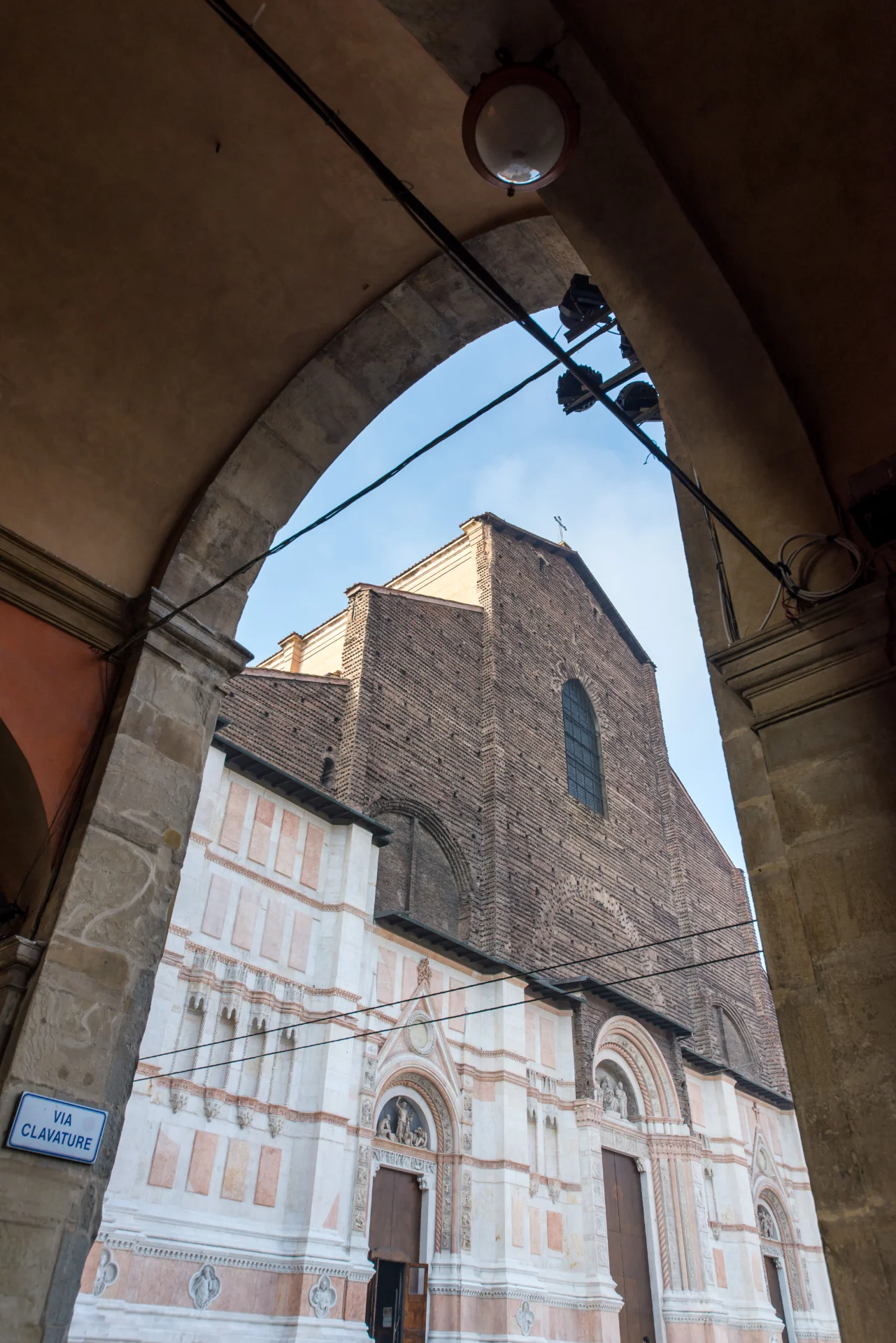
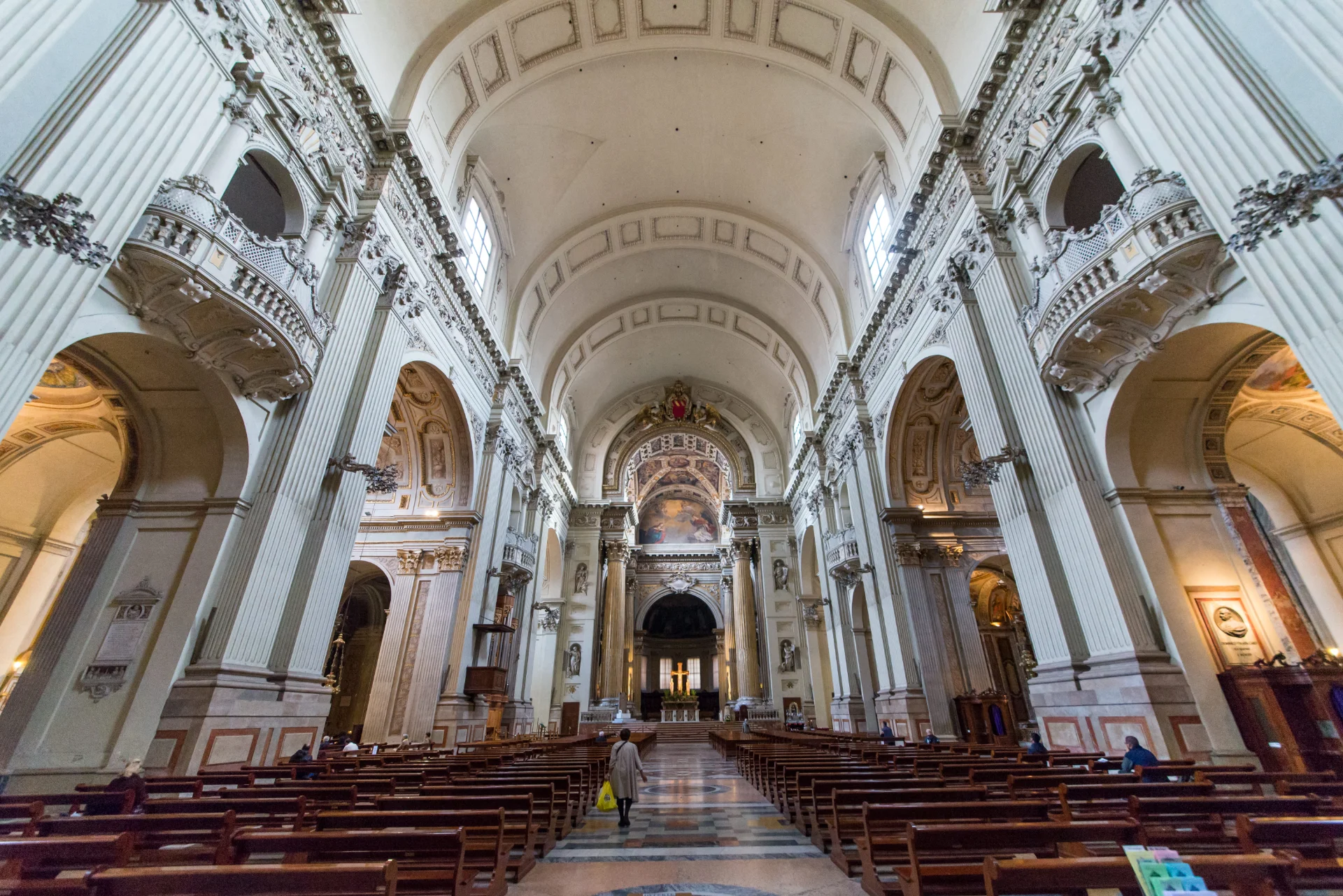
Afternoon – After lunch, you can return to Piazza Maggiore to visit the impressive Basilica di San Petronio, named after the city’s patron saint. It represents the most important religious monument of the city, having been started since 1390. Along the way, the project was modified, wanting to create a huge structure that would surpass the church of St. Peter in Rome. Its development was then abandoned, which is also evident from the strange facade with two completely different architectural styles. The vast interior houses over 20 chapels and numerous other valuable objects and works of art. The entrance is free and you can freely admire all the treasures of the basilica.
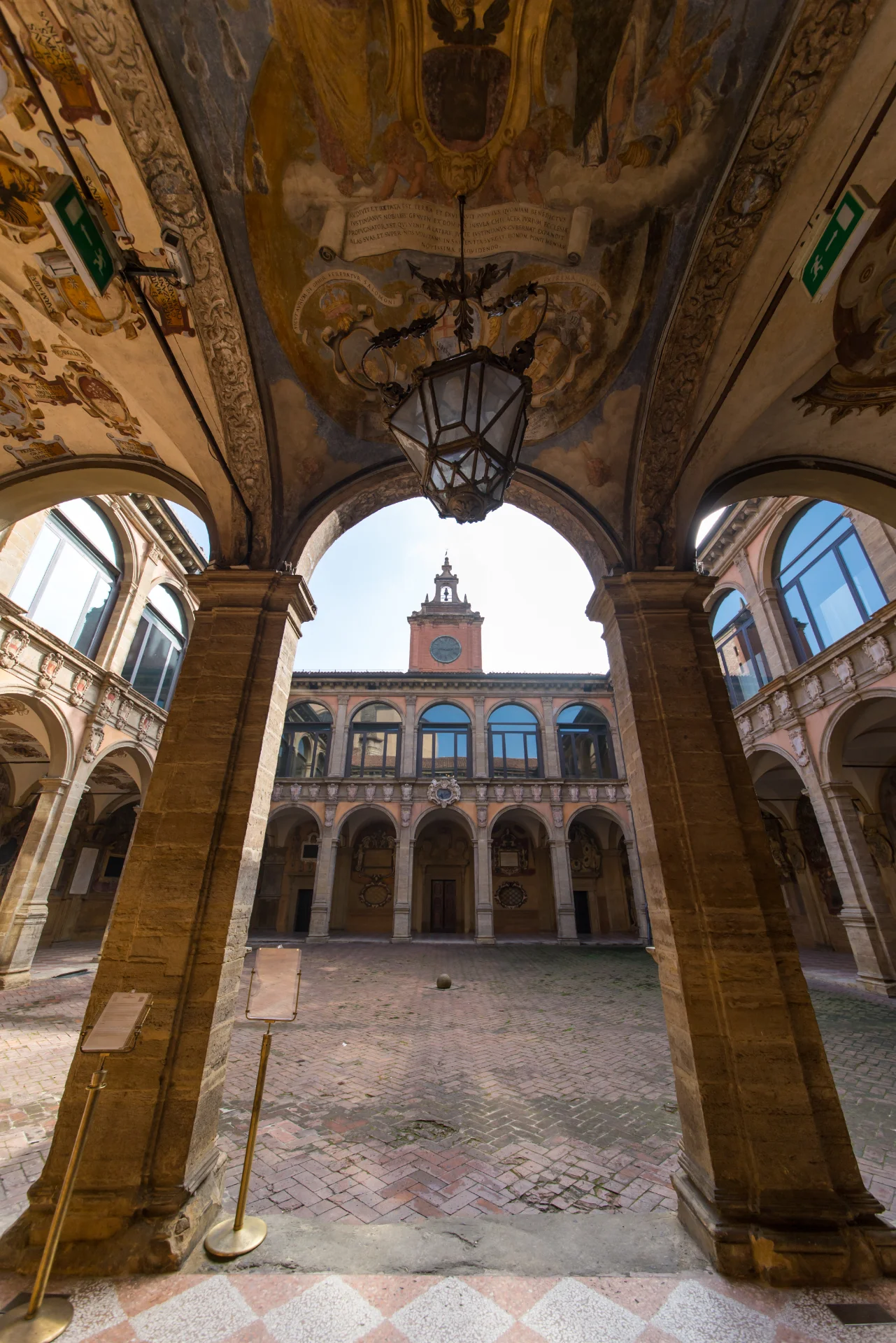
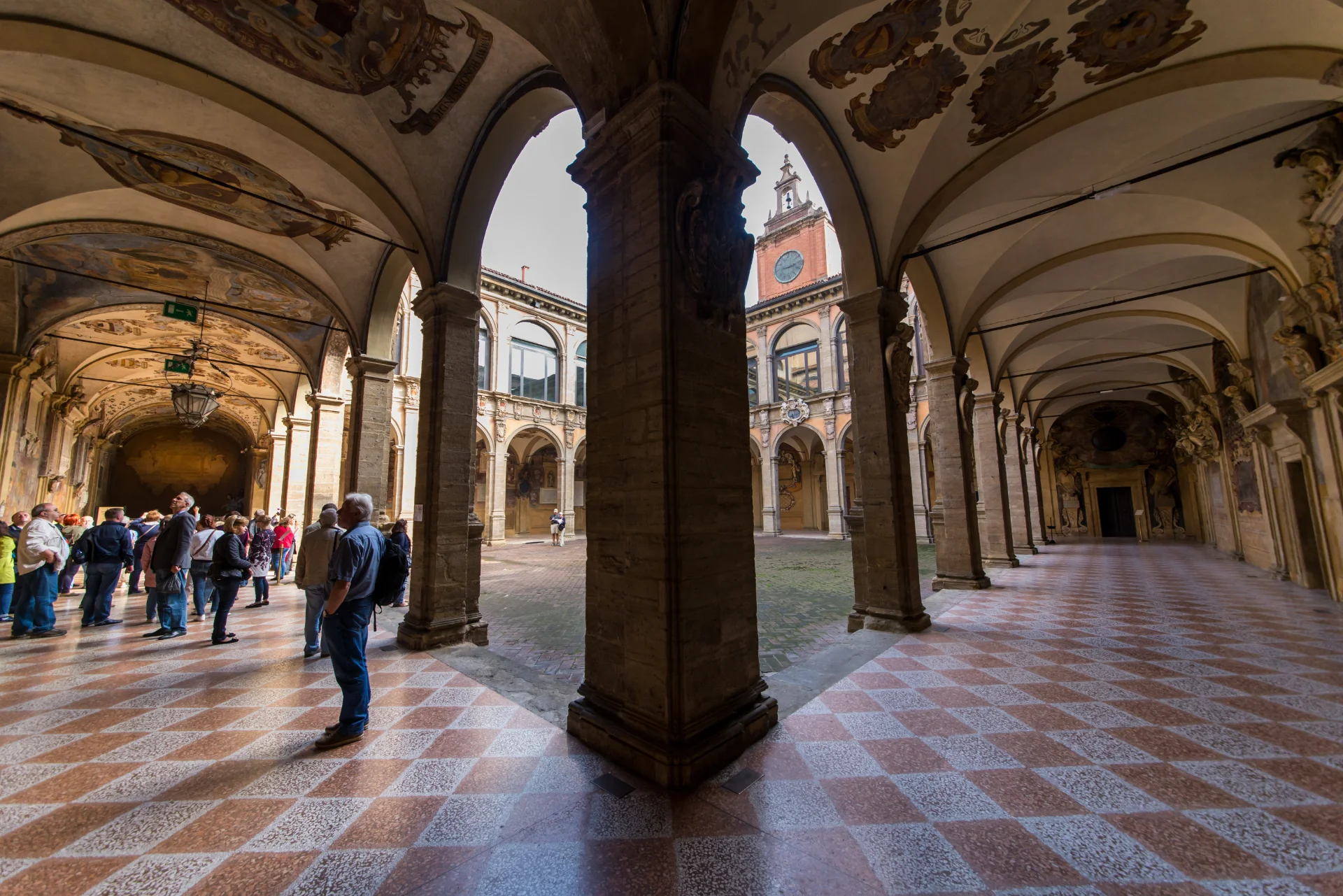
On the eastern side of the basilica, across the street is the Civic Museum of Archaeology, housed in the superb Galvani palace from the 19th century. 15. For just a few euros, you can visit the impressive collections of history and archaeology, including objects and artifacts from Ancient Egypt, the Etruscan civilization, but also from ancient Greece, the Roman empire and a famous numismatic collection. Next to it is another iconic building, known as the Archiginnasio, built in the 16th century. It housed various institutions, including an anatomical theater where students attended anatomy lessons. You can admire the gorgeous inner courtyard surrounded by arches. Nearby, you can also visit the City History Museum, housed in Palazzo Pepoli. It presents the history of the city from ancient times, the Etruscan heritage and all aspects of the life of the inhabitants up to the present day.
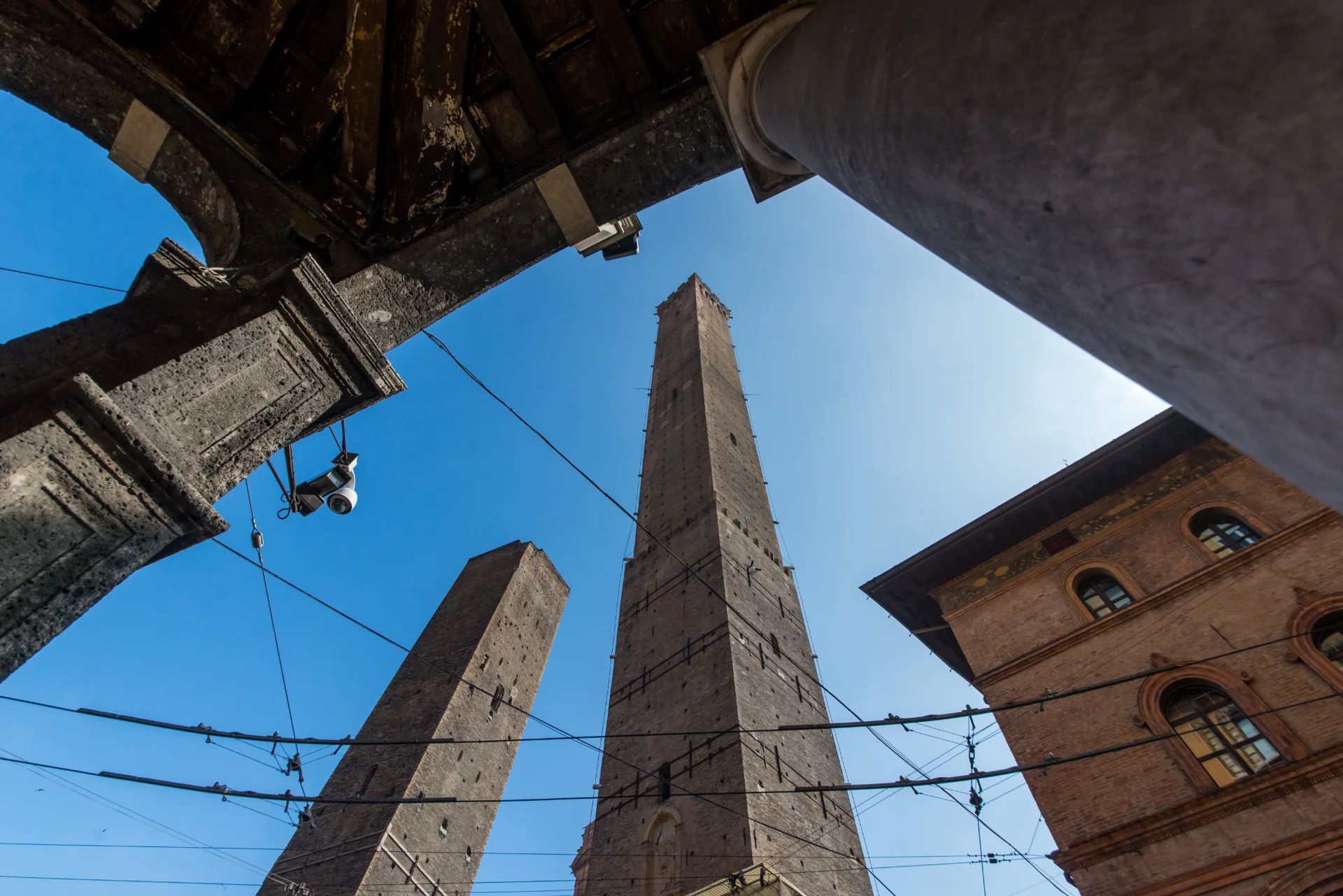
Evening – Another symbol of the city of Bologna are the two towers, Garisenda and Asinelli, dominating the panorama of the city. In the past, the city was dominated by dozens of such towers, belonging to various wealthy families, having the dual role of defense and prestige. The Asinelli Tower was built between 1109-1119, being the tallest in Bologna at almost 100 meters. The 498 steps inside lead to its top, from where you can admire the splendid view of the old city. Smaller and very inclined, the Garisenda tower dates from the same period. After dinner, you can take a walk in the shopping area between the two towers and Piazza Maggiore, an area with lots of shops and restaurants. You can continue in the evening along Via Indipendenza, the main street of the city.
DAY 2
Morning – Among the most interesting and impressive monuments in Bologna is the Santuario di Madonna di San Luca. A place of pilgrimage on top of a hill near the city, the sanctuary holds an image of the Virgin of San Luca. To get there, you have two options, on foot or by buses specially dedicated to visiting the sanctuary. There is also a small tourist train that connects the city center with the top of the hill, known as the San Luca Express.
It is about 10 kilometers on foot from Piazza Maggiore, the last part being the actual climb up the hill. The covered stairs to the top have over 600 arches over the 4 kilometers of the climb, a unique experience. These arches protect the procession that dates back to 1433 and starts from the sanctuary to the cathedral in the city during Ascension week. The sanctuary complex of San Luca consists of an impressive church and two outer stands, while the interior is decorated with frescoes and statues. The view of the city and the surrounding hills is really worth the effort of climbing up to the sanctuary.
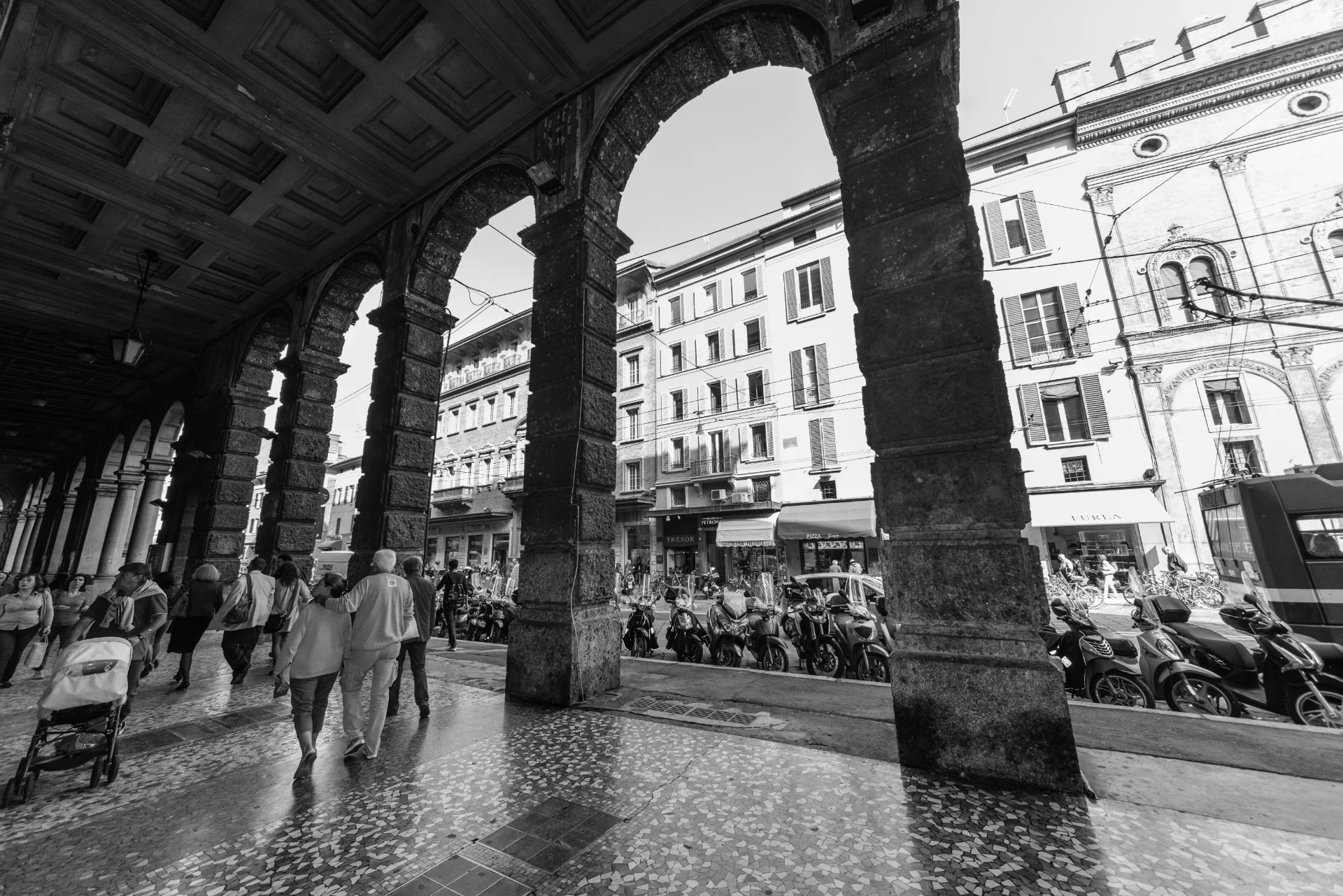
The walk is also an excellent time to understand why the porticoes of Bologna are so special. If you choose to walk, most of the way, including the last part starting from Porta Saragozza, you will walk under porticoes. The almost 4km hill climb is also the longest portico section in the world. These make Bologna a unique city in the world, being included in the UNESCO Heritage. In addition to their specific charm, porches developed with the needs of new housing after the growth of the city. In addition to the porticoes to the Sanctuary of San Luca, you can also admire those on Via Indipendenza, Via Zamboni, Santo Stefano, Strada Maggiore, the wooden ones on Via Marsala and others.
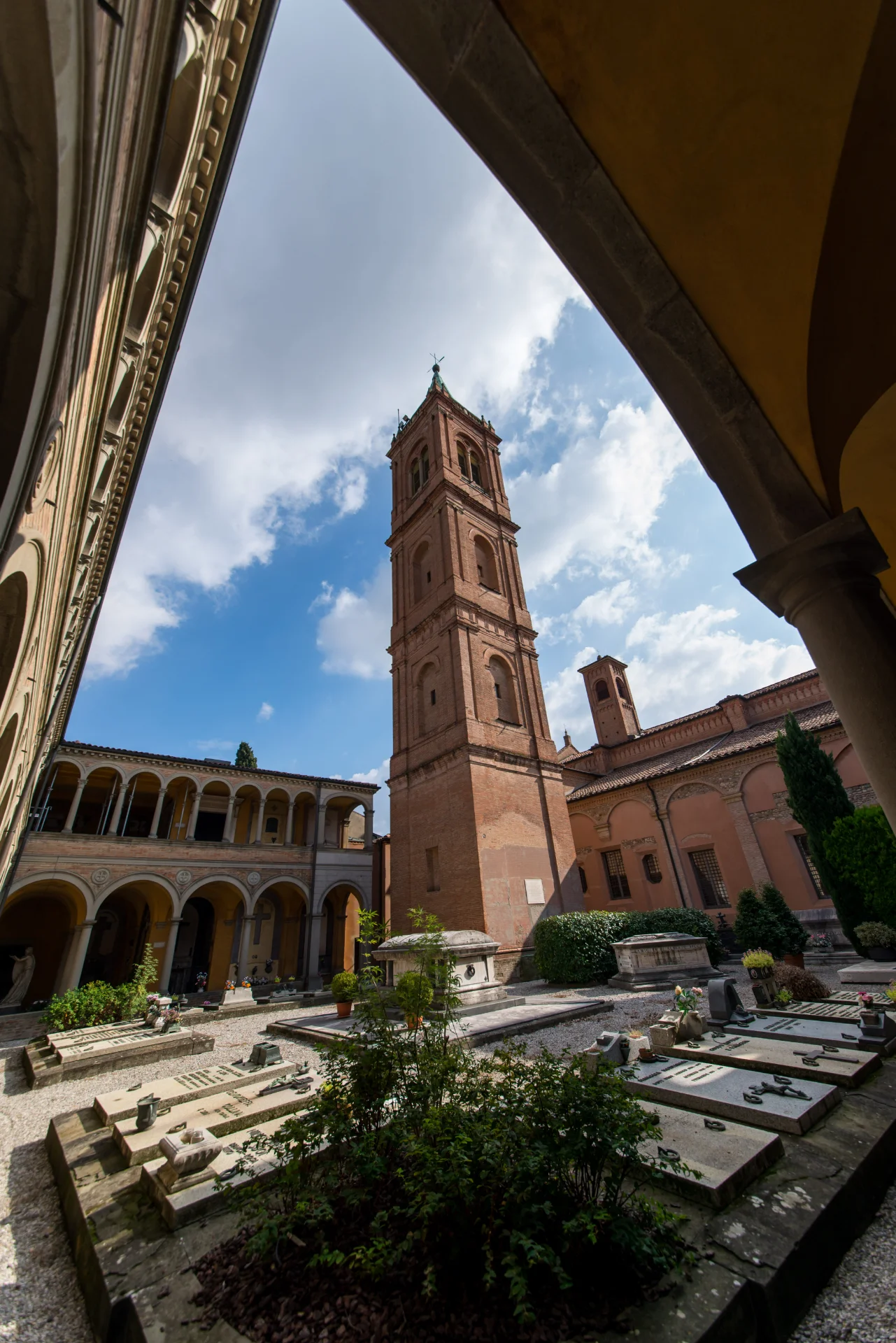
Afternoon – Back in the city center, after lunch you can discover other aspects of its unique charm. You can explore the streets and alleys of Bologna to discover some of the most beautiful churches, towers and porticoes. The oldest university in Continental Europe also offers you a special experience. The University of Bologna is actually a collection of historic buildings and other monuments spread throughout the city center. Among the religious sites in Bologna that are worth visiting, you can visit the Basilica of San Francesco, built since 1236 by the Franciscan community, the Metropolitan Cathedral of San Pietro which has undergone numerous changes, the Basilica of San Domenico, the Basilica of San Giacomo Maggiore or the San Michele in Bosco Complex located on a nearby hill.
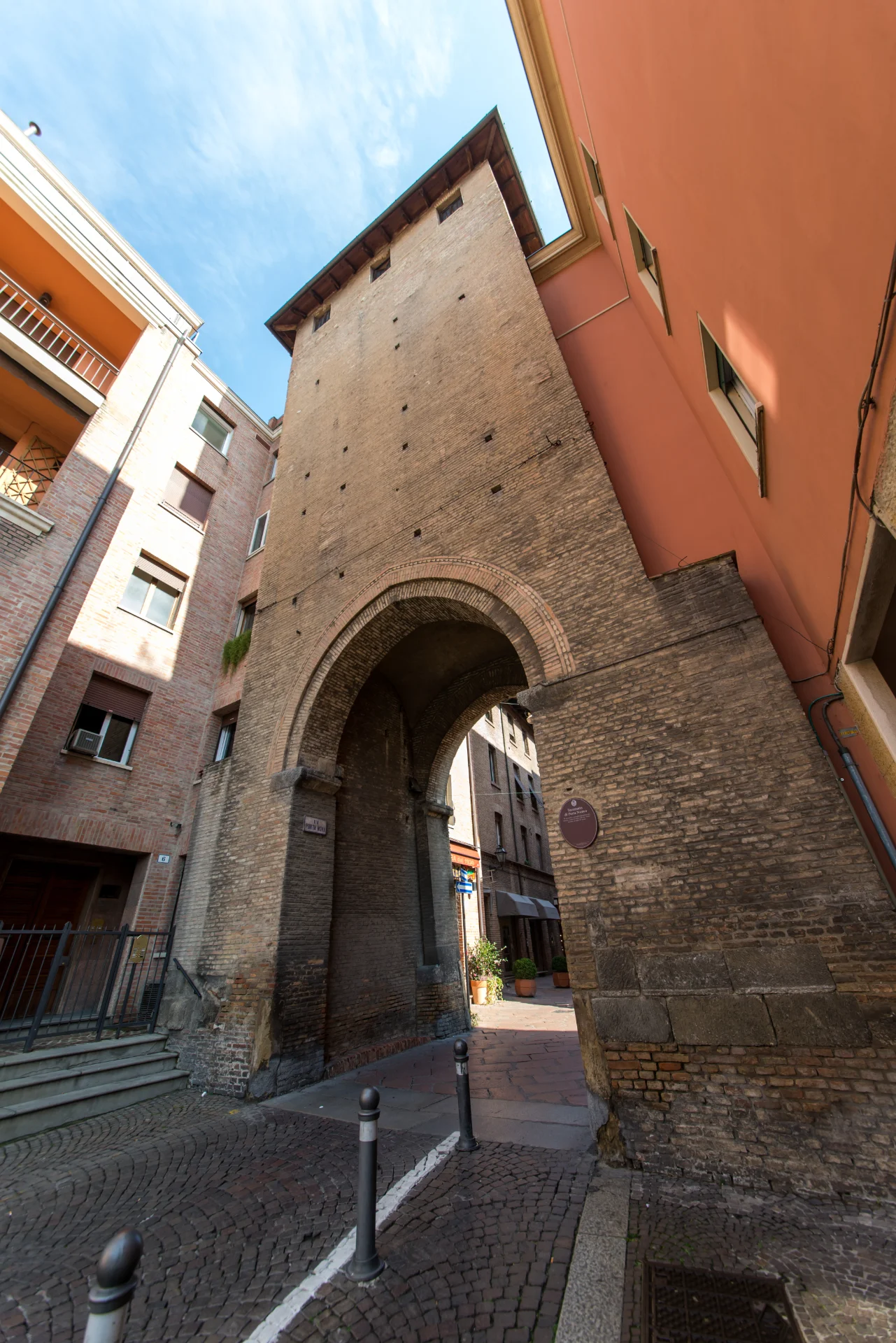
The entire center of Bologna is guarded by elegant palaces that reveal the city’s rich past and importance throughout the centuries. Among the most interesting and impressive, you can admire Palazzo Ghisilardi Fava, Palazzo della Mercanzia, Palazzo Fava, Palazzo Fantuzzi, Palazzo Segni and many others. Of the more than 100 towers built in Bologna around the 12, today only 24 remain. In addition to the two already famous ones, Asinelli and Garisenda, others are scattered and sometimes lost among the buildings of the city.
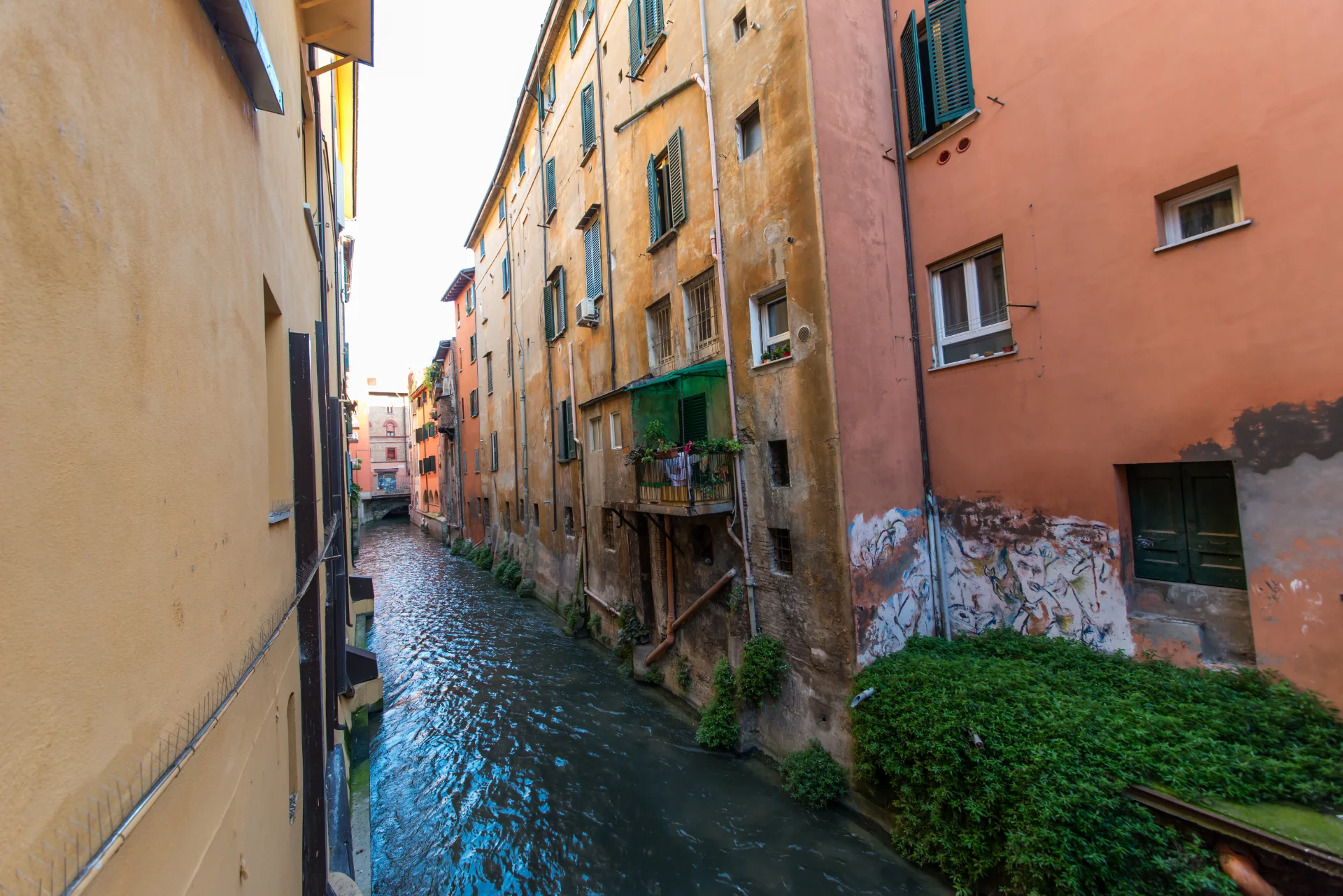
Most can be admired within a tour of a few hours if you choose, including the Agresti, Lapi, Galluzzi, Carrari, Alberici, Uguzzoni, Guidozagni, Prendiparte, Azzoguidi, Lambertini, Arengo or Orologio towers. In the past, Bologna was one of the main industrial centers of Italy, and the textile industry was famous. For operation, the city was furrowed by canals that put water mills into operation. Today, some of these canals have been hidden under or behind houses. A Venice-like image can be admired at the Finestrella di Via Piella, a window that opens onto a torrent flowing beneath the city.
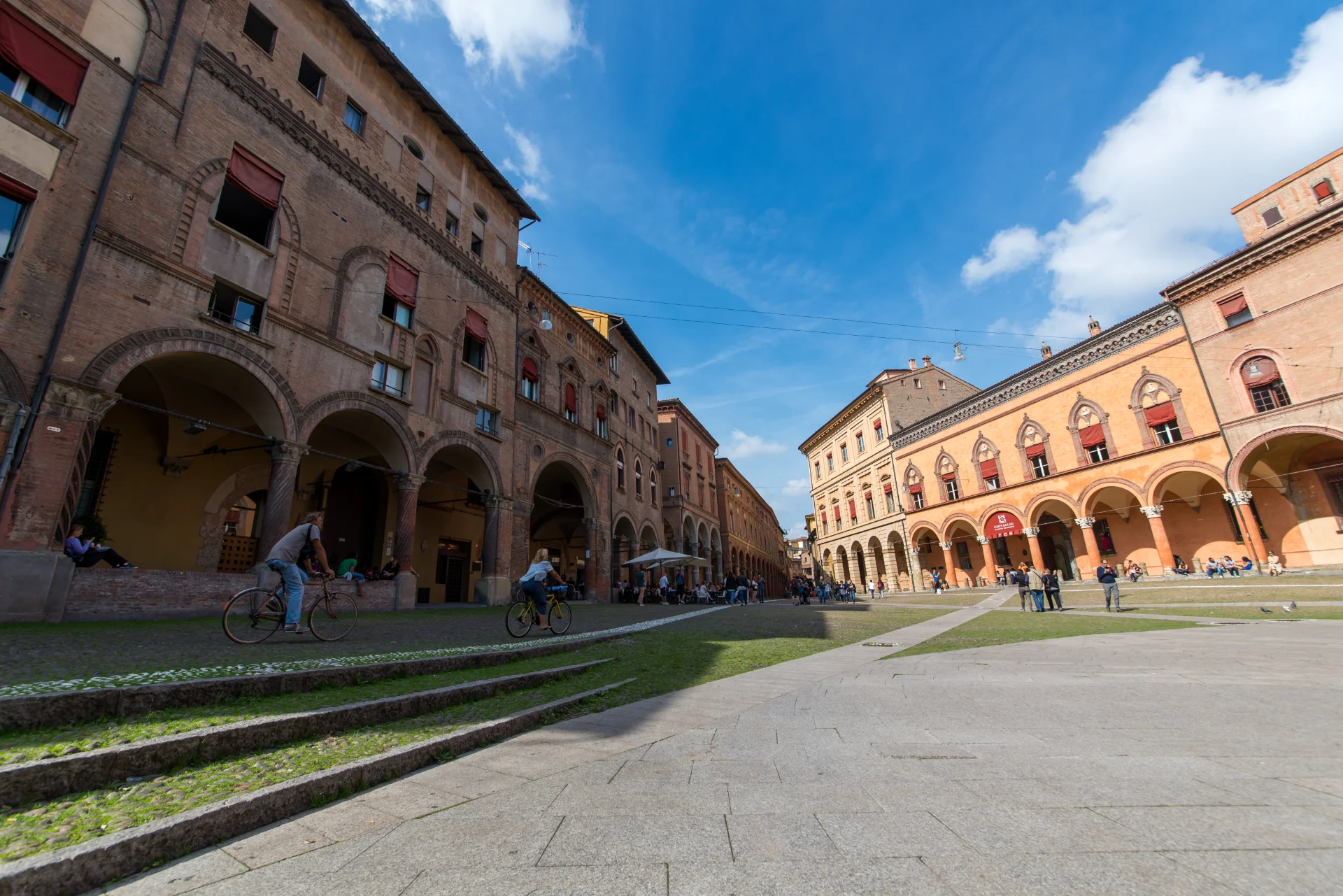
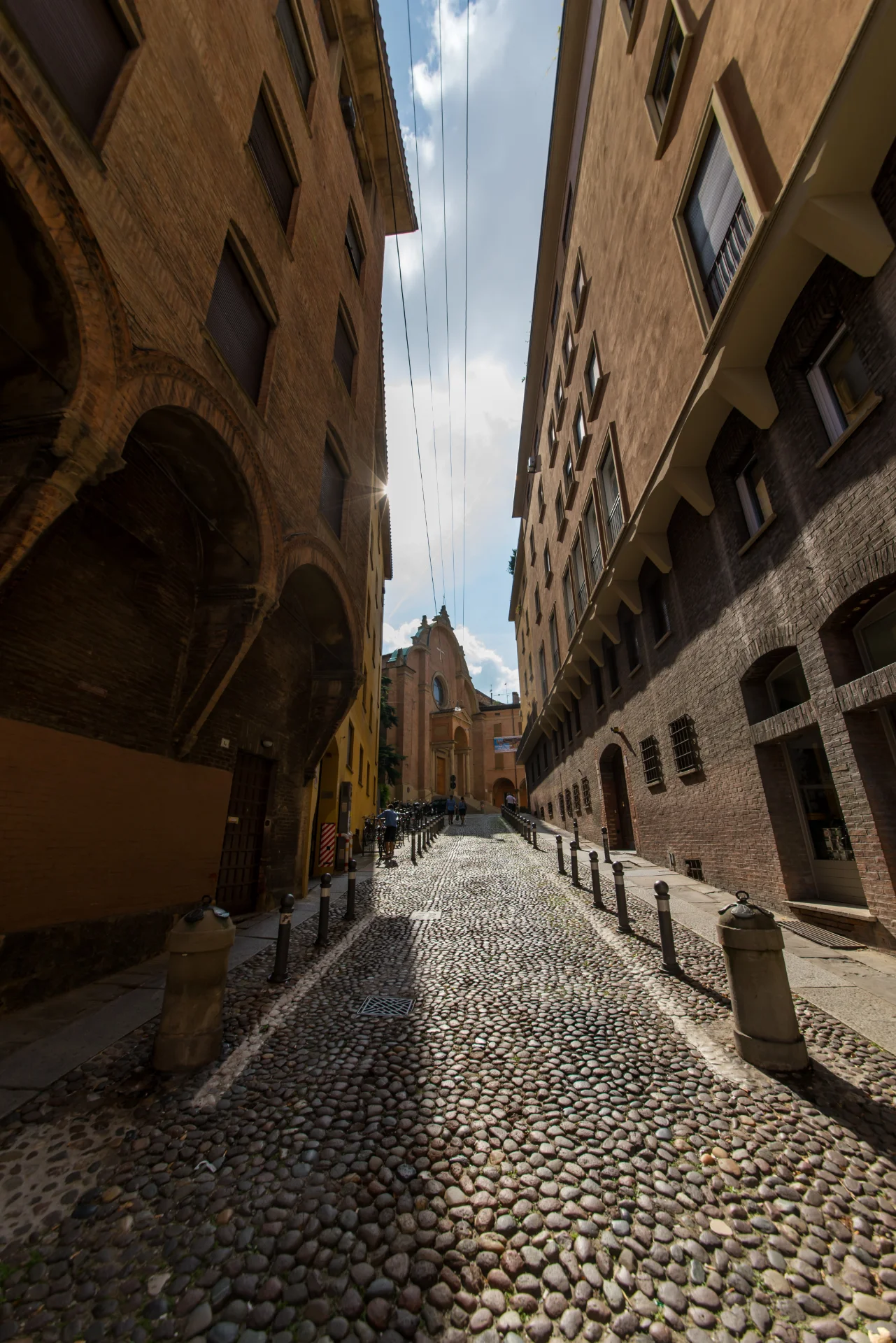
Evening – One of the most interesting and unusual sights in Bologna is the San Stefano Complex, also known as “the 7 churches”. Their origin is still disputed, some claiming that bishop Petronio ordered the construction of a complex of 7 churches around the year 430. Other voices claim that the monuments were erected on the site of a Paaan temple, the churches dating between the c. 10 and sec. 15. A beautiful cobbled square is in front of the complex, and from here you can admire three of the churches (of the Crucifix, of Calvary and of St. Vitale and Agricola). In the center of the churches was a marble pool gifted by the kings of the Longobards, and each church holds valuable objects. After dinner, you can choose between a theater performance or a concert, Bologna always hosts interesting cultural events. and a romantic walk in the Margherita Gardens is also an excellent idea, this being the most important park in Bologna.
Accommodation recommendations in Bologna
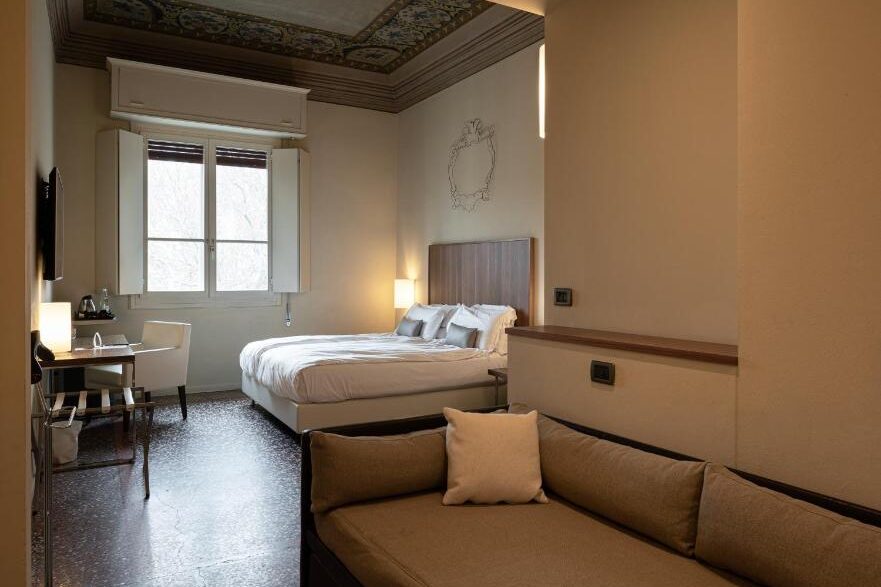
rating 8.8 from 8.950 reviews!
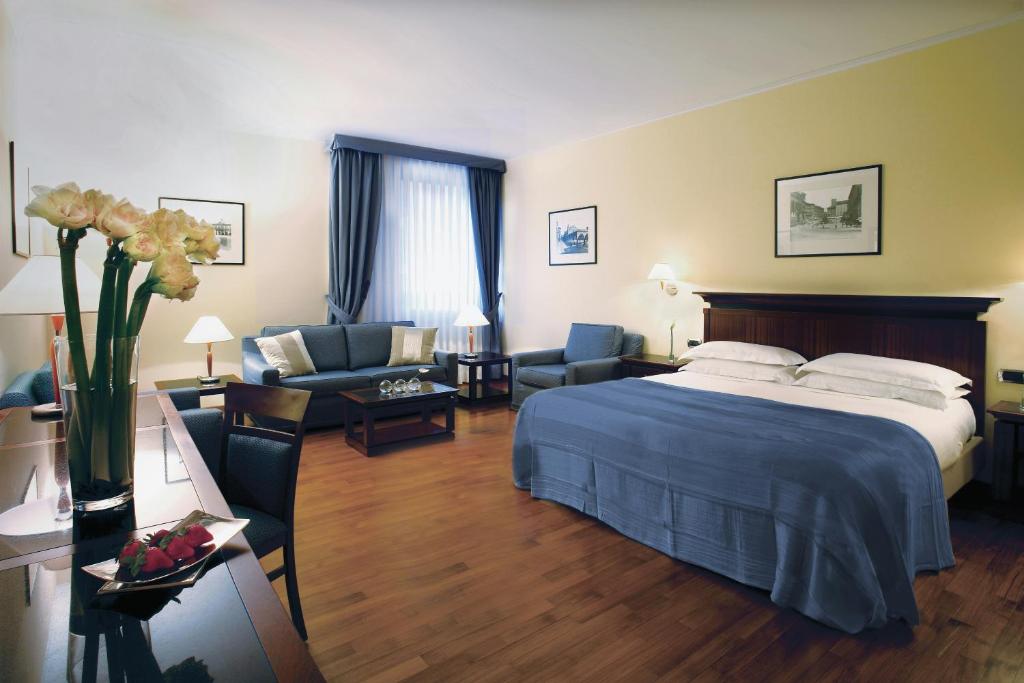
Located right next to Bologna Central Station, this prestigious hotel offers spacious and elegant rooms, a delicious restaurant, a bar and other facilities appreciated by guests.
rating 8.6 from 4.938 reviews!
Hotel with an excellent location, just 5 minutes from the train station and 10 minutes from Piazza Maggiore. The rooms have a classic or modern design, and the prestigious restaurant has a Michelin star.
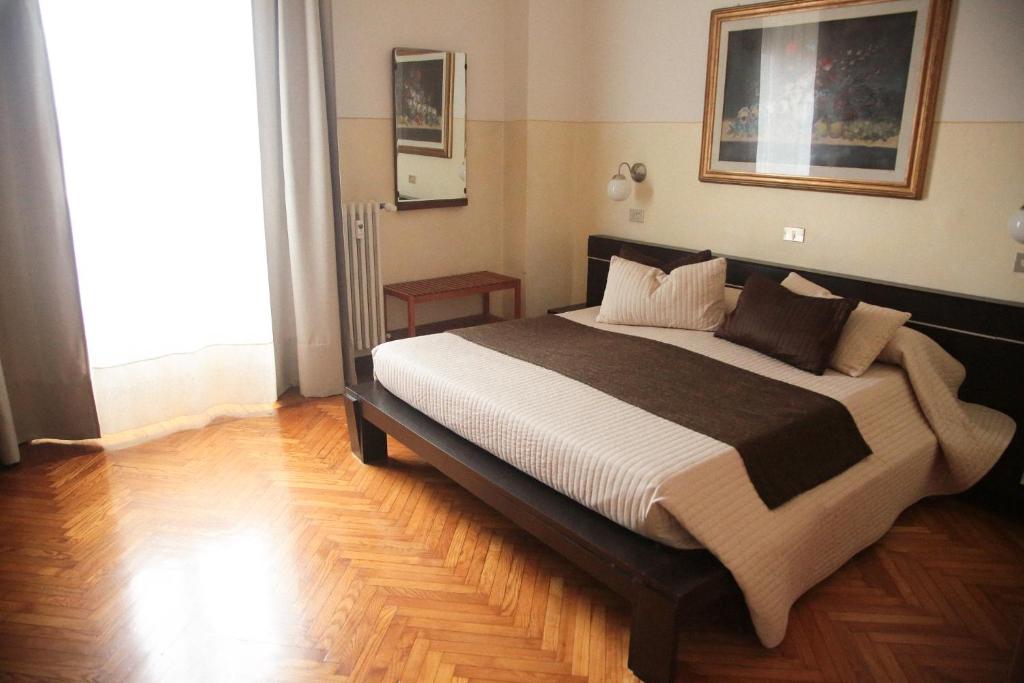
rating 9.2 from 950 reviews!
Hotel highly appreciated by guests and with decent prices, it is located right in the city center, with a panoramic view of the famous towers and affordable prices!
Restaurant recommendations in Bologna
Bologna is recognized throughout Italy and even in Europe for its exceptional gastronomy. The city known as “La Grassa” offers an impressive variety and number of excellent restaurants for all budgets, from discerning foodies to casual tourists.
- Pappagallo (Piazza della Mercanzia) – One of the most famous restaurants in Bologna, it is located right next to the two towers. Established since 1919, it is a true gastronomic institution of the city, with a high-class menu, frequented by celebrities.
- I Carracci Ristorante (Via Alessandro Manzoni 2) – Among the most luxurious and prestigious restaurants in Bologna, this one has a special place, with a special museum-like ambience, but also a top quality menu.
- Sfoglia Rina (Via Castiglione 5) – Restaurant located a few hundred meters from Piazza Maggiore, offering very popular traditional pasta recipes.
- Gessetto Ristorante (Piazza San Martino 4) – Restaurant located 10 minutes from the center, offers a limited but very delicious menu, consisting of pasta and other traditional dishes.
- Pizzartist (Via Marsala 35) – Small place near the historic center, where you can find the tastiest pizza, prepared according to traditional recipes and sold by the kilo.
- Trattoria da Me (Via San Felice 50) – One of the most frequented traditional restaurants in Bologna, with dishes specific to the area. It is located approximately 15 minutes from the center.
- Ristorante da Nello (Via Monte Grappa 2) – Restaurant located right next to Piazza Maggiore, with an authentic gastronomic experience, offering dishes specific to the region.
- Trattoria Casa Mia (Via Saragozza 91) – Located on the road to the San Luca sanctuary, frequented mainly by locals but offering delicious traditional dishes.
Other activities in Bologna
Entertainment – Bologna is known for its young and exuberant spirit, driven primarily by its large student population. Cultural life is as active as in the great European capitals, with numerous events in music, theater, cinematography and other arts. Practically, during the tourist season, from spring to late autumn, the historic center of the city always has something interesting to offer. Named a Creative City of Music by UNESCO, plan your Bologna vacation around an outdoor festival. Bologna’s nightlife is just as vibrant, with plenty of clubs and live music venues.
Shopping – As everywhere in Italy, the secret to shopping is to take your time to browse. Every little street and alley in the city center can hide small shops and workshops where you can buy traditional items. You cannot leave Bologna without buying local gastronomic products, from traditional pasta to cheeses, and from sweets to wine. If you have a bigger budget and finer tastes, you can try the luxurious shops of Galleria Cavour, located near Via Farini. Other recommended shopping destinations include Via dell’Indipendenza, Via San Felice or the area between Piazza Maggiore and the two towers.
Gastronomy – Known as one of the gastronomic capitals of Europe, Bologna offers you the chance to learn to cook typical Italian and regional recipes from the experts. You can try to book a class at Cook Italy on Via Marsala, Bologna’s oldest culinary school.
Useful tourist information in Bologna
Bologna is not a very expensive city, but if you plan to visit several museums and attractions in the city, the best idea is to purchase the Bologna Welcome Card. It is a tourist card (from 35 Euro/adult) that offers a lot of freebies and discounts for entrances to various tourist attractions.
Day trips from Bologna
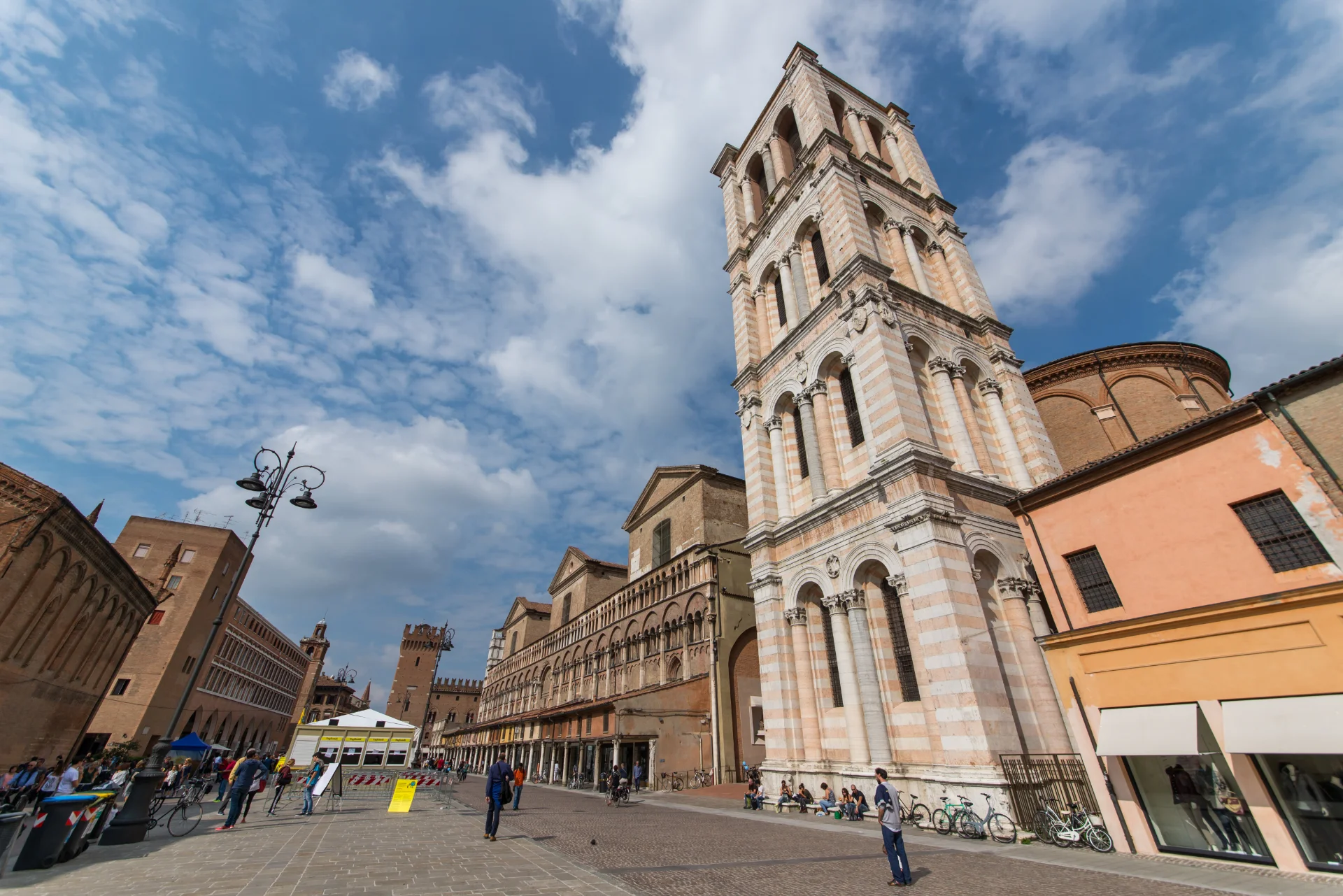
Ferrara – One of Italy’s most special cities, it is included in the UNESCO world heritage list. Under the rule of the Este family for three centuries, Ferrara became a unique city of culture, a charming combination of medieval and Renaissance. Just 50 km from Bologna, you can reach Ferrara by train in just 30 minutes, making it a perfect day trip destination. The defining feature is the division of the city according to the historical period in which it developed, with a medieval area dominated by the imposing castle and a Renaissance area, alongside more modern neighborhoods. If you visit Ferrara, you must not miss the Estense Castle with its imposing walls surrounded by water, the cathedral of San Giorgio with its ornate Gothic facade, the town hall from the 13th century and the many palaces that beautify the streets of the city.
Modena – Known around the world for the Italian luxury car industry, Modena is also an excellent cultural destination. You can reach Modena by train in just 20 minutes, the destination offering a variety of attractions for a day trip. You can admire the Piazza Grande and the Ghirlandia tower, the century cathedral. 12, the museums and churches in the historic center, but also other superb examples of architecture, all included in the UNESCO heritage. But Modena is much better known as the Land of Motors, so you should not miss the Ferrari factory and museum in Maranello, the Lamborghini Museum, but also many other museums and private collections exhibiting luxury cars. If you are looking for strong sensations, you can test Ferrari cars on the Maranello circuit.
Ravenna – Located near the sea, the small town of Ravenna has been the capital three times, albeit for a short time. In turn, the Western Roman Empire, King Theodoric of the Goths and the Emperor of Byzantium resided in Ravenna. These periods provided the city with cultural and historical treasures of inestimable value. Eight of these are included in the UNESCO world heritage, namely the Basilica San Vitale, the Mausoleum of Galla Placida, the Neonian Baptistery, the Chapel of St. Andrew, the Arian Baptistery, the Basilica San Apollinare Nuovo, the Mausoleum of Theodoric and the Basilica San Apollinare in Classe. Ravenna is known as the city of mosaics and you can admire superb examples of mosaics from ancient times. The town also has a unique provincial charm.
Cover Photo by Bogdan Dada on Unsplash