
What you can see in Gorj county beyond the Heroes Path Monumental Complex in Târgu Jiu
Although it is not as popular and known as a tourist destination compared to other famous places in the country, Gorj county offers a fascinating travel experience, with numerous and varied attractions worth discovering. If many tourists come here especially for the unique masterpieces of Constantin Brâncusi from Târgu Jiu, for the overwhelming emotions on the Transalpina or for the impressive monasteries, many other incredible treasures are hidden in Gorj county. Below you can discover some lesser known places in Gorj.
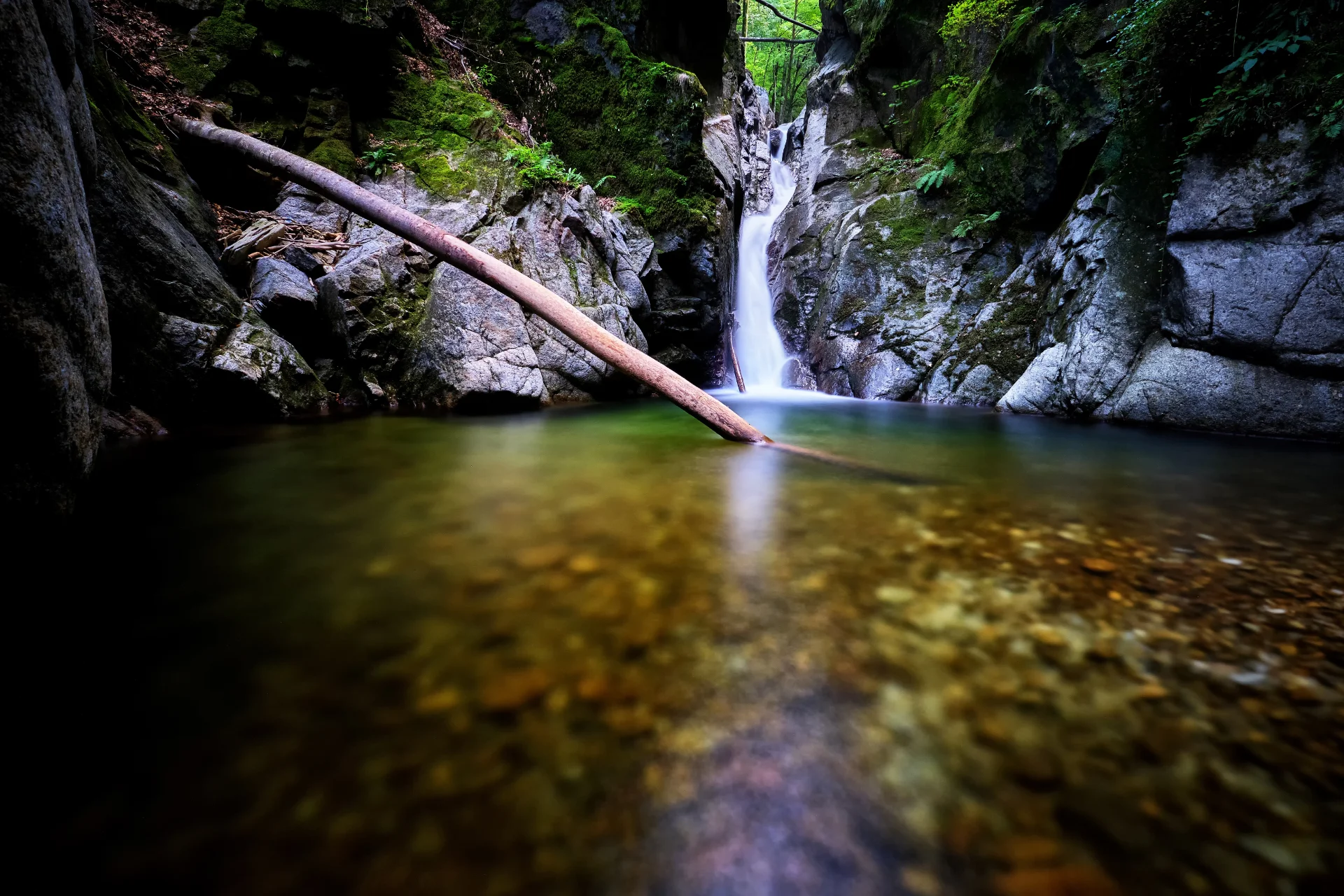
Traditional Architecture Museum of Curtișoara
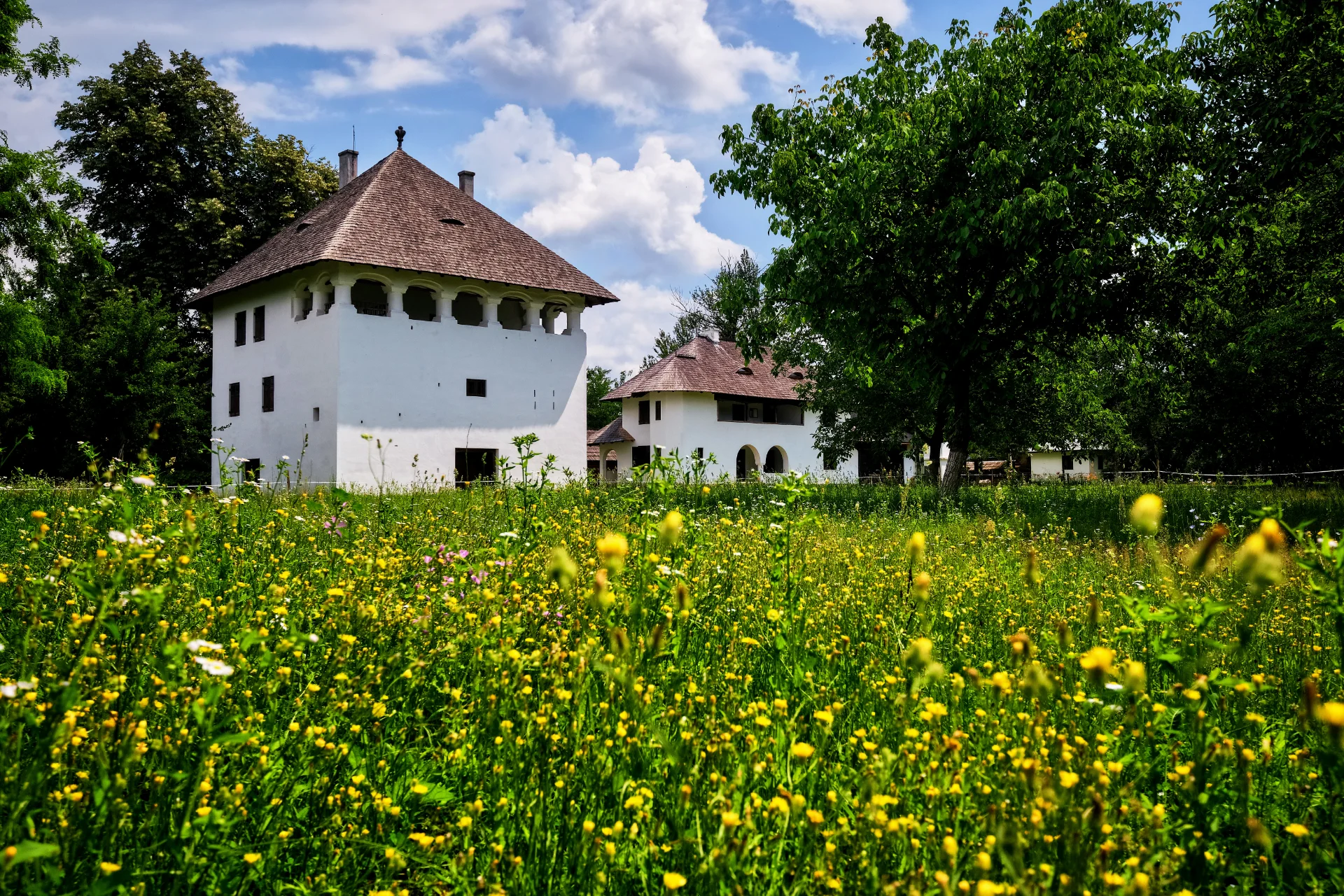
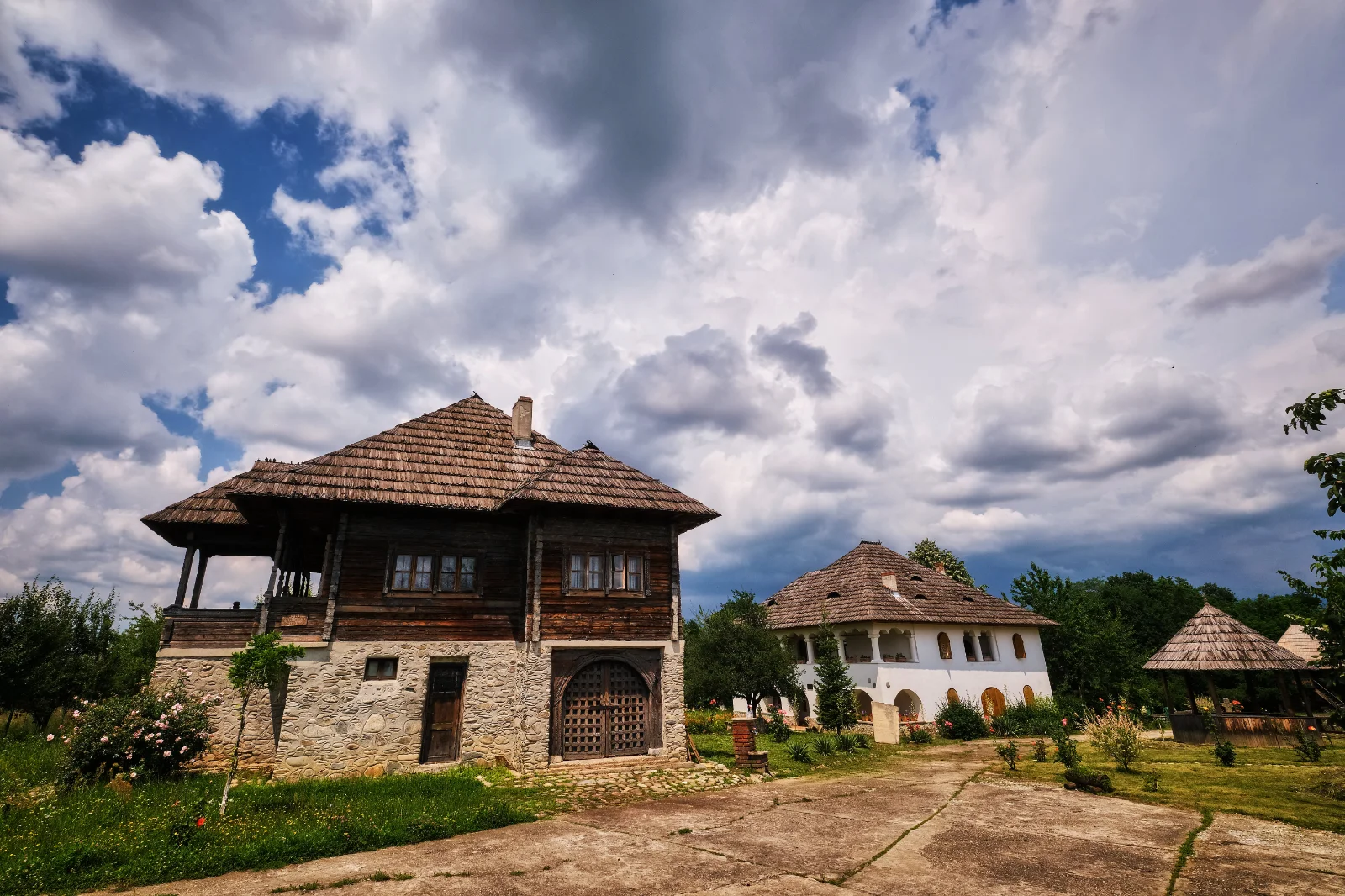
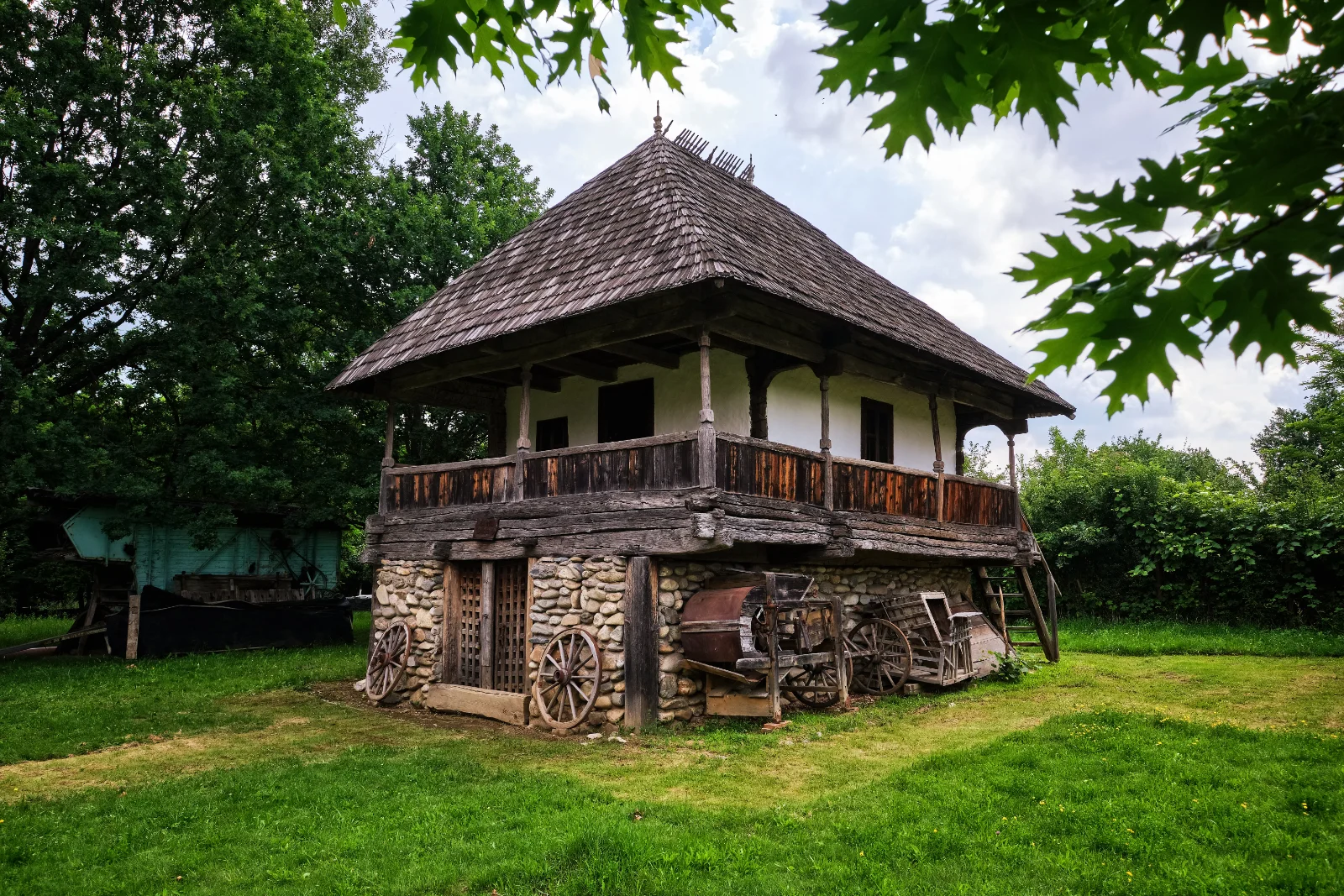
On the bypass of Târgu Jiu, just a few kilometers from the center, a sign will show you the way to Curtișoara, and the museum is located before the entrance to the village. The Gorj Folk Architecture Museum brings together dozens of old wooden houses, manorial mansions, towers and other traditional buildings in a very special space. You can spend a few charming hours lingering through the old farmyards or on the freshly cut hay, under the shade of a tree inside the museum. For just a few lei, you can discover here the traditional culture of Gorj county, especially the authentic architecture and crafts from this corner of the country.
This inspirational museum was inaugurated since 1975, bringing here over twenty wooden houses and constructions from the territory of the county, but also some impressive castles and mansions. The most important sights include the Cula Cornoiu from Curtisoara, the Church of St. John the Baptist and especially the “Gheorghe Tatarescu” architectural ensemble. The Traditional Architecture Museum in Curtișoara is one of the few places in the country where the past of the Romanian village remains alive and can be known in its purest form. The architecture and folk art of Gorj was and is recognized for the beauty and ingenuity of the folk craftsmen, who created real masterpieces over time.
The hermitages on Mount Cioclovina
Everyone has heard of or visited the Tismana monastery, one of the most beautiful and important in the country. But few know that the mountain guarding the monastery from the north hides extraordinary treasures. Mount Cioclovina is a protected natural area for the plant species it shelters, and a tourist trail that starts a few kilometers north of the Tismana monastery takes you for about two hours to the top of the mountain. A true initiatory journey, the route allows the discovery of places of great beauty. After about 45 minutes of fairly easy climbing, you will reach the Cioclovina de Jos Hermitage, an idyllic corner of nature where a few nuns live and take care of the church raised in the middle of the forest.
The hermitage was built around 1660 by the monks from Tismana. Continuing on the same route, the road becomes somewhat more difficult, especially towards the end of the journey, when the view opens up to the Tismana valley and the monastery that can barely be seen below, surrounded by forests. Right at the top of the mountain you will discover the Upper Cioclovina Hermitage, one of the most impressive and isolated spiritual places in these places and even in the country. Few could imagine what it’s like to live 1000 meters up, on a bare mountain top, far from any trace of civilization. Surrounded by breathtaking views and dizzying precipices, the little bright white church seems to stand much closer to God.
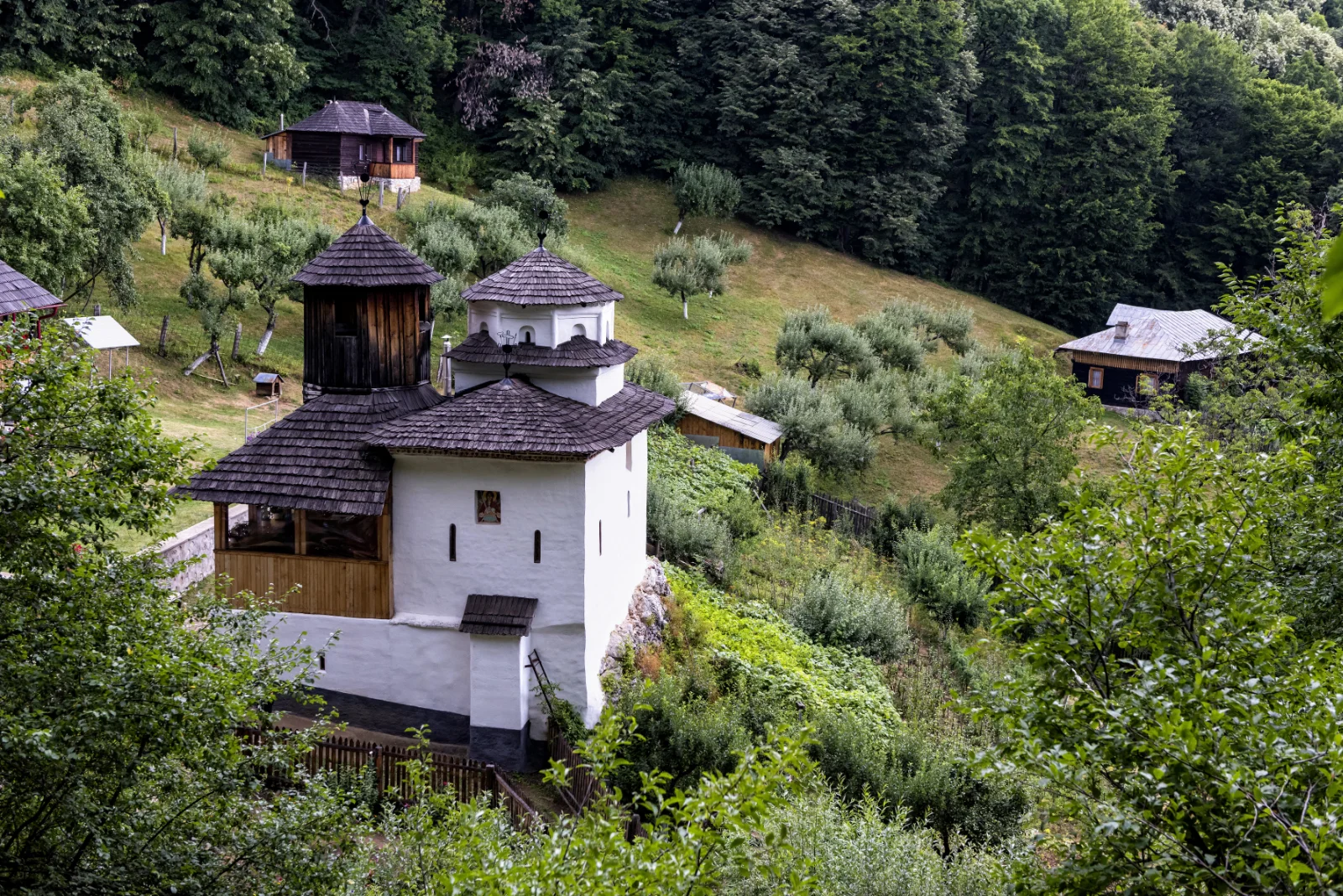
Suseni Valley
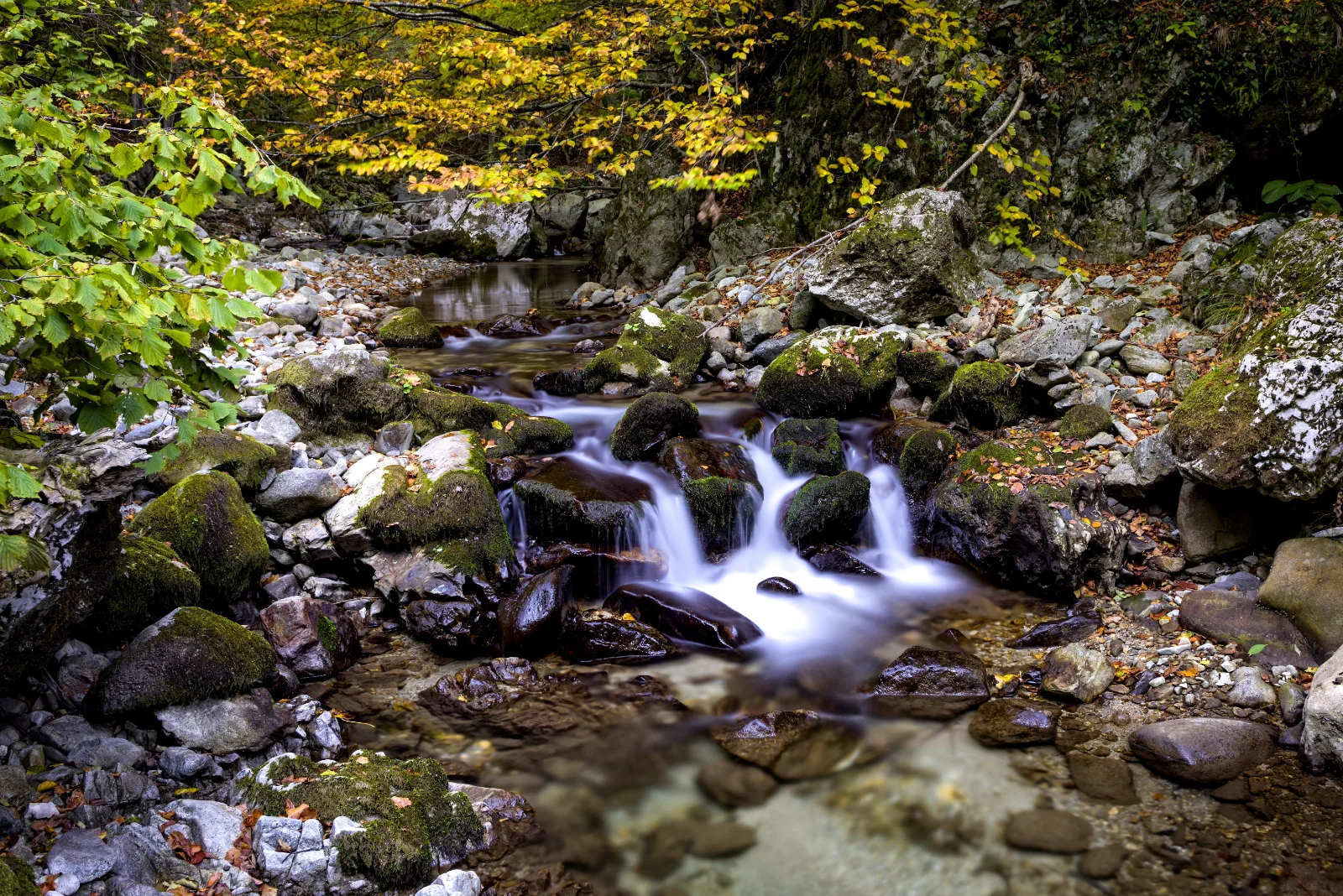
Just 10 kilometers north of Târgu Jiu, in the Vâlcan mountains, there is a valley hidden for a long time from tourists. On the delightful road that climbs up the mountain on either side of the Suseni river, you will have an unforgettable experience. If in the dry summer periods the evil can only be a trickle of water that slips between the stones, in the spring and autumn the valley takes on a special beauty. From place to place, small waterfalls appear among the stones covered with moss, and the tunnel formed by the trees that covers most of the road creates a unique atmosphere. After heavy rains, torrents begin to flow from the slopes in even more spectacular waterfalls, following channels created long ago among the rocks and trees.
The road is perfect, recently modernized and even though it is quite narrow, you will find that very few people know about this place. Perhaps more than for cars, this appears to be a trail for cyclists and hikers. To reach the Suseni Valley, starting from Târgu Jiu to the west, in the Bârsești component locality, turn right onto DJ 672B and then after about 3-4 km continue to the left on the same road towards the Brătești and Suseni localities. When the last village ends, the main road turns right and goes up to the Dobrita Sanatorium. If you follow the road ahead, you will enter the Suseni valley and you can start exploring.
Corcoaia Gorges
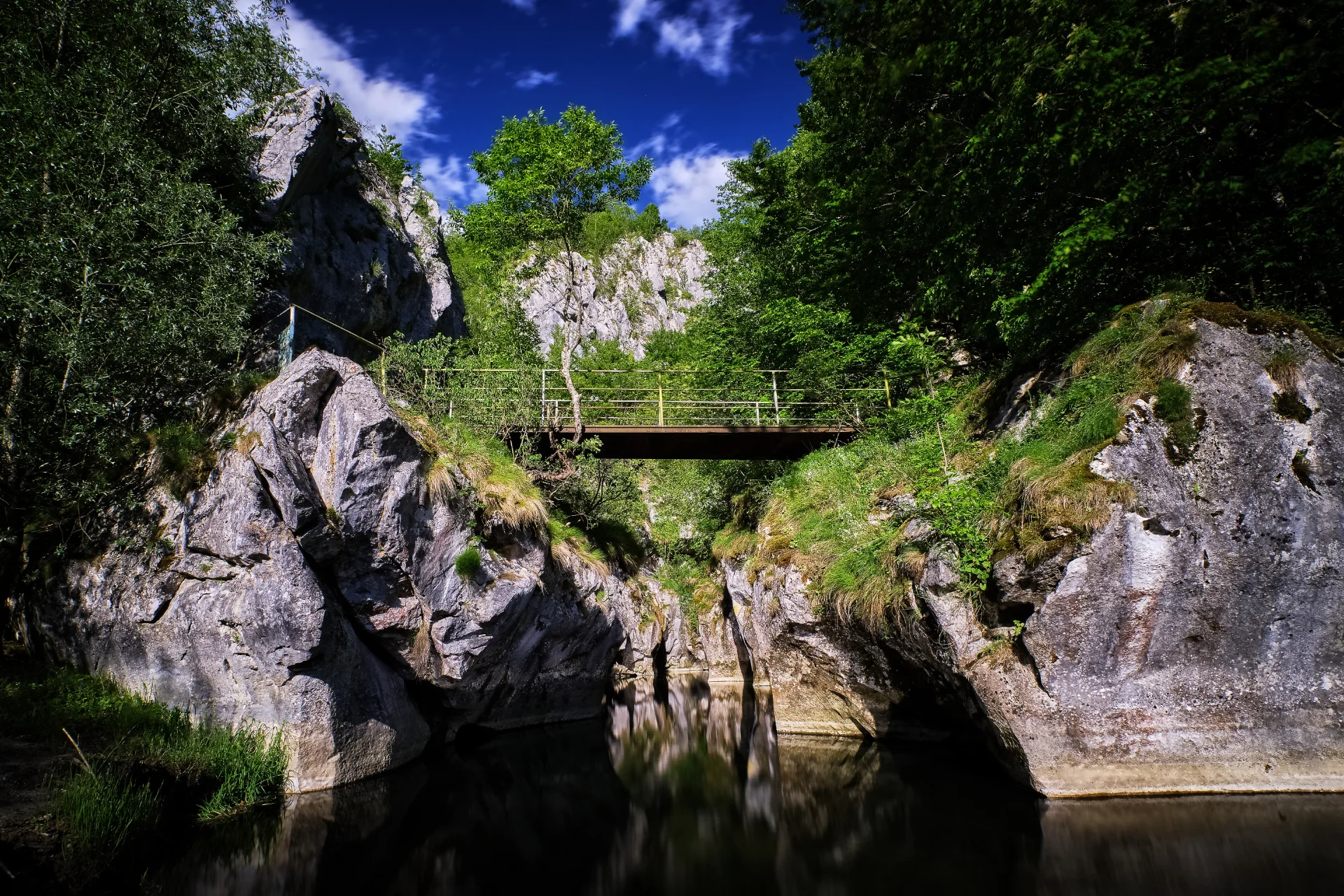
One of the almost unknown wonders of wild nature in Gorj county is also among the most difficult to access. The Corcoaia gorges are located in the upper basin of Cerna, on a small tributary of it known as Cernișoara. Being a monument of nature with a certain degree of uniqueness, the Corcoaia Gorge represents a small sector of only 200 meters, dug into a massif of limestone and forming a spectacular landscape. Only a few meters wide and often over 100 meters high, the keys reveal incredible natural formations, especially impressive is the natural semi-tunnel formed in the left wall. Here you will be able to advance with difficulty to admire the entire beauty of the canyon.
A few meters down, another spectacle is created by the rock formations below the water level, which in turn often has incredible shades of emerald. To reach these charming keys, you must first reach the town of Cerna Sat, one of the most isolated in the area. You can reach the Cerna valley by following DN 67D, either from Orșova and then through Băile Herculane, or from Baia de Aramă across the mountain. Then you have to go up the national road 67A, which follows Cerna to the north, passing into Hunedoara county after the Iovanu reservoir. The condition of this road is quite bad, often forming numerous potholes up to Cerna-Sat, and then being unpaved.
Crasna Monastery
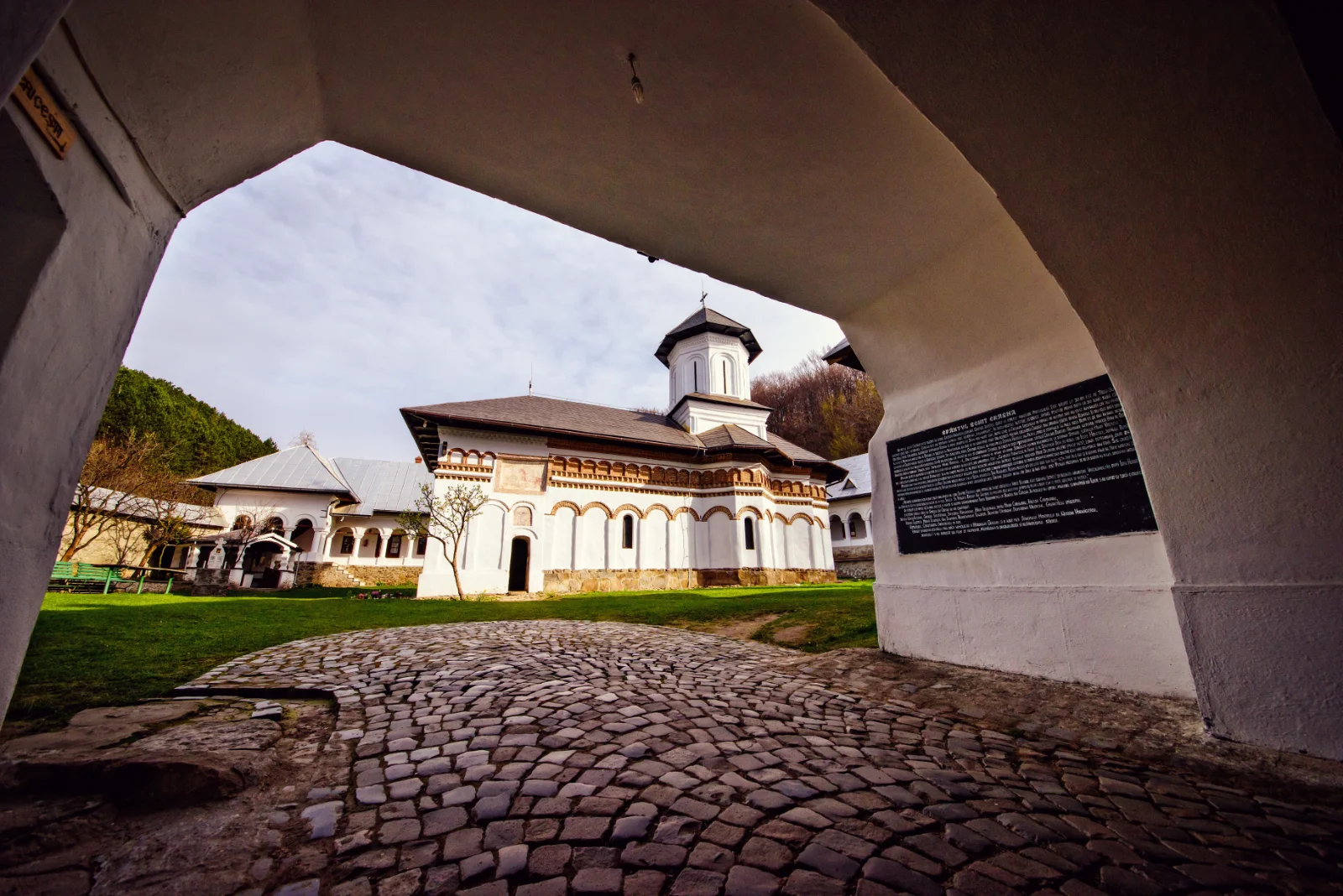
In addition to the three monasteries in Gorj county that are well known to tourists (Tismana, Lainici and Polovragi), there is also the small monastery from Crasna. You can easily discover it right in the center of the town, about 30 km northeast of Târgu Jiu and only a few hundred meters from the intersection of the main road DJ 665 with DJ 665C. The monastery appears in historical documents since 1486, being founded by the elder Dumitru Frumușanu, cousin of Mihai Viteazul’s wife, Mrs. Stanca. However, the monastery church is a slightly newer construction, having been completed in 1637.
Another stage in its history takes place between 1936-1938, being founded a second time by Gheorghe Tătărescu, who built the cells and other elements. The church is built in Byzantine style, with a single spire, but the high wooden pediment, polished with gold and among the most beautiful in the country, is truly impressive. The monastery is located in an exceptional natural setting, very close to the village, but at the edge of the forest and the foothills of the Parâng mountains. The entire Crasna commune is a superb area and you can discover special trails and landscapes if you choose it as your destination.
Roman Road - Transvâlcan
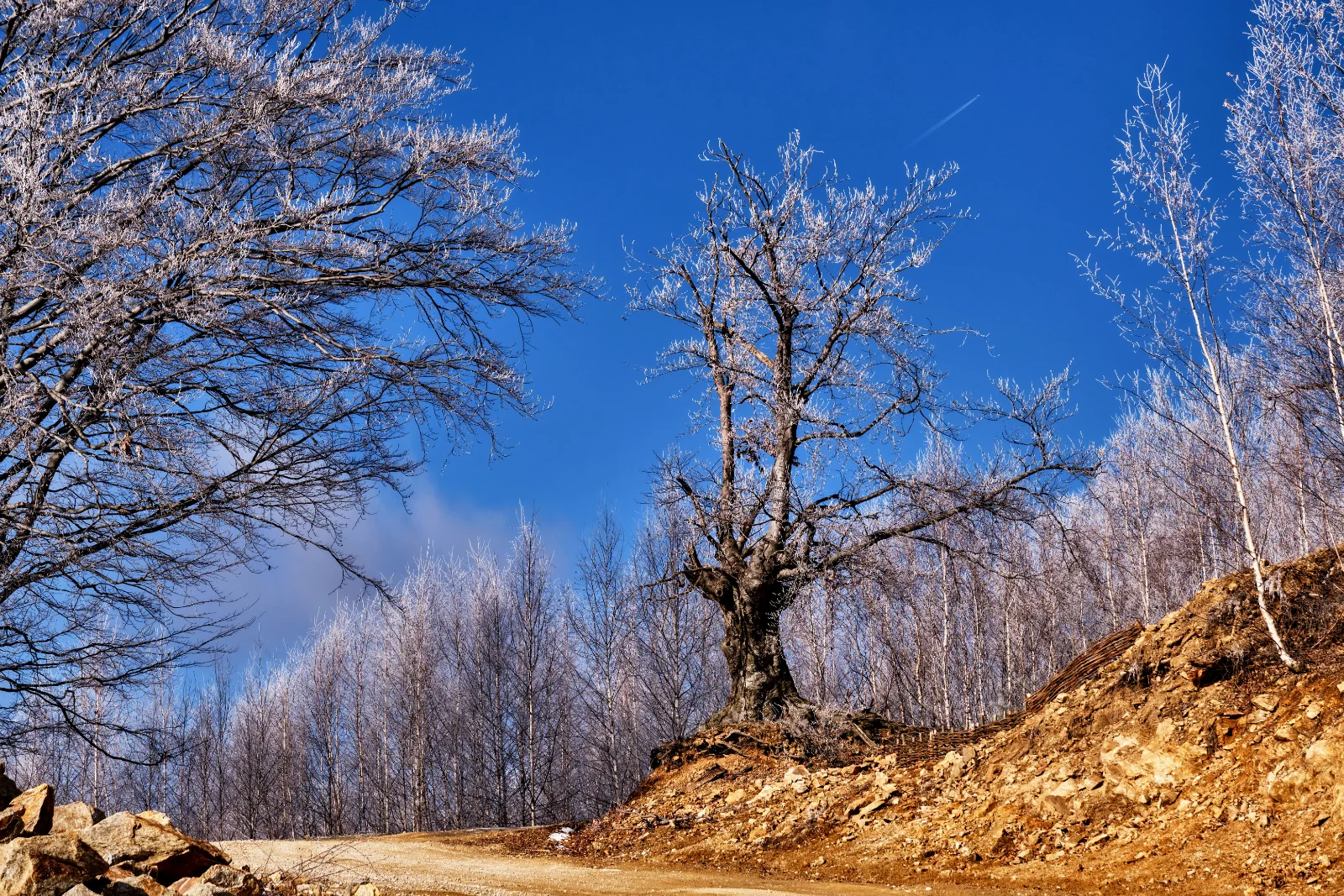
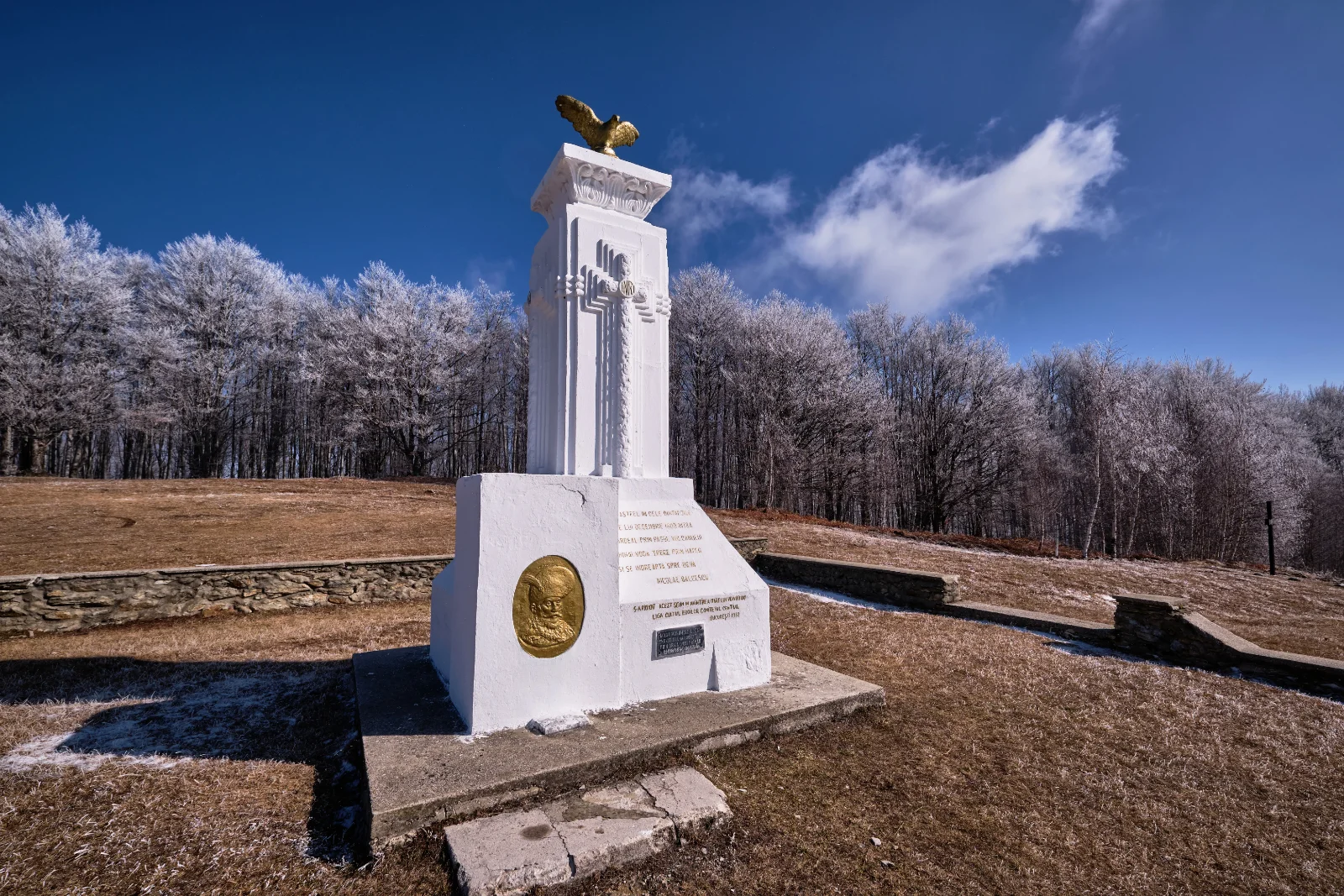
Everyone knows the Transalpina for sure, and perhaps many have traveled along that impressive road. But few know that there is another road across the Carpathians, known since ancient times as the Roman Road. Passing over the peaks of the Vâlcan mountains, it connects the town of Schela in Gorj with the town of Vulcan in Hunedoara and overlaps with the county road 664. Although it is not paved, you can go up with all-terrain vehicles to near the peaks, where an interesting monument, known as the Pantheon of the Vâlcan Mountains, was recently erected.
However, the area is also superb for hiking trails, and following the road from the north of Schela village, you can reach Mihai’s Meadow in a few hours, where the ruler is supposed to have stopped on his way to Transylvania in the fall of 1600. The event is marked by a monument and from here you can admire a superb panorama towards the plains of the submontane Gorju. The way there is equally delightful, because it passes through particularly beautiful places. You can reach Schela by following Dj 664 from Târgu Jiu, through Turcinești, Sâmbotin and Arsuri. Follow the road that goes up to the mountain, and if you don’t want to try to continue by car, you can leave it next to the wooden church above the village.
Motru Sec Valley
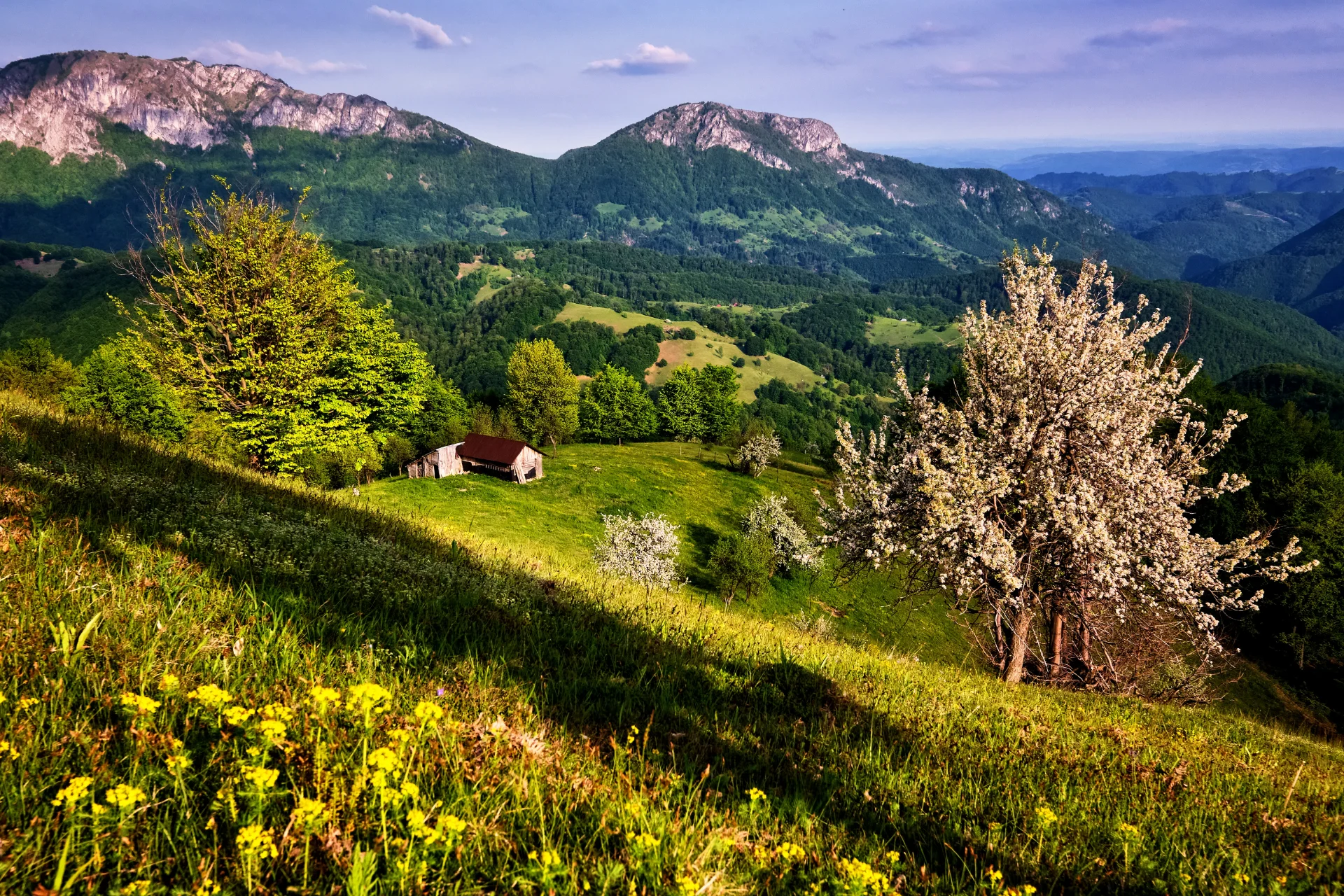
The Padeș commune is located on the Motruli valley, in the north-western extremity of the county and between the Vâlcan Mountains and the Mehedinți Mountains. You can reach Padeș commune by following DN 67D for approximately 40 km until near the exit from Gorj county, then turn right onto DJ 671. This has a very high tourist potential, with a multitude of attractions, especially natural ones. In addition to the Valea Mare reservoir, the distinctive ridge of the Piatra Cloșanilor massif with the Cloșani Cave or the Pades Proclamation Monument, you can also visit the lesser-known Valea Motrulu sec.
You can leave the car at the end of the village and continue the adventure on foot, a tourist route following the valley and finally crossing the mountains to reach the Cerna valley in Cerna Sat. A superb karst area, it includes numerous caves on the right or left slopes of the river, which otherwise can dry up during hot summers. The Martel Cave and the Lazului Cave are designated speleological reserves, but they are not of great tourist interest as they are very difficult to access. However, you will discover many other karst formations, as well as landscapes of particular beauty, little changed by the human footprint, although in some places you will admire summer shelters and flocks of sheep.
Bonus Destinations
Șura Haiducilor in Olteț Valley
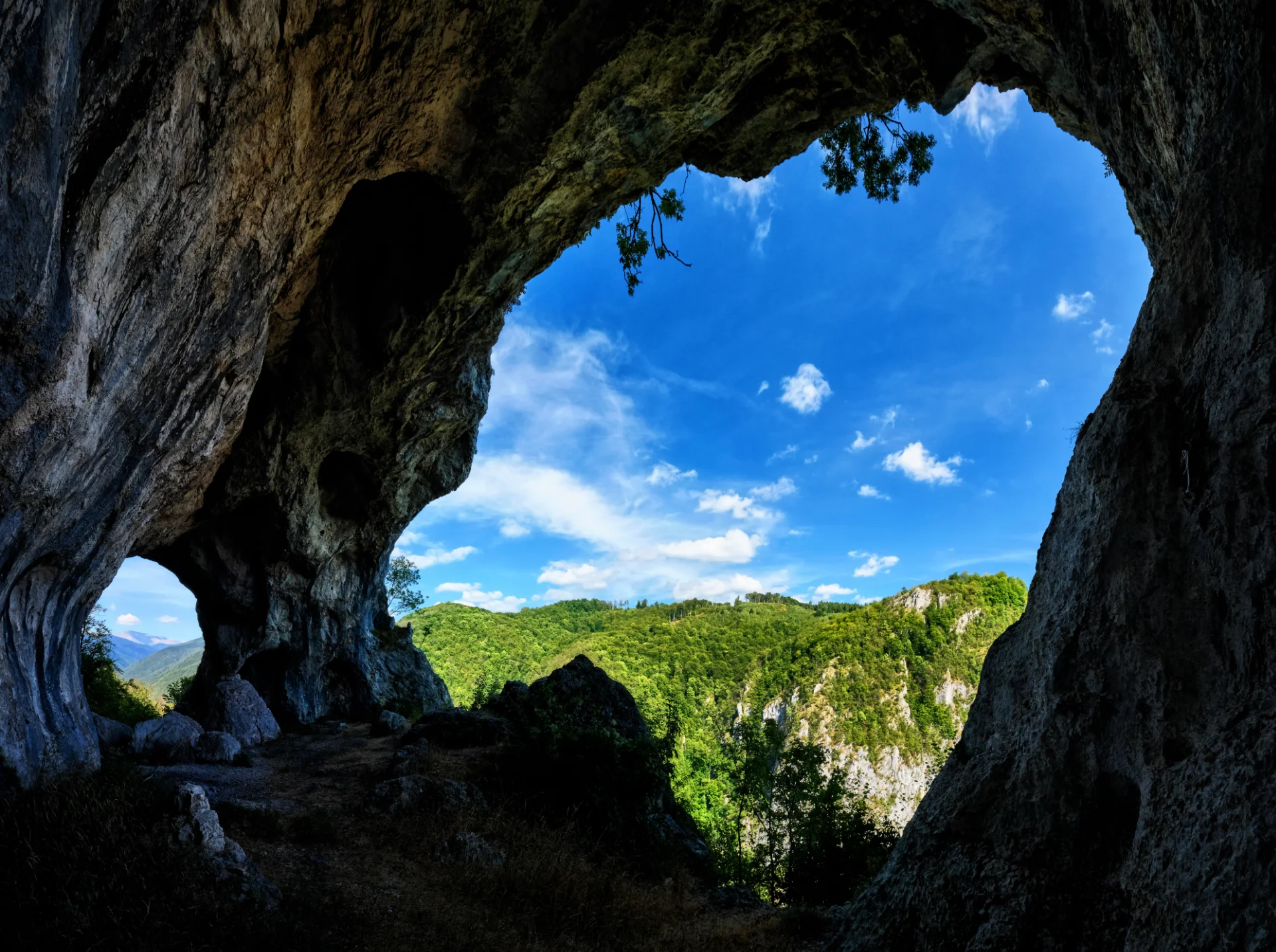
This place hidden in the south-eastern extremity of the Parâng mountains, Șura Haiducilor can be discovered along a fairly short and pleasant route that starts from the Galbenului gorges, climbing the opposite slope to the one containing the Muierilor Cave, north of Baia de Fier village. From here, climb a few hundred meters difference in level, following a path that connects to the Oltețu valley. Above them is an amazing limestone formation, a huge natural arch that also offers superb views of the valley below and the Parâng mountains. Nearby there is also an old cross with unknown origins, from where you can admire another panorama towards the monastery and the village of Polovragi.
Bistrița Gorjeană Valley
Few travelers know that besides the well-known Bistrita of Moldova, there is also Bistrita Gorjeană, with its own stories and beauties. It springs from Mount Oslea, a solitary massif of the Vulcan mountains, its course being landscaped, along the valley there are two reservoirs, as well as several sections of gorges. Access to the Bistriței Gorjene valley is through the village of Gureni in the Peștişani commune, approximately 25 km northwest of Târgu Jiu. From the national road 67D, several routes lead to this village. The forest road that follows the valley is in a rather poor condition, but it can also be traveled by normal cars up to the reservoirs.
Gropul Sec Gorges in Sohodol Valley
There aren’t many tourist routes or directions to get to this valley, the only source being an old article and a drawn map. However, the landscapes encountered on such a journey to the wildest areas of the Gorj mountains are worth any sacrifice. After 5 km from the entrance to Sohodol Gorges, you will reach an abandoned tourist complex on the left side, also here the paved road ends. You can continue by car on the forest road, and after about 4 km, you reach another area of gorges, with a superb sequence of waterfalls. Across the river, at one point you can see a mostly completely dry valley, which flows into Sohodol. You can cross the river and continue through the dry bed, through a long canyon, at the end of which you will discover the Toaia Dracilor Waterfall, of sublime beauty.
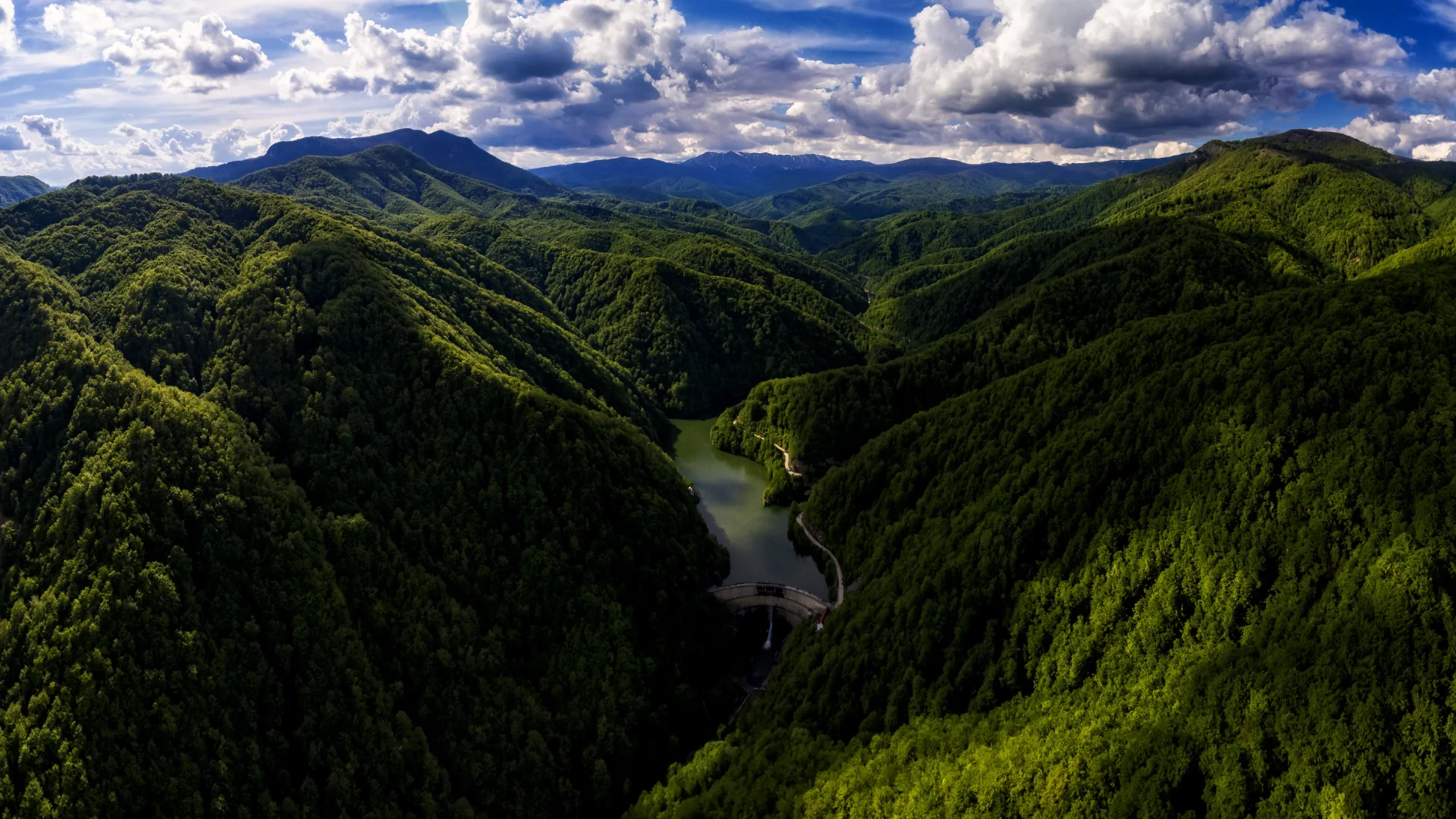
Accommodation Options in Gorj COunty
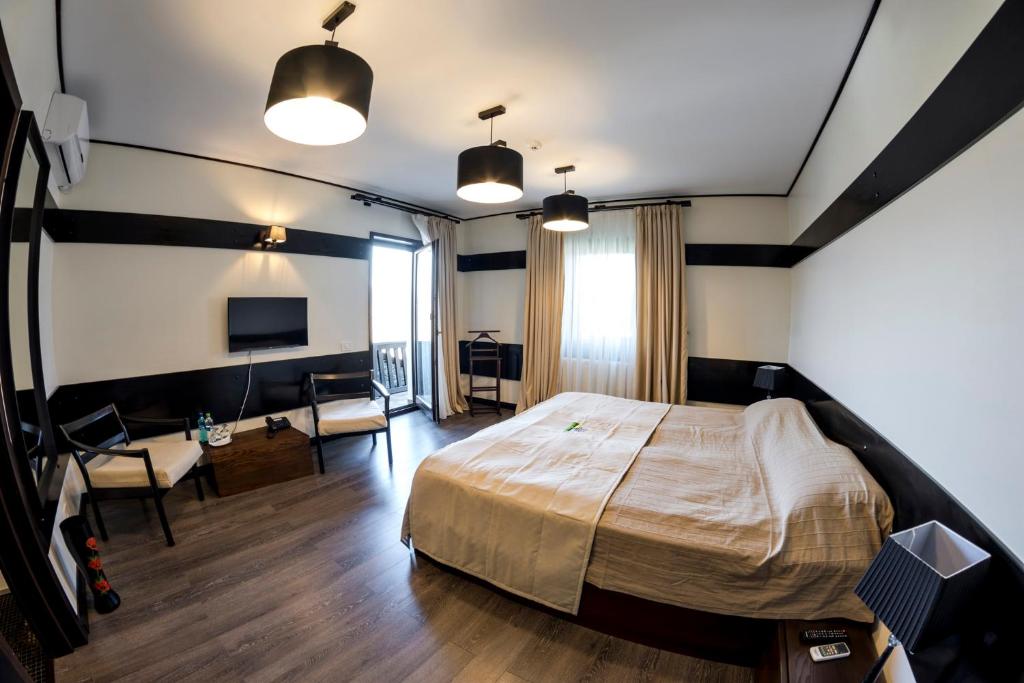
rating 9.4 from 96 reviews
One of the newest and most modern boarding houses in Gorj county, is located in the Apa Neagra town in the west of the county. It offers quality services, a restaurant and a beautiful garden, being close to the attractions of Pades commune.
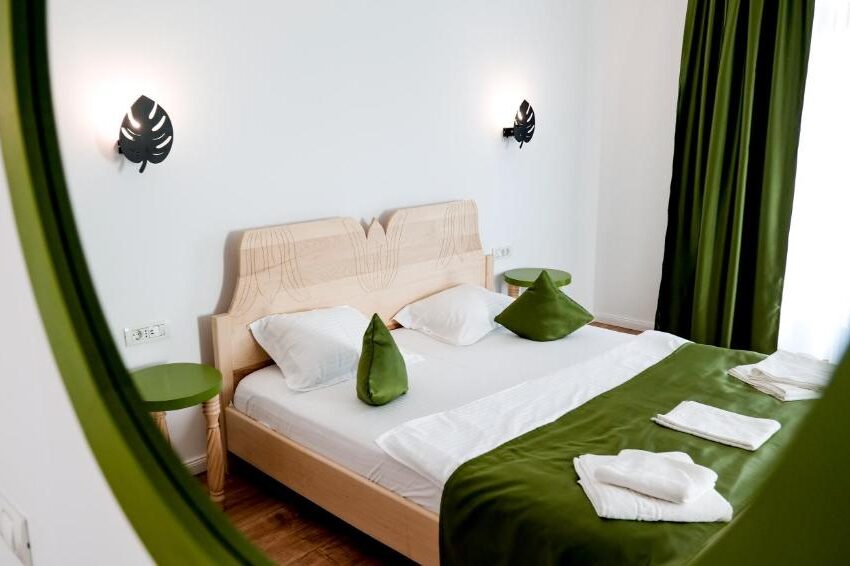
rating 9.8 from 133 reviews
Located in the village of Baia de Fier, close to the Muierilor Cave and the entrance to the Transalpina, this superb guesthouse, highly appreciated by guests, offers rooms with unique and authentic decor, as well as a terrace and garden.
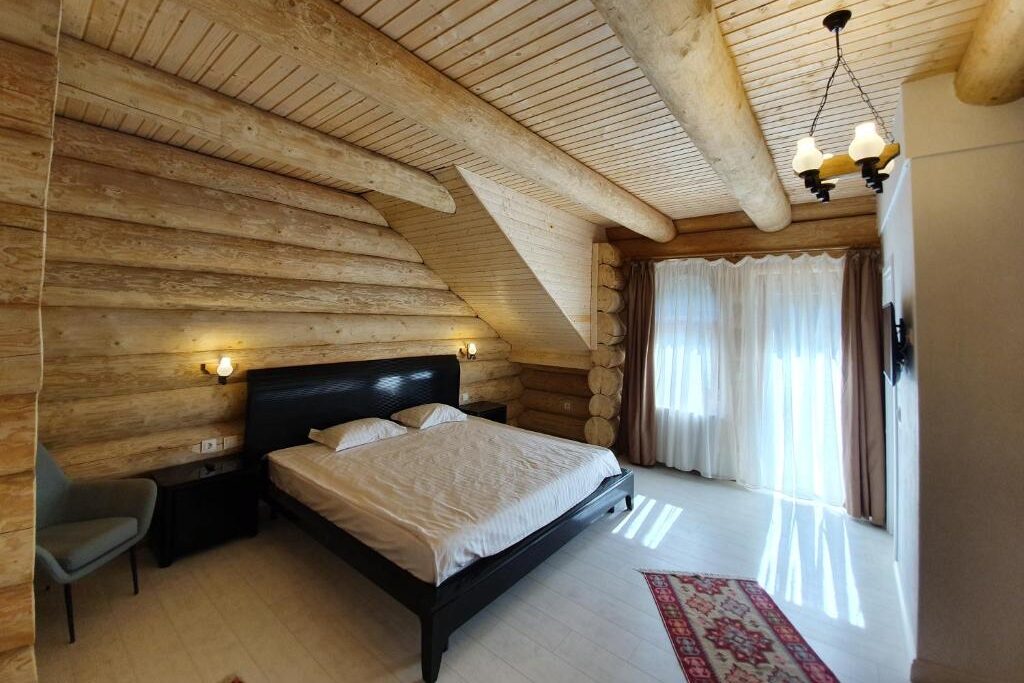
rating 9.0 from 103 reviews
The guesthouse is located in an impressive natural setting, in Cartiu village, Turcinesti commune, north of Targu Jiu (8 km), near the mountains. The guesthouse offers accommodation in excellent conditions, with an outdoor swimming pool and other activities.