25

Mărginimea Sibiului

Rural Area

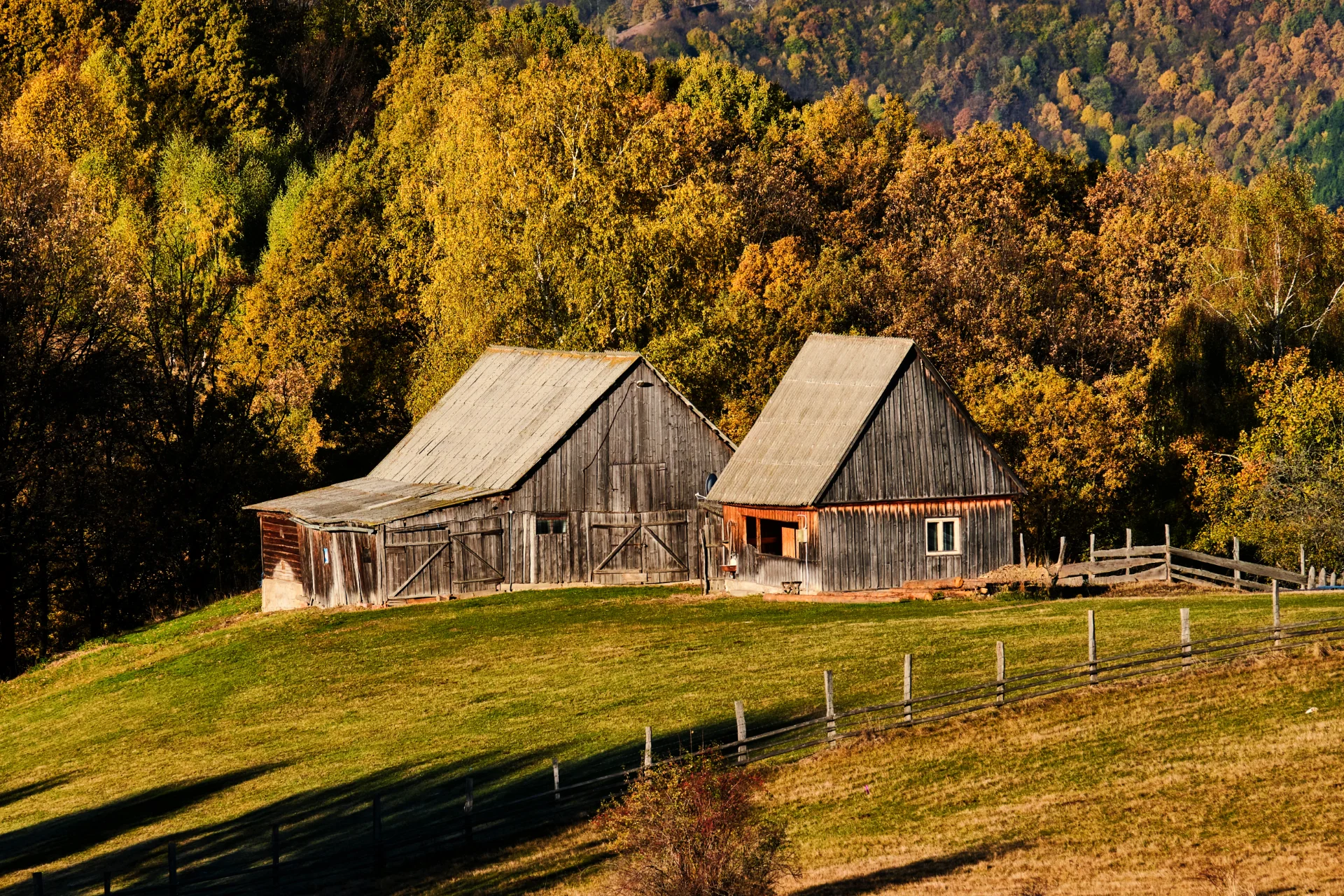
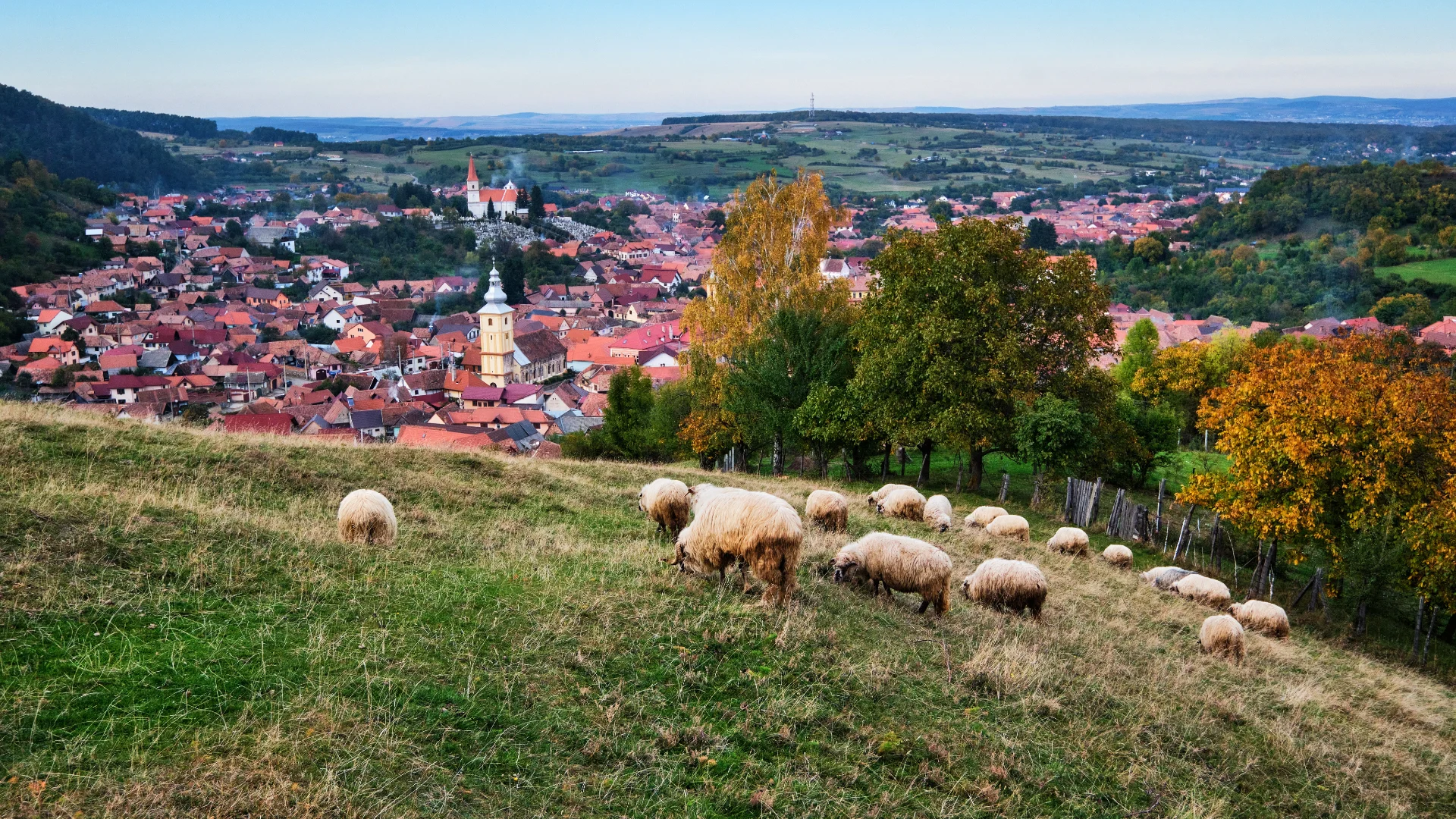
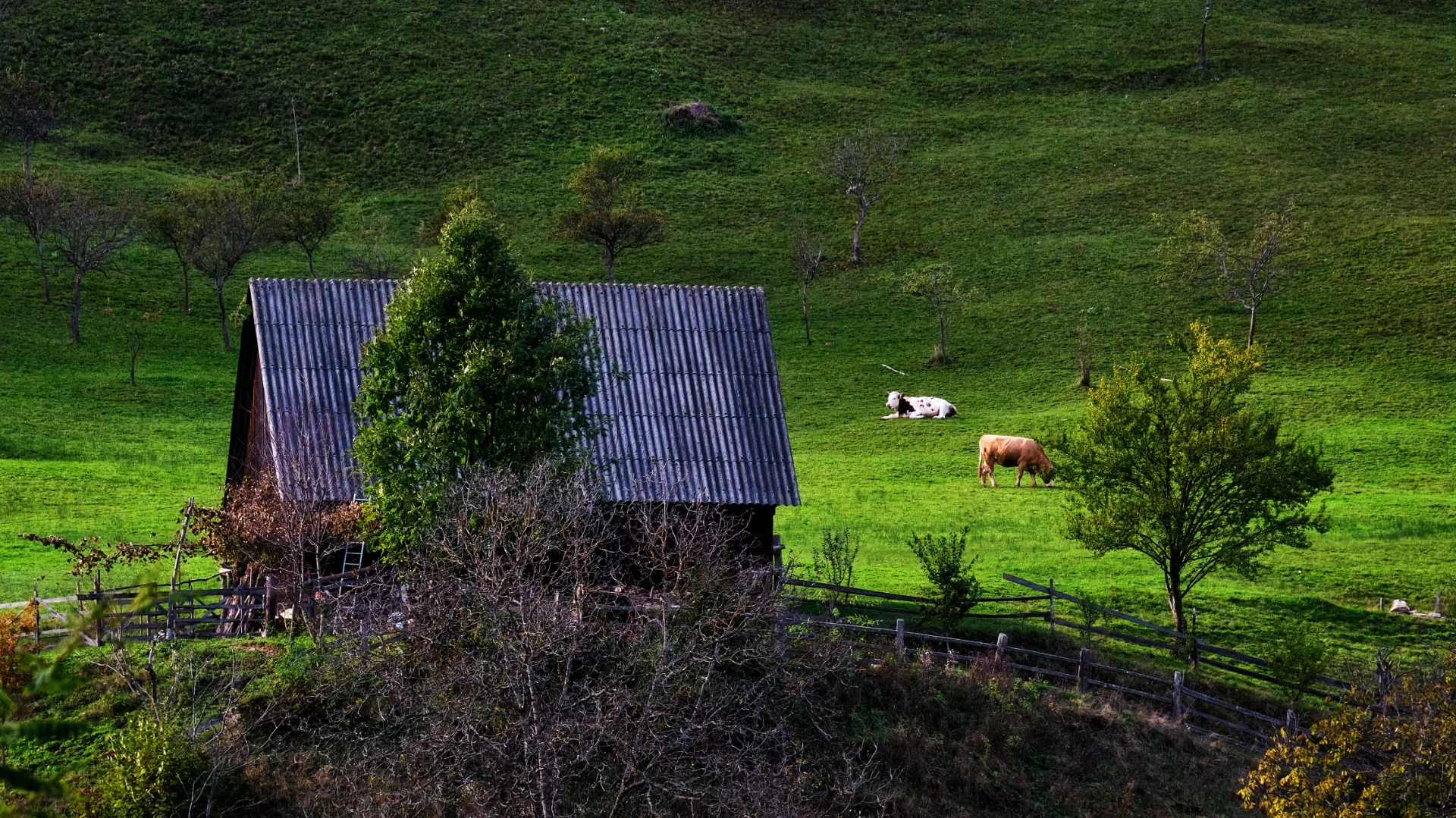
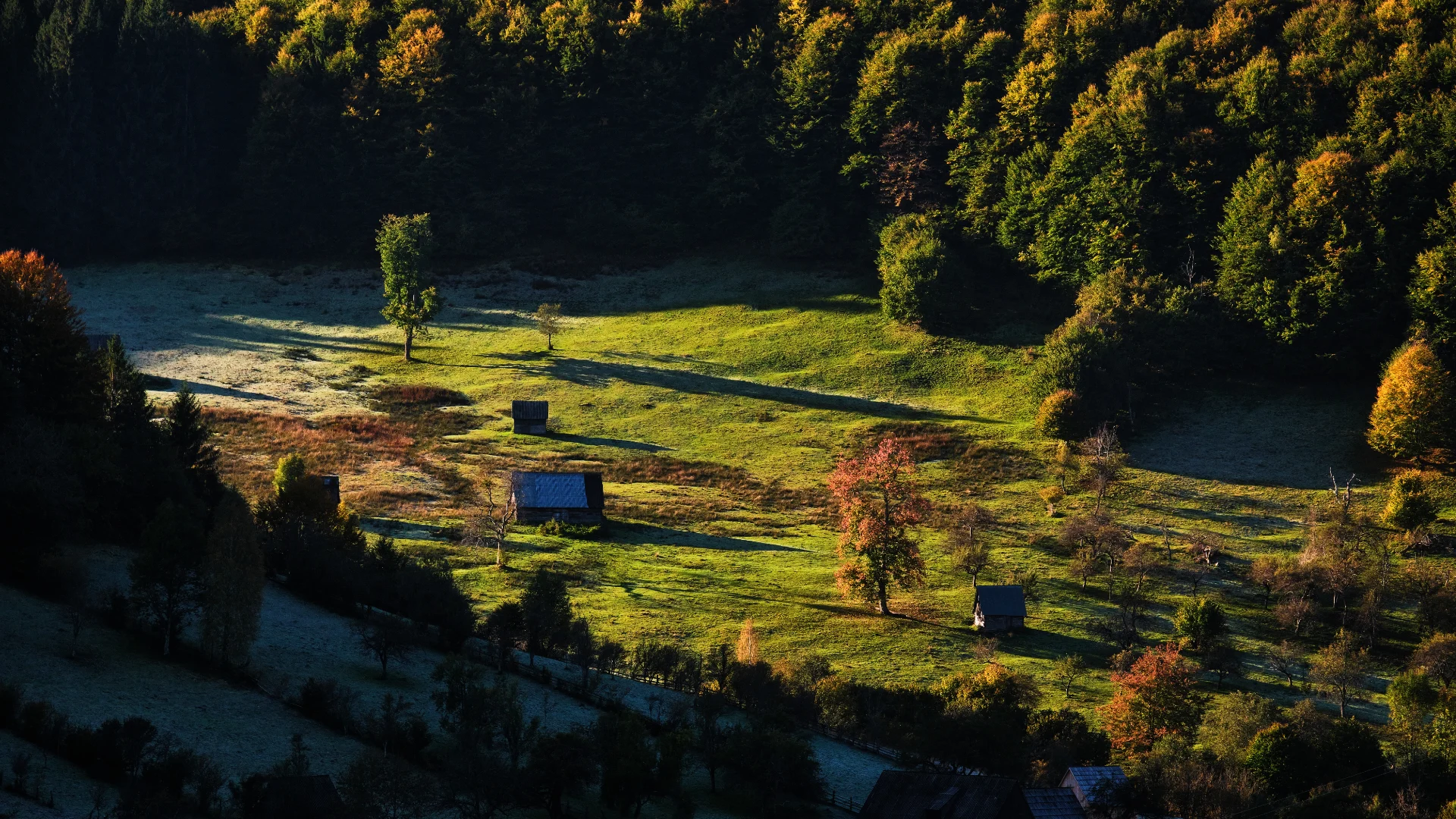
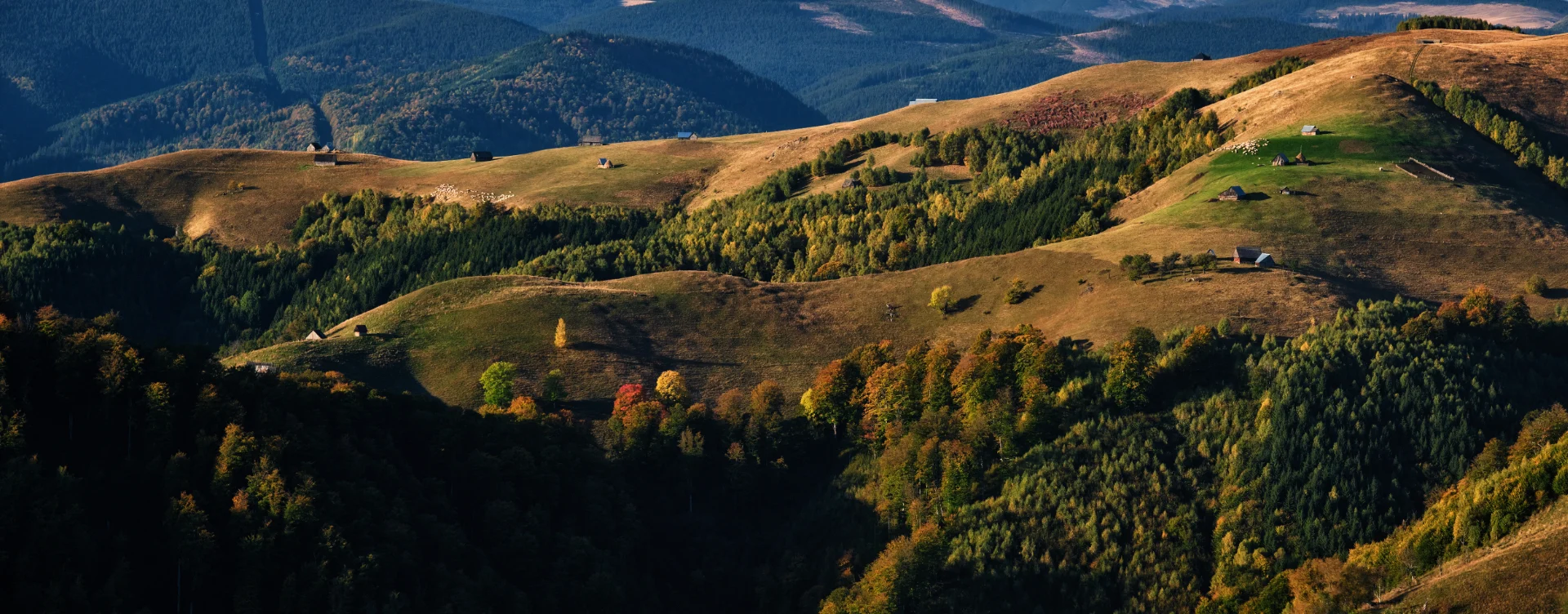
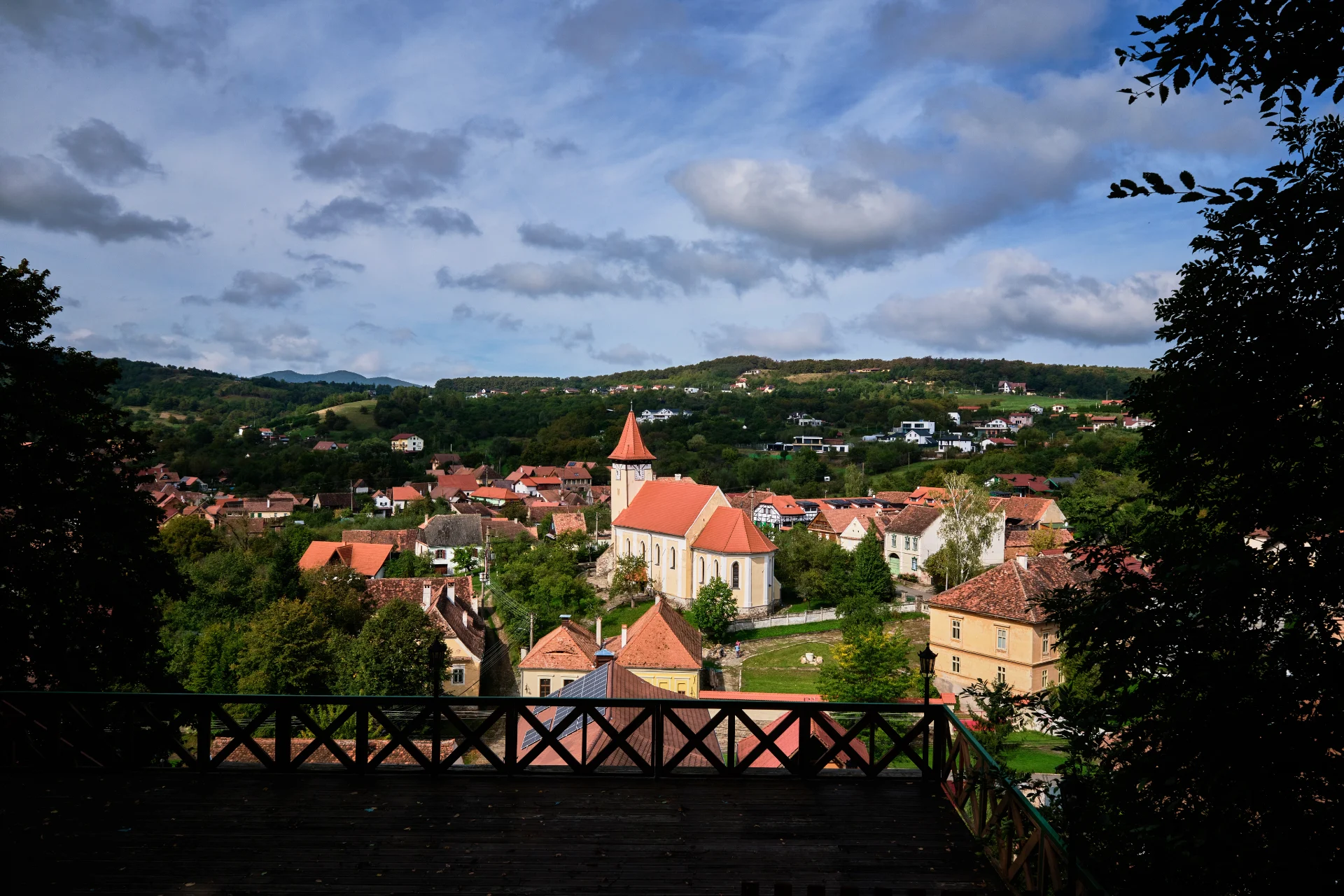
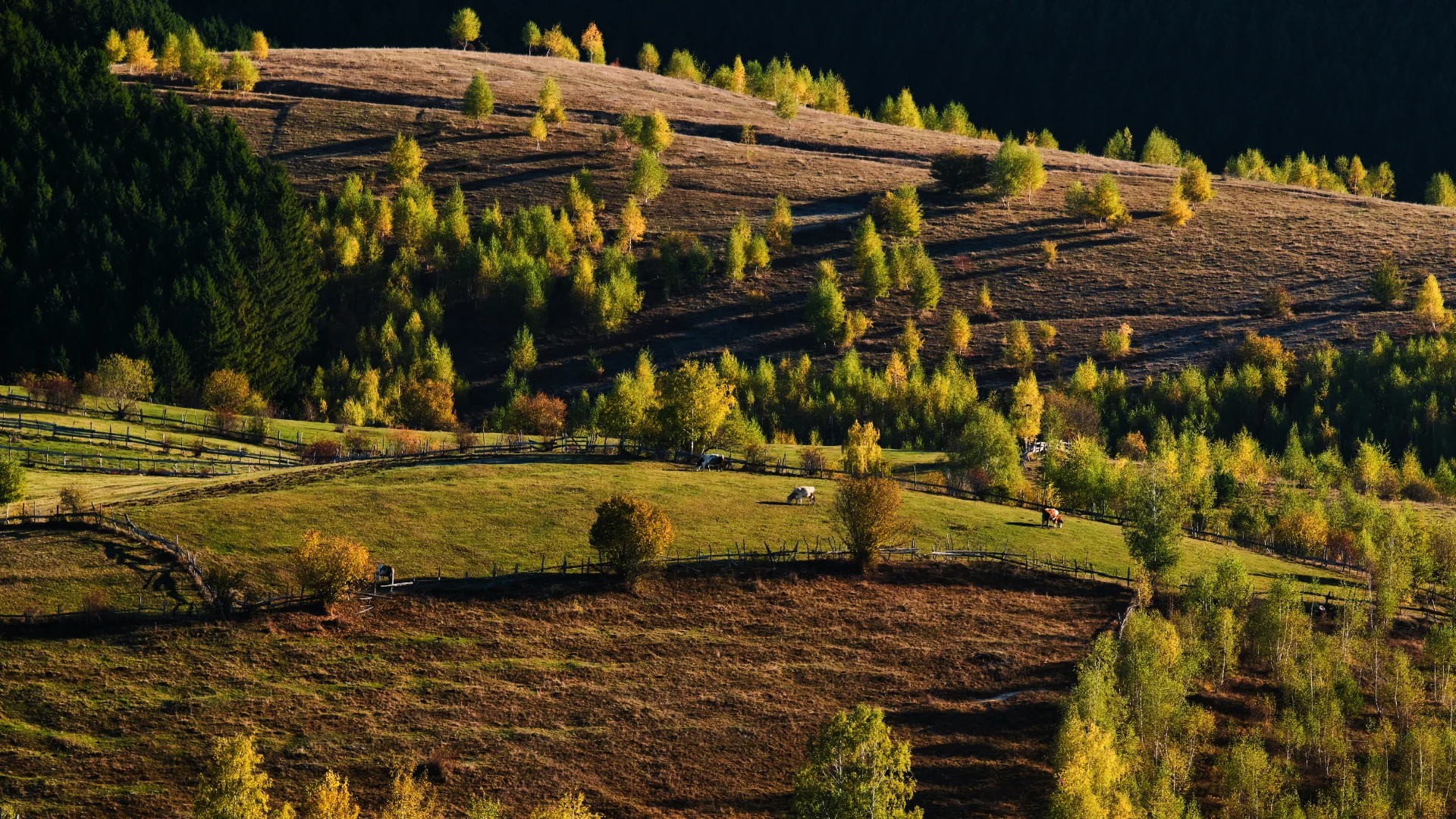
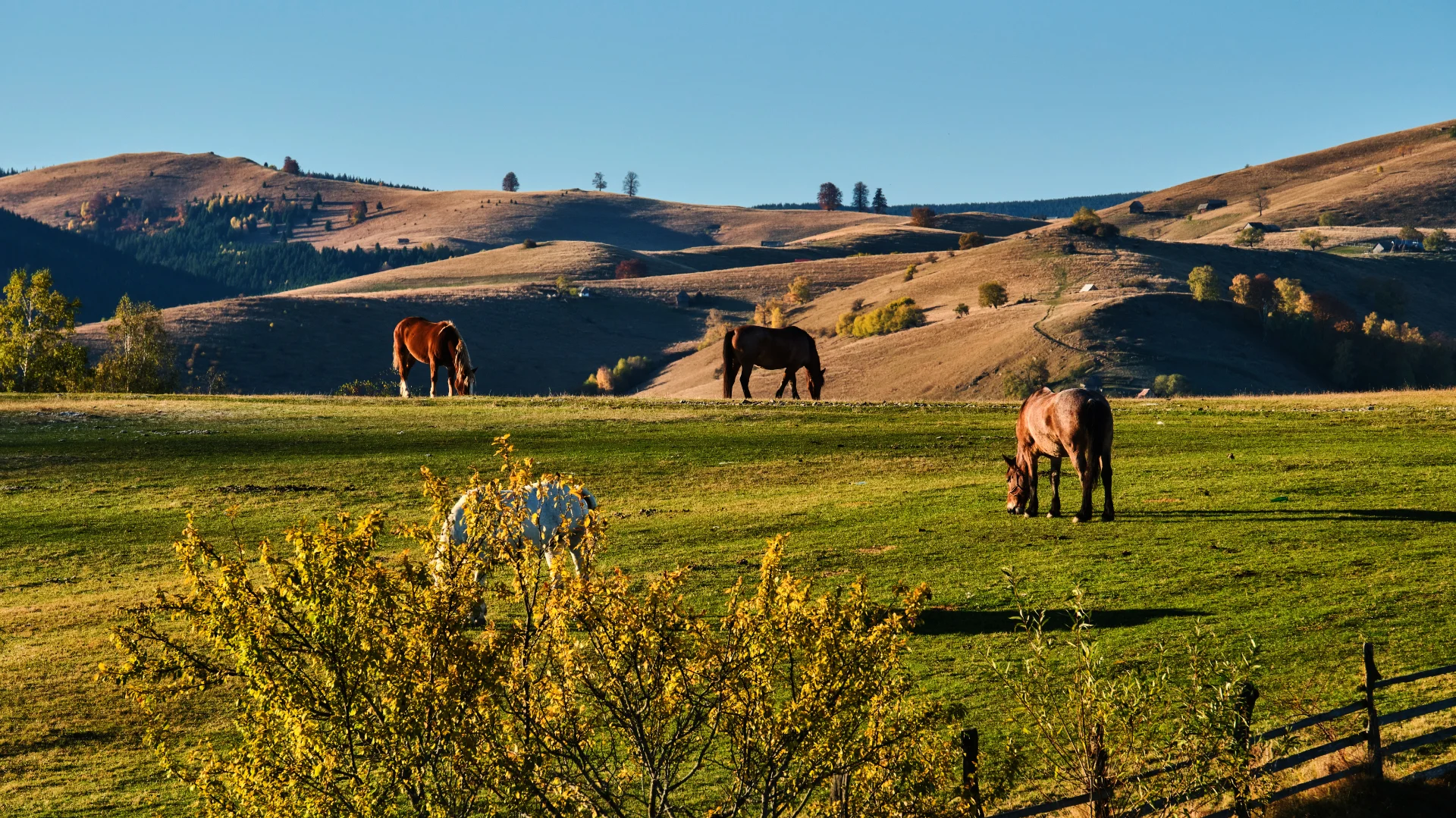
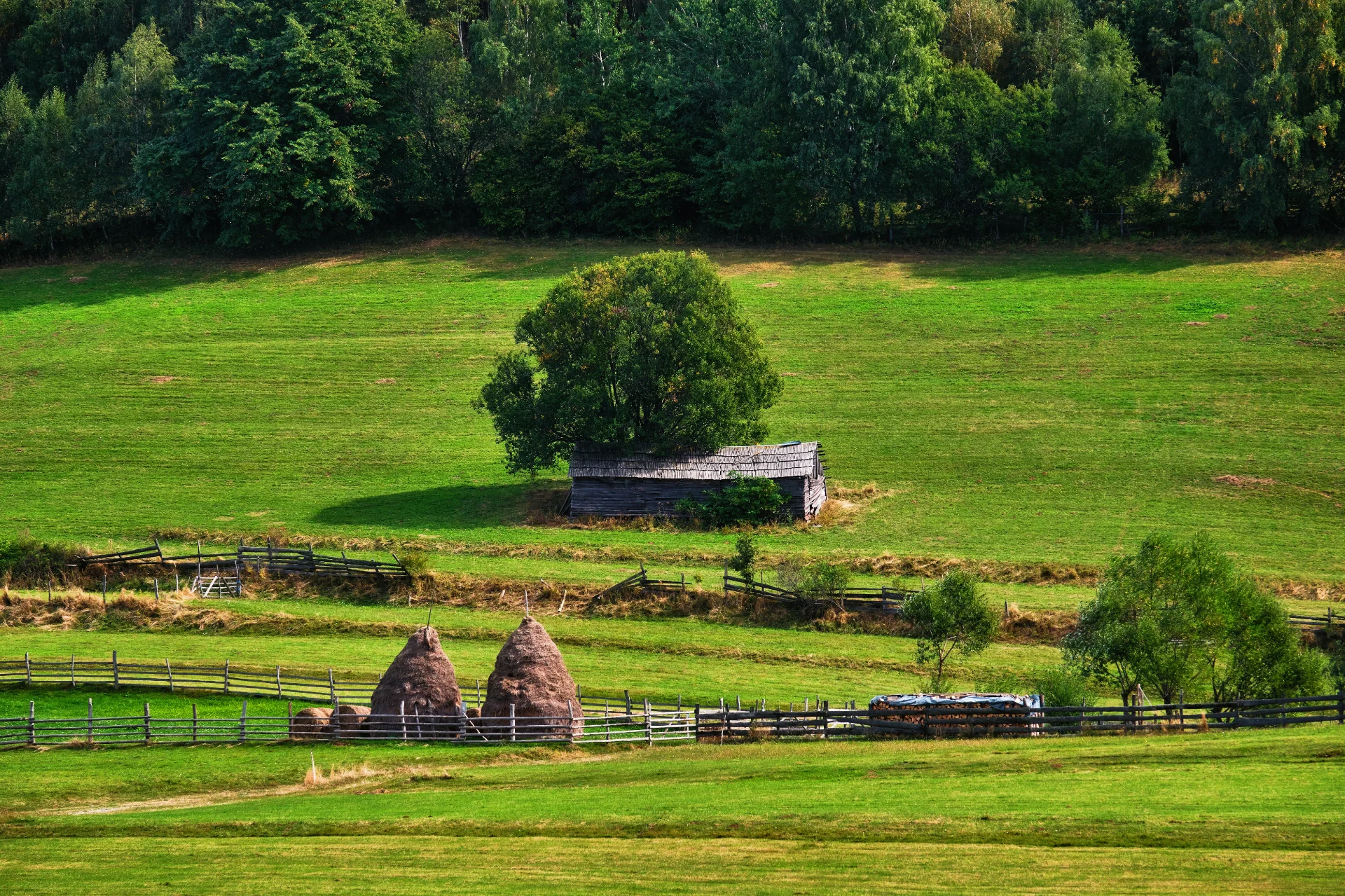
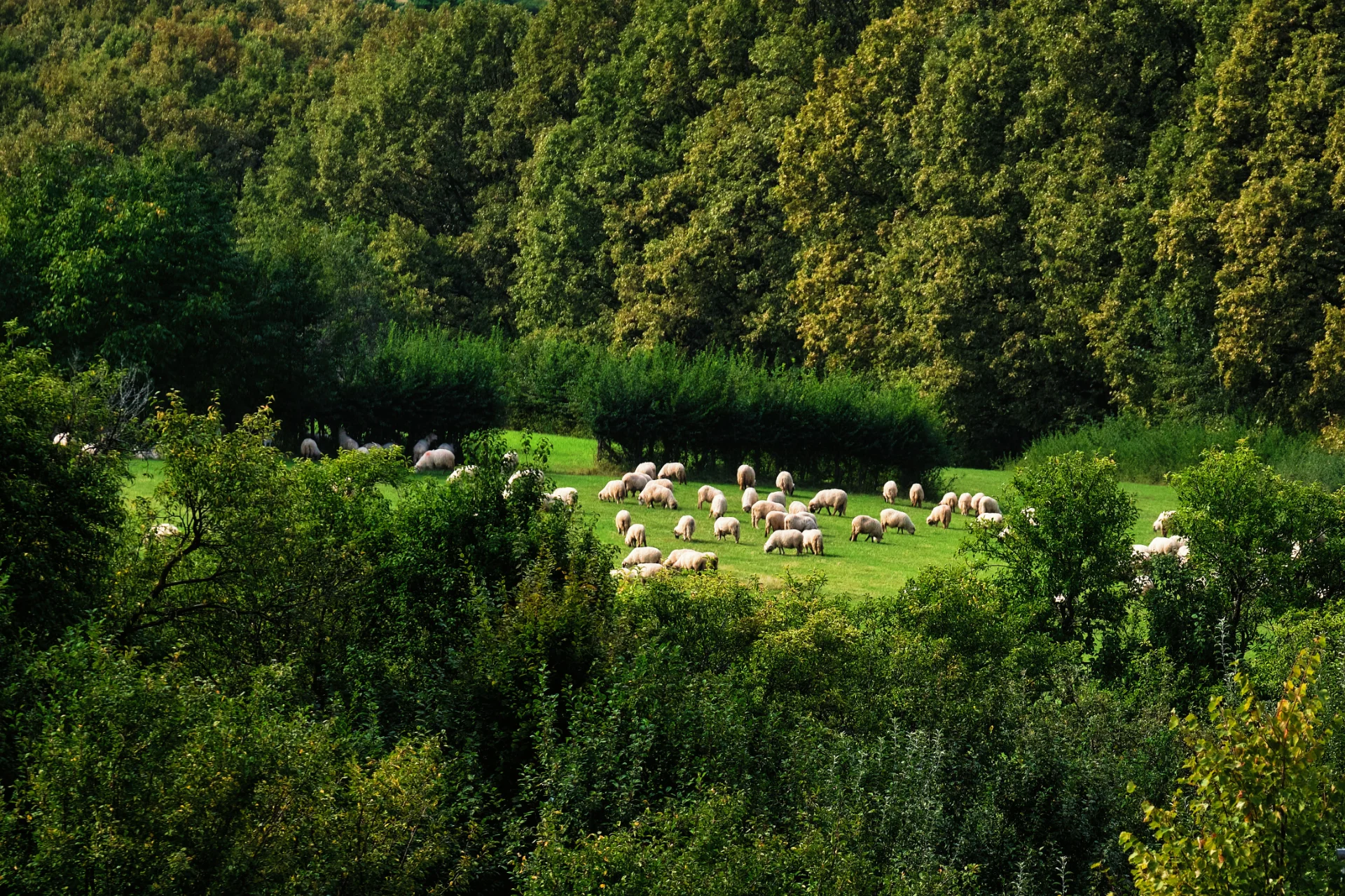
Herds of sheep graze peacefully on the endless meadows at the foot of Cindrel Mountains, and in the distance, the spires of old churches rise from place to place, revealing the peaceful atmosphere of this pastoral paradise, where people keep alive the archaic connection with the land and the divinity!

Mărginimea Sibiului - Destinații România Transilvania
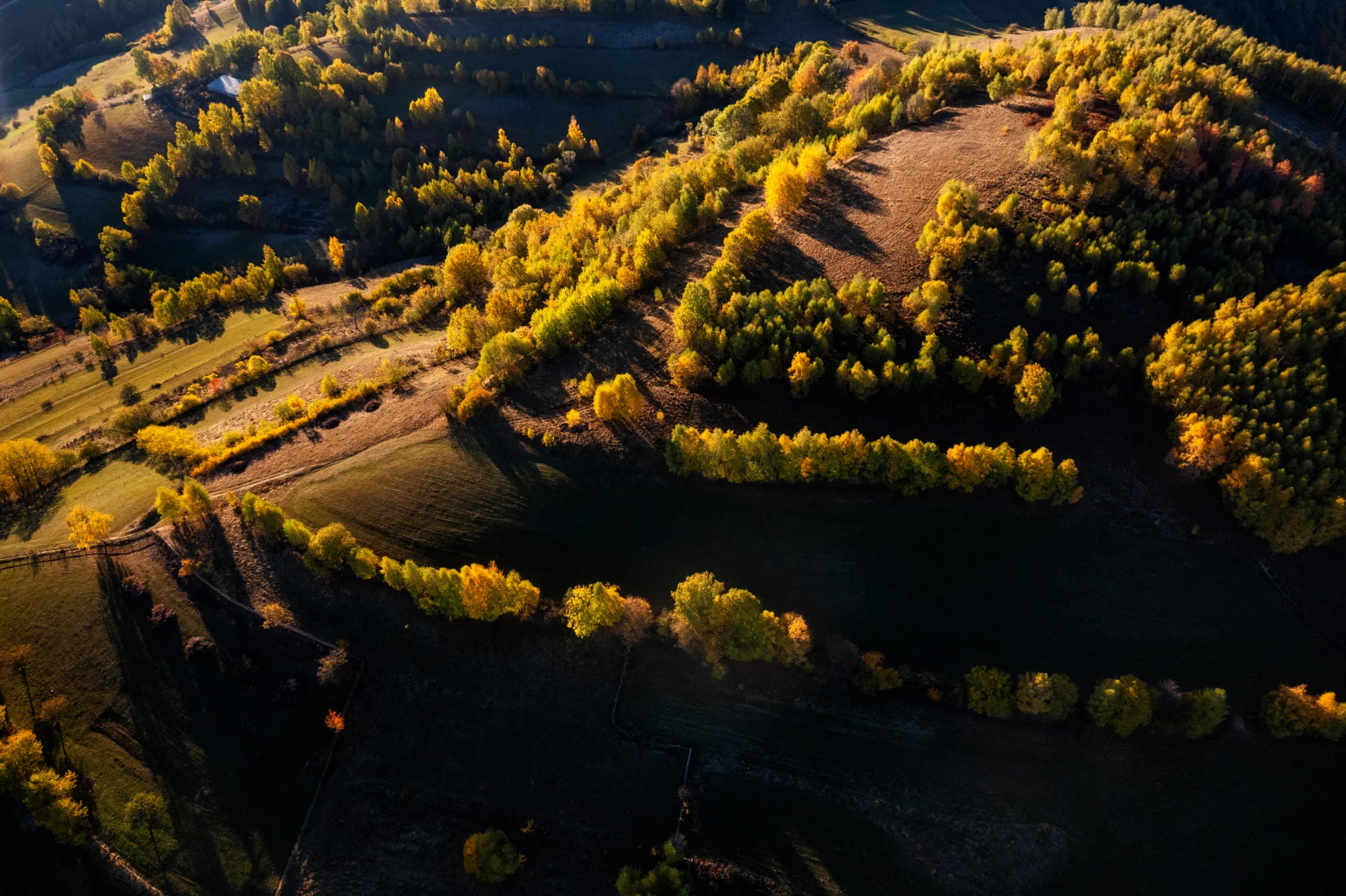
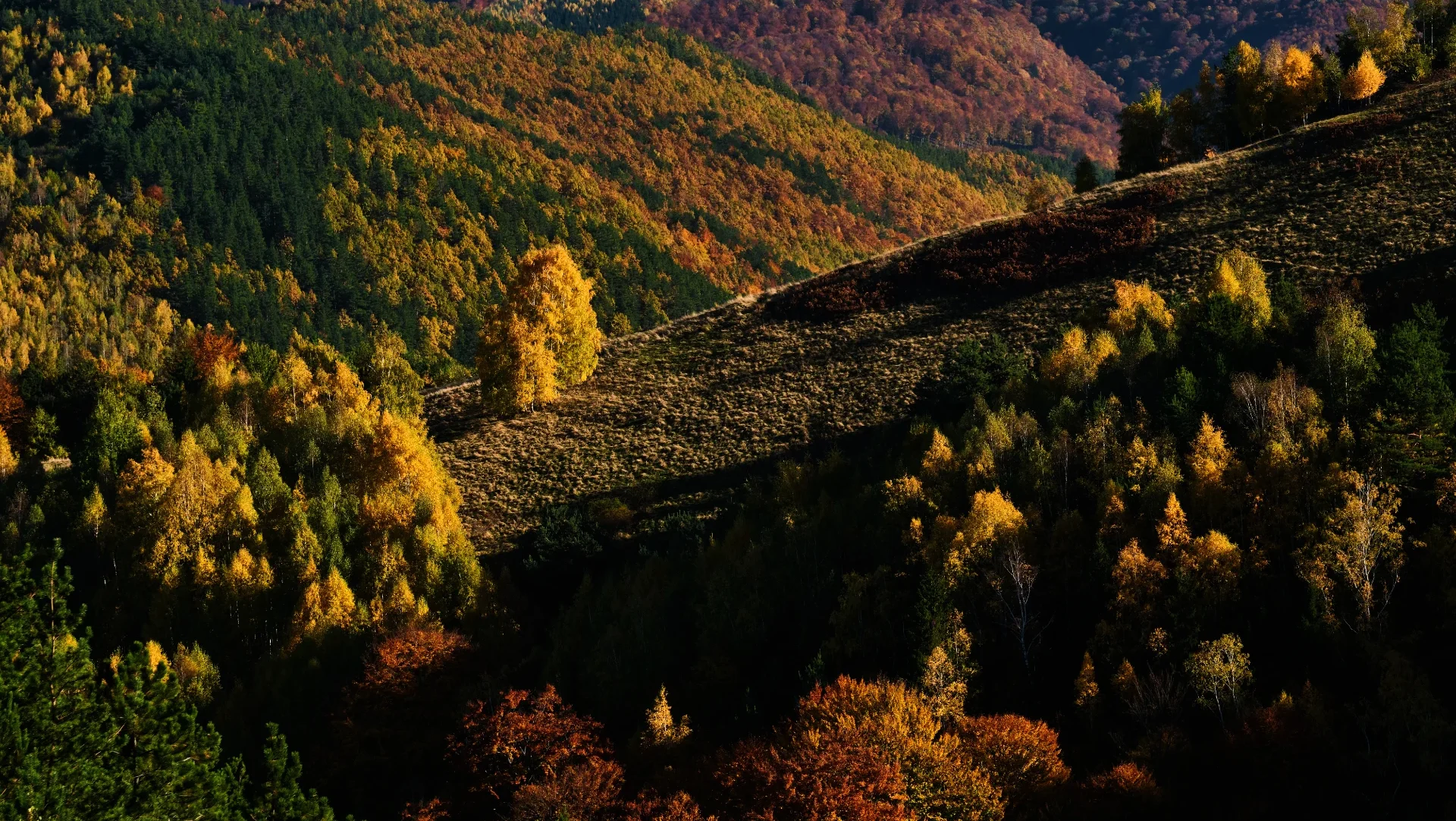
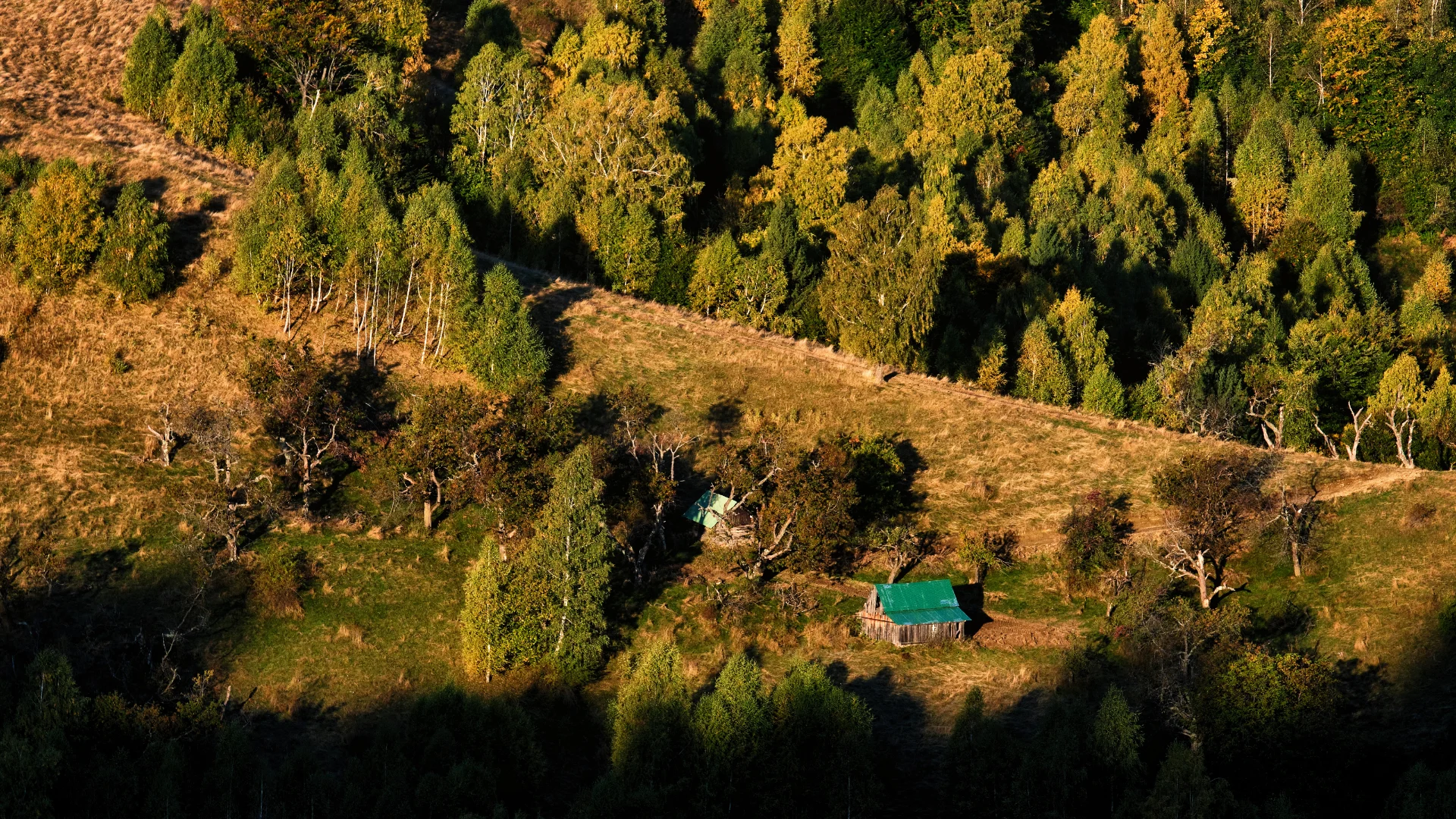
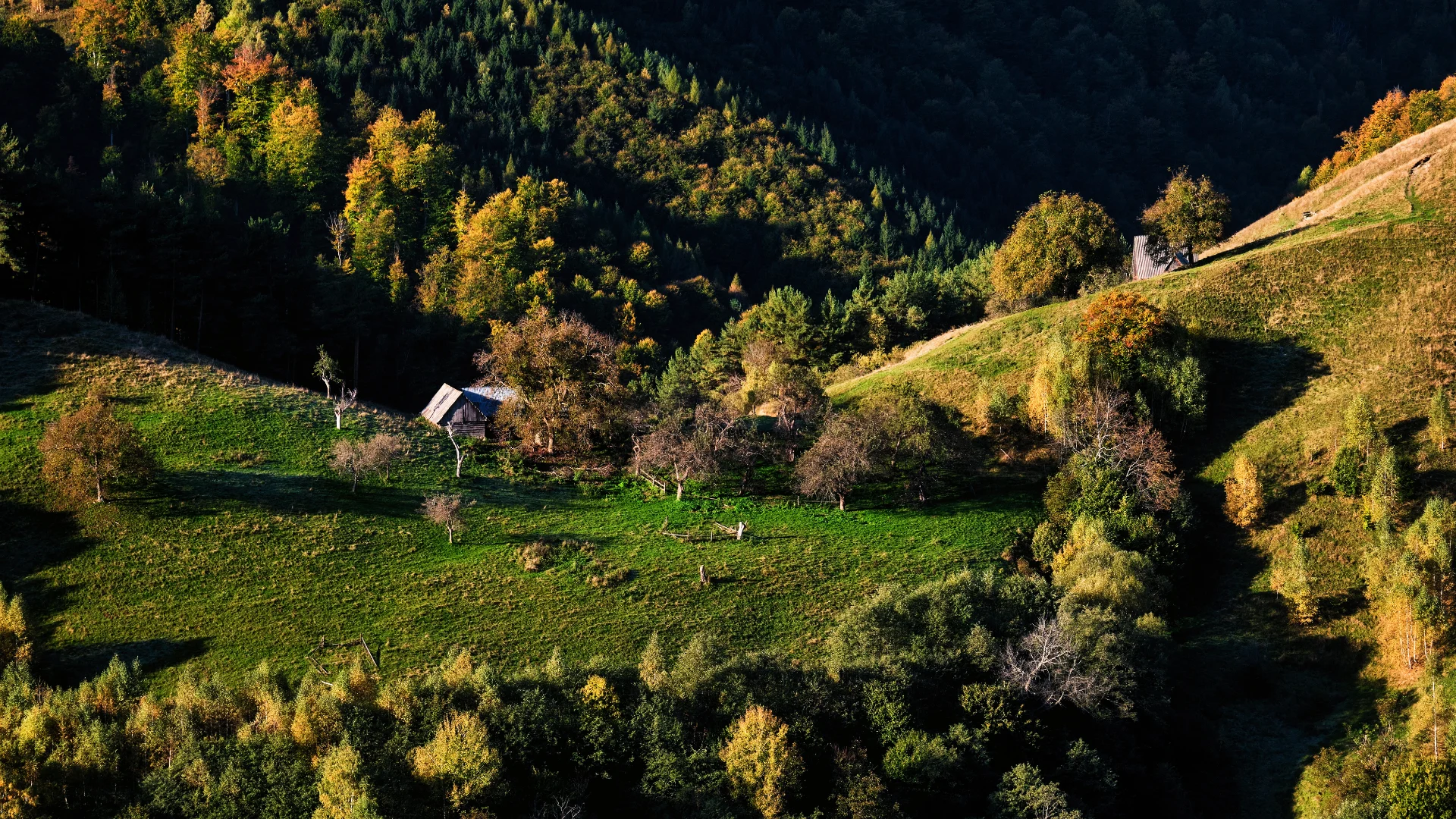
Țara Colibelor din Munții Cindrel Ⓒ Silviu-Florin Salomia

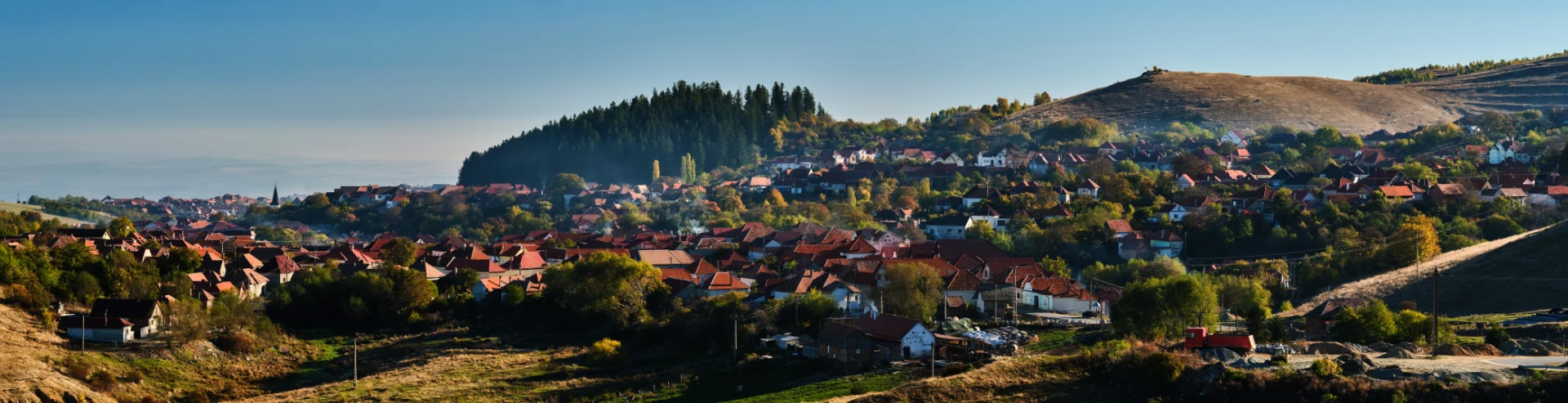
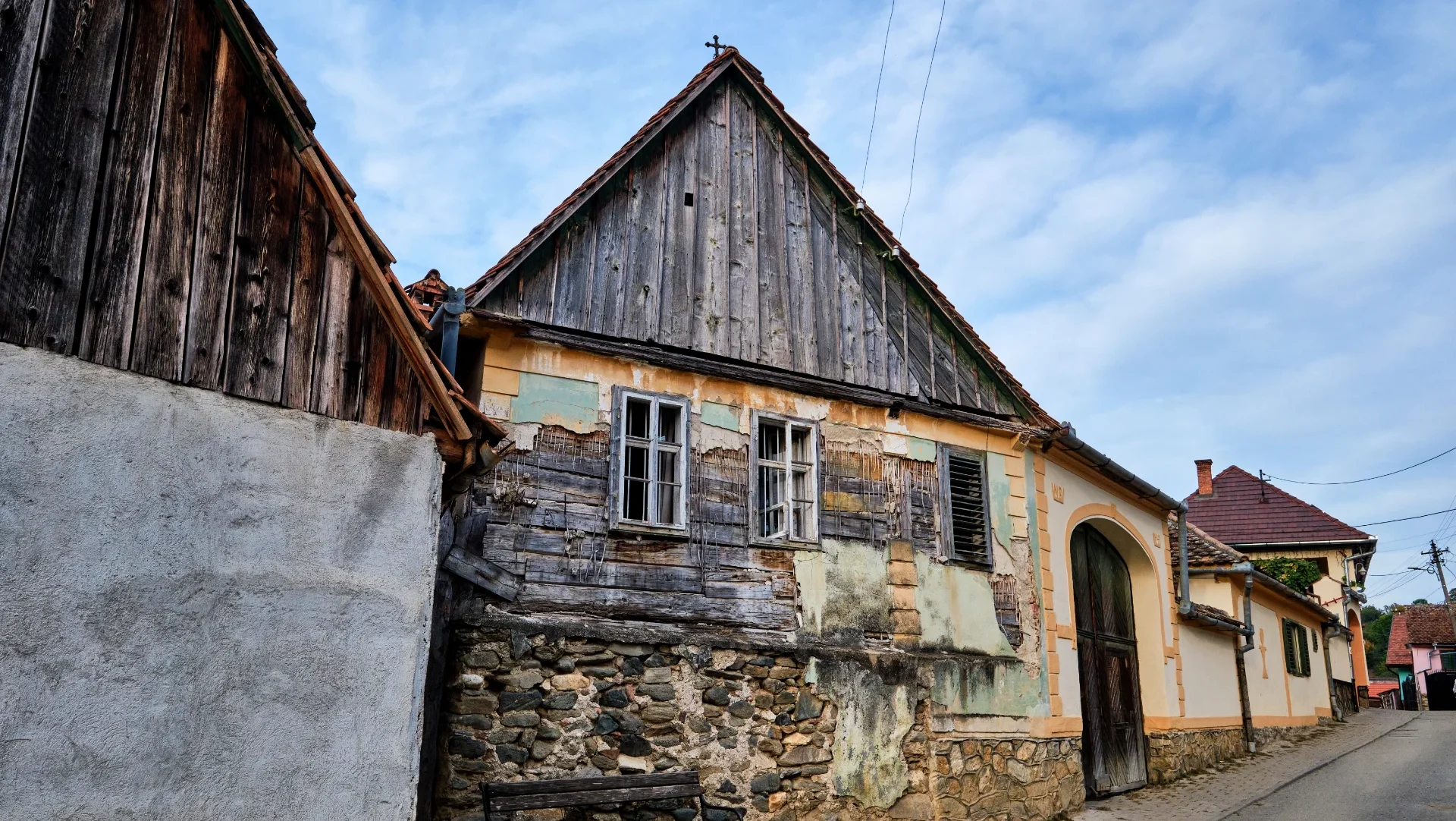
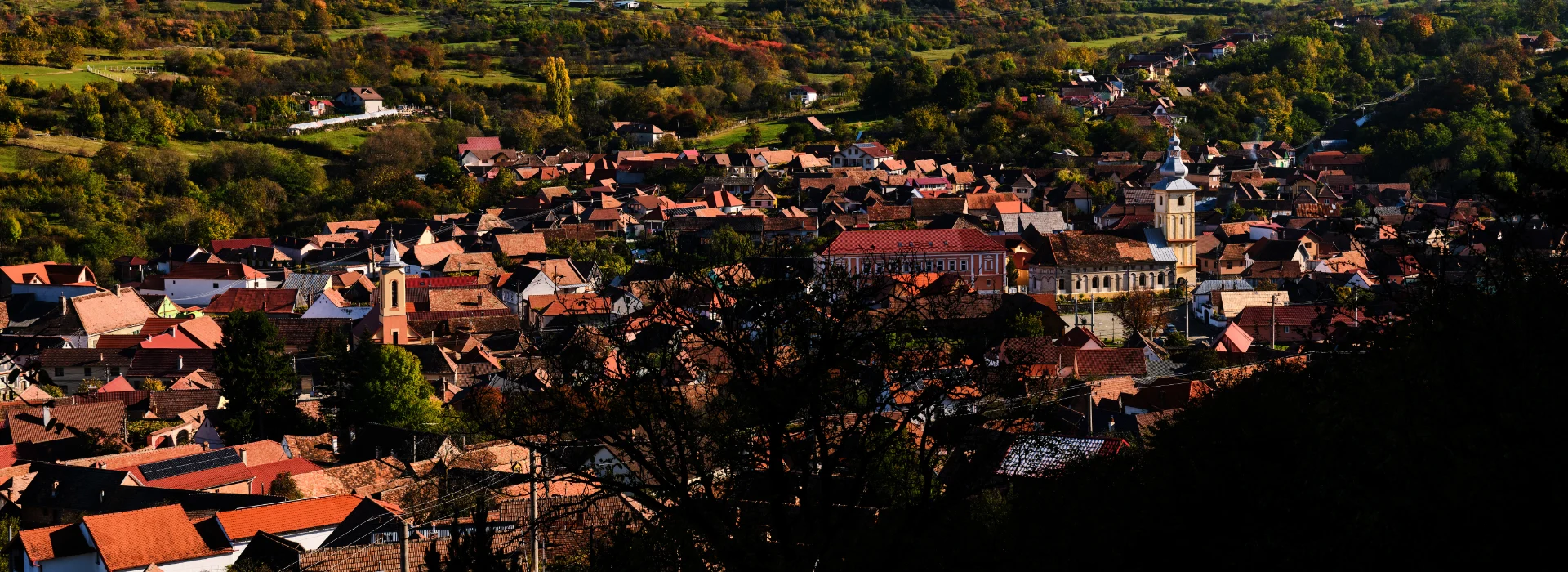
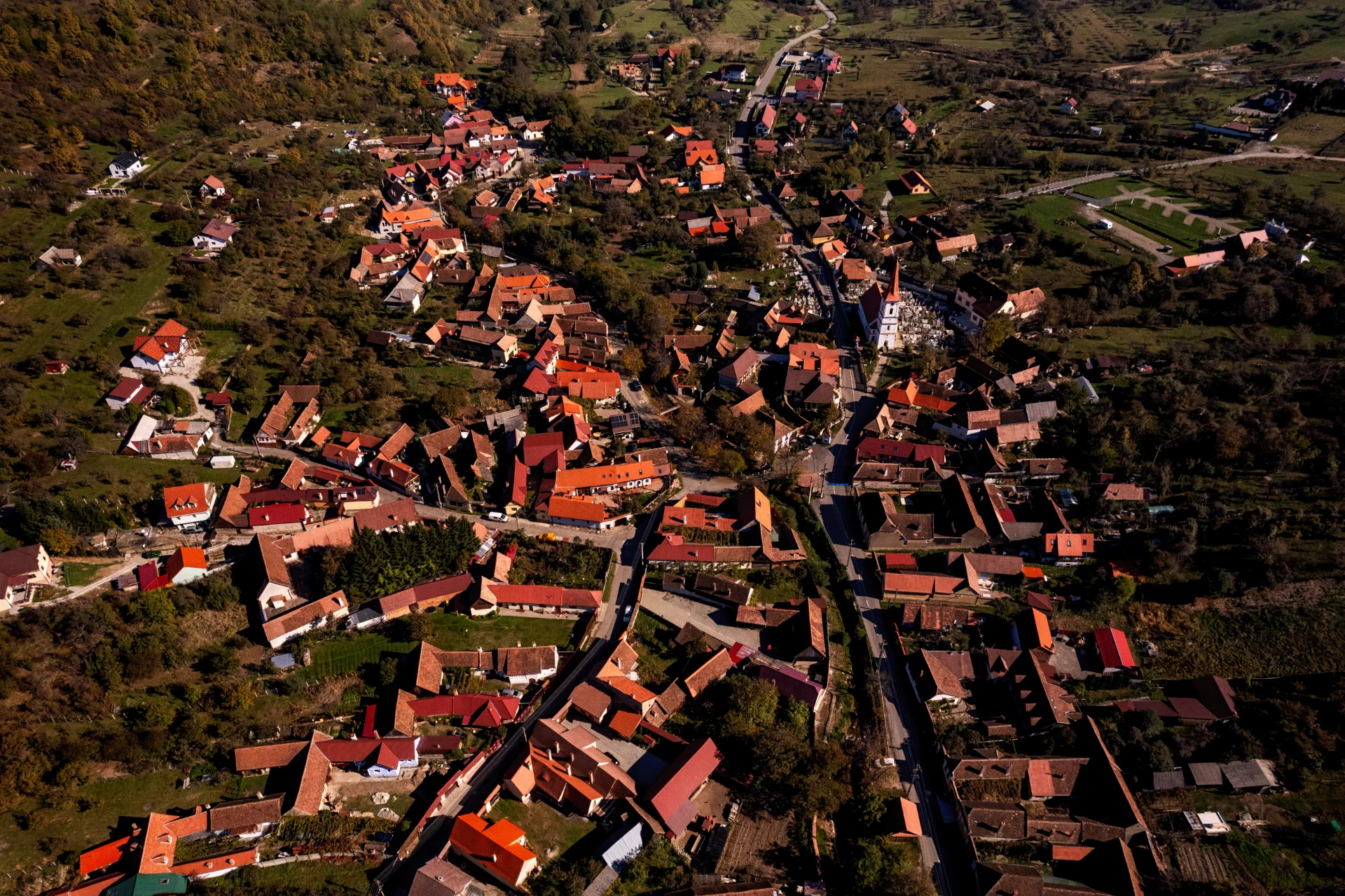
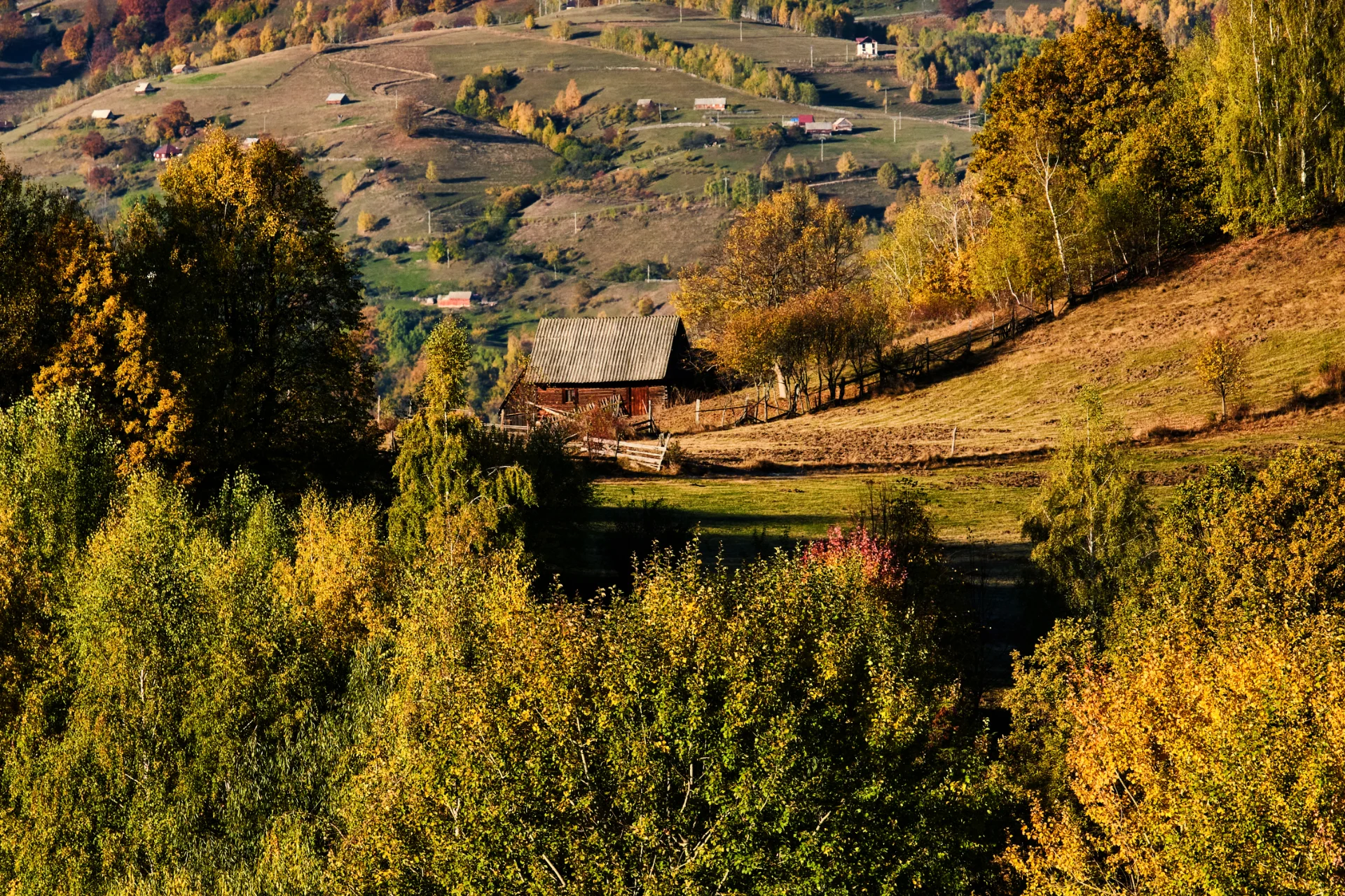
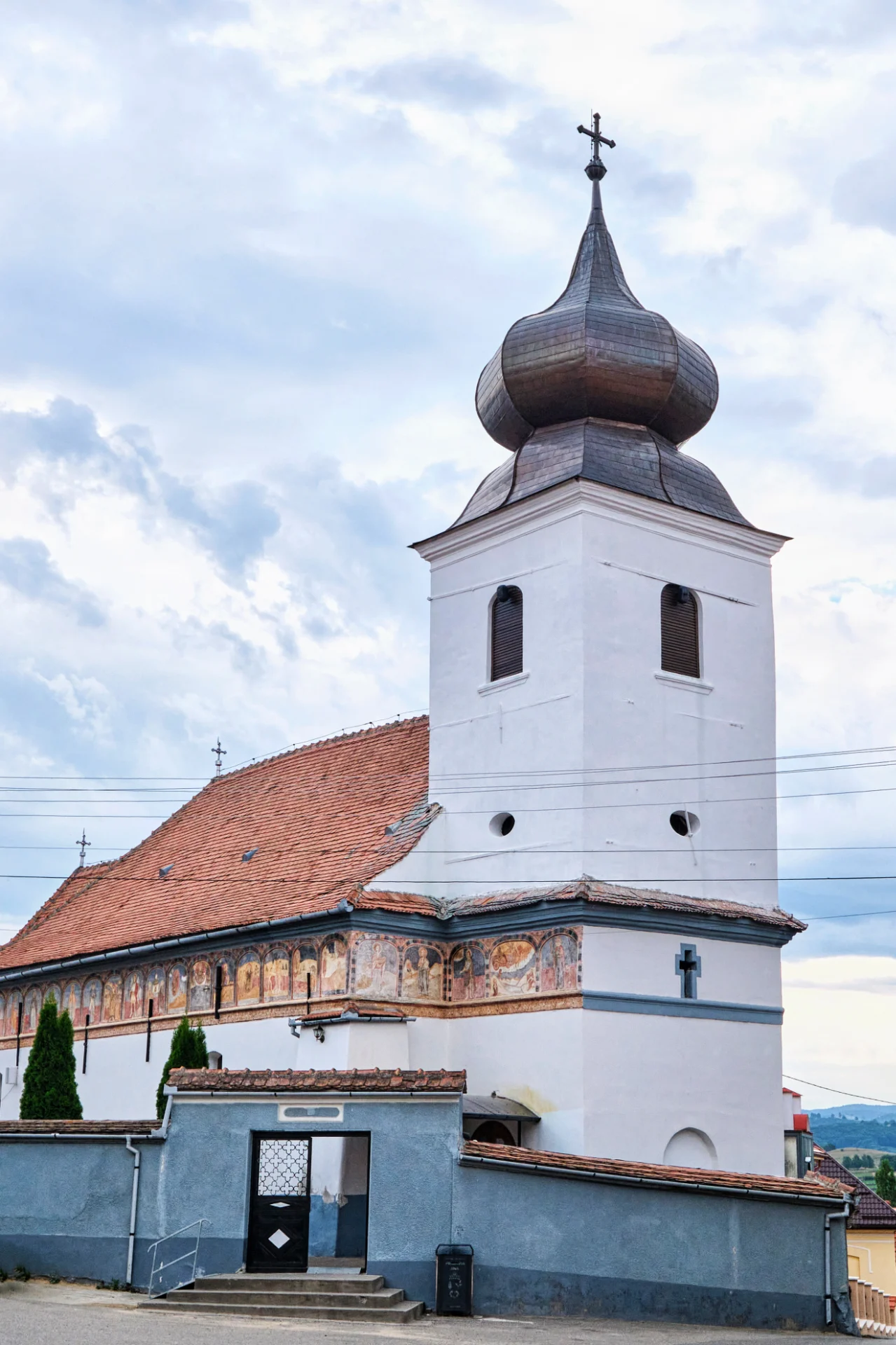
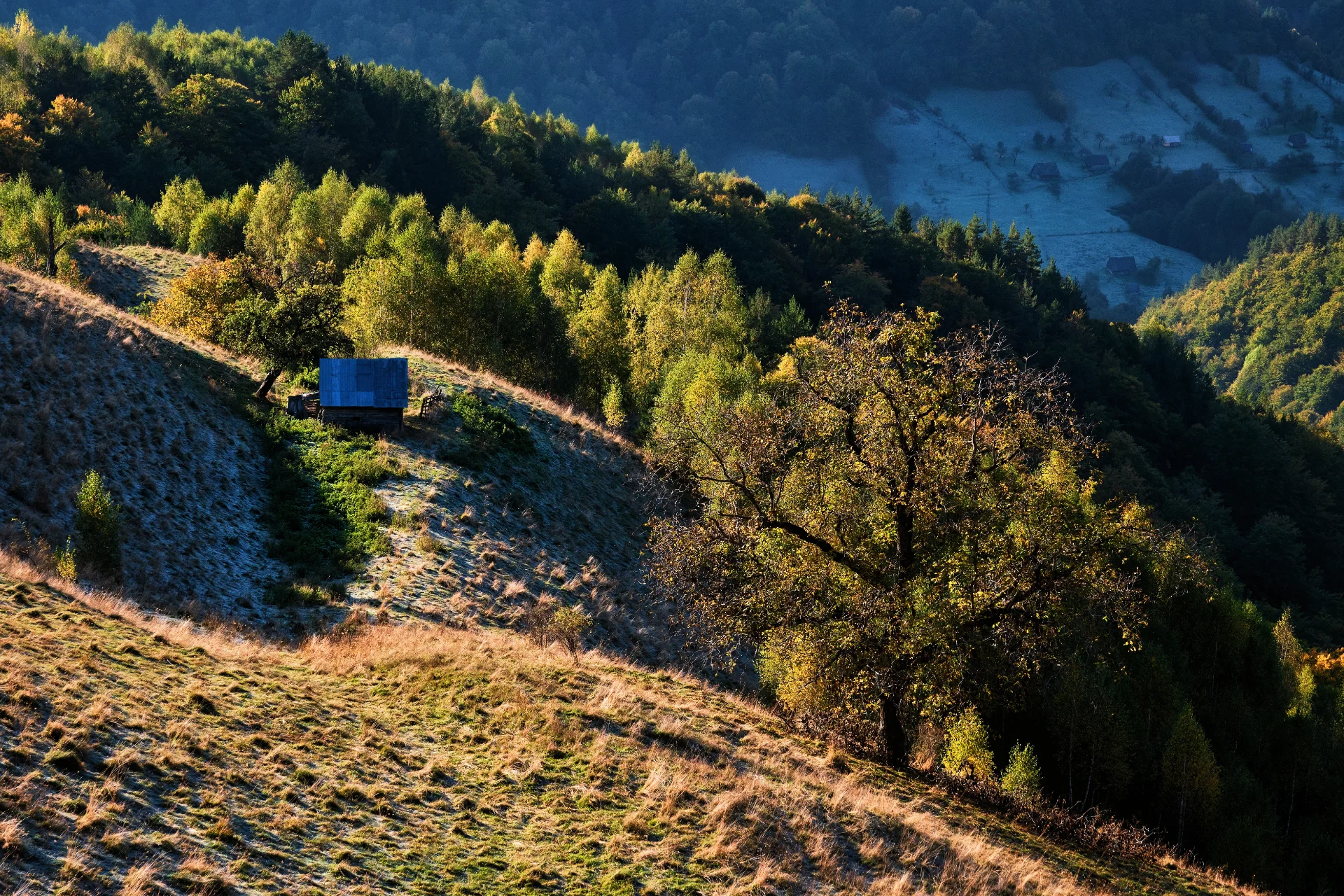
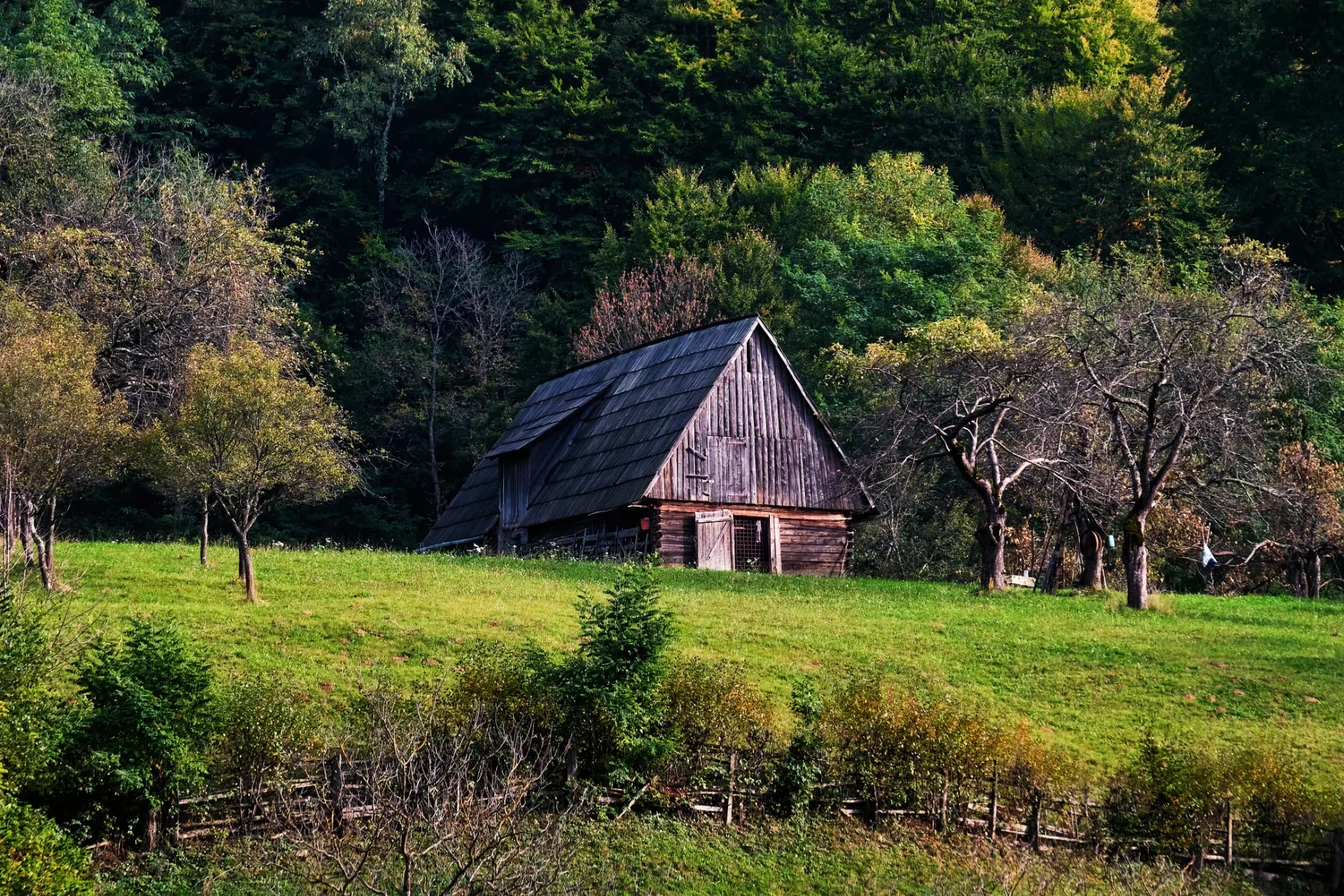
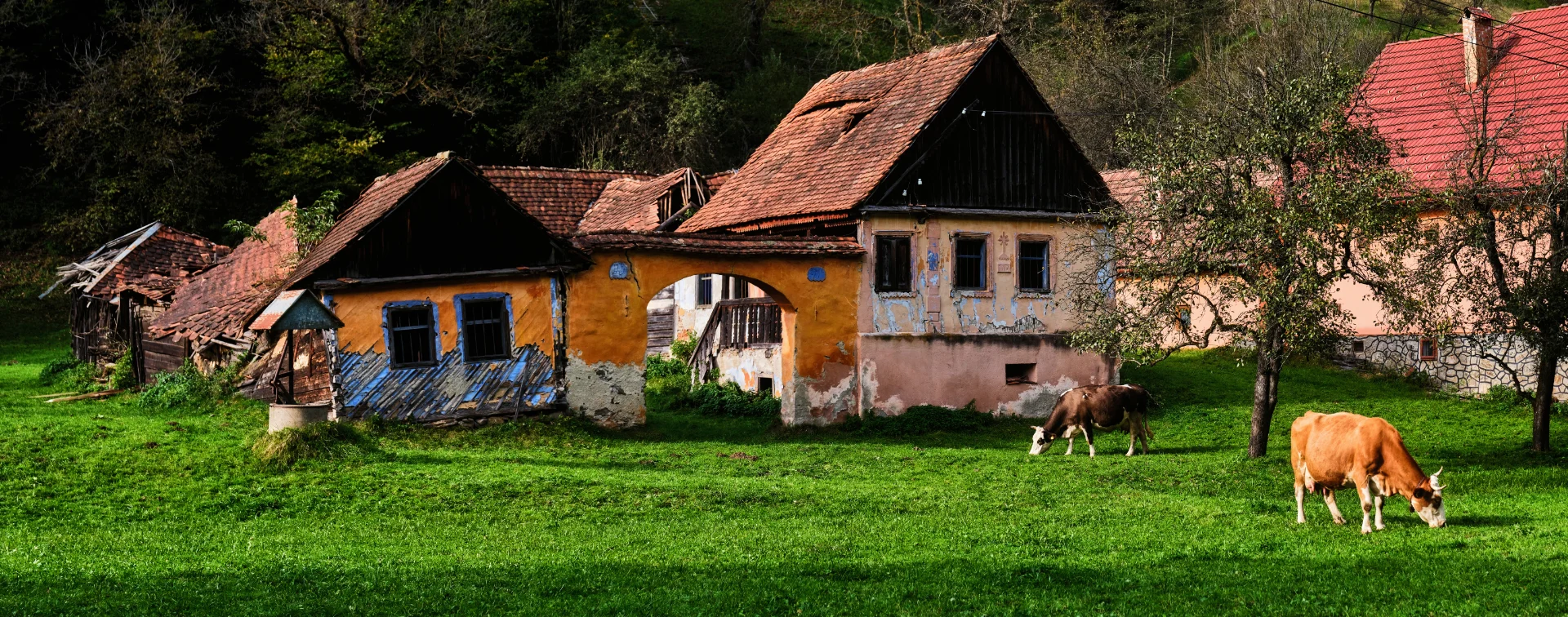
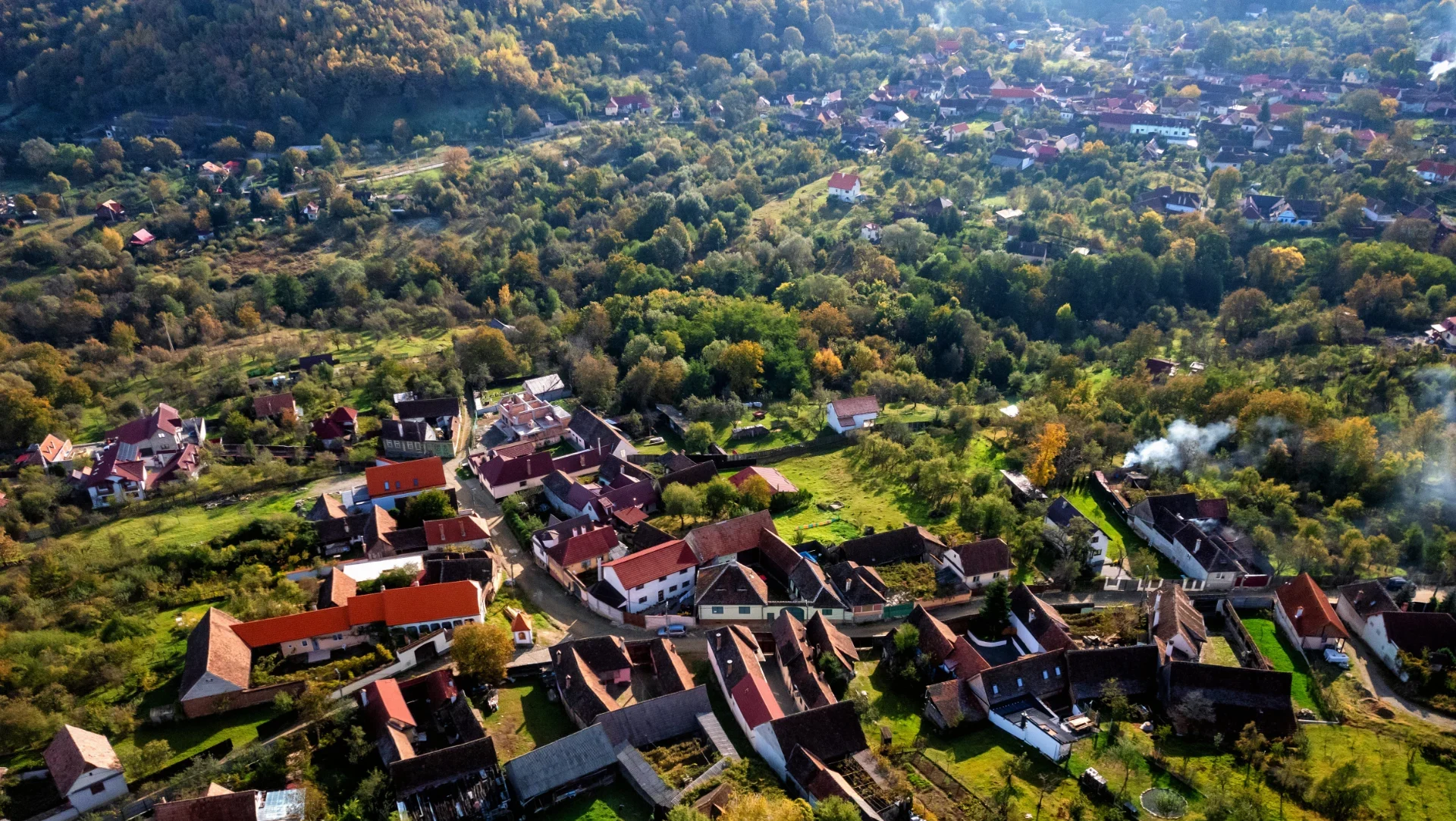
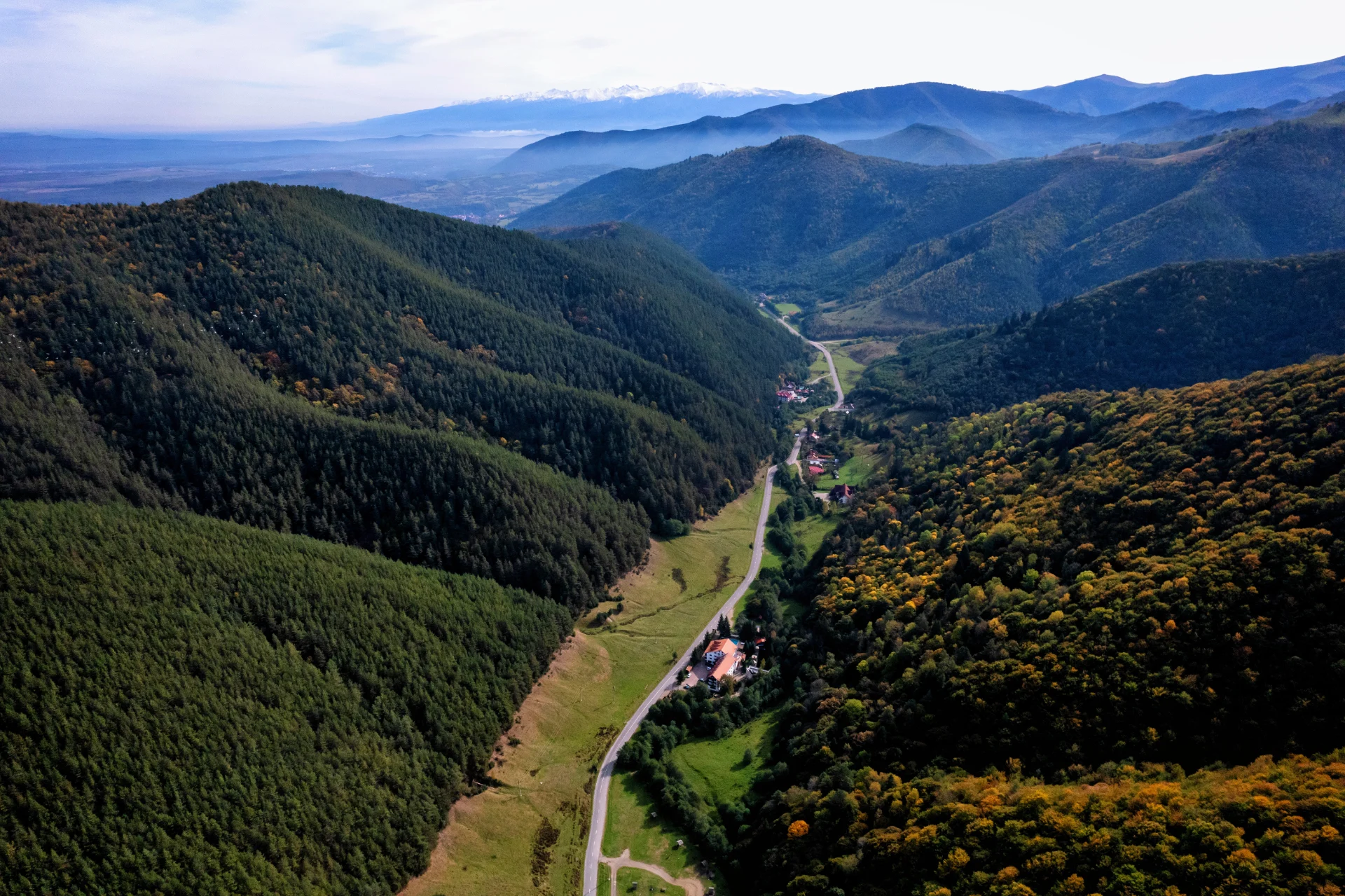
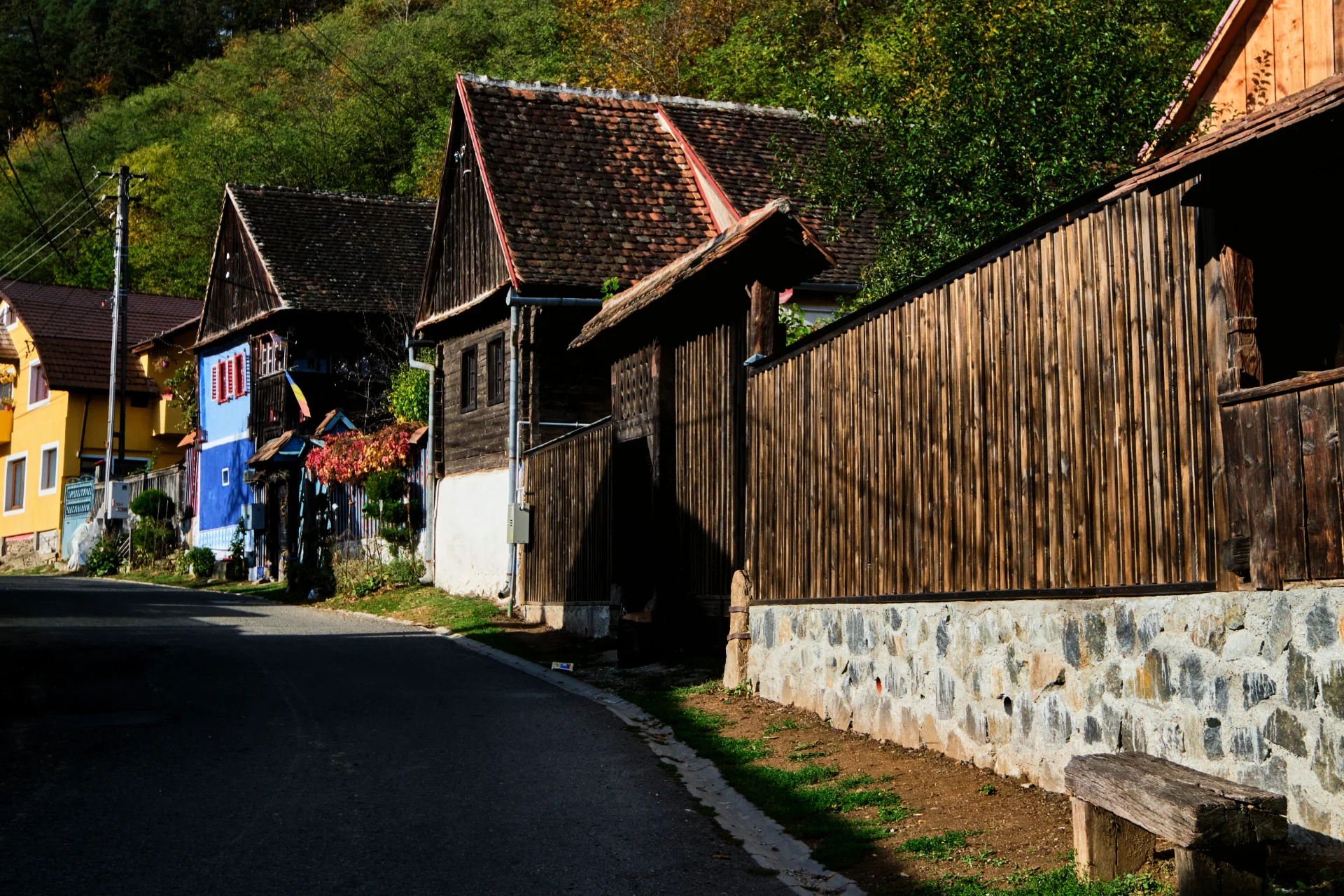
Wandering the streets and paths of the Mărginimea Sibiului rural area (loose translation – Outskirts of Sibiu), we discover the pure beauty of this incredible land, admiring the rural architecture with Saxon influences, the old Orthodox churches, the traditional folk costume, the sublime icons painted on glass, the charming valleys of the rivers that ascend to the mountains, the shepherds’ huts hanging on the ridges above and countless other wonders. At the foothills and on the lower ridges of the Cindrel mountains, an oasis of authentic Romanian civilization, with unique cultural features, has existed for centuries. Unanimously recognized for its ancient pastoral and ethnographic traditions, Mărginimea Sibiului is a fascinating destination, which merges idyllic landscapes with specific rural architecture.

On the green hills around the sleeping villages, every spring we meet the last shepherds who have not yet climbed with their flocks to the pastures on the ridges of Cindrel. The oldest settlements here date back to the early 14th century, when the population of Romanian origin retreated to the mountains, under pressure from the Kingdom of Hungary and after the arrival of Saxon settlers in Transylvania. From west to east, Mărginimea Sibiului includes 18 localities, starting with the villages of Jina, Poiana Sibiului, Rod, Tilișca, Galeș, the town of Săliște, villages of Vale, Sibiel, Fântânele, Orlat, Gura Răului, Poplaca, Rășinari and continuing in the extreme east with Sadu, Rău Sadului, the town of Tălmaciu, Tălmăcel and Boița. The ancestral occupation of the inhabitants of this region is shepherding, with endless flocks of sheep that still climb to the mountain sheepfolds every spring, coming down only in late autumn. The transhumance of the shepherds here has kept the connection with the Romanians across the Carpathians alive for centuries.

Mărginimea Sibiului - Destinații România 26 -
Satul Galeș Ⓒ Silviu-Florin Salomia
Mărginimea Sibiului - Destinații România 09 - Satul Jina
Satul Jina Ⓒ Silviu-Florin Salomia

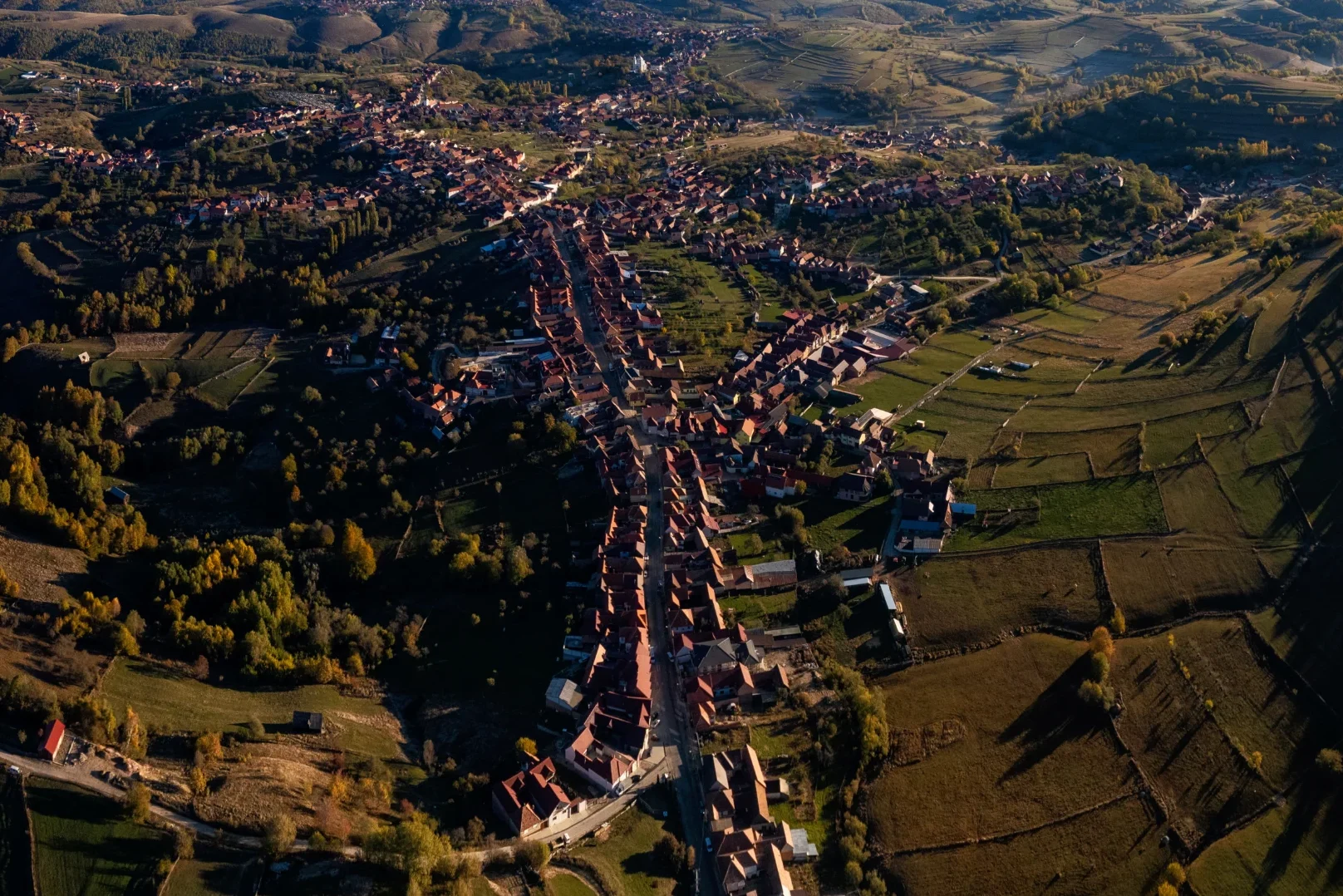
We arrive at this idyllic destination along the roads that branch off from the E81 and E68, while the A1 motorway passes nearby. We begin our journey through these spectacular landscapes in Poiana Sibiului, a village that stretches across the highlands of the Cindrel mountains, with sweeping views of the Secaşe plateau to the north. With a population of nearly 3,000 inhabitants, the village is known as the shepherds’ capital of Romania, the imposing and beautifully decorated houses proving the wealth of the shepherds in Poiana Sibiului. Here we can admire the wooden church “Adormirea Maicii Domnului”, built in 1766, in the shape of a ship and containing several old paintings and icons.

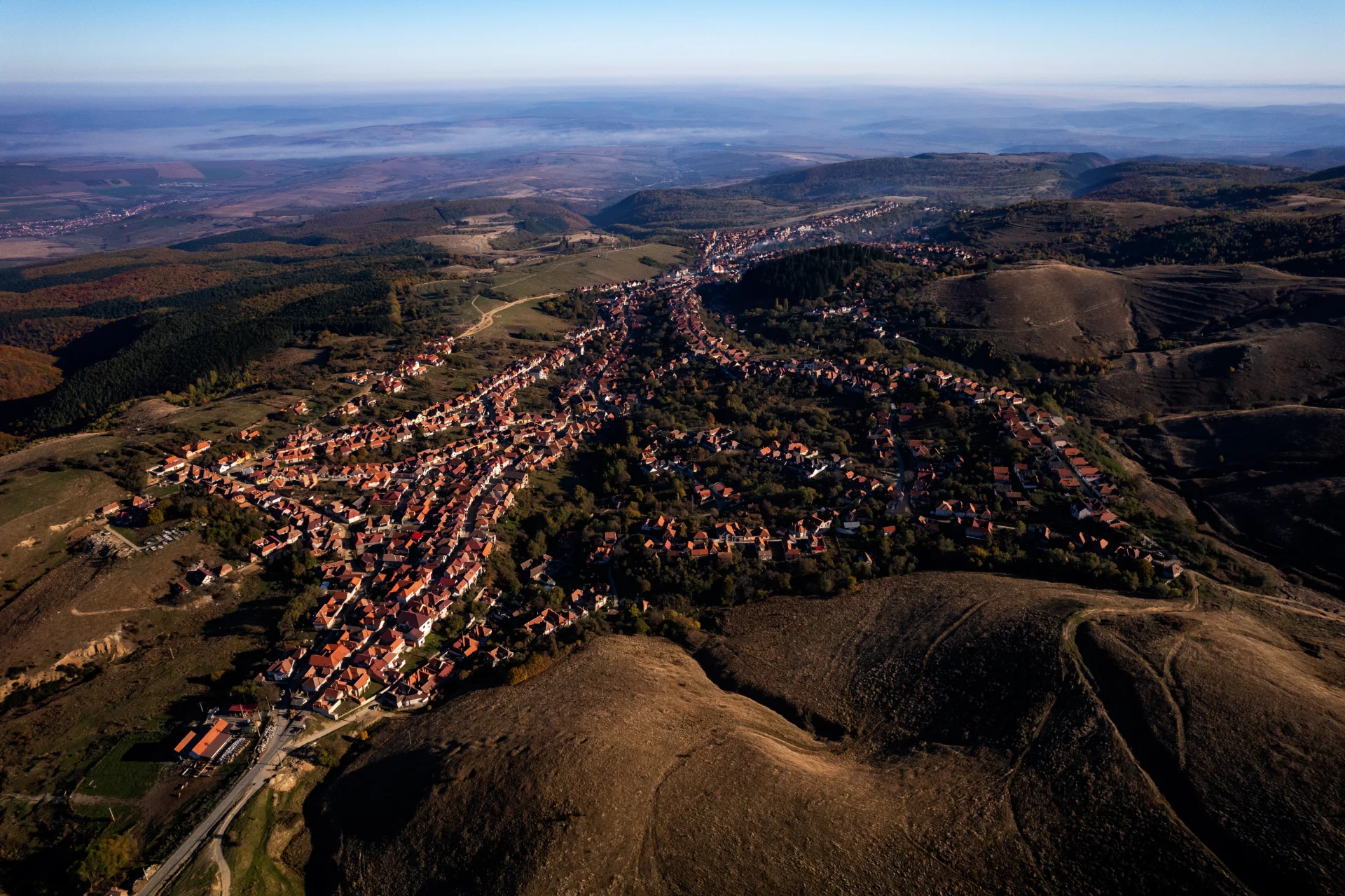
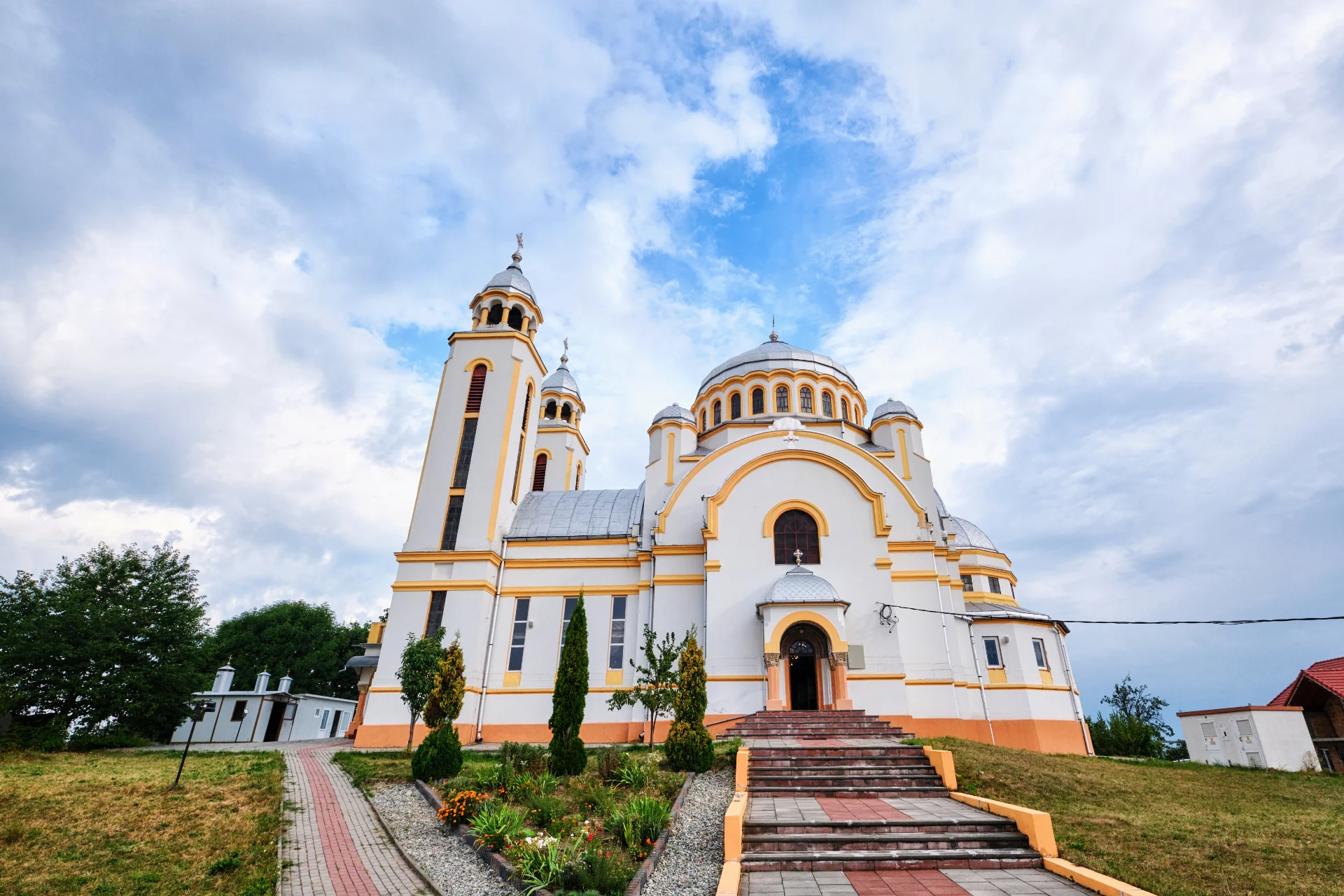
Climbing a little higher on the gentle slopes of the mountains, we arrive at the village of Jina, a charming pastoral destination. Spread over seven hills at an altitude of 900-1,000 meters and with a huge area of ​​approximately 330 square kilometers, the village lives from herding, being surrounded by endless mountain pastures and meadows. The surrounding peaks are dotted with countless sheepfolds that we can admire or visit, while the village boasts an old church from 1795, a small pastoral museum, as well as the new church, known as the Cathedral of the Mountains. To the south, a road descends steeply towards Şugag and the Transalpina Road.

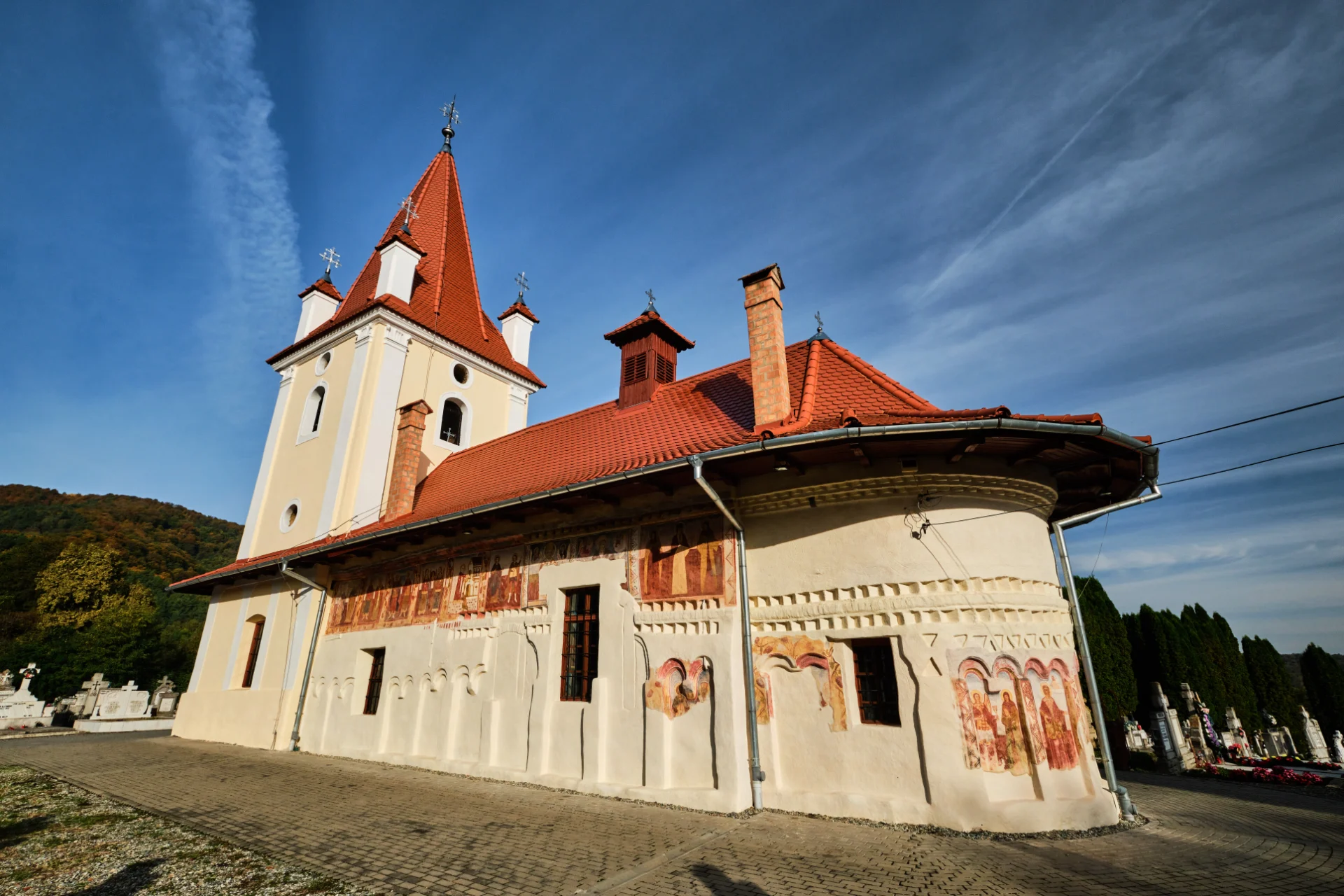
Back in Poiana Sibiului, we head east, first passing through the village of Rod, founded in the middle of the forests in the 15th century, by Romanians who left from Apoldu de Sus and Apoldu de Jos. We stop to admire the small church from 1712 and the traditional architecture of the houses that are over a century old. A little further down, the village of Tilișca has been inhabited since ancient times, on the hills to the north the ruins of a Dacian fortress and a medieval one can be discovered. We can also see the old wooden houses on stone foundations and the Byzantine-style church built in 1782, later renovated. Continuing east, we enter the territory of the town of Săliște, to which the picturesque villages of Galeș, Vale, Sibiel and Fântânele also belong.

Search for Flights to Romania with Booking.com!

Mărginimea Sibiului - Destinații România 11 - Satul Poiana Sibiului
Satul Poiana Sibiului Ⓒ Silviu-Florin Salomia
Mărginimea Sibiului - Destinații România 55 - Satul Jina
Satul Jina Ⓒ Silviu-Florin Salomia
Mărginimea Sibiului - Destinații România 56 - Catedrala Munților din Jina
Catedrala Munților din Jina Ⓒ Silviu-Florin Salomia
Satul Jina Ⓒ Silviu-Florin Salomia
Mărginimea Sibiului - Destinații România 48 - Satul Poiana Sibiului
Satul Poiana Sibiului Ⓒ Silviu-Florin Salomia

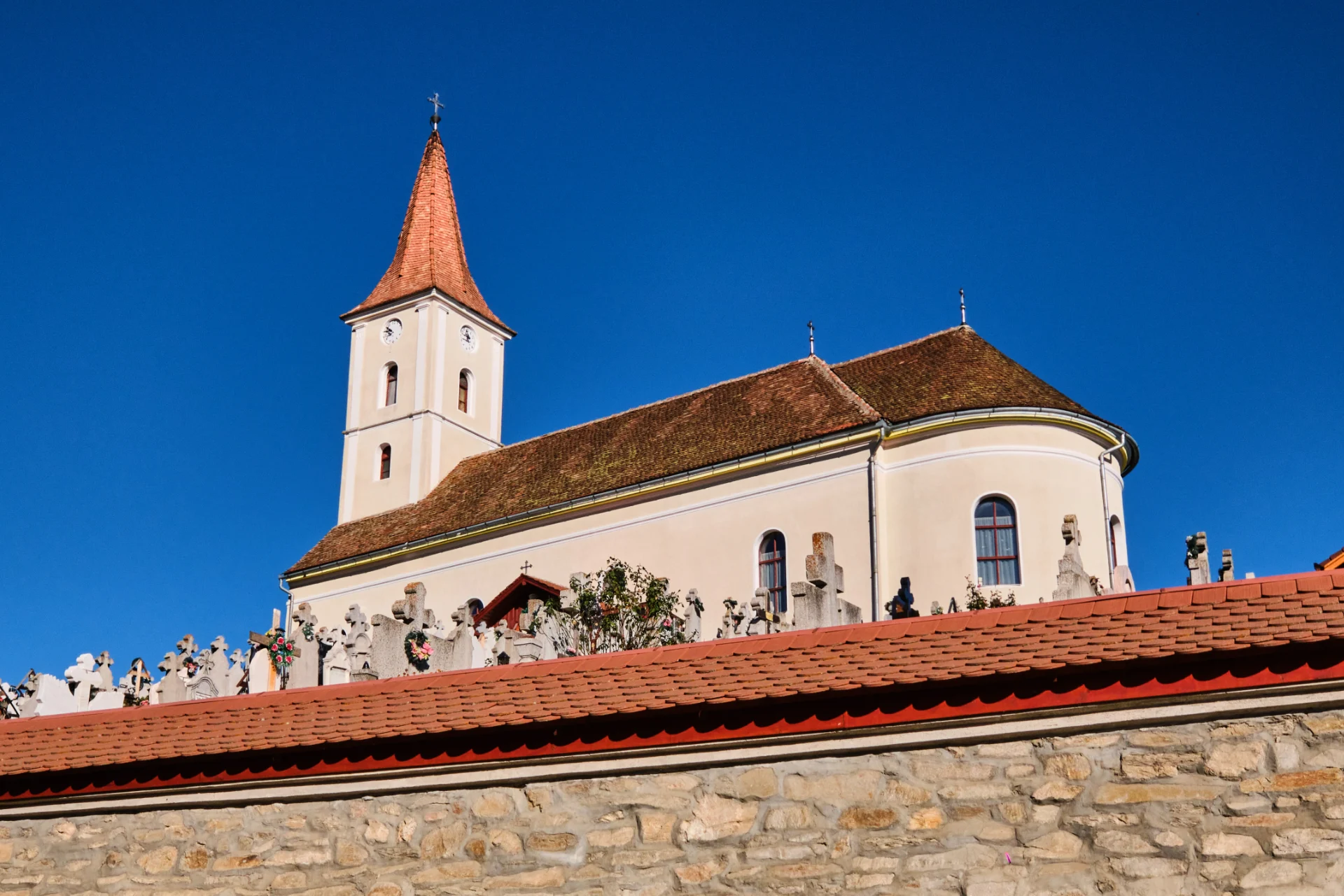
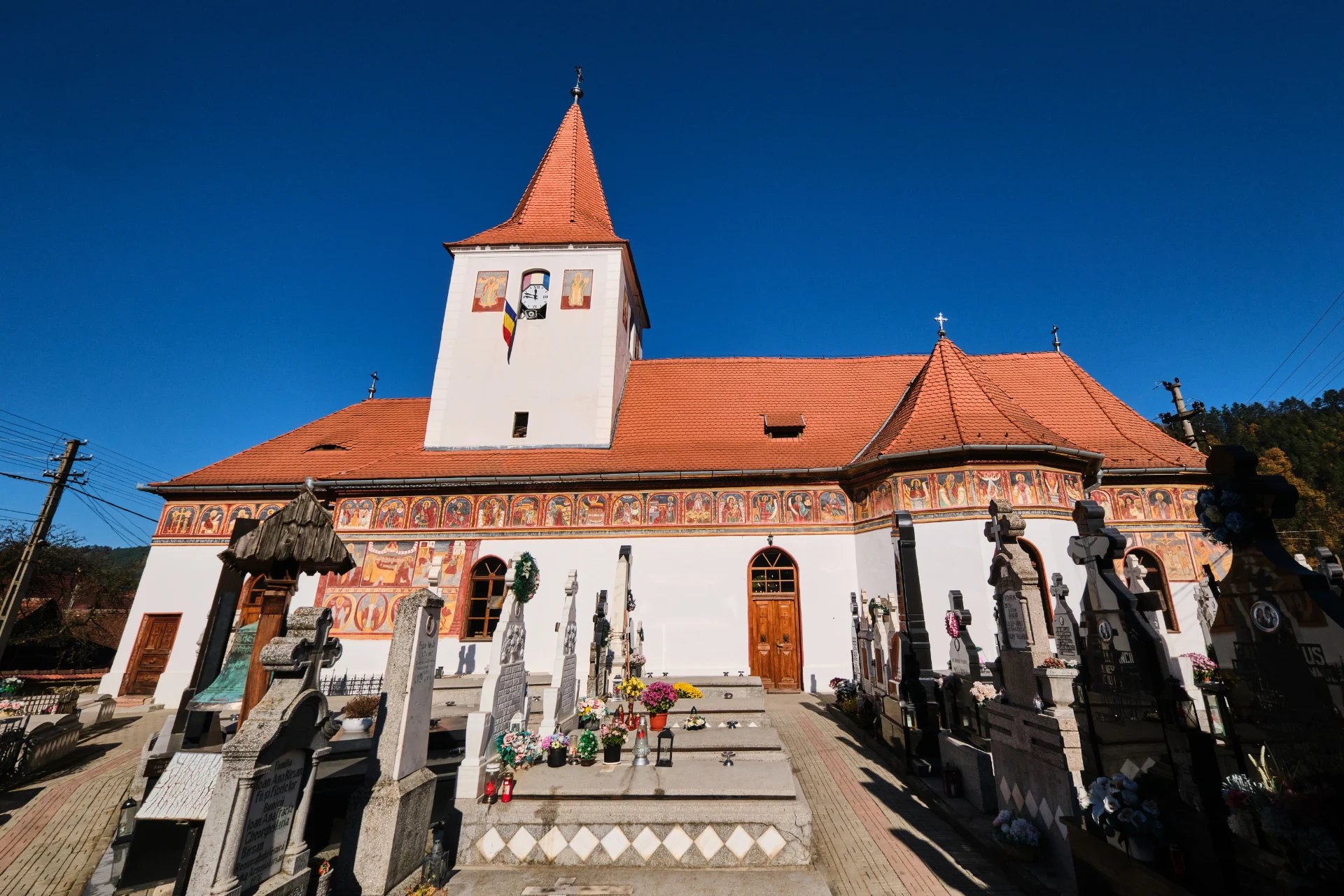
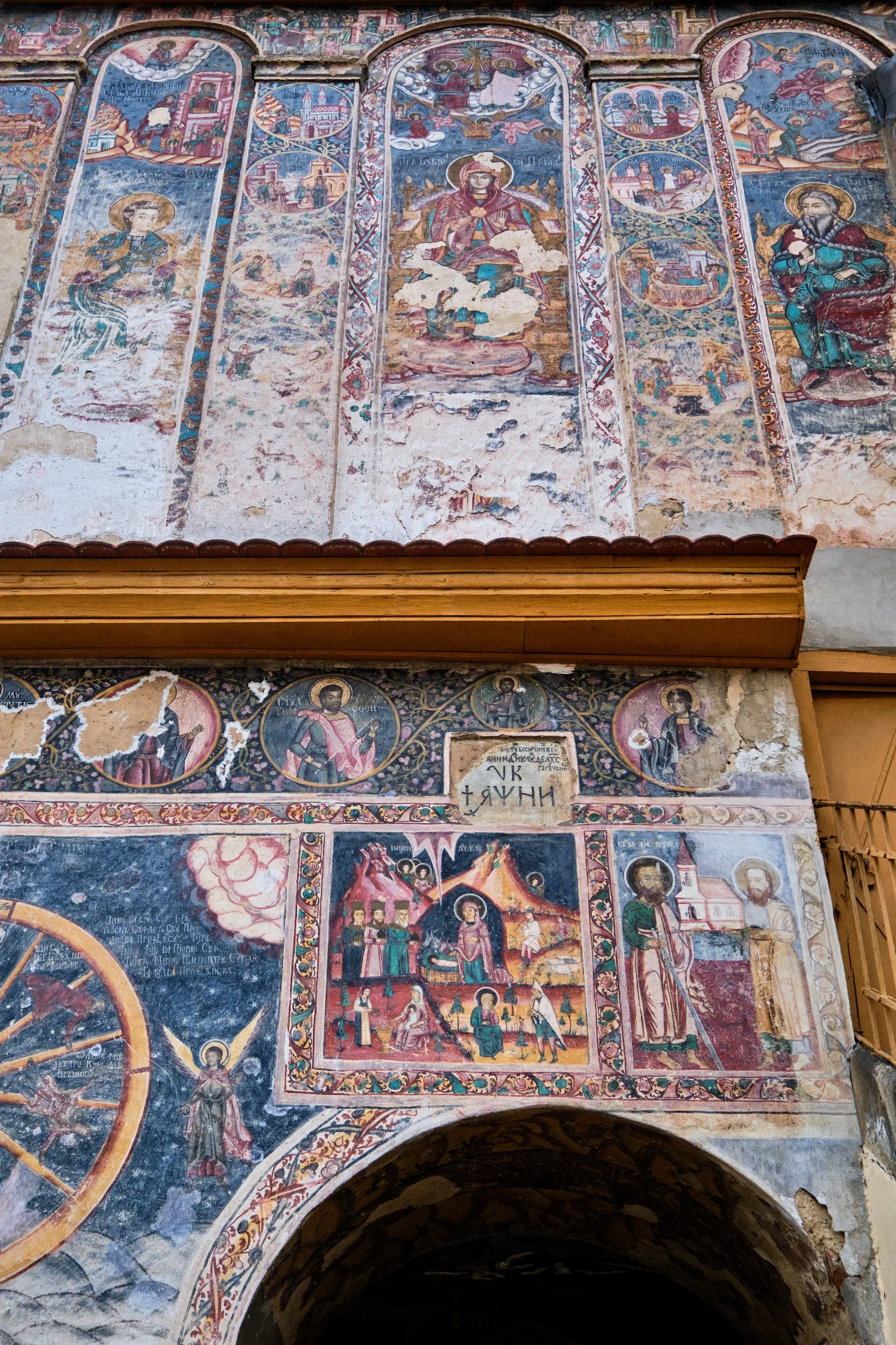
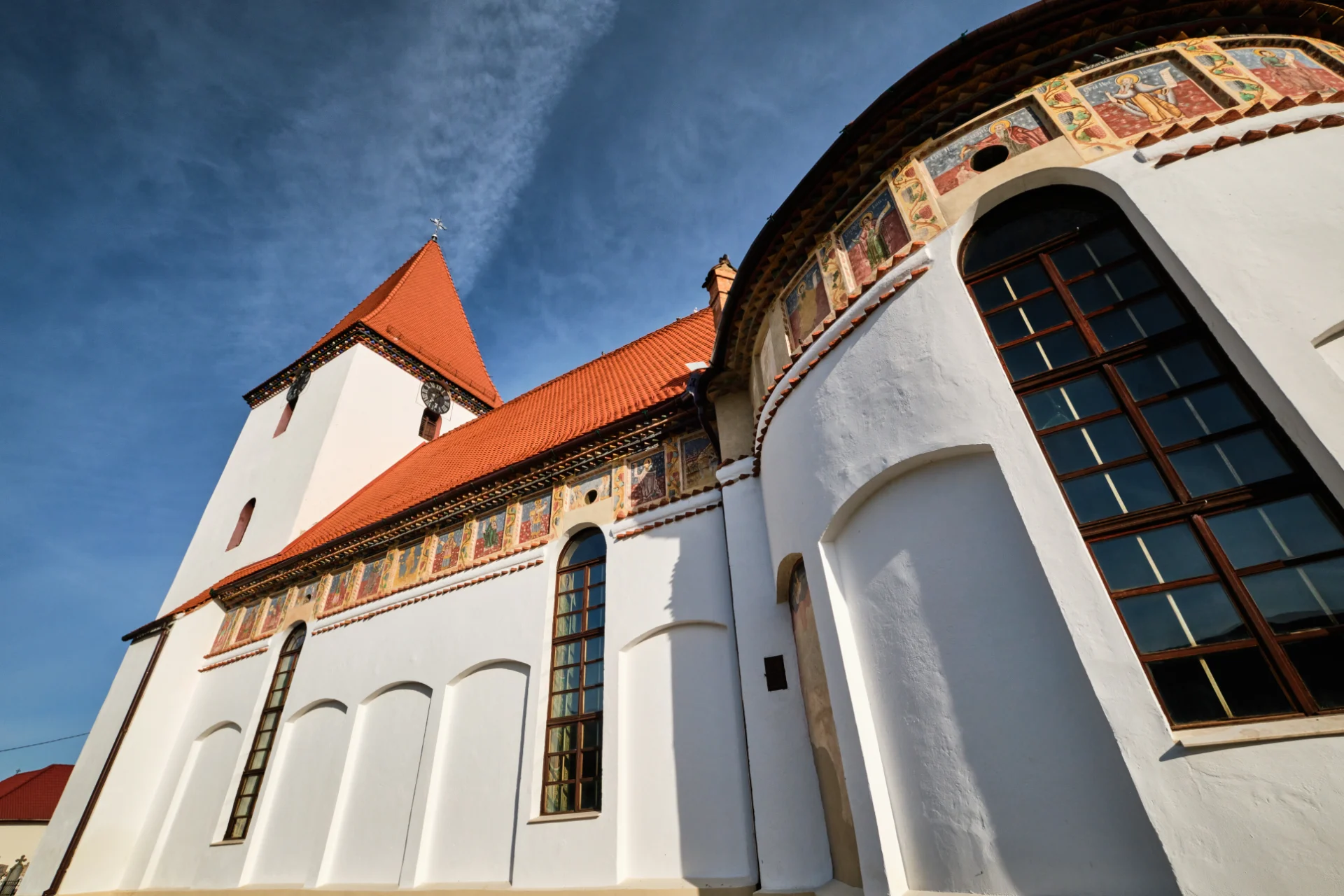
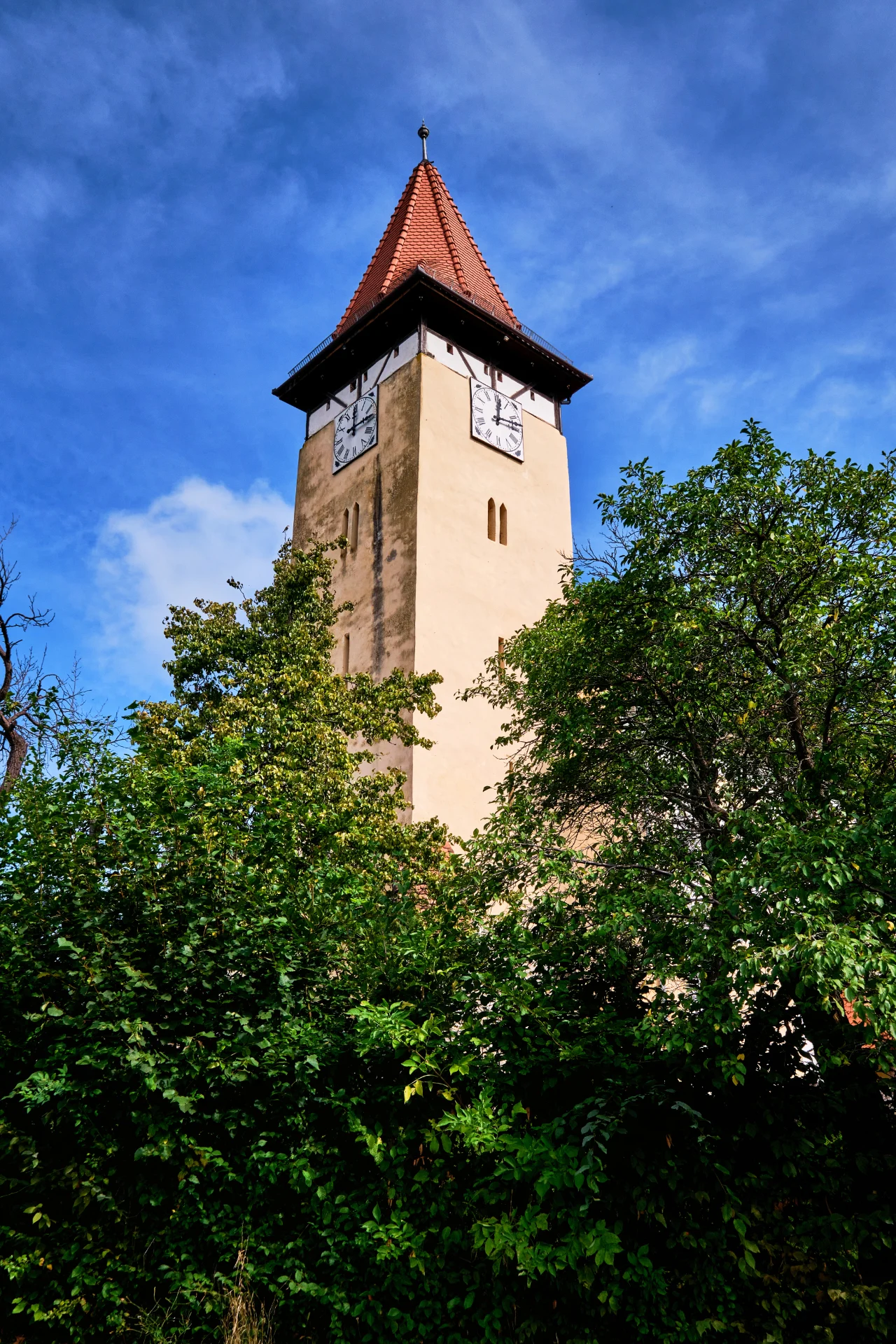
Documented since 1354, the town of Săliște is much older, being one of the most important historical centers of the Romanians in southern Transylvania. In addition to the superb traditional architecture and the enchanting natural setting, these destinations also include several interesting attractions. In Săliște, the “Nașterea Sf. Ioan Botezătorul” Church or the Grui Church stands out, founded by the Cândea family in the mid-18th century, while the tower dates back to 1816. We admire the exceptional exterior paintings surrounding the church, as well as the newer interior paintings. In the center of the town we also find the “Înălțarea Domnului” Church, built between 1761-1785 and recently renovated. The historical center of Săliște is declared a rural architectural ensemble, comprising several interesting old buildings.

“The village of beautiful girls and peasants with libraries”, described P.P. Panaitescu the then village of Săliște, the only locality in Romania where 11 academicians were born. The shepherds from Săliște and all of Mărginimea bring from their transhumance journeys through Moldova and Wallachia numerous books printed at the monasteries there, something forbidden in Transylvania at that time. These books in Romanian and Cyrillic are kept in small family libraries, but are also donated to churches!

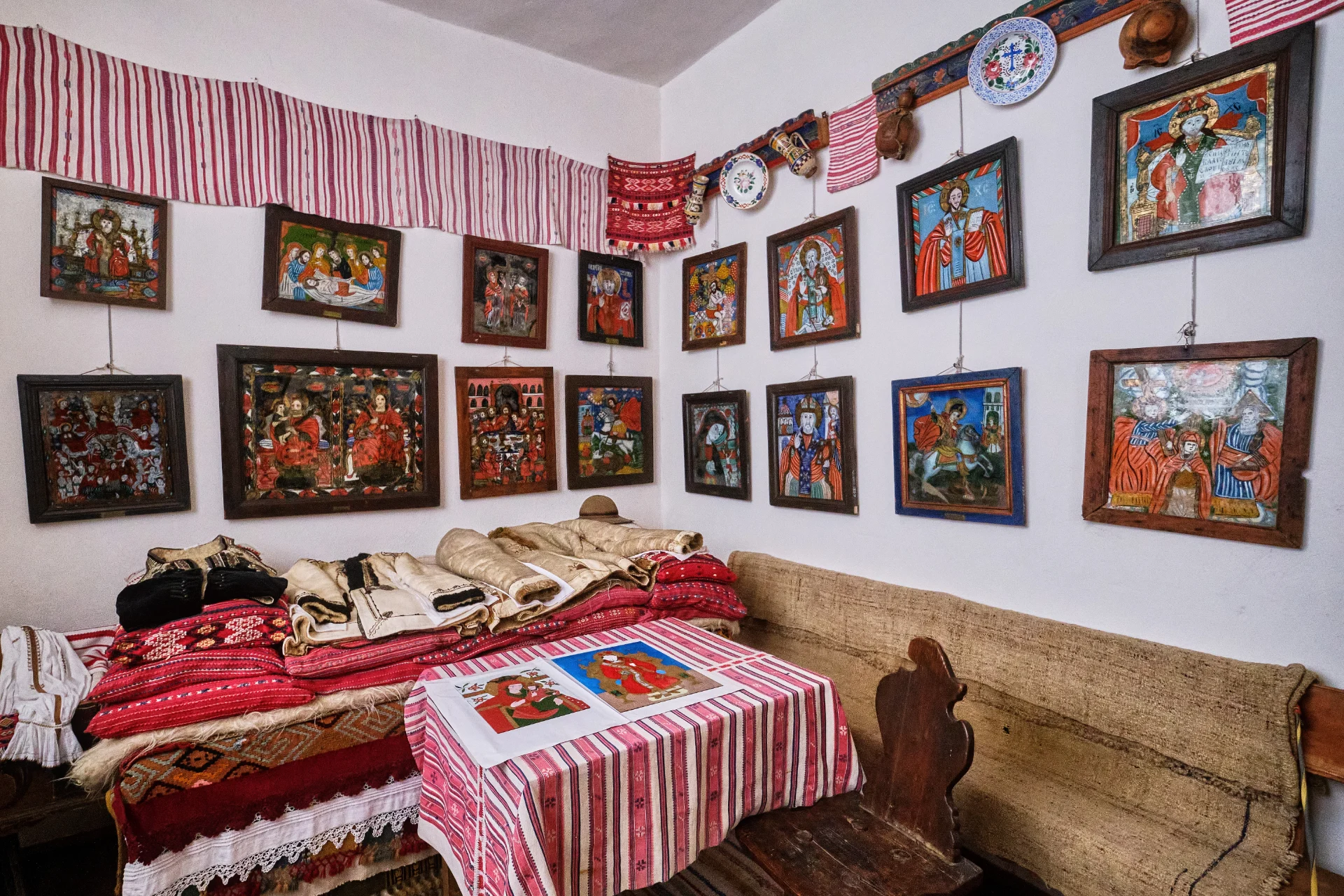
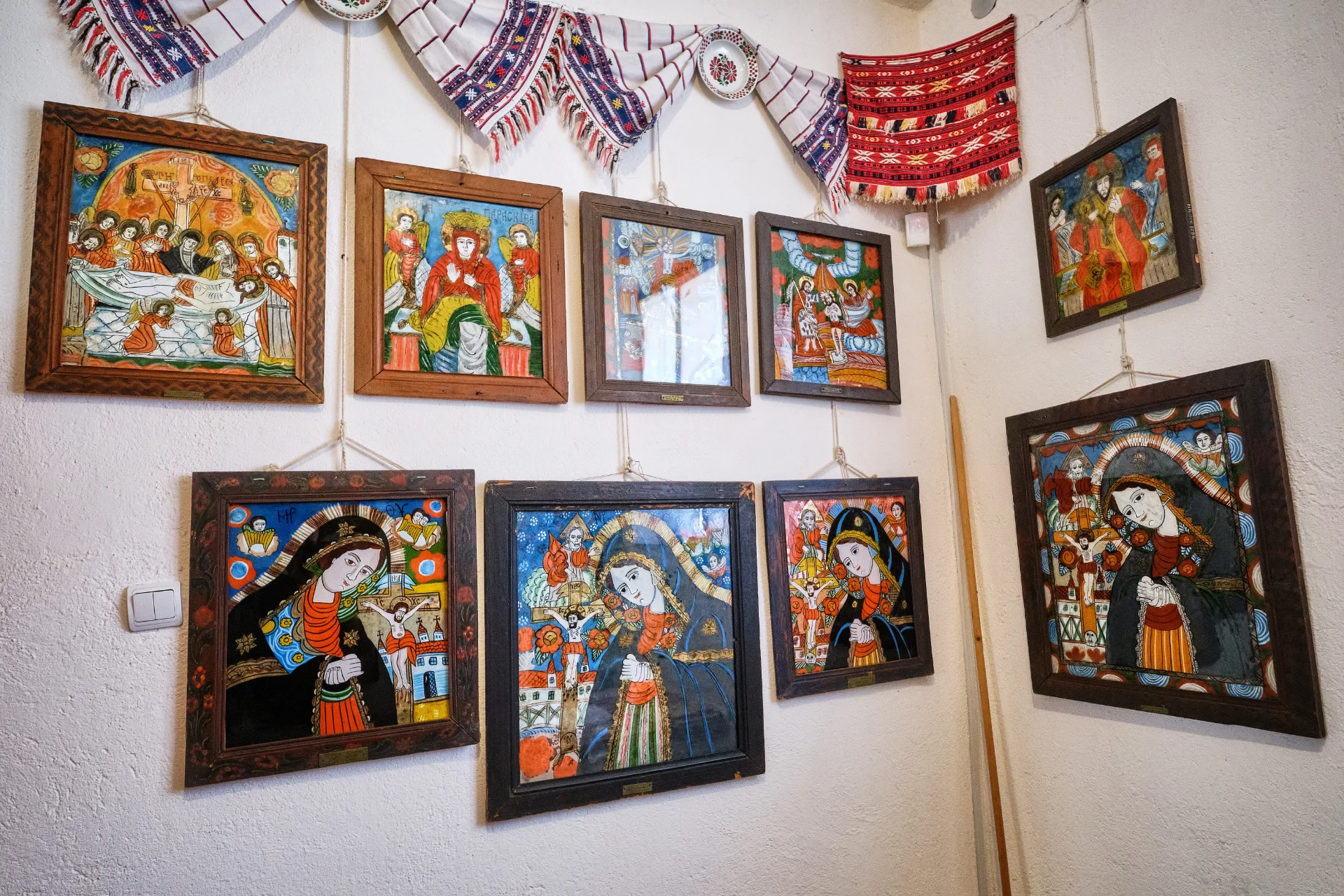
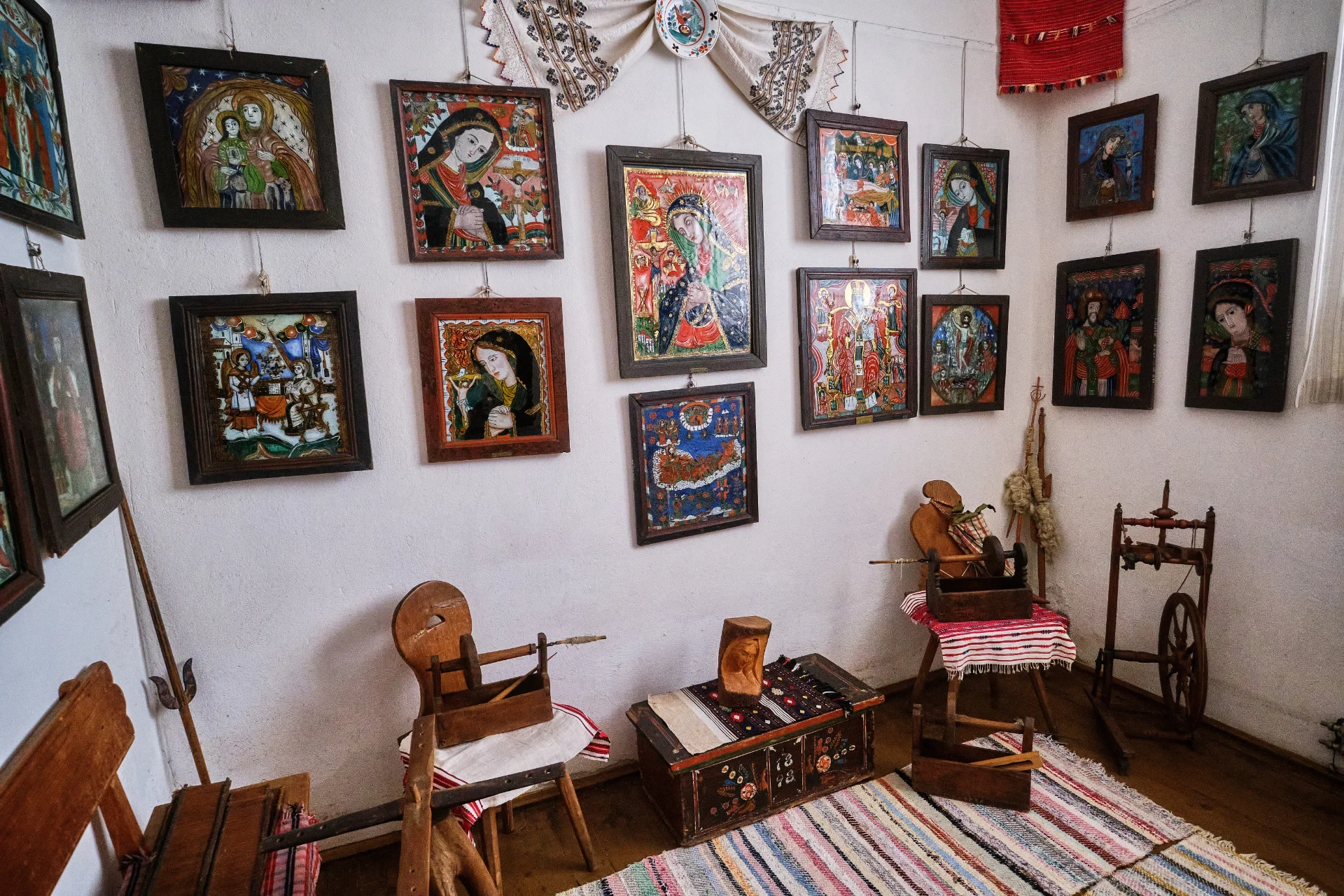
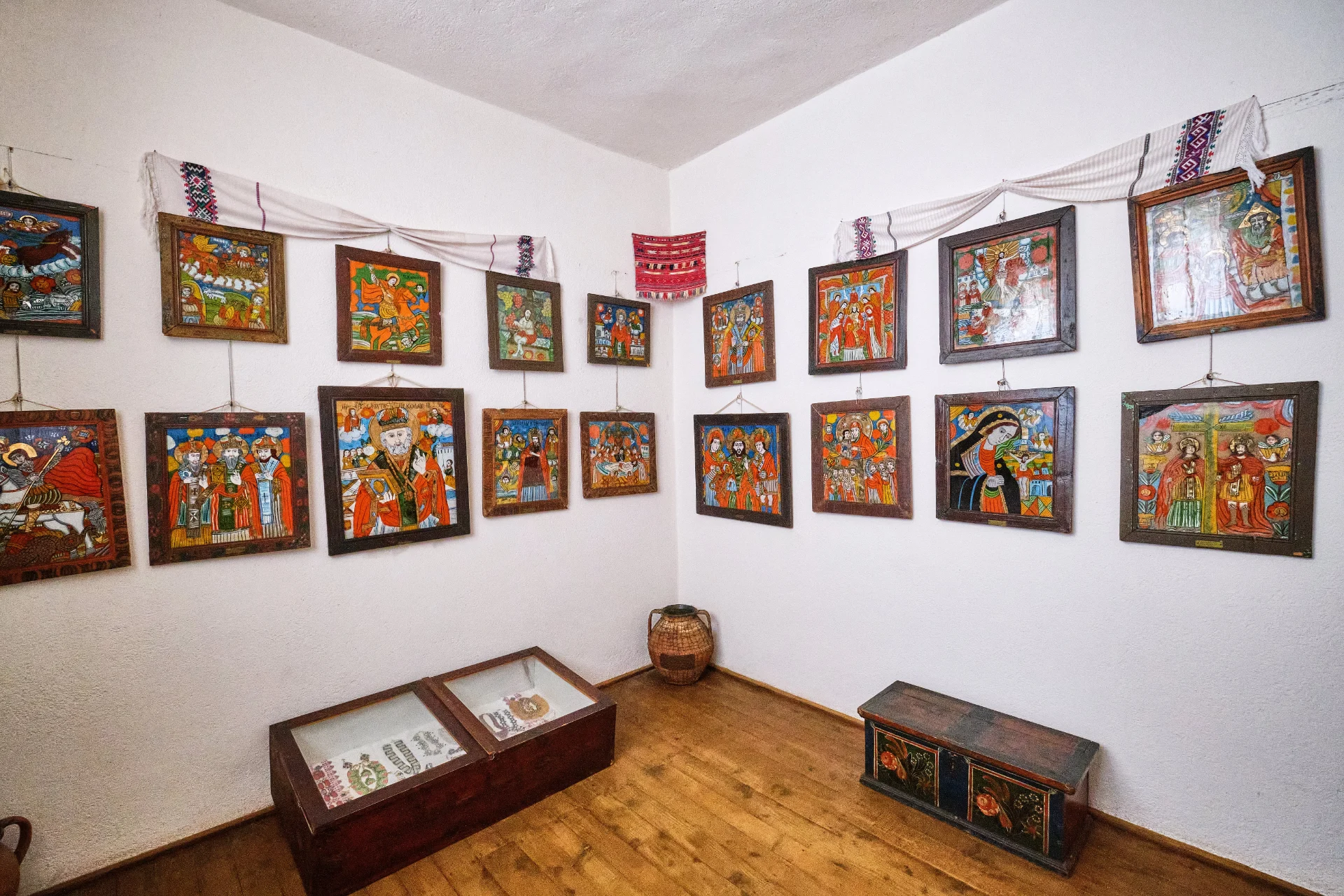
Lost among the narrow and winding streets of the village of Sibiel, we find the “Holy Trinity” Church, over 250 years old and still preserving the superb original paintings, made by two craftsmen from Răşinari. In the same courtyard we discover the Museum of Glass Icons, the largest of its kind in Europe, a true temple of religious art in Romania from past centuries. Springing from the soul of the simple people of the Romanian village, the unique icons in the museum founded by priest Zosim Oancea present a world full of authentic beauty and pure faith. Most of the 600 glass icons and other objects on display come from donations from people, many preserved in the villages of Mărginimea Sibiului, but also from other places in the country.

Throughout the village of Sibiel we can admire a lot of traditional houses and buildings, many painted in bright colors and embellished with flowers, and if we leave the streets to climb the hills, we discover orchards and idyllic meadows. A path through the forest leads us to Cetate hill, where the ruins of the feudal fortress of Salgo are located, first mentioned in 1383 and surrounded by legends. Over the hill to the east, surrounded by forested peaks, the village of Fântânele (the old Cacova Sibiului) retains the same bucolic atmosphere, even though many of the old traditional houses are no longer inhabited. Here we also find a small ethnographic and church art museum, as well as an old church from 1771. Other splendid architectural monuments are revealed to us on a walk through the small villages of Galeș and Vale.

Search for Lodging in Mărginimea Sibiului with Booking.com!

Mărginimea Sibiului - Destinații România 04 - Muzeul Icoanelor pe Sticlă Sibiel
Muzeul Icoanelor pe Sticlă Sibiel Ⓒ Silviu-Florin Salomia
Mărginimea Sibiului - Destinații România 01 - Muzeul Icoanelor pe Sticlă Sibiel
Muzeul Icoanelor pe Sticlă Sibiel Ⓒ Silviu-Florin Salomia
Mărginimea Sibiului - Destinații România 68 - Orașul Săliște
Orașul Săliște Ⓒ Silviu-Florin Salomia
Mărginimea Sibiului - Destinații România 29 - Biserica din Grui Săliște
Biserica din Grui Săliște Ⓒ Silviu-Florin Salomia
Mărginimea Sibiului - Destinații România 64 - Biserica Sf. Arhangheli Rod
Biserica Sf. Arhangheli din Rod Ⓒ Silviu-Florin Salomia
Mărginimea Sibiului - Destinații România 66 - Biserica Sf. Arhangheli Tilișca
Biserica Sf. Arhangheli din Tilișca Ⓒ Silviu-Florin Salomia
Mărginimea Sibiului - Destinații România 73 - Biserica Sf. Paraschiva Tălmăcel
Biserica Sf. Paraschiva din Tălmăcel Ⓒ Silviu-Florin Salomia

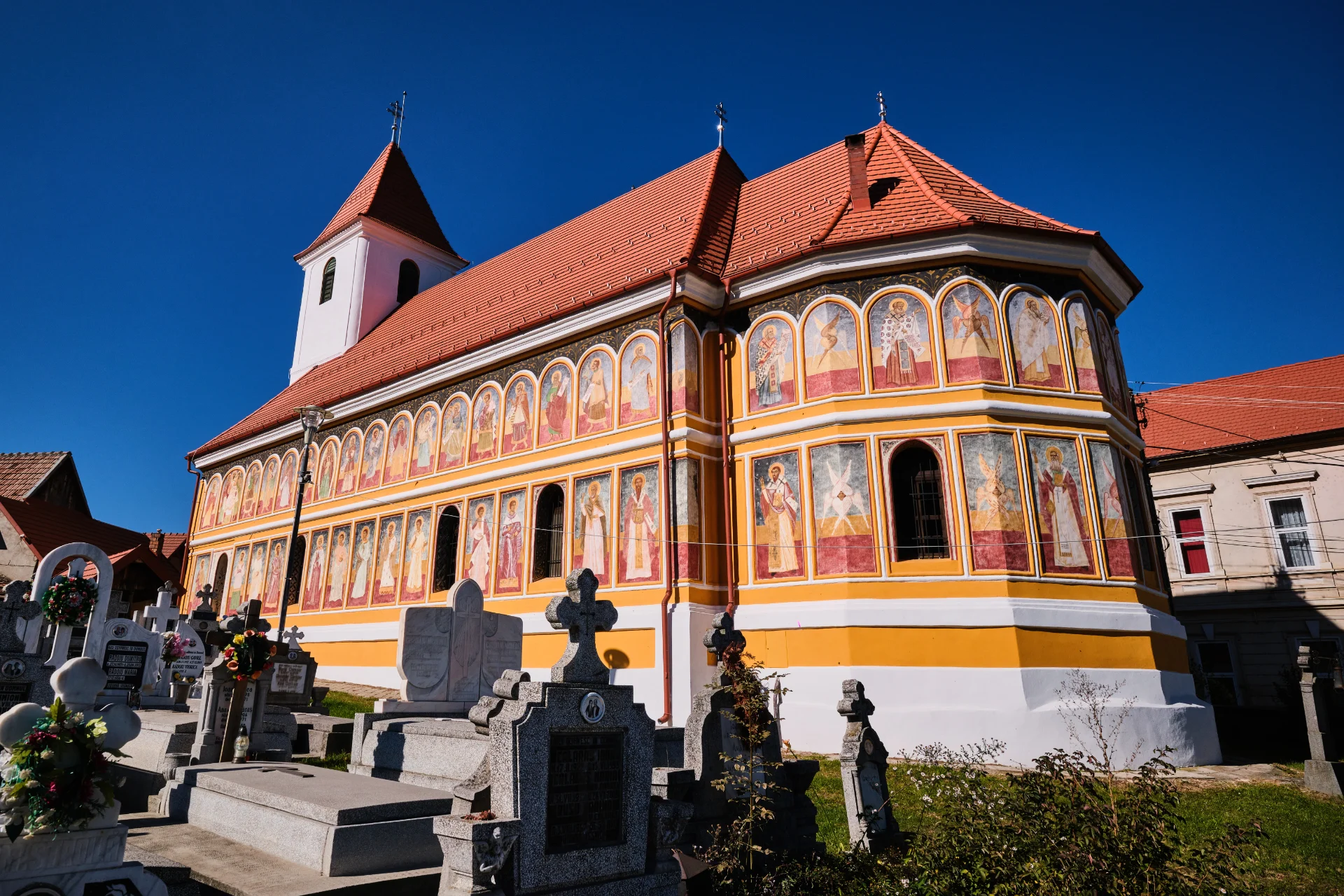
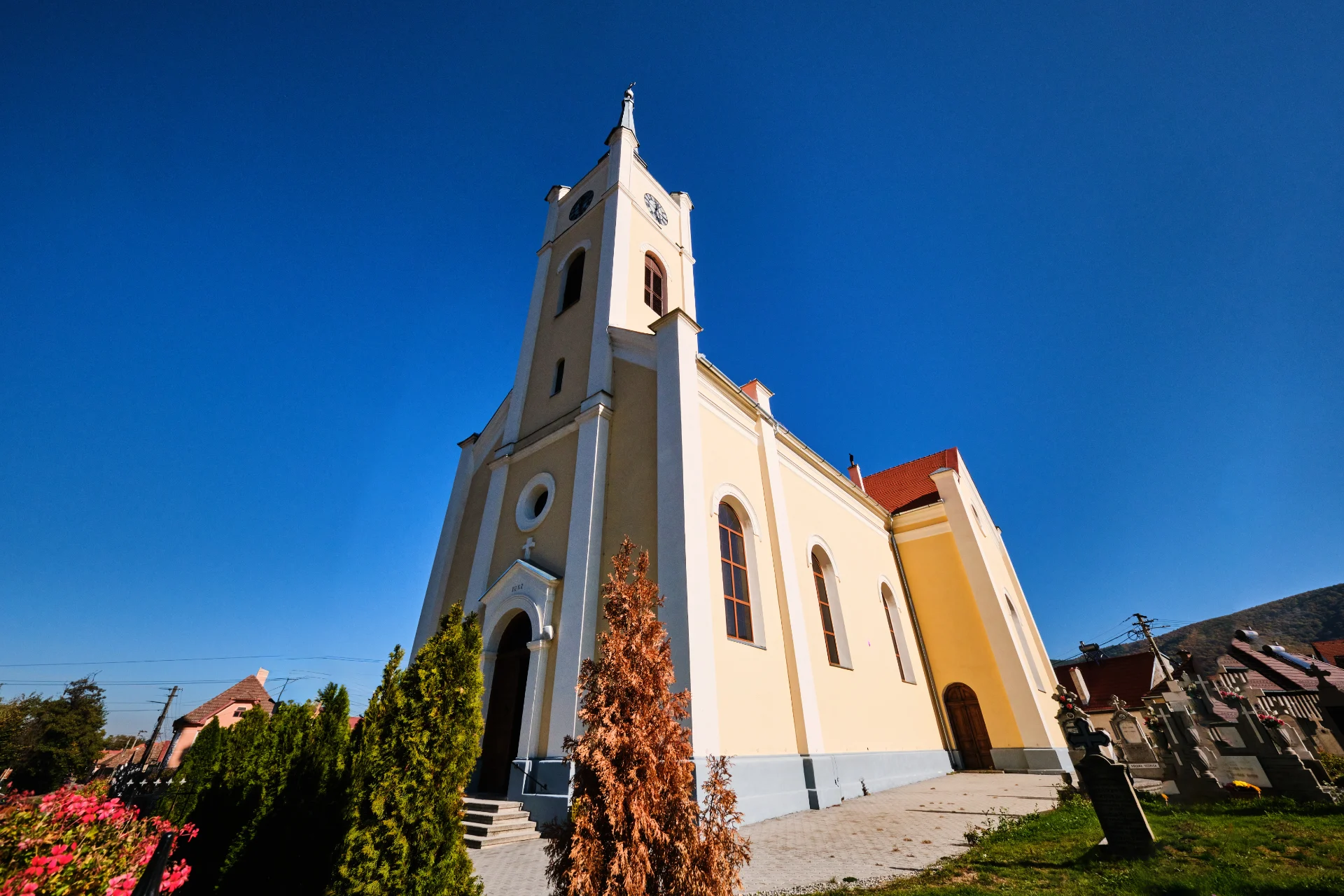
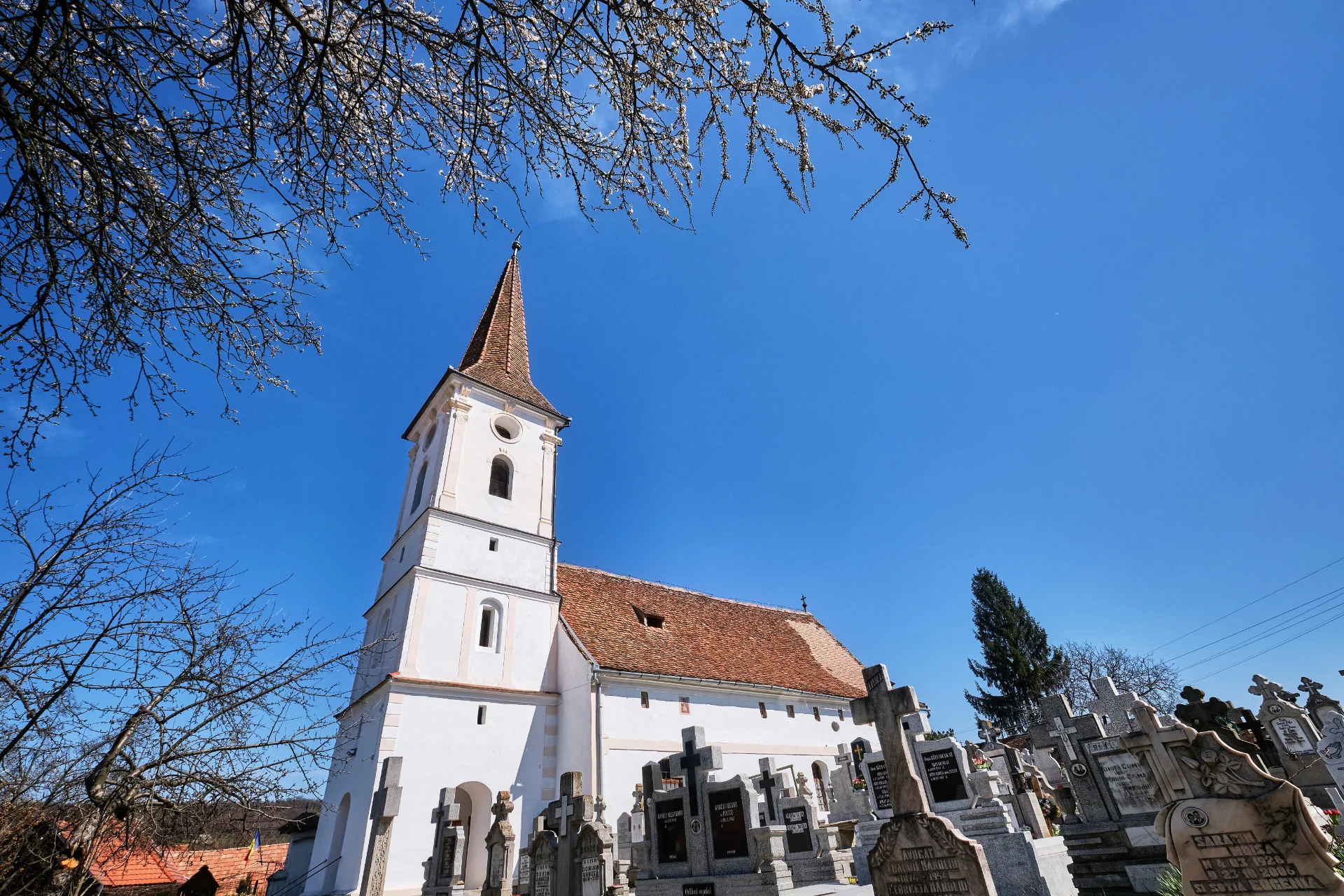
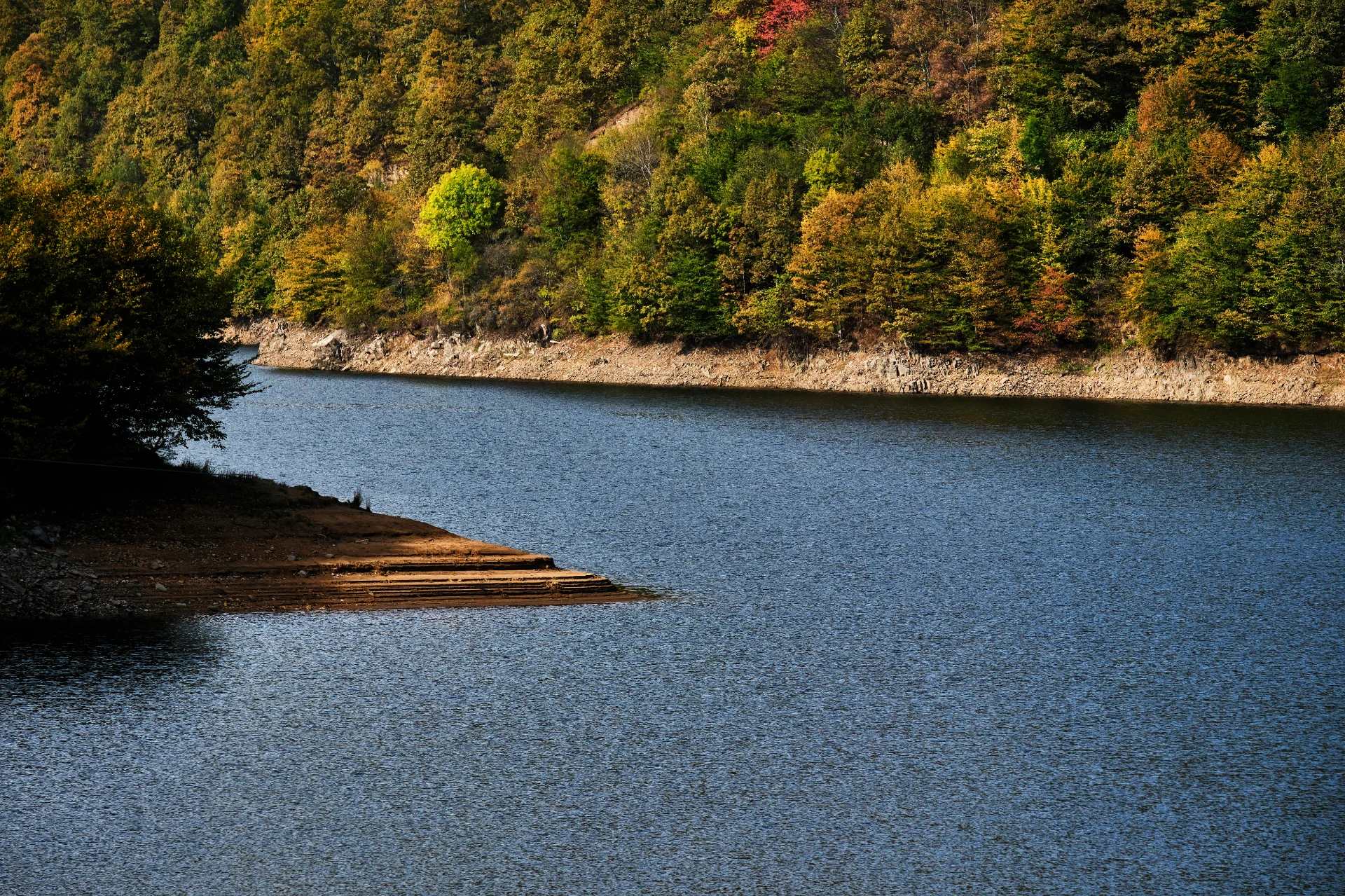
Following the Cibin Valley eastwards, we pass through the settlement of Orlat, another very old village in the region, a fact attested by the existence of an archaeological site on a small hill nearby, known as the Short Fortress and steeped in legends of ancient hidden treasures. Continuing southwards, we enter the village of Gura Râului, which stretches along the valley between the mountains. A few kilometres upstream from the last houses, we arrive near Gura Râului Lake, surrounded by the forested peaks of Cindrel. Back in the village, we admire the old churches whose spires are visible from afar, including the “Cuvioasa Paraschiva” Church, built in the 18th century on the site of an earlier one, or the “Sfinții Arhangheli Mihail și Gavril” Church, a monumental construction from 1886-1887.

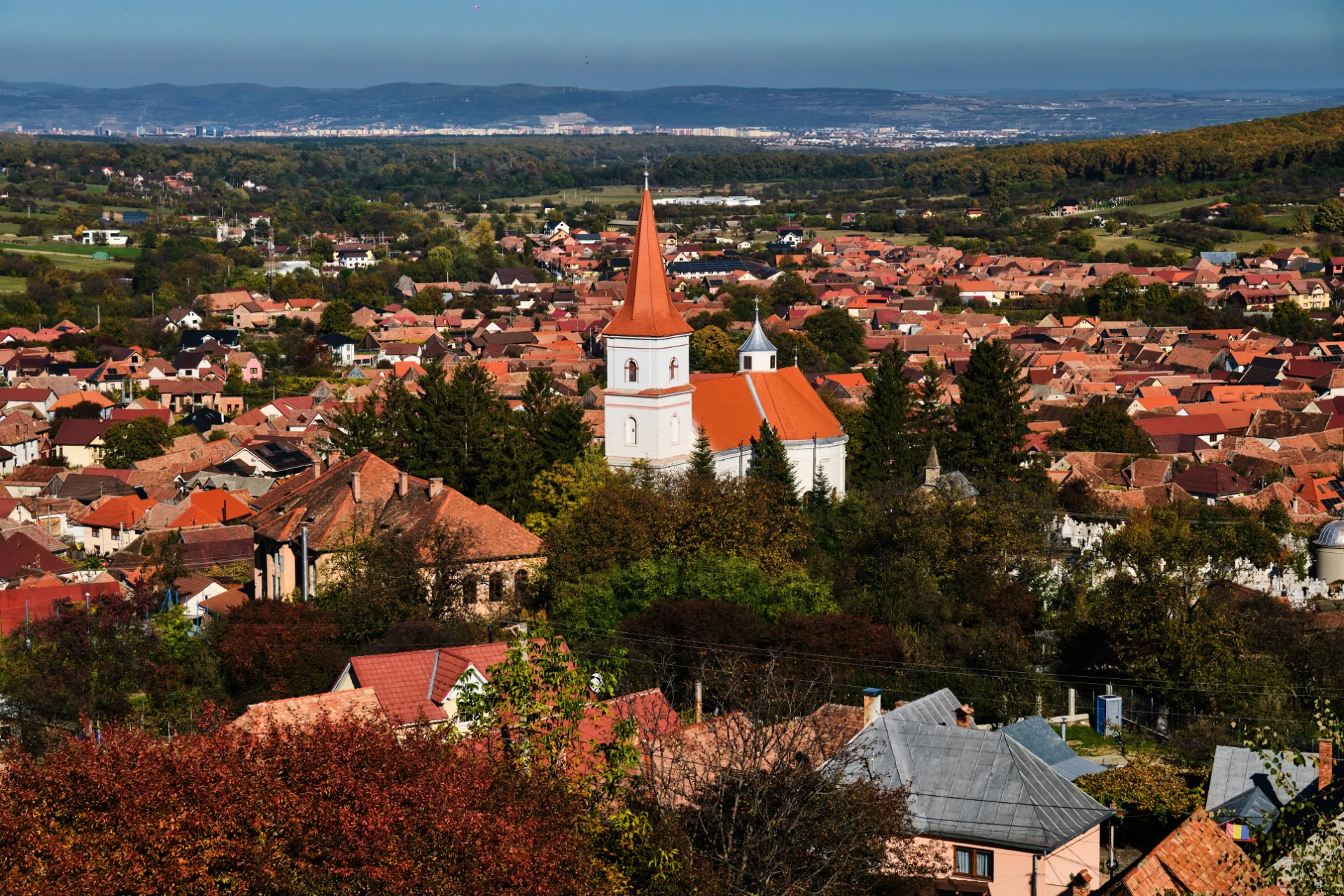
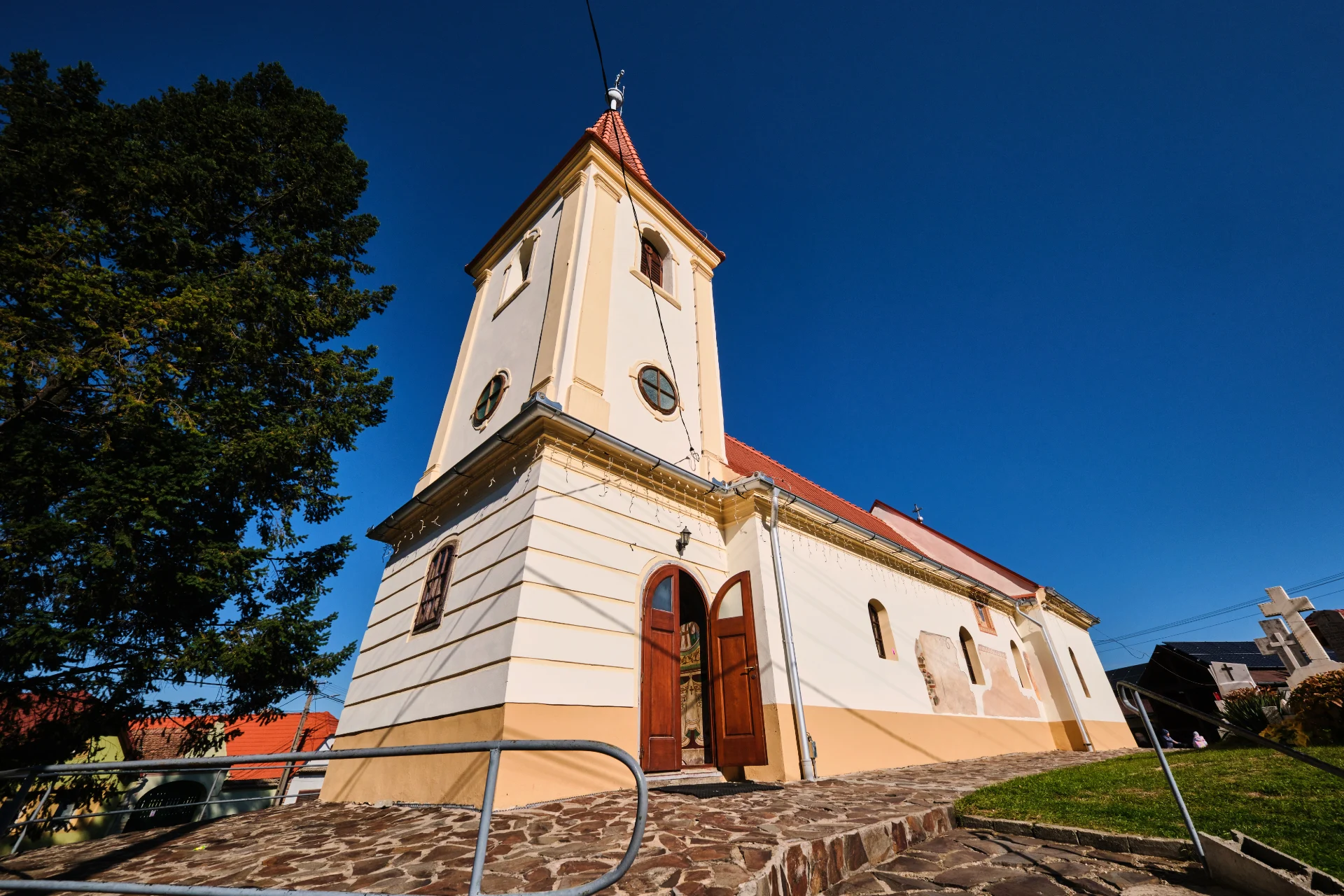
Beyond the hill to the east, we find the small village of Poplaca, with the Church of the Nativity of St. John the Baptist, built at the end of the 18th century and recently renovated. Nearby, we enter the village of Rășinari, one of the largest and oldest in the region. Nestled at the outlet of two mountain streams, it greets us from afar with the church steeples watching over its shingle roofs and cobblestone streets. The green peaks of the mountains stop abruptly at the edge of the village, like a petrified ocean, the houses rising only slightly up the narrow valleys.

“With time, my love for Sibiu and its surroundings, for Răşinari in the first place, is growing. It’s as if nothing in life is worth preserving except youth, childhood, I mean” (Emil Cioran)

A village of renowned shepherds and craftsmen, Rășinari is proud of the prominent personalities who were born here, such as the poet Octavian Goga or the philosopher Emil Cioran, whose houses we can visit. In the center of the village stands the imposing “Cuvioasa Paraschiva” Church, built as a Greek-Catholic edifice in Baroque style between 1725 and 1758, with impressive exterior paintings. Other monuments in Rășinari include the Church on the Hill, the Old School, the Mausoleum of Andrei Șaguna, the crosses and the old houses with traditional architecture. From here starts a hiking trail that leads us to the mountain peaks and offers wonderful views of the village below.

Mărginimea Sibiului - Destinații România 37 - Satul Rășinari
Satul Rășinari Ⓒ Silviu-Florin Salomia
Mărginimea Sibiului - Destinații România 76 - Munții Cindrel lângă Rășinari
Munții Cindrel lângă Rășinari Ⓒ Silviu-Florin Salomia
Mărginimea Sibiului - Destinații România 07 - Biserica Cuvioasa Paraschiva Rășinari
Biserica Cuvioasa Paraschiva din Rășinari Ⓒ Silviu-Florin Salomia
Mărginimea Sibiului - Destinații România 39 - Biserica Cuvioasa Paraschiva Rășinari
Biserica Cuvioasa Paraschiva din Rășinari Ⓒ Silviu-Florin Salomia
Mărginimea Sibiului - Destinații România 75 - Biserica Sf. Treime Rășinari
Biserica Sf. Treime din Rășinari Ⓒ Silviu-Florin Salomia
Mărginimea Sibiului - Destinații România 72 - Biserica Sf. Arhangheli Gura Râului
Biserica Sf. Arhangheli din Gura Râului Ⓒ Silviu-Florin Salomia
Mărginimea Sibiului - Destinații România 71 - Biserica Sf. Paraschiva Gura Râului
Biserica Sf. Paraschiva din Gura Râului Ⓒ Silviu-Florin Salomia

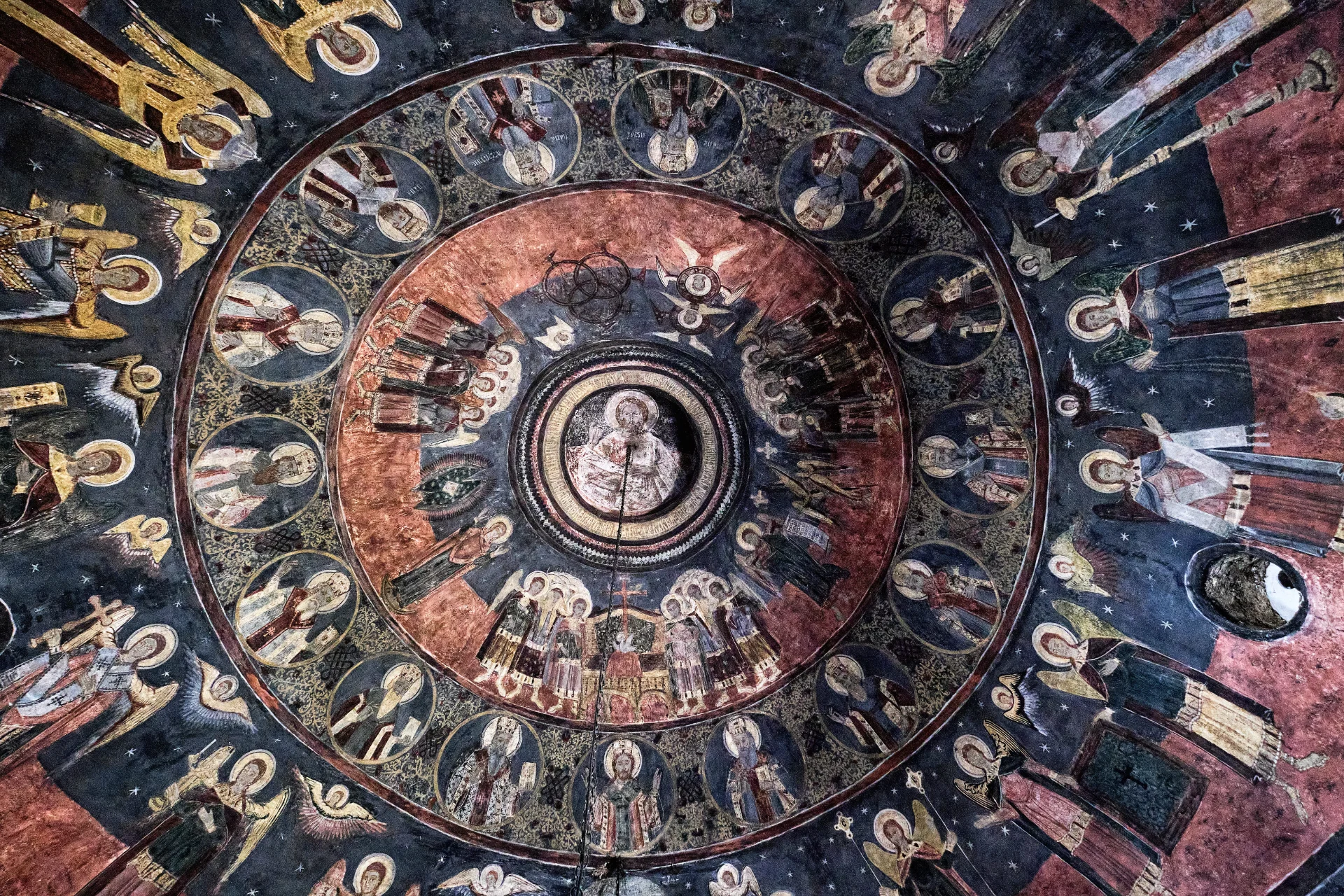
From Rășinari or Gura Râului we can also climb to the mountain resort of Păltiniș, the oldest in the country. Located at an altitude of over 1,400 meters, Păltiniș is a delightful destination both in summer and in winter, when it offers conditions for practicing winter sports. A little further southeast, we stop in the village of Sadu, located at the outlet of the river of the same name from the mountain. Here we can admire the “Assumption of the Virgin Mary” Church, with an appreciable age and hosting superb interior frescoes. Starting along the river upstream, we pass by two micro-hydropower plants and a small reservoir, before reaching the village of Râu Sadului, perhaps the most picturesque in Mărginimea Sibiului.

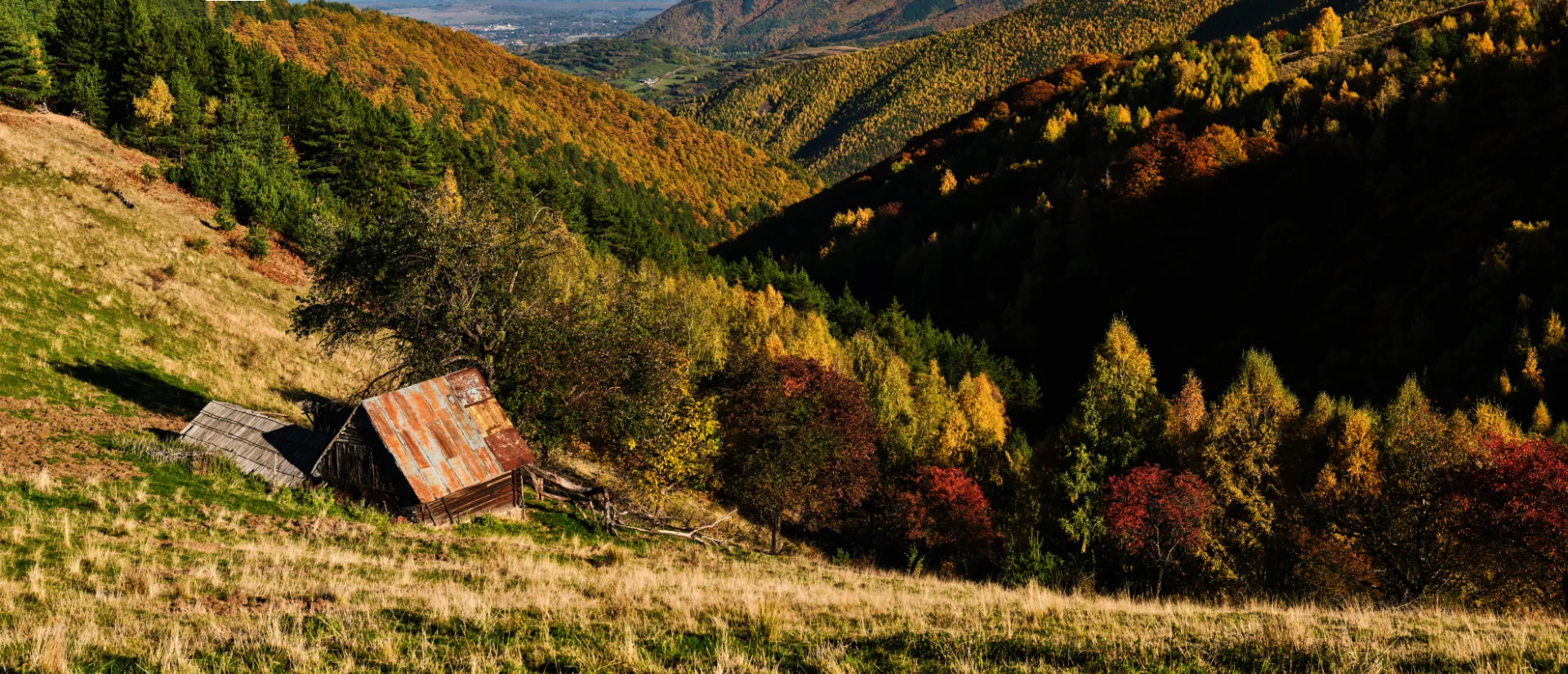
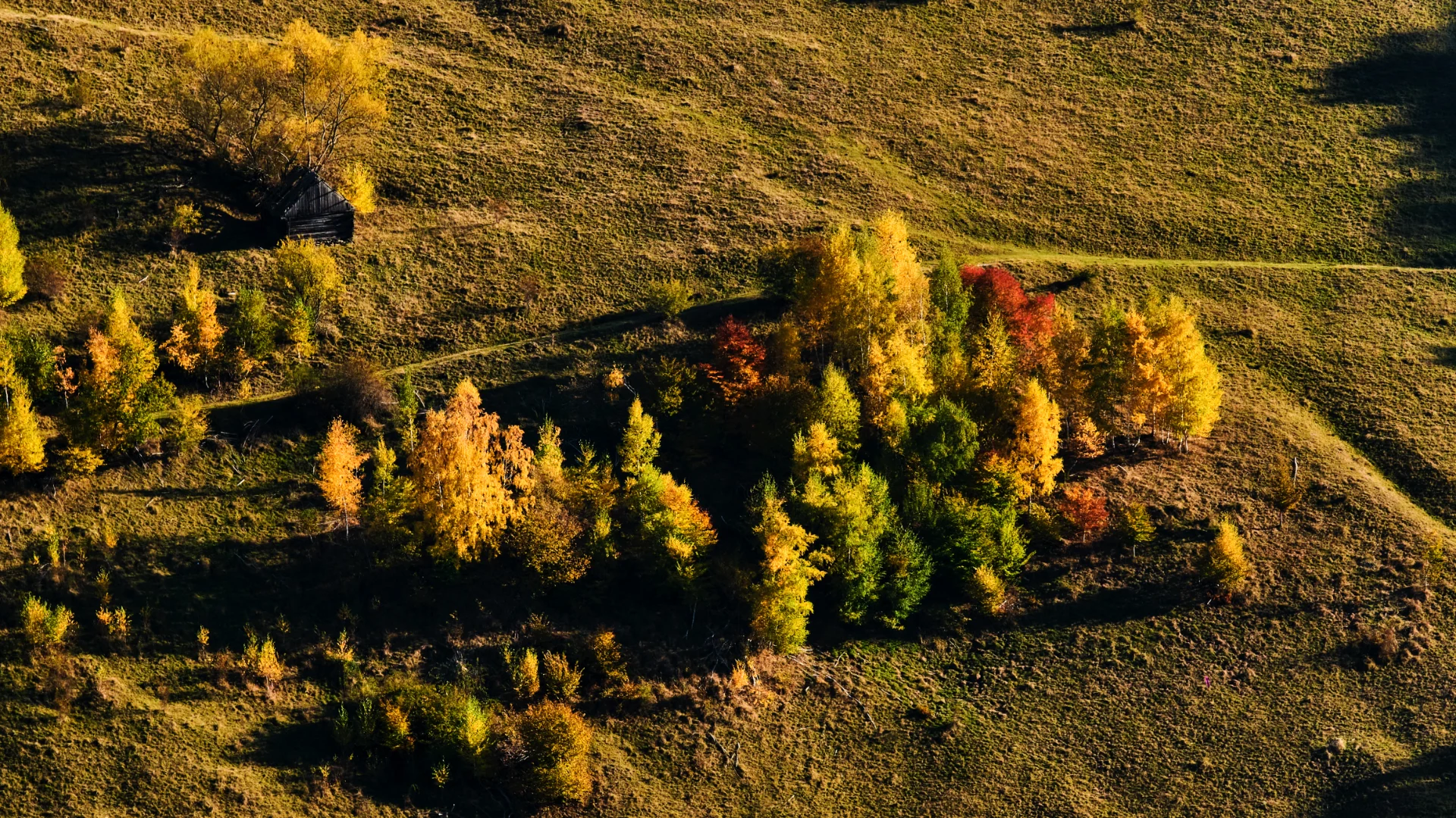
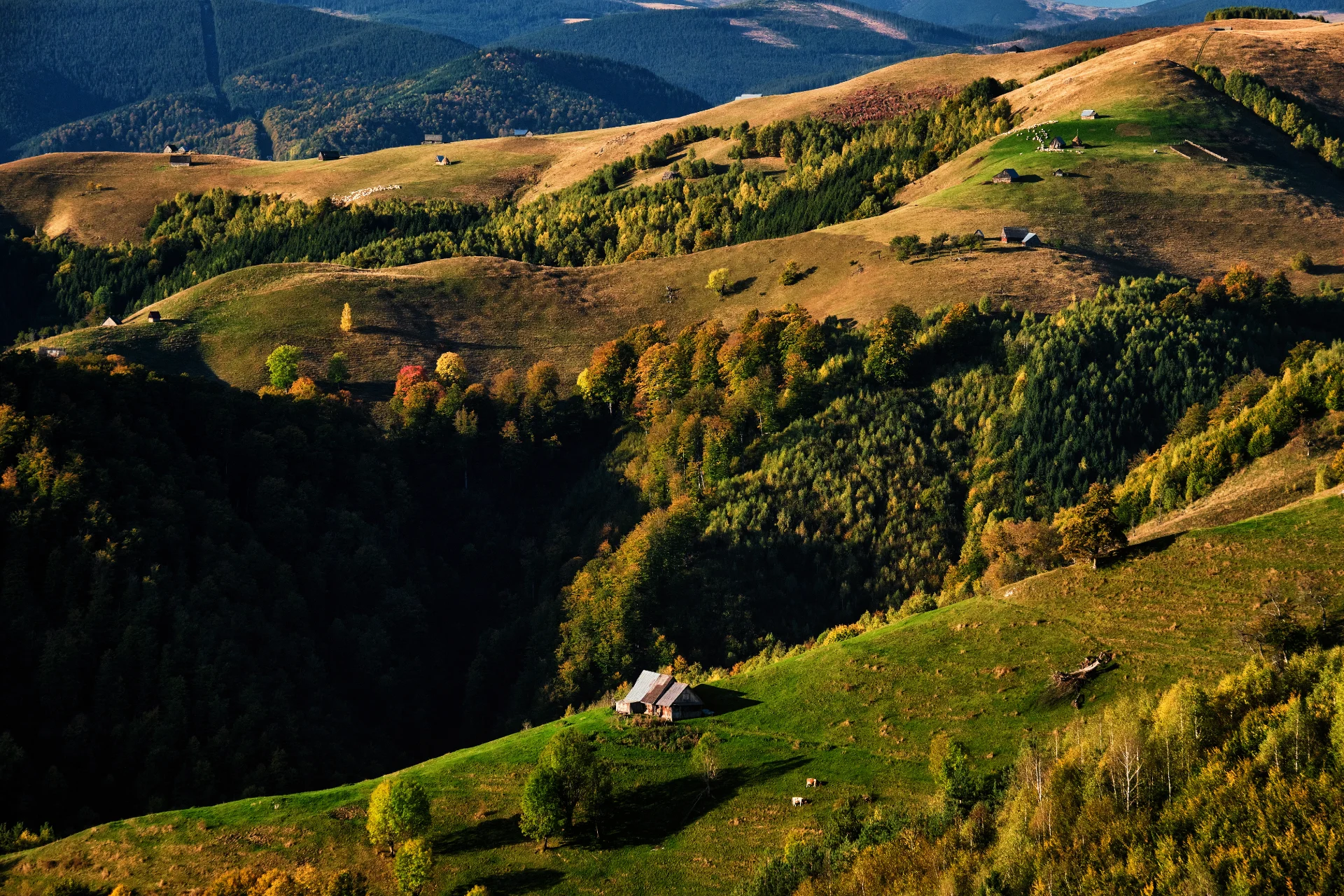
Made up of four hamlets spread along the valley, with delightful gardens that climb the steep slopes of the mountain, on both sides of the river. With all the beauty in the valley, the real treasure here is hidden up there, on the gentle ridges of Cindrel, where dozens of sheepfolds and huts scattered among clumps of trees await us, some still animated by flocks and shepherds heading for the surrounding pastures. Many of these archaic wooden hay shelters, however, have been abandoned for many seasons and remain only a living testament to the millenary pastoral traditions of Mărginimea Sibiului. We can freely roam the surrounding peaks along marked paths or known only by the locals, the silence of the place being interrupted only by the shepherd dogs that fiercely guard their flocks.

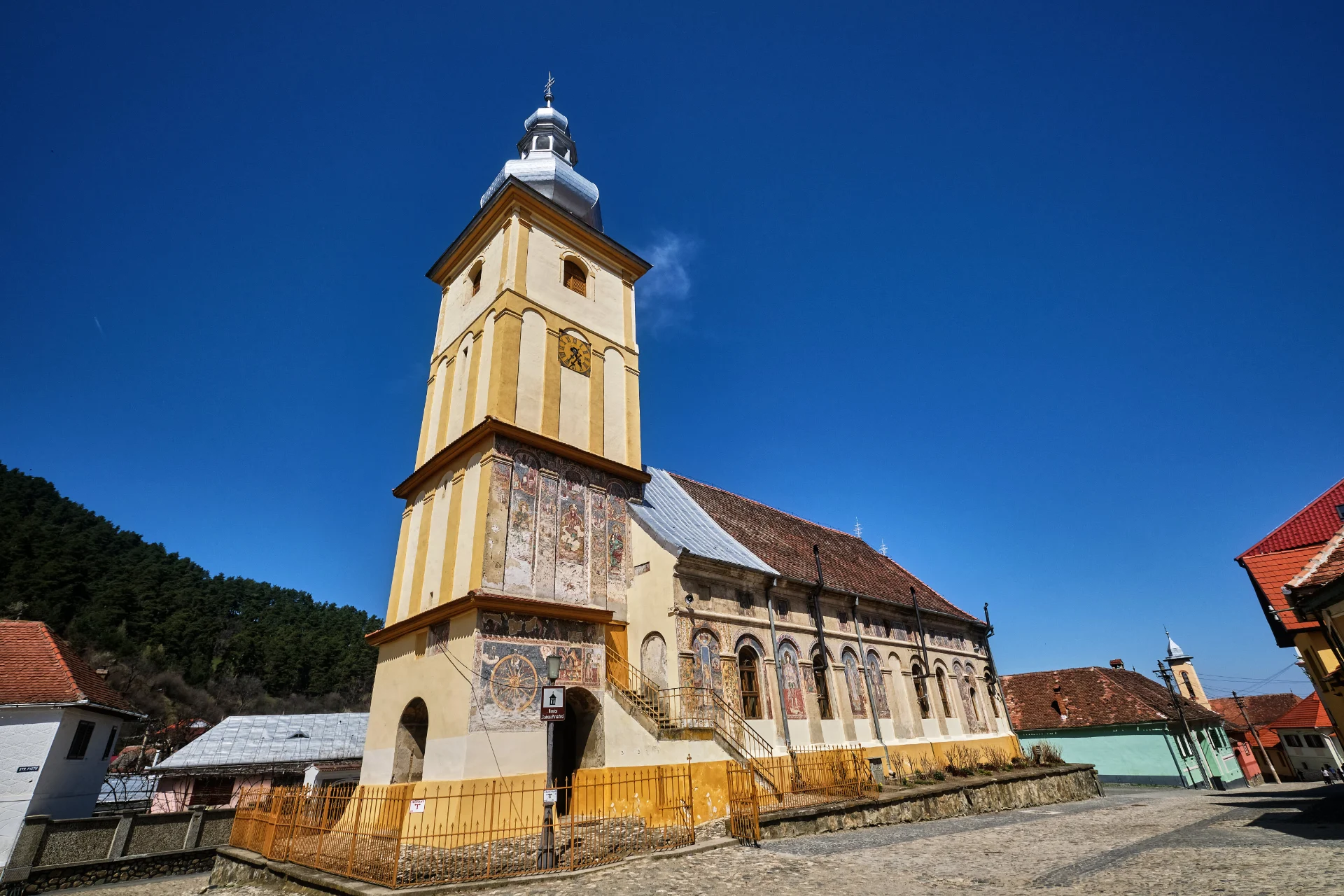
Continuing along the valley towards the heart of the mountains, at 1,150 meters above sea level we discover Lake Negovanu and its impressive dam, the first in a circular arc in Romania. In the southeastern extremity of the region are the town of Tălmaciu, the village of Tălmăcel and the village of Boița, and beyond it begins the spectacular Olt Gorge. On a small hill between Tălmaciu and Tălmăcel, known as Landskrone, there are still the ruins of the Tălmaciu fortress, built by the Saxons in 1369-1370 to defend this strategic point. In the village of Tălmăcel we can admire the “Cuvioasa Paraschiva” Church, built starting in 1776 and presenting interesting decorative elements. A little further south, right on the banks of the Olt, we find the Turnu Roșu Castle in Boița, built in the 15th century to defend the border, especially against Ottoman attacks.
Mărginimea Sibiului - Destinații România 34 - Satul Râul Sadului
Satul Râul Sadului Ⓒ Silviu-Florin Salomia
Mărginimea Sibiului - Destinații România 46 - Țara Colibelor Munții Cindrel
Satul Râul Sadului Ⓒ Silviu-Florin Salomia
Mărginimea Sibiului - Destinații România 49 - Țara Colibelor Munții Cindrel
Țara Colibelor Ⓒ Silviu-Florin Salomia
Mărginimea Sibiului - Destinații România 40 - Munții Cindrel la Rășinari
Țara Colibelor Ⓒ Silviu-Florin Salomia
Mărginimea Sibiului - Destinații România 45 - Țara Colibelor Munții Cindrel
Țara Colibelor Ⓒ Silviu-Florin Salomia

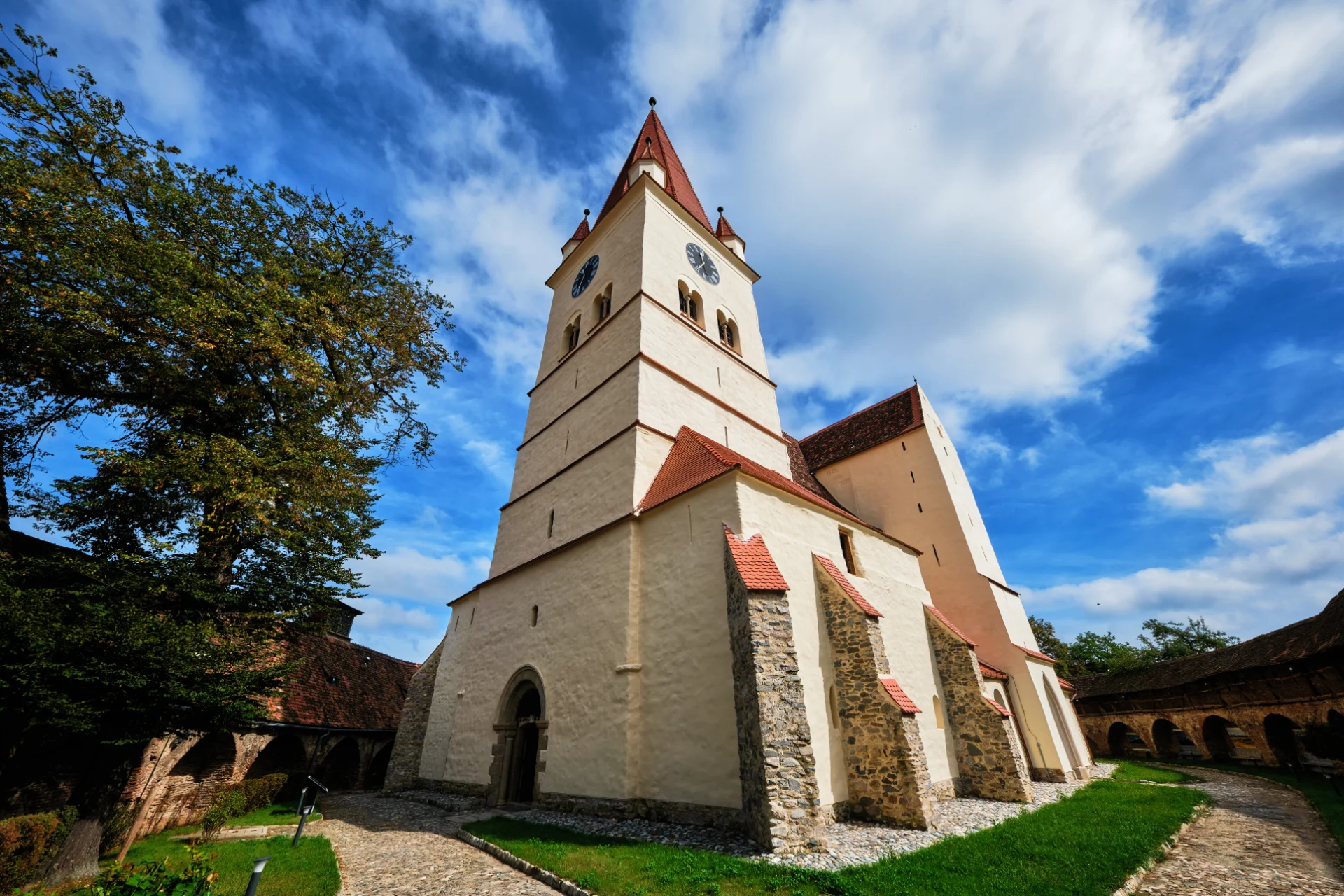
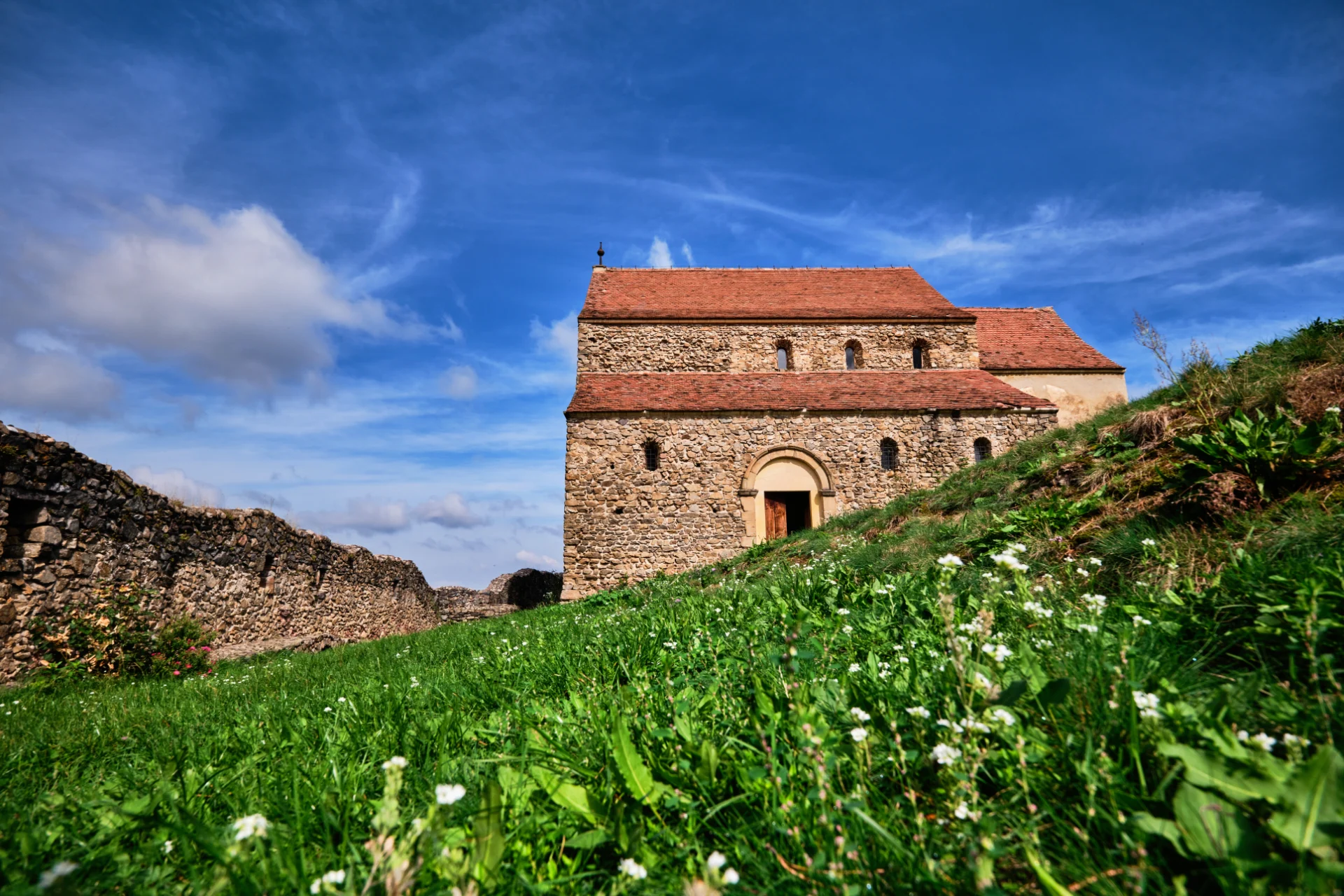
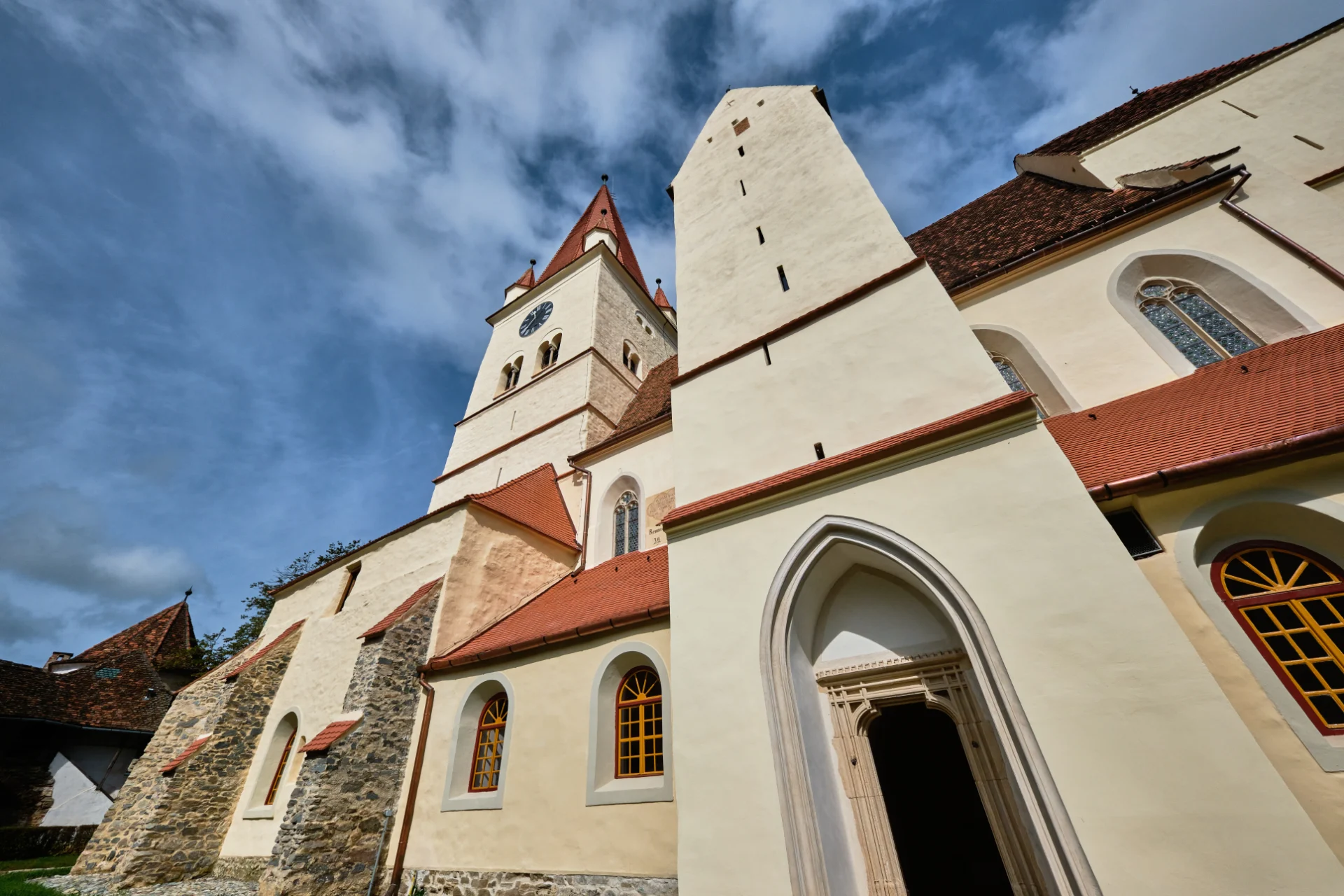
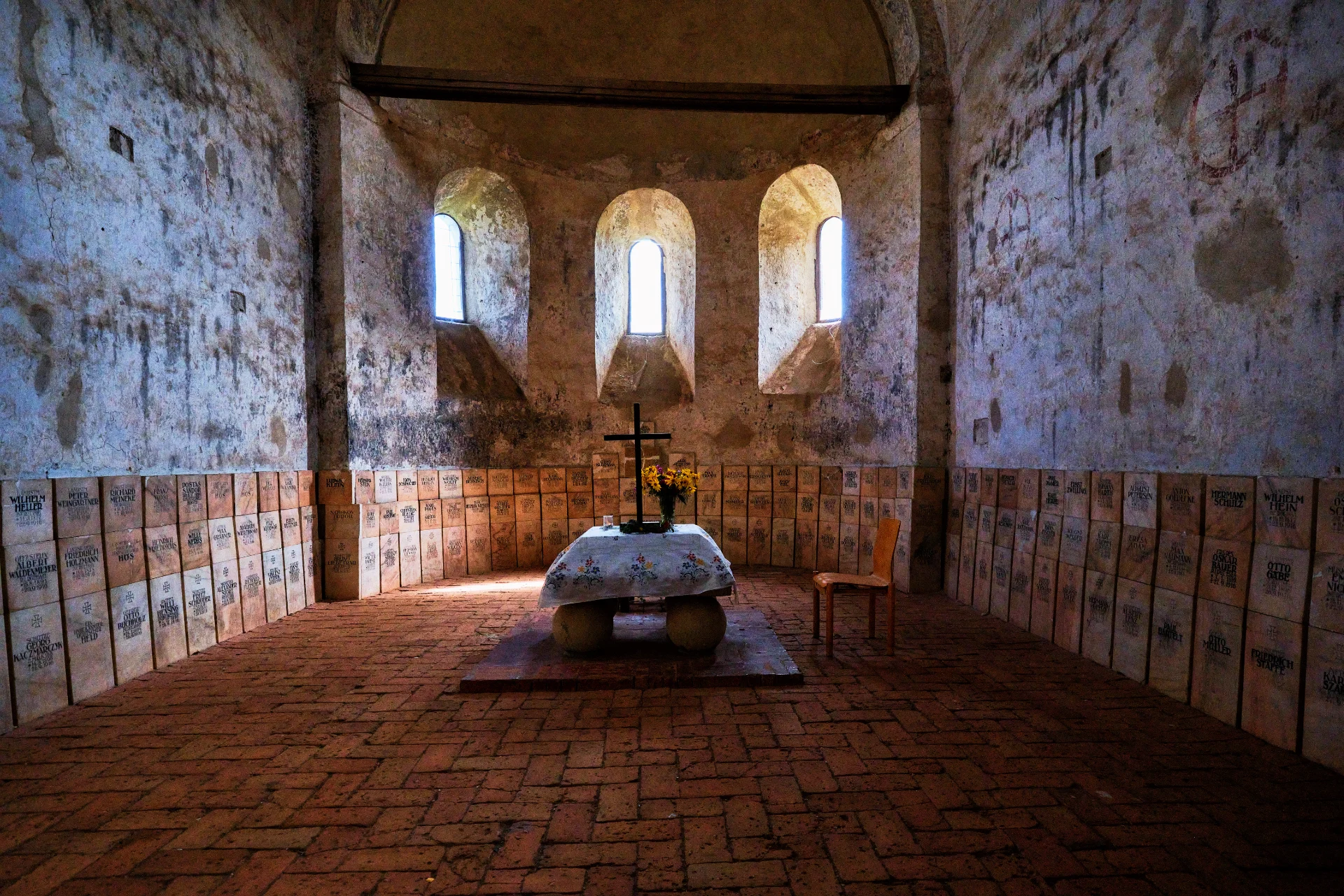
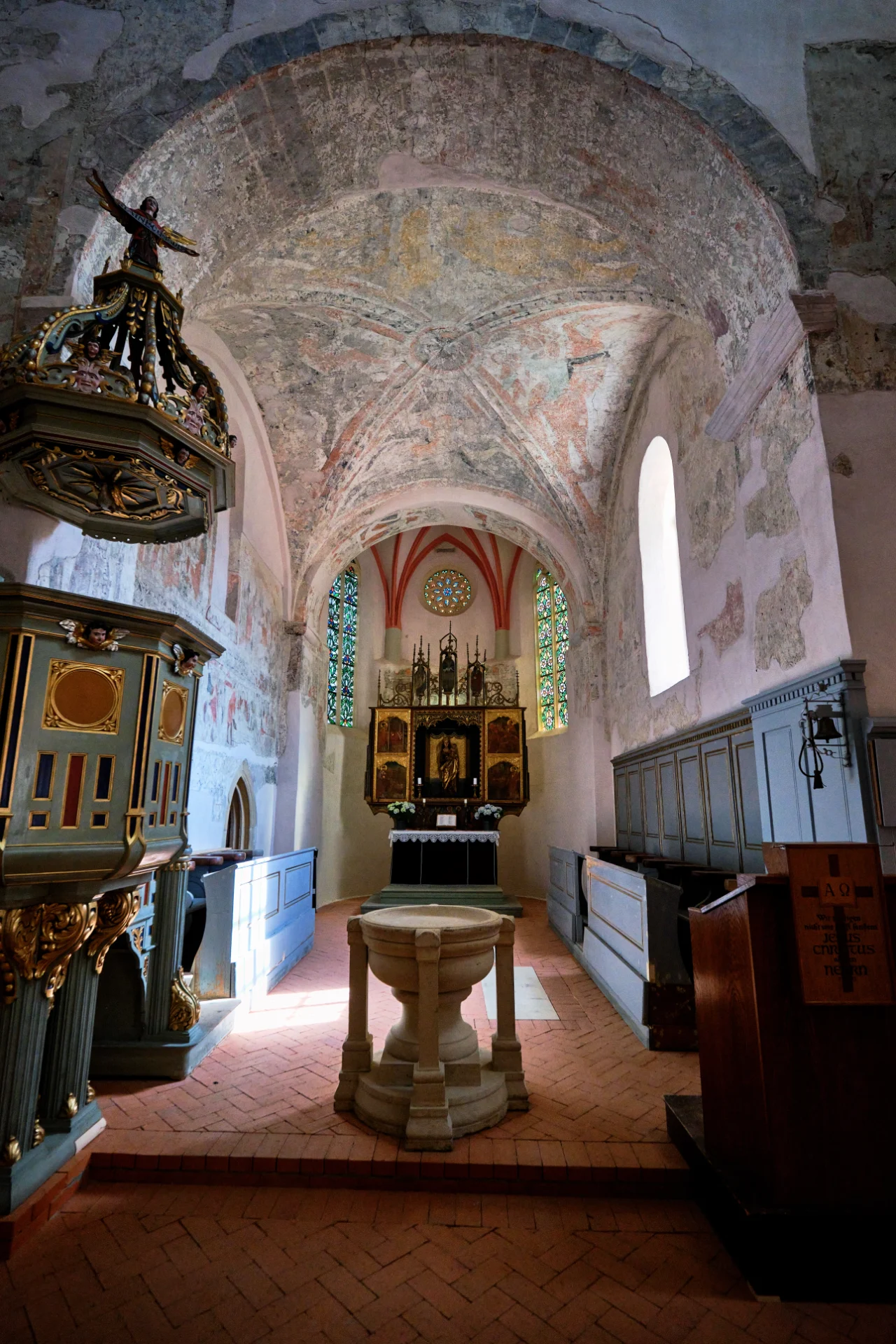
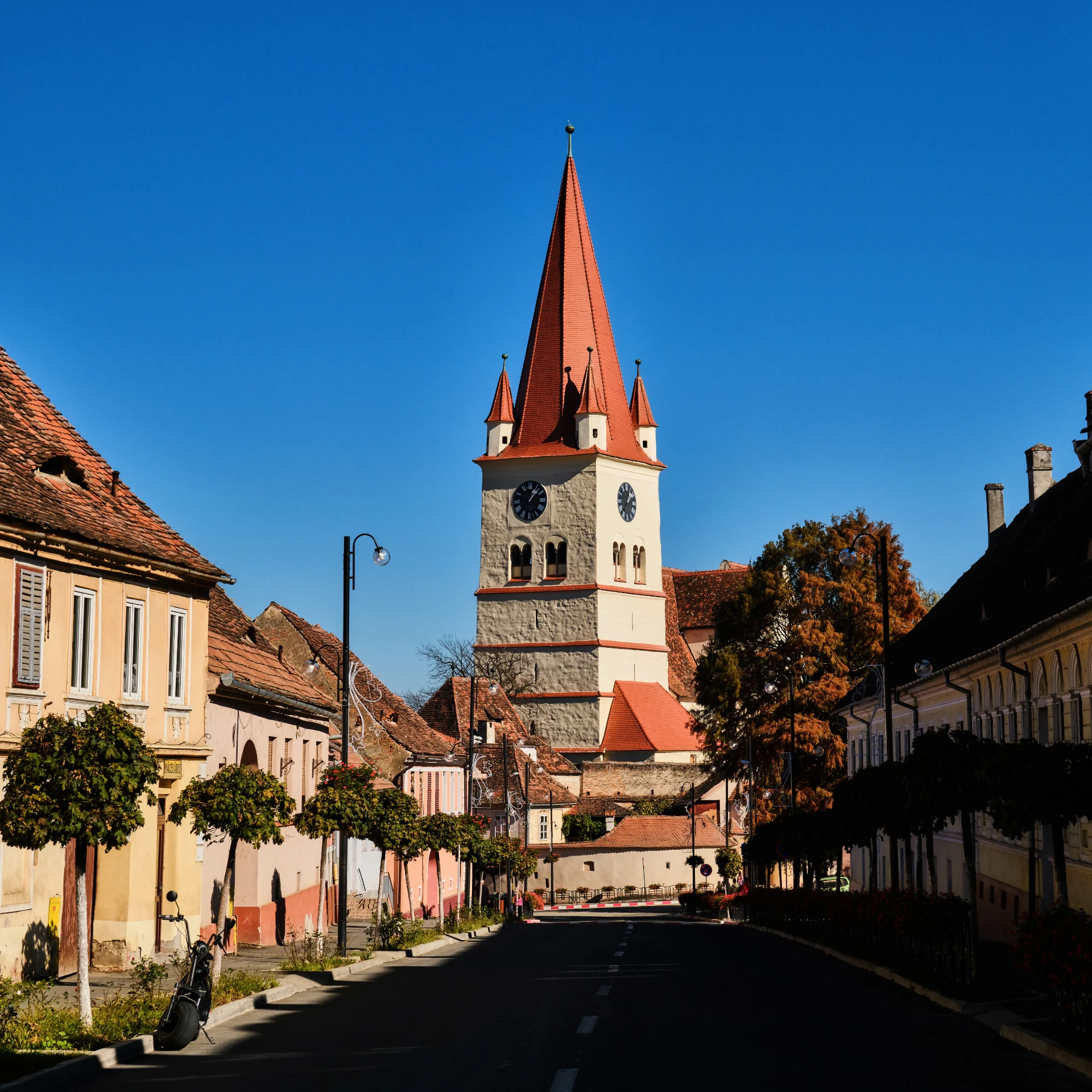
Exploring the wonderful places in Mărginimea Sibiului, we inevitably pass through the settlements of Cisnădie and Cisnădioara, which although not included in this cultural destination, having a predominantly Saxon character, are worth visiting for their impressive historical heritage. Right in the superb historical center of the town of Cisnădie (Heltau) is the Fortified Lutheran Church “Saint Walpurga”. Built as a Romanesque basilica starting in the 13th century, the church was initially Roman Catholic, being gradually modified in Gothic style and surrounded in the following centuries with two defensive enclosures, the outer one comprising towers, bastions and other structures. Passing through the village of Cisnădioara (Michelsberg), we come across the old fortress, actually the Fortified Church “Saint Michael”, which rises on the top of a rocky hill in the south of the village. The construction of this fascinating monument began in the second half of the 12th century, being surrounded by stone defensive walls. The church is sometimes used for cultural events, having impressive acoustics.
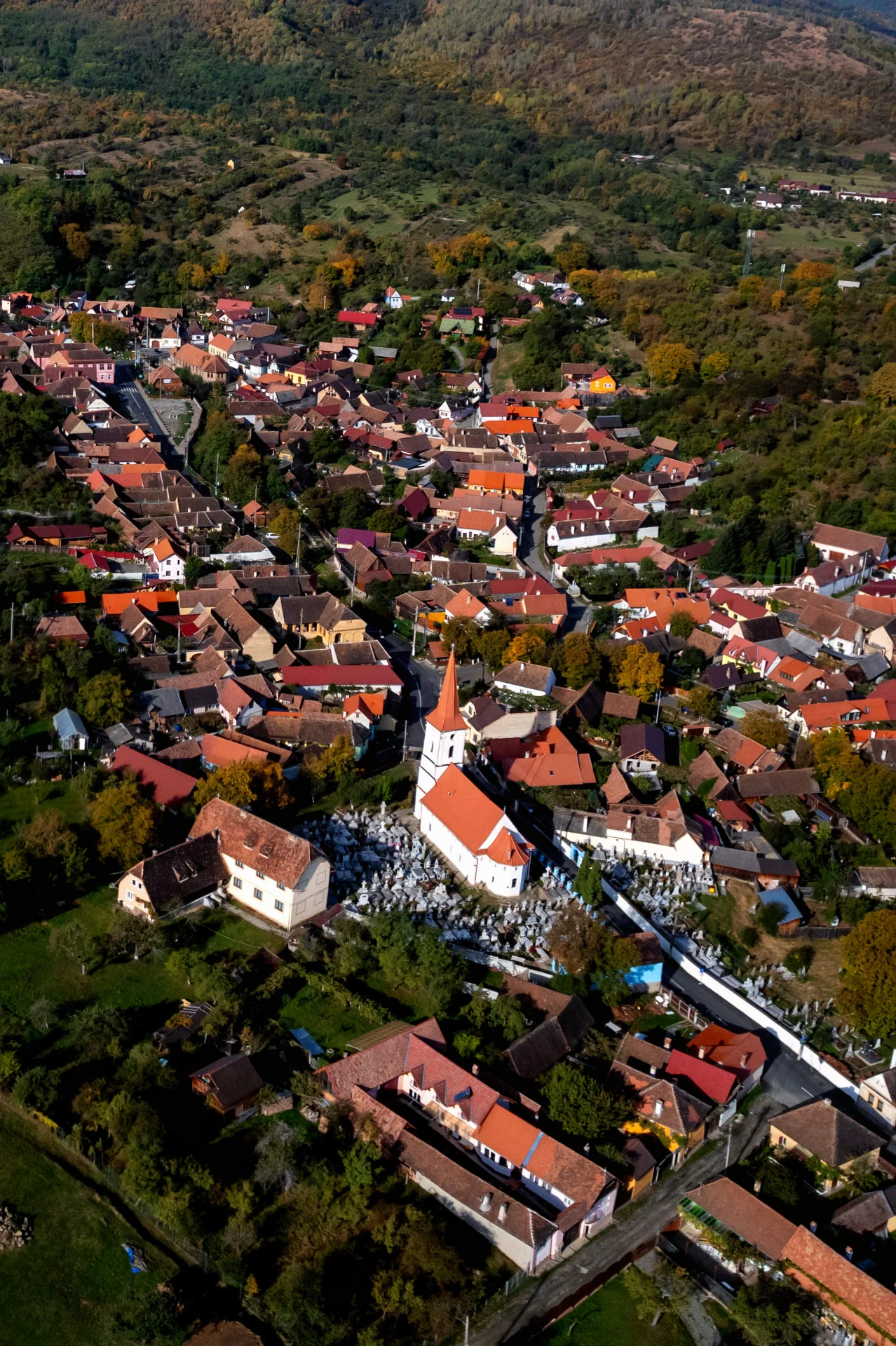
Descending back into the village, the nearby Baroque Evangelical Church dates back to 1764 and houses the oldest still functioning pipe organ in Transylvania. Another destination with a Saxon past but now almost entirely occupied by Romanians is the village of Cristian, just a few kilometers west of Sibiu. Here we can discover the impressive fortified church of “Saint Servatius”, originally built in the 13th century and modified in the following centuries, including the construction of the two fortified enclosures with defense towers. Once we have discovered the ancient secrets hidden through the villages of Mărginimea Sibiului, we follow the Olt Gorge among the peaks of the Carpathians and stop in the wild kingdom of the Cozia mountains, where we are greeted by legendary monasteries, often watched over by black goats on the cliffs…

Mărginimea Sibiului - Destinații România 18 - Biserica Fortificată Cisnădie
Biserica Fortificată Cisnădie Ⓒ Silviu-Florin Salomia
Mărginimea Sibiului - Destinații România 21 - Centrul Orașului Cisnădie
Centrul Orașului Cisnădie Ⓒ Silviu-Florin Salomia
Mărginimea Sibiului - Destinații România 24 - Biserica Fortificată Cisnădioara
Biserica Fortificată Cisnădioara Ⓒ Silviu-Florin Salomia
Mărginimea Sibiului - Destinații România 22 - Biserica Evanghelică Cisnădioara
Biserica Evanghelică Cisnădioara Ⓒ Silviu-Florin Salomia

Sights and Experiences

Places to See and Things to Do in Mărginimea Sibiului Rural Area
Village of Rășinari

One of the notable settlements in Mărginimea Sibiului rural area, the village of Rășinari is located just 8 kilometers from Sibiu, at the foot of the Cindrel Mountains. A charming travel destination, it is also known as the birthplace of some important figures in the country’s history, starting with the poet Octavian Goga and the philosopher Emil Cioran, whose memorial houses can be found in the village. Among the interesting monuments in Rășinari, the “Cuvioasa Paraschiva” Church stands out, also known as the Old Church, although it was most likely preceded by an even older wooden one. This was built between 1725 and 1758 in Baroque style after the model of the Jesuit Church in Sibiu. Decorated with superb interior and exterior paintings, the monumental church is also notable for its massive clock tower, endowed with three bells. Not far from it, the “Holy Trinity” Church was built between 1800-1814 with donations from villagers and Wallachia. It is imposing due to its monumentality and the architectural style of the late Italian Renaissance, and in the courtyard is the mausoleum of Metropolitan Andrei Şaguna. In addition, in the center of the village is the Rășinari Ethnographic Museum, which presents over 1500 interesting exhibits related to the specific occupations and traditions of the inhabitants of the village and the geographical area, including folk costumes, traditional objects, documents and much more. The high hills that dominate the landscape of the Rășinari village can be explored along several fascinating tourist routes, including one that reaches the Păltiniș resort.

Mărginimea Sibiului - Destinații România 53 - Munții Cindrel la Rășinari
Munții Cindrel lângă Rășinari Ⓒ Silviu-Florin Salomia
Mărginimea Sibiului - Destinații România 38 - Satul Rășinari
Satul Rășinari Ⓒ Silviu-Florin Salomia
Mărginimea Sibiului - Destinații România 77 - Munții Cindrel lângă Rășinari
Munții Cindrel lângă Rășinari Ⓒ Silviu-Florin Salomia
Mărginimea Sibiului - Destinații România 52 - Satul Rășinari
Satul Rășinari Ⓒ Silviu-Florin Salomia
Village of Sibiel

In addition to the Museum of Glass Icons, already famous beyond the borders of Romania, the village of Sibiel is a charming destination, located at the foot of the mountains and preserving some of the authentic rural atmosphere. Documentary evidence dating back to the late 14th century, but possibly even older, the village of Sibiel offers several other interesting attractions, starting with the “Holy Trinity” Church, a national historical monument built in 1765, highly appreciated for the superb frescoes made between 1774 and 1775 by the brothers Stan and Iacob from Rășinari. Following the Sibiel valley for a few kilometers, you can reach the small “Holy Trinity” hermitage, built on the site of an old monastery. Another fascinating object can be discovered on a ridge south of the village, following a thematic trail through the forest. Salgo Fortress is surrounded by legends, and its beginnings are still a mystery, although most believe it was built in the 6th century. The ruins of the circular tower and a defensive wall are still preserved, and the views from the summit are splendid.

Mărginimea Sibiului - Destinații România 08 - Satul Sibiel
Satul Sibiel Ⓒ Silviu-Florin Salomia
Mărginimea Sibiului - Destinații România 05 - Biserica Sf. Treime Sibiel
Biserica Sf. Treime din Sibiel Ⓒ Silviu-Florin Salomia
Mărginimea Sibiului - Destinații România 31 - Satul Sibiel
Satul Sibiel Ⓒ Silviu-Florin Salomia
Mărginimea Sibiului - Destinații România 14 - Satul Sibiel
Satul Sibiel Ⓒ Silviu-Florin Salomia
Mărginimea Sibiului - Destinații România 06 - Biserica Sf. Treime Sibiel
Biserica Sf. Treime din Sibiel Ⓒ Silviu-Florin Salomia
Glass Icons Museum

Visiting hours: 8 – 19/20 (lunch break) | Prices: 15 lei/adult

One of the most important and interesting sights in Mărginimea Sibiului, the museum was initiated and organized by the village priest Zosim Oancea, starting in 1969. Over time, the collection of icons on glass has grown constantly through the creator’s efforts and through the donations received, reaching today over 600 fascinating exhibits and being the largest of its kind in Transylvania. Created using a unique technique, most of these icons were created by anonymous artists, many of them simple peasants with artistic inclinations or driven by faith. The paintings, often extremely naive, use natural materials, often produced even by occasional artists. Most icons present different styles depending on the region they come from, with several creative centers in Transylvania (Nicula and Northern Transylvania, Sibiu Borderland, Fagaras Country, Bars Country, Mureș Valley, Sebeș Valley) and beyond. The Sibiel Museum is located in the courtyard of the “Holy Trinity” church, itself an interesting historical monument.

Mărginimea Sibiului - Destinații România 03 - Muzeul Icoanelor pe Sticlă Sibiel
Muzeul Icoanelor pe Sticlă Sibiel Ⓒ Silviu-Florin Salomia
Mărginimea Sibiului - Destinații România 02 - Muzeul Icoanelor pe Sticlă Sibiel
Muzeul Icoanelor pe Sticlă Sibiel Ⓒ Silviu-Florin Salomia
Town of Săliște

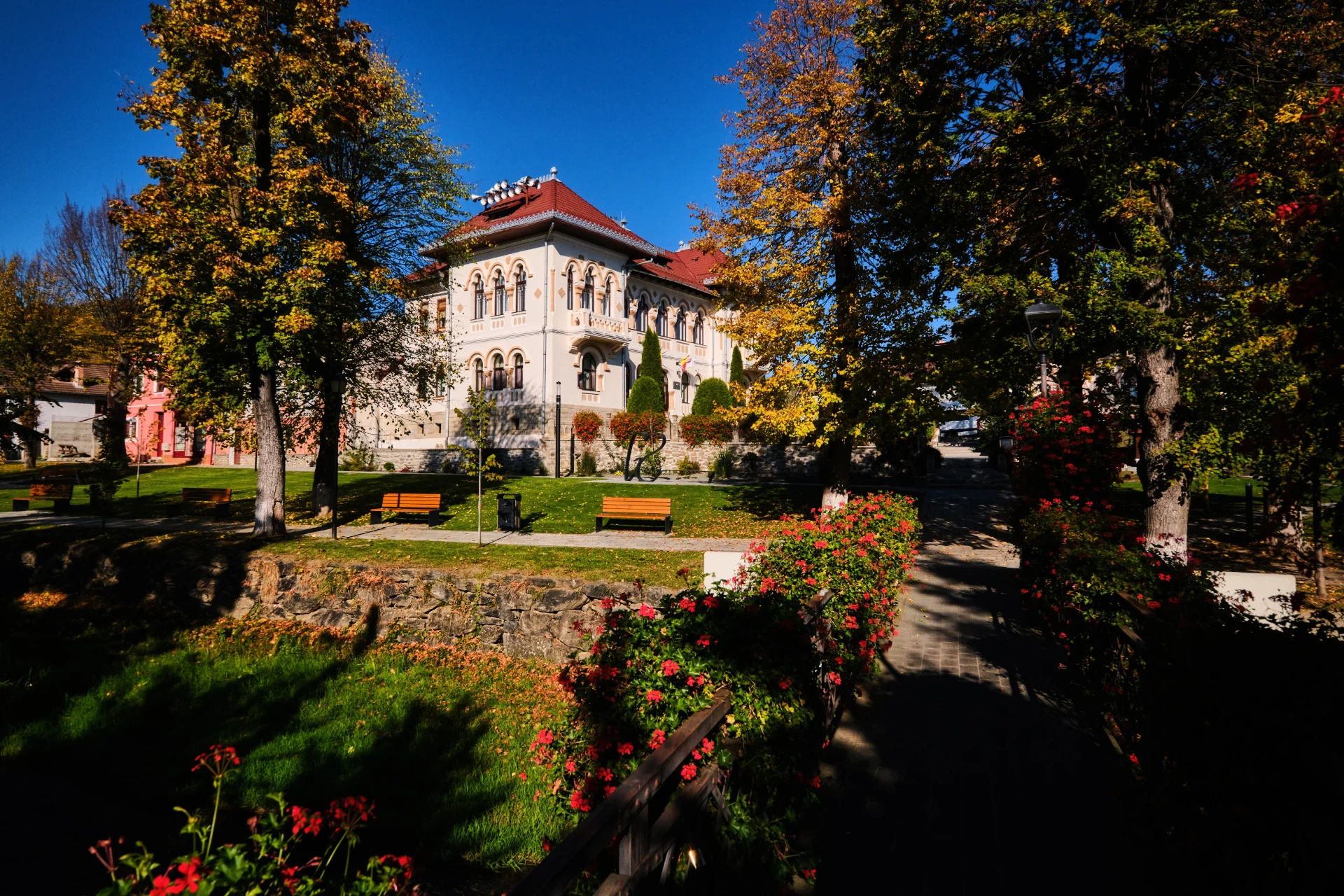
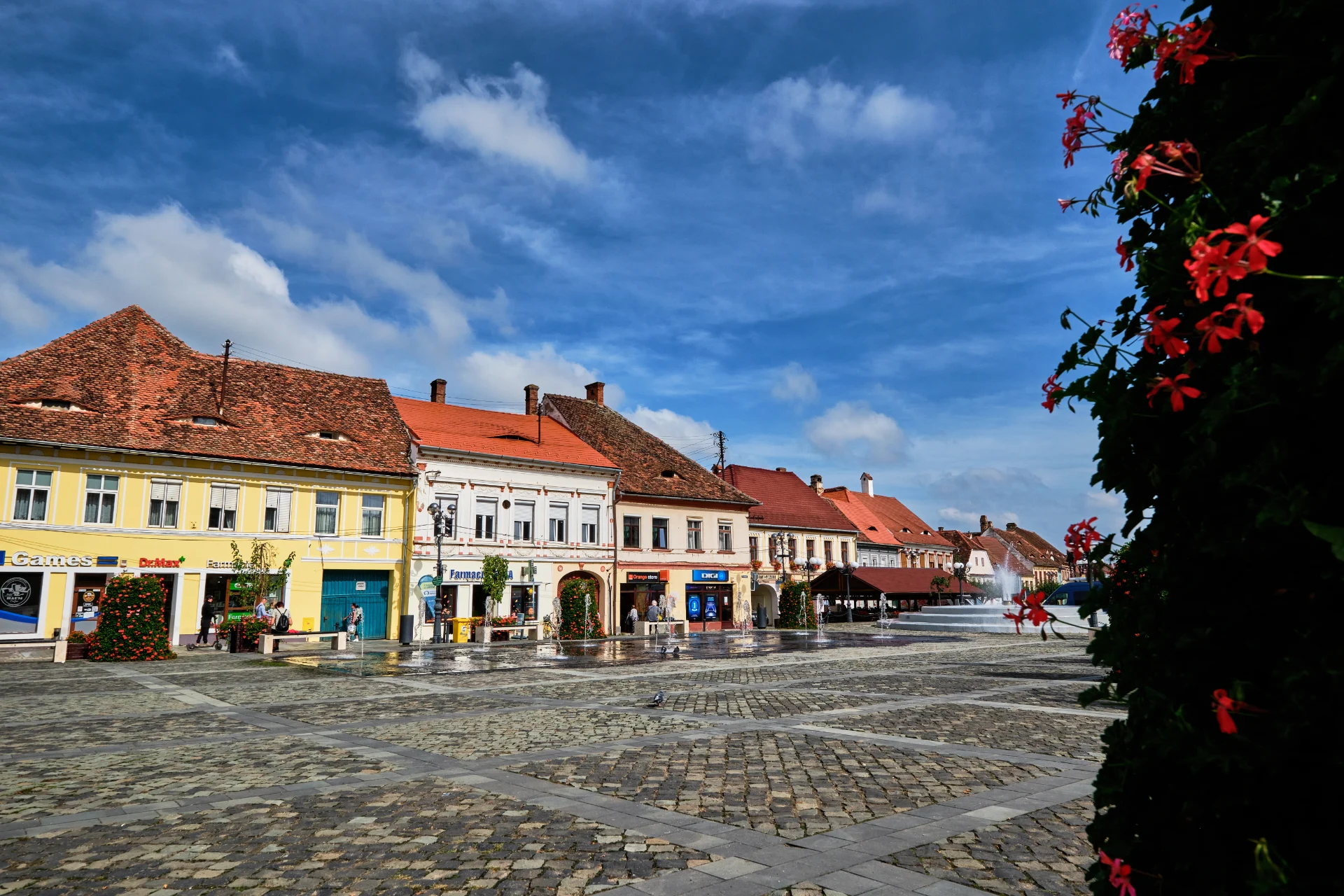
One of the oldest settlements in the Sibiu Borderland, Săliște was an important historical center of the Romanians in southern Transylvania. The city now administratively also includes the surrounding villages, including Amnaș, one of the important Saxon settlements from the medieval period. In Săliște, several interesting historical monuments can be admired, among which the buildings in the center of the town and two impressive old churches stand out. The “Ascension of the Lord” Church was built between 1761 and 1785, preserving some of the impressive old paintings. An even older edifice is the “Nașterea Sfântului Ioan Botezătorul” Grui Church, located on a hill in the southern part of the town. Officially built in 1741 but possibly even older, the church contains splendid paintings and icons. In addition to these, visitors can also discover the Foltea Hermitage, the Săliște Values ​​Museum, the Forestry Museum or the Săliște Parish Museum in the city.

Mărginimea Sibiului - Destinații România 30 - Biserica Înălțarea Domnului Săliște
Biserica Înălțarea Domnului din Săliște Ⓒ Silviu-Florin Salomia
Mărginimea Sibiului - Destinații România 69 - Orașul Săliște
Orașul Săliște Ⓒ Silviu-Florin Salomia
Village of Jina

Among the charming destinations in southern Transylvania, the village of Jina holds a special place, being mostly spread out on the gentle peaks of the Cindrel Mountains. A renowned pastoral settlement, the village is set on seven hills at an altitude of almost 1000 meters, offering spectacular views of the surrounding mountains and valleys. In the 18th century, many of the inhabitants here crossed the mountains and settled in villages in Wallachia, preserving their traditional customs and attire over time. Together with the nearby village of Poiana Sibiului, they are considered the center of shepherding in Romania, many of the inhabitants preserving the ancestral traditions of this occupation. Since 1937, in the center of the village stands a monumental church dedicated to the “Holy Archangels”, known as the “Cathedral of the Mountains” and built with the support of King Carol II. In the village there is also an old church dedicated to the “Annunciation”, built in 1795 and preserving interesting paintings. Also in the village, a small museum dedicated to the tradition of shepherding was recently organized.

Satul Jina Ⓒ Silviu-Florin Salomia
Mărginimea Sibiului - Destinații România 58 - Satul Jina
Satul Jina Ⓒ Silviu-Florin Salomia
Mărginimea Sibiului - Destinații România 60 - Satul Jina
Satul Jina Ⓒ Silviu-Florin Salomia
Mărginimea Sibiului - Destinații România 57 - Biserica Buna Vestire Jina
Biserica Buna Vestire din Jina Ⓒ Silviu-Florin Salomia
Mărginimea Sibiului - Destinații România 28 - Satul Jina
Satul Jina Ⓒ Silviu-Florin Salomia
Păltiniș Resort

Officially administered by the city of Sibiu, it is considered the oldest mountain resort in Romania, having been founded on the summit of the Cindrel Mountains since 1894. Access to the resort is via a county road starting from Rășinari or Gura Râului. It is an excellent holiday destination, both in summer, offering numerous leisure opportunities, but especially during the winter sports season. The Păltiniș resort includes several excellent ski slopes, all equipped with modern transport facilities, as well as numerous accommodation units and other services for tourists.

Village of Râu Sadului

One of the newest villages in Mărginimea Sibiului, it was founded by residents of Rășinari who crossed the mountains to the south and settled in this charming valley around the mid-18th century. The village is made up of four small hamlets that follow each other along the Sadu River valley, approximately 10 kilometers from its exit from the mountain. If in the past most of the inhabitants were engaged in animal husbandry and fruit growing, today the area has also become a fascinating tourist destination, especially due to the authentic pastoral landscape on the surrounding peaks, but also the special beauty of the valley.

Land of Huts

This traditional and picturesque destination in southern Sibiu County was first born as a local project to preserve and promote the specific pastoral landscape. On the peaks of the Cindrel Mountains around the village of Râul Sadului, there were once over 200 huts used by the village shepherds to store hay from the mountain meadows. Of these, only a few still exist today and a small part are still actively used throughout the year. By organizing ecotourism activities in this area, including the development of hiking trails and other activities that benefit from the wonderful landscapes around these huts, the project has managed to create authentic experiences for travelers, but also beneficial for the local community.

Mărginimea Sibiului - Destinații România 43 - Țara Colibelor Munții Cindrel
Țara Colibelor Ⓒ Silviu-Florin Salomia
Mărginimea Sibiului - Destinații România 35 - Satul Râul Sadului
Satul Râul Sadului Ⓒ Silviu-Florin Salomia
Mărginimea Sibiului - Destinații România 51 - Satul Râul Sadului
Satul Râul Sadului Ⓒ Silviu-Florin Salomia
Town of Cisnădie

Visiting hours: 10-18 (summer) | Prices: 10 lei/adult

South of Sibiu, in addition to the typical Romanian villages of Mărginimea Sibiului, there are also several localities with Saxon origins that are worth discovering for their interesting cultural heritage. In the center of the city of Cisnădie (Heltau) stands the impressive complex of the Fortified Church “Saint Walpurga”, dating back to the 13th century. Even though the foundations of the monument remained Romanesque, subsequent modifications transformed most of the architectural elements into Gothic or Baroque style. Starting with the 16th century, the church was heavily fortified, including by erecting three belts of walls, equipped with towers, bastions, corridors and ditches. The fortified complex is notable for numerous interesting elements, including the massive and 59-meter-high bell tower. It was the first in Transylvania equipped with a lightning rod and the first equipped with a clock (1425). The 16th-century polyptych altar is also exceptional, and the church still preserves fragments of mural paintings, an old bronze baptismal font, a Baroque pulpit, and other valuable elements. The “Treasure of Cisnădie” also comes from here, a collection of amazing objects, now kept at the Brukenthal National Museum. Several of the defensive structures around the church have also been preserved, including some of the towers.

Village of Cisnădioara

Visiting hours: 10-18 (summer) | Prices: 10 lei/adult

Part of the town of Cisnădie, the village of Cisnădioara (Michelsberg) preserves an impressive medieval monument. Considered among the most representative buildings of Romanesque art in Transylvania, the “Saint Michael” Fortified Church is located on a small wooded hill in the center of the town. Preserved almost in its original form from the end of the 12th century, the Romanesque basilica with three naves seems simple at first glance, but it has many very old and impressive architectural elements. Often likened to a small-scale castle, the church is surrounded by a fortified enclosure from the 13th century, and the ruins of an outer tower can also be seen in the perimeter. Inside, you can also see a few boulders that were used in the case of siege of the walls. Descending into the village, another interesting monument is the Evangelical Church, which dates back to 1764. Built in Baroque style on the foundations of an older Gothic building, it was once fortified and preserves the oldest functioning pipe organ in Transylvania.

Mărginimea Sibiului - Destinații România 20 - Biserica Fortificată Cisnădie
Biserica Fortificată Cisnădie Ⓒ Silviu-Florin Salomia
Mărginimea Sibiului - Destinații România 23 - Biserica Fortificată Cisnădioara
Biserica Fortificată Cisnădioara Ⓒ Silviu-Florin Salomia
Mărginimea Sibiului - Destinații România 19 - Biserica Fortificată Cisnădie
Biserica Fortificată Cisnădie Ⓒ Silviu-Florin Salomia
Mărginimea Sibiului - Destinații România 50 - Orașul Cisnădie
Orașul Cisnădie Ⓒ Silviu-Florin Salomia
Mărginimea Sibiului - Destinații România 25 - Biserica Evanghelică Cisnădioara
Biserica Evanghelică Cisnădioara Ⓒ Silviu-Florin Salomia

Other Interesting Discoveries

Lesser known places and activities in Mărginimea Sibiului RUral Area
Gura Râului Village and Cibin Valley

Located at the mouth of the Cibin River between the mountains, the village is among the largest and oldest settlements in Mărginimea Sibiului. In its center there are two impressive Orthodox churches, the first in monumentality, and the second in antiquity. The Church of “Saints Archangels Michael and Gabriel” was built in 1886-1887 at the previous initiative of Metropolitan Andrei Şaguna. It is imposing due to its appreciable dimensions and the combination of architectural styles. A short distance away is the Church of “Venerable Paraschiva”, built in the 18th century, but comprising portions of a much older medieval building. It preserves portions of old and valuable mural paintings. Continuing a few kilometers along the Cibin valley, you can admire the Gura Râului reservoir, and a little higher up the Cibin Gorges, a particularly wild destination.

Turnu Roșu Castle in Boița

Located right at the entrance to the Olt Gorge, in the southern part of the village of Boița, this interesting edifice was originally built starting in the 14th century as part of the defensive system that defended the border region. Only two towers and a few later defensive structures have been preserved from the medieval fortification, the most impressive being the four-tiered donjon tower. Currently, attempts are being made to rehabilitate this object and include it in the tourist circuit.

Short Fortress in Orlat

On a small hill near the village of Orlat, there are remains of several successive fortifications, starting with a Neolithic one. The Short Fortress most likely appeared in the 12th century, the first documentary mention being a century later. Modern archaeological research has established that this hill has been inhabited since prehistoric times, with numerous legends about ancient treasures being linked to this place.

Mărginimea Sibiului - Destinații România 32 - Lacul Gura Râului
Lacul Gura Râului Ⓒ Silviu-Florin Salomia
Mărginimea Sibiului - Destinații România 33 - Lacul Sadu
Lacul Sadu Ⓒ Silviu-Florin Salomia
Mărginimea Sibiului - Destinații România 74 - Castelul Turnu Roșu Boița
Castelul Turnu Roșu Boița Ⓒ Silviu-Florin Salomia
Mărginimea Sibiului - Destinații România 15 - Satul Fântânele
Satul Fântânele Ⓒ Silviu-Florin Salomia
Mărginimea Sibiului - Destinații România 17 - Valea Șteaza Rășinari
Valea Șteaza Rășinari Ⓒ Silviu-Florin Salomia
Mărginimea Sibiului - Destinații România 12 - Valea Săliștei
Valea Săliștei Ⓒ Silviu-Florin Salomia
Tilișca Fortresses Ruins

On the hills above the village of Tilișca, traces of human habitation have been discovered since ancient times, starting with an incipient fortification dating back to the Iron Age. This was developed a few centuries later by the Dacians, who built a real settlement on the Cățânaș hill, with numerous terraces and structures whose ruins can still be admired today. A little further west, on an adjacent hill, there was also a medieval fortress, most likely built in the 14th century to defend trade routes. Both archaeological sites can be visited along easy trails that start in the village. Also in Tilișca, visitors can also admire an old church built in 1782 and a small ethnographic museum.

Fortified Church of Cristian

Located just a few kilometers west of Sibiu, the village of Cristian Grossau) is among the oldest settlements colonized by Saxons in the region. In its center stands an impressive ensemble of historical monuments, built around the evangelical church. Originally built in the 14th century as a Romanesque basilica, dedicated to Saint Servatius, the church was transformed into a Gothic style at the end of the 15th century. Around 1500, an impressive system of fortifications was built, consisting of two enclosures with high walls and numerous towers. The medieval edifice was demolished in 1839, and in its place was built the hall church that visitors can admire today. Among the interesting elements are the medieval defense structures, a few preserved portions of the old Gothic church, the classical altar, the west portal and others.

Visiting hours: 9-14

Landskrone Fortress Ruins

Situated on top of a small hill, south of the town of Tălmaciu, the fortress known as Landskrone (crown of the country) was built around 1370 to defend the Olt Gorge. Part of a larger defensive system, the fortress had a fairly short existence, but the ruins still preserved illustrate its grandeur and importance in the medieval period.

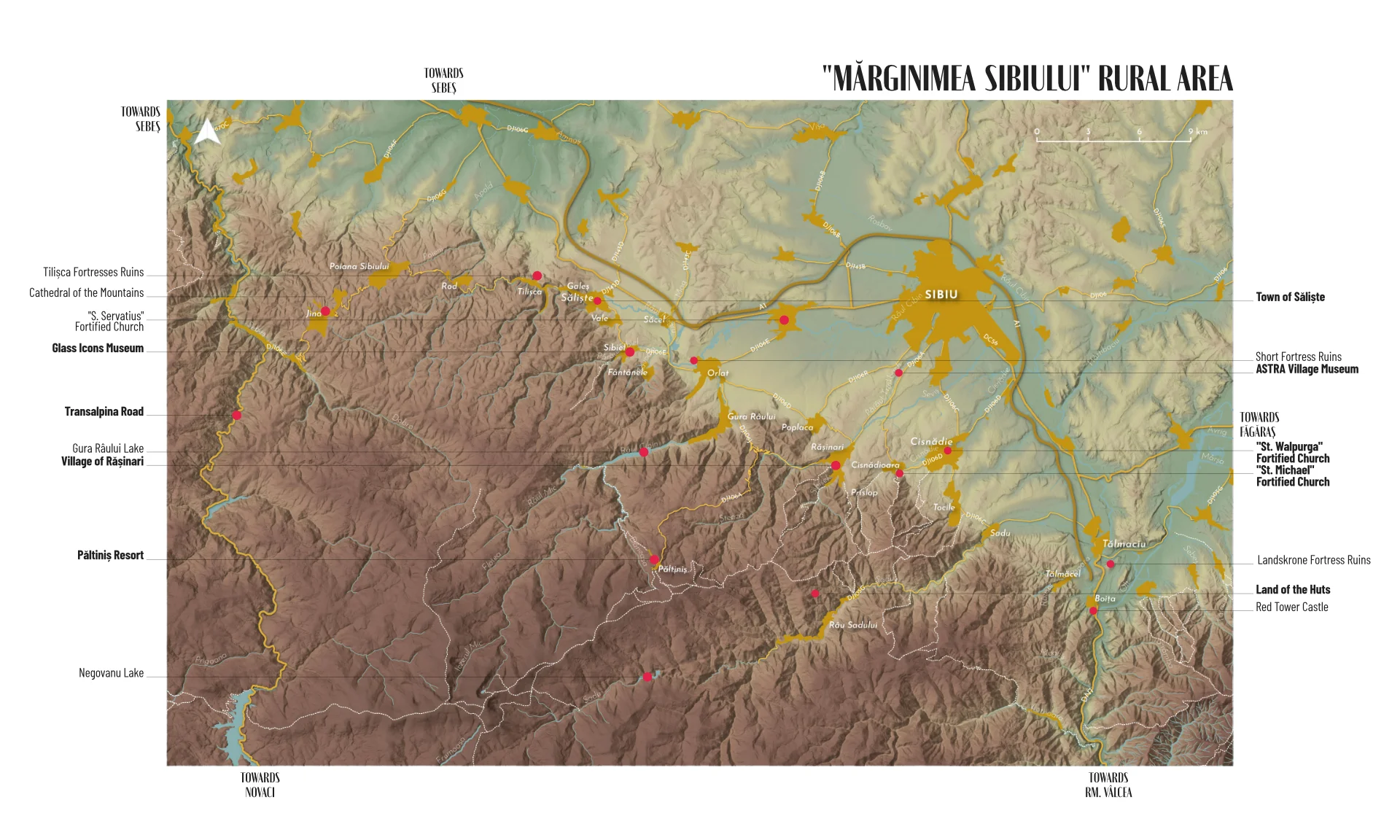
Tourist Map of Mărginimea Sibiului
Tourist Map of Mărginimea Sibiului Ⓒ Silviu-Florin Salomia

Accommodation Recommendations

The best lodging options in Mărginimea Sibiului Rural Area
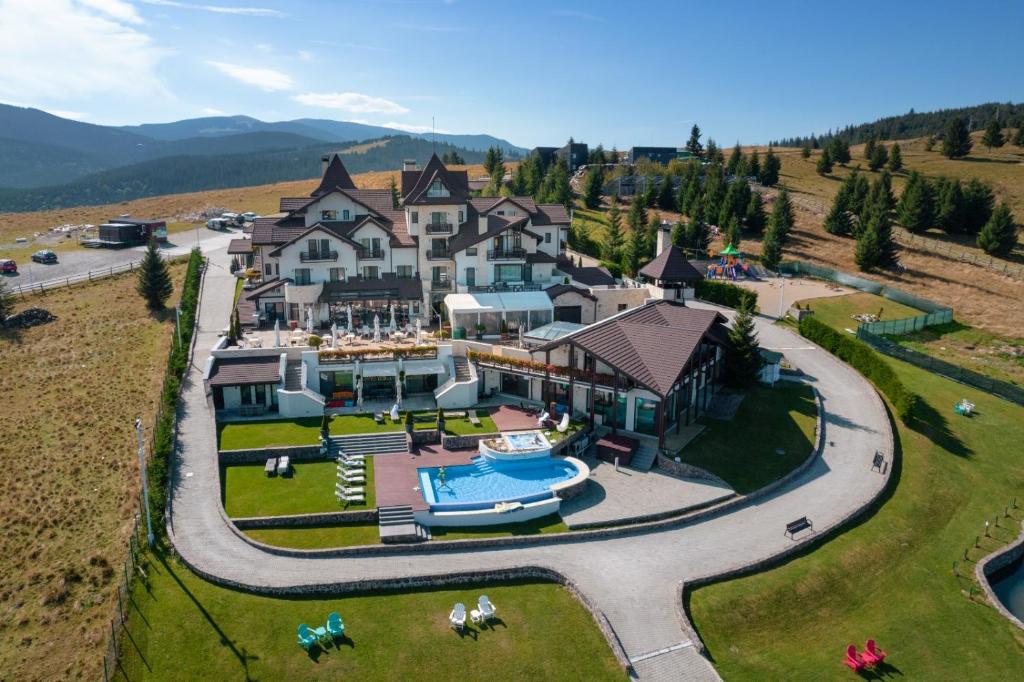
Recomandări Cazare în Mărginimea Sibiului - Castelnor Păltiniș

Rating 9.5 from 613 reviews!

A remarkable accommodation experience, this exceptional hotel complex is located in the Păltiniș resort and offers accommodation in superior rooms, a restaurant, an indoor and outdoor pool, a terrace and other activities!

DJ 106A, Păltiniș Resort

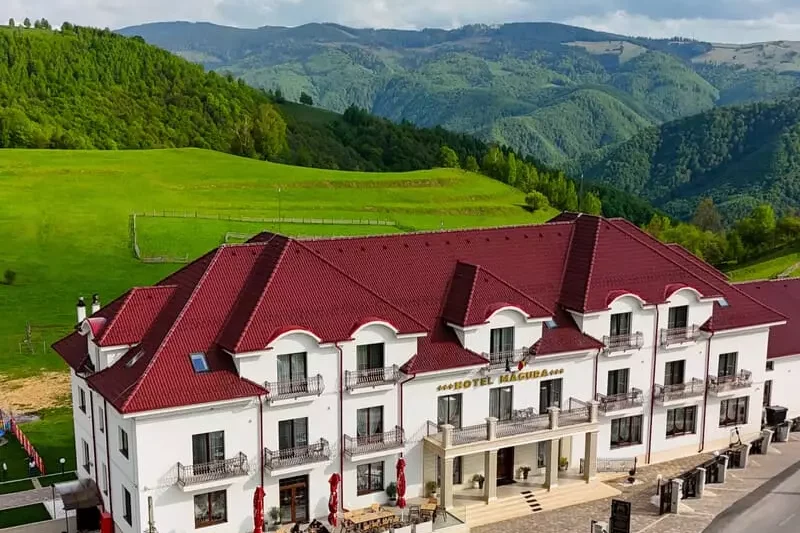
Recomandari Cazare in Marginimea Sibiului - Hotel Magura Jina

Rating 9.2 from 162 reviews!

Located at the end of the village of Jina, with unique views of the surrounding mountains, this welcoming hotel offers rooms with all amenities, a restaurant, bar, terrace and other activities!

Principală St., village of Jina

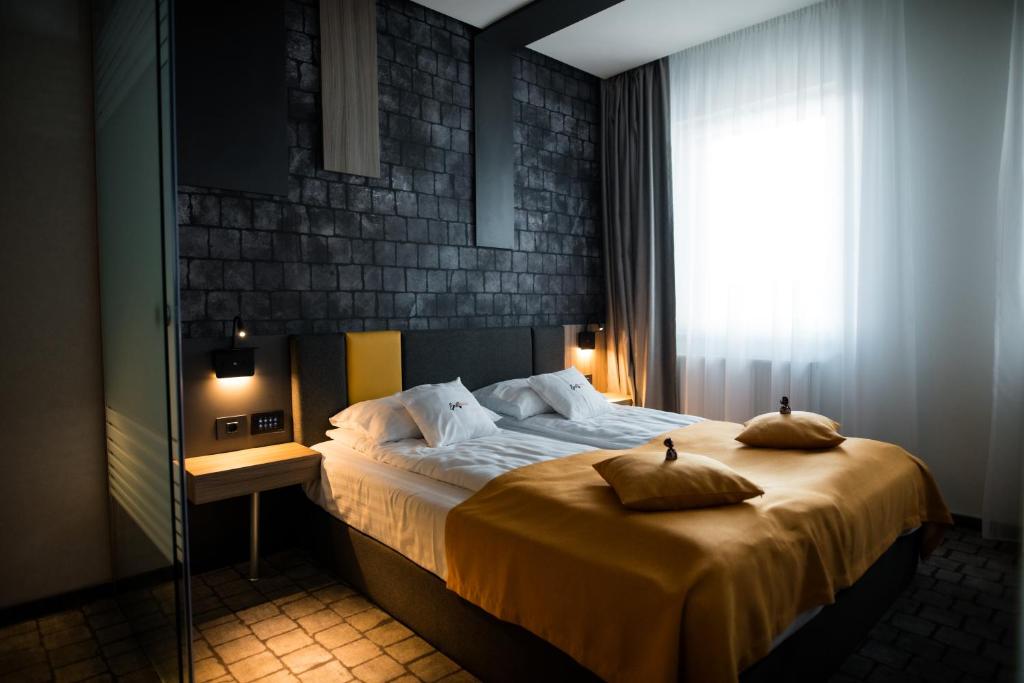
Recomandări Cazare în Mărginimea Sibiului - Hotel Epic Centrum Cisnădie

Rating 9.4 from 419 reviews!

Located in the town of Cisnădie, a few minutes from the fortified church, this modern hotel offers exceptional accommodation in rooms with sophisticated design and the option of breakfast!

Transilvaniei St., 1, town of Cisnădie

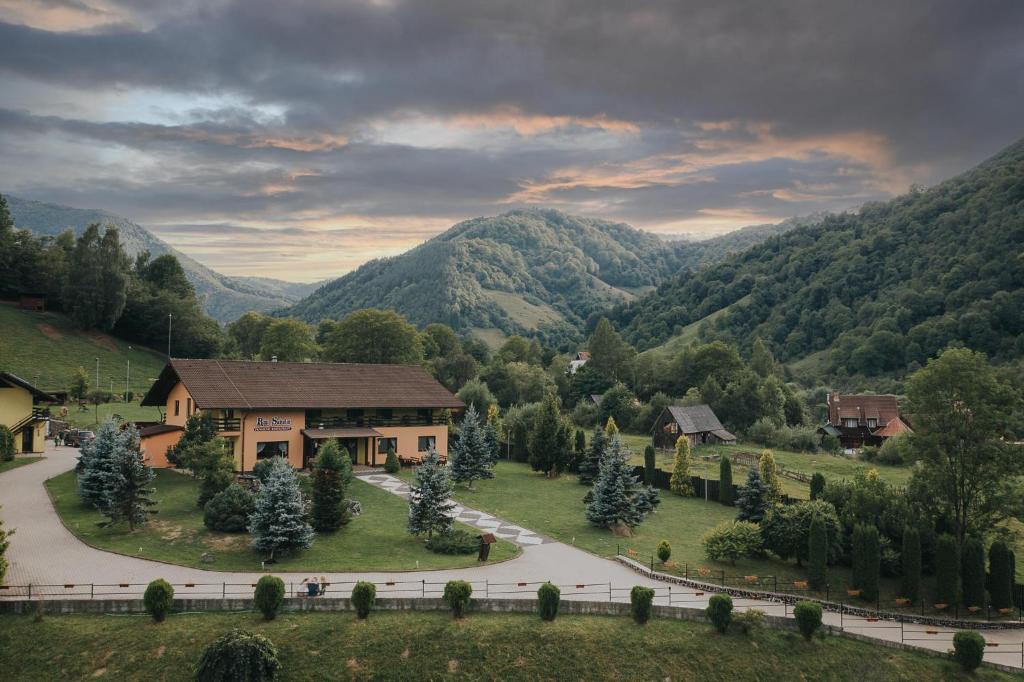
Recomandări Cazare în Mărginimea Sibiului - Pensiunea Râu Sadului

Rating 9.3 from 148 reviews!

Located in the Sadului Valley, in a spectacular natural setting, this guesthouse offers accommodation in welcoming rooms and a special atmosphere, with an appreciated restaurant and numerous leisure activities!

Morii St., 16, village of Râu Sadului

Recomandări Cazare în Mărginimea Sibiului - Pensiunea Bendorfeanu Rășinari

Rating 9.5 from 183 reviews!

The traditional guesthouse is located in the village of Rășinari, just a few kilometers from Sibiu, offering accommodation in cozy rooms, a shared lounge, a traditional breakfast option, a spacious garden and more!

Crucii St., 1611, village of Rășinari

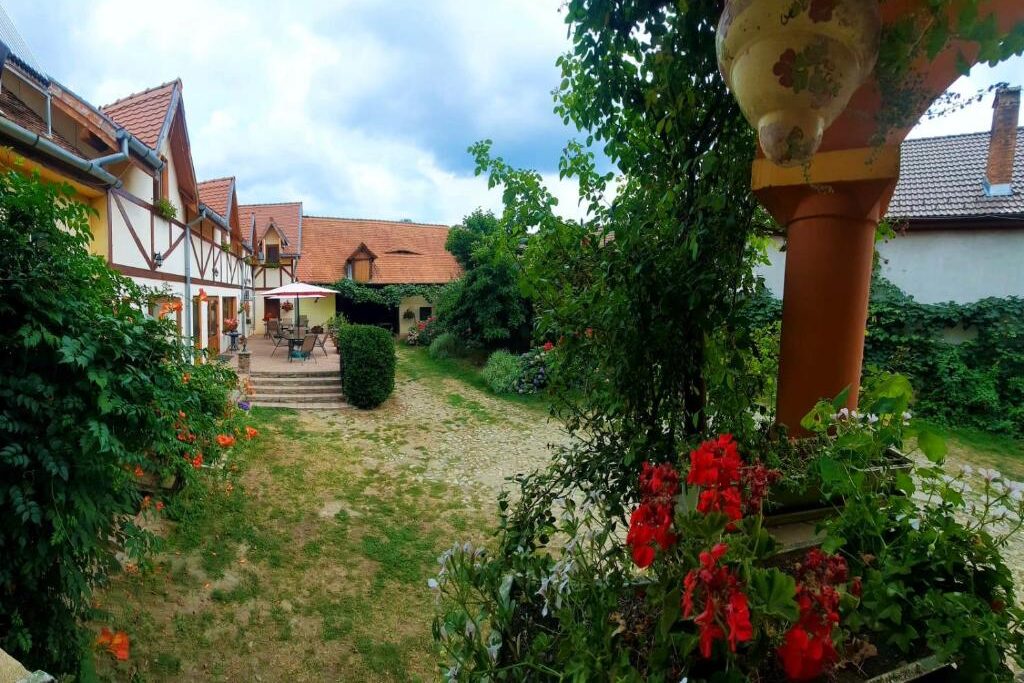
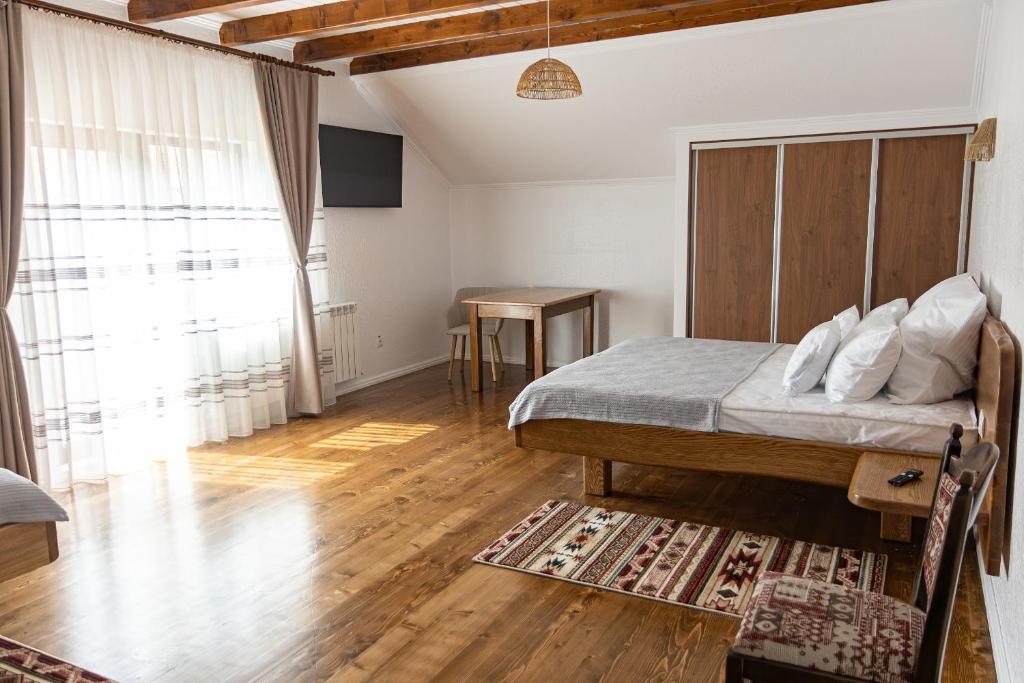
Recomandări Cazare în Mărginimea Sibiului - Cekan Family Guest House Gura Râului

Rating 10 from 23 reviews!

Located in a beautiful area of ​​Gura Râului village, this family-run guesthouse offers spacious rooms with superior amenities, a shared lounge, breakfast options and a playground!

Budului St., 14, village of Gura Râului

Previous Destination

Next Destination

26. Cozia National Park
Scroll to Top