26
COZIA
National Park
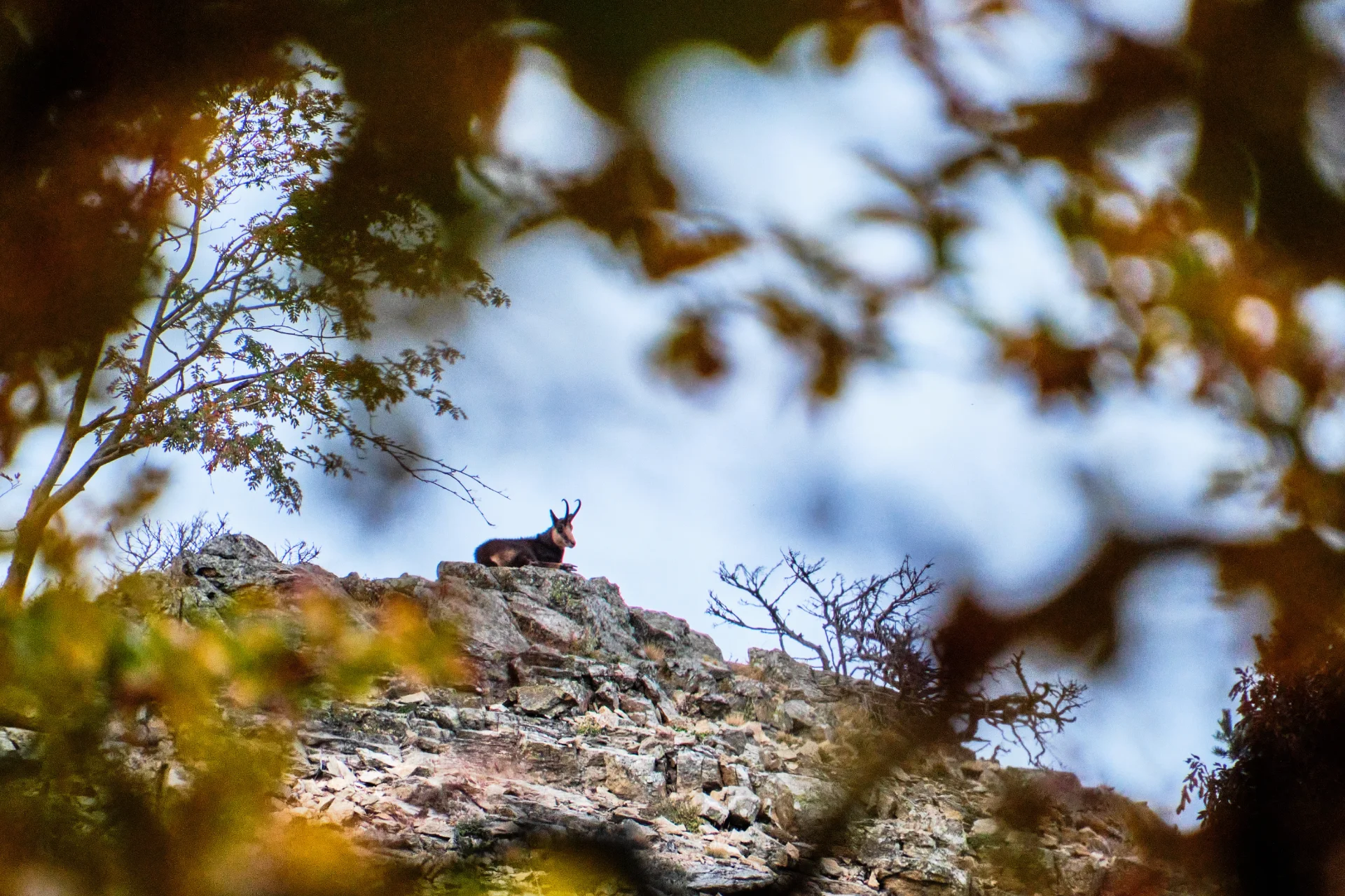
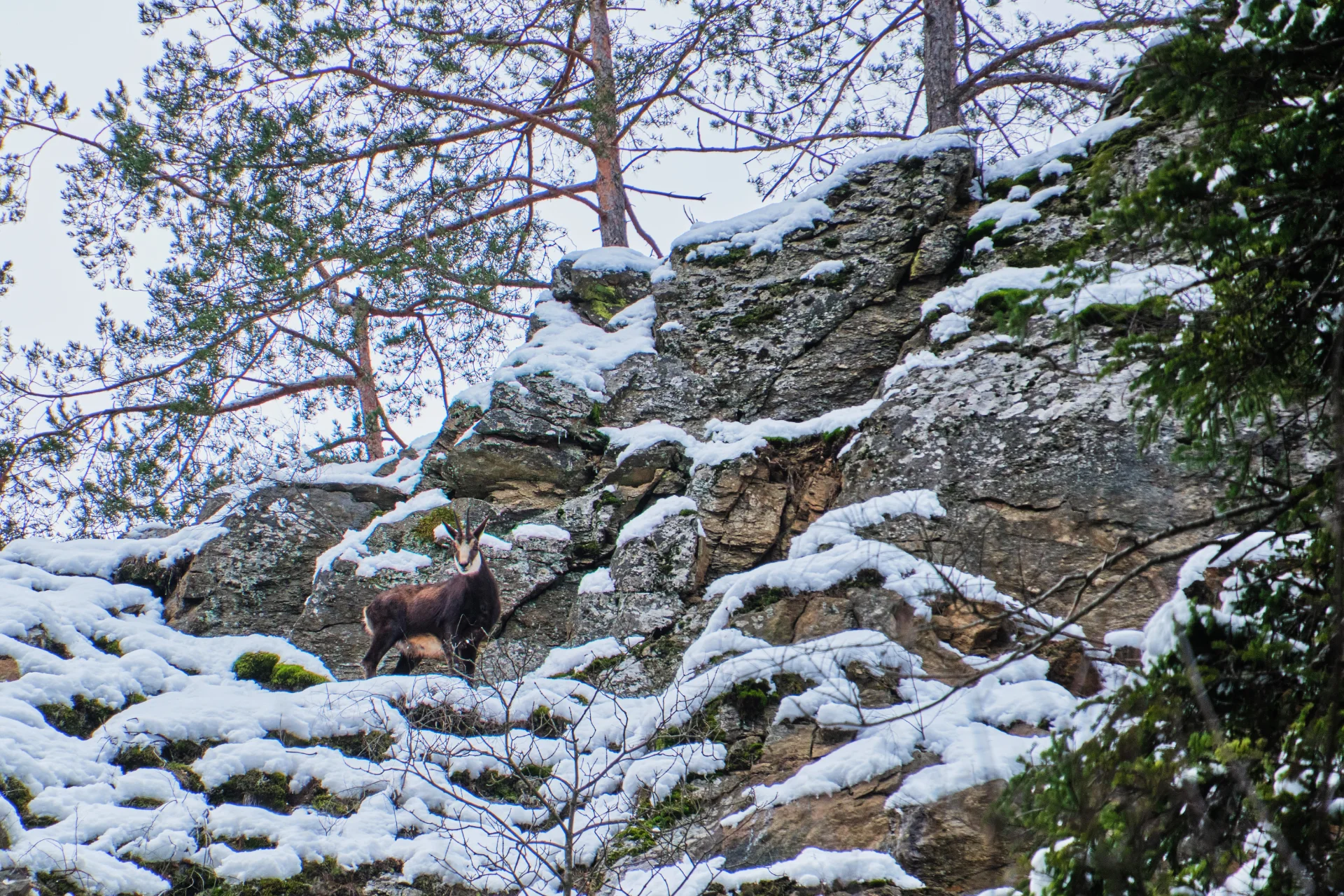
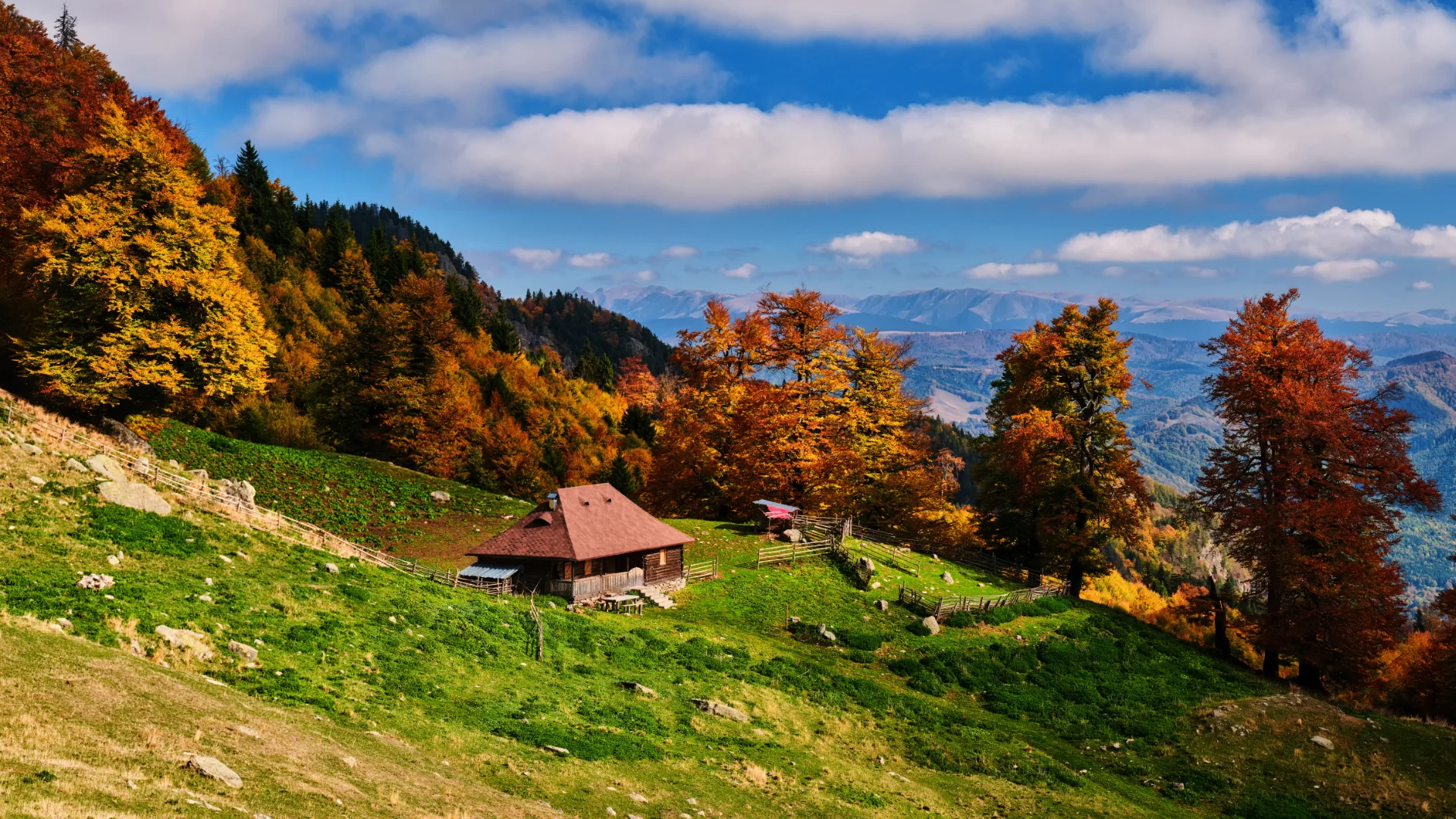
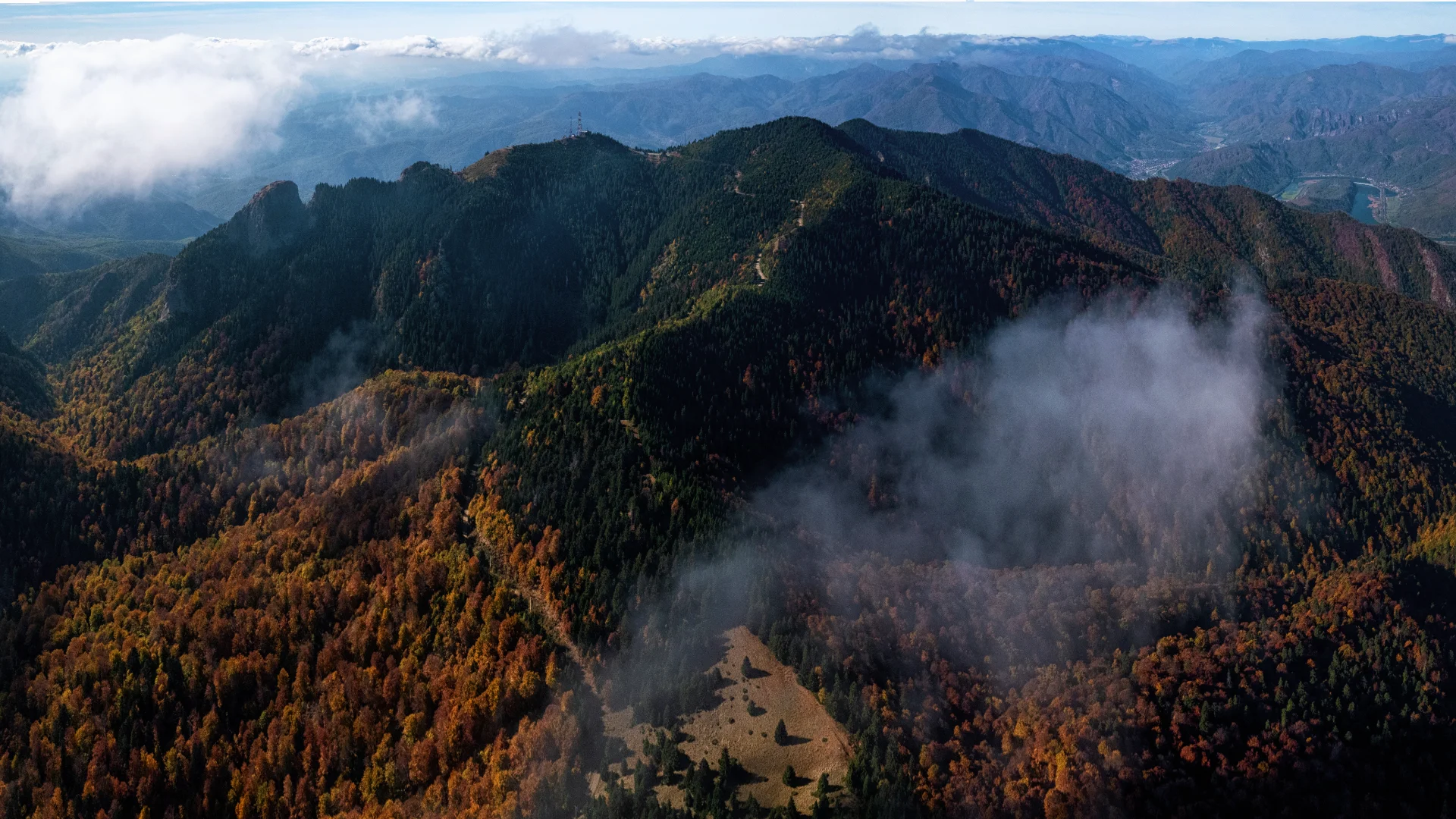
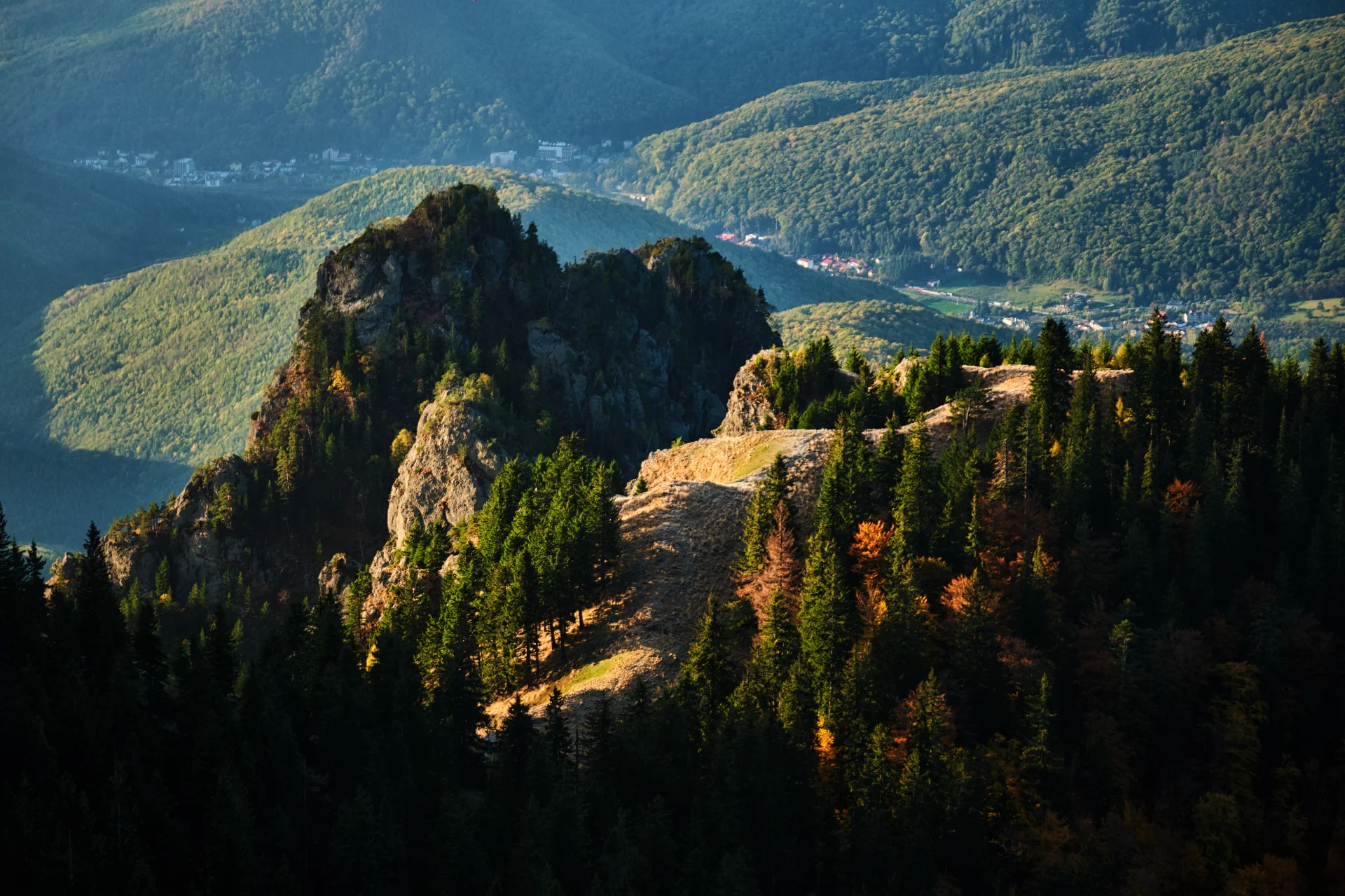
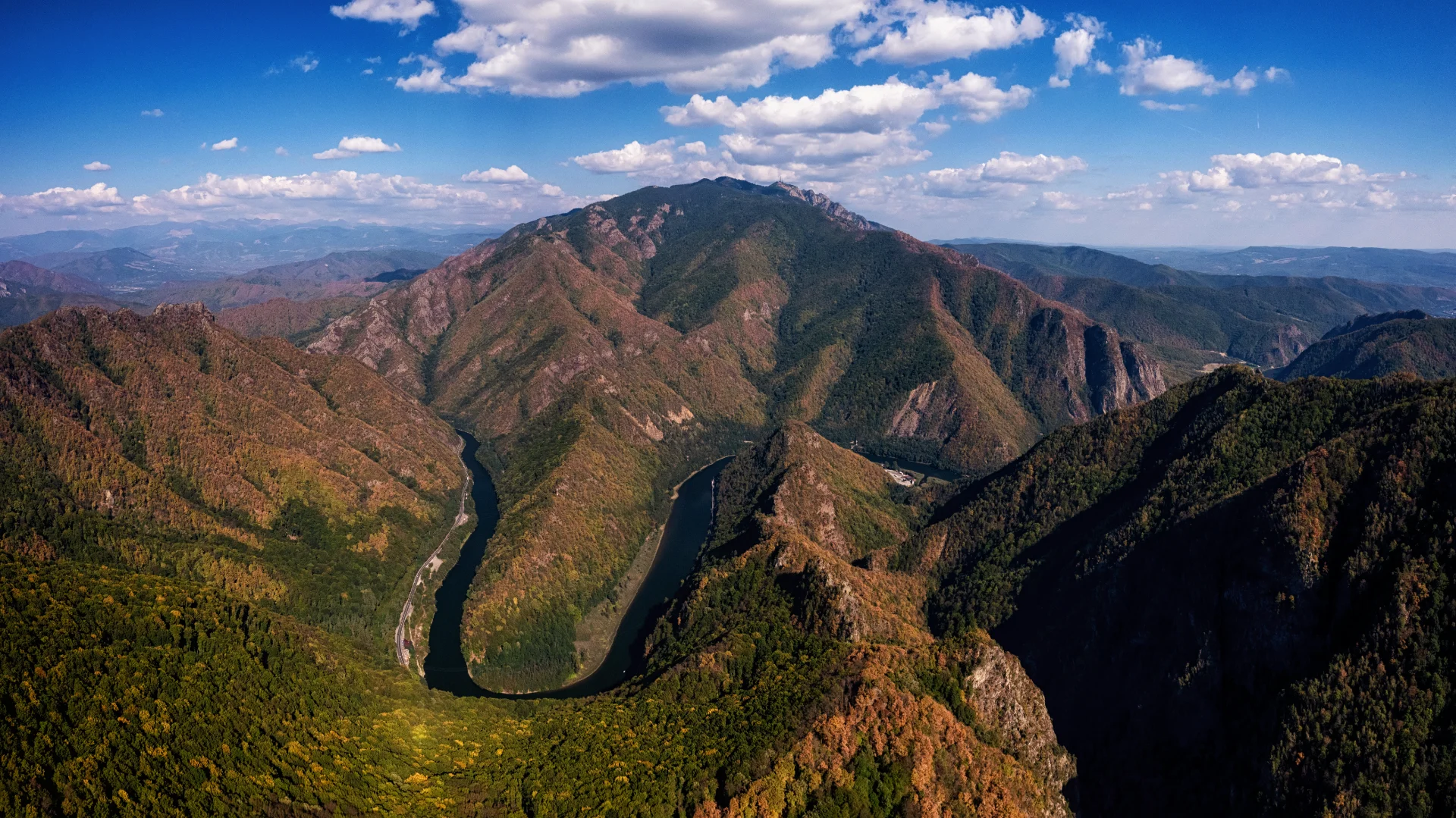
The daring chamois watch over their kingdom from the top of the bare peaks, surrounded by the boundlessness of the centuries-old forests that cover the peaks to the distances, where the silver ribbon of the Olt River pierces the rocks of the Carpathians and creates a realm of primordial beauty!
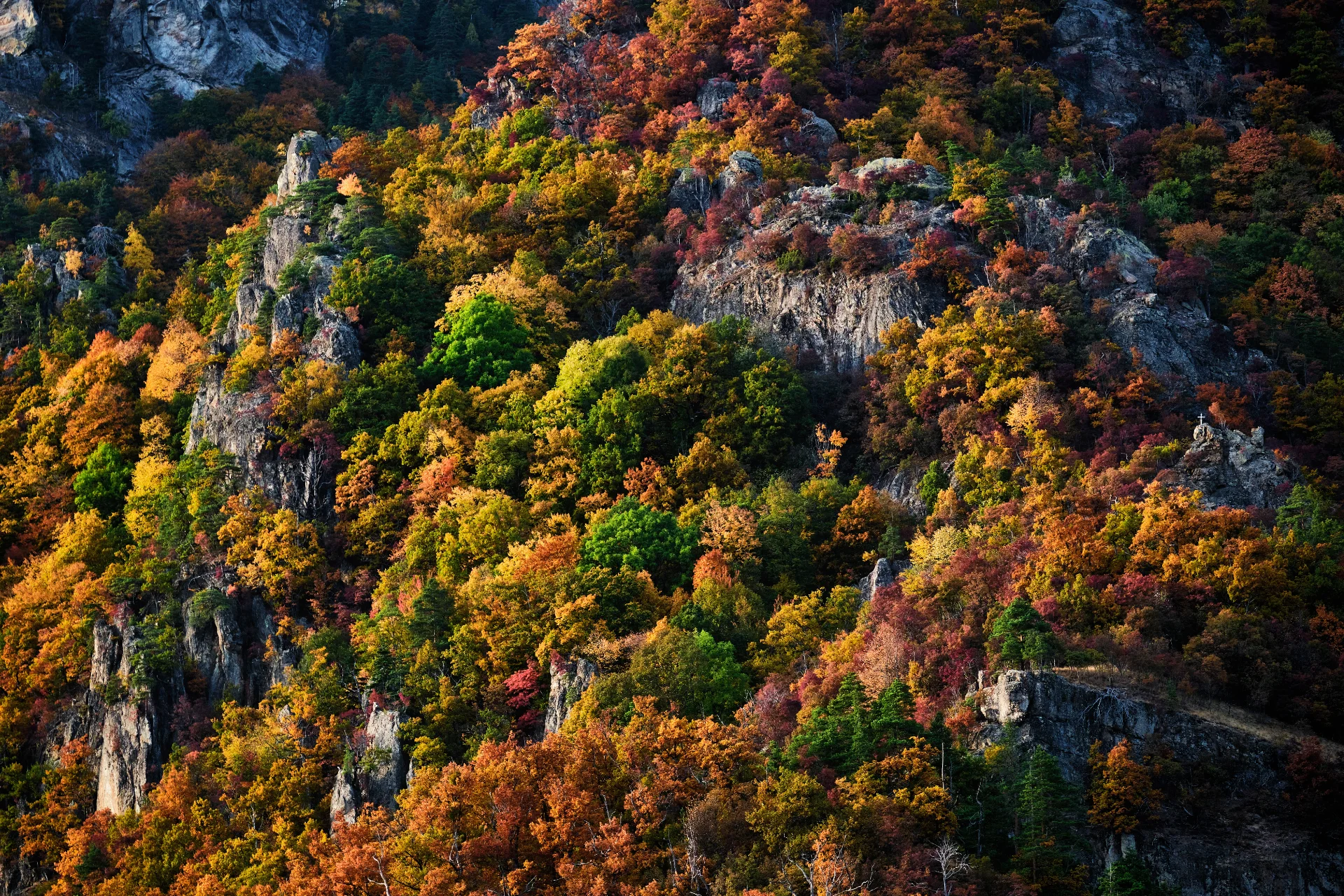
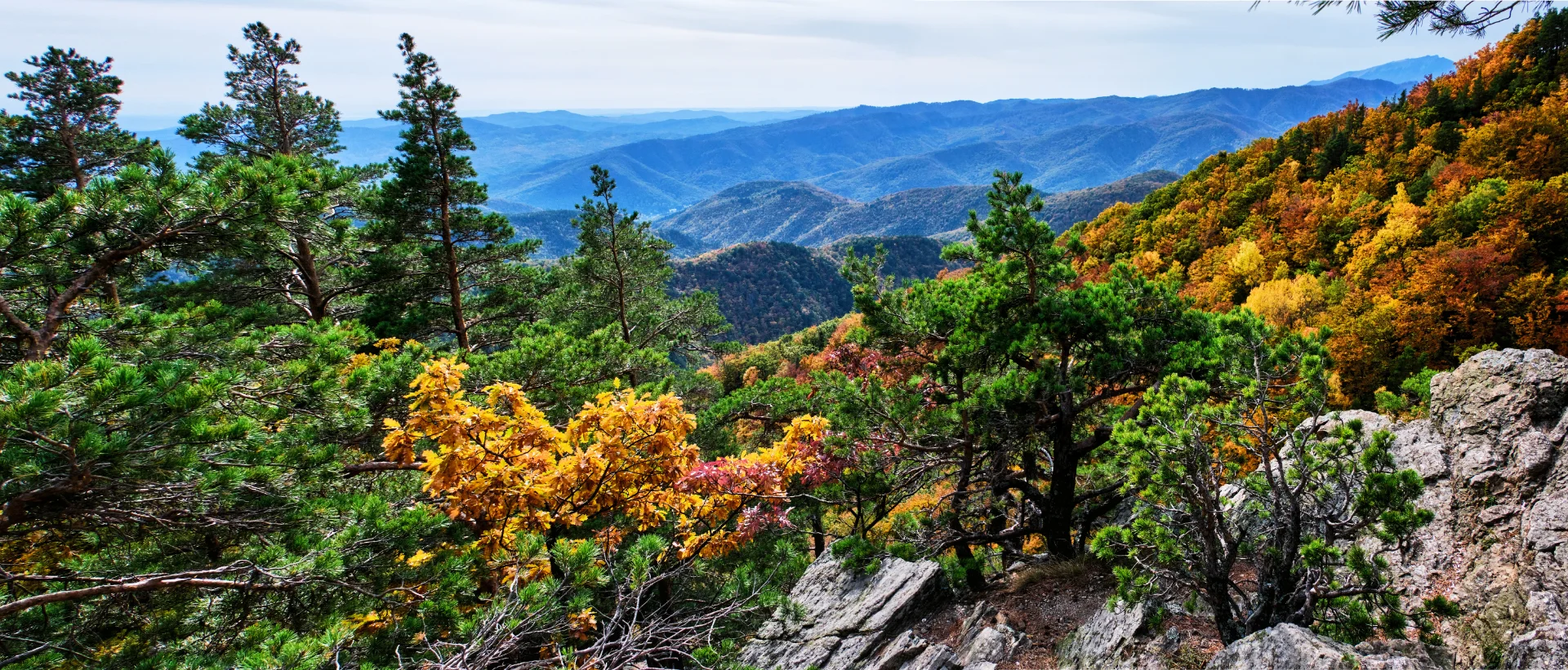
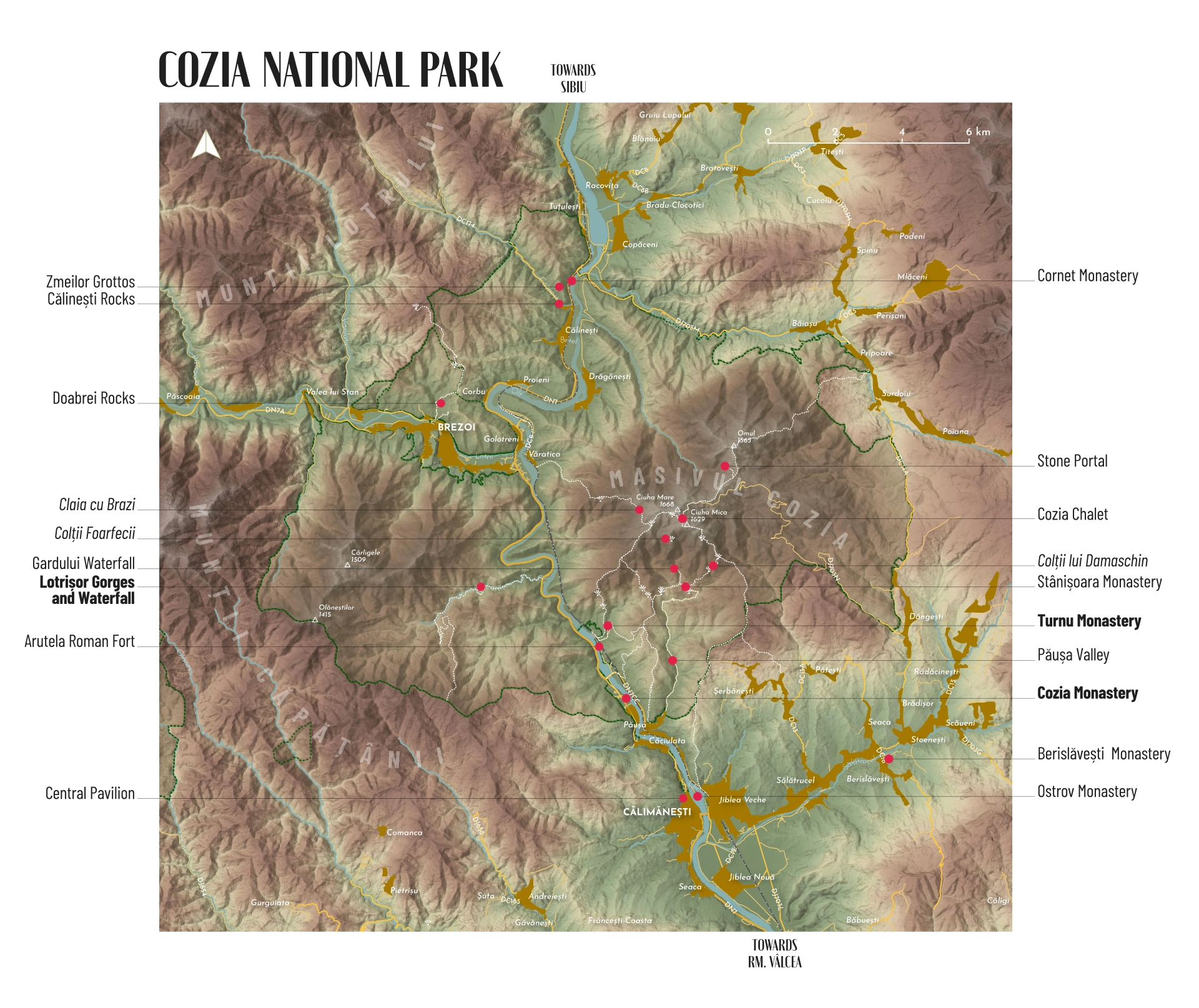
Following the Olt River’s meanders through the mountain ridges towards the south, we are surrounded by enchanting wild landscapes, interrupted from time to time by a few villages huddled along the narrow valley. We soon leave behind the memory of the sharp ridges of the Făgăraș and prepare to encounter another mountain paradise, a land of deep forests and monasteries hidden among the rocks. We wander at will along the charming paths of Cozia and are rewarded with deep emotions and breathtaking views, discovering a place where the prayers in the valley seem to echo to the surrounding heights. All these wonders are protected within a national park that includes both the Cozia Massif on the left bank of the Olt River, but also several ridges in the Lotrului and Căpățânii mountains, located on the other side of the river.
With a total area of approximately 170 square kilometers, Cozia National Park is among the most fascinating, but relatively little-known natural destinations in Romania. It encompasses a very wide diversity of landscapes and habitats, including forests, meadows, hayfields, limestone ridges, steep slopes, gorges or waterfalls, among others. The park is also characterized by an extraordinary biodiversity, comprising over 900 plant species, of which 6 are endemic, as well as a rich fauna, with 120 bird species, 30 fish species, an impressive number of invertebrate species and most of the large mammals in Romania (bear, wolf, lynx, fox, deer, roe deer, chamois and others).
Search for Flights to Romania with Booking.com!
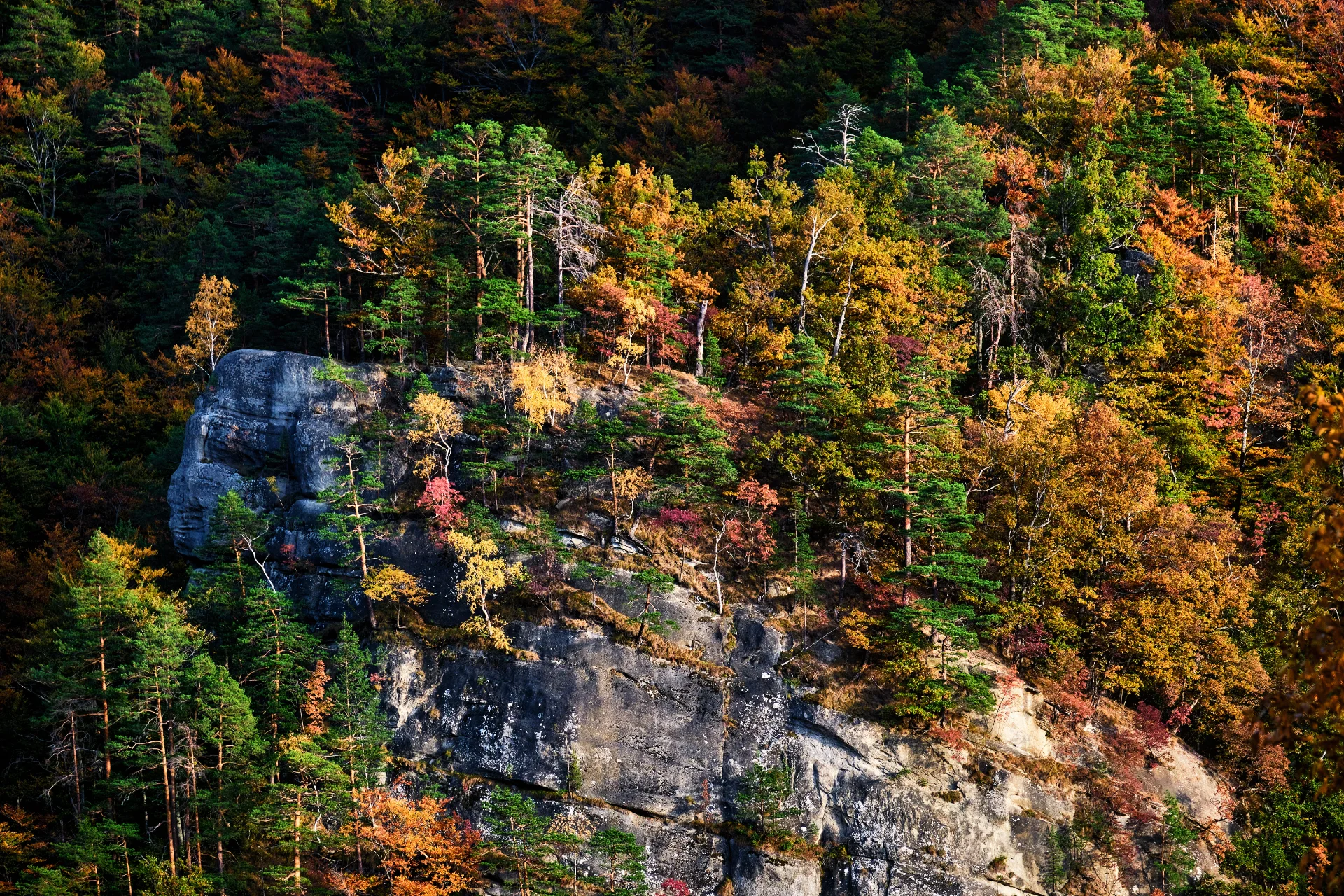
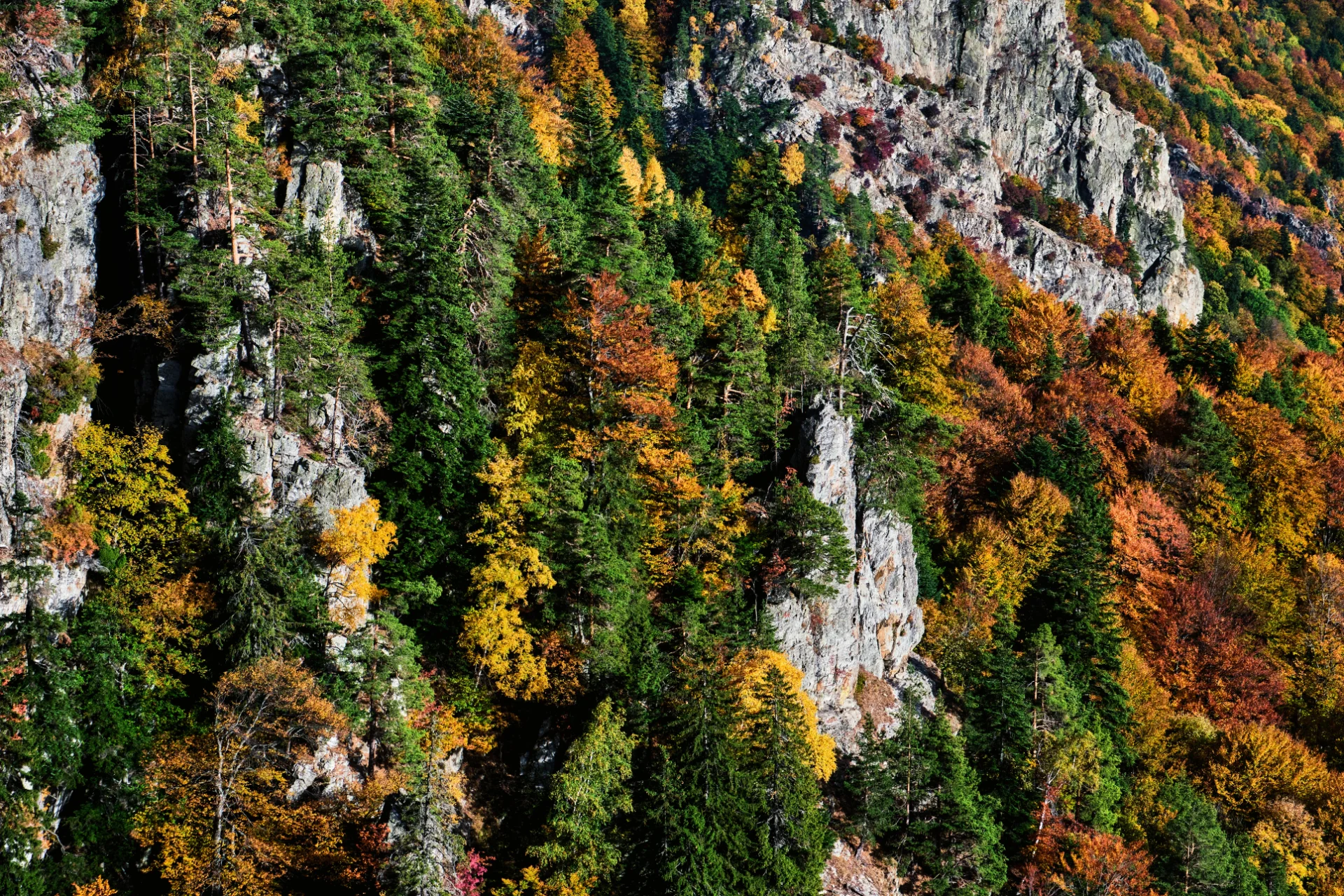
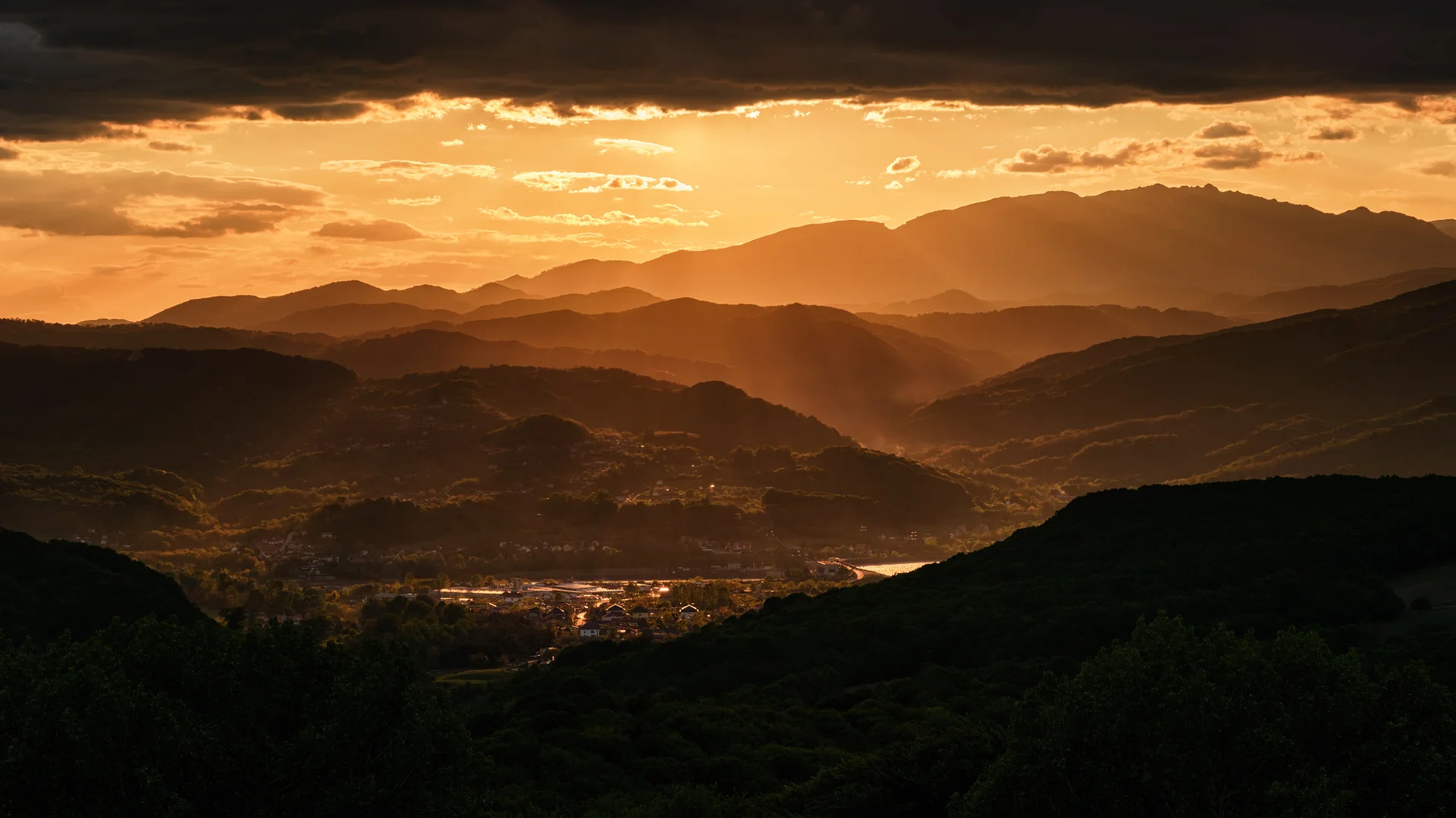
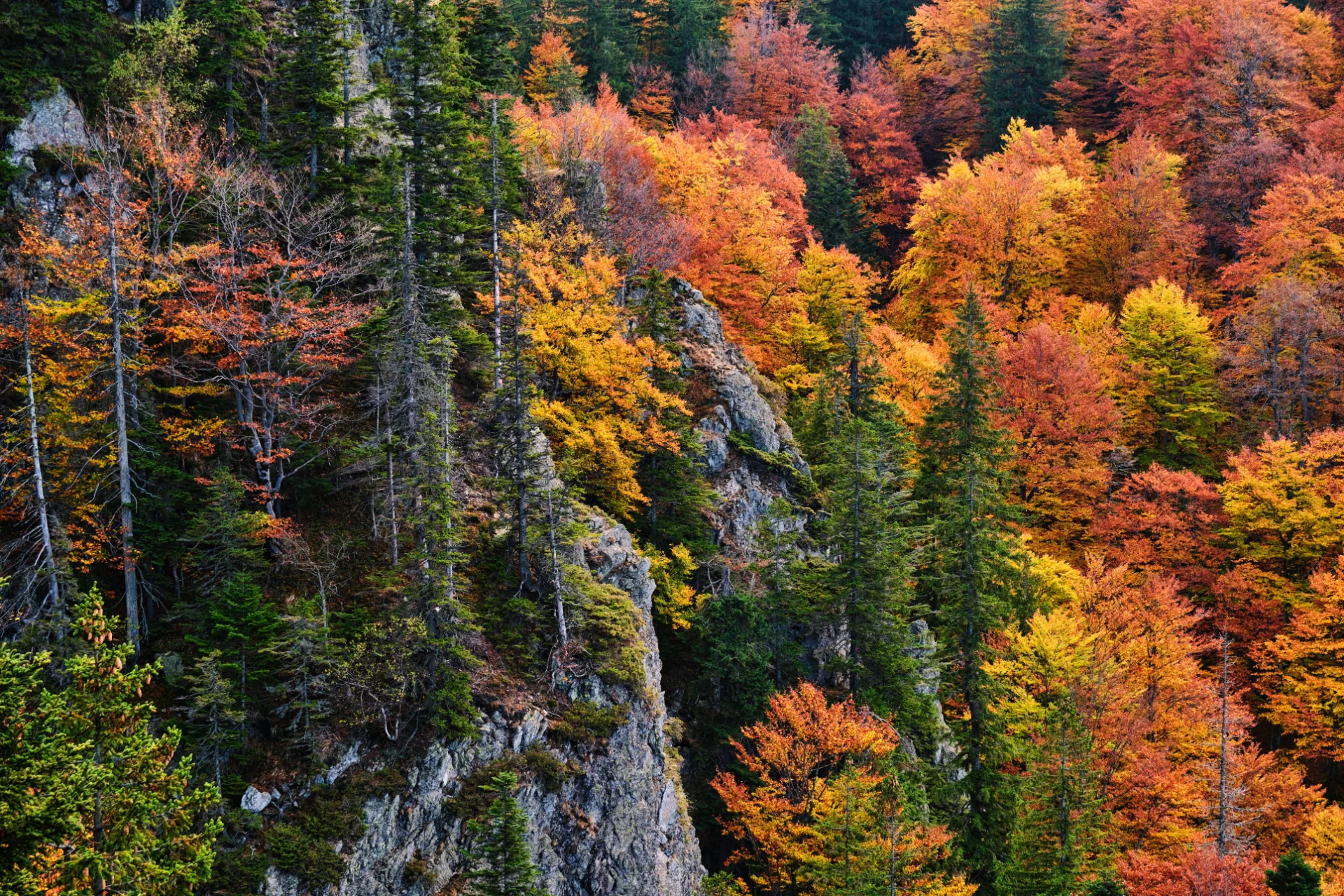
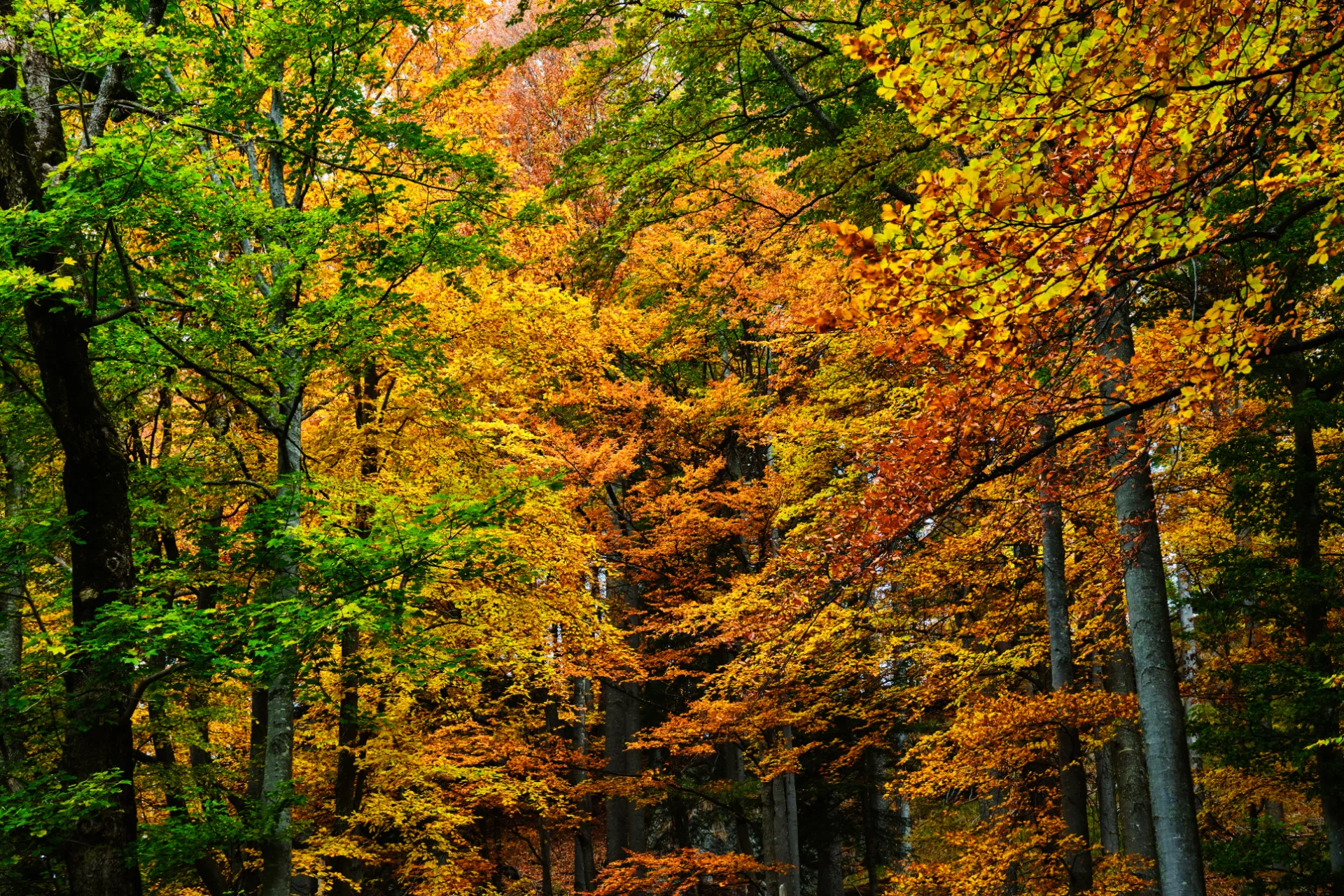
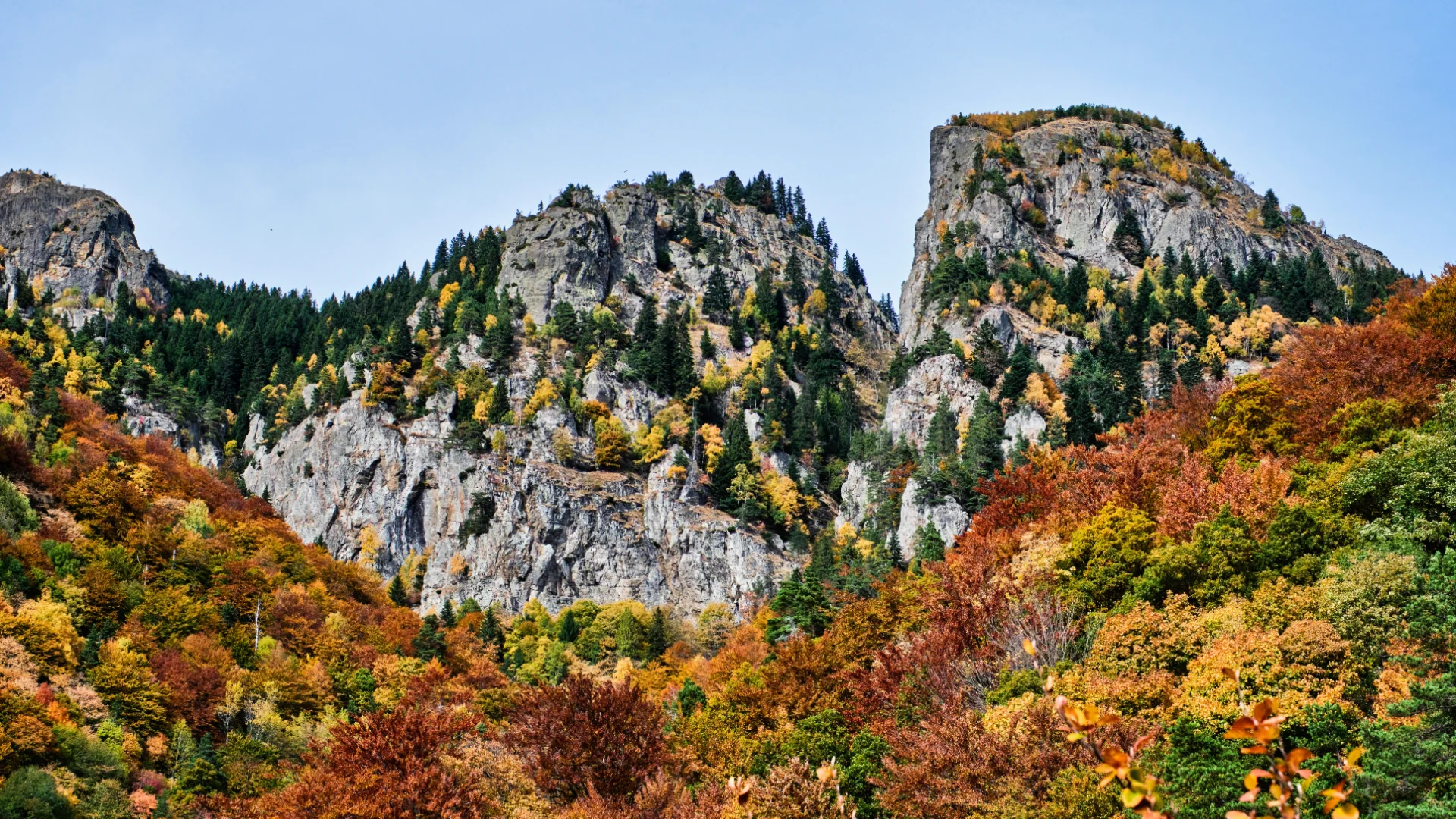
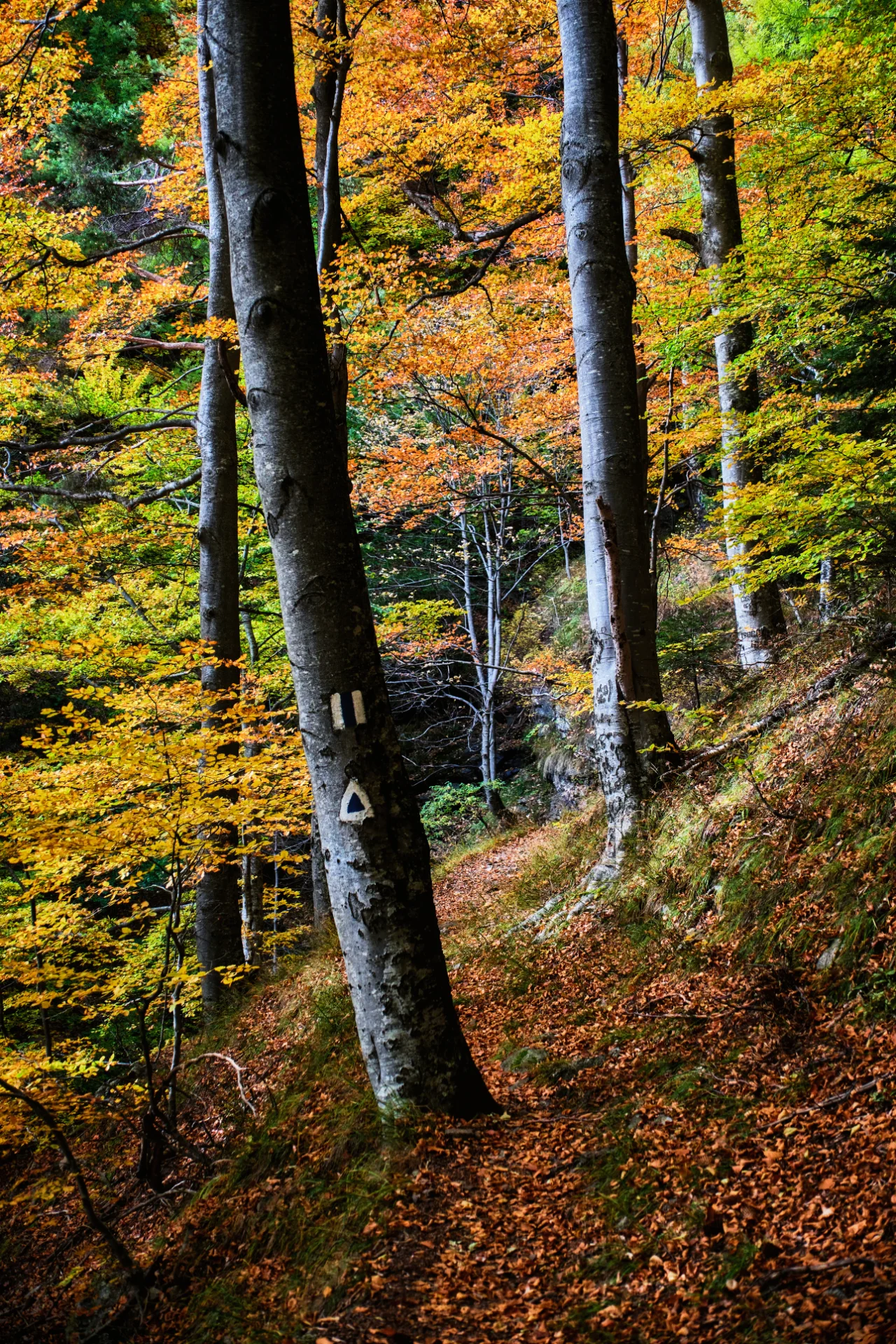
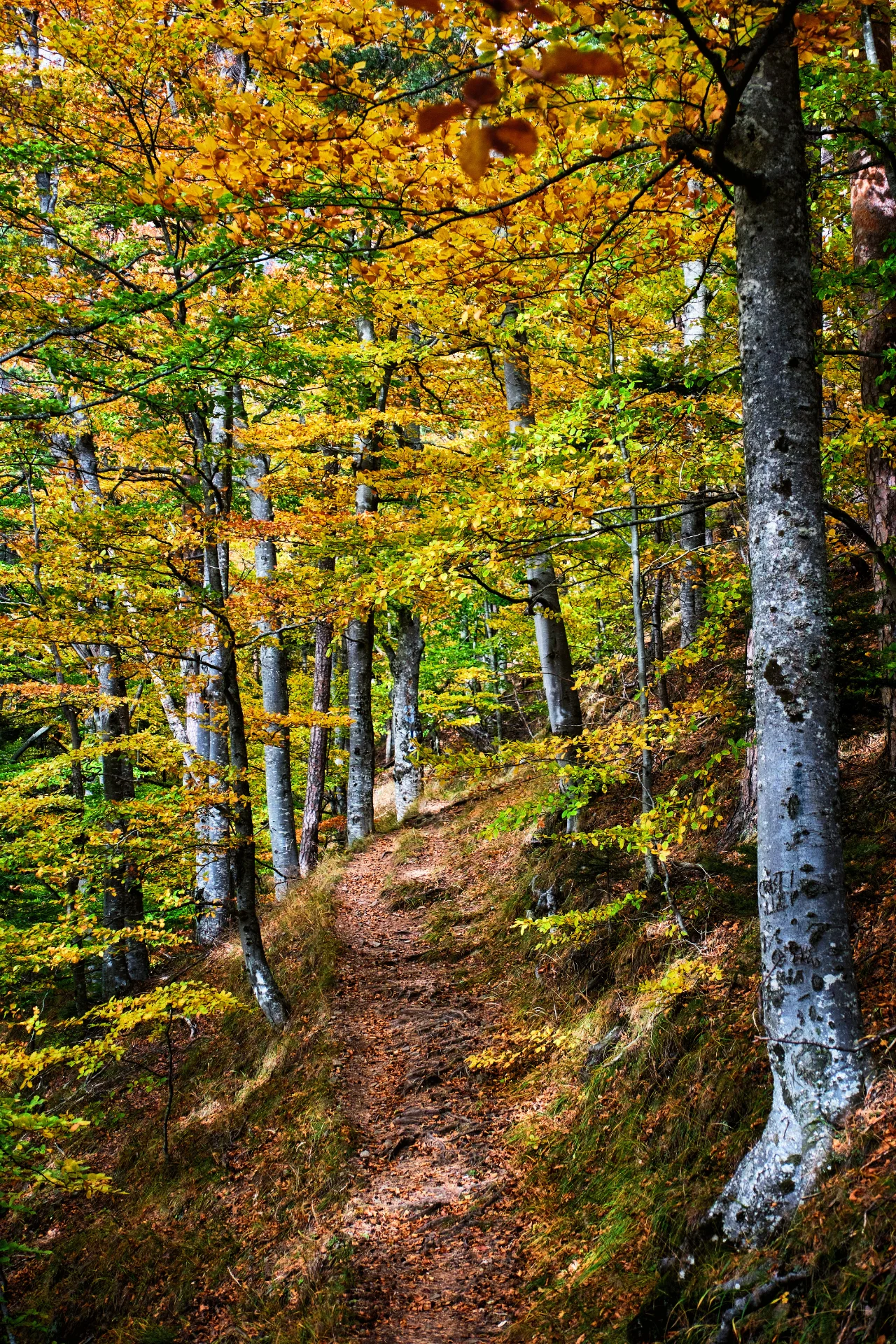
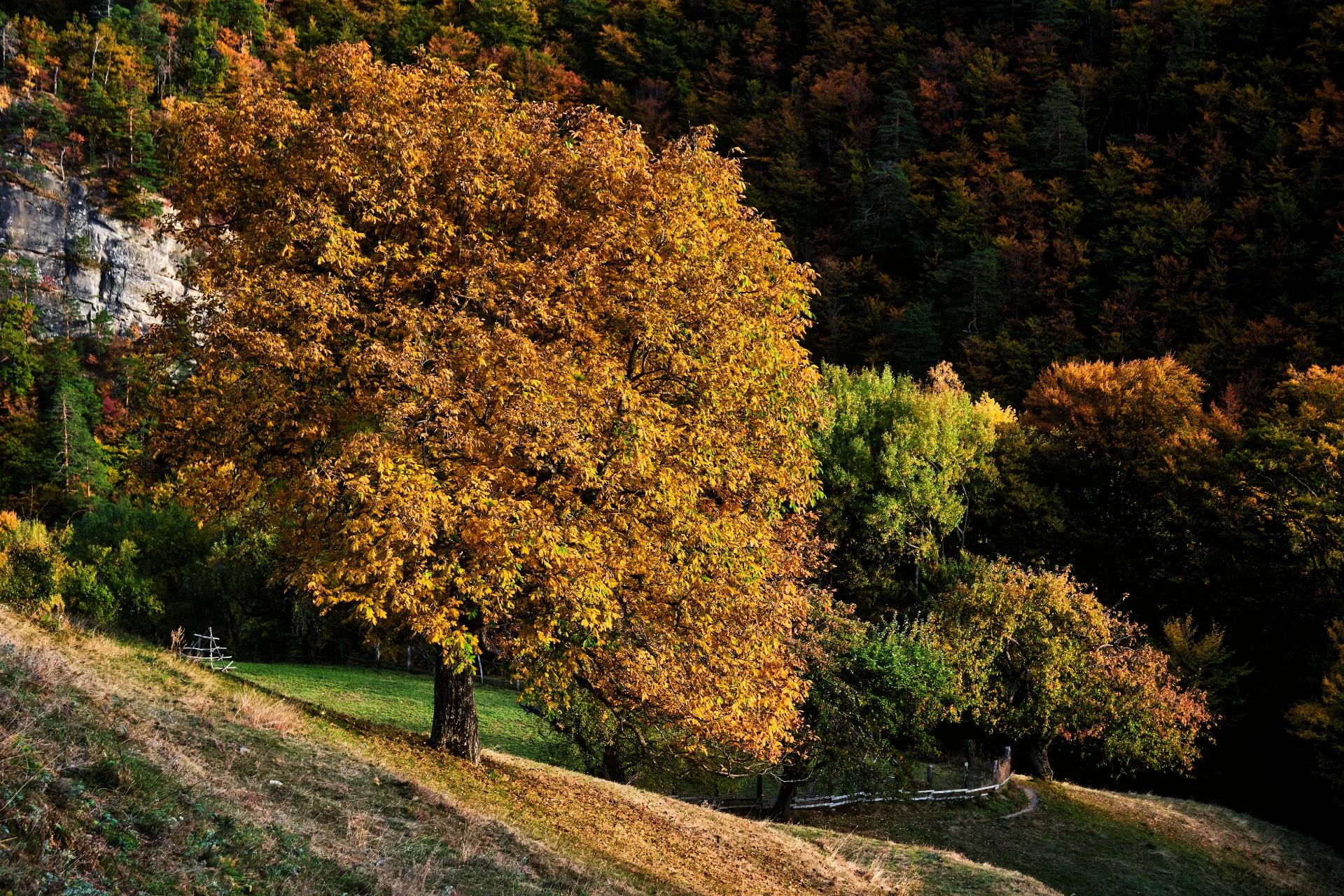
The vast majority of the protected natural area is covered by forests, with large areas of virgin and quasi-virgin beech forests. The Cozia – Lotrișor Valley Secular Forest, which totals almost 3,400 hectares, is included in the UNESCO site “Virgin Beech Forests of the Carpathians and Other Regions of Europe”. Another interesting area is the Călinești – Brezoi Forest, located in the Lotrului Mountains, north of the town of Brezoi, with approximately 200 hectares included in a geological, floristic and landscape reserve. We can enter the national park on national road 7 (E81), which follows the Olt Valley between Sibiu and Râmnicu Vâlcea, and several other local roads starting from the villages surrounding the Cozia massif. Resembling fortresses with walls and stone towers rising from place to place above the forests, the mountains here are less explored by travelers, with only a few more popular hiking trails.
We start our exploration from the Cozia Massif, and most of the paths take us to the Cozia Peak (or Ciuha Mare – 1667 meters), the highest in this massif. Although there is also a forest road that starts from the village of Dângești and reaches the Cozia Cabin near the peak, to discover the true beauty of these places, we dare to climb the steep slopes. A shorter route starts from the Stânișoara Monastery, which can bereached on a local road from the village of Păușa or on another more difficult path over the ridge. The first religious settlement in this place was a wooden hermitage built in 1671 by hermits who came from the Cozia Monastery. The first church was destroyed by the Turks during the War of Independence, and it was rebuilt starting in 1807.
The new church was built between 1903 and 1909 by an Italian architect, being a massive but harmonious stone structure. From the monastery, we can climb a short route to admire the Gardului Waterfall, a superb marvel of approximately 18 meters, formed between two steep cliffs. Another route continues east and then north, passing by several interesting rock formations such as Colții lui Damaschin, Piatra Bulzului or Colții Foarfecii. We can also enter this route from the west, near Arutela roman fort, through the La Nucețel Clearing or from the Turnu Monastery. Also from this monastery we can follow another quite demanding route that climbs to the Cozia peak on Turneanu Ridge, along which we have the opportunity to admire Pietrele Roșiei, Colții Foarfecii or Pietrele Vamvurii.
Search for Lodging in Cozia National Park on Booking.com!
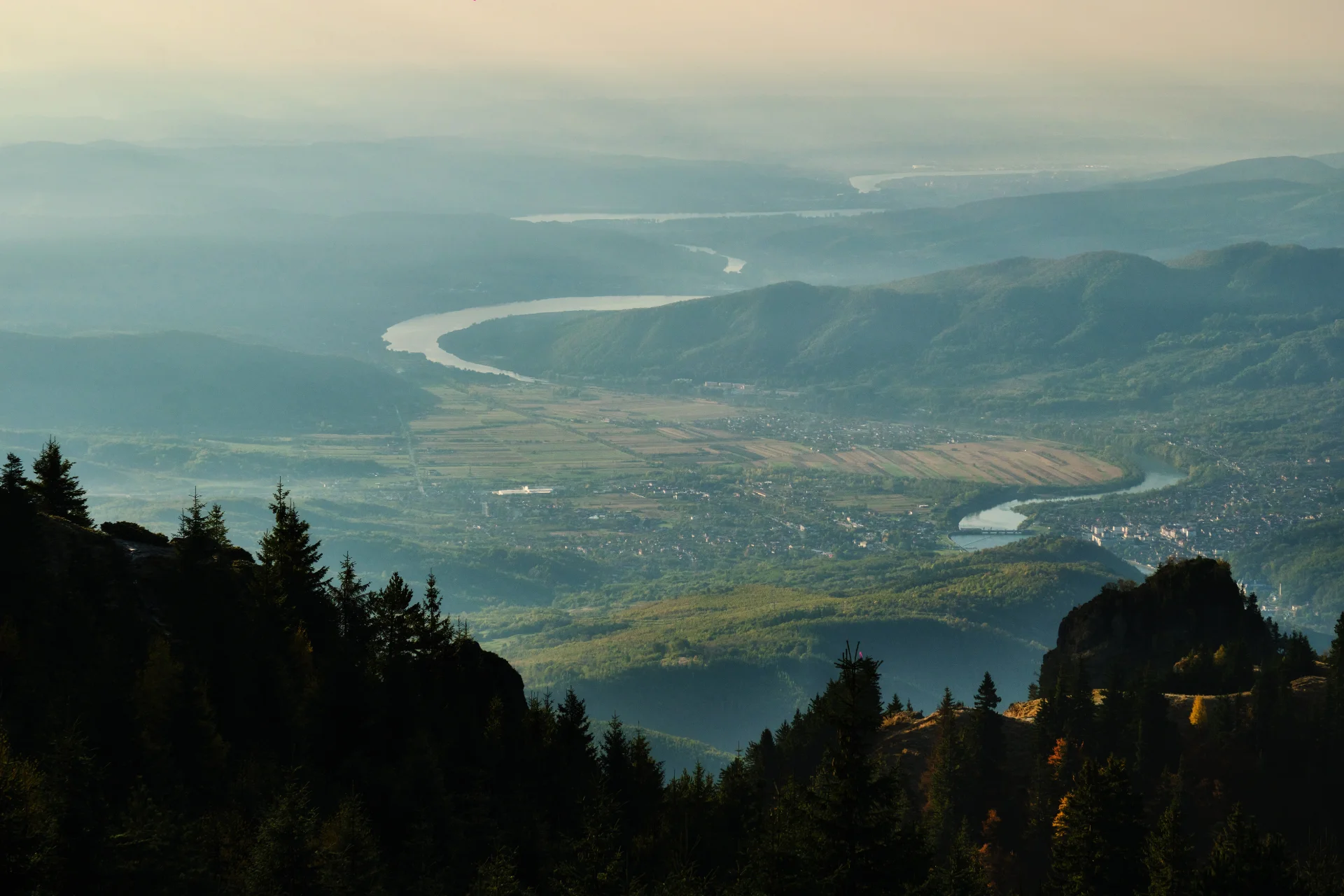
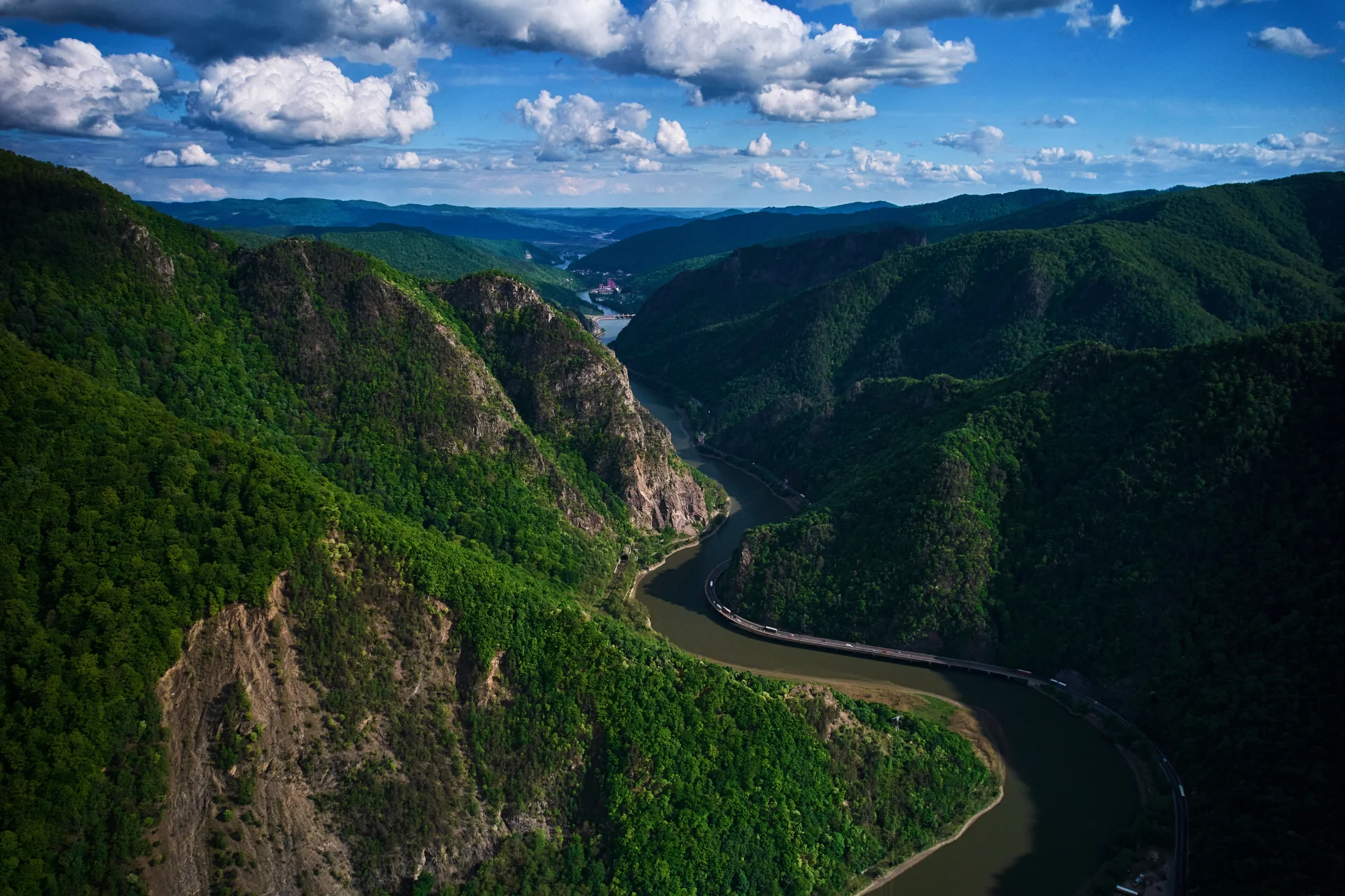
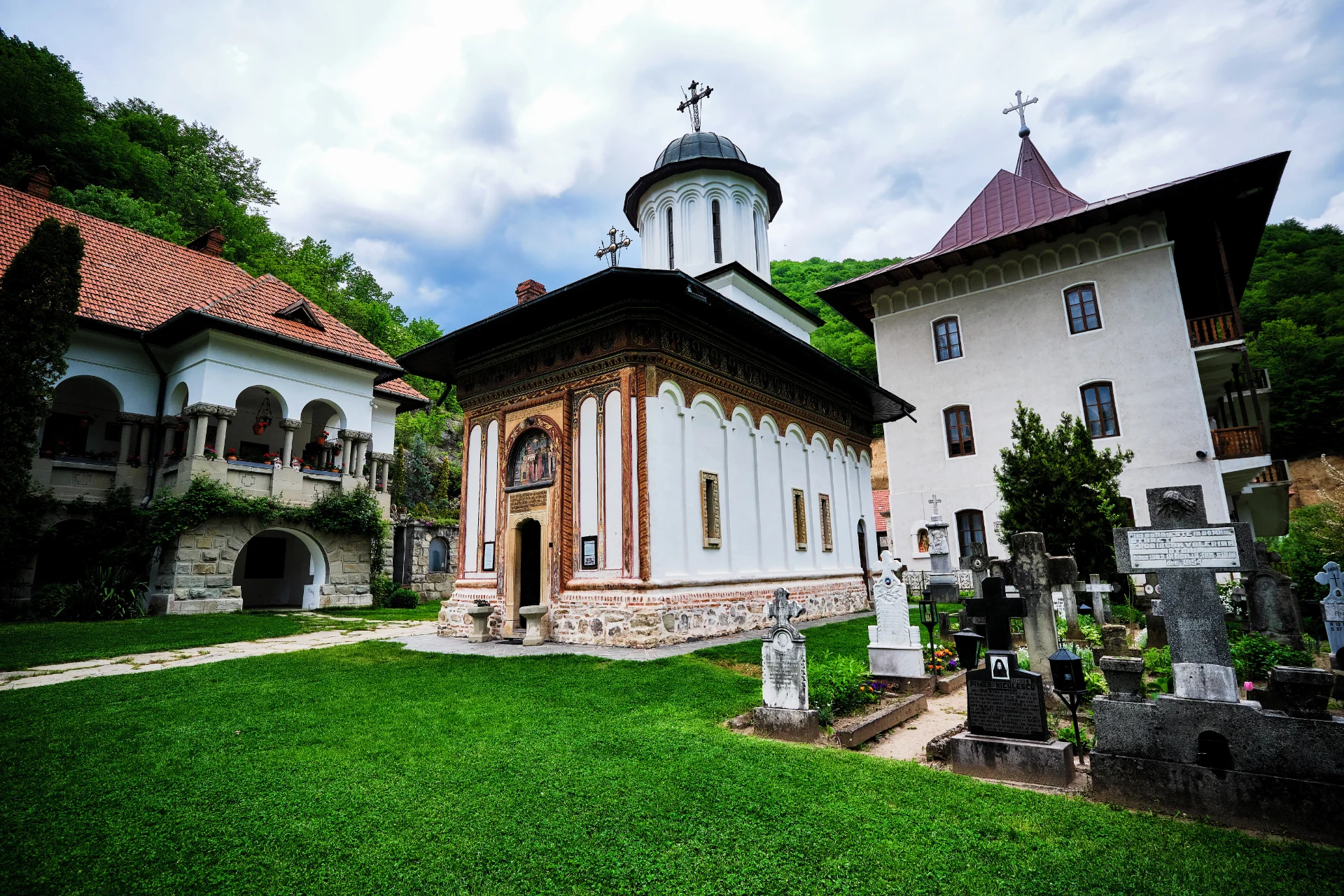
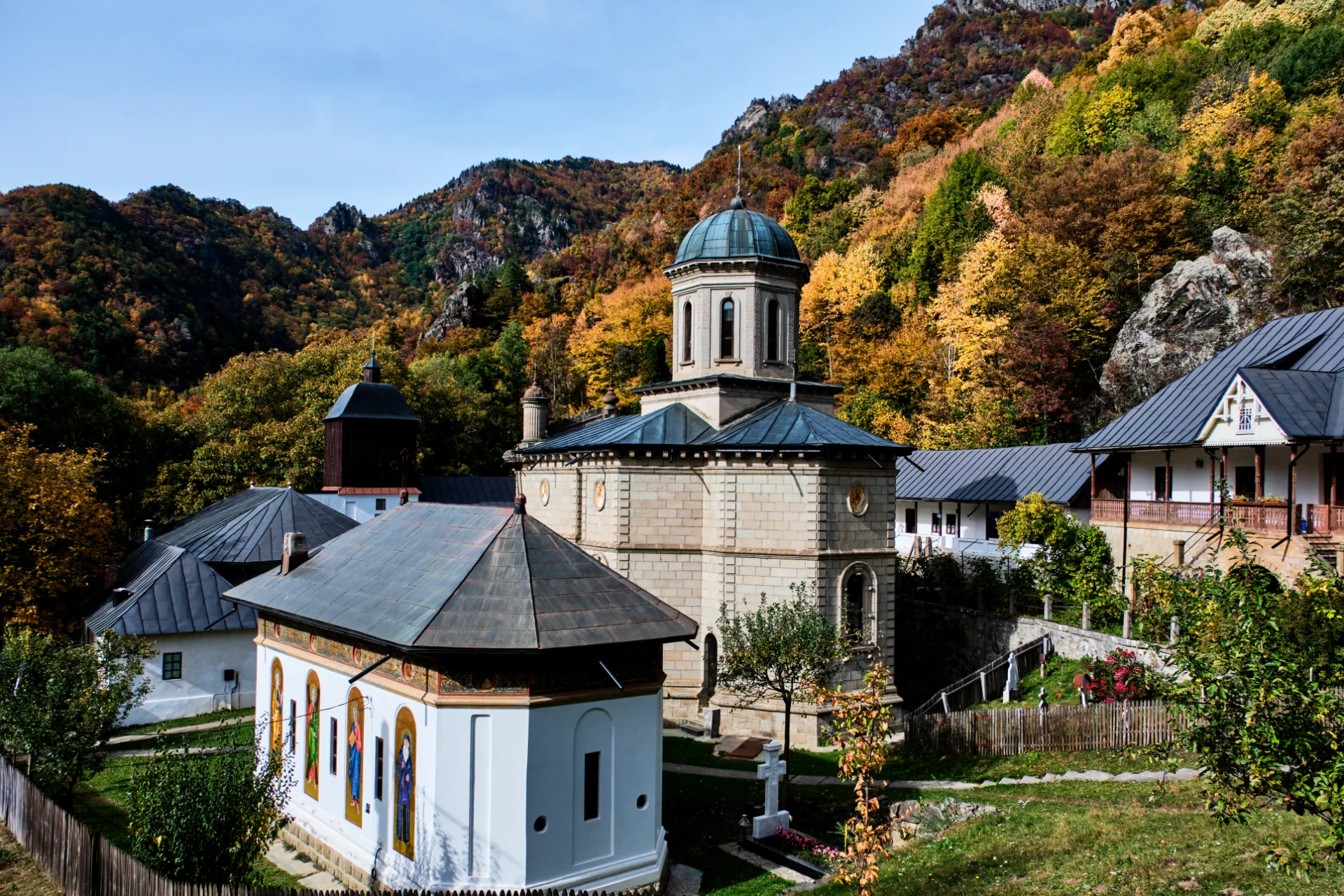
Turnu Monastery is the continuation of a settlement founded by hermits many centuries ago, consisting of wooden huts and shelters dug into the rock. Its name comes from a tower built by the Romans on a nearby peak, close to the ruins of the Roman camp Arutela, whose restored walls can be admired near the bridge over the Olt. The old church of the monastery was built in 1676, after the model of the one in Cozia, being damaged by a fire in 1932, along with many of the other buildings. The new church is larger and was built between 1897 and 1901 by the bishop of Argeș, Gherasim Timuș, who also built other structures within the complex. Visiting the monastery, we can admire the architecture and interesting paintings of the churches, the rock shelters used in the past by monks, but also the enchanting natural setting around.
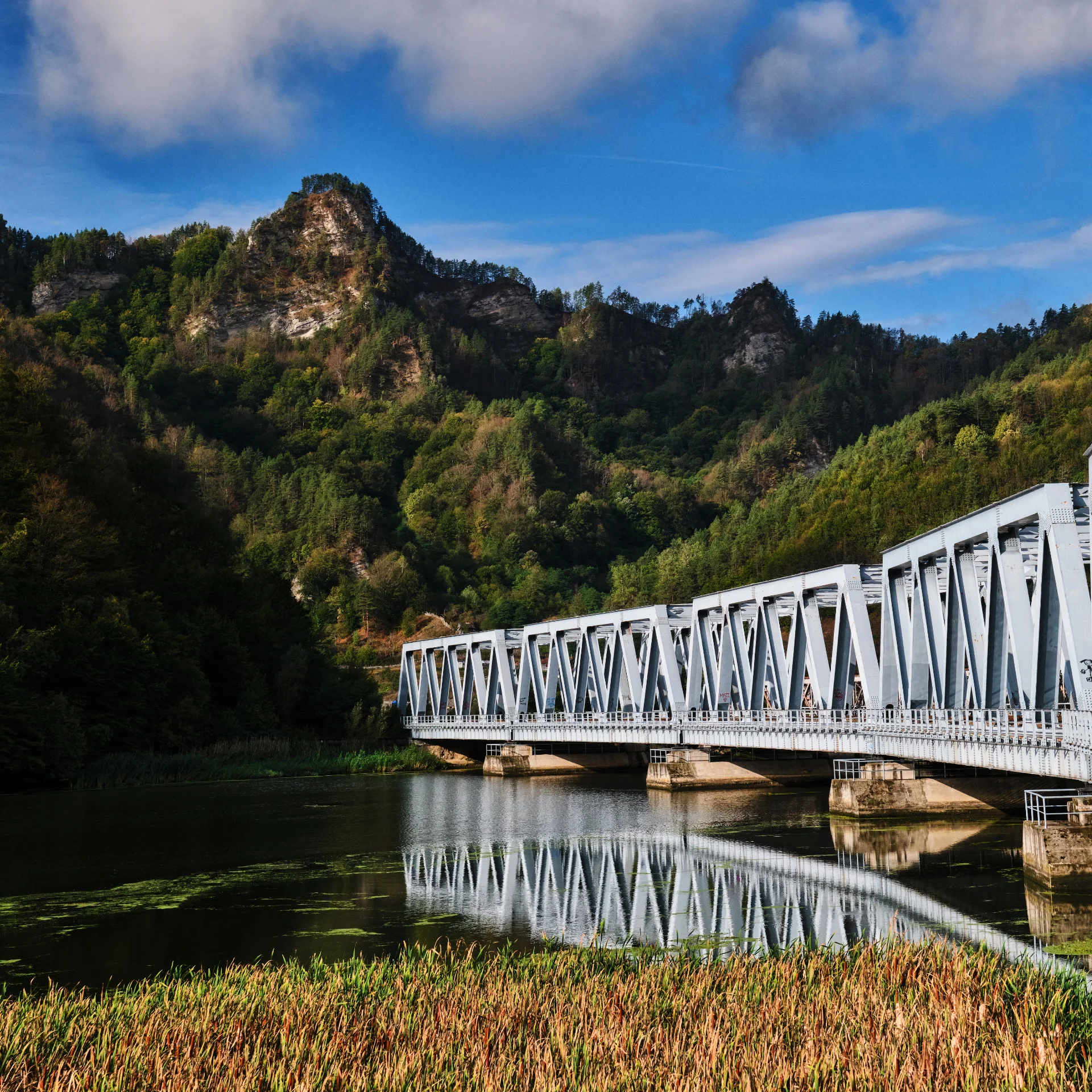
The Arutela Roman Fort is located on the left bank of the Olt River, right at its exit from the gorge, being just one of the historical vestiges discovered in this area. Although small in size, it impresses us with its location and the praetorian gate with two towers, which was restored in the past, being the first reconstruction of this kind in Romania!
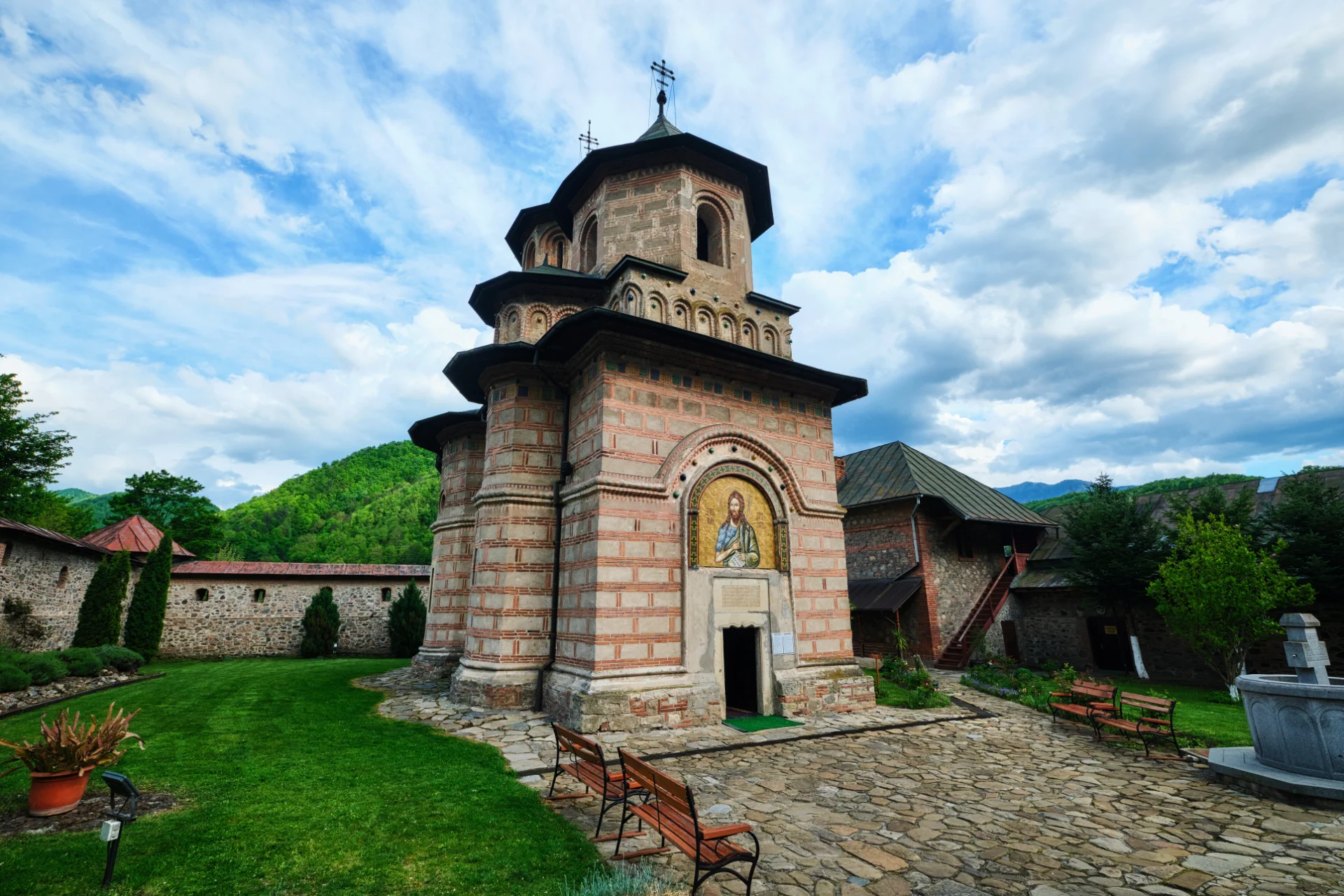
Several wilder and less frequented routes begin from the northern part of the Cozia massif, one starting from the Gura Lotrului reservoir, then climbing the Urzicii Ridge. past the Claia cu Brazi peak, before reaching the Turneanu Ridge. A final route starts from the village of Pripoare, passing over the Culmea Șirul de Pietre and past the Suru Mountain, the Omu Mountain and the Stone Gate. Throughout all these adventures, we are rewarded with spectacular landscapes, sometimes having the opportunity to admire wide panoramas that include the Land of Loviștea, the Olt Valley or the Făgăraș Mountains. Back on the Olt Valley, right at the northern border of the national park, we make a short stop at the Cornet Monastery, which rises on the riverbank. The splendid church was built by a local boyar in the mid-17th century, on the site of an older wooden one. Surrounded by walls with towers, along which the cells are located, the church is a historical monument that has suffered a lot in the past, including due to the unique railway tunnel that passes right under the monastery.
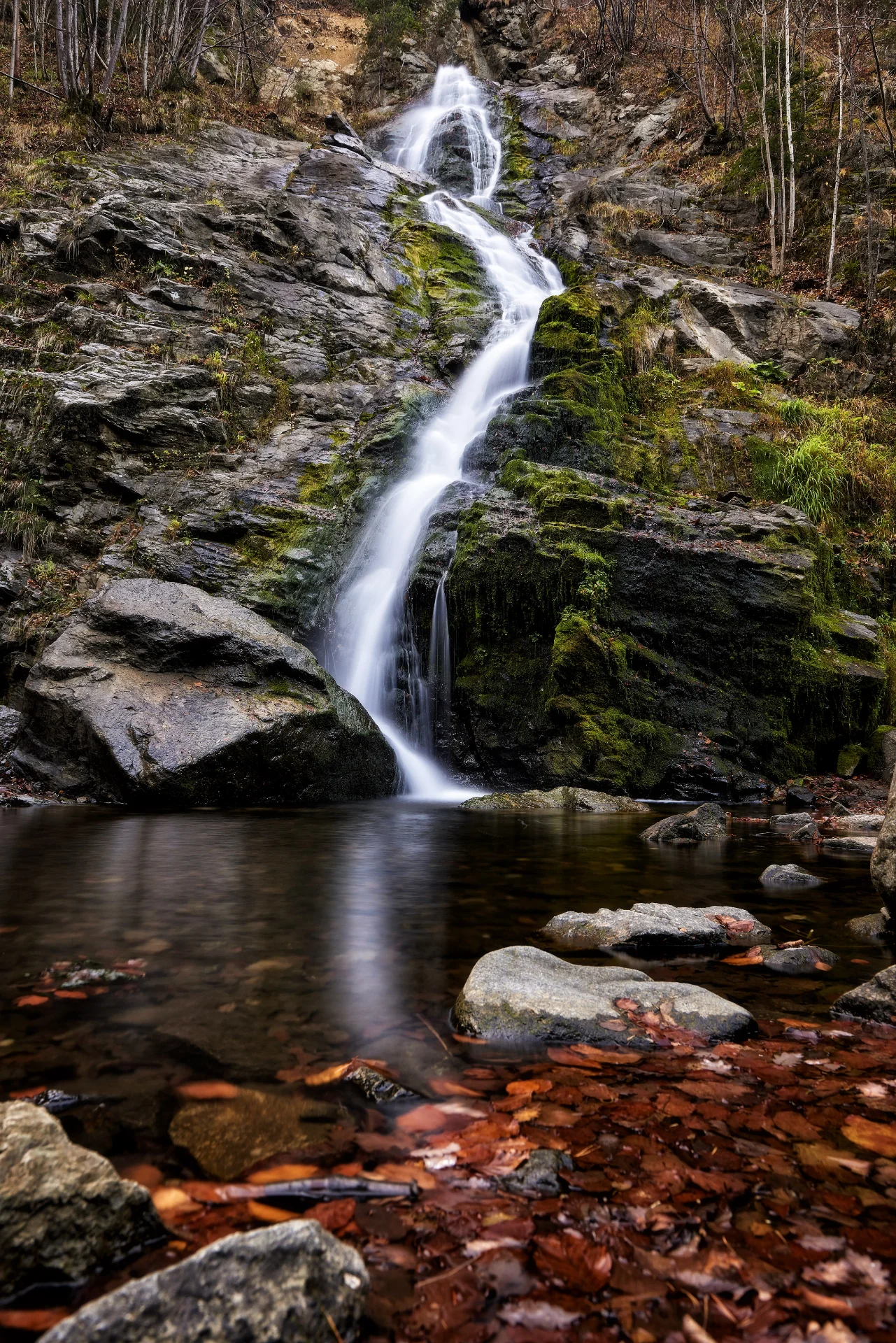
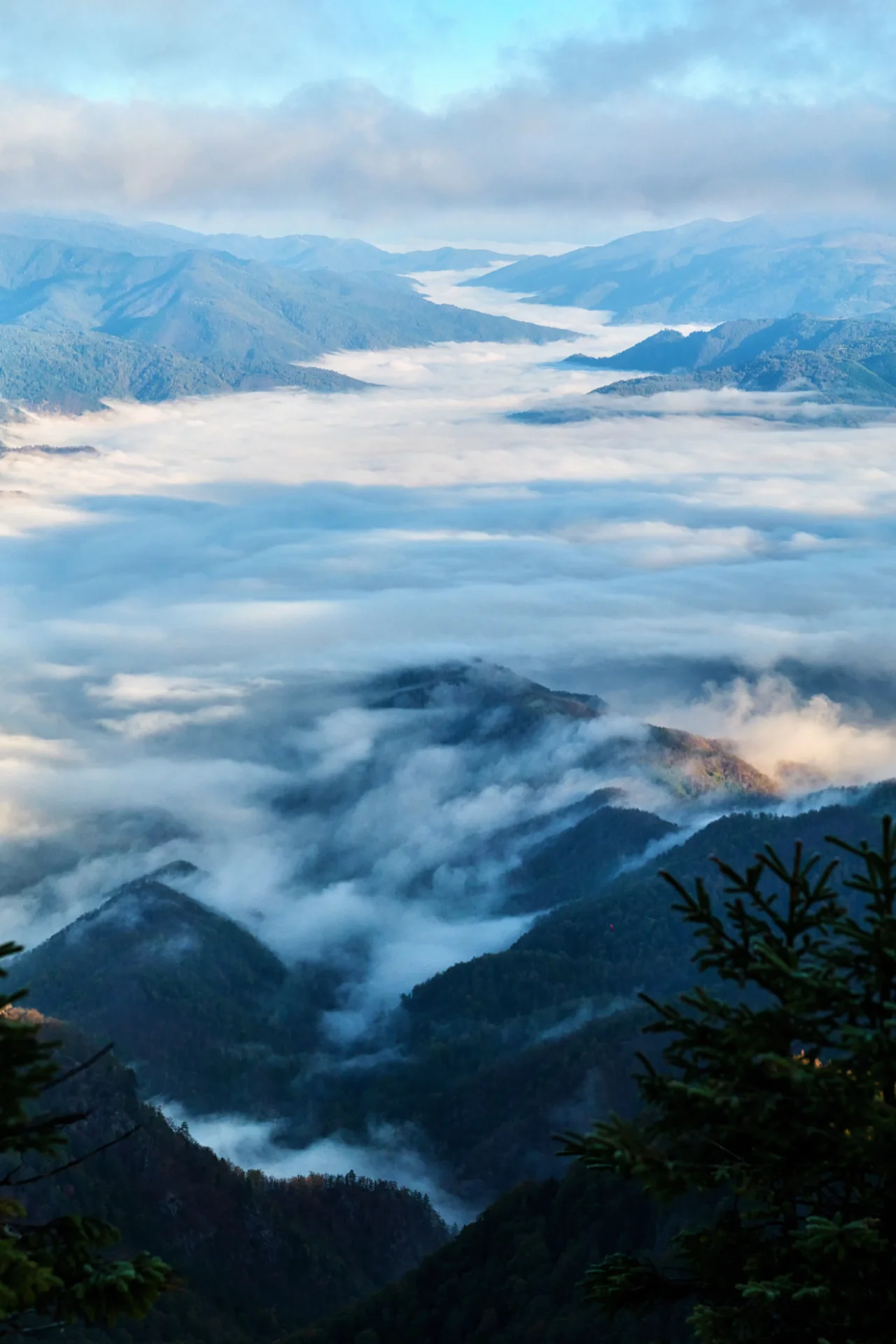
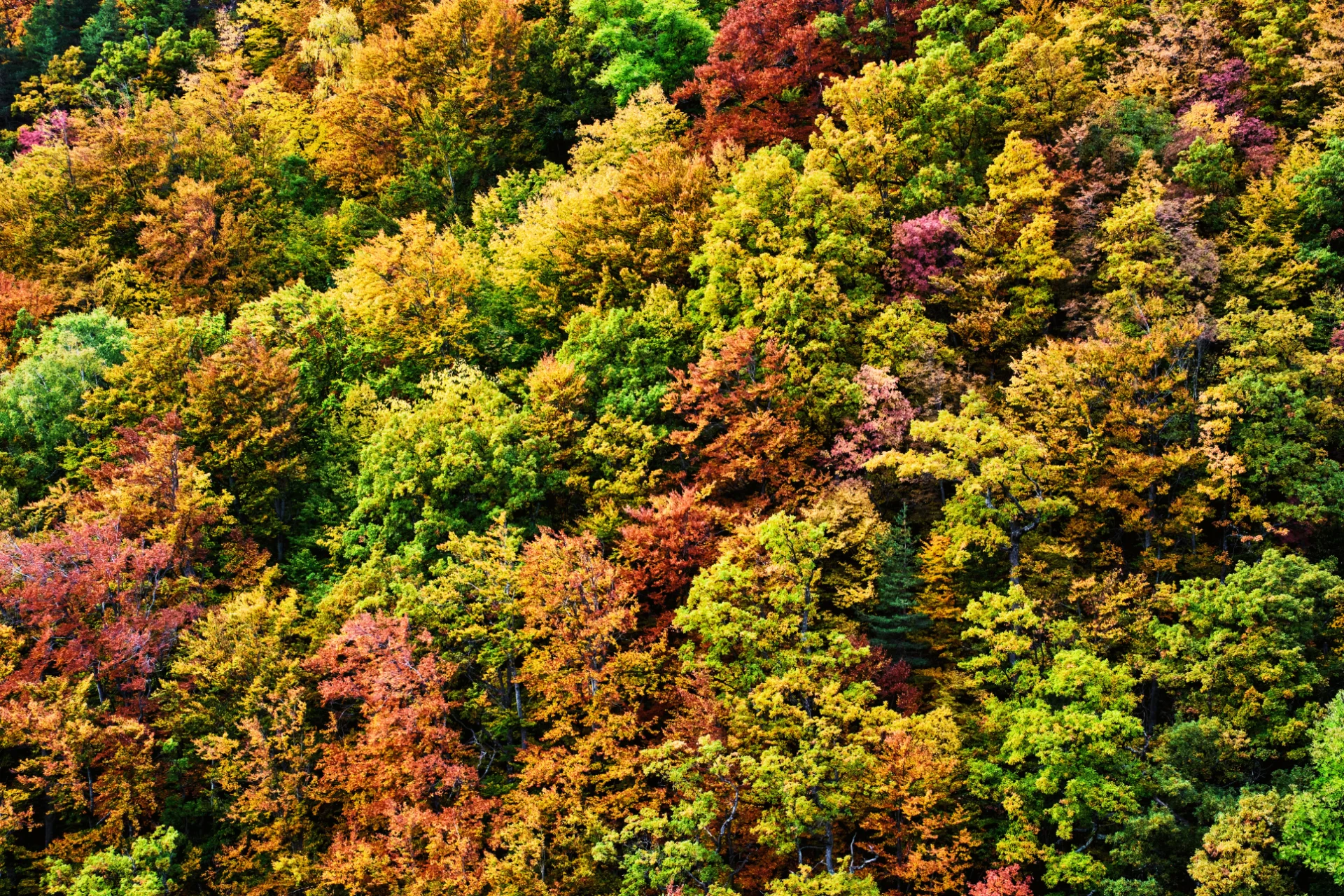
On the other side of the Olt River, the park includes areas of the Căpățânii Mountains and the Lotru Mountains, separated by the Lotru Valley. There are not many tourist trails in this area, the most important attraction being the Lotrișor Gorges, a narrow and wild canyon that we can easily explore along a forest road closed to road traffic. The steep walls that sometimes come closer to less than 5 meters and the river that sometimes becomes stormy create an impressive landscape. After a few kilometers among the rocks, we reach the Lotrișor Waterfall, a natural wonder that becomes tumultuous during rainy periods, plunging over the rocks from a height of about 30 meters. Before the waterfall, the river passes through a 20-meter tunnel, built in the 1970s to divert the water flow to its current bed. A little further north, beyond the Lotrului valley and the charming town of Brezoi, we find other gorgeous, but lesser-known places, with spectacular rock formations rising from the endless forests, such as Melcii Doabrei or Pietrele Zmeilor.
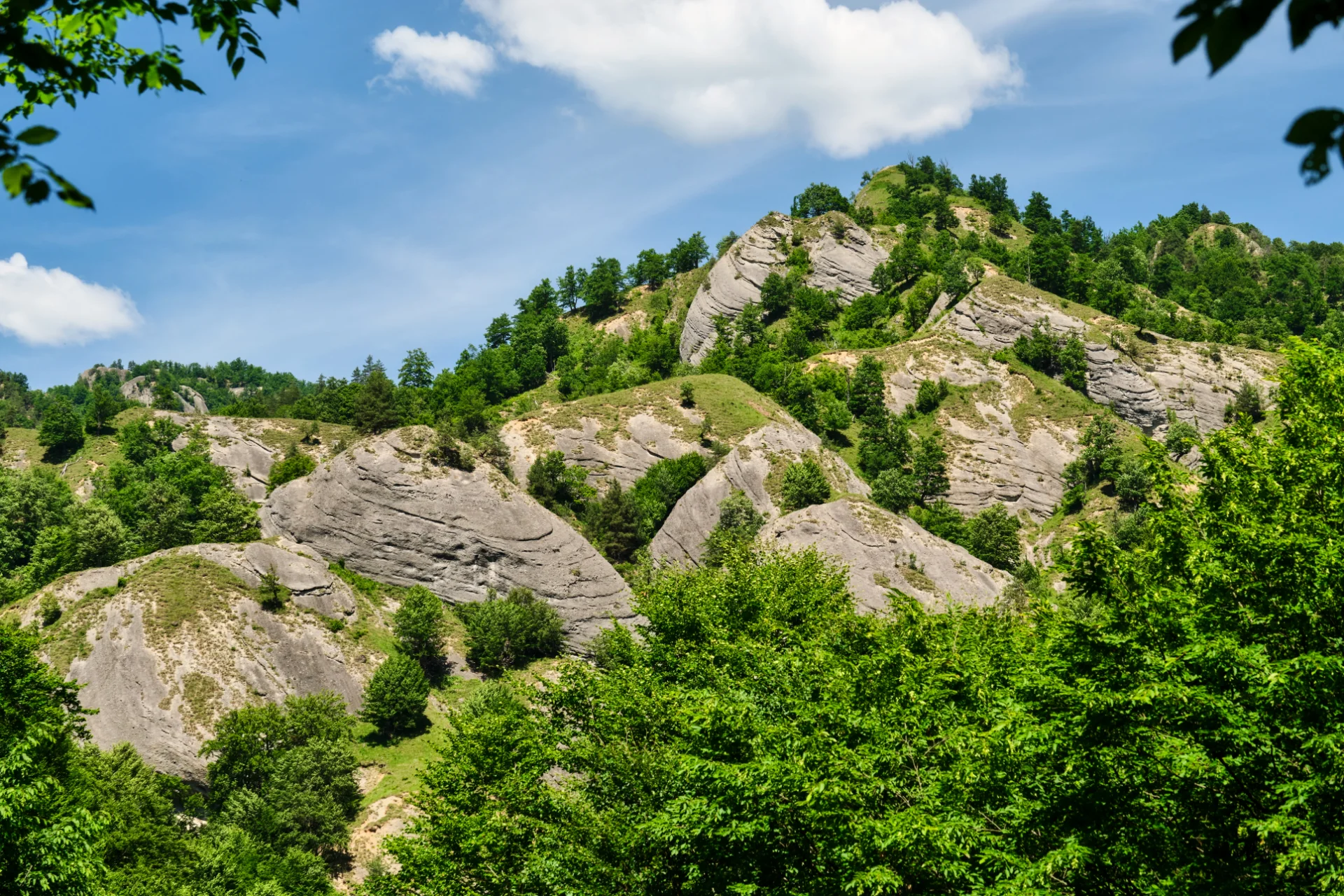
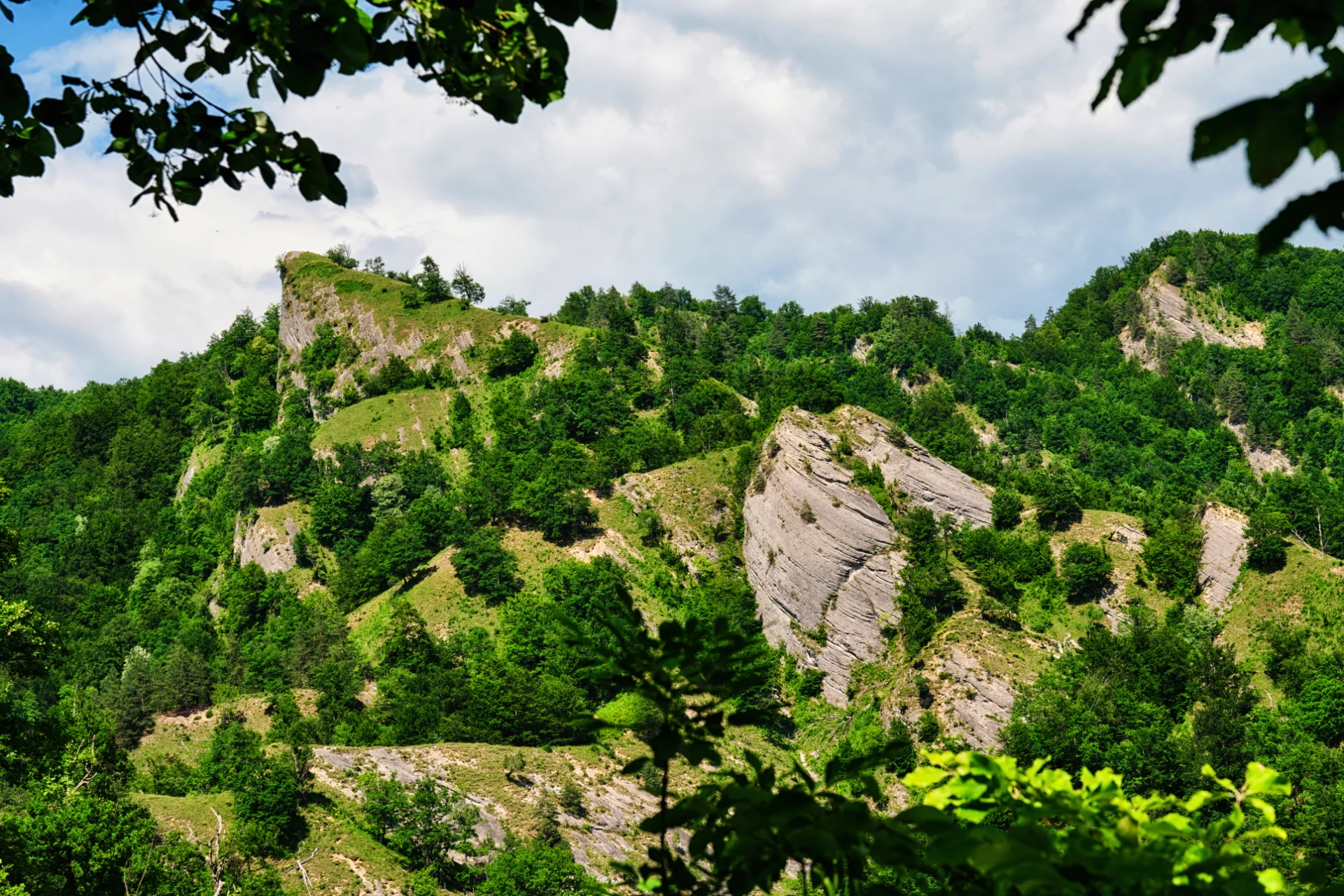
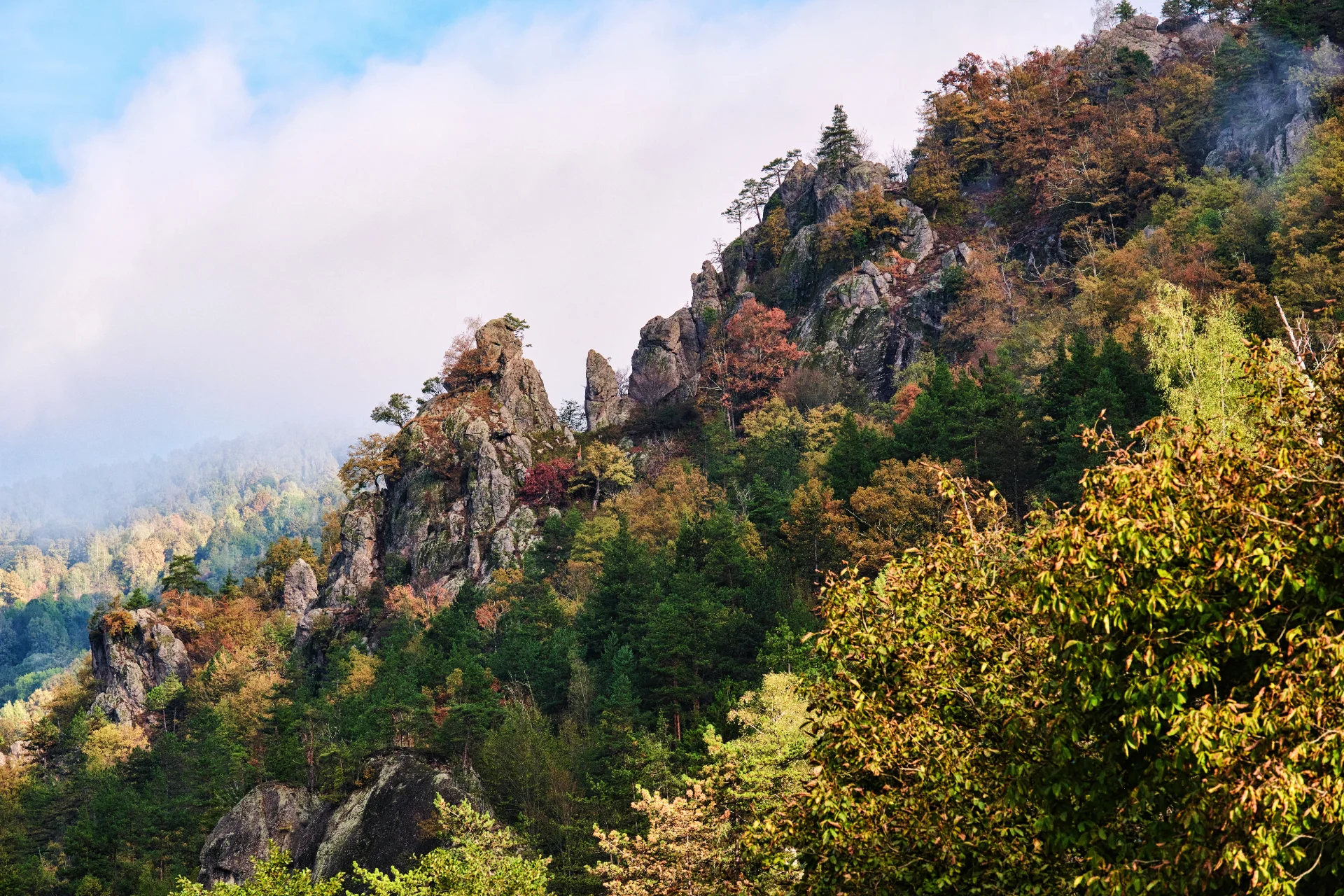
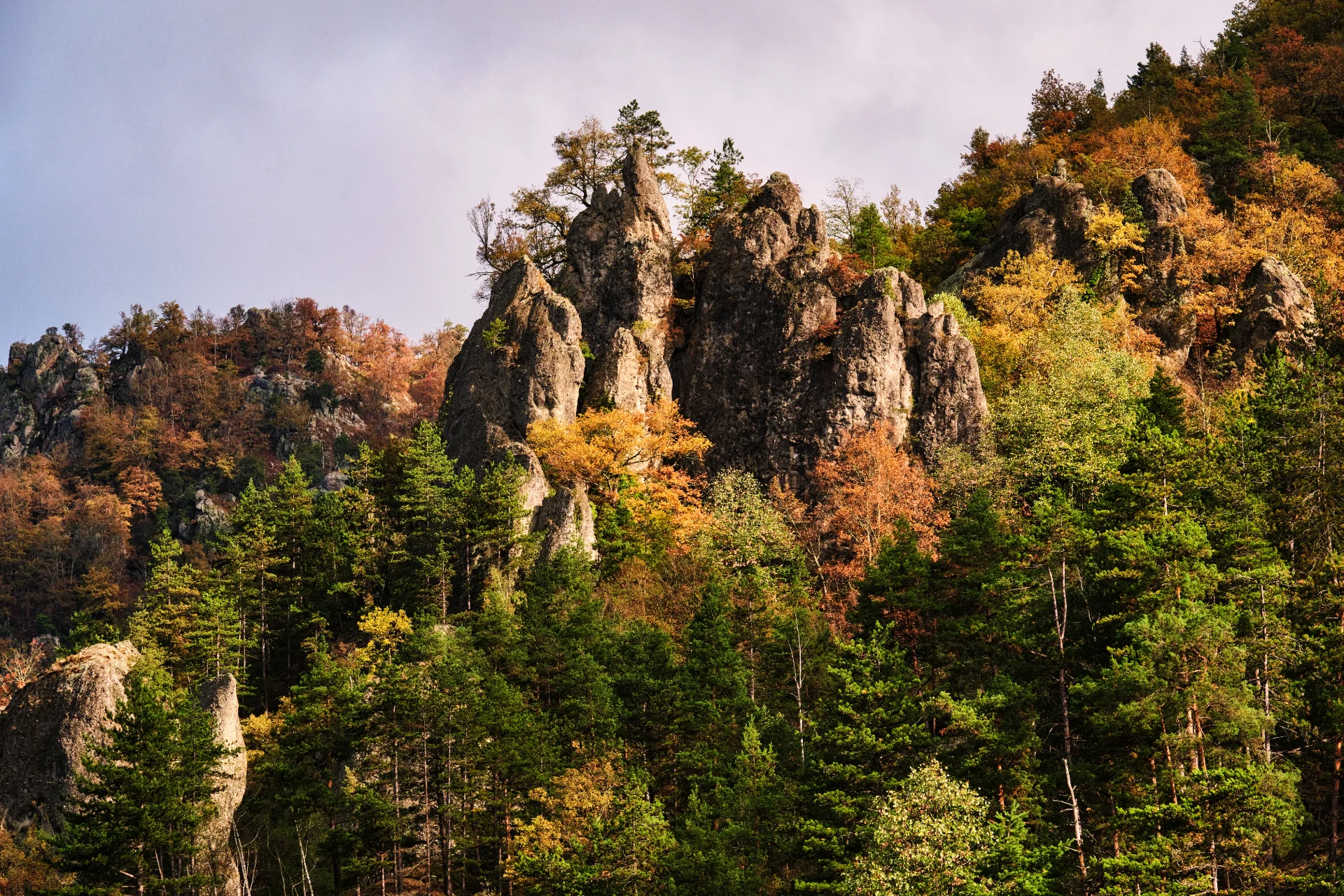
The Călinești – Brezoi mixed natural reserve has an area of 200 hectares and is located on the southeastern peak of the Lotrului Mountains, being characterized by a unique and spectacular relief, with multiple towers, chimneys, needles, pyramids, steeps, scree and other amazing shapes, but also exceptional biodiversity!
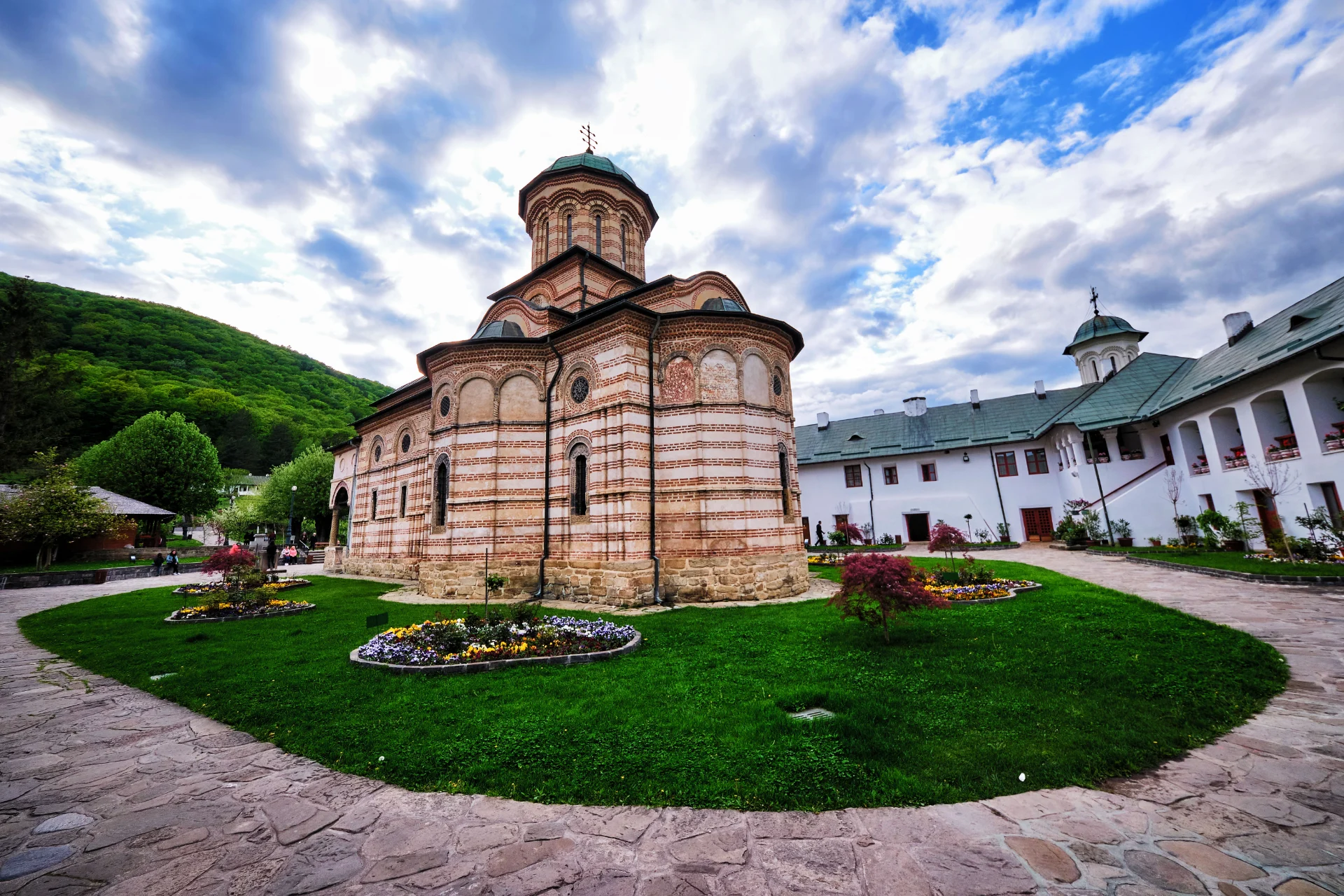
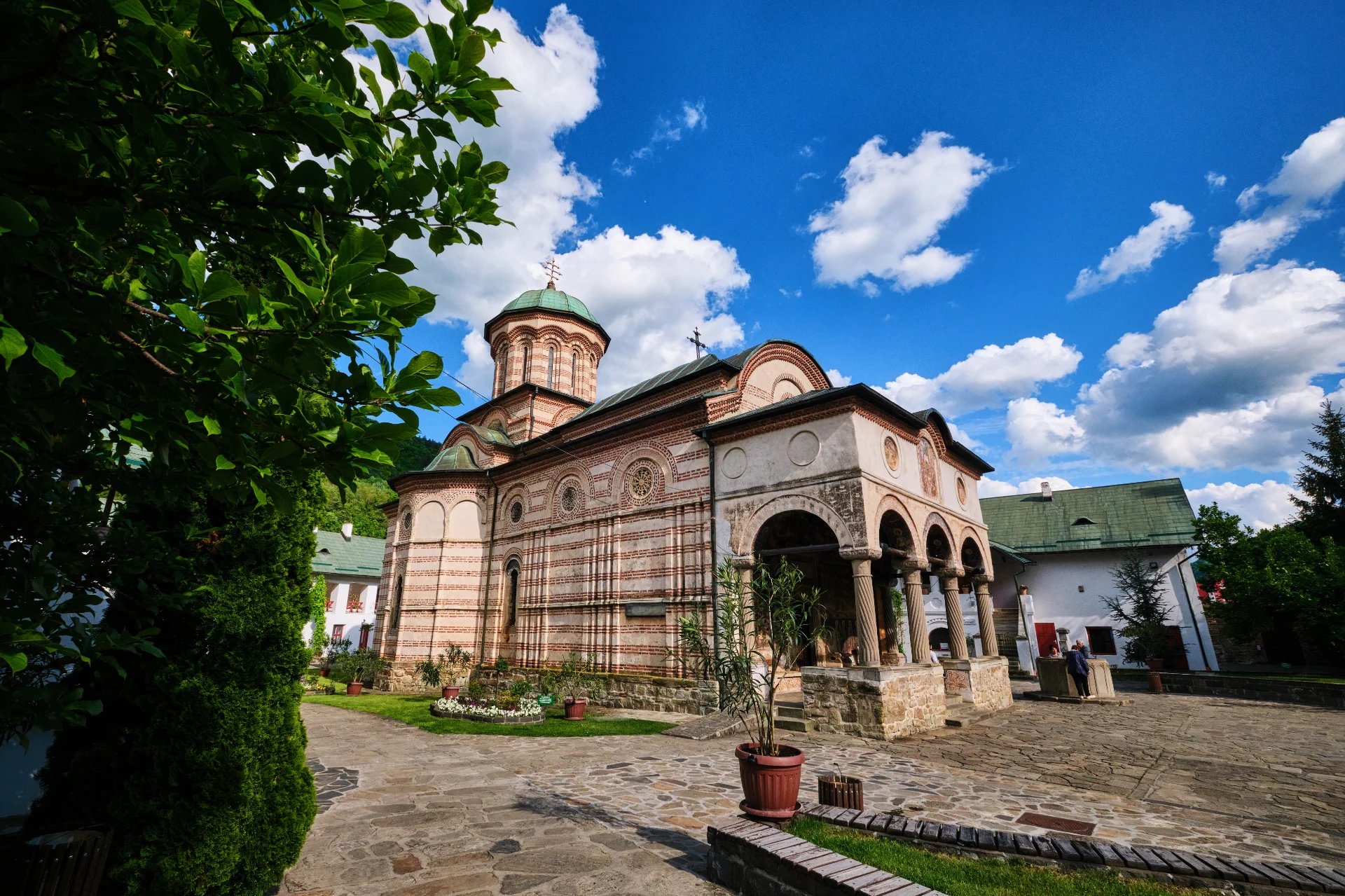
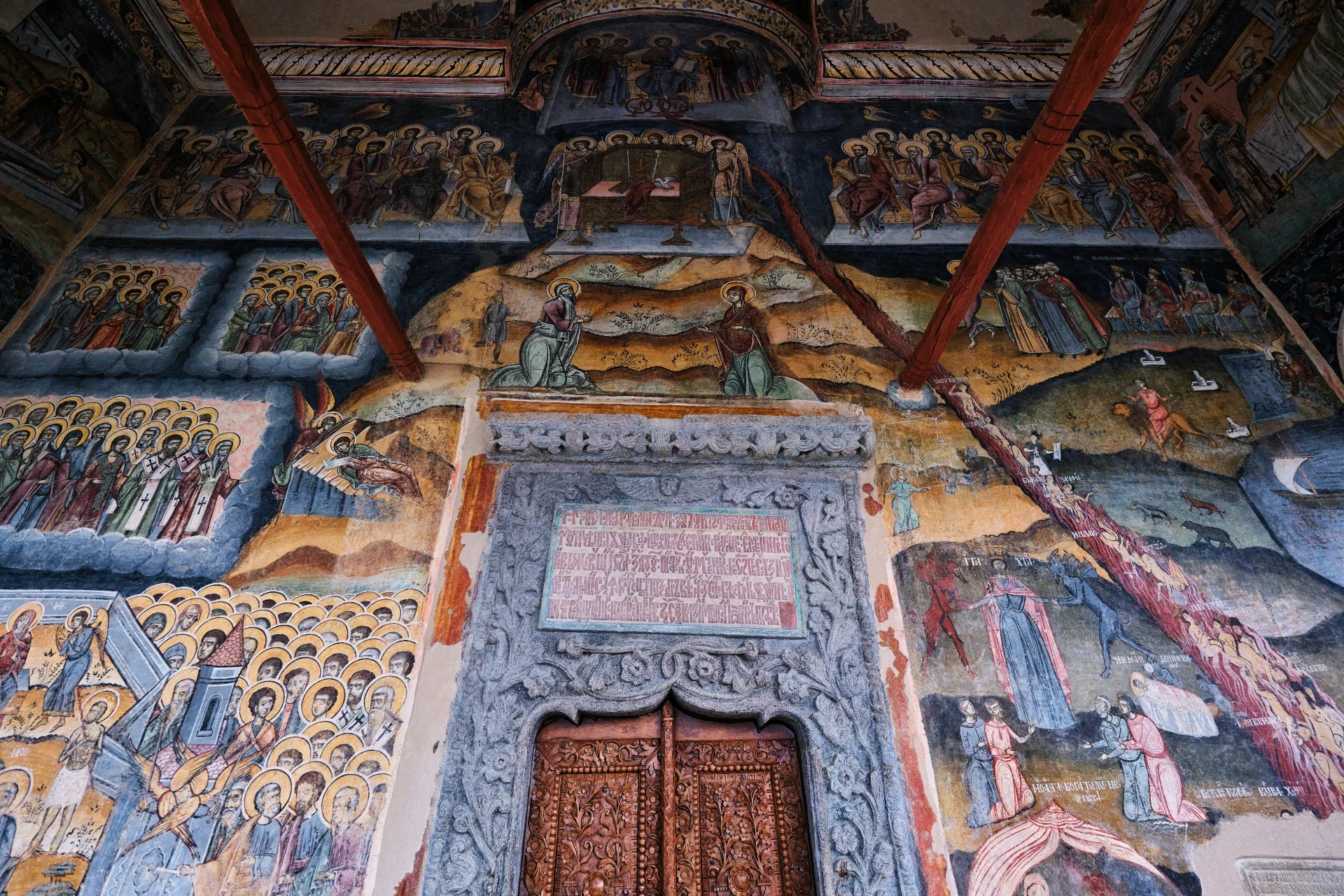
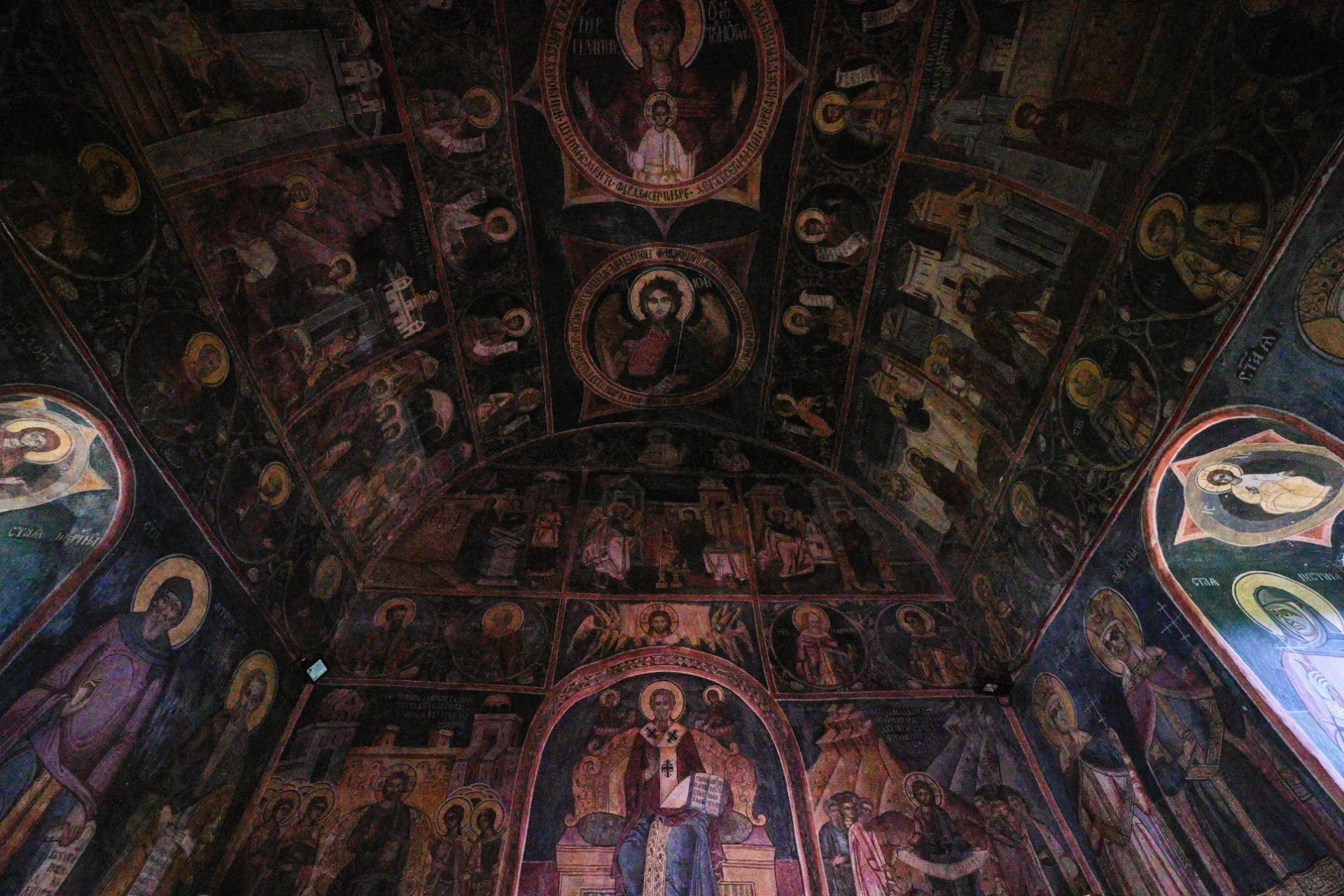
We continue on the road that accompanies the valley and right at the exit of the gorge and the national park, we stop at the Cozia Monastery, one of the oldest and most beautiful in Romania. It was built in the 14th century by the ruler of Wallachia, Mircea the Elder, whose tomb is located here. Over the centuries, the complex has been repaired, expanded and embellished with other buildings, including the monks’ cells, the fountain, the pavilion or the chapels. The main church was built of stone and brick, some components dating back to its origins, such as the impressive paintings in the narthex. The other two churches are also several centuries old, as is the 16th-century hospital church, which we can admire on the other side of the road. The monastery has also gone through more difficult times, being transformed into a prison at one point, and German troops using the church as a stable for horses.
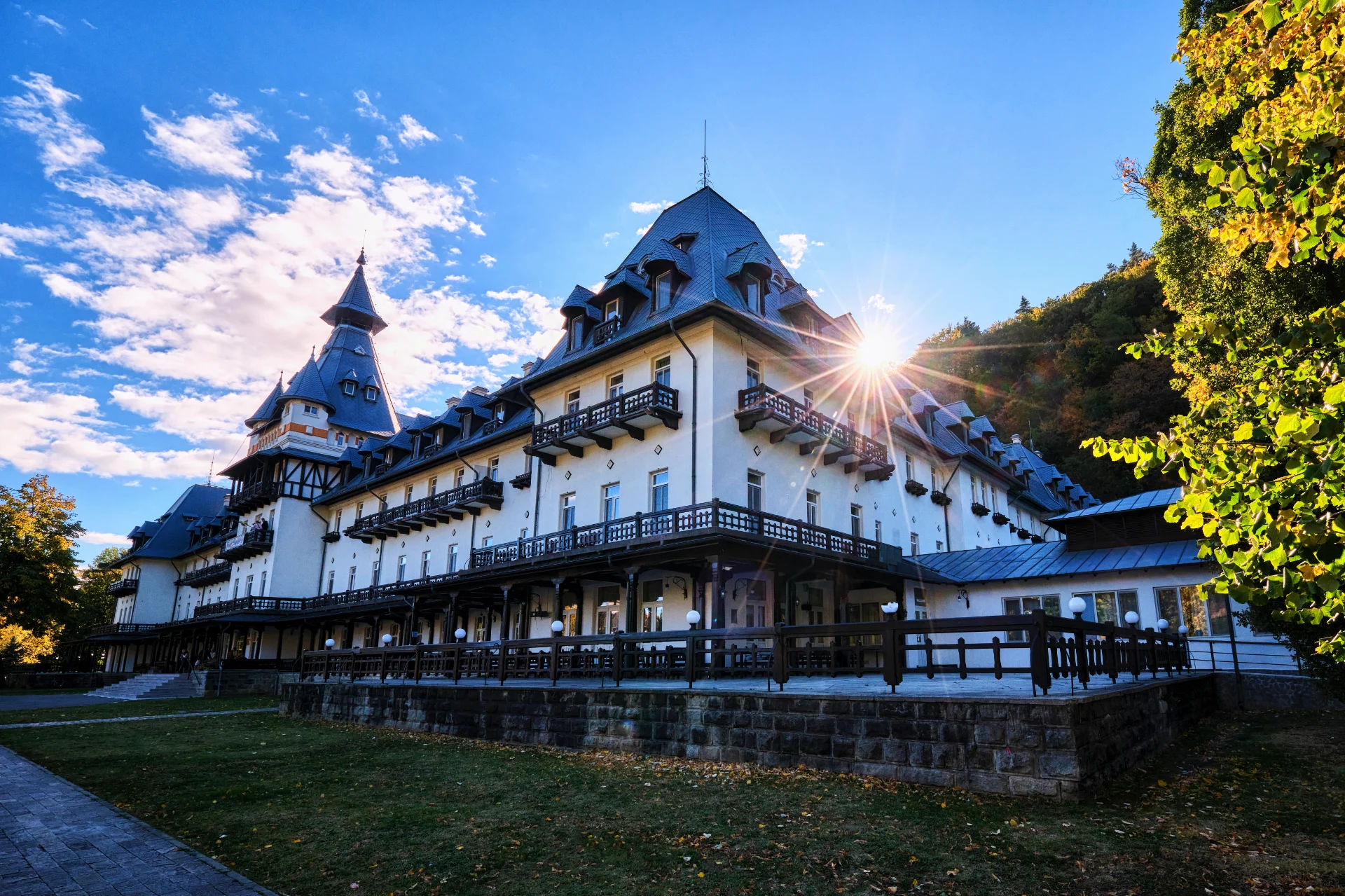
A few kilometers to the south, on a small island in the middle of Olt, we can visit the Ostrov Hermitage, founded by Neagoe Basarab at the beginning of the 16th century. It was the first religious settlement inhabited by nuns in Wallachia, and the hermitage church has splendid paintings and old icons. The island was once covered by a centuries-old forest, but after the construction of hydroelectric structures on Olt, the water level rose and the landscape changed completely. The town of Călimănești, which appeared around the Cozia monastery, has transformed over time into an important balneo-climatic resort, thanks to the mineral waters of Căciulata, but also to the beneficial microclimate. Several interesting buildings have been preserved from the flourishing period at the beginning of the 20th century, among which the Central Pavilion, the city library or the Jiblea train station stand out, but also other attractions such as the spa alley or the Poiana lui Căliman park.
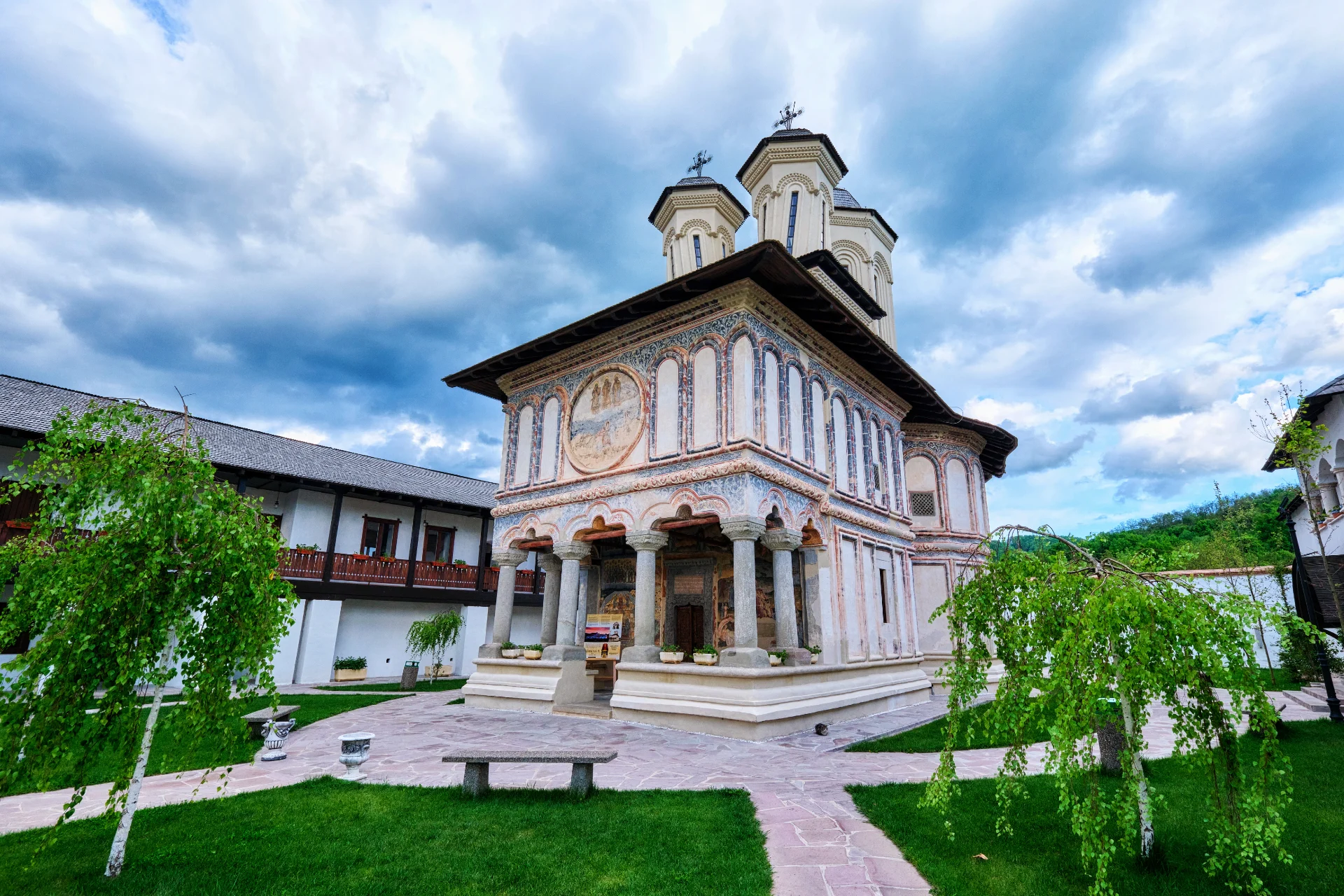
From Călimănești, if we follow a road eastwards along the Sălătrucel valley at the foot of the Cozia massif, we reach the Berislăvești Monastery in the village of the same name. Also nicknamed the “Voroneț of Oltenia”, the monastery was built by local boyars between 1754 and 1762, being an ensemble of historical monuments that includes the church, the bell tower, the enclosure wall and some ruins of the old complex. Originally a monks’ settlement, it was abandoned in the mid-20th century, being recently brought back to life, renovated and transformed into a nun establishment. We are impressed by the interior and exterior paintings of the church, which have extraordinary value. Descending down the Olt valley, we begin a cultural itinerary through the city of Râmnicu Vâlcea, an old settlement in these lands, which has today become a vibrant city, full of enchanting places, yet lesser known to travelers…
Sights and Experiences
Places to See and Things to Do in Cozia National Park
Cozia National Park
Located in the northern part of Vâlcea County and in the central-southern part of the Southern Carpathians, the Cozia National Park is bounded to the north by the Loviștei Depression (Land of Loviștea), to the south by a series of subcarpathian hills and to the east by the Hills of Topolog (Muscelele Topologului). In addition to the Cozia Massif, bounded to the west by the deep Olt Gorge, the park also includes areas of the Căpățânii Mountains and the Lotru Mountains, in turn separated by the Lotru River valley. The total area of the Cozia National Park is almost 170 square kilometers, of which over 90% are forest areas. The main access route to this destination is the national road 7 (E81), which follows the Olt Gorge, to which are added the DN7A on the Lotrului Valley, DJ703M on the Băiașul Valley, DJ703G on the Sălătrucel Valley and a series of other local or forest roads. The 703N road is noteworthy, which climbs from the village of Dângești to the Cozia chalet, located near the peak of Ciuha Mare (Cozia).
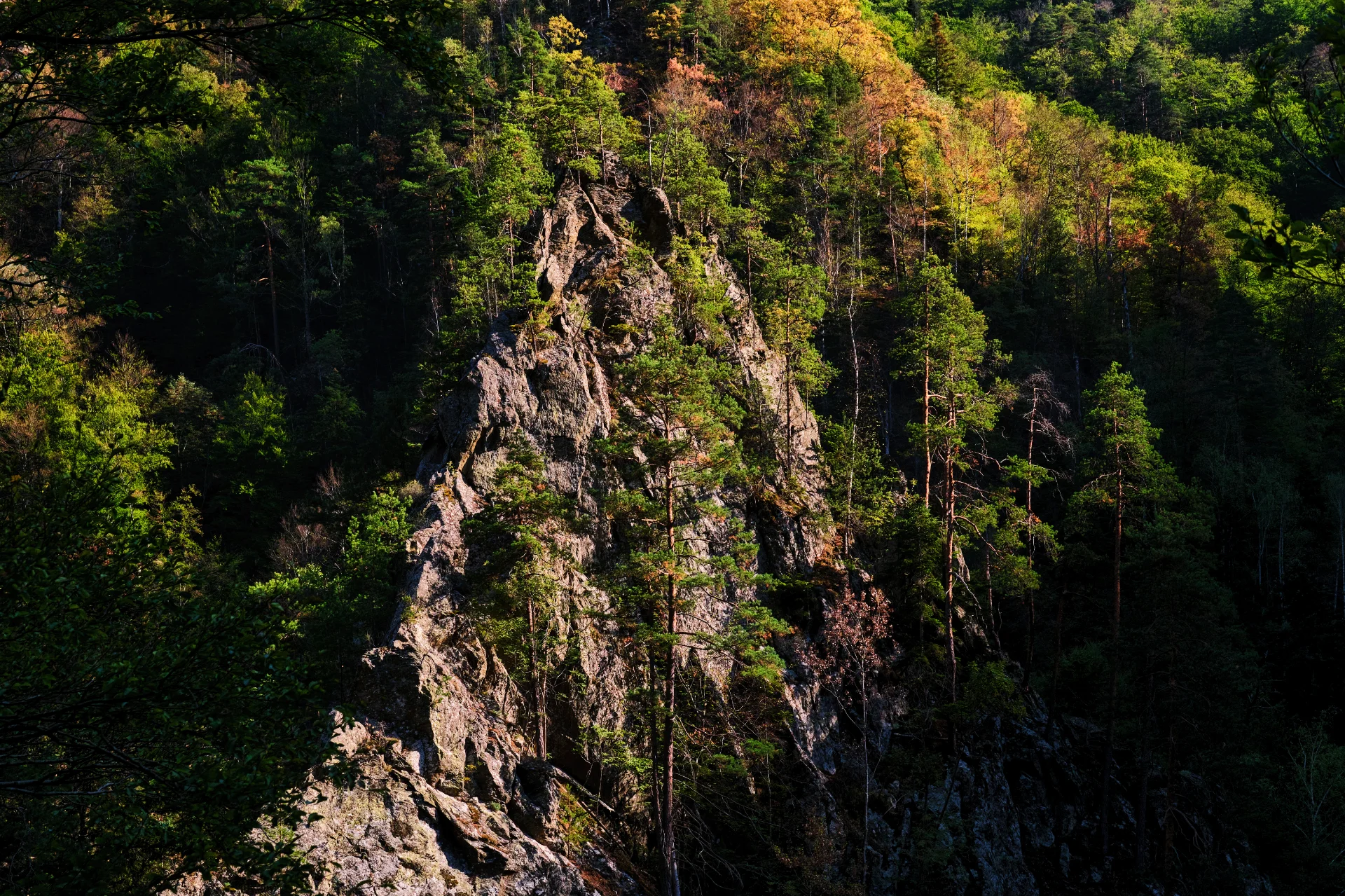
The national park is characterized by a specific relief, known in the specialized literature even under the name of “Cozia-type relief”. Within it, three specific areas can be delimited, namely the Cozia Massif, Mount Narățu (part of the Căpățânii Mountains) and the Doabra Massif (Lotrului Mountains). Cozia, however, stands out for its massiveness and variety of spectacular relief forms, being surrounded by much lower areas and comprising steep slopes, portals, caves, sharp rocks and others. A particularly interesting and picturesque area of the national park is the portion of the Lotrului Mountains located north of the Lotru River valley. The Călinești – Brezoi mixed natural reserve is part of the integral protection area of the national park and protects a spectacular specific landscape, developed in Brezoi conglomerates and characterized by rocks with an interesting appearance, but also an exceptional biological diversity.
Biodiversity
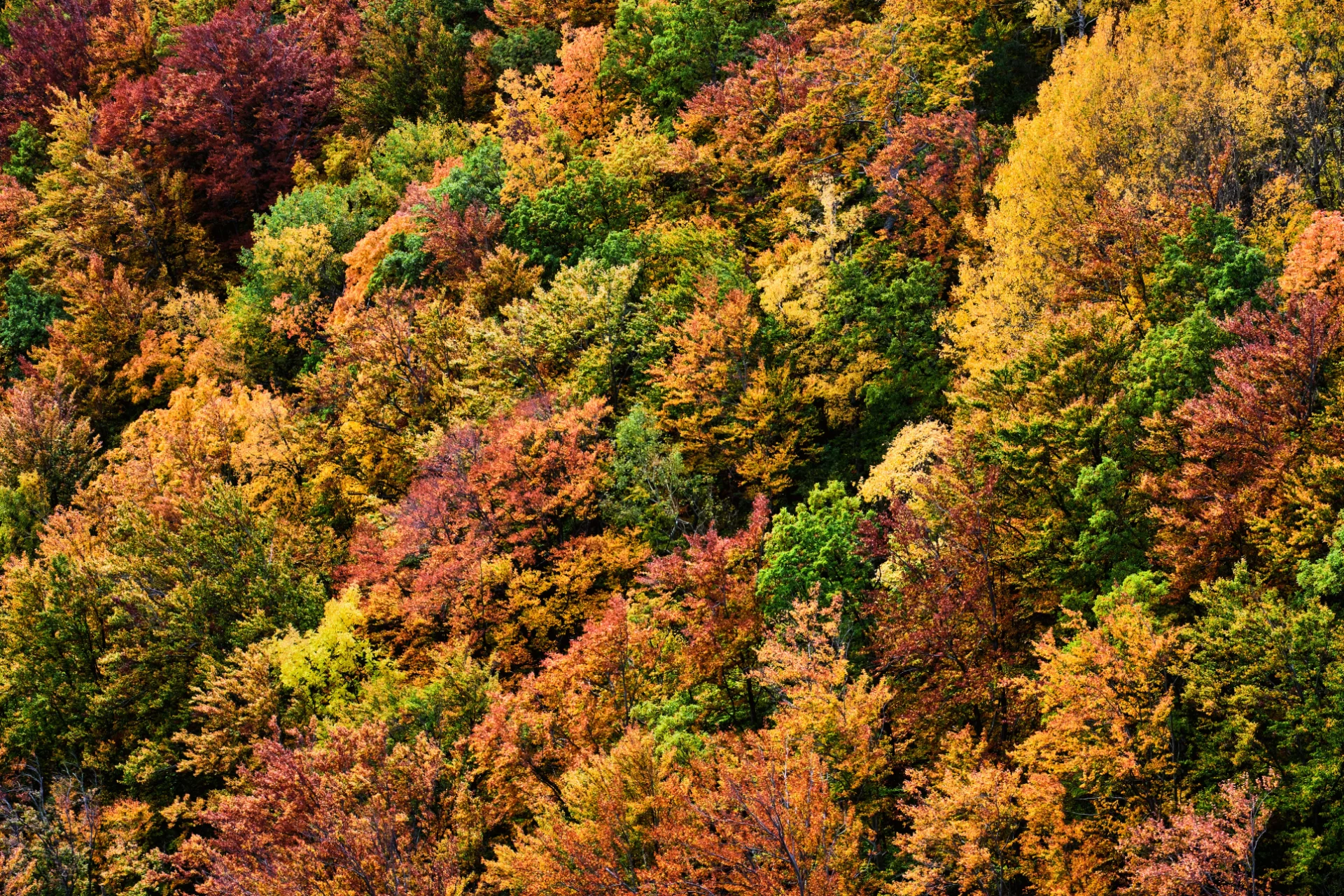
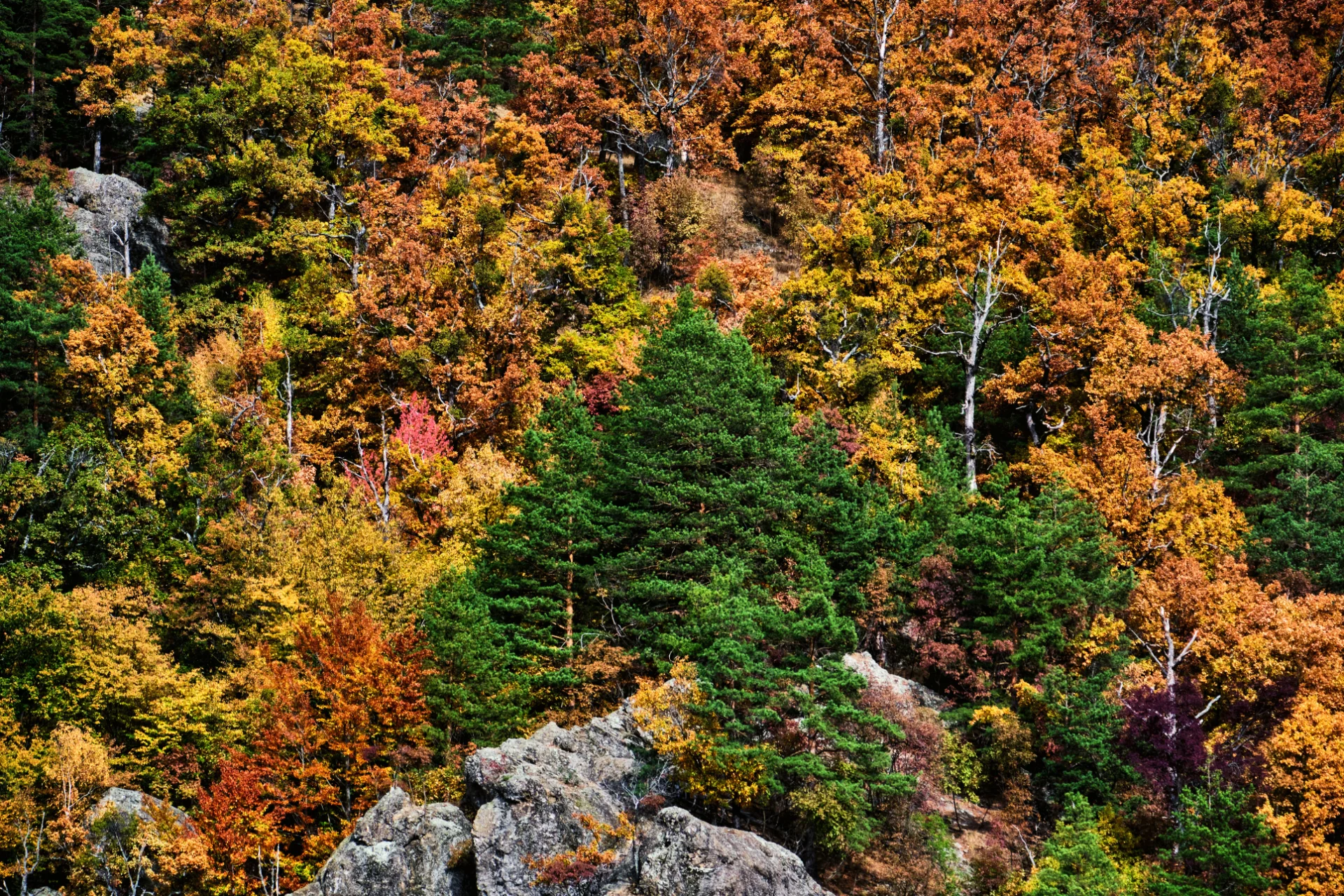
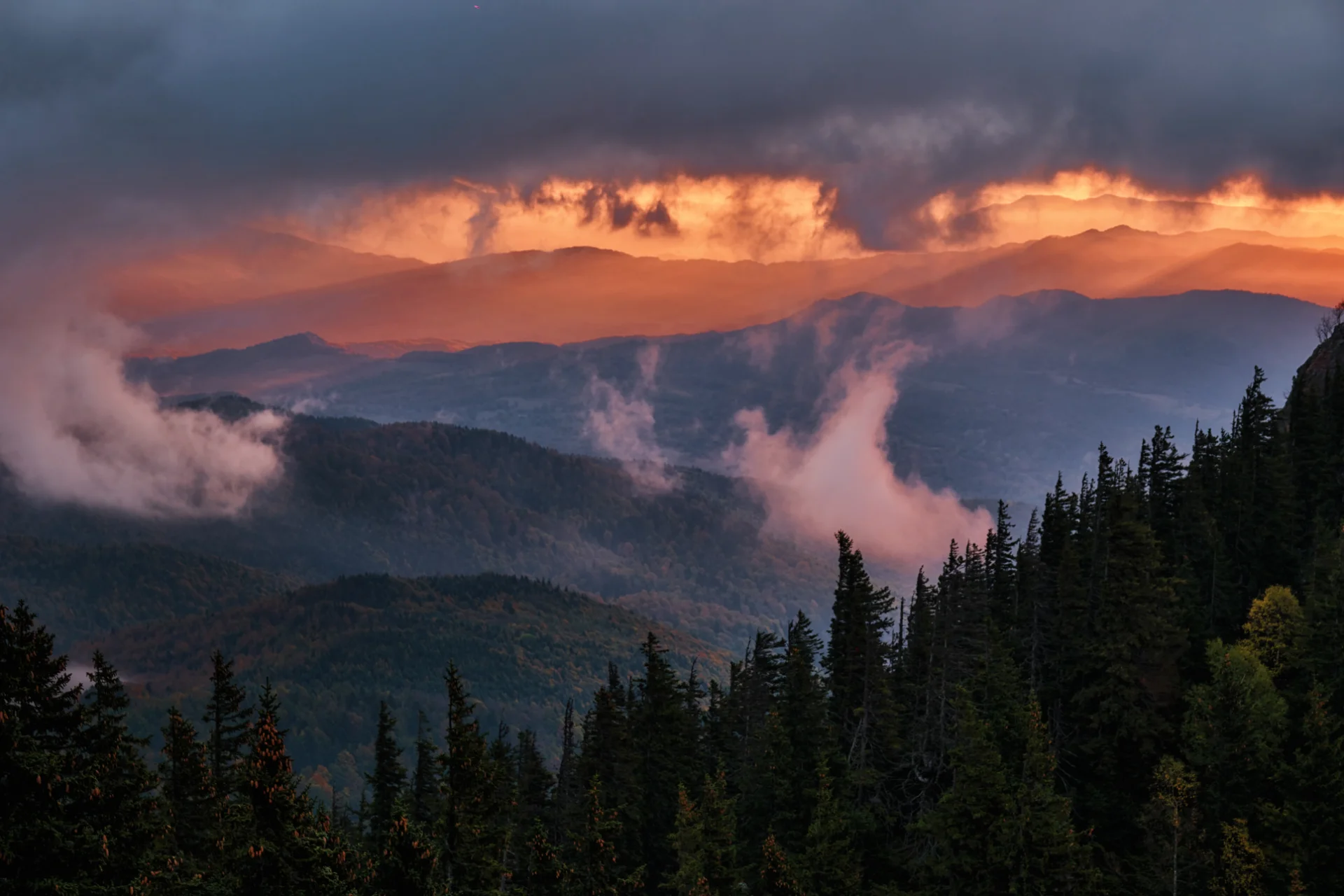
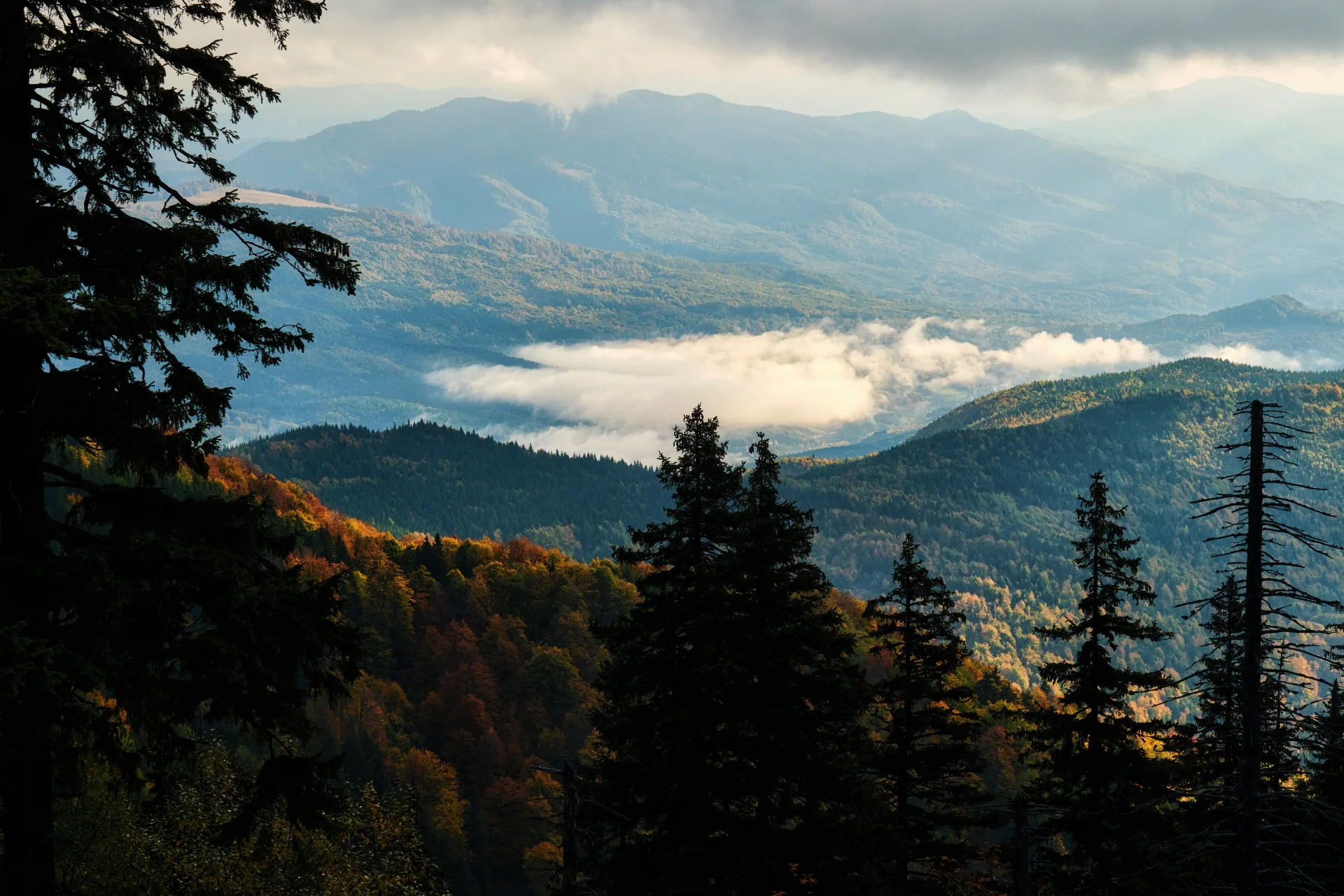
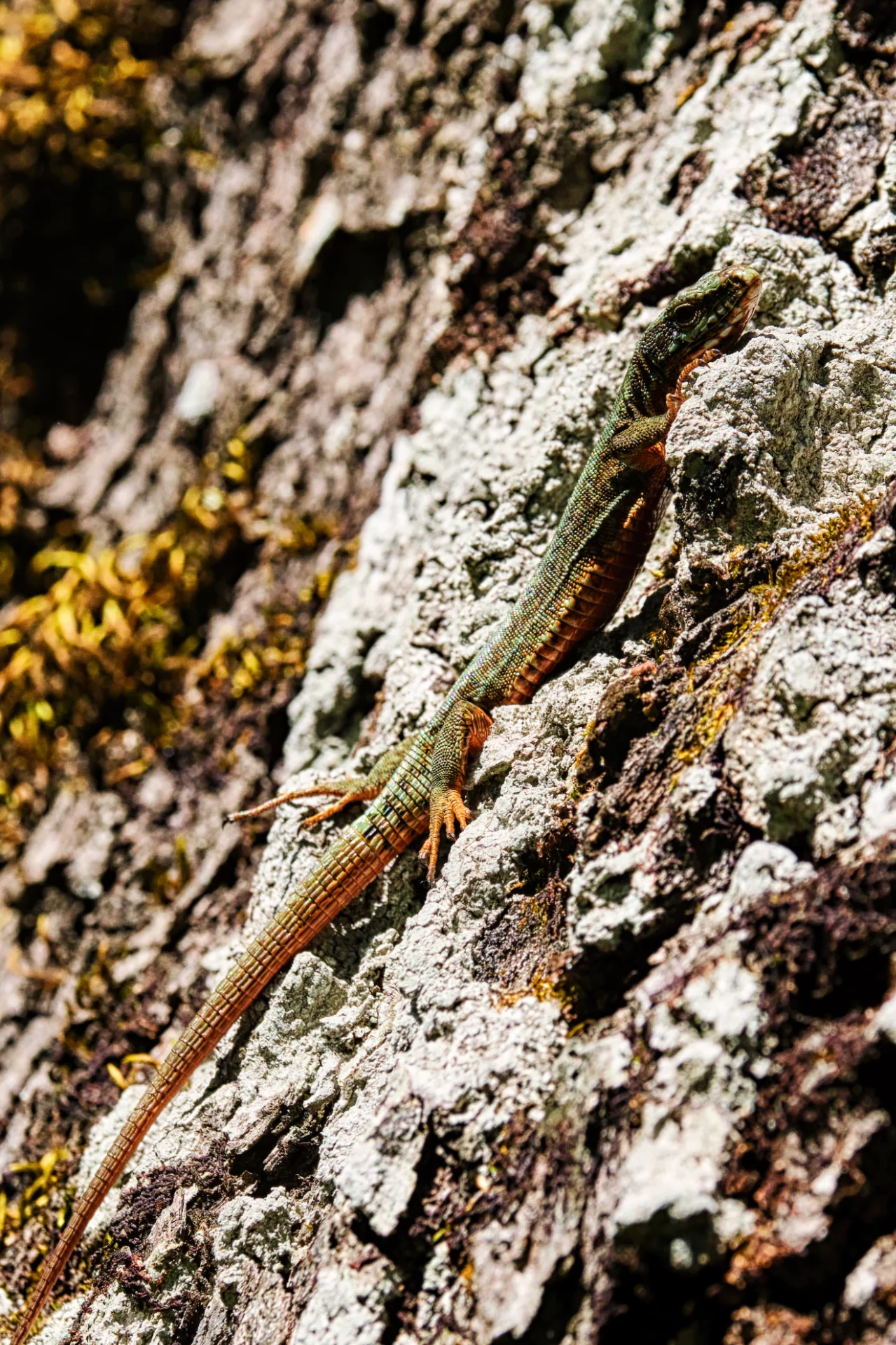
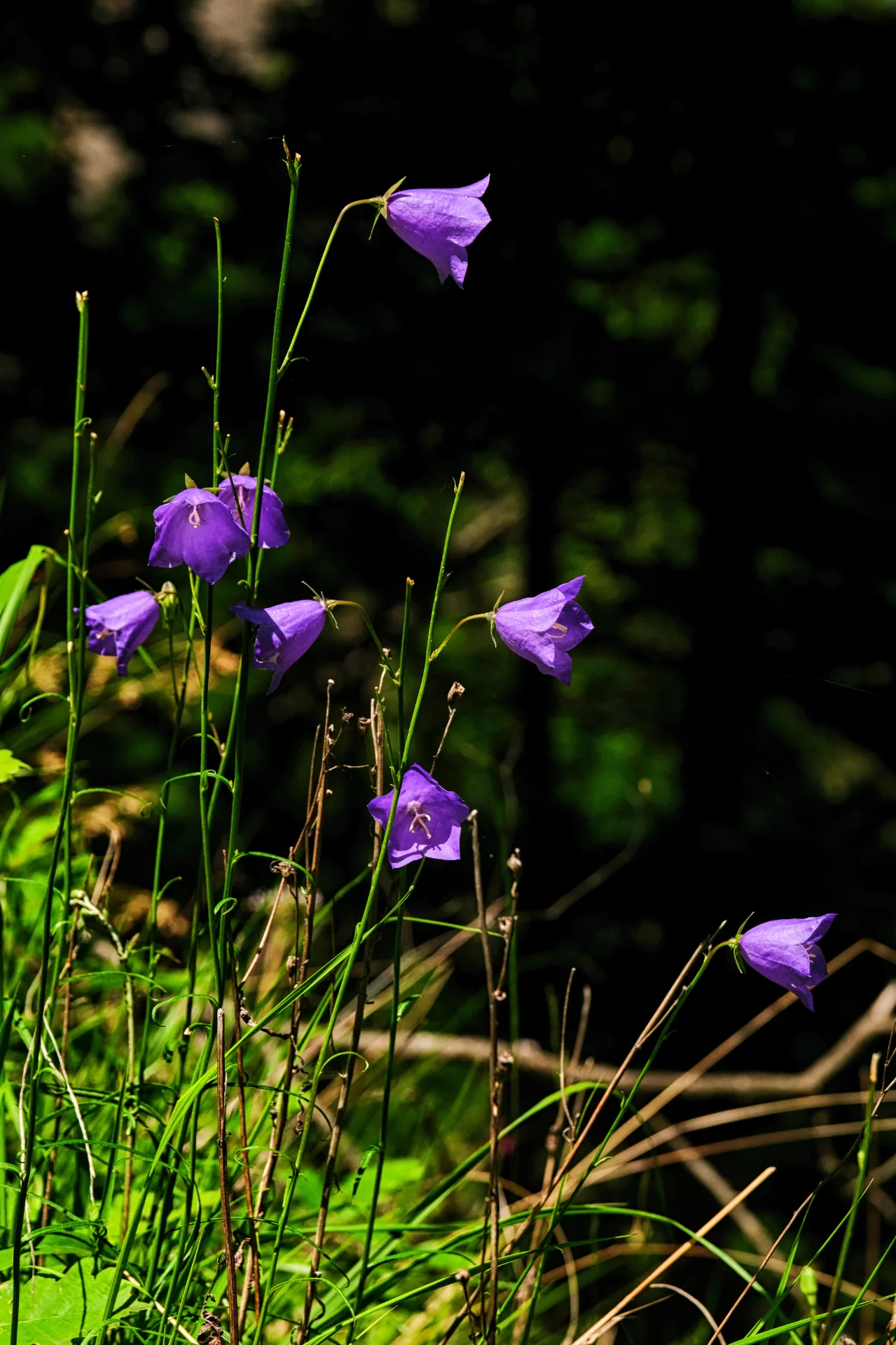
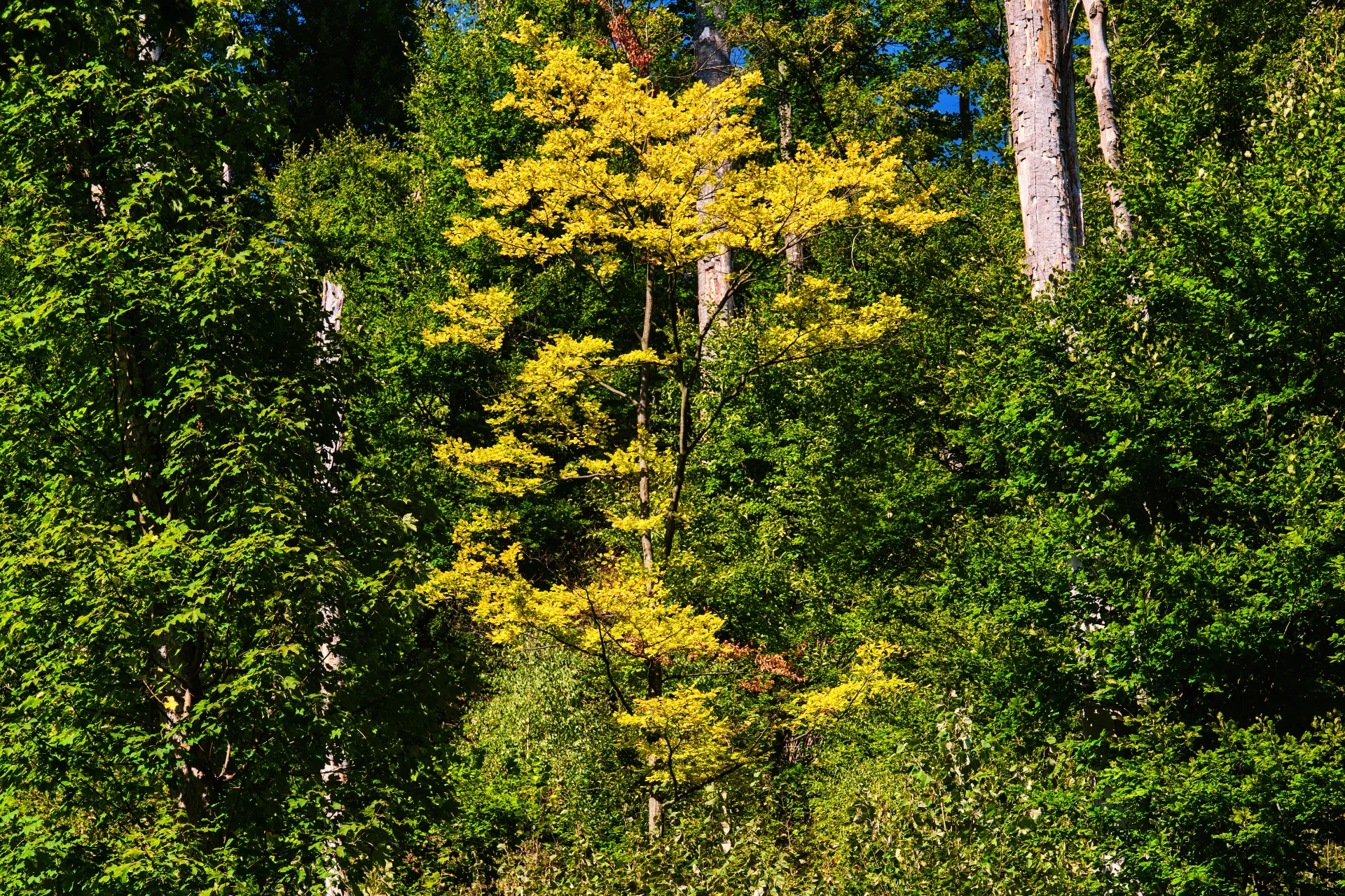
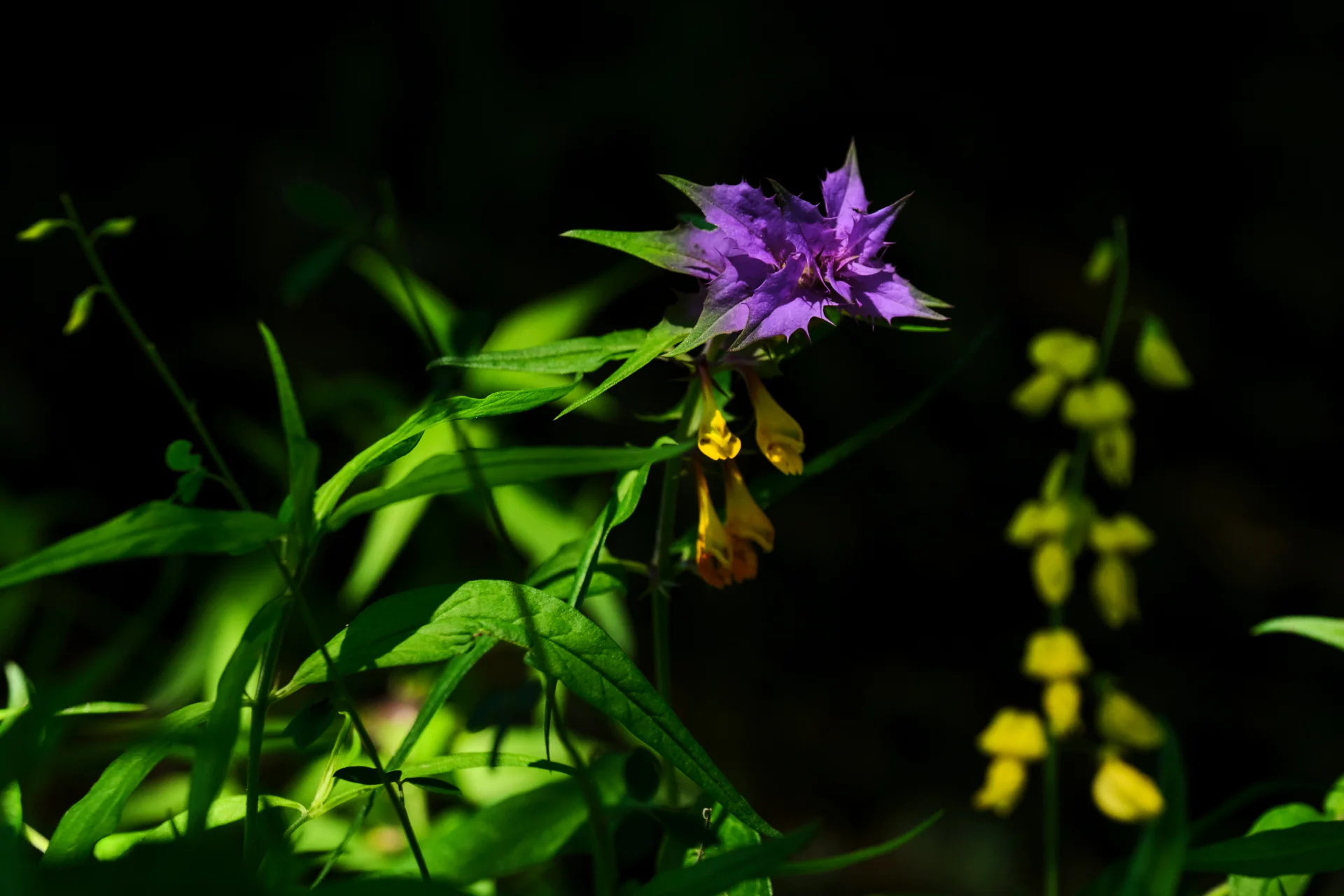
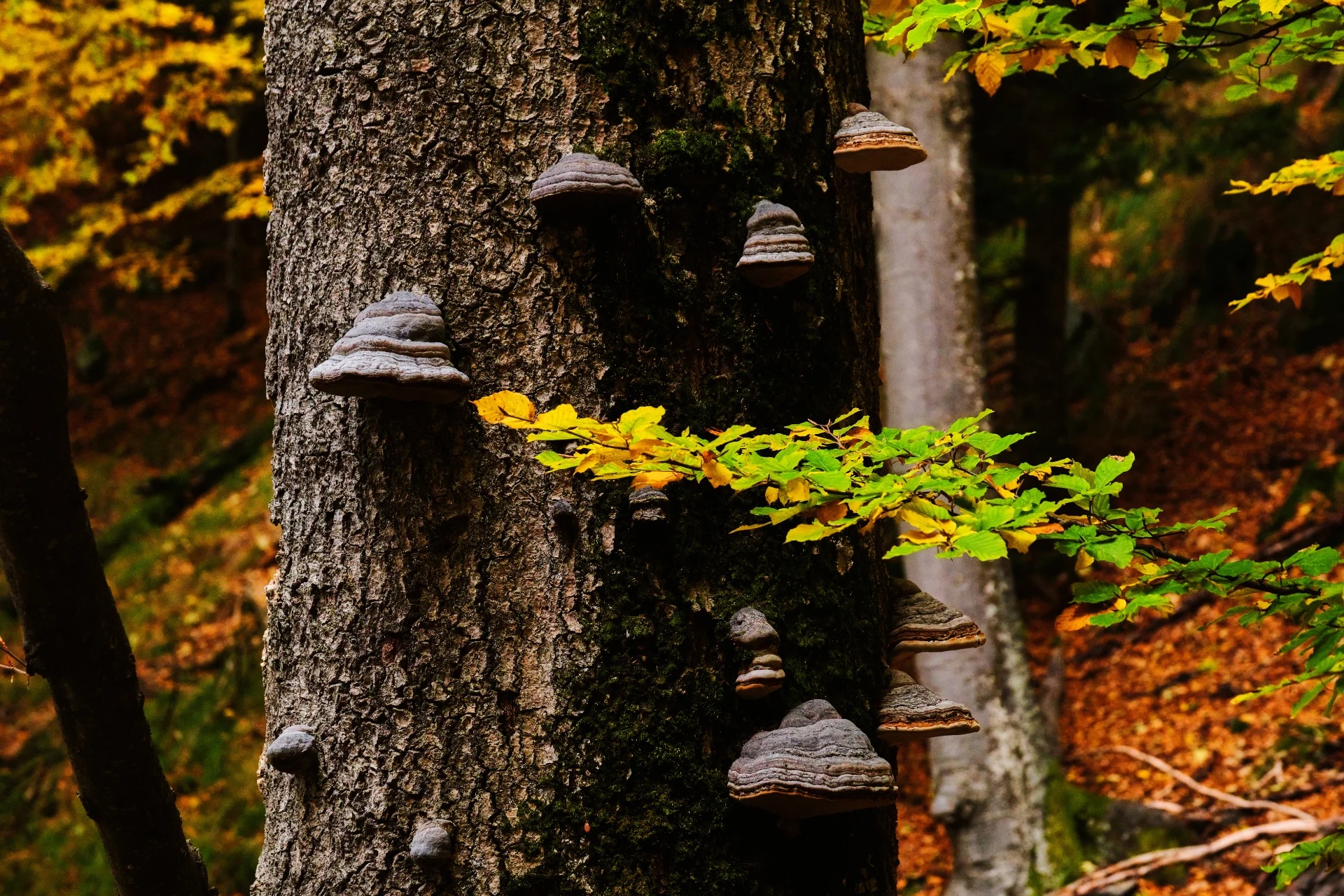
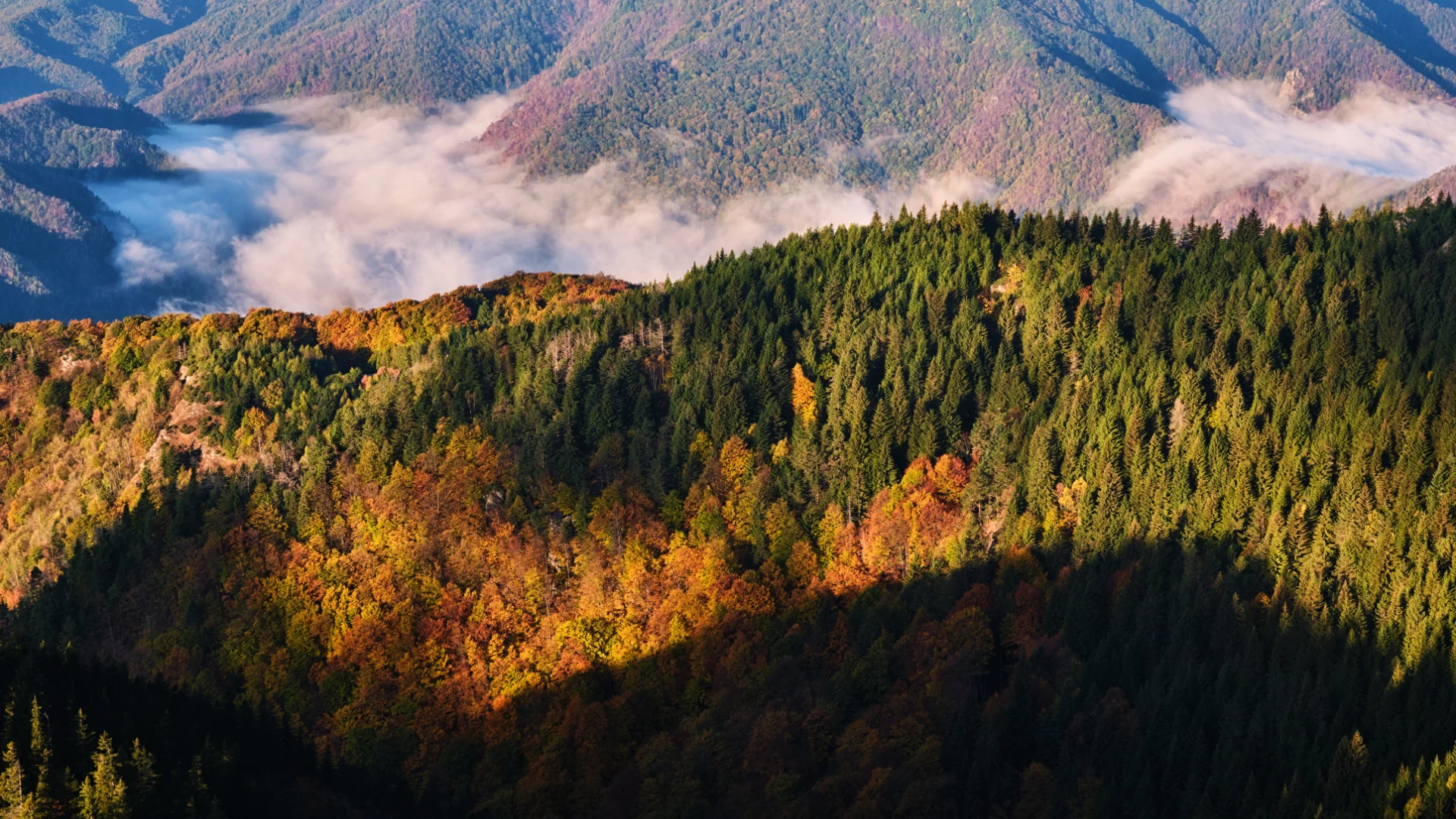
The park is notable for the extraordinary diversity of habitats and plant and animal species found here, with many special features that make this place a unique natural destination. The fauna is primarily represented by large mammals, including the brown bear, wolf, fox, lynx, wild cat, chamois, deer or roe deer, but also a lot of smaller animals (marten, badger, squirrel). Also noteworthy are the over 120 species of birds observed in the national park, some finding a suitable environment to stay all year round in the Olt gorge. Many species of reptiles, amphibians, fish or invertebrates have also been discovered. An impressive aspect of the Cozia National Park is the large area and diversity of forests, mostly represented by beech, hornbeam and spruce. On the northern slopes of the Cozia massif and in the Lotrișor area, there are also areas with centuries-old and virgin beech forests, included in the UNESCO heritage. In addition, there are numerous plant species, many of which are rare or endemic (queen’s flower, mountain bell, ligularia, wild sturgeon, angelica, yarrow and others).
Hiking Trails
The area of the Cozia National Park includes several fascinating hiking trails, some of which are quite accessible for most tourists, while a few stand out for their spectacularity and considerable length, with short, quite difficult sections. The interesting trails start from the surrounding valleys towards the peak (1668 meters) and the Cozia chalet (1573 meters), the most famous (red band) starting from the Turnu railway station and following Muchia Turneanu. After the Cozia chalet, it crosses the entire massif to the northeast, passing through Poarta de Piatră (Omu mountain) and descending to the village of Pripoare. The initial portion of this route also has several variants, either starting from the Arutela camp or Păușa village, or from the Turnu train station via Pietrele Roșiei. Another fairly busy route follows the Păușa valley to the Stânișoara monastery (blue cross), then climbs steeply to the Cozia chalet via Colții lui Damaschin (blue band). Other lesser-known routes climb to the summit from the north or south, while on the other side of the Olt, there are routes along the Lotrișor valley or between Brezoi and Călinești via Poiana Suliței.
Cozia Monastery
Visiting hours: Daily / 8-21
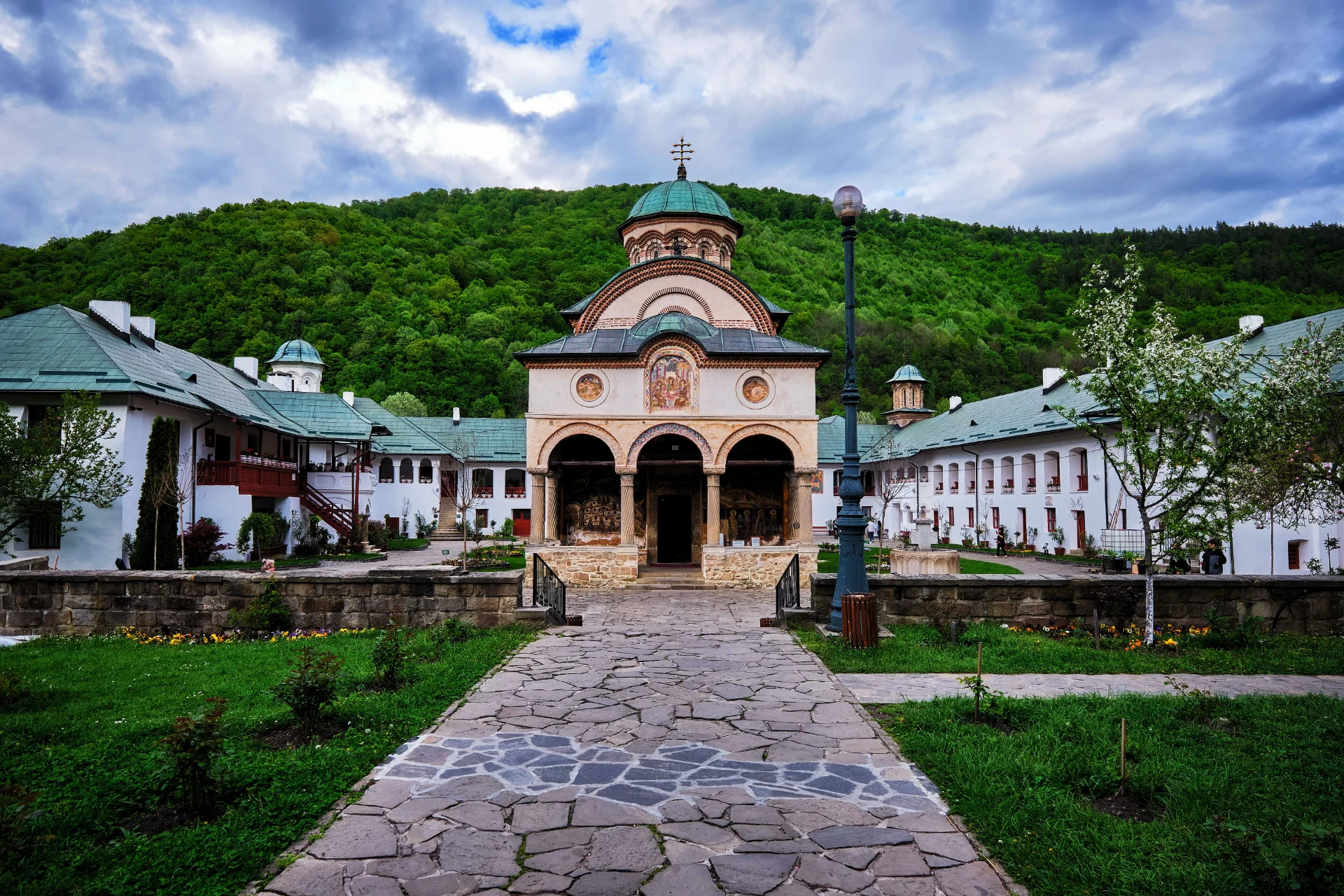
Considered one of the most important and most beautiful monasteries in Romania, Cozia was founded by Prince Mircea the Elder and built between 1386 and 1388. Over the following centuries, the settlement was continuously restored and developed. Located right on the banks of the Olt River, at its exit from the gorge, the monastery stands out for its special religious, cultural, historical and architectural importance. One of the most important monastic schools in Wallachia operated here during the medieval period. In the modern era, the complex has also gone through tragic periods, being destroyed and looted several times, desecrated by the Turks or Austro-German troops and transformed into a prison.
The complex is a national historical monument and includes several structures, at the center of which is the “Holy Trinity” Church or the Great Church, which is over six centuries old. It impresses with its complex but very harmonious architectural style, being a combination of Byzantine, Balkan and Wallachian features. Built of stone and brick by a Serbian architect, the structure was developed over time, and inside are the tombs of Mircea the Elder and other important historical figures. Among the exceptional elements are the impressive paintings from different eras, the icons or the polychromes.
Other important structures include the “Assumption of the Virgin Mary” Chapel (1583), the “All Saints’ Sunday” Chapel (1710), the “Holy Apostles” Hospital Church and the buildings of the enclosure, which include several points of interest, including the museum that includes old icons, religious objects, manuscripts and more. The “Holy Apostles” Hospital Church is located on the other side of the national road and was built between 1542-1543 by Radu Vodă. Considered an architectural masterpiece in itself, it preserves the splendid original painting from the 16th century.
Turnu Monastery
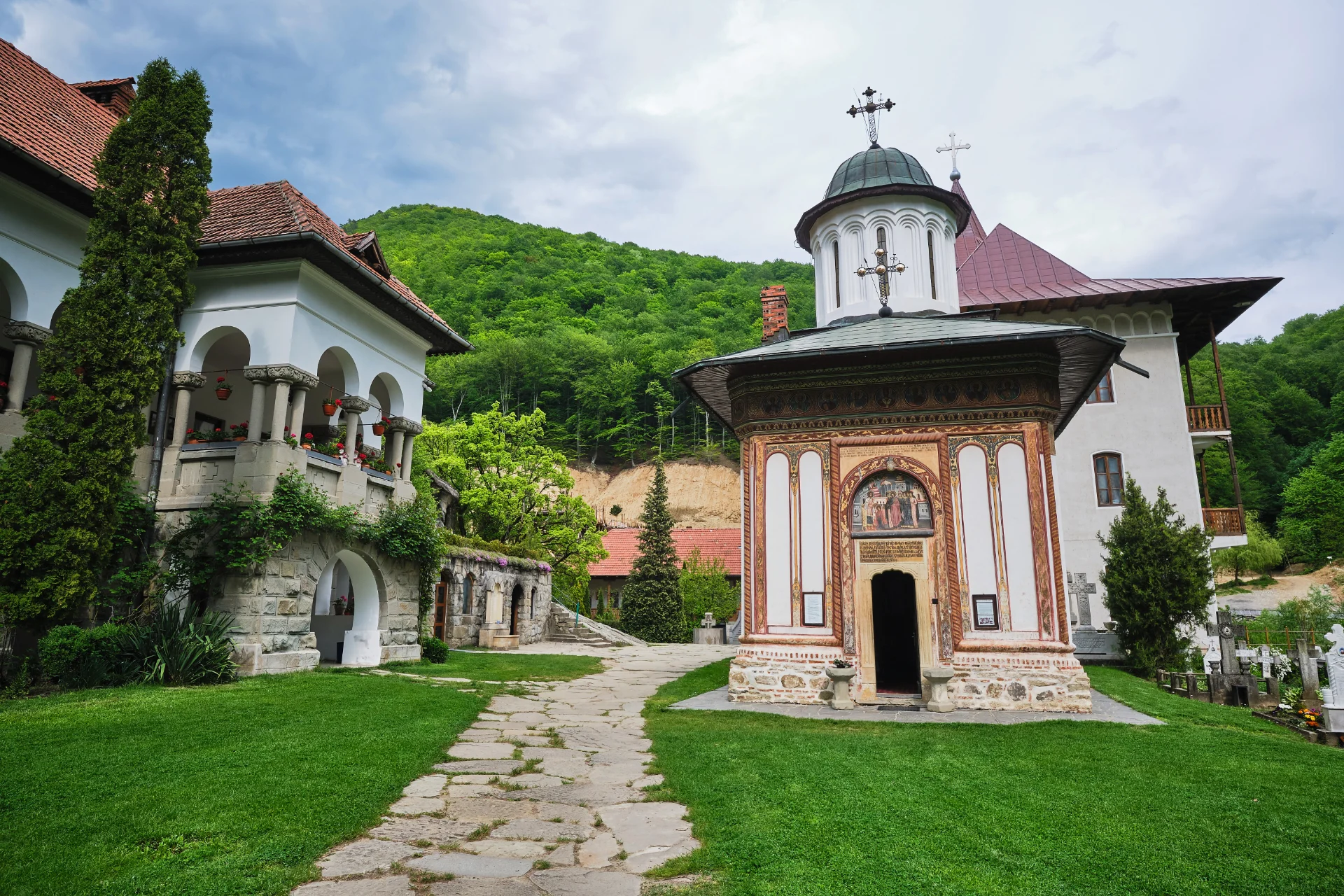
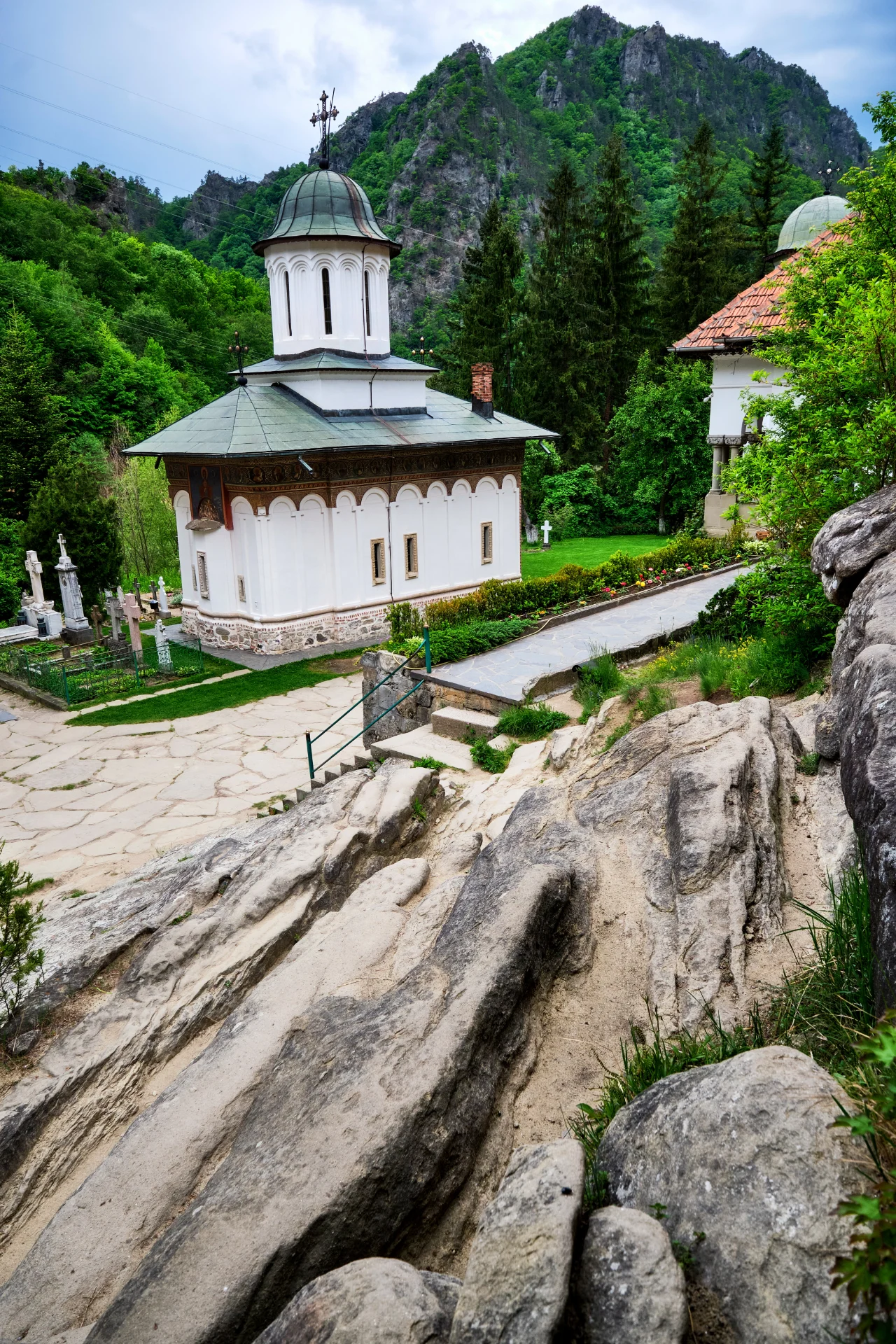
Also located on the banks of the Olt River, before the river leaves the gorge and approximately 2 kilometers from Cozia, the Turnu Monastery was founded in the 15th-16th centuries, when monks from Cozia built here several huts and cells dug directly into the rock, followed by a wooden church. The first stone church was erected at the end of the 17th century, followed by another complex of buildings at the end of the 19th century, including the new church dedicated to the “Transfiguration”, built and painted by a Polish architect. A devastating fire and several earthquakes affected the monastic complex in the last century, the roof and painting of the large church being restored in the traditional Romanian style. Two routes depart from here to the peaks of the Cozia massif, one also passing by the Stânișoara monastery.
Călimănești Spa Resort
Located at the foot of the Cozia massif and the Căpățânii mountains, mainly on the right bank of the Olt River at its exit from the gorge, the city of Călimănești has been known as a thermal destination since the time of the Dacians. The town first developed around the Cozia monastery, being first attested in 1388 in a document by Mircea the Elder. Famous for the therapeutic properties of its thermal and mineral waters, Călimănești-Căciulata has become one of the most important spa resorts in Romania, appreciated over time by the crowned heads of Europe. Most of the services and tourist establishments are found in the north of the city and in the Căciulata area, south of the Cozia monastery. In addition to these and the Ostrov hermitage, in Călimănești you can admire several other interesting attractions, starting with the superb Central Pavilion, built between 1881-1886 and restored between 1910-1911. Together with the surrounding park, it forms a delightful ensemble, and from here starts the Balneal Spa Alley, which follows a route of over 2 kilometers through the forest to Căciulata. Other interesting places include the A.E. Baconschi Town Library, the “Holy Princes” Church (1711-1715), the “Holy Apostles” Church, Călimănești Train Station (1899), the Poiana lui Căliman Park and the Olt River Promenade.
Lotrișor Gorge and Waterfall
Tickets: 10 lei/adult
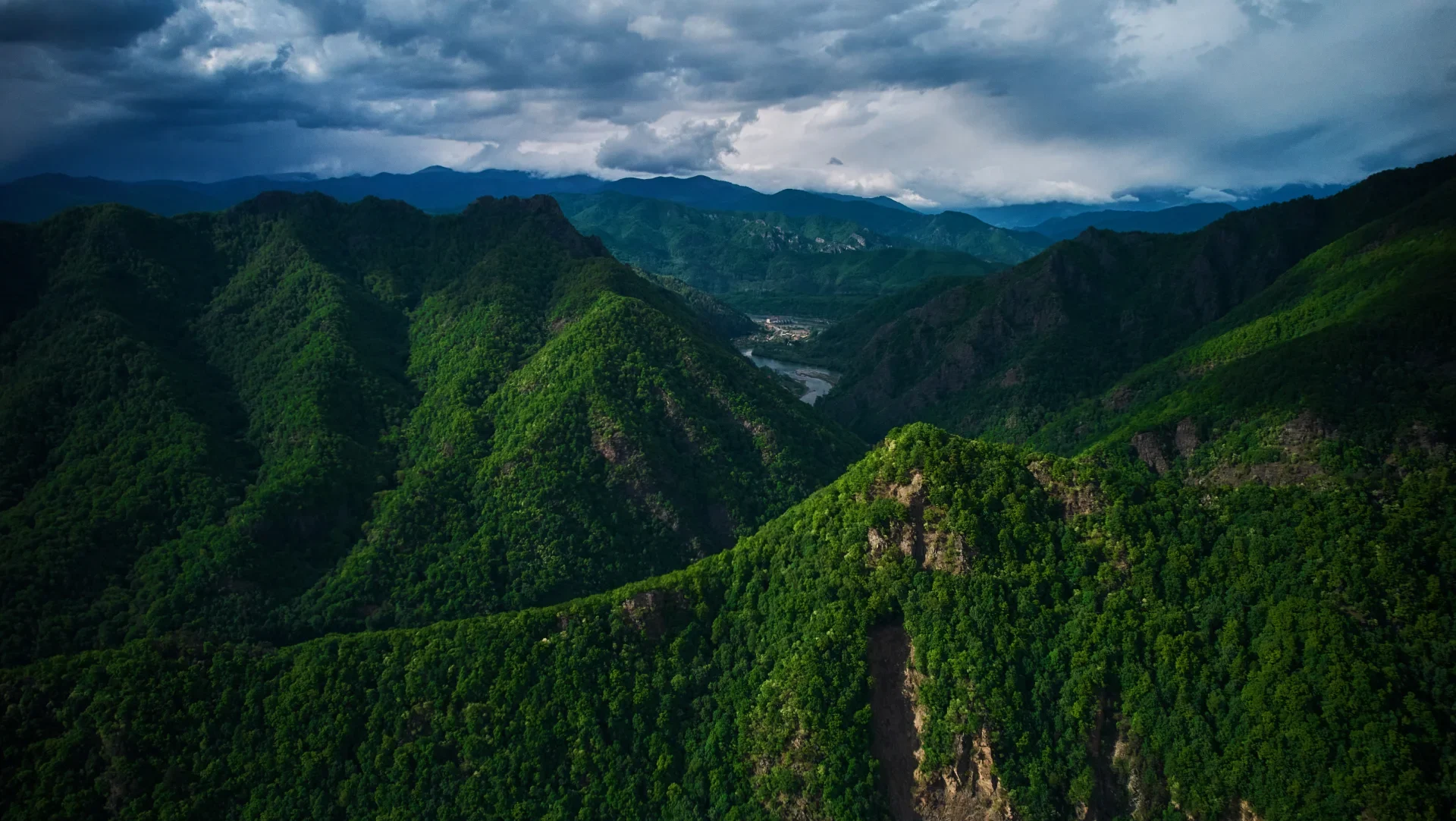
The Lotrișor Stream is a right tributary of the Olt River, and along its valley it has formed a wild sector of gorges that can be easily explored along a forest road open only to hikers. Alternating wider sectors where you can admire the forested slopes with very narrow sectors, where the vertical walls are over 100 meters high, the Lotrișor Gorges are a fascinating destination. After about 2 and a half kilometers along the valley you reach the Lotrișor Waterfall, over 30 meters high and particularly picturesque. It was formed as a result of the forest road development works, by diverting the water flow. The entire valley is characterized by an impressive biodiversity, with approximately 50 species of endemic plants and 15 species of protected animals.
Other Interesting Discoveries
Lesser known places and activities in Cozia National Park
Stânișoara Monastery
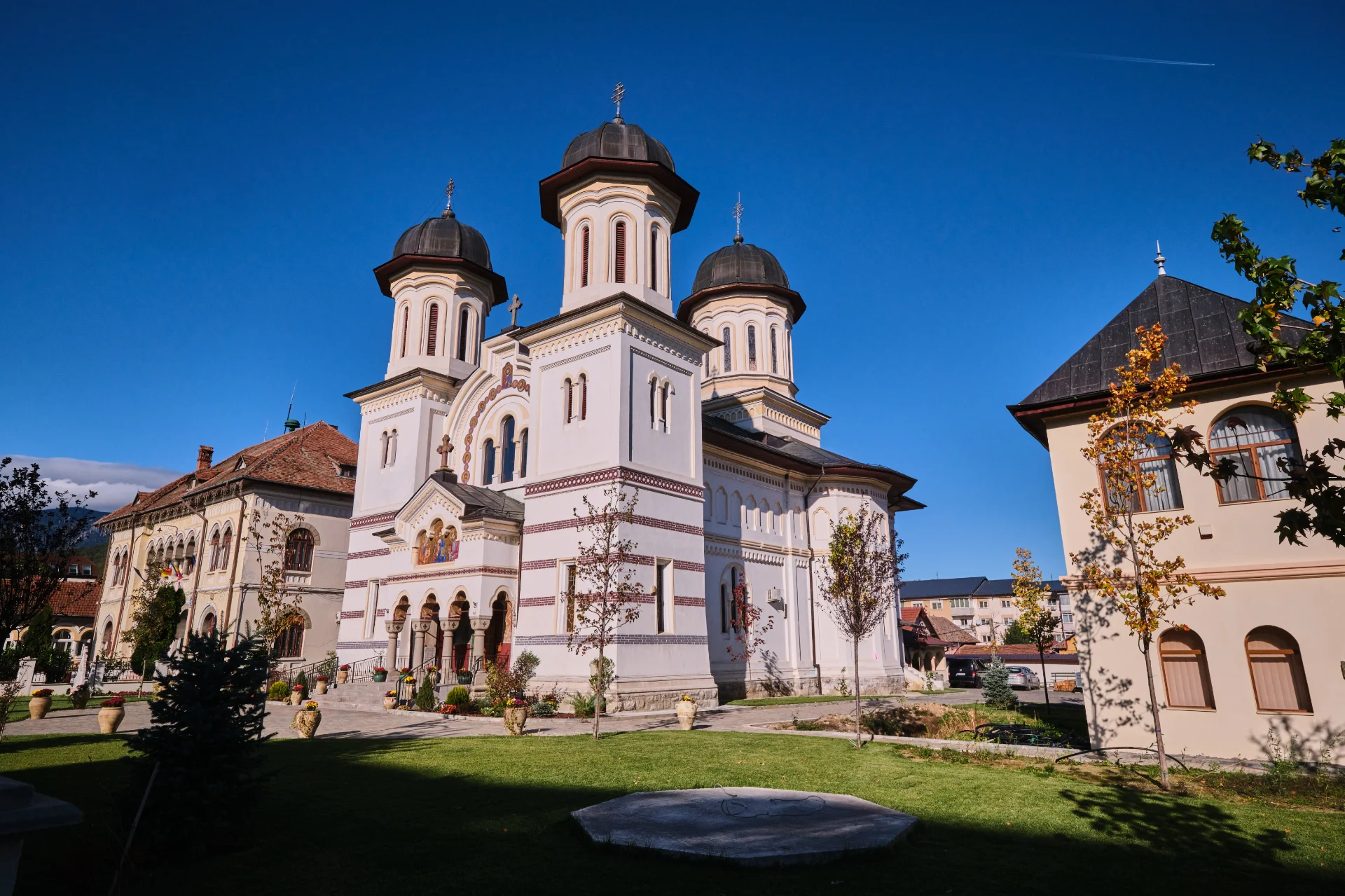
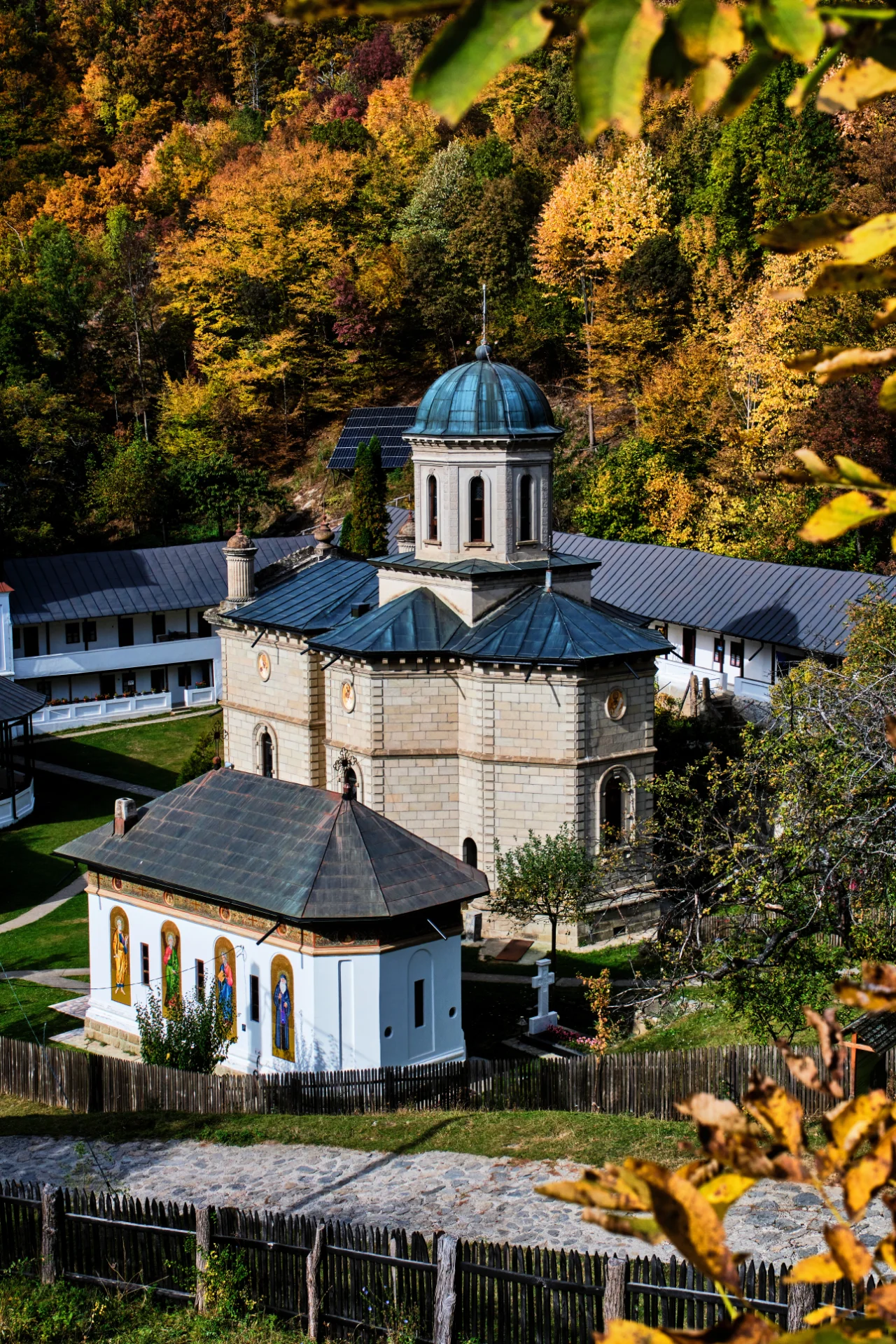
Formerly known as Nucet, the monastery is located in a spectacular natural setting, at the foot of the rocky ridges of the Cozia massif and approximately 6 kilometers from the village of Păușa. The first monastic settlement in these lands was a wooden hermitage built by monks living in the surrounding caves, followed by a church built in the mid-18th century, destroyed in a Turkish attack in 1788. Another hermitage built in the early 19th century was in turn destroyed by fire, while the current superb church dedicated to “Saint George” dates from 1903-1908 and was founded by Bishop Gherasim Timuș. The Stânișoara and Turnu monasteries are recognized for the strict monastic life of the monks here.
Cornet Monastery
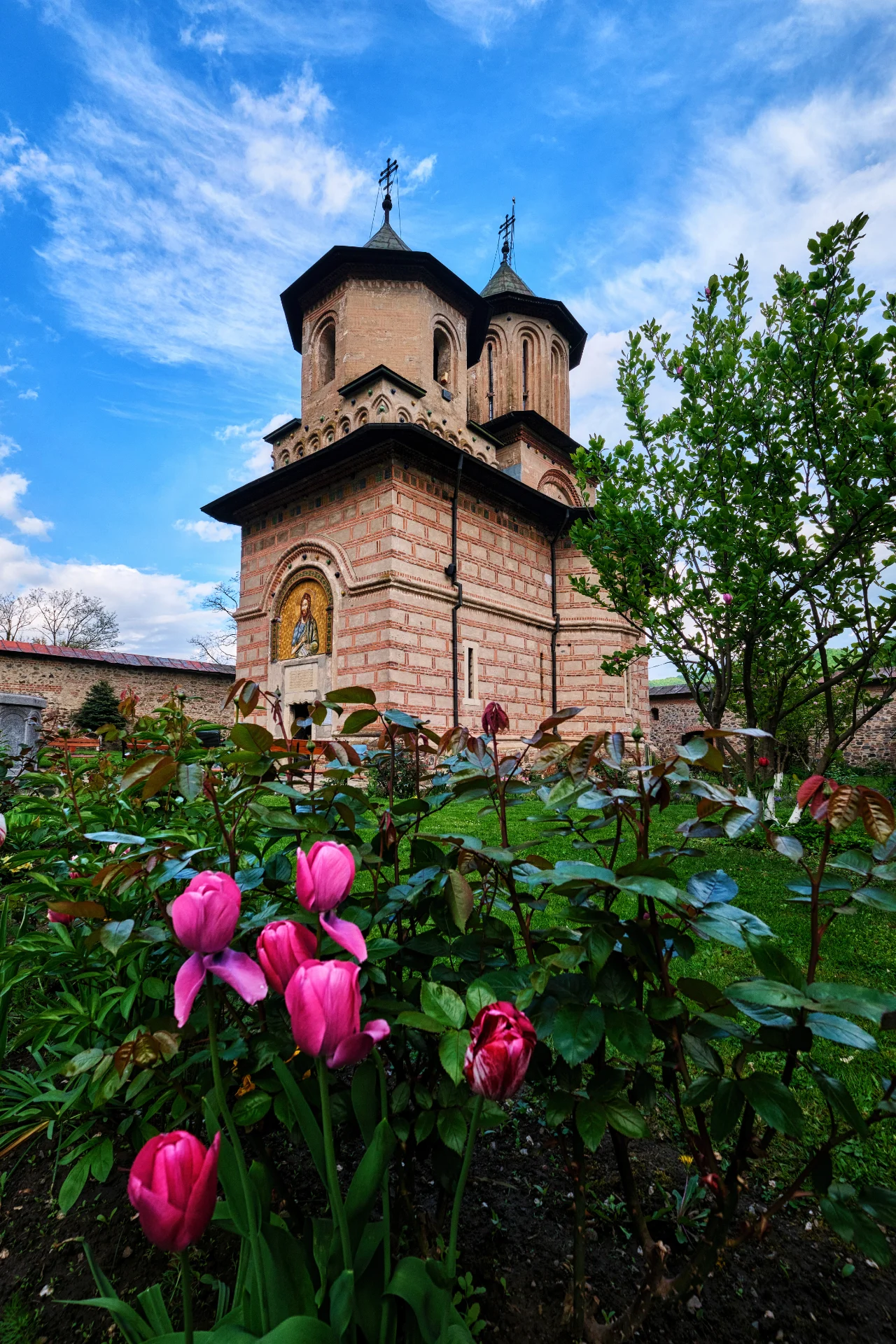
Located right on the banks of the Olt River, at the northern border of the Cozia National Park, the monastery was originally founded around 1666 by a village elder. The monastery was damaged by a major fire in 1808 and rebuilt a few decades later. At the end of the 19th century, a tunnel was built under the monastery for the railway that follows the Olt Gorge. Of the original structures, only the gazebo, the tower and part of the walls of the enclosure have been preserved. The church dedicated to “Saint John the Baptist” is considered among the most beautiful and interesting from the point of view of architecture, while the paintings inside are more recent. An impressive number of holy relics are kept here.
Ostrov Hermitage
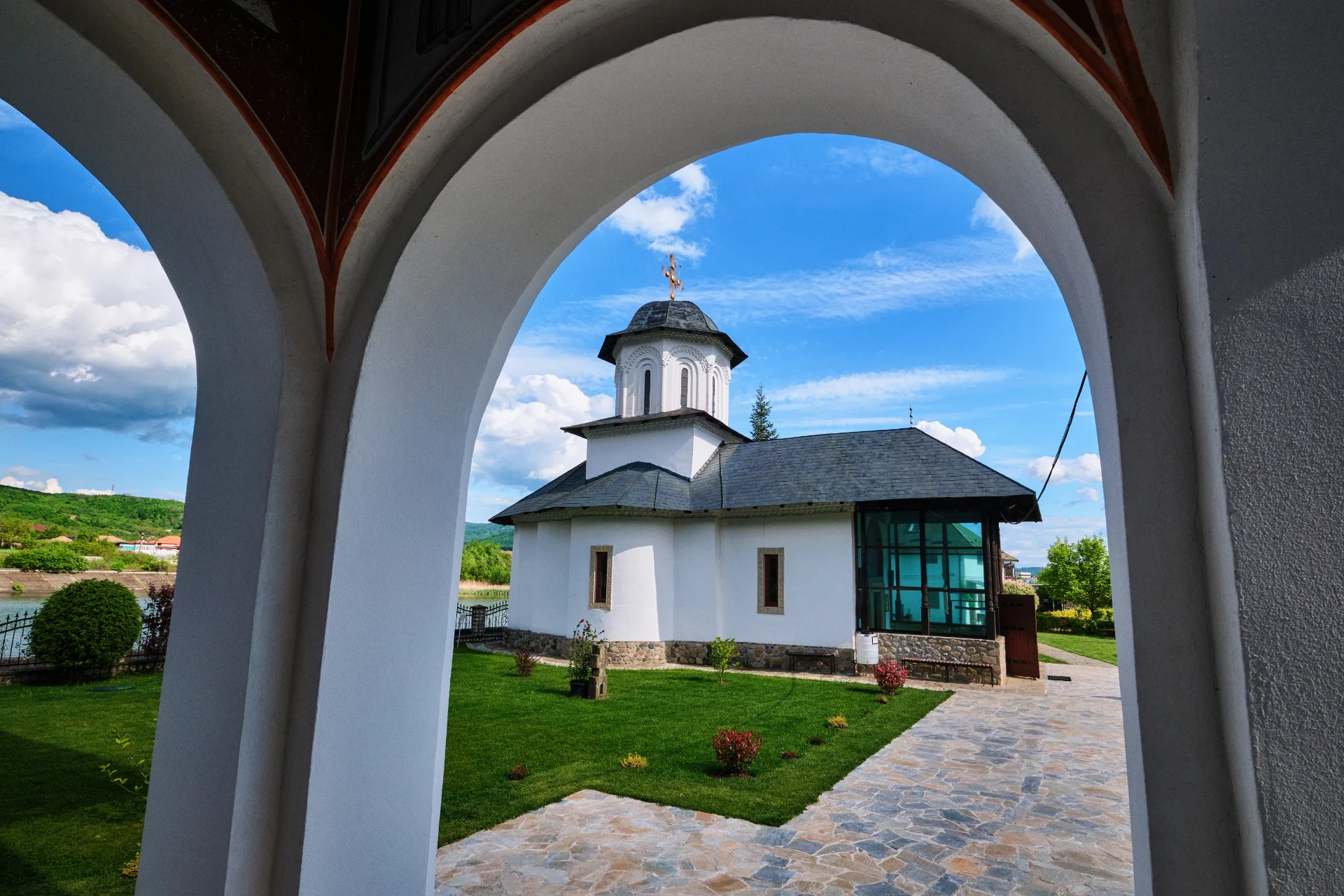
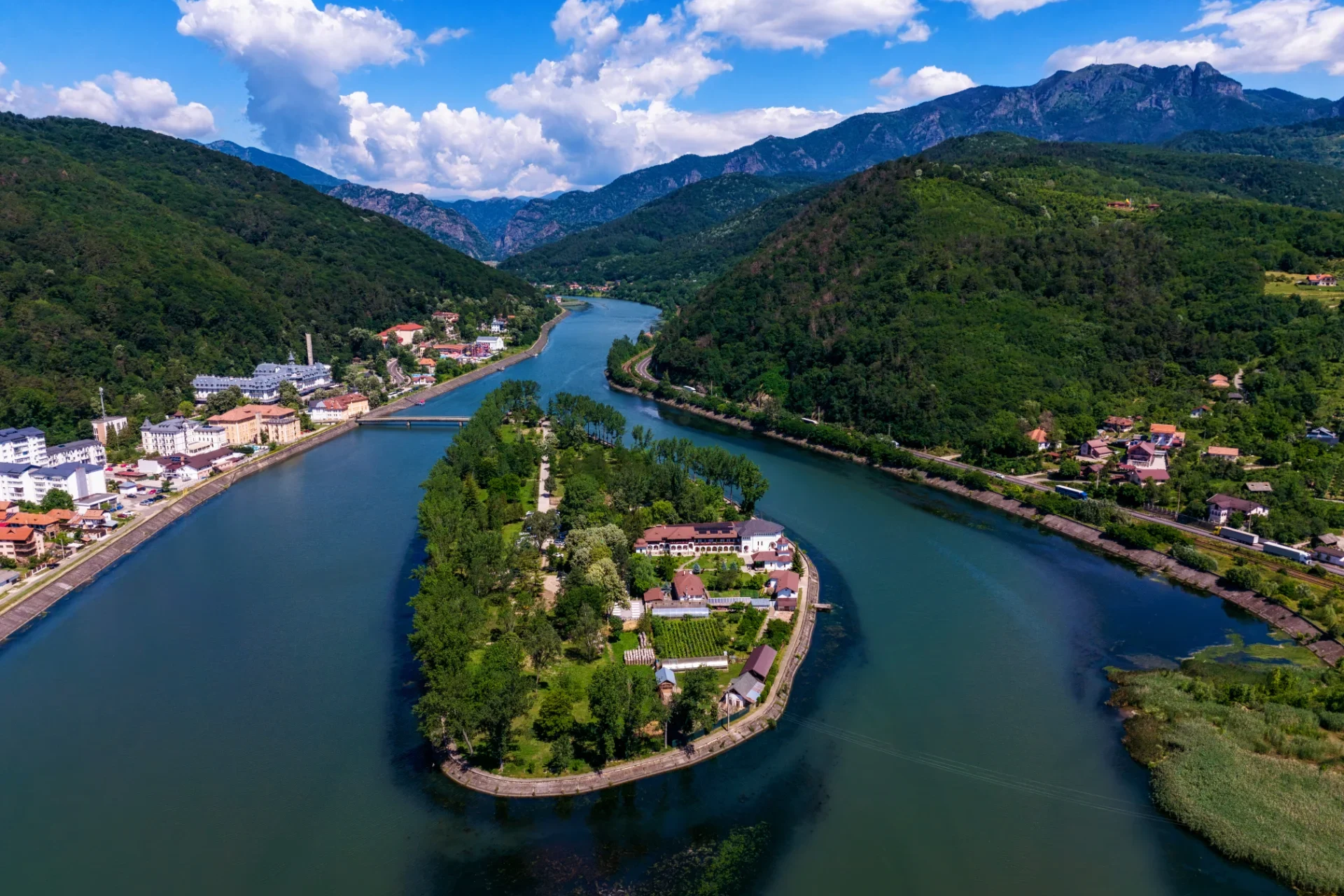
The first monastic settlement of nuns in Romania, it is located on a small island (ostrov) of the Olt River, right next to the town of Călimănești, to which it is connected by a bridge. The history of the hermitage begins at the end of the 14th or 15th century, but between 1518 and 1522 the church was built as a foundation of the prince Neagoe Basarab and his wife, who later became a nun here. At first, it functioned unpainted, preserving several old and valuable icons from that period, including some now present in the collection of the National Museum of Art. The fresco-style painting dates from the mid-18th century and is highly appreciated for its artistic value. In the late 1970s, with the construction of the dam on the Olt River, the entire island was raised by several meters, and the structures were in turn rebuilt, but the surrounding centuries-old forest was destroyed.
Berislăvești Monastery
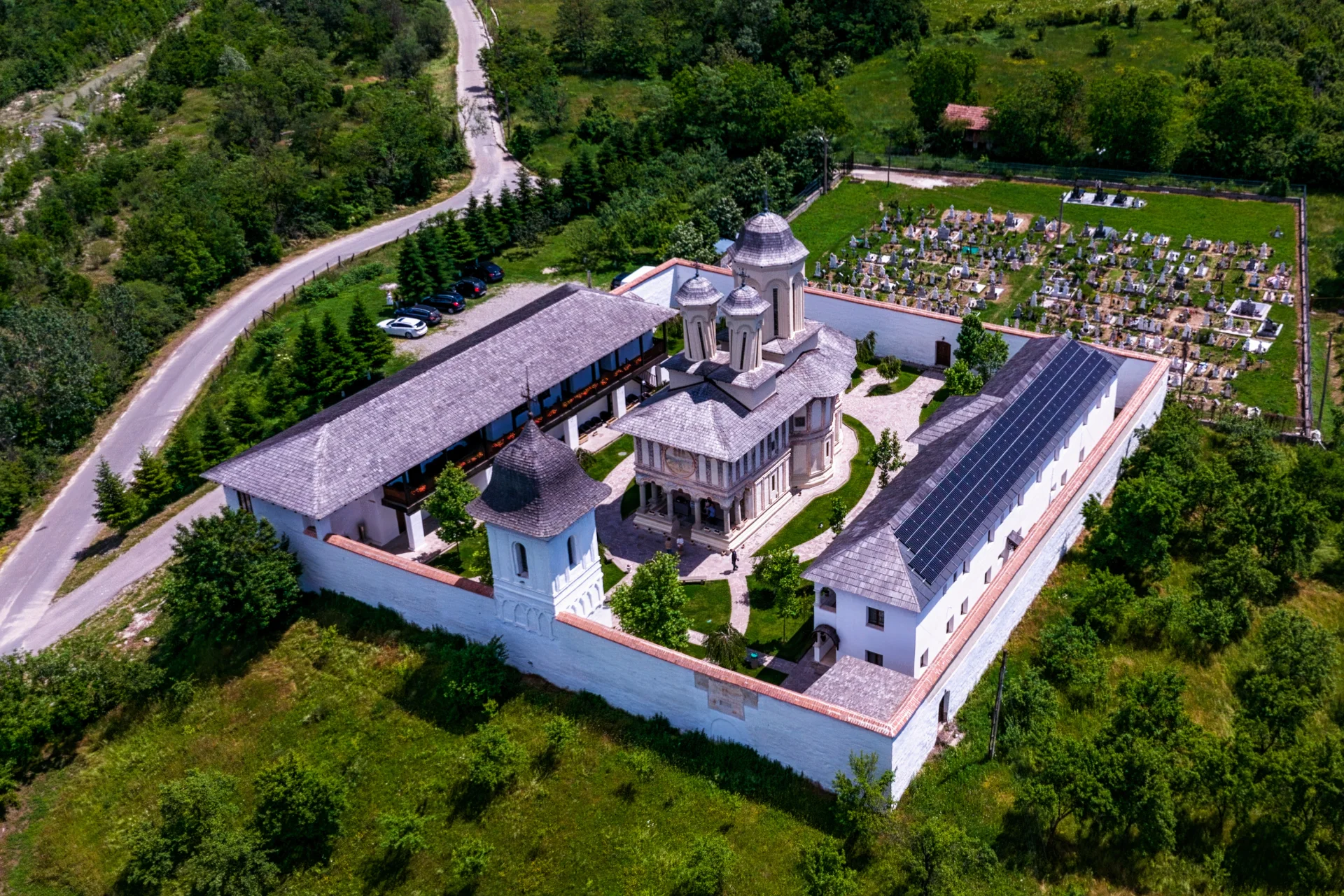
Among the most beautiful monasteries in northern Oltenia, but also one of the least known, Berislăvești is located in the village of the same name, in the Sălătrucel valley, a few kilometers east of Călimănești. Founded by local boyars in the mid-18th century, the monastery is surrounded by a fortified enclosure and includes a number of interesting structures. At the center of the complex is the church dedicated to the “Three Holy Hierarchs” and “Saint George”, an exceptional architectural and artistic monument, especially notable for the ancient painting of great value. Other historical structures in the vicinity include the abbot’s house with vaulted cellars and the bell tower.
Arutela Roman Fort
Located on the banks of the Olt River, just before it exits the gorge, the fort has been attested since the beginning of Roman rule over these lands. With small dimensions, approximately 60 by 60 meters, it has been partially restored based on research studies. The Praetorian Gate and its defense towers were thus rebuilt in the early 1980s and can be admired today, along with the ruins of the other structures, being the first monument reconstructed in this way in Romania. A little further north, on a rock overlooking the river known as Teofil’s Peak, the ruins of an observation tower from the same period were also discovered. In fact, the entire Olt River gorge preserves ancient Roman vestiges, they built a paved road here, which was sometimes suspended above the river.
Town of Brezoi
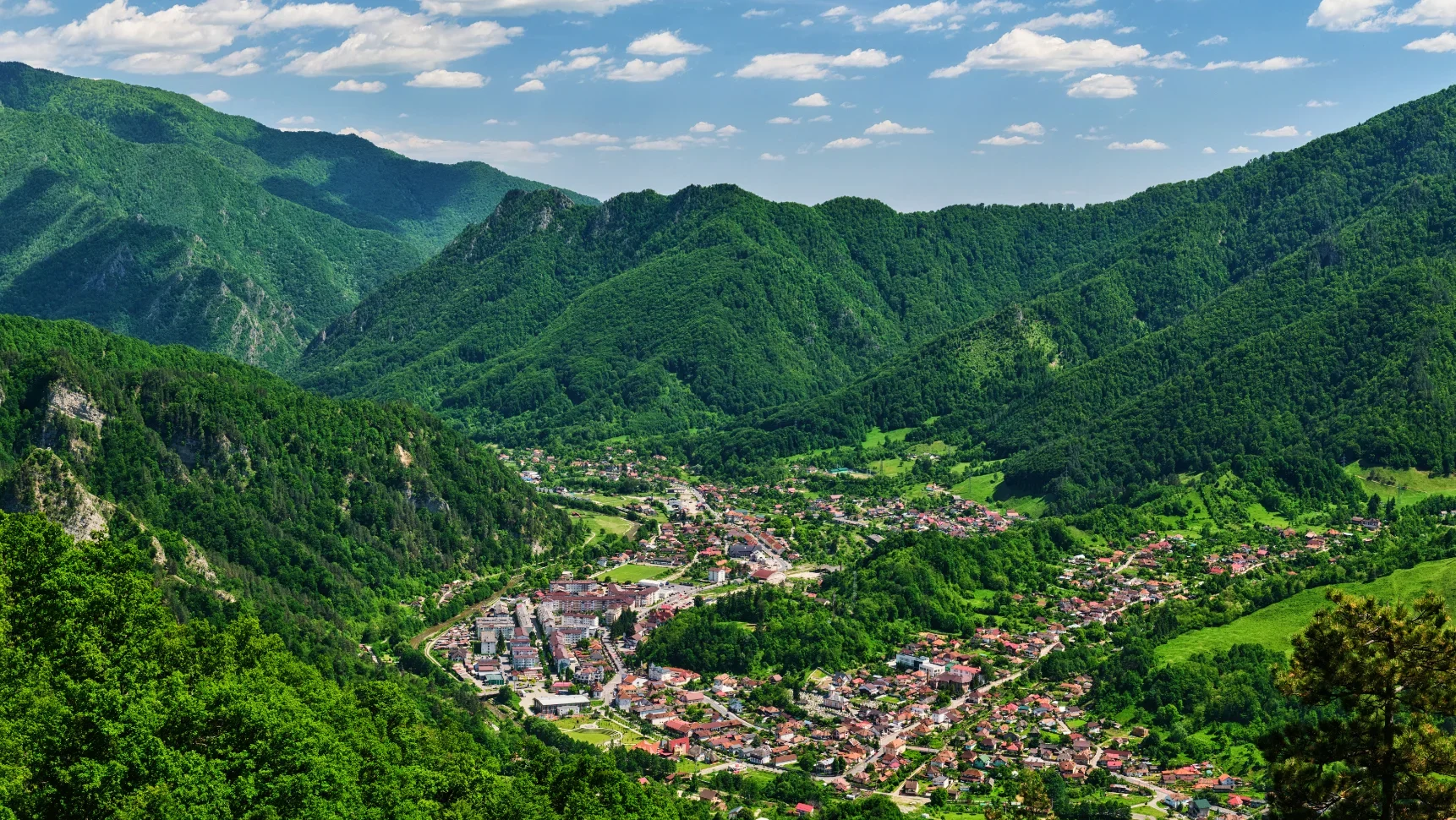
The small town of Brezoi is located in the middle of the Olt River gorge, at its confluence with the Lotrul, along which the town runs. Once a mountain village where the main occupations were animal husbandry and timber exploitation, Brezoi has developed in the last century, becoming a charming town and an interesting tourist destination. From here you can set off on several hiking trails, including to the stunning Doabre cliffs, unique geological formations located north of the town. In addition to these, the town also includes a monument dedicated to the Heroes of the First World War, an old train station and several churches declared historical monuments.
Doabrei Rocks
Also known locally as Melcii, Pietrele Doabrei or Stâncile Zimbrilor, these unique and spectacular rocks can be discovered in the Lotrului mountains, north of the town of Brezoi. Located in a wild area and less explored by travelers, the amazing rock formations appear in relief like huge fangs or shells, often perfectly rounded, surrounded by the dense vegetation specific to the national park. This area can be reached by following a route from Brezoi to Poiana Suliței or to Doabra peak, which also offers superb panoramas of the Lotrului valley.
Călinești Valley
Close to the northern border of the Cozia National Park, this charming valley hides some impressive landforms. Perhaps the most interesting are the Dragon Caves (Garden of the Dragons), located a few hundred meters above the gorge. Surrounded by fascinating local legends, but formed as a result of natural phenomena, these unique rock formations create a spectacular landscape, to which are added the unique panoramas of the Olt Valley.
The Stone Gate
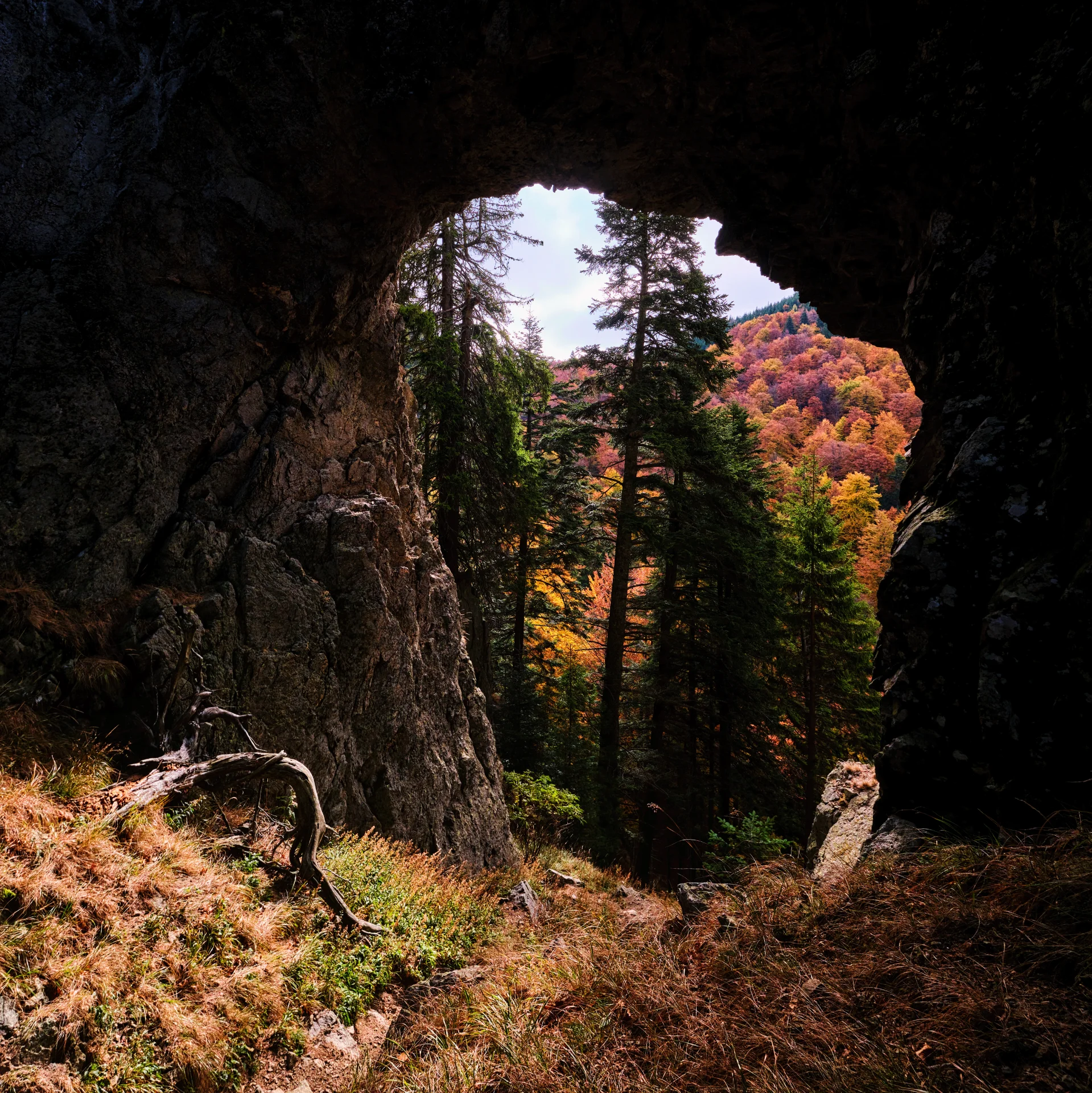
One of the most spectacular rock formations in the Cozia massif can be discovered along a trail that starts from the summit to the northeast. The Man’s Gate or the Stone Gate is located at an altitude of 1,250 meters and represents an impressive portal with a height of 10 meters and a width of 7 meters. This place is also surrounded by ancient legends, and the Cozia massif is said to represent the ancient Kogaionon, the sacred mountain of the Geto-Dacians, where Zalmoxis is said to have retreated to a cave for three years.
Accommodation Recommendations
The best lodging options in Cozia National Park
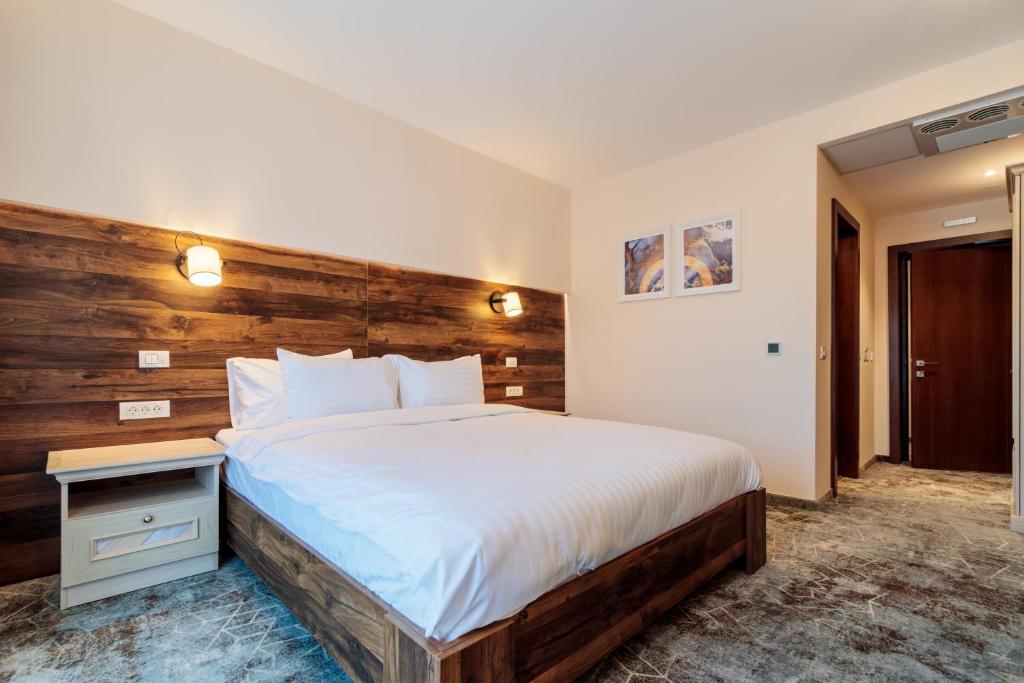
Rating 9.7 from 2.019 reviews!
With great reviews from guests, it is among the best accommodations in Călimănești, offering accommodation in superior rooms, an outdoor and indoor pool, a spa center and a restaurant!
Teilor St. 12-13, Căciulata
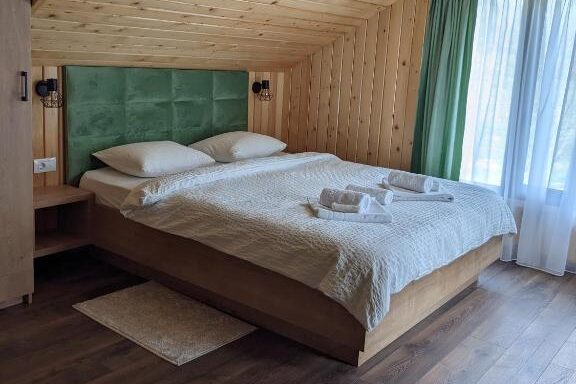
Rating 9.5 from 54 reviews!
Located in a quiet area of the town of Brezoi, with mountain views, the guesthouse offers rooms with rustic decor and excellent amenities, as well as a swimming pool, terrace and garden!
Mesteacănului St. 14, Brezoi
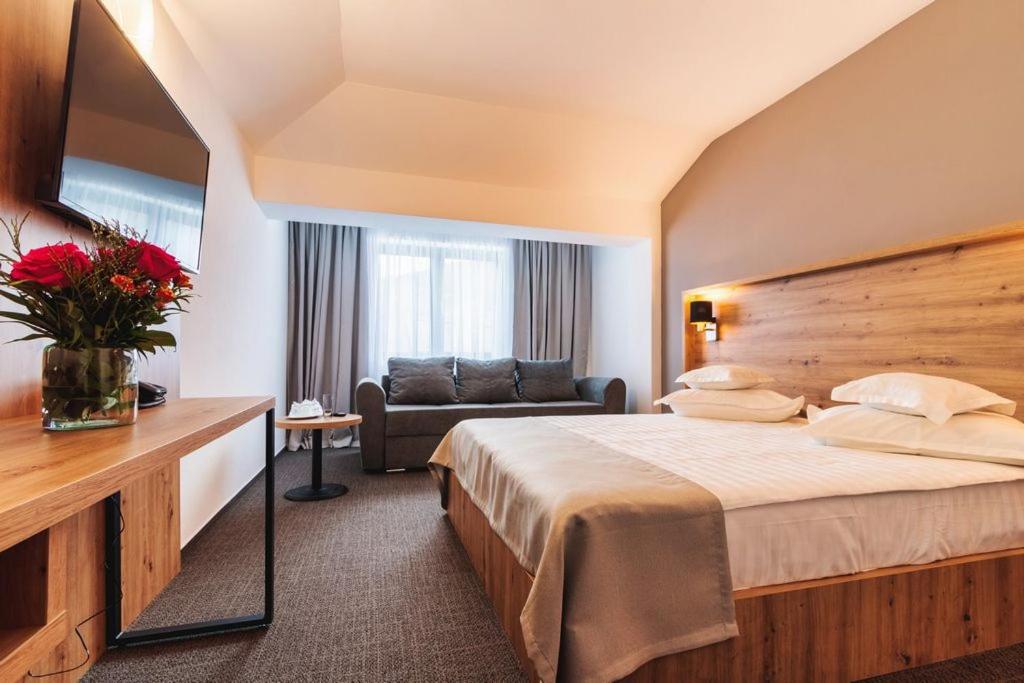
Rating 9.3 from 1.076 reviews!
Located in the town of Călimănești, this popular accommodation offers modern rooms with all the necessary amenities, a restaurant, spa center, indoor pool and terrace!
Calea lui Traian 475/479, Călimănești