27
Râmnicu Vâlcea
and its Surroundings
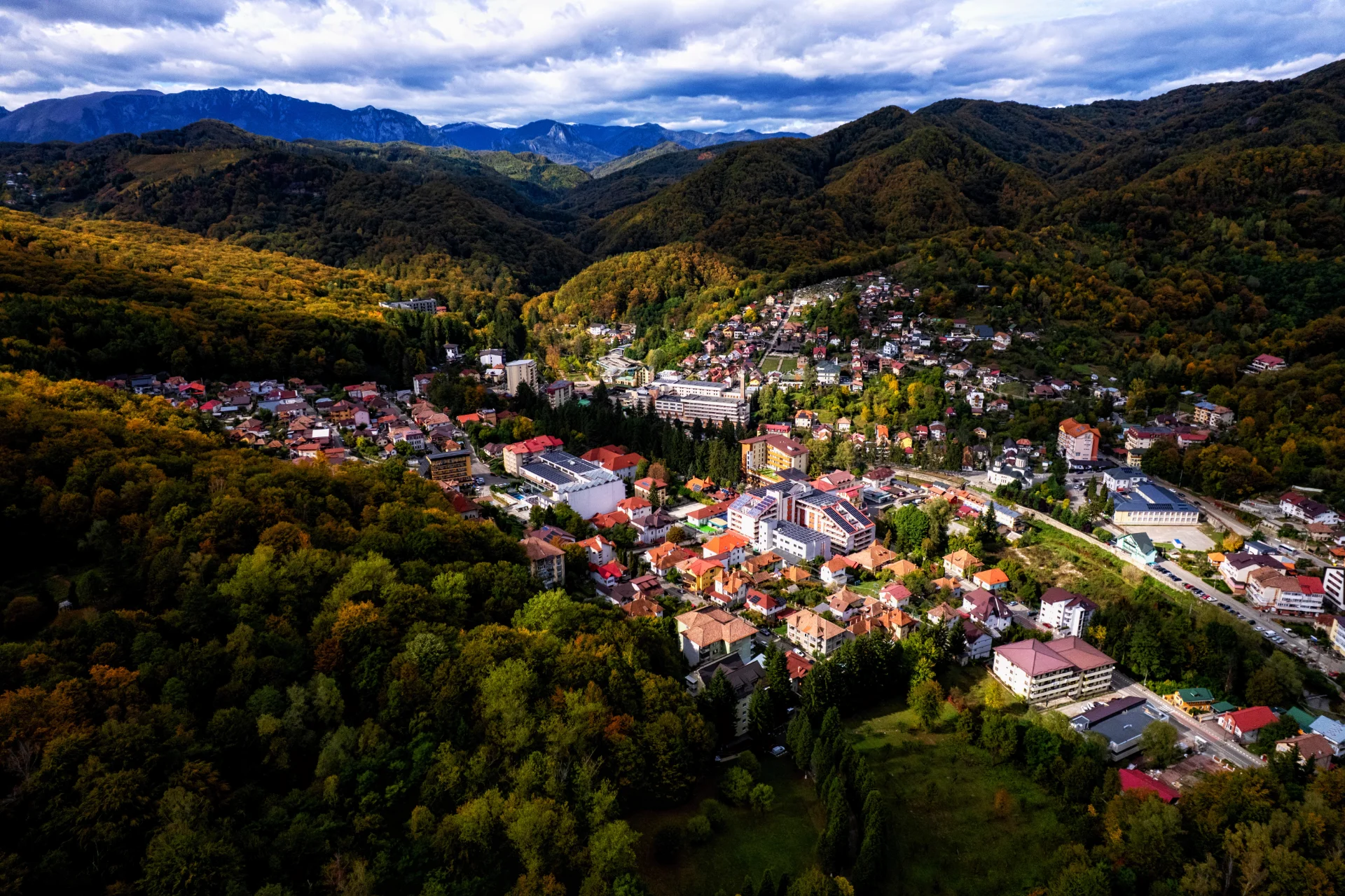
The mornings seem quiet in the small town enveloped by the embrace of the Olt River, but the streets and parks quickly come to life, revealing the character and flavor of a vibrant provincial fair, an old princely court whose roots are lost in the mists of time!
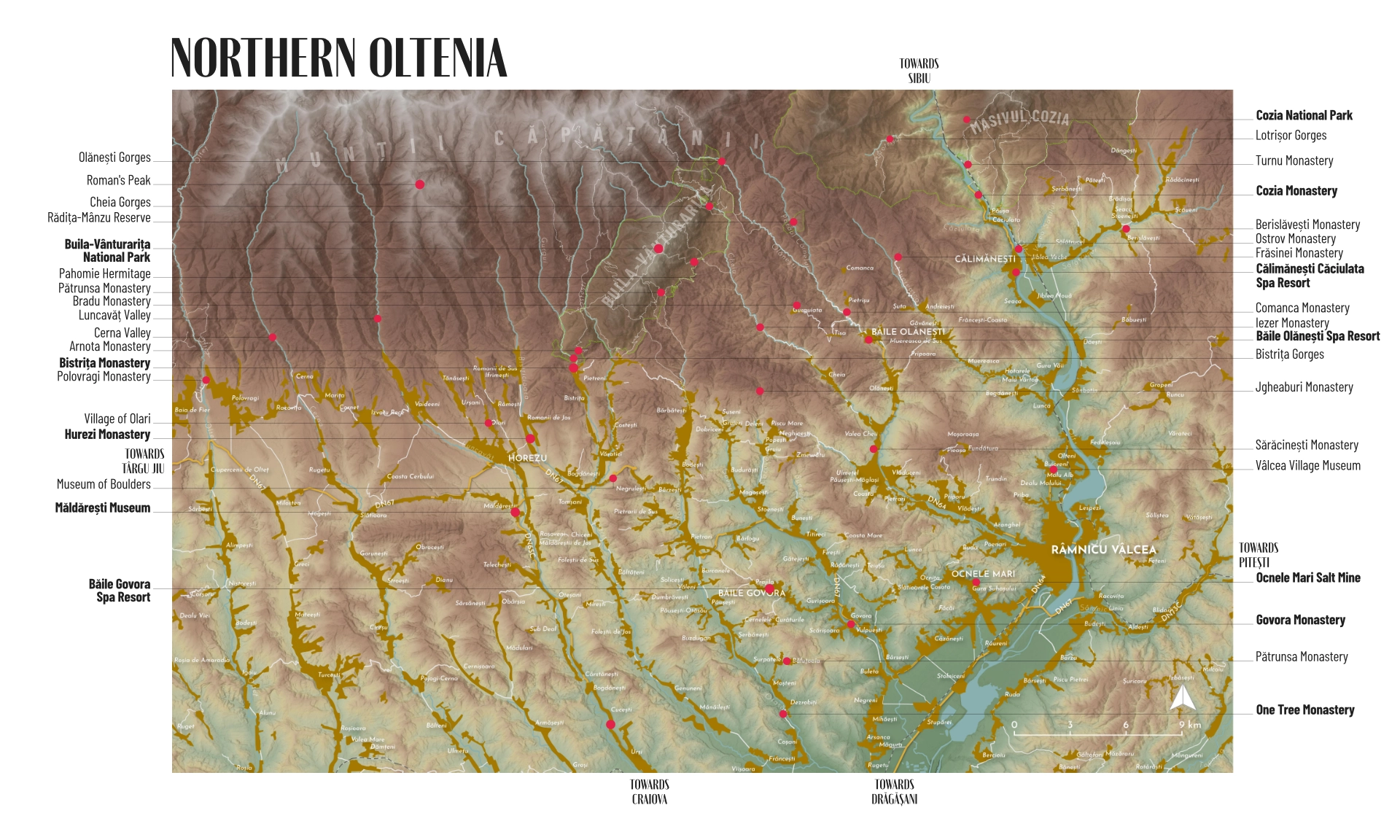
Beyond the mountains in the southwest of the country and the enchanting Olt Valley, we enter a wonderful land that hides an amazing variety of fascinating places and experiences. We are in Northern Oltenia, sometimes nicknamed “Oltenia under the mountain“, a surprising and seductive destination. The journey first takes us through the elegant streets of the city of Râmnicu Vâlcea and the surrounding valleys, discovering some of the legendary monasteries that enliven these lands. With a thousand-year history that goes beyond the ancient Roman castrum Buridava, discovered in the southwest of the city, Râmnicu Vâlcea was first mentioned in 1388, in a document of Mircea the Elder, who had his royal court at Râmnicu de pe Olt.
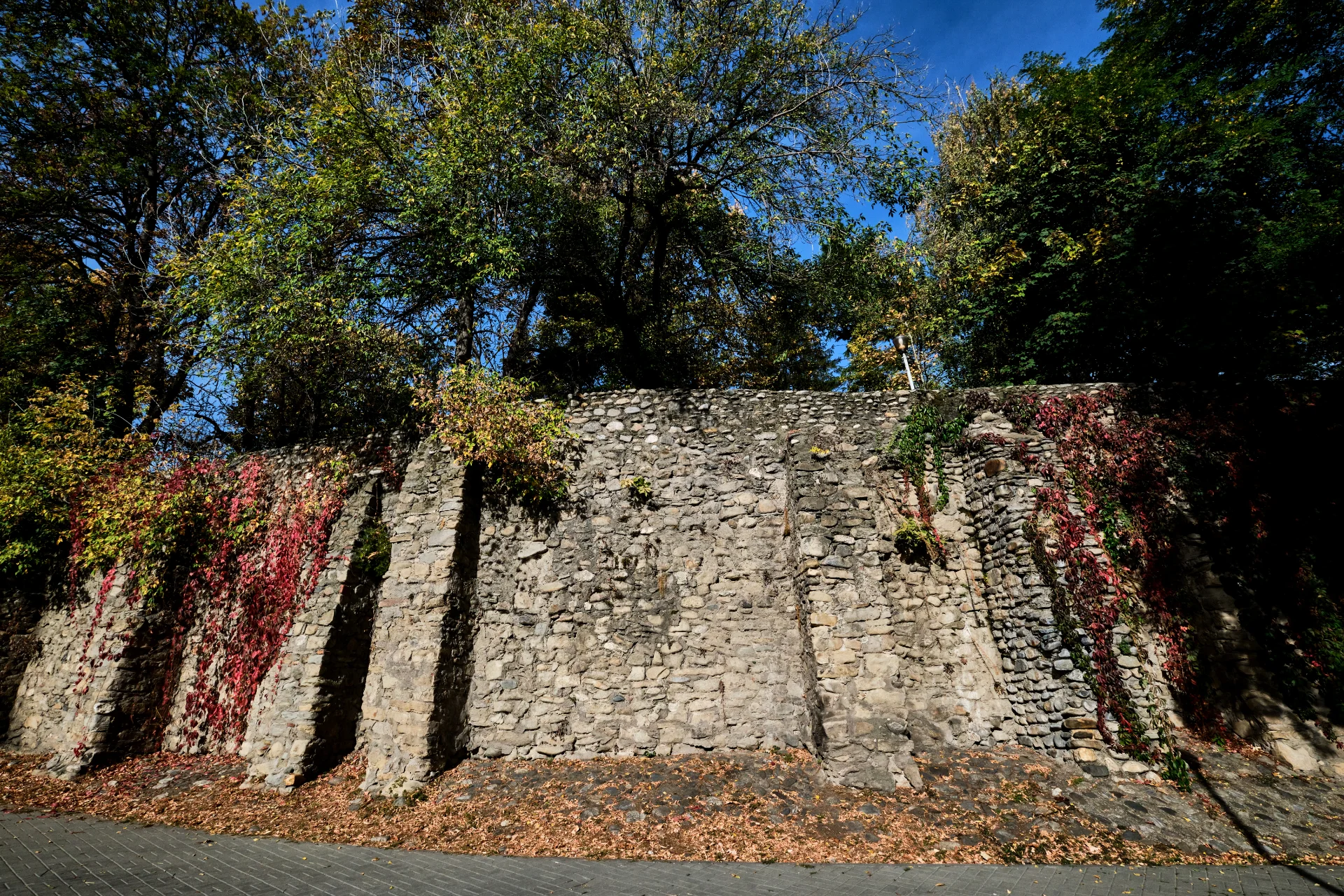
Only a few walls remain from the old courtyard in the park named after the ruler, but numerous other rulers of Wallachia mention the city’s name in the following centuries, proving its importance in the medieval period. Since the beginning of the 16th century, the bishopric of Râmnicu and New Severin was established here, destroyed and rebuilt several times. At the beginning of the 18th century, Bishop Antim Ivireanul, a man of culture and renowned printer, arrived here, and the city became a major cultural center, where numerous books were printed in Romanian. It is also as the city that the anthem of modern Romania, “Deșteaptă-te Române“, composed by Anton Pann in 1848, to the lyrics of Andrei Mureșan, was first heard. Nowadays, Râmnicu Vâlcea is a quiet provincial city, with a charming atmosphere and many places worth discovering.
Search for Flights to Romania with Booking.com!
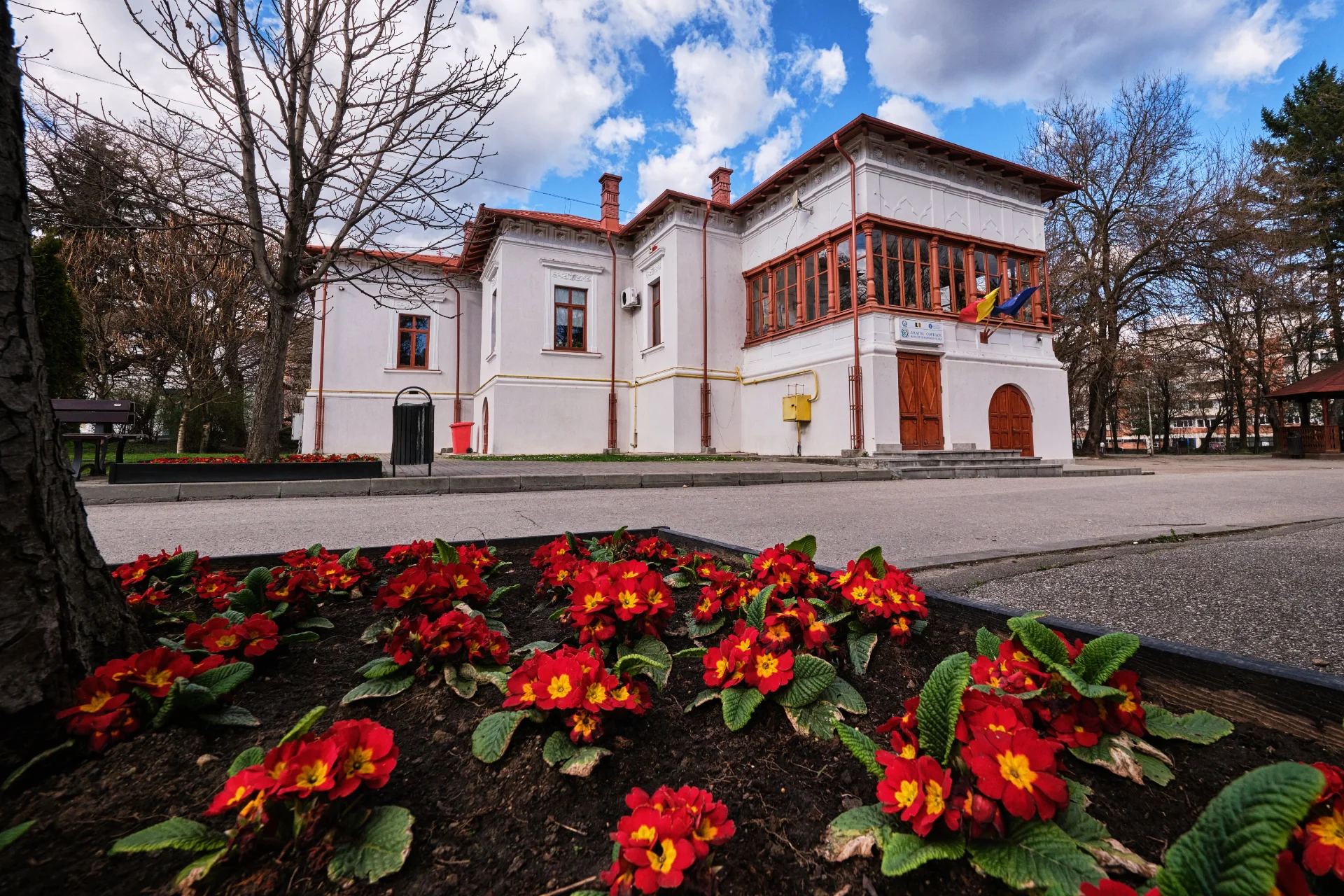
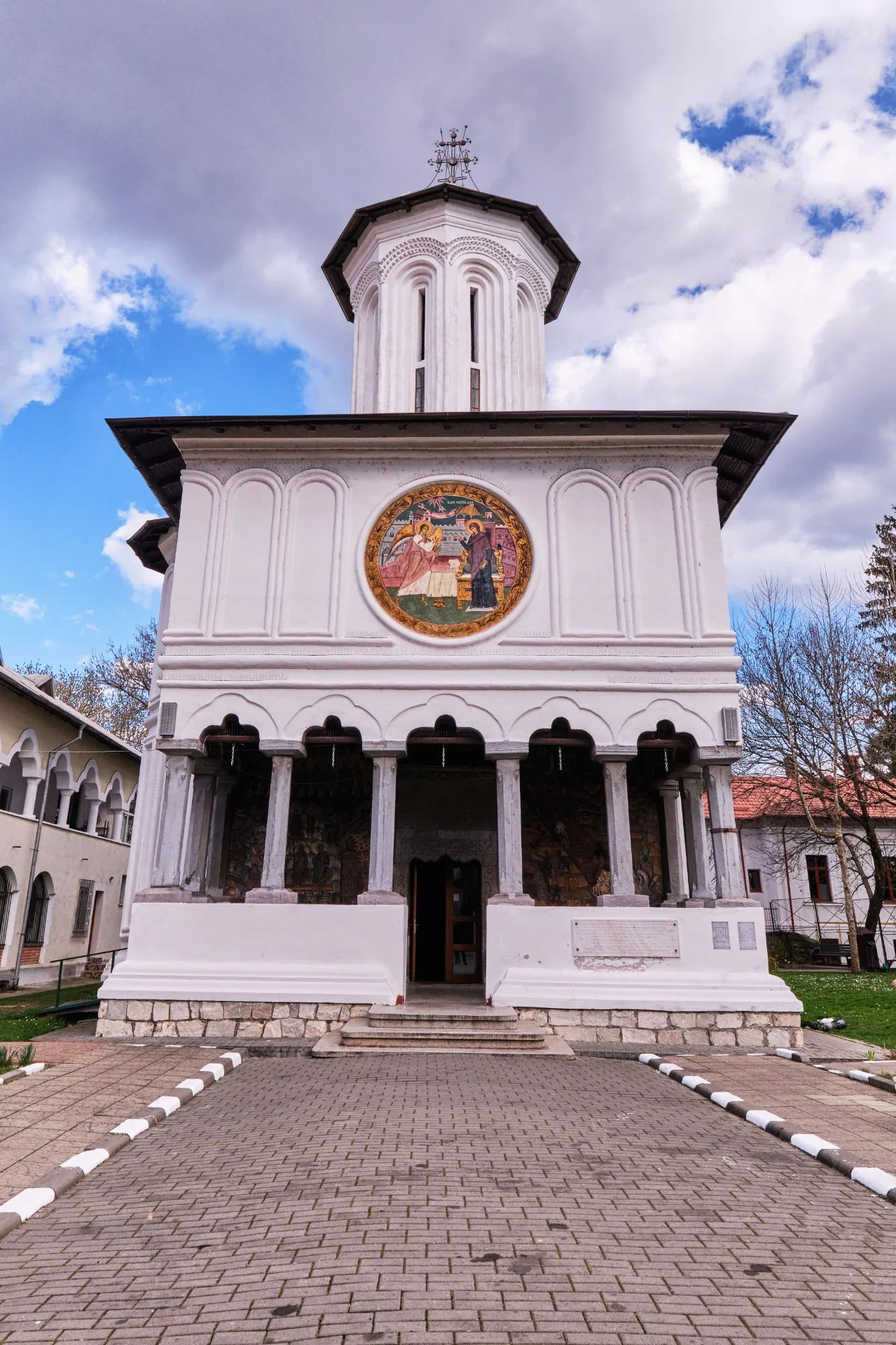
We can reach the city on the Olt river very easily from any direction, as it is located at the intersection of several important roads, DN7 (E81) connecting Bucharest and Sibiu, while DN67, DN64 and DN73C come from Târgu-Jiu, Caracal and Curtea de Argeș. We find most of the attractions along Calea lui Traian street, which runs through the city from north to south. We start our journey through Râmnicu Vâlcea from Mircea cel Bâtrân Park, where we can still see part of the old defensive walls of the former princely palace, which once stood much higher and were equipped with strong towers. Today, the park is a pleasant promenade area, also including several interesting monuments, such as the “Annunciation” Church, rebuilt in 1747 on the site of an older one, the Socoteanu-Lahovari Mansion, a splendid 18th-century building that now houses the Children’s Palace, or the statue of Mircea the Elder.
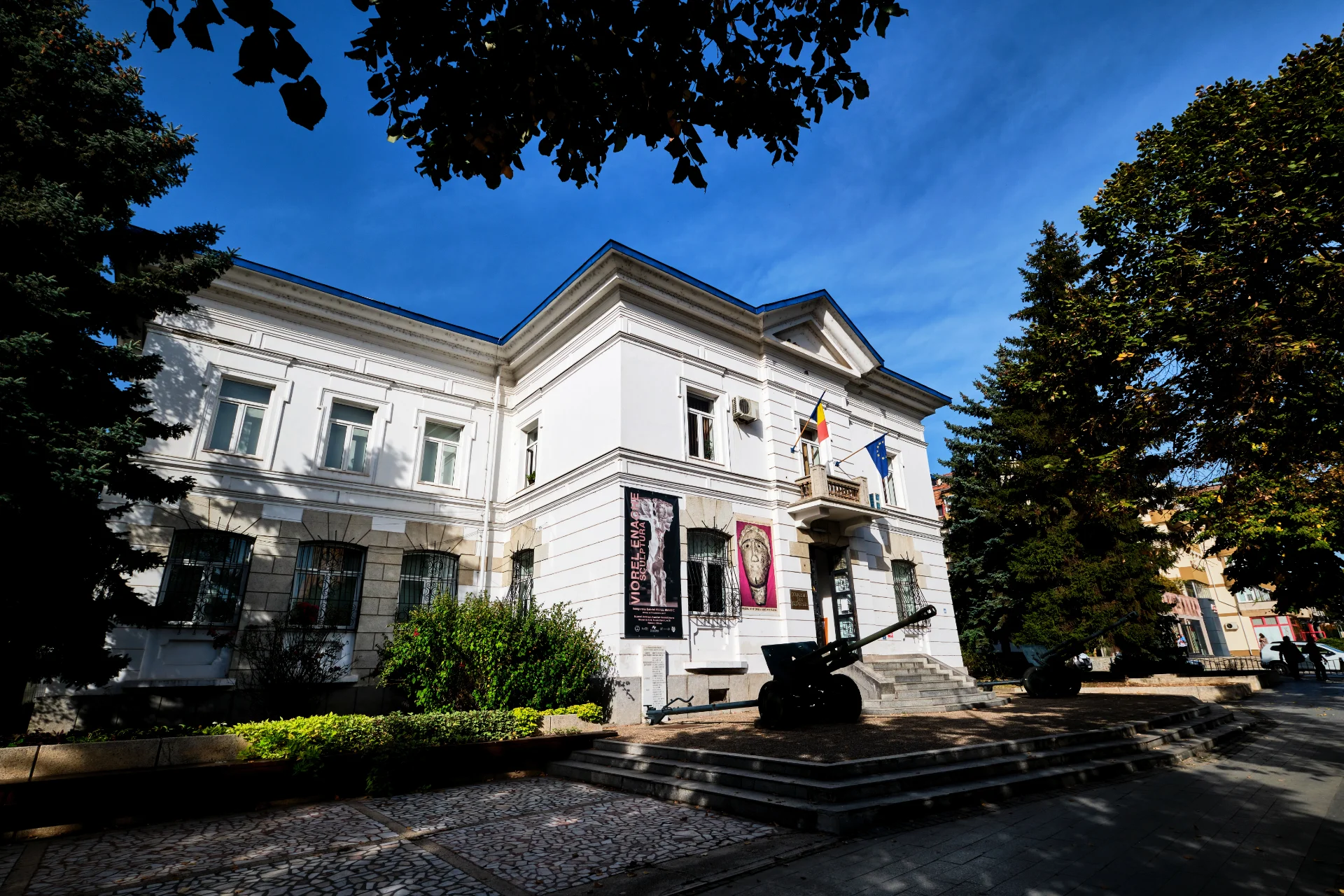
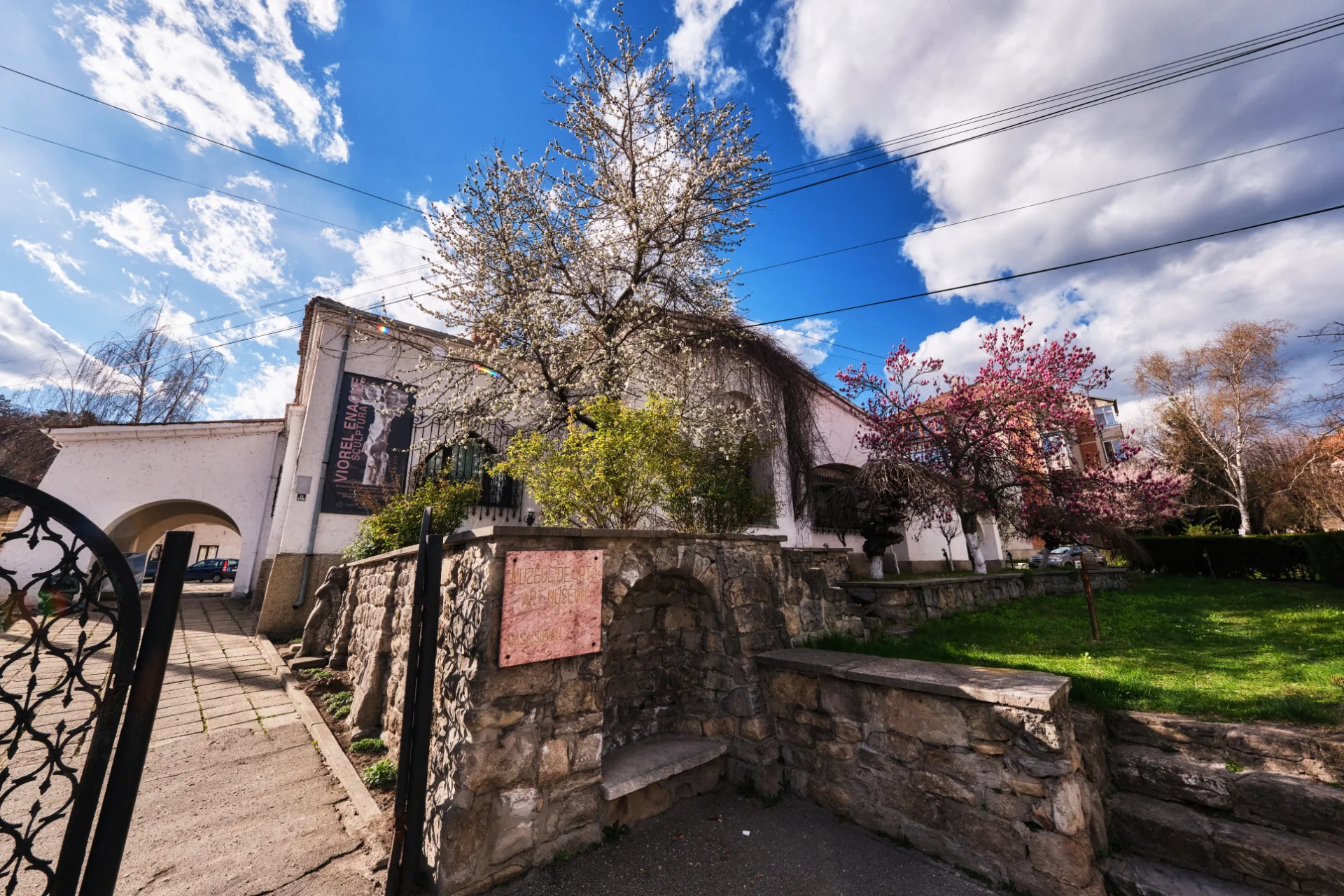
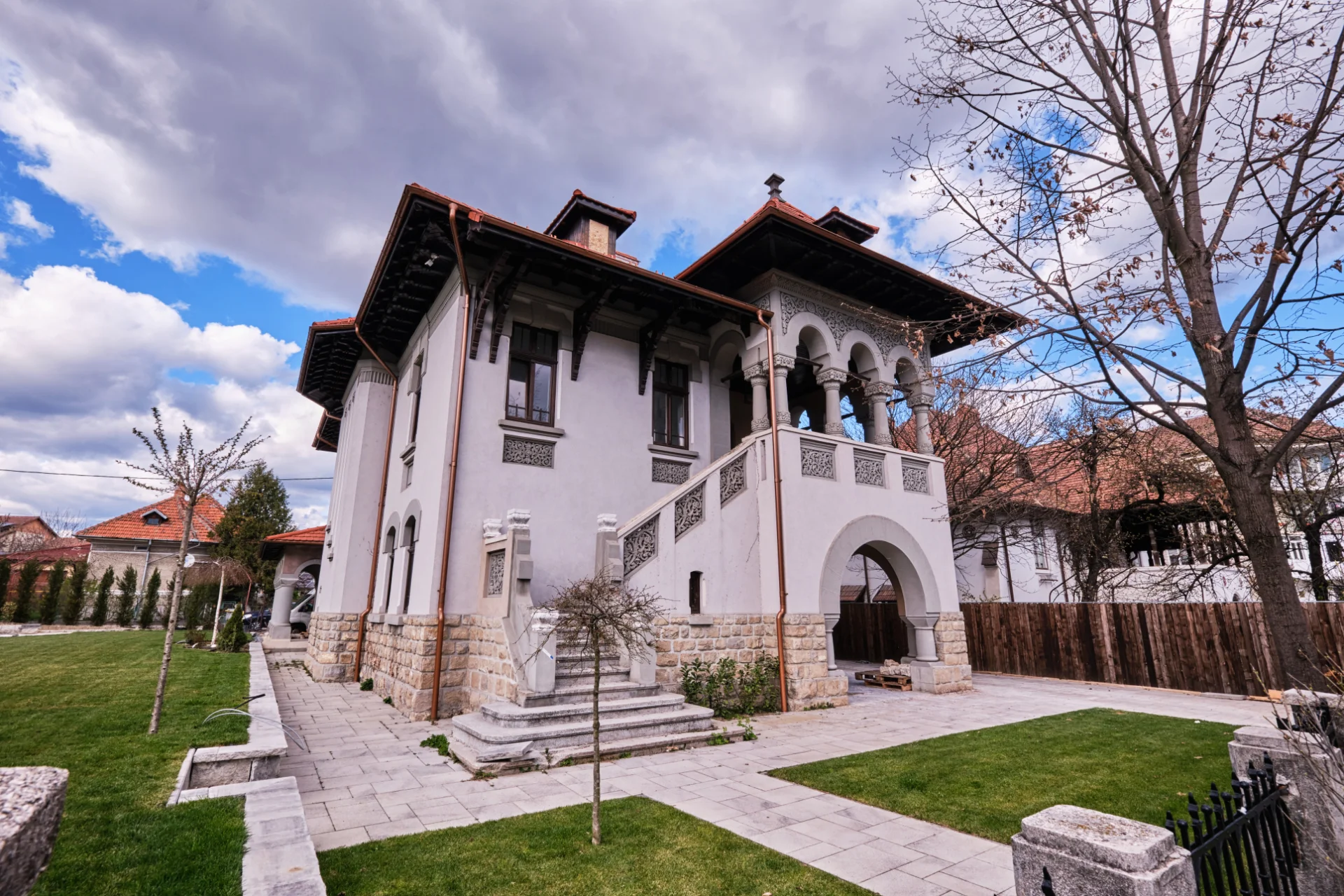
A few hundred meters further north, on the left side of Calea lui Traian Boulevard, we find several other important attractions. The Vâlcea History Museum is housed in a building known as the School with a Clock, dating from 1898, containing a rich collection of objects and documents illustrating the millennial past of this geographical area. A few steps to the west is the Șimian House, a monument built in 1940 in an eclectic style, unique for the city. The house, which somewhat resembles an Italian villa, with an interior garden surrounded by porticoes, was transformed into the city’s Art Museum. Inside, we admire masterpieces by renowned artists such as Gheorghe Petrașcu, Nicolae Tonitza, Theodor Pallady, Ion Țuculescu, Horia Bernea, Sabin Bălașa, Corneliu Baba and others. Here we also discover a fascinating and unique piece in Europe, a bronze death mask discovered in the Buridava archaeological site.
Search for Lodging in Râmnicu Vâlcea on Booking.com!
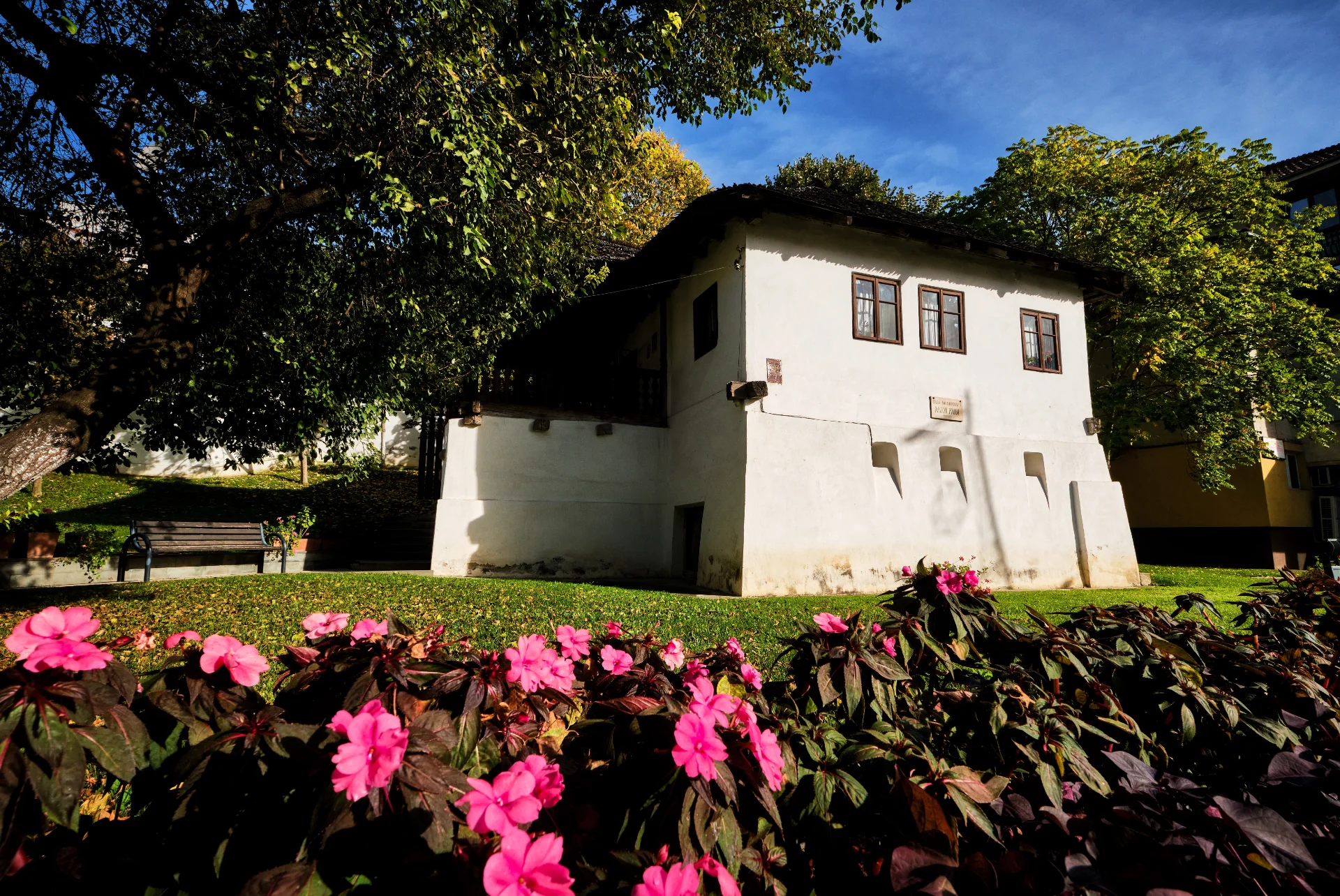
Nearby we can also admire the “All Saints” Church, built between 1762-1764 and the place where the first Constitution of Wallachia was proclaimed. A little further north, at the foot of Capela Hill, we enter the complex that constitutes the Archdiocese of Râmnic, where we can admire several superb religious buildings, including the cathedral, the hospital church, the chapel, the episcopal palace, as well as other annexes. The ensemble was restored in the mid-19th century by the holy Hierarch Calinic of Cernica, after the bishopric had been moved to Craiova following a fire. From Mircea cel Bâtrân Park, if we follow Știrbei Vodă Street west, we can first stop at the Anton Pann Memorial House, an architectural monument from the mid-18th century, where we learn more about the life and work of the composer of the national anthem. Nearby is Zăvoi Park, a delightful green space and one of the oldest public gardens in Romania, having been laid out in the mid-19th century.
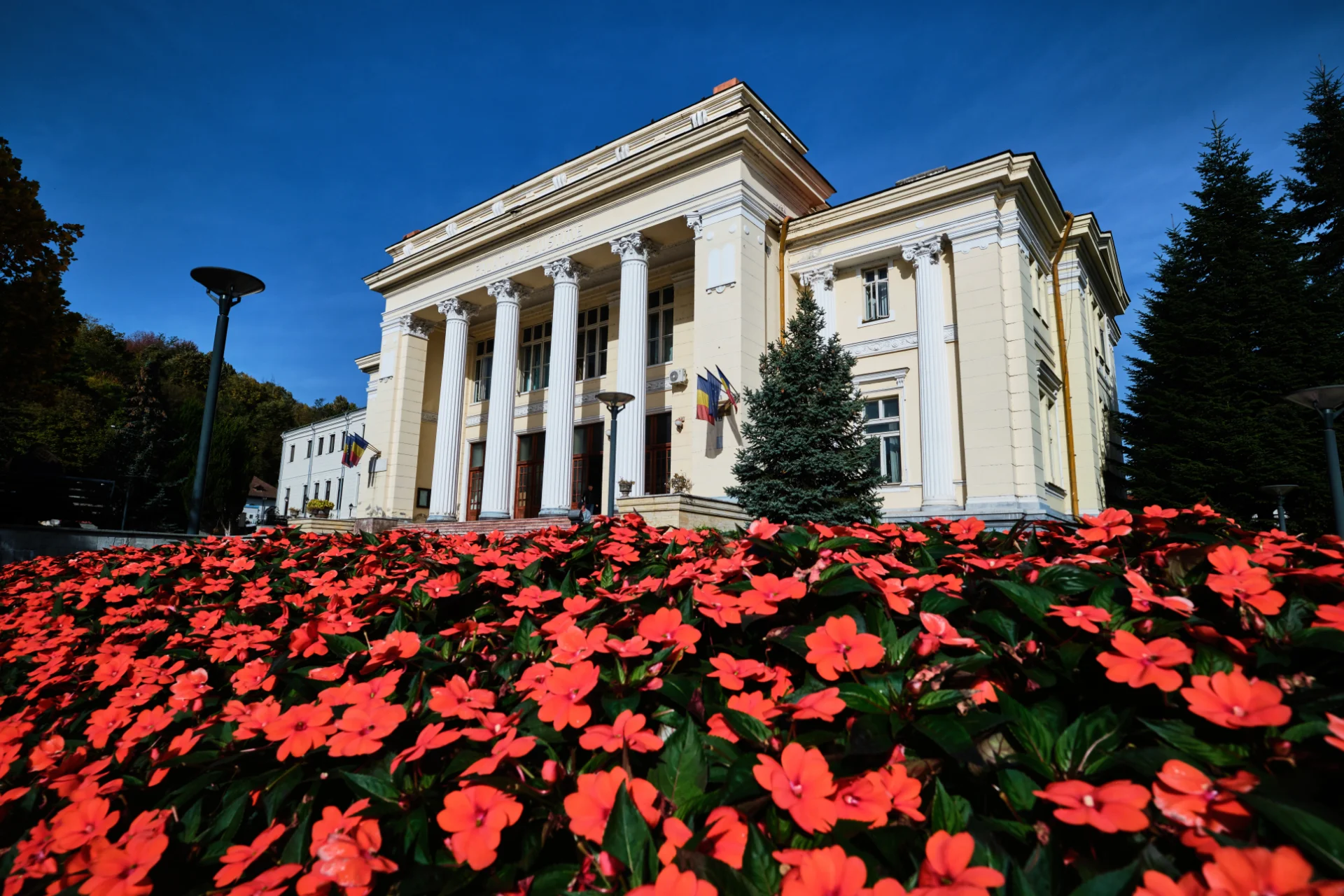
On a walk through Râmnicu Vâlcea, we discover many other special architectural treasures, among the most interesting being the “Saint Parascheva” Church, considered the oldest in the city (16th century), the Central Hall built between 1902-1904, the old church of the former Inătești Hermitage, the Evangelical Lutheran church, the “Saint George” Church, the Independence Monument or the buildings of the City Hall, the Palace of Justice and the Courthouse. Near the center, we can also visit two small charming hermitages, the Cetățuia Hermitage, located in the north and originally built in the 17th century, with an old church painted by Gheorghe Tattarescu, and the Troianu Hermitage, located in the south and containing an old church from the 18th century, restored in the mid-19th century. Also in the south of the city is an extensive recreational area around Lake Ostroveni, which was formed on a former branch of the Olt River, where we can also visit a small zoo.
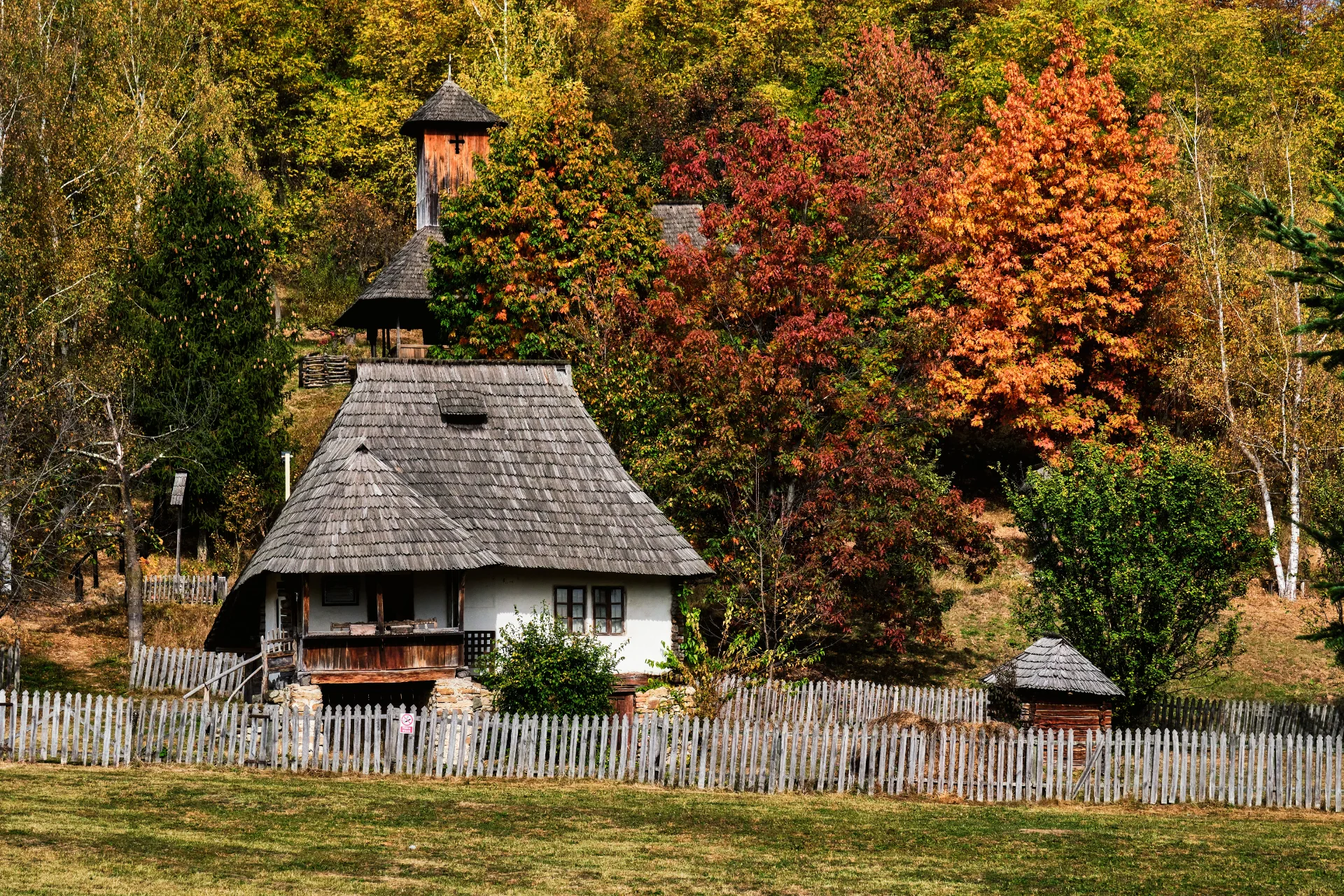
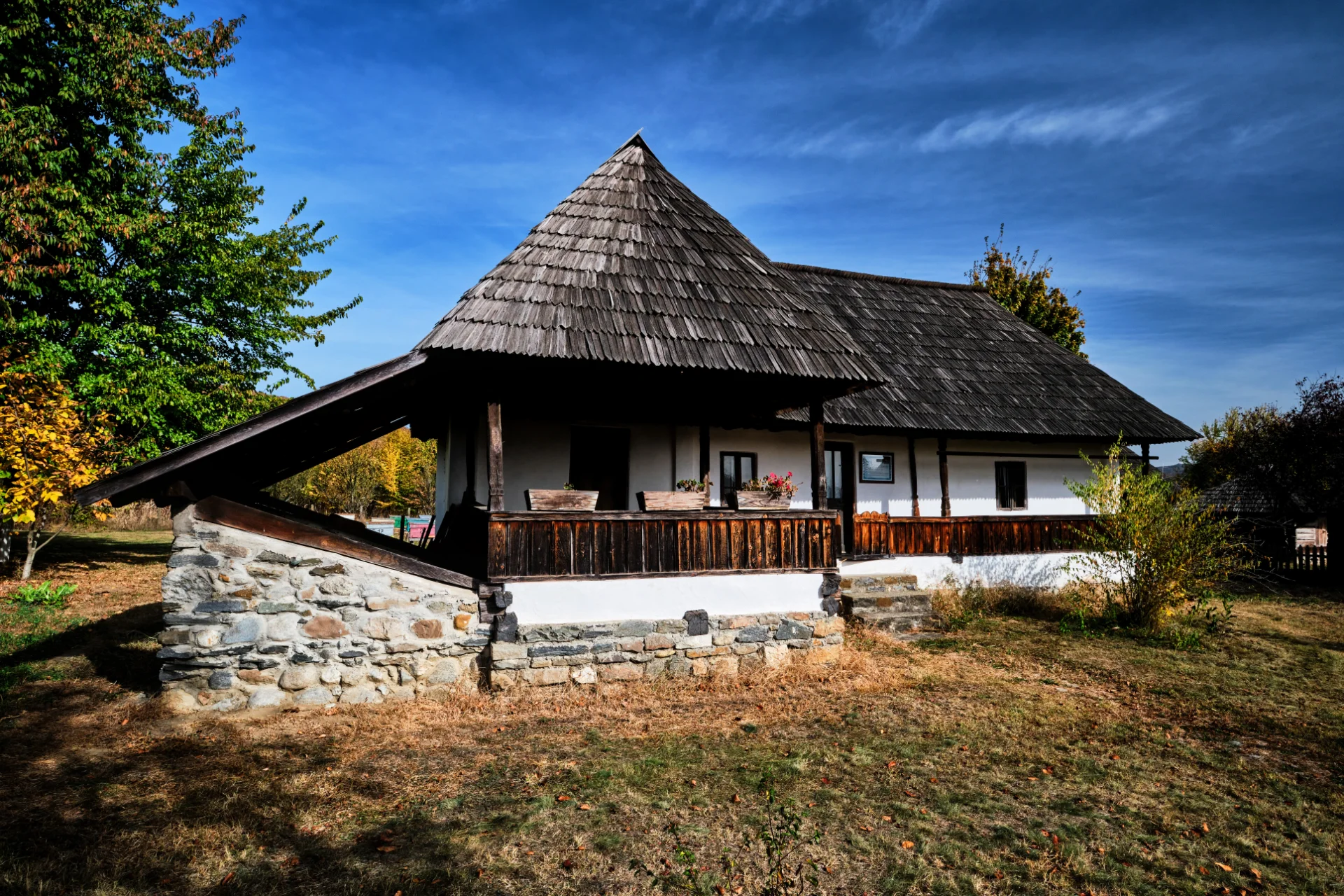
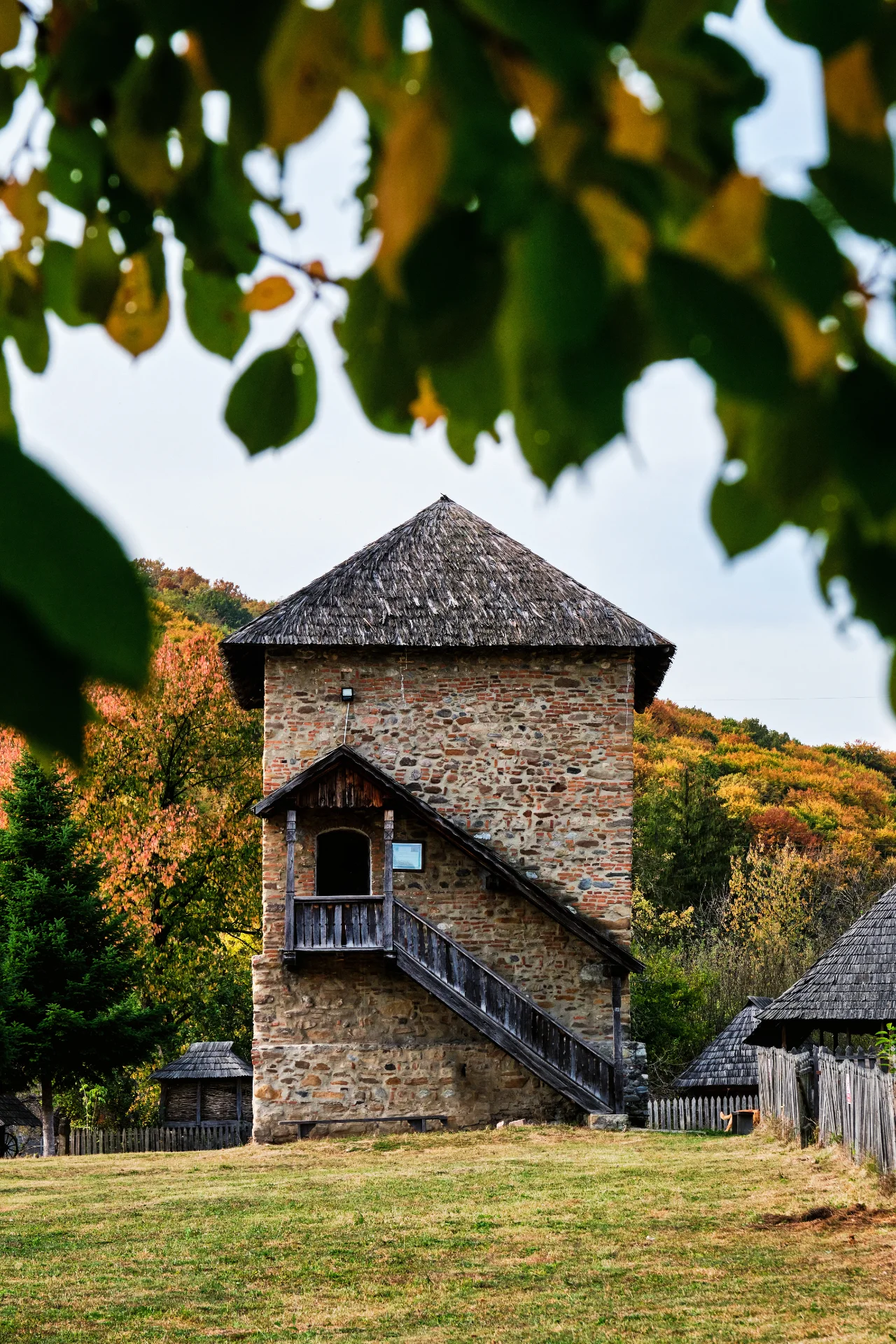
Upon leaving Râmnicu Vâlcea to the north, another captivating destination is the Vâlcea Village Museum in Bujoreni, where we discover an image of the authentic traditional village in this area of the country. A lot of houses and buildings, mostly made of wood, from the villages of Vâlcea county were brought to the enchanting natural space, thus saving very valuable monuments of rural architecture. In addition to the charming Bujoreanu Cula House, around which the museum was arranged, we also admire the old houses, workshops, school, church and other structures. Bujoreanu Cula was built by a local boyar at the beginning of the 10th century and was used mainly for observation and defense. It has the appearance of a stone and brick tower, access is via an external staircase.
Another interesting attraction is located just a few kilometers southwest of Râmnicu Vâlcea, near the Buridava archaeological site. The Ocnele Mari Salt Mine covers an impressive area, and in the underground salt galleries we can experience a unique and health-beneficial microclimate, where a lot of attractions and activities are arranged, including a church, a small museum, sports fields and others. On the left bank of the Olt River, a lesser-known place is the Pyramids of the Stăncioi Valley nature reserve, where erosion has acted over time on sedimentary rocks and created amazing formations, many resembling miniature pyramids.
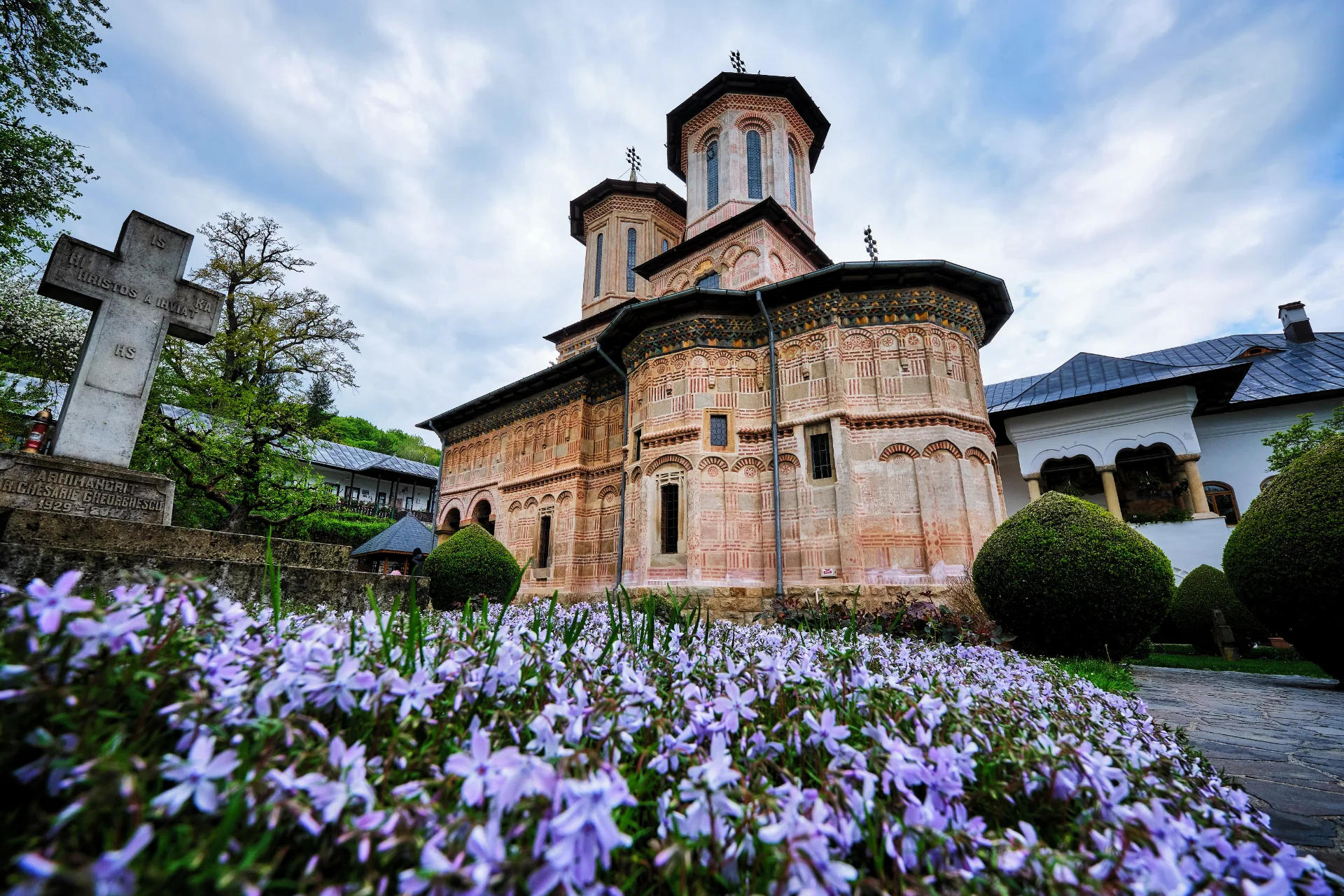
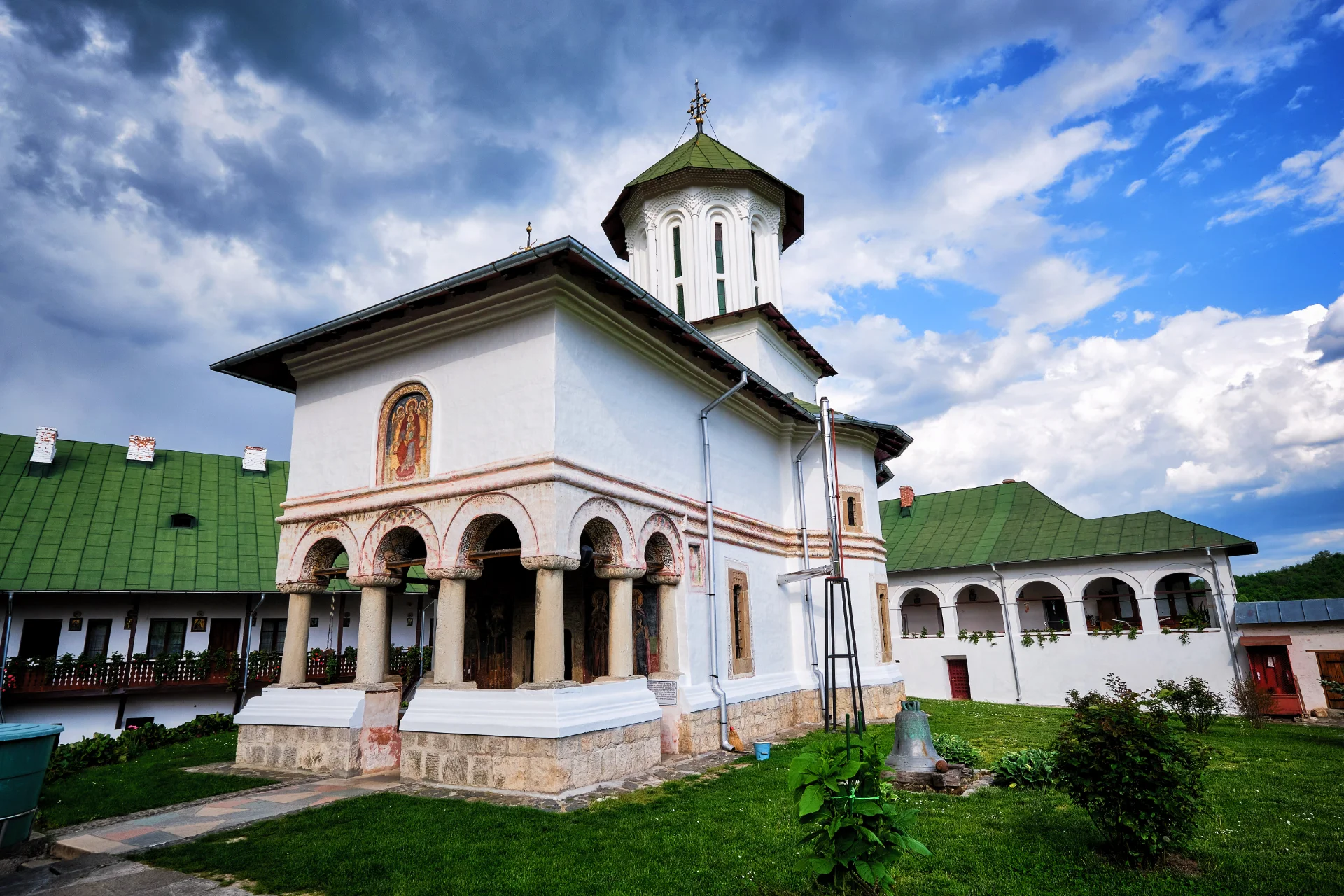
Between the Olt Valley and the Danube Gorge, northern Oltenia is home to a number of ancient monasteries that, in addition to their important religious role, are also interesting tourist attractions. Often overlooked in favor of the more famous ones in Bucovina and northern Moldova, the monasteries of northern Oltenia offer a unique and complex travel experience, many of them being exceptional historical and architectural monuments, housing incredible treasures and a very special atmosphere. Starting west from Râmnicu Vâlcea along the Olănești Valley, just a few kilometers away we encounter the Sărăcinești Monastery, over 300 years old, and through the high hills nearby other monasteries (Frăsinei, Comanca) or hermitages (Jgheaburi, Iezer, Bradu) can be discovered.
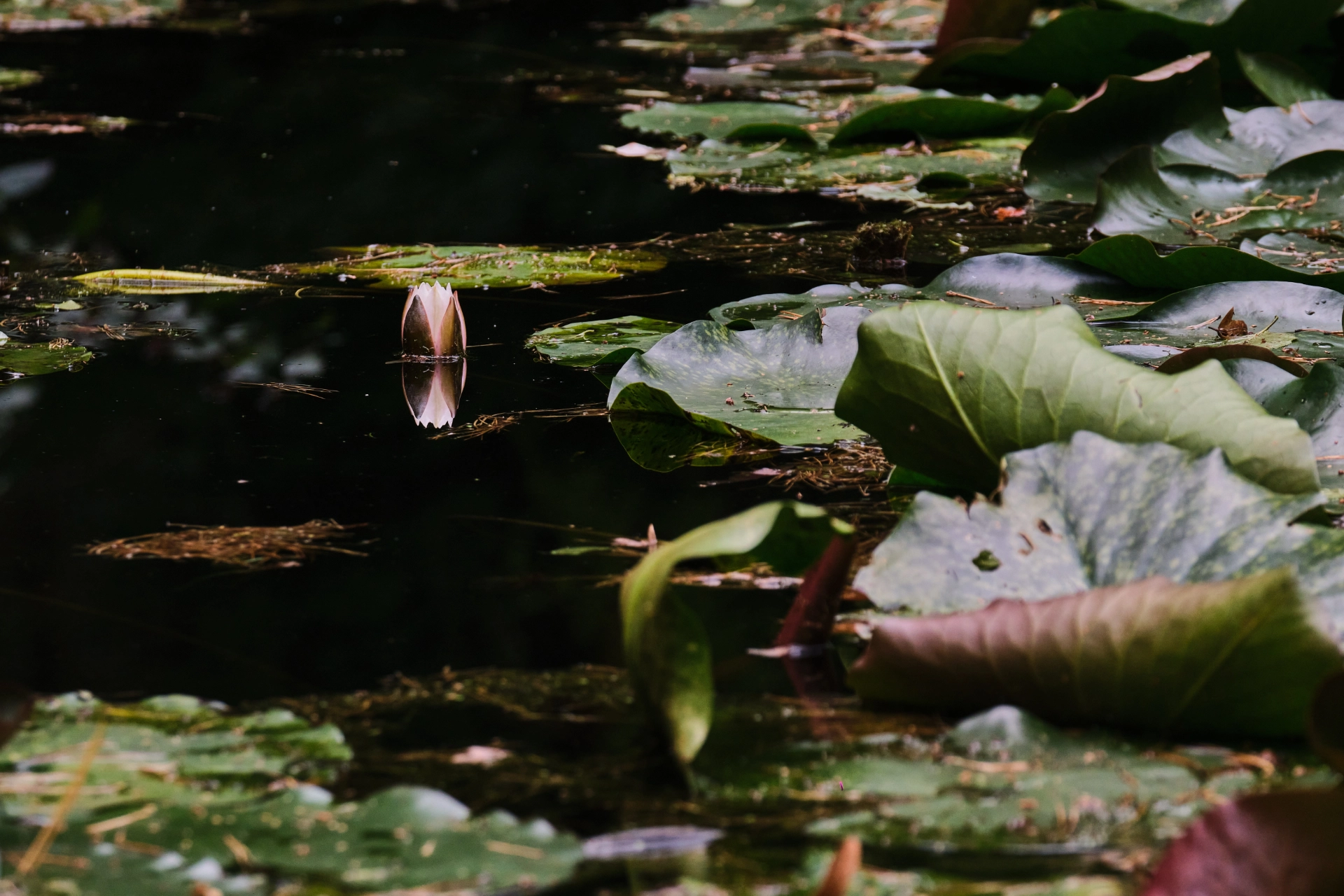
The spa resort of Băile Olanești is famous for its mineral waters that have been discovered several times through the centuries. Here we have the opportunity to admire several interesting monuments and places, such as the Water Lily Lake, the Alley of Springs, the Central Park, the Written Stone or the “Saint Pantelimon” Church (1752), brought here from the village of Albac (Alba County). Approximately 20-30 kilometers from Râmnicu Vâlcea we can visit several other amazing monasteries in these lands. The Surpatele Monastery was originally built in the 16th century, but the current church dates back to the early 18th century, being a foundation of Constantin Brâncoveanu’s wife, with the entire prince’s family painted inside. Here we can also admire other beautiful paintings, as well as the Brâncoveanu-style doors, the carved iconostasis or other interesting elements.
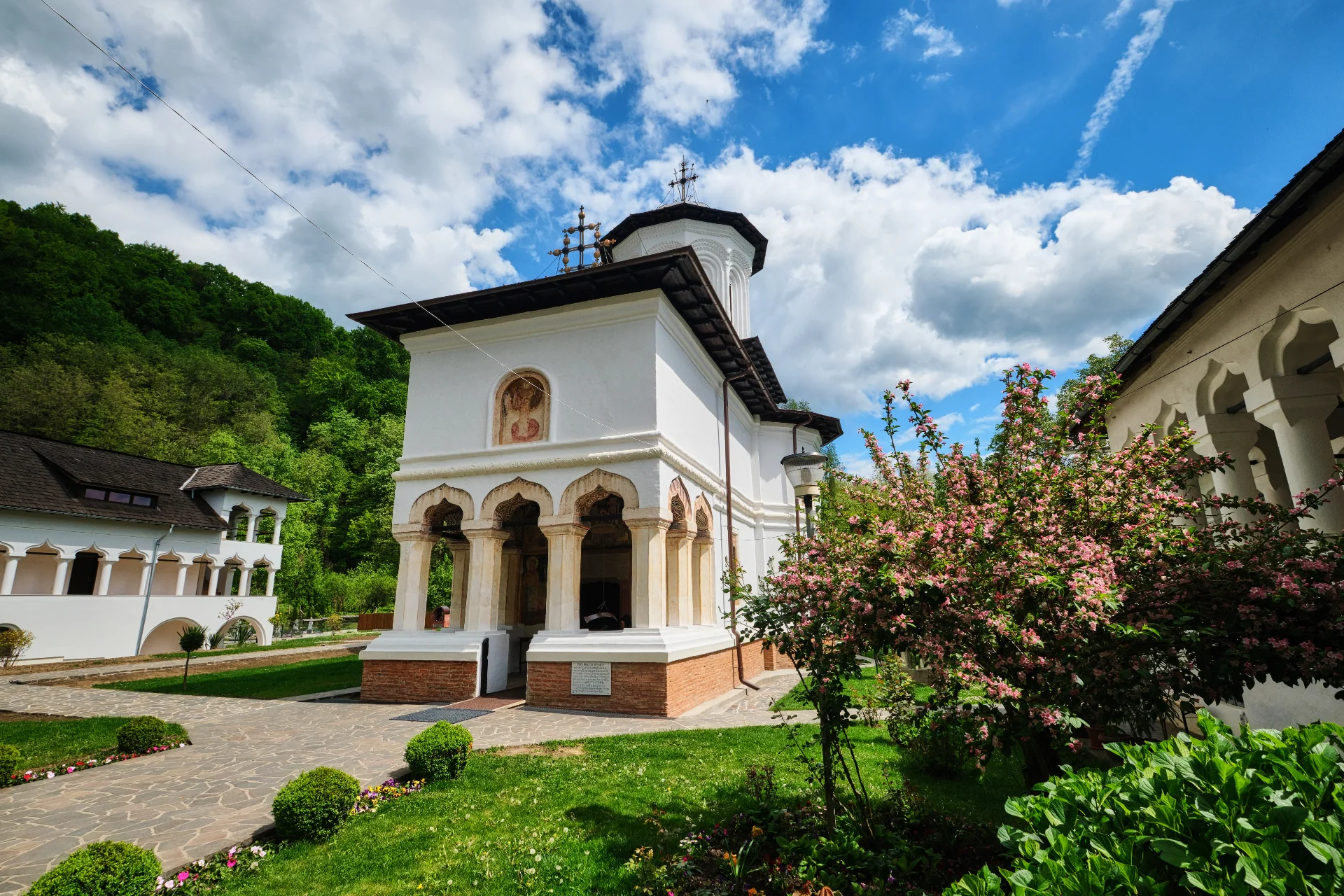
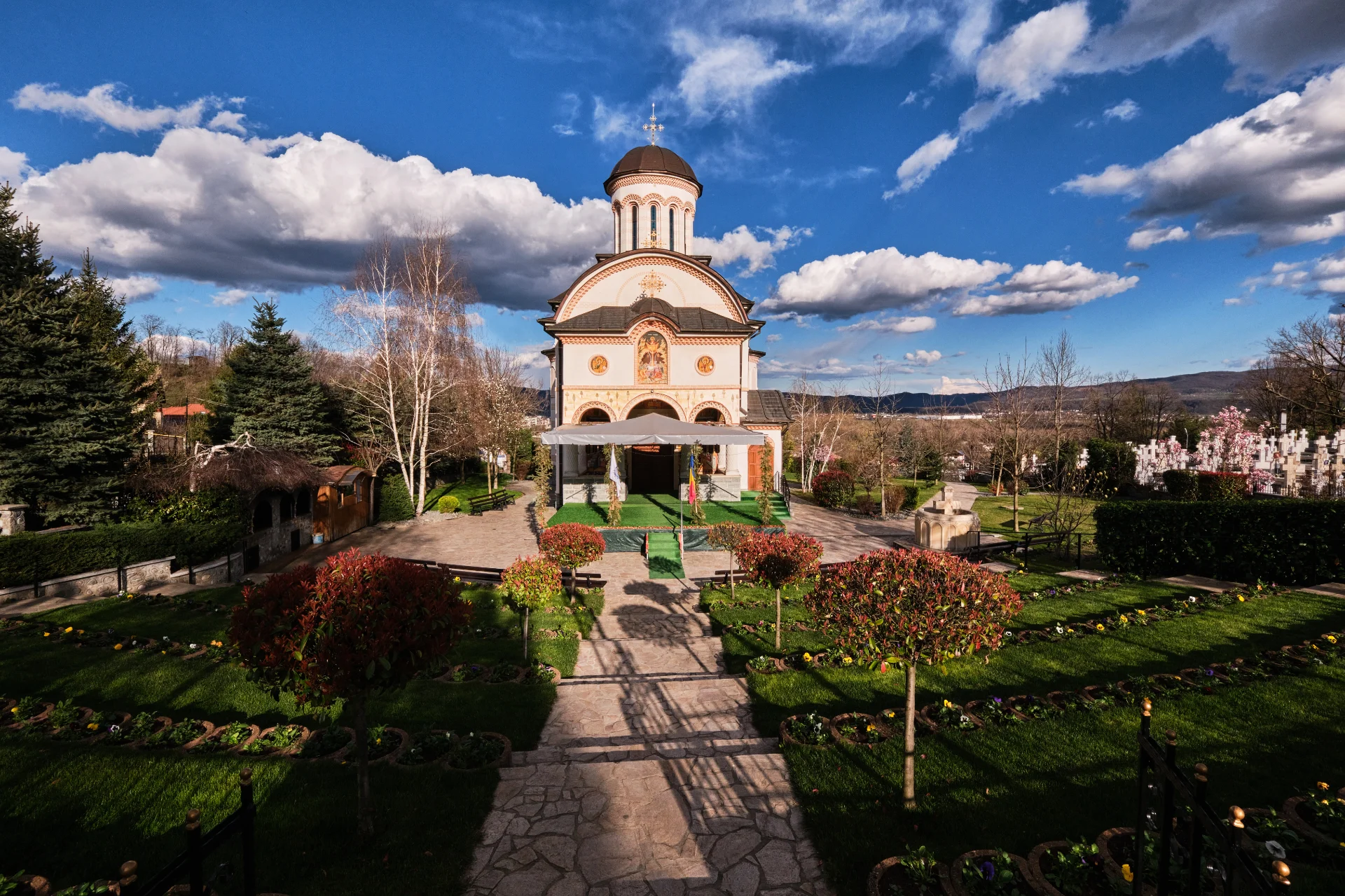
A few kilometers southwest of Râmnicu Vâlcea, Govora Monastery is one of the oldest in Wallachia. Its beginnings are lost in the mists of time, having been founded sometime in the 14th or 15th centuries, on the site of an older settlement. During the reign of Vlad the Impaler, a local boyar rebelled and destroyed the monastery, which was rebuilt a few decades later. It was again repaired and renovated between 1640 and 1645 by ruler Matei Basarab, and later by Constantin Brâncoveanu. The second oldest printing press in Wallachia was installed here in 1637, producing some of the oldest manuscripts from Romania’s medieval period. Once one of the most important in the country, the monastery is built like a fortress, with the church surrounded by walls. Although small, it has gorgeous, 300-year-old interior paintings, icons, and valuable objects.
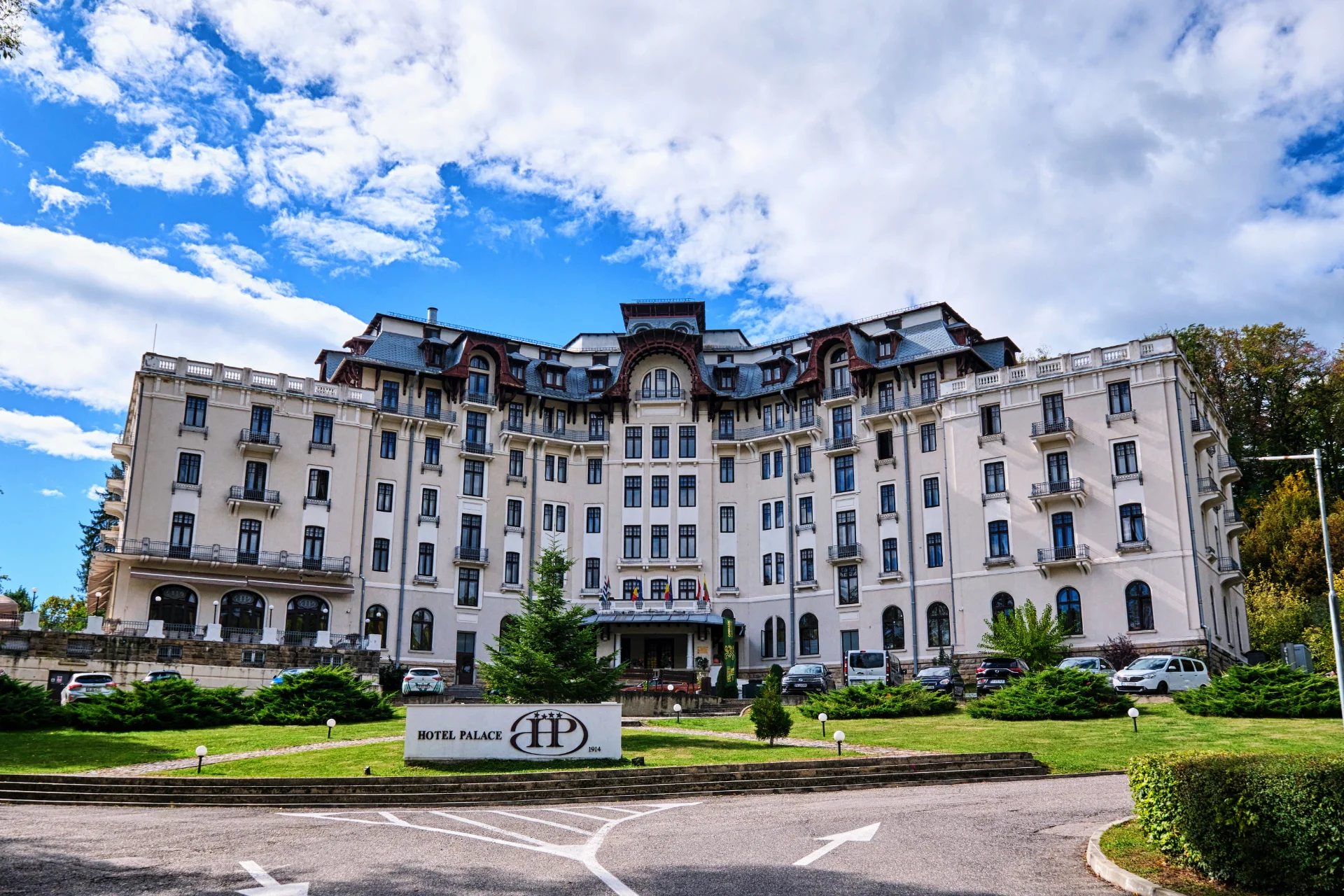
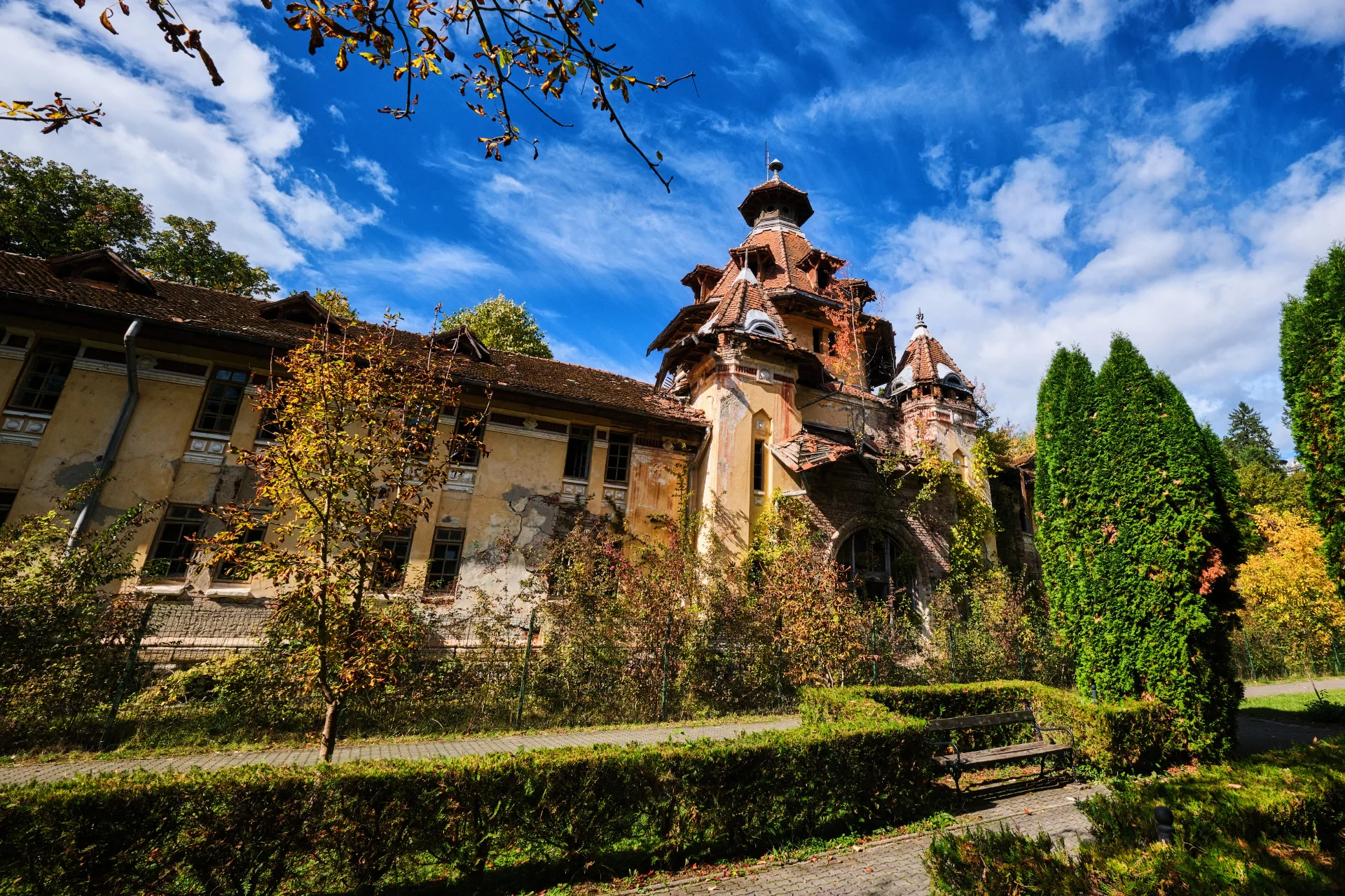
Nearby we also explore the resort of Băile Govora, famous as one of the richest in iodized and brominated waters in Europe. Among the more interesting attractions here, we can admire the buildings of the Palace Hotel, the Central Pavilion, the Stefanescu Hotel and others, and the central park is a charming space. Unfortunately, many of its unique architectural treasures are in advanced stages of degradation and could be lost in the near future. Beyond the hills to the south, in the village of Frâncești we discover the One Tree Monastery, one of the most interesting in the country, especially due to the legends surrounding this place.
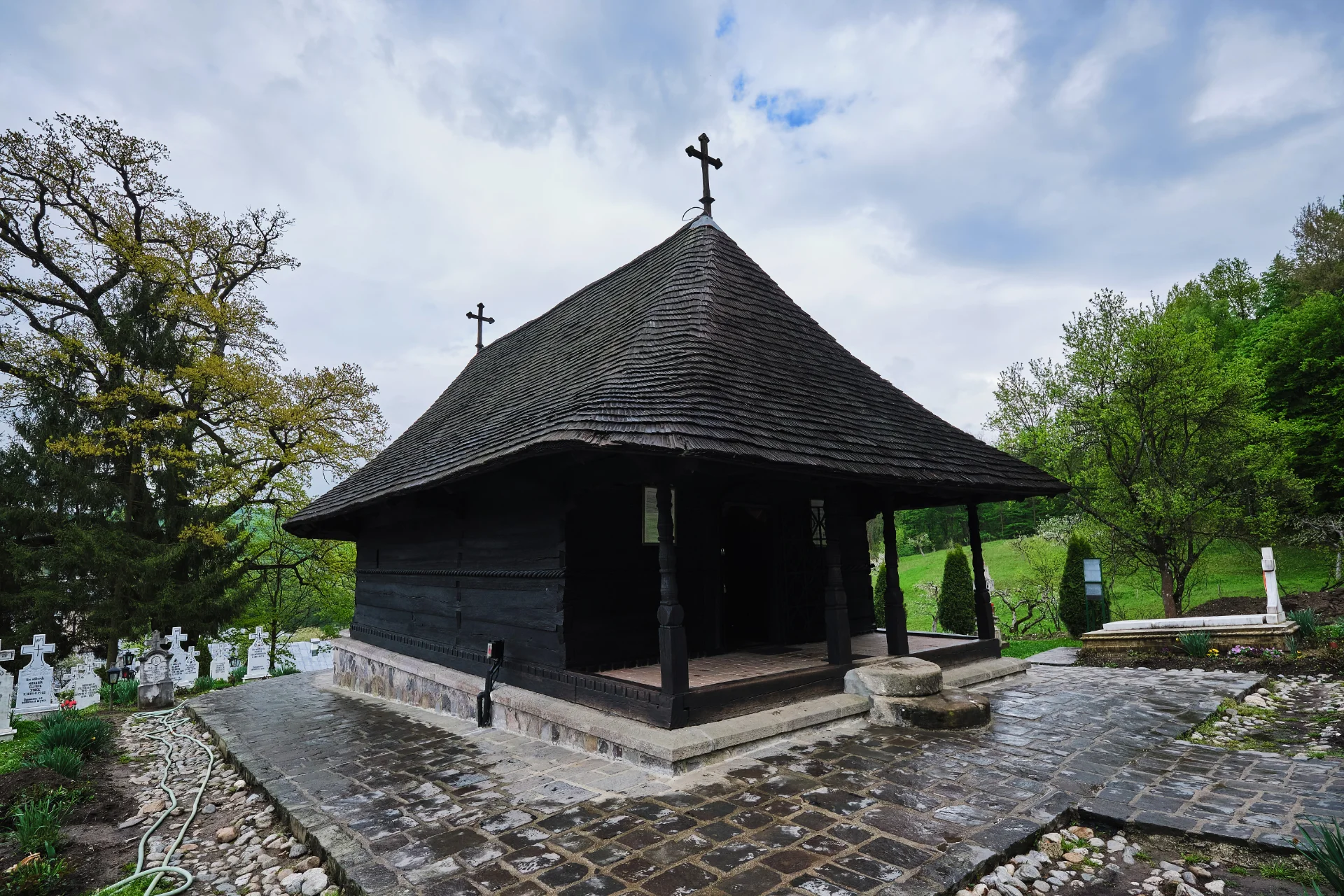
It is said that a shepherd found the icon of the Virgin Mary in an old oak tree, building a small wooden church right there, using only the wood of that tree. What we know for sure is that the old wooden church dates back to the 16th century, surrounded by several centuries-old oak trees, while the origin and age of the icon is still a mystery, dating back between the 4th and 14th centuries. We can admire it in the new stone church, most likely built in the mid-17th century by Prince Matei Basarab. Following the road under the Oltenia mountains, we soon arrive in the small town of Horezu, known for its long tradition of pottery, but also for the legendary monasteries that rise at the foot of the Buila-Vânturarița massif…
Sights and Experiences
Places to See and Things to Do in and around Râmnicu Vâlcea
City of Râmnicu Vâlcea
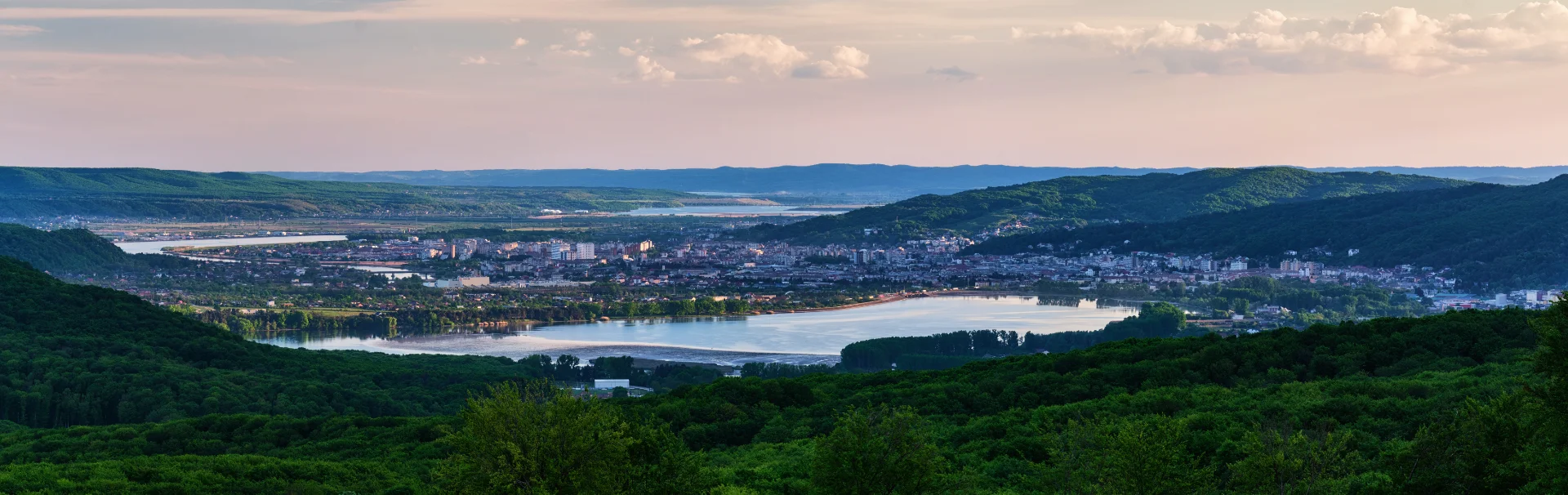
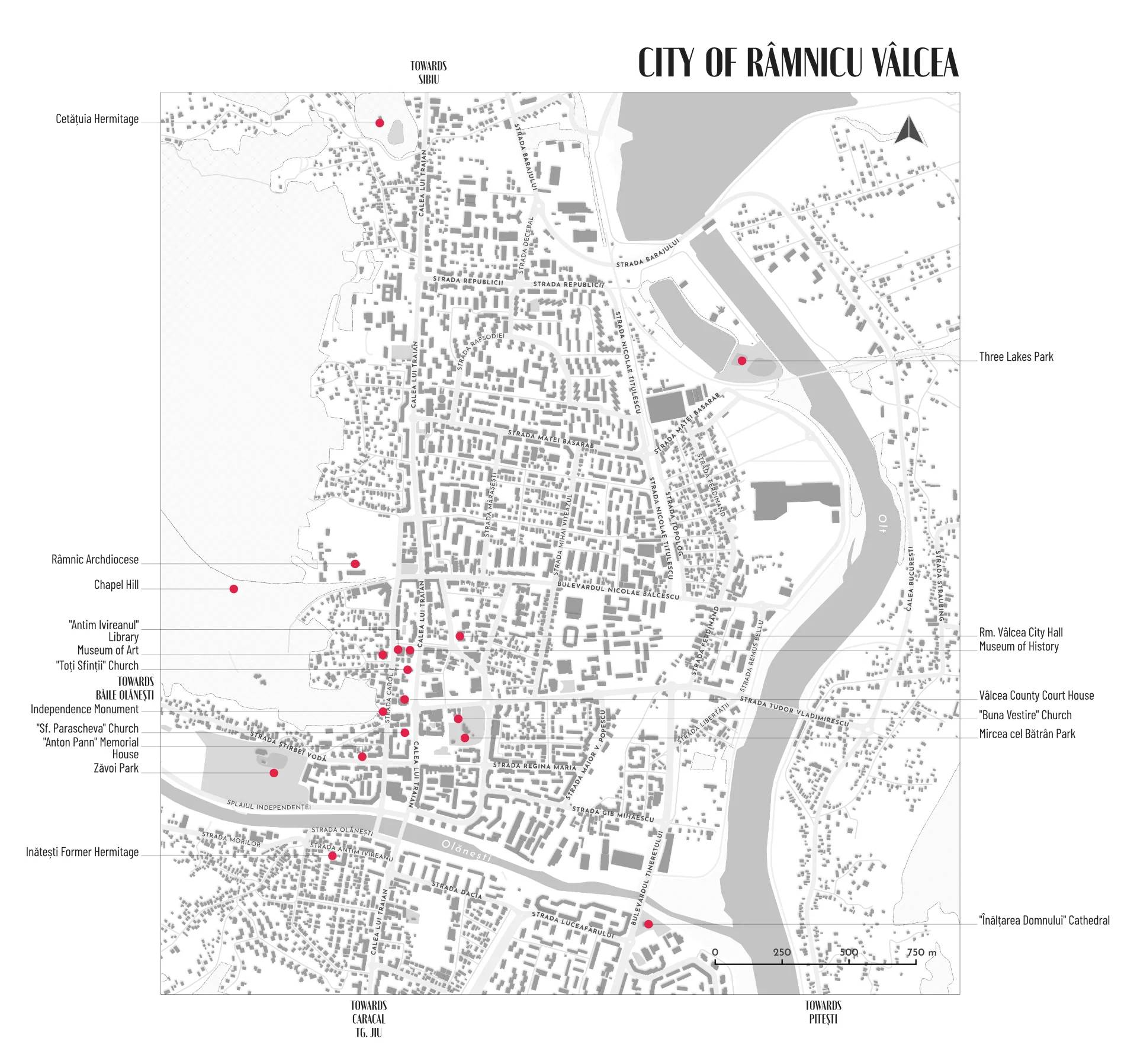
Located mainly on the right bank of the Olt River, in the Getic Subcarpathian area, the municipality of Râmnicu Vâlcea is the capital of Vâlcea County. First mentioned in a document from 1388 by Mircea cel Bâtrân, the settlement has much older historical roots. In fact, Râmnic is also mentioned as a princely residence in the same period, and the ruins of some old walls can be found today in the Mircea cel Bâtrân Park in the city center. For several centuries, Râmnicu Vâlcea was one of the most important settlements in Wallachia, but unfortunately the city no longer preserves many vestiges from those times. The Diocese of Râmnic – New Severin was also established here in 1504, and two centuries later, Bishop Antim Ivireanul established one of the most important printing houses in the country. The tradition of a cultural center continued in the following centuries, and the city today represents a fascinating destination. Easy to visit from any part of the country, Râmnicu Vâlcea offers a lot of interesting tourist attractions. Among the most important places to visit in the city are Mircea cel Bâtrân Park with the ruins of the Princely Court, the “Annunciation” Church and the Socoteanu-Lahovari Mansion, the History Museum, the Art Museum, the Râmnic Archdiocese, the “Anton Pann” Memorial House, Zăvoi Park, the “All Saints” Church, the Cetățuia and Troianu hermitages, the Independence Monument, the Vâlcea Village Museum and others.
Mircea the Elder Park
Located in the city center, it is the second largest and oldest park in Râmnicu Vâlcea. It is located on the site of the alleged medieval princely court, although there are historians who believe that the city was only an important fair and not a princely fortress. The fact is that the park is partially surrounded by old stone walls, and inside you can admire several interesting monuments. The first is the “Buna Vestire” Church, built in 1747, on the site of much older places of worship, and contains splendid interior paintings. Nearby, the Socoteanu-Lahovari Mansion dates back to the 18th century and housed the city hall. Currently, the monument with architecture specific to Northern Oltenia is known as the Children’s Palace. At the entrance to the park, you can also admire the Statue of Prince Mircea the Elder, a work of sculptor Ion Irimescu.
Museum of Art
Visiting hours: 10-18 (summer) / 9-17 (winter) / Closed Mondays | Tickets: 10 lei (2€)/adult
Known in the past as the “Simian House” after the family that owned it, the building that now houses the Art Museum of Râmnicu Vâlcea is in turn a unique architectural monument. It was built between 1940-1941 and stands out for its eclectic style, unusual for Romania, resembling a Florentine or Hispanic villa. The building was expanded upon its transformation into a museum space, and inside visitors can admire a multitude of Romanian paintings and sculptures, including pieces signed by famous artists such as Nicolae Grigorescu, Gheorghe Petrașcu, Nicolae Tonitza, Camil Ressu, Sabin Bălașa and many others. In addition, the museum also preserves objects of ancient art and religious art.
Museum of History
Visiting hours: 10-18 (summer) / 9-17 (winter) / Closed Mondays | Tickets: 10 lei (2€)/adult
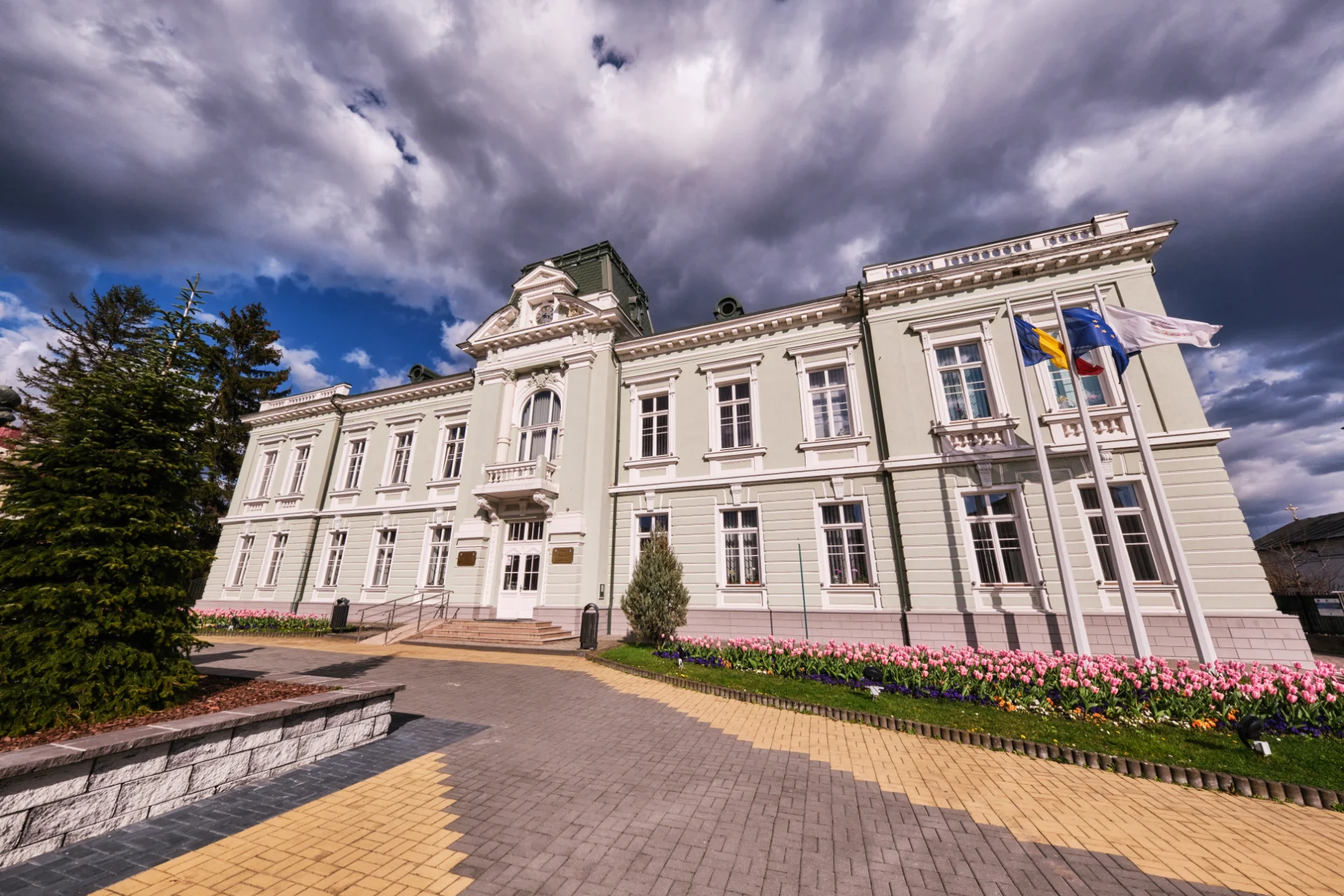
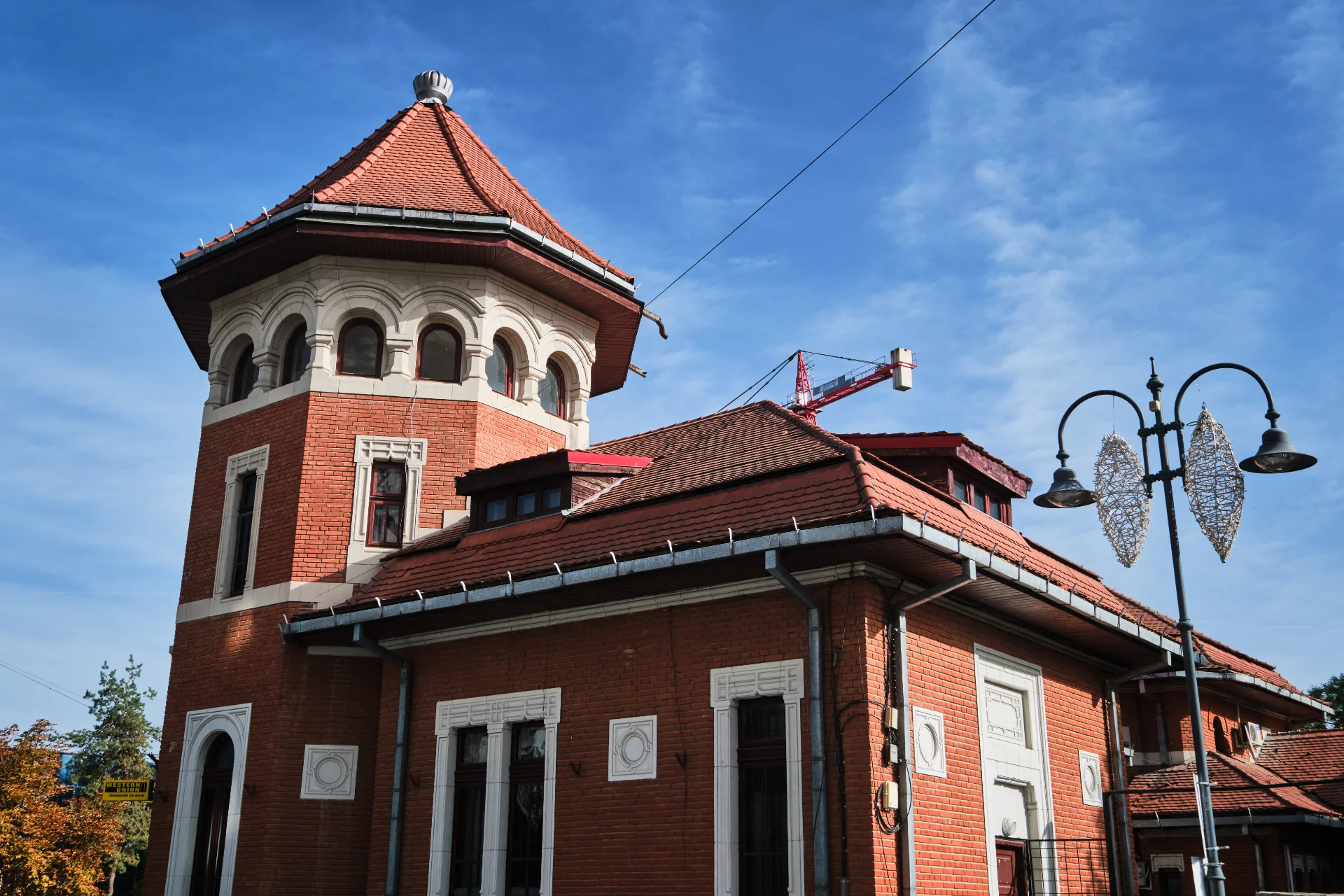
Housed in an imposing building declared an architectural monument and known as the “School with a Clock” (1898), the museum presents the history of the Valcea region from ancient times to the modern period. Organized chronologically and modernly furnished, it offers visitors the opportunity to admire archaeological discoveries, monetary treasures, art objects, reproduced interiors, models, documents and many other particularly interesting exhibits.
Archdiocese of Râmnic
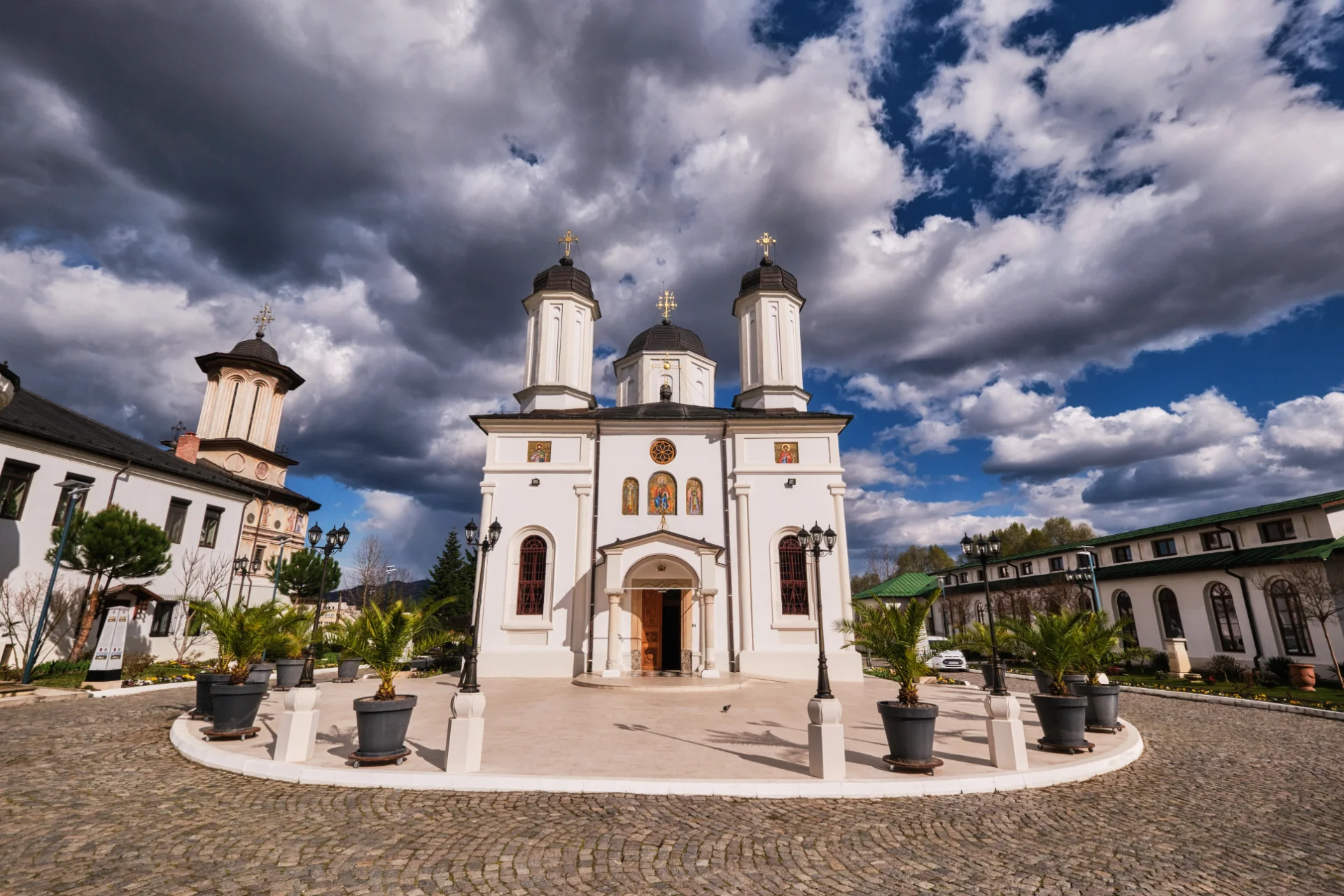
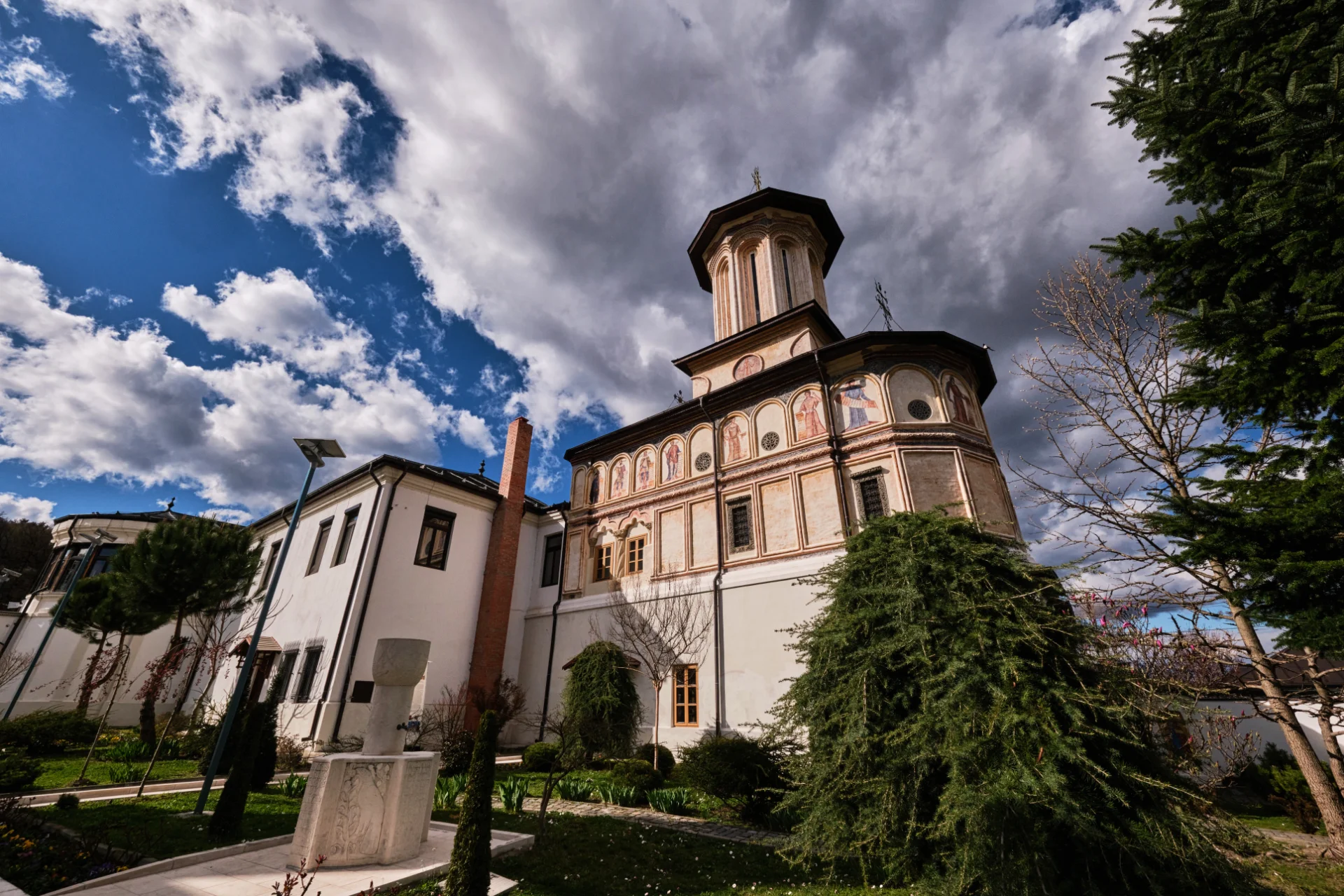
The first bishopric of Râmnic – New Severin was established at the beginning of the 16th century, being the successor of the Hungarian-Wallachian Metropolitanate from 1359 and the Severin Metropolitanate from 1370. Its residence in Râmnic was at the “St. Nicholas” Church, founded by Voivode Dan I. Starting with 2009, it became the Archbishopric of Râmnic and includes an ensemble of exceptional monuments, located near the city center. In 1847, a devastating fire destroyed the entire complex of old buildings, the episcopal ensemble being restored a few years later through the efforts of St. Hierarch Calinic of Cernica. The main monument here is the “St. Nicholas” Episcopal Cathedral (1850-1856), a monumental church with superb interior paintings by Gheorghe Tattarescu. Around it, you can also admire the Chapel, the Hospital, the Episcopal Palace, the Antim Ivireanul Cultural-Religious Complex and other buildings.
Vâlcea Village Museum
Visiting hours: 10-18 (summer) / 9-17 (winter) / Closed Mondays | Tickets: 10 lei (2€)/adult
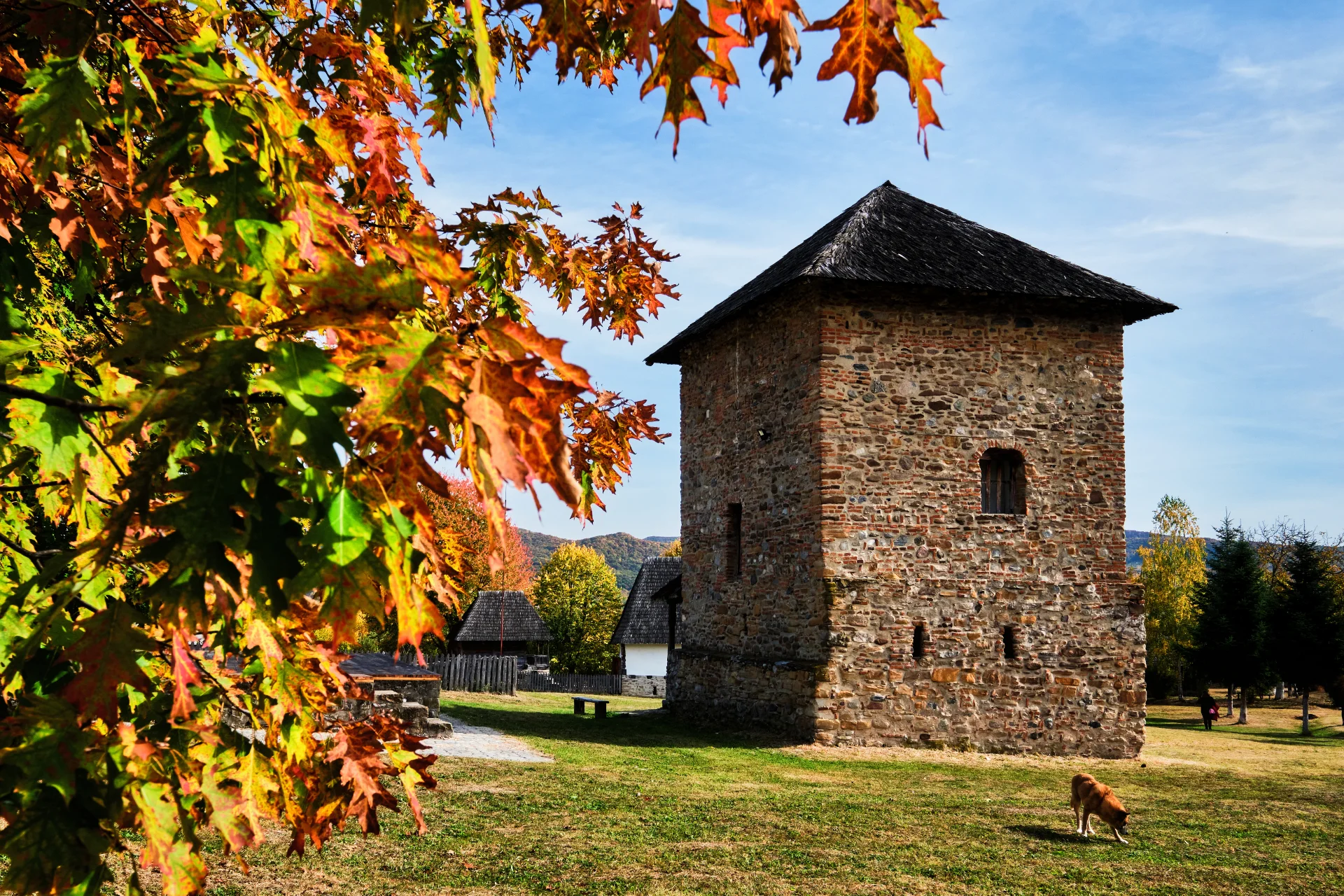
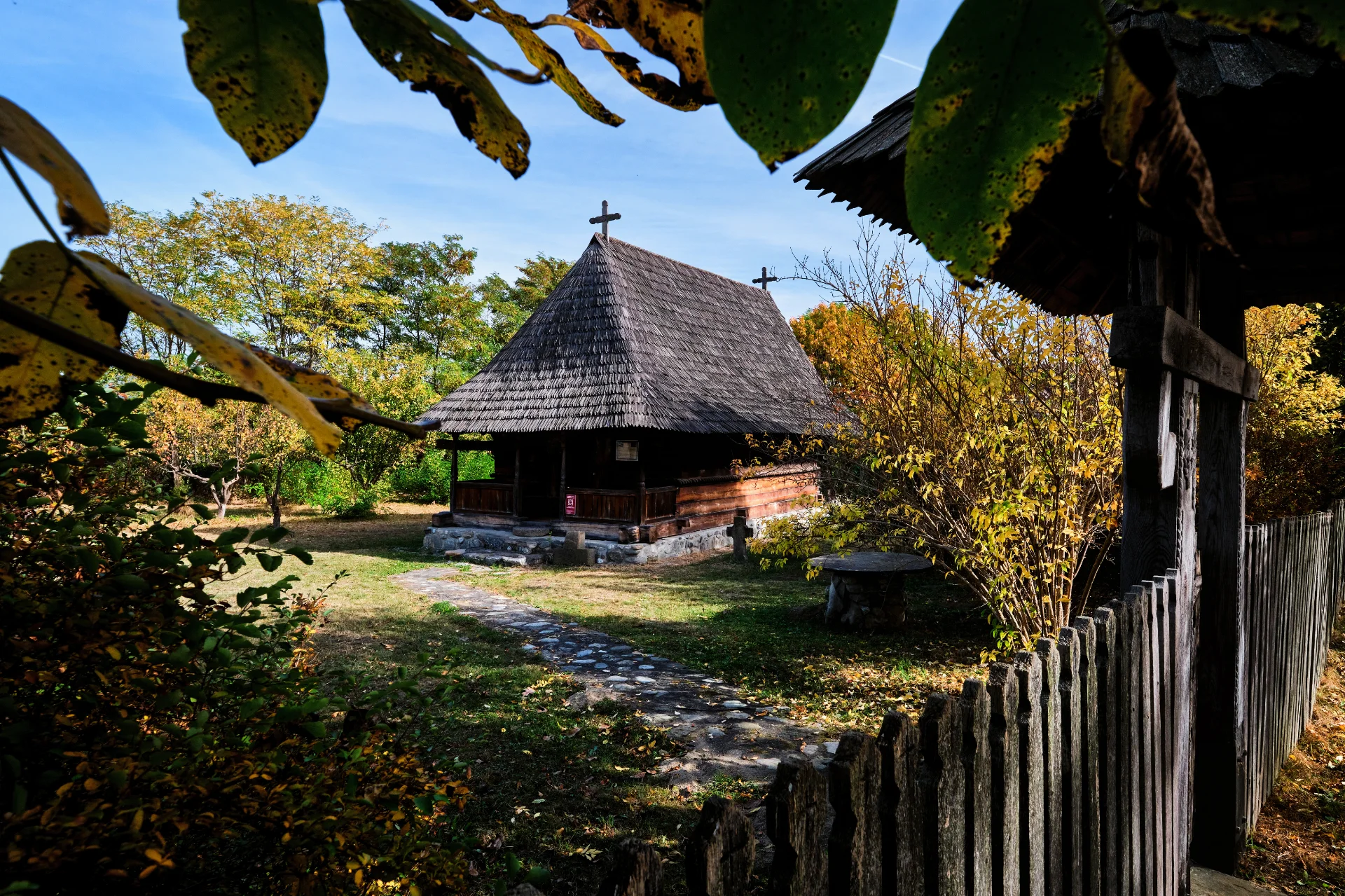
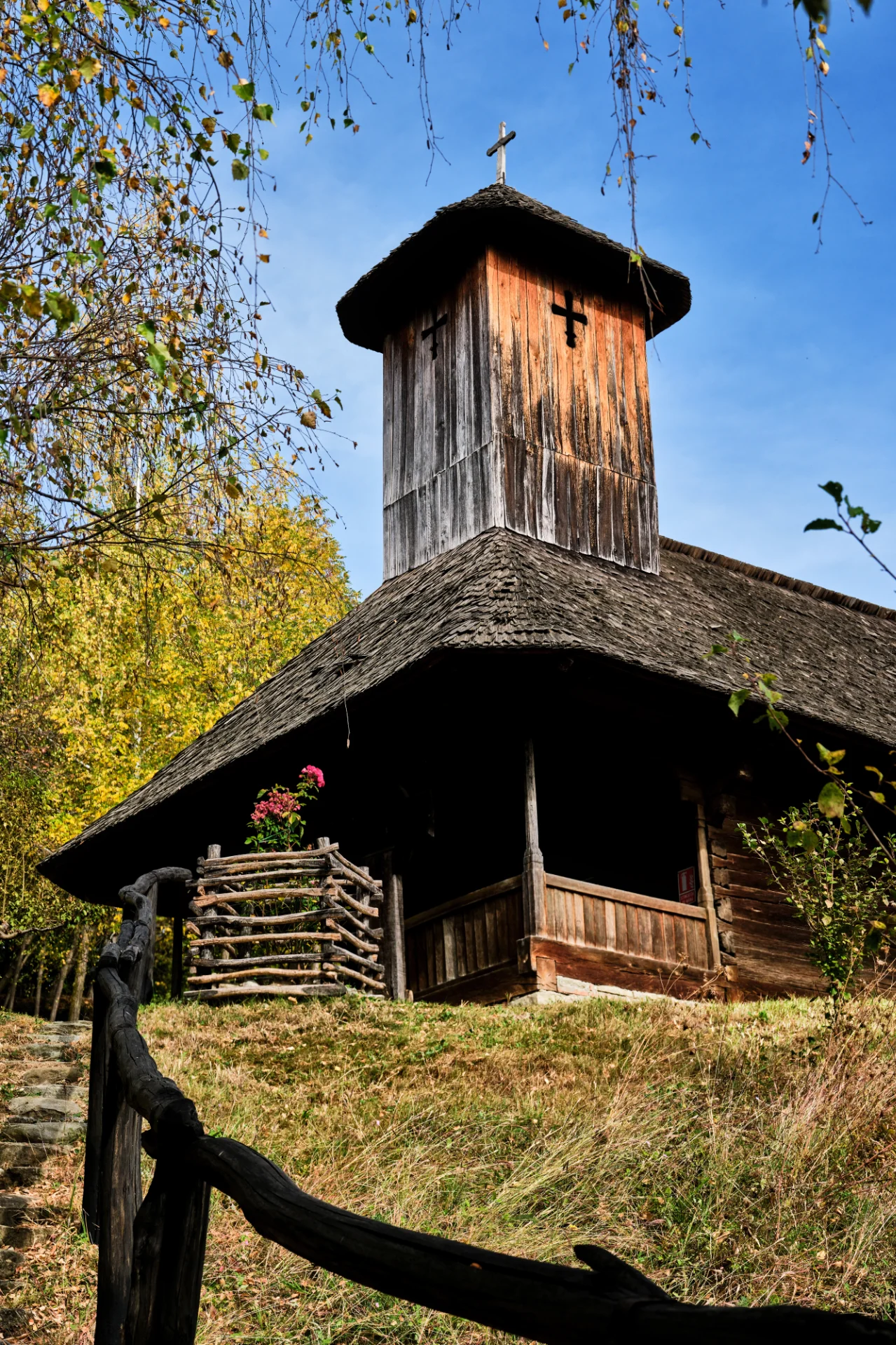
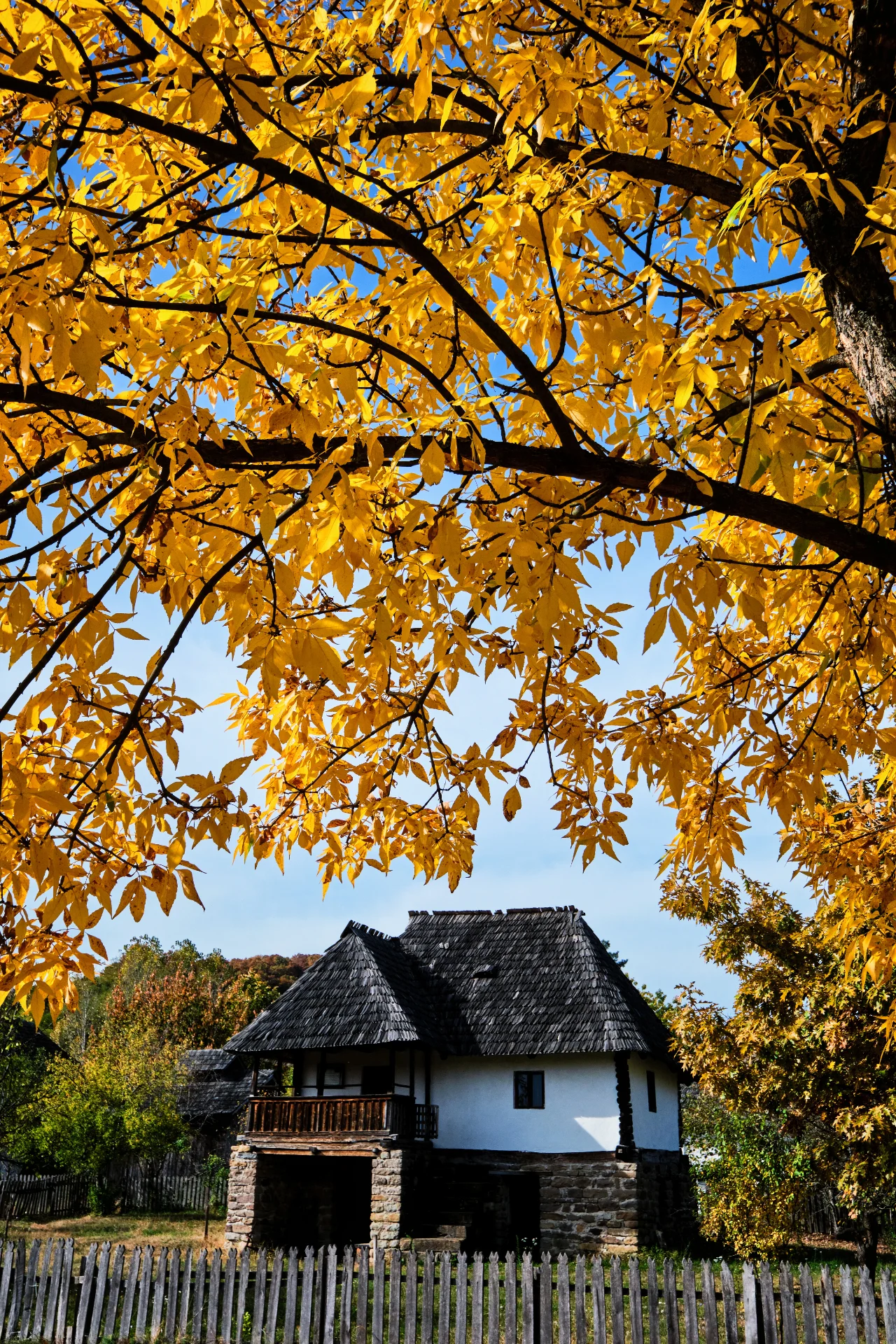
It is located in the village of Bujoreni, just a few kilometers north of Râmnicu Vâlcea. Inaugurated in 1974, the open-air museum is a fascinating destination, comprising almost 80 authentic traditional structures and thousands of other objects, thus offering an overview of the rural environment of Vâlcea county. Among the exceptional monuments preserved here, the Bujoreanu Cula stands out, around which the other buildings were brought over the years. The Cula was built between 1806-1812 and is representative of this type of buildings that appeared in Oltenia and western Wallachia between the 17th and 19th centuries. An imposing fortified dwelling, it comprises thick walls with loopholes and two overlapping rooms, but without communication between them, access to the upper floor being made via an external staircase. In addition to this, the museum also includes a wooden church from 1785, Bogdan’s Inn in Mălaia, the primary school in the village of Cacova and a lot of old houses from various regions of the county and with various interesting features.
Băile Olănești Resort
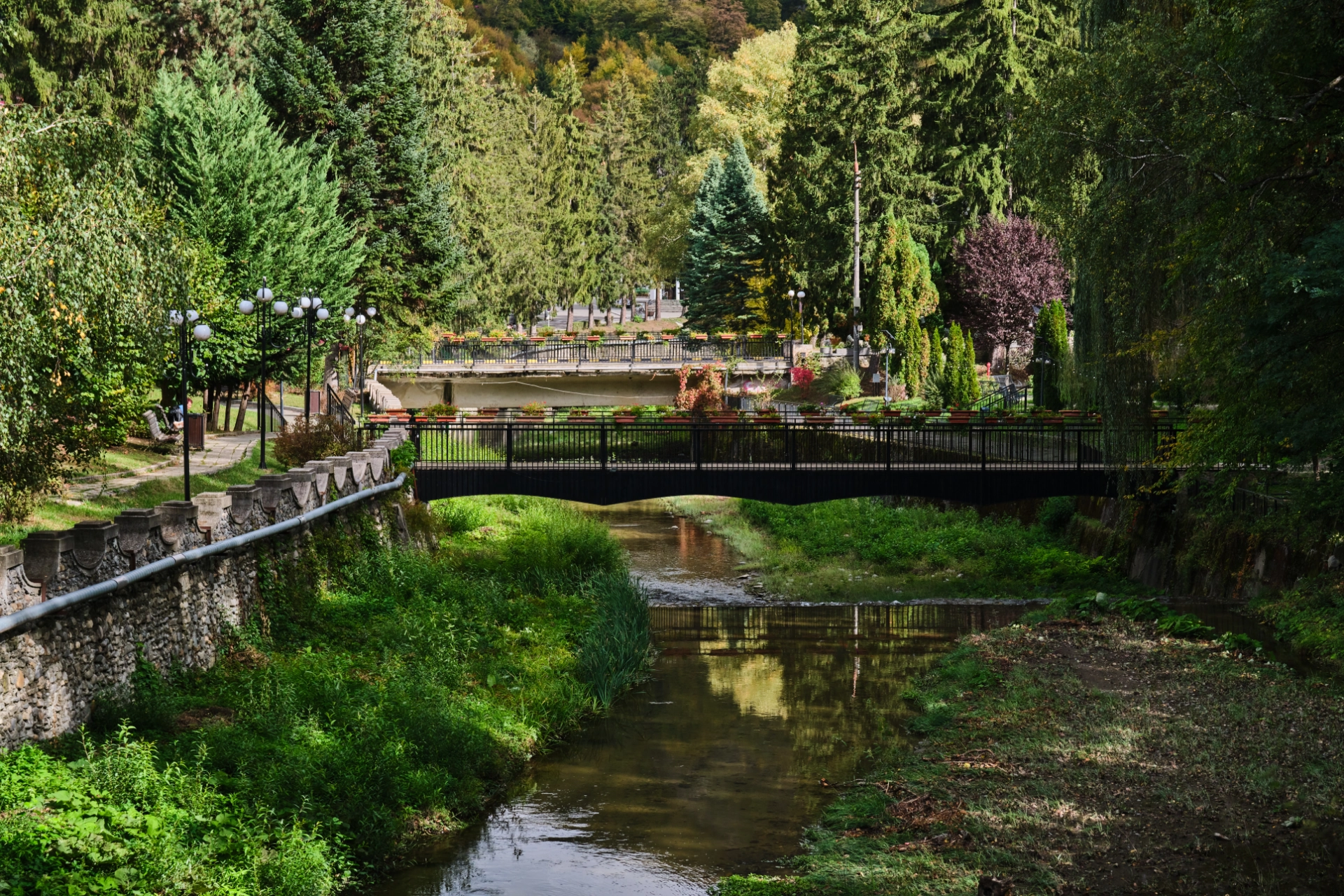
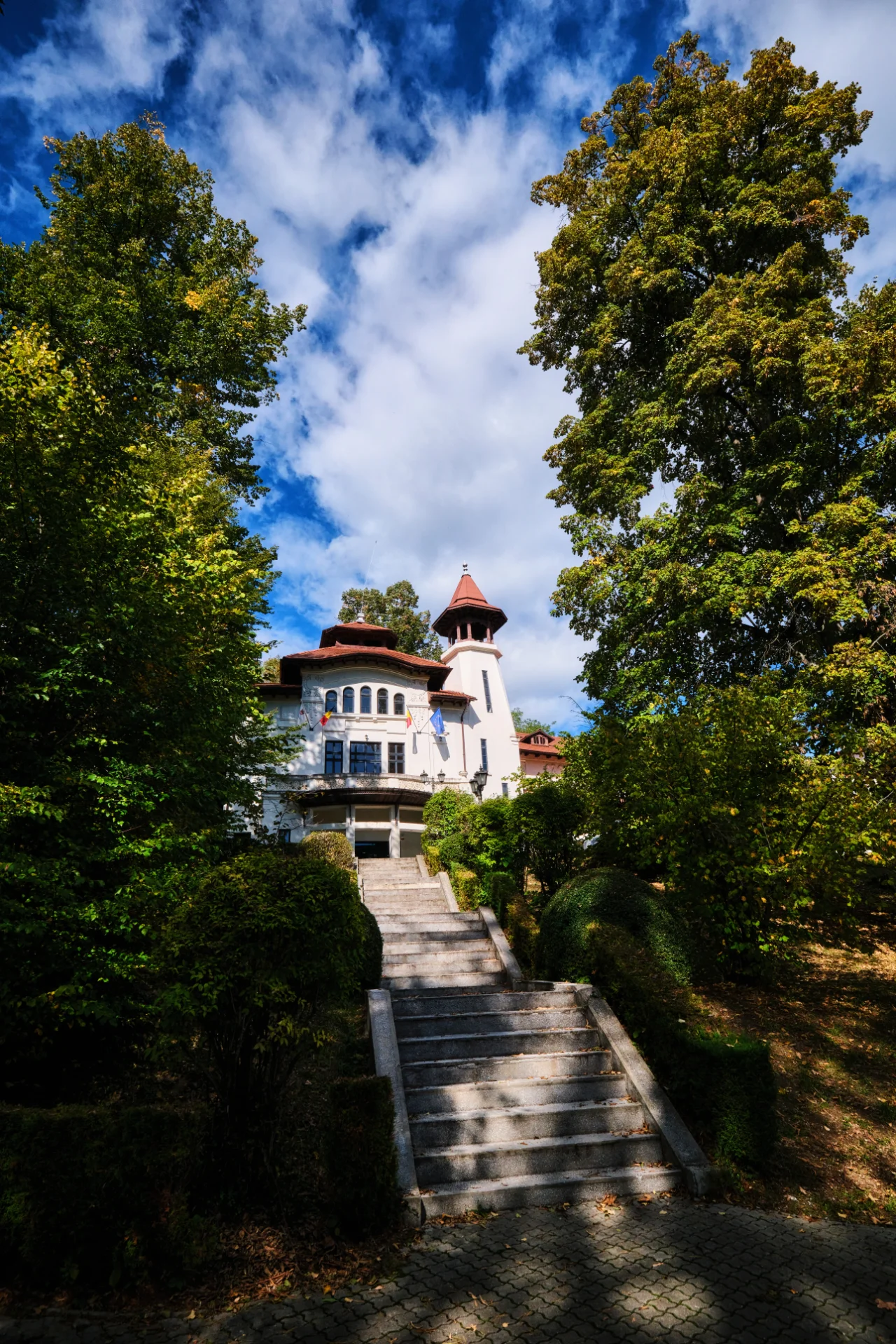
The city is located approximately 20 kilometers northwest of Râmnicu Vâlcea, on the Olănești River valley, being considered one of the most important spa resorts in Romania. Recognized for its mineral springs with therapeutic properties, but also the beneficial microclimate. Known since the 18th century, the springs here determined the establishment of the resort at the end of the 19th century, the mineral waters being compared to those of the famous resorts of Europe. However, a devastating flood in 1895 covered the springs, and they were brought back to the surface only after the First World War, while most of the treatment and accommodation facilities are quite recent. In addition to the spa treatments and the charming natural setting, the locality also includes several monuments worth discovering, starting with the churches “St. Hierarch Nicholas” (1718), “Sfinții Voievozi” (1810) and “St. Ioan Botezătorul” (1820). The resort also features the Wooden Church of “Saint Pantelimon”, also known as the “Church of Horea”, built in 1752 and brought here from the village of Albac (Alba). Near the center, you can also admire the enchanting lakes with water lilies, while the Alley of Springs follows the Olănești valley to the north.
Băile Govora Resort
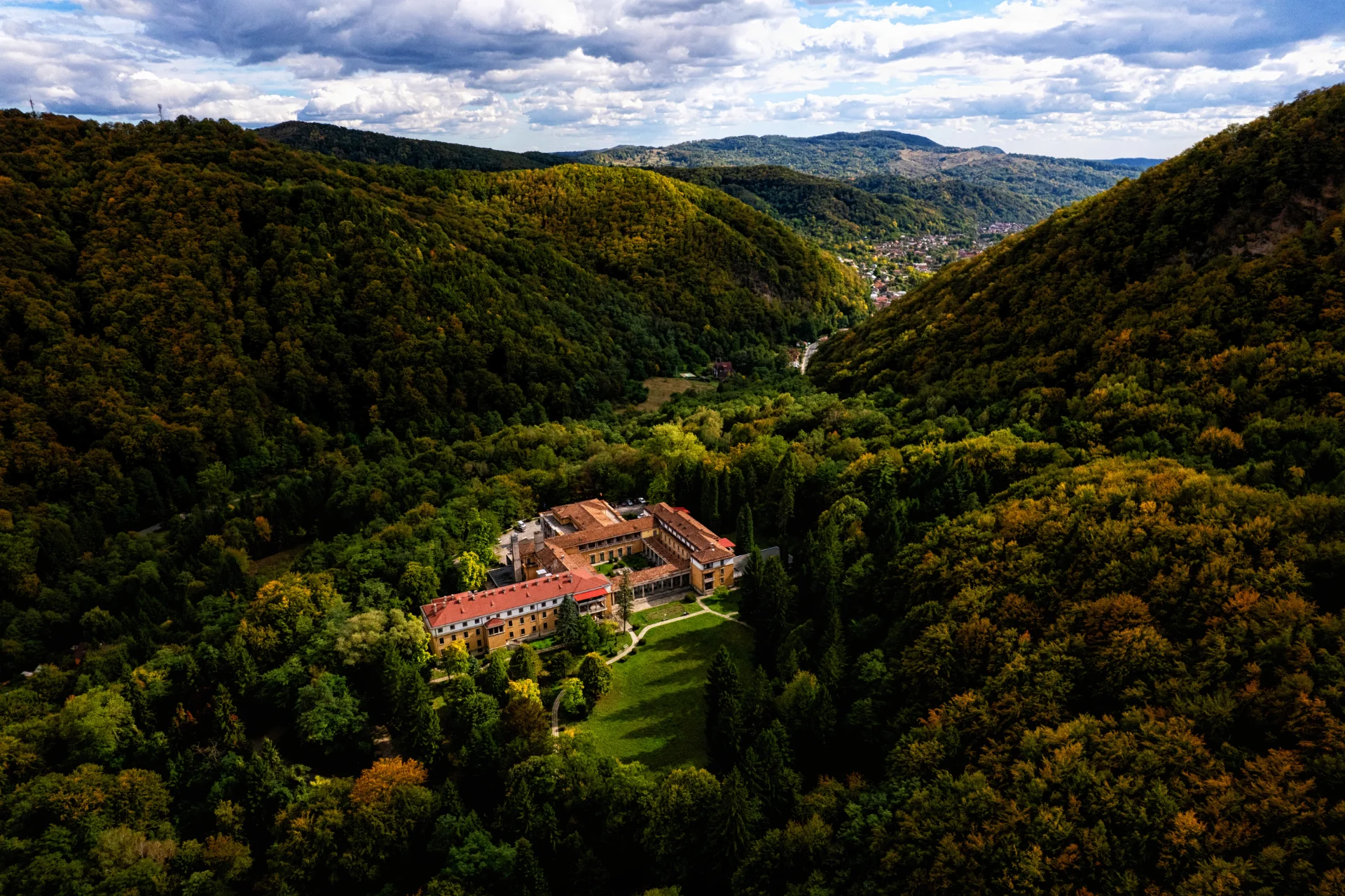
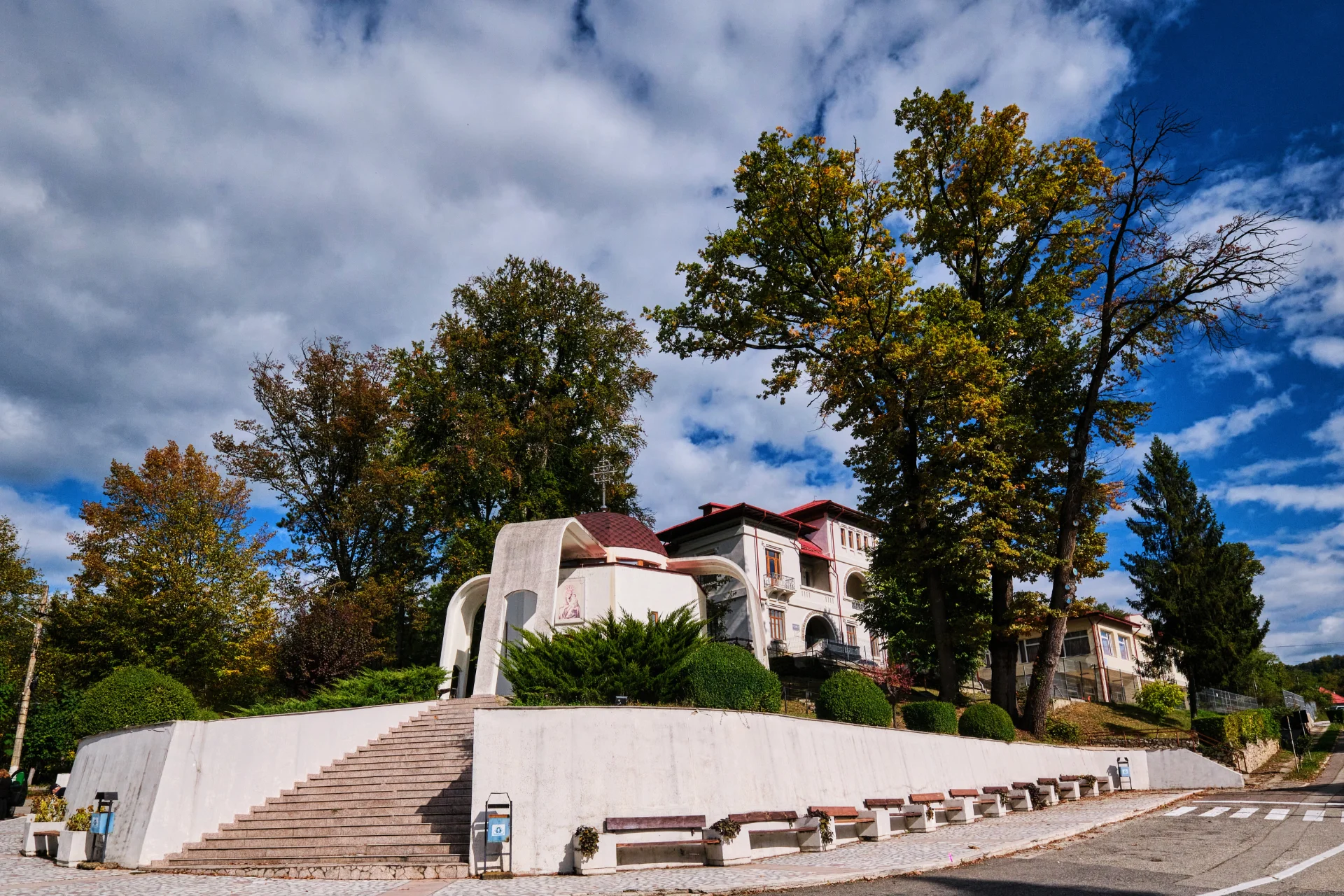
One of the most appreciated spa resorts in the country, Govora is located approximately 20 kilometers southwest of the city of Râmnicu Vâlcea, surrounded by forested hills. Recognized for the diversity of mineral springs, unique for their high concentration of chlorides, iodines, bromines and sulfur, Băile Govora is also notable for its impressive historical heritage, preserving several villas and buildings with interesting architecture from the early 20th century. The symbol of the resort is considered to be the Palace Hotel, which was built between 1911-1914 in the neo-Romanian style by the architect Ernest Doneaud. Often likened to a real palace, it was famous for the fact that each room benefited from at least one hour of sunlight every day. Another exceptional monument is the Casino, built between 1928-1928 in the same style according to the plans of the first female architect in Romania. In addition to these, the resort also offers a charming park, but also other interesting buildings (Sanatorium, Ivanovici Villa, Wooden Church, Virginia Andreescu-Haret Cultural Center), unfortunately some of which are in a state of decay.
Ocnele Mari Salt Mine
Visiting hours: 10-16 (Monday-Friday) / 9-17 (Saturday-Sunday) / variable depending on the season | Tickets: 55 lei (11€)/adult
Located just 8 kilometers south of Râmnicu Vâlcea, the Ocnele Mari salt mine is the oldest and second largest in Romania, with an area of approximately 50 square kilometers. The exploitation of salt in these places began in the Dacian-Roman period, then continuing throughout the medieval period. Many of the mines opened over time have since collapsed, leaving behind numerous salt lakes in the vicinity of the town. Following the cessation of exploitation, a tourist area was opened in 2009 for visiting the salt mine, and in 2015, all activities will be moved to a much larger space, with a total area of 50,000 square meters, at a depth of approximately 100 meters underground. With a constant average temperature and a beneficial environment for health (respiratory diseases), the Ocnele Mari salt mine also includes recreational spaces, sports and playgrounds, a restaurant, a museum, shops and even a place of worship. Access to the salt mine is by buses that leave from the above-ground parking lot every 30 minutes.
In addition to the impressive salt mine, there are several other interesting places to visit in the town, and leisure options include several swimming pools, an adventure park and more. Also in the town of Ocnele Mari, an important Dacian fortress was discovered in the 1960s, identified by archaeologists and historians as Buridava, mentioned even by the ancient historian Ptolemy. Numerous objects and some very important inscriptions for researchers were discovered here, many of which are exhibited in the museum in Râmnicu Vâlcea. A few kilometers to the south are the Roman ruins of Stolniceni, proof of the importance of salt exploitation in those times. A spectacular but little-known place near Ocnele Mari is the Fan Ravine, accessible along a short trail through the forest. A unique and impressive geological formation, the ravine unfolds like a natural fan over a length of approximately 200 meters, reaching a height of 80 meters. In addition to these attractions are the church “Sf. Gheorghe Domnesc”, the church “Adormirea Maicii Domnului” and the church “Sf. Gheorghe and Sf. Dumitru”.
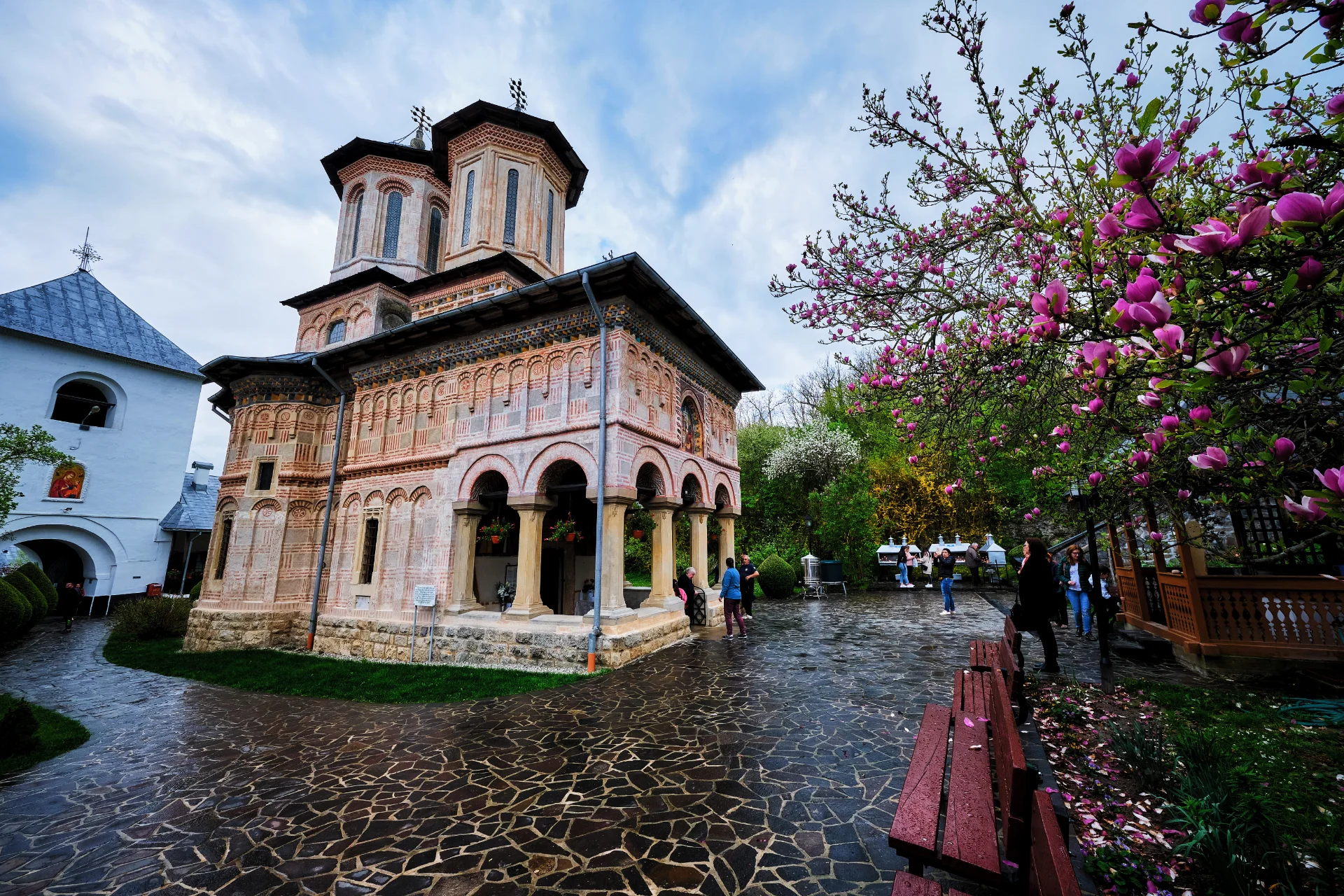
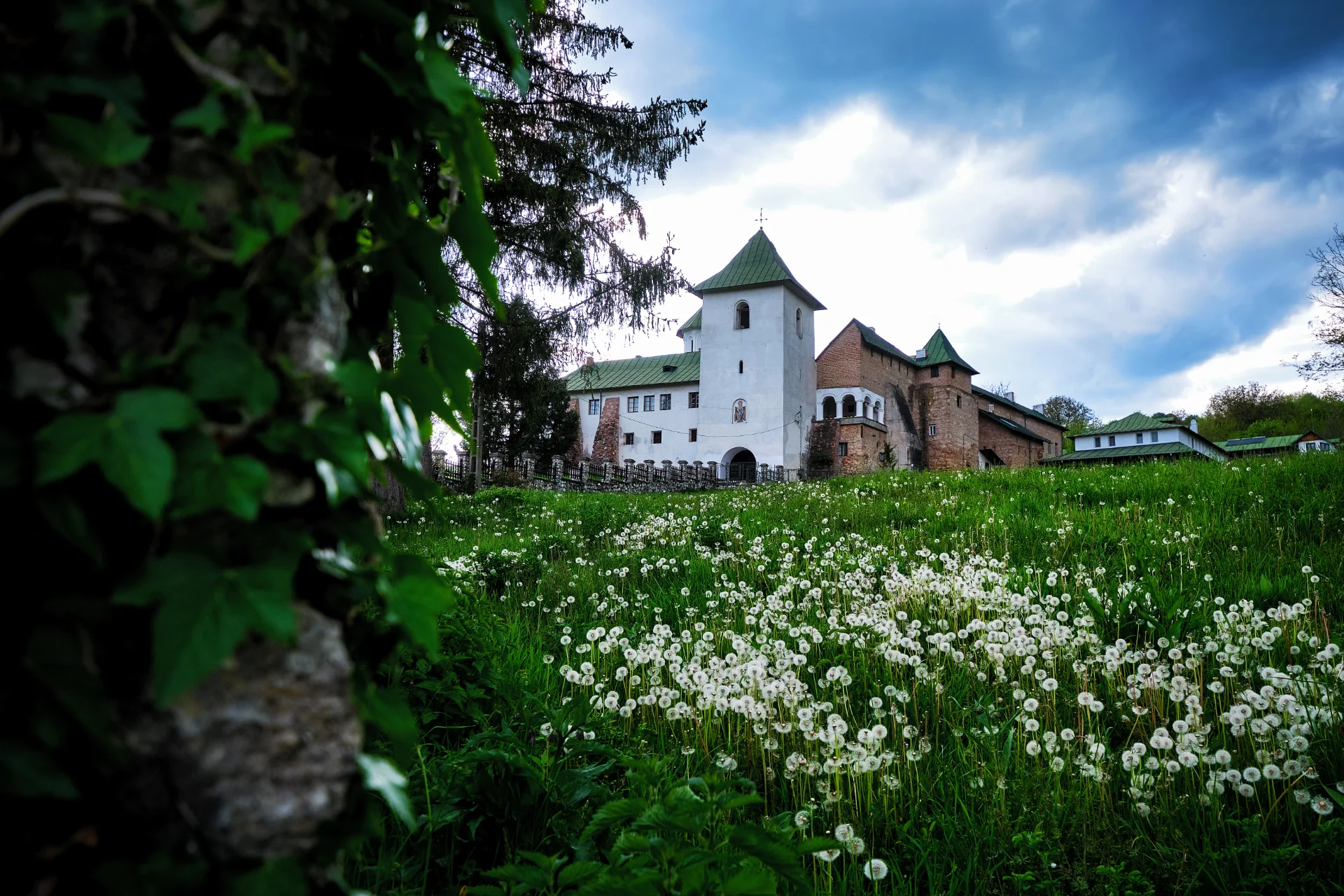
Govora Monastery
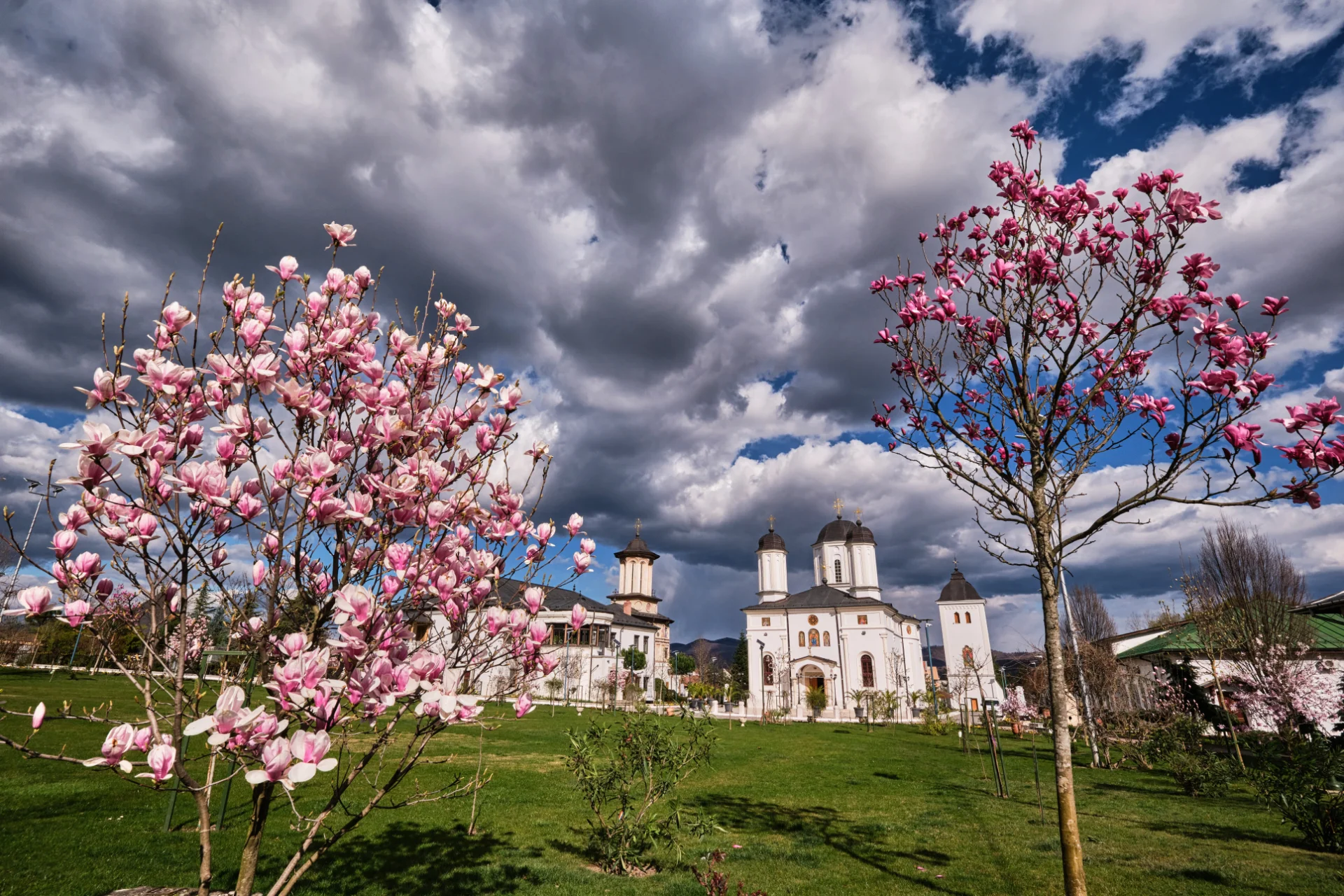
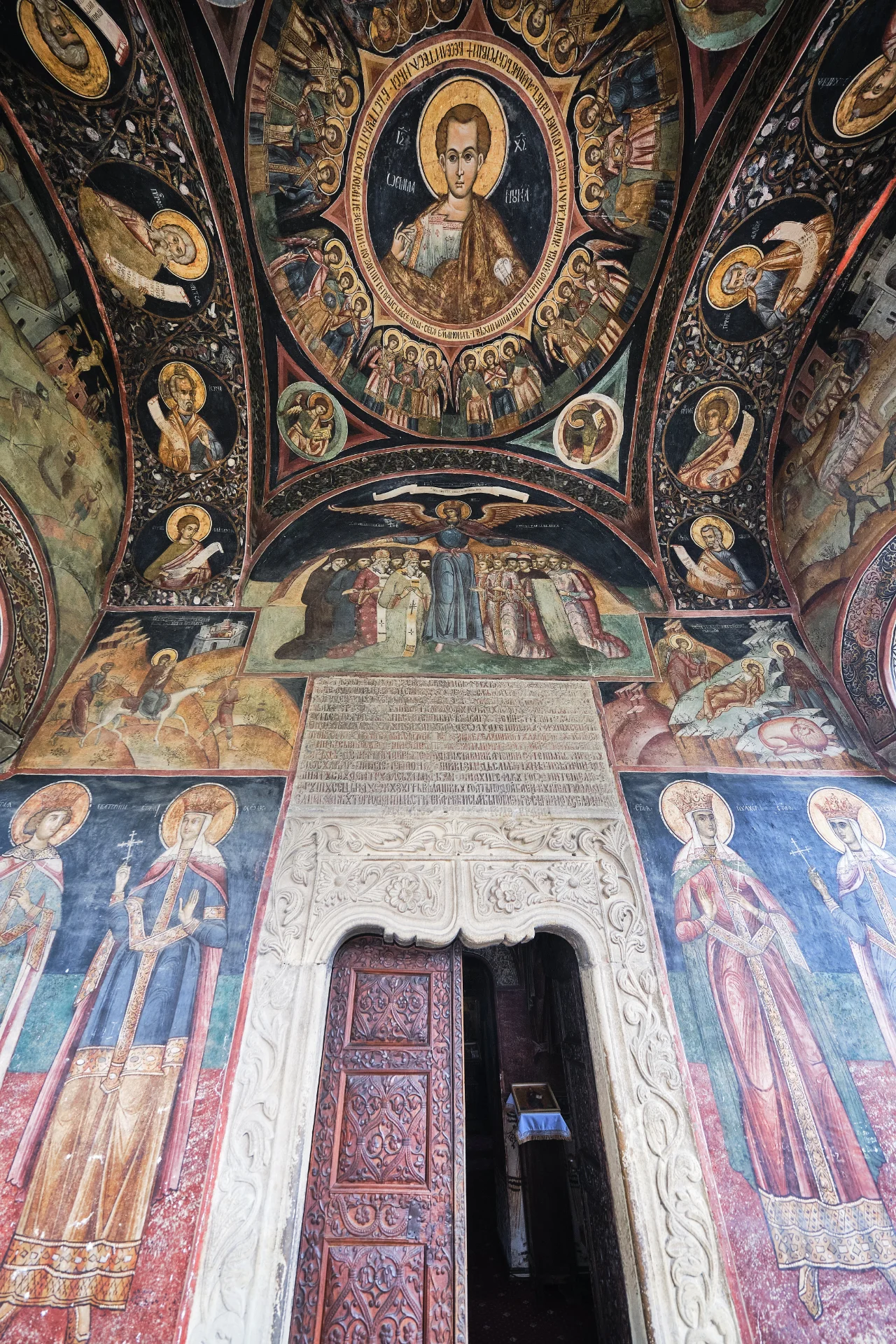
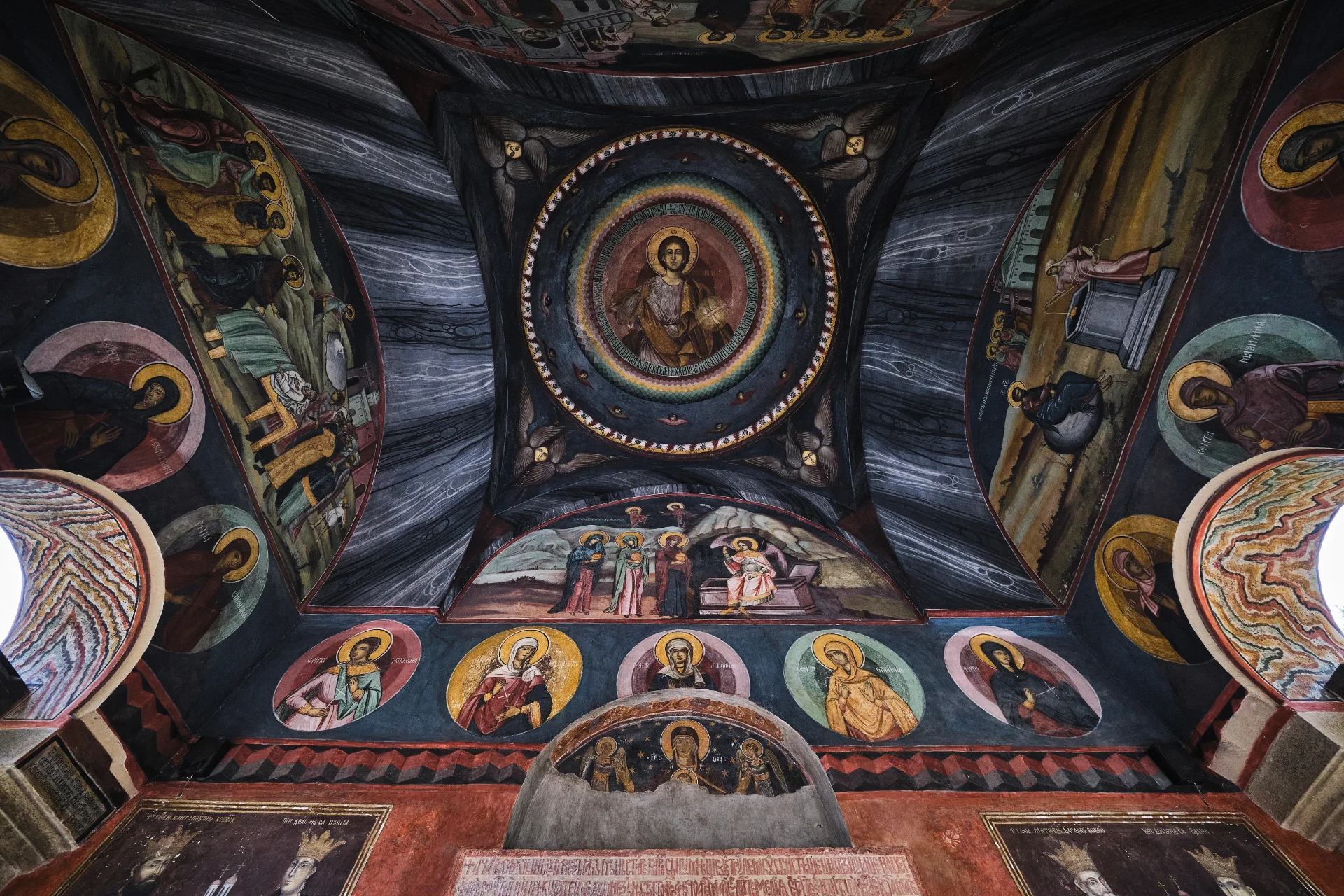
Located approximately 20 kilometers southwest of Râmnicu Vâlcea, the monastery is one of the oldest and most important in Wallachia. Although the exact date of its foundation is unknown, the oldest settlements in Govora date back to the 14th and 15th centuries, during the reign of Vlad Dracul. In the following centuries, it was rebuilt and expanded by Vlad the Impaler, Radu cel Mare, Matei Basarab and Constantin Brâncoveanu. An important moment was the installation of a printing press (1637), donated by Metropolitan Petru Movilă of Kiev, and here the first document in Romanian was printed, known as the “Pravila de la Govora”. Resembling a fortress, the Govora monastery is surrounded by a high enclosure where the cells and other spaces are located, including the former rooms where Meletius the Macedonian’s printing press operated. The bell tower provides access to the premises, having four levels and being provided with shooting holes. The church is a fairly simple construction, without too many ornaments, but it preserves impressive fresco paintings. Also in the church, you can admire the iconostasis in the Brancoveanu style and splendid icons, while the small museum of the monastery holds many other old and valuable icons and documents.
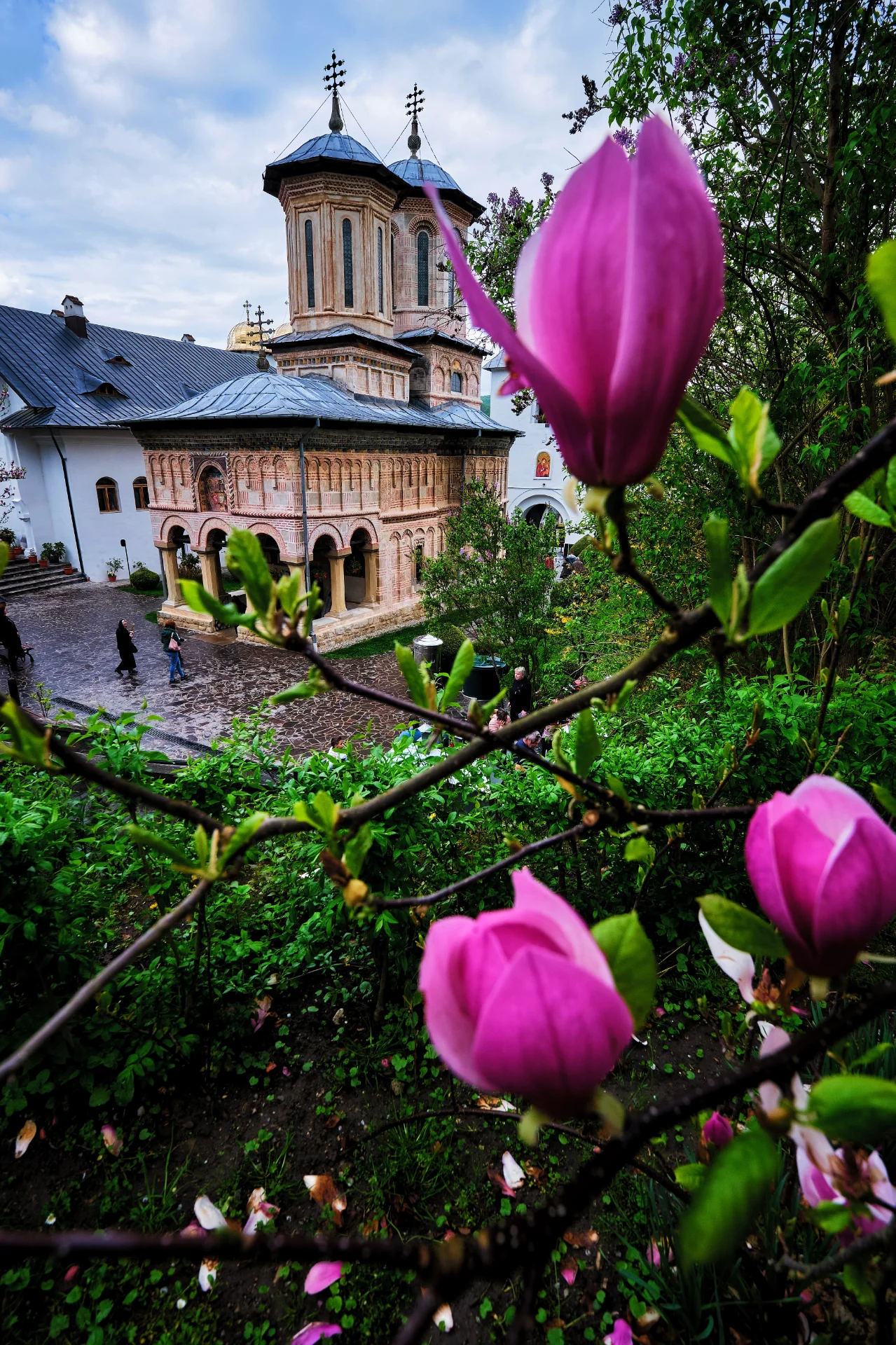
One Tree Monastery
One of the most important Orthodox monasteries in this part of the country, it is located in the village of Frâncești, in the Otăsău Valley and approximately 30 kilometers from Râmnicu Vâlcea. According to local tradition mentioned in the writings of Paul of Aleppo, it was founded in the early 16th century, after the discovery of an old icon in a secular oak tree in the area, and the old church was built from the wood of that tree. Whatever the historical truth, there are still several venerable oak trees around the monastery, and the icon is preserved in the new stone church. The old wooden church contains a superb linden wood iconostasis (1819) and other valuable old icons. The origin and appearance of the icon of the Mother of God in these lands is still debated, but the first document mentioning the monastery dates back to 1635. The large church in the wall was built by the ruler Matei Basarab or the boyar Preda Brâncoveanu around the mid-17th century. Inside, in addition to the legendary icon, other icons or valuable cult objects are also kept.
Other Interesting Discoveries
Lesser known places and activities in Râmnicu Vâlcea and its Surroundings
Zăvoi Park
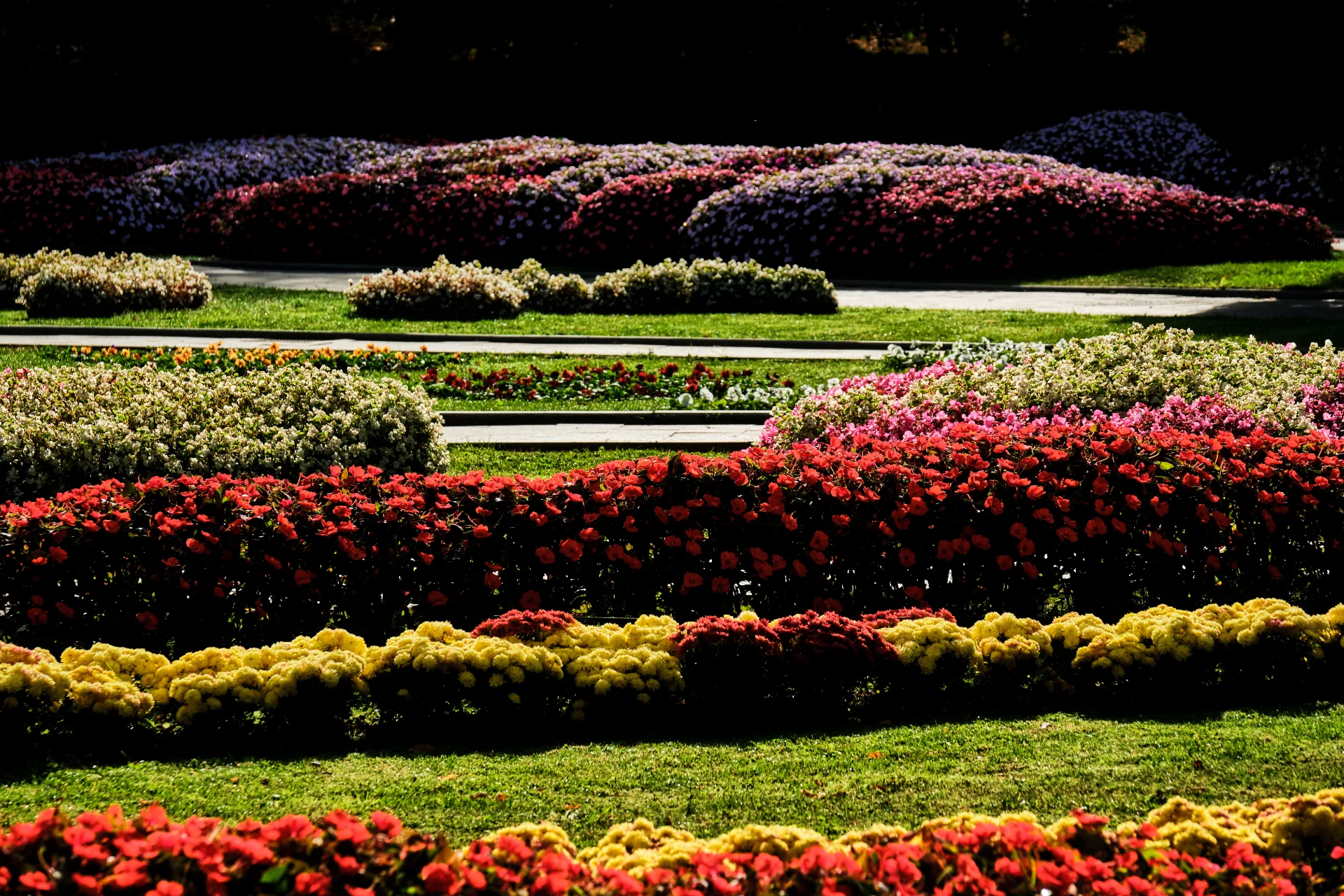
Located on the banks of the Olănești River, the park has a long history of over 150 years, having been arranged in 1856 at the initiative of Prince Barbu Știrbei. A few years earlier, a public gathering took place here after the Revolution of 1848, and the national anthem “Dețeaptă-te române!” was sung for the first time by a choir led by Anton Pann. Today, Zăvoi Park is a delightful natural space, with numerous trees, flowers, a small lake and recreational areas.
Cetățuia Hermitage
From the former monastic settlement built between 1677-1680, only the Church of the “Sfinții Voievozi” (Holy Princes’ Church) has been preserved, an interesting monument with paintings by Gheorghe Tattarescu. In the mid-19th century, Metropolitan Nifon made changes to the church, building the tower, the porch, the enclosure wall and two houses. Located on a hill north of the city of Râmnicu Vâlcea, with superb views of the Olt valley, the Cetățuia hermitage is the place where Prince Radu de la Afumați was assassinated by two traitorous boyars. Traces of habitation from ancient times have also been discovered here, including a Dacian settlement, and according to legends, an underground tunnel leading to the other side of the Olt starts from here.
Troianu Hermitage
Located in the southern part of the city of Râmnicu Vâlcea, the hermitage is dedicated to the “Beheading of Saint John the Baptist”. The church dates back to the 18th century, having been rebuilt together with the Priory House between 1840-1842, then restored between 1972-1975 after the complex had been used as warehouses and stables. In 1848, the army of panduri and volunteers led by General Gheorghe Magheru had its headquarters here. Currently, the Troianu hermitage has changed its name to Antim Monastery, and the new church was consecrated in 2016.
Other Sights in Râmnicu Vâlcea
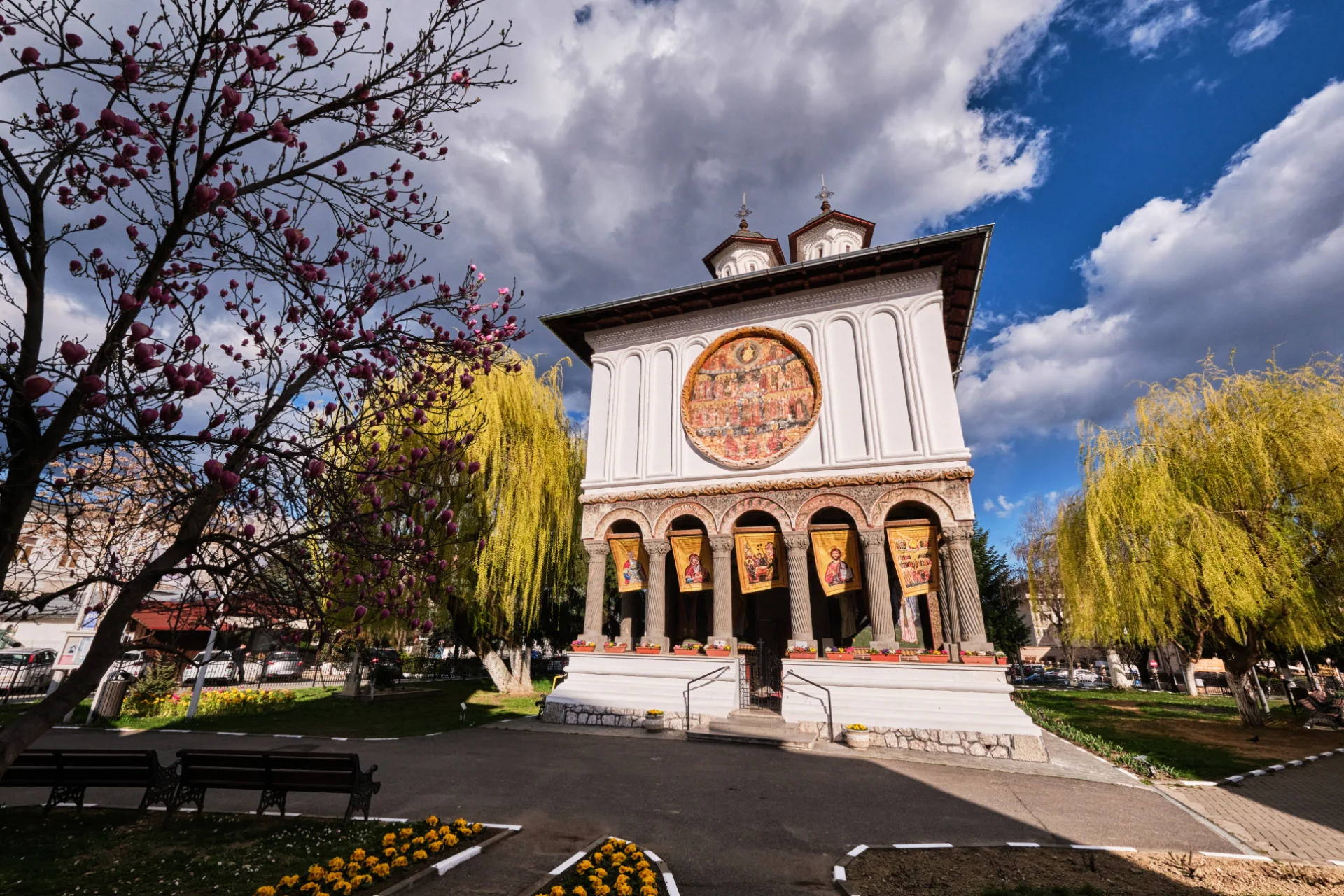
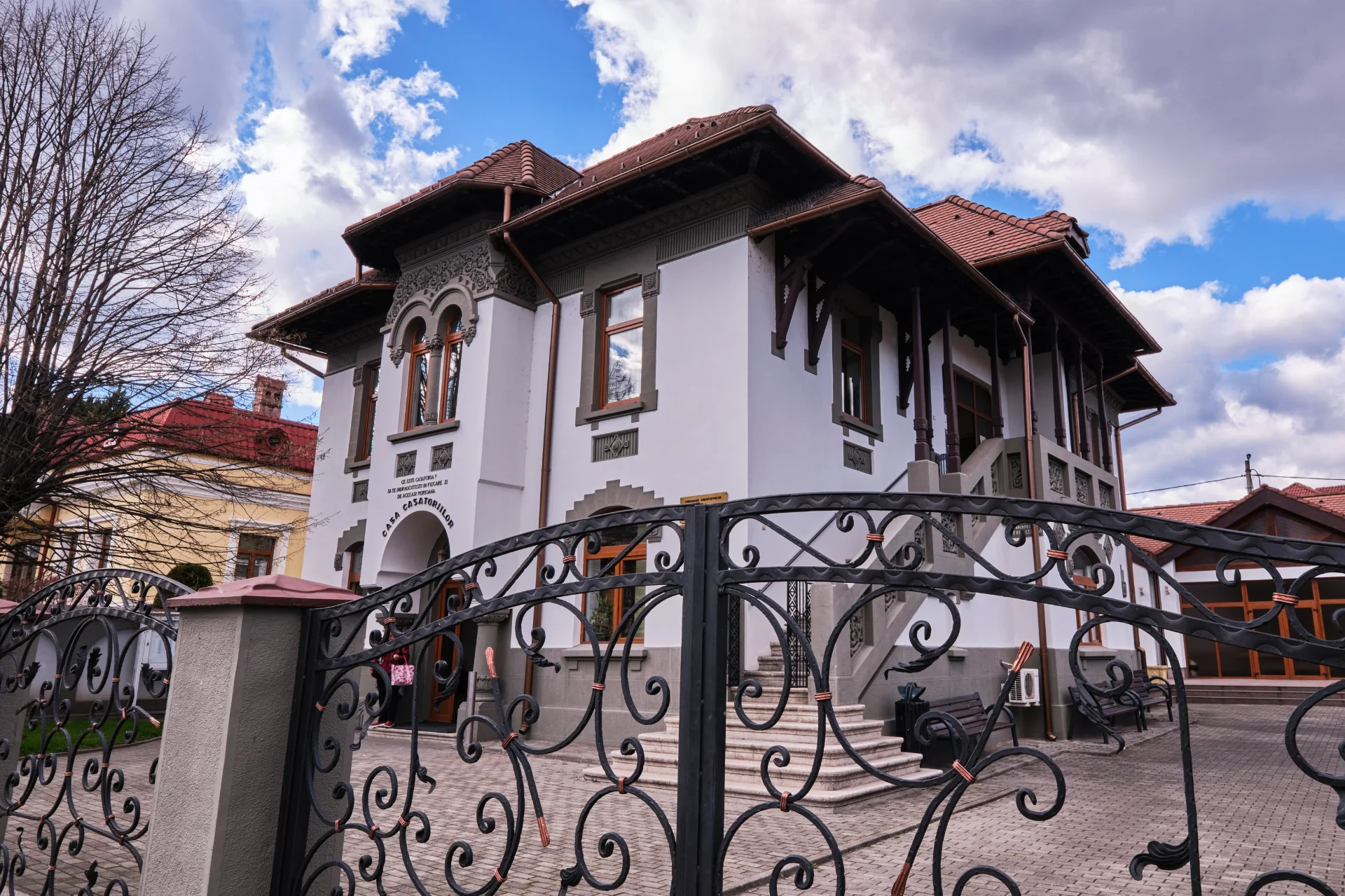
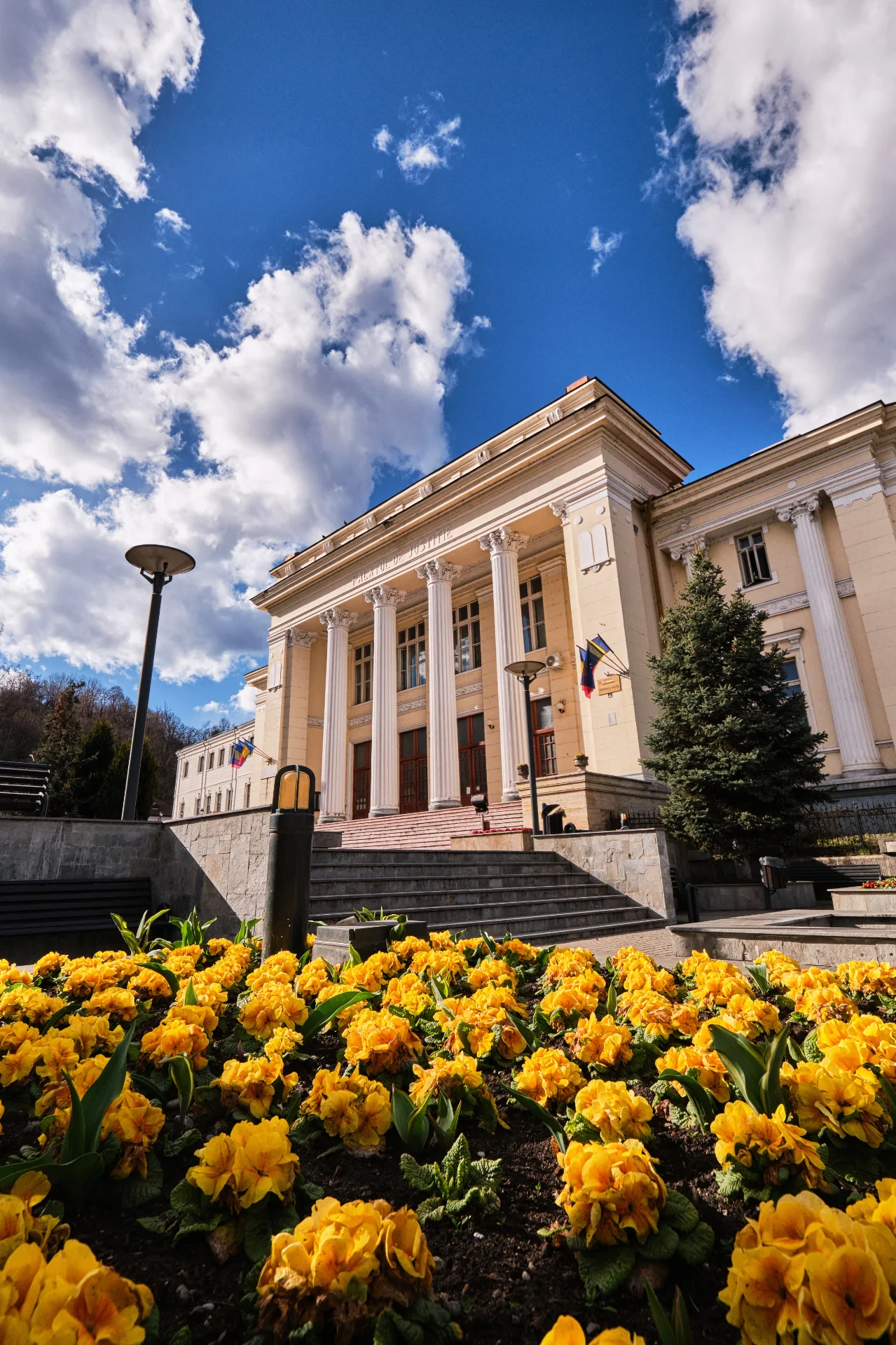
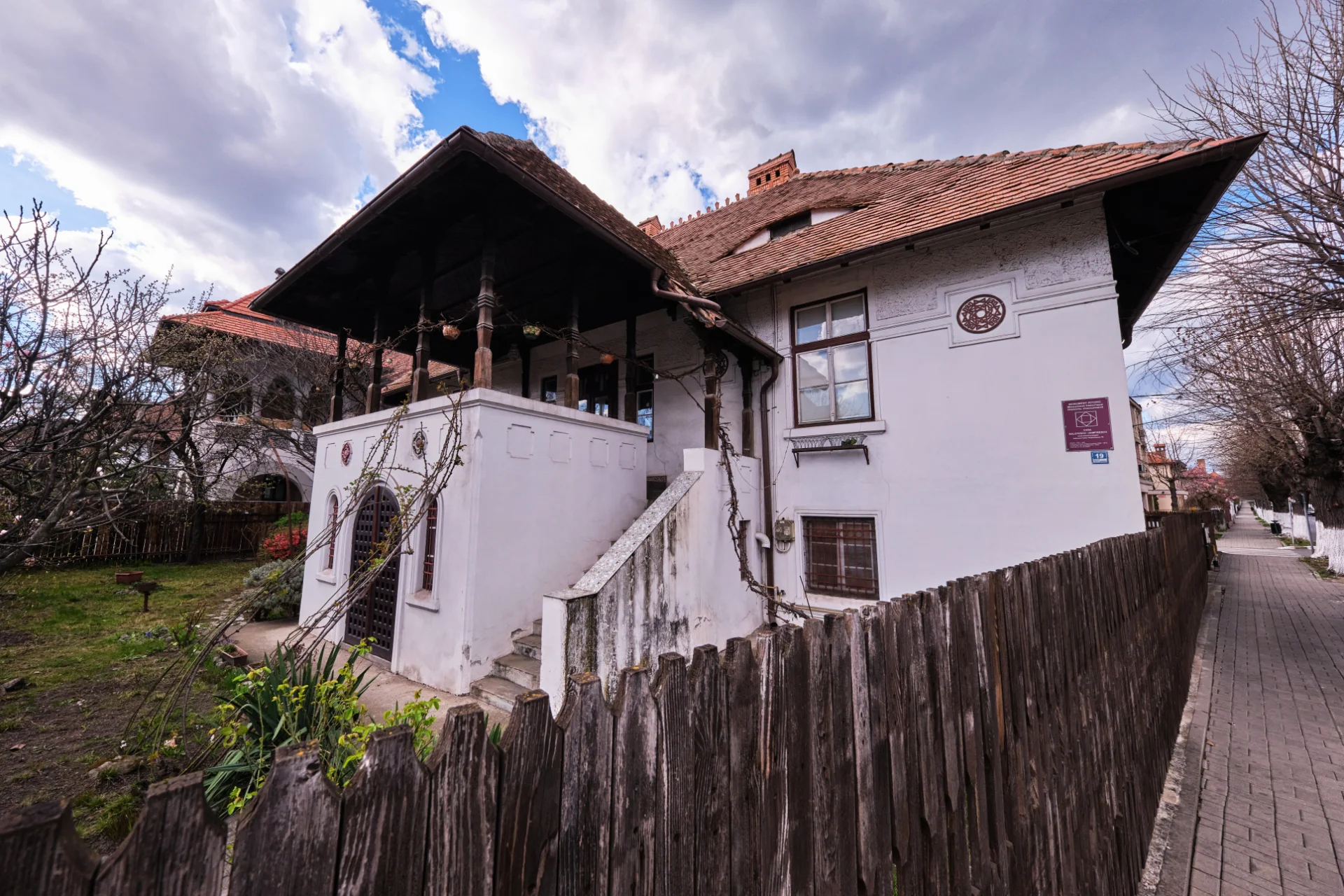
In addition to all these amazing places, the municipality of Râmnicu Vâlcea also preserves numerous other interesting attractions, churches and buildings declared historical monuments or leisure destinations. Near the city center and Zăvoi Park, you can visit the “Anton Pann” Memorial House, a splendid monument of old traditional architecture (18th century). Inside, you can admire an exhibition presenting the life and work of Anton Pann, the composer of the national anthem. The “Venerable Paraschiva” Church is also known as the “Buried Church of Vidin”, it was founded by Prince Matei Basarab and is the oldest in the entire region. Other interesting religious sites in the city include the “All Saints” church ensemble, the “Sfântul Dumitru” church, the “Ascension of the Lord” cathedral, the “Sfântul Gheorghe” church, the “Sf. Anton de Padova” Roman Catholic church, the former Inătești hermitage ensemble or the “Sfinții Arhangheli” hermitage church. Other amazing places can also be discovered throughout the city, including the Independence Monument, the “Antim Ivireanul” county library, the “Alexandru Lahovari” College, the City Hall, the Courthouse and the Tribunal buildings, the Old Post Office and numerous other old houses. For leisure, there are several destinations in Râmnicu Vâlcea, including the complex around Lake Ostroveni, which also includes the nearby Zoo, the “La Trei Lacuri” North Park or the Chapel Hill, where paths through the forest and viewpoints towards the city have been arranged. A protected natural area and a spectacular natural monument, the Pyramids of the Stăncioi Valley can be discovered on the left bank of the Olt River, a short distance from Râmnicu Vâlcea. It covers an area of 12 hectares and is presented in the form of pyramids of different heights and shades, resulting from the erosion of sedimentary rocks by the action of water and air.
Nicolae Bălcescu Memorial Museum
Located in the village of Rotărăşti in the commune that now bears the name of the great Romanian historian and revolutionary, the Nicolae Bălcescu museum complex is a fascinating destination, especially for history and architecture enthusiasts. In a charming park, you can find the mansion that belonged to the family and donated to the state in the 1950s, an old wooden church relocated here, and other annexed structures. The museum, opened in 1968, is organized in the 11 rooms of the mansion built in the Brancoveanu style, with Gothic and Renaissance influences. These present details about the life and work of Nicolae Bălcescu and his family, but also numerous valuable objects (furniture, ceramics, carpets, paintings) that recreate the atmosphere of the authentic boyar mansion. Next to the mansion, you can now admire the old wooden church from Gâltofani, which was brought here from a village on the Bălcescu family estate and preserves splendid authentic paintings.
Visiting hours: 8.30-18 (summer) / 8.30-16 (winter) | Tickets: 15 lei (3€)/adult
Sărăcinești Monastery
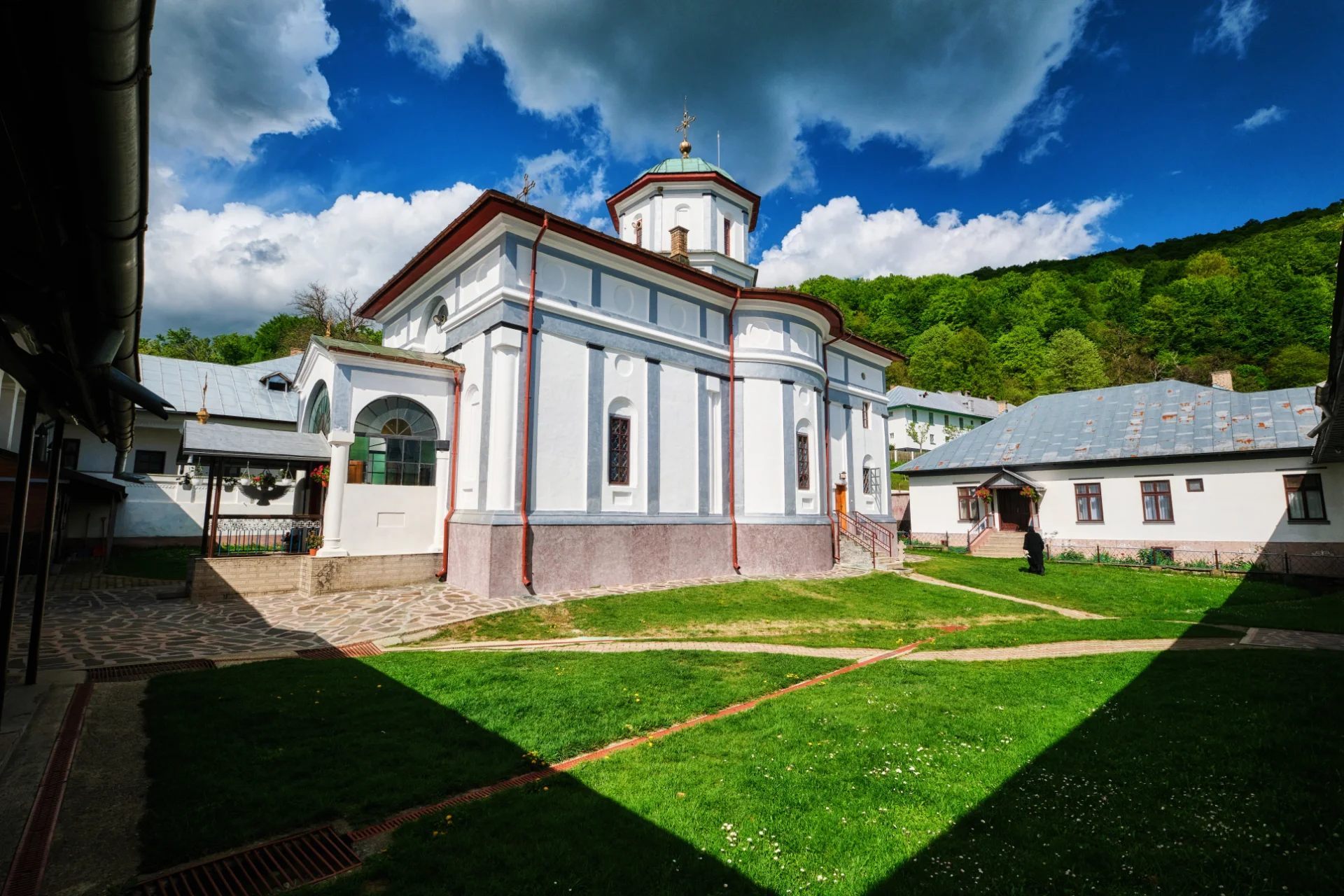
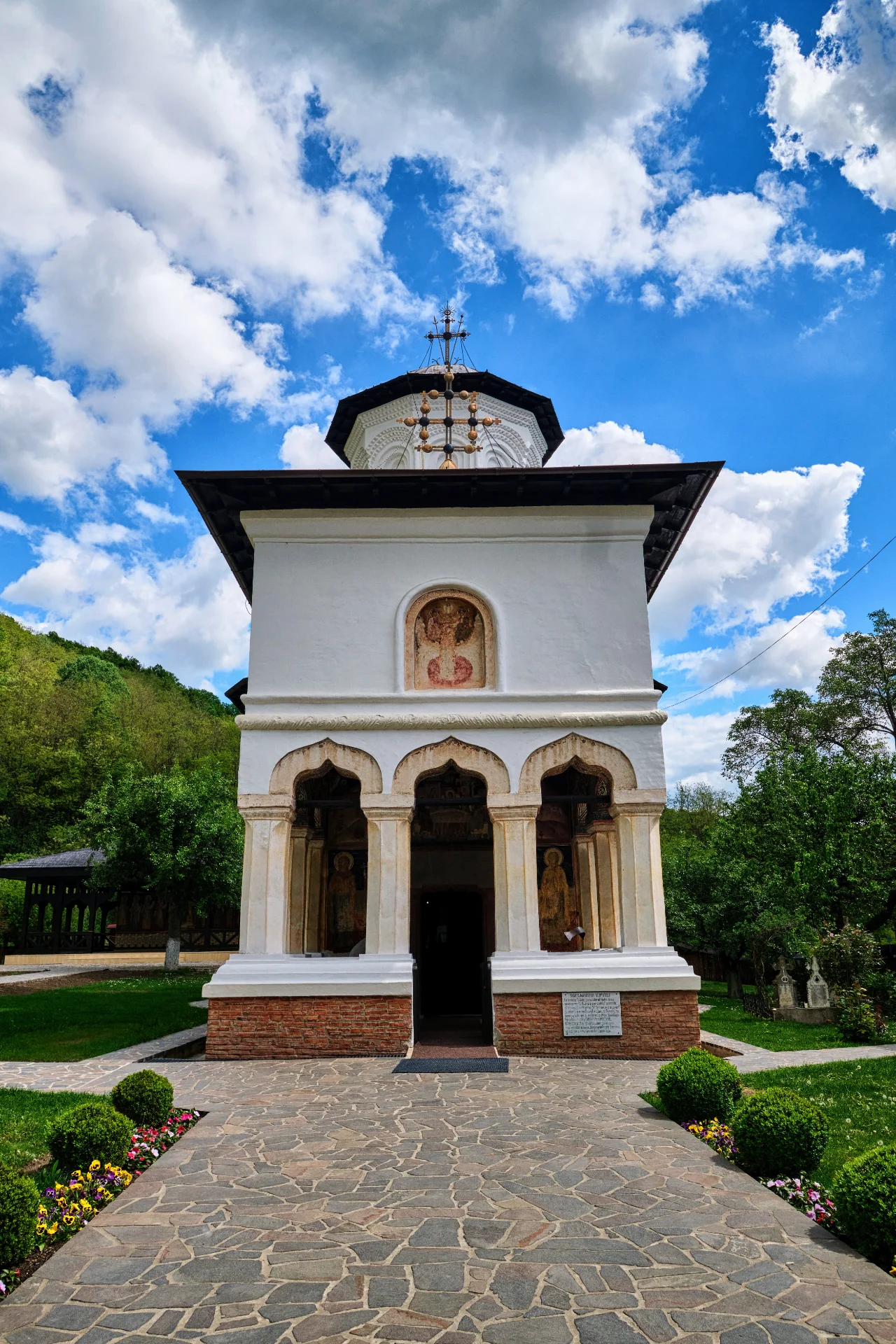
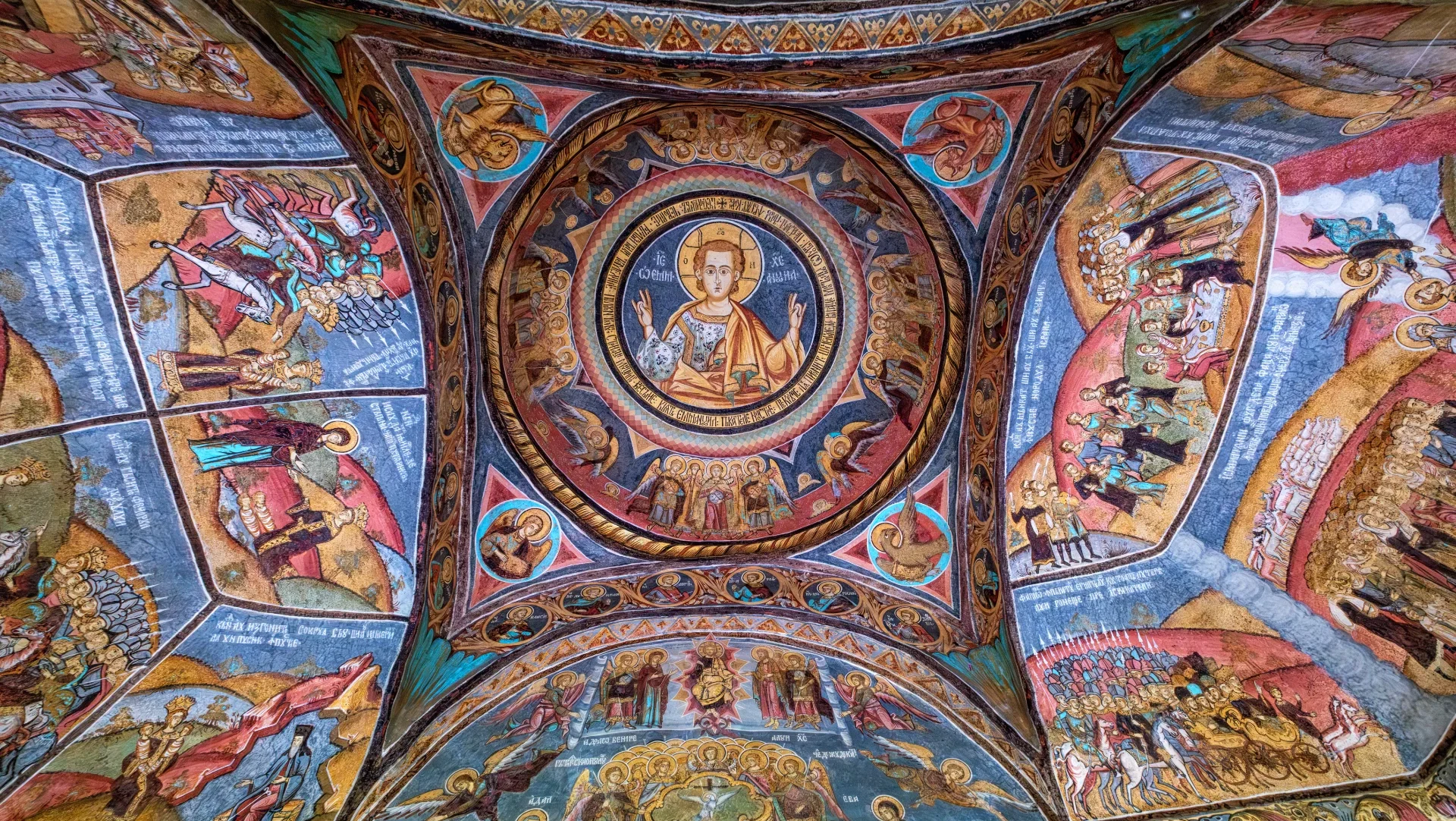
Located in the village of Valea Cheii, approximately 12 kilometers from Râmnicu Vâlcea, the monastery dedicated to the “Assumption of the Virgin Mary” is the successor to some very old monastic settlements, attested since the 15th century. The current Sărăcinești Monastery was founded in 1687, the church being finished the following year and painted in 1718. Towards the end of the 19th century, the monastery was dissolved, and the buildings gradually deteriorated until after World War I, when the nuns who arrived here contributed to the development of the settlement. Another bad period began after 1960, when the settlement was dissolved again, and the buildings were used for other purposes. The Sărăcinești Monastery was restored only starting in 2008, and can currently be visited. Fortunately, the church and bell tower are preserved almost in their original form, with specific Byzantine architecture and authentic old painting.
Surpatele Monastery
Located in the village of Surpatele in the commune of Frâncești, approximately 30 kilometers southwest of Râmnicu Vâlcea, the monastery dedicated to the “Holy Trinity” was originally founded at the beginning of the 16th century, the current church being built between 1703 and 1706 by Mrs. Marica Brâncoveanu. Repaired and repainted in the following century, it still preserves a carved iconostasis, the doors in the Brâncoveanu style and other valuable cult objects. Dissolved after 1872, the monastery was restored by 1935.
Frăsinei Monastery
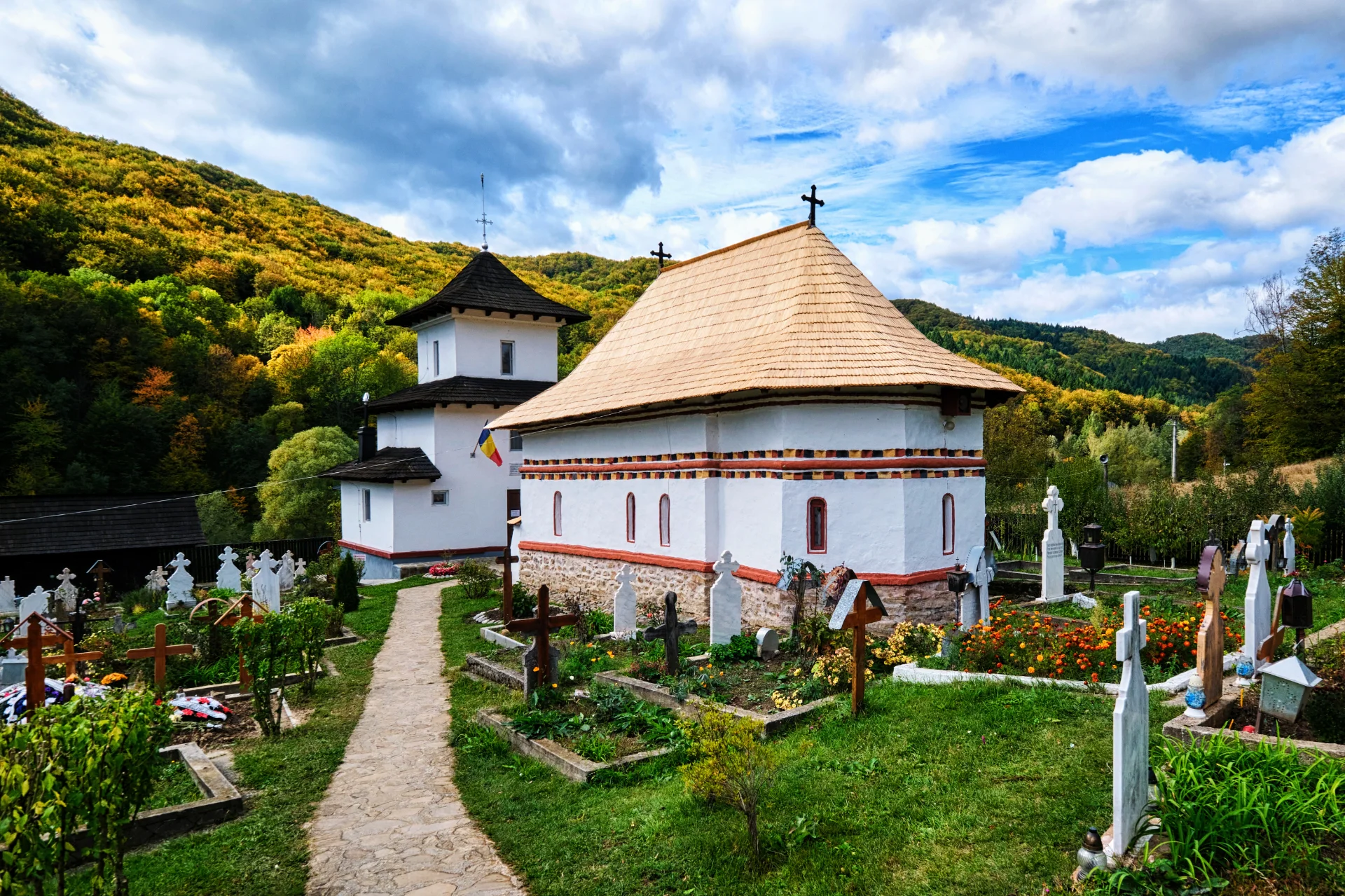
Among the best known in this part of the country, the monastery is located in an isolated area at the foot of the Căpățânii Mountains, 25 kilometers northwest of Râmnicu Vâlcea. The old church of the Frăsinei monastery was built between 1762-1763 in place of another wooden church dating from the beginning of the century. Preserving the old painting, this church is today located in the monastery cemetery, while the large new church was built between 1860-1863. The complex that includes the church, the bell tower and the surrounding cell block was built at the initiative of Saint Calinic of Cernica. Visitors can admire the superb oil painting, made by the painter Mișu Popp in the Renaissance style. The Frăsina Monastery was the only one in the country exempted from the secularization of wealth through the 1863 reform, and it was also the only one where women were not allowed to enter, for this purpose another church was built a few kilometers away.
Comanca Monastery
Located in the Olănești Valley, a few kilometers upstream from the resort, the monastery was founded in 1736 by the village elder Preda Bujoreanu and a priest from Olănești, who became the first monks here. The small, harmonious church, dedicated to “All Saints”, retains most of its original architectural features, as well as some of the old interior frescoes.
Iezer, Bradu & Jgheaburi Hermitages
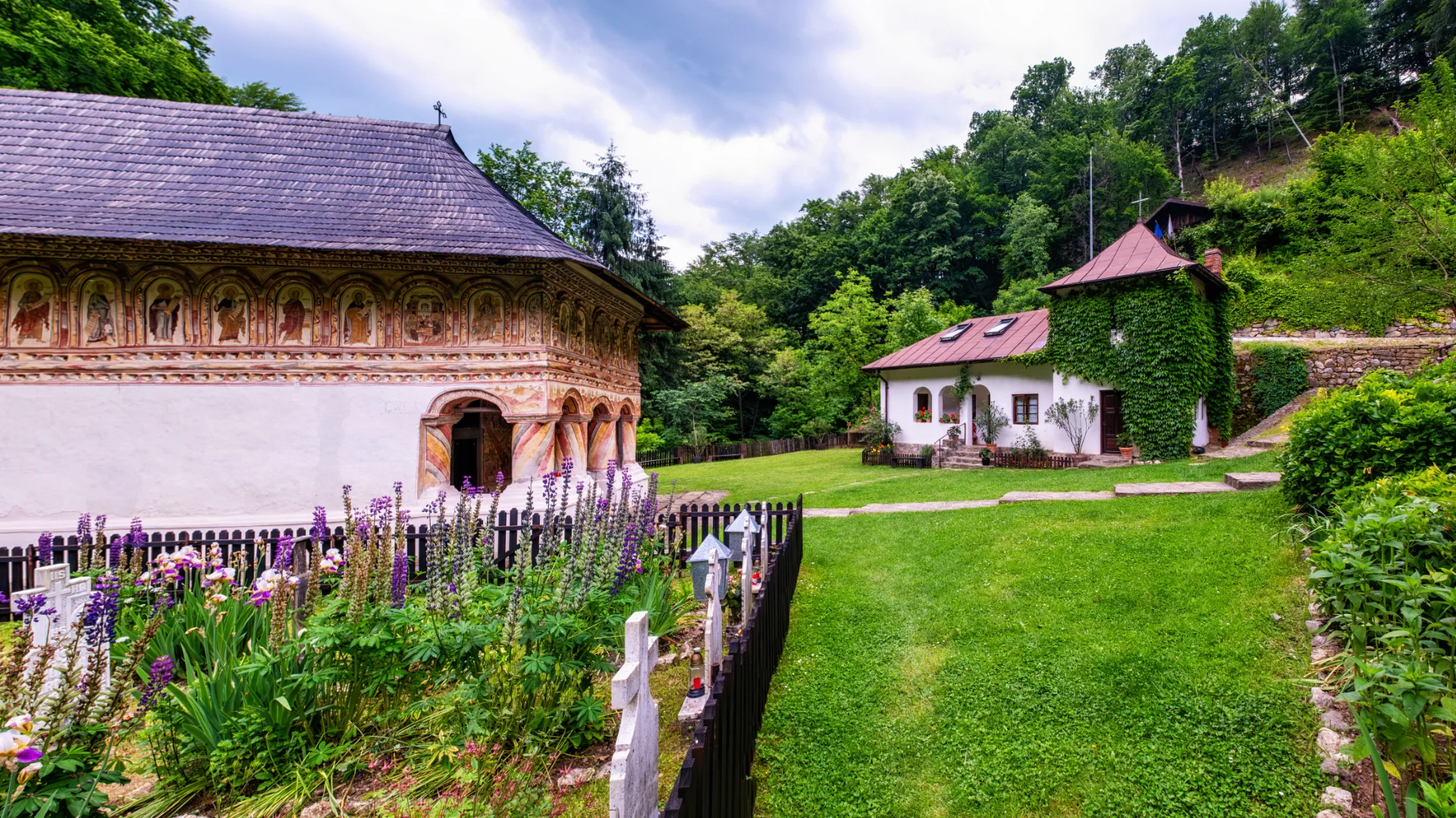
On the high, forested hills at the foot of the Căpățânii Mountains, there are numerous religious settlements, some more accessible and known to travelers, while others are isolated far from civilization. The Iezer Hermitage is located 4 kilometers beyond the village of Cheia, being the successor of a much older settlement, founded by Radu cel Mare and Mircea cel Bătrân. Having fallen into ruins, the hermitage was rebuilt in the second half of the 16th century by Mircea Vodă Ciobanul and Lady Chiajna, once having over three hundred monks and hermits. According to legend, hundreds of monks were killed here after the death of Michael the Brave by those who came to search for the ruler’s treasures. Just a few kilometers to the north, in the isolated village of Gurguiata, there is the Bradu Hermitage, built starting in 1784 on the site of an older one. The ship-shaped church is similar to the one at Iezer, preserving some of the interesting old paintings. The settlement also includes the bell tower, a larger structure that also includes the cells. Abandoned and ruined for a long time, the hermitage became a nunnery starting in 1999. Located in a narrow valley, surrounded by high peaks, the Jgheaburi Hermitage is one of the most amazing monastic settlements in these lands. Originally built of wood since the beginning of the 14th century, it was rebuilt in 1640, while the current church dates back to 1827. The small stone and brick church has no spire or bell tower, but still preserves the Byzantine-style painting. It is surrounded by small flower terraces, and over time various buildings have been built nearby.
Accommodation Recommendations
The best lodging options in Râmnicu Vâlcea and its Surroundings
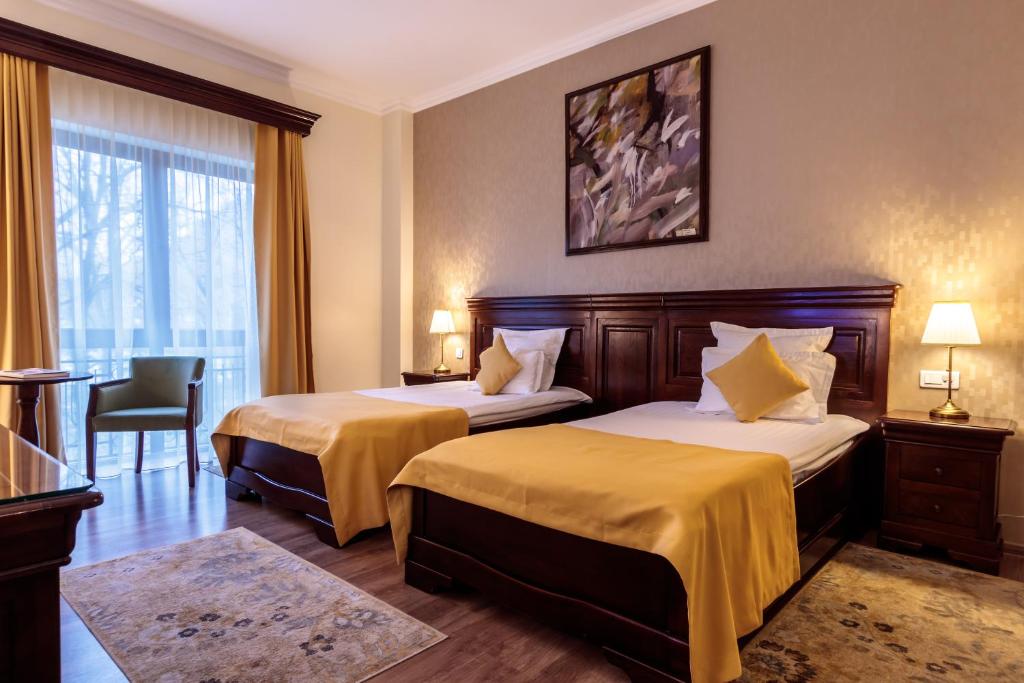
Rating 9.3 from 1.684 reviews!
The most prestigious hotel in Râmnicu Vâlcea, it is located next to Zăvoi Park and offers superior rooms with modern amenities, an acclaimed restaurant, bar, swimming pool, sauna and other services!
Știrbei Vodă St., Râmnicu Vâlcea
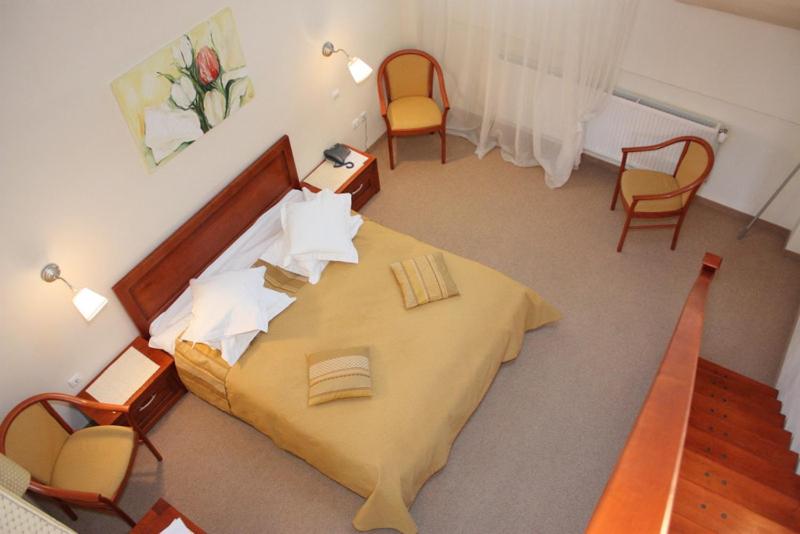
Rating 9.3 from 257 reviews!
Located close to the center of the Băile Olaneşti resort, the guesthouse offers accommodation in welcoming rooms with various amenities, a restaurant, bar, lounge and various modern treatments!
Libertății St. 46, Băile Olănești
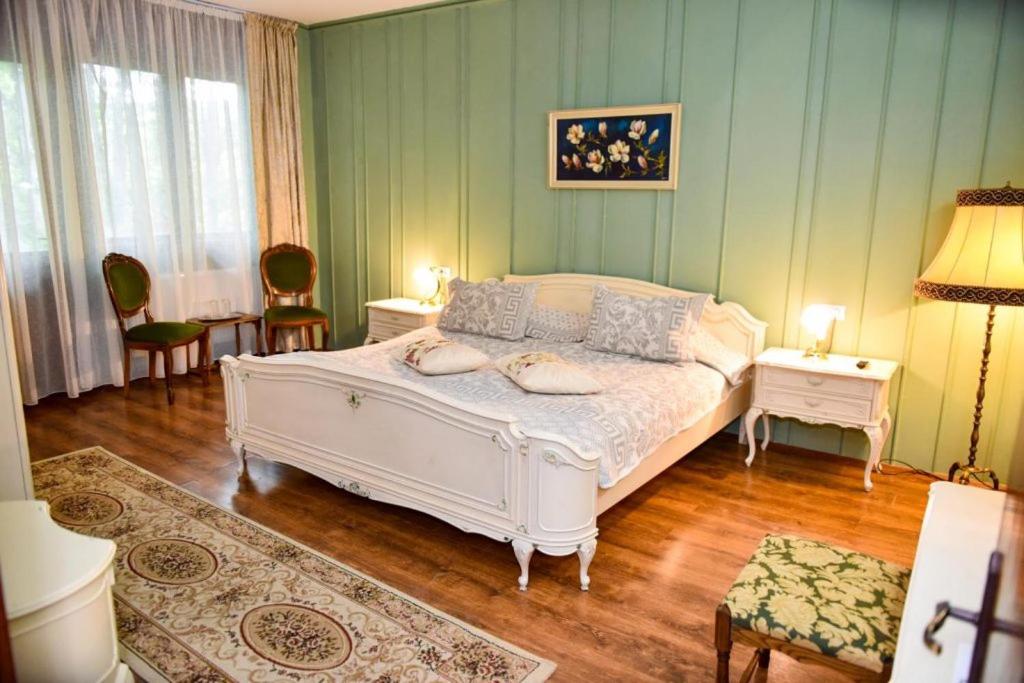
Rating 9.0 from 320 reviews!
Housed in a former property of Nicolae Ceaușescu, the villa located in the center of the Băile Govora resort offers rooms with sophisticated decor and a balcony, a restaurant, a lounge and spa treatment options!
Școlii St. 1, Băile Govora