24

"The City with Eyes"

SIBIU

Dozens and hundreds of inquisitive eyes seem to stir up the souls of travelers, as if searching for past memories and footprints on the charismatic streets of the old city, passing through grandiose palaces and uplifting churches, through mysterious passages and captivating museums!

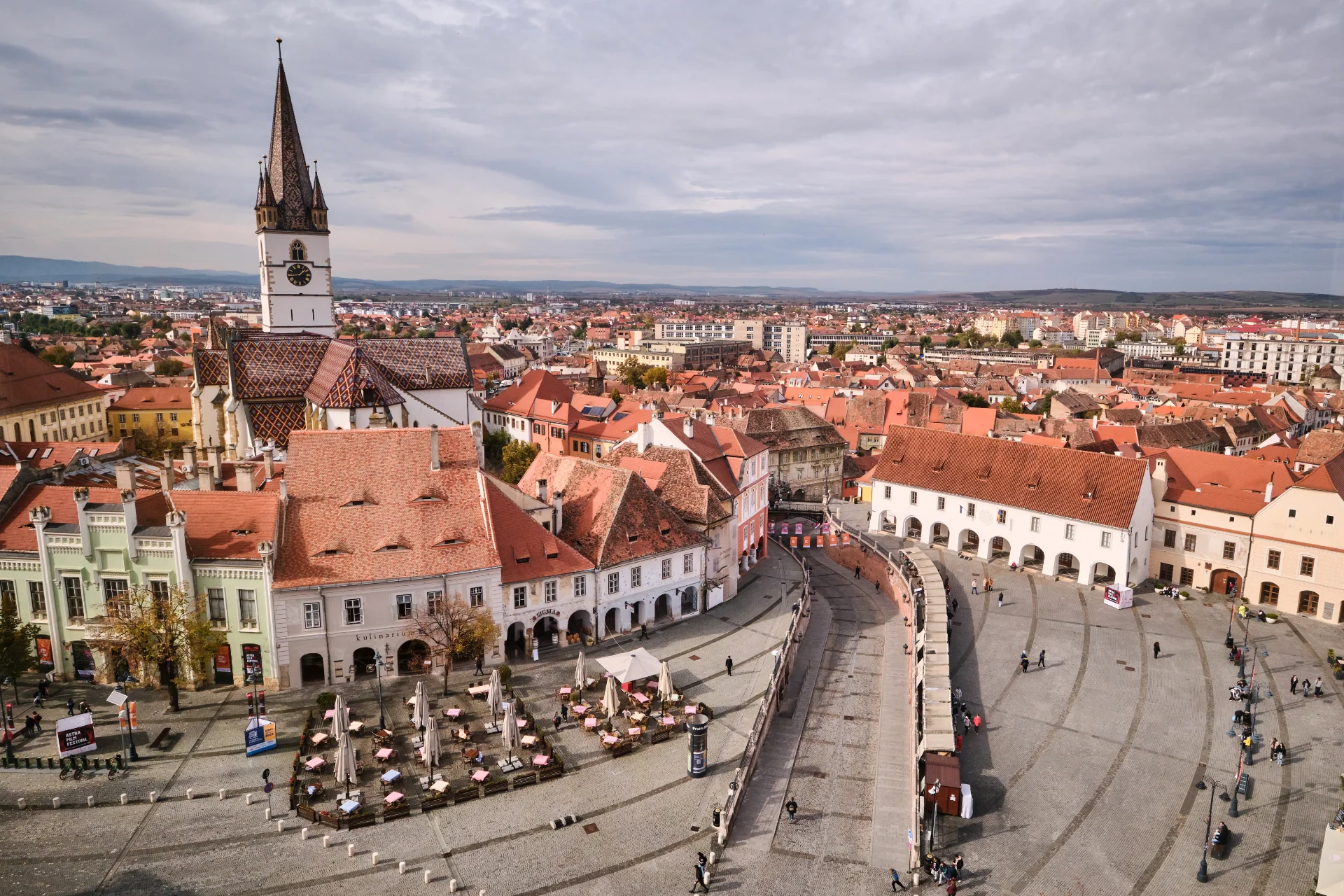
City of Sibiu - Destinations of Romania 43 - Little Square
Sibiu Little Square Ⓒ Silviu-Florin Salomia

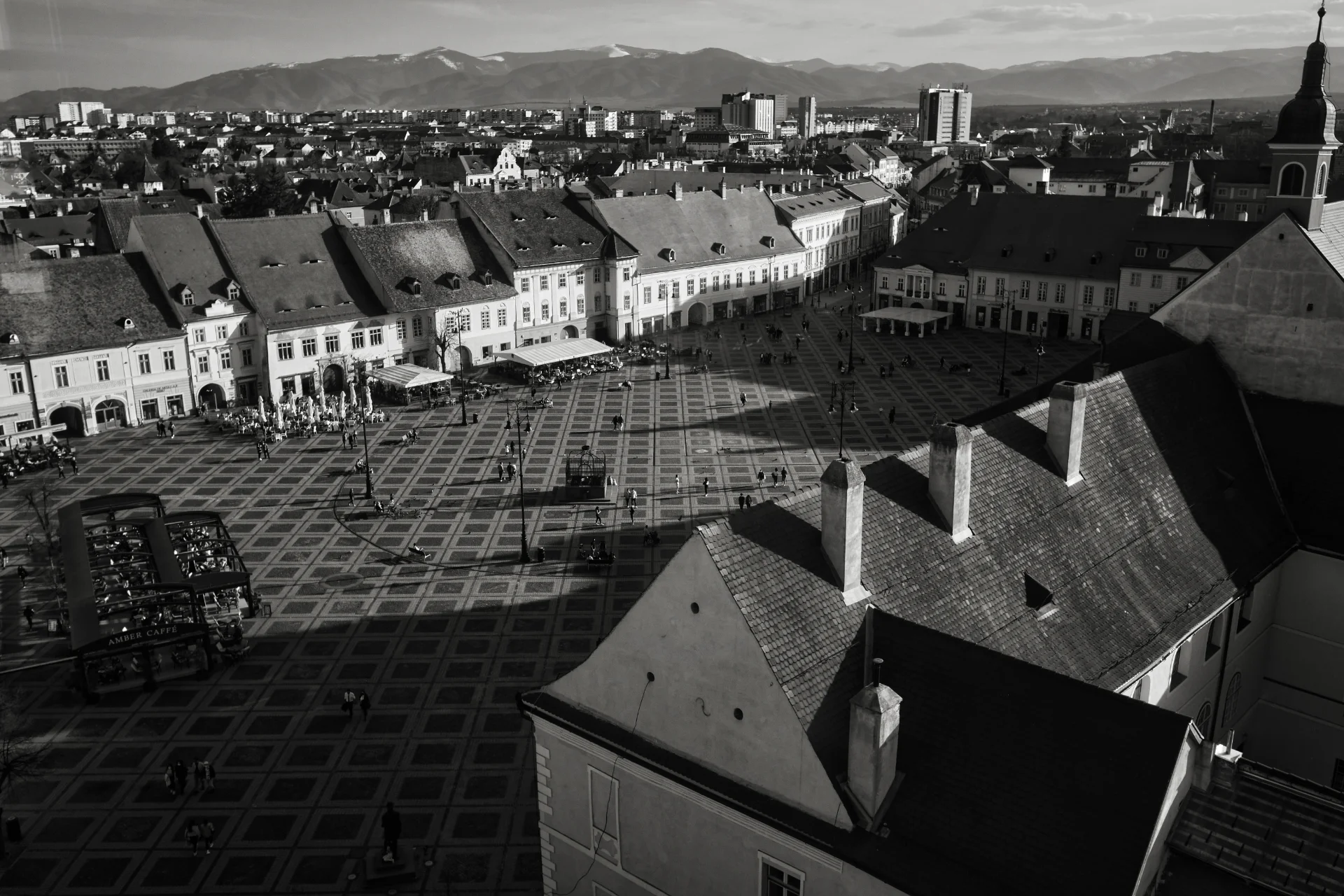
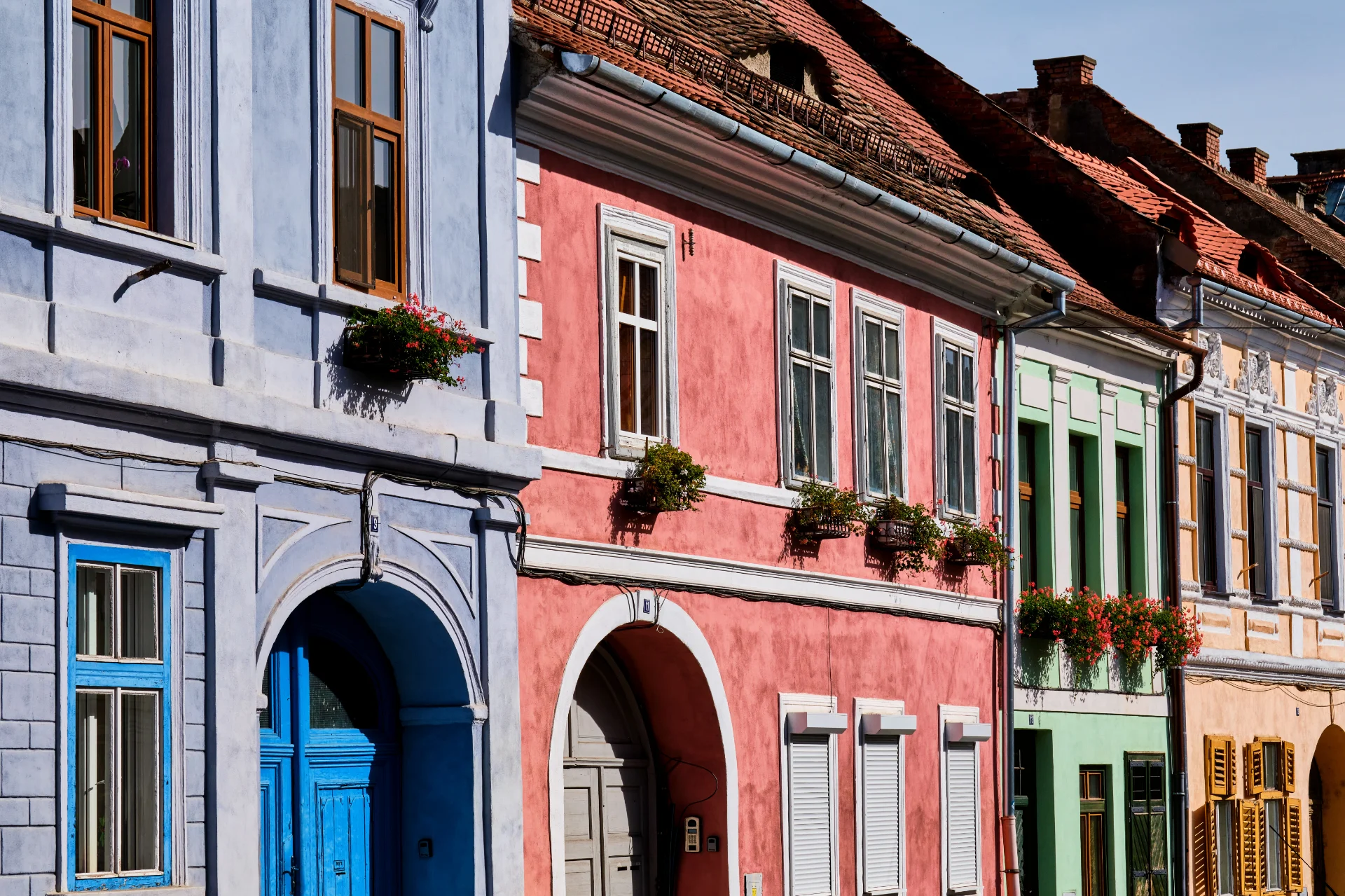
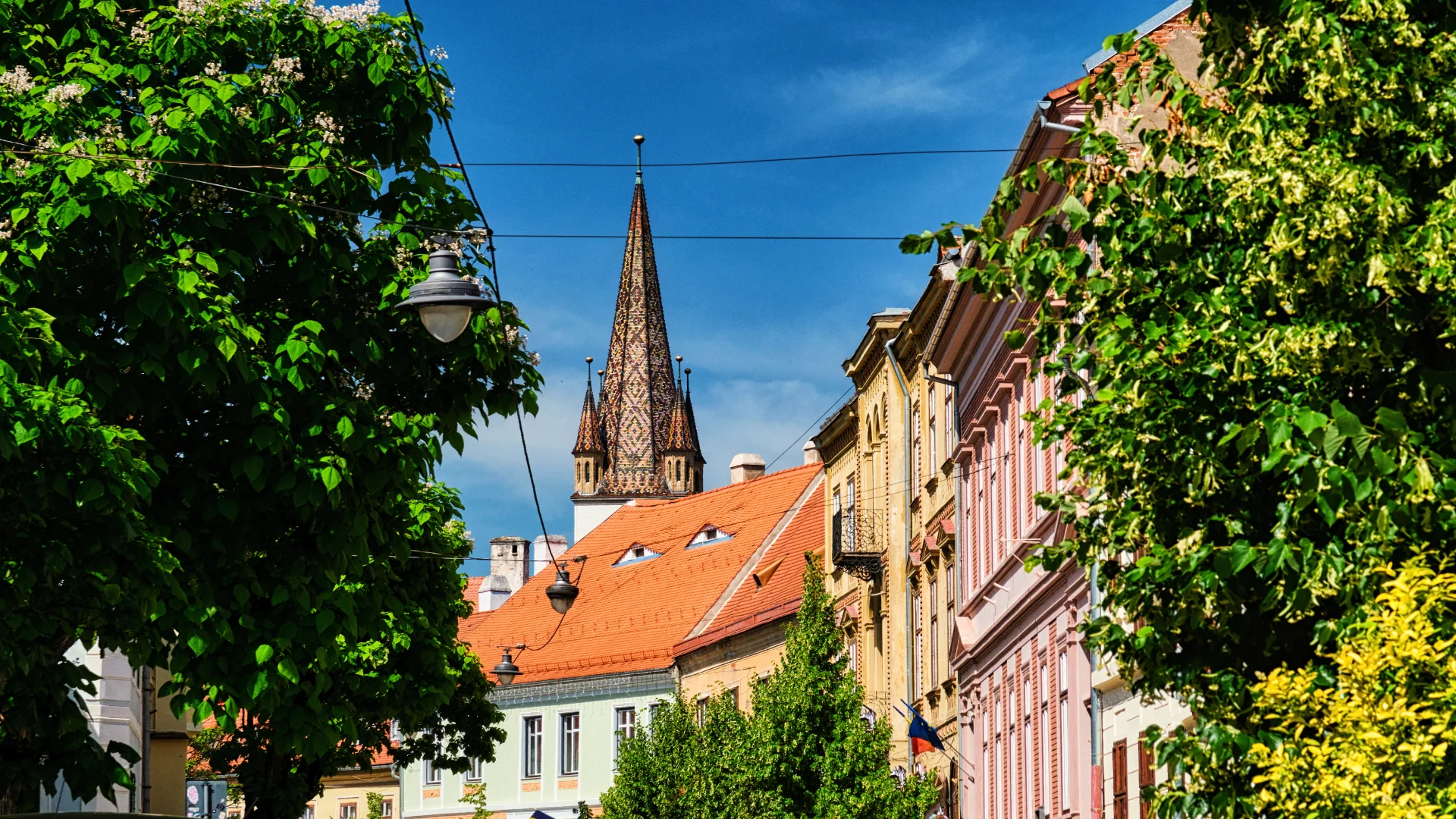
From the tall tower that has watched over the city for centuries, we can absorb the essence of this unique destination, with Sibiu’s three old squares shining in the sunlight. Our eyes are drawn, however, to the still white peaks of the Făgăraș Mountains rising to the east, rivaling the multicolored facades of the old buildings in the citadel. Descending down the lively streets below, we are enveloped in a vibrant ambiance wherever we go, with endless crowds of travelers storming the city in every season. For many years considered one of Romania’s cultural capitals, Sibiu always welcomes us bustling with life and color.

Surrounded by walls, towers and bastions, with large squares and cobblestone alleys, the historic center of Sibiu is a destination where history comes to life at every moment, offering us a complex and memorable experience. Part of the seven medieval fortresses founded by Saxon settlers in Transylvania in the 12th century, Sibiu (Hermannstadt in German and Cibinium in Latin) was the largest and richest of them, an important commercial and craft center. As early as the 14th century, 19 guilds were attested in the fortress, and the historical monuments we admire today demonstrate its importance in Central-Eastern Europe of those times.

During the Habsburg Empire, Sibiu was considered the second city after Vienna, strategically located close to the eastern border and heavily fortified. Years later, the first book in Romanian was printed here, the first brewery and the first theater in the country were established, and in 2007 it was designated the European Capital of Culture. Going through many dominations and influences over time, the city managed to preserve its unique atmosphere and a lot of exceptional monuments, churches, palaces, houses and fortifications. Developed around a complex of three delightful squares, the medieval fortress was divided into the Upper Town and the Lower Town.

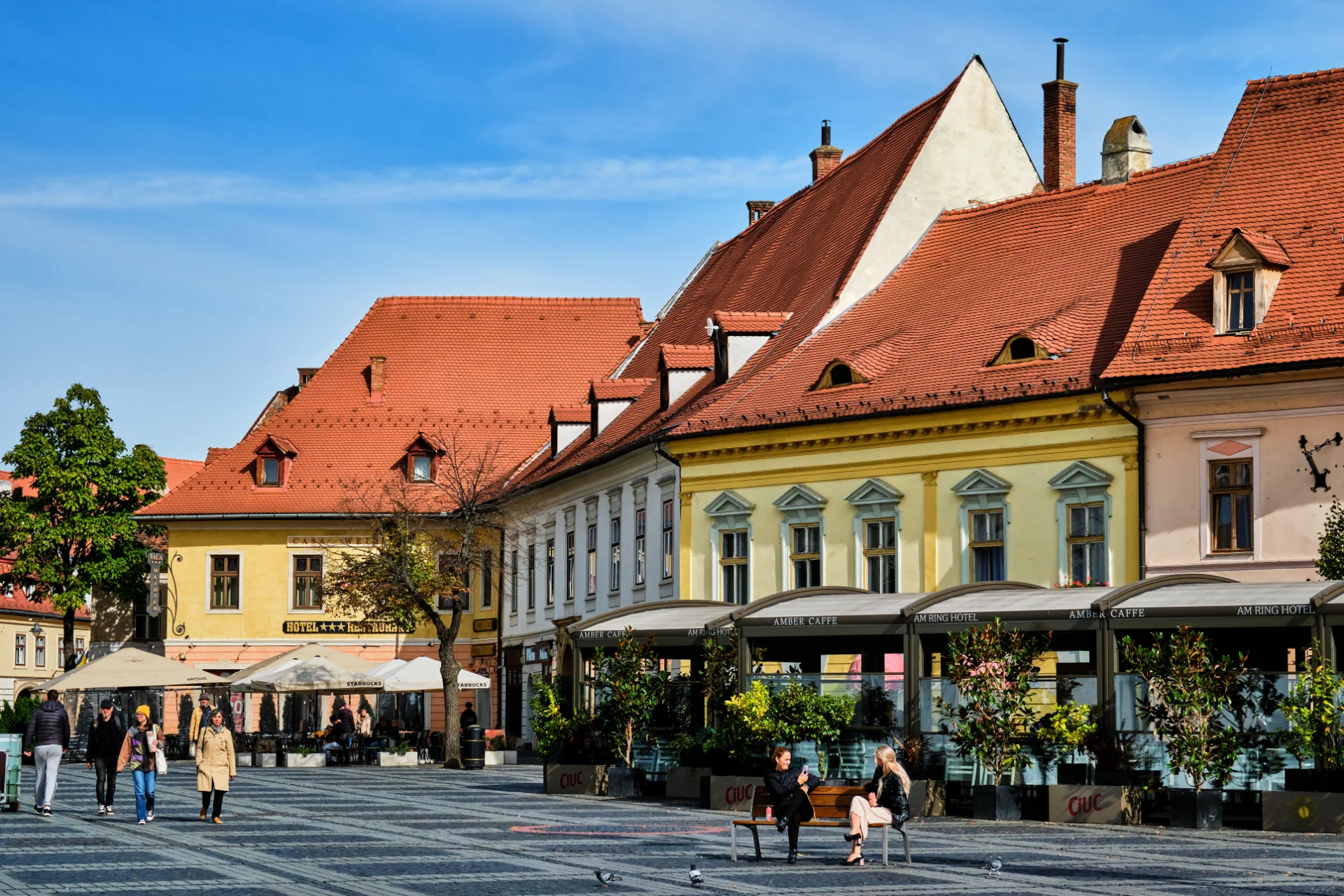
City of Sibiu - Destinations of Romania 36 - Grand Square
Grand Square Ⓒ Silviu-Florin Salomia
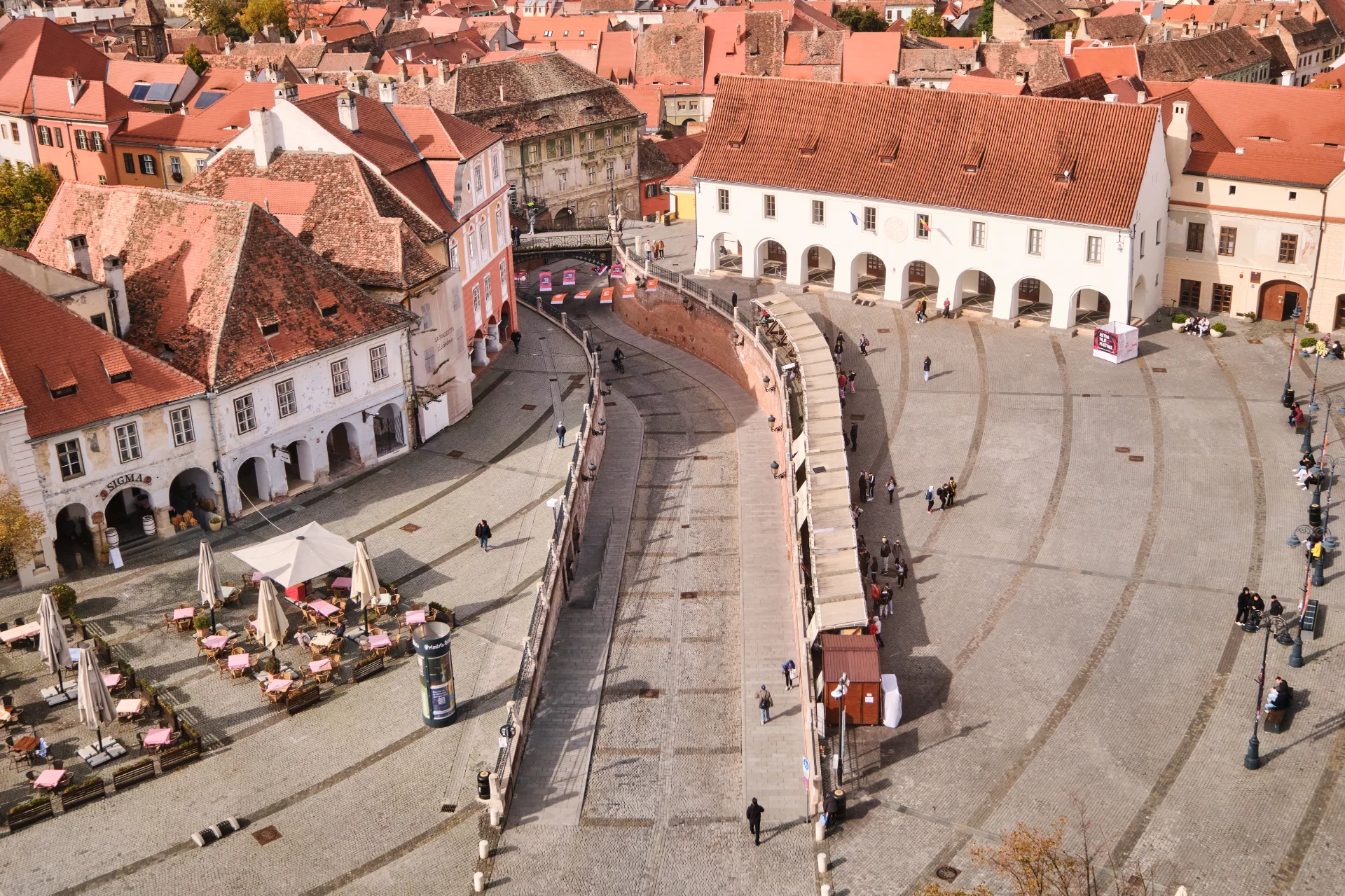
City of Sibiu - Destinations of Romania 62 - Little Square from the Council Tower
Little Square Ⓒ Silviu-Florin Salomia

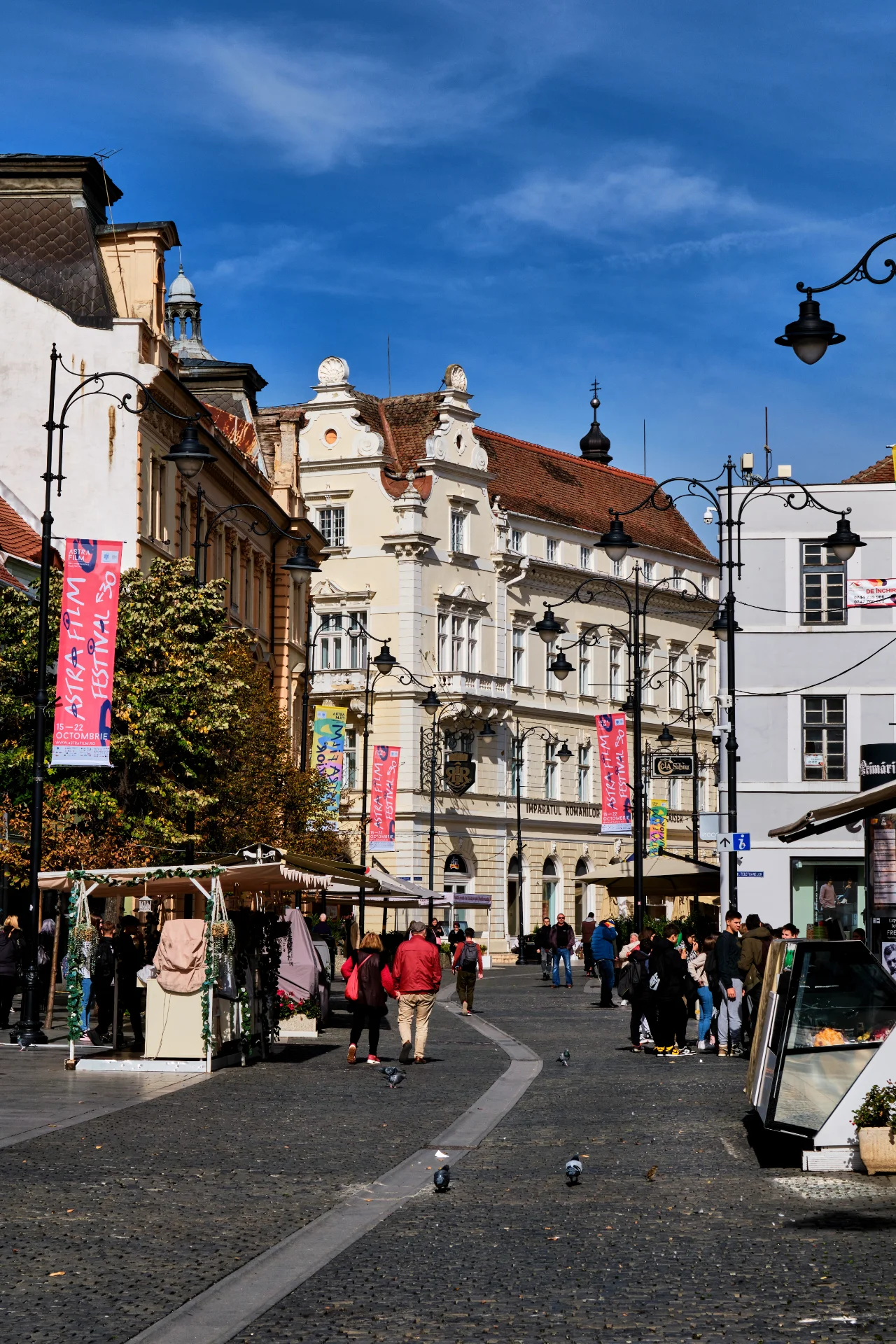
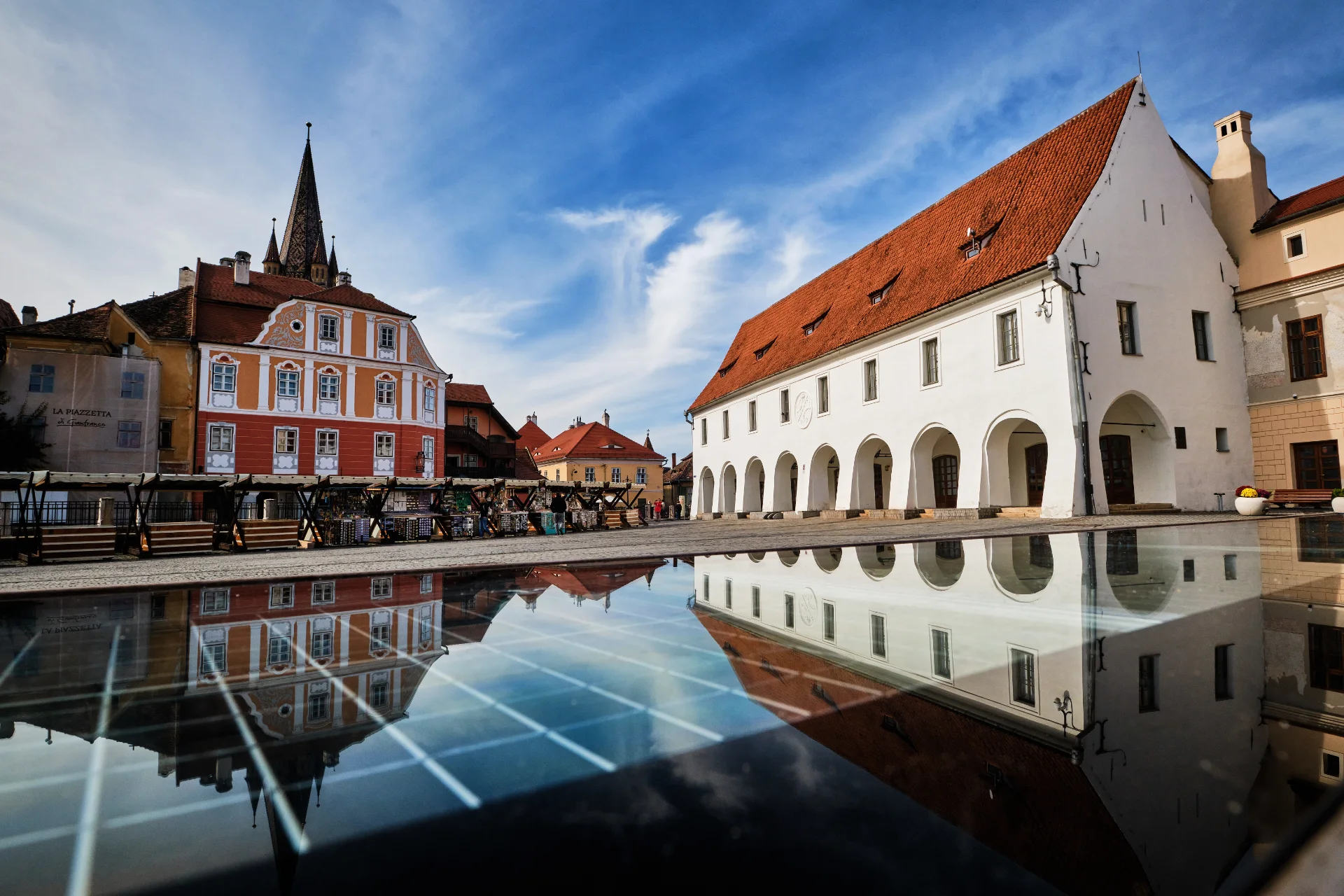
We can reach Sibiu quite easily from any part of the country, the city being an important transport hub, located close to the center of Romania. The A1 motorway connecting Bucharest to Nădlac through the Olt Valley passes nearby, while the DN1 (E68) connects with Brașov, and the international airport is just a few kilometers to the west. The soul of this amazing destination is represented by the complex of three nearby squares, the Great Square being the civic center, the Small Square being the commercial center, and the delightful Albert Huet Square, dominated by the Lutheran Cathedral. United by a series of small alleys and passages, these charming spaces concentrate an impressive number of splendid and interesting monuments.

During the early years of communism, the authorities planned to demolish the medieval monuments on the northern side of the Main Square to build high-rise apartment buildings, but fortunately the heritage was saved by the city’s architect, Otto Czekelius!

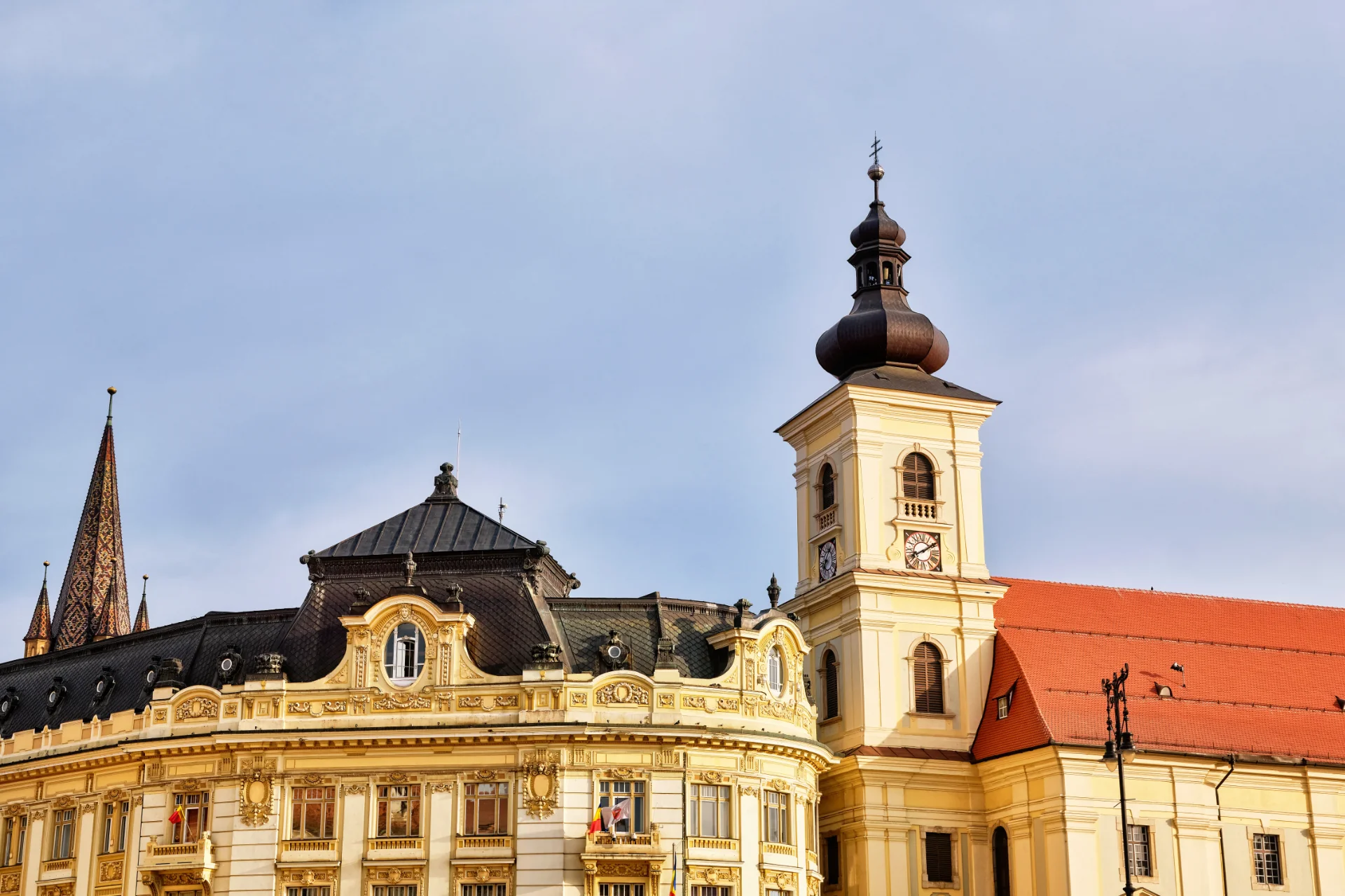
We begin our exploration in Sibiu’s Grand Square, a colorful hive of enthusiastic travelers and hurried locals, dating back to 1366, witnessing some of the most important moments in the city’s life. The square complex has been declared an architectural monument by UNESCO, bringing together impressive buildings from various periods. We head to the palace named after one of Sibiu’s most important personalities, Baron Samuel von Brukenthal. His former residence still inspires travelers who arrive in the city center, now hosting one of the most fascinating art museums in the country. The elegant Brukenthal Palace was built between 1778 and 1788 on the western side of the square as the residence of the baron, who also built the Avrig Palace as a summer residence.

Search for Flights to Romania with Booking.com!

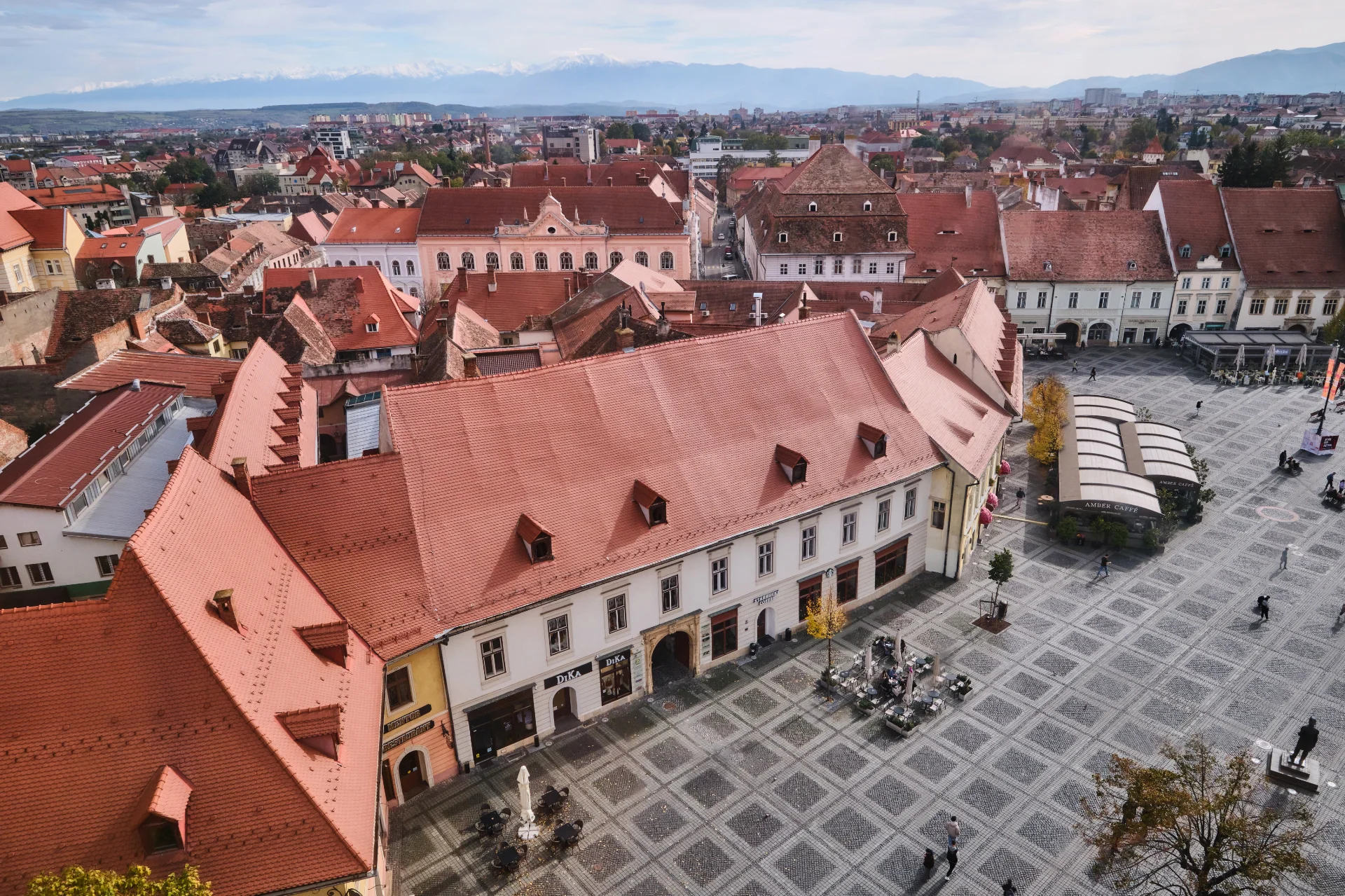
City of Sibiu - Destinations of Romania 59 - Grand Square from Council Tower
Grand Square from Council Tower Ⓒ Silviu-Florin Salomia
City of Sibiu - Destinations of Romania 41 - Grand Square
Grand Square Ⓒ Silviu-Florin Salomia
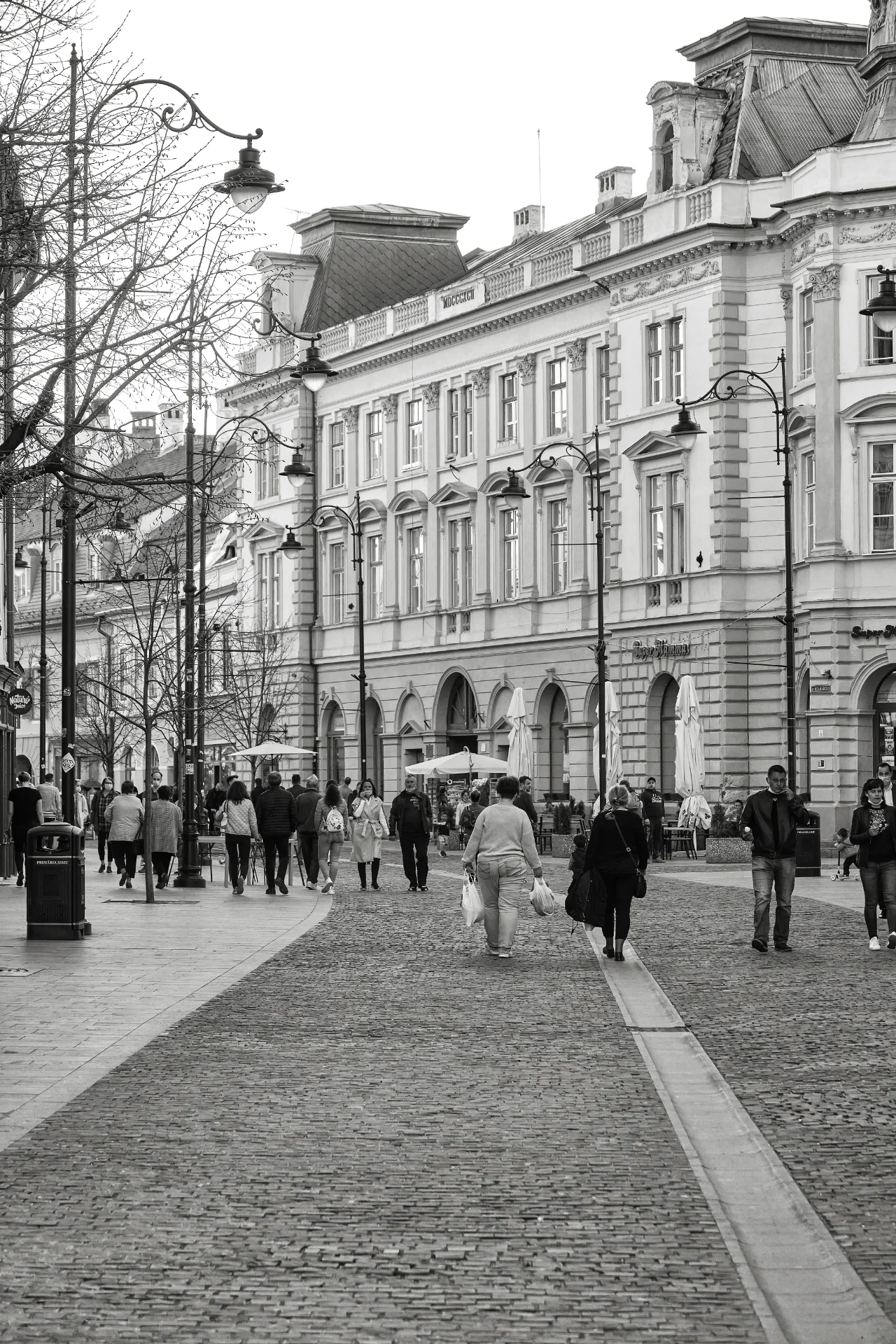
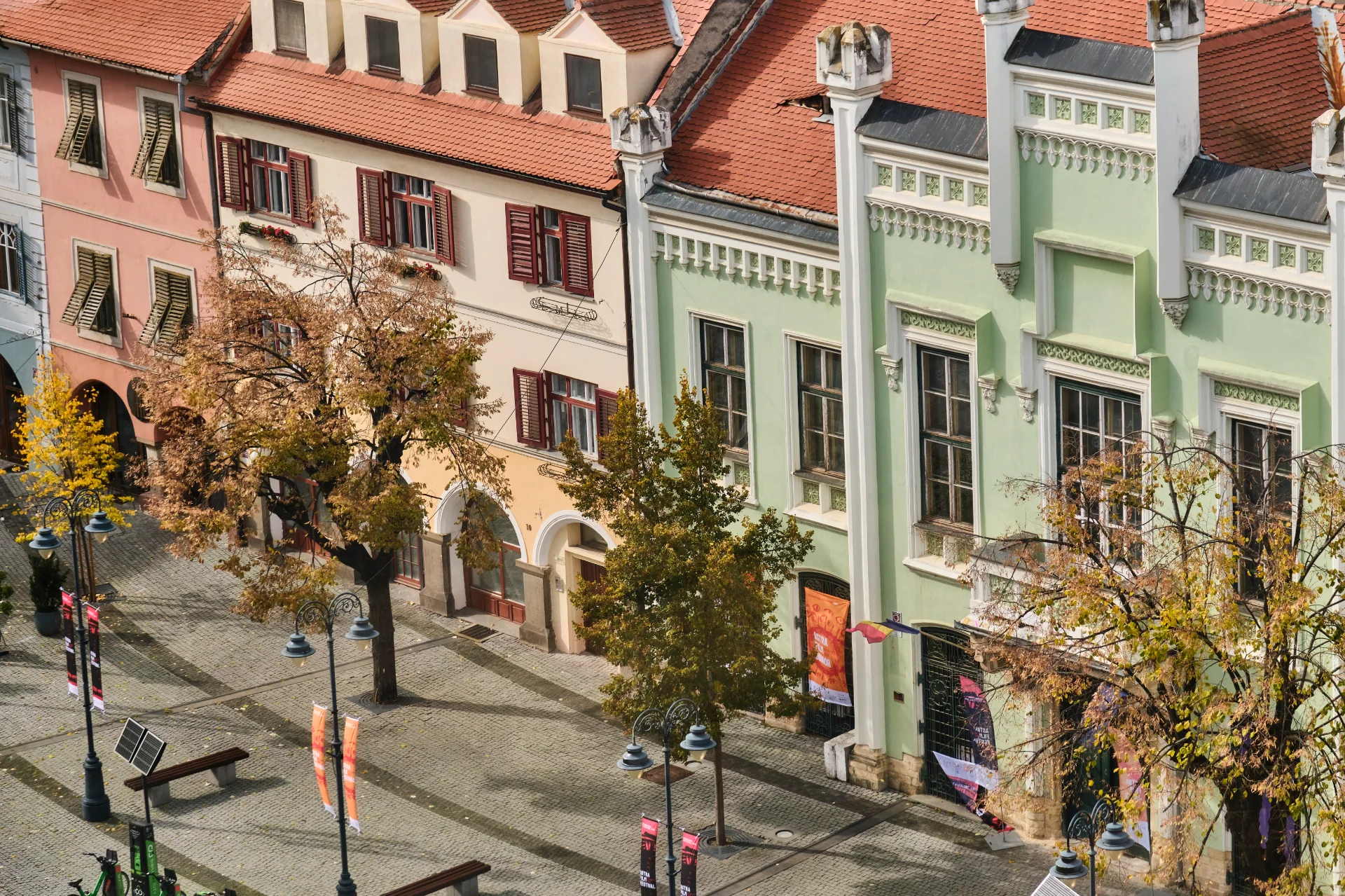
City of Sibiu - Destinations of Romania 22 - Nicolae Bălcescu Street
Nicolae Bălcescu Street Ⓒ Silviu-Florin Salomia
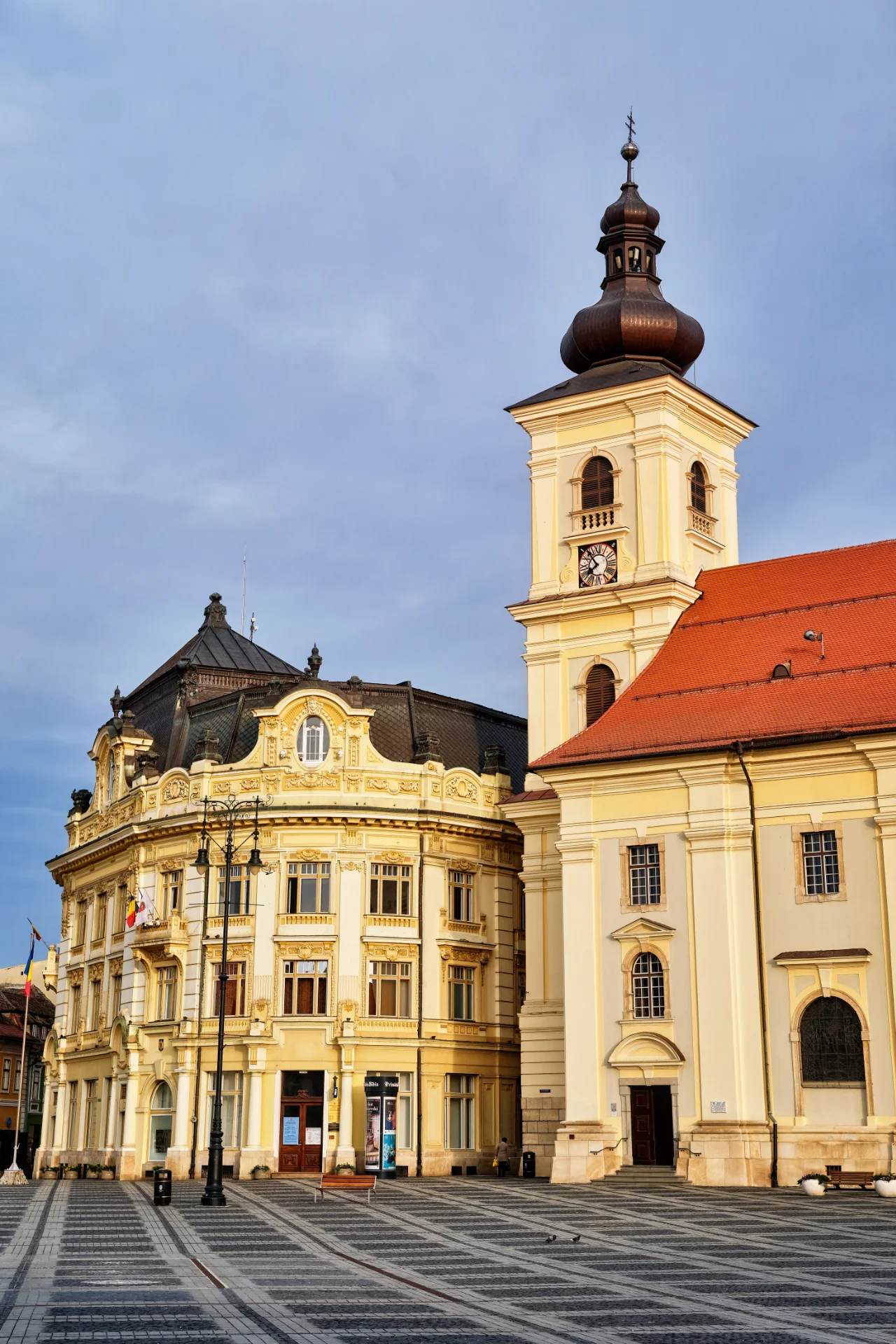
City of Sibiu - Destinations of Romania 38 - Romano-Catholic Church and City Hall
Romano-Catholic Church and City Hall Ⓒ Silviu-Florin Salomia
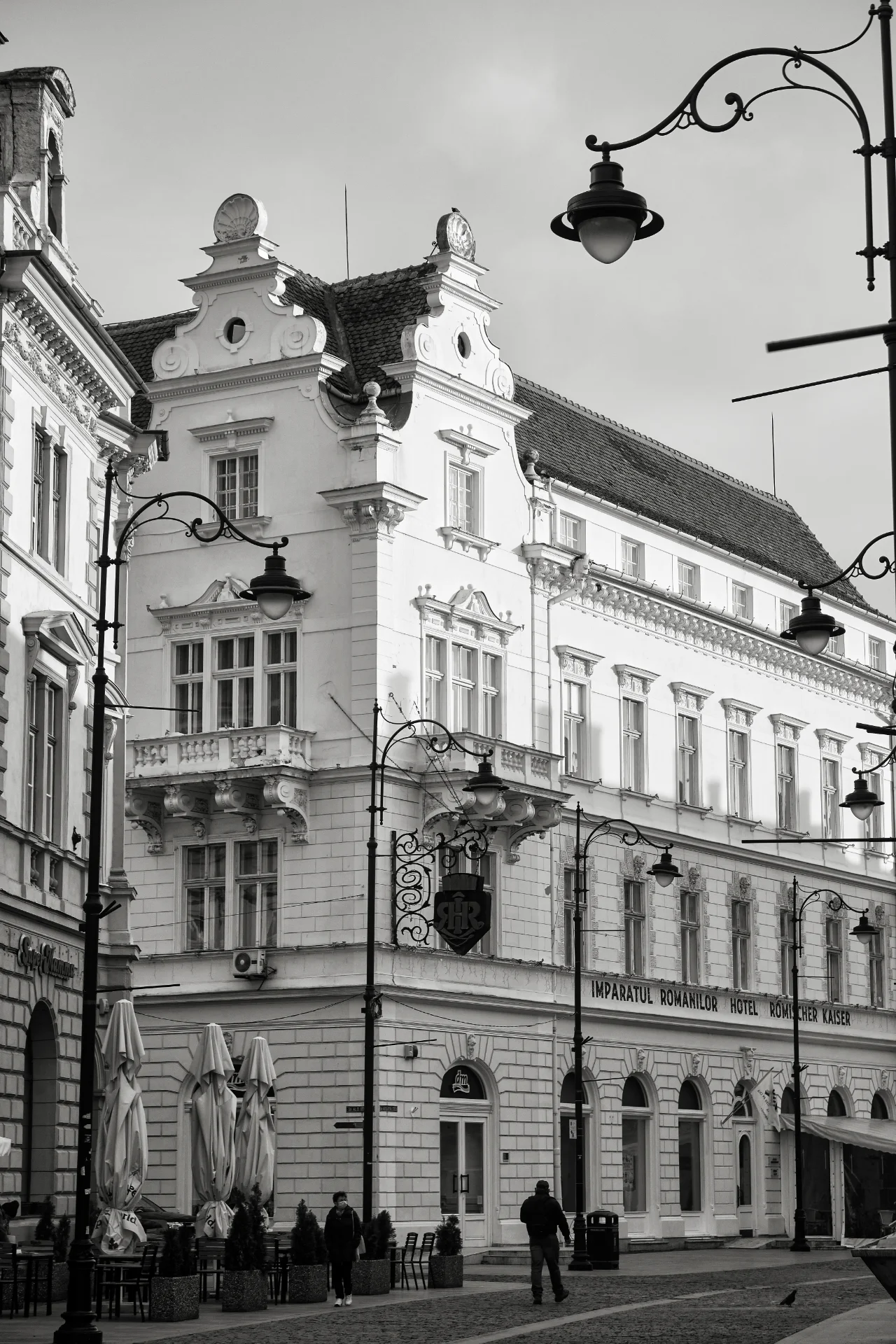
City of Sibiu - Destinations of Romania 27 - Roman Emperor Hotel
Roman Emperor Hotel Ⓒ Silviu-Florin Salomia
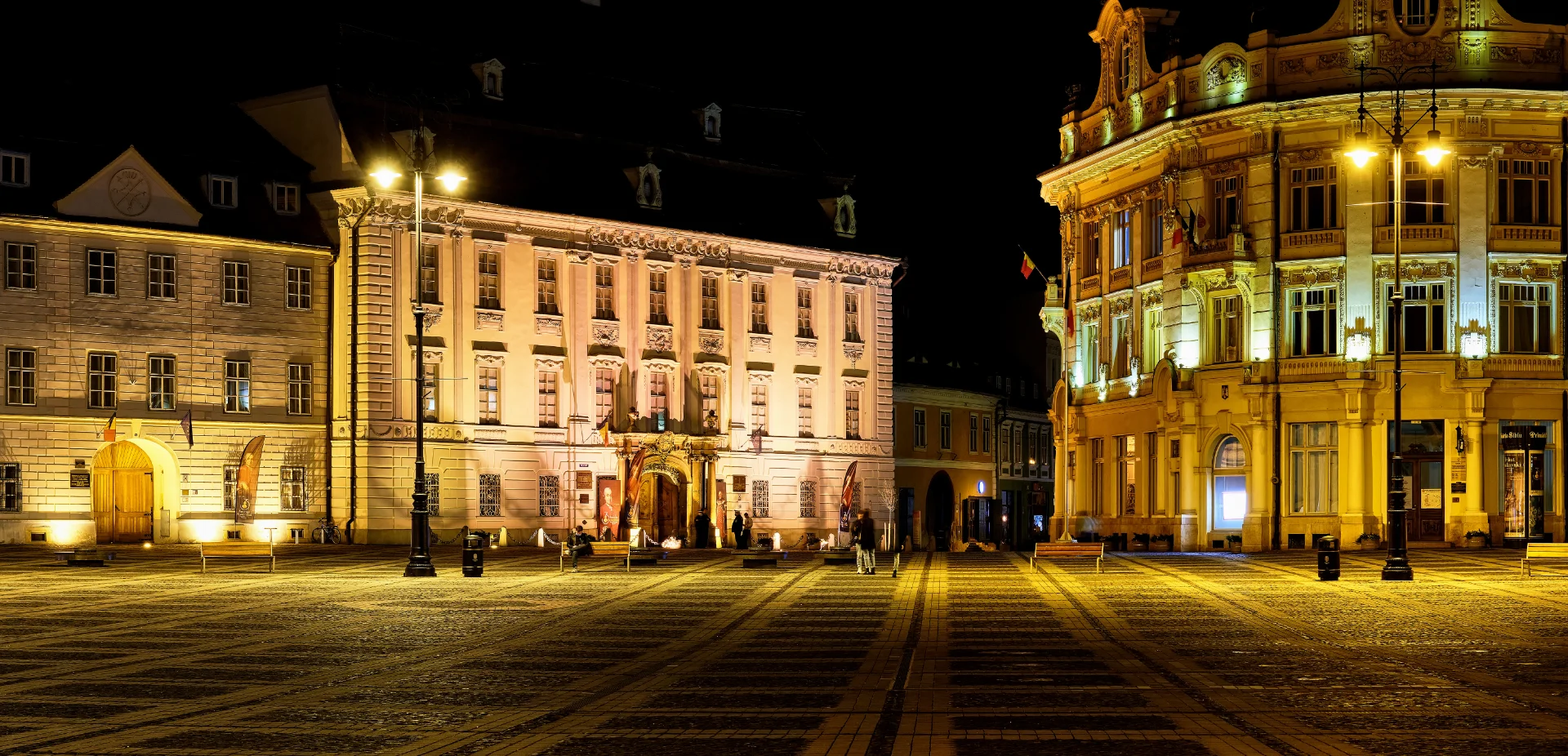
City of Sibiu - Destinations of Romania 39 - Grand Square by Night
Grand Square by Night Ⓒ Silviu-Florin Salomia

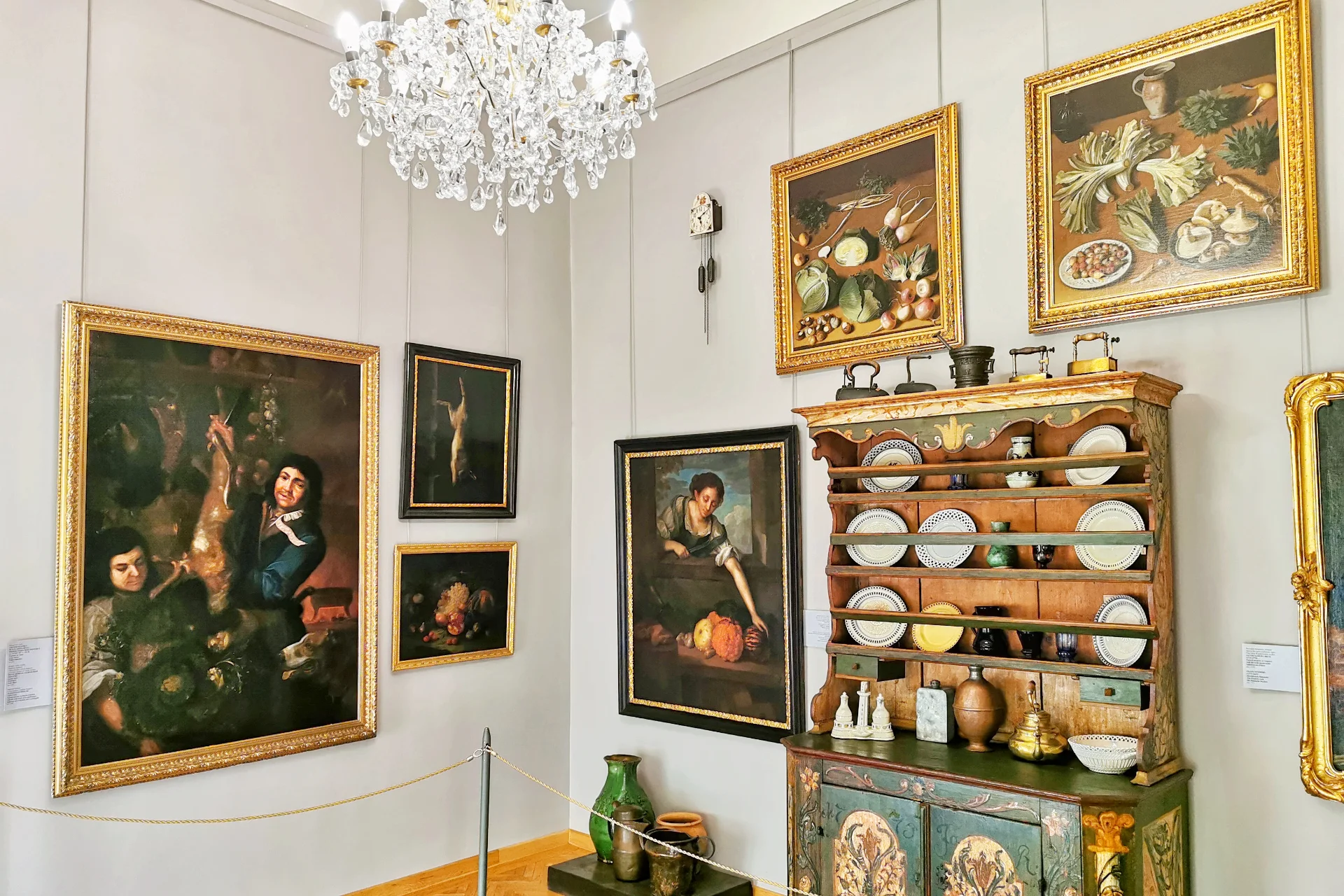
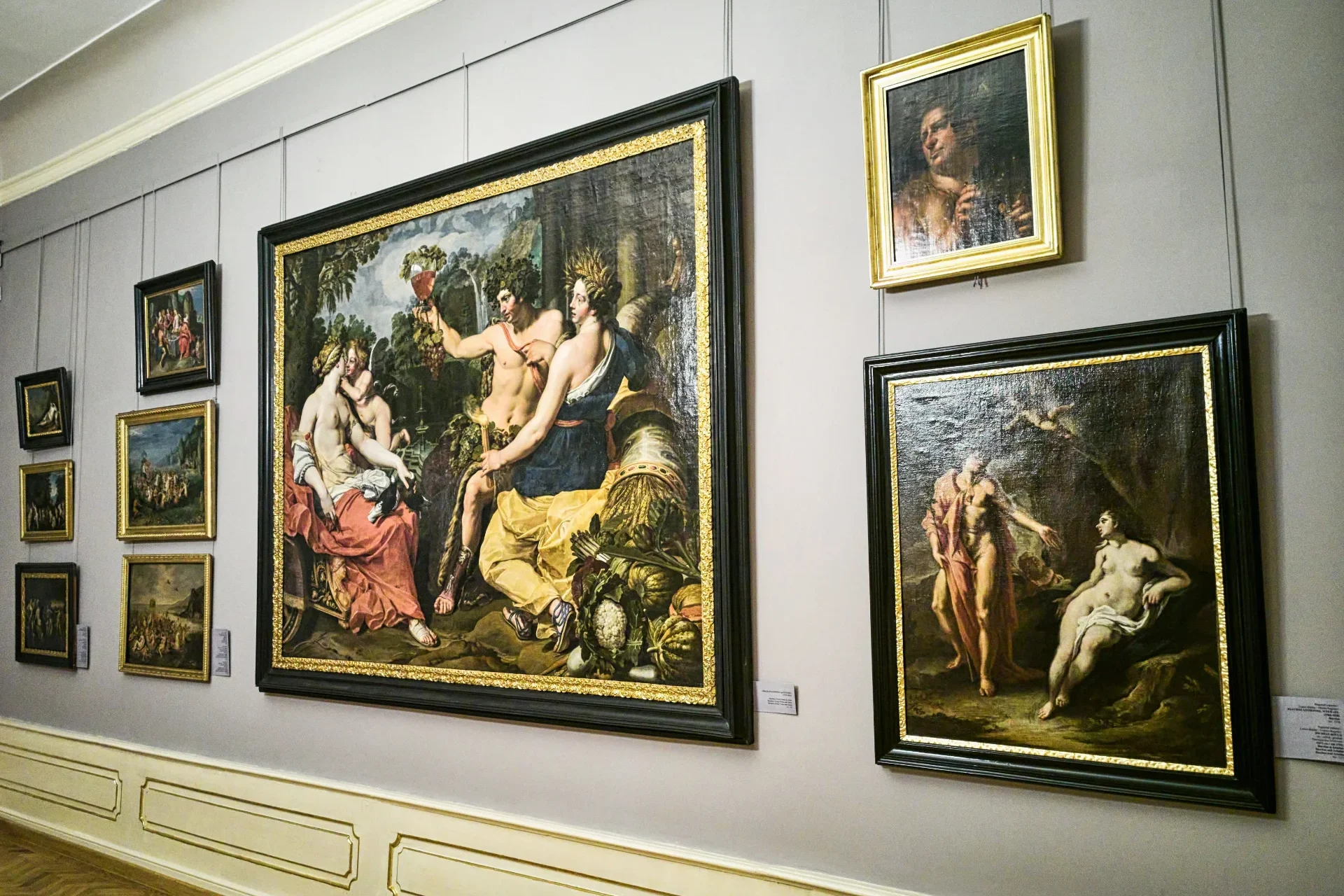
The baron’s art collections have been opened to visitors since the 18th century, making it the oldest museum in Romania. Currently, the building is the Brukenthal National Museum, which allows us to admire some particularly valuable and interesting collections, among which the Romanian and European art collections, the Brukenthal library, as well as several other smaller museums located in other buildings throughout the city (history collections, contemporary art, natural history, history of pharmacy). We are completely enchanted by the impressive works that we have the chance to admire, and each new room we step into with reverence bears the imprint of past centuries, but also an air of overwhelming sobriety.

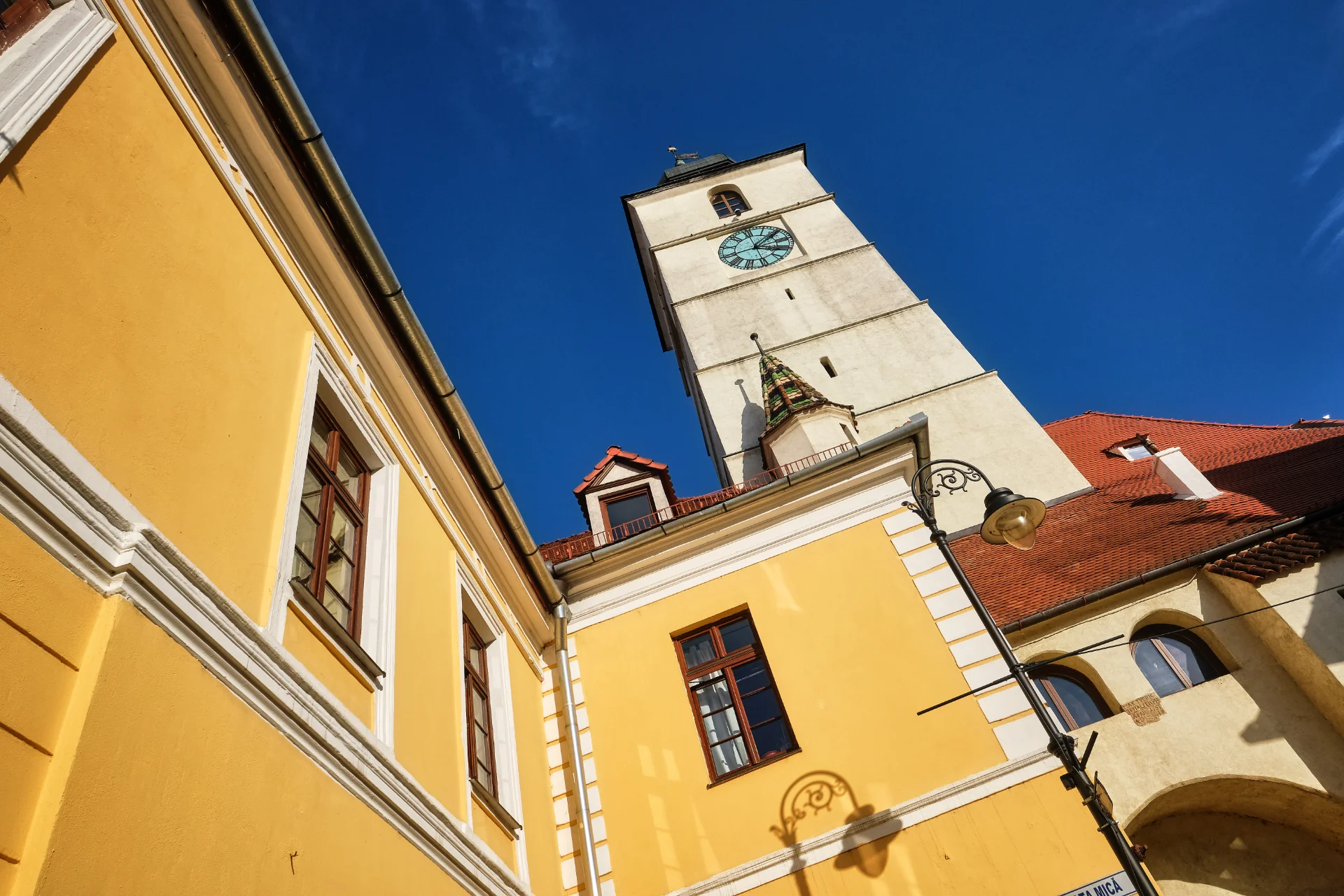
In addition to the palace, the square is also dominated by the Council Tower, which dates back to the 13th century, when it was part of the second medieval fortification system. If in the past it included an entrance gate, now a passage passes under it that allows entry into the Small Square. Over the centuries, the appearance of the tower has changed several times, and currently it hosts a small exhibition about the history of the city. We can enter the tower through a small door located on the side facing the Small Square, and if we venture to climb the 141 steps, we have the chance to enjoy the spectacular panorama of the city from above, with the peaks of the Carpathians dominating the horizon on clear days.

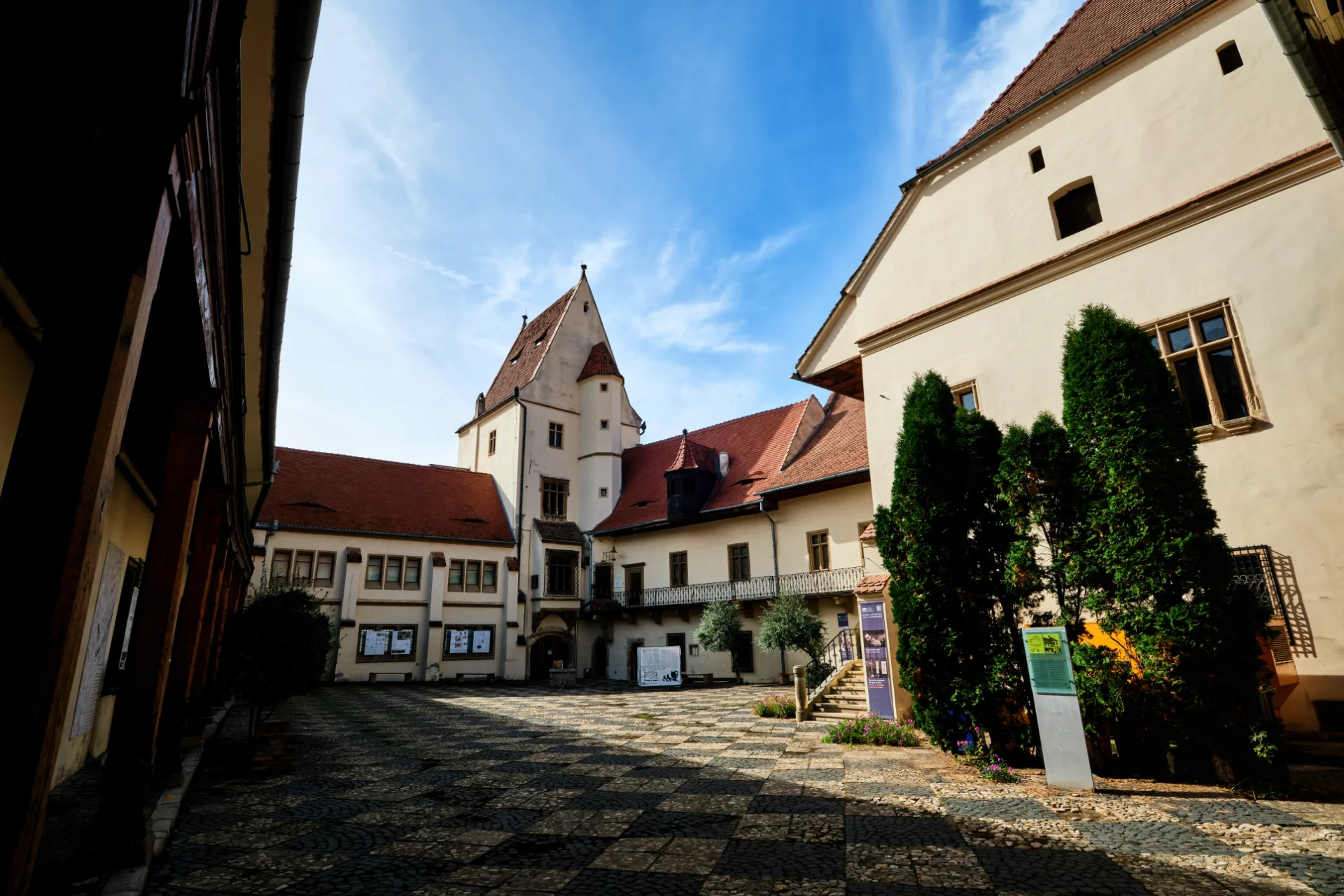
Before leaving the Great Square, there are still many interesting monuments to admire, including the Sibiu City Hall, a superb eclectic building with art nouveau elements, the Roman Catholic Church, dating back to the early 18th century, the Blue House, the Haller House, the Lutsch House or the statue of St. John of Nepomuk, located in a courtyard behind the church. We continue exploring Sibiu’s historical heritage with the Little Square, which we can reach through the passage under the Council Tower or through the narrow and lesser-known Leatherworkers’ Passage, located nearby. Although just as crowded at times, this gives us the impression of a more intimate space, with more venerable buildings and mysterious places that attract our curiosity.
Search for Lodging in Sibiu on Booking.com!

City of Sibiu - Destinations of Romania 35 - Brukenthal National Museum
Brukenthal National Museum Ⓒ Silviu-Florin Salomia
City of Sibiu - Destinations of Romania 34 - Brukenthal National Museum
Brukenthal National Museum Ⓒ Silviu-Florin Salomia
City of Sibiu - Destinations of Romania 61 - Little Square from the Council Tower
Little Square from the Council Tower Ⓒ Silviu-Florin Salomia
City of Sibiu - Destinations of Romania 15 - Council Tower
Council Tower Ⓒ Silviu-Florin Salomia

In the past, the Little Square was the heart of the city’s commerce, and most of the buildings dating from the 14th to 16th centuries feature loggias and arcades that once housed craftsmen’s workshops. Among the most interesting buildings, we admire the House of Arts, located in the northern part of the square, which in the past was also known as the Butchers’ Hall, among others. Currently, the building houses the Museum of Ethnography and Saxon Folk Art. Right next to the House of Arts, we can also visit a building that differs slightly from the others in the square, and inside we find the Fresco Hall, with superb decorative paintings from the 17th century. A little further east, we discover a charming passage that leads us to the Lower Town, known as the Goldsmiths’ Square Passage.

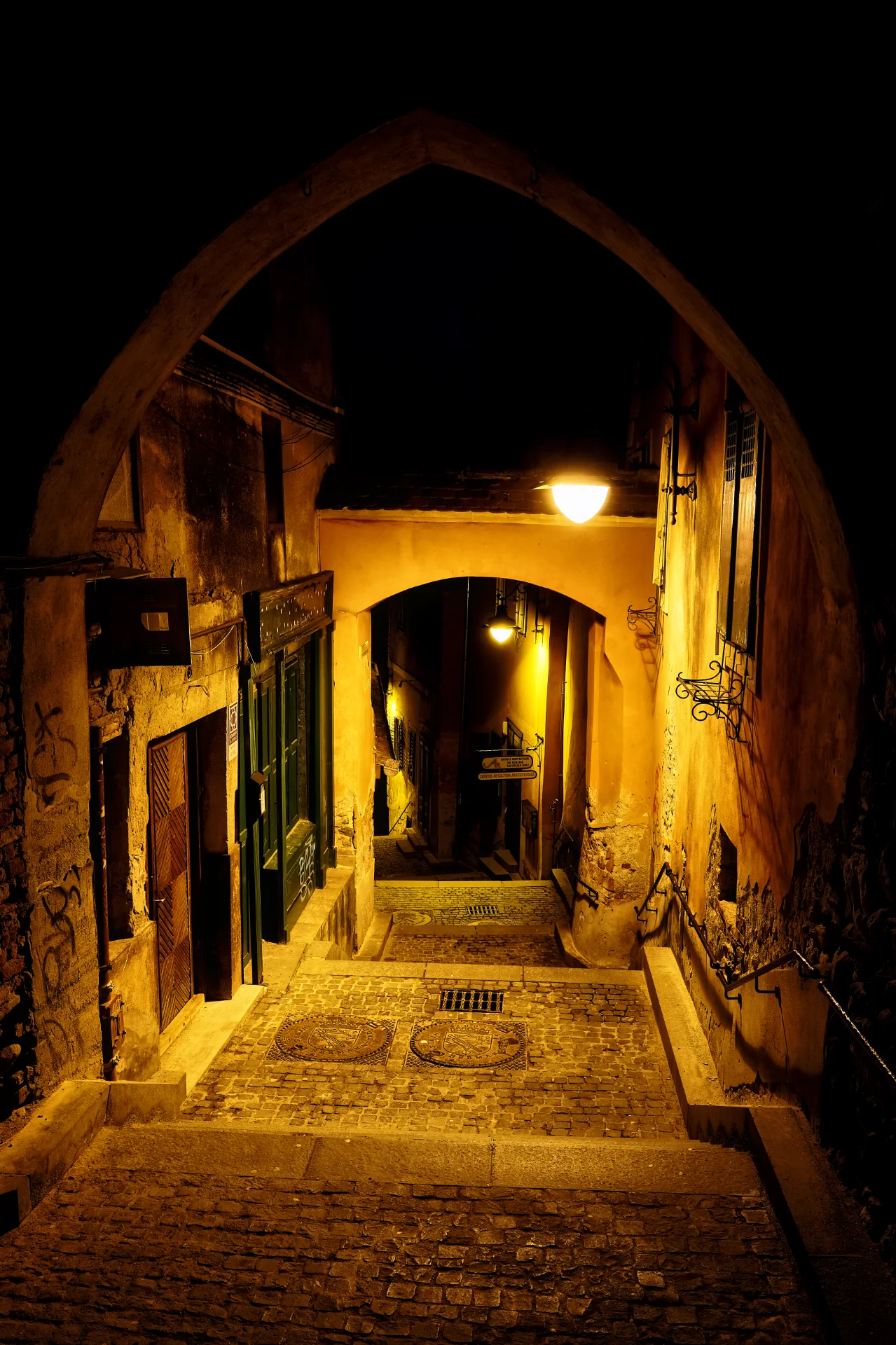
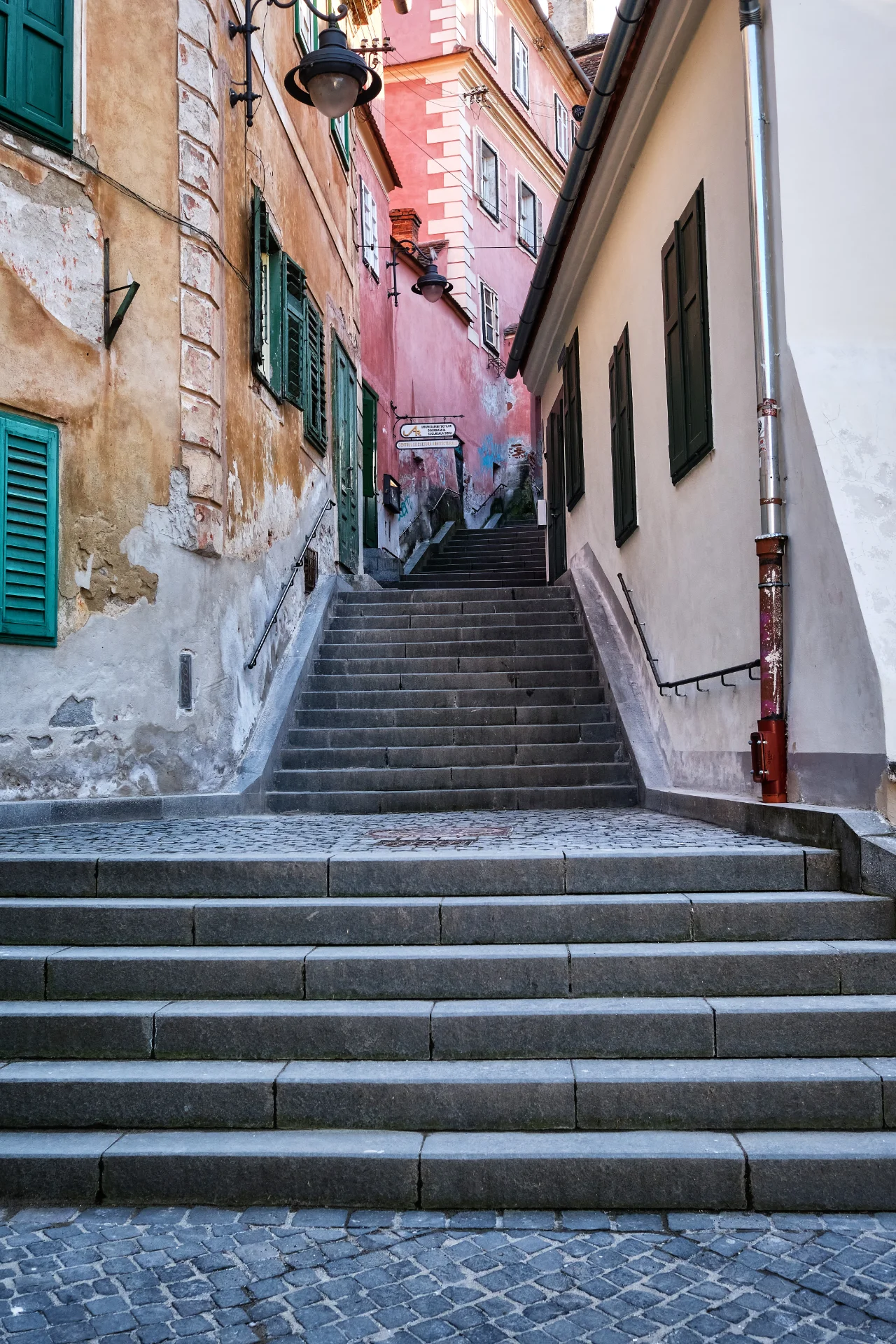
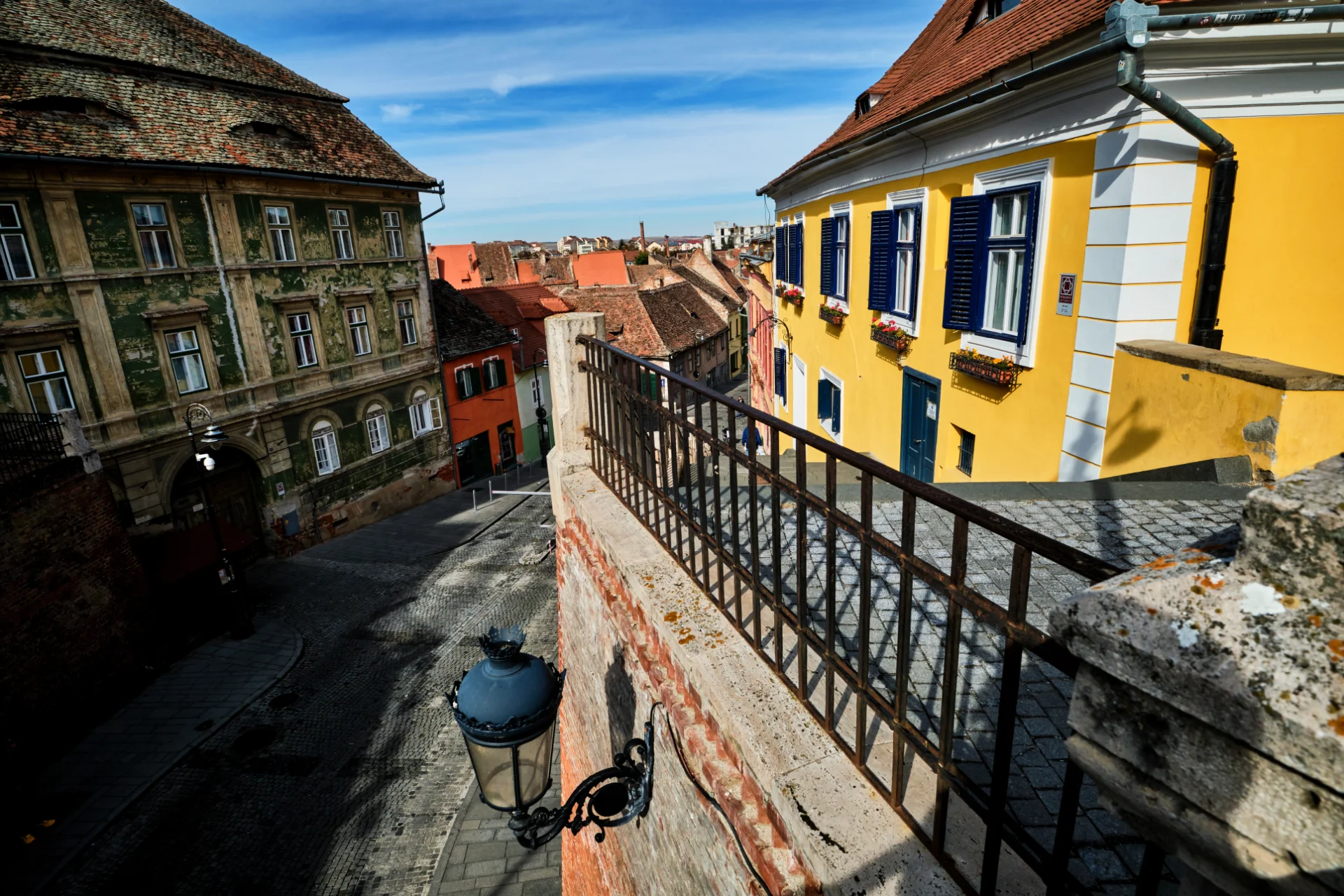
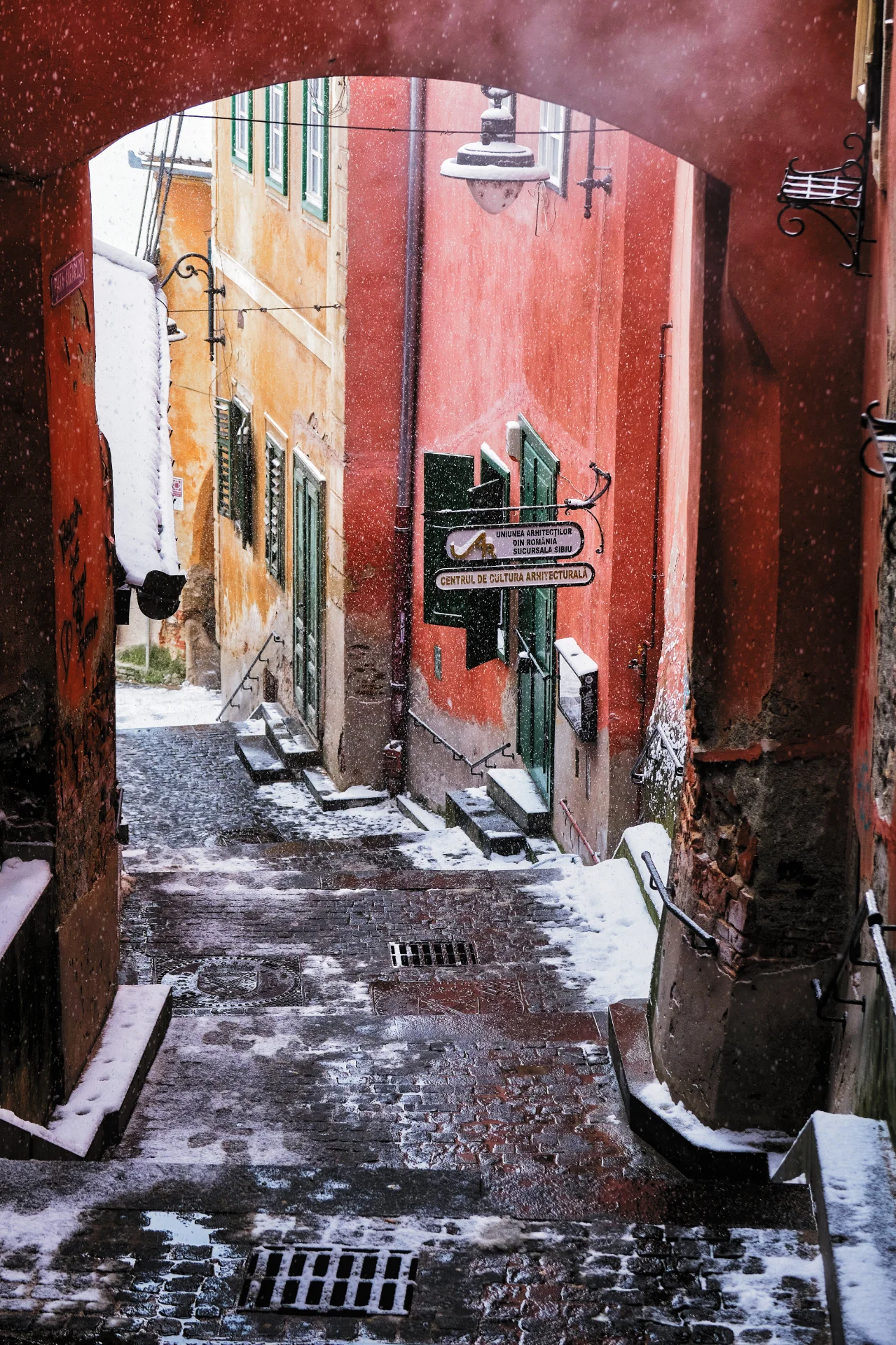
The stairs start from under the Goldsmiths’ Tower and continue to the small square below, from where several cobblestone streets with a special atmosphere start. Here we have the sensation of discovering a secret world, one of the last corners of Sibiu that still breathes a medieval air. In the middle of the small Bohemian square there once was an old fountain that gathered the community around it. We are almost carried into that lost world, following the craftsmen and traders who left their homes and workshops on their daily journey to the Upper Town. The Lower Town developed mainly to the north of the complex of the three squares, towards the Cibin River. It was also surrounded by fortifications, but only a small part of them has been preserved to this day.

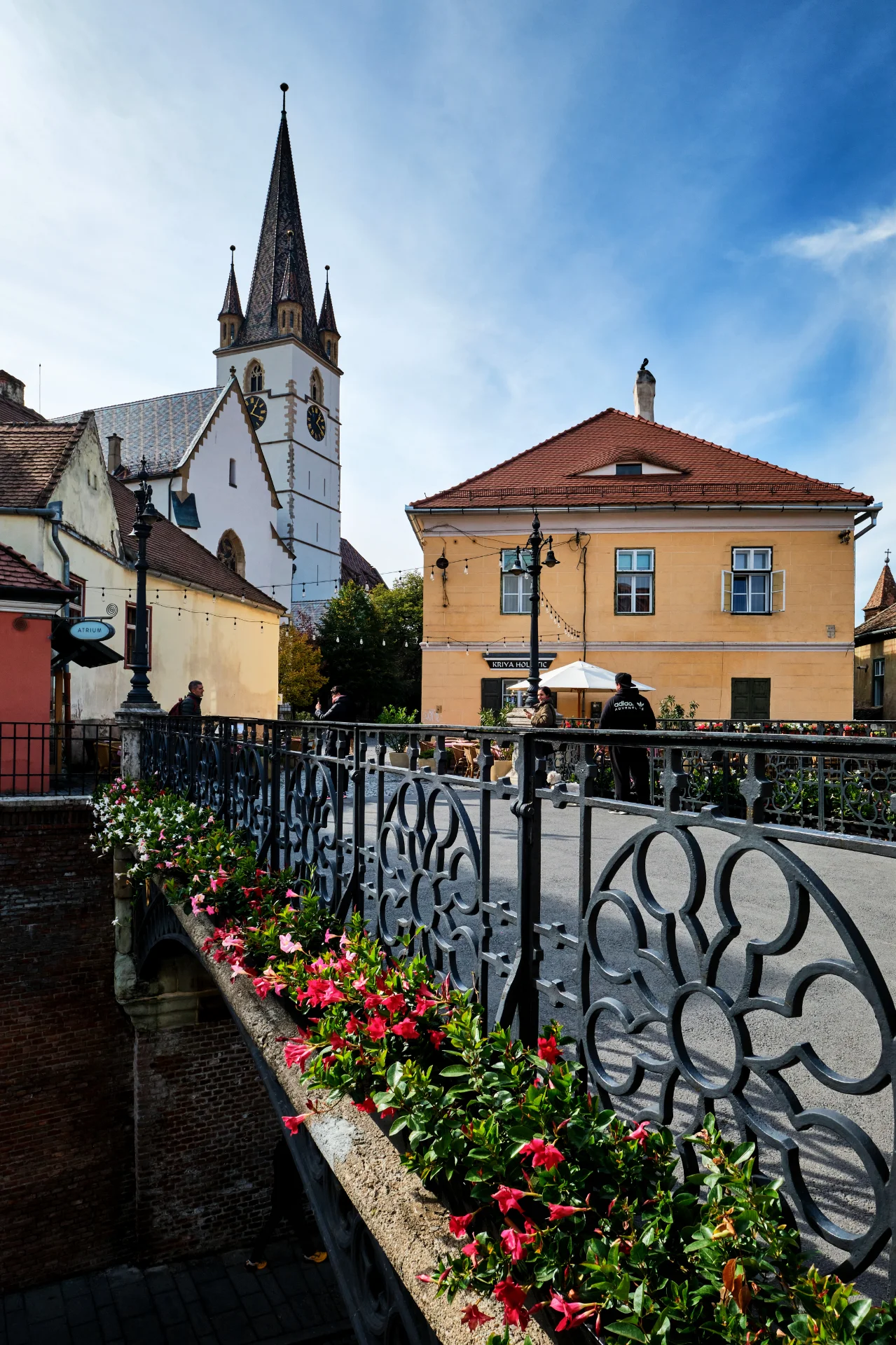
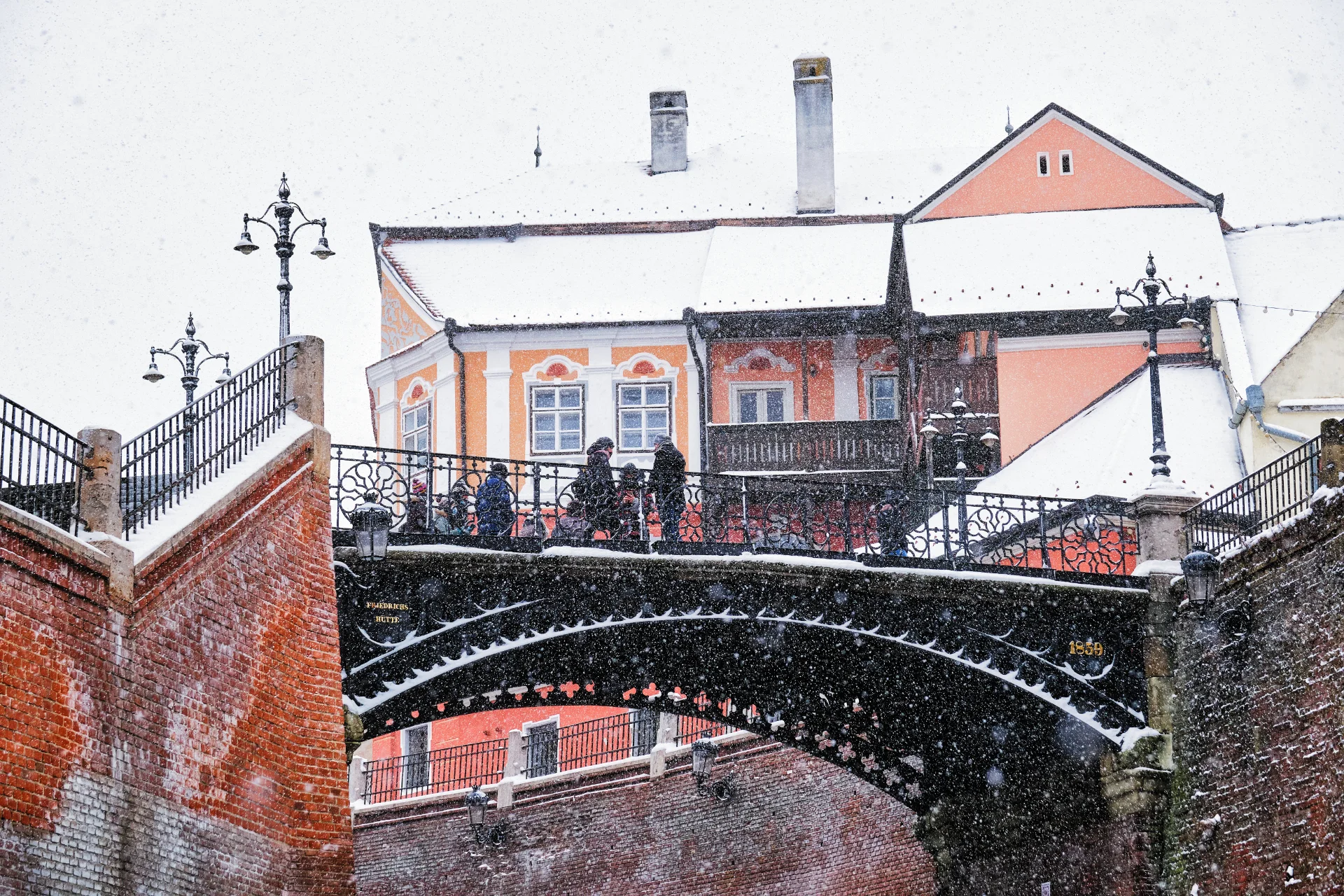
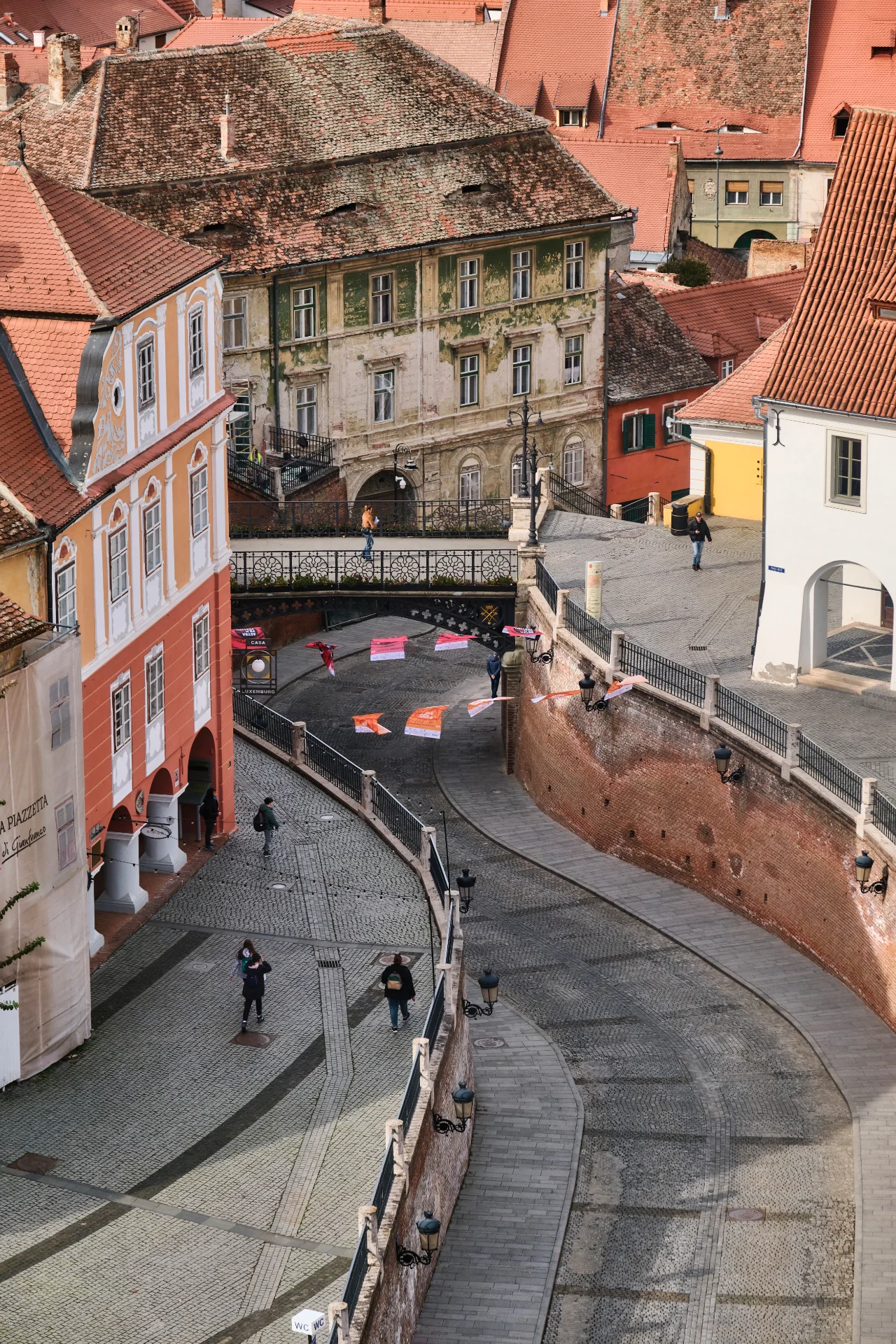
Back in the Little Square, we can admire some more splendid historical buildings, one of which houses the Museum of the History of Pharmacy, a unique space that presents over 6,000 exhibits related to the development of pharmaceutical technology over time. On the western side of the square, another complex of buildings with special architecture unfolds, including the Hermes House (Ethnography Museum), the Luxembourg House and others. From the Little Square, we can go down to the Lower Town along Ocna Street, which first passes under the Bridge of Lies, a fascinating monument located right next to the House of Arts. It was built of wrought iron in 1859, and according to legend, it will collapse when someone tells a lie while crossing it.

City of Sibiu - Destinations of Romania 44 - Bridge of Lies
Bridge of Lies Ⓒ Silviu-Florin Salomia
City of Sibiu - Destinations of Romania 23 - Goldsmiths Square Passage
Goldsmiths Square Passage Ⓒ Silviu-Florin Salomia
City of Sibiu - Destinations of Romania 11 - Goldsmiths Square Passage
Goldsmiths Square Passage Ⓒ Silviu-Florin Salomia
City of Sibiu - Destinations of Romania 10 - Little Square
Little Square Ⓒ Silviu-Florin Salomia
City of Sibiu - Destinations of Romania 54 - House of Arts
House of Arts Ⓒ Silviu-Florin Salomia

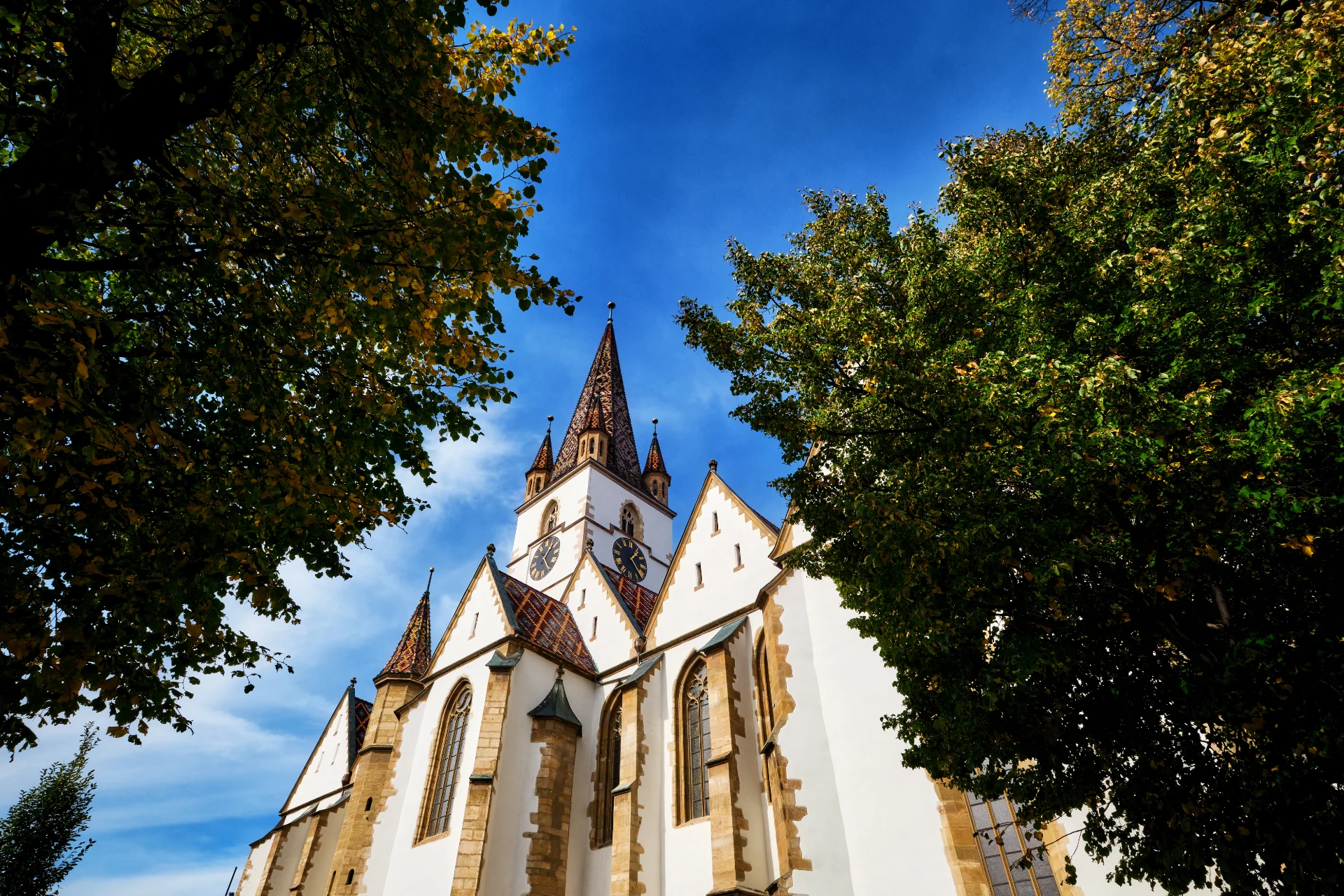
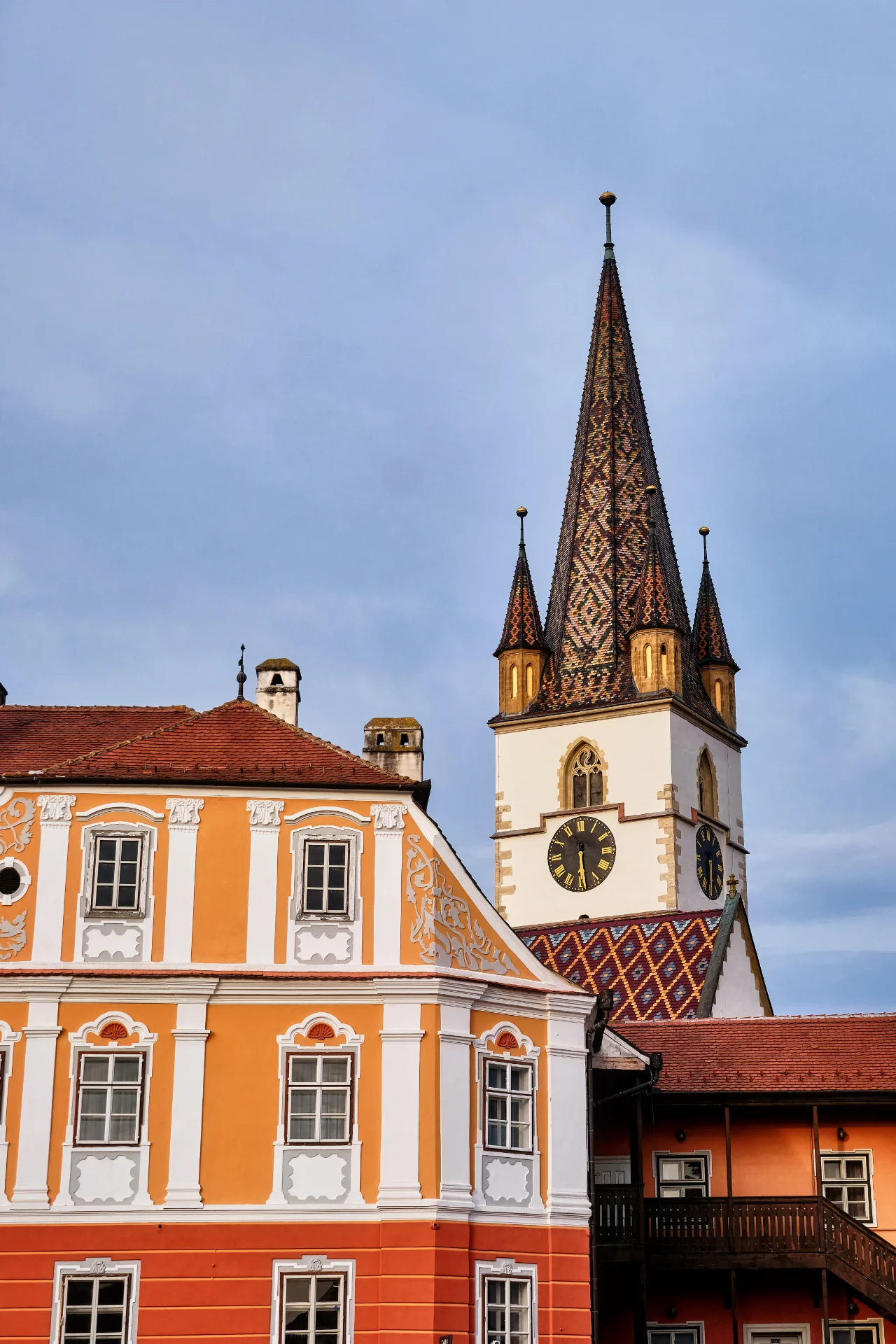
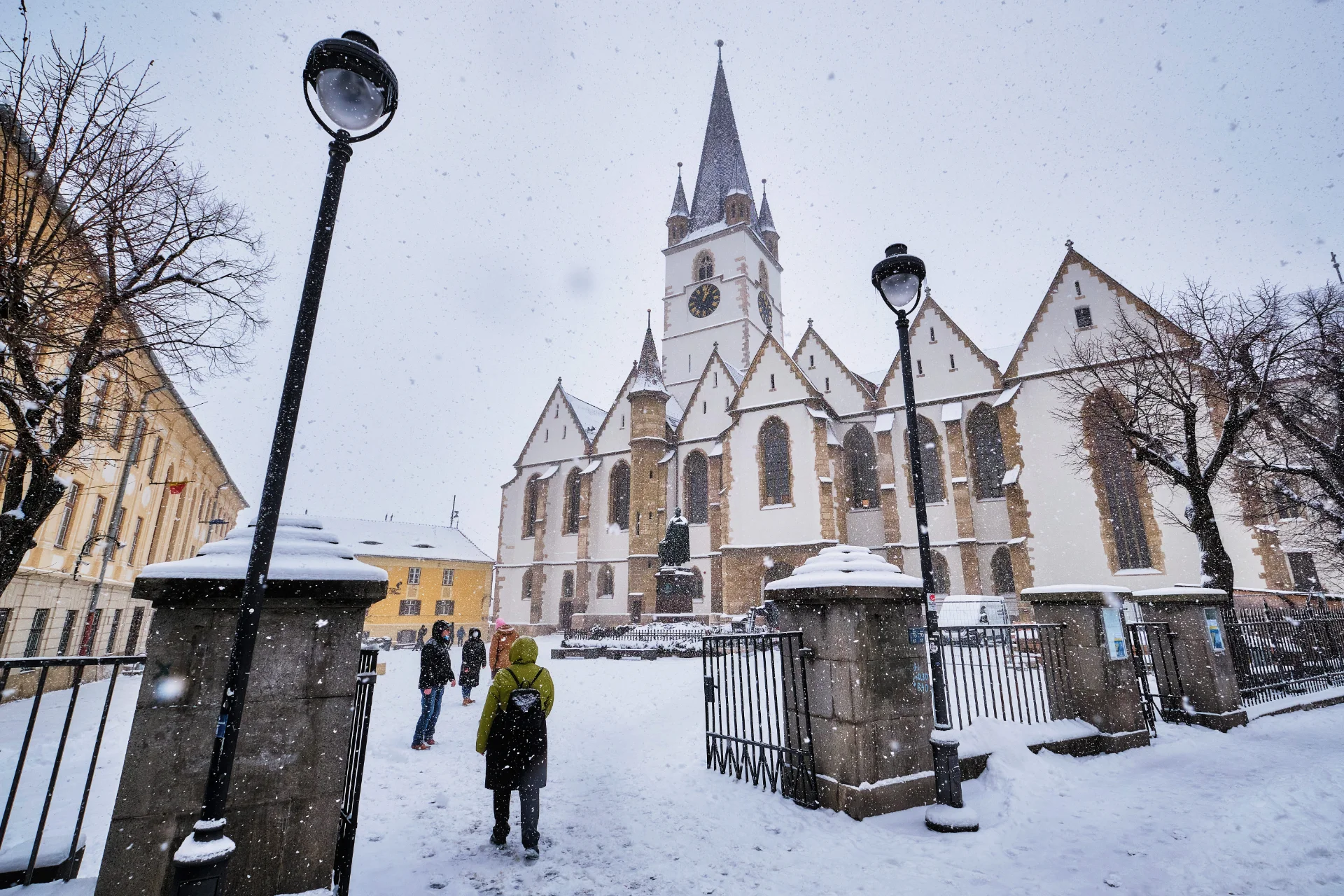
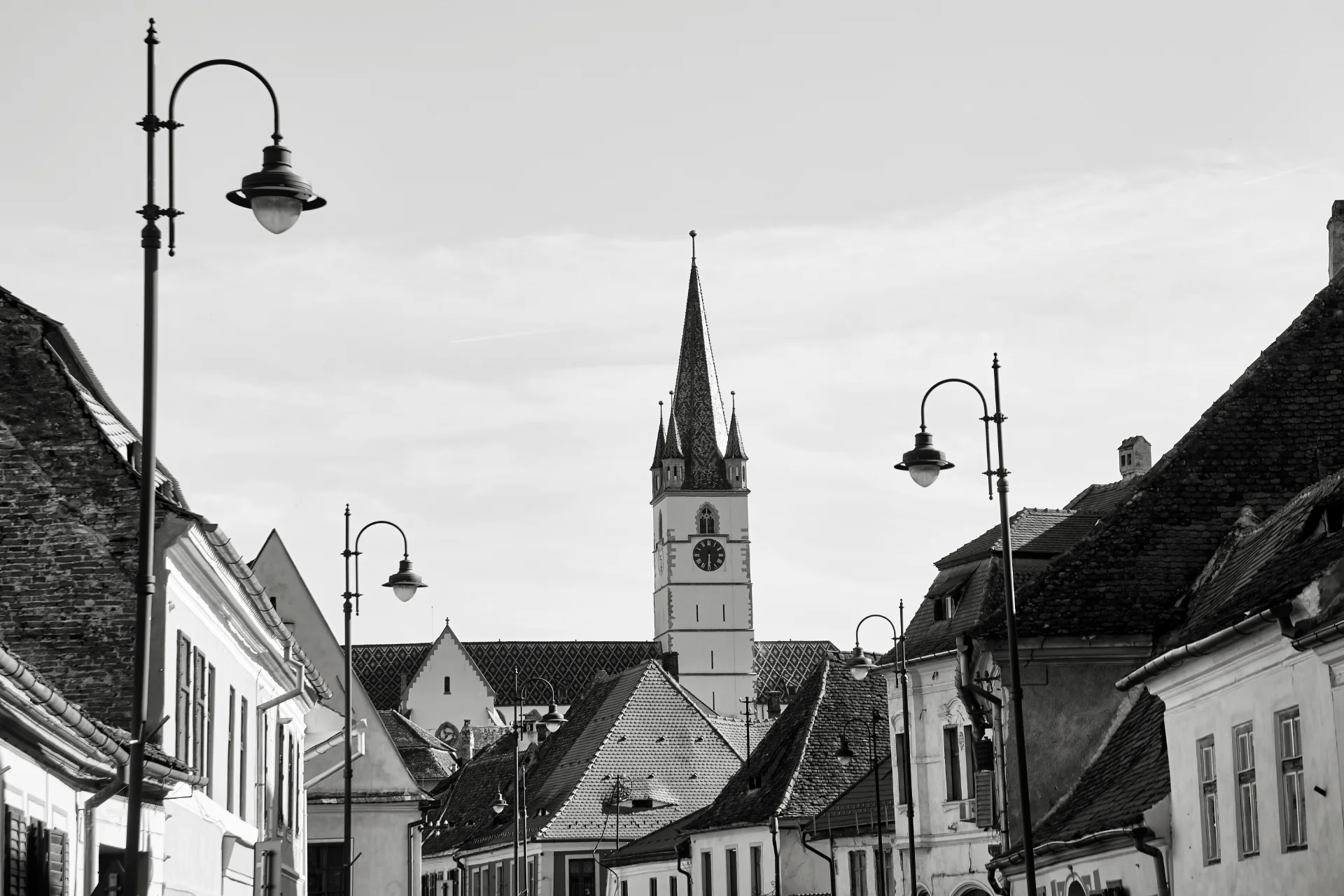
Crossing the bridge or through the mysterious Shoemakers passage, we arrive in the charming Albert Huet Square, dominated by the massive silhouette of the Evangelical Cathedral of “Saint Mary”. Huet Square was born inside the first fortification system of the fortress, after it completely surrounded the Upper Town. The cathedral is one of the most impressive Gothic structures in Romania, belonging to the largest Lutheran community in the country. It was built over a Romanesque basilica from the 12th century, the current appearance dating back to 1520. Among the most fascinating features, we admire the tower with a height of over 70 meters, the superb sculptures inside or the unusual Masonic symbol above the organ.

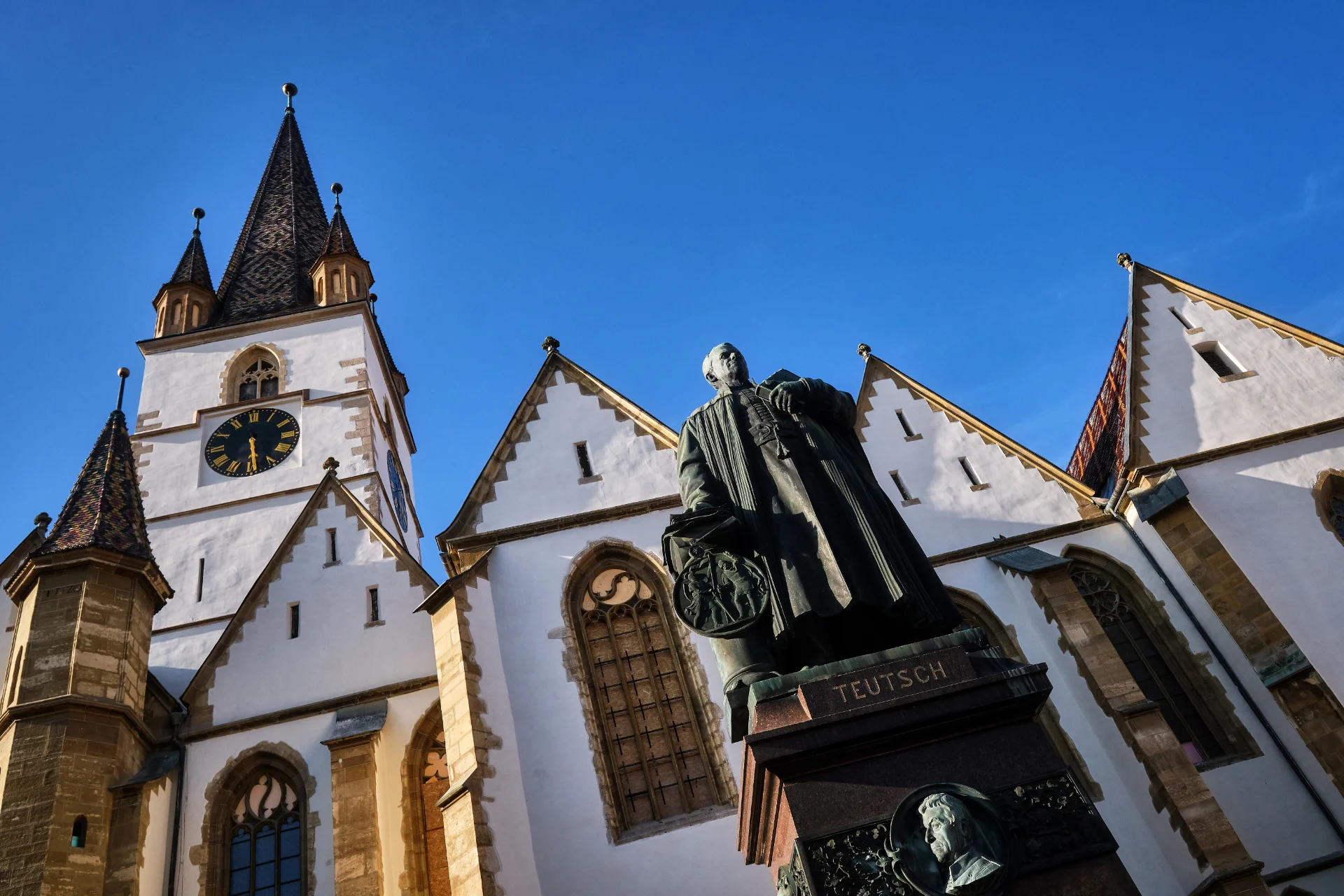
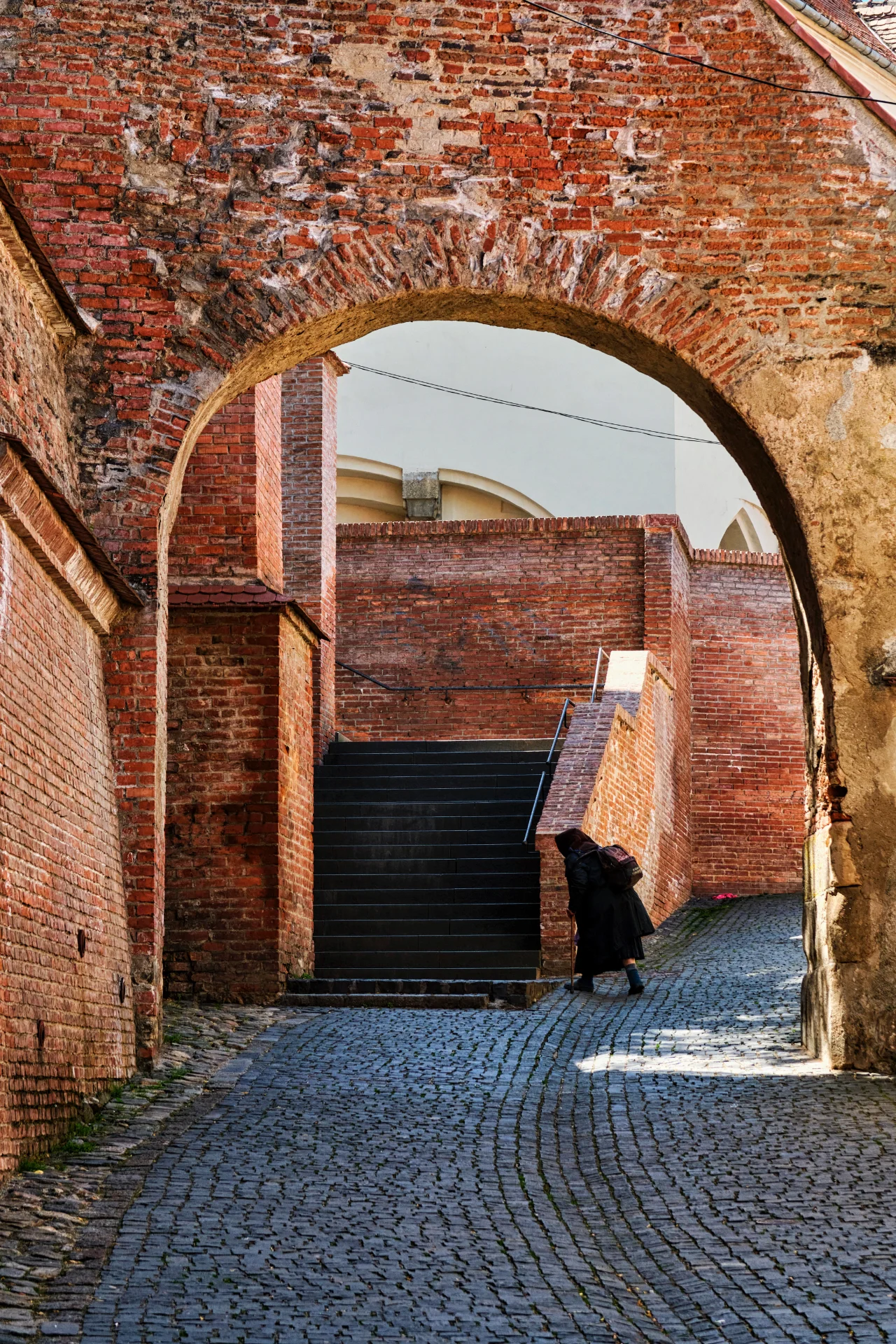
The crypt of the Evangelical Cathedral in Sibiu is unique in Romania, including 67 tombs of personalities from the past. These were moved from inside the church, and the last tomb was that of Baron von Brukenthal. We can climb the almost 200 steps on the narrow and dark staircase to the top of the bell tower, being rewarded with new unique panoramas of the city. Around the cathedral we find an impressive architectural complex that includes, among others, the Parish House, the Stairs Tower, the Brukenthal High School or the statue of Bishop Teutsch. Behind the buildings on the northern side of the square is the Stairs Passage, which connected with the Lower Town and still preserves portions of the medieval fortifications, with brick walls and arches.
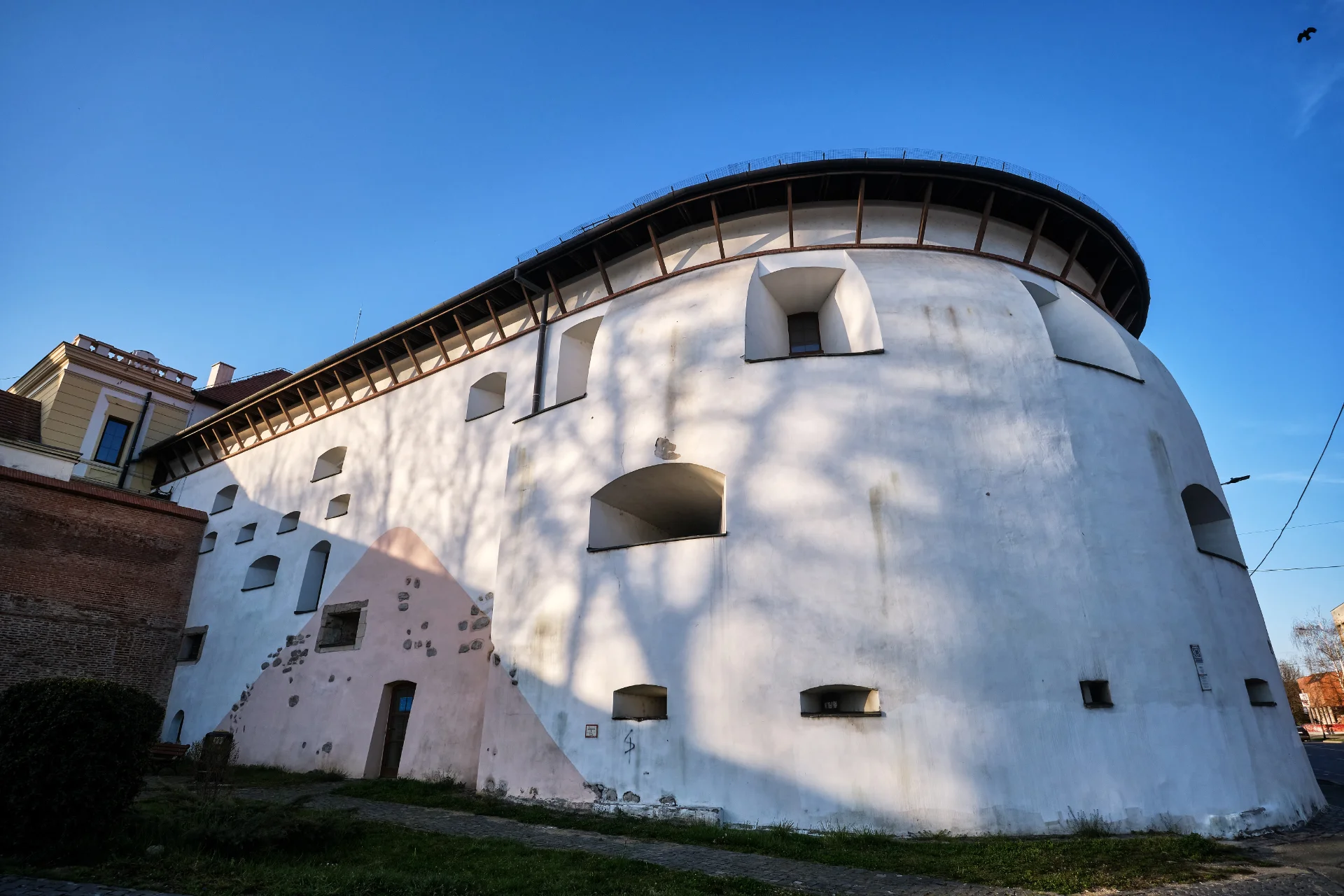
The Upper Town stretches east, south and west from the three squares, surrounded by a series of parks and gardens created over the old fortifications. Starting from the Grand Square, we still have many monuments to discover in the historic center, starting with the old medieval towers and bastions. The best preserved ones are located in the southern part of the old fortress, starting with the impressive Haller Bastion, which dates back to the 16th century and is 9 meters high. Continuing southwest along the Citadel Street, we first pass by the Natural History Museum building, part of the Brukenthal Museum. Next to it, we admire the Thick Tower, with its unusual and massive silhouette, being developed on several levels and today hosting the Sibiu State Philharmonic.

City of Sibiu - Destinations of Romania 46 - St. Mary Evangelical Cathedral
St. Mary Evangelical Cathedral Ⓒ Silviu-Florin Salomia
City of Sibiu - Destinations of Romania 13 - Evangelical Lutheran Cathedral
Evangelical Lutheran Cathedral Ⓒ Silviu-Florin Salomia
City of Sibiu - Destinations of Romania 25 - Medieval Fortress Towers
Medieval Fortress Towers Ⓒ Silviu-Florin Salomia
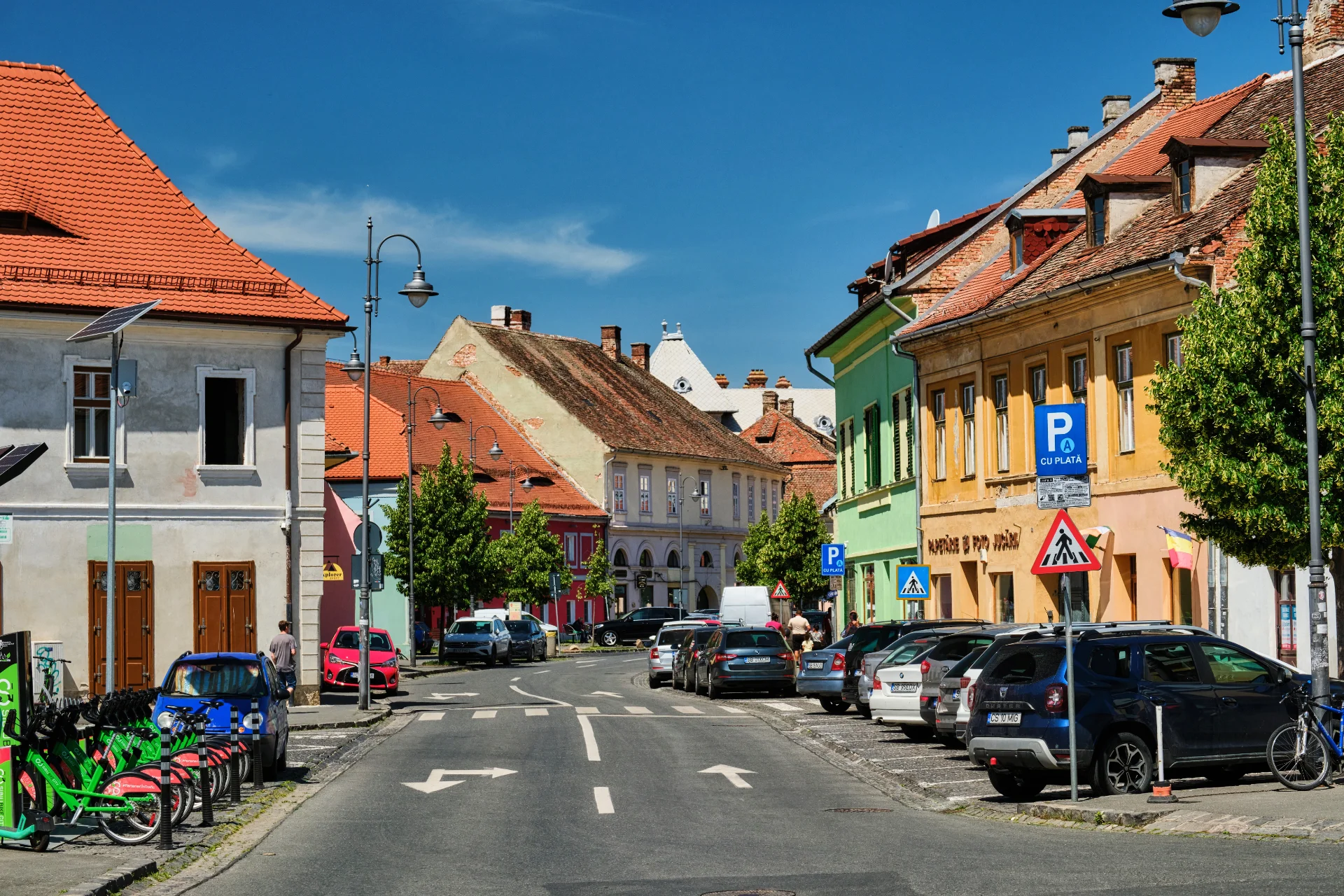
City of Sibiu - Destinations of Romania 08 - Citadel Street
Citadel Street Ⓒ Silviu-Florin Salomia

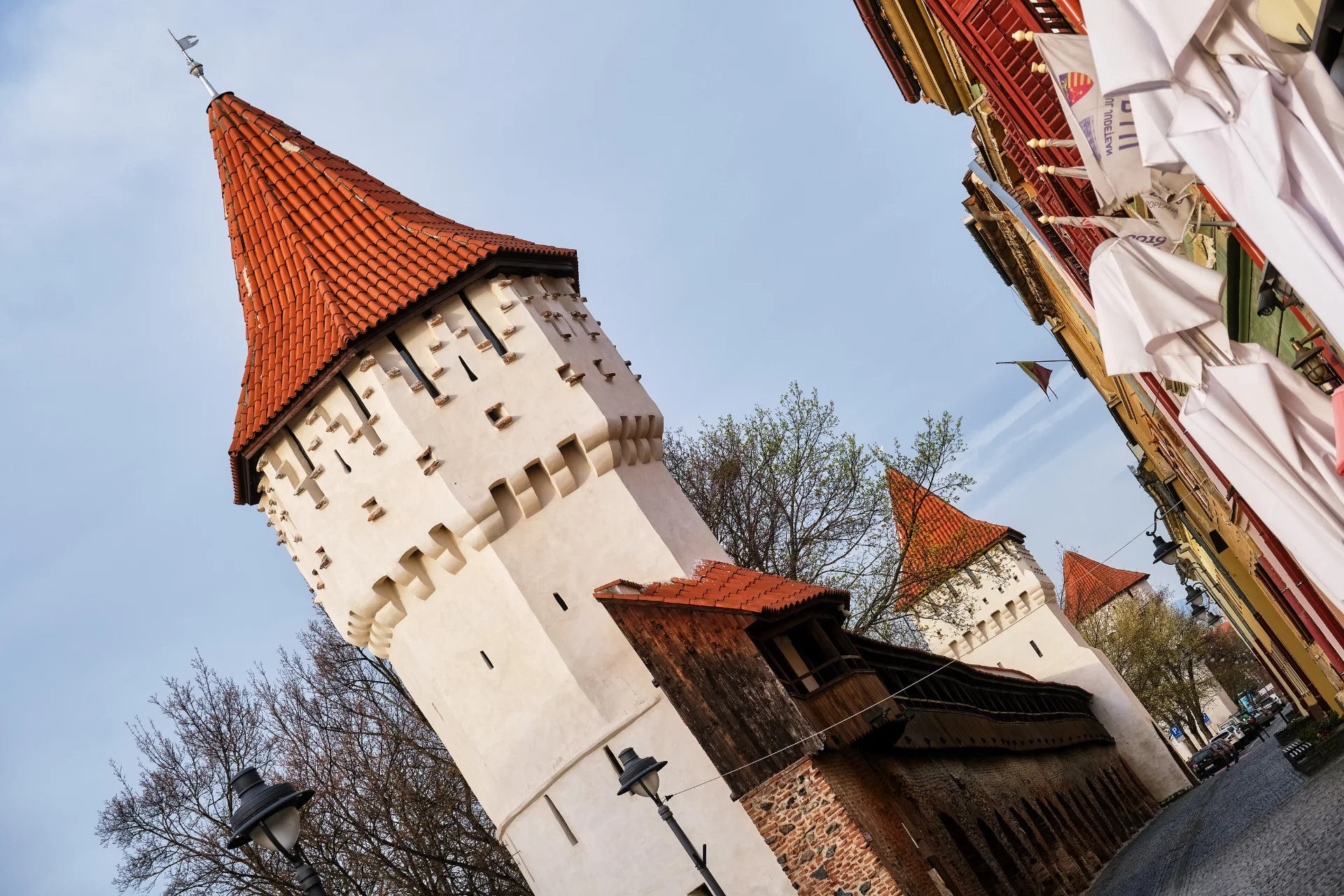
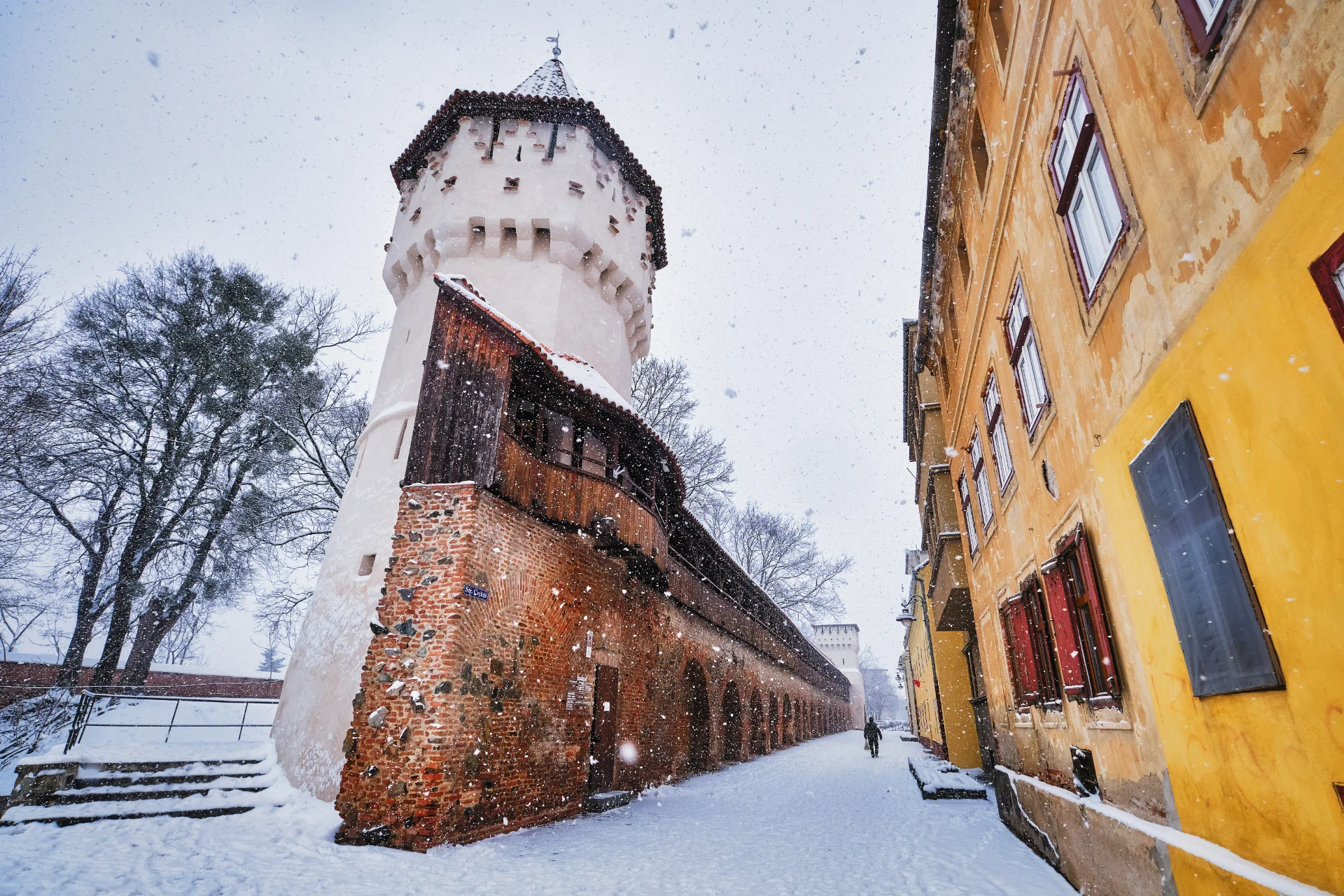
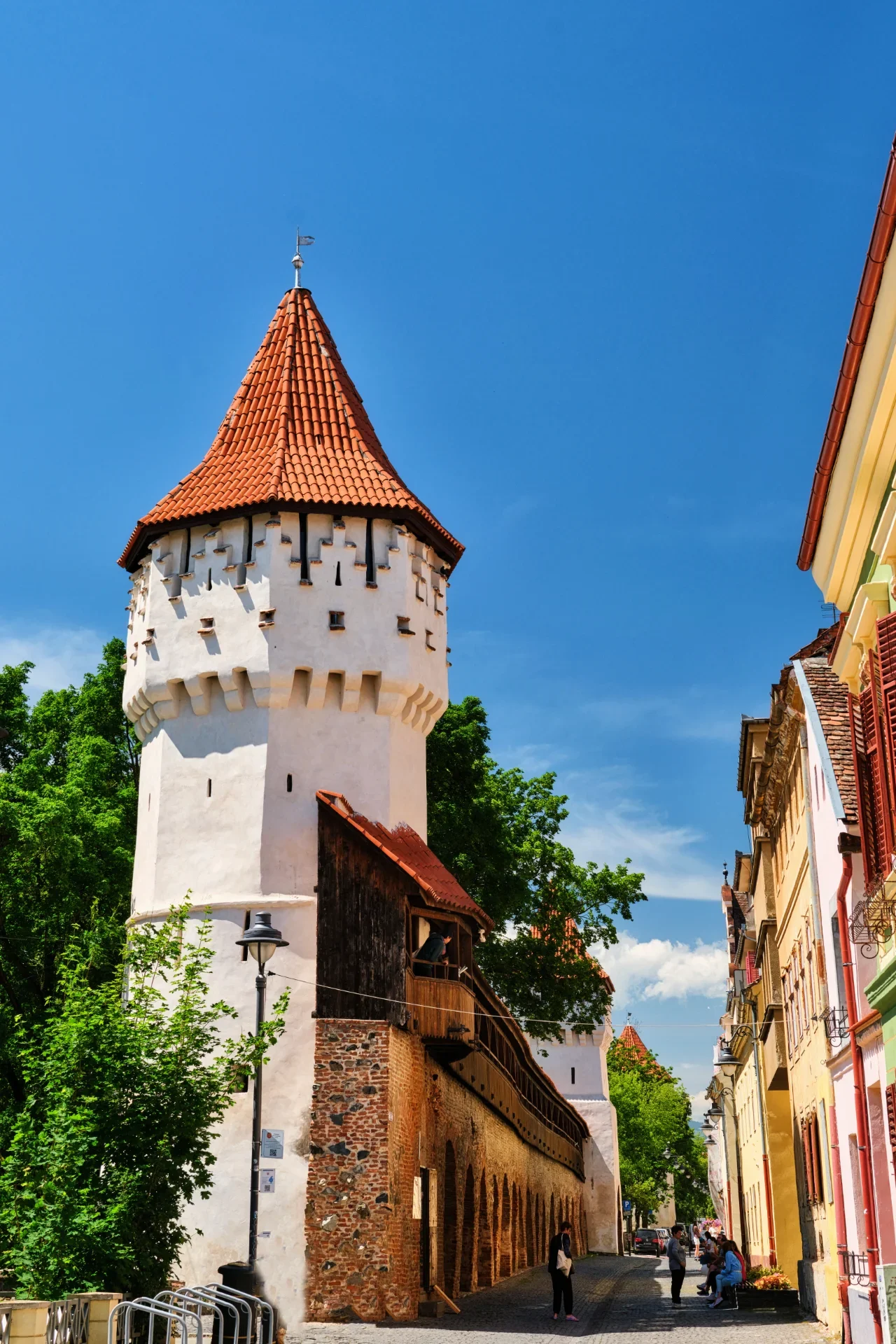
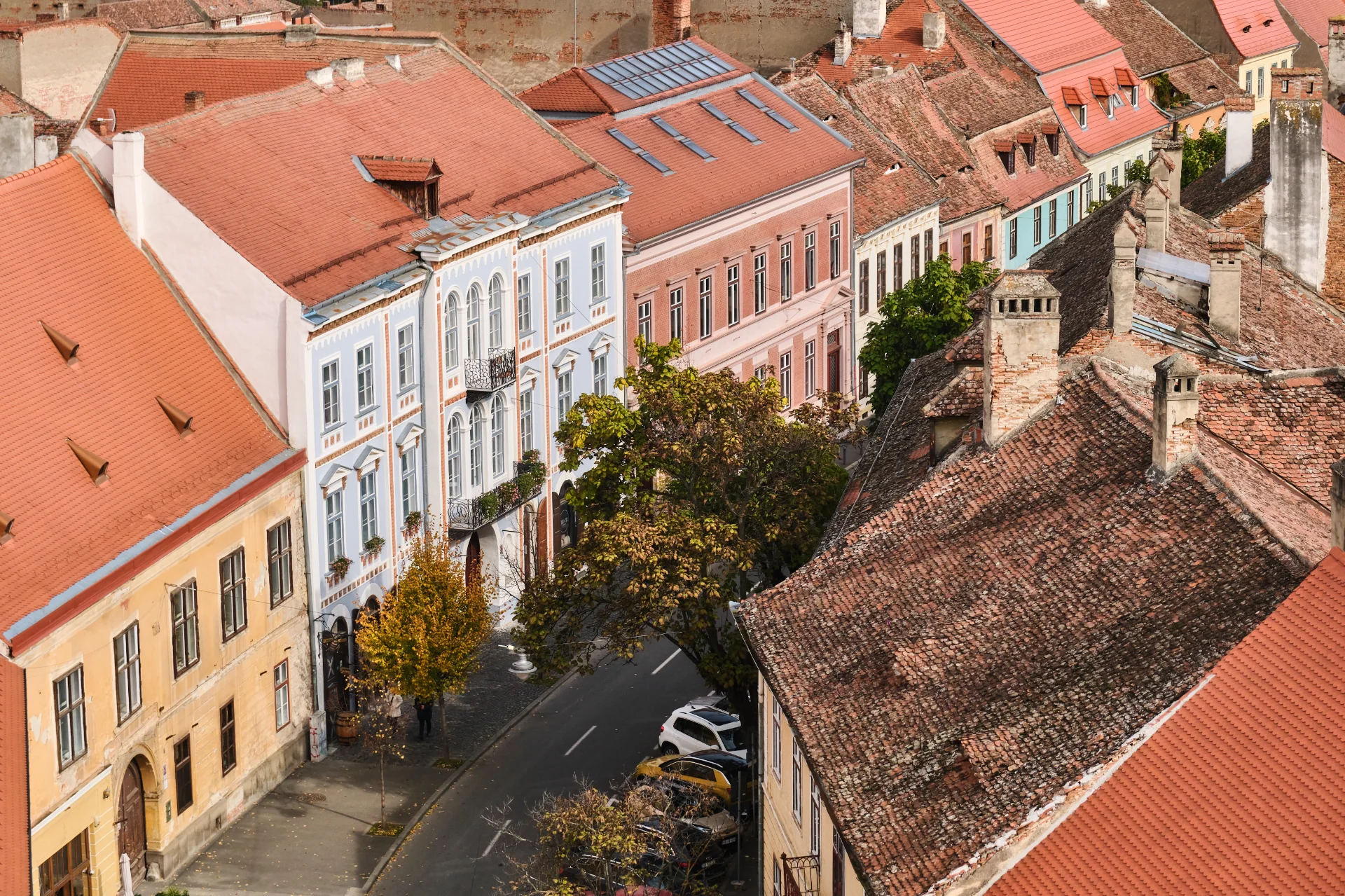
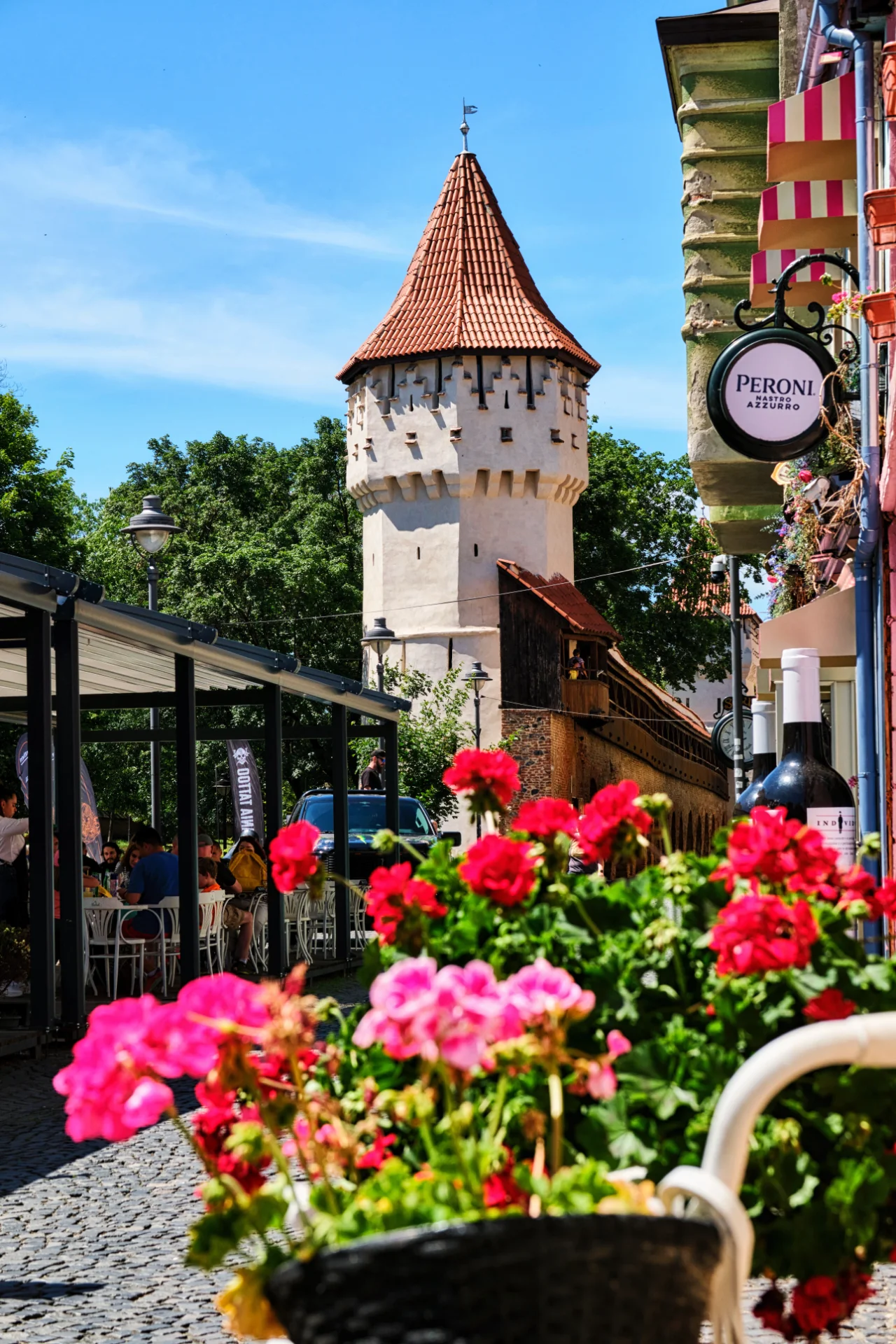
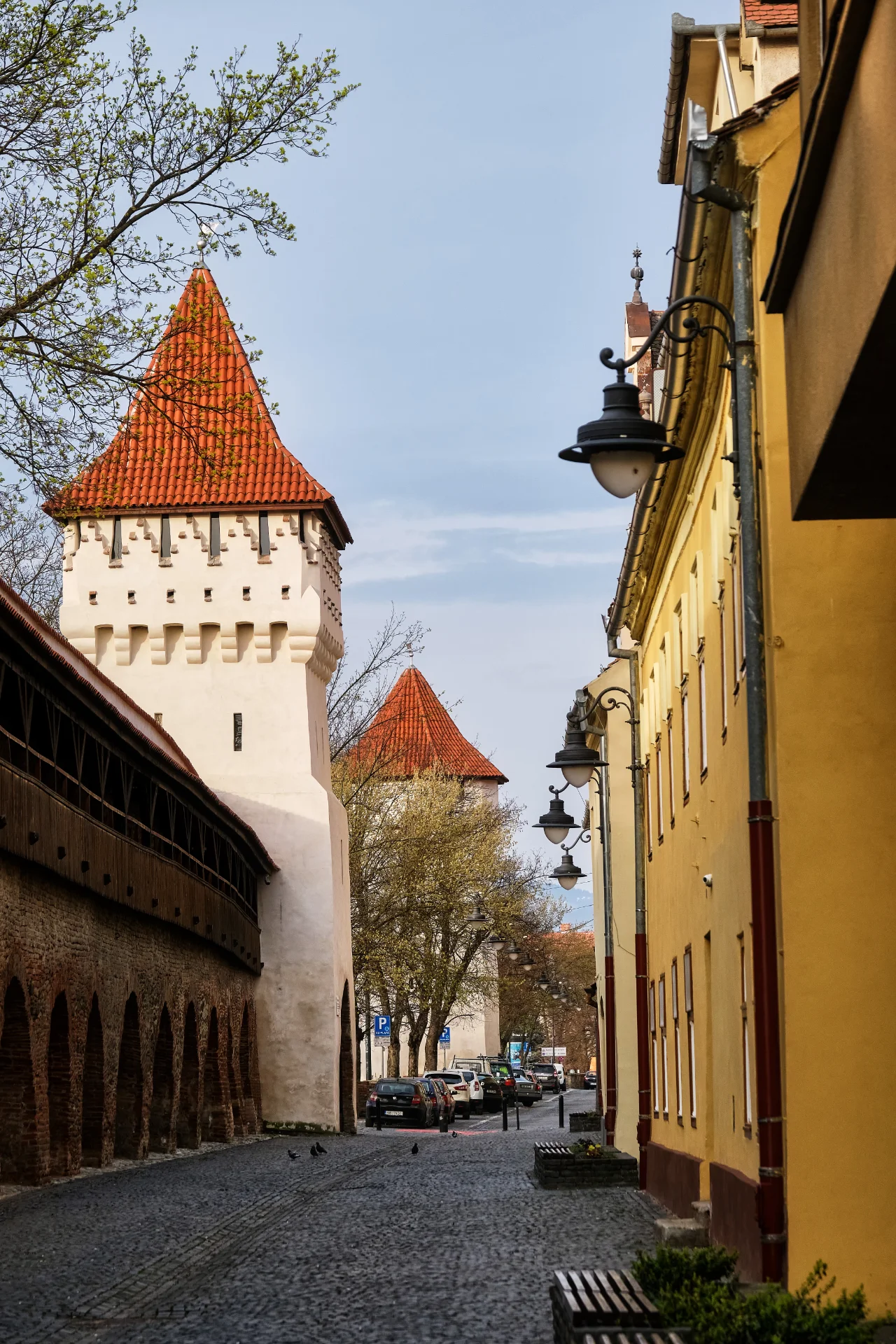
A little further west, we discover a section of the medieval defensive walls, between the Carpenters’ and Potters’ towers. These date back to the 14th century, and nearby we find the perfectly preserved and renovated Blacksmiths’ and Archers’ towers. Although not as well preserved as the one on the eastern side, the Soldisch Bastion (dated from the 17th century) once defended the fortress on the western side. Along the streets of the Upper Town we also encounter a lot of remarkable monuments, some of the most interesting being on Mitropoliei and Nicolae Bălcescu streets, which start from the Great Square towards the west.

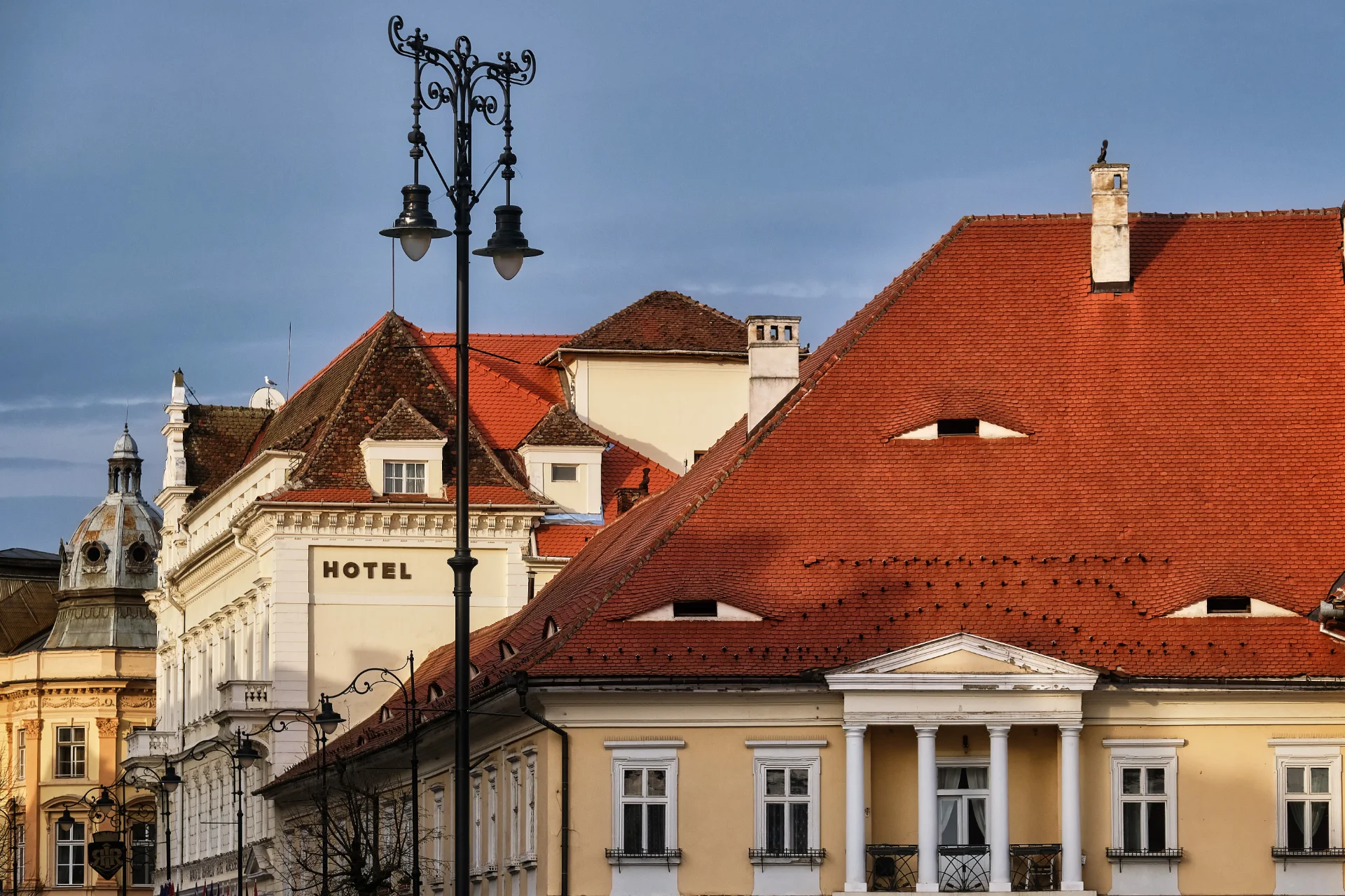
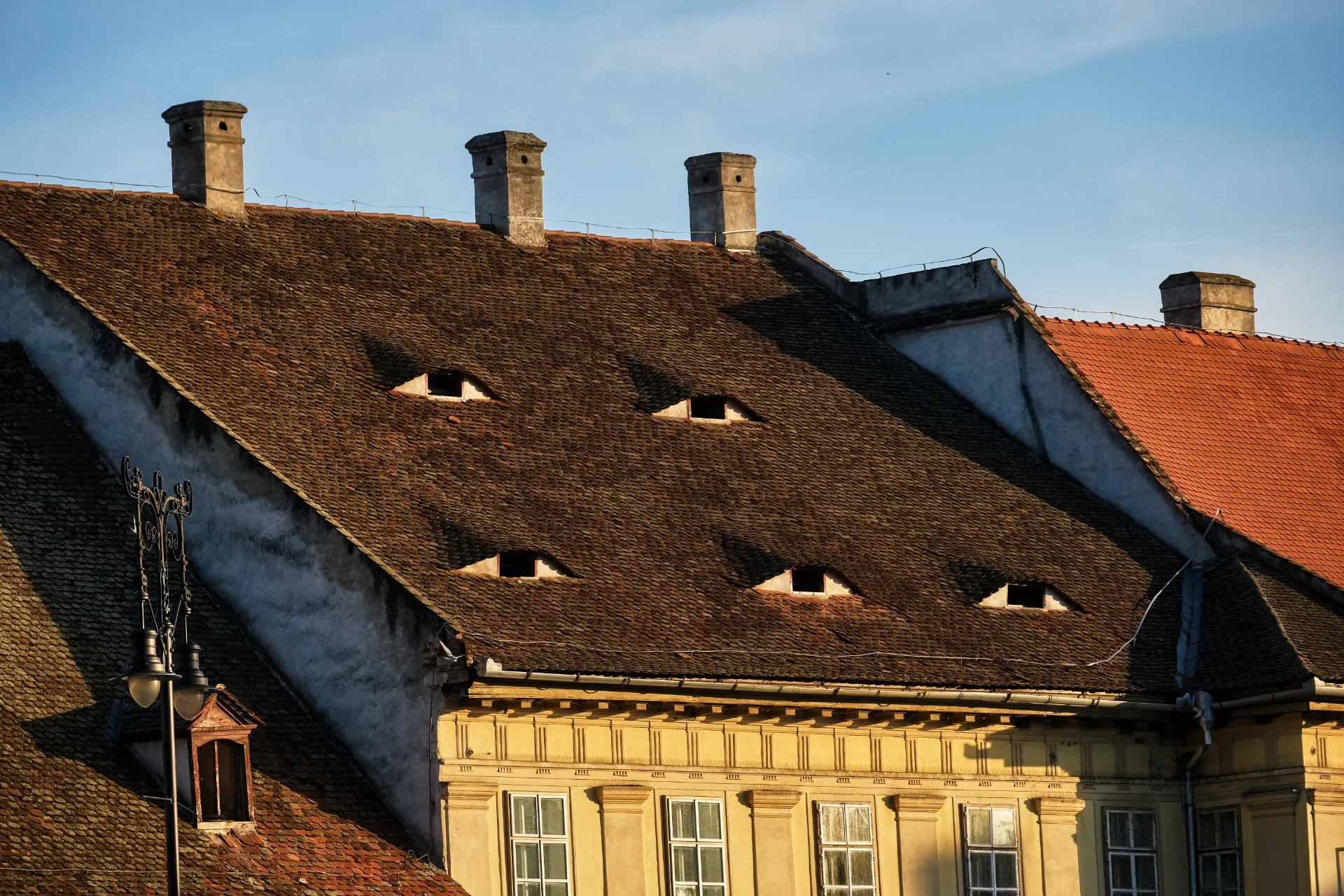
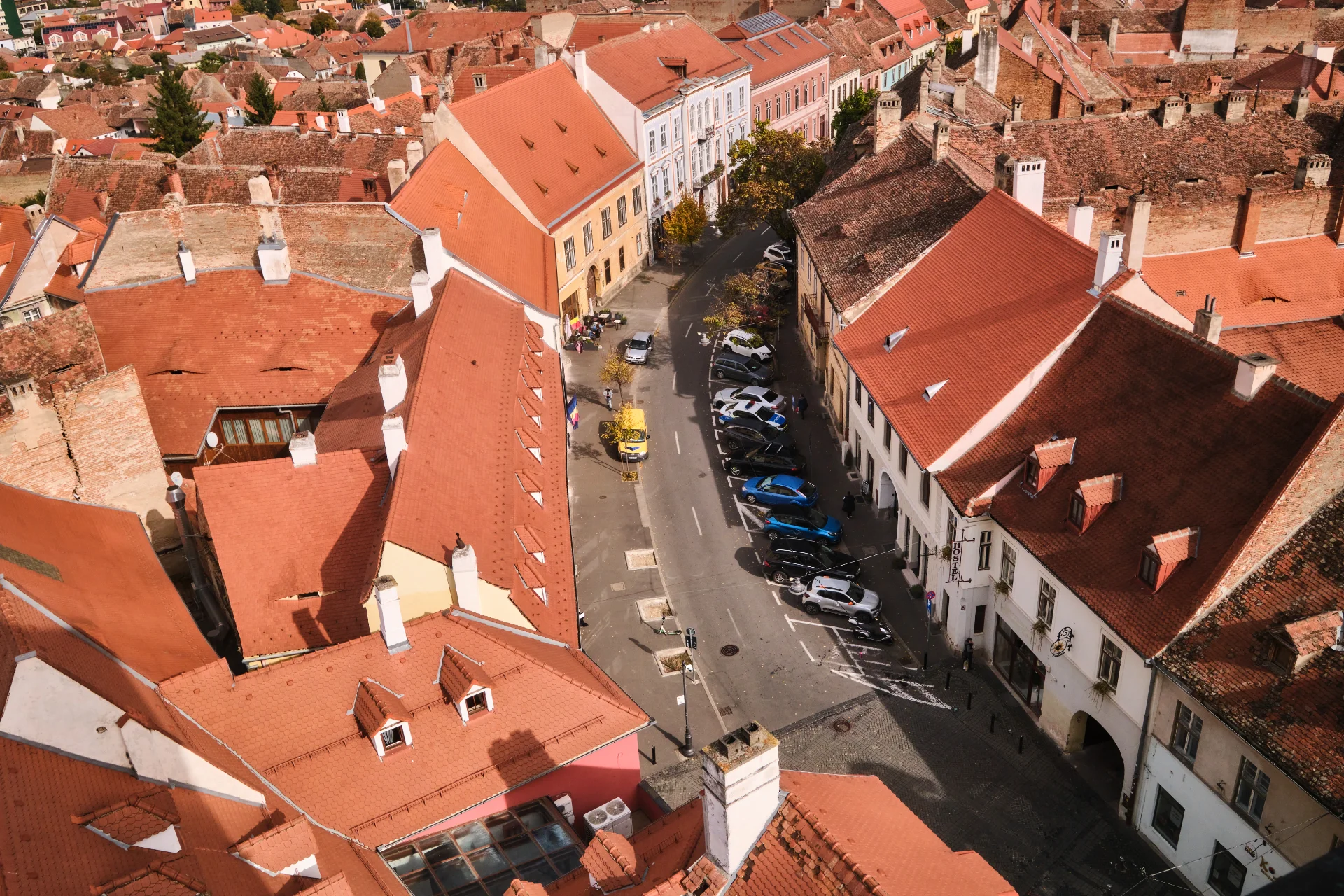
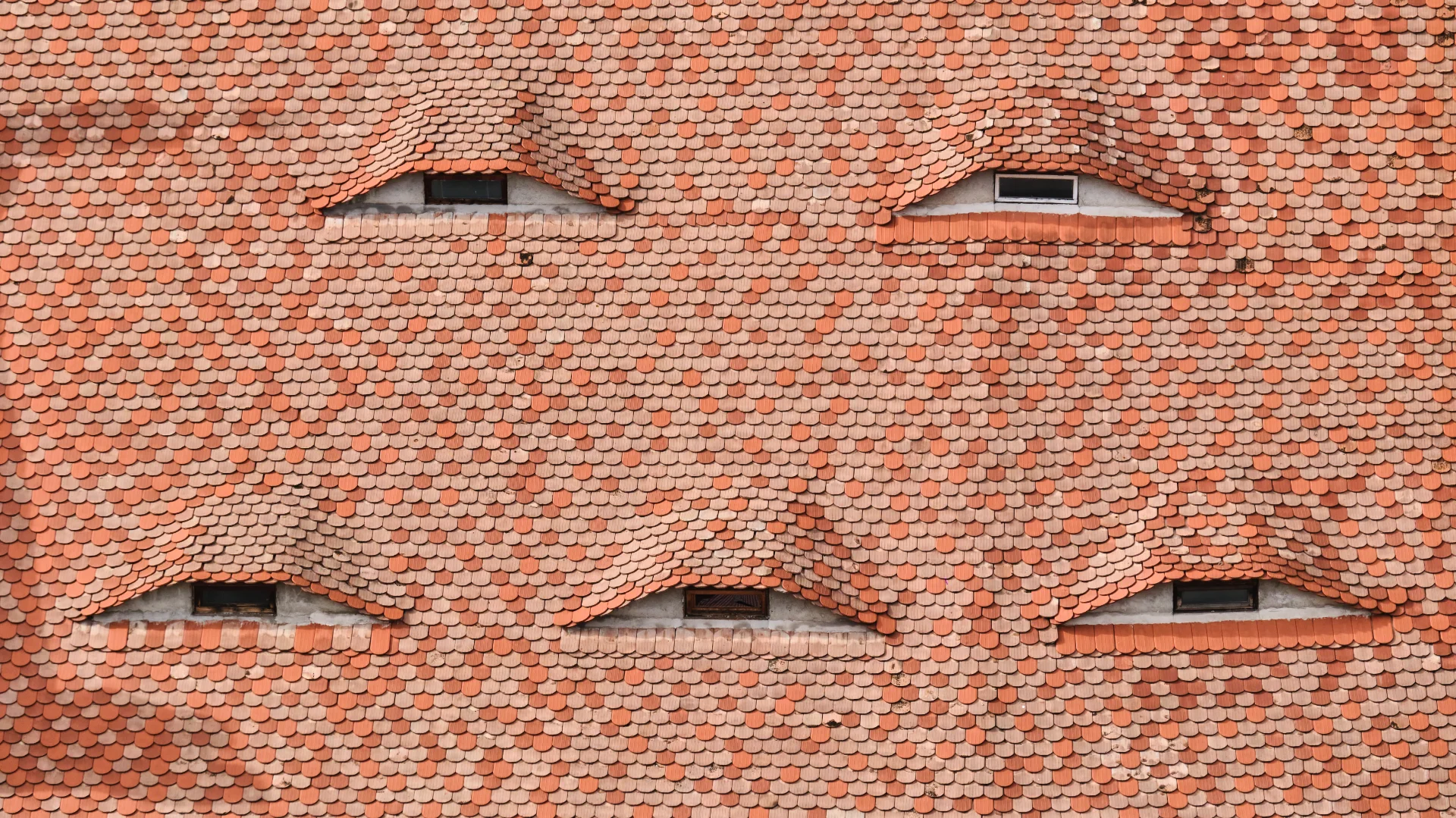
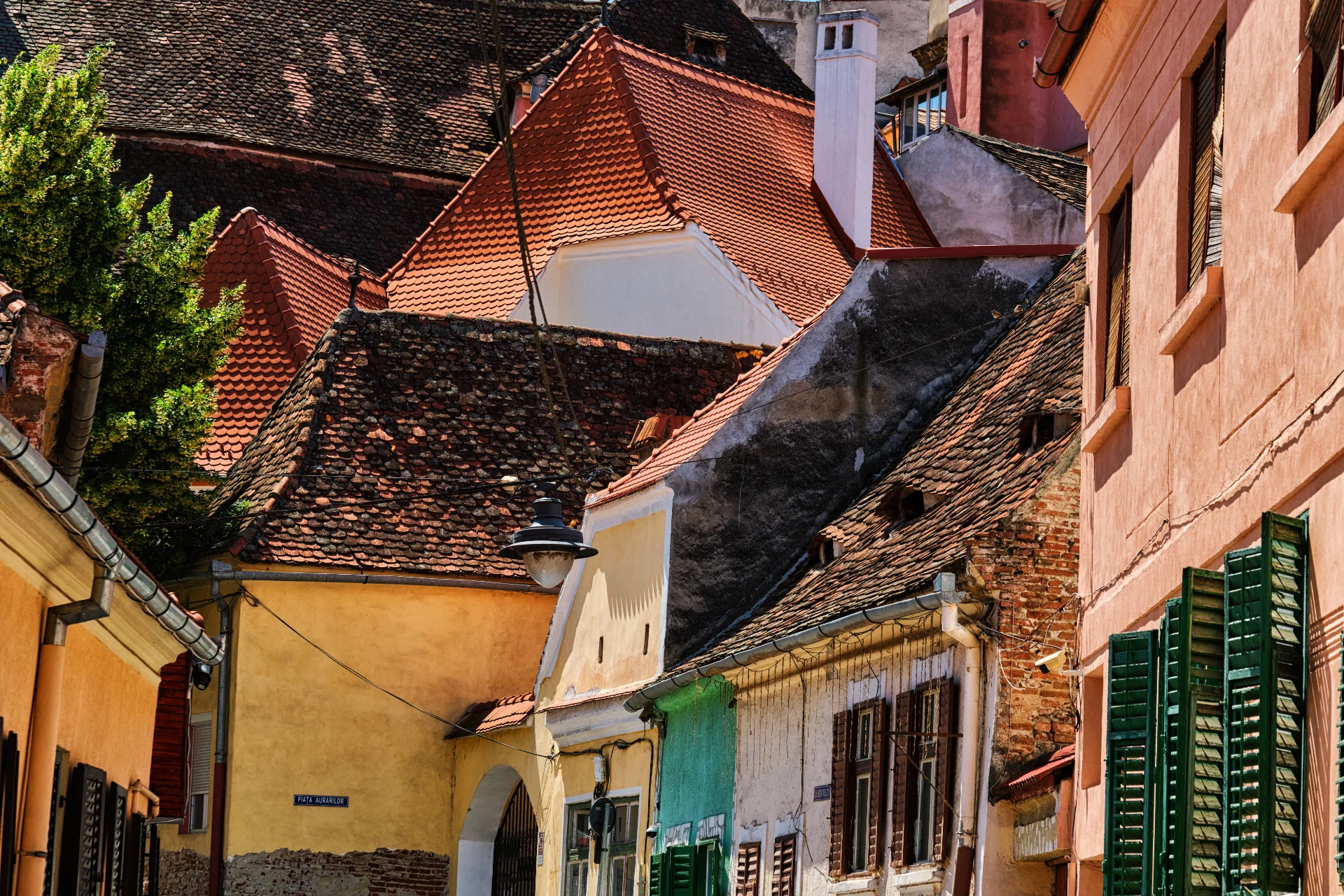
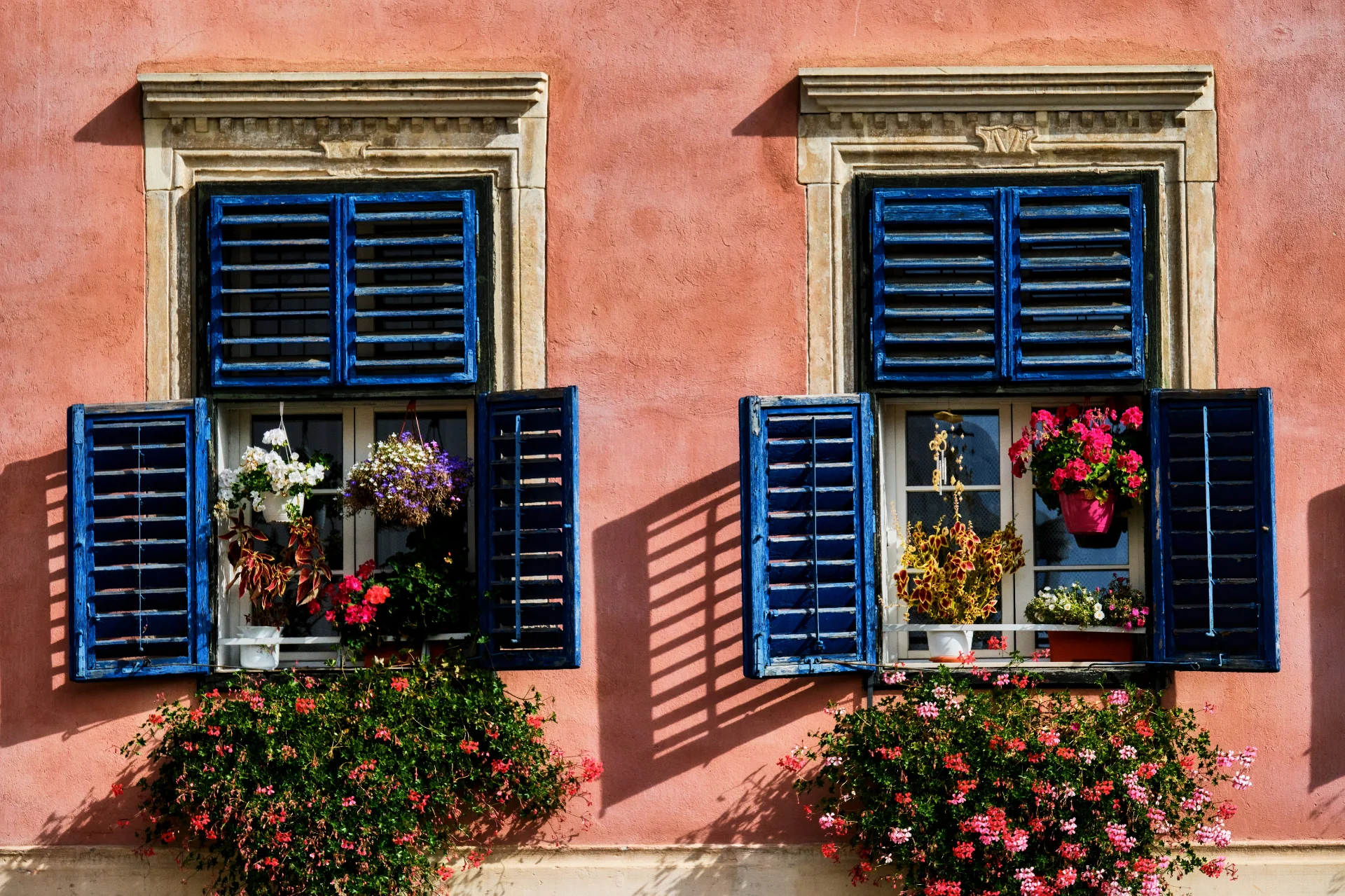
Exploring these places, we can best admire the famous “eyes of Sibiu”, small openings on the shingle roofs of the buildings. These are actually small skylights, elements created in the past for the efficient ventilation of the attics. Between Mitropoliei and Alexandru Odobescu streets, we visit the splendid Altemberger Complex, which includes a house, the loggia, the tower and several other structures, representing one of the most beautiful examples of Gothic architecture in Romania. This was the seat of the Sibiu City Hall for four centuries, today hosting the  history museum with fascinating exhibits. Walking along Mitropoliei street, we first encounter a small church with Baroque architecture, followed by the House of the Caryatids, with the two superb statues supporting the balcony.

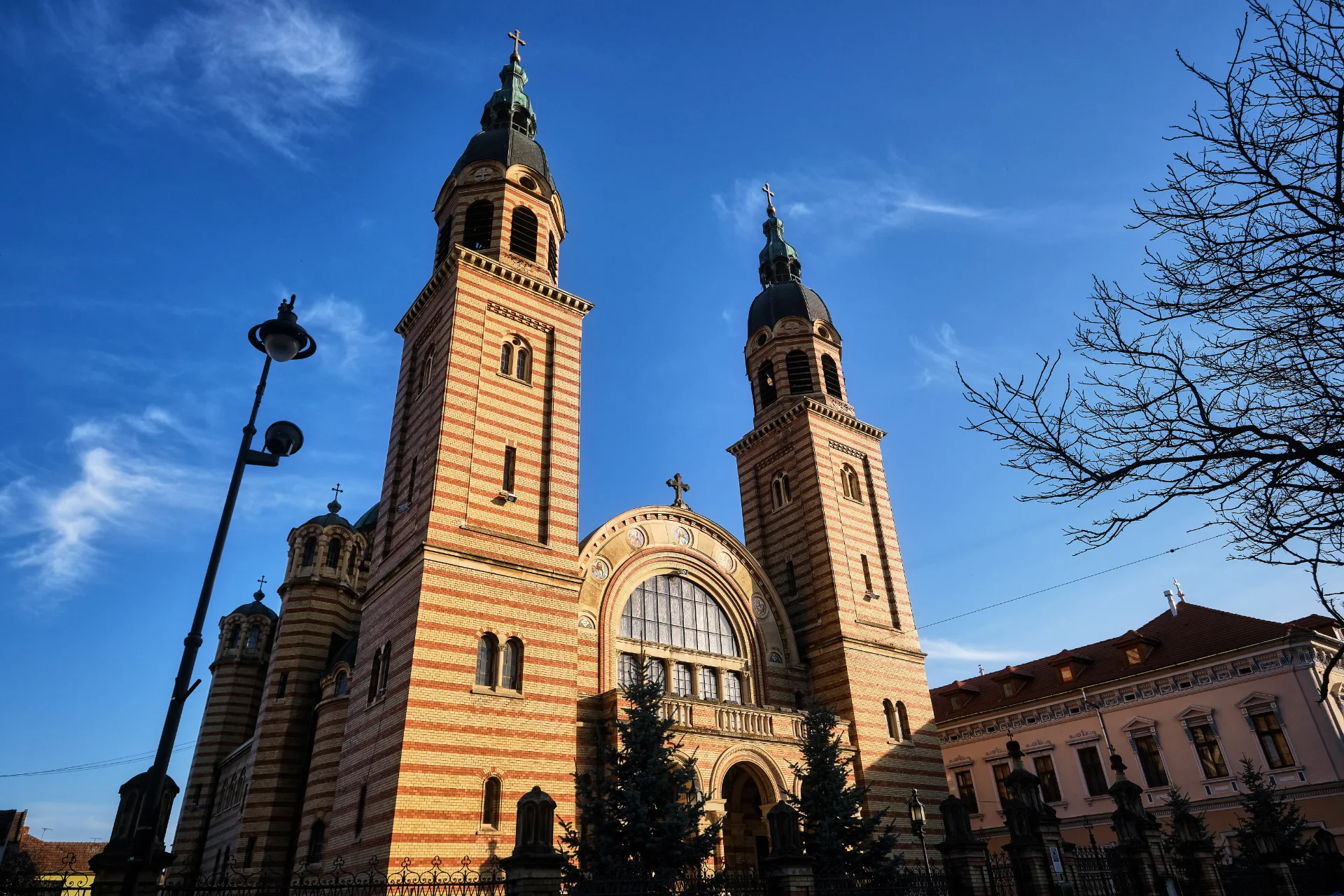
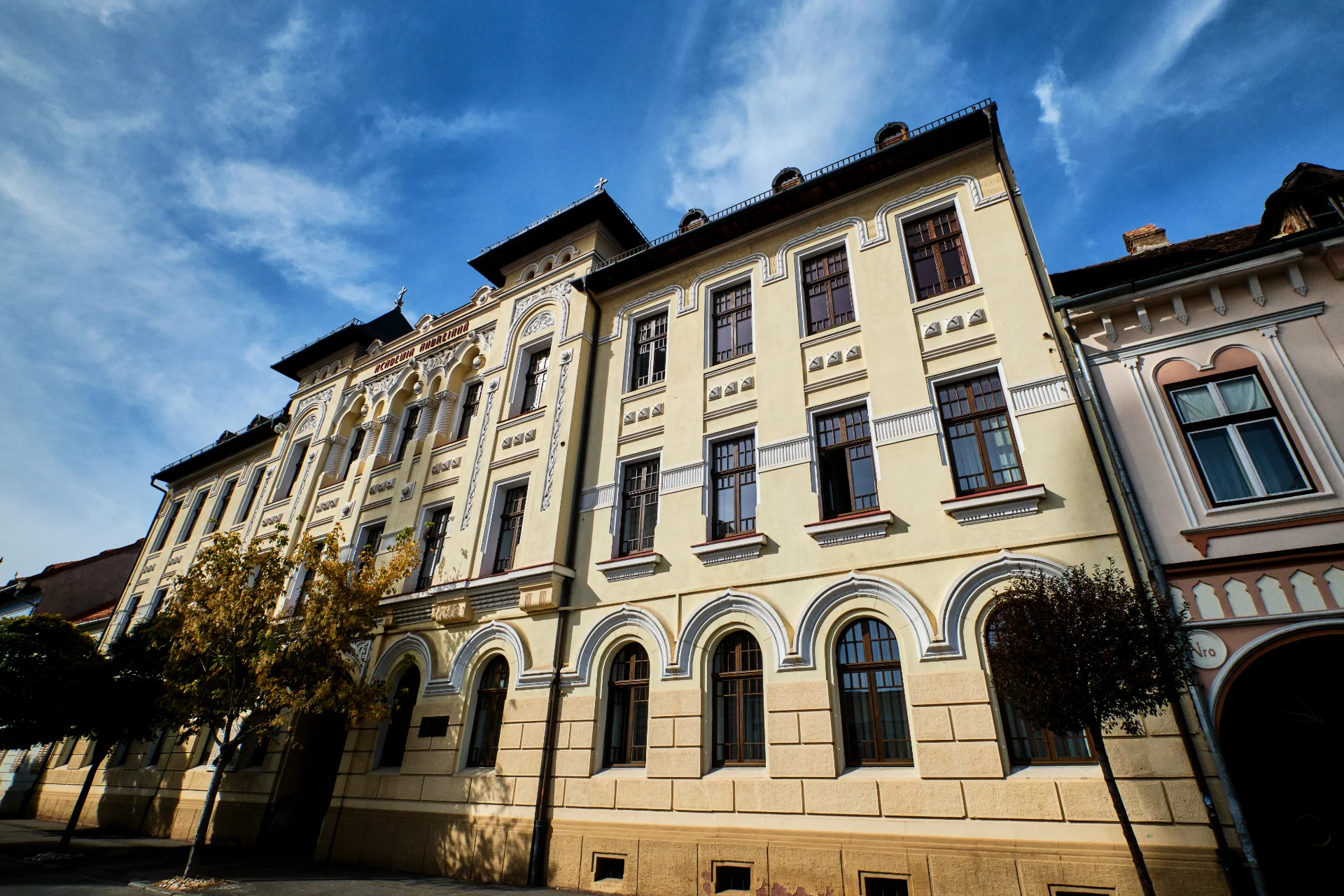
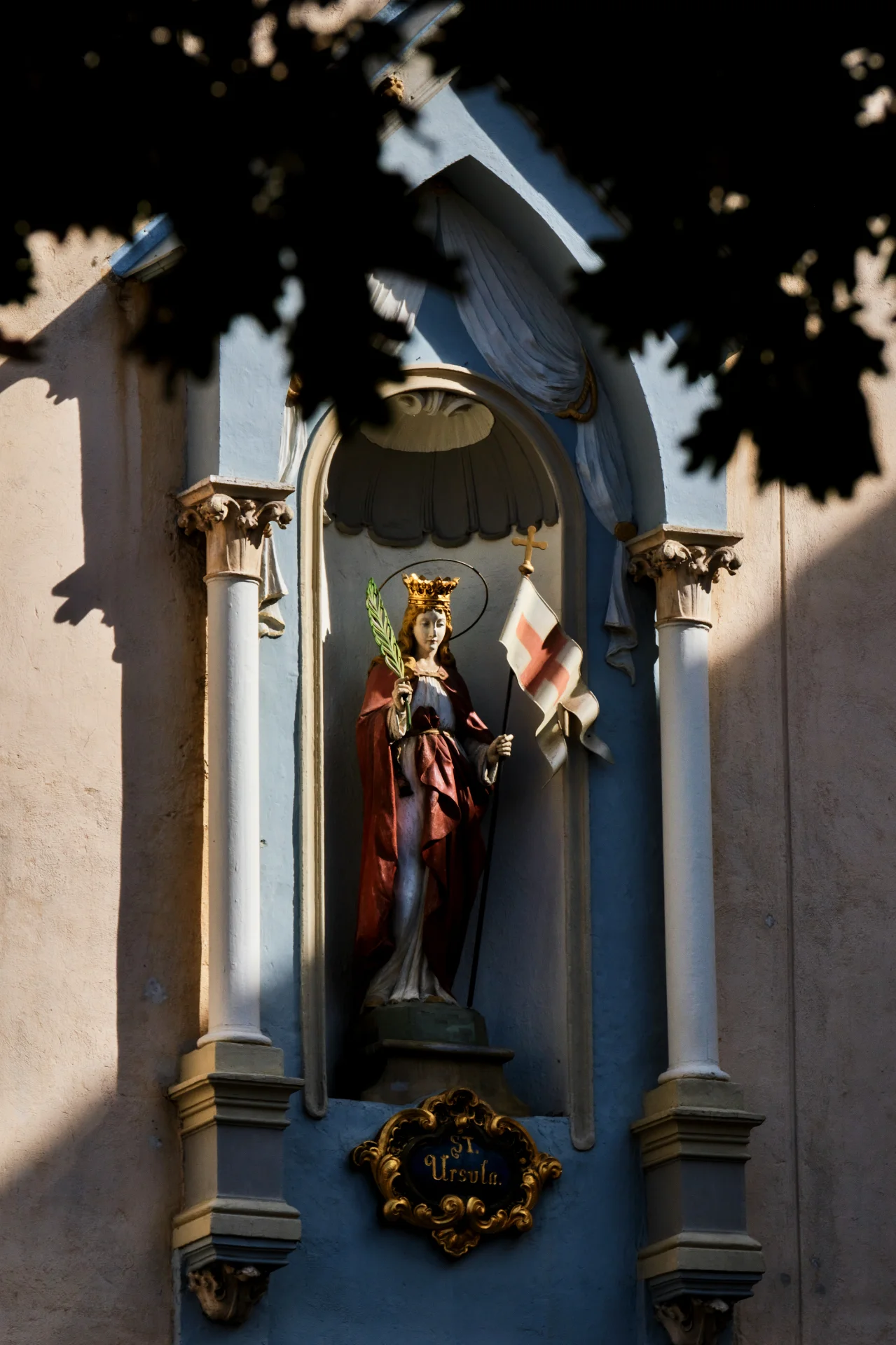
A few steps further, we reach the charming Orthodox Cathedral “Holy Trinity”, built in 1904 in an impressive Byzantine style and featuring superb interior paintings. Towards the end of the street, we also encounter the Evangelical Church of “Saint John”, dating from the late 19th century. On Nicolae Bălcescu Street, among the restaurants and shops, we also find some interesting historical buildings. Starting from the Main Square to the east, Avram Iancu Street includes some exceptional monuments, such as the Roman Catholic Church “Saint Ursula” and the Ursuline Monastery. Originally a Dominican monastery built in 1479, it was taken over by the Lutheran church and then by the Roman Catholic one through the Ursuline order, who established a girls’ school here.

City of Sibiu - Destinations of Romania 18 - Orthodox Catehdral
Orthodox Catehdral Ⓒ Silviu-Florin Salomia
City of Sibiu - Destinations of Romania 19 - Thick Tower
Thick Tower Ⓒ Silviu-Florin Salomia
City of Sibiu - Destinations of Romania 24 - The Eyes of Sibiu
The Eyes of Sibiu Ⓒ Silviu-Florin Salomia
City of Sibiu - Destinations of Romania 21 - The Eyes of Sibiu
The Eyes of Sibiu Ⓒ Silviu-Florin Salomia
City of Sibiu - Destinations of Romania 37 - Evangelical Cathedral from Little Square
Evangelical Cathedral from Little Square Ⓒ Silviu-Florin Salomia
City of Sibiu - Destinations of Romania 70 - Stairs Passage
Stairs Passage Ⓒ Silviu-Florin Salomia
City of Sibiu - Destinations of Romania 53 - Citadel Street
Citadel Street Ⓒ Silviu-Florin Salomia

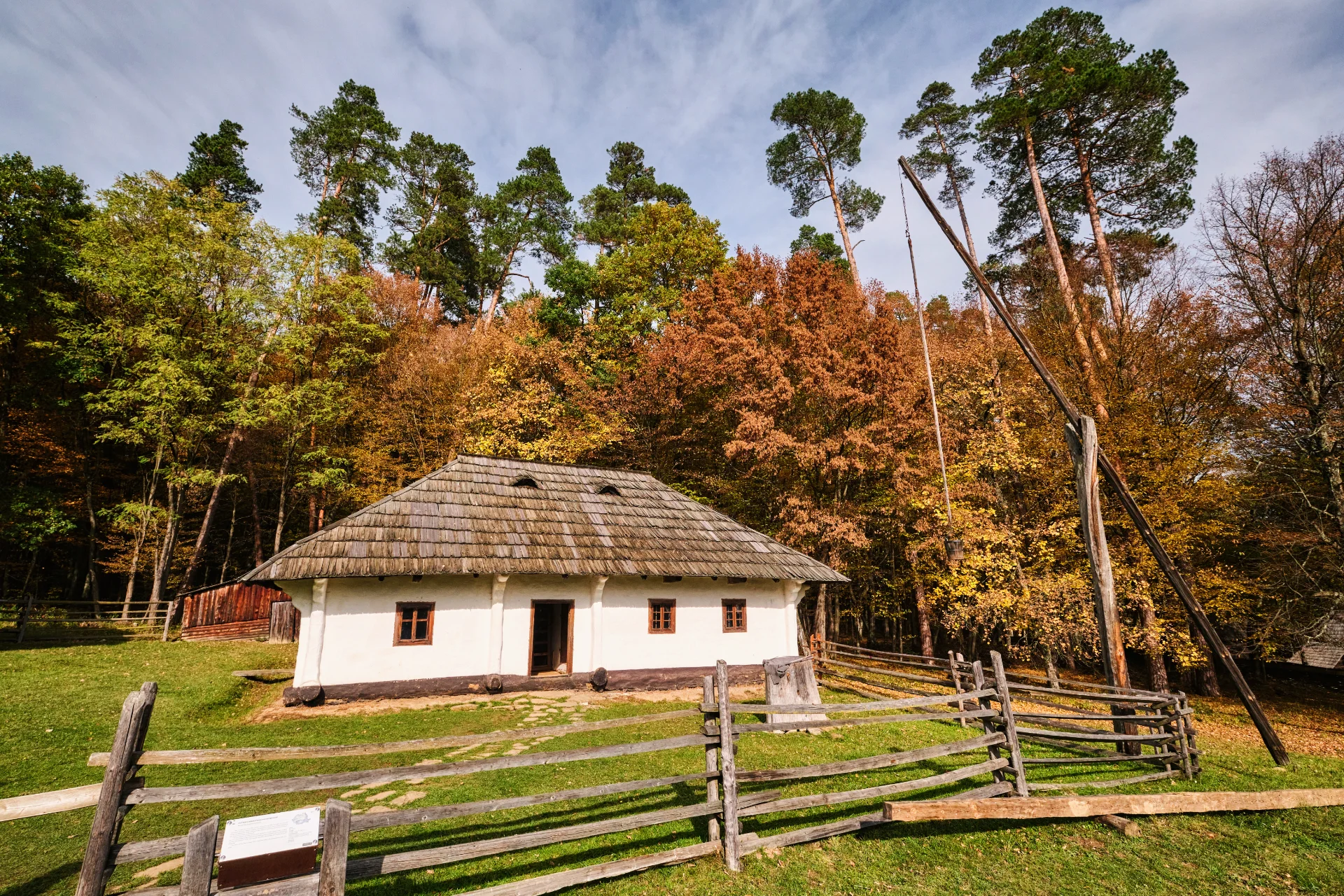
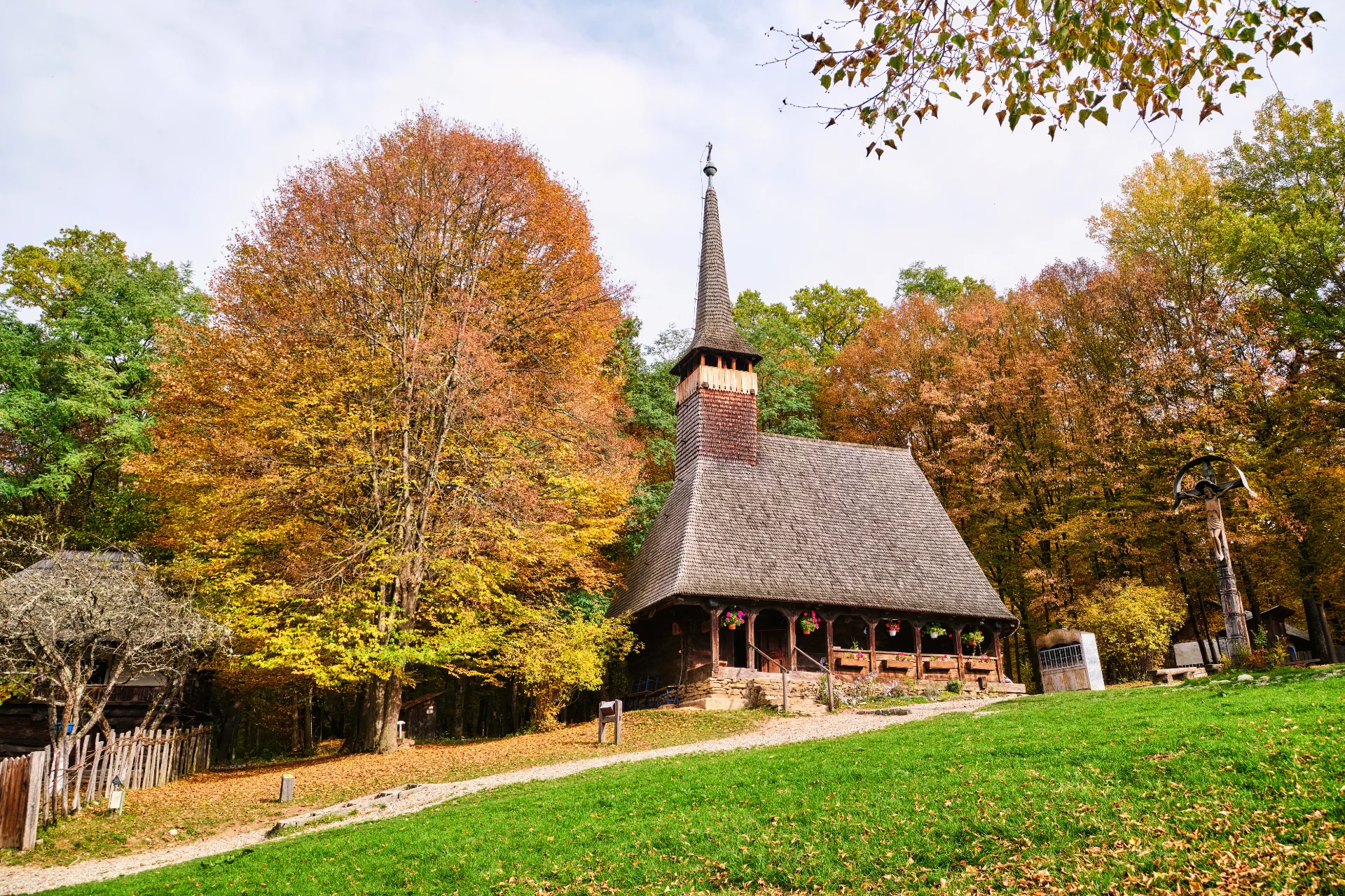
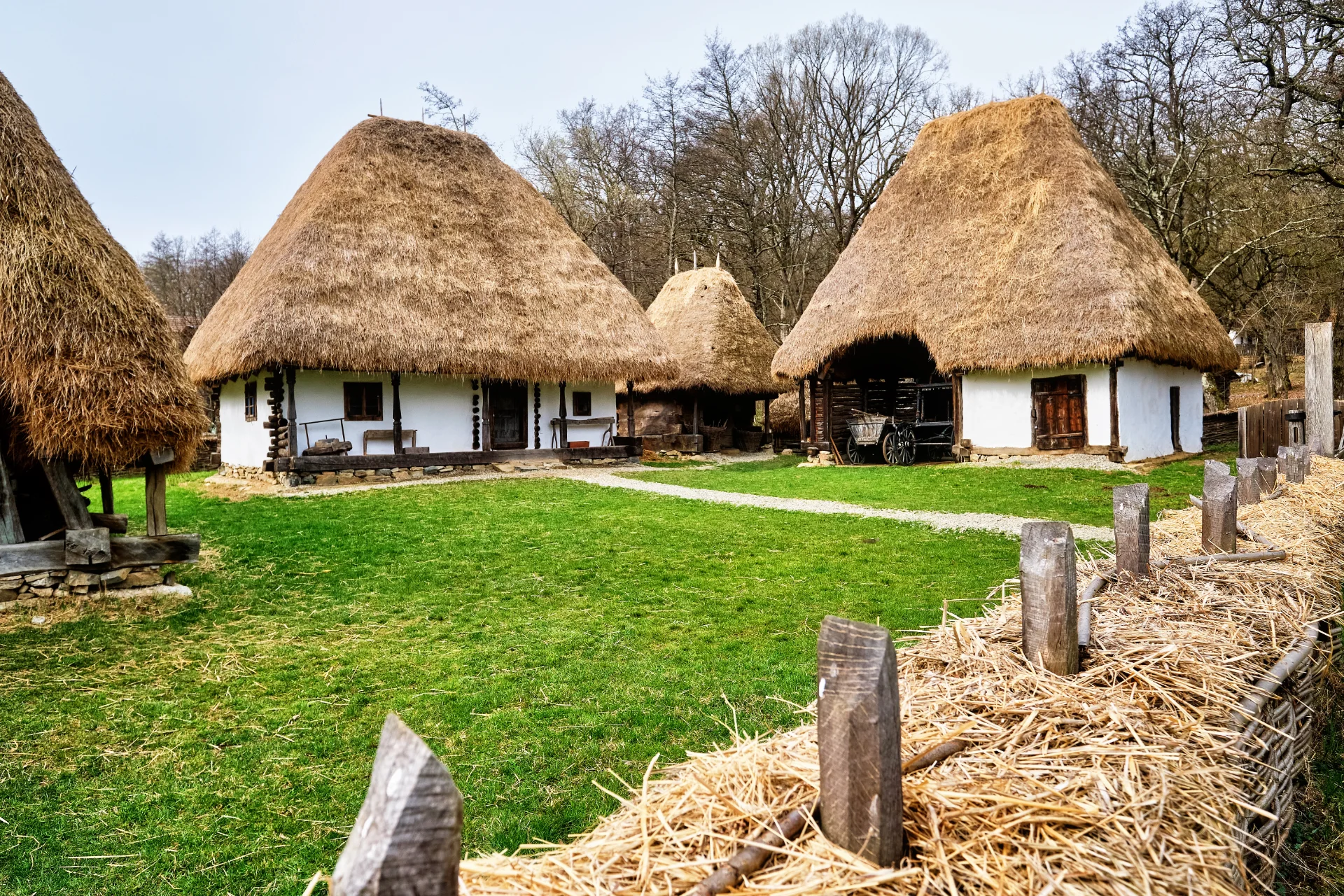
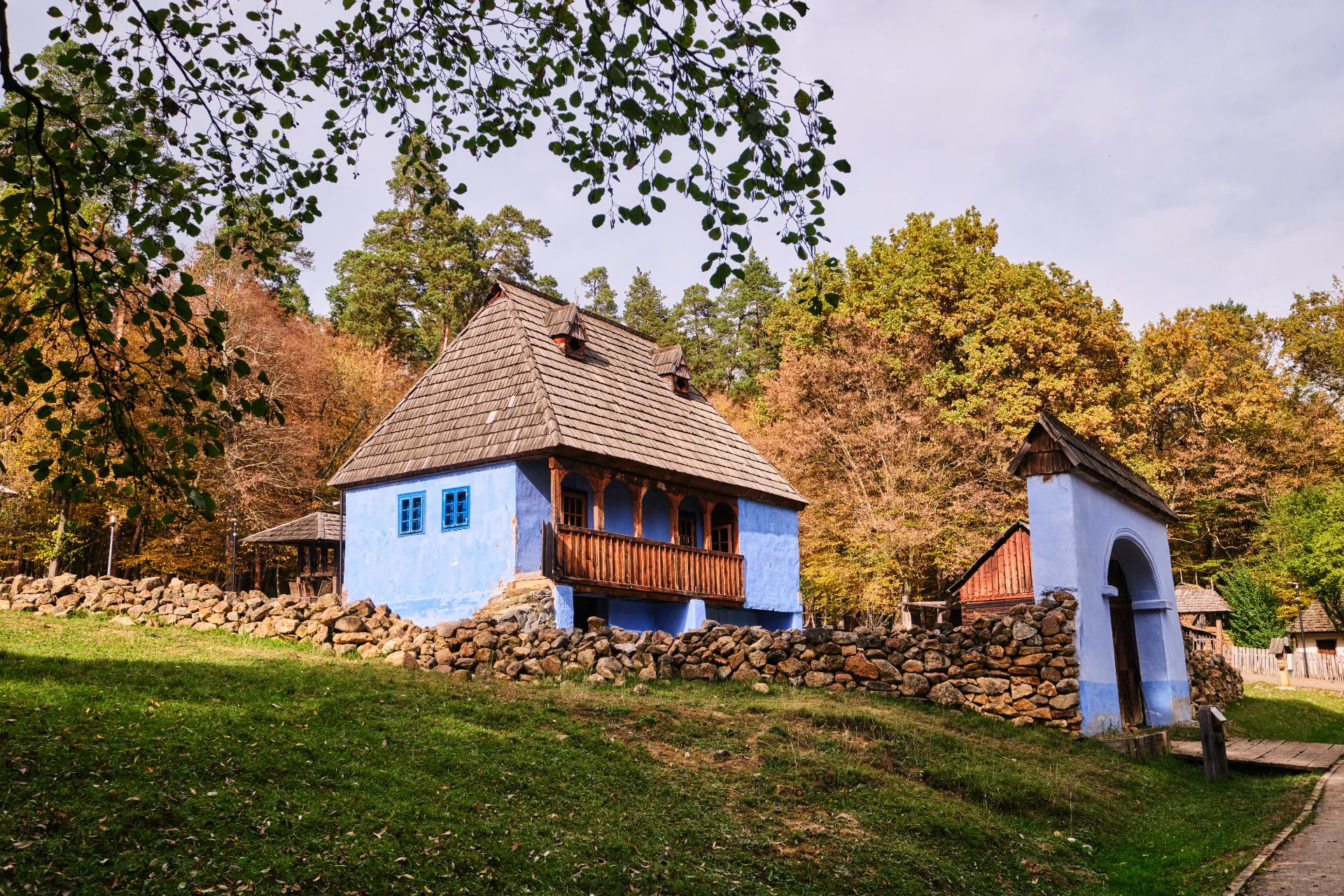
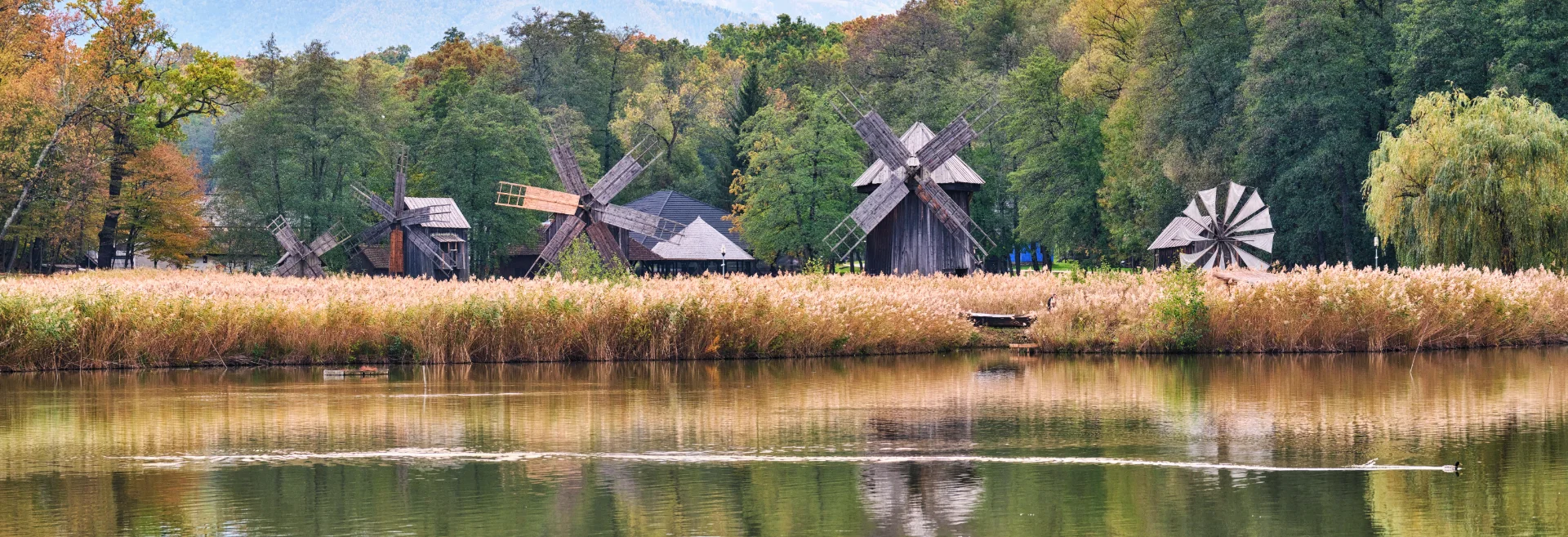
With priceless memories and the promise of future meetings, we leave the city towards the south, but we don’t have a long way to go to Dumbrava Sibiului (Glade of Sibiu). Here a world brought back to life awaits us, where the traditional rural space and its bucolic atmosphere capture us imperceptibly. In this natural park located in the south of the city we find one of the largest and most interesting open-air museums in Europe, preserving an important part of the soul and heritage of the authentic Romanian village. The Astra National Museum Complex or the Museum of Traditional Rural Civilization, has collected and preserved over time true treasures of traditional rural civilization, fascinating structures and objects that form an overall picture of the Romanian village and peasant.

Among houses and workshops, water and windmills, old wooden churches and other buildings, we can travel through wonderful rural destinations of Romania, from Mărginimea Sibiului to Marmureș, from Bucovina to northern Oltenia and from the peaks of the Carpathians to the Danube Delta. We imagine all the stories that each old house could tell us, every cry of a new life and the last whispers they heard, all the candlelit meals and all the love they shared, with all the generations that put their trust and hopes in their moldy beams. We can only wonder how many such ancestral treasures have been lost over time and how many lie forgotten in the villages of the four horizons. The truth is that we don’t have to travel far to discover the answer to our questions and we can still find memories of the past and a touch of authenticity in the villages of Mărginimea Sibiului, which stretches at the foot of the mountains in the distance…

City of Sibiu - Destinations of Romania 65 - Astra Village Museum
Astra Village Museum Ⓒ Silviu-Florin Salomia
City of Sibiu - Destinations of Romania 63 - Astra Village Museum
Astra Village Museum Ⓒ Silviu-Florin Salomia
City of Sibiu - Destinations of Romania 31 - ASTRA Village Museum
ASTRA Village Museum Ⓒ Silviu-Florin Salomia
City of Sibiu - Destinations of Romania 64 - Astra Village Museum
Astra Village Museum Ⓒ Silviu-Florin Salomia

Sights and Experiences

Places to See and Things to Do in the city of Sibiu
Grand Square

The largest and most important square in the city of Sibiu since the medieval period, the Great Square has been attested since the 14th century, when the third ring of fortifications was built. The most important events in the life of the city in the last six centuries took place here, including public assemblies or executions. The Great Square is surrounded by imposing buildings declared historical monuments, a truly magnificent architectural complex that illustrates the evolution of the city over the centuries. On the northern side, the first thing to notice is the Roman Catholic Church “Holy Trinity”, also known as the Jesuit Church, a superb Baroque monument from the early 18th century. A small passage in front of the bell tower allows passage to the Small Square, and in the courtyard behind the church is the statue of Saint John of Nepomuk, which used to be in the center of the square. Next to the church is the Sibiu City Hall Palace, formerly the Land Credit Bank, a magnificent monument built in 1906. On the west side of the square, the Brukenthal Palace stands out first, considered the most representative architectural monument in the city. It was built on the site of two medieval houses at the end of the 18th century by Baron Samuel von Brukenthal, governor of Transylvania. Today, this impressive building and the Blue House next door host the Brukenthal National Museum, among the most important cultural spaces in the country. Numerous other historic buildings can be admired around the square, among which the Haller House, the Filler Palace, the Lutsch House, the Hecht House and others stand out. The Great Square of Sibiu is also the venue for most of the important events in the city.
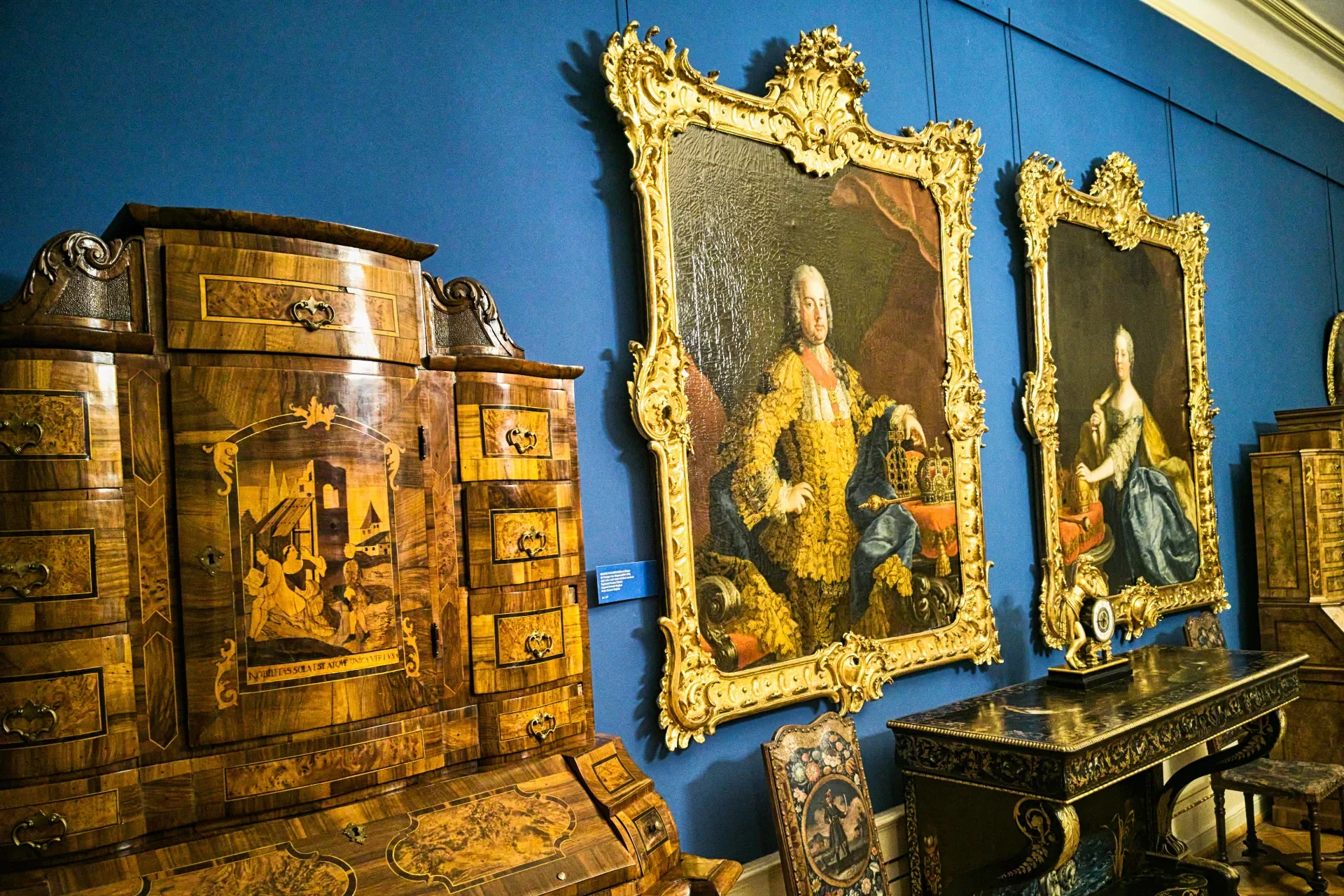
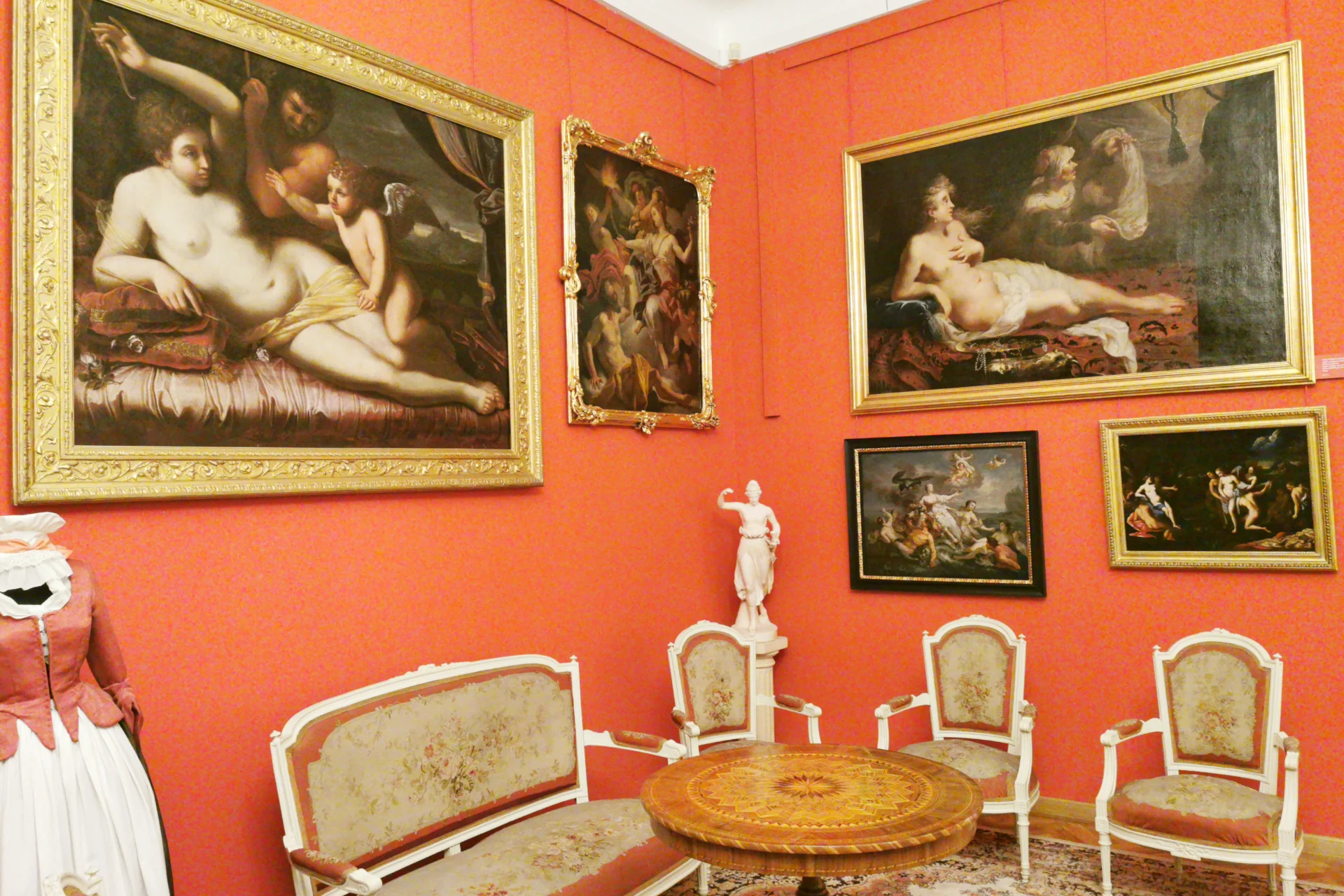
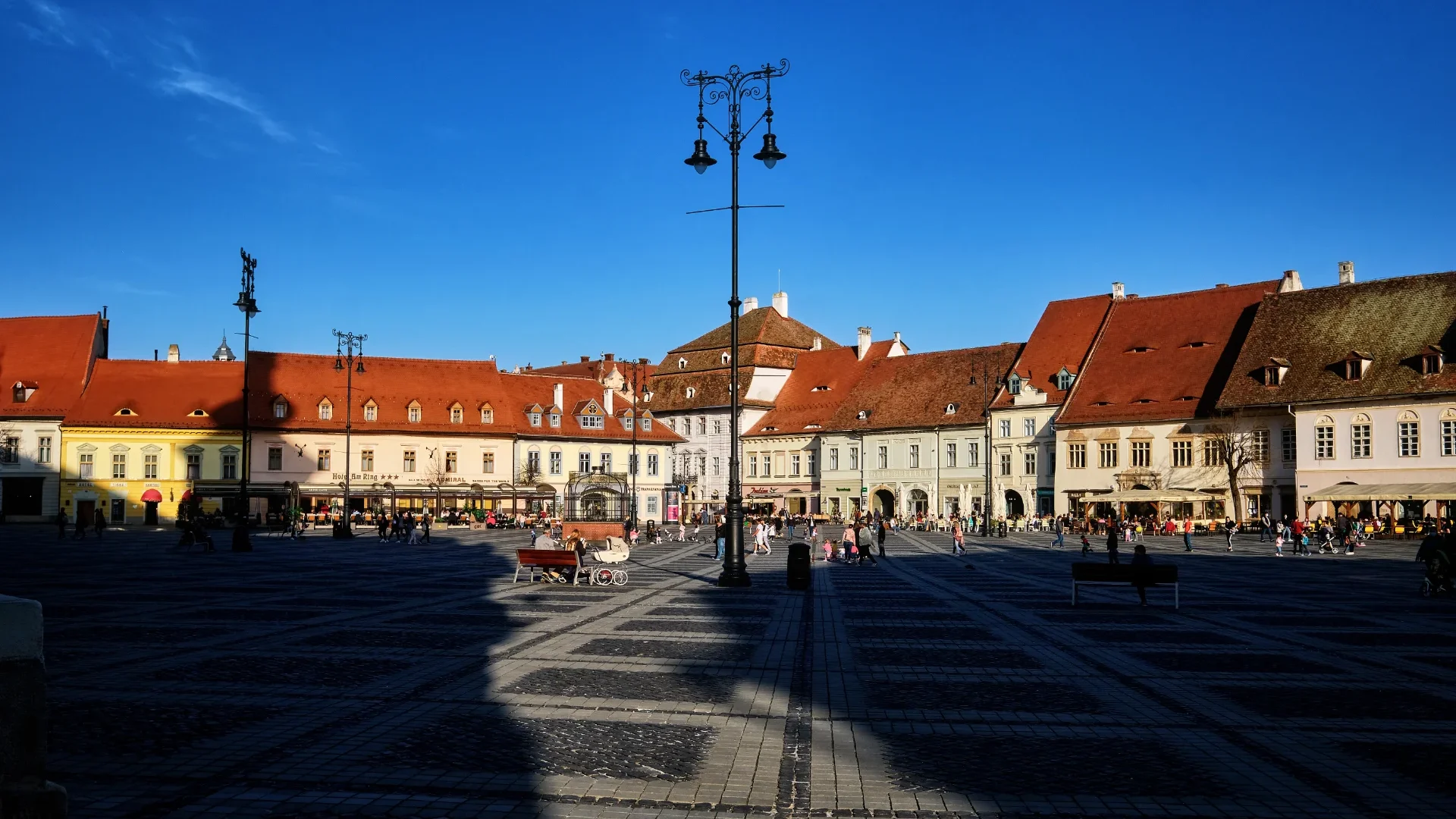
Brukenthal National Museum

Visiting hours: Wednesday – Sunday / 10 – 18 | Prices: 50 lei (10€)/adult

One of the first public museums in Europe and among the most important in Romania, it is housed in the Brukenthal Palace (1778-1788), the 18th-century residence of Samuel von Brukenthal, the Habsburg governor of Transylvania. The building was built on the site of two medieval houses, and the exceptional architecture and interior decorations denote the baron’s special inclination for art. A passionate connoisseur and avid art collector, Brukenthal ordered in his will the opening of his collection as a public museum, among the first institutions of this kind in Europe, the official opening taking place in 1817.

Owned before 1948 by the Evangelical Church of Sibiu and returned after the Revolution, the museum is among the most visited cultural sites in the country. In addition to the national and European art galleries, the museum complex also includes the Brukenthal Library, which holds hundreds of thousands of books and manuscripts, some of which are very rare, as well as the History Museum (Altemberger Complex), the Natural History Museum, the Museum of Contemporary Art, the Museum of the History of Pharmacy, the Hunting Museum and other institutions.

The European Art Gallery includes over 1,200 works by famous painters representing the main European schools between the 15th and 18th centuries. Held in most of the palace, on several floors, the permanent exhibition includes an impressive number of priceless masterpieces of painting, including those signed by masters such as Albrecht Durer, Pieter Bruegel II, Jan van Eyck, Titian, Paolo Veronese, Paul Rubens and others. The National Art Gallery is housed in an adjacent building, but the entrance is also from the Brukenthal Palace. It contains a valuable and appreciable heritage of Romanian art, including masterpieces by painters Nicolae Grigorescu, Ioan Andreescu, Ștefan Luchian. Theodor Pallady, Nicolae Tonitza and others. The old Transylvanian art is also noteworthy.

City of Sibiu - Destinations of Romania 49 - Nicolae Bălcescu Street
Nicolae Bălcescu Street Ⓒ Silviu-Florin Salomia
City of Sibiu - Destinations of Romania 16 - Grand Square from the Council Tower
Grand Square from the Council Tower Ⓒ Silviu-Florin Salomia
City of Sibiu - Destinations of Romania 56 - Ocnei Street
Ocnei Street Ⓒ Silviu-Florin Salomia
City of Sibiu - Destinations of Romania 33 - Brukenthal National Museum
Brukenthal National Museum Ⓒ Silviu-Florin Salomia
City of Sibiu - Destinations of Romania 32 - Brukenthal National Museum
Brukenthal National Museum Ⓒ Silviu-Florin Salomia
City of Sibiu - Destinations of Romania 17 - Grand Square
Grand Square Ⓒ Silviu-Florin Salomia
Little Square

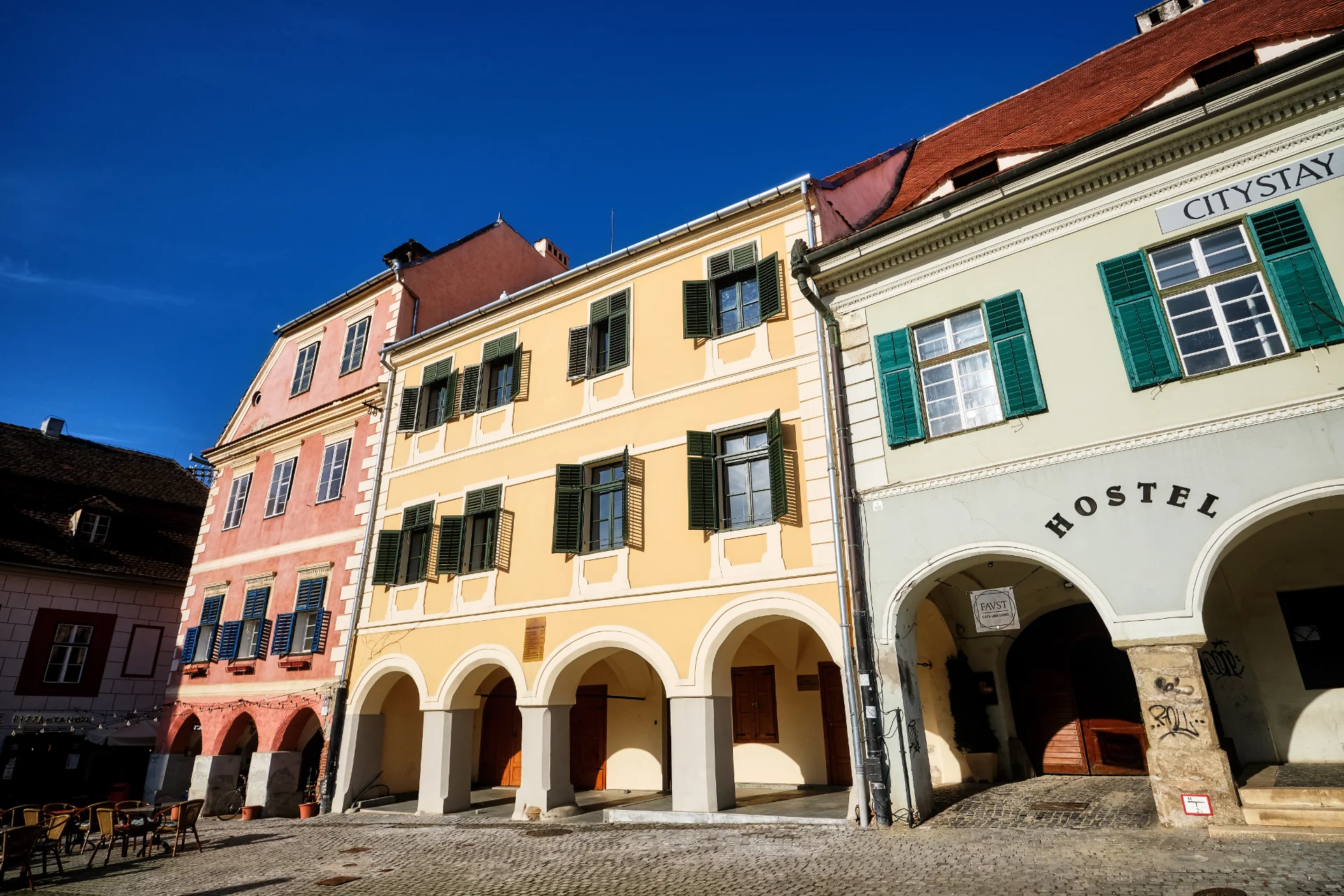
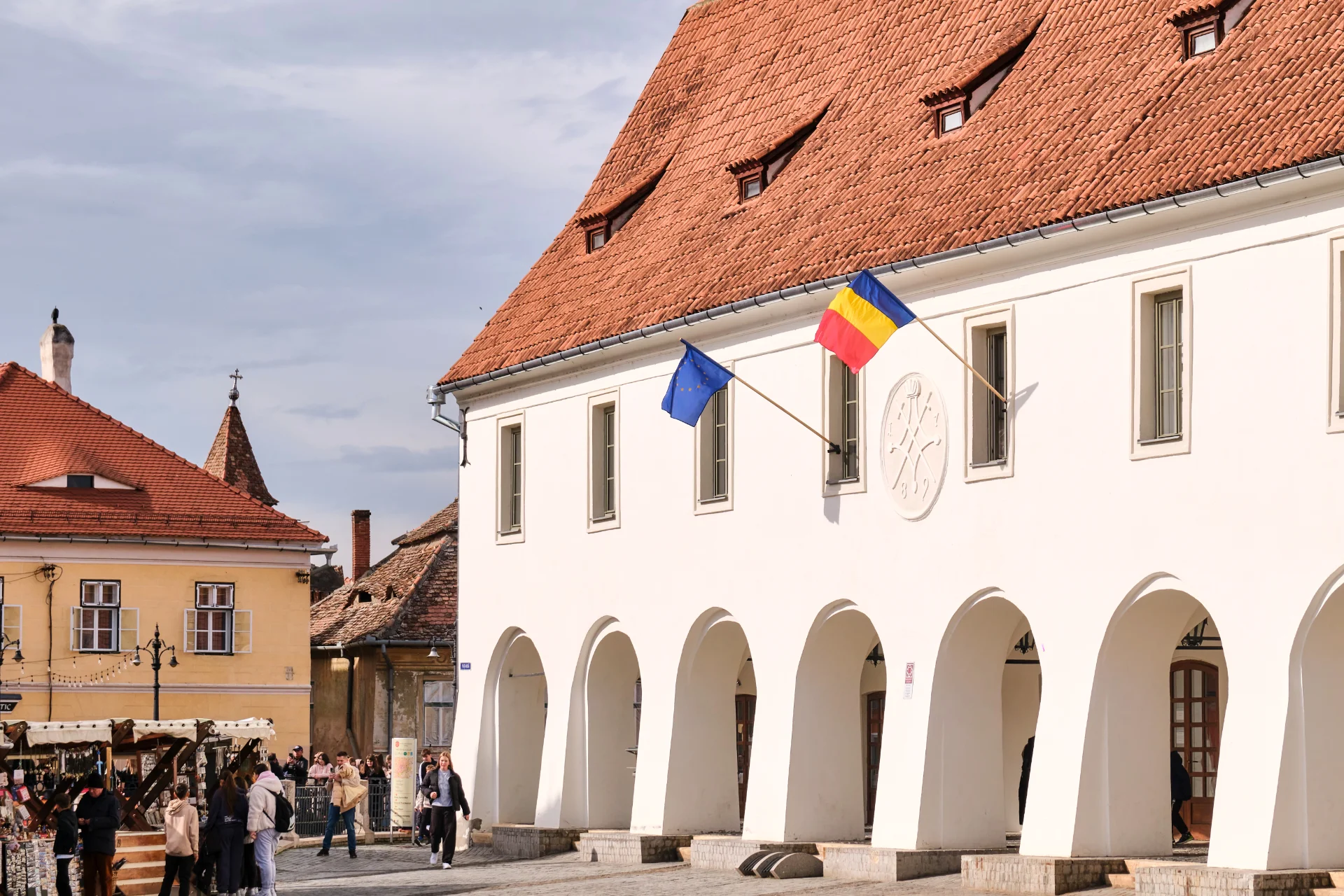
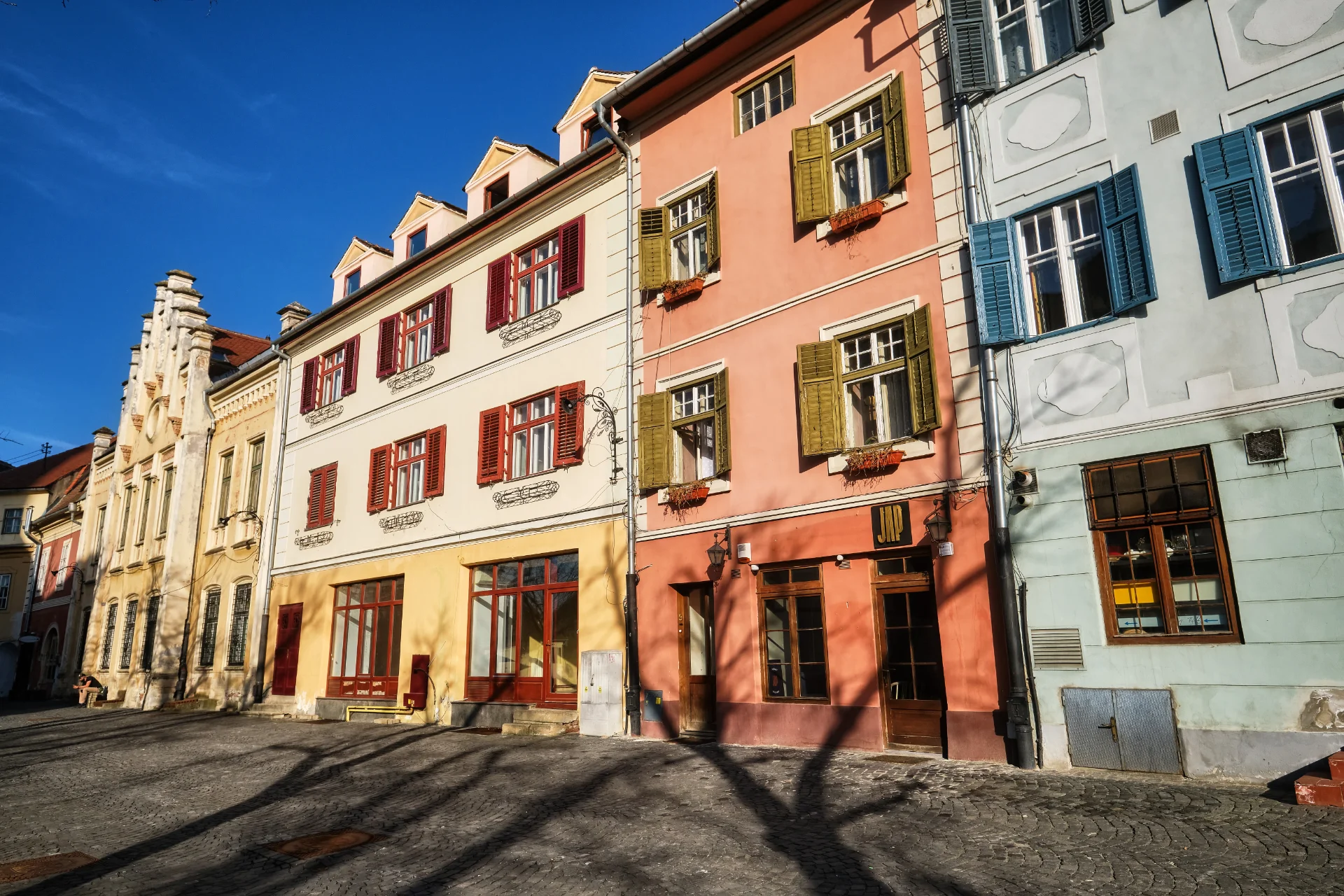
Developed inside the second fortification belt of the Sibiu citadel, the Little Square represented the soul of the city’s trade. Numerous craftsmen had their workshops here, and the architecture of the houses here illustrates this, being different from the more imposing buildings in the Grand Square. The space is divided in two by Ocnei Street, which descends to the Lower Town under the Bridge of Lies. The square is surrounded by old historical monuments, some even from the 15th or 16th centuries, the multi-colored facades giving it a special atmosphere. Among these, the House of Arts stands out, which initially served as a butcher’s hall and was later used for other purposes. Among its charming elements can be included the loggia with eight semicircular arches on the ground floor or the city coat of arms from 1789, while the interior currently houses art galleries belonging to the Astra Museum and exhibitions of the Saxon Ethnography Museum. Other interesting sights in the Small Square include the Goldsmiths’ Staircase Tower, the Museum of the History of Pharmacy, the Fresco Hall, the first City Hall of Sibiu, the Hermes House, the Luxembourg House and others.

Council Tower

Visiting hours: closed for renovations

One of the representative monuments of Sibiu, the Council Tower is located and connects the two main squares of the city. In the past, it defended the entrance gate to the second fortified enclosure of the fortress, having been originally built at the beginning of the 13th century. The current appearance resulted after several subsequent reconstruction stages, now reaching seven successive floors. After it ceased to have defensive functions, the tower was used as a warehouse, observation point, prison or even a museum. Its name is due to the fact that the adjacent building housed the city’s first town hall during the medieval period. Access to the interior is through a small door, from where you can climb the 141 steps to the top floor to admire the spectacular panorama of the city or the clock mechanism on the previous floor.

City of Sibiu - Destinations of Romania 57 - Little Square
Little Square Ⓒ Silviu-Florin Salomia
City of Sibiu - Destinations of Romania 55 - Avram Iancu Street
Avram Iancu Street Ⓒ Silviu-Florin Salomia
City of Sibiu - Destinations of Romania 71 - Lower Town
Lower Town Ⓒ Silviu-Florin Salomia
City of Sibiu - Destinations of Romania 51 - Urban Architecture
Urban Architecture Ⓒ Silviu-Florin Salomia
Huet Square

The charming square developed on the site of the first fortified enclosure of the Sibiu citadel, after it lost its strategic role with the emergence of the second belt around the Upper Town. Here, the remains of a very old chapel were discovered, which could be the first religious building of the citadel. The buildings around the current Evangelical Cathedral were erected on the site of the former walls starting in the 15th century. While the Stairs Tower is the only access gate to the first enclosure that has been preserved to this day. Dating back to the 13th century, but rebuilt in 1542, it has a single floor above the vaulted passage that connects it to the Lower Town. Another impressive structure here is the Brukenthal High School, built at the end of the 18th century and the place where many prominent personalities of Transylvania studied. Other interesting sights in Huet Square include the Evangelical Parish House, an old building with impressive architecture, or the statue of Bishop Teutsch next to the Evangelical cathedral.

Evangelical Cathedral

Visiting hours: 10/12 – 20 (except religious services) | Prices: 15 lei (3€)/adult (church and tower)

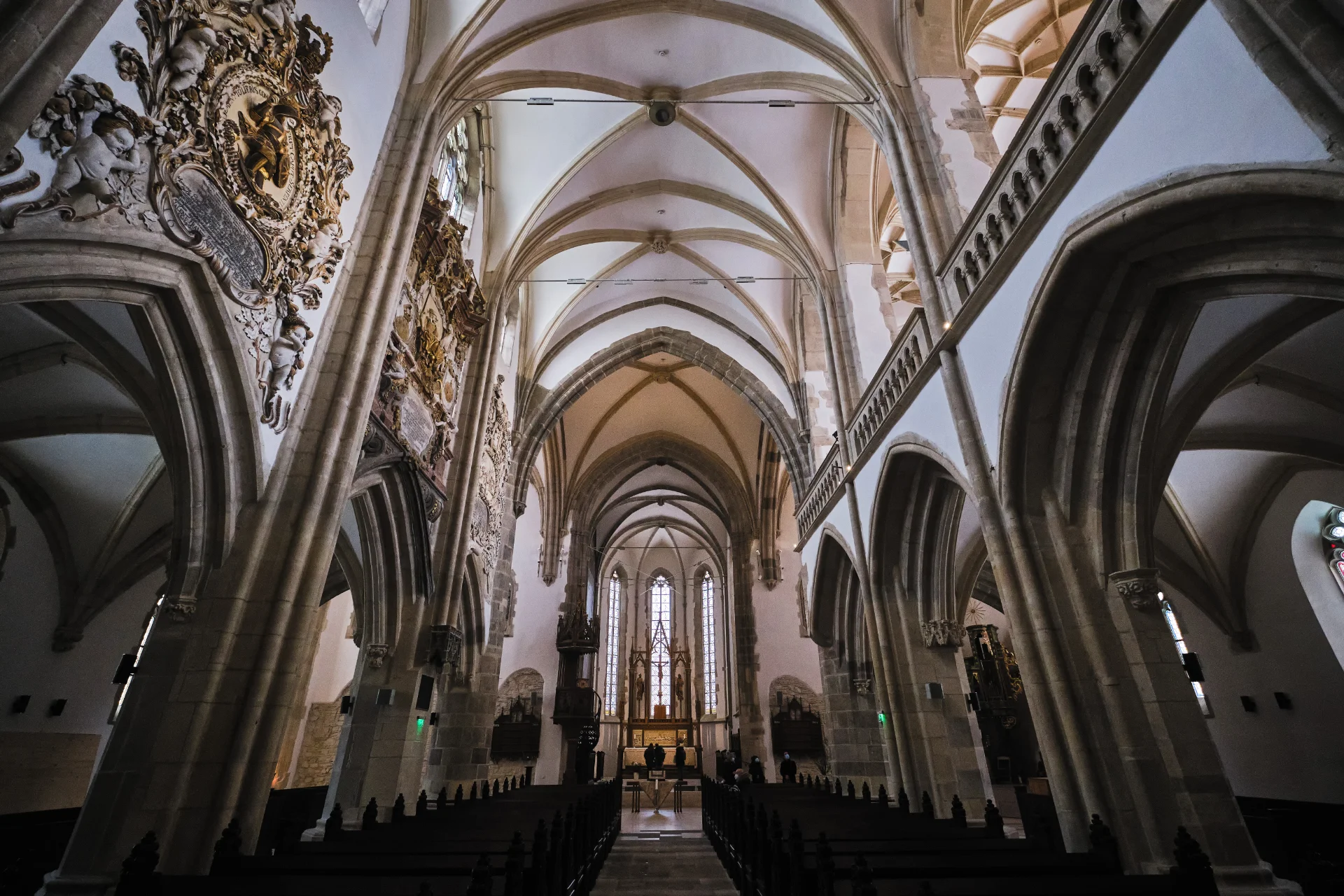
Dedicated to “Saint Mary”, the imposing Gothic edifice dominates Huet Square in the historic center of Sibiu. Considered one of the most beautiful churches in Transylvania, it was built starting in 1380 on the site of a Romanesque basilica that had become too small. The structure was only completed in 1520 with the erection of the bell tower, which exceeds the height of 70 meters. The monumental church is the result of the work of numerous craftsmen of the time, and the result is spectacular both on the outside and inside. Among the most spectacular and interesting elements of the monument can be included the Gothic portals, the main altar and secondary altars, the paintings and decorative ornaments or the bronze baptismal font and the impressive organ. 67 tombstones of the city’s personalities buried in the past right inside the church are also embedded in the cathedral’s ferule. There are also several valuable objects there, including the altar from the old church in Dobârca. Visitors can also climb almost 200 steps to the bell tower to admire the city from a height of 55 meters.

City of Sibiu - Destinations of Romania 05 - Sibiu Evangelical Cathedral
Sibiu Evangelical Cathedral Ⓒ Silviu-Florin Salomia
City of Sibiu - Destinations of Romania 04 - Evangelical Cathedral Interior
Evangelical Cathedral Interior Ⓒ Silviu-Florin Salomia
City of Sibiu - Destinations of Romania 14 - Huet Square
Huet Square Ⓒ Silviu-Florin Salomia
City of Sibiu - Destinations of Romania 45 - Ocna Street
Ocna Street Ⓒ Silviu-Florin Salomia
History Museum / Altemberger Complex

Visiting hours: Wednesday – Sunday / 9 – 17 | Prices: 36 lei (7€)/adult

Located near the Main Square in Sibiu, the Altemberger House was built at the end of the 15th century, representing one of the most representative and important elements of civil Gothic architecture in the country and even in this part of Europe. The complex includes several spaces, but the most notable is the four-story tower-type building that housed the city hall for 400 years. It became the headquarters of the History Museum in 1988, hosting permanent exhibitions that take visitors on a fascinating tour through the past of the city and the region since ancient times. From Roman stone exhibits to the valuable numismatic collection of Baron von Brukenthal and from the guilds of Sibiu to medieval weapons and armor, the museum is an exciting destination.

Medieval Fortifications

Once one of the strongest fortified cities in Transylvania, Sibiu still retains evidence of the period when walls and towers surrounded almost the entire historical center of today. The fortifications appeared in several successive stages starting from the 13th century, the red brick walls having a length of about 4 kilometers and being defended by 39 towers and 5 bastions. A small part of these has survived to the present day and contributes to the exceptional tourist attraction of the city. Probably the most impressive fortifications of Sibiu can be admired on the fortress street, in the southern part of the center. Between this street and Corneliu Coposu Boulevard there is a green area where the fortress walls of the third fortified belt are preserved, the Haller Bastion from the mid-16th century and several defense towers. The most interesting is the Thick Tower, with its massive appearance and now integrated into the building of the theater and philharmonic of Sibiu. Nearby are the Carpenters’, Potters’ and Archebusiers’ towers, with a portion of the inner walls surviving the urban systematization. Another spectacular area that has preserved its medieval appearance is located in the northern part of Huet Square, where the Tower and the Stair Passage are testimonies of older fortifications. Other interesting monuments from bygone times include the 17th-century Soldisch Bastion, the Gate Tower near the History Museum, portions of the walls on Manejului or Centumvirilor streets, as well as the Pulberăriei and Pielarilor towers in the Lower Town.

City of Sibiu - Destinations of Romania 47 - Altemberger Complex
Altemberger Complex Ⓒ Silviu-Florin Salomia
City of Sibiu - Destinations of Romania 60 - Avram Iancu Street
Avram Iancu Street Ⓒ Silviu-Florin Salomia
City of Sibiu - Destinations of Romania 74 - Citadel Street
Citadel Street Ⓒ Silviu-Florin Salomia
City of Sibiu - Destinations of Romania 02 - Goldsmiths Square Passage
Goldsmiths Square Passage Ⓒ Silviu-Florin Salomia
City of Sibiu - Destinations of Romania 26 - Citadel Street
Medieval Fortifications Ⓒ Silviu-Florin Salomia
ASTRA National Museum

Visiting hours: 8-20 (summer) / 9-17 (winter) | Prices: 50 lei (10€)/adult

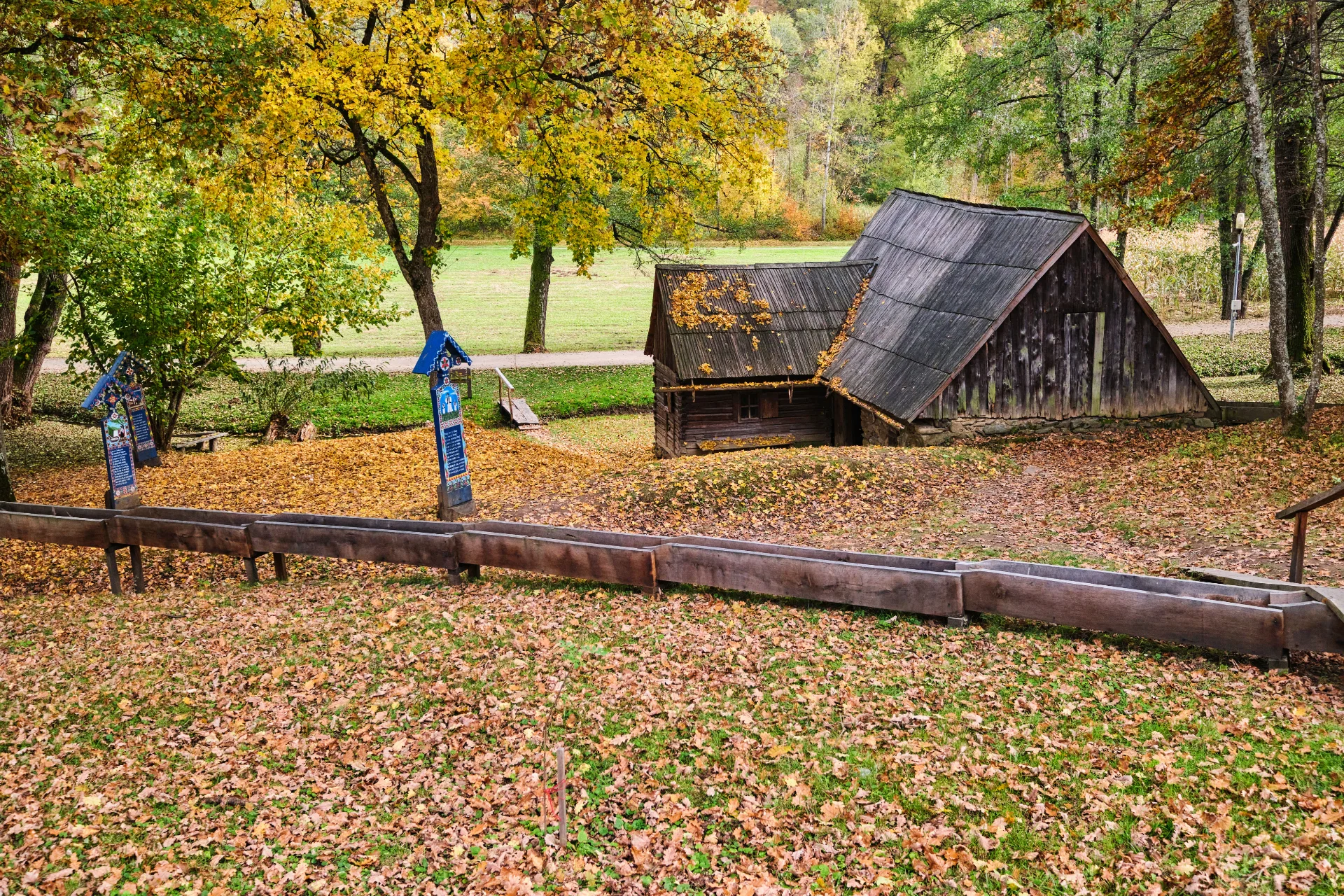
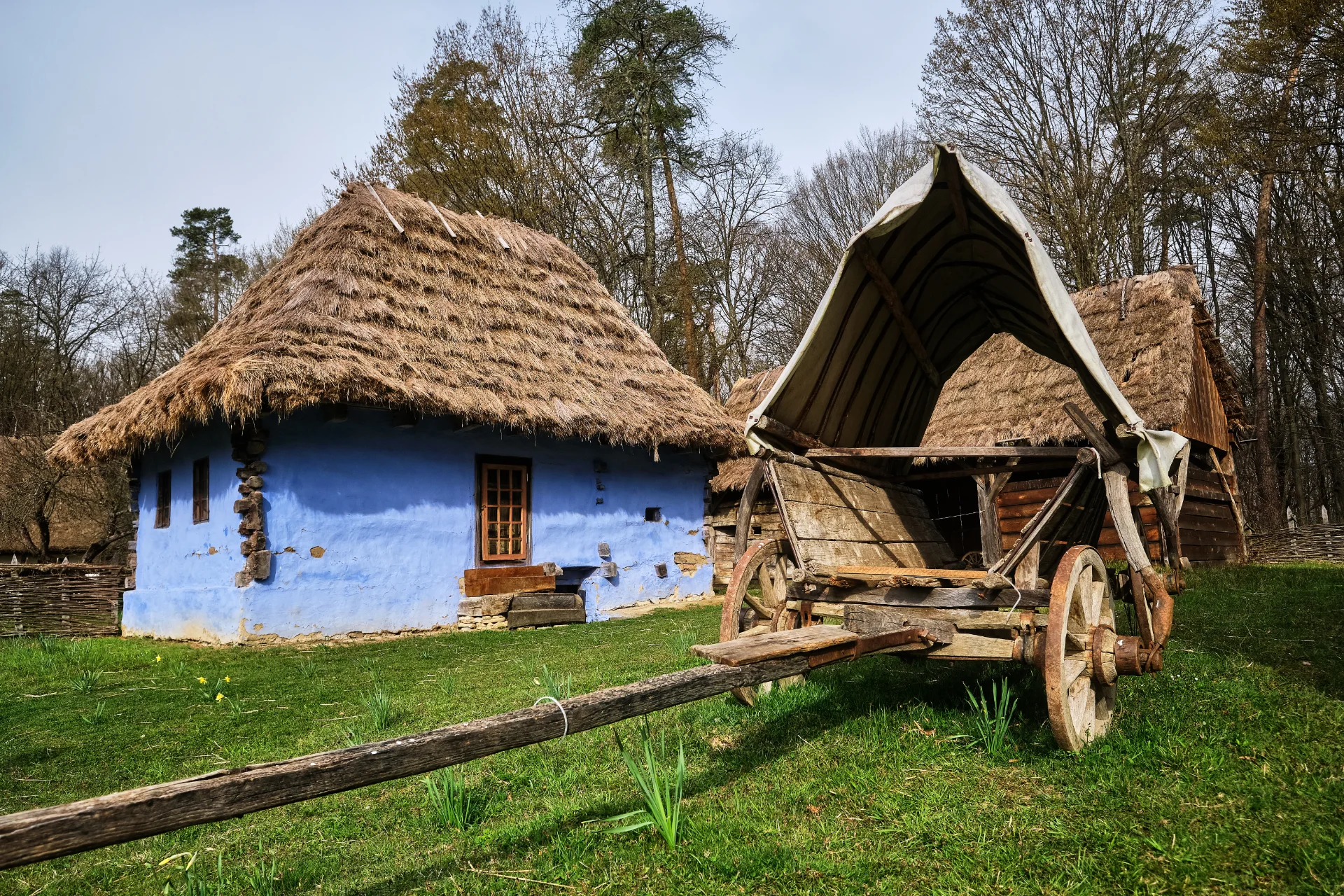
Considered the largest and richest open-air museum in the country, and one of the most important of its kind in Europe, the ASTRA Museum of Traditional Folk Civilization in Sibiu is a fascinating travel destination. Spread over almost 100 hectares and totaling kilometers of alleys and paths, the museum was founded in 1963 and officially opened in 1967, based on a museum collection started in 1905. Set in the charming Dumbrava Sibiului, among the trees and around a lake, the open-air museum brings together over 400 authentic traditional buildings, brought over time from all corners of the country. The buildings have been arranged thematically according to the occupations and crafts they represented, including agriculture, herding, viticulture, fishing, metal and woodworking, pottery, weaving and many others. The museum thus includes an impressive and priceless collection of rural architectural monuments, including centuries-old wooden churches, water and windmills, craft workshops, technical installations, traditional houses from all geographical areas and others. The museum complex also includes other collections of traditional art, including the Museum of Transylvanian Civilization with a heritage of over 50,000 traditional objects, the Museum of Ethnography and Saxon Art “Emil Sigerus” in Huet Square or the Museum of Universal Ethnography “Franz Binder”. Every year, numerous interesting thematic events take place in the museum space, the most important being the Folk Creators Fair, Universal Day of Ia, ASTRA Multicultural, Country Fair and others.

City of Sibiu - Destinations of Romania 66 - Astra Village Museum
Astra Village Museum Ⓒ Silviu-Florin Salomia
City of Sibiu - Destinations of Romania 29 - Astra Village Museum
Astra Village Museum Ⓒ Silviu-Florin Salomia
City of Sibiu - Destinations of Romania 68 - Astra Village Museum
Astra Village Museum Ⓒ Silviu-Florin Salomia

Other Interesting Discoveries

Lesser known places and activities in the city of Sibiu
Metropolitan Street

Considered among the oldest streets in the city, it starts from Huet Square to the west, comprising an impressive number of important objectives. Starting from the Altemberger Gothic complex, visitors can admire other interesting monuments, starting with the Reformed Church, a Baroque edifice completed in 1786, and succeeded by the House with Caryatids, built in the same year and decorated with two amazing statues. Further on, the Central Post Office Palace, the headquarters of the National Bank, the “Andrei Șaguna” Orthodox Theology Faculty, the Transylvanian Metropolitanate, the “Holy Trinity” Orthodox Cathedral and others are noteworthy. The street extends beyond the former walls of the fortress, now marked by Ioan Lupaș Street, and at their intersection is the “Saint John” Evangelical Church.

"Saint John" Evangelical Church

The second most important Evangelical Lutheran church in the city, it was built in 1912 on the site of an older church that was in danger of collapsing. Built in the shape of a cross with buttresses and an octagonal tower on the north side, the monument also includes several valuable interior elements, including two old and valuable altars taken from the churches in the villages of Fișer and Roadeș. The adjacent building housed an Evangelical orphanage, and today it is the headquarters of the “Friedrich Teutsch” cultural center and the Evangelical Church Museum. It presents the fascinating history of the Lutheran church in Romania, including numerous rare and valuable exhibits, such as religious objects, furniture, old books, authentic altars and more.

Museum visiting hours: 10-17 (Summer – Monday-Saturday / Winter – Monday-Friday) | Prices: 16 lei (3€)/adult

Orthodox Cathedral

One of the relatively recent sights of Sibiu can be admired on Mitropoliei Street. The Metropolitan Cathedral dedicated to the “Holy Trinity” was built between 1902 and 1906, following the older initiative of Metropolitan Andrei Şaguna and through various donations, including from Emperor Franz Josef. Among the most interesting and impressive features of this monumental edifice are the superb interior painting, the gilded linden wood iconostasis or the bells.

Bridge of Lies

Among the unique symbols of Sibiu, the Bridge of Lies facilitates the connection between Piața Mică and Piața Huet across Ocnei Street. It represents the first cast iron bridge in the country, having been built in 1859 in place of the old wooden bridge. Rich in decorations and adorned with flowers, the bridge is a favorite place for Sibiu residents to stroll, especially in the evening under the light of the lanterns. Beyond the urban legends born over time, it seems that its name comes from a play on words in German.

City of Sibiu - Destinations of Romania 69 - Avram Iancu Street
Avram Iancu Street Ⓒ Silviu-Florin Salomia
City of Sibiu - Destinations of Romania 58 - The Eyes of Sibiu
The Eyes of Sibiu Ⓒ Silviu-Florin Salomia
Museum of Contemporary Art

Officially opened in 2006, it is the newest institution part of the Brukenthal National Museum Complex. The museum is housed in a building in the Viennese Secession style on Tribunei Street. Its two floors present works of contemporary Romanian art, especially painting and sculpture. On the ground floor of the building there are spaces for temporary exhibitions.

Visiting hours: Wednesday – Sunday / 9 – 17 | Prices: 15 lei (3€)/adult

Natural History Museum

Housed in a building on Cetății Street, built in 1894 specifically for the purpose of a museum space, it was officially inaugurated in 2007. The museum includes four main sections that illustrate the evolution of the living world, natural ecosystems, paleontology and mineralogy. The exhibitions have been organized in a modern way, with dioramas and fascinating sound and light effects that enhance the visitors’ experience.

Visiting schedule: Wednesday – Sunday / 9 – 17 | Rates: 20 lei (4€)/adult

Nicolae Bălcescu Street

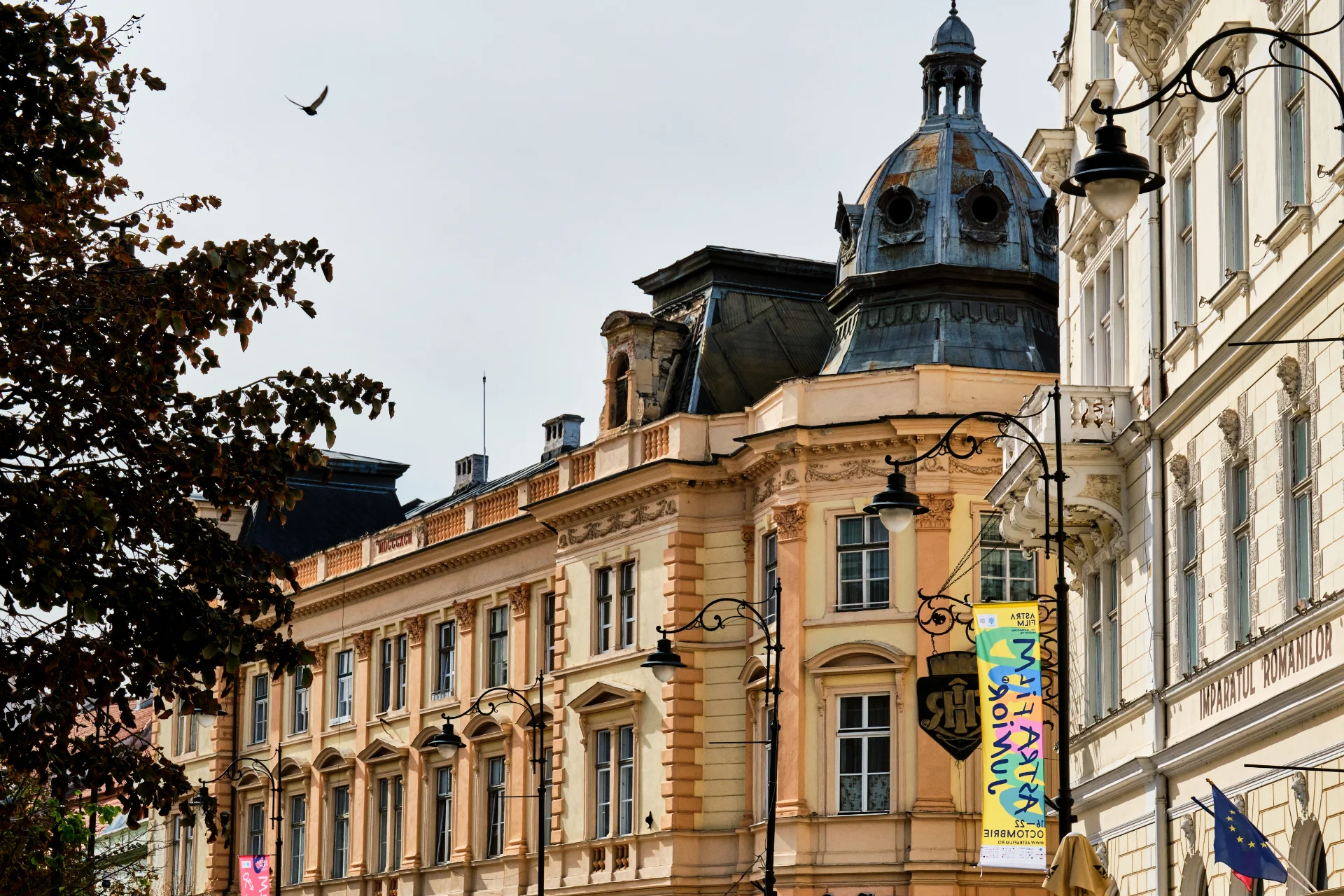
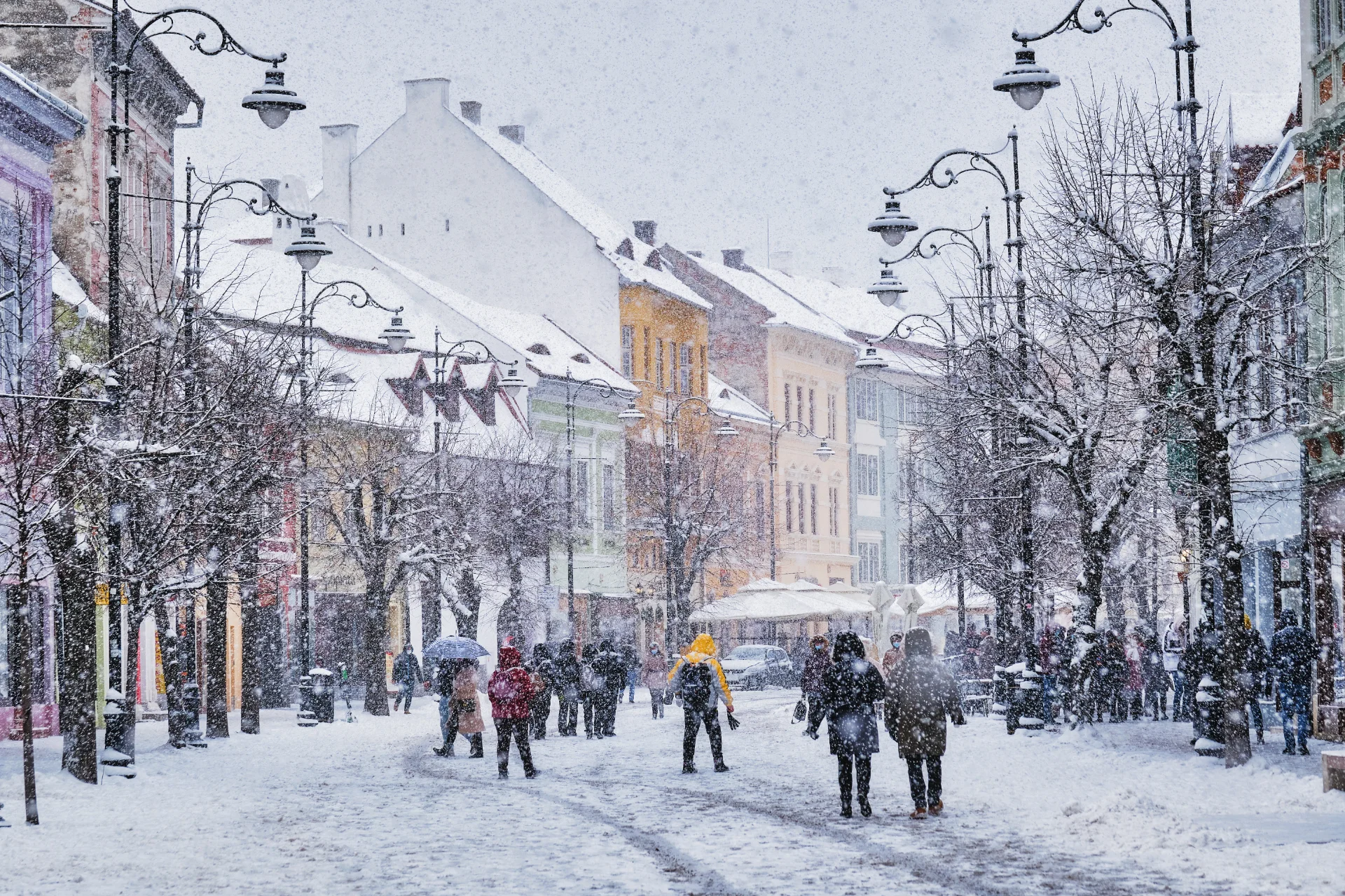
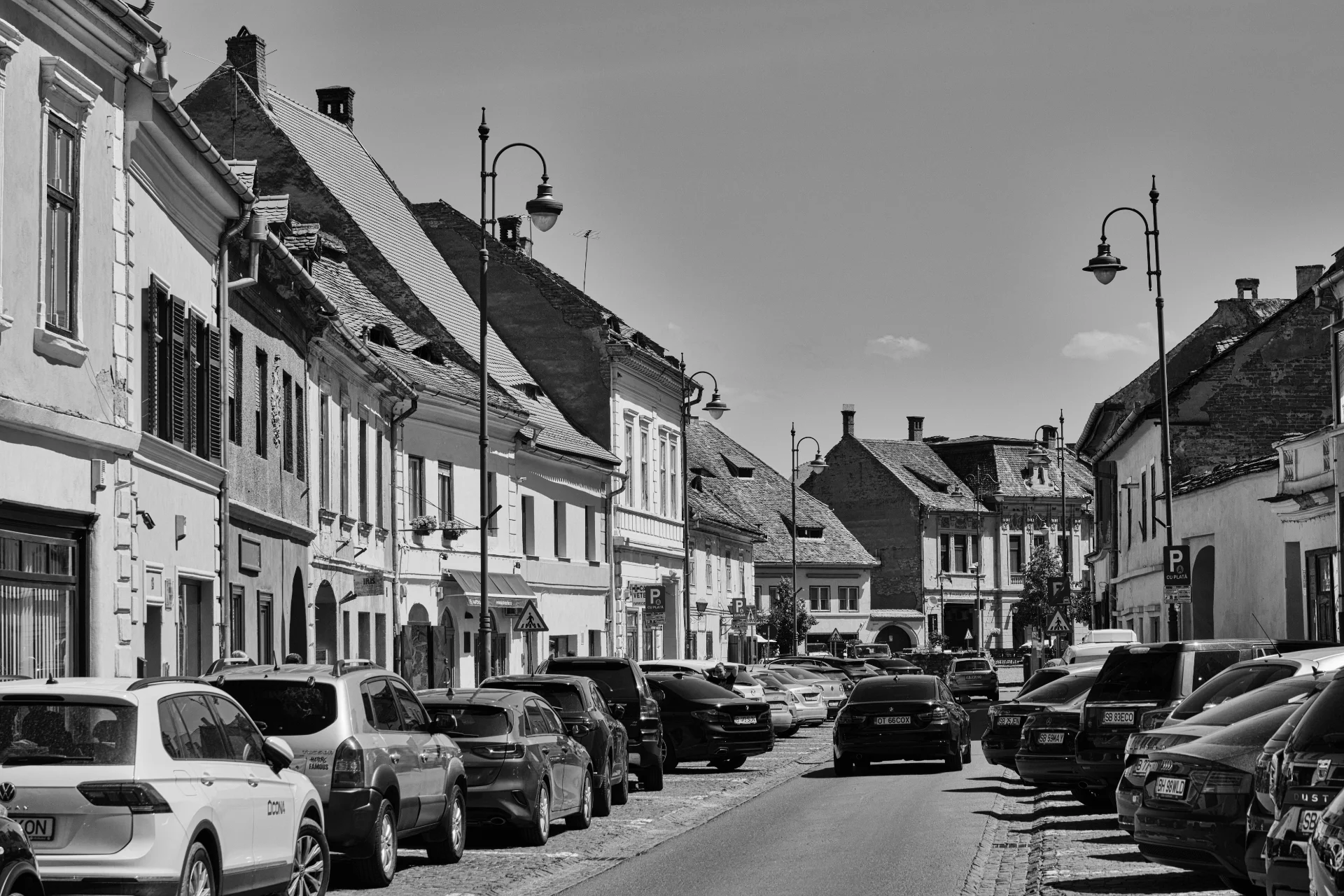
Considered the main street of the old town, it starts from the Main Square to the southwest. It is flanked by superb historical buildings (18th-19th centuries), most of which have now been converted into hotels, restaurants and commercial spaces. However, many still retain the provincial or eclectic Baroque architectural style, and some include specific interior courtyards. Among the most interesting monuments on Nicolae Bălcescu Street, visitors can admire the Hotel Împăratul Romanilor (attested since 1555), the Military Command Palace, the house of Baron Mikael von Brukenthal and others.

City of Sibiu - Destinations of Romania 40 - Nicolae Bălcescu Street
Nicolae Bălcescu Street Ⓒ Silviu-Florin Salomia
City of Sibiu - Destinations of Romania 01 - Bridge of Lies
Bridge of Lies Ⓒ Silviu-Florin Salomia
City of Sibiu - Destinations of Romania 07 - Nicolae Bălcescu Street
Nicolae Bălcescu Street Ⓒ Silviu-Florin Salomia
City of Sibiu - Destinations of Romania 73 - Urban Architecture
Urban Architecture Ⓒ Silviu-Florin Salomia
Goldsmiths' Square Passage

The entrance to this unique and charming space is from the Little Square through the passage under the Goldsmiths’ Gate Tower, an impressive monument originally built in the 14th century and incorporated into the later building. The passage includes a series of stairs leading to the Goldsmiths’ Square in the Lower Town, surrounded by very old buildings.

Fresco Hall

One of the most interesting sights in Sibiu was discovered by chance during the renovation of a historic building in the Small Square. The house was originally built in the 15th-16th centuries and later modified, and in one of the rooms an amazing fresco was discovered. It includes several scenes dating back to the 17th century, thus representing some of the oldest secular murals in Transylvania.

Visiting schedule: by appointment only | Prices: 10 lei (2€)/adult

Museum of the History of Pharmacy

It is located in a historic monument building in Piața Mică, dating back to 1569 and which was the headquarters of one of the city’s first pharmacies. The unique museum was inaugurated in 1972 and contains thousands of interesting pieces organized like an authentic classic pharmacy.

Visiting schedule: by appointment only, for organized groups | Rates: 16 lei/adult

Hunting Museum

Located south of the historic center of Sibiu, in an early 20th-century building that belonged to Colonel August von Spiess, the museum that bears his name was the first hunting museum in the country. It contains approximately 1,600 pieces related to this field, including hunting weapons and trophies of various sizes.

Visiting hours: by appointment only, for organized groups | Prices: 12 lei (3€)/adult

City of Sibiu - Destinations of Romania 20 - St. Ursula Church
St. Ursula Church Ⓒ Silviu-Florin Salomia
City of Sibiu - Destinations of Romania 48 - City Architecture
City Architecture Ⓒ Silviu-Florin Salomia
Avram Iancu Street

One of the oldest and most beautiful streets in the old fortress, this one starts from the Main Square to the east, where it joins General Magheru Street in front of the Ursuline Church. It appeared around the mid-14th century, with the third belt of fortifications, some older houses later incorporating medieval defense structures.

Ursuline Church

Located on General Magheru Street, in the eastern part of the historic center, this church was originally built by Dominican monks in 1474 as part of a monastery. After 1543, it passed into the possession of the Lutheran community of Sibiu, and starting with 1728 the ensemble was offered to the order of Ursuline nuns who rebuilt the building in Baroque style. The interior of the church contains many interesting elements, including the central and side altars, statues or underground catacombs.

Franciscan Church

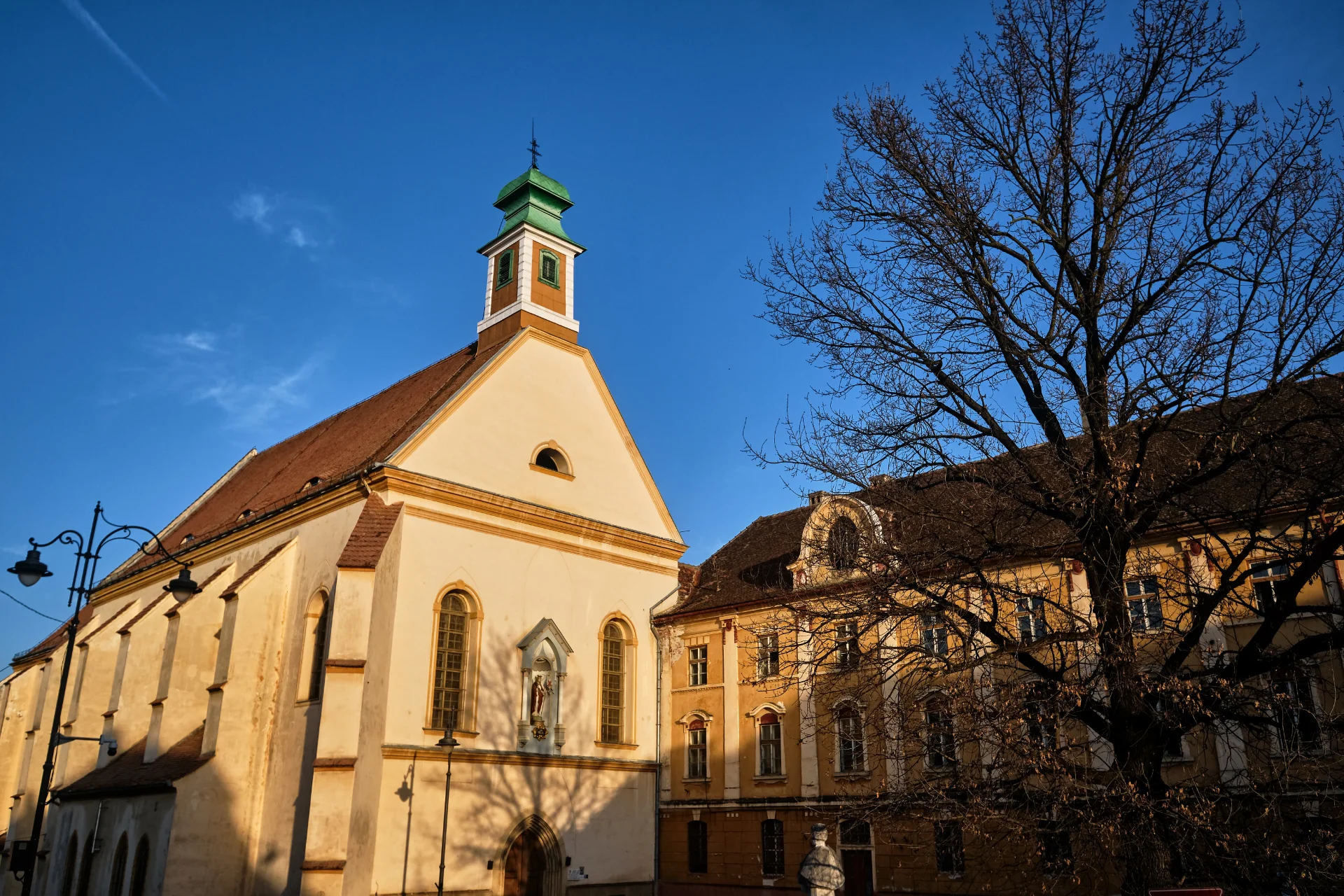
Part of a 15th-century Franciscan monastic complex, the originally Gothic church was abandoned after the religious reformation, being returned to the order after 1716, and being abandoned again during the communist period. Today, the restored Baroque church belongs to the Roman Catholic community and contains several interesting elements.

"Franz Binder" Museum of Universal Ethnography

This fascinating museum collection (part of the Astra Museum) is housed in the Hermes House, a superb neo-Gothic monument in Sibiu’s Small Square. Opened in 1993, the museum houses an astonishing heritage with thousands of interesting objects from over 50 countries around the world, allowing a unique journey through the cultures of far-flung places. It is the only museum of its kind in the country, and among the unique exhibits are an Egyptian sarcophagus, traditional Chinese costumes, traditional Japanese toys, African handicrafts and more.

Opening hours: 10-18 (summer) / 9-17 (winter) / closed on Mondays | Prices: 10 lei? (2€)/adult

City of Sibiu - Destinations of Romania 50 - St. Ursula Church
St. Ursula Church Ⓒ Silviu-Florin Salomia
City of Sibiu - Destinations of Romania 42 - Little Square
Little Square Ⓒ Silviu-Florin Salomia
City of Sibiu Guide - Destinations of Romania 52 - Citadel Street
Citadel Street Ⓒ Silviu-Florin Salomia
City of Sibiu Guide - Destinations of Romania 72 - Lower Town
Lower Town Ⓒ Silviu-Florin Salomia
City of Sibiu - Destinations of Romania 09 - Lower Town View
Lower Town View Ⓒ Silviu-Florin Salomia
Zoological Garden

Located in the Dumbrava Forest, a few kilometers south of the center of Sibiu and near the Astra museum complex, the zoo is the first of its kind in Romania, having been established since 1929. Currently, after extensive modernization works, it is one of the most attractive in the country, with over 300 animals from over 70 species, including lions, tigers, monkeys, crocodiles, zebras or kangaroos.

Visiting hours: 9.30 – 16/20 (summer/winter) | Rates: 20 lei (4€)/adult

Steam Locomotive Museum

One of the unique, but lesser-known places in Sibiu can be discovered near the city’s train station. The Steam Locomotive Museum contains over 30 of these amazing machines, considered today true treasures. Inaugurated in 1994, the museum presents numerous old steam locomotives and other interesting equipment, used in the last century on the railways of Romania.

Visiting hours: 9 – 15

International Theatre Festival

The third largest in Europe and one of the most important theater festivals in the world, it is one of the most important events in Sibiu. It takes place in June over 10 days and brings together dozens of cultural events held by artists and bands from all over the world, in various places in the city, including numerous public outdoor performances. Among other things, the festival includes theater, dance, music, circus, concerts in churches and more.

Christmas Market

Considered one of the most beautiful Christmas markets in the country and in this part of Europe, it has become a tradition for many years and is a major attraction for visitors. During the period (November-December), in addition to the enchanting appearance of the city, numerous cultural events take place, and in the markets of Sibiu you can find seasonal gastronomic points or traditional producers.

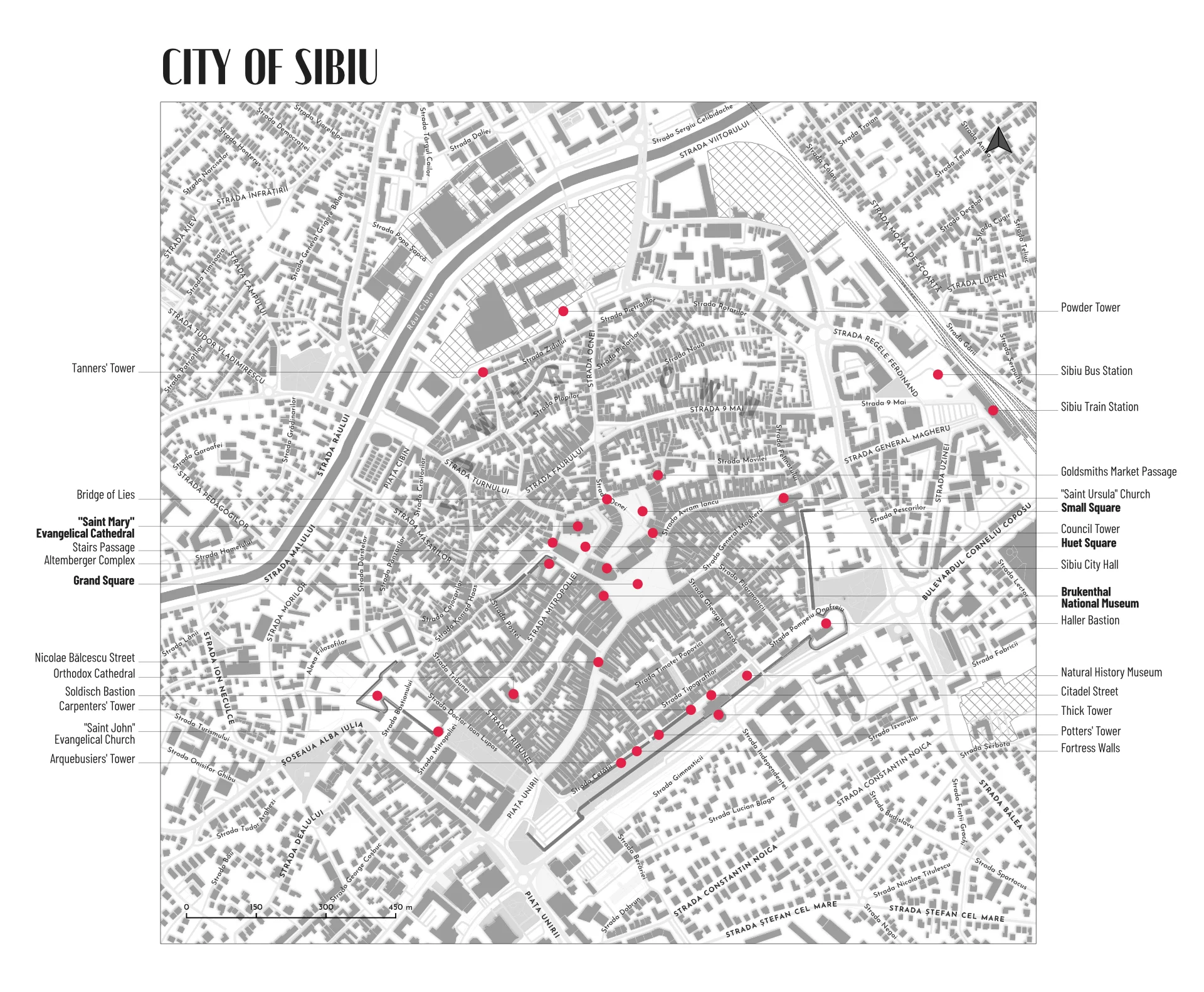
Tourist Map of Sibiu
Tourist Map of Sibiu Ⓒ Silviu-Florin Salomia

Accommodation Recommendations

The best lodging options in the City of Sibiu
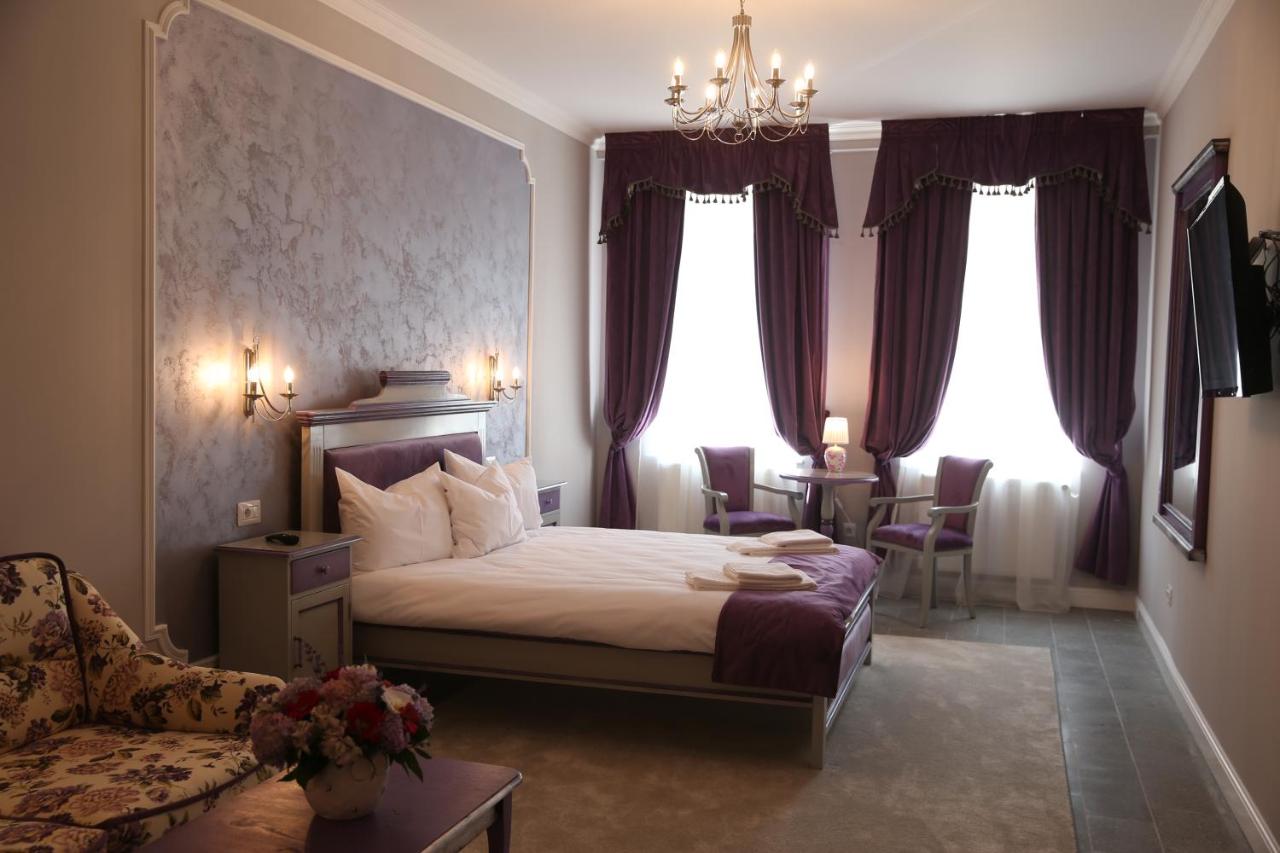
Lodging Options in Sibiu-Artisans-Boutique-Villa

Rating 9.6 from 331 reviews!

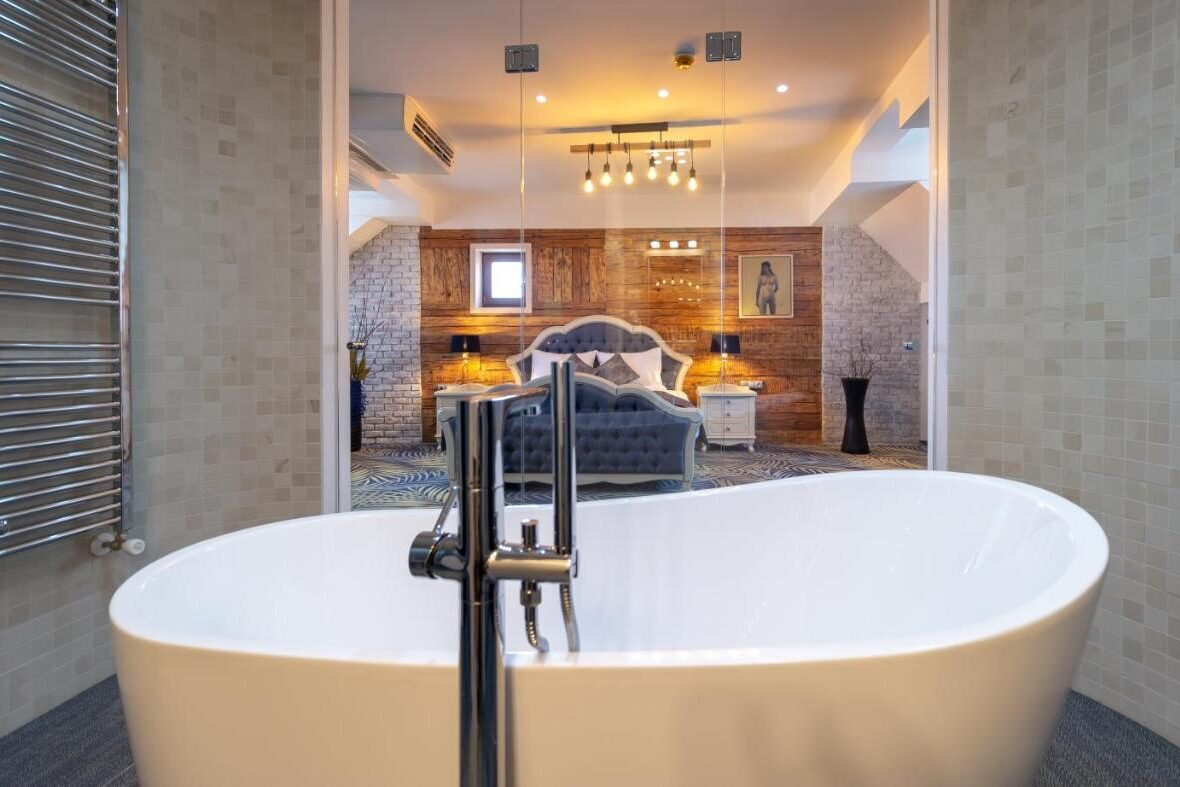
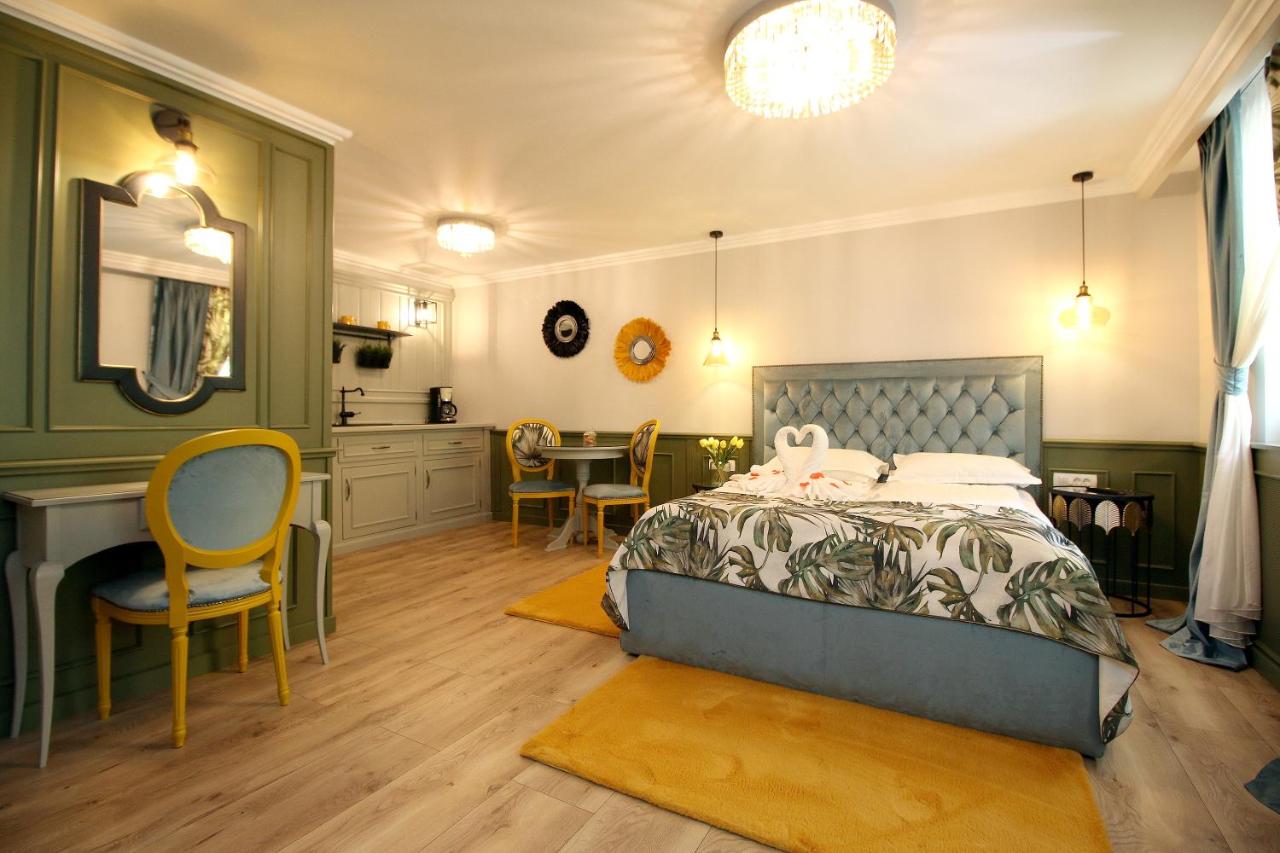
Located approximately 500 meters from the Council Tower of Sibiu, this extremely well-appreciated villa offers a unique experience, with a special ambiance in all spaces, including the rooms with all utilities!

Aurarilor Square, 8

Lodging Options in Sibiu-ART-Hotel

Rating 9.4 from 1.405 reviews!

This exceptional hotel is located just a few minutes from Sibiu’s Main Square, offering extraordinary rooms with superb design and all utilities, private bathrooms and breakfast in the restaurant!

Centumvirilor St., 2

Lodging Options in Sibiu-Casa-Hermanni

Rating 9.7 from 861 reviews!

Located just 300 meters from the Staircase Passage in Sibiu, this unique guesthouse has almost perfect reviews, offering a great atmosphere in every room. It also has a kitchen and terrace!

Măsarilor St., 9

Lodging Options in Sibiu - Ramada Hotel Sibiu

Rating 9.0 from 1.966 reviews!

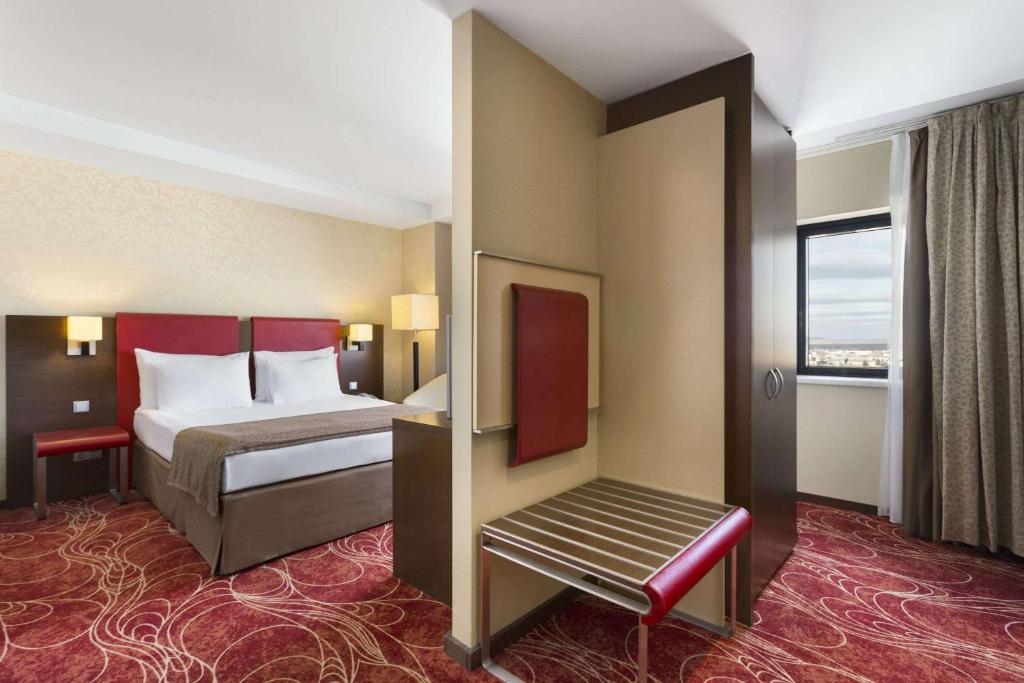
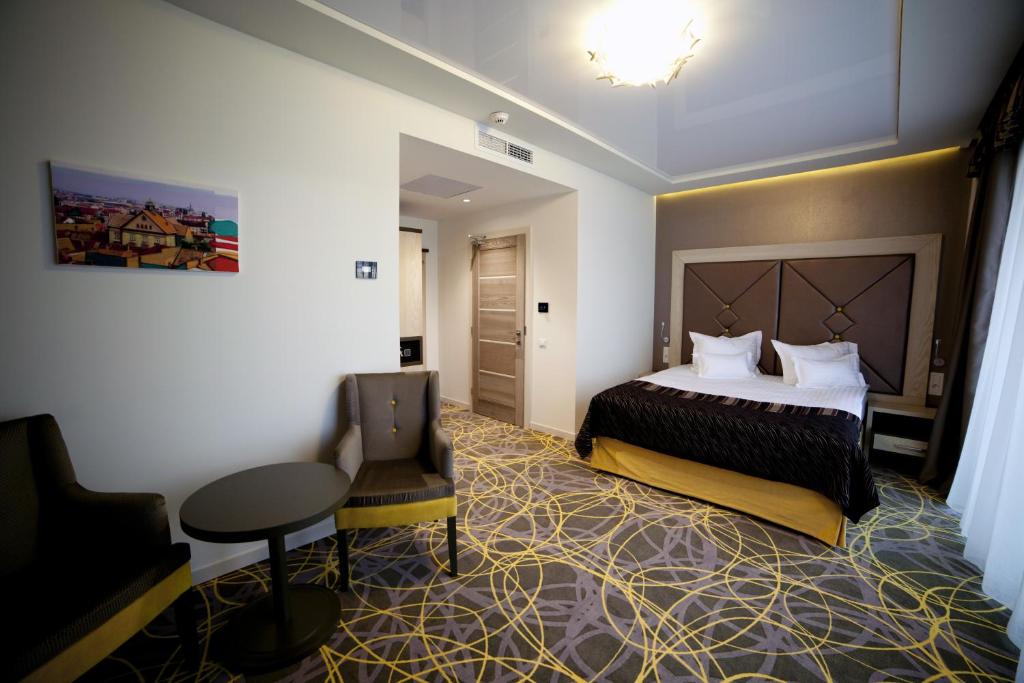
One of the most modern and appreciated hotels in Sibiu, it is located a few minutes from the Main Square, offering spacious rooms with all amenities, a restaurant, a bar, a panoramic elevator and more!

Emil Cioran St., 2

Lodging Options in Sibiu - Exclusive Hotel & More

Rating 9.3 from 1.359 reviews!

Located less than 1 kilometer from the old center of Sibiu, in a quiet area, this impressive hotel offers appreciated accommodation in spacious and comfortable rooms, as well as an excellent restaurant!

I.L. Caragiale St., 1A

Lodging Options in Sibiu - Casa Brainer

Rating 9.6 from 438 reviews!

Located just 400 meters from the Main Square in Sibiu, this superb guesthouse offers memorable accommodation in modernly designed rooms with a terrace, equipped bathroom and a small kitchenette!

Șelarilor St., 11

Previous Destination

Scroll to Top