39
Grădiștea Muncelului
Cioclovina
Natural Park
Hidden among the legendary mountains of southern Transylvania, there are still places untouched by modern civilization, where the whispers of ancestors are still carried by the wind through valleys and forests, and isolated hamlets and lost fortresses tell stories of forgotten times!
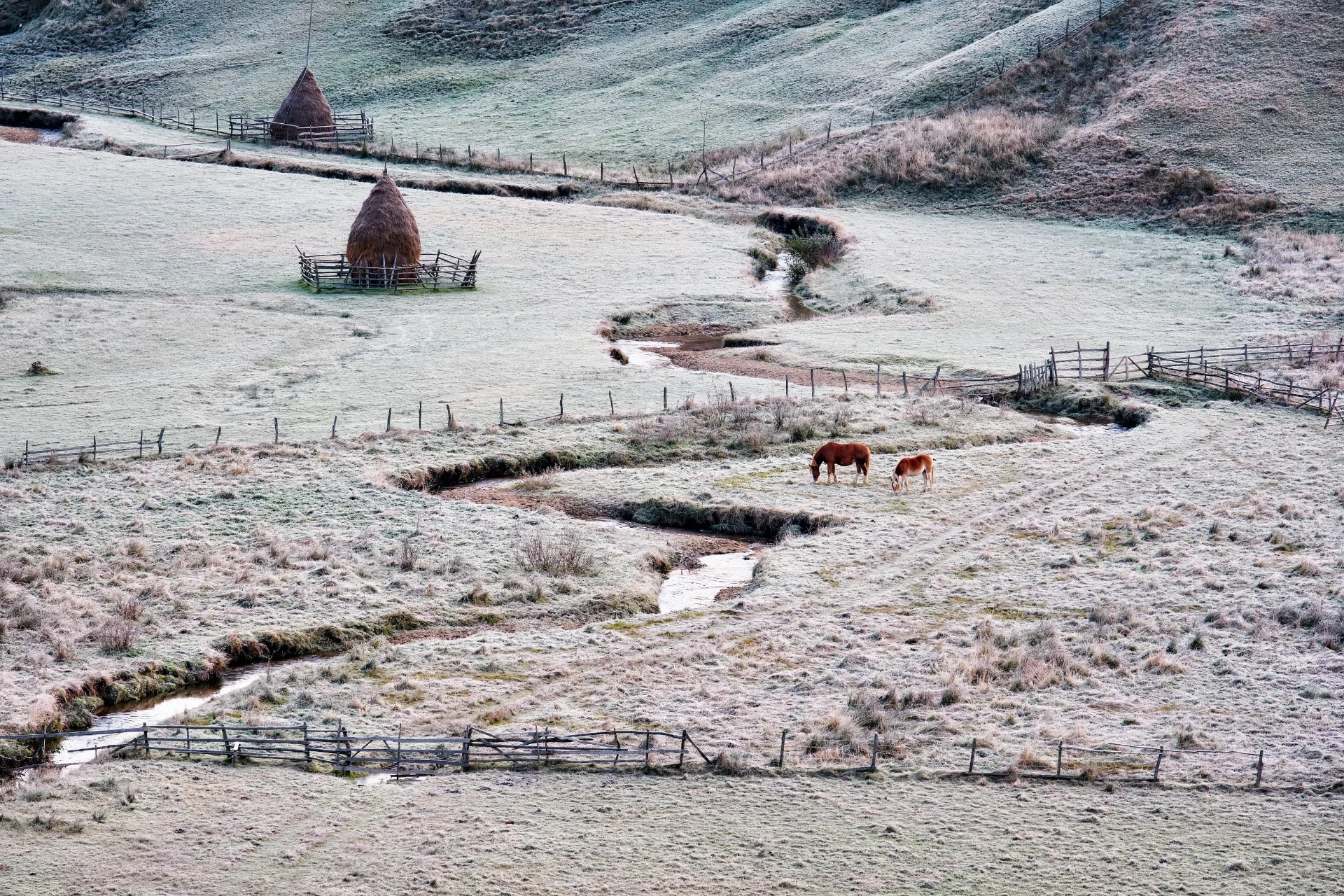
The gentle forest-covered peaks and endless valleys of the Şureanu Mountains were once the heart of the Dacian Kingdom, the brave ancestors who tried to resist the infinite power of the Roman Empire two millennia ago. We enter this mysterious world, full of legends and treasures, and the first adventure takes us to a new conquest of the legendary capital Sarmizegetusa. The Dacians made sure that any journey to the mountain fortress was long and tiring, so we leave the small town of Orăștie in the early hours of the morning, soon entering the idyllic valley of a small river. The village of Costești marks the boundary of the Grădiștea Muncelului – Cioclovina natural park and is the gateway to this mystical world, which was once defended by two small fortresses built on the hills to the west.
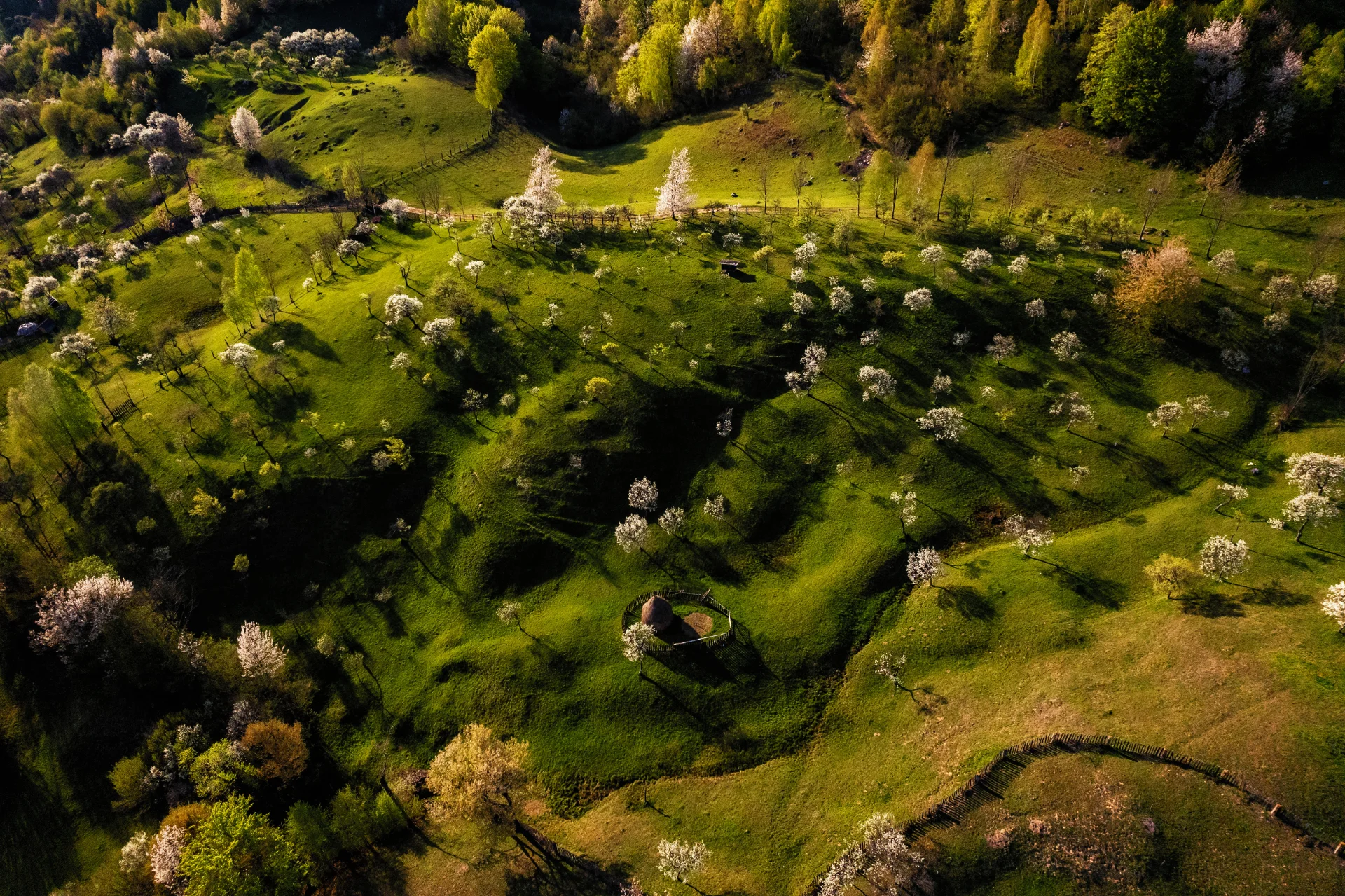
Largely covered by forests and pastures, the Grădiștea Muncelului – Cioclovina Natural Park offers us unique moments of reconnecting with pure nature and the soul of the Romanian village. Covering an area of over 380 square kilometers in the Șureanu Mountains, the park protects specific landscapes, resulting from the continuous interaction of man with nature for thousands of years. Inside it, in addition to fascinating historical and natural monuments, we can also admire the exceptional biodiversity, with a large number of plant species, some very rare or endemic, but also the impressive faunal variety, with numerous species of birds and mammals. We can enter this unique natural and cultural area on the local roads that climb the river valleys from the north or west, there are also some better known hiking trails.
Search for Flights to Romania with Booking.com!
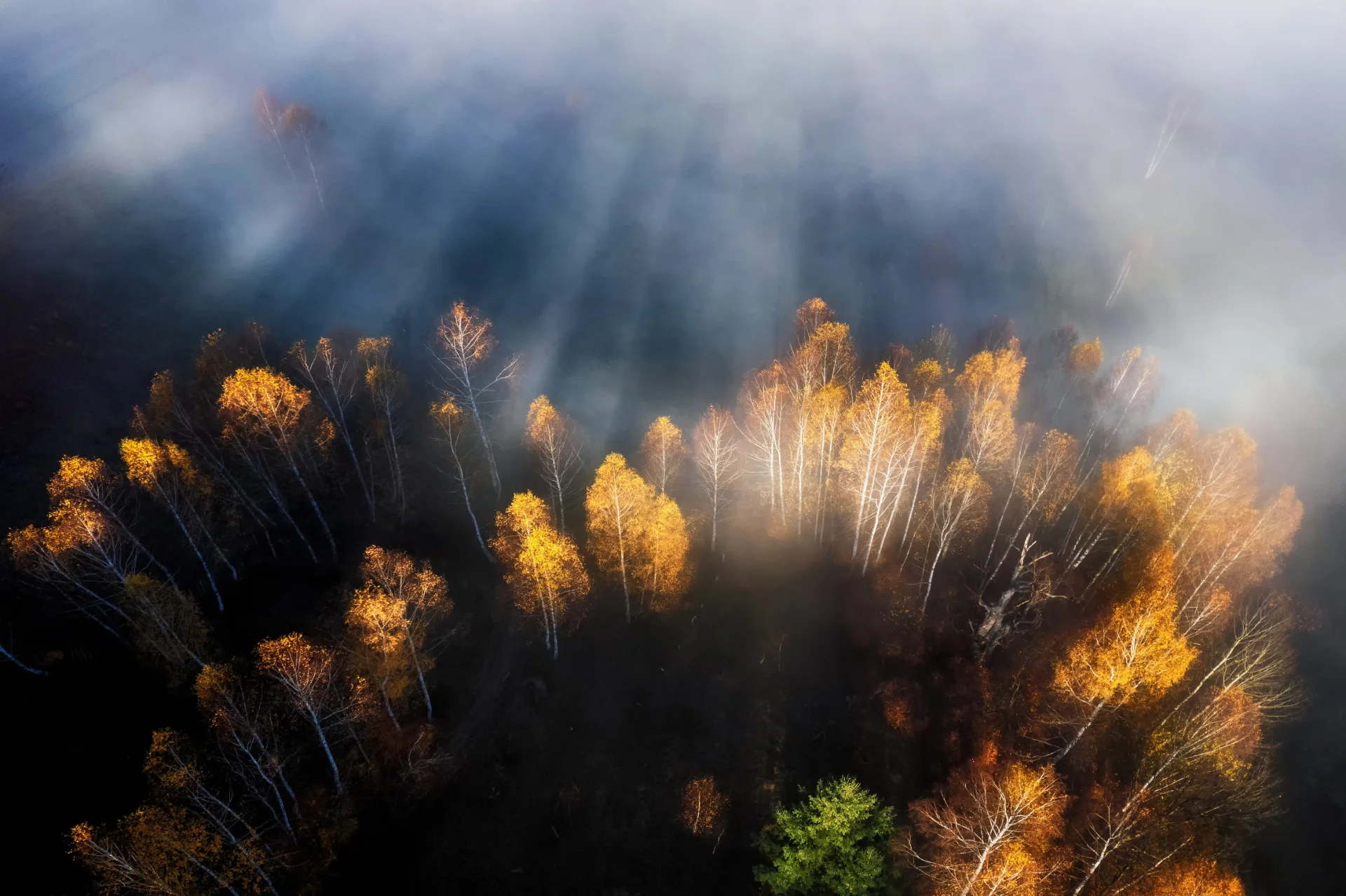
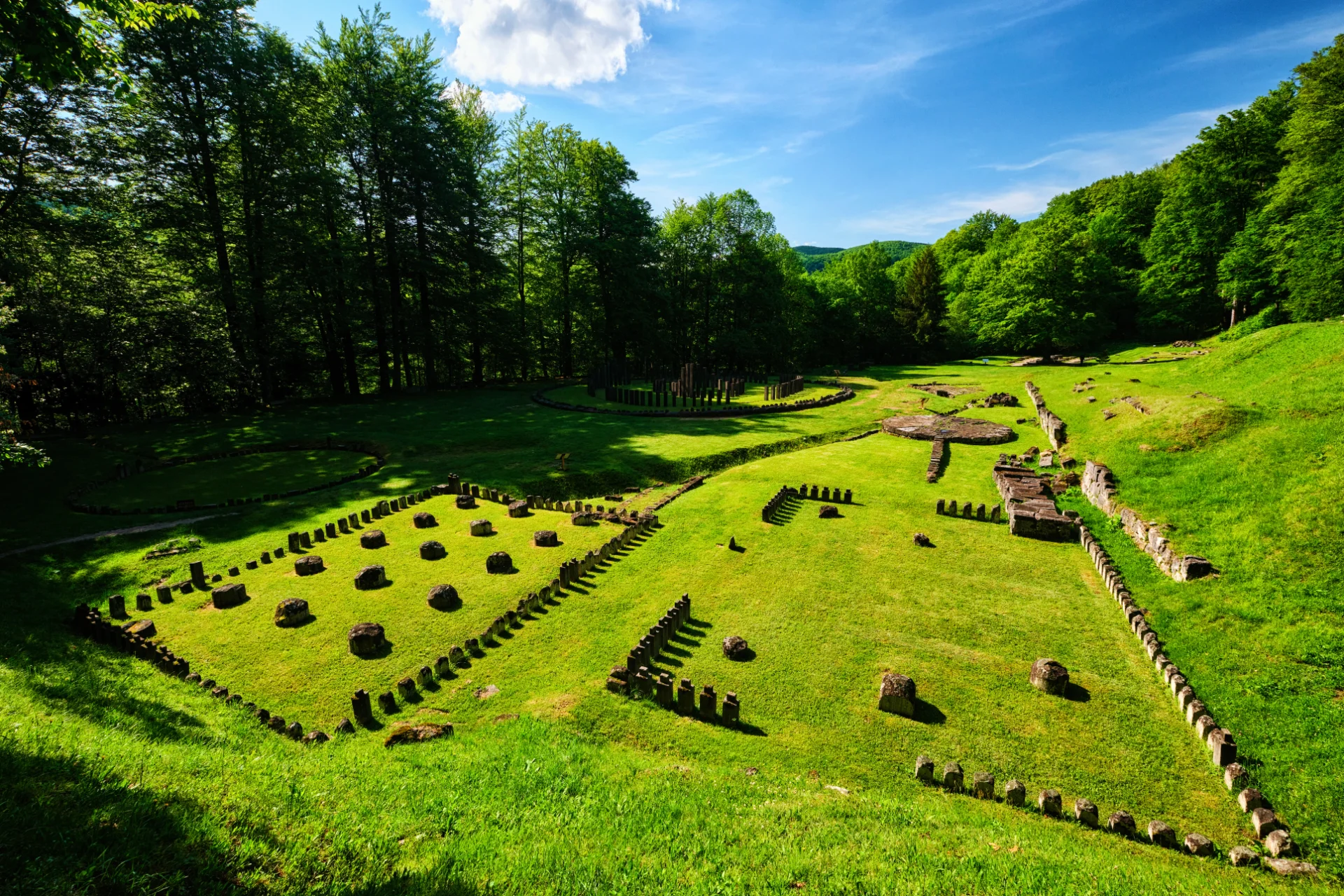
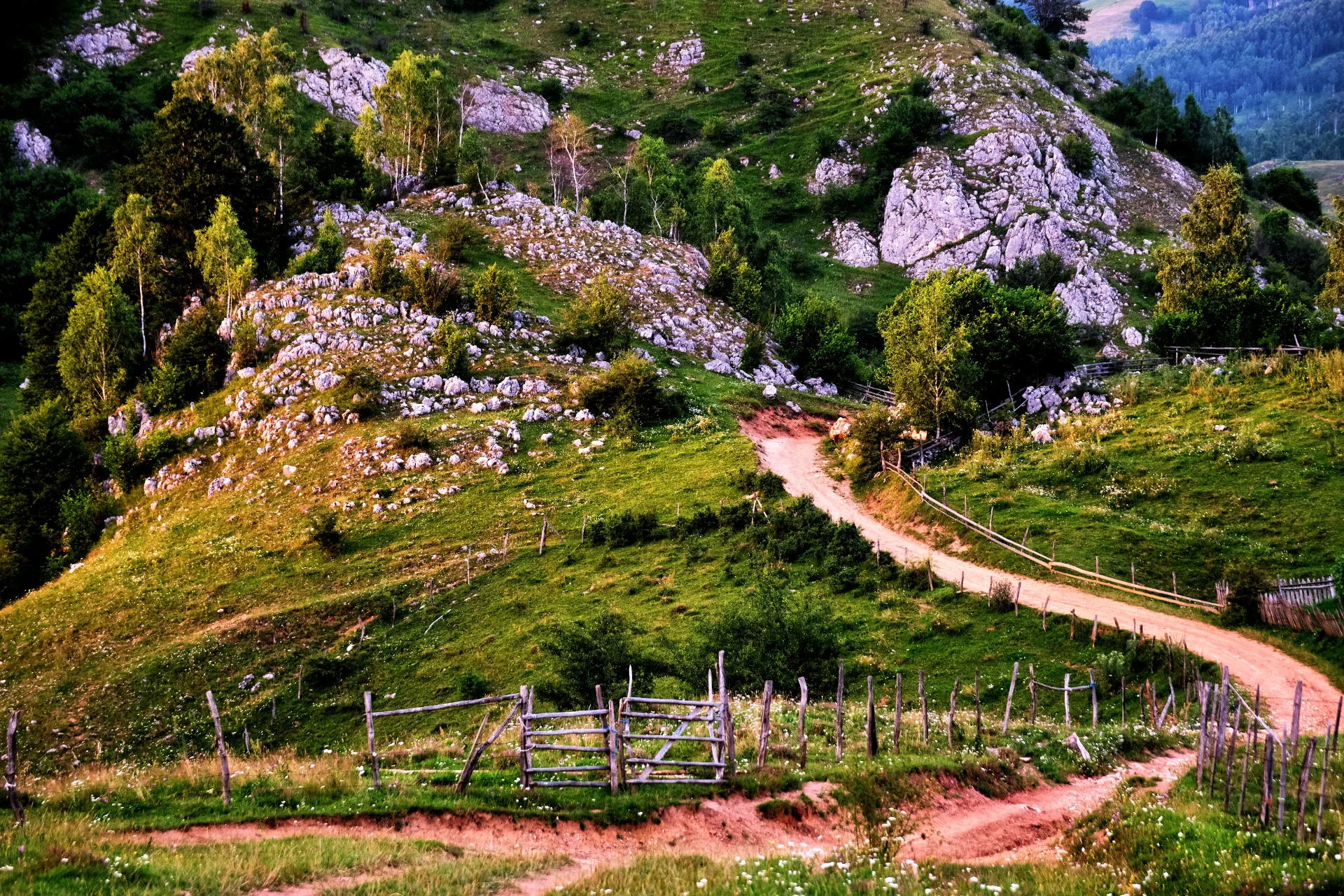
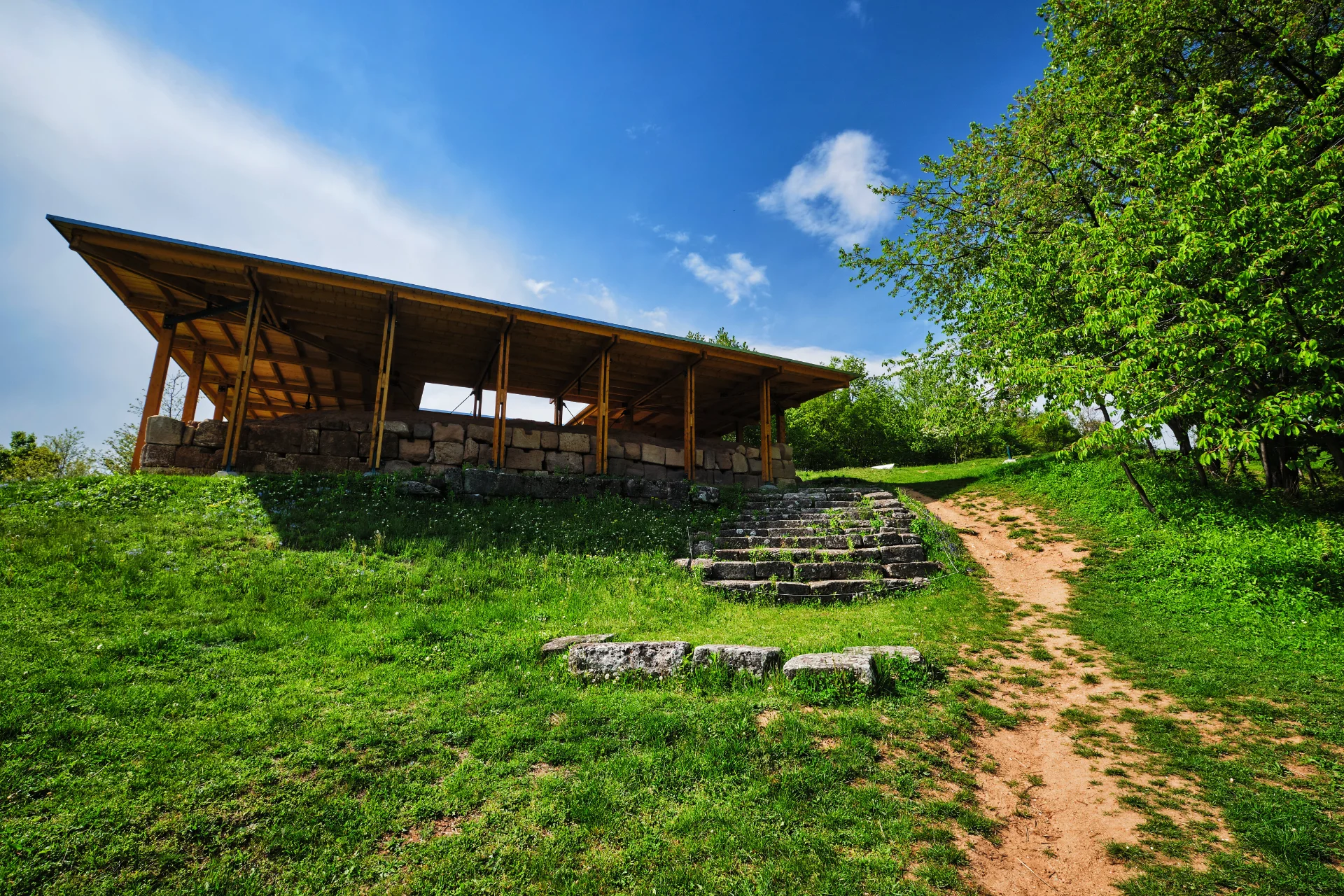
After more than half an hour on the road that winds through the ridges, we reach the foot of the hill on which the great capital once stood, continuing to climb on foot through the forest for another ten minutes. The emotions felt while wandering among the ancient vestiges are difficult to express in words, especially when we know the old stories about the Dacians, about the legendary battles and their tragic end. The collective consciousness of the Dacians seems to resonate from beyond time through the forests of these mountains, and the atmosphere seems to contain something special that creates a feeling of meditation and solemnity. The Sarmizegetusa Regia Fortress has stood for over two millennia on a peak in the heart of the mountains, near the village of Grădiștea de Munte, approximately 40 kilometers south of Orăștie. It became the capital of the Dacian kingdom in the second half of the first century and unfortunately, its destiny was suddenly cut short in full force.
Following the defeat of the Dacians in the Second Roman War of 105-106, the fortress was abandoned after the Romans established a garrison and demolished the city, the capital being moved 40 kilometers to the west, to Sarmizegetusa Ulpia Traiana. During its heyday, the fortress was the center of Dacian civilization and part of an extensive defense system that also included the fortresses of Costești-Cetățuie, Costești-Blidaru, Piatra Roșie, Bănița and Căpâlna, today included in the UNESCO World Heritage. Wandering through the ancient fortress, along the thick walls and around the temples forgotten by time, we can let our imaginations free to bring this place and its lost stories to life. On the terraces of a peak surrounded by forests and deep valleys, stone and wooden buildings used to reach towards the sky, at the center of the settlement was a walled citadel, while the sacred area below housed several important temples and sanctuaries.
Search for Lodging in Grădiștea Muncelului – Cioclovina on Booking.com!
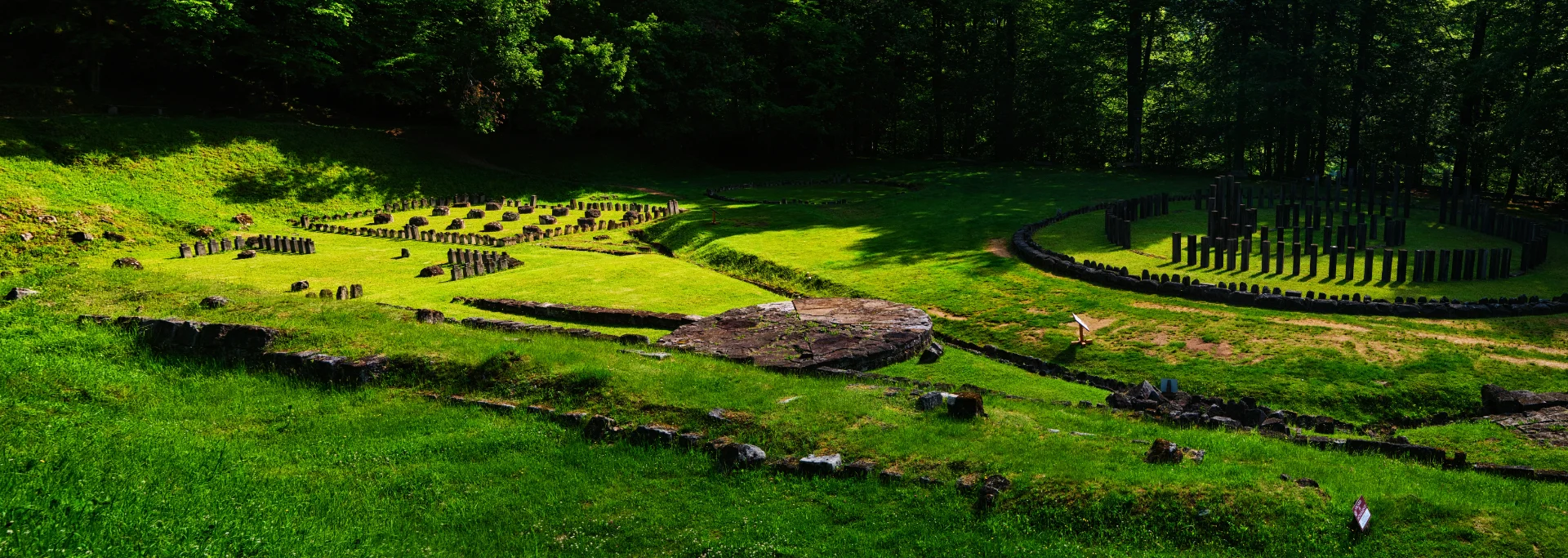
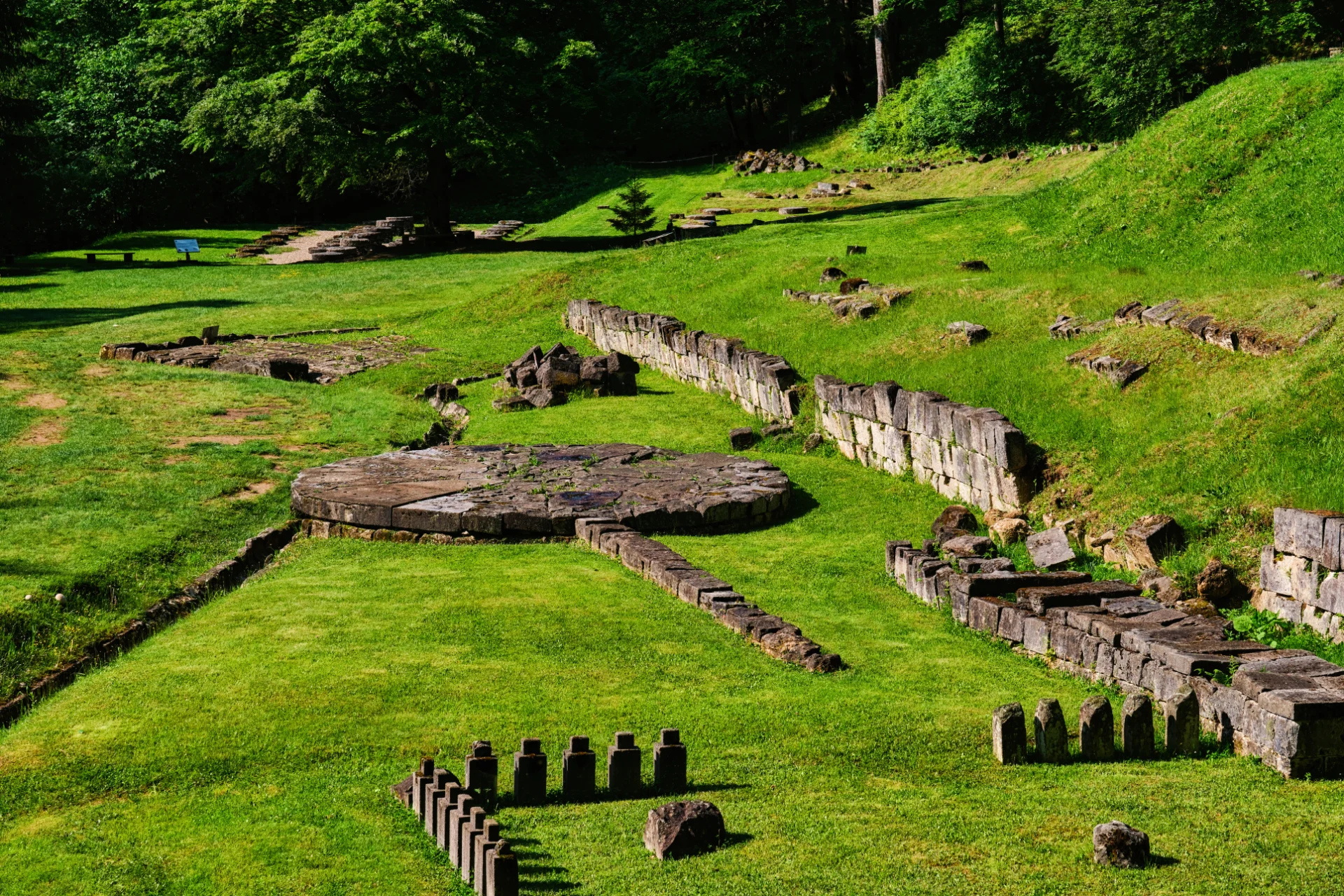
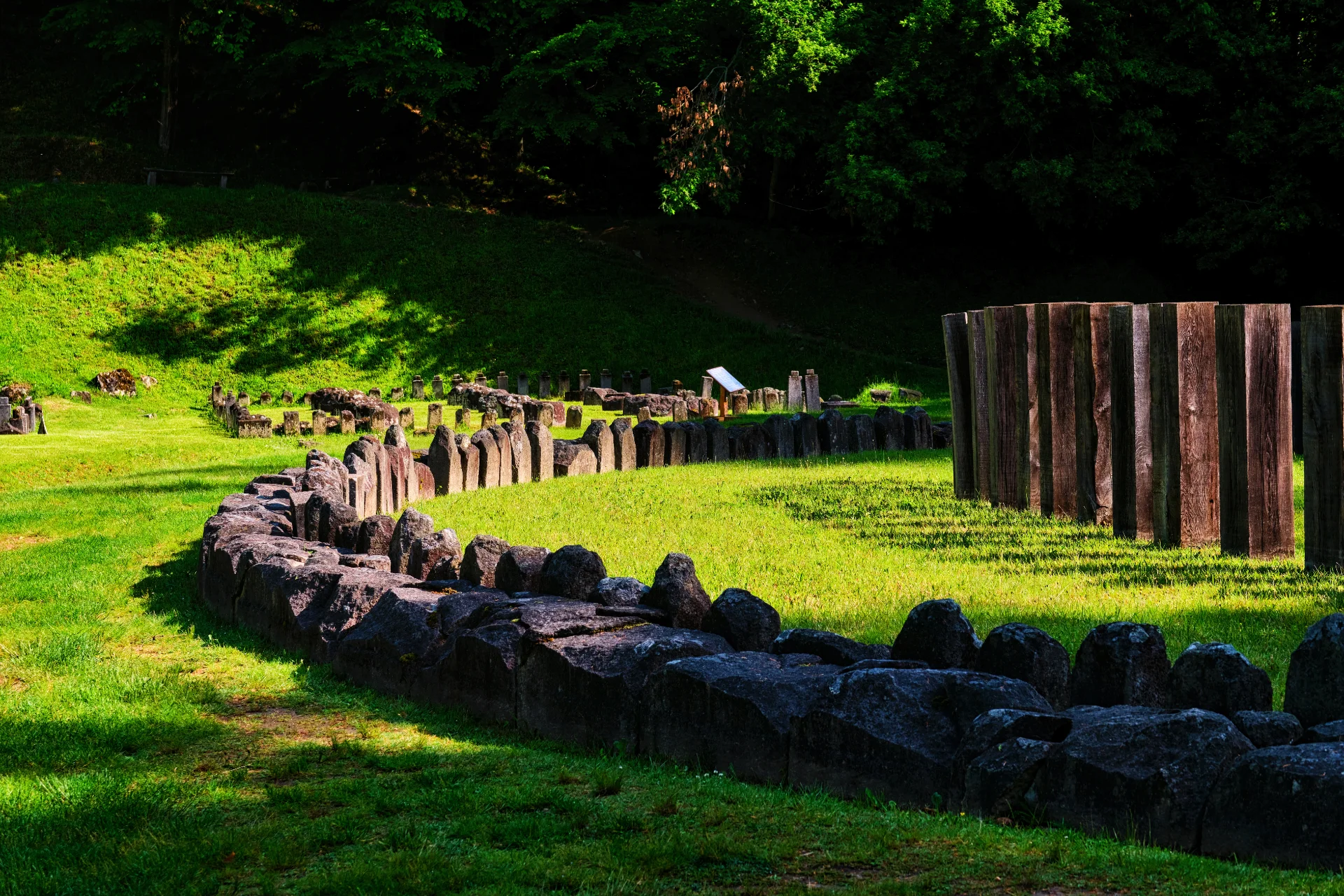
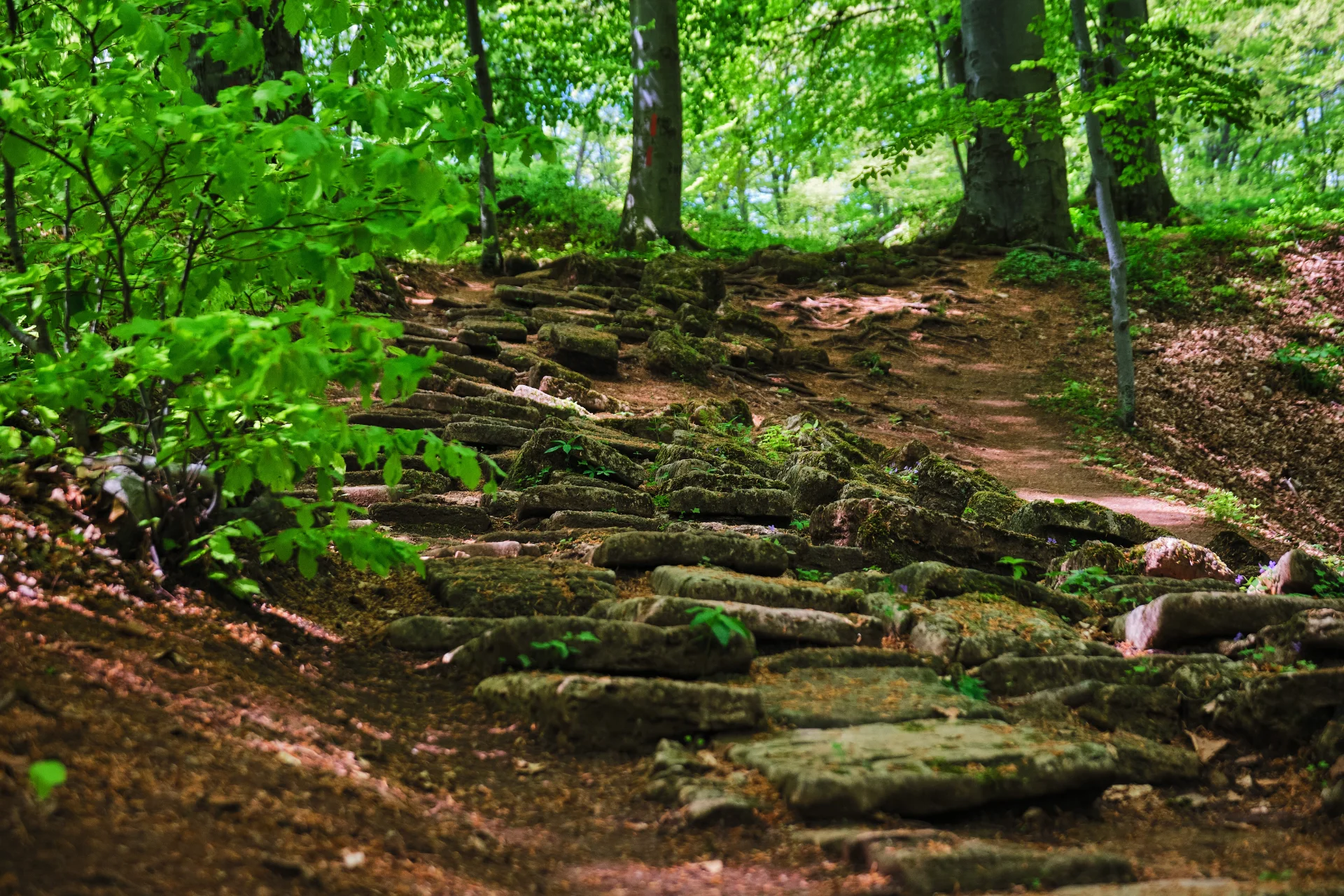
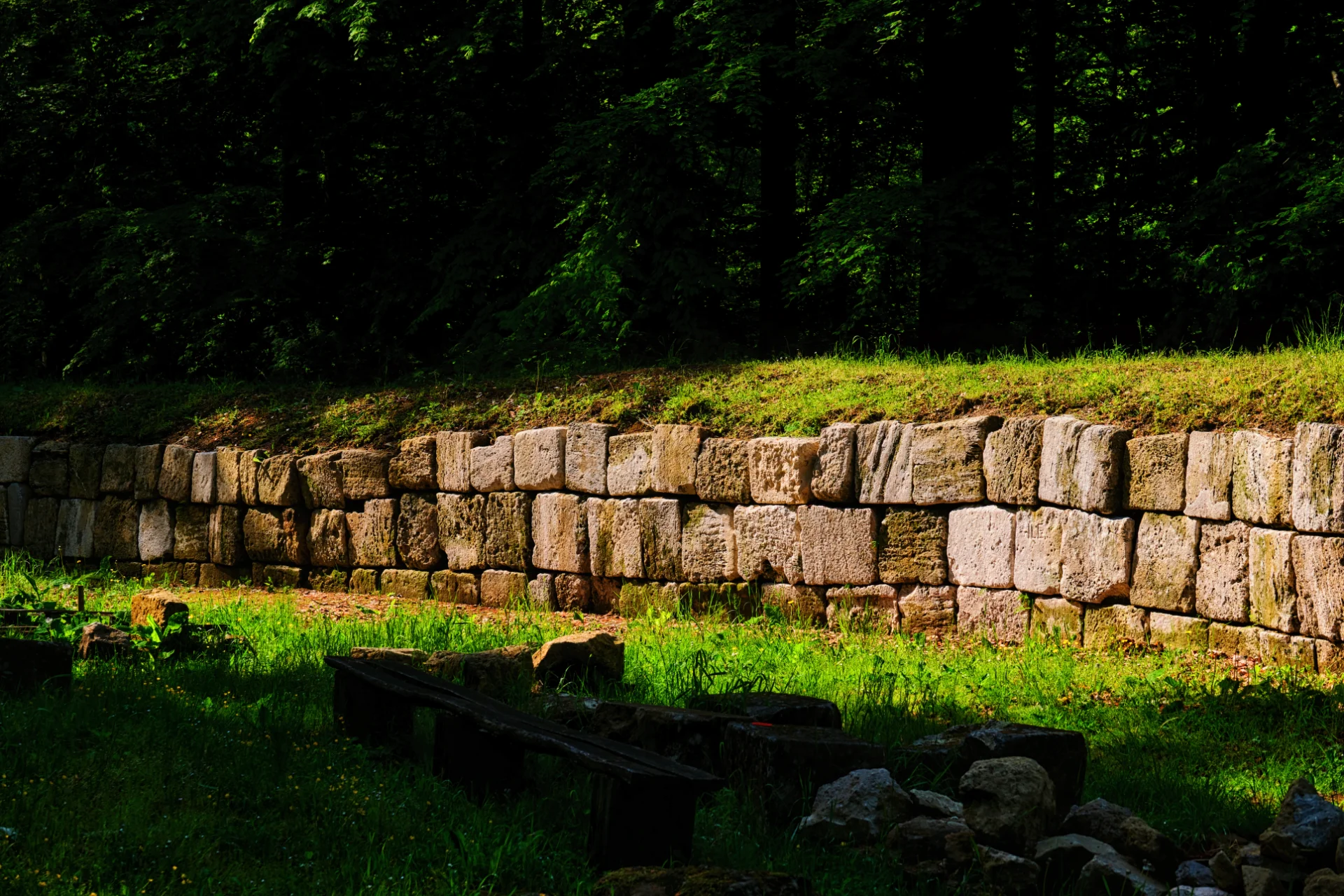
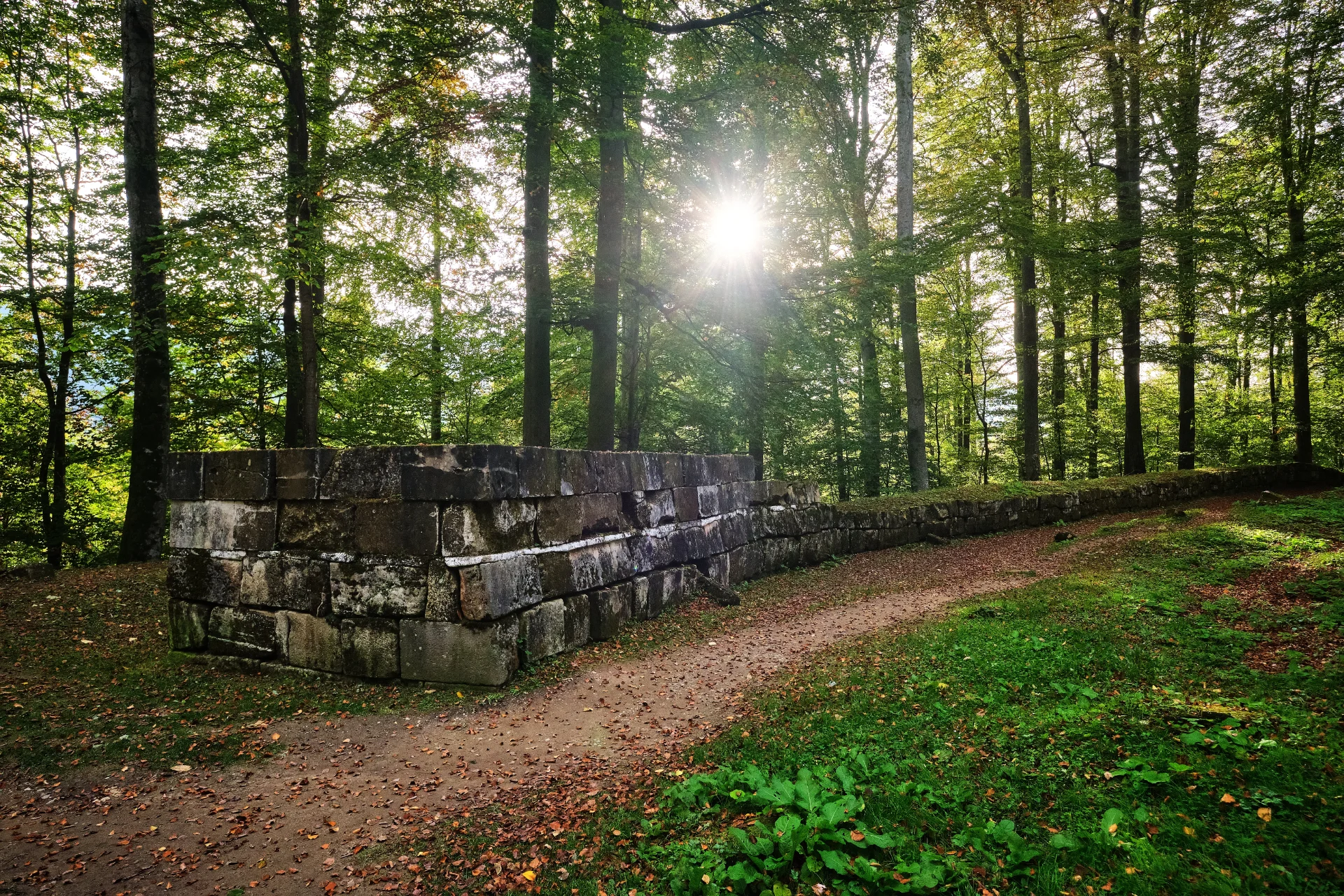
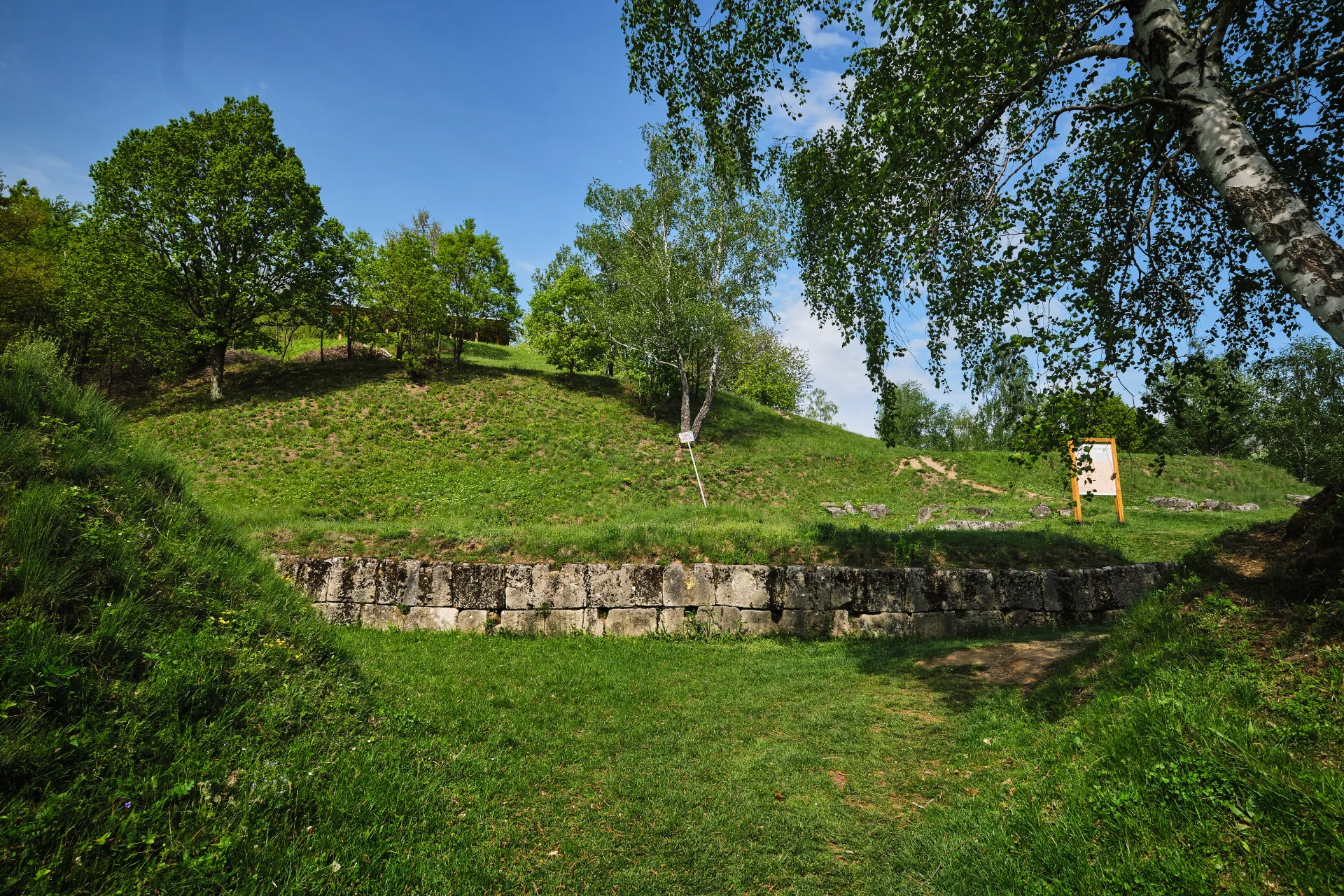
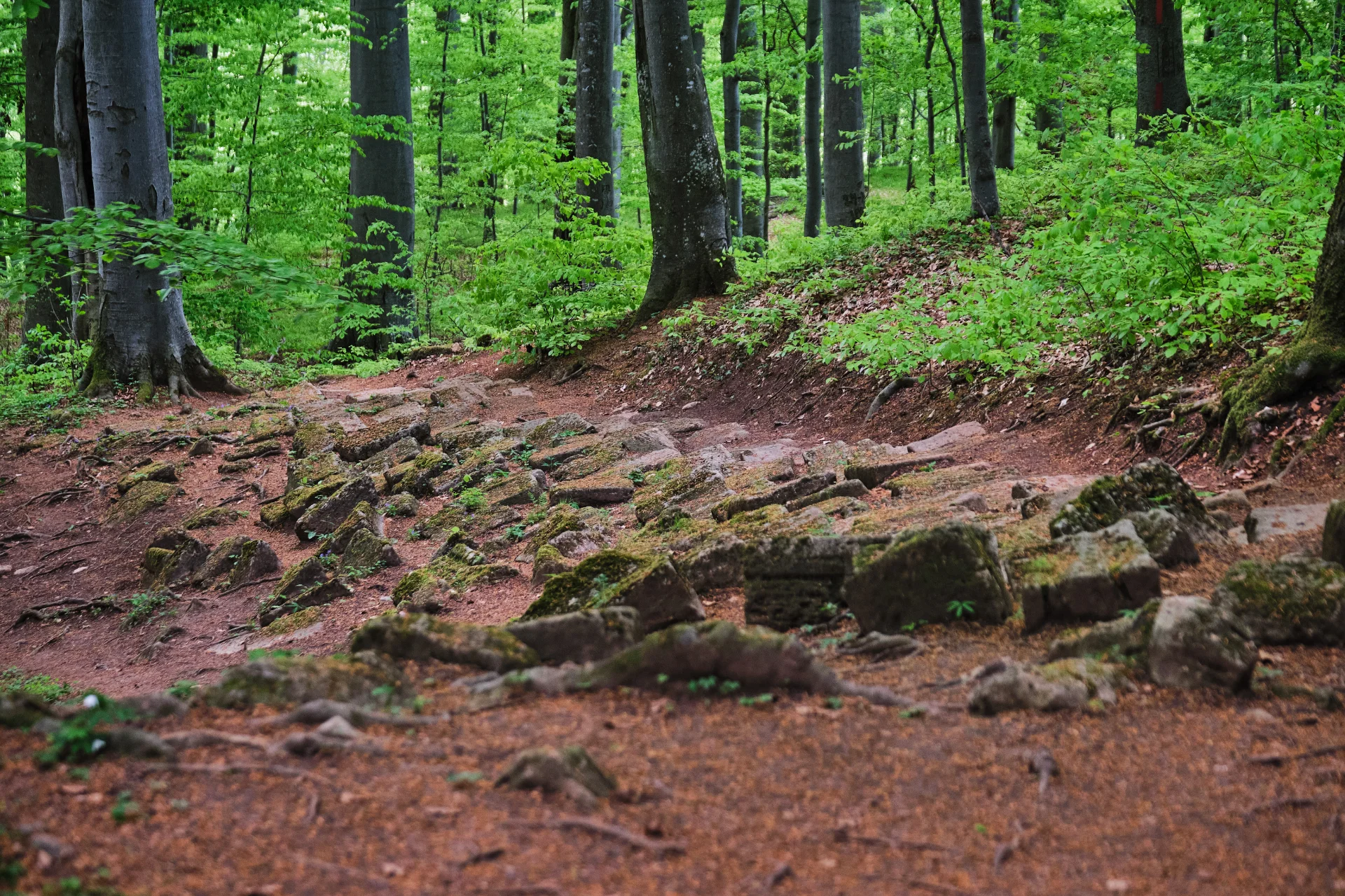
Between the houses and workshops there were stone roads and a complicated system that collected and distributed water, demonstrating an advanced level of civilization. Unfortunately, only a small part of the entire capital can be visited today, as most of the civilian quarters have been destroyed or are still buried. The fortifications occupied the center of the settlement at the top of the peak, being surrounded by walls up to 3 meters thick, some portions of which are still visible. Following the main route through the fortress, we first enter the western gate and admire the thick walls that once rose up to five meters from the ground. The eastern gate leads us to another terrace, first passing by the paved road that over two thousand years ago led to the amazing sacred area. To some, this place may look like a collection of stones arranged chaotically in a forest clearing, on top of a cliff in the middle of the wilderness.
“The settlement also had a fortress, covering an area of about three hectares between its irregularly planned walls. But Sarmizegetusa did not primarily have strategic significance; unlike the other fortresses that dominate the surrounding area, this one, although located at 1,200 meters high, is itself dominated by the higher surrounding heights. It is, therefore, a fortress of refuge, meant to shelter the numerous population from the surroundings. Here, the dwellings of the civilian settlement stretched outside the fortress walls for a distance of about three kilometers, lining the terraces of Grădiştea Hill and leaving, it seems, real streets between them” (H. Daicoviciu)
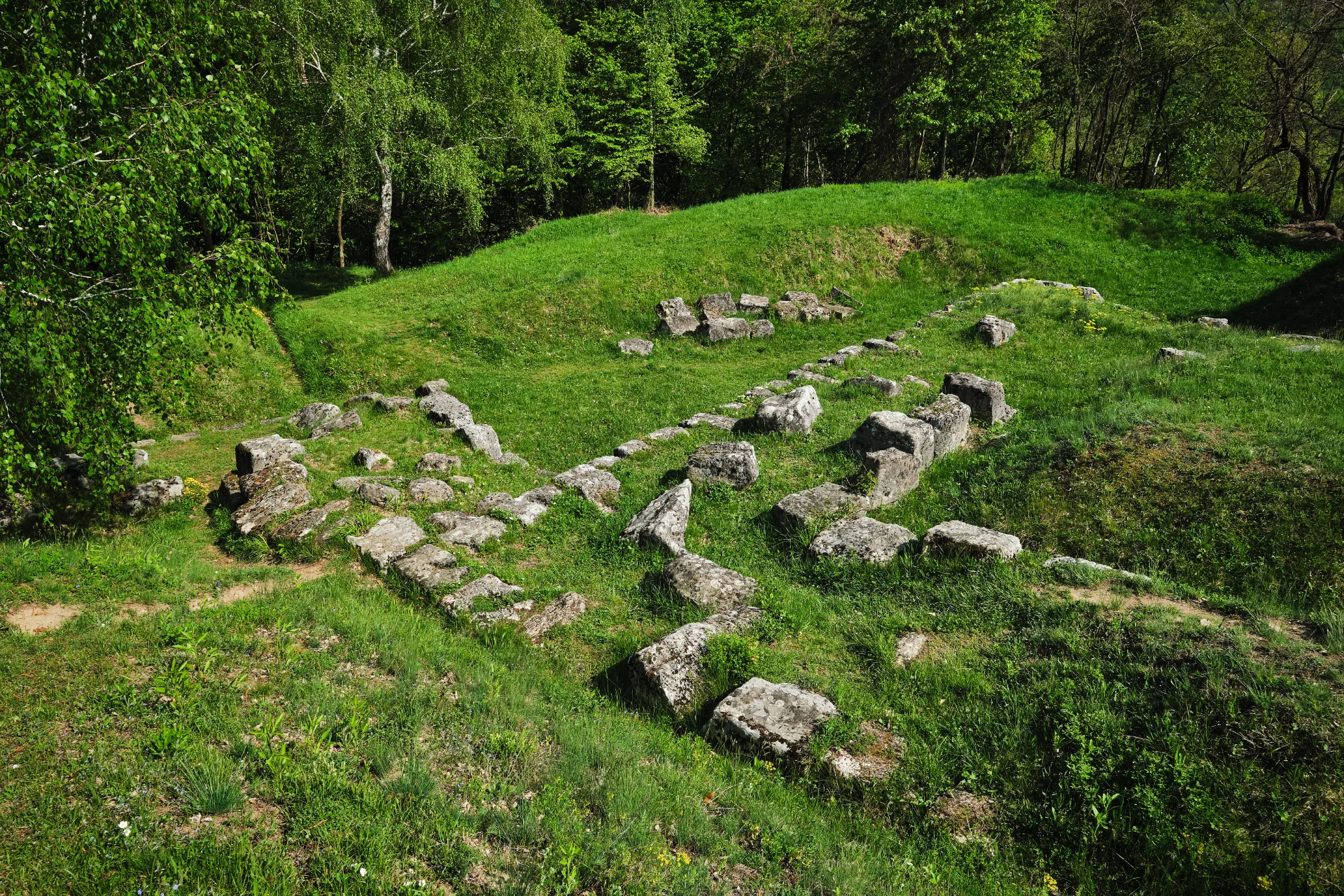
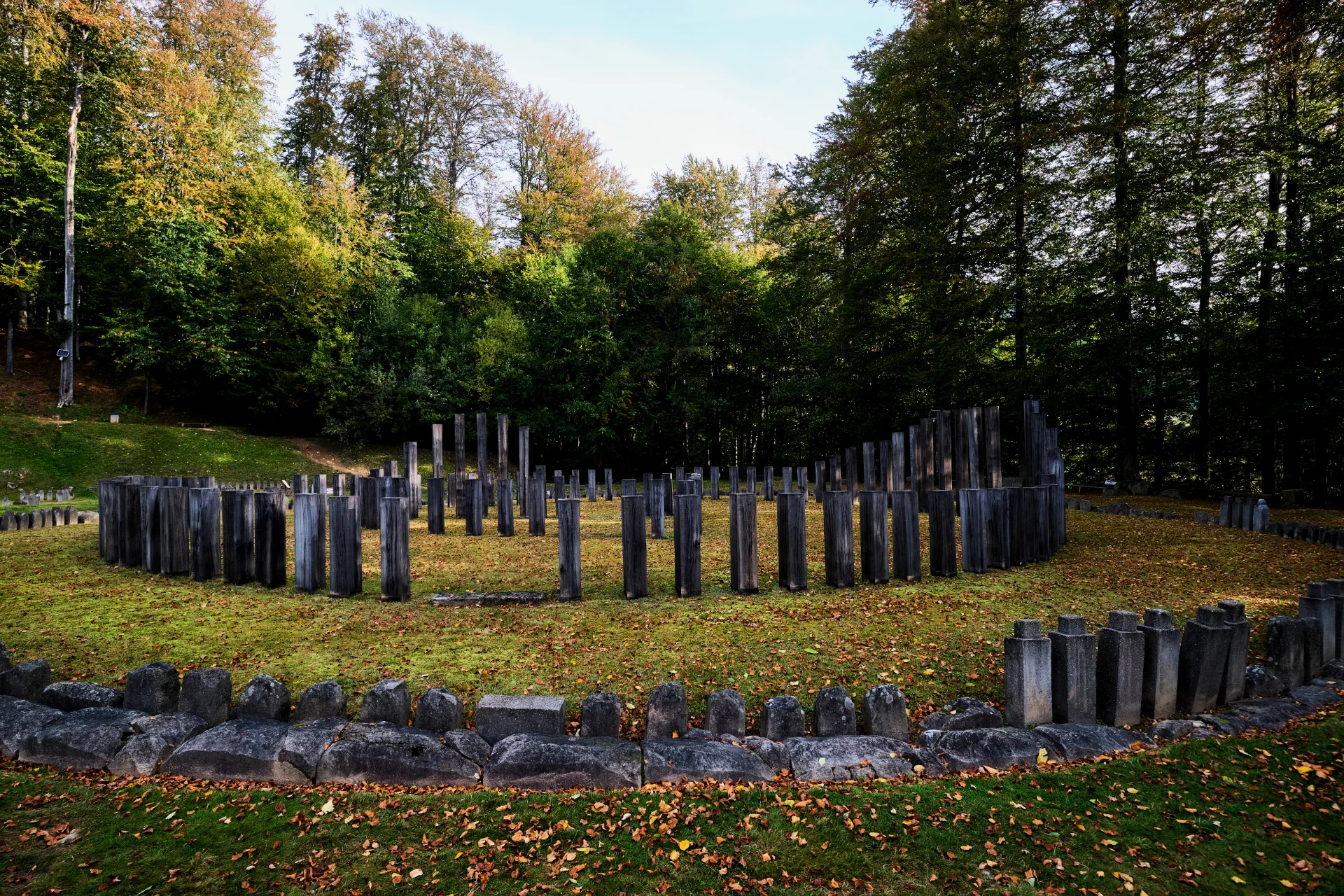
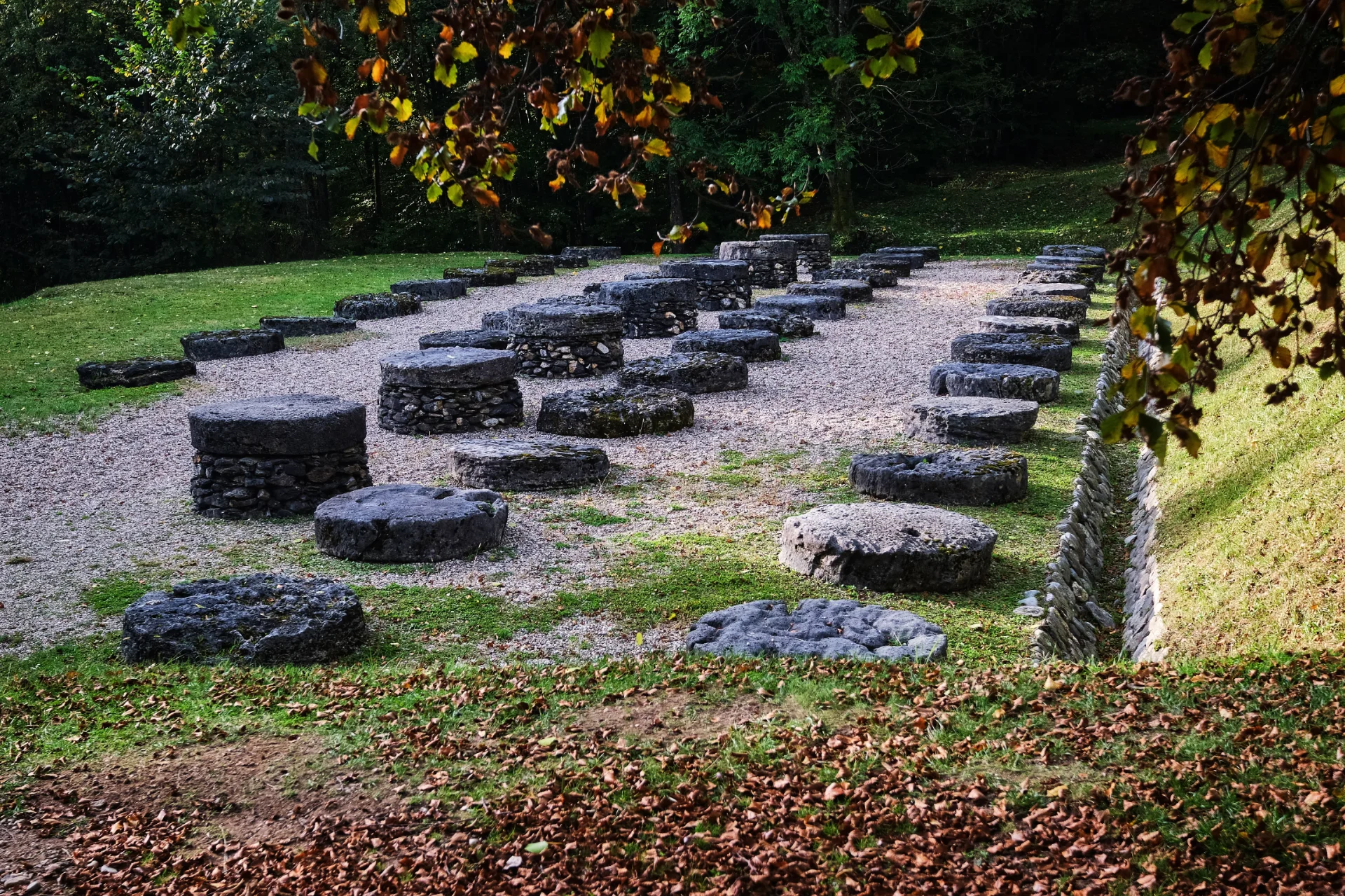
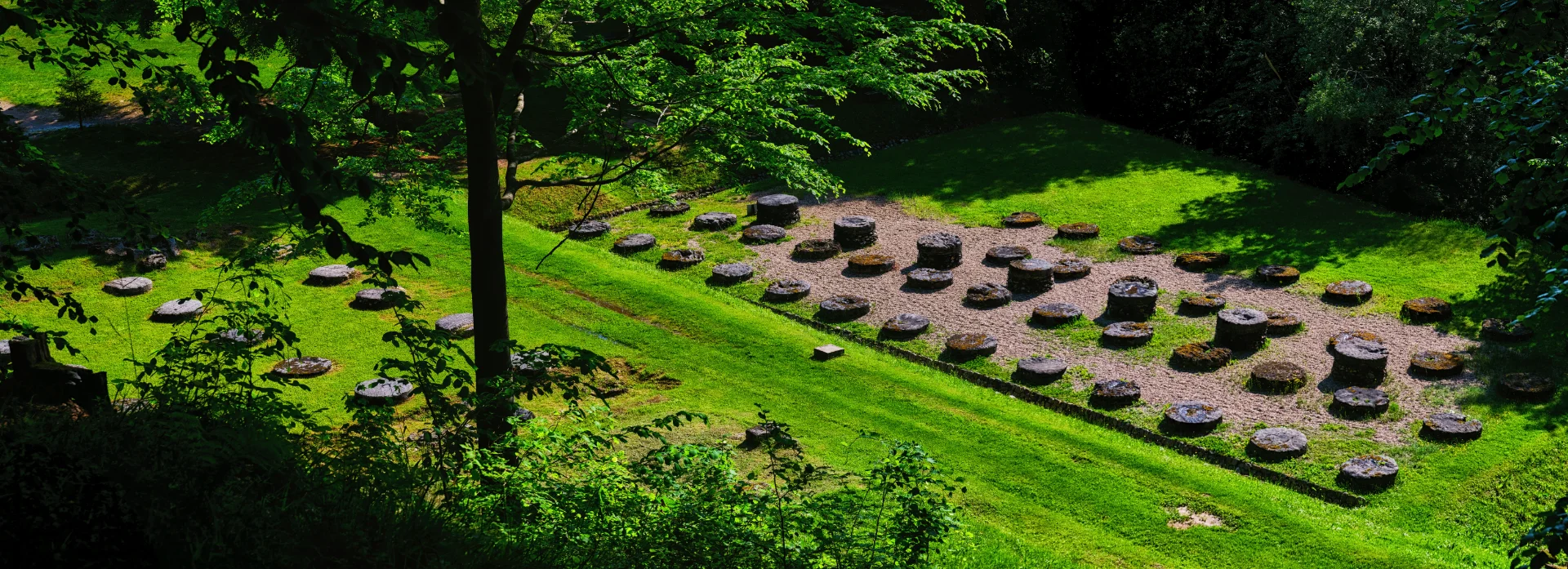
Almost completely destroyed by the Romans, the seven sanctuaries once rose to the sky, each with distinct dimensions, shapes and purposes. Unique to the Dacian kingdom, they attest to the level of development of a society that in other historical realities could have rivaled the Greeks and Romans of antiquity. We are particularly impressed by the large circular sanctuary and the andesite altar, which have amazing characteristics among the archaeological discoveries in this space. It only takes a moment of dreaming to bring this world back to life, imagining the people who animated the cobblestone streets or took their last breath behind the walls attacked by invaders. The deep impression of this experience will follow us long after we leave this magnificent place, eager to discover more about the fascinating and mysterious past of the Dacians. Inside the park, we can also reach several other Dacian fortresses that still preserve traces of the millennial past, while other vestiges lie hidden in the forests.
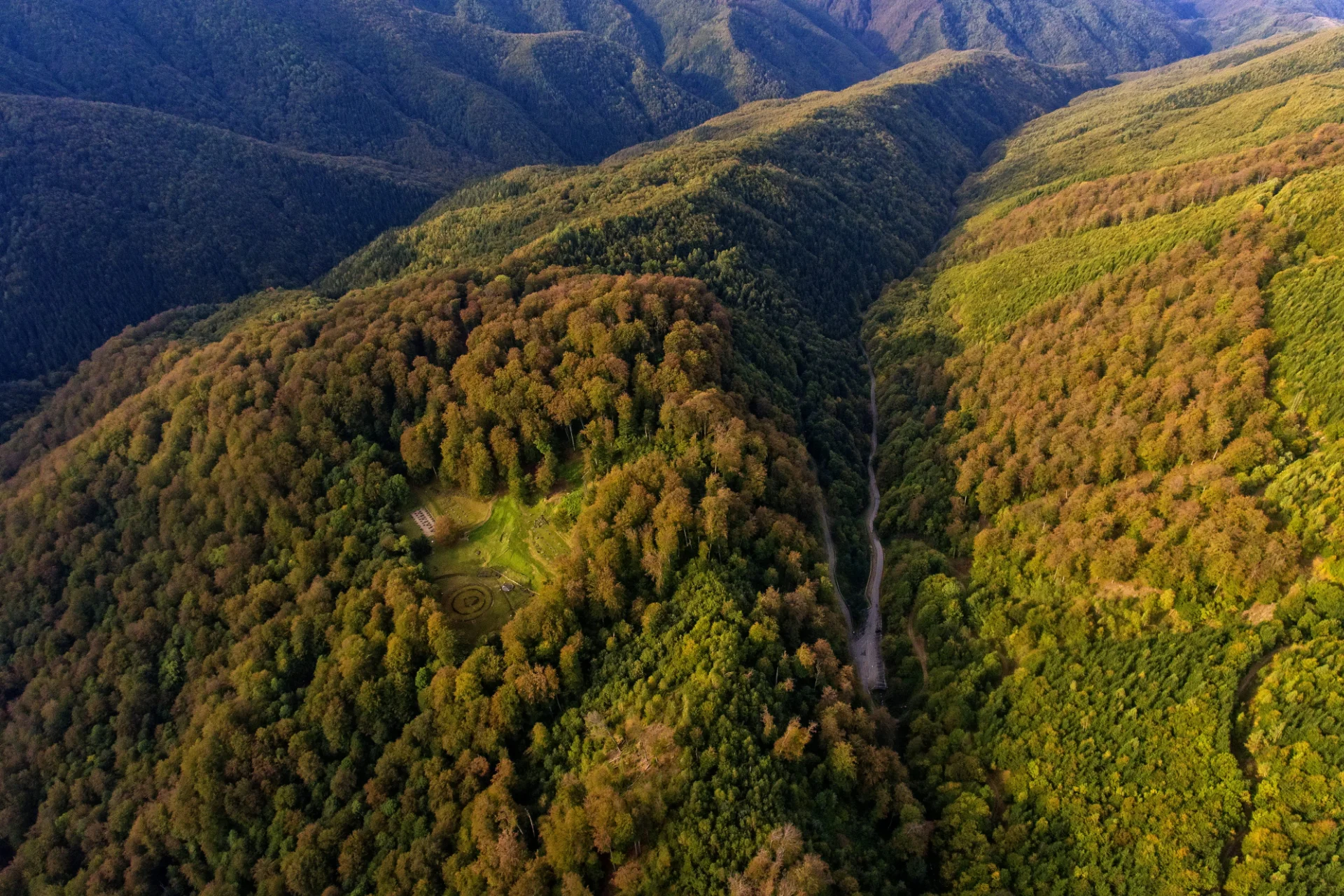
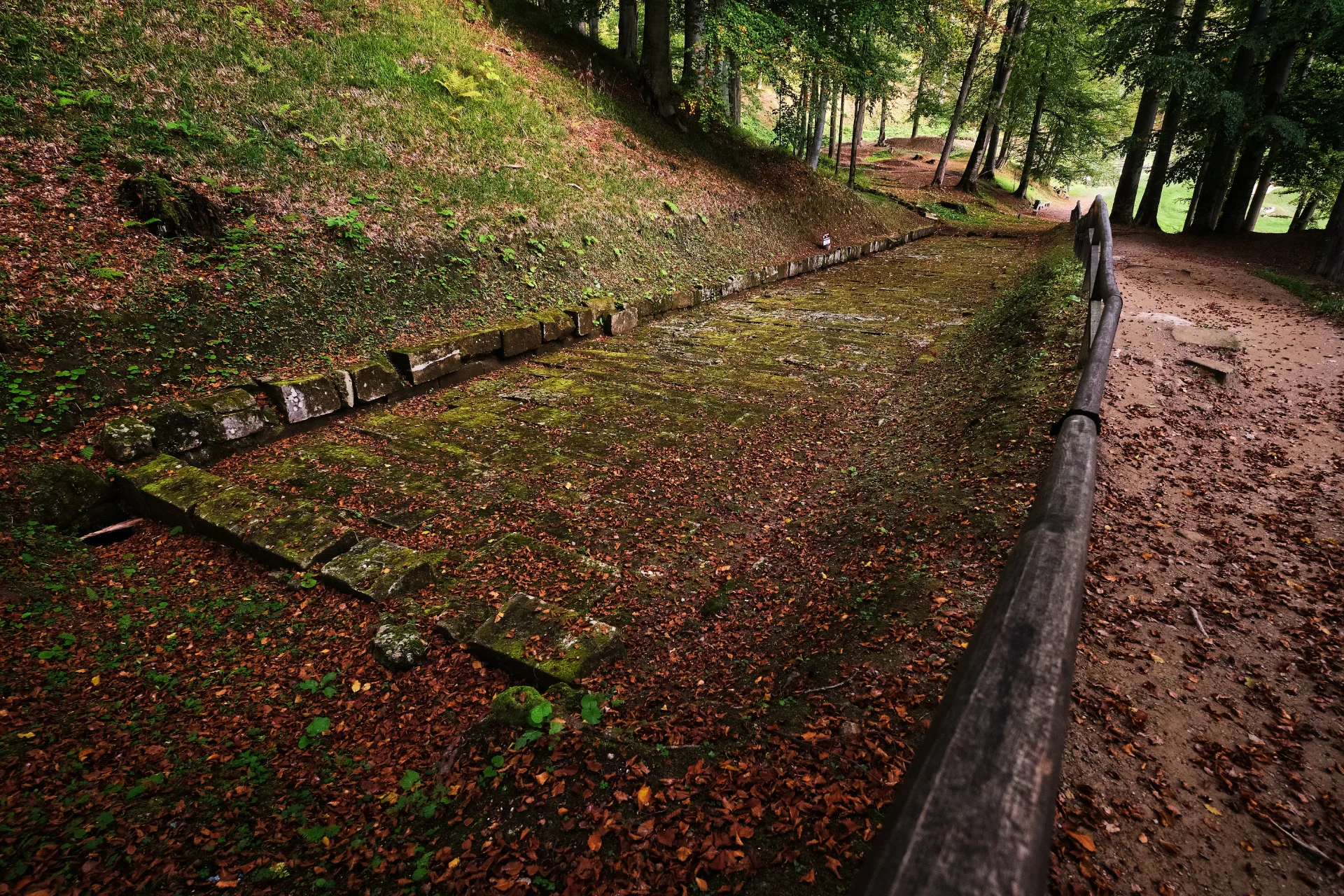
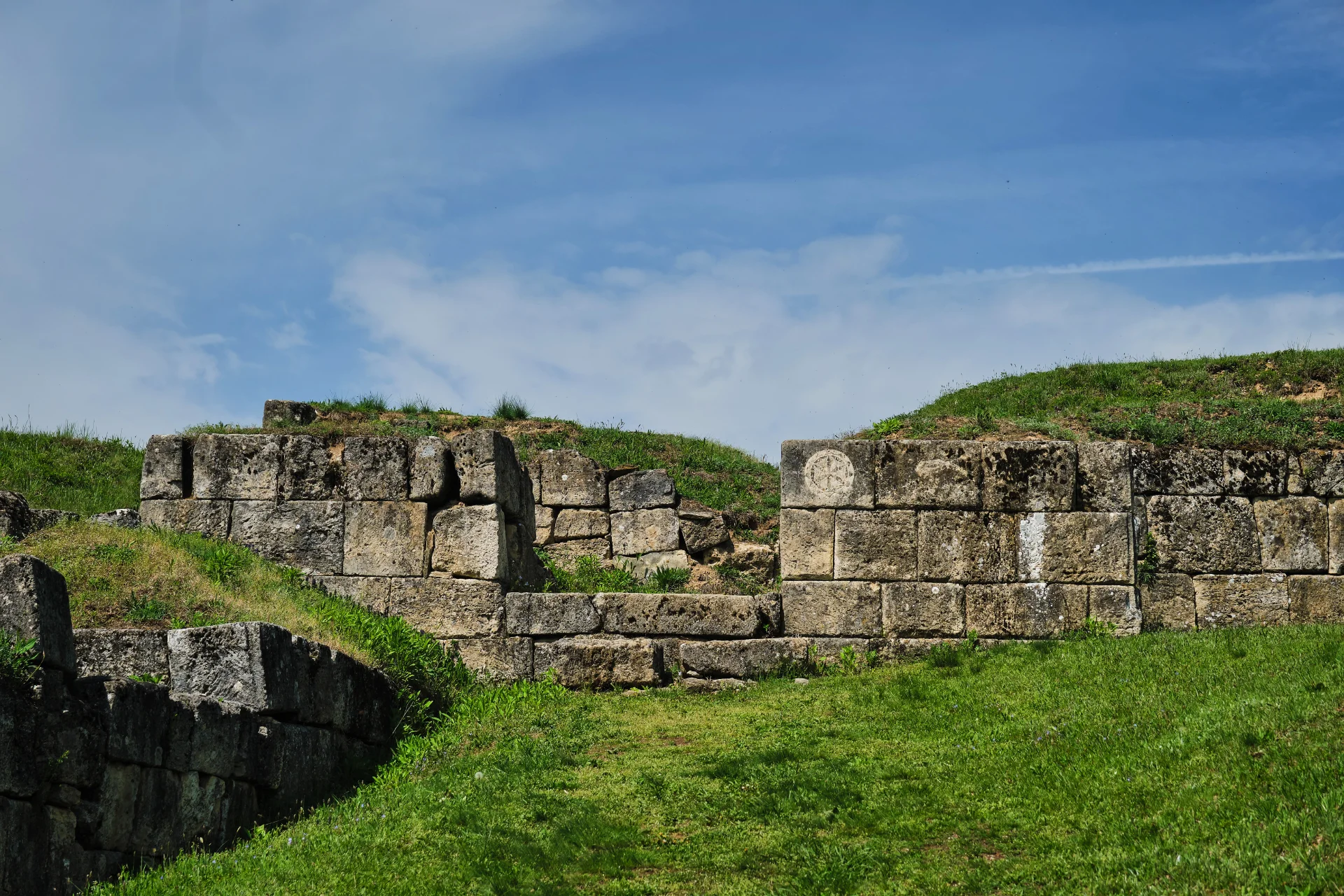
Near the village of Costești, at the entrance to the valley leading to Grădiștea de Munte, we find the Dacian fortresses of Costești-Cetățuie and Costești-Blidaru, on two nearby hills. Strategically built to defend the entrance to the capital, they can be visited at the end of short hikes, offering impressive views of the surrounding area. The first of them was a well-defended fortress, with strong walls and stone bastions, and also had a small civilian settlement. In the area of the ancient fortress we can still see the ruins of old roads, houses, sanctuaries and military structures. A few kilometers to the south, the military fort at Costești-Blidaru had two main structures and six towers. On another valley that enters the natural park further south, we can also reach the fortress at Luncani-Piatra Roșie, where we find the ruins of ancient roads and two important buildings.
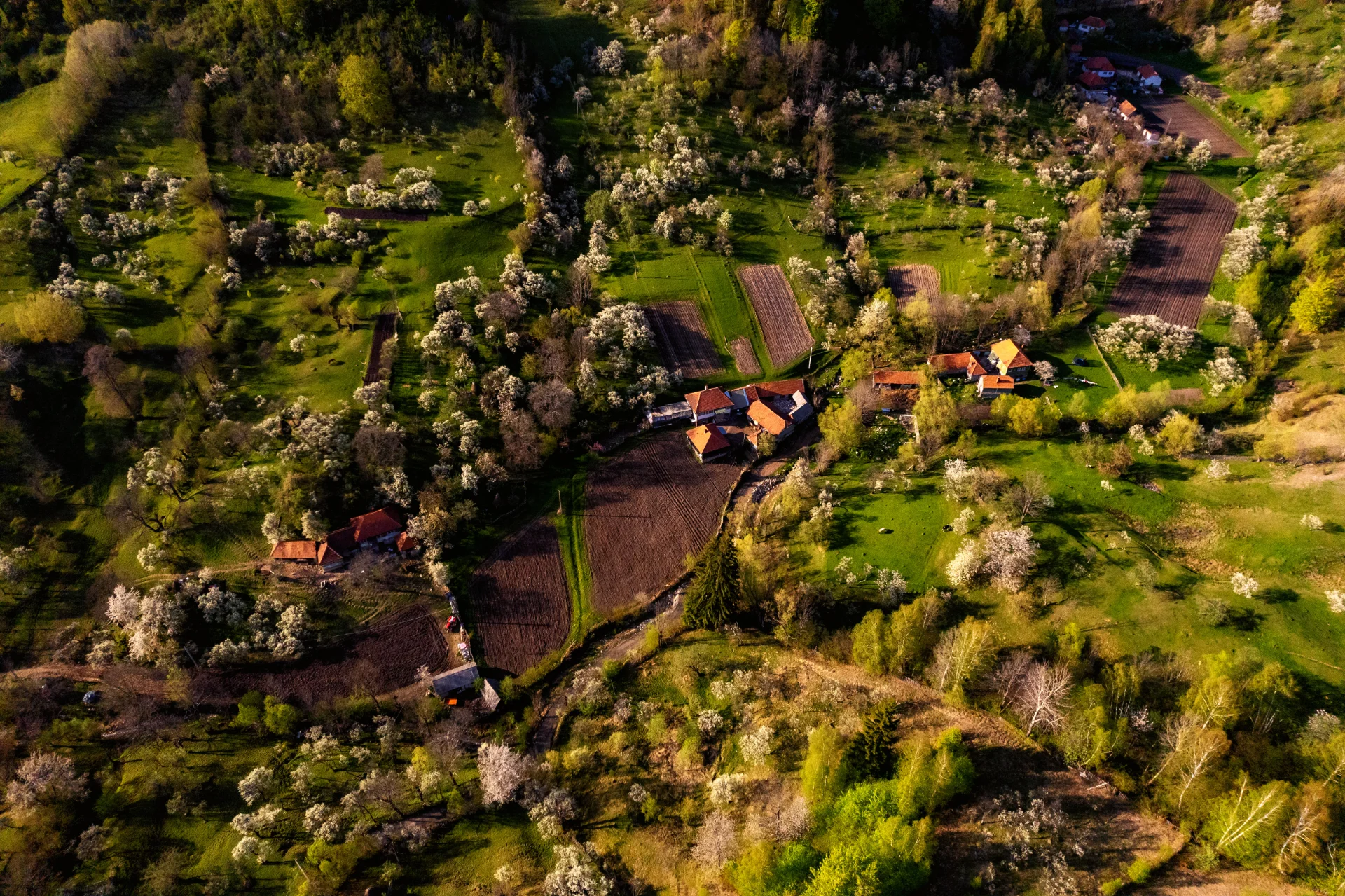
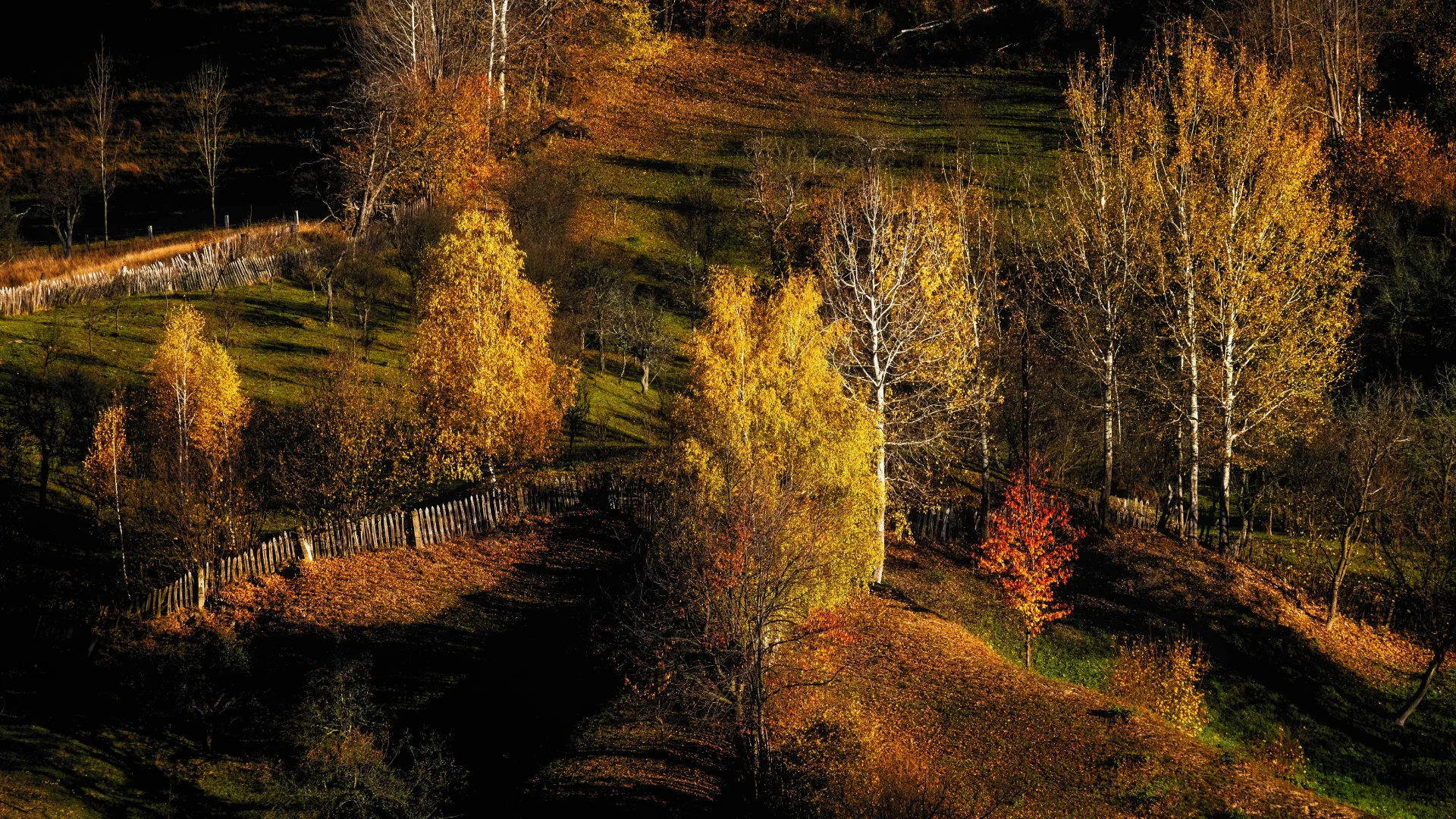
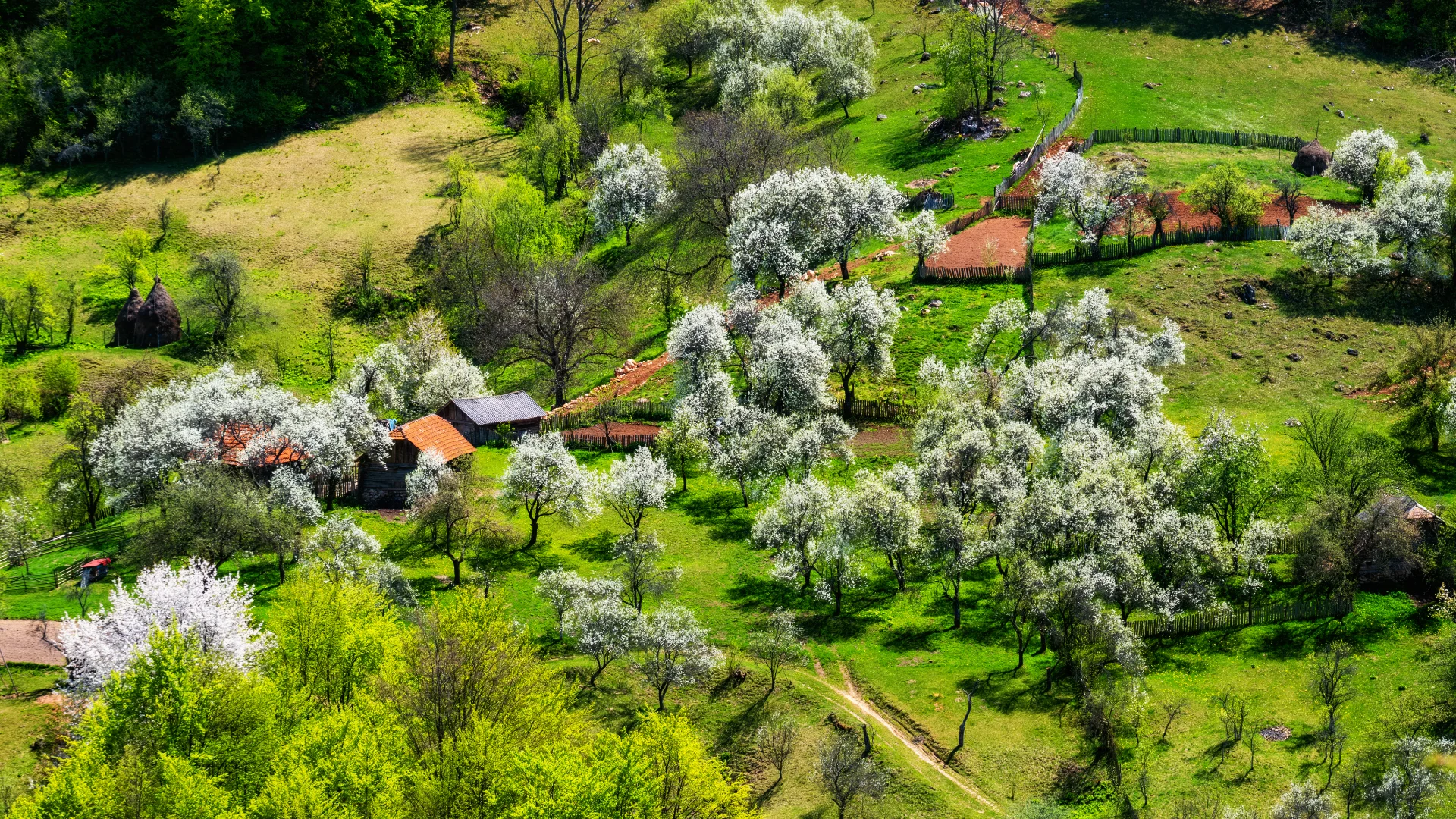
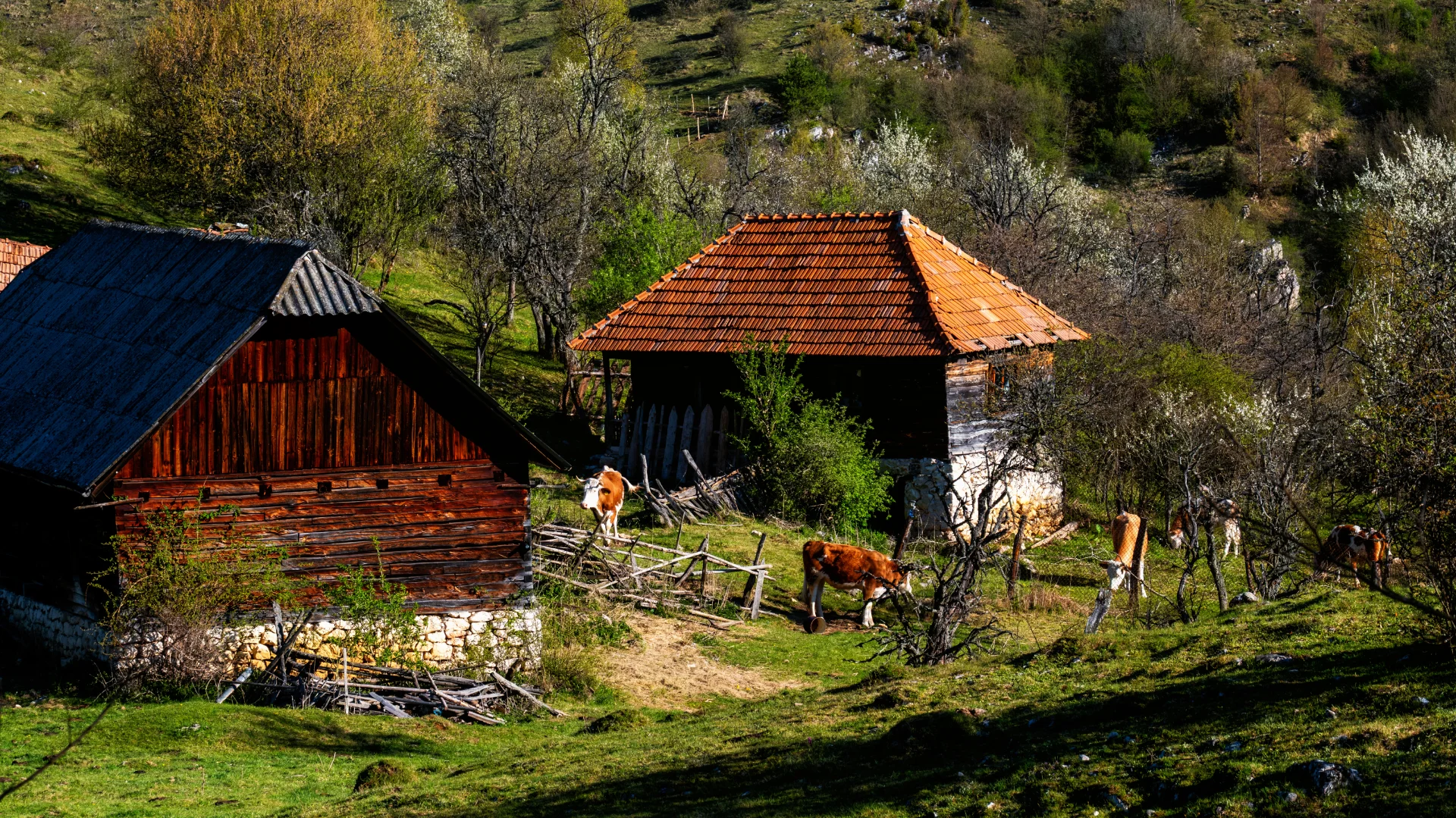
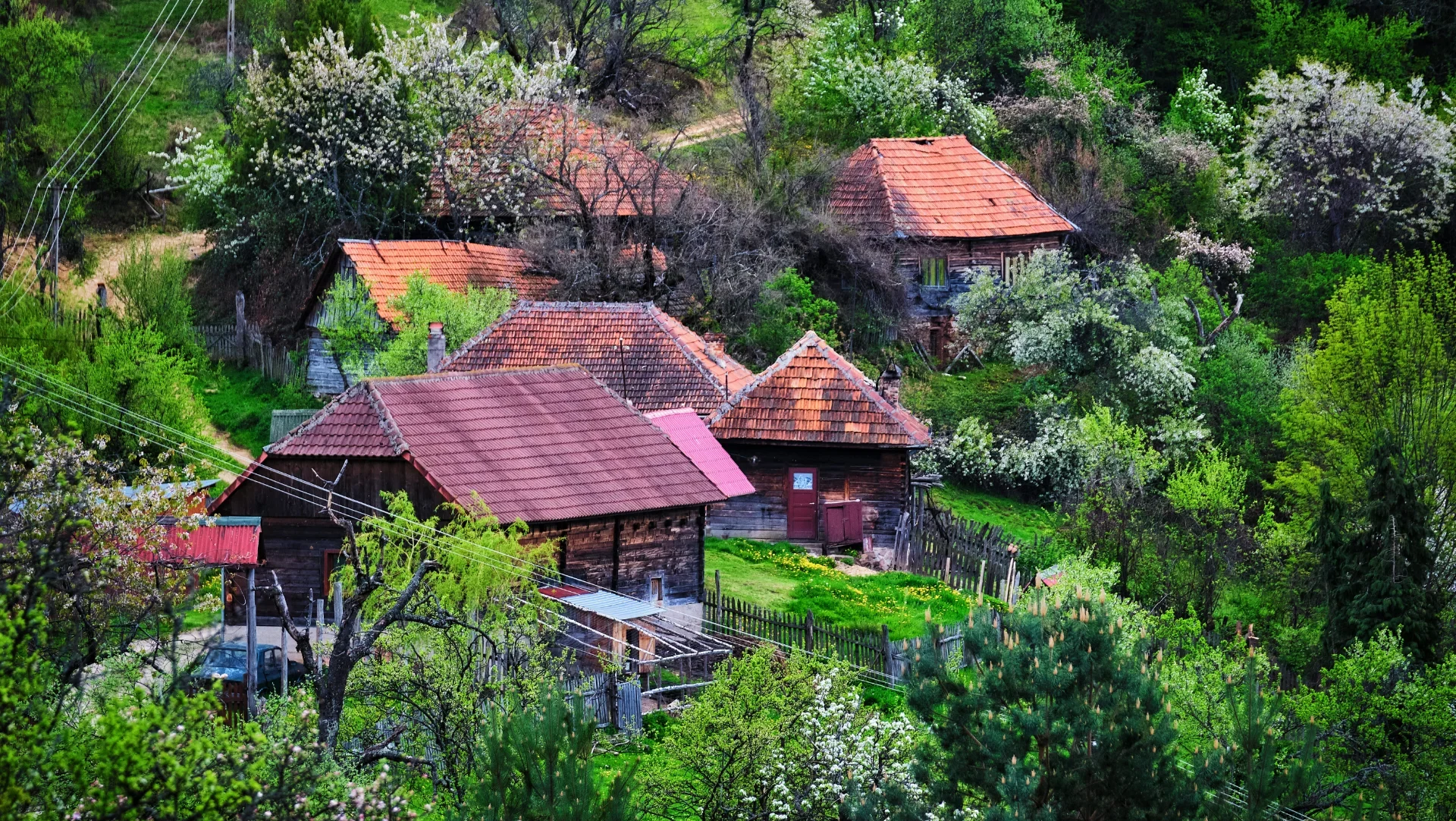
Nicknamed by locals as the “sacred mountain of the Dacians“, Godeanu peak is located in the immediate vicinity of the capital Sarmizegetusa Regia and is the only one visible from all the surrounding Dacian fortresses. In the heart of the Şureanu Mountains is also Poiana Omului (Man’s Glade), an old intersection of transhumance roads. A place full of history, but also legends, the most famous saying that King Decebalus died here, pursued by the Romans and choosing to take his own life rather than be taken prisoner. Located between the Grădiștea (Orăștie) valley, the Luncani valley and Poiana Omului, the Luncani – Târsa Plateau has heights of up to 1,000 meters and represents one of the areas inhabited since ancient times. Traces of life from the Cucuteni culture were discovered here, over 4,000 years ago, continuing with the Dacian and Roman periods. Dotted with traditional homes and shelters scattered among glades, hayfields, and orchards, the plateau is a charming rural destination.
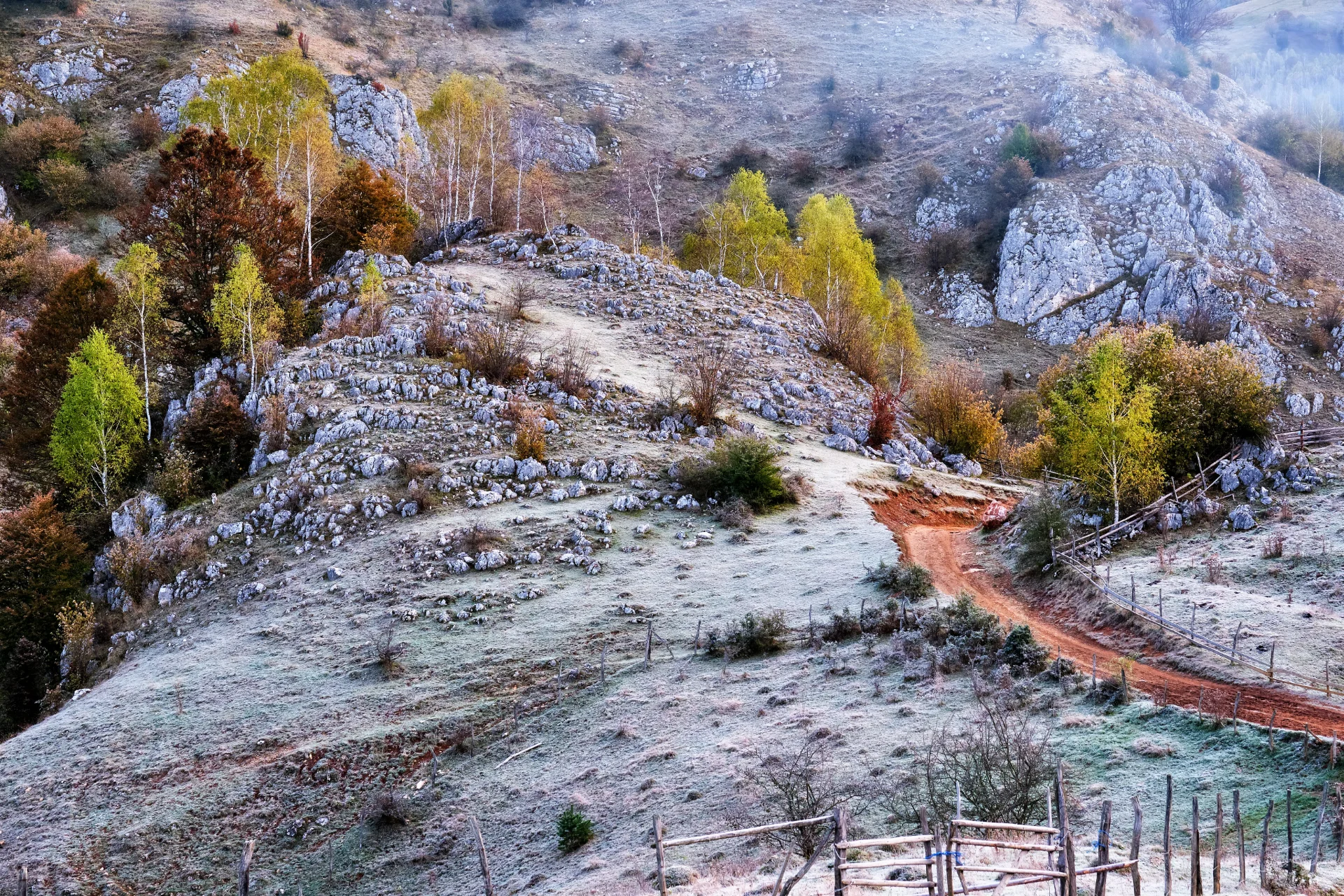
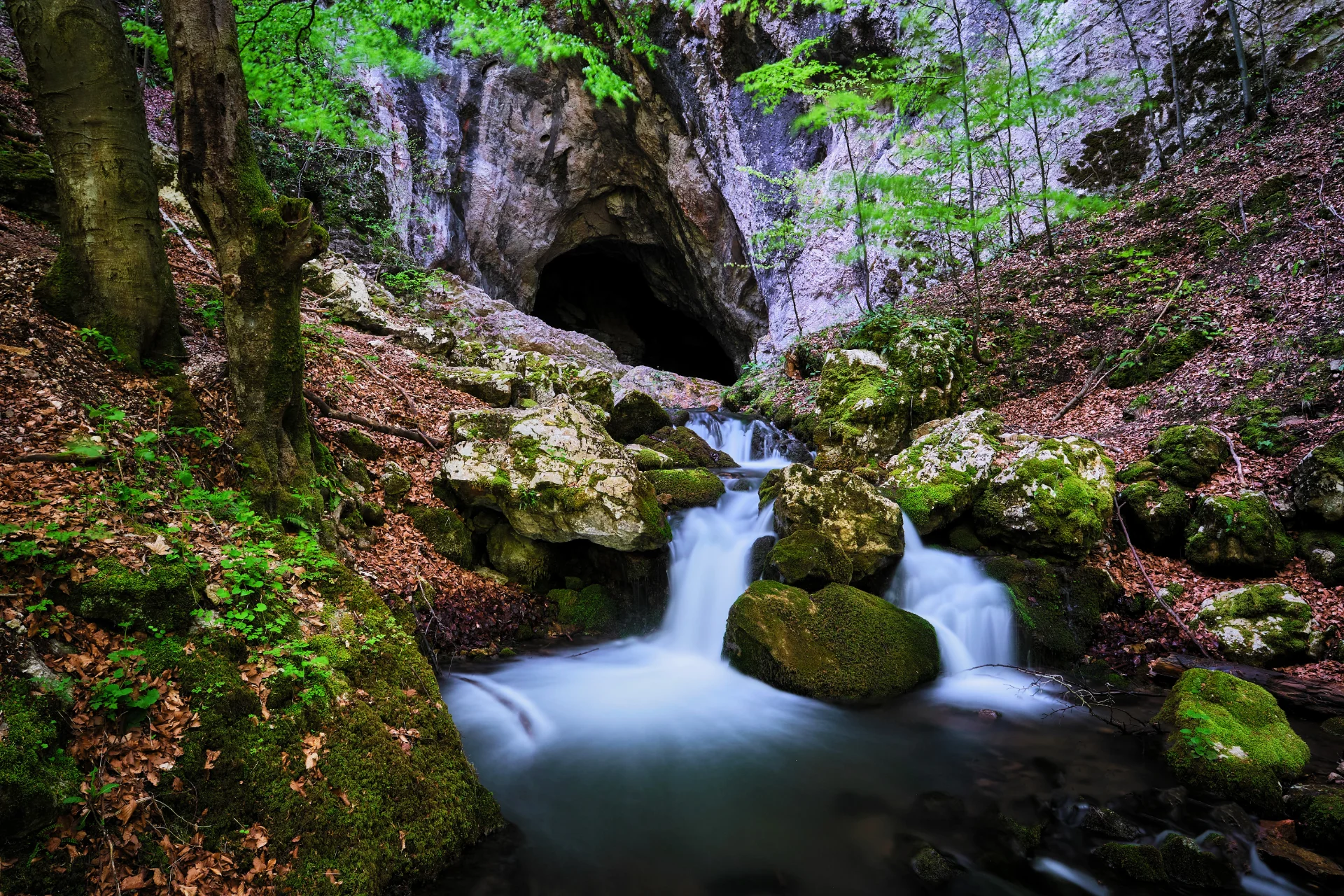
A little further south of the Piatra Roșie fortress, in the Cioclovina valley we discover an isolated area of sublime beauty, where water forms a world of underground galleries that connect the upper valley known as Fundătura Ponorici with the cave and waterfalls of Cioclovina, located downstream. While only speleologists can explore the kilometers of tunnels of the Cioclovina Cave, we can still admire the magnificent waterfalls that form along the stream after it emerges from the active entrance of the cave, while another fossil entrance leads into dangerous galleries where human remains and ancient objects have been discovered. Following unmarked paths to the plateau above, we can also reach the charming valley known as Fundătura Ponorici, with its scattered mansions and shelters, used by local shepherds for centuries. The small karst depression narrows before a cliff, nearby is the Ponorici cave, where we can admire the speleological formations near the entrance.
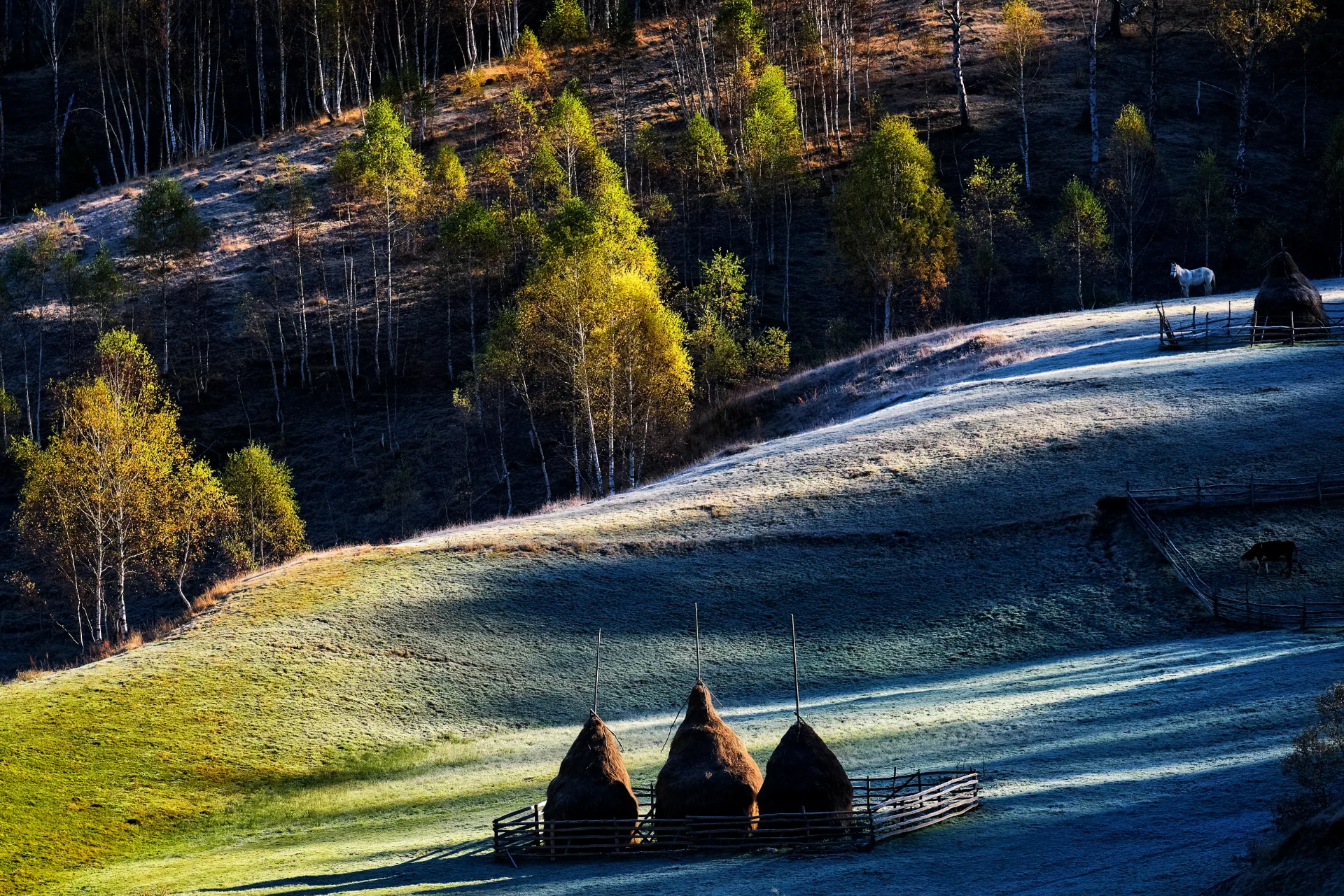
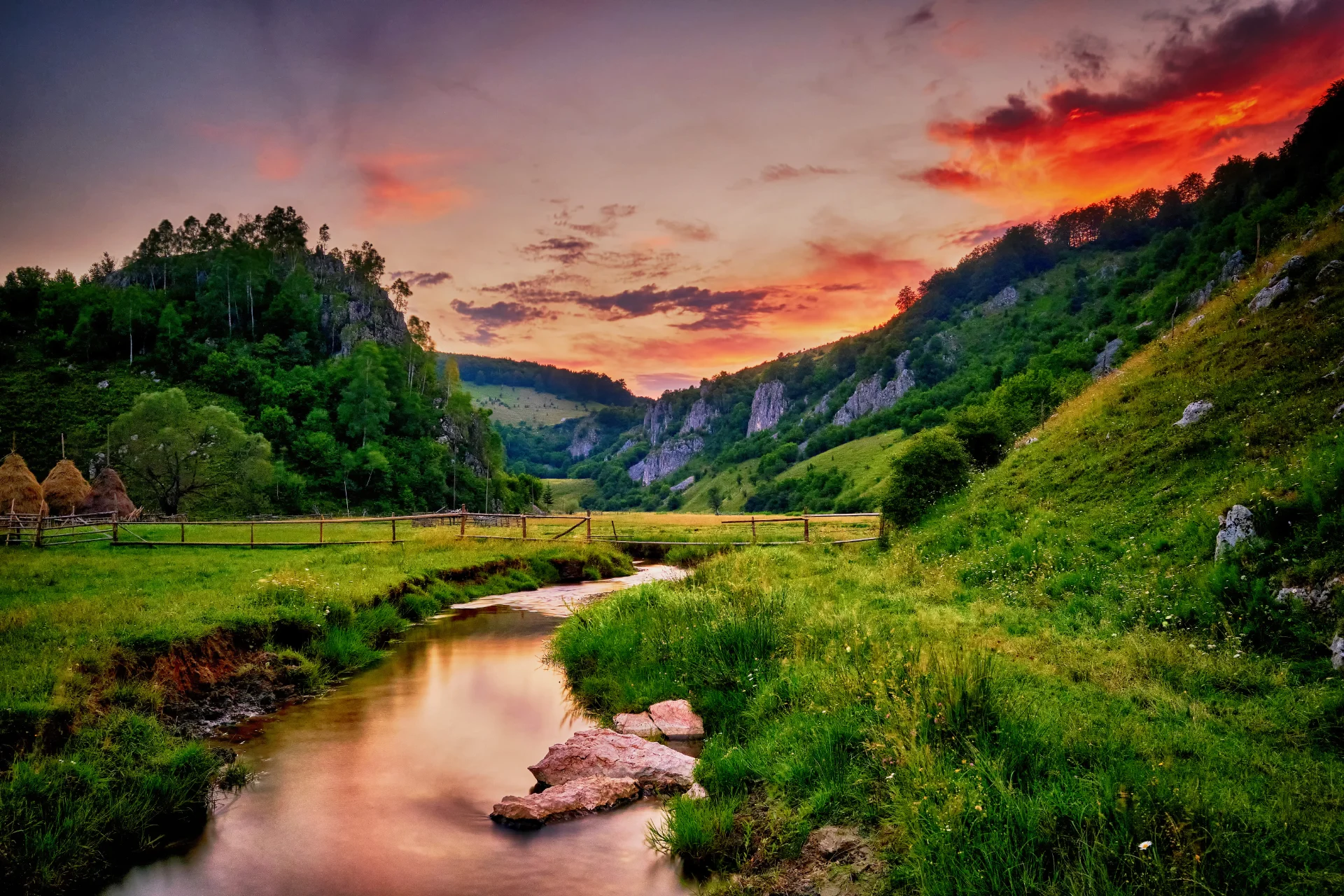
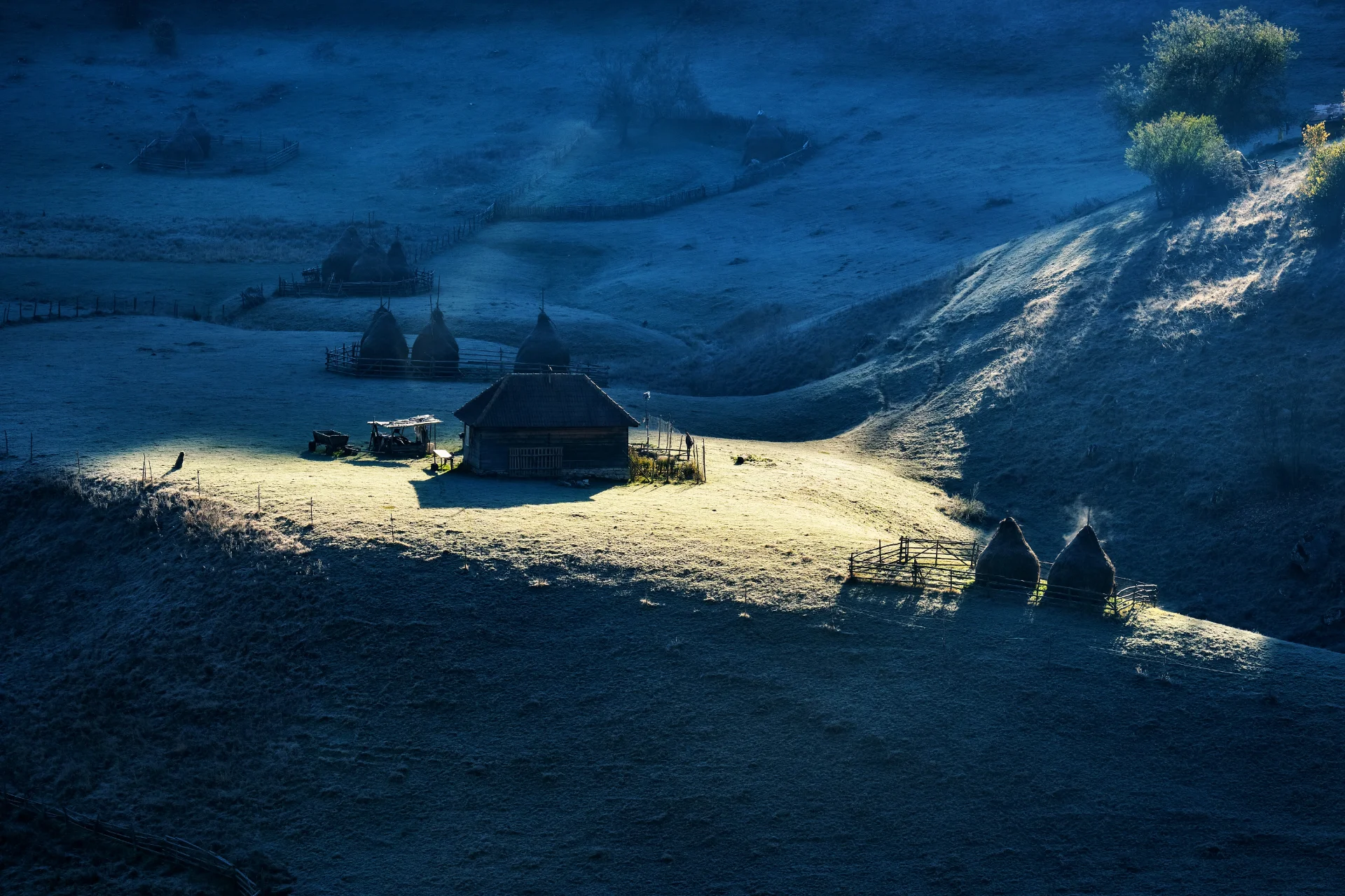
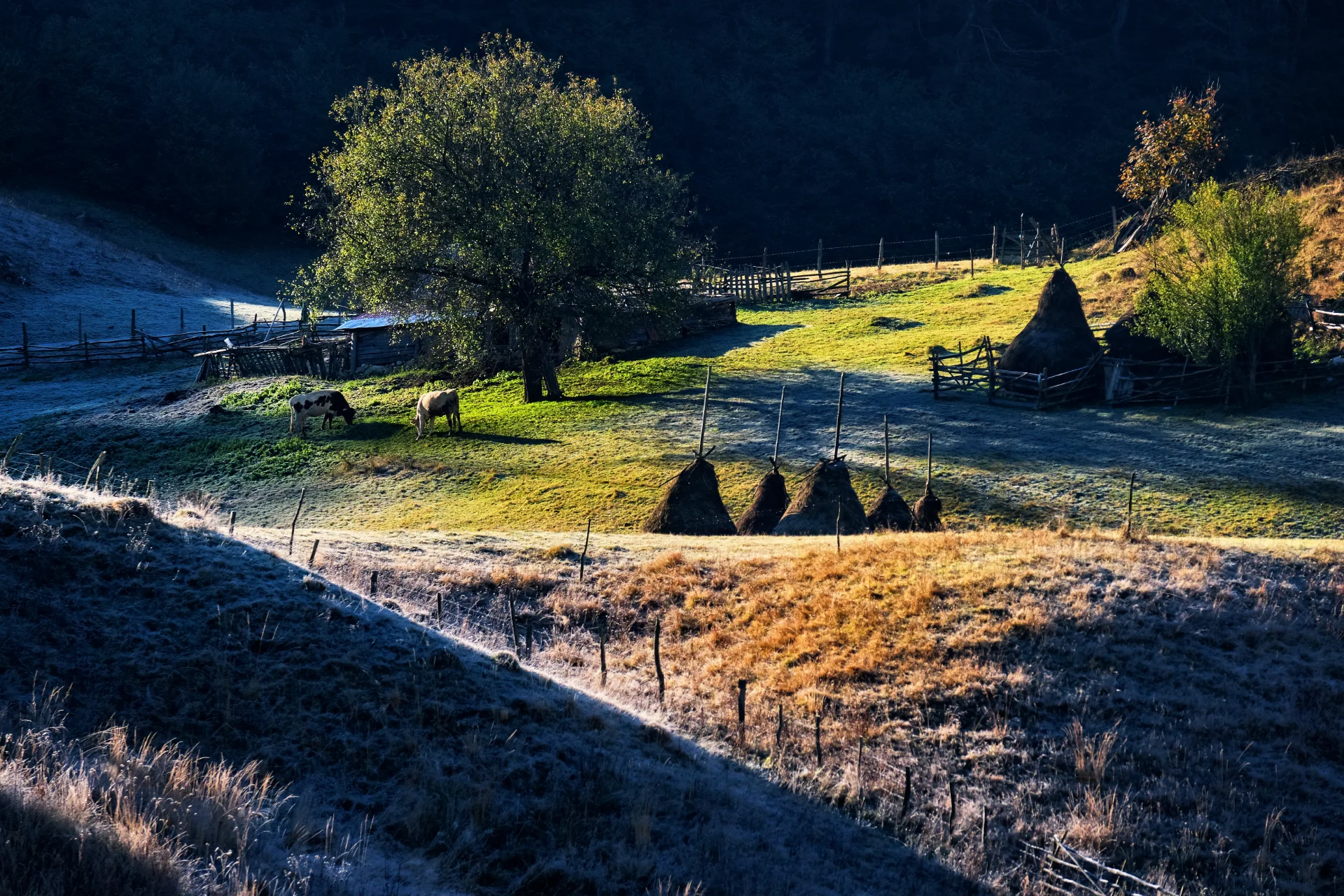
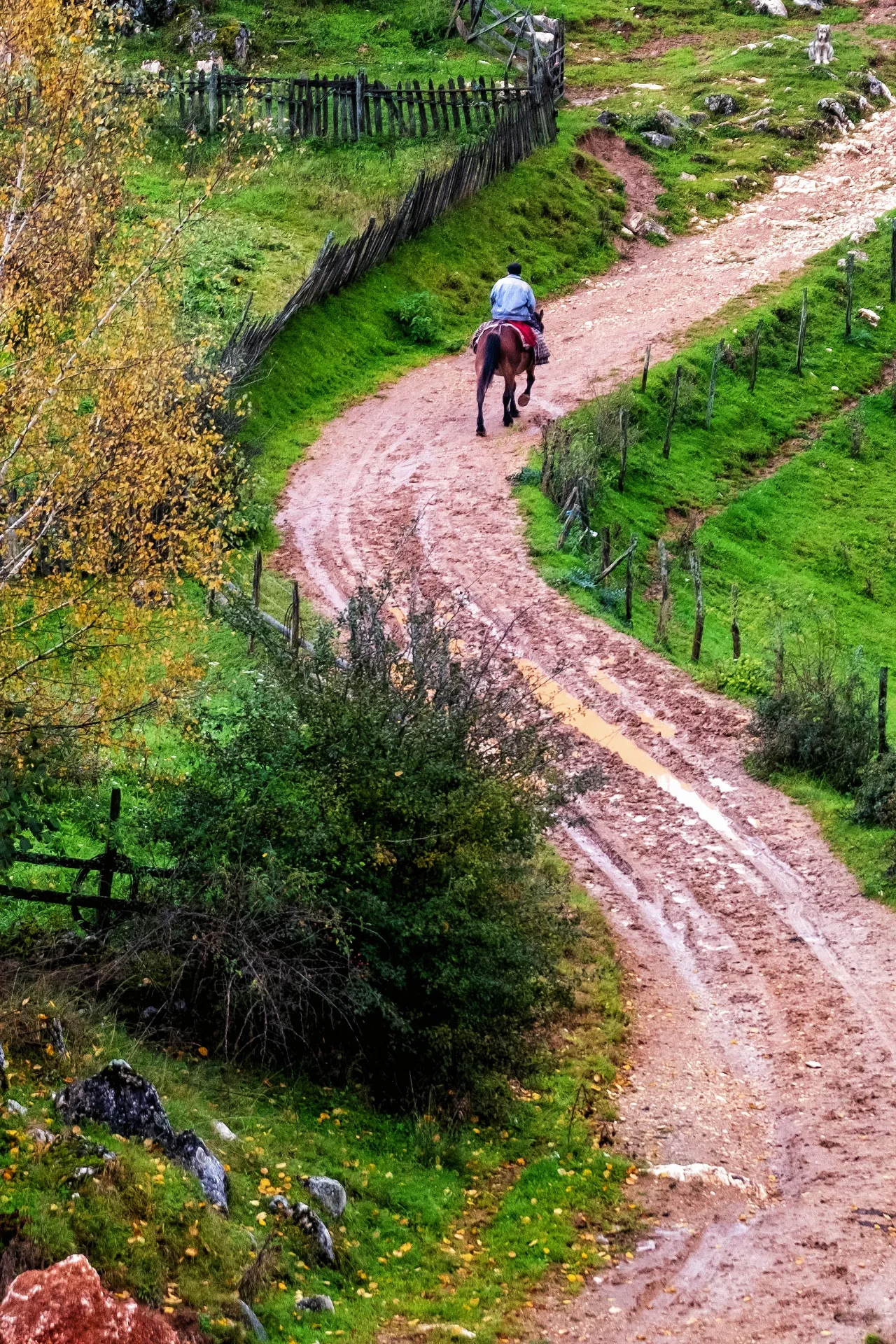
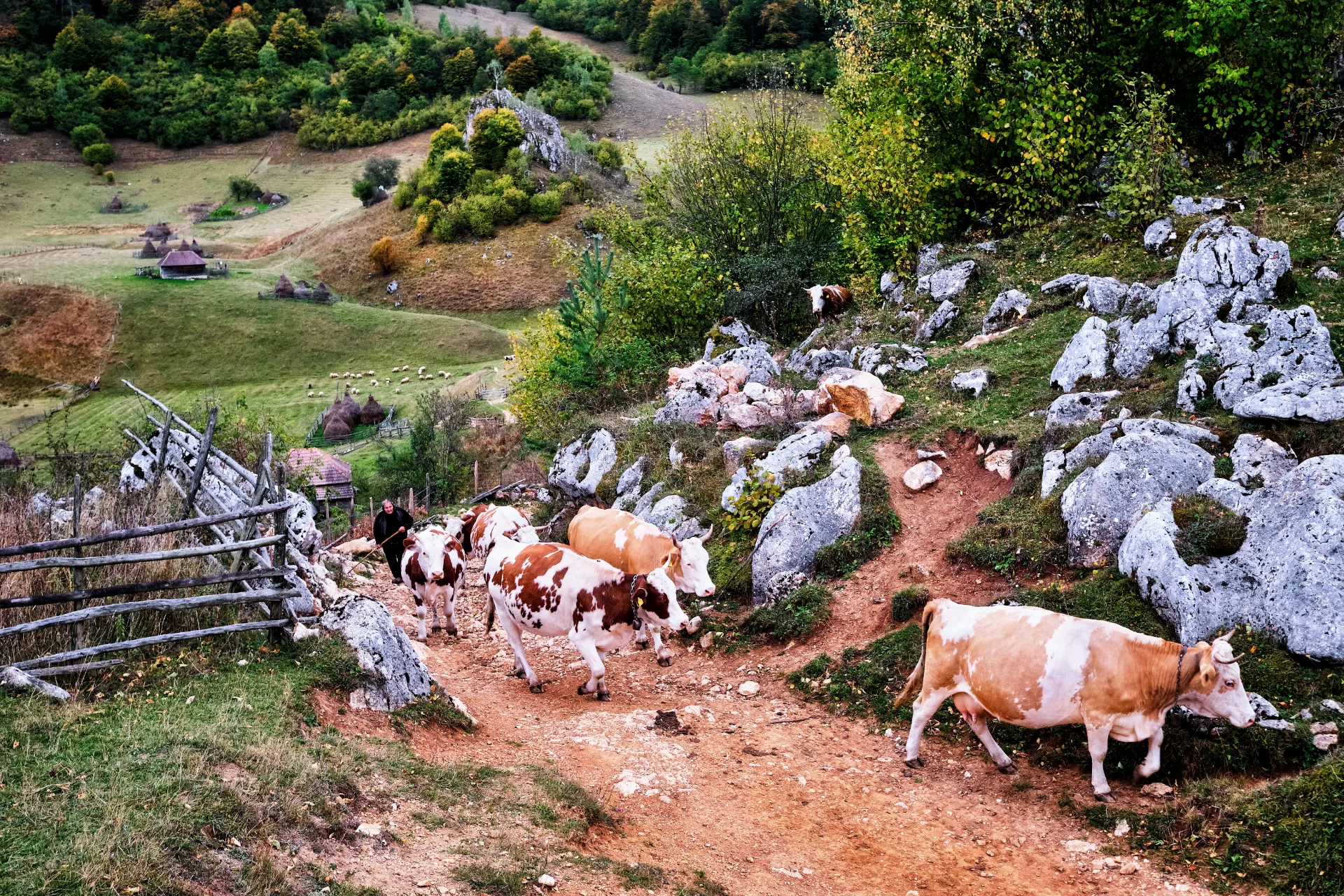
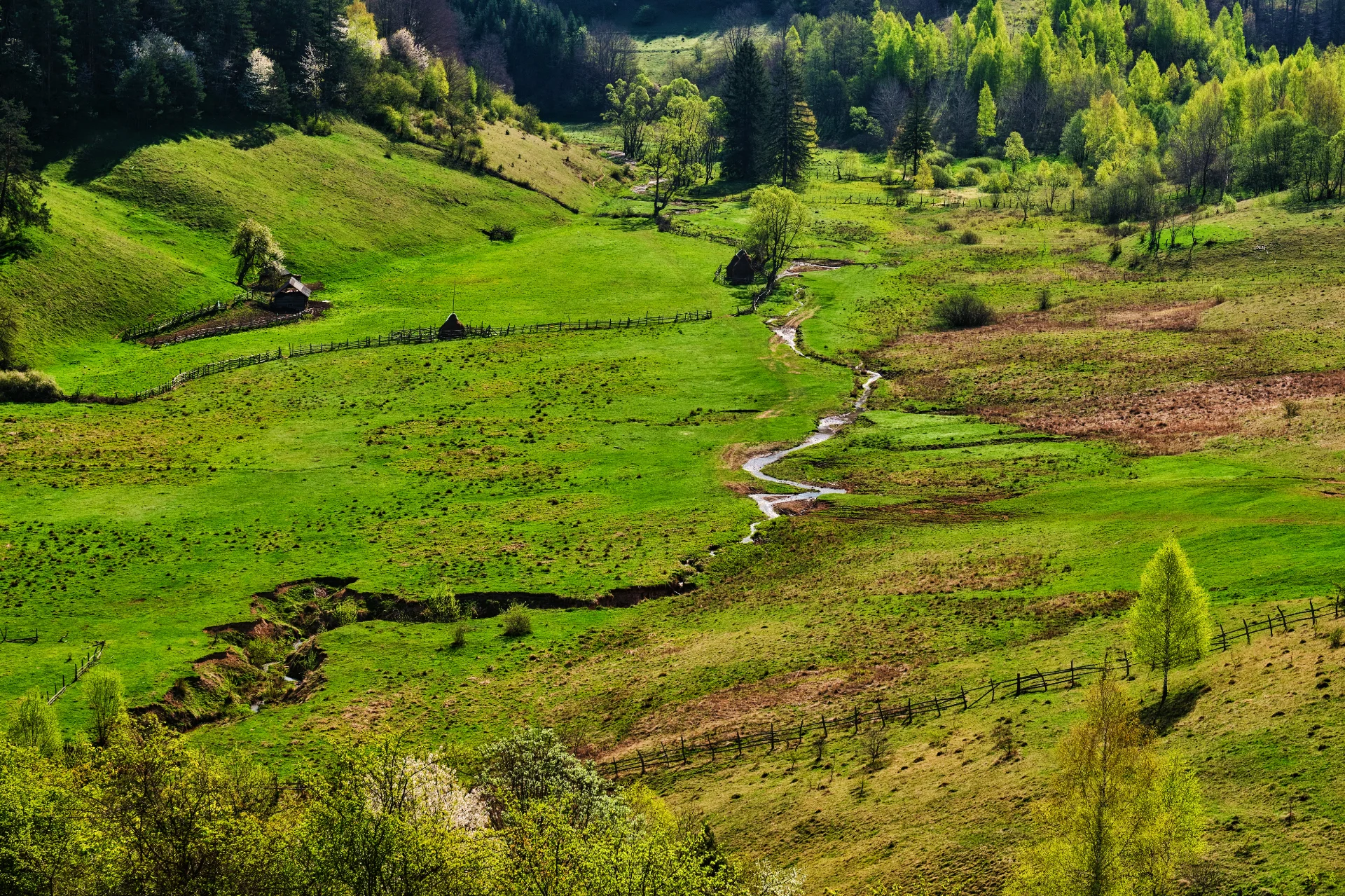
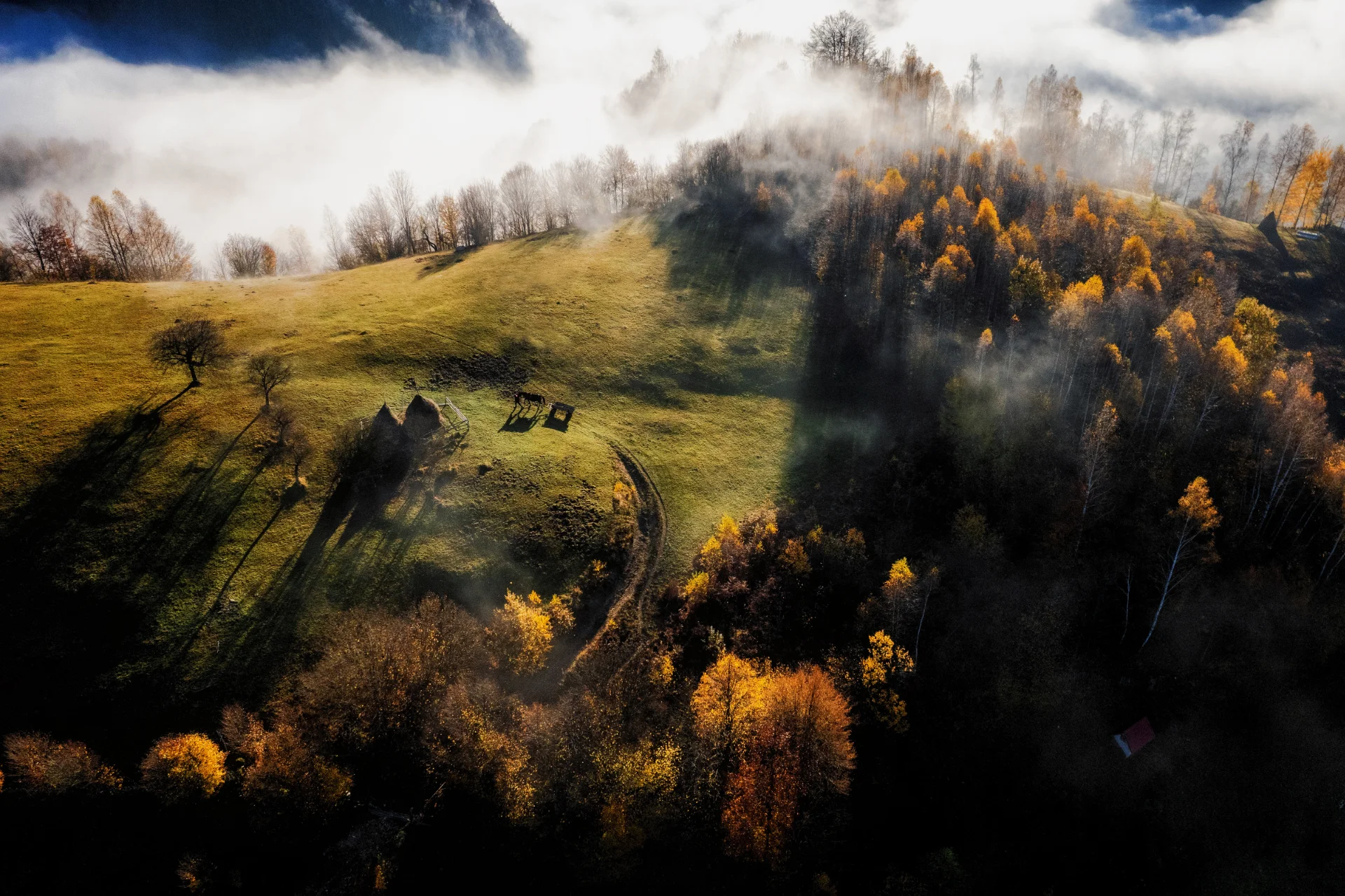
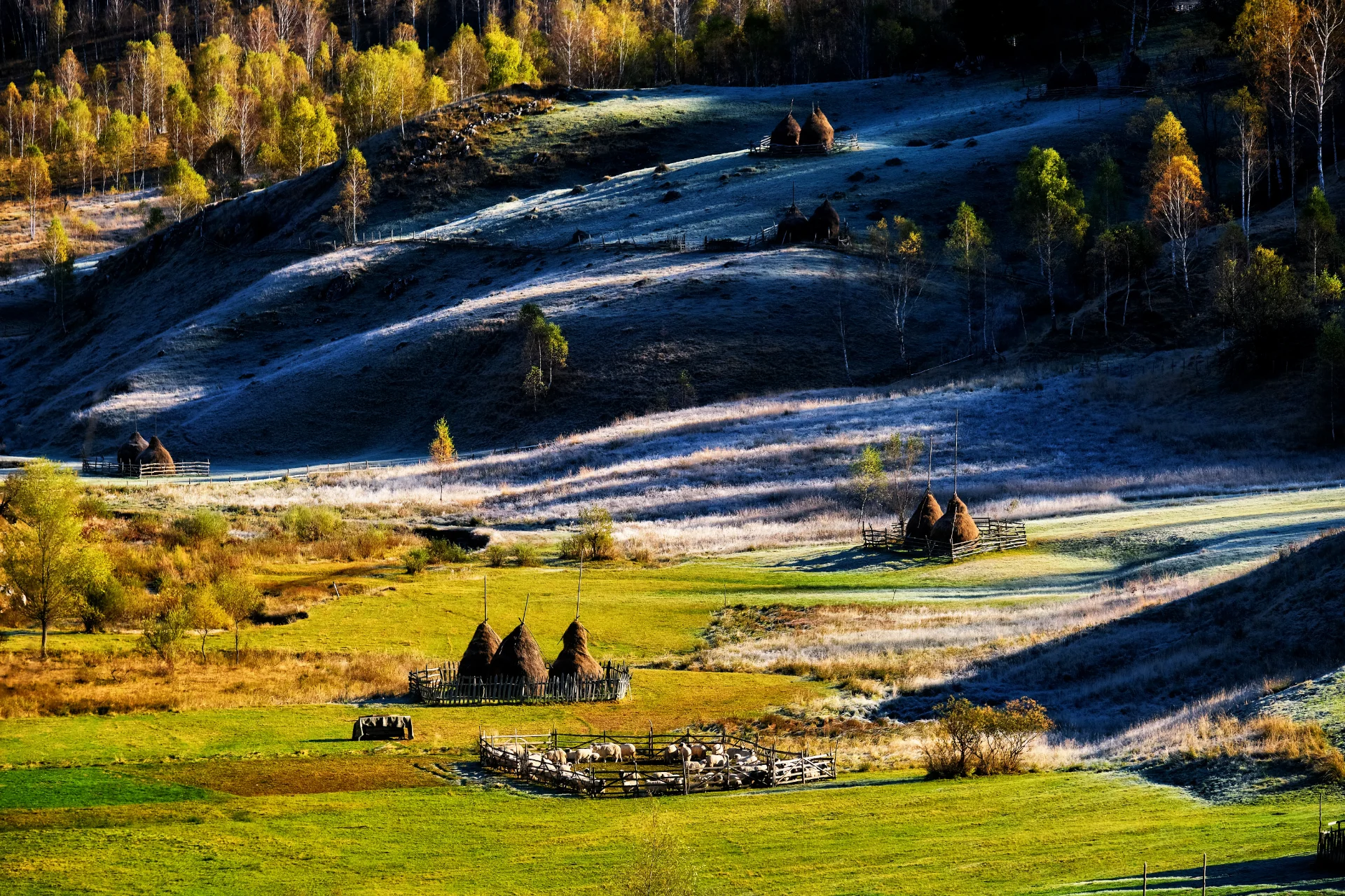
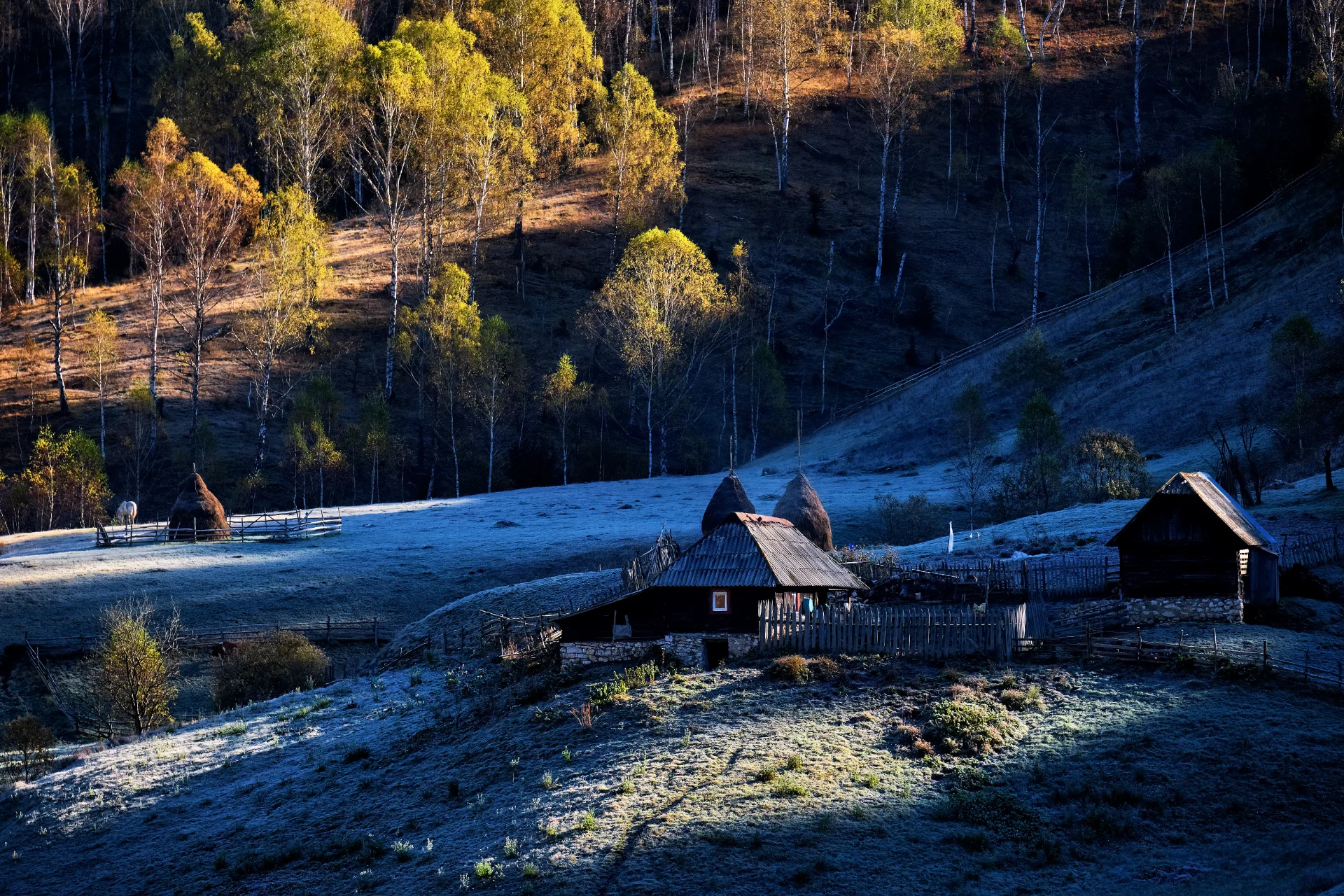
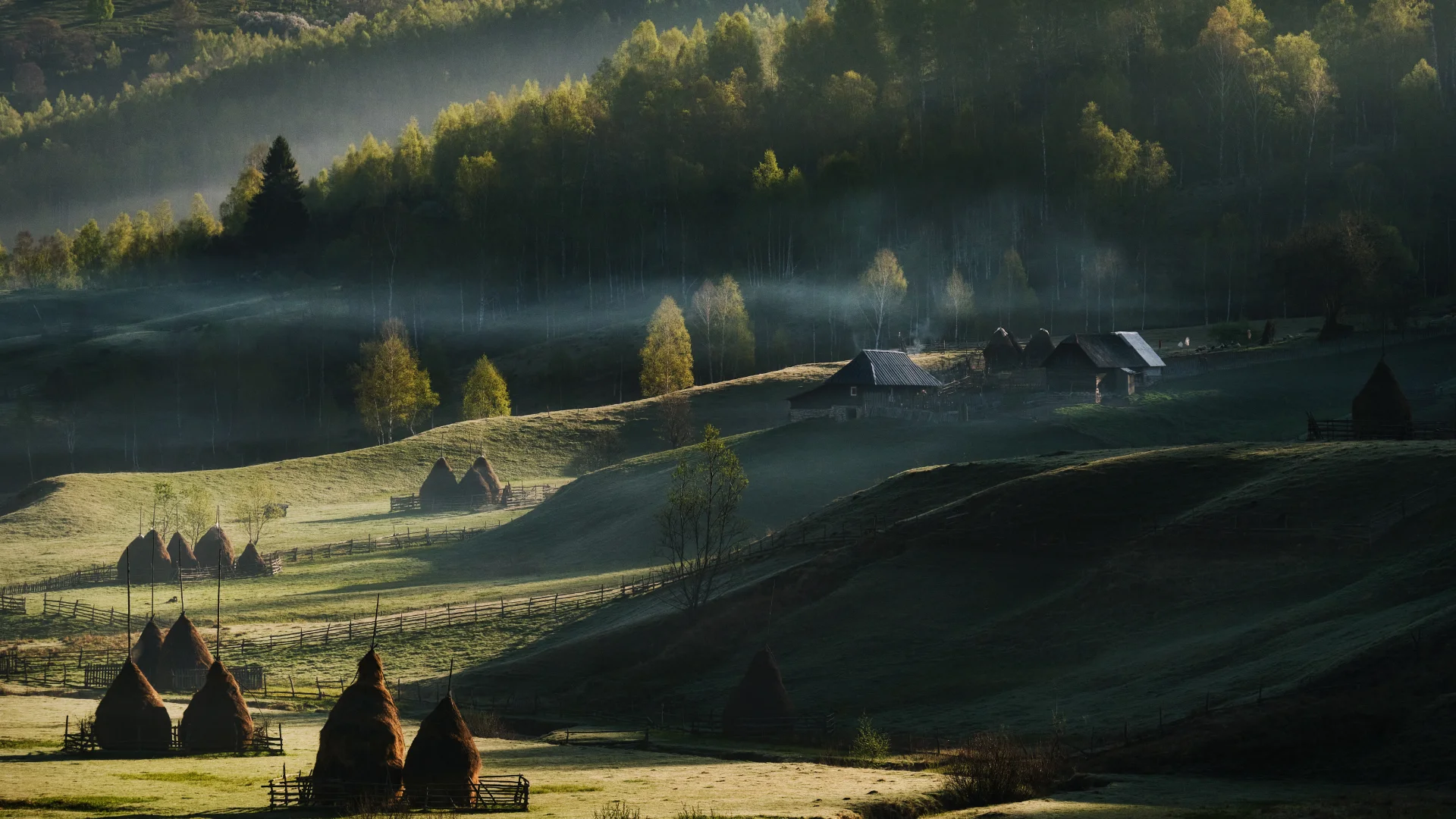
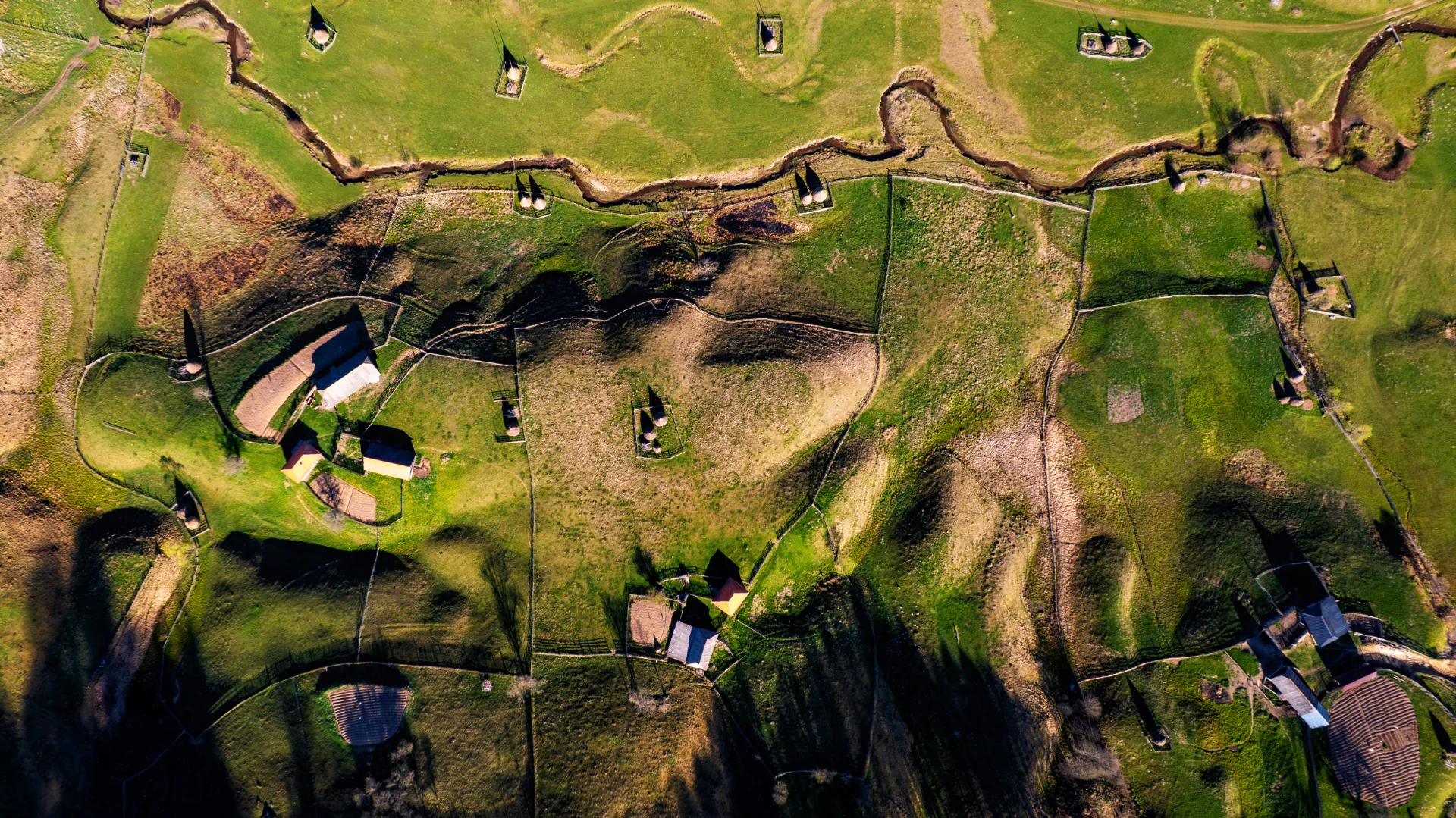
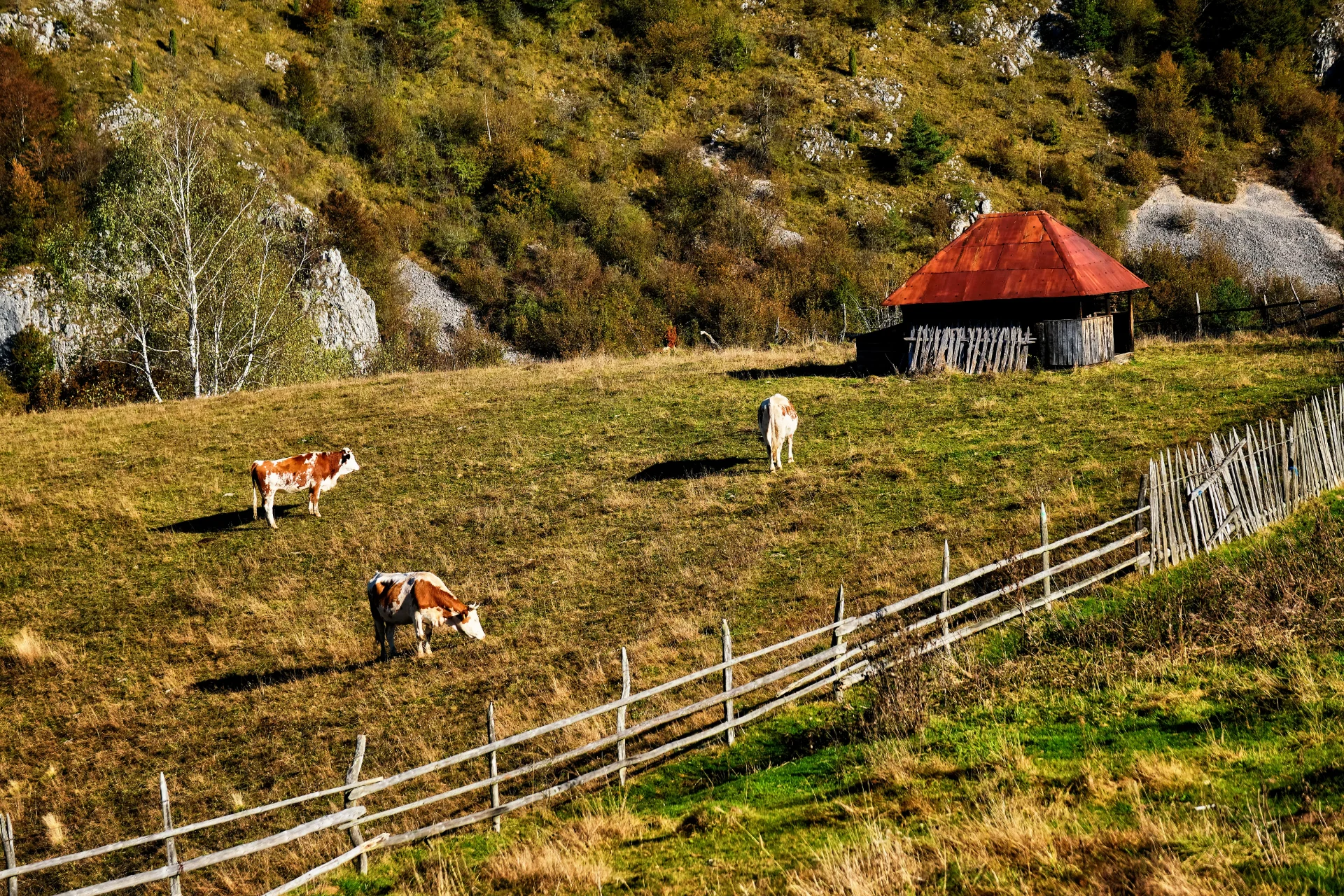
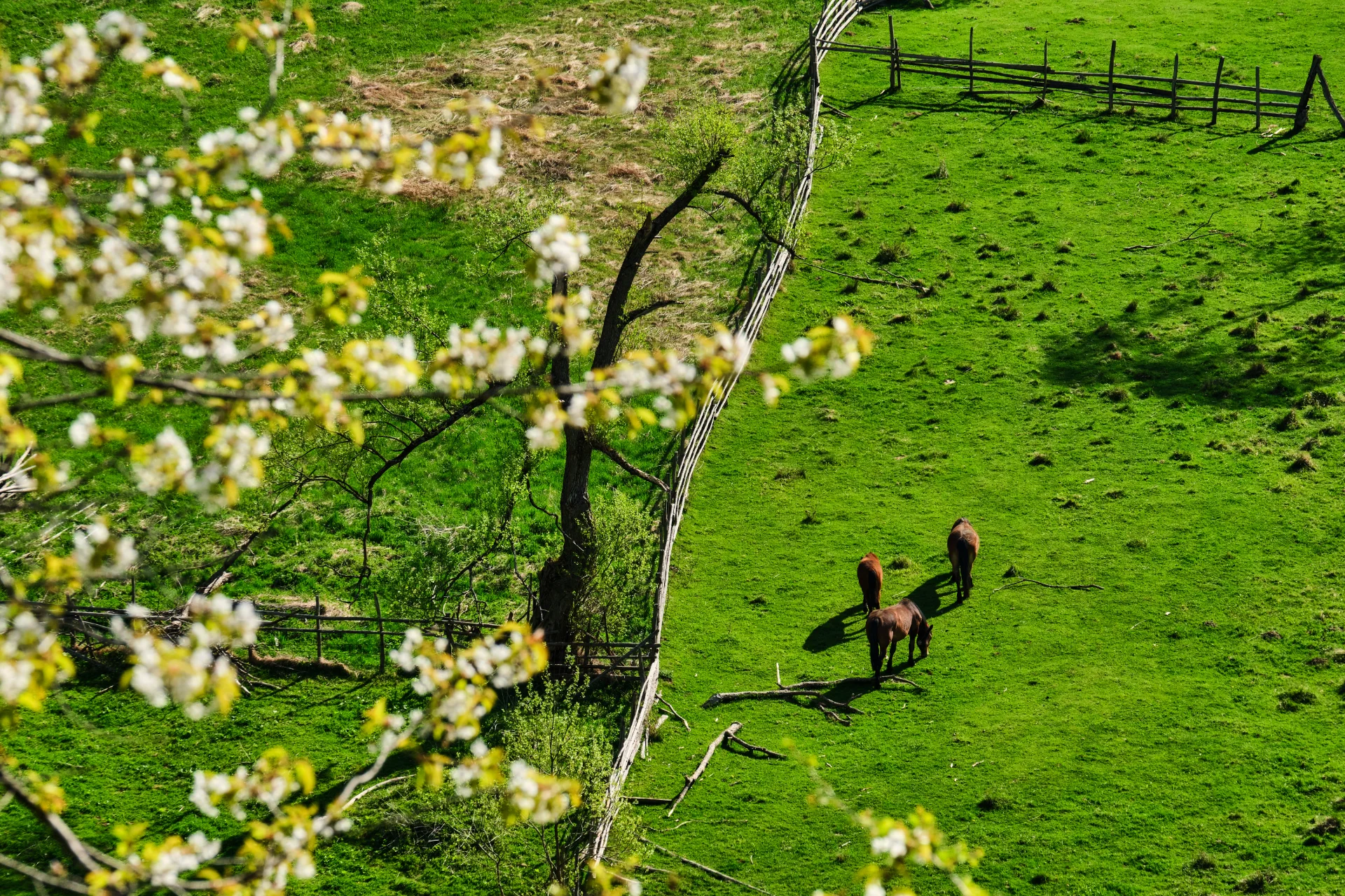
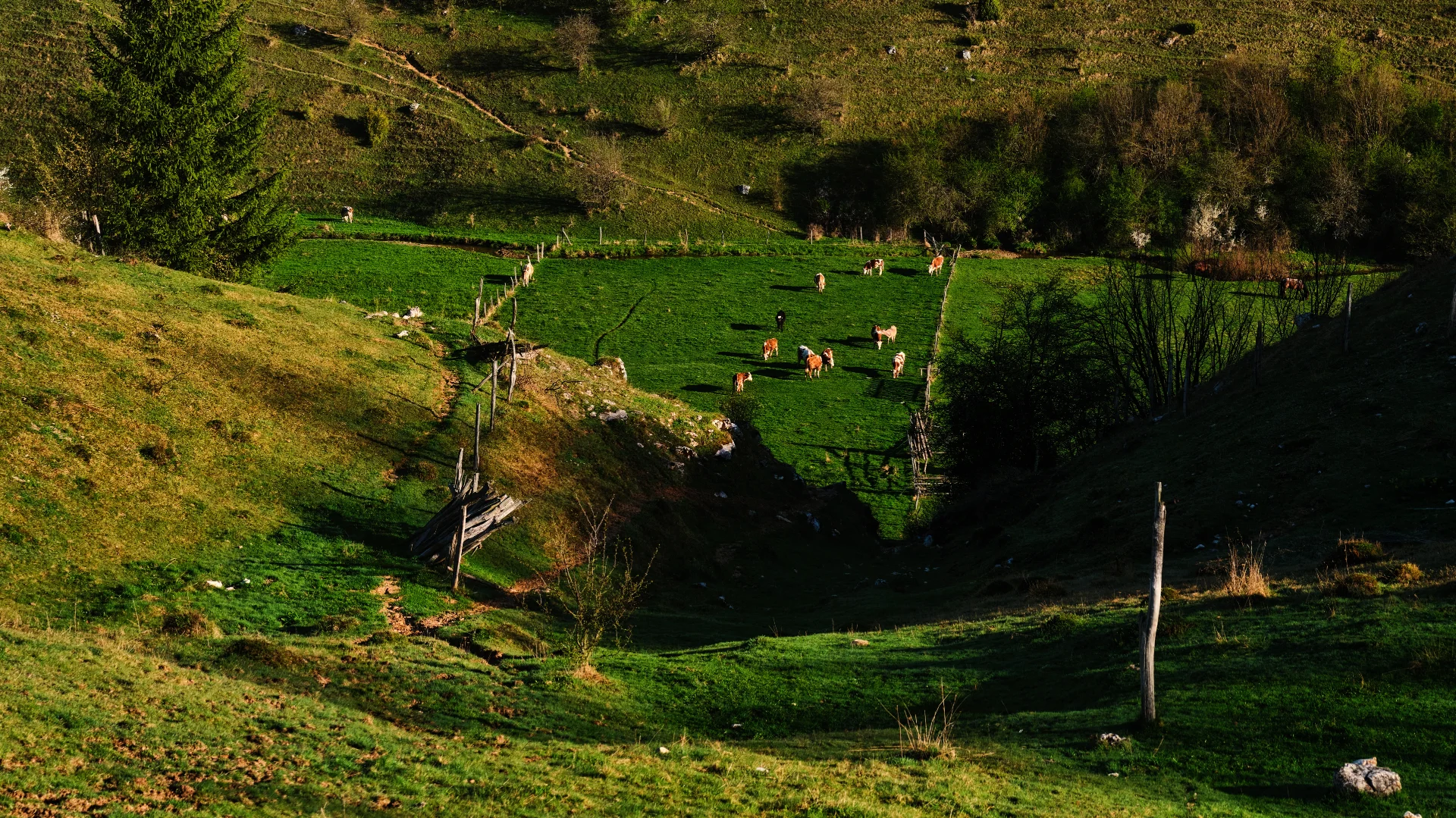
Another equally fascinating place is revealed to us over a few gentle peaks to the south, but it is much better known to travelers, especially in recent years. Fundătura Ponorului is a hamlet that seems to be taken from fairy tales, an isolated rural community where the authentic traditions of these places are preserved. A lazy stream meanders through the charming valley, passing through pastures and haystacks, before disappearing into the depths of the earth, under a high rock. On the surrounding hills, the first timid rays pierce the morning mist, revealing a few lonely dwellings, surrounded by orchards and animals. Proudly called manors by the locals, these temporary dwellings are usually inhabited from early spring to late autumn, mostly by the elders from the remote villages at the foot of the mountains. Slowly, the valley begins to come to life and distant sounds resonate over the peaks. Walking along the charming paths, we could meet the serene people of the place, some on horseback, others following a cart pulled by oxen or a small herd of sheep or cows.
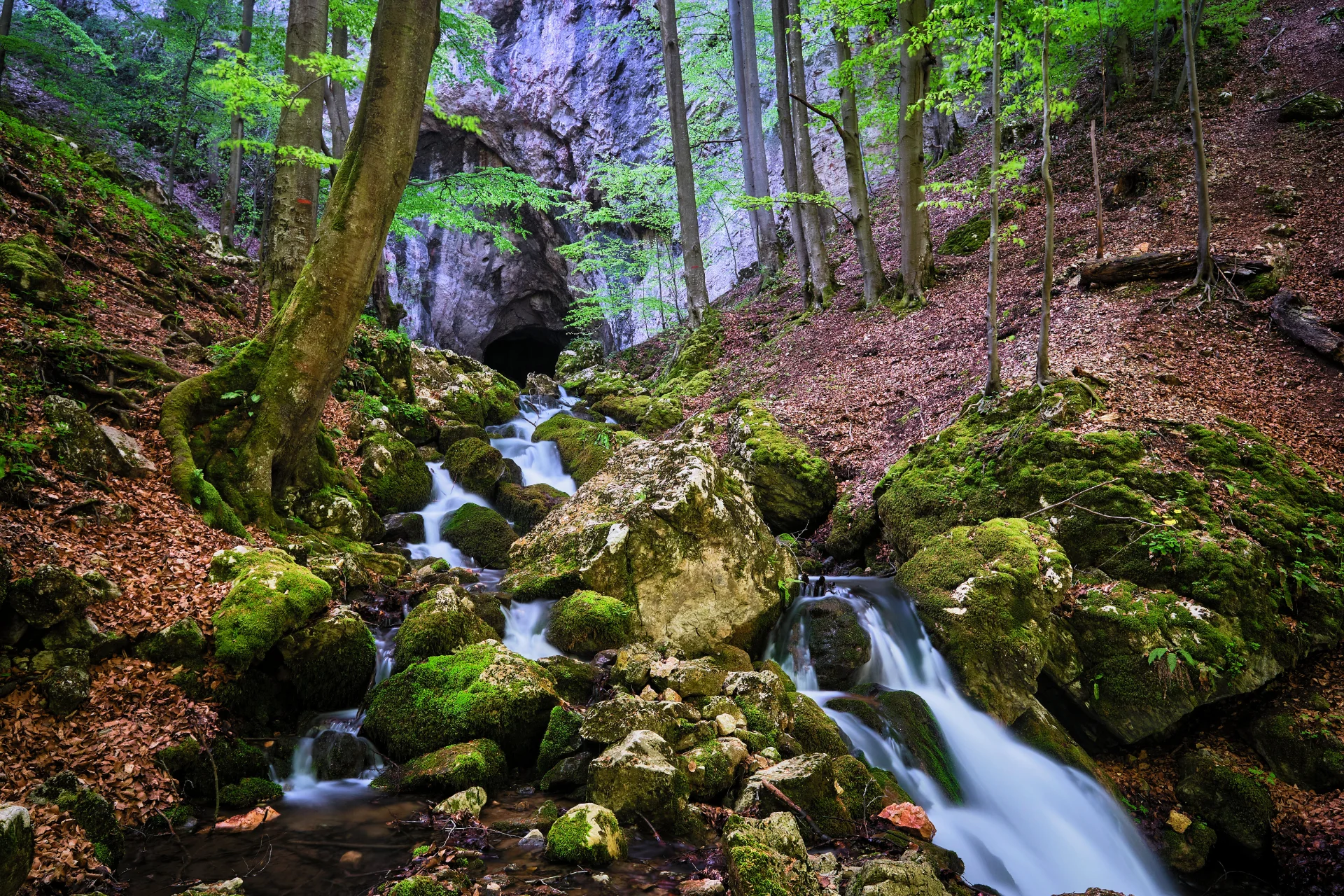
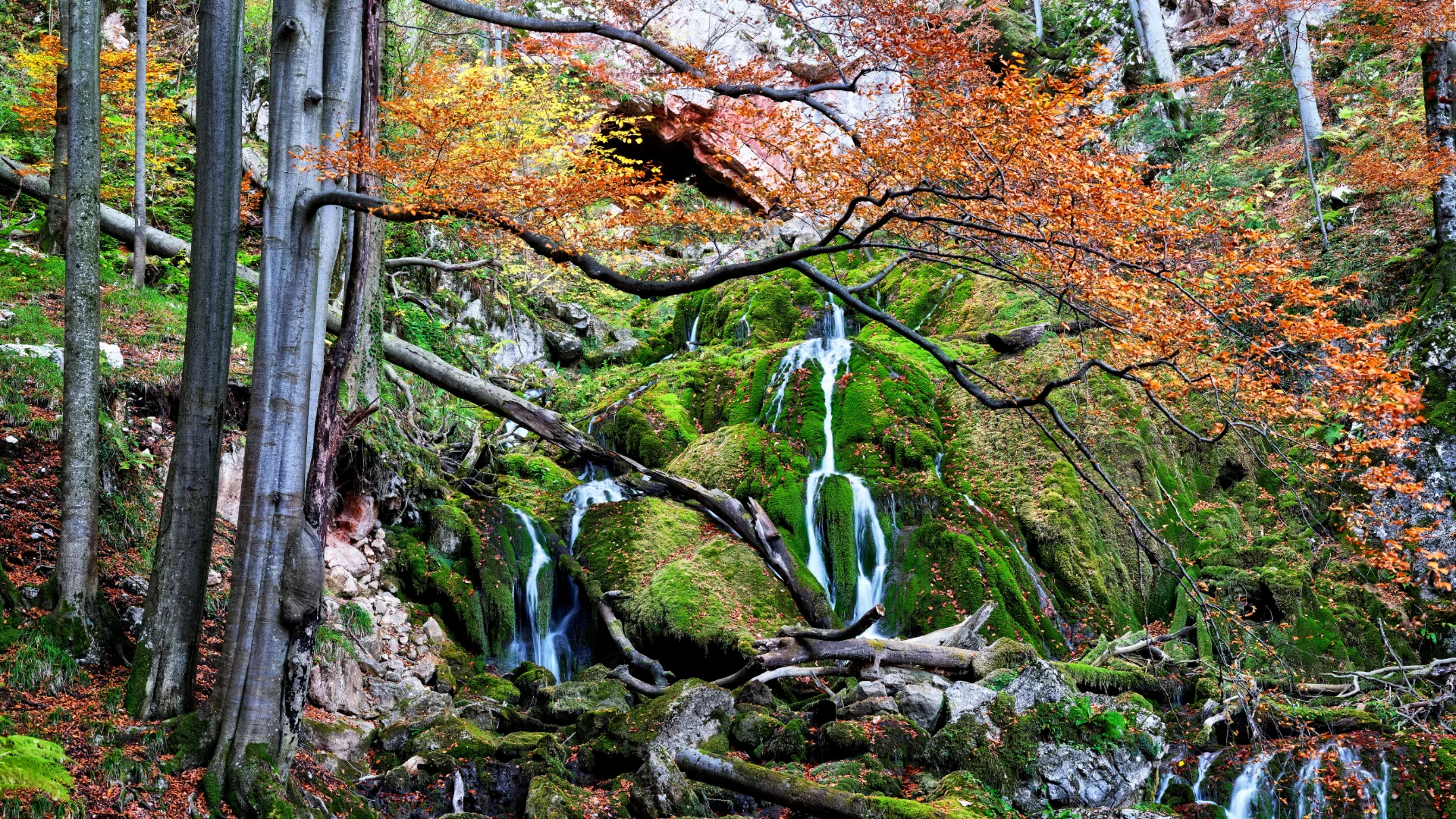
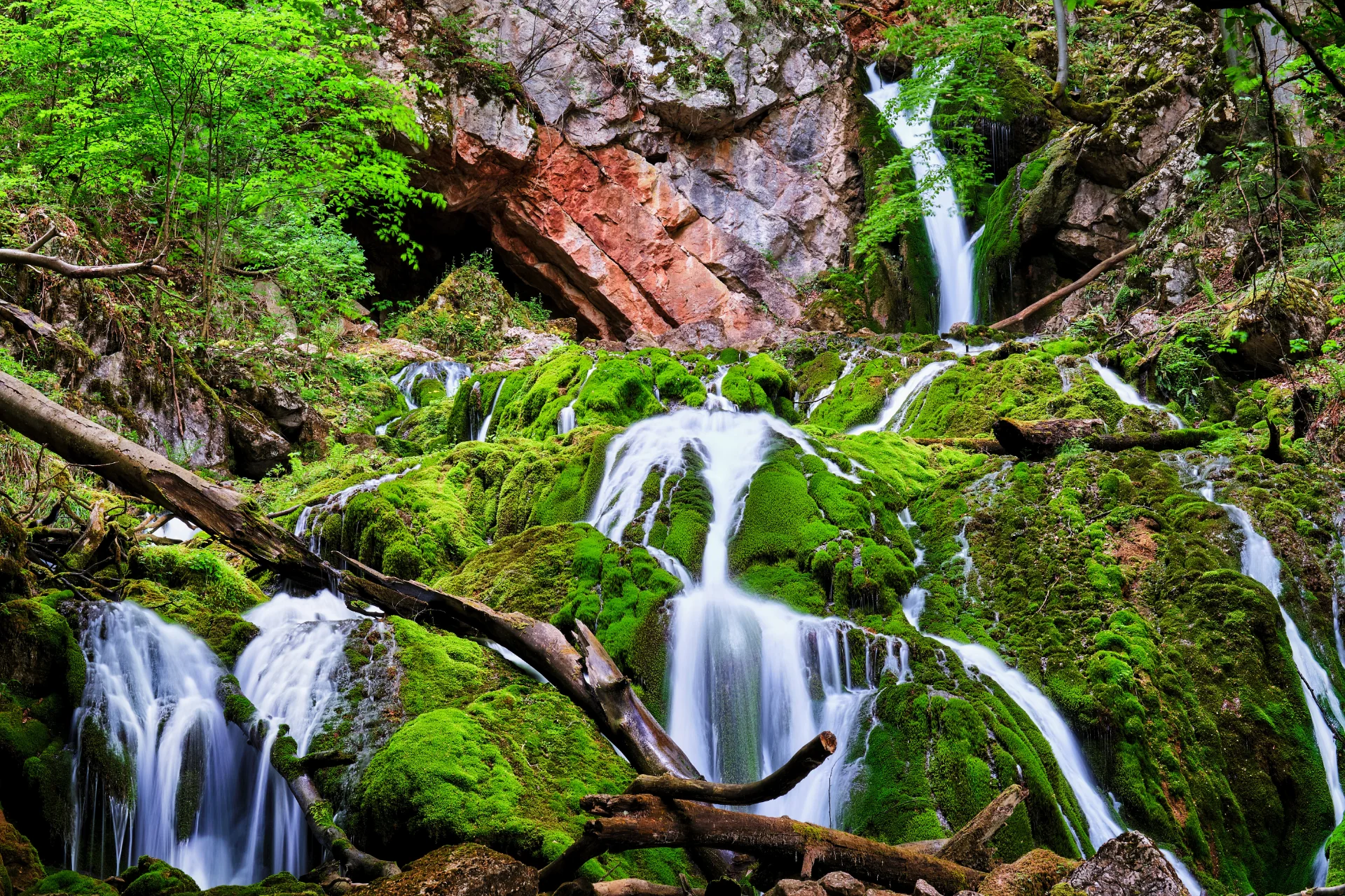
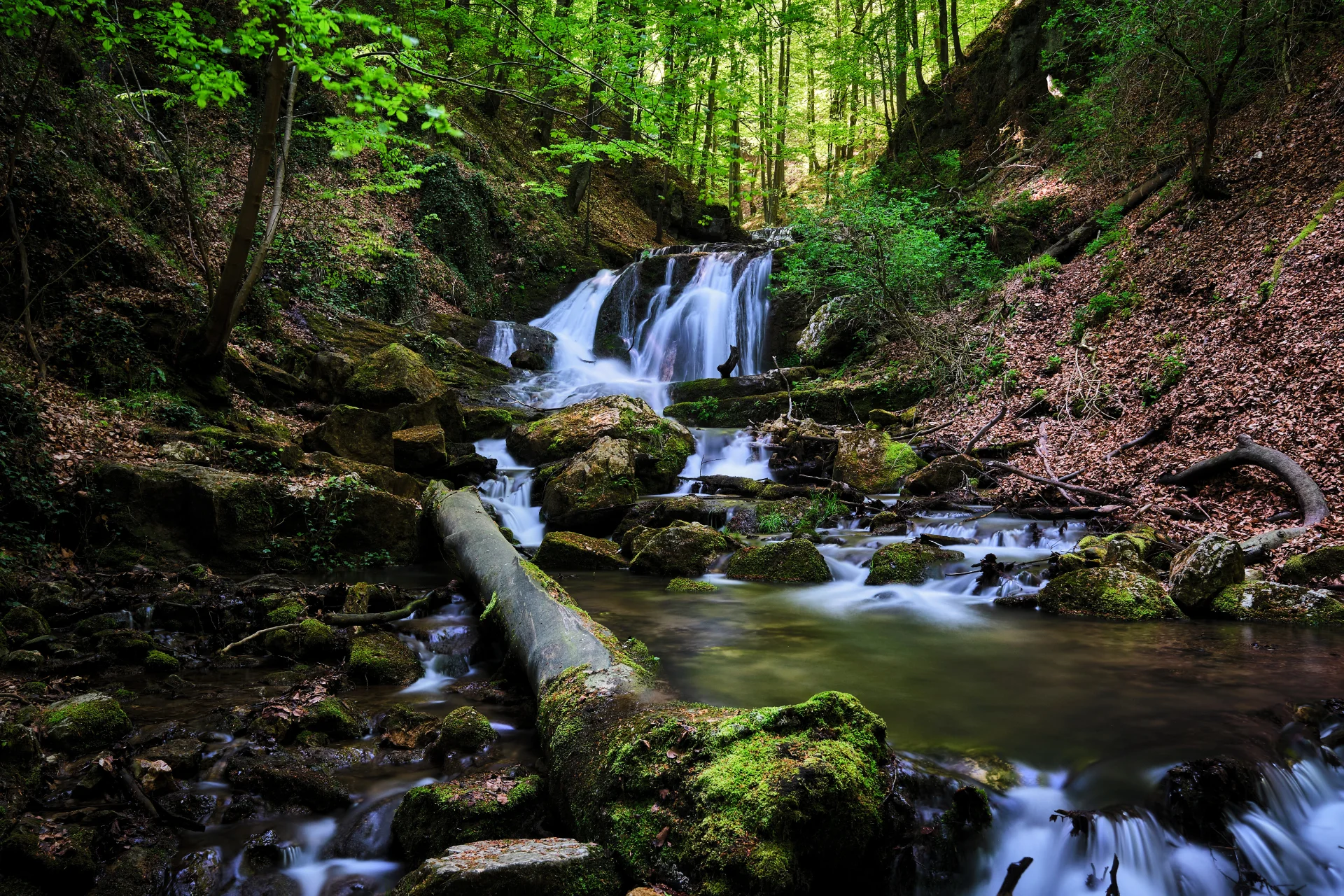
Continuing towards the southern part of the natural park we find other incredible treasures, starting with the Strei Valley, shrouded in legends that speak of the lost gold of the Dacians, which is said to be buried in these places, perhaps even in the riverbed that sometimes has golden glows. The valley also known as the “Dacian Path” is accompanied by an accessible road that allows us to follow it to the wild heart of these mountains. Not far from the last houses of the village of Petros, a crystalline stream descends through the forest, and if we venture to follow it to the summit, we have the unique chance to witness some natural wonders, known as the Şipot Waterfalls. Dozens and dozens of smaller or larger waterfalls roll over boulders or moss-covered tree trunks, and the end of the route is apotheotic, with a string of small ribbons of water emerging from a cave and unfolding over a limestone chandelier. Further south, at the foot of the Şureanu and Retezat mountains, we enter the land of the Momârlani, the legendary descendants of the Dacians, whose unique traditions can still be found throughout the rural area of the Jiu Valley. They are living proof of a lifestyle unchanged for centuries, with shepherds and isolated mountain dwellings, with gardens where ancestors rest surrounded by blooming orchards.
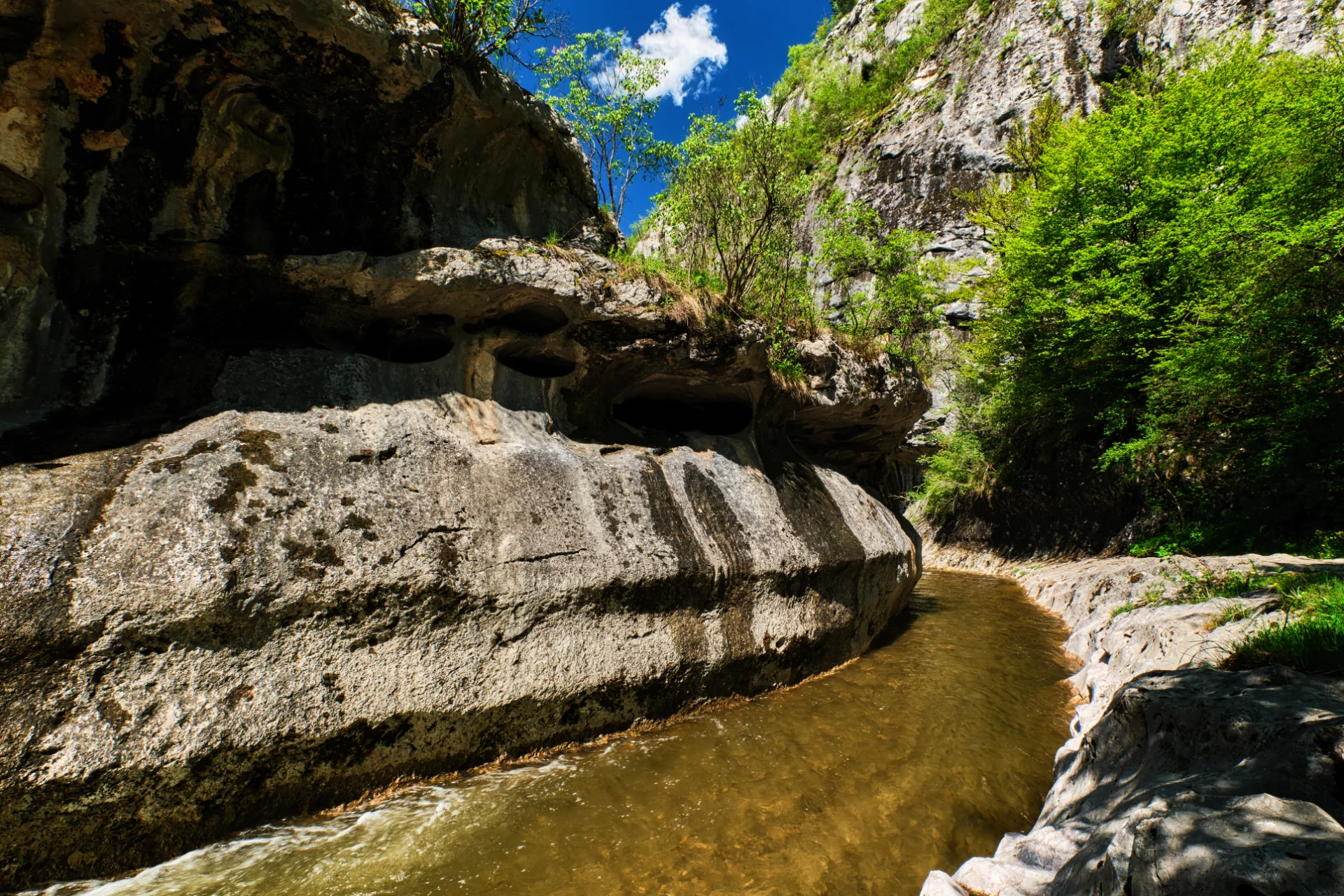
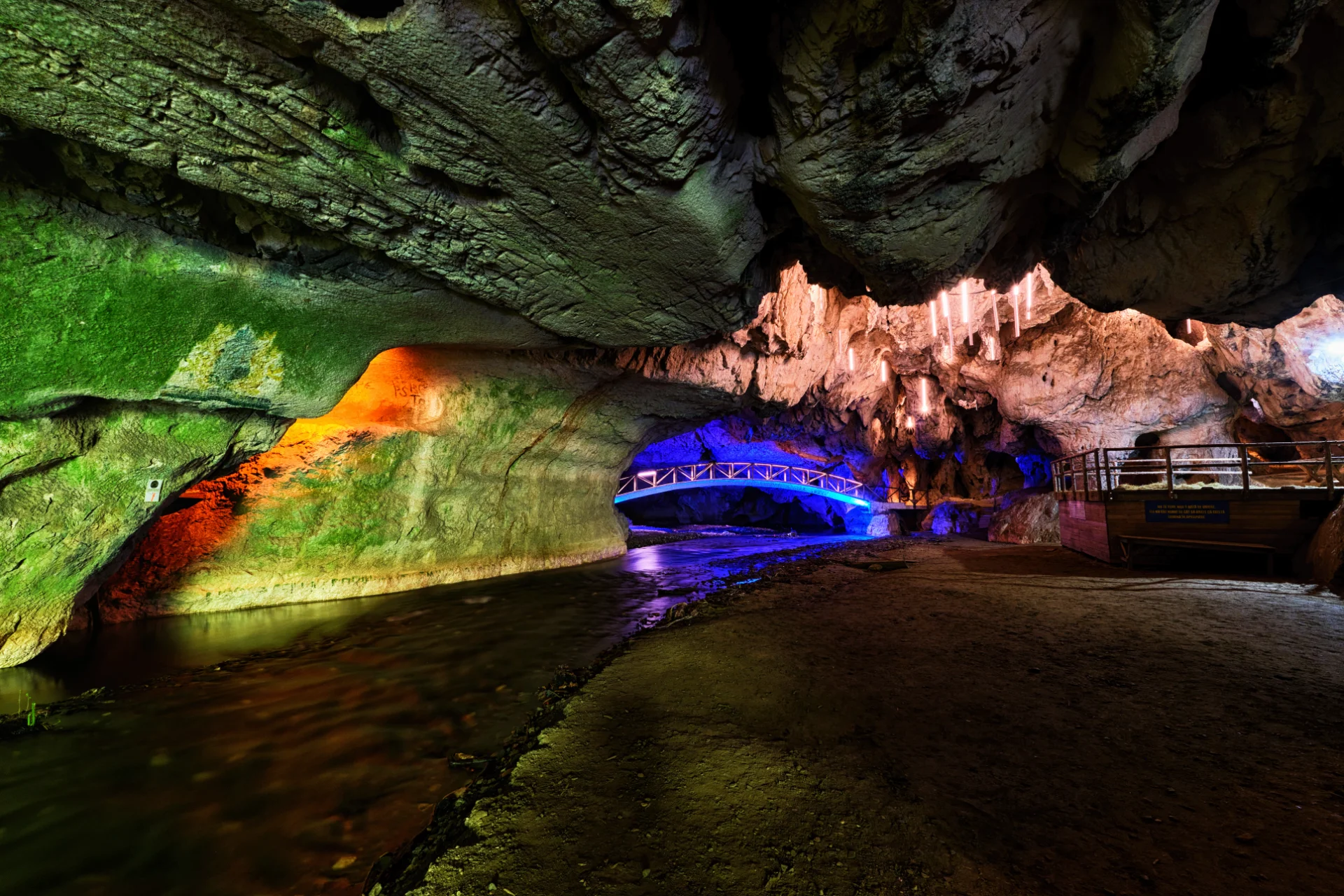
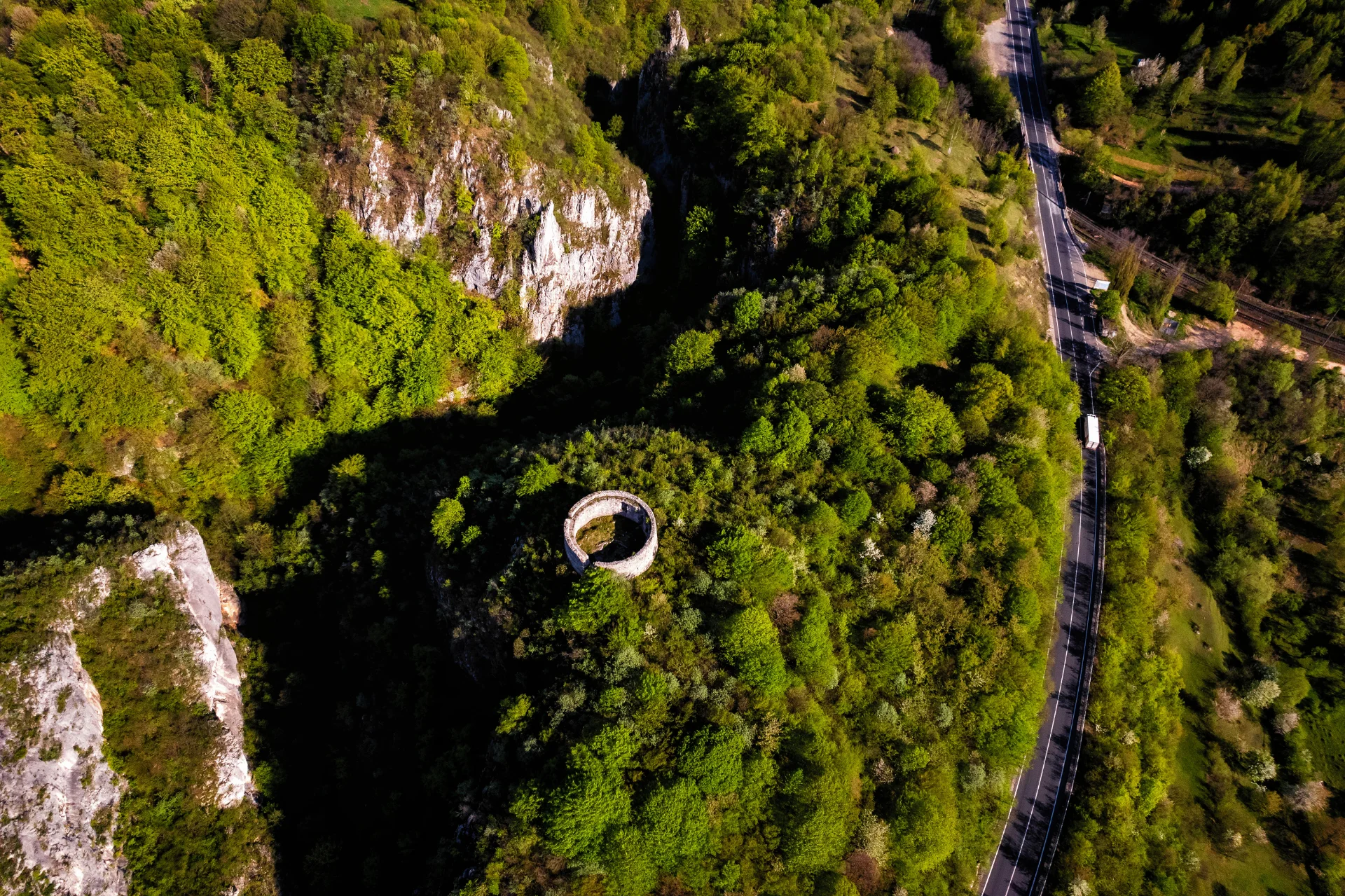
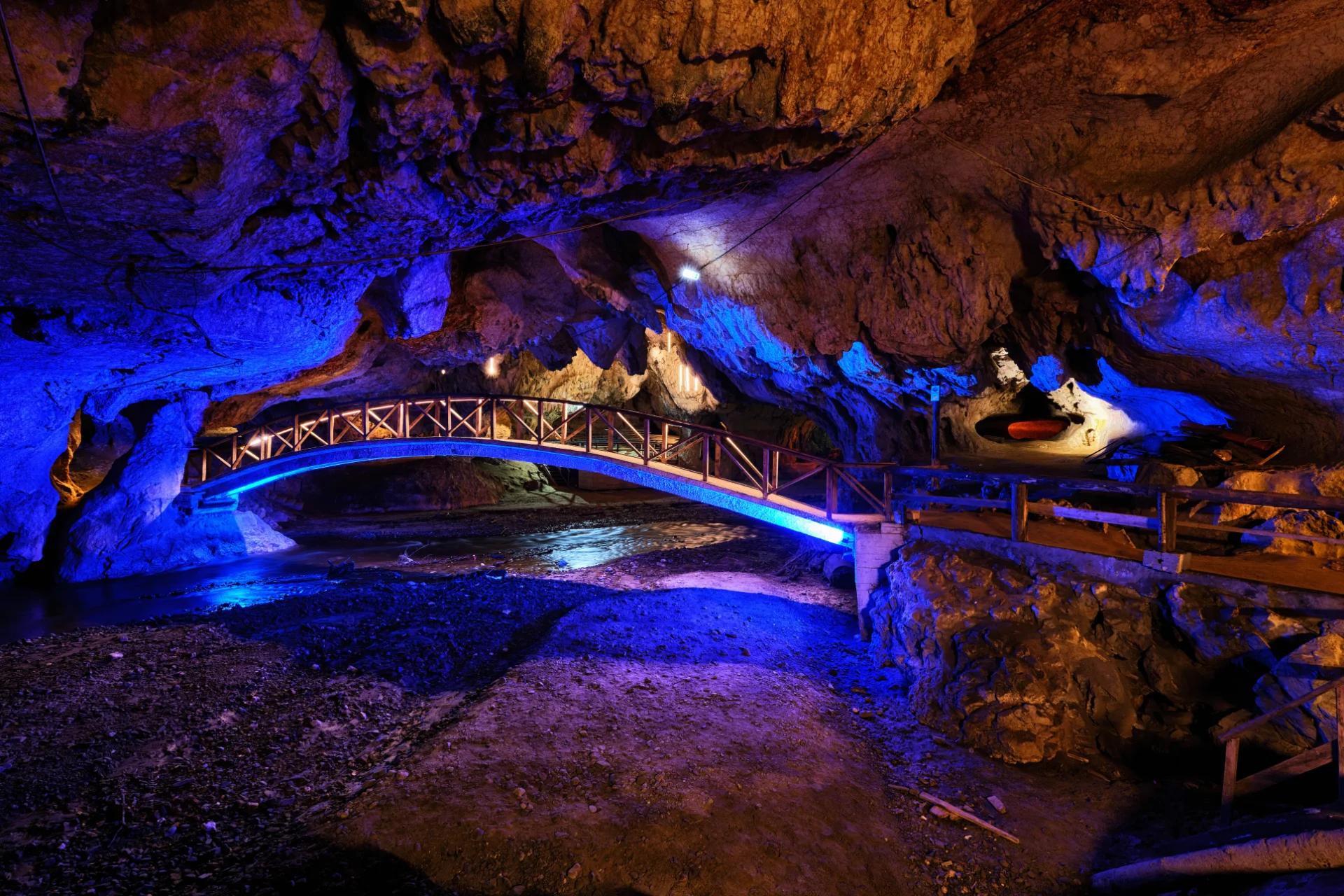
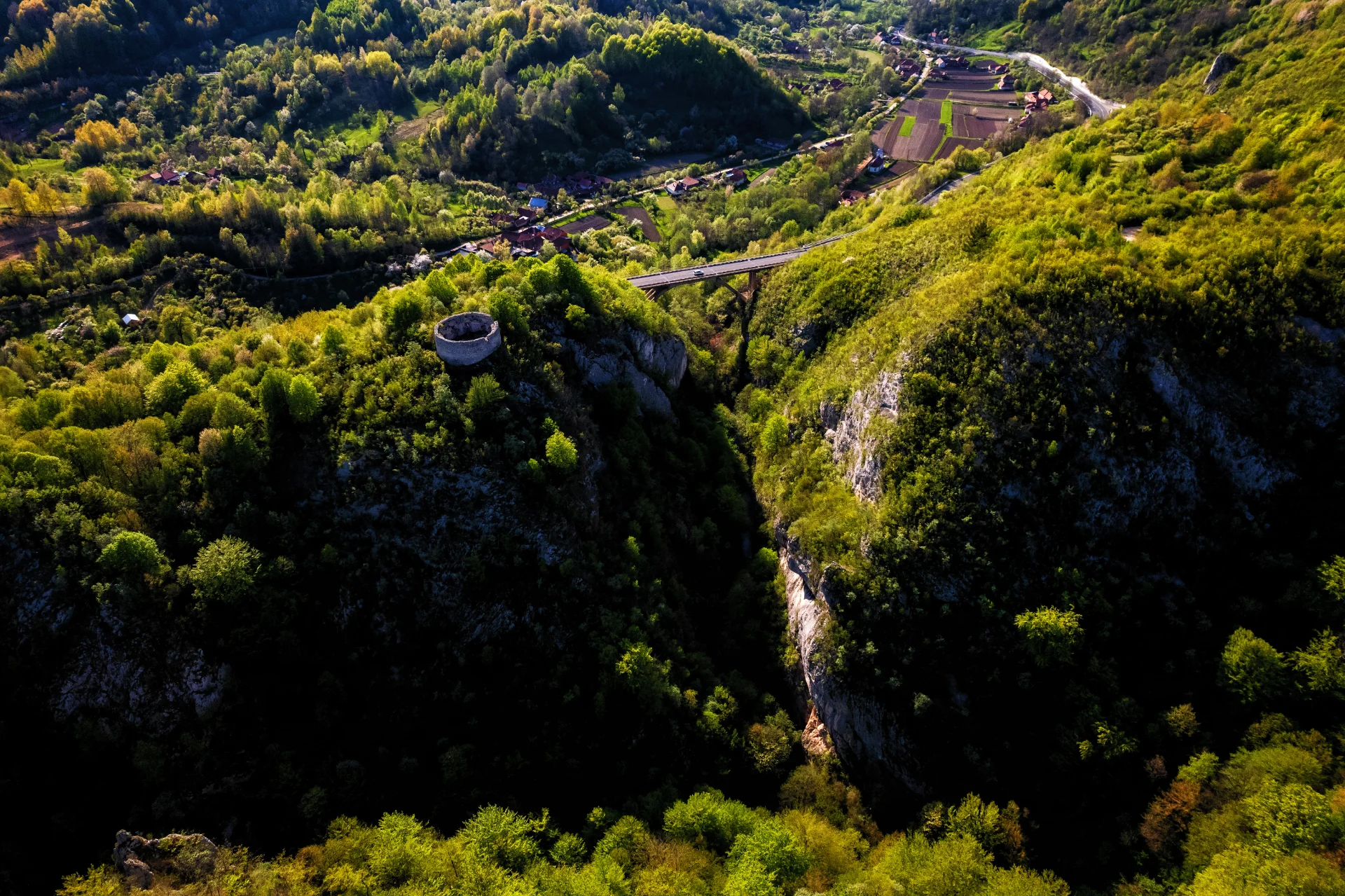
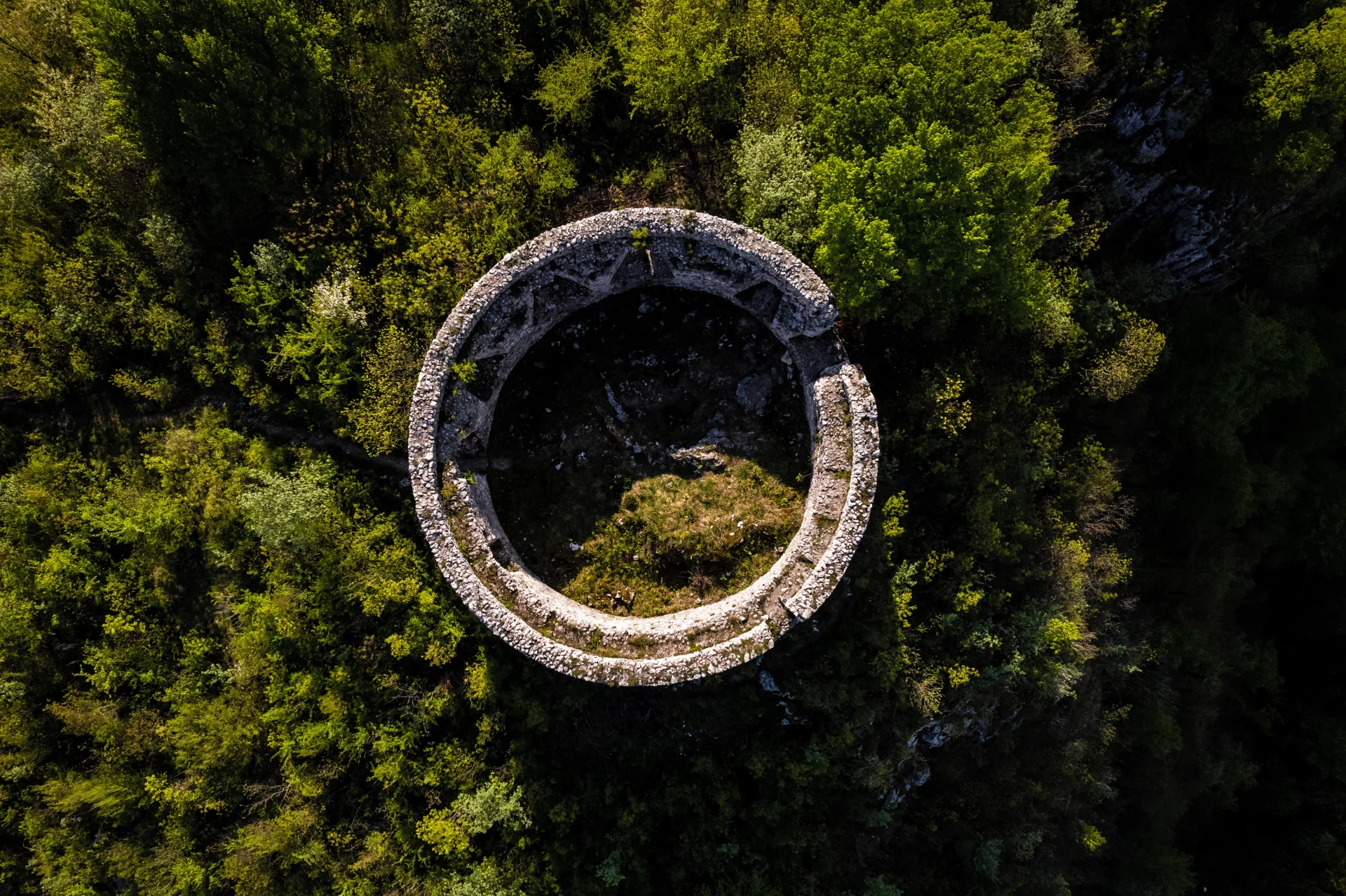
Continuing on the national road south, we can stop by the mysterious medieval tower of Crivadia, built above the valley. It is assumed that the perfectly round and fairly well-preserved tower was once a customs house on the road between the mountains. Behind it opens a wild abyss where we can explore the Crivadia Gorges, a narrow canyon that can be crossed starting from the village, when the water level is low. At the southern limit of the park and a few kilometers north of Petroșani, we can also visit the Bănița Gorges, a short but spectacular canyon, with high limestone walls that almost cover the riverbed, but also the fascinating Bolii Cave, with an interesting route that runs entirely over wooden bridges, giving us the chance to admire the underground river and the extensive galleries. Wherever we are in the Hațeg region and sometimes even from the low peaks of the Șureanu mountains, our eyes are drawn to the rocky peaks that rise impetuously to the south. The stone giant with a green cloak and blue eyes, Retezat attracts and inspires the spirit of adventure of any traveler…
Sights and Experiences
Places to See and Things to Do in Grădiștea Muncelului - Cioclovina Natural Park
The Natural Park
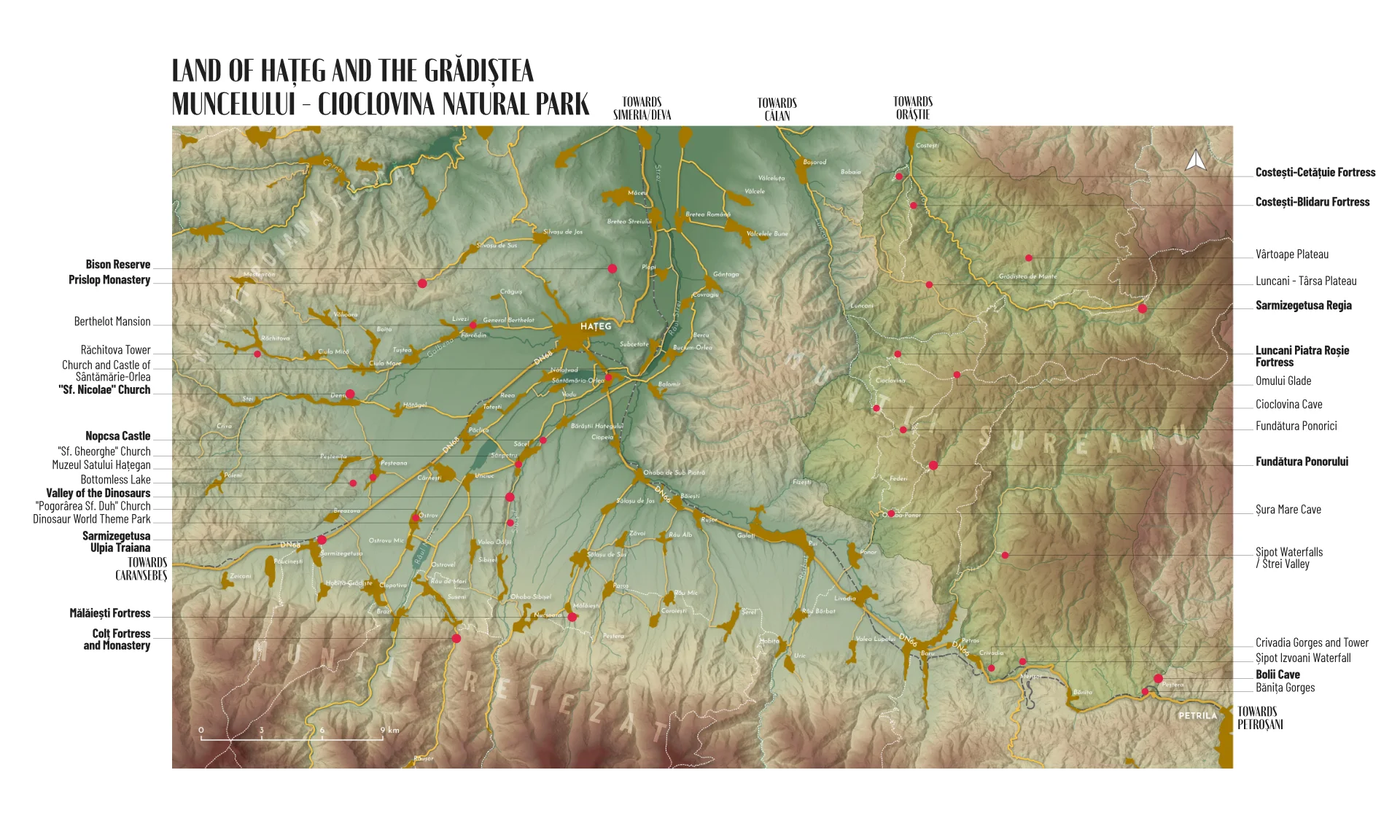
Comprising an amazing fusion of the charming natural setting with the multimillenary human habitation, this fascinating destination unfolds on the rather low and welcoming peaks of the Şureanu Mountains, in the central-eastern part of Hunedoara County and in the south-western part of Transylvania. The natural park was established to protect and preserve the unique natural and cultural heritage of this region, with spectacular karst landforms (caves, gorges, sinkholes), long valleys, forested peaks, traditional villages, ancient fortresses and a surprising biodiversity. With an area of almost 400 square kilometers, the park largely overlaps with a site of community importance and an avifaunistic protection area (Natura 2000). Within these there are also several important natural reserves, namely the Ponorici – Cioclovina Karst Complex, Şura Mare Cave, Tecuri Cave, Ohaba-Ponor Fossil Site, Crivadiei Gorges, Bolii Hill and Cave, Taia Gorges. One of the objectives of the protected area is also the conservation or bringing to a favorable conservation state of 18 habitats and 29 species of community interest. The main access routes to the Grădiștea Muncelului – Cioclovina natural park are on the roads that follow the river valleys from the north and west (Orăștie, Luncani, Strei).
Sarmizegetusa Regia
Visiting hours: 9 – 20 (Thursday-Sunday) | Prices: 30 lei/adult
The capital of the Dacian kingdom was located in the heart of the Șureanu Mountains (Orăștiei Mountains), on terraces arranged along a ridge at an altitude of 900-1000 meters, near the Godeanu Peak (1656 meters). The closest locality to the archaeological site is the village of Grădiștea de Munte, located 10 kilometers to the west. To build the fortress and the surrounding city, the Dacians created approximately 260 terraces of various sizes on the sometimes steep slopes of the ridge. In addition to the fortress surrounded by walls and the sacred area with temples, the ancient city also included two main areas with dwellings. The center of the settlement was occupied by the impressive fortification with an area of approximately 3 hectares, surrounded by high and thick walls up to 3 meters, provided with 3 entrance gates. To the east of the fortress, a paved road connected the sacred area, where seven temples and an altar were discovered, built on two adjacent terraces. Although most of these monumental buildings were destroyed after the wars with the Romans, the remains demonstrate their great importance, the religious complex being unique in the Dacian world. It included two circular sanctuaries, a large andesite sanctuary, two small quadrangular andesite sanctuaries, two quadrangular limestone sanctuaries and the so-called “andesite sun”, an andesite altar where sacrifices were probably made. In addition, in the eastern and western civil quarters, dwellings, workshops and other structures were discovered that demonstrate the importance and urban development of the settlement, as well as the ingenuity of the Dacian civilization. Over the years of archaeological research, an impressive number and variety of ancient objects (tools, weapons, ceramics, coins, jewelry) were also discovered, many of which are now exhibited in museums in the country.
Costești Cetățuie Fortress
Visiting hours: 9 – 15 (9-20 on Friday)
The capital of the Dacian kingdom of Sarmizegetusa Regia was defended by a complex system of fortresses built at strategic entry points to the heart of the Orăștie mountains. Of these, the most important and best preserved are the Dacian fortresses of Costești, built on two nearby hills in the southern part of the village. Built at a strategic point, at an altitude of 561 meters, the Costești Cetățuie fortress was surrounded by Hellenistic-style walls, equipped with quadrilateral towers and surrounded by earthen ramparts with palisades. Inside the fortification there were two residential towers, four temples and several other structures. Also, on the terraces of the hill and even in the valley, vestiges of civilian dwellings were discovered, evidence of a Dacian settlement in this area. Here too, numerous ancient objects were discovered, especially tools, weapons, ceramics or ornaments, some of foreign origin. Probably burned down during the first war with the Romans, the fortress was destroyed again after the conquest of Dacia. A local road starting from the center of Costești village reaches the vicinity of the fortress.
Costești - Blidaru Fortress
Visiting hours: 9 – 17.30
A short distance from Costești – Cetățuie, on another higher hill to the south, another Dacian fortress stood, offering a strategic position for the surveillance of the lower valley and even further, towards the Mureș valley. Around the fortress at Costești – Blidaru, the remains of some towers were discovered that defended the access, but they were probably also used as aristocratic residences. The fortress, which had the shape of a trapezoid, was defended by strong walls 3 meters wide and up to 5 meters high. The Hellenistic-style walls were adapted by the Dacians to their own needs, receiving the scientific name murus dacicus. In addition to the walls, there were also six quadrangular towers, two of which were detached from the enclosure wall, the inner one probably also having the role of residence for the head of the fortress. Nearby, cisterns for the water supply and the ruins of some temples were discovered, located south of the fortress at the point called Pietroasa lui Solomon. Access is via a tourist trail that climbs the slopes of the hill (2 km / +320m / 1 hour).
Luncani - Piatra Roșie Fortress
Visiting hours: 9 – 14 (closed on Saturday)
Located in a strategic and difficult to access place, on a narrow ridge flanked by two valleys, the Dacian fortress of Luncani – Piatra Roșie defended the access to Sarmizegetusa from the west. The road to it was built into the rock, being defended by towers, while the fortification consisted of two close enclosures. The walls were provided with defense towers, under the gate tower passing the main road with monumental stairs. Inside the first enclosure, the remains of some structures were discovered whose role has not been discovered with certainty, but most likely the large building with a porch was the residence of the lord of the fortress. A surprisingly large number of ancient objects were discovered at Luncani – Piatra Roșie, including extremely rare and valuable pieces. Access is achieved by first following the Luncani valley from the village of Boșorod to the village of Luncani, after which it continues on unpaved roads, and the last portion on short but steep paths to the fortress.
Fundătura Ponorului
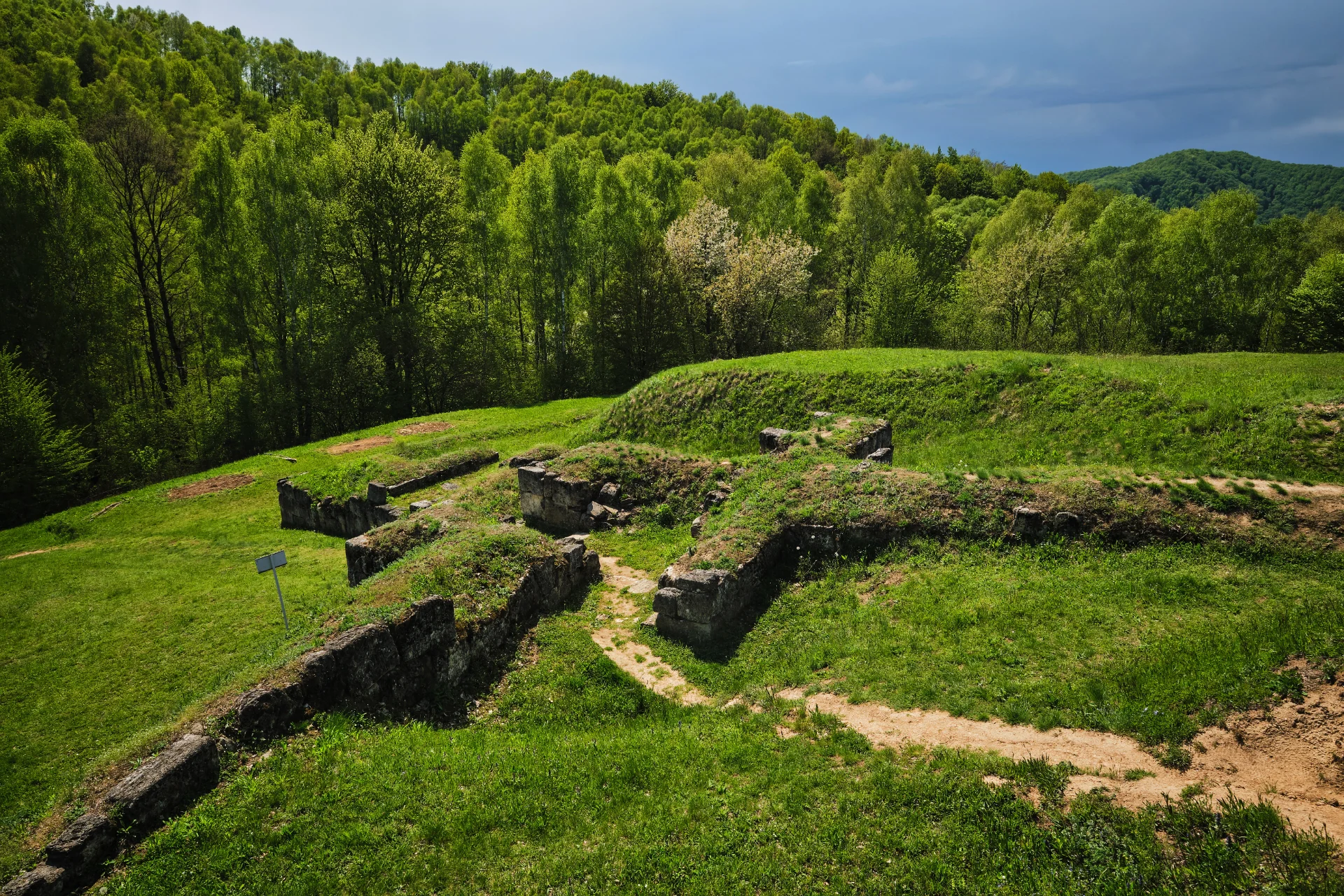
Together with the nearby Ponorici valley, Fundătura Ponorului represents the largest and most interesting ravines in the Șureanu mountains, but also places of unique picturesqueness. Once, there was a single river, which then split, the waters of the Ponor now flowing westward, mostly underground. The wide and quite deep valley was formed by the infiltration of water into the limestone soil and its erosion to the crystalline rock layers. The Ponorului Valley stretches for many kilometers upstream, having a meandering course and now passing by isolated households and dwellings, some still inhabited in the warm season by people from nearby villages (Federi, Ohaba-Ponor, Ponor). The river stops suddenly in front of a high cliff, where it penetrates into the depths of the earth, emerging again to the surface a few kilometers below, through the portal of the Șura Mare cave. During periods of melting snow or after heavy rains, the valley is flooded and real lakes are formed. Access to Fundătura Ponorului is easiest from Ohaba-Ponor, following the tourist route called “Karst relief of the Şureanu Mountains” (red dot / 5 km). The Via Transilvanica route also passes here, which can be followed further to Fundătura Ponorici and Poiana Omului. There is also a local road that reaches nearby, but it is quite long and difficult.
Cioclovina Cave
Part of a karst system developed over many kilometers, the Cioclovina cu Apă cave is so named because of the powerful underground river that flows through it, in fact the same watercourse that penetrates under the rock in Fundătura Ponorici. The two entrances communicate over a distance of almost 8,000 meters and the system of galleries and siphons can be explored by speleologists with appropriate equipment. Receiving water from other sources, the river that emerges from the other side of the limestone massif can become a stormy torrent. A little lower down the cave, it forms several spectacular waterfalls, known as the Cioclovina Falls. A real treasure was discovered in the Cioclovina cu Apă cave, namely a treasure trove consisting of approximately 6,000 ornaments made of amber, glass, faience and bronze. Researchers determined the age of these objects at 3,000 years, in the first Iron Age (Hallstatt). Nearby is the Cioclovina Uscată cave, known for the huge guanophosphate deposit discovered, being only the second place in the world where it was exploited for several years. Also, with the extraction, cave bear fossils were discovered here, as well as a 30,000-year-old human skull.
Fundătura Ponorici
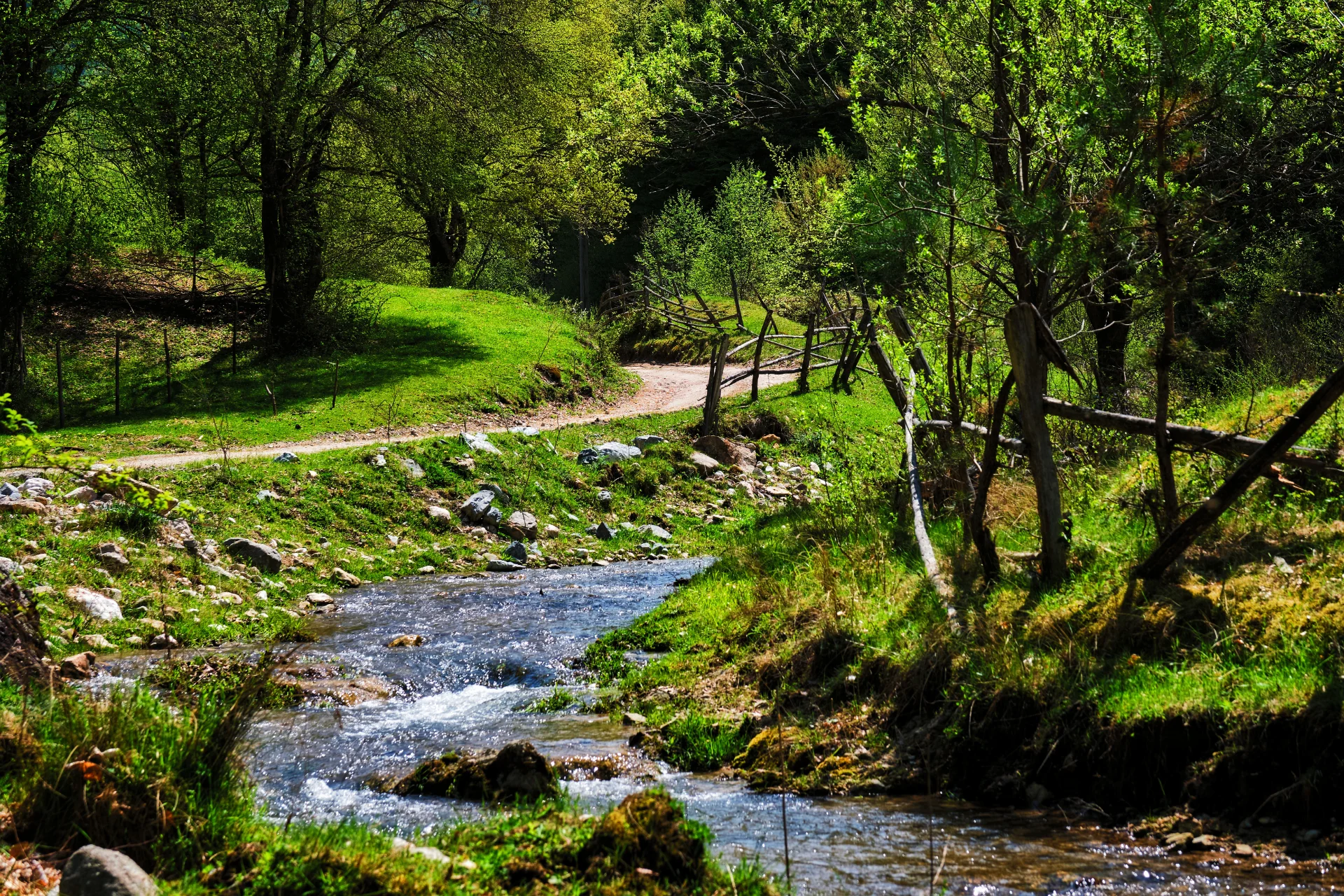
Another valley with a special charm is located a few kilometers from Fundătura Ponorului, formed in the same way. Slightly smaller and with only a few scattered dwellings, Fundătura Ponorici is less known and visited by travelers. The small river that forms near Poiana Omului flows quite quietly along the valley, and at the northern end of the valley disappears under a rock, forming kilometers of underground galleries of the Ponorici – Cioclovina karst system.
Strei Valley
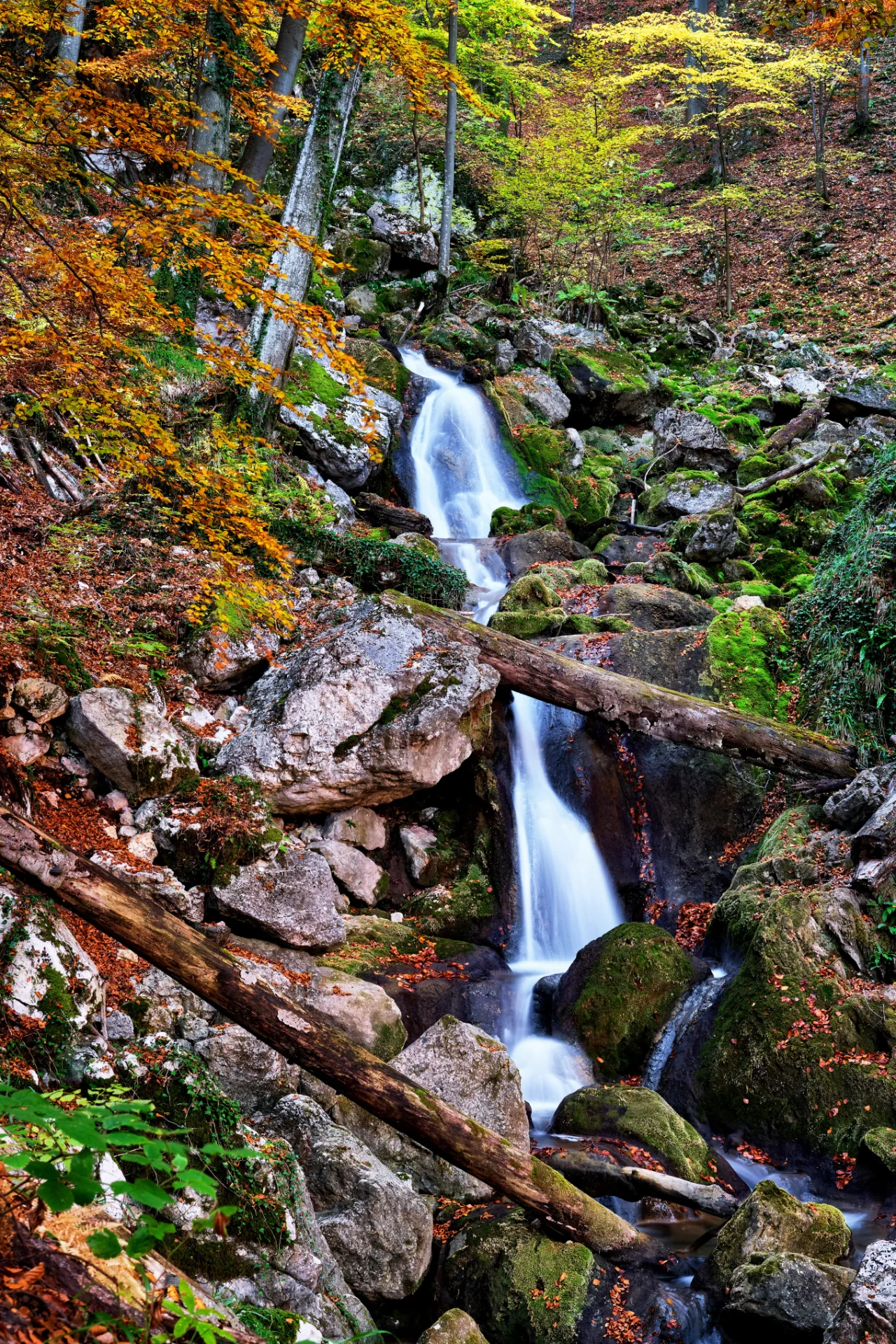
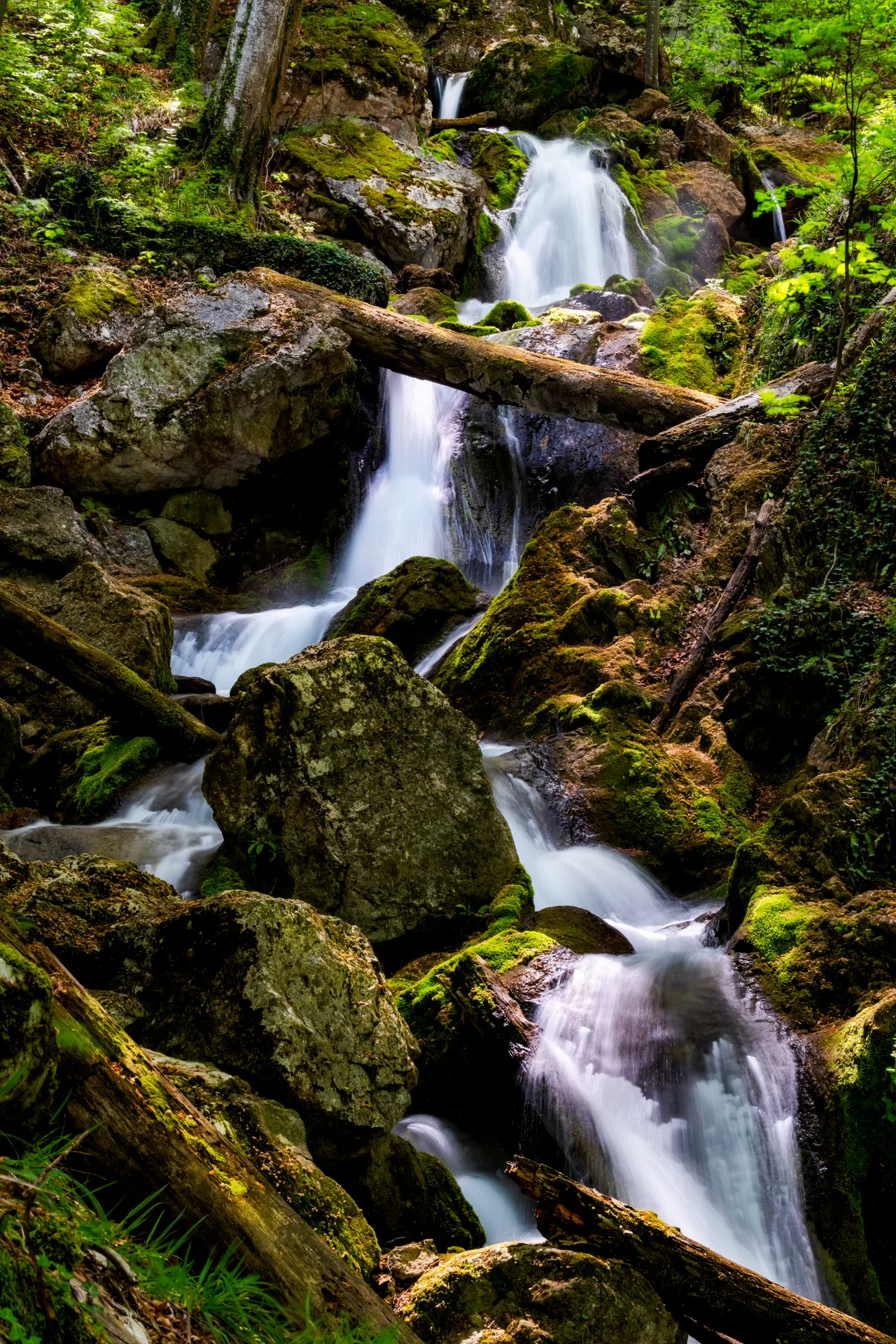
An area of exceptional beauty, but less known to tourists, the upper valley of the Strei River weaves its way through the forested peaks of the Șureanu Mountains. Along the valley lie numerous natural treasures, as well as ancient legends about Dacian treasures long buried beneath the waters of the Strei. The most impressive spot here can be explored just a few kilometers north of the village of Petros. At the base of an imposing limestone peak, several springs fed by water from the ravines above emerge from beneath the rocks. The Șipot Waterfalls form along this turbulent stream, which often flows violently towards the Strei Valley. Passing through rocks and over moss-covered boulders, the waterfalls form a charming setting. The Strei Valley continues for many kilometers upstream, and along it you can admire other interesting places, including massive cliffs and ridges, enigmatic caves and other enchanting waterfalls.
Bolii Cave
Visiting hours: 10 – 18 (summer) / 10 – 14 (winter during the week) | Prices: 10 lei/adult
The only cave out of the hundreds of caves in the natural park that is open to visitors, it is located in a limestone massif, a few kilometers northwest of the city of Petroșani and near the national road. Although quite short (450 meters). The cave has some particularly interesting features, being one of the few in the country where the water penetration was carried out along its entire length. Also, traces of human habitation from ancient times were discovered here, and there are two rare species of bats. The route through the cave was arranged with wooden bridges that cross the Jupâneasa stream and creative artificial lighting, offering an interesting experience. Sometimes music concerts are held in the main hall of the cave, benefiting from the special acoustics inside.
Bănița Gorges
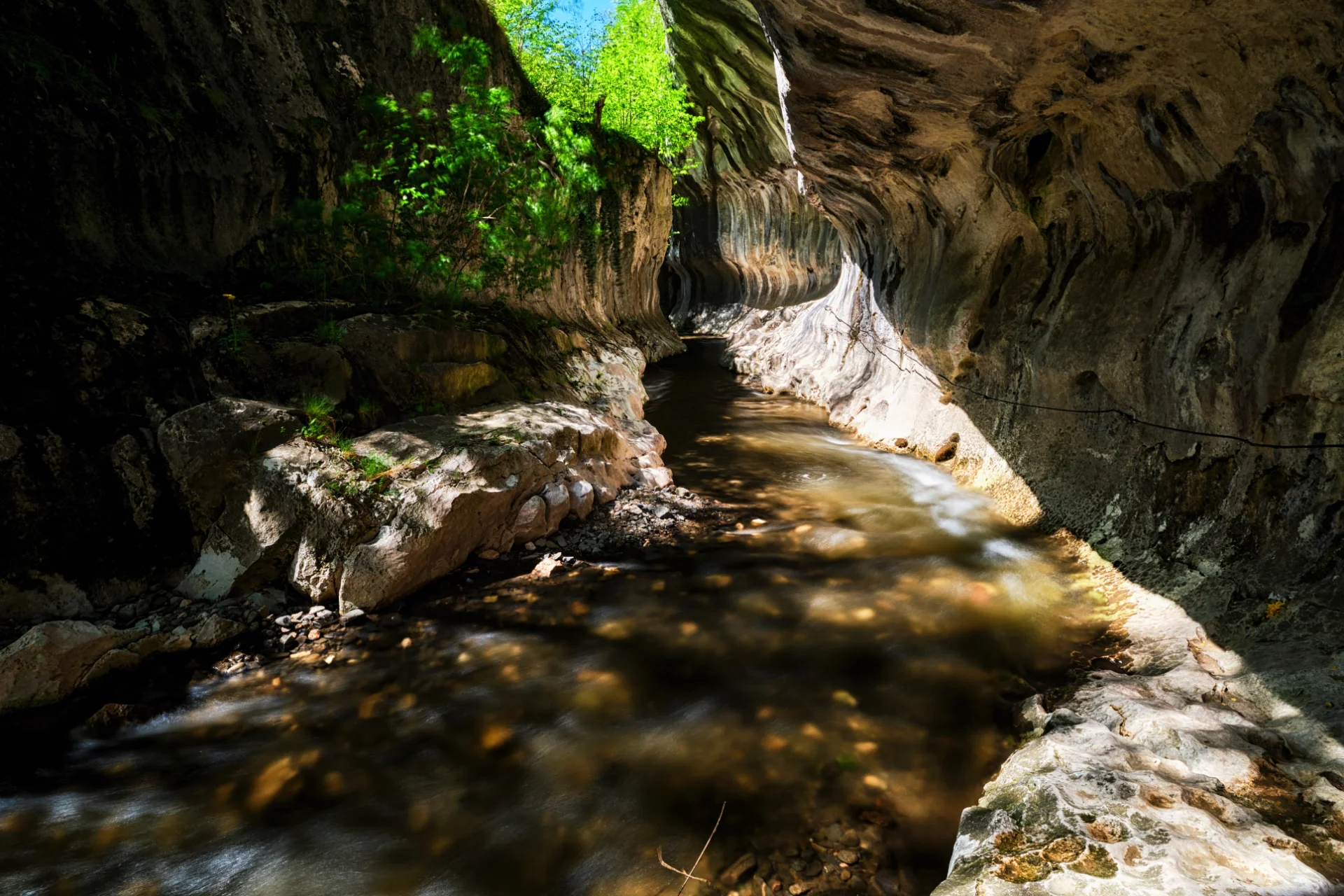
Located in the southeastern extremity of the natural park, the spectacular gorges were dug into the same limestone massif below which the Bolii Cave is located, while above it once stood the Dacian fortress of Bănița. Although quite short in length (300 meters), the Bănița Gorges are unique in the landscape sculpted by water over millennia. In some sections, the side walls almost cover the canyon, forming a delightful natural semi-tunnel. The gorges can be explored by water most of the time, although the most interesting formations are at the beginning of the route.
Crivadia Gorges
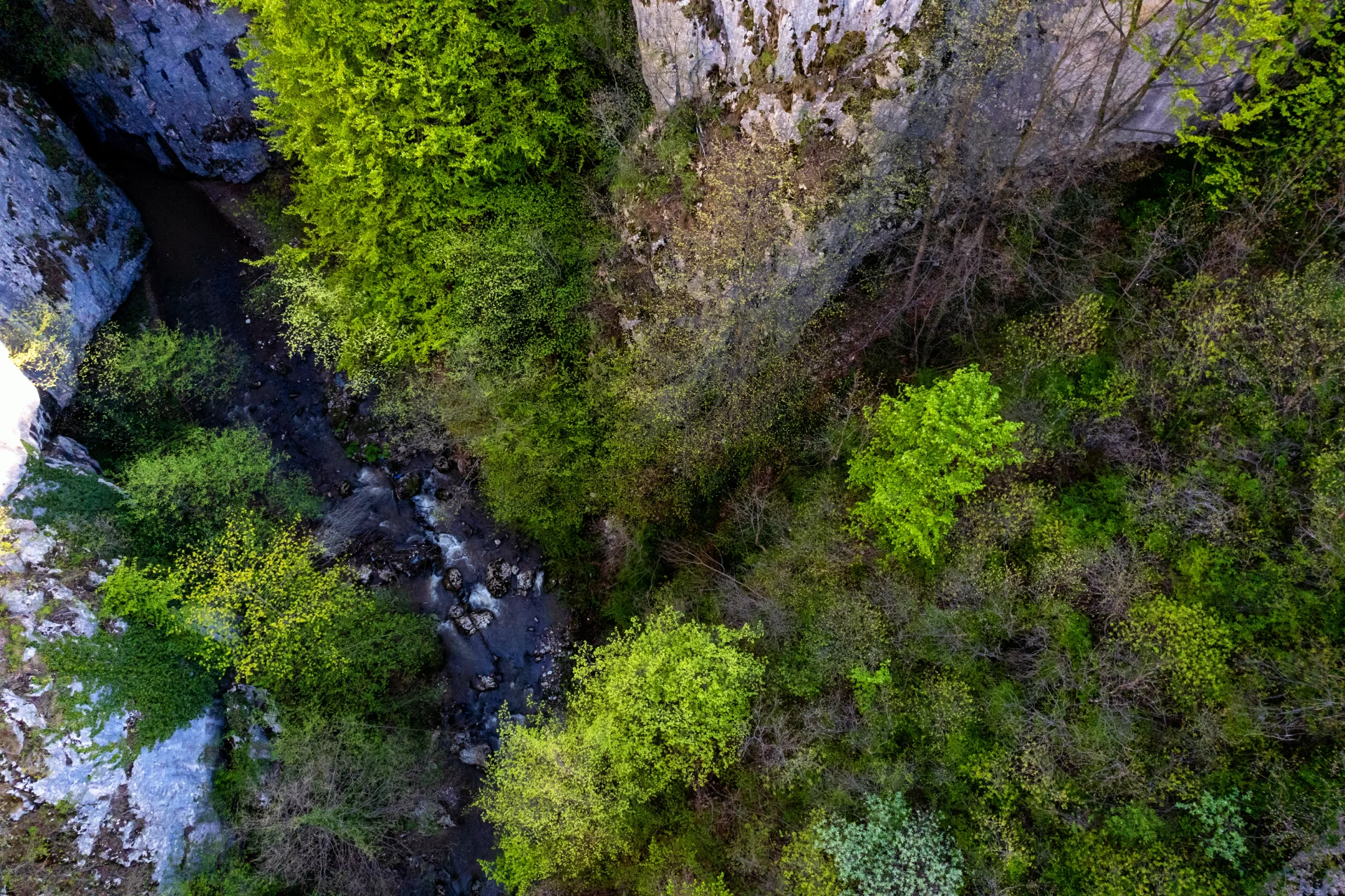
Located right next to the village of the same name, the wild gorges have been declared a nature reserve, both for the spectacular landscape, with steep rocky slopes rising up to 200 meters high, and for the special biodiversity, including endemic and rare plant species (Dacian and Daco-Balkan elements). Visiting the gorges can only be done by water, when the river level is low enough. A few hundred meters from the entrance, you can also admire the Curcubeu Waterfall, while the upstream sector known as the Jgheabului Canyon can only be explored with appropriate equipment.
Other Interesting Discoveries
Lesser known places and activities in Grădiștea Muncelului - Cioclovina Natural Park
Șura Mare Cave
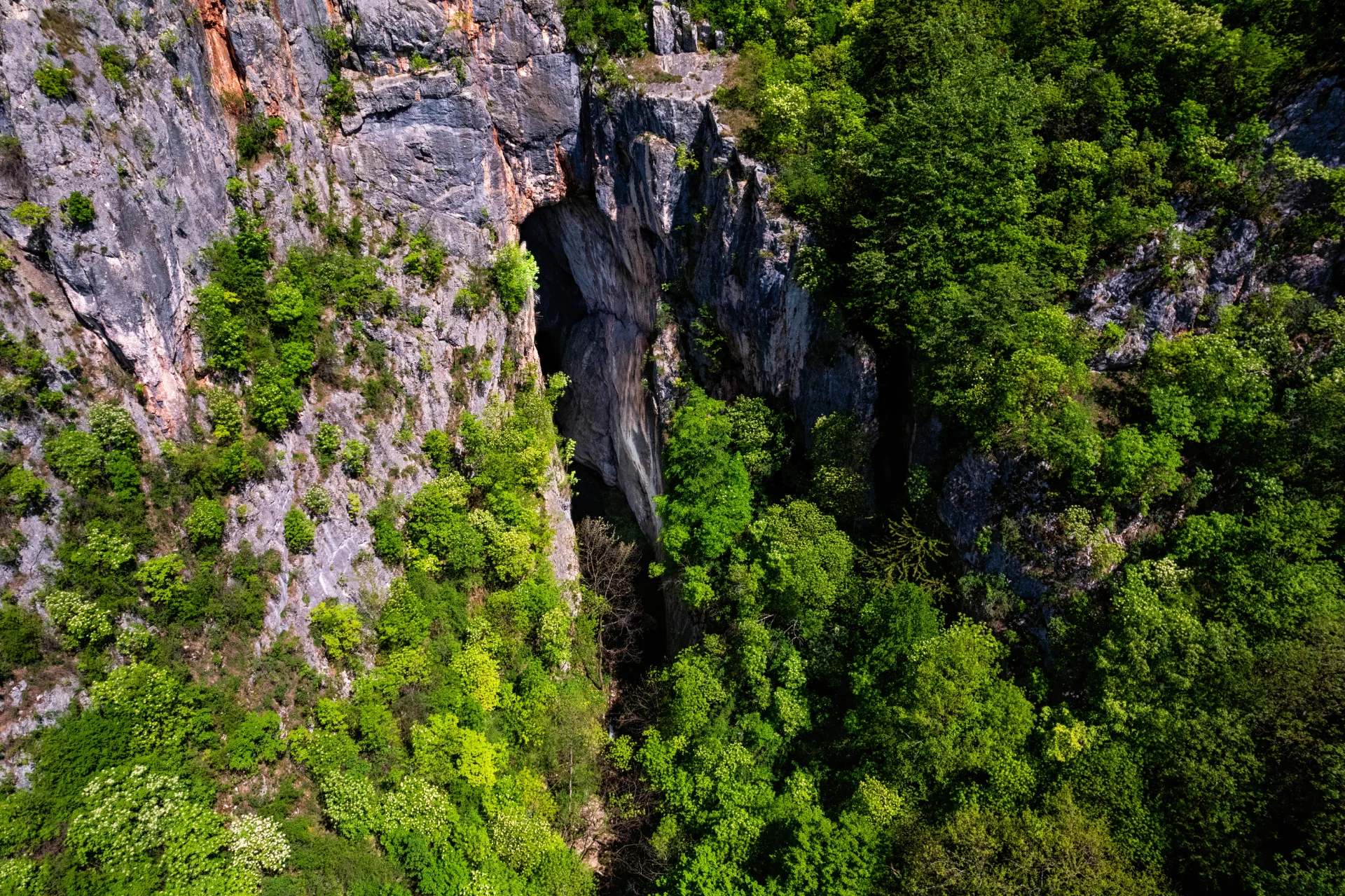
Considered among the most beautiful and valuable caves in the country, it is unfortunately very difficult to explore beyond the monumental entrance portal. With a height of 40 meters and a width of 12 meters, it rivals the better-known entrances at the Citadels of Ponor and Huda lui Papară. Exploration of the Şura Mare cave took place in successive stages over several decades, its length gradually increasing as obstacles were overcome. The main active gallery is over 3,100 meters long, along which there are halls, lakes, siphons, giant boulders and spectacular waterfalls. Approximately 2,300 meters from the entrance is the Great Hall, where some of the most beautiful cascading gurus in the country have been discovered, as well as splendid wall drains or canopies. The total length of the galleries is estimated at over 6,600 meters. The cave is home to the second largest colony of bats in Romania, and ancient traces of human habitation have also been discovered here.
Luncani Plateau
A continuous space of human habitation since ancient times, the Luncani plateau represents an authentic destination. Traces of the Cucuteni culture have been discovered here, followed by Dacian vestiges and a Roman marching camp. The hamlet of Târsa includes several households scattered on the peaks of the plateau, the inhabitants mainly engaged in animal husbandry. To the west of Târsa, a few houses make up the hamlet of Alun, and beyond it lies the Poiana Omului, the place where, according to legend, King Decebalus, pursued by the Romans after the last bloody war, would have taken his life. What is certain is that traces of ancient habitation have been discovered here and the glade represents a crossroads of transhumance for centuries.
Vârtoape Plateau
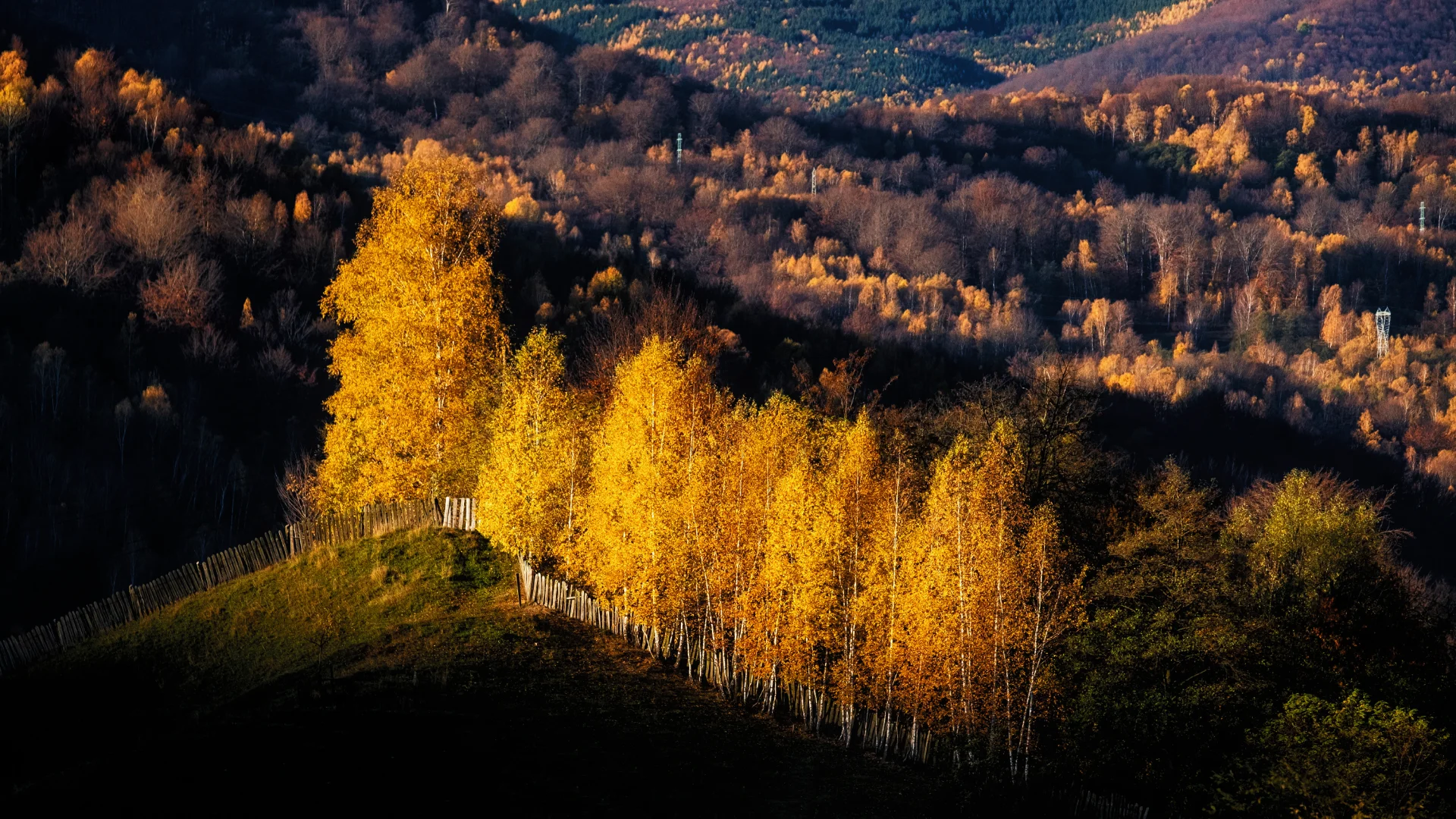
Located north of the village of Grădiștea de Munte, it is a karst plateau that rises over 400 meters above the surrounding valleys. In this area, there are many karst landforms, with sinkholes of various diameters and depths prevailing, as well as sinkholes, avens, and lapis lazuli. However, the Vârtoape plateau is better known for the abundance of a species of snowdrop (Leucojum vernum), which in spring almost covers the ground in certain areas of the forests.
Crivadia Medieval Tower
A unique monument rises above the Crivadia Gorges, hidden from view from the national road that passes a few dozen meters away. Once a customs post guarding the road between Wallachia and Hațeg, it was most likely built in the 16th century at the request of the nobles of the region. The monument had a circular structure with a diameter of about 13 meters, and the remaining walls still rise to 20 meters in places.
Bănița Fortress
Included in the ensemble of Dacian fortresses in the Orăștie mountains included in the UNESCO heritage list, the fortification stood 2000 years ago above the gorge between the Șureanu and Retezat mountains. Bolii Hill offered an important strategic point, defending the road that once passed over the Vâlcan pass and through the Merișor pass. Dacian builders leveled three narrow terraces on the crest of the steep hill, where several defense structures, walls and unique stepped towers were erected. The only entrance was from the north, through a gate and a monumental staircase, and a sanctuary was also discovered nearby. Unfortunately, the archaeological site is not landscaped, and access is quite difficult.
Fețele Albe Fortress
One of the most impressive, but also little known or promoted Dacian fortresses in the Şureanu Mountains, this one was located on a ridge next to the one on which the capital Sarmizegetusa Regia was located. Now covered with vegetation and hidden by dense forest, the terraces arranged at Fețele Albe (Șesul cu Brânză) were consolidated with massive walls and housed ancient dwellings and sanctuaries. The discoveries here amazed archaeologists and researchers in the 1960s, but the site has been completely neglected since then.
Șipot Izvorani Waterfall
Quite a bit unknown, the waterfall formed by the Cheia stream is the highest in the Şureanu Mountains, with a double drop approaching 40 meters. Fed by the waters infiltrated into the Comarnice plateau above, it can only be partially admired on the edge of the village of Merișor, access to the upper part being almost impossible.
Taia Gorges (Tăii)
Located just a few kilometers north of Petrila, the gorges formed on the Tăii Valley have a special charm, including a nature reserve where thermophilic plant species are protected. The gorges are notable for their steep rocky walls, in which several cave mouths have formed and which can be climbed along several climbing routes.
Roșia Gorges
Located just north of Petrila, the gorges were formed in the same limestone massif that also includes the Bolii Cave and the Tăii Gorges. Quite short in length, the gorges are notable for their 100-meter-high rock wall, dotted with small caves. Sometimes, the river water disappears under the rock and emerges a few hundred meters below.
Accommodation Recommendations
The best lodging options in Grădiștea Muncelului - Cioclovina Natural Park
Rating 10 from 80 reviews!
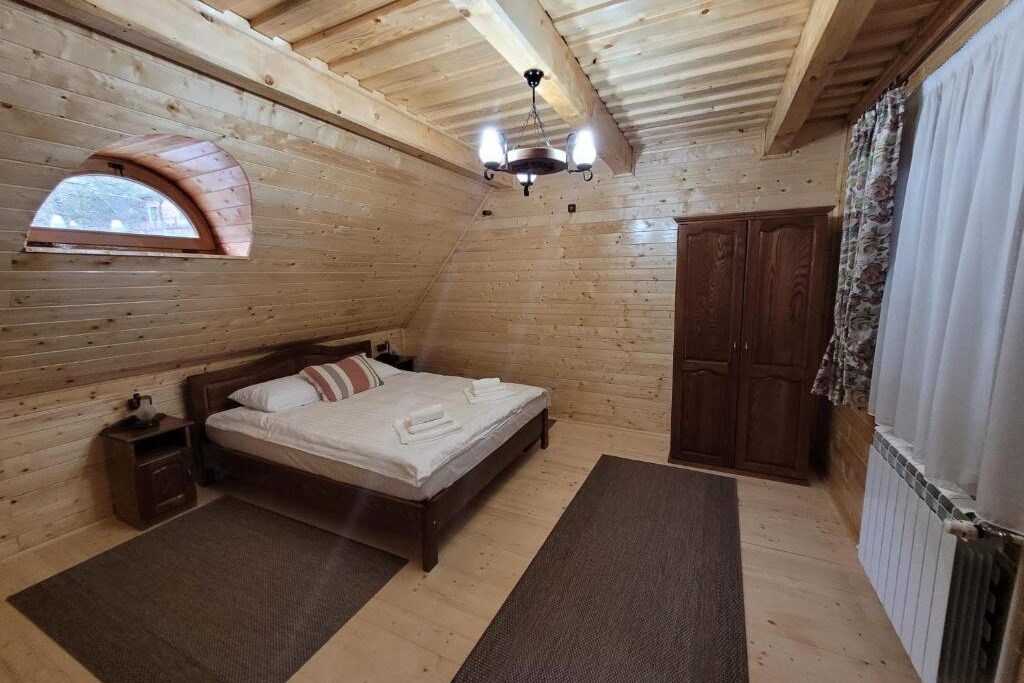
Located in the village of Grădiștea de Munte, 10 km from Sarmizegetusa Regia, the guesthouse offers excellent accommodation experiences, with welcoming rooms, a shared lounge, a terrace and a garden!
Village of Grădiștea de Munte, 77A
Rating 9.6 from 187 reviews!
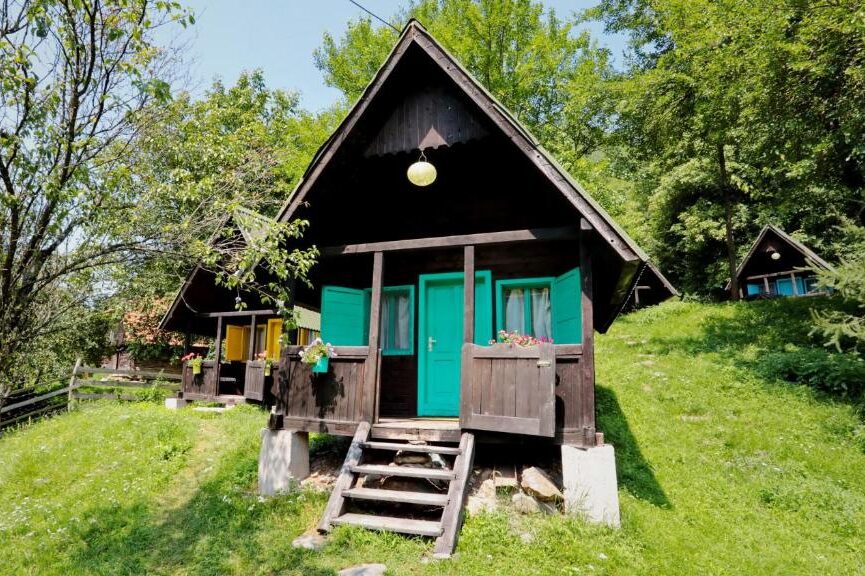
Located in a beautiful natural area, close to the Piatra Roșie fortress, the guesthouse offers traditional rooms and cottages, a shared kitchen and lounge, a garden and various activities!
Village of Alun, 1, Boșorod
Rating 9.8 from 75 reviews!
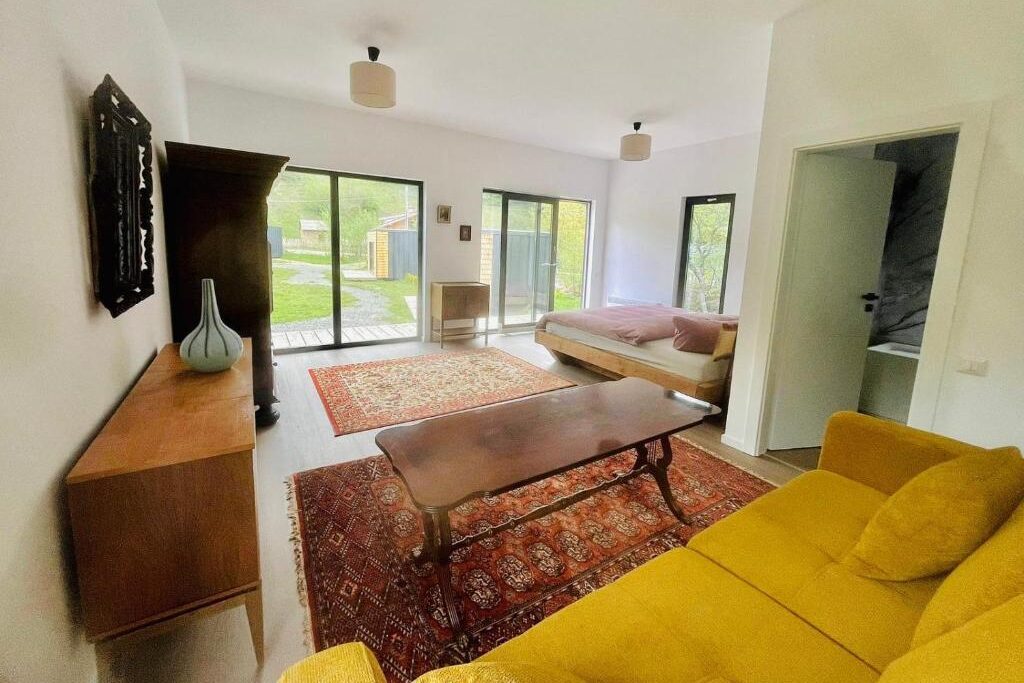
Offering a superior accommodation experience, the complex is located in a quiet area of Bănița village, close to many attractions. It features a restaurant, spa center, garden and more!
Jigoreasa St, 53, village of Bănița