38
Land of Hațeg
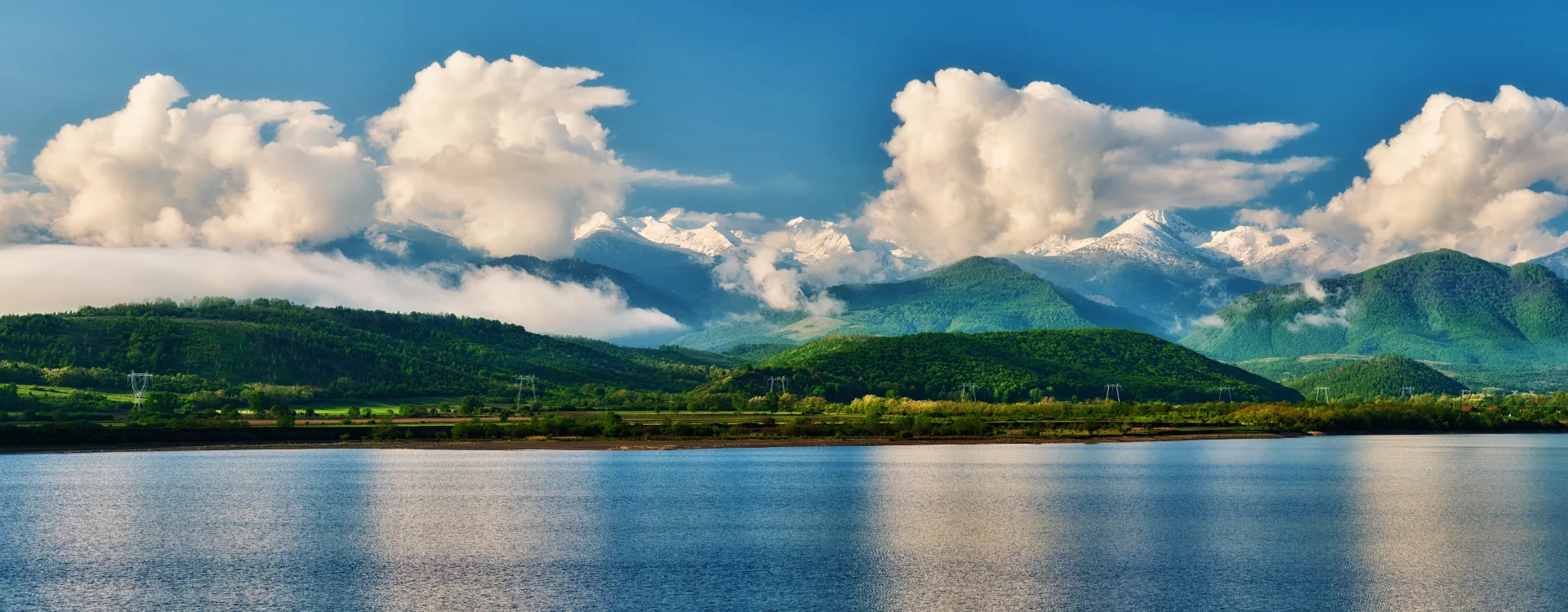
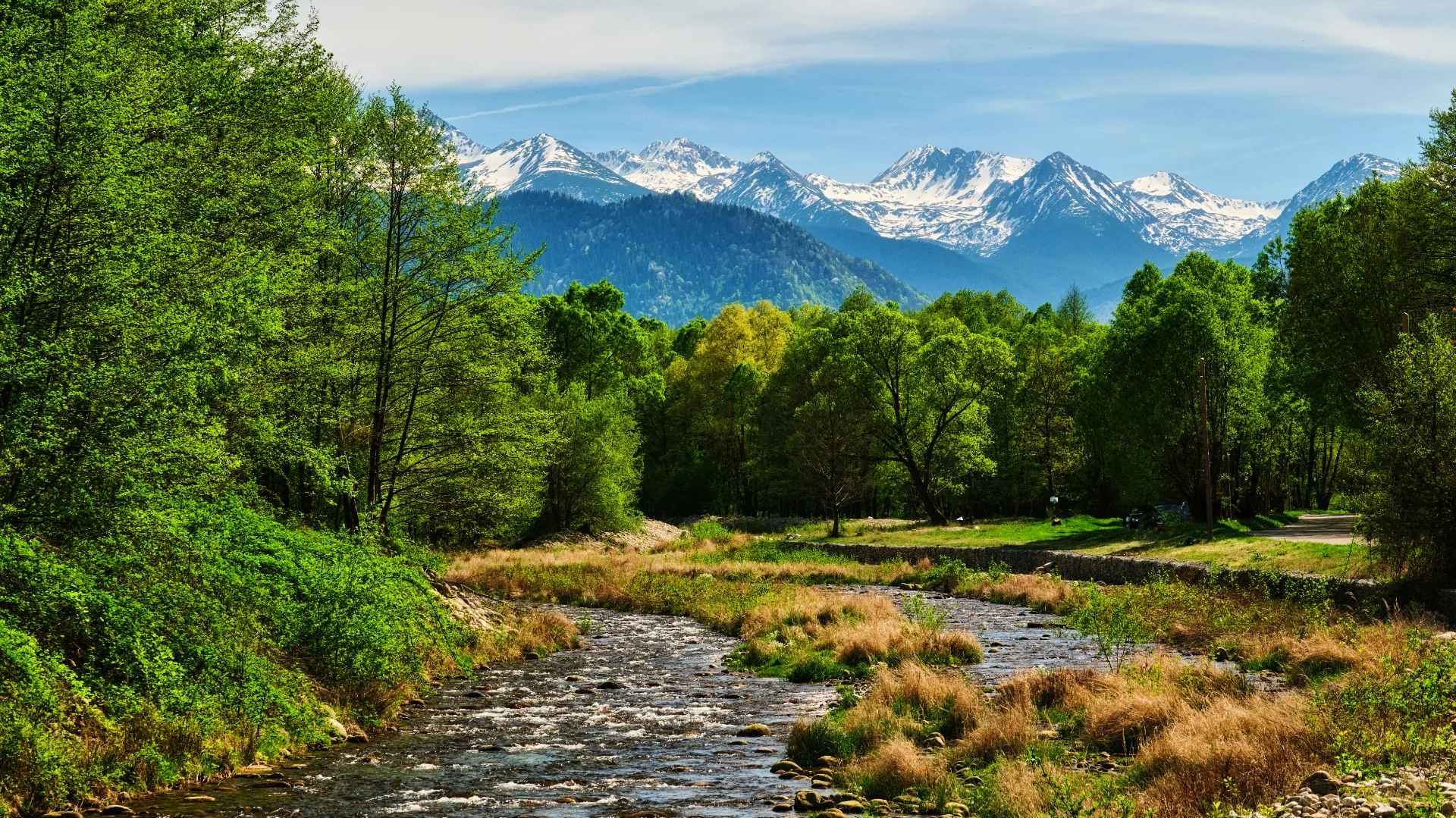
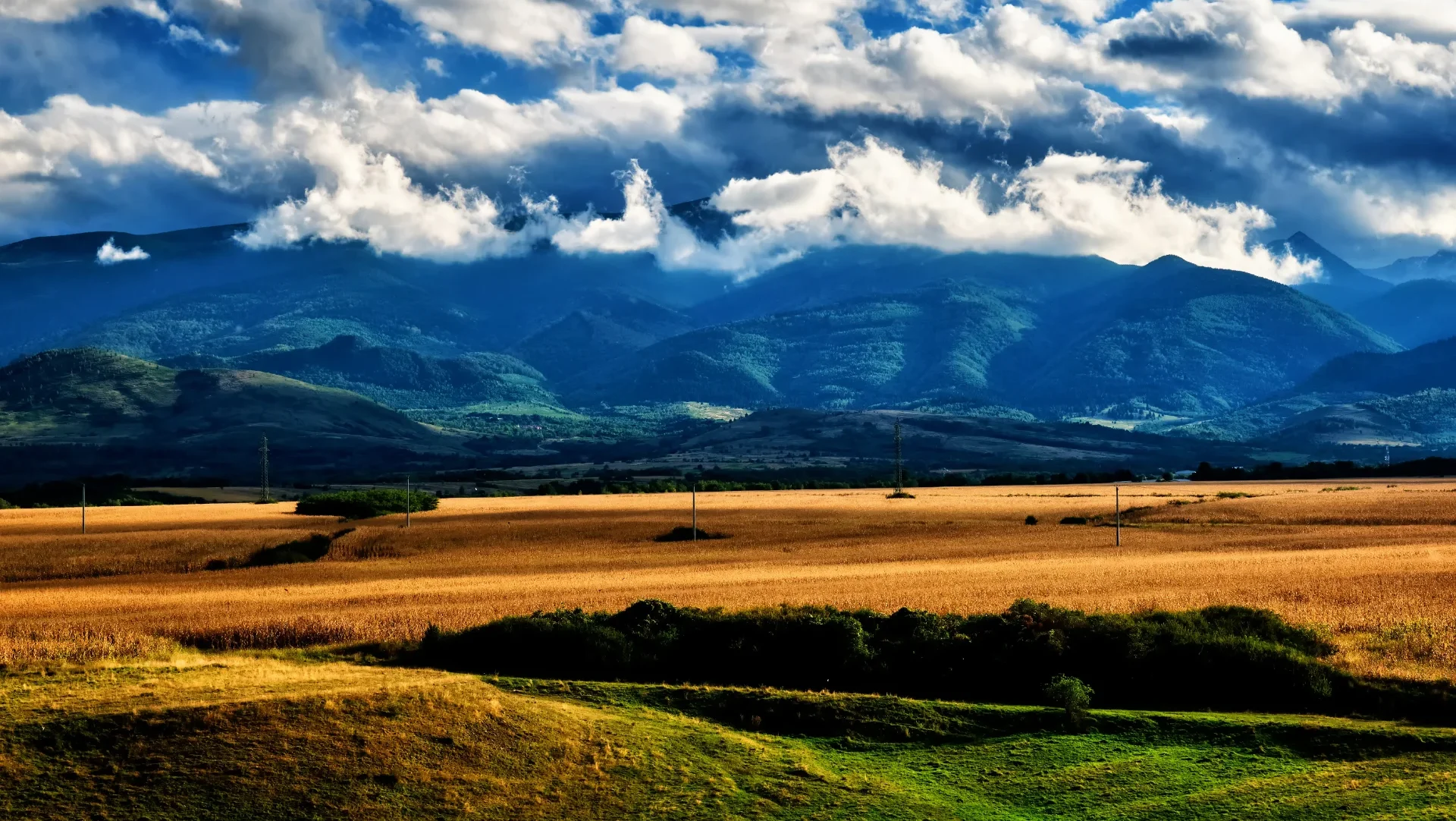
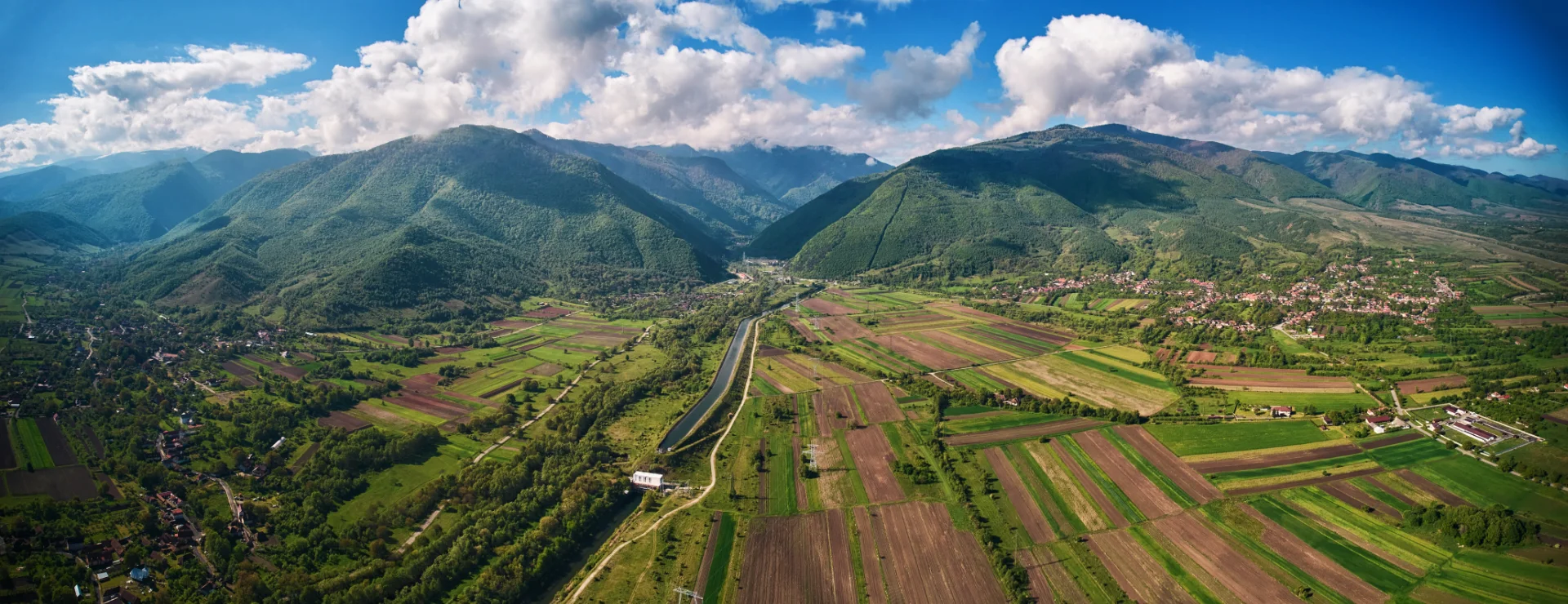
Hidden between the ridges of the Carpathians and heir to ancestral treasures, this enchanted land comes to life among ancient Roman fortresses, old stone churches and dinosaur fossils, revealing traces and paths to places that forged the soul of a nation!
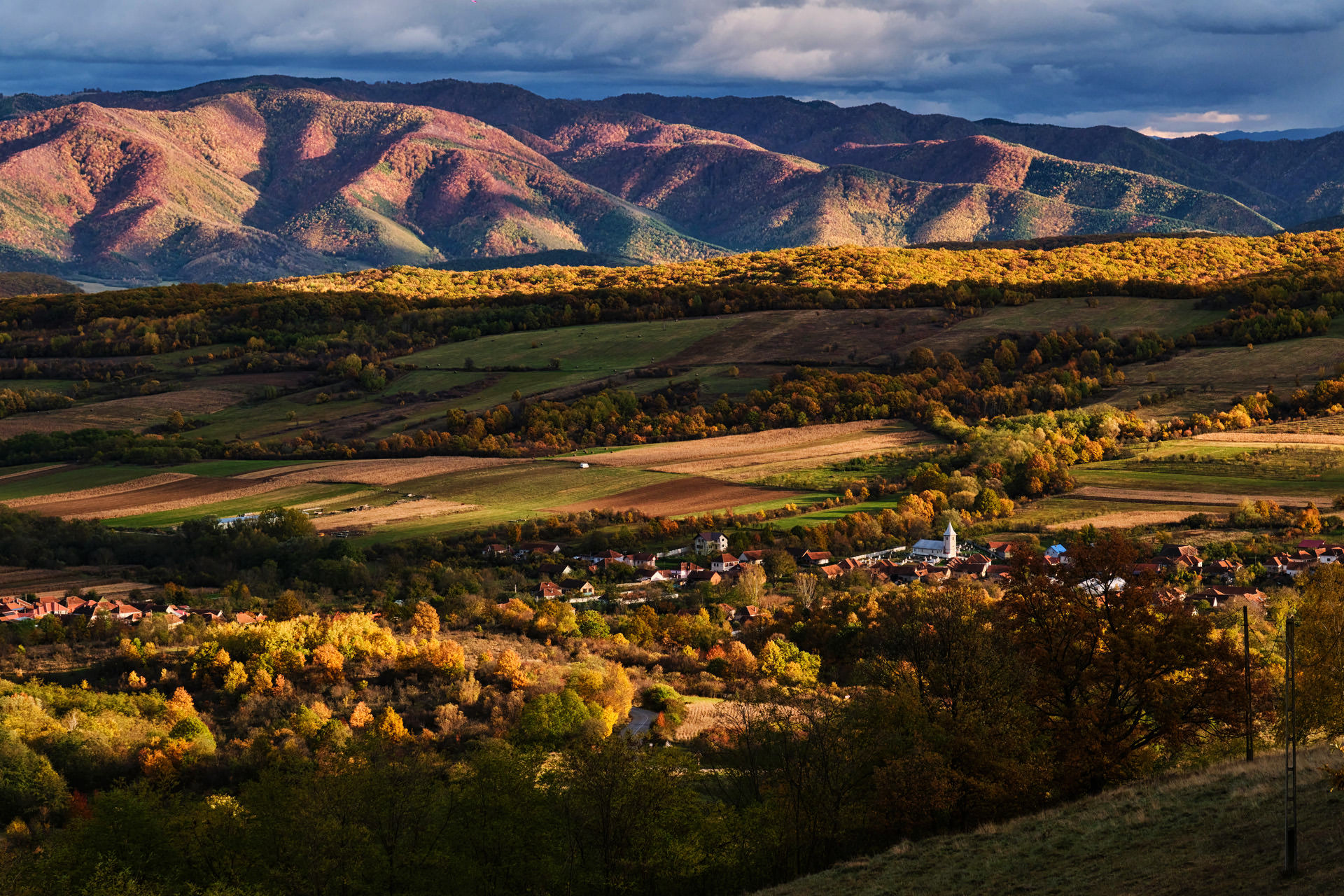
From whichever direction we enter this spectacular natural amphitheater called the Land of Hațeg, the deep emotions are the same and any traveler soon comes to love every corner of this ancestral crossroads. The magical land protected by mountains and guardian of authentic Romanian culture welcomes us and charms us in every season with fascinating stories. Nowhere else does history come to life and envelop us more intensely than in the Land of Hațeg and only here can we decipher the mysteries of prehistoric fossils in an instant, and then discover the traces of ancient civilizations or disturbing events from medieval times.
We are thus presented with a unique destination, where the past and the present complement each other perfectly, a land where life abounded millions of years ago, and the people here consider themselves direct descendants of the brave Dacians, whose legendary kingdom was ruled from the heart of the mountains to the east. The great battle with the Romans was fought in the Tapae Pass or the Iron Gates of Transylvania, as it is also known, on the eastern border of the Land of Hațeg. After the victory, the Romans built their great provincial capital at Sarmizegetusa Ulpia Traiana here as well, demonstrating the strategic importance of the region. In medieval times, the the Land of Hațeg was one of the roots of Romanian civilization, preserving some of the oldest medieval monuments, such as the amazing stone churches.
Search for Flights to Romania with Booking.com!
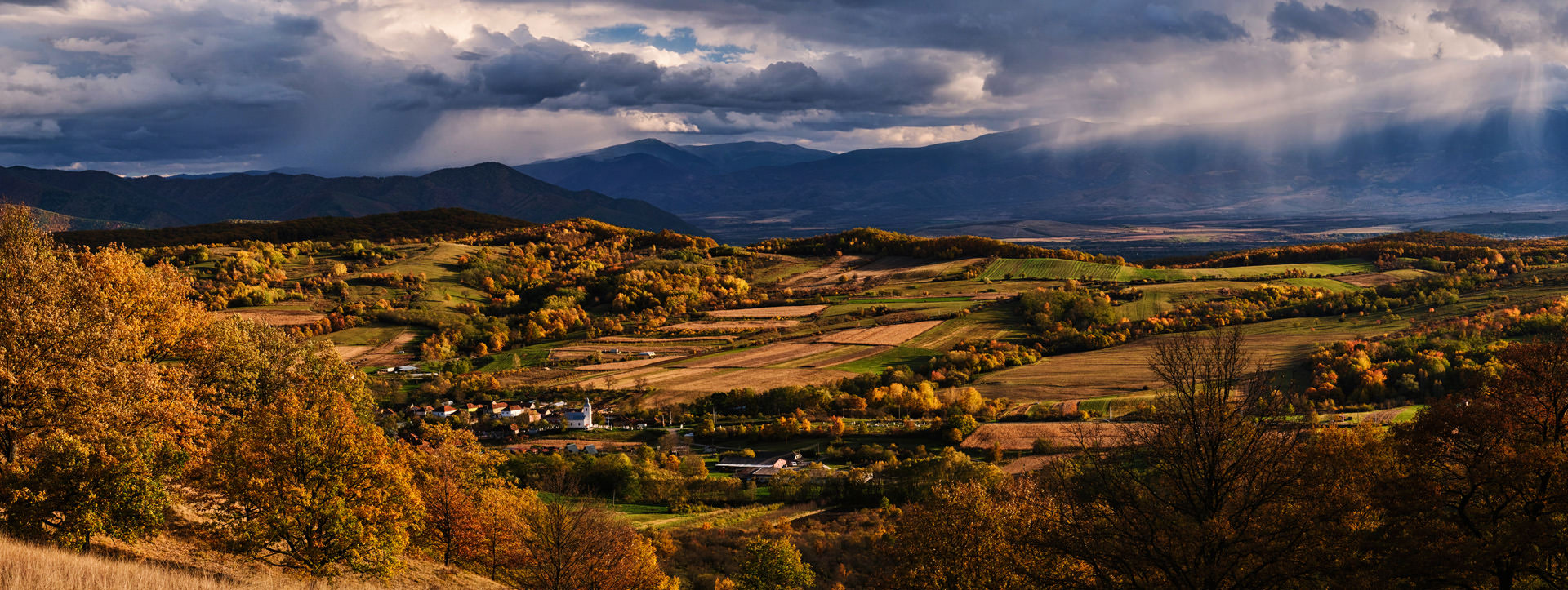
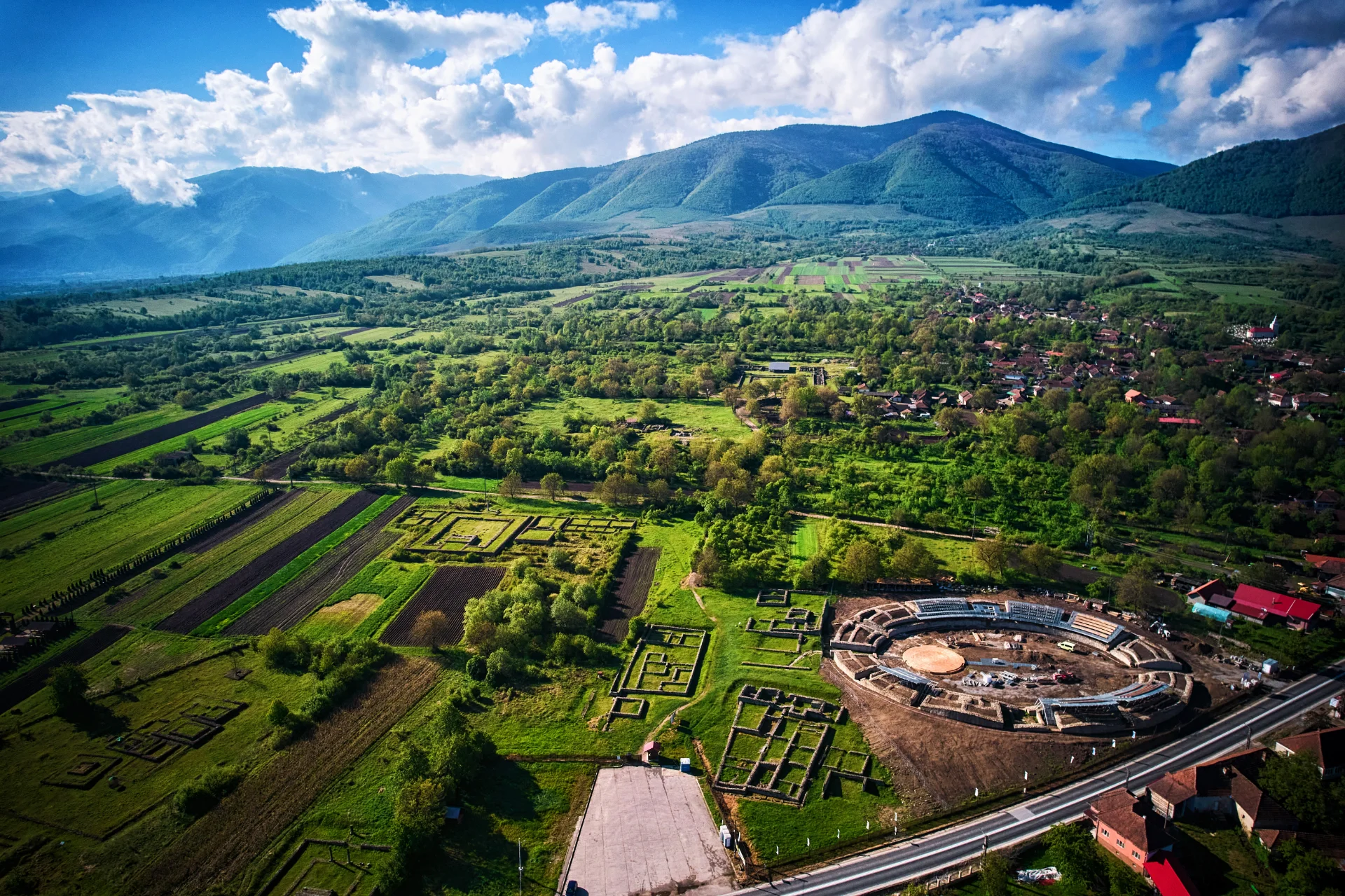
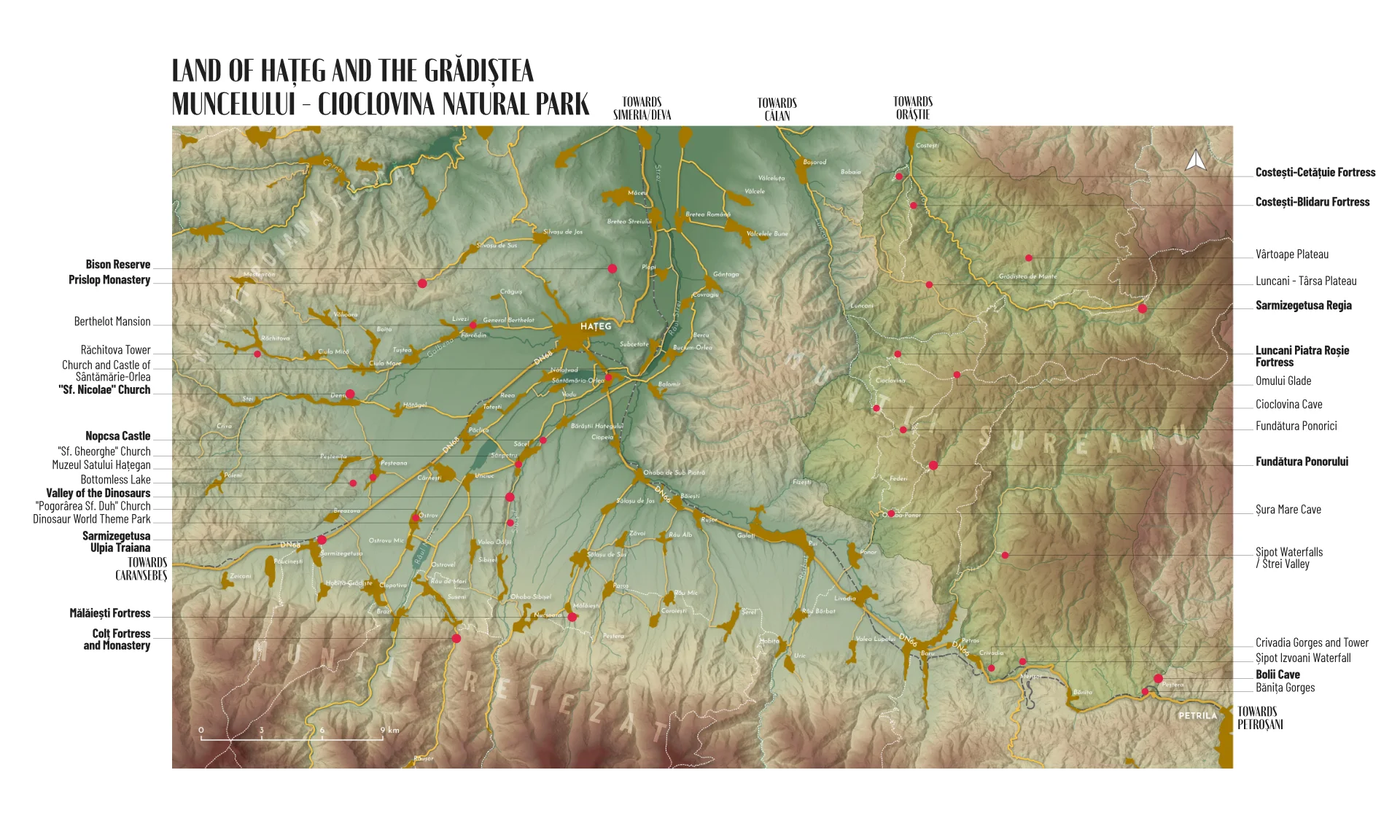
The Hațeg Land is located in the southwestern part of Transylvania and in the south of Hunedoara County, being a depression bordered by the mountains of Retezat to the south, Șureanu to the east, Poiana Ruscă to the north and Țarcu to the west. We can reach here very easily from three main directions, from the north and southwest along the Strei and Jiu valleys on the European road E79 (DN66), as well as from the west on DN68. On the road between Hațeg and Caransebeș, guarding the gateway to Transylvania for millennia, we find the legendary capital of the Roman province of Dacia, Sarmizegetusa Ulpia Traiana. Founded after the conquest of Dacia by Emperor Trajan, the city was truly impressive in its period of maximum development, with strong walls, temples, squares, workshops or civil buildings, housing at one time approximately 20,000 people.
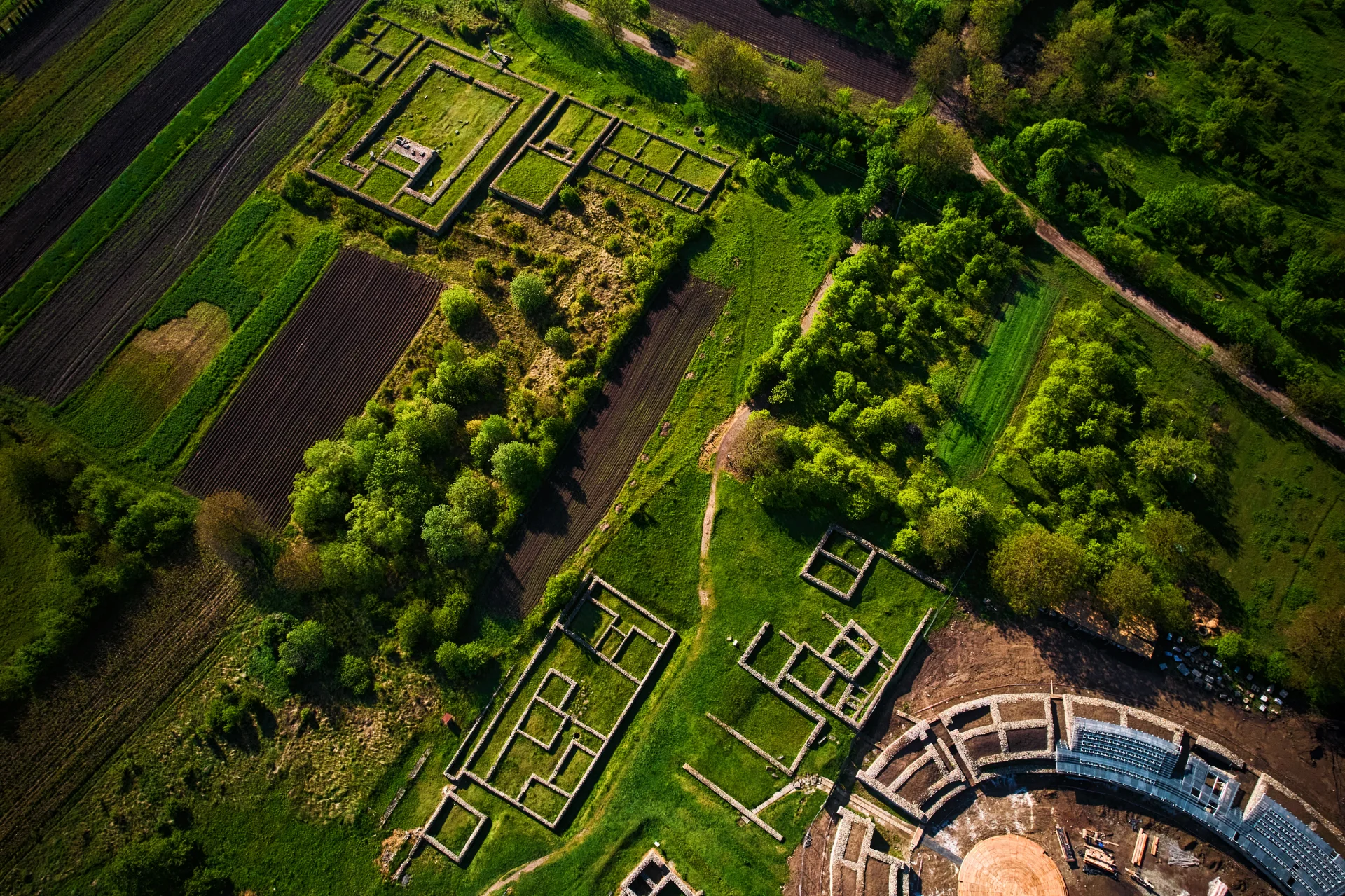
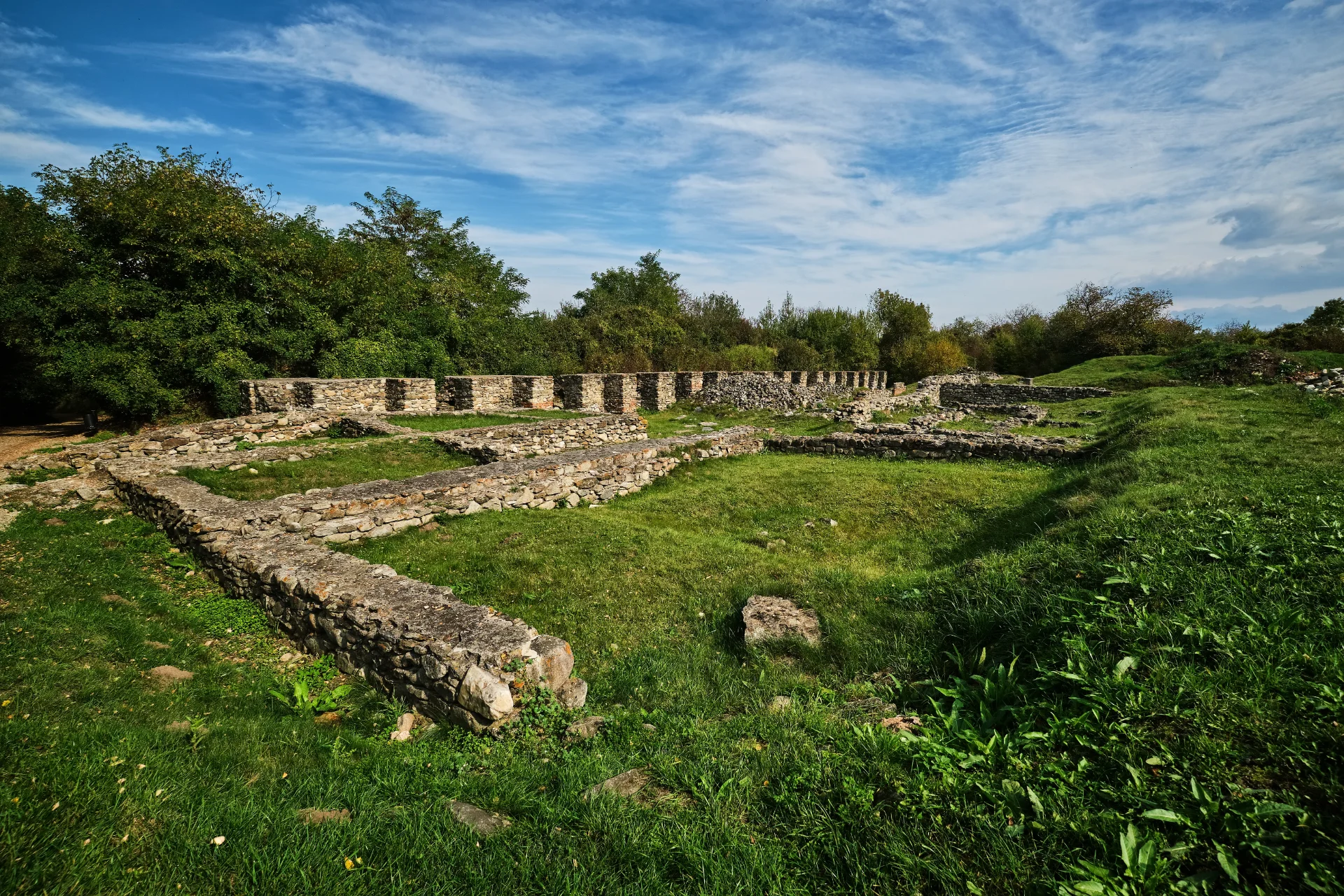
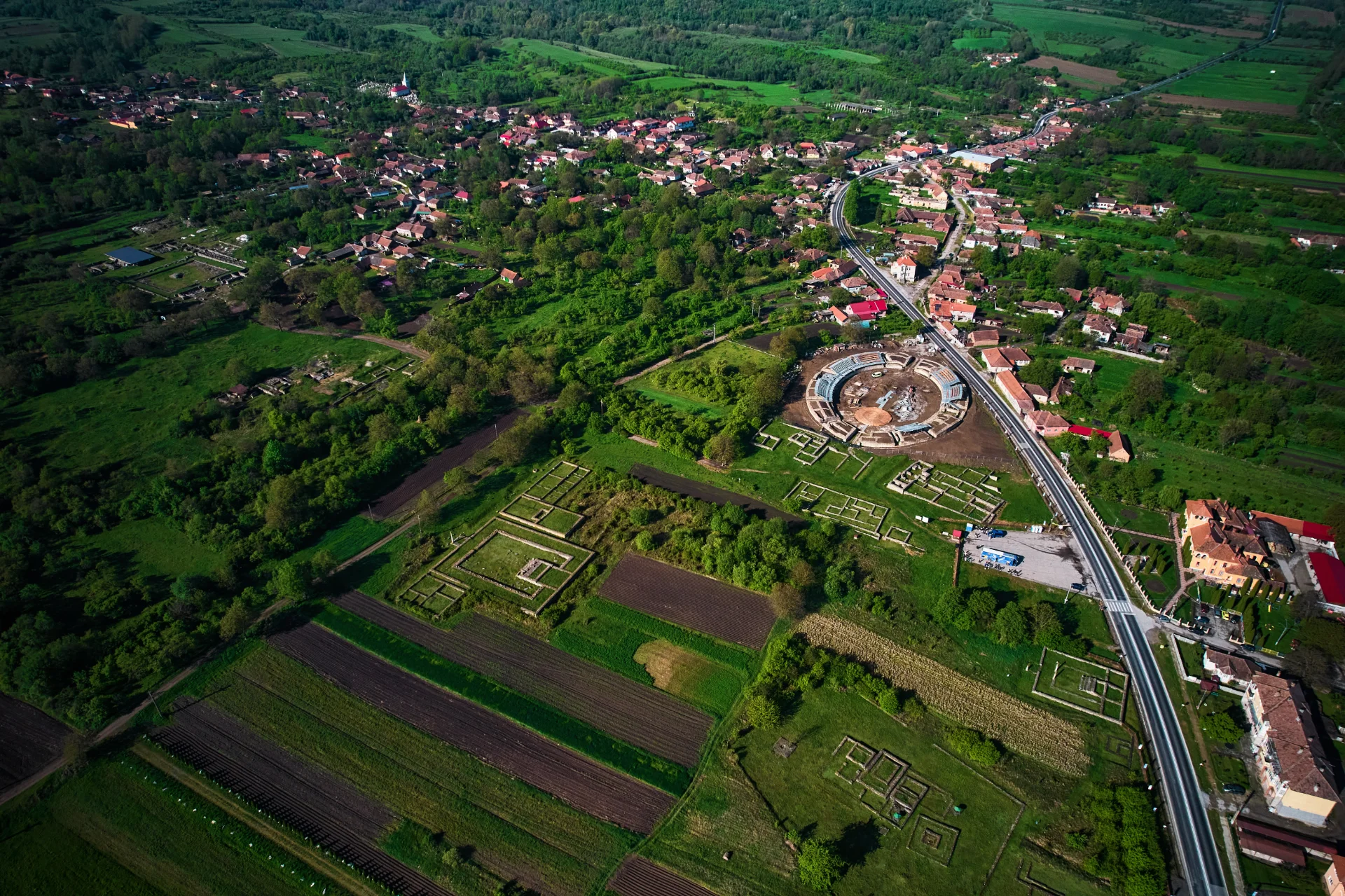
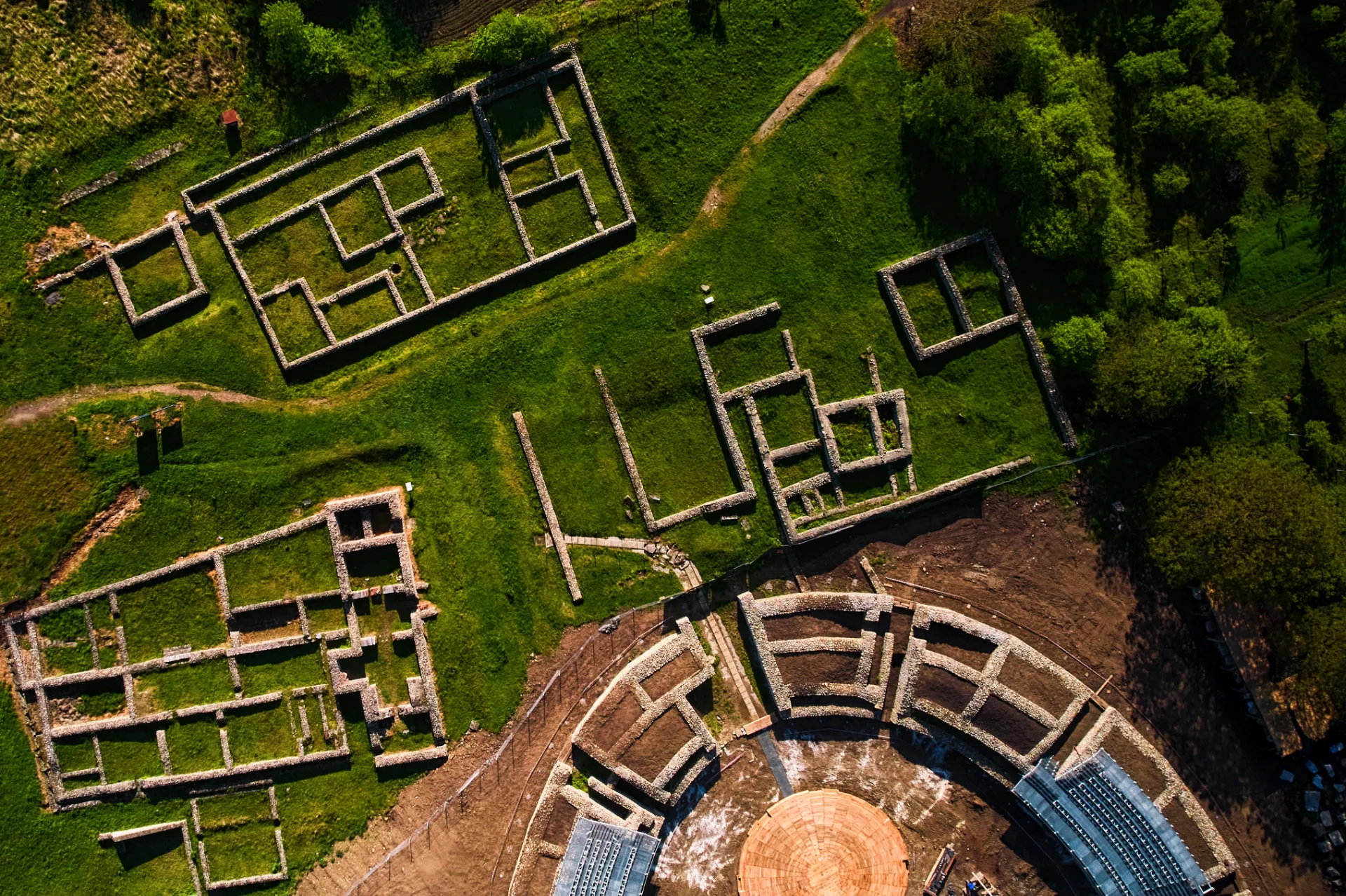
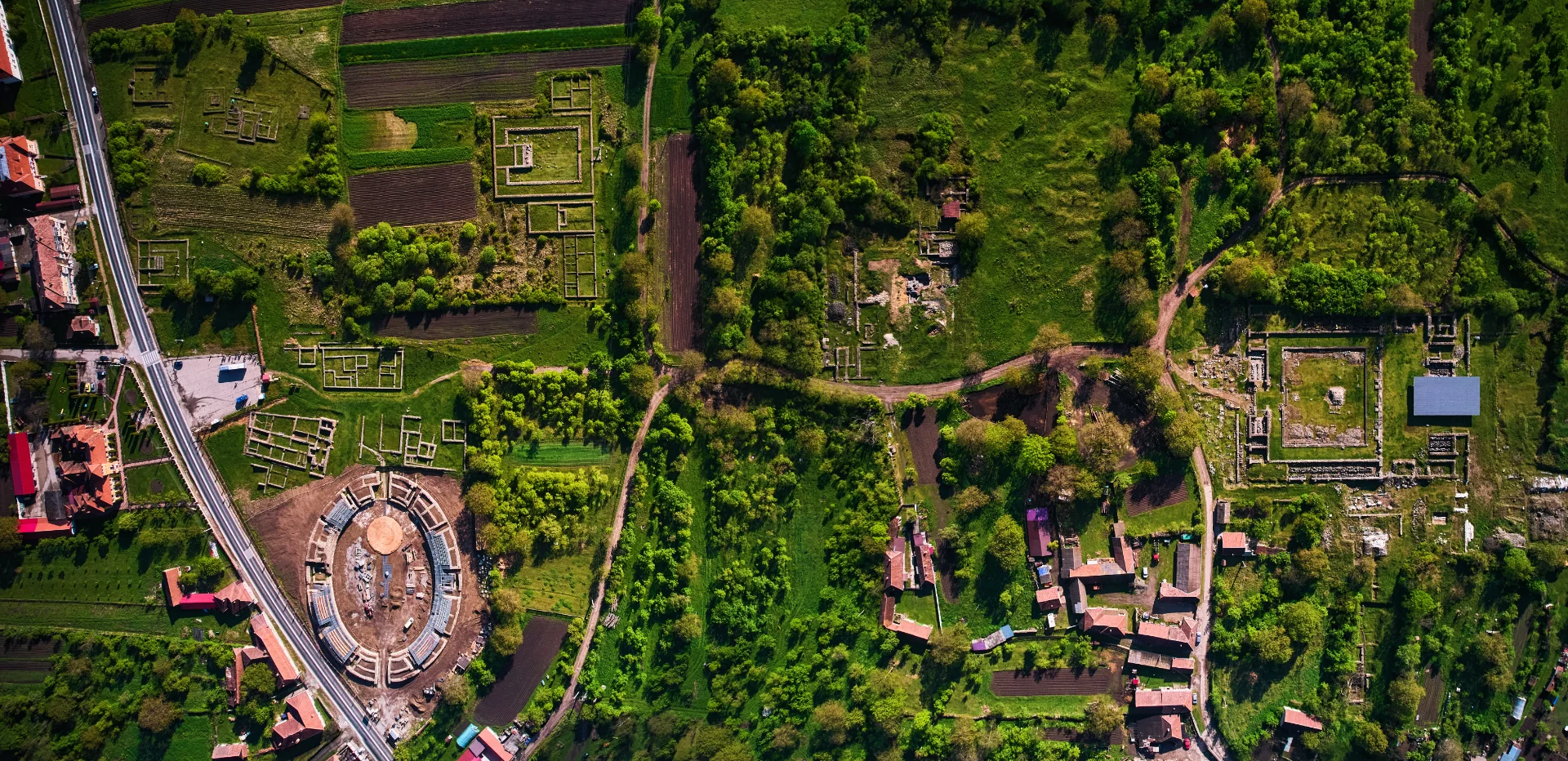
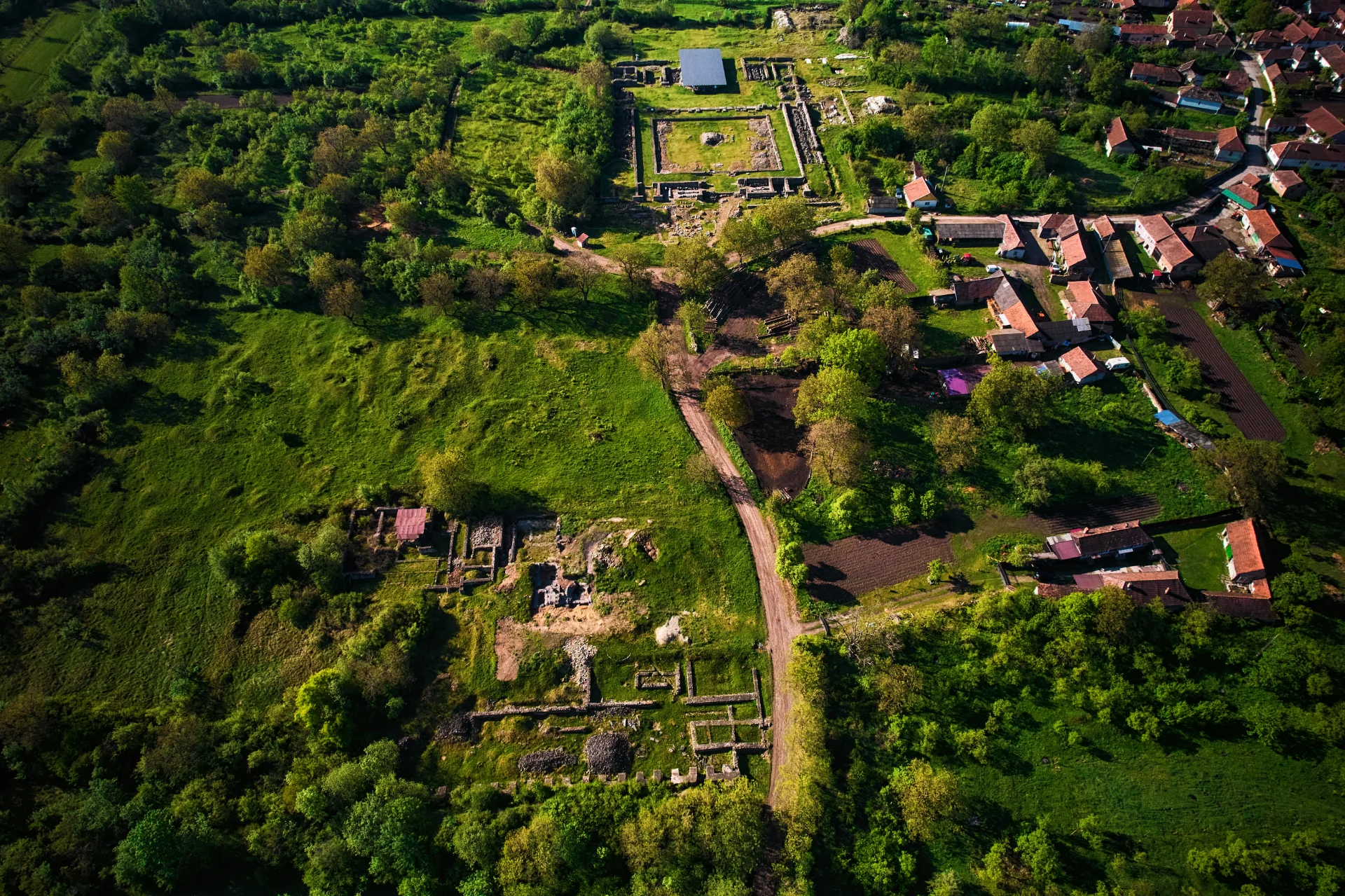
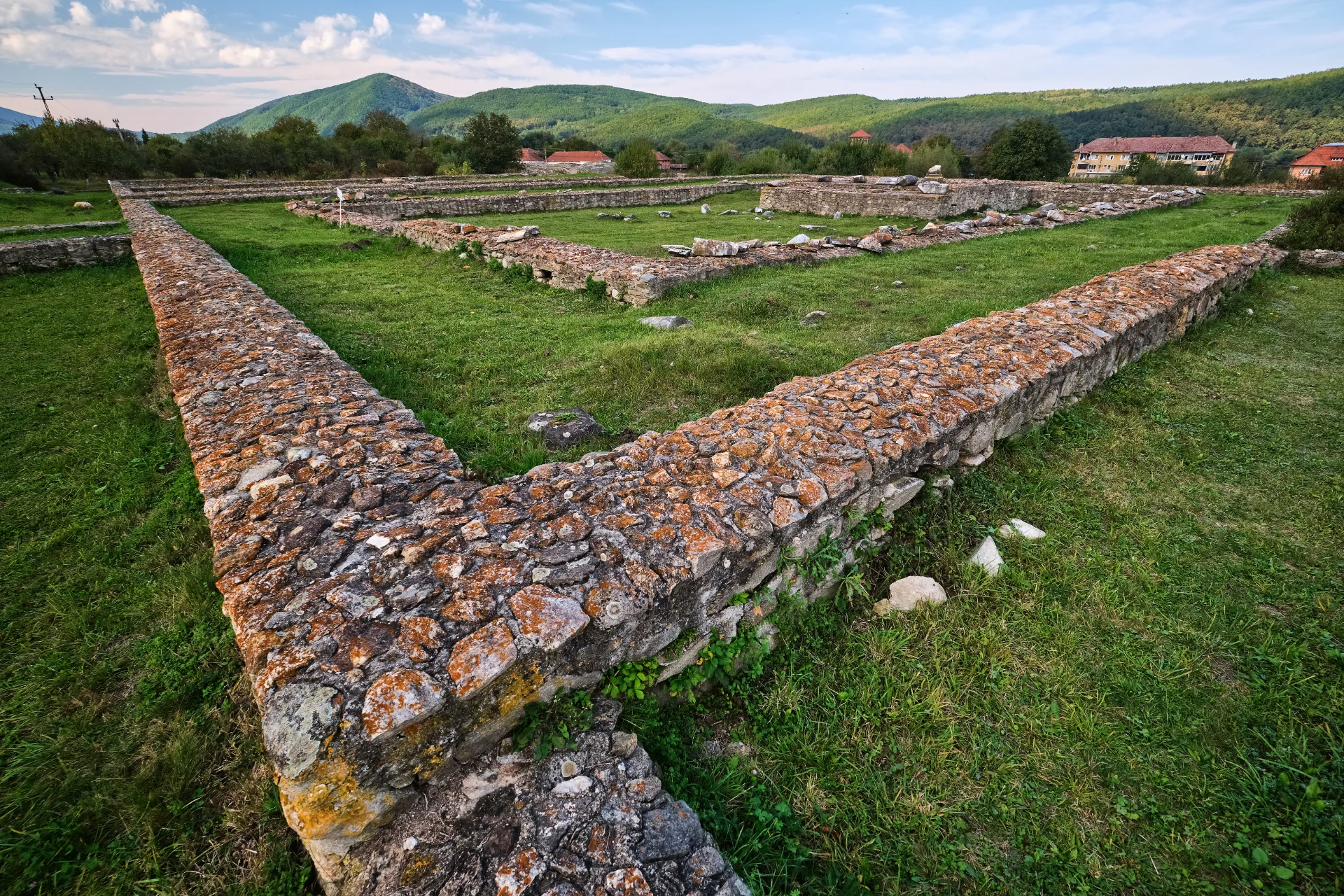
The ruins of the archaeological complex can give us an idea of the importance and scale of the ancient settlement, most of the structures being concentrated near the national road. Although the fortress was destroyed by the attacks of the barbarian people, many structures still stand and can be admired, perhaps the most impressive being the recently renovated amphitheater, originally with a capacity of 5,000 spectators. Other interesting vestiges include the Palace of the Augustals, Trajan’s Forum, the Temple of the Goddess Nemesis, the Temple of Liber Pater or the Capitol. On the other side of the road we also visit the Sarmizegetusa Archaeological Museum, which includes impressive collections of monuments, mosaics, ceramics, weapons, jewelry, coins and other objects of Roman origin, discovered in the nearby archaeological site.
Search for Lodging in the Land of Hațeg on Booking.com!
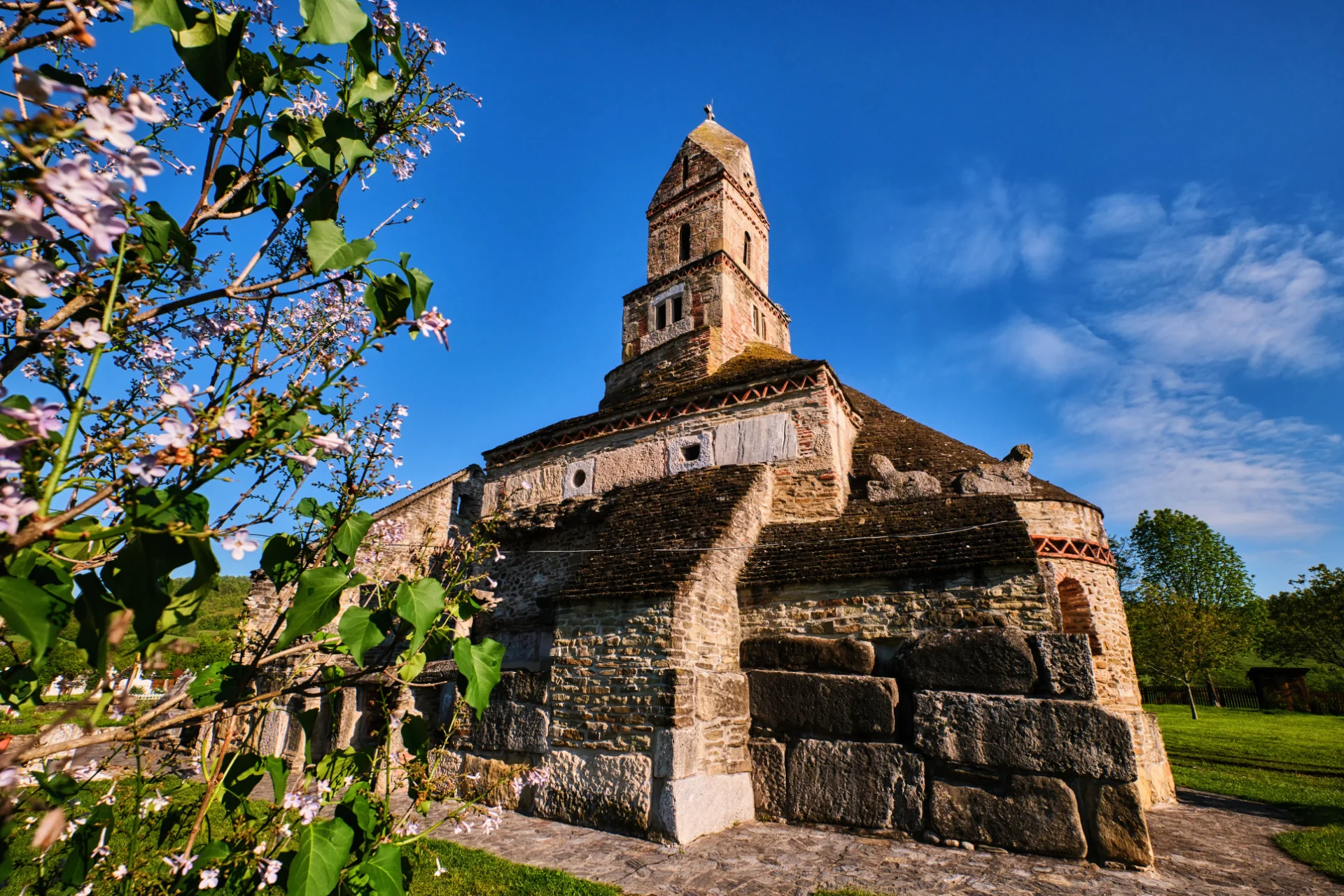
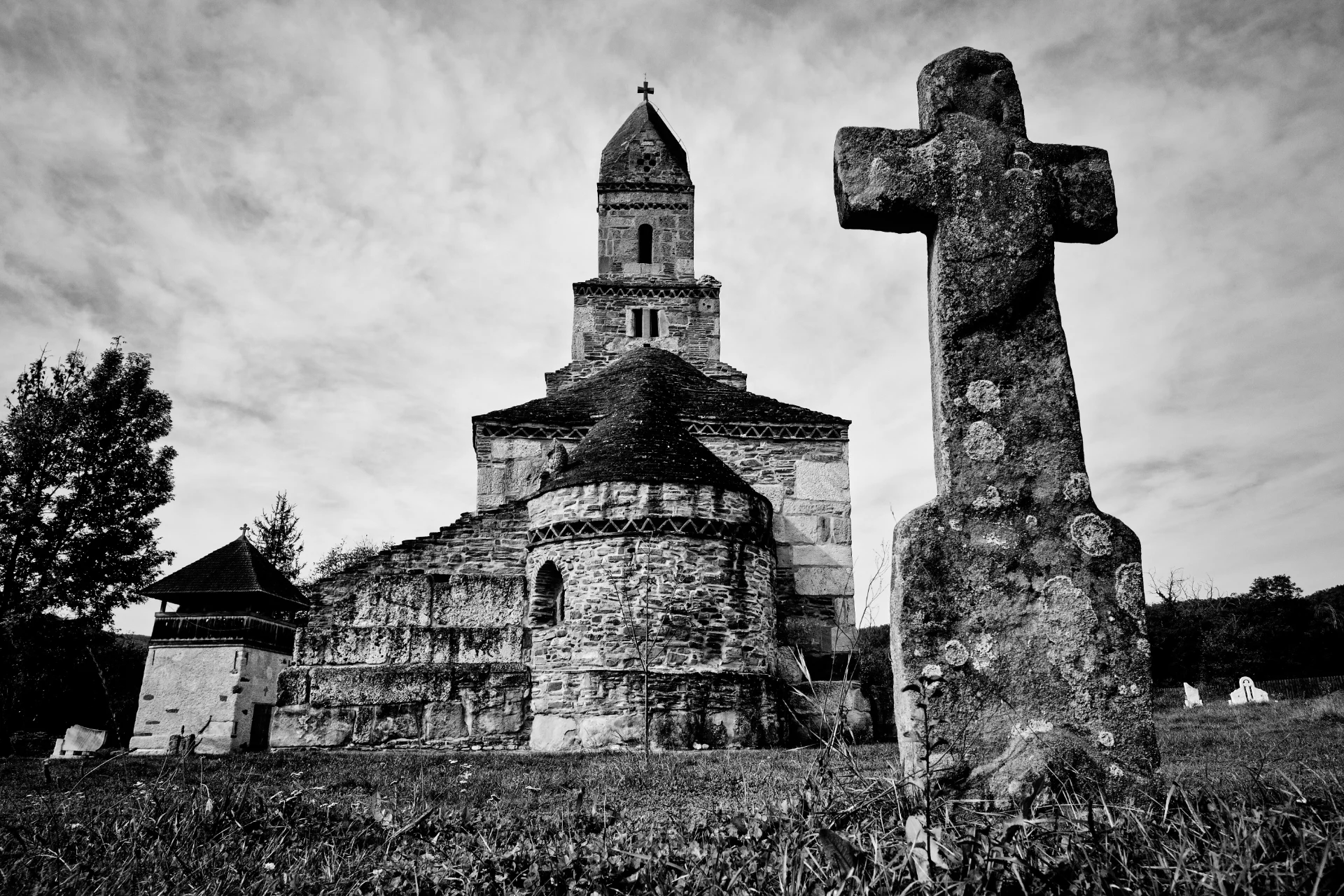
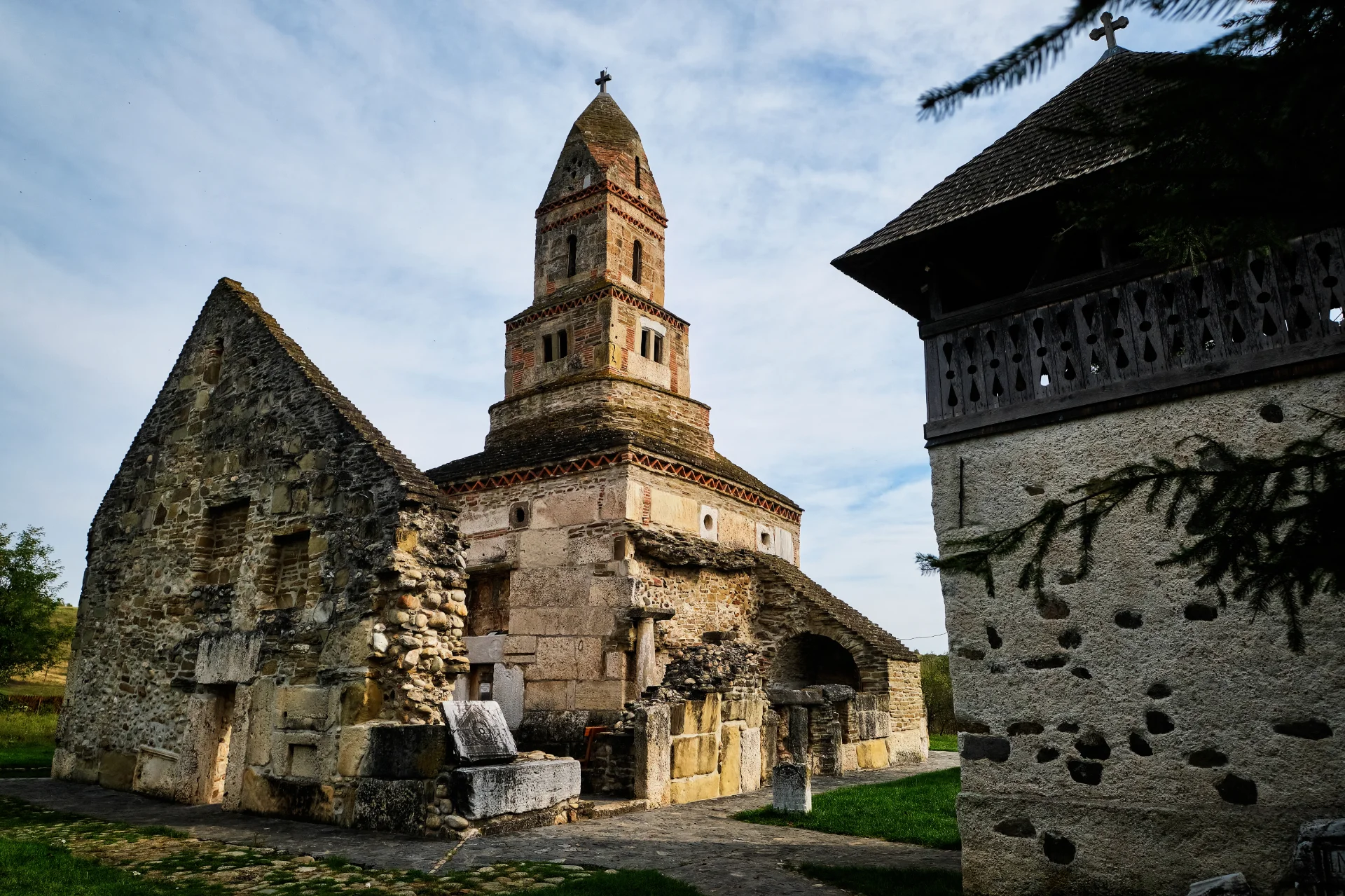
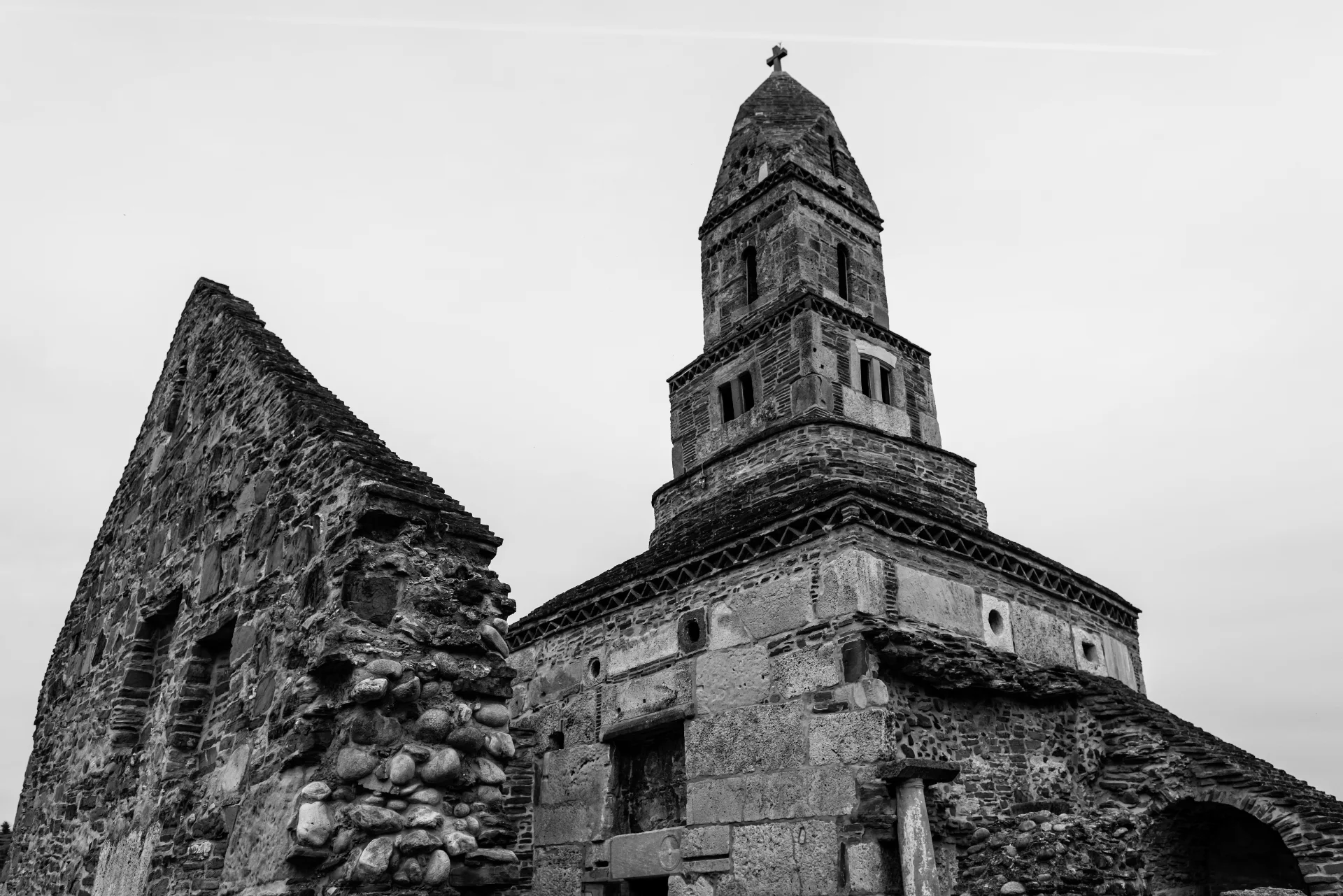
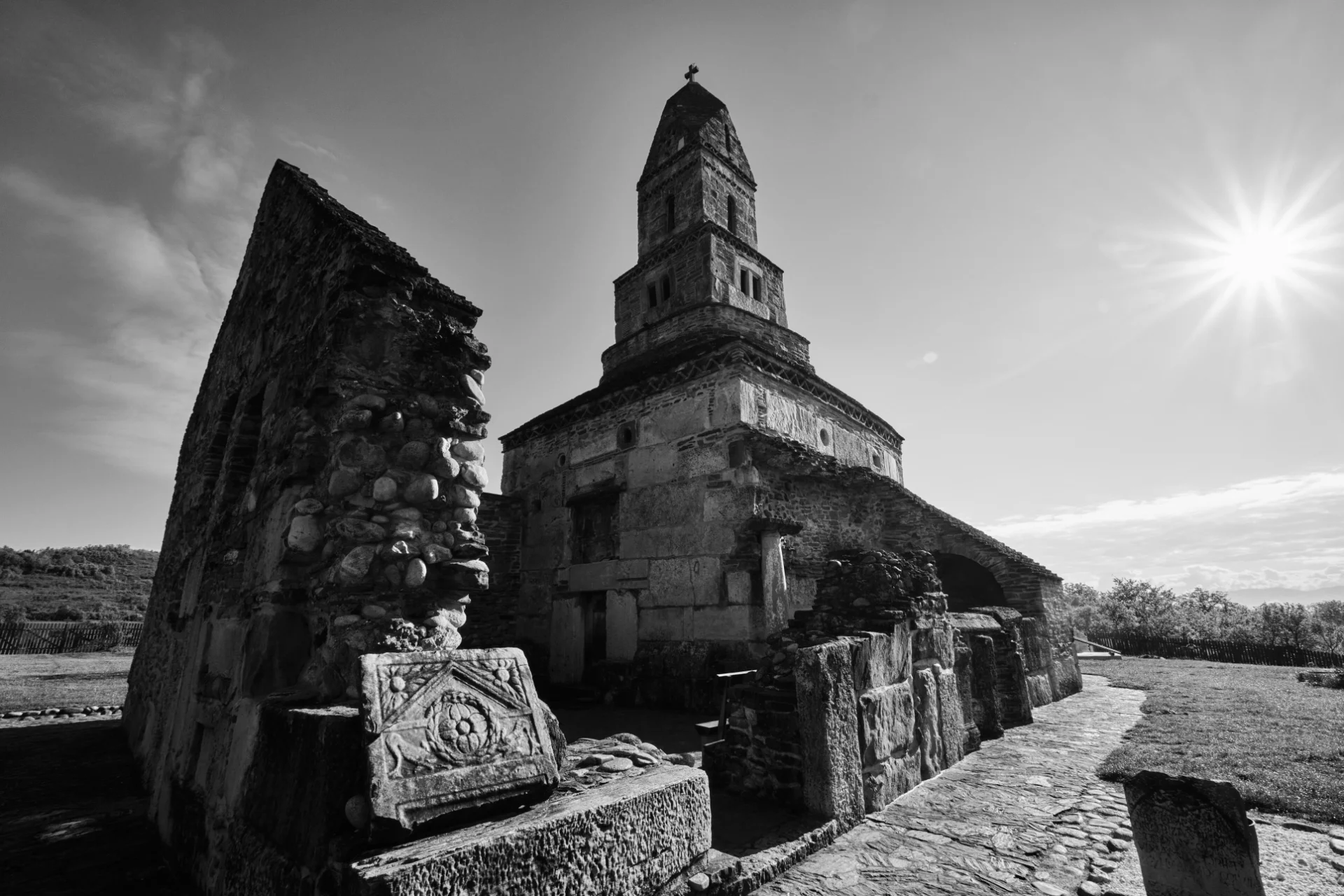
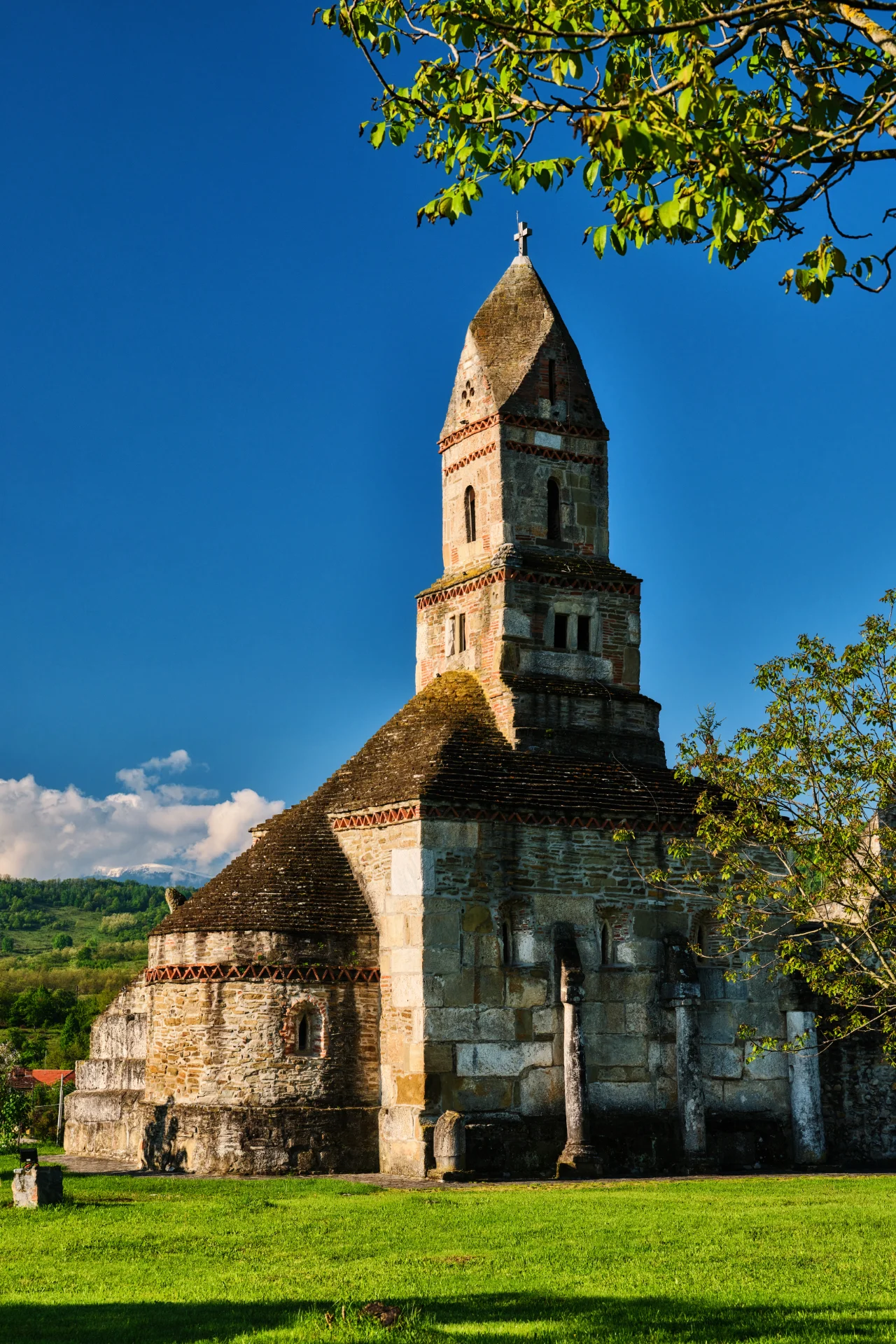
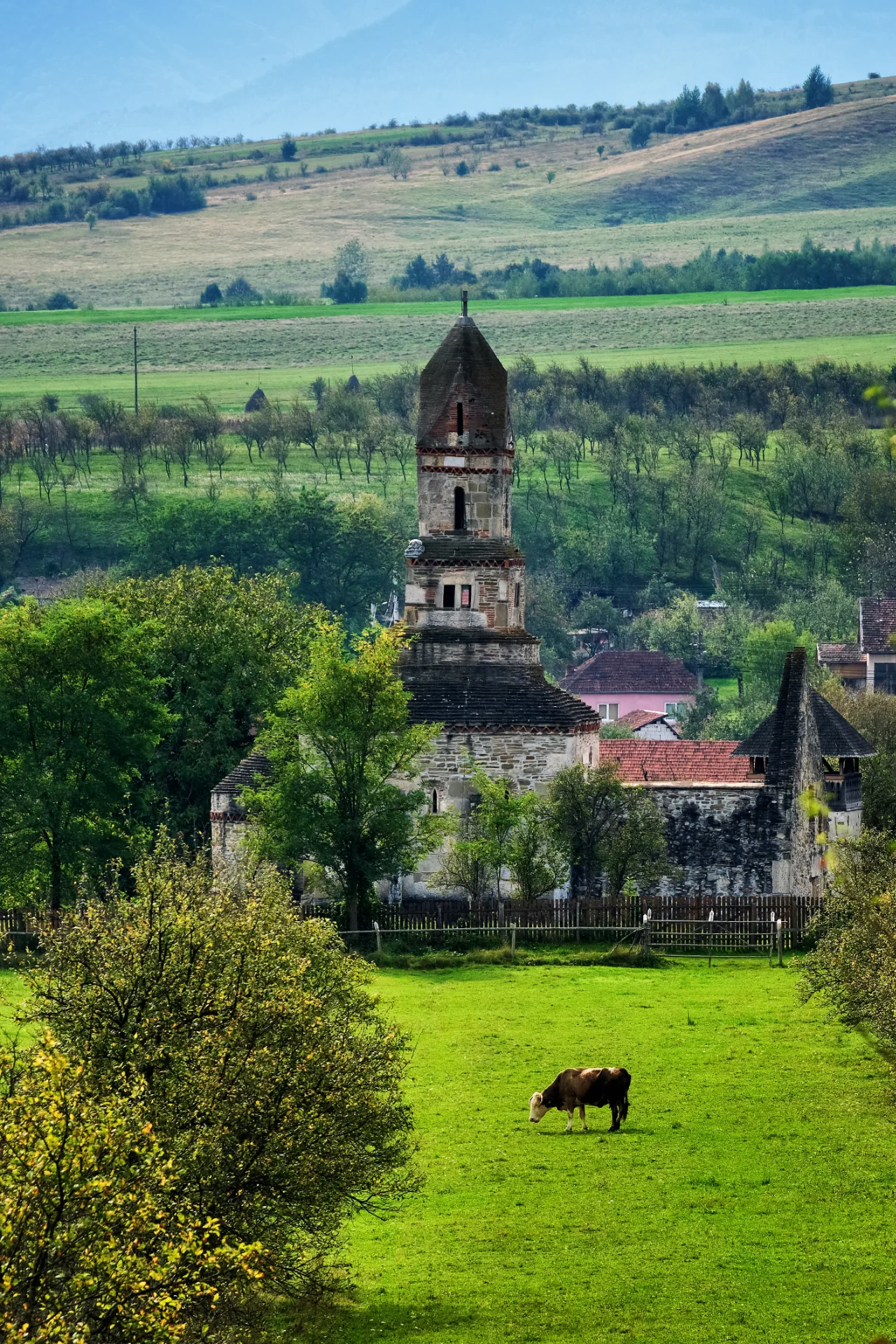
Testimony to the spiritual continuity of the Romanians in this part of the country, the stone churches of Țara Hațegului are among the most fascinating monuments in Romania. Of these, the most famous, but also unique, is the stone church in Densuș, a village that we discover a few kilometers west of Hațeg. Characterized by a unique architectural style and built with stone from the Sarmizegetusa fortress, it is one of the oldest Byzantine churches in the country, dating back to around the 12th century. The “Saint Nicholas” Church in Densuș is an unusual structure that has always intrigued researchers, with irregular shapes and volumes. It is covered with stone slabs and has a slender pyramidal tower, still preserving impressive murals from the 15th century. It is considered one of the most beautiful old churches in the country, being included on the list of proposals for UNESCO world heritage.
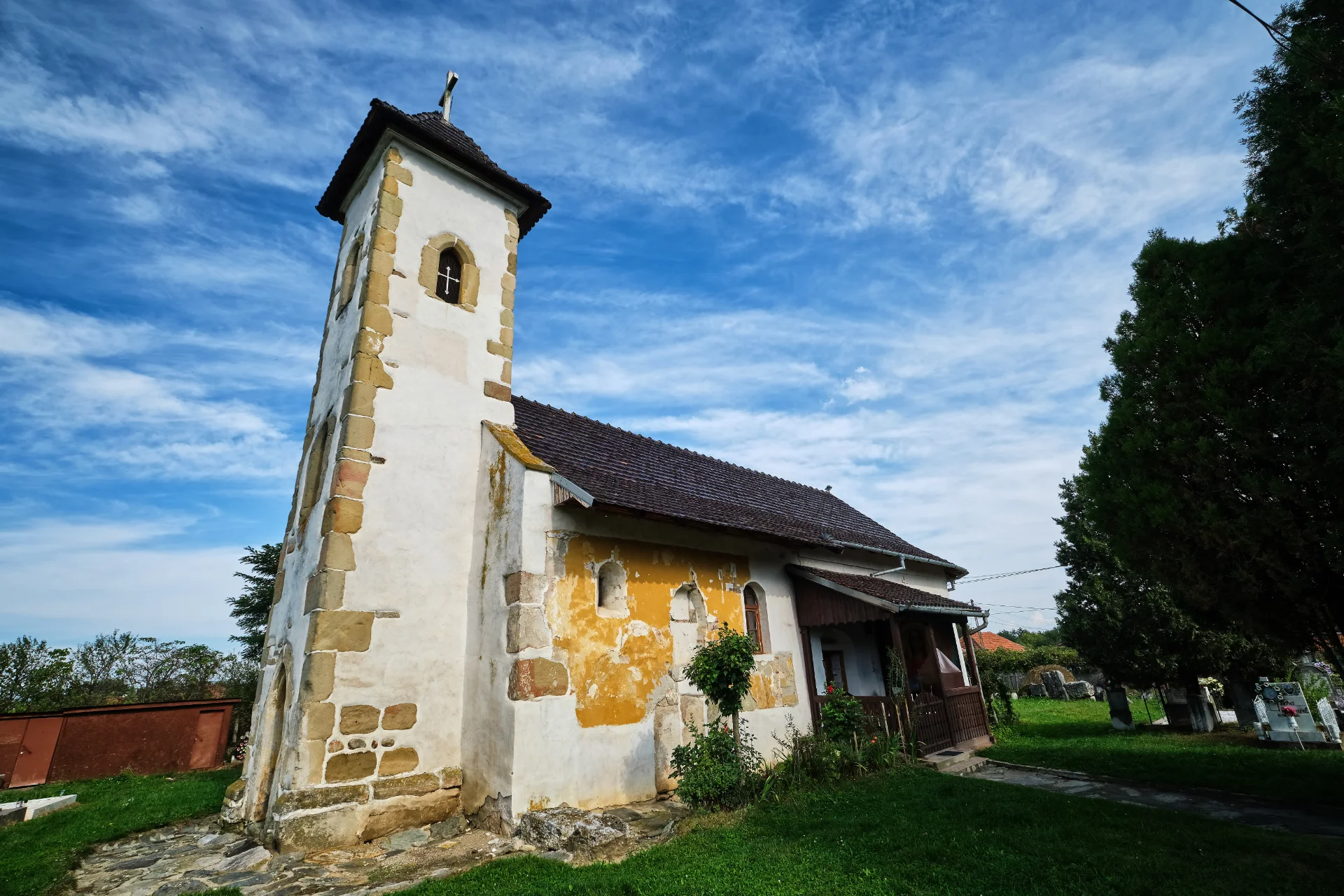
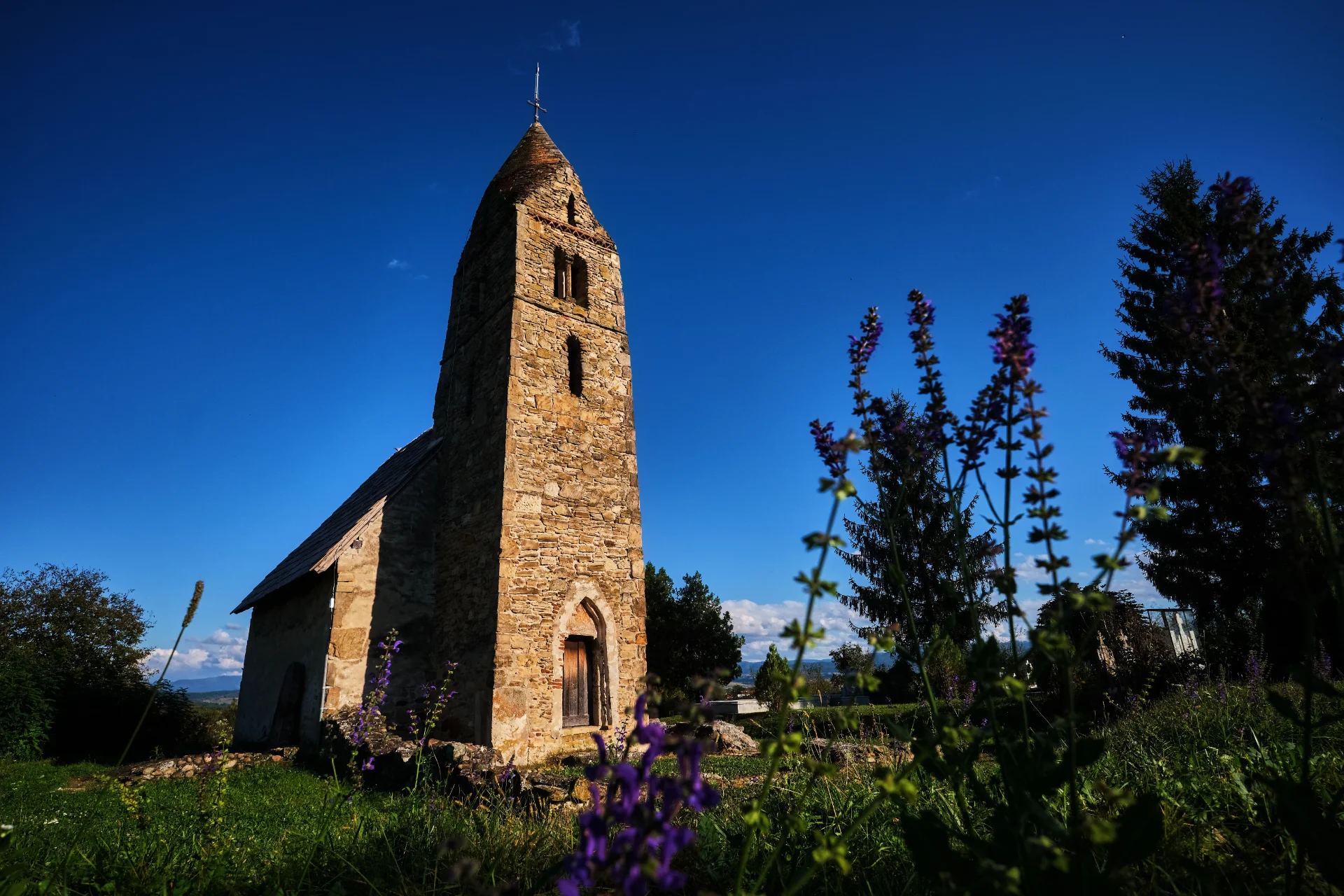
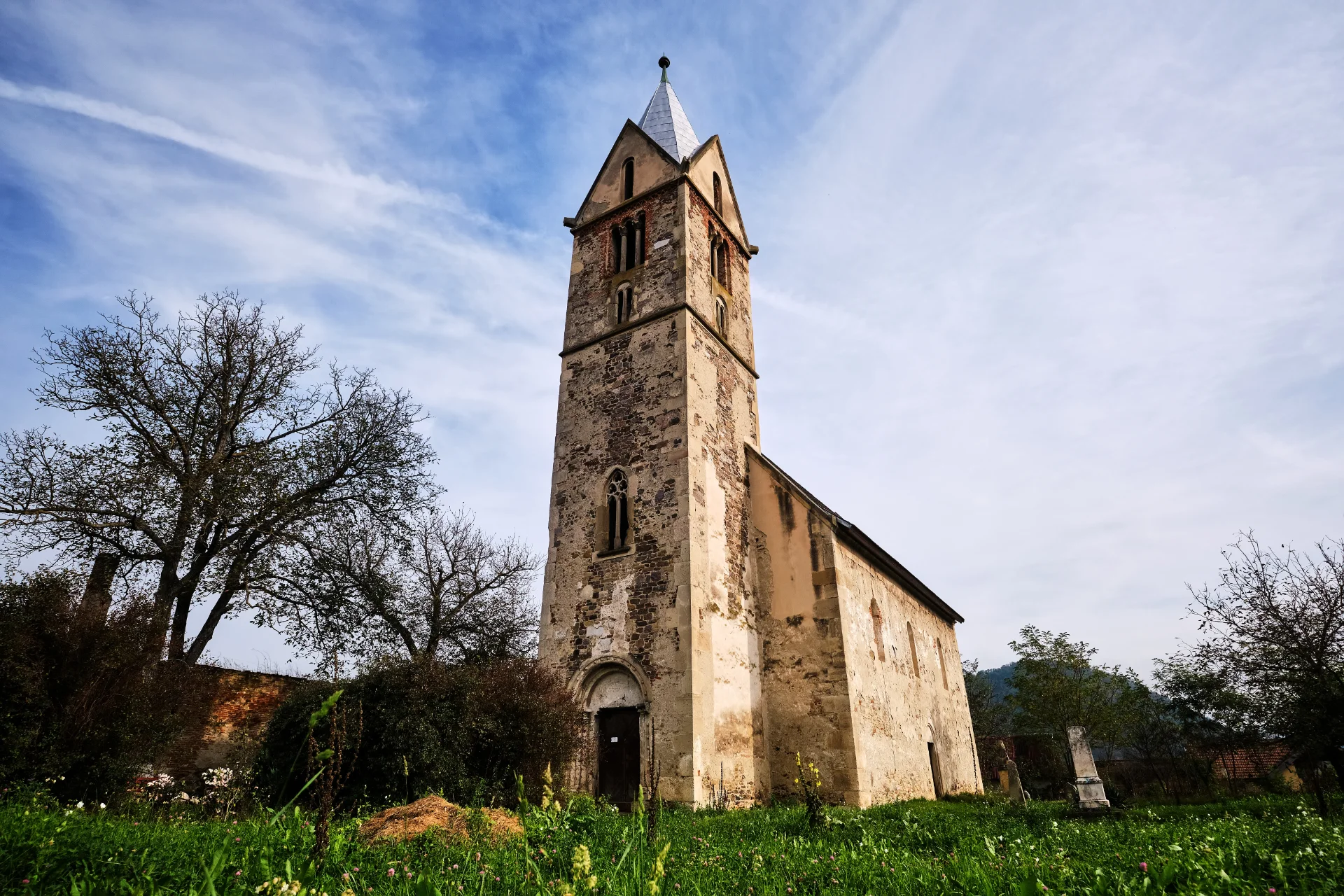
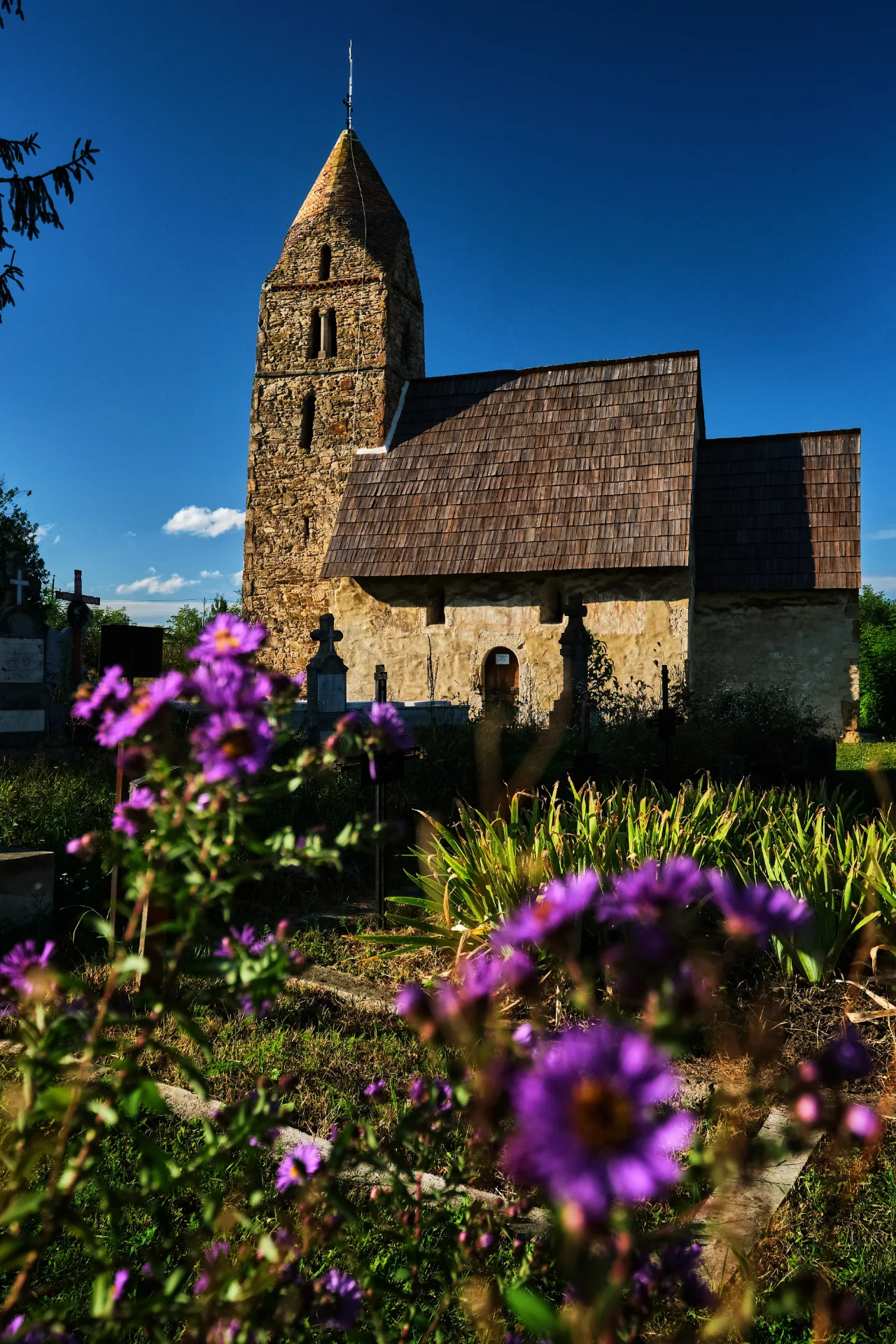
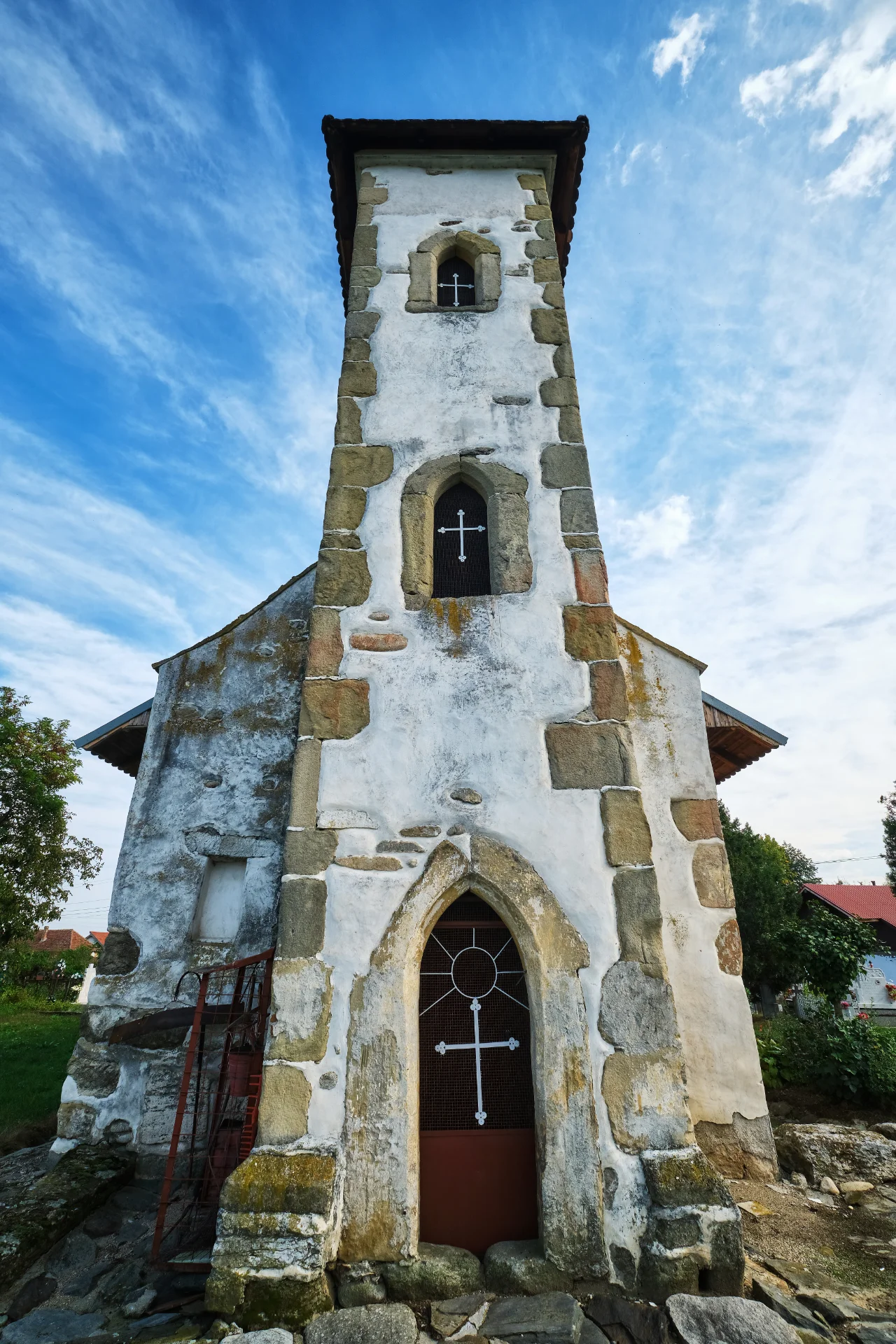
In addition to the stone churches that we admire in Densuș, Prislop and Colț, several others greet us through the charming villages of the region. At the stone church of Ostrovul Mare we discover the best-preserved bell tower from the medieval period, with Gothic windows and superb interior paintings. It is surrounded by an unusual fence, formed by carved stones that come from the ruins of the Roman fortress of Sarmizegetusa. The Reformed Church of Sântămărie-Orlea was probably built by the Cândea family at the end of the 13th century and impresses us with its appreciable dimensions, also containing some of the best-preserved medieval religious frescoes in the country. The church in Sânpetru also contains stone from ancient ruins, with a marble altar that was part of a temple dedicated to the god Silvanus. The small church of the Pârvești in Baru is a newer construction, but following the same medieval style as the others. Although not geographically part of Țara Hațegului, the stone church in Strei is located nearby and was built between the 13th and 14th centuries by a local nobleman, being considered among the oldest in the country, preserving old and valuable paintings, just like the one in the nearby village of Streisângeorgiu.
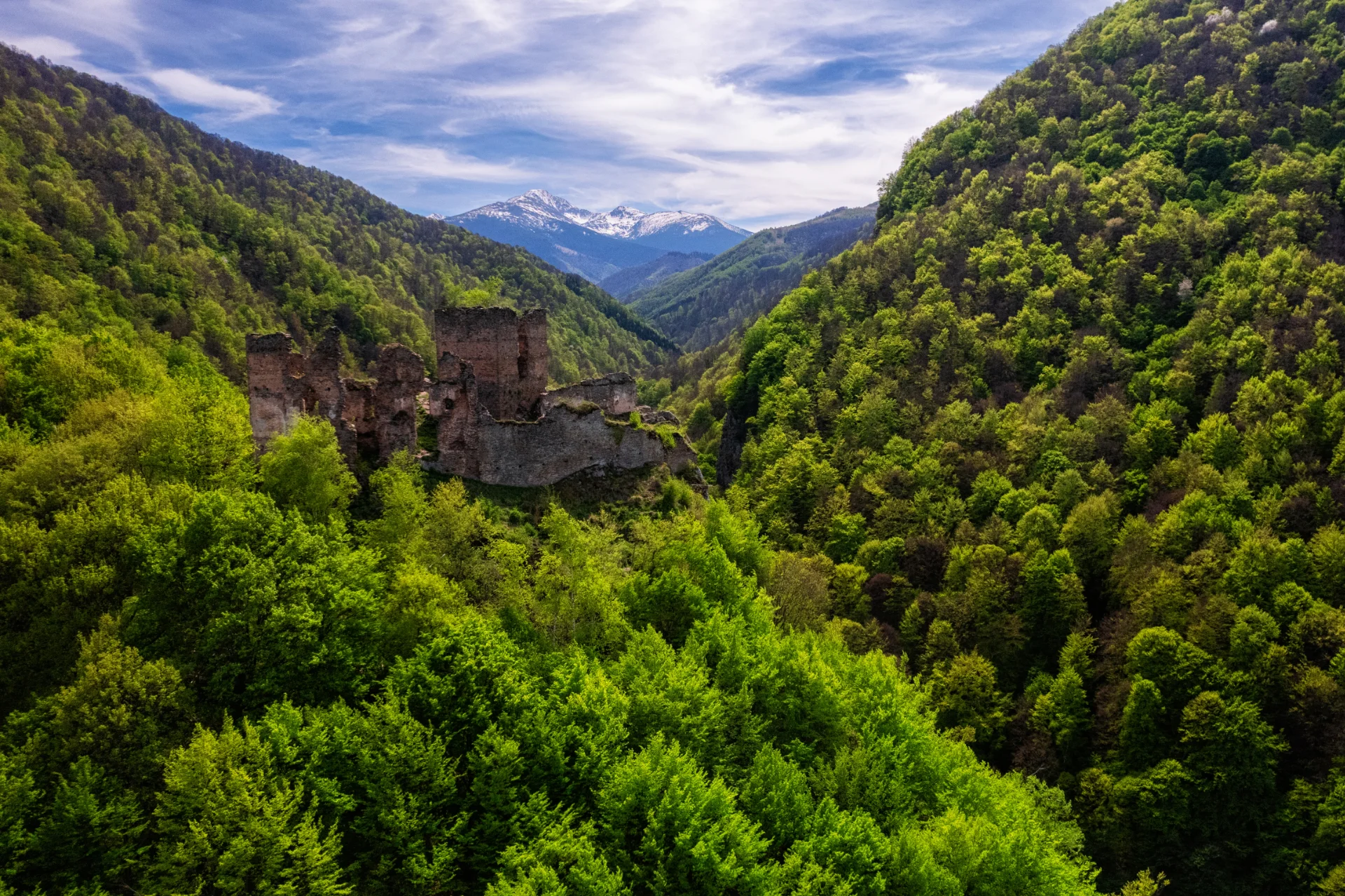
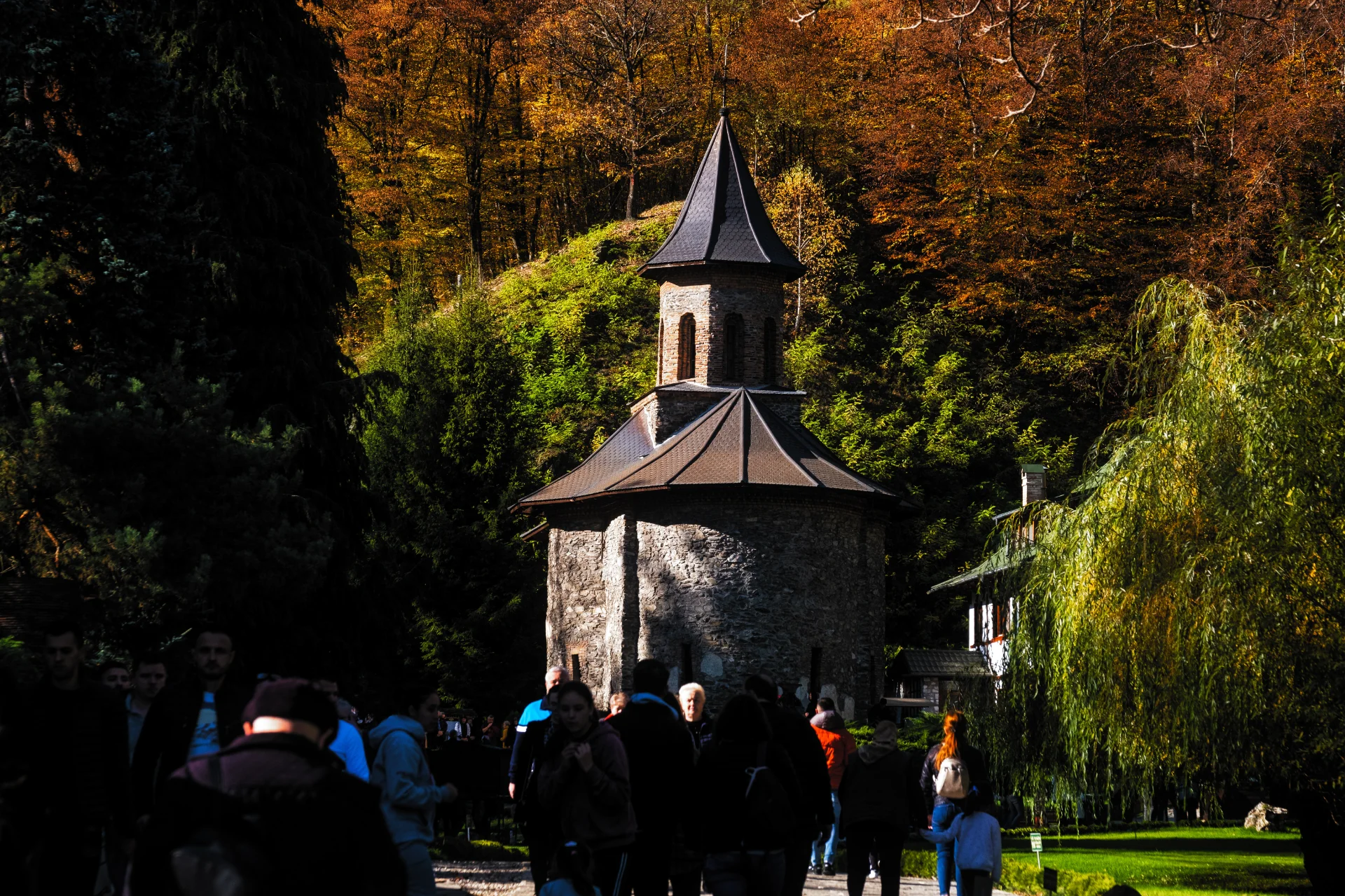
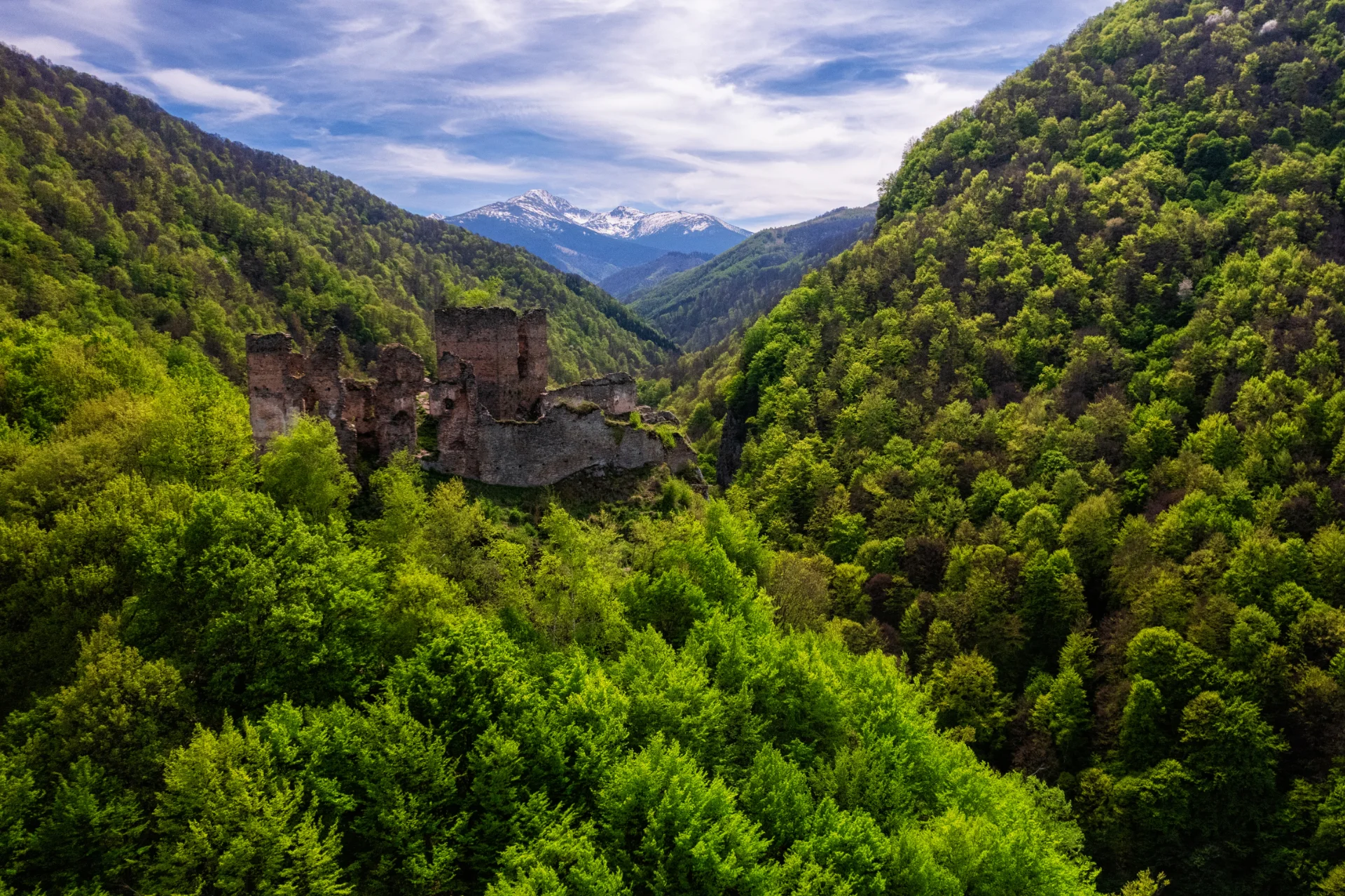
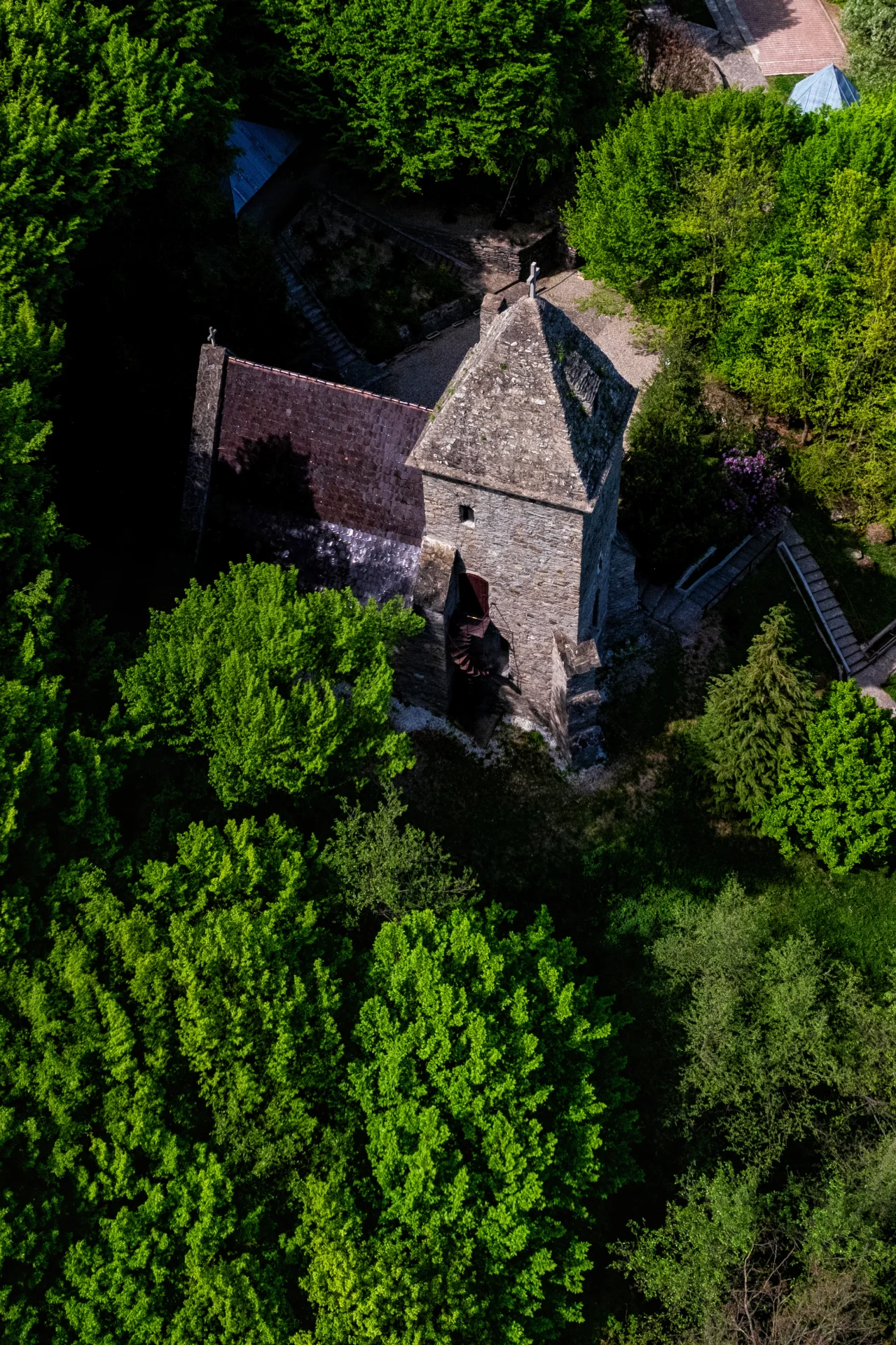
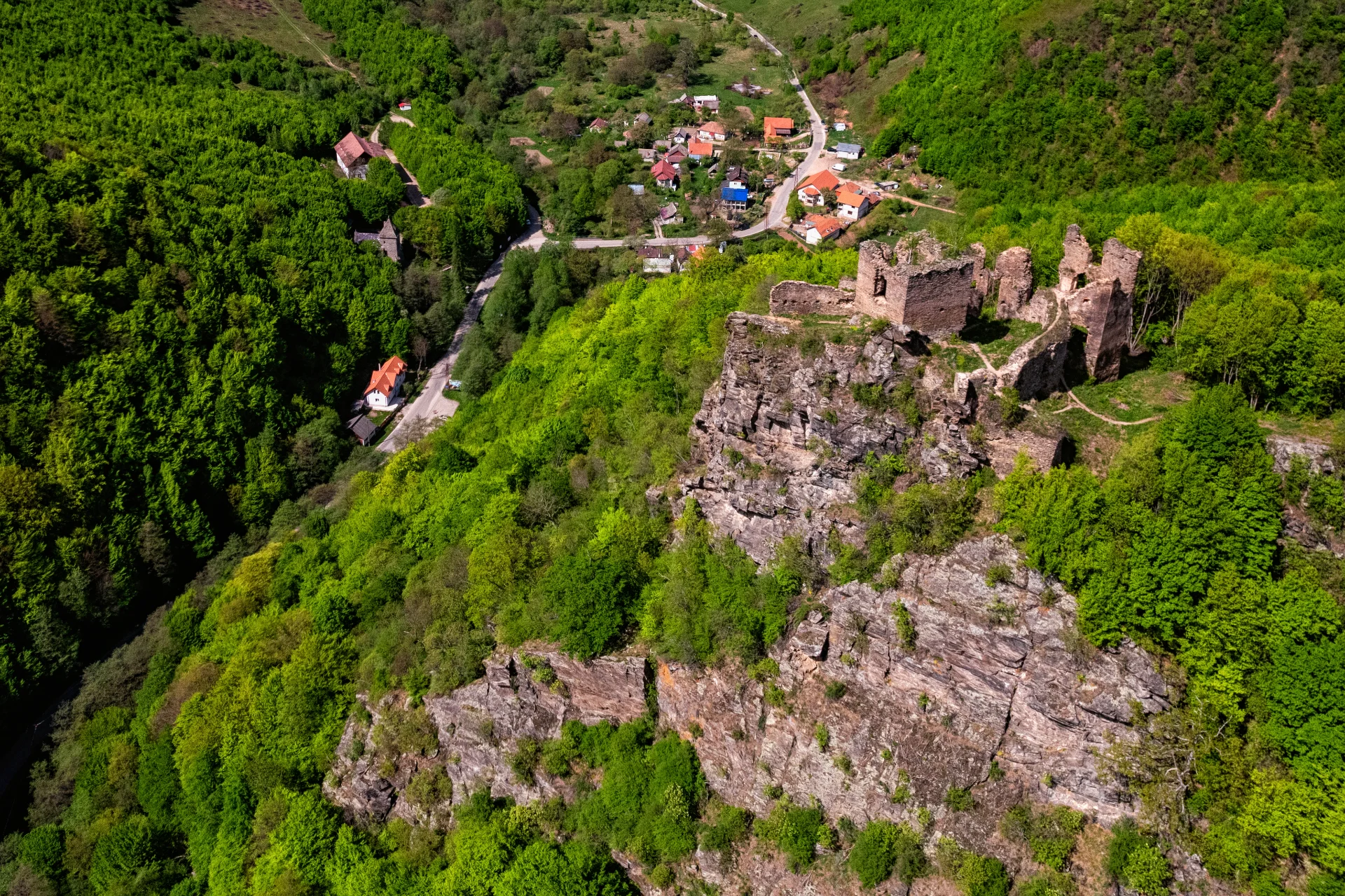
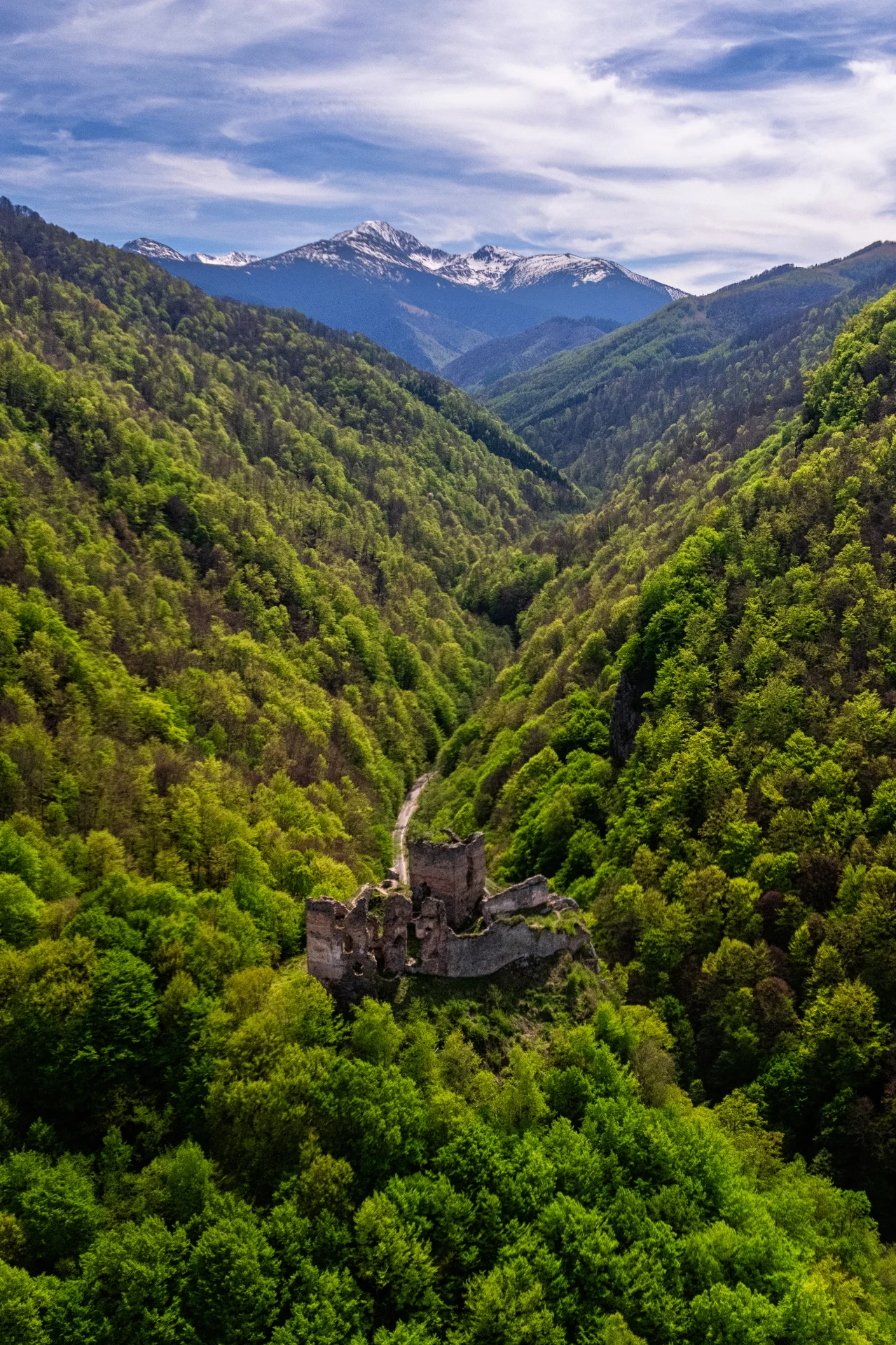
Almost a ruin today, the spectacular Colț Fortress must have been impressive in medieval times, when it is said to have inspired Jules Verne to write “The Castle in the Carpathians”. Perched on a high cliff at the entrance to the Râușor Valley, near the village of Râu de Mori, the fortress was built in the 14th century by noble Cândea (Kendeffy). With an irregular plan, it included a central keep, surrounded by walls and several towers. The picturesque location with enchanting views of the valley, as well as the hike through the forest to the summit, create a fascinating experience. The ruins are in an advanced state of decay, with the local community trying to save this legendary monument. In the valley below the fortress we also discover the Colț Monastery, which includes an old stone church with a pyramidal tower, dating from the 15th century. This is one of the first Orthodox monasteries in Romania, dating between 1310 and 1315.
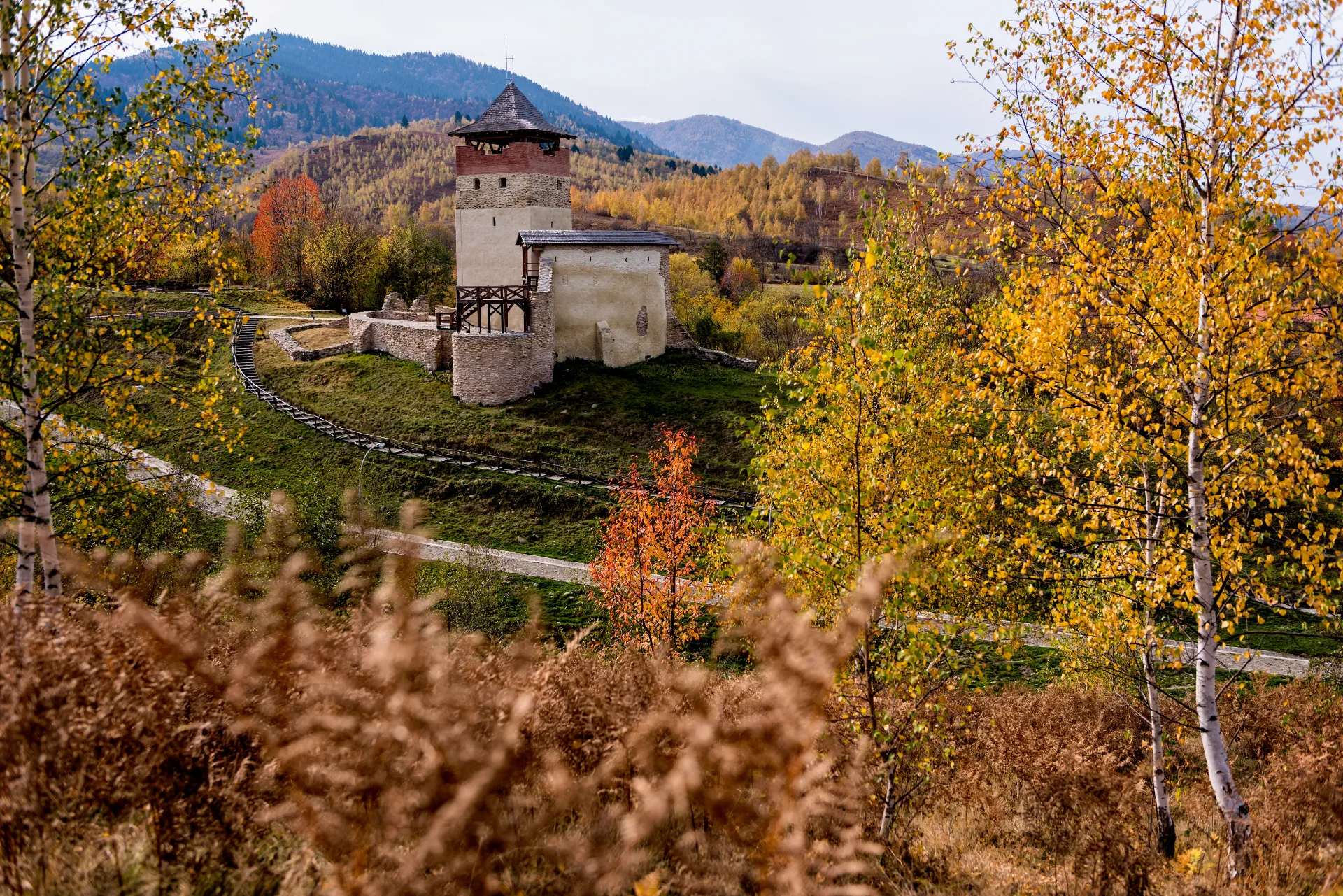
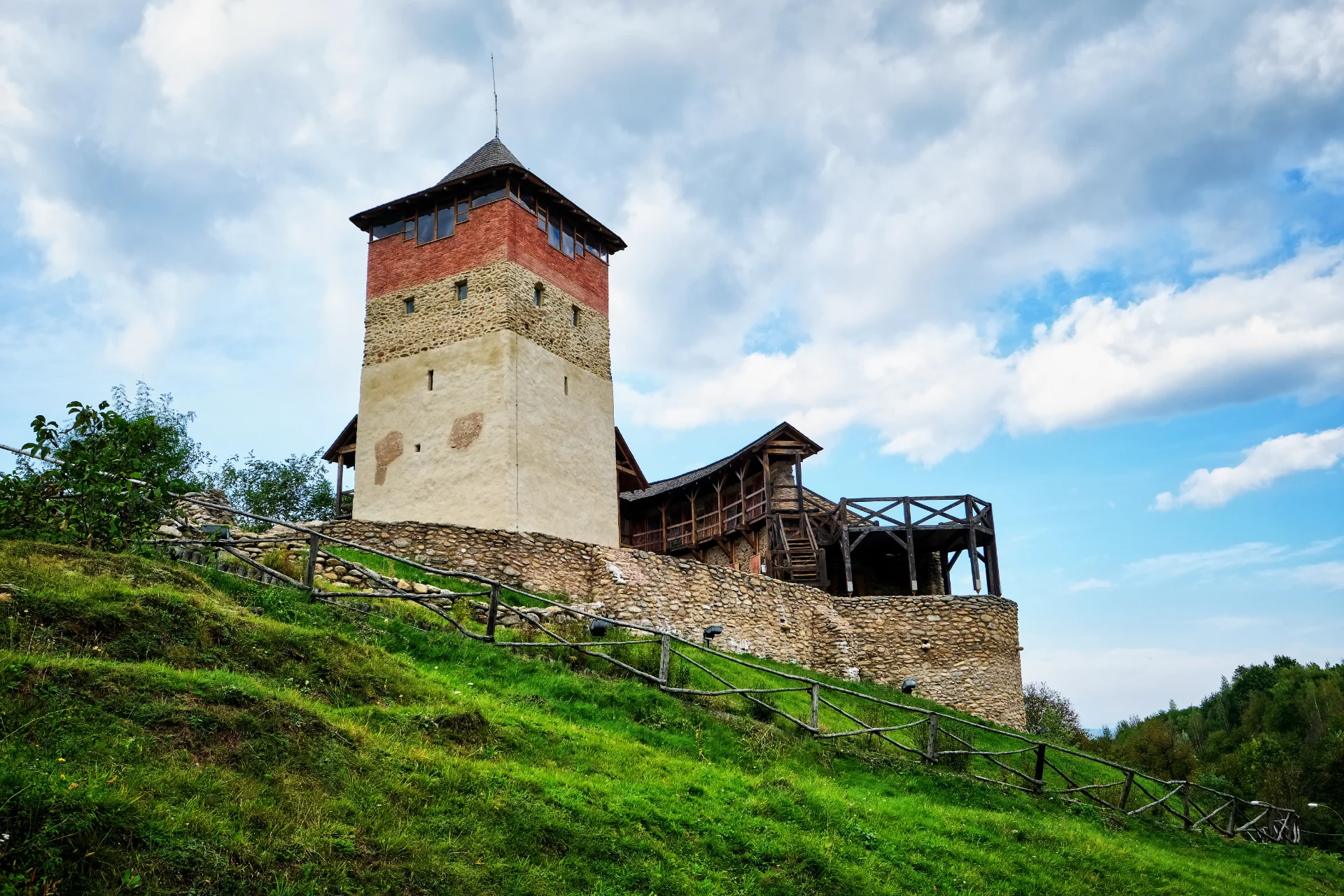
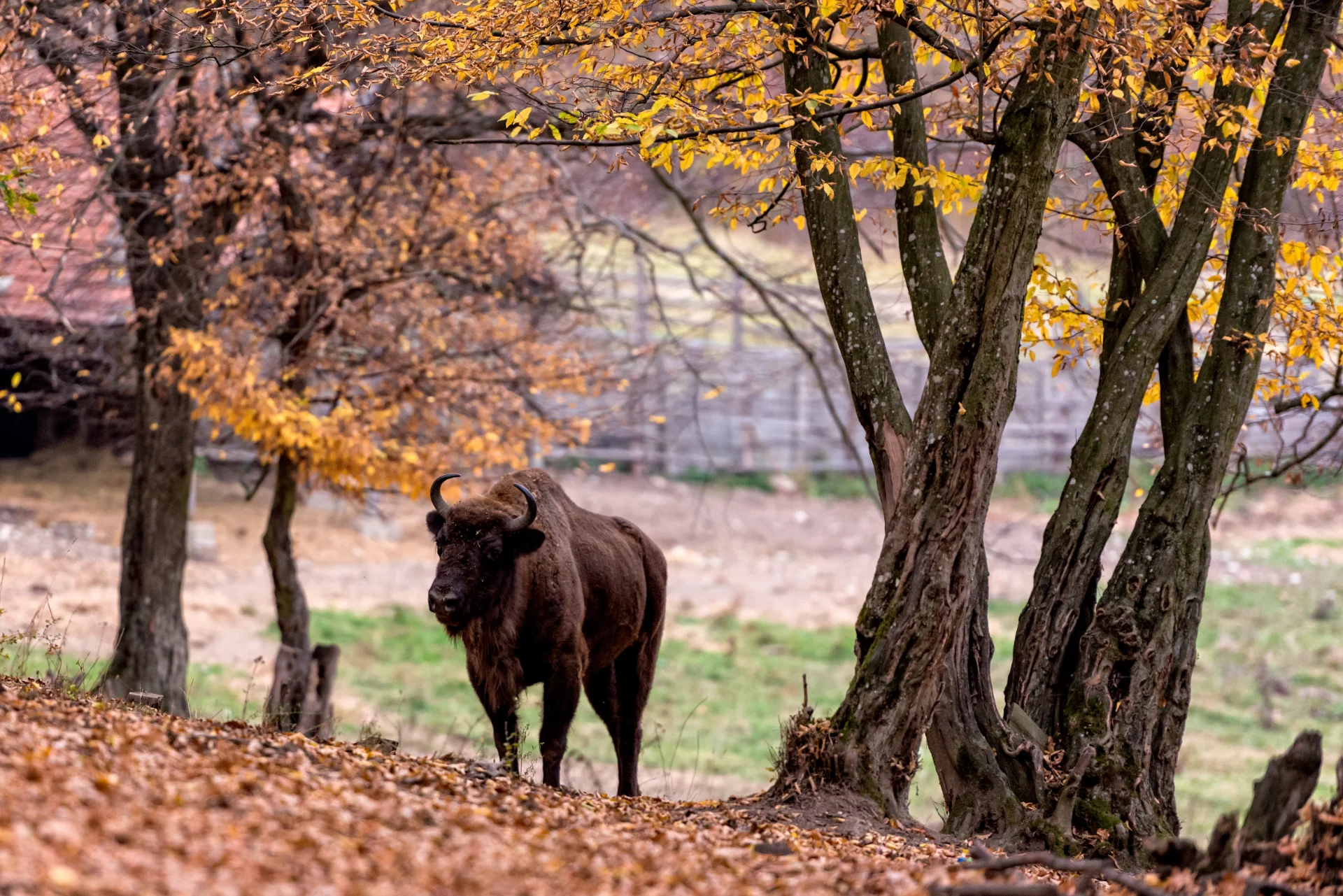
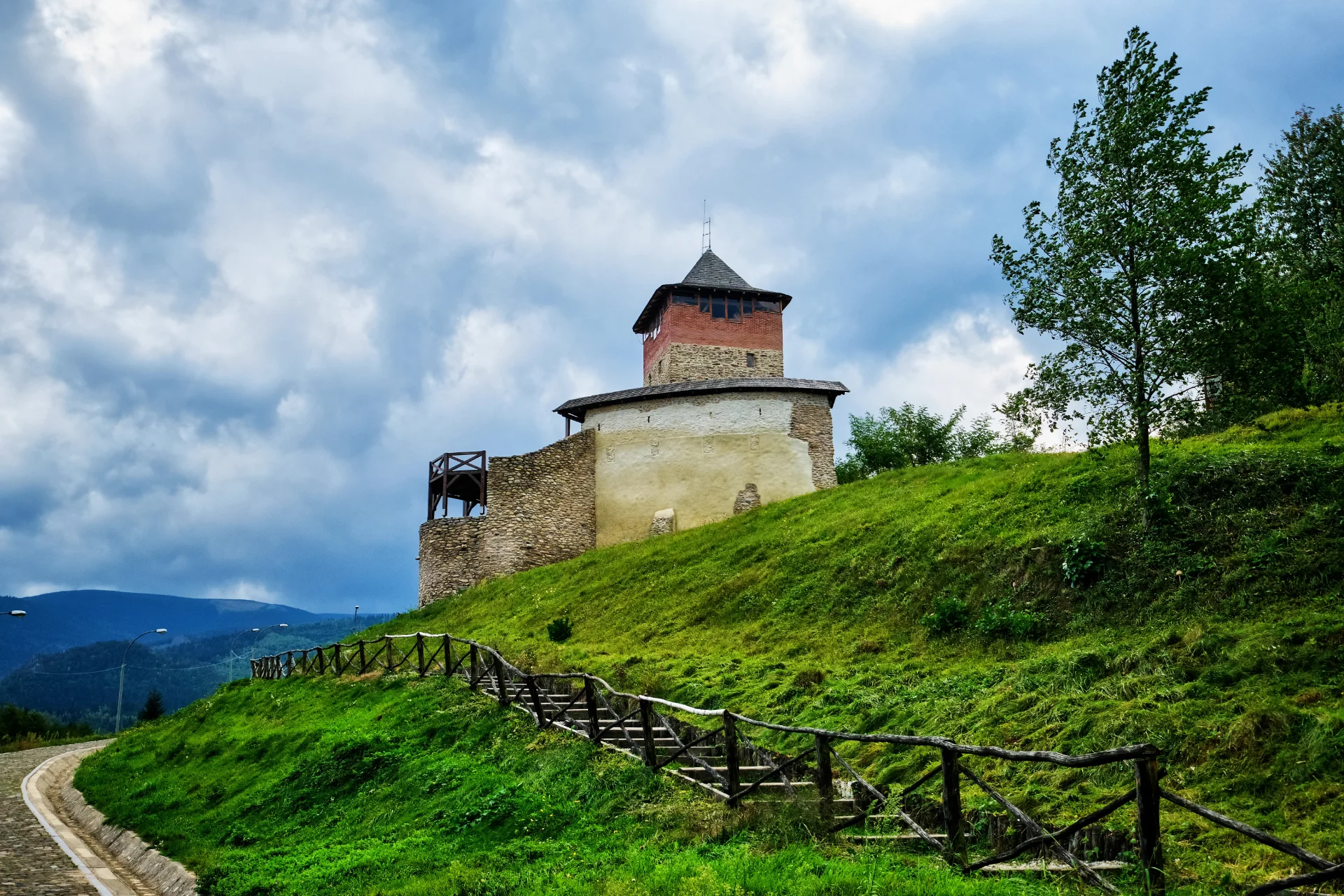
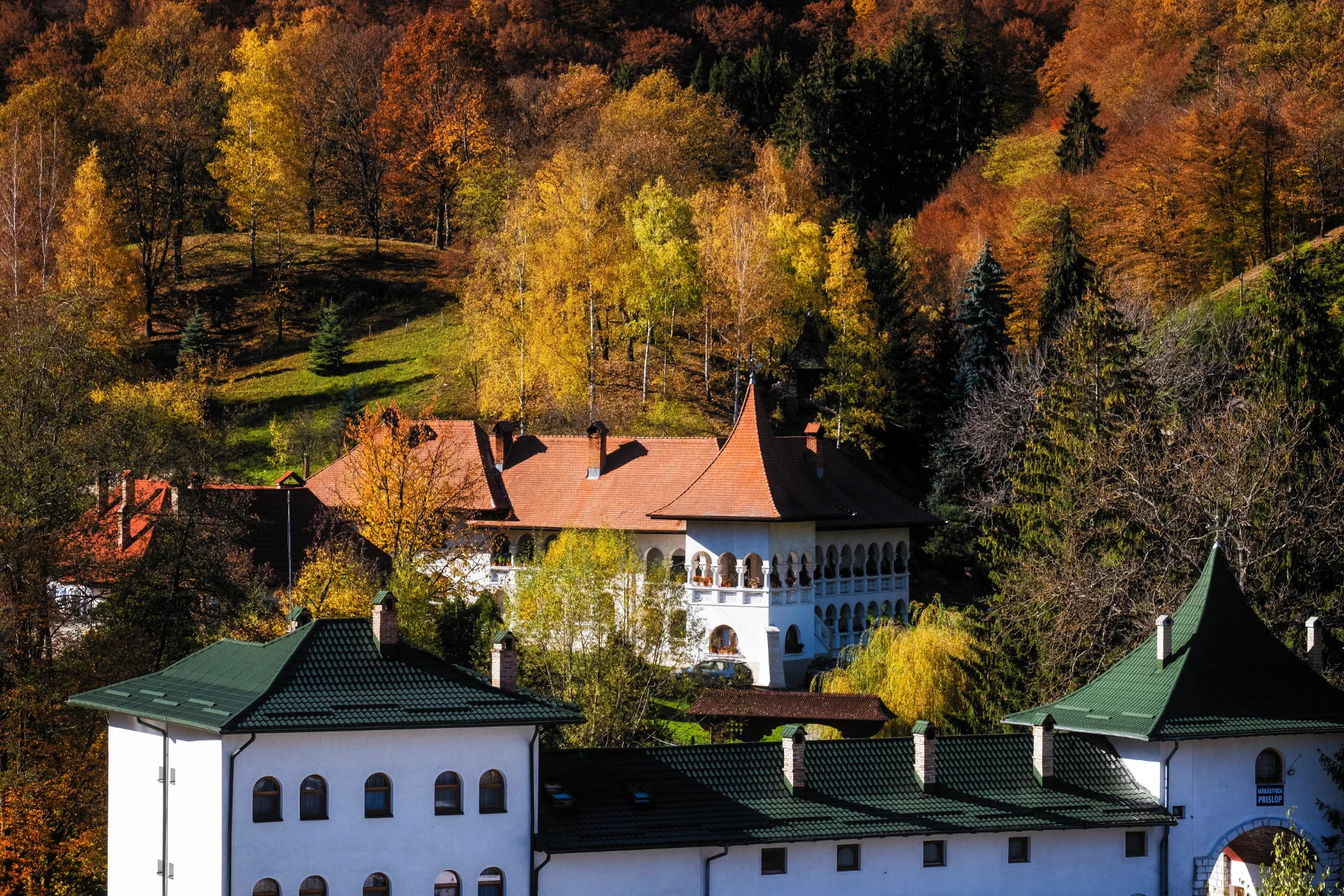
At the foot of the Retezat Mountains we discover another monument that rises from the mists of time, the Mălăiești Fortress, built in the 14th century by a local noble family. Completely renovated a few years ago, the fortress consists of a central keep tower and a portion of the enclosure wall with smaller towers. About 15 kilometers northwest of Hațeg, on the hills near the village of Silvașu de Sus, the Prislop Monastery has become a true place of pilgrimage. It dates back to the 14th century, its stone church being built in the 16th century. Over time, the monastery has also gone through difficult times, but is now visited by thousands of people, especially due to the fame of Father Arsenie Boca, whose tomb is found here. On the road to Deva, on the hill near Hațeg we can enter the charming Slivuț forest, where we visit the Hațeg Bison Reserve. Being the oldest of its kind in Romania, it was established in 1958 with two bison received from Poland, growing over the years and sending new bison to other places to increase the almost extinct population. The reservation has a considerable area, being surrounded by forest and offering us the chance to admire these gentle giants up close in the arranged pens.
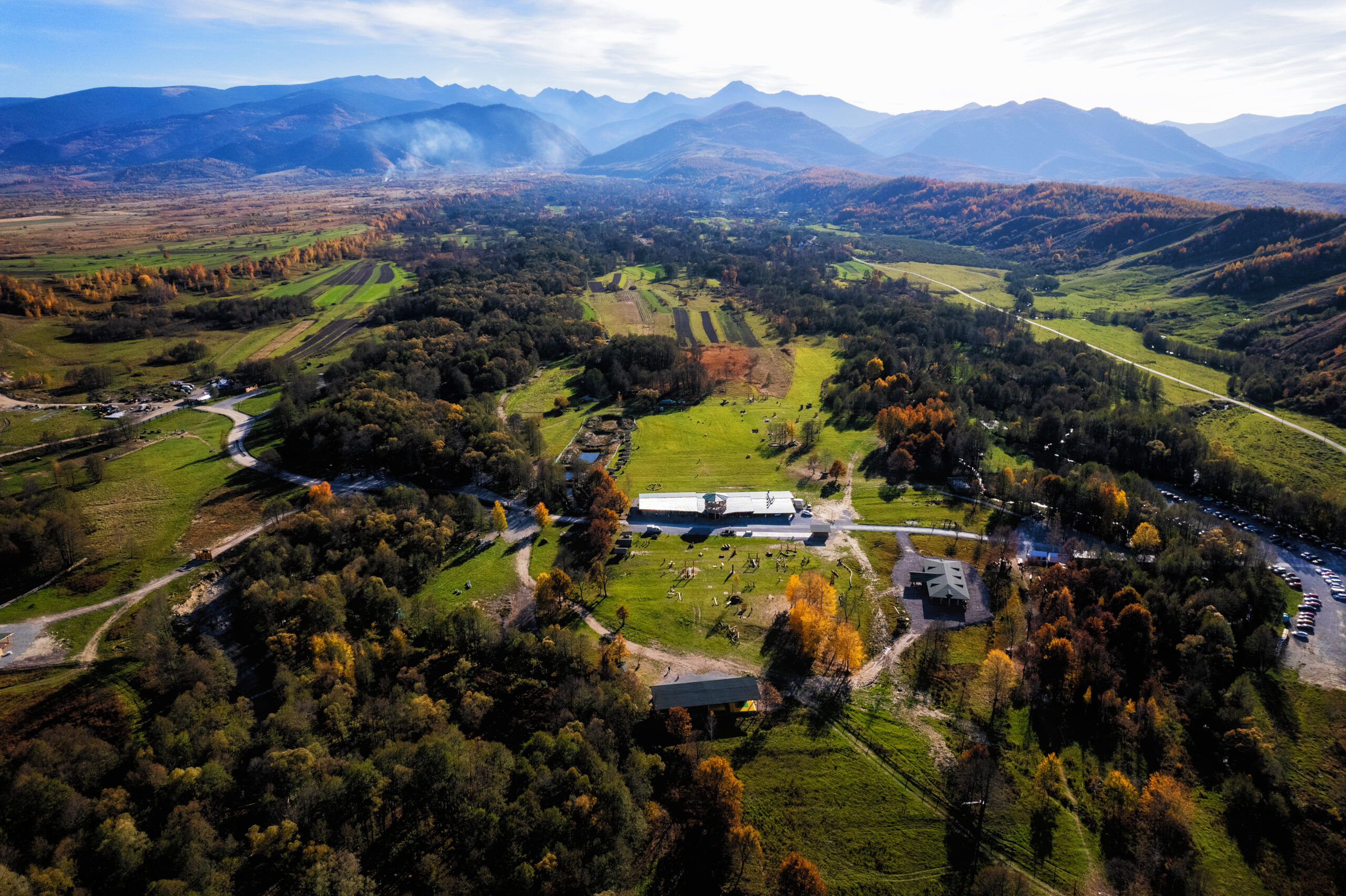
A complex experience from several perspectives, the Land of Hațeg Geopark is a unique concept that aims to reveal the distant past of this area, which in prehistoric times was an island surrounded by the waters of the Paratethys Sea. Also known as the Island of Dwarf Dinosaurs, the Hațeg depression was the site of the discovery of fossils of numerous species, some endemic or previously unknown. The geopark includes several centers dedicated to visitors, where we can learn precious information about the past and present of the region, as well as several thematic trails or educational activities. Among the most important spaces organized in the villages of Țara Hațegului, we can visit the House of Dwarf Dinosaurs, the Geopark House, the Volcano House, the House of Traditions, the House of Stones or the Center for Science and Art. A magical valley between the villages of Sibișel and Sânpetru is known as the Valley of the Dinosaurs and is home to a variety of attractions, including a small paleontological reserve and the unique Dinosaur World theme park.
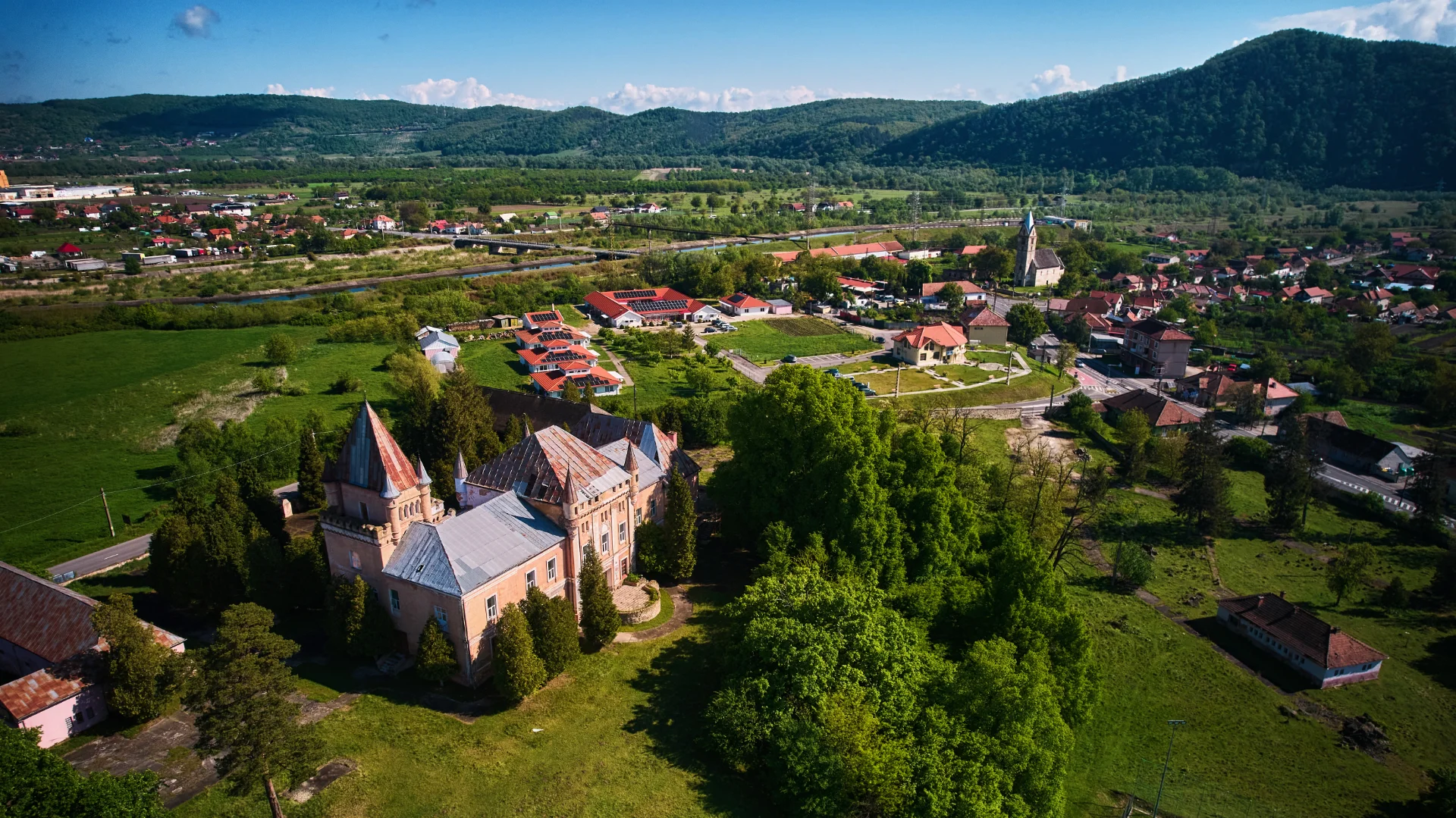
In the village of Sântămărie-Orlea, a few hundred meters from the reformed church stands Kendeffy Castle, the old noble residence of the Cândea (Kendeffy) family, one of the richest in the region during the medieval period. The impressive castle was built at the end of the 18th century in a predominantly neo-Gothic style, among the most interesting elements being its high tower. Nationalized during the communist period and stripped of all valuable objects inside, the monument was returned a few decades ago and until now lies closed and abandoned. A few kilometers further, on a hill near Hațeg, we can follow a fairly accessible path through the forest, which leads us to the ruins of the royal fortress of Hațeg, a former medieval fortification of which only a small portion of the keep wall remains. In addition to all these, the Land of Hațeg offers us other amazing places, such as Nopcsa Castle (now the Museum of Hațegan History and Culture) or the Hațeg Village Museum in Peșteana, where we can learn more details about the authentic traditions of this region.
Recently reborn following a renovation project that brought it back to its former impressive appearance, Nopcsa Castle was built in the 18th century by the Nocsa noble family, among the richest in Transylvania. Just a few kilometers from Hațeg, in the village of Săcel, the castle hosted the famous and controversial Franz Nopcsa (Nopcea), a scientist who paved the way for paleontological research in the Hațeg Land, but also a spy for the Austro-Hungarian Empire in World War I, with an incredible destiny!
In the village of Sălașu de Sus, near the Mălăiești Fortress, we can also admire the ruins of an old feudal fortress, as well as the Nemeșilor Church, also known as the “Serfs’ Church”, an old monument that was included in the Josephine map of Transylvania from the end of the 18th century. Near the village of Răchitova we can also discover the ruins of a medieval tower built by a noble family from the area, and a little further south near the village of Peșteana is Bottomless Bog, a small botanical reserve where a carnivorous plant from the Ice Age grows. Also in Peșteana we can find Bernad Castle, an old Reformed church whose beginnings are unknown, but also the “Pogorârea Sfântului Duh” Orthodox church that dates back to the 13th century, even if it has undergone some unpleasant modifications. A unique experience also awaits us in the small village of Peștera, lost at the foot of Retezat, where a thematic trail called “Music of Nature” has been arranged. We leave behind the eternal stories that linger in the Land of Hațeg and head towards the gentle mountains to the east, where we are greeted by the ancient Dacian fortresses, isolated hamlets and wonderful valleys contained in the Grădiștea Muncelului – Cioclovina natural park…
Sights and Experiences
Places to See and Things to Do in the Land of Hațeg
Sarmizegetusa Ulpia Traiana
Visiting hours: 8 – 20 (summer) / 9 – 17 (winter) | Prices: 30 lei/adult (includes the museum)
Among the most important historical and archaeological sites in the country, the fortress was the capital of the Roman province of Dacia after the conquest of the Dacian kingdom by Emperor Trajan. The ancient city was erected between 108 and 110, being built approximately 40 kilometers west of the capital of Dacia, Sarmizegetusa Regia. Today, the archaeological complex is located in the village of Sarmizegetusa, right next to the national road 68 that connects Hațeg to Caransebeș, a few kilometers from the Iron Gates of Transylvania pass (in antiquity called Tapae). Being defended by other military camps, the capital of the province was on the imperial road that connected Drobeta to Porolissum. The city developed permanently and accelerated until the withdrawal of Roman troops towards the end of the 3rd century.
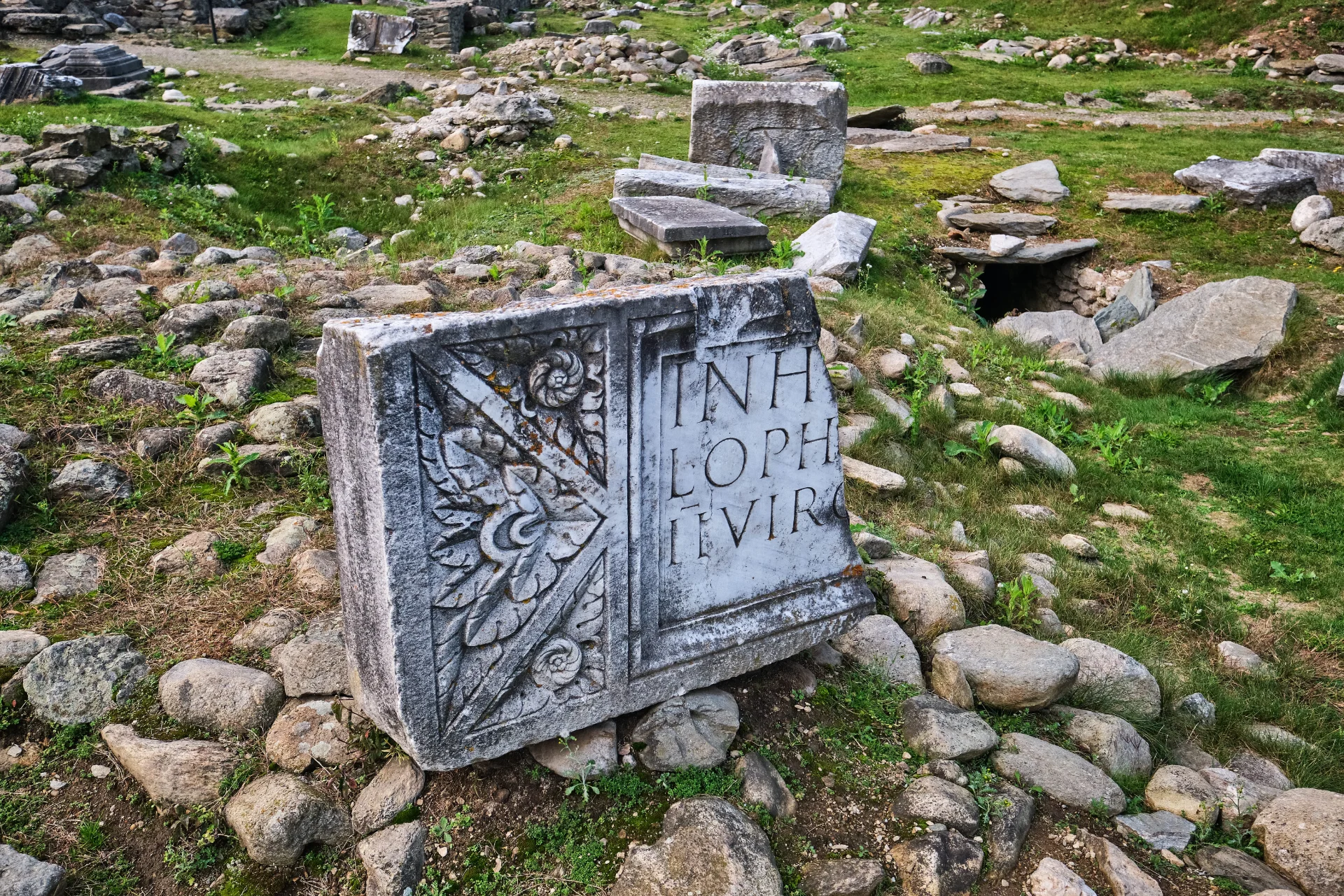
Occupying several terraces forming a huge quadrangle, Sarmizegetusa had an area estimated at almost 30,000 square meters and was defended by strong walls with towers and a gate on each side. The gates were connected by two main roads, along which the most important buildings and structures were arranged. Ordinary dwellings, some temples and other buildings, including the amphitheater, were located outside the defensive walls. Some of these have been excavated by archaeologists over time, but many others have remained undiscovered. Among the most important buildings that can now be admired in the ancient complex are the Forum, the Amphitheater, the Palace of the Augustals, the Procurator’s Office, the Capitol, the Therme, the Horreum and a series of temples dedicated to Roman gods or pagan deities. The most impressive structure is certainly the Amphitheater, built in the first half of the 2nd century and having a maximum capacity of 5,000 people. In addition to gladiatorial fights, theatrical performances and public events were also held here. After Aurelian’s retreat, the locals used the amphitheater structure as a defensive fortification.
Sarmizegetusa Archaeology Museum
Visiting hours: 9 – 17 | Rates: 30 lei/adult (includes the archaeological site)
Over time, an impressive number of fascinating ancient objects have been discovered in the archaeological site of Sarmizegetusa. While some of these are exhibited in the country’s important history museums, most are kept within the specialized museum in Sarmizegetusa. Located right next to the old Roman capital, on the other side of the road, it was inaugurated in 1982. In the halls arranged on the ground floor and first floor, as well as in the outer courtyard of the museum, a lot of statues, busts, steles, altars, inscriptions, coins, ceramics, jewelry and other interesting objects discovered in the Sarmizegetusa Ulpia Traiana area are exhibited.
Stone Church of Densuș
Visiting hours: 8.30 – 18
Considered one of the oldest places of worship in Romania, the “Sfântul Nicolae” church in Densuș was most likely built in the 12th-13th centuries, on the foundation of a structure that could date back to the 4th century. A unique and unusual monument, it was erected using materials from the ruins of Sarmizegetusa Ulpia Traiana. Covered with stone slabs, the structure is square, with a semicircular apse to the east and several annexed rooms added later. Like its unusual appearance, the past of the church in Densuș is shrouded in mystery, with several theories by researchers, including the possibility that there was a funerary monument of a Roman general here. Another fascinating aspect is the mural painting inside, part of which is the work of the painter Ștefan from 1443, an exponent of religious art from the southern Carpathians. Over time, it belonged to the Greek Catholic, Protestant, and Orthodox cults, and at one point it was close to complete destruction.
Colț Fortress and Monastery
Located at the foot of the Retezat Mountains, right at the exit of the Râușor Valley from the mountain and south of the village of Suseni, the fortress was built in the early 14th century by noblemen Cândea, after his conversion to Catholicism it was known as Kendeffy. The fortification is located on top of a cliff overlooking the valley, being accessible only along a tourist trail that climbs the steep slopes for about 1 kilometer (30 minutes). The small structure included a square keep and an enclosure wall equipped with smaller towers, most likely having only the role of refuge. Over the centuries, the fortress became a ruin, most of its walls collapsing. According to legends and numerous indications in the novel “Castle in the Carpathians”, the Colț fortress is most likely the source of inspiration for Jules Verne.
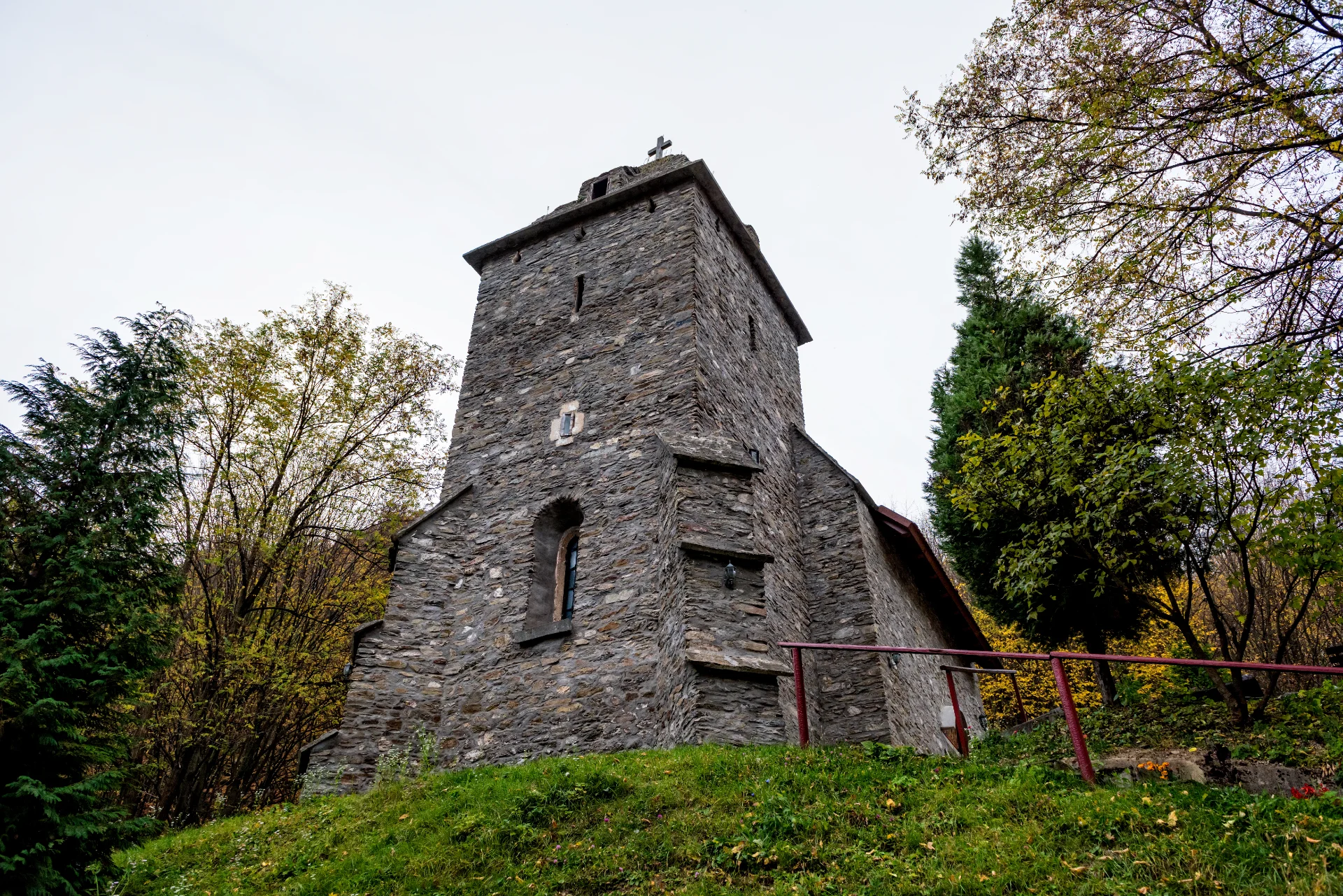
Down in the valley, right at the foot of the cliff on which the fortress stood, but on the other bank of the river, is the Colț Monastery, built by the same Cândesti family. Considered among the first monastic settlements in the country, it was most likely built at the beginning of the 14th century. From the second half of the 17th century until after the 1989 Revolution, the settlement was abandoned and became almost a ruin, being restored starting in 1995 as a monastery of monks, and since 2015 being cared for by a group of nuns. For a long time almost ruined and used during the communist period as a stable for animals, the stone church represents an exceptional monument, similar to other structures of this kind in the Land of Hațeg. The church tower with a pyramidal stone roof was built above the altar, also having a defense role if necessary. These also include several small and difficult to access rooms, where the monks once lived. Although only a few traces of the old painting remain, it is considered original and very valuable, most likely being made by the same painter Ștefan, who worked on the churches in Densuș and Ostrov. In the center of the village of Râu de Mori, the ruins of the former noble court of the Cândești family and the ruins of the Reformed parish church are preserved.
Prislop Monastery
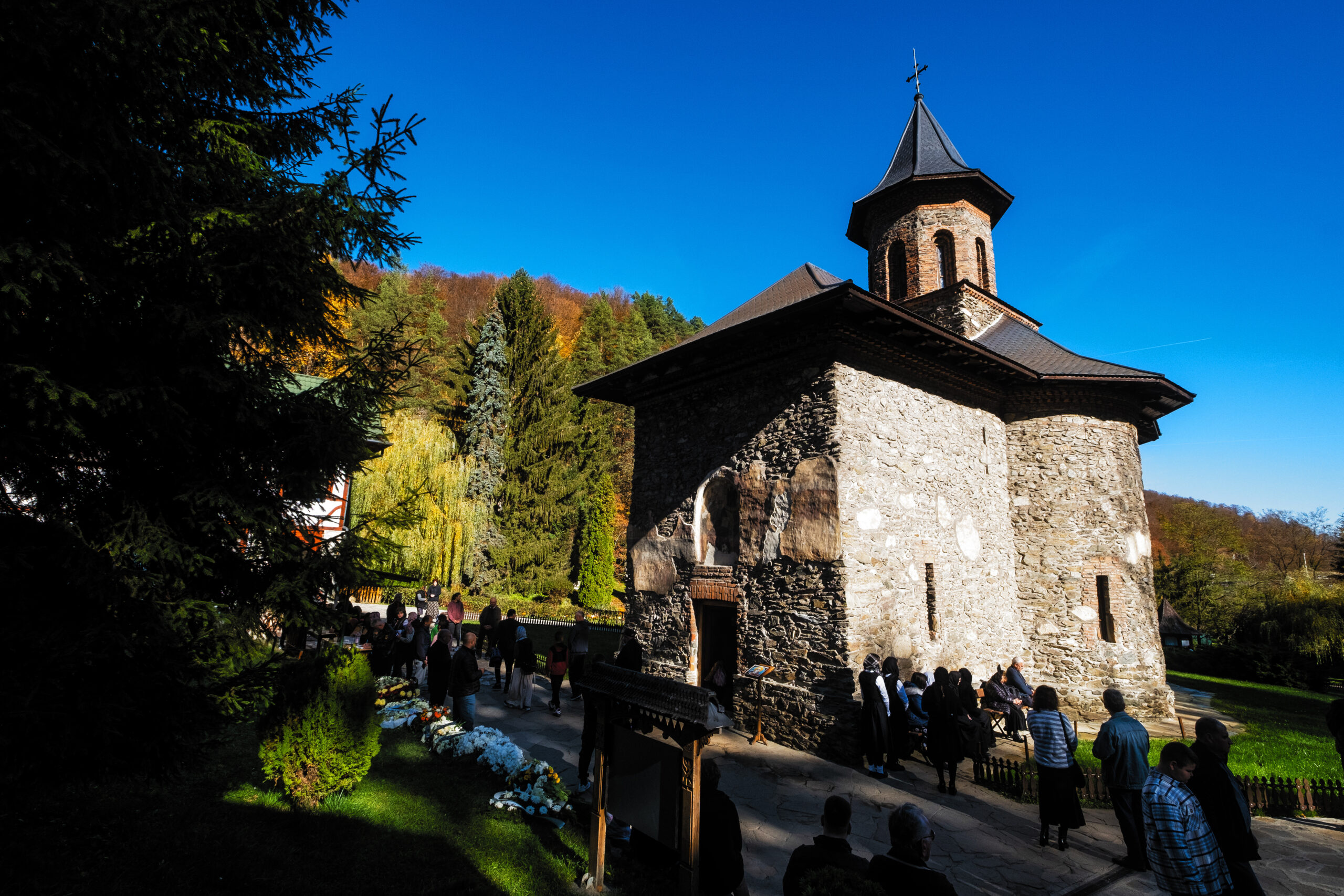
One of the most important Orthodox monasteries in Transylvania, its beginnings are lost in the mists of time, most likely having been initially founded by Saint Nicodemus of Tismana or by local Romanian nobles. After the mid-16th century, the settlement was completely rebuilt by Zamfira, daughter of Moise Voivode of Wallachia. In the 17th century, the presence of Saint John of Prislop is attested here, while a century later the monastery became Greek-Catholic, returning to Orthodox worship only in 1948. At the same time, Father Arsenie Boca became the abbot of the monastery, to whose name the incredible fame of this place is now linked. Remaining as a confessor after Prislop became a nunnery, Arsenie Boca was imprisoned by the communist regime and recently canonized as a saint, and his nearby grave became a place of pilgrimage. Located a few kilometers from the village of Silvașu de Sus, the monastery now comprises an impressive complex of buildings and structures, at the center of which is the 16th-century stone church. It dates back to the 16th century and is built in the style of churches from Wallachia, preserving several old and valuable elements inside.
Mălăiești Fortress
Visiting hours: 9 – 15 (Monday-Friday) / 9 – 18 (Saturday-Sunday) | Prices: 10 lei/adult
Located in the village of Mălăiești in the commune of Sălașu de Sus, the fortress was built in stages starting in the 14th century, when the central keep and the enclosure wall were built. These were raised in the following period, so that at the end of the 16th century four polygonal towers were added. Most likely, the fortress belonged to the noble Sărăcin family, being abandoned after the 17th century and almost ruined. It was the first medieval fortress rebuilt in Romania after 1989, and there were also controversies related to the failure to respect the original appearance. Beyond these, the monument now represents an important objective in the Land of Hațeg, offering an interesting image of the past of this destination.
Hațeg Bison Reserve
Visiting hours: 8 – 18 | Prices: 15 lei/adult
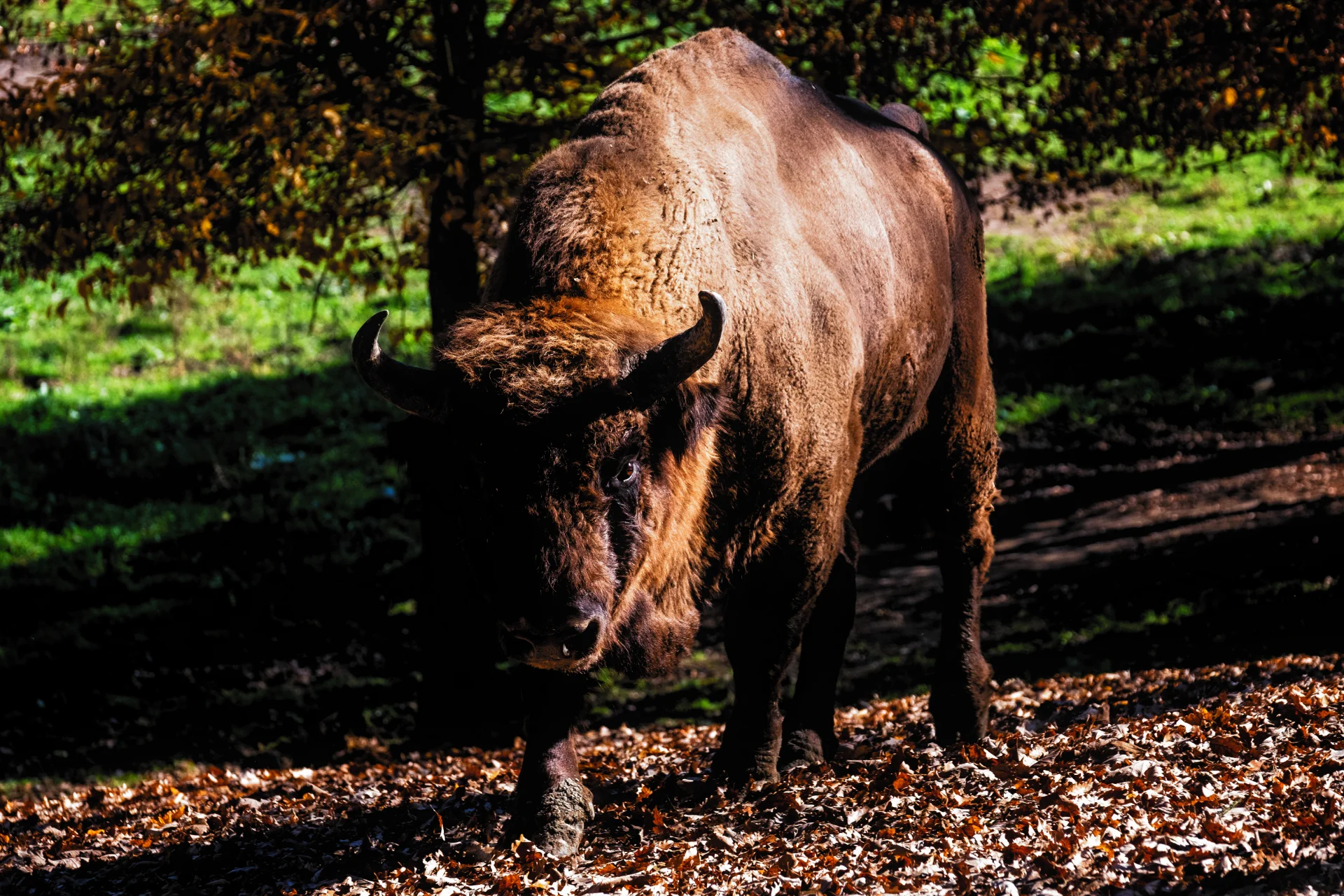
Once an emblematic animal of the Carpathian Mountains and now already reintroduced into the wild through several projects, the bison reappeared in Romania for the first time in the Slivut Forest, a charming protected natural area near the town of Hațeg. The reserve here was created back in 1958, when a pair of bison were brought from Poland, and over time, other specimens of this majestic animal were born or brought here. If in the wild they usually live around 15 years, bison in captivity can sometimes reach the age of 25, while their weight varies greatly, with males sometimes reaching over 900 kilograms. A social and fairly peaceful animal, the bison lives in herds of 20-30 individuals. Now present in other reserves in the country, but also in freedom, in certain places in the mountains, the bison of Hațeg can be admired in the huge pen in the middle of the forest, where during the day they graze or are fed. The entire reserve has an area of approximately 10 hectares, and access is via a local road that branches off from DN66, just a few kilometers north of Hațeg.
Town of Hațeg
The center and only urban settlement of region, the small town of Hațeg is located at the crossroads connecting central Transylvania with Banat and Oltenia. Although it is located in a region with an impressive cultural heritage, the town of 10,000 inhabitants preserves few monuments from the past. The oldest site reminiscent of the medieval era is hidden in the forest on the hill to the east. Although only a hexagonal tower surrounded by a ditch and a mound of earth, the royal fortress of Hațeg was in medieval times the center of power of the Hungarian kingdom in the region. Most likely dating from the 13th century, it is now only a ruin and can be visited along a short route. Several old churches can also be admired in the town (“St. Nicholas”, “Holy Trinity”, Reformed Church), all located on the same street near the central square. Also, several buildings or houses declared historical monuments can be found.
Nopcsa Castle
Visiting hours: Tuesday-Sunday / 10 – 18 (summer) / 9 – 17 (winter) | Prices: 10 lei/adult
With a fairly short but very tumultuous history, the castle located in the village of Săcel, a few kilometers from Hațeg, was built in its current form around 1872. It belonged to the noble Nocsa family, and after Baron Laszlo and his son Elek, the castle was owned by Franz Nopcsa, a historical figure that is at least unique. Adventurer, spy, geologist, paleontologist, fighter for liberation and self-proclaimed king of Albania, this unique character is considered one of the pioneers of modern paleobiology, studying even the fossils discovered in the Land of Hațeg. The recently renovated castle is a particularly interesting structure, built in the Transylvanian Baroque style at the base, but with numerous neoclassical, neo-Gothic and eclectic elements. The facade and the battlemented towers are particularly impressive, while the interior has been almost completely restored, preserving only the original marble staircase. Almost ruined during the communist period, the castle has been renovated in recent years and transformed into a fascinating museum of Hașegan history and culture, with particular emphasis on the past of the Nopcsa family.
Castle and CHurch of Sântămăria-Orlea
The two magnificent, but quite neglected, monuments are located in the center of the village of Sântămaria Orlea, just a few kilometers south of Hațeg. Kendeffy Castle was built by the noble family around 1782, while the descendants of Count Elek Kendeffy extended it and transformed it into a Neo-Gothic style. Nationalized in the early years of communism, the monument was turned into a hotel for a time, then abandoned and left without much of its old furniture and valuables. Once surrounded by a superb English-style park, of which a few trees remain, the castle had three buildings, the most impressive element being the monumental tower, while the facade retains a baroque plaque containing an inscription and the coats of arms of the Kendeffy and Bethlen families. It is currently privately owned and can only be admired from the outside. A short distance away, the Reformed Church of Sântămaria-Orlea has a past somewhat shrouded in mystery, having been built of stone at the end of the 13th century. The monumental structure has withstood the passing of the ages quite well, impressing with its height, architectural ornamentation and the mural painting inside. A combination of Romanesque and Gothic styles, the church contains paintings considered among the oldest in the country, dating according to inscriptions discovered as early as 1311. The rest of the paintings discovered so far, equally valuable, date from the following centuries, most likely commissioned by the Kendeffy family. If it currently belongs to the Reformed Calvinist cult, the original membership of the church is not known for sure, there are indications that it would have been Orthodox or Catholic.
Dinosaur Geopark
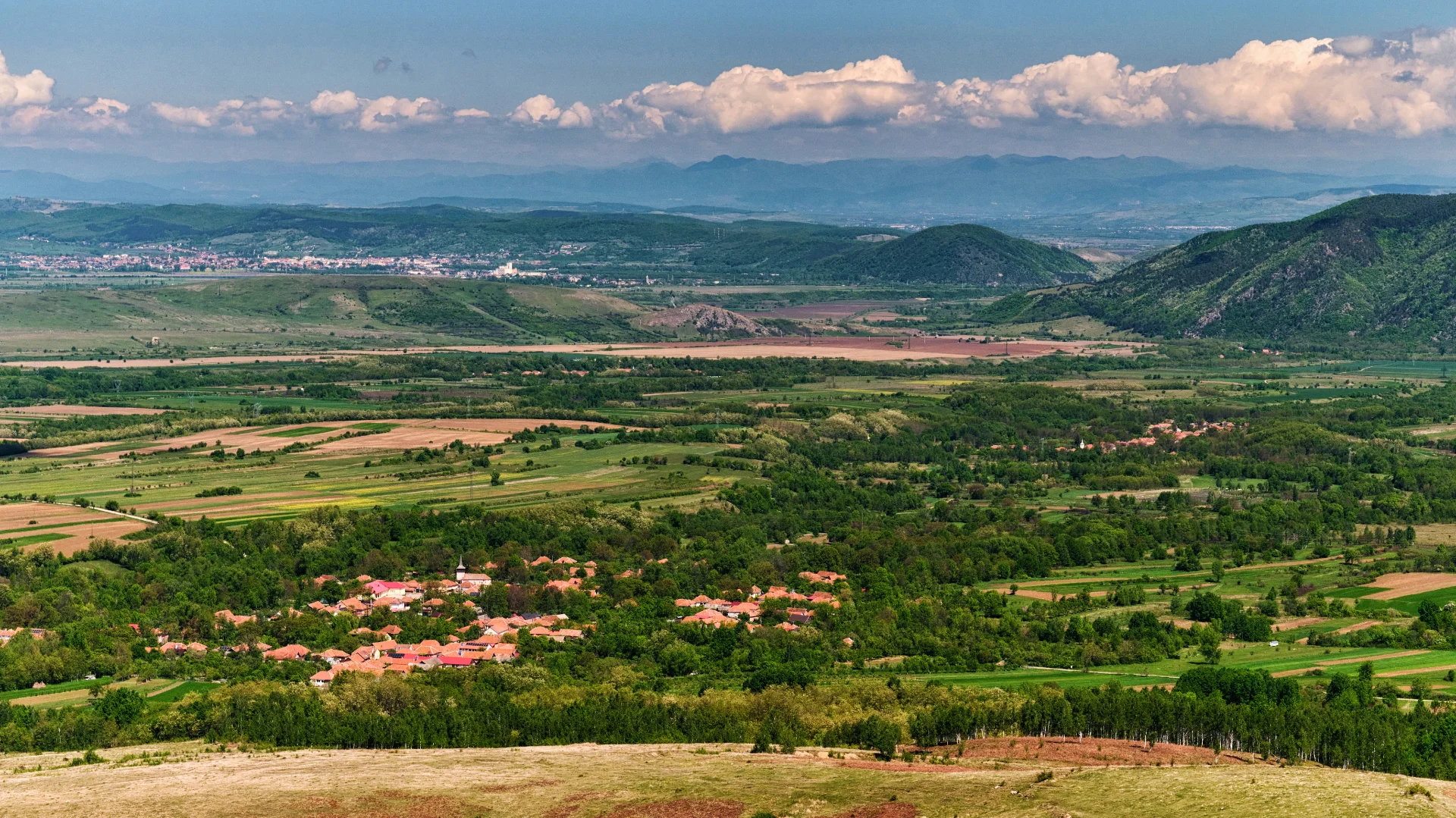
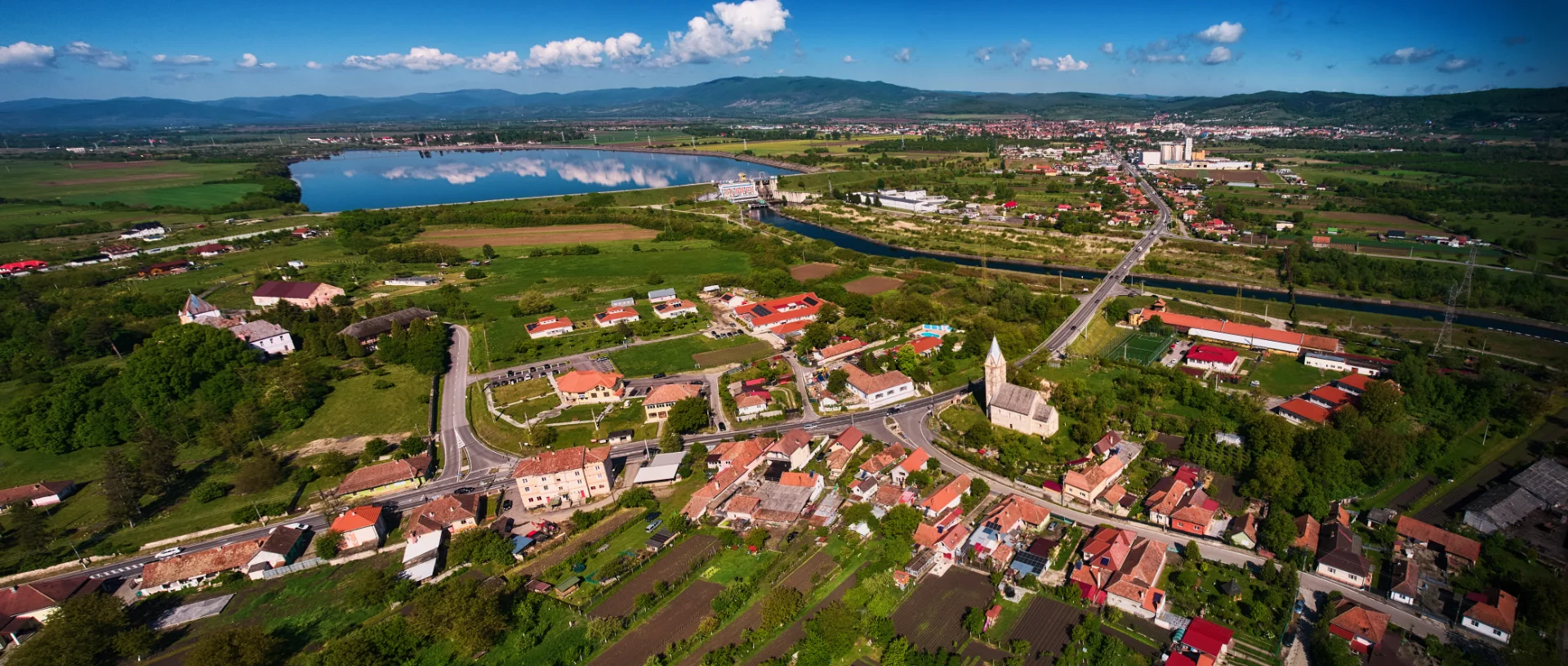
The first UNESCO Geopark designated in Romania, the Land of Hațeg is a fascinating destination, which uniquely combines the exceptional natural and cultural heritage of this region in southwestern Transylvania. Also known as the “Dinosaur Geopark”, this place presents features of the evolution of the earth and humanity from ancient times. Once upon a time, the current depression of Hațeg was an island in the Tethys Sea, inhabited by numerous species of dwarf dinosaurs and other animals, whose fossils have been discovered over time in this territory. Human habitation begins very early, with traces discovered in the caves of Țara Hațegului going back as far as 100,000 years. Much later, in the mountains to the east it was the center of the Dacian kingdom, followed by the center of the Roman occupation of Dacia. Continuing with the medieval and modern period, these lands preserve the memories and dowry of countless generations. The Land of Hațeg Geopark offers visitors the chance to discover this destination through unique and interesting experiences, starting with the so-called “houses” of the geopark. Organizing educational and tourist activities and events, the Geopark House in Hațeg, the House of Dwarf Dinosaurs in Sânpetru, the House of Volcanoes near Densuș, the House of Traditions in Sânpetru and others represent unique experiences. In addition to these, several fascinating tourist routes have been organized, presenting the historical, cultural and natural heritage of the region.
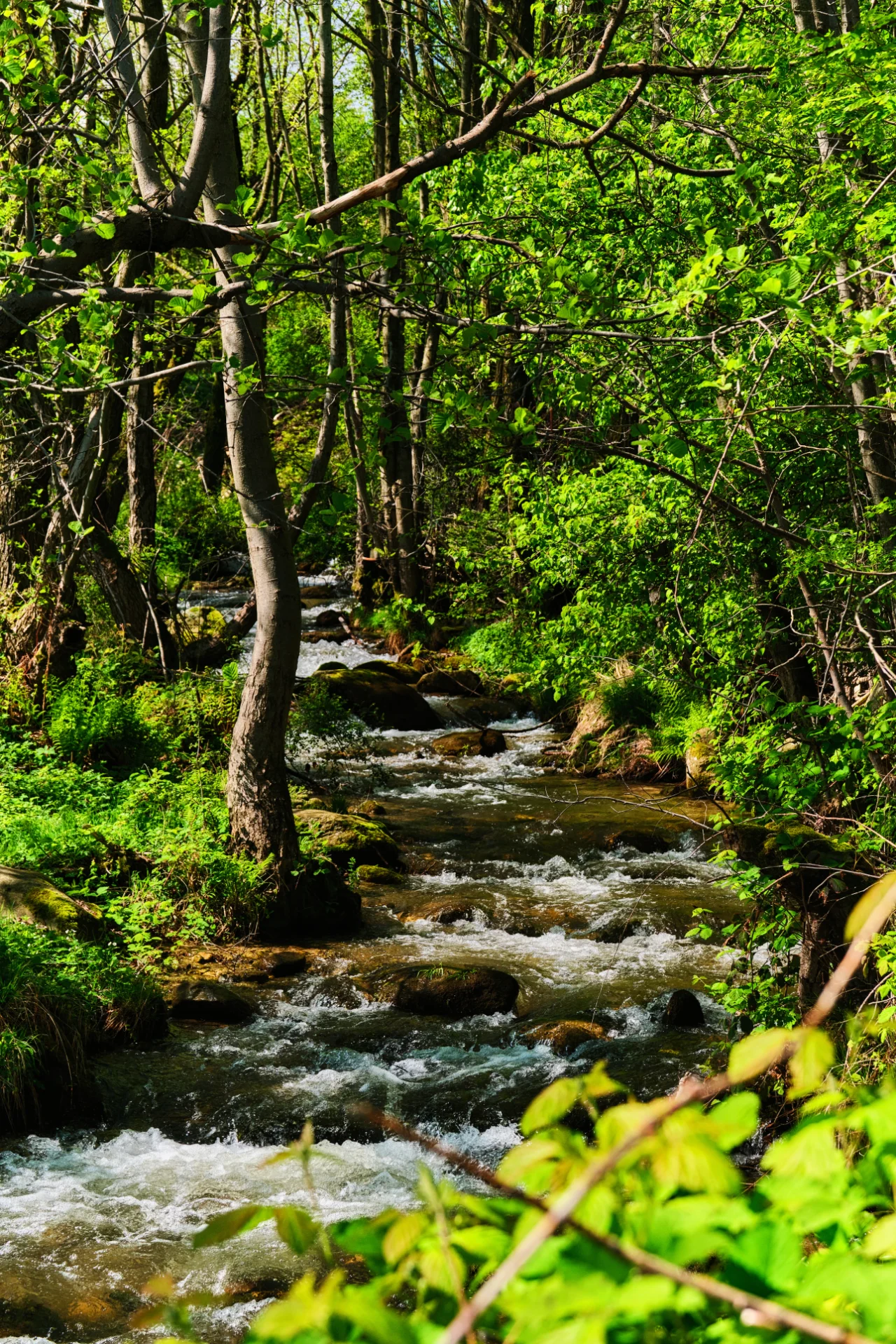
Other Interesting Discoveries
Lesser known places and activities in the Land of Hațeg
Other Stone Churches
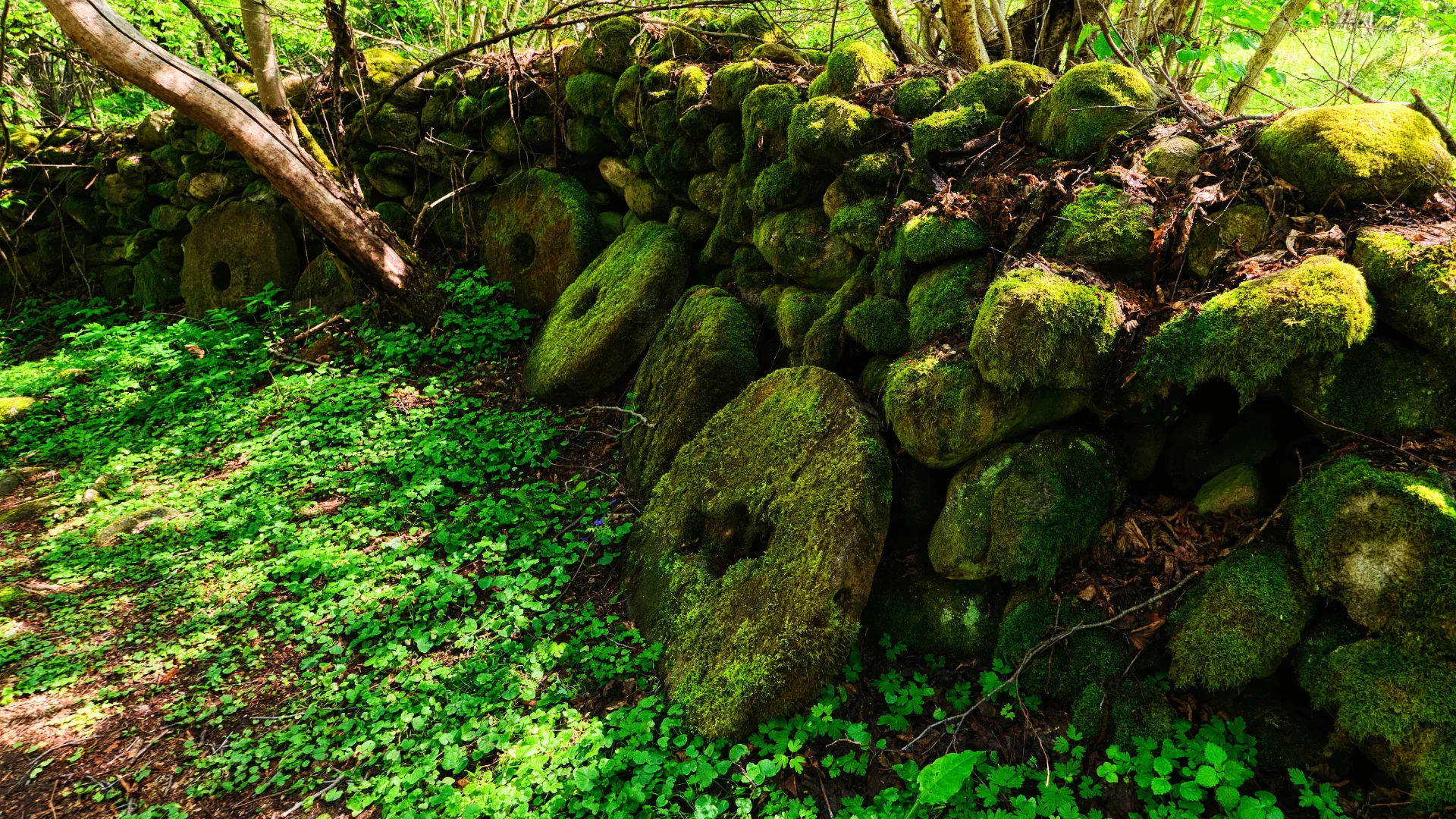
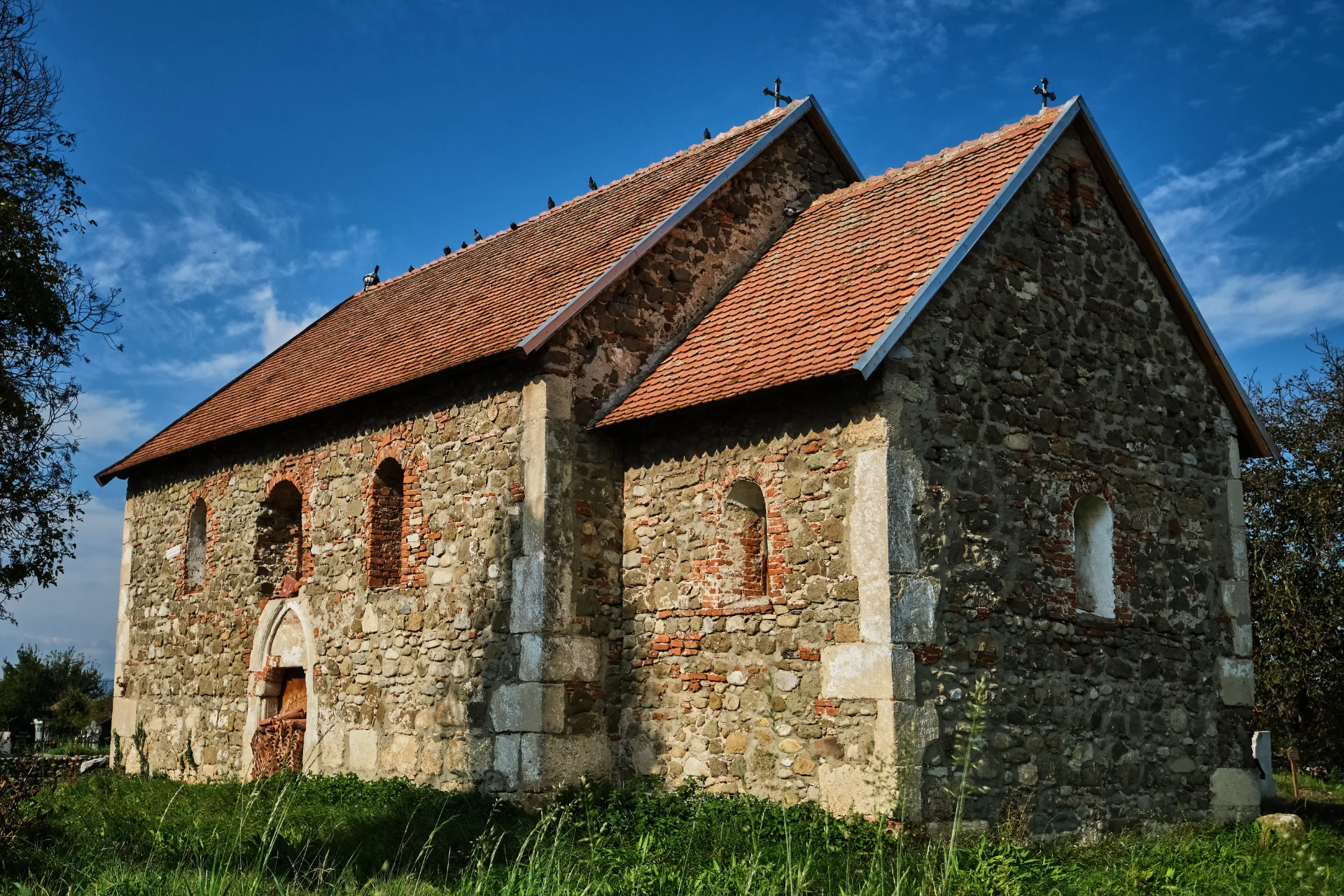
In addition to the old stone churches in Densuș, Sântămărie-Orlea, Prislop and Colț, inthe Land of Hațeg there are several other such exceptional monuments, testimonies of the spiritual past of southwestern Transylvania, an area with a unique history. The “Sfântul Gheorghe” Church in Sânpetru is among the oldest in the region, having been built since the 14th century. With a simple architecture, without a bell tower and built of raw stone, the church stands out for the elements of Roman origin embedded in the facade and for the fragments of old paintings discovered. The “Pogorârea Sfântului Duh” Church in Ostrov was most likely originally built during the same period by the local princes, being later transformed with the change of the dominant religion of the noble families. It was once adorned with beautiful interior and exterior frescoes, evidence of which is an impressive patron icon considered among the most valuable in Transylvania. As an unusual and fascinating element, the church in Ostrov is surrounded by over 200 stones of Roman origin, many with inscriptions. These were brought here in the 16th century and form a real archaeological exhibition.
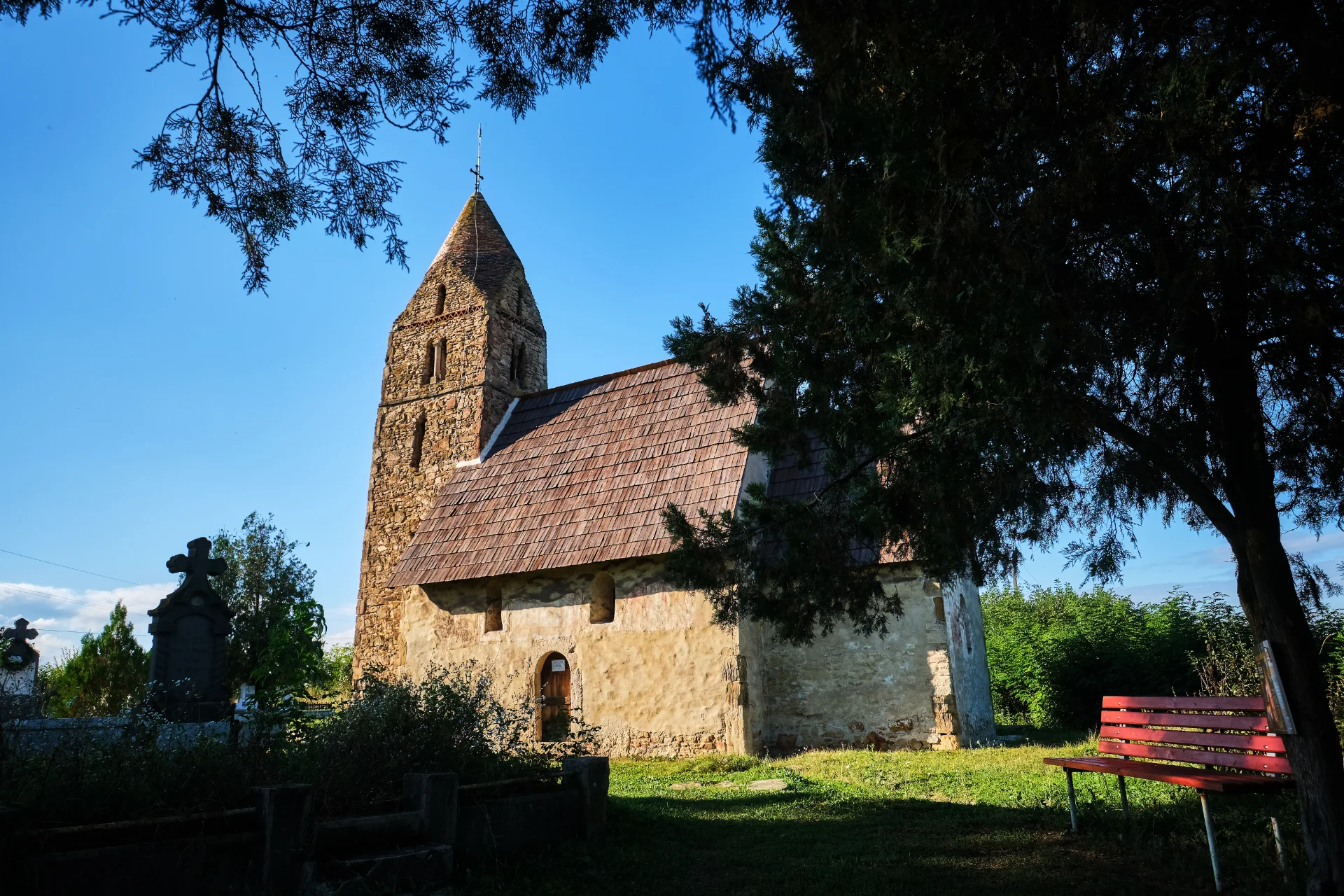
The “Descent of the Holy Spirit” Church in Peșteana, although very old (possibly before the 13th century), preserves few elements of the original architecture, having been restored by an architect who radically modified this monument, which thus lost its special value. Although geographically located a little outside the Hațeg Country, the old churches in Strei and Streisângeorgiu, located a few kilometers north of Hațeg, present characteristics similar to those located further south. One of the most fascinating such monuments, the “Assumption of the Virgin Mary” church in Strei was most likely built in the 13th or 14th century. A combination of Romanesque and early Gothic styles with local architecture, it has miraculously preserved much of its original appearance, even though there have been numerous modifications over time. Made of raw stone, the church is notable for a set of very interesting interior frescoes and a slender pyramidal bell tower. Just a few kilometers away, on the other side of the river, the “Sfântul Gheorghe” church in Streisângeorgiu was built of stone in the early 14th century. It is considered among the oldest churches still in operation in the country, being an impressive historical monument. In addition to the amazingly preserved architecture, it also contains exceptional interior paintings, created in three historical stages.
Valley of the Dinosaurs
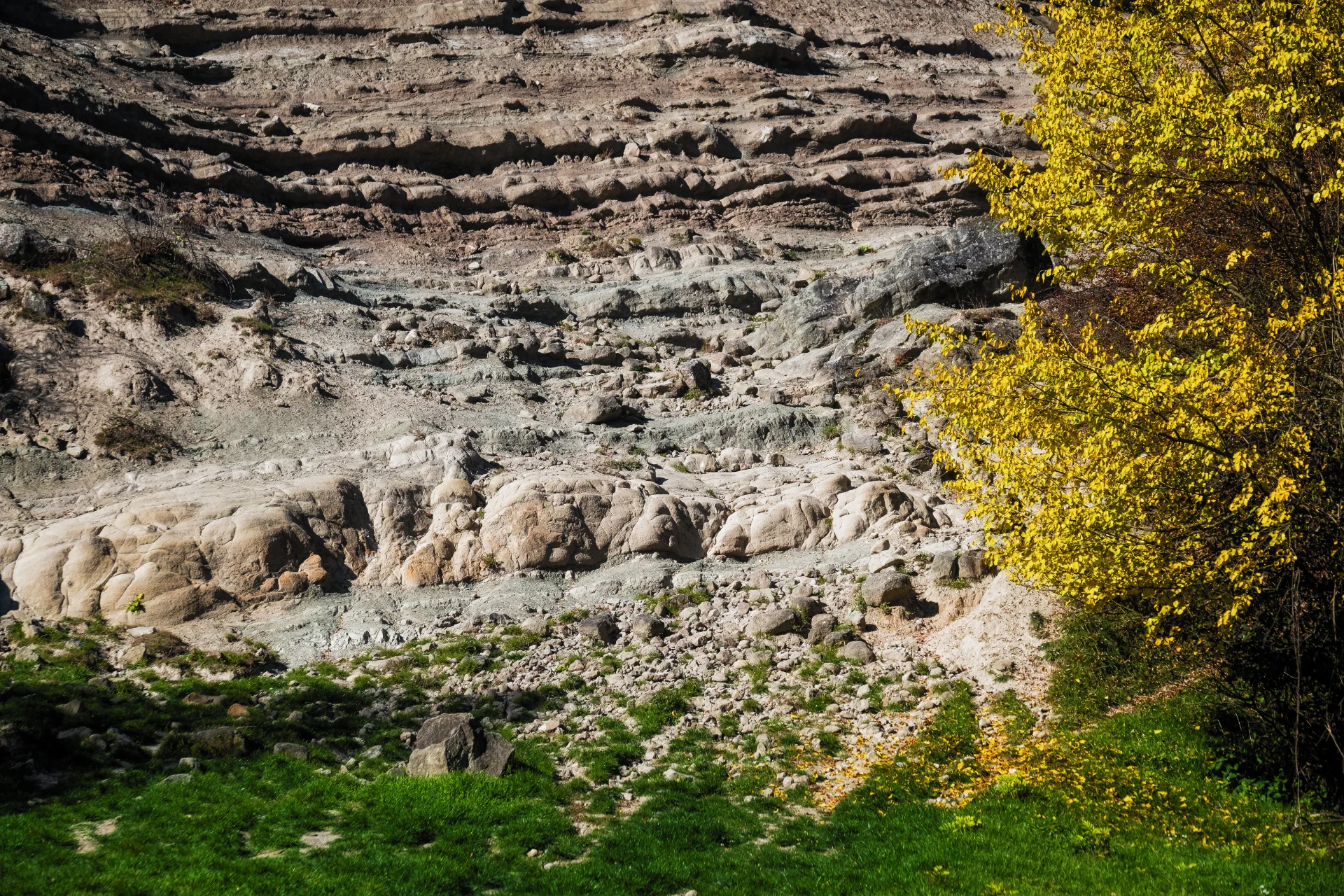
The area where the first fossils of dwarf dinosaurs were discovered in the Land of Hațeg, the Sibișel River Valley is a fascinating destination. One of the main routes to the Retezat peaks, the Sibișel River emerges from the peaks near the village of Nucșoara, then passes through Ohaba-Sibișel, Sibișel, Sânpetru, Săcel and Bărăștii Hațegului, before flowing into the Râul Mare at Sântămărie-Orlea. A complex thematic route, the Valley of the Dinosaurs offers numerous interesting places and experiences, a true introduction to the world of the Geopark. Included among the most beautiful in the country, the approximately 8-kilometer thematic trail starts from the center of the village of Sânpetru, where the houses of the geopark and the medieval church are located, continuing along the valley southward to the Stone House near the village of Ohaba-Sibișel.
Dinosaur World Transylvania
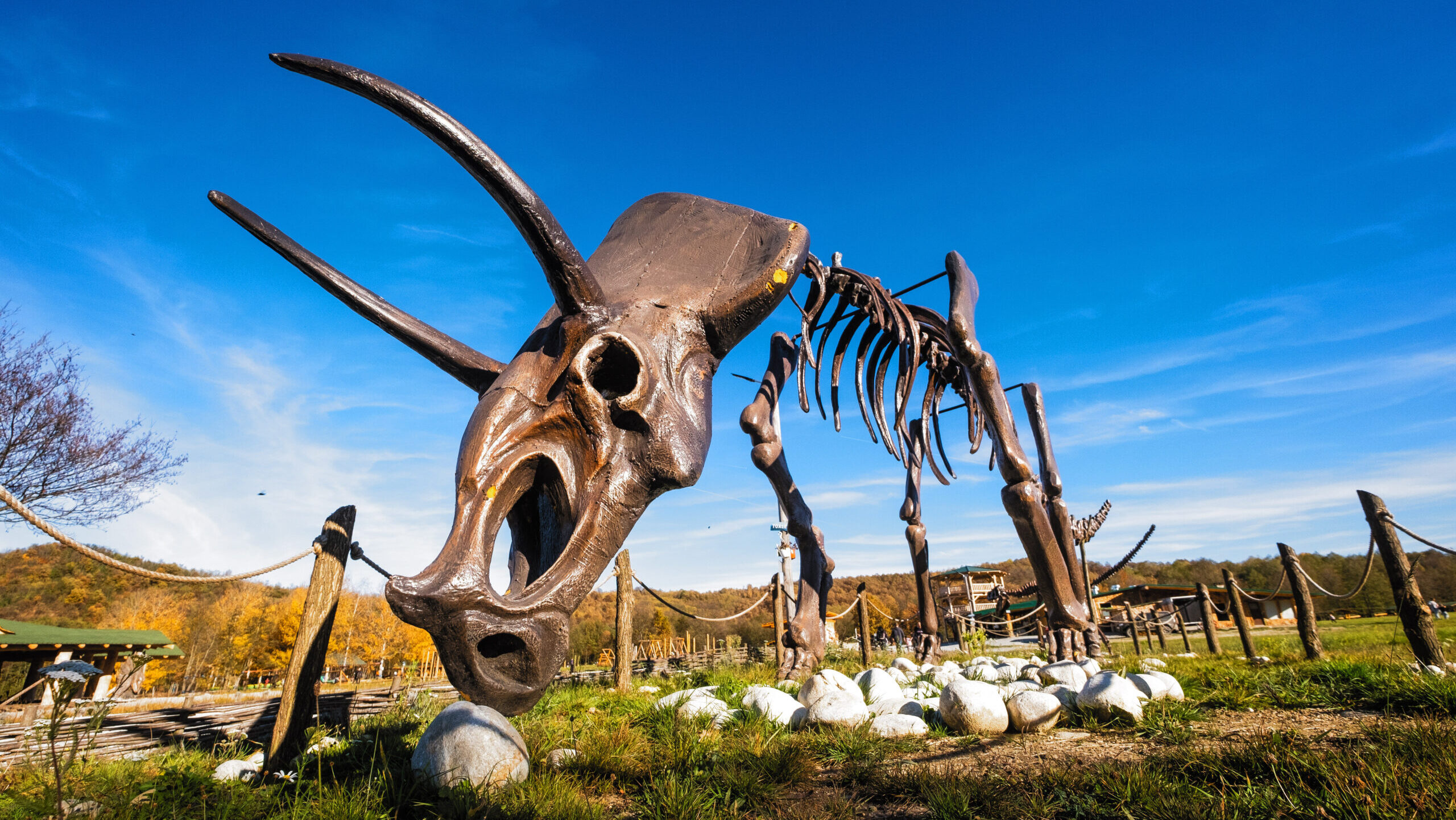
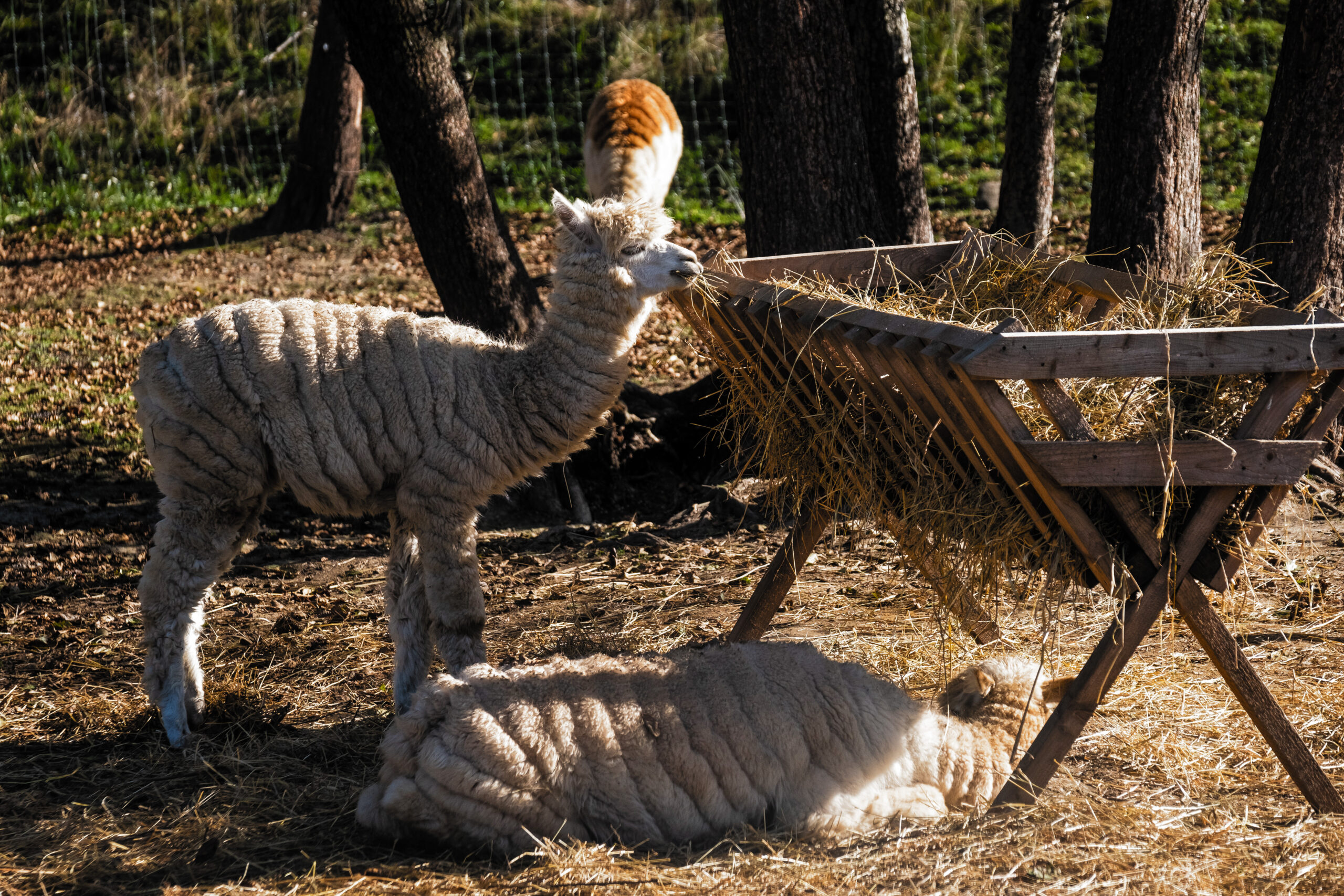
The adventure theme park, opened a few years ago, is located in the Valley of the Dinosaurs, between the villages of Sânpetru and Sibișel. Arranged over an impressive area, it brings together a large number of experiences and special attractions for the whole family. In addition to life-size dinosaur models, visitors can also discover an animal farm (with bison, deer or alpacas, among others), adventure trails, relaxation areas, numerous sports games, a traditional restaurant and much more.
Visiting schedule: Tuesday-Sunday / 10 – 20 (tourist season) | Rates: 50 lei/adult
Hațeg Village Museum
The small ethnographic museum in the village of Peșteana was set up by a local in the rooms and in the yard of a traditional house, about 120 years old. Over time, hundreds of authentic traditional objects and more have been collected here, the museum becoming a fascinating picture of the village world in this region of the country. In addition to tools, household items, weapons, traditional costumes, coins, fabrics and other exhibits, the museum also includes some more unique things that must be discovered by visiting this place. Nearby you can also admire some old monuments of the village, the Reformed Church, the Bernad Castle and the “Saint Ilie” Church, all in different degrees of decay.
Visiting hours: 9 – 18 (13-18 on Sundays) | Rates: donations
Tower of Răchitova
Built on a small volcanic hill near the village of Răchitova, the donjon tower was built by a local noble family. Having the role of both a residence and a defense when needed, the tower here was not fortified like other fortresses in the Land of Hațegului, being surrounded only by a ditch and a mound of earth with a palisade. Only part of its walls are preserved to this day, but the picturesque location contributes to the special attraction of this monument.
Berthelot Mansion
Less well-known as an attraction in the Land of Hațeg, the Berthelot Manor is located in the center of the village of General Berthelot (formerly Fărcădinul de Jos), just a few kilometers west of the town of Hațeg. The classicist-style monument was built in the 19th century by Baron Laszlo Nopcsa, falling into ruin after the death of Franz Nopcsa. The estate and the manor were then gifted by the royal family to the French general Berthelot. After also functioning as the headquarters of the CAP during the communist period, it was renovated in 2010 and now functions as the Center for Sustainable Development of the Land of Hațeg (belongs to the Romanian Academy).
Bottomless Bog Reserve
Near the village of Peșteana and shrouded in local legends, the swamp known as Tăul fară Fund (Bottomless Lake or Bog) is an interesting botanical reserve, even if it occupies a rather small area. Here you can admire a specific vegetation, including a small species of carnivorous plant, popularly known as the round sundew (Drosera rotundifolia). A thematic trail has also been arranged towards the reserve, starting from the center of the village, and from the nearby hill you can admire a splendid panorama of the Land of Hațeg and the Retezat mountains.
Ruins of the Mara Noble Court
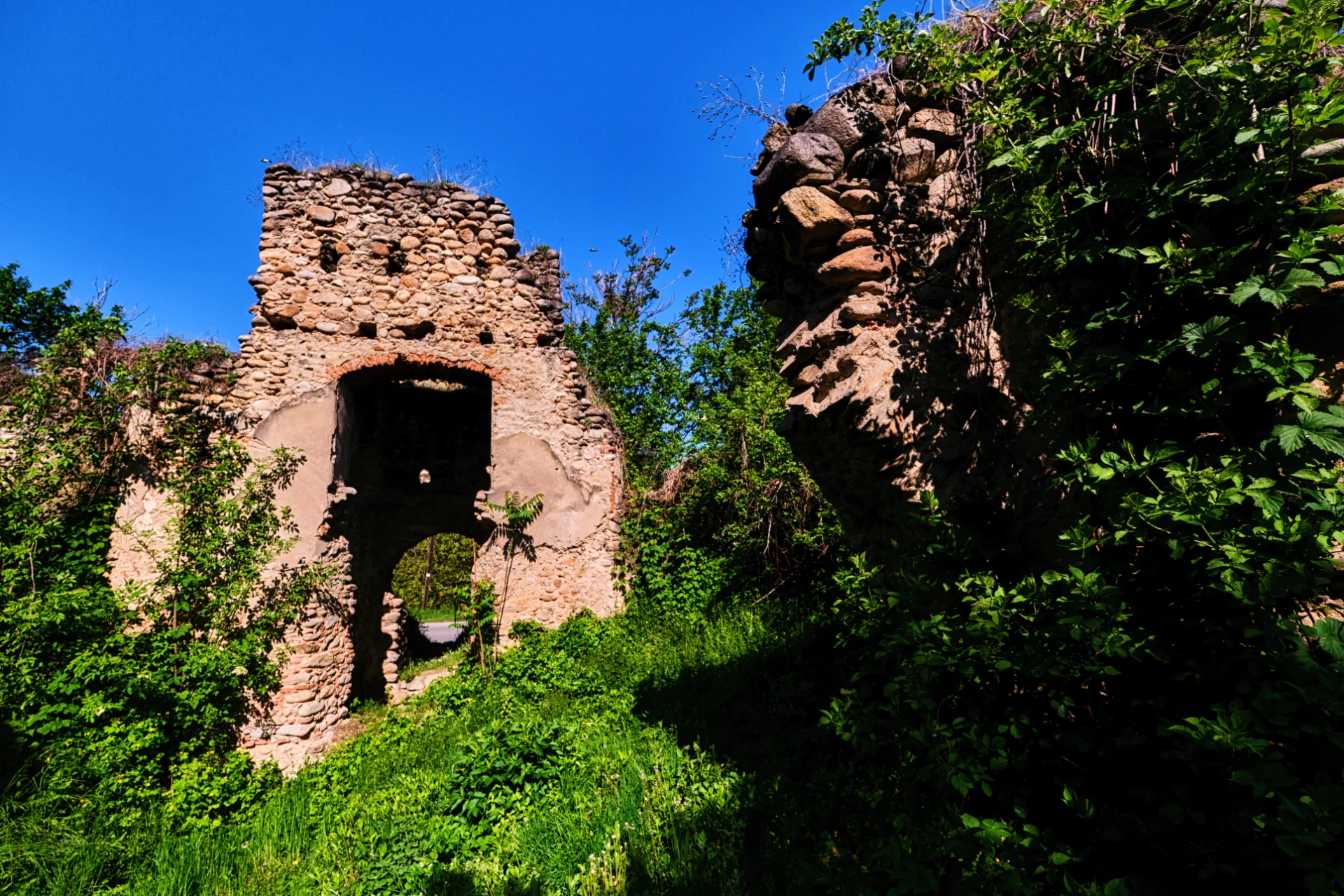
In addition to the Mălăiești fortress, rehabilitated as part of a project, in the village of Sălașu de Sus there are also the ruins of a feudal fortress with an interesting history, linked to the existence of the Sălaș princedom (14th-17th centuries). It was most likely built by the noble Sărăcin family, after which it belonged to the Cândreș nobles and, finally, came into the possession of the Mara family of Romanian origin. In an advanced state of decay, the old noble courtyard was once surrounded by walls with towers and a moat, and inside was the prince’s residence and a chapel with a bell tower, these also having defensive elements. Today, only the ruins of the gate tower and a few walls that are at risk of collapsing remain.
Music of Nature Theme Trail
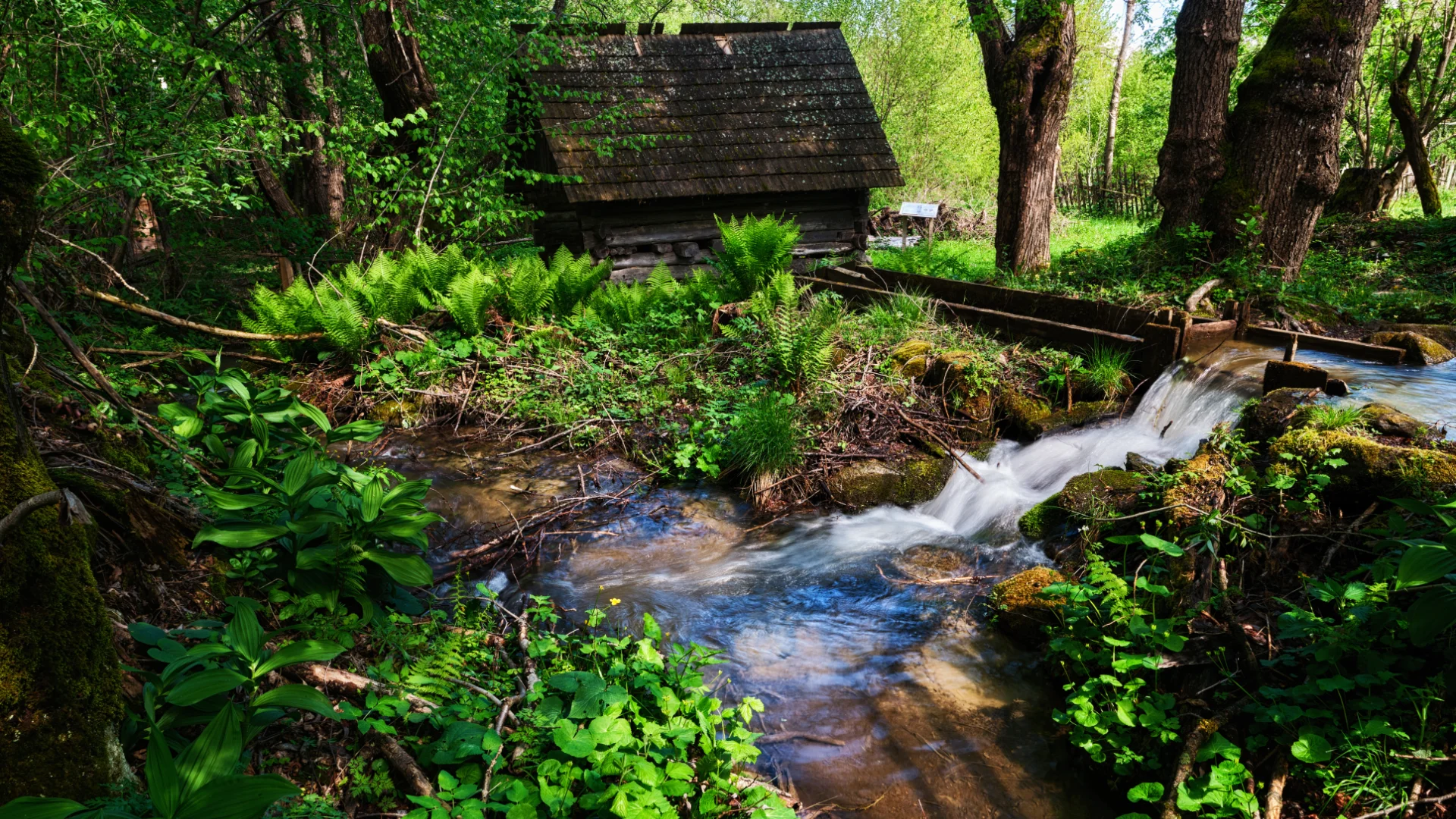
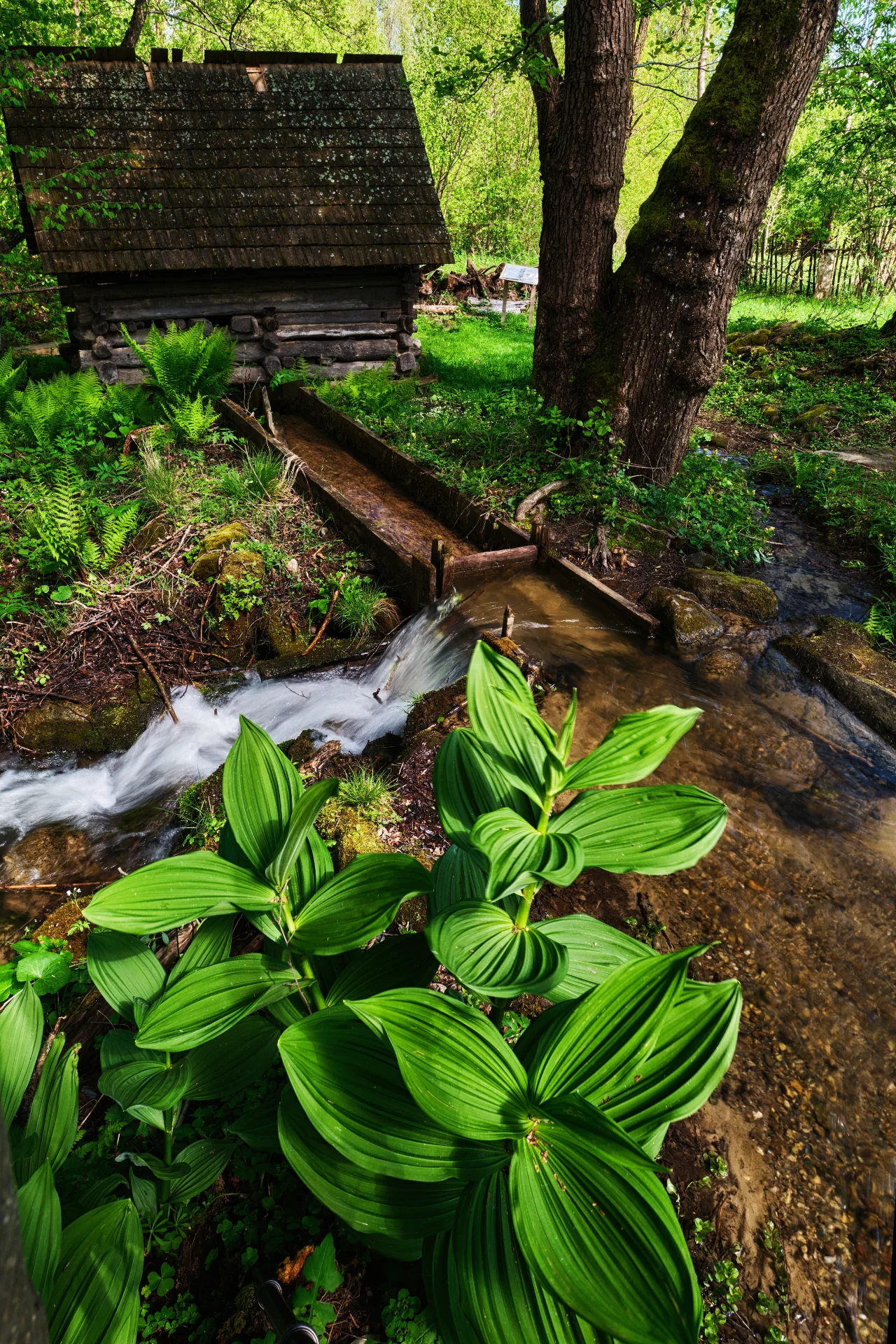
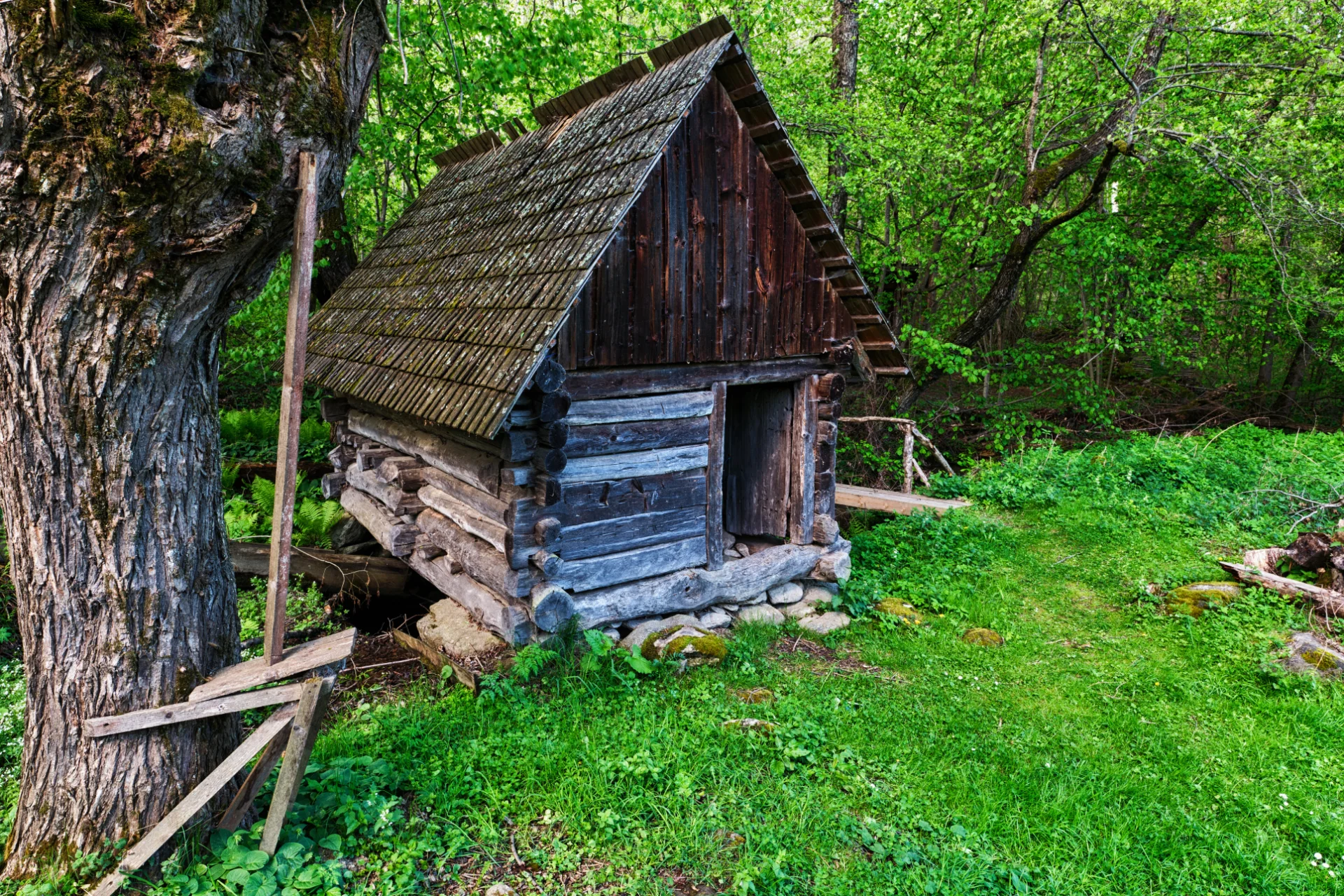
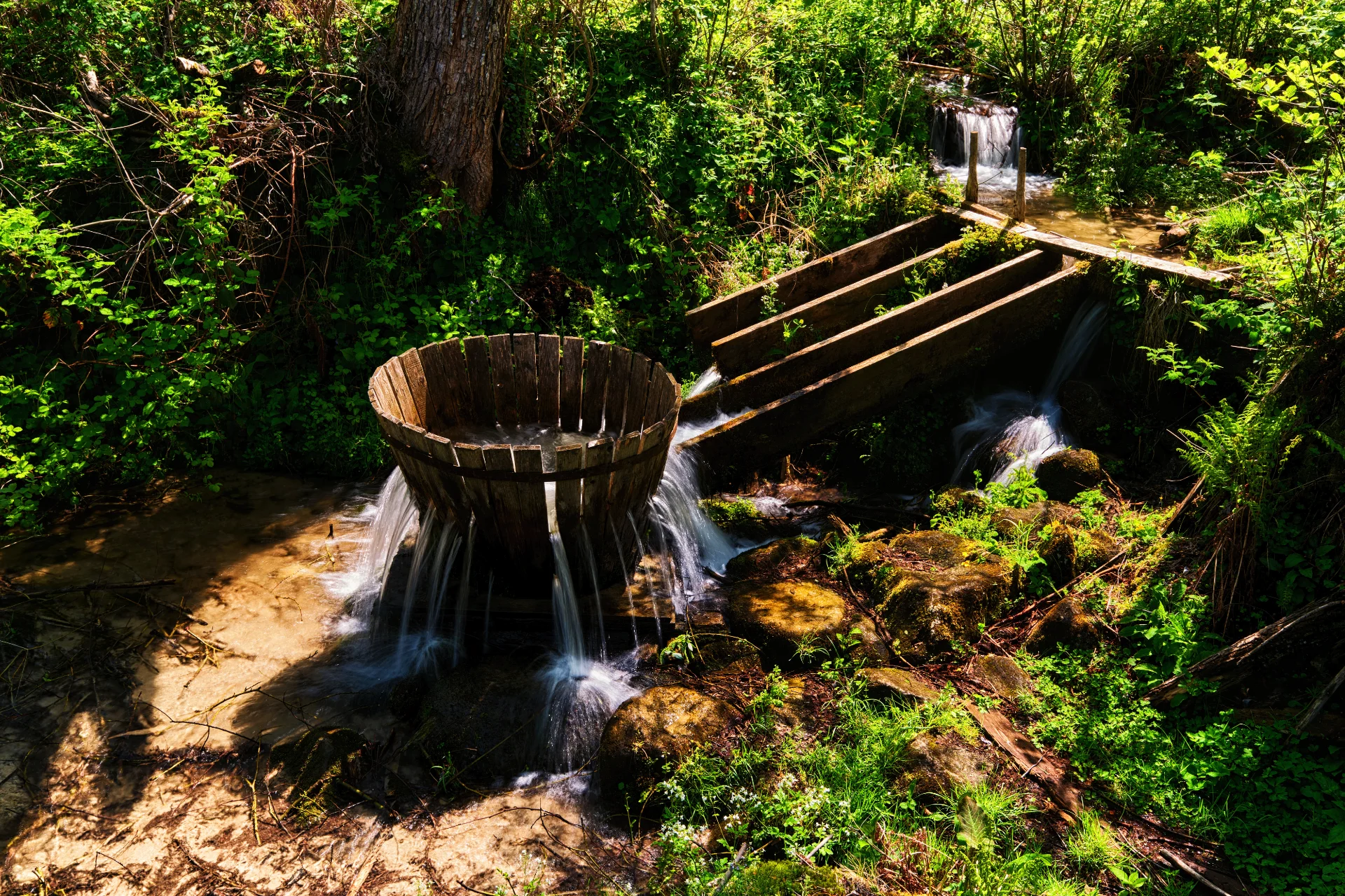
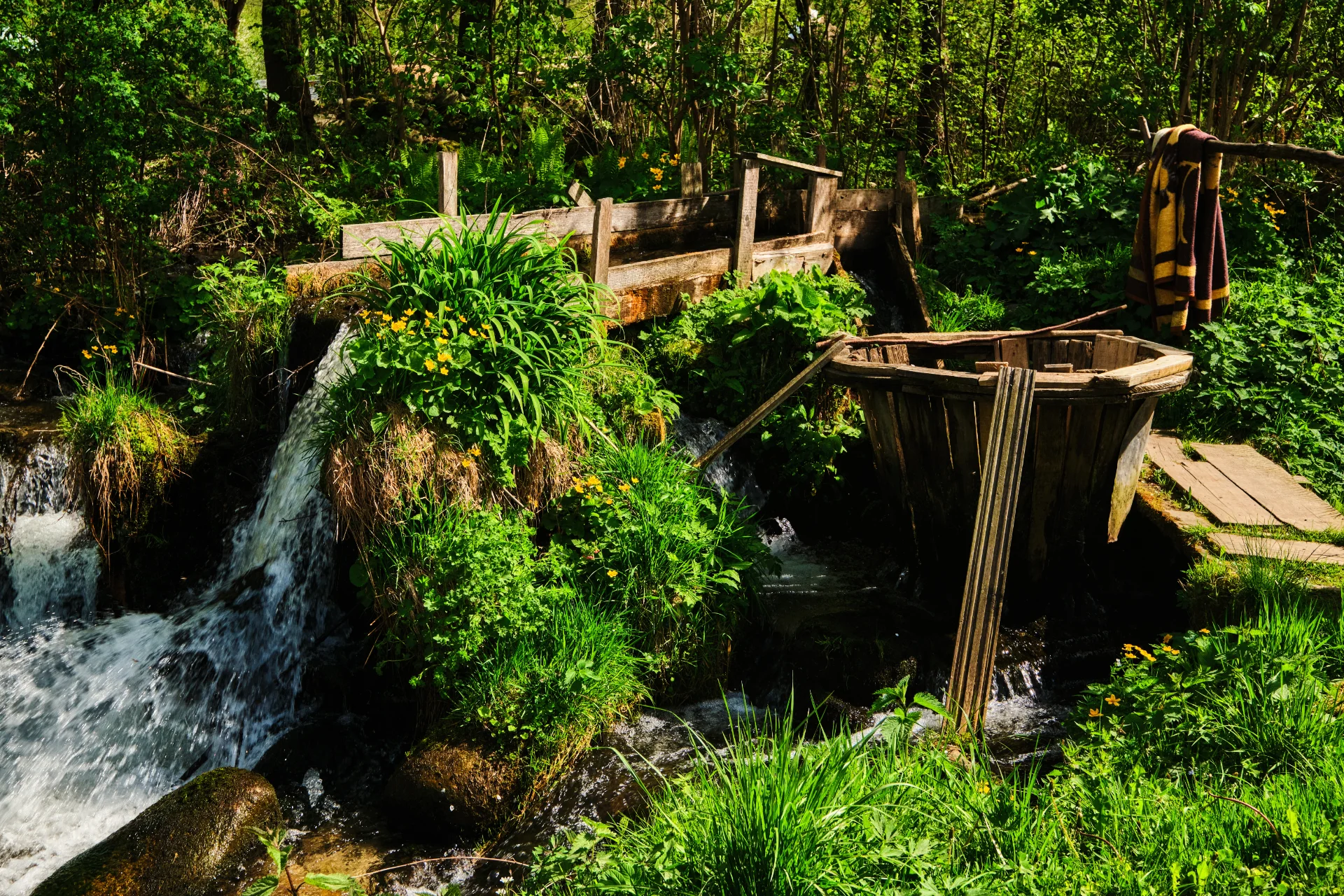
One of the most creative experiences that emerged within the Land of Hațeg Geopark a few years ago, the thematic trail was set up on a small stream, near the small village of Peștera, lost at the foot of the Retezat Mountains. Named “Nature’s Music Interpreted by Stone, Wood and Water”, the enchanting trail follows the watercourse and combines several traditional installations saved from destruction (the mill with a ciutura, the lime kiln, the valley) with other elements created specifically for the interpretation of nature’s sounds and interesting information.
Accommodation Recommendations
The best lodging options in the Land of Hațeg
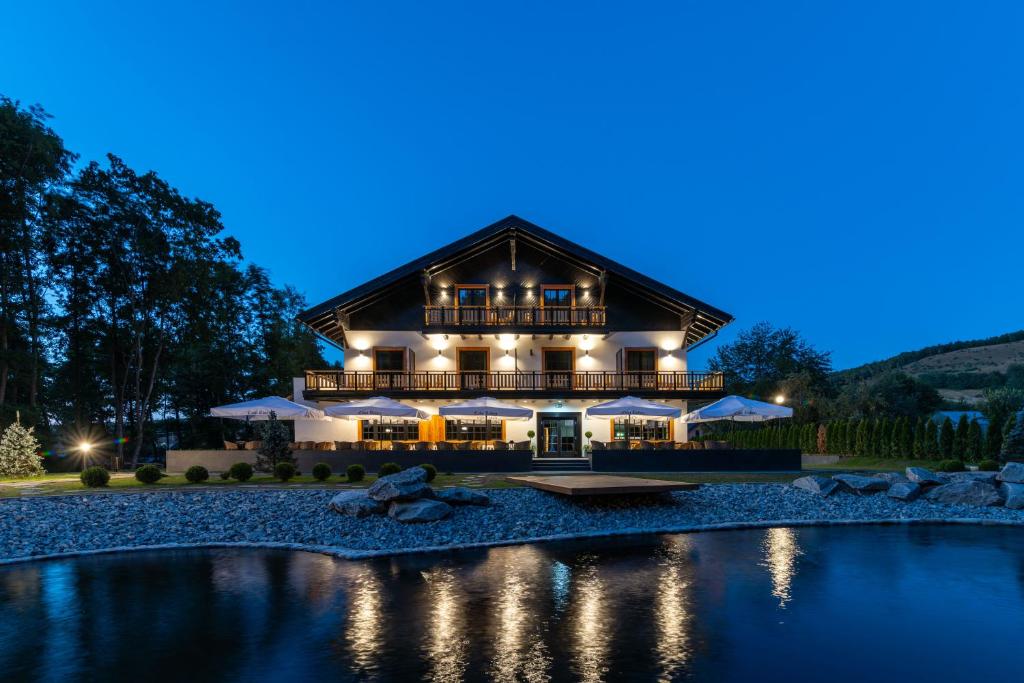
Rating 9.8 from 332 reviews!
Located near the Colț fortress, this highly rated guesthouse offers superior rooms with all amenities, a restaurant, bar, shared lounge and garden!
Village of Suseni, 4A, Râu de Mori
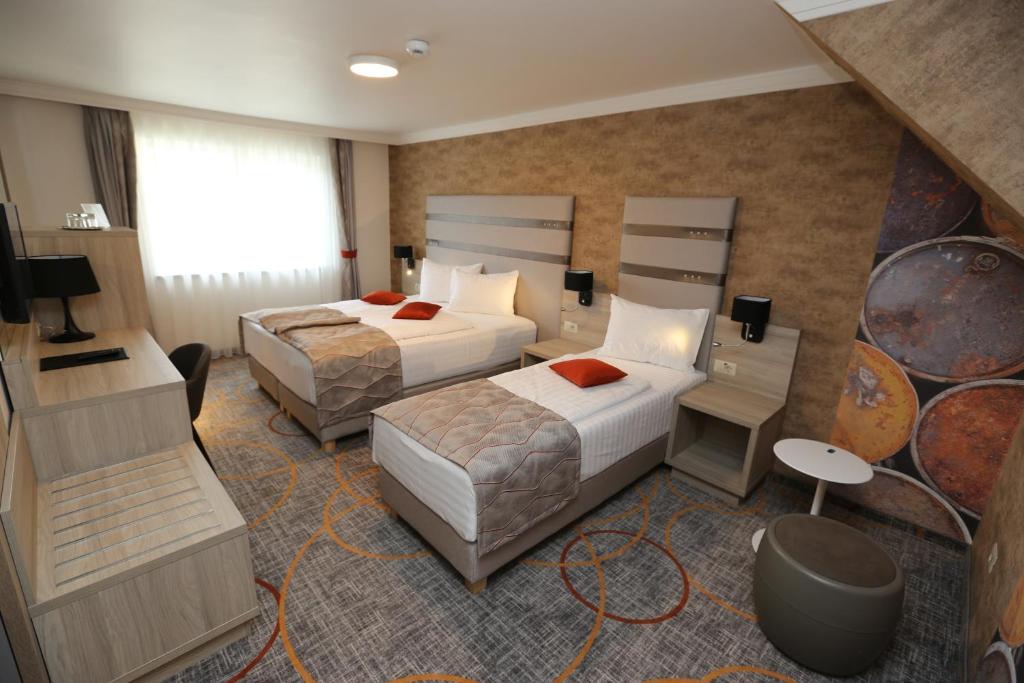
Rating 9.3 from 583 reviews!
Located in Hațeg, near the European road to Deva and Petroșani, the acclaimed hotel offers modern rooms with all the necessary amenities and private parking!
Nicolae Titulescu St, 15, Town of Hațeg
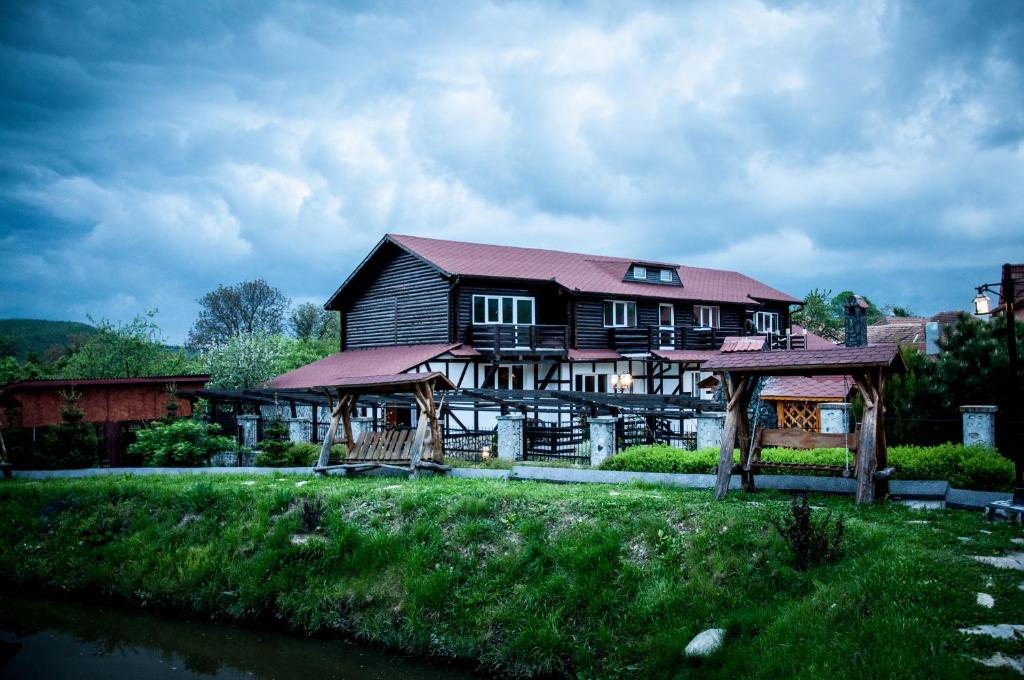
Rating 9.0 from 184 reviews!
Located near the ancient city of Sarmizegetusa Ulpia Traiana, the guesthouse offers cozy rooms, a traditional restaurant, a bar, a shared lounge, a terrace and a garden!
Village of Sarmizegetusa, nr. 82