40
Retezat
National Park
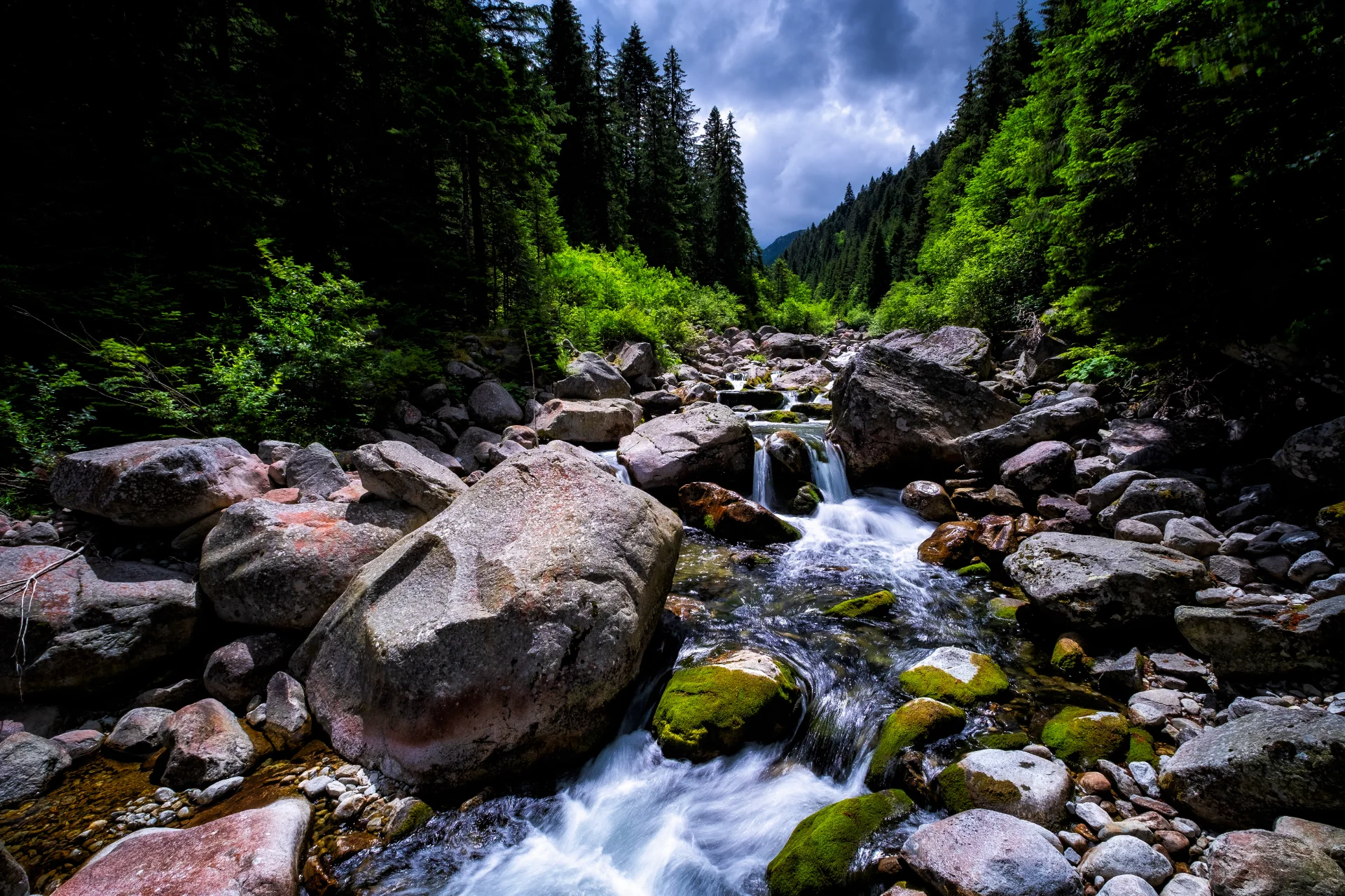
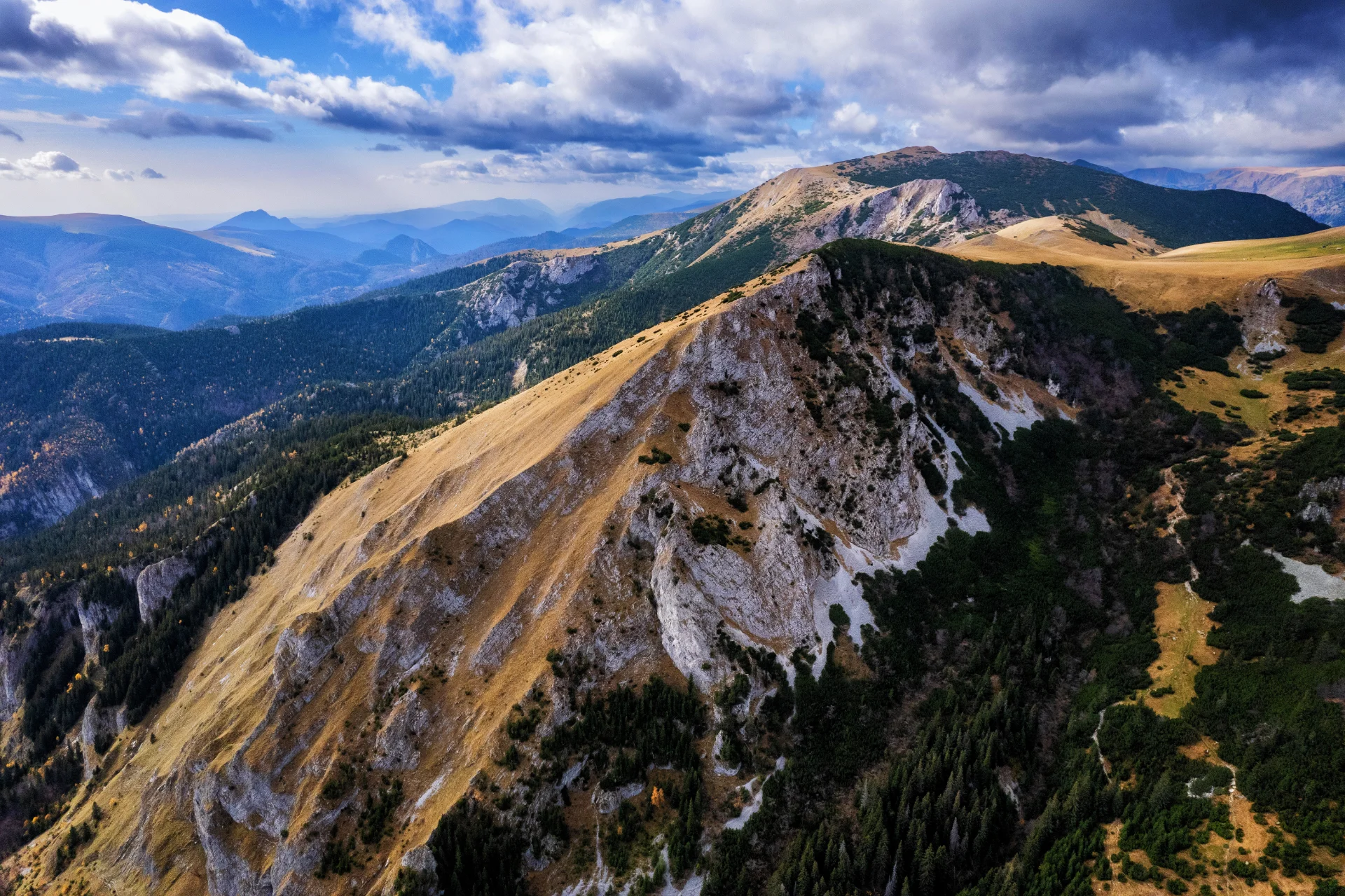
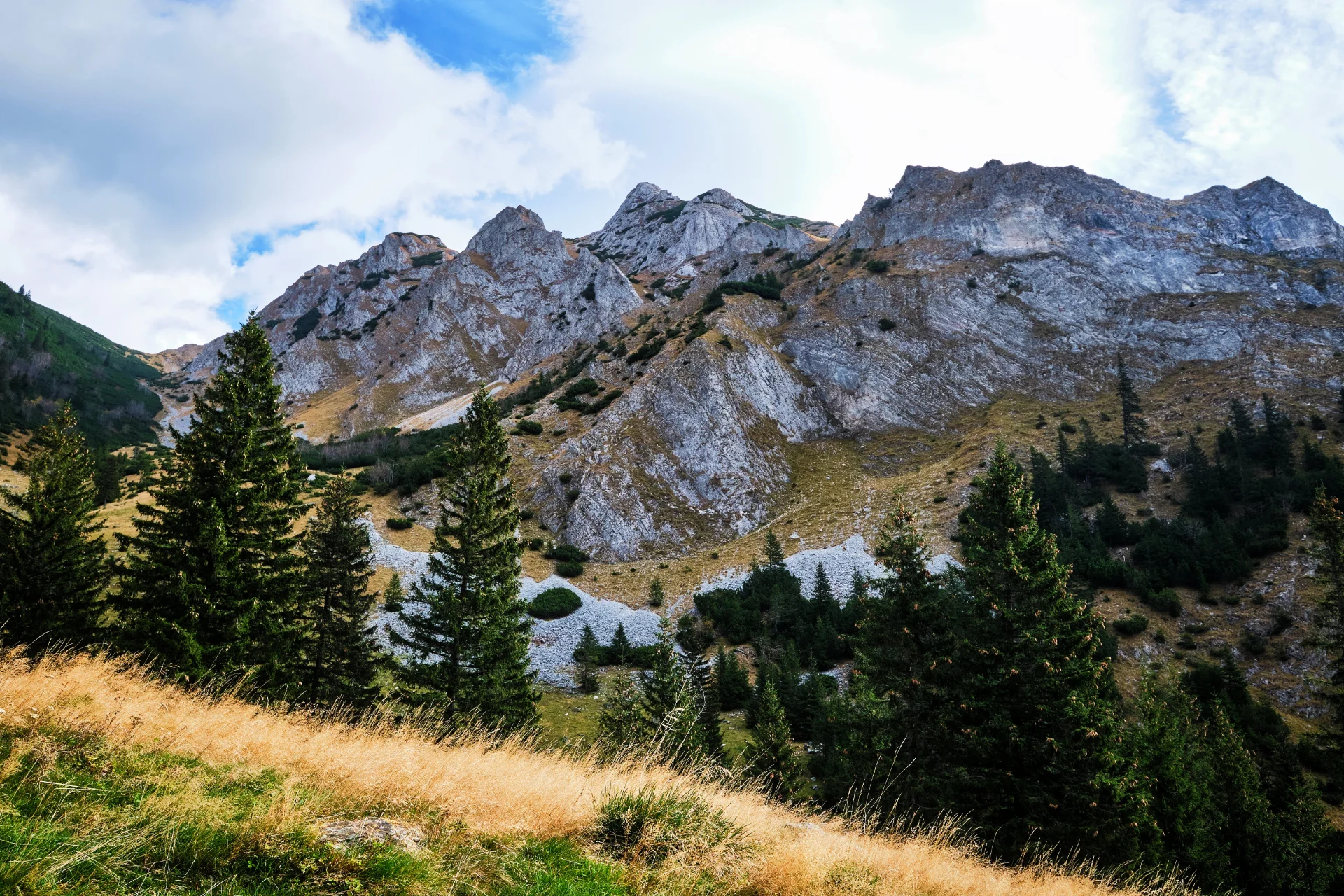
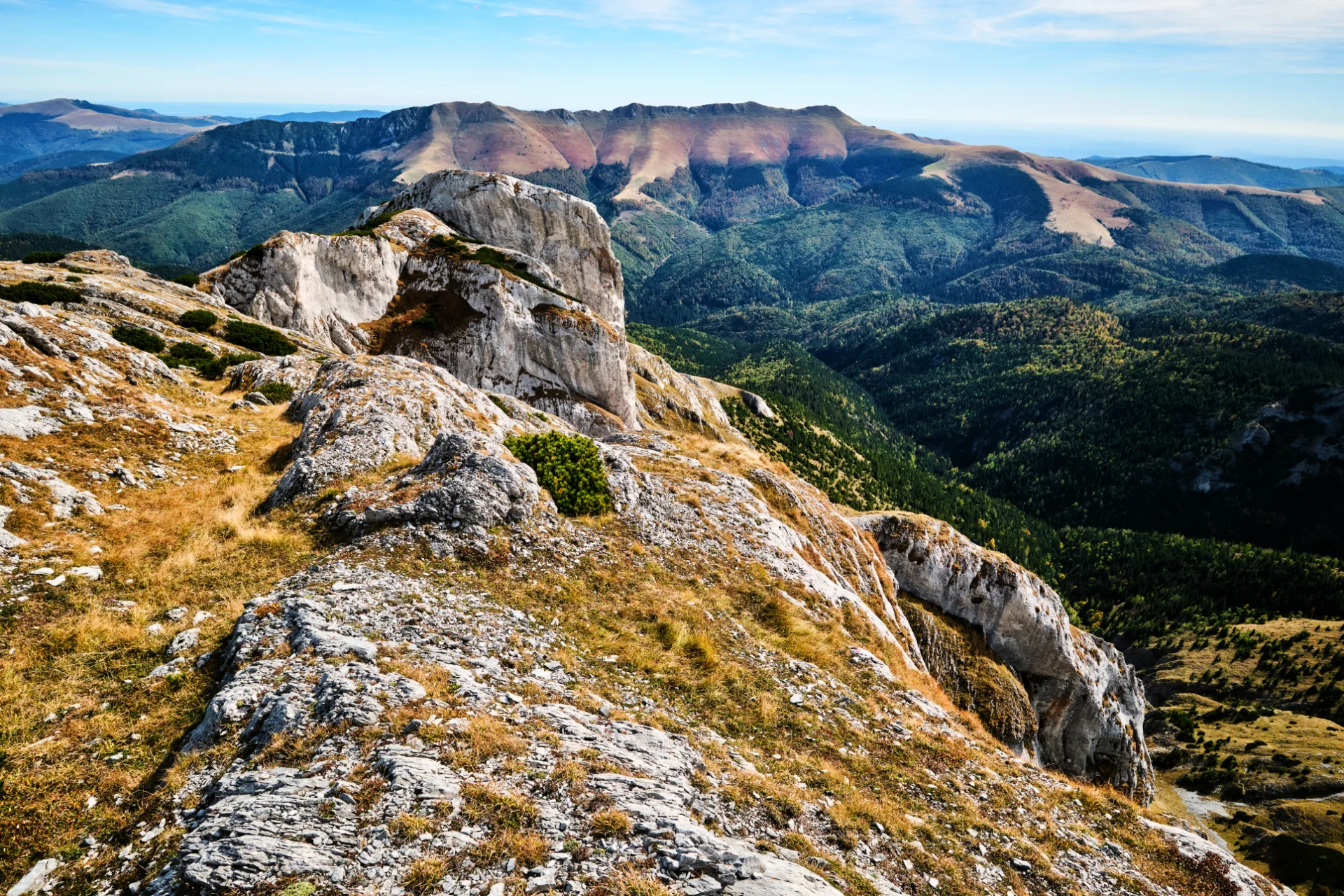
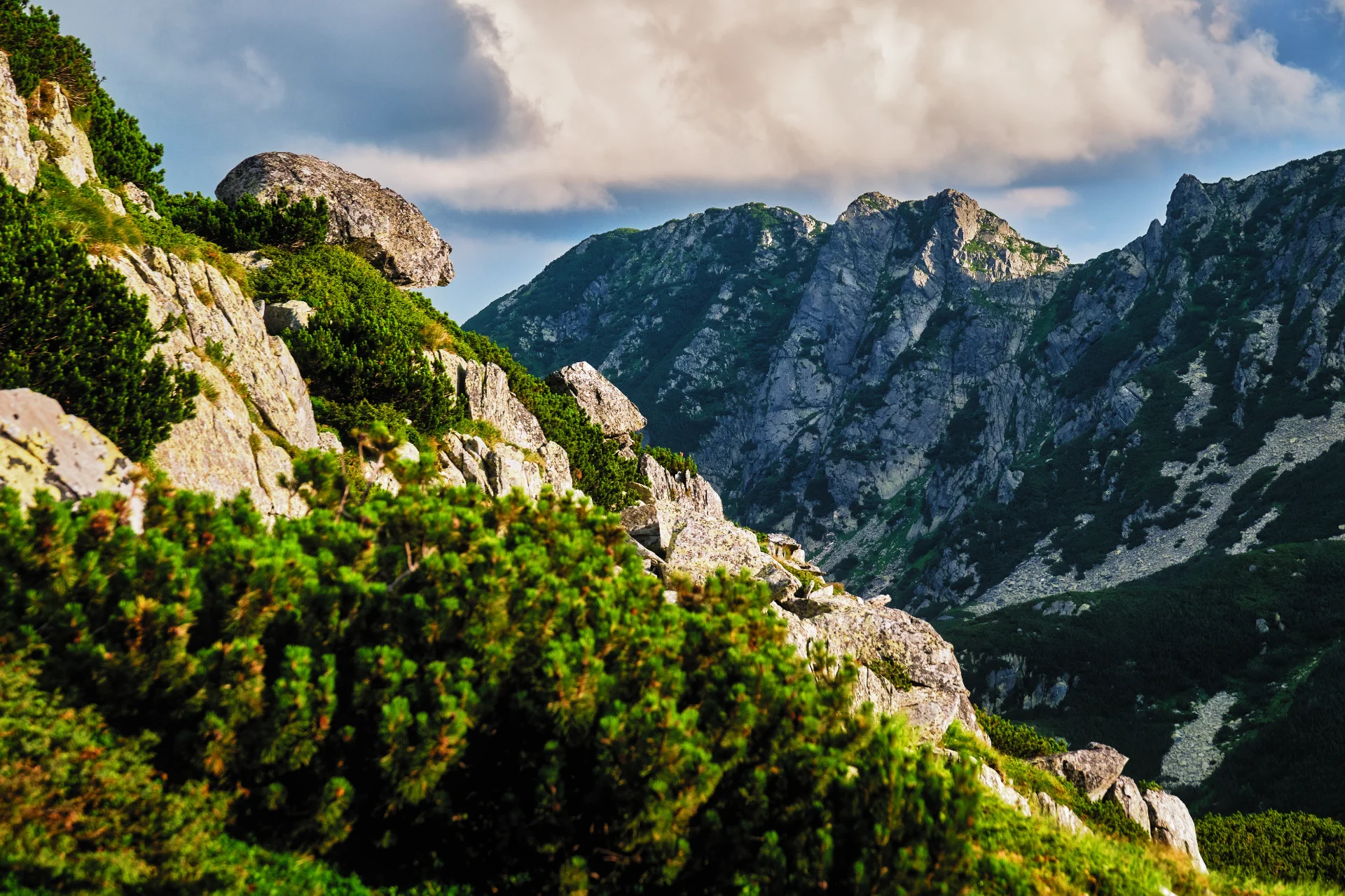
The sky is reflected in the azure and turquoise eyes of these mountains, and the enchanted forests hide crystalline rivers and countless creatures, all surrounded by dizzying peaks often lost in the clouds, forming together a magical paradise where only the brave soar!
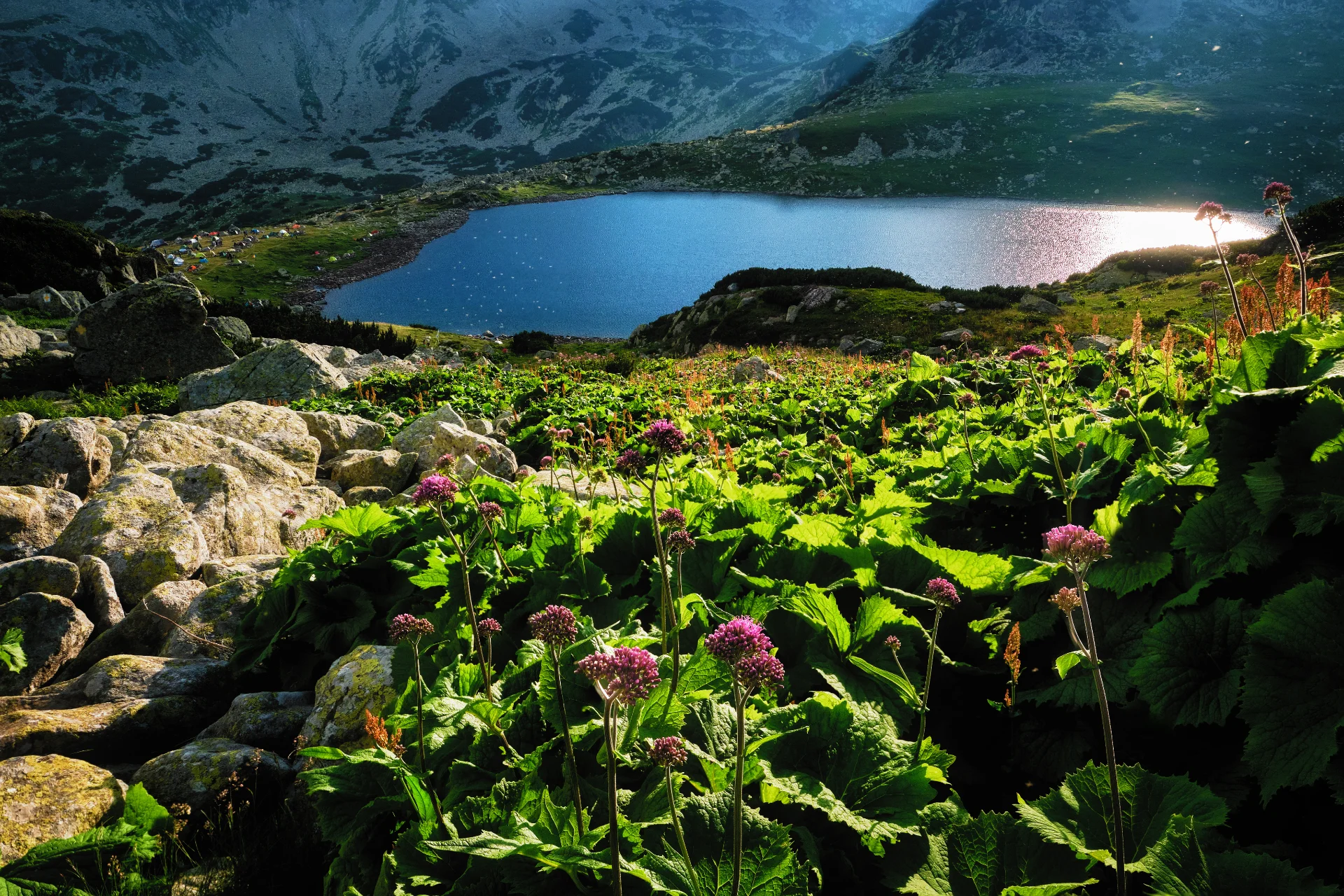
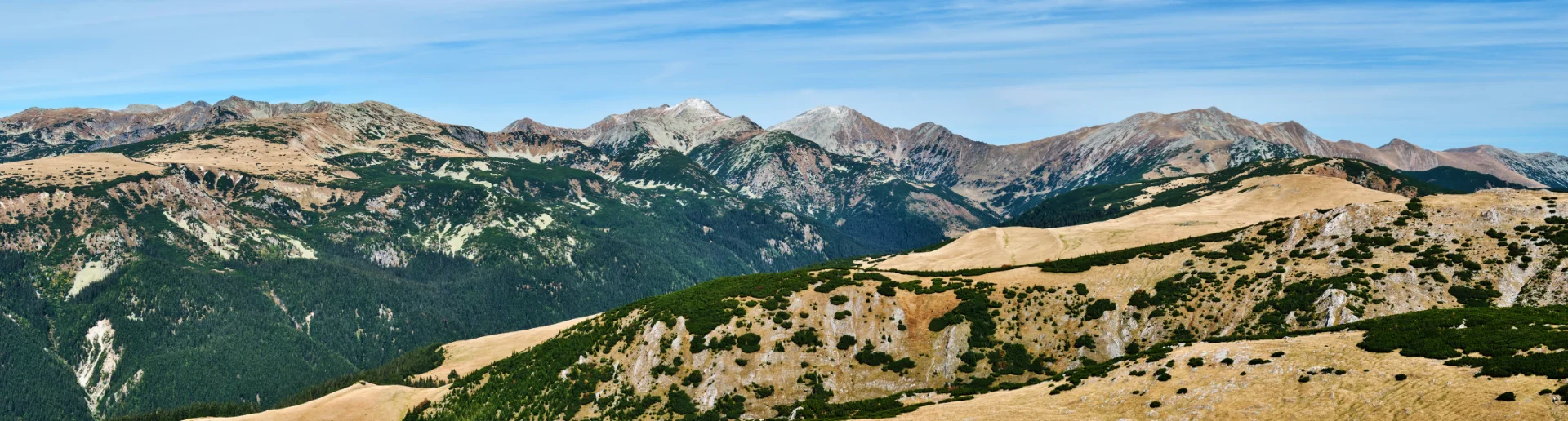
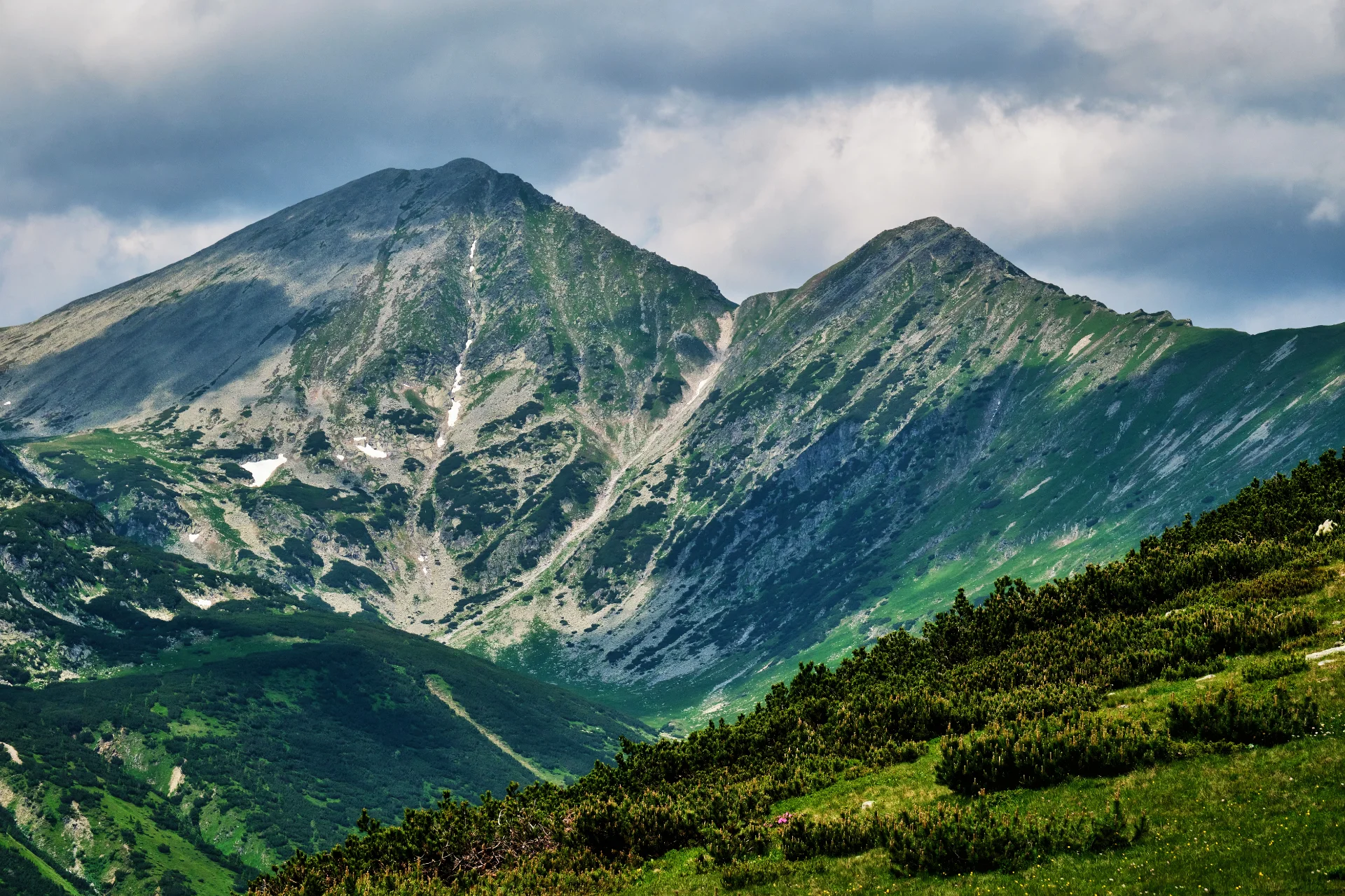
Especially imposing when viewed from the Land of Hațeg or from the surrounding ridges, the Retezat Mountains are at the same time seductive and impetuous, calling us to conquer their overwhelming heights. A true natural amphitheater protected by majestic peaks, the Retezat always welcomes its guests with wide open green arms and with glacial lakes shining in the kingdom of clouds. In the middle of summer, thousands of travelers meet in the heart of these mountains, most of them ready to continue even further towards the heights. On busier days, the almost uninterrupted line of experienced hikers and occasional excursionists who storm the most popular trails resembles a ritual of pilgrimage to the miraculous places of the Retezat.
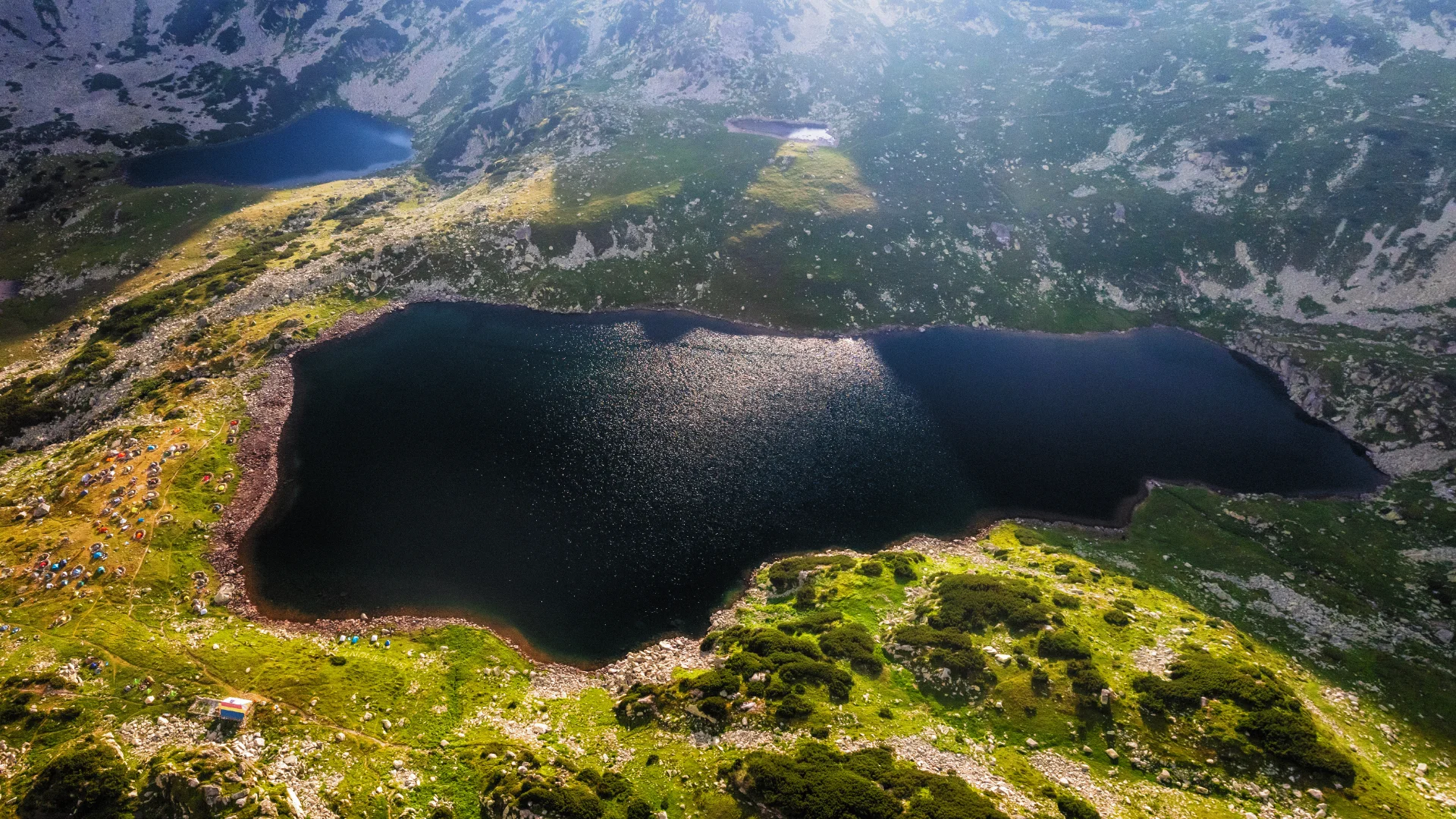
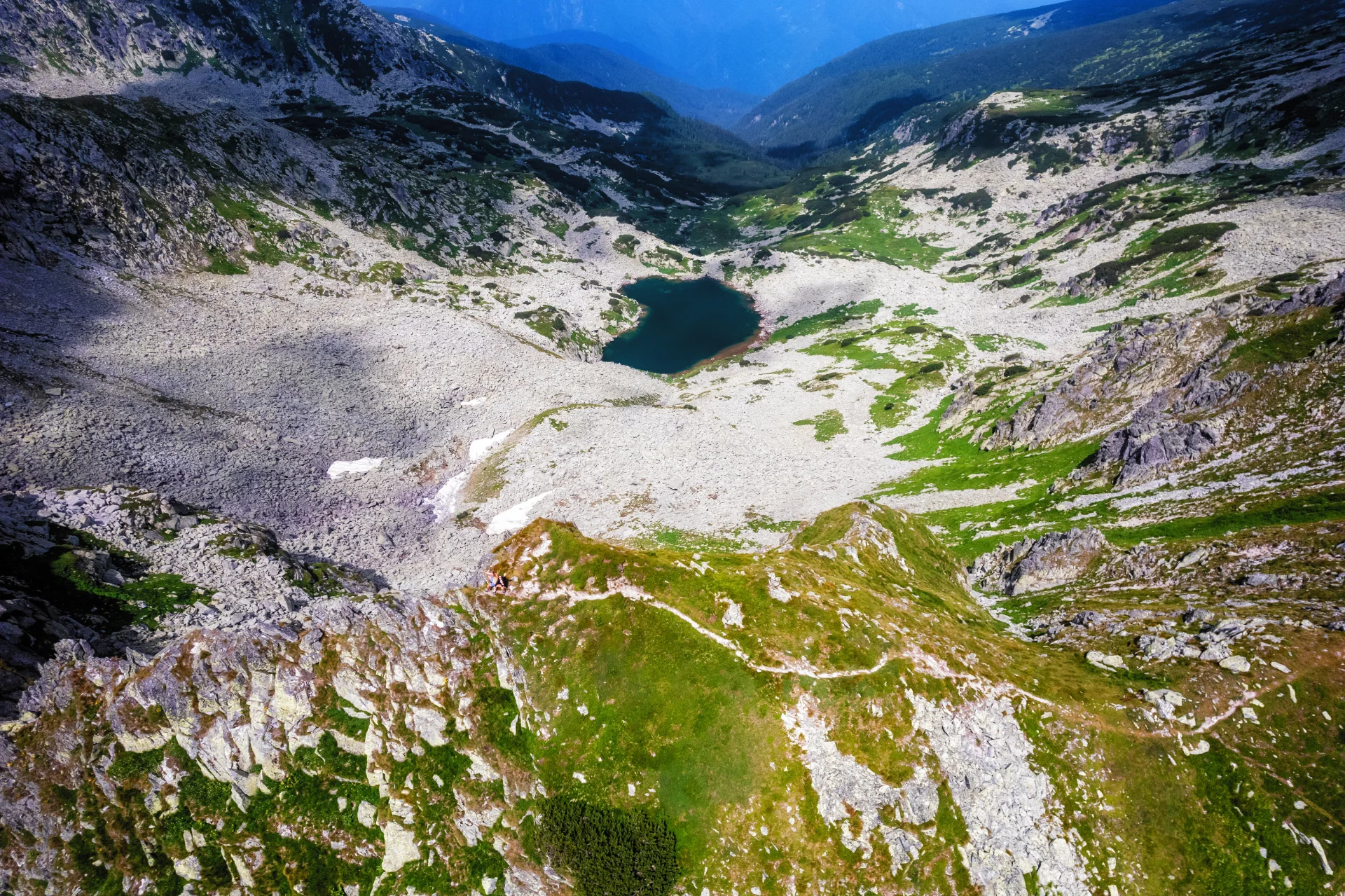
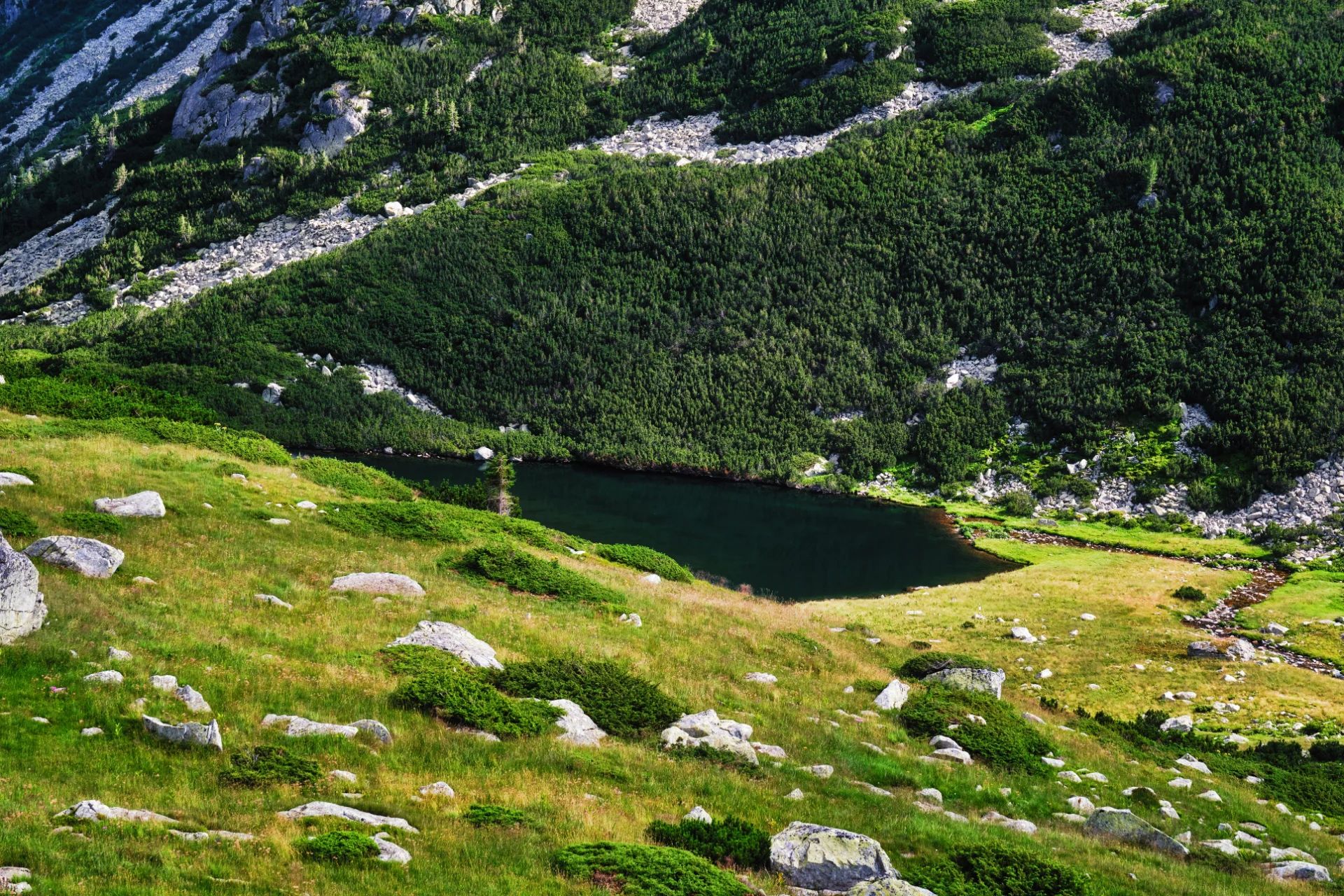
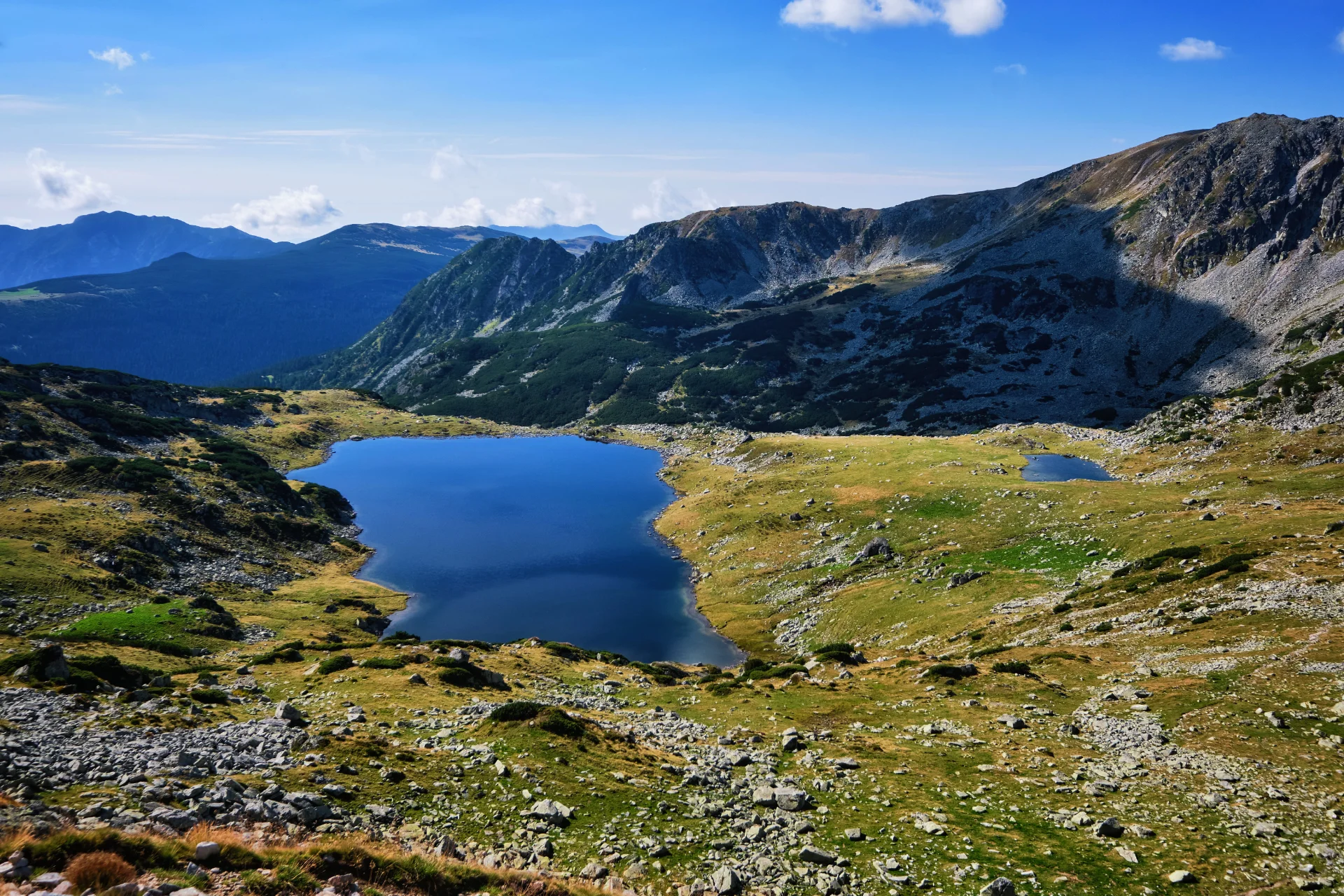
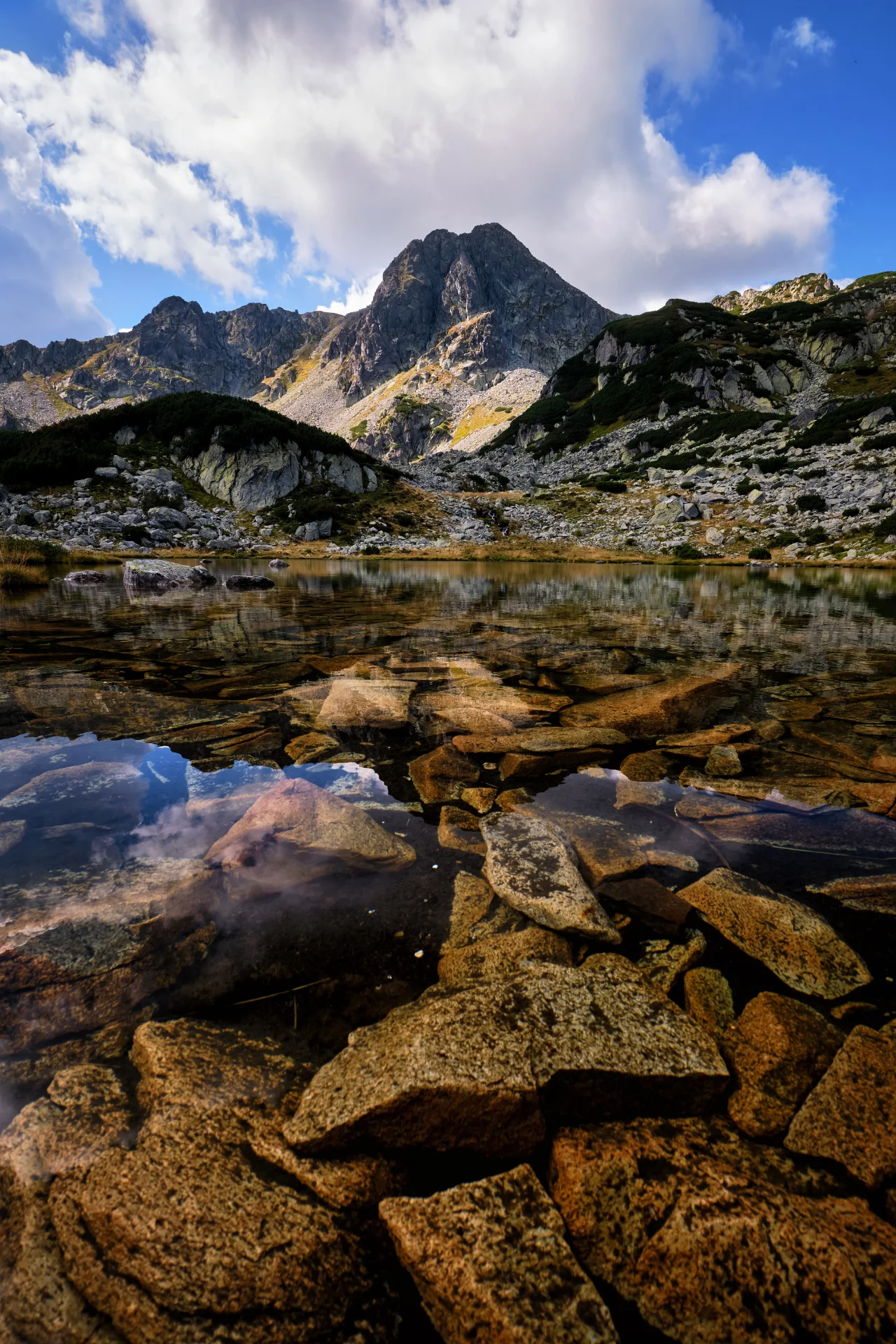
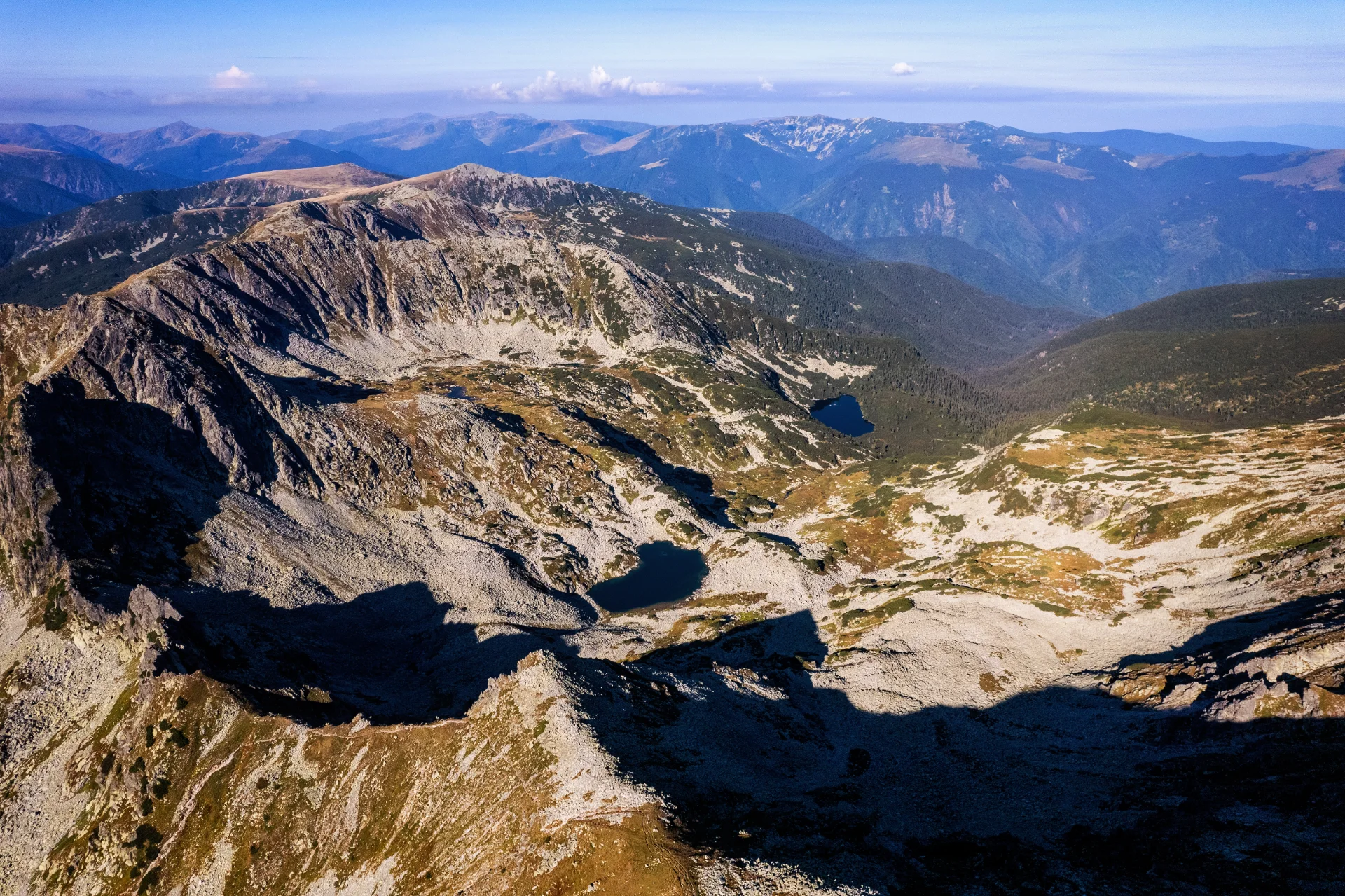
The climb, neither too long nor too difficult, soon leads us above the forests, and the massiveness of the surrounding rocky ridges becomes as overwhelming as it is seductive. The main crossroads of the Retezat trails is the chain of lakes in the Bucurea glacial caldera, protected by the surrounding wild ridges. In time immemorial, the glacier that rested in these places for thousands and thousands of years began its seemingly invisible descent towards the valleys below, sculpting the landscape and leaving behind the lakes that now sparkle in breathtaking shades. The unique beauty of the largest glacial lake in the country stops us in our tracks for a few minutes, amazed by the spectacular vision of this place, stirred perhaps only by the hustle and bustle of the surroundings.
Search for Flights to Romania with Booking.com!
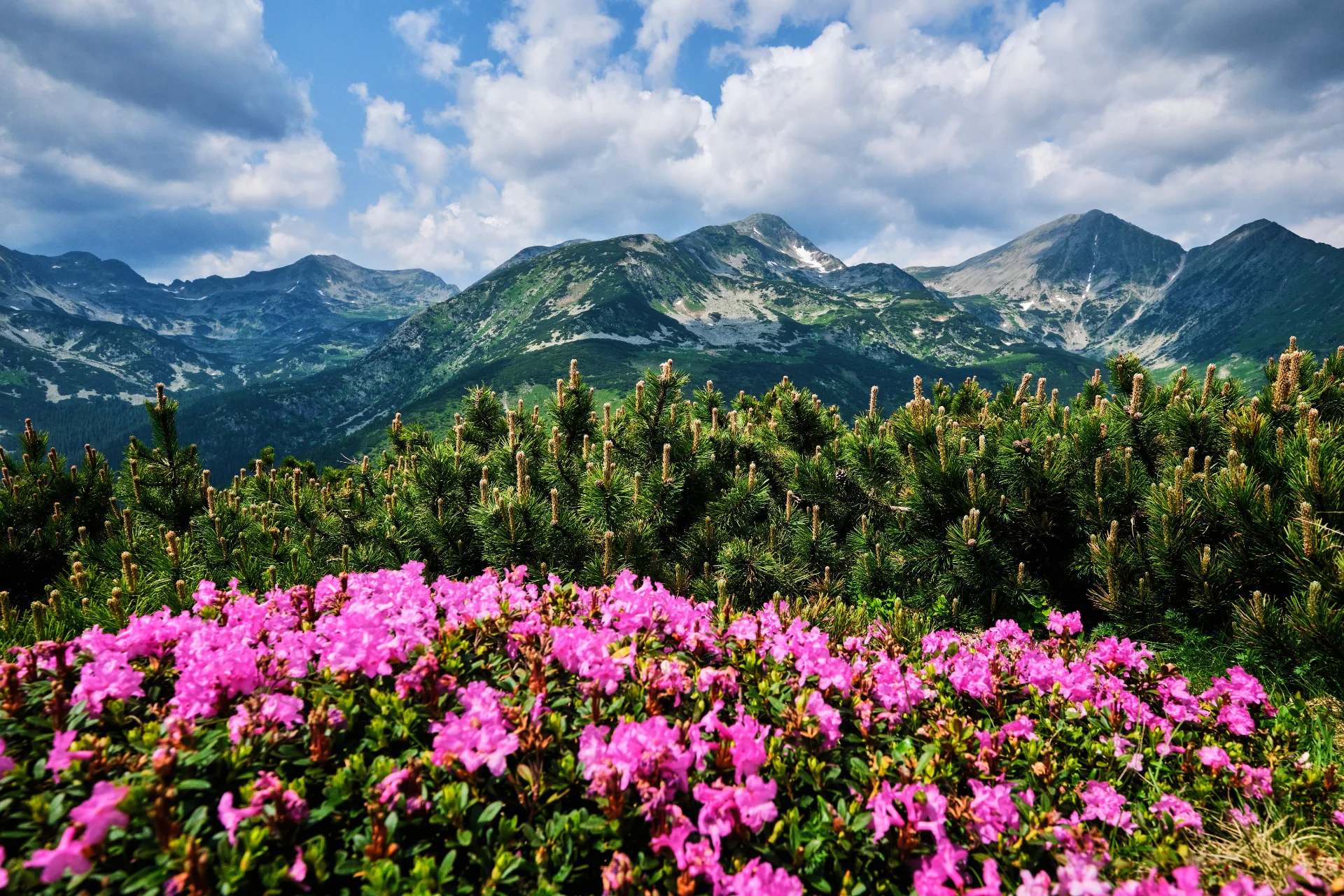
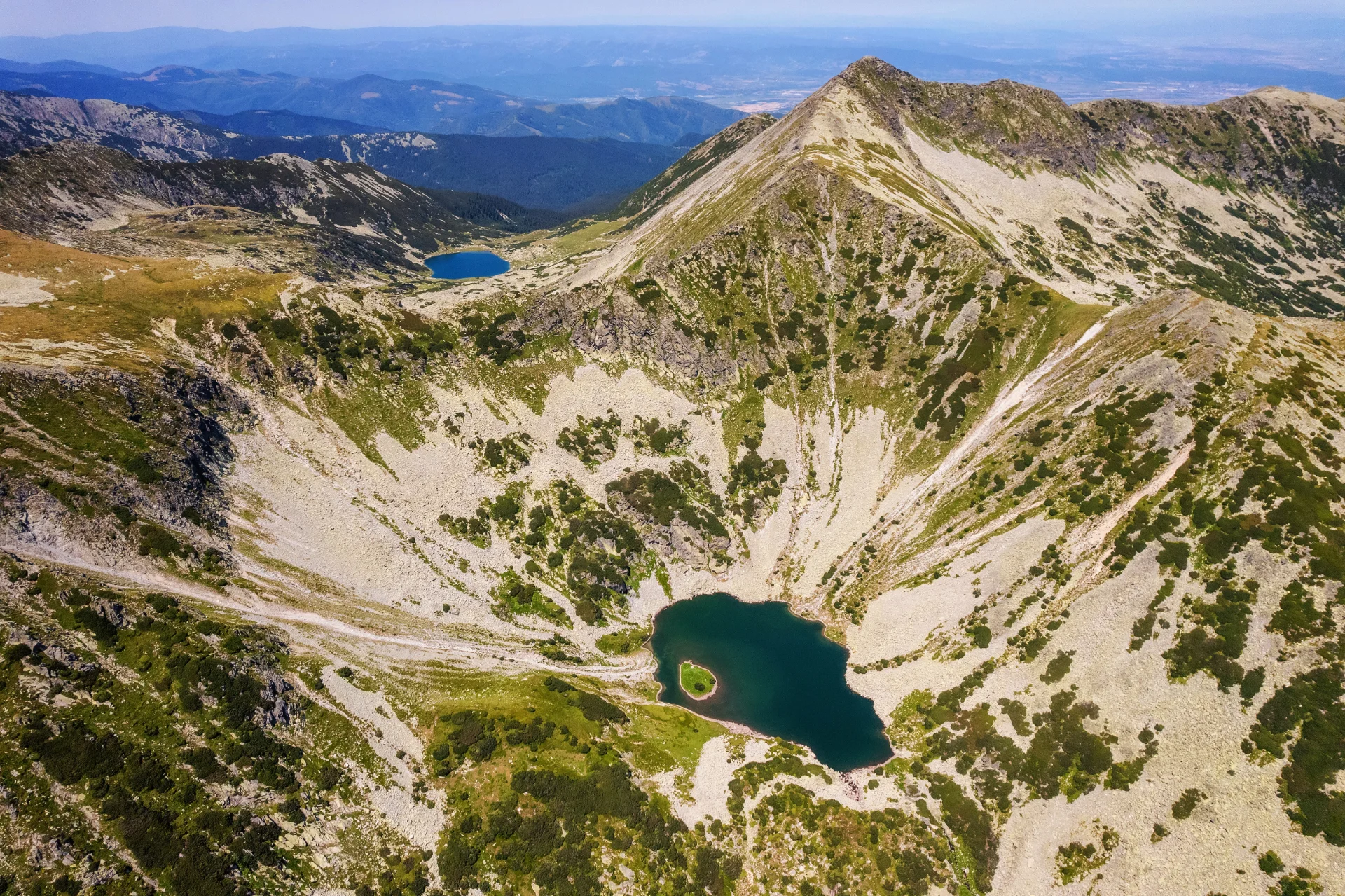
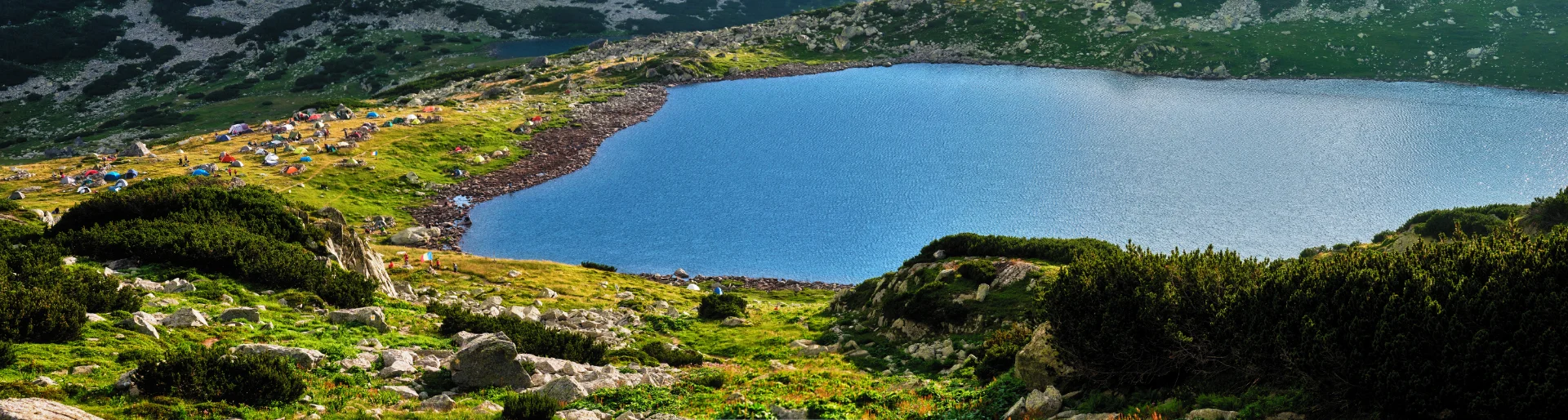
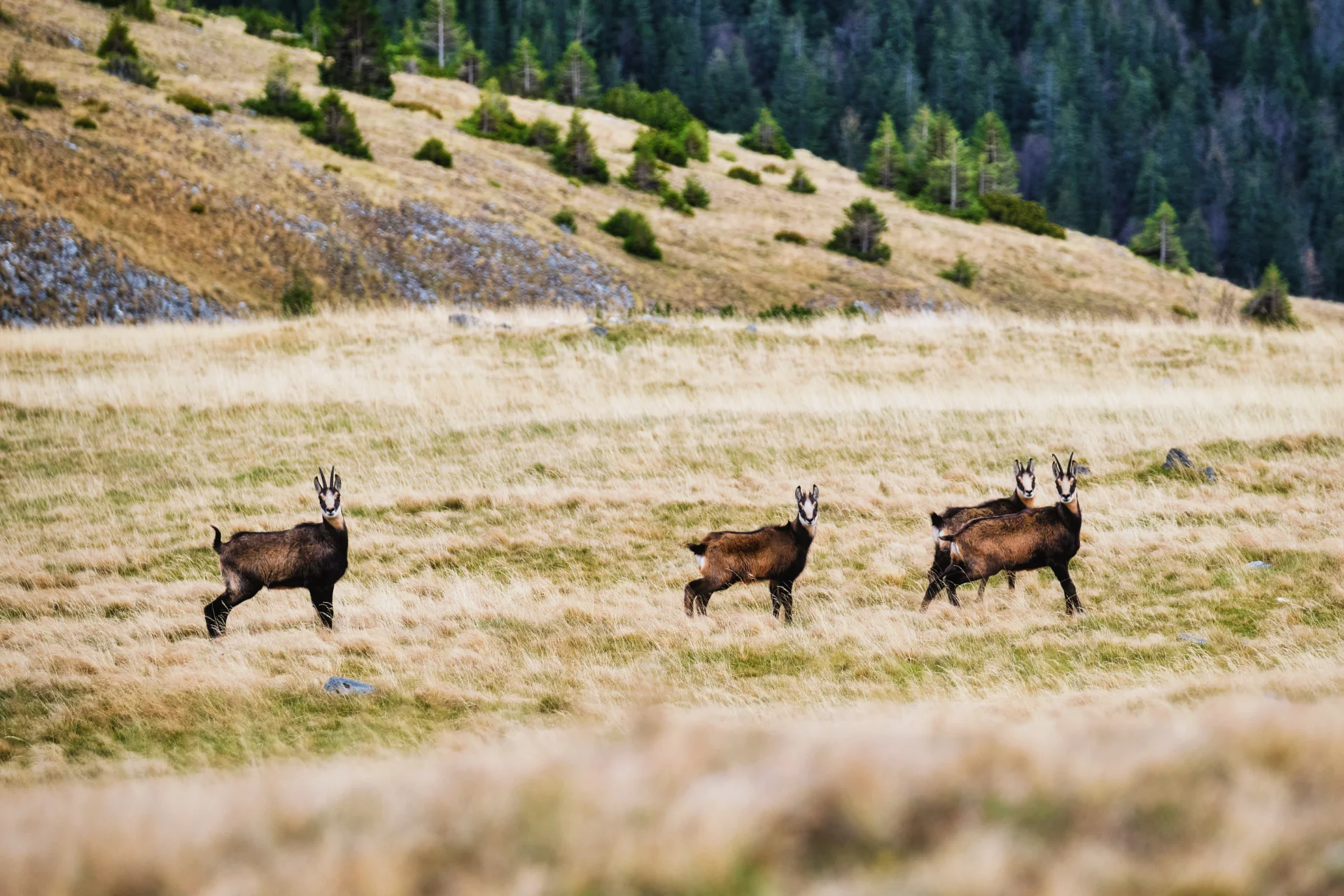
Retezat National Park covers an impressive area (over 380 square kilometers) in the southwest of Hunedoara County, encompassing a large part of the Retezat Mountains, renowned for their wild beauty and extreme biodiversity. It was the first national park created on Romanian territory, since 1935, a process supported by Professor Alexandru Borza and the renowned scientist Emil Racoviță. Over two-thirds of its area comprises areas of full or strict protection, while over half is covered with various forests. A significant portion of the northwest of the park is included in the Gemenele Scientific Reserve, a wilderness area where tourist activities are prohibited to protect valuable ecosystems, including one of the last virgin primary forests and the last ancient mixed forest in Europe.
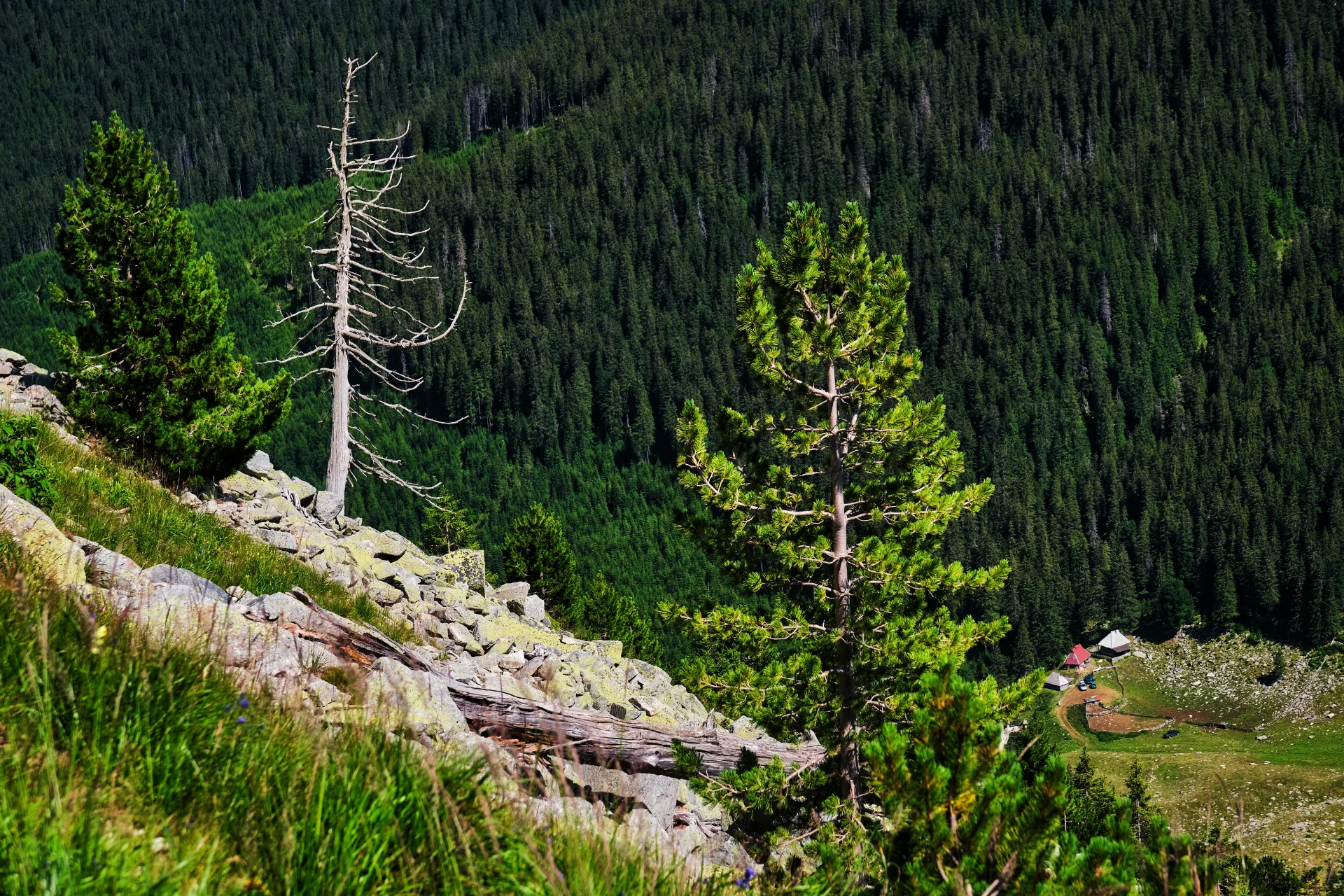
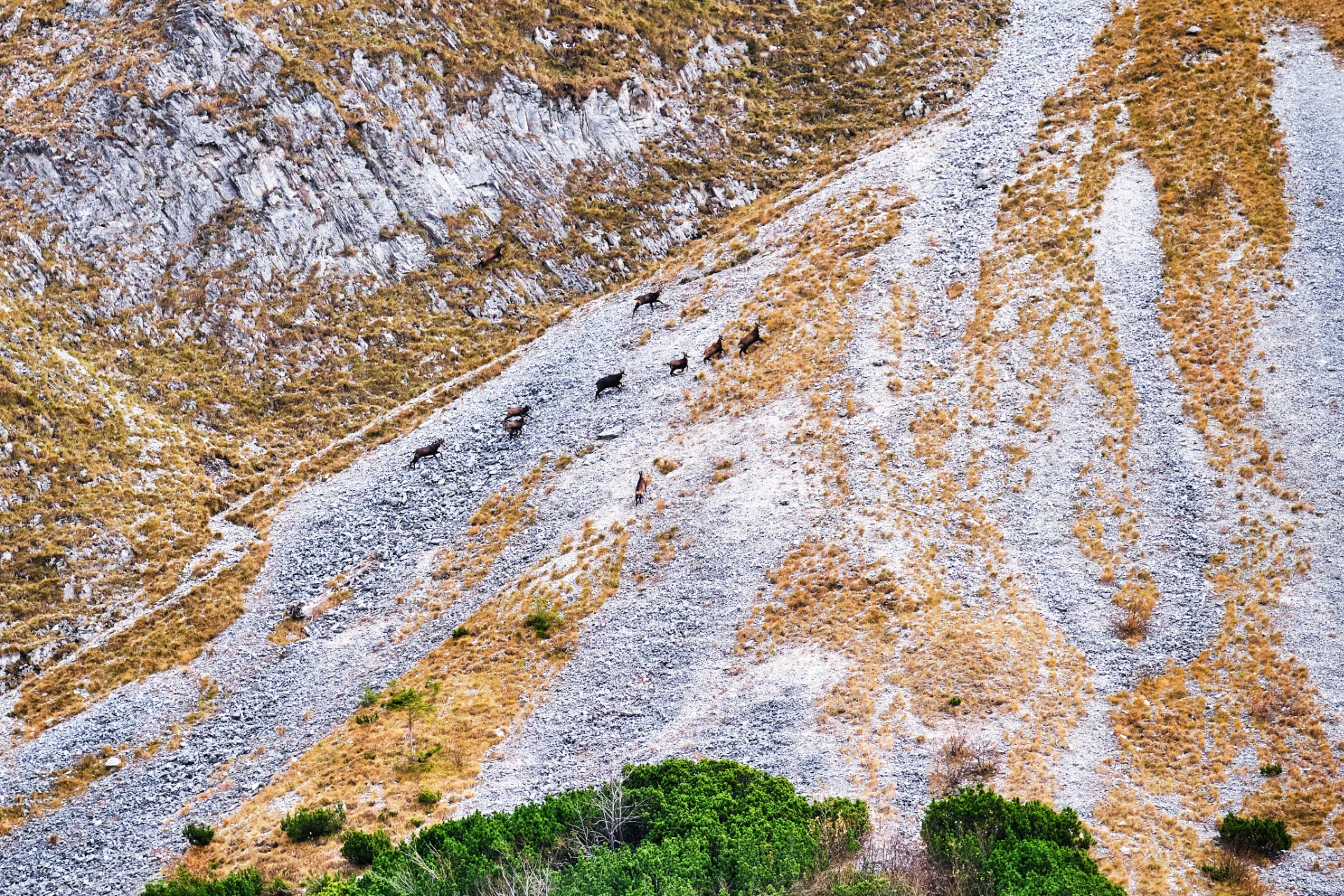
Here we also find 20 peaks exceeding 2,000 meters, over 80 glacial lakes and an impressive diversity of vegetation and fauna. Approximately 23% of the continent’s mammal species (55 species) live in Retezat National Park, including large carnivores such as the bear, wolf and lynx. In addition to these, other rare animals and birds such as the chamois, deer, wild cat, marten, badger, otter, mountain eagle, peregrine falcon or capercaillie are also found. We also encounter a wide variety of plants, four species being declared natural monuments, namely the cornflower, the blood of the mighty, the yellow ginseng and the lady’s slipper. We can enter the national park mainly from the north and south, there are several local and forest roads that climb along the main valleys, but also a lot of tourist hiking trails. There are no permanent human settlements inside the park, and anthropogenic influence is minimal.
Search for Lodging around Retezat National Park on Booking.com!
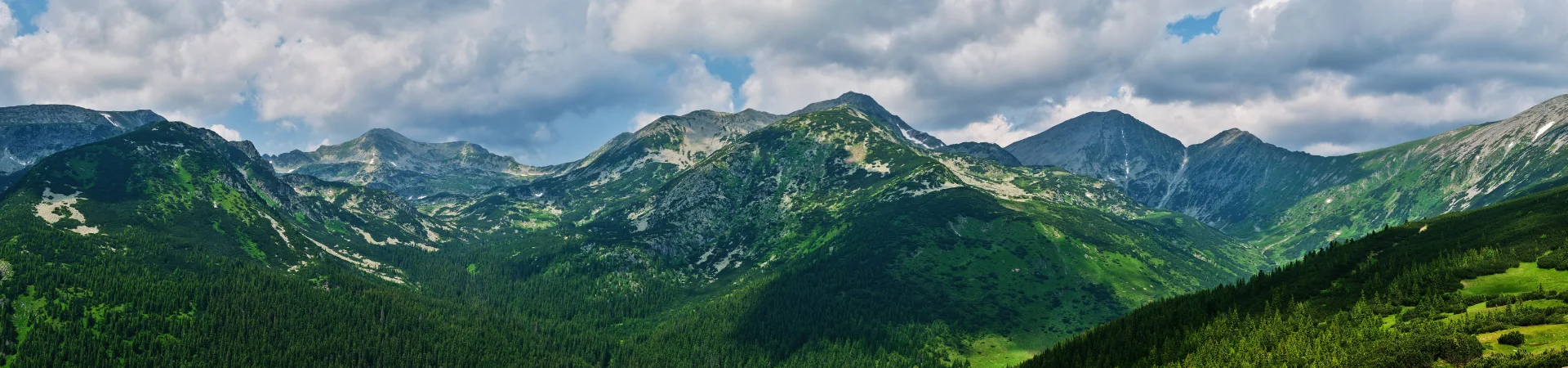
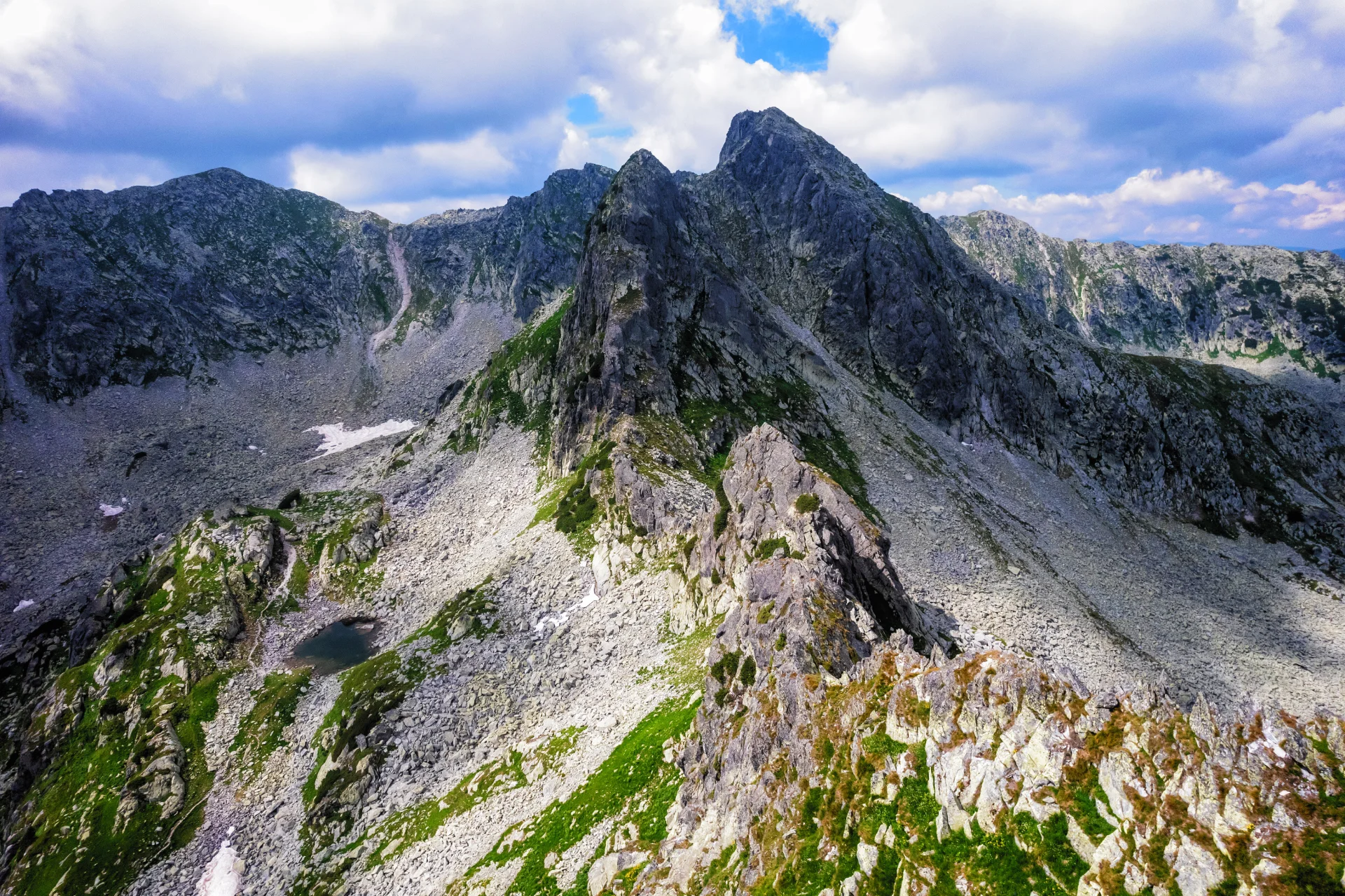
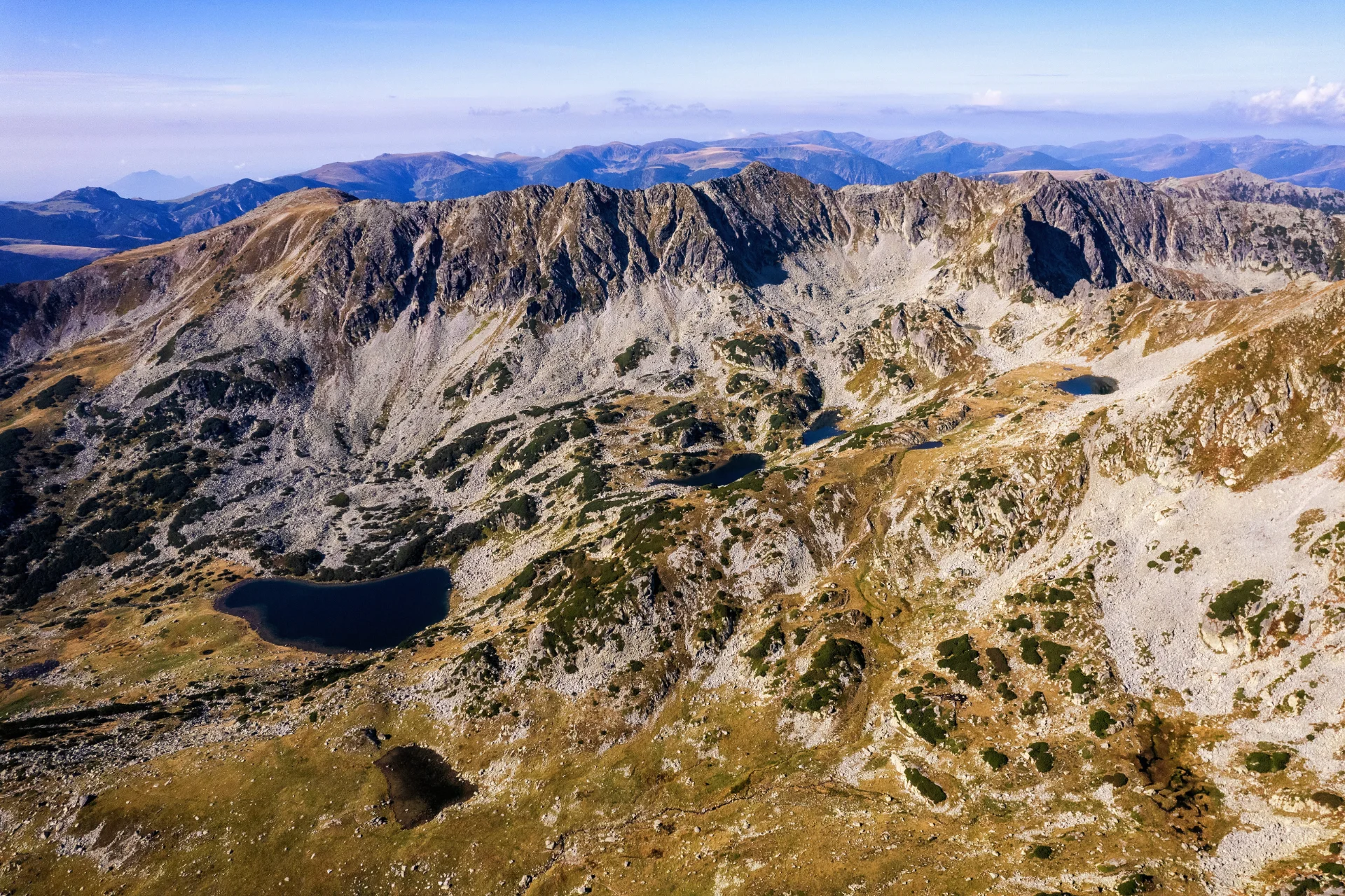
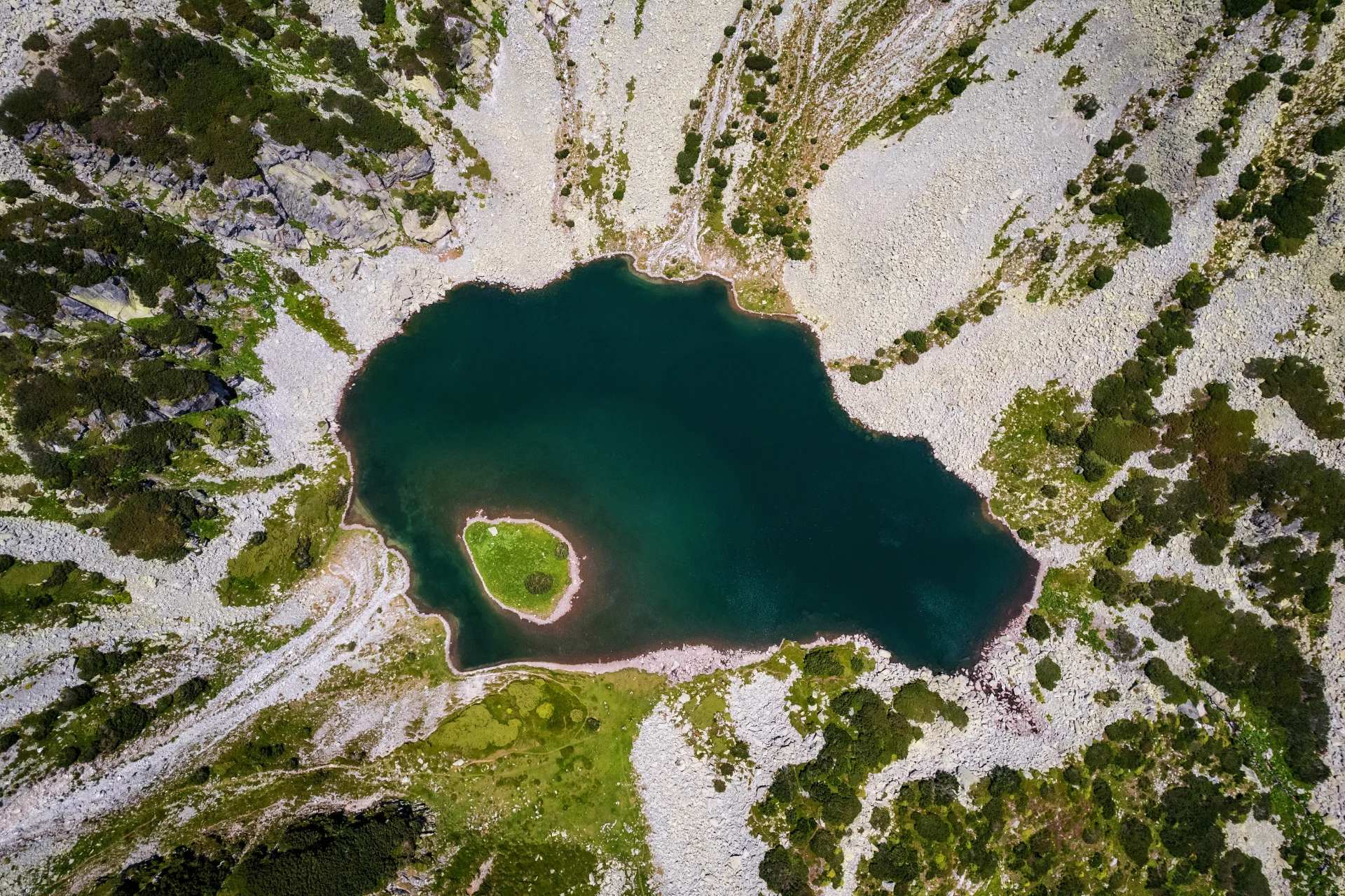
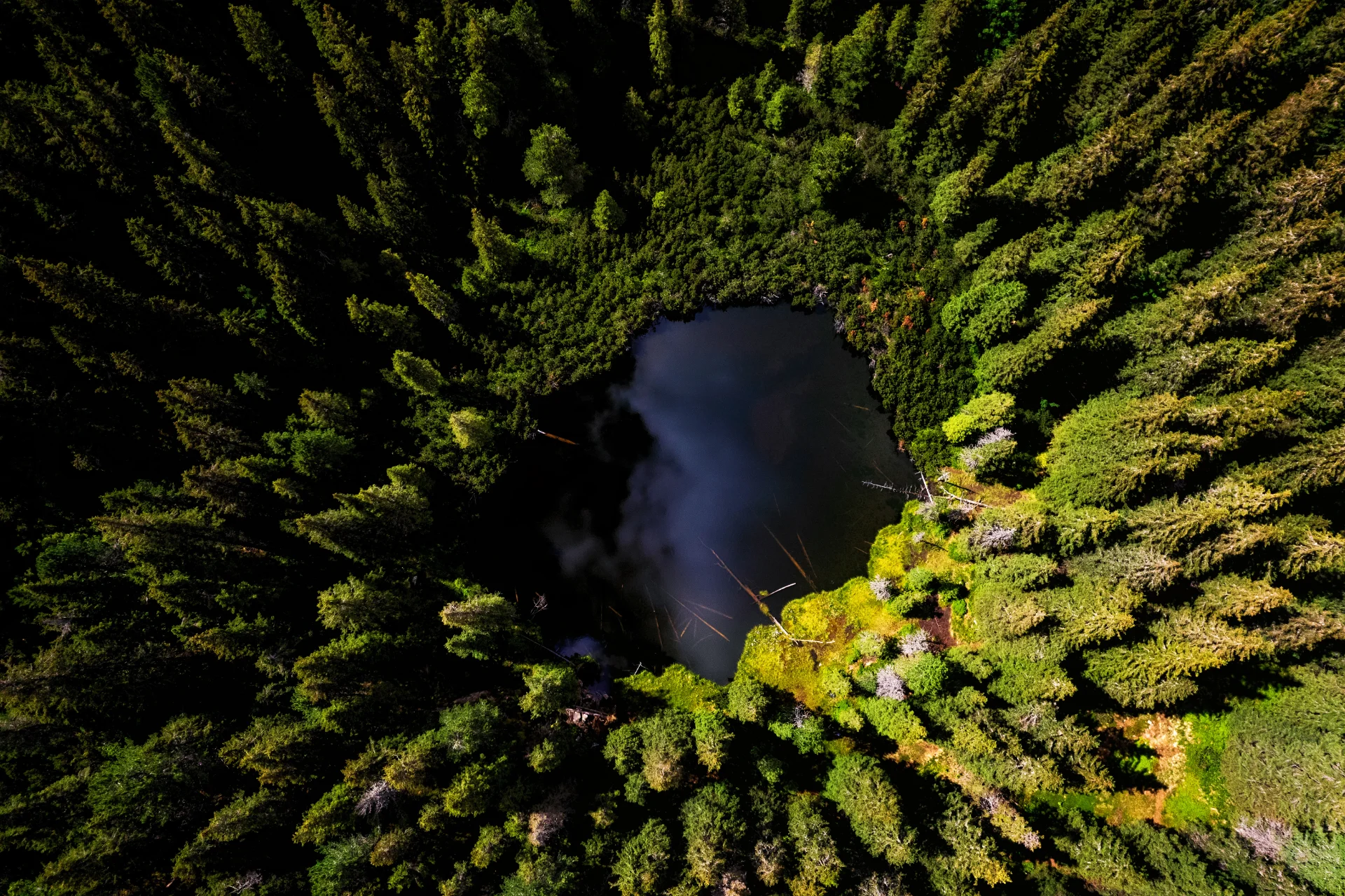
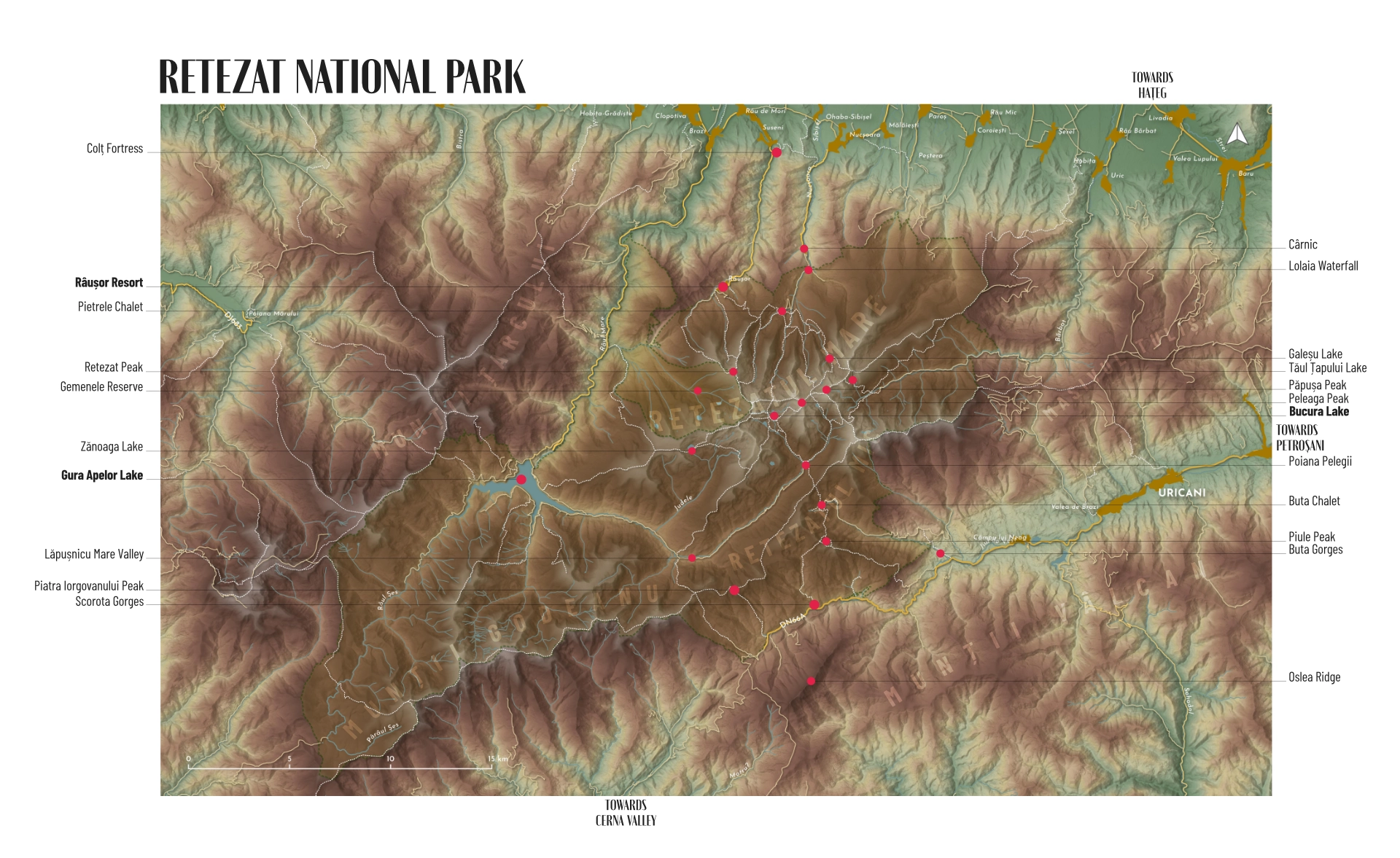
The only road that approaches the wild heart of Retezat starts from the villages of Râu de Mori and Clopotiva, following the Râul Mare valley to Lake Gura Apelor and then continuing along the Lăpușnicu Mare valley to Poiana Pelegii. Part of an important hydropower system, the lake of Gura Apelor has an area of over 400 hectares and a maximum depth of over 160 meters, creating a spectacular landscape in any season. In total, we have to travel about 50 kilometers among the peaks, most of them on unpaved roads, but this is the fastest way to get close to the center of Retezat, starting from Poiana Pelegii a fairly easy route to the glacial lakes of the Bucura caldera. In this enchanting area we find most of the lakes and high peaks of the national park. This area north of the Lăpușnicu Mare valley is known as Big Retezat, while Little Retezat is located in the southwestern part of the park.
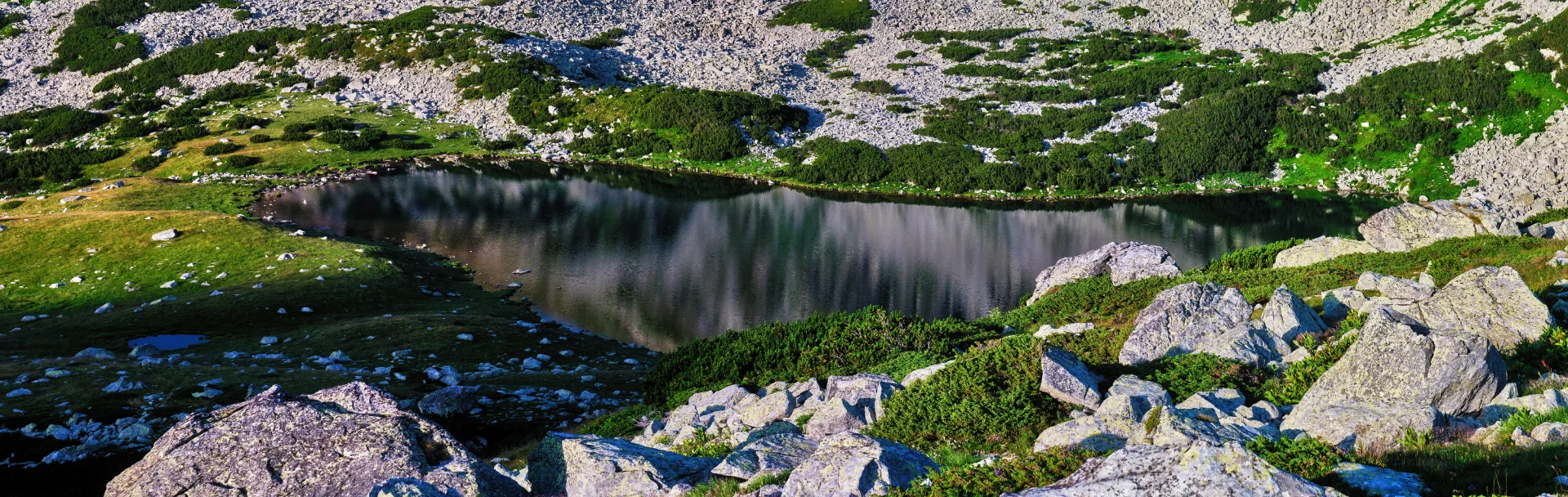
Lake Bucura is the largest glacial lake in the Romanian Carpathians and can be considered the symbol of the Retezat Mountains, together with the smaller nearby lakes, Florica, Viorica, Ana, Lia, Tăul Agățat and Tăul Porții (the highest altitude in Romania – 2,270 meters) forming a spectacular glacial complex. Once in this magical valley or on the surrounding ridges, we are overwhelmed by the breathtaking landscape, with the lakes changing their color from turquoise blue to emerald green, depending on the light. At the beginning of summer, the view is also embellished by the pink shades of the blooming mountain peony. From near Lake Bucura we can explore the area along the route called the Lakes Circuit, or we can soar towards the highest and most famous peaks of the Retezat Mountains, such as Peleaga (2,509 meters), Păpușa (2,508 meters), Retezat (2,482 meters) and others. This area is the most popular hiking destination, with many trails reaching the impressive ridge above the lakes.
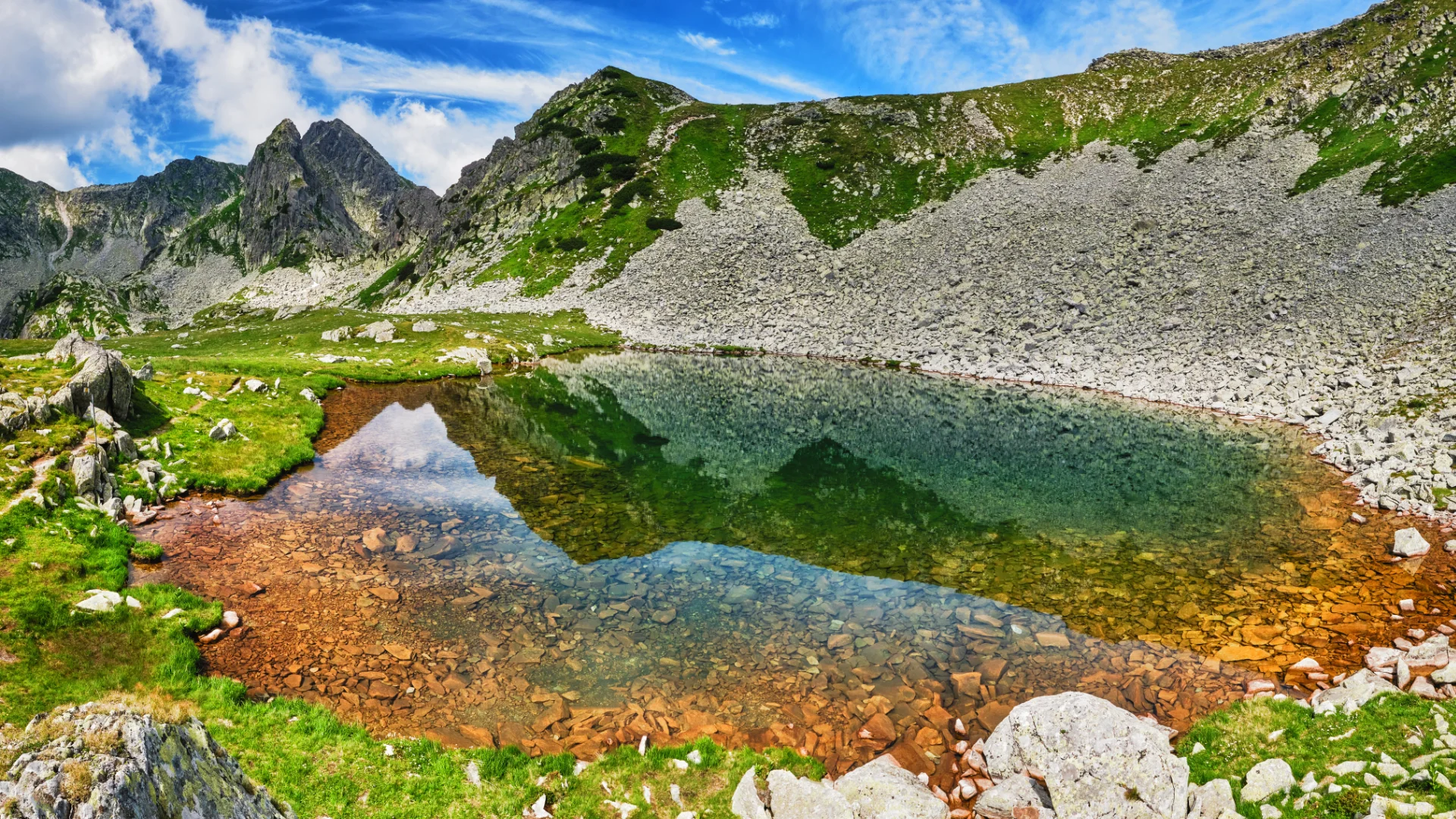
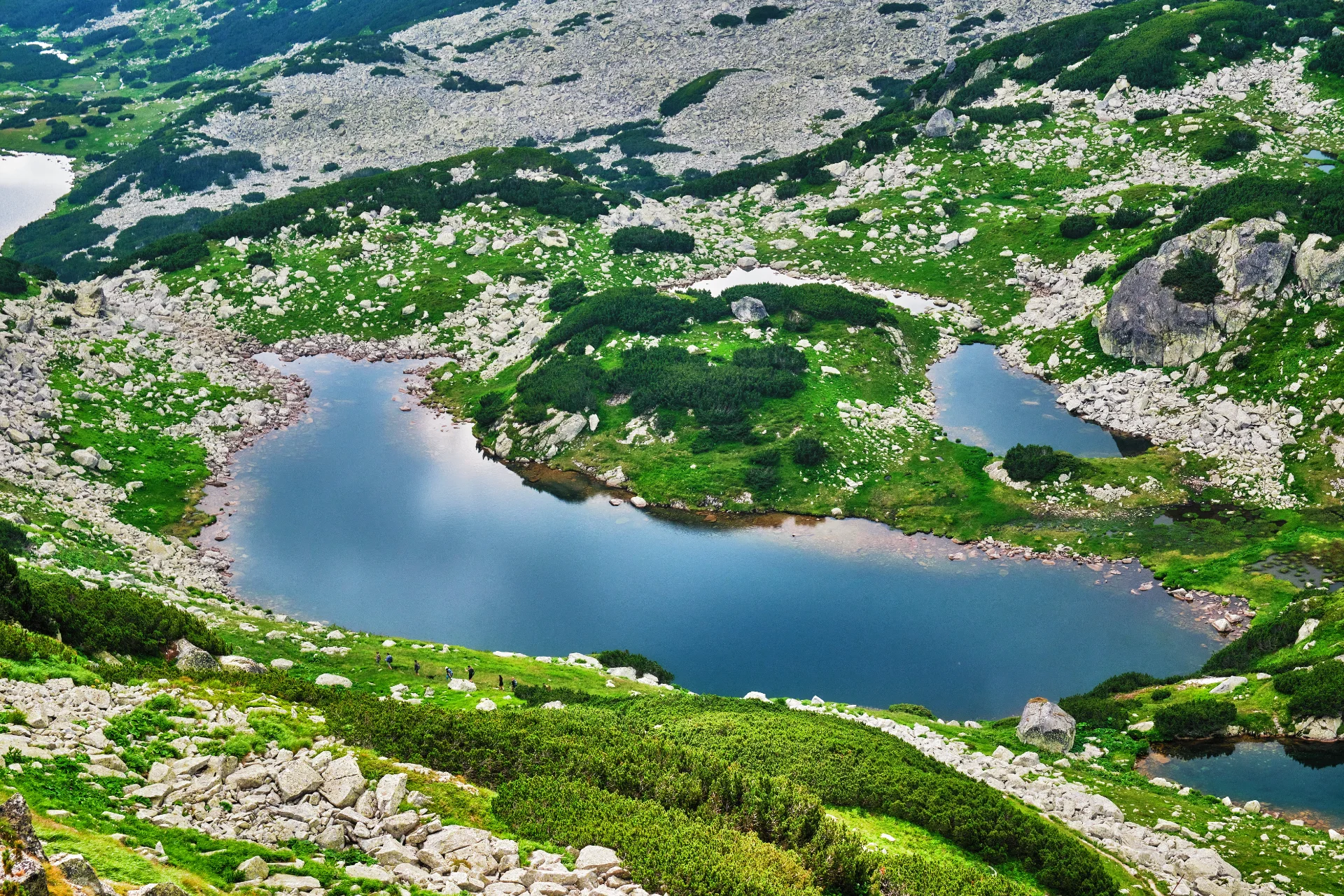
Starting longer adventures from Bucura over the ridges from the west or east, we discover other wonders of Retezat, such as Lake Zănoaga, the deepest in Romania (29 meters), or other splendid lakes such as Slăveiu, Tăul Peleaga, Tăul Ştirbului, Tăul Gemenele, Tăul Negru and others. If we start exploring Big Retezat Mountains from the Land of Hațeg, we can follow the main valleys that climb to the spectacular peaks that pierce the horizon, as if floating above the dark forests. Along the roads or hiking trails we have the chance to discover other amazing and lesser-known places of these mountains. From the villages of Râu de Mori or Suseni, we climb the road that passes under the ruins of the legendary Colț fortress and arrive at the Râușor mountain resort, from where we venture onto one of the routes that conquers Retezat peak, easily recognizable from afar.
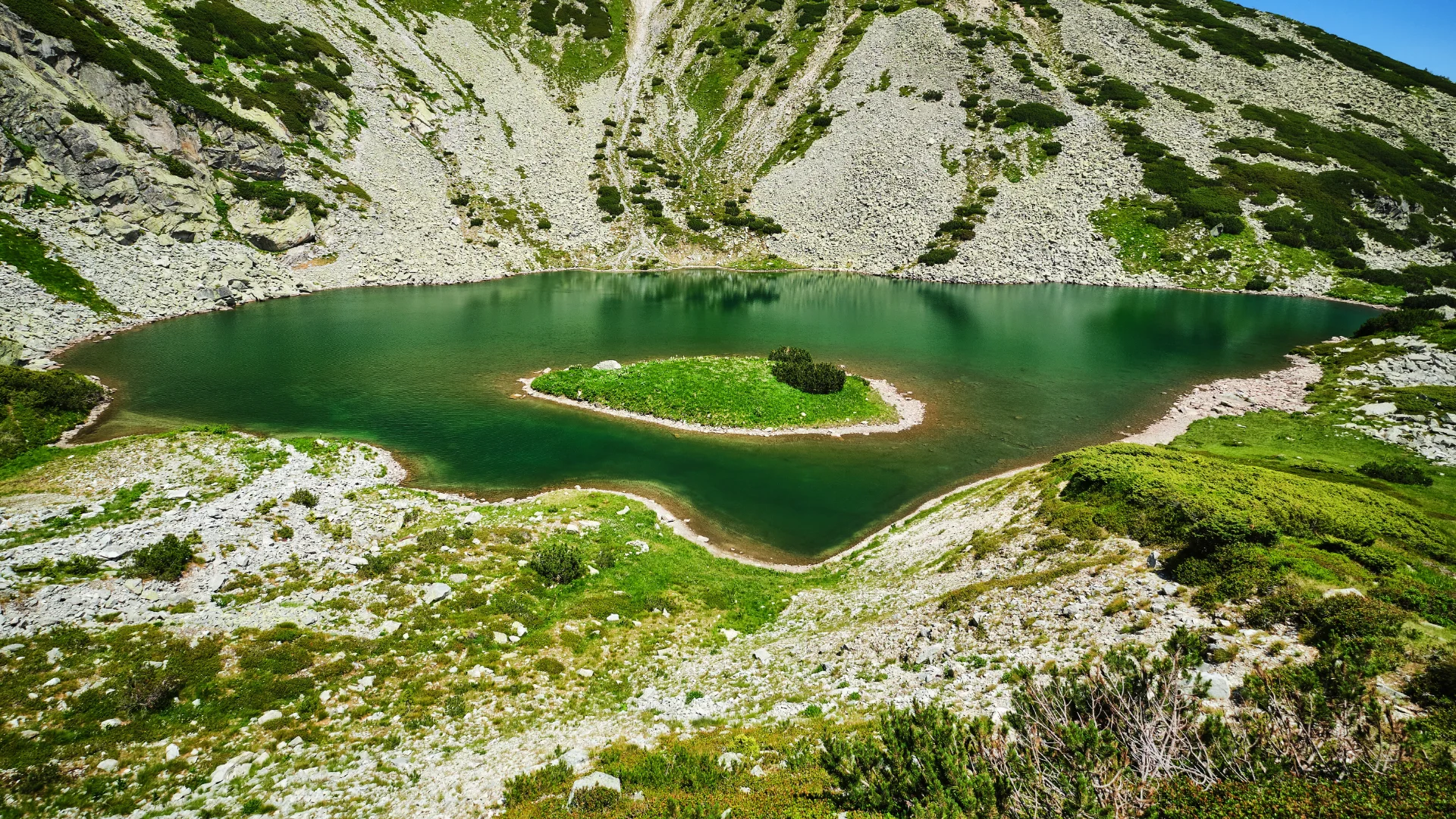
Legends of Retezat – These impressive mountains are often surrounded by numerous legends, each special place in Retezat often having fascinating stories that have lost their origins over the centuries. These wild peaks and valleys themselves are said to have been formed after the fight of giants with evil forces, and the Retezat peak resulted from the quarrel of two giant brothers or was actually an evil ogre whose head was cut off by a strong man. The ogre’s hand fell through the mountains and formed Lake Bucura, and from his fingers the other surrounding lakes emerged. The Lolaia waterfall is said to be the site of a tragedy where a young shepherdess threw herself into the valley after her sheep had perished, and her hair turned white from anger, forming the two silver ribbons of the waterfall. Further afield, the stunning Tăul Țapului lake is said to take its name from a green-eyed prince who was transformed into a goat by a witch and thrown into a deep lake, from whose body the green island emerged. To the south, other legendary sites are said to have emerged from Iovan Iorgovan’s battle with a seven-headed dragon.
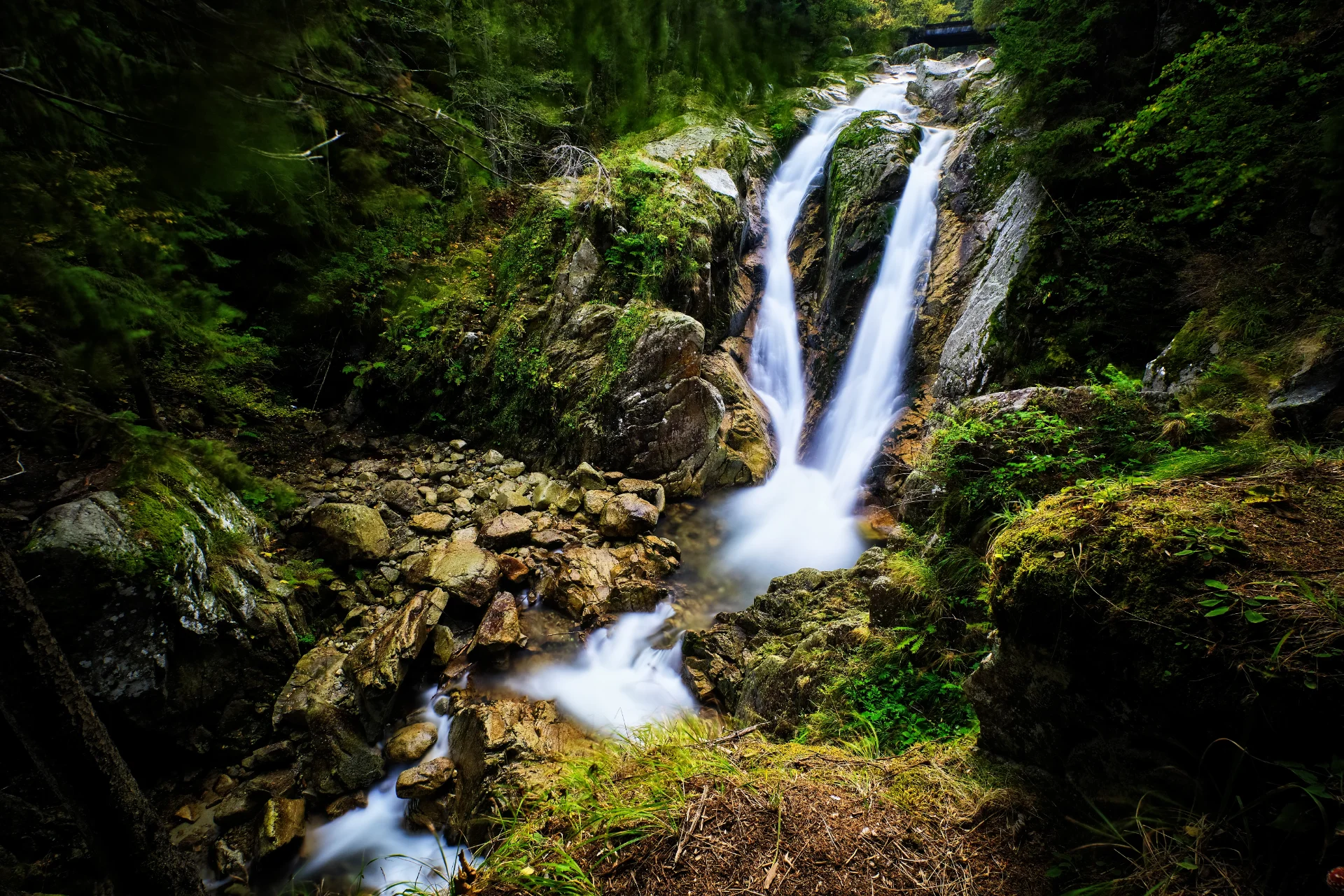
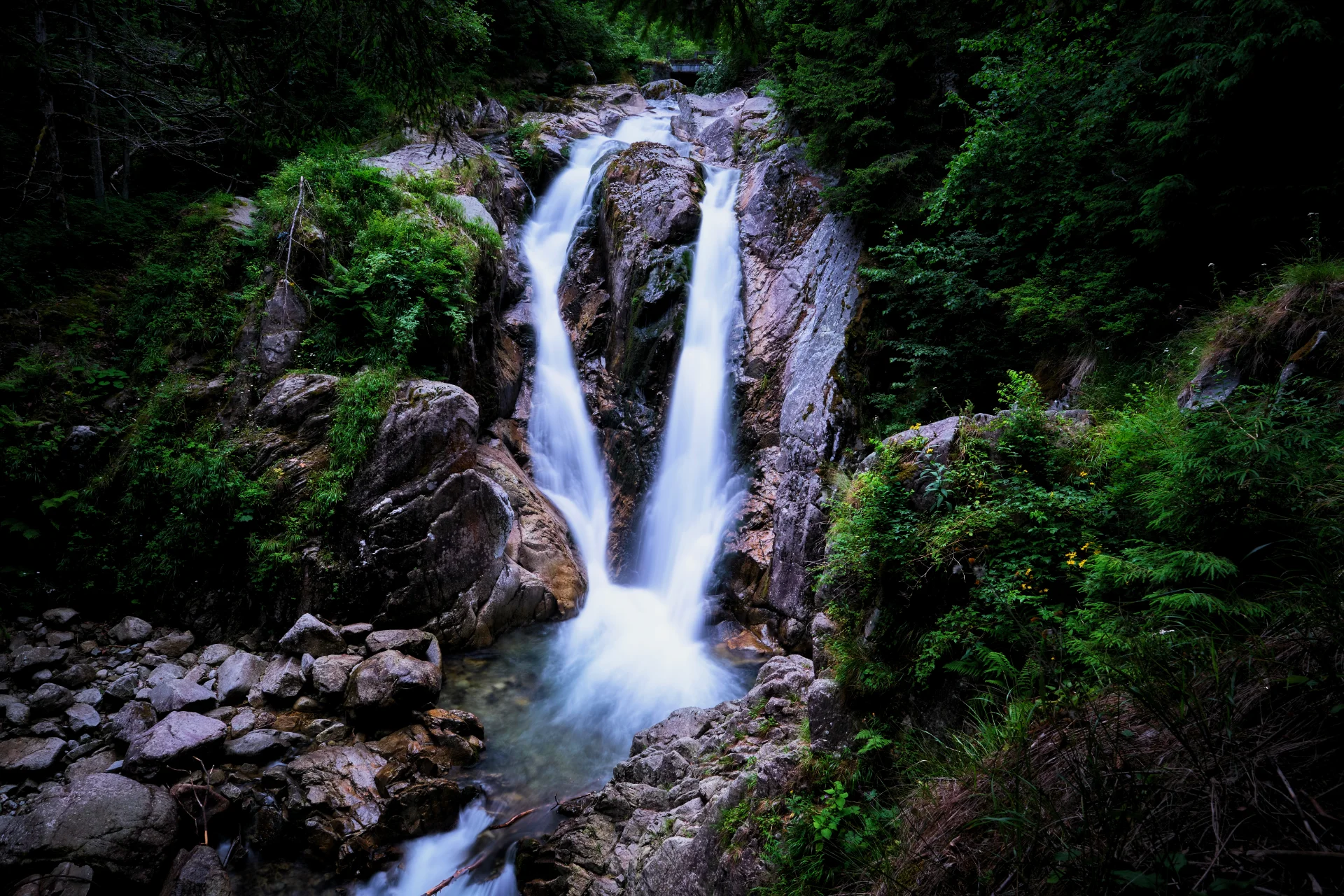
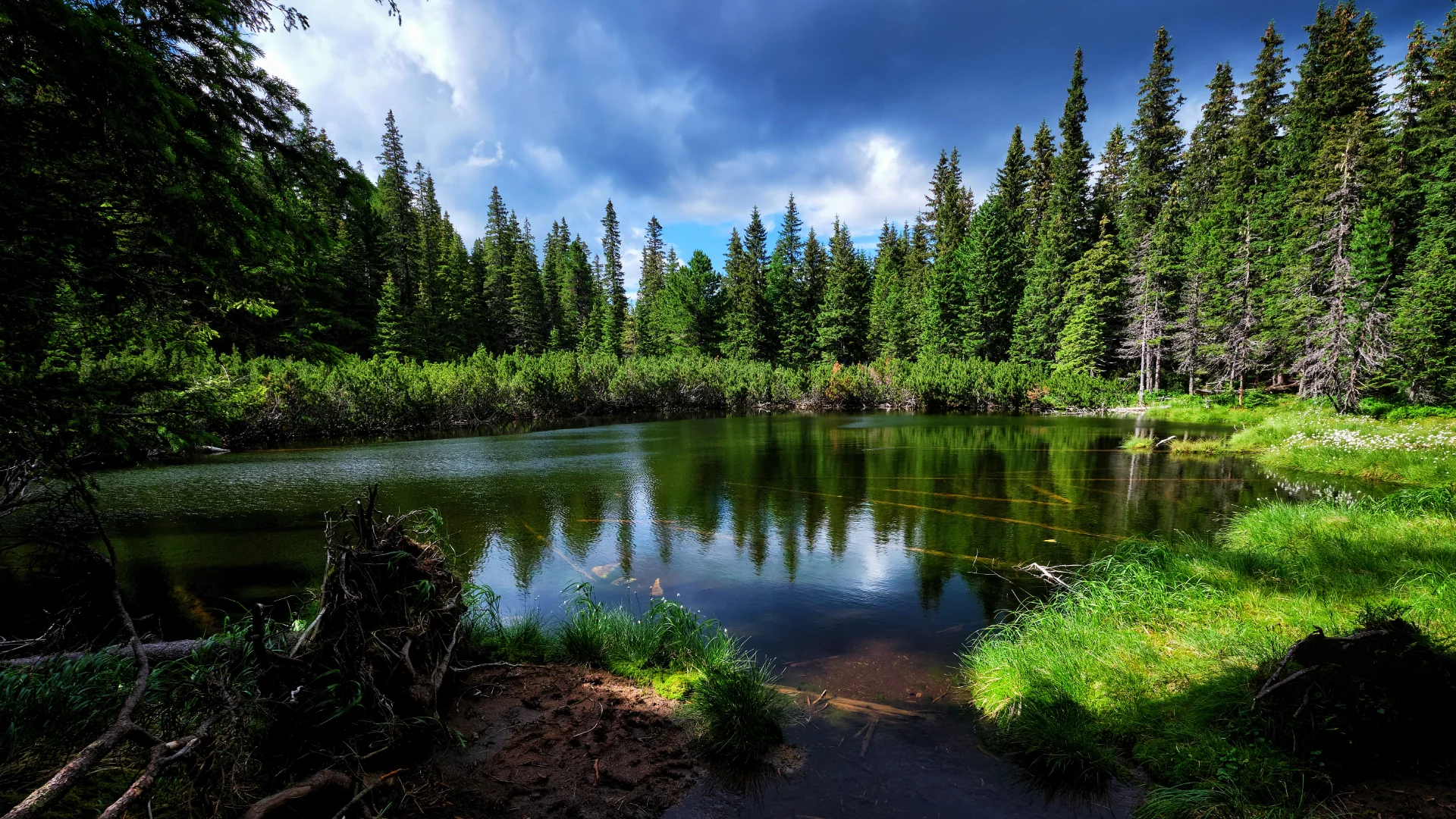
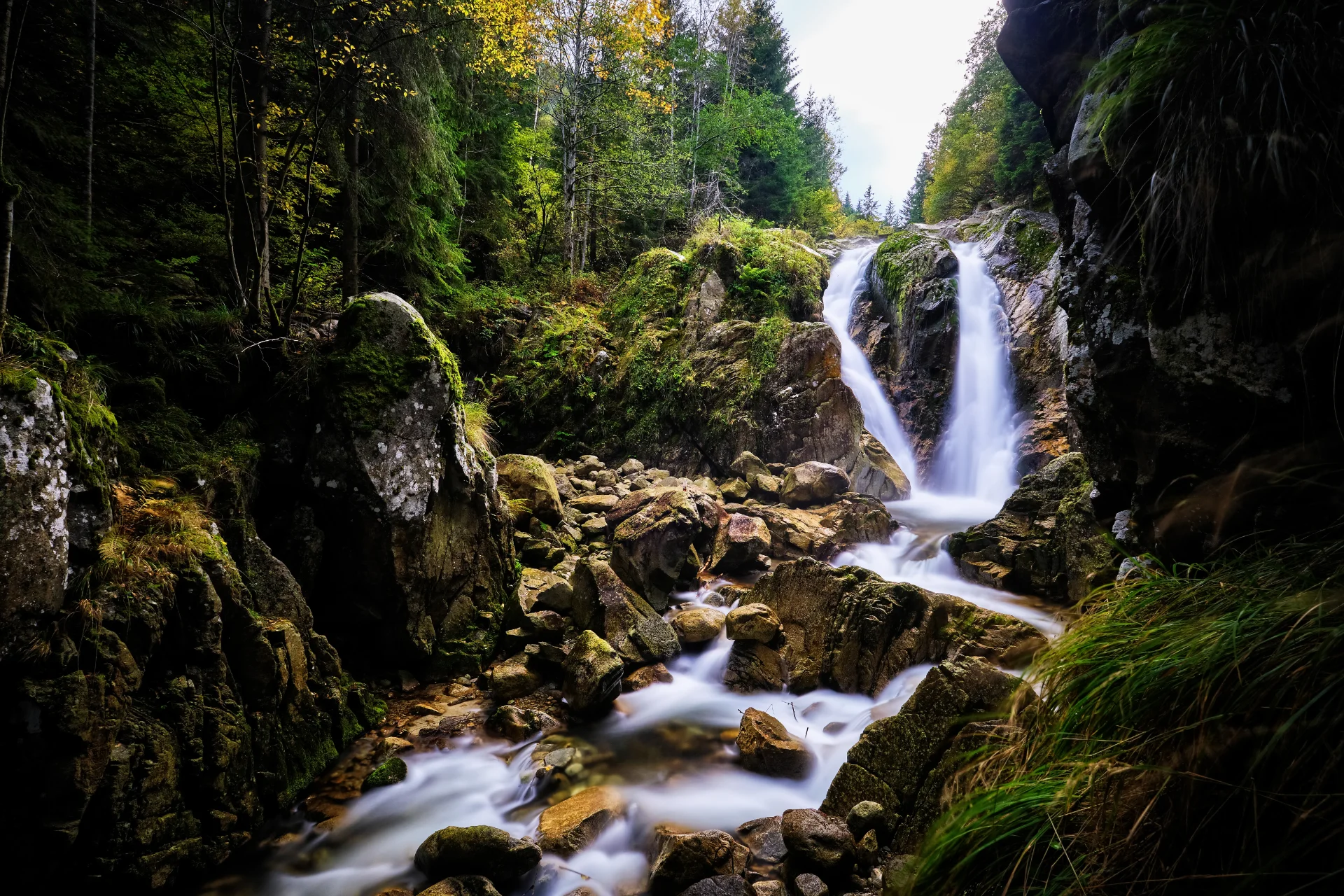
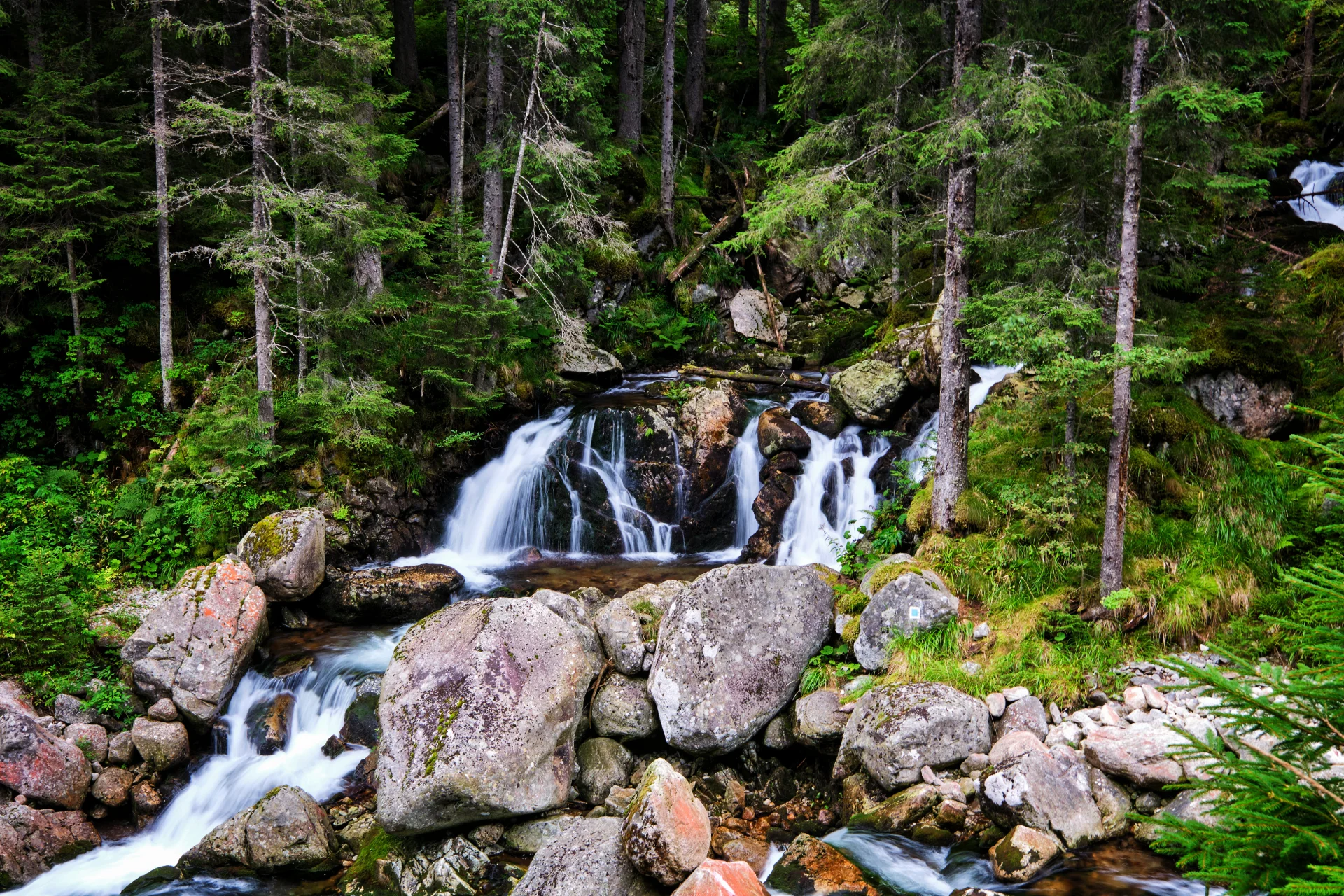
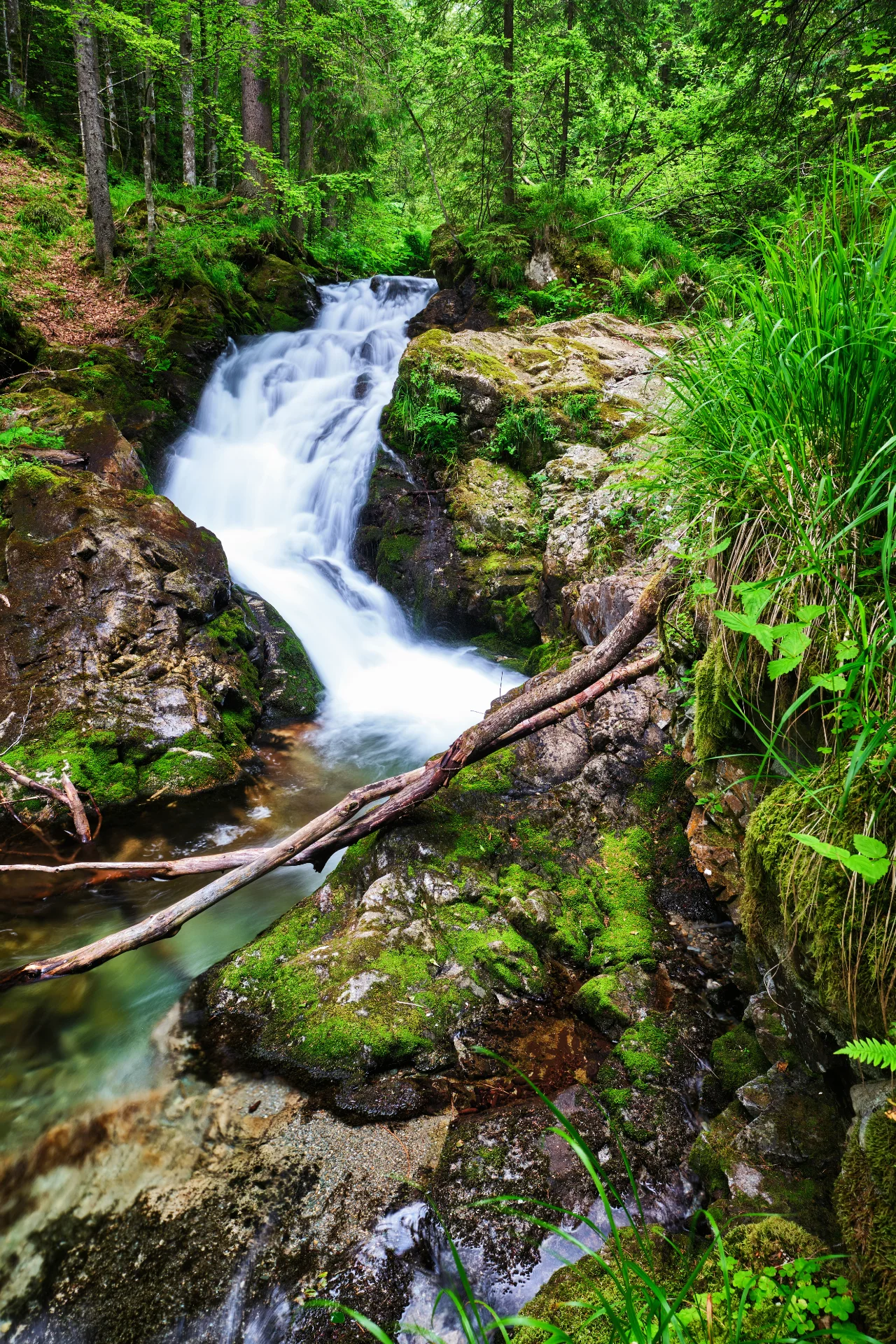
Another road that leaves from the village of Nucșoara reaches the Cârnic chalets, after which we can climb the wonderful valley full of enchanting waterfalls and unforgettable views. After just a few minutes, we pass by the Lolaia Waterfall, one of the most famous in Retezat, with the swirling ribbon of water divided in two by a rock. We continue the rather gentle ascent along the valley and higher up we can choose one of the routes to the peaks. One of the charming paths reaches the Gențiana chalet and then climbs towards Curmătura Bucurei, passing by the Maria Magdalena Waterfall and Pietrele Lake, and another climbs towards Curmătura Pelegii, passing by Galeșu Lake, Tăul dintre Brazi or Tăurile din Valea Rea. Other trails leave from the Pietrele Chalet towards the Retezat saddle or peak and offer us the chance to admire the Lolaia Peak, the Stânișoara Waterfalls or Lake Stânișoara.
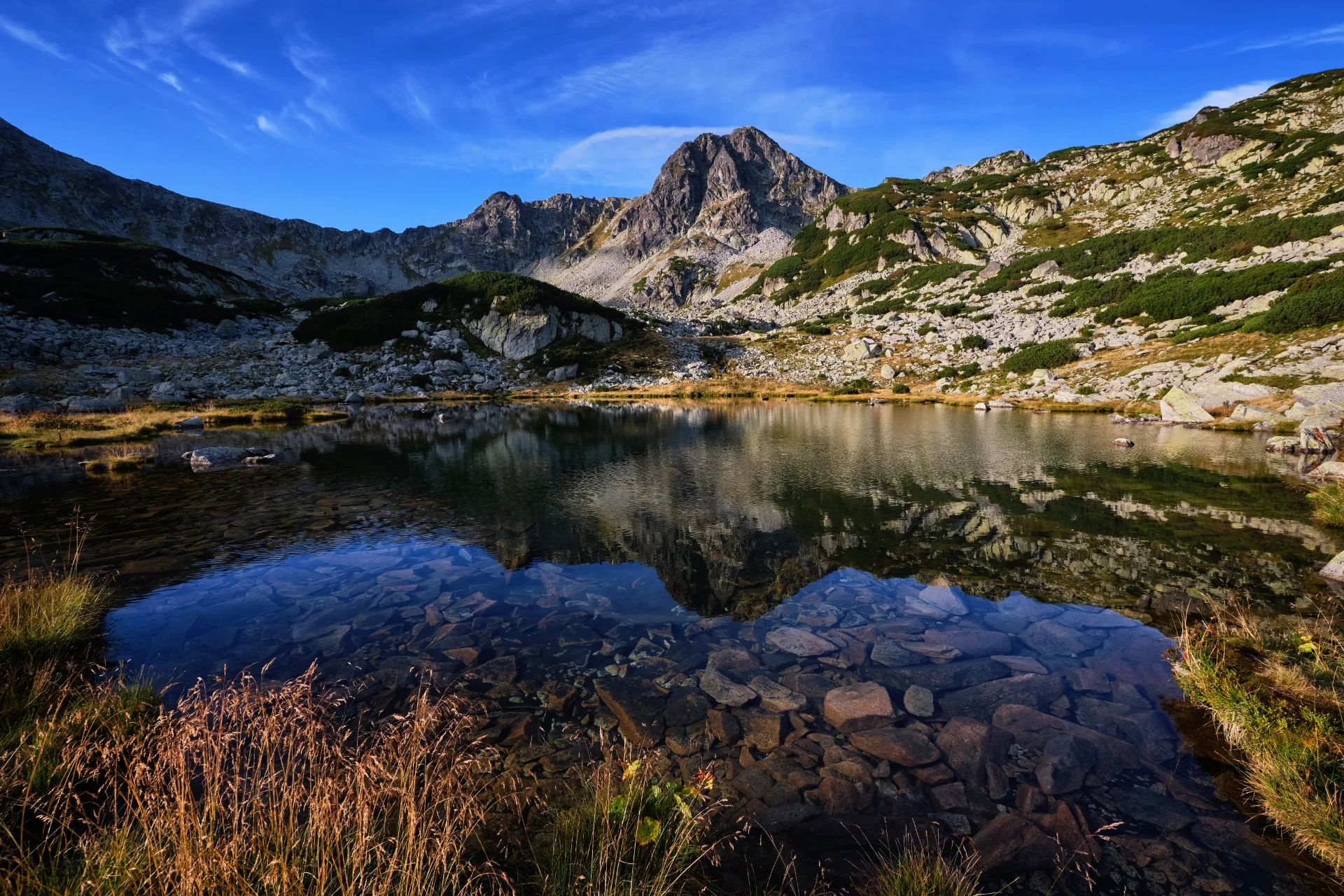
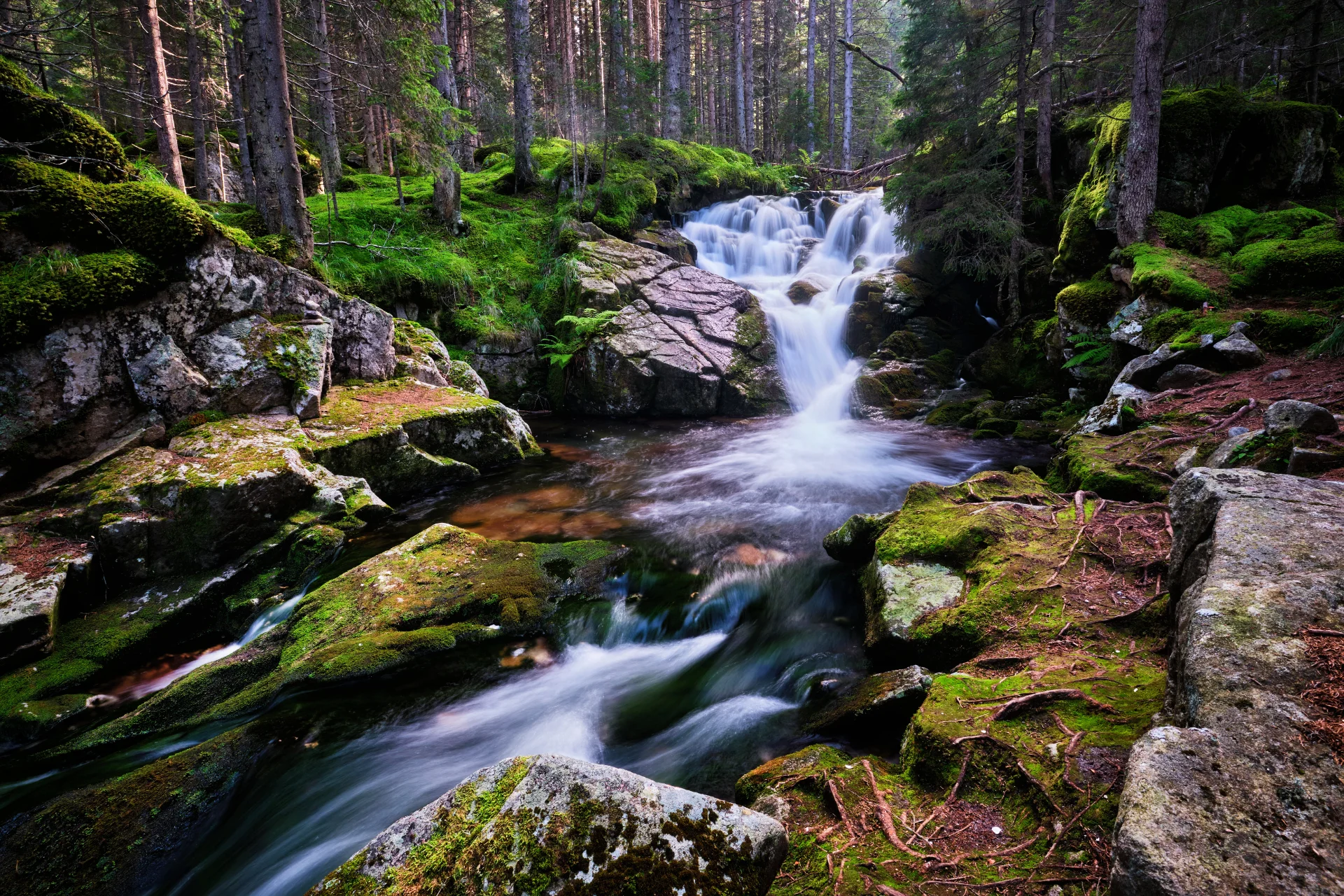
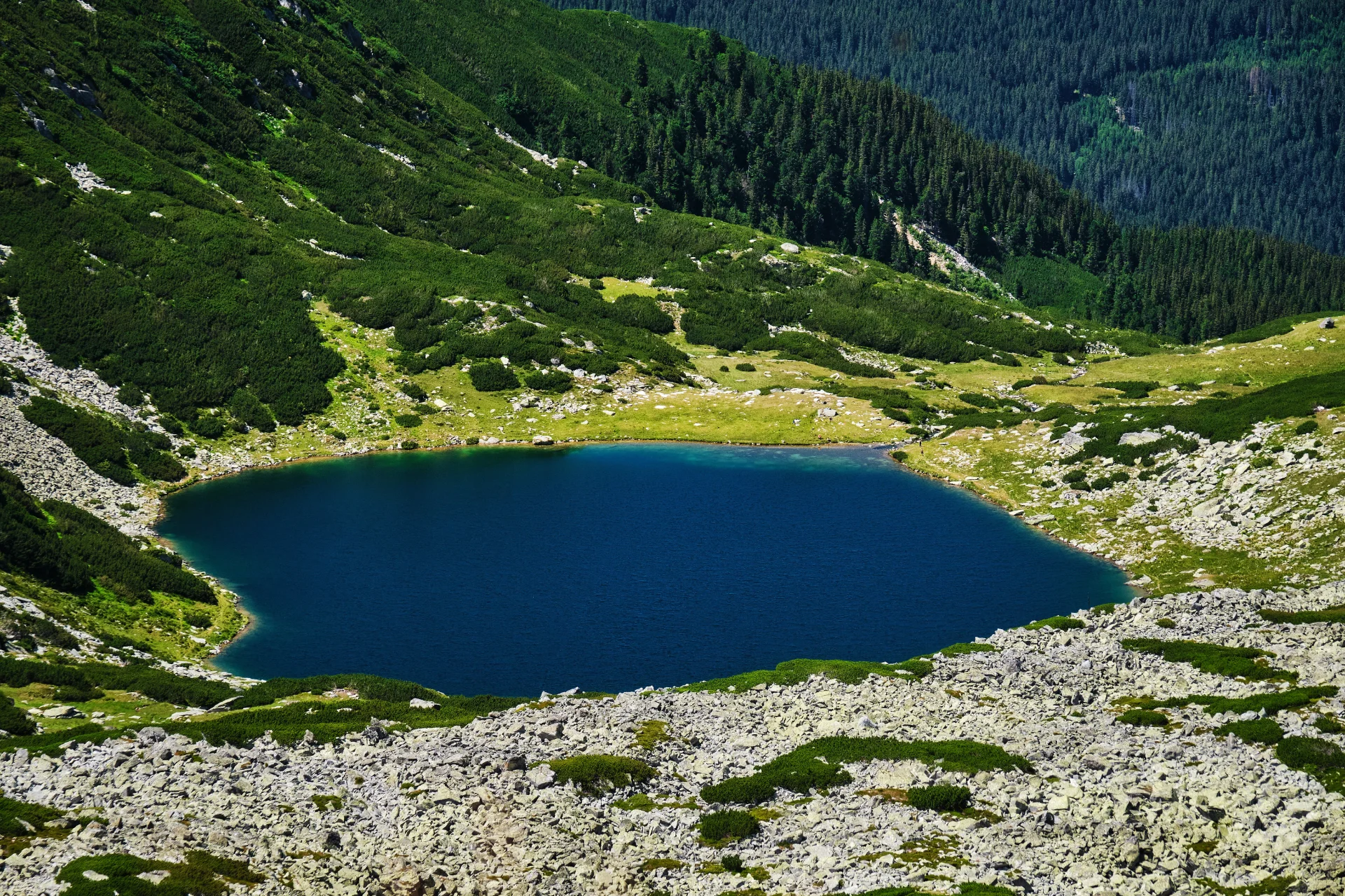
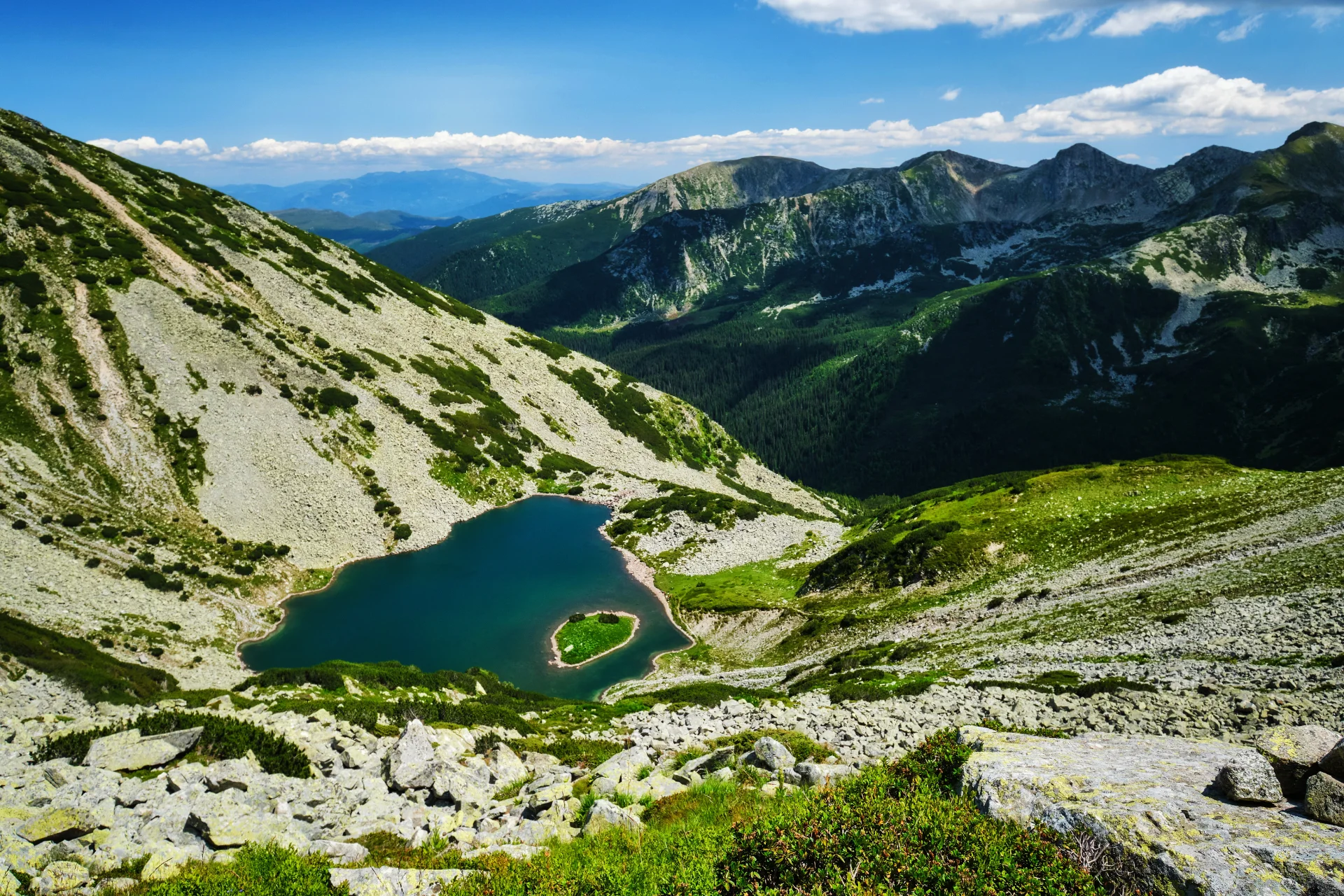
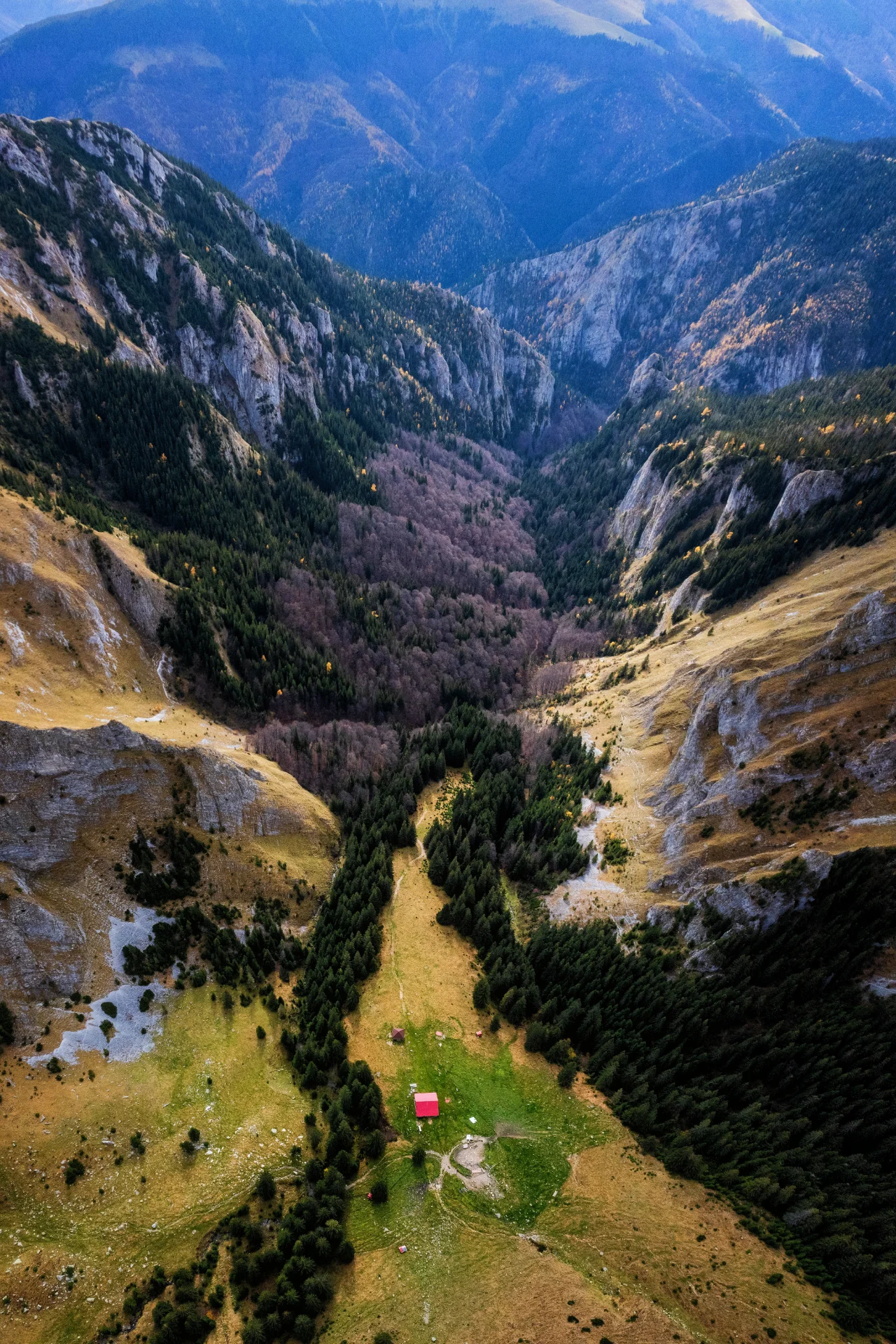
Another fairly long forest road comes from the eastern part of the park, starting from the village of Hobița and continuing along the Râu Bârbat valley for more than 20 kilometers, to the Stâna de Râu meadow. From here, we start on several trails that climb to the highest peaks, where we find other lesser-known treasures, such as Tăul Țapului Lake, considered one of the most beautiful in the Carpathians, with its small island and the unique view that opens from the dizzying peak above, known as the Closed Gates. Other attractions in this area include the Păpușa, Custura and Mare peaks, the Ciomfu Mare waterfall or the Ciomfu and Custurii lakes. Travelers who want to extend their adventures on the trails inside the national park have a choice between pre-established camping areas and arranged accommodation spaces. In addition to the units in the Râușor resort and the Cârnic area, the most famous chalets are Gențiana, Pietrele and Buta, to which are added the mountain refuges Poiana Pelegii, Bucura, Zănoaga, Stănuleți, Stâna de Râu, Buta and Condor (Ștevia valley).
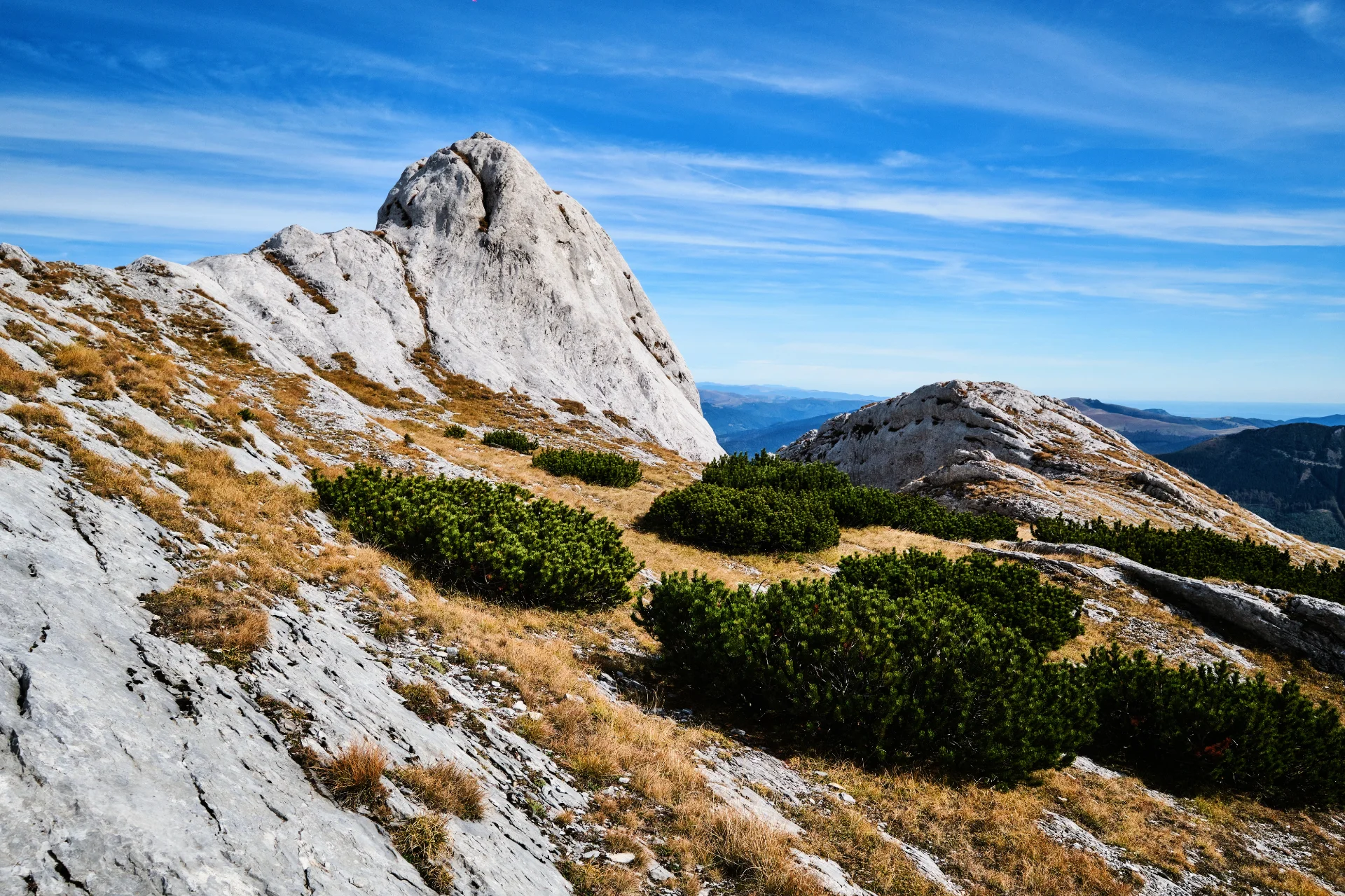
Another story unfolds in the south and southwest of the park, where Little Retezat welcomes us with a different landscape, dominated by lower limestone peaks that hide numerous amazing karst formations. Starting from the West Jiu Valley, we climb the valleys and peaks that lead us to higher peaks such as Piatra Iorgovanului (2,014 meters) or Piule (2,081 meters). Along the hikes we discover a multitude of spectacular places and captivating views, from the imposing ridge of Retezatul Mare to the lonely peak of Osla and from the endless valley of Cerna to the mysterious heights of Godean. Among the most fascinating attractions in this part of Retezat, some located near the border of the national park, we can explore and admire unique places such as Iarului Gorge, Scocului Gorge, Scorota Gorge, Coral Cave, Urzicarului Gorge and the natural bridge in Scocul Urzicarului, Buta Gorge or the Valea Mării and Lazăru waterfalls. We continue exploring the wild areas of the Carpathians, descending from Retezat southwards along the spectacular Jiu defile, in turn protected within a national park…
Sights and Experiences
Places to See and Things to Do in Retezat National Park
Retezat Mountains
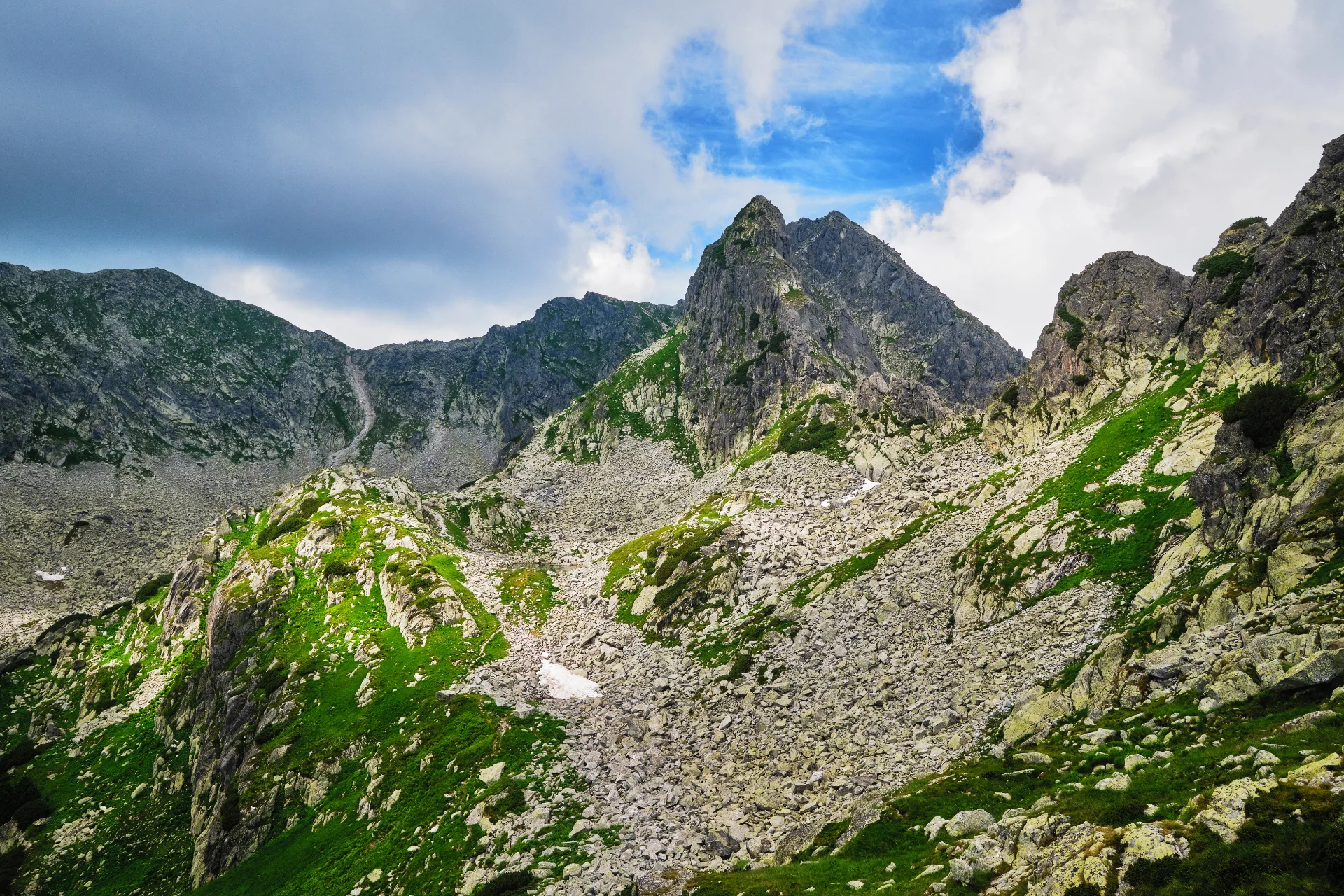
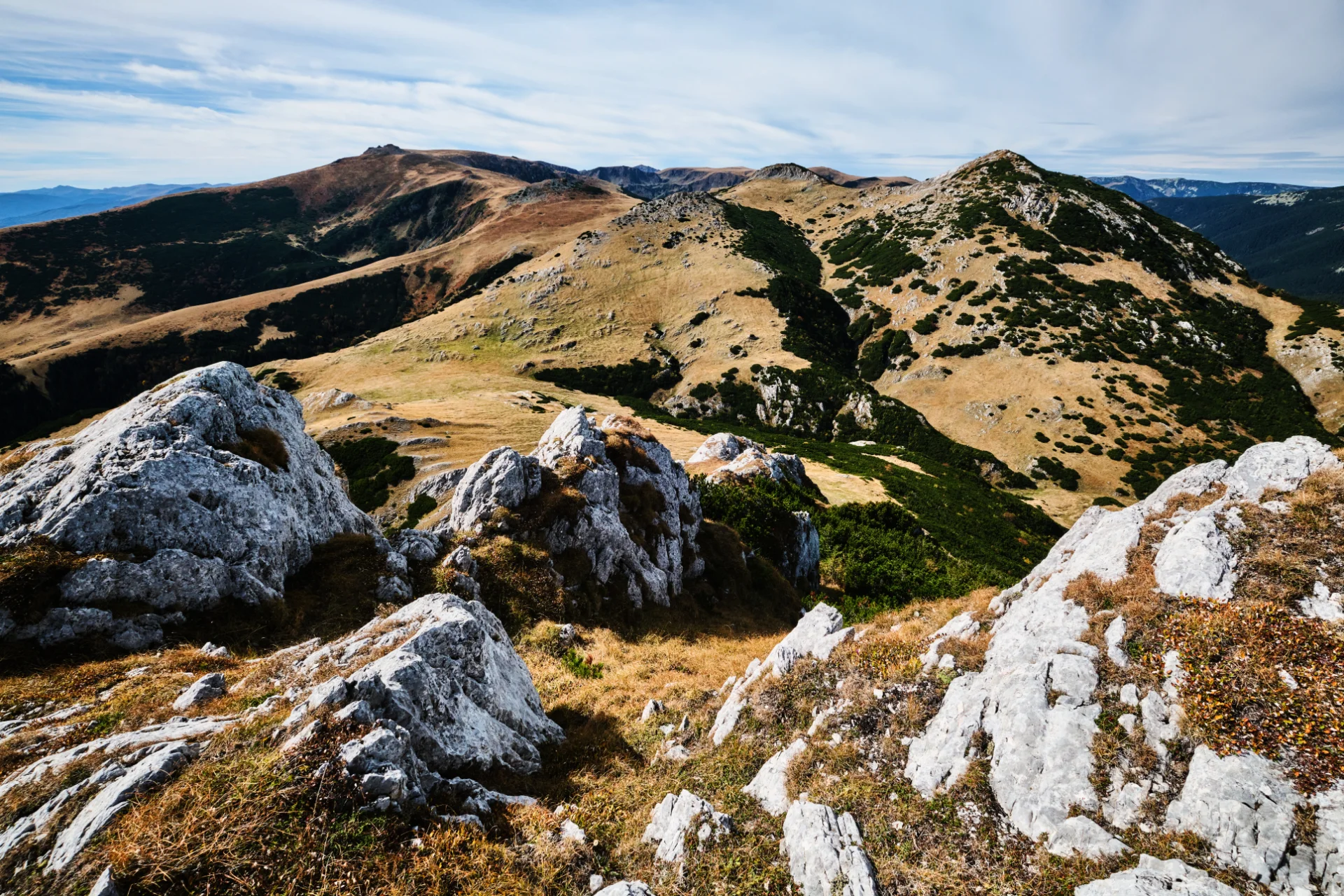
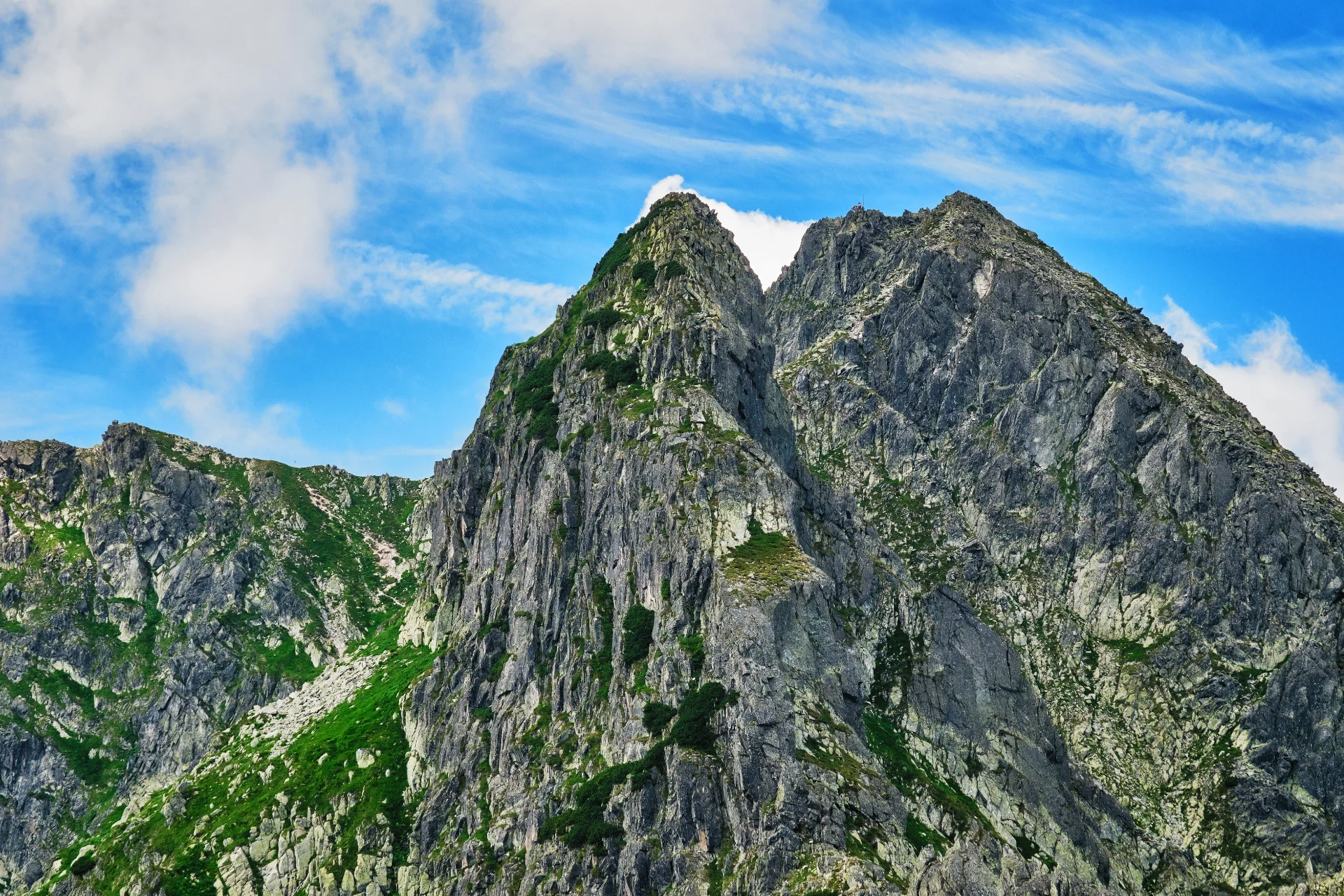
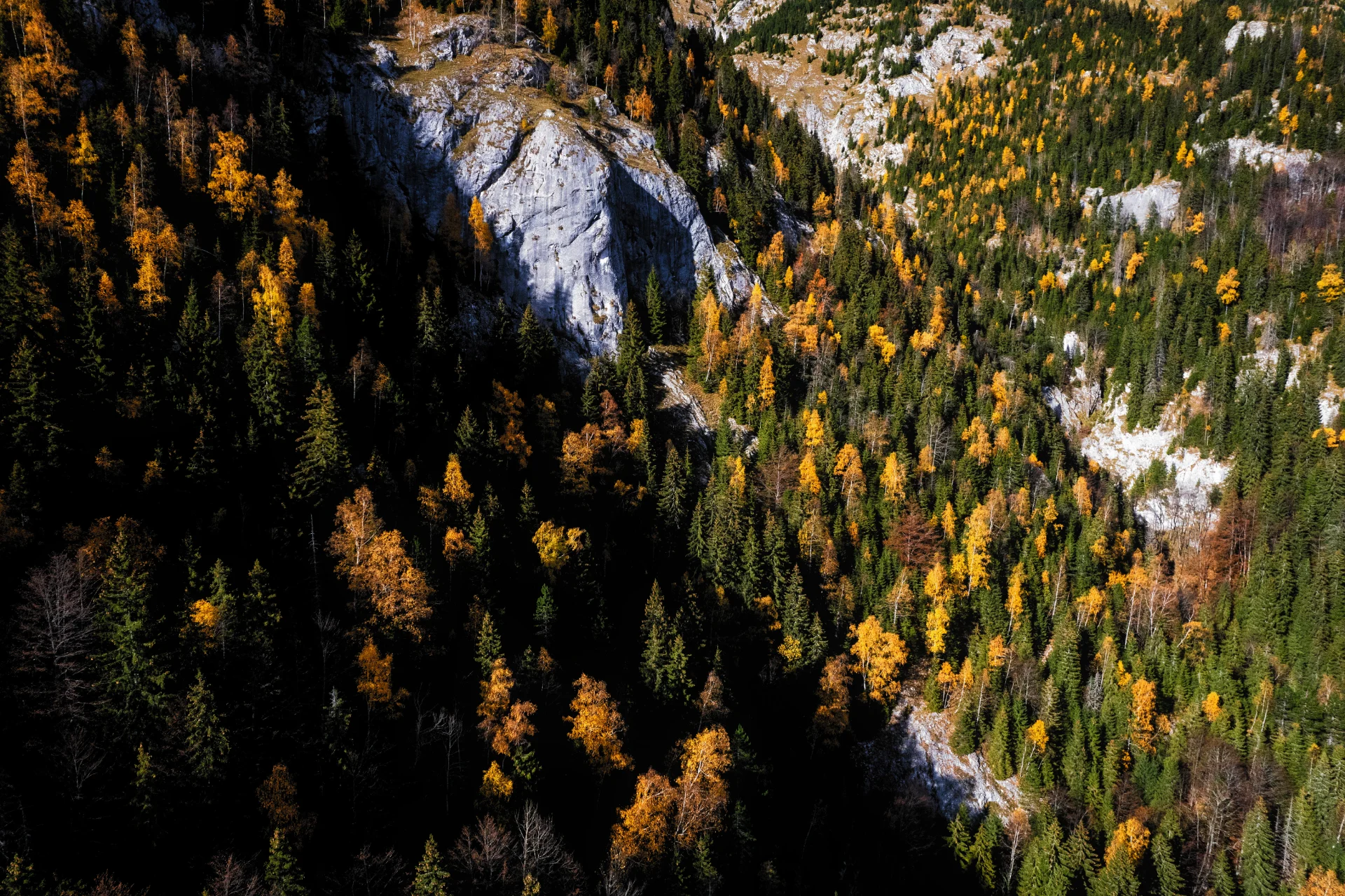
Located in the southwestern part of Transylvania and Hunedoara County, the Retezat Mountains are sandwiched between the West Jiu Valley to the south, the Hațeg Depression to the north and the Râul Mare Valley to the west, while the border with the Godeanu Mountains is less obvious. One of the wildest regions of Romania, these mountains are known for the 80 glacial lakes that decorate their peaks, as well as for their exceptional biodiversity. From a geographical and geological point of view, two mountain ranges can be distinguished, separated by the Lăpușnicul Mare Valley. The northern part is occupied by the Big Retezat, which is made up of crystalline rocks and includes a high main ridge, between the Retezat (2482 meters) and Mare (2463 meters) peaks, between which are the first two peaks of these mountains, Peleaga (2509 meters) and Păpușa (2508 meters). From this, other secondary peaks emerge in almost all directions, generally separated by long valleys. In the south is the Little Retezat massif, formed predominantly of sedimentary and calcareous rocks, characterized by lower altitudes and numerous karst landforms. There are no major access roads to the Retezat mountains, only a few forest roads that climb the valleys of some rivers (Râul Mare, Lăpușnicul Mare, Bărbat, Nucșoara, Râușor, Buta) and a lot of hiking trails, the vast majority starting from the Hațeg depression or from the West Jiu valley.
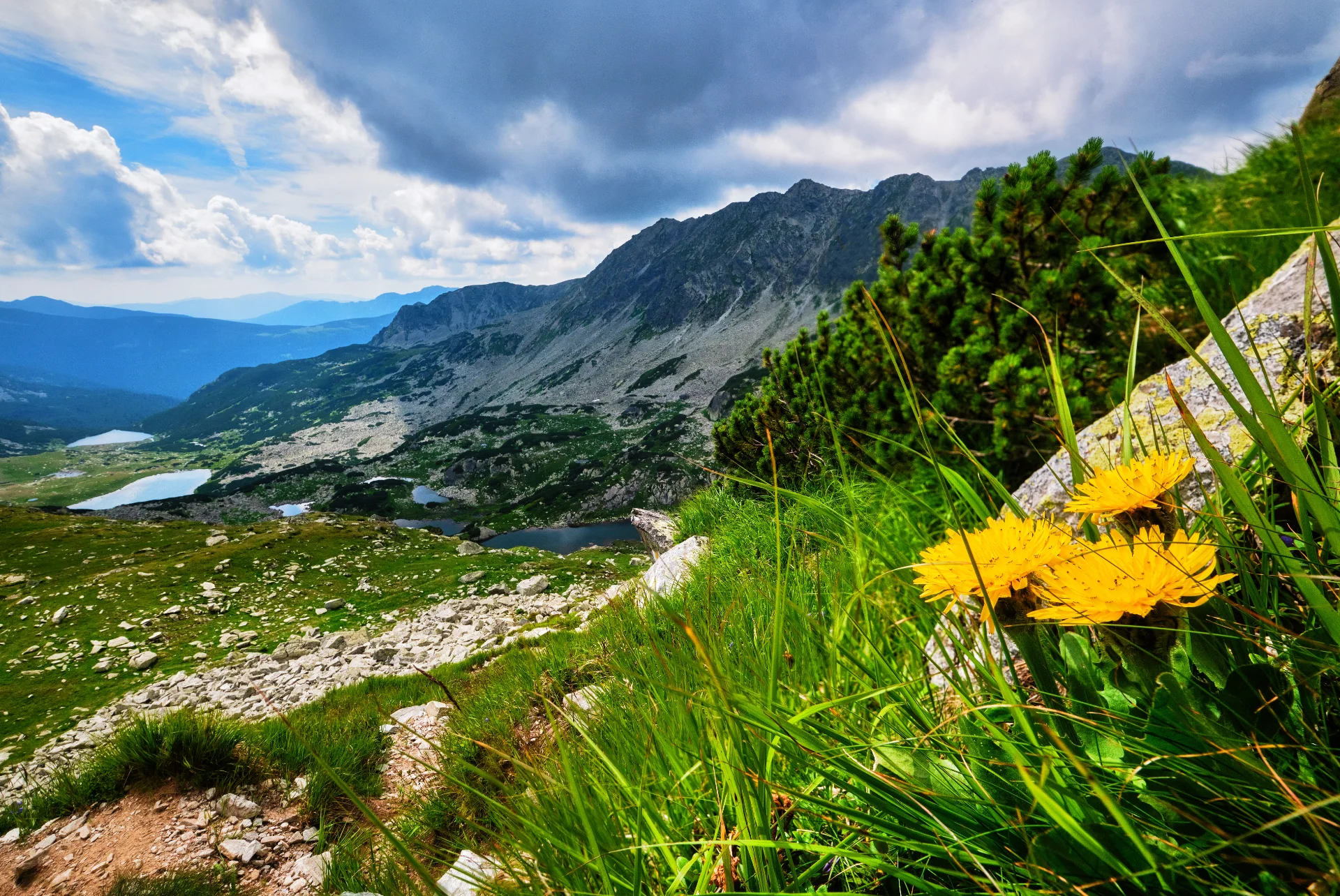
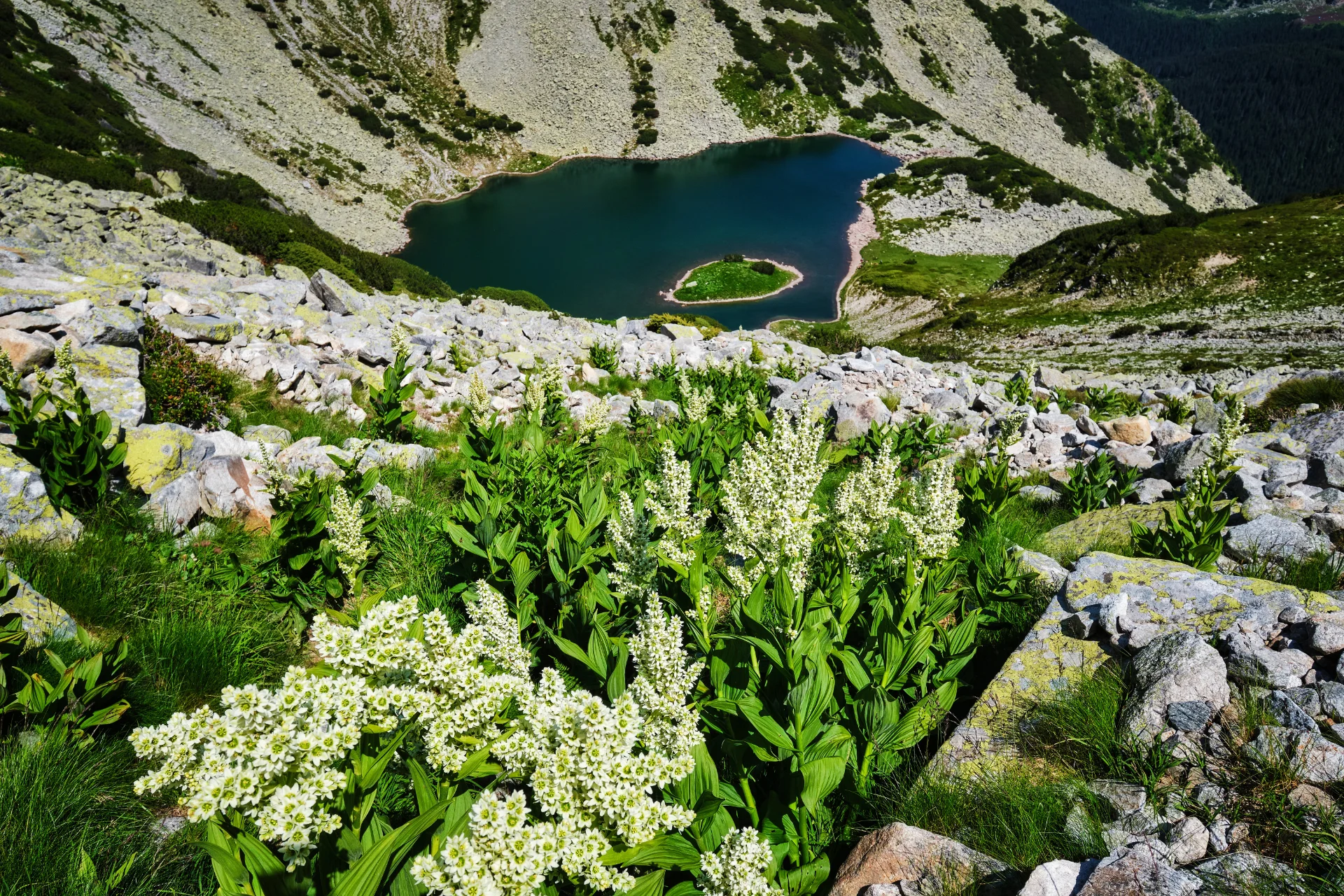
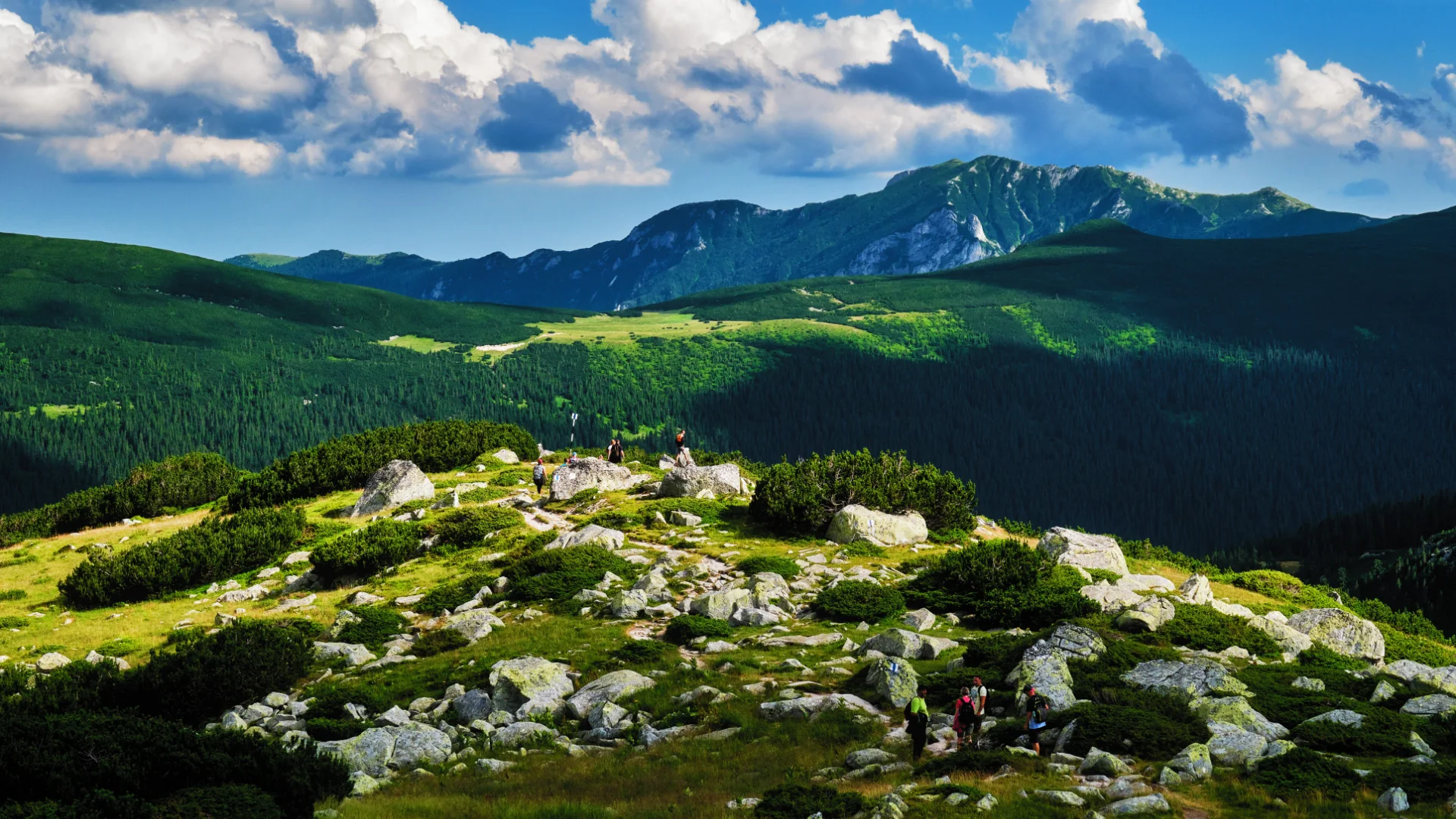
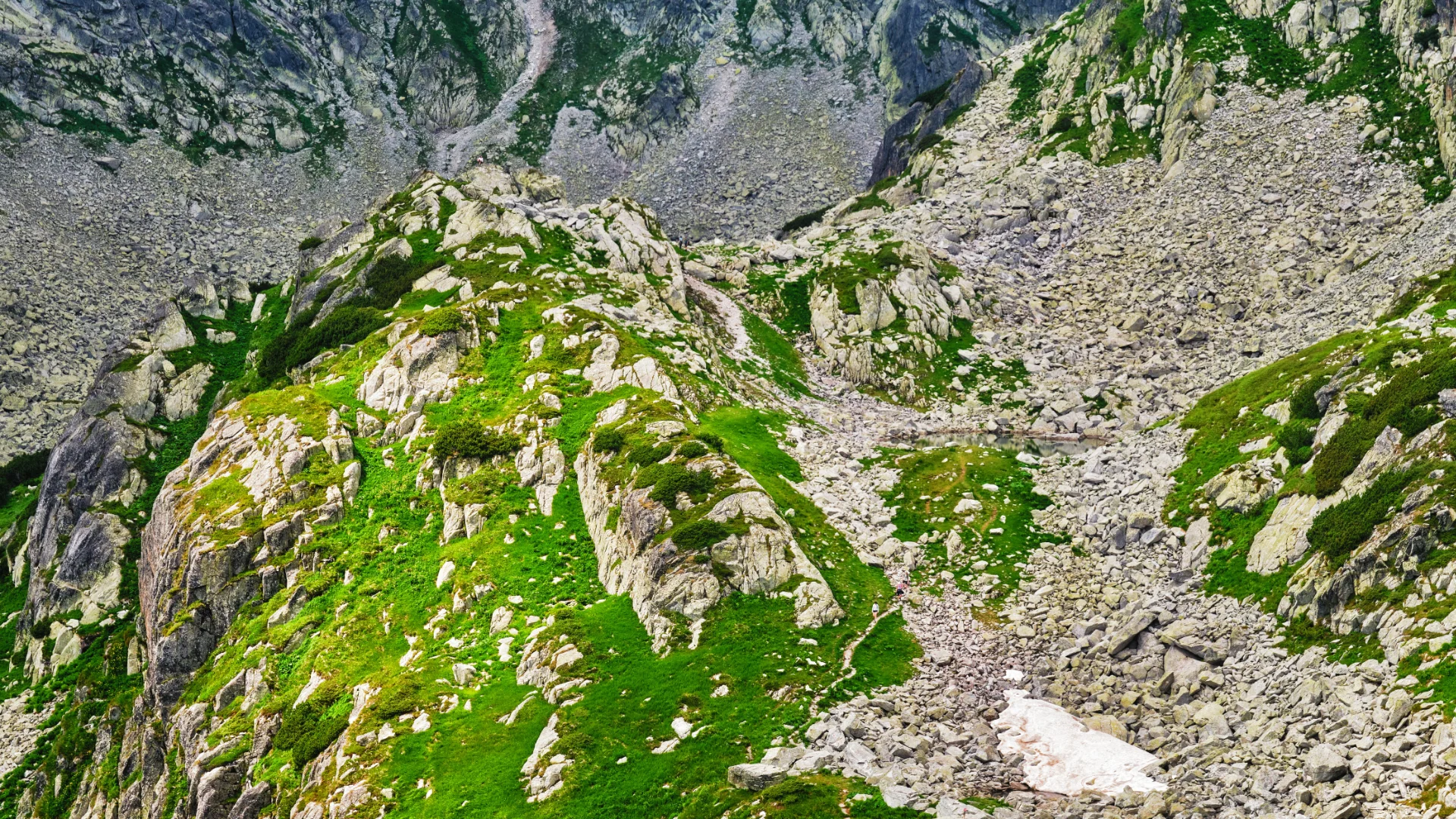
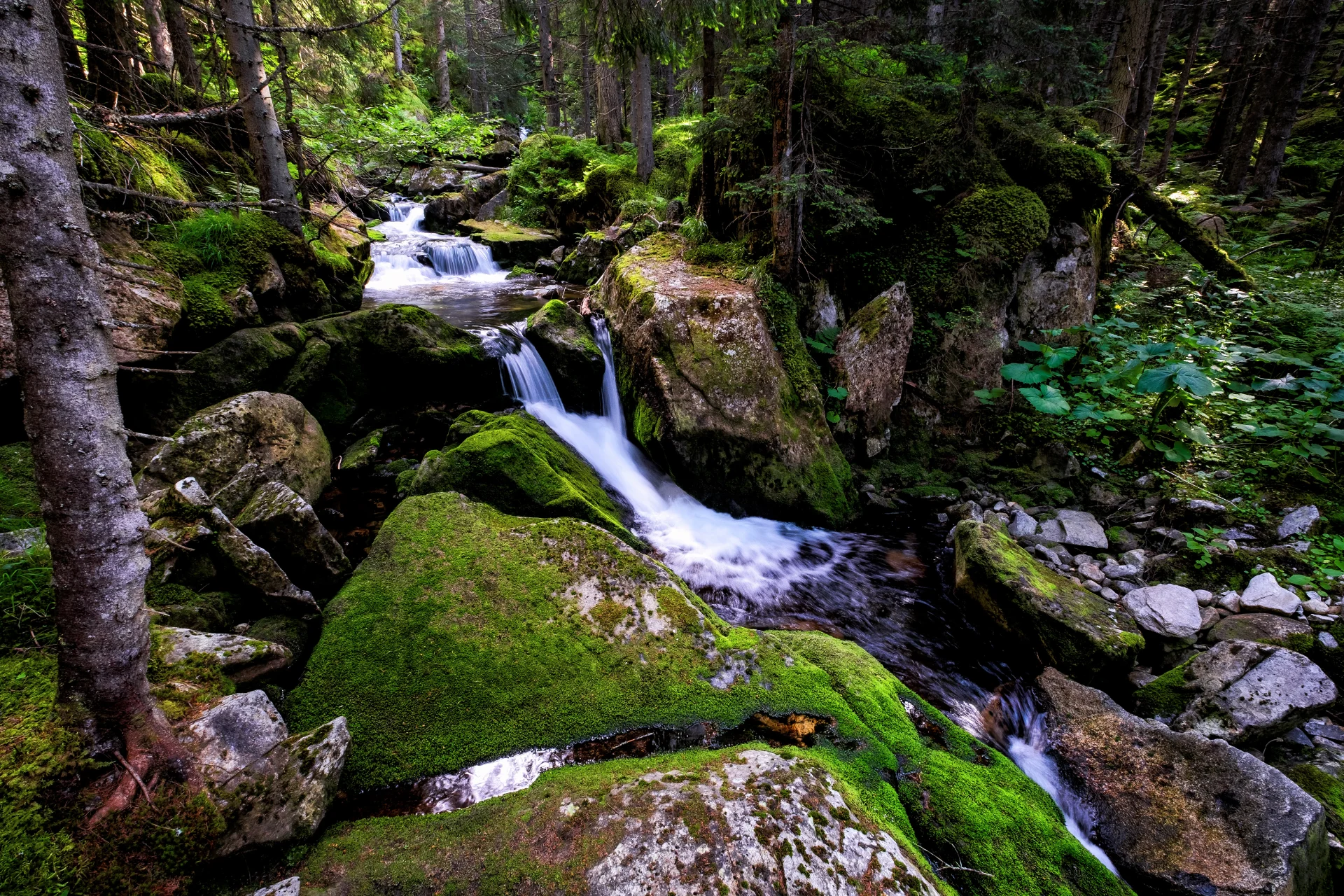
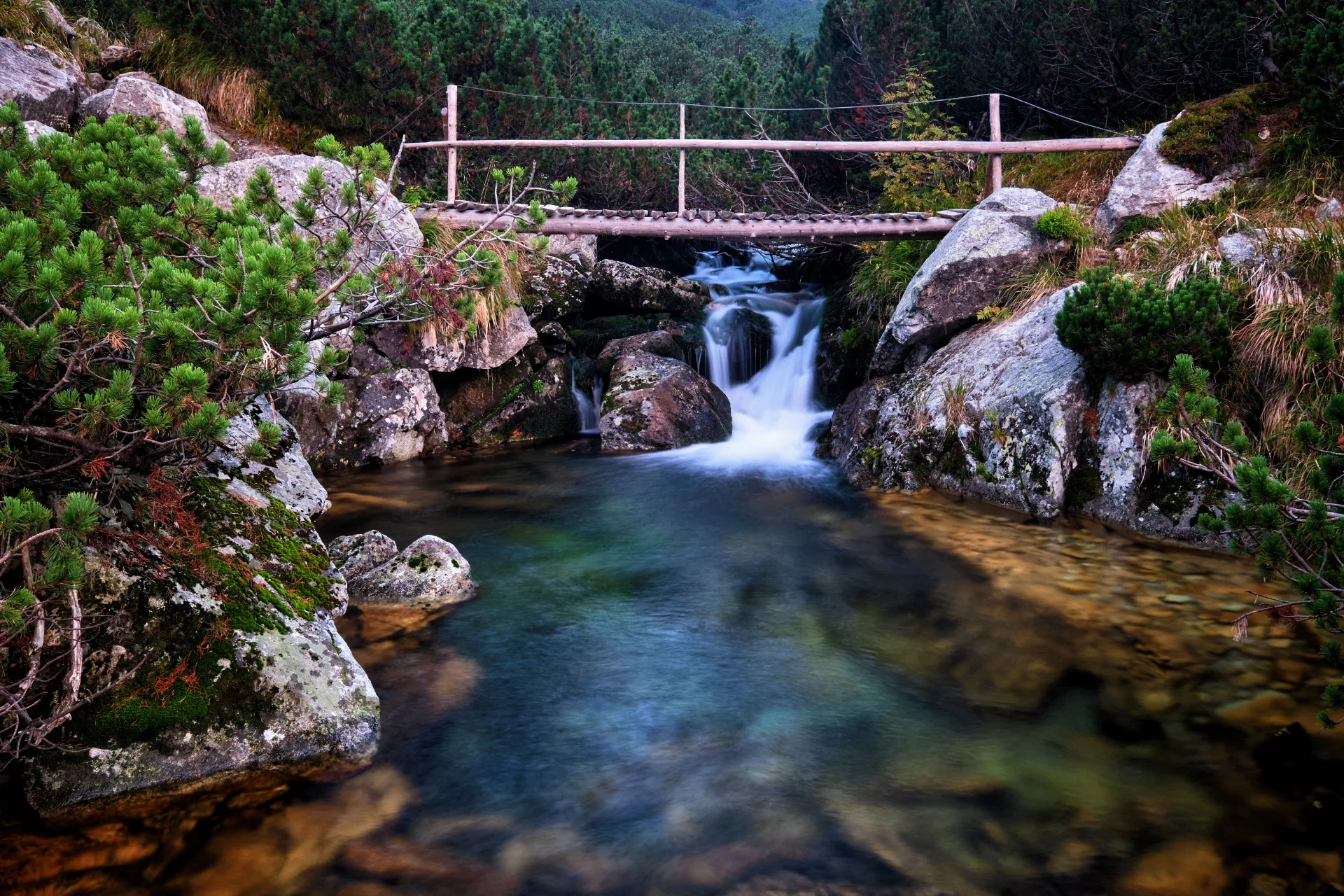
Retezat National Park
Covering an impressive area of over 380 square kilometers, this was the first national park created on Romanian territory since 1935, a process supported by Professor Alexandru Borza and the renowned scientist Emil Racoviță. Over two-thirds of the park’s surface area includes areas of full or strict protection, while over half is covered with various forests. It is also home to almost 20 peaks exceeding 2,300 meters, almost 40% of the glacial lakes in Romania, and an impressive diversity of vegetation and fauna. There are no permanent human settlements inside the park, and anthropogenic influence is minimal, except for the quite numerous tourist trails. Retezat National Park encompasses the central and western part of the Retezat Mountains, as well as areas of the Godeanu and Țarcu Mountains. Covering an area of almost 2,000 hectares in the northwestern part of the national park, the Gemenele scientific reserve was established in 1955 and is intended to protect valuable ecosystems within it, including one of the last virgin primary forests, as well as the last ancient mixed forest in Europe. Another nature reserve in the southern part of the park is the Zeicului Cave, very valuable from a paleontological point of view and interesting speleological formations.
Biodiversity
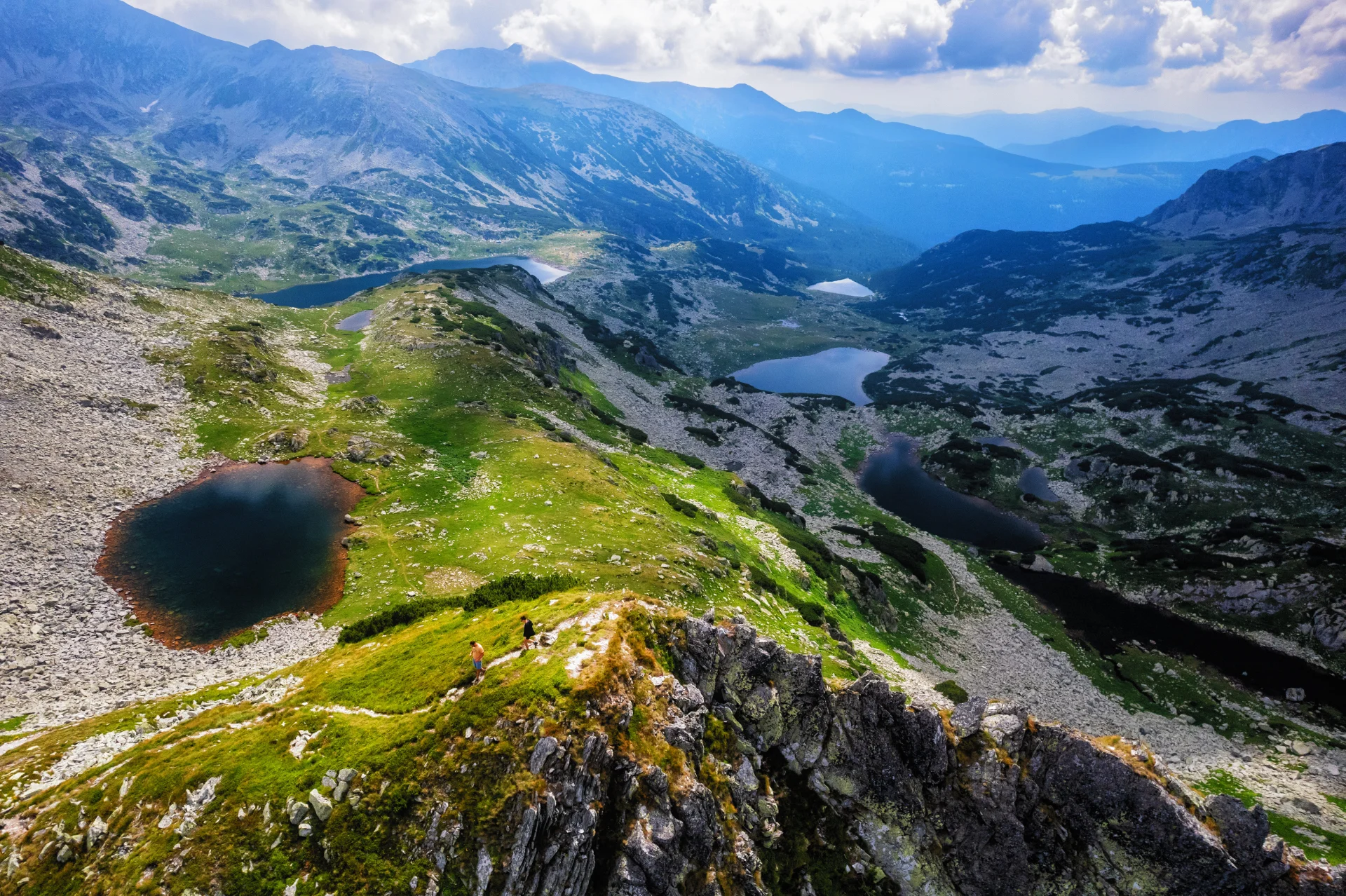
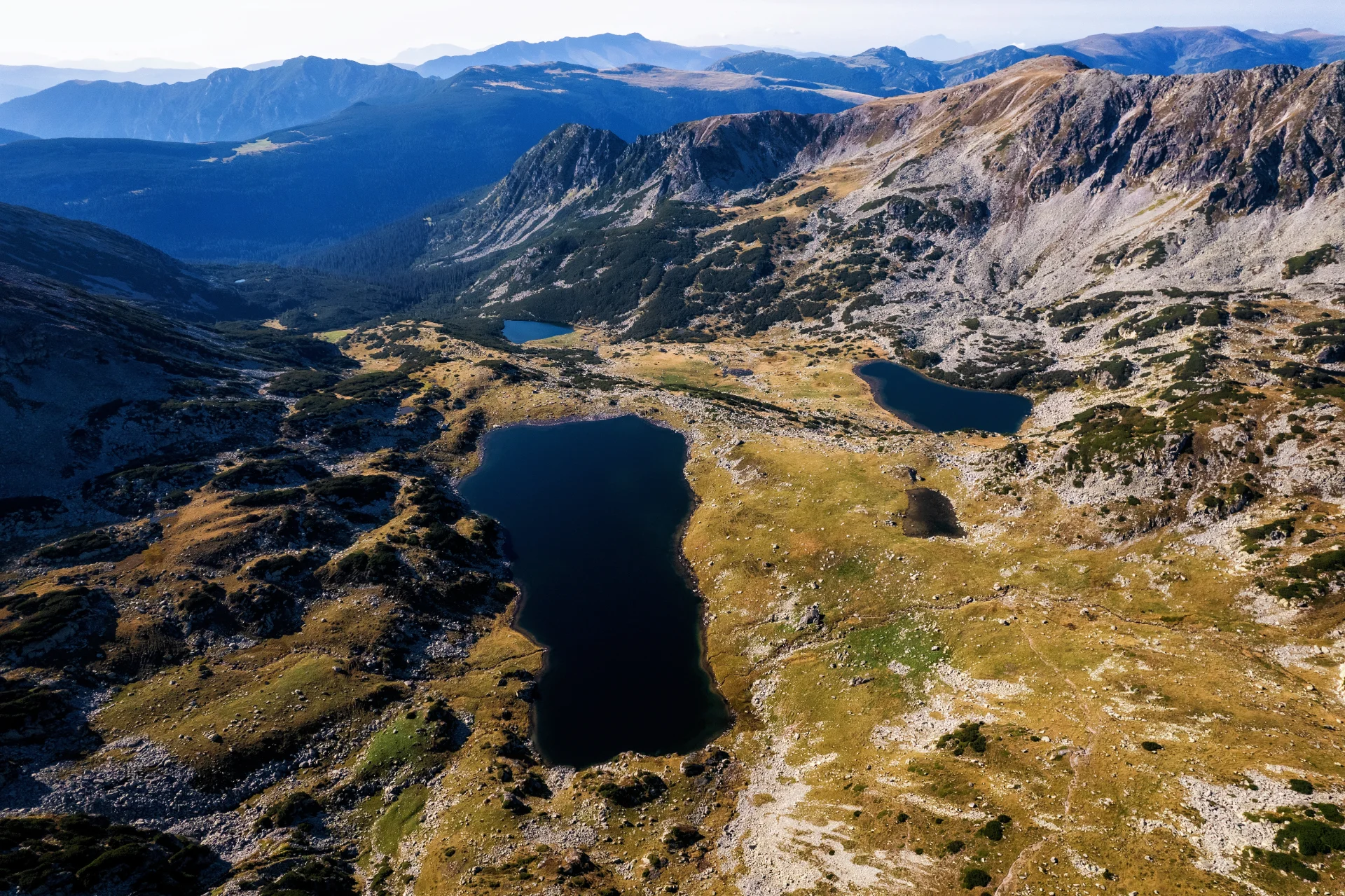
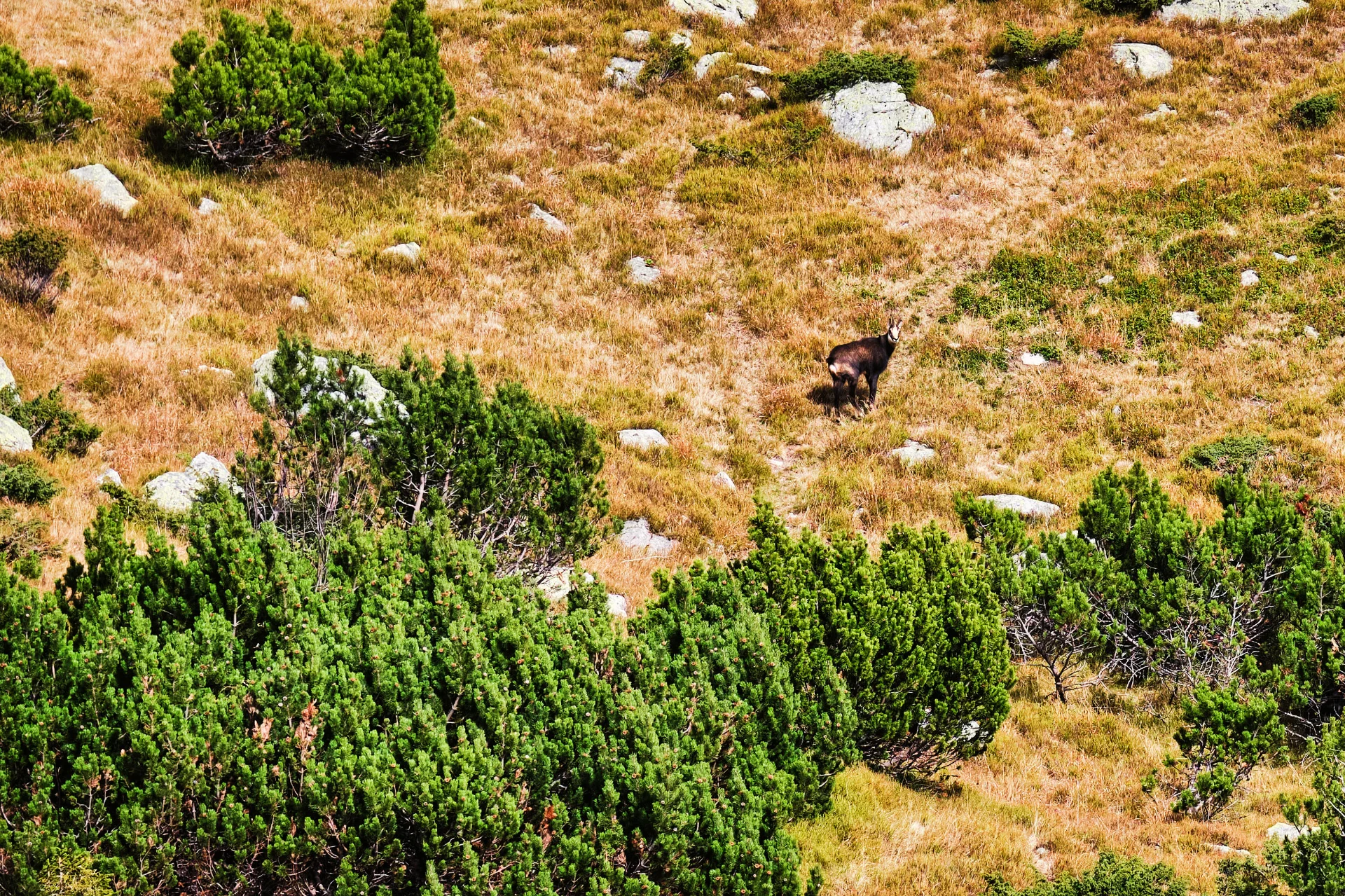
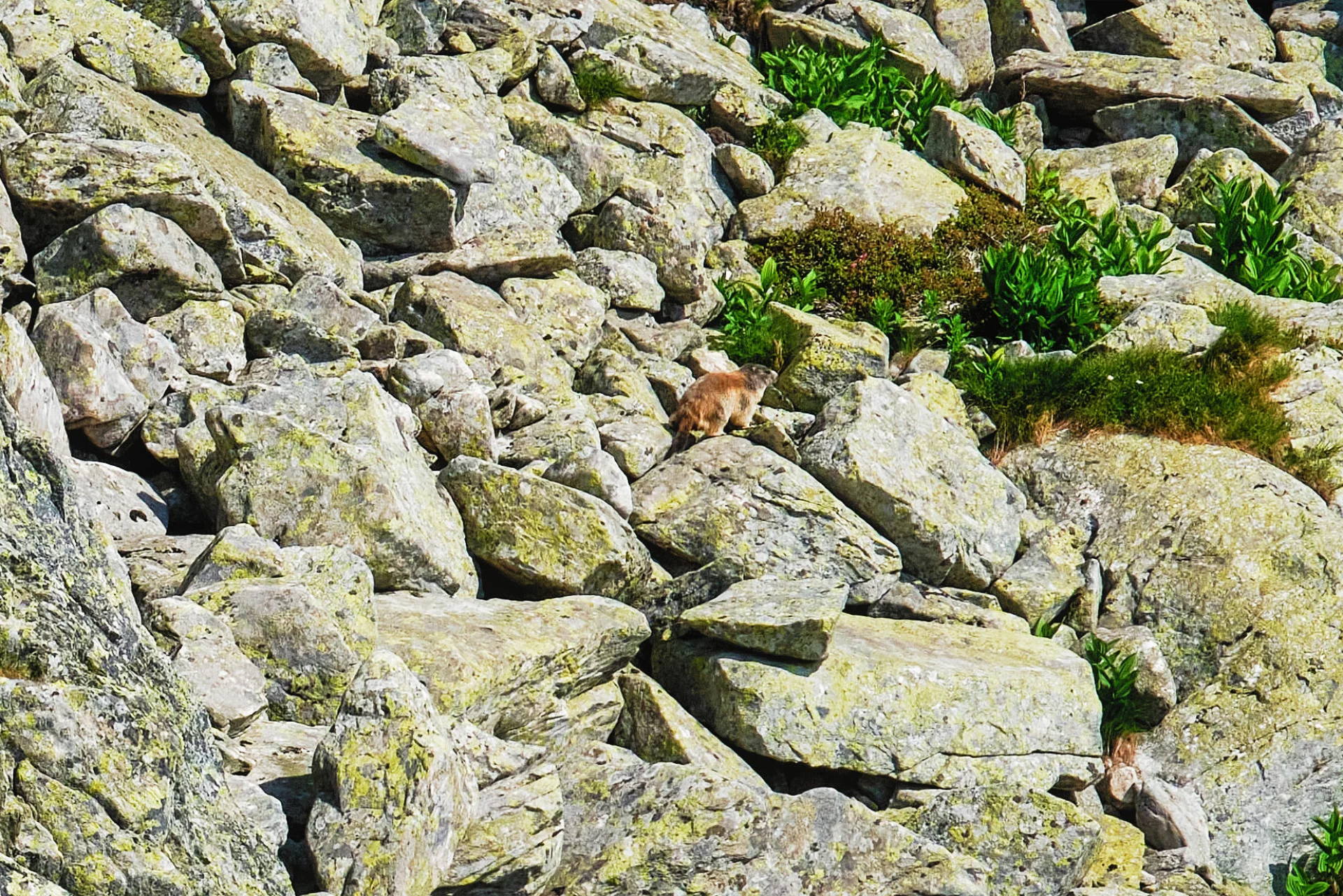
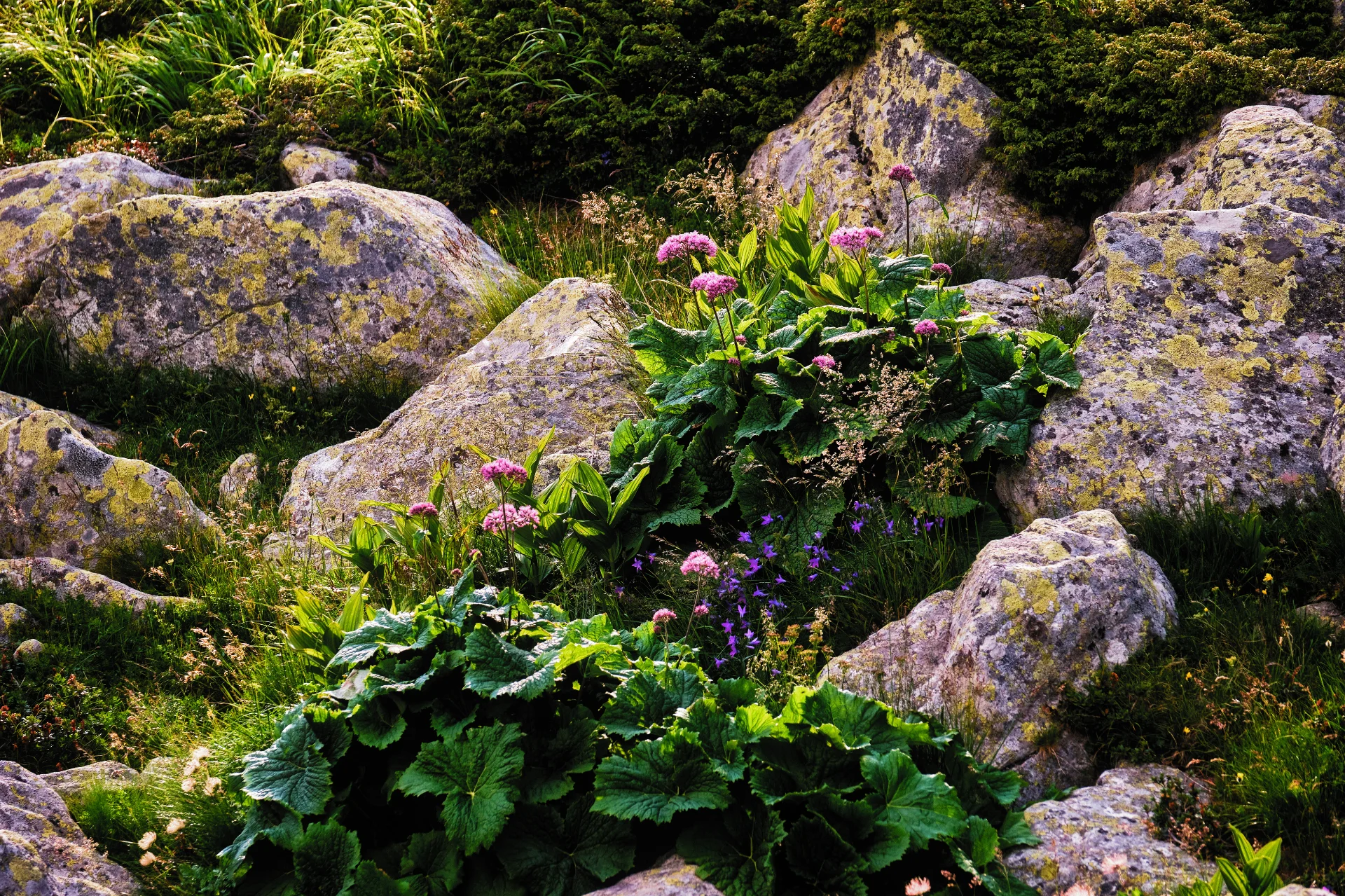
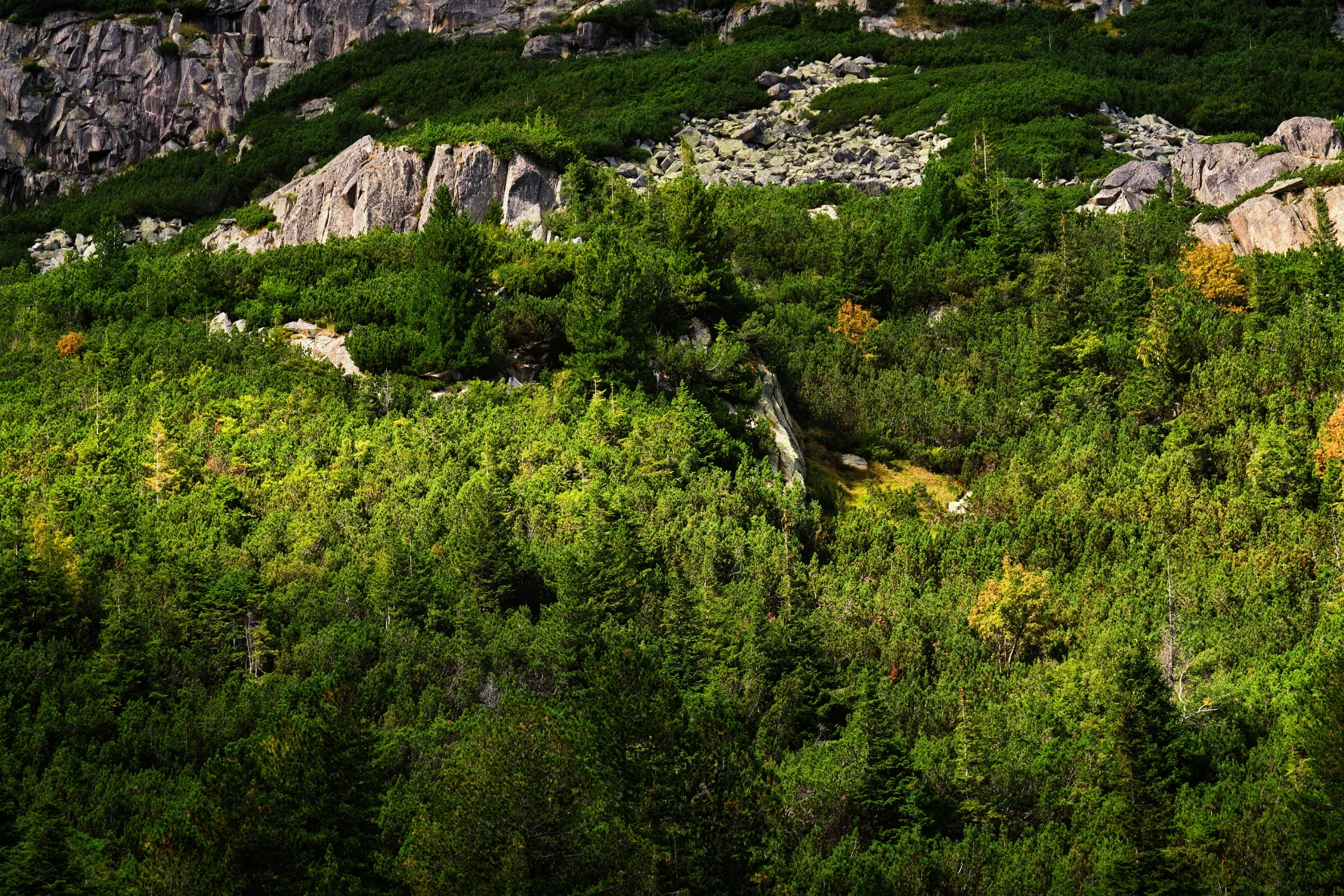
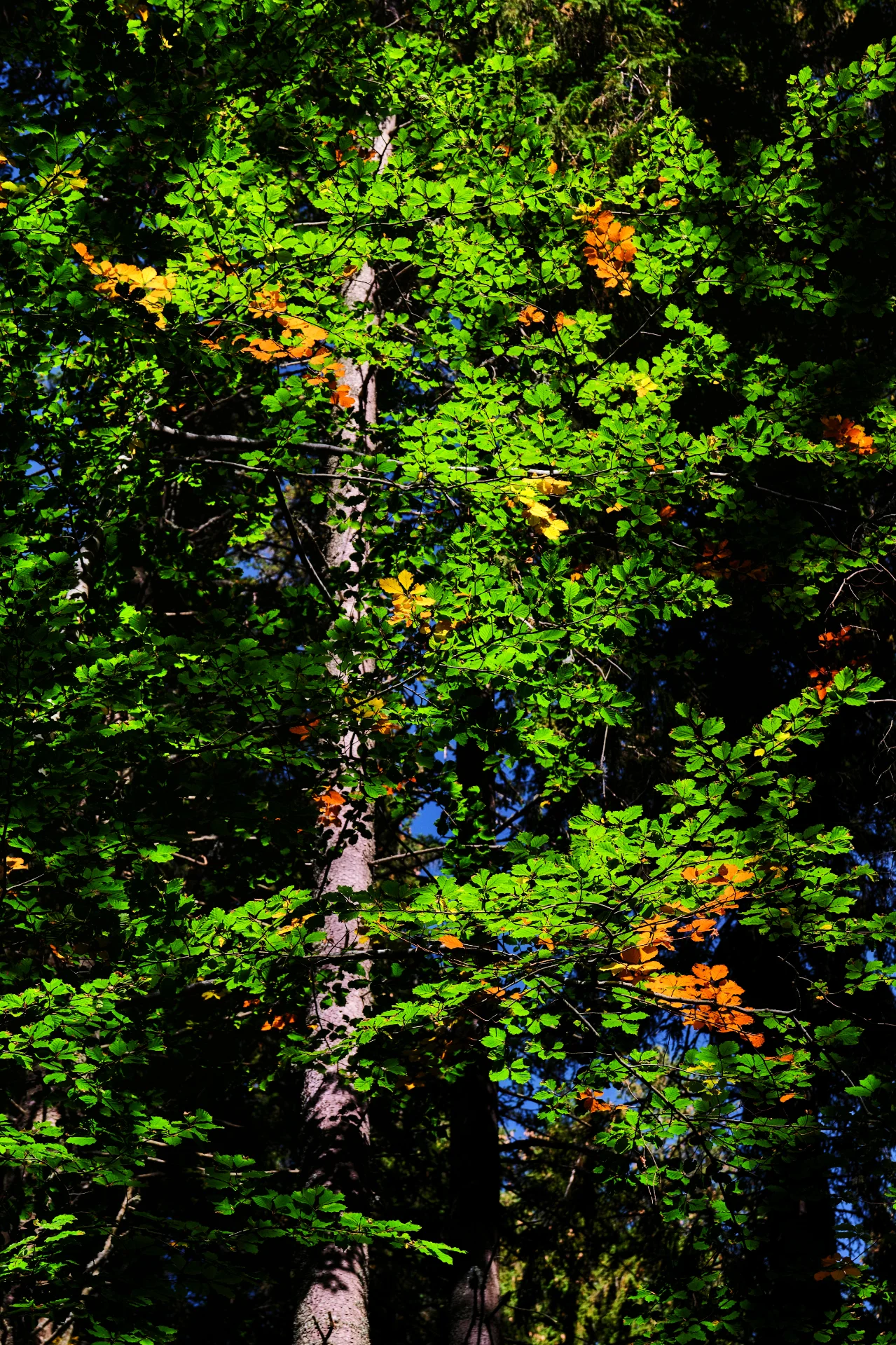
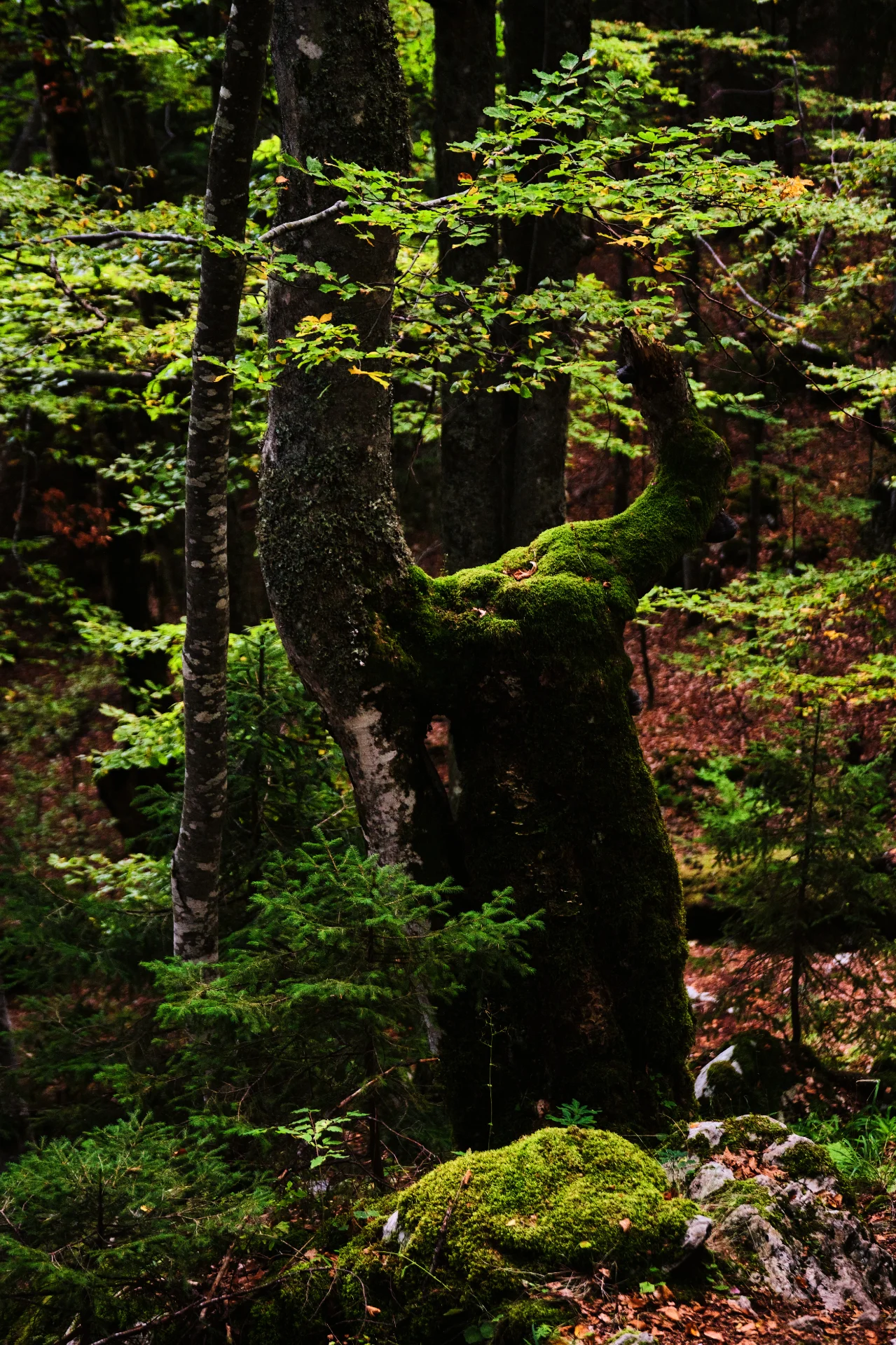
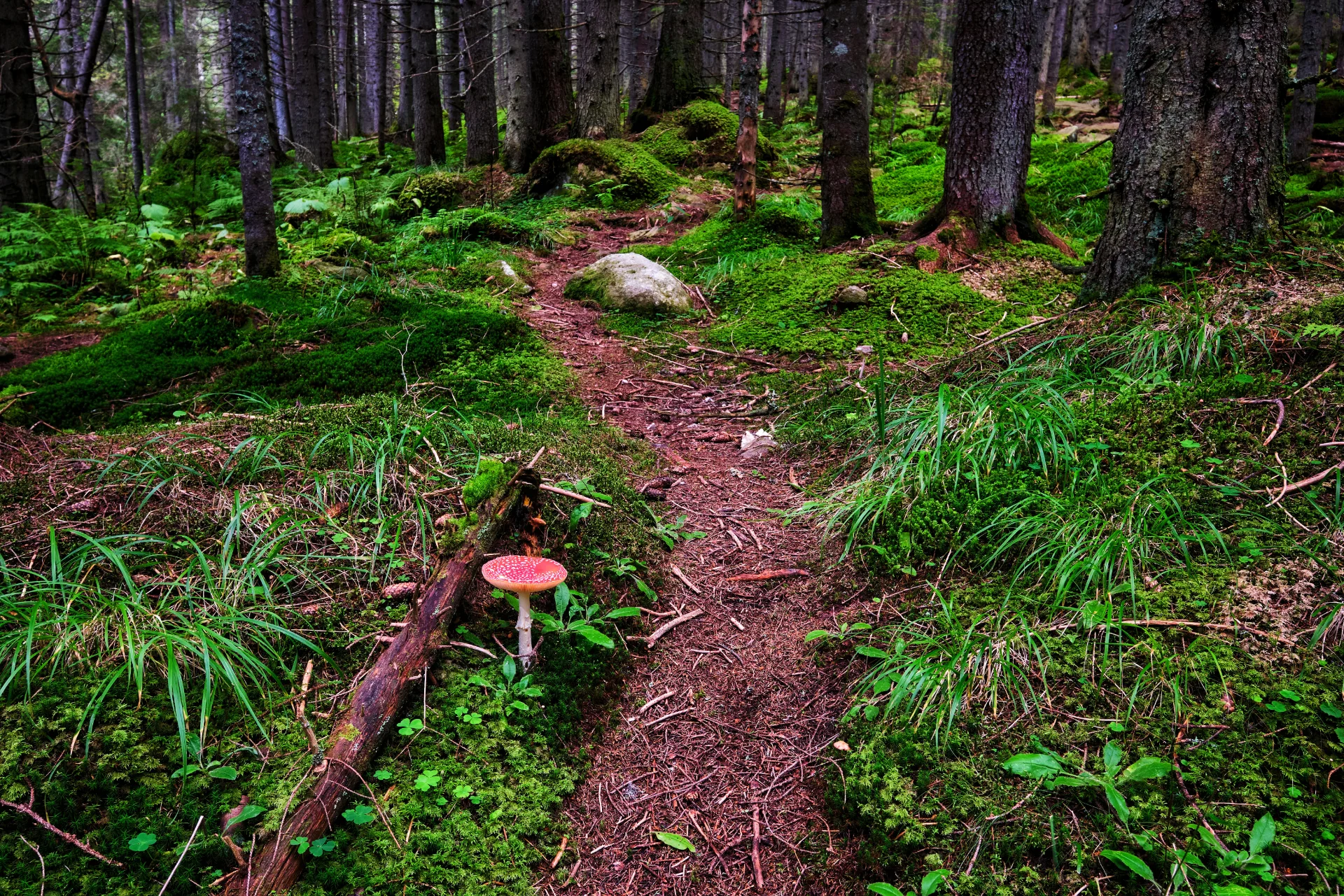
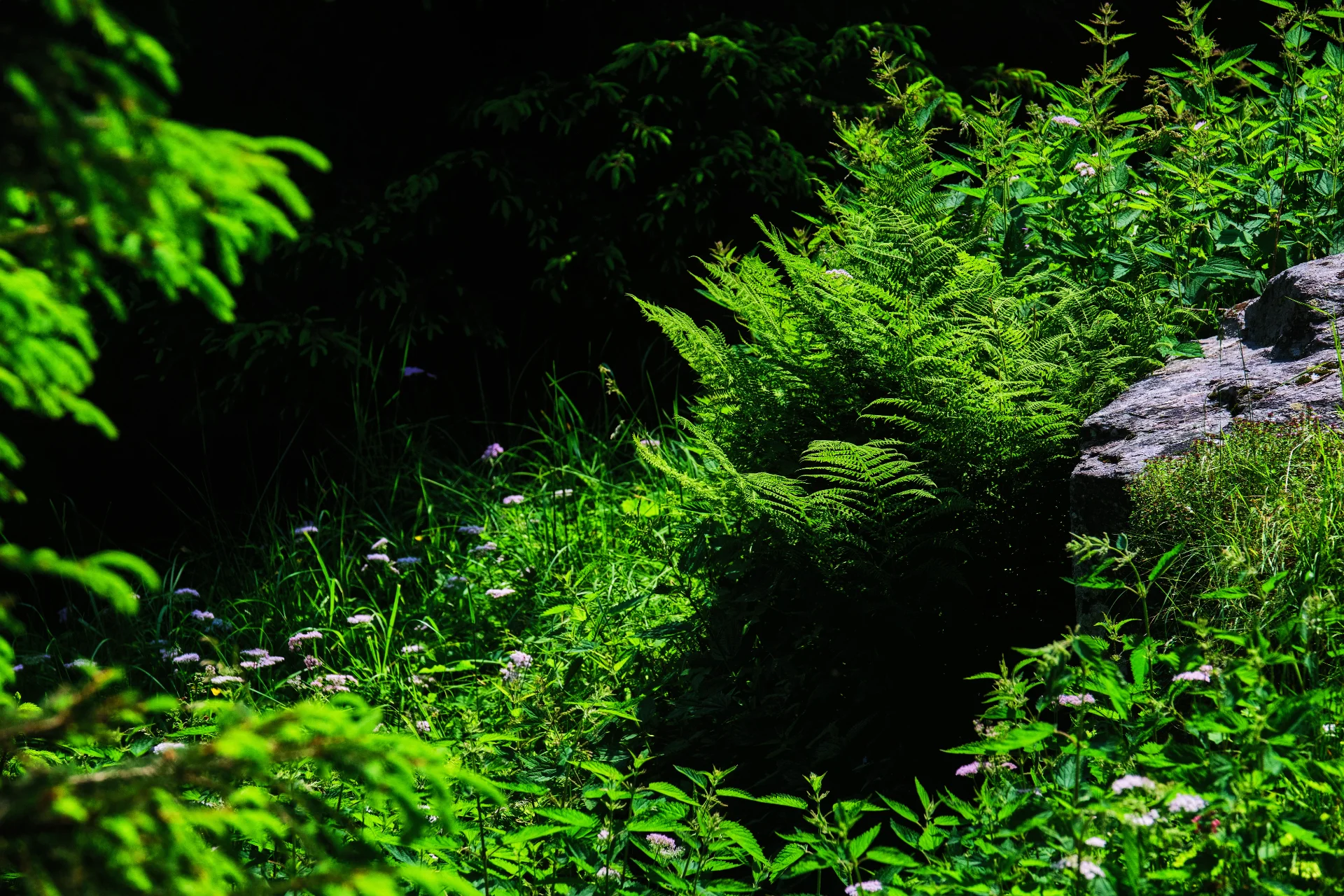
Retezat National Park is an exceptional natural area, with an incredible biodiversity that includes almost 1,200 species of higher plants, 55 species of mammals, 168 species of birds and an impressive number of habitats. Retezat National Park is home to approximately 23% of the continent’s mammal species (55 species), including large carnivores such as the bear, wolf and lynx. In addition, there are other rare animals and birds such as the chamois, deer, wild cat, marten, badger, otter, mountain eagle, peregrine falcon or capercaillie. A unique appearance are the marmots, 20 of which were brought here from the Austrian Alps in 1973 and released near Lake Gemenele. Over the years, they have multiplied and spread to other alpine areas, reaching approximately 400 specimens. Approximately 53% of the park’s surface is represented by forest habitats, with beech, spruce, fir, sycamore, birch, juniper and others as predominant species. Among the rare trees, Retezat is home to the most representative population of the country’s samburu, and approximately 17% of the forests are designated as virgin or quasi-virgin. There is also a wide variety of plants, with almost 1,200 species, of which approximately 90 are endemic plants. Four plant species are declared natural monuments: the cornflower, the giant’s blood, the yellow ginseng and the lady’s slipper.
Glacial Lakes
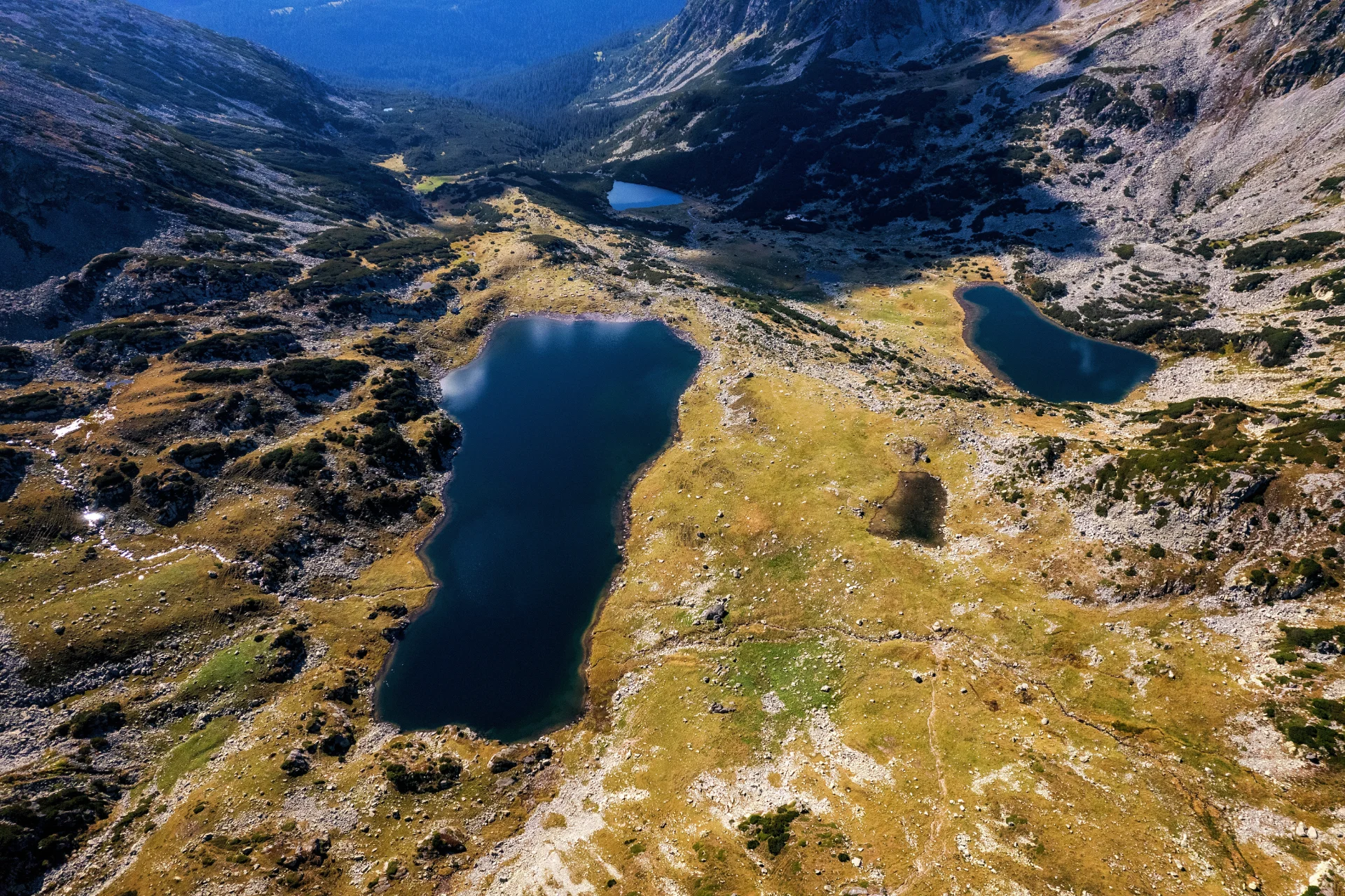
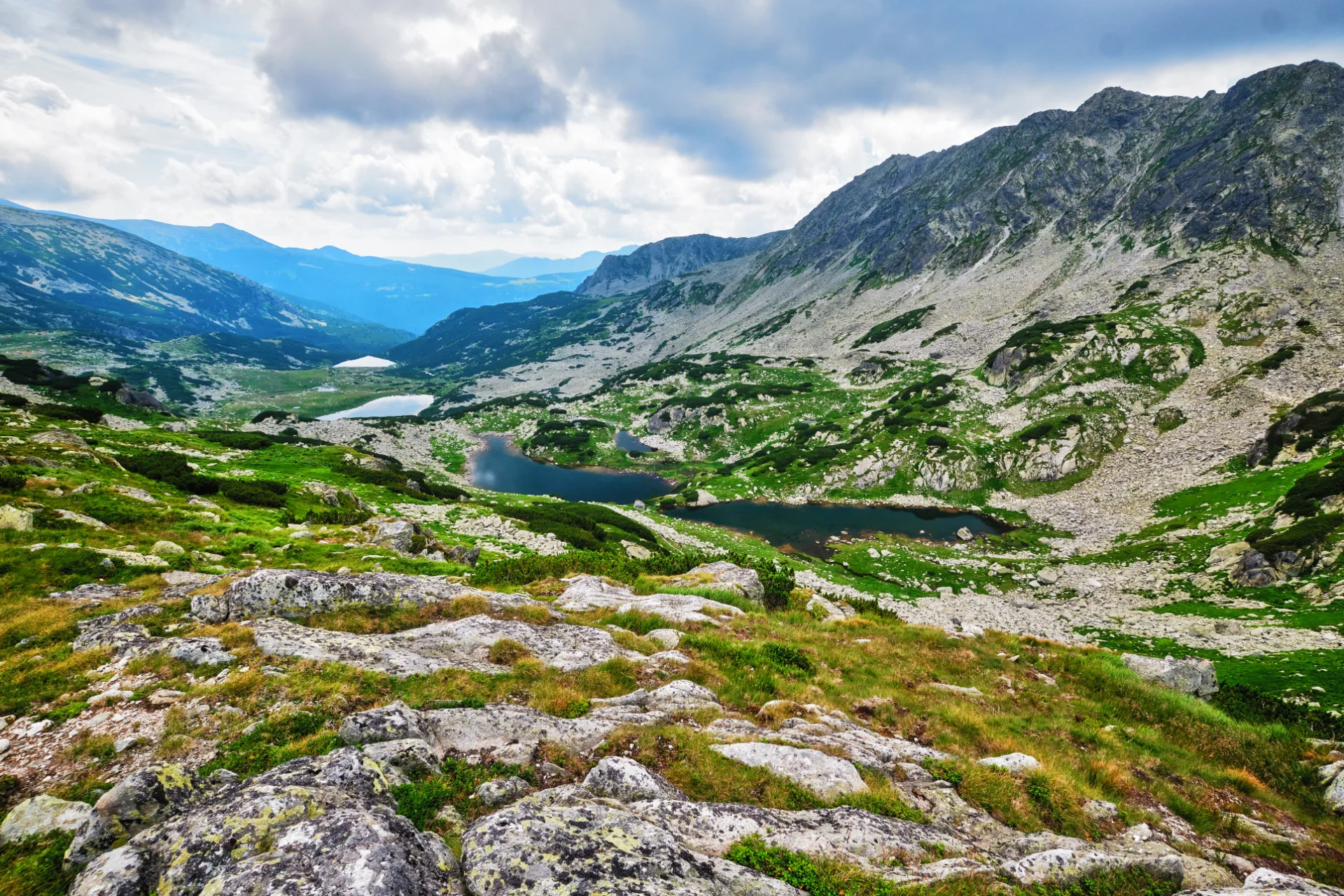
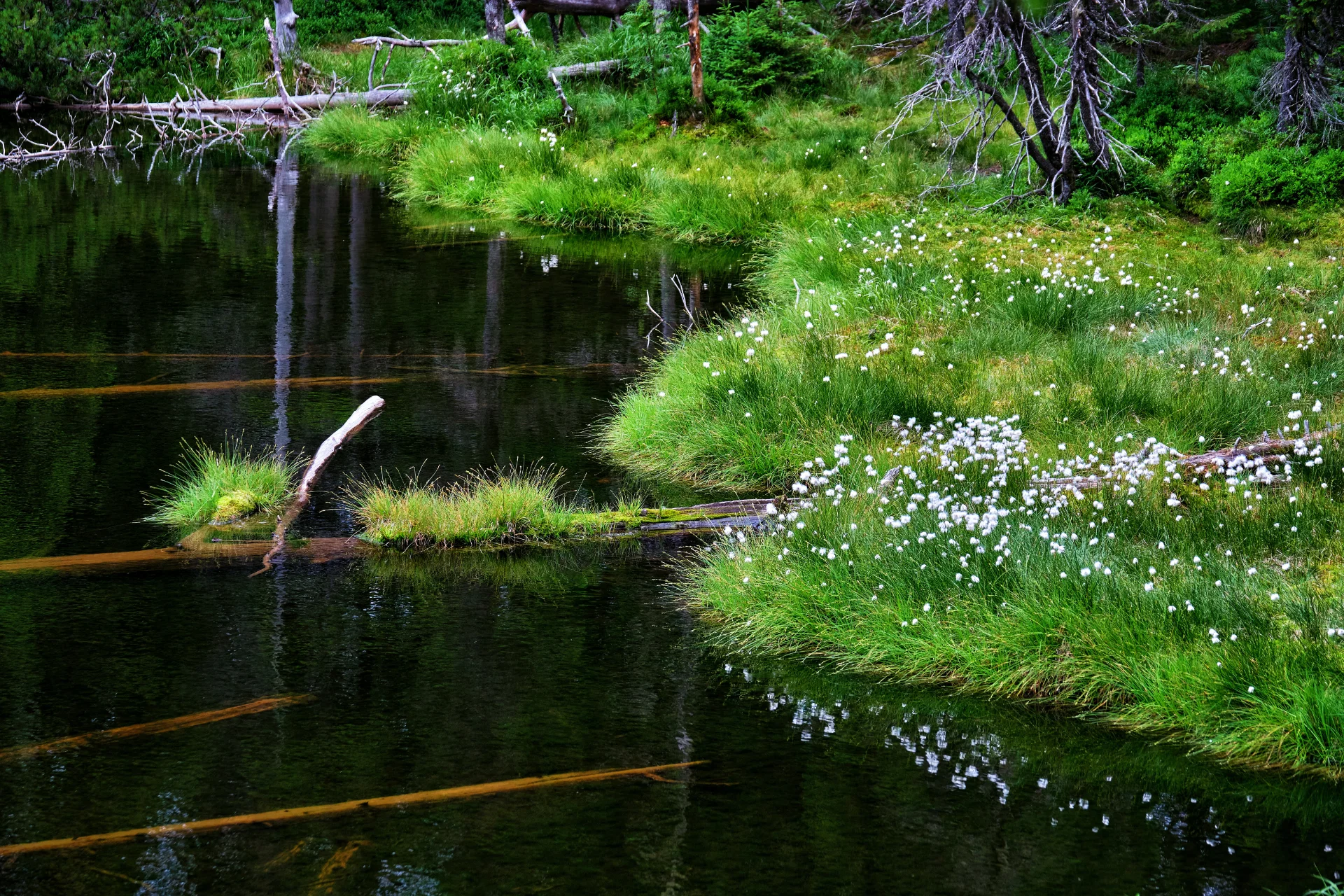
The Retezat Mountains are recognized as the land of glacial lakes, with approximately 80 such natural wonders, of which over 50 are permanent (almost 40% of the total of the Romanian Carpathians). The vast majority of the lakes are located at an altitude of 1700-2300 meters, near the main ridge of the Retezat Mare. The most famous of these is Lake Bucura, the largest in the country (almost 90,000 square meters), surrounded by other lakes on the nearby terraces (Tăul Portii, Tăul Agățat, Florica, Viorica, Ana, Lia). A little further south of these is Lake Slăveiu, and a little further west are several smaller lakes, followed by Zănoaga, the deepest glacial lake in the country (29 meters). To the west of the main peak are the lakes Ştirbu, Gemenele, Negru or Tăul Spurcat. To the north of this peak, the lakes Stânișoara, Pietrele, Galeșu, Tăurile din Valea Rea and others were formed, while in the eastern part of the Great Retezat Mountains there are the lakes Ghimpele, Peleguța, Tăul Ȣapului, Zănoagele Custurii and others.
Lakes Circuit
Located in the central part of the Retezat mountains and surrounded by imposing ridges from almost all sides, the Bucura glacial caldera stands out due to the large number of lakes and the spectacular landscapes around them. One of the most popular and fascinating in Retezat, the circular route (red circle) connects Bucura, Bucurel, Tăul Portii, Tăul Agățat, Florica, Viorica, Ana and Lia lakes. The hike is quite short and does not present particularly difficult elements (5 km / +320m / 2-3 hours). Lake Bucura can also be reached from the north, across Curmătura Bucurei, but most travelers arrive from Poiana Pelegii, on the blue band route (3 km / +450m / 1.5 hours). Poiana Pelegii can also be reached by car following the road that goes up the Râul Mare valley to the Gura Apelor lake, then continues on the Lăpușnicu Mare valley.
Trails from Cârnic
Among the most popular and frequented hiking trails in Retezat are certainly those starting from Cârnic, just a few kilometers above the village of Nucșoara. Following the valley upstream past the Lolaia waterfall, hikers have several options to climb to the Retezat peaks. Following the Pietrele valley, passing by the Maria Magdalena waterfall, the former Gențiana chalet and Pietrele lake, one can reach Curmătura Bucurei (blue strip / 9 km / +1200m / 4-5 hours). Two other trails split eastwards through the Rea valley (yellow triangle) or the Galeșu valley (red triangle), climbing past the Tăul dintre Brazi, the Tăurile din Valea Rea, Lacul Galeșu or the Lakes din Valea Zănoagelor towards the Păpușa peak (10 km / +1500m / 5-6 hours). Other routes split to the west, following the Stânișoara valley (blue triangle) or the Lolaia peak (yellow band) towards Retezat peak (9-10 km / +1460m / 5-6 hours).
Trails towards Retezat Peak
Several hiking trails start from the mountain resort of Râușor, which is easily reached by a paved road. From here there are two or three options to conquer the Retezat peak (2482 meters), each with its own challenges and wild landscapes. The red stripe trail (6 km / +1240m / 4-5 hours) climbs past the Ștevia valley and passes by the Condor refuge, while the red triangle trail (7 km / +1240m / 4-5 hours) starts on the Vălăreasca valley and passes through the Muncelu saddle and the Prelucele saddle. Another trail (blue cross) connects with the trail that follows the Lolaia peak.
Little Retezat
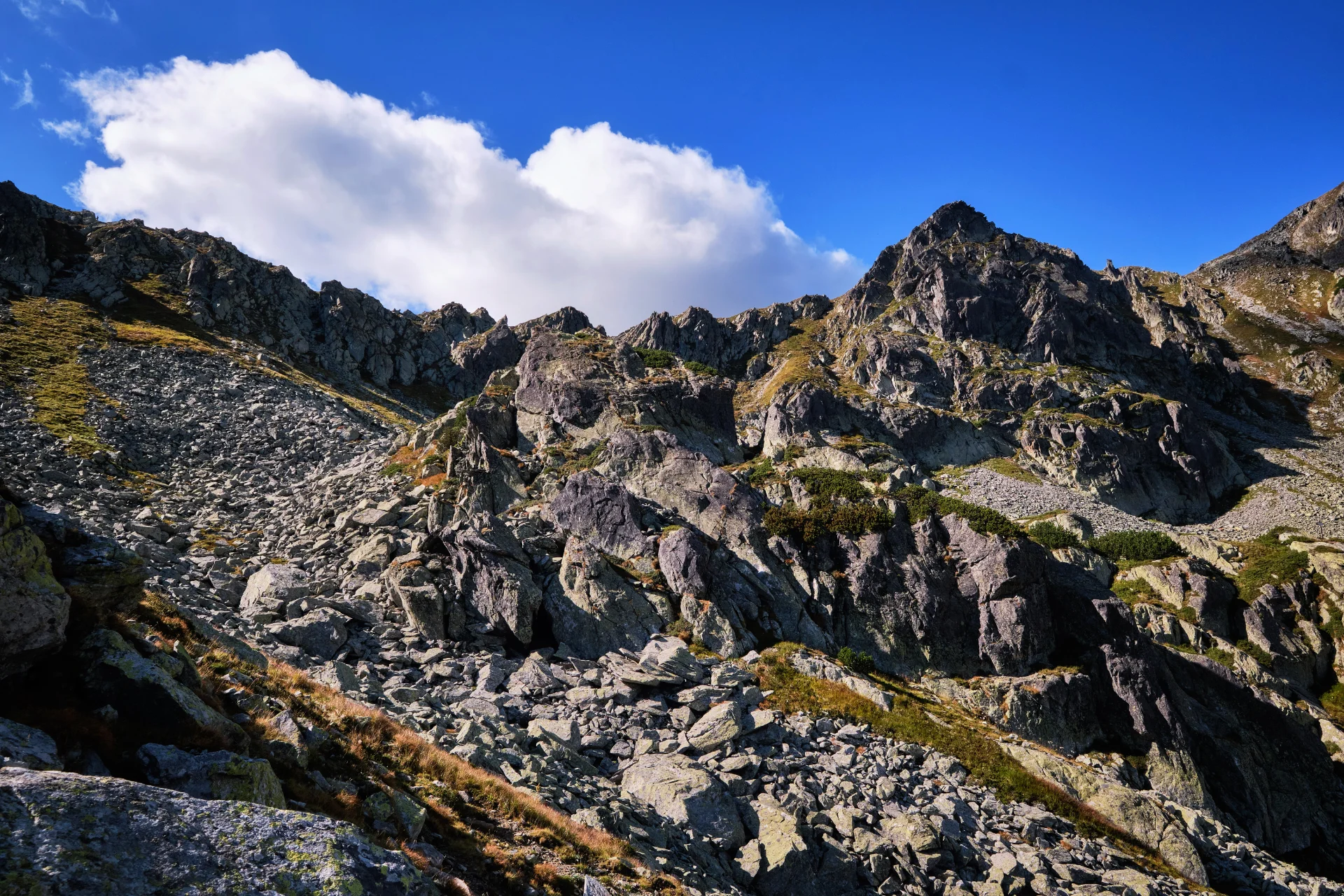
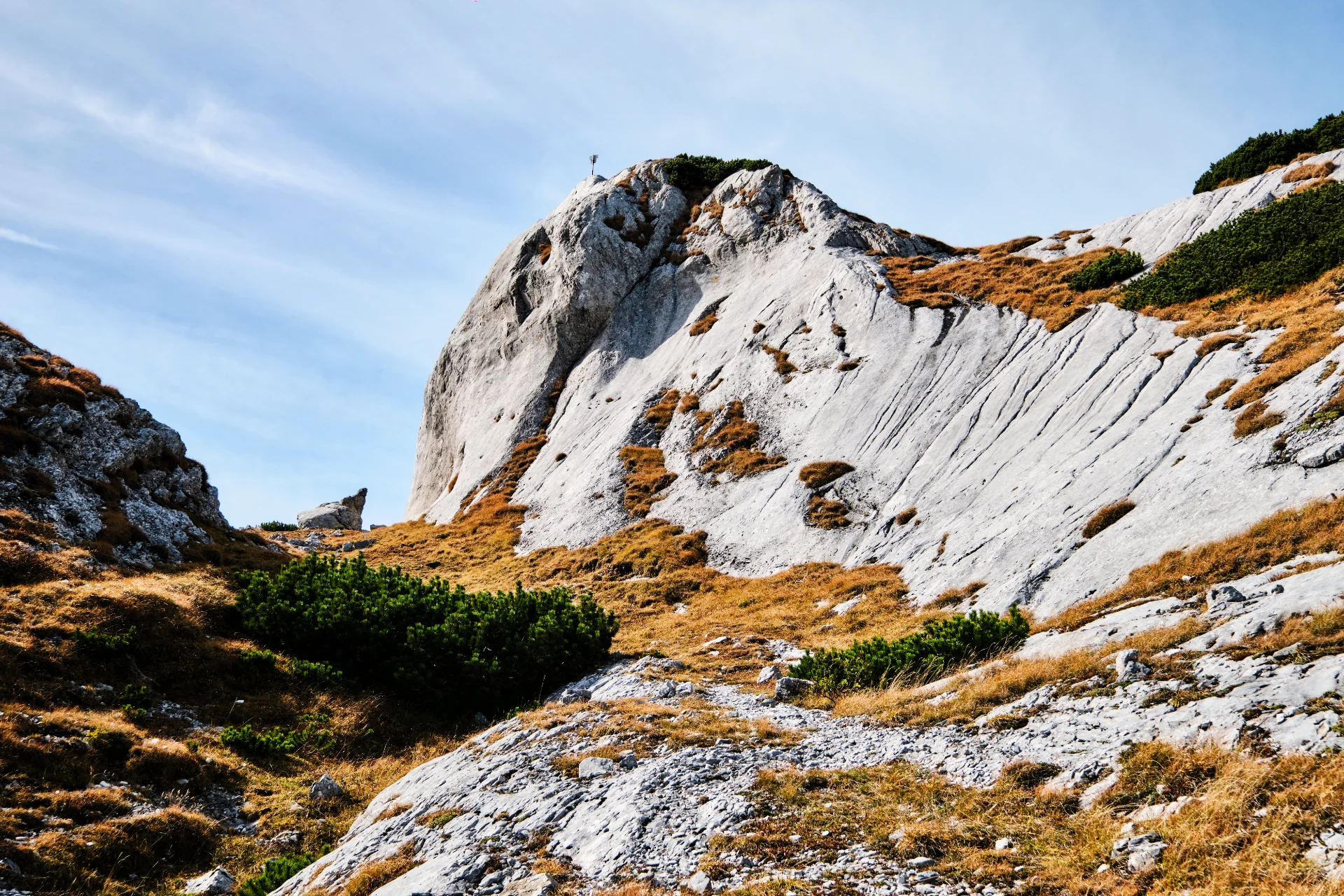
In the south and southwest of the Retezat Mountains lies the Little Retezat (Piule-Iorgovanu) massif, characterized by a different landscape from the mountains in the north and also from the Godeanu Mountains. They are mainly made up of large Jurassic limestones, with lower peaks and numerous karst landforms (gorges, caves, lapiezuri, sinkholes). The highest peaks are Piule (2081 meters) and Piatra Iorgovanului (2014 meters), and the connection with Retezatul Mare is made through the summit between the peaks Custura and Păpușa. An extraordinary element is that the waters drained underground in this sector do not flow into the West Jiu, but emerge to the surface through the Cernei Spring, over 15 kilometers away. Among the most interesting attractions in this part of Retezat are the Iar Gorges, the Scocului Gorges, the Scorota Gorges, the Coral Cave, the Urzicar Gorges and the natural bridge in Scocul Urzicarului, the Butii Gorges or the Valea Mării and Lazarului waterfalls.
Trails in Little Retezat
Most of the hiking trails in Little Retezat massif start towards the summit in the West Jiu Valley, a few coming from Retezatul Mare. Among the most popular, the route between Câmpușel and Piatra Iorgovanului (red triangle / 3.5 km / +800m / 2 hours), the one through Cheile Scorota to the Piule peak (yellow dot / 6 km / +950m / 4-5 hours) or the route from Cheile Butii, via Buta chalet, to the Plaiul Mic saddle (red cross/blue stripe / 10 km / +980m / 4-5 hours) stands out. In addition to these, there is also a route that follows the summit (red stripe) and several other less frequented routes.
Other Hiking Trails
In addition to the most famous routes in Retezat, there are also some less frequented by travelers or that connect the others in the national park. Among these, the route that follows the Râu Bărbat valley to Stâna de Râu stands out, from where it climbs to Tăul Țapului (red dot), one of the most beautiful lakes in Retezat, or to Fereastra Custurii (blue triangle). In the western part, a route that starts from the Gura Zlata chalet (red triangle) and one that starts from the shore of Gura Apelor lake (blue cross) intersect on the ridge and continues to Zănoaga lake, then you can climb to the Judele peak or continue to Bucura lake. Other routes connect to the Retezatul Mic massif, either from the Lăpușnicu Mare valley or over the Custura peak.
Other Interesting Discoveries
Lesser known places and activities in Retezat National Park
Râușor Resort
The only winter sports destination in the Retezat Mountains, the Râușor resort is located in the northwestern part of the massif, approximately 10 kilometers south of the villages of Râu de Mori and Suseni. Surrounded by endless forests and a starting point for hikes to the Retezat peak, the resort has three ski slopes with different levels of difficulty, totaling a skiable area of approximately 3.5 kilometers. These are served by a chairlift and several ski lift installations, and there are numerous accommodation and food options in the resort.
Lolaia Waterfall
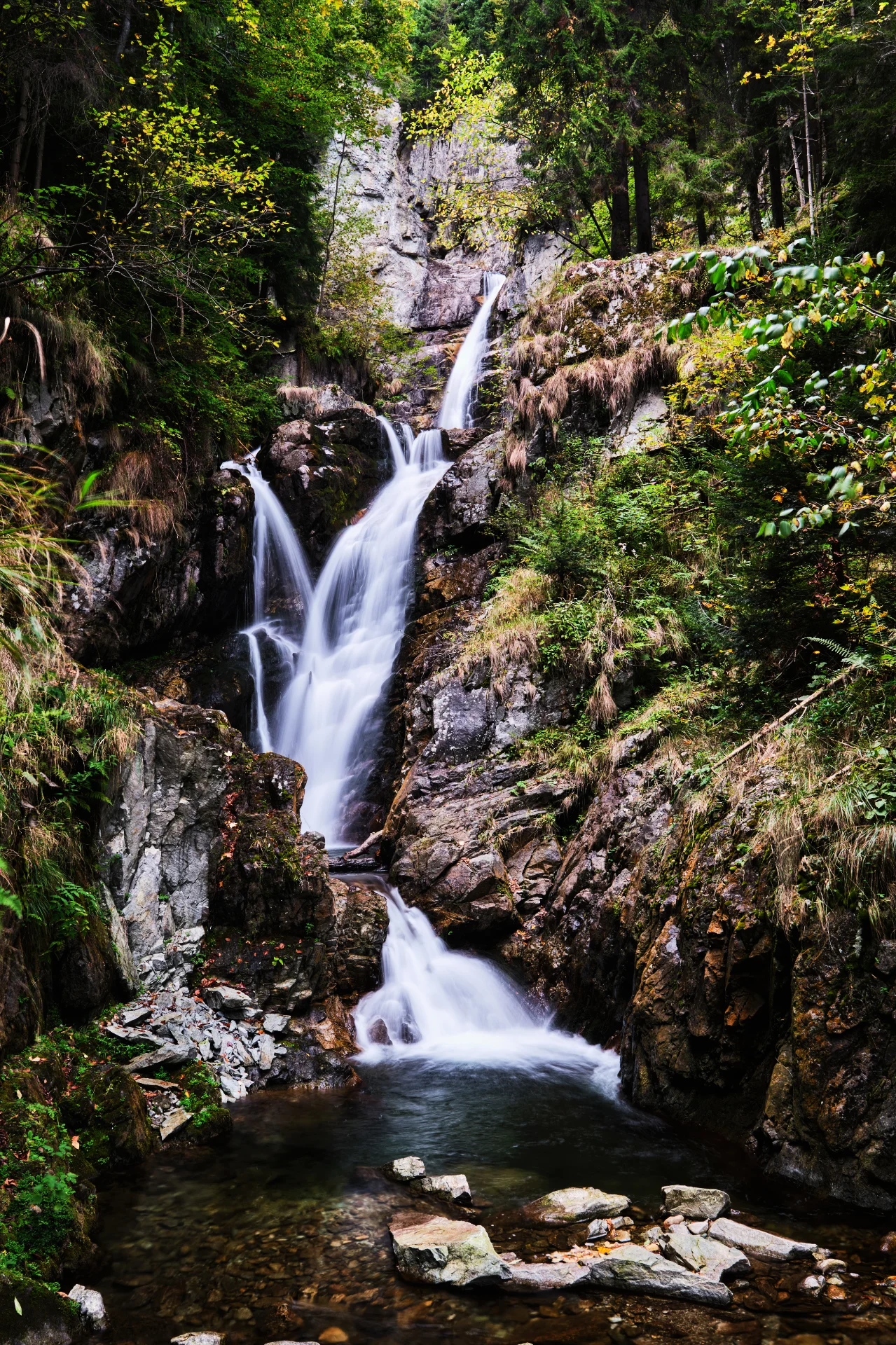
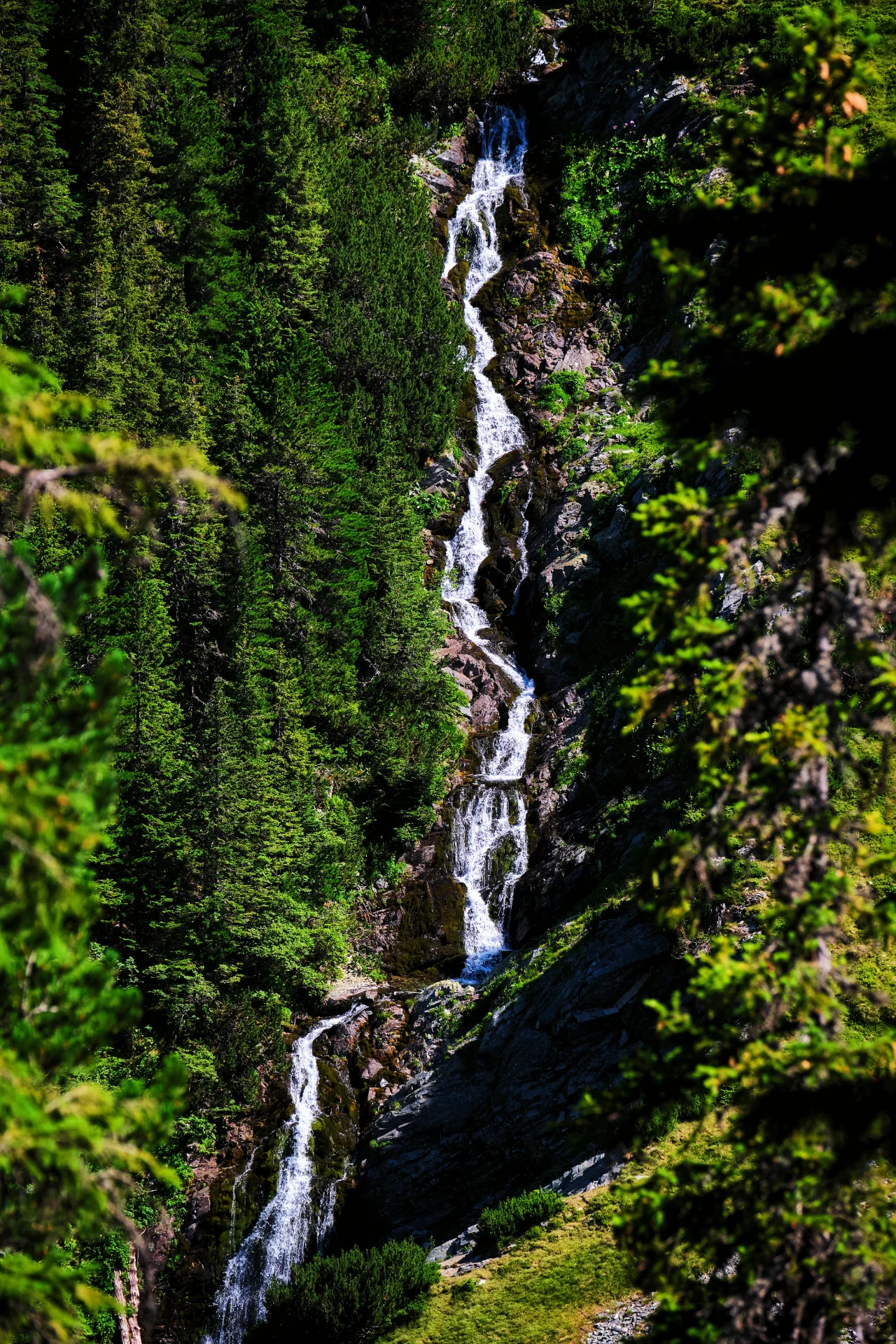
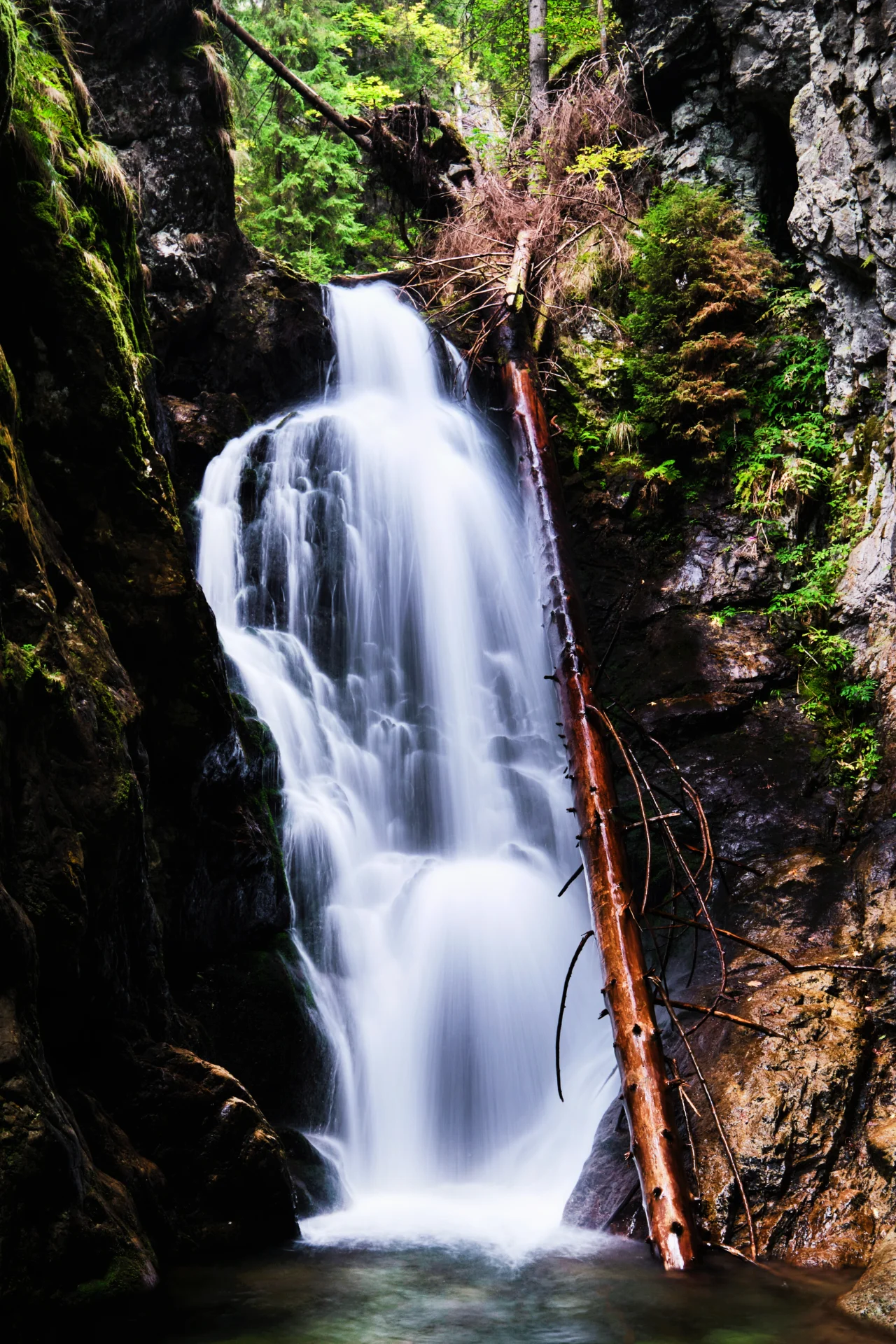
Considered among the most beautiful waterfalls in Romania, it is located in the northern part of the national park, on the Nucșoara Valley, which gathers the waters of the Pietrele, Stânișoara, Galeșu and Valea Rea rivers. It can be reached by car to the Cârnic chalets, located a few kilometers from the village of Nucșoara. From there, the easy and short route (20 minutes) leads to the Lolaia waterfall, located a little lower than the forest road that accompanies the valley. In addition to the spectacular natural surroundings, the 15-meter-high waterfall also stands out because it is divided in two by a rock, a feature to which a beautiful local legend is also linked.
Gura Apelor Lake
Part of an impressive hydropower system, which also includes several smaller lakes and a total of 10 hydroelectric power plants located on the Râul Mare, the lake was created between 1975 and 1986. Located between the Retezat, Țarcu and Godeanu mountains, at the confluence of the Lăpușnicu Mare, Lăpușnicu Mic and Râul Șes rivers, Gura Apelor Lake has a surface area of approximately 400 hectares and a volume of over 200 million cubic meters. For its creation, the largest rockfill and clay dam in Europe was built, with a height of 168 meters, while the main underground hydroelectric power plant has an installed capacity of 335 MW, being the second on Romania’s inland rivers. In addition to its economic importance, the lake creates a picturesque landscape, being surrounded on all sides by forested peaks.
Buta Gorges
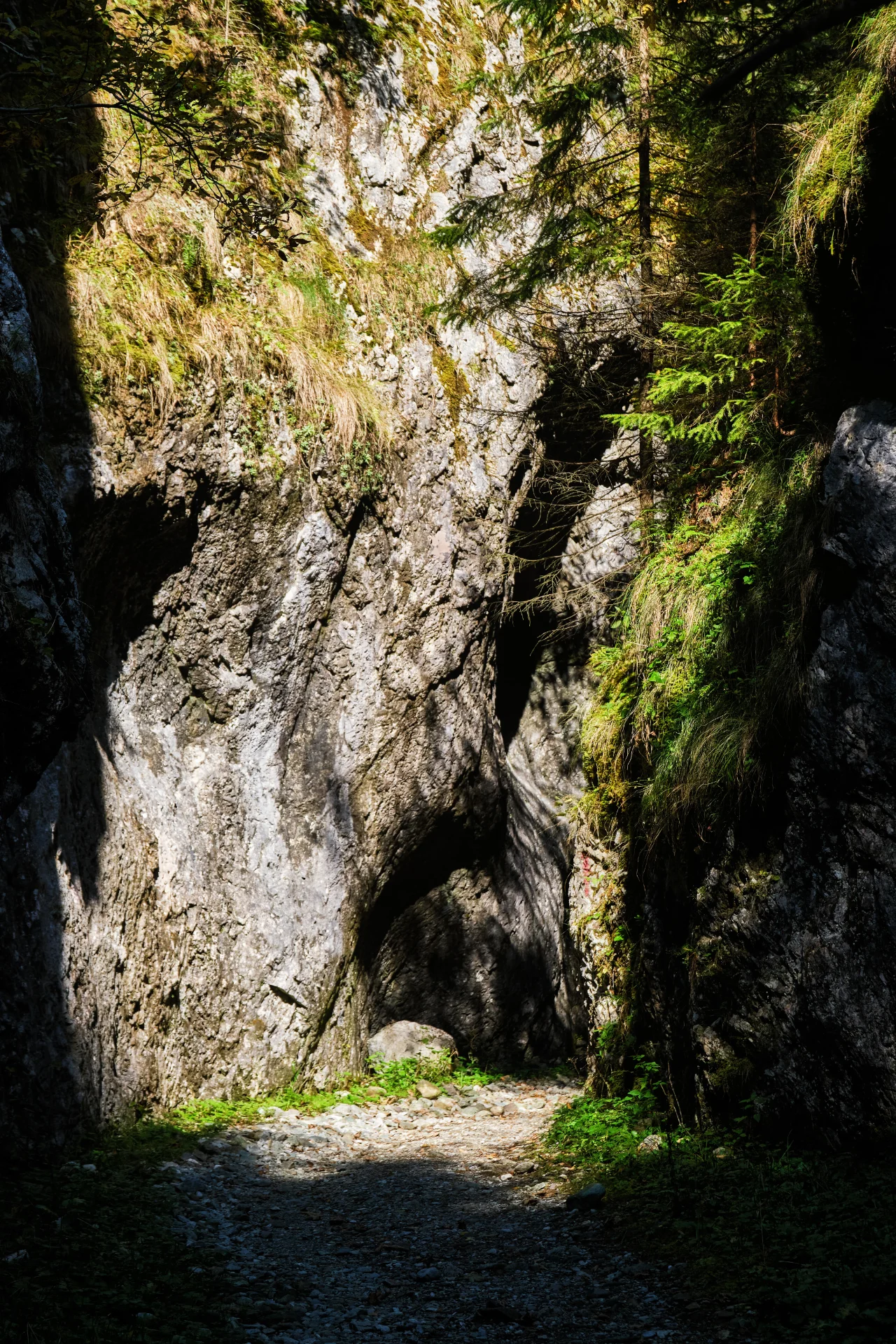
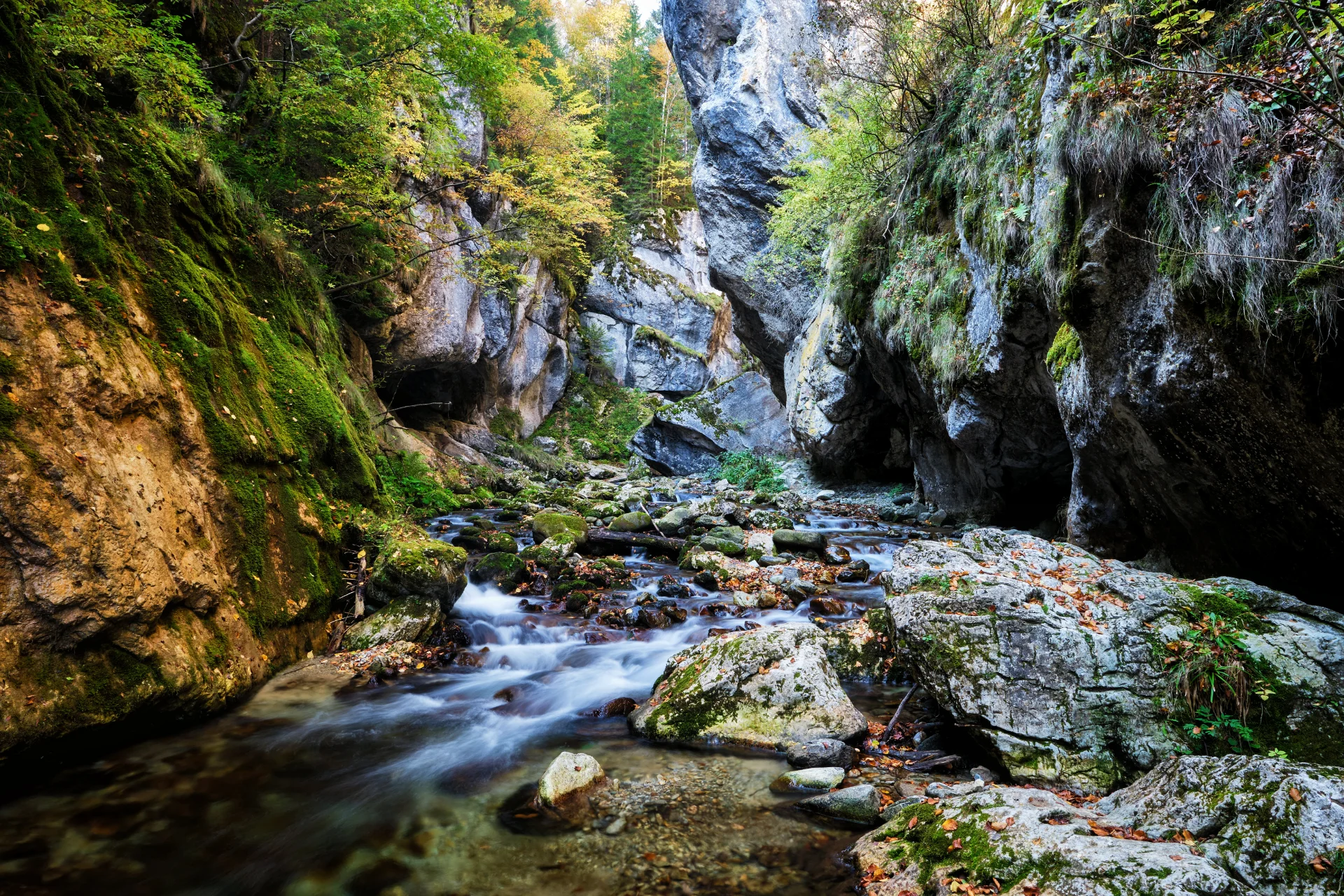
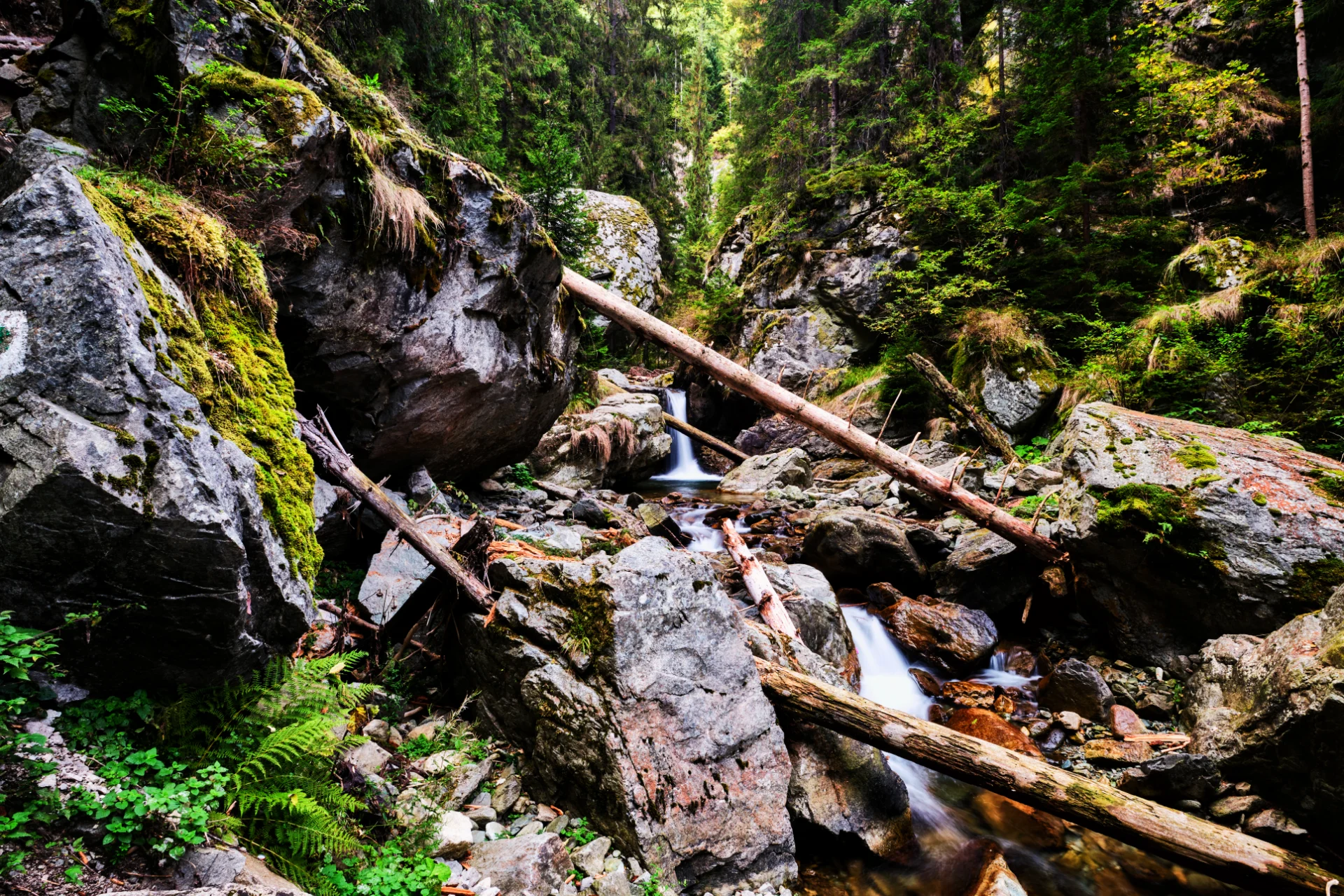
Located near the national road 66A, near the Retezat National Park and the village of Câmpu lui Neag, the Buti Gorges can be easily visited along a trail that passes by the tourist complex of the same name. After just a few minutes, you enter between the cliffs that reach up to 100 meters high, while below the river flows among collapsed boulders, forming small charming waterfalls. The trail through the gorge continues to the Buta chalet and further into the heart of the national park.
Valea Mării and Lazăru Waterfalls
Situate în afara suprafeței parcului național, cele două cascade spectaculoase pot fi vizitate cu ușurință de-a lungul unui traseu tematic ce pornește din apropierea drumului național 66A, în apropiere de localitatea Câmpu lui Neag. Cascada Valea Mării are o înălțime de aproximativ 35 de metri, fiind precedată de câteva cascade mai mici de-a lungul unui adevărat canion îngust. Pe o vale alăturată, cascada Lazărului este la fel de impresionantă, având două trepte și fiind înconjurată de stânci.
Chalets and Camping
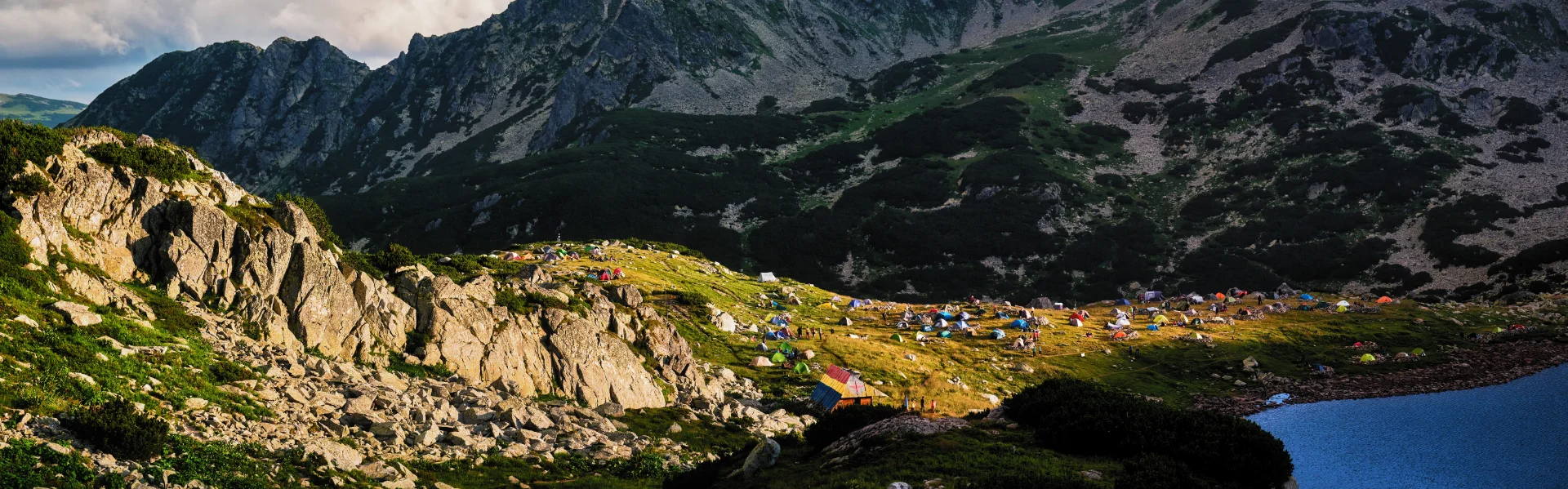
Much of the Retezat Mountains are included in a national park, so camping is regulated. It is only allowed in certain designated areas. These include the shores of Lake Bucura, Poiana Pelegii, Râușor, Stâna de Râu, near Lake Zănoaga, Buta, Pietrele, Drăgșanu and Stănuleți. There are also several tourist chalets and guesthouses located along the hiking trails. In addition to the accommodation units in the Râușor resort and the Cârnic area, the most famous chalets are Gențiana, Pietrele and Buta. In addition to these, there are also the mountain refuges Poiana Pelegii, Bucura, Zănoaga, Stănuleți, Stâna de Râu, Buta and Condor (Ștevia valley).
Accommodation Recommendations
The best lodging options around Retezat National Park
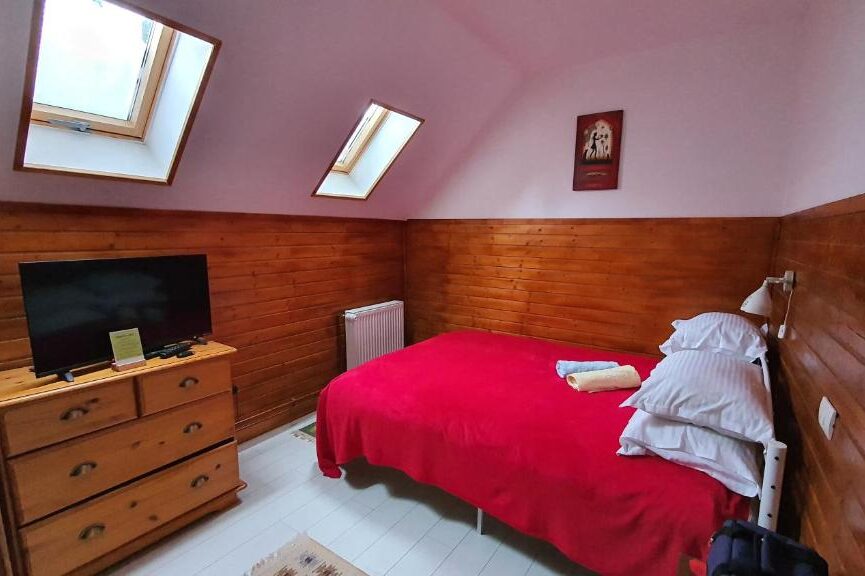
Rating 9.2 from 178 reviews!
Located in a quiet area of Râușor resort, surrounded by stunning views, the chalet offers welcoming rooms, a restaurant, garden, shared lounge and more!
Râușor Resort, no.66
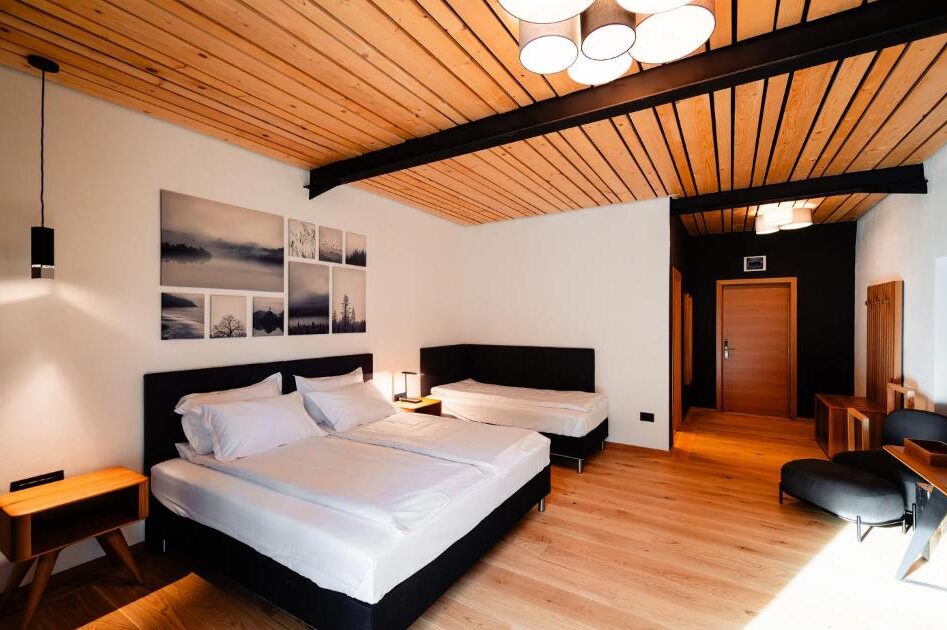
Rating 9.3 from 538 reviews!
Located near the Buta Gorges, this tourist complex offers modern and comfortable rooms, a traditional restaurant, terrace, bar and playground!
Câmpu lui Neag
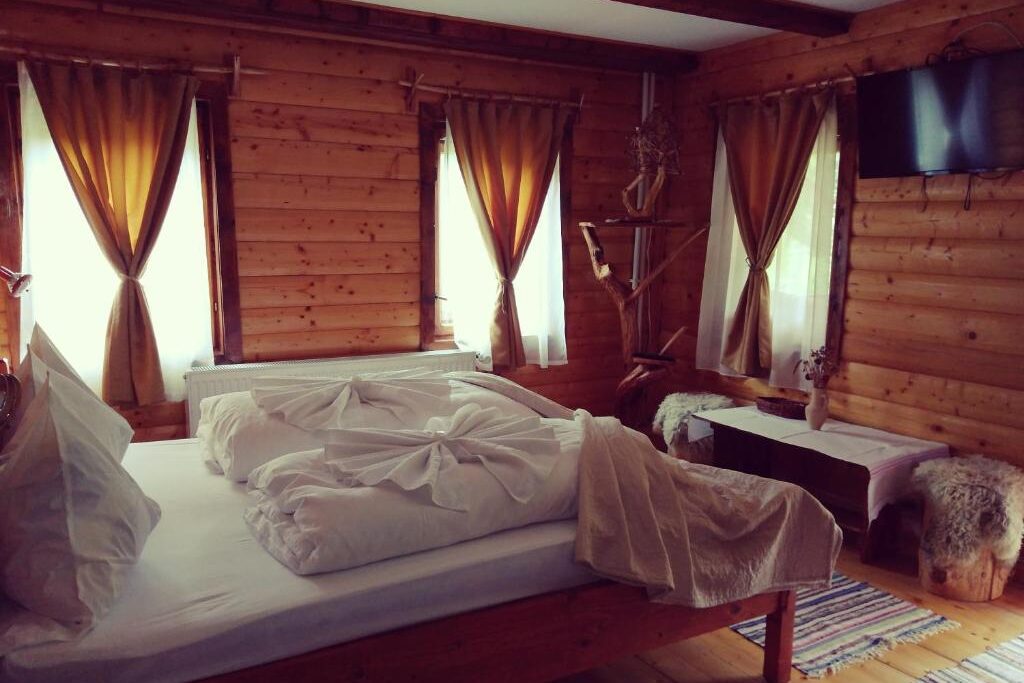
Rating 9.5 from 111 reviews!
Located in a charming and quiet area, a few minutes from the village of Nucșoara and the Lolaia waterfall, the cottage offers rustic rooms. Featuring a restaurant, garden, terrace and more!
Nucșoara Valley