30
TRANSALPINA
Mountain Road
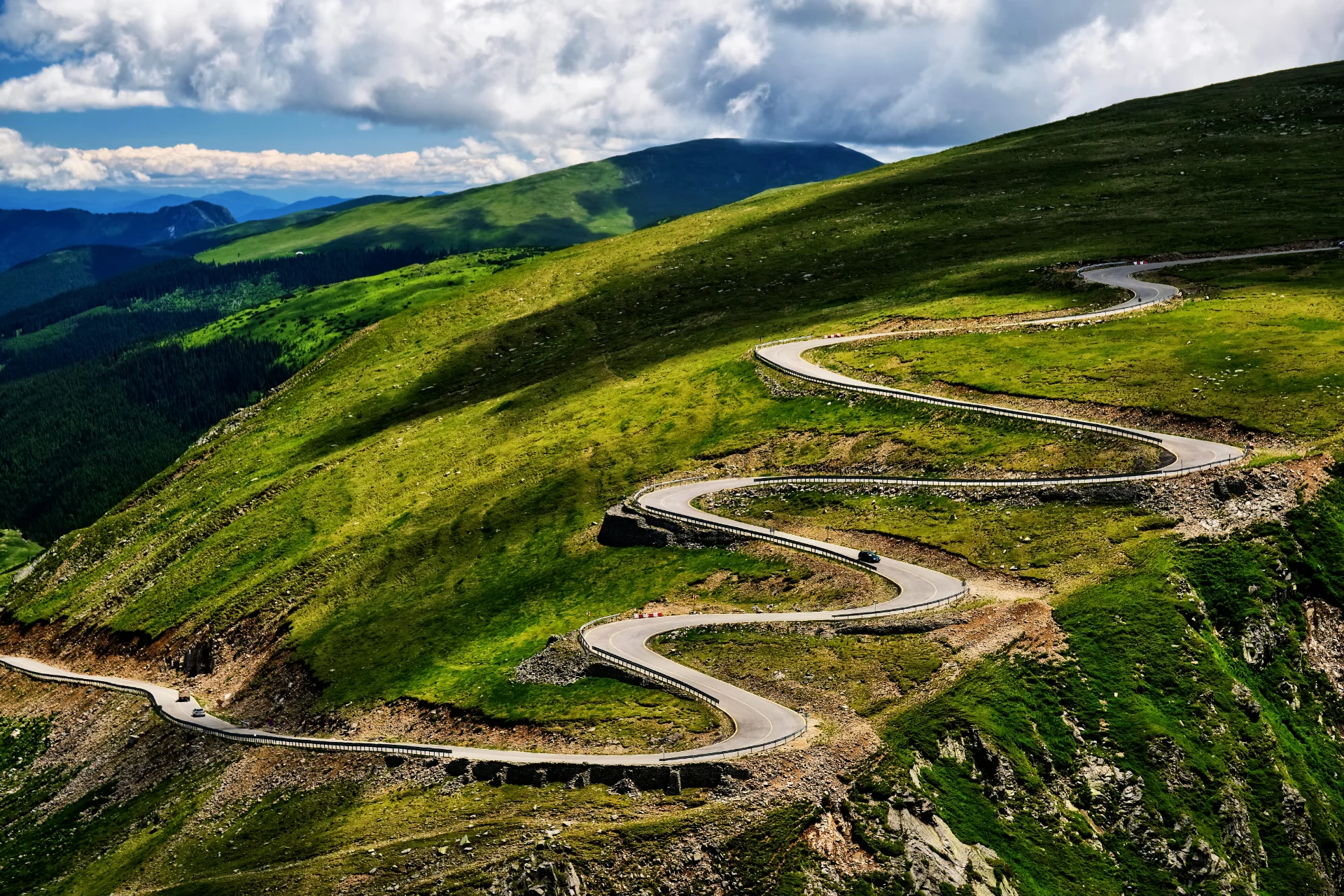
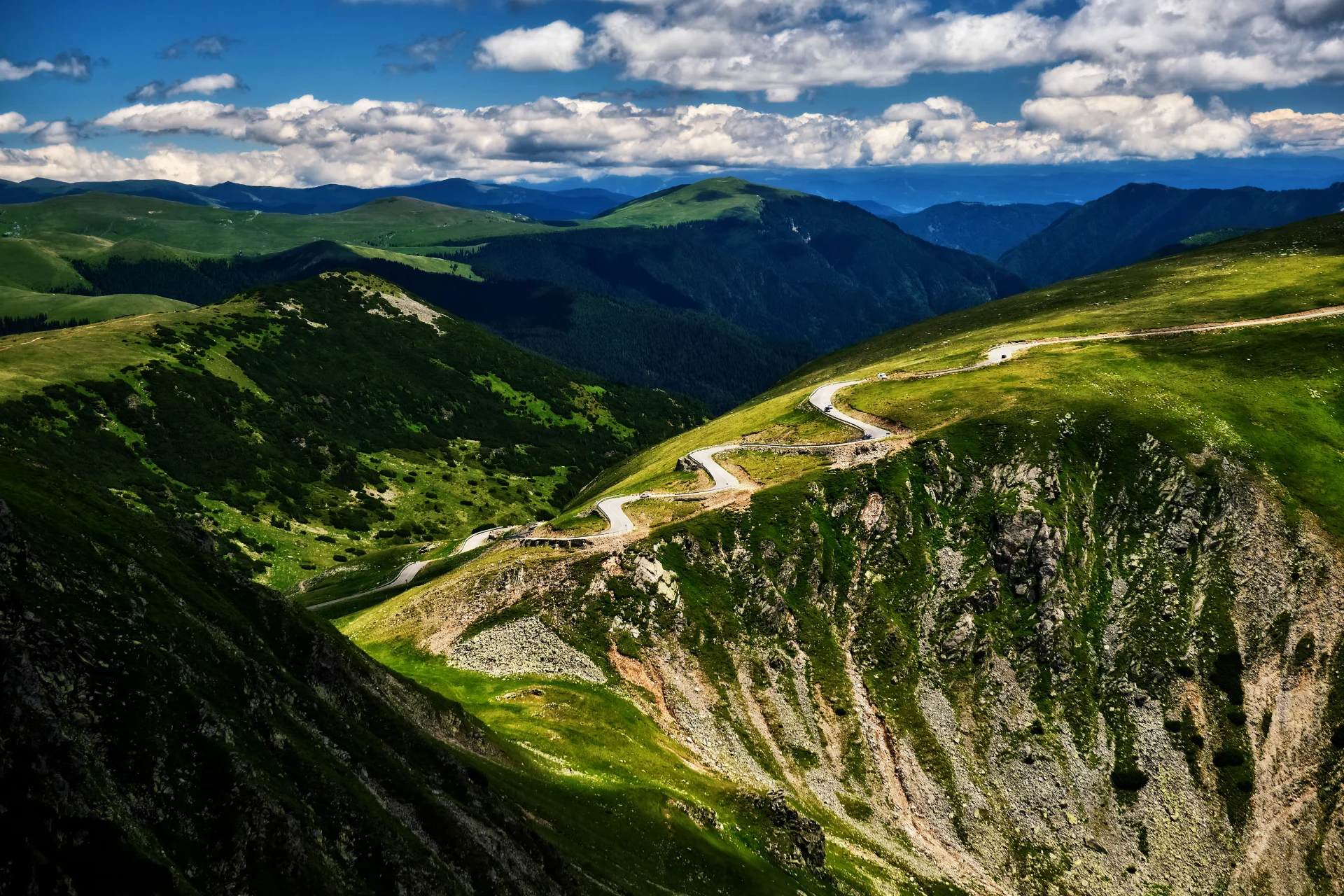
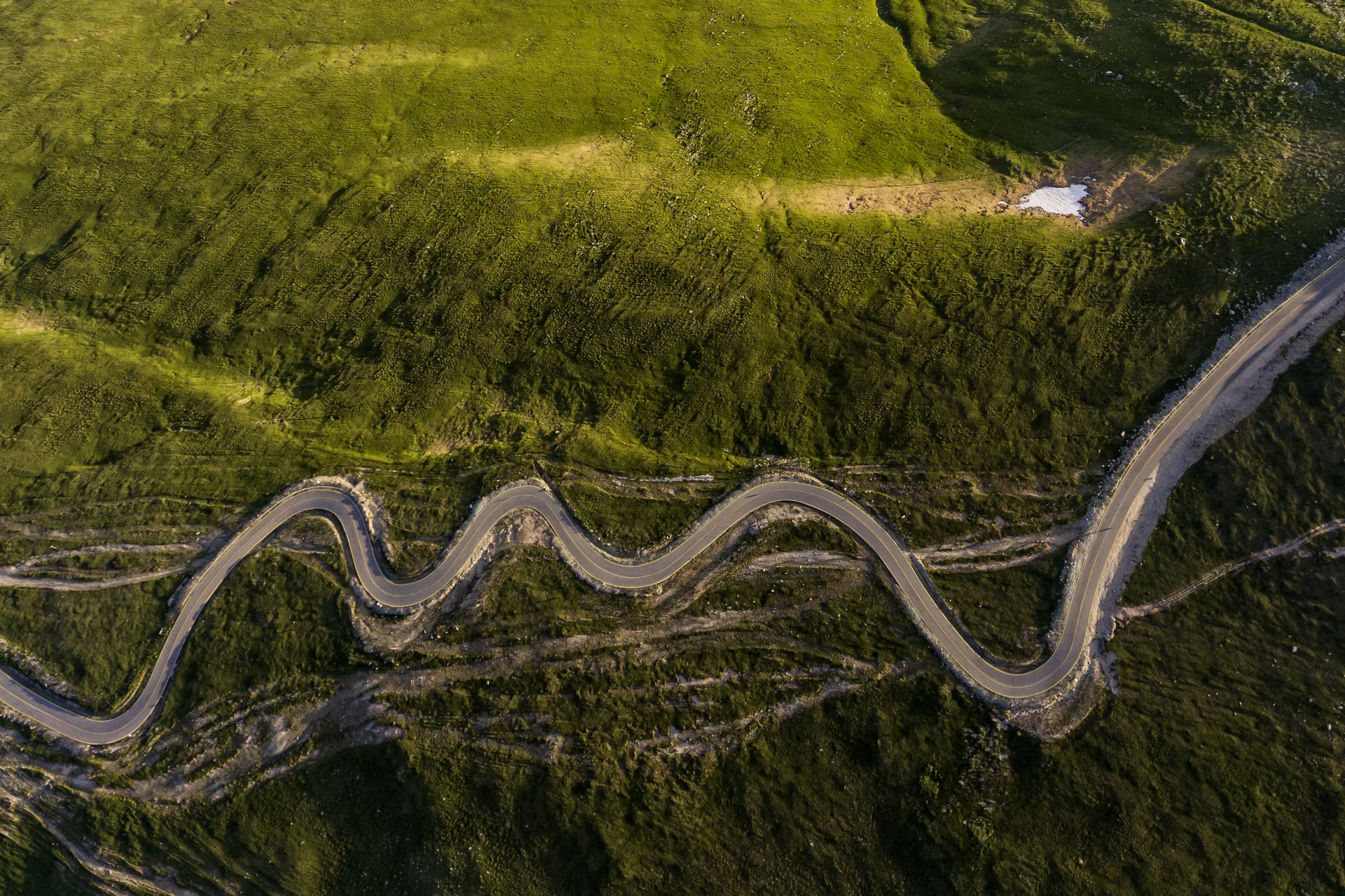
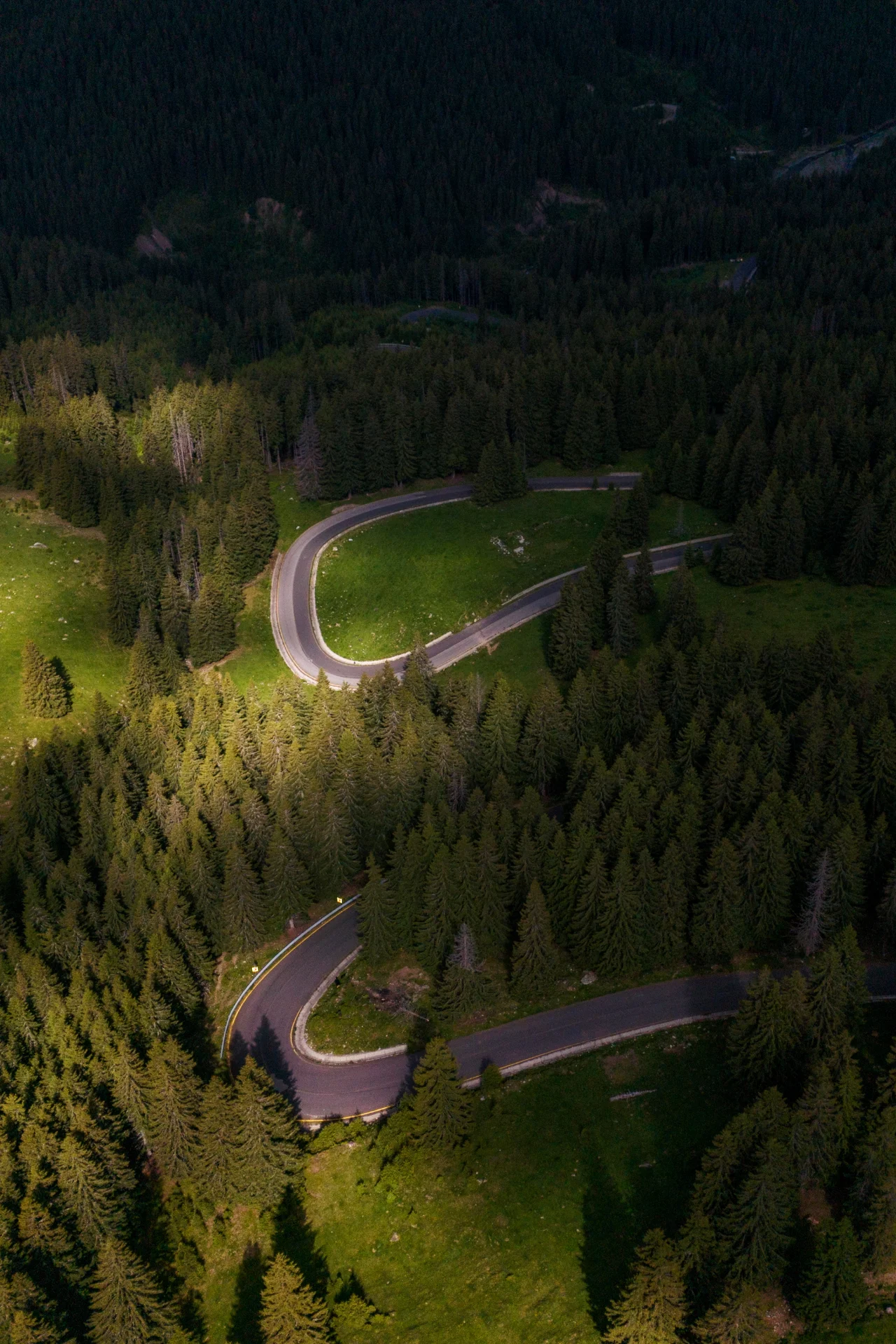
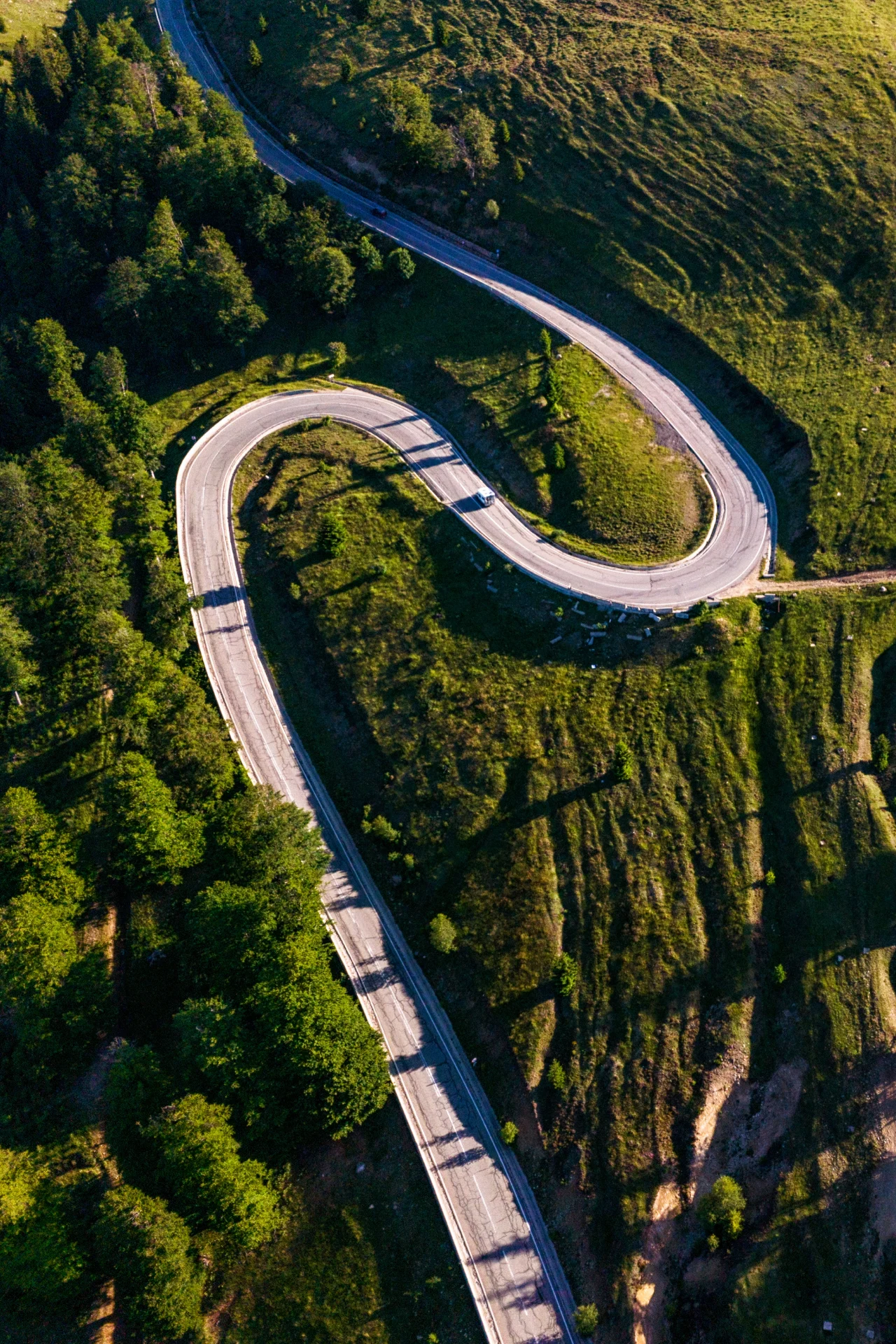
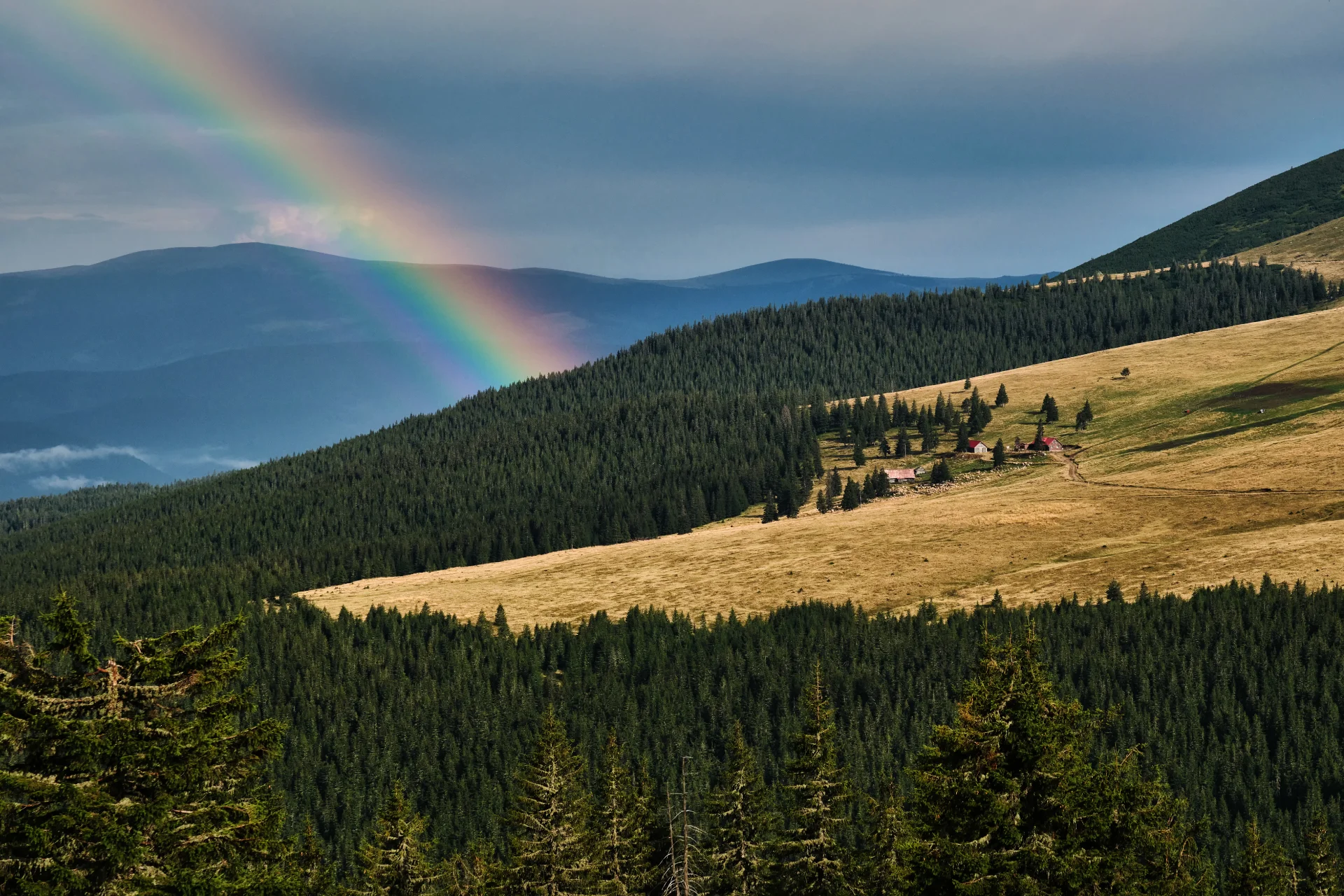
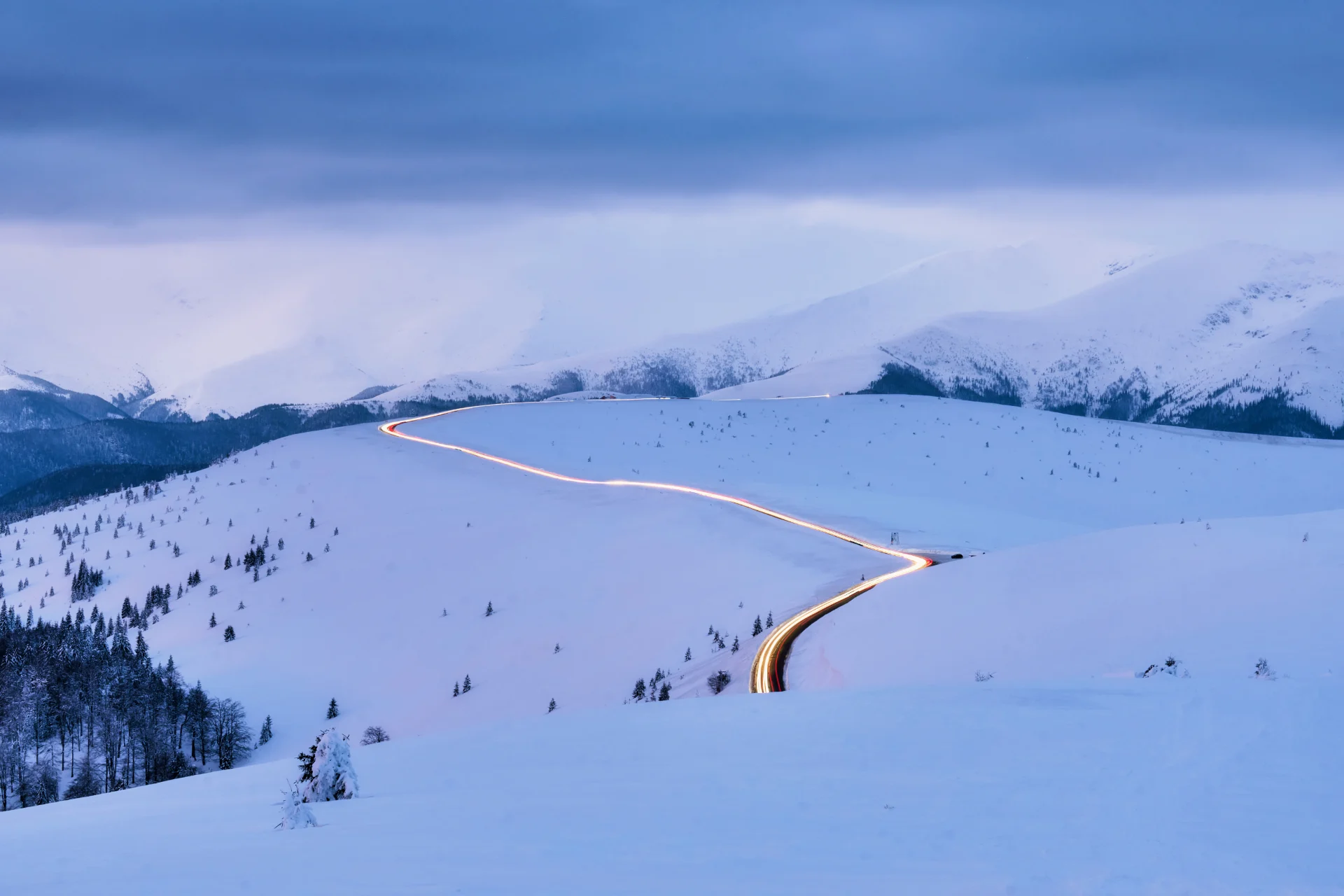
With an endless series of chained curves and a carousel of steep ascents and descents, this road over the mountains reveals picturesque landscapes and incites unique emotions, a journey through the clouds that evokes the primordial joy of exploration and discovery!
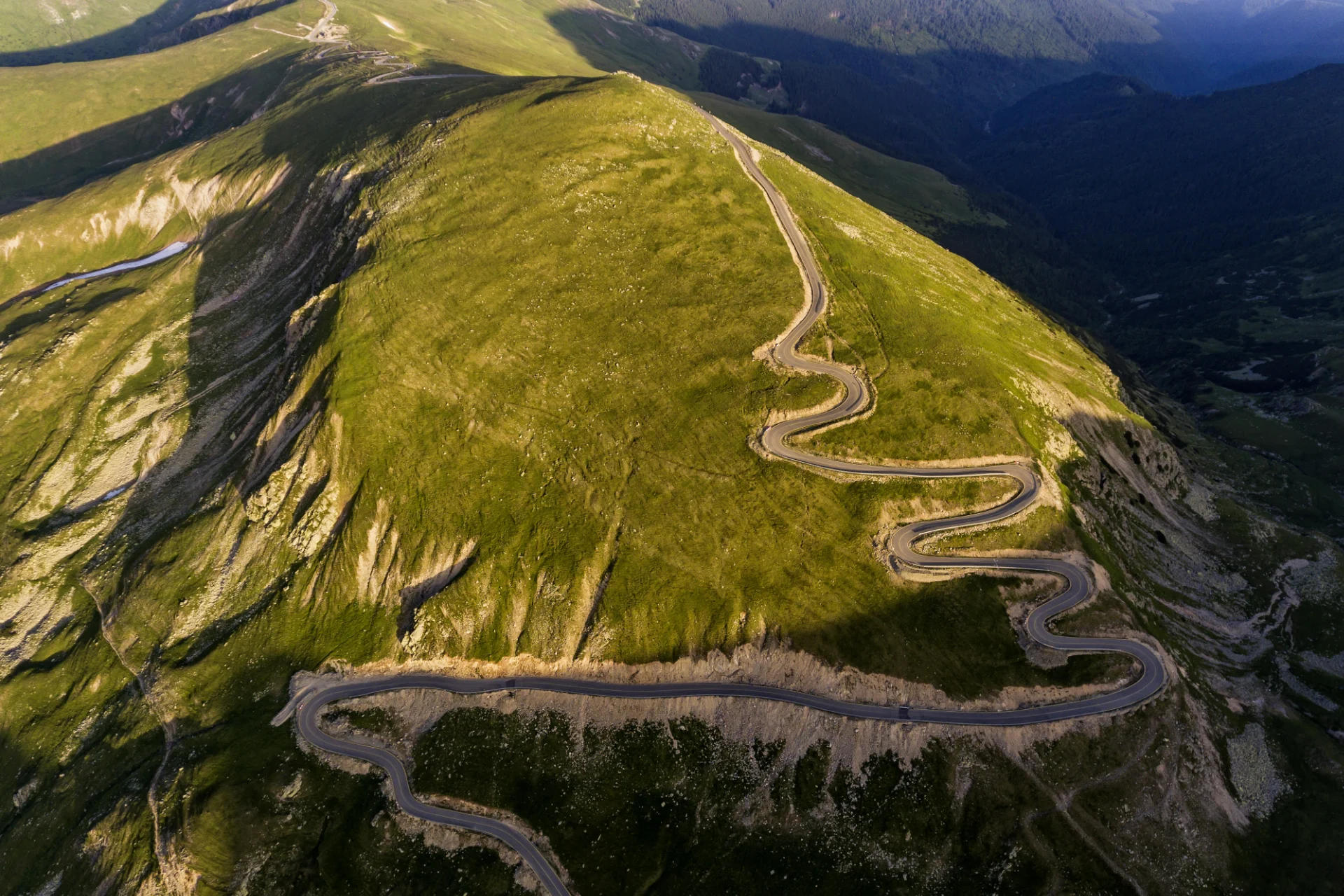
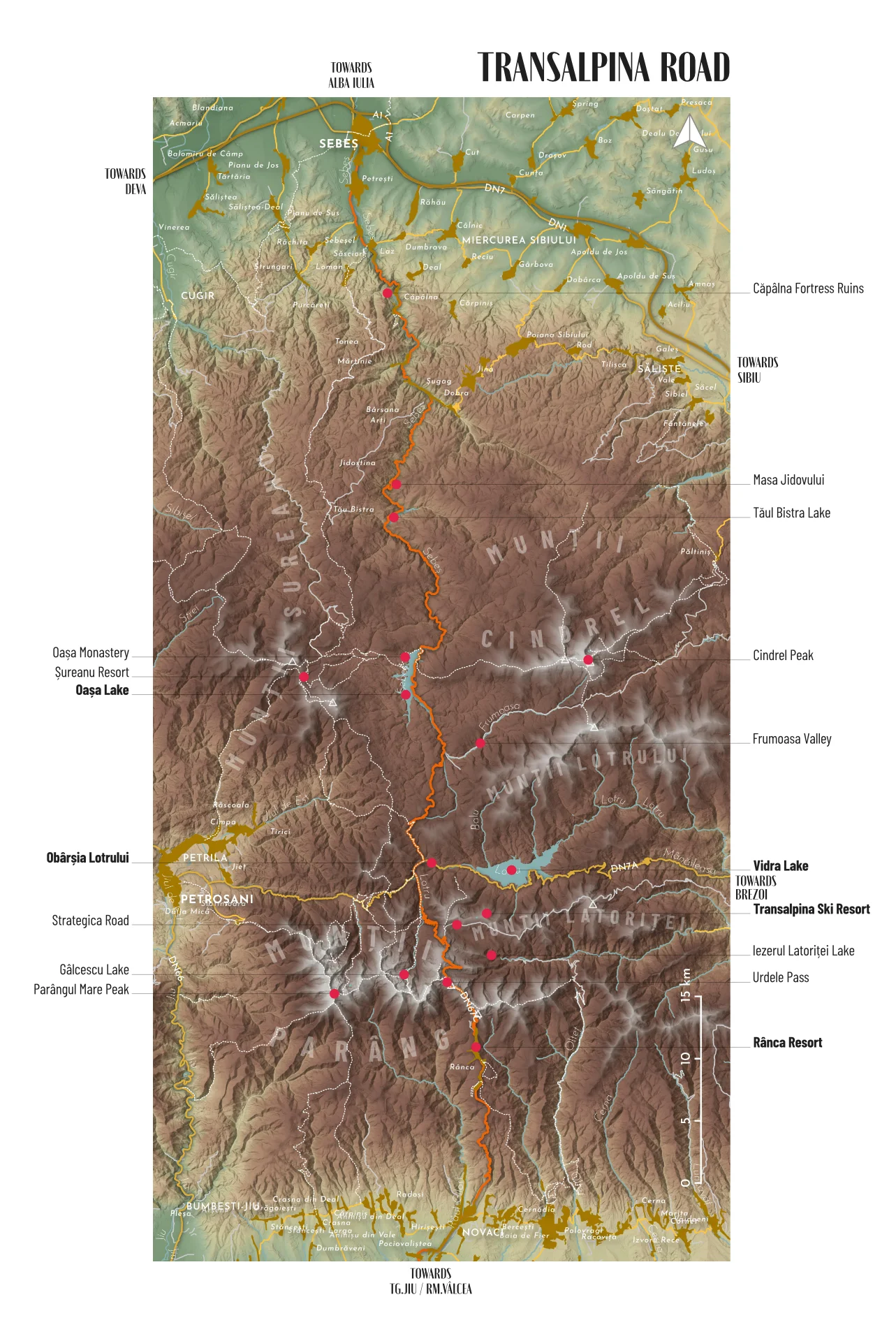
Born during World War II from an old transhumance route that connected Romanians to the two sides of the Carpathians, Transalpina (DN67C) is the highest road in Romania and is also known as the “King’s Road”, having been officially opened by King Carol II. We can start exploring this exciting road over the mountains from either end, but we choose to start from the south, beginning from the small town with pastoral traditions Novaci, while across the mountains the old medieval fair of Sebeș awaits us. The pulse begins to rise as soon as we encounter the first steeper slopes right at the exit of Novaci. From here, the sections with difficult slopes and curves intertwine with smoother sectors, where we can enjoy the incredible beauty of the surrounding landscapes.
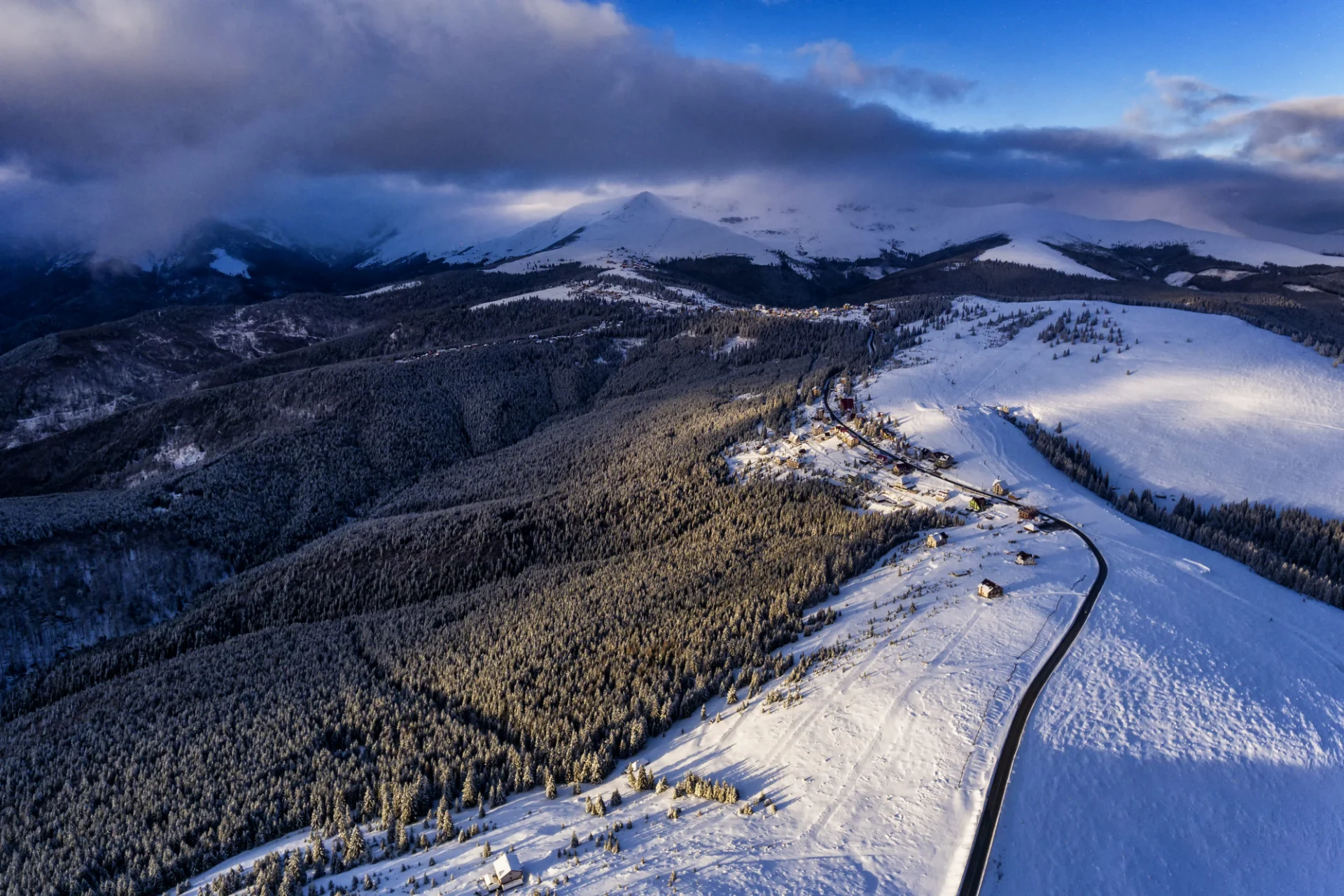
We quickly gain altitude and the surrounding panoramas become captivating, with the Parâng ridges stretching endlessly to the west, while the Căpățănii mountains unfold to the east. Although anyone can face the obstacles that the Transalpina puts in its way, the road has quite demanding and dangerous sections, where a lot of attention and some experience are needed. The cold air of the heights wakes us up completely, moving on through the cabins and villas that littered, often chaotically, the Rânca mountain resort, very popular especially for winter sports. Located at an altitude of 1,600 meters, it comprises 5 modern ski slopes and numerous opportunities for other leisure activities.
Search for Flights to Romania with Booking.com!
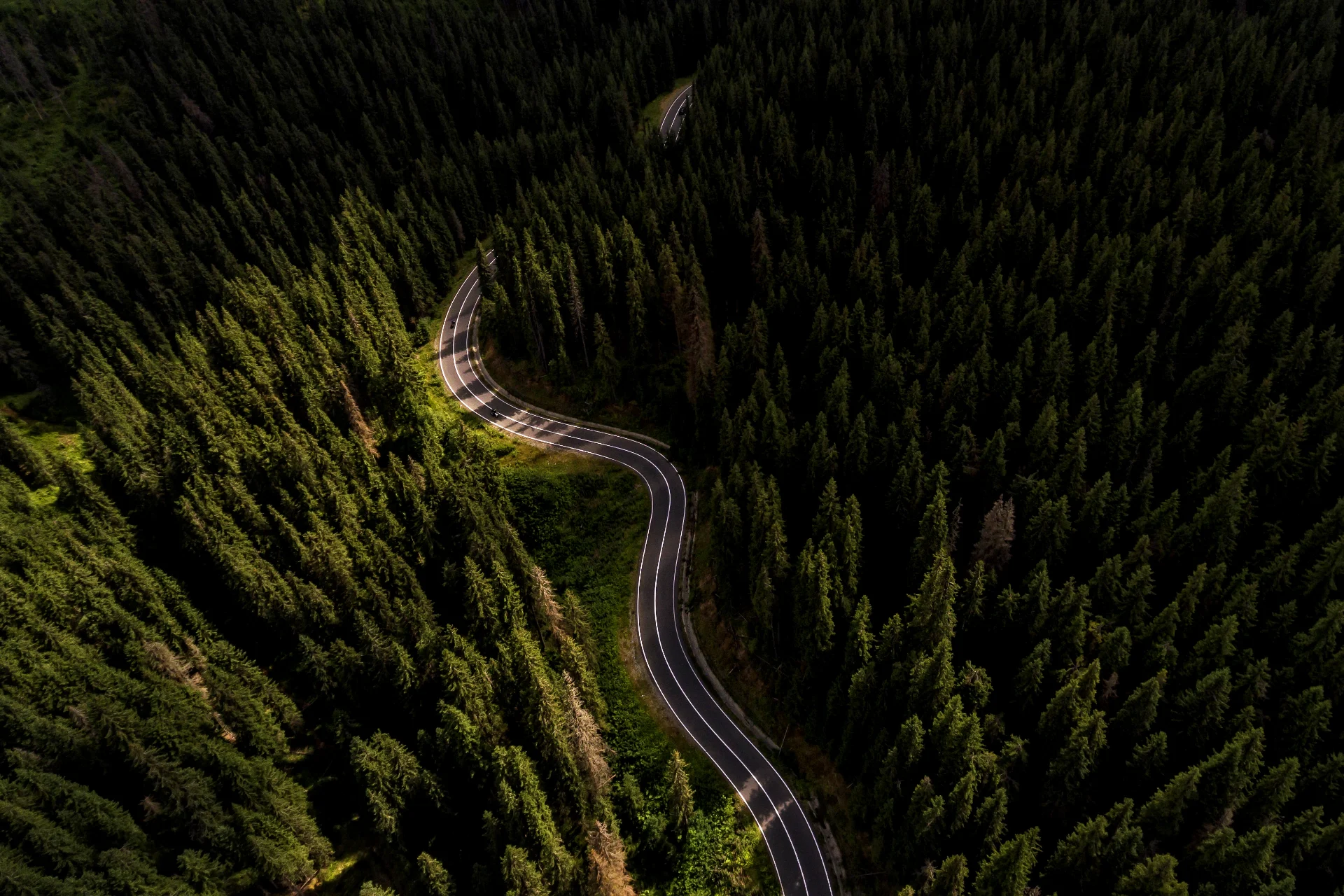
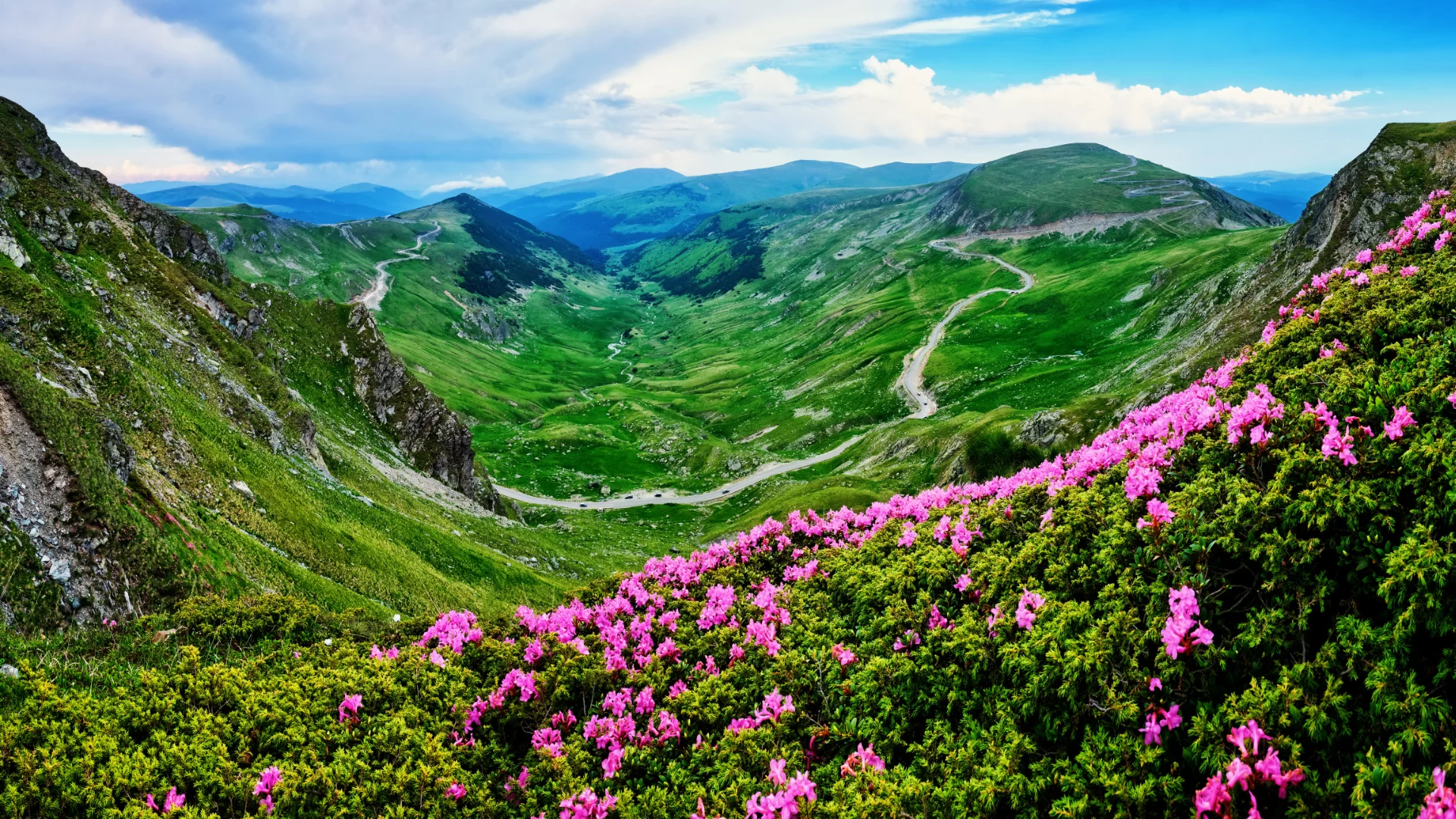
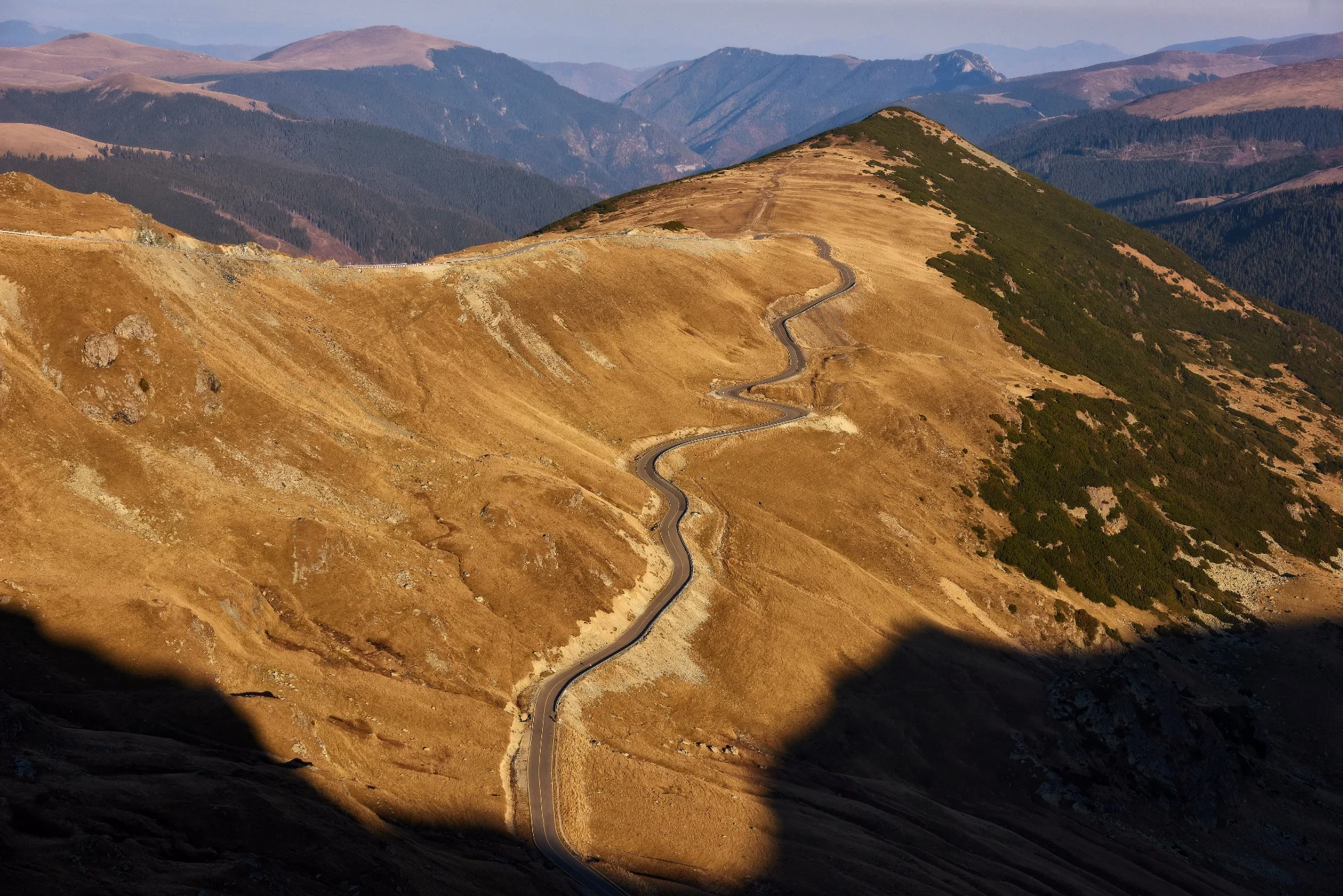
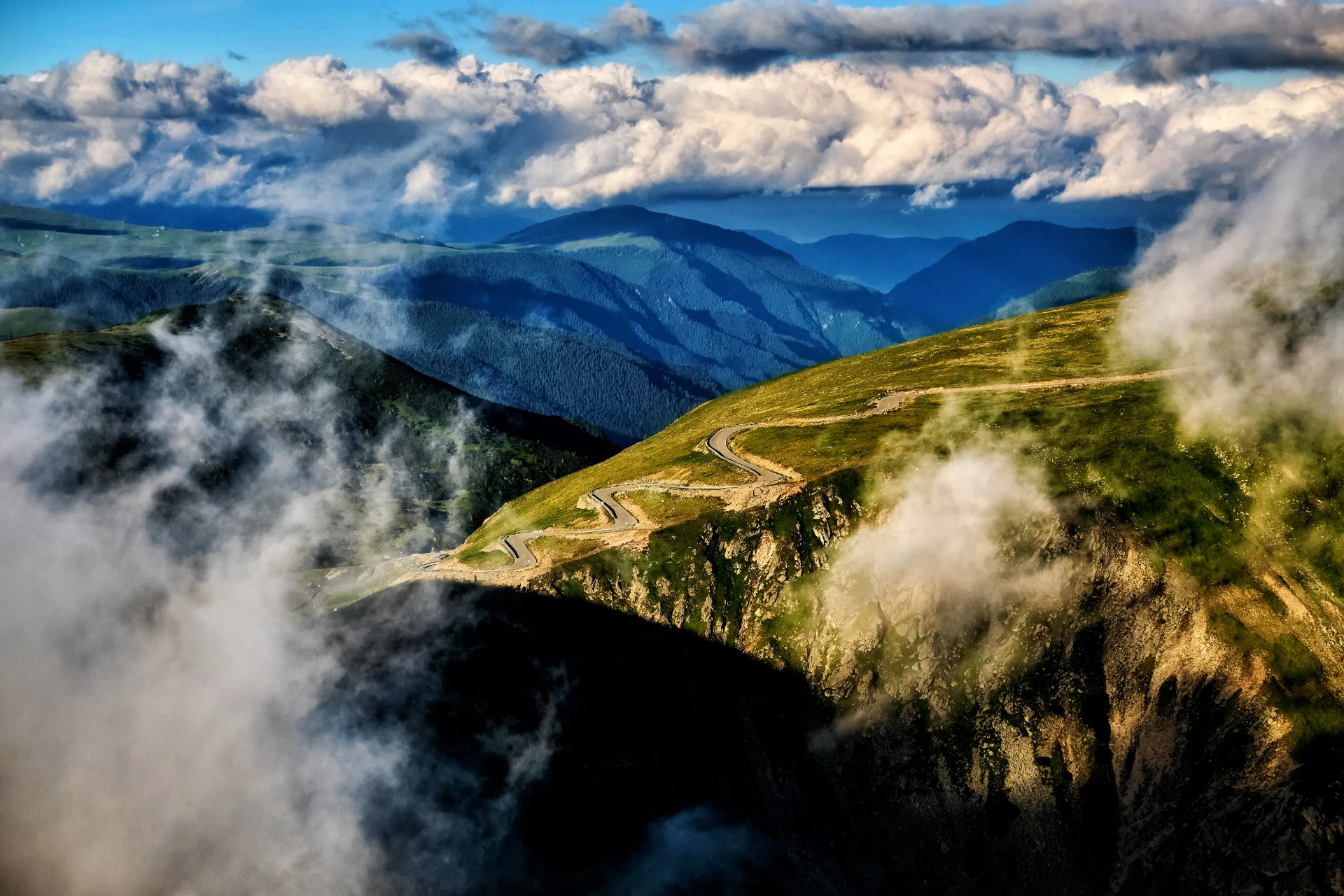
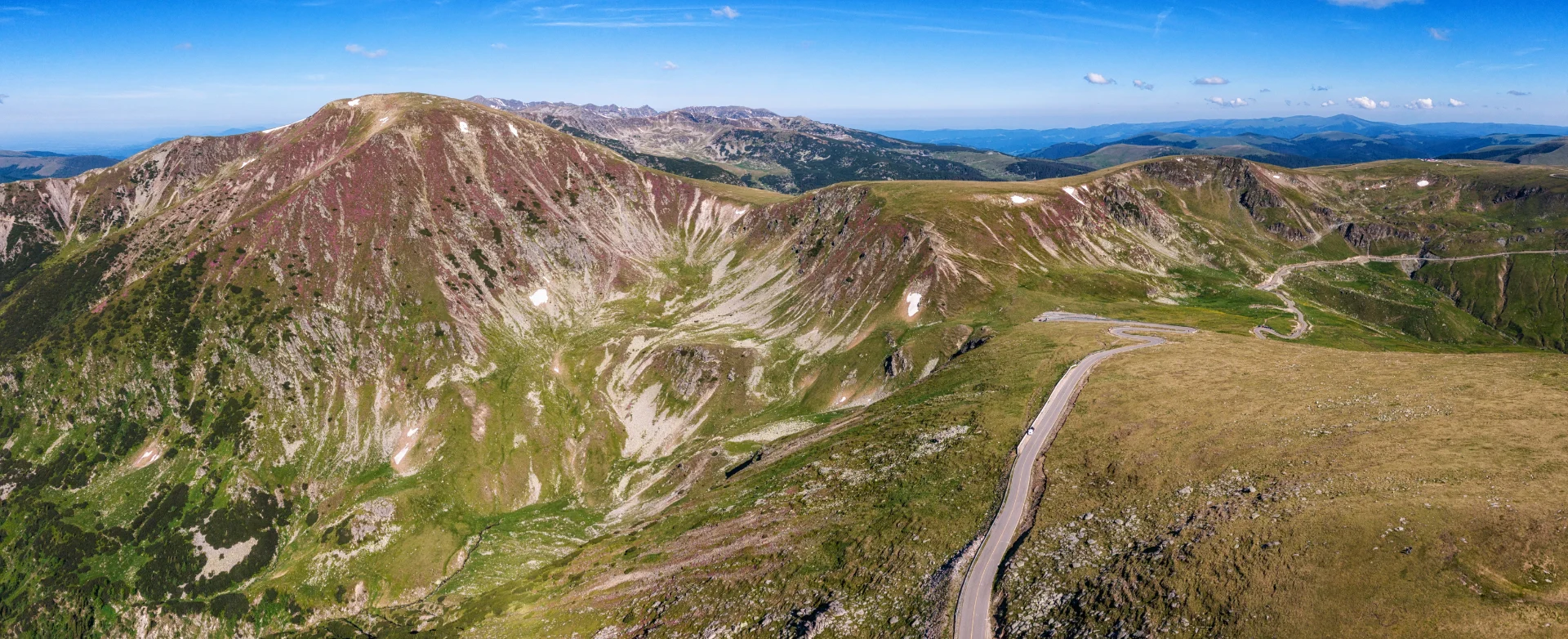
Beyond this, we begin the spectacular climb up the steep slopes of Păpușa Mountain and circling the pyramid-like peak, we soon reach the Urdele Pass (2,132 meters), the highest point of the journey and the highest altitude reached by a road in Romania. Although not at the same level as the Transfăgărășan, the Transalpina can also become quite crowded on hot summer days, when thousands of cars, motorbikes and caravans head for the heights. From here, we prepare for the dizzying descent to the most impressive part of the road, over the dramatic ridge of the Parâng Mountains. We continue through the Urdele Valley and past the Cărbunele Waterfall, climbing again to the peak of Muntinu Mare, where we have the chance to admire wide and enchanting panoramas of the surrounding ridges and the valleys that descend towards Iezerul Latoritei and Lake Galbenu.
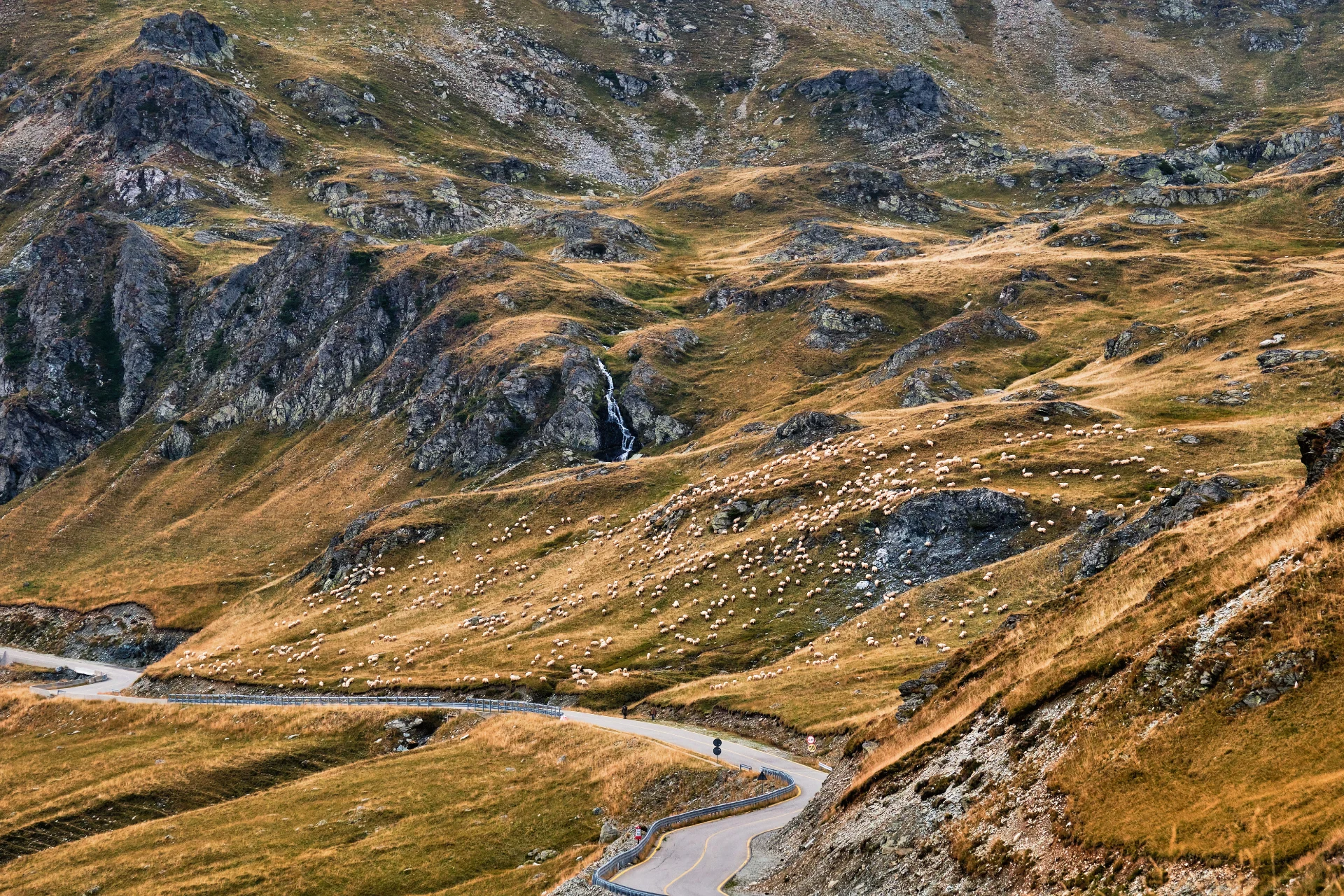
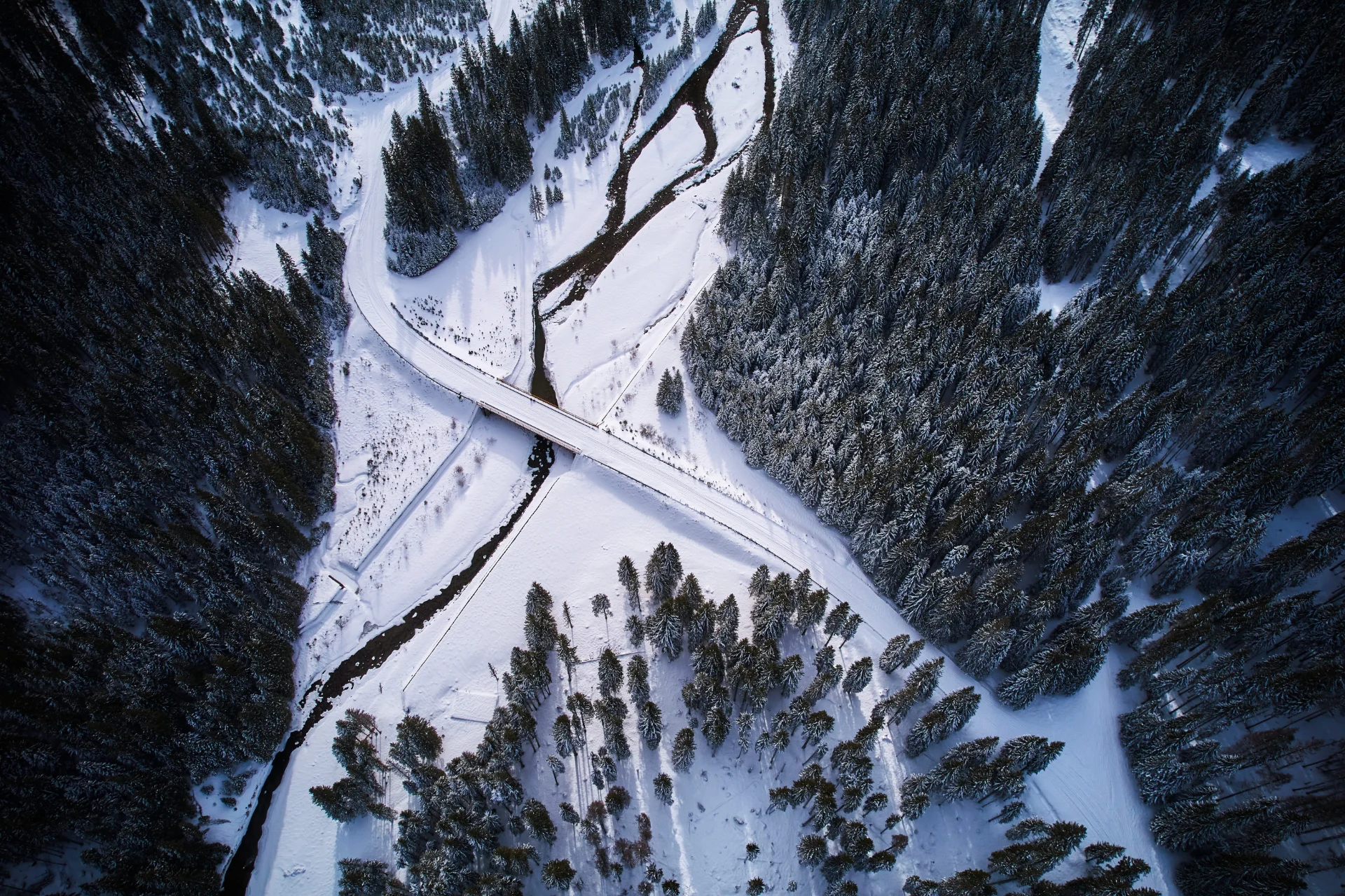
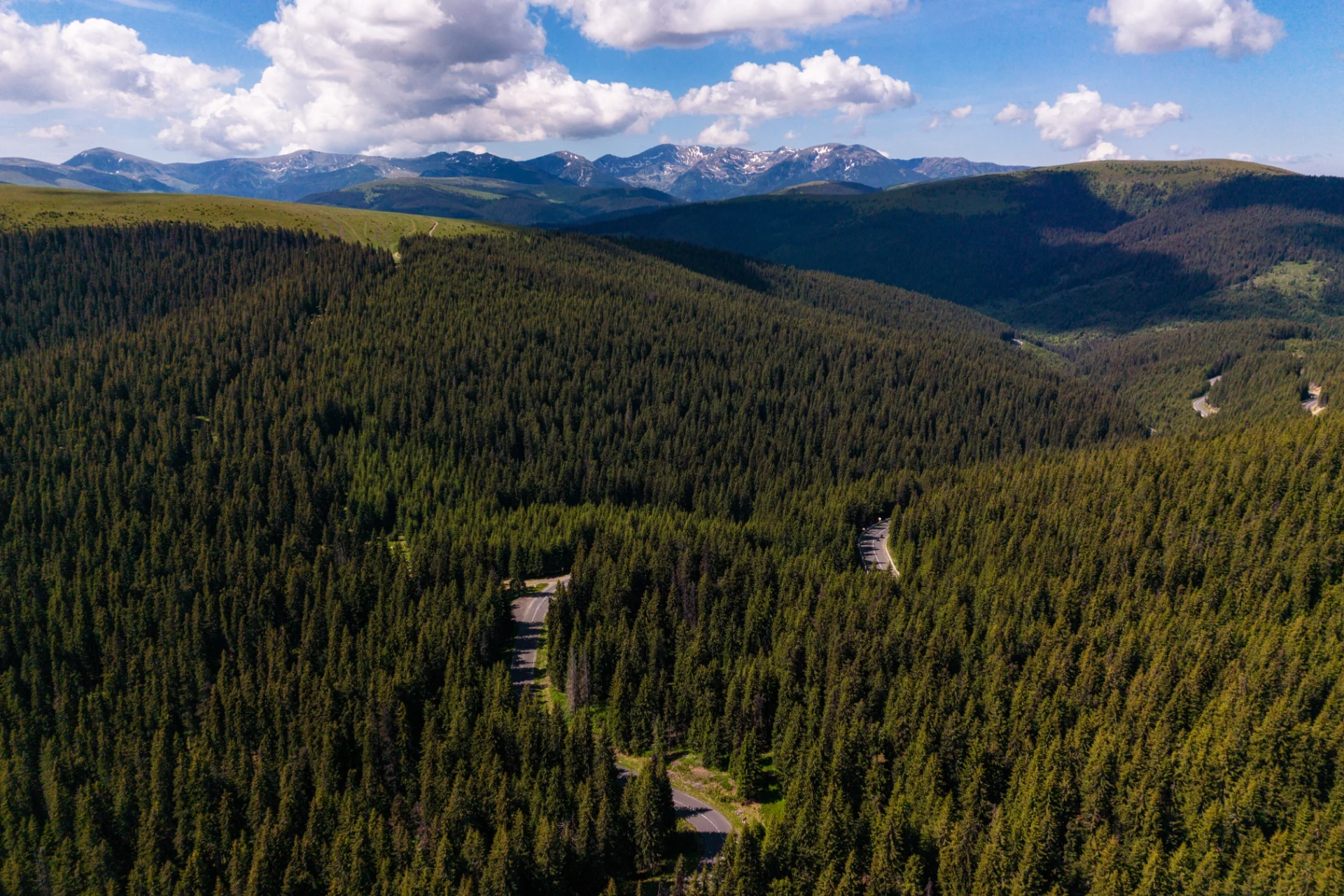
We resume our journey and the Transalpina continues to climb and descend the rocky peaks, often winding along the edge of deep precipices. In the distance, we discover flocks of sheep and lonely sheepfolds, and sometimes stubborn donkeys appear on the side of the road. Passing the Ștefanu sheepfold, we descend precipitously in a long series of hairpin bends and enter the Lotru valley, where the Transalpina meets another fascinating road that connects the towns of Petroșani and Brezoi through the heart of the mountains. Nearby is the area known as Obârșia Lotrului, which includes several guesthouses and picturesque chalets. From here, the Transalpina begins to climb again, this time more slowly, through forests of tall fir trees.
Search for Lodging along Transalpina Road on Booking.com!
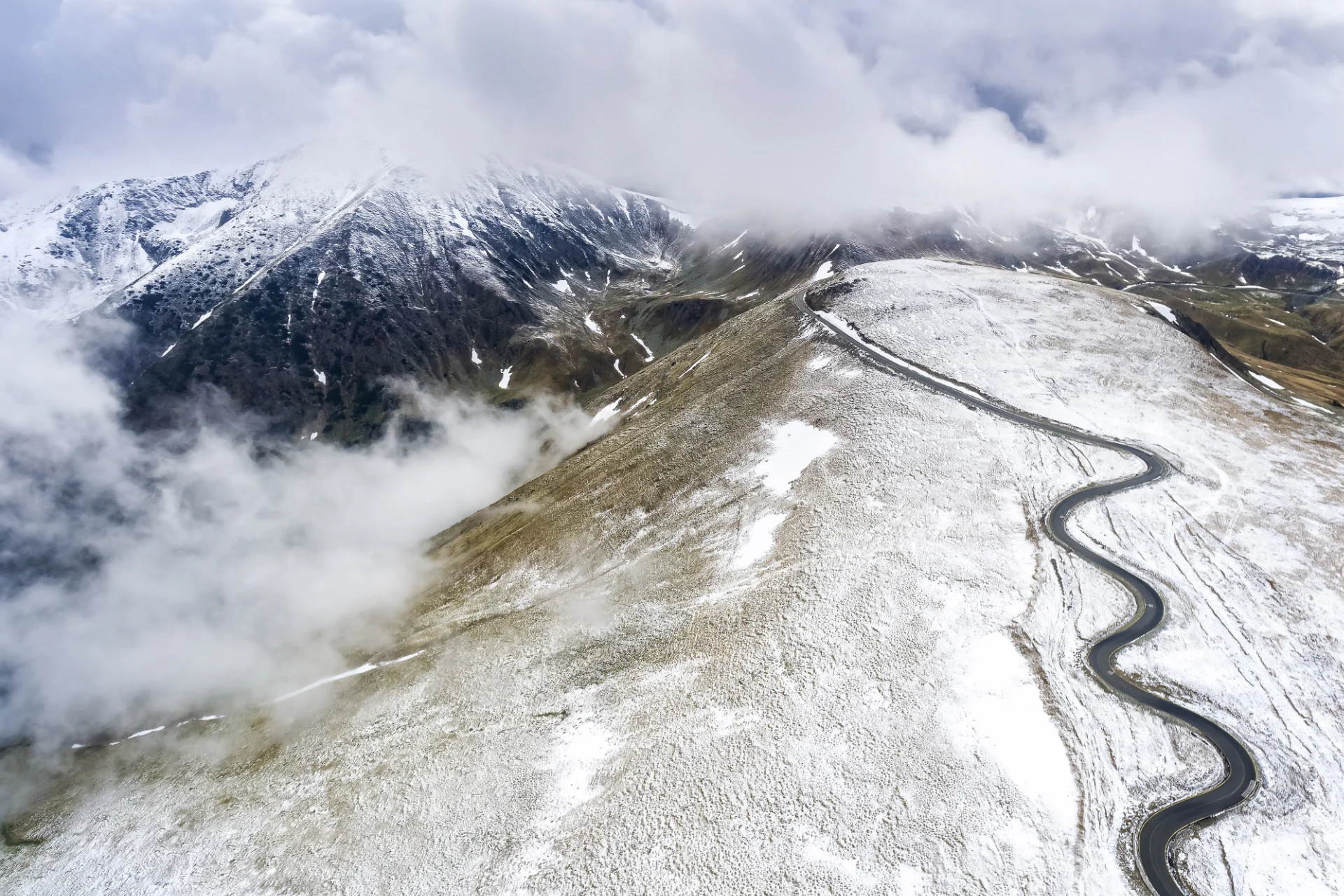
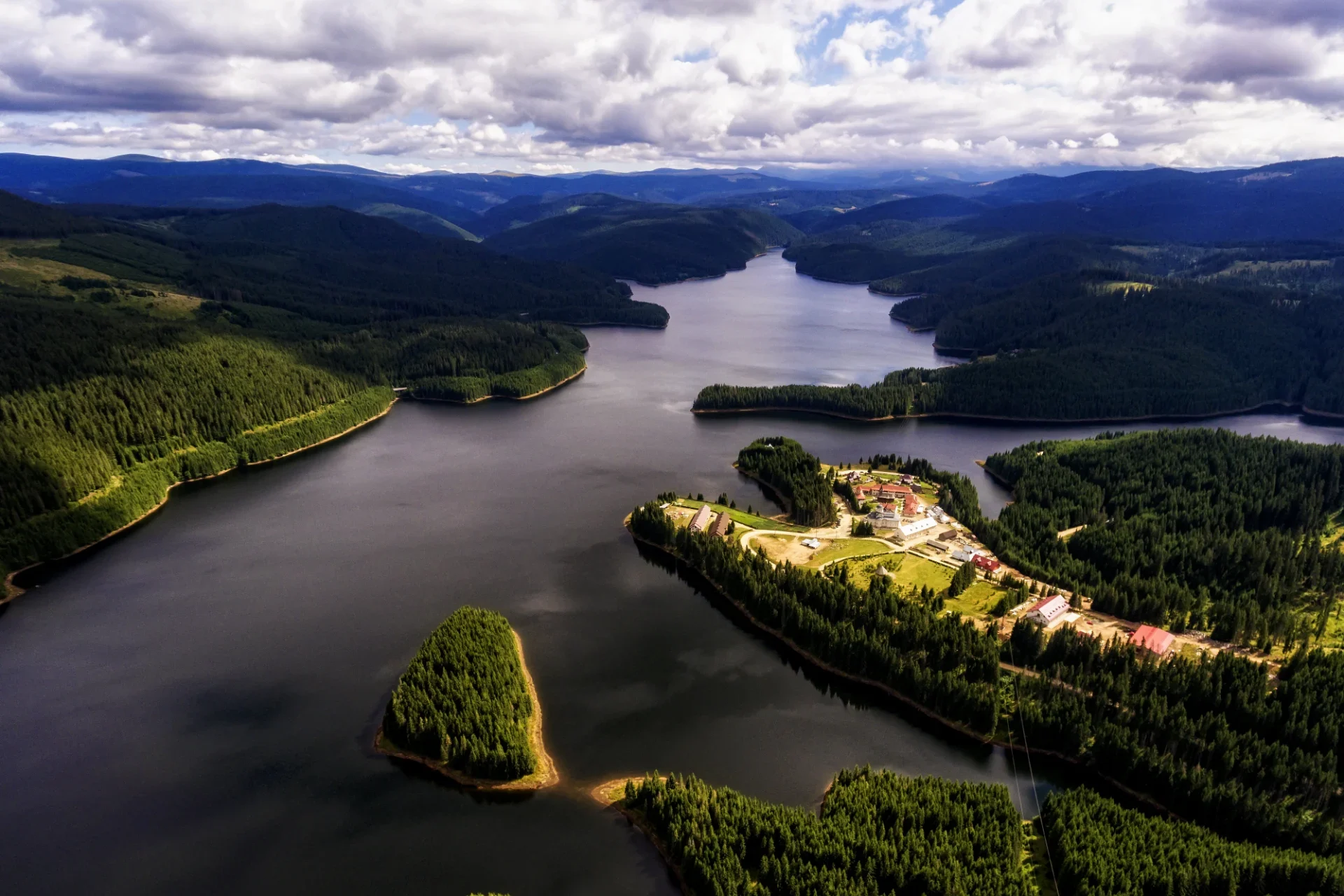
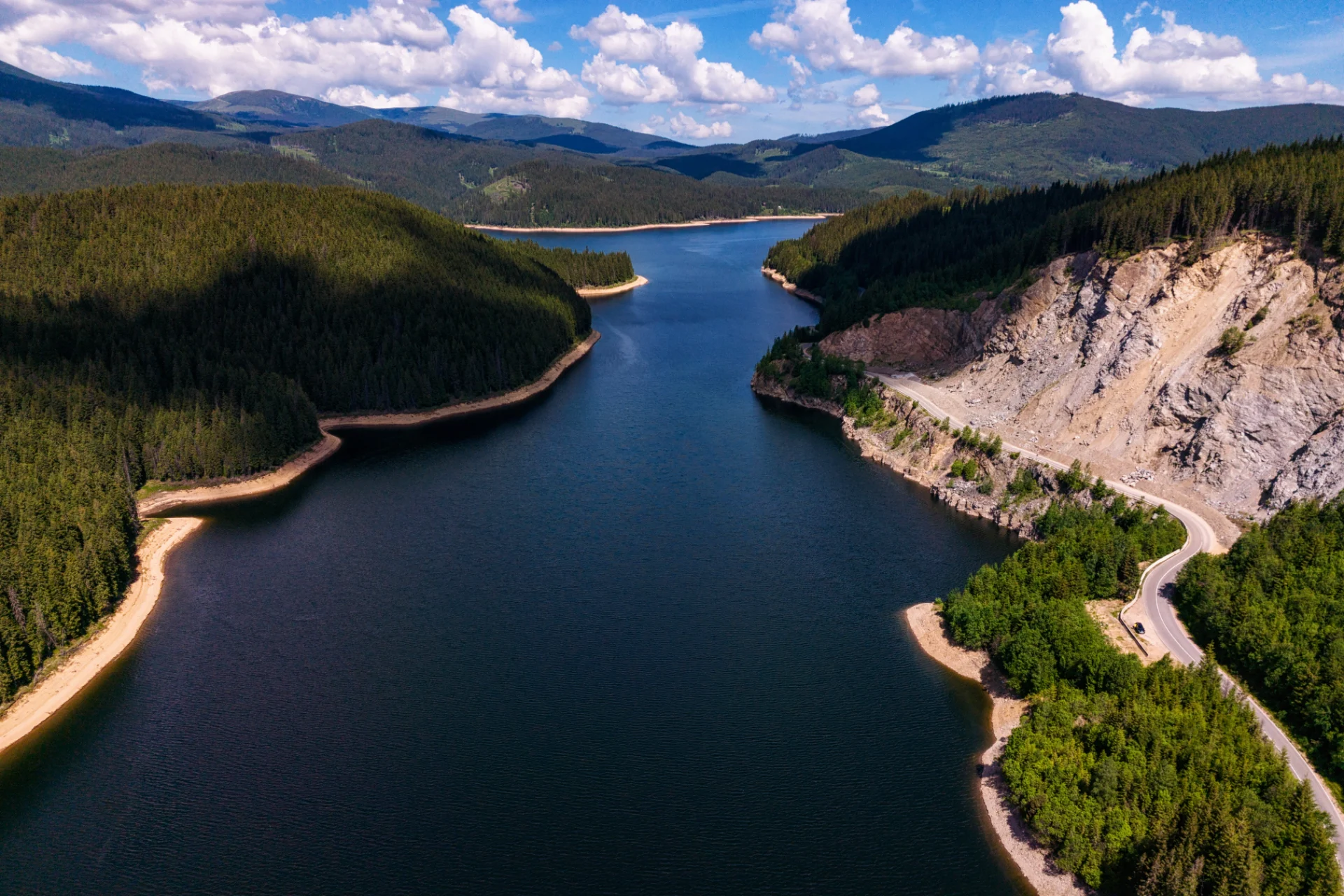
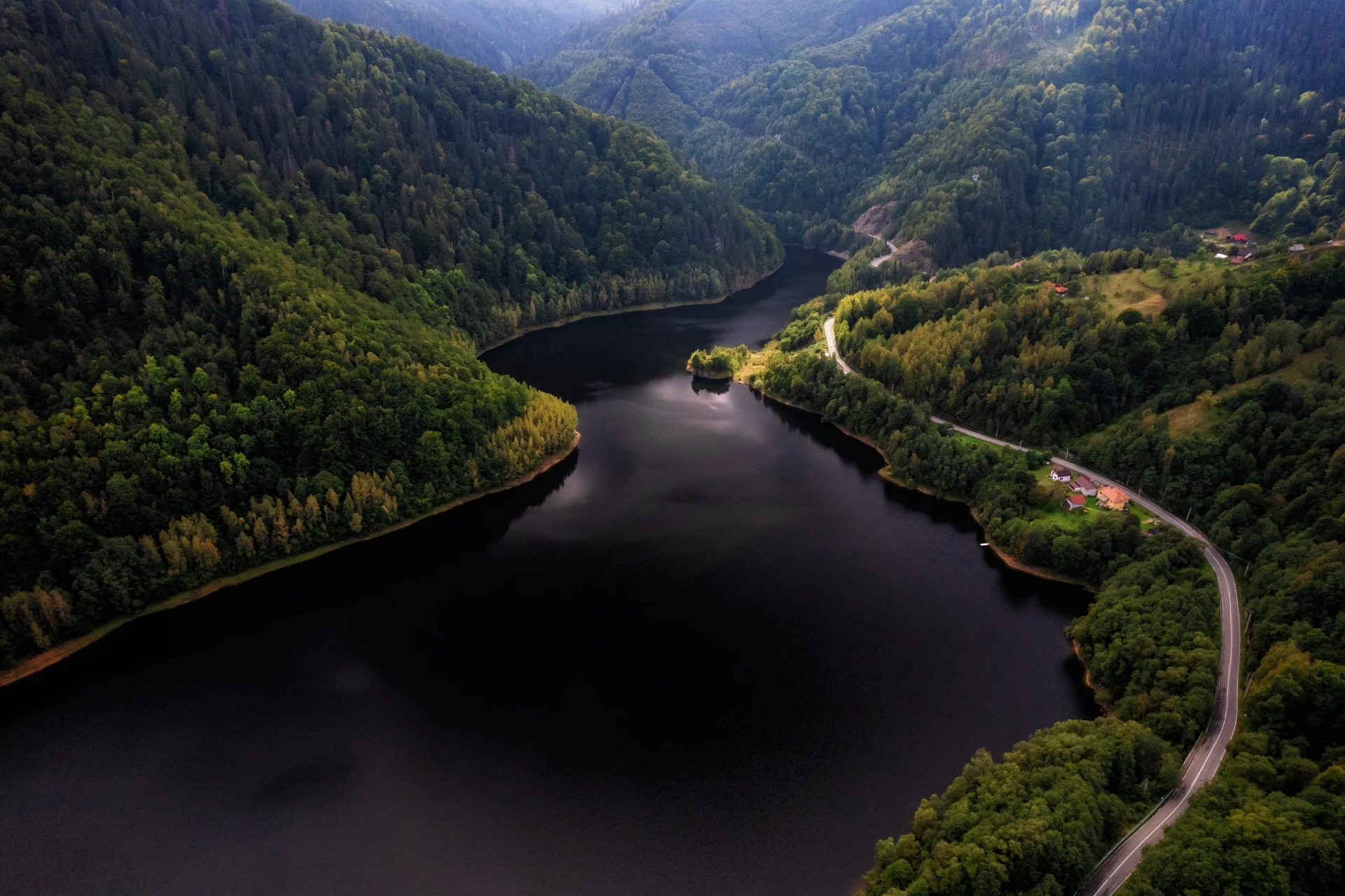
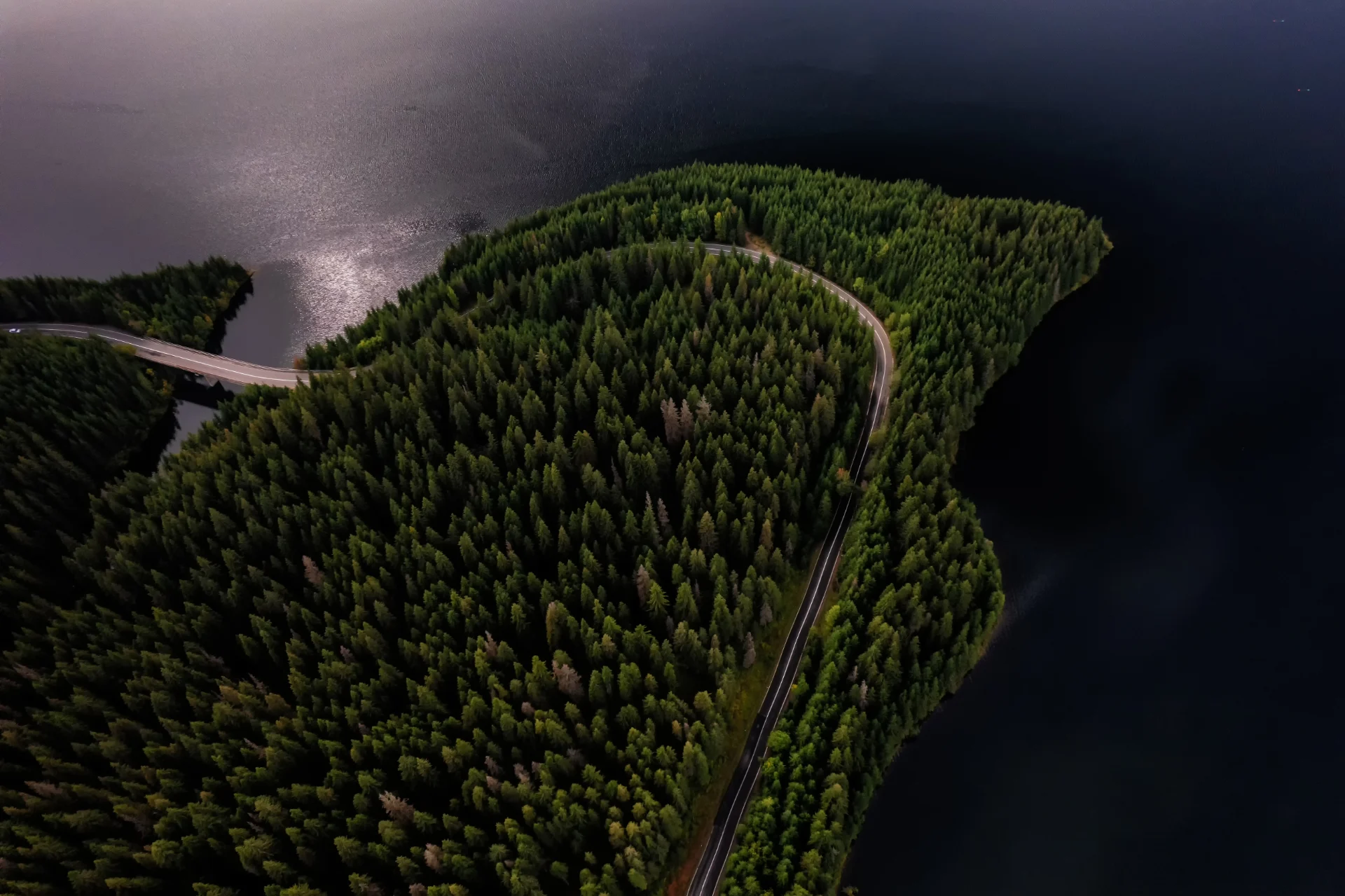
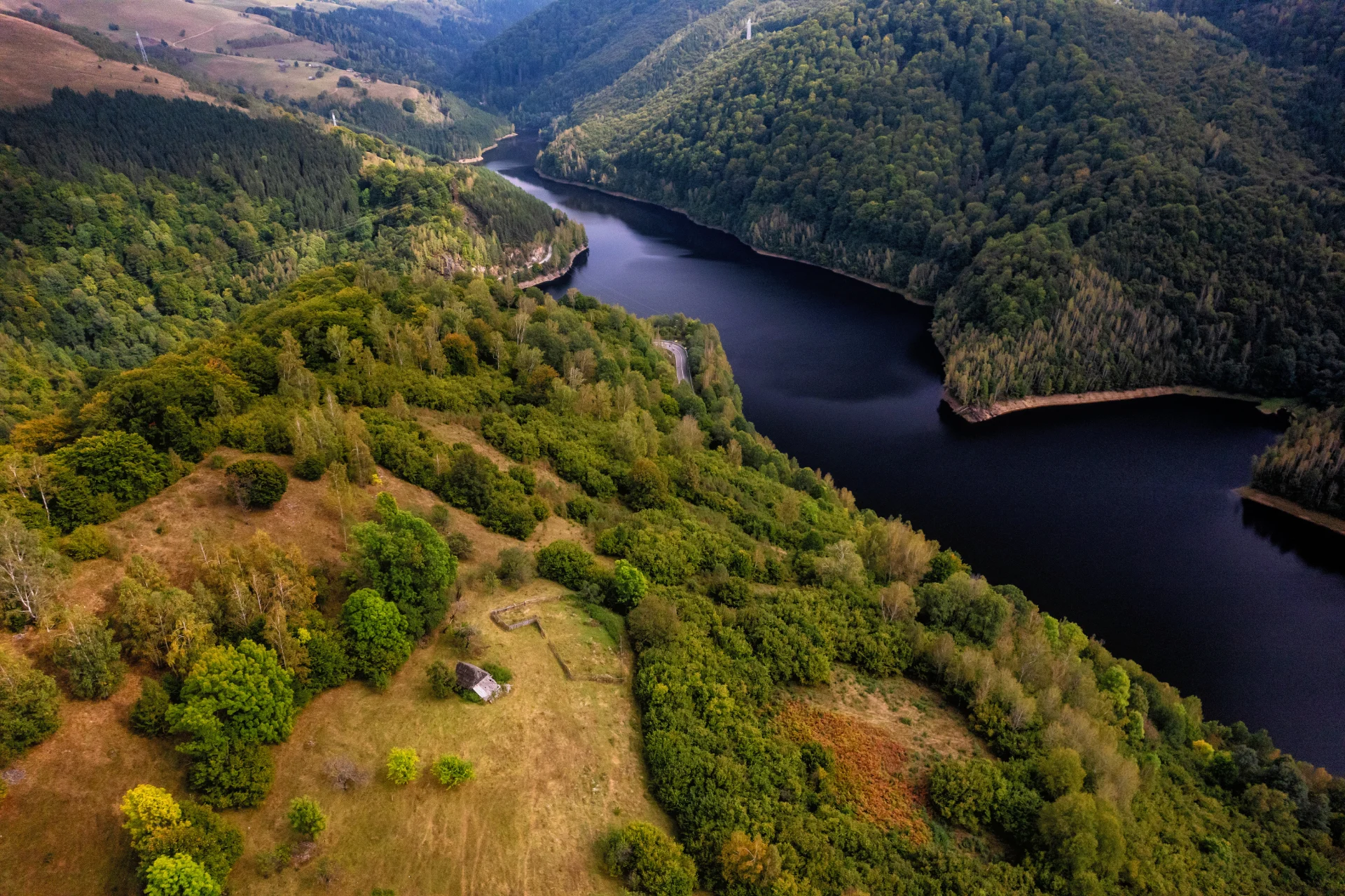
After a few quieter kilometers, we reach the intersection with the idyllic valley of Frumoasa, at the end of which a corner of heaven awaits us within the Cindrel Natural Park. Our journey continues, however, slowly descending towards the Oașa Lake, with its impressive dam that has chained several rushing rivers. Considered one of the most beautiful in Romania, the lake arranged on the Sebeș River has a length of approximately 6 kilometers and an area of almost 5 square kilometers, being located at an altitude of over 1,200 meters. From here we can start some charming hikes to the surrounding peaks, the views from above over the lake being memorable.
We leave Transalpina and continue on a road on the other side, stopping for a few moments at Oașa Monastery, an oasis of spirituality that emerged in the middle of the wilderness a few decades ago. It was founded around a wooden church moved here after the construction of the dam and the formation of the lake, being recognized for its intellectual monastic community. Beyond this, the road becomes increasingly difficult, climbing towards the peaks of the Șureanu Mountains, a thousand-year-old hearth and almost uninterrupted by human habitation. In the meadows above Oașa Lake, two small mountain resorts have developed, with numerous chalets and tourist guesthouses.
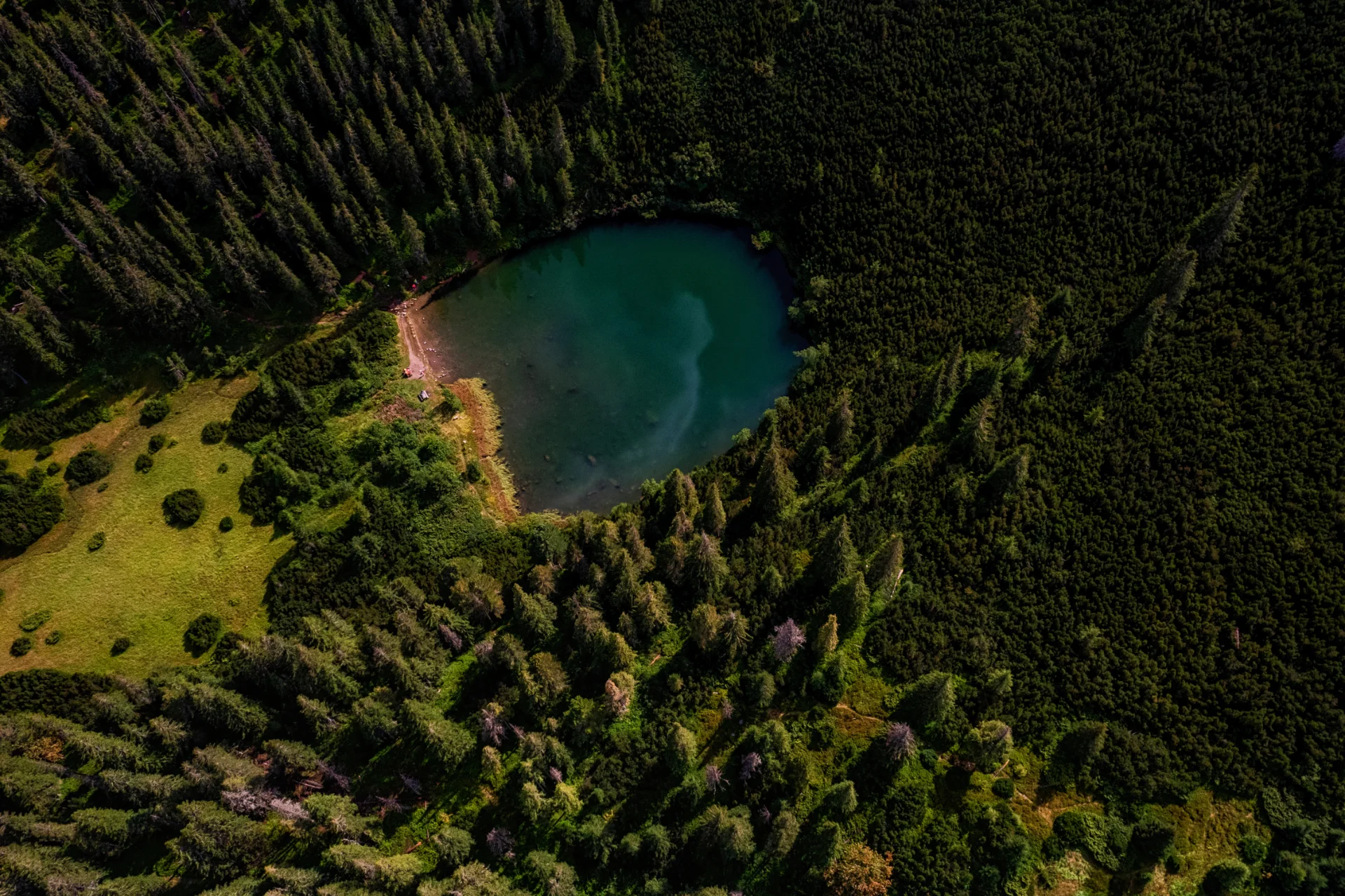
Passing through Luncile Prigoanei and Poarta Raiului, we can reach Curmătura Șureanu, where in winter there are excellent ski slopes. From here we also start on several short but very pleasant hiking trails, some offering incredible views of Lake Oașa and the surrounding imposing peaks. A short walk through the forest leads us to Iezerul Șureanu, the only glacial lake in these mountains and among the most beautiful in the Carpathians. Surrounded by coniferous forests and with many rare flower species growing on its shores, the small lake is protected in a nature reserve and offers us a few moments of splendor. Another short but somewhat more demanding trail takes us to the Șureanu peak, located above the lake and revealing new memorable panoramas of these mountains.
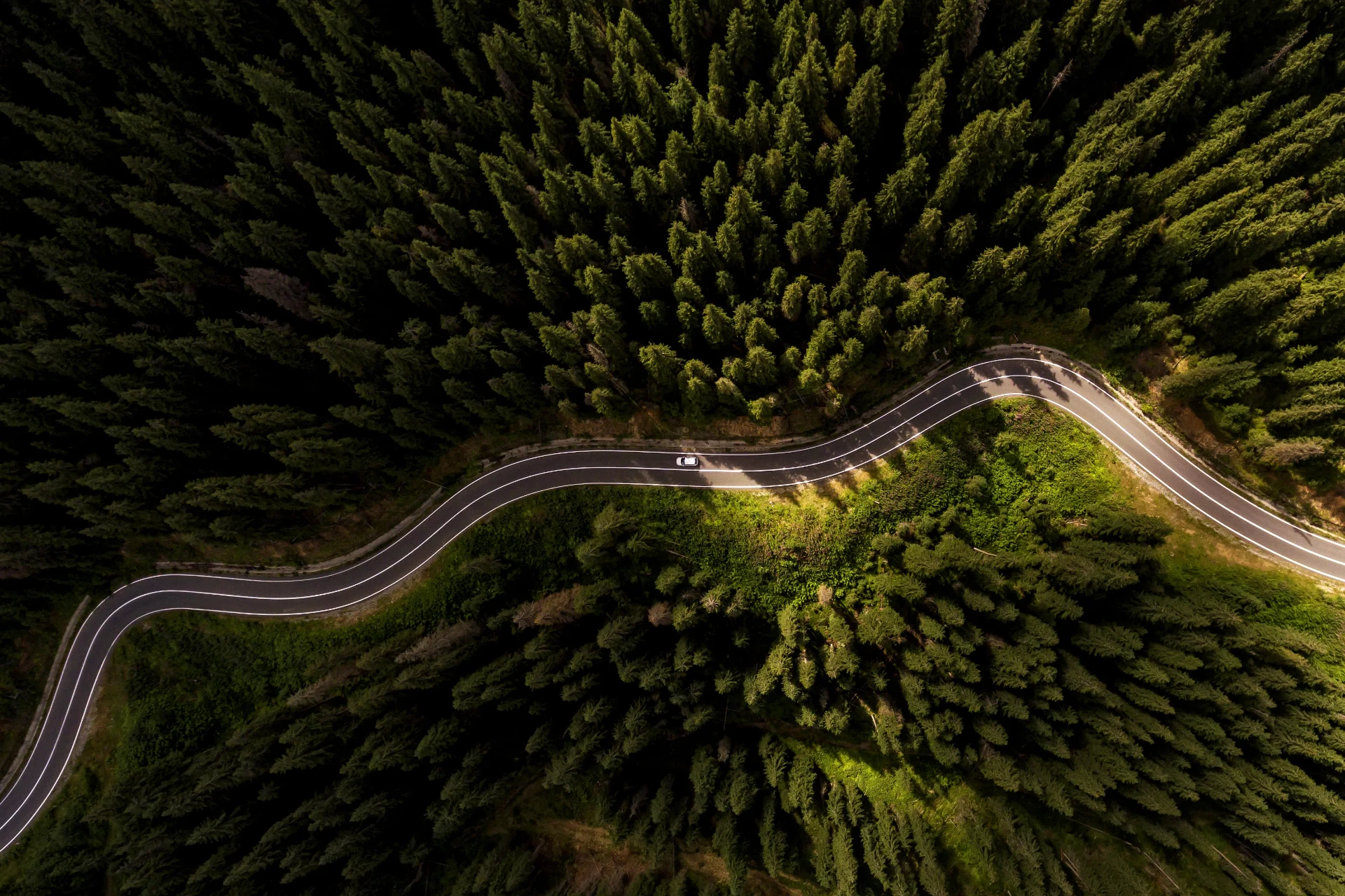
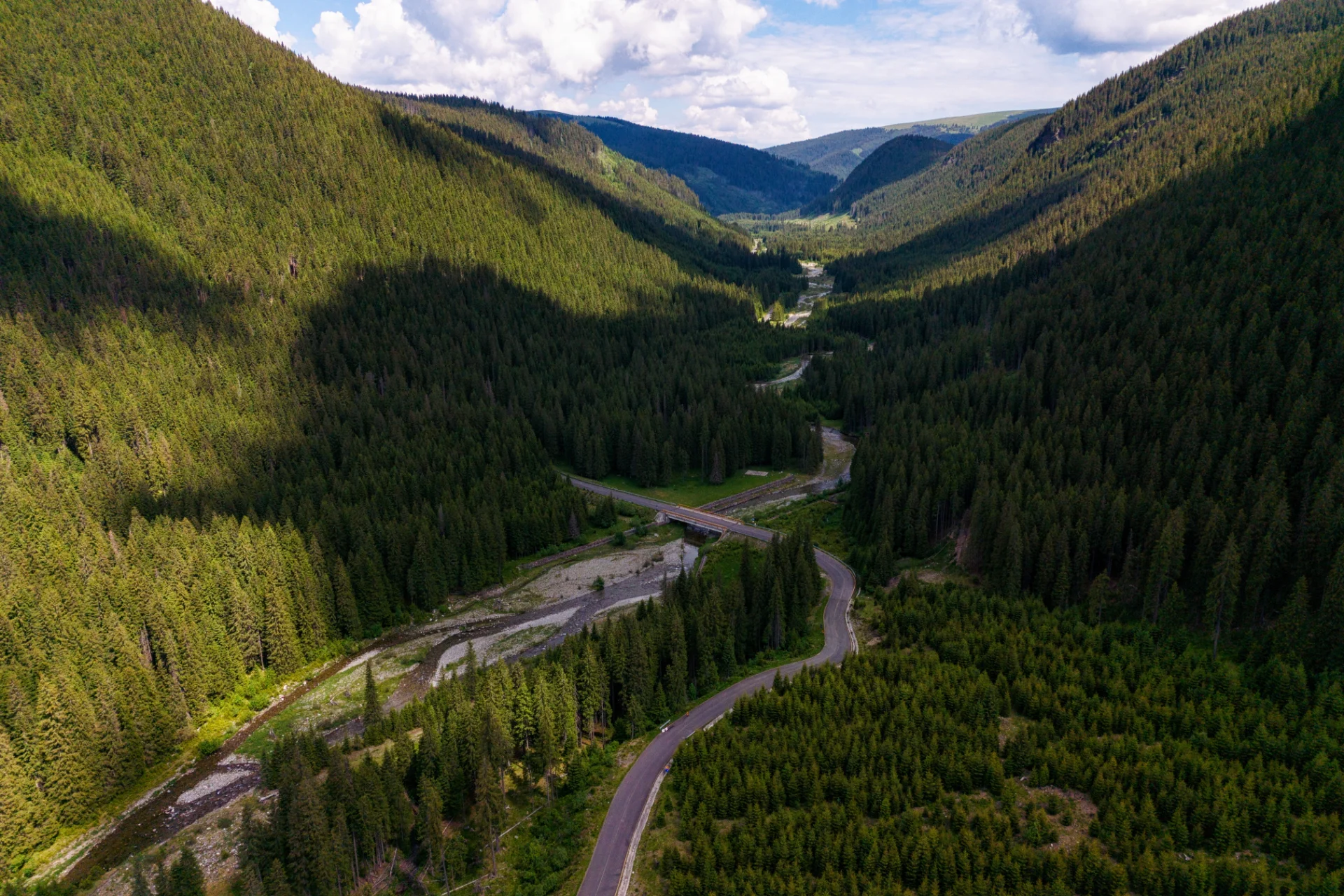
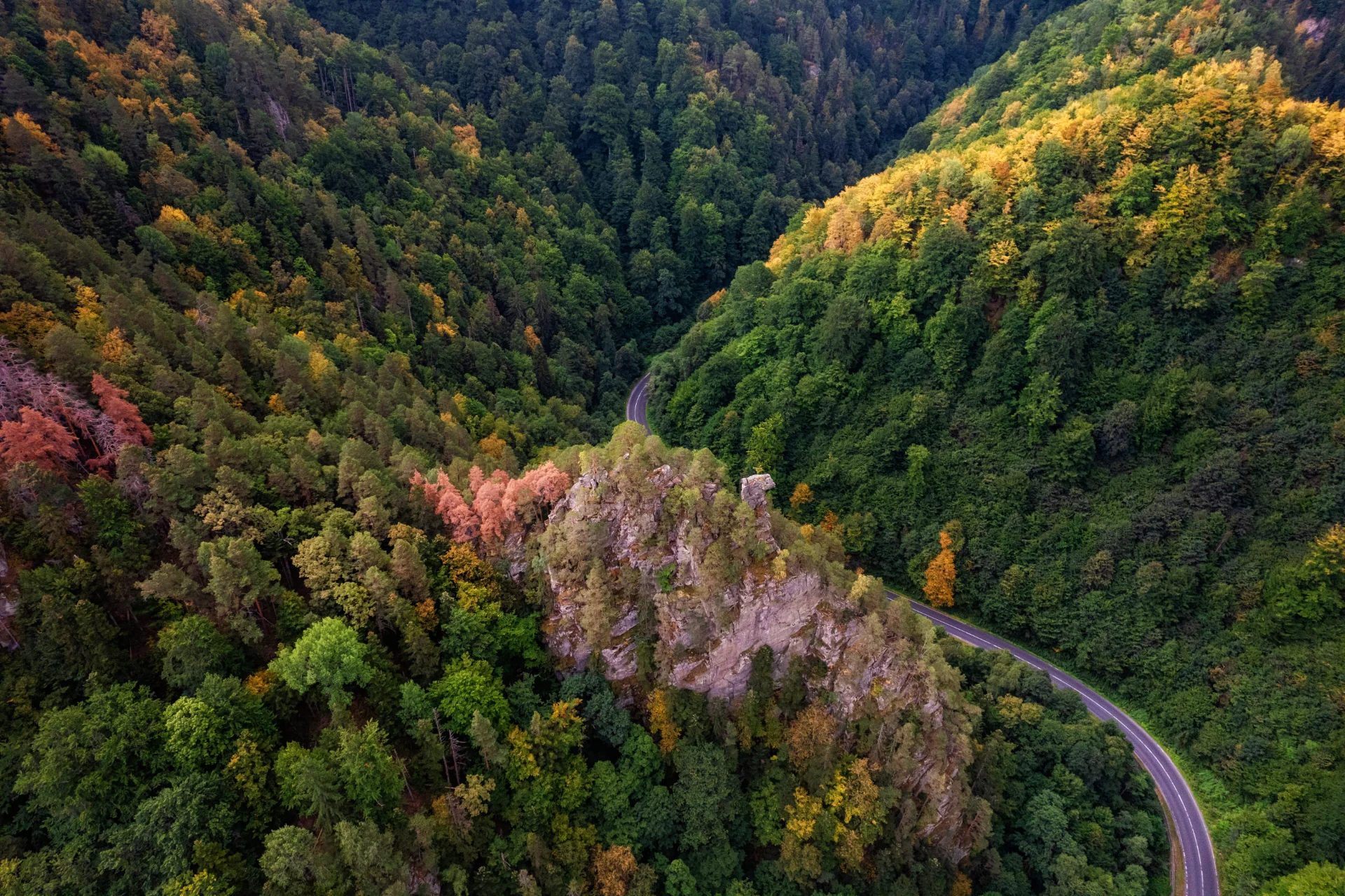
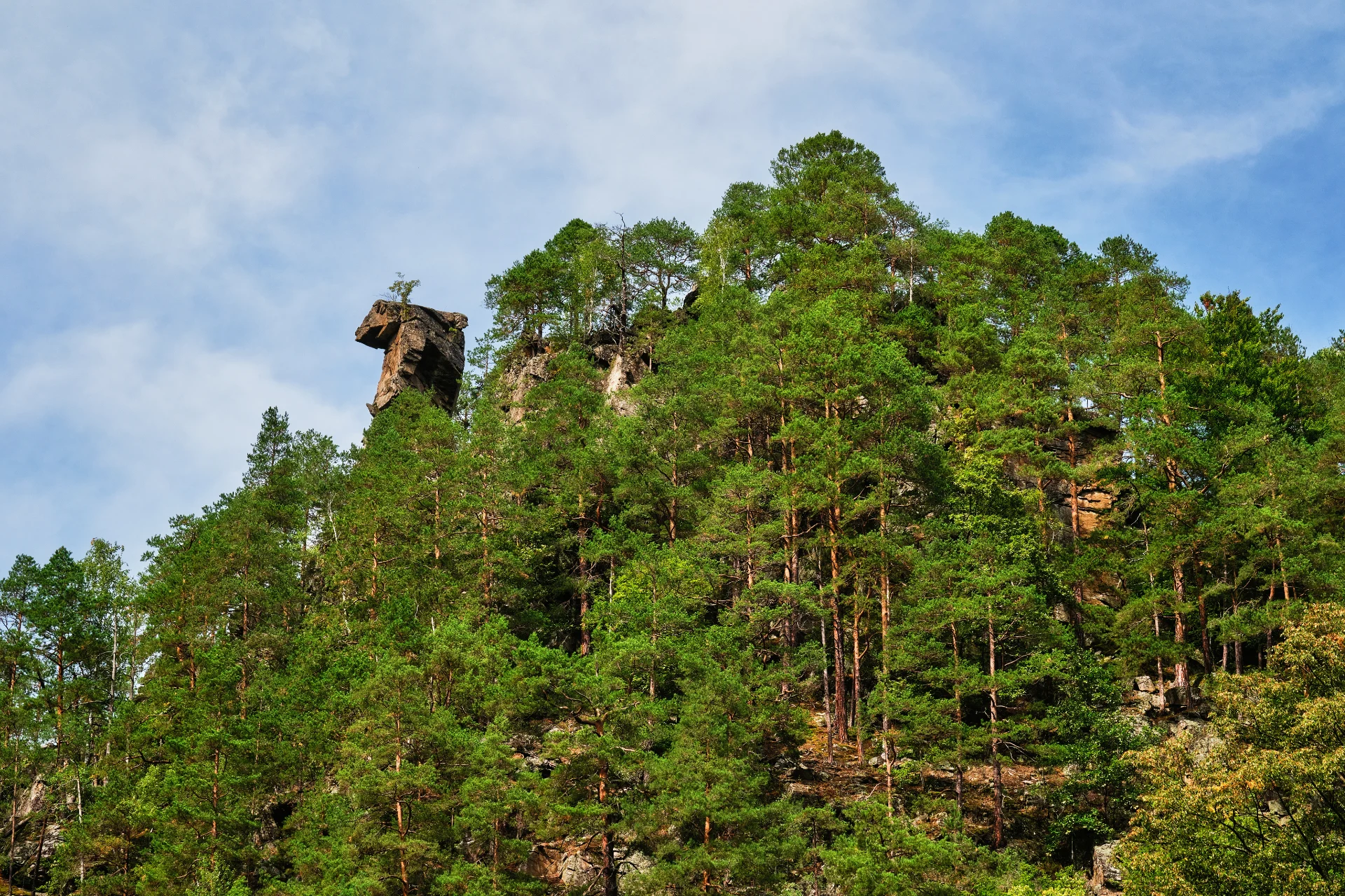
We return to Transalpina again, resuming the adventure on the road that quickly descends the Sebeș Valley, among peaks that in autumn are dressed in an incredible frenzy of colors. We pass by the small Tăul Bistra lake and past several strange rocks that float above the road, the most interesting being known as Masa Jidovului (Giant’s Table). A geological and landscape reserve, it stands out in the landscape through its massiveness, specific vegetation, the rock at the top that resembles a table, but also the archaic legends that surround it. On the surrounding peaks, the ancestral pastoral traditions of the area can be discovered among the old isolated shelters and dwellings of the shepherds under the mountains. Before passing through the village of Şugag, a road branches off to the east and then climbs steeply towards the lands of the shepherds of Mărginimea Sibiului.
We continue on through other villages nestled between the ridges and close to the exit from the mountains we stop to climb a short path through the forest. On the top of this higher hill, the Căpâlna Dacian fortress once stood, included in the UNESCO heritage list. Even though only traces of a few walls remain from it, the walk and the splendid view from above are worth all the effort. The Transalpina then leaves the mountains and continues towards the small town of Sebeș, completing the fascinating journey of over 130 kilometers. Before leaving the wonderful land of the Carpathians, we stop for one last adventure towards the Cindrel ridges that hide a corner of wild nature…
Sights and Experiences
Places to See and Things to Do along the Transalpina Road
Transalpina Mountain Road
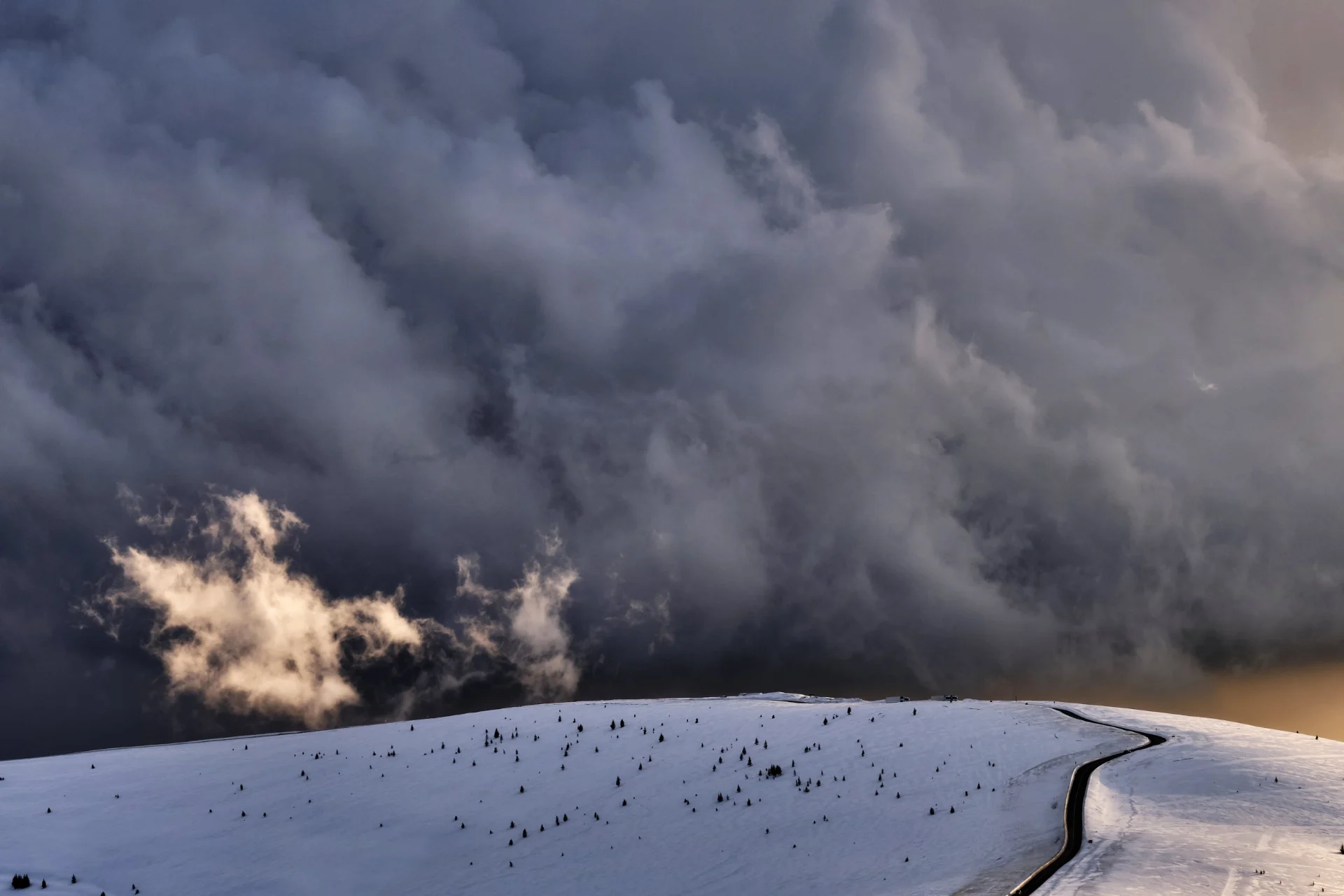
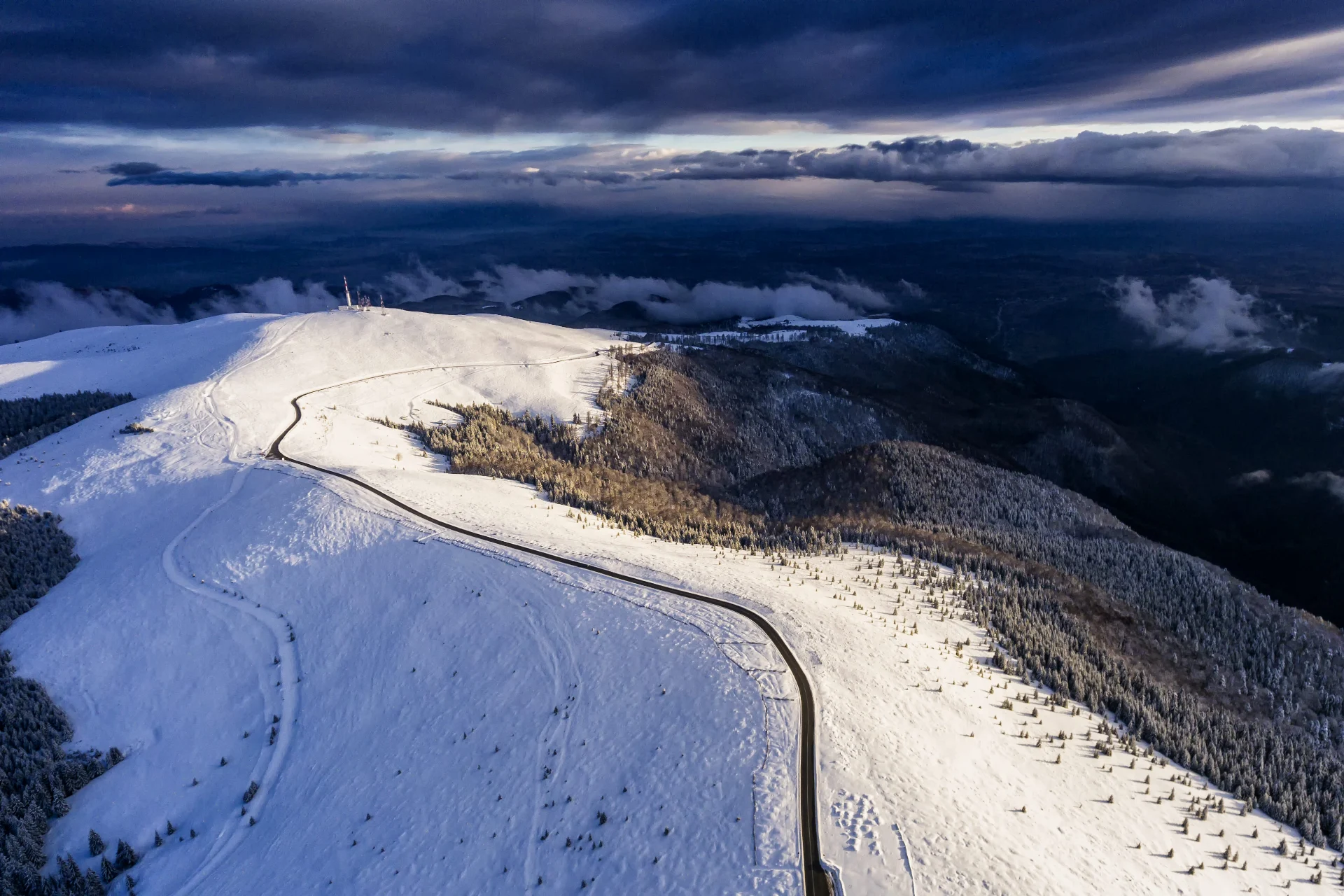
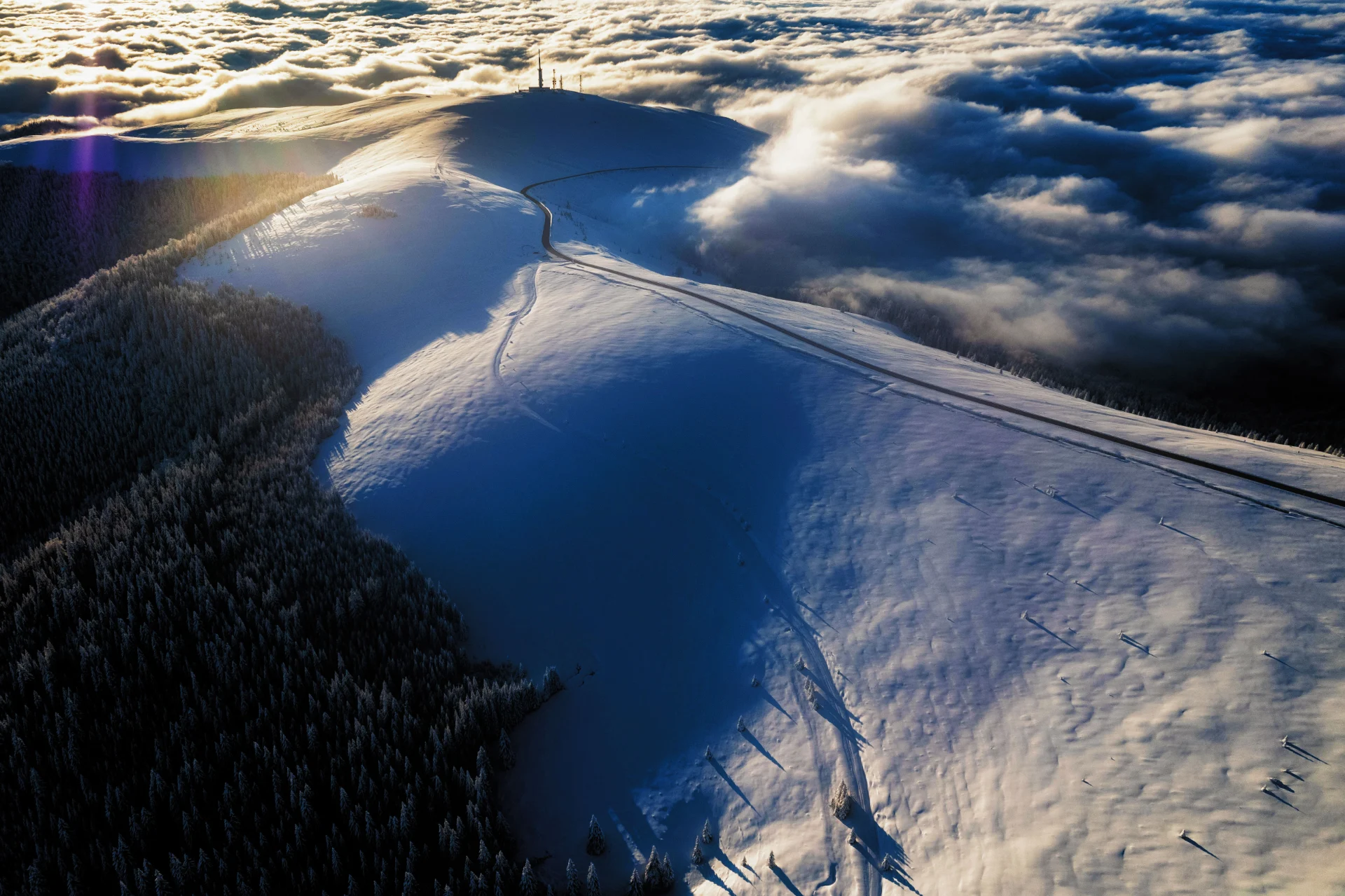
National road 67C (Transalpina) passes over the peaks of the Parâng, Șureanu and Cindrel mountains, connecting the historical regions of Transylvania and Oltenia. The alpine road runs between the town of Novaci in Gorj County and the town of Sebeș in Alba County, with a total length of approximately 130 kilometers. In the middle of the mountains (Obârșia Lotrului), it intersects with national road 7A, which connects Petroșani to Brezoi on the Jiețului and Lotru valleys. Representing an old transhumance route across the Carpathians, the Transalpina road was paved during World War II, being considered of strategic importance. Reaching the highest altitude in the country (Urdele pass – 2145 meters), it is also known as the “King’s Road”, its official opening in 1939 being attended by King Carol II. Along its length, travelers have the opportunity to discover countless spectacular landscapes and several fascinating attractions, and it is also a starting point for numerous mountain adventures to the surrounding peaks or valleys. The highest and most dangerous section, between the Rânca resort and the Oașa dam, is closed to traffic during the cold season (generally between November and May/June).
Rânca Resort
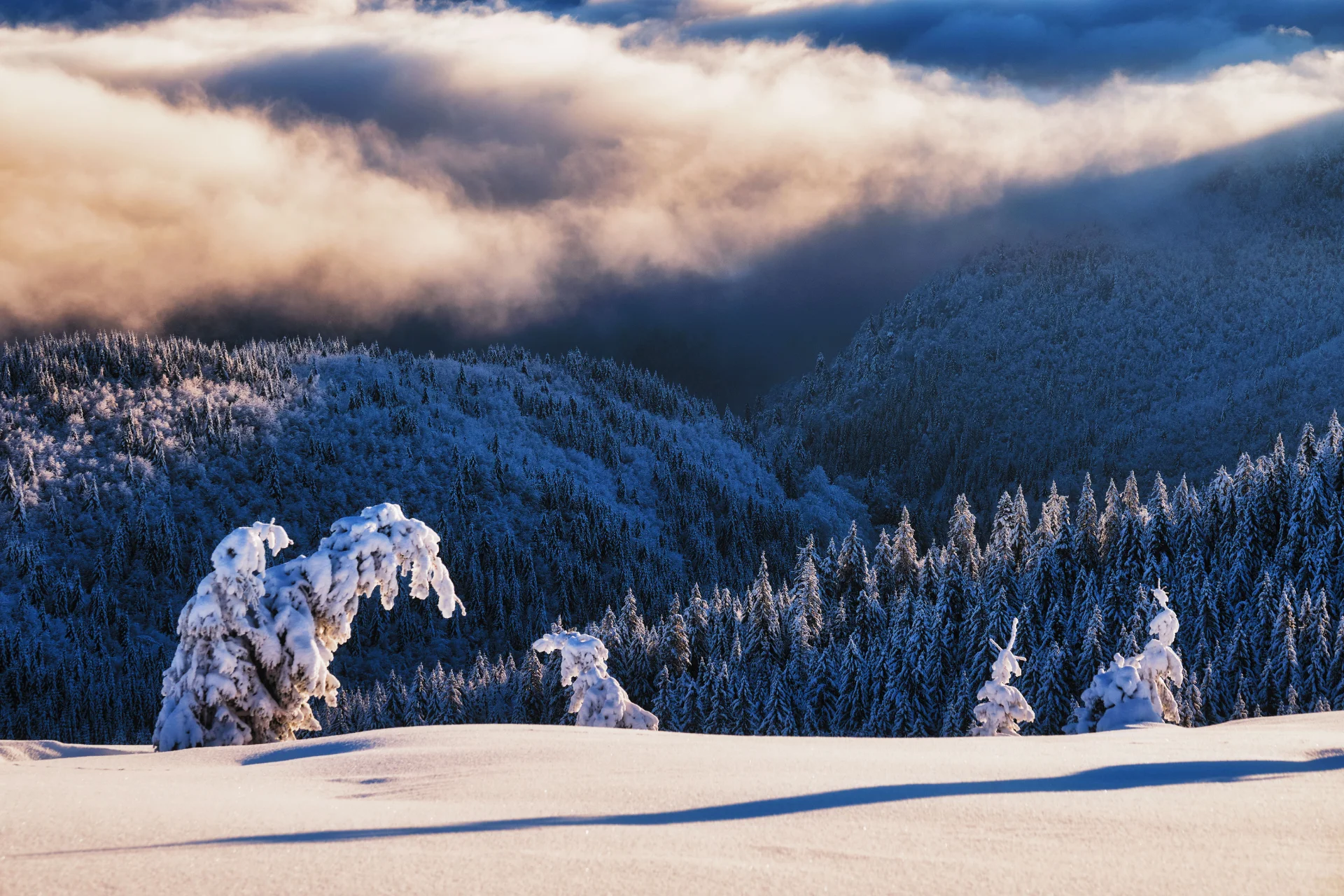
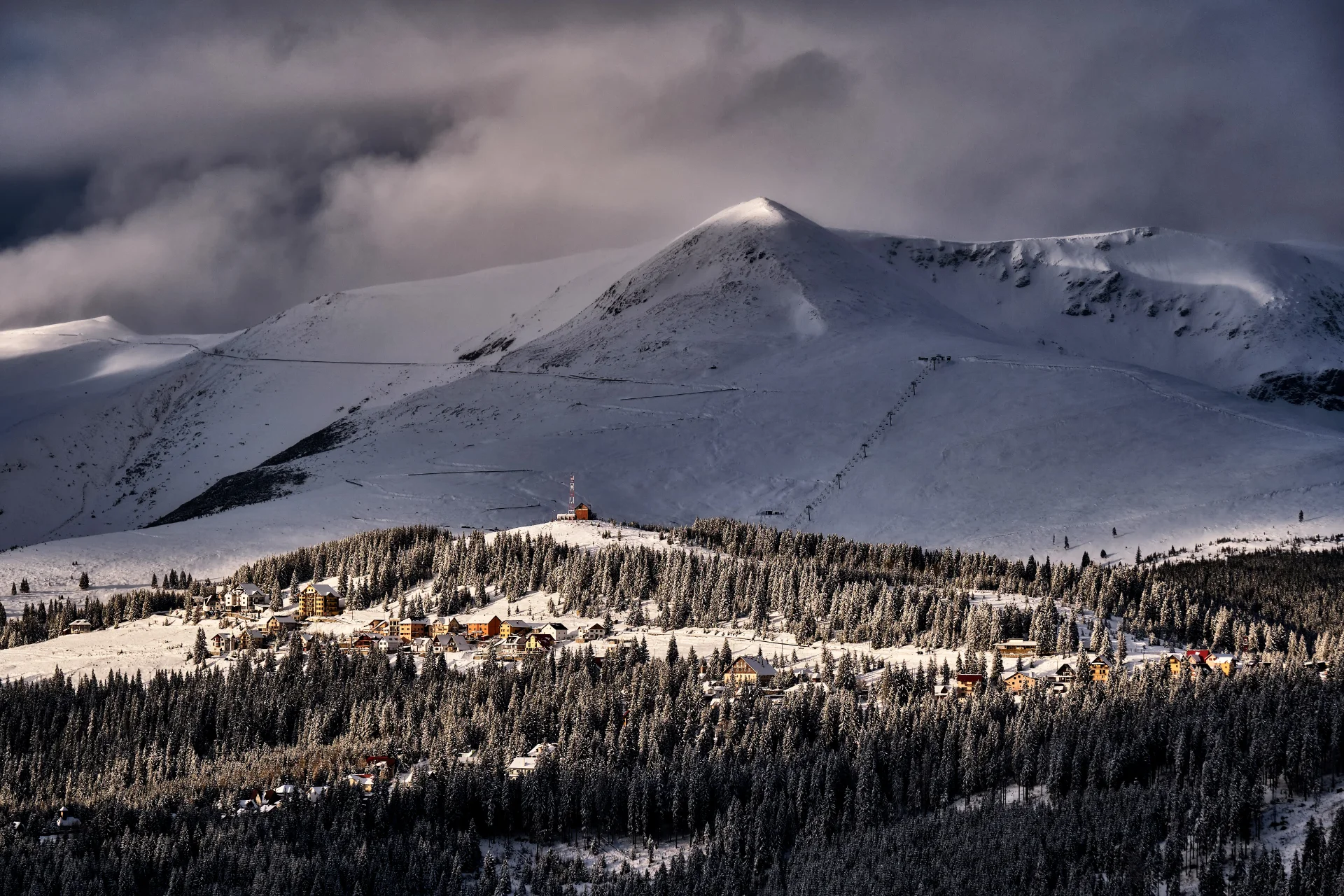
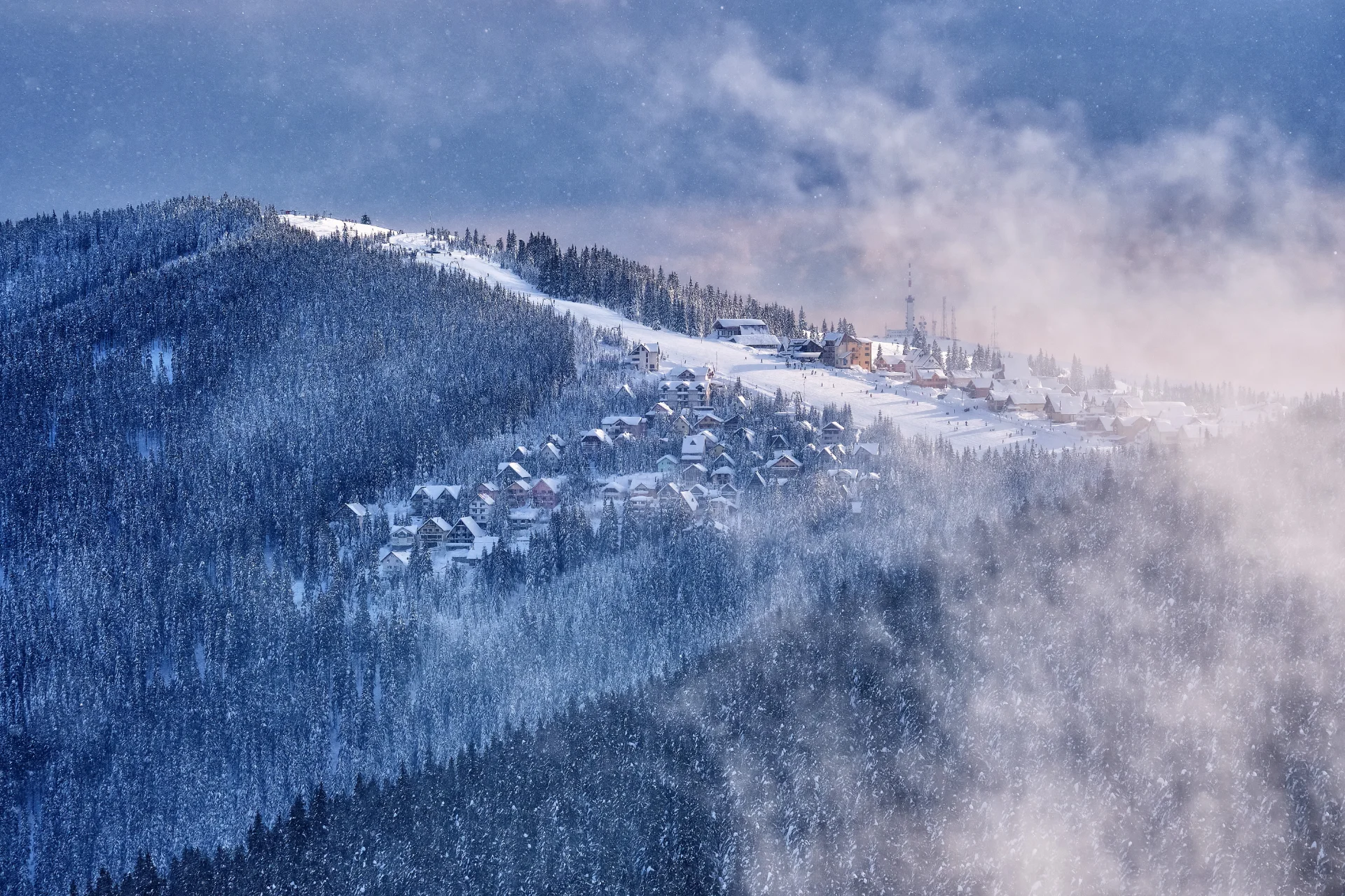
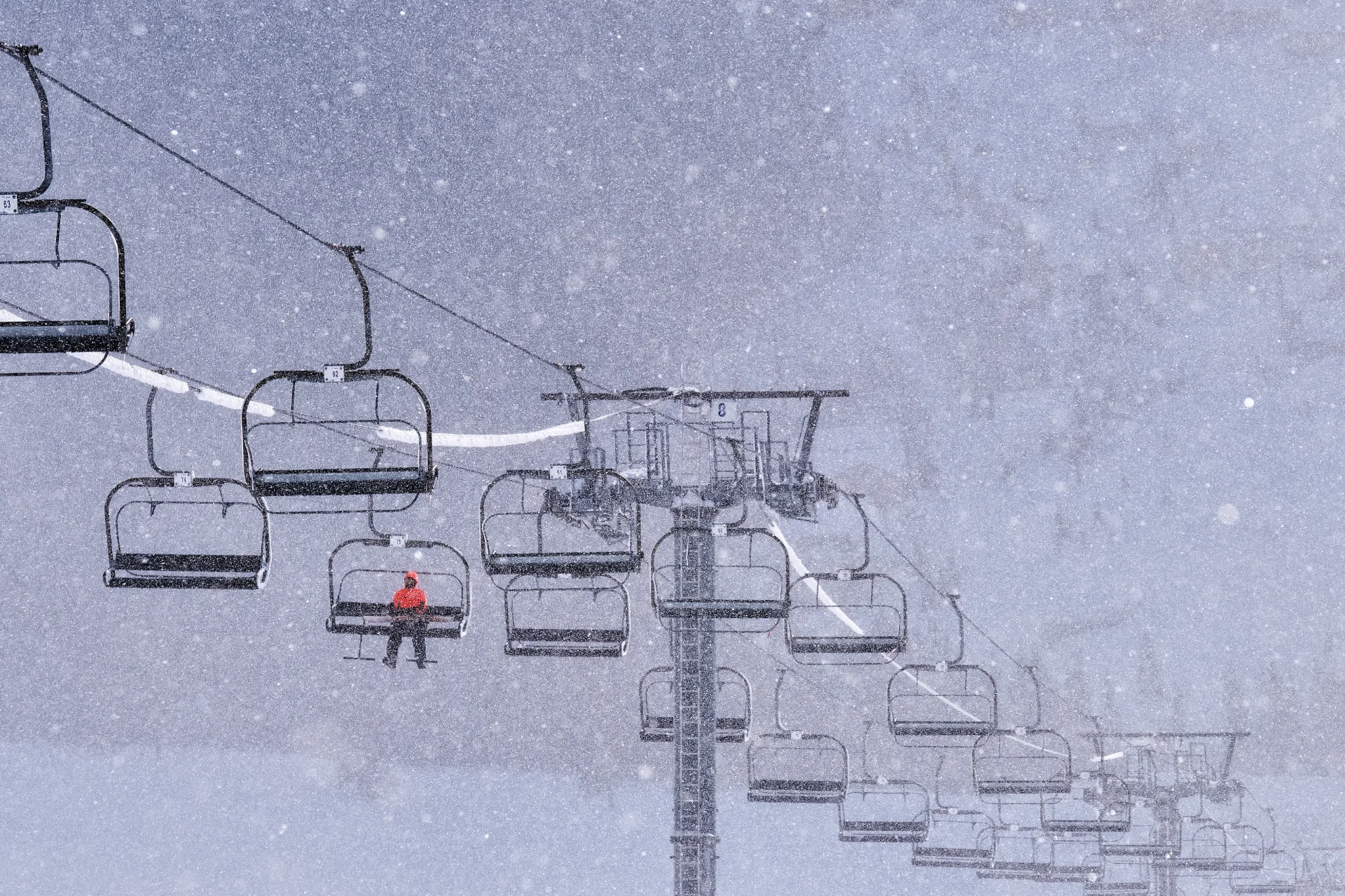
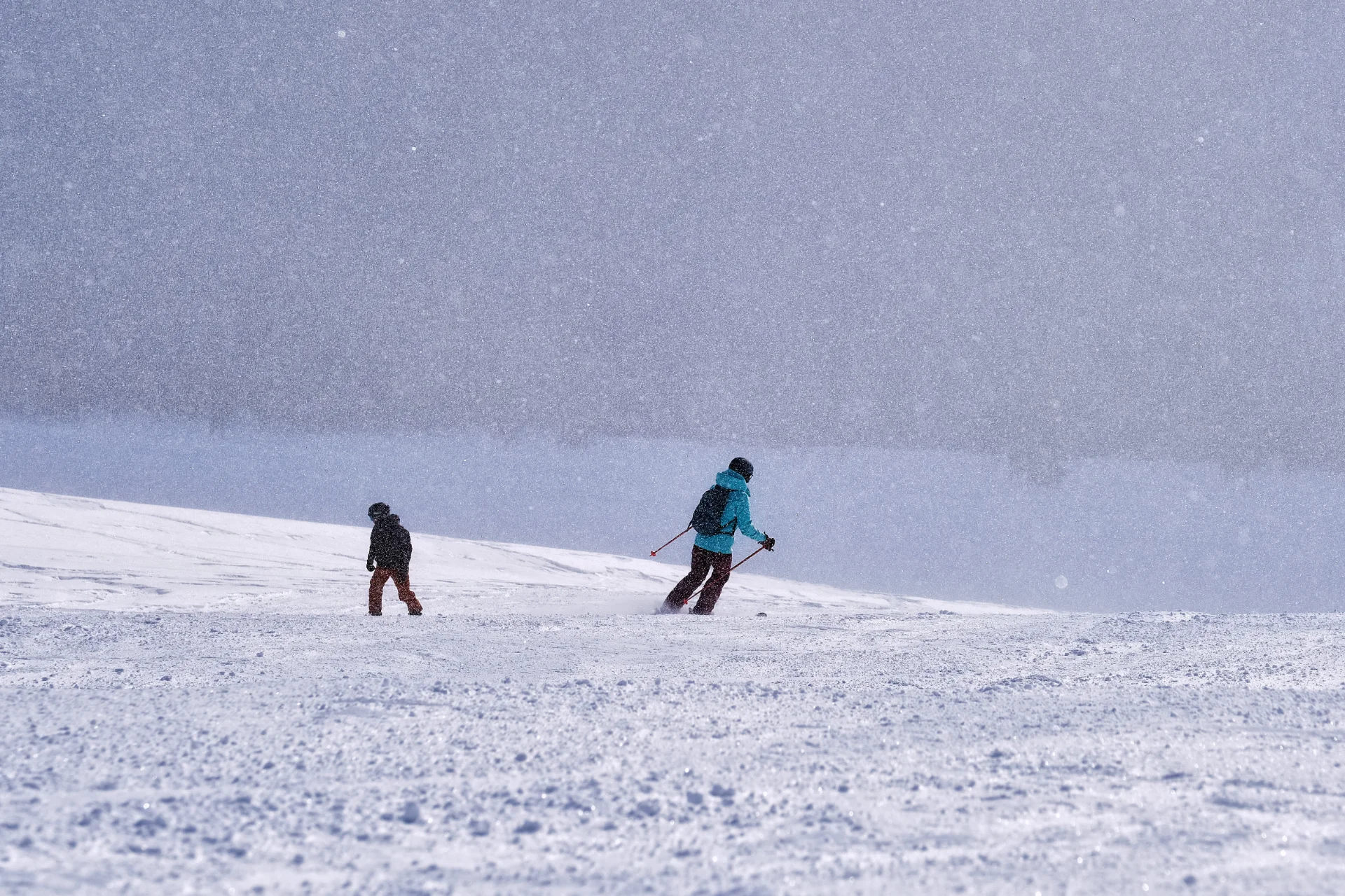
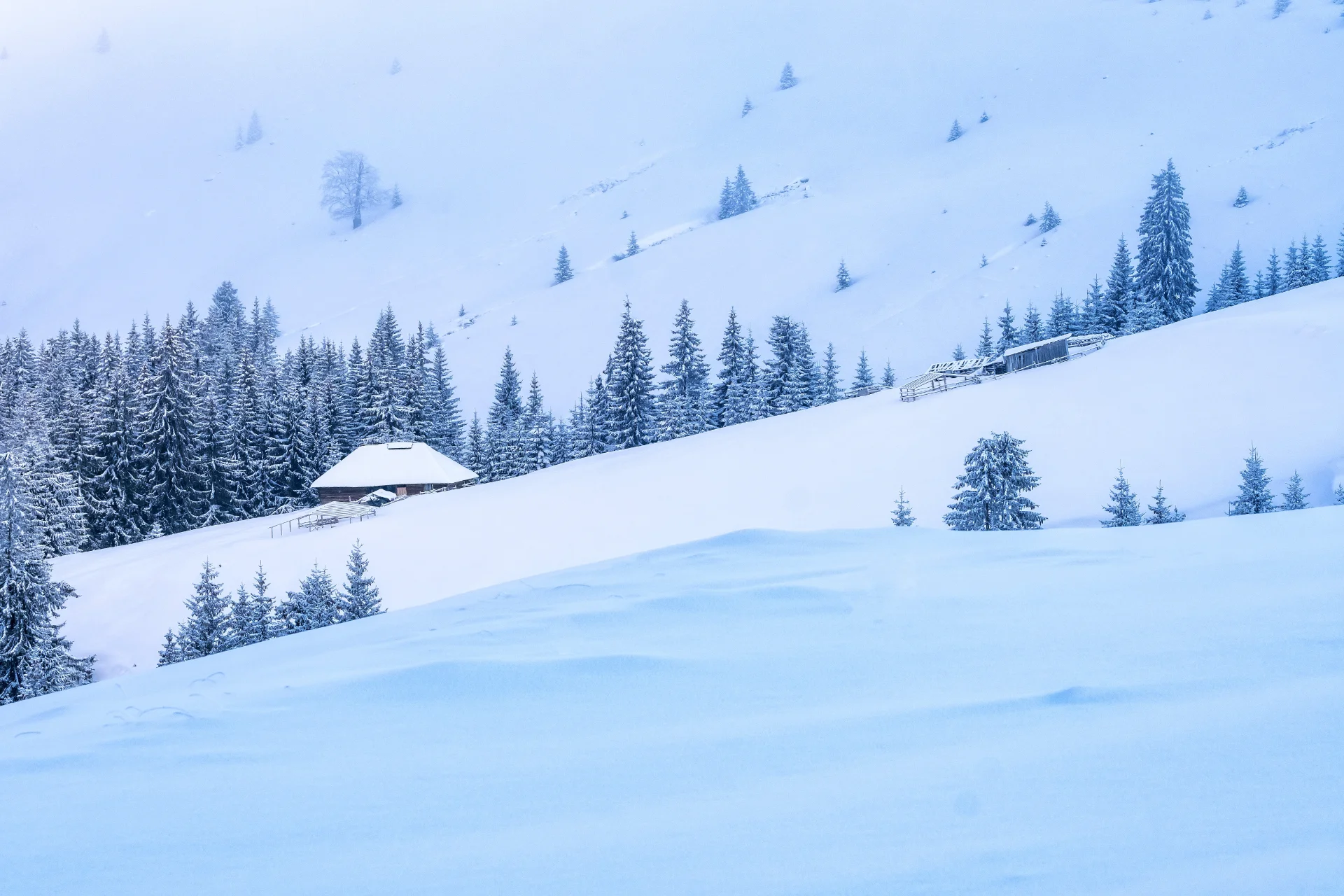
One of the most accessible ski resorts in Romania, but also among the busiest on weekends when the conditions for practicing winter sports are ideal, Rânca benefits from fairly easy access on the Transalpina road and the large number of chalets and hotels right next to the ski slopes. Located at an average altitude of 1,600 meters, Rânca is located on the gentle slopes of the Corneșu mountain, which belongs to the Parâng massif, while a newer ski slope has been arranged on the Păpușa mountain, in the northern part of the resort. The Rânca ski area includes 6 ski and snowboard slopes, mainly located on the summit of the Corneșu mountain. All are served by modern transport facilities, and the resort also offers numerous other services and leisure options.
Oașa Lake
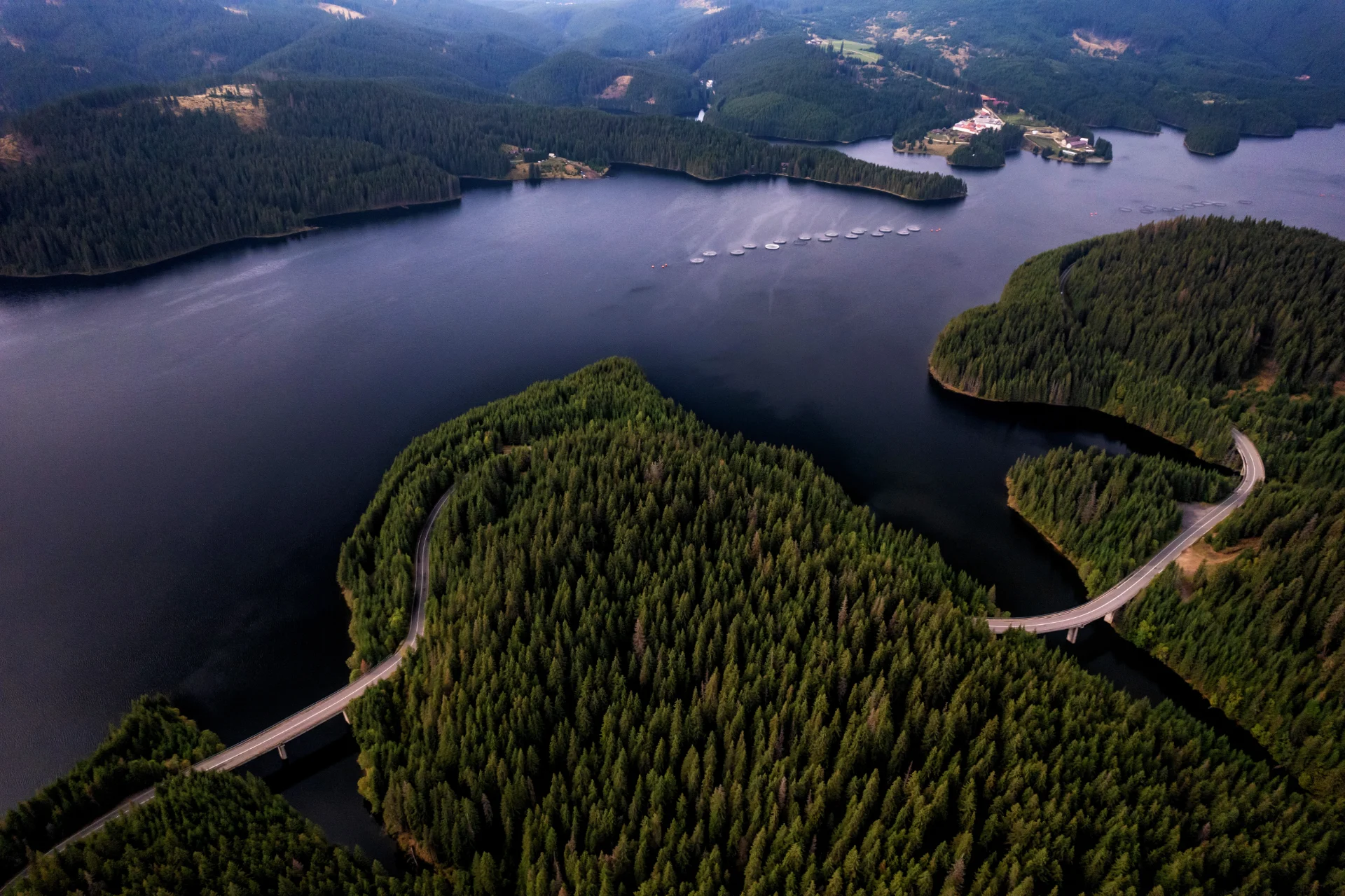
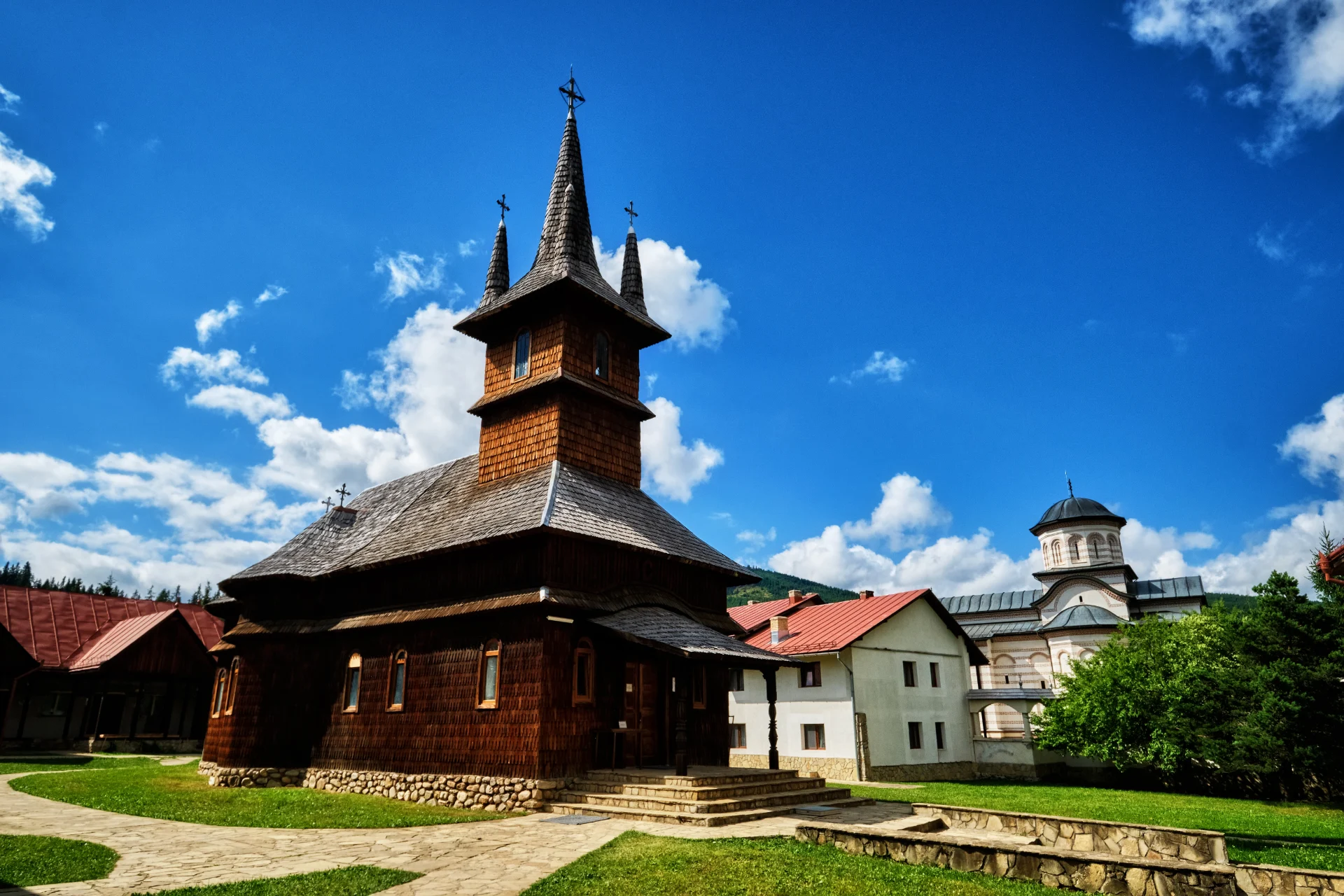
The lake built on the Valea Frumoasei River (Sebeș) is approximately 6 kilometers long and has an area of almost 5 square kilometers, being located at an altitude of over 1,250 meters. Due to its considerable size and location in the middle of the mountains, the lake creates a particularly attractive landscape. The dam made of rockfill has an appreciable height of approximately 90 meters, and several interesting attractions can be discovered around the lake. Located on the western shore, Oașa Monastery was founded in 1990, around a wooden church, moved here after the construction of the dam and the formation of the lake, being recognized for its intellectual monastic community. The road leading to the monastery continues to the summit of the Șureanu Mountains, passing through two areas with guesthouses and cabins, known as Luncile Prigoanei and Poarta Raiului, after which it continues to the Șureanu resort.
Șureanu Resort
One of the most isolated, but also most picturesque winter sports resorts in the country, it is located on the ridge of the Şureanu Mountains, between Vârful lui Pătru and Şureanu peaks. Access to this impressive destination is quite difficult during the winter, the local access road (unmodernized) starting from the Oașa dam, then climbing to the ridge and passing through two areas with guesthouses and chalets, known as Luncile Prigoanei and Poarta Raiului. The 10 ski slopes in the Şureanu resort total over 10 kilometers, being arranged between 1.700 and 2.000 meters of altitude. They are served by modern cable transport facilities (chairlift, ski lift), and several tourist service units have also been built in the area.
Iezerul Șureanu Reserve
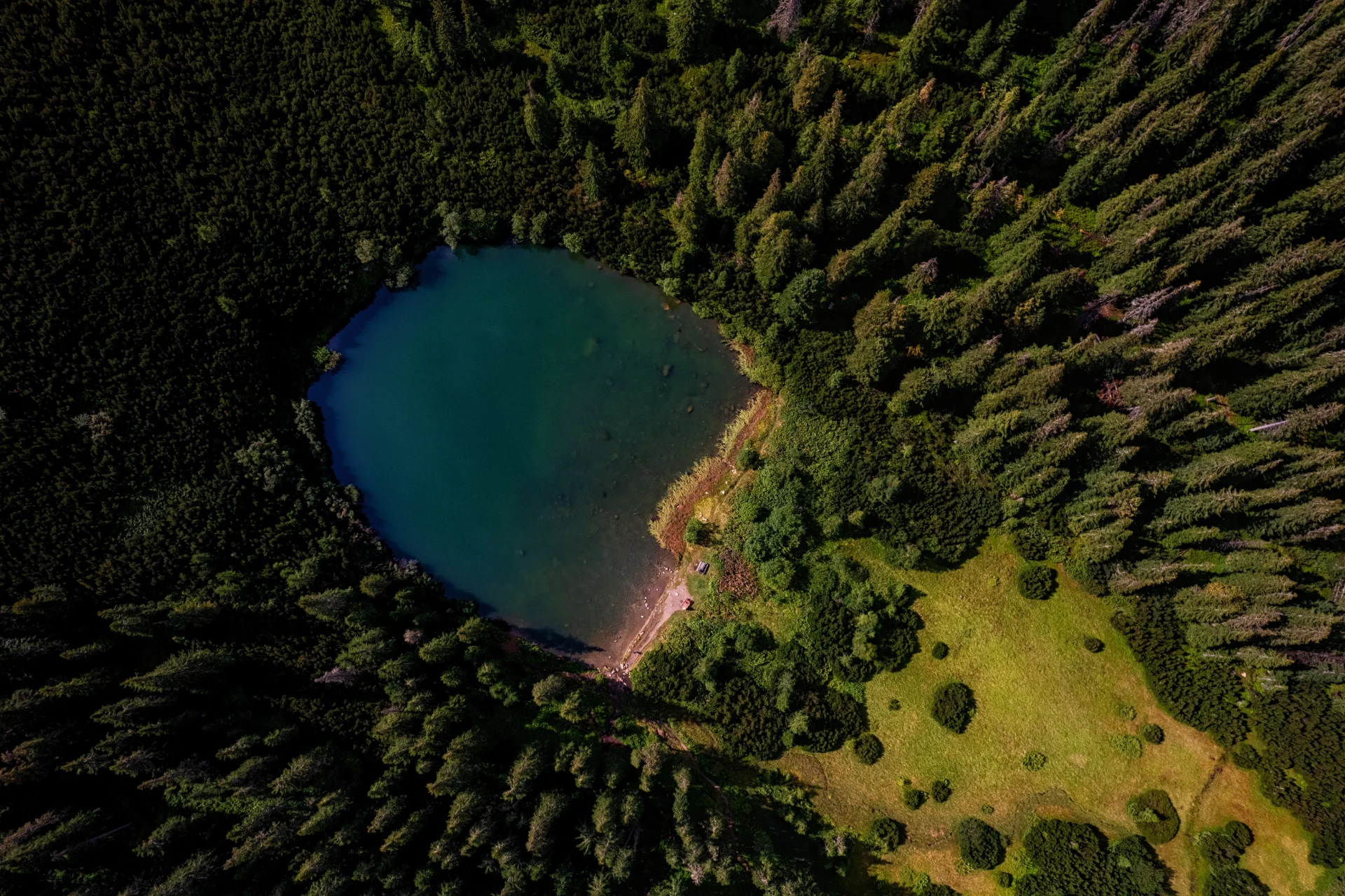
Also known as the “Bottomless Lake”, it is located at an altitude of 1737 meters, in the glacial cirque on the eastern slope of the Şureanu peak. Considered one of the most beautiful glacial lakes in Romania, Iezerul Şureanu is part of a complex natural reserve, which also includes rare plant species (white orchid, zambru). With a depth of over 8 meters and being surrounded by rocky peaks and forests, the lake is accessible at the end of a short tourist trail that leaves from the Şureanu resort.
Other Interesting Discoveries
Lesser known places and activities along the Transalpina Road
Obârșia Lotrului
One of the most important tourist areas in this part of the Carpathians, Obârșia Lotrului is located at the intersection of the DN67C – Transalpina and DN7A roads, surrounded by the Parâng, Căpățânii, Lotrului and Șureanu massifs. There are several tourist accommodation units here, being the perfect starting point for the surrounding mountain peaks, but also for the Transalpina Ski Resort, located a few kilometers to the east. At Obârșia Lotrului, on the right bank of the river, a monastery dedicated to the “Saints Martyrs Brâncoveni” and “Saint Mina” was recently built, the small wooden church being made in the Maramures style.
Urdele Pass
At an altitude of 2,145 meters, the Transalpina pass is the highest point over which a road passes in Romania, being located north of the Rânca resort, on the summit of the Parâng mountains. The ridge route also passes here, and the surrounding panoramas are spectacular.
Căpâlna Dacian Fortress
The fortress is included on the UNESCO World Heritage List, being part of the complex of ancient fortifications in the Orăștie Mountains. Located on the top of a hill of approximately 600 meters, south of the village of Căpâlna, the fortress once had high walls and several defense towers, as well as other structures along the access road.
Villages of Șugag
Near the Transalpina road exiting the mountains to the north, along the valley, and especially on the gentle peaks above, lie the villages of the Șugag commune. They begin beyond Tăul Bistra, a small, delightful lake created at the confluence of the Sebeș River and the Bistra stream. A few kilometers to the north, on the western peak appears an interesting-looking bare rock. Surrounded by abundant vegetation, the Masa Jidovului (Giant’s Table) rock is surrounded by local legends and has been declared a nature reserve and a natural monument, along with another nearby rock formation known as La Grumaji. To the west, the peaks of the Șureanu mountains are dotted with the traditional farms and sheepfolds of the villages of Jidoștina, Arti or Bârsana. The authentic rural experience and the surrounding views are worth the effort of climbing the local roads to these incredible places.
Accommodation Recommendations
The best lodging options along the Transalpina Road
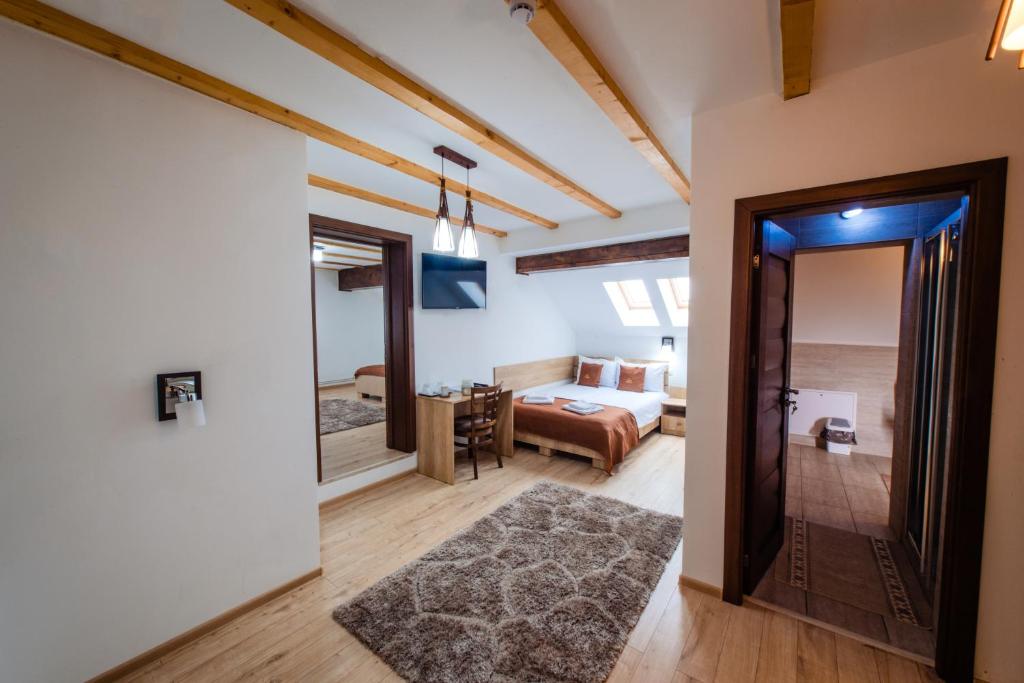
Rating 9.4 from 484 reviews!
Located on Transalpina, in the northern area of Rânca resort, this chalet offers superior accommodation in spacious rooms with a view, a restaurant, a playground and easy access to the slopes!
Rânca Resort
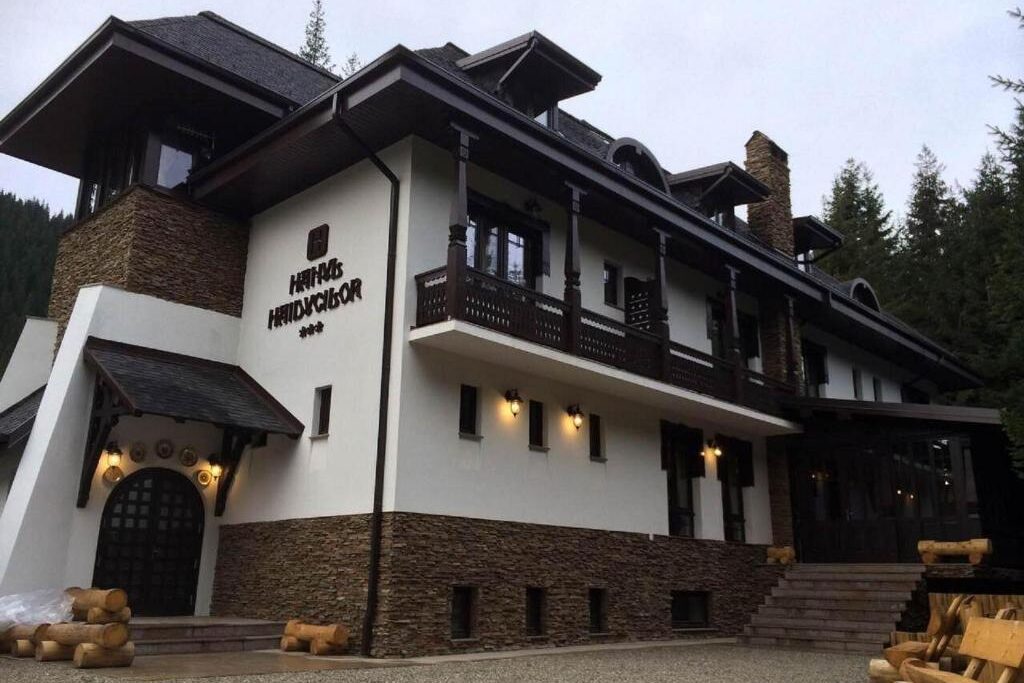
Rating 9.0 from 394 reviews!
Located in Obârșia Lotrului, just a few kilometers from the Transalpina ski resort, this inn offers accommodation in comfortable rooms and has an acclaimed restaurant!
Obârșia Lotrului / Transalpina
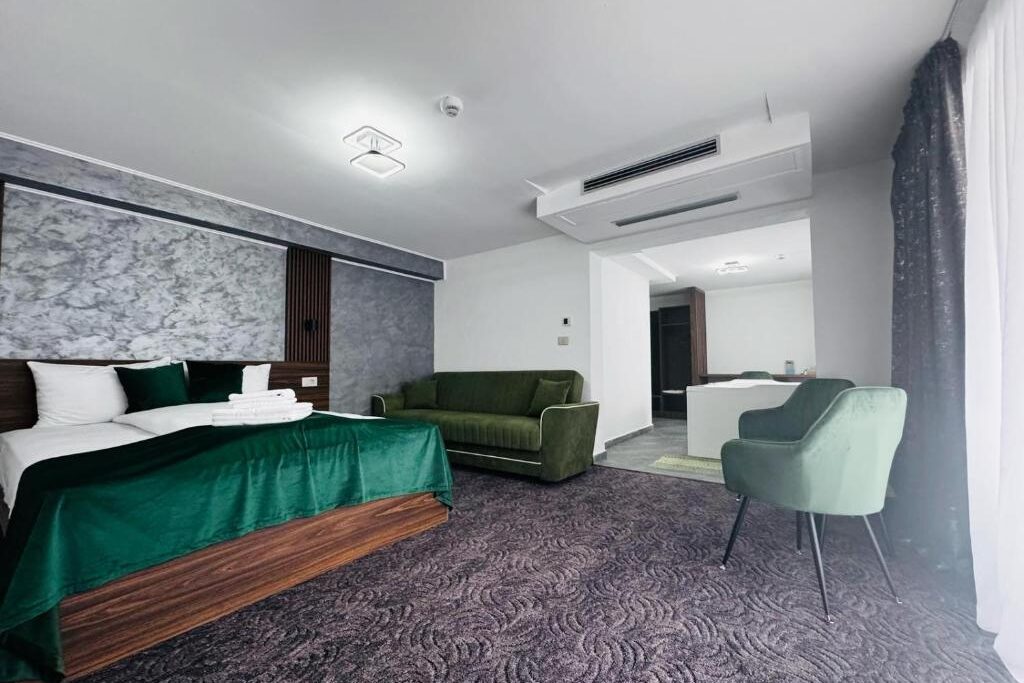
Rating 9.3 from 401 reviews!
Located on the Transalpina road, next to Lake Tău Bistra, this hotel offers spacious and comfortable rooms, a restaurant, sauna, garden, terrace, bar and private parking!
DN67C Transalpina / Tău Bistra