RO
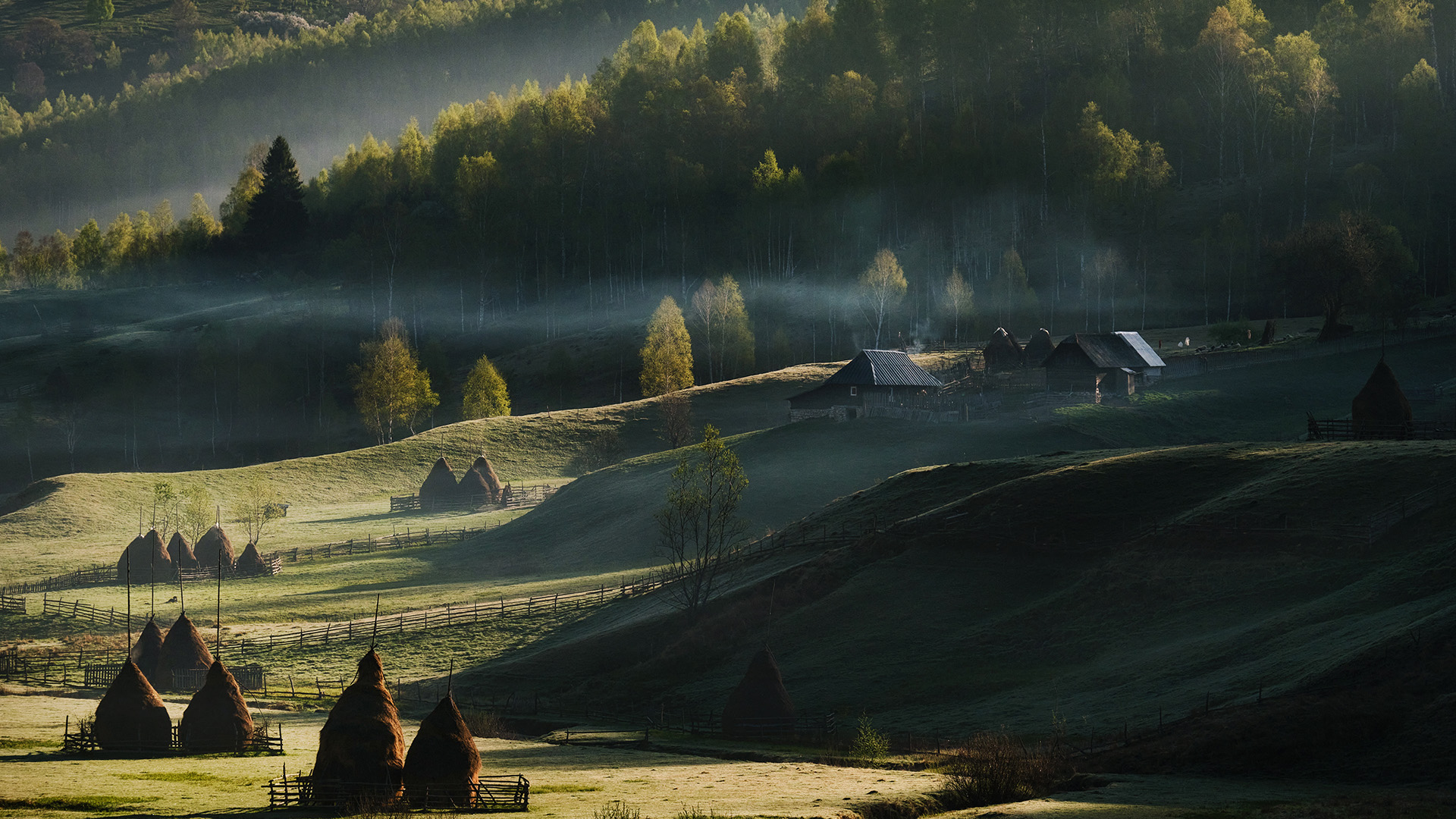
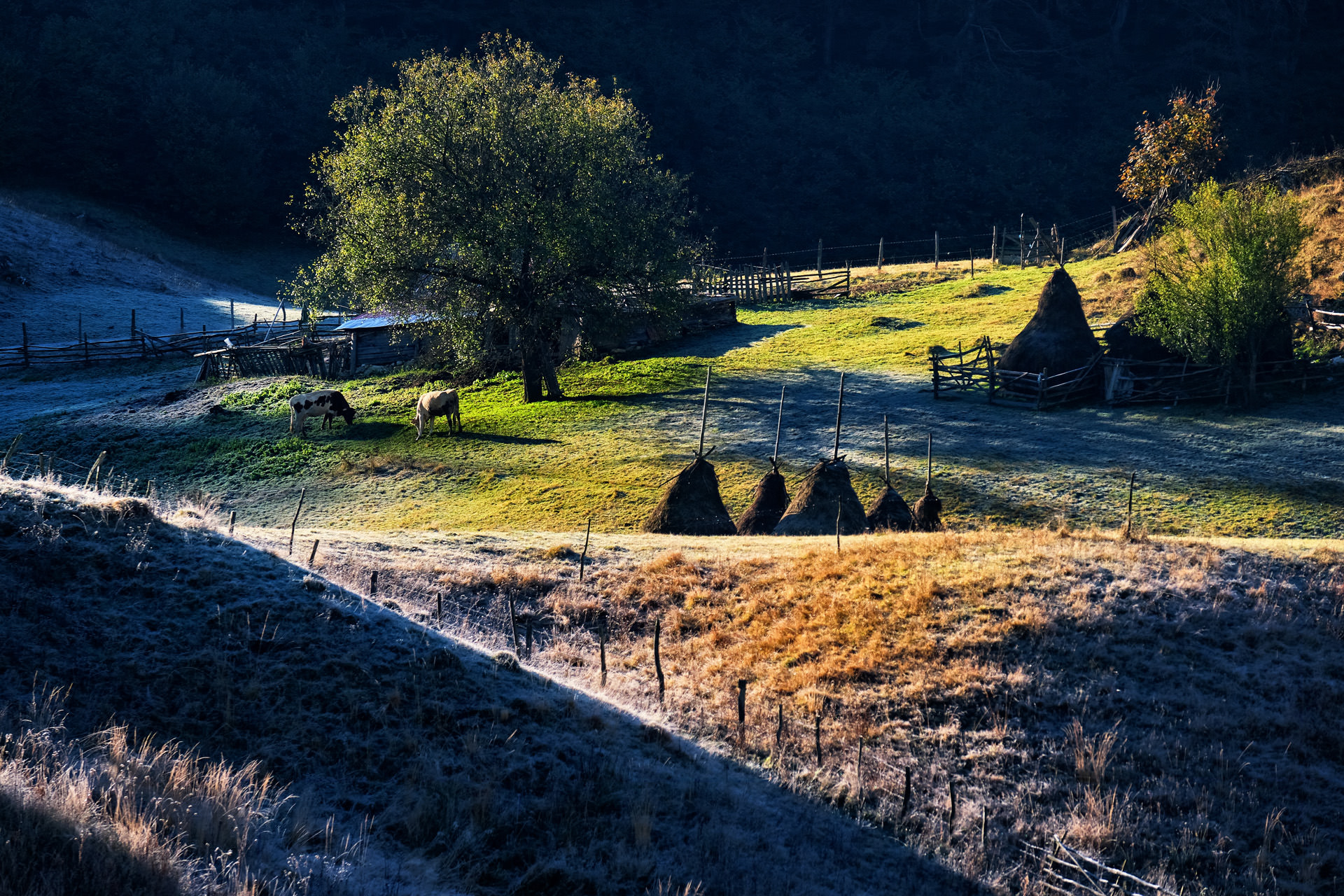
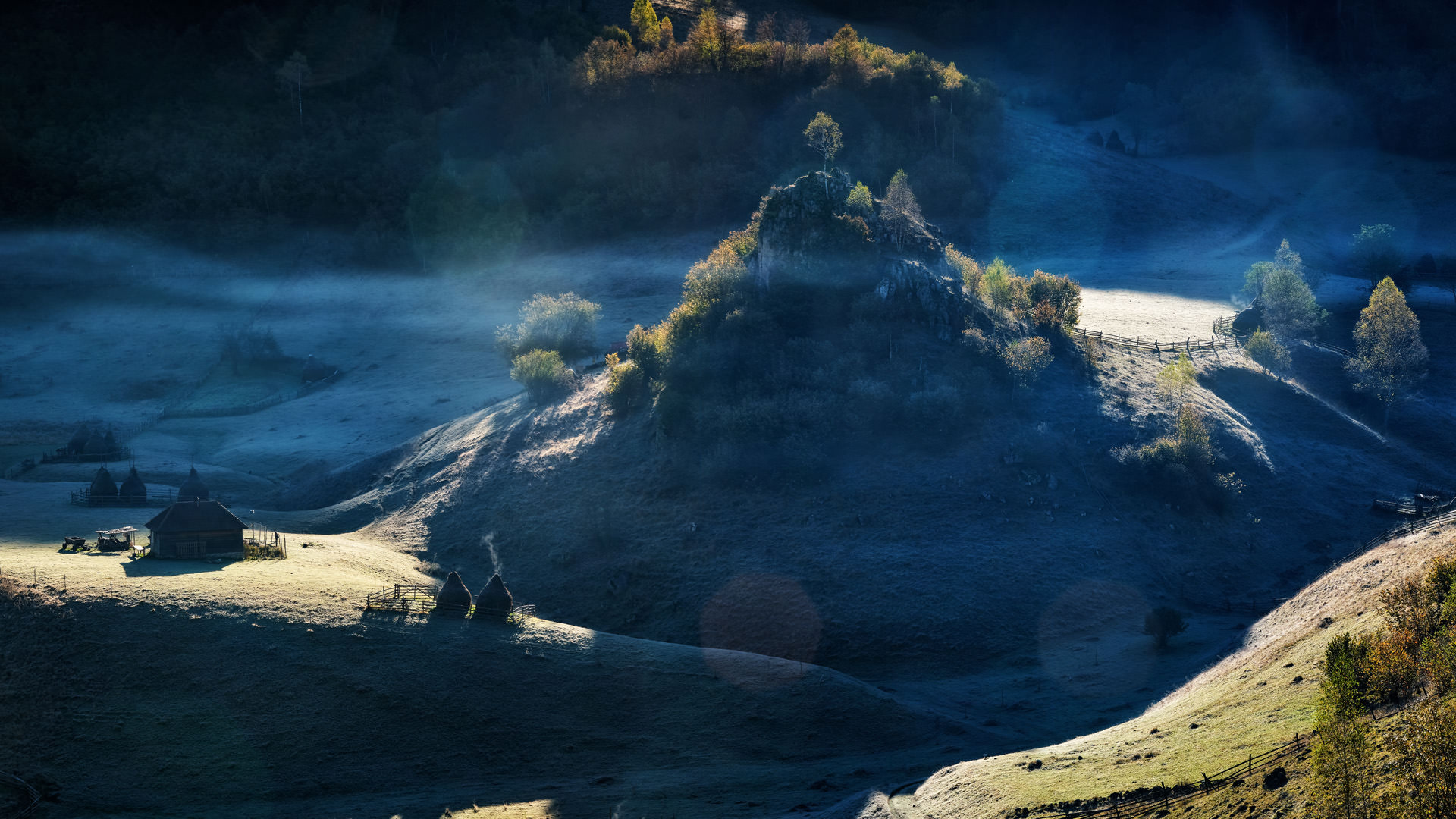
Pe culmile line și prin văile umbroase ale munților Șureanu, încă mai putem descoperi locuri neatinse de civilizația modernă, unde șoaptele strămoșilor mai pot fi descifrate în adierea vântului și oamenii trăiesc în perfectă armonie cu natura. Unul dintre aceste locuri este și Fundătura Ponorului, un cătun izolat de o frumusețe aproape ireală. Supranumit și Palma lui Dumnezeu, a fost descoperit relativ recent de călători și a devenit rapid o destinație populară, poate chiar răpind o parte din atmosfera sa bucolică. Un pârâu leneș se unduiește de-a lungul unei văi luxuriante prelungi, trecând prin curți și pășuni, înainte de a dispărea în măruntaiele pământului, sub o stâncă înaltă. Pe dealurile din jur, întâlnim din când în când câte o căsuță sau un sălaș singuratic, unele dintre ele părăsite demult. Numite cu mândrie conace de către localnici, aceste gospodării sezoniere sunt locuite de primăvara devreme până toamna târziu, cel mai adesea de bătrânii din satele de sub munte ce mai păstrează tradițiile milenare. Uneori, pe potecile idilice mai întâlnim și câte un om călare, pe lângă carul cu boi ori după vreo turmă de oi sau vaci, bucuroși de oaspeți cu care mai pot schimba o vorbă. Farmecul sublim al acestor locuri este greu de descris în cuvinte, iar viața aici este grea cu siguranță, însă atât de pură și frumoasă, demnă de ultimii urmași ai dacilor…
EN
One the gentle ridges and through the shady valleys of the Șureanu Mountains, we can still discover places untouched by modern civilization, where the whispers of the ancestors can still be heard in the breeze, where people still live in perfect harmony with nature. One such place is Fundătura Ponorului, a remote hamlet of almost surreal beauty. Surnamed the “Palm of God”, it was discovered relatively recently by travelers and has quickly become a popular destination, maybe even hurting its authentic and peaceful atmosphere. A lazy creek flows along a lush long valley, passing through pastures and courtyards, before finally disappears in the depths of the Earth, under a tall rock. On the surrounding hills, we find remote houses or lonely shelters, some of them long deserted. Proudly called manors by the locals, these seasonal homes are usually inhabited from early spring to late autumn by old people from faraway villages that still respect these ancestral traditions. Sometimes, on the idyllic pathways we encounter villagers on horseback, following an oxen cart or leading a flock of sheep or cows. The sublime charm of these places is hard to put into words and life here is certainly though, but so pure and beautiful, worthy of the last descendants of the Dacians…