29
PARÂNG Mountains
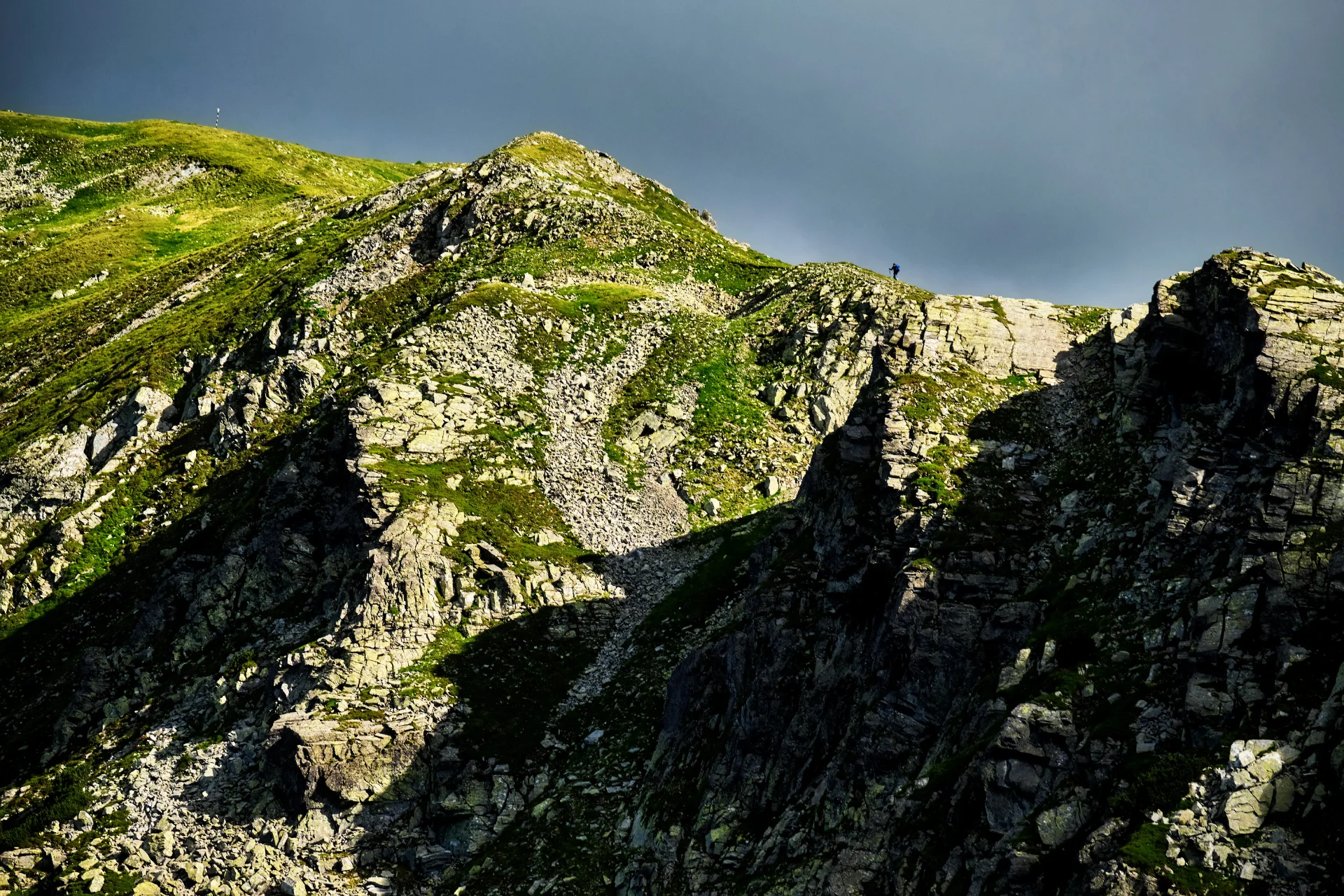
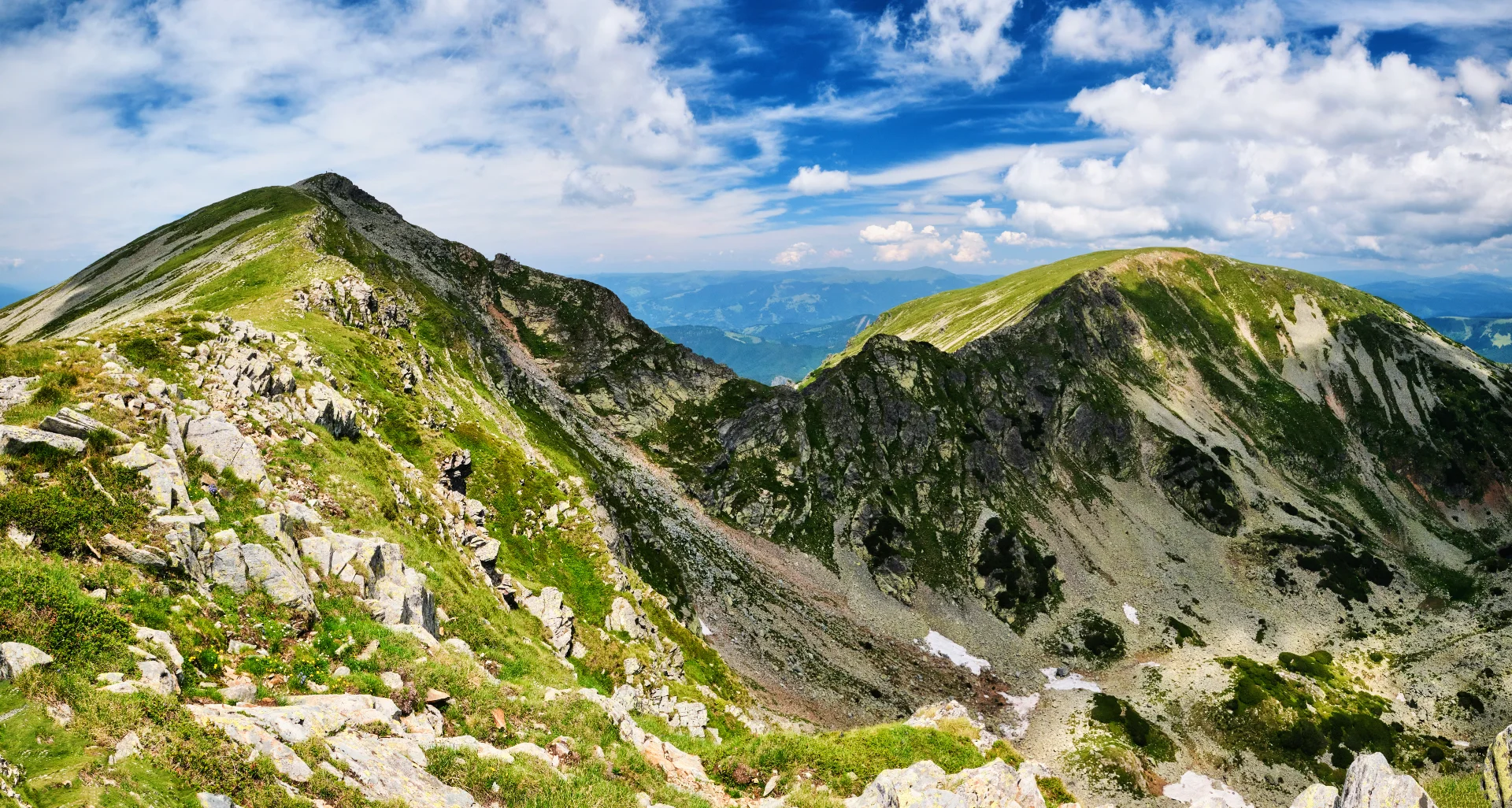
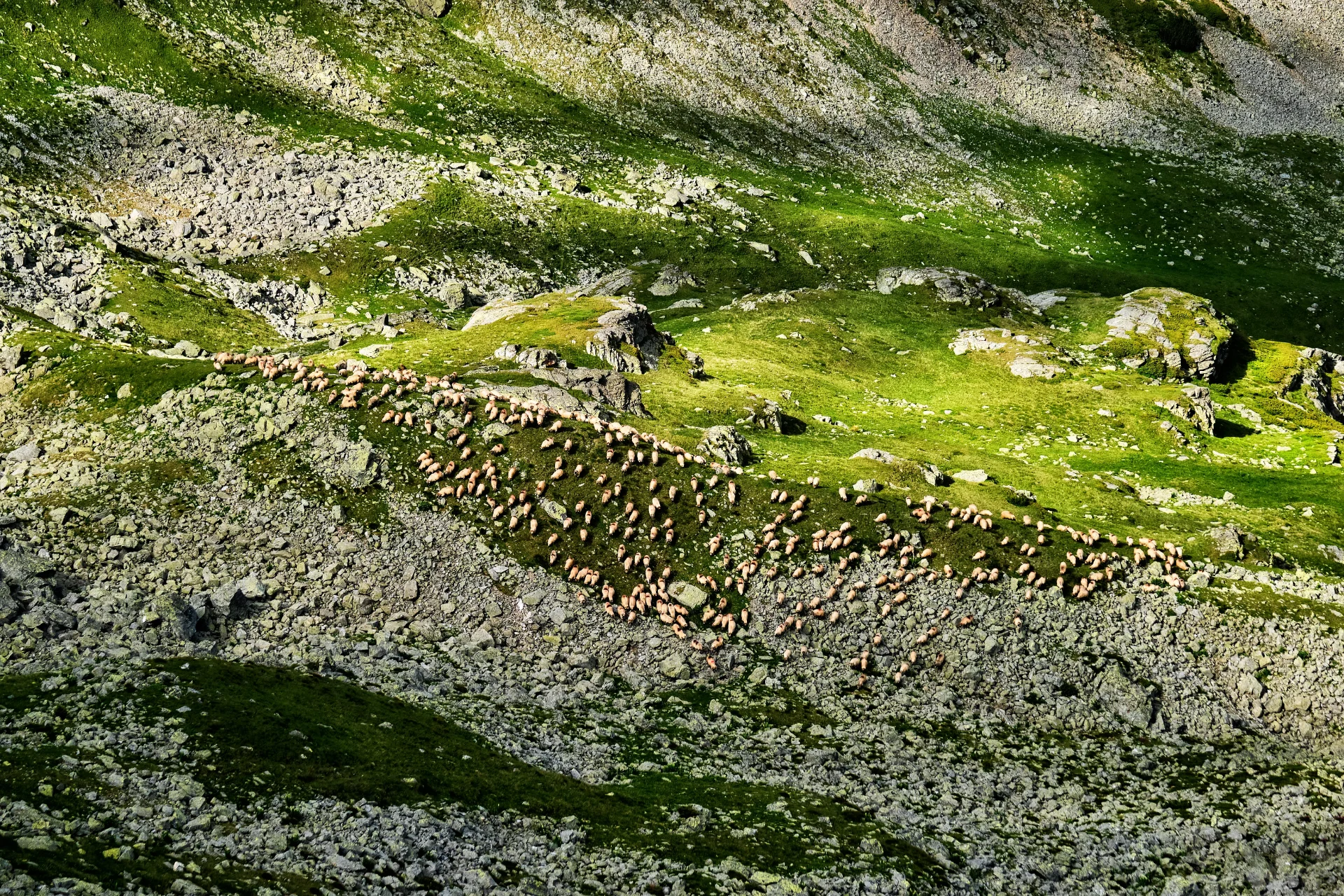
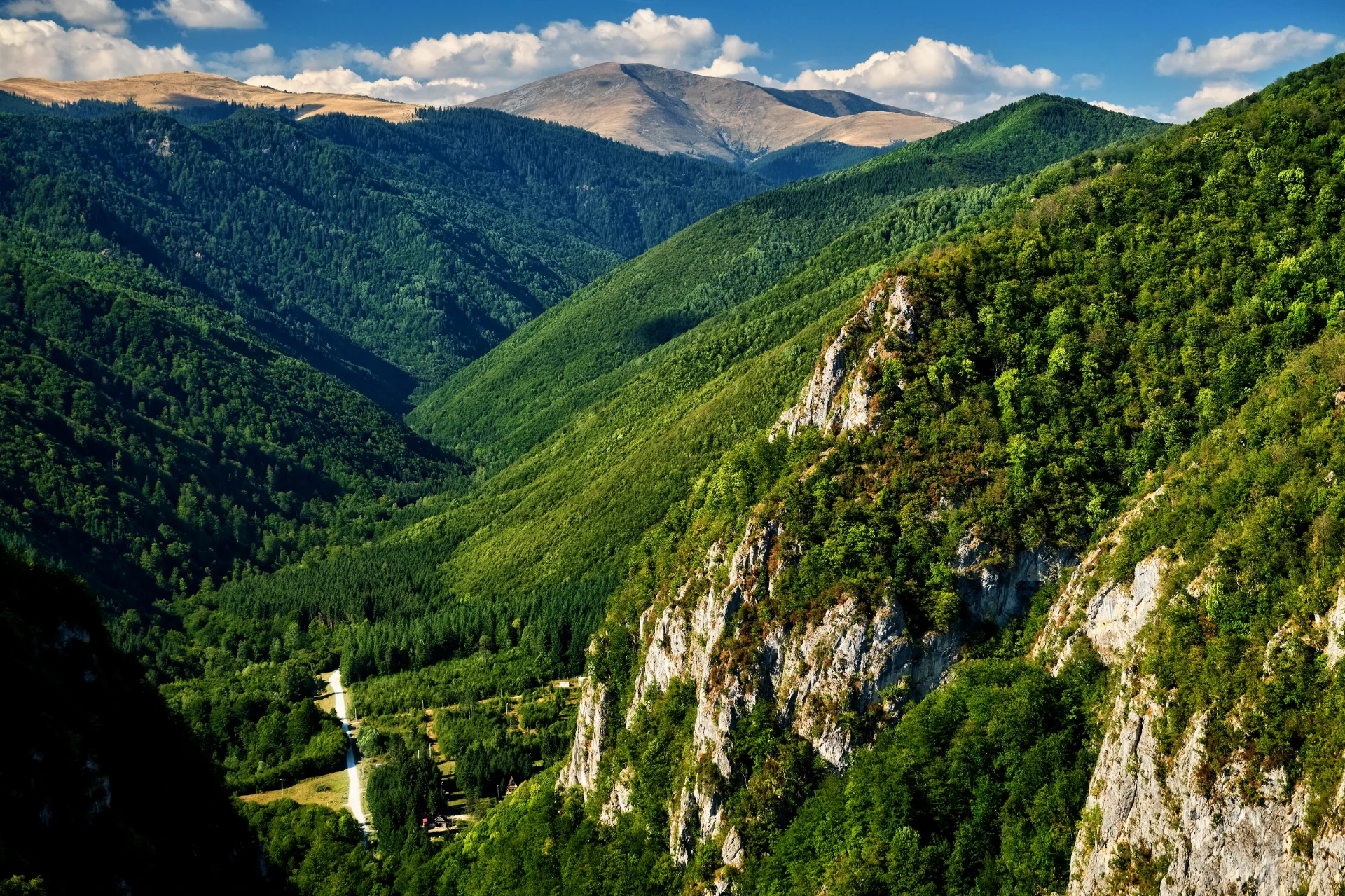
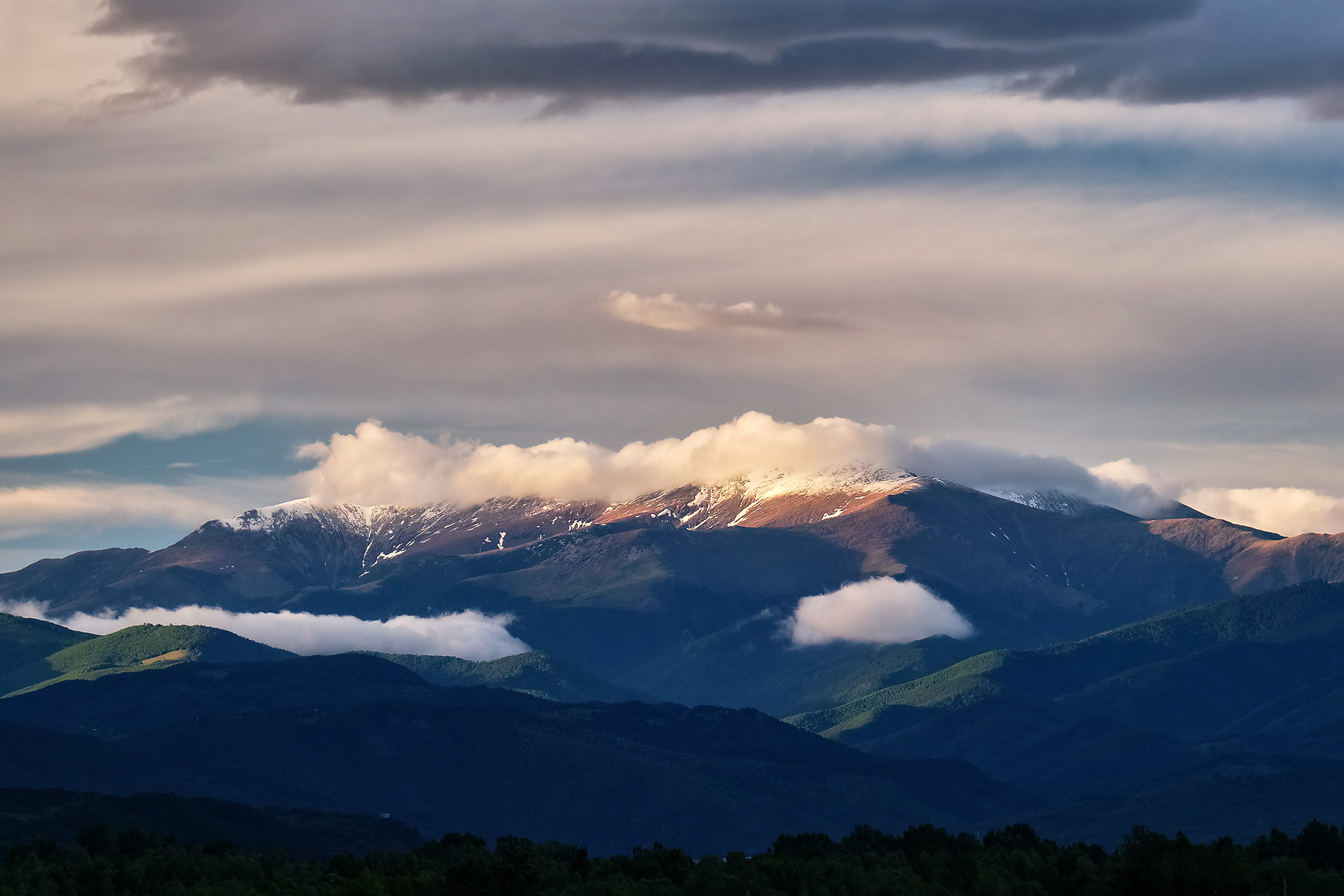
A majestic stone fortress that seems to float above the surrounding valleys, these wild and seductive mountains are also shrouded in incredible legends, being both the place of Prometheus’s chaining and the sanctuary of the supreme god of the Dacians!
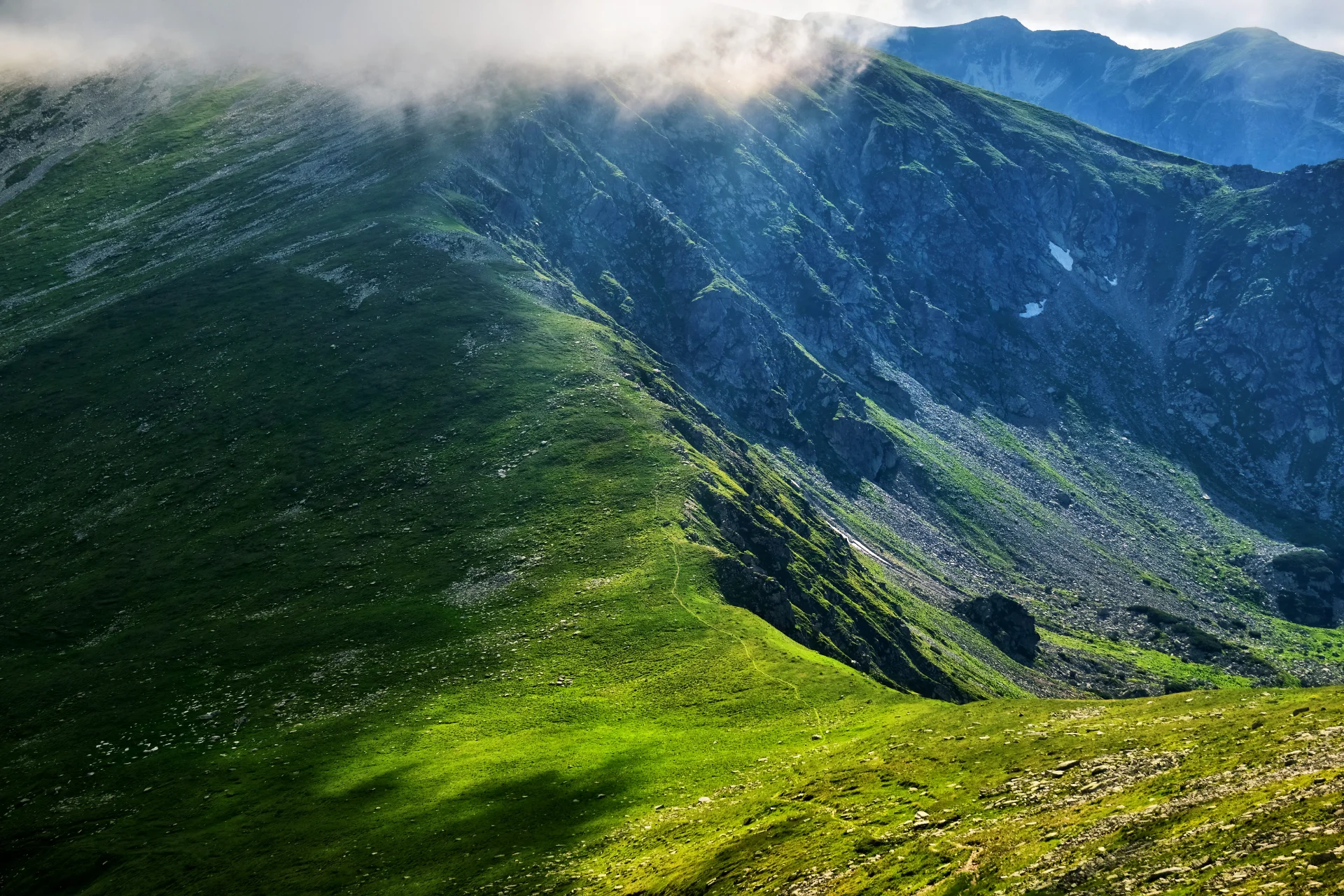
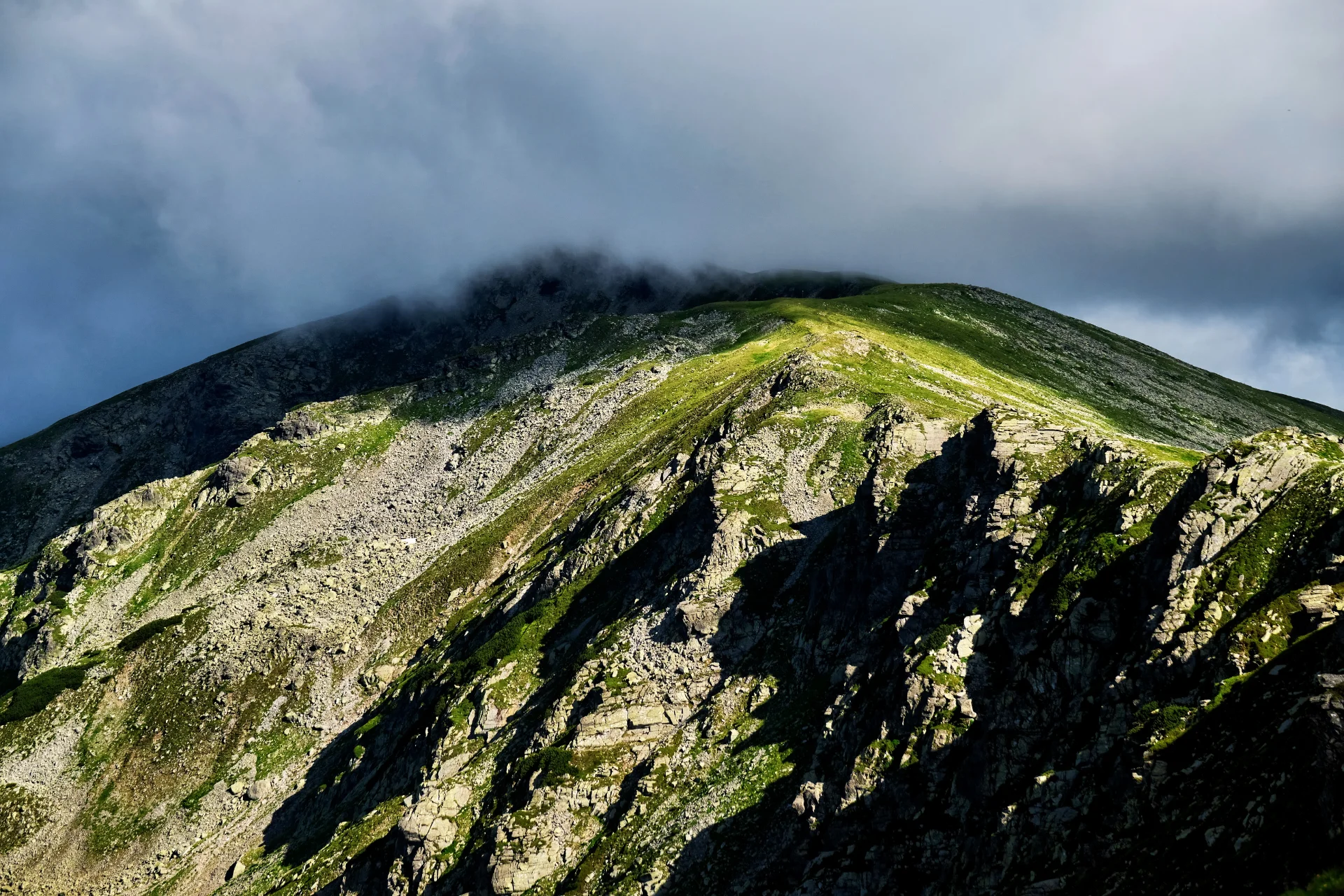
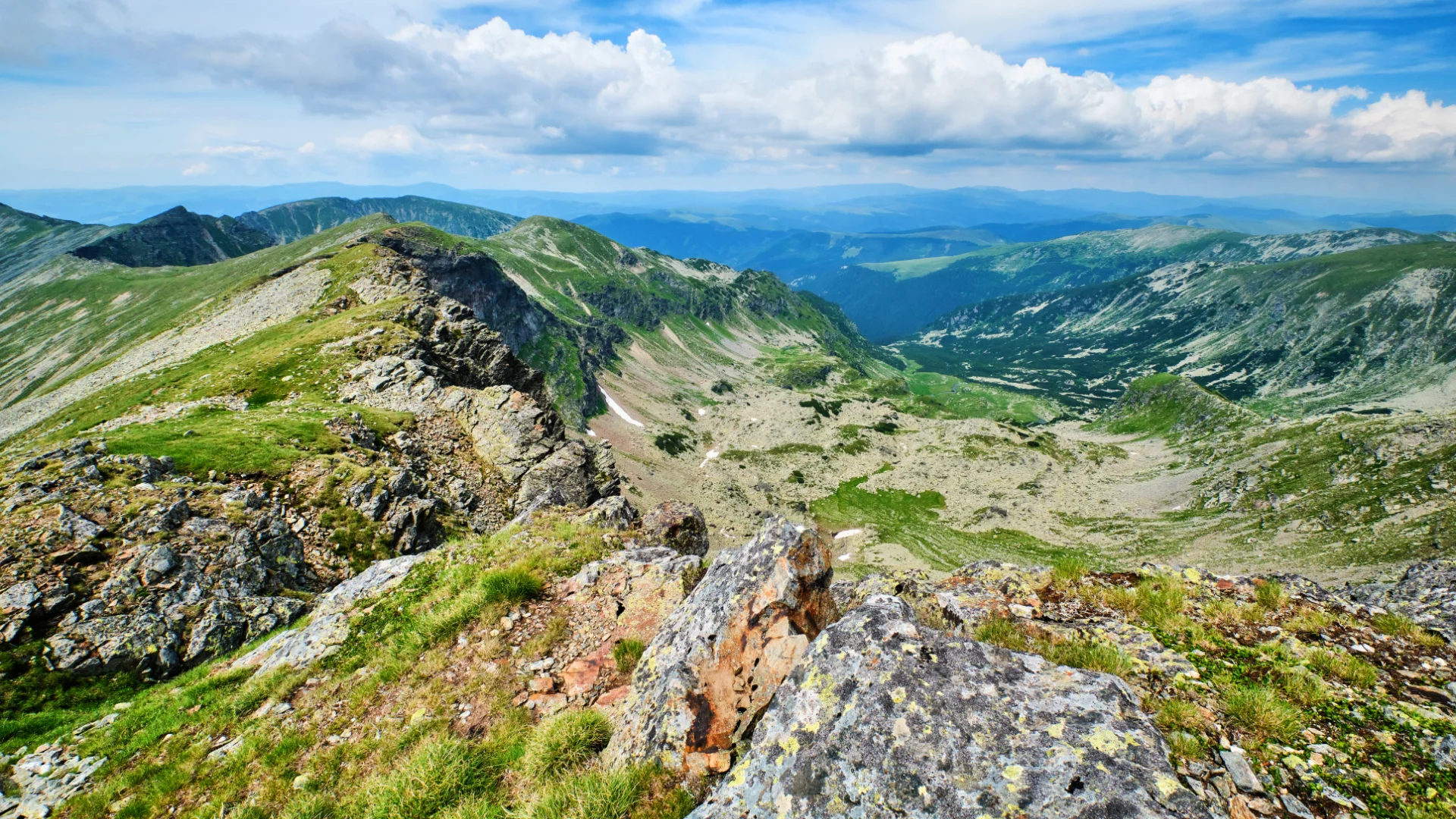
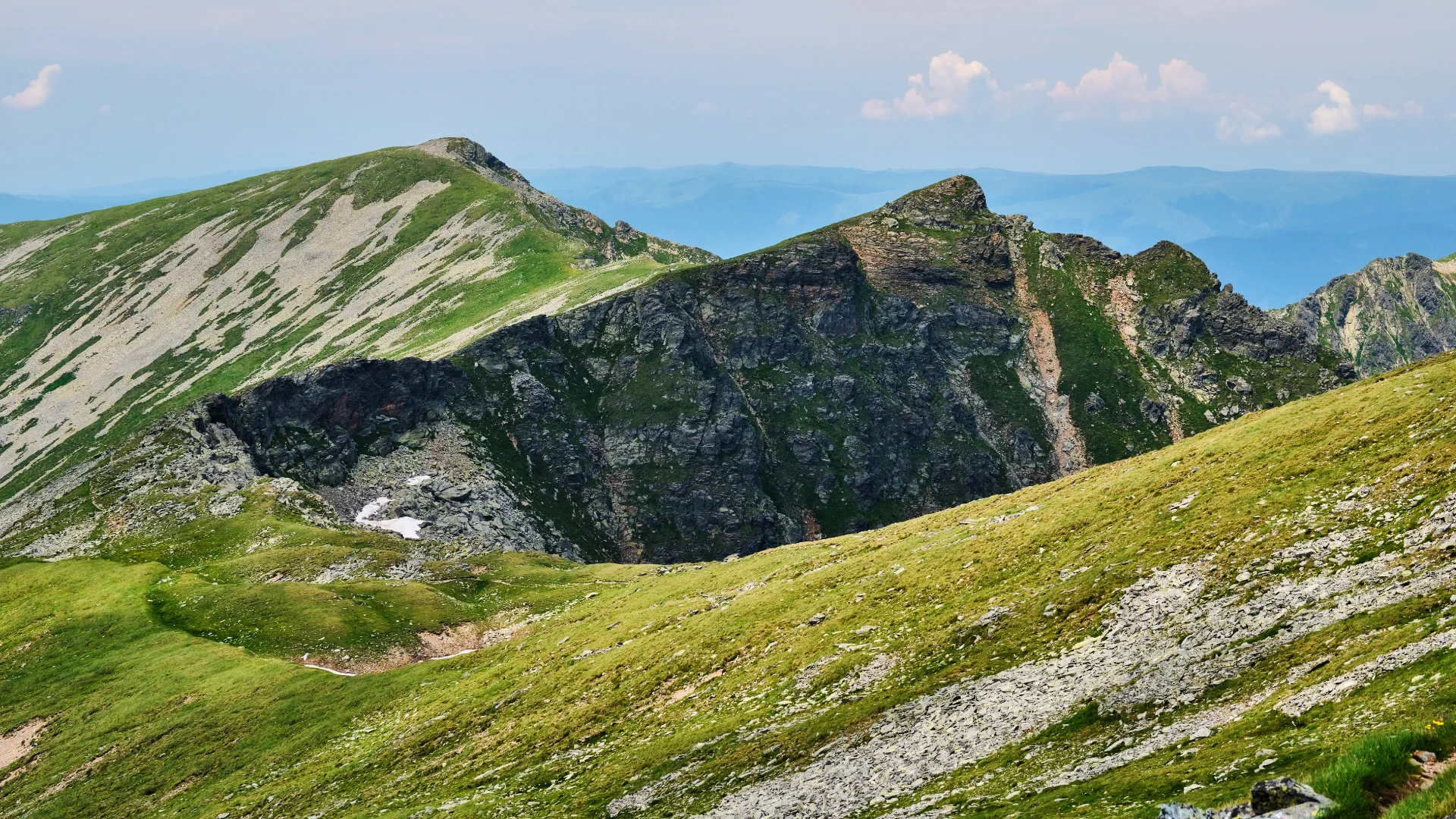
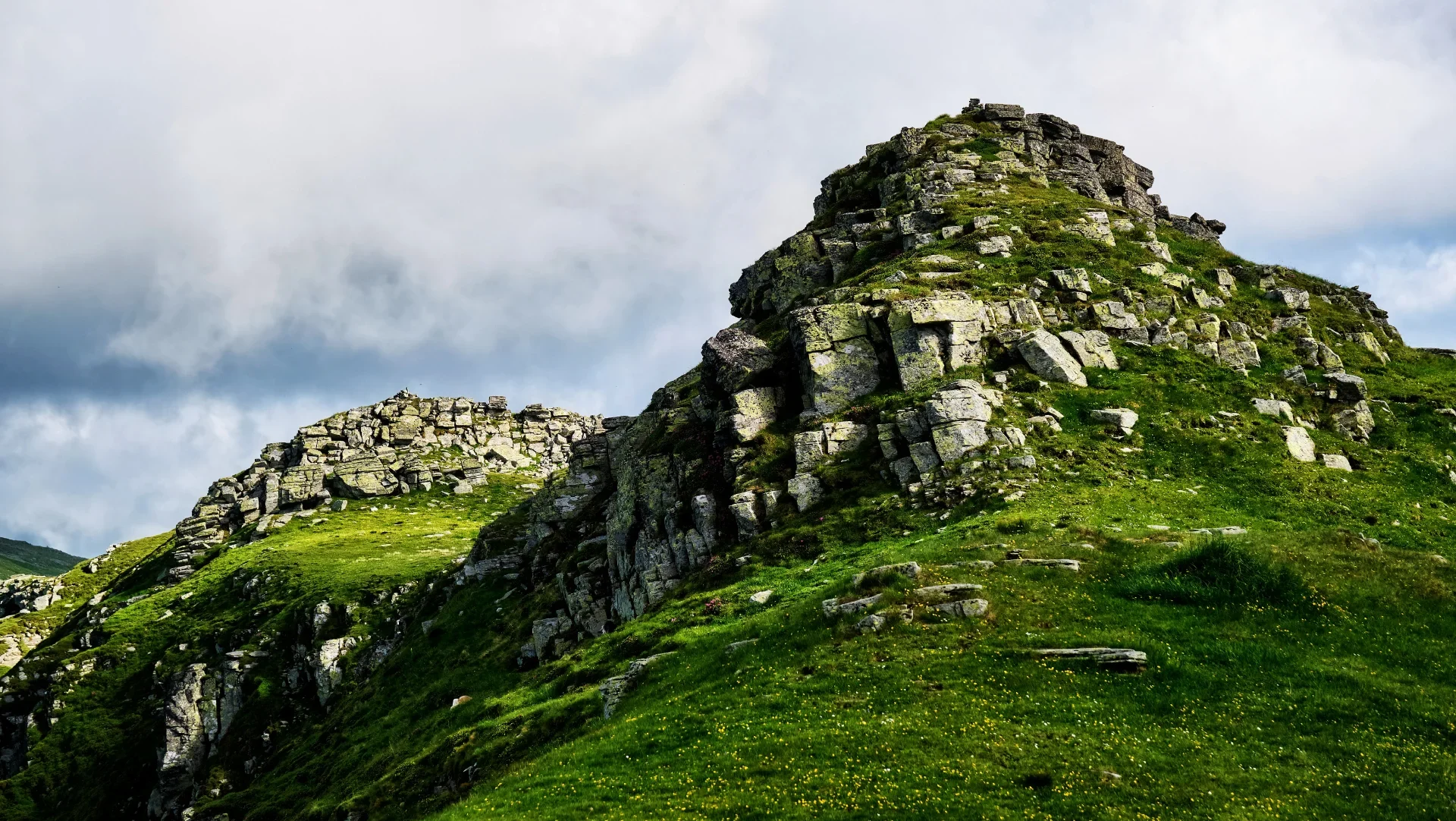
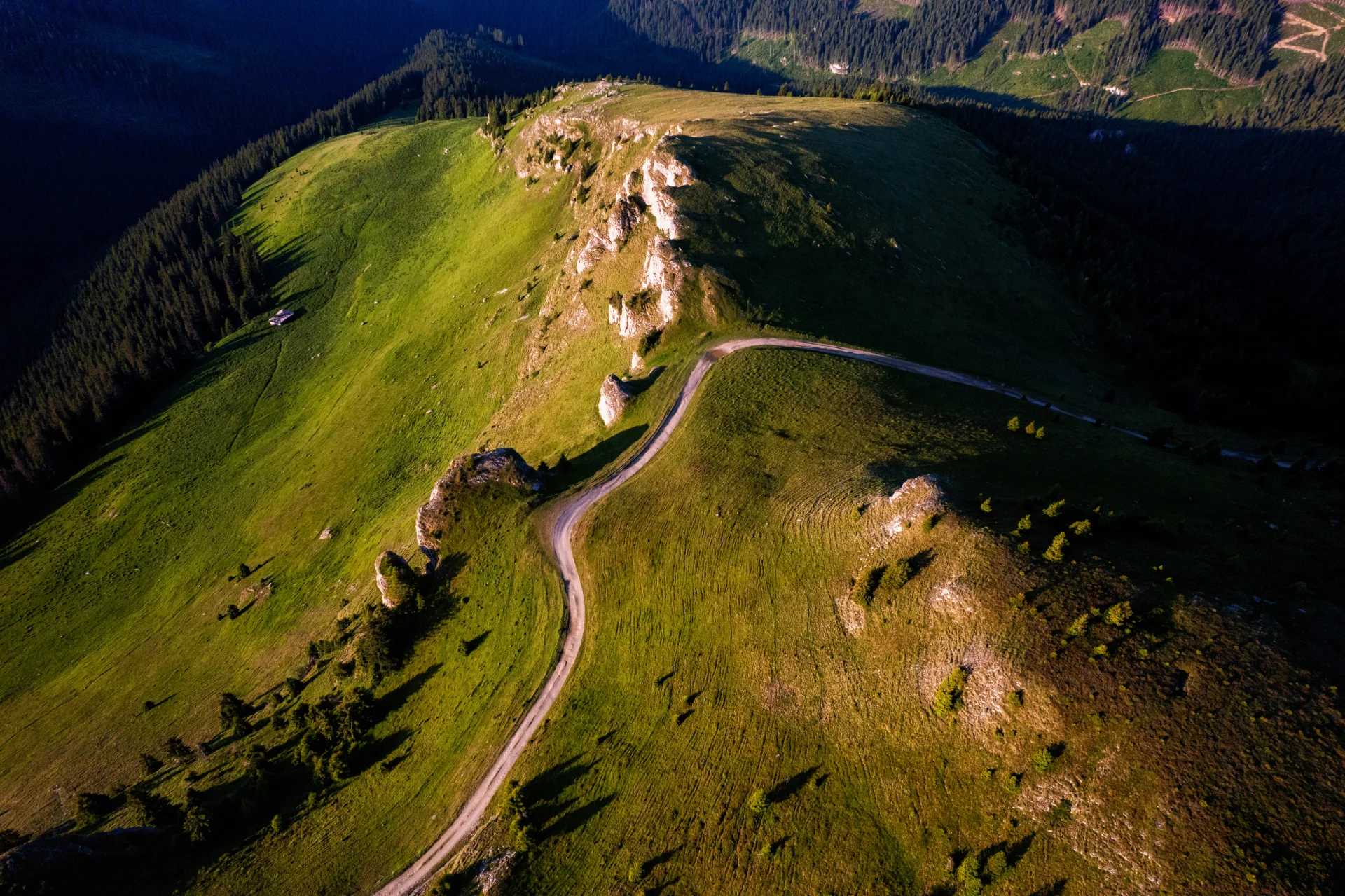
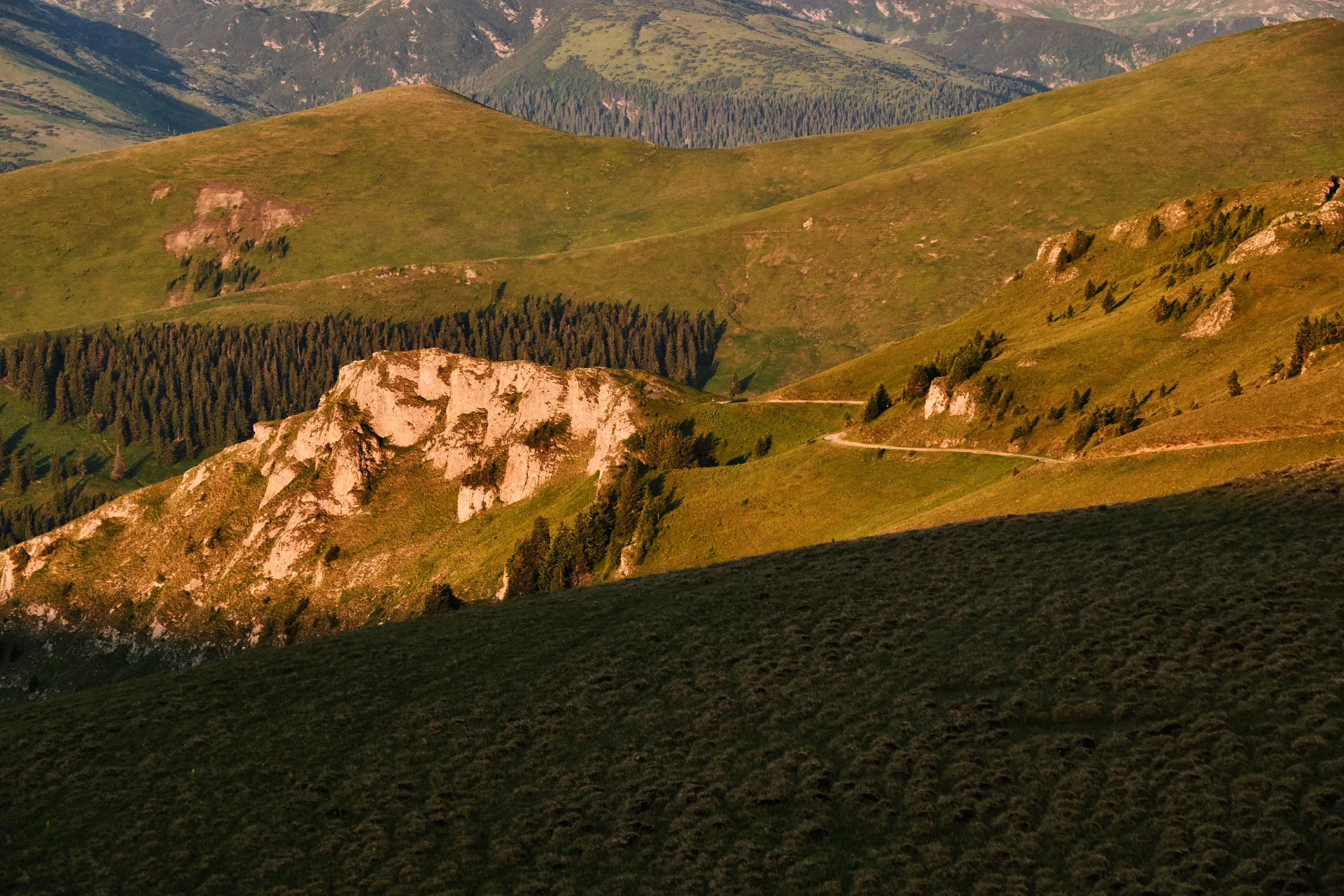
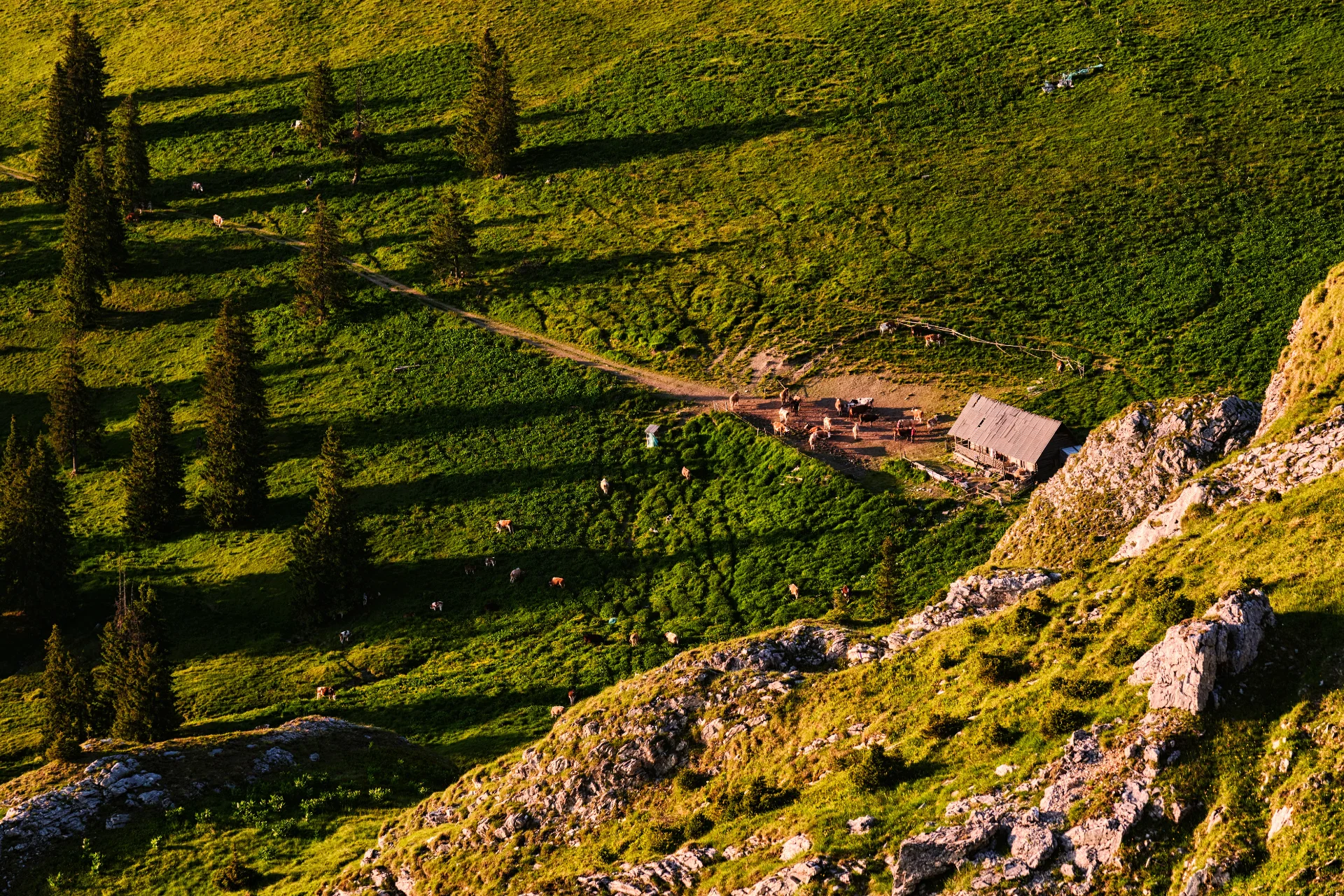
In the gusting winds and the scorching midsummer sun, the world below seems so far away, and, looking beyond the rocky ridges and endless woods, we forget the exhausting struggle that brought us to the heights of Parâng. Few words can describe the profound sensations that only the mountain and its wild beauty can bestow. Less dramatic than other ridges of the Carpathians, Parâng is somewhat gentler and more welcoming, but sometimes the green carpet covering the peaks turns into sharp cliffs or precipitous valleys. Starting on any of the paths that climb to the supreme heights, we have many hours and over 1,000 meters of climbing ahead through shady valleys and over sunny peaks.
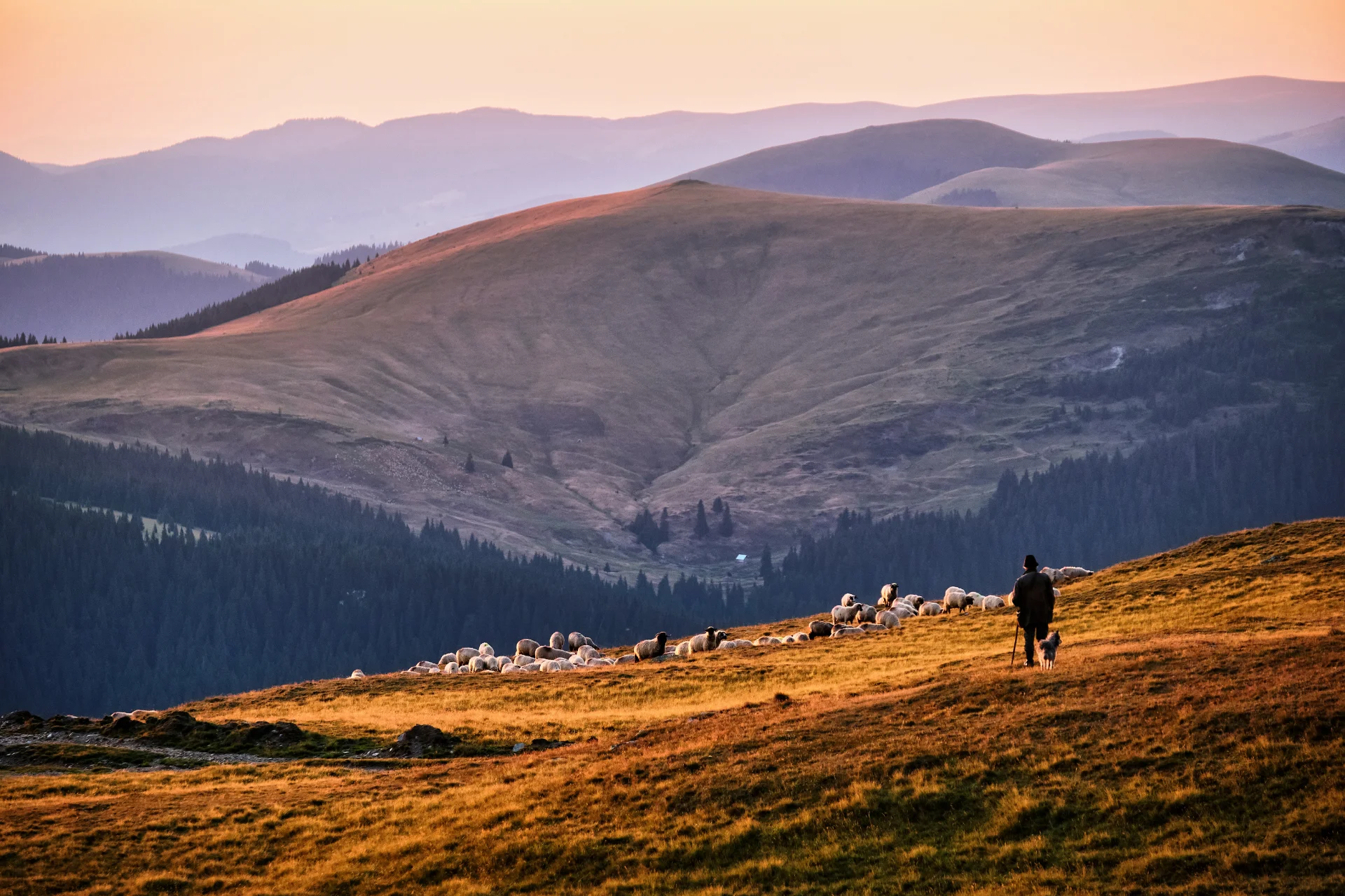
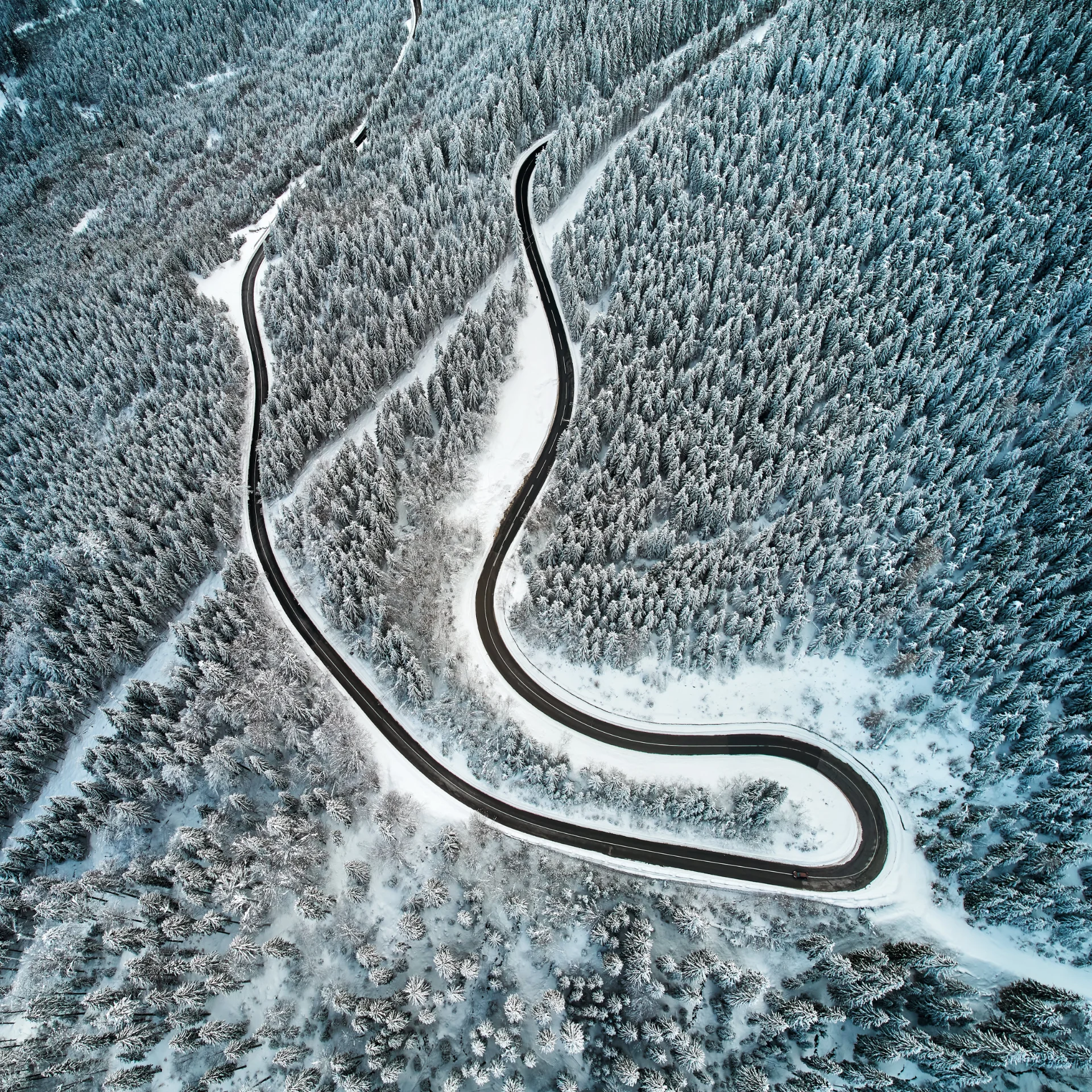
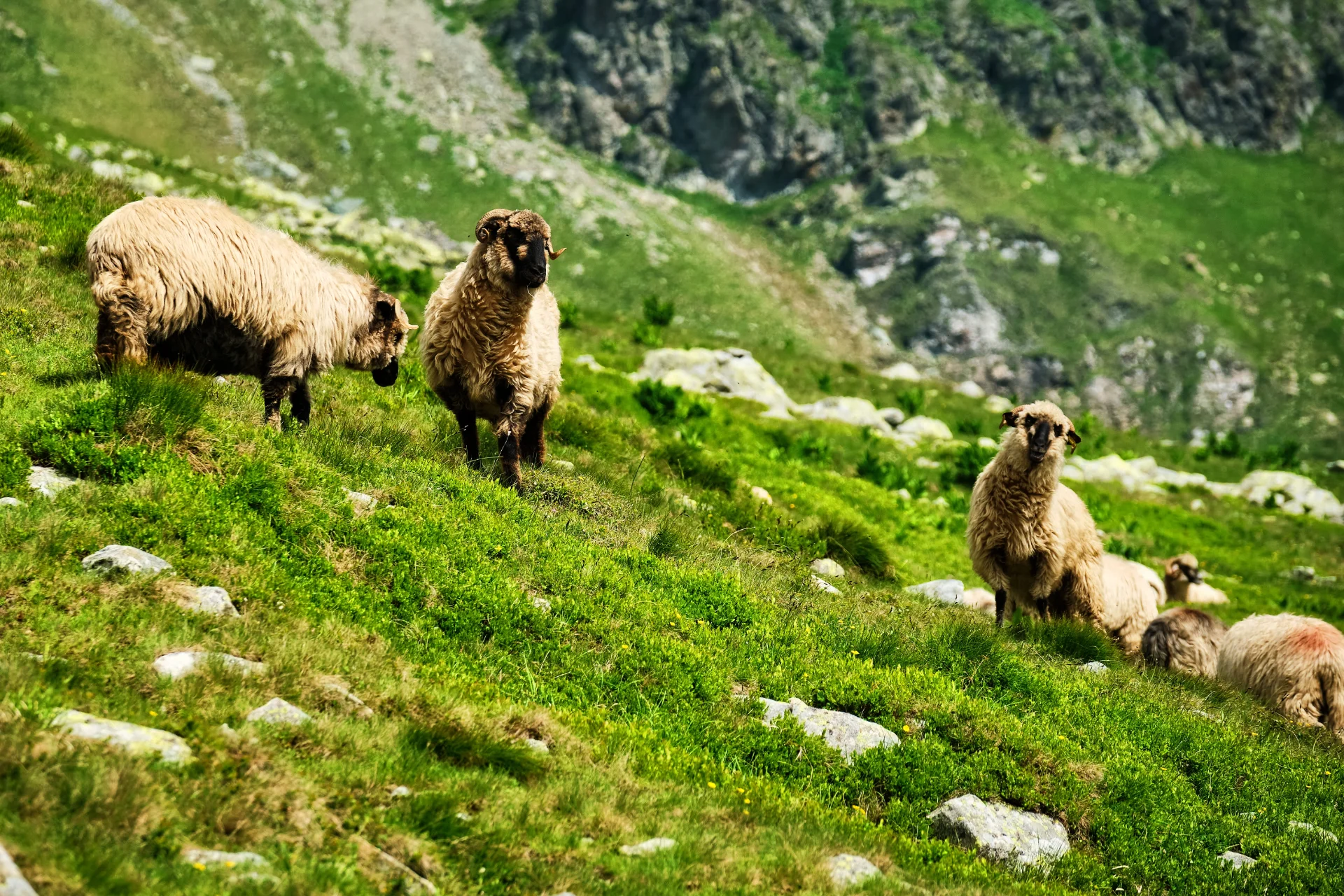
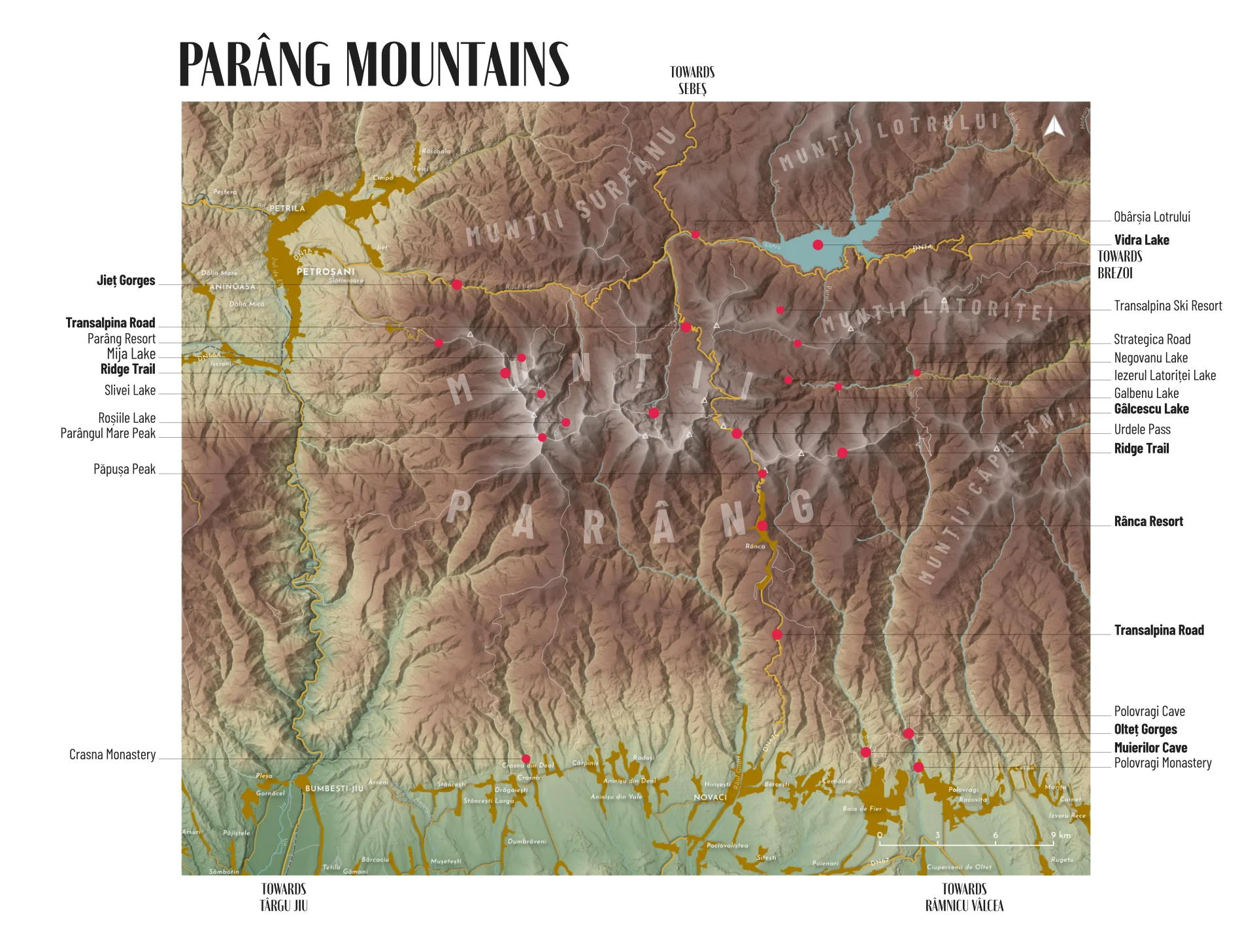
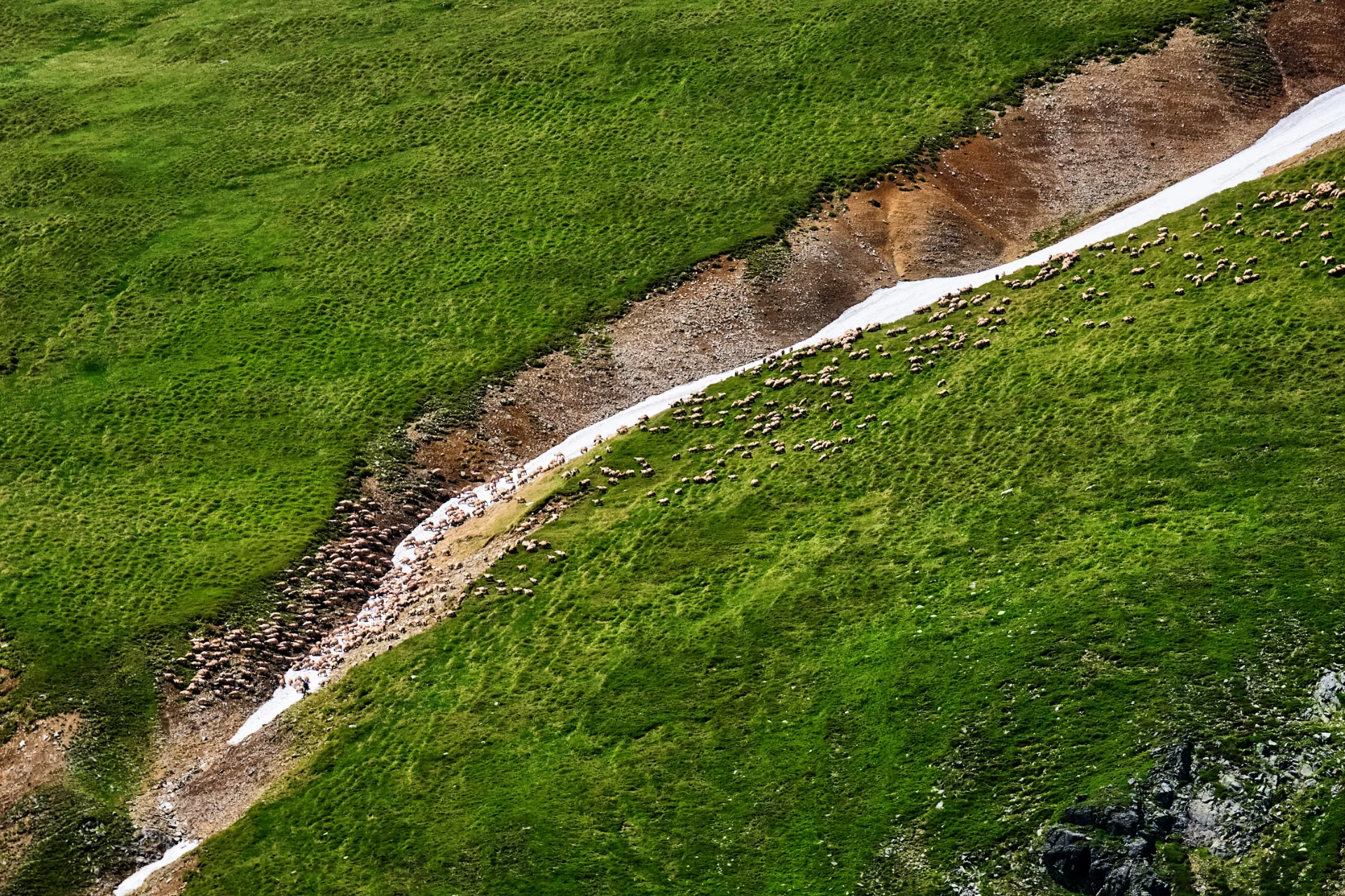
A fascinating destination in any season, the Parâng Mountains attract us with their enchanting alpine landscapes, superb glacial lakes, incredible biodiversity, as well as ancestral pastoral traditions, still very much alive in these places. Although they are impressive in their massiveness, these mountains have been conquered a long time ago, with a multitude of roads and paths reaching into their wild heart. We can enter the Parâng kingdom from almost any direction, the most important road being the Transalpina (DN67C), which passes over the high ridges from south to north. Other important access routes are the European route 79, which follows the Jiu Defile in the west and the DN7A along the Jieț and Lotru valleys in the north.
Search for Flights to Romania with Booking.com!
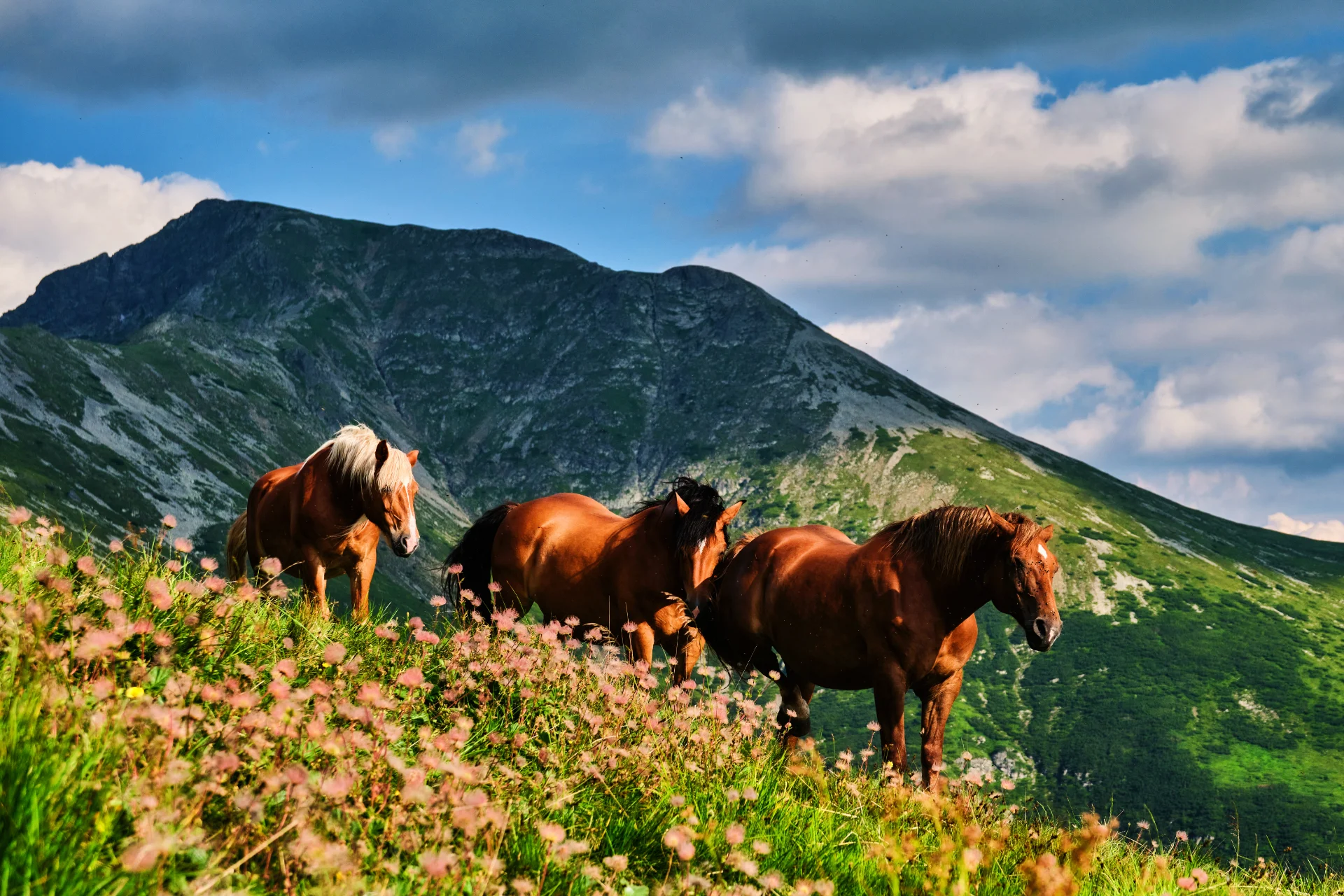
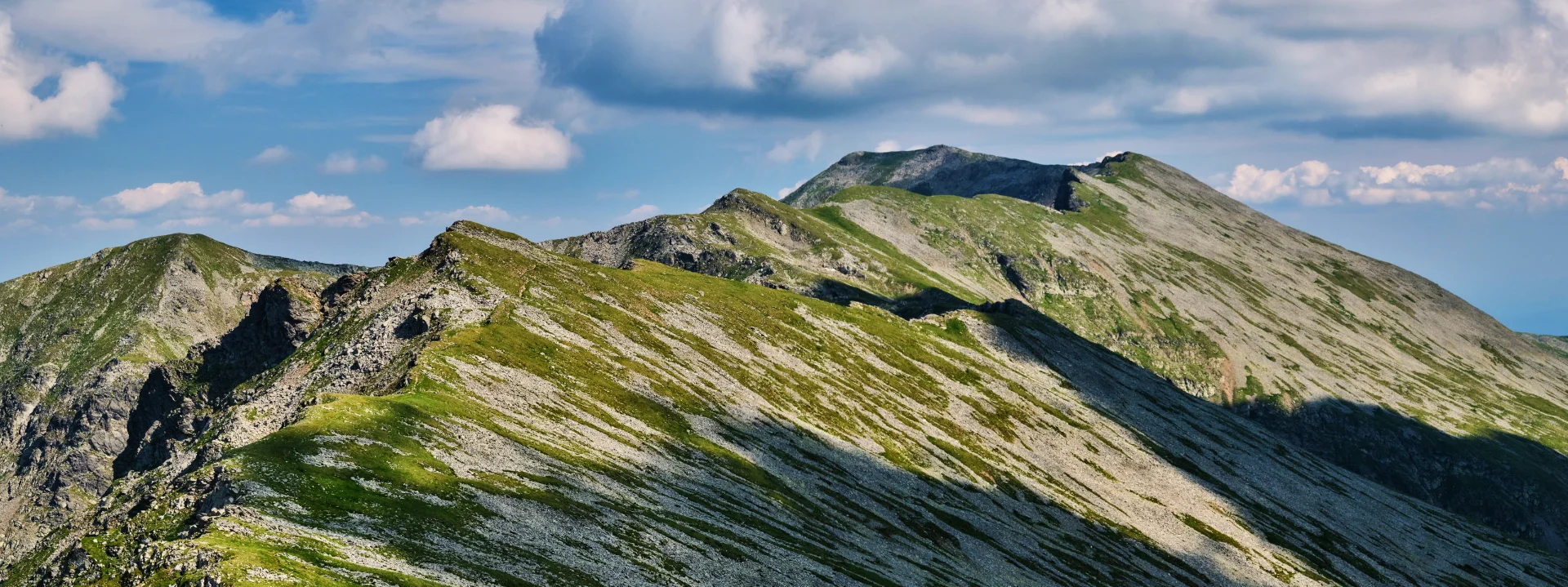
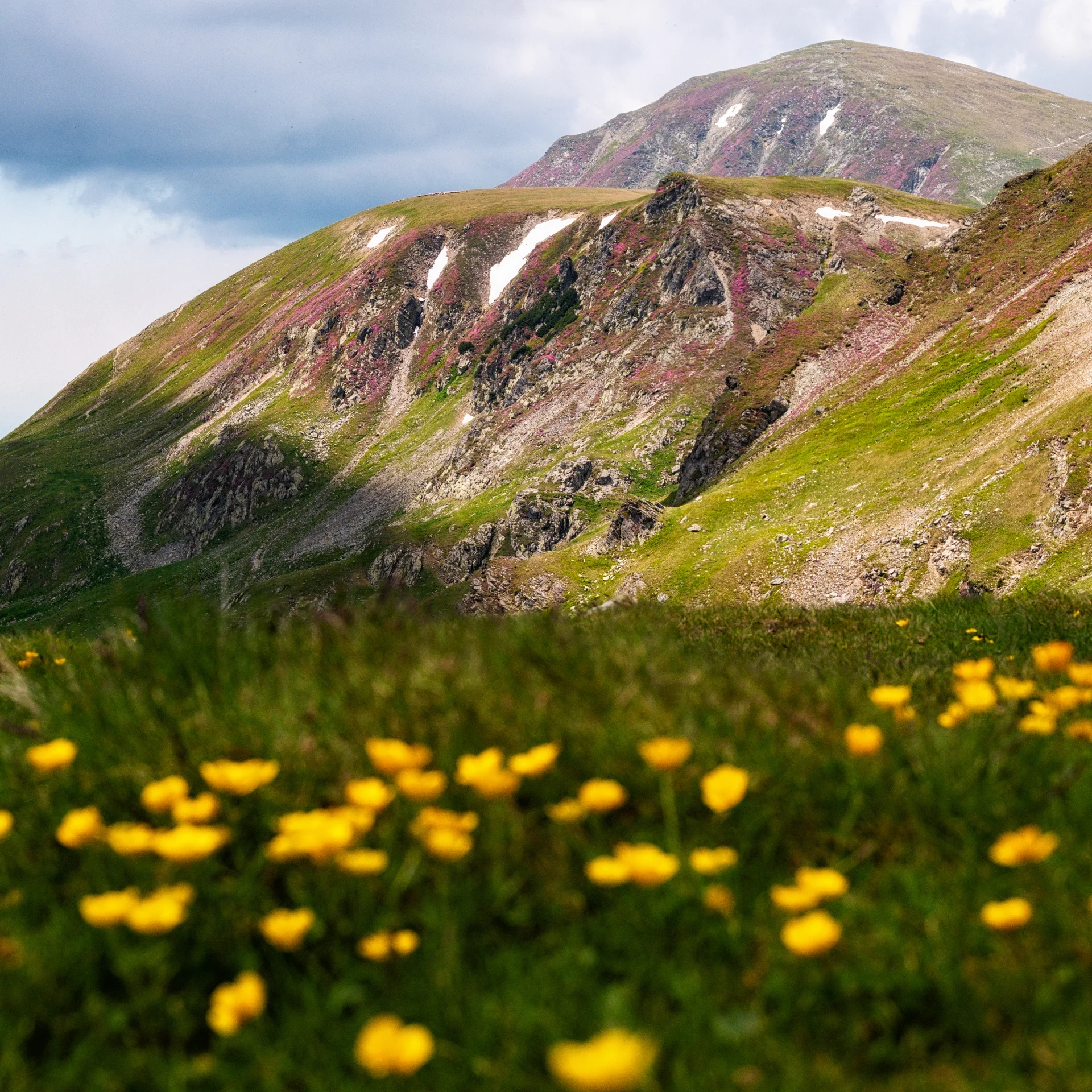
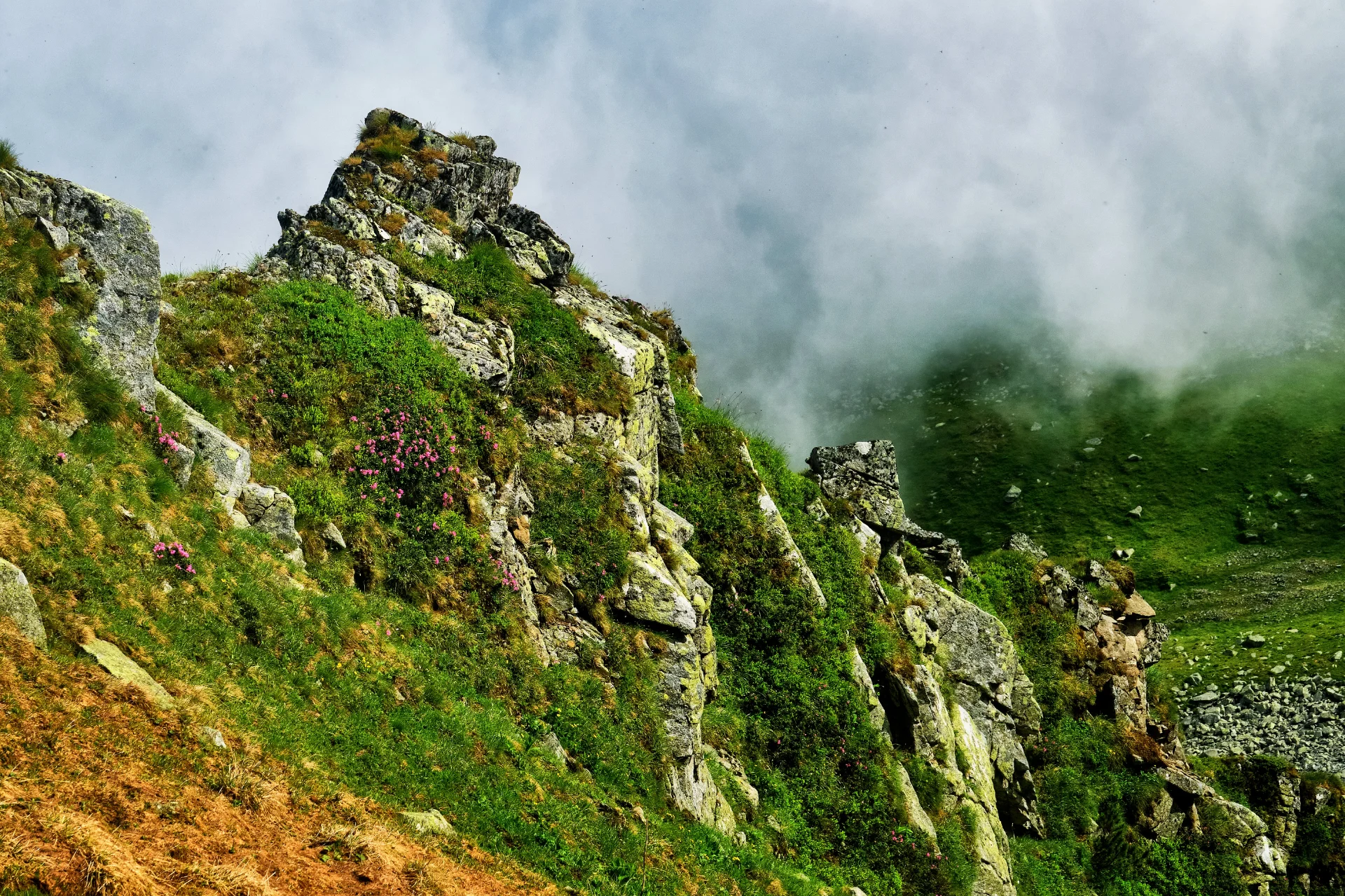
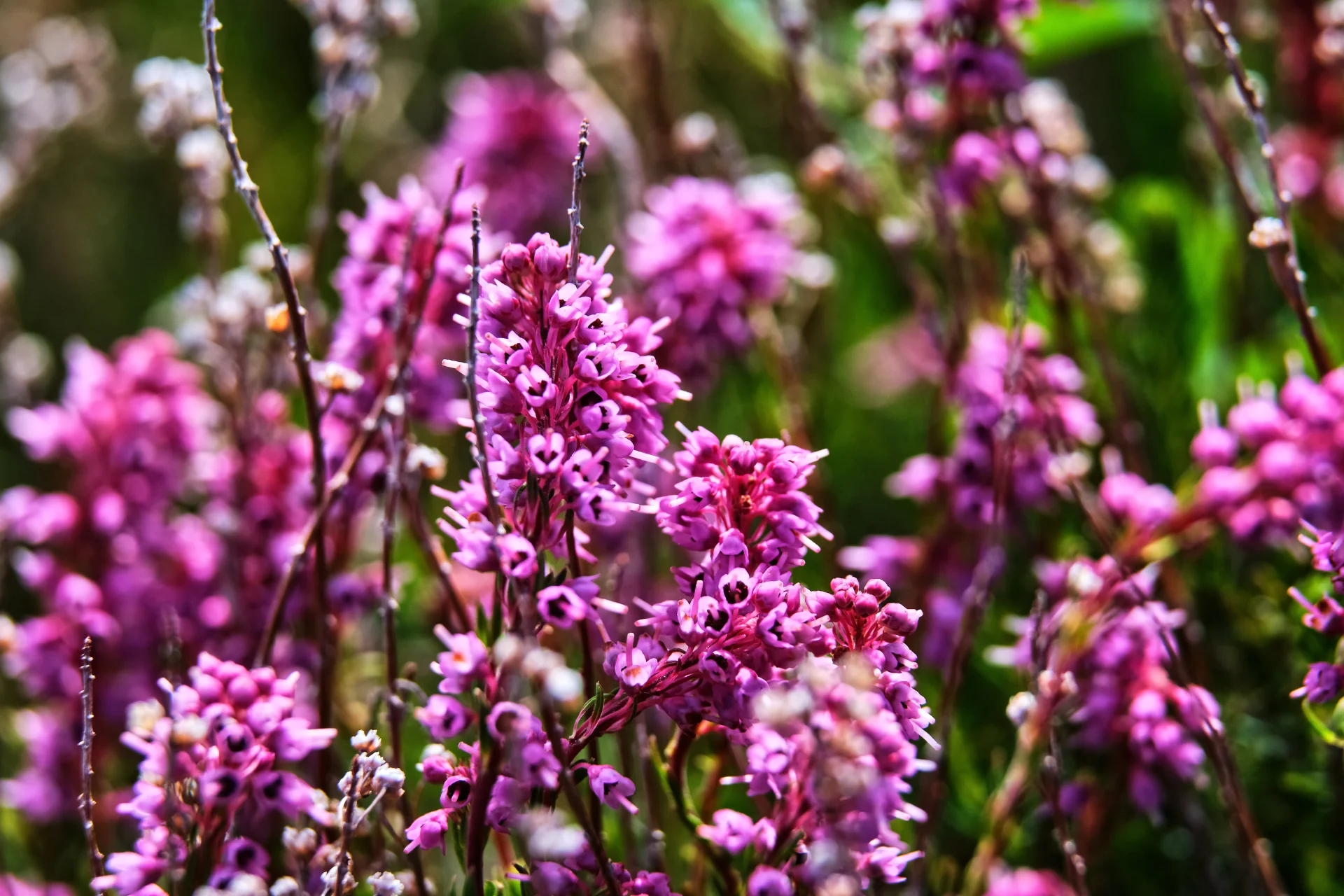
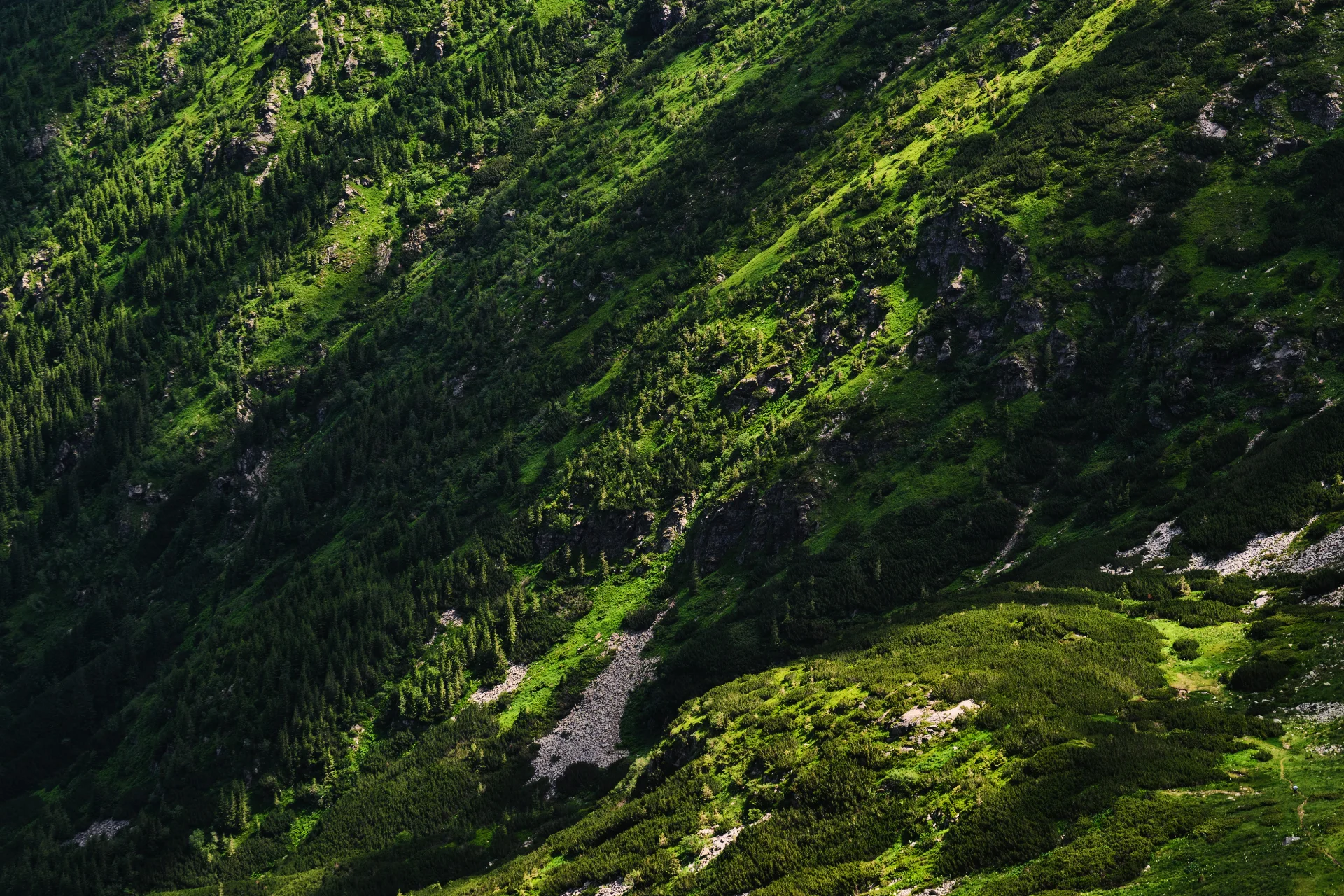
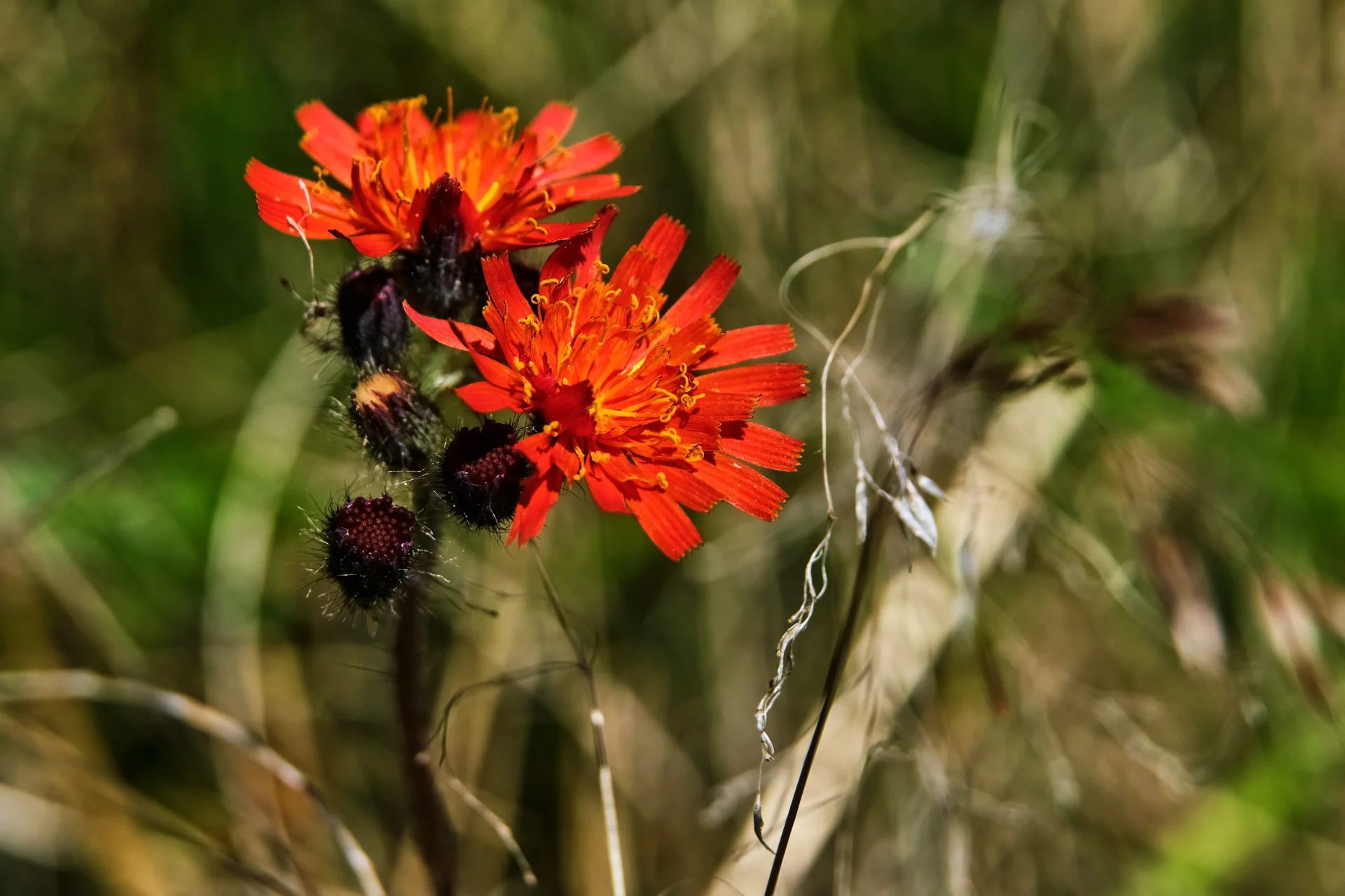
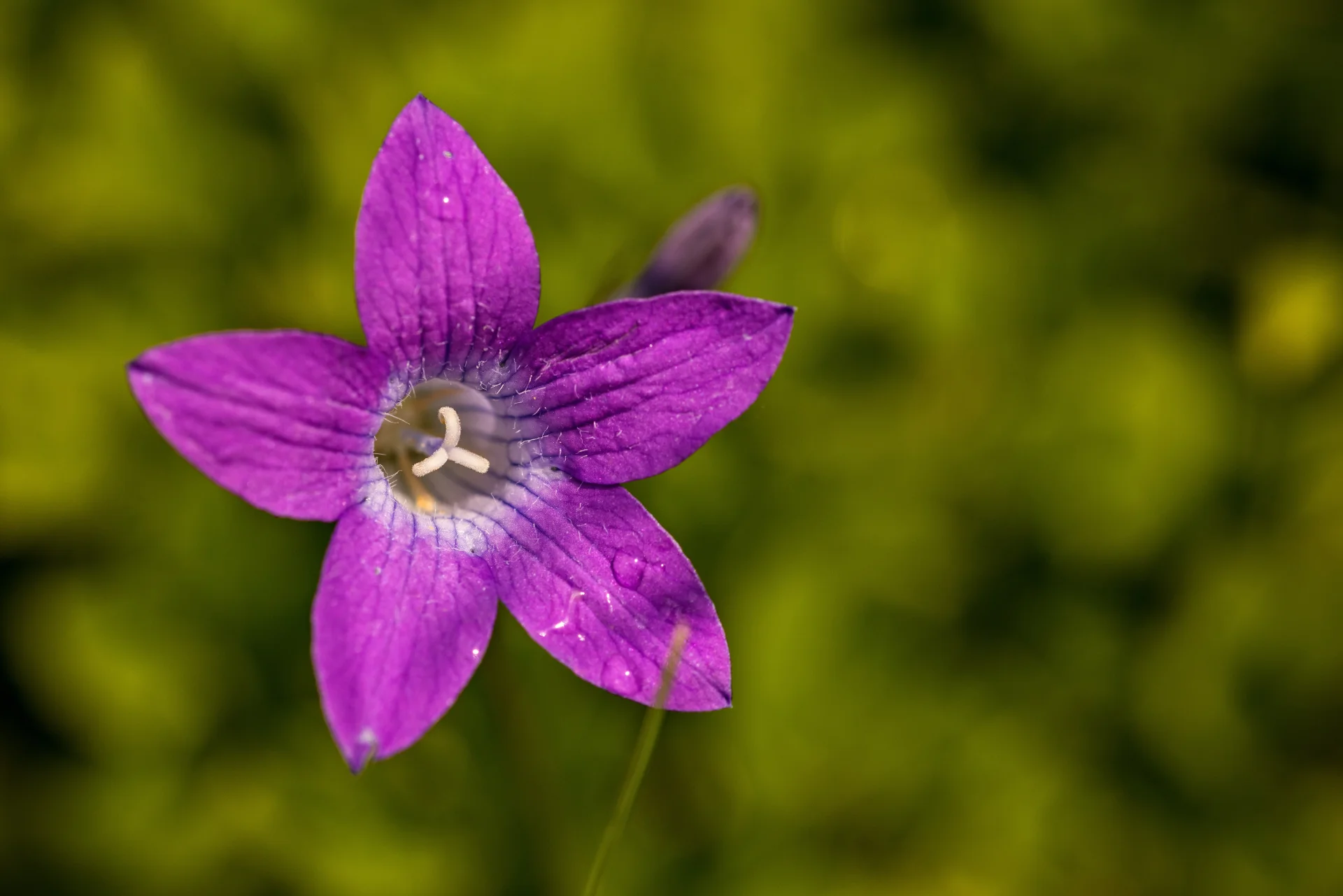
The main ridge of the Parâng Mountains connects the highest peaks in east-west direction, along the border between Vâlcea, Gorj and Hunedoara counties. Of these peaks, Parângul Mare is the fourth highest in Romania at 2,519 meters, being surrounded by almost 40 other peaks exceeding 2,000 meters. Other gentle and elongated ridges branch off from the main ridge towards the south, while those to the north are short and steep. A special aspect of these mountains is also the extraordinary biodiversity, encountering an extraordinary variety of habitats and species. We can thus pass through all the vegetation levels specific to the mountain environment, from beech and oak forests, to coniferous forests and alpine meadows. There are also rare or protected plant species, including the mountain peony, cornflower or gentian. Among the animals, in Parâng we can meet all the large mammals of the Carpathians, but also a lot of bird species.
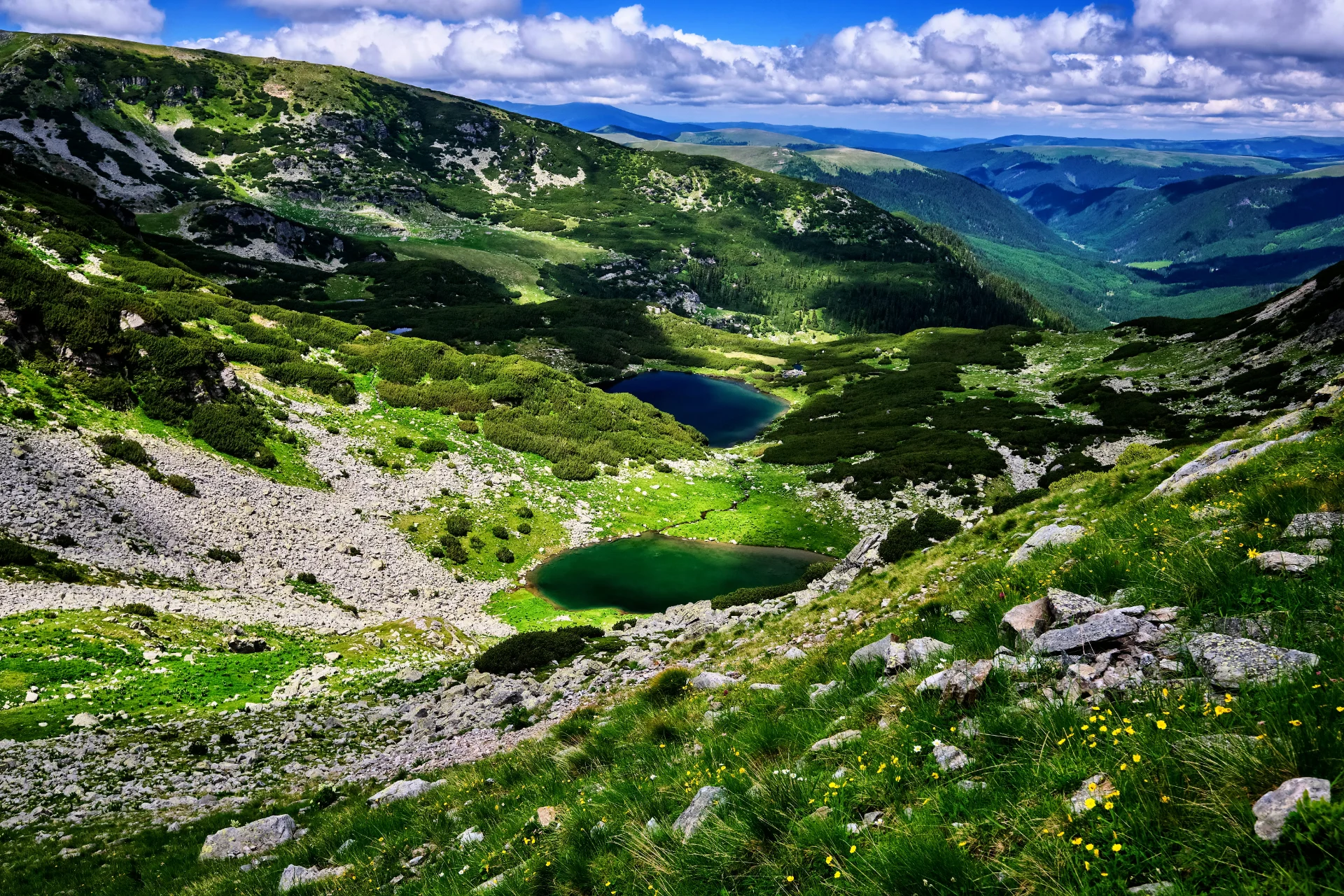
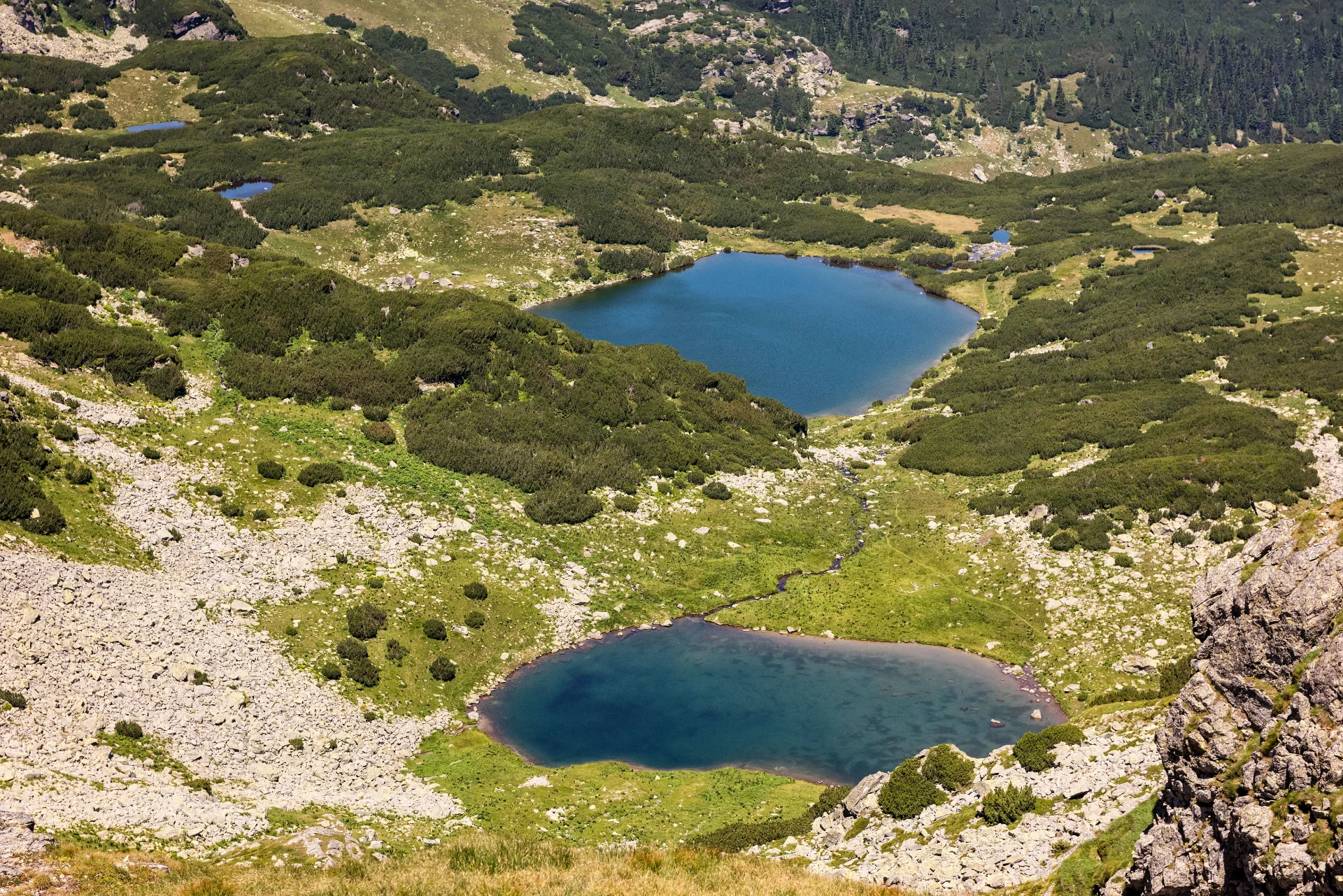
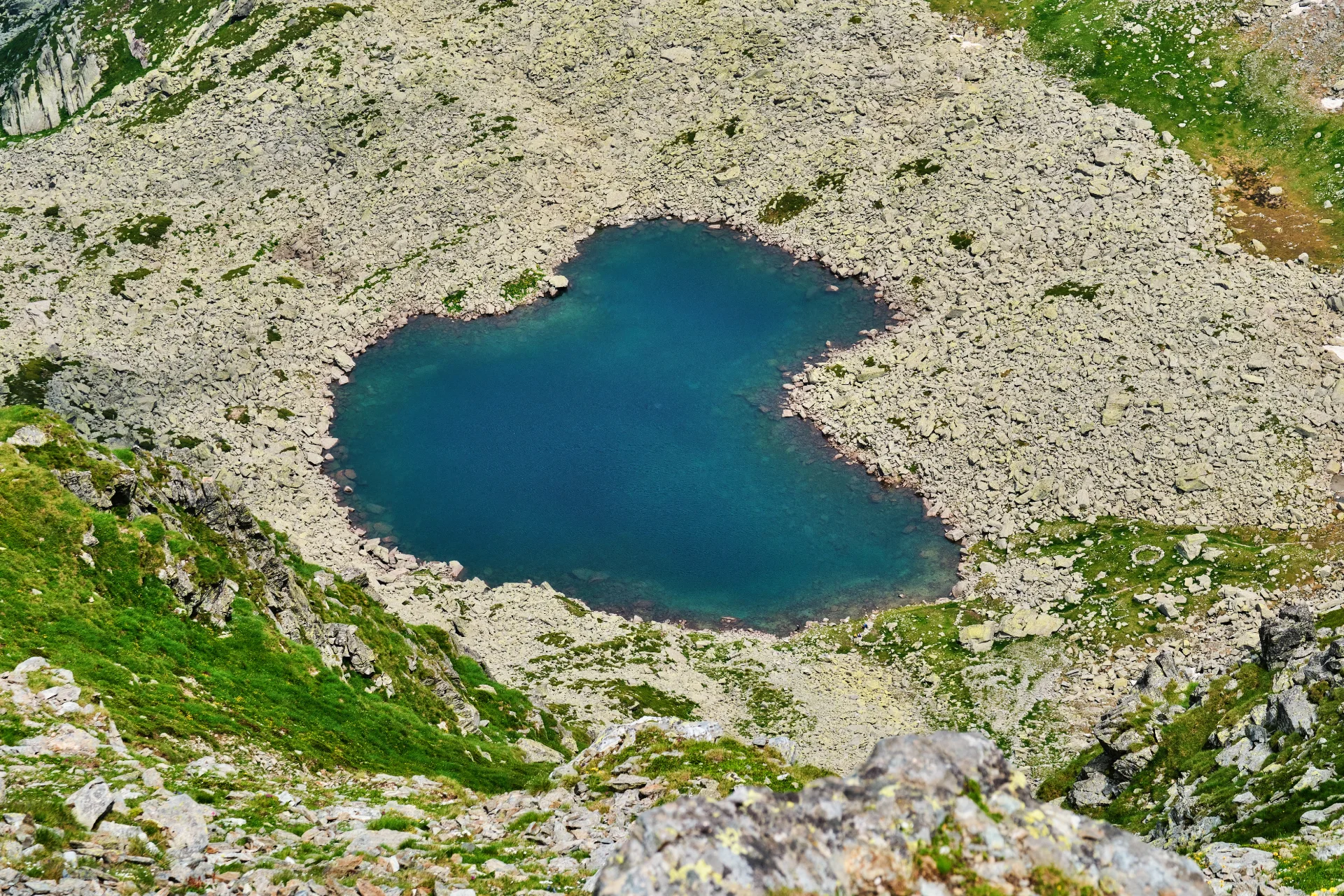
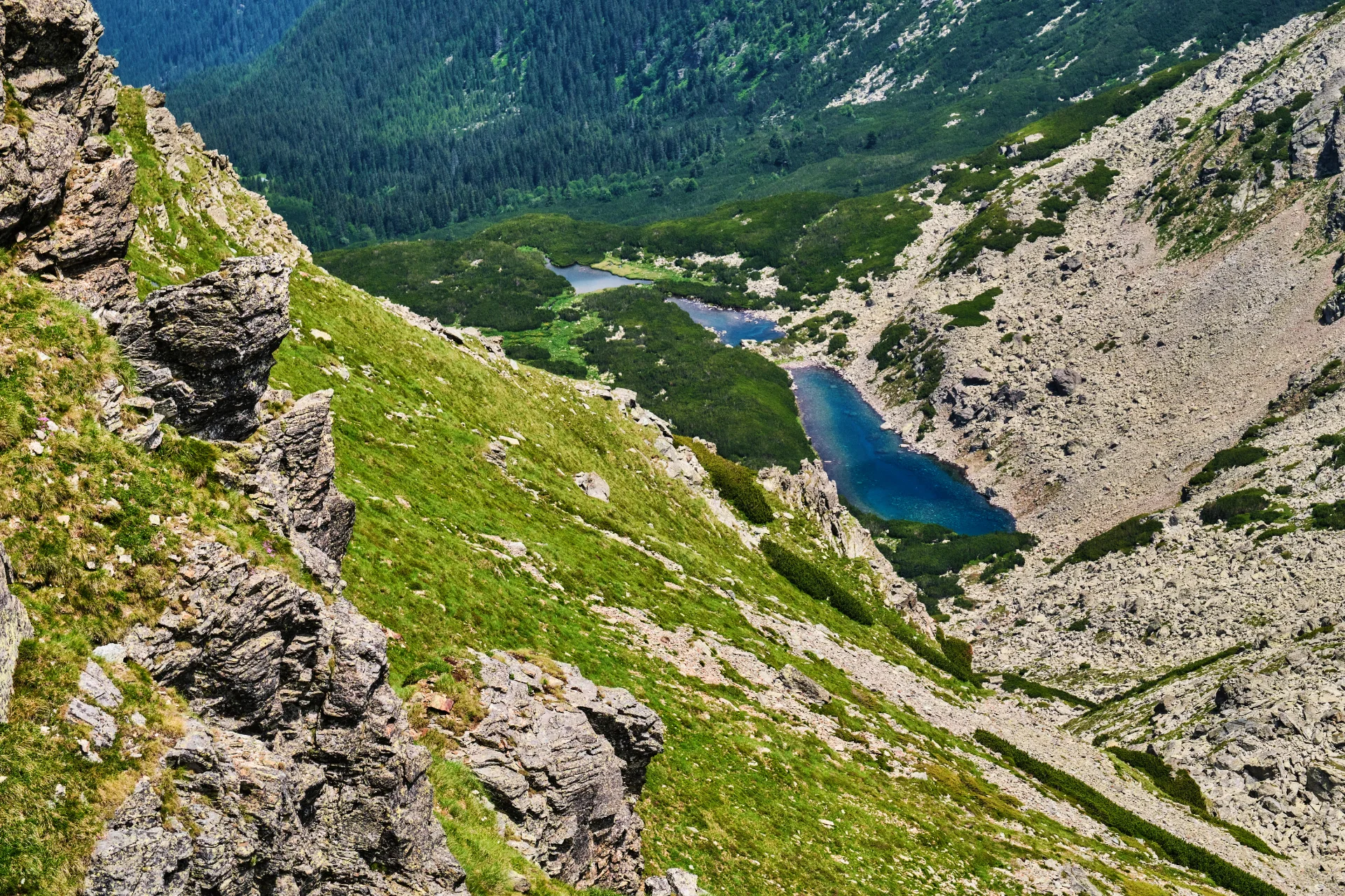
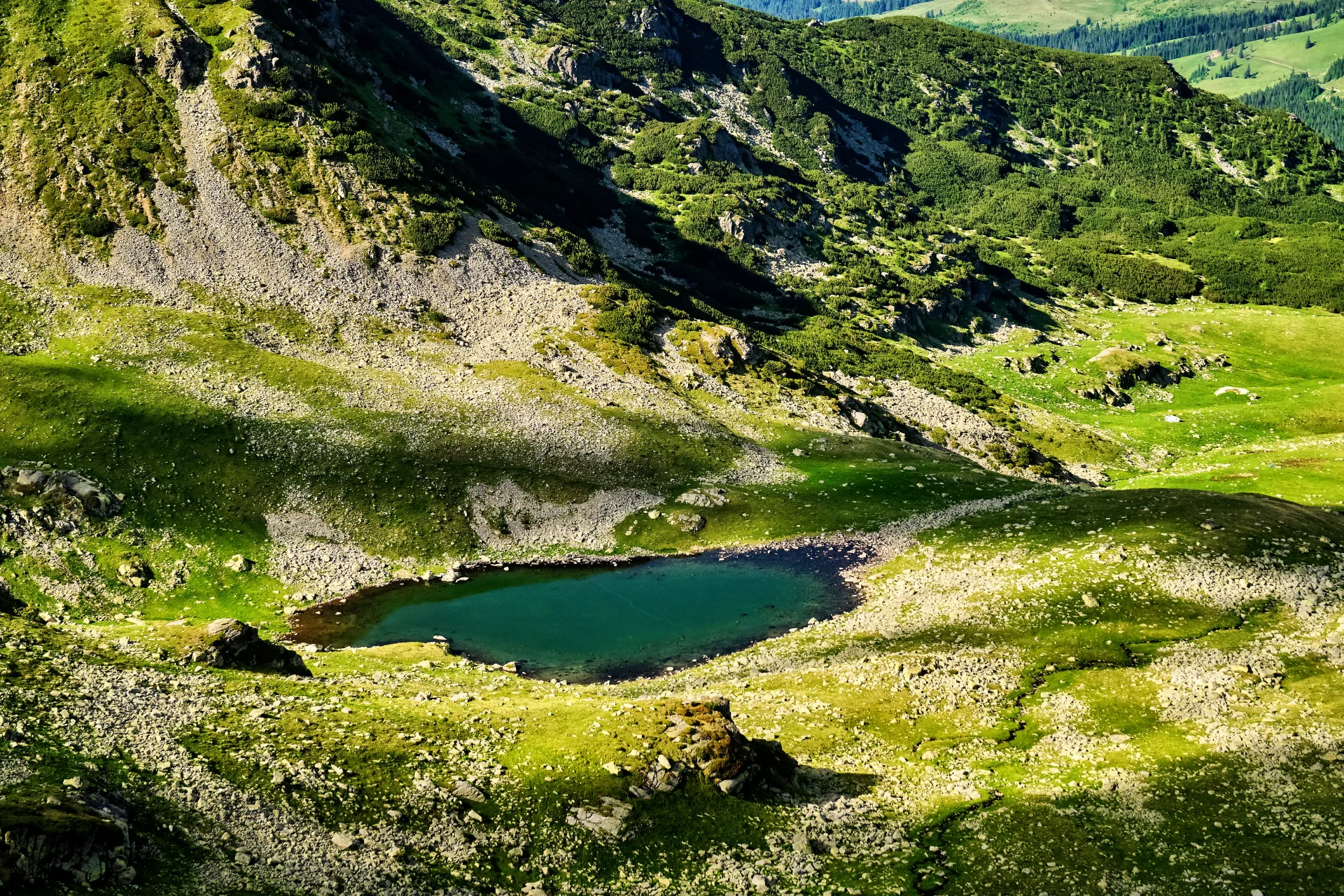
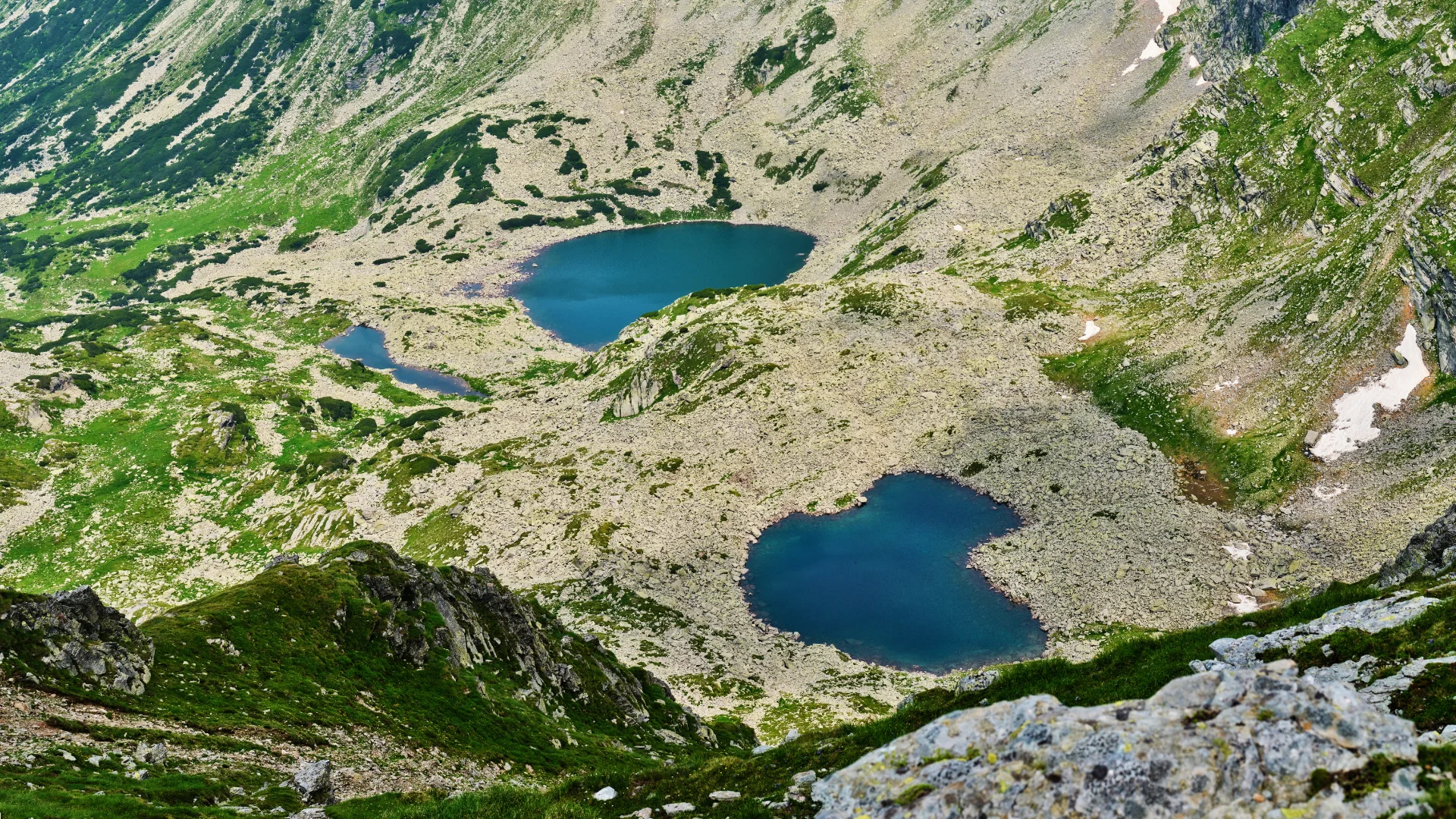
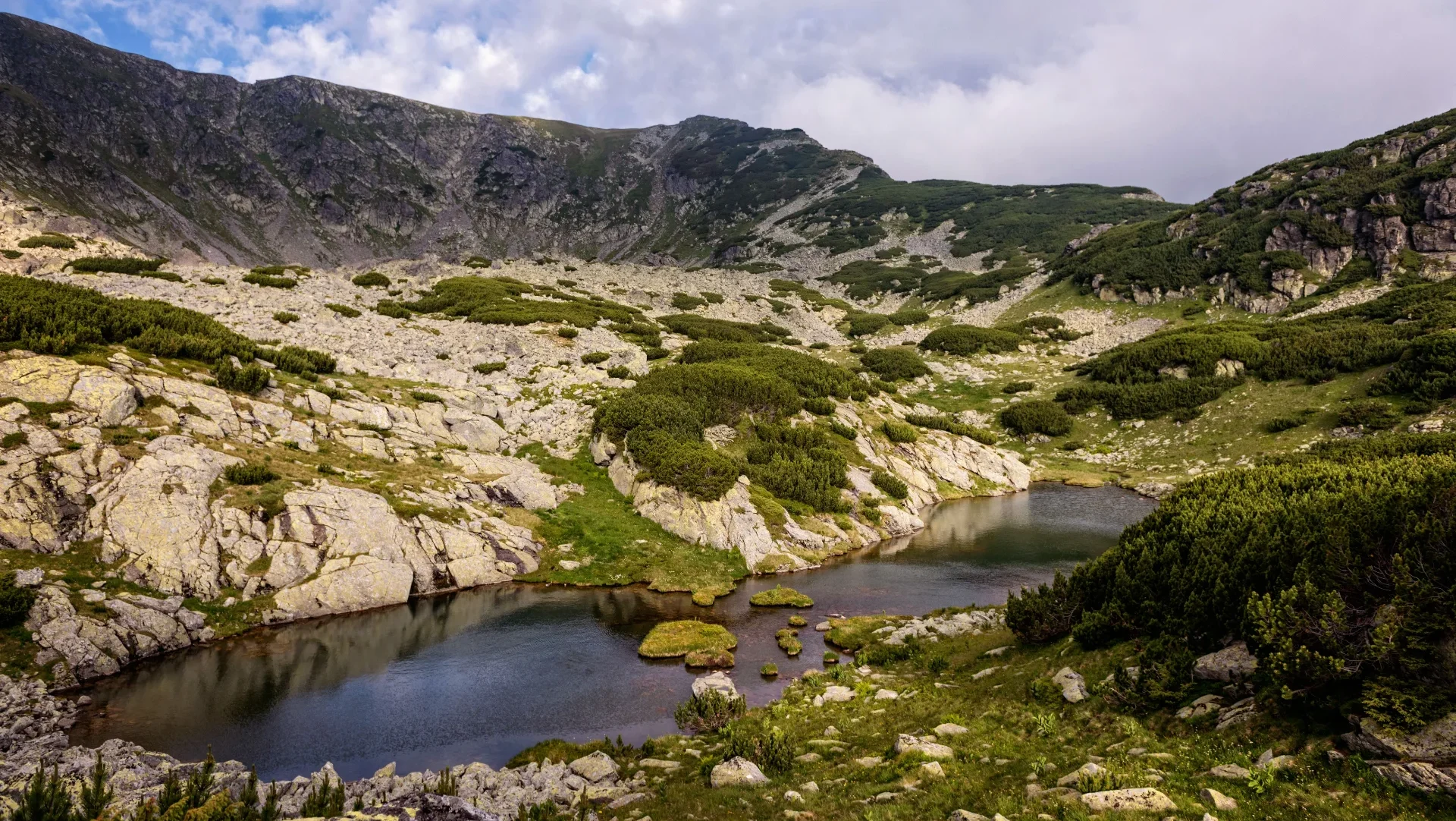
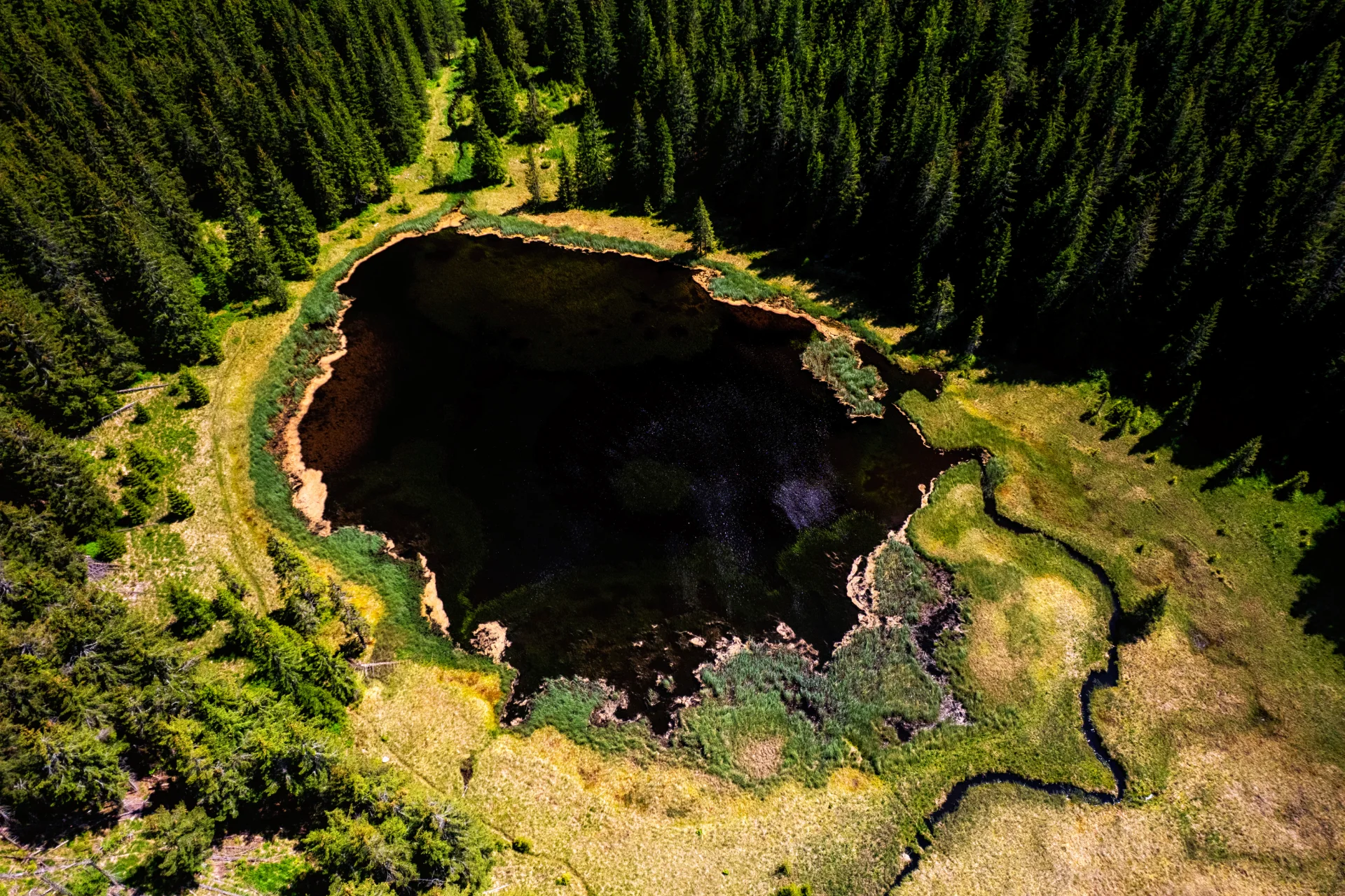
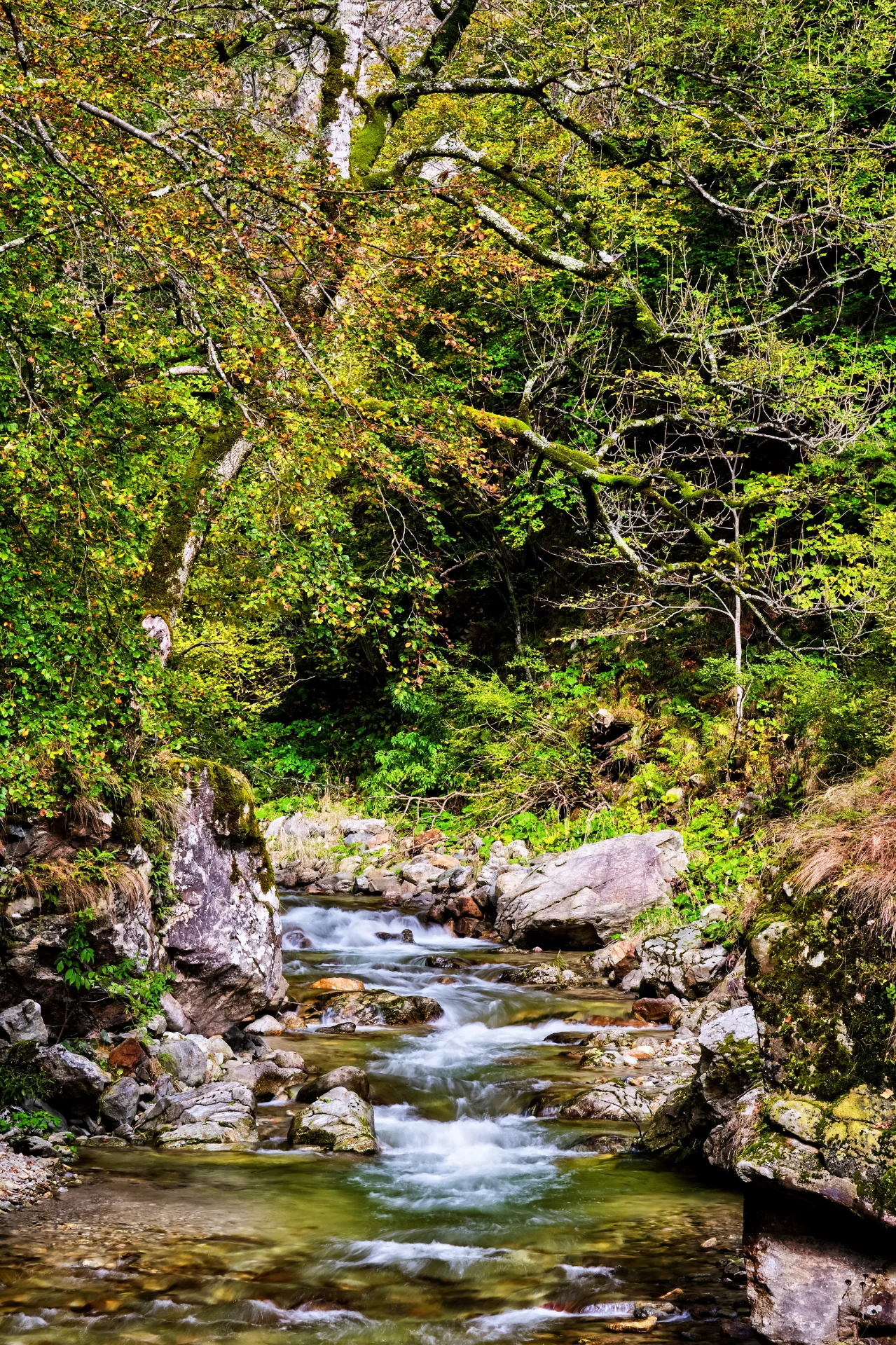
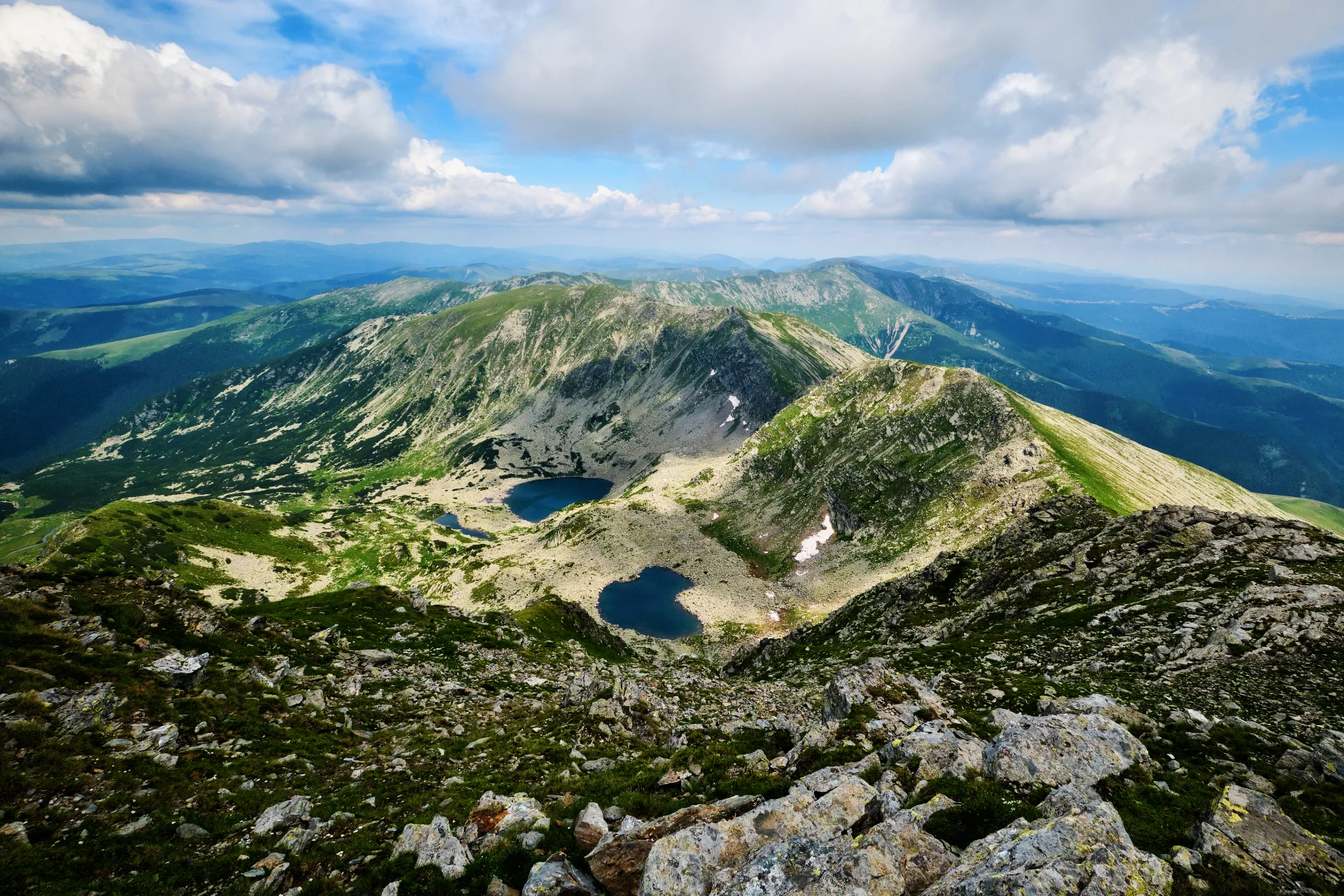
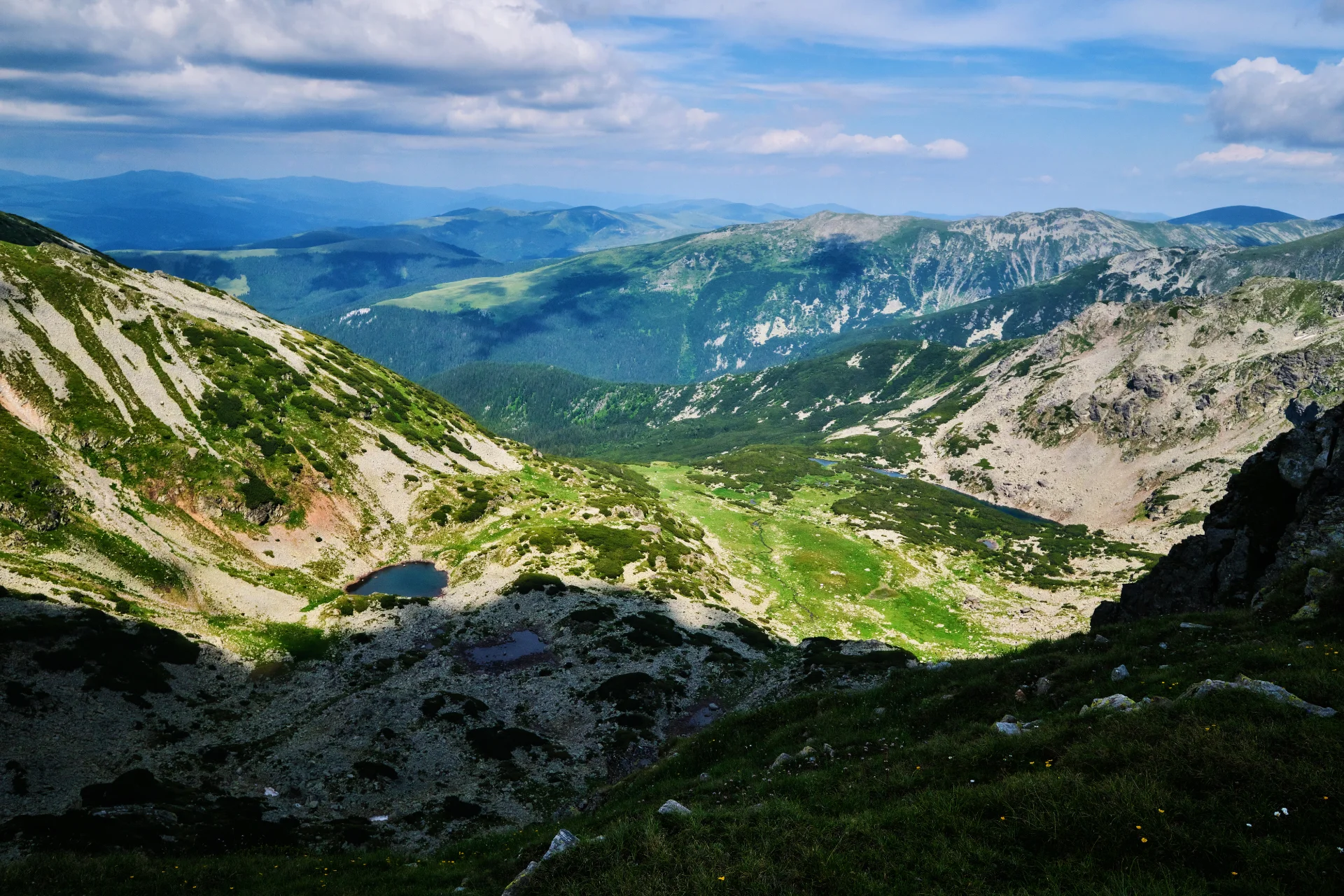
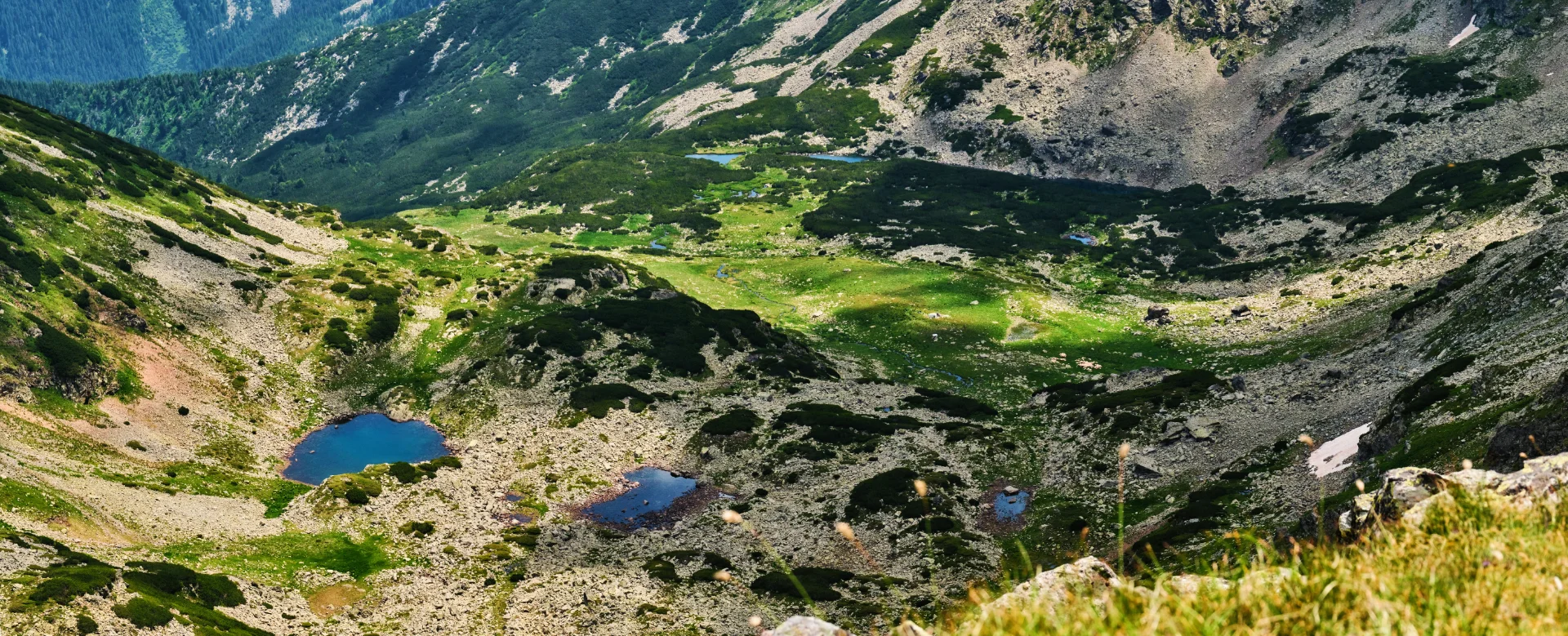
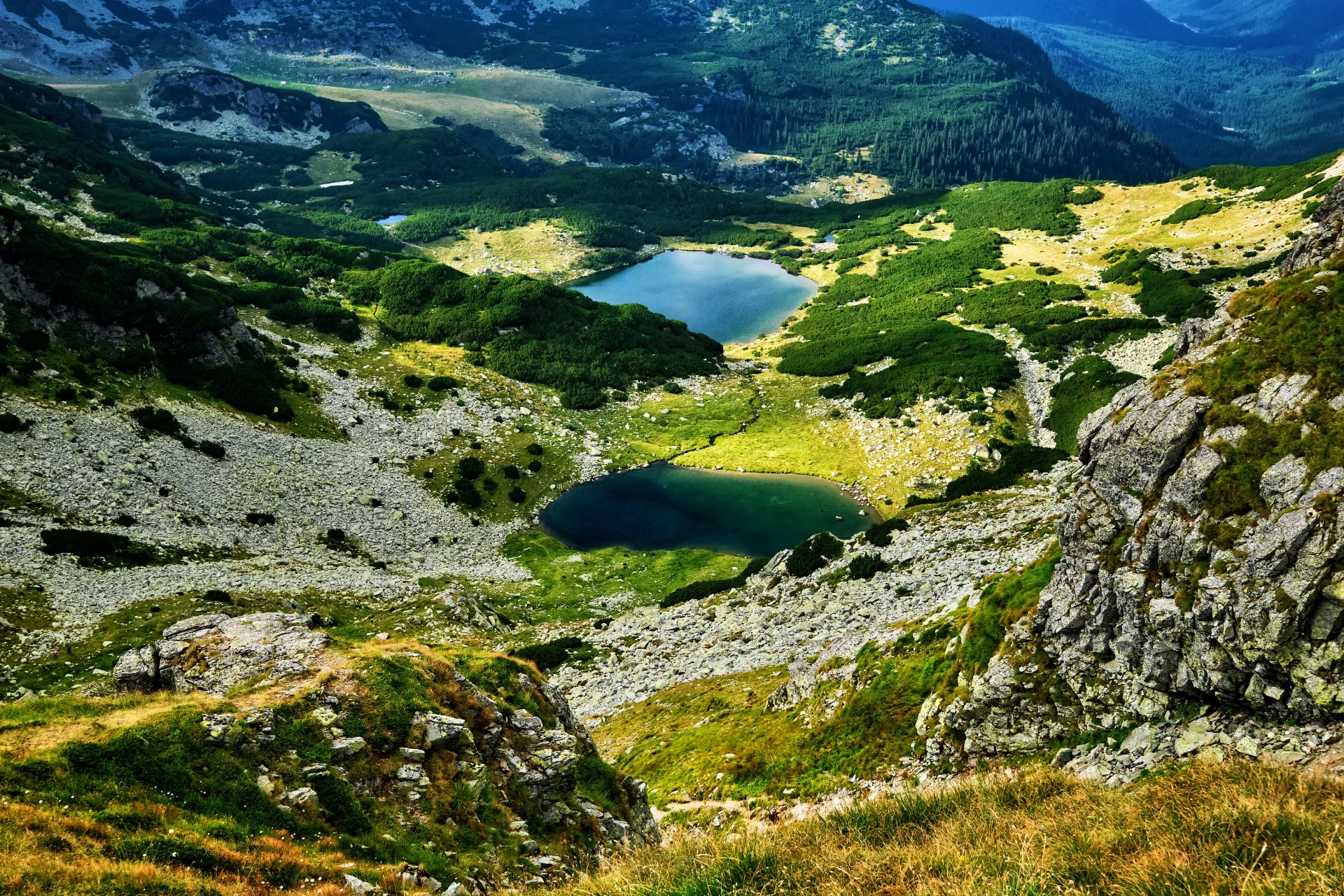
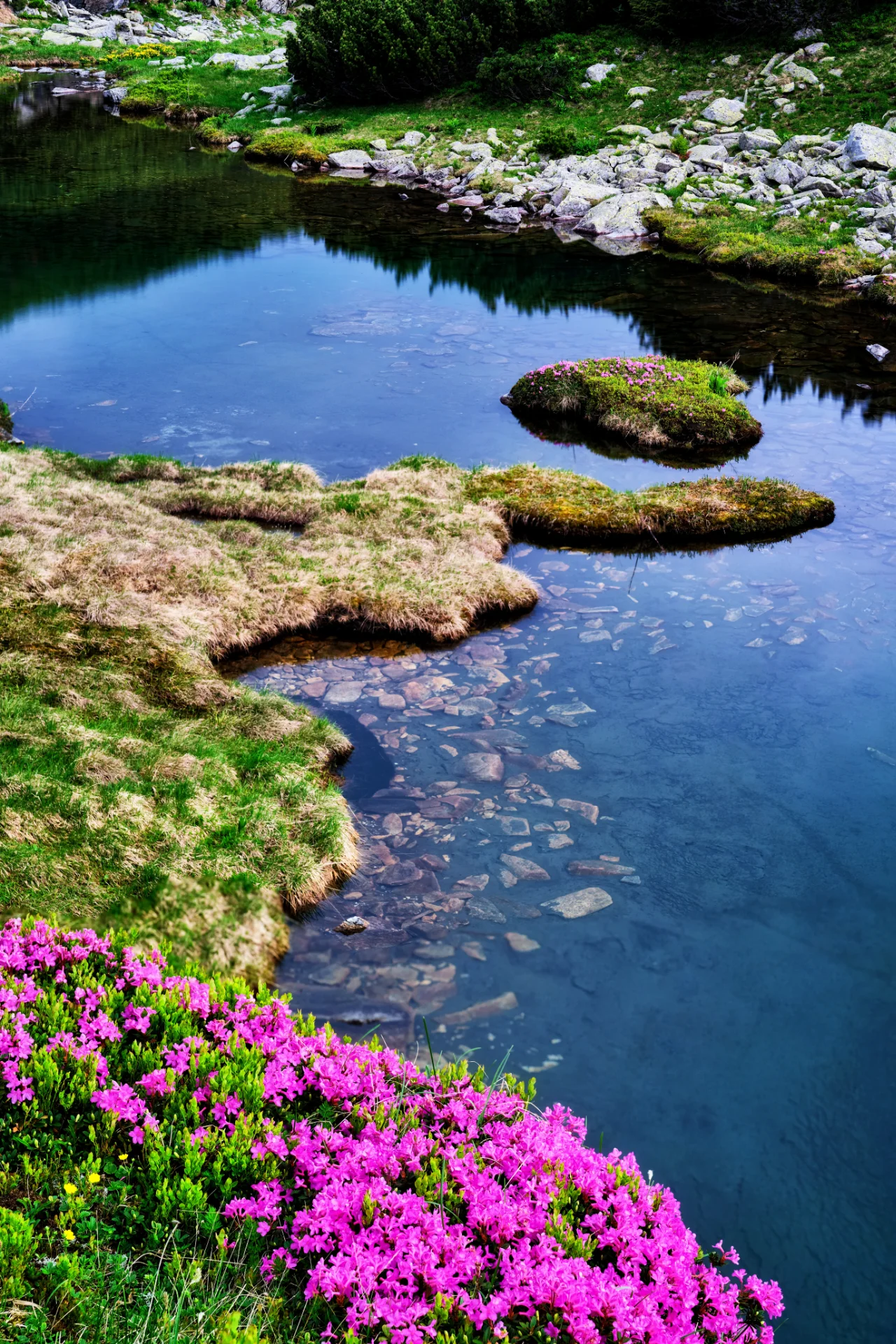
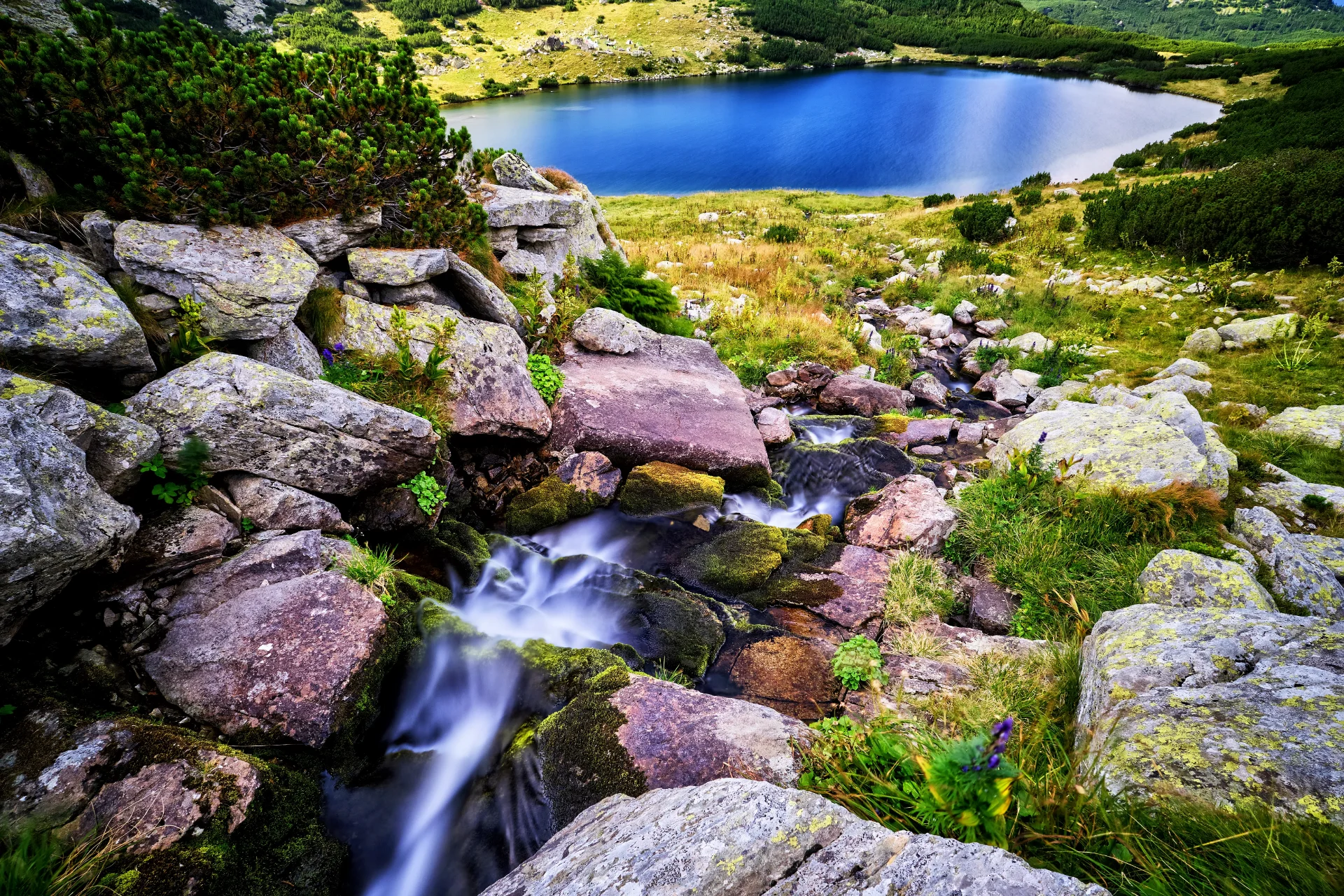
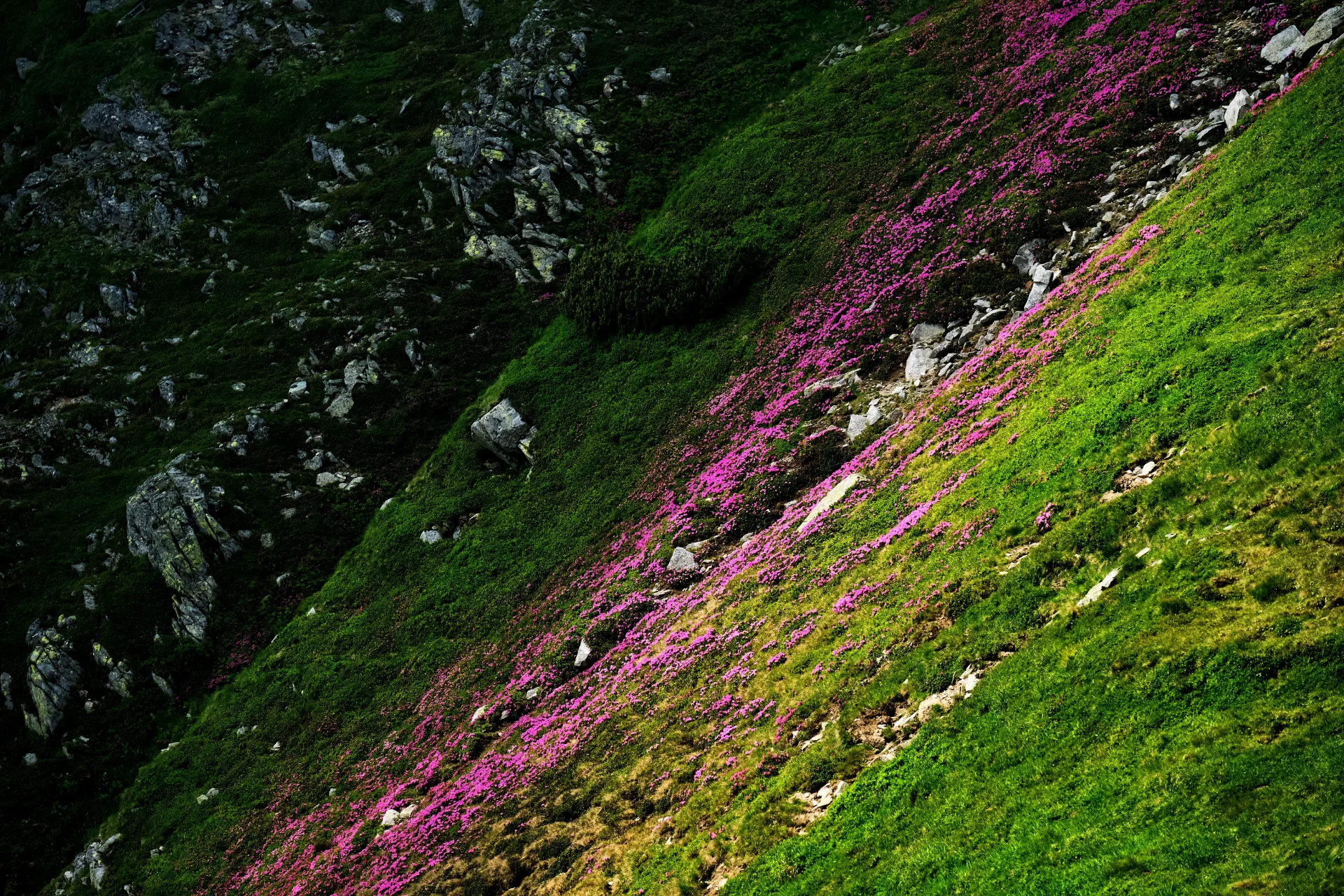
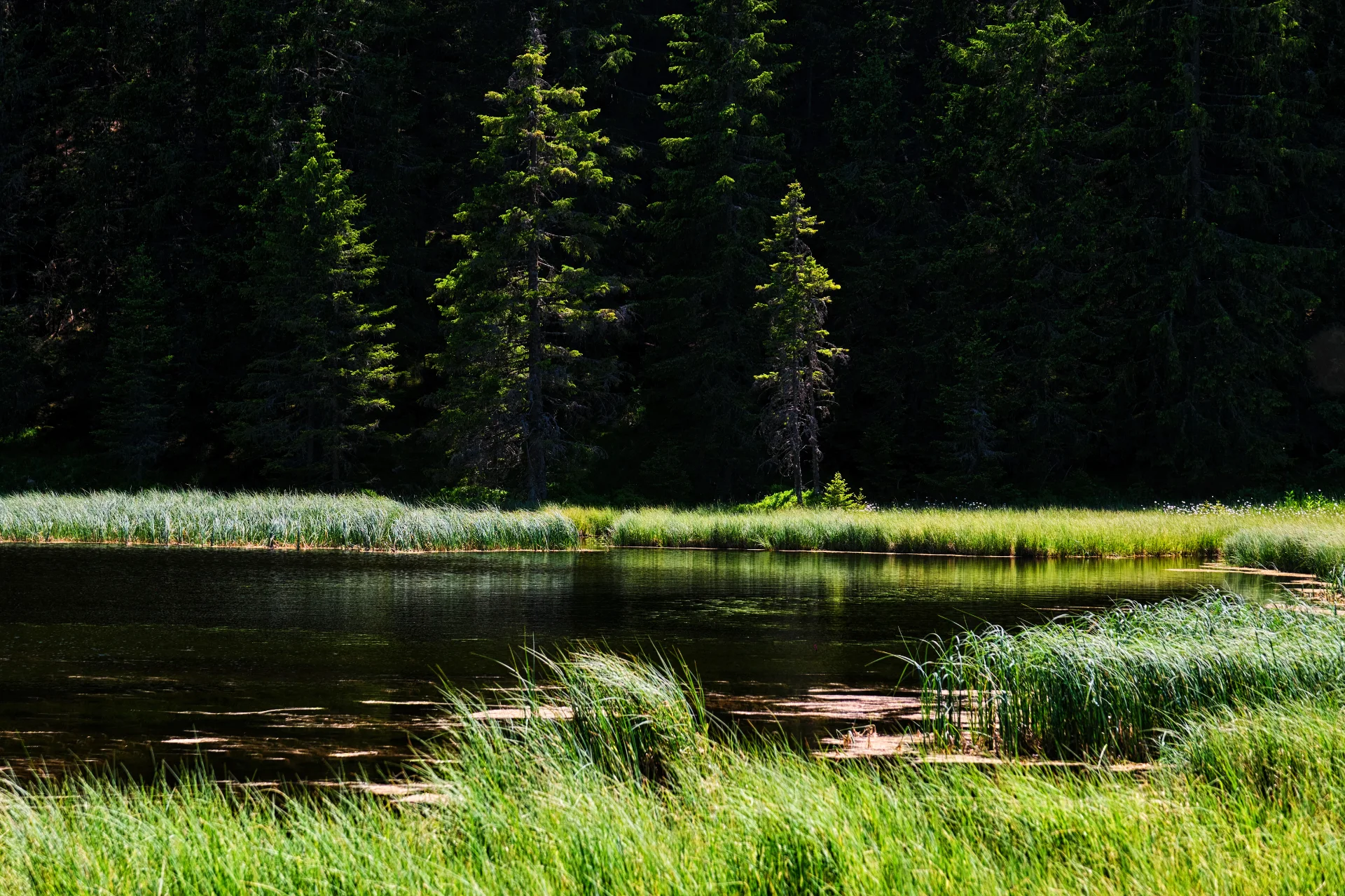
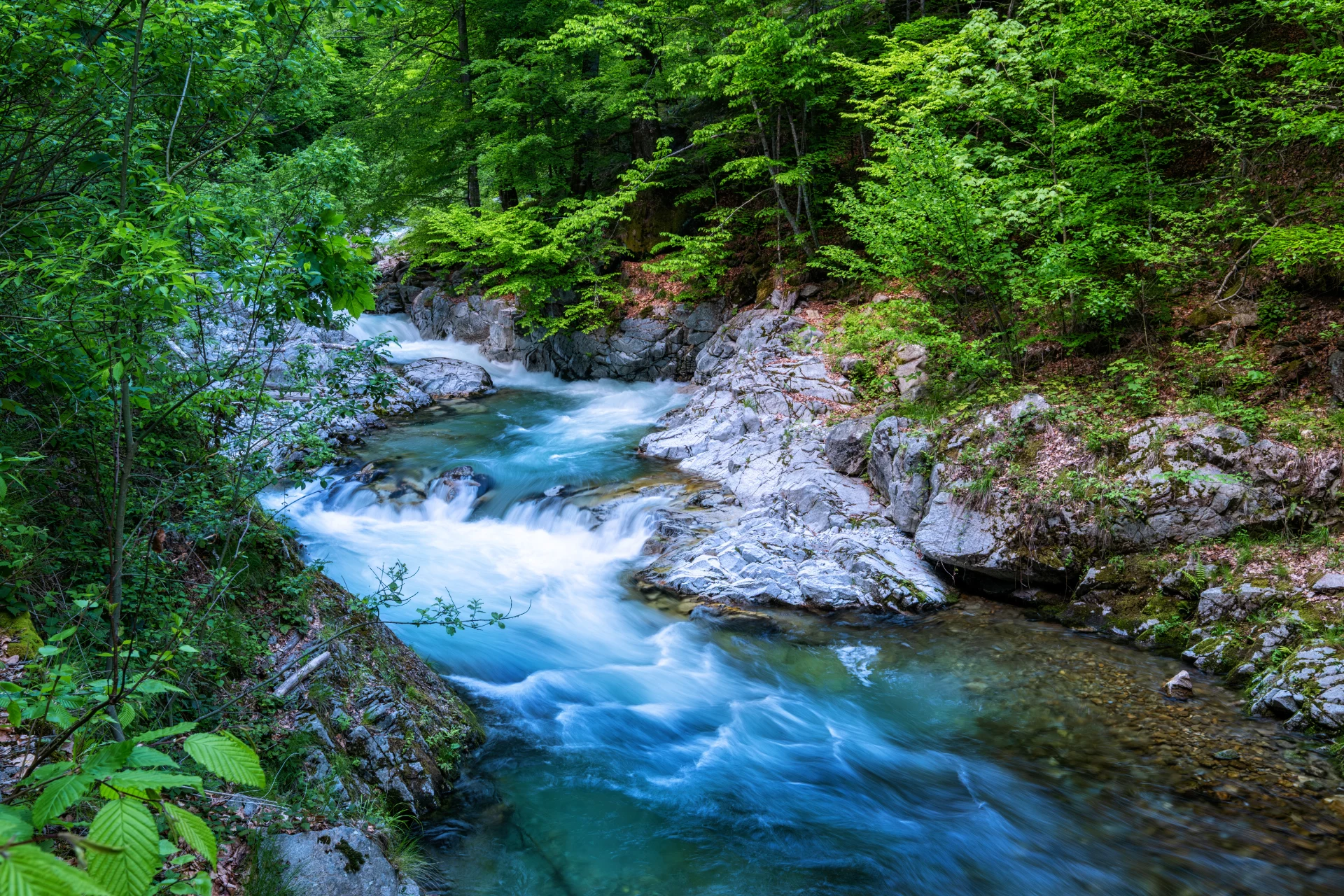
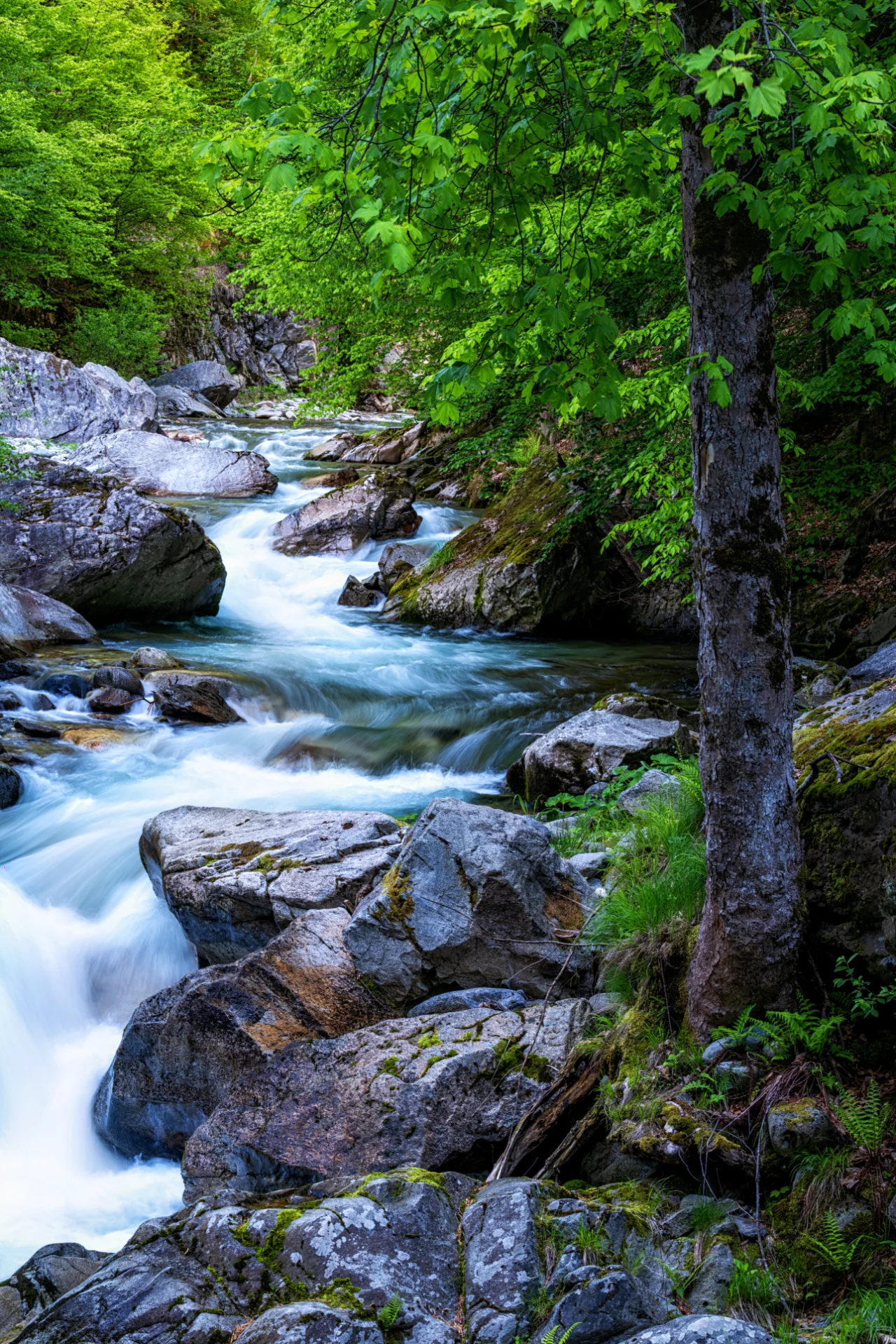
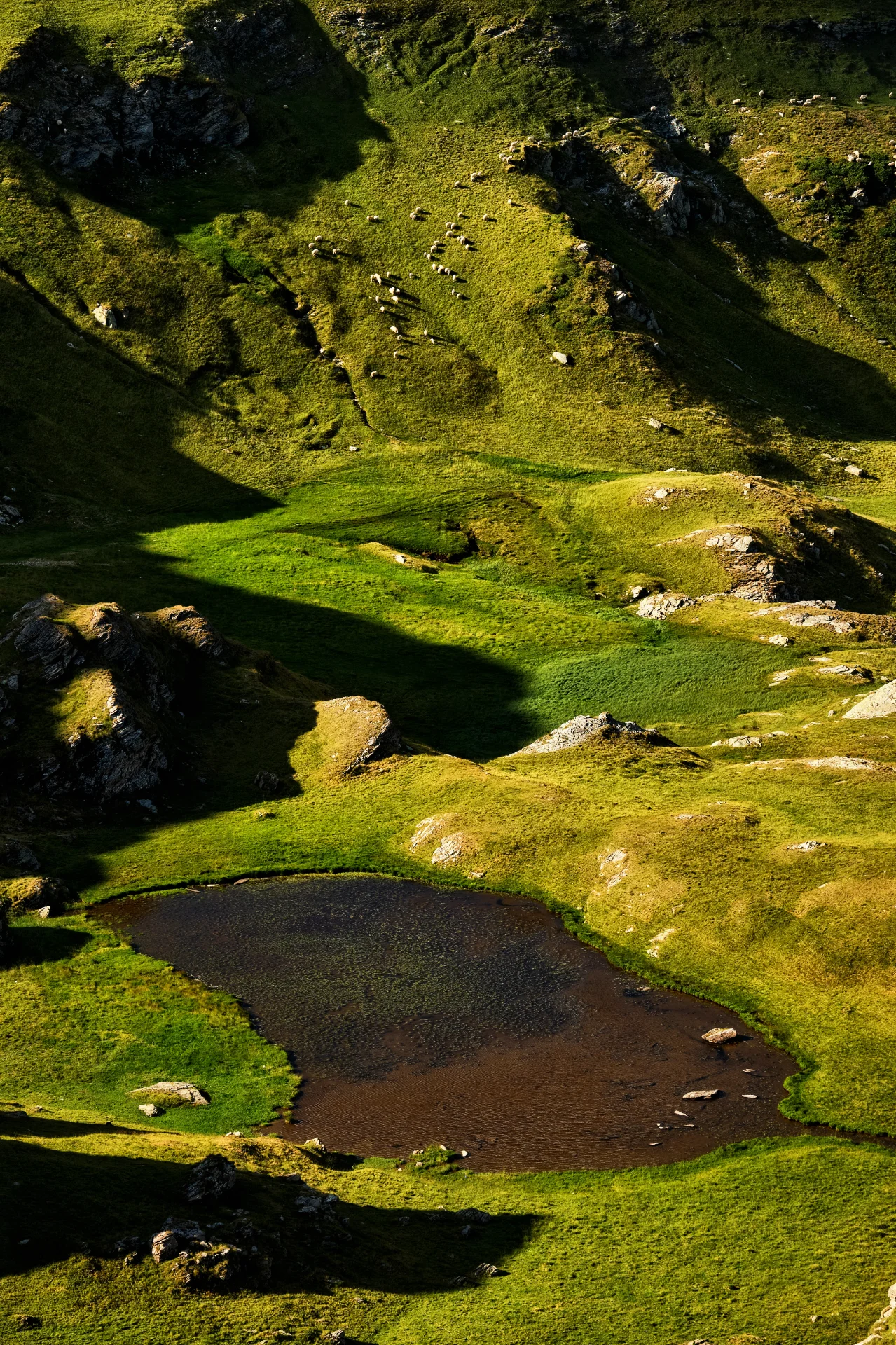
Perhaps the most impressive attractions we can discover here are the glacial lakes, which embellish the alpine landscapes from the heights. We can reach these magnificent glacial calderas and other natural wonders along trails that explore the wilderness and reveal numerous landscapes that often overwhelm us. Depending on the time of day and the season, the stunning lakes change their shades from turquoise blue to emerald green, while the first days of summer bring an explosion of color, with the flowering of the rhododendron. The most important lakes to which we can venture are Gâlcescu, Zănoaga Mare, Roșiile, Mândra, Slivei or Mija, with many smaller ones. Surrounded by small meadows full of flowers and steep rocky ridges, the lakes are often formed and connected by rapid streams with small enchanting waterfalls.
Search for Lodging around Parâng Mountains on Booking.com!
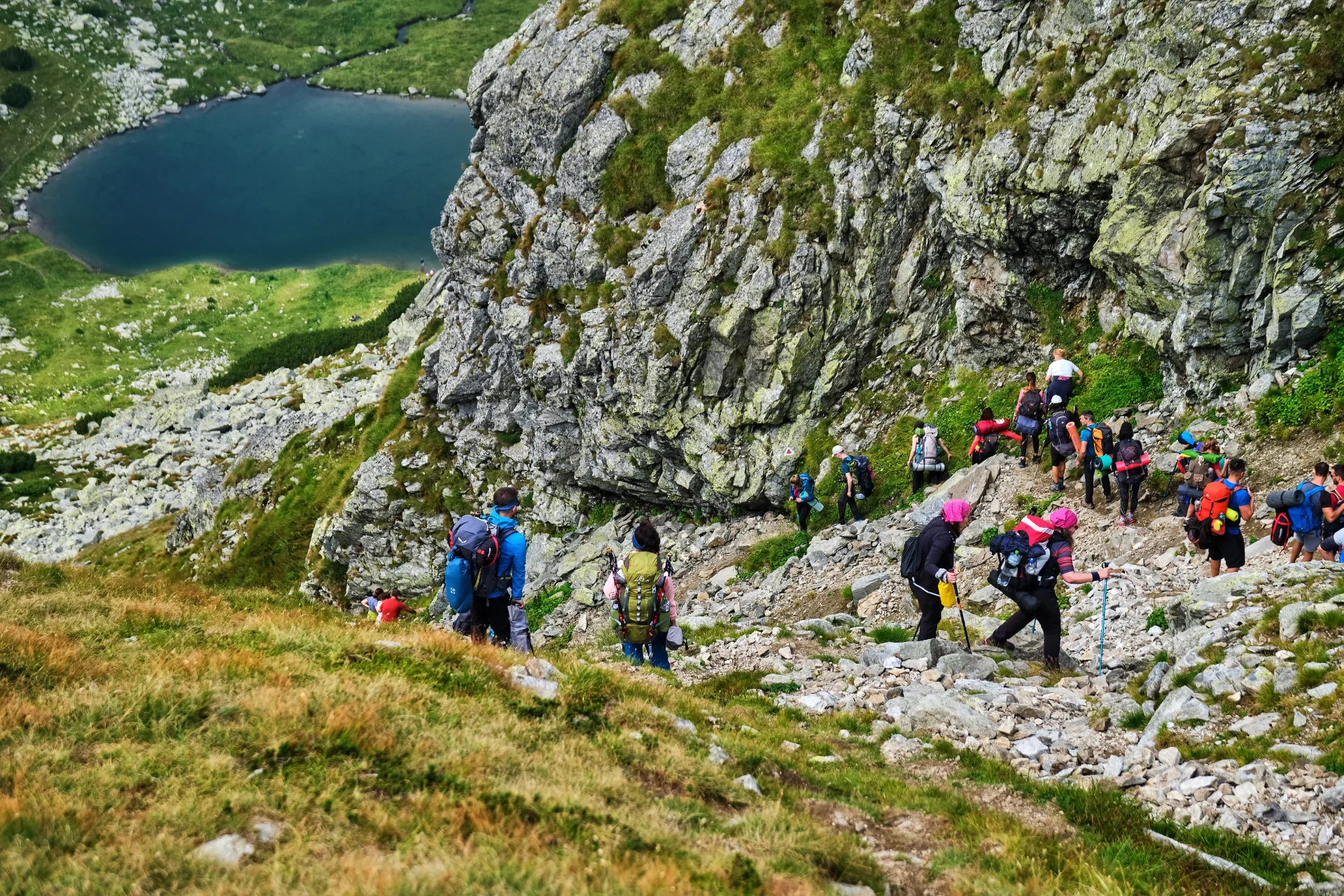
The most popular and impressive adventure in these mountains is the Parâng ridge trail, which connects the main peaks of the massif, over a length of approximately 40 kilometers. We can complete it in at least 18-20 hours from either end, between the chairlift station of the Parâng resort in the west and the pass known as the Curmătura Oltețului, in the east. Being very long and sometimes more difficult, the route is recommended to be completed in sections. A shorter but fascinating hike starts from Transalpina or from the Parâng mountain resort and reaches the Parângul Mare peak, passing by many glacial lakes. Other exciting tourist routes climb to the peaks from the west, south and north, along which we have the chance to admire breathtaking landscapes.
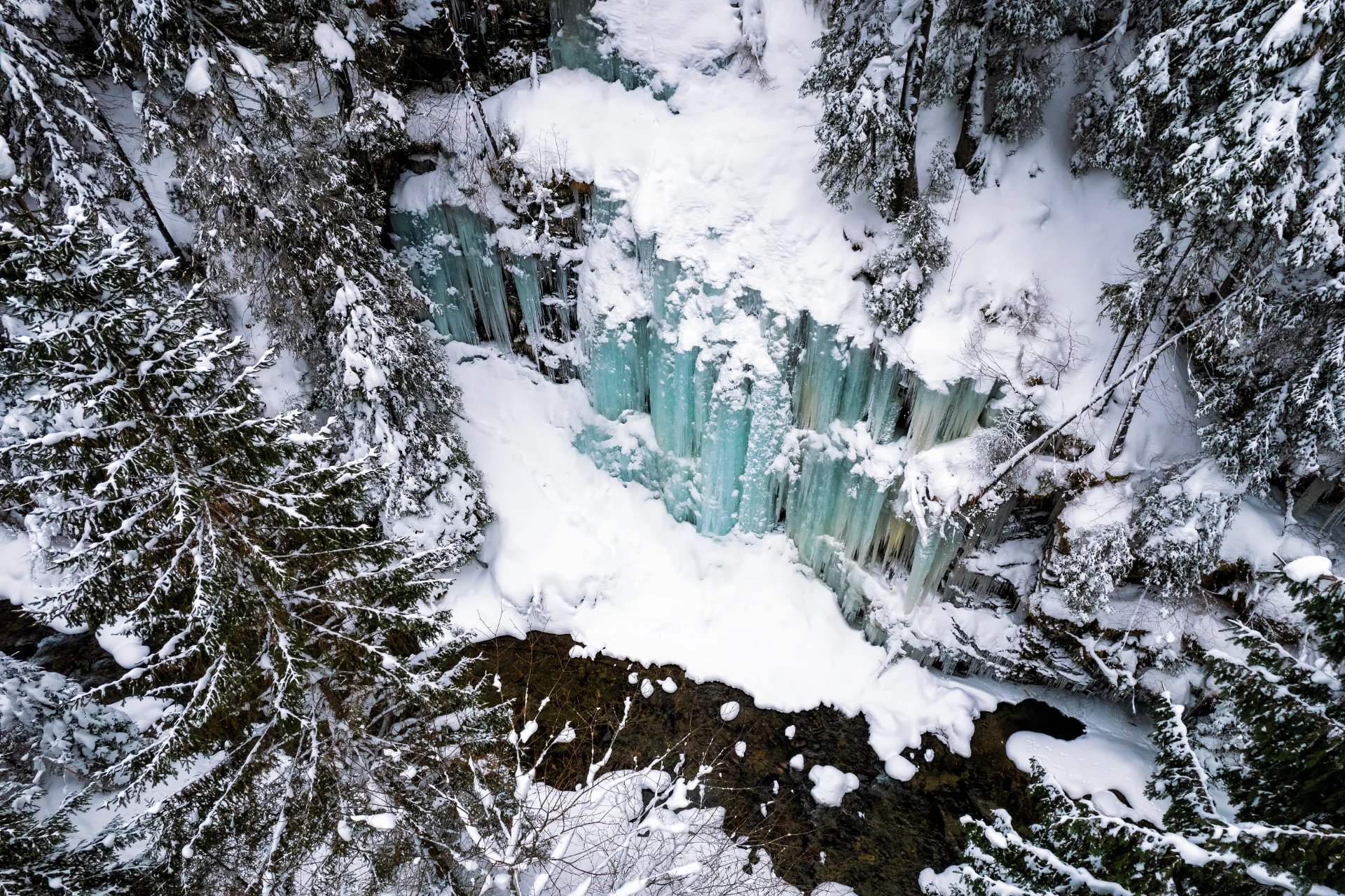
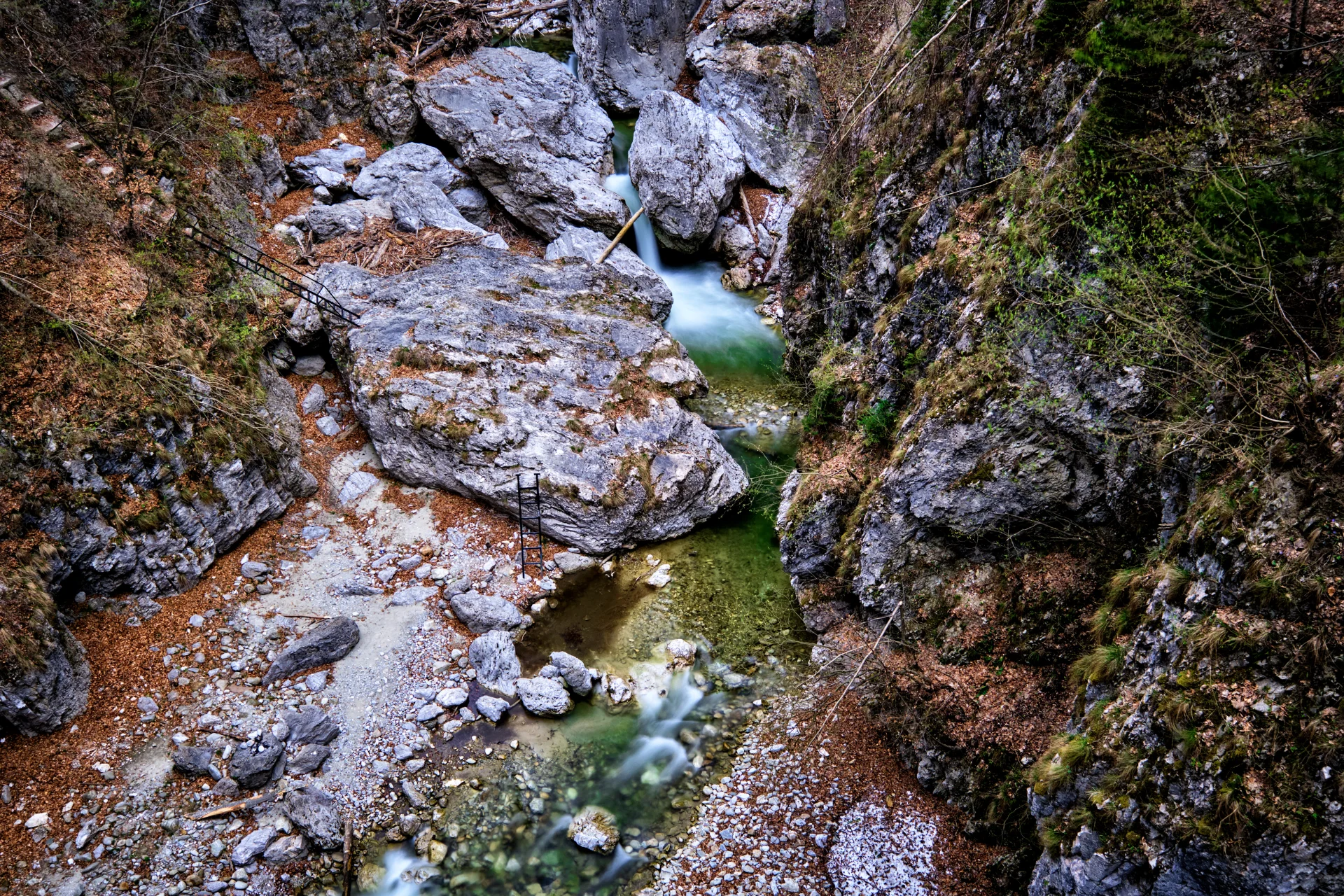
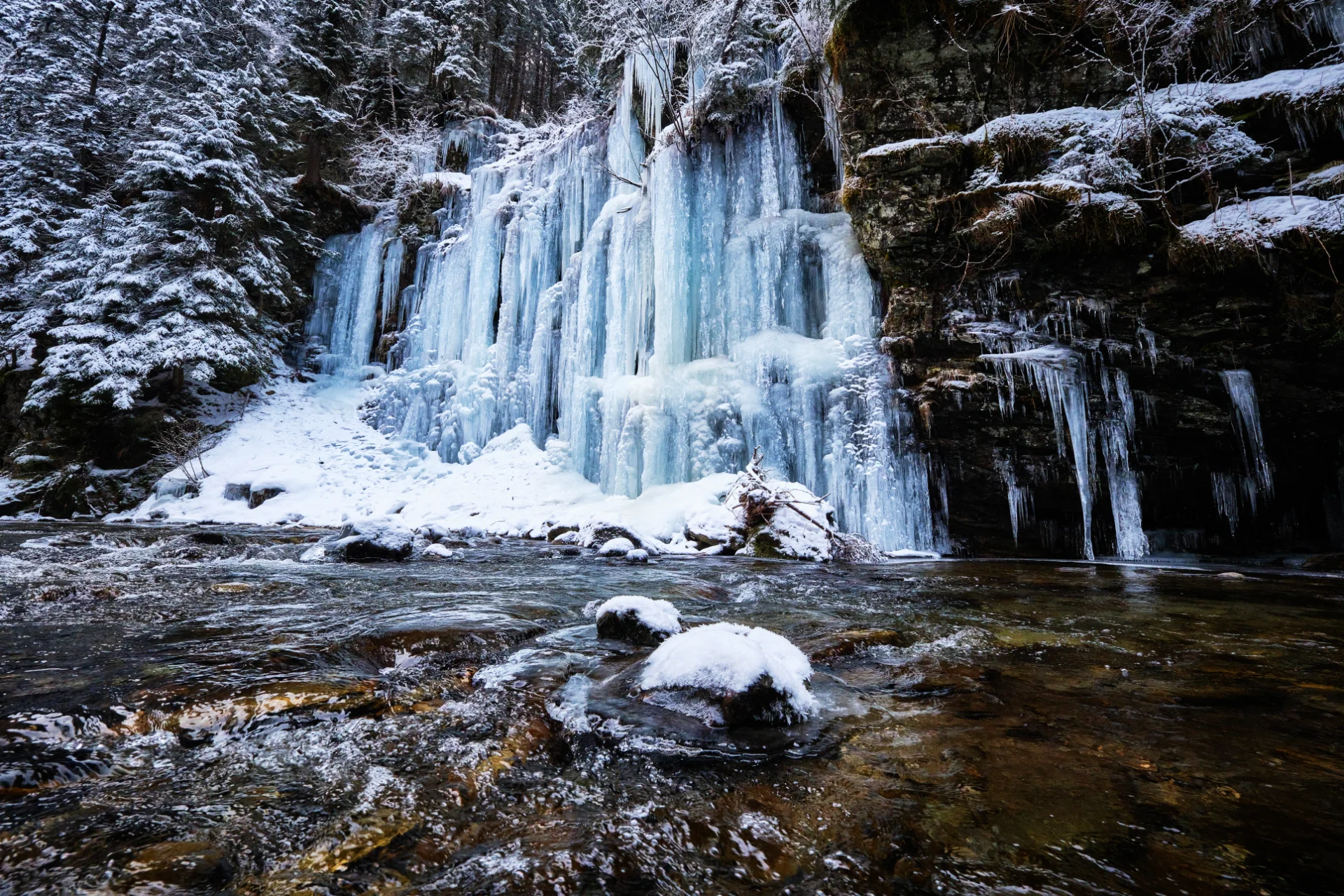
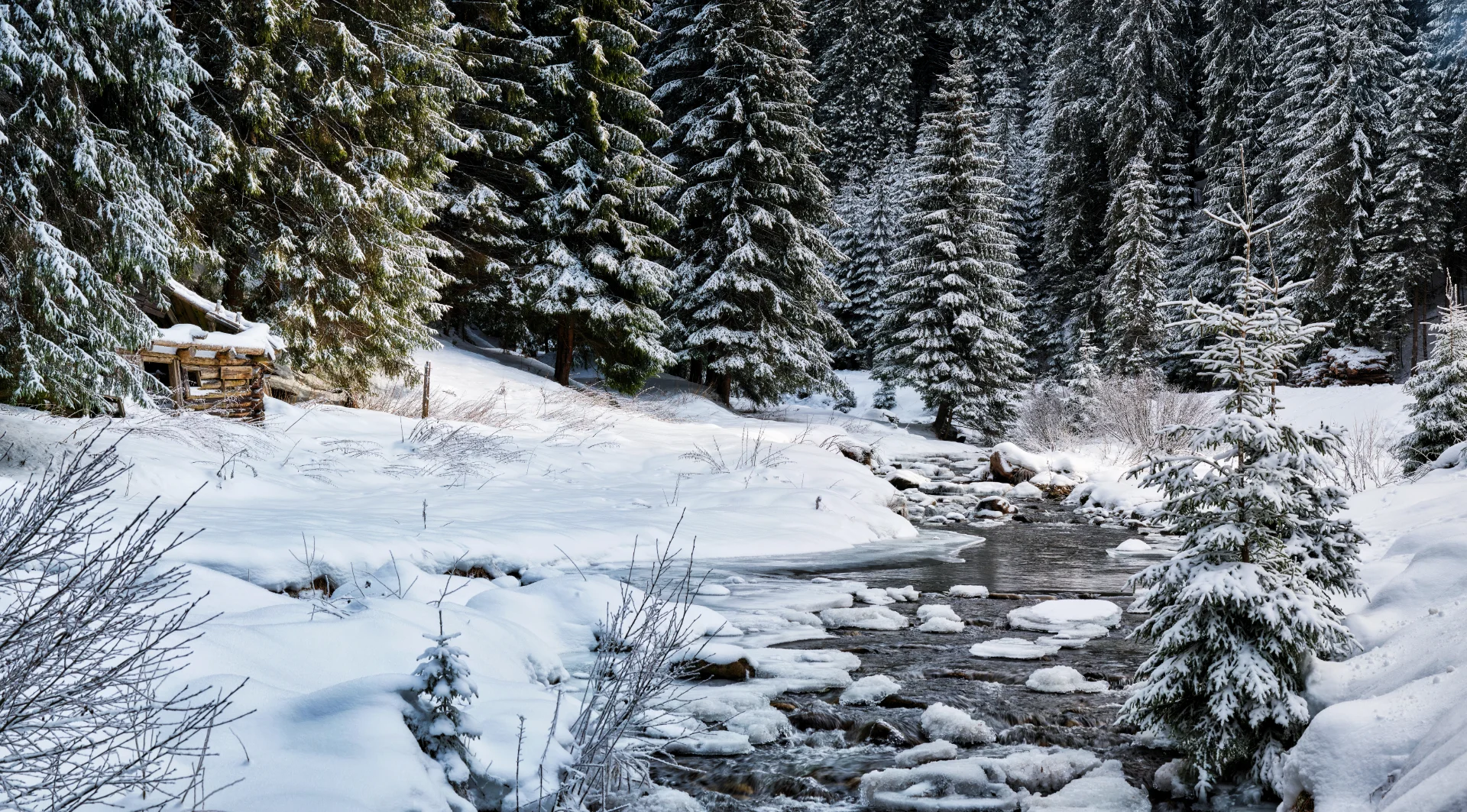
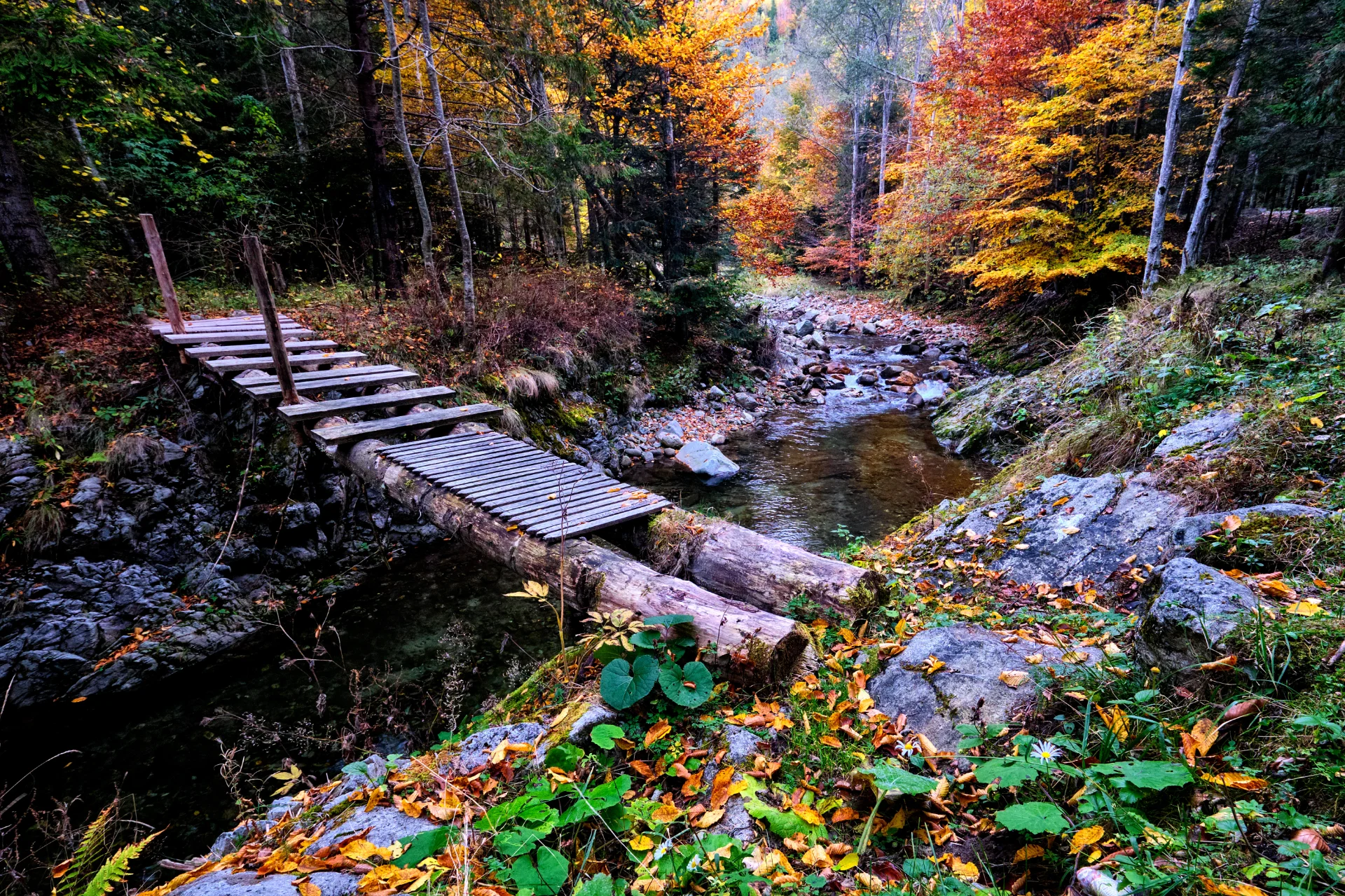
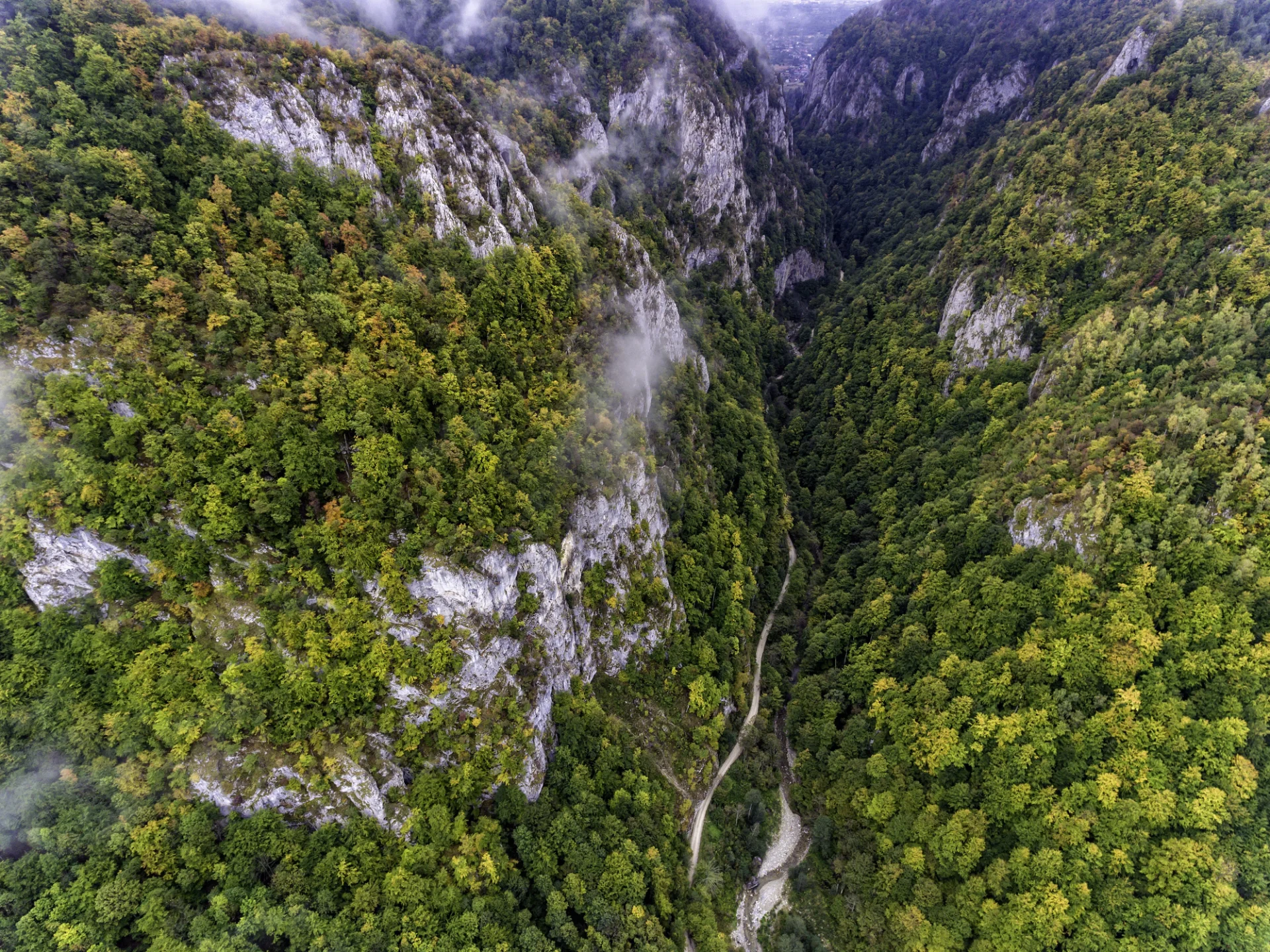
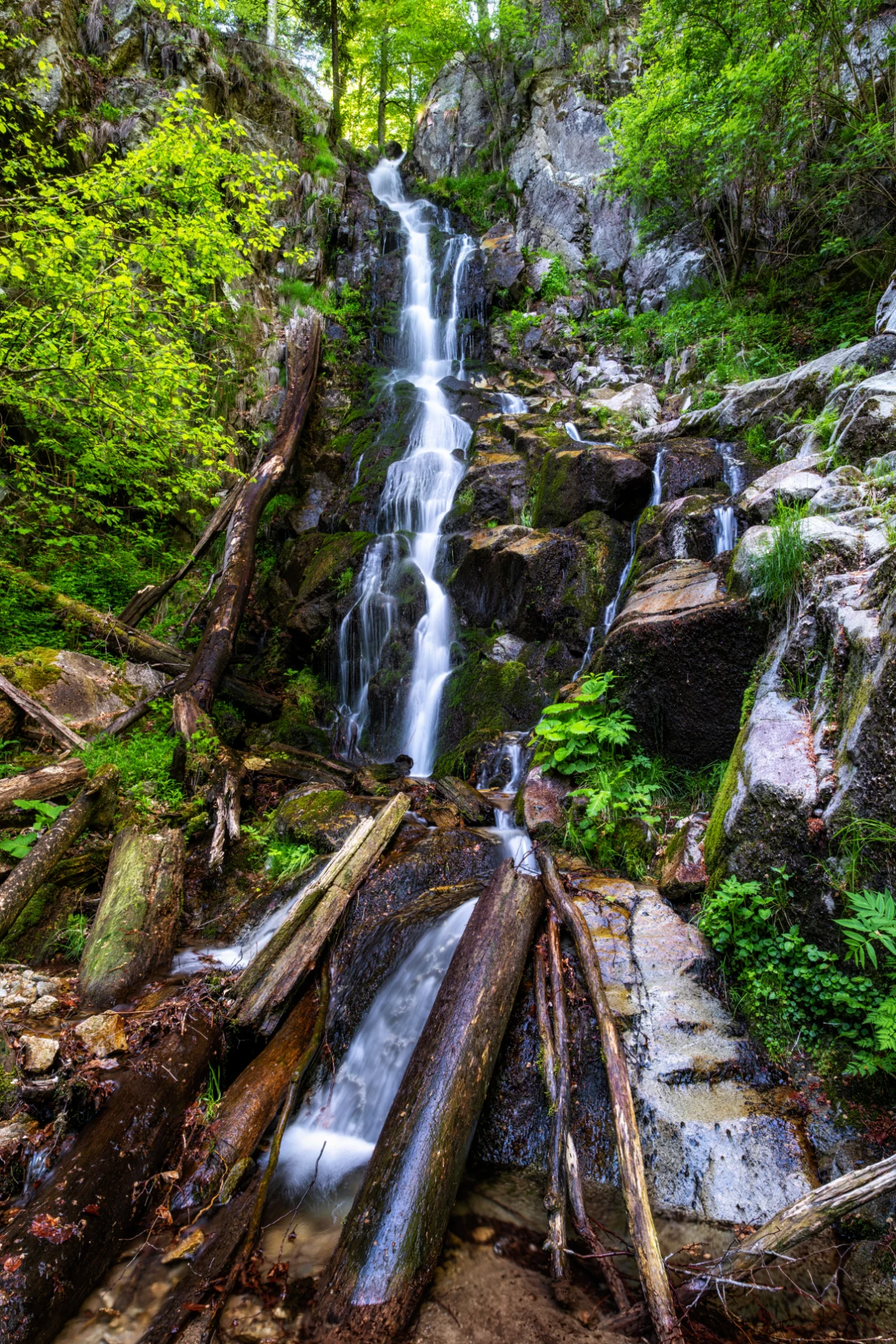
In the northern part of the massif we can explore the Jieț Gorges, approximately 5 kilometers long and particularly wild. Along them we pass through very narrow sections and past small waterfalls, while in winter the walls are covered with impressive ice formations. Further on, this road intersects with the Transalpina near Obârșia Lotrului and continues along the lush Lotru valley, reaching in a few kilometers the shores of Vidra Lake, created by the damming of the river in the middle of the mountains. On its shores has also been developed the new winter sports resort known as Transalpina Ski Resort. To the west, the Parâng Mountains are bordered by the Jiu Defile, with several lesser-known tourist routes starting from there.
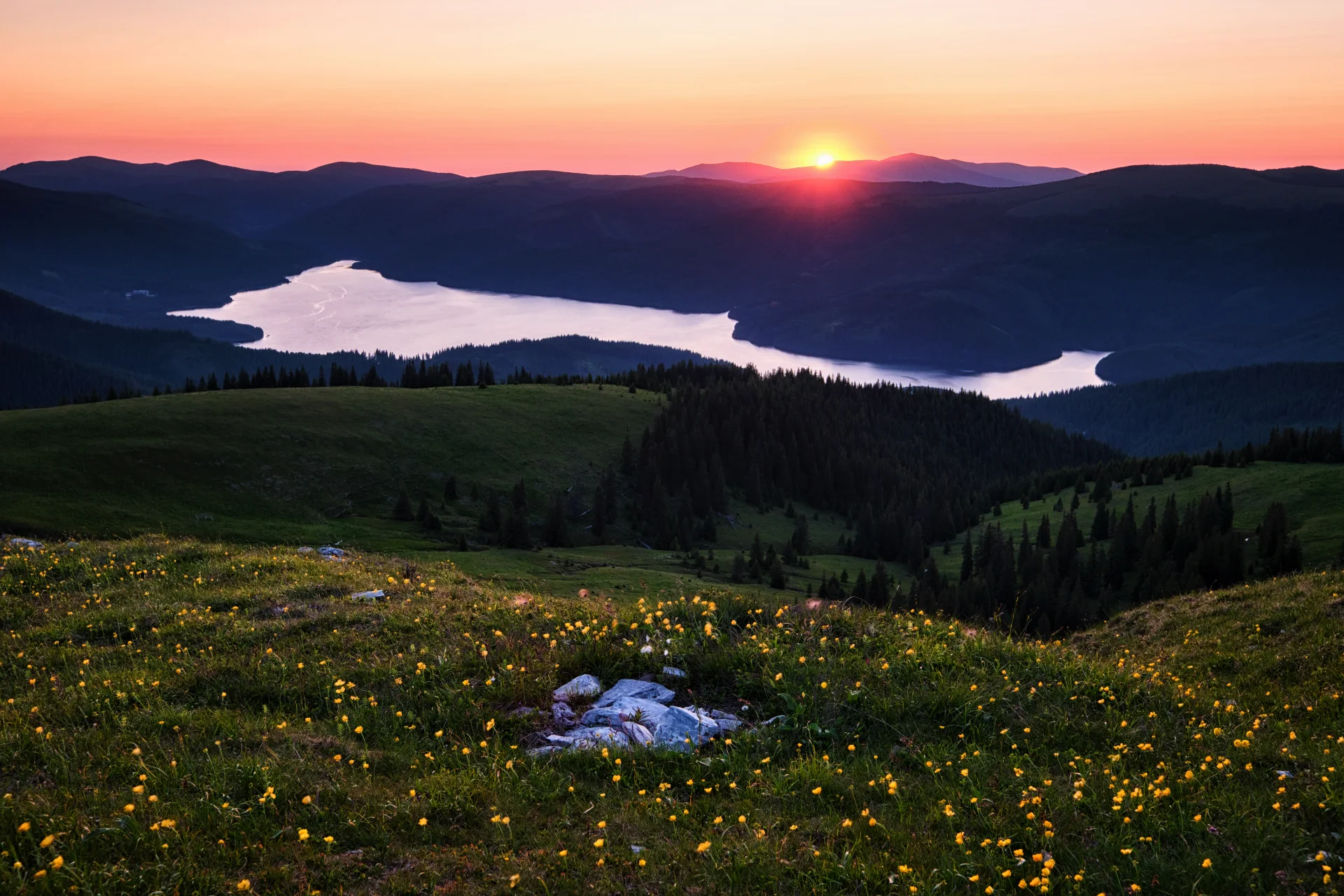
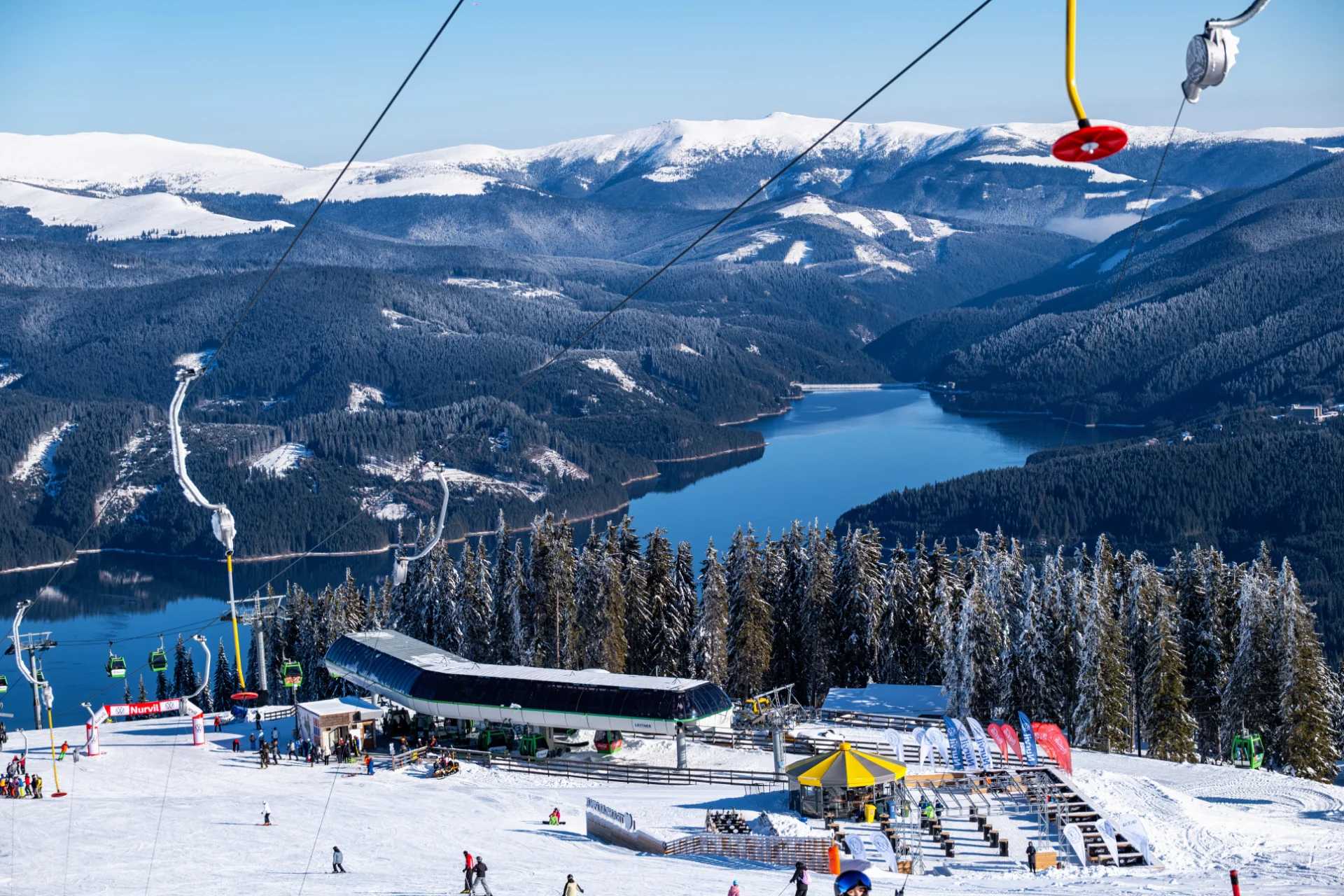
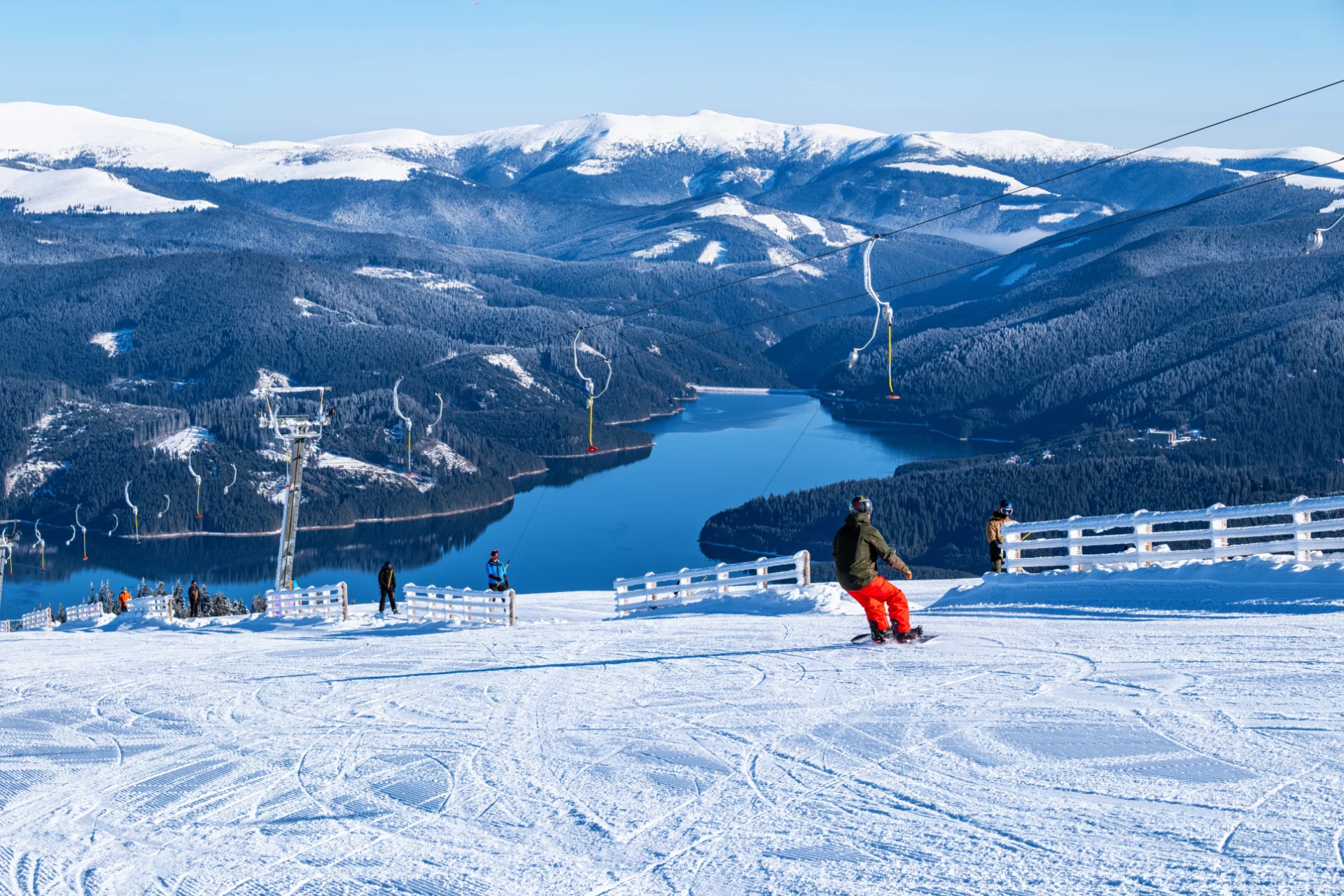
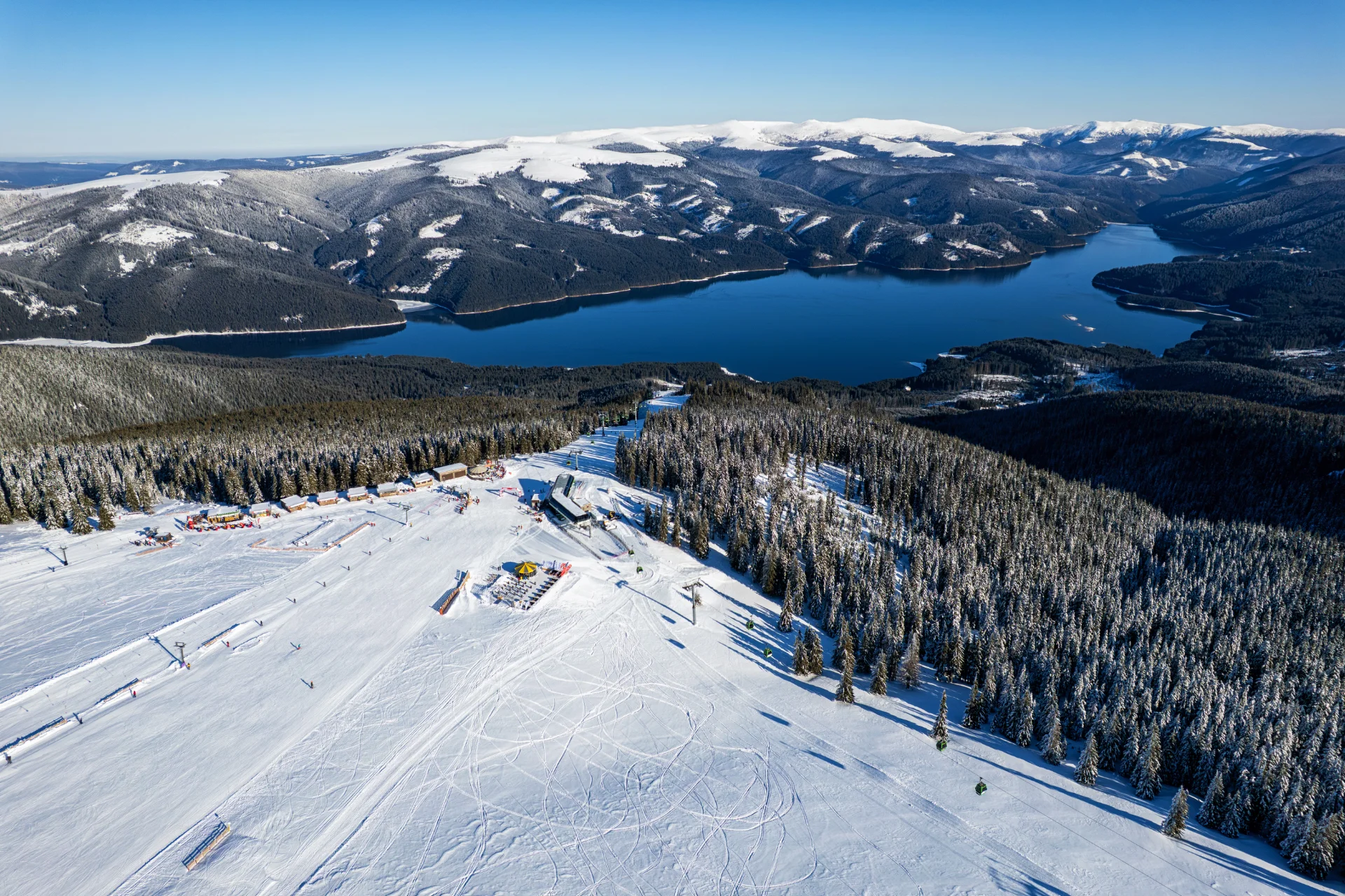
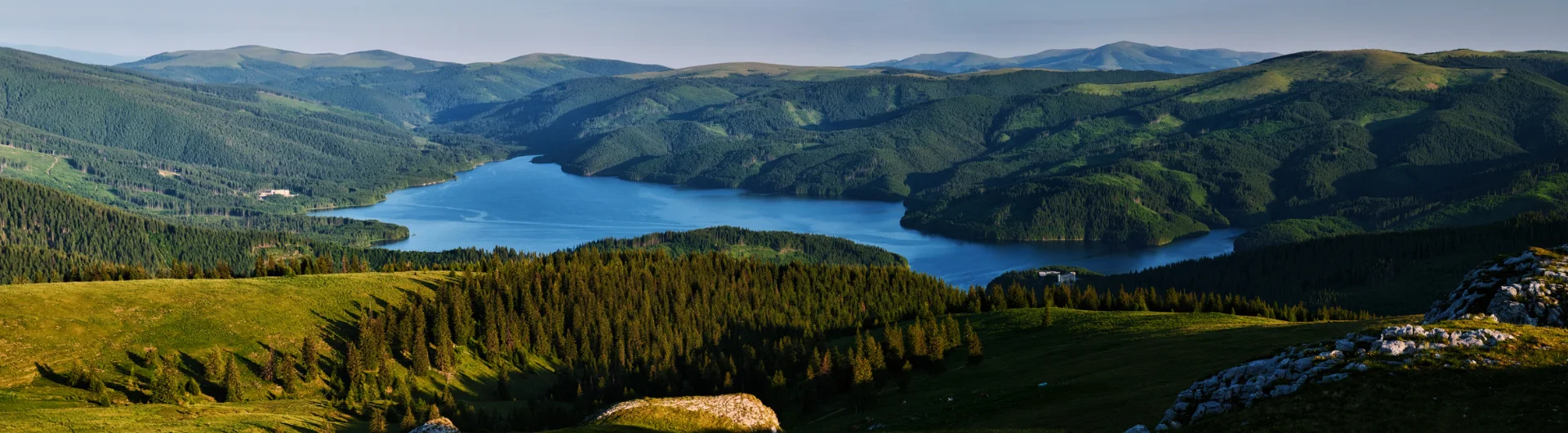
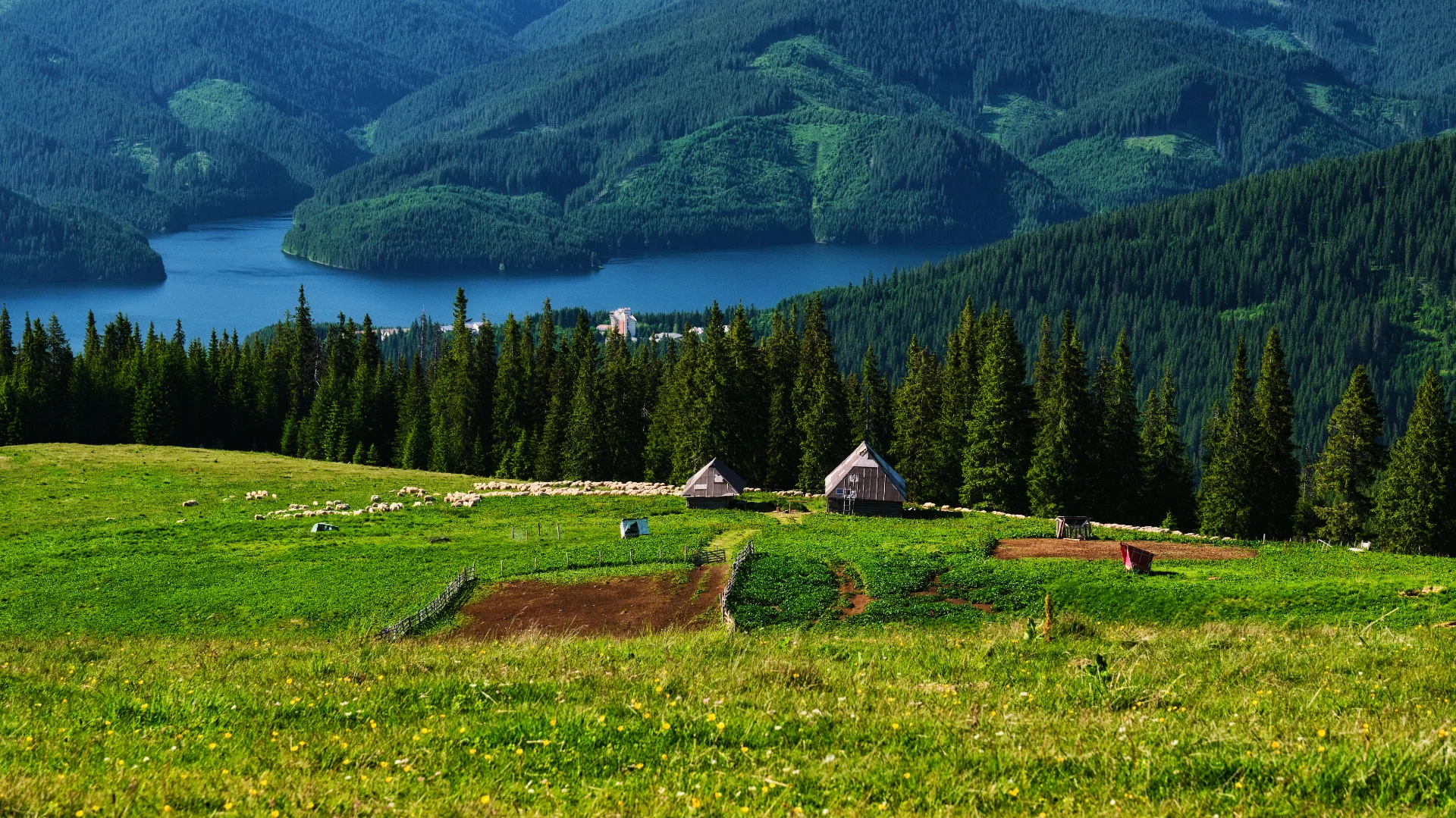
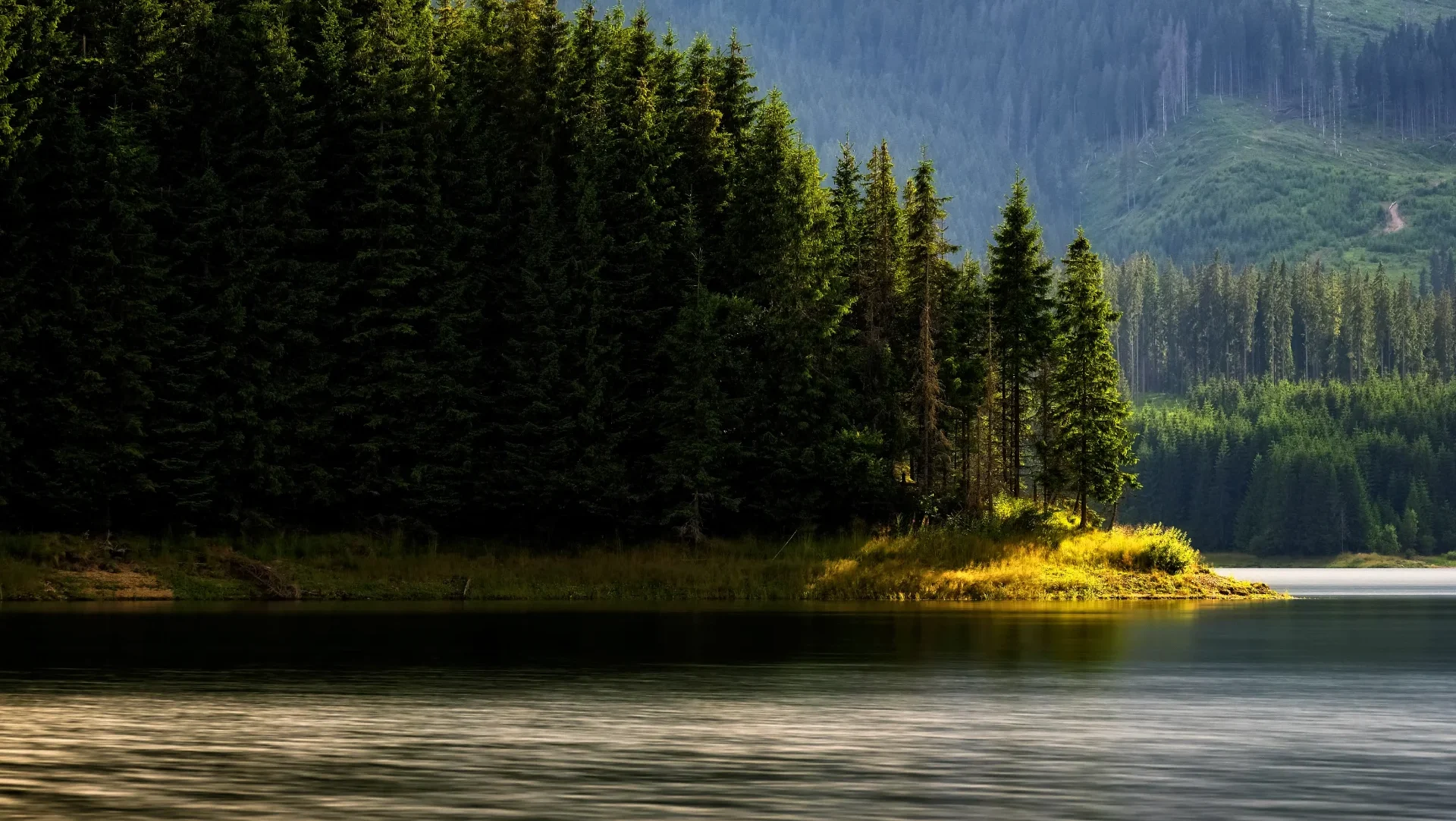
Surrounded by coniferous forests and bare peaks, Lake Vidra is 9 kilometers long and has a total area of almost 10 square kilometers, and on its shores a beautiful ski resort has developed with modern facilities and superb views of it!
Between the Lotru valley to the north and the Latorita valley to the south, a narrow ridge with a length of approximately 30 kilometers emerges from the Parâng massif. The Latorita Mountains are less known to travelers, being explored mainly by off-road enthusiasts who can follow the ridge along an old military road, known as Strategica. An exciting experience, the sometimes dangerous path offers the chance to discover some amazing places, but also some unique views of the surrounding mountains and valleys, including memorable panoramas of Lake Vidra. On the Latorita valley, a short hiking trail leads us to Iezerul Latorita, the glacial lake located at the lowest altitude in the country (1,530 meters). Nearby we can also admire the smaller Violeta lake, but also the spectacular Devils Mill waterfall, all contained within a charming nature reserve.
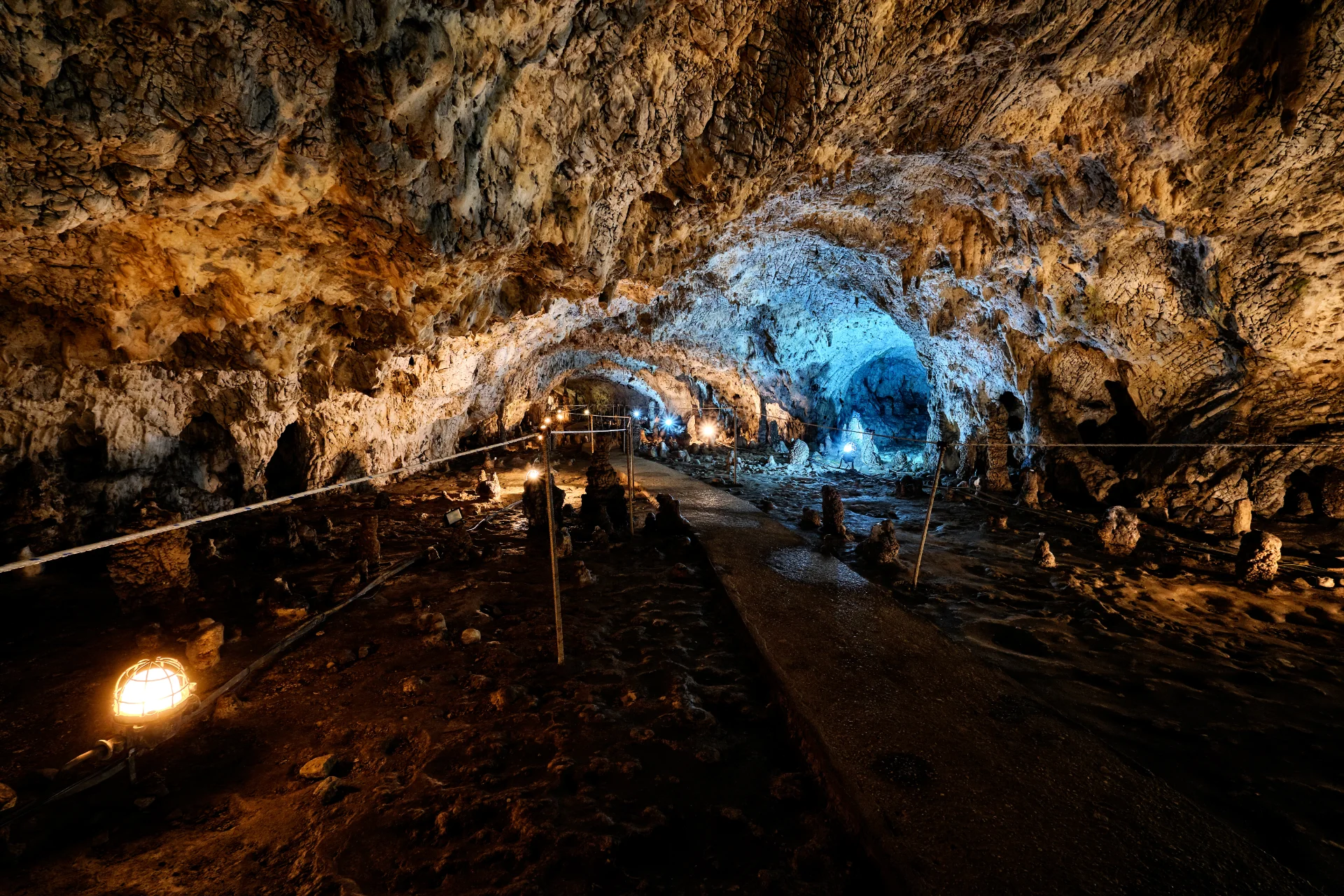
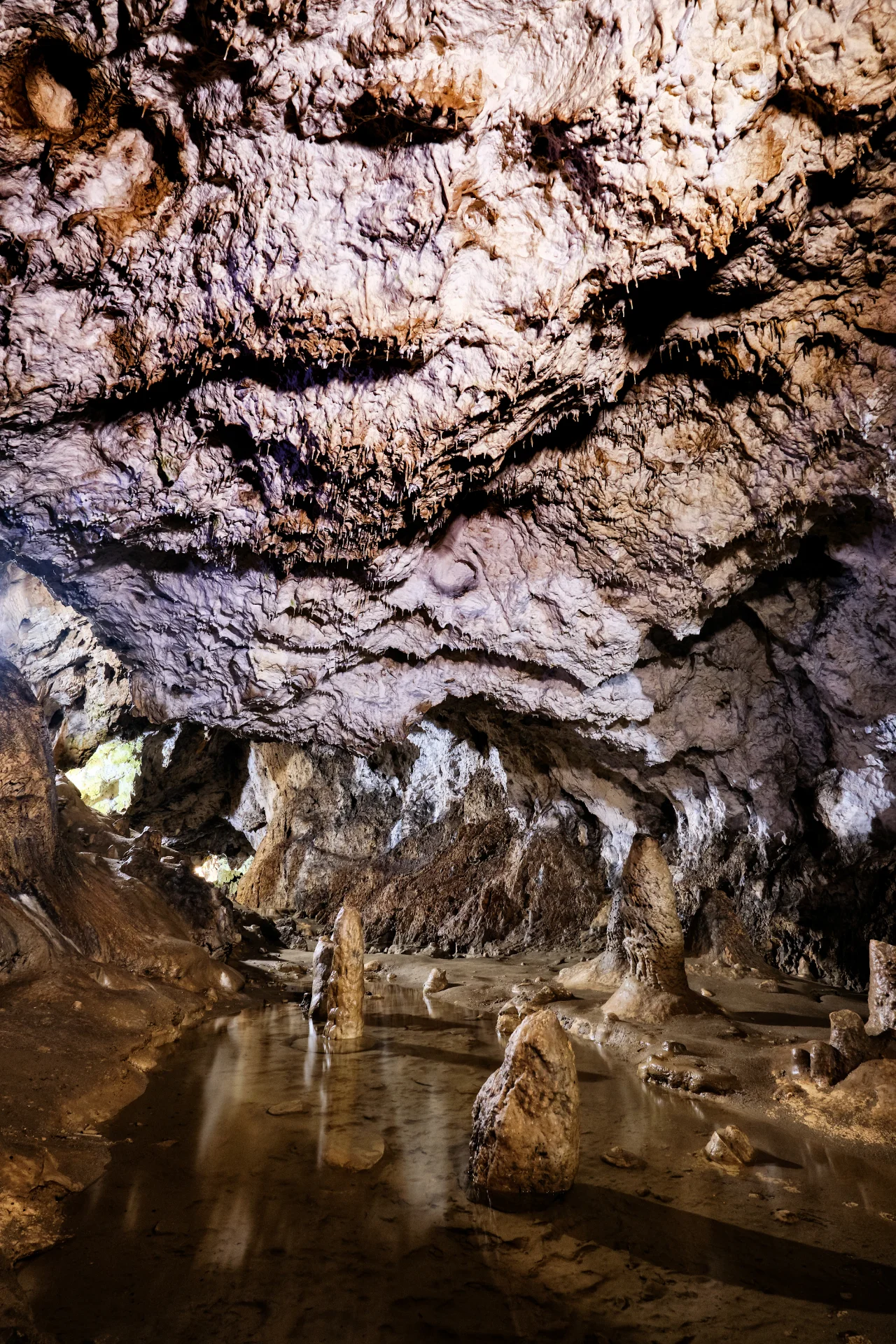
The southeastern extremity of Parâng offers the chance to visit several other interesting attractions, along the spectacular valleys of the Olteț and Galben rivers. North of the village of Polovragi we enter the Olteț Gorges, considered among the wildest in the country and among the narrowest in Europe, even though they are only 1 kilometer long. The walls of the two mountain ranges approach menacingly just a few meters away, while the river can only be heard in the chasm next to the road. The idyllic valley continues up the mountain, passing over the Curmătura Oltețului pass and continuing towards Petrimanu Lake, hidden between the rocks. A short distance from the entrance of the gorge, we can also explore the fascinating Polovragi Cave, with tunnels and overlapping galleries created by the river over millions of years, having a total length of 10 kilometers. A small part of these are included in the tourist route that reveals some of the cave’s treasures, such as domes, stalactites, stalagmites, columns and pools, but also traces of past inhabitants. Both the gorges and the cave are nature reserves, protecting unique landscapes as well as valuable plant and animal species.
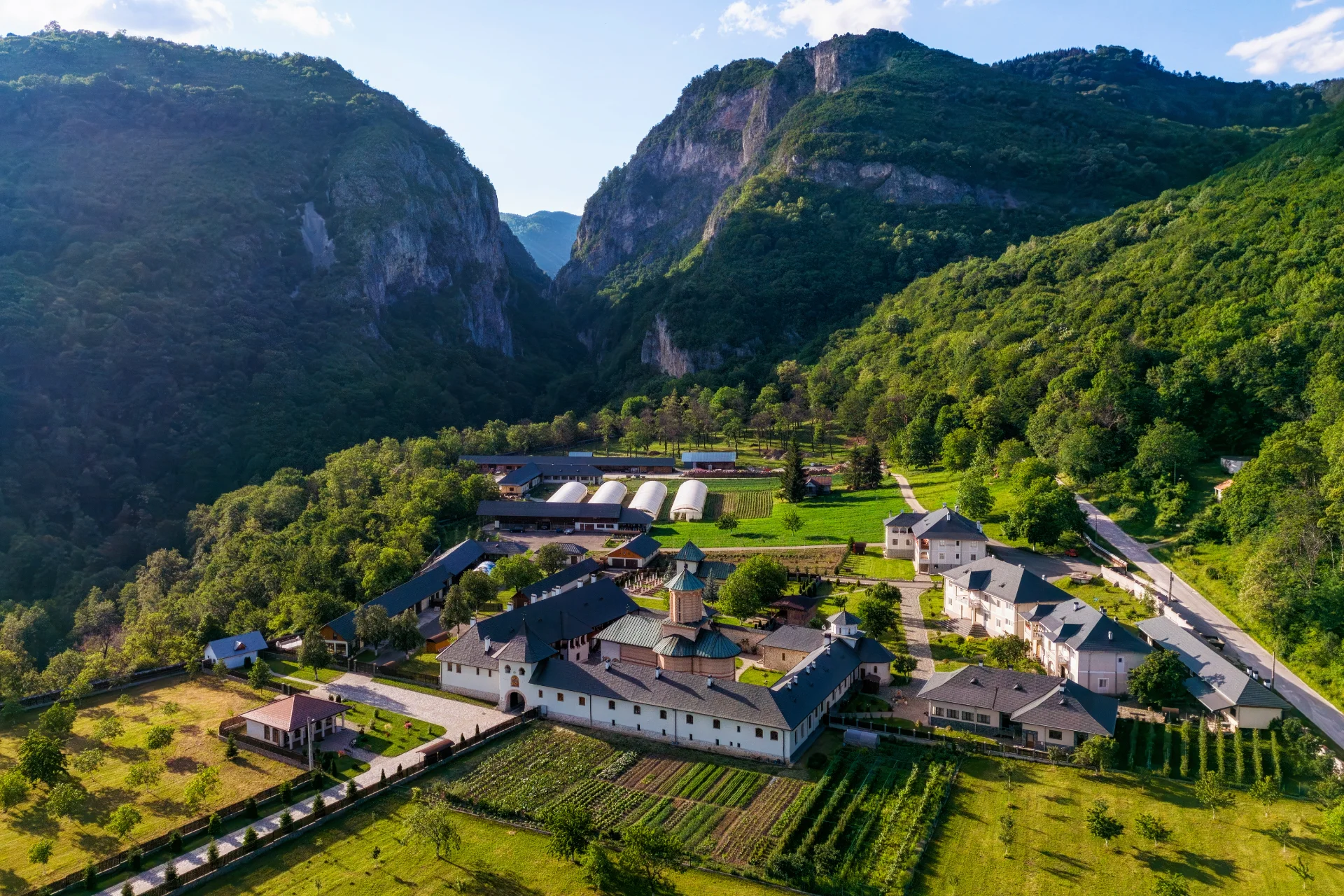
Near the exit from the Olteț Gorges we also discover the Polovragi Monastery, which dates back to the early 16th century and has undergone numerous transformations over time, always representing a refuge for travelers. In the enclosure surrounded by walls, gardens and orchards there are two churches, both preserving exceptional paintings, as well as the nuns’ cells or a small museum with icons and religious books. From the neighboring town of Baia de Fier we enter the Galbenului Gorges, where we explore the Women’s Cave, the first in the country to be electrified. This is famous for a prehistoric human skull discovered inside, which was dated to approximately 35,000 years ago and having North African origins, thus changing entire theories of the migration of peoples. We descend from the heights of Parâng and embark on a unique adventure along the Transalpina mountain road that carries us stormily over the ridges of the Carpathians…
Sights and Experiences
Places to See and Things to Do in Parâng Mountains
Parâng Ridge Trail
Among the most exciting and memorable mountain hiking trails in Romania, the Parâng ridge trail connects the most important peaks in a general east-west direction, over a total distance of over 40 kilometers. Offering spectacular views of the peaks, valleys, lakes and forests of Parâng, the trail (red band) runs between Curmătura Oltețului and the Parâng resort. It can be completed in approximately 18-20 hours (2-3 days), and there are no dangerous or difficult sections along it, although the accumulated difference in altitude can prove very demanding. The route passes over or near the most imposing peaks of the massif, from west to east, Parângul Mic, Scurtu, Cârja, Gemănarea, Parângul Mare, Gruiu, Pâcleșa, Ieșu, Setea Mică, Setea Mare, Pleșcoaia, Mohorul, Iezer, Urdele, Dengheru, Păpușa, Cioara, Galbenul, Mușetoaia, Micaia and Pristosul, all of which are over 2,000 meters. Most travelers, however, choose shorter portions of this route, climbing from the Parâng resort or from the Transalpina road to Parângul Mare Peak (2,519 meters), both one-day hikes.
Other Hiking Trails
In addition to the ridge route, the Parâng Mountains also offer other fascinating hiking trails, most of which climb to the main peaks from the surrounding valleys, the most famous and frequented starting from the Jieț and Lotru valleys. Among these, the trail that starts at the Groapa Seacă chalet, climbing the Jieț valley (red dot) to the lakes of the Roșiile glacial complex, then to the Parângul Mare peak, stands out. This also has several variants that go to the Mija peak, Slivei lake or to the Piatra Tăiată saddle. Another trail (red cross) starts from the Transalpina and climbs the Lotru valley to the Gâlcescu glacial caldera and further to the Piatra Tăiată saddle. There are several trails that start from the villages at the southern foot of Parângul, climbing the ridge to the Parângul Mare peak or to the Rânca resort. In general, only the most popular trails are well maintained and signposted, but the vast majority do not have difficult or dangerous sections.
Glacial Lakes
One of the Carpathian mountain ranges with a predominantly glacial relief, the Parâng Mountains are home to over 20 superb glacial lakes, most of which are located on the northern side of the main ridge. Several of these stand out for their location, surface area, depth or spectacular surrounding landscape. Lake Gâlcescu (or Câlcescu) is the largest (over 3 hectares) and probably the best known of the glacial lakes of Parâng, the area around it being declared a protected nature reserve. Around it are several charming lakes (Pencu, Vidal, Păsări), as well as other spectacular glacial landforms, as well as specific vegetation. A little further west is Lake Zănoaga, followed a short distance by Lake Găuri. Another important glacial caldera is located just below the peak of Parângul Mare, with lakes Mândra, Roșiile, Lung and Zănoaga Stânei. Of these, Lake Roșiile or Tăul fără Fund is the deepest in Parâng (over 17 meters). The next glacial caldera to the west includes several smaller lakes (Verde, Mic, Slivei, Cârja, Înghețat), but which form a spectacular landscape. The last important lake, lost in a wild area in the west of the massif, is Lake Mija. Almost all of these impressive places can be admired along the ridge route of Parâng.
Biodiversity
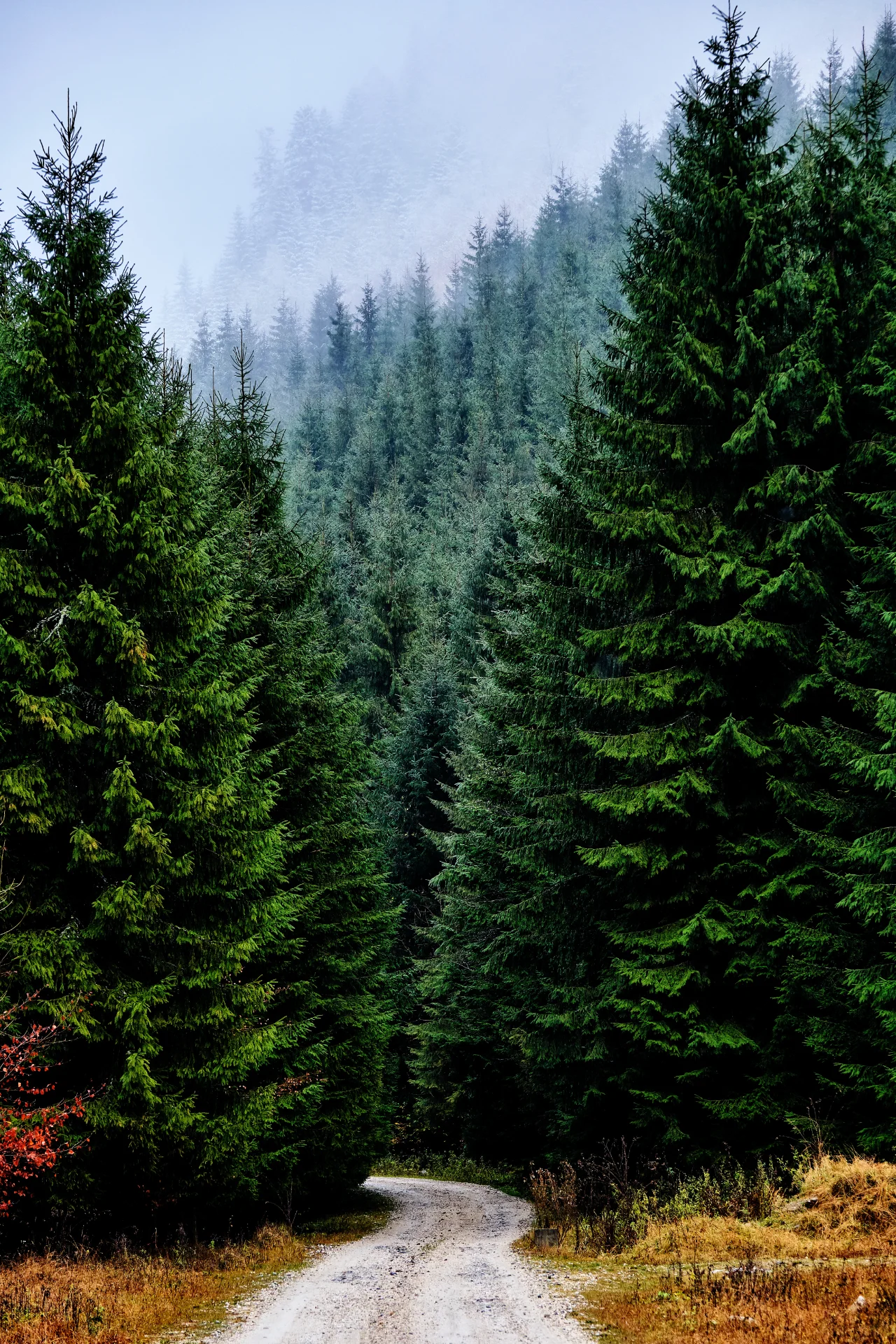
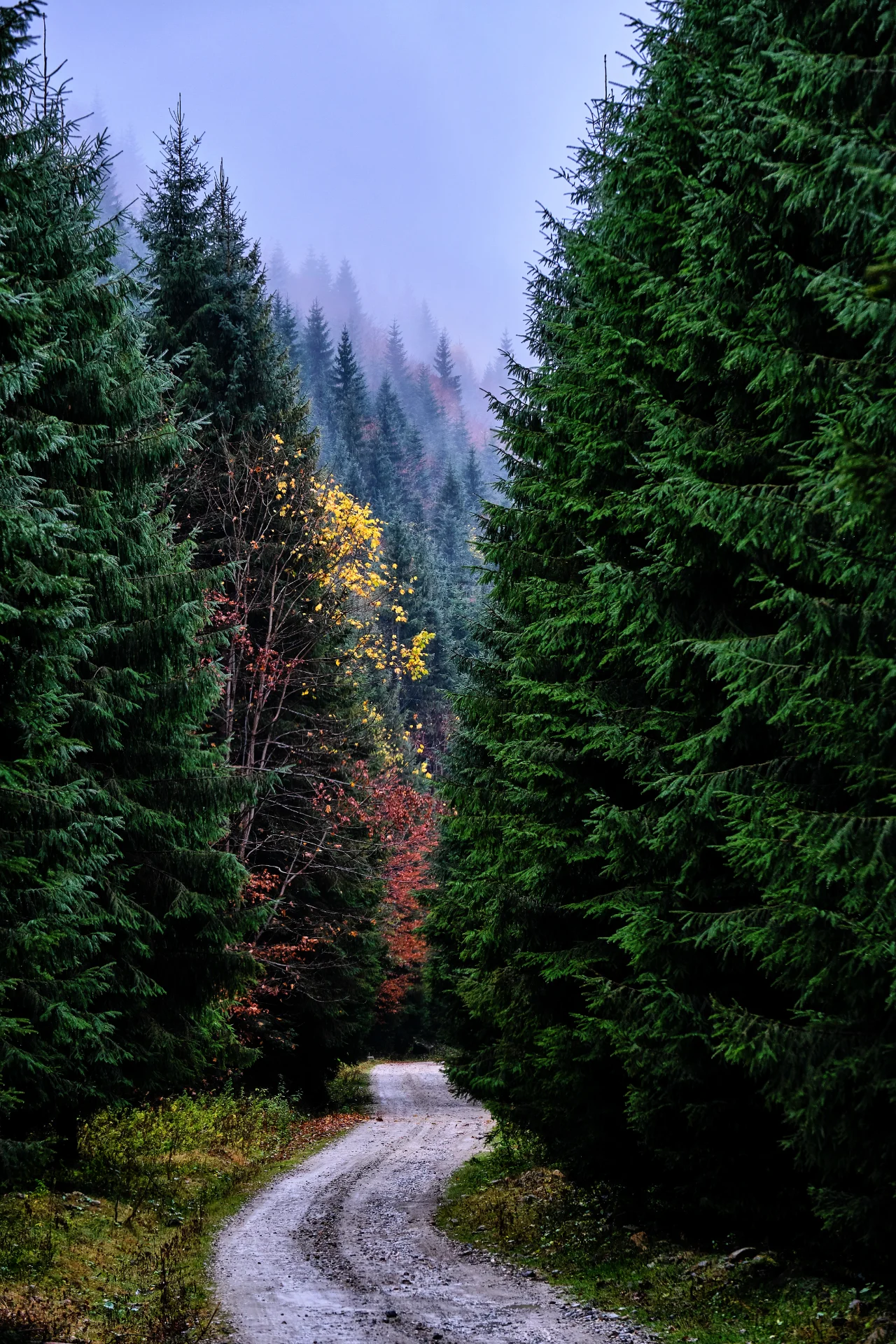
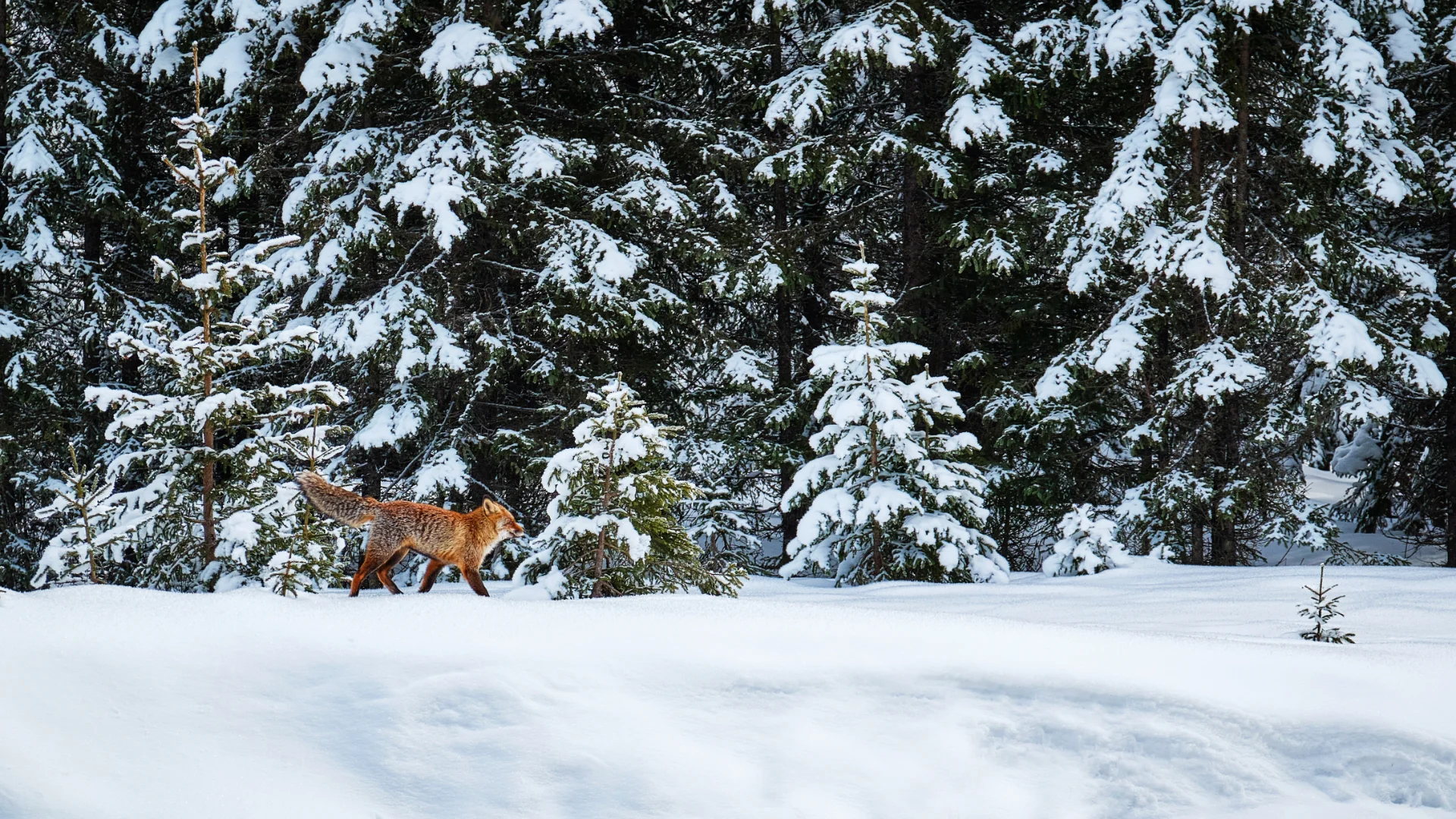
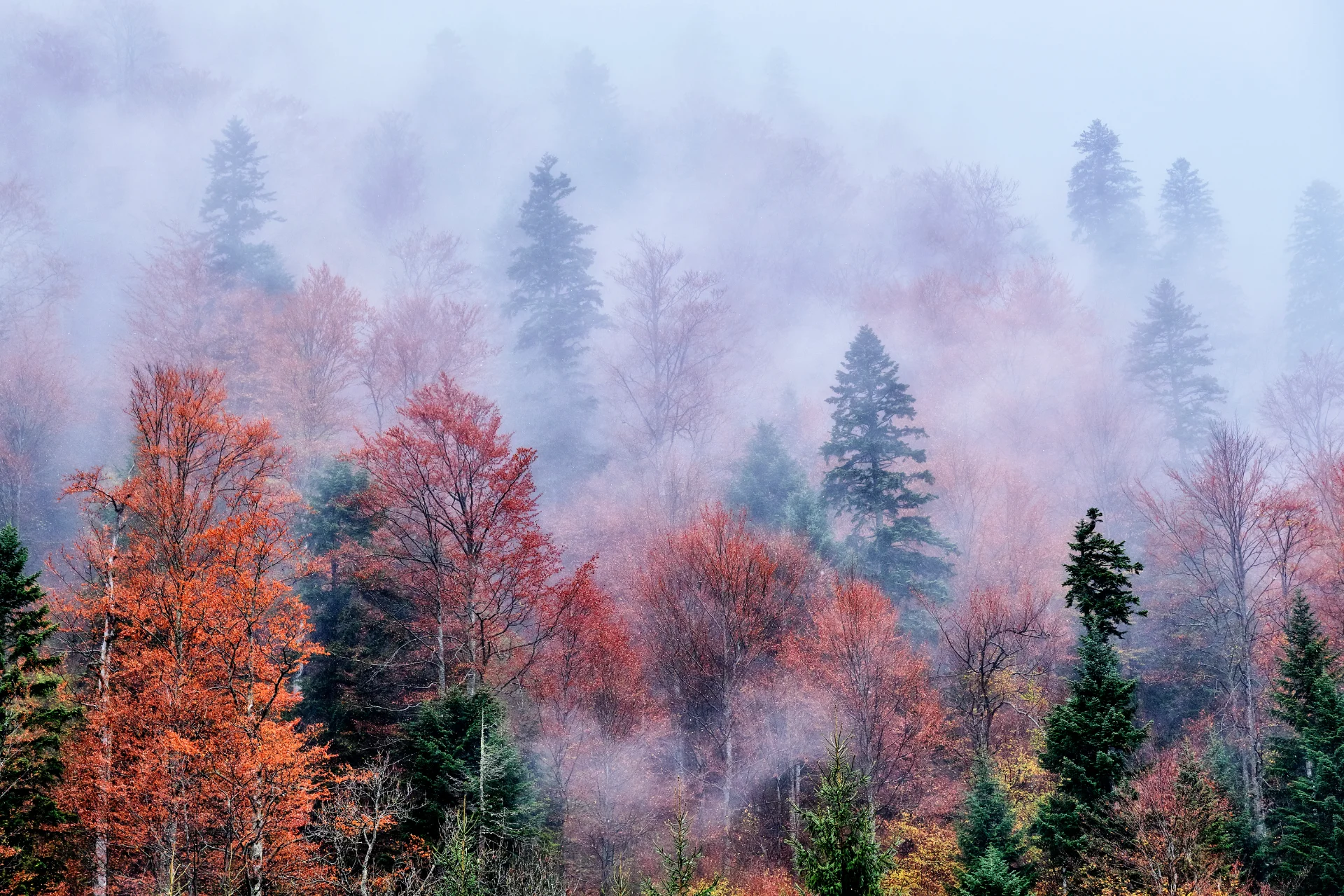
The Parâng Mountains cover a considerable area, being one of the important groups of the Southern Carpathians. The massiveness and the particular height of this massif have determined an impressive biodiversity, one of the reasons for its designation as a site of community importance and a special area of conservation at European level. In addition to the Jiu Gorge National Park, these mountains also contain several protected natural areas, the most important being the Câldarea Gâlcescu, the Jiețului Gorge, the Latorița Gorge, the Oltețului Gorge or the Muierilor Cave. The vegetation and flora in the Parâng Mountains generally develop on floors, starting with the deciduous forest area (500-1200/1400 meters), where oak, beech, hornbeam, ash and birch predominate. Higher up is the spruce zone (1000/1200 – 1800 meters), with spruce and fir, but also smaller areas of larch. In the meadows of this level grow thorny, thorny, Easter flower, lungwort, cottongrass, forest lily, fern and others. The mountain valley area (above 1700/1800 meters) is occupied by alpine and subalpine meadows, where the most common plants are juniper, lingonberry, blueberry, cranberry, thorny, lamb’s grass, angelica and sometimes cornflower. The fauna of the Parâng massif is specific to the Carpathian mountains, with large mammals such as the bear, wolf, fox, ibex, deer, lynx or wild cat, but also a large number of bird species (mountain eagle, raven, woodpecker, capercaillie, rock butterfly and others). Especially in the southern part, some Mediterranean species also make their presence felt (horned viper, land tortoise, loggerhead turtle). In the Parâng Mountains, 10 species of plants and animals on the red list of endangered species were highlighted.
Vidra Lake
Created on the upper course of the Lotru River, at an altitude of almost 1,300 meters, Lake Vidra is located between the Lotru and Latorița Mountains. In addition to the river waters, it also receives approximately 80 secondary adducts and captures, supplying the Lotru-Ciunget hydroelectric power plant (the second in the country in terms of installed capacity – 510MW). Being among the largest and most impressive in the country, the lake has a length of approximately 8 kilometers and an area of over 12 square kilometers at the normal retention level. Also, the normal volume of 340 million cubic meters of water, while the dam with a height of approximately 120 meters was built between 1966-1972. On the southern shores of the lake, one of the most modern and spectacular winter sports resorts in the country, Transalpina Ski Resort, has developed in recent decades. Unfortunately, there are very few accommodation units nearby, the closest being in Obârșia Lotrului and Voineasa. In the last years of the communist regime, the foundations of another important tourist resort were laid on the eastern shore, but all the built structures have been abandoned for almost 40 years.
Transalpina Ski Resort
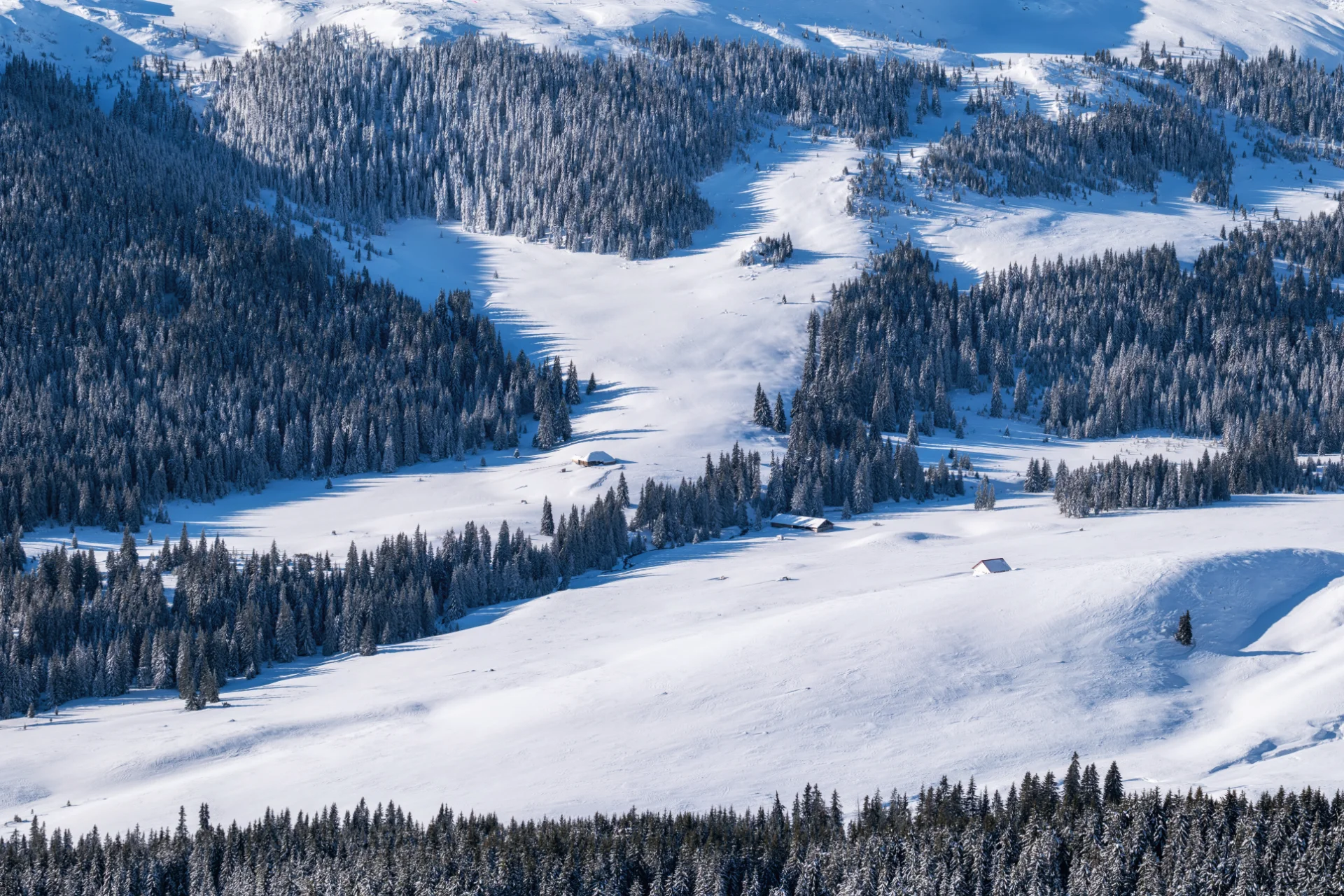
Certainly one of the most picturesque and spectacular winter sports resorts in Romania, Transalpina Ski Resort benefits from an extended season and breathtaking surrounding landscapes, dominated by the sparkling mirror of Lake Vidra, surrounded by the forested peaks of the Latoritei, Lotrului, Cindrel and Parâng mountains. The resort is located on the northern peak of the Latorița mountains and on the shore of Lake Vidra, with access from the national road 7A, approximately 7 kilometers east of Obârșia Lotrului. One of the most beautiful, but also offering in the country, the Transalpina ski area offers a main slope of considerable length (over 2 kilometers), with a degree of difficulty from medium to advanced, but also several smaller slopes with various levels of difficulty. All are served by modern cable transport facilities (gondola, chairlift, ski lift). The winter sports tourist season usually runs between December and March/April, depending on the snow cover.
Jieț Gorges
A spectacular natural reserve, the gorges were created by the Jieț River in the northwestern part of the Parâng massif, a few kilometers east of the city of Petroșani. They are crossed by the national road 7A, which connects the Jiu Valley to the Olt Valley. With an area of 10 hectares and a total length of over 10 kilometers, the gorges include impressive landscapes and interesting landforms, to which are added the specific vegetation and fauna. Among the special attractions in this charming natural area, two major waterfalls stand out and the black goats that often appear on the rocks. The Jieț Gorges are a fascinating destination even in winter, when a realm of ice forms along them, and the steep slopes are adorned with real ice waterfalls that are sometimes conquered by ice climbers.
Women's Cave
Visiting hours: 9 – 18 (summer) / 9 – 15 (winter) / Entrance only in organized groups every hour | Prices: 20 lei (4€)/adult
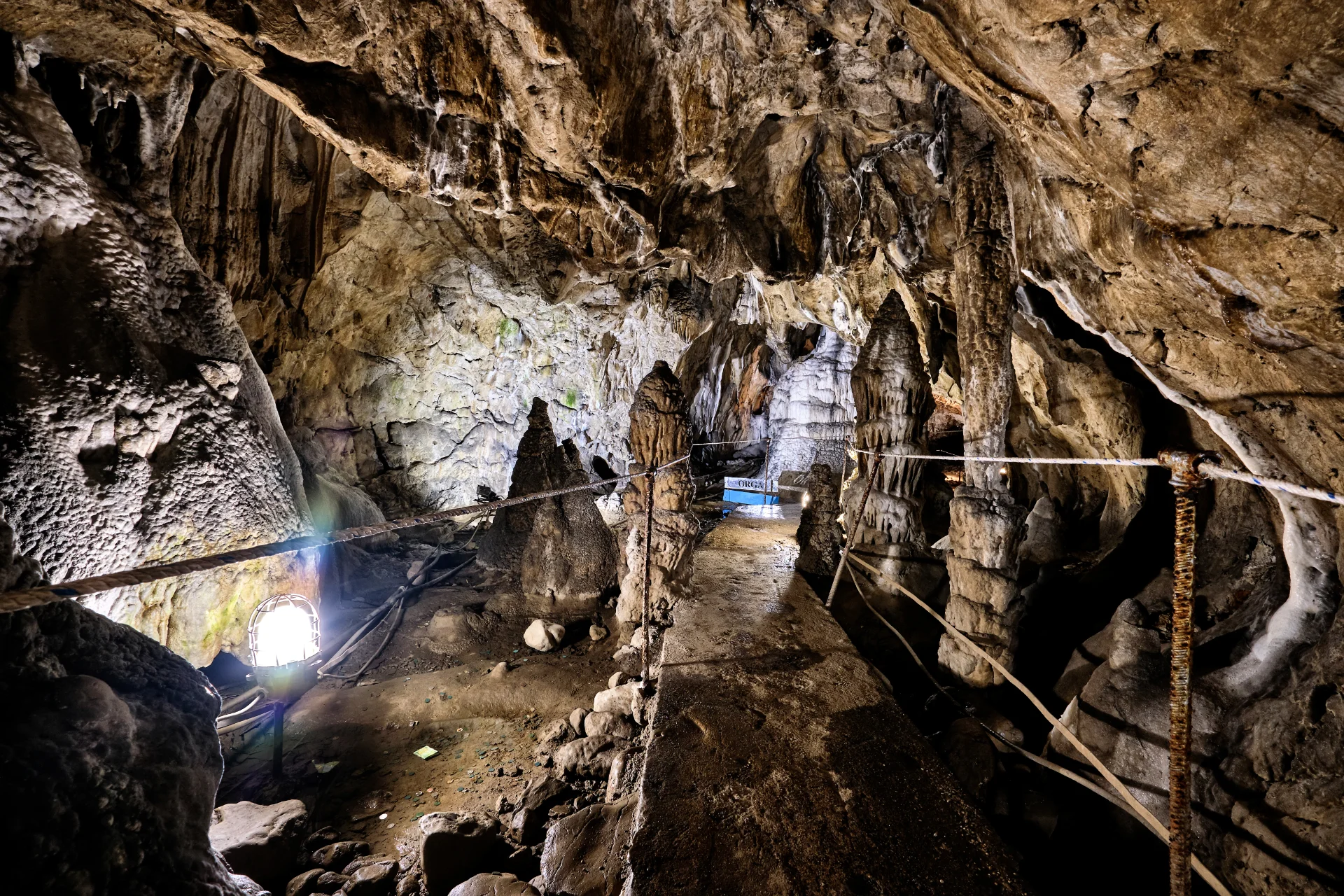
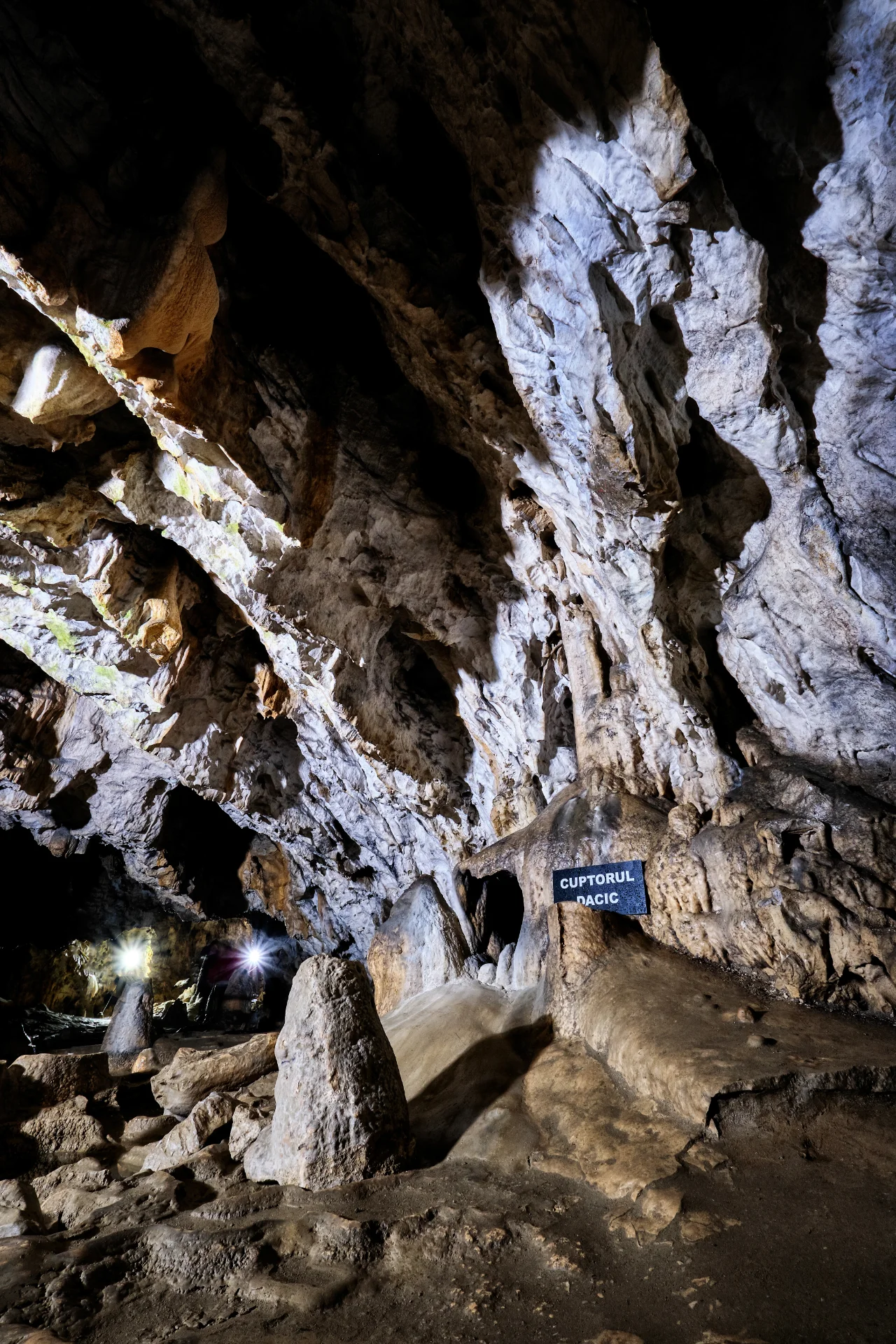
The Galbenu River created the Galbenu Gorges right at the exit of the Parâng Mountains, as well as the Women’s Cave (Peștera Muierilor) , located on the right slope of the gorges. The entrance to the cave is located upstream, approximately 40 meters above the river level, and the exit is located downstream, about 1 km away. It is one of the most important speleological sites in the country, being the first electrified cave in Romania, between 1963 and 1978. Long before that, it represented shelter for cave bears in the Quaternary, with numerous skeletons being discovered, but also a refuge for prehistoric people. A 35,000-year-old female skull was discovered here, which changed entire theories of the migration of peoples. Due to its special scientific interest, the Muierilor Cave was declared a speleological reserve since 1955, with an area of 10 ha. The cave gallery open to tourists is the upper floor, below there are other overlapping galleries (almost 7 kilometers on 4 levels), of speleological interest. The actual tourist route is a succession of wide galleries and high halls, separated by very narrow sectors. Quite close to the entrance is the Turcului Hall, with a collection of interesting formations with descriptive names: The Turk, Santa Claus, Cadâna and others. Throughout the visit, you can admire a lot of other speleological formations (stalactites, stalagmites, columns, domes), which have received suggestive names: Petrified Waterfall, Organ, Altar, Small Dome, Large Dome, Pulpit, Bloody Rock, etc. Near the exit is the Guano Hall, proof of the existence of a bat colony in the cave.
Olteț Gorges
The protected natural area is located at the outlet of the Olteț River between the mountains, just a few kilometers north of the town of Polovragi. Carved over thousands of years in the limestone between the Parâng and Căpățânii mountains, it represents one of the most spectacular canyons of its kind in the country, although its length is less than 2 kilometers. The special novelty is due to the extremely small distance between the walls of the slopes, which is 4-5 meters in the lower part and 10-20 meters in the upper one. In some sectors, however, the walls of the canyon approach approximately 80 centimeters apart, resulting in a breathtaking and very rare landscape in the world, being one of the narrowest canyons in Europe. Along it, there are numerous cave mouths, and underground galleries bring water from the adjacent valleys. The Olteț Gorges have been designated as a complex nature reserve on an area of 150 ha, protecting both the impressive karst landscape, but also important elements of vegetation and fauna. The forest road through the gorge has been cut into the rock in places, the stone blocks sometimes appear hanging above the travelers, thus enhancing the picturesqueness and wildness of the places.
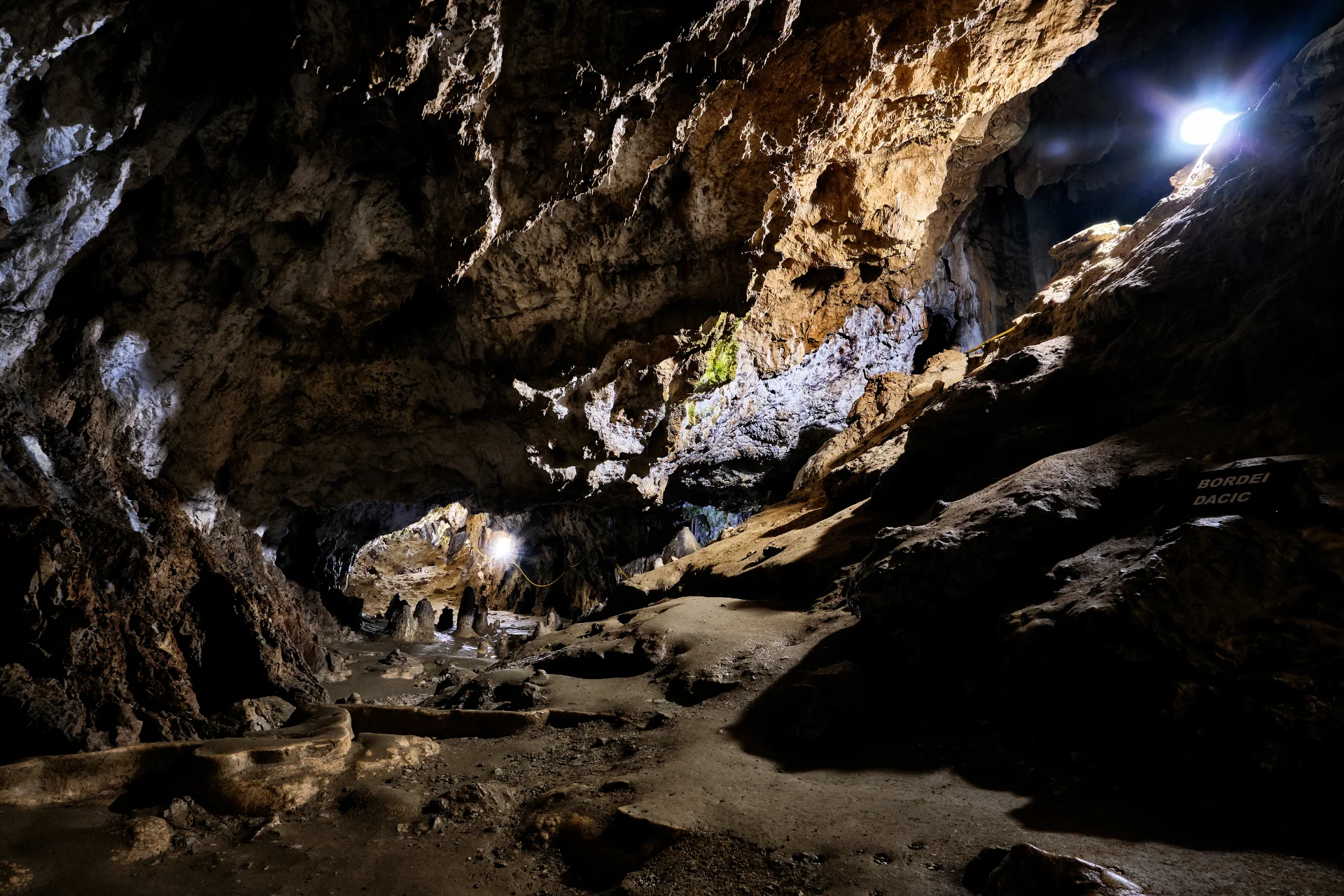
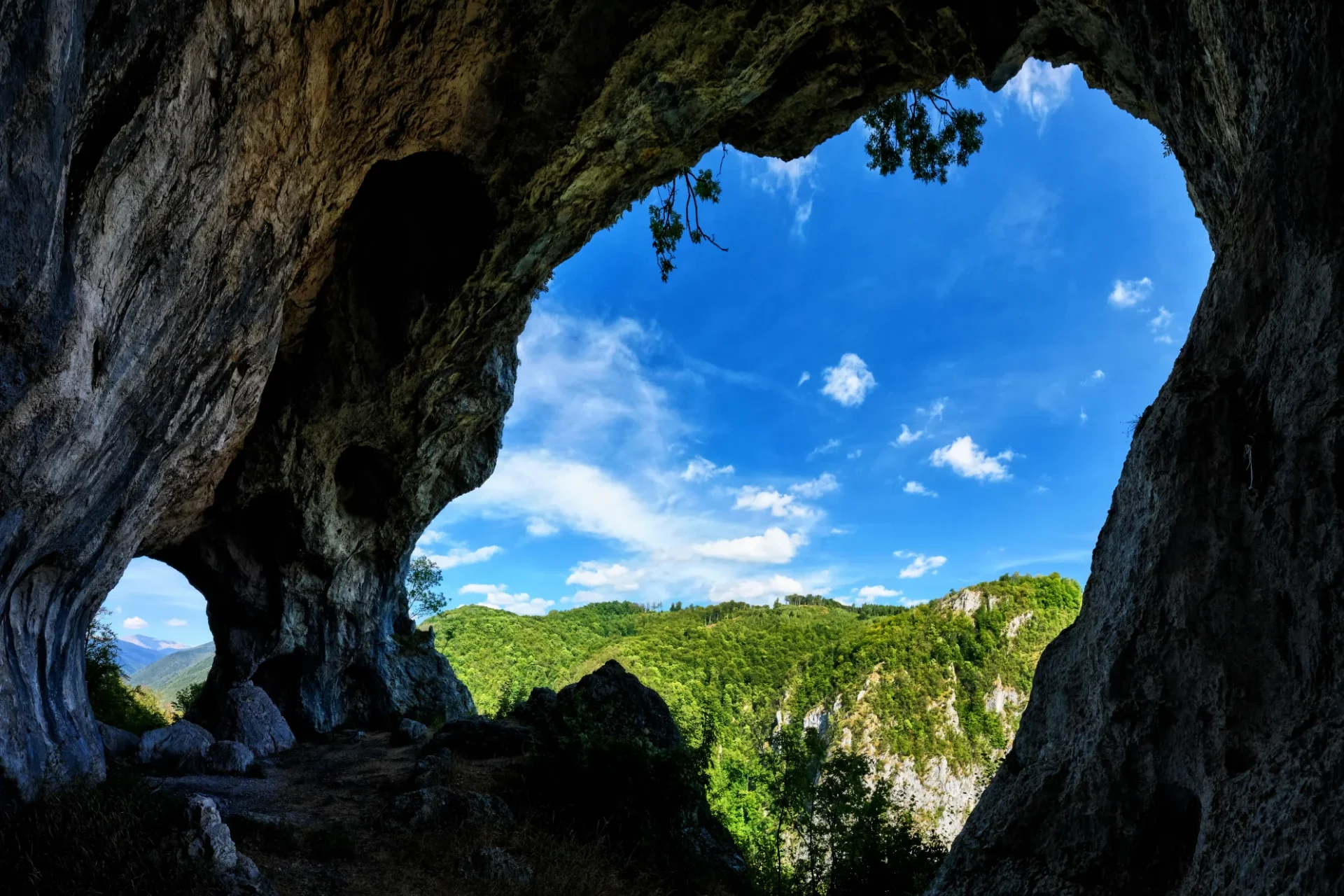
Upstream of the gorges, the Olteț Valley is an idyllic and spectacular destination at the same time, different in every season. In addition to the Polovragi Cave, there are other particularly interesting attractions in the area. On the left slope of the gorges, just above the cave, are the ruins of a Dacian fortress, discovered in the late 60s and dating from the 2nd-1st centuries BC. The fortress was located in a strategic and very difficult to access place, at an altitude of approximately 1000 meters, where traces of defense towers, dwellings, and the remains of a sanctuary were discovered. On the same peak, near the fortress, there is another enigmatic monument, known to the locals as the Cross of Ursache. Near the Polovragi Cave, you can reach the Săbăreanu Cave, another unique destination. On the other side of the gorges there is a lesser-known object, the Şura Haiducilor, a arch limestone formation. This place and the small cave nearby have been a shelter or refuge since ancient times. These are just some of the wonders sheltered by the enchanting valley of the Olteț River.
Polovragi Cave
Visiting hours: 9 – 17 | Prices: 20 lei (4€)/adult
The cave is located in the Olteț Gorges in the Căpățânii Mountains, 200-300 meters from the their entrance, north of the Polovragi town. The road coming from the village bypasses the Polovragi monastery on the right and immediately enters the gorge. Access to the cave is very easy, the entrance being artificially widened with the construction of the forest road, and the route inside does not present major difficulties. Before digging the deep canyon in front of the cave, the Olteț waters dug over 10 km of galleries in the left slope of the mountain, being among the longest caves in Romania. However, the tourist route is less than 1 kilometer long, the first half being approximately 400 meters. Numerous evidences of habitation from ancient times have been discovered in the cave. In turn, the Dacians, local healers or hermit monks passed through here, leaving their mark on the places. One of the most impressive attractions is the Seat of Zalmoxis, the Dacian god, who according to legend, lived in this cave. At the top of the ridge, approximately above this formation, stood a Dacian fortress known as Cetățuia. The second sector of the tourist route presents several interesting formations (stalactites, stalagmites, columns, domes, basins, wall leaks, lacework), many receiving suggestive names. At the end of the tourist route, the gallery shrinks and the ceiling approaches the ground, and from here access is allowed only to experienced cavers.
Polovragi Monastery
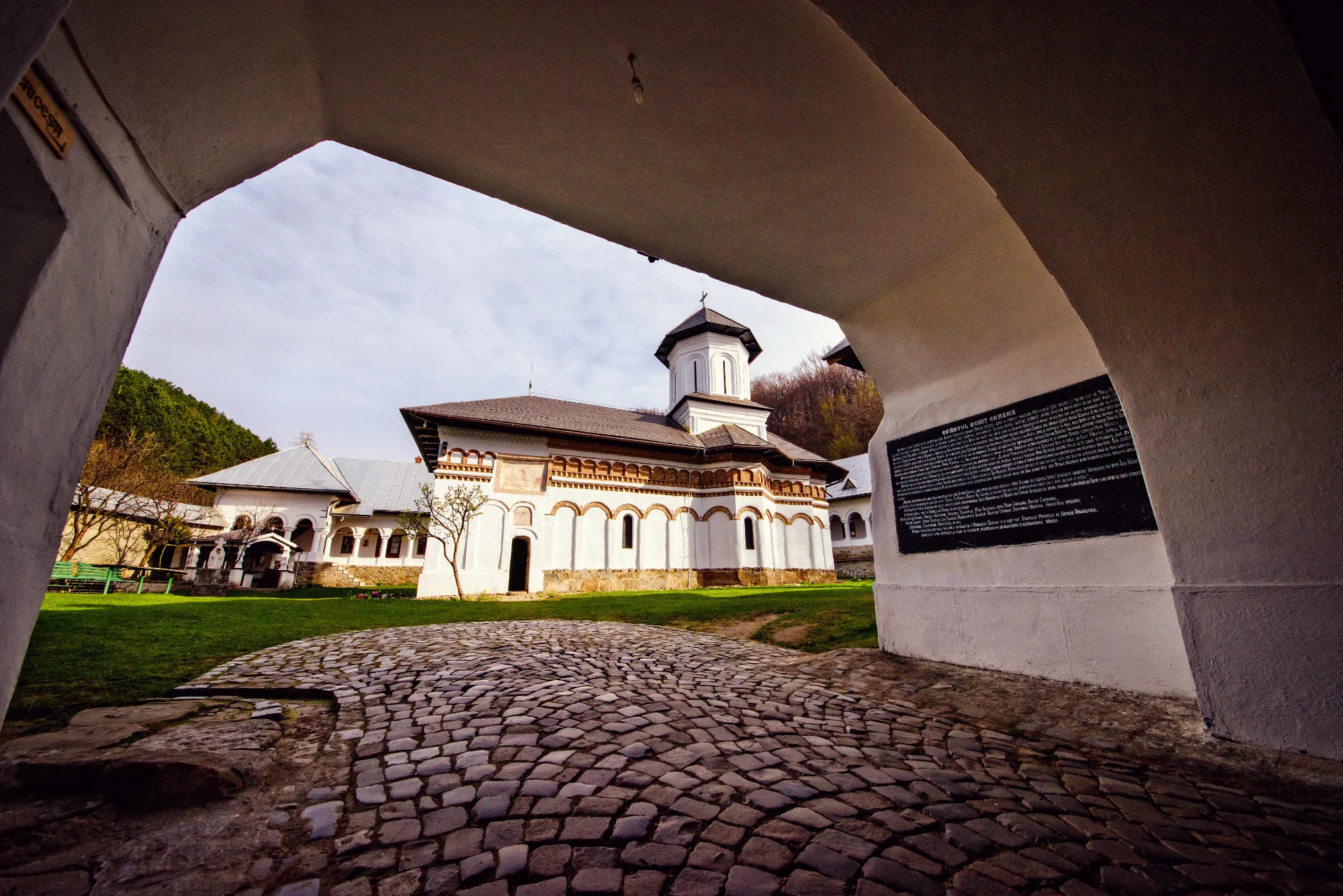
Located at the entrance to the Olteț Gorge, the monastery dates back to around 1505, having been founded by the sons of the boyar Danciu Zamona, Radu and Pătru. From this date, no historical details are known until 1645, when the village of Polovragi became the property of Danciu Pârâianu and it is said that he built the monastery church on the foundation of the old one. Constantin Brâncoveanu bought the monastery back in 1763 and made it a subsidiary of the Hurezi Monastery, having previously been dedicated to the Holy Sepulchre. The voivode is therefore the third founder of the monastery, with his help the interior was painted, the porch in the Brâncovan style was added and the cells, bell tower and fortress walls were built. The monastery also went through less pleasant events, especially during the Austrian rule, when it was transformed into a defensive fortification. The main church dedicated to the “Assumption of the Virgin Mary” is built in Byzantine style, with a trilobed shape and harmonious symmetry. Between the nave and the altar is the iconostasis carved in lime wood, a masterpiece of ancient Romanian art, with rich ornamentation. The painting of the church, similar to that of the Hurezi monastery, being the joint work of renowned painters, nevertheless has characteristic elements of the prototype. In addition to the paintings of the monasteries of Mount Athos, unique in the country, the church also contains other interesting paintings. The artistic value of the interior painting, preserved intact, is special, the color on a blue background having harmonious shades, and the floral motifs reminiscent of the folk art found in the Gorj carpets. The “Saint Nicholas” hospital church was built in Byzantine style in 1732, in the shape of a ship. The interior frescoes, with their vivid colors, have been exceptionally preserved, while the exterior ones, which probably covered the entire surface, can only be seen around the entrance door. The Polovragi Monastery also has a museum with a number of valuable objects.
Other Interesting Discoveries
Lesser known places and activities in Parâng Mountains
Parâng Ski Resort
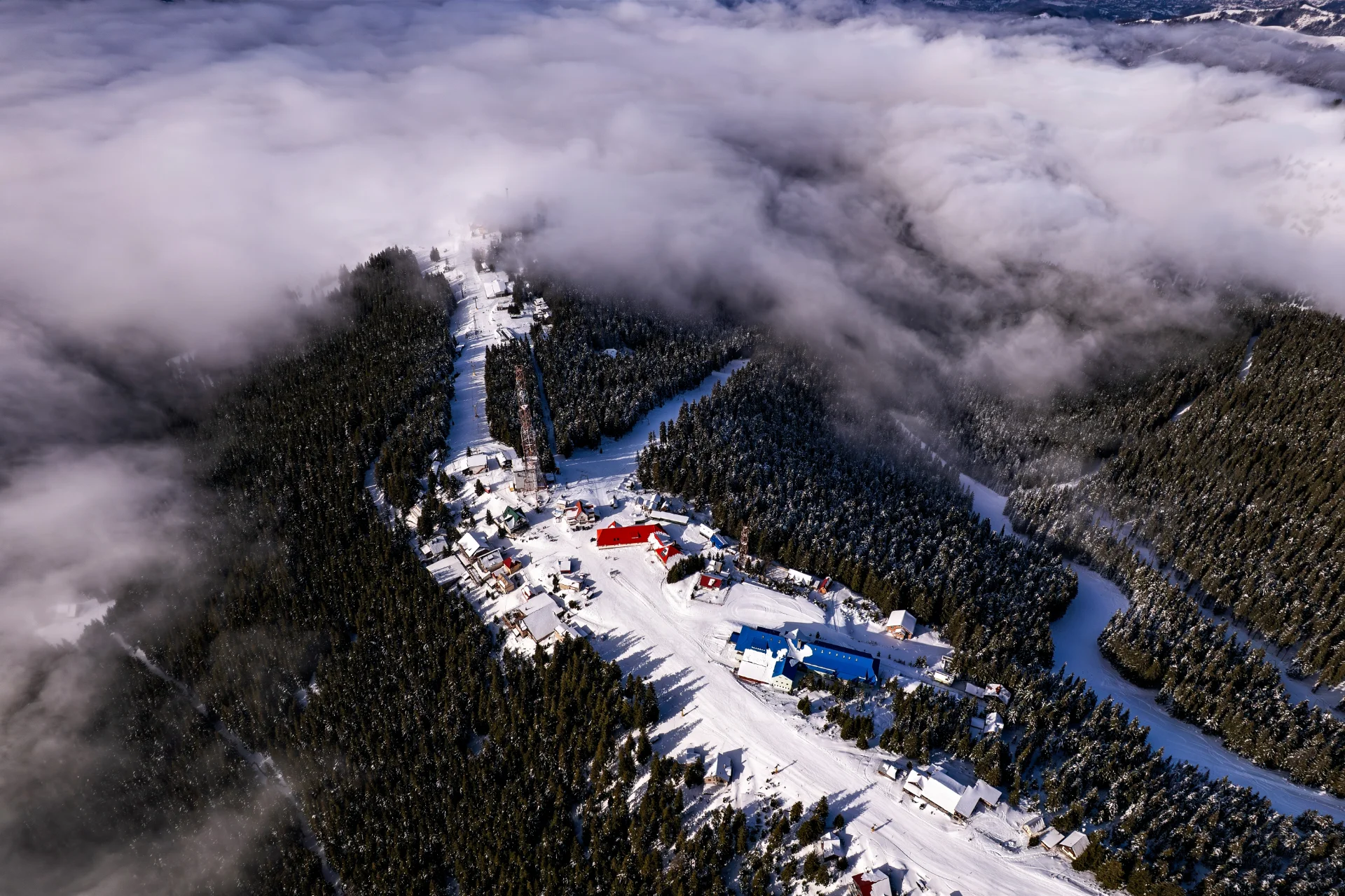
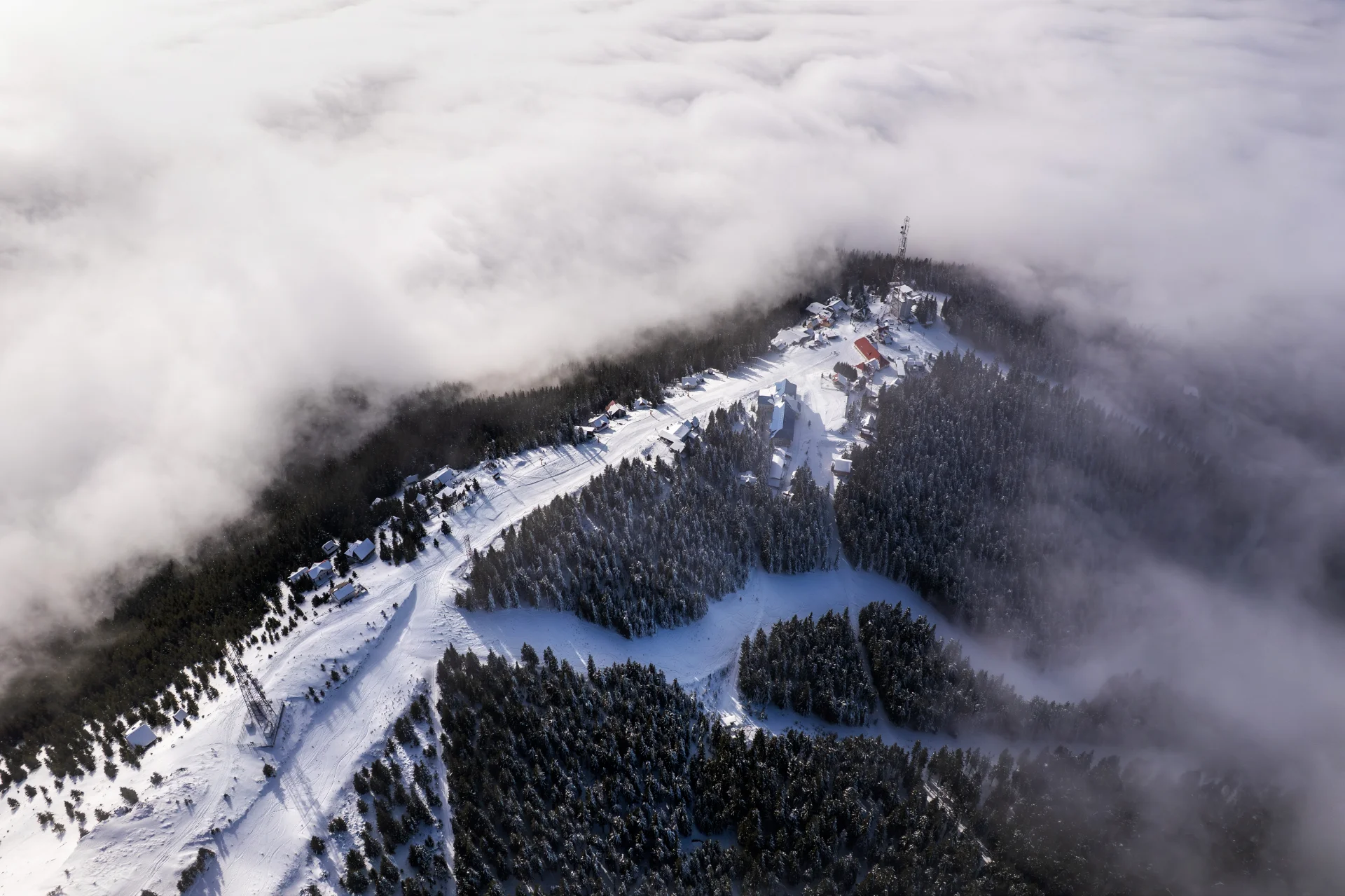
Located in the southern part of Hunedoara County, just a few kilometers east of the city of Petroșani, the ski area is located at an altitude of 1,700-1,800 meters, on the southwestern slope of the Parângul Mic massif in the Parâng Mountains. Access to the Parâng mountain resort is achieved by passing through the city of Petroșani, following a local road for approximately 10 kilometers and continuing with the chairlift. During the summer, you can also continue the climb on the asphalt road to the resort. Frequented mainly by the residents of the city of Petroșani and by skiers who have fallen in love with its slopes, the Parâng resort may not benefit from the fame and development of the surrounding ski areas, but it offers a much more authentic and peaceful experience. With 6 main slopes for winter sports totaling approximately 8 kilometers, the resort also includes other tourist services.
Latorița Mountains
Part of the Parâng-Lotru-Șureanu mountain group, these mountains are presented in the form of a relatively homogeneous mountain peak that separates from the Parâng massif to the west, having a length of approximately 30 kilometers. With a maximum height of 2,055 meters in the Bora Peak, the Latoritei Mountains are located between the Lotrului Valley to the north and the Latoritei Valley to the south. Although they have a relatively small area and are quite difficult to access, these mountains include numerous interesting tourist attractions, among which the Vidra Lake, the Transalpina resort, the Latoritei Lake and the road known as Strategica stand out.
Iezerul Latoriței Reserve
Located in a wild and quite difficult to access area in the upper valley of the Latorița, the mixed reserve of national interest has an area of approximately 10 hectares. Protecting spectacular landscapes and biodiversity, it is located around Lake Iezerul Latorița, the glacial lake located at the lowest altitude in the country (1530 meters). Nearby, you can also admire Lake Violeta, as well as the Devils Mill Waterfall. Considered among the most beautiful, but also isolated waterfalls in the country, it has a two-step drop of over 20 meters. It can be reached either by following a route that starts from Transalpina or Strategica, or by climbing the Latorita valley on a forest road to beyond Lake Galbenu, then on a demanding path.
Strategica Road
Built by the German army during World War I, this spectacular road follows the summit of the Latorita Mountains and offers incredible views of the surrounding valleys and mountains. Unpaved and sometimes even dangerous, this road can only be traveled by off-road vehicles or on foot, but the effort is fully rewarded. Access to Strategica is from Transalpina to the west or from Mălaia to the east.
Petrimanu and Galbenu Lakes
Along the Latorita River in the wild valley that separates the Latorita Mountains from the Căpățânii Mountains, two small reservoirs have been created. To reach this isolated area, you can follow the local road that starts in the Ciungetu locality or you can climb the forest road that climbs the Olteț Valley and passes over the ridge. The first is Petrimanu Lake, located at an altitude of 1130 meters, in a spectacular landscape, surrounded by forests and steep ridges. Just a few kilometers upstream, Galbenu Lake is also surrounded by charming landscapes.
Crasna Monastery
One of the oldest religious settlements in these lands, Crasna Monastery is first mentioned in historical documents in 1486, being the founder of the vel-pitar Dimitrie Filișanu, nephew of the Ban of Craiova and distant relative of Mihai Viteazul. According to an inscription, the current church was completed in 1637, the interior painting being done in 1756-1757. Built in the Byzantine style, in the shape of a cross with a single spire above the nave, the church impresses with the iconostasis from the time of ruler Neagoe Basarab, one of the most beautiful in the country, but also with the original painting that is considered a masterpiece of ancient religious art. The monastery was completely restored between 1936 and 1938 by Gheorghe Tătărescu, and after 1990, it was renovated again.
Gilort Valley
A lesser known and explored destination, the Gilort Valley is located in the southern part of the Parâng massif. Starting from the town of Novaci and climbing a few kilometers, you can reach a wild area, where the river forms numerous waterfalls.
Accommodation Recommendations
The best lodging options in Parâng Mountains
Rating 9.3 from 740 reviews!
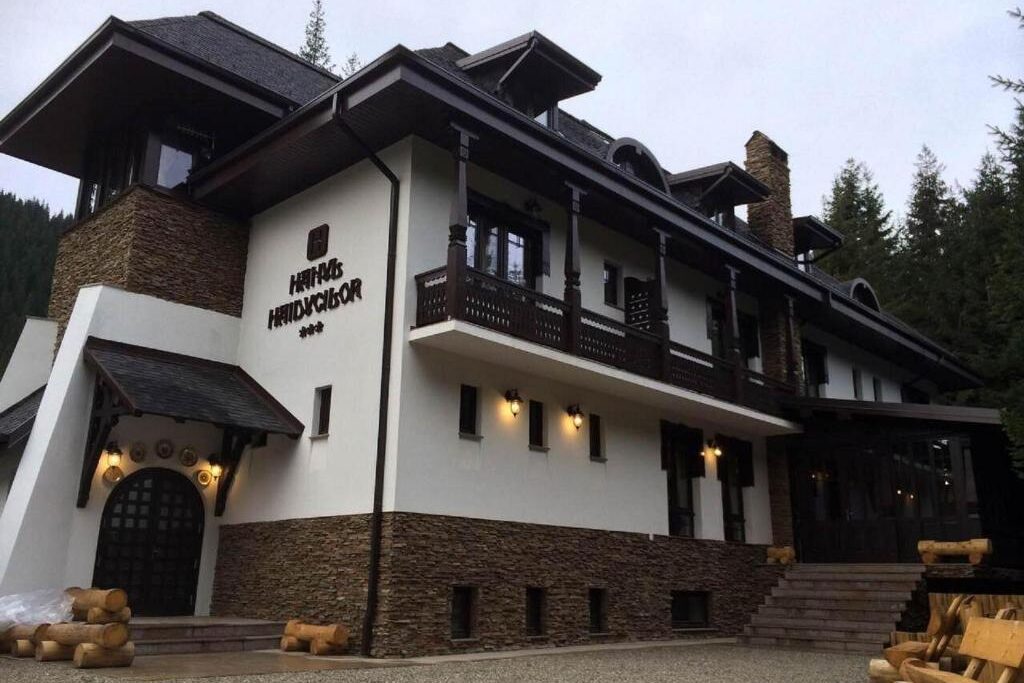
Located just a few kilometers from Petroșani, right at the entrance to the Jieț Gorges, this mansion with unique architecture offers accommodation in superb rooms, a traditional restaurant and more!
DN7A / Jieț Gorges
Rating 9.0 from 394 reviews!
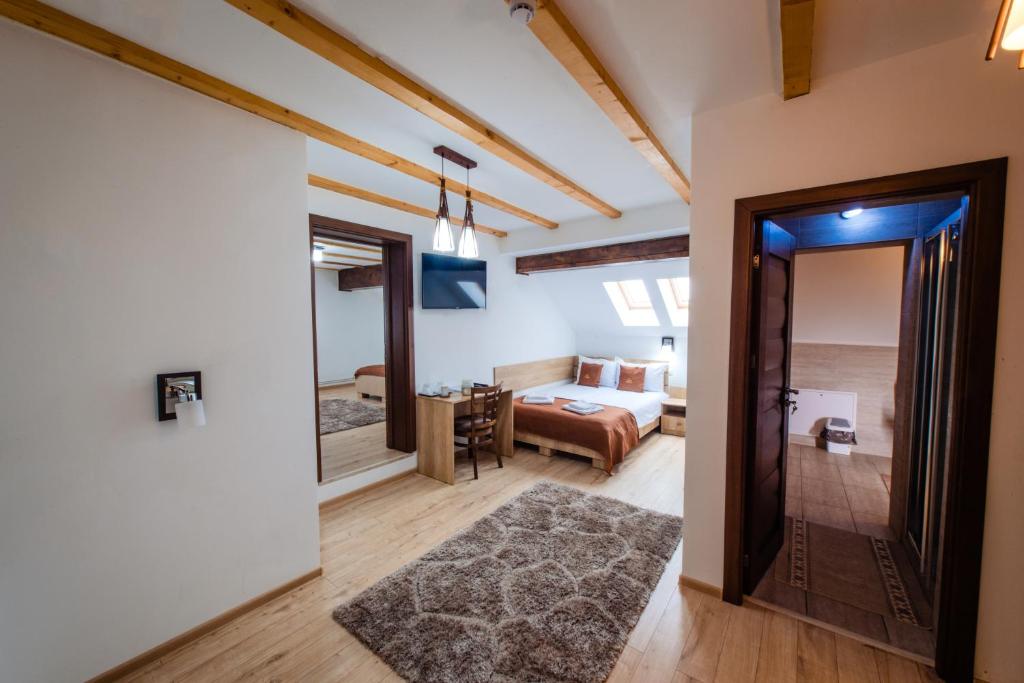
Located in Obârșia Lotrului, just a few kilometers from the Transalpina ski resort, this inn offers accommodation in comfortable rooms and has an acclaimed restaurant!
Obârșia Lotrului / Transalpina
Rating 9.4 from 484 reviews!
Located on Transalpina, in the northern area of Rânca resort, this chalet offers superior accommodation in spacious rooms with a view, a restaurant, a playground and easy access to the slopes!
Rânca Resort / Transalpina
Rating 9.8 from 25 reviews!
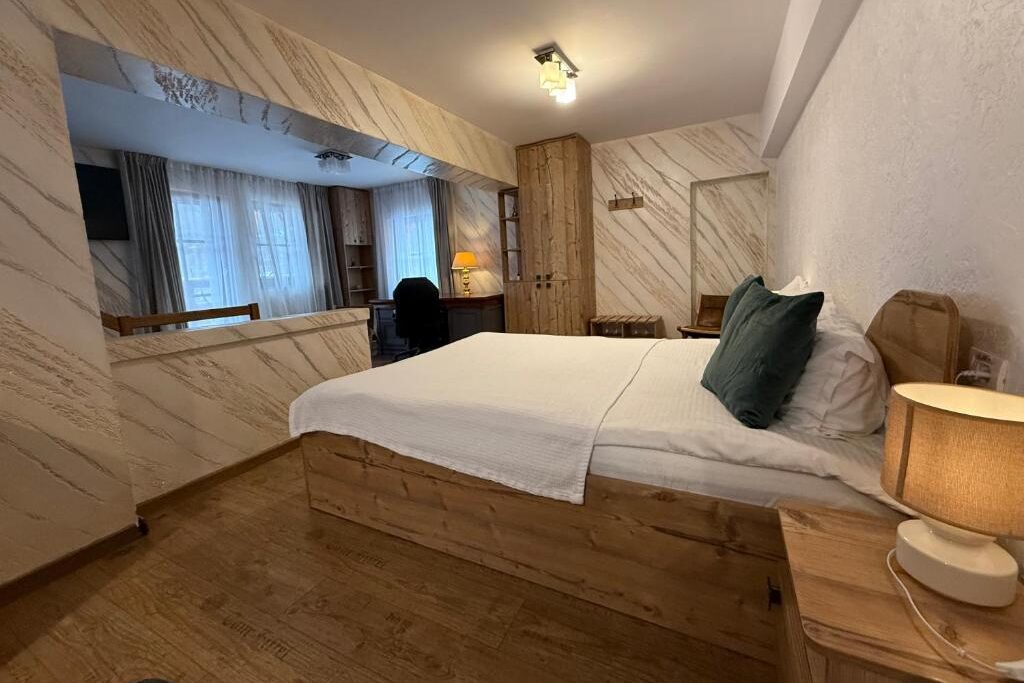
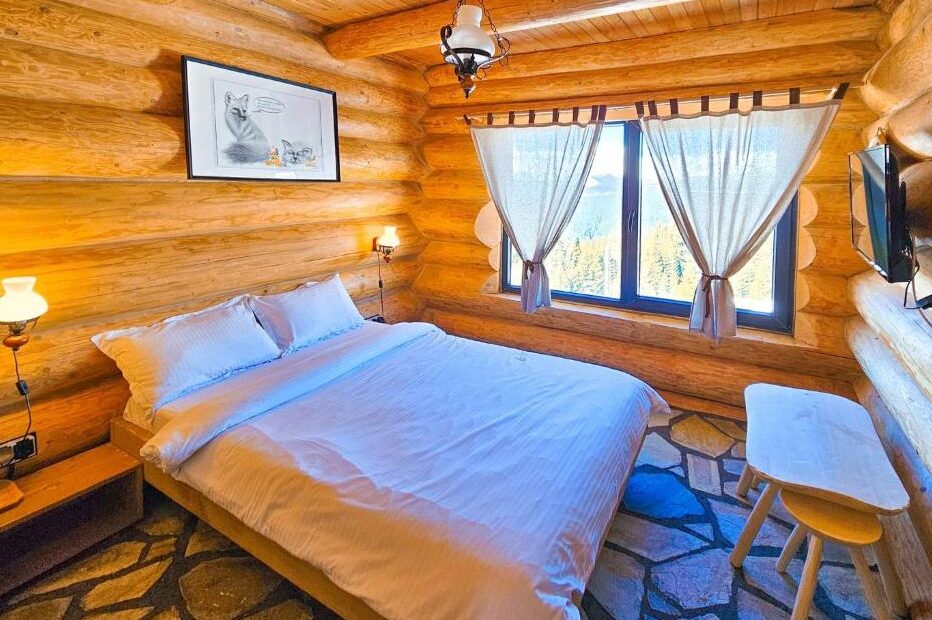
Located in the Rânca resort, this stunning chalet with superb wooden design offers unique accommodation experiences in welcoming rooms, a garden, a terrace and a shared kitchen!
Răchitei St, 9 / Rânca Resort
Rating 9.6 from 47 reviews!
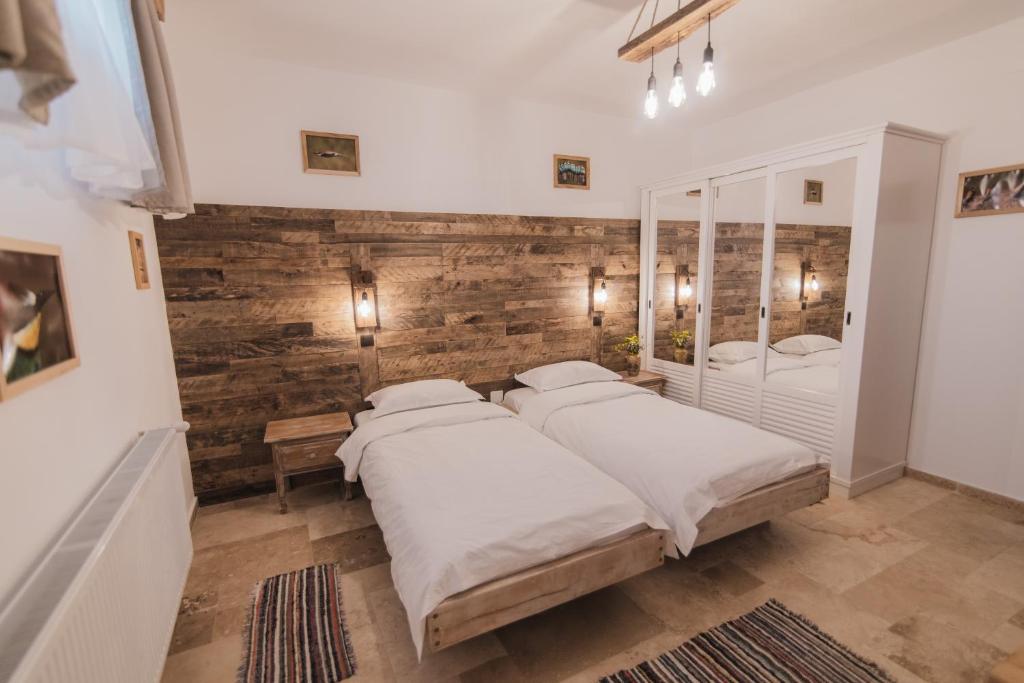
Located in the village of Baia de Fier, at the foot of the Parâng Mountains, the modern guesthouse offers superior accommodation in rooms with all amenities, lounge, garden and breakfast!
Village of Baia de Fier, 441
Rating 9.9 from 31 reviews!
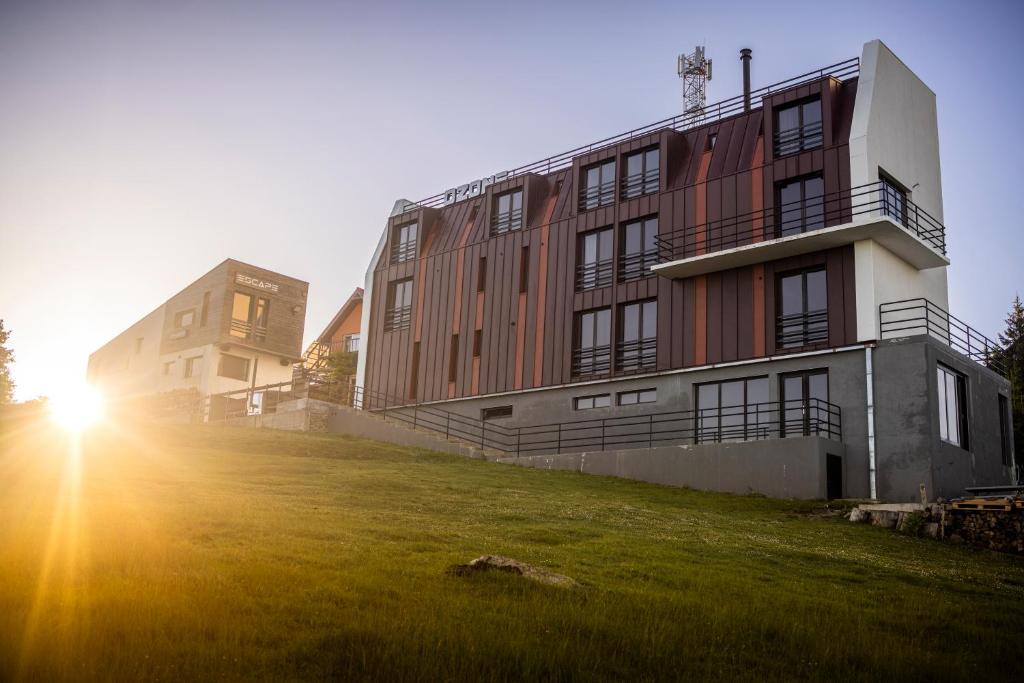
Located in a gorgeous area of the Parâng resort, with unique views of the mountains, the modernly designed chalet offers excellent experiences, with welcoming rooms, a lounge and a bar!
Alpina St, 3 / Parâng Resort